Photo : Xinhua
Photo : Xinhua
China Reader Daily Wire | 31 May 2024, Friday | Vol.1 No. 95
CHINA AND AFRICA
China and Tunisia celebrate 60 years of diplomatic ties
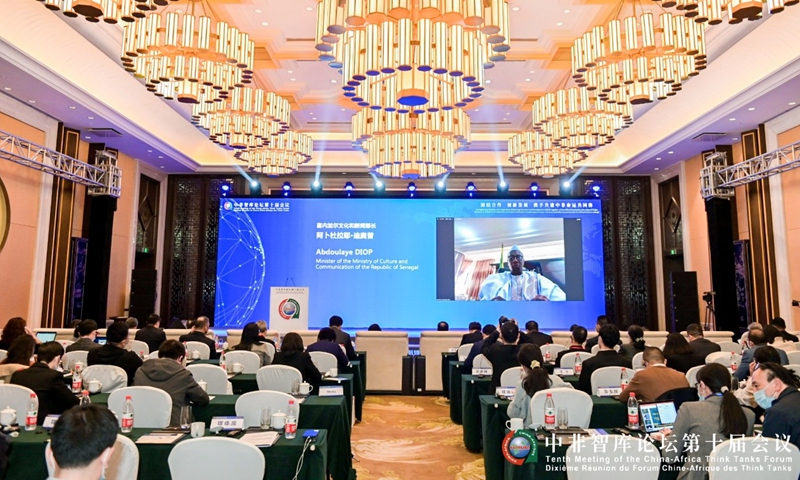
On 30 May, Chinese Premier Li Qiang met the Tunisian President Kais Saied in Beijing. This year marks the 60th Anniversary of diplomatic ties between the two countries. On this occasion, Li said: “Noting that over the past 60 years, China-Tunisia relations have maintained sound and steady development, benefitting the two peoples.” China expressed its willingness to cooperate with Tunisia in various fields for a better future. Saied said: “Since establishing diplomatic ties, bilateral relations have achieved rapid development and pragmatic cooperation has achieved fruitful results. Tunisia firmly abides by the One-China principle and unwaveringly supports China in safeguarding its national sovereignty and territorial integrity.” (“Chinese premier meets Tunisia's president,” Xinhua, 30 May 2024)
CHINA AND EUROPE
Renault announces a joint venture with Chinese automobile company Geely
On 31 May, French automobile company Renault announced a highly anticipated joint venture with Chinese partner Geely. The joint venture aims to develop combustion and hybrid engines, hoping to improve the competitiveness of their legacy auto business. The venture aims to develop more efficient gasoline engines and hybrid systems as rival automakers ramp up investment in low-emission powertrains. In a joint statement, Renault and Geely said: “A combination of various powertrain technologies is necessary to achieve a successful decarbonization in a world where more than half of vehicles produced are still expected to rely on combustion engines by 2040.” For Geely, this venture extends its partnership-building beyond China. Previously, Geely had announced a hybrid gasoline development deal with Mercedes Benz and holds a stake in the German automaker. The venture, dubbed ‘Horse Powertrain,’ will be headquartered in London and supply both the groups’ brands and third-party manufacturers. The business is expected to reach around EUR 15 billion. (“Renault, Geely create joint venture for hybrid, combustion engines,” Reuters, 31 May 2024)
INTERNAL
Chinese Ministry of finance impose fines on PWC
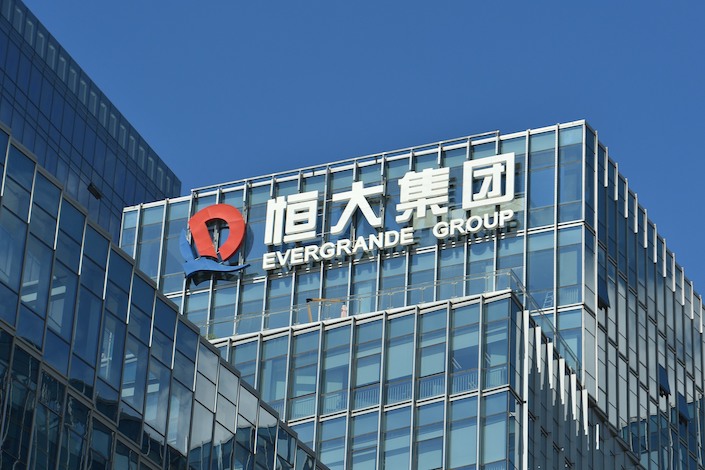
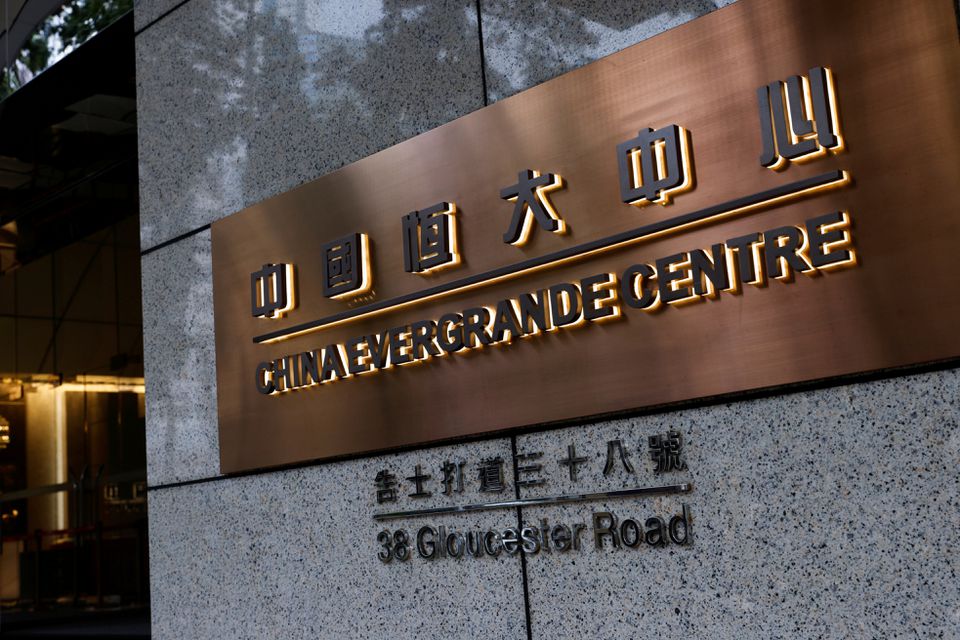
On 30 May, the Ministry of Finance will announce the penalties on PwC over its auditing work on China’s Evergrande Group. Bloomberg reports that the fines are estimated at around USD 138 million. Additional penalties would include a suspension of PwC’s operations in Mainland China. The fine comes as China launched the biggest financial fraud investigations involving Evergrande. In early 2024, the MoF imposed penalties of up to CNY4.18 billion against Hengda, overstating its revenue by CNY 564 billion from 2020. Professor Pingyang Gao mentioned the penalty’s damage to the company’s reputation and public confidence in accounting. The penalties come as President Xi Jinping has increased focus on tackling financial risks and crime to stabilize the economy. In May month alone, PwC lost many Chinese clients, including China Taiping Insurance Holdings Co., China Merchants Bank Co., and People’s Insurance Company (Group) of China Ltd. PwC’s mainland China branch earned revenue of CNY 7.9 billion in 2022, which is more than the 9,000 local rivals. (“China Weighs Record Fine for PwC Over Evergrande Audit Work,” Bloomberg, 30 May 2024)
Chinese programmers volunteer for free internet despite Beijing’s censorship, says a commentary in AlJazeera
On 31 May, according to a commentary in AlJazeera, Chinese programmers voluntarily work to make the internet accessible for its citizens despite Beijing’s severe crackdown against commercial virtual private networks (VPNs) and proxy servers. The volunteers use v2Ray and other open-source VPNs and proxy servers, which are illegal but are gaining popularity in China. Unlike other VPNs such as ExpressVPN and NordVPN, V2Ray’s original developer identity is unknown, which allows users to avoid censors and mask their internet activity. According to Freedom House, Global Internet Freedom declined for the 13th consecutive year in 2023, in which China ranked as the most repressive internet environment out of 70 countries. It also noted 22 countries creating legal frameworks encouraging or incentivizing tech companies to use machine learning to remove disfavoured political, social, and religious speech. Using V2Ray, the volunteers try to assure the Chinese citizens of not being a spy and help them with information. (Erin Hale, “China’s volunteer programmers work in the shadows to set the internet free,” AlJazeera, 31 May 2024)
China promotes peace and development via Global Security Initiative, says an opinion in China Daily
On 31 May, in an opinion in China Daily, China aimed to promote peace and development worldwide via the Global Security Initiative. The opinion cites the case of the Five Principles of Peaceful Coexistence 70 years ago, which matched China’s traditional idea of promoting peace among all nations. All countries recognized it, and it became one of the key principles of the UN Charter. Zhang also mentions the Declaration on the Conduct of Parties in the South China Sea, signed between China and the 10 ASEAN member states, which is significant in international relations. He mentions the role played by NATO and the US in destabilizing Asia-Pacific security and causing wars in the Middle East and Europe. He further adds the role of the US in pursuing a Cold War mentality and using China's threat as a pretext to maintain global hegemony. He also cites the case of the Indo-Pacific Economic Framework, where the exclusion of China and ASEAN countries undermines ASEAN unity and Asia-Pacific regional order. To help the world have a better future, he mentions China’s recent projects, such as the Global Development Initiative, the Global Security Initiative, and the Global Civilization Initiative. It seeks to pursue security through cooperation, dialogue rather than confrontation, partnership rather than alliance, win-win rather than zero-sum, and providing Chinese solutions to international security challenges. (Zhang Chi, “Global Security Initiative promotes peace,” China Daily, 31 May 2024)
ECONOMY
China’s manufacturing purchasing managers index fell to 49.5 points, reports AP
On 31 May, the Associated Press reported a decline in China’s manufacturing purchasing managers index from the China Federation of Logistics and Purchasing fell from 50.4 to 49.5 points in April. The decline is due to the slowdown in factory output by weak export orders. Analysts forecasted the manufacturing PMI to be above 50 as the economy grew at 5.3 per cent. However, the uncertainties over access to the US market affected by the US presidential elections and rising tariffs against China have weakened the export demand. The report also mentioned a slowdown in real estate construction despite the government’s relaxation in payment requirements. Other factors, such as increased household savings, job losses, and tightening on tech-related business, have impacted the index. IMF predicts that the Chinese economy will grow by five per cent and warns the country to shift its economy away from exports and investments. (Elaine Kurtenbach, “China factory indicator falls in May, suggesting growth has faltered,” Associated Press, 31 May 2024)
SCIENCE & TECHNOLOGY
China to restrict exports of aviation and aerospace equipment and technology, says Chinese Ministry of Commerce
On 30 May, China’s Ministry of Commerce said it would restrict the export of some aviation and aerospace-related equipment and technology from 01 July. The ministry justified the move to ensure national security, defend its interests, and fulfill international obligations like non-proliferation. The announcement was made with China’s General Administration of Customs and the Central Military Commission’s equipment development department. Export restrictions will be imposed on aircraft and aerospace engines, structural parts, and engine manufacturing-related equipment, software, and technology. The export restrictions come as the US and China impose them for national security concerns. Despite export restrictions, China still relies on foreign suppliers for key aircraft parts, such as engines, while pursuing its development. (“China to impose controls on exports of some aviation and aerospace equipment,” Associated Press, 30 May 2024)
OpenAI reports of disruptive five online influence campaigns by China, Russia and Iran, says New York Times
On 30 May, a report by OpenAI identified and disrupted five online influence campaigns that use generative AI tools to manipulate public opinion globally. The report said that state actors and private companies ran the campaigns in Russia, China, Iran, and Israel. It revealed that these actors used OpenAI’s technology to generate social media posts, translate and edit articles, write headlines, and debug computer programs to influence public opinion in geopolitical conflicts or for political campaigns. The report highlighted how technology aids online disinformation. Ben Nimmo, a principal investigator for OpenAI, said that the online campaigns failed to impact at a larger scale. The report also noted a Russian campaign called Doppelganger and a Chinese campaign called Spamouflage, which extensively used OpenAI’s tools. The Doppelganger campaign used OpenAI’s technology to generate anti-Ukraine comments. Spamouflage campaign used OpenAI technology to debug code, seek advice on analyzing social media, and research current events to prevent criticizing the Chinese government. The Iranian campaign, known as the International Union of Virtual Media, used OpenAI tools to produce and translate long-form articles and headlines that aimed to spread pro-Iranian, anti-Israeli, and anti-U.S. sentiment on websites. (Cade Metz, “OpenAI Says Russia and China Used Its AI in Covert Campaigns,” The New York Times, 30 May 2024)
CHINA AND SOUTH ASIA
China stations six J-20 jets close to Sikkim
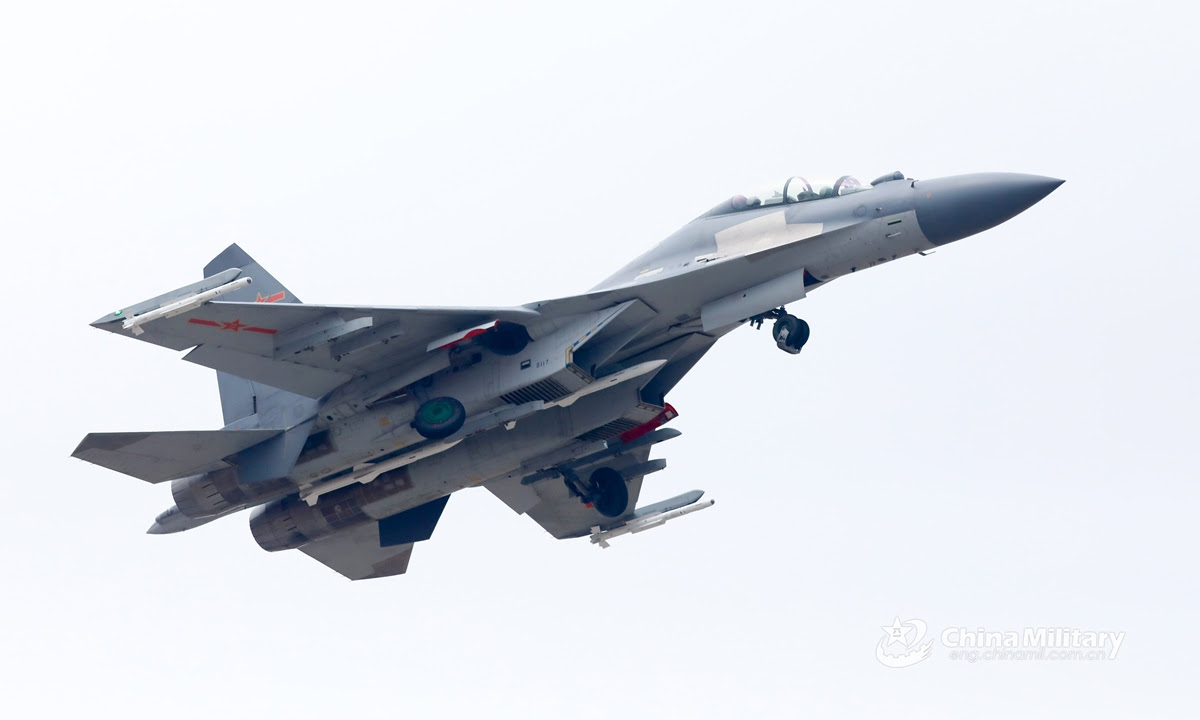
On 27 May, satellite images revealed that China had stationed its six advanced J-20 fighter jets at the Shigatse airport in Tibet. The airport is less than 150 km away from its boundary with Sikkim. The deployment of these aircraft is notable as they are stationed on China's eastern borders. The image provided by All Source Analysis shows the KJ-500 Airborne Early Warning and Control Aircraft stationed at the airport. The Indian Air Force is aware of the recent action by China but has chosen not to respond. The IAF has countered this by deploying a fleet of 36 Rafale fighter jets less than 290 km from the Tibetan airport. Sim Tack said: “China has been steadily building its air power capacity in Tibet and other areas over the past five years.” this build-up includes creating new bases and upgrading the infrastructure of the existing ones. China has also deployed the J-20 and the H-6 nuclear-capable bombers near the border. India has also responded by making new air bases and deploying the S-400 surface-to-air missile system across the LAC. ( “Satellite images show China's J-20 stealth fighters near Indian border in Sikkim,” The Economic Times, 30 May 2024)
CHINA AND THE MIDDLE EAST
Saudi Arabia becomes the first country to invest in a Chinese AI startup Zhipu AI
On 31 May, Saudi Arabia made headlines by investing in a Chinese AI startup, Zhipu AI. It became the first foreign country to invest in China’s domestic generative AI rival, Open AI. Prosperity 7, the venture capitalist arm of ARAMCO, has invested around USD 400 million in Zhipu AI. Due to US restrictions, all previous Chinese AI apps have depended on Chinese government funds. A source close to the fund said: “The investment demonstrates Saudi’s willingness to support an ecosystem that could guard against US dominance in AI. The Saudis don’t want Silicon Valley dominating this industry.” A tech consultant commented on the importance of Saudi Arabia to the Chinese ecosystem despite the absence of US funds. Meanwhile, the US has increased pressure on other countries to stop supporting China’s tech sector through investments or exports of cutting-edge tech. (“Saudi fund invests in China effort to create a rival to OpenAI,” Financial Times, 31 May 2024)
CHINA AND AMERICAS
Chinese and US Defence Ministers held first in-person meeting at Shangri-La Dialogue
On 31 May, Chinese Defense Minister Dong Jun and US Defence Minister Llyod Austin held the first in-person bilateral meeting since 2022 at the Shangri-La Dialogue in Singapore. This is the first in-person meeting since a phone call in April, during which they discussed issues such as the South China Sea and the Taiwan Strait. Bilateral relations dipped after Nancy Pelosi visited Taiwan in 2022. This meeting is an attempt by both countries to restore military communication. Senior Colonel Wu Qian, the Chinese Ministry of Defense spokesperson, said: “The bilateral meeting between Dong Jun and Llyod Austin was positive, practical, and constructive communication at the strategic level. The meeting had a positive effect on promoting understanding and avoiding miscalculations.” Austin expressed concern about recent provocative PLA activity around the Taiwan Strait in his press release, reaffirming the importance of peace and stability near the self-ruled island. According to the press release, Austin said: “Beijing shouldn’t use Taiwan’s political transition process as a pretext of coercive measures.”(Seong Hyeon Choiin and Amber Wangin, “China-US relations: defence ministers Dong Jun and Lloyd Austin meet for first time at Shangri-La Dialogue in Singapore,” South China Morning Post, 31 May 2024)
China Reader Daily Wire | 30 May 2024, Thursday | Vol.1 No. 94
CHINA & THE MIDDLE EAST
China-Arab “five cooperation frameworks,” by Xi Jinping at the 10th ministerial conference of the China-Arab States Cooperation
On 30 May, Chinese President Xi Jinping said that China is willing to work with Arab countries through “five cooperation frameworks” for a larger China-Arab community. His remarks during Xi’s keynote speech at the opening ceremony of the 10th ministerial conference of the China-Arab States Cooperation Forum. In the previous forum in December 2022, Xi emphasized “eight major cooperation initiatives” for cooperation. Now, Xi wants to move ahead and place emphasis on five cooperation frameworks. The framework includes innovation, investment and finance cooperation, energy cooperation, mutually beneficial economic and trade ties, and people-to-people exchanges. (“Xi says China ready to work with Arab side to put in place “five cooperation frameworks”,” Xinhua, 30 May 2024)
Xi meets Egyptian President Sisi in Beijing
On 29 May, Chinese President Xi Jinping meets Egyptian President Abdel Fattah El-Sisi in Beijing. The two leaders discussed as part of the ongoing 10th Ministerial Conference of the China-Arab States Cooperation Forum. Xi said both countries celebrate the 10th anniversary of establishing the China-Egypt comprehensive strategic partnership. Xi also expressed China’s willingness to deepen its relations with Egypt to build a community with a shared future. He also agreed to cooperate with Egypt in infrastructure, industry, electricity, agriculture, etc. Xi urged to organize the 2024 China-Egypt Year of Partnership to promote cultural exchanges. Sisi mentioned Egypt’s stance to support the One China Principle and supports China’s position on issues relating to its core interests, such as Taiwan, Hong Kong, Xinjiang, and human rights. The two sides also discussed the Palestine-Israel conflict. Both sides called for an immediate ceasefire to ease the humanitarian crisis in Gaza. Xi also expressed China’s support for a two-state solution. (“Xi holds talks with Egyptian president,” Xinhua, 30 May 2024)
CHINA & SOUTH ASIA
China bolsters military support to Pakistan along LoC
On 29 May, PTI reported China’s active support in bolstering Pakistan’s military along the Line of Control (LoC) in Jammu and Kashmir over the last three years. The support included the construction of steelhead bunkers and the provision of Unmanned Aerial and Combat Aerial Vehicles. The assistance also included the installation of highly encrypted communication towers and underground fibre cables along the LoC. Furthermore, the Chinese-origin radar systems, such as the ‘JY’ and ‘HGR’ series, have been deployed to enhance medium and low-altitude target detection capabilities. These inductions and deployments are seen to bolster its security along the China-Pakistan Economic Corridor (CPEC), which runs through Pakistan-occupied Kashmir. PTI also mentioned that some PLA soldiers were assisting Pakistan in building border infrastructure along the LAC in 2014. India objected to the continued Chinese presence and its activities in the Gilgit and Baltistan areas several times. (“China Enhances Military Support to Pakistan Along LoC in Kashmir,” Press Trust of India, 29 May 2024)
INTERNAL
14 pro-democracy supporters convicted in the largest national security case
On 30 May, fourteen pro-democracy supporters have been convicted for subversion by a Hong Kong court in the city’s largest national security case. These protestors are among the Hong Kong 47, who were charged under the same NSL imposed by China. Officials have accused them of trying to overthrow the govt. by running unofficial primaries to pick candidates for local elections. The Judge in his ruling has agreed to the prosecution’s argument that this scheme would have created a ‘Constitutional crisis’ if the primaries were elected as lawmakers. The primaries were held in July 2020. Some famous protestors are – Benny Tai, a scholar and a law professor at the University of Hong Kong. called ‘hardcore trouble maker’ by China was accused of subversion under the NSL for organizing an ‘illegal primary’. Joshua Wong, a student joined the movement at the age of 14 and became the face of the Umbrella Movement. He is accused of heading the movement and sieging the police station for protesting against a bill. Leung Kwok-hung, a former lawmaker had described himself as a Marxist Revolutionary. He hurled bananas as a sign of protest and released a balloon with the banner of a yellow umbrella showing his support for the movement after being sworn in in 2016. Claudia Mo is a prominent opposition lawmaker, she resigned from the LegCo after 04 pro-democracy were ousted in 2020. Jimmy Sham, is a long-time political and LGBTQI activist. He is in prison for his role in the Hong Kong primaries. Gwyneth Ho ran in the 2020 primaries and was arrested under the NSL. (Yvette Tan, “The 47 Hong Kong activists in the city's largest national security case,”BBC, 30 May)
SCIENCE & TECHNOLOGY
Huawei Technologies replaces Nvidia for AI chips in China
On 30 May, the South China Morning Post reported that Huawei Technologies is replacing Nvidia as China’s key supplier of AI chips. This comes as US-sanctioned Huawei to access advanced chips from American companies. The company’s 910B Ascend chips have scaled across Chinese machines. Due to the US sanctions on sophisticated A800, H800, and L40S processors, Nvidia started designing low-grade chips for China-based clients. However, Huawei’s Ascend chips gave tough competition to Nvidia chips. The Ascend ecosystem has 40 hardware partners, 1,600 software partners, and 2,900 AI application solutions. SCMP reports that Chinese companies increasingly use Ascend chips to make AI boxes in all industries. Some Chinese companies, such as iFlytek, have joined hands with Huawei to tackle the computing power bottleneck for AI applications. (Che Pan, “Tech war: Huawei races to fill void left by Nvidia in China, with home-grown chips becoming popular components in ‘AI boxes’,” South China Morning Post, 30 May 2024)
CHINA & EAST ASIA
North Korea differs from China in discussing denuclearization with Japan and South Korea, says an opinion in Reuters
On 29 May, according to an opinion in Reuters, North Korea and China differed on the latter’s nuclear weapons program. This comes as North Korea criticized China, Japan, and South Korea for discussing denuclearization of the Korean Peninsula and said that the joint declaration is a “grave political provocation” of its sovereignty. According to Patricia Kim from the Brookings Institution, North Korea criticized the joint statement that China had signed despite keeping the tone down by mentioning the Korean Peninsula rather than the North. The joint statement said, “The three nations reiterated positions on regional peace and stability, denuclearisation of the Korean peninsula.” Tong Zhao from Carnegie Endowment said that North Korea desires formal international recognition as a nuclear-armed country. Rachel Minyoung said that despite good relations between Pyongyang and Beijing, they have had major disagreements for the first time. She added that North’s growing ties with Russia would reduce its dependence on China. She also points out China’s concerns about the North’s deepening military cooperation with Russia, which could undermine Beijing’s near monopoly of influence on Pyongyang. (Josh Smith, “Rare spat shows China, North Korea still at odds on nuclear weapons,” Reuters, 29 May 2024)
CHINA & PACIFIC
China removes ban on Australian beef processing facilities
On 30 May, the Australian government said that China removed the ban on Australia’s five major beef processing facilities. It said that Beijing removed restrictions from eight abattoirs, but two were subjected to import bans. China imposed the ban in 2020 and 2022, which restricted the export of coal, timber, and wine from Australia after Canberra called for an independent investigation into the origins of the COVID-19 pandemic. Agricultural consultant Matt Dalgleish says that the reduction in US supply of beef exports due to shrinking cattle herd has been one reason for China’s ban reversal. China’s import ban has affected Australian exports worth up to 13.6 billion. China stated the reasons for the ban included issues over labelling, contamination or cases of COVID-19 among their workers. (“China lifts ban on five Australian beef exporters,” Reuters, 30 May 2024)
CHINA & AFRICA
Mauritius Foreign Minister Merzouk meets Chinese Foreign Minister Wang Yi
On 29 May, Mauritanian Foreign Minister Mohamed Salem Ould Merzouk meets Chinese Foreign Minister Wang Yi in Beijing. Merzouk’s visit to Beijing included his participation at the 10th ministerial meeting of the China-Arab States Cooperation Forum. Wang reaffirmed China’s firm support for Mauritania’s development needs and opposed any internal interference. He also cited China’s strong support through economic assistance in Mauritania’s economic and social development and cooperation with Mauritania to expand China-Arab collective cooperation. Merzouk said Mauritania strongly adheres to the one-China principle and is willing to work with China to push for Africa-China relations. (“Wang Yi meets Mauritanian FM in Beijing,” CGTN, 30 May 2024)
CHINA & RUSSIA
China could arrange a peace conference between Russia and Ukraine, says Russian Foreign Minister Lavrov
On 30 May, Russian Foreign Minister Sergei Lavrov said that China could host a peace conference to enable the participation of both Russia and Ukraine. Noting China’s position, he mentioned the need to address the conflict's root problems and protect all parties’ interests based on equal and indivisible security principles. Previous Russian calls for peace talks to recognize territorial gains as Ukraine and the West rejected pre-conditions. Lavrov blamed the US for supporting crimes of the Kyiv regime and said that the US was also “fanning the flames of conflict.” (“China could arrange Russia-Ukraine peace conference, Lavrov tells RIA,” Reuters, 30 May 2024)
China Reader Daily Wire | 29 May 2024, Wednesday | Vol.1 No. 93
ECONOMY
IMF upgrades economic forecast for China to 5 per cent and warns against inefficient policies
On 29 May, the Financial Times reported on the IMF upgrading its forecast for China. The IMF assessment found that the gross domestic product growth would be 5 per cent in 2024 than the 4.6 per cent it previously reckoned. The change in the forecast was driven by the exceptional success in the first quarter of China, where they are seeing an upward trajectory in their economy after a dip. While there has been visible growth, the IMF also urged that they need to abolish inefficient industrial policies that could affect their trading partners. Rather they should focus more on pushing domestic consumption. The statement is made in light of the recent complaints by the West that Chinese overcapacity to produce is ruining the market and the competition. The IMF said: “Key priorities include rebalancing the economy towards consumption by strengthening the social safety net and liberalising the services sector to enable it to boost growth potential and create jobs.” (“IMF raises China growth forecast but warns on industrial policy,” Financial Times, 29 May 2024)
SCIENCE & TECHNOLOGY
Apple’s iPhone sales increase in China by 52 per cent
On 28 May, the China Academy of Information and Communications Technology (CAICT) reported that Apple shipments to China increased by 52 per cent from April 2023. The hike comes after the company saw weakened sales in China as the competition in China rose with more affordable high-end phones made by the domestic rival and giant Huawei. CAICT informed that 3495 million units were sold in April of this year than 2301 million in previous years. While the report specifically does not mention Apple the report showed that the shipments by foreign companies hiked and Apple is the only largest phone sale holder in China. After Huawei came out with its new high-end phones, Apple enticed its buyers with heavy discounts and price reductions. (“Apple's iPhone sales in China jump 52% in April, data shows,” Reuters, 29 May 2024)
CHINA & AFRICA
China and the Republic of Equatorial Guinea affirm their friendship
On 28 May, Chinese President Xi Jinping met with the President of the Republic of Equatorial Guinea Teodoro Obiang Nguema Mbasogo where they discussed elevating their bilateral cooperation and strategic partnership. Xi Jinping affirmed that they support Equatorial Guinea’s ambition to protect its national sovereignty and independence. He also said: “China is ready to take the opportunity of elevating bilateral ties to further deepen friendly exchanges with Equatorial Guinea, and exchange experience in reform, development and poverty alleviation to inject lasting impetus into the two countries.” After the meeting Obiang and Xi signed multiple documents on cooperation and investments based on the economy, green development and the implementation of the Global Development Initiative. Obiang also expressed solidarity and said: “China and Equatorial Guinea have steadily advanced major cooperation projects in infrastructure construction, technical assistance and other areas. Projects, such as the port of Bata on the Gulf of Guinea and the Djibloho Hydropower Plant, built or aided by Chinese enterprises, have brought tangible improvements to the life of local people.” (Zhang Han and Zhang Yuying, “China, Equatorial Guinea elevate partnership, to inspire more in West Africa,” Global Times, 28 May 2024)
INTERNAL
Xi Jinping calls for high-quality and sufficient employment
On 28 May, Chinese President Xi Jinping remarked at the group study session of the Chinese Communist Party’s political bureau. Where he pushes to promote high-quality and sufficient employment to enhance the sense of fulfillment and happiness amongst the workers. He urged that they need to apply a people-centric approach to development and focus on improving both the quality and quantity of the jobs. The Chinese Academy of Labour and Social Security gave a lecture on high-quality and sufficient employment issues. Xi Jinping noted that employment is the most basic part of any person’s well-being and is vital for the country’s economic and social development. China in 2024 aims to create over 12 million jobs and keep the unemployment rate below 5.5 per cent. Additionally, during his speech, Xi also urged that they should support the growth of industries and enterprises that can create jobs and nurture new businesses. As China is set to see 11.7 million college graduates, Xi urged for stronger employment policies for young graduates. (“Xi Focus: Xi stresses promoting high-quality, sufficient employment,” Xinhua, 28 May 2024)
CHINA & TAIWAN
Chinese envoy to the UN affirms One-China principle after WHO rejects Taiwan’s participation
On 28 May, CGTN reported on a Chinese envoy to the United Nations statements on the World Health Organization's decision to not invite Taiwan to the annual assembly in Geneva. The envoy said that the refusal to admit Taiwan proves that the ambition for “Taiwan’s independence” is a dead end and that any strategy to undermine the One-China policy is set to face doom. The World Health Assembly decided that they will not include Taiwan’s participation and this will be the eighth year where the Taiwan-related proposal will be rejected. China’s UN office representative Chen Xu said that China’s position on Taiwan has been clear and consistent and that the issue must be handled following the One-China principle and the UN resolution 2758. Chen also said that China has made arrangements for the representation of Taiwan in global affairs under the One-China principle. (“Chinese envoy: WHO's rejection proves 'Taiwan independence' a dead end,” CGTN, 28 May 2024)
CHINA & SOUTH ASIA
China drills for oil in Nepal as Kathmandu looks to curb its dependence on Delhi
On 28 May, the South China Morning Post reported on China drilling for oil in Nepal. It was reported by a Nepali newspaper Kantipur that a team of 20 Chinese engineers and 45 Nepali technicians are working together for the next six months to drill for oil in Dailekh. The initiative comes after the Sino-Nepal deal signed in 2007, the project is funded by the Chinese government. This will be the first oil and gas drilling in the Himalayan country since 1985, as Nepal looks to reduce its dependence on its neighbour India. A research fellow at the Global Research Institute at the College of William and Mary in Virginia, Narayani Sritharan said: “Nepal’s dependence on India for oil has long been a strategic vulnerability, often subject to political and logistical challenges.” The move comes in light of the contentions between India and Nepal that happened in 2015, where Kathmandu accused Delhi of blocking energy supply in light of their new constitution. This led to Nepal turning to China where China gave 1.4 million liters of fuel. There has been a rise in China-Nepal relations which by India can be seen as strategic advancement by Beijing into Delhi’s neighborhood. (Laura Zhou, “China helps Nepal look for oil, vying with India for influence in Himalayan nation,” South China Morning Post, 28 May 2024)
CHINA & RUSSIA
“Russia needs China more,” says an opinion on Al Jazeera
On 28 May, an opinion on Al Jazeera asserted that “Russia needs China more.” Both Russia and China have pledged a new era for their all-weather friendship. Both countries have come exponentially closer as the US and the West crackdown increased. In the face of the mutual face threat of sanctions, two countries came together. For Russia, it needs a powerful ally to circumvent the sanctions imposed and for China, it looks to expand its sphere of influence to challenge the US, according to the op-ed. The bilateral trade between the two countries is high with USD 420 billion. While the numbers are huge Russia is only at number six for China. Russia has also increased its international value in rubles and yuan and therefore “Russia needs China more,” says a fellow at the Peterson Institute for International Economics, Elina Ribakova. Director of the South Asia Institute at the Wilson Center, Micheal Kugelman expressed that: “Russia will want to do everything it can to keep China close, especially as it is facing the very real threat of global isolation particularly from more consequential powers.” (Megha Bahree,“‘Russia needs China more’: Are Putin and Xi in a marriage of convenience?,” Al Jazeera, 28 May 2024 )
CHINA & THE AMERICAS
China reports human rights violations done by the US in 2023
On 29 May, China’s State Council Information Office issued a human rights report which describes the Human Rights violations done in the US in 2023. As per the report, the state has failed to guarantee the civil and political rights of the people. There have been mass shootings that have continued at a high rate. Police abuse and violence in law enforcement are also witnessed. The report highlighted the deep-rooted racism and systemic racial discrimination in American society against African–Americans and immigrants. Additionally, it stated that they were subjected to mass arrest. It also highlights the increased gap between the rich and the low-income groups and how they struggle to pay for necessities. It also points out the violation of the rights of women and children and states that 54,000 women have lost their jobs due to pregnancy discrimination every year and drug abuse has spread among teenagers. The report found that the US has practised the politics of hegemony, sparked armed conflict in various regions, and destabilized societies violating the human rights of other countries. (“China Issues Report on U.S. Human Rights Violations in 2023,” CGTN, 29 May 2024)
Sino-US talks on AI risk reduction
On 27 May, an opinion in the South China Morning Post looked into the China-US AI discussion. A high-level delegation from the US and China met in Geneva and reaffirmed their commitment. A US National Security Council spokeswoman stressed the need to harness the benefits of AI and to build a global consensus on developing an AI system. Chinese delegation leader Yang Tao said China supported the vision of AI and called for the United Nations to play the main role. The Geneva talks stand to be significant as they will be the first inter-governmental exchanges between the world's two biggest leaders and economies as they have agreed to reduce the risk of AI and improve governance technology. (“Sino-US talks on AI are off to a positive start,” South China Morning Post, 27 May 2024)
China Reader Daily Wire | 28 May 2024, Tuesday | Vol.1 No. 92
INTERNAL
China’s C919 passenger jet’s journey, a report in SCMP
On 28 May, SCMP reported on China’s unique C919 production line journey towards a modern commercial aircraft. This is because China aims to mark its debut with its homegrown aircraft to compete against the two duopoly – Airbus and Boeing. Chen points out the various cabin amenities, which include benefits for short-height people as the overhead luggage compartments are placed 10cm (4 inches) lower than the rival products. He also mentions the spacious galley in the aircraft, which makes it more comfortable for cabin crew to work. Besides that, Chen notes the training campus and its various course modules like preflight prepping, landing-gear operations, and maintenance of the C919’s imported engines. Despite this, China still relies on foreign engineers to install and test critically important equipment such as flight simulators. He also mentions China’s ambitions to develop indigenous simulators to make the C919 a complete Chinese jet. (Frank Chen, “Inside China’s C919, and why it’s great for short passengers – a reporter goes behind the scenes,” South China Morning Post, 28 May 2024)
ECONOMY
China’s industrial profits up by 4 per cent in April, says an editorial in The Wall Street Journal
On 26 May, according to an editorial in The Wall Street Journal, China’s industrial profits rose by four per cent. The rise is due to Beijing’s stimulus measures, which started taking effect with increased demand for Chinese products abroad. According to the National Bureau of Statistics, the April profits are higher than the previous 3.5 per cent profit in March 2024. The data also included a 4.3 per cent increase in the first four months which is 2.3 per cent more than in 2023. The increase in profits is a result of the lopsided growth of the Chinese economy, which is due to robust industrial output and weak consumption. The data also showed 70 per cent of China’s industries witnessing profits rise, especially in the electronics and auto sectors, by 75.8 per cent and 29 per cent respectively. State-owned industrial companies reported a 2.8 per cent decline in profits in the first quarter, a 2.6 per cent fall in the first quarter. Despite this trend, the NBS cautioned China of its weak consumption demand. (“China’s Industrial Profit Rose in April as Stimulus Measures Kicked In,” The Wall Street Journal, 26 May 2024)
ENERGY & ENVIRONMENT
Xi warns against excessive investment in the energy sector, reports SCMP
On 28 May, the South China Morning Post reports excessive investments in the country’s energy sector and calls for fair competition. His remarks come during. The meeting was attended by executives from state and private sectors, startups, and foreign investment agencies. This comes as Western countries accuse China of deliberate industrial capacity. Xi said that the support for “new three” commodities, namely electric vehicles, lithium-ion batteries, and solar panels, must be “adapted” to local conditions. While referring to new productive forces, he said that the new energy industry must not be the only prime focus. Xinhua quoted Xi’s statement, which mentions the need for an enterprise and new productive forces to be sustainable against challenges. His remarks come as most Chinese investments are directed towards the low end of value chains rather than high-tech advancements in the green energy sector. (Amanda Lee, “China’s Xi Jinping cautions against energy investment overload at meeting,” South China Morning Post, 28 May 2024)
CHINA & TAIWAN
Taiwan’s Ministry of Defence detects huge Chinese military presence around Taiwan
On 28 May, Taiwan's Ministry of National Defence (MND) said it had detected a huge Chinese military presence around the island. It said it detected three PLA aircraft, seven PLA Navy vessels, and four Chinese Coast Guard vessels until 6 am local time. It also said three PLA aircraft crossed the median line and entered southwestern ADIZ. On 27 May, the Ministry said that it had detected 21 Chinese military aircraft, 11 Chinese naval vessels, and four Chinese coast guard vessels. In response, Taiwanese armed forces have been monitoring the situation and deployed its naval vessels, aircraft, and coastal missile defence systems. The two-day Chinese military drills come after Lai Ching-te was sworn in as Taiwan's President. The tensions are due to China’s position of Lai as a “dangerous separatist” hindering Taiwan’s reunification with mainland China. (“Taiwan detects significant Chinese military presence around the nation,” Business Standard, 28 May 2024)
CHINA & AFRICA
China to set up book corner in Kenya for Chinese linguistic and literature training, reports VOA
On 27 May, VOA reported that Chinese authorities plan to set up a Chinese book corner in Kenyan training institutions. These provide scholars and students with Chinese literature, language resources, and insights. Experts’ points put China’s soft power strategy in the continent. VOA cites some cases of the public benefitting from Chinese language expertise and the growing crowd to learn about China. Prisca Oluoch mentions including Chinese books as part of diversity along with the existing American and European authors. According to a study by the Africa Center for Strategic Studies, the CCP uses a “united front” to gain influence in Africa and globally. According to IR professor Chacha Nyaigotti, China uses its technological expertise to make inroads into Kenya. (Victoria Amunga, “China book corner set up at Kenya workers training institution,” VOA, 27 May 2024)
CHINA & EUROPE
Senior UK politicians call for investigations against Chinese retail company Shein
On 27 May, BBC reported that senior UK politicians were calling for an investigation against Chinese retail company Shein for its IPO on the London Stock Exchange. The IPO attempts come after Shein faces regulatory hurdles while filing an IPO on the New York Stock Exchange. The company’s global presence rose with its domination in cheap clothing and dresses. BBC also reports on the company’s scrutiny by US lawmakers on its labour malpractices. It also mentions the Sunak government’s efforts to attract Shein to the UK market. Alicia Kearns, the Conservative chair of the Commons foreign affairs committee, said that the company needs to disclose its complete findings on supply chains to the committee. The Guardian reported on Shein’s failure to fully disclose its supply chains in 2021. It is reported that Shein’s potential IPO listing will be the biggest on the London Stock Exchange after the chip maker Arm. (Eleni Courea, “Senior UK politicians call for greater scrutiny of potential Shein IPO,” The Guardian, 27 May 2024)
CHINA & EAST ASIA
Chinese Premier Li Qiang calls the trilateral meeting between Japan and South Korea as new beginning
On 27 May, Chinese Premier Li Qiang praised a new start in its relations with Japan and South Korea through the recent trilateral meeting in four years. The Chinese premier met South Korean President Yoon Suk Yeol and Japanese Prime Minister Fumio Kishida in Seoul to discuss the free trade agreement which has been stalled since 2019. In his opening remarks, Li said that the “meeting was both a restart and a new beginning and called for the comprehensive resumption of cooperation between East Asia's economic powerhouses.” Professor Leif-Eric Easley said that the trilateral meeting was conducted to reduce tensions between the three sides. This happens as the US-China faces massive distrust over Taiwan and North Korean nuclear programme. (Hyonhee Shin and Jack Kim, “China's premier hails 'new beginning' with US-allied South Korea, Japan,” Reuters, 27 May 2024)
CHINA & THE AMERICAS
China-US maritime affairs consultations in the East and South China Sea
On 24 May, according to a statement by the Chinese Ministry of Foreign Affairs, China and the US held the second round of China-US maritime affairs consultations. The Chinese side urged the US to respect China's territorial sovereignty and maritime rights and end US support for Taiwan and its independence goals. The meeting was chaired by Hong Liang, director-general of the Ministry’s Department of Boundary and Ocean Affairs, and Mark Lambert, US State Department China Coordinator, and Deputy Assistant Secretary in the Bureau of East Asia and Pacific Affairs. The two sides discussed maritime situations and issues and agreed to maintain dialogue and communication, avoid misunderstandings and misjudgments, and manage maritime risks. The first round of consultations on maritime affairs between China and the US was held in Beijing on 03 November 2023. The second round of maritime consultations was held amid the ongoing tensions in the SCS and US support to Taiwan. (“2nd round of China-US maritime affairs consultations held; highlighting one-China principle ‘important basis for maritime dialogues’,” Global Times, 28 May 2024)
China Reader Daily Wire | 27 May 2024, Monday | Vol.1 No. 91
CHINA & EAST ASIA
Chinese Premier meets leaders of Japan and South Korea on the sidelines before the trilateral meeting
On 26 May, Chinese Premier Li Qiang met with the Japanese and South Korean leaders before their trilateral meeting after four years of standstill. The bilateral meeting prior to the larger visit aimed at discussing mutual issues and cooperation. Chinese Premier Li Qiang met with Japanese Prime Minister Fumio Kishida and discussed the tension in the South China Sea, Hong Kong and the Xinjiang region. Japan also asked China to remove the ban on the seafood imported from Japan that was instated after the release of treated Fukushima water. Chinese Premier Li Qiang also met with South Korean President Yoon Suk Yeol called China as the permanent member of the UN Security Council to promote peace in the Korean peninsula. Yoon also expressed his worries about the North Korean nuclear program advancement. He also agreed to launch a new South Korea-China dialogue and to restart negotiations for the free trade agreement initiative. (Hyung-Jin Kim, “South Korean, Chinese and Japanese leaders discuss thorny topics and ways to boost cooperation,” Associated Press, 26 May 2024)
CHINA & SOUTH ASIA
Pakistan arrests militants involved in the suicide bombing attack that killed five Chinese engineers
On 27 May, Pakistani Counter Terrorism Chief Rai Tahir informed that they had arrested 11 militants who were involved in the suicide bomb attack that killed five Chinese engineers. The arrested men are part of the local militant group Tehreek-e-Taliban Pakistan (TTP) which has been responsible for frequent bombings in Pakistan. The larger aim of the terrorist group is to overthrow the government and instill Islamic law and governance in Pakistan. The use of cell phones for communications aided the arrest of the bomber; they also found that they were instructed by Afghanistan TTP leaders through calls. TTP denied its involvement in the attack; this was refuted by Pakistani Interior Minister Mohsin Naqvi who said: “We have forensic evidence to prove that the TTP militants who were operating from Afghanistan are involved in it.” The minister also demanded that the Afghanistan authorities arrest the three terrorists and the TTP Chie Noor Wali Mehsud. (Abdul Moiz Malik, “Afghanistan asked to hand over plotters of Bisham attack,” Dawn, 27 May 2024)
ECONOMY
China’s funds USD 47 billion to boost semiconductor industry
On 27 May, Reuters reported that China has initiated a third state-backed investment fund to boost the semiconductor industry. The funding is estimated to be USD 47.5 billion according to the filing of the company’s registries in China. There has been a renewed interest and investment schemes in China towards the semiconductor industries and the West and US sanctions have increased and continue to sideline China’s access to these sophisticated technologies. The Integrated Circuit Industry Investment Fund was established on 24 May under the Beijing Municipal Administration for Market Regulation, which informs the National Enterprise Credit Information Publicity System. The fund would be known as the “big fund” and the Chinese Ministry of Finance would be the largest shareholder with a 17 per cent stake. (“China sets up third fund with $47.5 bln to boost semiconductor sector,” Reuters, 27 May 2024)
SCIENCE & TECHNOLOGY
Chinese Scientist breakthrough cure diabetes with cell therapy
On 27 May, the South China Morning Post reported on a breakthrough by the Chinese Shanghai Changzheng Hospital with a successful innovative cell transplant on a diabetes-risk patient. The 59-year-old patient had been living with type-2 diabetes for 25 years and has been at risk of related complications. He received a transplant in 2021 which led to him being free of the need for external insulin and any dose of oral medication required to maintain the sugar levels. The research at the hospital Yin Hao said: “Follow-up examinations showed that the patient’s pancreatic islet function was effectively restored.” The advancement is an important step in the field of cell therapy for diabetes. Yin informed that the development is also a step towards the field of regenerative medicine where the body’s own regenerative capacity is pushed to treat the illness. (“Chinese scientists report world first as they cure patient’s diabetes with cell therapy,” South China Morning Post, 27 May 2024)
CHINA & EUROPE
China to initiate anti-dumping probe against pork imports from EU
On 26 May, Chinese industries and firms planned to ask the authorities to initiate an anti-dumping investigation against the imports of pork from the European Union. The move is reckoned to be a retaliatory step against the heightened trade tension with the West. Previously, Chinese automotive experts called for increased tariffs on cars with bigger engines that would hit major European companies like Benz and BMW. Currently, China imports 1.55 million tons of pork from Europe and Spain is the largest supplier with 382,000 tons sold. In January, China also initiated an investigation against European brandy imports into China. (“China Firms Seek Dumping Probe for EU Pork, Global Times Says,” Bloomberg, 26 May 2024)
CHINA & THE AMERICAS
US delegation of lawmakers and Nvidia visit Taiwan
On 26 May, a delegation of US lawmakers and Nvidia boss Jensen Huang reached Taiwan right after China ended its aggressive military exercise near the Taiwan Strait. The US delegation was headed by Representative Michael McCaul, Republican of Texas, chairman of the House Foreign Affairs Committee. This was the first US Congress visit after the new President of Taiwan was sworn in. Taiwan’s President William Lai Ching-te is scheduled to meet the lawmakers on 27 May and is supposed to discuss peace and stability in the Indo-Pacific. Additionally, the Nvidia head landed in Taiwan and is expected to make public appearances and attend the tech expo in Taipei. Huang has time and again stressed how important Taiwan is in the global AI supply chain and that Semiconductor giant TSMC is a stalwart head for creating the bulk of the world’s most sophisticated chips. (“US lawmakers, Nvidia boss visit Taiwan after Chinese drills,” The Straits Times, 27 May 2024)
UN resolution 2758 on the “one-China” representation debated over, states legal international status of Taiwan inconclusive
On 26 May, The Straits Times reported on the UN resolution 2758 which makes the People’s Republic of China the sole representative, passed on 25 October 1971. The debate was renewed after a Washington-based German Marshall Fund Think Tank published a report calling out the “mischaracterization” by China of the resolution. The resolution gave the PRC the sole representation rights and removed Kuomintang leader Chiang Kai-Shek of Taiwan. The resolution granted the PRC an exclusive role in representing China at the UN and other forums like the World Health Organization. While it did that it did not address the international legal status of Taiwan. The report said: “We need to collectively push back at China’s mischaracterisation of Resolution 2758 so that countries around the world know that they can maintain or develop robust relationships with Taiwan.” (“US, China lock horns in renewed debate over Taiwan’s UN status,” The Straits Times, 26 May 2024)
China Reader Daily Wire | 25 May 2024, Saturday | Vol.1 No. 90
CHINA & TAIWAN
China ends its war games near the Taiwan Straits, informs PLA Daily
On 25 May, China ended its two-day war games near the Taiwan Strait with its army, navy and air contingencies. China stimulated attacks and bombing practices issued the Taiwan’s Ministry of National Defence. Chinese PLA Daily informed that they have officially ended the exercises. China kickstarted its “Joint Sword-2024A” exercises after William Lai became the new President of Taiwan, which China considers to be separatist from its one-China policy. China called its presence and activities in the Taiwan Strait a “punishment.” The Taiwanese Defence Ministry informed that they detected over 62 Chinese aircraft and 27 navy ships throughout the military aggression in the region. The PLA Daily snide a remark that the new President of Taiwan wants to be a “pawn” for external power to deter China’s development. They said: “If Taiwan independence separatist forces insist on going their own way or even take risks, the PLA will obey orders and take decisive action to resolutely smash all separatist plots.” (“China ends war games, Taiwan details warplane, warship surge,” Reuters, 25 May 2024)
CHINA & THE AMERICAS
Elon Musk against US tariffs on Chinese EV
On 24 May, BBC reported that Tesla CEO Elon Musk said that he opposes US tariffs over the Chinese EVs. This comes after the Biden administration further imposed stringent sanctions on Chinese electronic vehicle exports. He said via online conference that: “Neither Tesla nor I asked for these tariffs.” This comes after Elon Musk scored big investments with the Chinese government and companies to get access to critical technology to operate Tesla in China. His recent comment and pivot towards China stand to be contrary to his statements in January where he warned against the Chinese car makers demolishing the competitors. Biden administration instated 100 per cent tariff over EV’s from China, to which Musk responded: “In fact, I was surprised when they were announced. Things that inhibit freedom of exchange or distort the market are not good,” and that “Tesla competes quite well in the market in China with no tariffs and no deferential support. I’m in favour of no tariffs.” (“Musk opposes US tariffs on Chinese electric cars,” BBC, 24 May 2024)
INTERNAL
Sinification of Yunnan province mosque by the Chinese government, reports The Guardian
On 25 May, The Guardian reported that the major Chinese mosque with Islamic style dome and feature have lost its dome and has been radically modified. The satellite images show the Grand Mosque of Shadian in the Yunnan province altered. The mosque is 21,000 square metres and is adorned with a tiled green dome and a crescent moon. The satellite image from 2022 shows that the entrance pavilion was decorated with a star with vivid black tiles. The images show the Han-Chinese-style pagoda rooftop on the dome. In 2018, the Chinese government came out with a five-year plan for the “Sinification of Islam.” An anthropologist from Cornell University Ruslan Yusupv said: “sinification of these two landmark mosques marks the success of the campaign. Even if there are small mosques left of Arab style in villages, it will be difficult for local communities to contest their sinicisation.” (Amy Hawkins and Elena Morresi, “Last major Islamic-style mosque in China loses its domes,” The Guardian, 25 May 2024)
CHINA & TAIWAN
A joint statement by the US pushes for Taiwan’s participation at the World Health Assembly
On 24 May, a joint statement was issued urging Taiwan to participate in the World Health Assembly. The statements were issued by the US, Britain, Australia, Canada, Czech Republic, Germany and Japan. The World Health Assembly is a meeting between experts from all around the world to discuss priorities to further global health. Taiwan has attended the meeting as a nonvoting observer country but this also stopped after China clocked Taiwan’s entry as an observer when Tsai Ing-wen became the President. U.S. Secretary of State Antony Blinken also called for Taiwan’s participation and said: “the WHO to reinstate an invitation to Taiwan to participate as an observer at this year’s WHA so the world may once again benefit from Taiwan’s expertise and experience.” Chinese Ministry of Foreign Affairs Spokesperson Wang Wenbin said: “Taiwan independence' separatist position,” and that “Which means that the political foundation for the Taiwan region's participation in the WHA no longer exists.” (“US, allies urge Taiwan participation in World Health Assembly,” VOA, 24 May 2024)
CHINA & SOUTH ASIA
Pakistan issues USD 2.5 million compensation for Chinese worker's families killed in bomb blast
On 23 May, the Economic Coordination Committee of Pakistan approved a USD 2.58 million compensation package for the families of the Chinese workers killed in Pakistan due to the bombing. Recently, five Chinese workers were killed when a suicide bomber rammed into a convoy of workers in Khyber Pakhtunkhwa. The ECC statement said: “The ECC considered and approved proposals for Technical Supplementary Grants, including $2.58 million and PKR 2.5 million to the Ministry of Water Resources as the compensation packages for Chinese and local casualties at DASU Hydropower Project.” Pakistan claims the attacker was an Afghan national and therefore the attack was planned in Afghanistan. (Sarah Zaman, “Pakistan to compensate families of slain Chinese workers,” VOA, 24 May 2024)
CHINA & EUROPE
Chinese and UK businesses gather for the promotional China International Supply Chain Expo
On 24 May, a promotional event was held for the China International Supply Chain Expo (CISCE) as both UK companies and China aim to foster steady ties in the supply chains. The promotional event was held in London where the Chairman of the China Council for the Promotion of International Trade (CCPIT) came with a delegation of Chinese businessmen. Other notable people who addressed the gathering were the Chinese ambassador to the UK, Zhen Zeguang and the Chair of the China-Britan Business Council (CBBC), Sherard Cowper-Coles. Other than that, the event was littered with at least 150 other big names and insiders from the business community and commercial sector. CISCE was first launched in 2023 aiming towards: “connecting the world for a shared future.” It is estimated that over 200 deals were signed at the expo with a total evaluation of 20 billion. (“Business communities of China, UK look to deepen partnership at supply chain expo,” CGTN, 25 May 2024)
CHINA & THE AMERICAS
China rejecting Guatemalan shipments owed to its closeness with Taiwan, says Guatemalan President
On 24 May, Guatemalan President Bernardo Arevalo stated that China rejected their entry of a few shipments over their diplomatic relationship with Taiwan. The Guatemalan Export Association informed that over seven containers of macadamia nuts were denied entry. The central American country is only one amongst the 12 countries that have official diplomatic ties with Taiwan as China aggressively instates its claims over the Island region. President Arevalo said: “As you know, the inauguration of the new Taiwanese government, which Guatemala has ties with, was a few days ago,” and “There could be some dispute with China related to this.” The Guatemalan Foreign Minister Carlos Ramiro Martinez attended the inaugural event of the new Taiwanese President. The export between the two countries is estimated to be USD 82 million, the Guatemalan government is resolving the issue while there has been no response from the Chinese side. (“China's rejection of Guatemalan shipments could be related to Taiwan ties, Guatemala president says,” Reuters, 25 May 2024)
China and Brazil discuss peace conference for Russia-Ukraine conflict resolution
On 23 May, Chinese Foreign Minister Wang Yi and the director of the Office of the Foreign Affairs Commission of the CPC Central Committee while meeting the Chief Advisor to the President of Brazil stated that they need to hold peace talks between Ukraine and Russia. They urged for a political settlement and peace talks between the two countries. Both China and Russia issued a six-point consensus on the common understanding of the conflict and called for all relevant parties to settle the issue. The Xinhua news agency reported that both countries support an international peace conference that is recognised by both Russia and Ukraine. They also agreed on the need to increase humanitarian assistance and deter large-scale humanitarian crises. Chinese Ministry of Foreign Affairs spokesperson Wang Wenbin said: “Ukraine crisis has entered its third year, with spillover effects and high risk of escalation. The international community believes the most urgent task is to de-escalate the situation and create conditions for a cease-fire.” (Zhang Han, “China, Brazil propose a road map for solving Ukraine crisis,” Global Times, 24 May 2024)
Former CIA agents plead guilty to sharing state secrets with China
On 24 May, a former CIA agent and a linguist for the FBI admitted to having been spying for China for at least a decade as he pleaded guilty. The accused Alexander Yuk Ching Ma was arrested in 2020 by the US Justice Department when a war chest of evidence was found against him. There was also video evidence sharing classified information with the intelligence officer with the Chinese Ministry of State Security. In the video, he was caught counting USD 50000 that he received from the Chinese agents. During the sting operation, he accepted thousands of dollars from the undercover agent and even admitted to saying that he wanted to see his “motherland” succeed. He was accused of sharing information regarding assets, international operations and others. (Jennifer Sinco Kelleher, “Ex-CIA officer accused of spying for China pleads guilty in a Honolulu courtroom,” Associated Press, 25 May 2024)
China Reader Daily Wire | 24 May 2024, Friday | Vol.1 No. 89
INTERNAL
Xi calls for deeper reform focusing on Chinese modernization
On 23 May, President Xi Jinping stressed the need to deepen reform centred around Chinese modernization. He made these remarks during a symposium in Jinan, Shandong Province. Xi said, “Reform is the driving force for development,” and that it must be directed to develop the socialist system with Chinese characteristics. He added that China should remove the ideological and institutional barriers hindering modernization. His trip to Shandong is the first since the CPC Central Committee Political Bureau held a meeting on 30 April. The nine representatives included entrepreneurs from state-owned, private, and foreign-funded enterprises and shared their opinions on development and investment. He stressed the need for reform to improve people’s aspirations for better living standards. He also mentioned that fundamental things such as upholding the overall leadership of the Party, adhering to Marxism, etc. must not be compromised. (“Xi chairs symposium, urges further reform to advance Chinese modernization,” Xinhua, 23 May 2024)
CHINA & THE AMERICAS
US questions on China’s lethal weapons aid to Russia
On 23 May, the US National Security Advisor, Jake Sullivan, said that China’s lethal weapons aid to Ukraine may be a possibility but has not seen any viable evidence. His remarks are related to the UK’s Defense Secretary Grant Shapps that China is sending “lethal aid” to Russia for use in its war in Ukraine. Shapps also called for NATO to wake up and boost defence spending. He said there has been a 64 per cent increase in their bilateral trade. He urged the NATO to bolster the collective deterrence. The US expressed concerns about China’s sharing of inputs to Russia’s defence industrial base. China and Russia have strengthened their ties since the onset of the Ukraine war and China’s import of oil and gas from Moscow to support its economy. The US ambassador to NATO, Julianne Smith, said that China claims neutrality and is picking a side. (Luke Harding and Shaun Walker, “US challenges British claim China is sending ‘lethal aid’ to Russia,” The Guardian, 23 May 2024)
EAST ASIA
South Korea and Japan announce sanctions against Russia over trade with Pyongyang
On 24 May, South Korea and Japan announced they would impose sanctions on Russia for breaching UNSC sanctions on North Korea. South Korea’s Ministry of Foreign Affairs announced that it had imposed sanctions on seven North Korean individuals and two Russian vessels over weapons trade and other activities between Pyongyang and Moscow. The ministry said that the Russian vessels were carrying huge supplies between the two countries and were suspected of transporting military supplies. This comes as both the US and South Korea accused North Korea of transferring weapons to Russia for use in its war in Ukraine. Japan’s Chief Cabinet Secretary Yoshimasa Hayashi said it had imposed sanctions on 11 organisations and one individual. Russia said the South Korean sanctions on its individuals were an “unfriendly move” and would respond accordingly. This also comes as the UN panel of experts monitoring sanctions on North Korea failed to extend its mandate due to a veto by Russia. (“South Korea, Japan unveil sanctions over alleged Russia-North Korea arms trade,” The Straits Times, 24 May 2024)
INTERNAL
Suspected gas explosion killed one and injured three person in China’s eastern city of Harbin
On 23 May, a suspected gas explosion in the eastern city of Harbin in China killed one person and injured three persons. This incident is similar to the previous one that killed two and injured 26 people in Hebei province. The district officials noted that the blast was caused by a gas explosion at a building in the city’s district of Xiangfang. Xinhua mentioned that the blast was on the fourth floor of the building at a downtown intersection in the capital of the province of Heilongjiang. China Daily reported that the investigation is still ongoing. (“Suspected gas blast in China’s Harbin kills, 1 injures 3,” The Straits Times, 23 May 2024)
CHINA & SOUTHEAST ASIA
China’s operational rules in the SCS are of international concern, says the Philippines Defense Secretary
On 24 May, Philippine Defense Secretary Gilberto Teodoro said that China's rules about how its Coast Guard can operate in the South China Sea were an international concern. It added that Beijing’s claims are an act of provocation. This comes as China issued new rules that would enforce its 2021 law, allowing its coast guard to fire on foreign vessels. His statements come during the speech at the Philippine Navy's anniversary. Both countries face maritime disputes in the South China Sea, leading to the use of water cannon by the Chinese Guard that damaged Manila’s resupply boats and injured crew members. Beijing said that the new rules are meant to protect the maritime order. (“Philippines says China Coast Guard rules a provocation,” Reuters, 24 May 2024)
CHINA & EUROPE
China urges UK to stop spreading "groundless accusations"
On 24 May, a spokesperson for the Chinese embassy in the UK called London to stop making groundless accusations against Beijing on the Ukraine issue. This comes as British Defence Minister Grant Shapps accused China of “providing or preparing to provide” Russia with lethal aid for use by Moscow in its war against Ukraine. He provided no evidence but claimed that the British and US defence intelligence possessed evidence. The accusations lie with China’s deepening trade and defence ties with Russia following the Ukraine war and sanctions on Moscow. On the Ukraine issue, China said that it favours peace talks through a political settlement. On the export of military products, China said that it is responsible for the export of dual-use items by international law. (“China urges UK to stop making ‘groundless accusations’, says Chinese embassy in UK,” The Straits Times, 24 May 2024)
China on US and EU on the EVs, says a report in Global Times
On 23 May, according to Global Times report, China’s Ministry of Commerce criticized certain countries' actions by the US and the EU for taking restrictive actions against Chinese EVs. Some Chinese experts call for a temporary tariff hike on imported cars with larger engines than 2.5 liters. These remarks come as the US imposes tariffs on Chinese EVs, with the EU following suit. China said that it would take countermeasures. He also mentioned China’s policies towards green and low-carbon development to achieve high-quality development and tackle climate change. Prominent Chinese experts mentioned that the US and EU are violating the principles of WTO and the market economy. Some experts also advised China to file a complaint in WTO against US actions, while some urged Beijing to review the green energy and climate change cooperation plans with the US. (Wang Cong, “China sharpens response, as US sets date for tariff hikes, pushes EU to follow suit,” Global Times, 23 May 2024)
CHINA & THE AMERICAS
The US must carefully observe China, Japan, and South Korea's trilateral meeting despite differences, says an opinion in SCMP
On 24 May, according to an opinion in South China Morning Post, the US must carefully observe the trilateral meeting between China, Japan and South Korea despite their differences. The meeting was disrupted due to the Covid-19 pandemic. With the growing geopolitical developments and US-led security groupings, China aims to re-engage with its neighbours. According to SCMP, China seeks to counterweight the US as the regional countries have a security arrangement with Washington. Despite that, Japan and South Korea share deep historical animosity. The US aimed to unite the two countries through the Camp David talks in 2023. Despite a security alliance with the US, Japan and China have close economic relations with China. Beijing is Tokyo’s and Seoul’s largest trading partner, so the economic benefits limit the de-risking moves by these countries. SCMP notes the upcoming trilateral meeting as an achievement despite their deep divergences from Ukraine to North Korea and sanctions. (Daniel Russel and Emma Chanlett-Avery, “China, South Korea and Japan are talking again – the US should take note,” South China Morning Post, 24 May 2024)
China Reader Daily Wire | 23 May 2024, Thursday | Vol.1 No. 88
CHINA & TAIWAN
China kickstarts military drills near the Taiwan Strait
On 23 May, the Chinese military’s Eastern Theatre Command of the PLA started its drills near the Taiwan Strait. The military has announced that they will be conducting a two-day drill in both water and airspace around the contentious strait, to the Chinese claim sovereignty. Chinese military spokesperson Col Li Xi called the exercises conducted by the army, navy and air force a “strong punishment for the separatist acts of Taiwan independence forces and a stern warning against interference and provocation by external forces.” The exercise is code-named “Joint Sword-2024A”. The exercises come after the newly elected President was sworn in and there has been a tussle going in the Taiwanese legislative Yuan against expanding legislative power bills. Taiwanese Ministry of Defence has also issued a high alert against the Chinese drills and also called the Chinese actions “irrational provocations and actions that disrupt regional peace and stability.” After Taiwan’s new president was sworn in, Chinese Foreign Minister Wang Yi said: “The ugly acts of Lai Ching-te and others who betray the nation and their ancestors is disgraceful.” (“ ‘Strong punishment’: China starts two days of military drills around Taiwan,” Al-Jazeera, 23 May 2024)
CHINA & THE AMERICAS
Beijing sanctions 12 US defense companies for arming Taiwan, says Foreign Ministry
On 22 May, China’s Ministry of Foreign Affairs said that it had sanctioned 12 US-origin defense companies and their senior executives for arming Taiwan and sanctioning Chinese companies. The Ministry said it had sanctioned companies like Lockheed Martin, Raytheon, and General Dynamics. It added that the sanctions would ban senior executives from entering China, including Hong Kong and Macau. The Ministry justified the move by saying that the US imposed unlawful sanctions against Chinese firms linked to Russia. The Ministry mentioned that the US is engaging in economic bullying and has violated China’s one-China principle on Taiwan. (“Beijing targets 12 US military-linked firms over Taiwan arms, sanctions,” South China Morning Post, 22 May 2024)
INTERNAL
China envisions self-sufficient food security, reports Reuters
On 23 May, Reuters reported on China's aim to reduce its reliance on agricultural imports in order to promote food security. The 10-year projection by the Chinese government aims to expand agriculture production by creating genetically modified crops and using high-end technology. Chinese President Xi Jinping also envisions China to become a leading “agricultural power” and that there will be a 92 per cent self-sufficiency achieved by China in staple grains by 2033. The reduced reliance on imports would severely affect US, Brazil and Indonesia’s sales. The Chinese Agricultural Ministry envision a plunge of 75 per cent in corn imports and a 60 per cent plunge in wheat imports. To make this vision into reality, China has been heavily investing in farming research as they have a very small per cent of arable land. Another issue that plagues them is the growing ageing demography where there is a possibility that there would be fewer workers and they won’t be able to keep up with the technological advancements. (“China's food security dream faces land, soil and water woes,” Reuters, 23 May 2024)
CHINA & EAST ASIA
Trilateral summit to be held between South Korea, Japan and China after four years
On 23 May, The Straits Times reported on the upcoming trilateral meeting between South Korea, China and Japan for the first time in four years. The meeting is scheduled to be held from 26-27 May in Seoul. Before the trilateral meeting South President Yoon-Suk-yeol will engage with Japanese Prime Minister Fumio Kishida and Chinese Premier Li Qiang separately. The trilateral meeting is aimed at adopting joint statements on economy and trade. The history of the meeting goes back to 2008 when all three countries decided to meet every year, the initiative was disrupted by bilateral feuds and the pandemic. (“South Korea, China, Japan to hold first summit in 4 years on May 26-27,” The Straits Times, 23 May 2024)
CHINA & THE AMERICAS
US scientist barred from receiving US federal funding for collaborating with Wuhan lab
On 23 May, South China Morning Post reported on the US scientist who has been facing funding cutbacks for allegedly working with the Chinese Wuhan lab that has been accused of leaking the coronavirus. The disease ecologist got his federal funding barred and he was sent a letter stating his: “alleged conduct of EHA is imputed to you, because during all or part of the time relevant, you participated in, knew of, or had reason to know of EHA’s improper conduct, through your role as the president of EHA.” The scientist Peter Daszak came under scrutiny for collaborating with Wuhan Institute of Virology. The Ohio Republican Brad Wenstrup issued that the scientists: “never again receives a single cent from US taxpayers nor has the opportunity to start a new, untrustworthy organization.” The EcoHealth Alliance received sizeable funding from the US and they worked regularly with the Wuhan lab. (“US scientist who worked with China lab targeted in coronavirus leak allegations barred from funding,” South China Morning Post, 23 May 2024)
China Reader Daily Wire | 22 May 2024, Wednesday | Vol.1 No. 87
INTERNATIONAL
China calls for a fair trial by the ICC
On 21 May, China expressed its desire to see the International Criminal Court (ICC) take an objective and fair stance and exercise power by the law. This comes as the ICC issued arrest warrants against Israeli and Hamas leaders. On 20 May, ICC Prosecutor Karim Khan said that the ICC had issued warrants against Israeli and Hamas leaders for alleged crimes committed during the Hamas-led 07 October attack on southern Israel and Israel's subsequent war on Gaza. Global Times quoted Khan’s statement that “Israeli PM Benjamin Netanyahu and Defense Minister Yoav Gallant bear “criminal responsibility” for “war crimes and crimes against humanity.” China says that it supports a fair and lasting solution to the issue. According to Global Times, ICC’s arrest warrants are symbolic pressure and face enforcement challenges and would increase more moral and public pressure against Israel. Both the US and Israel had rejected the warrants. President Biden termed it as “outrageous, ” whereas PM Netanyahu said that the ICC decision was a disgrace and an attack on Israel. (Chen Qingqing, “China hopes ICC to uphold objective view on Palestine-Israel conflict,” Global Times, 21 May 2024)
ECONOMY
China’s real estate rescue plan not enough, says an opinion in Financial Times
On 22 May, according to an opinion in Financial Times, China’s recent USD 41 billion budget to revive the country’s ailing real estate sector is insufficient. Moody’s economist Harry Murphy Cruise said that the funding is minuscule compared to the volume of unsold homes. According to Goldman Sachs estimates, in terms of cost, China has Rmb 30 trillion of unsold housing inventory, which is ten times more than the number of houses sold in 2023. The housing market crisis started with the bankruptcy of Evergrande Company in 2021. The new measures included eliminating minimum mortgage rates and lowering first-time homebuyers' down payments. Goldman Sachs estimated that China possesses around 90-100mn units of shadow unsold housing stocks, which were bought as investment properties. UBS chief China economist Tao Wang said that PBOC’s funding is encouraging but not enough for higher economic growth. (Thomas Hale and Joe Leahy, “China has finally unveiled its real estate rescue plan. Will it be enough?,” Financial Times, 22 May 2024)
INTERNAL
China’s forced urbanization of Tibetans, report by the Human Rights Watch
On 22 May, Human Rights Watch said in its report that China is ramping up the forced urbanization of Tibetan villagers and herders. It mentioned that it is part of the government’s efforts to assimilate rural Tibetans through control over their language and traditional Buddhist culture. The report also criticized the Chinese government’s voluntary move. The report mentioned the forced relocations as violent actions against the ethnic minorities who are forced to adopt the Mandarin language and pledge their fealty to the ruling Communist Party in western and northern territories that include people from Tibetan, Xinjiang Uyghur, Mongolian, and other minority groups. China claimed Tibet as part of its territory for centuries, and the CCP took control during the 1949 Civil War. The report cited that by 2025 end, more than 930,000 rural Tibetans will have been relocated to urban centers. More than 3 million of the more than 4.5 million Tibetans in rural areas have been forced to build homes and give up their traditional nomadic lifestyles. The report cited China’s policies in Tibet to bring stability and development to the strategic border region. (“China is accelerating the forced urbanization of rural Tibetans, rights group says,” Associated Press, 22 May 2024)
CHINA & TAIWAN
ASML and TSMC Chip companies can disable their machines if China invades Taiwan, reports Bloomberg
On 21 May, Bloomberg reported that ASML of the Netherlands and TSMC of Taiwan had assured the US officials of their ability to disable its machines if China invades Taiwan. It comes as the US raises the Chinese aggression concerns and its escalation impact with Taiwan and the Netherlands. ASML said that the Dutch government and the company had conducted simulations on a potential Taiwan invasion. ASML’s extreme ultraviolet machines (EUV) have a remote shut-off system and sell most of it to TSMC. The EUV can print the smallest microchip transistors with AI and sensitive military applications. The US predicts that China will invade Taiwan by 2027, which Beijing has rejected. ASML is the world’s only manufacturer of EUVs and requires regular servicing and updates, costing more than USD217 million per piece. The invasion threat becomes critical as Taiwan produces 90 per cent of the world’s advanced semiconductor chips. (Diederik Baazil, Cagan Koc and Jordan Robertson, “ASML and TSMC Can Disable Chip Machines If China Invades Taiwan,” Bloomberg, 21 May 2024)
CHINA & SOUTH ASIA
New Chinese ambassador to India faces rapprochement challenge due to contested border issue, says a commentary in The Straits Times
On 21 May, according to a commentary in The Straits Times, the arrival of the new Chinese ambassador to India, Xu Feihong, in New Delhi faces difficulty in rapprochement due to contested border issues. This is because India and China face multiple disputes along the Line of Actual Control (LAC). On 10 May, in an interview, Feihong said he would “work to restore exchanges and cooperation in various fields and create favourable conditions for a sound and steady China-India relationship.” His arrival comes before the Indian general elections. The ties remained under stress since the 2020 border clash in Ladakh, leading to casualties. According to Harsh Pant at ORF, the potential of the re-election of PM Modi raises speculation in Beijing. Despite the signalling, India maintains that the ties cannot be normal until the border issue is normalized. (Nirmala Ganapathy, “New China envoy finally arrives in India, but defrosting ties will be tricky,” The Straits Times, 21 May 2024)
CHINA & EUROPE
The Vatican reaffirms that it poses no threat to China’s sovereignty
On 21 May, the Vatican reaffirmed to Beijing that the Catholic Church poses no threat to China’s sovereignty and also admitted that the Western missionaries had wrongfully made errors in the past in converting Chinese to Christianity. The statement comes from the Vatican hosting the conference of the head of China’s bishops to celebrate the 100 years of the Concilium Sinense. It involved the commemoration of a landmark 1924 meeting in Shanghai that affirmed the need for foreign missionaries in China to give control to local Church leaders. AP News notes that it was the first time the Vatican allowed a mainland bishop to participate as a keynote speaker. The event witnessed the presence of Shanghai Bishop Joseph Shen Bin alongside the Vatican Secretary of State, Cardinal Pietro Parolin. In his opening remarks, Pope Francis said that the 1924 meeting in Shanghai was a turning point for Vatican-China relations. (Nicole Winfield, “Vatican makes fresh overture to China, reaffirms that Catholic Church is no threat to sovereignty,” Associated Press, 21 May 2024)
CHINA & THE AMERICAS
Imported vehicles used Chinese parts made with forced labour, report by the Senate Finance Committee
On 20 May, according to the US Senate Finance Committee investigation report in VOA, vehicles imported into the US have used Chinese parts made with forced labour in the Xinjiang region. The 2021 Uyghur Forced Labor Prevention Act (UFLPA) states that importing goods from Xinjiang to the United States is banned unless companies prove that the production did not use forced labour. Senate Finance Committee Chair Ron Wyden said that multi-billion-dollar companies such as BMW, Jaguar Land Rover imported parts, and Volkswagen AG manufactured cars with Chinese parts using Uyghur labour and are not following the legislation. The Congressional report also cited the case of Bourns Inc. This US-based supplier had sourced components from the Sichuan Jingweida Technology Group Co. (JWD), a company on the UFLPA ban list since 2023. In the questioning, BMW said it had stopped taking parts from JWD in at least 8,000 Mini Cooper cars. Jaguar Land Rover said it was unaware of the links and would investigate it. Despite the accusation, the Chinese officials denied the allegations of forced labour in Xinjiang. (“Report: Vehicles shipped to US used parts made in China with forced labor,” VOA, 20 May 2024)
Beijing bans the entry of former US lawmaker Mike Gallagher into China
On 21 May, the Ministry of Foreign Affairs said that China banned the entry of former US lawmaker Mike Gallagher into China for interfering in its internal affairs. It also said that China will Gallagher’s assets in the country and ban organizations and individuals there from trading and cooperating with him. Gallagher, a Republican lawmaker, finished his term at the Select Committee on CCP in April. He has been a strong critic of China and a supporter of Taiwan. Furthermore, he visited Taiwan with his congressional delegates and met former President Tsai Ing-wen and current President Lai Ching-te. He mentioned that the trip displayed bipartisan support to Taiwan and called Tsai “a leader within the free world.” (“China sanctions former Rep. Mike Gallagher, a fierce critic of Beijing,” NBC News, 21 May 2024)
China Reader Daily Wire | 21 May 2024, Tuesday | Vol.1 No. 86
CHINA & THE AMERICAS
China sanctions US companies for selling arms to Taiwan
On 20 May, the Chinese Commerce Ministry sanctioned three US defence companies that sold arms and ammunition to Taiwan. This comes right after the new President in Taiwan is sworn in. The list of the companies are General Atomics Aeronautical Systems, General Dynamics Land Systems, and Boeing Defense, Space and Security. They were listed as “unreliable entities.” The ministry said: “They will be barred from engaging in China-related import or export activities, and are forbidden to make new investments in China.” Additionally, all senior executives of the mentioned companies will be barred from entering China and their work permit will be revoked. (“China sanctions US firms over arms sales to Taiwan,” The Straits Times, 20 May 2024)
CHINA & SOUTHEAST ASIA
The Philippines accuses China of destroying the marine environment in the South China Sea
On 20 May, the Philippine National Security spokesperson Jonathan Malay accused China of destroying Scarborough Shoal’s environment and asked for international scrutiny against China. Hague in 2016 refuted China’s claims to 90 per cent of the South China Sea. In recent months, there have been ongoing tensions between China and the Philippines where the latter accused the former of using water cannons. Malaya stated that there has been a consensus in the Philippines government to officially file a case against China. Photographs taken by the Philippines Coast Guards between 2018 and 2019 showed that the Chinese fishermen were illegally growing clams and sting strays which would have a lasting impact on the marine environment. Chinese Foreign Ministry called the comments made “scare tactics,” and that “if there is no illegal behaviour by the individuals and bodies involved, there is no need to worry.” (“Philippines urges China to allow scrutiny of disputed South China Sea shoal,” Reuters, 20 May 2024)
CHINA & EAST ASIA
Chinese embassies in South Korea and Japan rebuke lawmakers visiting Taiwan for the Presidential inauguration
On 21 May, the Chinese embassy in South Korea and Japan expressed strong opposition to South Korean and Japanese lawmakers from visiting Taiwan to celebrate the inauguration ceremony of the newly sworn-in President. The embassy stated that this visit counters China-South Korea’s strategic relationship and their cooperative partnership. The Japanese embassy also said the move affects the Sino-Japan relations. They also urged Japan to refrain from joining in with the US and to avoid disrupting peace in the Taiwan Strait. Prior to this Chinese Foreign Minister warned that “Anyone who attempts to challenge the one-China principle will end in failure.” The relations between China- South Korea/Japan have increasingly turned sour as they pivot towards Taiwan. (“China rebukes South Korea, Japan lawmakers visiting Taiwan,” Reuters, 21 May 2024)
SCIENCE & TECHNOLOGY
Chinese National Space Centre finds the first radar network data for weather forecast
On 21 May, the Super Dual Auroral Radar Network in China released the results of the scientific detection from its self-developed mid-latitude radar network. The radar network has been built by the National Space Science Centre (NSSC) which is under the Chinese Academy of Sciences under the Chinese Meridian Project. NSSC said: “China has made new breakthroughs in high-frequency coherent scattering radar technology and scientific research, and will deepen international cooperation in this field.” They also stated that “This high-frequency radar chain achieves large-scale continuous detection of ionospheric irregularities in mid and high latitudes of the Asian sector. The detection range can reach 4,000 km from south to north, and the east-west span exceeds 12,000 km.” (“China unveils first radar network data for global space weather forecast,” CGTN, 21 May 2024)
CHINA & TAIWAN
Taiwan’s newly sworn-in President asks China to refrain from threatening the Island
On 20 May, the newly inaugurated Taiwan President William Lai asked China to refrain from threatening Taiwan. He asked China to avoid the confrontational dialogue and accept the existence of Taiwanese democracy. He also asserted that Taiwan would never back down from the intimidation from China. Chinese Ministry of Foreign Affairs spokesperson Wang Wenbin said: “Regardless of the pretext or the banner under which it is pursued, the push for Taiwan independence is destined to fail.” Prior to this, last week China’s Taiwan Affairs Office also warned Lai to seriously consider its China tactics. As soon as Lai was sworn in, China imposed sanctions against a number of US companies for supplying arms to Taiwan. (Rupert Wingfield-Hayes, “ ‘Stop threatening Taiwan’, its new president William Lai tells China,” BBC, 20 May 2024)
CHINA & CENTRAL ASIA
Chinese Foreign Minister visits Kazakhstan to discussion EV cooperation
On 20 May, Chinese Foreign Minister Wang Yi kickstarted his visit to Kazakhstan and is also expected to attend the Council of Ministers at the Shanghai Cooperation Organization (SCO). Wang Yi met with the Kazakh President Kassym-Jomart Tokayev and his counterpart to discuss possible future cooperation for the manufacturing of electric vehicle manufacturing. Kazakh President stated that the Chinese had played an exceptionally important role in maintaining peace and stability. Deputy Prime Minister and Minister of Foreign Affairs Murat Nurtleu said: “Kazakhstan supports China manufacturing electric vehicles in the country and also invites Chinese companies to jointly develop rare-earth minerals. The two sides are also open to cooperation in the fields of digital technologies and AI.” (“FM’s Kazakhstan visit to ‘bring new momentum to cooperation’,” Global Times, 20 May 2024)
CHINA & EUROPE
US Treasury Secretary asks German banks to enhance efforts to counter efforts by China aiding Russia circumvent sanctions
On 21 May, US Treasury Secretary Janet Yellen called on German bank executives to ramp up efforts to comply with sanctions against Russia and shut down efforts to circumvent them in order to avoid potential penalties themselves. This statement was made during a meeting with bankers, wherein Yellen explained that Russia’s war efforts in procuring goods for its war in Ukraine were stifled by the Treasury’s new authority to impose secondary sanctions on banks aiding Russian military-related transactions. She issued a warning to the executives to police sanctions compliance among their banks’ foreign branches and subsidiaries, while also reaching out to foreign correspondent banking customers to do the same. This is because Russia is currently “desperate to obtain critical goods from advanced economies like Germany and the United States,” making it important to prevent the “Kremlin’s ability to supply its defence industrial base.” Yellen issued this warning after the US Treasury successfully convinced Austria’s Raiffeisen Bank, the biggest Western bank in Russia, to end a deal involving a Russian tycoon. Earlier in May, following intense US pressure, the Raiffeisen Bank International (RBI) dropped a bid for a USD 1.6 billion industrial stake linked to Russian tycoon Oleg Deripaska. This decision was a fresh setback for the RBI, which has been heavily criticised for its ties to Moscow since Russia’s invasion of Ukraine. Yellen detailed that the most concerning Russian sanctions evasion activity stemmed from China, the UAE, and Turkey. However, the Treasury is working to “disrupt evasion” wherever it comes from. (David Lawder, “Yellen urges German banks to boost compliance with US sanctions on Russia,” Reuters, 21 May 2024)
China Reader Daily Wire | 20 May 2024, Monday | Vol.1 No. 85
CHINA & CENTRAL ASIA
China to deepen its security ties with Tajikistan
On 19 May, Chinese Foreign Minister Wang Yi said that China vows to strengthen ties with Tajikistan under the SCO framework to deepen its security cooperation. On 18 May, Wang Yi met Tajikistan’s President Emomali Rahmon in Dushanbe and expressed China’s desire to cooperate in emerging industries and economic development. He also expressed China’s interest to strengthen counter-terrorism cooperation. Besides that, he mentioned the possibility of cooperating with the United Nations, the Shanghai Cooperation Organisation, and the China-Central Asia mechanism. His remarks come during his four-day trip to Tajikistan and Kazakhstan. SCMP notes that China is the second largest trading partner of Tajikistan after Russia. Through SCO, China aims to strengthen its relations with the Central Asian countries through its Belt and Road Initiative projects. (Orange Wang, “China’s top diplomat Wang Yi vows stronger security, anti-terror ties with Tajikistan,” South China Morning Post, 19 May 2024)
CHINA & THE AMERICAS
China's plan to sanction three US defense companies
On 20 May, China’s Ministry of Commerce said that it plans to sanction three US companies for their sale to Taiwan. The Ministry said that the US companies named General Atomics Aeronautical Systems, General Dynamics Land Systems, and Boeing Defense, Space and Security will be added to the “unreliable entities” list. Xinhua reported that these sanctioned entities will not be permitted to trade with China or make investments in the country. Also, the sanctions will prohibit the entry of senior executives from entering China. This comes as the US recently approved a military aid package for Taipei in April worth up to USD 1.9 billion to replenish its military equipment and training. China sees Taiwan as part of its territory and sees the security aid as conflict escalation along the strait. (“China sanctions US firms over arms sales to Taiwan,” The Straits Times, 20 May 2024)
INTERNAL
China’s agriculture minister Renjian, under investigation by CCDI
On 18 May, China’s Central Commission for Discipline Inspection (CCDI) said that Agriculture Minister Tang Renjian is under investigation and is undergoing disciplinary review and supervisory investigation. The minister is suspected of violating the CCP’s discipline and the law. Tang’s investigation comes days after visiting a rural talent conference in Xianyang, northwest province of Shaanxi. According to SCMP, Tang is the 11th delegate to the party’s national congress in October 2022 and the first member of the 20th Central Committee to be investigated. Tang started his political career in the agriculture ministry in the 1980s. He has worked in various roles in the sector and moved on to work in provincial governments, including Guangxi Zhuang autonomous region and Gansu province. In December 2020, he was appointed agriculture minister. As part of the country’s Seed Law, Tang was tasked to improve the country’s crop production, which included increasing corn acreage and self-sufficiency in edible soybeans to address food security concerns. (Pheobe Zhang, “China’s corruption watchdog targets Agriculture Minister Tang Renjian,”South China Morning Post, 19 May 2024)
EXTERNAL
China launched anti-dumping probe against imports from EU, US, Japan and Taiwan, says Ministry of Commerce
On 19 May, China’s Ministry of Commerce said that the Ministry had launched an anti-dumping probe into POM copolymers (engineering chemicals) imported from the EU, US, Japan, and Taiwan. The Ministry said that the chemicals can partially replace metals such as copper and zinc and have various applications, including auto parts, electronics, and medical equipment. It was added that the investigation will undergo at least a year and will be extended for six additional months. (“China launches anti-dumping probe targeting EU, US, Japan, Taiwan,”Nikkei Asia, 19 May 2024)
ECONOMY
China keeps the benchmark lending rates unchanged amid property crisis
On 20 May, China kept its benchmark lending rates unchanged despite its planned attempt to revive the housing demand, which is stagnant with the ongoing crisis in the property sector. The steady monthly loan prime rate (LPR) fixings come after China announced steps last week to stabilize its crisis-hit property sector, with the People’s Bank of China (PBOC) facilitating CNY1 trillion (USD 138billion) in additional funding to revive housing demand. The monetary plan was designed to reduce the urgency of cutting further benchmark lending rates, which would have increased the pressure on the weakening Yuan. The one-year LPR was kept at 3.45 per cent, while the five-year LPR was unchanged at 3.95 per cent. (“China leaves benchmark lending rates unchanged, days after ‘historic’ steps to stabilise crisis-hit property sector,”South China Morning Post, 20 May 2024)
CHINA & TAIWAN
“Cross-strait peace and stability is key to the world,” says Lai during his first presidential speech
On 20 May, in his first speech as president, Taiwanese leader William Lai Ching-te said, “Cross-strait peace and stability is key to the world.” His remarks aimed to maintain the status quo and called for China to work together toward peace. He succeeds former President Tsai Ing-wen of the Democratic Progressive Party (DPP). Lai said that his government will maintain the four commitments: national sovereignty, democracy, and freedom, while preserving the status quo. He noted, "Republic of China and the People’s Republic of China are not subordinate to each other.” He mentioned other countries' support towards Taiwan on the international stage and said, "Taiwan is a reliable force for global peace and prosperity.” Beijing views his remarks in suspicion and sees him as a troublemaker for cross-strait peace. (Phoebe Zhang, Hayley Wong, Xinlu Liang, and Lawrence Chung, “Lai pledges to retain status quo in Taiwan Strait, calls on Beijing to jointly maintain peace,” South China Morning Post, 20 May 2024)
China Reader Daily Wire | 18 May 2024, Saturday | Vol.1 No. 84
CHINA & EUROPE
Russia and China to find way against the US sanctions, says President Putin
On 17 May, President Putin said that Russia and China would find a way together against the US sanctions on Chinese banks. He also said that “the US sanctions policy was undermining the confidence in the dollar.” The remarks come as US sanctions hit Russia and its secondary sanctions threatened Chinese banks to limit their transactions with Russian companies. During his visit to China, he also said the sanctions are illegitimate unless approved by the UN Security Council. He mentioned that the excessive sanctions are forcing countries to reduce their dollar reserves. (“Putin, in China, says U.S. sanctions undermine confidence in dollar,” Nikkei Asia, 17 May 2024)
EAST ASIA
North Korean leader Kim orders to ramp up nuclear weapons, says KCNA
On 18 May, according to KCNA, North Korean leader Kim Jong Un ordered to ramp up the production of nuclear weapons as he witnessed the test of a tactical ballistic missile using new guidance technology. While visiting an arms factory, Kim said that more nuclear weapons are necessary to bolster nuclear deterrence. This order comes as North Korea fired a short-range ballistic missile on 17 May from its east coast. The launch is aimed against the recent joint drills conducted by the US and South Korean forces simulating air combat. (“North Korea's Kim accelerates production to shore up nuclear force,” KCNA says,” Nikkei Asia, 18 May 2024)
INTERNAL
China cracked down on multiple espionage cases in the space sector, says MSS
On 17 May, China’s intelligence agency, the Ministry of State Security (MSS), said through its WeChat post that the country has tackled multiple espionage cases in the space sector and its linkage to certain countries in stealing sensitive Chinese aerospace technology. The MSS mentioned that certain countries targeted China’s technologies, such as satellite remote sensing, communication, navigation, and positioning technologies. It noted that the space has become a strategic area of geopolitical rivalry. The investigation comes as part of China’s counter-espionage law, which was introduced in 2023. It also comes as Beijing eyes big ambitions for its space programme, including launching a crewed lunar mission by 2030 and becoming a world leader in space by 2050. (Sylvie Zhuang, “China says ‘multiple espionage cases’ have been uncovered in space sector,” South China Morning Post, 17 May 2024)
ECONOMY
China launched CNY 300 billion in funding to buy excess housing inventory
On 17 May, the South China Morning Post reported new funding of up to CNY 300 billion (USD 41.5 billion) to buy excess housing inventory. This comes as the government aims to assure developers access to finance and restructure the property sector. The funding access will allow the local state-owned enterprises to buy unsold houses and offer them as affordable housing. The lenders from commercial banks will offer loans at a 1.75 per cent interest rate. According to the deputy governor of the People’s Bank of China (PBOC), Tao Ling, the government’s steps will balance the supply-demand mechanism in the property sector and facilitate the sale of unsold affordable homes. The move comes as the PBOC announced the removal of the national lower limit on mortgage rates for first and second homes. (Yulu Ao and Ji Siqi, “China property: Beijing launches US$41 billion of funds to buy unsold homes, repurchase of ‘idle’ land in drive to rescue housing market,” South China Morning Post, 17 May 2024)
CHINA & AFRICA
China’s import of timber is financing insurgency in northern Mozambique, says a report by EIA
On 17 May, according to a report by the Environmental Investigation Agency (EIA), huge timber imports by China are financing the insurgency in Northern Mozambique. The insurgency has been ongoing in the country’s Cabo Delgado province since 2017. The report mentions of Mozambique importing 90 per cent of Mozambique’s timber. The EIA estimates that around 30 per cent of the exported timber comes from the insurgency-controlled areas. The report also mentions bribes from Chinese businesses to local officials for an easy export process. The EIA noted that the endangered rosewood tree is being exploited through exports to China due to heavy corruption. In its interview with the local people, EIA said corruption is institutionalized in the timber trade. The report also mentioned the legitimacy gained by the ruling Frelimo party with Chinese investments. Mozambique has been a big beneficiary of China’s Belt and Road Initiative for many years. (Kate Bartlett and William Mapote, “Report: China’s taste for ‘blood timber’ may be fueling Mozambique conflict,” VOA, 17 May 2024)
CHINA & THE AMERICAS
Last remaining pandas leave Atlanta Zoo in US to China
On 18 May, the Associated Press reported on the last remaining pandas in Atlanta Zoo in the US to leave for China this Autumn. The zoo is preparing to return four giant pandas to China. The zoo officials said that the return will be done during October and December. These four pandas are the last remaining ones after the Washington Zoo returned their last three pandas to China in November 2023. The pandas are given to the US under loan agreements. The return comes as diplomatic tensions escalate between the two countries. Atlanta received Lun Lun and Yang Yang from China in 1999 as part of a 25-year loan agreement that will expire soon. (“America’s last pandas expected to leave Atlanta for China this autumn,” South China Morning Post, 18 May 2024)
China Reader Daily Wire | 14 May 2024, Tuesday | Vol.1 No. 81
INTERNAL
China targets its students abroad for their political activism, says Amnesty International
On 13 May, human rights group Amnesty International said that the Chinese government is trying to target its students abroad for their political activism. It mentioned that China is intolerant towards any political dissent and has used sophisticated tech tools and intimidation to crack down on domestic protesters and activists. The group’s remarks come after interviewing many students in eight European and North American countries. The group also mentioned that family members in China received threats after they attended events abroad, including commemorations of the 1989 Tiananmen Square incident. Students also said they had been blocked from posting and were monitored on Chinese social app. China’s Ministry of Foreign Affairs dismissed the groups' reports and said it was malicious. The group highlighted the growing fear among the Western university campuses among students due to Beijing’s transnational repression. (“China accused of targeting overseas citizens for political activism,” The Straits Times, 13 May 2024)
INTERNAL
China’s MSS issues alert over environmental data theft from Chinese national reserves
On 13 May, China’s spy agency, the Ministry of State Security (MSS), issued an alert about the environmental data theft from Chinese national reserves, posing a risk to national security. The MSS mentions data theft under the guise of research and environmental protection. The alert comes after two cases of theft were posted in an article posted on China’s WeChat app. The first case noted the theft by a professor from an unnamed country. In the second case, a foreign university cooperated with the scientific management arm of a national nature reserve in southwest China with an NGO’s support. The ministry said that the theft was conducted by installing meteorological stations, infrared camera equipment, GPS mapping, and classified computer data theft. The ministry warned about the risk to ecological security and the need for public awareness against environmental espionage. (Yuanyue Dang, “China’s spy ministry raises alert over foreign NGO theft of ‘environmental data’,” South China Morning Post, 13 May 2024)
ECONOMY
China to raise CNY 1trillion long-term treasury bonds to boost its ailing economy
On 13 May, the Chinese Ministry of Finance said that it plans to raise CNY 1 trillion in long-term treasury bonds this week to boost its ailing economy. The ministry said that the bonds will have a maturity of up to 20 to 50 years and will be issued on 17 May. Reuters reported on the ministry’s plans to issue CNY300 billion worth of 20-year bonds, CNY600 billion worth of 30-year bonds, and CNY100 billion worth of 50-year bonds to be issued. Chinese Premier Li Qiang urged the ministry to efficiently “use the special government bonds to support the implementation of major national strategies as well as building security capabilities in key areas.” The news of the bond release has led to a slight dip in portfolio markets by 2.55 per cent. (“China to kick off 1 trillion yuan stimulus bond issues this week,” Reuters, 13 May 2024)
CHINA & EAST ASIA
China calls for strengthen cooperation with South Korea without interference, says FM Wang Yi
On 13 May, Chinese Foreign Minister Wang Yi told his South Korean counterpart that despite challenges, the two countries can strengthen cooperation without interference. His statements come during the South Korean foreign minister Cho Tae-yul’s trip to Beijing. Before his trip to China, Cho told Korean business leaders that the economic relations between South Korea and China face risks and challenges due to increasingly fierce competition over technology. South Korea attempts to navigate tense waters amid the ongoing US-China rivalry. Cho also said that both countries will focus on working together on semiconductors and AI for mutual growth and prosperity. They also discussed the upcoming trilateral partnership with Japan and other regional issues. (“China calls for boosting cooperation with South Korea without interference,” The Straits Times, 13 May 2024)
CHINA & EUROPE
Two Chinese companies withdrew from European solar projects amid EU’s subsidy investigation
On 13 May, the South China Morning Post reported that two Chinese companies withdrew their participation from two solar projects in Europe amid the EU launching an investigation against foreign subsidies. The two companies, Longi Solar and Shanghai Electric, were bidding for procurement contracts to construct a photovoltaic park in Romania. The EU’s investigations were part of the foreign subsidies regulation on the firms suspected of undercutting domestic companies. The initial inquiry targeted China’s CRRC Qingdao Sifang Locomotive Co, a division of state-owned rolling stock manufacturer CRRC Corporation, which had withdrawn from the train supply tender by the Bulgarian government after the EU launched the investigation. Additionally, investigations are being carried out against Chinese companies in the wind turbine sector amid suspicion of receiving market distortion subsidies. The regulations led to a massive moment when the EU officials raided the premised of Nuctech, a Chinese company producing airport and cargo scanning machines, flagged as a security risk to the EU. The SCMP mentions that the regulations only focus on state subsidies' impact on companies in the domestic market. (Finbarr Bermingham, “Chinese companies pull out of solar projects after EU launches subsidy probe,” South China Morning Post, 13 May 2024)
China and Russia to use their own financial platforms to bypass Western sanctions, says a report by Renmin University
On 13 May, according to a report by researchers at Renmin University, China and Russia could develop their own financial payment platforms to conduct transactions circumventing Western sanctions. The report, dated 11 May, noted that the small Chinese banks could be used to advance trade while circumventing sanctions. The report said that the current sanctions had reduced the overall bilateral transactions by 80 per cent. The Ukraine war has led to increased talks on alternative payment mechanisms. The bilateral China-Russia trade increased by 26.3 per cent to USD240 billion in 2023. The report further suggested that the two countries can use the Russian central bank’s System for Transfer of Financial Messages and China’s Cross-Border Interbank Payment System as alternatives to Swift. They are planning it for the medium to long term. The report mentioned the use of Yuan in the transactions. The report also suggested that China negotiate with Russia for rights to use and develop the Tumen River estuary near the Russia-North Korea border for mutual development. (Ralph Jennings, “China, Russia could bypass barriers to buoy business as Western sanctions bite, researchers say,” South China Morning Post, 13 May 2024)
China Reader Daily Wire | 13 May 2024, Monday | Vol.1 No. 80
ECONOMY
Yuan based loans rose by USD 1.4 trillion in 2024 first Quarter
On 10 May, according to the People’s Bank of China (PBOC), China's yuan-denominated loans rose by CNY10.19 trillion (USD1.41 trillion) in the first four months of 2024. The M2 (cash in circulation and all deposits) climbed 7.2 per cent yearly to CNY 301.19 trillion at the end of April. The M1 (cash in circulation plus demand deposit) was at CNY 66.01 trillion at the end of April, down 1.4 per cent yearly. The increase of yuan-denominated loans extended to the real economy from social financing reached CNY9.44 trillion. JLL Greater China's chief economist Bruce Pang noted that financial data for April month showed PBOC’s efforts to bolster sluggish demand and mitigate disinflationary pressures by ensuring smooth credit support growth. Pang predicts a reversal in the upcoming months due to tight fiscal support and a rise in government borrowing. (“China's yuan loans grow by 10.19 trillion yuan in Jan-April,” CGTN, 12 May 2024)
MARITIME
PLA Navy conducts anti missile and submarine drills in the SCS
On 10 May, the Southern Theatre Command’s PLA Navy conducted anti-missile and anti-submarine drills in the South China Sea. The command said the drills were conducted by the destroyer division led by Type 055 guided-missile destroyers Zunyi, Haikou, Kunming, and Xianning. The command said the drills aimed at sea warfare, air defense, anti-missile warfare, and anti-submarine warfare. The announcement came a day after the end of the annual Balikatan military exercise between the United States and the Philippines, which began on 22 April. The Philippines has accused the Chinese coastguard of “dangerous maneuvers” in disputed areas of the South China Sea. (Hayley Wong, “South China Sea: PLA Navy sends destroyers on anti-missile, anti-sub drills,” South China Morning Post, 12 May 2024)
INTERNAL
Beijing pursues Chinese dissenters, says a BBC report
On 12 May, according to BBC report, Beijing is still looking out for Chinese dissidents after decades. BBC reports of a secret operation named Yellow Bird to allow the escape of dissidents from the Chinese mainland to British-controlled Hong Kong. The incident is linked to the student-led protests in Tiananmen Square in 1989 and its brutal crackdown by the CCP. The BBC mentions the Yellow Bird operation being organized by groups of citizens in Hong Kong, motivated by a desire to help those escape the CCP crackdown. It also noted the UK’s hesitancy due to its fear of upsetting China in the handover of Hong Kong to the PRC in 1997. The BBC reported the constant Chinese interference in the UK and US through its overseas police stations to monitor and pressure the Chinese dissidents to be silent or return back to China. (Gordon Corera, “The escaped dissident still pursued decades on by China,” BBC, 13 May 2024)
Chinese journalist jailed for her Covid-19 reporting to be released
On 11 May, Chinese journalist Zhang Zhan, who was arrested for four years in prison, was set to be released on 13 May after she reported on the covid-19 pandemic in Wuhan. Her reports on the pandemic were posted on X, YouTube, and WeChat. In one of the recorded videos in May 2020, she highlighted the strict restrictions and media freedom. She was held in Shanghai women's prison. Her lawyer said that she turned to hunger protests against her arrest, leading to severe health issues. The Associate Asia director at Human Rights Watch, Maya Wang, said that he won’t be able to regain her complete freedom as she will be kept in surveillance or in soft prison. (Amy Hawkins, “Chinese woman jailed for reporting on Covid in Wuhan to be freed after four years,” The Guardian, 11 May 2024)
SCIENCE & TECHNOLOGY
Chinese scientists found new way to mass produce optical chips at lower costs amid US sanctions
On 13 May, Chinese scientists found a new way to mass produce chips at lower costs amid the US sanctions. These chips are used in supercomputers and data centers. Professor Ou Xin said that the “industrial use of this technology is hindered by the high cost per wafer and the limited wafer size.” Tobias Kippenberg and Ou Xin’s findings have been published in the journal Nature. Their paper noted that Lithium tantalate has the potential for scalable manufacturing at lower costs and is superior to lithium niobate. According to experts, the new technique could help China reduce the impact of US sanctions, including export controls and sanctions targeting institutions. (Zhang Zang, “Chinese scientists find a way to mass-produce optical chips that the US cannot sanction,” South China Morning Post, 13 May 2024)
CHINA & EAST ASIA
South Korean FM Cho to have talks with Chinese Foreign Minister Wang Yi
On 13 May, South Korean Foreign Minister Cho Tae-yul said “he will have "frank and in-depth" talks with his Chinese counterpart, Wang Yi,” to improve bilateral relations. His remarks come before his two-day trip to Beijing. The Korea Herald notes topics of discussion, including bilateral ties to the Korean Peninsula and regional and global issues. The two sides are expected to discuss a trilateral summit with Japan which is going to take place in Seoul. Cho also mentioned that he will discuss North Korea's nuclear and missile threats and calls for China to play a constructive role. On AUKUS, he said that his country would give a proper response. (Yonhap, “FM Cho says he will have 'frank, in-depth' talks with Wang,” The Korean Herald, 13 May 2024)
CHINA & THE PACIFIC
Former Chinese spy in Australia reveals about China’s secret police operations overseas
On 13 May, a former Chinese spy named Eric exposed China’s secret police operations to target overseas dissidents who are critical of the CCP. Eric worked as an undercover agent within the Political Security Protection Bureau, or the 1st Bureau, part of the Ministry of Public Security (MPS) between 2008 and early 2023. The Bureau is one of the CCPs' tools to silence the critics against the party. Four Corners stated that Eric fled from China, arrived in Australia in 2023, and revealed the secrets to the Australian Security Intelligence Organisation (ASIO). Four Corners noted several documents matching Eric’s claims on operations targeting dissidents across China, India, Cambodia, Thailand, Canada, and Australia. Eric mentions China’s active secret police operations in Australia and the target case of Yin in 2018. According to experts, these are part of Xi Jinping’s anti-corruption campaigns, Fox Hunt and Sky Net, to return more than 12,000 so-called fugitives to China since 2014. (Echo Hui, Elise Potaka, and Dylan Welch, “Former spy for China's secret police reveals operations targeting dissidents in Australia and overseas,” ABC News, 13 May 2024)
CHINA & THE MIDDLE EAST
Chinese companies won licensing bid to explore five Iraqi oil and gas fields
On 11 May, Chinese companies won licensing bids to explore five Iraqi oil and gas fields for hydrocarbon exploration. In the bidding round, an Iraqi Kurdish company also took two of the 29 projects across central, southern, and western Iraq in the three-day licensing round. The bidding rounds come as Iraq looks to attract investments to develop its oil and gas sector and stop gas imports from neighboring Iran. More than 20 companies were pre-qualified for the licensing round, including European, Chinese, Arab, and Iraqi groups with no US companies. The Iraqi oil ministry said that the Zhongman Petroleum and Natural Gas Group (ZPEC) took the northern extension of the Eastern Baghdad field in Baghdad and the Middle Euphrates field in the southern Najaf and Karbala provinces. China’s United Energy Group won a bid to develop the Al-Faw field in south Basra. In contrast, ZhenHua won a bid to develop Iraq’s Qurnain field in the Iraqi-Saudi border region, and Geo-Jade won a bid to develop Iraq’s Zurbatiya field in the Wasit. (“Chinese companies win licensing bids to explore Iraq oil and gas fields,” South China Morning Post, 12 May 2024)
CHINA & THE AMERICAS
Former US Marine Corp pilot fights against extraction from Australia for training Chinese pilots
On 12 May, The Straits Times reported of a former US Marine Corps pilot, Daniel Duggan, fighting against the extraction from Australia to the US on charges of training Chinese pilots. His lawyer said that he unknowingly worked with a Chinese hacker and added that the investigation put his family at risk. The Straits Times notes that Duggan, a naturalized Australian citizen, was convicted of working with Chinese defence hacker Su Bin. They also reported that he was in Australian prison since 2022 and denied allegations of breaking US arms control laws. The case will be heard after two years of getting arrested by Australian authorities over the UK’s warning for its former military pilots not to work for China. The Australian Security Intelligence Organisation (ASIO) and US Navy criminal investigators did not disclose many details. Still, they said that Duggan worked for Chinese aviation company AVIC which is linked to PLA and was blacklisted by the US in 2023. (“Ex-US Marine pilot arrested in Australia worked with Chinese hacker unknowingly, lawyer says,” The Straits Times, 12 May 2024)
China Reader Daily Wire | 11 May 2024, Saturday | Vol.1 No. 79
CHINA & SOUTH ASIA
Newly appointed Chinese ambassador arrives in India after 18 months of hiatus
On 10 May, Chinese Ambassador to India, Xu Feihong arrived in Delhi with his wife after 18-month hiatus. The ambassador left after the 2020 border stand-off between India and China. Xu said that China is ready to work with India and will accommodate their concerns and aim to find mutually acceptable solutions to concerns. Xu is the 17th Chinese ambassador to India enlisted by Chinese President Xi Jinping. Xu succeeds Sun Weidong who concluded his tenure amidst China and India navigating through the 2020 border stand-off. Xu on his arrival said: “I will do my best to deepen understanding and friendship between the two peoples, expand exchanges and cooperation in various fields, and improve and advance the bilateral relationship.” He also said: “The Chinese side always believes that China-India ties should not be defined by any single issue or area; the boundary question is not the entirety of the relationship. Speaking at the Indian Council of World Affairs in September 2014, President Xi Jinping said that we must not focus our attention only on differences and forget about our friendship and cooperation.”(“ After 18-month gap, Chinese envoy in Delhi: ‘Ready to work, turn the page’,” The Indian Express, 11 May 2024)
CHINA & SOUTHEAST ASIA
Philippines demands the expulsion of Chinese envoy
On 10 May, The Philippines national security advisor demanded that the Chinese diplomats in the Philippines be expelled over the alleged leaked phone conversation with the admiral of the Philippines. They said that the Chinese embassy has committed: “repeated acts of engaging and dissemination of disinformation, misinformation and misinformation,” to further discord, division and disunity. The national security advisor said that these kinds of actions should not be tolerated and should not be passed along unsanctioned without serious penalties. The leaked phone call discussed the dispute in the South China Sea where the admiral was seen agreeing with the Chinese diplomat to concessions with China. They agreed to establish a new model of cooperation where the Philippines would inform of their resupply mission in advance and that they would use fewer vessels. (“Philippines calls for expelling Chinese diplomats as South China Sea row escalates,” VOA, 10 May 2024)
SCIENCE & TECHNOLOGY
US to stunt Chinese chip-making capacity by 2032, says BCG and SAI
On 11 May, the South China Morning Post published an opinion on how the US would curb China’s chip-advancing capacity by 2032. The report was published by Boston Consulting Group (BCG) and Semiconductor Industry Association (SAI) where they found that the US would triple its output and dwarf China’s output capabilities. According to the report, the US would grow its shares in advanced chips of below 10 nanometers by 28 per cent while China is expected to grow by 2 per cent. In 2022, the capacity of production was dominated by Taiwan and South Korea in 10 nm chips but is expected to overturn as the Chips and Science Act would boost US capacity. The US is forecasted to hold 14 per cent of the world's chip manufacturing while Taiwan and China would still have the lead with 21 per cent and 17 per cent. (“Tech war: US to dwarf China in advanced chip making capacity by 2032, report finds,” South China Morning Post, 11 May 2024)
MARITIME
Increase in number of marine protected areas in the South China Sea, says an opinion in SCMP
On 11 May, according to an opinion in South China Morning Post, there is an increase in the number of marine protected areas in South China Sea due to an increase in bleached coral reefs, declining fish stocks and rise in plastic garbage in the sea. The Marine Conservation Institute has noted Tristan da Cunha in British Overseas Territory, Gitdisdzu Lugyeks in Canada, and Siete Pecados Marine Park in the Philippines as a network of 30 blue parks to protect marine life. The opinion also notes of the challenges faced by the blue parks due to differences in national boundaries. Scientist and author Callum Roberts said that the humans are the primary drivers behind the changes in ocean ecology. The Institute also reports that they are at present around 18,000 blue parks which constitutes 8 per cent of the world’s ocean. Furthermore, the transboundary marine protected areas, also known as marine peace parks, can help prevent conflict and promote cooperation among the neighbours. This is seen in the case of Turtle Islands Heritage Protected Area which was set up by the Philippines and Malaysia in 1996 in the South China Sea. Opinion mentions the need to reverse the degradation of habitats and living resources at the local level to ensure protection of biodiversity in the South China Sea. (James Borton and Vu Hai Dang, “Wanted in the South China Sea: more marine peace parks,” South China Morning Post, 11 May 2024)
CHINA & THE PACIFIC
China collecting data from global gaming and shopping sites to spread propaganda, says Australian Strategic Policy Institute
On 10 May, VOA reported on an Australian Strategic Policy Institute finding that China has been monitoring global internet users’ habits through their online games. The report found that the Chinese government is forging ties with tech companies in China to consolidate information from popular gaming sites. Some of these include DiDi, Genshin Impact and Temu. The report claims that the ultimate aim for China is to harvest strategically valuable data from the media. It found that it is: “working to extend its influence abroad to reshape the global information ecosystem … to strengthen its grip on power, legitimize its activities and bolster China’s cultural, technological, economic and military influence.” The lead author of the Australian Strategic Policy Institute Samantha Hoffman said: “If China is trying to shape the way that the world perceives and understands truth and reality, then this data will help to make those efforts more successful over time.” (“Australian study says China uses global apps, games for propaganda,” VOA, 10 May 2024)
CHINA & EUROPE
Shein looks to set up its IPO in London
On 10 May, The Guardian published a commentary on Shein planning to open its Initial Public Offering (IPO) venue in London. The company is now looking toward a London listing as it struggles to remain in New York due to regulatory pressure and pushback from US lawmakers. Earlier this year the USD 66 billion worth company founded in China and now based in Singapore discussed listing. Shein’s IPO with the US Securities and Exchange Commission (SEC) is still on the table they face hurdles over labour malpractice and lawsuits by competitors. Republican senator Marco Rubio asked the SEC to block Shien’s attempt to list publicly in New York unless they make additional disclosures as they are serious risk. (“Shein ‘steps up plan for London IPO’ amid US listing hurdles,” The Guardian, 10 May 2024)
CHINA & THE AMERICAS
PLA informs they “drove away” the US Navy present in the South China Sea
On 10 May, China’s South Theatre Command of the People’s Liberation Army informed that they “drove away” the USS destroyer Halsey. They monitored it closely as it approached the territorial waters of Paracel Island in the South China Sea. It said that the US move infringed the Chinese sovereignty and that “It is yet another iron proof of its navigation hegemony and militarization of the South China Sea.” The military affirmed that they would stay on high alert and would safeguard national security. The US Navy asserted that they were using their navigational rights and stated that it was in line with international law. (“China military says it ‘drove away’ US destroyer in South China Sea,” The Straits Times, 10 May 2024)
US and China plan to meet in Azerbaijan to discuss methane emission issue
On 11 May, the South China Morning Post informed that the US and China plan to meet in Azerbaijan to reduce methane emissions. The second summit is set to take place in November during the United Nation’s climate change conference. The talks this week marked the first preliminary meeting between the two countries. The meeting is built on last year’s discussion where both sides committed to promoting the corporation and conducting capacity building. The US read out informed that they aim to reduce greenhouse gases and both sides agreed that they need to bolster technological and political exchanges if it wants to expedite urban transformation and mitigate deforestation. (“ US and China set to meet this year in Azerbaijan to discuss methane emission reductions,” South China Morning Post, 11 May 2024)
China opposes the US sanctions on 37 Chinese entities
On 10 May, Chinese Ministry of Foreign Affairs spokesperson Lin Jian said that they firmly oppose the new sanction imposed by the US on Chinese entities. The new sanctions by the US enlists 37 Chinese firms as questionable and therefore these firms face trade restrictions over national security concerns of the US. Some of these entities were used by the Chinese military to make drones, the US believes that these firms are shipping to Russia and aiding their war efforts. The Chinese side believes that they have a right to carry out economic activities and trade cooperation with Russia that should not be disturbed. (“China says it firmly opposes US export control tools,” Reuters, 10 May 2024)
China Reader Daily Wire | 11 May 2024, Saturday | Vol.1 No. 79
CHINA & SOUTH ASIA
Newly appointed Chinese ambassador arrives in India after 18 months of hiatus
On 10 May, Chinese Ambassador to India, Xu Feihong arrived in Delhi with his wife after 18-month hiatus. The ambassador left after the 2020 border stand-off between India and China. Xu said that China is ready to work with India and will accommodate their concerns and aim to find mutually acceptable solutions to concerns. Xu is the 17th Chinese ambassador to India enlisted by Chinese President Xi Jinping. Xu succeeds Sun Weidong who concluded his tenure amidst China and India navigating through the 2020 border stand-off. Xu on his arrival said: “I will do my best to deepen understanding and friendship between the two peoples, expand exchanges and cooperation in various fields, and improve and advance the bilateral relationship.” He also said: “The Chinese side always believes that China-India ties should not be defined by any single issue or area; the boundary question is not the entirety of the relationship. Speaking at the Indian Council of World Affairs in September 2014, President Xi Jinping said that we must not focus our attention only on differences and forget about our friendship and cooperation.”(“ After 18-month gap, Chinese envoy in Delhi: ‘Ready to work, turn the page’,” The Indian Express, 11 May 2024)
CHINA & SOUTHEAST ASIA
Philippines demands the expulsion of Chinese envoy
On 10 May, The Philippines national security advisor demanded that the Chinese diplomats in the Philippines be expelled over the alleged leaked phone conversation with the admiral of the Philippines. They said that the Chinese embassy has committed: “repeated acts of engaging and dissemination of disinformation, misinformation and misinformation,” to further discord, division and disunity. The national security advisor said that these kinds of actions should not be tolerated and should not be passed along unsanctioned without serious penalties. The leaked phone call discussed the dispute in the South China Sea where the admiral was seen agreeing with the Chinese diplomat to concessions with China. They agreed to establish a new model of cooperation where the Philippines would inform of their resupply mission in advance and that they would use fewer vessels. (“Philippines calls for expelling Chinese diplomats as South China Sea row escalates,” VOA, 10 May 2024)
SCIENCE & TECHNOLOGY
US to stunt Chinese chip-making capacity by 2032, says BCG and SAI
On 11 May, the South China Morning Post published an opinion on how the US would curb China’s chip-advancing capacity by 2032. The report was published by Boston Consulting Group (BCG) and Semiconductor Industry Association (SAI) where they found that the US would triple its output and dwarf China’s output capabilities. According to the report, the US would grow its shares in advanced chips of below 10 nanometers by 28 per cent while China is expected to grow by 2 per cent. In 2022, the capacity of production was dominated by Taiwan and South Korea in 10 nm chips but is expected to overturn as the Chips and Science Act would boost US capacity. The US is forecasted to hold 14 per cent of the world's chip manufacturing while Taiwan and China would still have the lead with 21 per cent and 17 per cent. (“Tech war: US to dwarf China in advanced chip making capacity by 2032, report finds,” South China Morning Post, 11 May 2024)
MARITIME
Increase in number of marine protected areas in the South China Sea, says an opinion in SCMP
On 11 May, according to an opinion in South China Morning Post, there is an increase in the number of marine protected areas in South China Sea due to an increase in bleached coral reefs, declining fish stocks and rise in plastic garbage in the sea. The Marine Conservation Institute has noted Tristan da Cunha in British Overseas Territory, Gitdisdzu Lugyeks in Canada, and Siete Pecados Marine Park in the Philippines as a network of 30 blue parks to protect marine life. The opinion also notes of the challenges faced by the blue parks due to differences in national boundaries. Scientist and author Callum Roberts said that the humans are the primary drivers behind the changes in ocean ecology. The Institute also reports that they are at present around 18,000 blue parks which constitutes 8 per cent of the world’s ocean. Furthermore, the transboundary marine protected areas, also known as marine peace parks, can help prevent conflict and promote cooperation among the neighbours. This is seen in the case of Turtle Islands Heritage Protected Area which was set up by the Philippines and Malaysia in 1996 in the South China Sea. Opinion mentions the need to reverse the degradation of habitats and living resources at the local level to ensure protection of biodiversity in the South China Sea. (James Borton and Vu Hai Dang, “Wanted in the South China Sea: more marine peace parks,” South China Morning Post, 11 May 2024)
CHINA & THE PACIFIC
China collecting data from global gaming and shopping sites to spread propaganda, says Australian Strategic Policy Institute
On 10 May, VOA reported on an Australian Strategic Policy Institute finding that China has been monitoring global internet users’ habits through their online games. The report found that the Chinese government is forging ties with tech companies in China to consolidate information from popular gaming sites. Some of these include DiDi, Genshin Impact and Temu. The report claims that the ultimate aim for China is to harvest strategically valuable data from the media. It found that it is: “working to extend its influence abroad to reshape the global information ecosystem … to strengthen its grip on power, legitimize its activities and bolster China’s cultural, technological, economic and military influence.” The lead author of the Australian Strategic Policy Institute Samantha Hoffman said: “If China is trying to shape the way that the world perceives and understands truth and reality, then this data will help to make those efforts more successful over time.” (“Australian study says China uses global apps, games for propaganda,” VOA, 10 May 2024)
CHINA & EUROPE
Shein looks to set up its IPO in London
On 10 May, The Guardian published a commentary on Shein planning to open its Initial Public Offering (IPO) venue in London. The company is now looking toward a London listing as it struggles to remain in New York due to regulatory pressure and pushback from US lawmakers. Earlier this year the USD 66 billion worth company founded in China and now based in Singapore discussed listing. Shein’s IPO with the US Securities and Exchange Commission (SEC) is still on the table they face hurdles over labour malpractice and lawsuits by competitors. Republican senator Marco Rubio asked the SEC to block Shien’s attempt to list publicly in New York unless they make additional disclosures as they are serious risk. (“Shein ‘steps up plan for London IPO’ amid US listing hurdles,” The Guardian, 10 May 2024)
CHINA & THE AMERICAS
PLA informs they “drove away” the US Navy present in the South China Sea
On 10 May, China’s South Theatre Command of the People’s Liberation Army informed that they “drove away” the USS destroyer Halsey. They monitored it closely as it approached the territorial waters of Paracel Island in the South China Sea. It said that the US move infringed the Chinese sovereignty and that “It is yet another iron proof of its navigation hegemony and militarization of the South China Sea.” The military affirmed that they would stay on high alert and would safeguard national security. The US Navy asserted that they were using their navigational rights and stated that it was in line with international law. (“China military says it ‘drove away’ US destroyer in South China Sea,” The Straits Times, 10 May 2024)
US and China plan to meet in Azerbaijan to discuss methane emission issue
On 11 May, the South China Morning Post informed that the US and China plan to meet in Azerbaijan to reduce methane emissions. The second summit is set to take place in November during the United Nation’s climate change conference. The talks this week marked the first preliminary meeting between the two countries. The meeting is built on last year’s discussion where both sides committed to promoting the corporation and conducting capacity building. The US read out informed that they aim to reduce greenhouse gases and both sides agreed that they need to bolster technological and political exchanges if it wants to expedite urban transformation and mitigate deforestation. (“ US and China set to meet this year in Azerbaijan to discuss methane emission reductions,” South China Morning Post, 11 May 2024)
China opposes the US sanctions on 37 Chinese entities
On 10 May, Chinese Ministry of Foreign Affairs spokesperson Lin Jian said that they firmly oppose the new sanction imposed by the US on Chinese entities. The new sanctions by the US enlists 37 Chinese firms as questionable and therefore these firms face trade restrictions over national security concerns of the US. Some of these entities were used by the Chinese military to make drones, the US believes that these firms are shipping to Russia and aiding their war efforts. The Chinese side believes that they have a right to carry out economic activities and trade cooperation with Russia that should not be disturbed. (“China says it firmly opposes US export control tools,” Reuters, 10 May 2024)
China Reader Daily Wire | 10 May 2024, Friday | Vol.1 No. 78
CHINA & EUROPE
Hungary and China signed a strategic partnership agreement
On 10 May, the leaders of China and Hungary signed the strategic cooperation agreement. It comes as the Chinese President Xi Jinping makes Hungary the last stop as part of his six-day trip to Europe. During a press brief, Hungarian Prime Minister Victor Orban told Xi that the friendship between the two countries is long-lasting and uninterrupted. Beijing invested in the Hungarian economy, which includes the construction of the first European EV production factory of BYD in Hungary. Xi said that China’s BRI is synonymous with Hungary’s eastward policy. He also said that Hungary plays a greater role in facilitating China-EU relations. Both countries signed 18 other agreements and other MoUs. (Bela Szandelszky, “Hungary and China sign strategic cooperation agreement during visit by Chinese President Xi,” Associated Press, 10 May 2024)
CHINA & THE AMERICAS
The US adds 37 Chinese entities to the trade restrictions list
On 09 May, the Biden administration added 37 Chinese entities to the trade restrictions list, suspecting their involvement in the spy balloon incident. The US Department of Commerce informed that it was adding some units of China Electronics Technology Group to the list for allegedly trying to obtain American technology to support China’s quantum technology capabilities threatening US national security. The action comes as the Biden administration continues to act against the spy balloon case that flew over the US airspace in February 2023, fueling political and diplomatic outrage. The department said that the entities have connections to the People’s Liberation Army’s (PLA) aerospace programmes, including airships and balloons. (“Chinese companies hit with US trade restrictions over ‘spy balloon’ incident,” South China Morning Post, 10 May 2024)
EAST ASIA
North Korea starts building attack submarine, reports 38 North website
On 10 May, according to reports from the US-based 38 North website, North Korea began constructing a new submarine. The report notes that the submarine could launch nuclear attacks from under the sea. It reports the presence of construction equipment at the Sinpho South Shipyard. It comes as North Korean supreme leader Kim Jong Un vows to expand the capability of sea-launched nuclear missiles. The Straits Times also notes the inaugural ceremony of its new attack submarine, Hero Kim Kun Ok, in September, which can launch ballistic missiles. (“North Korea appears to be building new submarine for attacks, research group says,” The Straits Times, 10 May 2024)
INTERNAL
Head of PR at Baidu apologizes for her comments on work till you drop culture
On 08 May, on WeChat, Qu Jing, the head of public relations, acknowledged her online post and apologized for her comments. This comes after Qu commented in WeChat, “Keep your phone on 24 hours a day,” leading to a huge public outcry. BBC mentions the promotion of work till you drop culture by Qu, which has created huge debates across social media. The BBC noted that the poor work-life balance affects employees in China. (Kelly Ng, “'Keep your phone on 24 hours a day: Chinese PR boss apologises after backlash,” BBC, 09 May 2024)
SCIENCE & TECHNOLOGY
Tesla’s job cuts escalate in China amid global EV slowdown
On 09 May, Bloomberg News reported on Tesla’s increased job cuts in China as it faces the heat of the global EV slowdown in the largest EV market. Tesla officials report that the layoffs in its global offices will not exceed 10 per cent. The move has affected customer service staff, engineers, production line workers, and the logistics team at Tesla’s Shanghai plant. Also, Tesla faces intense competition from its rival, BYD Co., and weak consumer demand in the Chinese market. This has led to a drop in shipments from its Shanghai factory by 18 per cent. Despite the recent deal signed between Tesla and Baidu for its driver assistance system, the company still faces increased job cuts in China. (“Tesla Ramps Up Job Cuts in China as Sales Slowdown Bites,” Bloomberg News, 09 May 2024)
CHINA & AFRICA
Rise of AI in South Africa, reports VOA
On 09 May, VOA reports of the rise of Artificial Intelligence (AI) developments in Africa. At a government summit on AI in April, the minister of communications and digital technologies Mondli Gungubele said, “The era of generative AI is just beginning, and as a country and a continent we cannot and must not allow ourselves to be left behind.” The Ministry of Communications and Digital Technologies spokesman, Hitekani Magwedze, said South Africa has established AI hubs across the country’s universities via the Artificial Intelligence Institute of South Africa (AIISA). Magwedze highlights that AI can address unemployment, inequality, and poverty in the country. Wayne Dalton mentions that the continent needs African solutions to address the African challenges, and AI will play a significant role in solving social issues. He also said that South Africa’s AI development will have space for both the US and China to develop their industry. (Kate Bartlett, “AI becomes latest frontier in China-US race for Africa,” VOA, 09 May 2024)
CHINA & THE AMERICAS
US President Joe Biden to impose new sanctions against China’s strategic sectors
On 09 May, Reuters reported of new sanctions to be imposed by the US President against China’s strategic sectors. This intent comes as Biden seeks his re-election bid in November's upcoming US presidential bid. According to Bloomberg News, the sectors include electric vehicles, batteries, and solar equipment. Biden is also planning to prohibit Chinese exports via Mexico. (Trevor Hunnicutt and Jeff Mason, “Biden set to impose tariffs on China electric vehicles, sources say,” Reuters, 10 May 2024)
US to deport Chinese billionaire
On 09 May, the South China Morning Post reported that a Chinese billionaire, Qin Hu, was to be deported by the US federal court in New York after spending seven months in prison time. He was arrested in October 2024 over illegal political donations and immigration fraud. He was mentioned in Forbes magazine as one of the richest individuals with a wealth of up to USD 1.8 billion in 2018, and he operates an entertainment entity called SMI Culture in Hong Kong. US attorney for the Eastern District of New York, Breon Peace, said he will be removed from the United States. He also said, “Qin has learned a lesson in American civics the hard way, that no one is above the law.” In his confession, Qin admitted that he agreed to reimburse two individuals up to USD 11,600 during the US presidential campaigns in 2020. The prosecutors also reported that Qin forged names such as Hui Quin, Muk Lam Li, and Karl in the immigration documents. (Mark Magnier, “Chinese billionaire sentenced 7 months by US federal court for illegal political donations and fraud,” South China Morning Post, 10 May 2024)
China Reader Daily Wire | 09 May 2024, Thursday | Vol.1 No. 77
CHINA & EUROPE
China and Serbia sign agreement on a “shared future”
On 08 May, China and Serbia signed an agreement to build on a “shared future.” Serbia is the first Balkan country to have signed such a deal with China. The agreement was signed after Chinese President Xi Jinping met with the Serbian President Aleksandar Vucic. Xi during a press conference said: “Eight years ago, Serbia became China’s first comprehensive strategic partner in the Central and Eastern European region, and today Serbia is the first European country to build a community of destiny with China, fully reflecting the strategic, special and high level of China-Serbia relations,” Vucic also backed Xi and said: “are moving from strategic relations, through which we had managed to raise our bilateral ties, to the joint future of our two countries.” (“China and EU-candidate Serbia sign an agreement to build a ‘shared future’,” Associated Press, 08 May 2024)
75 Years of China-Hungary Ties: “We…rejoice over your achievements” says President Xi to Hungary
On 08 May, Chinese President Xi Jinping arrived in Hungary as part of this three-country Euro trip. Xi Jinping in a written speech expressed that China and Hungary are good partners who have mutual trust and were delighted to pay a state visit to Hungary on the invitation of President Tamas Sulyok and Prime Minister Viktor Orban. Xi pointed out that Hungary was amongst the first countries who establish a diplomatic relation with the People’s Republic of China in 1949. In 2017, they upgraded their relationship to a comprehensive strategic partnership said Xi. On international global issues he said: “I believe that no matter how the international landscape evolves, China and Hungary will always view and approach the bilateral relationship from a broad perspective and a long-term view.” (“Xi arrives in Budapest for state visit to Hungary,” Xinhua, 09 May 2024)
CHINA & TAIWAN
US warships sail near the Taiwan Strait ahead of their Presidential inauguration
On 08 May, US warships were seen sailing the Taiwan Strait as the country prepared itself for the inauguration of their new President-elect Lai Ching-te. The US warships and the Navy patrol the region at least once a month. The recent sail is considered sensitive as the China coined “dangerous separatist” is set to become the new President of Taiwan. The US Navy’s 7th Fleet informed that their Arleigh Burke class conducted the routine transit “through waters where high-seas freedoms of navigation and overflight apply in accordance with international law.” The Eastern Theatre Command of the People’s Liberation Army said that this was merely “public hype” and that they had sent their aerial and naval forces to warn the US ship. They said: “Troops in the theatre are always on high alert and will resolutely defend national sovereignty and security as well as regional peace and stability.” (“US sends warship through Taiwan Strait ahead of the presidential inauguration,” The Straits Times, 09 May 2024)
CHINA & EAST ASIA
“Glory to Hong Kong” banned by the Hong Kong court
On 09 May, The Guardian reported on the Hong Kong court banned the use of the “Glory to Hong Kong” song widely used during the pro-democracy protest. The court demanded that the song be removed from the internet, the judgement described the song as a “weapon” that could incite violence. Judge Jeremy Poon said: “It had been used as an impetus to propel the violent protests plaguing Hong Kong since 2019. It is powerful in arousing emotions among certain fractions of the society.” The judgement also stated that the song cannot be performed or broadcasted as it would be considered as “criminal intent.” The US State Department spokesperson Mathew Miller said: “the latest blow to the international reputation of a city that previously prided itself on having an independent judiciary protecting the free exchange of information, ideas and goods.” (“Court bans Glory to Hong Kong protest song prompting further fears for free speech,” The Guardian, 09 May 2024)
SCEINCE & TECHNOLOGY
Huawei is using more domestic-made parts for its high-end phones, finds iFixit
On 09 May, Reuters reported that the Huawei Chinese phone giant has been using more Chinese-made parts in its high-end phones. The company iFixit found that they are using a new flash memory storage chip and a better chip processor. Additionally, the repair company found after internally examining that their new pura 70 has mostly used the Chinese telecom equipment made by the makers of in-house chip unit HiSilicon and others. This comes as the US and the Western countries have imposed heavy sanctions against Chinese access to advanced technology. iFixit’s lead technician Shahram Mokhtari said: “While we cannot provide an exact percentage, we'd say the domestic component usage is high, and higher than in the Mate 60,” and that “This is about self-sufficiency, all of this, everything you see when you open up a smartphone and see whatever is made by Chinese manufacturers, this is all about self-sufficiency.” (David Kirton and Brenda Goh, “Exclusive: Huawei's new phone uses more China-made parts, memory chip,” Reuters, 09 May 2024)
CHINA & EUROPE
China allegedly hacked into UK’s Ministry of Defence payroll data
On 07 May, Sky News reported that China hacked into the UK’s Ministry of Defence. The government informed the MPs that there had been a cyber-attack. The government though did not mention which country was involved it was hinted that it was China. The cyber-attack was on the payroll system which has information on the personnel and the veterans of the army. Chinese Ministry of Foreign Affairs said: it “firmly opposes and fights all forms of cyber-attacks,” and that it “rejects the use of this issue politically to smear other countries.” The conservative party MP Tobias Ellwood said that China: “was probably looking at the financially vulnerable with a view that they may be coerced in exchange for cash.” (Sam Coates, “China hacked Ministry of Defence, Sky News learns,” Sky News, 07 May 2024)
Chinese President Xi Jinping arrives in Hungary
On 08 May, Chinese President Xi Jinping arrived in Hungary as part of this three-country Euro trip. Xi Jinping in a written speech expressed that China and Hungary are good partners who have mutual trust and were delighted to pay a state visit to Hungary on the invitation of President Tamas Sulyok and Prime Minister Viktor Orban. Xi pointed out that Hungary was amongst the first countries who establish a diplomatic relation with the People’s Republic of China in 1949. In 2017, they upgraded their relationship to a comprehensive strategic partnership said Xi. On international global issues he said: “I believe that no matter how the international landscape evolves, China and Hungary will always view and approach the bilateral relationship from a broad perspective and a long-term view.” (“Xi arrives in Budapest for state visit to Hungary,” Xinhua, 09 May 2024)
CHINA & THE AMERICAS
US Commerce Department to propose measures to curb China’s access to US’s Artificial Intelligence
On 09 May, Reuters reported that the US Commerce Department is considering pushing to restrict the export of closed-source AI models. The Biden administration is set to propose a new provision to safeguard US AI from China and Russia by providing exclusive access to the most sophisticated AI model and software they have. The recent provision is in line with the measures established by the US government in the recent to curb and deter the access of critical and advanced technology to China. The Chinese Embassy called the move a: “typical act of economic coercion and unilateral bullying, which China firmly opposes.” Currently, American private firms like Microsoft and Google DeepMind have created some of the world's most powerful AI models and there is no regulation in place to see where it has been shared. The government has been worried that the adversaries can use this technology against the US. (Alexandra Alper, “Exclusive: US eyes curbs on China's access to AI software behind apps like ChatGPT,” Reuters, 09 May 2024)
Nicaragua cancels canal building plans with China after 10 years
On 08 May, The Guardian reported that Nicaragua cancelled its plans to build the canal with China after 10 years of back and forth. The controversial canal was set to link the Atlantic and the Pacific and for that, it would have to destroy large tracts of environment and farms affecting the rural communities. In 2024 they performed the symbolic “ground breaking” but after 10 years no work has been done. Thousands of farmers protested the land seizures that were meant for the canal route. The canal was worth USD 50 billion and would have crossed Central America. If successful the canal would have dissected Lake Nicaragua which is one of the largest Central American lakes and would have displaced 120,000 people. (“Nicaragua cancels Chinese plan for controversial canal 10 years on,” The Guardian, 08 May 2024)
China Reader Daily Wire | 08 May 2024, Wednesday | Vol.1 No. 76
CHINA & EUROPE
China signs 18 agreements with France
On 07 May, Global Times reported on 18 cooperation agreements signed between China and France on aviation, agriculture, people-to-people exchanges, green development, and SME cooperation during Chinese President Xi Jinping's state visit to France. On 06 May, Xi vowed to strengthen the economic and trade dimensions of the China-France comprehensive strategic partnership. He also said China will open its telecommunication and medical services sector for French and other European companies. He also said the two countries must oppose any business relations turning into political, ideological, or security issues. The key highlights of the agreements included collaboration in agriculture, artificial intelligence (AI), and green development. Global Times noted that the China-France cooperation will challenge the US’s decoupling efforts against Beijing. (Qi Xijia and Chen Qingrui, “China signs 18 deals with France to expand economic cooperation, opening up wider for France, Europe,” Global Times, 07 May 2024)
President Xi in Serbia to commemorate NATO bombings of 1999
On 07 May, Xi arrived in Belgrade and visited the Chinese embassy in the capital city, which was hit during the NATO bombings of 1999. Xi said, the “friendship of China and Serbia” was “soaked in the shared blood of the two nations.” His remarks come as he undertakes a six-day trip to Europe to visit China-friendly countries. The Guardian notes Hungary and Serbia as the key supporters of China’s Belt and Road initiative in Europe. It is believed that Xi will announce a high-speed railway train project connecting Belgrade in Serbia to Budapest in Hungary. (Lisa O’Carroll, “Serbia prepares warm welcome for Xi in contrast to China-EU tensions,” The Guardian, 07 May 2024)
INTERNAL
A stabbing attack in a hospital led to the death of two people and 21 injured in south-west China
On 07 May, two people died and 21 wounded after a man went on stabbing at a hospital in south-west China. The suspect is under investigation by the local authorities. Stabbing incidents are rare in China but have risen in recent years. In August 2023, in Yunnan, two people died, and seven others were wounded after a man with a history of mental illness attacked people with a knife. (“China hospital attack leaves two dead, 21 wounded,” The Straits Times, 08 May 2024)
Former Chinese Defense Minister Wei Fenghe emerges from a long absence
On 06 May, the South China Morning Post reported that former defence minister and PLA rocket army veteran Wei Fenghe had returned from the political absence. The officials mentioned Wei’s name on a wreath at the funeral of Oyunqemag, 81, who served as vice-chairwoman of the National People’s Congress Standing Committee (NPCC) from 2008-2013. CCTV mentions Wei’s leadership of the Rocket Army’s formation in 2015 under President Xi Jinping’s military overhaul. SCMP mentions Wei’s removal from the PLA Rocket Army and state councillor post by China’s Central Military Commission (CMC). The PLA purge included Zhou Yaning and Li Yuchao, the Rocket Force commanders who succeeded Wei in 2023. The military has been one of the primary targets of Xi’s nationwide anti-corruption campaign. (William Zheng, “Former Chinese defence minister Wei Fenghe emerges after months of speculation,” South China Morning Post, 08 May 2024)
Concerns over the rapid ageing of migrant workers in China, says an opinion in Reuters
On 08 May, according to an opinion in Reuters, the migrant workers were concerned about their well-being amidst the ageing crisis affecting more than 100 million workers in China. Reuters reports of growing demand for social services surpassing the government’s efforts towards industrial modernization. Statistics from Reuters showed that around 94 million working people, comprising 12.8 per cent of China's 734 million labour force, were older than 60 in 2022, which is 8.8 per cent in 2020. Experts fear that China’s economy is heading towards a middle-income trap. They also point out that China is increasingly prioritizing production rather than consumption. Nomura economists mention that the annual hike of pensions in China is less than 0.001 per cent of China's USD18 trillion GDP. China's Academy of Social Sciences (CASS) estimates the pension system will run out of money by 2035. Despite Beijing‘s assurances, the government is yet to give a specific timeline to address this crisis. (Tingshu Wang, Laurie Chen, Kevin Yao, and Farah Master, “In rapidly ageing China, millions of migrant workers can't afford to retire,” Reuters, 08 May 2024)
CHINA & TAIWAN
Four Chinese ships illegally entered near Kinmen Island, says Taiwan’s Coast Guard
On 06 May, the Taiwanese Coast Guard reported that four Chinese Coast Guard ships illegally entered Taiwan’s Kinmen Island. The Taiwanese Coast Guard immediately asked Beijing to stop its provocative behaviour, which threatened navigational safety in the region. The moves come before the inaugural ceremony of William Lai as the new president of Taiwan on 20 May. China stepped up its patrols near the Kinmen Islands after the deadly fishing incident on 14 February 2024. (“Taiwan says four Chinese ships entered ‘prohibited’ waters,” The Straits Times, 07 May 2024)
CHINA & SOUTH ASIA
Chinese President Xi Jinping appoints senior diplomat Xu Feihong as the new Ambassador to India
On 07 May, Chinese President Xi Jinping appoints senior diplomat Xu Feihong as the new Ambassador to India. This comes after an 18-month delay in appointing a new ambassador due to the tense border crisis over Eastern Ladakh. China’s Ministry of Foreign Affairs has confirmed that Xu, a former Ambassador to Afghanistan and Romania, has been appointed China’s new envoy in India. He will replace the existing Chinese diplomat, Sun Weidong, who completed his tenure in India in October 2022. His appointment comes as India undergoes the Lok Sabha elections amid a prolonged military standoff. (“Xi Jinping appoints senior diplomat Xu Feihong as China’s new envoy to India,” The Hindu, 07 May 2024)
CHINA & THE PACIFIC
Australian PM Albanese rejects China’s arguments over airspace incident
On 08 May, Australian Prime Minister Anthony Albanese rejected China’s arguments on the dangerous clash involving Australia's helicopter in the international airspace over the Yellow Sea. The incident comes as both sides blame each other for the Chinese fighter jet’s close manoeuvre of its J-10 fighter jet near the Australian Seahawk helicopter. The Australian officials said they had to take immediate evasive measures to avoid the flares from Chinese fighter jets. AP mentions Australia immediately accused China of its dangerous actions, while China accused Australia of flying close to Chinese airspace. (Rod Mcguirk, “Albanese rejects China’s argument that Australia was at fault for dangerous aircraft encounter,” Associated Press, 08 May 2024)
CHINA & THE MIDDLE EAST
China calls on Israel to cease its attacks on Rafah
On 07 May, Chinese Foreign Ministry spokesman Lin Jian urged Israel to stop attacking Rafah. The statement comes after the Israeli army said that it took operational control of the Palestinian side of the Rafah border crossing between Gaza and Egypt. It also urged Israel to prevent a humanitarian crisis in the Gaza Strip. On 07 May, The Straits Times reported that its ground troops had started operations in Eastern Rafah. (“China urges Israel to ‘stop attacking Rafah’,” The Straits Times, 07 May 2024)
CHINA & EUROPE
UK media suspects China of mass cyberattack on Britain’s military
On 07 May, VOA reported speculations made by BBC and other UK media over the potential Chinese hacker's role in the massive cyberattacks against the British military. Prime Minister Rishi Sunak and Defense Minister Grant Shapps said that the attack involved the role of a malign actor. They did not mention any specific details. Shapps told the House of Commons that "the role of a state actor can’t be ruled out." Labour Party questions Shapps about the clear briefing given to British media on the Chinese role in the hacking. Tobias Ellwood, a British lawmaker and the former chairman of a parliamentary defence committee pointed out China as the culprit. China’s Ministry of Foreign Affairs denied any involvement and criticized the UK for blaming without evidence. (“China suspected of cyberattack on Britain's military,” VOA, 07 May 2024)
China Reader Daily Wire | 07 May 2024, Tuesday | Vol.1 No. 75
CHINA & EUROPE
“We count on China to use all its influence on Russia to end Russia’s war,” says EU President Ursula von der Leyen to Chinese President Xi Jinping
On 06 May, European Commission President Ursula von der Leyen met with Chinese President Xi Jinping and urged China to pursue Russia against its aggression towards Ukraine. Additionally, she expressed that China would help stem Iran’s proliferation of drones and missiles. Ursula said: “We count on China to use all its influence on Russia to end Russia’s war of aggression against Ukraine,” and that “President Xi has played an important role in de-escalating Russia’s irresponsible nuclear threats, and I am confident that President Xi will continue to do so against the backdrop of ongoing nuclear threats by Russia.” Ursula and President Emmanuel Macron also discussed trade ties with China and pushed for a more balanced relationship. Macron said: “The future of our continent will also very clearly depend on our capacity to further develop in a balanced way our relationship with China.” (“EU urges China to use influence on Russia and Iran,” Aljazeera, 06 May 2024)
CHINA & THE PACIFIC
“We’ve just made it very clear to China that this is unprofessional and that it’s unacceptable,” says Australian PM on Chinese fighter jet attack
On 07 May, the Associated Press reported that Australia is protesting against Chinese fighter jets endangering Australian navy helicopters by flaring over international waters. Defense Minister Richard Marles informed that the Chinese Chengdu J-10 fighter jet released a flare in the flight path of the Australian Navy helicopter Seahawk. The flares were said to be 300 meters and they had to “take evasive action in order to not be hit by those flares.” Marles said: “We will not be deterred from engaging in lawful activities and activities which are there to enforce U.N. sanctions in respect of North Korea.” Australian Prime Minister Antony Albanese said: “One of the things that had broken down over a period of time was any dialogue. Dialogue is important. It’s always, always important to have avenues of communication.” (“Australia accuses China of unsafe behaviour when fighter jet released flares in a helicopter’s path,” Associated Press, 07 May 2024)
INTERNAL
China to kickstart mandatory military training for the youth
On 07 May, The Chinese National Defence Education Law drafted a provision to encourage national defence awareness amongst youngsters. The new legislation now would require military training in High Schools and Universities. The draft stated: “theory, knowledge and skills associated with national defence.” The moves come as there is rising tension between China and the US. Some universities in China have already allowed students to train with ammunition and tanks. The education and training would be guided by the People’s Liberation Army and the elementary school children will be given basic knowledge and skills, while high school students will undergo mandatory military training. (“China's next defence buildup: mandatory military training for students,” Nikkie Asia, 07 May 2024)
Labour Day holiday saw a substantial hike in domestic tourism aiding the tourism sector
On 06 May, the South China Morning Post reported on the heightened Chinese Tourism amid the Labour Day holiday. The five-day holiday added to the tourism industry and aided the government’s efforts to further the economic momentum. The Labour Day holiday is for five days, The Ministry of Culture and Tourism informed that China recorded 295 million domestic trips across the country they were a 7.6 per cent hike from last year's record. The total revenue was USD 23.1 billion a 12.7 hike from the last year. Chief economist for Greater China at ING Lynn Song said: “It was unsurprising to see strong numbers again in the May Day holidays after earlier data from the Lunar New Year holiday also showed tourism numbers beating pre-pandemic levels.” (“China sees Labour Day tourism surge, paving way for sector’s full-spectrum recovery,” South China Morning Post, 06 May 2024)
CHINA & SOUTHEAST ASIA
“We will not follow the Chinese coast guard and Chinese vessels down that road,” says Philippines President
On 06 May, Philippine President Ferdinand Marco Jr announced that they would use the water cannon attack tactics or any other kind of offensive weapon in the South China Sea. He expressed that the last thing he wants is to raise tensions in the South China Sea. Marcos said: “We will not follow the Chinese coast guard and Chinese vessels down that road.” Marcos informed the media that they have no plans to install any water cannons in the vessels they use in the South China Sea. Chinese Ministry of Foreign Affairs spokesperson in the briefing said: “If the Philippines truly wants to de-escalate the situation in the South China Sea, it should immediately stop sending ships... and stop sending supplies to the illegally grounded ship.” (“The Philippines says it won’t raise South China Sea tensions, won’t use water cannon,” The Straits Times, 07 May 2024)
CHINA & EUROPE
Germany diplomatically balancing China and the West, says Global Times
On 06 May, Global Times published a commentary on Germany’s diplomatic balancing in the Pacific region. The commentary focused on German Foreign Minister Annalena Baerbock’s visit to Australia, Fiji, and New Zealand. During her visit, she said: “Germany has now developed a comprehensive China policy to diversify its supply chains while maintaining a strong trade relationship with Beijing,” quoted from ABC News. The commentary pointed out that after the high-profile visit by the German Chancellor to China, Germany wanted to do damage control and therefore hurriedly sent the Foreign Minister for diplomatic balance. (“German FM hyping China issues during trip to S.Pacific exposes Germany's deep political divisions,” Global Times, 06 May 2024)
CHINA & THE AMERICAS
Congress approves USD 500 million for the Replicator Programme
On 07 May, the South China Morning Post reported that the US government is funding a private US-based weapons company AeroVironment Inc which makes tank-busting drones for Ukraine. The weapon is called Switchblade 600 and is the first of its kind, the funding by the Pentagon is aimed at countering conflict with China. The drones can fly for more than 24 miles and attack with an anti-armour warhead. Congress approved USD 500 million for the Replicator effort- a program used to field new systems to counter Chinese capabilities. The US Congress said: “These investments bring together the capabilities of a broad range of traditional and nontraditional technology companies, including systems vendors, component manufacturers, and software developers.” The US commander for the Indo-Pacific Command said: “a critical step in delivering the capabilities we need, at the scale and speed we need, to continue securing a free and open Indo-Pacific.” (“Pentagon’s ‘Switchblade 600’ drone gets funding for China fight,” South China Morning Post, 07 May 2024)
China Reader Daily Wire | 06 May 2024, Monday | Vol.1 No. 74
CHINA & EUROPE
Chinese President Xi Jinping begins his first trip to Europe in five years
On 06 May, Chinese President Xi Jinping embarked on his first trip to Europe after five years. His first stop is in France, and he is set to hold talks with President Emmanuel Macron and European Commission President Ursula von der Leyen. After France, Xi plans to visit Serbia and Hungary, which maintains close ties with Russia. According to Matt Geracim from the Atlantic Council, the three goals of Chinese President Xi Jinping’s visit to Europe are: “repairing relations in Europe damaged by China’s support for Russia’s war on Ukraine, blunting the EU’s economic security agenda vis-a-vis China, and showcasing Beijing’s strong ties with its stalwart partners Serbia and Hungary.” Xi’s visit to France marks 60 years of diplomatic relations between the two countries, and France is the first Western country to recognize the People’s Republic of China (PRC). (“China’s Xi Jinping begins first Europe tour in five years in France,” Al-Jazeera, 06 May 2024)
EAST ASIA
Children’s population aged 14 and below drops to 14.01 million in Japan
On 04 May, according to the Ministry of Internal Affairs and Communication data, the population of children aged 14 years or younger severely dropped to 14.01 million in Japan. This comes as the percentage of children in Japan’s total population decreased to 11.3 per cent. The record-level population decline in Japan is leading the country to a severe demographic crisis. Japan’s total population has fallen since 2010, leading to chronic labour shortages. The Ministry also mentions that the declining birth rate will affect Japan's overall population replacement rate. (“Japan’s children population drops to a new record low, weighs on growth,” The Straits Times, 04 May 2024)
INTERNAL
Chinese rural migrant workers looking for jobs near their homes, says NBS report
On 04 May, a 2023 report by the National Bureau of Statistics (NBS) showed that more Chinese rural migrant workers are looking for jobs near their homes rather than working at factories near the Yangtze River Delta or Pearl River Delta regions. The report also revealed that the property sector crisis has reduced the number of migrant workers in construction, and instead are seeking jobs in service sectors in big cities. The report also mentioned that around 300 million rural workers, or 40 per cent, worked near their homes, whereas 60 per cent left their hometowns. There was an increase in the number of migrant workers by 1.91 million in 2023, whereas the number of migrant workers in the construction sector will fall by 6.5 million. Associate Professor Wei Dongxia said that migrant workers are less motivated to move to different cities due to inconveniences such as the high cost of urban housing, education, and senior care. The report also mentions the ageing problem among migrant workers, as 30 per cent of the workers are above 50 years old. (Huang Huizhao and Denise Jia, “China's rural migrant workers seek jobs closer to home,” Nikkei Asia, 04 May 2024)
Chinese buyers now prefer second-hand homes amid property crisis, says an Opinion in Financial Times
On 06 May, an opinion in the Financial Times stated that Chinese buyers increasingly prefer second-hand homes amid the ongoing property sector crisis. Property experts like Andrew Lawrence say that the consumers have lower trust in the housing developers. China’s property sector contributes 25 per cent of the country’s GDP. Zerlina Zeng notes a decline in China’s primary housing market due to the sector’s liquidity shortage. According to China Real Estate Information Corporation (CRIC), secondhand home sales have increased across 11 major cities. The National Bureau of Statistics (NBS) reported that the property sales of new homes declined sharply by 19.4 per cent in Q1 2024. It further mentioned that due to increased selling of existing homes by owners, the prices of secondhand homes declined in bigger cities such as Beijing, Shanghai, Guangzhou, and Shenzhen. (Thomas Hale, Wang Xueqiao, Andy Lin and Chan Ho-him, “Chinese homebuyers favour ‘second-hand’ houses as property crisis bites,” Financial Times, 06 May 2024)
Stamps boost revenue in China’s retail shops, says a commentary in The Straits Times,
On 05 May, according to a commentary in The Straits Times, increased demand for stamps among consumers has led to a sudden rise in footfall and revenue in China’s retail shops. The stamp sale increased the retail revenues by 20 per cent. The trend comes as Chinese consumers mainly depend on e-commerce for shopping as the COVID-19 pandemic boosted its market share in the country’s retail sector. According to a popular travel app named Tongcheng, the trend of “stamp travel” has emerged as the top search term in China. Some Chinese consumers mention that stamp collection helps spread cultural knowledge, which has increased competition among Chinese retailers. (Aw Cheng Wei, “Have stamp, will travel: New fad a boost to China’s retail scene,” The Straits Times, 05 May 2024)
ECONOMY
China’s services sector growth slowed with the rise in new export orders, reports Caixin survey
On 06 May, according to the Caixin survey, there was a slowdown in the expansion of China’s service sector, with a rise in new export orders for better economic recovery. The data from the Caixin survey shows that the Caixin/S&P Global services purchasing managers’ index (PMI) eased to 52.5 from 52.7 in March, thus showing an expansion for the 16th straight month. Wang Zhe, senior economist at Caixin Insight Group, said that the new export orders and tourism boom have boosted the country’s economy and business sentiments. However, the companies report rising materials, labour, and energy prices. Economists point out that China’s economic slowdown is due to low consumer demand and the property crisis. (“China’s services activity growth eases in April, but new business and export orders accelerate,” South China Morning Post, 06 May 2024)
Xi Jinping’s thoughts limiting PBOC’s autonomy, says an opinion in Nikkei Asia
On 06 May, according to an opinion in Nikkei Asia, Chinese President Xi Jinping’s thoughts have limited the scope of People’s Bank of China (PBOC) policy autonomy. This comes as the PBOC has been reducing the short-term policy rates at a slow pace. The authors mention Xi Jinping’s thoughts through four guidelines. Firstly, he does not intend to follow Western policy on monetary tightening as Xi prefers an incremental easing program. Second, he prefers the PBOC to play a greater role in allocating credit facilities to high-quality productive forces that drive the economy. Third, Xi expects the PBOC to avoid severe inflation and intense deflation and to avoid systemic financial risks. Lastly, he expects the Chinese currency, the yuan, to play a significant role in international trade and the global financial system. However, the experts highlight the PBOC’s actions on financial stability as the country’s average net interest margins of commercial banks fell below 1.7 per cent in Q4 2023. Furthermore, the PBOC has pushed the banks to reduce mortgage rates amid the housing sector crisis. (Wei Yao and Michelle Lam, “Xi Jinping Thought explains the curious stance of China's central bank,” Nikkei Asia, 06 May 2024)
CHINA & AFRICA
China ready to step up for the controversial oil pipeline in Uganda, reports SCMP
On 05 May, the South China Morning Post reported that observers view China’s eagerness to fund a controversial oil pipeline project in Uganda as a geoeconomic move. On 04 May, Ugandan President Yoweri Museveni revealed on receiving a letter from President Xi Jinping on China’s “unwavering support” for the construction of the East African Crude Oil Pipeline (EACOP). The pipeline is set to start from Uganda’s Lake Albert oilfields and continue to the port of Tanga in Tanzania. SCMP reports on Uganda’s oil discovery in the Lake Albert basin on its border with the Democratic Republic of the Congo in the early 2000s. The Western banks and firms expressed support but backed out, citing opposition from environmental and human rights groups. Uganda’s Ministry of Energy and Mineral Development said that China Export & Credit Insurance Corporation was working with the Export-Import Bank of China (Eximbank) to provide USD1.5 billion out of USD3 billion to build the pipeline. The Tilenga oilfield is estimated to cost between USD 4 billion and USD 6 billion and is expected to produce 190,000 barrels per day. Tim Zajontz mentions that the oil project allows China to portray itself as a more reliable development partner than Western countries. (Jevans Nyabiage, “What has driven China to bankroll controversial Ugandan crude oil pipeline?,” South China Morning Post, 05 May 2024)
CHINA & THE AMERICAS
Cuba grants visa-free travel to Chinese tourists
On 05 May, Cuban Tourism Minister Juan Carlos Garcia announced that the country would grant visa-free travel to Chinese tourists and China would be the guest of honour for the Cuban International Tourism Fair. This is because direct flights resume between the two countries on 17 May. The Paper noted that the resumption of flights from China to Mexico, Brazil, Cuba, and other Latin American destinations will significantly reduce the overall travel costs and time. China has emerged as Cuba's largest trading partner, with trade amounting to USD 862 million in 2023. The announcement comes on the sidelines of China’s five-day golden week Labour Day break from 01 May onwards. (Sylvie Zhuang, “Cuba opens visa-free doors to Chinese tourists as direct flights resume,” South China Morning Post, 05 May 2024
It makes all sense for TikTok to switch to US ownership, says US National Security Advisor
On 04 May, the US national security advisor Jake Sullivan said that it would make "all the sense in the world" for TikTok to switch to U.S. ownership. His statement comes after the US President signed a USD95 billion national security package that contains a provision to force Beijing-based ByteDance to sell TikTok to American ownership. As per the provision, ByteDance has been given 270 days with a potential 90-day extension to divest from the Chinese parent company. The app has 170 million active users in the US. The app has nine months to comply with the deadline before getting banned. Ian Bremmer, the president of Eurasia Group and GZERO Media, said China seeks strategic competition with the US. He also noted that TikTok can pose a national security vulnerability as the app can manipulate Americans. He also said that Gaza war protests and Anti-Semitic sentiments have led to quick passage of the bill. (Ken Moriyasu, “TikTok under U.S. ownership makes sense, Jake Sullivan says,” Nikkei Asia, 05 May 2024)
China Reader Daily Wire | 04 May 2024, Saturday | Vol.1 No. 73
INTERNATIONAL
Chinese media distanced themselves from journalism awards, reports Nikkei Asia
On 03 May, Nikkei Asia reported that Chinese media are distancing themselves from The Society of Publishers in Asia (SOPA) awards, Asia’s highest journalism prize. This comes as they are accused of working with foreign forces. SOPA was founded in Hong Kong as a not-for-profit organization in 1982, aiming to promote the best journalism practices in the Asia-Pacific region. It reported that the five-time award winner Caixin Media, from 2014 to 2018, had stopped applying for this year. Even the Shanghai-based Sixth Tone news outlet, run by the state-owned Shanghai United Media Group, did not submit any entries this year. Experts mentioned that the Chinese media faces increased political risks, threatening their survival. Recently, Chinese media, including both Caixin and Sixth Tone, have come under growing scrutiny from nationalists for their critical reporting of Beijing. (“Chinese media withdraw from regional journalism competition,” Nikkei Asia, 03 March 2024)
SCIENCE & TECHNOLOGY
Four Chinese generative AI start-ups to compete against US firms like OpenAI and Anthropic, reports Financial Times
On 04 May, according to Financial Times, four Chinese generative AI start-ups were to compete against US rivals like OpenAI and Anthropic as these companies are valued between USD 1.2 billion and USD 2.5 billion in the past three months. The report comes as Chinese companies Zhipu AI, Moonshot AI, MiniMax, and 01.ai gather huge domestic investment to build advanced AI products. FT mentions the unavailability of US AI products in China is bringing out domestic AI brands. So far, the Chinese government has approved AI products for public use through tax breaks and subsidies. FT reports of Chinese startups possessing talents and technology despite US sanctions on advanced chip exports. (Eleanor Olcott, “Four start-ups lead China’s race to match OpenAI’s ChatGPT,” Financial Times, 04 May 2024)
CHINA & THE AMERICAS
US grants additional flexibility on EV tax credits for using graphite from China
On 03 May, the US Treasury Department granted additional flexibility for the automakers on EV tax credits for using graphites from China. The department extended until 2027 to remove graphite in anode materials and critical minerals in electrolyte salts, binders, and additives. The rules took effect on 01 January, restricting Chinese content in batteries eligible for EV tax credits of up to USD 7,500. The Treasury has so far exempted importing critical materials from China, Russia, North Korea, and Iran deemed as a Foreign Entity of Concern (FEOC). China currently accounts for 70 per cent of the global output of graphite, which is used to make electric battery anodes. The Treasury said that the tax credits led to savings of up to USD 700 million for the automakers. (“US delays ban on Chinese graphite for EV tax credits,” Nikkei Asia, 04 May 2024)
OUTER SPACE
China launches Chang’e-6 mission to the moon’s far side
On 03 May, China launched the Chang’e-6 probe from its Wenchang Space Launch Center to collect samples from the far side of the moon. The mission’s endurance is 53 days, and it will bring back two kilograms of lunar samples. Vice Director of China's Lunar Exploration and Space Engineering Center, Ge Ping, said that the mission will collect samples from the moon’s far side for the first time. The probe was named after the Moon goddess in Chinese mythology. Ping said that the mission will use a relay satellite named Queqiao 2 to communicate with the Earth. China aims to put humans on the moon by 2030 and to explore Mars and Jupiter. (Jemma Crew, “China rocket blasts off for far side of Moon,” BBC, 03 May 2024)
CHINA & EAST ASIA
Hong Kong’s SFC launched criminal proceedings against Segantii Capital Management
On 02 May, Hong Kong’s financial regulator, the Securities and Futures Commission (SFC), said that it had initiated criminal proceedings against Segantii Capital Management. The hedge fund was run by Blackpool Football Club owner Simon Sadler. According to SFC’s statement, the proceedings relate to the dealing in the shares of an unnamed company listed on the Hong Kong Stock Exchange before a block trade in June 2017. The fund was launched by Sadler in 2007 and later expanded in Hong Kong, New York, and London. (Ortenca Aliaj, “Hong Kong launches insider trading case against Segantii Capital,” Financial Times, 04 May 2024)
CHINA & PACIFIC
Australian wineries face challenges in attracting Chinese consumers
On 03 May, Australian wineries face challenges in attracting Chinese consumers after China lifts import tariffs on Australian wines in March. The slowdown in the Chinese economy and the change in the market have forced wine sellers to re-orient their marketing strategy. According to data from Statista, China’s alcohol market ranked first in the world in 2023, with an annual revenue of USD 336 billion, followed by the US and Japan. According to the president and co-founder of the Hong Kong Wine Industry Association, Pierre Tam, China dominates wine processing and supply chains as they buy vineyards directly in Australia and then sell them to China at lower prices. Data from Wine Australia showed that sales to mainland China increased by 21 per cent to AUSD 13 million (USD 8.55 million) in the 12 months to March 2024, due to a low base of comparison from 2023. China was the largest market for Australian wine until 2020, with its exports reaching up to AUSD 1.1 billion in 2019. (Kandy Wong, “As Australian wine returns to China, how will the industry cope when ‘good old days’ are gone and adversity remains?,” South China Morning Post, 04 May 2024)
CHINA & SOUTHASIA
China launches Pakistan’s first lunar satellite
On 03 May, China carried Pakistan’s first lunar satellite aboard a Chinese spacecraft. The Long March-5 rocket carried China’s Chang’e-6 spacecraft along with Pakistan and other countries' satellites and equipment. According to the Institute of Space Technology (IST) in Islamabad, Pakistan’s lunar cube satellite named ICUBE-Qamar (ICUBE-Q) will be placed into lunar orbit within five days of launch and will circle the moon for three to six months. The IST says its ICUBE-Q is designed to “obtain lunar magnetic field data; establish a lunar magnetic field model and lay the foundation for subsequent international cooperation on the moon.” The ICUBE-Q was developed in collaboration with the country’s SUPARCO and China’s Shanghai University. PM Shehbaz Sharif said that this mission would help Pakistan expand its space capabilities for economic development and national security. (Sarah Zaman, “China carries Pakistan into space,” VOA, 03 May 2024)
CHINA & AFRICA
Resource-backed loans for access to Chinese funding are “asymmetrical” and “non-transparent,” says AfDB President
On 04 May, South China Morning Post quotes African Development Bank President Akinwumi Adesina, “Resource-backed loans, pioneered as a way to access Chinese funding for the building of roads, hydroelectric dams, and railways has been termed asymmetrical and non-transparent.” His remarks come on the sidelines of the International Monetary Fund/World Bank spring meetings in Washington from 17 to 19 April. He mentioned that Chinese loans can be expensive and subject to commodity price fluctuations, making repayment difficult for host countries. SCMP cites the case of the Angola Model to highlight Angola’s access to Chinese funding for infrastructure in return for oil revenues as collateral. Yun Sun, director of the China Programme at Stimson Centre, said that the COVID-19 pandemic had severely impacted the ability of African countries to repay their debts. SCMP mentions Angolan President Joao Lourenco’s acknowledgement in 2019, in which he clearly mentioned that the oil-backed loans were not working and that he was discontinuing them. (Jevans Nyabiage, “Does China’s oil-for-infrastructure lending model in Africa need a rethink?,” South China Morning Post, 04 May 2024)
CHINA & EUROPE
US uses secondary sanctions to contain China, says Russian Foreign Ministry
On 03 May, Russian foreign ministry spokeswoman Maria Zakharova said that the United States aims to use secondary sanctions to contain China. Her remarks come in light of a question related to US sanctions on 300 entities, including two Chinese companies, for aiding Russia in circumventing sanctions. She said that Russia is just a pretext to target China. The State Department also sanctioned four China-based companies that were accused of supporting Russia's defence industrial base. Zakharova added that the US is using a trade war to re-orient the market to its own development. (“Russia says US secondary sanctions aim to 'contain' China,” Reuters, 03 May 2024)
The UK needs to protect its interests while engaging with China, says an opinion in Nikkei Asia
On 04 May, according to an opinion in Nikkei Asia, the UK’s minister of state for the Indo-Pacific region, Anne-Marie Trevelyan, said that the UK needs to continue engaging with China and needs to protect its own interests on the Hong Kong issue. Her opinion comes after Trevelyan made a visit to Hong Kong to discuss the UK’s concerns over the loss of autonomy and promised rights and freedoms in Hong Kong and sanctions on the UK’s parliamentarians. Hong Kong is critical for the UK as many UK companies, including HSBC and Standard Chartered, have operated for decades. In 2023, the bilateral trade stood at almost USD30 billion. Trevelyan mentions her concerns about additional legislation on national security laws in Hong Kong. She also mentions China’s critical role in global peace and security, including in the Russia-Ukraine war. She finally mentioned the need for open dialogue to ensure the UK’s interests are protected. (Anne-Marie Trevelyan, “UK can protect its interests while engaging with China,” Nikkei Asia, 04 May 2024)
China Reader Daily Wire | 03 May 2024, Friday | Vol.1 No. 72
SCIENCE & TECHNOLOGY
China to launch uncrewed Chang’e-6 mission to the far side of the moon
On 03 May, China is set to launch the uncrewed Chang’e-6 mission towards the far side of the moon. This is the first of the three scheduled trips to the moon and part of their goal to land a human on the Lunar surface by 2030. This mission has drawn several concerns from its rivals and other space-ambitious countries. NASA had called it the “new space race.” Chang’e was named after the Chinese moon goddess. The mission would have no direct contact with the Earth and Chang’e-6 will have to rely on deployed satellites that would be orbiting the moon during the 53-day mission. The mission will retrieve some samples from the South Pole Aitken Basin, which could answer the period of solar system activity. The Chinese National Space Administration wants to share the samples internationally if the mission is successful. (“China to launch ambitious mission to far side of the moon amid Nasa ‘space race’ concerns,” The Guardian, 03 May 2024)
INTERNAL
Families of late Chinese “comfort women” file lawsuit asking compensation from Japan
On 02 May, the South China Morning Post reported on the lawsuits issued by the families of late Chinese “comfort women” in World War II against the Japanese government. 18 families filed a lawsuit in the Chinese central court in the Shanxi province, this is the first legal action taken by China of this kind. The plaintiffs are asking for a formal apology by the Japanese government and a USD 276,000 in damages to each victim. The leader of a group of lawyers representing Jia Fangyi said that the action was inspired by the South Korean government ruling in favour of the “comfort women”. Jia said: “It will inevitably require the governments of both countries to address these issues, from making judgments to responses by the Japanese side to the future enforcement of judgments.” According to the Research Centre for Chinese Comfort Women there are 200,000 Chinese women that were forced to work for Japan at their brothels during wartime. (“Families of China’s WWII ‘comfort women’ seek Japanese compensation, apologies in landmark lawsuits,” South China Morning Post, 02 May 2024)
SCIENCE & TECHNOLOGY
China to launch uncrewed Chang’e-6 mission to the far side of the moon
On 03 May, China is set to launch the uncrewed Chang’e-6 mission towards the far side of the moon. This is the first of the three scheduled trips to the moon and part of their goal to land a human on the Lunar surface by 2030. This mission has drawn several concerns from its rivals and other space-ambitious countries. NASA had called it the “new space race.” Chang’e was named after the Chinese moon goddess. The mission would have no direct contact with the Earth and Chang’e-6 will have to rely on deployed satellites that would be orbiting the moon during the 53-day mission. The mission will retrieve some samples from the South Pole Aitken Basin, which could answer the period of solar system activity. The Chinese National Space Administration wants to share the samples internationally if the mission is successful. (“China to launch ambitious mission to far side of the moon amid Nasa ‘space race’ concerns,” The Guardian, 03 May 2024)
Chinese domestic aircraft C919 passed the flight safety test
On 02 May, the South China Morning Post reported that China’s domestic aviation company COMAC’s C919 aircraft passed the battery of “deep level” safety test. This test would help C919 to sell in the international market and give tough competition to Boeing and Airbus. The C919 conducted a four-day investigation. The aircraft is supposed to undergo four safety checks every four months. A crew of 60 checked in the aircraft and tested the engine, the landing gear and the other equipment in the cabin. Inouye Asia-Pacific Centre for Security Studies in Hawaii said: “The Chinese will offer a better price, and of course, they will advertise their aircraft of similar quality as Boeing and capitalise on all the scandals that Boeing has run through in the last couple of years.” (“China’s C919 passes ‘deep level’ post-flight safety tests, ramps up rivalry with embattled Boeing,” South China Morning Post, 02 May 2024)
Apple CEO Tim Cook calls the Chinese market the “most competitive market in the world”
On 02 May, Apple CEO Tim Cook called the Chinese market “the most competitive market in the world.” The tech company is facing weak sales in China as it faces competition with Chinese domestic companies. In the last Quarter, Apple’s revenue dropped to 4.3 per cent and the iPhone sales dropped by 10.5 per cent a loss of USD 46 billion. Cook said: “I maintain a great view of China in the long term,” and that “I don't know how each and every quarter goes, and each and every week, but over the long haul, I have a very positive viewpoint.” Counterpoint Research found that iPhone sales in China dropped by 19.1 per cent and Huawei’s comeback directly affected the sales of the Apple phones. (“Apple CEO calls China 'the most competitive market in the world' as iPhone sales drop,” Nikkie Asia, 03 May 2024)
CHINA & TAIWAN
Tawan’s Defence Ministry detected 26 Chinese aircraft and 5 naval vessels near the strait
On 03 May, Taiwan’s Defence Minister informed that they detected 26 Chinese aircraft and five naval vessels near the Taiwan Strait in the last 24 hours. The recent Chinese activities come in light of the upcoming Presidential inauguration of the newly elected Lai Ching-te. Lai is considered to be a separatist by China who wants an independent Taiwan. The Defence Ministry also informed that the aircraft crossed the median line and entered Taiwan’s northern air defence identification zone. The line that divides the Taiwanese Strait is a narrow 180 km waterway, this separation is not accepted by mainland China. (“Taiwan detects 26 Chinese aircraft and five ships around island,” The Straits Times, 03 May 2024)
CHINA & THE PACIFIC
“The New Zealand-China relationship is complex,” says New Zealand Foreign Minister
On 03 May, New Zealand’s Foreign Minister Winston Peters called their relationship with China “complex.” Peters was making a speech at the New Zealand China Council, Aukland. China is a vital economic partner for New Zealand but the Human Rights violation, the issue with Taiwan Strait and the increased Chinese presence in the Pacific region makes their relationship complex. He said: “We expect China to adhere to the principles and commitments that underpin internationally agreed human rights framework.” He expressed concerns regarding China’s presence in the Pacific and stated that: “China has a long-standing presence in the Pacific, but we are seriously concerned by increased engagement in the Pacific security sector,” and that “We do not want to see developments that destabilize the
institutions and arrangements that have long underpinned our region’s security.” (“New Zealand foreign minister calls China relationship complex,” The Straits Times, 03 May 2024)
CHINA & SOUTHEAST ASIA
The Philippines Foreign Ministry summoned the Chinese Deputy Chief over Chinese coast guard water cannon attack
On 02 May, the Philippines Ministry of Foreign Affairs summoned the Chinese Deputy Chief of Mission Zhou Zhiyong. He was called as the Philippines accused China of “harassment” and “dangerous manoeuvers” after a Chinese vessel blasted water cannons at the Philippines boat. The Ministry said that this was the 20th protest by the Philippines against the way China was conducting in the South China Sea with its vessels and coast guards. The Ministry issued: “The Philippines protested the harassment, ramming, swarming, shadowing and blocking, dangerous manoeuvres, use of water cannons, and other aggressive actions of [the] China Coast Guard and Chinese maritime militia.” (“Philippines summons China envoy over water cannon attack in South China Sea,” Al-Jazeera, 02 May 2024)
CHINA & THE AMERICAS
US lawyers argue that ByteDance TikTok in China protects children contrary to US
On 03 May, the South China Morning Post looked into the ongoing tussle between TikTok owner ByteDance and the lawyers representing young people and families in the US. The lawyers claim that social media is addicting to youth and that the protective measures it has in China are much better. ByteDance refuses to share information on their platforms in China and other countries stating that it is not relevant to the case. The lawyers said that it: “provides safety features in some countries and not others” and that information about how the app’s platform designs differ by country is relevant to their case,” and that ByteDance insists that “what happens overseas should stay overseas.” The filing in the Oakland court stated that the overseas version protects the Children in China than the US version. ByteDance refutes these allegations and says: “Those services were developed for use in other countries and are subject to different laws and regulations, reflecting those countries’ different cultures and priorities.” (“TikTok argues how ByteDance protects children on Douyin is irrelevant to youth addiction lawsuits in the US,” South China Morning Post, 03 May 2024)
US law firm Mayer Brown backs out of China amid rising tensions
On 03 May, the Financial Times reported that another US law firm backed out of China's operation. The firm is now rethinking its business in the Chinese market as the laws become stricter and geopolitical tensions soar. Mayer Brown is one of the world’s largest and top-grossing law firms that mainlined 170 lawyers in China and Hong Kong. The reason for the split is that they have struggled to operate in China as the tensions between the US and China rose. They struggled especially after the firms refused to back the University of Hong Kong case demanding the removal of the “pillar of shame” of the Tiananmen Square victims. (“US law firm Mayer Brown to hive off China operations,” Financial Times, 03 May 2024)
China Reader Daily Wire | 02 May 2024, Thursday | Vol.1 No. 71
OUTER SPACE
Shenzhou-17 manned spaceship returns to Earth
On 30 April, the Shenzhou-17 manned spaceship returned to Earth at the Dongfeng landing site in North China's Inner Mongolia Autonomous Region. The taikonauts Tang Hongbo, Tang Shengjie, and Jiang Xinlin were aboard the Tiangong space station for six months. Xinhua reported that the mission was a complete success. The Shenzhou-17 mission was launched on 25 October 2023, taking over control of Tiangong from the outgoing Shenzhou-16 crew. CMSA spokesperson Lin Xiqiang said that these space missions will help China to implement better flight crew rotation and training. (Fan Anqi and Wang Qi, “Shenzhou-17 crew return to Earth after completing 1st extravehicular repair task for damages caused by space debris impact,” Global Times, 30 April 2024)
SCIENCE & TECHNOLOGY
Tesla partners with Baidu for its full self-driving system, reports SCMP
On 01 May, the South China Morning Post reported on a deal signed between Tesla and Baidu for its full self-driving technology in China. Elon Musk claimed that Tesla can rely on its self-driving technology without using high-definition maps or lidar technology. The South China Morning Post mentioned the requirement for Tesla to partner with a local company for a mapping license before using the FSD technology. Baidu is one of the top 20 entities in China that have been granted top-level qualification with an independent mapping and navigation system. The condition for Tesla was such that it had to sign a deal with Baidu, which required constant human supervision before deploying in the Chinese market. (“Tesla seals deal with Baidu for China maps, whether CEO Elon Musk wants them or not,” South China Morning Post,” 01 May 2024)
CHINA & THE AMERICAS
Argentina will remain China friendly, despite any change in government, says its foreign minister
On 30 April, Argentina’s Foreign Minister Diana Mondino told her counterpart, Wang Yi, “No matter how Argentina’s internal political situation changes, its friendly policy toward China will not change.” She further mentioned Argentina’s willingness to cooperate with China on various BRI projects. Mondino’s statements coincided with her four-day visit to Beijing, which senior financial and business officials accompanied. She called Beijing as Argentina’s “long-term and reliable cooperation partner.” The US had expressed concerns about a Chinese deep space ground station in Neuquen province. SCMP also notes President Milei’s election campaign, which involved heavy criticism against China and Argentina’s desire to pivot strongly towards a US-led alliance. Mondino also said that Argentina would welcome any Chinese investment, especially in the energy sector. (Alyssa Chen, “Argentina’s foreign minister pledges unchanged ‘China-friendly’ policy during a visit aimed at steadying strained ties,” South China Morning Post, 01 May 2024)
INTERNAL
Death toll rises to 36 in a highway collapse in Southern China
On 02 May, according to reports from Xinhua in Al-Jazeera, at 5:30 am local time, the collapse of the highway in Southern China led to the death toll of 36 people, with 30 people being injured. The incident happened as China witnessed the May holidays, leading to severe road traffic. The reports mentioned that the portion of the S12 highway between Meizhou City and Dabu County had fallen away due to the earth’s collapse. State media CCTV reported that the incident resulted from a natural disaster caused by persistent heavy rain. It added that a 17.9-metre stretch of the road collapsed, damaging 23 vehicles and causing severe human casualties. (“Death toll in southern China highway collapse rises to 36,” Al-Jazeera, 02 May 2024)
ECONOMY
China pushes for cash amid rising digital payments worldwide, an editorial in The Guardian
On 01 May, according to an editorial in The Guardian, the Chinese government pushes to support using cash by ordering the local authorities to accept payment in bank notes. This is meant to ease the payment process for foreign tourists and poor rural people whose access and adaptability to new technology are challenged. According to the editorial, China has been pushing to adopt the digital yuan to tackle corruption. Also, the survey conducted by The Conversation in 2020 revealed that 98 per cent of the consumers paid via online apps, thus ensuring convenience. According to a study conducted by the Financial Conduct Authority, 46 per cent of the digitally excluded, 31 per cent of those without educational qualifications, and 26 per cent of those in poor health heavily rely on cash as managing it online is difficult. (“The Guardian view on the cost of a cashless society: the most vulnerable will pay,” The Guardian, 01 May 2024)
Interest rates for Chinese listed banks continue to shrink by 70 per cent below the industrial warning line, reports Nikkei Asia
On 02 May, Nikkei Asia reported shrinking interest rates for listed Chinese banks by 70 per cent below the industrial warning line. This comes amid low consumer demand and credit uncertainty raising funding costs to banks. Nikkei Asia mentions that the net interest income margins for 39 listed banks were below the warning line of 1.8 per cent. The narrowing of interest margins is due to lower lending rates, higher funding costs, and growing credit uncertainty among small and medium-sized banks. The case of Shengjing Bank, in which its interest rates fell to 0.96 per cent as its largest shareholder, the Evergrande Group, defaulted on its debt. According to the National Financial Regulatory Administration, the overall interest margin for China's commercial banks was 1.69 per cent in December 2023. This has resulted in difficulty for Chinese banks in disposing of bad loans. (Noriyuki Doi, “China's listed banks see interest margins fall below warning line,” Nikkei Asia, 02 May 2024)
China struggles to find a new growth model, says an opinion in the Financial Times
On 01 May, according to an opinion in Financial Times, China struggles to find a new growth model as it faces a property crisis and sluggish consumer demand. This comes as the EU accuses China of over-industrial capacity, excessive state subsidies, and little focus on boosting consumer demand. Leahy mentions President Xi Jinping’s short-term measures, such as promoting new quality productive forces by investing more in high-end manufacturing, such as EVs, green energy industries, and AI. He also mentions that ideology and geopolitical factors significantly influence Xi’s decision-making. Xi desires maximum control over the global supply chains for greater national security. According to leading economist Michael Pettis, China is overdependent on consumption, and its excessive supply is over-reliant on its trading partners. Leahy also notes no priority to boost domestic consumption as its investment to GDP ratio is more than 40 per cent in 2023 which is the highest, and its private consumption to GDP was about 39 per cent in 2023, which is significantly less compared to its rival country, the US. (Joe Leahy, “Why Xi Jinping is afraid to unleash China’s consumers,” Financial Times, 02 May 2024)
CHINA & EUROPE
China exports digital authoritarianism abroad through its Digital Silk Road project, finds Human Rights Group
On 02 May, according to a report published by Article 19, a UK-based human rights group, China is exporting its digital authoritarianism to other countries using its digital Silk Road project. The watchdog has warned of China’s neighbors, such as Cambodia, Malaysia, and Vietnam, implementing Chinese systems. It started with China’s launch of the digital Silk Road project to expand access to digital infrastructure such as submarine cables, satellites, 5G connectivity, etc. The watchdog mentioned China’s larger interests in reshaping standards and internet governance norms from a free, open, and interoperable internet in favor of a fragmented digital ecosystem built on censorship and surveillance. The report also mentioned the role of Chinese private companies like Huawei, ZTE, and Alibaba as proxies of the CCP. The report also mentioned the ban on companies like Huawei and ZTE on national security threats from countries like Australia, the UK, the US, Canada, and Japan. (“China trying to develop world ‘built on censorship and surveillance’,” Al-Jazeera, 02 May 2024)
China and Russia plan to militarize space, says Assistant Defence Secretary for Space
On 01 May, Assistant Defense Secretary for Space Policy John Plumb said that China and Russia intend to militarize space. His remarks come during a hearing by the Republican-led House Armed Services Committee. According to Plumb, the US is concerned about Russia’s development of anti-satellite capability with satellites carrying a nuclear device. He mentioned that this action would threaten the world’s essential communications and scientific research, thus making the lower Earth orbit unusable. His remarks come after the Russian veto of a US-led resolution of the Outer Space Treaty of 1967 at the UN, along with China’s abstention. Plumb asserted that Russia and China have militarised space, with the latter developing robotic satellites with dual-use purposes. (Khushboo Razdan, “China, Russia space ‘militarisation’ could include nuclear weapon: US official,” South China Morning Post, 02 May 2024)
CHINA & THE AMERICAS
Four-fifths of Americans view China as an enemy, reports Pew survey
On 01 May, according to a survey by Pew, around four-fifths of Americans had an unfavorable view of China and saw it as an enemy. The data showed that 81 per cent of the respondents viewed it negatively on China, slightly less than 83 per cent in 2023. The data showed that the proportion of unfavorable views increased from 70 percent to 83 percent in the last five years, while the share of favorable views declined from 21 percent to 16 percent. The survey mentions the huge negative sentiments against China due to President Trump’s trade war against China in 2017, coupled with the pandemic and the election cycle in 2020. According to Professor Todd Belt, the negative attitude against China will continue and will reflect in the upcoming 2024 US presidential elections. He further mentioned that the older age groups are more inclined toward anti-China sentiments, while young people favor issues such as climate change, student loan waivers, and abortion. (Robert Deleney, “More Americans view China as an enemy, new Pew survey shows,” South China Morning Post, 02 May 2024)
The US imposed sanctions on Russian, Chinese, and Turkish entities over Ukraine war
On 01 May, the US imposed sanctions on more than 300 Russian entities and some Chinese and Turkish entities over support to the Russian military in the Ukraine war. The sanctions were imposed on two Chinese groups that provided Russia with nitrocellulose, an ingredient for gunpowder, rocket fuel, and other chemicals. US Treasury Secretary Janet Yellen said that the sanctions will disrupt Russia’s industrial base and will limit its war actions against Ukraine. The Chinese embassy in Washington opposed illegal unilateral sanctions and said it complied with international laws. (Felicia Schwartz, Demetri Sevastopulo and Jamie Smyth, “US includes Chinese groups in sanctions over aid to the Russian military,” Financial Times, 02 May 2024)
China Reader Daily Wire | 01 May 2024, Monday | Vol.1 No. 70
CHINA & THE MIDDLE EAST
China hosts rival Palestinian groups - Hamas and Fatah
On 01 May, the Chinese Ministry of Foreign Affairs confirmed that representatives of Rival Palestinian groups Fatah and Hamas held a meeting in China to negotiate potential reconciliation. The groups have competed with each other for years but the Israel war on Gaza has created a mutual threat and therefore provoked the want for reconciliation. Chinese Ministry of Foreign Affairs spokesperson Li Jian said: “The two sides fully expressed their political will to achieve reconciliation through dialogue and consultation, discussed many specific issues and made positive progress,” and that “China and Palestine share a traditional friendship. We support Palestinian factions in achieving reconciliation and increasing solidarity through dialogue and consultation. We will continue to work actively towards that end.” (“Rival Palestinian groups Fatah and Hamas meet in China,” Al-Jazeera, 01 May 2024)
MARITIME
Chinese aircraft carrier kickstarts its sea trial
On 01 May, China’s third most sophisticated aircraft carrier “The Fujian” left the Shanghai Jiangnan shipyard. The carrier is set to begin its maiden sea trial. The Fujian is the first aircraft carrier with electromagnetic catapults that would help with the launching of aircraft more regularly. The sea trials are expected to take a year according to military analysts with the first phase being focused on power, navigation and communication. The takeoff and landing testing are unlikely to start in the current trial phase. Xinhua reported: “will primarily test the reliability and stability of the aircraft carrier’s propulsion and electrical systems,” and that “Since its launch in June 2022, the Fujian has completed its mooring trials, outfitting work and equipment adjustments. It has met the technical requirements for sea trials.” (Jun Mai, Yuanyue Dang and Hayley Wong, “China’s third aircraft carrier Fujian tests power, navigation in maiden sea trial,” South China Morning Post, 01 May 2024)
INTERNAL
Chinese scientists working on Covid-19 genomic sequencing face lab eviction
On 01 May, a Chinese virologist Zhang Yongzhen published a genomic sequence of the COVID-19 virus going against the Chinese government's orders. Zhang said that a sudden eviction was imposed against him and his team from entering the lab. This led to a sit-in protest by Zhang after which he was tentatively allowed to resume his work in the lab. Zhang said: “I would like to sincerely thank all the netizens and people from all walks of life who have supported me and my team for a long time.” Zhang's team published findings on COVID-19 without the government’s permission after which his team was been subjected to several crackdowns. The Shanghai Public Health informed that his lab was closed for safety reasons and renovations. (Helen Davidson, “First scientist to publish Covid sequence in China protests over lab ‘eviction’,” The Guardian, 30 April 2024)
CCP’s holistic revised State Secrets law now extends to private companies like Tencent and Weibo
On 01 May, the Chinese government implemented a revised State Secrets Law aiming to holistically cover National Security issues. The revision now requires companies like Tencent and Weibo to delete any state-sensitive leaked information and the requires them to cooperate with the government when probed. These revisions aim to curb the spread of state secrets online in a digital society. The amendment added “internet information” to the list as the distribution channel needs to follow the secrecy provisions. The network operators will now be asked to closely monitor leaks of information and duly remove them from the site. The law also states that the scope of classification will be determined by the National Administration of State Secrets Protection. Additionally, the government employees who now leave their positions will be subjected to a period of “classification separation management period,” under which they will be restricted from finding new employment or leaving mainland China. The revision aims to safeguard state secrets by using science and technology. (Yukio Tajima, “China enlists Tencent, Weibo and Douyin to protect state secrets,” Nikkie Asia, 01 May 2024)
Chinese homeowners struggle to pay mortgages as they await the promised subsidies
On 30 April, The Straits Times looked into the burden facing Chinese homeowners who struggle to pay their mortgages as they wait for the subsidies. The article gave the example of Amy Wong who awaiting the USD 19,200 subsidies promised by the Chinese government. Wong currently pays 6000 yuan out of her 8000 yuan salary in mortgage for the 1.1 million houses she bought on top of the monthly rent she has to pay. Weifang a city in China promised subsidies and other incentives to support the buying of the troubled real-estate sector. The Weifang officials blame Covid and the economic slump for not making the promised payments to the house owners. The Human Resources department of these authorities where ever questioned said that they need to keep patience and that they have “partially dispersed,” the subsidies. Rhodium Group research provider Dr Logan Wright warned that: “It’s crucial for relevant departments to realize that this issue cannot be ignored for long and must be resolved, or it will affect the credibility of the government.” (“Strained Chinese cities struggle to pay home-buying subsidies,” The Straits Times, 30 April 2024)
Chinese teaming up with “saving partners” over low confidence in the economic future
On 01 May, a commentary on BBC looked into the thrifty new trend of how Chinese people are teaming up to save money together. The current population have been feeling insecure about their economic future as they feel they are barely saving money from their income. The shock has prompted several to join an online trend of young Chinese people seeking partners or saving partners who have similar interests. They team up together to share tips on saving money with the hashtag “Saving da zi,” they have attracted over 1.7 million followers. Even though the Chinese economy is growing again this trend shows low confidence in the consumers. The group of people everyday log their budget and expenses and this helps them from engaging in impulse buying. There is a developing sense of comradery with the saving partner, where there have been examples of the partners saving rising by 40 per cent. (Sylvia Chang, “Chinese women are teaming up with strangers to save money,” BBC, 01 May 2024)
CHINA & TAIWAN
Taiwan on alert expecting heightened Chinese military activities post-presidential inauguration
On 01 May, Reuters reported that Taiwan is on high alert for China to carry out military drills in light of the inauguration of the newly elected President Lai Ching-te of the Democratic Progressive Party. The party and leader are staunch supporters of independent Taiwan and have opposite ideologies to the more pro-China party Kuomintang. The Island’s security has already been informed of unusual activities and tactics at play. China sees Taiwan as part of its own territory and finds Lai as a dangerous separatist. The current and outgoing President Tsai Ing-wen also upholds the sovereignty claims of Taiwan and asserts that the people can determine their future. Taiwan National Security Bureau Director-General Tsai Ming-yen expressed that maintaining stability is in everyone’s interest including that of China. He also said: “Whether the Chinese Communists use this hot season as an excuse to carry out some military drills to further pressure Taiwan is a key point the National Security Bureau is focusing on.” (Ben Blanchard, “Taiwan on alert for post-inauguration Chinese drills,” Reuters, 01 May 2024)
CHINA & THE AMERICAS
Georgia’s Governor approves bills banning Chinese “agent” from acquiring land
On 30 May, US state’s Georgia Governor Brian Kemp approved and signed a bill limiting the ability of Chinese citizens to buy land in the state. The bill SB420 bans any Chinese agent from acquiring farmland in Georgia or any land near the military base or installations. The Democrats and others criticized the legislature as discriminatory. Kemp said: “We cannot allow foreign adversaries to control something as critical to our survival as our food supply.” The critics expressed that this would harm the immigrant community, Cynthis Chois co-founder of Stop AAPI Hate said: “By signing this bill, Governor Kemp is shirking his responsibility to protect the equality, civil rights and constitutional right to due process of all Georgians and is instead engaging in anti-Asian scapegoating and anti-immigrant fearmongering.” (“Georgia governor signs bill into law restricting land sales to some Chinese citizens,” Associated Press, 01 May 2024)
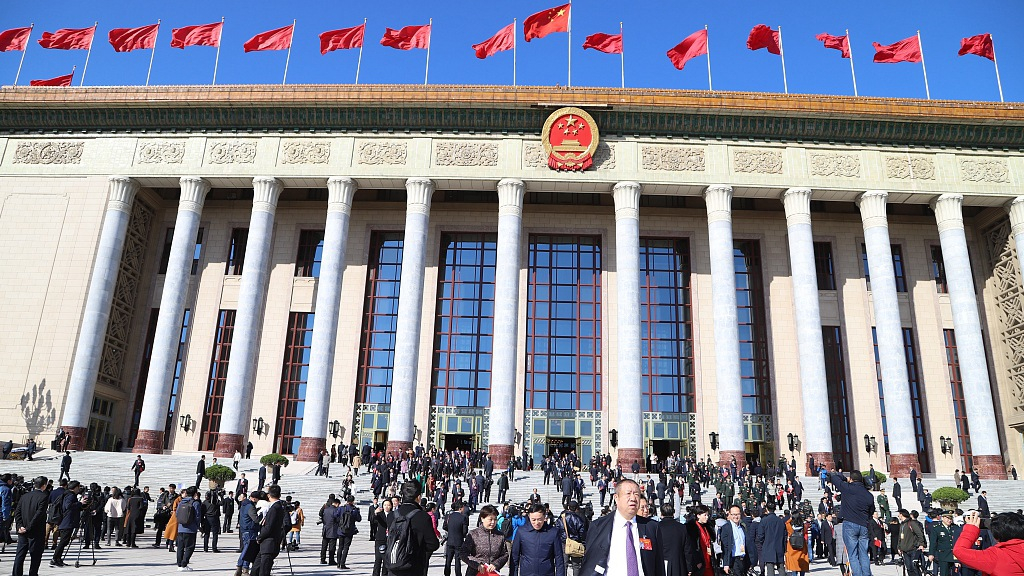

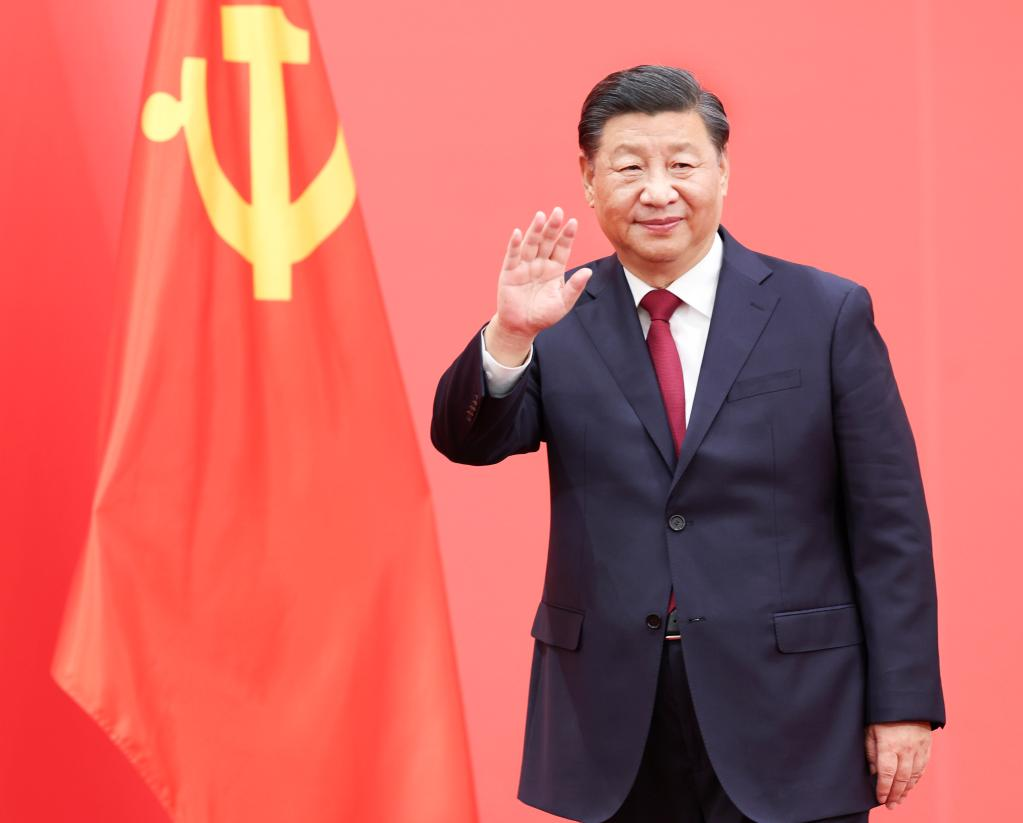



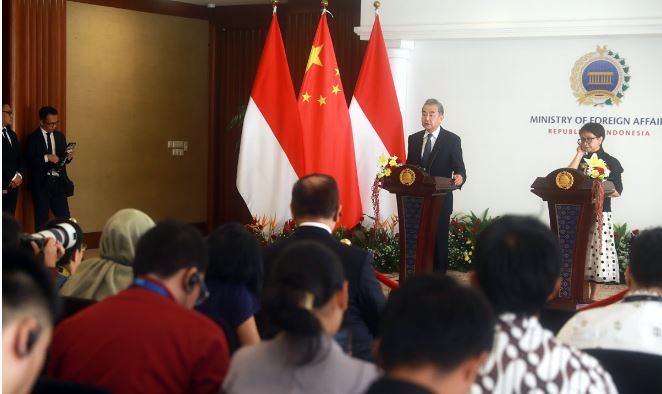
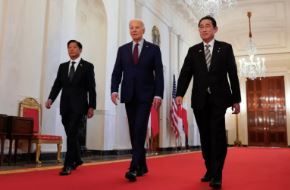
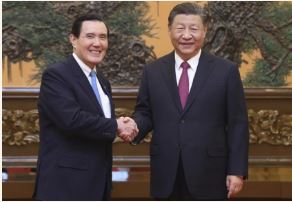
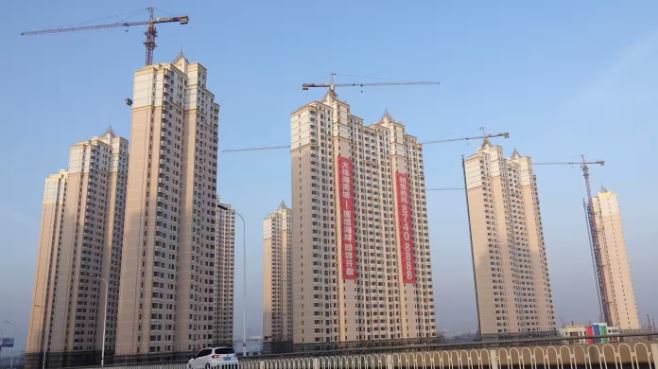
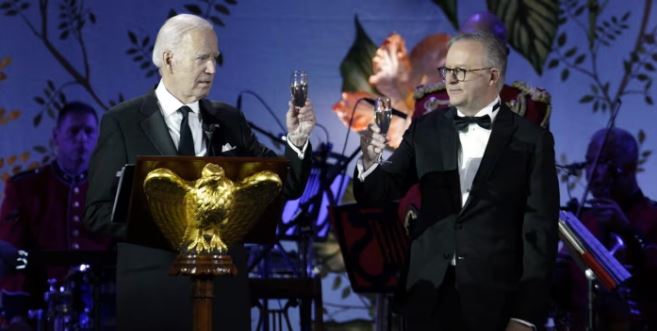

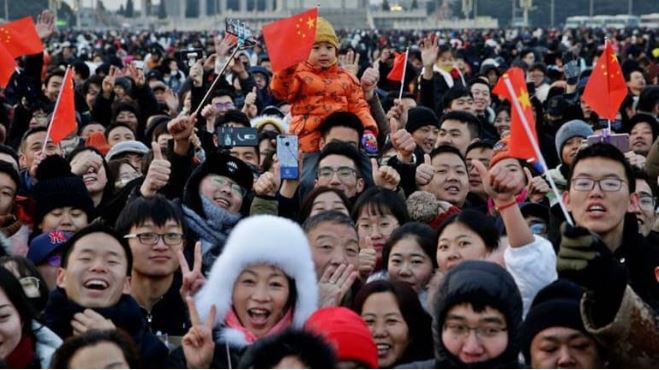
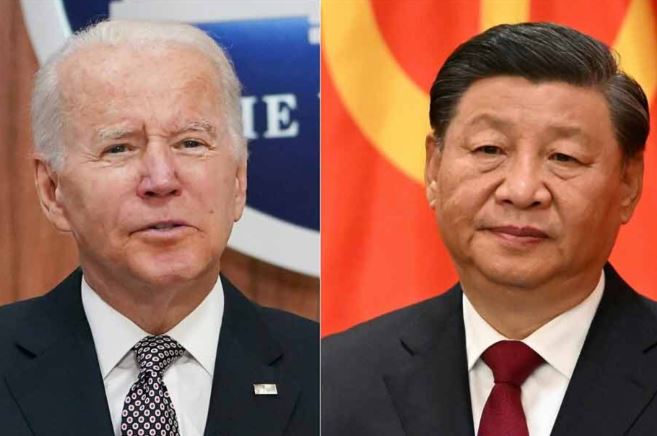
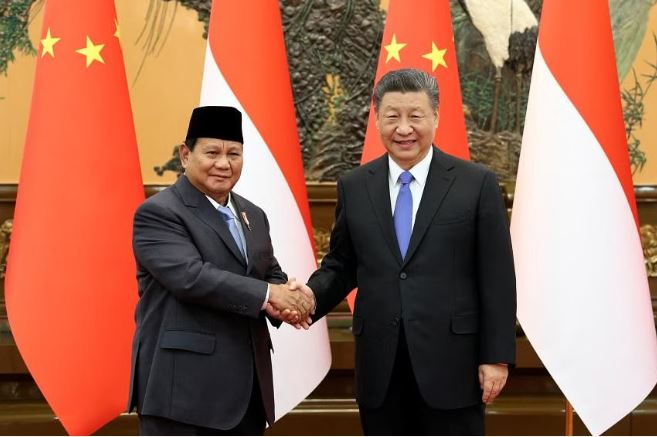
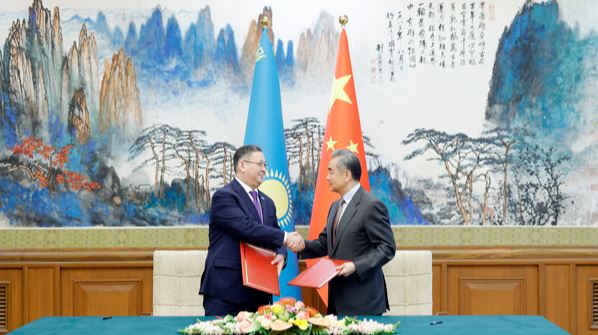
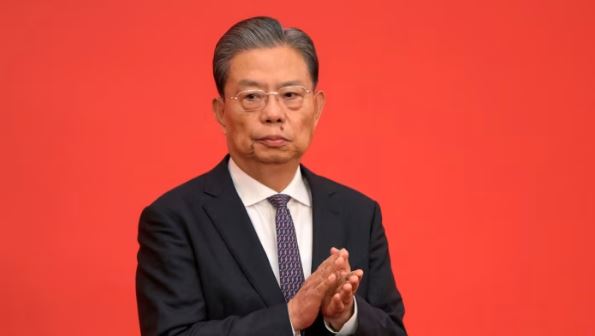
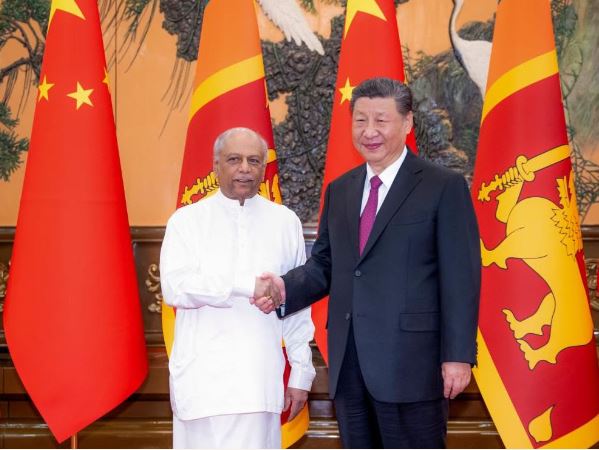
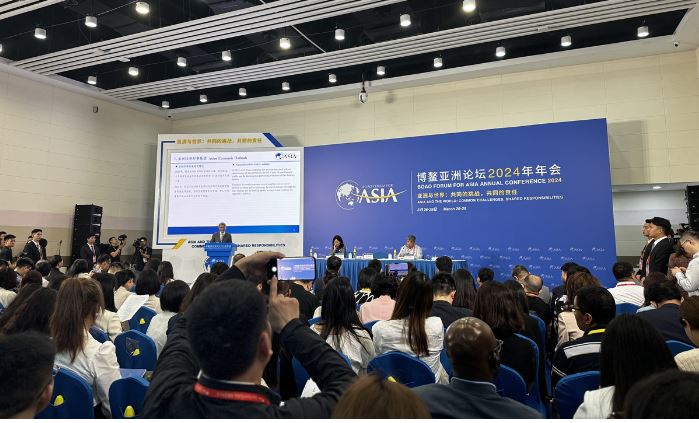
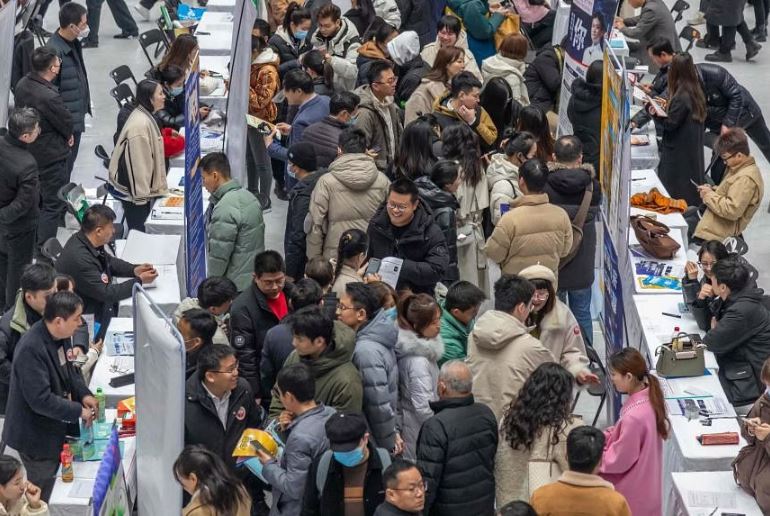

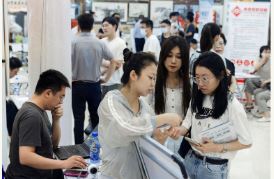


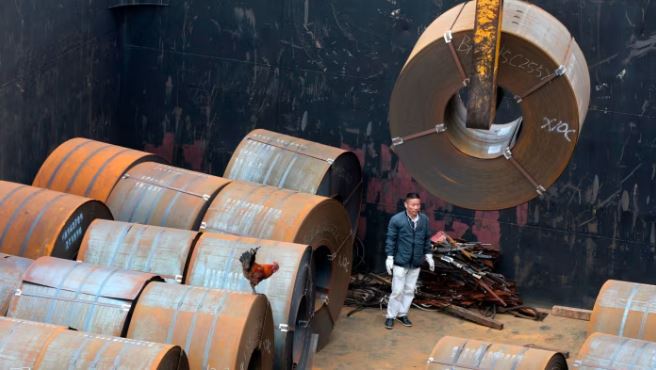
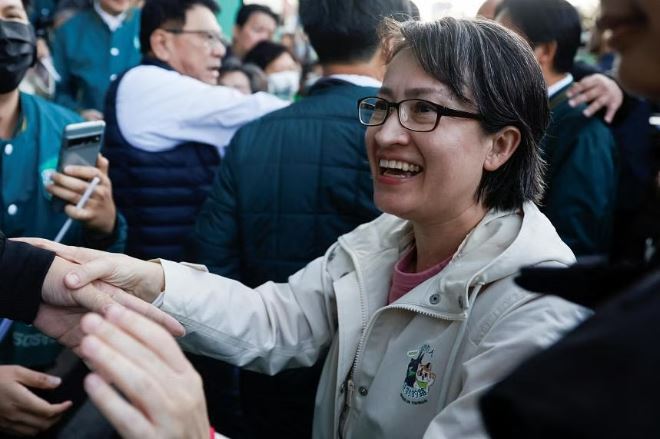
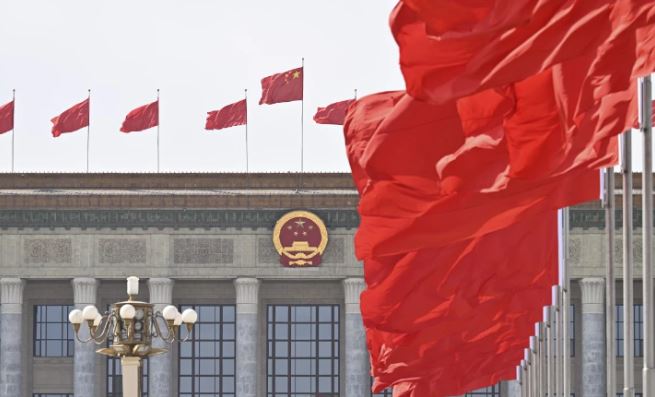
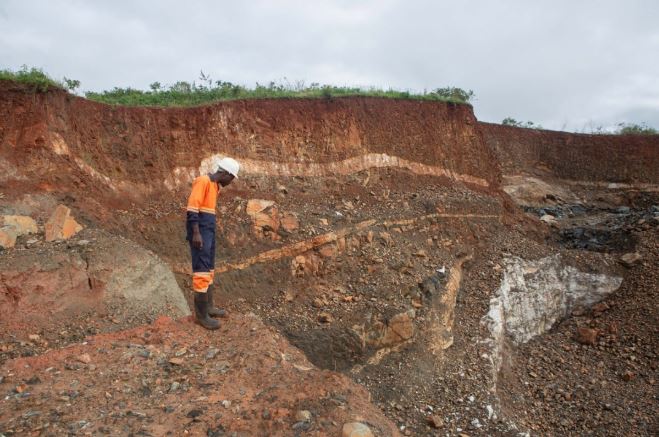
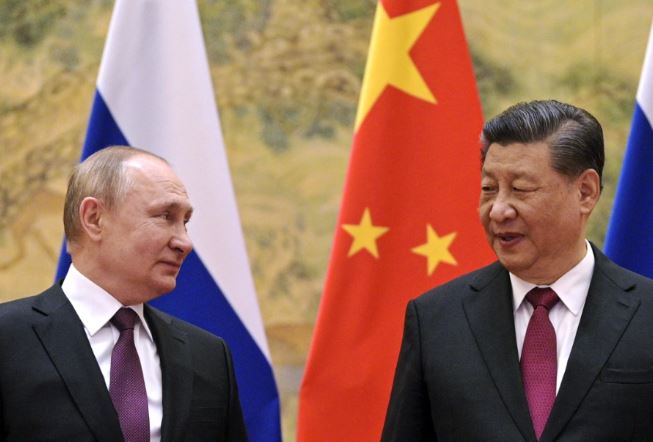
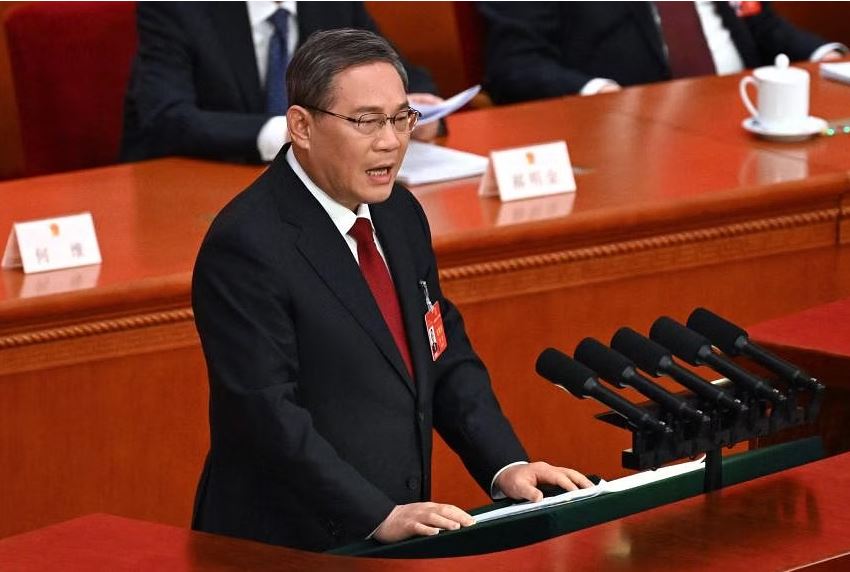
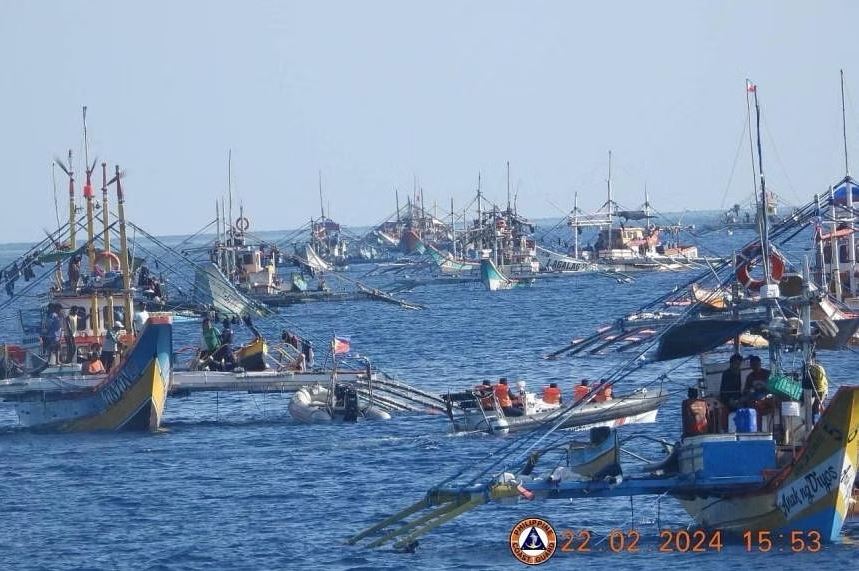
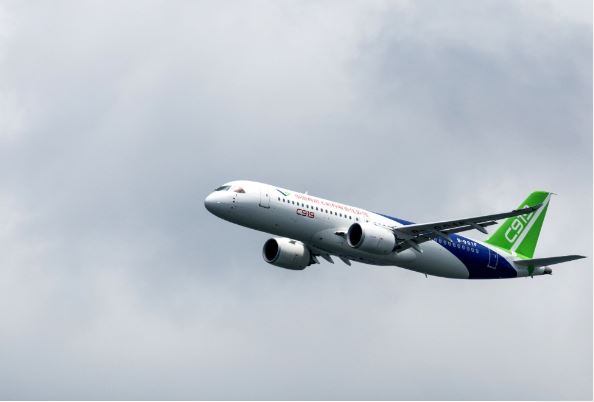
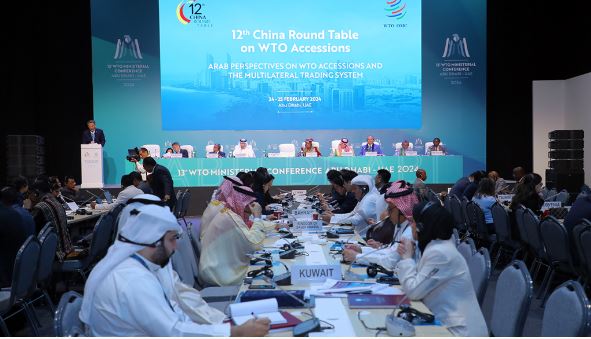
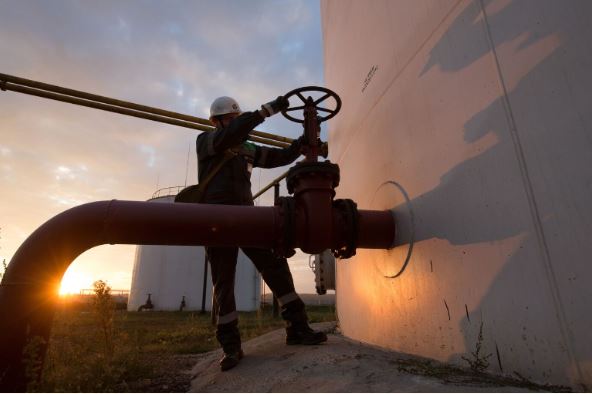
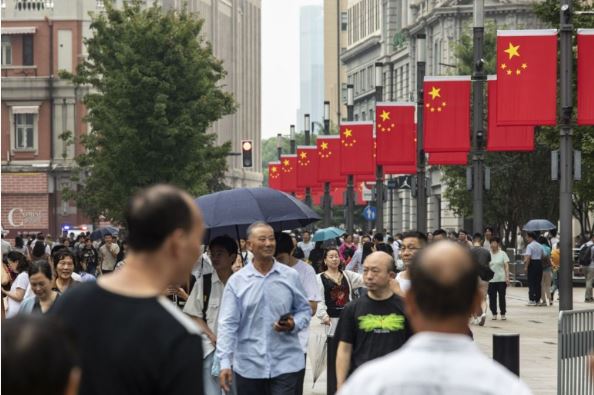
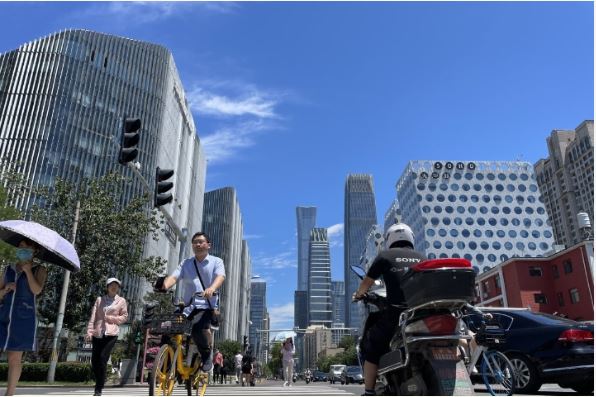
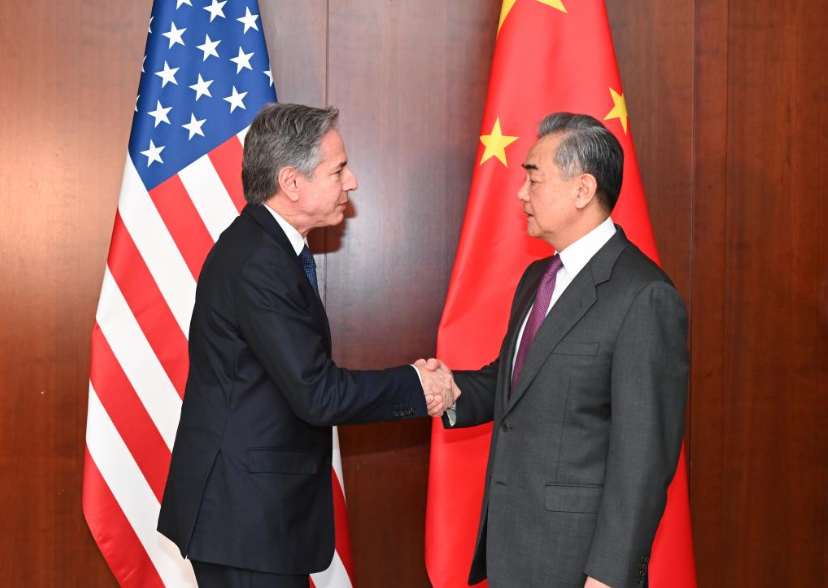
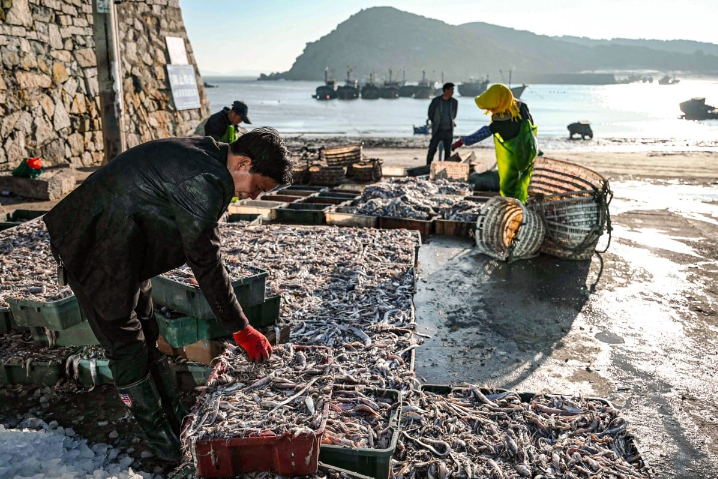
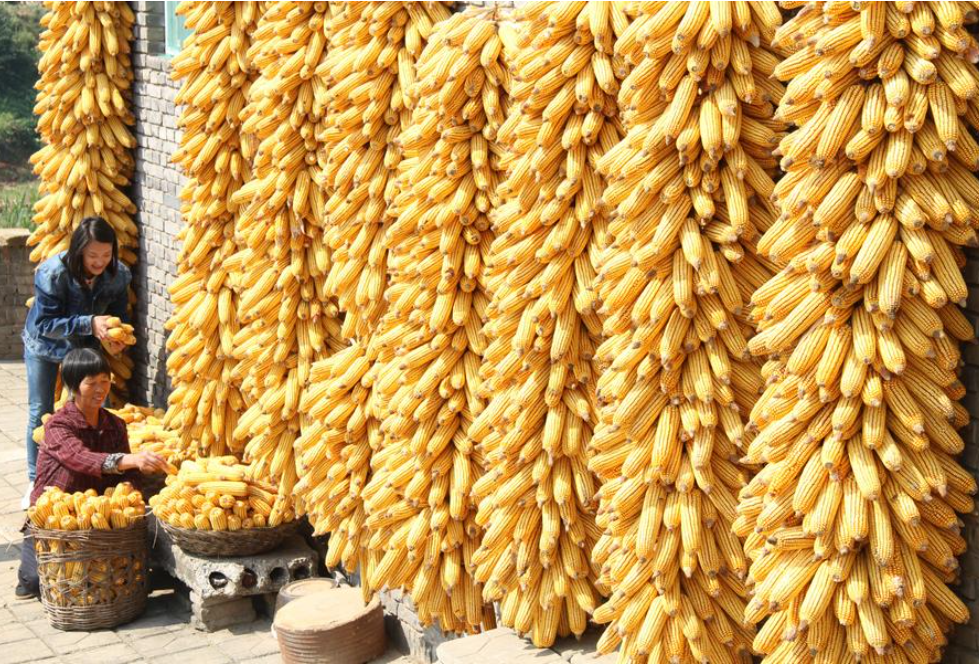
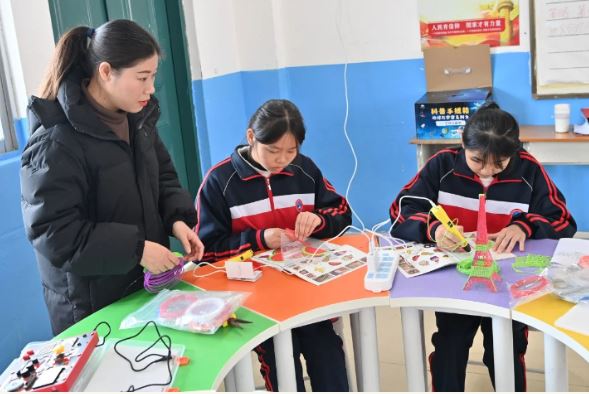
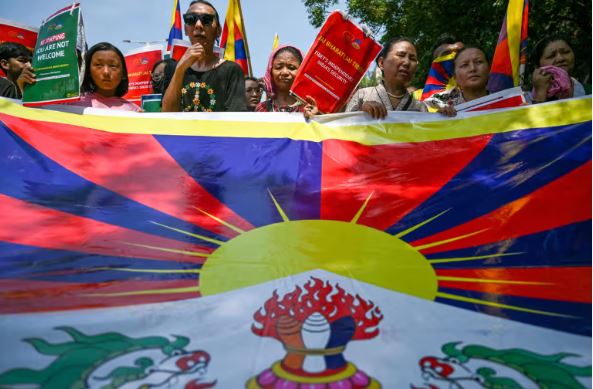
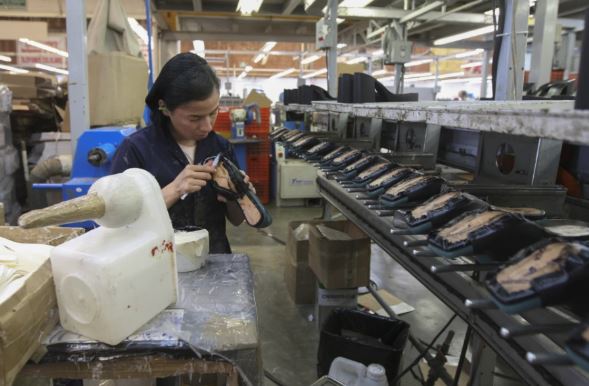
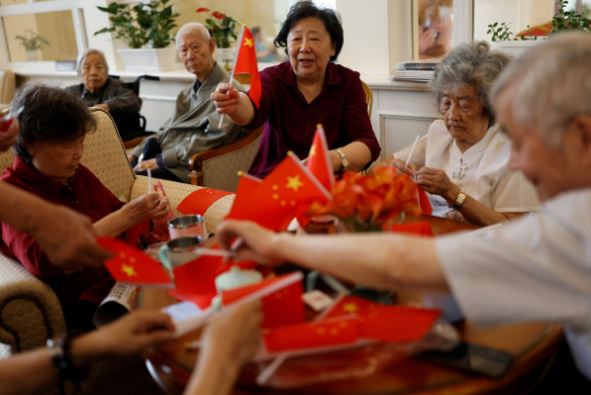
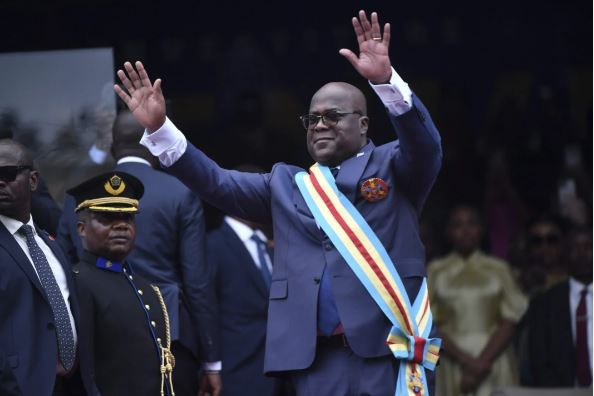

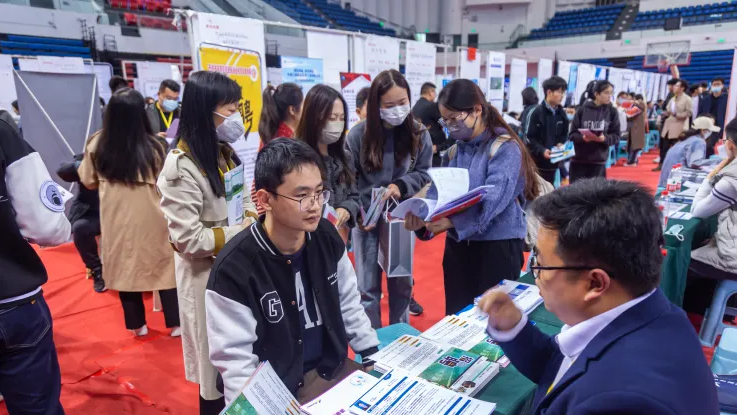
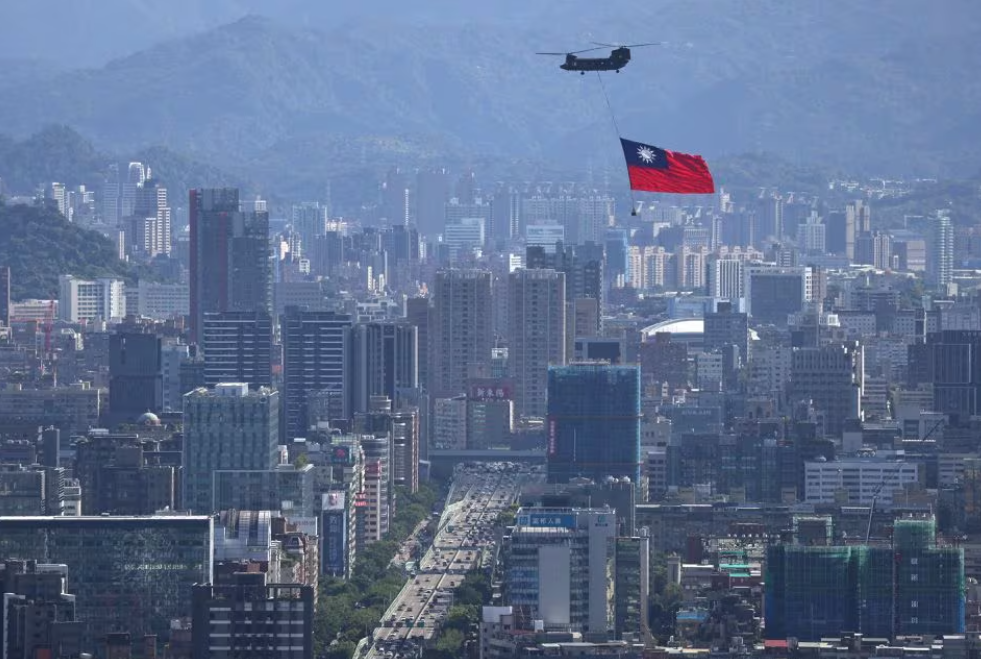
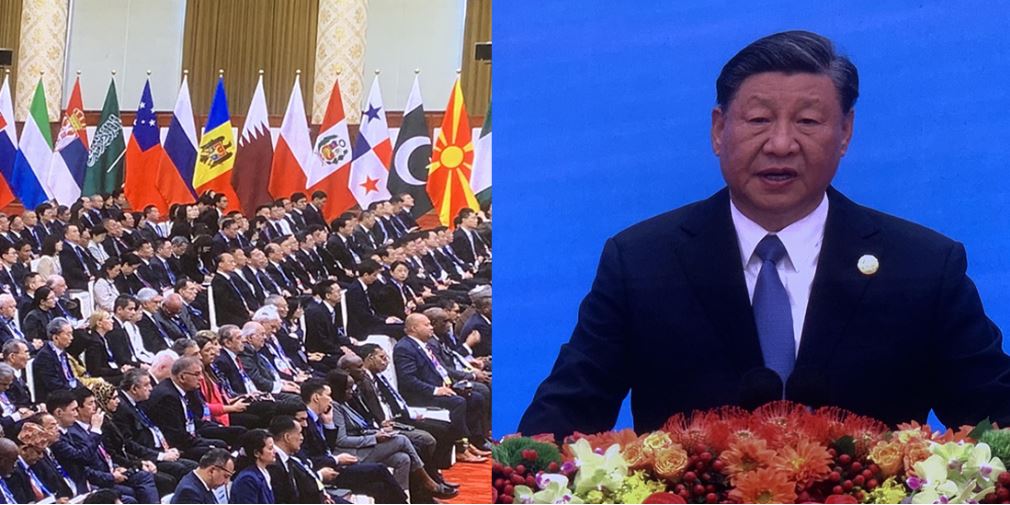
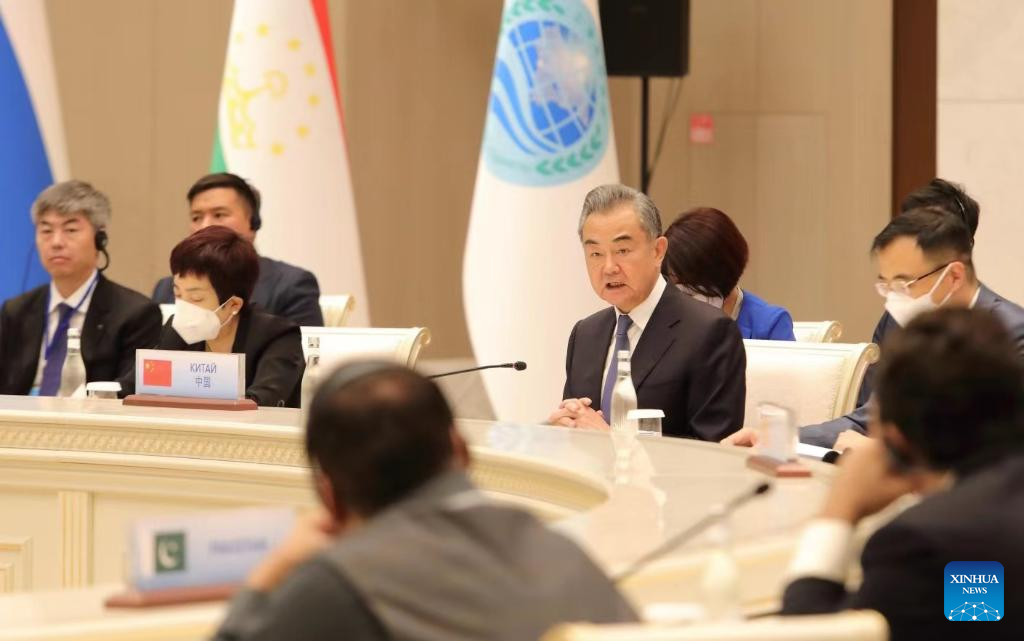
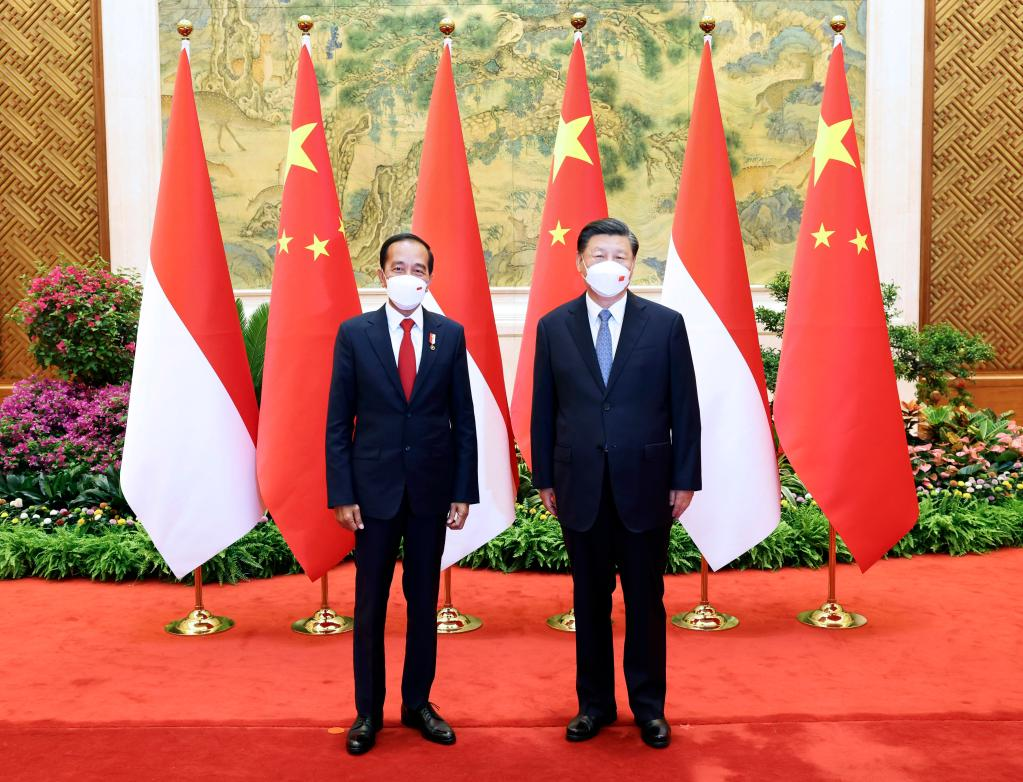
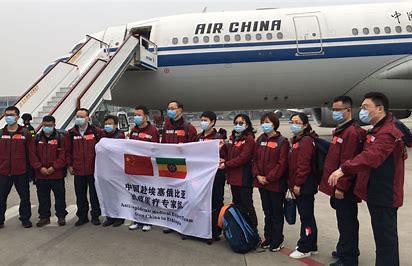
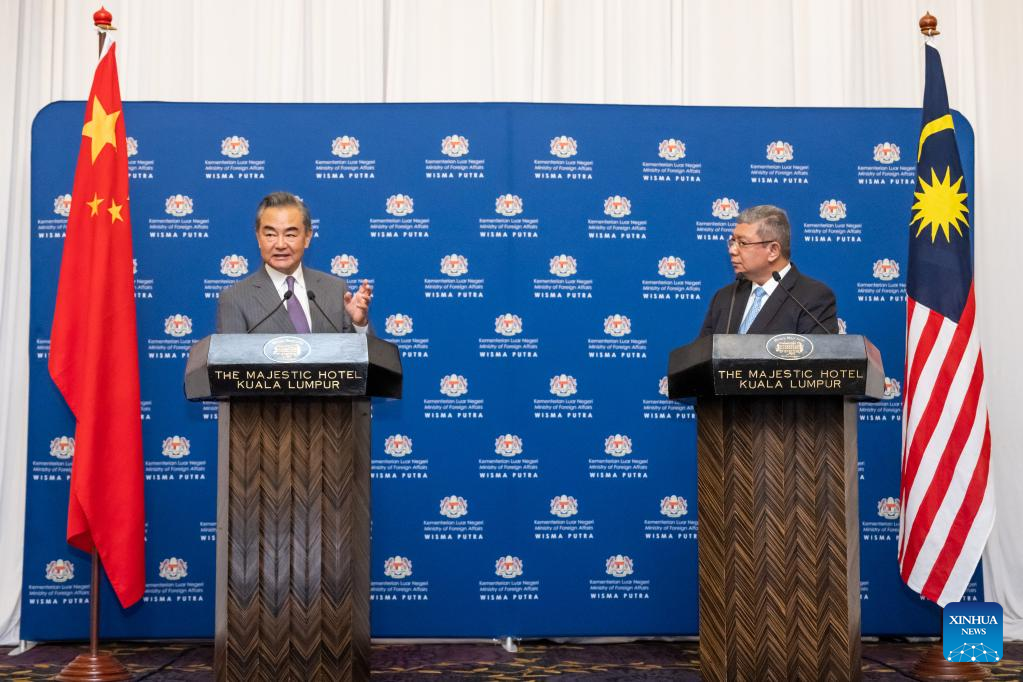
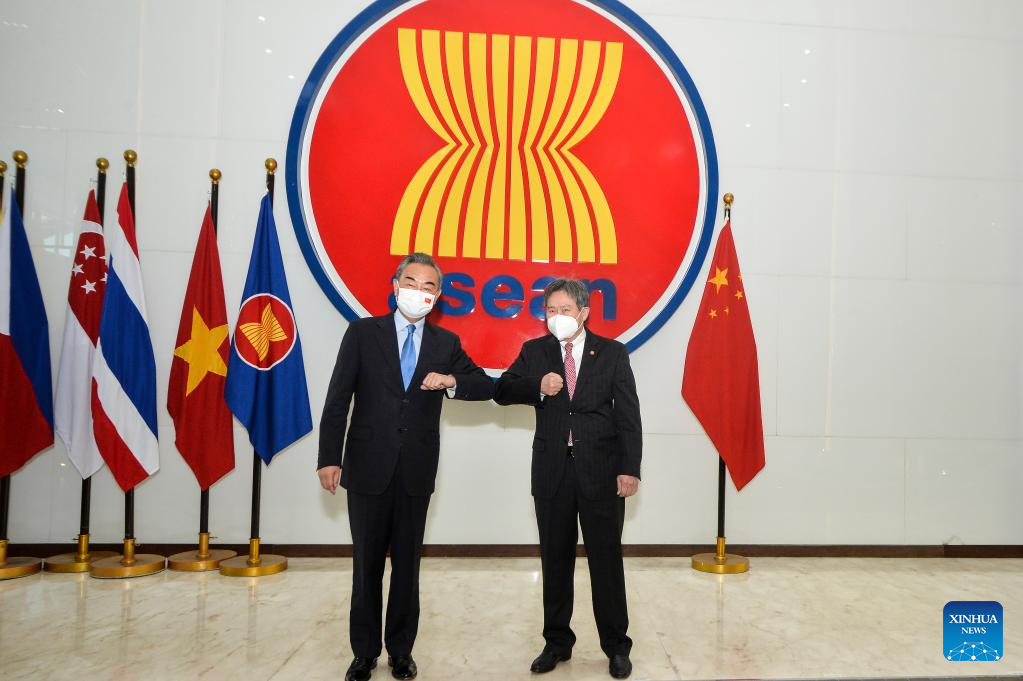
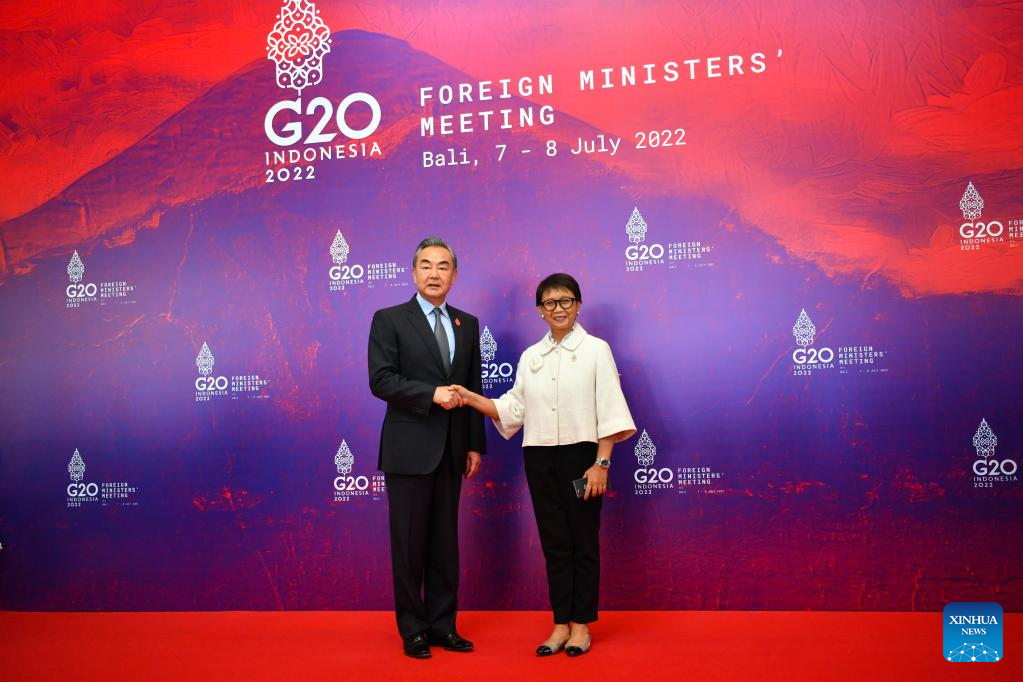
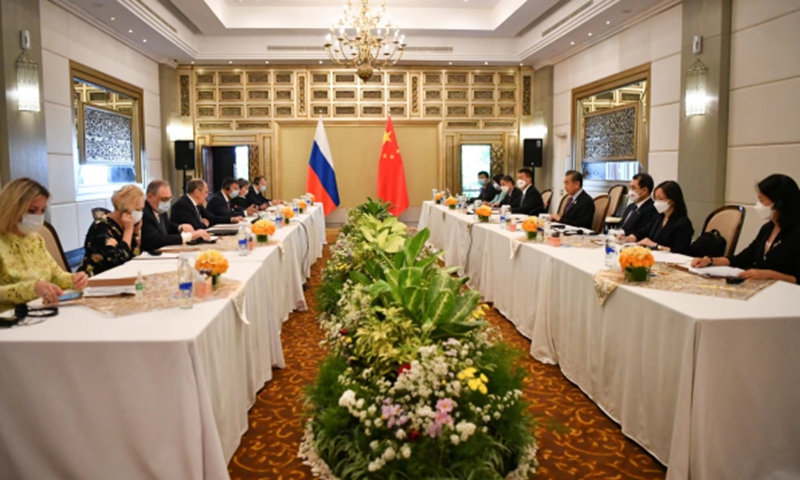


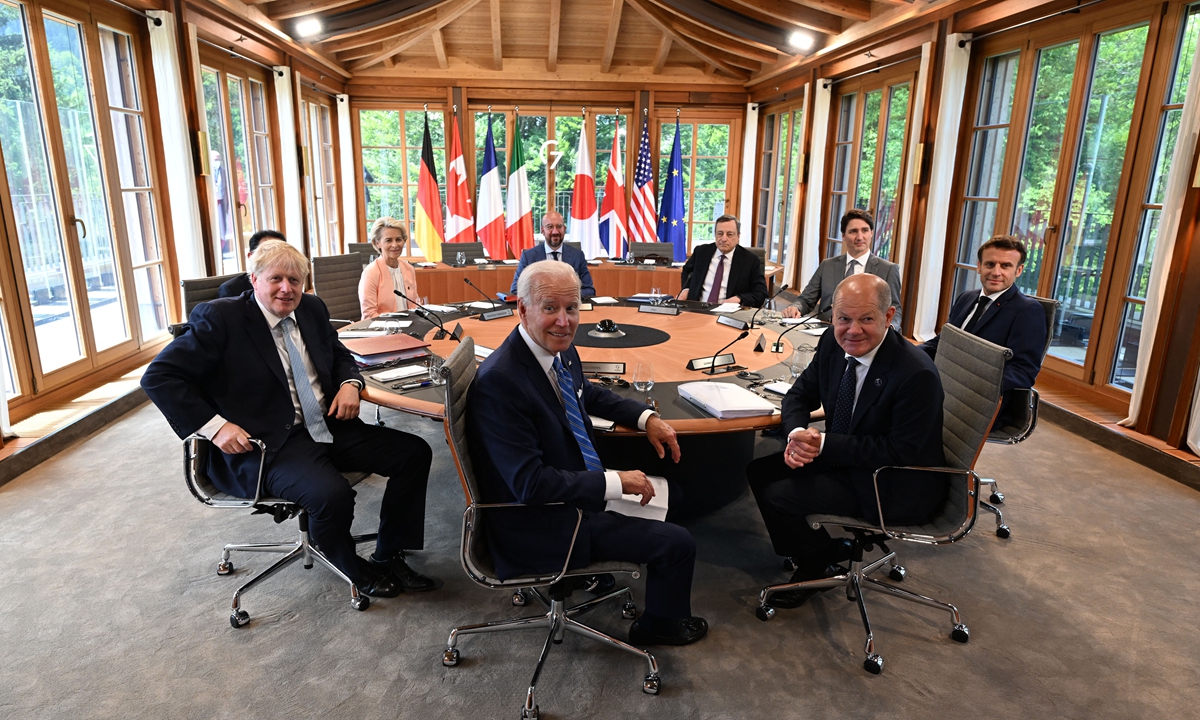
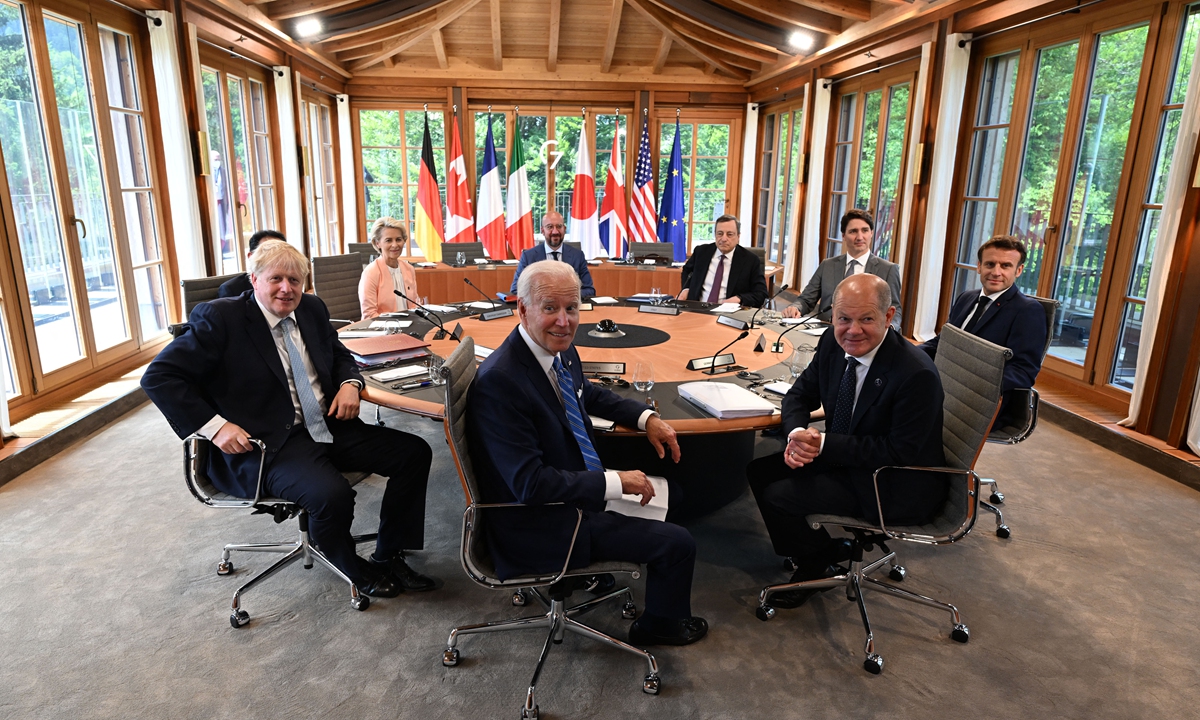
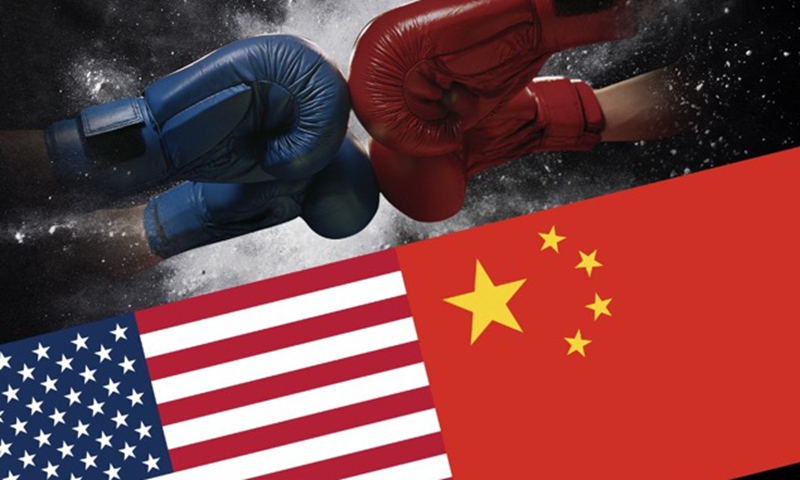
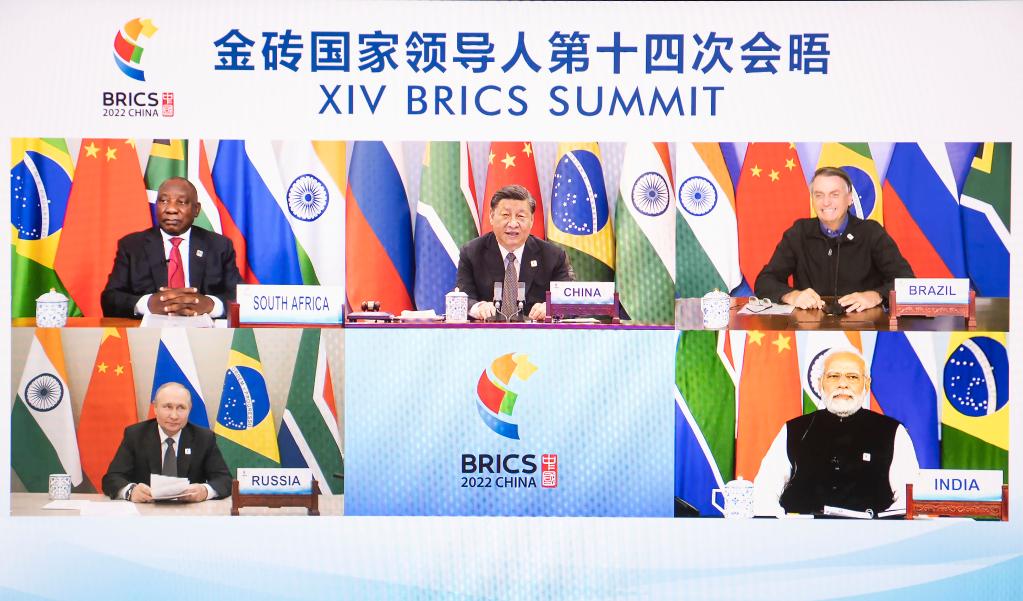
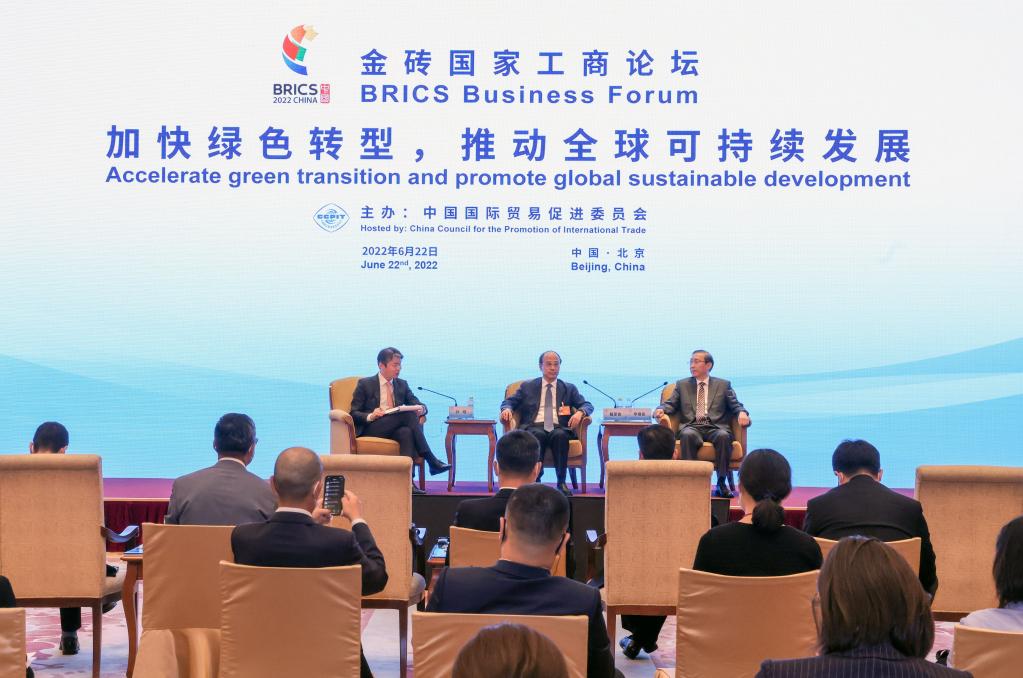
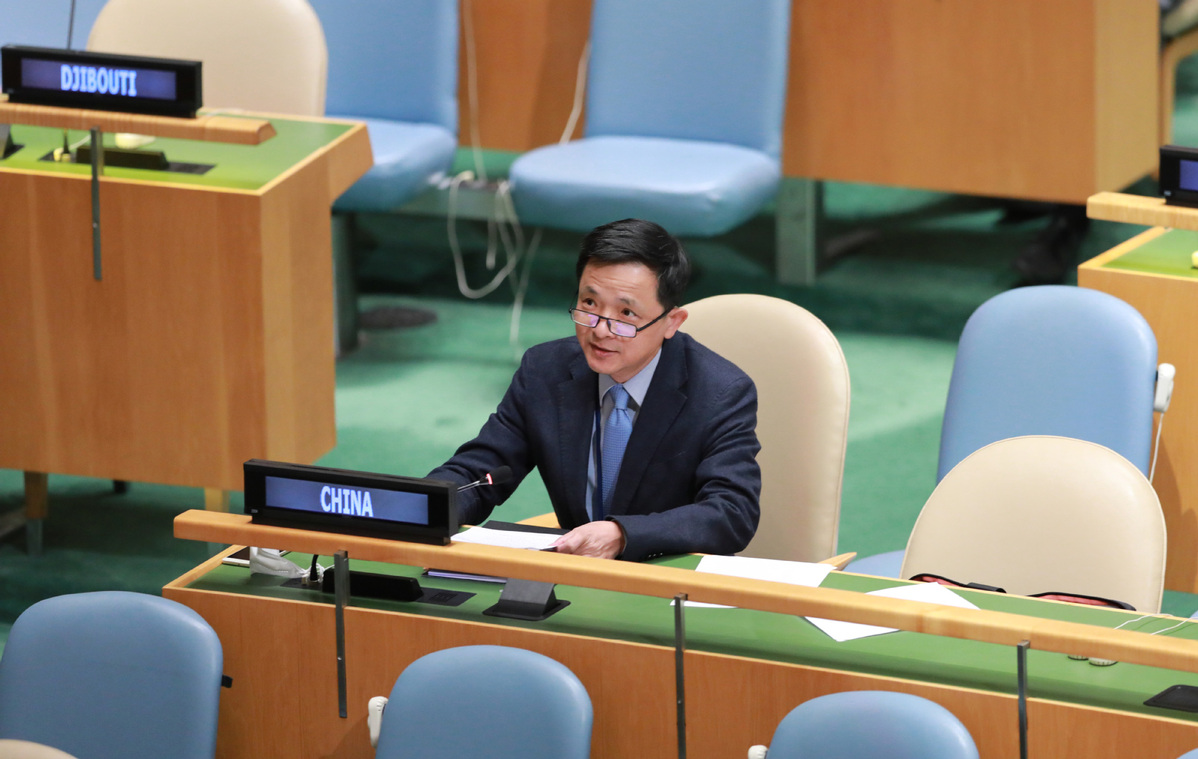
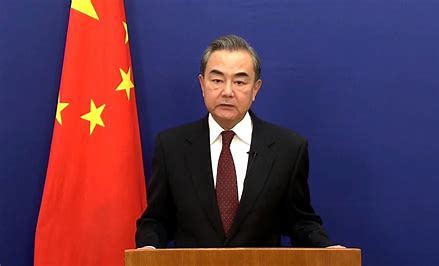
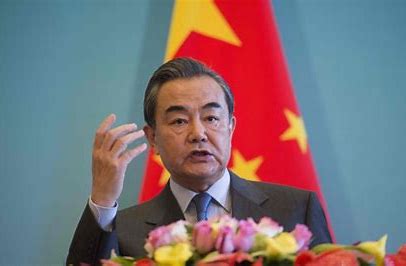
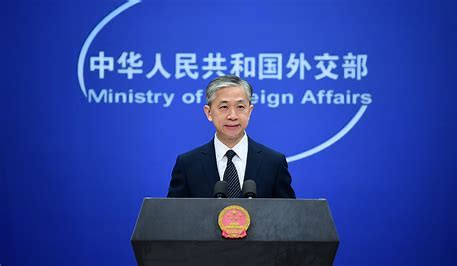
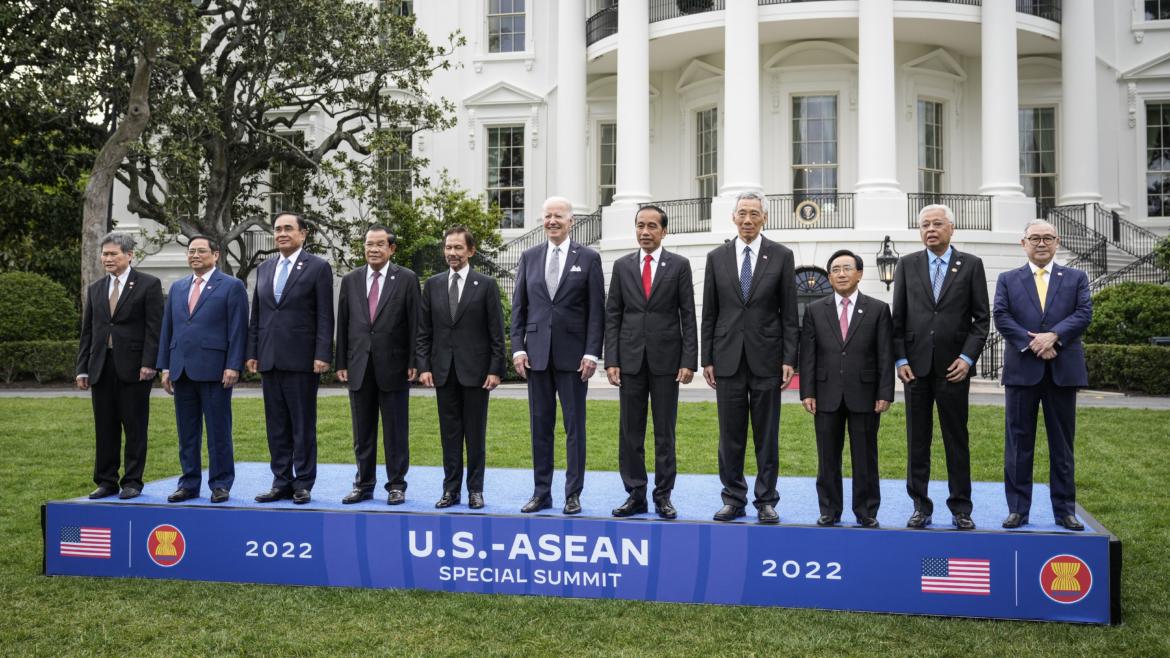
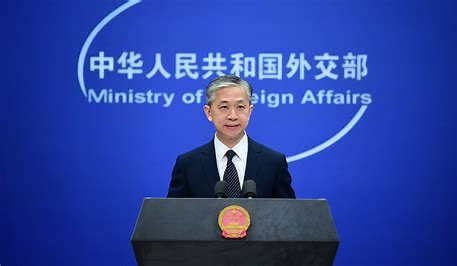
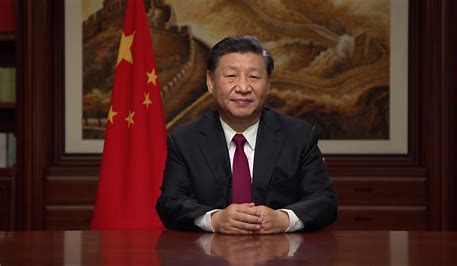
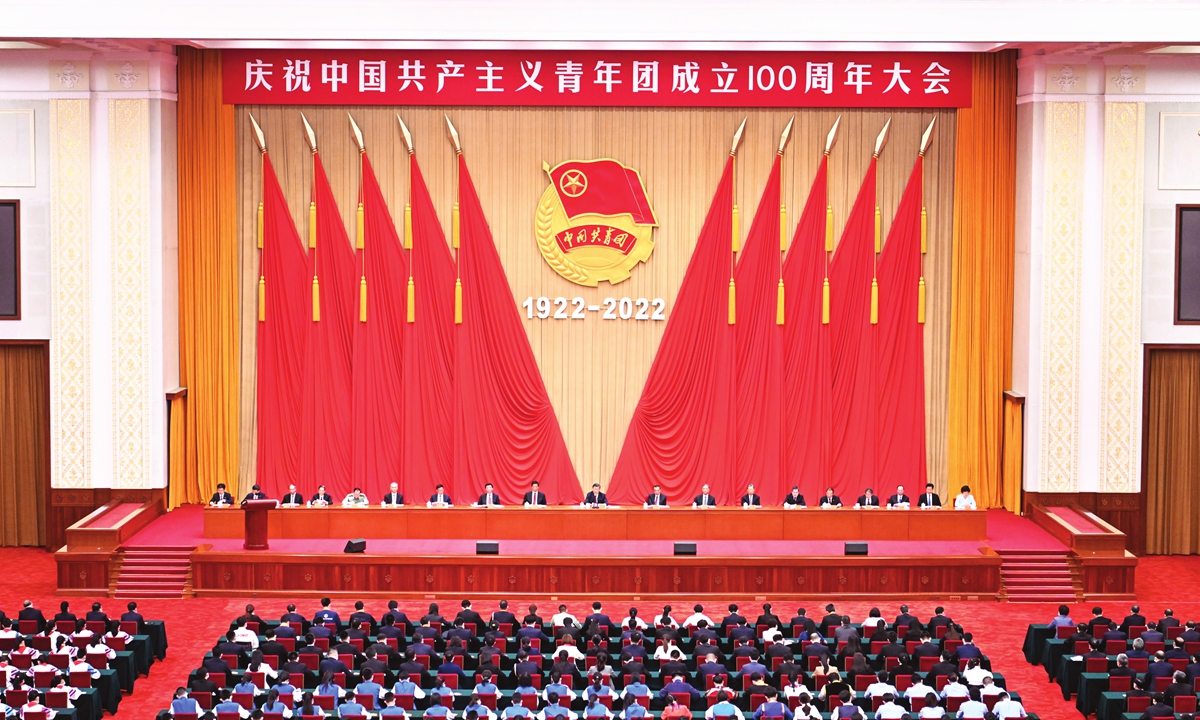
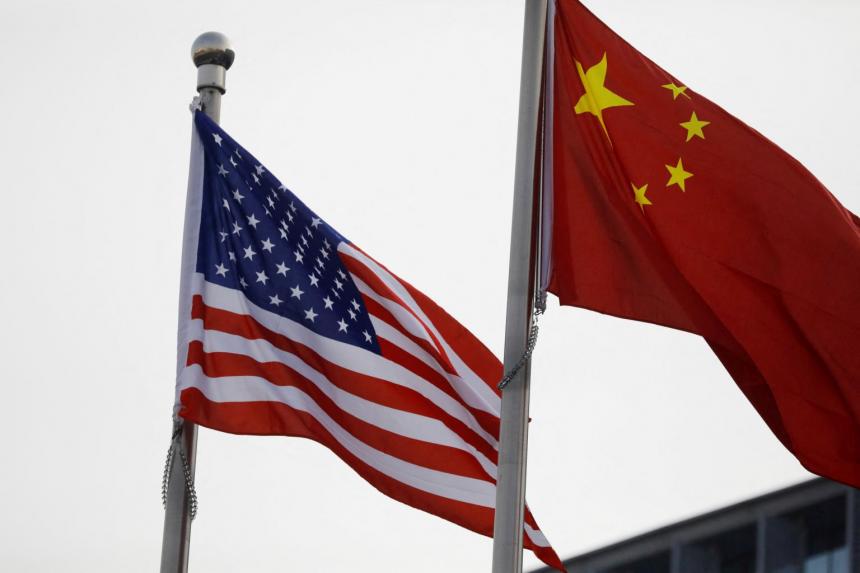
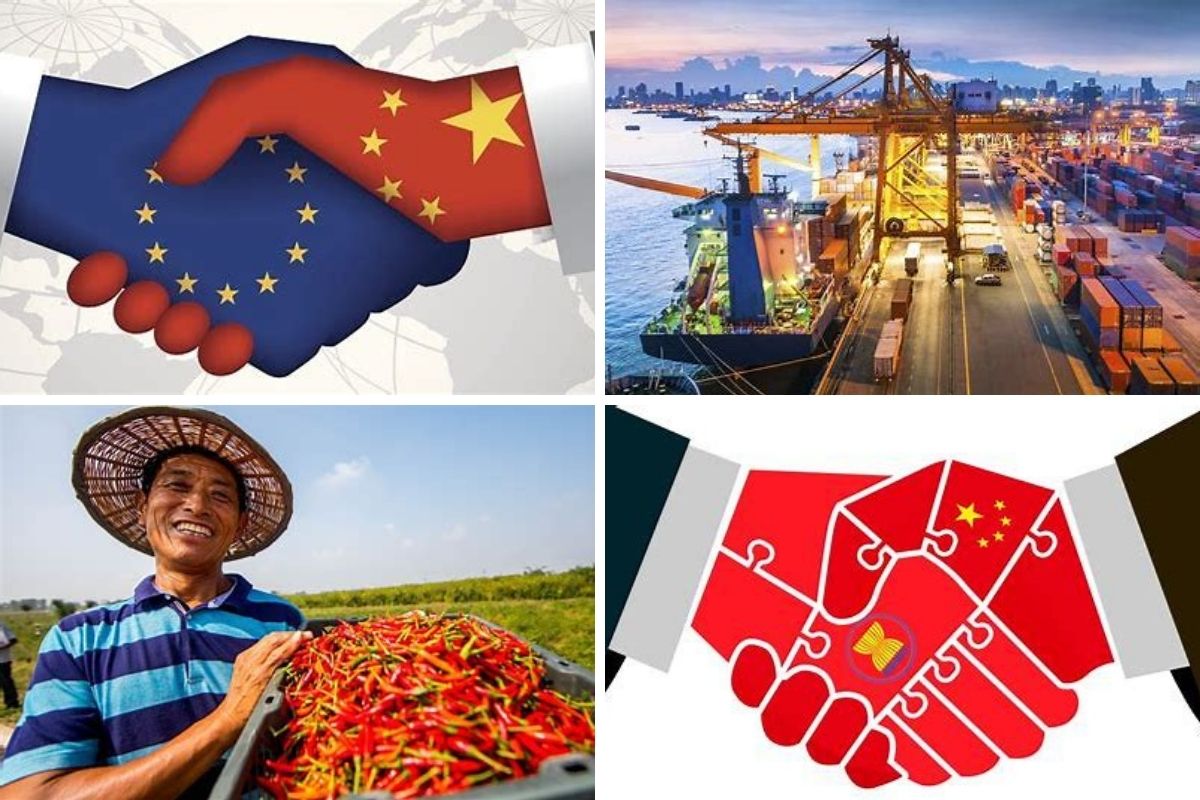
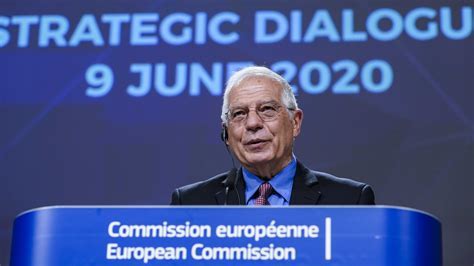
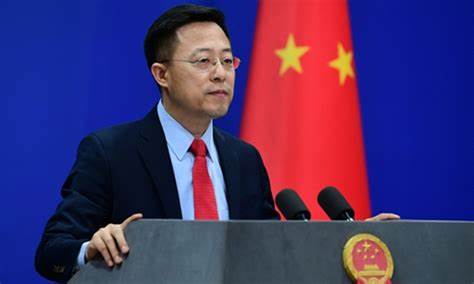
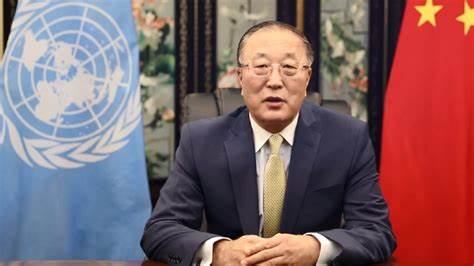
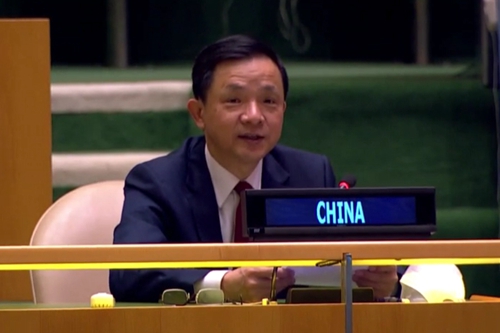

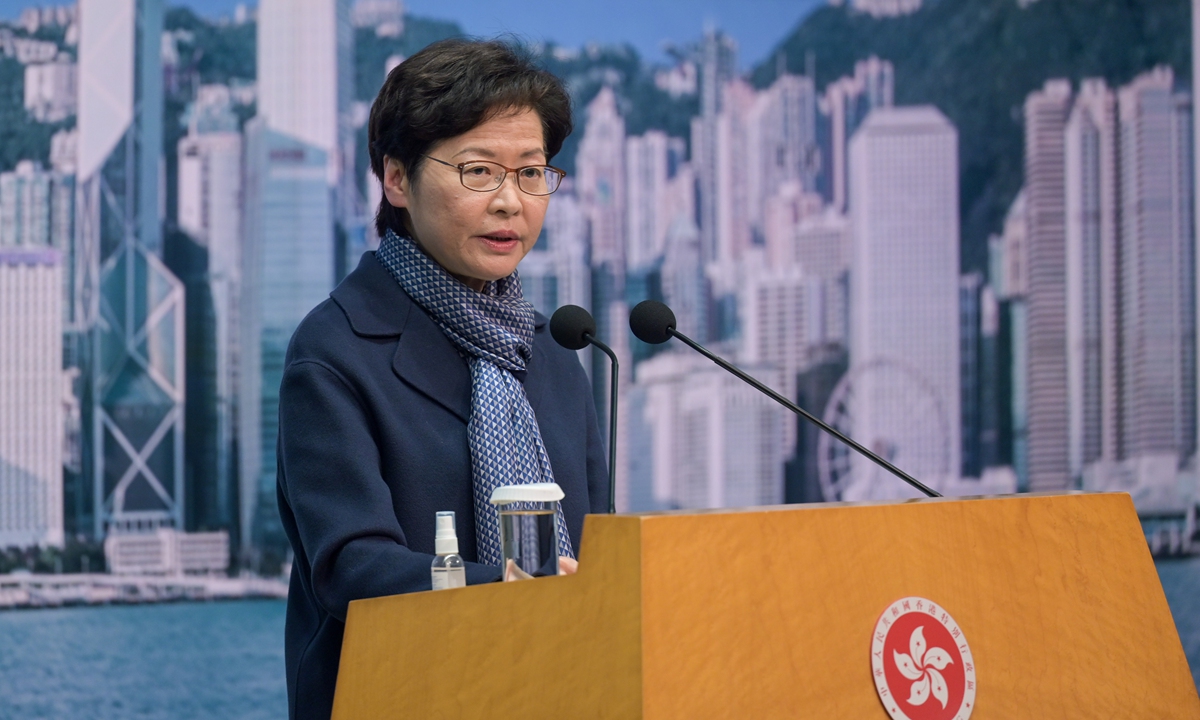
.png)
.jpg)
.jpg)
.jpg)
.jpg)
.jpg)
.jpg)
.jpg)
.jpg)
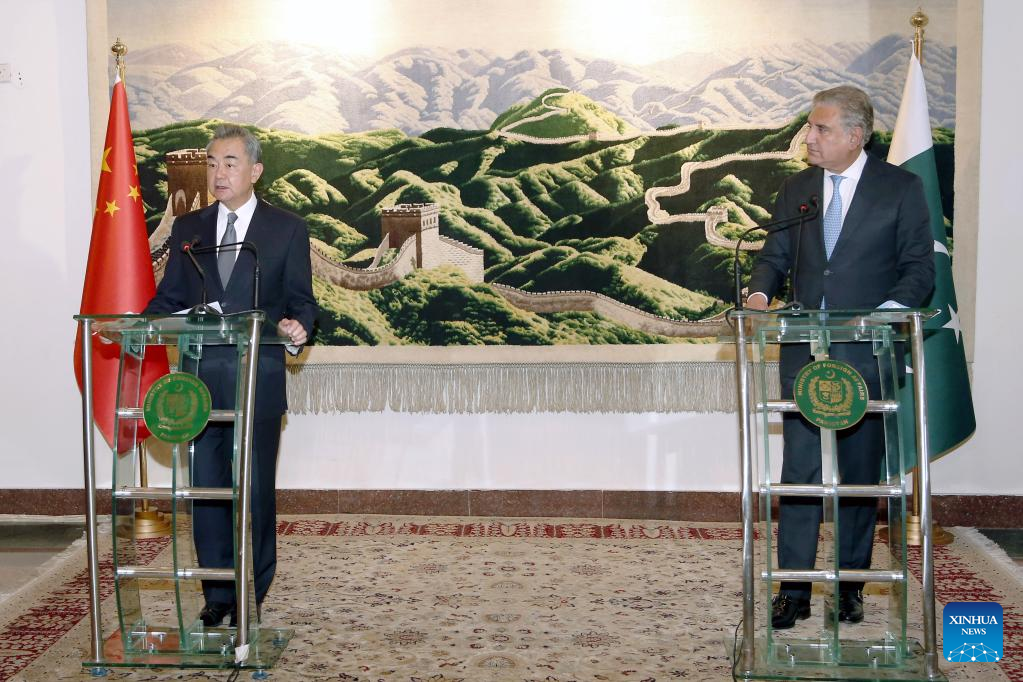
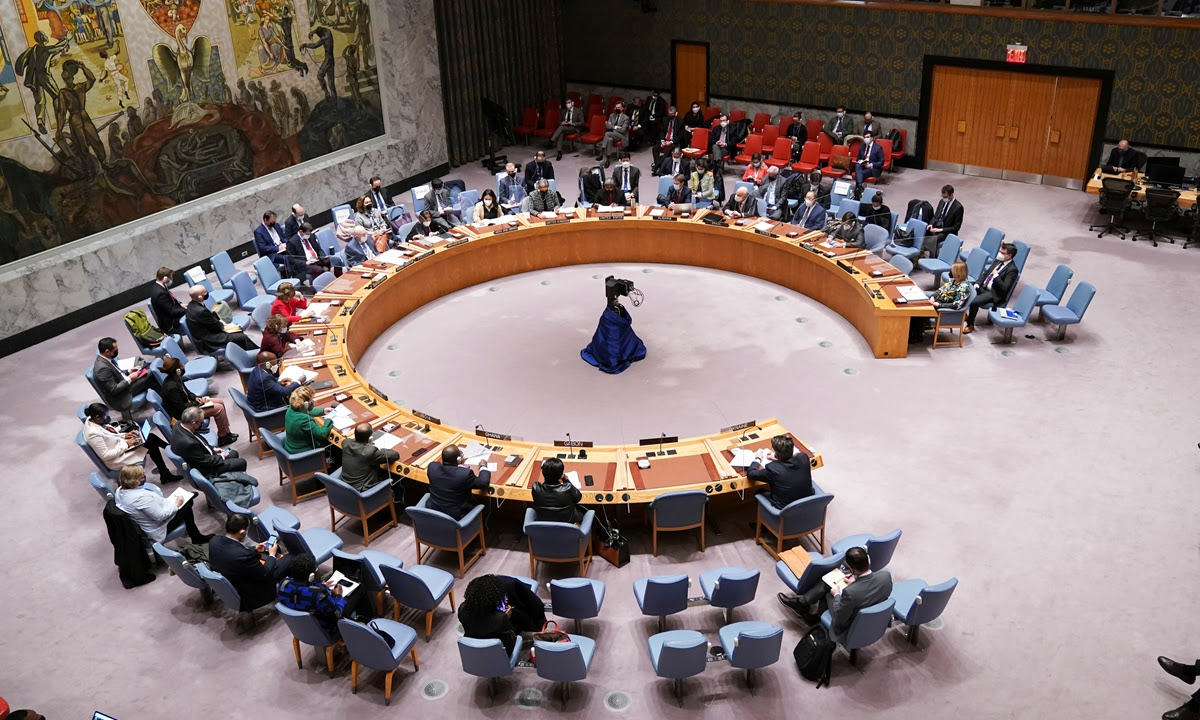
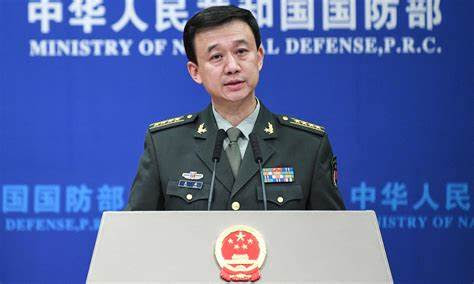
.jpg)
.png)
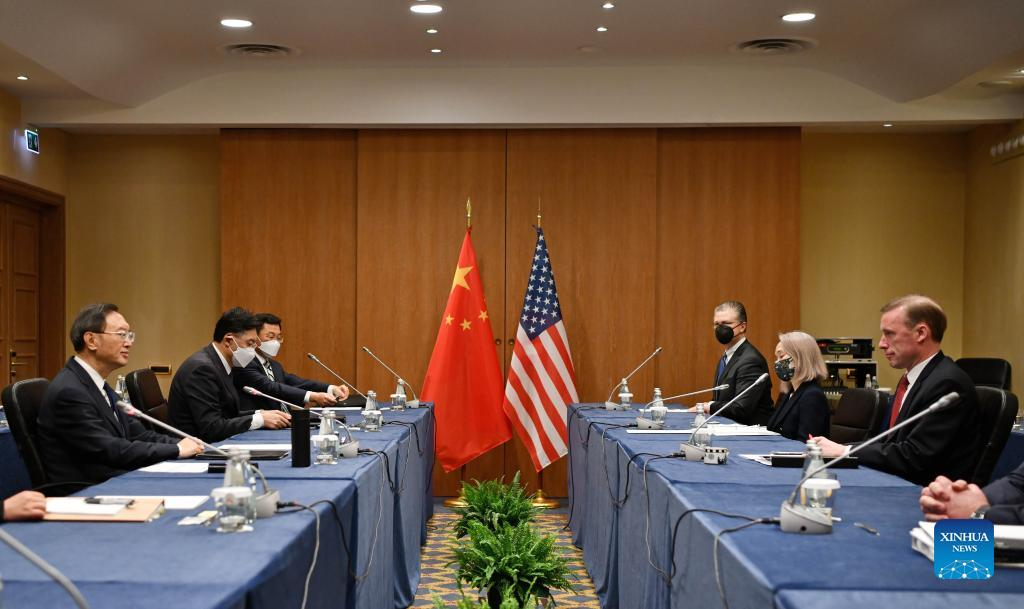

.jpg)
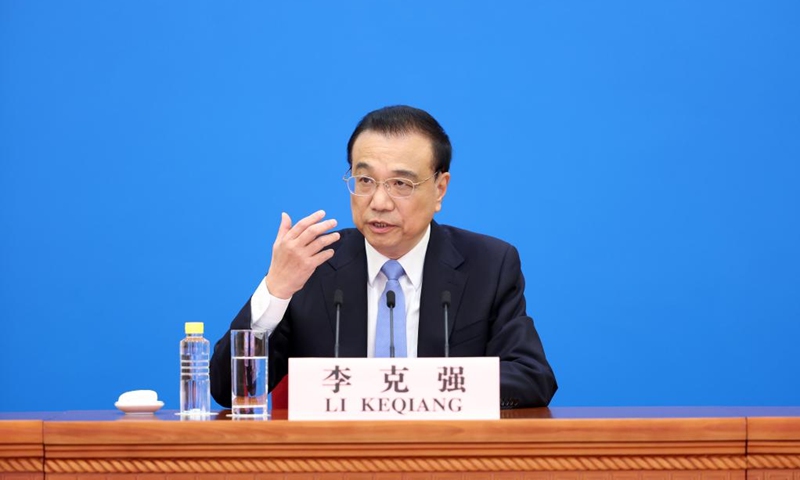
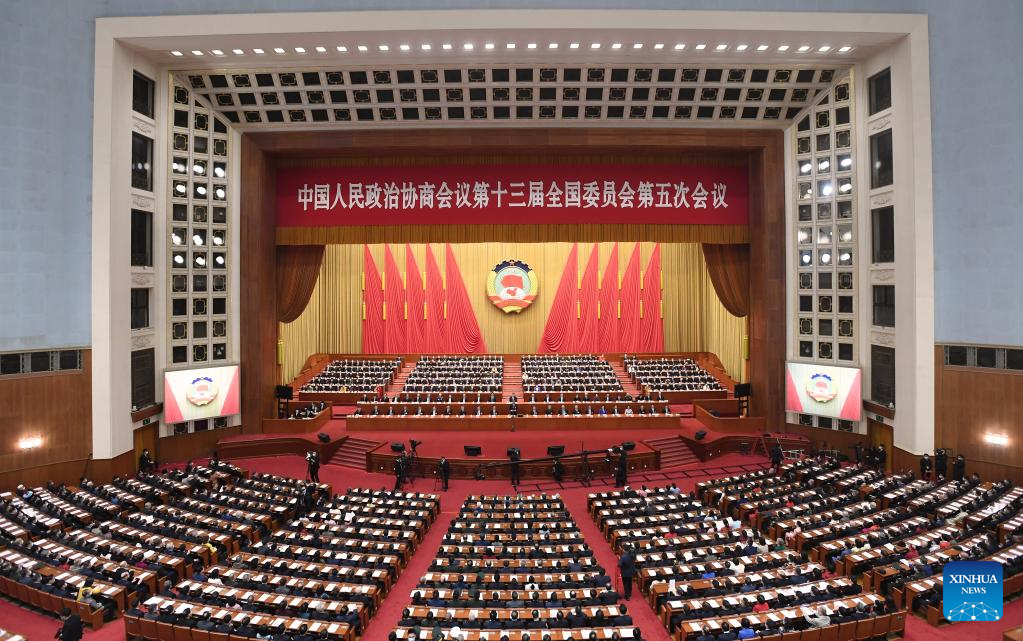
.jpg)
.jpg)
.jpg)
.jpg)
.jpg)
.jpg)
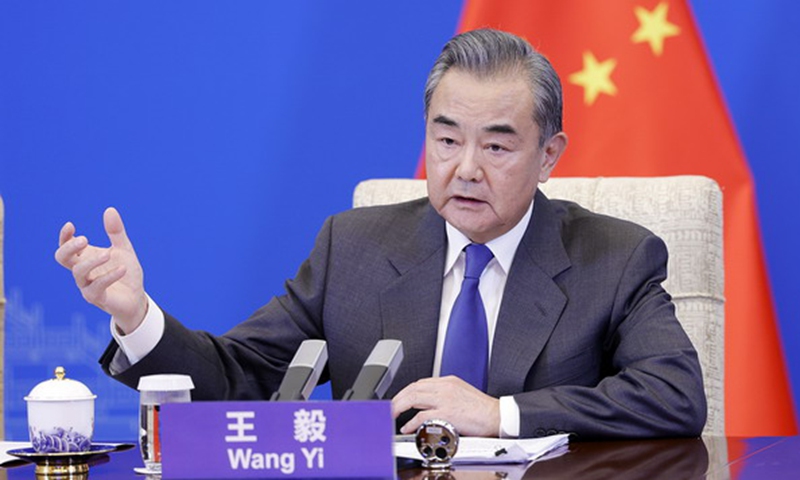

.jpg)
.jpg)
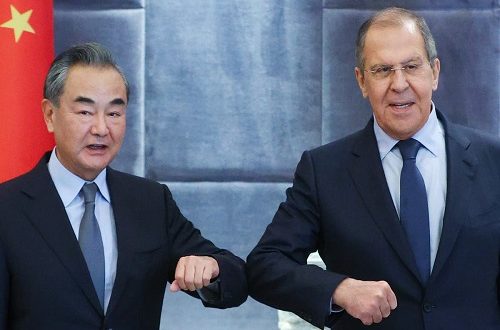
.jpg)
.jpg)
.jpg)
.jpg)
.jpg)
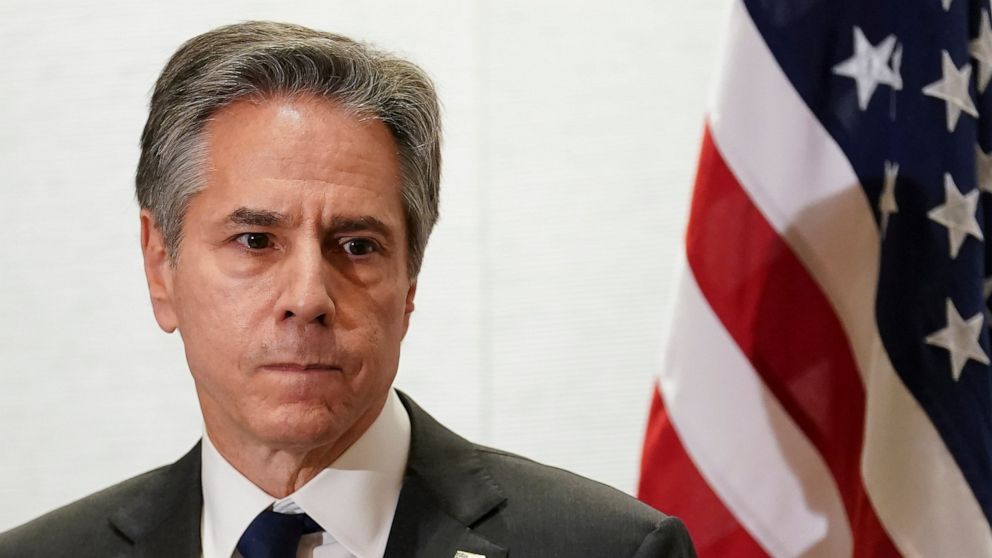
.jpg)
.jpg)
.png)
.jpg)
.jpg)
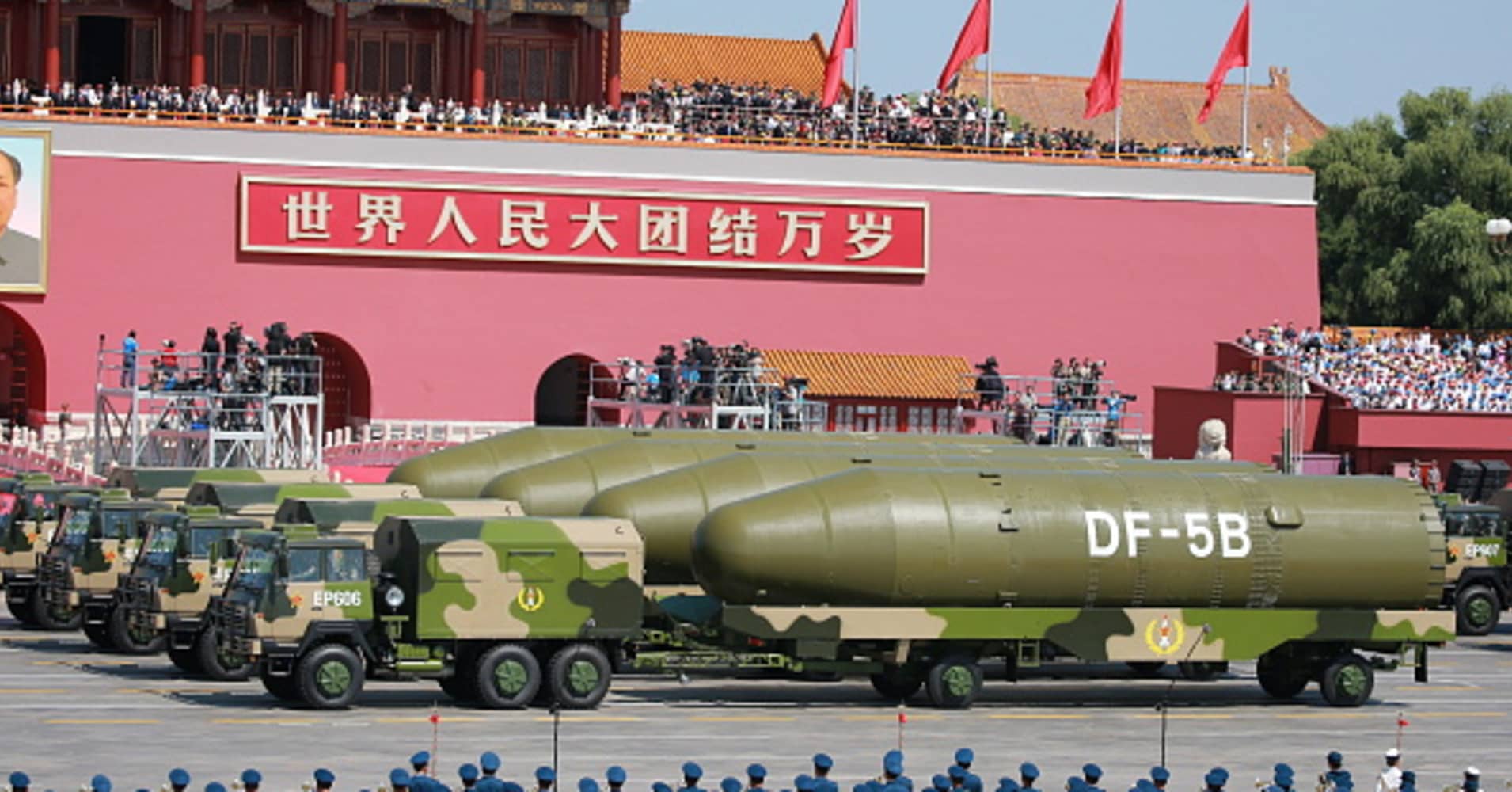
.png)
.jpg)
.jpg)
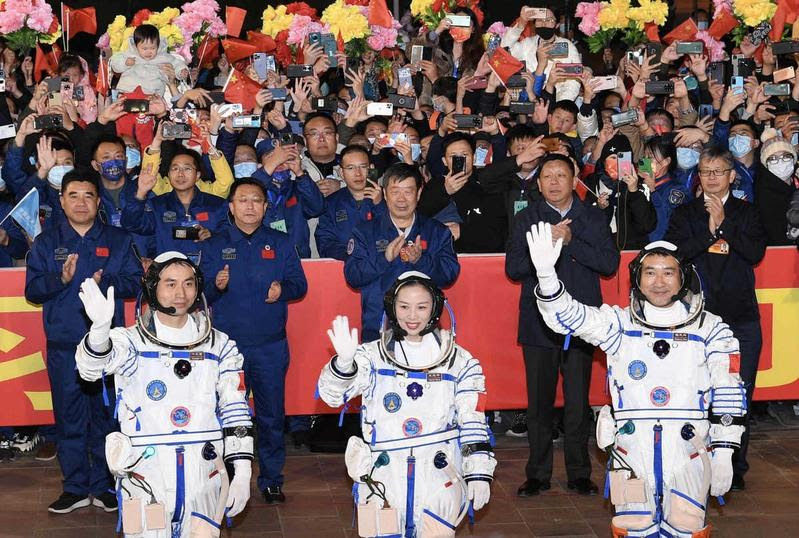


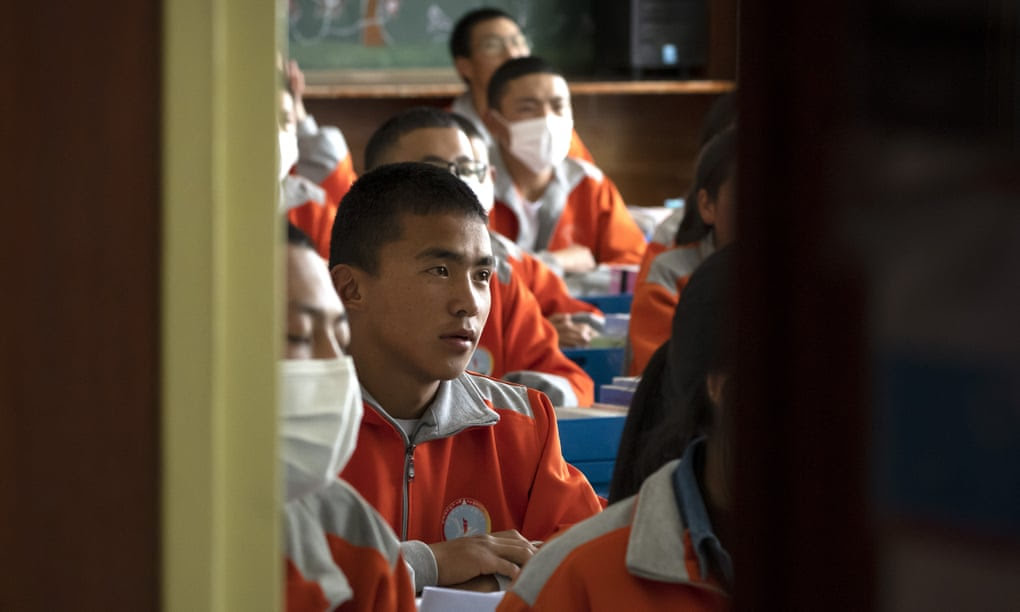
.jpg)
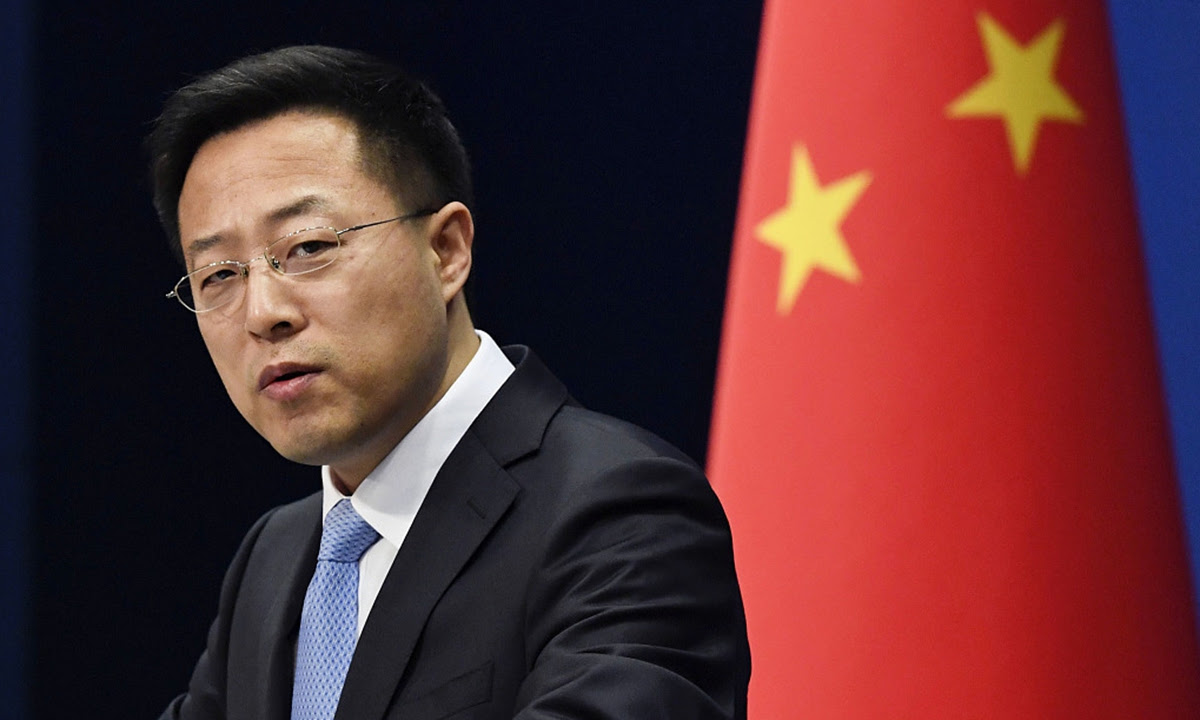
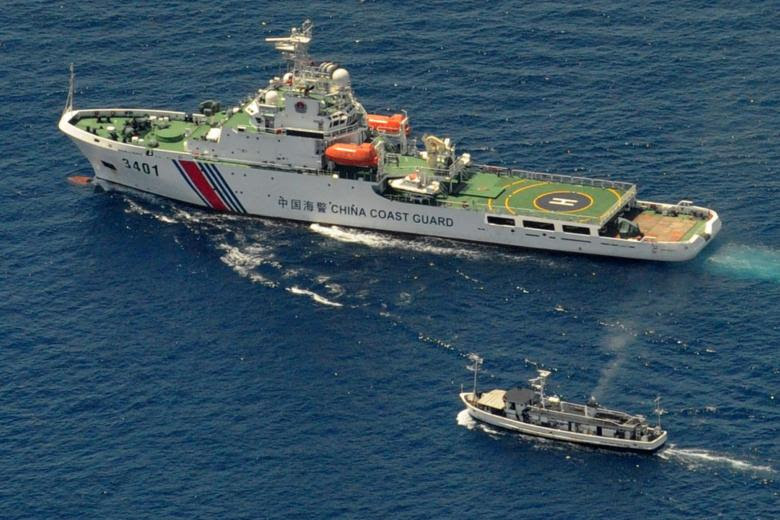
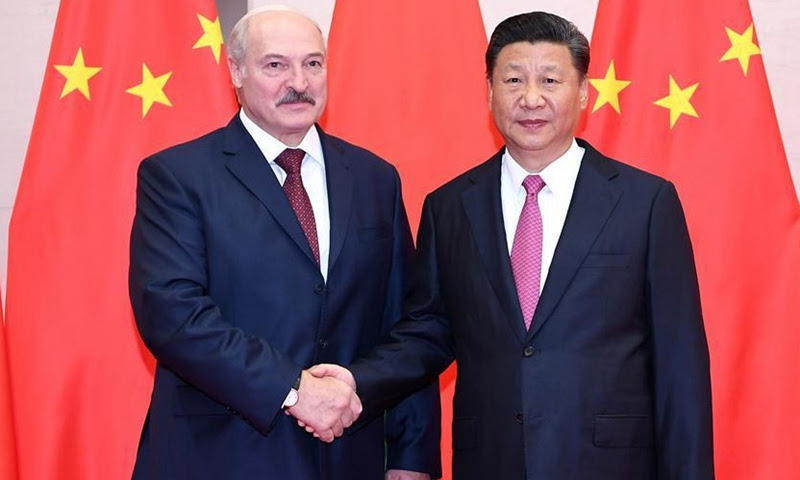
.jpg)
.jpg)
.jpg)
.jpg)
.jpg)
.jpg)
.jpg)
.jpg)

.jpg)
.jpg)
.jpg)
.jpg)
.jpg)
.jpg)
.jpg)
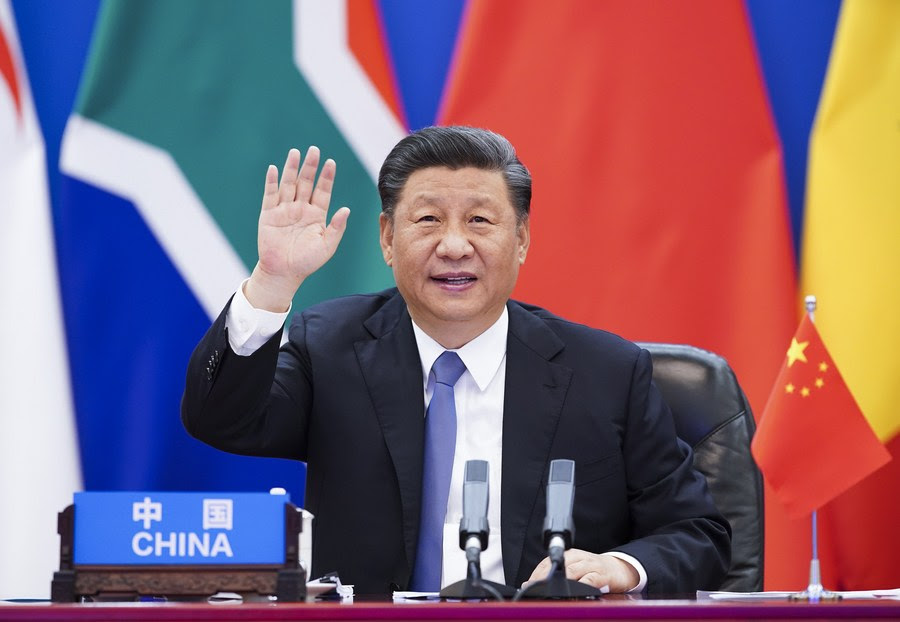
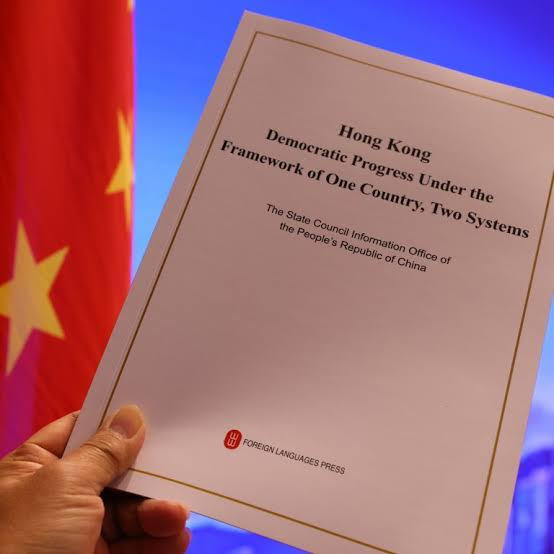
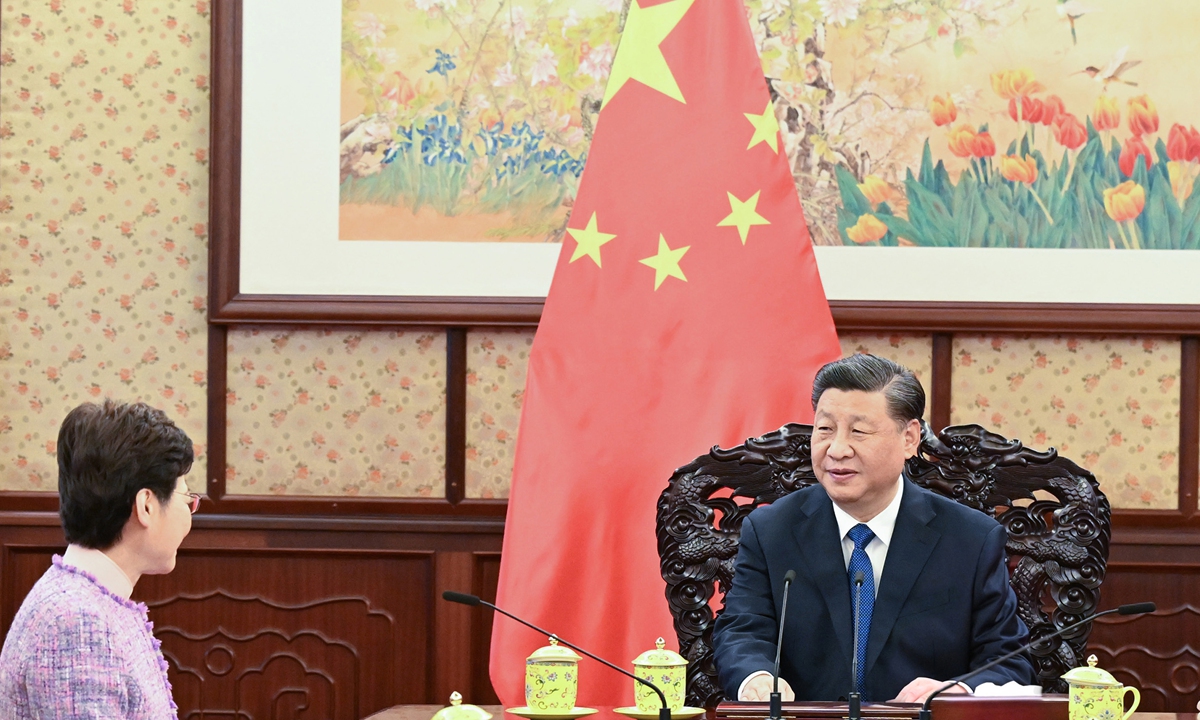
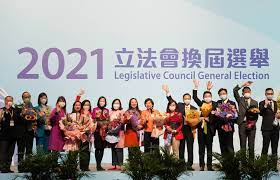

.jpeg)
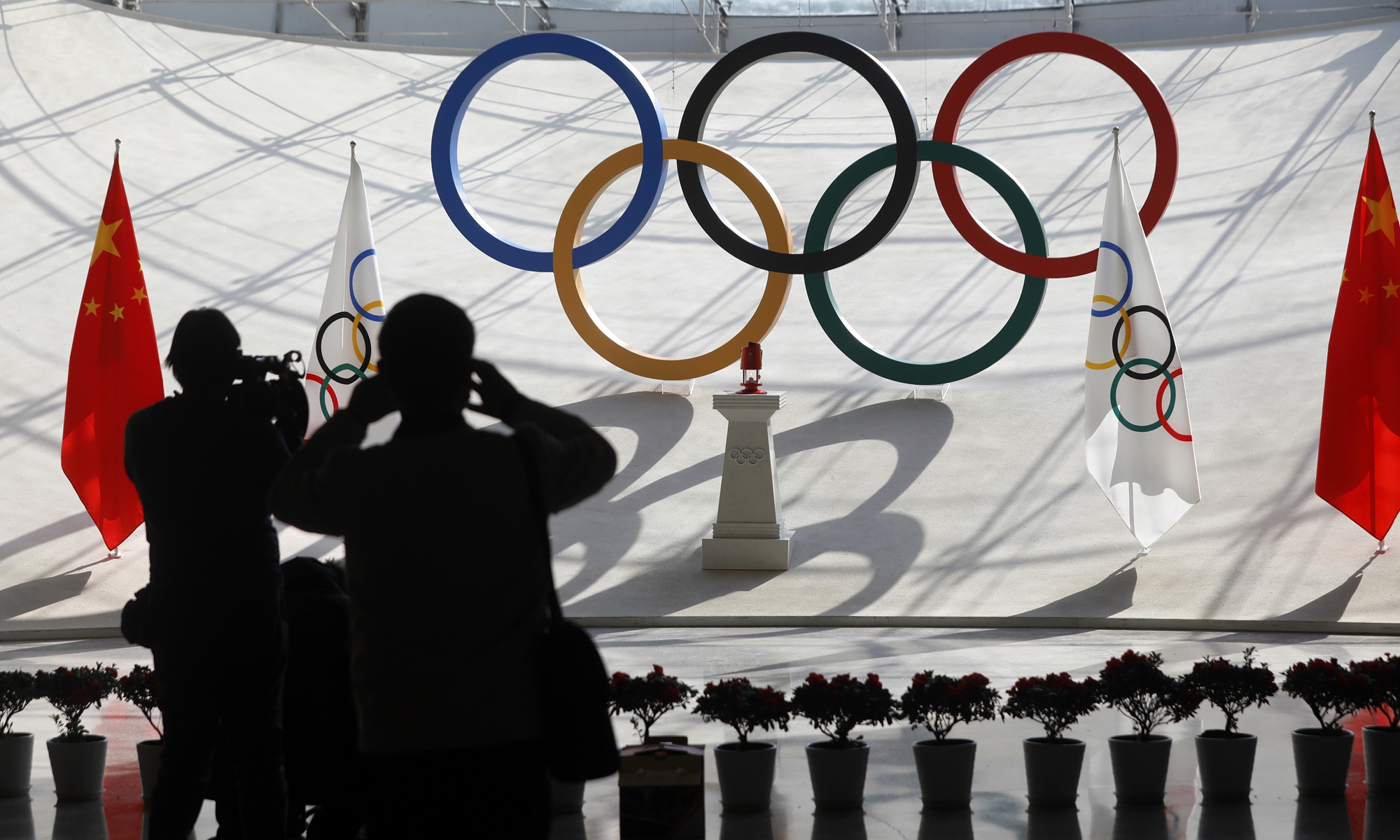
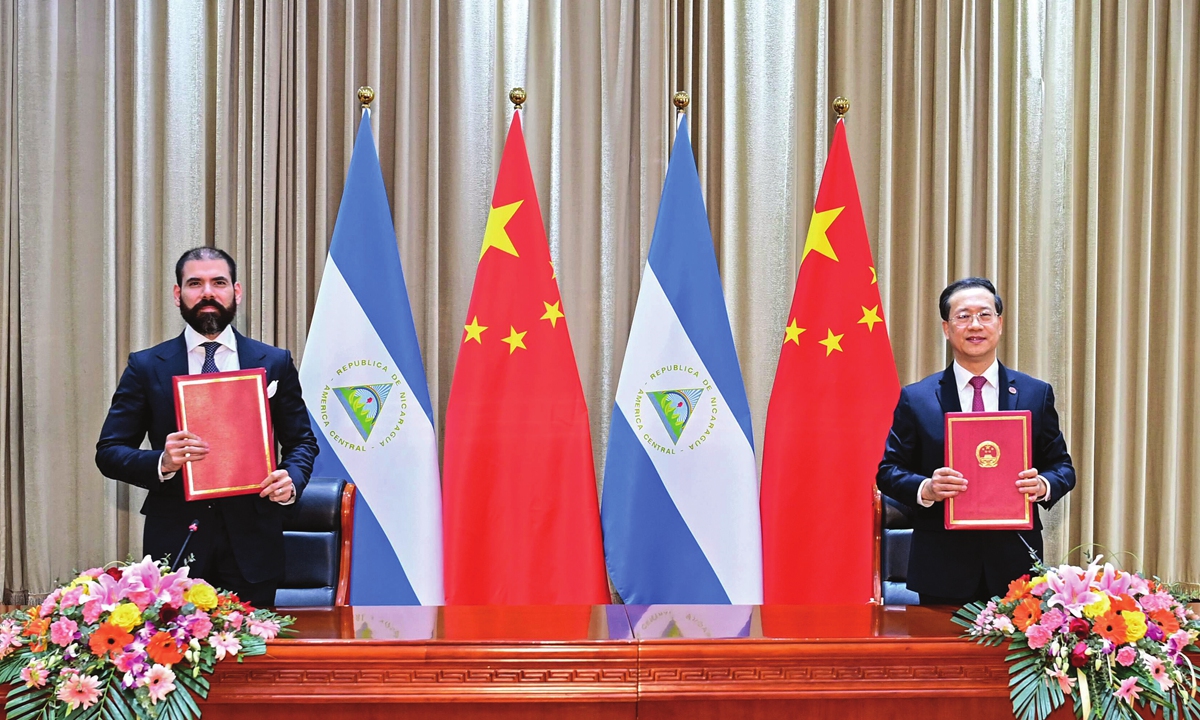
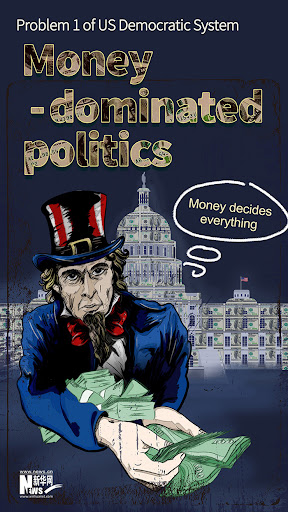

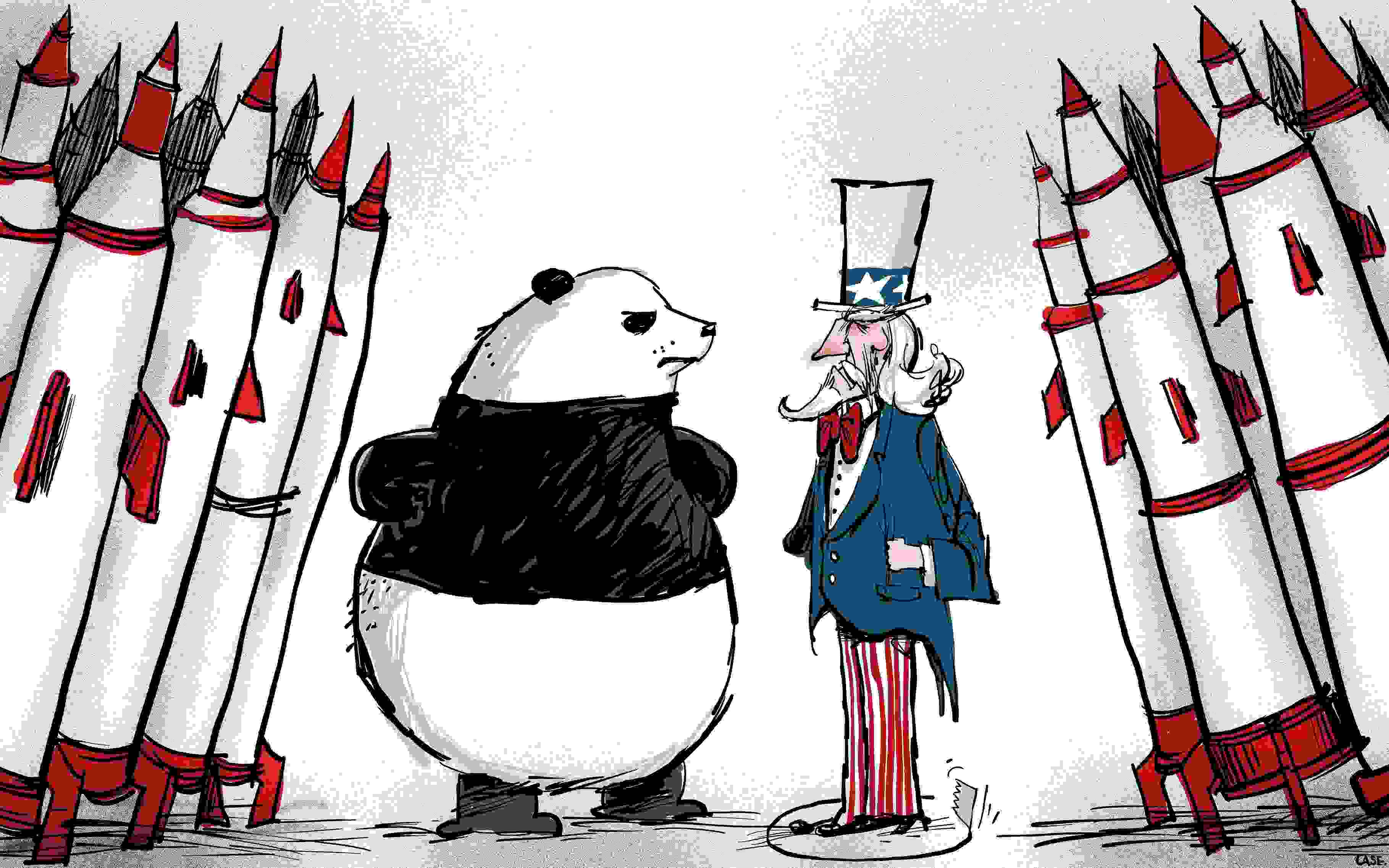
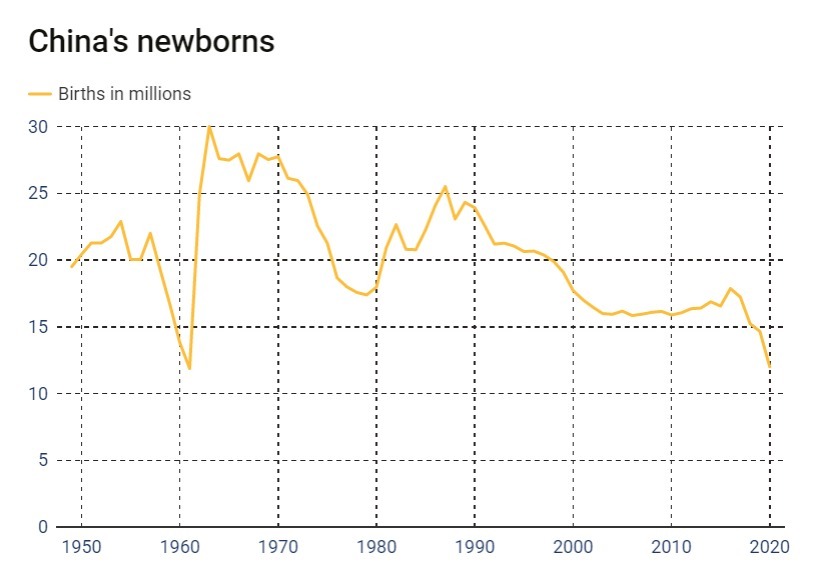
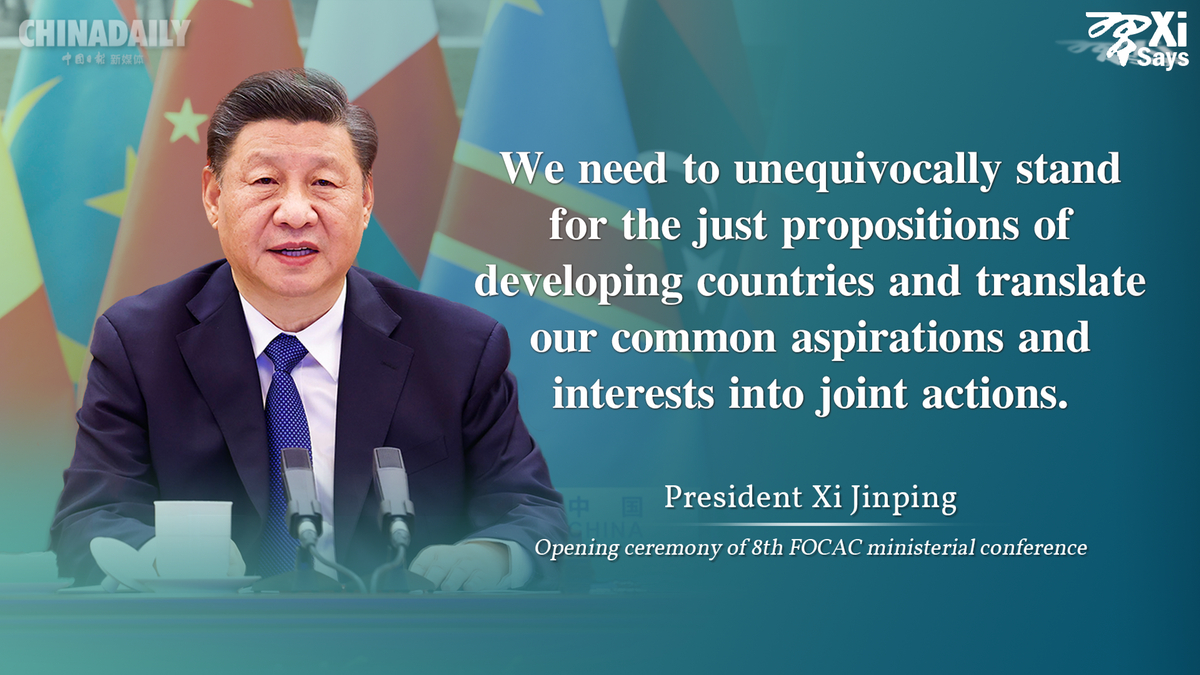
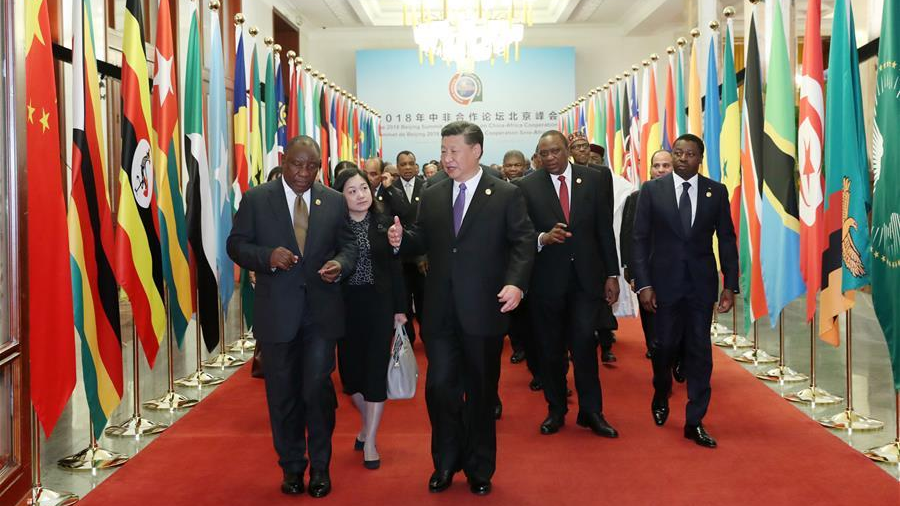
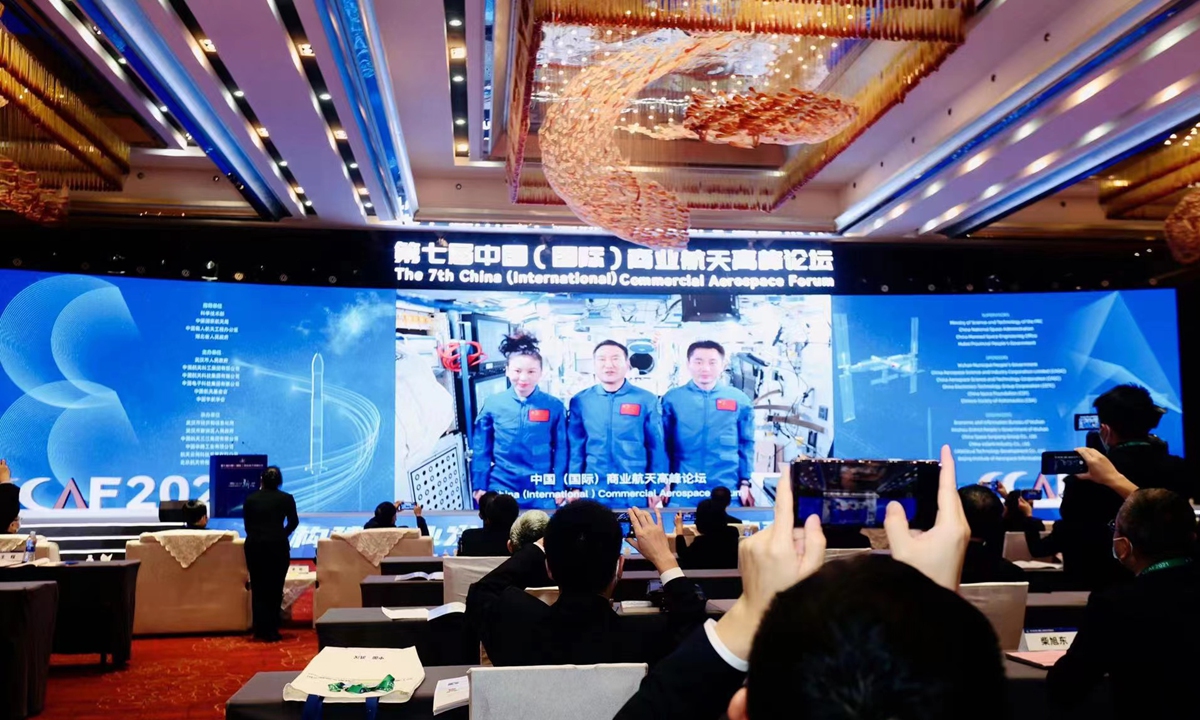
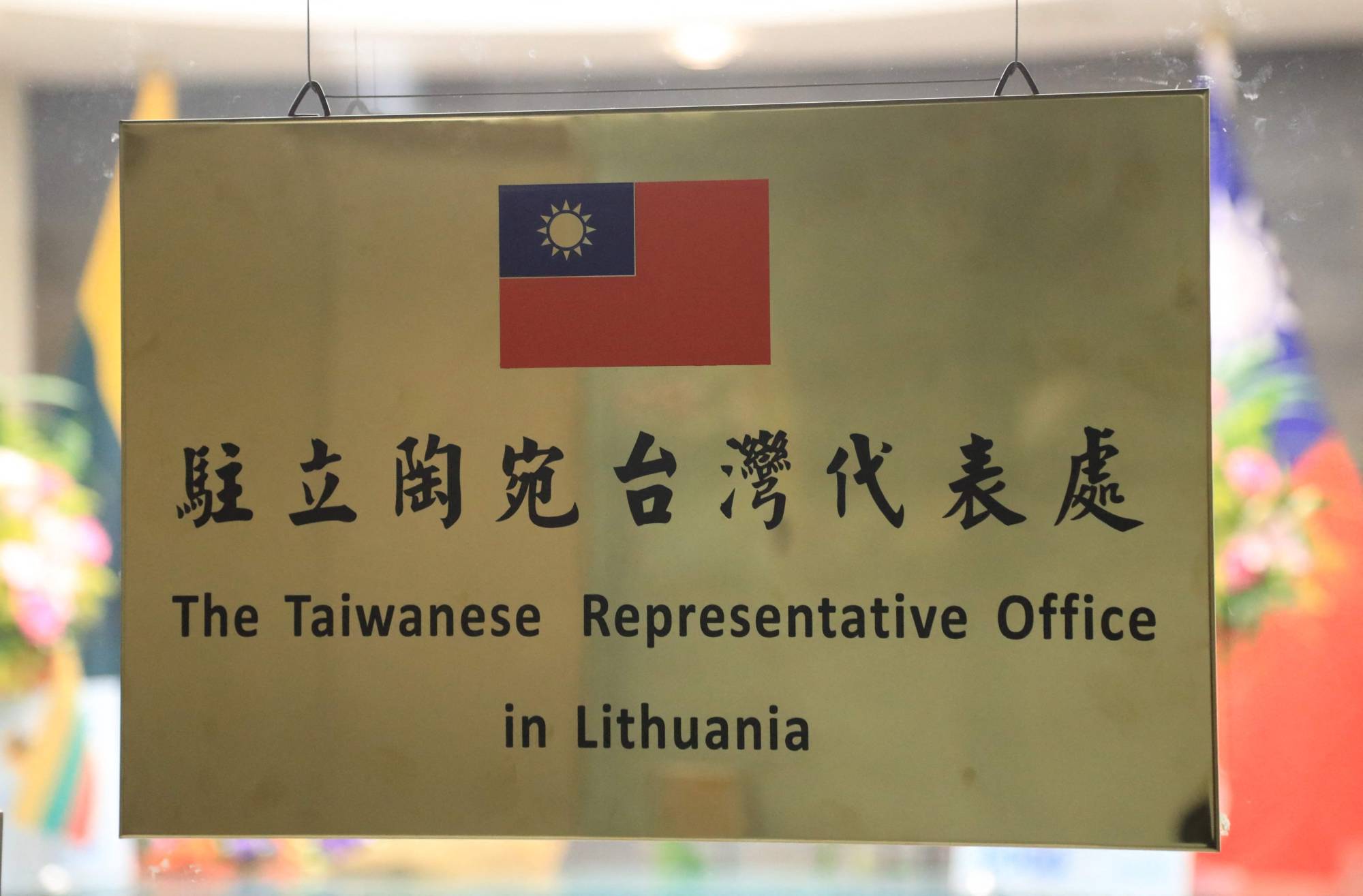

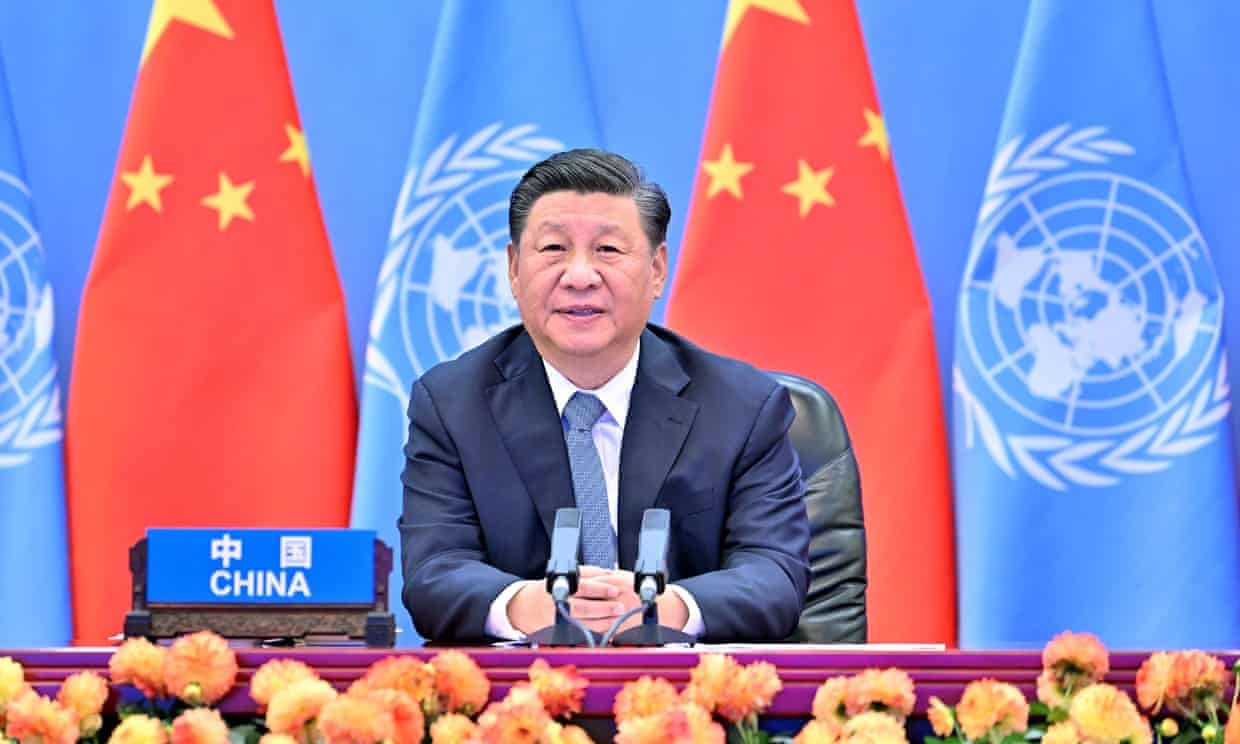
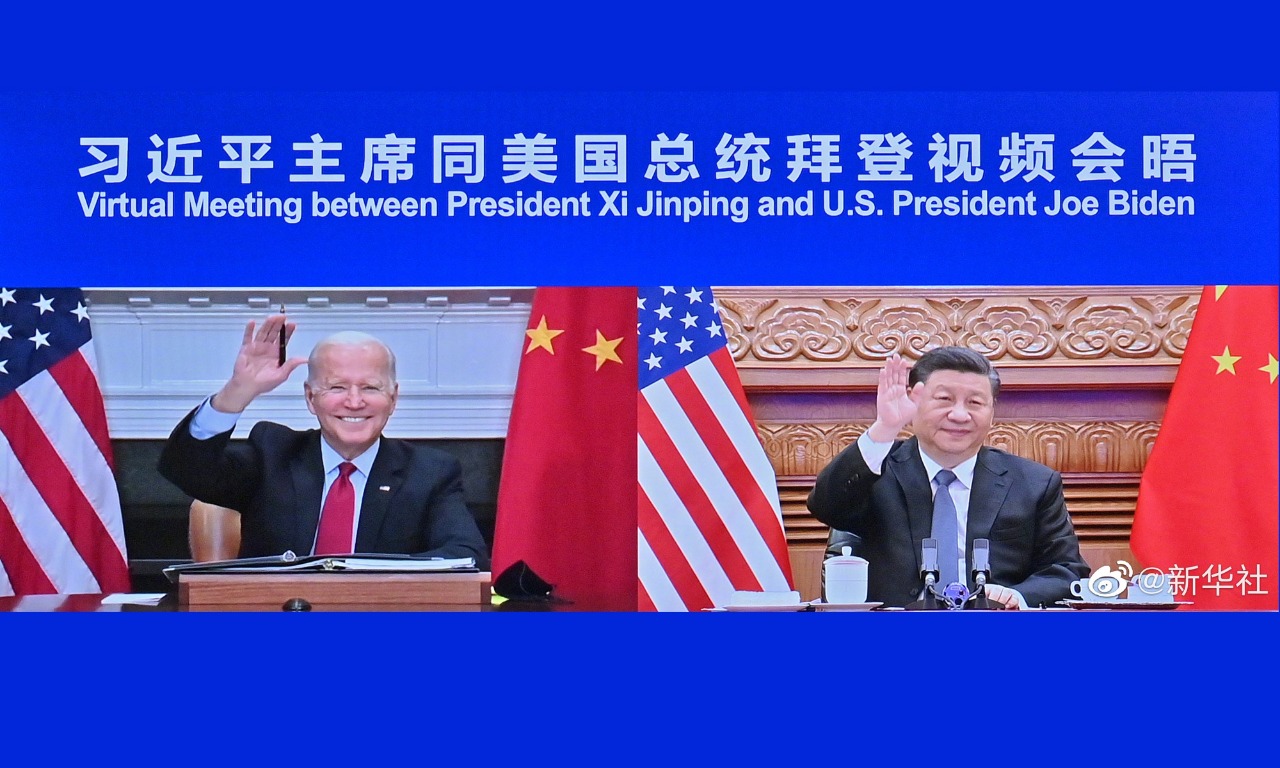
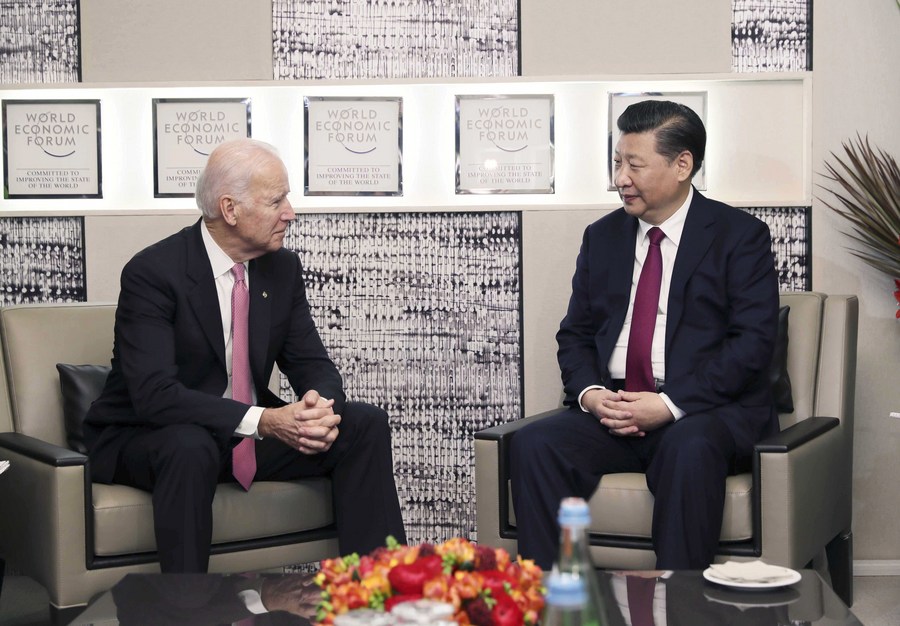
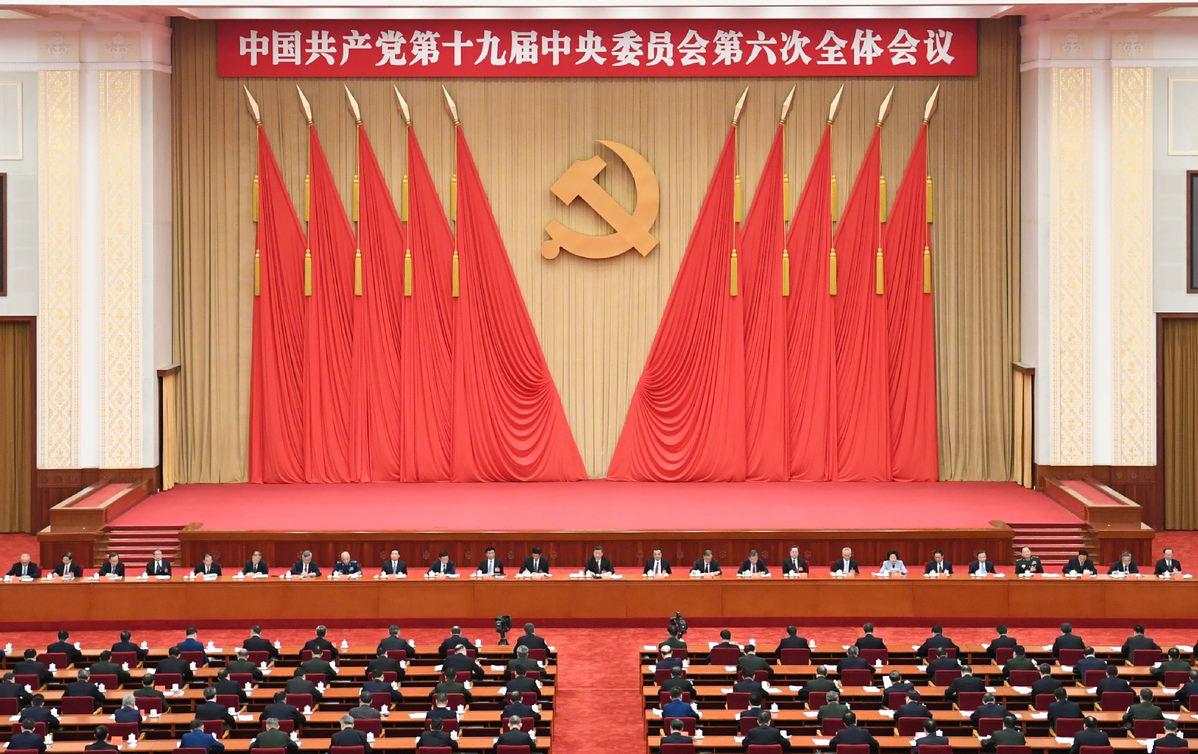
.jpeg)