Photo : CGTN
Photo : CGTN
China Reader Daily Wire | 27 February 2026, Friday| Vol 3 No. 31
INTERNAL
China’s legislature concludes its standing committee session, reports CGTN
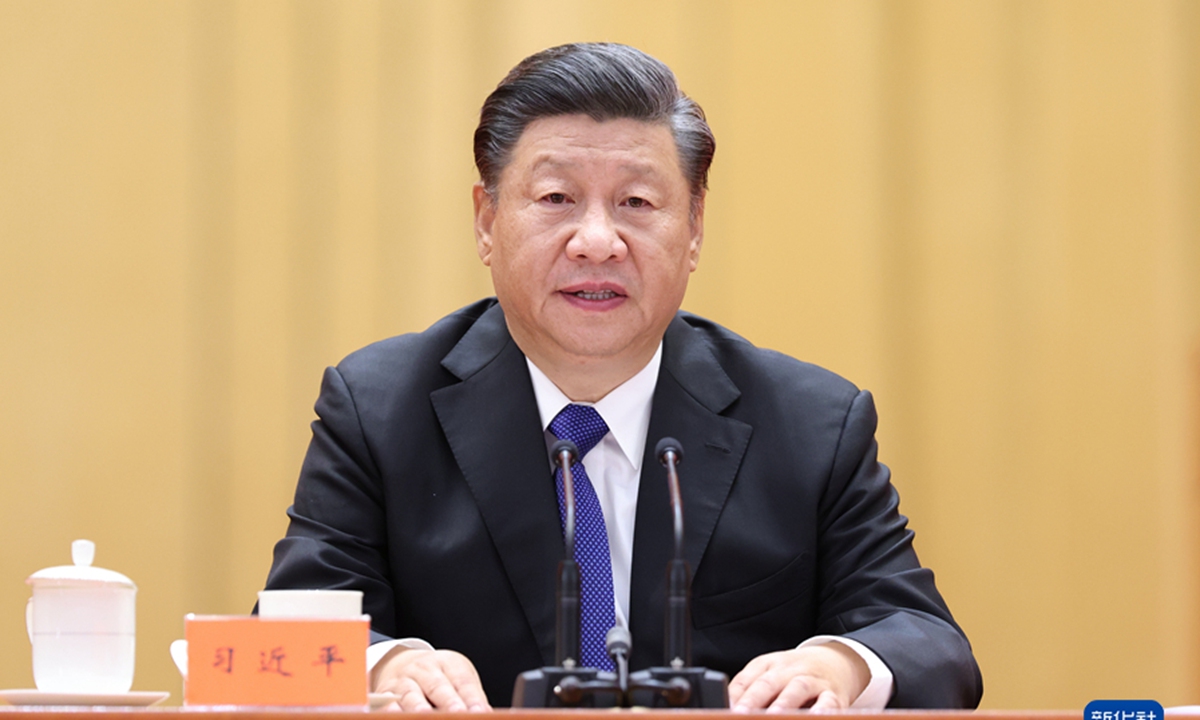
On 27 February, CGTN reported that the Standing Committee of China's 14th National People's Congress (NPC) concluded its 21st session. The lawmakers voted to remove Wang Xiangxi from the post of minister of emergency management. President Xi Jinping signed a presidential order on Wang's removal. The legislators adopted the draft agenda of the NPC session and the draft list of the session's praesidium and secretary-general, and decided to submit the drafts to the preparatory meeting of the NPC session for deliberation. Chairman Zhao Leji emphasised that the upcoming annual NPC session will review and approve the 15th Five-Year Plan (2026-2030), deliberate on the draft environmental code, the draft law on promoting ethnic unity and progress, and the draft law on national development planning, among other documents. (“China's top legislature concludes standing committee session,” CGTN, 27 February 2026)
CHINA & WEST ASIA
US urges Syria not to use Chinese telecommunication services and products, reports SCMP
On 27 February, SCMP reported that the US warned Syria against relying on Chinese technology for telecommunications support. It argued a conflict of interest with the US and that it threatens US National security. This was shared in a meeting between the US State Department team and Syrian Communications Minister Abdulsalam Haykal in San Francisco. Syria is exploring the possibility of procuring Chinese technology to support its telecommunications towers and the infrastructure of local internet service providers, according to a Syrian businessman involved in the procurement talks. A US State Department spokesperson said: “We urge countries to prioritise national security and privacy over lower-priced ?equipment and services in all critical infrastructure ?procurement. If it seems too good to be true, it probably is.” The Syrian Ministry of Telecommunications stated that any technology developed is in “accordance with national technical and security standards, ensuring data protection and service continuity.” (“US presses Syria to shift from Chinese telecoms systems, cites threat to national security,” SCMP, 27 February 2026)
CHINA & THE AMERICAS
Canada cannot replace the US with China, says Canadian Conservative leader
On 27 February, SCMP reported that Canadian Conservative Leader Pierre Poilievre stated that China cannot serve as a substitute for the US. This comes amid Prime Minister Mark Carney’s recent visit to the China amid strained ties with the Trump administration. Pierre siad: “Canada’s prosperity and security are inseparable from a stable relationship with the United States,” and that “That is why we should not declare a permanent rupture with our biggest customer and closest neighbour in favour of a strategic partnership for a new world order with Beijing – a regime the prime minister himself said was the biggest threat to Canada just a year ago.” Poilievre proposed a new “tariff-free auto pact” under which Canada would “agree to keep Chinese vehicles out if Americans agree to let Canadian vehicles in.” (“Canada cannot replace US with China, Carney’s Conservative rival warns,” SCMP, 27 February 2026)
INTERNAL
Press centre for China’s annual “Two sessions” opens
On 27 February, CGTN reported that the press centre for China's annual sessions of its top legislature and political advisory body, known as the "Two Sessions," was opened. The fourth session of the 14th National People's Congress and the fourth session of the 14th National Committee of the Chinese People's Political Consultative Conference will kick off on 04 March. More than 3,000 journalists, including over 1,000 from China's Hong Kong, Macao, Taiwan, and abroad, have registered to cover this year's "Two Sessions," according to the press centre. (“Press center for China's annual 'Two Sessions' opens,” CGTN, 27 February 2026)
CHINA & AFRICA
Chinese embassy in Angola warns against illegal immigration, reports SCMP
On 26 February, SCMP reported that the Chinese embassy in Angola had issued a warning about a crackdown on illegal immigration in the African country. It’s urged the citizens and firms to make sure that the correct visa procedures are followed. It said: “We have warned Chinese companies and citizens repeatedly to follow Angola’s laws, find jobs and operate businesses legally.” It noted that Chinese citizens are among those being detained and fined who have been deported by the Angolan authorities. The embassy said foreign nationals and investors were not guaranteed work visas and urged Chinese citizens to cooperate with local law enforcement. It said people should leave the country if they did not have the proper documents. It also said: “The embassy will do its utmost within its authority to protect legitimate rights and interests and assist with justified needs.” (“Chinese embassy in Angola warns citizens not to fall foul of immigration crackdown,” SCMP, 26 February 2026)
CHINA & EUROPE
German Chancellor’s visit achieved practical results, reports China’s Ministry of Commerce
On 26 February, CGTN reported that China's Ministry of Commerce (MOFCOM) informed that China and Germany were conducting in-depth exchanges in the fields of economy and trade. China's efforts to pursue high-quality development and expand high-standard opening up will bring broad opportunities for economic and trade cooperation between China and Germany, noted the ministry. It said: “German side to implement the important consensus reached between the leaders of the two countries, enhance dialogue on economic and trade policies, and fully leverage mechanisms and platforms, such as the China-Germany joint committee on economic cooperation and trade, as well as the China-Germany economic advisory committee, to expand cooperation with a view of promoting the healthy, stable development of bilateral economic and trade cooperation, and of realizing new cooperation results.” (“China's Commerce Ministry: Merz's visit achieves positive, practical results for China, Germany,” CGTN, 26 February 2026)
CHINA & THE AMERICAS
An American ex- Airforce pilot accused of training the Chinese military, finds the DOJ
On 25 February, Fox News reported that a former US Air Force fighter pilot who trained American servicemembers on combat aircraft has been arrested for illegally training Chinese military pilots. The Department of Justice (DOJ) said Gerald Eddie Brown Jr was taken into custody and was charged with providing conspiring defence services to the Chinese military pilots without authorisation. Prosecutors allege Brown violated the Arms Export Control Act. Assistant Attorney General for National Security John A. Eisenberg said: “The United States Air Force trained Major Brown to be an elite fighter pilot and entrusted him with the defense of our Nation. He now stands charged with training Chinese military pilots.” And that “When U.S. persons – whether military or civilian – provide training to a foreign military, that activity is illegal unless they have a license from the State Department.” The DOJ alleges that he willfully conspired with foreign nationals. (“Ex-Air Force pilot arrested for allegedly training Chinese military pilots without authorization,” Fox News, 25 February 2026)
New nuclear control agreement should include China, says US Secretary of State
On 27 February, SCMP reported that the US Secretary of State Marco Rubio stated that they will keep pushing China to join the trilateral nuclear controls deal with the US and Russia. But they can’t compel it to do so. Rubio said: “We think ultimately, in the 21st century, for there to be a true arms control agreement, it has to involve China.” And that “They have publicly said they are not willing to do it … But we’ll continue to press on it because we think it would be good for the world if we could reach such an agreement.” Rubio was referring to Trump’s recent proposal for a new three-way nuclear arms control deal with China and Russia, which came after the US-Russia New Strategic Arms Reduction Treaty (New Start), the world’s last binding nuclear arms treaty. Trump has turned down Moscow’s offer to extend New Start for another year, arguing for an “improved” deal that would involve China. (“New nuclear control agreement should include US, Russia and China: Rubio,” SCMP, 27 February 2026)
China Reader Daily Wire | 26 February 2026, Thursday | Vol 3 No. 30
CHINA & EAST ASIA
Japan to deploy missiles near Taiwan by 2031, reports BBC
On 26 February, the BBC reported that Japan plans to deploy surface-to-air missiles to its remote western island near Taiwan by March 2031. This is the first time that Japan has informed of a stipulated time frame for their missile deployment to Yonaguni Island. China claims self-ruled Taiwan as its own and has not ruled out the use of force to "reunify" with it. Yonaguni is visible from Taiwan's shores on a clear day, located just 110km away. This comes after Japan’s Prime Minister’s remarks on Taiwan, which have led to deteriorating of ties. Japanese defence minister Shinjiro Koizumi announced the timeline for the missiles. This comes a day after China imposed the curbs on 20 Japanese firms. With a range of about 50km and 360-degree capability, the Japanese-made missile system can track up to 100 targets simultaneously and engage up to 12 at once. (“Japan to deploy missiles on island near Taiwan by 2031,” BBC, 26 February 2026)
CHINA & EUROPE
President Xi meets with German Chancellor discuss strategic cooperation
On 25 February, President Xi Jinping met with German Chancellor Friedrich Merz. The Ministry of Foreign Affairs on Xi’s address stated that they both should support each other, they should be innovative partners and champion openness, and that they should be partners to understand each other. Chancellor Merz said: “t stands ready to work with China to carry forward the traditional friendship, stay committed to mutual respect and open cooperation, and continue to deepen the all-around strategic partnership. The German business community attaches high importance to the Chinese market, and hopes to further deepen cooperation with China for mutual benefit and shared growth. Profound changes are taking place in the international landscape. Germany and China shoulder important responsibilities in jointly addressing global challenges. The German side looks forward to working with China to enhance coordination, jointly adhere to free trade and reject protectionism. Pursuing reliable and sustained economic and trade cooperation serves the interests of both the EU and China, and also contributes to the stability and prosperity of the world. Germany supports the EU and China in enhancing dialogue and cooperation.” (“President Xi Jinping Meets With German Chancellor Friedrich Merz,” Ministry of Foreign Affairs, 25 February 2026)
INTERNAL
CCP warns cadres to correct their performance, reports SCMP
On 26 February, SCMP reported that cadres of the Communist Party are on notice regarding their performance appraisals. This comes with a leadership change in the country. In a campaign that will continue until July, county-level officials have been told to correct any deviations from the “correct” line in their own duties and in assessments of those under their watch. Party committees at all levels were urged to make this campaign a key task for strengthening the organisation this year. The meeting followed the release of a notice from the party’s Central Committee to members about the campaign. Xi said: “The incorrect views of governance performance stem from personal or small group interests, short-sightedness, deception and reckless actions, and constructing ‘projects to showcase political achievements.” (“Why is the Communist Party warning cadres about their performance?” SCMP, 26 February 2026)
China Spring Festival travel increased while personal spending was low, reports The Straits Times
On 26 February, The Straits Times reported that China’s longest-ever Spring Festival holiday saw overall spending and traveller numbers hit record highs. The domestic tourism spending is USD 147 billion, finds Ministry of Culture and Tourism. Across the nine days, 596 million domestic trips were made nationwide, an increase of 95 million from 2025. Noting that per-person spending slipped 0.23 per cent compared with the 2025 holiday, Moody’s Analytics. Goldman Sachs said that tourism revenue per head was 8.8 per cent below pre-pandemic levels and was 2.6 per cent weaker than China’s National Day Golden Week in October 2025. (“China’s Spring Festival travel and spending hit record highs, but it’s not all rosy,” The Straits Times, 26 February 2026)
CHINA & EAST ASIA
Chinese UN envoy condemns Japan, accusing it of human rights violations, reports Global Times
On 26 February, Global Times reported that China’s representative to the United Nations Human Rights Council (UNHRC) refuted the remarks made by Japan, where they called out the human rights violations in China. The envoy said: “China’s Xinjiang and Xizang are currently experiencing economic development and social stability, with the rights of people of all ethnic groups fully guaranteed.” The Chinese representative emphasised that Japan’s criticism of other countries’ human rights situations cannot cover up its own human rights shortcomings. Japan has refused to assume historical responsibility over issues such as the “comfort women,” disregarded concerns raised by UN human rights mechanisms, and created a chilling effect through retaliatory pressure. (“Chinese envoy hits back at Japan and certain countries over spreading false human rights claims about China,” Global Times, 26 February 2026)
CHINA & EUROPE
China reclaims being Germany’s top trading partner, reports ANN
On 26 February, ANN reported that China took over from the United States to become Germany’s largest trading partner in 2025, according to Germany’s Federal Statistical Office, or Destatis. Destatis said that China-Germany trade totalled USD 296.75 billion in 2025, rising 2.1 per cent year-on-year, while trade with the US fell 5 per cent on a yearly basis. Ministry of Commerce said that as China embarks on the first year of its 15th Five-Year Plan (2026-30) period, the country welcomes German companies to seize the new opportunities arising from China’s high-standard opening-up. The ministry said: “They are encouraged to consolidate cooperation in traditional sectors while tapping the potential of emerging fields such as clean energy, embodied artificial intelligence, biotechnology and industrial digitalization, turning opportunities into tangible outcomes.” (“China reclaims spot as Germany’s top trading partner,” ANN, 26 February 2026)
CHINA & THE AMERICAS
US to maintain tariffs on China after the Supreme Court struck it down, says US Representative
On 26 February, SCMP reported that US Representative Jamieson Greer stated that the US will maintain their current levels of tariffs after the Supreme Court struck down the levies imposed by the Trump administration. This comes weeks ahead of Trump’s visit to China. Greer stated that the US will keep in place current China tariffs, which have varied from 35 per cent to 50 per cent depending on the product, since the countries “de-escalated” the trade war last year. He noted that they did not intend to escalate, and they want to stick with the deal from before. US trading partners have scrambled to understand the Trump administration’s detailed plans to maintain its tariff regime with the new tool while upholding its global trade agreements. Greer said: “So we want to have the 10 per cent, and we’re looking [at] how to implement the 15 per cent that the president indicated, because we want to have continuity,” and that “We want the countries, we want the companies, we want people to understand that, what we were doing before, we’re going to reconstruct with alternative tools.” (“US to keep China trade tariffs steady ahead of key Trump-Xi meeting: Greer,” SCMP, 26 February 2026)
China Reader Daily Wire | 25 February 2026, Wednesday | Vol 3 No. 29
CHINA & EAST ASIA
China bans export of dual-use items to 20 Japanese firms, reports Al-Jazeera
On 25 February, Al-Jazeera reported that Japan protested against China’s move to restrict the export of dual-use items to 20 Japanese firms. China noted that they can be used for military purposes, prompting a series of diplomatic rows following PM Sanae Takaichi’s statement. Japanese Deputy Chief Cabinet Secretary Sato Kei called the move by China’s Ministry of Commerce deplorable and said Japan will not tolerate it. Some of them are Kawasaki Heavy Industries, Japan’s National Defense Academy, and the Japan Aerospace Exploration Agency. Ministry said: “safeguard national security and interests and fulfil international obligations such as non-proliferation,” noting that these Japanese firms were involved in enhancing military strength. China’s Commerce Ministry said on Tuesday that it would also add another 20 entities to its export restrictions watchlist, including Japanese automaker Subaru, petroleum company ENEOS Corporation, and Mitsubishi Materials Corporation. (“Tokyo protests as China blocks ‘dual-use’ exports to 20 Japanese companies,” Al-Jazeera, 25 February 2026)
CHINA & TAIWAN
Taiwan to miss US arms deal due to delay in approval of special defence budget, reports SCMP
On 24 February, SCMP reported that Taiwan is risking to miss out on three US-approved weapons packages for the first time due to delays in the approval of a special budget of USD 40 billion to be approved. The unprecedented situation has prompted Defence Minister Wellington Koo Li-hsiung to urge opposition lawmakers to give the budget emergency authorisation ahead of a March 15 deadline, when letters of offer and acceptance for three arms deals will expire. It would be the first time that Taiwan has missed out on US arms purchases because of legislative deadlock rather than hesitation in Washington. He said: “lose priority in the procurement line for systems such as the M109A7 howitzers and HIMARS multiple-launch rocket systems.” According to the defence ministry, the deals would be a major upgrade to the army’s ability to carry out precision strikes. (“Taiwan may see US arms deals fall through for first time because of legislative deadlock,” SCMP, 24 February 2026)
CHINA & EUROPE
German Chancellor in China to discuss trade and bilateral cooperation, reports BBC
On 25 February, the BBC reported that German Chancellor Friedrich Merz had landed in China. Imports into Germany from China were more than double the value of those exported back last year, according to federal statistics. Merz said: “We want a partnership with China that is balanced, reliable, regulated and fair.” Merz is also expected to press China to use its influence with Moscow to help end the war in Ukraine. With him there was a sizeable business delegation. Business groups in Germany are urging Merz to send a clear signal during what will be his inaugural trip to China as chancellor. He must address problems including "distortions" in competition and export controls on critical rare earths, according to the Federation of German Industries. Merz said Germany would continue its broader de-risking policy but that “it would be a mistake for us to seek to decouple ourselves from China.” (“German chancellor lands in Beijing for inaugural China trip,” BBC, 25 February 2026)
OUTER SPACE
China’s LandSpace plans more recovery test launches, reports Global Times
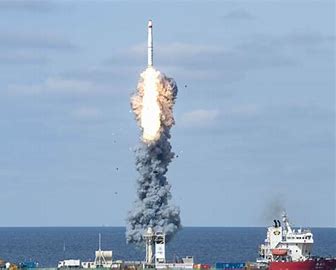
On 25 February, Global Times reported that Chinese privately-owned space company LandSpace said at a recent meeting of the United Nations Committee on the Peaceful Uses of Outer Space that the company plans to conduct another recovery test of its Zhuque-3 reusable rocket. The company revealed to attendees at the COPUOS meeting that it is optimising the satellite's landing process and plans to conduct another recovery test in the second quarter of 2026. It aims to attempt the first recovery and reuse flight in the fourth quarter, depending on the results of that test. China completed its first maritime recovery of a rocket booster, with the first stage of a Long March-10 carrier rocket retrieved from the sea. The milestone marked an advancement in reusable launch vehicle technologies. (“China’s LandSpace plans more recovery test launches of its Zhuque-3 reusable rocket in Q2 of 2026: company,” Global Times, 25 February 2026)
EXTERNAL
Chinese peacekeepers in Lebanon conduct cultural exchange with their Italian counterparts, reports China Military
On 24 February, China Military reported that the 24th Chinese Peacekeeping Force to the United Nations Interim Force in Lebanon (UNIFIL) conducted cultural exchange and social activities with the Italian Peacekeeping Force at the mission area in Lebanon. 24th Chinese Peacekeeping Force to UNIFIL has received more than 50 guests in over ten batches, including the force commander and deputy force commander of UNIFIL, peacekeepers from Finland, Myanmar, Ghana, Sri Lanka, and other countries, as well as Lebanese government officials. (“Chinese peacekeepers in Lebanon conduct cultural exchanges with Italian counterparts,” China Military, 24 February 2026)
CHINA & WEST ASIA
Iran and China nearing anti-ship supersonic missile deal, reports Fox News
On 24 February, Fox News reported that Iran is nearing a deal with China to acquire supersonic anti-ship cruise missiles, a move that could significantly raise the stakes in the Middle East as U.S. carrier strike groups assemble within striking distance of the Islamic Republic. Tehran is close to finalising an agreement for Chinese-made CM-302 missiles, citing six people with knowledge of the negotiations. The supersonic weapons, which can travel roughly 180 miles and fly low to evade ship defences, would enhance Iran’s ability to target U.S. naval forces operating in the region. It is unclear how many missiles are involved, how much Iran has agreed to pay, or whether China will ultimately proceed given heightened regional tensions. (“Iran nears China anti-ship supersonic missile deal as US carriers mass in region: report,” Fox News, 24 February 2026)
Ukrainian envoy urges China to play a critical role for peace in Ukraine, reports SCMP
On 24 February, SCMP reported that Ukraine’s top envoy called on China to play a critical role to help end the war in Ukraine, now stretching to its fifth year. Olexander Nechytaylo, Ukrainian ambassador to China, talking to foreign diplomats in Beijing, said: “We are working with all international partners to bring a sustainable and lasting peace, and we believe that our host country, China, is uniquely positioned to play an important and in many ways critical role in this process.” And that “So my message here today: let’s not waste the chance for peace, [and] let’s walk this last mile together.” The remarks were made at the Ukrainian embassy in Beijing on Tuesday at an event to mark the fourth anniversary of Russia’s invasion. European Union’s top envoy in China, Jorge Toledo, said: “Much as we differ from the Chinese positions over the Russian aggression on Ukraine, now we can find common ground in our call for this ceasefire and for the respect of territorial integrity and sovereignty for which China has been calling since the start of the war.” (“Ukraine urges China to play ‘critical’ role for peace as war enters fifth year,” SCMP, 24 February 2026)
CHINA & AMERICAS
China received no Nvidia H200 chips since Trump's approval, reports Reuters
On 25 February, Reuters reported that Nvidia has not sold any of its second-most AI chips, the H200. The US Commerce Department informed this. President Donald Trump's administration last month gave a formal green light to China-bound sales of Nvidia's H200 chips with conditions, drawing fire from U.S. lawmakers and former officials of both parties. The administration, led by White House AI czar David Sacks, has said shipping advanced AI chips to China discourages Chinese competitors. But China hawks fear the chips could easily be diverted from commercial uses to help supercharge China's military and threaten US dominance in AI. (“China has not yet received any Nvidia H200 chips, US official says,” Reuters, 25 February 2026)
China Reader Daily Wire | 23 February 2026, Monday | Vol 3 No. 28
INTERNAL
Chinese universities pivoting towards area studies over language degrees, says an editorial in SCMP
On 23 February, an editorial in SCMP reported on how Chinese universities are shifting their focus from traditional language degrees to area studies, based on countries. This reflects a broader strategy to craft a uniquely Chinese framework for understanding the world, independent of Western paradigms. The field of regional or area studies examines the politics, economics, culture, military affairs, geography, linguistics and other dimensions of countries and regions worldwide. China’s Ministry of Education data shows that the interdisciplinary field has rapidly grown in popularity as an academic programme. At least 450 regional studies centres across more than 180 institutions have been set up nationwide since the ministry launched a “cultivation base” project in 2011, with about 20,000 faculty members deployed in the field. The ministry reported that more than 109 institutions abolished 28 foreign language undergraduate majors between 2018 and 2022. (“Why Chinese universities are ditching language degrees for strategic regional expertise,” SCMP, 23 February 2026)
MARITIME
China’s NEW Type 095 nuclear submarine spotted by satellite, reports SCMP
ON 22 February, SCMP reported that China launched its first next-generation Type 095 nuclear-powered attack submarine (SSN). This was founded on satellite imagery by Janes and Naval News. It marks a significant leap as Beijing ramps up the underwater arms race to challenge US naval dominance in technology and production. It marks a significant leap as Beijing ramps up the underwater arms race to challenge US naval dominance in technology and production. It is the first Chinese nuclear submarine to feature a design that improves manoeuvrability, according to Janes Defence. It also appears to be equipped with a pump-jet propulsor, which is critical for reducing noise signatures. (“China’s Type 095 nuclear submarine spotted for first time in new satellite images,” SCMP, 22 February 2026)
CHINA & THE PACIFIC
China monitors Australia frigate HMAS “Toowoomba” passage through Taiwan Straits, reports SCMP
On 22 February, SCMP reported that Australian frigate HMAS Toowoomba sailed through the Taiwan Strait, and that it was being monitored closely by the People’s Liberation Army, which remained on alert throughout the transit, according to a mainland Chinese media report. It was spotted in the Penghu Islands near the strait’s median line – an unofficial boundary in the waters between the mainland and Taiwan. Taiwan Liberty news said: “[The Toowoomba’s] shipborne helicopter approached the median line of the strait in the afternoon, and the Taiwan military immediately issued a radio warning to drive it away.” Australian Department of Defence said: “These deployments play a vital role in our long-term security and prosperity by protecting Australia’s interests, preserving the international rules-based order, enhancing cooperation and relationships with regional partners and allies, and developing capability and interoperability.” (“Beijing monitors Australian frigate HMAS Toowoomba’s passage through Taiwan Strait,” SCMP, 22 February 2026)
CHINA & AFRICA
China is building Africa’s space program, reports SCMP
On 23 February, SCMP reported that China is building Nigeria’s space program. It noted that from a satellite ground station in Namibia to an Egyptian laboratory in orbit, China has been building the hi-tech backbone of Africa’s space ambitions. Beijing handed over a new satellite data ground station near Windhoek, Namibia the latest in a growing network of space facilities across the continent built by China or with Chinese funding. The China-funded ground station at Windhoek’s Telecom Earth Station enables Namibia to process remote-sensing data from satellites. China’s ambassador to Namibia, Zhao Weiping, described the station as Beijing’s first “high-technology development assistance project” in the African nation. China also has a space tracking station in Swakopmund, Namibia. It opened in 2001 to support China’s manned space missions and is managed by the Xian Satellite Control Centre under the People’s Liberation Army. (“How China is building the hi-tech backbone of Africa’s space ambitions,” SCMP, 23 February 2026)
CHINA & EUROPE
EU bans Chinese researchers from critical tech programmes, reports SCMP
On 21 February, SCMP reported that researchers in China have been excluded from the European Union’s most advanced collaborative technology programmes. The EU has barred organisations based in China from applying for its USD 110 billion Horizon Europe grants in “critical areas.” It cited security concerns and potential military use. Researchers outside China applying in those fields must also prove that partner institutions are not directly owned or controlled by Chinese organisations. Horizon Europe is the EU’s flagship research and innovation programme. It dates back to the 1980s and has attracted applicants from more than 100 countries. (“EU bans Chinese bodies from critical tech programmes, including AI and chips,” SCMP, 21 February 2026)
CHINA & THE AMERICAS
Trump scheduled for a three-day visit to China, reports Al-Jazeera
On 21 February, Al-Jazeera reported that US President Donald Trump is scheduled to travel to China from 31 March to 02 April. Trump and Chinese President Xi Jinping have respectively described “excellent” and “good communication” between the two countries in recent months. Trump said: “We have to put on the biggest display you’ve ever had in the history of China.” The announcement of Trump’s China visit came shortly before the US Supreme Court on Friday struck down the tariffs that Trump had imposed on countries around the world, in a tactic the US president has openly used to influence other countries to support his policies. This will be Trump’s first trip to China since the COVID-19 pandemic. (“Trump to make three-day visit to China next month, White House says,” Al-Jazeera, 21 February 2026)
China Reader Daily Wire |18 February 2026, Wednesday | Vol 3 No. 27
CHINA & EUROPE
China pledges humanitarian energy aid to Ukraine, reports Foz News
On 16 February, Fox News reported that China offered new humanitarian energy assistance to Ukraine. US Ambassador to NATO Matthew Whitaker said: “China could call Vladimir Putin and end this war tomorrow and cut off his dual-purpose technologies that they’re selling.” And that “China could stop buying Russian oil and gas," he added. "You know, this war is being completely enabled by China.” Chinese Foreign Minister Wang Yi met with Ukrainian Foreign Minister Andrii Sybiha on the sidelines of the conference and pledged what both sides described as humanitarian energy assistance to help Ukraine cope with ongoing Russian strikes on its power infrastructure. China has not publicly disclosed the size or scope of the aid package. (“China pledges aid to Ukraine as US officials warn Beijing is quietly fueling Russia’s war,” Fox News, 16 February 2026)
CHINA & THE AMERICAS
US Olympic skier opts to compete for China, reports Fox News
On 17 February, Fox News reported on Olympic skier Eileen Gu opting to compete for China instead of the US. US Vice President JD Vance said: “I certainly think that someone who grew up in the United States of America, who benefited from our education system, from the freedoms and liberties that make this country a great place, I would hope they want to compete with the United States of America. So, I'm going to root for American athletes. I think part of that is people who identify themselves as Americans. That's who I'm rooting for in these Olympics.” Gu has been at the centre of international criticism, particularly from Americans, about her decision to represent China in these Olympics. She represented China at the 2022 Beijing Winter Games as well. Gu is the highest-paid Winter Olympic athlete in the world, making an estimated $23 million in 2025 alone amid partnerships with Chinese companies, including the Bank of China, and Western companies. Gu has said she represents China for her mother, who was born there. (“Vance speaks out on Eileen Gu's decision to compete for China instead of US in Olympics,” Fox News, 17 February 2026)
ENVIORONMENT
China plants millions of trees in the Taklamakan Desert, reports The Economic Times
On 18 February, The Economic Times reported on the Taklamakan Desert in China. For centuries, the Taklamakan Desert carried a name that sounded like a warning. Roughly translated, it means “The Place of No Return.” Stretching across 130,000 square miles in western China, it was long known for its relentless dunes, choking dust and extreme isolation. China launched the Three-North Shelterbelt Program. The goal was bold: build a vast “Great Green Wall” by planting billions of trees to prevent the Gobi and Taklamakan deserts from expanding into populated areas. (“China planted millions of trees around the Taklamakan Desert, and turned it into a carbon sink,” The Economics Times, 18 February 2026)
S&T
Humanoid robots perform in Chinese New Year gala, reports Al-Jazeera
On 17 February, Al-Jazeera reported that China’s annual gala on Lunar New Year’s Eve had showcased Beijing’s giant leap in technology as humanoid robots took centre stage to perform a joint martial arts routine featuring several firsts. Two dozen humanoid robots performed the world’s first continuous freestyle table-vaulting parkour, the first aerial flip, continuous single-leg flips, a two-step wall-assisted backflip, and the first 7.5-rotation Airflare grand spin. It has been weeks since US tech mogul Elon Musk told his first-ever Davos World Economic Forum that he is confident humanoid robots will be sold to the public by the end of next year, and that there will soon be more robots than people. (“Humanoid robots perform advanced martial arts at Chinese New Year gala,” Al-Jazeera, 17 February 2026)
DEFENCE
China’s military is pushing to improve the English language skills of soldiers, reports SCMP
On 18 February, SCMP reported that the People’s Liberation Army has been urged to overhaul English language teaching at its military schools and recruit professionals to improve soldiers’ communication skills on the international stage. Li Yan, Dai Sishi and Zhang Yong, all associate professors from the military school, argued that English teaching in China’s military schools was outdated and unbalanced. They said there was too much focus on vocabulary, grammar and reading and writing, but not enough on communication and presentation. They argued that this approach meant that while graduates could understand English-language military textbooks and terminology, they could not speak naturally, write standardised tactical reports or discuss technical matters. Specialised training in listening, speaking and translation accounted for less than 20 per cent of the curriculum, the authors warned. (“Chinese military urged to overhaul English teaching to improve language skills,” SCMP, 18 February 2026)
MARITIME
The Chinese military conducted patrols near the South China Sea, reports Global Times
On 17 February, Global Times reported that the Chinese military conducted naval and air combat readiness patrols in the territorial waters of the South China Sea. The Philippines co-opted countries outside the region to organise the so-called joint patrols, which had undermined peace and stability in the region, said Zhai Shichen, spokesperson for the Chinese People's Liberation Army Southern Theatre Command. Zhai said: “Forces of the theatre command will resolutely safeguard China's territorial sovereignty and maritime rights and interests, and firmly uphold regional peace and stability.” (“Chinese military conducts combat readiness patrols in South China Sea,” Global Times, 17 February 2026)
CHINA & THE AMERICAS
US to resume nuclear testing to match Chinese hidden activities, reports SCMP
On 18 February, SCMP reported that the US State Department revealed that it will resume its nuclear testing to match China’s activities. Stating that China conducted a test in 2020 in secrecy. Assistant Secretary of State for the Bureau of Arms Control and Non-proliferation Christopher Yeaw said: “As the president has said, the United States will return to testing on an ‘equal basis’,” “But equal basis doesn’t mean we’re going back to Ivy Mike-style atmospheric testing in the multi-megaton range.” US Undersecretary of State for Arms Control and International Security Thomas DiNanno said at a conference in Geneva that China had failed to disclose a 2020 nuclear test. The US detected a seismic event of 2.75 magnitude on June 22, 2020, right near China’s Lop Nur nuclear test site, Yeaw elaborated. (“US offers more details on claim China conducted secret nuclear weapons test,” SCMP, 18 February 2026)
Brazil to exhaust beef sales cap to China by September, reports SCMP
On 18 February, SCMP reported that Brazil will soon exhaust its annual beef export quota to China by September. The government warns that uncontrolled shipments could trigger a collapse in domestic prices and jobs in the cattle sector. If the pace of exports recorded in January is maintained, Brazil will fill its 2026 quota of 1.106 million tonnes well before the year’s end, according to the Centre for Advanced Studies on Applied Economics. The surge comes despite new restrictions imposed by Beijing in December that limit how much beef major suppliers can send under a lower tariff regime. China announced that imports exceeding a fixed country quota in 2026 would face a 55 per cent tariff, sharply above the standard 12 per cent rate. The measure applies to Brazil, Argentina, Uruguay and the United States. For Brazil, the ceiling was set at about 1.1 million tonnes. (“Brazil races to China beef cap as 55% tariff risks price collapse,” SCMP, 18 February 2026)
China Reader Daily Wire |17 February 2026, Tuesday | Vol 3 No. 26
INTERNAL
Detained Chinese journalist released on bail who exposed corruption by CPC officials, reports SCMP
On 16 February, SCMP reported that two Chinese investigative journalists detained in Sichuan province after accusing a local Communist Party official of corruption have been released on bail pending further investigation. Reporters Without Borders said: “just how restrictive and hostile China has become towards independent reporting.” The municipal team had been formed to investigate the reporters’ claims and had determined that key allegations in the article were unfounded. The district police said: “Upon their application … the coercive measures imposed on Liu and Wu were changed to release on bail pending trial in accordance with the law.” (“Chinese journalists who accused a Communist Party official of corruption released on bail,” SCMP, 16 February 2026)
Xi Jinping’s Chinese New Year greeting for the year of the Horse
On 14 February, China’s President Xi Jinping shared Chinese New Year greetings for the year of the Horse. Addressing the reception attended by over 2,000 people, Xi noted China's solid progress in various fields, including law-based governance, cultural undertakings, ecological conservation, and defense, over the past year. Xi stated that China put forward the Global Governance Initiative, successfully hosted the Shanghai Cooperation Organisation summit and the Global Leaders' Meeting on Women. Anti-corruption efforts yielded notable results as the CPC steadfastly exercised the full and rigorous self-governance. Xi encouraged the Chinese people to maintain high morale and forge ahead on the new journey of Chinese modernisation in the Year of the Horse. (“Xi Focus: Xi extends Chinese New Year greetings to ring in Year of Horse,” CGTN, 14 February 2026)
ENVIRONMENT
China curbed its air pollution, reports The Straits Times
On 17 February, The Straits Times reported on the lowering pollution levels in China. China’s state power behind policies like moving factories and electrifying vehicles improved the air quality. Pollution levels in many Chinese cities still top the World Health Organisation’s (WHO) limits, but they have fallen dramatically since the “airpocalypse” days of the past. Since 2013, levels of PM2.5, small particulate matter that can enter the lungs and bloodstream, have fallen 69.8 per cent. Particulate pollution fell 41 per cent nationwide in the decade from 2014, and average life expectancy has increased 1.8 years, according to the University of Chicago’s Air Quality Life Index (AQLI). There were early attempts to tackle the issue, including installing desulphurisation technology at coal power plants, while factory shutdowns and traffic control improved the air quality for events like the 2008 Olympics. (“China has slashed air pollution, but the ‘war’ isn’t over,” The Straits Times, 17 February 2026)
CHINA & EAST ASIA
China is doubling pressure on Japan since Takaichi’s statements on Taiwan, reports BBC
On 17 February, the BBC reported on the tussle between China and Japan. The two giant Chinese pandas had to return home after Beijing announced it was taking them back, leaving Japan without any Chinese pandas for the first time in decades. Since Japan's Prime Minister Sanae Takaichi made comments that have plunged ties with China to their lowest level in years. Takaichi refused to apologise or retract her remarks, a stance that analysts say may likely be vindicated by the strong mandate she has won. Chinese foreign minister Wang Yi invoked Japan's World War Two history of aggression while addressing Western leaders at the Munich Security Conference, and called Takaichi's remarks a “very dangerous development.” (“China is hitting Japan where it hurts. Will PM Takaichi give in?,” BBC, 17 February 2026)
CHINA & SOUTHEAST ASIA
The Philippines condemns harsh statements by the Chinese embassy on SCS issues, reports Reuters
ON 17 February, Reuters reported that the Philippines takes "strong exception" to a statement by the Chinese Embassy in Manila regarding the simmering diplomatic spat between the two countries. The ministry noted that this could result in millions of jobs being lost. The Philippines Department of Foreign Affairs said: “We take strong exception to the embassy's tone, which appears to imply that such cooperation could be withheld as a form of leverage or retaliation.” And that “In the current atmosphere, these framing risks being perceived as coercive and undermines constructive bilateral dialogue,” “adopt a responsible and measured tone in public exchanges.” The Philippines has accused China of aggressive actions inside its exclusive economic zones in the South China Sea, including dangerous manoeuvres, water-cannoning, and disrupting resupply missions. (“Philippines says takes exception to China embassy comment on job losses,” Reuters, 17 February 2026)
Chinese ambassador attends New Year’s celebrations with Juta leaders in Myanmar
On 16 February, The Irrawaddy reports that China’s ambassador to Myanmar, Ma Jia, declared that bilateral ties had reached “new heights” in 2025 during Chinese New Year celebrations in Yangon. Junta chief Min Aung Hlaing was notably absent from the annual celebration, breaking his habit of attendance in previous years to travel to Homalin in Sagaing Region near the Indian border. He sent his deputy, Soe Win, to represent him. Soe Win thanked China for its role in Myanmar’s “peace process” and for its “continued constructive encouragement and backing” both regionally and internationally. His remarks came after Beijing’s intervention last year, which dramatically tilted the conflict in northern Myanmar in the junta’s favour. (“China Hails ‘New Heights’ for Myanmar Ties After Tilting War in Junta’s Favor,” The Irrawaddy, 16 February 2026)
CHINA & RUSSIA
Russia’s oil imports to China reach a record high, reports Reuters
On 16 February, Reuters reported that China's Russian oil imports are set to climb for a third straight month to a new record high in February. Russian crude shipments are estimated to amount to 2.07 million barrels per day for February deliveries into China, surpassing January's estimated rate of 1.7 million bpd. China has since November replaced India as Moscow's top client for seaborne shipments as Western sanctions over the war in Ukraine. India's Russian crude imports are estimated to fall further to 1.159 million bpd in February, Kpler data. Part of the elevated Russian oil purchases came from larger independent refiners outside the teapot hub of Shandong. Vortexa estimated Iranian oil deliveries into China - often branded by traders as Malaysian to circumvent US sanctions eased to 1.03 million bpd. (“China's Russian oil imports to hit new record in February as India cuts back,” Reuters, 16 February 2026)
CHINA & WEST ASIA
Chinese parkkeepers hand over a cleared minefield to Lebanon, reports China Military
On 14 February, China Military reported that the 24th Chinese Peacekeeping Contingent to the United Nations Interim Force in Lebanon (UNIFIL) completed the minefield clearance tasks at sites No. 1245 and 1248 and held a formal handover ceremony recently. They have cleared a total of 2,000,000 square meters of minefields and removed more than 18,000 landmines, maintaining an unbroken record of zero accidents and zero casualties. The Chinese Ambassador to Lebanon attended the ceremony, the Deputy Commander and Chief of Staff of the UNIFIL, the head of the United Nations Mine Action Service (UNMAS), and representatives of the Lebanese government forces. (“Chinese Peacekeepers in Lebanon hand over cleared minefield to Lebanon,” China Military, 14 February 2026)
China Reader Daily Wire |16 February 2026, Monday | Vol 3 No. 25
CHINA & EUROPE
Canada and UK nationals granted visa-free travel to China till the end of December 2026, reports BBC
On 16 February, the BBC reported that UK and Canadian nationals will be able to travel to mainland China for up to 30 days without a visa from 17 February. China's foreign ministry said visa-free entry would be permitted for tourism, business or visits to family and friends, with the policy set to stay in effect initially until 31 December. This comes after UK Prime Minister Keir Starmer visited China, and after which China’s President Xi Jinping agreed that the travel rules will be relaxed. China’s Ministry of Foreign Affairs said: “further facilitate people-to-people exchanges between China and other countries.” Hundreds of thousands of British people could potentially benefit from the change, with around 620,000 travelling to China in 2024, according to the Office for National Statistics. (“China confirms visa-free travel for UK and Canadian nationals,” BBC, 16 February 2026)
CHINA & THE AMERICAS
China-US ties rest on White House’s will, says China’s Foreign Minister at Munich Security Council
On 14 February, SCMP reported that China’s Foreign Minister Wang Yi at the Munich Security Council said that the US could get along well, but whether that goal is reached would ultimately depend on the United States. China sought to find the right way for the two major countries to get along well through dialogue and consultation, and would continue on this path in the interest of our own peoples,” and in line with the expectations of the international community. He said: “He has stressed that the US and China working together can get a lot of great things done, and the two presidents can make the fantastic relationship between the United States and China even better.” Wang and US Secretary of State Marco Rubio held a one-hour meeting on the sidelines of the Munich conference, and both sides agreed the talks had been “positive and constructive.” (“Future of China-US ties rests on Washington’s will, Wang Yi says in Munich,” SCMP, 14 February 2026)
CHINA & TAIWAN
3.24 million Taiwanese nationals visited China in 2025, reports SCMP
On 14 February, SCMP reports that more Taiwanese nationals have been visiting China, but it still hasn’t crossed the pre-COVID levels. Taiwanese media attributed the slow recovery to continued cross-strait tensions and partial travel restrictions. According to Taiwan’s Tourism Administration, around 3.24 million Taiwanese visited the mainland last year, nearly 17 per cent more than in 2024. But this was still 20 per cent lower than the figure for 2019, the year before the coronavirus pandemic. Taiwan’s Central News Agency on Saturday attributed the decline to worsening cross-strait relations, the ban on group tours to the mainland since 2020 and Taiwanese travellers’ preference for alternative destinations such as Japan and South Korea. Taiwan’s Mainland Affairs Council raised its travel advisory for mainland China, Hong Kong and Macau to “orange”, advising against non-essential trips and citing Beijing’s measures targeting Taiwan independence forces as a threat to the personal safety of Taiwanese travellers. (“Taiwanese visits to mainland China topped 3 million in 2025, still below pre-COVID levels,” SCMP, 14 February 2026)
China’s President Xi Jinping’s article underscores the importance of innovation-driven economic development, reports CGTN
On 16 February, CGTN reported that China’s President Xi Jinping published an article in Qiushi Journal, the flagship journal. The article highlights that domestic demand will remain a focus in building a robust domestic market. It will be essential to enhance innovation-driven development to accelerate the cultivation of new growth drivers, the article says. It underscores the need to deepen reform to enhance the momentum and vitality of high-quality development, and the need to continue opening up to promote win-win cooperation in various fields. Coordination in development should be promoted to facilitate integrated urban-rural development and regional synergy, and efforts should be made to promote a comprehensive green transformation with carbon emissions peaking and carbon neutrality as the goals. (“President Xi's article on key tasks of China's current economic work to be published,” CGTN, 15 February 2026)
S&T
ByteDance to curb AI videos amid legal action by Disney, reports BBC
On 16 February, the BBC reported that Chinese technology giant ByteDance has pledged to curb a controversial artificial intelligence (AI) video-making tool. This comes after Disney threatened it with legal action, and they also received complaints from other giants. In the last few days, videos made using the latest version of the app Seedance have proliferated online. Many have been lauded for their realism. But the trend has also sparked alarm from several Hollywood studios that have accused the AI platform's makers of copyright infringement. Disney sent a cease-and-desist letter to ByteDance accusing it of supplying Seedance with a "pirated library" of the studio's copyrighted characters, including those from Marvel and Star Wars. (“ByteDance to curb AI video app after Disney legal threat,” BBC, 16 February 2026)
CHINA & EAST ASIA
Japana releases Chinese fishing boat captain detained from Japanese EEZ, reports SCMP
On 14 February, SCMP reported that Japan had released the captain of a Chinese fishing boat. Tokyo claimed that they tried to flee interception as it was travelling in their exclusive economic zone (EEZ). Japan’s fisheries agency said the captain was released before 8 pm on Friday after China submitted documents guaranteeing payment of bail. Qiong Dong Yu was seized inside Japan’s EEZ off its southwestern Nagasaki prefecture. It was ordered to stop for an inspection, “but the vessel failed to comply and fled”. The 47-year-old captain, Zheng Nianli, was arrested. Chinese Ministry of Foreign Affairs spokesperson Lin Jian said: “It is hoped the Japanese side will strictly abide by the China-Japan fisheries agreement, enforce the law impartially and ensure the safety as well as the legitimate rights and interests of Chinese crew members.” China and Japan define their EEZs as the waters extending 200 nautical miles (370km) off the coastline, but they disagree over how to draw their maritime boundary. (“Tokyo releases captain of Chinese fishing boat found in Japanese EEZ,” SCMP, 14 February 2026)
CHINA & SOUTHEAST ASIA
China’s consulate general in Vietnam urged Chinese nationals to avoid gambling, reports Global Times
On 16 February, Global Times reported that the Chinese Consulate General in Da Nang stated that “Chinese nationals visiting the city should stay away from gambling, after a Chinese citizen reportedly died after jumping from a hotel building in Da Nang following involvement in a gambling activity.” The consulate noted that in recent years, it has handled several cases involving kidnapping, unlawful detention and assault stemming from gambling, and has previously issued related reminders. The consulate’s notice emphasised that gambling is strictly prohibited under Chinese law, and an amendment to China’s Criminal Law explicitly criminalises cross-border gambling. Citizens who have information about Chinese nationals suspected of operating casinos abroad, organising gambling activities or engaging in online cross-border gambling are encouraged to report it. (“Chinese Consulate in Vietnam's Da Nang urges Chinese to avoid gambling after citizen jumps to death,” Global Times, 16 February 2026)
CHINA & EUROPE
German neuroscientist leaves for a full-time position in China, reports SCMP
On 16 February, SCMP reported that Arthur Konnerth, a recipient of the prestigious Brain Prize, has joined the Shenzhen Bay Laboratory (SZBL) on a full-time basis. His research focuses on the fundamental mechanisms of learning and memory, employing a combination of electrophysiological, imaging and cellular techniques. SZBL is a laboratory in Shenzhen in the southern Chinese province of Guangdong with a focus on biomedicine and bioinformatics. Its research capabilities are rapidly expanding. In 2023, the renowned biologist Yan Ning, also known as Nieng Yan, was appointed director of SZBL. At the opening ceremony, Yan described Shenzhen as “a city of dreams.” (“Top neuroscientist Arthur Konnerth leaves Germany for full-time role in China,” SCMP, 16 February 2026)
China Reader Daily Wire |11 February 2026, Wednesday | Vol 3 No. 24
OUTER SPACE
China’s Mengzhou spacecraft passes test for crewed moon mission, reports SCMP
On 11 February, SCMP reported China had successfully completed a crucial safety test and fired off a new-generation rocket. The Mengzhou crew carrier was designed to ensure that astronauts could be safely returned to Earth if something went wrong during the launch. The test also featured the first flight of a Long March-10 carrier rocket, which is being developed to launch Chinese astronauts to the moon. The uncrewed vessel took off from the Wenchang Satellite Launch Centre on the southern island of Hainan aboard a Long March-10 prototype test rocket at 11 am. China Aerospace Science & Technology Corporation (CASC) said: “The Mengzhou vessel separated from the rocket shortly after launch, before splashing down in the ocean at its designated landing spot.” (“China’s Mengzhou spacecraft passes key test for 2030 crewed moon mission with Long March-10 rocket,” SCMP, 11 February 2026)
CHINA & AFRICA
China sends ambassador to Libya after a decade, reports SCMP
On 11 February, SCMP reported that China appointed a new ambassador to Libya in the embassy in Tripoli. Ma Xueliang’s appointment was confirmed when he met Libyan charge d’affaires Khaled al-Sayeh in Beijing. China had closed its embassy in Tripoli in 2014 and moved its diplomatic mission to Tunisia because of the security situation in Libya. The North African country was embroiled in civil war from 2014 to 2020. China had previously closed down its diplomatic mission and evacuated thousands of Chinese citizens following the 2011 civil war that toppled Libyan dictator Muammar Gaddafi, ending four decades of rule. (“China sends envoy to Libya after embassy shuttered for more than a decade,” SCMP, 11 February 2026)
INTERNAL
China reports discovery of vast natural hydrogen in the Tibetan Plateau, reports Tibetan Review
On 10 February, Tibetan Review reported that China discovered vast reserves of natural hydrogen sealed in ancient rocks on the Tibetan Plateau. This will be useful for the next-generation zero-carbon clean energy exploration. The discovery was made by Chinese scientists, whose research was recently published in Science Bulletin, filling a gap in China’s research in this field. Led by experts from the Chinese Academy of Sciences’ Institute of Geology and Geophysics. Building on more than a decade of research into the ancient ocean rocks scattered across the plateau, the team zeroed in on a specific site for their study: the Dingqing ophiolite. The Dingqing ophiolite belt is located in the eastern segment of the Bangong-Nujiang suture zone, Tibet Autonomous Region (TAR). (“China reports discovery of vast natural hydrogen sources on Tibetan Plateau,” Tibetan Review, 10 February 2026)
China releases white paper on national security in Hong Kong, reports Reuters
On 10 February, Reuters reported that China released a policy white paper of ong Kong's practice of safeguarding national security to ensure stability in a volatile world. It stated China’s fundamental responsibility to maintain national security in the city. The white paper read: “Hong Kong, enjoying high-standard security, is bound to overcome all risks and challenges on the journey forward, and remain as steady as a rock in a turbulent world.” Hong Kong leader John Lee on Tuesday welcomed the white paper, saying authorities needed to remain vigilant against national security risks. He said Lai's sentence sent a "solemn warning against malicious plots of collusion with external elements and endangering national security.” The previous white paper in 2021 outlined Hong Kong's democratic development after a revamp of the electoral system to ensure only "patriots" could run for public office. (“China releases policy paper on national security in Hong Kong after Jimmy Lai sentencing,” Reuters, 10 February 2026)
CHINA & TAIWAN
Taiwan says that 40 per cent of chip capacity shifted to the US is not possible, reports Reuters
On 09 February, Reuters reported that Taiwan Vice Premier Cheng Li-chiun informed that it would be “impossible” to move 40 per cent of Taiwan’s semiconductor capacity to the US. She had made it clear to Washington that Taiwan's semiconductor ecosystem, built up over decades, could not be relocated. She suggested that they can expand their presence in the US, but this means that Taiwan must continue to expand their investment at home. US Commerce Secretary Howard Lutnick said: “You can't have all semiconductor manufacturing 80 miles from China.” And that “When we leave office my goal, for this administration, is 40% market share in leading-edge semiconductor manufacturing.” Cheng stated that there would be no relocation of Taiwan's science parks, but Taiwan was willing to share its experience in building an industry cluster and help the US develop a similar environment. (“Taiwan says 40% shift of chip capacity to US is 'impossible',” Reuters, 09 February 2026)
CHINA & EAST ASIA
China to face a conservative Japan after Takaichi’s landslide victory in elections, reports The Straits Times
On 10 February, The Straits Times reported on China-Japan ties after Takaichi’s landslide victory in the elections. China has warned that Japanese Prime Minister Sanae Takaichi was bent on reviving militarism in her country, after the remarks on Taiwan. They are currently in the worst diplomatic spat they have been in decades. China’s Foreign Ministry spokesman Lin Jian said: “That while the election was an internal affair of Japan, it reflected some deep-seated and structural issues.” And that “follow the path of peaceful development rather than return to militarism.” Lin also said: “If the far-right forces in Japan miscalculate and act recklessly, they will inevitably face resistance from the Japanese people and serious backlash from the international community.” And that “China’s policy on Japan has always been stable and consistent and will not change because of one election.” (“China-Japan ties set to remain strained after Takaichi’s landslide election win,” The Straits Times, 09 February 2026)
CHINA & SOUTHEAST ASIA
China, Laos, Myanmar and Thailand conduct 162nd joint patrol and law-enforcement operation
On 10 February, Global Times reported that the 162nd joint patrol and law-enforcement operation on the Mekong River involving China, Laos, Myanmar and Thailand was officially launched. Three Chinese law-enforcement vessels, No. 53106, 53107 and 53108 departed from Xishuangbanna in Southwest China's Yunnan Province. The Lao vessel No. 003 and the Myanmar vessel No. 161 also set sail from Mengmo in Laos and Wanbang wharf in Myanmar, respectively. A joint command centre has been set up on China's vessel No. 53107 for this operation, with commanders from all four sides jointly directing the mission. Global Times reported that “During the operation, the joint flotilla will conduct coordinated water-land inspections, joint interdiction and publicity activities in key areas of the Mekong River and will crack down hard on all kinds of cross-border illegal and criminal activities.” (“China, Laos, Myanmar and Thailand launch 162nd joint Mekong River patrol,” Global Times, 10 February 2026)
CHINA & EUROPE
Cambodia is working with China, the US, and the UK after the extradition of Chen Zhi
On 10 February 2026, SCMP reported on the case of Chen Zhi, the billionaire businessman accused of scamming billions of victims around the world. Chen was deported to China last month. His extradition, which Cambodian authorities said followed months of cooperation between the two governments, attracted widespread attention because he was indicted in the United States in October and had also been sanctioned by both the US and Britain. A number of assets from around world have been seized. SCMP reported that “With the withdrawal of Cambodian citizenship, his citizenship reverted to Chinese and that’s why Cambodia was responsible for sending him back to where he comes from.” The Chinese police authority said investigations were continuing into Chen’s group, which was suspected of multiple offences, “including operating illegal gambling venues, fraud, illegal business operations, and concealing or disguising the proceeds of crime.” (“UK, US cybercrime cooperation ‘continues’ after Chen Zhi extradition to China,” SCMP, 10 February 2026)
CHINA & THE AMERICAS
US accuses China of not declaring nuclear tests of 2020, violating the 1996 treaty, reports SCMP
On 07 February, SCMP reported that the US accused China of failing to disclose the 2020 nuclear test. This, they note, violates the 1996 Nuclear Test Ban Treaty. The US called for a broad new arms-control treaty to include China and Russia after it declined to extend the New Strategic Arms Reduction Treaty (START), the world’s last binding nuclear arms-control agreement. US Undersecretary of State for Arms Control and International Security Thomas DiNanno said: “I can reveal that the US government is aware that China has conducted nuclear explosive tests, including preparing for tests with designated yields in the hundreds of tonnes.” New Start is “a badly negotiated deal by the United States that, aside from everything else, is being grossly violated”, noted US President Donald Trump (“US accuses China of secret nuclear testing, day after offer of arms treaty with Beijing,” SCMP, 07 February 2026)
Canada unveils EV plans with China to reduce US reliance, reports Global Times
On 06 February, Global Times reported that Canadian Prime Minister Mark Carney a new EV strategy to change their automotive industry in partnership with China. This is aimed at reducing reliance on the US, and they are expanding their investments in the sector. The Canadian federal government will launch a five-year, 2.3-billion-Canadian-dollar “EV Affordability Program.” Carney said: “In the release that the Canadian government has also agreed to a new strategic partnership with China, a global leader in EV manufacturing, to further diversify trade and catalyze new investment in the automotive sector. The recently announced partnership will look to drive new Chinese joint venture investment in Canada and allow for a fixed volume of Chinese EV imports into the Canadian market.” (“Canada unveils new EV strategy, stressing strategic partnership with China; win-win set to have demonstration effect: expert,” Global Times, 06 February 2026)
China Reader Daily Wire |10 February 2026, Tuesday | Vol 3 No. 23
INTERNAL
China reports discovery of vast natural hydrogen in the Tibetan Plateau, reports Tibetan Review
On 10 February, Tibetan Review reported that China discovered vast reserves of natural hydrogen sealed in ancient rocks on the Tibetan Plateau. This will be useful for the next-generation zero-carbon clean energy exploration. The discovery was made by Chinese scientists, whose research was recently published in Science Bulletin, filling a gap in China’s research in this field. Led by experts from the Chinese Academy of Sciences’ Institute of Geology and Geophysics. Building on more than a decade of research into the ancient ocean rocks scattered across the plateau, the team zeroed in on a specific site for their study: the Dingqing ophiolite. The Dingqing ophiolite belt is located in the eastern segment of the Bangong-Nujiang suture zone, Tibet Autonomous Region (TAR). (“China reports discovery of vast natural hydrogen sources on Tibetan Plateau,” Tibetan Review, 10 February 2026)
China releases white paper on national security in Hong Kong, reports Reuters
On 10 February, Reuters reported that China released a policy white paper of ong Kong's practice of safeguarding national security to ensure stability in a volatile world. It stated China’s fundamental responsibility to maintain national security in the city. The white paper read: “Hong Kong, enjoying high-standard security, is bound to overcome all risks and challenges on the journey forward, and remain as steady as a rock in a turbulent world.” Hong Kong leader John Lee on Tuesday welcomed the white paper, saying authorities needed to remain vigilant against national security risks. He said Lai's sentence sent a "solemn warning against malicious plots of collusion with external elements and endangering national security.” The previous white paper in 2021 outlined Hong Kong's democratic development after a revamp of the electoral system to ensure only "patriots" could run for public office. (“China releases policy paper on national security in Hong Kong after Jimmy Lai sentencing,” Reuters, 10 February 2026)
CHINA & TAIWAN
Taiwan says that 40 per cent of chip capacity shifted to the US is not possible, reports Reuters
On 09 February, Reuters reported that Taiwan Vice Premier Cheng Li-chiun informed that it would be “impossible” to move 40 per cent of Taiwan’s semiconductor capacity to the US. She had made it clear to Washington that Taiwan's semiconductor ecosystem, built up over decades, could not be relocated. She suggested that they can expand their presence in the US, but this means that Taiwan must continue to expand their investment at home. US Commerce Secretary Howard Lutnick said: “You can't have all semiconductor manufacturing 80 miles from China.” And that “When we leave office my goal, for this administration, is 40% market share in leading-edge semiconductor manufacturing.” Cheng stated that there would be no relocation of Taiwan's science parks, but Taiwan was willing to share its experience in building an industry cluster and help the US develop a similar environment. (“Taiwan says 40% shift of chip capacity to US is 'impossible',” Reuters, 09 February 2026)
CHINA & EAST ASIA
China to face a conservative Japan after Takaichi’s landslide victory in elections, reports The Straits Times
On 10 February, The Straits Times reported on China-Japan ties after Takaichi’s landslide victory in the elections. China has warned that Japanese Prime Minister Sanae Takaichi was bent on reviving militarism in her country, after the remarks on Taiwan. They are currently in the worst diplomatic spat they have been in decades. China’s Foreign Ministry spokesman Lin Jian said: “That while the election was an internal affair of Japan, it reflected some deep-seated and structural issues.” And that “follow the path of peaceful development rather than return to militarism.” Lin also said: “If the far-right forces in Japan miscalculate and act recklessly, they will inevitably face resistance from the Japanese people and serious backlash from the international community.” And that “China’s policy on Japan has always been stable and consistent and will not change because of one election.” (“China-Japan ties set to remain strained after Takaichi’s landslide election win,” The Straits Times, 09 February 2026)
CHINA & SOUTHEAST ASIA
China, Laos, Myanmar and Thailand conduct 162nd joint patrol and law-enforcement operation
On 10 February, Global Times reported that the 162nd joint patrol and law-enforcement operation on the Mekong River involving China, Laos, Myanmar and Thailand was officially launched. Three Chinese law-enforcement vessels, No. 53106, 53107 and 53108 departed from Xishuangbanna in Southwest China's Yunnan Province. The Lao vessel No. 003 and the Myanmar vessel No. 161 also set sail from Mengmo in Laos and Wanbang wharf in Myanmar, respectively. A joint command centre has been set up on China's vessel No. 53107 for this operation, with commanders from all four sides jointly directing the mission. Global Times reported that “During the operation, the joint flotilla will conduct coordinated water-land inspections, joint interdiction and publicity activities in key areas of the Mekong River and will crack down hard on all kinds of cross-border illegal and criminal activities.” (“China, Laos, Myanmar and Thailand launch 162nd joint Mekong River patrol,” Global Times, 10 February 2026)
CHINA & EUROPE
Cambodia is working with China, the US, and the UK after the extradition of Chen Zhi
On 10 February 2026, SCMP reported on the case of Chen Zhi, the billionaire businessman accused of scamming billions of victims around the world. Chen was deported to China last month. His extradition, which Cambodian authorities said followed months of cooperation between the two governments, attracted widespread attention because he was indicted in the United States in October and had also been sanctioned by both the US and Britain. A number of assets from around world have been seized. SCMP reported that “With the withdrawal of Cambodian citizenship, his citizenship reverted to Chinese and that’s why Cambodia was responsible for sending him back to where he comes from.” The Chinese police authority said investigations were continuing into Chen’s group, which was suspected of multiple offences, “including operating illegal gambling venues, fraud, illegal business operations, and concealing or disguising the proceeds of crime.” (“UK, US cybercrime cooperation ‘continues’ after Chen Zhi extradition to China,” SCMP, 10 February 2026)
CHINA & THE AMERICAS
US accuses China of not declaring nuclear tests of 2020, violating the 1996 treaty, reports SCMP
On 07 February, SCMP reported that the US accused China of failing to disclose the 2020 nuclear test. This, they note, violates the 1996 Nuclear Test Ban Treaty. The US called for a broad new arms-control treaty to include China and Russia after it declined to extend the New Strategic Arms Reduction Treaty (START), the world’s last binding nuclear arms-control agreement. US Undersecretary of State for Arms Control and International Security Thomas DiNanno said: “I can reveal that the US government is aware that China has conducted nuclear explosive tests, including preparing for tests with designated yields in the hundreds of tonnes.” New Start is “a badly negotiated deal by the United States that, aside from everything else, is being grossly violated”, noted US President Donald Trump (“US accuses China of secret nuclear testing, day after offer of arms treaty with Beijing,” SCMP, 07 February 2026)
Canada unveils EV plans with China to reduce US reliance, reports Global Times
On 06 February, Global Times reported that Canadian Prime Minister Mark Carney a new EV strategy to change their automotive industry in partnership with China. This is aimed at reducing reliance on the US, and they are expanding their investments in the sector. The Canadian federal government will launch a five-year, 2.3-billion-Canadian-dollar “EV Affordability Program.” Carney said: “In the release that the Canadian government has also agreed to a new strategic partnership with China, a global leader in EV manufacturing, to further diversify trade and catalyze new investment in the automotive sector. The recently announced partnership will look to drive new Chinese joint venture investment in Canada and allow for a fixed volume of Chinese EV imports into the Canadian market.” (“Canada unveils new EV strategy, stressing strategic partnership with China; win-win set to have demonstration effect: expert,” Global Times, 06 February 2026)
China Reader Daily Wire | 09 February 2026, Monday | Vol 3 No. 22
INTERNAL
Jimmy Lai was sentenced to 20 years in jail under national security charges by the Hong Kong court
On 09 February, Hong Kong sentenced media tycoon Jimmy Lai to 20 years in jail. This has ended their biggest national security case that drew international attention. Lai has been sentenced on two counts: conspiracy, colluding with foreign agents and publishing seditious materials. He has already served nearly five years since he was first arrested in August 2020. Besides Lai, six former senior Apple Daily staffers, an activist and a paralegal were sentenced to jail terms ranging between six and 10 years. The judge said: “In the present case, Lai was no doubt the mastermind of all three conspiracies charged, and therefore he warrants a heavier sentence,” and that “As regards the others, it is difficult to distinguish their relative culpability.” Lai, who is 78 now and a British citizen, has denied all charges and calls himself a political prisoner. (“Leading China critic Jimmy Lai sentenced to 20 years in jail after Hong Kong security trial,” Reuters, 09 February 2026)
CHINA & SOUTHEAST ASIA
China and the Philippines held talks on maintaining diplomatic channels, reports SCMP
On 08 February, SCMP reported on talks between China and the Philippines after a year of tensions in the South China Sea. China’s Ministry of Foreign Affairs noted that the talks on January 29 were frank and in-depth, and the two sides “agreed to continue to maintain communication through diplomatic channels.” China’s ambassador to the Philippines revealed last month that the two countries had reached a “preliminary consensus on a road map” to help manage South China Sea tensions. Ambassador Jing Quan said: “Any conflict would inevitably harm the long-term relationship between our two neighbouring countries. So, the best option is to sit down for talks and solutions in a diplomatic way.” (“First China-Philippines talks in over a year: is a South China Sea thaw in the offing?,” SCMP, 08 February 2026)
CHINA & SOUTH ASIA
China’s Foreign Ministry condemns the suicide bomb blast in Islamabad
On 08 February, China’s Ministry of Foreign Affairs condemned the suicide bomb attacks in Islamabad that killed 32 and injured several others. The suicide blast targeted the Qasr-e-Khadijatul Kubra mosque and imambargah in the Tarlai Kallan area. The Ministry said: “China is deeply shocked by the deadly explosion in Pakistan’s capital, Islamabad and the heavy casualties it has inflicted,” and that “China strongly condemns the attack, opposes any form of terrorism and firmly supports the Pakistani government in safeguarding national security and stability and protecting the safety of the people.” Pakistan’s Interior Minister Mohsin Naqvi informed that the mastermind is related to Daesh and is now in custody. Islamabad says these militants launch attacks from sanctuaries in Afghanistan against Pakistan. (“China condemns Islamabad suicide blast, pledges support for Pakistan,” Arab News, 08 February 2026)
INTERNAL
China's State Council convenes a meeting on the 15th Five-Year Plan
On 06 February, China's State Council convened a plenary meeting to discuss the draft government work report and a draft outline of the 15th Five-Year Plan for economic and social development. Premier Li Qiang presided in the meeting and stressed that “Central Economic Work Conference should be implemented in full, the courage to tackle difficulties and challenges should be demonstrated, and a good start to the 15th Five-Year Plan period (2026-2030) should be ensured.” He said: “macro policies should front-load their effects. Fiscal funds should be arranged as early as possible, with enhanced coordination between fund allocation and project initiation to ensure policies deliver swift results.” And underscored the importance of balancing immediate and long-term needs to promote high-quality development in a solid manner. High-quality special plans for various sectors should be formulated based on the draft outline of the 15th Five-Year Plan, and a number of major initiatives and projects should be planned and implemented thoroughly.” (“China's State Council discusses draft government work report, 15th Five-Year Plan,” CGTN, 06 February 2026)
DEFENCE
PLA vows to scrutinise against “fakery,” reports SCMP
On 06 February, SCMP reported PLA informed that they will redouble efforts to crack down on “fakery” that undermines capability. It came soon after last month’s announcement that top general Zhang Youxia, first vice-chairman of the Central Military Commission, was under investigation for corruption. PLA called for stronger oversight of combat capability, particularly misconduct in training and exercises, including “falsification.” It said: “We must rigorously crack down on falsification and fakery that undermines combat capability.” It also called for close supervision of major military activities and urged the authorities to correct the problem of fakery and falsification in military training. (“China’s military vows to improve scrutiny of training after fall of Zhang Youxia,” SCMP, 06 February 2026)
ECONOMY
China's central bank is on a gold-buying spree, reports Reuters
On 08 February, Reuters reported that China's central bank extended its gold buying spree for a 15th month in January, according to data from the People's Bank of China (PBOC). The country's gold holdings rose to 74.19 million fine troy ounces by the end of January, which is a 74.15 million increase. China's gold reserves increased to USD 369.58 billion. China's gold consumption dropped for a second consecutive year in 2025, however, dipping 3.75 per cent to 950 metric tons, according to the state-backed China Gold Association. But purchases of gold bars and coins, representing safe-haven demand, have jumped for a second year, rising 35.14 per cent in 2025. (“China's central bank buys gold for 15th consecutive month,” Reuters, 08 February 2026)
S&T
China and the US opt out of the AI deployment of the technology in warfare declaration, reports Reuters
On 05 February, Reuters reported that the US and China opted put a declaration on how to govern the deployment of the technology in warfare at the AI summit. The pledge underscores growing concern among some governments that rapid advances in artificial intelligence could outpace rules around its military use, raising the risk of accidents, miscalculation or unintended escalation. Only 35 countries out of 85 attending the Responsible AI in the Military Domain (REAIM) summit in A Coruna, Spain, on signed a commitment to 20 principles on AI. (“US, China opt out of joint declaration on AI use in military,” Reuters, 06 February 2026)
CHINA & EUROPE
Chinese embassy in Norway opposes threat assessment as a smear campaign
On 07 February, China’s Embassy in Norway stated that they oppose the annual threat assessment report by Norway's Police Security Service (PST), the Norwegian Intelligence Service (NIS) and the National Security Authority (NSM). The embassy called out against the China threat narrative and the sheer speculation and imagination. It said: “China has consistently upheld the purposes and principles of the UN Charter, firmly defended international fairness and justice, and respected the sovereignty and territorial integrity of all countries. China regards the promotion of world peace and development as its own responsibility, has never sought any so-called ‘sphere of influence’, and has never targeted Norway.” (“Chinese embassy rejects Norway’s 2026 threat assessment as “speculative China threat narrative,” urges end to smears,” Global Times, 07 February 2026)
Lithuanian PM calls the 2021 Taiwanese embassy establishment a mistake, reports The Straits Times
On 06 February, The Straits Times reported that China is open to dialogue with Lithuania after the Lithuanian Prime Minister Inga Ruginiene called the setup of the Taiwanese embassy a mistake in 2021. China’s Ministry of Foreign Affairs said: “The door for communication between China and Lithuania remains open.” And that “We hope Lithuania will translate its willingness to improve bilateral relations into concrete actions, and promptly rectify its error.” China downgraded relations with Lithuania in late 2021 after the nation of 2.9 million let Taiwan open a “Taiwanese” representative office on its soil. Inga said: “I think Lithuania really jumped in front of a train and lost.” (“China open to talks with Lithuania after apparent change in Taiwan stance,” The Straits Times, 06 February 2026)
CHINA & THE AMERICAS
US accuses China of not declaring nuclear tests of 2020, violating the 1996 treaty, reports SCMP
On 07 February, SCMP reported that the US accused China of failing to disclose the 2020 nuclear test. This, they note, violates the 1996 Nuclear Test Ban Treaty. The US called for a broad new arms-control treaty to include China and Russia after it declined to extend the New Strategic Arms Reduction Treaty (START), the world’s last binding nuclear arms-control agreement. US Undersecretary of State for Arms Control and International Security Thomas DiNanno said: “I can reveal that the US government is aware that China has conducted nuclear explosive tests, including preparing for tests with designated yields in the hundreds of tonnes.” New Start is “a badly negotiated deal by the United States that, aside from everything else, is being grossly violated”, noted US President Donald Trump (“US accuses China of secret nuclear testing, day after offer of arms treaty with Beijing,” SCMP, 07 February 2026)
Canada unveils EV plans with China to reduce US reliance, reports Global Times
On 06 February, Global Times reported that Canadian Prime Minister Mark Carney a new EV strategy to change their automotive industry in partnership with China. This is aimed at reducing reliance on the US, and they are expanding their investments in the sector. The Canadian federal government will launch a five-year, 2.3-billion-Canadian-dollar “EV Affordability Program.” Carney said: “In the release that the Canadian government has also agreed to a new strategic partnership with China, a global leader in EV manufacturing, to further diversify trade and catalyze new investment in the automotive sector. The recently announced partnership will look to drive new Chinese joint venture investment in Canada and allow for a fixed volume of Chinese EV imports into the Canadian market.” (“Canada unveils new EV strategy, stressing strategic partnership with China; win-win set to have demonstration effect: expert,” Global Times, 06 February 2026)
China Reader Daily Wire | 07 February 2026, Saturday | Vol 3 No. 21
S&T
China and the US opt out of the AI deployment of the technology in warfare declaration, reports Reuters
On 05 February, Reuters reported that the US and China opted put a declaration on how to govern the deployment of the technology in warfare at the AI summit. The pledge underscores growing concern among some governments that rapid advances in artificial intelligence could outpace rules around its military use, raising the risk of accidents, miscalculation or unintended escalation. Only 35 countries out of 85 attending the Responsible AI in the Military Domain (REAIM) summit in A Coruna, Spain, on signed a commitment to 20 principles on AI. (“US, China opt out of joint declaration on AI use in military,” Reuters, 06 February 2026)
INTERNAL
China's State Council convenes a meeting on the 15th Five-Year Plan
On 06 February, China's State Council convened a plenary meeting to discuss the draft government work report and a draft outline of the 15th Five-Year Plan for economic and social development. Premier Li Qiang presided in the meeting and stressed that “Central Economic Work Conference should be implemented in full, the courage to tackle difficulties and challenges should be demonstrated, and a good start to the 15th Five-Year Plan period (2026-2030) should be ensured.” He said: “macro policies should front-load their effects. Fiscal funds should be arranged as early as possible, with enhanced coordination between fund allocation and project initiation to ensure policies deliver swift results.” And underscored the importance of balancing immediate and long-term needs to promote high-quality development in a solid manner. High-quality special plans for various sectors should be formulated based on the draft outline of the 15th Five-Year Plan, and a number of major initiatives and projects should be planned and implemented thoroughly.” (“China's State Council discusses draft government work report, 15th Five-Year Plan,” CGTN, 06 February 2026)
DEFENCE
PLA vows to scrutinise against “fakery,” reports SCMP
On 06 February, SCMP reported PLA informed that they will redouble efforts to crack down on “fakery” that undermines capability. It came soon after last month’s announcement that top general Zhang Youxia, first vice-chairman of the Central Military Commission, was under investigation for corruption. PLA called for stronger oversight of combat capability, particularly misconduct in training and exercises, including “falsification.” It said: “We must rigorously crack down on falsification and fakery that undermines combat capability.” It also called for close supervision of major military activities and urged the authorities to correct the problem of fakery and falsification in military training. (“China’s military vows to improve scrutiny of training after fall of Zhang Youxia,” SCMP, 06 February 2026)
ECONOMY
China's central bank is on a gold-buying spree, reports Reuters
On 07 February, Reuters reported that China's central bank extended its gold buying spree for a 15th month in January, according to data from the People's Bank of China (PBOC). The country's gold holdings rose to 74.19 million fine troy ounces by the end of January, which is a 74.15 million increase. China's gold reserves increased to USD 369.58 billion. China's gold consumption dropped for a second consecutive year in 2025, however, dipping 3.75 per cent to 950 metric tons, according to the state-backed China Gold Association. But purchases of gold bars and coins, representing safe-haven demand, have jumped for a second year, to stand up 35.14 per cent in 2025. (“China's central bank buys gold for 15th consecutive month,” Reuters, 07 February 2026)
CHINA & EUROPE
Chinese embassy in Norway opposes threat assessment as a smear campaign
On 07 February, China’s Embassy in Norway stated that they oppose the annual threat assessment report by Norway's Police Security Service (PST), the Norwegian Intelligence Service (NIS) and the National Security Authority (NSM). The embassy called out against the China threat narrative and the sheer speculation and imagination. It said: “China has consistently upheld the purposes and principles of the UN Charter, firmly defended international fairness and justice, and respected the sovereignty and territorial integrity of all countries. China regards the promotion of world peace and development as its own responsibility, has never sought any so-called ‘sphere of influence’, and has never targeted Norway.” (“Chinese embassy rejects Norway’s 2026 threat assessment as “speculative China threat narrative,” urges end to smears,” Global Times, 07 February 2026)
Lithuanian PM calls the 2021 Taiwanese embassy establishment a mistake, reports The Straits Times
On 06 February, The Straits Times reported that China is open to dialogue with Lithuania after the Lithuanian Prime Minister Inga Ruginiene called the setup of the Taiwanese embassy a mistake in 2021. China’s Ministry of Foreign Affairs said: “The door for communication between China and Lithuania remains open.” And that “We hope Lithuania will translate its willingness to improve bilateral relations into concrete actions, and promptly rectify its error.” China downgraded relations with Lithuania in late 2021 after the nation of 2.9 million let Taiwan open a “Taiwanese” representative office on its soil. Inga said: “I think Lithuania really jumped in front of a train and lost.” (“China open to talks with Lithuania after apparent change in Taiwan stance,” The Straits Times, 06 February 2026)
CHINA & THE AMERICAS
US accuses China of not declaring nuclear tests of 2020, violating the 1996 treaty, reports SCMP
On 07 February, SCMP reported that the US accused China of failing to disclose the 2020 nuclear test. This, they note, violates the 1996 Nuclear Test Ban Treaty. The US called for a broad new arms-control treaty to include China and Russia after it declined to extend the New Strategic Arms Reduction Treaty (START), the world’s last binding nuclear arms-control agreement. US Undersecretary of State for Arms Control and International Security Thomas DiNanno said: “I can reveal that the US government is aware that China has conducted nuclear explosive tests, including preparing for tests with designated yields in the hundreds of tonnes.” New Start is “a badly negotiated deal by the United States that, aside from everything else, is being grossly violated”, noted US President Donald Trump (“US accuses China of secret nuclear testing, day after offer of arms treaty with Beijing,” SCMP, 07 February 2026)
Canada unveils EV plans with China to reduce US reliance, reports Global Times
On 06 February, Global Times reported that Canadian Prime Minister Mark Carney a new EV strategy to change their automotive industry in partnership with China. This is aimed at reducing reliance on the US, and they are expanding their investments in the sector. The Canadian federal government will launch a five-year, 2.3-billion-Canadian-dollar “EV Affordability Program.” Carney said: “In the release that the Canadian government has also agreed to a new strategic partnership with China, a global leader in EV manufacturing, to further diversify trade and catalyze new investment in the automotive sector. The recently announced partnership will look to drive new Chinese joint venture investment in Canada and allow for a fixed volume of Chinese EV imports into the Canadian market.” (“Canada unveils new EV strategy, stressing strategic partnership with China; win-win set to have demonstration effect: expert,” Global Times, 06 February 2026)
China Reader Daily Wire | 06 February 2026, Friday | Vol 3 No. 20
CHINA & TAIWAN
Taiwan and the US develop low-cost attack drones, reports The Straits Times
On 06 February, The Straits Times reported that US-based Kratos Defence and Taiwan's military have successfully tested a new jet-powered attack drone. This new technology aims to boost Taiwan’s ability to deploy large numbers of low-cost drones amid rising tensions with China. Kratos called the test a “milestone” that could pave the way for deeper cooperation between the company and Taiwan's top military research body, the National Chung-Shan Institute of Science and Technology (NCSIST). NCSIST said: “new milestone in US-Taiwan defence technology collaboration”, saying such cooperation can shorten development timelines and meet Taiwan's needs for “rapid countermeasures and long-range preemptive strikes.” The Mighty Hornet IV is being developed as low cost crussie missile like weapon. (“Taiwan teams with US firm Kratos to build attack drones to counter China,” The Straits Times, 06 February 2026)
CHINA & SOUTHEAST ASIA
2026 is China and Laos ’ friendship year, declares Xi Jinping
On 05 February, China’s President Xi Jinping designated 2026 as the Year of China-Laos Friendship. He shared this with Laos' top leader, Thongloun Sisoulith. Xi noted that “China has always viewed its relations with Laos from a strategic height and a long-term perspective, and is willing to take the celebration of the 65th anniversary of diplomatic relations and the friendship year as an opportunity to carry forward traditional friendship, deepen practical cooperation, strengthen strategic coordination, and advance the building of a China-Laos community with a shared future to the forefront of state-to-state relations, making greater contributions to regional peace, stability, development and prosperity.” Thongloun has pledged to instruct various departments of his country to work with the Chinese side. (“Xi, Laos' top leader announce launch of friendship year,” China Military, 05 February 2026)
CHINA & AFRICA
China conducts peacekeeping live fire drills in South Sudan
On 05 February, China Military reported that the 12th Chinese Peacekeeping Infantry Battalion to the United Nations Mission in South Sudan (UNMISS) recently conducted its first live-fire shooting training with light weapons since its deployment to the mission area. The two-day live-fire shooting training with light weapons focuses on inspecting the conditions of the weapons and ammunition, calibrating the weapon accuracy, and examining the Chinese peacekeepers' combat readiness and emergency response capabilities. (“Chinese peacekeepers to South Sudan (Juba) conduct live-fire shooting training with light weapons,” China Military, 05 February 2026)
CHINA & EUROPE
Greece arrest a member of the military accused of sharing sensitive information with China, reports SCMP
On 06 February, SCMP reported that Greek defence authorities had arrested a member of the Greek defence forces accused of leaking “secret information.” They were found by the Greek National Defence General Staff (GEETHA). Greece’s intelligence service received a tip-off that “highly sensitive” information was leaked to China by a military source. The alleged accused was then closely monitored and arrested on suspicion that he intended to leak even more sensitive information to his operators abroad. GEETHA said: “The arrest took place within a military area, in cooperation and coordination with other state services.” (“Greece arrests forces member for espionage with suspected links to China,” SCMP, 06 February 2026)
CHINA & THE AMERICAS
Trump and Xi, on a phone call, discuss trade, Taiwan, energy issues, Iran, and the Russia-Ukraine war
On 04 February, US President Donald Trump held a phone conversation with China’s President XI Jinping as they discussed trade, Taiwan, energy issues, Iran, and the Russia-Ukraine war. Both pledged to strengthen ties amid a “turbulent” international environment. Trump said: “The relationship with China, and my personal relationship with President Xi, is an extremely good one, and we both realise how important it is to keep it that way.” On Taiwan, Xi said: “Taiwan is China’s territory. China must safeguard national sovereignty and territorial integrity, and it will never allow Taiwan to be separated from China.” Taiwan’s Deputy Foreign Minister on the phone call said: “We don’t worry too much about this whole telephone communication. In fact, we believe that it will contribute to stabilising the situation, especially given the fact that China keeps on escalating the tension in the Taiwan Strait and this whole region.” (“Trump hails ‘excellent’ phone call with China’s Xi amid trade tensions,” Al-Jazeera, 04 February 2026)
US defends its critical mineral push for national security, reports SCMP
On 05 February, SCMP reported that a senior US official defended the US’s new critical mineral push as a national security measure and not to take away from any other country. Deputy State Department spokeswoman Mignon Houston called this a prudent step, which was aimed at China, which controls nearly 60 per cent of global critical mineral production and 80 per cent of refining, framing it instead as a response to structural vulnerabilities in increasingly mineral-intensive supply chains. Houston said: “The focus is truly on diversifying supply chains that will help in the event there’s a disruption, like the pandemic,” and that “These are prudent steps globally … and it’s an important step for national security writ large.” And that “by virtue of diversifying global supply chains, we are ensuring that we’re not at risk for these disruptions or price coercion.” (“Exclusive | US defends new minerals alliance, rejecting claims it targets China,” SCMP, 06 February 2026)
Canada unveils EV plans with China to reduce US reliance, reports Global Times
On 06 February, Global Times reported that Canadian Prime Minister Mark Carney a new EV strategy to change their automotive industry in partnership with China. This is aimed at reducing reliance on the US, and they are expanding their investments in the sector. The Canadian federal government will launch a five-year, 2.3-billion-Canadian-dollar “EV Affordability Program.” Carney said: “In the release that the Canadian government has also agreed to a new strategic partnership with China, a global leader in EV manufacturing, to further diversify trade and catalyze new investment in the automotive sector. The recently announced partnership will look to drive new Chinese joint venture investment in Canada and allow for a fixed volume of Chinese EV imports into the Canadian market.” (“Canada unveils new EV strategy, stressing strategic partnership with China; win-win set to have demonstration effect: expert,” Global Times, 06 February 2026)
China Reader Daily Wire | 04 February 2026, Wednesday | Vol 3 No. 19
OUTER SPACE
China launches national space resources development programme, reports SCMP
On 03 February, SCMP reported on China announcing its launch of a national space resources development programme, an ambitious project spanning nearly a century. According to the China Aerospace Science and Technology Corporation (CASC), the plan is to build a vast interplanetary fleet to extend resource exploration and mining operations to Mars, Jupiter, Saturn, Mercury and Venus. The titled after Tiangong Kaiwu (“The Exploitation of the Works of Nature”), published in 1637. The “Tiangong Kaiwu” project concept goes back to 2023, when academician Wang Wei of the Chinese Academy of Sciences, together with other scientists, proposed it in a paper titled “Research on the Technology Architecture of Space Resource Exploitation.” (“The Ming dynasty ‘Guide to the Galaxy’: China names 2100 space plan after 1637 book,” SCMP, 03 February 2026)
CHINA & THE AMERICAS
CK Hutchison launches with international arbitration over Panama operations
On 04 February, Hong Kong's CK Hutchison announced that they started their international arbitration proceedings against Panam after the top court annulled their license to operate in the Panama Canal. Panama's Supreme Court ruled the contracts violated Panama's constitution by giving the company exclusive privileges and tax exemptions. The arbitration proceeding can take years to be resolved due to the political sensitivity. CK Hutchison issued that: “The board strongly disagrees with the determination and corresponding actions in Panama,” and that “The group continues to consult with its legal counsel and reserves all rights, including recourse to additional national and international legal proceedings in the matter.” (“CK Hutchison launches arbitration over Panama Canal ports contract ruling,” Reuters, 04 February 2026)
Chinese firm buys Brazilian aluminium firm for USD 886 million, reports SCMP
On 03 February, SCMP China’s state-owned aluminium giant Chalco and Anglo-Australian miner Rio Tinto are buying a stake in Brazil’s Companhia Brasileira de Aluminio (CBA) for USD 886 million. This is one of the biggest foreign acquisitions of a Brazilian metal firm. SCMP reported that the Brazilian conglomerate Grupo Votorantim’s 68.6 per cent stake in CBA will be executed through a joint venture incorporated in Brazil, in which Chalco will hold 67 per cent and Rio Tinto the remaining 33 per cent. Rio Tinto’s CEO Jerome Pecress said: “This acquisition in partnership with Chalco … is aligned with our strategy to deliver value for shareholders by extending our low-carbon, renewable-powered aluminium footprint in rapidly growing markets.” And that “It also provides the opportunity to grow our bauxite and alumina supply chain in the Atlantic region.” (“China’s Chalco, Rio Tinto buy Brazil’s CBA for US$886 million to tighten mineral grip,” SCMP, 03 February 2026)
INTERNAL
A rights condemned the detention of a Chinese journalist for exposing corruption
On 03 February, Reporters Without Borders (RSF) condemned the detention of a prominent Chinese investigative journalist after he published an article alleging corruption among local officials. Liu Hu became widely known more than 10 years ago for reporting on corruption among high-profile figures in the CCP. They were found guilty of false accusation and conducting illegal business operations. RSF said: “This case highlights just how restrictive and hostile China has become towards independent reporting.” And that “Anyone who dares to investigate malpractice by the Chinese regime is swiftly persecuted by the authorities.” (“Rights group decries detention of China investigative journalist,” The Straits Times, 03 February 2026)
MAIRTIME
Chinese research vessel sailing in the Arabian Sea near US aircraft carriers, reports SCMP
On 03 February, SCMP reported that Chinese research vessels have been operating in the Middle East waters near the US aircraft carriers. China’s Dayang Yihao (or “Ocean No 1”) has been surveying the Arabian Sea west of India since December 19, according to SeaLight. Ocean No 1 is China’s first modern comprehensive ocean-going scientific research vessel, which is equipped with an advanced ocean floor and imaging system for seabed mapping. The vessel could have been operating near the USS Abraham Lincoln, independent military observer MenchOsin. Chinese research vessel was still operating in the Arabian Sea, off the coasts of the Arabian Peninsula, India and Pakistan, according to data from tracker site Maritime Traffic. (“US aircraft carrier Abraham Lincoln is sailing in the Arabian Sea. So is a Chinese vessel,” SCMP, 03 February 2026)
CHINA & EUROPE
EU launches subsidy probe into Chinese wind turbine firm, reports SCMP
On 03 February, SCMP reported that Euorpean Union launched an in-depth investigation into Chinese wind turbine maker Goldwind Science & Technology as part of the anti-subsidy investigation. The investigation will assess whether subsidies from the Chinese state illegally boosted the company’s position in the European market. The commission said a preliminary investigation found that Goldwind “may have been granted foreign subsidies that distort the internal market.” The foreign subsidies regulation (FSR) was adopted in July 2023; it has been used against Chinese companies’ scanning. An early-stage probe into electric vehicle giant BYD’s Hungarian manufacturing base is also underway. The China Chamber of Commerce to the EU said: “serious concern and strong opposition to the repeated and disproportionate use of the FSR to scrutinise Chinese-invested companies.” (“EU launches subsidy probe into Chinese wind turbine maker Goldwind,” SCMP, 03 February 2026)
CHINA & THE AMERICAS
No government can break our relations with China, says Venezuela’s envoy to Beijing
On 03 February, SCMP reported that Venezuela’s envoy to China, Remigio Ceballos, ensured that Chinese energy and investments in South America are secured. He said: “China and Venezuela are trusted partners who share mutual trust. Both nations are sovereign states, and their bilateral relationship shall remain unaffected by the interference of other countries.” He assured that “No, there is no government in the world capable of breaking our [relations] between China and Venezuela.” And that “Chinese enterprises operating in Venezuela and investments from other nations continue to progress normally. This applies not only to the petroleum sector but to all areas of cooperation with Venezuela.” (“1 month after Maduro abduction, Venezuela moves to reassure China its investments are safe,” SCMP, 03 February 2026)
Nvidia H200 chips sale to China have halted as it awaits a US national security review, reports Reuters
On 03 February, Reuters reported that H200 chips sale of Nvidia is at an all-time low, even after US President Donald Trump's approval, as it awaits the US national security review. Chinese customers are, meanwhile, not placing H200 chip orders with Nvidia until it becomes clear whether they will be able to secure the licences or what conditions will be attached. Commerce Department eased export curbs on the H200 for China but required licence applications to be reviewed by the US departments of State, Defense and Energy. (“Nvidia AI chip sales to China stalled by US security review, FT reports,” Reuters, 04 February 2026)
China Reader Daily Wire | 03 February 2026, Tuesday | Vol 3 No. 18
CHINA & TAIWAN
KMT leader highlights family ties in China as he visits Beijing
On 02 February, Taiwan’s main opposition Kuomintang (KMT) reaffirmed its view of mainland China as a family, as the party’s vice-chairman departs to China. The trip by Hsiao Hsu-tsen has drawn fierce criticism from Taiwan’s ruling Democratic Progressive Party (DPP) and reignited debate over the island’s cross-strait strategy. Hsiao stated that the visit was aimed at creating a more peaceful and prosperous environment for people on both sides of the Taiwan Strait. Hsiao is expected to meet Taiwan Affairs Office director Song Tao during the visit. He said: “The trip is aimed primarily at serving Taiwan’s industries and the public,” and KMT will act as the communicator for Taiwanese business. (“Taiwan’s KMT stresses ‘family’ ties with mainland China as vice-chair begins Beijing visit,” SCMP, 02 February 2026)
CHINA & SOUTH ASIA
China to invest in Nepal hydropower sector, reports SCMP
On 31 January, SCMP reported that China plans to increase its investment in Nepal to take advantage of its rich hydropower resources. Hong Kong-based Consul General Bindeswar Prasad Lekhak informed that Nepal’s hydropower sector is particularly attractive to Chinese investors because there is potential to sell some of the power generated to India. Lekhak said: “China is the biggest investor in Nepal, so I think China will support us more and more in the future, maybe in the near-term future, they will come up with some new (foreign direct investment) in Nepal.” Nepal Economic Forum revealed that “China is Nepal’s largest foreign direct investor, and Chinese companies have been involved in the country’s hydropower industry ever since Nepal opened up the sector to private investment in 2010.” (“China to step up investment in Nepal’s hydropower sector: Nepalese official,” SCMP, 31 January 2026)
CHINA & THE AMERICAS
Chinese-origin biomedicine researcher returns to China from the US, reports SCMP
On 03 February, SCMP reported that leading brain development and gene regulation researcher Gao Zhonghua joined a newly established university in the southern Chinese city of Shenzhen after more than two decades working in the United States. Gao became a full-time research professor at the Shenzhen University of Advanced Technology (SUAT). Gao was a tenured associate professor at the Pennsylvania State University’s College of Medicine in Hershey. There, he led a multi-year multimillion-dollar project funded by the US National Institutes of Health (NIH). (“NIH-funded biomedicine researcher Gao Zhonghua leaves US for China,” SCMP, 03 February 2026)
SCIENCE & TECHNOLOGY
China bans hidden car door handles, reports The Straits Times
On 02 February, The Straits Times reported that China banned concealed door handles on EVs and became the first country to outlaw this design that was popularised by Tesla. Tesla is now facing global regulatory scrutiny owing to a spate of deadly incidents. China’s Ministry of Information Technology informed that cars sold in China will be required to have mechanical release both on the inside and outside. Models that have already been approved by the regulator and are in the final stages of launching in China have until January 2029 to change their designs. This is in light of two fiery Xiaomi electric vehicle (EV) crashes in China, where power failures prevented doors from opening, leaving people unable to escape or be rescued, to die. (“China bans hidden car door handles in world-first safety policy,” The Straits Times, 02 February 2026)
CHINA & TAIWAN
“Do we want to continue collaborating with the US, Japan, Europe and other allied nations, or again lock ourselves into China?” Lai on economic cooperation
On 03 February, Taiwan’s President Lai Ching-te stated that Taiwan should look at their fellow democracies for trade and not China for economic cooperation. This comes as they are planning to work with the US on areas of AI and critical minerals. Senior Taiwanese and US officials last week discussed cooperation in artificial intelligence, tech and drones. The two sides signed statements on cooperation on economic security and on the Pax Silica Declaration. Lai said: “Taiwan is on the right economic path and is striding confidently onto the world stage. Taiwan has both the capability and the confidence to work with its democratic partners to lead the next generation of prosperity.” He also added. “Do we want to continue collaborating with the US, Japan, Europe and other allied nations, or again lock ourselves into China?” “We should cooperate across the Taiwan Strait to earn money from the world, rather than oppose each other across the strait and let foreign countries reap the benefits, exploiting Taiwan and hollowing it out.” (“Taiwan must look to democracies, not China, for trade cooperation, president says,” The Straits Times, 03 February 2026)
CHINA & SOUTHEAST ASIA
China executes four Myanmar scam centre detainees, reports Al-Jazeera
On 02 February, Al-Jazeera reported that China has now executed four more Chinese nationals found guilty of causing the death of six Chinese citizens by their scams. The Shenzhen Intermediate People’s Court in southern China announced the executions. The executions of 11 other people convicted of running scam centres in Myanmar had been announced last week. The Shenzhen court sentenced five people accused of running a network of scam centres and casinos to death in November. The group had established industrial parks in Myanmar’s Kokang region bordering China, from where they allegedly ran gambling and telecom scam operations involving abductions, extortion, forced prostitution, and drug manufacturing and trafficking. (“China carries out further executions of Myanmar scam centre suspects,” Al-Jazeera, 02 February 2026)
CHINA & AMERICAS
Trump administration unveils USD 12 billion plan to curb China’s dominance on critical minerals, reports SCMP
On 02 February, SCMP reported that the US is to blunt China’s dominance in the critical mineral sector as Donald Trump rolls out measures to reduce US reliance on China. Trump has launched a USD 12 billion public-private initiative to build a large commercial stockpile of critical minerals titled “Project Vault.” The project aims to build a strategic reserve designed to shield US manufacturers from supply disruption and price volatility in materials. The initiative is anchored by a USD 10 billion, 15-year loan from the US Export-Import Bank, the largest in the agency’s history, alongside USD 1.67 billion in private capital from participating companies. Project Vault is intended to act as a shock absorber, preventing production lines from grinding to a halt. (“Trump administration unveils US$12 billion push to curb China’s grip on critical minerals,” SCMP, 02 February 2026)
Xi Jinping calls for a multipolar world order as he meet Uruguay President
On 03 February, China’s President Xi Jinping called for China and Urugay should work together to advance an equal multilateral order. President Xi Jinping told his counterpart Yamandu Orsi. Xi said: “Work together to advance an equal and orderly multipolar world and an inclusive, universally beneficial economic globalisation.” Orsi said his visit aimed to "empower Uruguay in the world and generate opportunities, investment and development." China was the top destination for Uruguayan exports in 2025, taking agricultural products from wood pulp to soybeans and beef. (“China's Xi calls for 'equal, multipolar world' as he meets Uruguay leader,” Reuters, 03 February 2026)
China Reader Daily Wire | 02 February 2026, Monday | Vol 3 No. 17
INTERNAL
PLA articles note that “Corruption is the first killer of combat ability,” reports SCMP
On 31 January, SCMP reported on a PLA Daily article stating that China’s unrelenting anti-corruption drive will only improve, and that this will not compromise the military’s fighting strength. It called corruption the number one killer of battle effectiveness and cautioned against any kind of unrealistic optimism that these investigations will end soon. The article stated that “The experience has shown that the harder the anti-corruption campaign, the stronger, the purer the people’s army and the higher the combat ability.” It said: “investigations into top generals Zhang Youxia and Liu Zhenli sent a clear signal that the Communist Party was willing to go as far as it could to purge any corruption.” (“Corruption is the first killer of combat ability,” SCMP, 31 January 2026)
MAIRTIME
China’s shipbuilding sector maintains its lead in 2025, reports CGTN
On 02 February, CGTN reported that China’s shipbuilding maintained the world’s largest market share for the 16th consecutive year in 2025. The country's shipbuilding output reached 53.69 million deadweight tonnes (DWT) in 2025, up 11.4 per cent year on year and accounting for 56.1 per cent of the global total. The was informed by the Ministry of Industry and Information Technology As of the end of December 2025, the sector's holding orders stood at 274.42 million DWT, up 31.5 per cent from the previous year. This volume accounted for 66.8 per cent of the global market share. (“China's shipbuilding sector maintains global leading position in 2025,” CGTN, 02 February 2026)
SCIENCE & TECHNOLOGY
Chinese BYD sales fell for a fifth consecutive month, reports Reuters
On 01 February, Reuters reported that BYD’s sales fell by 30.1 per cent in January of 2026, which is the fifth month of decline, as they face external pressure and increased scrutiny. The automaker sold 210,051 vehicles globally last month, a stock market filing on Sunday showed. The export volume of new energy vehicles was at 100,482 units for the month of January. Sales of plug-in hybrid cars, which made up more than half of BYD's total car sales, fell 28.5 per cent in January, extending a trend after they fell 7.9 per cent in 2025. (“China's BYD vehicle sales fall for fifth month in a row,” Reuters, 01 February 2026)
CHINA & TAIWAN
PLA-Navy warns off foreign jets with jamming missiles reveal CCTV footage, reports SCMP
On 01 February, SCMP reported that the PLA Navy used one of its most advanced destroyers to warn off foreign aircraft near Taiwan with electronic jamming missiles. The footage, part of a series by Chinese state broadcaster CCTV on the country’s naval power, involved the Yanan, a Type 055 guided-missile destroyer. It was the first time that Yanan showed using “electronic countermeasures” near Taiwan waters. In the clip aired on Thursday, a crew member using binoculars appears to detect a potential threat and give orders to the ship’s starboard side to “prepare.” The Yanan appears to detect multiple batches of aircraft repeatedly changing direction. The vessel then switches its radars to high power to expand the search range and prepare missiles for both active and passive jamming, according to the footage. (“PLA Navy warns off foreign jets with jamming missiles near Taiwan: CCTV,” SCMP, 01 February 2026)
CHINA & SOUTHEAST ASIA
1,800 Chinese nationals detained after raid by Cambodian police, reports SCMP
On 01 February, SCMP reported that Cambodia carried out a massive raid on scammers as they detained more than 2,000 people amid pressure from China to crack down on its online fraud activities. Nearly 1,800 Chinese nationals were among those held, according to Cambodia’s Ministry of Interior. It said: “Cambodian police had conducted a large-scale enforcement operation on Saturday morning at an online fraud compound in Bavet, the largest city in the southeastern province of Svay Rieng, which borders Vietnam. A total of 2,044 foreigners were detained, of whom 1,792 were from mainland China, five from Taiwan, and 177 from Vietnam. A further 179 were Myanmar nationals.” Chinese nationals are expected to be handed over to Beijing. (“Nearly 1,800 Chinese among thousands held in huge Cambodian raid on scam compound,” SCMP, 01 February 2026)
CHINA & RUSSIA
China’s Foreign Minister meets Russian Security Council for strategic communications, reports The Straits Times
On 02 February, The Straits Times reported that China’s Foreign Minister Wang Yi met with Russian Security Council secretary Sergei Shoigu to conduct strategic communications. Wang Yi stated that the bilateral relations will break new ground, and they plan to ramp up their economic cooperation and diplomatic ties. He also stressed that they need to work together to uphold the values of multilateralism. China is currently willing to work with Russia to deepen strategic coordination. Shoigu said: “We see that China’s ill?wishers continue to destabilise the situation in the Taiwan Strait. For our part, I want to reaffirm our consistent and unwavering support for Beijing on the Taiwan issue.” He added “We proceed from the fact that the government of the People's Republic of China is the only legitimate government representing all of China.” (“China tells Russia’s security chief bilateral relations could ‘break new ground’ in 2026,” The Straits Times, 01 February 2026)
CHINA & AMERICAS
Chinese origin scientist return to their homeland from the Americas, reports SCMP
On 02 February, SCMP reported that a top computer vision scientist of Chinese origin from North America is returning to his homeland. Liang Jie’s products have been used in Windows Media Video Player and Blu-ray discs used by millions worldwide. He developed an intelligent sensor system for elderly care aimed to address global ageing population. Eastern Institute of Technology, Ningbo (EIT), informed that he joined the university in January as a chair professor at its School of Electronic Science and Technology. His recent product Sentinare was a Consumer Electronics Show (CES) 2021 Innovation Award nominee, integrated into Amazon’s Alexa Together, and is sold in the United States, Canada, China, Japan, Australia and Europe. (“North America’s top computer vision scientist Liang Jie returns to China,” SCMP, 02 February 2026)
Uruguay’s President arrives in China to attract investments from China
On 01 February, Global Times reported that the President of the Oriental Republic of Uruguay, Yamandu Orsi, arrived in China for a seven-day visit to China. This makes Orsi the sixth foreign leader to visit China and hold meetings with the Chinese leader since the beginning of 2026. China’s Ministry of Foreign Affairs said: “We hope and believe that under the strategic guidance of the two presidents, the visit will play a positive role in further deepening the comprehensive strategic partnership.” Orsi posted that “they have arrived in China on a strategic official mission to enhance Uruguay's global standing and create opportunities, attract investment and drive development for their country.” (“Uruguayan president arrives in Beijing as 6th leader to visit China in 2026; China’s predictability, consistency gain global appeal: expert,” Global Times, 01 February 2025)
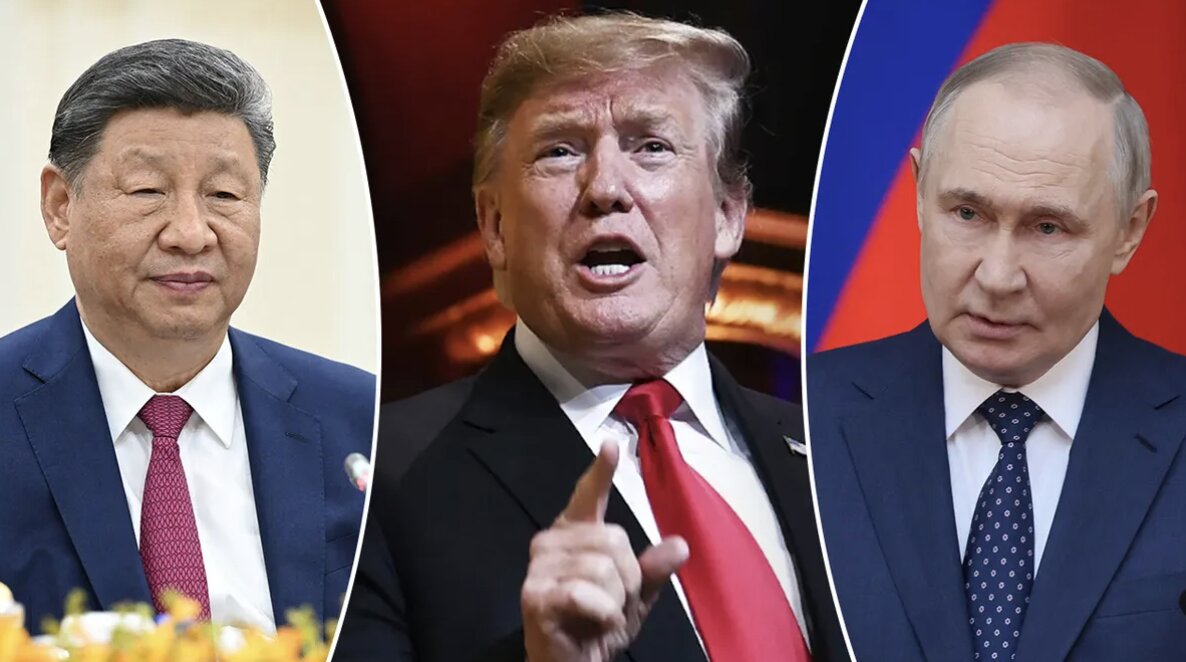
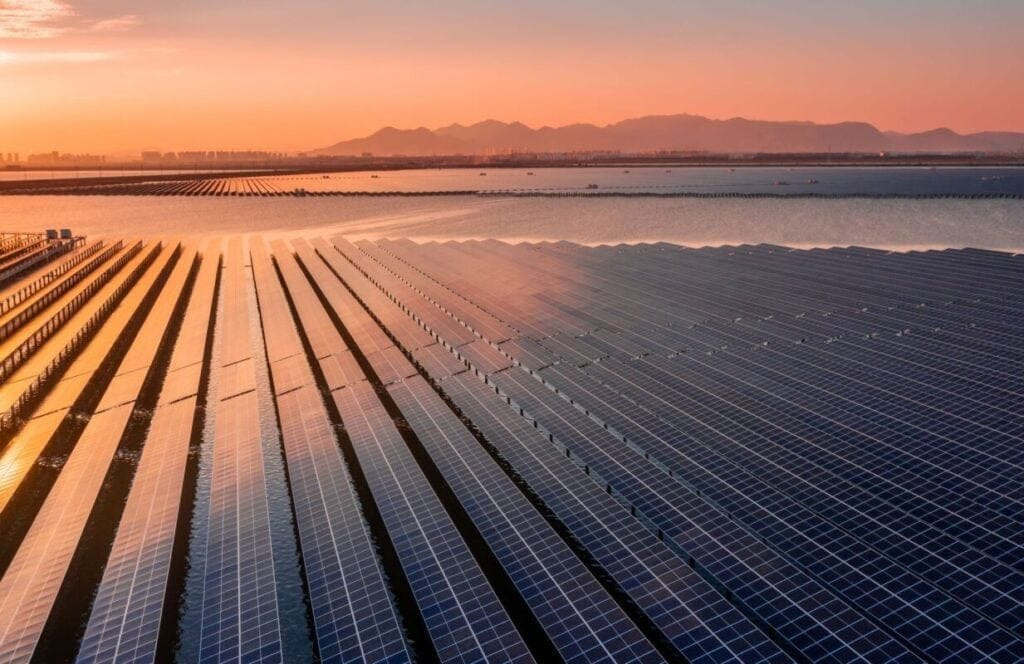
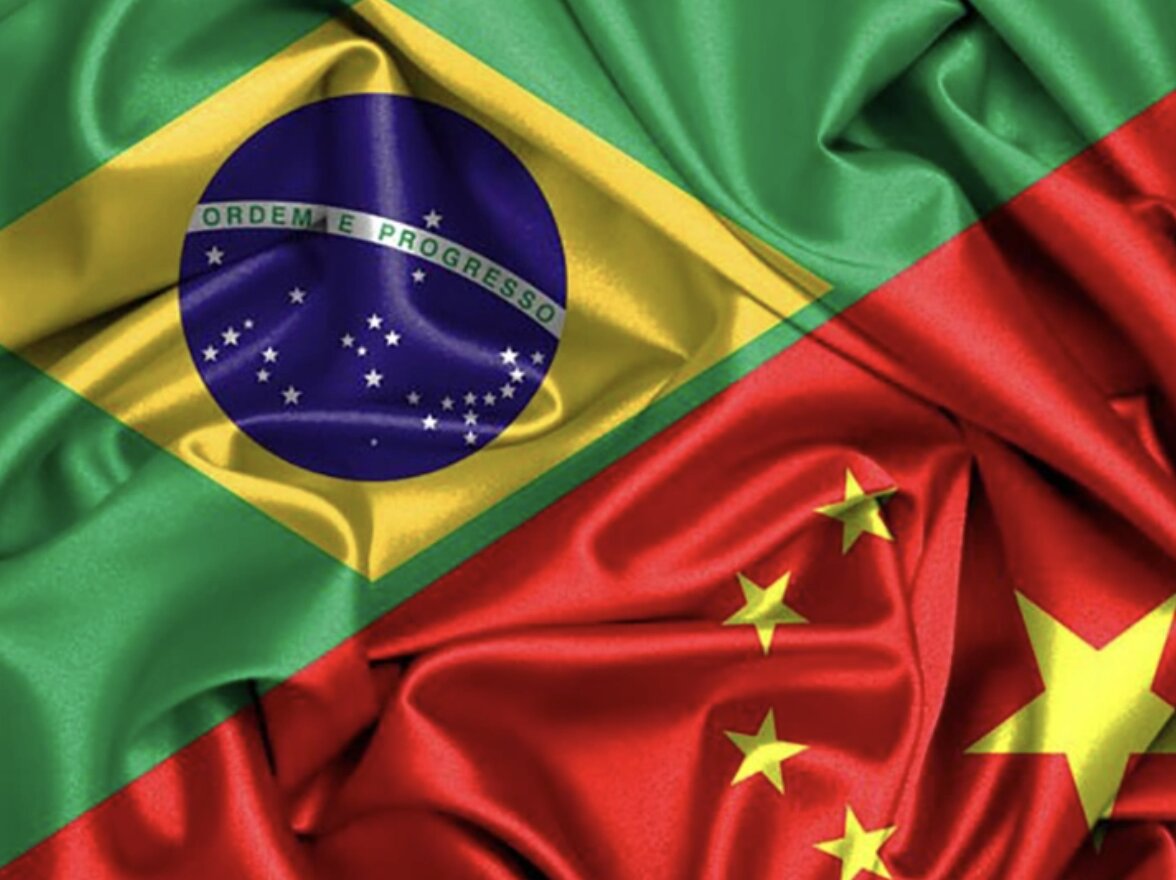
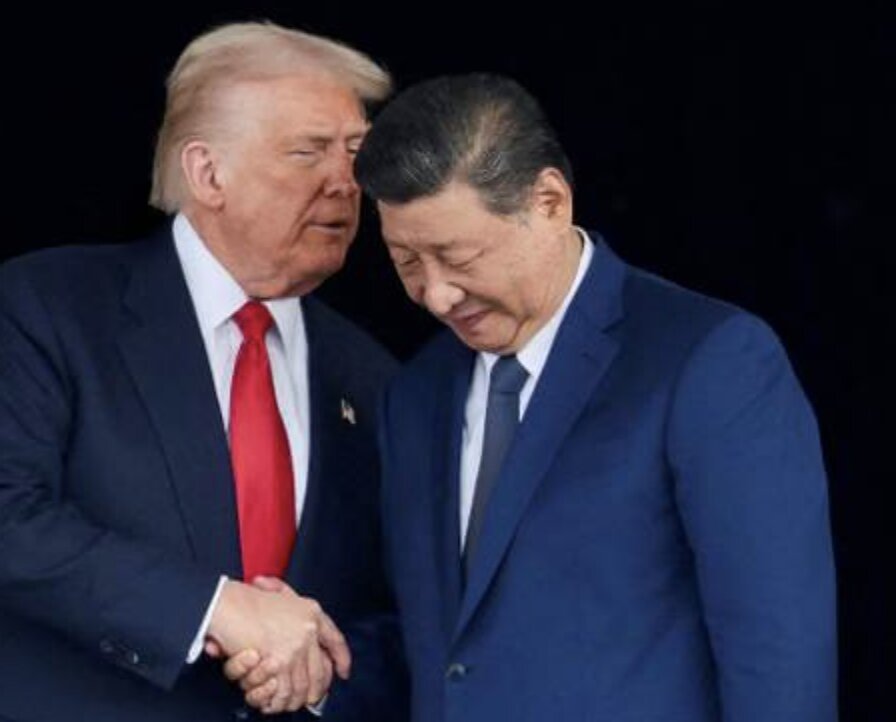
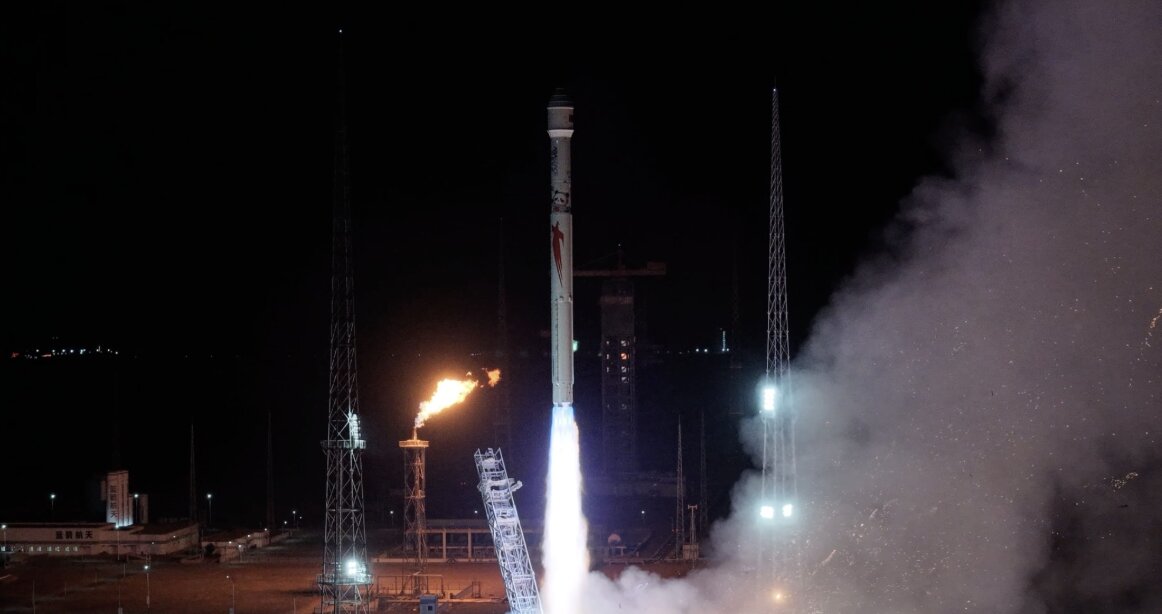

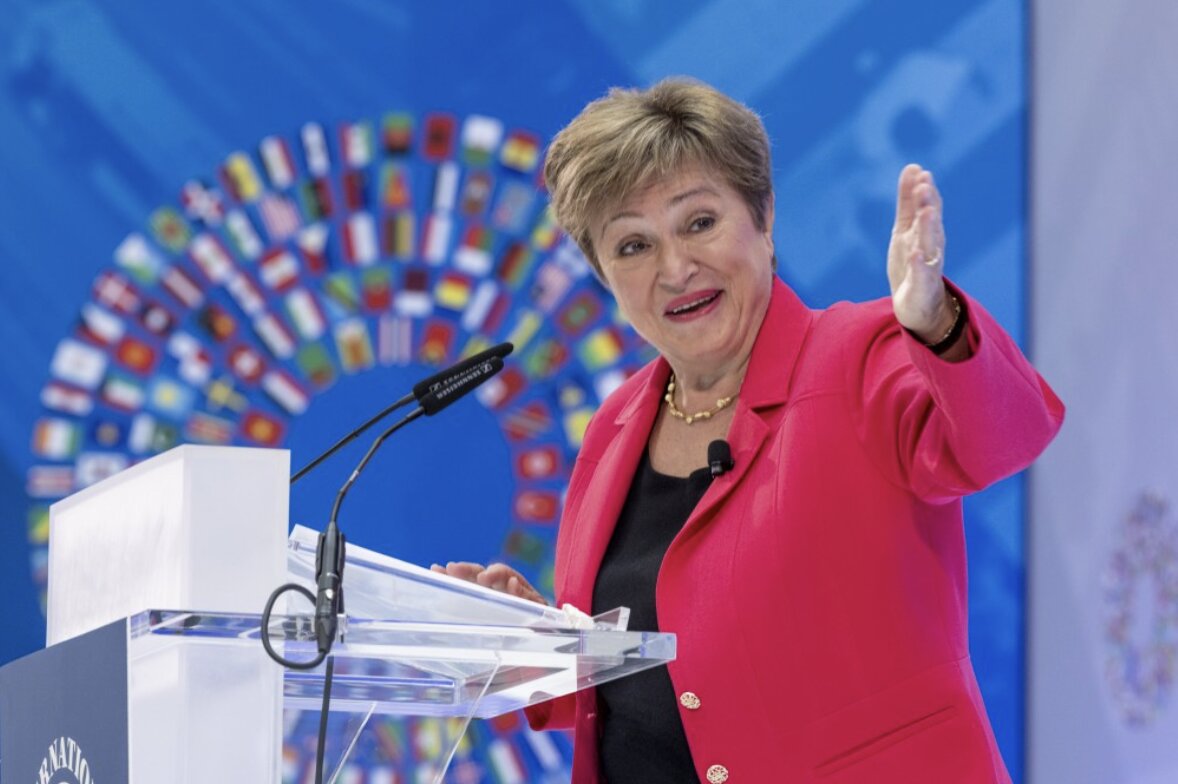
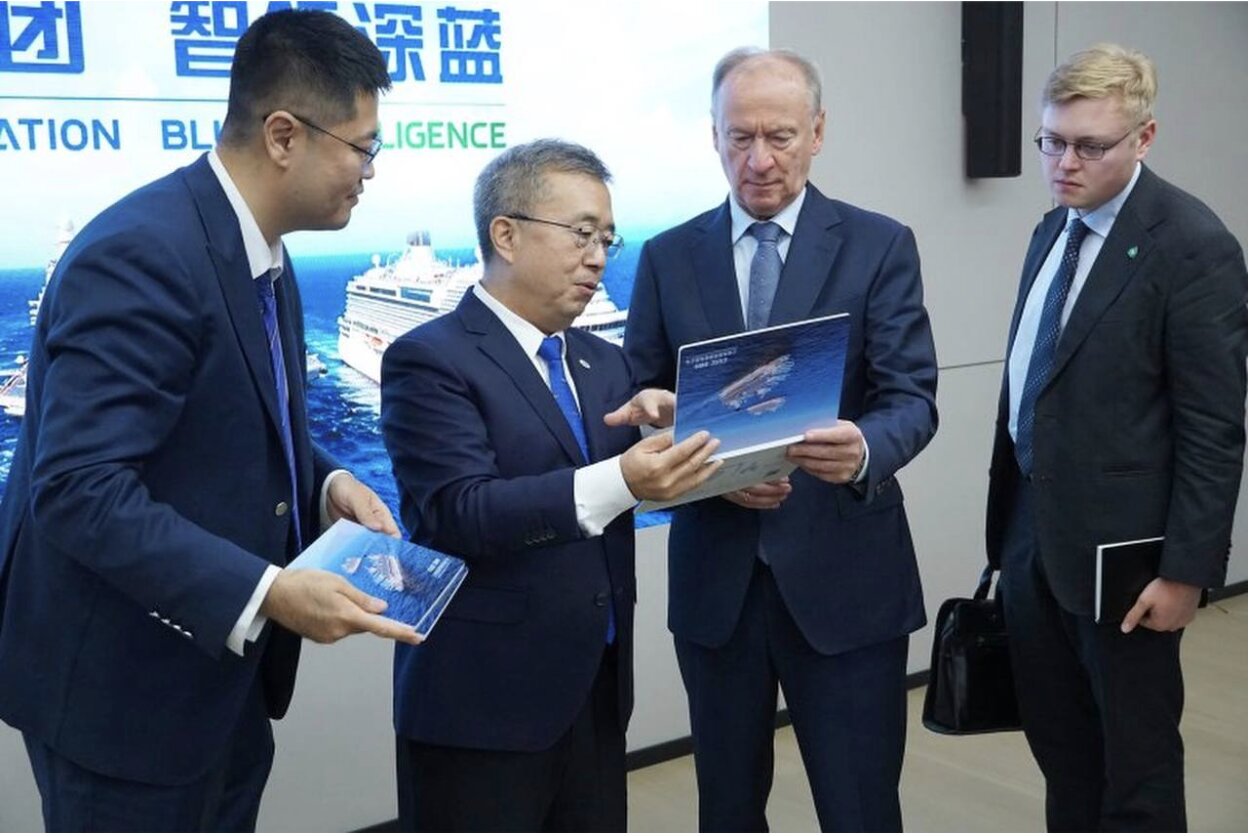
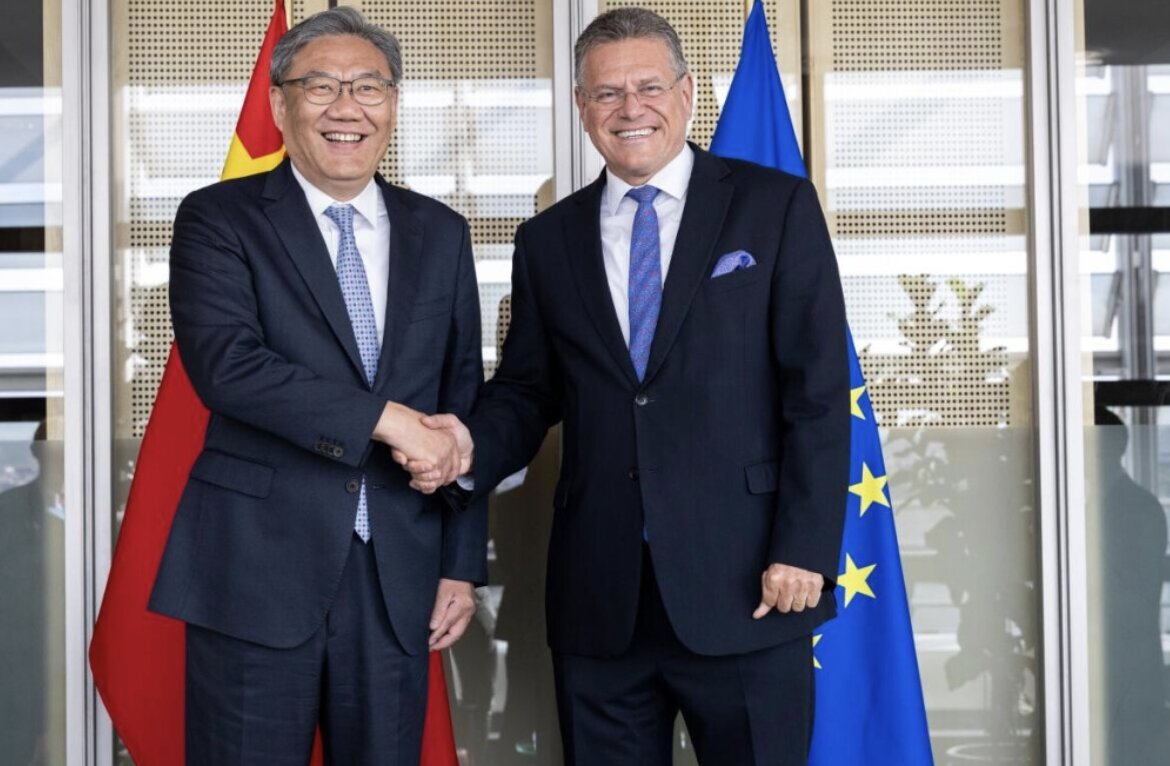
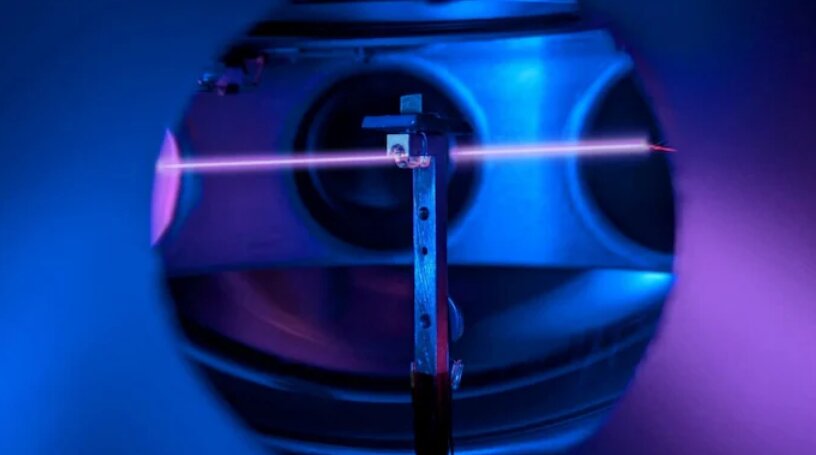
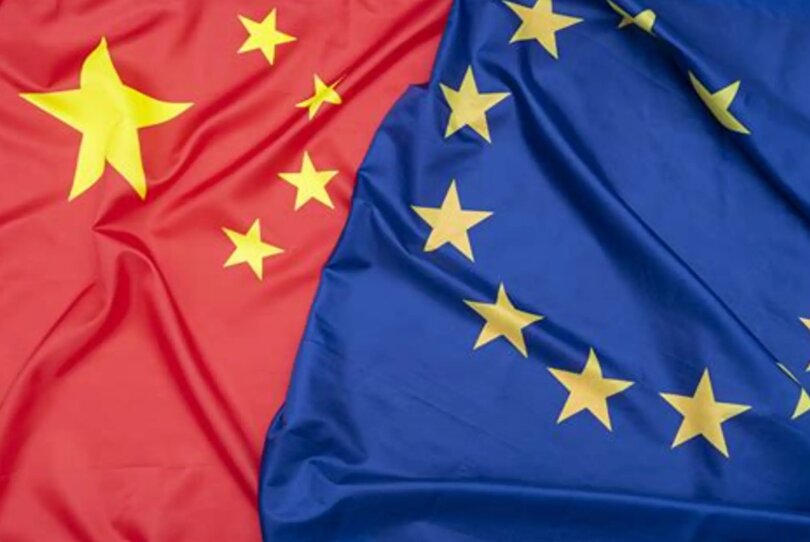





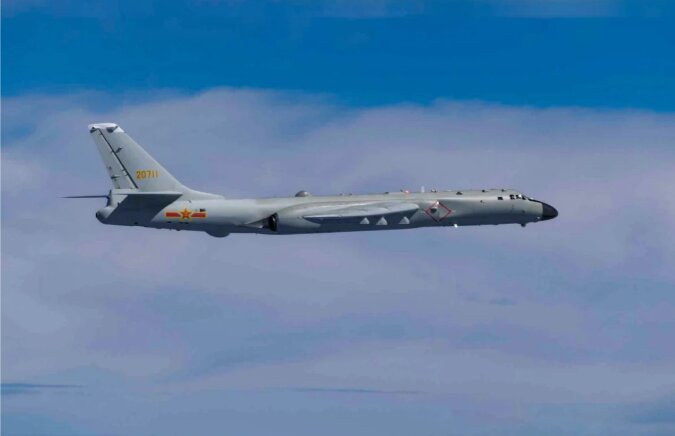
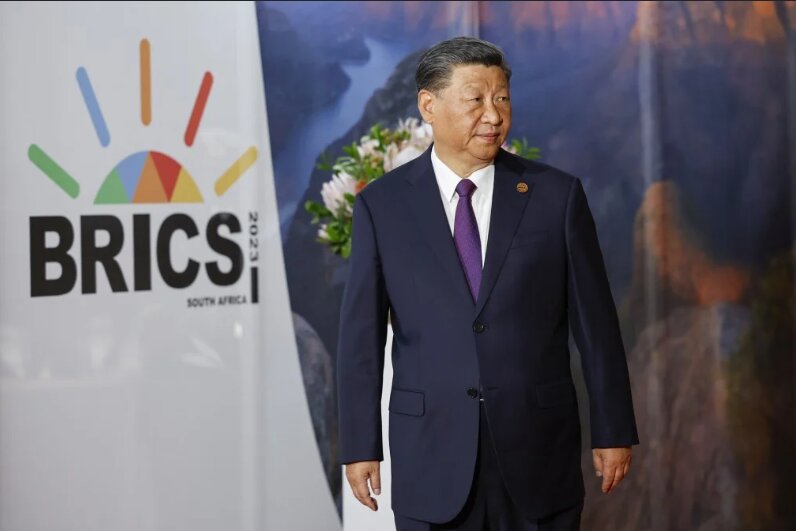
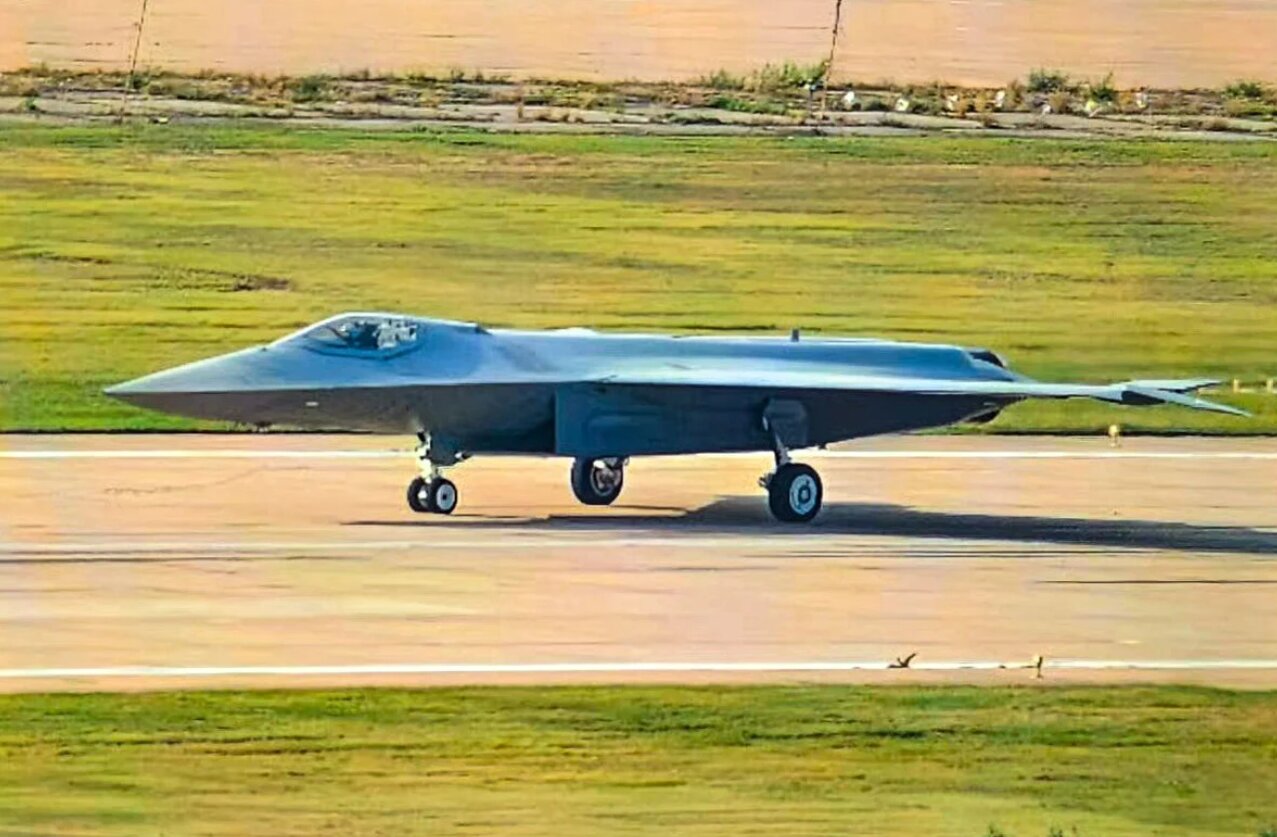
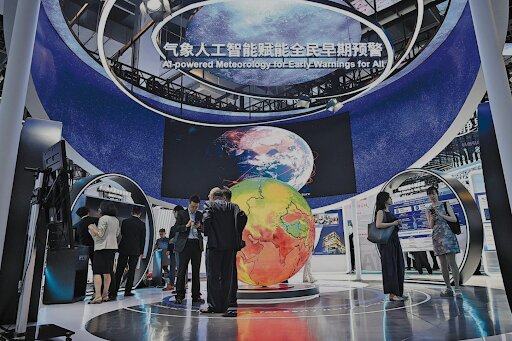
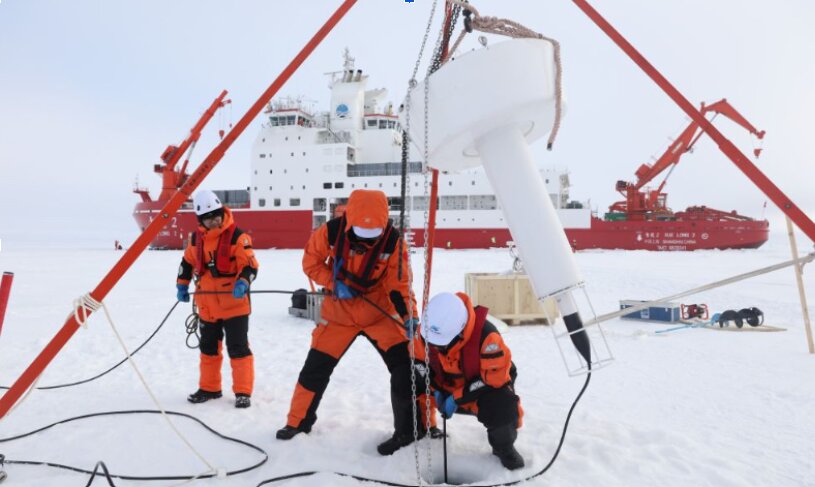
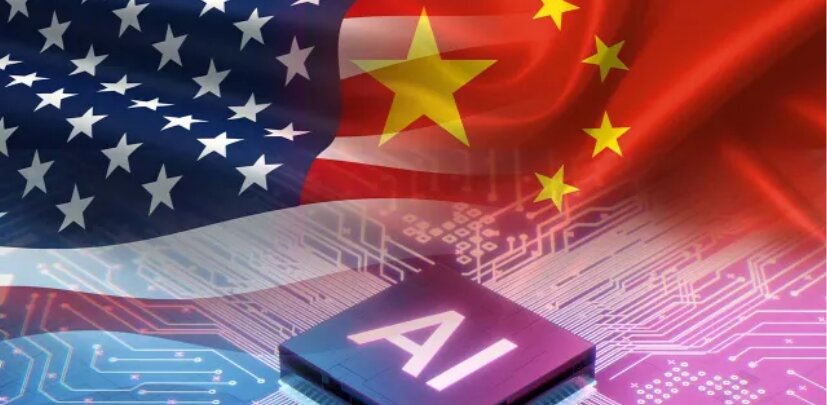
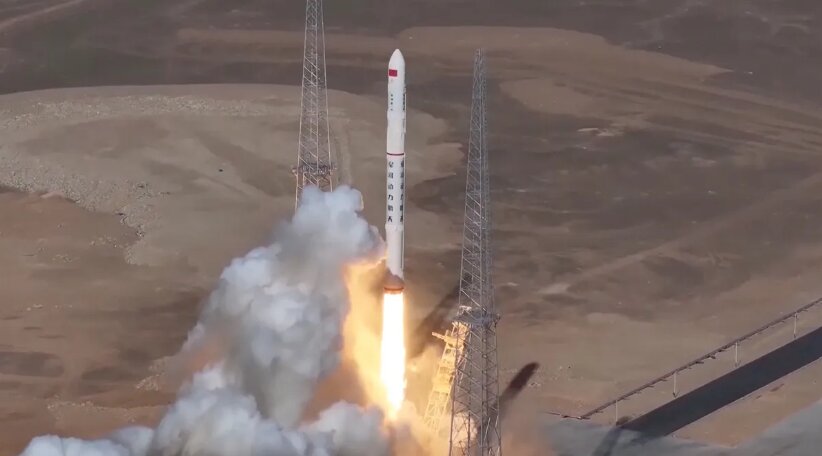
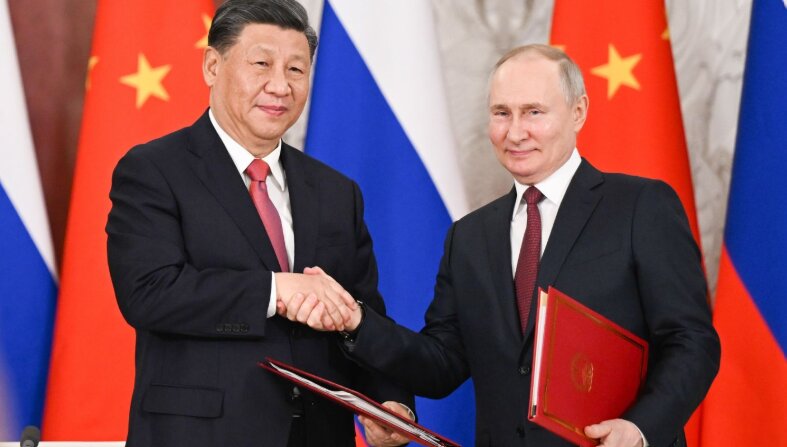
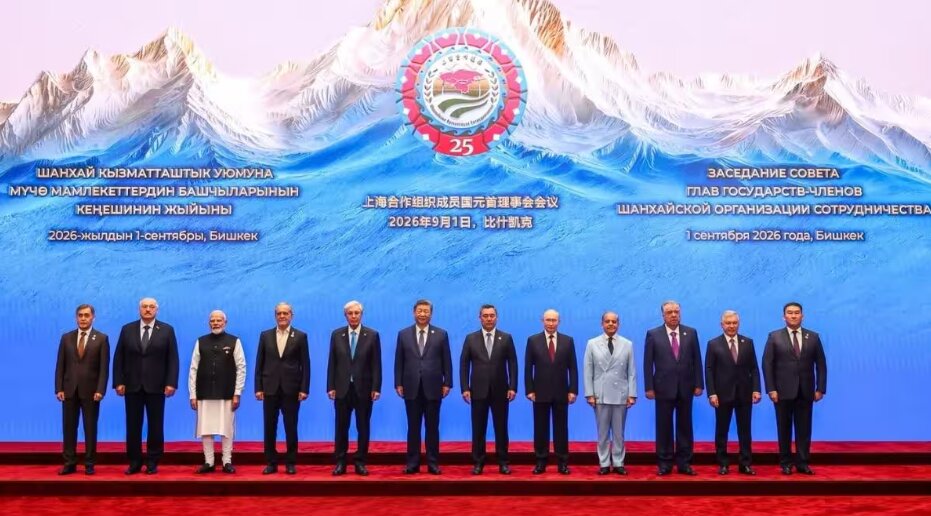
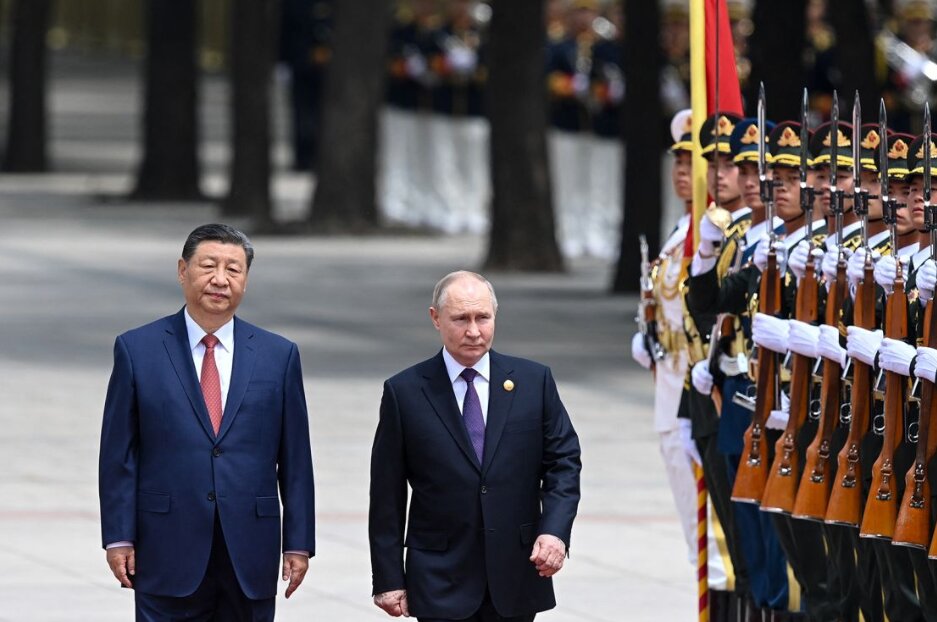

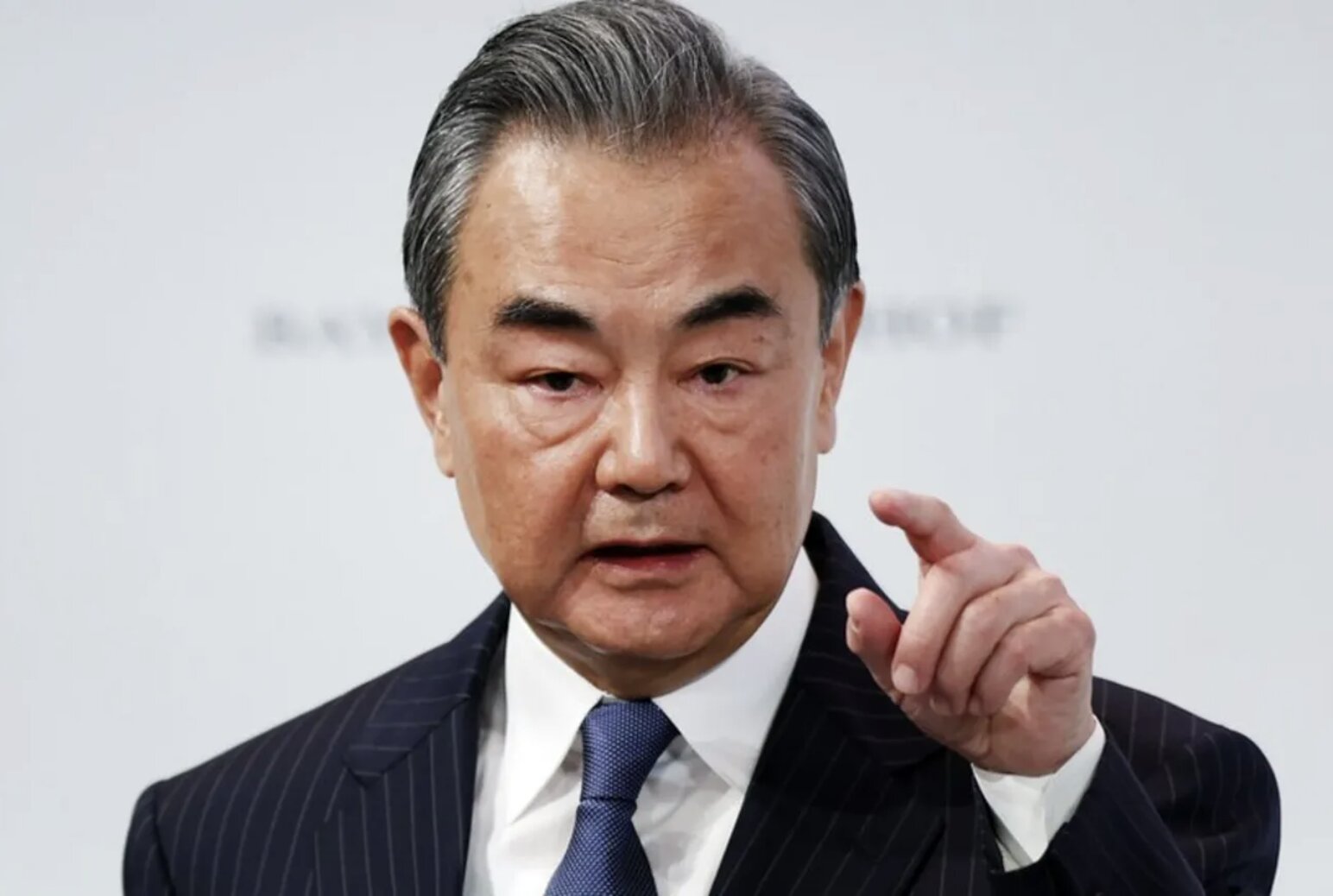
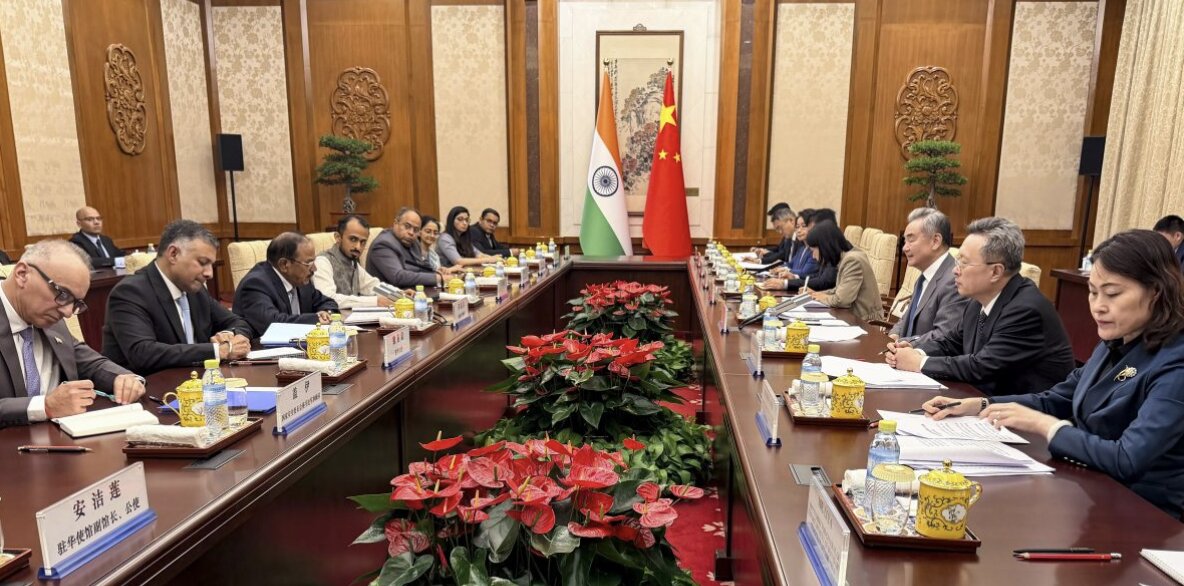
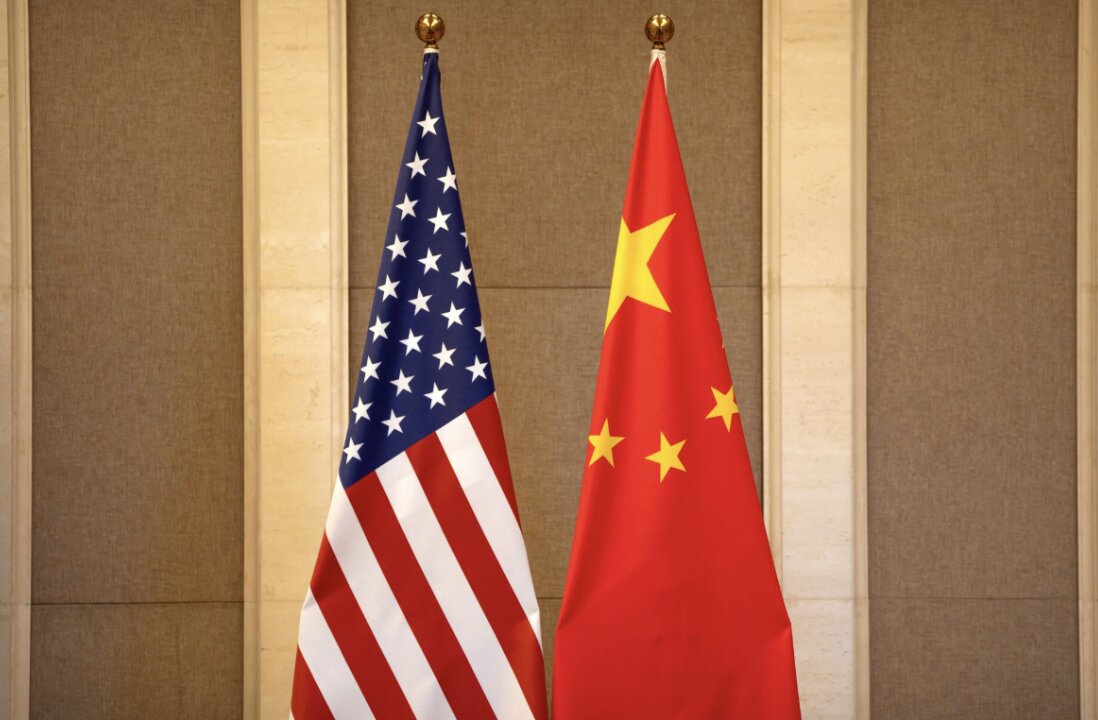
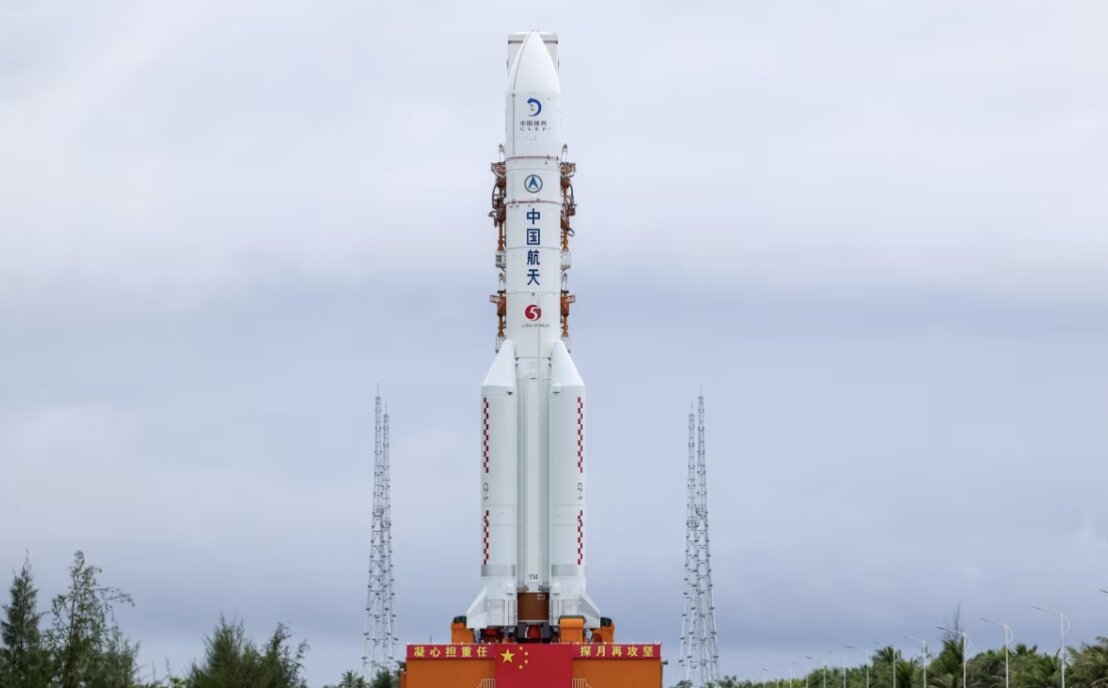
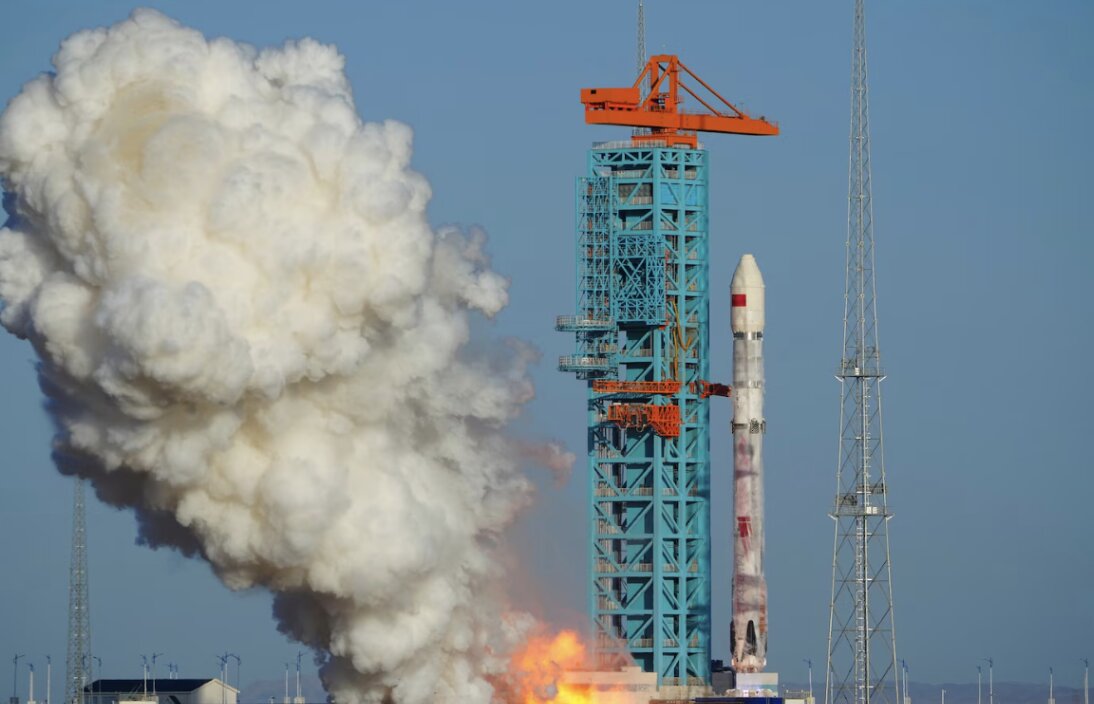
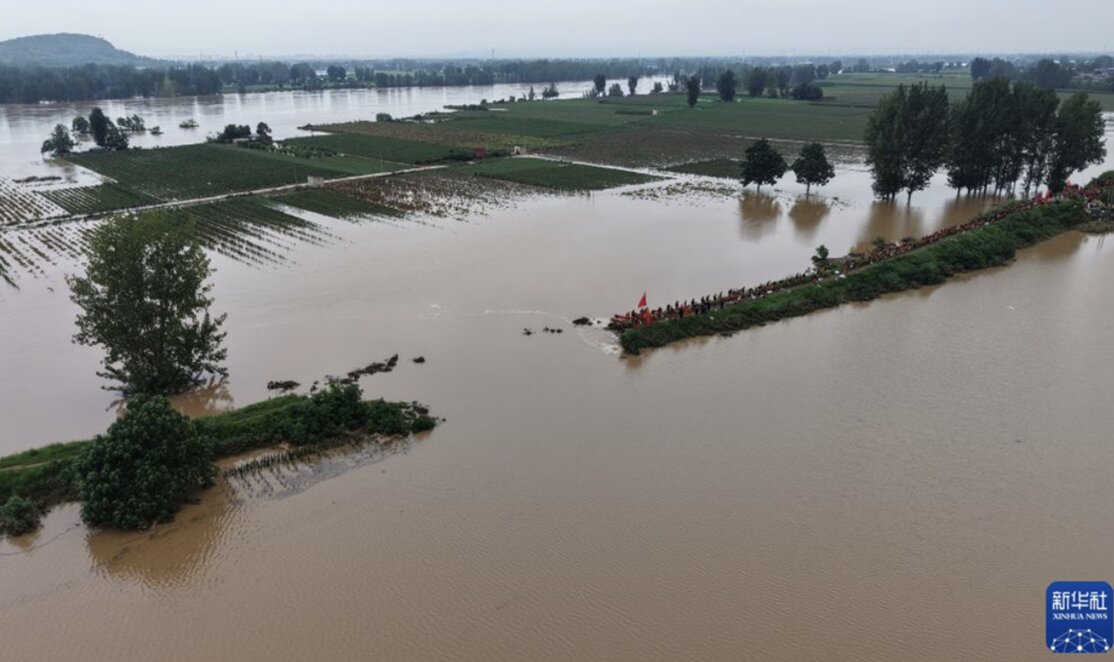


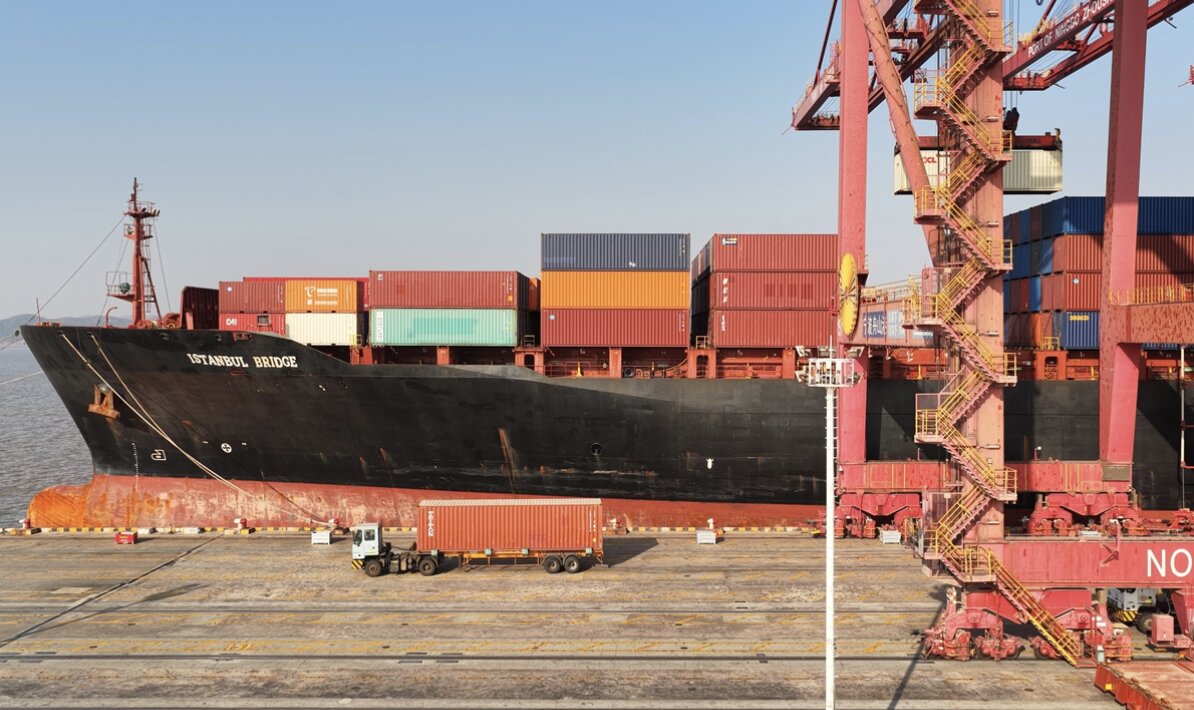
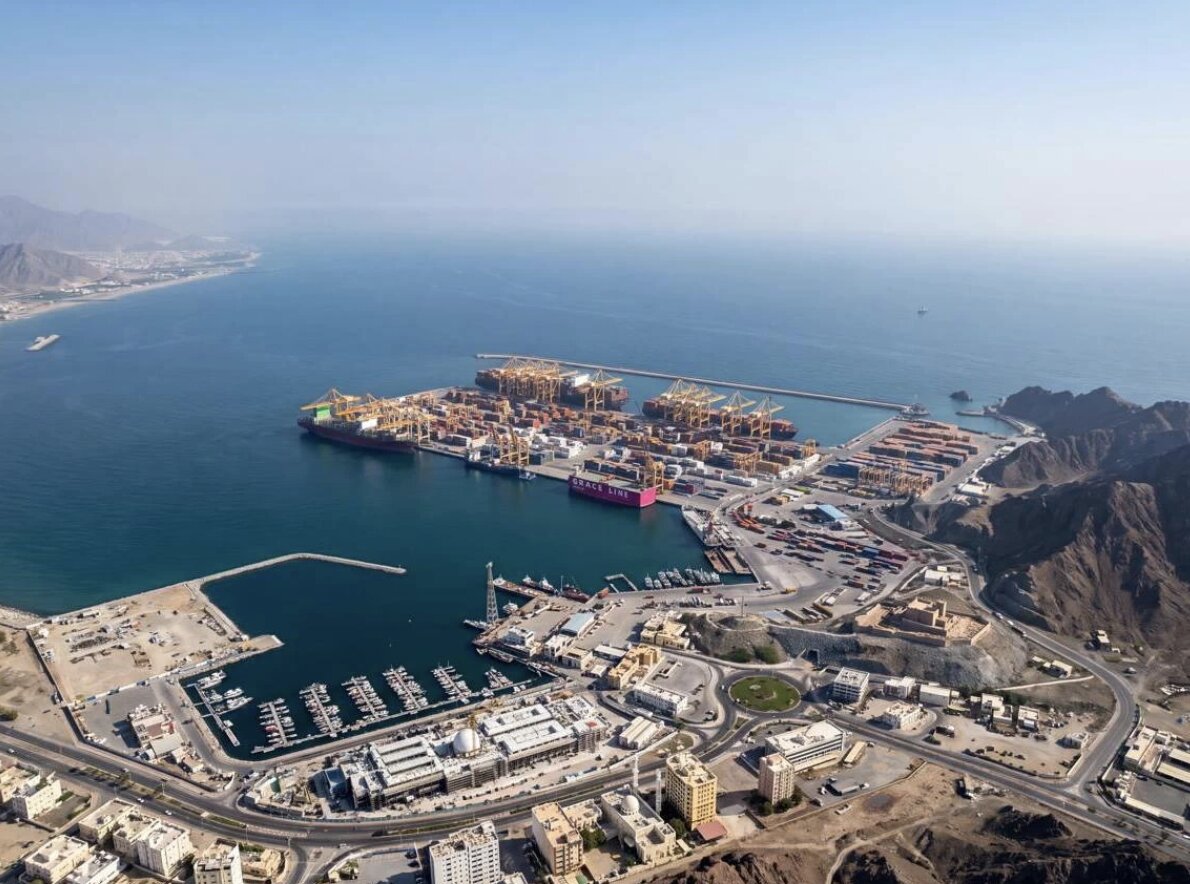
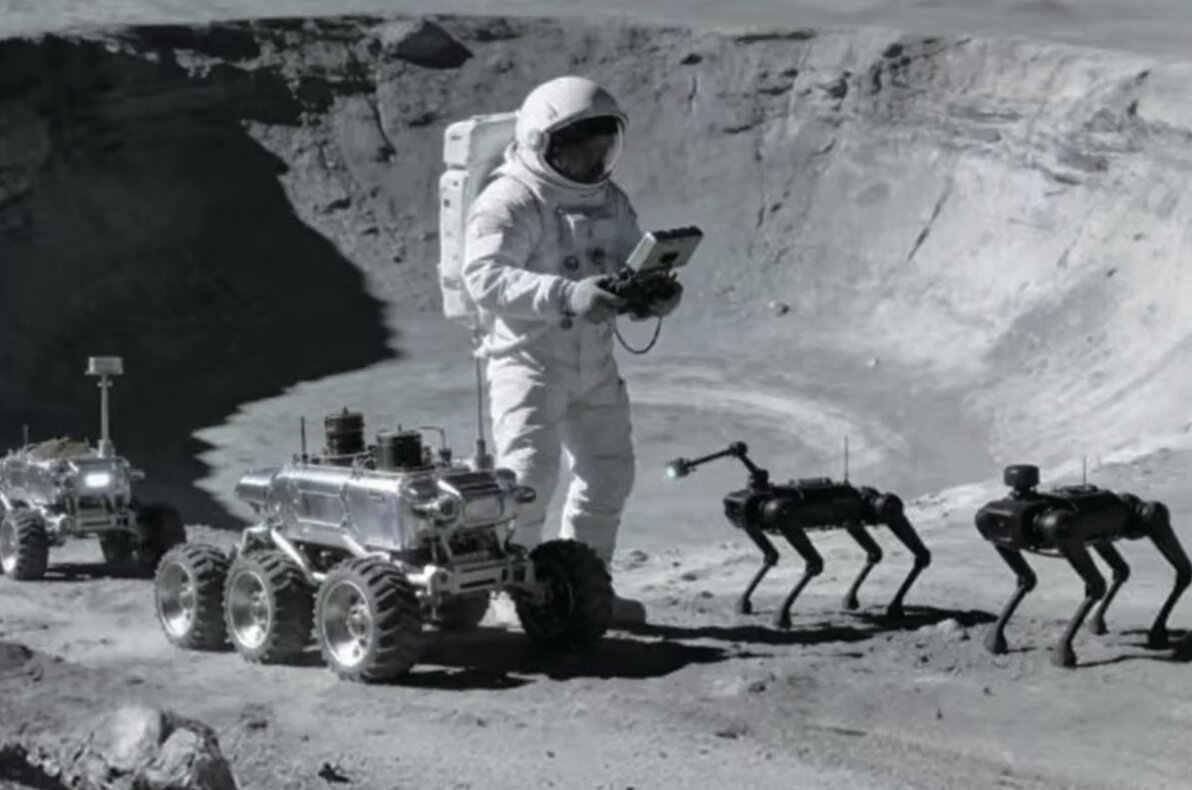

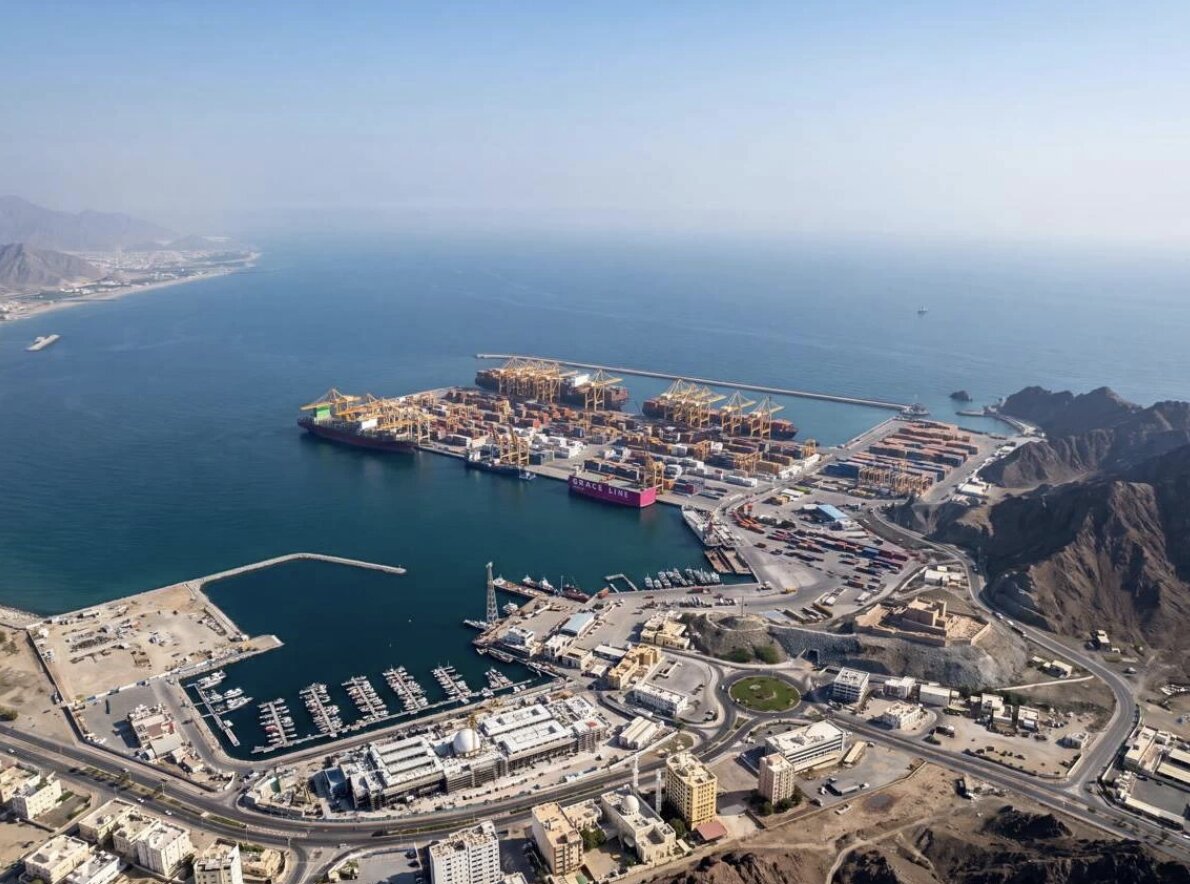
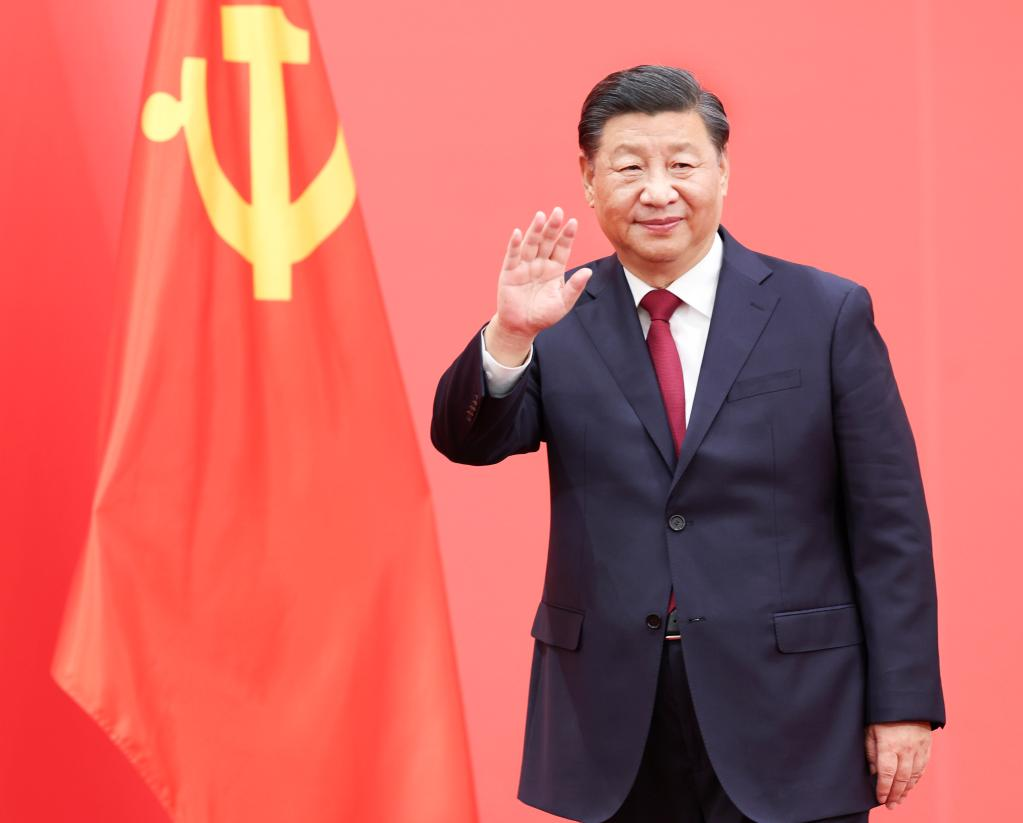



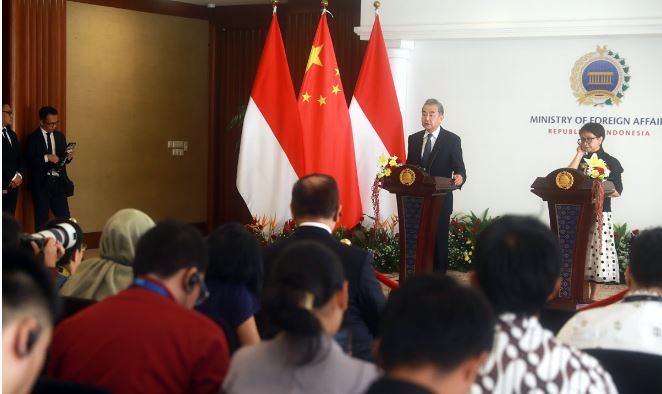

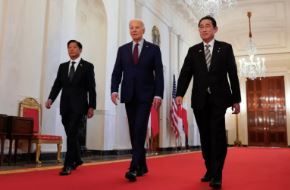
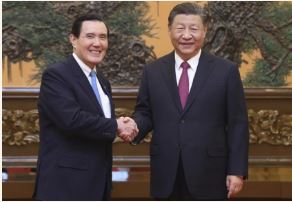

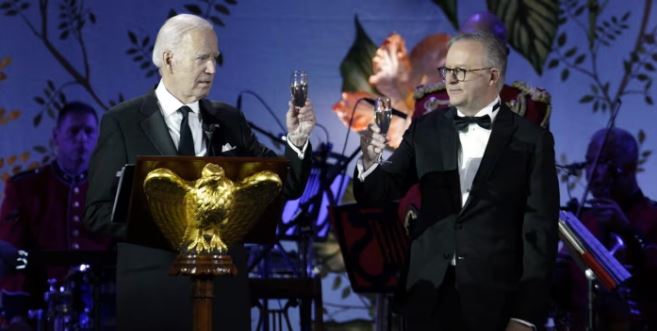

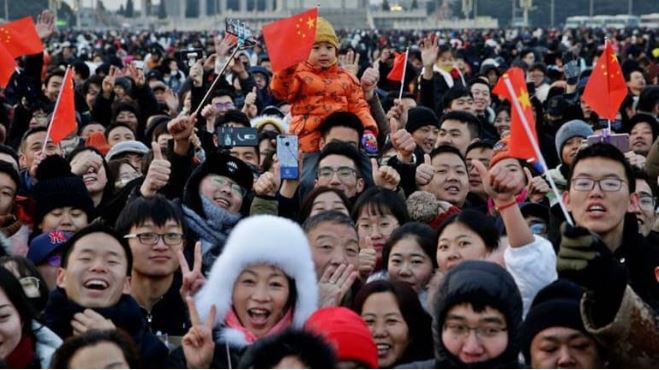
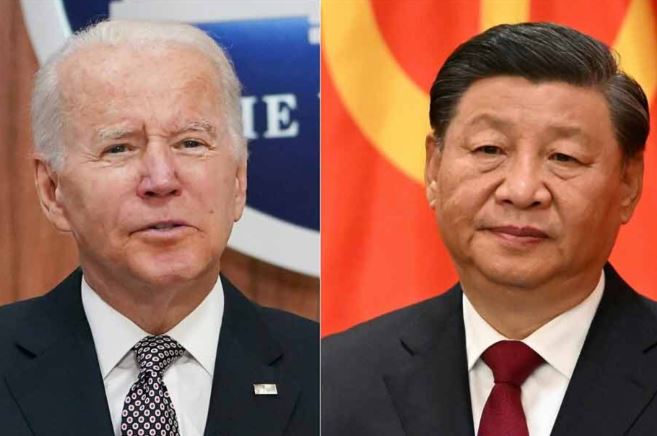
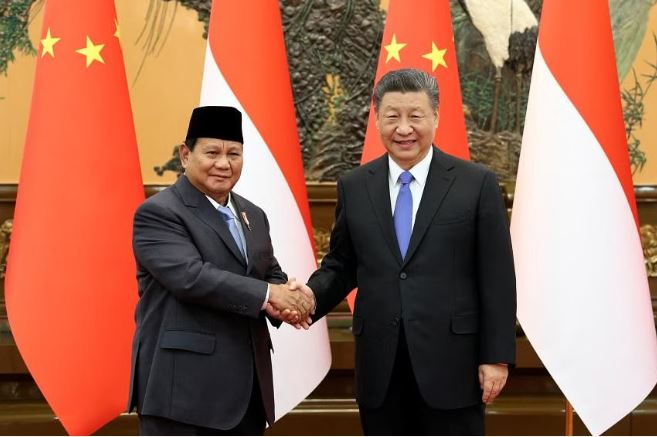
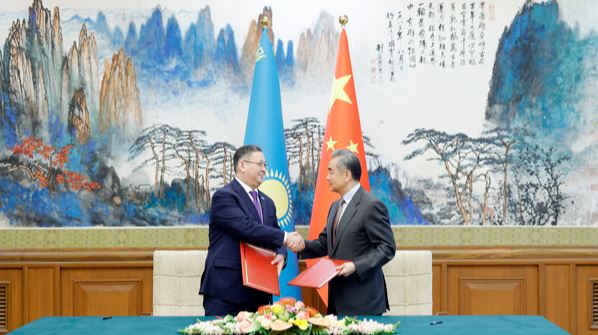
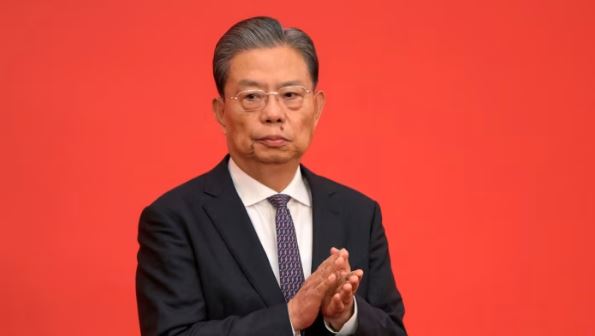
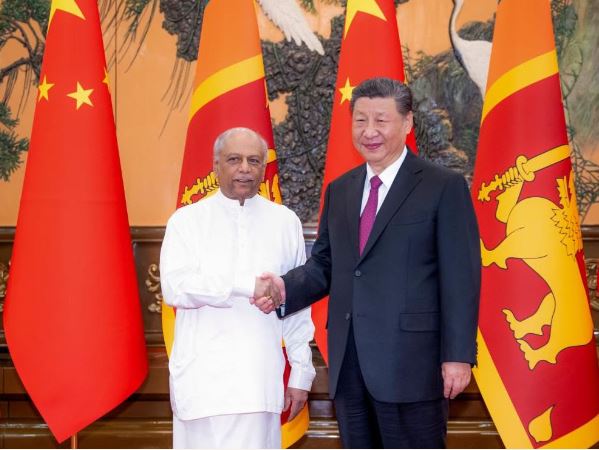
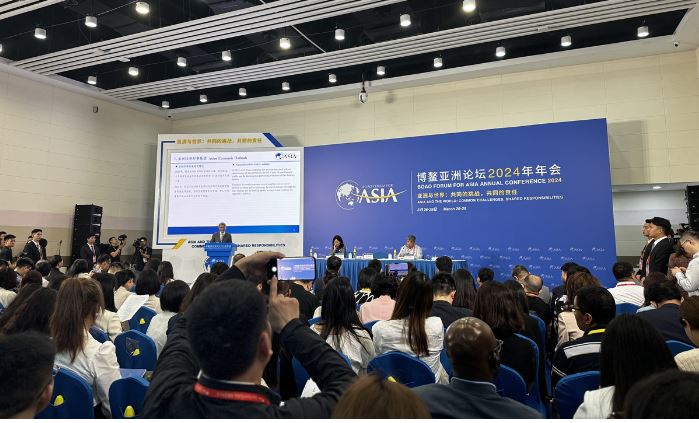
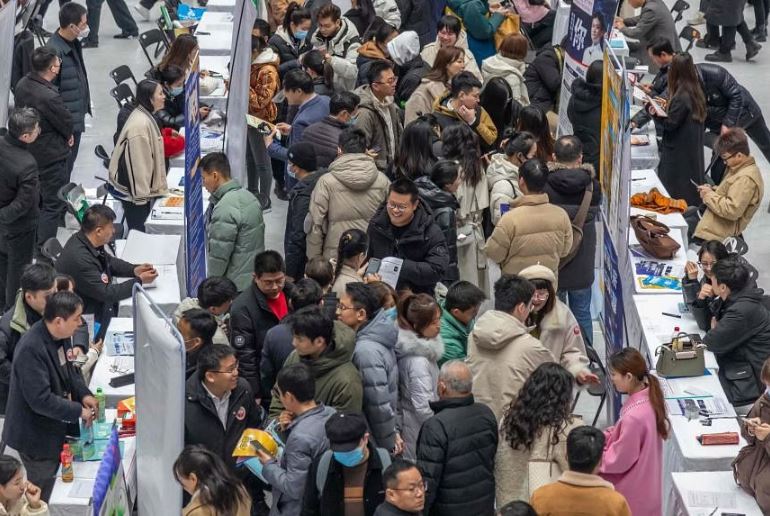
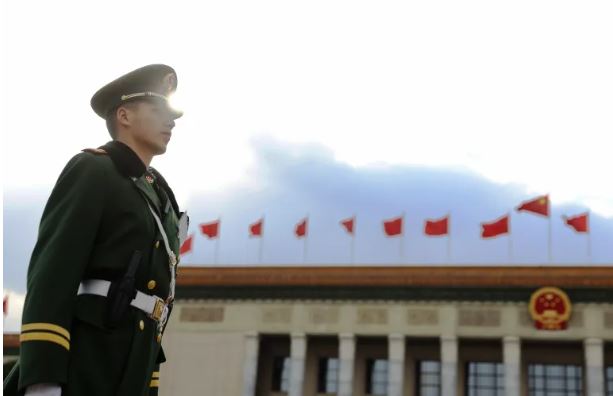



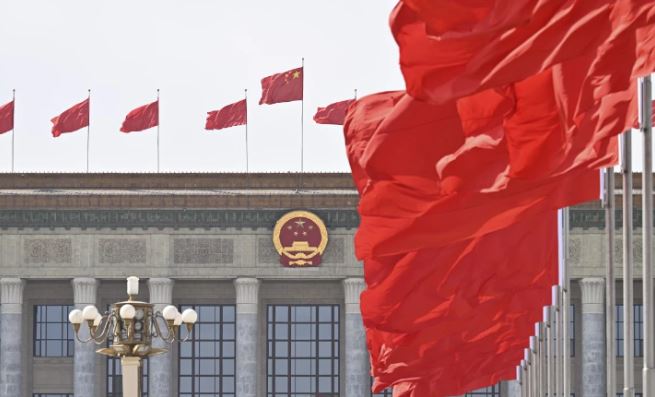
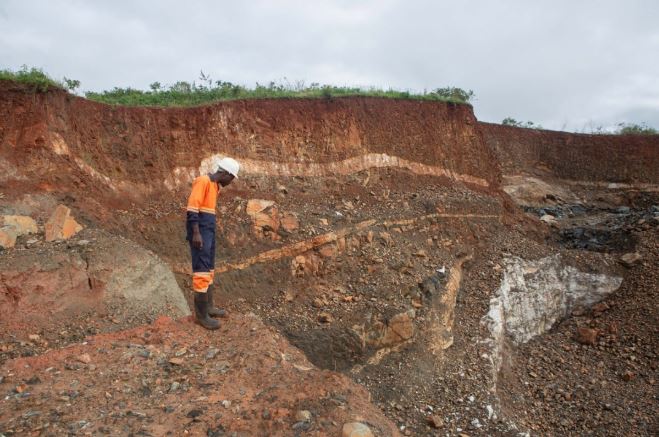
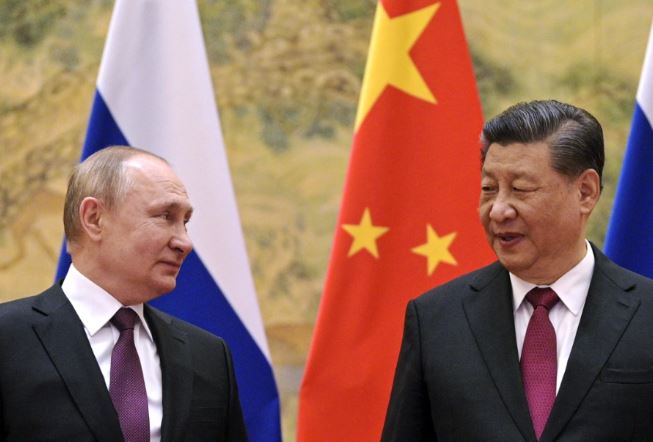
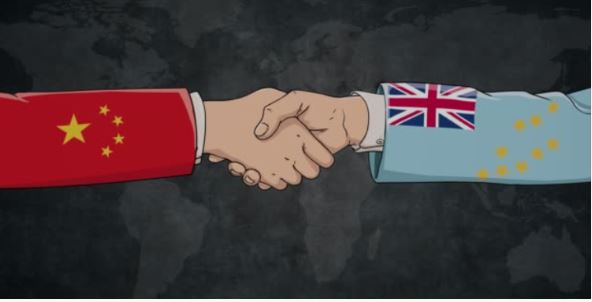
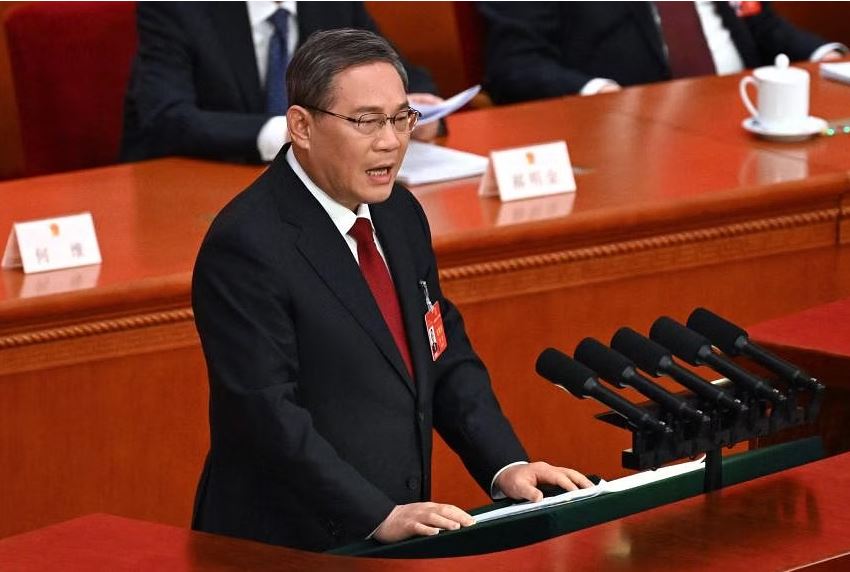

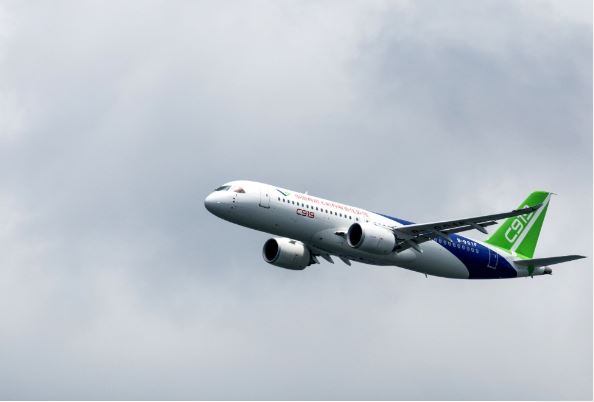
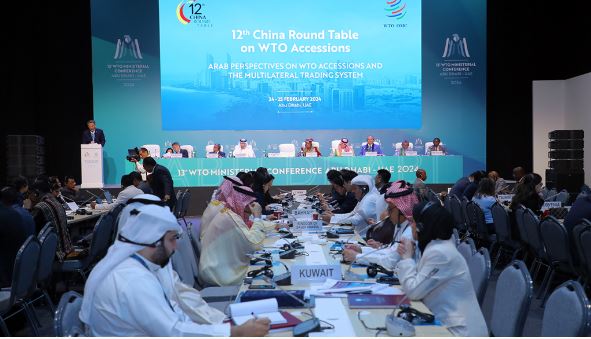
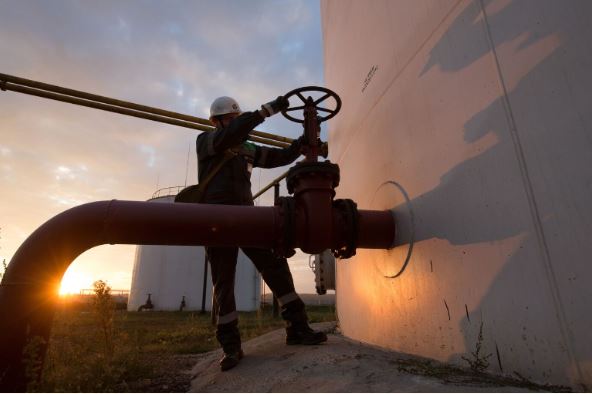
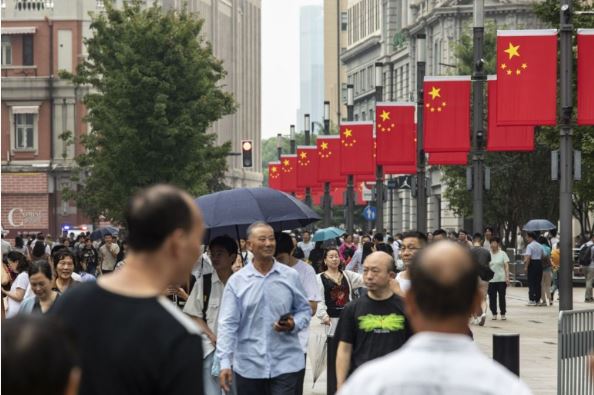

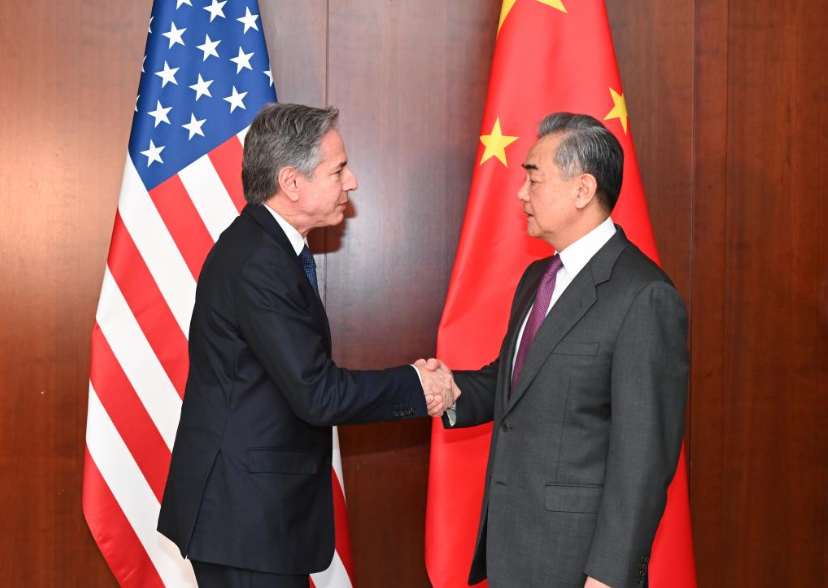
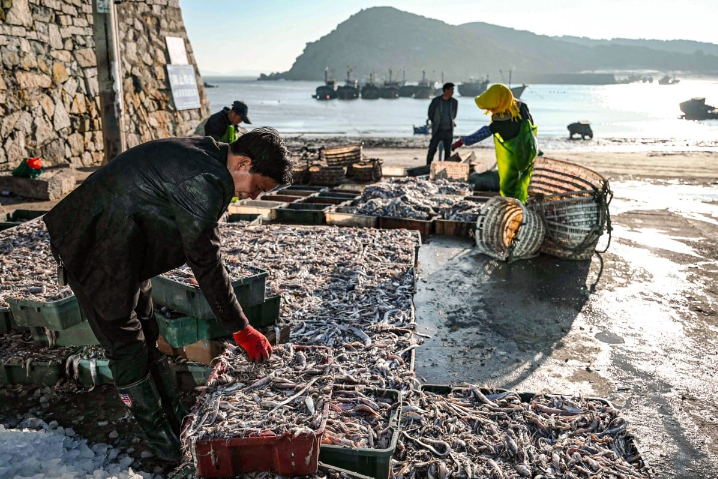
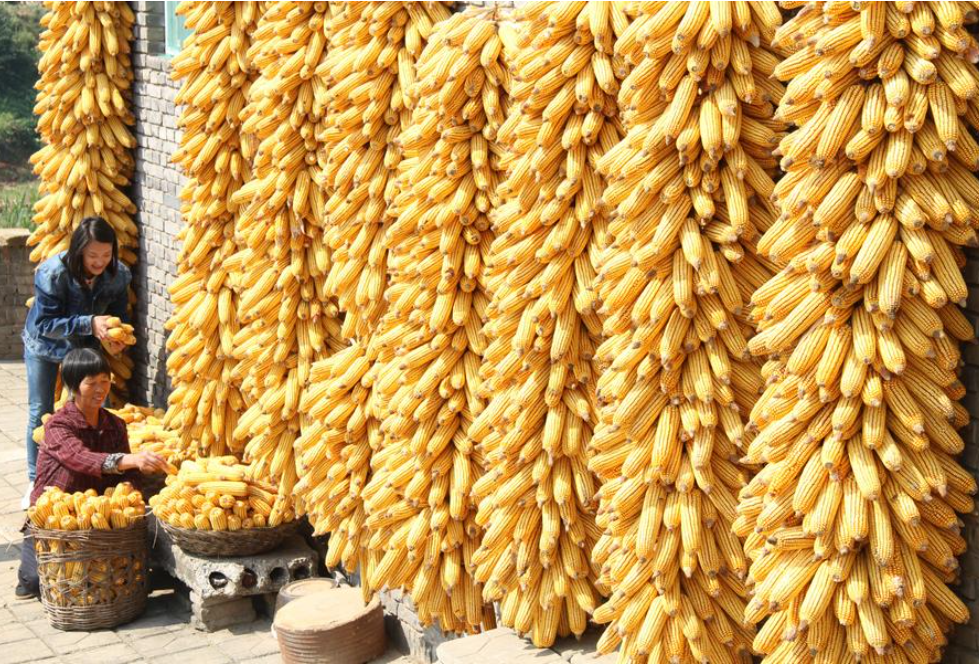
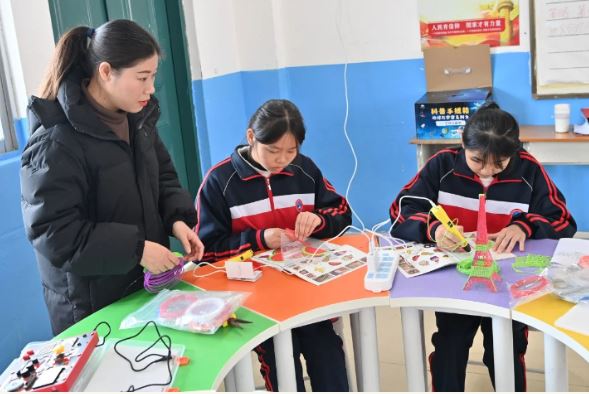
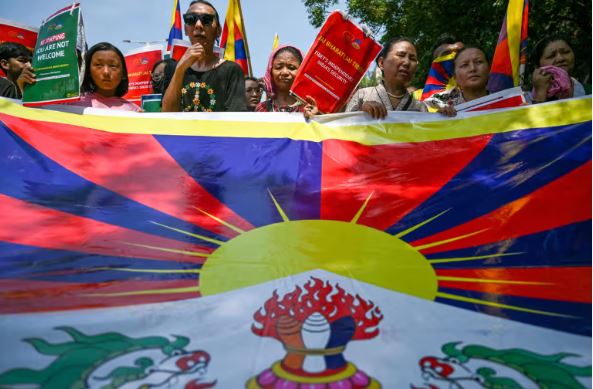
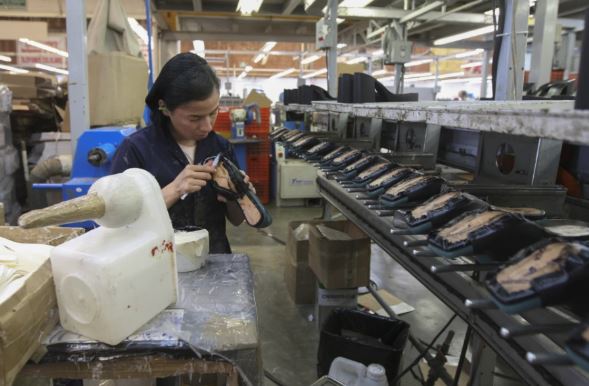
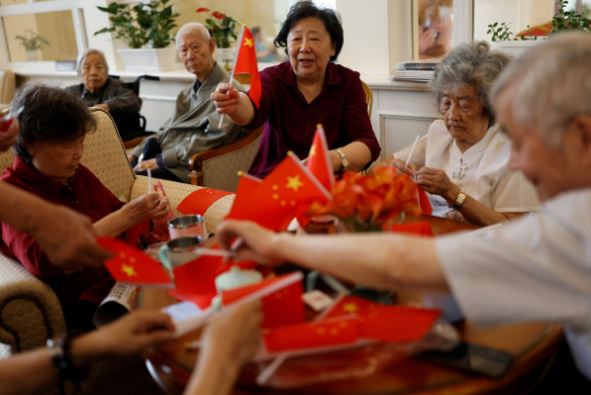
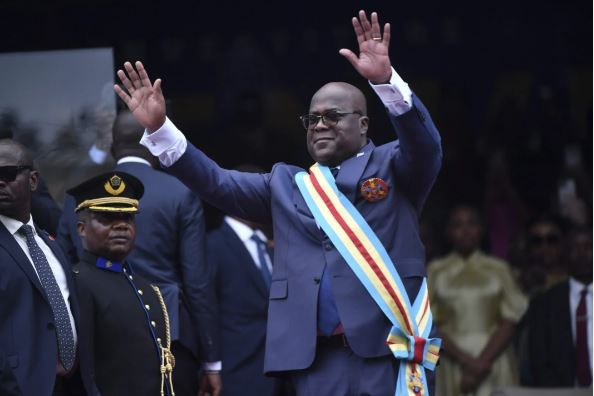

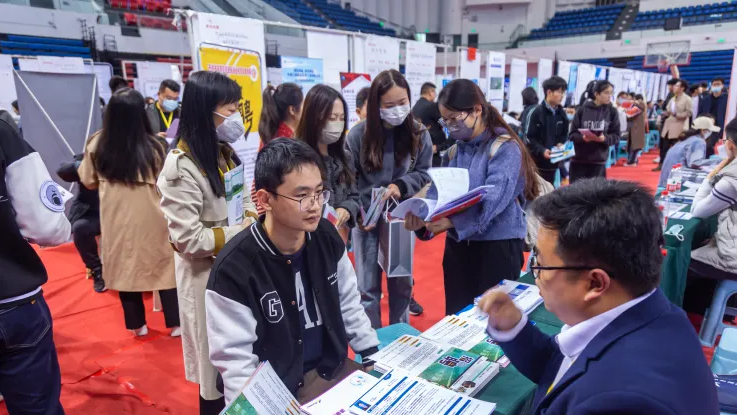
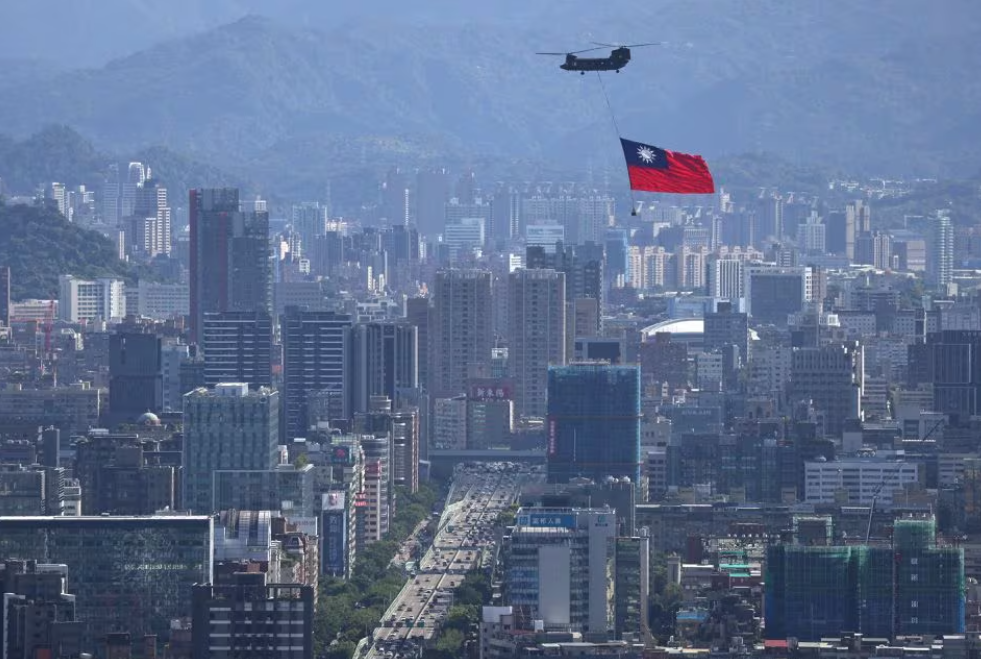
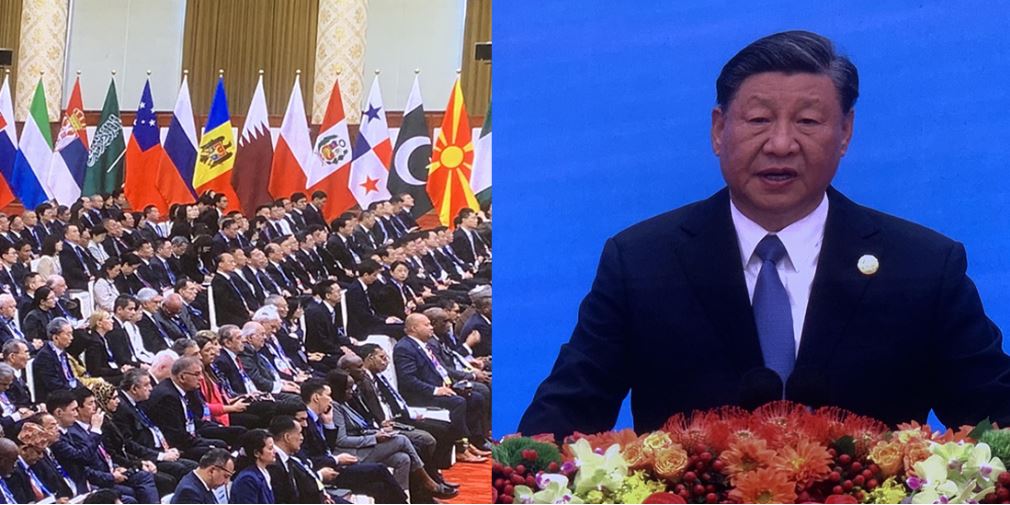
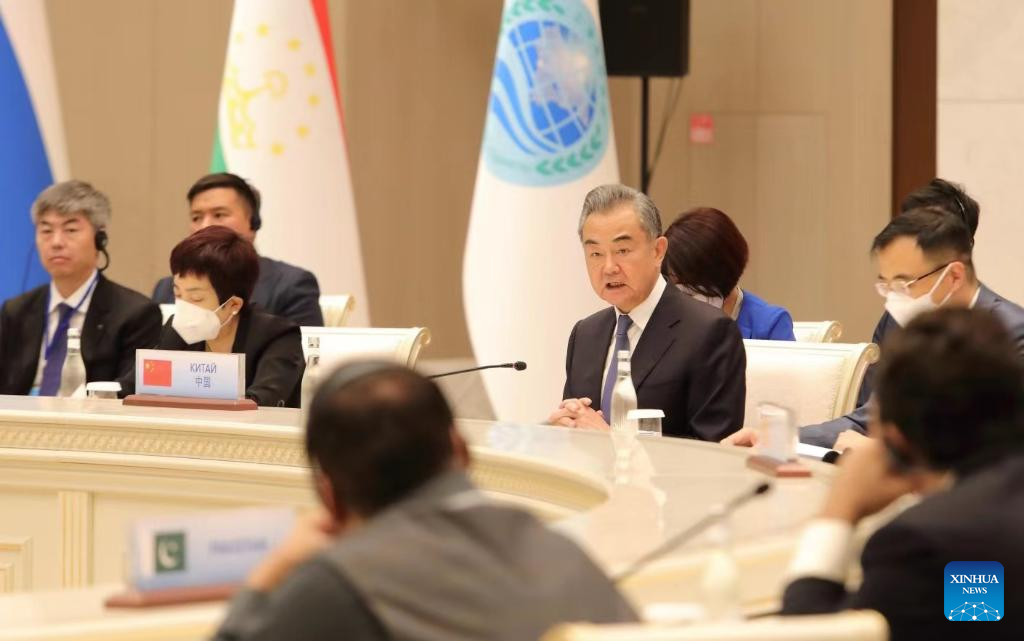
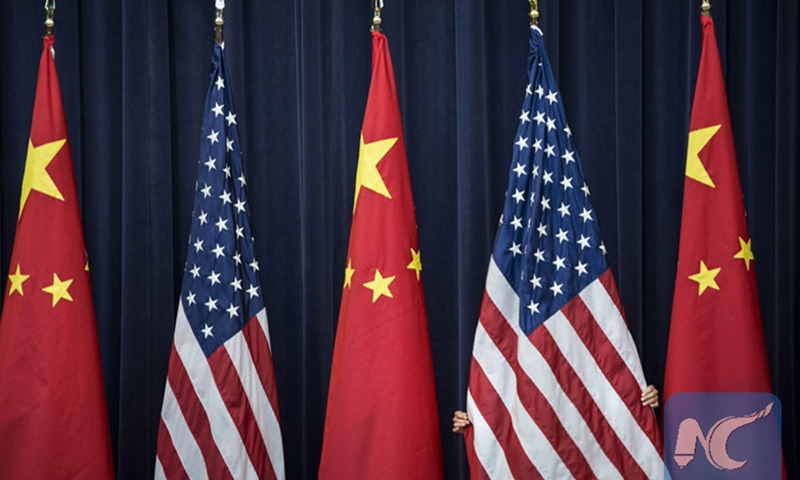
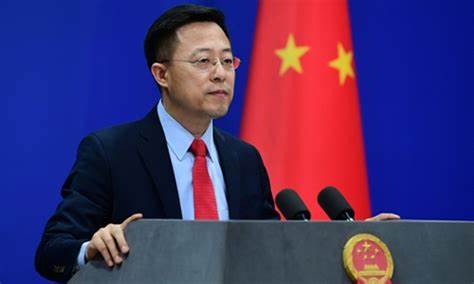
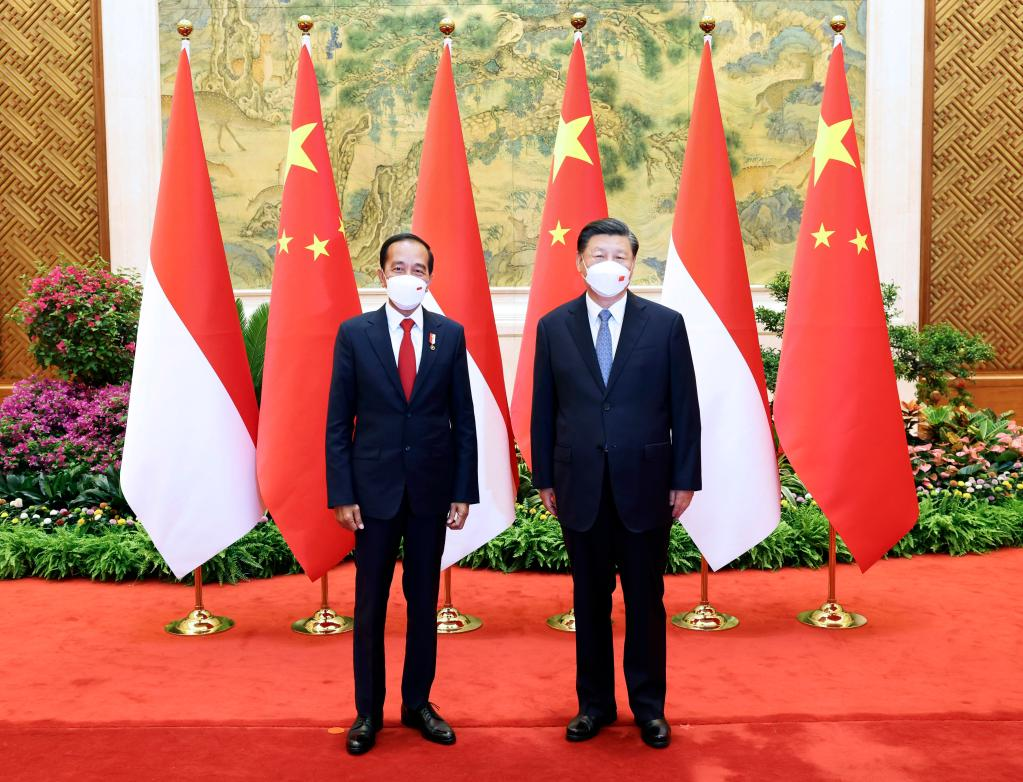
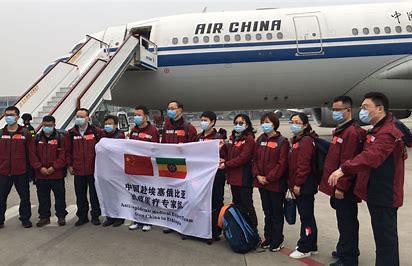
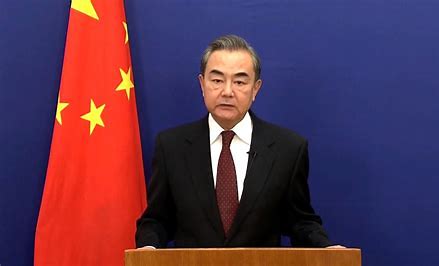
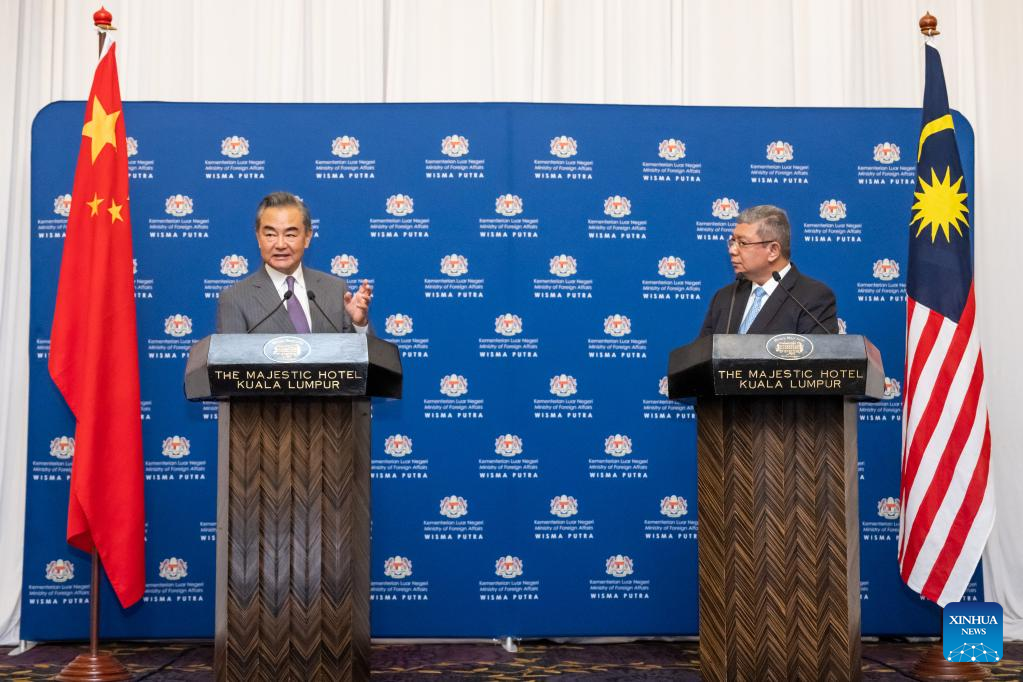
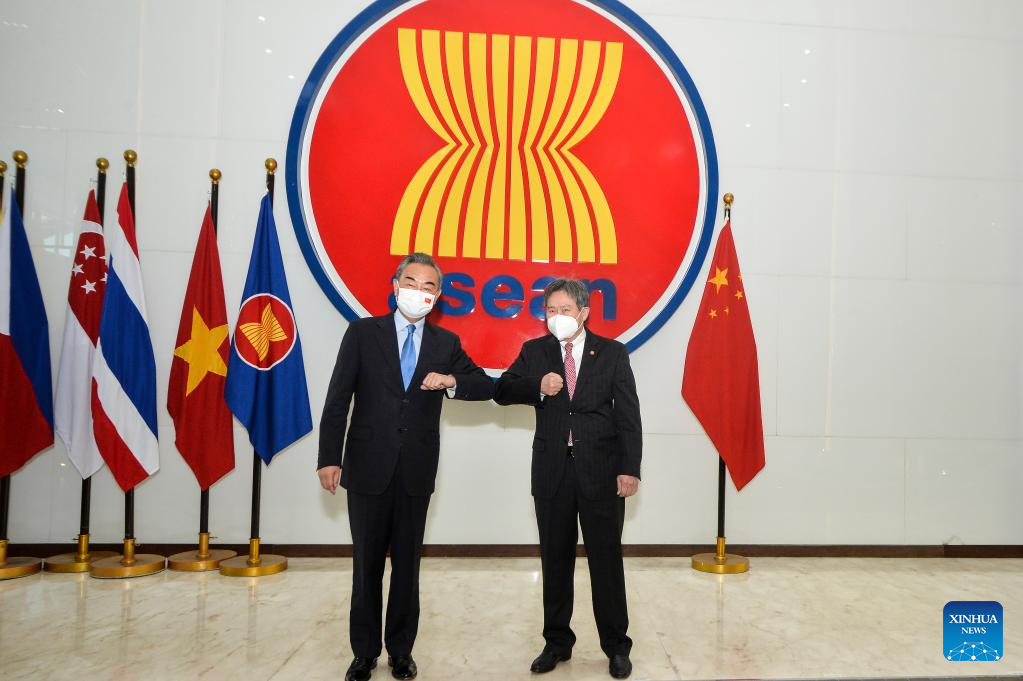


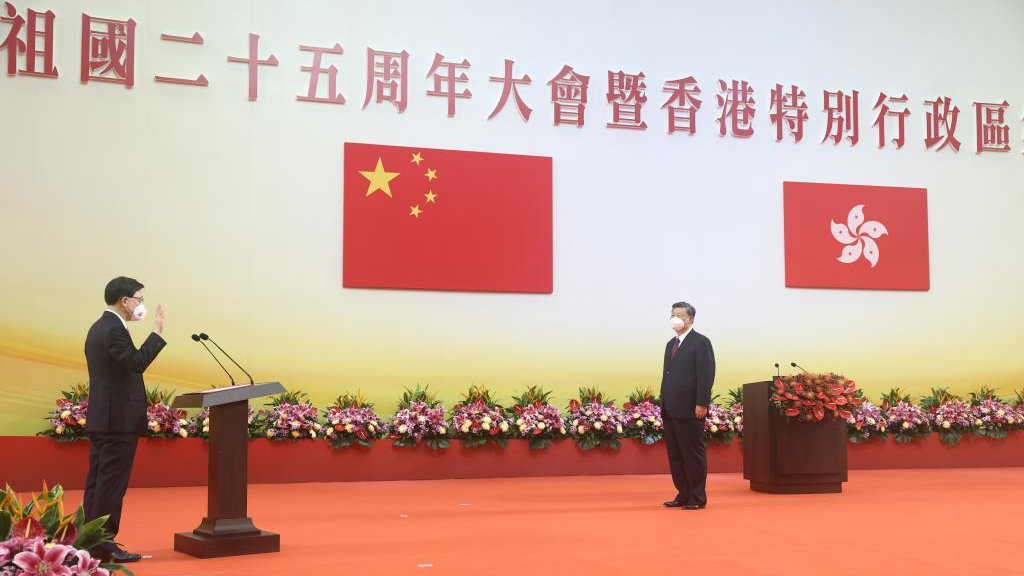
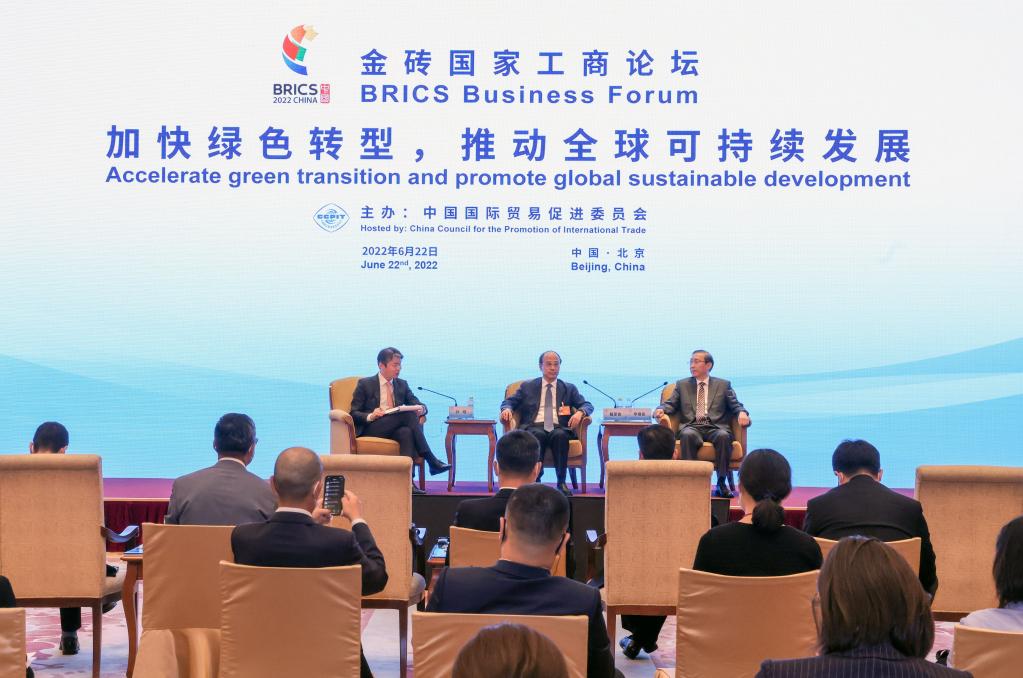
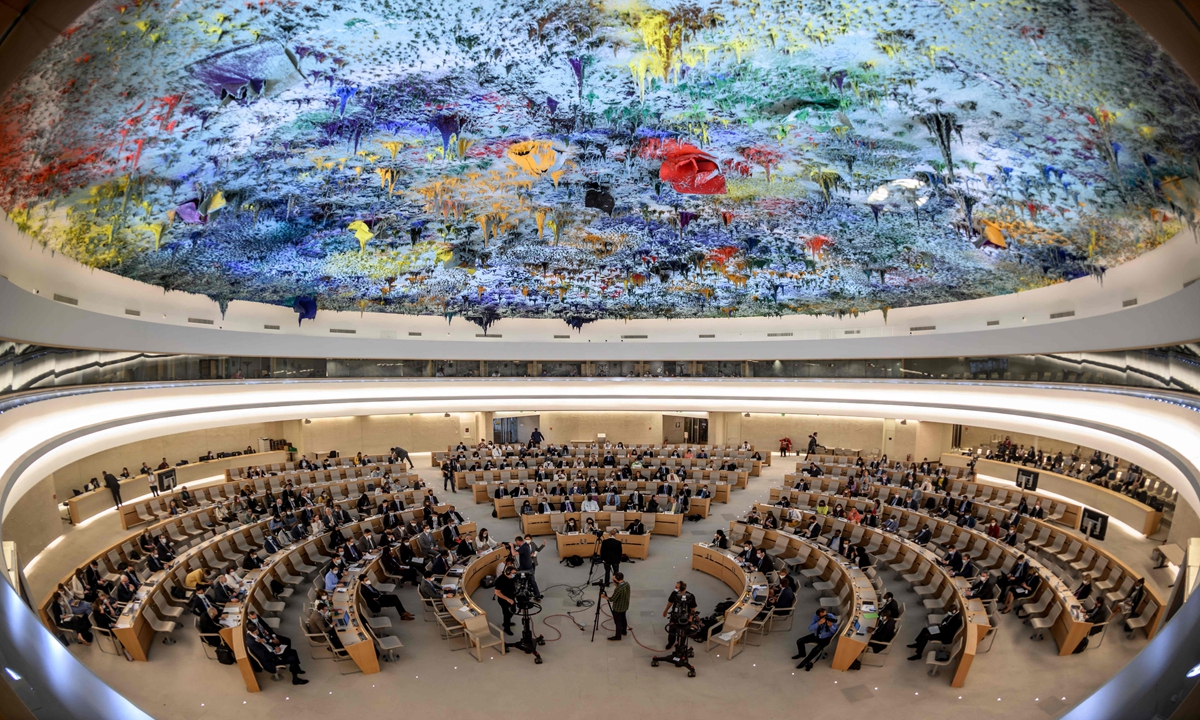
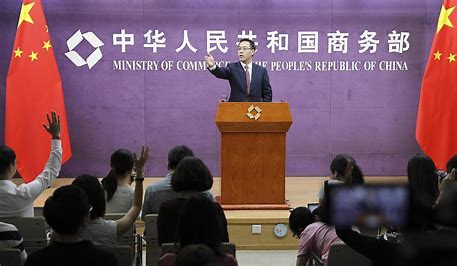
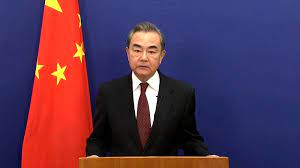
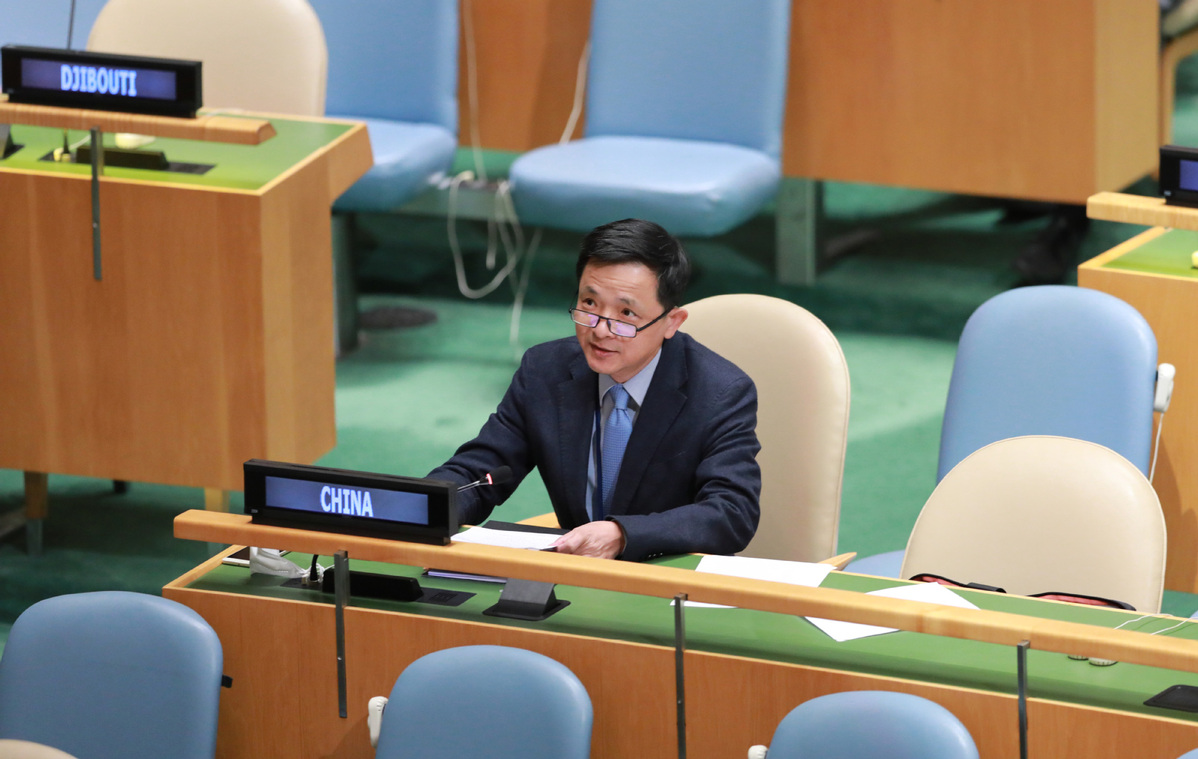
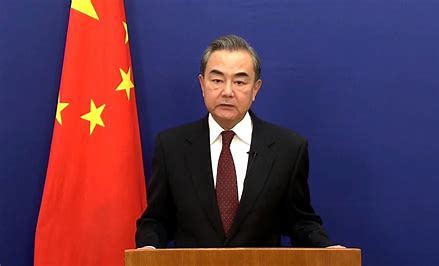
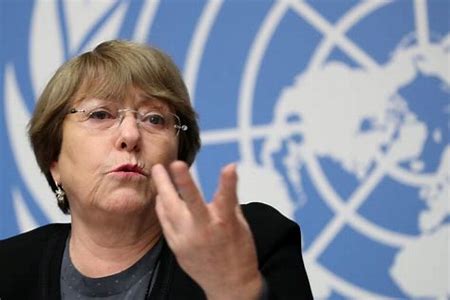
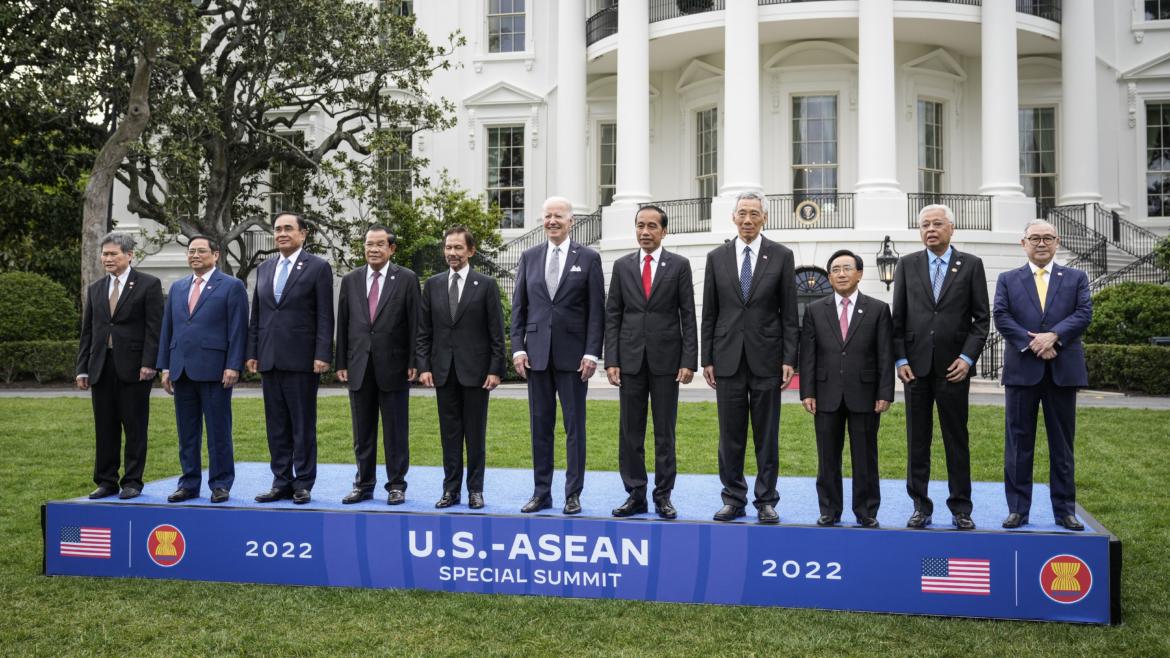
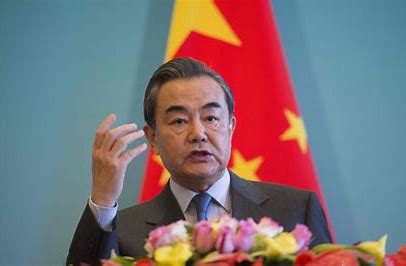
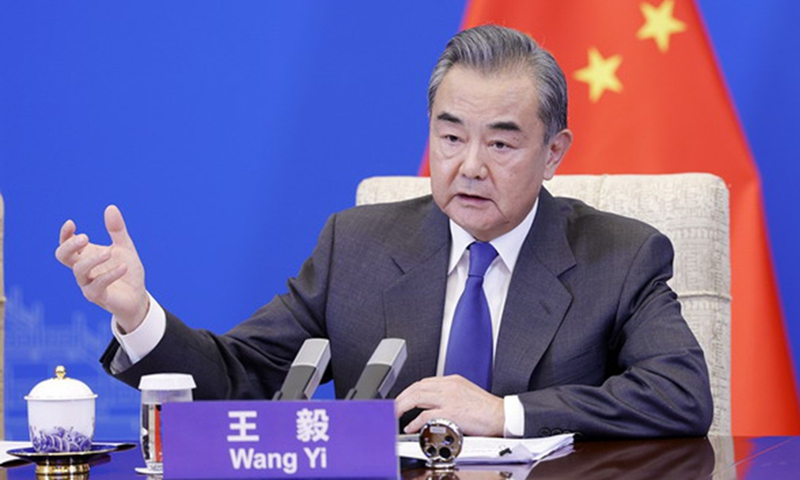
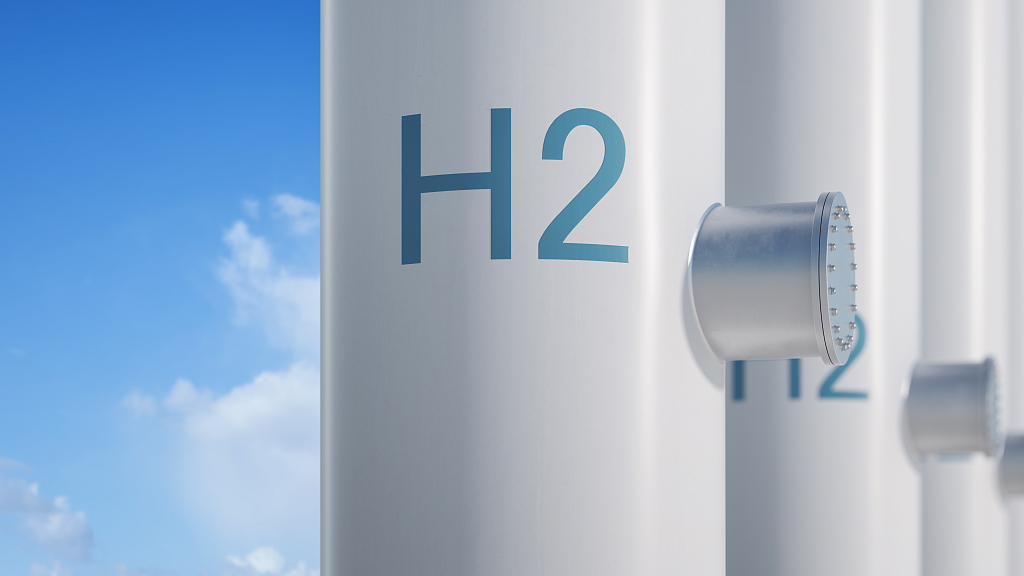
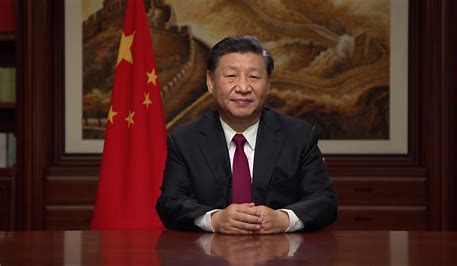
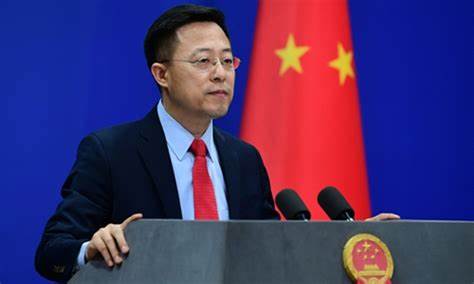
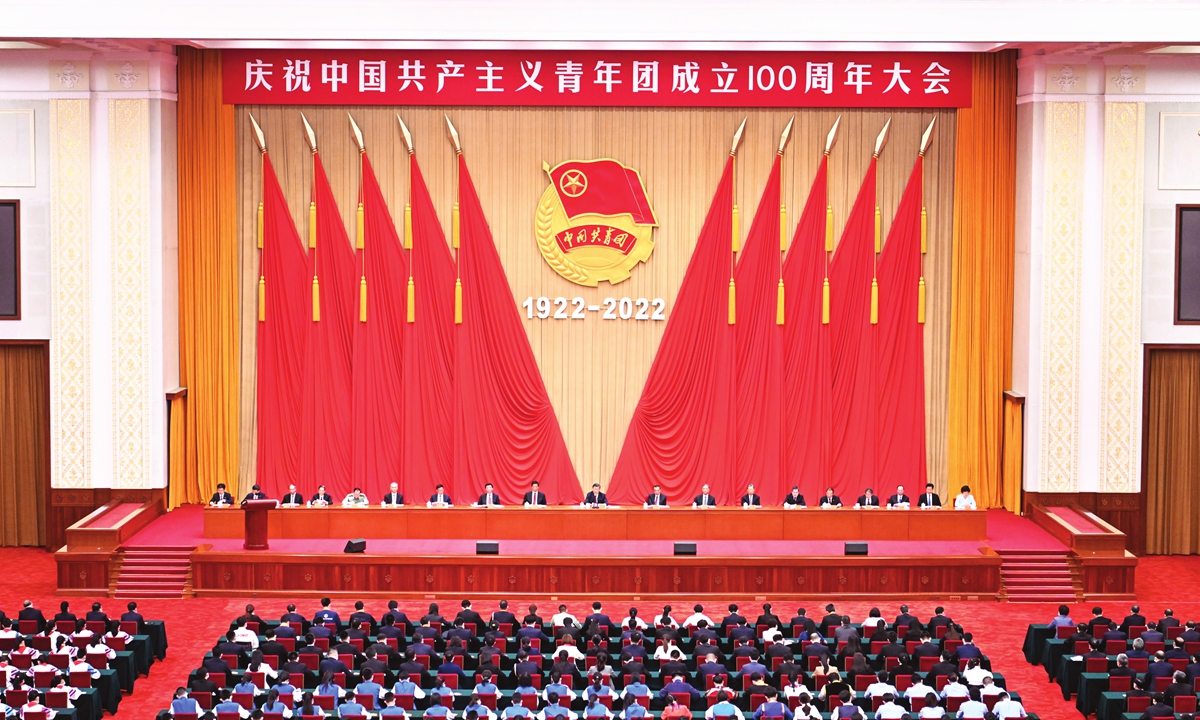
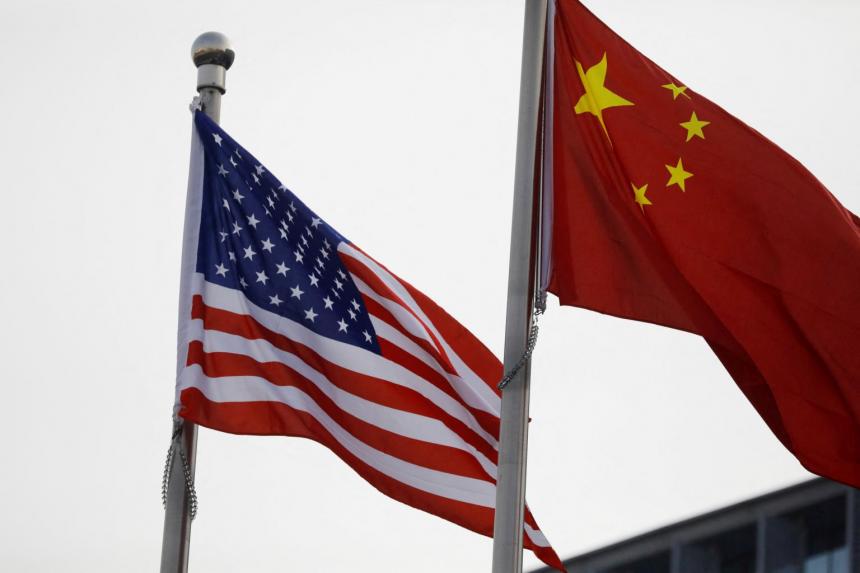
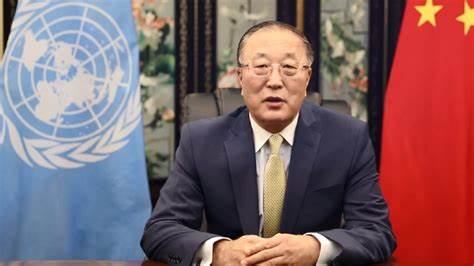
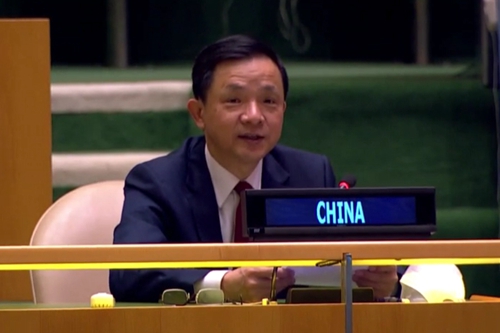

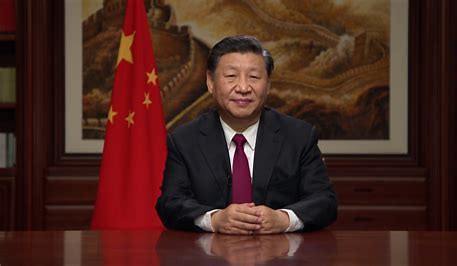
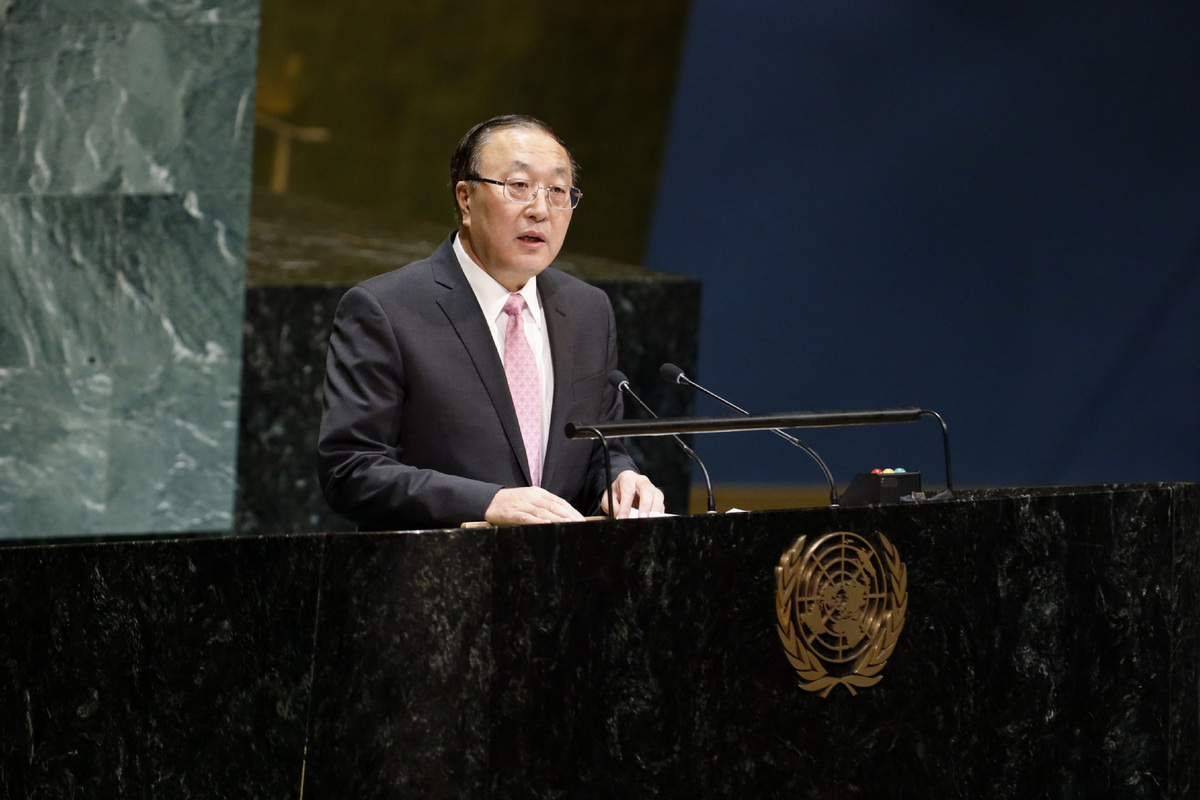
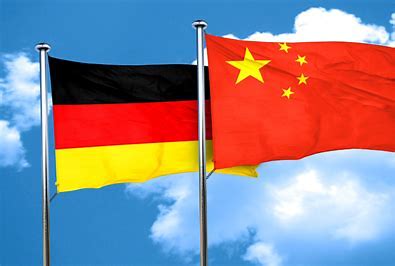
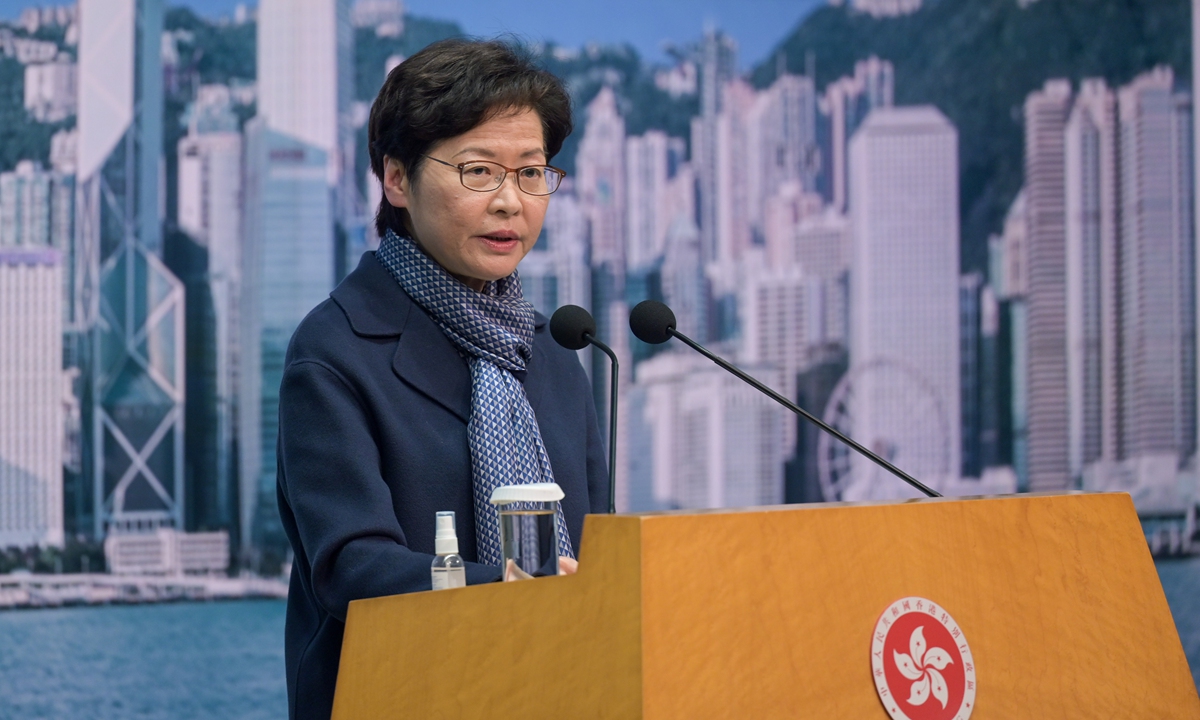
.png)
.jpg)
.jpg)
.jpg)
.jpg)
.jpg)
.jpg)
.jpg)
.jpg)
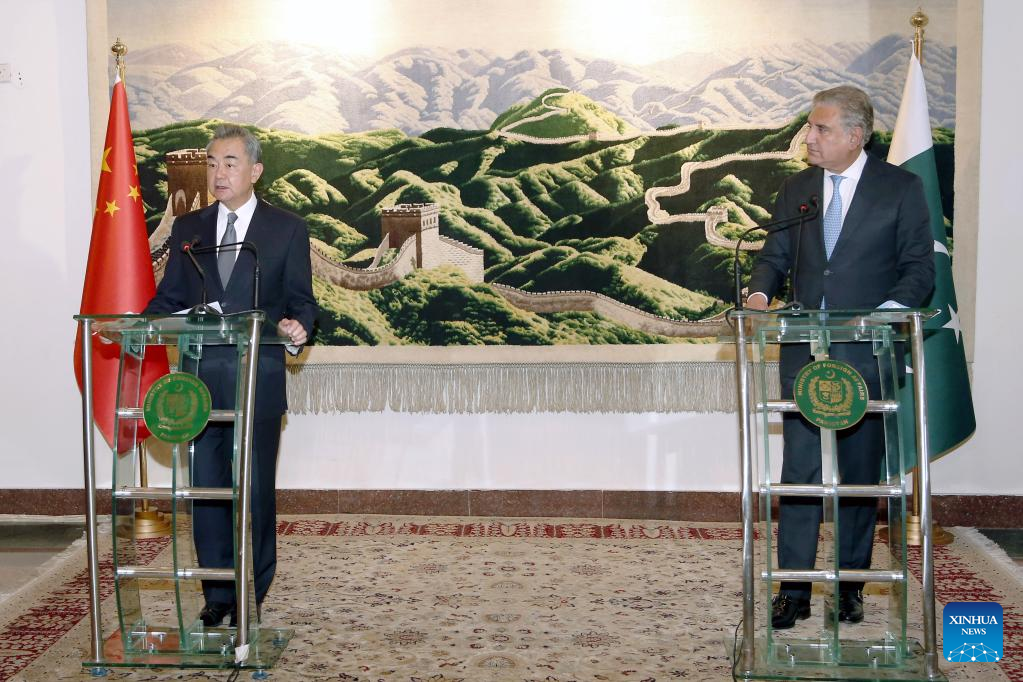
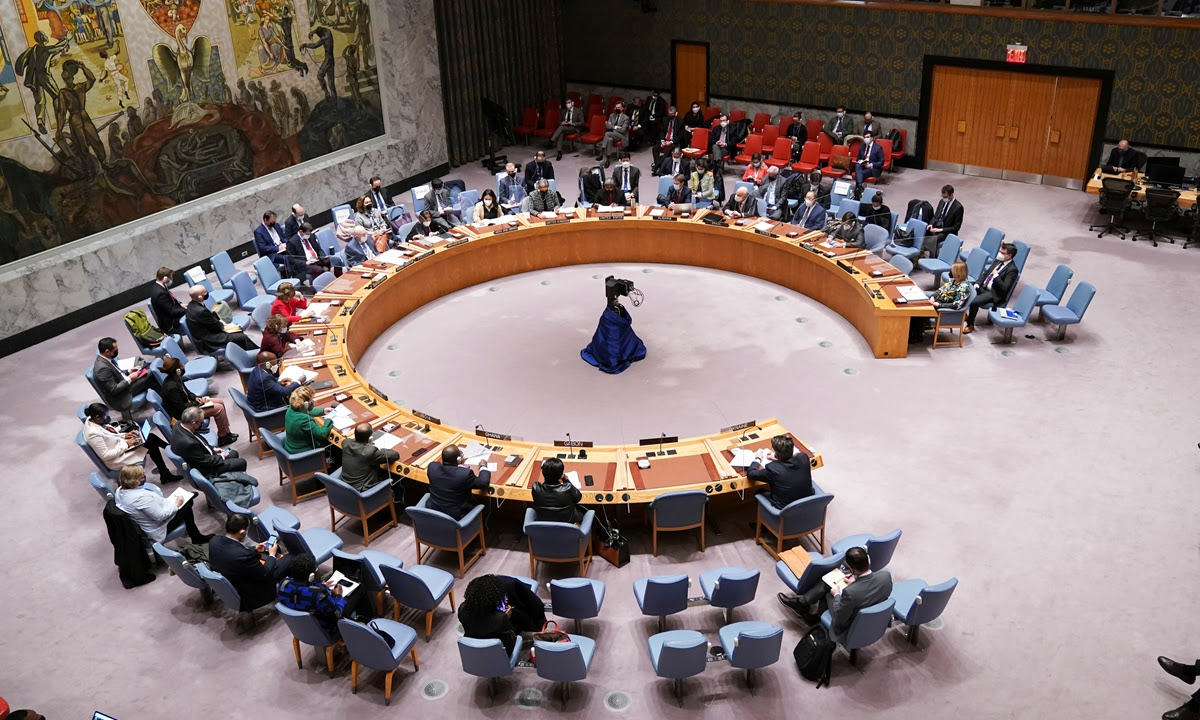
.jpg)
.png)
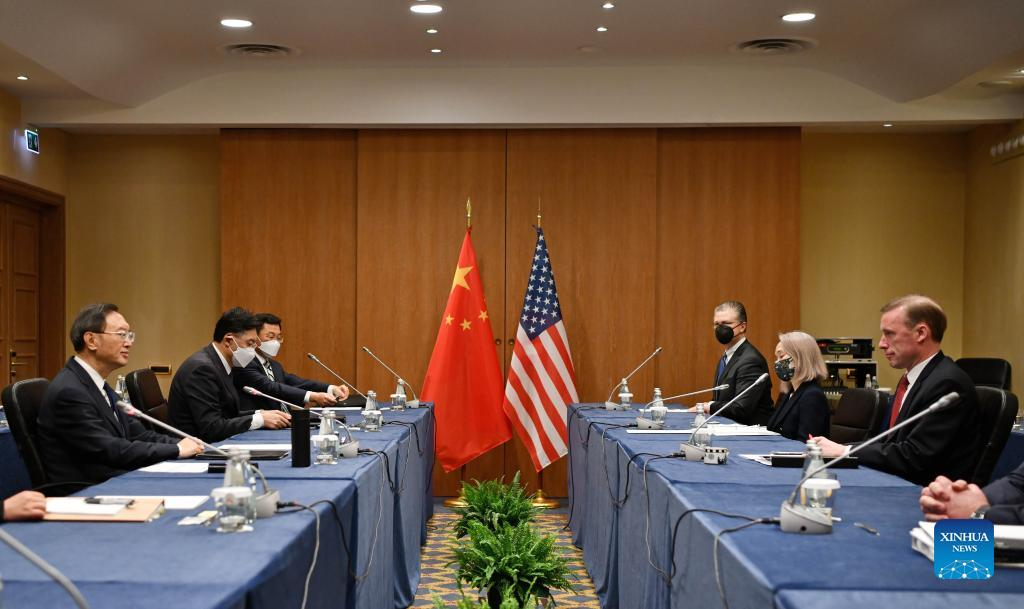
.jpg)
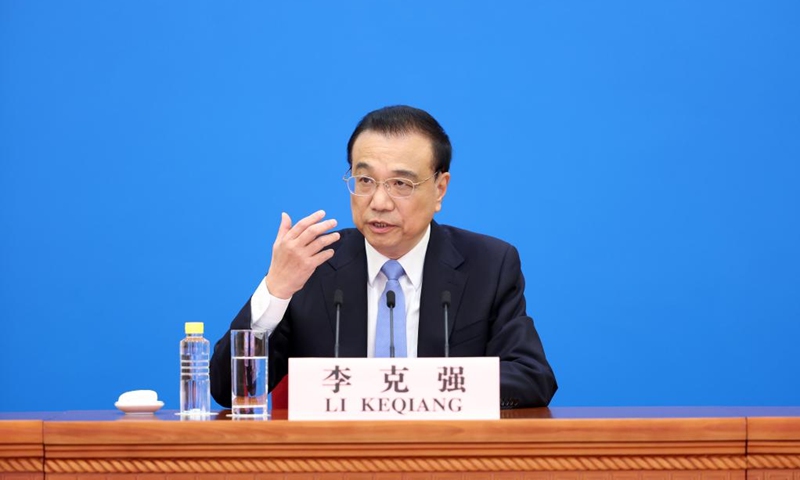
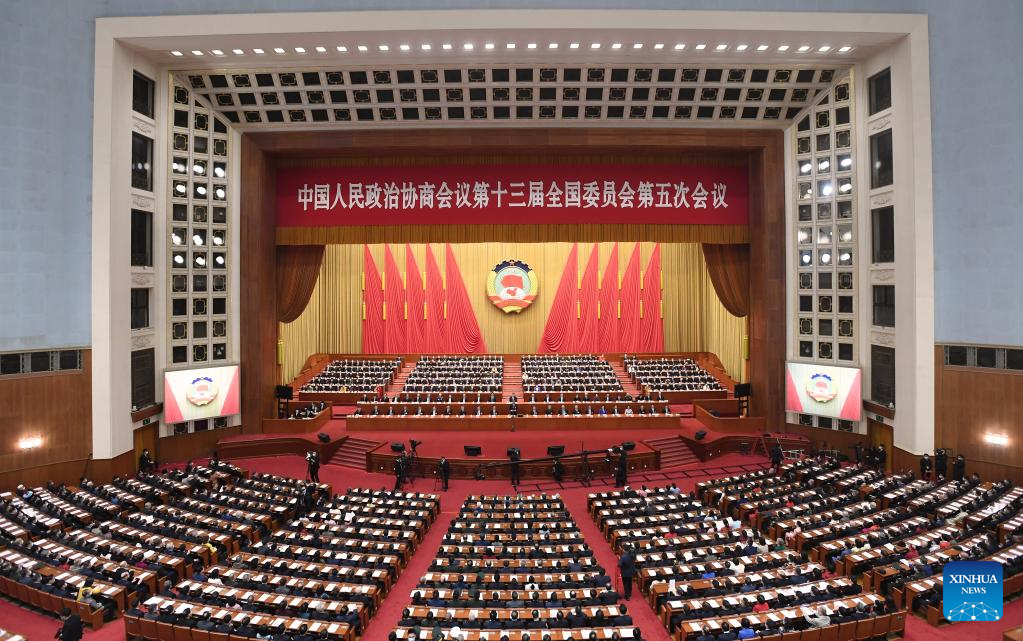
.jpg)
.jpg)
.jpg)
.jpg)
.jpg)
.jpg)
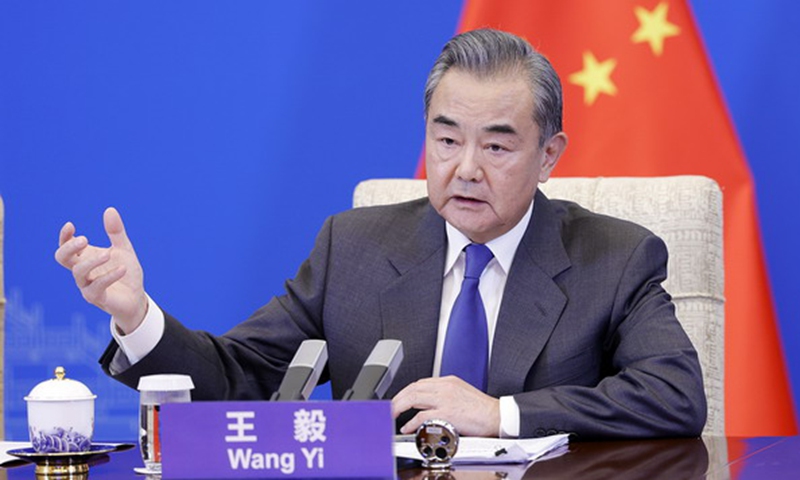

.jpg)
.jpg)
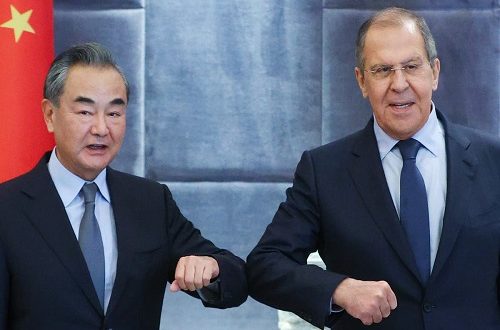
.jpg)
.jpg)
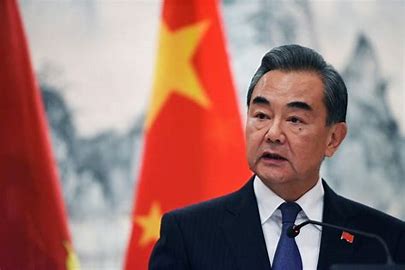
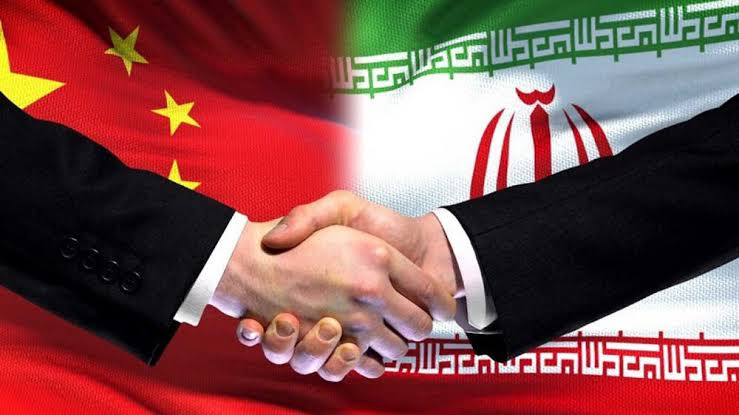
.jpg)
.jpg)
.jpg)
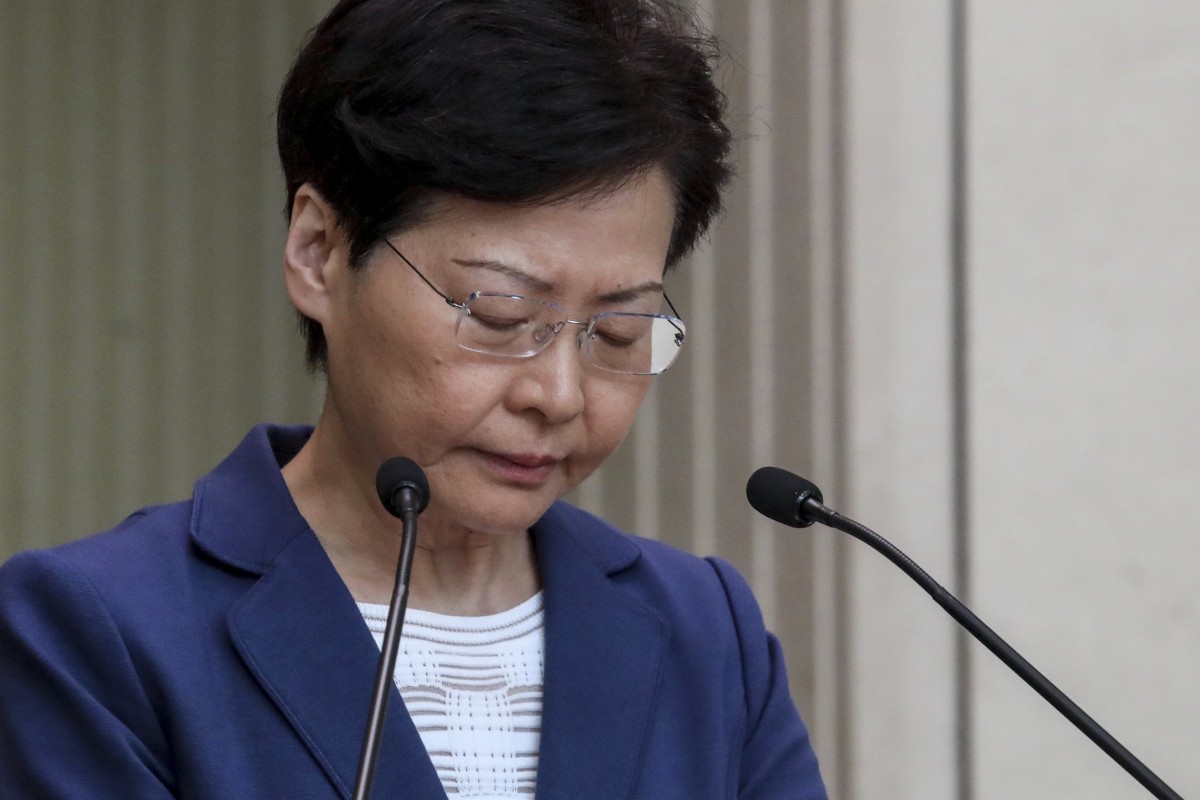
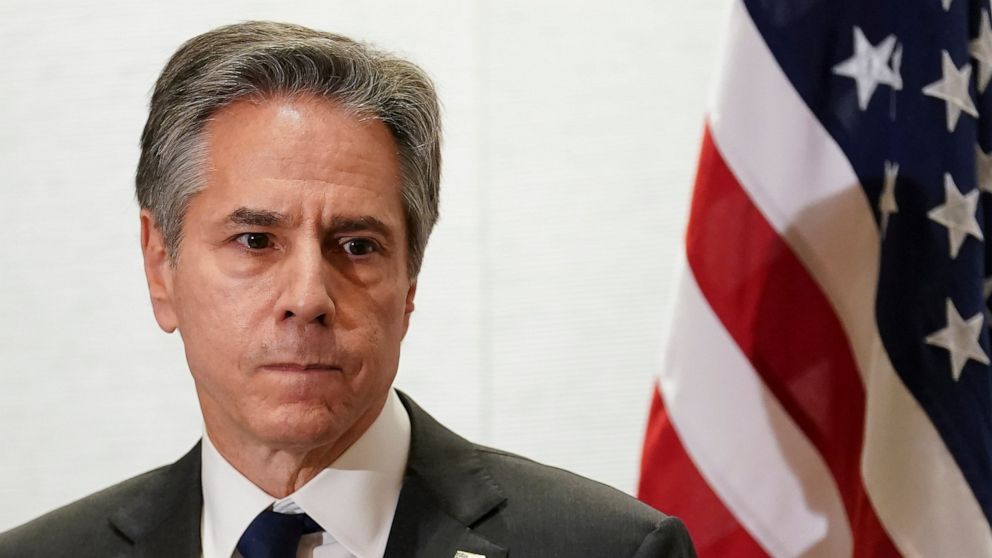
.jpg)
.jpg)
.png)
.jpg)
.jpg)
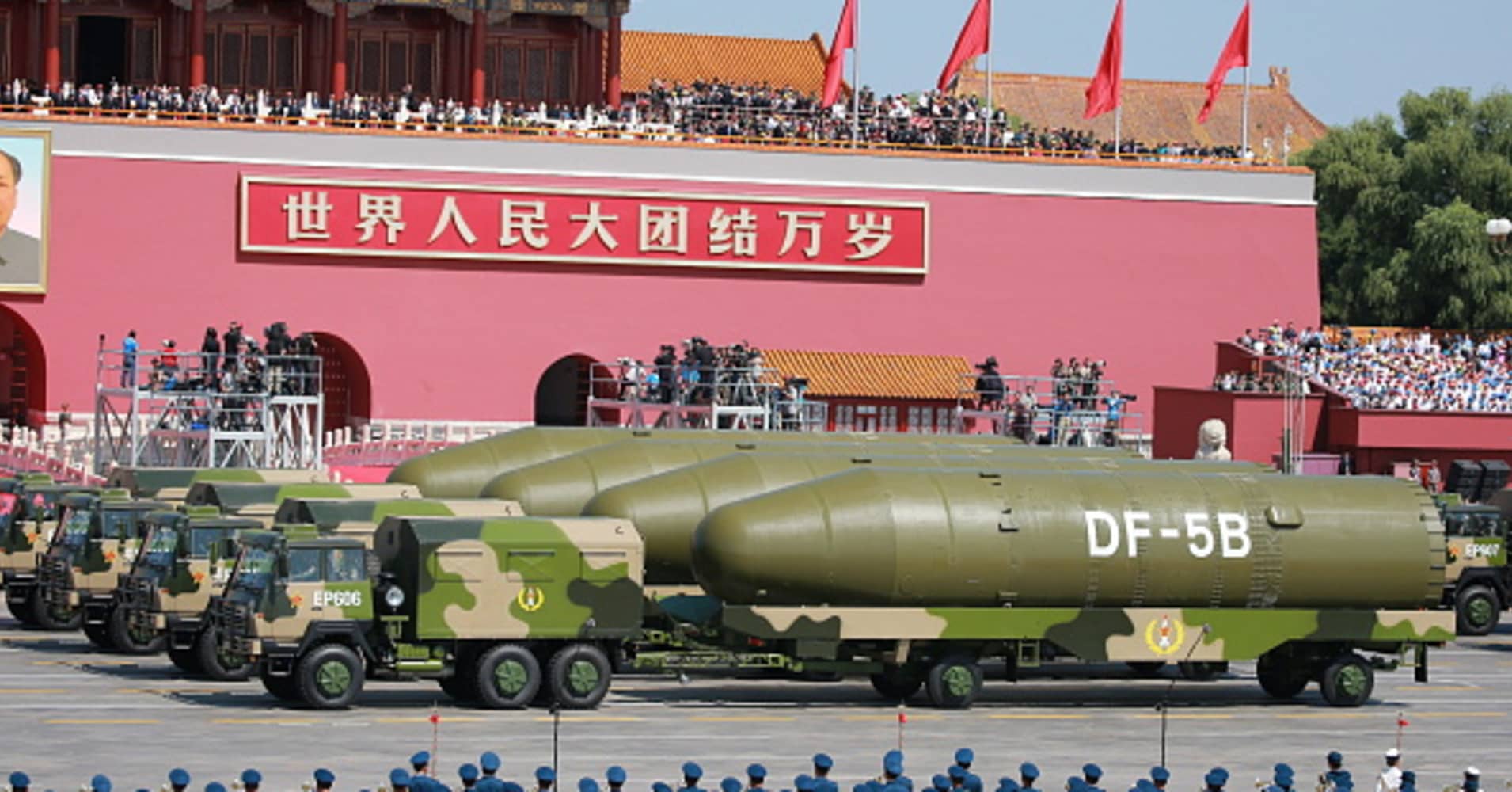
.png)
.jpg)
.jpg)
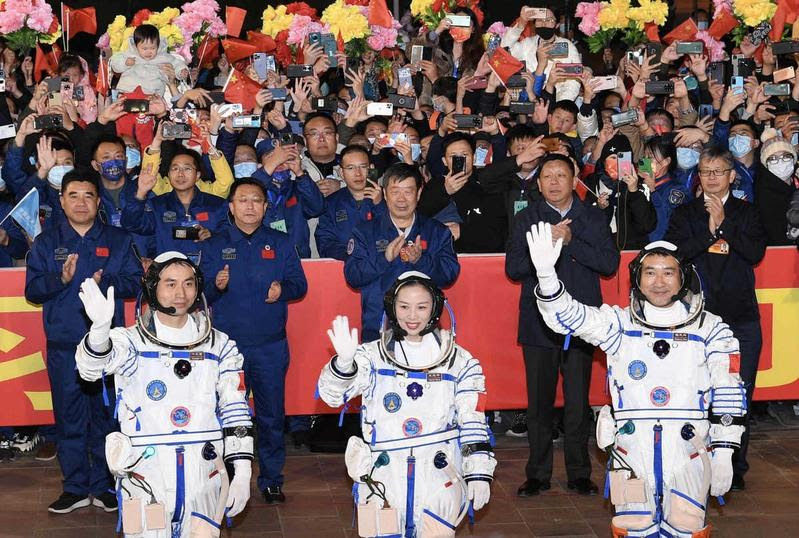


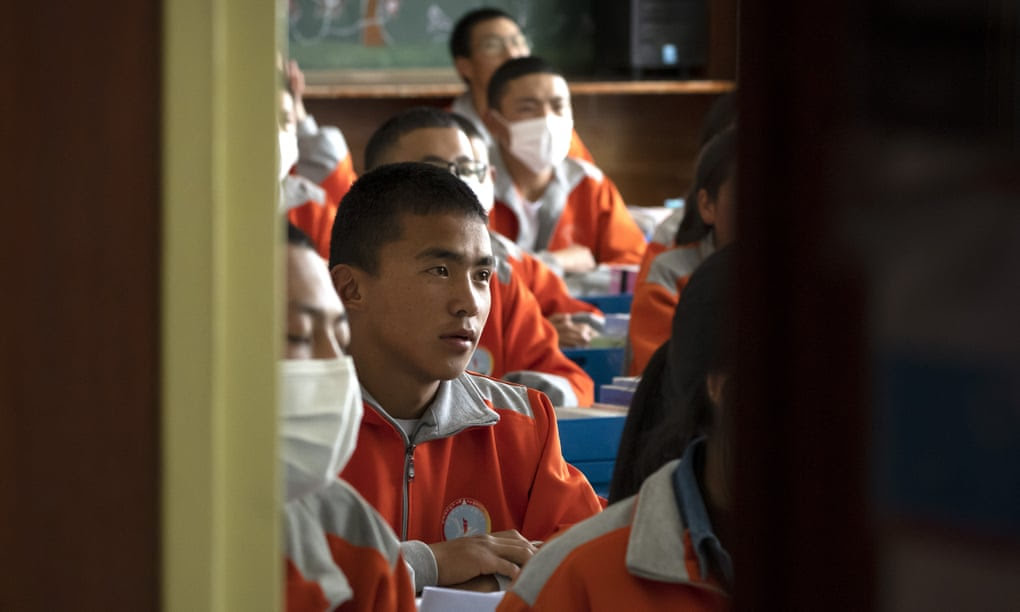
.jpg)
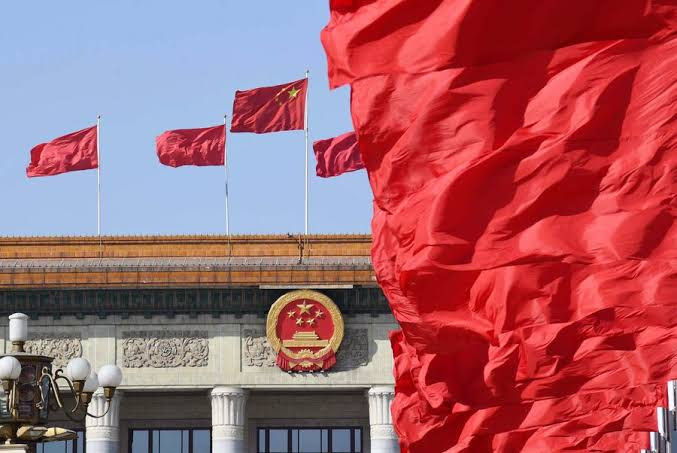
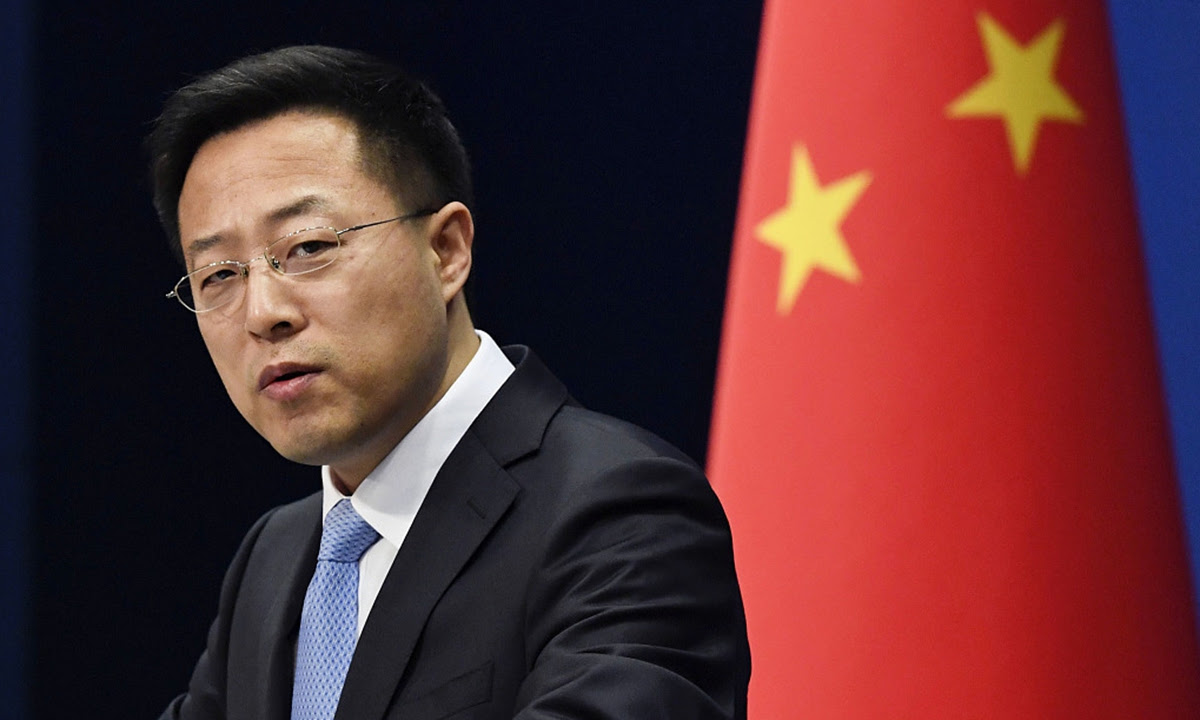

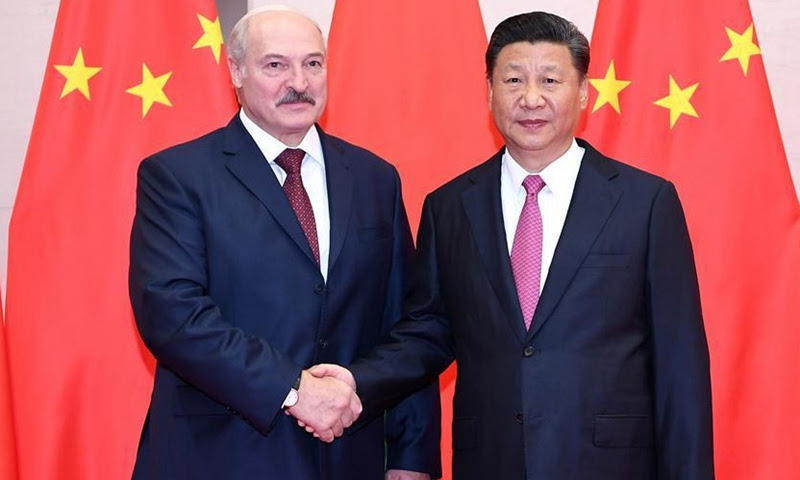
.jpg)
.jpg)
.jpg)
.jpg)
.jpg)
.jpg)
.jpg)
.jpg)

.jpg)
.jpg)
.jpg)
.jpg)
.jpg)
.jpg)
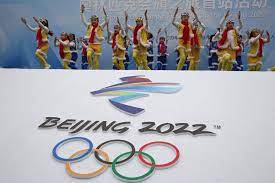
.jpg)
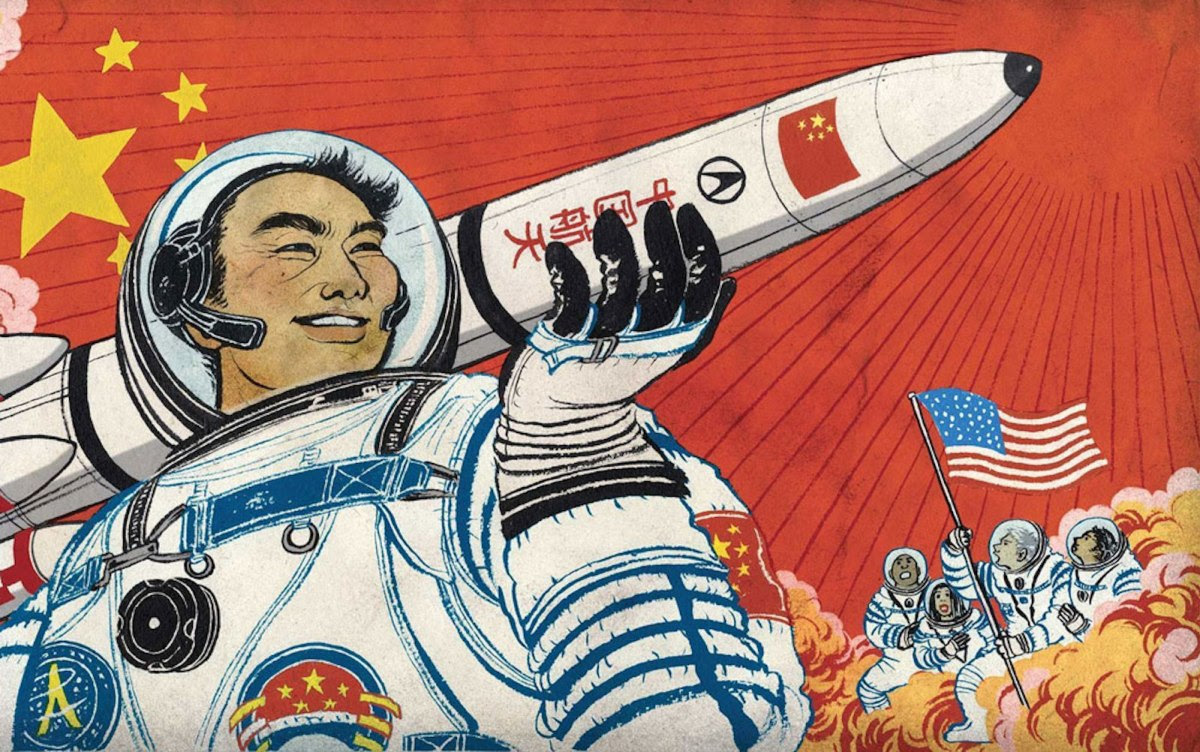
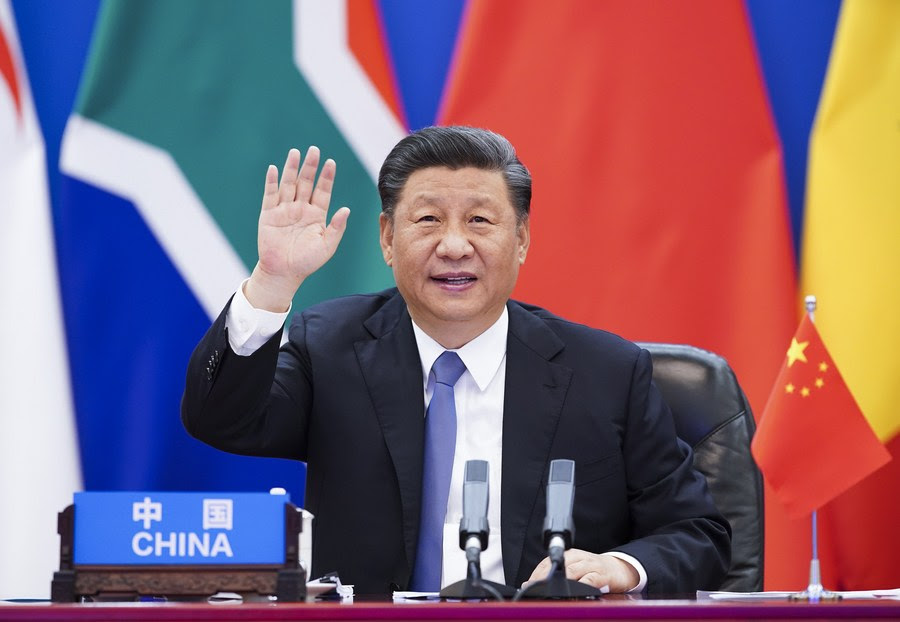
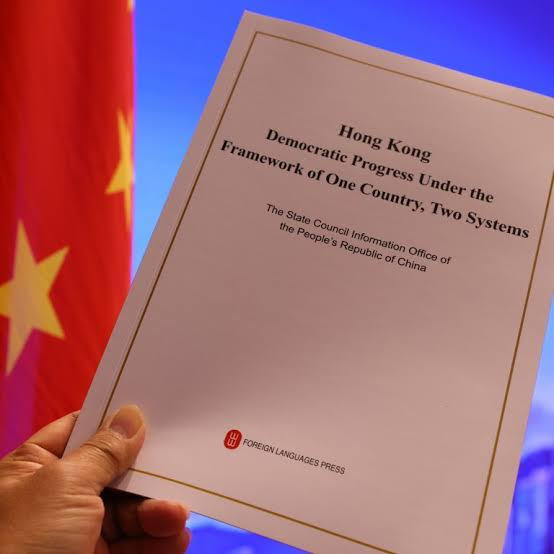
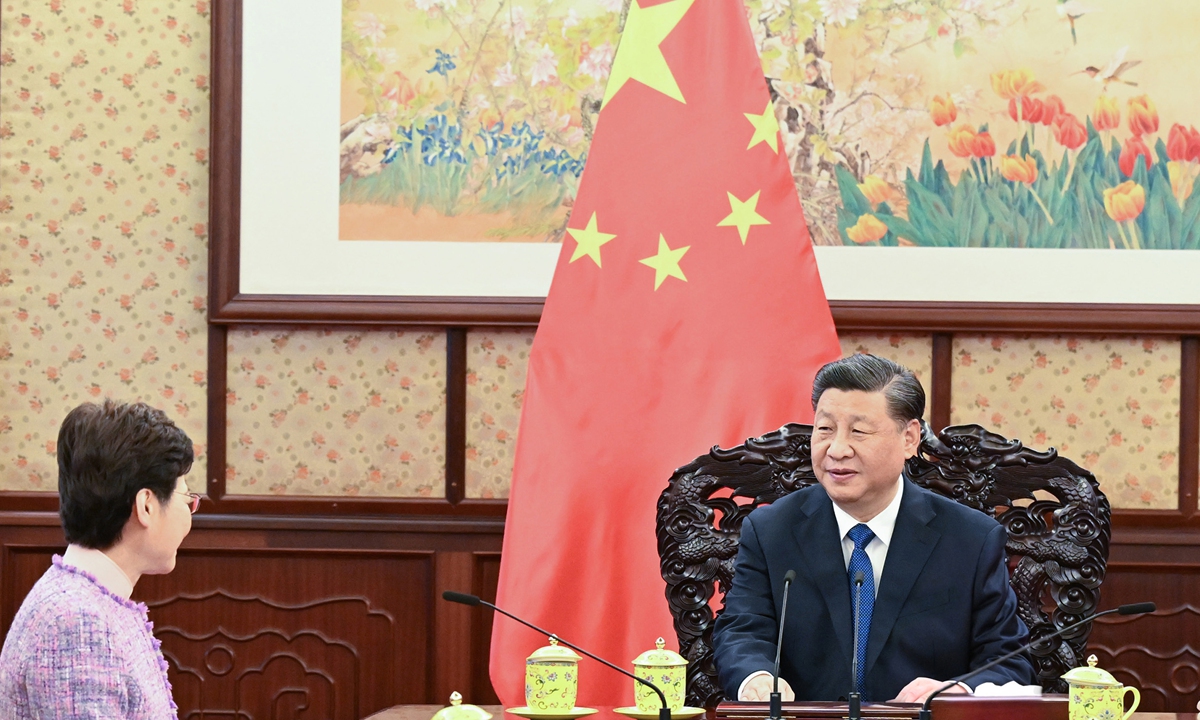
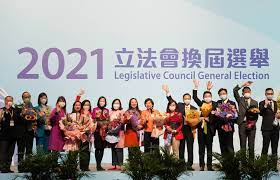

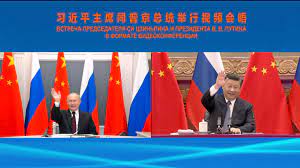
.jpeg)
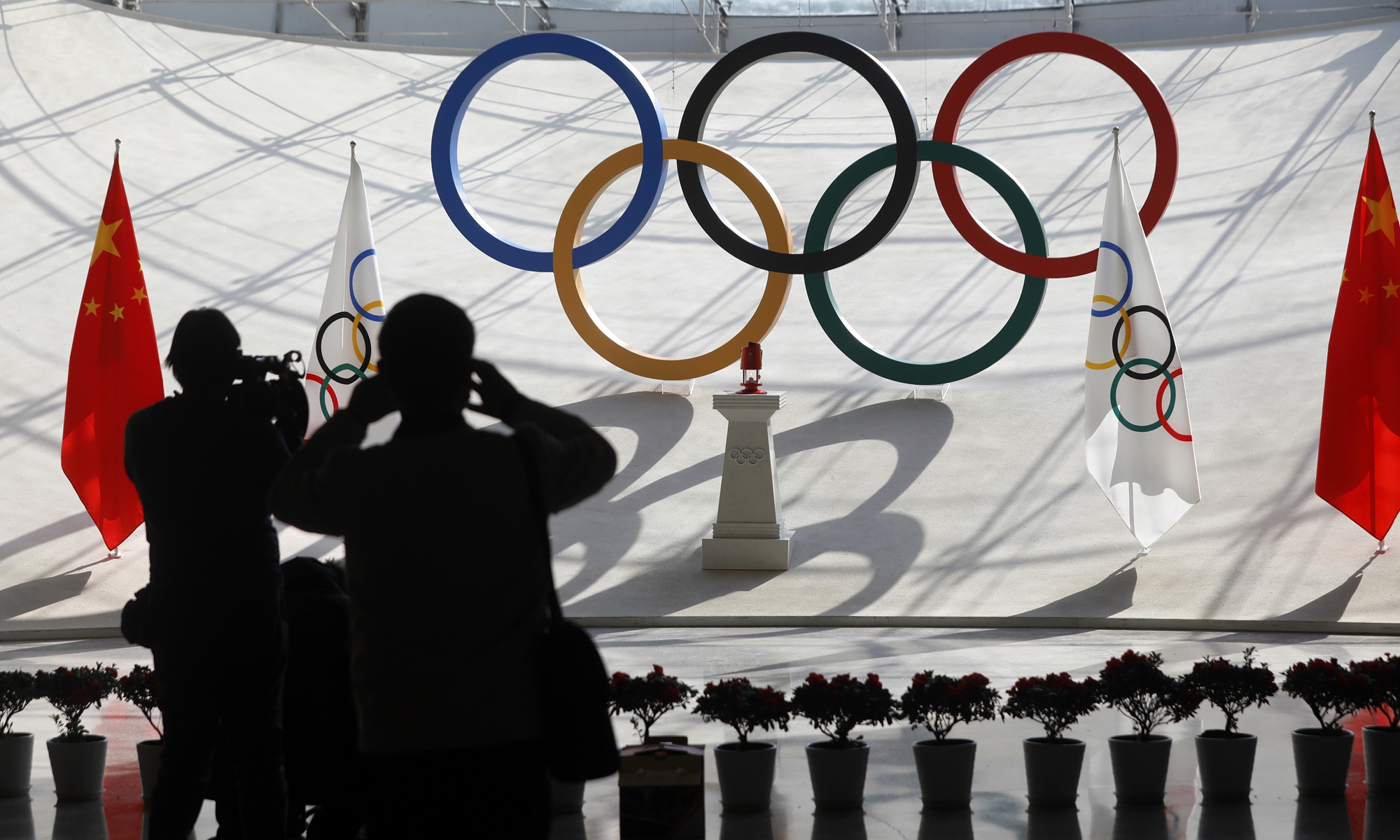
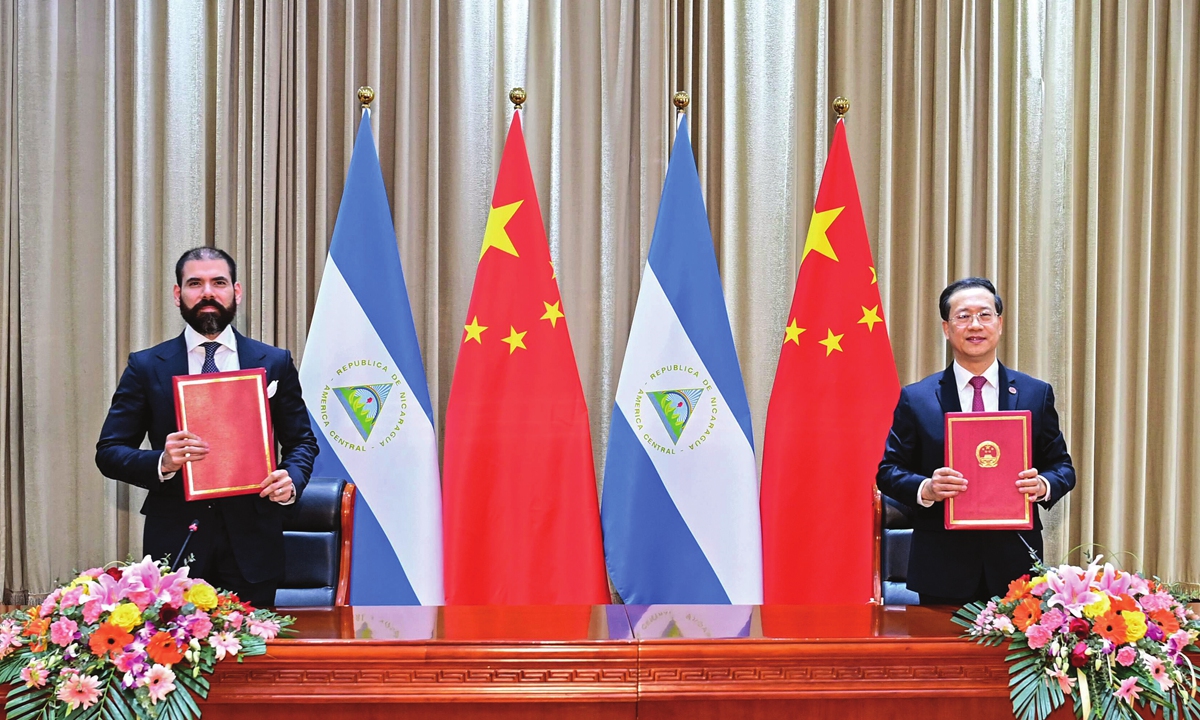

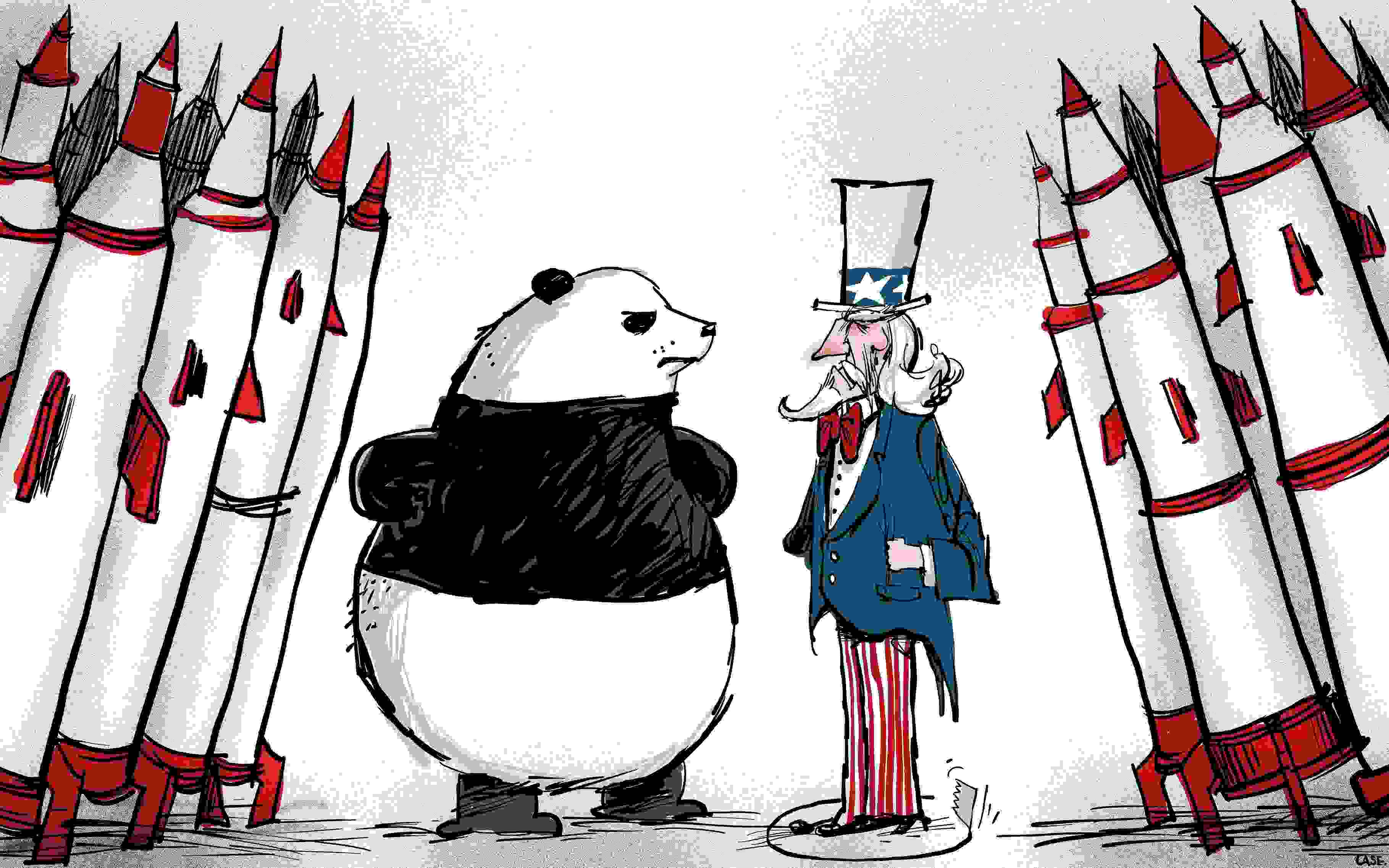
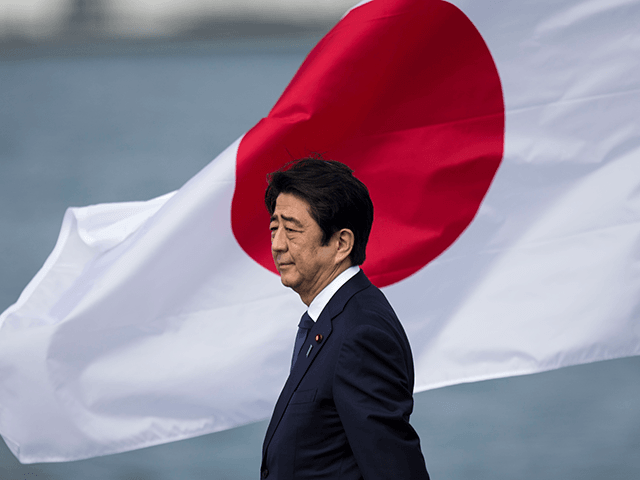
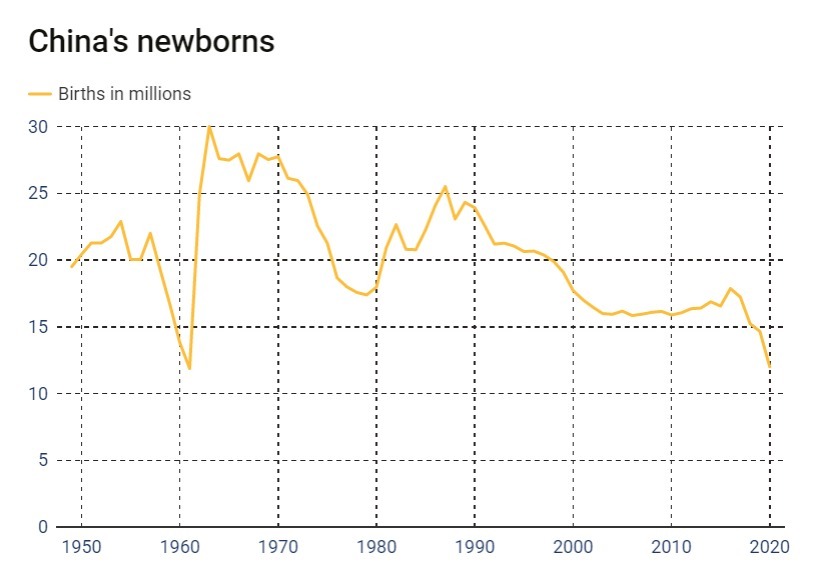
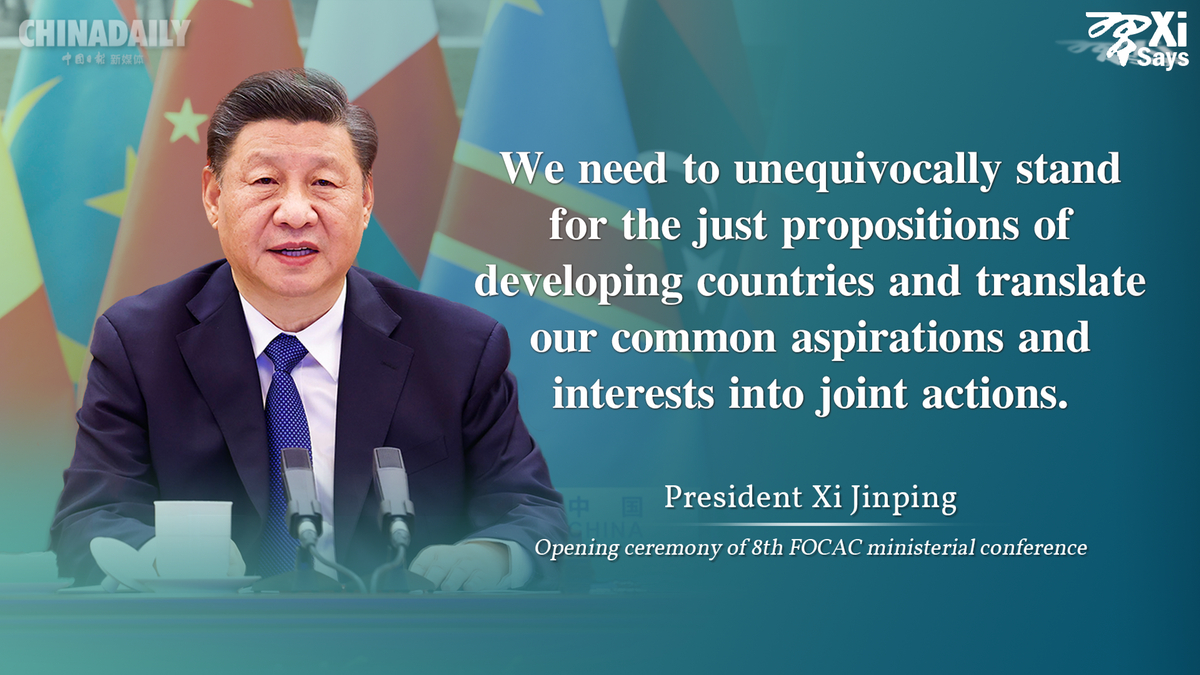
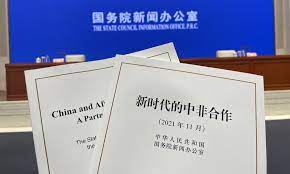
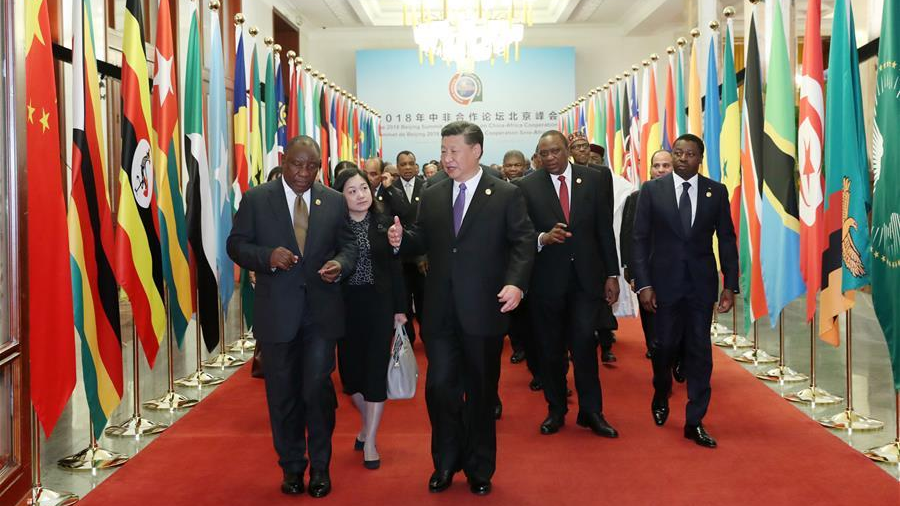
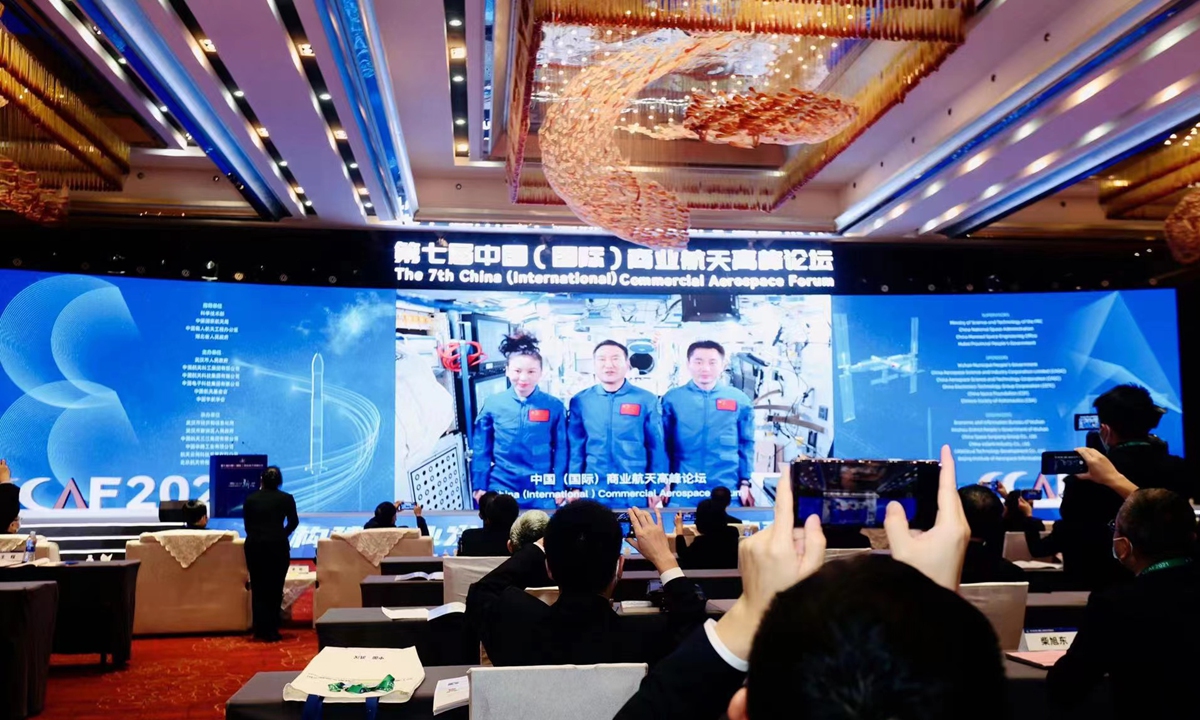
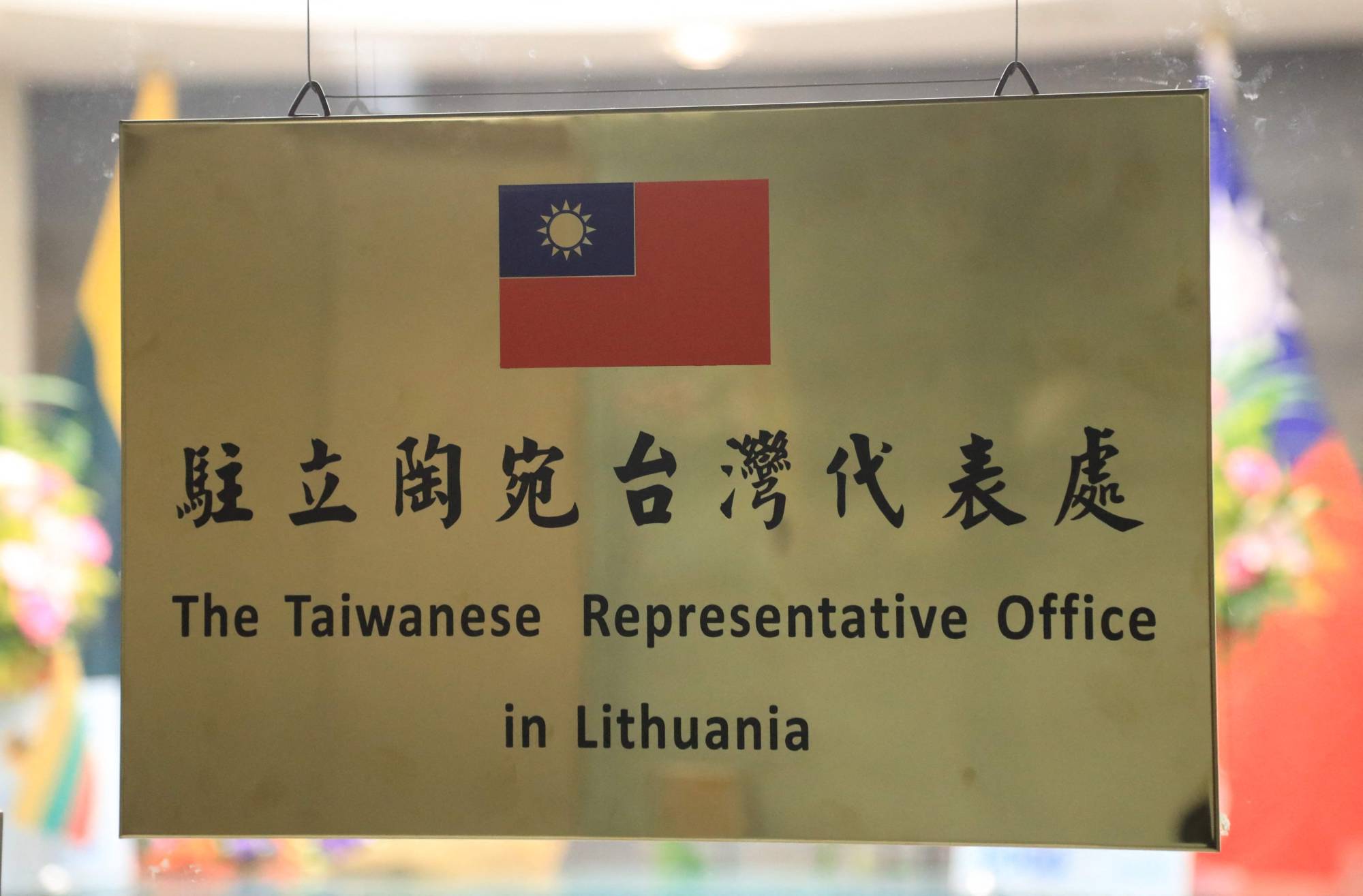

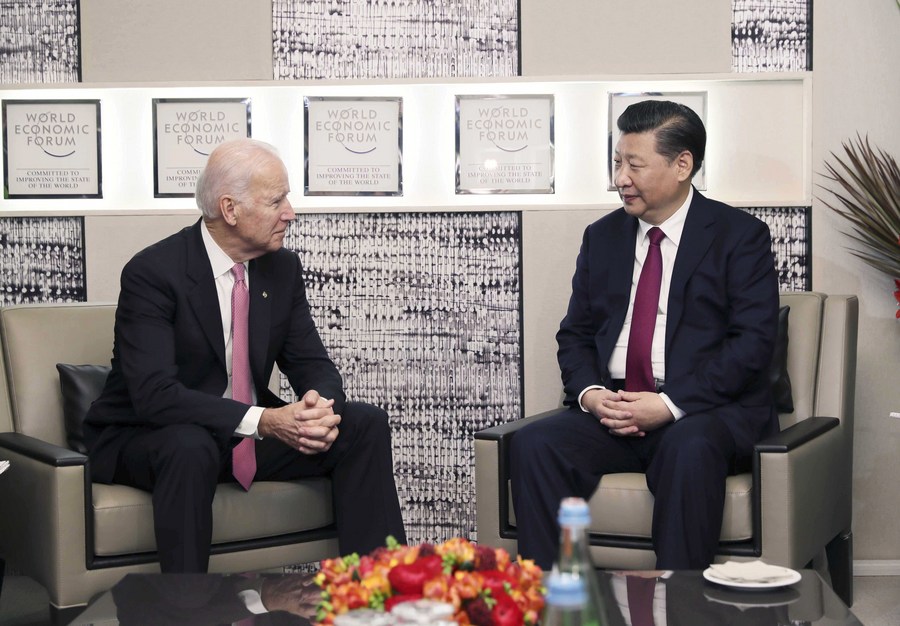
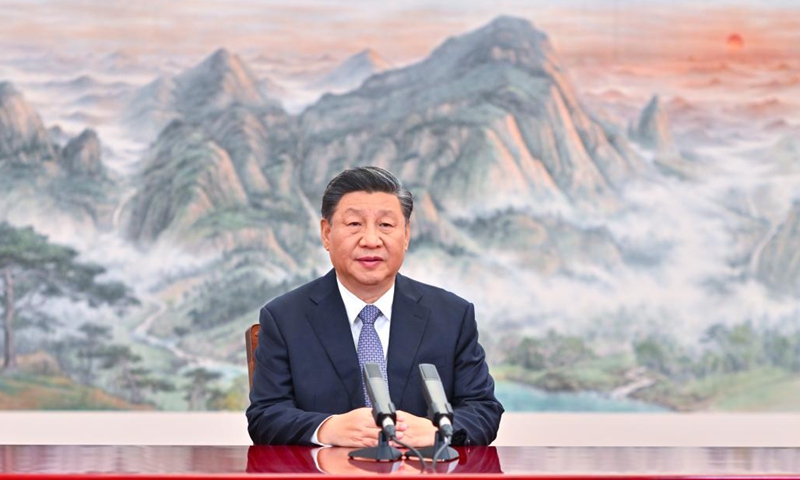
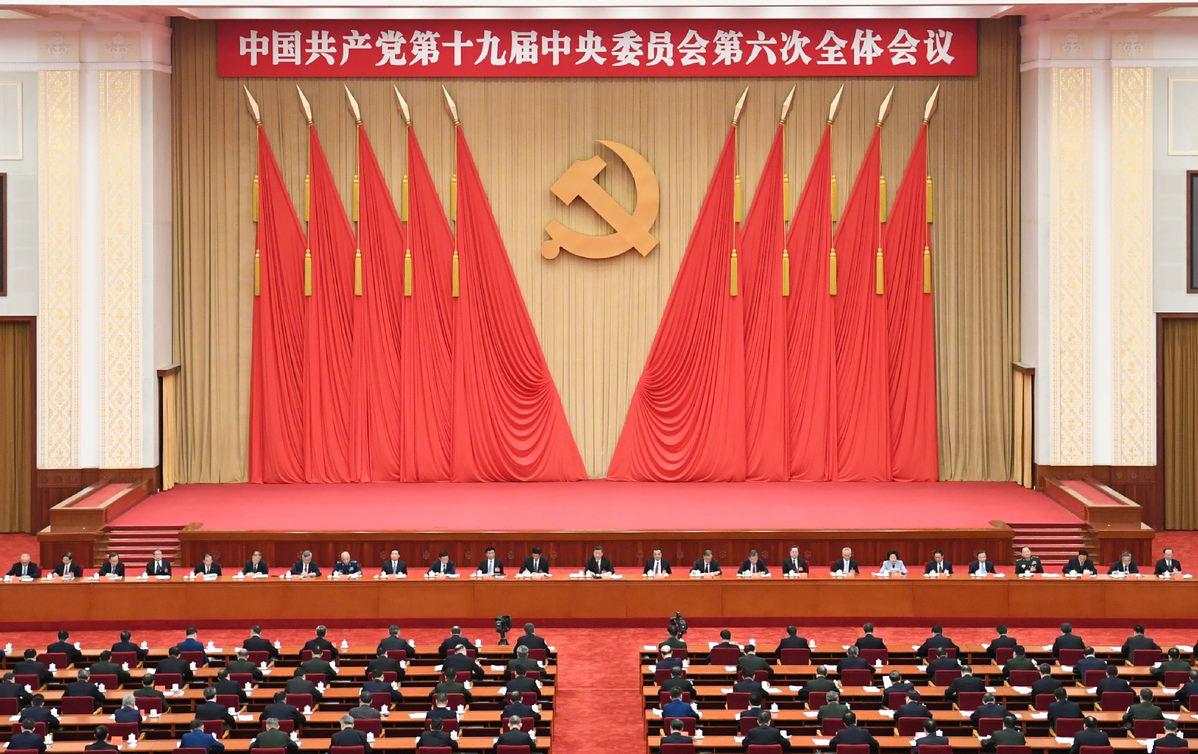
.jpeg)