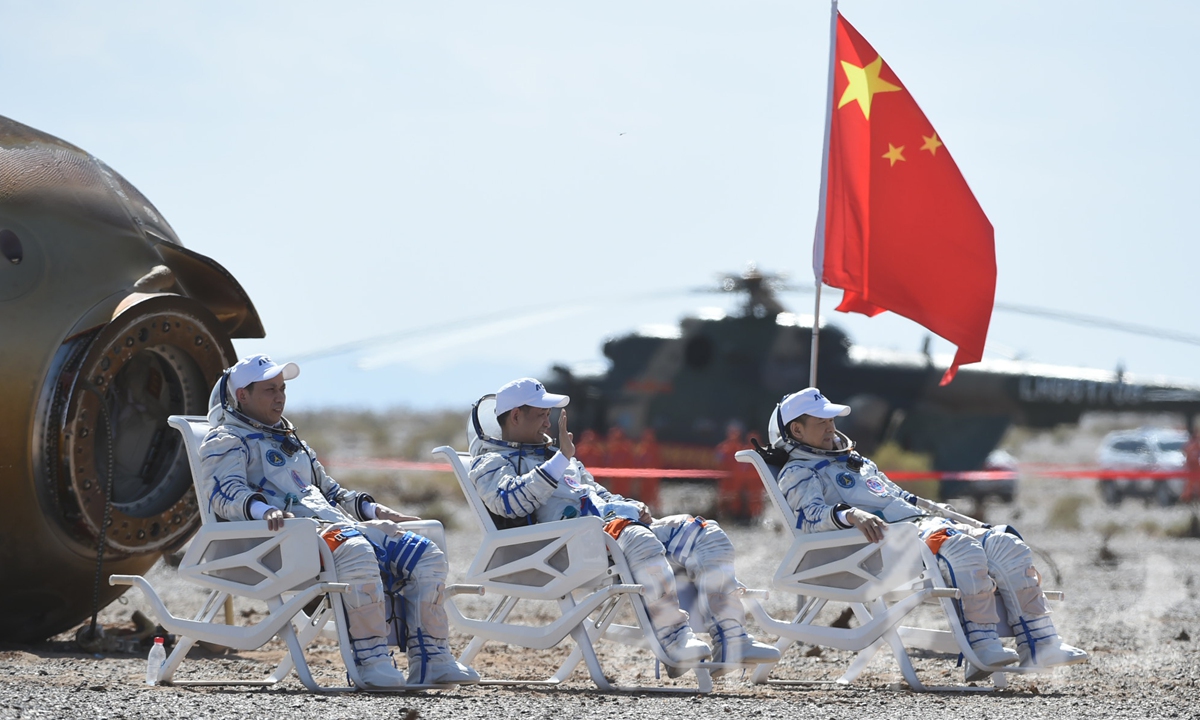
Photo : Emirates 24/7
Photo : Emirates 24/7
China Reader Daily Wire | 11 August 2026, Tuesday | Vol 3 No. 113
INTERNAL
Opinion: "China export surge disguises structural economic weakness,” The Washington Post
“On the surface, China is on track for another year with a trade surplus topping $1 trillion. Exports surged last month by 24 per cent year-over-year, according to data published Friday. But the domestic economy is showing prolonged weakness. China’s growth dropped to 4.3 per cent in the second quarter of 2026, the lowest in three years, even according to the government’s suspect accounting. Home prices have slumped, and developers and local governments are reeling under piles of debt. Youth unemployment has remained stubbornly around 15 per cent.”
“With weak consumer demand at home, China subsidizes global exports to gin up growth. Makers of electric vehicles, steel companies and other industries receive access to cheap loans, tax breaks, free or inexpensive land at government-run industrial parks, and sometimes direct grants.”
ENERGY AND ENVIRONMENT
Typhoon Dolphin sparks severe flood alerts and temporary closures across central China
On 11 August, Reuters reported that Typhoon Dolphin, the strongest typhoon to hit China this year, travelled nearly 6,000 kilometres across a resilient storm system before making landfall deep into the central, mountainous province of Hubei. The storm has prompted forecasters to issue an orange rain alert, warning that the province's northwestern region could receive up to 250 mm of rain within 24 hours. It comes as peripheral airflow hits the western mountains and intensifies the rainfall multiple times. The severe weather places a heavy burden on Hubei, a major auto and electronics manufacturing hub of 58 million people that was already struck last month by two rare, deadly tornadoes from Typhoon Maysak. In response to the high risk of flooding and landslides, Hubei authorities issued yellow warnings for major cities like Xiangyang, Huanggang, and Suizhou, suspended 26 high-risk highway and waterway construction projects, and closed popular tourist sites, including the Three Gorges Dam in Yichang. Furthermore, the storm's massive reach is drawing moisture northward, prompting a red flash-flood alert in the neighbouring Henan province. It has also forced four outlying districts in Beijing that are located over 1,000 kilometres away to activate Level I emergency flood responses.
(“Typhoon Dolphin's vast storm system pushes inland, threatens central China,” Reuters, 11 August 2026)
https://www.reuters.com/business/environment/typhoon-dolphins-vast-storm-system-pushes-inland-threatens-central-china-2026-08-11/
SCIENCE AND TECHNOLOGY
China raises 28 trillion in capital markets to fund strategic tech race with the US
On 10 August, Quartz reported that China is shifting its technology competition strategy with the United States by utilising its USD 28 trillion stock and bond markets to fund strategic industries. They are doing so while aiming to close a funding gap where US firms lead by over six to one. China now forces private and institutional investors to fund its tech sector, instead of relying solely on direct state subsidies and tax incentives, reducing the financial burden on the government's budget. As tech giants from China are paying an average interest rate of just 1.9 per cent on their bonds, they can borrow money much more cheaply than their US rivals, whose borrowing costs are significantly higher. Memory chipmaker CXMT Corp. exemplified this approach by raising USD 8.6 billion, marking the largest mainland China semiconductor IPO on record and becoming China's most valuable onshore company by reaching a USD 488 billion valuation, surpassing the Industrial and Commercial Bank of China. However, the move relied on massive state intervention and left the firm with less capital than its potential market value. By creating streamlined pathways like the "preliminary review" pilot, China can rapidly pump billions of dollars into critical areas like semiconductor chips and AI, speeding up its timeline to achieve technological independence from the West. Despite risks involving reliance on policy-driven sentiment over fundamentals, tech firms from China are increasingly leveraging this method, with AI companies like Z.AI, MiniMax, and Moonshot AI preparing for domestic listings.
(“China is using its own stock market to fund its race for AI chip dominance,” Quartz, 10 August 2026)
https://qz.com/china-capital-markets-ai-chip-race-cxmt-ipo-081026
CHINA AND SPACE
China’s Long March 7A explodes after liftoff; Marks the second explosion in six years
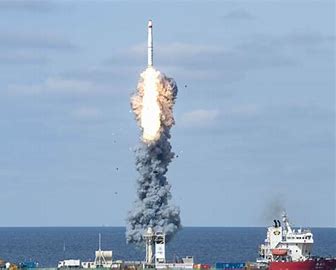
On 10 and 11 August, Space.com and SCMP reported that the state-owned China Aerospace Science and Technology Corporation (CASC) Long March 7A rocket exploded 85 seconds after liftoff from the Wenchang Space Launch Site on 10 August. The explosion completely destroyed its Zhongxing-4B communications satellite payload. This incident marks the second failure for this specific rocket configuration, as the first failure occurred on 16 March 2020 during its maiden flight. China’s state news agency Xinhua officially stated that the rocket experienced an "anomaly during flight". The CASC has confirmed that the mission was unsuccessful and that the exact cause of the mid-air explosion is currently under active investigation. The incident also triggered an official investigation that could significantly delay upcoming cargo resupply missions to the Tiangong space station.
(“Chinese rocket explodes less than 90 seconds after liftoff,” Space.com, 10 August 2026; “A rare rocket failure led to knock-on effects on China’s space launches. What happened?,” SCMP, 11 August 2026)
https://www.space.com/space-exploration/launches-spacecraft/chinese-rocket-explodes-less-than-90-seconds-after-liftoff
https://www.scmp.com/news/china/military/article/3363574/chinas-long-march-7a-rocket-explodes-after-launch-satellite-lost
DEFENCE
China’s most advanced anti-drone laser spotted above amphibious warfare vessel in South China Sea
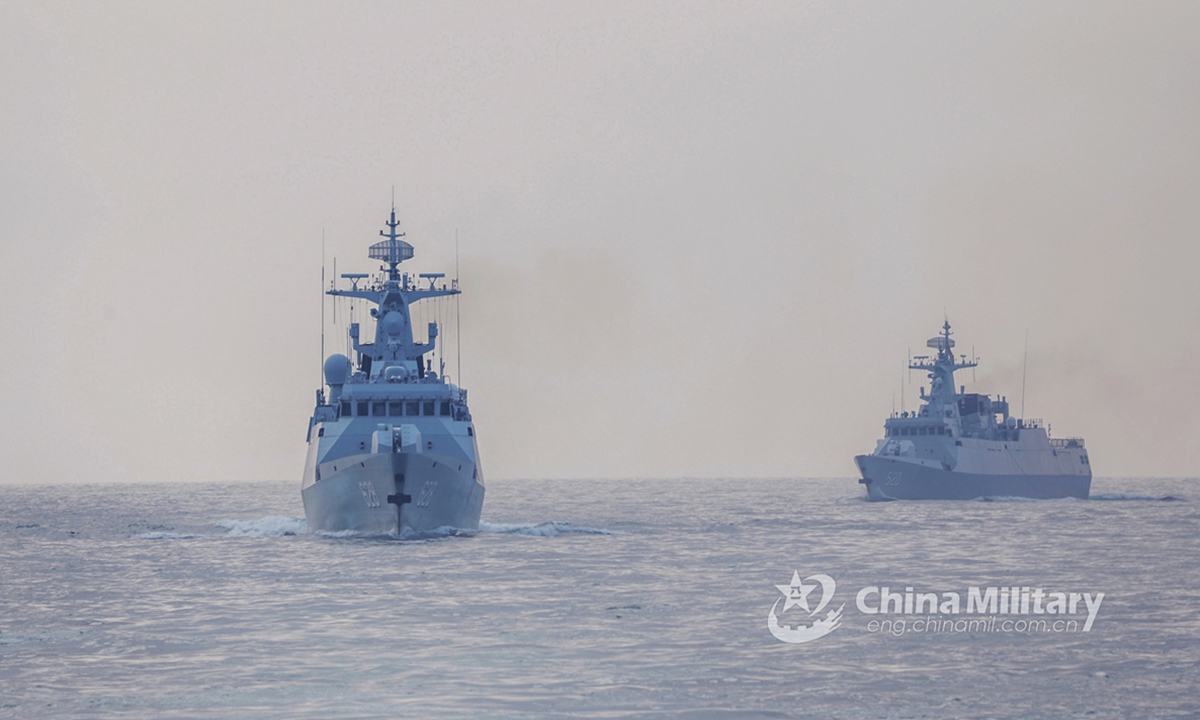
On 10 August, SCMP reported that China had deployed its most advanced anti-drone laser above a Type 071 “Qilianshan” amphibious landing vessel in the South China Sea. The Liaoyuan-1 (LY-1) was seen behind the Qilianshan’s 76mm dual-purpose gun. The LY-1 was showcased for the first time during last year’s Victory Day military parade and is tasked with close-range interception of incoming missiles and drones. The People’s Liberation Army’s Navy and Air Force (PLAN, PLAAF) were holding joint air and naval drills in the Scarborough Shoal of the South China Sea as part of the 99th anniversary of the PLA. The Qilianshan is the second Type 071 vessel to be spotted with the LY-1, after the Simingshan was seen with it last October. Experts and analysts claim that the LY-1 on an amphibious warfare ship indicates that China wants to send a “more forceful message,” after tensions flared in the South China Sea between Beijing and Manila last month. The deployment also comes after a US aircraft carrier, USS George Washington, was seen in the South China Sea last month as well.
(“Powerful anti-drone laser spotted on PLA amphibious ship in South China Sea,” SCMP, 10 August 2026)
https://www.scmp.com/news/china/military/article/3363564/powerful-anti-drone-laser-spotted-pla-amphibious-ship-south-china-sea
CHINA AND SOUTHEAST ASIA
Thailand proposes three-point plan to reduce trade deficit with China
On 11 August, The Nation reported that Thailand proposed three measures to address and reduce the trade deficit with China. The projected deficit for the 2016-2026 period is expected to breach USD 374 billion (12.41 trillion Baht). Deputy Prime Minister and Commerce Minister Suphajee Suthumpun stated that Thailand proposed a “co-creation” approach, where it advocated for less reliance on imported Chinese materials and components. She added that she proposed the measures with China’s Vice Premier He Lifeng on the sidelines of the APEC meeting in China in May 2026. The three proposals are to increase the usage of local components and materials, open China’s e-commerce channels for Thailand’s Small and Micro Enterprises (SMEs) and invest in Thailand’s agricultural processing sector.
(“Thailand seeks three-way plan to narrow China trade deficit,” The Nation, 11 August 2026)
https://www.nationthailand.com/business/trade/40069639
Cambodia's Health Minister holds ceremony for China’s traditional medicine practitioners for a year-long mission
On 11 August, The Khmer Times reported that Cambodia’s Health Minister, Professor Chheang Ra, presided over a ceremony to present medals to a team of Chinese traditional medicine specialists from Chengdu, Sichuan province, for completing a year-long medical mission in Cambodia. China’s ambassador to Cambodia, Wang Wenbin, was also present for the ceremony. The Chinese medical team provided direct services to over 11,000 patients across 20 capital and provincial areas. Minister Ra expressed his thanks and gratitude to China’s government and the relevant institutions for their support and cooperation.
(“Chinese Ambassador, Health Minister honour traditional Chinese medicine team completing Cambodia mission,” The Khmer Times, 11 August 2026)
https://www.khmertimeskh.com/501995776/chinese-ambassador-health-minister-honour-traditional-chinese-medicine-team-completing-cambodia-mission/
CHINA AND SOUTH ASIA
China objects to India’s decision to formally assign names to 27 places in Arunachal Pradesh
On 10 August, Deccan Herald reported that in response to India's decision to formally assign names to 27 places and features in Arunachal Pradesh, China opposed and stated it intends to replace the names used in South Tibet. China's Ministry of Foreign Affairs called this decision illegal and invalid and claimed that it would change the fact that South Tibet belongs to China. The Ministry also stated its non-acceptance of Arunachal Pradesh as a state of India. Recently, New Delhi decided to assign standardised names for 27 places and geographical features in Arunachal Pradesh. This tension unfolds as the 25th round of boundary negotiations between the special representatives of India and China will be held in the coming month. ("China protests India's map manoeuvre, reasserts claim over Arunachal Pradesh," Deccan Herald, 10 August 2026)
https://www.deccanherald.com/india/china-protests-indias-map-manoeuvre-reasserts-claim-over-arunachal-pradesh-4106307
Nepal’s PM meets Chinese ambassador; Calls for strengthened cooperation
On 10 August, Republica reported that Prime Minister Balendra Shah discussed the importance of strengthening Nepal’s historic relations with China with Chinese Ambassador to Nepal Zhang Maoming. They also discussed enhancing development partnership and expanding bilateral cooperation across various sectors. The meeting was held after Prime Minister Balendra Shah’s meeting with Indian Ambassador to Nepal Navin Srivastava.
("PM Shah, Chinese envoy discuss strengthening Nepal-China ties, "Republica, 10 August 2026)
https://myrepublica.nagariknetwork.com/news/pm-shah-chinese-envoy-discuss-strengthening-nepal-china-ties-96-88.html
CHINA AND AFRICA
Africa pushes for local solar production amid heavy reliance on Chinese companies
On 10 August, Business Insider Africa reported that, due to rising solar demand, Nigeria, South Africa, Morocco and Ethiopia are planning to expand local solar manufacturing. The current focus is on local assembly. The latest literature shows that Africa is heavily dependent on Chinese imports for high-value solar components. Additionally, between 2010 and 2024, Chinese renewable energy investment and construction projects in Africa reached USD 66 billion. In order to build a local manufacturing base, it requires solar cells, technical skills, finance, electricity and large buyers to sustain the industry. Currently, a one-gigawatt solar manufacturing plan is taking shape in South Africa, Nigeria and Morocco, focusing on panel assembly, and Ethiopia aims to become the global solar manufacturing base. China use this as a production base, and in order to mitigate the effects on China's export policy, the authorities are exploring options to localise production.
("China built Africa’s solar boom, but the continent now wants the factories too," Business Insider Africa, 10 August 2026)
https://africa.businessinsider.com/local/markets/china-built-africas-solar-boom-but-the-continent-now-wants-the-factories-too/8nbw70n
CHINA AND THE MIDDLE EAST
UAE to receive BYD vehicles via new direct logistics corridor
On 09 August, Emirates 24/7 reported that the UAE will receive a shipment of 6,068 new energy vehicles manufactured by Chinese automotive giant BYD through Khorfakkan Port. This new direct maritime shipping route between China's Xiaomo International Logistics Port in Shenzhen and Khorfakkan Port, operated by the Sharjah Ports, Customs and Free Zones Authority, aims to make trade efficient. The news agency reported that the route will minimise potential disruption of vehicles and heavy equipment and ensure supply chain efficiency and reliability. Additionally, they also added that the new route will provide a strategic logistics corridor for Chinese exports to the UAE and the wider Middle East and reduce shipping time by three to five days. ("UAE's Khorfakkan Port to receive record shipment of more than 6,000 BYD electric vehicles from China," Emirates 24/7, 09 August 2026)
https://www.emirates247.com/business/uaes-khorfakkan-port-to-receive-record-shipment-of-more-than-6000-byd-electric-vehicles-from-china/4369
CHINA AND RUSSIA
Satellite imagery shows two Chinese-built pipe racks for LNG2 in the Arctic
On August 10, High North News reported that satellite imagery confirmed that two Chinese-built pipe rack modules arrived at Russia’s Belokamenka yard and were positioned next to the unfinished concrete gravity-based structure (GBS) intended for Arctic LNG 2’s third production train. The latest literature suggests that this delivery illustrates that industrial links between Moscow and Beijing persist despite Western sanctions, which previously halted work on the train's 14 required modules. However, analysts also predict that the overall yard inactivity indicates no immediate resumption of full-scale construction. Operator Novatek is currently prioritising securing sufficient LNG tanker capacity for existing production over completing the third train, given impending European Union import restrictions.
(“Satellite Imagery Sheds New Light on China-Built Module Delivery for Russia’s Arctic LNG 2,” High North News, 10 August 2026)
https://en.highnorthnews.com/politics/satellite-imagery-sheds-new-light-on-china-built-module-delivery-for-russias-arctic-lng-2/1115970
CHINA AND EUROPE
Chinese component found in Royal Navy drones; Investigation concludes no data leak
On August 11, the BBC reported that during a routine cyber vulnerability assessment, the Ministry of Defence (MoD) discovered that cameras on the Royal Navy’s new K3 Scout surveillance drones contained a Chinese-made component. The component transmitted a "heartbeat" signal to a Chinese IP address, raising spying concerns since NATO nations banned Chinese military hardware. However, an MoD investigation confirmed no sensitive data or systems were compromised. The supplier Kraken clarified that a third-party camera vendor included the part. The security vulnerability has been resolved, highlighting the defence sector's ongoing challenge to eliminate reliance on dominant Chinese supply chains.
(“No evidence of data breach after Chinese-made component found in Navy drones, MoD says,” BBC, 11 August 2026)
https://www.bbc.com/news/articles/c4gwl3n7ne7o
CHINA AND THE AMERICAS
Beijing retaliates with anti-dumping levies on US and Mexican pecans
On August 10, SCMP reported that China’s Ministry of Commerce issued a preliminary anti-dumping ruling against imported pecans from the United States and Mexico, citing significant harm to domestic producers. Chinese authorities found that dumped pecan imports surged by 104.5 per cent while consistently undercutting domestic market prices. In response, Beijing imposed provisional cash deposits of 54.3 per cent on American exporters and up to 51.6 per cent on Mexican firms. However, six cooperating Mexican companies secured reduced rates between 17.8 per cent and 23 per cent. Because no US producers participated in the investigation, all American exporters received the maximum duty. Launched in September 2025, Beijing's probe is widely viewed as retaliation against Mexico’s earlier 50 per cent tariff hikes on Chinese goods, a policy that is widely regarded as being implemented under heavy pressure from Washington to prevent Mexico from serving as a transhipment route for Chinese products entering the US market.
(“China hits US, Mexican pecans with preliminary anti-dumping curbs,” South China Morning Post, 10 August 2026)
https://www.scmp.com/economy/global-economy/article/3363556/china-hits-us-mexican-pecans-preliminary-anti-dumping-curbs
China Reader Daily Wire | 10 August 2026, Monday | Vol 3 No. 112
INTERNAL
Newly released data notes decrease in inflation, reports Reuters
On 09 August, Reuters reported that China's producer price inflation decreased to 3.5 per cent in July, down from 4.1 per cent in June. The consumer price index eased to 0.5 per cent, a six-month low. According to the latest literature, lower oil prices and weak domestic demand stand as the main reasons behind this slowdown. Reuters stated that China's economy is running at two speeds. This includes strong factory output and exports but weak household demand due to the property slump and job insecurity. The Chinese Communist Party had pledged stronger fiscal spending on infrastructure projects throughout the year to support growth. The latest literature predicts China's inflation to follow an M-shaped trajectory, alternating rises and falls.
("China July factory-gate inflation eases to 3-month low, CPI slows," Reuters, 09 August 2026)
https://www.reuters.com/world/china/chinas-producer-inflation-eases-july-below-expectations-2026-08-09/
CHINA AND SPACE
China's Shenzhou-23 crew tests physics, VR and muscle health in orbit
On 09 August, CGTN reported that China's space station crew conducted tests on human physiology, advanced technology testing, and equipment maintenance. To monitor and support health research regarding sensitive muscle remodelling under microgravity, the crew used an ultrasound diagnostic device to scan various muscle groups and completed a series of grip strength tests. They also wore virtual reality (VR) devices to complete both individual perception and two-person collaborative interface experiments. They conducted touch-interaction tests with the station's robot, “Xiaohang,” which provided data to optimise the robot's future in-orbit movement planning. They conducted parallel studies that tracked long-term astronaut kinematics and treadmill dynamics; the crew highlighted this by using a 3D camera to capture detailed posture data from a member running on the space treadmill. On the physics front, the astronauts replaced fluid physics experiment samples, cleared out the containerless experiment cabinet's chamber, serviced the axial mechanism electrodes, and cleaned the viewport cover lenses. Finally, the crew concluded with general upkeep, tidying the station's interior and organising onboard supplies.
(“Shenzhou-23 crew keeps full schedule as robot Xiaohang continues learning in orbit,” CGTN, 09 August 2026)
https://news.cgtn.com/news/2026-08-09/Shenzhou-23-crew-stays-busy-as-robot-Xiaohang-learns-in-orbit-1Pt91w3MUYE/p.html
China’s lunar blueprint includes AI robots for patrols and astronaut companionship
On 08 August, SCMP reported that, according to a blueprint by researchers working on China’s lunar base from the China Academy of Space Technology, robot dogs will scout and patrol China’s future moon base. The concept envisions that future crewed lunar missions will utilise a collaborative framework where astronauts lead, while intelligent robots perform scouting, resource mining, and habitat construction. It also suggests that robots will manage daily chores, handle maintenance, and offer social companionship to isolated astronauts. This proposal comes while China aims to land astronauts by 2030 and establish an International Lunar Research Station (ILRS) by 2035. Researchers, however, state that there exist significant challenges, including a lack of lunar data to train AI and the absence of necessary infrastructure for long-distance, remote coordination.
(“China’s lunar research station could be guarded by robot watchdogs, space scientists say,” SCMP, 08 August 2026)
https://www.scmp.com/news/china/science/article/3363149/chinas-lunar-research-station-could-be-guarded-robot-watchdogs-space-scientists-say
CHINA AND TAIWAN
Taiwan’s new defence expenditure to be increased by 16 per cent; Cites increase in Chinese military and navy activities
On 09 August, Reuters reported that Taiwan’s cabinet is expected to propose a 16 per cent annual rise in defence expenditure for 2027, exceeding USD 31 billion (1 trillion Taiwan dollars). The proposal comes amid China’s increased military and naval patrolling activities in the region and also its modernisation efforts in recent months. The details on the proposed budget will be revealed on 20 August, which is expected to include funding for the coast guard, veterans, and ‘special projects,’ exceeding 3 per cent of the GDP. Taiwan is currently holding its annual Han Kuang military exercise, where President Lai Ching-te stated that “preparation in peacetime adds another measure of ?stability and strength ?for our nation.”
(“Taiwan's 2027 defence spending to rise 16%, official media reports,” Reuters, 09 August 2026)
https://www.reuters.com/world/china/taiwans-2027-defence-spending-rise-16-official-media-reports-2026-08-09/
CHINA AND THE PACIFIC
Beijing-Canberra relations reach ‘a more realistic footing ’, says former ambassador to China
On 09 August, SCMP reported that the former ambassador to China from Australia, Graham Fletcher, stated that China-Australia ties have reached a “good enough” baseline relationship. Relations between the two countries became strained due to Australia’s ban on China-based electronics firm Huawei Technologies from its 5G network and its calls for an independent inquiry into the origin of COVID-19, in response to which China placed trade restrictions on Australian products. Relations have slightly improved after the election of Prime Minister Anthony Albanese, with ministerial dialogue resuming and Albanese’s visits to Beijing in 2023 and 2025. Despite the mending efforts, Fletcher highlights two main risks. The first involves Beijing’s pushback on foreign restrictions on its technology and investments, ownership of the Port of Darwin, and political unrest in the Pacific island states. The second risk is a possible military conflict in Taiwan or the broader regional area. Fletcher, working as a non-resident fellow at the Lowy Institute, a Sydney-based think tank, released a report on bilateral relations on Sunday. He previously served as Australia’s ambassador to China from 2019 to 2023.
(“China-Australia relations reach ‘good enough’ baseline, ex-envoy says,” SCMP, 09 August 2026)
https://www.scmp.com/news/china/diplomacy/article/3363442/china-australia-relations-reach-good-enough-baseline-ex-envoy-says
CHINA AND SOUTHEAST ASIA
China issues reminder for Chinese nationals to comply with local laws and regulations in Thailand
On 08 August, Global Times reported that China’s embassy in Thailand issued a notice for its citizens travelling to the country for cultural and sporting activities to comply with local laws and regulations. The notice comes after an incident at Suvarnabhumi Airport where security personnel allegedly made racist gestures to Chinese passengers who violated security measures. The incident was sparked by fans trying to board the flight with a celebrity from China, when a group of passengers violated security measures to board the aircraft to see the celebrity. The embassy called on citizens to interact with the Thai people with “respect, goodwill and openness,” and maintain the friendship between the two under the concept of “China and Thailand as one family.”
(“Chinese Embassy in Thailand issues reminder to nationals participating in cultural and sports activities in Thailand,” Global Times, 08 August 2026)
https://www.globaltimes.cn/page/202608/1367782.shtml
CHINA AND THE MIDDLE EAST
China’s stockpiles cushion oil supply shock triggered by the Hormuz blockade
On 10 August, InvestingLive reported that China is singlehandedly absorbing most of Asia's crude demand drop caused by Middle East supply disruptions during the Iran war. Middle East export flows remain down by roughly 5 million barrels per day despite alternative shipping efforts by Saudi Arabia and the UAE. By drawing on its massive crude stockpile of over 1.2 billion barrels, China has suppressed import demand, with July arrivals down 24.3 per cent. This cushion has masked the severe physical market tightness resulting from the Strait of Hormuz closure. Analysts predict that September presents a vital test as Middle East flows tighten again following a ceasefire breakdown.
(“China's stockpiles are masking the true scale of the Hormuz shock,” InvestingLive, 10 August 2026)
https://investinglive.com/commodities/china-s-stockpiles-are-masking-the-true-scale-of-the-hormuz-shock/
CHINA AND SOUTH ASIA
China lobbies to cancel conference on Tibetan studies in Nepal, reports News18
On 08 August, News 18 reported that China's Ambassador Zhang Maoming lobbied Nepal's authorities to cancel the Tibetan studies international conference. In a meeting with Nepal’s Foreign Ministry, he urged the authorities to be cautious about supportive discussions of Tibet and statements concerning the Dalai Lama. The event is set to host over 500 scholars for a week-long program on Tibetan history and culture. The 17th International Seminar of the International Association for Tibetan Studies is a seven-day event that discusses Tibetan history, culture, and political questions. The latest literature suggested that concerns within the Nepalese government that it would affect Nepal's relationship with China and the conference's stance on Tibetan separatism and China's political activity were the major reasons behind the cancellation.
("Chinese Pressure Forces Nepal To Cancel Major Conference Despite Security Nod | Exclusive," News 18, 08 August 2026)
https://www.news18.com/world/chinese-pressure-forces-nepal-to-cancel-major-conference-despite-security-nod-exclusive-ws-l-10261119.html
India and China hold border talks, maintaining peace along the LAC
On 08 August, The Indian Express reported that at diplomatic talks held on 06 August in New Delhi, India and China reviewed the overall situation along the Line of Actual Control (LAC) to address boundary delimitation, border management, and trans-border cooperation. It was convened under the framework of the Working Mechanism for Consultation and Coordination on India-China Border Affairs (WMCC). The meeting was led by India’s MEA Joint Secretary (East Asia), Sujit Ghosh, and China’s Ministry of Foreign Affairs’ Boundary and Oceanic Affairs Department Director General, Hou Yanqi. Both delegations engaged in frank discussions, ultimately agreeing that maintaining peace and tranquillity in the border regions is foundational to the development of their broader bilateral relationship.
(“India, China review situation on Line of Actual Control,” The Indian Express, 08 August 2026)
https://indianexpress.com/article/india/india-china-review-situation-situation-on-line-of-actual-control-10822210/
CHINA AND AFRICA
Investigation unveils uranium traces in cobalt shipment from DRC, reports RFI
On 09 August, RFI reported that an investigation by Lighthouse Reports, The Financial Times, and Le Monde revealed that significant amounts of uranium are routinely exported from the Democratic Republic of Congo (DRC) inside cobalt shipments primarily to China. Drawing from a confidential 2024 IAEA memo, research estimated 2,000 to 5,000 tonnes of uranium entered China via cobalt hydroxide between 2000 and 2024. Internal records from the CMOC-owned Tenke Fungurume mine showed uranium levels up to 15 times the recommended limit. While CMOC denies violating trade rules or processing uranium, experts have noted that unmonitored uranium contaminants bypass standard removal processes during export.
(“Investigation raises alarm over uranium in DRC cobalt shipments to China,” RFI, 09 August 2026)
https://www.rfi.fr/en/africa/20260809-investigation-raises-alarm-over-uranium-in-drc-cobalt-shipments-to-china
CHINA AND EUROPE
Chinese EV sales witness surge in Europe amidst tariff debates
On 09 August, The Guardian reported that Chinese electric vehicle (EV) sales in Western Europe hit a record 14.2 per cent market share in early 2026, selling 171,800 units. The surge, driven by strong demand in the UK and subsidised purchases in Italy, has intensified calls for tougher trade protections to assist European carmakers. Despite EU tariffs reaching up to 35.3 per cent on pure battery electric vehicles (BEVs), manufacturers like BYD and SAIC continue to expand in the European market. However, analysts predict Chinese BEV growth may temporarily peak as brands exploit a regulatory loophole by shifting focus to untariffed plug-in hybrids.
(“Chinese EV sales surge to new high in Europe putting tariffs under scrutiny,” The Guardian, 09 August 2026)
https://www.theguardian.com/business/2026/aug/09/chinese-electric-car-sales-surge-to-a-record-high-in-europe
CHINA AND THE AMERICAS
Declining stockpiles of US weapons elevate strategic risks with China and Russia reports, The Jerusalem Post
On 09 August, The Jerusalem Post reported that the rapid depletion of US offensive and defensive munitions during the war with Iran has significantly weakened conventional deterrence, resulting in strategic vulnerabilities that Russia and China could exploit. Senior experts warn that these shortages, which include critical reductions in Patriot interceptors, Tomahawks, and tactical ballistic missiles, could persist long past the Trump administration, which may force the Pentagon to shift assets from Europe and Asia to the Middle East. This reallocation impairs troop morale, delays maintenance, and more importantly leaves regional allies like Taiwan, South Korea, and Ukraine increasingly exposed. In response, European allies are seeking alternative arms suppliers, while Asian nations consider developing independent nuclear capabilities. Although President Trump has urged defence contractors to accelerate production to historic levels, the ongoing strain on US arsenals limits military flexibility and risks encouraging adversary aggression.
(“Russia, China could take advantage of low US weapons stockpiles to start war with America - NYT,” The Jerusalem Post, 09 August 2026)
https://www.jpost.com/international/article-904979
US rejects Beijing’s natural reserve claims in the South China Sea
On 08 August, Al Jazeera reported that the US State Department criticised China’s attempt to designate the disputed Scarborough Reef as a "national nature reserve," calling it a legal and environmental pretext to expand its territorial sovereignty. Washington stated that Beijing’s actions aim to deny Filipino fishermen access to traditional waters through coercive measures. The statement reaffirmed US support for the Philippines, following recent incidents where Chinese vessels used water cannons against Filipino ships. Although international arbitration previously rejected China's expansive "nine-dash line" claims, Beijing continues to dismiss the ruling while asserting authority over the contested maritime region. The US State Department released the following statement: "The United States rejects China’s ongoing attempts to enforce its destabilizing ‘national nature reserve’ at Scarborough Reef and deny Filipino fishermen access to their traditional fishing ground."
(“US slams Chinese ‘nature reserve’ as effort to claim South China Sea,” Al Jazeera, 08 August 2026; "China’s “Administrative Measures” at Scarborough Reef," US State Department, 08 August 2026)
https://www.aljazeera.com/news/2026/8/8/us-slams-chinese-nature-reserve-as-effort-to-claim-south-china-sea
https://www.state.gov/releases/office-of-the-spokesperson/2026/08/chinas-administrative-measures-at-scarborough-reef
China Reader Daily Wire | 07 August 2026, Friday | Vol 3 No. 111
INTERNAL
SCO concludes Tianshan-2026 Cyber Anti-Terrorism drills in China
On 06 August, CGTN reported that delegations from the Shanghai Cooperation Organization (SCO) completed a joint cyber anti-terrorism exercise called "Tianshan-2026" in Urumqi, China. The drill focused on modern, digital terrorism threats by simulating scenarios where extremist groups used online platforms to spread ideology, recruit members, and plan attacks. Participating teams worked together, tracked digital threats, and coordinated with offline law enforcement. SCO officials praised China's organization of the exercise, noting that it successfully improved mutual trust and strengthened the region's shared ability to combat cyber terrorism.
(“SCO member states hold cyber anti-terrorism exercise in Xinjiang,” CGTN, 06 August 2026)
https://news.cgtn.com/news/2026-08-06/SCO-member-states-hold-cyber-anti-terrorism-exercise-in-Xinjiang-1PnStz1crsY/p.html
ENERGY AND ENVIRONMENT
China escalates emergency response actions as Typhoon Dolphin approaches
On 07 August, CGTN reported that China’s meteorological, marine, water resources, and agricultural authorities have escalated emergency response measures as Typhoon Dolphin entered the country's 48-hour warning zone. The typhoon is moving steadily westward with an extensive wind field, and forecasters state that it is expected to generate dangerous 4-to-7-meter waves in the East China Sea. Authorities are utilizing advanced artificial intelligence and digital twin systems to simulate flood risks and improve forecasting accuracy. Experts warn that because the storm will slow down near the coast, these hazardous sea conditions may be difficult to perceive from the shoreline, making it crucial for the public to avoid the coast. Upon making landfall, the typhoon, according to forecasts, is expected to bring prolonged torrential rainfall across multiple provinces, including Zhejiang, Fujian, Jiangxi, Hunan, Hubei, Anhui, Jiangsu, Henan, and Shandong. They also warn of the heightened risk of flash floods and landslides where soil is already saturated. Fishing vessels have been ordered back to port to minimize agricultural and coastal losses. Fishermen are evacuating ashore, and farmers are rushing to clear drainage channels, harvest mature crops early, and reinforce greenhouses and livestock shelters.
(“China strengthens coordinated disaster response as Typhoon Dolphin enters 48-hour warning zone,” CGTN, 07 August 2026)
https://news.cgtn.com/news/2026-08-07/China-steps-up-coordinated-tech-enabled-response-to-Typhoon-Dolphin-1Pptw1EmPJu/p.html
CHINA AND SPACE
China to build a planetary protection lab for Tianwen-3 Mars sample-return mission
On 06 August, CGTN reported that China is advancing its Tianwen-3 Mars sample-return mission for which it will construct a planetary protection laboratory during the first phase of its Deep-Space Science City in Hefei, Anhui Province. The Mars sample-return mission aims to launch a spacecraft around 2028 and bring Martian soil and rock samples to Earth by 2031. The lab is being built to safely handle these materials, and the Deep Space Exploration Laboratory (DSEL) will be operating in parts of the operations. The lab will enforce a strict two-way protection system designed to prevent Earth organisms from contaminating Mars and to safeguard Earth's biosphere from any potential extraterrestrial biological risks during sample unsealing, sterilization, and testing. This interplanetary effort builds directly upon the success of China's Zhurong rover, which landed on Mars in May 2021. It traveled nearly two kilometers to gather extensive scientific data, paving the way for these upcoming research breakthroughs.
(“China to build planetary protection lab for Mars sample-return mission,” CGTN, 06 August 2026)
https://news.cgtn.com/news/2026-08-06/China-to-build-planetary-protection-lab-for-Mars-sample-return-mission-1Po6fwqDkPK/p.html
CHINA AND EAST ASIA
China is closer to developing lithography technology to manufacture sub 7nm chips, says The Korean Herald
On 06 August, The Tribune reported that China is close to developing its own immersion deep-ultraviolet (DUV) lithography system, which can theoretically enable it to produce sub 7nm semiconductor chips, per a report by The Korean Herald. China is currently blocked from accessing the most advanced lithography systems due to US export control restrictions and has primarily relied on pushing older DUV equipment to produce sub 7nm chips. South Korean experts claim that despite a working model developed by China, scaling it to mass production and profitability is in question and will take “considerable time before China can produce meaningful results.” Experts add that the latest development poses little threat to South Korean chip giants such as Samsung and SK Hynix, but if China is willing to absorb low profits, it may close down the technology gap.
(“China's homegrown DUV tool jolts chip industry, but commercial yield test still looms,” The Tribune, 06 August 2026)
https://www.tribuneindia.com/news/business/chinas-homegrown-duv-tool-jolts-chip-industry-but-commercial-yield-test-still-looms/
CHINA AND THE PACIFIC
China’s ballistic missile test to be top agenda in Pacific island countries’ Foreign Ministers' meeting
On 07 August, The Hindustan Times reported that the top agenda to be discussed in the upcoming Foreign Ministers' meeting of Pacific Island nations will be China’s test of a nuclear-capable submarine-launched ballistic missile (SLBM) over the region. The Foreign Ministers' meeting in Suva, Fiji, which is to be held on Friday, comes ahead of the Pacific Islands Forum, an annual meeting of the heads of state of the countries in the region in September. China has considerable influence within some member states, such as Kiribati, Nauru, and Vanuatu, where Beijing is their largest trading partner. The ministers are also set to discuss the Pacific Forum’s regional architecture, determining “key partners” to be invited for the leaders' meeting in September.
(“China missile test top of agenda as Pacific diplomats meet in Fiji,” The Hindustan Times, 07 August 2026)
https://www.hindustantimes.com/world-news/china-missile-test-top-of-agenda-as-pacific-diplomats-meet-in-fiji-101786045054179.html
CHINA AND SOUTHEAST ASIA
China and Thailand expand technology and educational cooperation
On 07 August, China Daily reported that a delegation of young Chinese entrepreneurs visited Bangkok to explore expanding bilateral cooperation in digital technologies and education. The delegation was supported by the China International Development Cooperation Agency. The tour included exchanges with officials from Thailand's Digital Economy Promotion Agency and local industry leaders. Thai representatives also welcomed Chinese investment in AI and gene technology, highlighting how China's recent advancements can also bolster Thailand's healthcare startup ecosystem. Additionally, the delegation also visited the China-Thailand Luban Workshop to assess opportunities in vocational training, making note of the fact that deepening technological cooperation drives strong demand for skilled professionals across the Greater Mekong Subregion.
(“Potential seen for Sino-Thai tech cooperation,” China Daily, 07 August 2026)
https://www.chinadaily.com.cn/a/202608/07/WS6a752e62a310986e2b469764.html
CHINA AND SOUTH ASIA
India-China-Bhutan tri-junction rail project in final stages of approval, reports The Economic Times
On 05 August, The Economic Times reported that the West Bengal government has approved fast-tracking the acquisition of around 380 hectares of land for strategic railway projects near the India-China-Bhutan tri-junction. This clearance revives the stalled 20 km Chalsa-Naxalbari rail line, which was previously stalled. Following the monsoon, the Railways and West Bengal Forest Department will conduct a joint survey to finalise the alignment. Primarily, the project aims to strengthen the regional defence connectivity and boost local tourism.
(“Trains to go near India-China-Bhutan tri-junction as Bengal fast-tracks land acquisition for key projects near Doklam,” The Economic Times, 05 August 2026)
https://m.economictimes.com/industry/transportation/railways/trains-to-go-near-india-china-bhutan-tri-junction-as-bengal-fast-tracks-land-acquisition-for-key-projects-near-doklam/articleshow/132914163.cms
Beijing and New Delhi seek peaceful border management at 36th WMCC Meeting
On 07 August, Global Times reported that China and India held the 36th meeting of the Working Mechanism for Consultation and Coordination on Border Affairs (WMCC) in New Delhi on August 6. Co-chaired by senior diplomatic officials alongside defense and immigration representatives, both sides discussed issues regarding boundary delineation, border management, and cross-border cooperation. Both parties have also agreed to maintain continuous communication through diplomatic and military channels to jointly safeguard peace along the border and its vicinity.
(“China, India hold meeting on border affairs, pledge to jointly safeguard peace and tranquility in border areas,” Global Times, 07 August 2026)
https://www.globaltimes.cn/page/202608/1367733.shtml
CHINA AND THE AMERICAS
Washington demands transparency from Beijing over transnational crime syndicates
On 07 August, MSN reported that the US President Donald Trump has directly raised concerns with China’s President Xi Jinping regarding Southeast Asian cyber scam compounds targeting Americans. Despite the expanding law enforcement cooperation between the FBI and Chinese police, Washington remains highly sceptical of Beijing's actions against transnational fraud syndicates. Testimony before the US Senate Foreign Relations Committee by Michael DeSombre, assistant secretary of state for East Asian and Pacific affairs, highlighted the growing concerns that China selectively targets syndicates defrauding Chinese citizens while showing opacity regarding the prosecution of extradited ringleaders. Furthermore US officials have also warned that Chinese law enforcement's selective crackdowns lack transparency thereby making it difficult to verify if the deported criminal bosses face genuine punishment. To prevent intelligence loss and ensure accountability Washington is now pressing partner nations to allow US access to captured scam leaders as these criminal networks expand globally at a fast pace.
(“US presses China over alleged scam bosses despite growing police cooperation,” MSN, 07 August 2026)
https://www.msn.com/en-xl/news/other/us-presses-china-over-alleged-scam-bosses-despite-growing-police-cooperation/ar-AA29yRl3?ocid=BingNewsVerp
China Reader Daily Wire | 06 August 2026, Thursday | Vol 3 No. 110
INTERNAL
Scientific and technological modernisation is key to Chinese modernisation, says President Xi
On 06 August, CGTN reported that President Xi, while examining the National Information Technology Application Innovation Park in Beijing's E-Town, stated that scientific and technological modernisation is key to Chinese modernisation. He said, "The extent of scientific and technological breakthroughs largely determines the speed, breadth, and depth of the development of future industries." During the visit, he examined developments in information technology innovation and exhibitions showcasing advances in artificial intelligence (AI) and robotics. Additionally, he stated that self-reliance and strength in science and technology are the keys to building China into a great modern socialist country.
("Xi underscores sci-tech innovation to advance China's modernisation," CGTN, 06 August 2026)
https://news.cgtn.com/news/2026-08-06/Xi-underscores-sci-tech-innovation-to-advance-China-s-modernization-1PmbnQr21fW/p.html
MILITARY
PLA showcases air-borne nuclear strike capability
On 06 August, China Daily reported that authorities released video clips of an H-6N strategic bomber flying alongside two J-20 stealth fighter jets, carrying what appears to be a JL-1 nuclear-capable air-launched ballistic missile under its belly. The news agency reported that it is the first time the People's Liberation Army has showcased its airborne nuclear strike capability. PLA is yet to release more details about the operation. The video was jointly released by the Central Military Commission's Political Work Department, the Cyberspace Administration of China, and the China Media Group.
("China's air-borne nuclear strike system revealed in military video," China Daily, 06 August 2026)
aily.com.cn/a/202608/04/WS6a71d50da310986e2b468f40.html
CHINA AND SPACE
Shenzhou-21 astronauts brief mission outcomes in a press conference
On 06 August, Xinhua reported that China's Shenzhou-21 astronauts held their first press conference. The mission commander, Zhang Lu, said, "The emergency response system of China's manned space program withstood a real-world test during our stay. From handling a spacecraft impact by space debris, adjusting our orbital schedule and switching return vehicles, to executing an emergency launch, the entire system operated seamlessly to ensure our safety." Payload specialist Zhang Hongzhang shared scientific breakthroughs, including China's first successful aeroponic cultivation of cherry tomatoes and wheat in orbit, and the first closed-loop breeding of mice in space.
("China Focus: Shenzhou-21 crew makes first public appearance after record 210-day space mission," Xinhua, 06 August 2026)
https://english.news.cn/20260805/5af893950e3441498c6aef3c4333ec29/c.html
CHINA AND TAIWAN
Taiwan to block China-run youth camp
On 05 August, Focus Taiwan reported that Taiwan’s government is seeking to block a Chinese-run youth exchange camp over alleged violations of the Cross-Strait Act. Taiwan’s Mainland Affairs Council Minister Chiu Chui-cheng stated that the China-run camp sought to find employment and educational opportunities for Taiwanese youth, violating Articles 23 and 34 of the Act. The “Taiwan Youth e-Home” is an initiative started by China’s Taiwan Affairs Council. Article 23 requires individuals and organisations to obtain prior government approval before recruiting students in Taiwan to Chinese educational institutions, while Article 34 permits select advertisements or promotional activities in Taiwan for Chinese goods, services, or other matters.
(“Taiwan seeks to block China-run youth platform,” Focus Taiwan, 05 August 2026)
https://focustaiwan.tw/politics/202608050016
CHINA AND EAST ASIA
Japan tests upgraded version of anti-ship missile in a bid to increase deterrence against China
On 05 August, SCMP reported that Japan had tested out an upgraded version of the Type-12 guided anti-ship ballistic missile. The Type-12 ground-to-air missile system was publicly showcased in June during the Fuji firepower military exercise. The dummy replica of the missile was seen publicly on a Mitsubishi F-2B fighter, indicating that the government is working on an air-to-air missile variant. Experts and analysts have claimed that the latest development significantly increases Japan’s capabilities for deterring China in the region and improves upon Japan’s anti-ship arsenal, as the Type 12 is locally developed and is capable of being mass-manufactured.
(“Japan tests long-range Type 12 missile as counterstrike capability against China grows,” SCMP, 05 August 2026)
https://www.scmp.com/news/china/military/article/3363052/japan-tests-long-range-type-12-missile-counterstrike-capability-against-china-grows
China’s military activities are a matter of serious concern to Japan, says Tokyo’s defence paper; Beijing rejects the claims
On 04 August, CNN reported that Japan released a paper which listed out threats posed by North Korea, China and Russia to increase arms production to support economic growth. The white paper is the latest in a series of military and defence reforms by the Sanae Takaichi administration. The paper argued for increased state spending on arms production in an effort to drive economic growth. It also stated that China’s military activities are a “matter of serious concern to Japan,” and that they “represent Japan’s greatest strategic challenge.” Much of the latest defence expenditure has gone into missile and rocket technology. China has strongly rejected Japan’s "Defence of Japan 2026" white paper, which has labelled Beijing’s military activities an "unprecedented" strategic challenge and a "matter of serious concern". The 600-page document highlighted intensified Chinese operations, which included Pacific aircraft carrier deployments, while warning of efforts to normalise a military presence around Taiwan. The spokesperson for China’s defence ministry, Chen Xi, has accused Japan of spreading false narratives and labelled it as inventing excuses to evade restrictions on its defence forces. Vehemently reaffirming that Taiwan remains an uncrossable red line, Spokesperson Chen has urged Japan to reflect on its history of aggression and cease interfering in China’s ‘domestic’ affairs.
(“China rejects Japan's defence white paper calling its military activities 'unprecedented' strategic challenge,” Anadolu Ajans?, 05 August 2026)
(“Japan outlines its military build-up plan, citing threats from China, Russia and North Korea,” CNN, 04 August 2026)
https://edition.cnn.com/2026/08/04/asia/japan-military-white-paper-cite-china-russia-and-north-korea-threat-intl-hnk
https://www.aa.com.tr/en/asia-pacific/china-rejects-japans-defense-white-paper-calling-its-military-activities-unprecedented-strategic-challenge/4019191
CHINA AND SOUTH ASIA
Rail project in the vicinity of India-China-Bhutan tri-junction gets fast-tracked
On 05 August, The Economic Times reported that the West Bengal government has approved fast-tracking the acquisition of around 380 hectares of land for strategic railway projects near the India-China-Bhutan tri-junction. This clearance revives the stalled 20 km Chalsa-Naxalbari rail line, which was previously stalled. Following the monsoon, the Railways and West Bengal Forest Department will conduct a joint survey to finalise the alignment. Primarily, the project aims to strengthen the regional defence connectivity and boost local tourism.
(“Trains to go near India-China-Bhutan tri-junction as Bengal fast-tracks land acquisition for key projects near Doklam,” The Economic Times, 05 August 2026)
https://m.economictimes.com/industry/transportation/railways/trains-to-go-near-india-china-bhutan-tri-junction-as-bengal-fast-tracks-land-acquisition-for-key-projects-near-doklam/articleshow/132914163.cms
CHINA AND AFRICA
Senegal to increase space capabilities with China
On 08 August, Tech Review Africa reported that the Senegalese Agency for Space Studies (ASES) visited Beijing to strengthen space cooperation between Senegal and China. Both countries agreed to increase collaboration and discussed ways to support Senegal's strategic development priorities through space technologies. The officials from Senegal held a meeting with major Chinese stakeholders in the space industry and research community.
("Senegal strengthens space cooperation with China through high-level visit to Beijing," Tech Review Africa, 08 August 2026)
https://techreviewafrica.com/news/6610/senegal-strengthens-space-cooperation-with-china-through-high-level-visit-to-beijing
CHINA AND THE AMERICAS
US drafts new nuclear strategy addressing Russia and China
On 05 August, Wion News reported that the US Department of Defence, led by the Deputy Secretary Elbridge Colby, is drafting a revised nuclear strategy to prepare for potential regional conflict with China or Russia. The proposal shifts focus toward short-range tactical nuclear weapons aiming to deter conventional war from escalating and deny adversaries regional advantages. Unlike the traditional reliance on long-range strategic systems, this internal plan reshapes retaliatory options provided to the US president. However, specialists warn that reliance on tactical options might weaken strategic deterrence. The strategy emerged as the last US-Russia arms control treaty lapsed in February 2026, prompting Eastern NATO allies to seek to host US nuclear assets.
(“Pentagon draws up new nuclear strategy in the event of war with Russia and China,” Wion News, 05 August 2026)
https://www.wionews.com/world/pentagon-draws-up-new-nuclear-strategy-in-the-event-of-war-with-russia-and-china-1785952387235
China Reader Daily Wire | 31 March 2026, Tuesday | Vol 3 No. 54
DEFENCE
China’s indigenous cargo drone NORINCO LUCA makes successful maiden flight, reports Global Times
On 31 March, Global Times reported that the fully domestically developed NORINCO LUCA large cargo unmanned aerial vehicle (UAV) successfully completed its maiden flight. According to its developer from China's state-owned Norinco Group, it is now the largest logistics unmanned cargo aircraft in the world to have achieved a successful first flight, marking the arrival of China's first 7-ton-class fixed-wing "unmanned aerial heavy truck" in the low-altitude economy and expanding the range of potential applications. Chief Designer Geng Jianzhong said: “In emergency scenarios, it can carry 1,750 winter jackets weighing 2 kilograms each, or 700 standard disaster-relief tents. From an industrial logistics perspective, this capacity is sufficient to transport large mechanical components - even, in some cases, an entire production line.” (“China’s first 7-ton fully indigenous cargo drone NORINCO LUCA makes successful maiden flight, expanding low-altitude logistics capabilities,” Global Times, 31 March 2026)
CHINA & EAST ASIA
China sanctions Japanese lawmaker for colluding with Taiwan, reports SCMP
On 30 March, SCMP reported that Beijing has imposed sanctions on Japanese lawmaker Keiji Furuya for allegedly “colluding with the Taiwan independence forces.” China’s Ministry of Foreign Affairs said: “Japanese House of Representatives member Keiji Furuya, despite strong opposition from China, has repeatedly made provocative visits to Taiwan and colluded with ‘Taiwan independence’ separatist forces, seriously violating the one-China principle.” Furuya, 73, is a lawmaker with Japan’s ruling Liberal Democratic Party and a close aide to Prime Minister Sanae Takaichi. Furuya has visited the self-ruled island many times, including most recently in March when he met Taiwanese leader William Lai Ching-te. Under the Law on Countering Foreign Sanctions, Beijing will freeze all Furuya’s properties and other types of assets within China, according to the foreign ministry statement. (“Beijing sanctions Japanese lawmaker for ‘colluding with Taiwan independence forces’,” SCMP, 30 March 2026)
CHINA & THE AMERICAS
Chinese Consulate in Chicago calls to end to discriminatory laws, reports Global Times
On 31 March, Global Times reported that in response to a media inquiry over the death of a Chinese scholar who tragically died by suicide the day after being questioned by US law enforcement officers. Consulate General of the People's Republic of China in Chicago said in a statement published online on that the case occurred at a US university within the consulate’s consular district, and that the Chinese side is deeply saddened by the tragedy. The consulate in Chicago has promptly contacted the family of the individual and provided active assistance to help handle the aftermath. The spokesperson said China strongly urges the US to conduct a thorough investigation into the case, provide a responsible explanation to the victim’s family and the Chinese side, stop discriminatory law enforcement targeting Chinese students and scholars in the US, and cease fabricating wrongful and unjust cases. The Chinese government attaches great importance to safeguarding the legitimate rights and interests of Chinese nationals, including students studying overseas. (“Chinese Consulate in Chicago urges probe, end to discriminatory law enforcement after Chinese scholar dies in US,” Global Times, 31 March 2026)
MARITIME
China's hovercraft can carry 500 troops, reports Naval News
On 30 March, Naval News reported that China is building a unique Zubr-class hovercraft that can carry 500 troops, or three main battle tanks (MBTs) or 10 lighter armoured fighting vehicles (AFVs) and 230 troops. It can carry them at speeds of over 55 knots, overcome beaches that other landing craft could not face, and deliver the troops directly to the fight. Now China is building a fleet of this giant hovercraft, which may be an indicator of increased preparedness for an invasion of Taiwan. Now China is building a fleet of these giant hovercraft, which may be an indicator of increased preparedness for an invasion of Taiwan. (“China building more giant Zubr-class hovercraft,” Naval News, 30 March 2026)
CHINA & TAIWAN
Taiwan’s KMT leader to visit China to aid peace relations, reports SCMP
On 30 March, SCMP reported that the chairwoman of Taiwan’s main opposition party, the Kuomintang (KMT), Cheng Li-wun. Cheng expressed gratitude for the invitation and said she hoped joint efforts by the parties could “promote cross-strait exchanges and cooperation, and seek peace and stability in the Taiwan Strait region and the well-being of the people on both sides”, according to a statement by her office. Cheng stressed that the visit would be conducted under the KMT’s long-standing framework – opposition to Taiwan independence and adherence to the 1992 consensus, which Beijing insists is the basis for engagement. Cheng said: “By opposing Taiwan independence, we can avoid war; through the 1992 consensus, we can create peace,” she said. “We want to demonstrate to the people of Taiwan and to the world that conflict across the strait is not inevitable.” (“Taiwan’s Kuomintang leader to visit mainland China to aid ‘peaceful’ relations: Beijing,” SCMP, 30 March 2026)
CHINA & EAST ASIA
and North Korea resume direct flights after 6 years, reports AP
On 30 March, AP reported that China’s flag carrier resumed direct flights between Beijing and North Korea’s capital of Pyongyang. The Air China flight was welcomed by the Chinese ambassador to North Korea, Wang Yajun, and other diplomats. Flights and passenger trains to North Korea had been suspended since the beginning of the COVID-19 pandemic in 2020. North Korean carrier Air Koryo resumed flights between the capitals in 2023. Chinese tour groups had made up 90 per cent of all visitors to North Korea before the ban, and the delay on resuming Chinese tours surprised observers. China is Pyongyang’s biggest trading partner and major ally. Still, Beijing has expressed disapproval over the years at North Korea’s test-launches of missiles that could be used to target South Korea and the United States. (“China resumes direct flights to North Korea after 6 years,” AP, 30 March 2026)
CHINA & AFRICA
China and Kenya partner to complete rail project, reports SCMP
On 31 March, SCMP reported that Kenya revived construction on its multibillion-dollar Standard Gauge Railway (SGR) extension that had stalled more than six years ago. Replacing heavy sovereign debt with innovative financing after renegotiating its loans with China. According to Kenyan officials, the Chinese firm China Communications Construction Company (CCCC) and its subsidiary, China Road and Bridge Corporation (CRBC), will build the railway’s two remaining sections at an estimated cost of USD 5.4 billion. The modern infrastructure replaces the “Lunatic Express”, the British-built metre-gauge railway in service since 1901. (“China and Kenya partner to finish ‘most consequential’ rail project,” SCMP, 31 March 2026)
China Reader Daily Wire | 27 March 2026, Friday | Vol 3 No. 53
CHINA & THE AMERICAS
Trump to visit China in May after delay amid Iran war, reports Reuters
On 25 March, Reuters reported that US President Donald Trump said he would meet Chinese President Xi Jinping in May. Trump's effort to reschedule the trip reflected the Republican president's eagerness to project confidence in a challenging Middle East war and simultaneously to manage a tense relationship between the world's biggest economies. He posted “Our Representatives are finalizing preparations for these Historic ?Visits," Trump said. "I look very much forward to spending time with President Xi in what will be, I ?am sure, a Monumental Event.” China’s embassy said it had no information to provide on the announcement of the visit. Beijing normally does not ?detail Xi's schedule more than a few days in advance. (“Trump plans May visit to China for talks with Xi after Iran war delay,” Reuters, 25 March 2026)
S&T
China opens largest ship data set, reports SCMP
On 26 March, SCMP reported that a Chinese military research team released a visible light-infrared ship detection data set, a resource that could sharpen maritime target recognition for drones, missiles or surveillance systems operating at night or in environments where radar is degraded or suppressed. The dual-modal ship detection (DMSD) data set contains more than 2,000 paired visible and infrared vessel images and nearly 20,000 annotated instances. Ship recognition at sea is markedly harder than object detection on land. Maritime environments are shaped by glare, shifting weather, long-range imaging degradation and cluttered backgrounds, all of which can undermine classification accuracy. (“China opens world’s largest ship data set that could be used to train drones,” SCMP, 26 March 2026)
OUTER SPACE
China has launched two Long March-2D carrier rockets, according to Global Times
On 26 March, Global Times reported that China launched the Long March-2D carrier rocket, placing two new satellites into space. It was blasted from Taiyuan Satellite Launch Centre in north China's Shanxi Province and sent the pair of satellites, Siwei Gaojing-2 05 and Siwei Gaojing-2 06, into their preset orbit. It was the 634th flight mission of the Long March series rockets. The Long March-2D (CZ-2D) is a highly reliable, two-stage Chinese launch vehicle developed by the Shanghai Academy of Spaceflight Technology (SAST), often used for LEO and SSO missions. (“China launches two new satellites,” Global Times, 26 March 2026)
CHINA & EAST ASIA
China demands punitive actions against the officer who breached the Chinese embassy, reports Reuters
On 25 March, Reuters reported that China's Ministry of Foreign Affairs demanded that Japan conduct an investigation into and ?severely punish an officer from the Self-Defence Forces who was arrested on suspicion of breaking into the Chinese embassy in Tokyo. The suspect, identified by Tokyo's Metropolitan Police Department as 23-year-old Kodai Murata, allegedly scaled the embassy wall carrying a knife. Chinese foreign ministry spokesperson Lin Jian, speaking at a regular press briefing in Beijing, said the incident had "seriously threatened the ?safety of embassy personnel and damaged its dignity." Lin said: “We once again urge the Japanese side to conduct a thorough investigation into the incident immediately, severely punish the perpetrator and provide the Chinese side with a responsible explanation.” (“China demands Japan punish military officer who breached embassy in Tokyo,” Reuters, 25 March 2026)
CHINA & SOUTHEAST ASIA
CCG warns against the Philippines provocative actions in the South China Sea, reports Global Times
On 25 March, Global Times reported that the Chinese Coast Guard issued a warning against the Philippines' provocative actions in the South China Sea. CCG spokesperson, Liu Dejun, noted that the Philippine side assembled a large number of ships to intrude into the training area under the pretext of "fishing," attempting to stir up trouble, sensationalise the situation and grab international attention. He said: “CCG will continue to carry out rights-protection and law-enforcement activities in the waters of China's Huangyan Dao in accordance with the law, and will resolutely safeguard China's territorial sovereignty and maritime rights and interest.” (“CCG spokesperson warns Philippine side to immediately cease its provocative acts and smear campaigns,” Global Times, 25 March 2026)
CHINA & AFRICA
Egypt’s foreign minister hails China’s role in mediating peace in West Asia, reports Global Times
On 26 March, Global Times reported that Egyptian Foreign Minister Badr Abdelatty raised "the excellent and very friendly" relationship between Egypt and China, highlighting Beijing's constructive role in addressing Middle East challenges. He said: “We share the same views and objectives of promoting dialogue and diplomacy to resolve existing problems, because wars only result in destruction.” hinese Foreign Minister Wang Yi held a phone call with Abdelatty to discuss the situation in the Middle East, which the Egyptian minister described as "warm and constructive." We value an excellent and very friendly relationship between Egypt and China, and this year is commemorating the 70th anniversary of the establishment of the relationship between the two great countries. (“Egypt FM hails China's constructive role in addressing Mideast challenges,” Global Times, 26 March 2026)
CHINA & EUROPE
Chinese firms’ port plans blocked by UK government, reports BBC
On 26 March, the BBC reported that the Chinese renewable energy company Ming Yang plans to open the UK's largest wind turbine manufacturing plant in the Highlands, but this plan has been blocked by the UK government. Ming Yang proposed a USD 1.5 billion facility in Ardersier Port near Nairn. The firm was disappointed by the UK government’s decision. The UK government said the turbines from the facility would not be suitable for UK offshore wind projects, and it could not support their use. Scottish government criticised the time it took to reach a decision and warned it would have "far-reaching consequences." Trade Minister Sir Chris Bryant said the government had to be sure the investment in the port was "safe and secure." (‘Chinese firm's Highland port plans blocked by UK government,” BBC, 26 March 2026)
China FM meets British PM advisor on spillover effects of Iran war
On 23 March, Global Times reported that China’s Foreign Minister Wang Yi met with the British Prime Minister's national security adviser, Jonathan Powell. Wang noted spillover effects of the situation in Iran have expanded, and the prolonged war will only bring more damage and serious aftereffects. He said: “What all parties should do now is not to add fuel to the fire but to address the root cause and jointly bring the issue back to the track of political settlement through dialogue and negotiation.” He added “It also shows that as long as both sides move toward each other and engage in constructive communication, they can properly address challenges and issues to achieve mutual benefit and win-win results.” Powell said: “British side is willing to work with China to implement the outcomes of Prime Minister Starmer's visit to China, enhance communication and cooperation, and jointly develop a long-term and consistent comprehensive strategic partnership.” (“China's top diplomat meets British PM's national security adviser,” Global Times, 23 March 2026)
China Reader Daily Wire | 26 March 2026, Thursday | Vol 3 No. 52
S&T
China opens largest ship data set, reports SCMP
On 26 March, SCMP reported that a Chinese military research team released a visible light-infrared ship detection data set, a resource that could sharpen maritime target recognition for drones, missiles or surveillance systems operating at night or in environments where radar is degraded or suppressed. The dual-modal ship detection (DMSD) data set contains more than 2,000 paired visible and infrared vessel images and nearly 20,000 annotated instances. Ship recognition at sea is markedly harder than object detection on land. Maritime environments are shaped by glare, shifting weather, long-range imaging degradation and cluttered backgrounds, all of which can undermine classification accuracy. (“China opens world’s largest ship data set that could be used to train drones,” SCMP, 26 March 2026)
OUTER SPACE
China has launched two Long March-2D carrier rockets, according to Global Times
On 26 March, Global Times reported that China launched the Long March-2D carrier rocket, placing two new satellites into space. It was blasted from Taiyuan Satellite Launch Centre in north China's Shanxi Province and sent the pair of satellites, Siwei Gaojing-2 05 and Siwei Gaojing-2 06, into their preset orbit. It was the 634th flight mission of the Long March series rockets. The Long March-2D (CZ-2D) is a highly reliable, two-stage Chinese launch vehicle developed by the Shanghai Academy of Spaceflight Technology (SAST), often used for LEO and SSO missions. (“China launches two new satellites,” Global Times, 26 March 2026)
CHINA & EAST ASIA
China demands punitive actions against the officer who breached the Chinese embassy, reports Reuters
On 25 March, Reuters reported that China's Ministry of Foreign Affairs demanded that Japan conduct an investigation into and ?severely punish an officer from the Self-Defence Forces who was arrested on suspicion of breaking into the Chinese embassy in Tokyo. The suspect, identified by Tokyo's Metropolitan Police Department as 23-year-old Kodai Murata, allegedly scaled the embassy wall carrying a knife. Chinese foreign ministry spokesperson Lin Jian, speaking at a regular press briefing in Beijing, said the incident had "seriously threatened the ?safety of embassy personnel and damaged its dignity." Lin said: “We once again urge the Japanese side to conduct a thorough investigation into the incident immediately, severely punish the perpetrator and provide the Chinese side with a responsible explanation.” (“China demands Japan punish military officer who breached embassy in Tokyo,” Reuters, 25 March 2026)
CHINA & SOUTHEAST ASIA
CCG warns against the Philippines provocative actions in the South China Sea, reports Global Times
On 25 March, Global Times reported that the Chinese Coast Guard issued a warning against the Philippines' provocative actions in the South China Sea. CCG spokesperson, Liu Dejun, noted that the Philippine side assembled a large number of ships to intrude into the training area under the pretext of "fishing," attempting to stir up trouble, sensationalise the situation and grab international attention. He said: “CCG will continue to carry out rights-protection and law-enforcement activities in the waters of China's Huangyan Dao in accordance with the law, and will resolutely safeguard China's territorial sovereignty and maritime rights and interest.” (“CCG spokesperson warns Philippine side to immediately cease its provocative acts and smear campaigns,” Global Times, 25 March 2026)
CHINA & AFRICA
Egypt’s foreign minister hails China’s role in mediating peace in West Asia, reports Global Times
On 26 March, Global Times reported that Egyptian Foreign Minister Badr Abdelatty raised "the excellent and very friendly" relationship between Egypt and China, highlighting Beijing's constructive role in addressing Middle East challenges. He said: “We share the same views and objectives of promoting dialogue and diplomacy to resolve existing problems, because wars only result in destruction.” hinese Foreign Minister Wang Yi held a phone call with Abdelatty to discuss the situation in the Middle East, which the Egyptian minister described as "warm and constructive." We value an excellent and very friendly relationship between Egypt and China, and this year is commemorating the 70th anniversary of the establishment of the relationship between the two great countries. (“Egypt FM hails China's constructive role in addressing Mideast challenges,” Global Times, 26 March 2026)
CHINA & EUROPE
Chinese firms’ port plans blocked by UK government, reports BBC
On 26 March, the BBC reported that the Chinese renewable energy company Ming Yang plans to open the UK's largest wind turbine manufacturing plant in the Highlands, but this plan has been blocked by the UK government. Ming Yang proposed a USD 1.5 billion facility in Ardersier Port near Nairn. The firm was disappointed by the UK government’s decision. The UK government said the turbines from the facility would not be suitable for UK offshore wind projects, and it could not support their use. Scottish government criticised the time it took to reach a decision and warned it would have "far-reaching consequences." Trade Minister Sir Chris Bryant said the government had to be sure the investment in the port was "safe and secure." (‘Chinese firm's Highland port plans blocked by UK government,” BBC, 26 March 2026)
China FM meets British PM advisor on spillover effects of Iran war
On 23 March, Global Times reported that China’s Foreign Minister Wang Yi met with the British Prime Minister's national security adviser, Jonathan Powell. Wang noted spillover effects of the situation in Iran have expanded, and the prolonged war will only bring more damage and serious aftereffects. He said: “What all parties should do now is not to add fuel to the fire but to address the root cause and jointly bring the issue back to the track of political settlement through dialogue and negotiation.” He added “It also shows that as long as both sides move toward each other and engage in constructive communication, they can properly address challenges and issues to achieve mutual benefit and win-win results.” Powell said: “British side is willing to work with China to implement the outcomes of Prime Minister Starmer's visit to China, enhance communication and cooperation, and jointly develop a long-term and consistent comprehensive strategic partnership.” (“China's top diplomat meets British PM's national security adviser,” Global Times, 23 March 2026)
CHINA & THE AMERICAS
Trump to visit China in May after delay amid Iran war, reports Reuters
On 25 March, Reuters reported that US President Donald Trump said he would meet Chinese President Xi Jinping in May. Trump's effort to reschedule the trip reflected the Republican president's eagerness to project confidence in a challenging Middle East war and simultaneously to manage a tense relationship between the world's biggest economies. He posted “Our Representatives are finalizing preparations for these Historic ?Visits," Trump said. "I look very much forward to spending time with President Xi in what will be, I ?am sure, a Monumental Event.” China’s embassy said it had no information to provide on the announcement of the visit. Beijing normally does not ?detail Xi's schedule more than a few days in advance. (“Trump plans May visit to China for talks with Xi after Iran war delay,” Reuters, 25 March 2026)
China Reader Daily Wire | 25 March 2026, Wednesday | Vol 3 No. 50
CHINA & EAST ASIA
A Japan GSDF officer broke into the Chinese embassy in Tokyo, reports The Japan Times
On 25 March, The Japan Times reported that Japan condemned an active-duty Ground Self-Defence Force (GSDF) officer who broke into the Chinese Embassy in Tokyo. An active-duty Ground Self-Defence Force (GSDF) officer who broke into the Chinese Embassy in Tokyo said: “As the investigation progresses, additional details are expected to emerge, and we will take all necessary measures, in light of those findings, to prevent such incidents from happening again.” SDF 2nd Lt. Kodai Murata was arrested by the Tokyo Metropolitan Police after he was found by embassy staff trespassing on the grounds of the compound in Tokyo’s Minato Ward. He allegedly scaled a wall and forcibly entered the grounds, demanding to meet the ambassador. (“Japan calls GSDF officer’s break-in at Chinese Embassy ‘deeply regrettable’,” The Japan Times, 25 March 2026)
CHINA & SOUTH ASIA
Tibetan parliament rejects Chinese ethnic unity law
On 23 March, the 17th Tibetan Parliament-in-Exile was held, chaired by Speaker Khenpo Sonam Tenphel. The five-point official solidarity motion commends the courage and sacrifice of Tibetans who have laid down their lives for the Tibetan cause. It calls for the protection of fundamental human rights for the Tibetan people. The motion further demands the immediate release of political prisoners, including the 11th Panchen Lama. The seven-point resolution rejects the PRC’s so-called “Ethnic Unity” laws as legally illegitimate and morally invalid under international and constitutional standards. Affirming that Tibet is an occupied nation. It also urges the international community to hold those responsible for acts of cultural genocide accountable. (“Seventh Day of Eleventh Session of Tibetan Parliament-in-Exile,” Tibetan Parliament, 23 March 2026)
INTERNAL
Vice chairman of the National Financial Regulatory Administration under anti-frat investigation, reports SCMP
On 24 March, SCMP reported that a senior Chinese financial regulator and former graft fighter has been placed under investigation for corruption. Zhou Liang, vice-chairman of the National Financial Regulatory Administration (NFRA), is under investigation for “serious violations of discipline and law.” China’s anti-corruption investigators would continue to crack down on misconduct in sectors including finance, state-owned enterprises, energy, education, academic societies, development zones and public procurement. The key targets last year were finance, state-owned enterprises, energy, fire safety, tobacco, pharmaceuticals, universities, sports, public welfare and charity, construction projects and bidding processes. (“Senior Chinese financial regulator and ex-graft fighter Zhou Liang under corruption probe,” SCMP, 24 March 2026)
DEFENCE
China’s 055 destroyers tested in live fire drills, reports SCMP
On 24 March, SCMP reported that newly commissioned 12,000-tonne guided-missile destroyers, the Dongguan and Anqing, took part in their first live-fire training. A pair of advanced destroyers kicked off an intensive and wide-ranging training exercise. The Type 055 “super destroyers” are the first of their kind in service with the Eastern Theatre Command naval force, which oversees the waters in the direction of Taiwan and the East China Sea opposite Japan. The Dongguan and Anqing, bearing hull numbers 109 and 110 respectively, are equipped with more advanced equipment than the first batch of Type 055 destroyers. (“New Type 055 destroyers for PLA East China Fleet tested in first live-fire drill,” SCMP, 24 March 2026)
MARITIME
China mapping the ocean floor for submarine warfare, says an editorial in Reuters
On 24 March, an editorial in Reuters reported that China is conducting a vast undersea mapping and monitoring operation across the Pacific, Indian and Arctic oceans, building detailed knowledge of marine conditions that naval experts say would be crucial for waging submarine warfare against the United States and its allies. Dong Fang Hong 3, a research vessel operated by Ocean University of China, spent 2024 and 2025 sailing back and forth in the seas near Taiwan and the US stronghold of Guam, and around strategic stretches of the Indian Ocean. This is giving China a picture of the subsea conditions it would need to deploy its submarines more effectively and hunt down those of its adversaries. University of Western Australia and former Australian anti-submarine warfare officer, Jennifer Parke said: “The scale of what they’re doing is about more than just resources. If you look at the sheer extent of it, it’s very clear that they intend to have an expeditionary blue-water naval capability that also is built around submarine operations.” (“China is mapping the ocean floor as it prepares for submarine warfare with the U.S.,” Reuters, 24 March 2026)
S&T
China bars Manu founders from leaving China after Meta acquires the firm, reports Reuters
On 25 March, Reuters reported that China has barred two co-founders of artificial intelligence startup Manus, from leaving ?the country. The Chinese regulators are reviewing whether the Meta USD 2 billion acquisition violates their investment rules. Manus's chief executive, Xiao Hong, and chief scientist, Ji Yichao, were ?summoned to a meeting in Beijing with the ?National Development and Reform Commission (NDRC). The executives were told they could ?not leave China due to a regulatory review, though they are free to travel within the country. Meta spokesperson said: “The transaction complied fully with applicable law. We anticipate an appropriate ?resolution to the inquiry.” Meta announced ?in December that it ?would acquire Manus, which ?develops general-purpose AI agents capable of operating as digital employees, performing tasks such as research and ?automation with minimal prompting. (“China bars Manus co-founders from leaving country amid Meta deal review, FT reports,” Reuters, 25 March 2026)
BMW recalls 180,00 vehicles from China due to possible wiring fault, reports The Straits Times
On 24 March, The Straits Times reported that the Chinese arm of BMW is recalling 180,000 vehicles due to a possible wiring fault in air conditioning units that poses a fire risk. The recall, which is effective immediately, applies to 133,849 domestically manufactured 5 Series vehicles produced from 05 December 2023 to 02 April 2025. It also includes 45,678 imported 5 Series, 7 Series and M5 vehicles produced between June 2022 and April 2025. SAMR said: “The vehicles within this recall scope have a front cabin air conditioning wiring harness that, due to improper wiring, may become damaged during after-sales air filter replacement,” “In extreme cases, this could cause a short circuit, posing a fire risk.” (“BMW recalls 180,000 cars in China over fire risk,” The Straits Times, 24 March 2026)
CHINA & EUROPE
China FM meets British PM advisor on spillover effects of Iran war
On 23 March, Global Times reported that China’s Foreign Minister Wang Yi met with the British Prime Minister's national security adviser, Jonathan Powell. Wang noted spillover effects of the situation in Iran have expanded, and the prolonged war will only bring more damage and serious aftereffects. He said: “What all parties should do now is not to add fuel to the fire but to address the root cause and jointly bring the issue back to the track of political settlement through dialogue and negotiation.” He added “It also shows that as long as both sides move toward each other and engage in constructive communication, they can properly address challenges and issues to achieve mutual benefit and win-win results.” Powell said: “British side is willing to work with China to implement the outcomes of Prime Minister Starmer's visit to China, enhance communication and cooperation, and jointly develop a long-term and consistent comprehensive strategic partnership.” (“China's top diplomat meets British PM's national security adviser,” Global Times, 23 March 2026)
China Reader Daily Wire | 24 March 2026, Tuesday | Vol 3 No. 49
ENERGY
China imposes a ceiling on fuel price hikes, reports The Straits Times
On 23 March, The Straits Times reported that China has limited the amount by which fuel prices can rise, aimed at mitigating soaring oil prices due to the war. China’s state planner said: “To mitigate the impact of abnormal increases in international oil prices, ease the burden on downstream users and ensure stable economic operations and public welfare, temporary regulatory measures have been adopted.” The National Development and Reform Commission (NDRC) announced that it will increase the maximum retail prices of petrol and diesel by USD 215 per tonne. The increase is around half of what it would have been under the government’s pricing mechanism. The NDRC routinely reviews petrol and diesel prices and makes adjustments based on factors such as global crude prices. (“China limits fuel price hikes as oil costs surge,” The Straits Times, 23 March 2026)
INTERNAL
National Security Law amends that Hong Kong police can demand access to phones and computers, reports The Guardian
On 24 March, The Guardian reported on amendments to the national security law imposed by Beijing in 2020. Hong Kong police can now demand that people suspected of breaching the city’s national security law provide mobile phone or computer passwords in a further crackdown on dissent. It also empowers customs officers to seize items that are deemed to have “seditious intention”, regardless of whether any person has been arrested for an offence endangering national security because of the items. Refusing to comply could lead to up to one year’s jail and a fine of USD 12,773. The sweeping law punishes acts, including subversion and collusion with foreign forces, with up to life imprisonment. The amendments empower police to require a person under investigation suspected of endangering national security to provide any password or decryption method for electronic devices and to give the police “any reasonable and necessary information or assistance.” (“Hong Kong police can demand phone and computer passwords under amended national security law,” The Guardian, 24 March 2026 )
CHINA & TAIWAN
“Deny, delay, degrade,” Taiwan’s defence strategy against PLA, reports SCMP
On 23 March, SCMP reported that Taiwan’s defence ministry has outlined a wartime strategy of using long-range firepower to “slow the advance” of the PLA. The approach forms part of a broader “joint anti-landing operations” doctrine, designed to “deny, delay and degrade” PLA forces at every stage of a cross-strait assault. The ministry report on Monday comes as lawmakers began formal discussions on a proposed USD 40 billion special defence budget. The ministry said the military would prioritise targeting the incoming adversary. Submarines and coastguard ships could also be deployed to enforce a blockade and cut off external support. The report said: “During the Communist forces’ sea-crossing phase, our forces would prioritise firepower over troop deployment, using long-range strikes against ports and logistical assembly areas linked to the attack, while also targeting vessels once they are at sea.” (“‘Deny, delay, degrade’: Taiwan unveils long-range strategy to hold off PLA in strait,” SCMP, 24 March 2026)
INTERNAL
Hong Kong employees deny ordering surveillance of UK dissidents, reports BBC
On 24 March, the BBC reported that a man accused of organising a "shadow policing" operation on behalf of China has denied ordering surveillance of Hong Kong dissidents in the UK. Hung Biu "Bill" Yuen, a former Hong Kong police officer, also told jurors how a dissident protestor had cursed his "whole family to die.” He claimed that he never asked Chi Leung "Peter" Wai, a former UK Border Force officer with whom he is standing trial, to spy on dissidents in London. Both men, who have British and Hong Kong passports, deny charges of assisting a foreign intelligence service and foreign interference. (“Hong Kong government employee denies ordering surveillance of UK dissidents,” BBC, 24 March 2026)
S&T
China’s open-source dominance threatens UA AI lead, says US advisory body
On 23 March, a US congressional advisory body noted that dominance of China's open-source artificial intelligence is creating a "self-reinforcing competitive ?advantage", allowing it to challenge US rivals despite restricted access to advanced AI chips source artificial intelligence is creating a "self-reinforcing competitive ?advantage." hinese large language models from firms including Alibaba dominate worldwide usage rankings on platforms like HuggingFace and OpenRouter. They noted “his open ecosystem enables ?China to innovate close to the frontier despite significant compute constraints.” And that “Chinese labs have narrowed performance gaps with top Western large language models.” (“China's open-source dominance threatens US AI lead, US advisory body warns,” Reuters, 23 March 2026)
CHINA & AFRICA
China pledges deeper ties with Kenya, reports CGTN
On 24 March, CGTN reported that Chinese Vice President Han Zheng attended the China-Kenya Business Forum in Nairobi. He said: “China stands ready to strengthen alignment between its development strategies and the Kenya Vision 2030, and to support African countries, including Kenya, in transforming resource advantages into development strengths so as to advance modernisation together.” And that China is willing to expand cooperation in areas such as agricultural technology, the digital economy and green energy. Additionally, China will implement a zero-tariff policy for all products from 53 African countries with diplomatic ties to China. Kenyan Deputy President Kithure Kindiki said: “Kenya is willing to fully leverage the benefits of the zero-tariff policy to expand exports to China, promote balanced trade, enhance technological exchanges, and position itself as a gateway for China to the broader African market.” (“China pledges to deepen trade ties with Kenya,” CGTN, 24 March 2026)
CHINA & WEST ASIA
China urges the US and Israel to stop the “vicious cycle” of war, reports Reuters
On 23 March, Reuters reported that Chinese special envoy to the Middle East Zhai Jun urged the US and Israel to cease military operations, warning of a "vicious cycle" in a war that analysts say, if prolonged, could undermine global growth and weaken demand for Chinese exports. He said: “Should the hostilities continue to spread and intensify, the entire region will be plunged into chaos.” The lessons of the ?past are not far behind us," the Chinese foreign ministry noted. "The war 23 years ago brought profound suffering to the Iraqi people and had a serious impact on the Middle East." They said: “The war 23 years later on Iran has caused severe losses to ?the Iranian people, and the spillover and spread of the conflict have also affected the entire region.” (“China urges US, Israel to stop military action in Middle East, warns of 'vicious cycle',” Reuters, 23 March 2026)
CHINA & EUROPE
China FM meets British PM advisor on spillover effects of Iran war
On 23 March, Global Times reported that China’s Foreign Minister Wang Yi met with the British Prime Minister's national security adviser, Jonathan Powell. Wang noted spillover effects of the situation in Iran have expanded, and the prolonged war will only bring more damage and serious aftereffects. He said: “What all parties should do now is not to add fuel to the fire but to address the root cause and jointly bring the issue back to the track of political settlement through dialogue and negotiation.” He added “It also shows that as long as both sides move toward each other and engage in constructive communication, they can properly address challenges and issues to achieve mutual benefit and win-win results.” Powell said: “British side is willing to work with China to implement the outcomes of Prime Minister Starmer's visit to China, enhance communication and cooperation, and jointly develop a long-term and consistent comprehensive strategic partnership.” (“China's top diplomat meets British PM's national security adviser,” Global Times, 23 March 2026)
China Reader Daily Wire | 23 March 2026, Monday | Vol 3 No. 48
CHINA & SOUTHEAST ASIA
Vietnam protests against Chinese reclamation activities in Parcel Islands, reports SCMP
On 22 March, SCMP reported that Vietnam protested against China over their reclamation activities in the disputed Paracel Islands in the South China Sea, following reports of accelerated dredging and landfill operations at Antelope Reef. Vietnamese foreign ministry spokeswoman Pham Thu Hang said: “Vietnam resolutely opposes such activities, makes representations and affirms its position on this matter.” She noted any foreign activities in the waters without Vietnam’s permission were “completely illegal and invalid.” Last week hinese and Vietnamese foreign, security and defence ministers agreed in Hanoi to “properly” address maritime disputes.
China and Vietnam have contesting claims over the Spratly and Paracel Islands in the South China Sea. China has been controlling the entire Parcel Island since 1974. Vietnam vehemently opposes this and questions these claims. Noting that these archipelagos are Vietnamese. China currently has established administrative control in the city of Sansha in Parcel Island. China bases its claims using the 10-dash line chain covering most of the South China Sea. Vietnam cites the historical usage of the island since the 17th century. (“Vietnam protests as China’s Paracels build-up escalates at Antelope Reef,” SCMP, 22 March 2026)
INTERNAL
China aims to grow 90 per cent of its own grain by 2032, says an editorial in SCMP
On 22 March, an editorial in SCMP reported that China aims to grow 90 per cent of its own grain by 2032, after procuring an unmanned ratoon rice farm that produces 50 per cent higher yields. A Chinese biotechnology company and scientists have built the world’s first smart farm for regenerated rice. This is first used in Datong Lake District in China’s central Hunan province; the smart rice farm has enabled an ancient. In recent years, the yield of their smart farm has reached more than 18 tonnes per hectare, or an increase of 6 tonnes per hectare compared with traditional two-season rice. But by using smart, unmanned equipment, the rate of rice stubble trampling on ratoon rice farms has been reduced to 18 per cent, compared with 45 per cent with traditional manual harvesters. (“Can China massively reduce food imports with super-efficient unmanned rice farms?” SCMP, 22 March 2026)
Civil Aviation Administration of China
did not release an investigative report on the deadly China Eastern Airlines crash, reports Reuters
On 22 March, Reuters reported that China's aviation regulator ?has not released an annual update on its investigation into a deadly China Eastern Airlines crash. On March 21, 2022, the China Eastern Boeing plunged into the hillside of Guangxi after an hour of take-off. This killed 132 people on board in the deadliest air disaster. Global aviation guidelines call for an ?initial report within 30 days of an accident and a final one ideally within a ?year so the industry can learn lessons from what went wrong and work to improve safety. However, victims' relatives remain in the dark about what caused the plane to nosedive from cruising altitude rather than land in Guangzhou as planned. In May 2022, the Wall Street ?Journal reported that "black box" data ?indicated someone had intentionally ?crashed the plane. (“Four years after deadly China Eastern plane crash, investigators offer no answers,” Reuters, 22 March 2026)
ECONOMY
Boao Forum 2026 aims to focus on AI and green economy, reports CGTN
On 23 March, CGTN reported that the Boao Forum for Asia (BFA) Annual Conference 2026 will take place from 24-27 March and marks the forum's 25th anniversary. The forum examines economic cooperation and notes economic fragmentation and technological change. The event is expected to offer forward-looking insights and practical solutions for a world seeking stability. The main theme is technological innovation driven by artificial intelligence and low-carbon transformation. In 2025, China continued to be the world's largest exporter and the second-largest importer; shipping remains a major pillar of the country's ocean economy. The green energy transformation has been fueling China's growing ocean economy in the past decade. The Boao Forum is an annual conference aimed at focusing on the economy. It is a non-profit international organisation established in 2001, often compared with the Davos meeting. It is a platform for high-level government, budiness and academic leaders to discuss economic issues. (“Boao Forum 2026: AI unlocks new potential for China's ocean economy,” CGTN, 23 March 2026)
Beijing hold China Development Forum 2026, attended by popular firm executives, reports Global Times
On 22 March, Global Times reported that the China Development Forum was conducted in Beijing. Over 80 leaders of the world's largest multinational corporations, including Apple CEO Tim Cook, Volkswagen Group CEO Oliver Blume, Mercedes-Benz CEO Ola Källenius and Samsung Electronics chairman Lee Jae-yong attended the event. Chinese Premier Li Qiang said: “Unilateralism and protectionism are running rampant, while forces advocating cooperation and promoting development continue to grow stronger; economic growth in traditional sectors faces difficulties, while development in emerging fields is gaining momentum; the international rules-based order suffers severe damage and disruption, while many countries actively advance reforms and improvements to global governance; power politics prevails with arbitrary and reckless conduct, while calls for upholding fairness and justice grow ever louder.” (“Global CEOs gather in Beijing for China Development Forum, eyeing China for opportunity and certainty in time of turbulence,” Global Times, 22 March 2026)
Apple CEO commends Chinese developers’ innovation, reports The Straits Times
On 22 March, The Straits Times reported that Apple chief executive Tim Cook commended Chinese developers and the company’s partners at the China Development Forum 2026. He said: “Apple and China share common goals, including green development and carbon neutrality.” Apple lowered the fees it collects from app developers in the country in 2026. Cook said: “They represent the vision of progress that we at Apple share, and we are committed to collaborating with our partners across China and with all of you to make that vision a reality.” Apple has seen its sales growth in China rebound in recent months, helped by demand for the latest iPhone edition and consumers switching from rival devices. (“Apple CEO praises China partners as Beijing applies pressure,” The Straits Times, 22 March 2026)
ENERGY
China to stock critical resources, says an editorial in SCMP
On 22 March, an editorial in SCMP reported that China is prioritising “strategic material security”, aiming to elevate the supply of domestic stock of critical resources. Beijing has placed “key commodities” on the same strategic level as food and energy security, pledging a more proactive approach to bolstering “energy and resource supply security” by “preventing and mitigating major risks in systemically important areas.” Deputy Director of Institute for Foreign Policy Studies, Zhou Yuyuan said: “Due to the long-term hi-tech blockade imposed on China by the US and its allies, including in areas such as semiconductor equipment, industrial software, high-end chips and aero-engines, China is accelerating its pace of self-reliance and domestic substitution.” (“China will stockpile critical resources and strengthen energy security to avoid trade shocks,” SCMP, 22 March 2026)
CHINA & EUROPE
China and the Netherlands aim to reset ties after Nexperia row, reports SCMP.
On 21 March, SCMP reported that Dutch Foreign Minister Tom Berendsen talked to China’s Foreign Minister Wang Yi on a call. The Netherlands and China became embroiled in a row over the control of Netherlands-based chipmaker Nexperia. Nexperia is a major component in the electric vehicle supply chain and is wholly owned by Wingtech Technology. Dutch authorities seized control of Nexperia’s management and ousted its Chinese CEO, Zhang Xuezhen. The move upended supply chains around the world and led to a series of swift countermeasures by Beijing. Wang Yi said: “China and the Netherlands are important partners for each other.” And that “China appreciates the positive signals from the new Dutch government regarding its emphasis on relations with China.” (“China and the Netherlands seek ‘pragmatic’ reset as Nexperia row rolls on,” SCMP 21 March 2026)
China Reader Daily Wire | 21 March 2026, Saturday | Vol 3 No. 47
ENERGY
China’s domestic oil output limits reached, reports Reuters
On 20 March, Reuters reported that China, the world's top oil importer, succeeded in a seven-year campaign to boost its own production, achieving a record high last year. This is the limit of what it can economically produce, as offshore growth starts to taper off and higher-cost unconventional resources prove increasingly difficult to exploit. Output is expected to plateau just below last year's record 4.32 million barrels per day (bpd) for another decade. That means China will remain heavily reliant on imports, which last year totalled 11.55 million bpd, even as its oil demand peaks with the country electrifying its transportation fleet and economic growth slowing. (“China's record oil output reaches limits of what's possible,” Reuters, 20 March 2026)
INTERNAL
Chongqing mayor under anti-corruption investigation, reports SCMP
On 20 March, SCMP reported that the mayor of China’s southwestern metropolis of Chongqing has been placed under investigation by the country’s top anti-corruption agency. Central Commission for Discipline Inspection (CCDI) issued a statement that Hu Henghua, mayor of Chongqing and deputy secretary of the city’s Communist Party municipal committee, was under investigation for “serious violations of discipline and law.” Chongqing is among China’s four centrally administered municipalities, along with Beijing, Shanghai and Tianjin. Hu had already missed several scheduled official appearances, sparking speculation about his political standing. The number of senior officials under investigation annually has risen steadily in recent years. These officials are typically at the level of vice-minister or vice-governor or above. (“Chongqing mayor under investigation as China’s anti-corruption crackdown gathers pace,” SCMP, 20 March 2026)
MARITIME
China’s second-largest cruise ship, “Adora Flora City”, undocked in Shanghai, reports CGTN
On 20 March, CGTN reported that China's second domestically built large cruise ship was undocked in Shanghai. Adora Flora City was slowly pulled and guided out of the construction dock by tugboats at Shanghai Waigaoqiao Shipbuilding Co, which is a subsidiary of China State Shipbuilding Corporation (CSSC). It has a gross tonnage of 141,900 tonnes, and the cruise ship represents a further step forward in China's large cruise ship construction capability. The new vessel features a series of design and construction upgrades. According to the company, the ship is 17.4 meters longer, offers expanded public areas and enhanced onboard comfort. (“China's second homegrown large cruise ship undocked in Shanghai,” CGTN, 20 March 2026)
CHINA & SOUTH ASIA
China protest against the burning of Xi’s books in Nepal, reports Phayul
On 20 March, Phayul reported that China has lodged a formal diplomatic protest and called for a thorough investigation after hundreds of copies of a book authored by Xi Jinping were burned at a technical institution in eastern Nepal. The Governance of China is a multi-volume compilation of Xi’s speeches and writings that outline his political ideology and governance framework. The Chinese Embassy in Kathmandu lodged a strong protest with Nepal’s government. A formal diplomatic communication, known as a “note verbale,” was sent to the Ministry of Foreign Affairs. China called for a comprehensive investigation, the identification of those responsible, and appropriate action against those involved. Acting on the request, Nepal’s Foreign Ministry promptly took up the matter with the Home Ministry. (“China lodges protest, calls for investigation after Nepal college burns hundreds of Xi’s books,” Phayul, 20 March 2026)
CHINA & WEST ASIA
China’s Foreign Minister notes that West Asian tensions threaten global energy supply
On 20 March, CGTN reported that Chinese Foreign Minister Wang Yi said the current situation in the Middle East is still deteriorating, affecting global energy supply stability and triggering a severe humanitarian crisis. He noted the situation in the Middle East is still deteriorating, with the conflict continuing to spread. This has not only undermined the stability of global energy supply but also led to a severe humanitarian crisis. And said: “Two top priorities are for the international community to speak with one voice in calling for an immediate ceasefire and to intensify efforts to advance peace talks, and for the United Nations and the UN Security Council to play their due role in facilitating the early restoration of peace and stability in the region.” (“Chinese FM says Middle East situation threatening global energy supply stability,” CGTN, 21 March 2026)
CHINA & THE AMERICAS
Super Micro employees charged for smuggling Nvidia chips to China, reports BBC
On 20 March, the BBC reported that the US Department of Justice charged a trio linked with a US technology supplier smuggling American chips to China. The individuals allegedly "conspired to sell billions of dollars' worth of technology to buyers in China by faking documents and using dummy equipment to slip past audits. The goods in question included Nvidia-made semiconductors, highly coveted AI chips that are subject to export controls. Super Micro said it was cooperating fully with the investigation and noted that the firm was not named as a defendant in the case, though it confirmed that the three individuals were associated with the company. (“Trio charged over alleged plot to smuggle Nvidia chips from US to China,” BBC, 20 March 2026)
China’s commerce minister meets Apple CEO and discusses trade ties, reports CGTN
On 20 March, CGTN reported that China's Minister of Commerce Wang Wentao met with Apple CEO Tim Cook. They both exchanged views on US-China economic relations and its companies’ operations in China. Wang said: “China and the United States had held six rounds of economic and trade talks and reached a series of important consensuses under the strategic guidance of their leaders, adding that both sides agreed that stable and sustainable bilateral ties not only serve the interests of both countries, but also have an important impact on global economic stability and growth.” Cook said: “China remains Apple's most important manufacturing base and primary source of its supply chain, adding the company will continue to deepen cooperation in innovation, green development and supply chain coordination, and hopes for stable development of US-China economic ties.” (“China's commerce minister meets Apple CEO Tim Cook,” CGTN, 20 March 2026)
China’s commerce ministry expresses concerns over Mexico’s economic review
On 20 March, China’s Ministry of Commerce expressed concerns over Mexico's possible "economic security review" of Chinese investment. The ministry said: “China consistently opposes all forms of unilateralism and protectionist measures, and it is against the politicization, weaponization, and instrumentalization of economic and trade issues.” And that “The final findings of the investigation will be released soon, and corresponding measures will be taken in due course to resolutely safeguard China's legitimate rights and interests.” It is hoped that Mexico will take a rational, objective and comprehensive view of economic and trade cooperation with China, respect market rules and the principle of fair competition, and provide an open, fair and predictable environment for companies from all countries, including those from China. (“China expresses serious concerns over Mexico's possible review of Chinese investment,” CGTN, 21 March 2026)
China Reader Daily Wire | 20 March 2026, Friday | Vol 3 No. 46
INTERNAL
China ruled that Maca0 approves the national security law
On 19 March, Macau, under Chinese administration, unanimously approved a bill that allows court proceedings to be held behind closed doors when deemed necessary to protect national security interests. The city enacted its first national security law in 2009 and tightened ?it with amendments in 2023. The new legislation stipulates that judges must ?refer cases to the city's Committee for Safeguarding National Security if they believe national security may be at risk during a public hearing. The ?committee has the ultimate authority to decide whether the ?matter pertains to national security and orders that hearings be held behind ?closed doors. Its decisions are final, not subject to appeal or judicial review. (“China-ruled Macau approves national security law allowing closed-door trials,” Reuters, 19 March 2026)
CHINA & SOUTHEAST ASIA
China pledges support to Southeast Asia with energy supplies amid West Asian conflict, reports SCMP
On 19 March, SCMP reported that China has pledged to work with Southeast Asian countries on energy security as the war in the Middle East continued to take its toll on global oil and gas supplies. Chinese foreign ministry spokesman Lin Jian, said: “China stands ready to strengthen cooperation and coordination with Southeast Asian countries and jointly address energy security issues.” Lin also said: “Relevant countries need to stop military operations at once, and prevent regional turmoil from impacting global growth.” The United Nations has warned: “Production cuts and shipping constraints have stalled an estimated 3–4 million tonnes of fertiliser trade per month.” The UN has also warned that the impact of the war on food, oil and shipping costs could push up to 45 million people into acute hunger. (“China offers to help Southeast Asia counter impact of Middle East war on energy supplies,” SCMP, 19 March 2026)
CHINA & SOUTH ASIA
India recommends anti-dumping duty on Chinese chemical firms, reports Reuters
On 19 March, Reuters reported that India's trade ministry has recommended imposing anti-dumping ?duties on imports of a key industrial chemical from China after an investigation found that low-priced shipments were hurting domestic producers. The Directorate General of ?Trade Remedies (DGTR) ?launched the probe into imports following a complaint by Indian ?chemical maker Deepak Nitrite Limited. The watchdog said there was prima facie evidence that the product was exported to ?India at ?dumped prices, ?causing injury to domestic manufacturers. (“India recommends anti-dumping duty on Chinese chemical used in dye industry,” Reuters, 19 March 2026)
CHINA & TAIWAN
China poses a pressing threat, says Taiwan’s Defence Minister
On 20 March, The Straits Times reported that China poses a pressing threat, notes Taiwan Defence Minister Wellington Koo. Noting that given its military build-up continues unabated, and effective deterrence is needed to make sure any attack would be very risky for Beijing. The US intelligence notes that China does not currently plan to invade Taiwan in 2027 and seeks to control the island without the use of force. He said: “We need to make it feel that any plan to attack Taiwan would carry a high degree of risk – in other words, to make its assessment of a successful invasion very low, so its military expansion, and the threat it poses to us, remain very serious.” If China continues expanding its military while Taiwan’s defence capabilities do not improve, the likelihood of an attack would rise. (“China poses pressing threat; deterrence needed to avert invasion, Taiwan says,” The Straits Times, 20 March 2026)
Taiwanese President notes that rule by the KMT is worse than the Japanese colonial rules
ON 19 March, SCMP reported that China accused Taiwanese leader William Lai Ching-te of “glorifying Japanese colonial rule.” Lai, from the Democratic Progressive Party, told the event that the early days of Kuomintang (KMT) rule over Taiwan under Chiang Kai-shek were “worse than [under] the Japanese colonial regime.” Taiwan held its first direct top leadership election in 1996, after decades of martial law and single-party rule by the KMT. He said: “After the KMT came to Taiwan [in 1949, after losing the civil war], the way it treated Taiwan’s people was worse than the Japanese treatment of Taiwan during colonial rule.” China’s Foreign Ministry said: “blatantly using the aggressor’s lies to glorify Japan’s colonial rule over Taiwan.” (“Taiwan leader William Lai ‘glorifying Japanese colonial rule’, Beijing says,” SCMP, 19 March 2026)
CHINA & CENTRAL ASIA
China and Turkmenistan affirm steady partnership, reports CGTN
On 19 March, CGTN reported that Chinese President Xi Jinping met the National Leader of the Turkmen People, Gurbanguly Berdimuhamedov. Xi stated mutual support as the core of the China-Turkmenistan comprehensive strategic partnership, an unshakable principle amid global challenges. Turkmen President Serdar Berdimuhamedov visited Beijing, and the two sides elevated bilateral ties to a comprehensive strategic partnership. Turkmenistan is a major supplier of natural gas to China, and a key country in the China-Central Asia Gas Pipeline. This was China's first transnational gas pipeline, which runs through Central Asia into China's Xinjiang Uygur Autonomous Region. (“China, Turkmenistan double down on a steady partnership: Expanding cooperation, anchoring stability,” CGTN, 19 March 2026)
CHINA & EUROPE
China’s FM discusses mediation in West Asia with British Foreign Secretary
On 19 March, CGTN reported that China’s Foreign Minister Wang Yi held a phone call with British Foreign Secretary Yvette Cooper. Cooper said: “in the face of an increasingly turbulent world, the UK hopes to maintain close communication with China to facilitate an end to the hostilities as soon as possible, restart diplomatic negotiations, and seek a long-term solution to the Middle East tensions.” Wang Yi said: “There are no winners in a protracted conflict, and a ceasefire is the common aspiration of all. China urges all sides to immediately cease military operations, resolve differences through equal dialogue, and work together to safeguard regional peace and stability.” He called on both sides to step up communication. (“Chinese, British FMs hold phone talks on Middle East situation,” CGTN, 19 March 2026 )
CHINA & THE AMERICAS
China arrests seven people involved in the fentanyl network, reports The Straits Times
On 19 March, The Straits Times reported that China arrested seven people and subjected 12 more to “criminal compulsory measures” in a campaign targeting traffickers in fentanyl precursor chemicals. Washington had pressed China for measures such as arresting the sellers of chemicals used to make the deadly drug behind thousands of US overdose deaths each year. The operation, targeting the entire supply chain, from production to storage and export of such chemicals, was launched in December after a directive from the public security ministry. Xinhua reported that “no notable action based on information provided by US drug enforcement authorities, investigators in Hubei successfully cracked a case involving the sale of state-controlled new psychoactive substances and Category II precursor chemicals for drug manufacturing.” (“China cracks down on fentanyl networks in move long sought by Washington,” The Straits Times, 19 March 2026)
China Reader Daily Wire | 17 March 2026, Tuesday | Vol 3 No. 44
CHINA & SOUTHEAST ASIA
China and Vietnam held their 3+3 strategic dialogue
On 17 March, CGTN reported that China and Vietnam held their first ministerial meeting of the China-Vietnam "3+3" strategic dialogue. On diplomacy, defense and public security. Chinese Foreign Minister Wang Yi, Minister of Public Security Wang Xiaohong and Minister of National Defense Dong Jun chaired the meeting. Wang Yi said: “the "3+3" strategic dialogue on diplomacy, defense and public security between the two countries at the ministerial level represents the first strategic communication platform of its kind globally, established by both sides as a vital initiative to safeguard political system security and deepen strategic coordination.” Vietnamese side said: “Vietnam is willing to work hand in hand with China to prepare for high-level exchanges, promote cooperation in various fields, and strengthen multilateral coordination to jointly elevate the Vietnam-China comprehensive strategic cooperative partnership to a higher level.” (“Ministerial meeting of China-Vietnam '3+3' strategic dialogue held in Vietnam,” CGTN, 17 March 2026)
CHINA & THE AMERICAS
China and the US hold candid consultation over trade tensions in Paris
On 17 March, CGTN reported that Chinese and US delegations held candid, in-depth and constructive exchanges and consultations in Paris. Chinese Vice Premier He Lifeng meets with US Treasury Secretary Scott Bessent. He said: “China has consistently opposed the unilateral tariffs imposed by the United States, He said, urging Washington to completely remove such tariffs and other restrictive measures. China will take necessary steps to firmly safeguard its legitimate rights and interests.” And that “China expects the United States to move in the same direction, follow through on the important consensus reached by the two heads of state, expand areas of cooperation and reduce problems, so as to promote the healthy, stable and sustainable development of China-US economic and trade relations.” The US side said: “China-US economic and trade relationship is of great importance to both countries and the world, and helps promote global economic growth, supply chain security and financial stability. Both sides should reduce frictions, avoid escalation of the situation, and resolve differences through consultation.” (“China, US hold candid, in-depth, constructive talks on economic, trade issues,” CGTN, 17 March 2026)
CHINA & SOUTH ASIA
Chinese UNSC envoy calls for joint efforts towards establishing stability in Afghanistan
On 17 March, CGTN reported that the Chinese envoy to the UNSC, Fu Cong, said: “It is imperative that the Afghan government and the international community maintain communication, work in the same direction, gradually address each other's legitimate concerns, and help Afghanistan achieve lasting stability, development and prosperity.” He also said: “As the penholder of the Resolution, China thanks Council members for their support and cooperation.” This was during the vote on the UN Security Council draft resolution extending the mandate of the UN Assistance Mission in Afghanistan (UNAMA). Fu also said: “We call on traditional donors, particularly those countries that bear historical responsibility toward Afghanistan, to resume and increase their aid to Afghanistan as soon as possible.” (“Chinese envoy urges jointly helping Afghanistan achieve lasting stability, development, prosperity,” CGTN, 17 March 2026)
OUTER SPACE
Shenzhou-21 crew completes second series of EVAs
On 16 March, the Shenzhou-21 crew aboard China's orbiting space station completed their mission's second series of extravehicular activities (EVAs). The astronaut trio, Zhang Lu, Wu Fei and Zhang Hongzhang worked for roughly seven hours and completed their tasks. China Manned Space Agency (CMSA) informed that “Zhang Lu and Wu Fei, who have conducted spacewalk operations, returned to the Wentian lab module safely.” CMSA also said: “three astronauts have been working in orbit for more than four months. According to the mission plan, additional EVAs will be carried out by the crew during the Shenzhou-21 mission, with relevant scientific experiments and technical tests continuing as scheduled.” (“Shenzhou-21 astronauts complete second series of extravehicular activities,” Xinhua, 16 March 2026)
CHINA & EUROPE
China and France affirm deeper economic ties
On 16 March, Chinese Vice Premier He Lifeng and French Finance Minister Roland Lescure held discussions in Paris on recent developments in China-France economic and financial cooperation and other issues of common concern. He said: “China is ready to work with France to implement the important consensus reached by Chinese President Xi Jinping and French President Emmanuel Macron.” Lescure said: “France's lead person of the dialogue, said France attaches great importance to cooperation with China and is willing to work with the Chinese side to advance pragmatic cooperation in economic and financial fields and achieve greater progress.” (“China, France pledge to deepen economic, financial cooperation,” Global Times, 17 March 2026)
CHINA & THE AMERICAS
China’s international trade representative briefs on the US-China meeting in Paris
On 17 March, China’s international trade representative with the Ministry of Commerce and vice minister of commerce, Li Chenggang, briefed on the meeting between China and US representatives in Paris. Li said: “The discussions covered topics including bilateral tariff levels under the new circumstances and the possible extension of existing tariffs and related non-tariff measures. The US side briefed China on its latest tariff adjustments and future considerations, while China expressed concern over the uncertainty they may create” He also noted “We are concerned about the possible interference and damage that the results of such investigations might have on the hard-won stability of China-US economic and trade relations.” Both sides agreed that stable bilateral economic and trade relations benefit not only China and the United States but also the world at large. (“China intl trade representative: preliminary consensus reached between China and US on some issues,” CGTN, 17 March 2026)
China and Chilean scientists reach the bottom of the Atacama Trench, reports SCMP
On 17 March, SCMP reported that China and Chilean scientists reached the bottom of the Atacama Trench, where light does not penetrate, in what they called the “most ambitious” deep-sea expedition ever conducted in the eastern Pacific. The joint mission to one of the deepest ocean trenches, which runs parallel to the coasts of Peru and Chile. Washington has in recent months raised concerns over China’s collaborations with South American countries, saying they could also have military purposes. Chinese state-owned research vessel Tan Suo Yi Hao hosted the Atacama Trench expedition and its operations were closely monitored by the Chilean Navy. No irregular activities were reported after it concluded in the Chilean port city of Valparaiso. (“China and Chile wrap up Atacama Trench mission as US pressure mounts,” CGTN, 17 March 2026)
US consul general in Sao Paulo warns against Chinese investment in Brazil, reports SCMP
On 17 March, SCMP reported that a US diplomat told Brazilian port industry executives that Washington does not want a Chinese company to win the concession for a major container terminal in Santos, the largest port in Latin America. The US Consul-General in São Paulo, Kevin Murakami, made the comments. Murakami suggested the facility should not fall into “unwanted hands”, a remark those present interpreted as a warning against a Chinese victory. The consul acknowledged “concerns regarding the participation of Chinese companies in the auction, related to sovereignty, security, competition and strategic leverage.” Washington has also pushed for the removal of the Hong Kong-based conglomerate CK Hutchison from the ports of Balboa and Cristobal at the Panama Canal. (“Washington signals it wants China kept out of Brazil’s largest port auction,” SCMP, 17 March 2026)
China Reader Daily Wire | 16 March 2026, Monday | Vol 3 No. 43
CHINA & THE AMERICAS
Trump pushes China to aid the unblocking of the Strait of Hormuz: Suggests a delay in the Xi-Trump meeting
On 15 March, CNBC reported that US President Donald Trump, in an interview with Financial Times, noted that a meeting with Xi Jinping might be delayed if it did not aid the opening up of the Straits Hormuz. The remarks came as Treasury Secretary Scott Bessent met his Chinese counterpart He Lifeng in Paris for talks about the planned summit. Beijing has yet to confirm the dates and typically announces such plans closer to their scheduled start. Trump said: “China sourced about 90% of its oil through the strait, framing Beijing’s cooperation on Hormuz as a matter of self-interest. The president has appealed to several European and Asian countries, including China, to help open up the chokepoint through which roughly one-fifth of the world’s daily oil supply passes.” (“Trump signals possible delay to Beijing summit as U.S. pressures China to help reopen Strait of Hormuz,” CNBC, 15 March 2026)
CHINA & TAIWAN
China rehearsing blockade near Taiwan, says Deputy Minister of Taiwan’s Ocean Affairs Council
On 16 March, The Japan Times reported that China steps up its coast guard presence and military exercises around Taiwan. Deputy Minister of Taiwan’s Ocean Affairs Council (OAC), Sung Chen-En said: “We need to be fully aware of Beijing’s capability to stage a full blockade as there is no question they are practising to encircle Taiwan.” He said: “They (the Chinese coast guard and military) are rehearsing the use of force to prevent ships from entering our ports. ... But our job is to prevent that from happening.” And that “We will ensure that this never occurs and will convey this message to the Taiwanese people.” Chinese forces have been enhancing their ability to rapidly surround and seize control of the air and sea around Taiwan, with the China Coast Guard (CCG). (“As China rehearses a blockade, Taiwan’s coast guard prepares to push back,” The Japan Times, 16 March 2026)
CHINA & SOUTH ASIA
China urges Pakistan and Afghanistan to resolve tensions through dialogue and not force, reports Dawn
On 14 March, Dawn reported that China’s Foreign Minister Wang Yi urged his Afghan counterpart Amir Khan Muttaqi to resolve the dispute with Pakistan through dialogue. Wang urged both sides to remain calm and exercise restraint, hold face-to-face talks as soon as possible, seek an immediate ceasefire and address differences through dialogue. China’s Minister to India Xu Feihong said: “China is willing to continue to make active efforts to help achieve reconciliation and detente between Afghanistan and Pakistan.” Beijing is willing to work with the international community, including Afghanistan, to bring peace to Iran, noted Wang Yi. Tensions between Pakistan and Afghanistan heightened once again after the 16 February vehicle-borne suicide attack on a joint security forces post in Bajaur district near the Afghan border. (“China urges Pakistan, Afghanistan to resolve tensions via talks, not force,” Dawn, 14 March 2026)
INTERNAL
Tibetan leader gauges if Iran war emboldens China, reports The Straits Times
On 14 March, The Straits Times reported that Tibet is gauging whether escalating war in Iran may give China room to deepen its interests on the Himalayan plateau and other regional flashpoints. Elected leader of Central Tibetan Administration, Penpa Tsering if the conflict may “embolden China in Taiwan and the disputed South China Sea.” He said: “We’re watching everything and looking at what could be possible opportunities, political challenges for us to be able to survive from a Tibetan perspective.” ?China took control of Tibet after Communist troops entered the region in 1950. Tsering, who took office in 2021, works closely with the Dalai Lama and leads a government that relies heavily on US diplomatic and financial support. (“Tibet leader fears China gains as US gets caught up in Iran war,” The Straits Times, 14 March 2026)
CHINA & TAIWAN
China resumes military flights near Taiwan, according to the Defence Ministry
On 15 March, UPI reported that Taiwan’s Ministry of Defence reported that more than two dozen Chinese military aircraft and several naval vessels were detected near the island, which comes after a period with relatively few such incursions. China sent 26 aircraft that were spotted around the island - 16 of which violated the ADIZ, and seven naval vessels sailed toward it. The Defence Minister Wellington Koo said: “Although there has been a noticeable decrease in aircraft nearing or crossing the ADIZ, the island nation's military planned to stay on guard.” (“China restarts military flights near Taiwan,” UPI, 15 March 2026)
CHINA & SOUTHEAST ASIA
China’s Foreign Minister meets Vietnamese counterpart to enhance strategic cooperation
On 15 March, China’s Foreign Minister Wang Yi met with Vietnamese Foreign Minister Le Hoai. Wang Yi said: “In accordance with the strategic consensus reached by the top leaders, these two important mechanisms should be used to deeply explore the coordination of the two major issues of development and security, clarify important measures for following the socialist path, and send a positive signal to the international community of China-Vietnam solidarity, mutual trust and joint progress.” Trung said: “as friendly neighbors, comrades and brothers, Vietnam is always willing to support China's development and growth, the enhancement of its international status, and its greater contributions to the socialist cause, as well as world peace, stability and development.” He also noted that Vietnam is willing to work with China to plan the next stage of high-level exchanges. (“Chinese FM meets with Vietnamese counterpart,” CGTN, 16 March 2026)
CHINA & AMERICAS
China and US officials hash out trade tension before Trump-Xi meeting
On 15 March, US Treasury Secretary Scott Bessent met Chinese Vice Premier He Lifeng at the Paris headquarters of the Organisation for Economic Cooperation and Development to hash out trade issues between the world’s two largest economies. They have launched ?a new round of talks before a summit ?between their presidents. The discussions are expected to focus on ?shifting US tariffs, the flow of Chinese-produced rare earth minerals and magnets to US buyers, the US’s high-tech export controls and Chinese purchases of US agricultural products. China’s Ministry of Commerce said: “officials in Paris would ‘conduct consultations on economic and trade issues of mutual concern.” The Paris gathering, which is due to last two days, is seen as setting the stage for Trump’s meeting with China’s Xi. (“US, China hold trade talks in Paris to clear path to Trump-Xi summit,” Al-Jazeera, 15 March 2026)
China says US Section 301 probe disrupting international trade
On 16 March, China's Ministry of Commerce criticised the United States for launching a Section 301 investigation targeting China and dozens of other economies over alleged failures to ban imports made with "forced labour." They called this an act of protectionism that can disrupt international trade. The probe came just one day after the US launched another Section 301 investigation into 16 economies, including China, citing "overcapacity." The ministry said: “US had previously "fabricated claims" of forced labor to impose a series of trade restrictions on Chinese products, noting that China had repeatedly expressed its firm opposition to such measures.” It also noted that “United States has not ratified the 1930 Forced Labor Convention, refusing to be bound by international rules while frequently using the issue of forced labor as a political tool.” (“China says US Section 301 probe against 60 economies severely disrupts global trade order,” CGTN, 16 March 2026)
China Reader Daily Wire | 13 March 2026, Saturday | Vol 3 No. 42
CHINA & WEST ASIA
China’s Red Cross gives emergency relief aid of USD 200,000 to Iran
On 13 March, CGTN reported that China’s Red Cross Society has decided to provide the Iranian Red Crescent Society with USD 200,000. in emergency humanitarian assistance, Guo Jiakun, spokesperson for China's Ministry of Foreign Affairs. The spokesperson for the ministry said: “China expresses deep condolences regarding the deaths of students in the recent attack on an Iranian elementary school and extends sincere sympathies to their families.” He added, “China condemns all indiscriminate attacks against civilians and non-military targets. Targeting schools and harming children constitutes a severe violation of international humanitarian law and crosses the bottom line of human morality and conscience.” (“China Red Cross to provide $200,000 in emergency relief to Iran,” CGTN, 13 March 2026)
CHINA & THE PACIFIC
China halts refinery export to Australia, reports NewsAU
On 13 March, NewAU reported that China has reportedly ordered refineries to halt exports in a move that could cut critical jet fuel supplies to Australia. Australia is almost entirely dependent on jet fuel from overseas, with Chinese refineries alone making up 32 per cent of imports in 2025. Chinese authorities told refineries not to load cargoes that had not cleared customs by March 11, the Australian Financial Review reported. The Chinese move comes amid murmurs that Australia’s other major sources, such as South Korea, Singapore, Malaysia and Japan, could also impose run cuts on their refineries. (“China halts refinery exports, cuts jet fuel supply to Australia,” NewAU, 13 March 2026)
CHINA & SOUTH ASIA
Chinese Foreign Minister calls to resolve tension between Afghanistan and Pakistan
On 14 March, Global Times reported that China’s Foreign Minister Wang Yi noted that the issue between Afghanistan and Pakistan can only be resolved through dialogue and consultation. He said: “The use of force would only complicate the situation and intensify the contradictions, which would be of no benefit to either side and threaten regional peace and stability.” Afghan Foreign Minister Mawlawi Amir Khan Muttaqi thanked China for its active efforts in mediating the conflicts between Afghanistan and Pakistan, noting that the Afghan people, who have suffered greatly from war, cherish the opportunities for peace and development. He also said: “Afghanistan does not wish to engage in military conflict with other countries, and looks forward to mutual trust and friendly coexistence with neighbouring countries.” (“Chinese FM calls for resolving issues between Afghanistan and Pakistan through dialogue, consultation,” Global Times, 14 March 2026)
EXTERNAL
Thousands of Chinese boats amass at the East China Sea, reports Franc24
On 13 March, France24 reported that Thousands of Chinese fishing boats have been massing in geometric formations in the East China Sea. Roughly 2,000 fishing boats among the many thousands of vessels that ply the busy waterway use their automatic identification systems (AIS). China's massive fishing fleet operates in the Yellow Sea, East China Sea and the South China Sea, competing with fishers from Japan, South Korea, Taiwan, Vietnam and the Philippines. Some experts said the only plausible explanation was that China was testing its ability to marshal a large number of fishing vessels that could potentially be deployed in a military operation, such as a blockade or invasion of Taiwan, or a crisis with Japan. (“Thousands of Chinese boats mass at sea, raising questions,” France24, 13 March 2026)
CHINA & AFRICA
Chinese national arrested for ant smuggling from Kenya, reports BBC
On 13 March, the BBC reported that A Chinese national had been arrested in Kenya's main airport, accused of attempting to smuggle more than 2,000 queen garden ants out of the country. Zhang Kequn was intercepted during a security check at Jomo Kenyatta International Airport (JKIA) in the capital, Nairobi, after authorities discovered a large consignment of live ants in his luggage bound for China. The ants are protected by international biodiversity treaties, and their trade is highly regulated. Kenya Wildlife Service (KWS) warned of a growing demand for garden ants – scientifically known as Messor cephalotes - in Europe and Asia, where collectors keep them as pets. (“Chinese national arrested over attempt to smuggle 2,000 queen ants from Kenya,” BBC, 12 March 2026)
CHINA & EUROPE
Serbian President says they own several Chinese supersonic missiles, reports SCMP
On 13 March, SCMP reported that Serbia’s President informed that the country possesses Chinese supersonic surface-attack cruise missiles, after photos of the weapons attached to Serbian fighter jets leaked online. Photos, which began circulating on social media and defence blogs earlier this week, showed missiles believed to be Chinese-made CM-400AKG cruise missiles attached to Serbia’s Russian-made MiG-29 planes. President Aleksandar Vucic said: “We have things we do not show.” And that “We have a significant number of those missiles, and we will have even more.” (“Serbian president confirms his country owns Chinese supersonic missiles after photo leak,” SCMP, 13 March 2026)
CHINA & THE AMERICAS
China’s nuclear warheads stored in one region, finds UD, the US Air University’s China Aerospace Studies Institute report
On 12 March, SCMP reported that Chinese nuclear warheads are located in a single facility in the northwest region of China. In a report published this month, the US Air University’s China Aerospace Studies Institute detailed the warhead management and logistical structure of the People’s Liberation Army Rocket Force. It said: “While the facility is hardened and well-guarded against attack, it is a case of highly concentrated risk.” The report also noted that the PLA Rocket Force had rapidly expanded, with an increase in the number of missile brigades under its command of some 35 per cent between 2016 and 2021. But it said there was “little evidence” of commensurate growth in the corresponding nuclear support units. (“China’s nuclear warhead storage a ‘highly concentrated risk’, US report says,” SCMP, 12 March 2026)
China Reader Daily Wire | 12 March 2026, Wednesday | Vol 3 No. 41
INTERNAL
China ends its biggest political meeting National People’s Congress, reports BBC
On 12 March, the BBC reported that the Chinese political gathering part National People’s Congress, ends today. Its extensive authority includes making laws, amending the constitution and approving state budgets. But it effectively functions as a rubber-stamp parliament, approving decisions made behind closed doors by the top echelons of the Chinese Communist Party. Beijing is betting big on technology and innovation to drive China's next phase of economic growth. The country's 15th Five-Year Plan sets out a roadmap to accelerate scientific breakthroughs and embed artificial intelligence (AI) across the economy.
Beijing also aims to expand the use of the digital yuan, known as the e-CNY, to improve cross-border payments, according to the Reuters news agency. The digital currency is currently under development by the People’s Bank of China, the country’s central bank. The NPC’s Standing Committee released a work report indicating that China will soon pass a law on combatting cross-border corruption. The NPC typically runs for a week, and it is held alongside the Chinese People’s Political Consultative Conference, a political advisory body. The meetings are known as the “Two Sessions”, and they bring thousands of delegates to Beijing to approve short- and mid-term policy measures. (“China's biggest political meeting is ending - what have we learned?” BBC, 12 March 2026)
CHINA & WEST ASIA
Iran is using the Chinese BeiDou navigation system for targeted attacks, reports Al-Jazeera
On 11 March, Al-Jazeera reported that Iran may be using the Chinese satellite navigation system for attacks on Israel and the US military assets. This was reported by a former French foreign intelligence director, Alain Juillet, who told France’s independent Tocsin podcast this week that it is likely that Iran has been provided access to China’s BeiDou satellite navigation system because its targeting has become much more accurate since the 12-day war with Israel in June. Juillet said: “One of the surprises in this war is that Iranian missiles are more accurate compared to the war that took place eight months ago, raising many questions about the guidance systems of these missiles.” While the US can jam or deny access to the US government-owned Global Positioning System (GPS), which Iran’s military previously relied on, it cannot do much to interfere with China’s BeiDou system if that is what Iran is using. (“Could Iran be using China’s highly accurate BeiDou navigation system?,” Al-Jazeera, 11 March 2026)
Iran sends 11.7 million barrels of oil to China, finds TankerTrackers
On 10 March, CNBC reported that Iran has sent 11.7 million barrels of crude oil through its waterways to China since the war started, according to TankerTrackers. The firm monitors vessel movements with satellite imagery, allowing it to capture vessels that would otherwise go undetected if their tracking systems are switched off. Many vessels have “gone dark” after Tehran threatened to attack any vessel attempting to pass through the waterway. Shipping intelligence data provider Kpler estimates around 12 million barrels of crude oil to have passed through the strait since the war started. The Strait of Hormuz, the narrow waterway that has been critical to the transportation of about one-fifth of the world’s oil and gas, has seen shipping traffic slow to a trickle since the war started last month. (“Iran sends millions of oil barrels to China through Strait of Hormuz even as war chokes the waterway,” CNBC, 10 March 2026)
S&T
China warns against the use of OpenClaw AI in SOEs, reports Reuters
On 11 March, Reuters reported that Chinese government agencies ?and state-owned enterprises have warned staff in recent days against installing the artificial intelligence agent OpenClaw on office devices for security reasons. OpenClaw is an open-source software that can autonomously execute a wide range of tasks with minimal human guidance, going beyond the traditional research and query-answering capabilities of AI chatbots. Central government regulators and state media have issued repeated warnings about OpenClaw's potential to inadvertently leak, delete, or ?misuse user data once downloaded and given security permissions to operate on a device. (“China warns state-owned firms and government agencies against OpenClaw AI, sources say,” Reuters, 11 March 2026)
CHINA & SOUTHEAST ASIA
China is stepping up in building islands in the South China Sea, reports SCMP
On 12 March, SCMP reported that China has significantly stepped up its land reclamation activities in the South China Sea. The picture, published on social media by Damien Symon, a researcher with global intelligence research network The Intel Lab, also showed more than 30 vessels, believed to be dredgers and construction support ships, within its lagoon. It may be the most significant land reclamation project China has undertaken in the South China Sea since it officially announced a halt to such work more than 10 years ago. The reef is about 400km (250 miles) from Sanya, a port on the southernmost tip of the Chinese island of Hainan, and about 1,000km from Da Nang on the Vietnamese coast. There has been no official confirmation that land reclamation work is taking place on the reef. The Chinese Ministry of Foreign Affairs has been asked for comment. According to the London-based Open Source Centre, work started in early December when two dredging vessels accompanied by several roll-on/roll-off vessels were spotted at the reef. (“Is Beijing stepping up island building in South China Sea after 10-year pause?” SCMP, 12 March 2026)
CHINA & THE AMERICAS
China’s Defence Ministry warns against the US use of AI in conflict, reports The Straits Times
On 11 March, The Straits Times reported that China is warning the US that excessive use of AI in military will plunge the world into a “Terminator” like situation. US President Donald Trump’s administration has sought the unconditional use of AI start-ups in the military. The Pentagon has confirmed Elon Musk’s Grok system is cleared for use in a classified setting. China’s Defence Ministry, Mr Jiang Bin said: “Such choices as the unrestricted application of AI by the military, using AI as a tool to violate the sovereignty of other nations, allowing AI to excessively affect war decisions, and giving algorithms the power to determine life and death, not only erode ethical restraints and accountability in wars, but also risk technological runaway.” The Pentagon’s row with Anthropic erupted days before the US military strike on Iran. Claude is the Pentagon’s most widely deployed frontier AI model and the only such model currently operating on the Defence Department’s classified systems. (“China warns US AI military use can create ‘Terminator’ world,” The Straits Times, 11 March 2026)
CHINA & THE AMERICAS
Chile’s new president in the Chinese cable scandal, reports an editorial in SCMP
On 11 March, an editorial in SCMP reported that in Chile, Jose Antonio Kast was elected in November with just over 58 per cent of the vote, defeating the Chilean Communist Party. The government already faces a scandal, an undersea fibre-optic cable linking the South American country to Hong Kong that had enraged the US. Trouble began when local media revealed that, just weeks before the end of his term, the administration of the left-wing president Gabriel Boric had quietly greenlit a fibre-optic cable initiative managed by China Mobile International connecting the country to Hong Kong. The aim is to transform Chile into a regional telecoms hub, capitalising on the country’s modern existing infrastructure, and to connect the region directly to the Indo-Pacific without routing digital traffic through the United States or Europe. (“On inauguration day, Chile’s new president inherits a Chinese cable scandal and US threats,” SCMP, 11 March 2026)
The US launches a probe into its major trading partners, including China, reports the BBC
On 12 March, the BBC reported that the US has launched a new investigation into some of its biggest trading partners after the Supreme Court struck down a key part of President Donald Trump's tariffs. US Trade Representative Jamieson Greer said the Section 301 unfair trade practices probe could lead to new levies against countries, including China, the European Union, India, Japan, South Korea and Mexico. Greer said: “The United States will no longer sacrifice its industrial base to other countries that may be exporting their problems with excess capacity and production to us.” It also comes as top US officials are set to meet their Chinese counterparts in Paris this weekend. Those talks are expected to help lay the groundwork for Trump to meet Chinese President Xi Jinping in Beijing at the end of March. (“US launches probe into trading partners including the EU, China and India,” BBC, 12 March 2026)
China Reader Daily Wire | 11 March 2026, Wednesday | Vol 3 No. 40
CHINA & EAST ASIA
China-North Korea rail services restored after six years, reports SCMP
On 10 March, China will resume passenger train services to North Korea for the first time in six years. Passenger trains between Beijing and Pyongyang will run four times a week – on Monday, Wednesday, Thursday and Saturday, China Railway Group. The train will depart from Beijing at around 5.30 pm and arrive in Pyongyang at around 6 pm the next day. The return service will leave at around 10.30 am and arrive in Beijing at about 8.40 am the next day. A train service between Dandong on the Chinese border and Pyongyang will run daily in both directions, it added. CREC said: “further promote travel, economic and trade cooperation and cultural exchange ... while strengthening friendship and improving the well-being of the two peoples.” China’s Foreign Ministry said: “China supports the relevant authorities of both ?sides ?in strengthening communication to create more favourable conditions for bilateral personnel exchange” (“China-North Korea rail services restored as neighbours try to get relations back on track,” SCMP, 10 March 2026)
INTERNAL
580,000 applicants choosing Hong Kong’s talent admission programme, reports The Straits Times
On 11 March, The Straits Times reported that Hong Kong has been attracting 580,000 applicants to join their talent admission for the past three years. Secretary for Labour and Welfare of the Government of the HKSAR, Chris Sun, said: “We are making quite a significant improvement over the past three years. Hong Kong remains a leading city in terms of the number of graduates in sciences, our financial skills, our education in management and all the professionals, which added to these very, very strong basic foundations.” In the IMD World Talent Ranking 2025, Hong Kong jumped to fourth place globally and came in first in Asia, marking its highest-ever position and a significant rise from ninth globally in 2024. The Top Talent Pass Scheme (TTPS), introduced in late 2022, is a talent recruitment measure that focuses on high-income individuals and high-calibre graduates from the world’s top 100 universities to come to Hong Kong. (“580,000 applicants, 270,000 new residents in three years: Why global talent are choosing Hong Kong,” The Straits Times, 11 March 2026)
CHINA & SOUTH ASIA
Nepal’s general elections results unravel China’s work for years, says an editorial in Tibetan Review
On 09 March, an editorial in Tibetan Review reported on the outcome of Nepal elections and what it means for China. The Rastriya Swatantra Party (RSP) of 35-year-old rapper and ex-Kathmandu mayor Balendra Shah is on course to win a landslide majority in parliament. Geo-strategist Brahma Chellaney has described the outcome as a blow to Beijing’s influence in Kathmandu. He has argued that years of Chinese efforts to cultivate a unified leftist bloc in Nepal have been overturned by the vote. He said: “For years, Beijing worked to stitch together ‘leftist unity’ between these two parties to secure a stable, pro-Beijing government in Kathmandu. Now, with both parties reduced to minor players, China finds its preferred communist channels of influence abruptly stranded.” Foreign Ministry spokesperson Mao Ning emphasizing Beijing’s desire to maintain friendly relations with Nepal and continue cooperation, stressing that the two countries are “traditional friendly neighbours.” (“Nepal’s general election results seen as disappointing to China,” Tibetan Review, 09 March 2026)
CHINA & THE PACIFIC
A Chinese and an Australian navy helicopter had an altercation over the Yellow Sea
On 10 March, USNI News reported that the Australian government informed that a People’s Liberation Army Navy helicopter and a Royal Australian Navy MH-60R Seahawk had an “unsafe and unprofessional interaction.” The Australian government said its MH-60R was forced to take evasive action after the Chinese helicopter matched the MH-60R’s altitude and closed in to an unsafe distance. The Chinese helicopter then moved slightly ahead, increased speed, and rolled towards the MH-60R. Australis Defence Department said: “This was an unsafe and unprofessional manoeuvre that posed a risk to our aircraft and its personnel. HMAS Toowoomba and its embarked helicopter acted in accordance with international law at all times.” They also said: “Australia expects all countries, including China, to operate their militaries safely and professionally. For decades, the [Australian Defense Force] has undertaken maritime surveillance activities in the region, and does so in accordance with international law, exercising the right to freedom of navigation and overflight in international waters and airspace.” (“Chinese, Australian Navy Helicopters Have ‘Unsafe’ Interaction Over Yellow Sea,” USNI News, 10 March 2026)
CHINA & WEST ASIA
Chinese envoy says conflict in gulf serves no one
On 11 March, CGTN reported that China's special envoy for Middle East affairs reiterated the importance of a ceasefire and end to hostilities in the Gulf region, amid fears that the ongoing conflict between Iran and the United States and Israel could lead to further destabilisation. The Chinese Foreign Ministry said: “Conflict and turmoil in the region serve no one's interests. A ceasefire remains the fundamental way out of the current predicament.” (“Chinese envoy says conflict in Gulf region serves no one's interests, urges ceasefire,” CGTN, 11 March 2026)
CHINA & AFRICA
China and South Africa are mounting trade deficits, reports SCMP
On 10 March, SCMP reported that Chinese customs data suggests that South Africa actually holds a surplus, exporting more to the world’s second-largest economy than it receives in return. China recorded USD 30.58 billion in imports from South Africa last year. South African data for the same period via the United Nations International Trade Statistics Database, or UN Comtrade, shows the country shipped goods worth USD 13.5 billion to China. South Africa mainly exports raw materials to China. Gold is the top product by value, and it also sends major shipments of iron ore, platinum, chromium, manganese and diamonds. China’s exports to South Africa, meanwhile, are mainly value-added manufactured goods such as phones, computers and cars, as well as solar panels, electrical transformers and industrial machinery. (“US$17 billion question: why China and South Africa are so far apart on trade data,” SCMP, 10 March 2026)
CHINA & THE AMERICAS
Trump says its and honour to keep the Strait of Hormuz open for China, reports Fox News
On 09 March, US President Donald Trump announced that he wants to keep the Strait of Hormuz open. He said: “We're really helping China here and other countries because they get a lot of their energy from the Straits.” And that “We have a good relationship with China. It's my honour to do it.” At about 21 miles wide at its narrowest point, the Strait of Hormuz is between Iran and Oman and carries roughly 20 million barrels a day and about one-fifth of global liquefied natural gas, making it a top-value target when conflict in the region erupts. He also said: “We have a very good relationship with President XI (Jinping) and China," he added. "I'm going there in a short period of time, and we're protecting the world from what these lunatics are trying to do, and very successfully, I might add.” (“Trump says it’s an ‘honor’ to keep Strait of Hormuz open for China and other countries,” Fox News, 09 March 2026)
US and China clash over tariffs and fentanyl at the UN meeting, reports Reuters
On 09 March, the US and China exchanged harsh words at the UN Drug meeting, where the US accused China of failing to stop sales of precursor ?chemicals for fentanyl, and China dismissed the allegation as false while calling the U.S. irresponsible. The exchange, delivered in separate statements at the UN’s annual Commission on Narcotic Drugs meeting in Vienna, underscored tensions between the two countries over illicit drugs and tariffs, with their ?leaders due to meet in China at the end of the month. White House Office ?of National Drug Control Policy said: “We know that ?China's weak export controls and lax enforcement allow its chemical industry to foster friendships with the (drug) cartels. At the same time, China's overly effective controls over rare earth minerals wreak havoc on legitimate ?industries.” Under an agreement struck in South Korea last year between President Donald Trump and ?his Chinese counterpart Xi Jinping, the US agreed to trim tariffs on China in exchange for Beijing cracking ?down on the illicit fentanyl trade, resuming US soybean purchases and keeping rare earths exports flowing. (US and China clash over fentanyl and tariffs at global drugs meeting,“ Reuters, 09 March 2026)
China Reader Daily Wire | 10 March 2026, Tuesday | Vol 3 No. 39
INTERNAL
China promotes new ethnic unity law, reports BBC
On 09 March, the BBC reported that China is promoting its law calling for “Promoting Ethnic Unity and Progress.” Now, a new law set to be rubber-stamped through the country's annual parliamentary session later this week will solidify, expand and even speed up this process, further threatening the rights of minority groups and their way of life. It lowers the status of other languages at the expense of Mandarin; encourages intermarriage between the dominant Han Chinese and other ethnicities by prohibiting moves to restrict this; requires parents to "educate and guide minors to love the Chinese Communist Party." Xi Jinping has repeatedly called for the "Sinicisation of religion", requiring religious practices to conform with what the Communist Party deems to be Chinese culture and values. (“Why is China set to approve a new law promoting 'ethnic unity'?,” BBC, 09 March 2026)
China to establish cross-border anti-corruption law
On 09 March, SCMP reported that China will enact a law to combat cross-border corruption. A move aimed at preventing corruption by companies overseas, which some experts said could shield them from foreign “long-arm jurisdiction.” The National People’s Congress (NPC) Standing Committee to the fourth session of the 14th NPC, provided no details or a specific timeline for the legislation. The law is expected to step up China’s anti-corruption work overseas, targeting fugitives and illicit assets abroad, as well as corruption involving overseas businesses. It will be drafted by the Central Commission for Discipline Inspection, China’s highest political disciplinary and anti-corruption agency. (“China eyes cross-border corruption law. Will it blunt the ‘long arm’ of the West?,” SCMP, 09 March 2026)
CHINA & EAST ASIA
Japan to deploy counter-strike missile closer to China, informs Japan’s Ground Self-Defence Force
On 09 March, Japan’s Ground Self-Defence Force announced that it plans to deploy Type 12 surface-to-ship missiles, with a reported range of 1,000km, in Kumamoto, in the Kyushu region. This was informed by Japan’s Chief Cabinet Secretary Minoru Kihara. Japan will deploy a batch of long-range, counter-strike missiles in a south-west region near China by the end of March. Minoru said: “I have been told that once the necessary preparation has been made, the Ministry of Defence will brief local residents.” Japan is attempting to shore up its military capacity as China increases its naval activities in the East China Sea. Japan’s ties with Beijing quickly soured after Prime Minister Sanae Takaichi hinted in November that Tokyo could intervene militarily in any attack on self-ruled Taiwan. (“Japan to deploy counter-strike missiles closer to China by end-March,” The Straits Times, 09 March 2026)
China warns against Japan strengthening ties with Taiwan, says Foreign Ministry
On 09 March, China’s Ministry of Foreign Affairs spokesperson, Guo Jiakun, stated that he firmly opposes any attempt by Japan to seek ties with Taiwan. Guo said a certain individual recently travelled to Japan to engage in activities aimed at promoting “Taiwan independence”, describing the move as a political provocation. Guo said: “China remains highly vigilant and strongly opposes attempts by the Japanese side to make provocations or seek a breakthrough on the Taiwan question.” Guo reiterated that China will take firm measures to combat “Taiwan independence” separatist forces, oppose interference by external forces on the Taiwan question, and resolutely safeguard China’s sovereignty, security and territorial integrity. (“China warns Japan against encouraging ‘Taiwan separatists’,” ANN, 09 March 2026)
CHINA & AFRICA
China and South Africa are mounting trade deficits, reports SCMP
On 10 March, SCMP reported that Chinese customs data suggests that South Africa actually holds a surplus, exporting more to the world’s second-largest economy than it receives in return. China recorded USD 30.58 billion in imports from South Africa last year. South African data for the same period via the United Nations International Trade Statistics Database, or UN Comtrade, shows the country shipped goods worth USD 13.5 billion to China. South Africa mainly exports raw materials to China. Gold is the top product by value, and it also sends major shipments of iron ore, platinum, chromium, manganese and diamonds. China’s exports to South Africa, meanwhile, are mainly value-added manufactured goods such as phones, computers and cars, as well as solar panels, electrical transformers and industrial machinery. (“US$17 billion question: why China and South Africa are so far apart on trade data,” SCMP, 10 March 2026)
CHINA & THE AMERICAS
Trump says its and honour to keep the Strait of Hormuz open for China, reports Fox News
On 09 March, US President Donald Trump announced that he wants to keep the Strait of Hormuz open. He said: “We're really helping China here and other countries because they get a lot of their energy from the Straits.” And that “We have a good relationship with China. It's my honour to do it.” At about 21 miles wide at its narrowest point, the Strait of Hormuz is between Iran and Oman and carries roughly 20 million barrels a day and about one-fifth of global liquefied natural gas, making it a top-value target when conflict in the region erupts. He also said: “We have a very good relationship with President XI (Jinping) and China," he added. "I'm going there in a short period of time, and we're protecting the world from what these lunatics are trying to do, and very successfully, I might add.” (“Trump says it’s an ‘honor’ to keep Strait of Hormuz open for China and other countries,” Fox News, 09 March 2026)
US and China clash over tariffs and fentanyl at the UN meeting, reports Reuters
On 09 March, the US and China exchanged harsh words at the UN Drug meeting, where the US accused China of failing to stop sales of precursor ?chemicals for fentanyl, and China dismissed the allegation as false while calling the U.S. irresponsible. The exchange, delivered in separate statements at the UN’s annual Commission on Narcotic Drugs meeting in Vienna, underscored tensions between the two countries over illicit drugs and tariffs, with their ?leaders due to meet in China at the end of the month. White House Office ?of National Drug Control Policy said: “We know that ?China's weak export controls and lax enforcement allow its chemical industry to foster friendships with the (drug) cartels. At the same time, China's overly effective controls over rare earth minerals wreak havoc on legitimate ?industries.” Under an agreement struck in South Korea last year between President Donald Trump and ?his Chinese counterpart Xi Jinping, the US agreed to trim tariffs on China in exchange for Beijing cracking ?down on the illicit fentanyl trade, resuming US soybean purchases and keeping rare earths exports flowing. (US and China clash over fentanyl and tariffs at global drugs meeting,“ Reuters, 09 March 2026)
China Reader Daily Wire | 09 March 2026, Monday | Vol 3 No. 38
DEFENCE
China’s arms imports have plummeted by 72 per cent over the last five years, reports SIPRI
On 09 March, SCMP reported that China’s arms imports have fallen in the last five years. Stockholm International Peace Research Institute (SIPRI) reported that countries in Asia and Oceania imported 31 per cent of the world’s arms between 2021 and 2025, second only to Europe on 33 per cent. Nevertheless, the region’s share of arms imports was 20 per cent lower than in the previous five-year period. This was mainly because of declines in arms sales to China, where imports fell 72 per cent, to South Korea, which cut purchases by 54 per cent, and to Australia, which bought 39 per cent less, the report said. Russia is still China’s largest weapons source, supplying 66 per cent of its arms imports. Yet, Beijing is rapidly phasing out Russian hardware in favour of its own technology, including helicopters and aircraft engines. (“Why have China’s arms imports plummeted by 72% over the past 5 years?,” SCMP, 09 March 2026)
CHINA & EAST ASIA
Taiwan Premier visits Japan amid tensions with China, reports The Straits Times
On 08 March, The Straits Times reported that Taiwan’s Premier made a personal trip to Japan and appeared in public to watch the island’s baseball team in action. Premier Cho Jung-tai said he was in Tokyo to watch the game between Taiwan and the Czech Republic. The visit marks the first time a premier from the self-ruled democracy has publicly visited Japan since Taipei and Tokyo severed diplomatic relations in 1972. Cho’s trip came as relations between Beijing and Tokyo remain at a low point after Prime Minister Sanae Takaichi said in November that Japan’s armed forces could theoretically be deployed in the event of a Chinese invasion of Taiwan. Foreign Minister Lin Chia-lung reportedly also made a trip to Japan in July 2025, which triggered protests from Beijing. (“Taiwan premier makes first Japan visit since 1972, defying China,” The Straits Times, 08 March 2026)
CHINA & SOUTH ASIA
Pakistan registers 3,500 foriegn firms with China and the US, reports Arab News
On 06 March, Arab News reported that the Securities and Exchange Commission of Pakistan (SECP) registered 3,500 new companies with China and the US. This comes as part of the USD7 billion IMF bailout plan, pushing Pakistan to increase its foreign direct investment. The South Asian country has announced several incentives for in its Special Economic Zones (SEZs), including exemption from income tax and sales tax on the import of machinery, to promote foreign investment. SECP said: “Foreign investment remained robust, with 82 newly incorporated companies receiving international shareholding. China emerged as the leading source of investment with participation in 44 companies, followed by the United States with investments in seven companies.” Punjab led with 1,696 new companies, followed by the Islamabad Capital Territory with 656, Sindh with 555, Khyber Pakhtunkhwa with 317, Gilgit-Baltistan with 174 and Balochistan with 46. (“Pakistan registers nearly 3,500 new firms in Feb. with China, US among top foreign investors,” Arab News, 06 March 2026)
China’s Special Envoy offers to defuse tensions between Pakistan and Afghanistan
On 08 March, China’s Special Envoy for Afghanistan Yue Xiaoyong visited Kabul and held talks with the Taliban government and their acting Foreign Minister Amir Khan. Yue said: “He stressed that preventing further escalation was important for regional stability and security.” The visit comes at a time when relations between Pakistan and Afghanistan have hit rock bottom, with both sides exchanging intense fire for the last 10 days. Pakistan continues to pound targets inside Afghanistan through air and drone strikes. Islamabad has repeatedly stated that terrorist groups operating from Afghan soil are carrying out attacks inside Pakistan. China, which maintains close ties with both Pakistan and Afghanistan, has increasingly played a diplomatic role in encouraging dialogue between the two countries. (“China steps in to defuse Pakistan-Afghanistan tensions,” The Express Tribune, 08 March 2026)
CHINA & WEST ASIA
China’s foreign minister notes that the war on Iran should have never happened
On 08 March, The Guardian reported that China’s Foreign Minister Wang Yi noted that the war in the Middle East should have never happened. Regime change, a key stated aim of the US president as the US and Israel continue to attack Iran, “will find no popular support,” “A strong fist does not mean strong reason. The world cannot return to the law of the jungle”, says Wang Yi. Wang said that “sliding into conflict or confrontation could bring the whole world down” and that “neither side can remodel the other.” (“China’s foreign minister says Iran war ‘should never have happened’,” The Guardian, 08 March 2026)
CHINA & RUSSIA
China-Russia should invest in border infrastructure, says Chinese envoy to Russia
On 07 March, SCMP reported that China’s Ambassador to Russia, Zhang Hanhui, said that the two countries could explore cross-border transport corridors as major maritime logistics had been affected by sanctions. He said: “I have suggested to the Russian side that more convenient crossings should be built along the China-Russia border, such as cross-river bridges.” And that “There are still some boundary rivers where bridges could be built. For instance, on the Ussuri River, a bridge could also be constructed near Raohe.” China and Russia also plan to start designing a bridge this year connecting Russia’s Dzhalinda with China’s northernmost county Mohe. (“Top envoy urges China-Russia border infrastructure as sanctions stymie transport,” SCMP, 07 March 2026)
CHINA & THE AMERICAS
US supply chain scrambling for Chinese sale of critical minerals, reports SCMP
On 09 March, SCMP reported that American companies are facing a critical mineral shortage required for daily operations. This comes after China eased the export controls. Jesse Marks, CEO of Rihla Research & Advisory, a strategic consulting firm on diversifying critical mineral supply chains, said China’s blanket bans and export licensing regime had fuelled a global scramble for supplies since last April. The Trump administration has taken a series of steps in recent months to reduce America’s reliance on China, signing mineral deals with countries such as Australia, Thailand and Malaysia. (“Why China’s critical mineral dominance is still disrupting US supply chains,” SCMP, 09 March 2026)
China Reader Daily Wire | 07 March 2026, Saturday | Vol 3 No. 37
DEFENSE
Vice Chairman of CMC calls for “political rectification” in the PLA, reports SCMP
On 06 March, SCMP reported that the vice-chairman of the Central Military Commission (CMC) Zhang Shengmin called for further “political rectification” of the armed forces, following a wave of high-profile corruption investigations. He said: “We must deepen political rectification, improve Communist Party conduct, fight corruption, and strengthen loyalty to the party’s core and resolute obedience to the command of President Xi Jinping.” Zhang is the only person on the CMC apart from President Xi Jinping and is part of a much smaller delegation to the annual legislative session. Zhang also called for more efforts to improve combat-oriented training and preparedness to safeguard national sovereignty, security and development interests. (“China’s last CMC general urges more ‘political rectification’ in PLA centenary countdown,” SCMP, 06 March 2026)
CHINA & EUROPE
China expresses concern over the EU Industrial Accelerator Act
On 06 March, China’s Ministry of Commerce expressed concerns over the EU's proposed Industrial Accelerator Act (IAA), which imposes restrictions on foreign investment in batteries, EVs, solar PV, and critical raw materials. The ministry stated that China will closely monitor the legislative process for the act and assess its impact on China, and that Beijing will resolutely defend Chinese firms' legitimate rights and interests. The ministry said: “The bloc's use of ?industrial development and green transition ?goals ?to justify new barriers amounts to protectionism that will backfire, undermine global ?trade ?rules and fair competition, ?and disrupt supply?chain stability.” (“China expresses 'grave concern' over EU's proposed Industrial Accelerator Act,” Reuters, 06 March 2026)
ECONOMY
China’s Jiangsu province contributed one-tenth of the national total GDP, reports CGTN
On 05 March, an editorial in CGTN reported that China's Jiangsu Province offers a glimpse into why China's economy demonstrates resilience and vitality despite a complex external environment. In 2025, China's total GDP surpassed USD 20.16 trillion. Among all provinces, Jiangsu stands out as a key pillar, contributing roughly one-tenth of the national total. During the 14th Five-Year Plan period (2021-2025), the province's economy crossed four successive trillion-yuan milestones, steadily expanding its scale while maintaining strong momentum. Chinese President Xi Jinping stressed that economically strong provinces must maintain solid foundations and strong resilience against external shocks, so that they can help stabilise the overall national economy. (“Why is China's economy holding steady? Jiangsu Province has the answer,” CGTN, 05 March 2026)
INTERNAL
China makes major strides in healthcare services, reports CGTN
On 07 March, CGTN reported that in 2025, the proportion of medical visits to primary-level medical and health institutions in China accounted for 52.6 per cent of total national medical visits. More than 90 per cent of urban and rural families can now reach their nearest medical institution within 15 minutes. China has established 1.1 million medical institutions with over 16 million health workers. The number of practising (assistant) physicians has reached 5.29 million, and the number of registered nurses has exceeded 6.03 million. More than 33 million Chinese families with infants under the age of three have received childcare subsidies. China has been providing a childcare subsidy of 3,600 yuan per year to each eligible child born after 2022. The average life expectancy of Chinese people in 2025 was 79.25 years, which is 1.32 years higher than in 2020. (“52.6%, 15 mins and more: China makes major strides in healthcare services over past five years,” CGTN, 07 March 2026)
Xi calls for progress in Healthy China Initiative, reports CGTN
On 06 March, CGTN reported that China’s President Xi Jinping stressed the need to unswervingly follow the path of health development with Chinese characteristics to ensure decisive progress in advancing Healthy China under the 15th Five-Year Plan. Xi underscored the importance of improving the policy and institutional framework to promote health, further deepening reforms, and advancing the application of scientific and technological innovation. Xi called for efforts to pool strength and resources and take effective measures to improve the public health system, build a high-quality and efficient healthcare service system and promote healthy and positive lifestyles. (“Xi calls for decisive progress in Healthy China Initiative during 15th Five-Year Plan period,” CGTN, 06 March 2026)
S&T
Deepseek collaborates with Tencent and HKU for AI 3D design, reports SCMP
On 07 March, SCMP reported that DeepSeek has collaborated with researchers from Tencent Holdings and the University of Hong Kong (HKU) on a new AI-based method that can improve the accuracy of three-dimensional design. SCMP noted “The team proposed Pointer-CAD, a framework built on Alibaba Group Holding’s Qwen 2.5 model, which helps designers select edges or faces of a 3D object, increasing the accuracy and efficiency in computer-aided design (CAD), a tool widely used in engineering, manufacturing and architecture.” This will “effectively support the generation of complex geometric structures and reduce segmentation error to an extremely low level.” (“Chinese start-up DeepSeek teams with Tencent, HKU on AI tool to sharpen 3D design,” SCMP, 07 March 2026)
China to develop world-first accelerator-driven nuclear reactor, reports SCMP
On 06 March, SCMP reported that China will power up an ultra-efficient, nuclear waste-burning reactor with technology that it projects will safely meet humanity’s energy needs for the next 1,000 years. Chinese Academy of Sciences (CAS) along with state nuclear enterprises, the China Initiative Accelerator Driven System will be the world’s first megawatt-level prototype of such a system once it goes online in southern China’s Guangdong province next year. While much of the used fuel from conventional nuclear reactors decays fairly rapidly, a significant portion of used nuclear fuel is long-lived actinides, which can remain hazardous for tens of thousands, or even hundreds of thousands, of years. (“‘1,000-year source’: China plans to fire up world-first accelerator-driven nuclear reactor,” SCMP, 06 March 2026)
CHINA & THE PACIFIC
China’s defence ministry opposes Australia's claims over its action in the Yellow Sea
On 07 March, Global Times reported that China’s Ministry of National Defence expressed strong dissatisfaction and firm opposition to the Australian side’s distorting remarks regarding the provocative actions of Australian naval forces in the Yellow Sea and East China Sea, urging the Australian side to respect China’s sovereignty and security concerns earnestly, and immediately stop spreading disinformation. The ministry said: “Australia was undertaking a routine patrol in the Yellow Sea as part of the international effort to enforce United Nations Security Council resolutions, when a Chinese military aircraft conducted an unsafe approach to the Australian shipborne aircraft.” And that “In response to the Australian side's infringing and harassing actions, the Chinese military promptly took measures to deliver a resolute and forceful response. The relevant operations were justified, reasonable, professional, and standardized, and fully in line with international law and international practice.” (“China’s MND expresses strong dissatisfaction, firm opposition to Australian side’s distortion of facts over its provocative actions in Yellow Sea and East China Sea,” Global Times, 07 March 2026)
CHINA & SOUTH ASIA
ISI in Pakistan targeting Chinese in Afghanistan, says counterterrorism expert
On 06 March, an op-ed in The Diplomat reported on Afghanistan intercepting a consignment of weapons meant for Pakistan. Headed for the Wakhan Corridor, a sliver of strategic Afghan territory that borders Tajikistan, China, and Pakistan. Afghan intelligence analyst and counterterrorism expert Ajmal Sohail said: “While ISKP poses a threat to Pakistani security, its utility as a strategic asset has grown, enabling Pakistan to manipulate regional power balances and influence developments in Afghanistan.” He noted that “The ISI seeks to remind Beijing that Pakistan remains a critical gatekeeper for regional connectivity, especially through the China–Pakistan Economic Corridor (CPEC).” (“Counterterrorism Expert Ajmal Sohail on Pakistan’s ISI Targeting the Chinese in Afghanistan,” The Diplomat, 06 March 2026)
CHINA & EUROPE
EU unveils sweeping raft of policies that could affect China, reports SCMP
On 04 March, SCMP reported that the European Union unveiled a sweeping raft of policies. A common thread through each is that the screws will be turned ever tighter on Chinese firms in Europe. The Industrial Accelerator Act, which was proposed to great fanfare, is a political bombshell that blows away decades of adherence to free trade and laissez-faire economics. It aims to increase manufacturing’s contribution to the EU economy from 14.3 per cent in 2024 to 20 per cent by 2035. Production volumes are estimated to have fallen by almost 20 per cent since 2019, much of it lost to China. (“China in the crosshairs as EU launches sweeping plans to save its industrial future,” SCMP, 04 March 2026)
CHINA & THE AMERICAS
Trump pressuring Latin American leaders to curb ties with China, reports AP
On 06 March, AP reported that the US had imposed travel bans on three Chilean officials for signing an agreement with China to construct a submarine fibre-optic cable. In recent weeks, the Trump administration has taken forceful steps in one Latin American country after another to curb China's influence and economic dominance. In 20 years, all South American countries except Paraguay and Colombia were trading more with China than with the US. Between 2014 and 2023, China provided loans and grants to countries in Latin America and the Caribbean worth roughly USD 153 billion. (“Trump takes forceful steps to pressure Latin American leaders to reduce China ties,” AP, 06 March 2026)
Honduras to review the agreements with China, says the President
On 05 March, AP news reported that the executive director of the National Aquaculture Association of Honduras, Javier Amador, stated that they were deceived. Noting former President Xiomara Castro's pursuit of better opportunities with China when she severed ties with Taiwan and opened an embassy in Beijing in 2023. Three years after Honduras parted ways with Taiwan and forged diplomatic ties with China in the hope of economic gain, shrimp farmers in the Central American country are in revolt. Nasry Asfura, who is the newly elected president, has called for a review of agreements between Tegucigalpa and Beijing. The Taipei Economic and Cultural Representative Office, the island’s de facto embassy in Washington, said Taiwan will continue to advance relations with Honduras “openly and pragmatically, without preconditions, and based on equality and reciprocity.” (“Honduras weighs shift in China-Taiwan ties as Trump pushes for US dominance in Latin America,” AP, 05 March 2026)
China is investing USD 23.9 billion in global seaports, reports SCMP
On 05 March, SCMP reported that a Hong Kong operator has lost control of the Panama Canal, one of the world’s most pivotal waterways for merchant ships. Chinese state institutions have funded hundreds of other seaports around the world. They have invested a total of USD23.9 billion over the past quarter-century in 363 ports and related activities abroad, according to AidData. The research team’s just-released study said 45.1 per cent of the Chinese port finance portfolio goes to locales in 20 “high-income” countries, including Australia, Brunei, New Zealand, Spain and Singapore, financing 30 individual ports. A report said: “China’s nearly ubiquitous presence in the world’s top ports means that the US cannot currently insulate itself from Chinese supply chains, in either peacetime or conflict.” (“Despite loss of Panama Canal, China investing US$23.9 billion in global seaports: study,” SCMP, 05 March 2026)
China Reader Daily Wire | 05 March 2026, Thursday | Vol 3 No. 35
ECONOMY
China has set its lowest annual economic target at 4.5 to 5 per cent since 1991, reports the BBC
On 05 March, the BBC reported that China has cut its annual economic growth target to 4.5-5 per cent for 2026. This is the lowest goal since 1991; it has been the first time in many years that it has fallen to below five. The details were released during China's biggest political gathering, known as the "two sessions", alongside the release of some details of the 15th Five-Year Plan. China faces international pressure, weak consumption, a shrinking population, an energy crunch and a property crisis. Details of China's gross domestic product (GDP) target and its objectives under its latest Five-Year Plan were included in a 46-page report published by Premier Li Qiang. Li told delegates that the Five-Year Plan will include investments in innovation, high-tech industries, scientific research and more efforts to boost household consumption. The report outlines plans for more than 100 major projects over the next five years to expand China's industrial capacity. (“China sets lowest economic growth target since 1991,” BBC, 05 March 2026)
CHINA & EUROPE
Hong Kong officers with British passports found shadow spying for China, reports the BBC
On 05 March, the BBC reported that retired Hong Kong police officers and Border Force officials with British passports have been accused of “Shadow policing” for China. The BBC reported that Chung Biu "Bill" Yuen, 65, and Chi Leung "Peter" Wai, 38, are alleged to have carried out surveillance on Hong Kong pro-democracy campaigners claiming asylum in the UK. They are charged with offences under the National Security Act. Yuen was working for the Hong Kong Economic and Trade Office in London, and Wai was working for the UK Border Force and was also a volunteer Special Constable for the London Police. They are accused of working with Matthew Trickett, a former British Royal Marine and UK Border Force officer, who was found dead in May 2024 after being released on bail. Wai sought information about people from Hong Kong seeking asylum in the UK and was being paid EUR 2000 a month. Duncan Atkinson KC who opened case for the prosecution, said: “By shadow policing operations, I mean the gathering of information about persons of interest to the Hong Kong authorities, undertaking surveillance on such persons and otherwise acting as if they were entitled, in this country, to act as a law enforcement or state intelligence service, when no such entitlement existed.” (“Men on trial accused of 'shadow policing' for China on British soil,” BBC, 05 March 2026)
DEFENSE
China to spend 7 per cent more for defence, reports The Straits Times
On 05 March, The Straits Times reported that China has agreed to a 7 per cent hike in defence spending for 2026. This will aim to modernise its military at a steady pace. The hike is in line with similar increases of about 7 per cent over the past five years. It had dipped below 10 per cent for the first time in 2016, after an average increase of about 15 per cent in the previous two decades. China’s 2026 official defence budget of USD 352 billion was disclosed in the Chinese government’s budget. The Central Military Commission (CMC), which oversees China’s armed forces, has been reduced from seven to just two members: Chairman Xi Jinping and Vice-Chairman Zhang Shengmin. The Centre for Strategic and International Studies think-tank informed that 101 top generals in the People’s Liberation Army (PLA) have been officially or potentially purged since 2022. (“China to spend 7% more on defence amid a widening graft purge in the military,” The Straits Times, 05 March 2026)
INTERNAL
Chinese Premier Li Qiang submits the government working report to the NPC
On 05 March, China’s Premier Li Qiang submitted the government working groups’ reports to the National People’s Congress for review. The report highlighted the list of economic, military and innovation vision for the year ahead. The working group report called for GDP growth of 4.5-5 per cent, a rise in the consumer price index to 2 per cent, a fiscal budget deficit of 4 per cent, adding 12 million new urban jobs, a 7 per cent hike in the defence budget and a 10 per cent hike in research and development spending. Li said: “The government would roll out new measures to support the private sector, protect its legitimate interests, and support the young generation of entrepreneurs.” And that “Beijing will foster and strengthen emerging and future industries in 2026, with special attention on energy, quantum technology, embodied artificial intelligence, brain-computer interfaces and 6G technology.” (“Takeaways from Chinese Premier Li Qiang’s government work report,” SCMP, 05 March 2026)
Song Ping veteran Chinese revolutionary and party loyalist, passes away
On 04 March, Song Ping, a veteran Chinese revolutionary who lived through five generations of Communist Party leaders, died at the age of 108. Song began his career in the 1930s before the People’s Republic of China was formed, and was the political secretary for Premier Zhou Enlai. He became a member of the Politburo Standing Committee, the top decision-making body, in 1989. He retired in 1992, at the age of 75. In the early 1940s, Song was sent to the party’s underground office in Chongqing, the wartime capital, to work as a senior propaganda officer and served as Zhou’s secretary between 1938 and 1946. In the 1960s, Song was sent to oversee the “third front construction”, a policy of shifting key industries to remote inland areas. He was the head of the party’s Central Organisation Department, which was talent-spotting future leaders. (“Song Ping, ‘loyal communist fighter’, dies aged 108 after career that spanned decades,” SCMP, 05 March 2026)
CHINA & TAIWAN
Taiwan’s opposition approves USD 14 billion to purchase US arms, reports The Straits Times
On 05 March, The Straits Times reported that the Taiwanese opposition party have agreed to back the USD 14 billion special funding for the US weapons sale. But it clarified that it refuses to write a “blank cheque” for the government. Taiwan has been spending billions to develop its weapon system as China increases military pressure on the island. , Taiwanese President Lai Ching-te’s government has proposed a USD 40 billion hike in critical defence purchases. Kuomintang (KMT) and the Taiwan People’s Party (TPP), who have the majority in the legislative Yuan, have stalled this proposal and proposed their version of the bill. KMT proposed allocating USD11 billion to cover the cost of US arms sales and reviewing further weapons purchases once they were approved by the US Congress. KMT caucus member Jonathan Lin said: “We hope to advance arms procurement through a phased, concrete, and clearly defined approach, rather than granting a one-off authorisation, a blank cheque with no spending cap and no detailed content.” He said: “Such an arrangement ensures efficiency while upholding procedural justice, enabling the public to clearly understand the necessity and rationality of each additional expenditure.” (“Taiwan opposition backs $14b for US arms, but no ‘blank cheque’,” The Straits Times, 05 March 2026)
CHINA & SOUTHEAST ASIA
Singapore and China have “common interest” in safeguarding the multilateral order, says Chinese envoy to Singapore
On 04 March, SCMP reported that Singapore’s ambassador to China, Peter Tan Hai Chuan, noted common interest between China and Singapore to safeguard the international order. This comes in light of increased geopolitical instability and the pressure on multilateralism. He said: “Small countries need stability and large countries need predictable development.” And that “An open, connected and cooperative region serves our common interests.” He stated that China has advocated the international system and that the cooperation between Southeast Asian countries and China are crucial to sustain this order. Tan said: “Looking ahead, may we always remember that true friendship is not about being identical, but about respecting differences, being sincere and growing together.” While the United States is Singapore’s largest foreign investor and a major security cooperation partner, China is the city-state’s largest trading partner in goods. Singapore has been China’s largest source of new foreign investment since 2013. (“Singapore and China have ‘common interests’ in safeguarding global order, says ambassador,” SCMP, 04 March 2026)
CHINA & AFRICA
Africa is the new battlefield for US-China AI dominance, says an editorial in SCMP
On 05 March, an editorial in the SCMP reported that China and the US are competing to shape the future of AI in Africa. SCMP noted that with a growing population, expanding internet access and linguistic diversity, Africa is increasingly seen as a critical region for AI development. Early infrastructure and platform decisions can shape the future of emerging technology markets, making Africa key to the next phase of global AI adoption. Georgetown University’s Tech & Society initiative, Alice Chen said: “The African continent is actually the place for the most economic growth in the future, just purely based on the demographics.” An adoption gap is driving the interest in Africa. According to a Microsoft report, 24.7 per cent of people in the Global North use AI, compared with 14.1 per cent in the Global South. By 2050, one in four of the world’s population will be African. The continent is one of the world’s largest digital frontiers. (“Africa emerges as new arena in US-China competition over artificial intelligence,” SCMP, 05 March 2026)
China Reader Daily Wire | 04 March 2026, Wednesday | Vol 3 No. 34
CHINA & WEST ASIA
China calls for safe passage through the Strait of Hormuz, reports Bloomberg
On 03 March, Bloomberg reported that China has called on all sides of the Iran war to ensure the safe passage of ships through the Strait of Hormuz. As the world’s largest oil and gas importer, China is among the most exposed nations. Foreign Ministry spokeswoman Mao Ning said: “China urges all parties to cease military operations immediately, avoid escalating tensions and safeguard the safety of navigation in the Strait of Hormuz.” China has been pressuring Iranian officials behind the scenes, urging them to avoid actions that would disrupt Qatari gas exports or other energy shipments through the strait. So far, at least four commercial ships have reportedly been damaged. China has been a lifeline for Iran, as the buyer of the vast majority of the country’s oil. (“China Calls on All Sides to Protect Ships Transiting Hormuz,” Bloomberg, 03 March 2026)
CHINA & EUROPE
China and France agree to jointly help de-escalate US-Israel-Iran tensions, reports SCMP
On 03 March, SCMP reported that China has called on European powers to help them uphold UN rules over the US and Israeli military attack on Iran. Chinese Foreign Minister Wang Yi urged Paris to work with Beijing to promote de-escalation and safeguard “the basic norms of international relations.” He said: “The international community must resist any violation of international law and reject double standards.” French counterpart Jean-Noel Barrot said that permanent members of the United Nations Security Council, France and China, bore “special responsibilities” to safeguard international peace and security. The two ministers agreed to work with Gulf countries towards de-escalation and to find a path to a political settlement. (“China and France agree to help de-escalate US-Israeli conflict with Iran,” SCMP, 03 March 2026)
CHINA & THE AMERICAS
US and China trade representatives to meet before the Trump-Xi meeting, reports SCMP
On 04 March, SCMP reported that the US Treasury Secretary Scott Bessent, US Trade Representative Jamieson Greer and China’s Vice-Premier He Lifeng will be convening in Paris before the Trump-Xi meeting. Among the issues that could be addressed are a possible Chinese purchase of Boeing planes, commitments to buy US soybeans and Taiwan. Trump is travelling to China between March 31 and April 2 to meet with Xi, the first trip by an American president since his visit in 2017. Those dates announced by the US have not been confirmed by Beijing, which normally only releases details of the Chinese leader’s itinerary days in advance. (“US and China trade chiefs to meet mid-March before Trump-Xi summit,” SCMP, 04 March 2026)
INTERNAL
China drafts 15th Five-Year Plan for the upcoming NPC annual session, reports CGTN
On 04 March, CGTN reported that the draft outline of the 15th Five-Year Plan (2026-2030) for national economic and social development will be submitted to the upcoming session of the National People's Congress (NPC) for review, approval and subsequent implementation. Lou Qinjian, spokesperson for the fourth session of the 14th NPC said: “The session will also review the draft law on national development planning, which aims to codify proven practices into law, thereby better leveraging the strategic guiding role of national development plans.” And that “this process will turn the Party's propositions into national will and a joint action of the people through legal procedures.” (“Draft outline of 15th Five-Year Plan to be submitted to upcoming NPC annual session,” CGTN, 04 March 2026)
The fourth session of the 14th National People's Congress (NPC) was held
On 04 March, a preparatory meeting of the fourth session of the 14th National People's Congress (NPC) was held, and an agenda was set for the session. The agenda is as follows: Deliberate on the report on the work of the government and examine the draft outline of the 15th Five-Year Plan. Examine the report on the implementation of the 2025 plan for national economic and social development. The National People's Congress (NPC), the first is that of the advisory body, the Chinese People's Political Consultative Conference (CPPCC), China's national legislature, will hold its annual session from March 5 to 12 in Beijing. Its 2,000-plus members are drawn from various sectors, and not just the Communist Party. (“What to know about the 'two sessions', China's biggest political meeting,” BBC, 04 March 2026)
CHINA & SOUTHEAST ASIA
The Philippines is maintaining deterrence in the South China Sea, an editorial in Modern Diplomacy
On 04 March, Modern Diplomacy published an editorial on the Philippines deterrence strategy in the Scarborough Shoal. The Philippines is at the forefront of the South China Sea flashpoint as the Chinese Navy (PLAN) and Coast Guard (CCG) have conducted frequent hybrid warfare and kinetic activities against the Philippine Navy. Modern Diplomacy notes: “The Scarborough Shoal, a major coral reef/atoll in the South China Sea, is a key flashpoint as the PLAN and CCG look to assert authority over it against the Philippines. Despite it being within the Philippines’ Exclusive Economic Zone (EEZ) under international law, the shoal’s strategic location for force projection makes the atoll crucial for Chinese ambitions in the Indo-Pacific.” The author notes that “Manila will need to push for further international support via frequent rotating patrols by allies, engaging in diplomatic legitimacy, and not taking Beijing’s bait on the escalation ladder regarding the Scarborough Shoal.” (“Maintaining a Deterrence Strategy for the Philippines in the Scarborough Shoal,” Modern Diplomacy, 04 March 2026)
Vietnam as a naval base can curb Chinese assertiveness, says an editorial in the China Global South Project
On 04 March, the China Global South Project published an editorial analysing the roles of Vietnam’s naval bases and their capability to check Chinese maritime assertiveness. Vietnam enjoys some of the world’s best natural deep-water harbours. Two of them, Da Nang and Cam Ranh, directly face the Paracel and Spratly Islands. These naval bases allow Vietnam to patrol the South China Sea with ease. Vietnam can resolve the “tyranny of geography” and “power asymmetry” with China. The author said: “For Vietnam, hosting foreign navies at these bases may not significantly alter the maritime balance vis-à-vis China, but doing so will surely invite Chinese retaliation elsewhere along the line of the 1988 Johnson South Reef skirmish, given Vietnam’s violation of its pledge not to host foreign bases on its soil.” (“Myth and Misperception: Can Vietnam’s Naval Bases Check Chinese Maritime Assertiveness?,” China Global South Project, 04 March 2026)
CHINA & THE AMERICAS
US advisory body warns China is gaining undersea capabilities, reports SCMP
On 03 March, SCMP reported that China’s rapidly advancing maritime capabilities and urged the Pentagon to maintain its undersea “superiority.” The US-China Economic and Security Review Commission (USCC) found that China has invested heavily in submarines, undersea cables, and sea-floor mining. While the US retains significant advantages as a maritime power, its position and advantages could be eroded as US strategic competition with China intensifies. The USCC is an independent panel established by Congress in 2000 to advise lawmakers on the national security implications of the US-China trade and economic relationship. Naval Submarine Forces commander, Richard Seif, said: “China’s People’s Liberation Army Navy has continuously modernised both its nuclear-powered and conventional submarine force.” (“US advisory panel warns China is gaining in undersea warfare,” SCMP, 03 March 2026)
China Reader Daily Wire | 03 March 2026, Tuesday | Vol 3 No. 33
INTERNAL
Two more general removed from the CPPCC as part of the anti-corruption drive, reports SCMP
On 03 March, SCMP reported that China has revoked the political advisory seats of three generals, including two who previously held key positions in the People’s Liberation Army (PLA) ground force. This is part of their anti-corruption drive. Han Weiguo, Gao Jin and Liu Lei were removed from membership of the Chinese People’s Political Consultative Conference (CPPCC) and their respective roles in its Standing Committee and relevant special committees. No explanation has been provided. The disqualifications follow a string of high-profile cases involving top military leadership, including previously reported investigations into high-ranking generals Zhang Youxia and Liu Zhenli. Zhang is the former vice-chairman of the powerful Central Military Commission, while Liu was chief of its Joint Staff Department. (“Generals stripped of CPPCC roles as China’s corruption clean-up continues,” SCMP, 03 March 2026)
China’s top political advisory body concludes its standing committee sessions, reports CGTN
On 02 March, CGTN reported that the 14th National Committee of the Chinese People's Political Consultative Conference (CPPCC), China's top political advisory body, closed the 15th session of its Standing Committee. Wang Huning, a member of the Standing Committee, said: “Over the past year, the CPPCC National Committee has fulfilled its duties, taken on responsibilities and acted proactively, achieving new progress in all aspects of its work.” He called on political advisors to focus their suggestions and proposals in 2026 on implementing the 15th Five-Year Plan (2026-2030), to build consensus and pool wisdom to secure a strong start to the plan. The meeting adopted the draft agenda and schedule for the annual session, a work report of the Standing Committee of the 14th CPPCC National Committee and a report on how proposals from political advisors have been handled since the third session of the 14th CPPCC National Committee. (“China's top political advisory body concludes standing committee session,” CGTN, 02 March 2026)
S&T
China develops healthcare app AQ, reports The Straits Times
On 03 March, The Straits Times reported that China has been working on a state-driven digitisation aimed aid the overstretched healthcare system of China. Dr Duan has created a digital double for the healthcare app AQ, which now boasts more than 100 million users in a display of how high-tech parts of China’s medical sector have become. The chatbot cannot prescribe medication, and AQ’s maker, tech giant Ant Group, says it is not a substitute for treatment. (“China’s overstretched healthcare looks to AI boom,” The Straits Times, 03 March 2026)
EXTERNAL
China and the UK to develop Brazil’s largest energy storage system, reports Reuters
On 03 March, Reuters reported that China's Huawei will sell batteries to British business Aggreko for a renewable energy project in Brazil's Amazon region. This aims to become the largest energy storage system for the country. Reuters noted that: Huawei's batteries will run alongside solar plants set up in microgrids across Brazil's Amazonas state, to diversify Aggreko's power supply in the region away from polluting thermal plants. Aggreko's project will cost about USD 165.55 million and take up to three years for full implementation, with the first plants coming online between 2027 and 2028. Brazil is just starting to adopt battery energy storage systems and has only one large-scale project of this type, by the transmission company ISA Energia on the coast of Sao Paulo state. (“China's Huawei and UK's Aggreko to develop storage system project in Brazil's Amazon,” Reuters, 03 March 2026)
CHINA & SOUTHEAST ASIA
China-Myanmar sign MoU to organise gem exhibition, reports The Irrawaddy
On 02 March, Myanmar and China signed a memorandum of understanding (MoU) to jointly organise a gems exhibition in China’s Jiegao. China to keep the gemstone economy alive as sanctions, conflict and collapsing demand hollow out the industry. The agreement was signed with the Natural Resources Minister Khin Maung Yi and senior Yunnan provincial officials. China has long been the dominant buyer of Myanmar’s high?value jadeite, prized in Yunnan and Guangdong for carving, jewellery, and luxury markets. The industry has also been synonymous with violence, corruption and environmental devastation. (“Myanmar Junta Turns to China to Prop Up Crisis-Hit Gemstone Sector,” The Irrawaddy, 02 March 2026)
CHINA & WEST ASIA
Iranian Foreign Minister assures the safety of the Chinese citizens, reports Al-Jazeera
On 03 March, Al-Jazeera reported that the Iranian Foreign Affairs Minister Abbas Argachi was talking with his Chinese counterpart and assured that they would do everything to ensure the safety of the Chinese citizens. China’s Ministry of Foreign Affairs said: “Seyed Abbas Araghchi noted that the Iranian side will do its utmost to guarantee the safety and security of Chinese personnel and institutions.” Araghchi said: “launched war against Iran for the second time during their ongoing negotiations”, despite the two sides having made “positive progress in the latest round of negotiations.” The US and Israel launched their surprise attack on Iran on Saturday, just after Oman’s foreign minister, who had mediated the last round of indirect talks between Washington and Tehran. (“Iran to do ‘utmost’ to protect China’s citizens amid US-Israel attacks: FM,” Al-Jazeera, 03 March 2026)
China urges the Gulf states to unite against attacks on Iran, reports Reuters
On 02 March, China's Foreign Minister Wang Yi urged Gulf countries to unite to oppose external interference. China hoped that the Gulf states would strengthen unity and develop neighbourly friendship to "keep their future and destiny in their own hands." He said: “e believed that Iran could maintain national and social stability as well as attach importance to the legitimate concerns of its neighbours.” Wang voiced support for Gulf countries in safeguarding their sovereignty and national security, as well as for Iran in safeguarding its own legitimate rights and interests. Wang called on Paris to work with China to promote the easing of tensions. The Iran conflict killed one Chinese citizen in the capital, Tehran, while more than 3,000 were evacuated from the country. (“China urges Gulf states to unite against external interference amid widening conflict,” Reuters, 02 March 2026)
CHINA & THE AMERICAS
US advisory body warns China is gaining undersea capabilities, reports SCMP
On 03 March, SCMP reported that China’s rapidly advancing maritime capabilities and urged the Pentagon to maintain its undersea “superiority.” The US-China Economic and Security Review Commission (USCC) found that China has invested heavily in submarines, undersea cables, and sea-floor mining. While the US retains significant advantages as a maritime power, its position and advantages could be eroded as US strategic competition with China intensifies. The USCC is an independent panel established by Congress in 2000 to advise lawmakers on the national security implications of the US-China trade and economic relationship. Naval Submarine Forces commander, Richard Seif, said: “China’s People’s Liberation Army Navy has continuously modernised both its nuclear-powered and conventional submarine force.” (“US advisory panel warns China is gaining in undersea warfare,” SCMP, 03 March 2026)
China Reader Daily Wire | 02 March 2026, Monday | Vol 3 No. 32
INTERNAL
China removes nine military officials, reports NPC
On 27 February, the BBC reported that China removed 19 officials, of whom nine were from the military, from a list of lawmakers. The removals were announced by the country's top legislative body, the National People's Congress (NPC) Standing Committee. No official reason for the removal has been given, but it comes just weeks after President Xi Jinping removed Zhang Youxia. Those removed include Li Qiaoming, commander of the People's Liberation Army (PLA) Ground Force and Shen Jinlong, a former PLA Navy commander. Also on the list were several other military officers and several provincial officials, including Sun Shaochong, the former party chief of the Inner Mongolia region. (“China removes nine military officials ahead of key political meeting,” BBC, 27 February 2026)
Comedian banned from posting on Chinese social media, reports SCMP
On 01 March, SCMP reported a social media ban on the Uyghur stand-up comedian who faced backlash after he jokes on marriage. Weibo account of Uygur stand-up comedian Xiao Pa was suspended as part of a cyberspace clean-up campaign during the Chinese New Year. She was banned from posting online, noted the verified Weibo community manager. The post said: “Xiao Pa had posted information that stirred up gender conflicts and created anxiety over marriage and childbirth … and was banned,” and that “We call on users to not intentionally associate gender topics when discussing public affairs, not create hate towards certain groups and avoid cultivating a confrontational and divisive public image.” The manager cited demands from the Cyberspace Administration of China (CAC) for an internet cleanup campaign. (“Chinese social media bans female Uygur comic over marriage jokes – sparks backlash,” SCMP, 01 March 2026)
Xi Jinping’s guide for the Communist Party officials, "China's Governance Under Xi Jinping's Leadership", reports SCMP
On 01 March, SCMP reported that the Central Party Literature Press published a book by Xi Jinping. The book noted a warning for cades about pursuing debt-oriented white elephant projects. Xi in the book said: “Some officials probably didn’t even think about repaying the debt when they raised it. When will it be their turn to pay it?” and that “By the time the debt matures, these officials will no longer be in the same positions!” Several passages underscore the need for policy consistency before and after the power transition, requiring officials to adopt a long-term, national perspective on governance. (“Inside Xi Jinping’s new guide to promoting Communist Party officials,” SCMP, 01 March 2026)
S&T
Xiaomi launches safety advisory committee for EV accidents, reports Reuters
On 17 February, Reuters reported that Xiaomi has set up a committee of advisers aimed at assessing the safety of its cars. The company also plans to hold regular meetings with car owners, media and experts to hear their suggestions regarding the safety of its vehicles, with the first session set for the first half of this year. The EV maker has a safety team of more than 3,500 people, including an internal investigation centre to review accidents. This comes after the fatal crash of October 2025, with the collision of another car, and the passenger was burned to death. (“Xiaomi launches safety advisory committee after EV accidents in China,” Reuters, 27 February 2026)
WEST ASIA
China’s Foreign Minister calls for an immediate ceasefire of military operations in Iran, reports CGTN
On 01 March, CGTN reported that Chinese Foreign Minister Wang Yi called for an immediate ceasefire of military operations and a prompt return to dialogue and negotiations. Wang Yi said: “China has consistently upheld the purposes and principles of the United Nations Charter and opposes the use of force in international relations.” He also said: “These actions violate international law and basic norms of international relations.” He also called all parties to advocate for peace and to cease any further conflict, urging the parties that are involved to return to the path of dialogue. His Russian counterpart also shared similar sentiments and said: “Russia's willingness to strengthen coordination and communication with China, and send a clear signal, through platforms such as the UN and the Shanghai Cooperation Organisation, that calls for an immediate cessation of the war and a return to the diplomatic negotiation process.” (“Chinese FM urges immediate halt to military operations, return to talks on Iran situation,” CGTN, 01 March 2026)
China’s Foreign Ministry condemns the killing of the Iranian supreme leader, reports CGTN
On 01 March, CGTN reported that China’s Foreign Ministry firmly opposes and condemns the killing of Iranian Supreme Leader Ayatollah Ali Khamenei. The ministry said: “The attack and killing of Iran's supreme leader is a grave violation of Iran's sovereignty and security. It tramples on the purposes and principles of the UN Charter and basic norms in international relations.” They also added that “China firmly opposes and strongly condemns it. We urge for an immediate stop to the military operations, no further escalation of the tense situation and joint efforts to maintain peace and stability in the Middle East and the world at large.” (“China 'strongly' condemns the killing of Iran's supreme leader,” CGTN, 01 March 2026)
CHINA & EUROPE
China urges the UK to revoke sanctions on Chinese firms, reports Global Times
On 02 March, Global Times reported that China's Ministry of Commerce issued a statement that “China strongly deplores and firmly rejects the UK's unilateral sanctions that lack any basis in international law and are not authorised by the UN Security Council.” The UK has repeatedly placed Chinese companies on its sanctions list over Russia-related issues. They said: “China has been strictly controlling the export of dual-use items in accordance with relevant laws and regulations. Normal exchanges and cooperation between Chinese and Russian companies should not be interfered with or disrupted.” The ministry called for the UK to correct the wrongdoings and revoke the sanctions. (“China urges UK to immediately correct wrongdoings after London imposes sanctions on Chinese companies over Russia,” Global Times, 02 March 2026)
CHINA & THE AMERICAS
Chile denies onboard care by Chinese medical ships, reports Reuters
On 27 February, Reuters reported that Chile denied permission for a Chinese hospital ship to provide medical services on board. It noted that the vessel lacked authorisation to treat residents. The medical ship Silk Road Ark is currently on a voyage to about a dozen countries and arrived in waters off the Chilean port city of Valparaiso. Chile's Ministry of Health said: “We determined that it is not appropriate to authorise this health operation to function on the ship’s facilities.” Referring to a local health code that restricts such services to professionals accredited in the country. The regional office had been reviewing a request made through the foreign ministry at the end of 2025 that the ship offer medical services aboard for local people, but would not grant authorisation. (“Chile denies onboard care by Chinese medical ship as US pressure mounts,” Reuters, 28 February 2026)
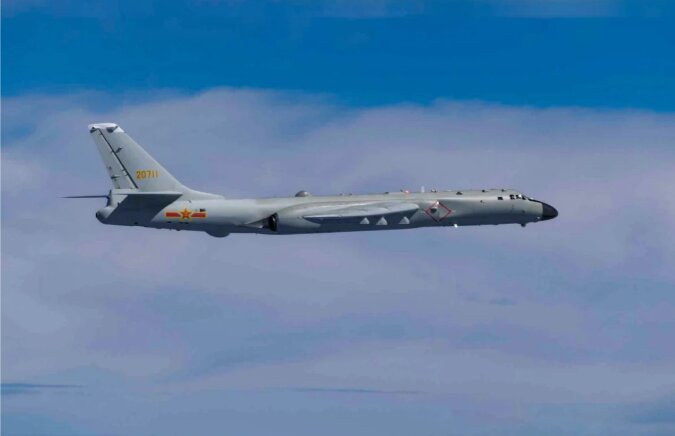
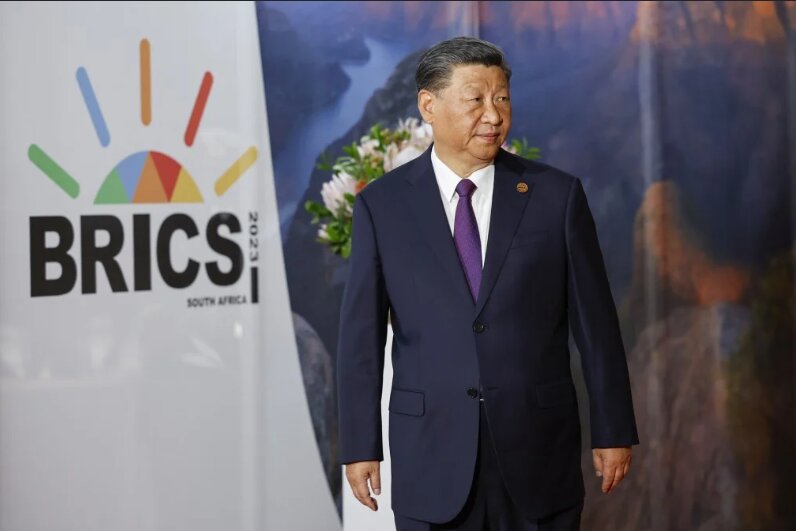
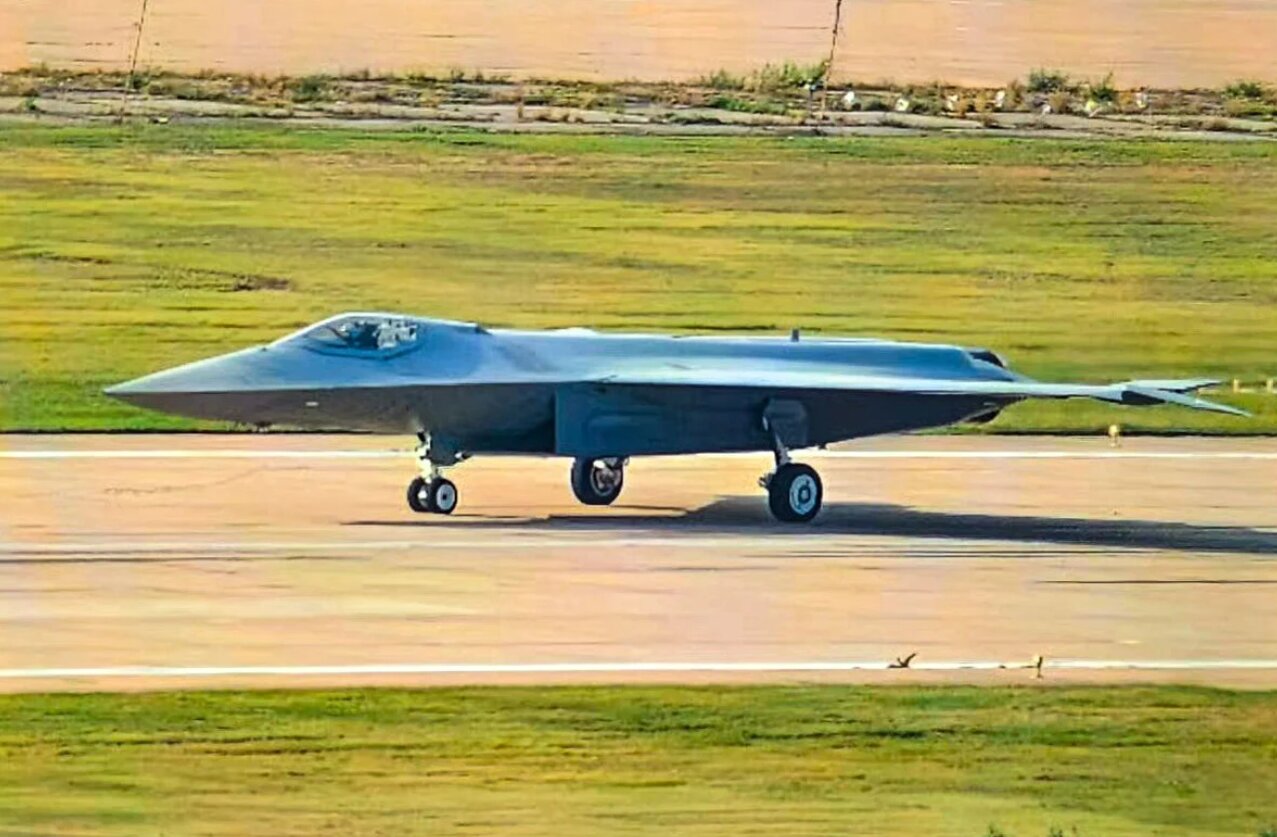
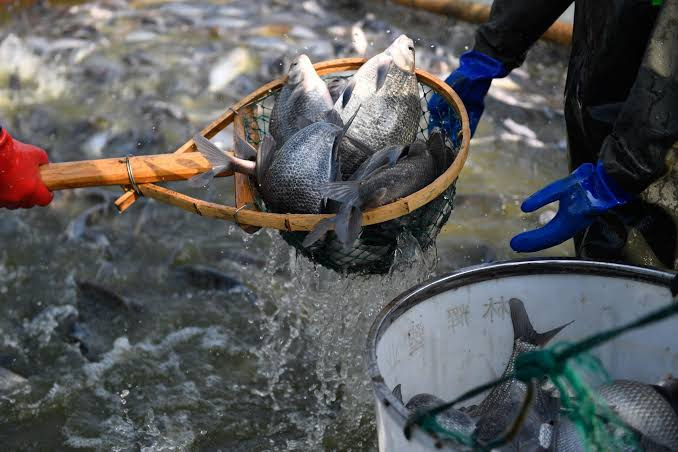
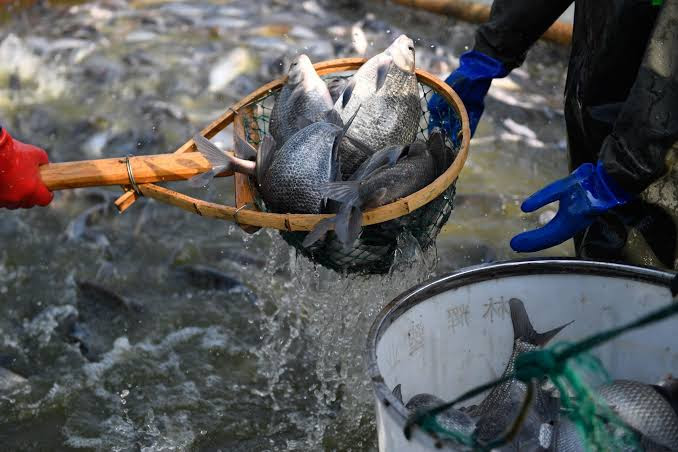
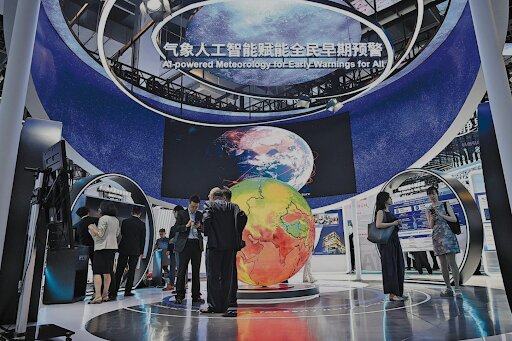
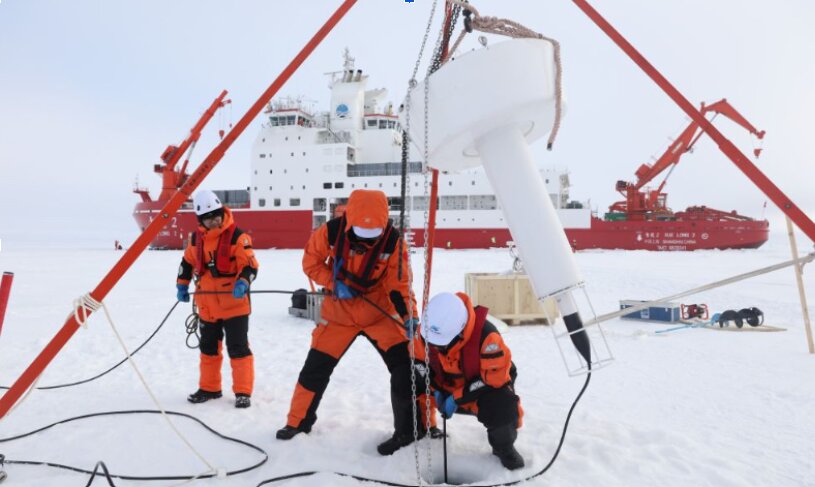
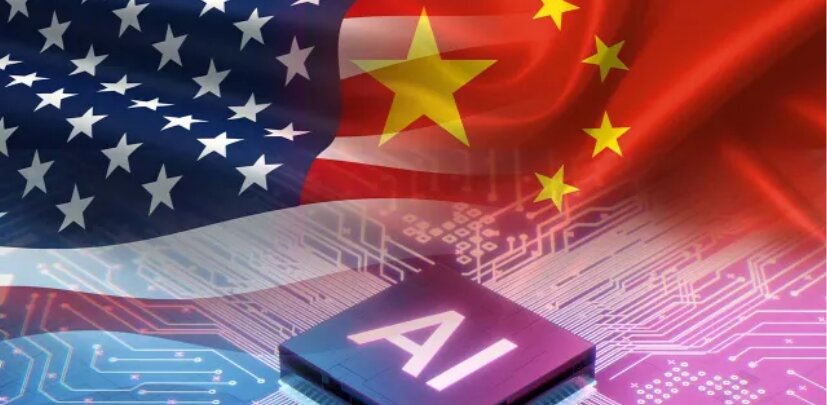
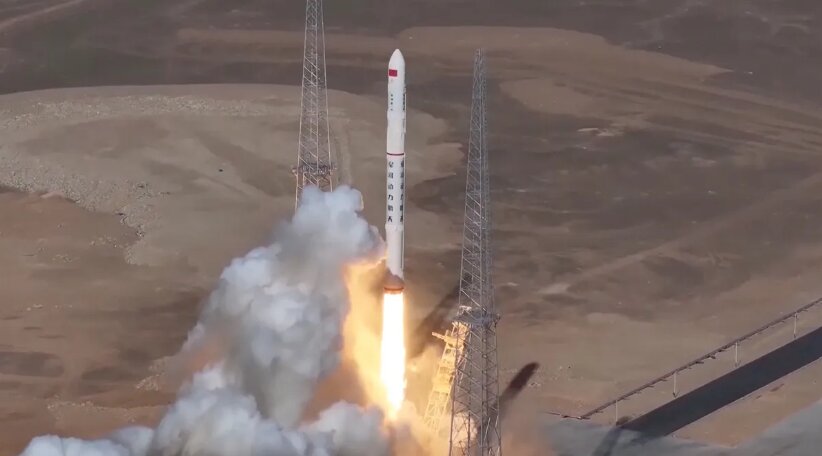
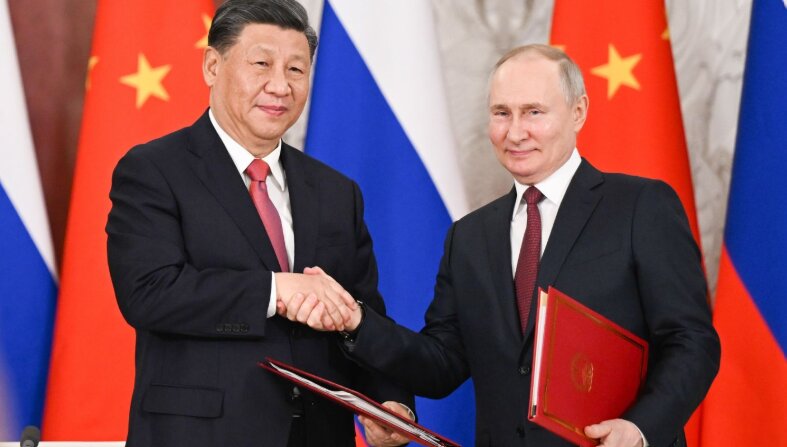
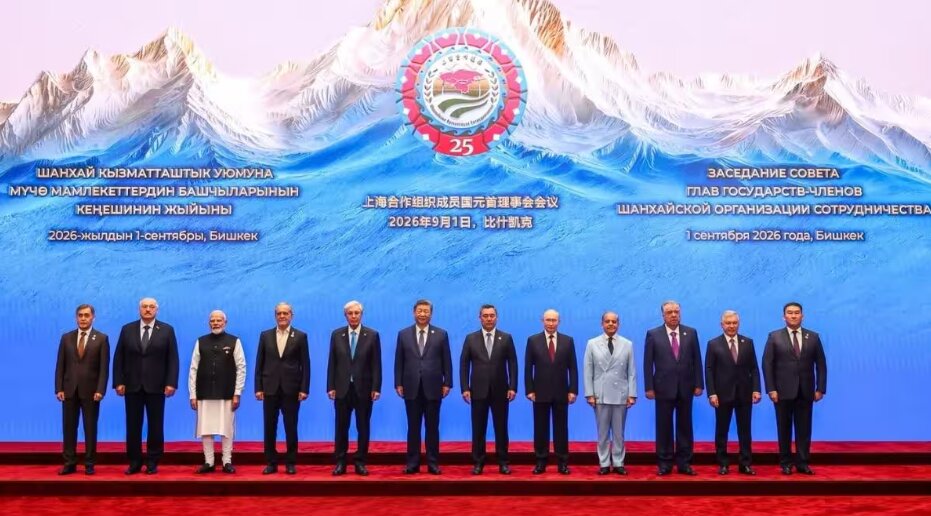
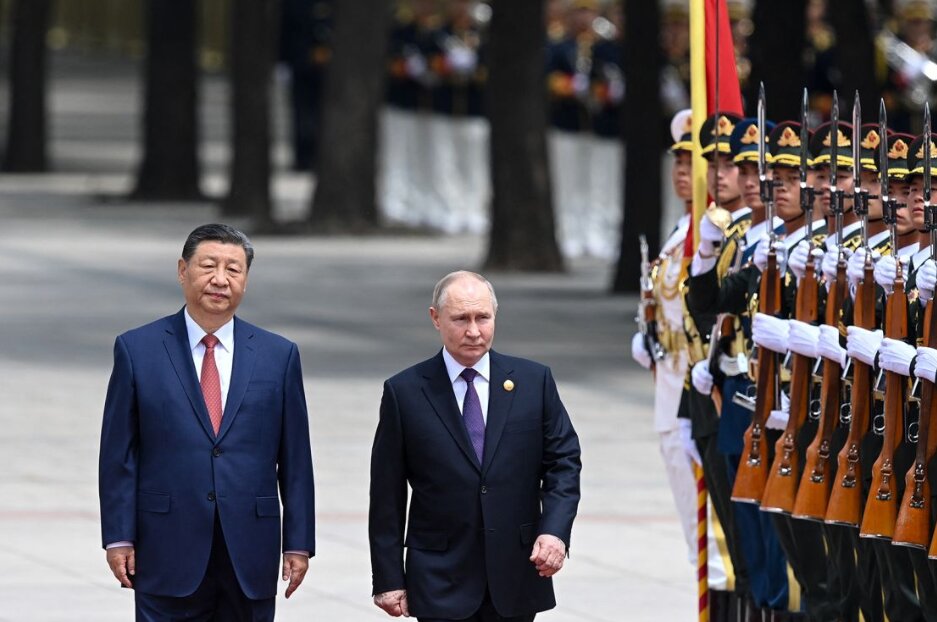

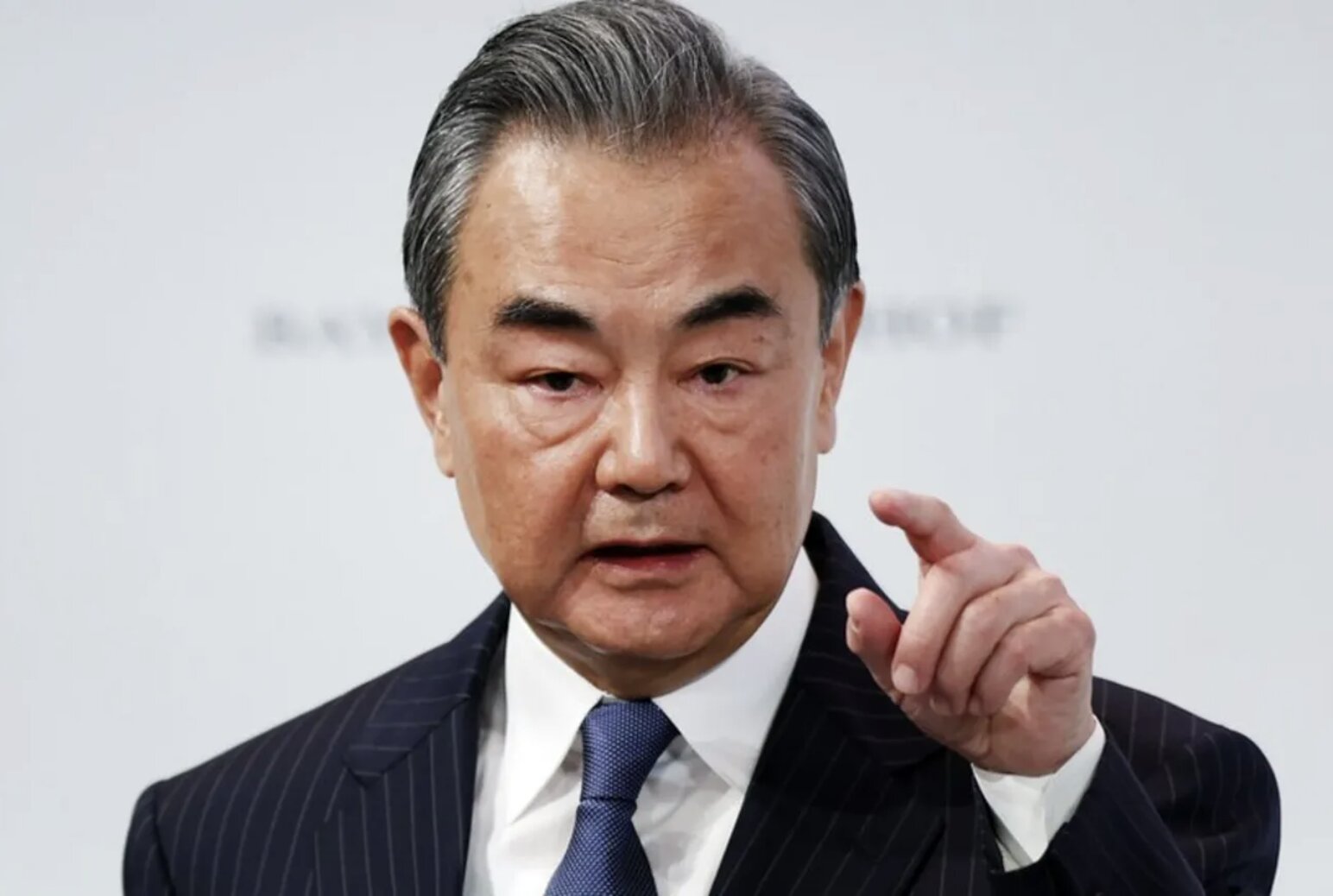
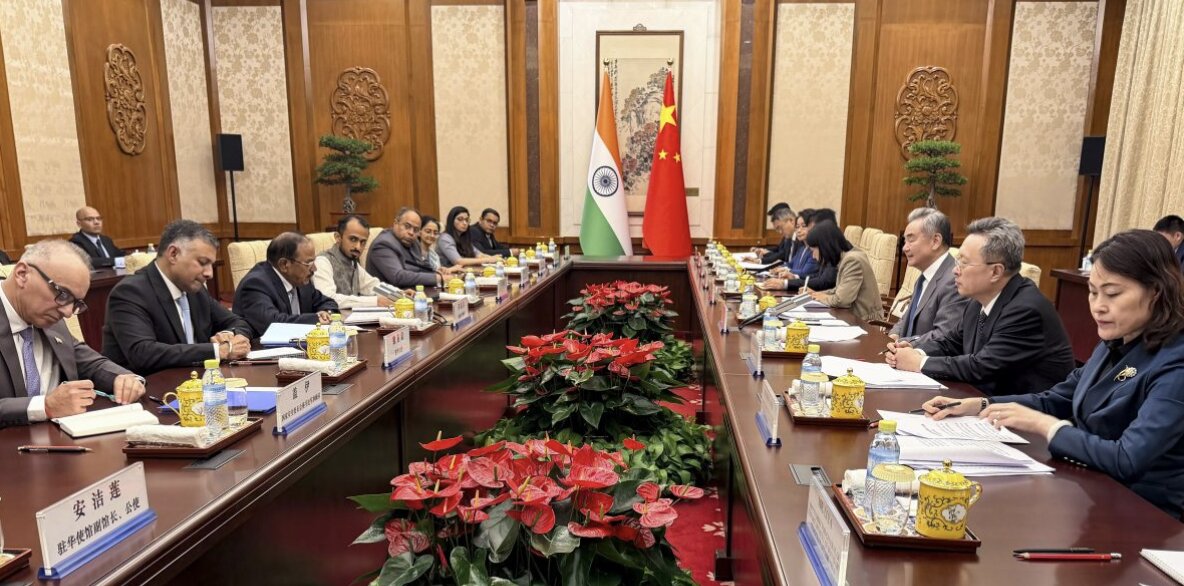
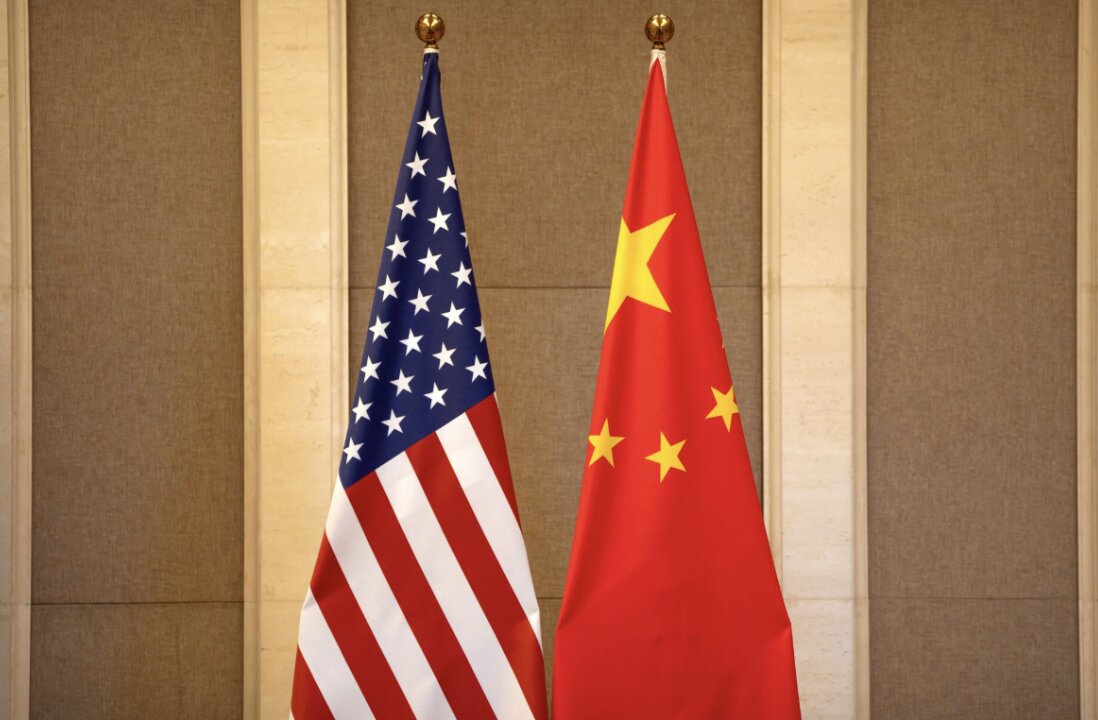
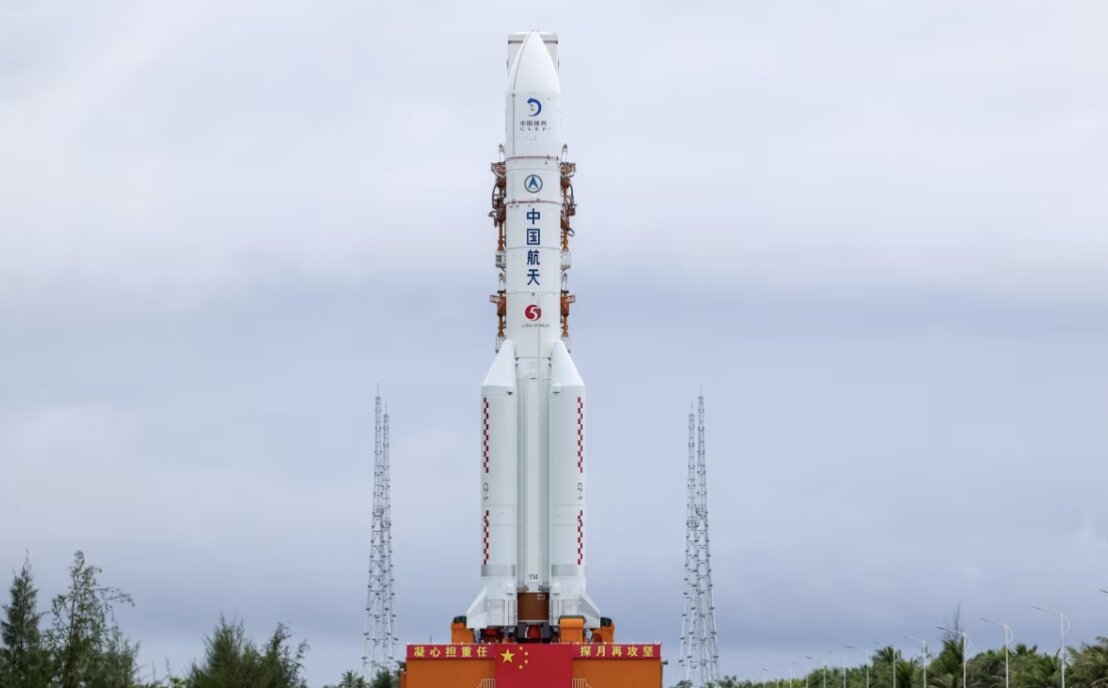

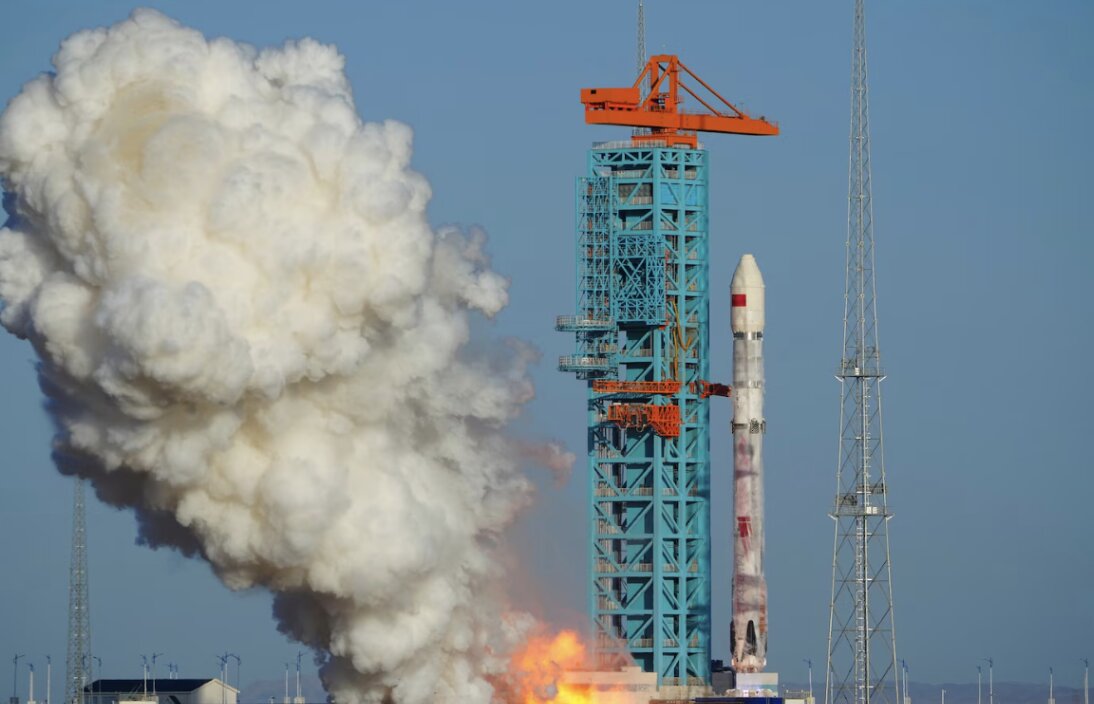
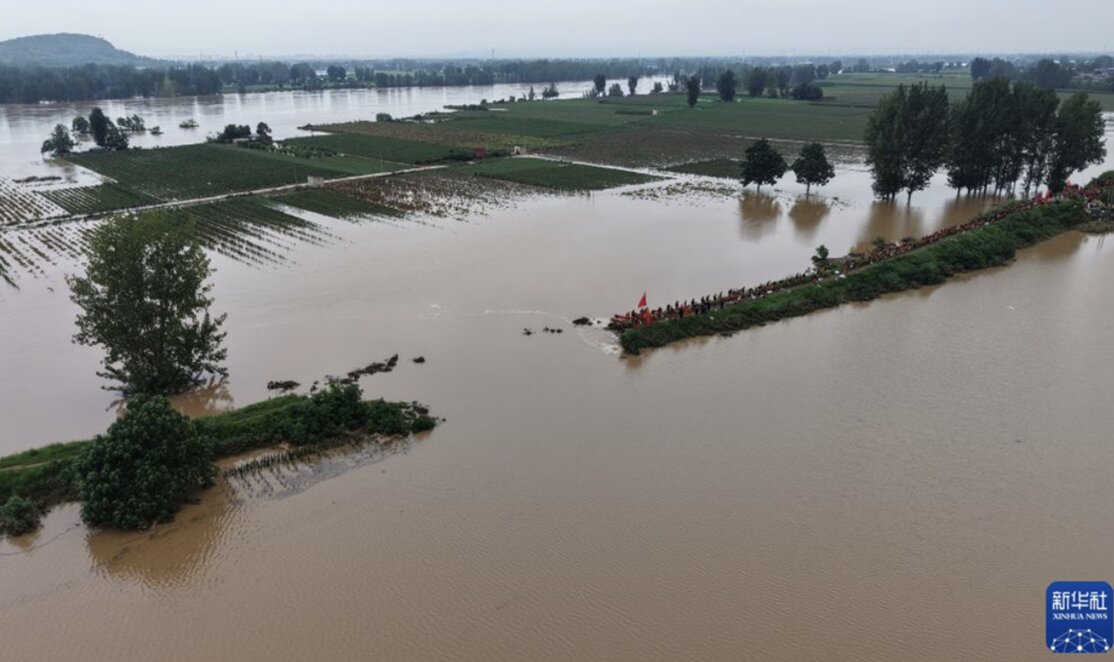


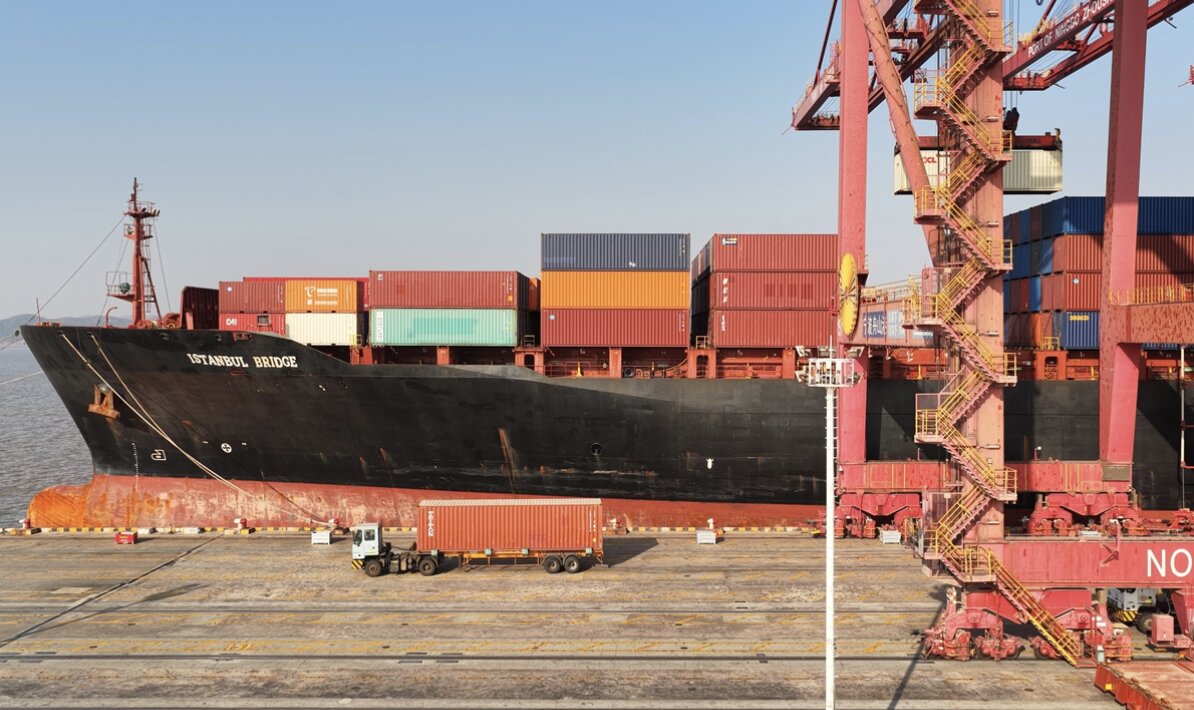
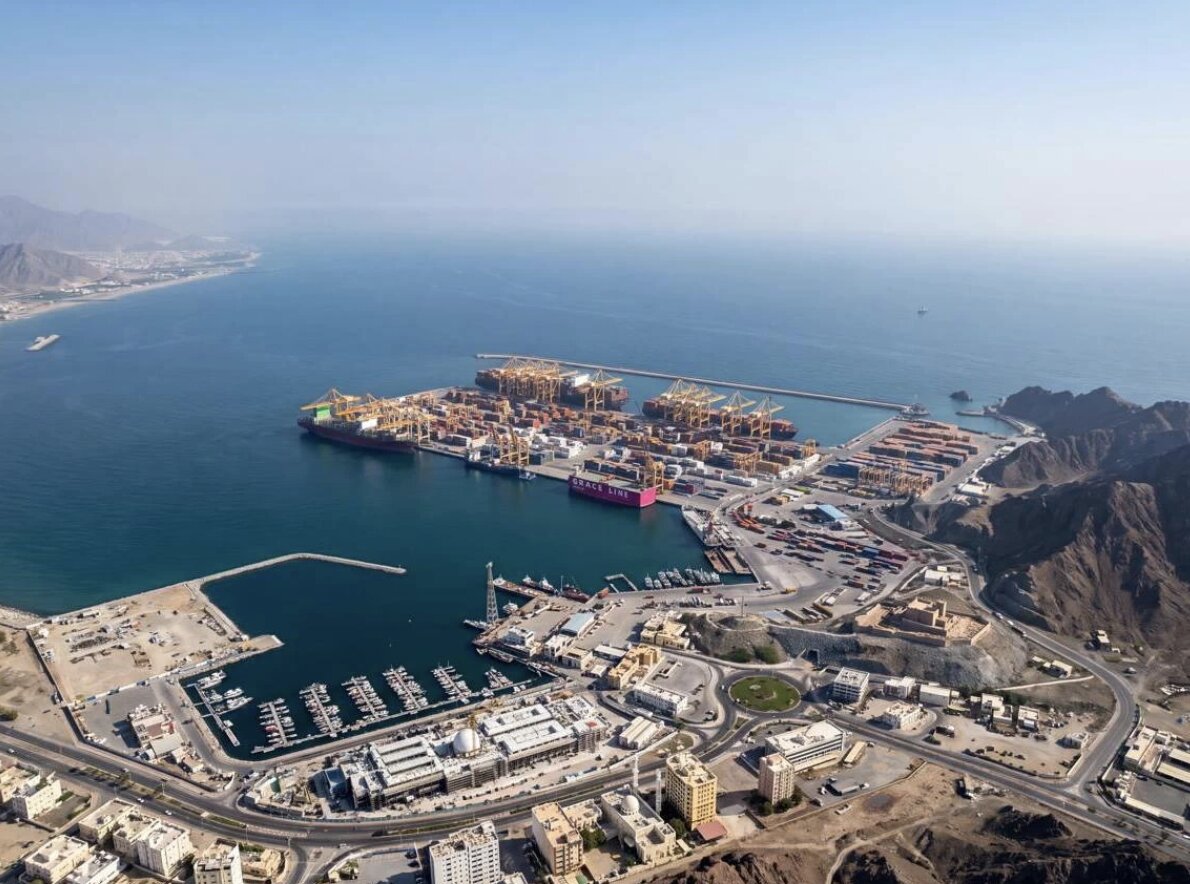
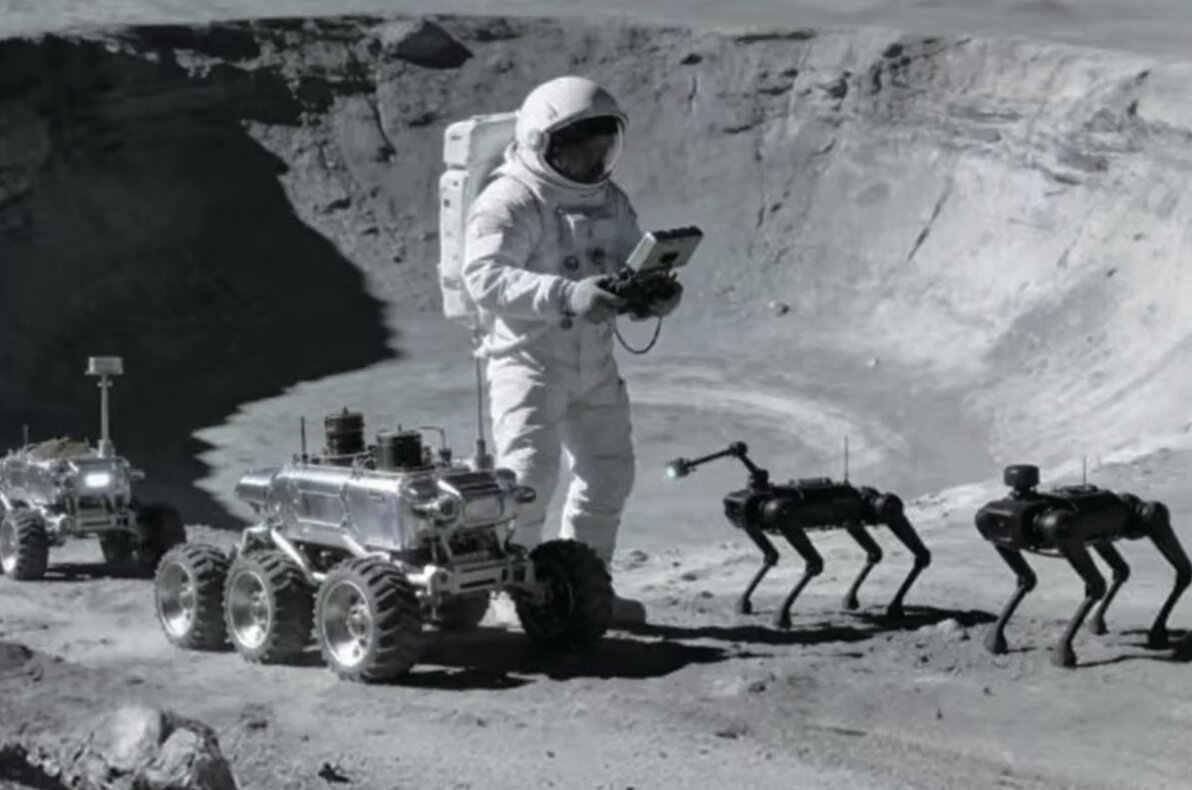


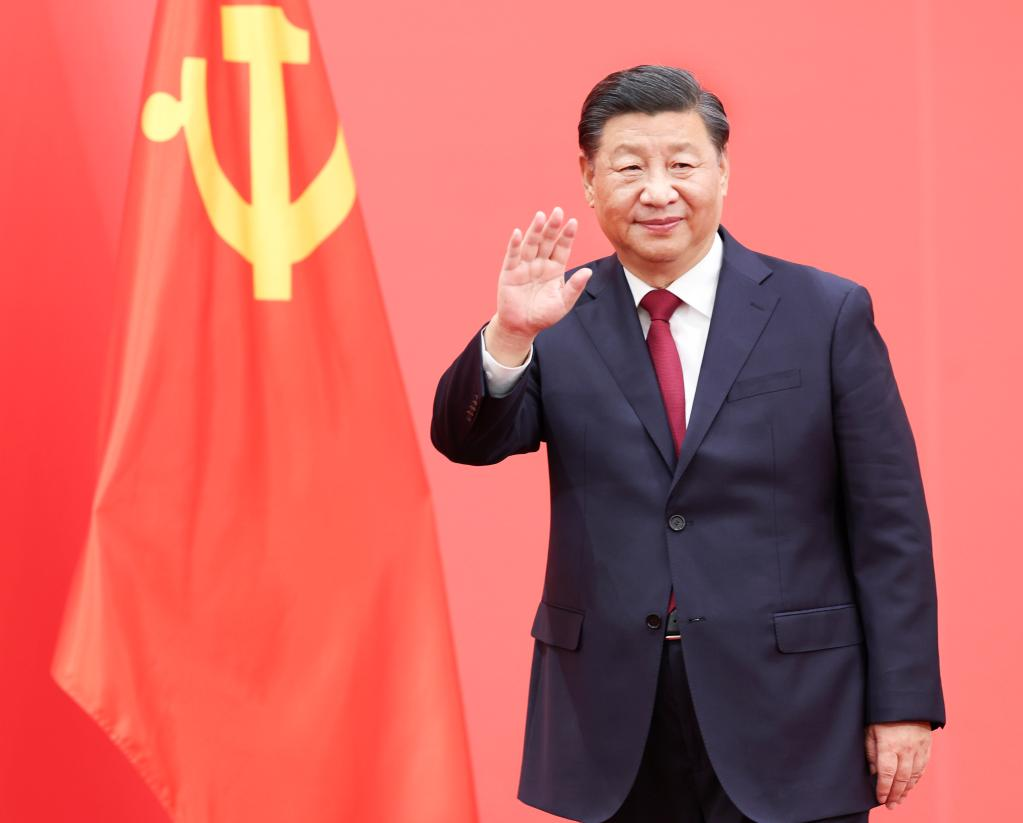



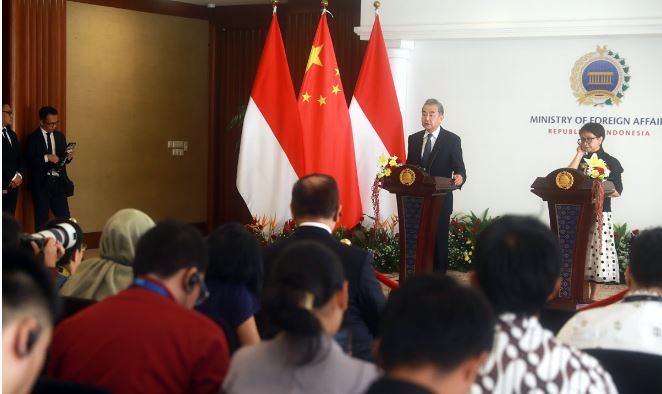

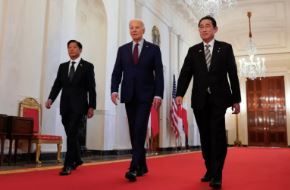
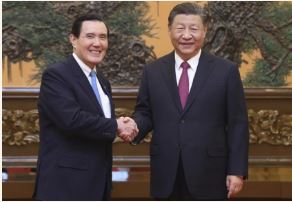




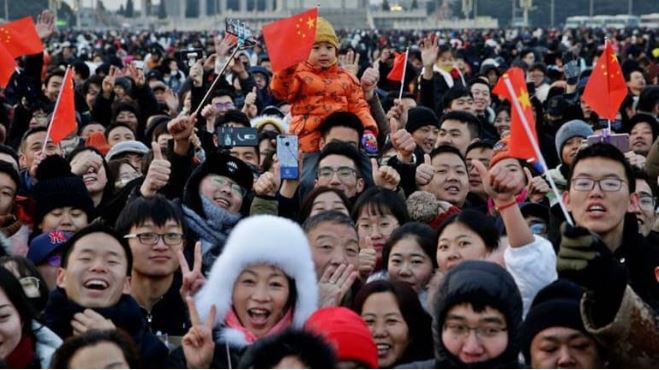
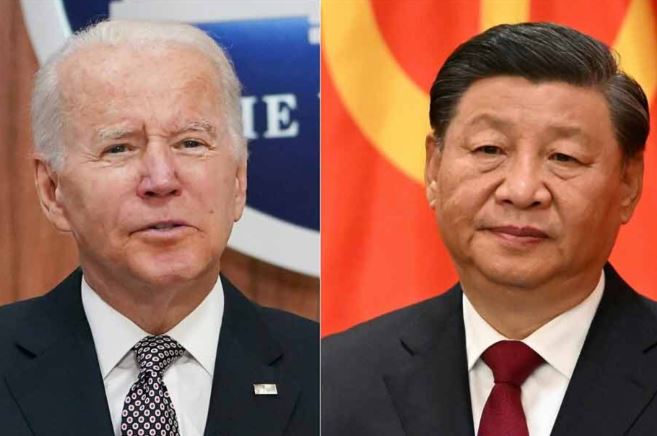
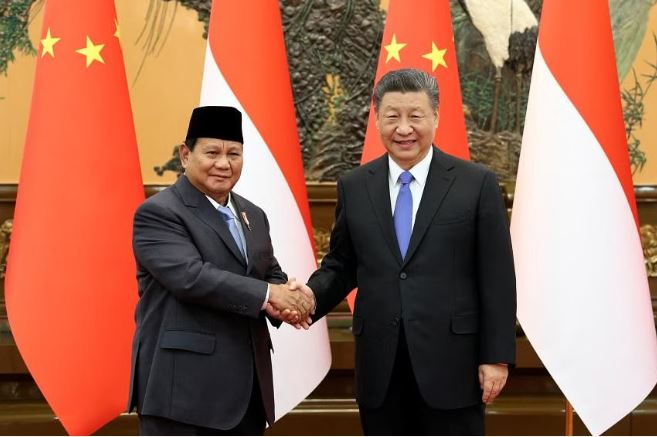
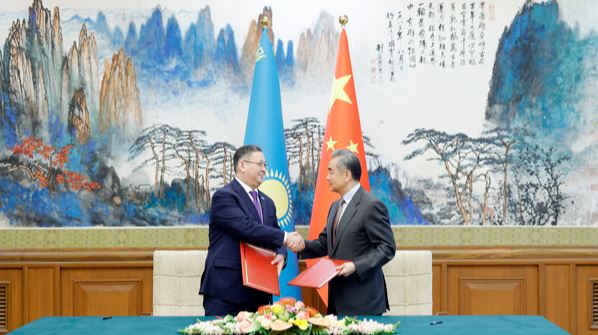
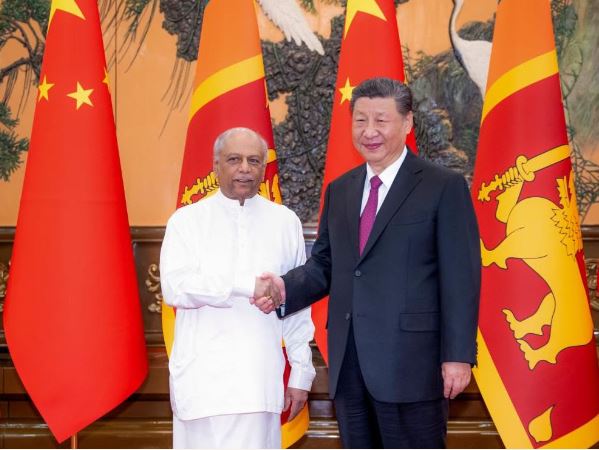
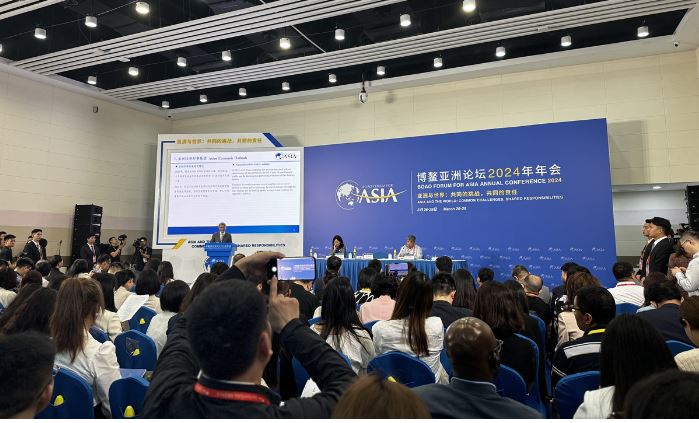
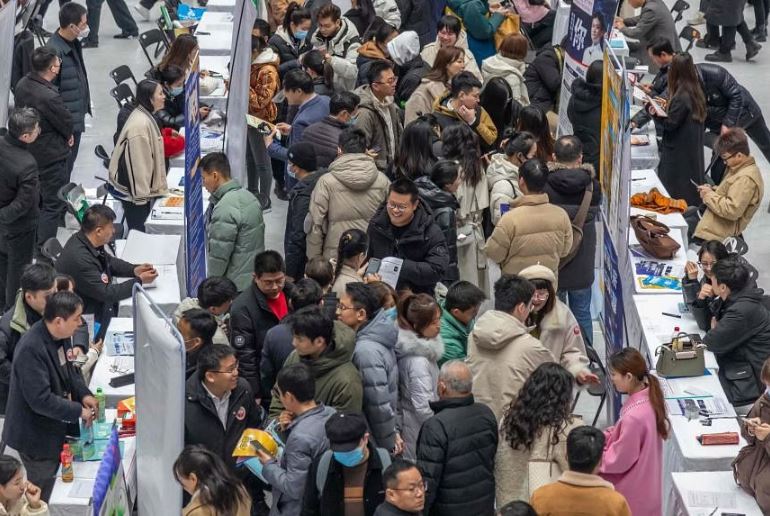
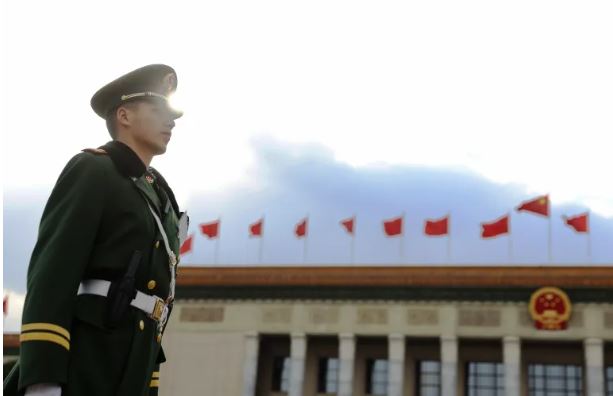




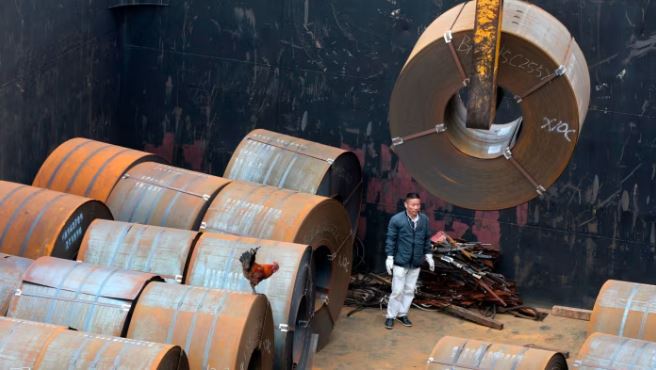
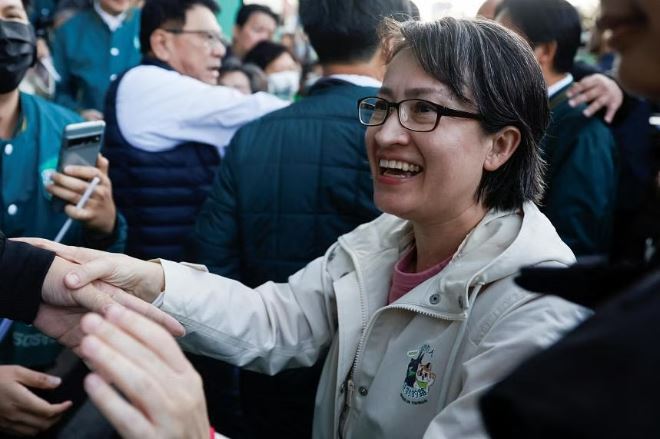
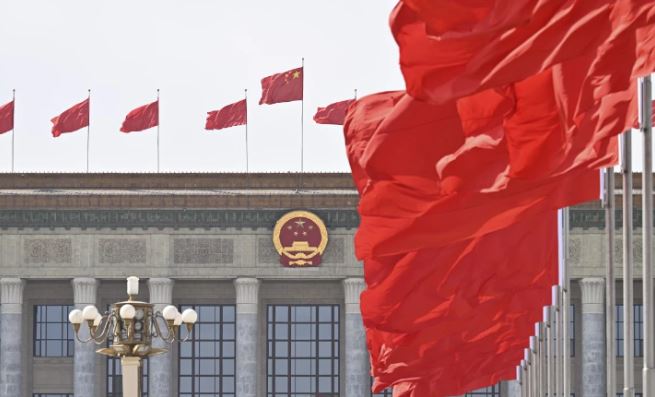
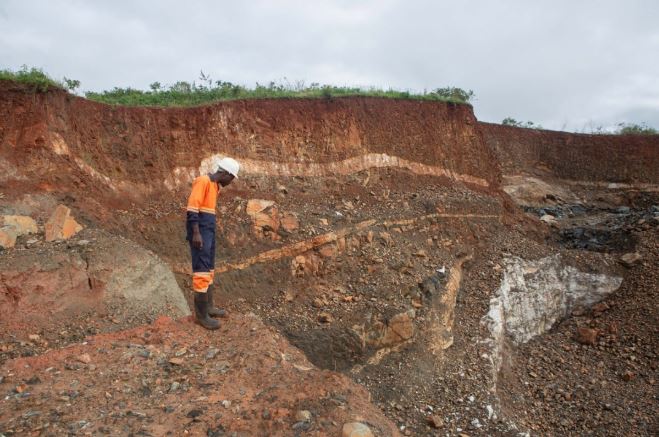
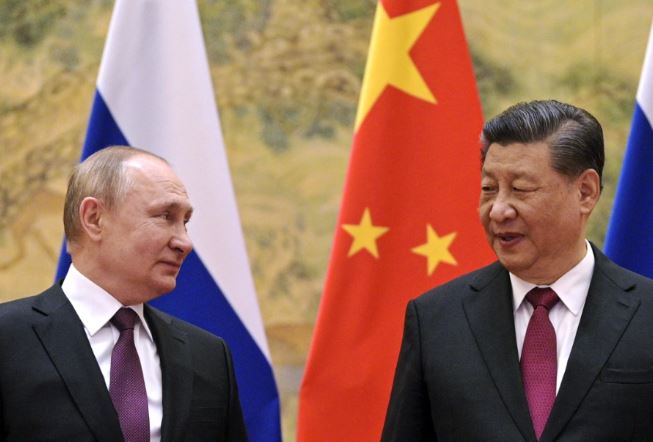
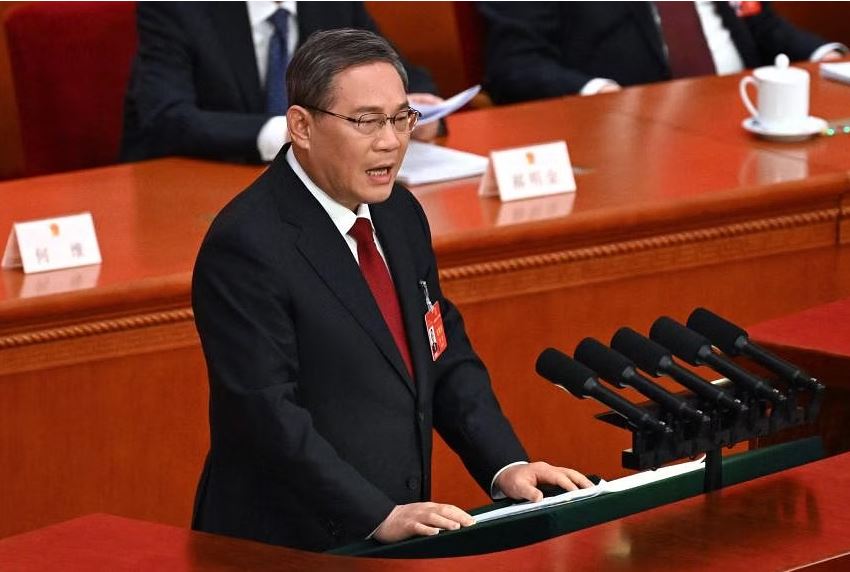
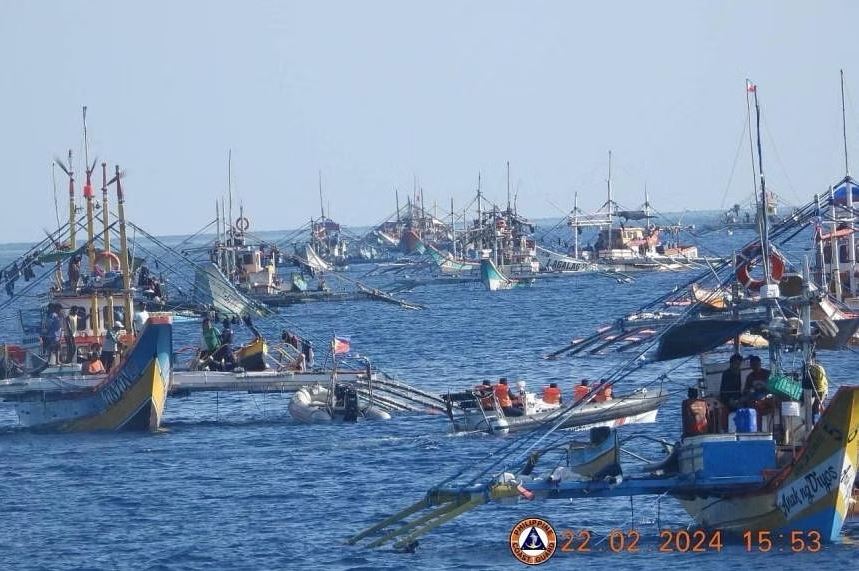
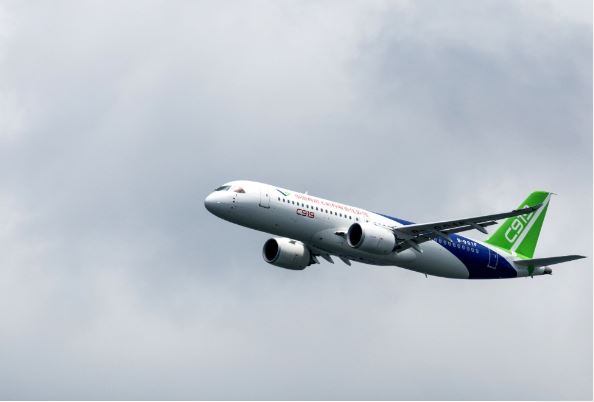
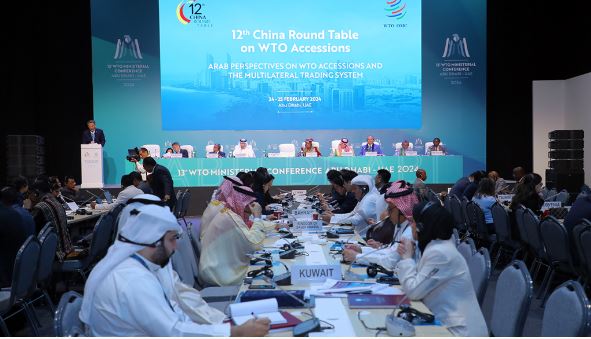
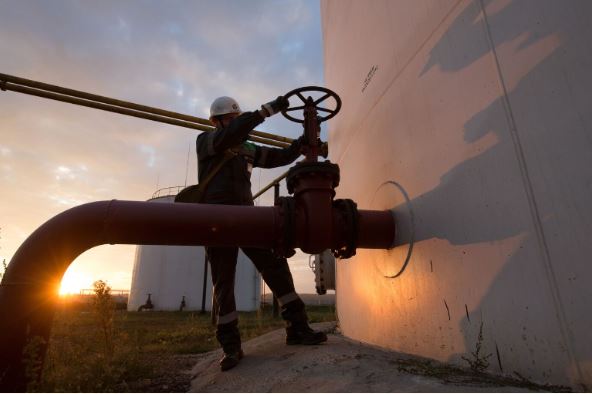
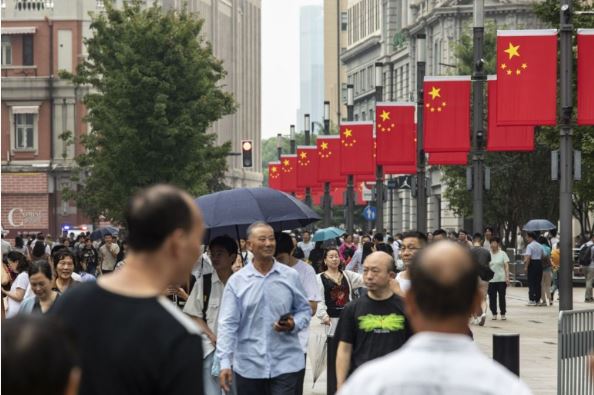

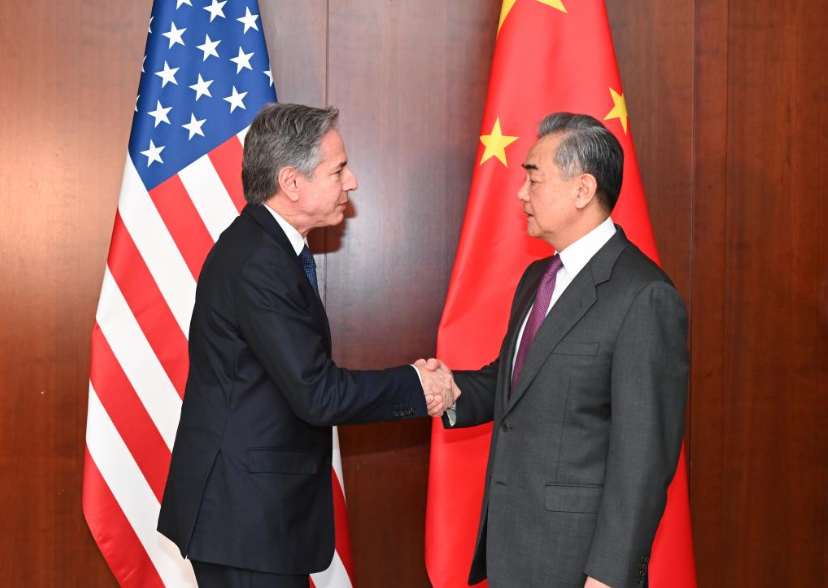
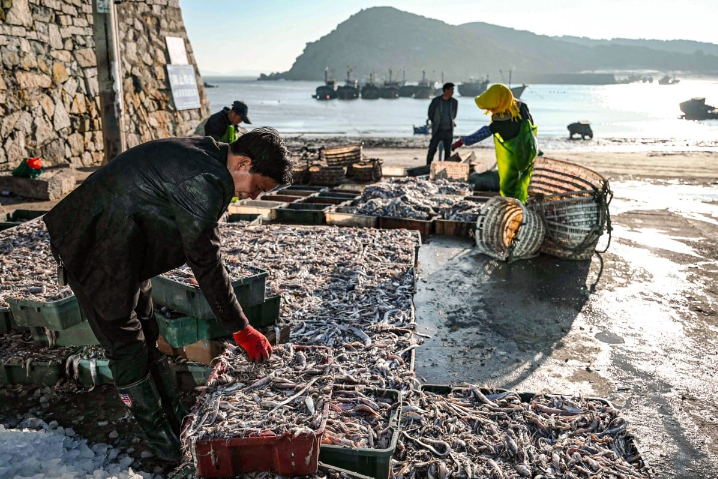

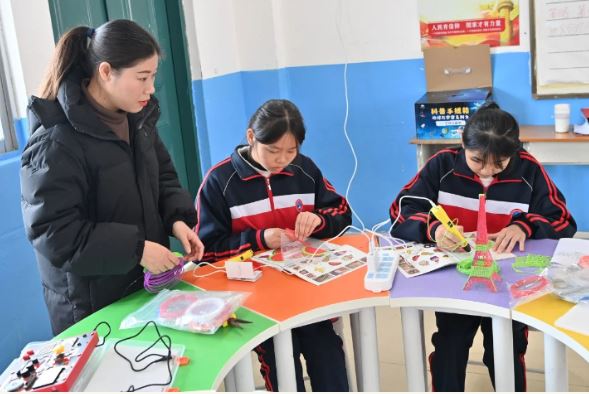
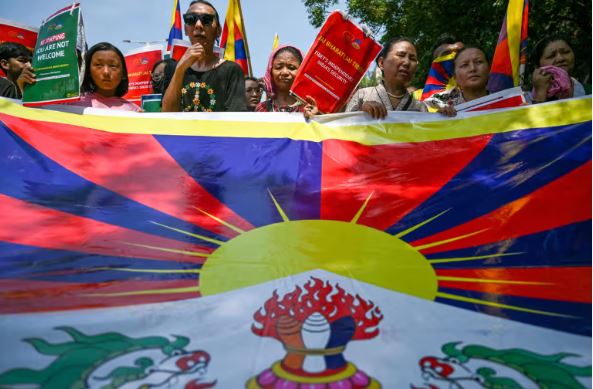
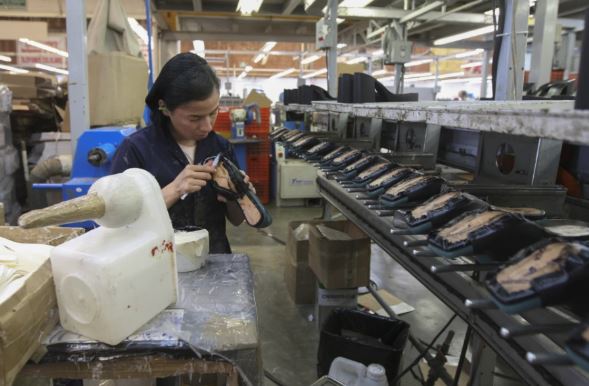
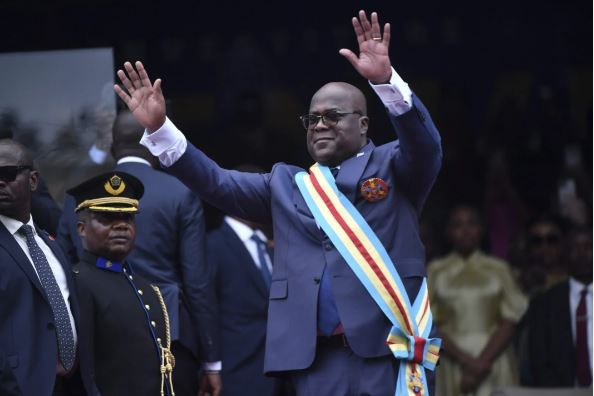

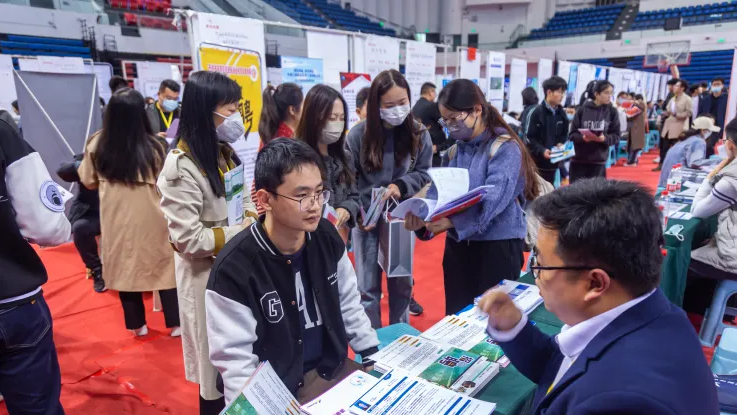
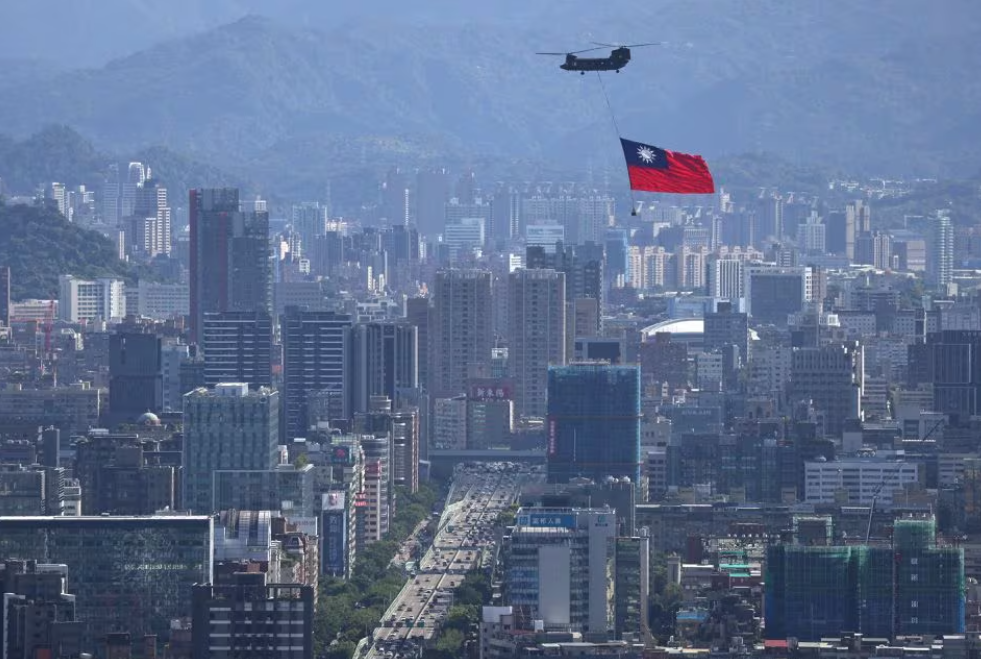
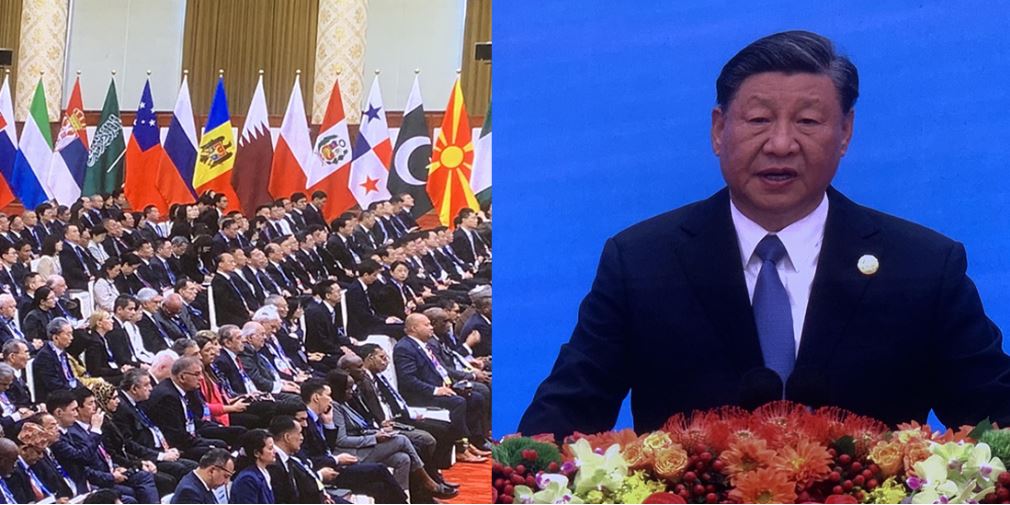
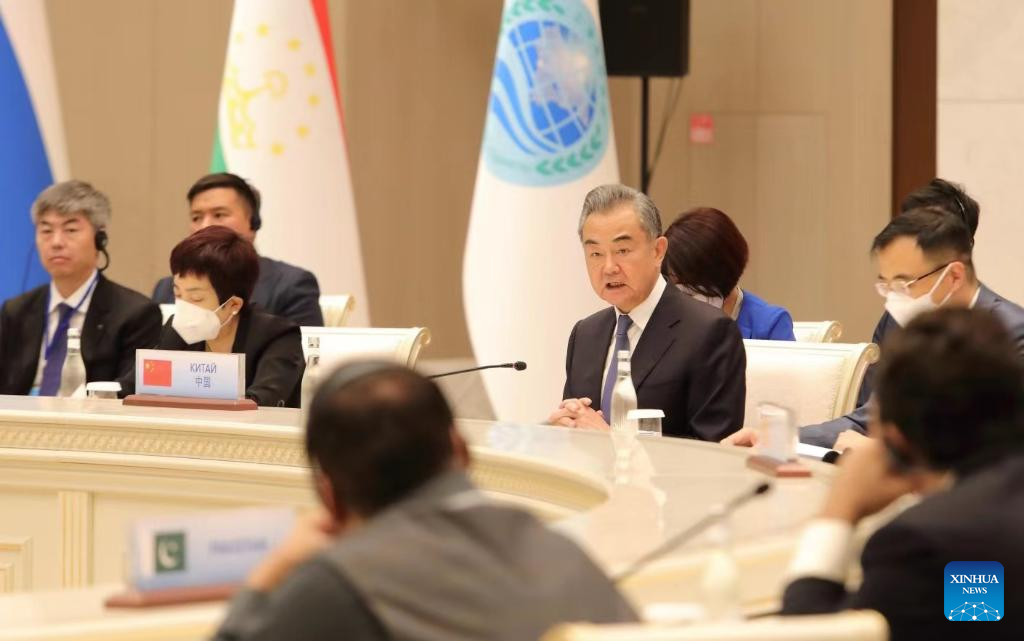
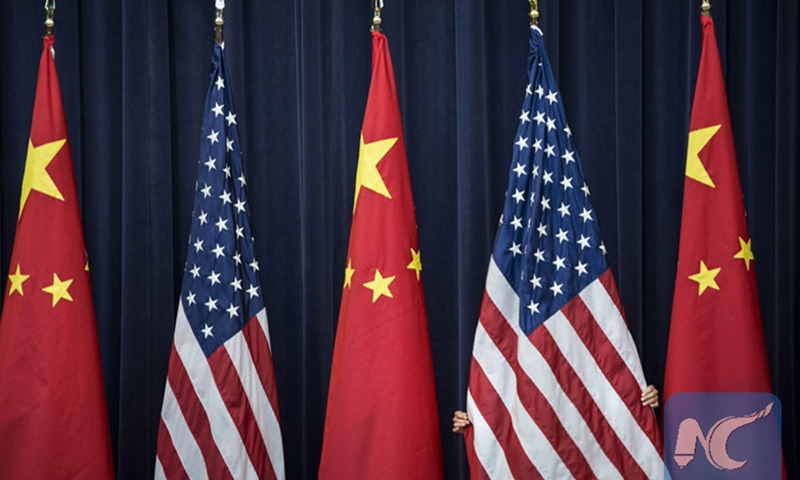


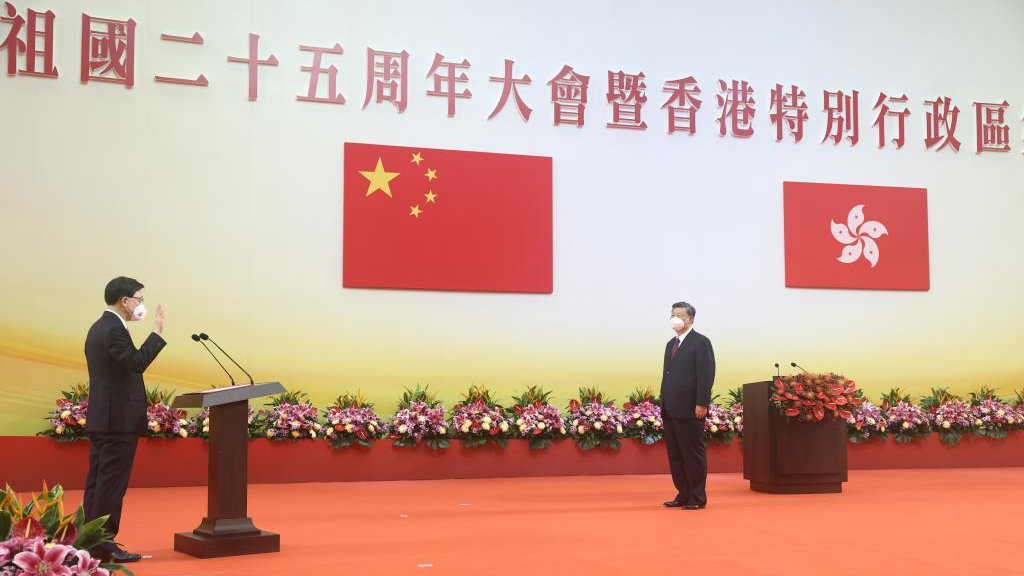
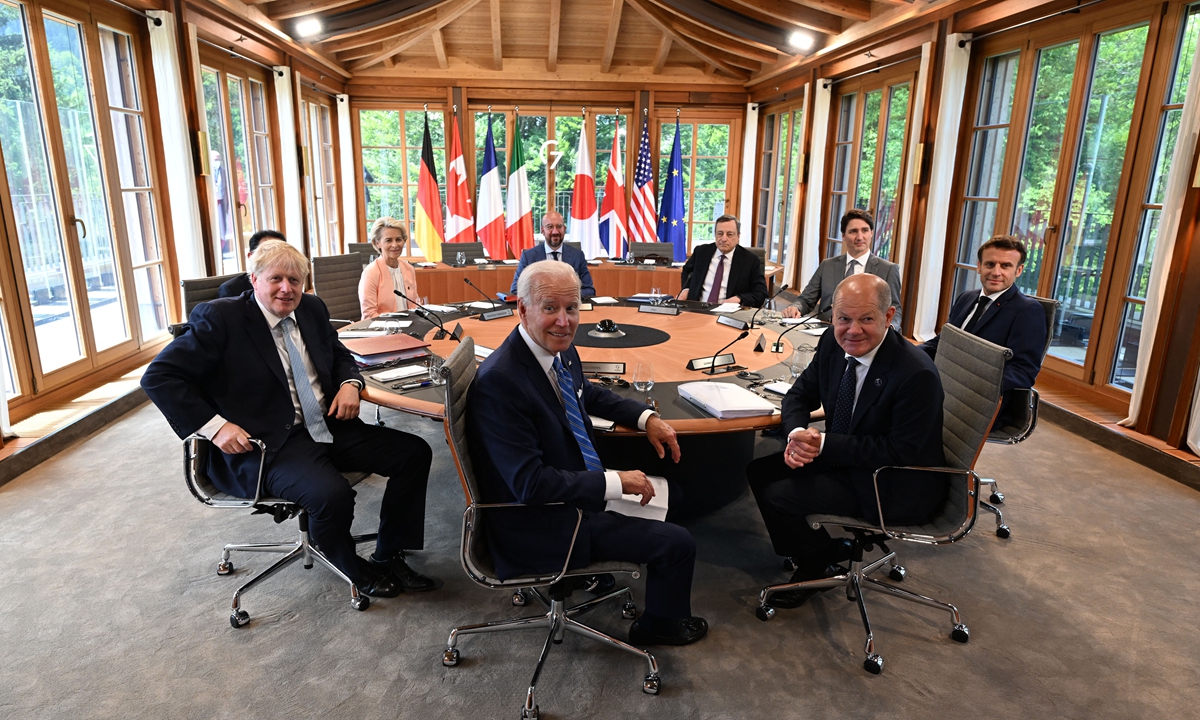
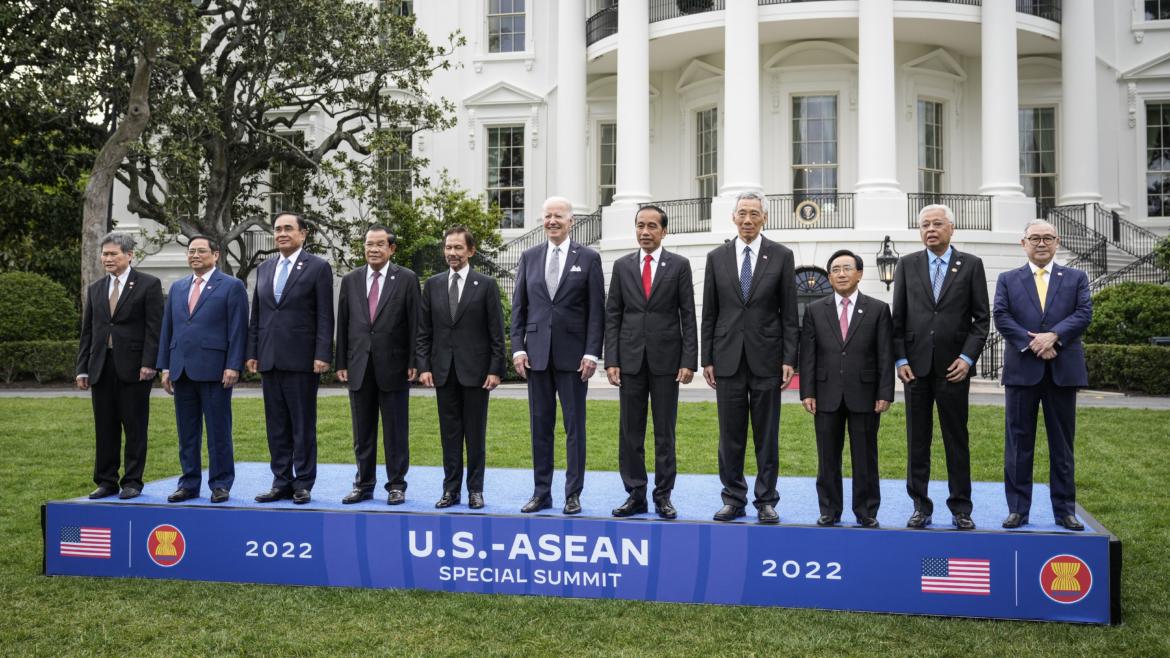


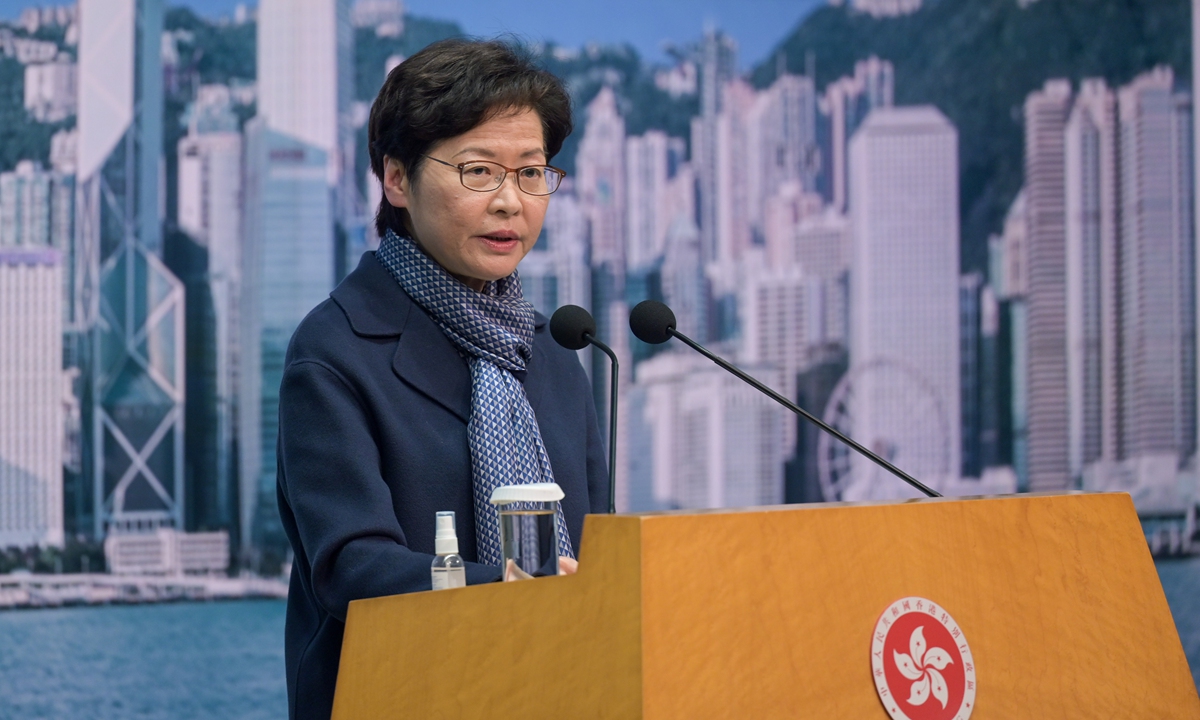
.png)
.jpg)
.jpg)
.jpg)
.jpg)
.jpg)
.jpg)
.jpg)
.jpg)
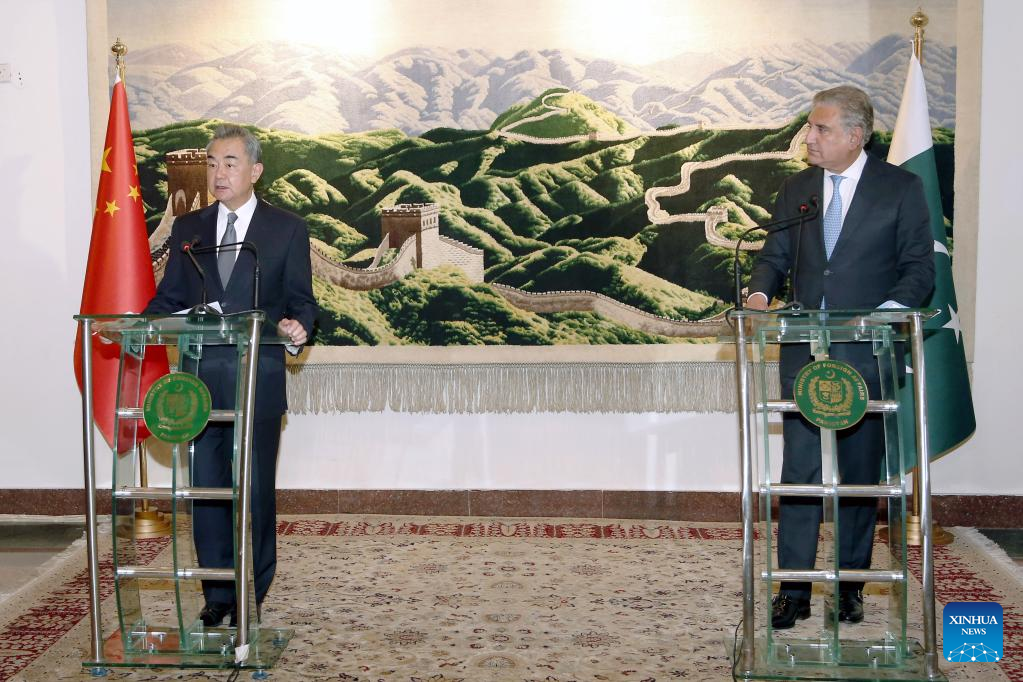
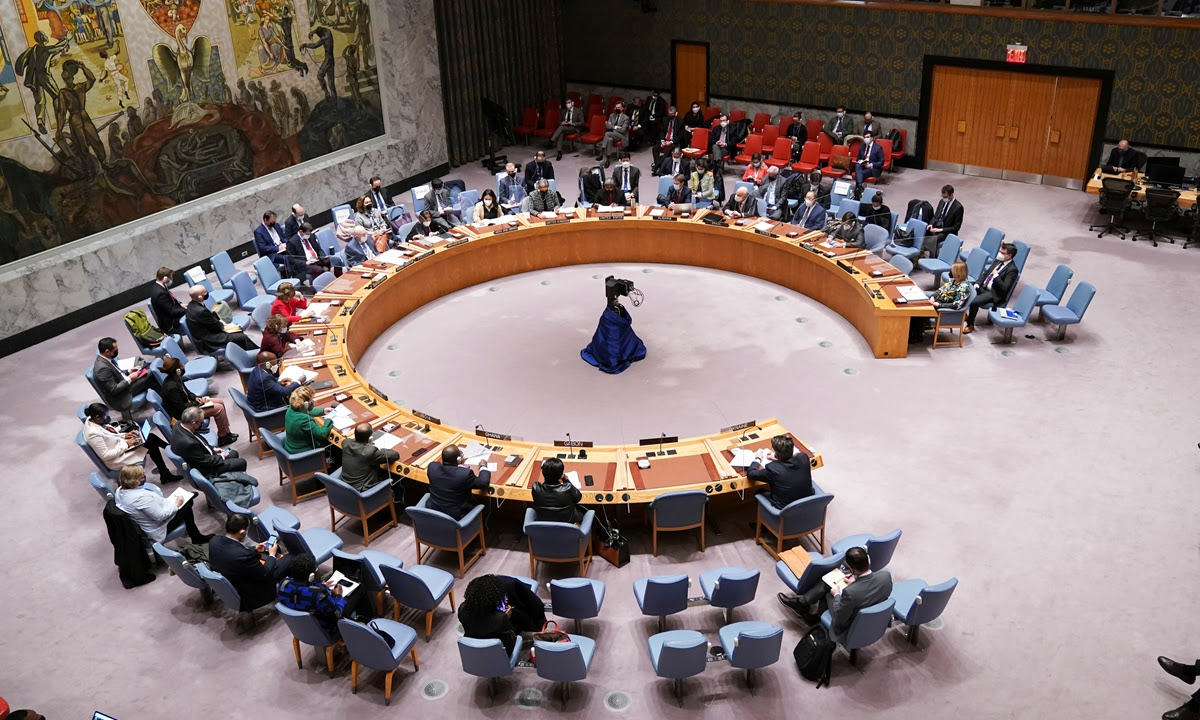
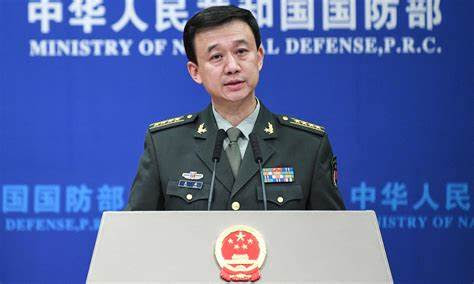
.jpg)
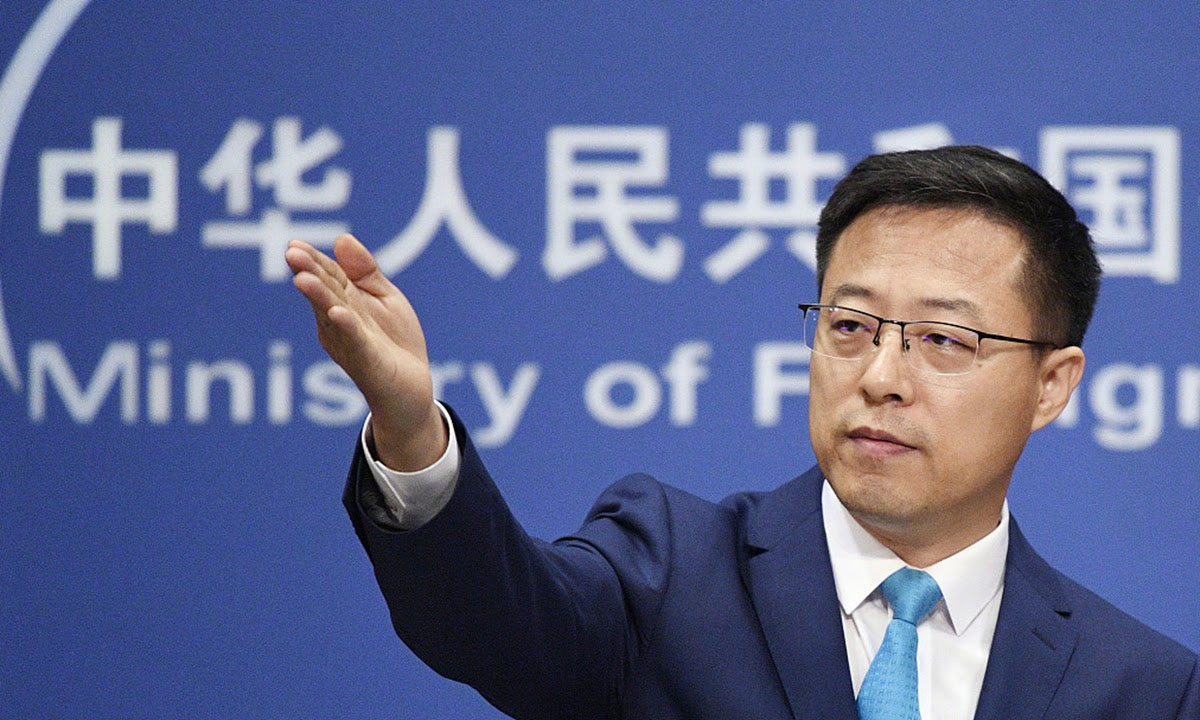
.png)
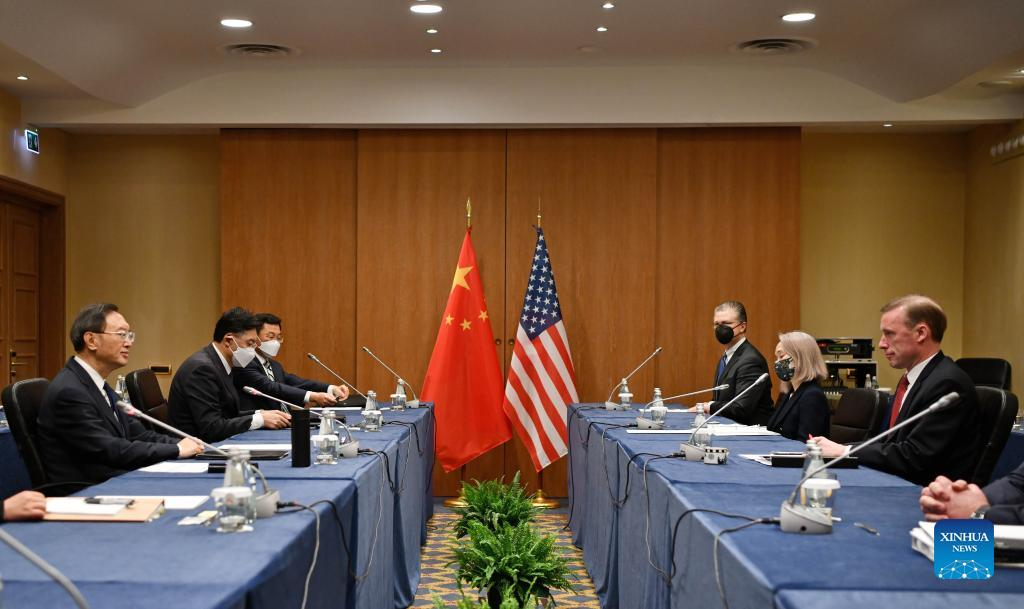

.jpg)
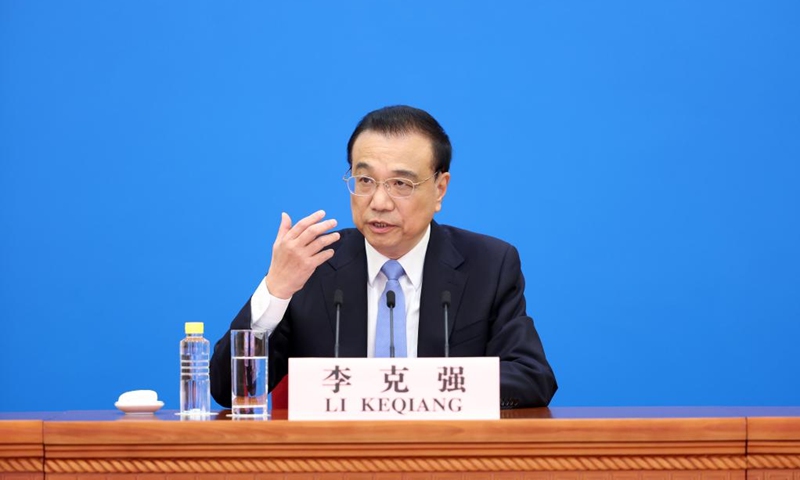
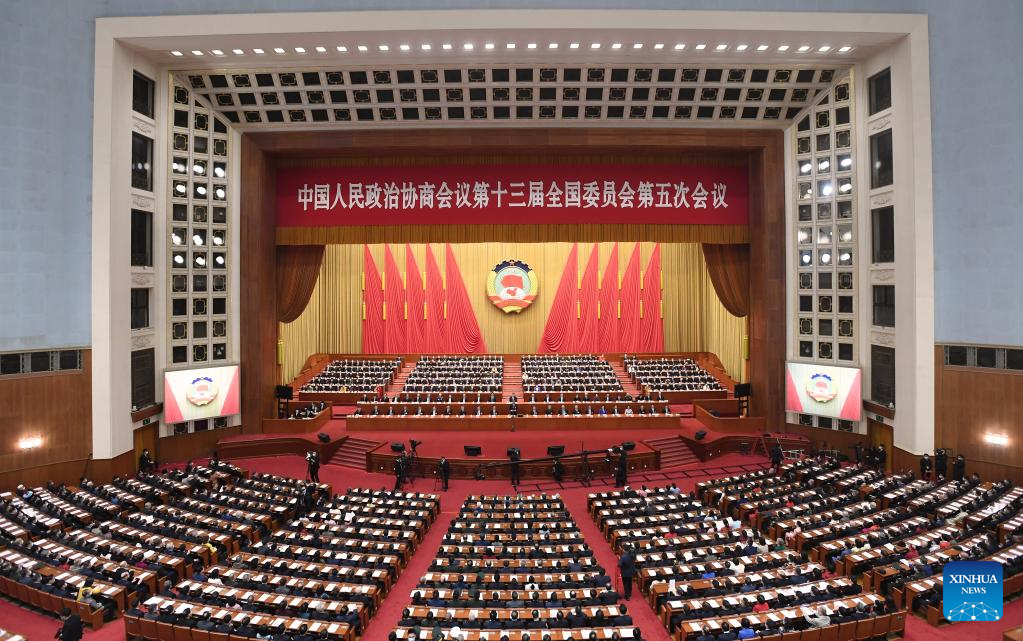
.jpg)
.jpg)
.jpg)
.jpg)
.jpg)
.jpg)
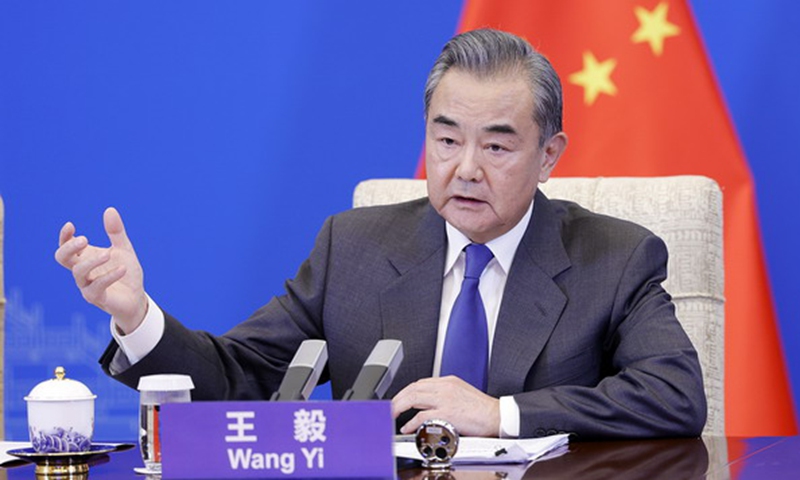

.jpg)
.jpg)
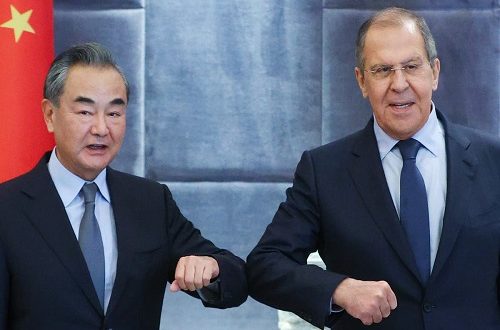
.jpg)
.jpg)
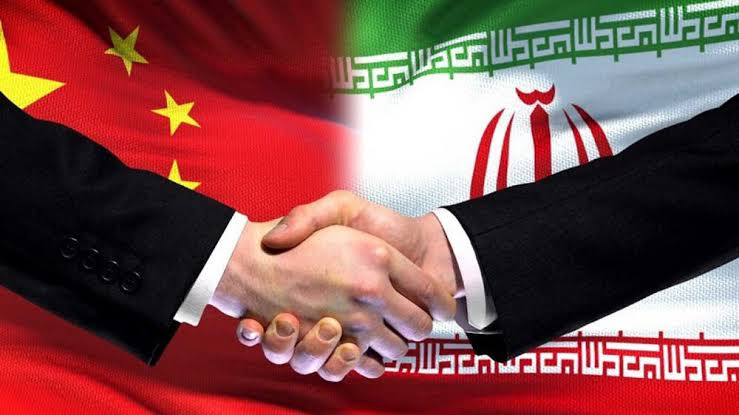
.jpg)
.jpg)
.jpg)
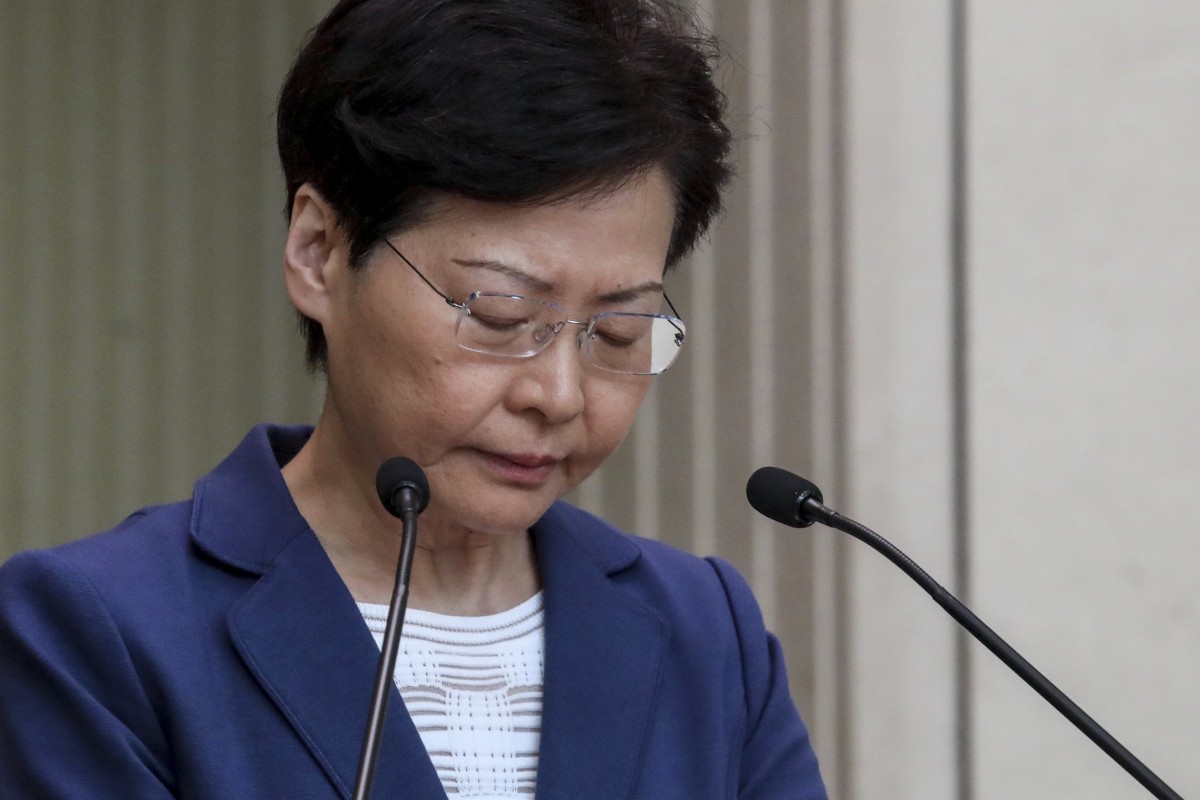
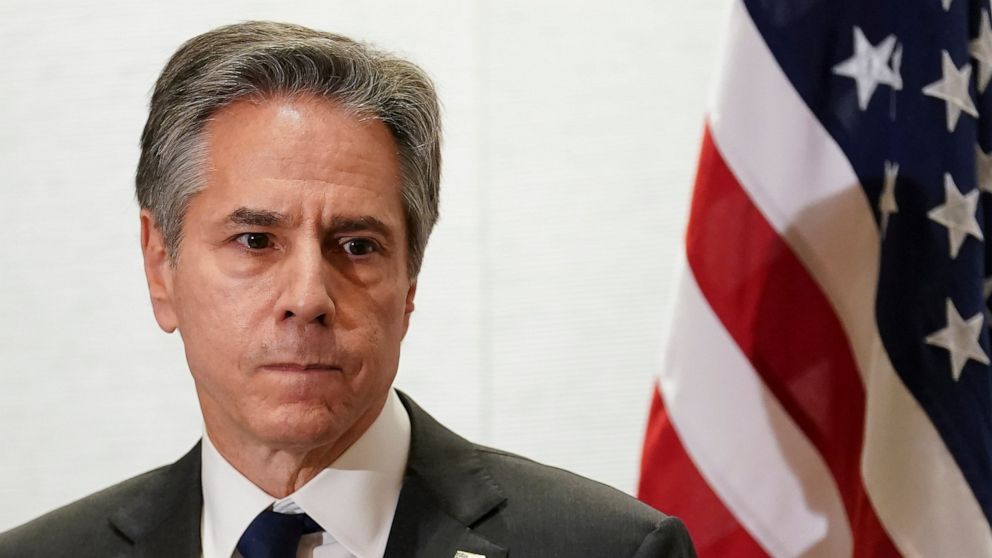
.jpg)
.jpg)
.png)
.jpg)
.jpg)
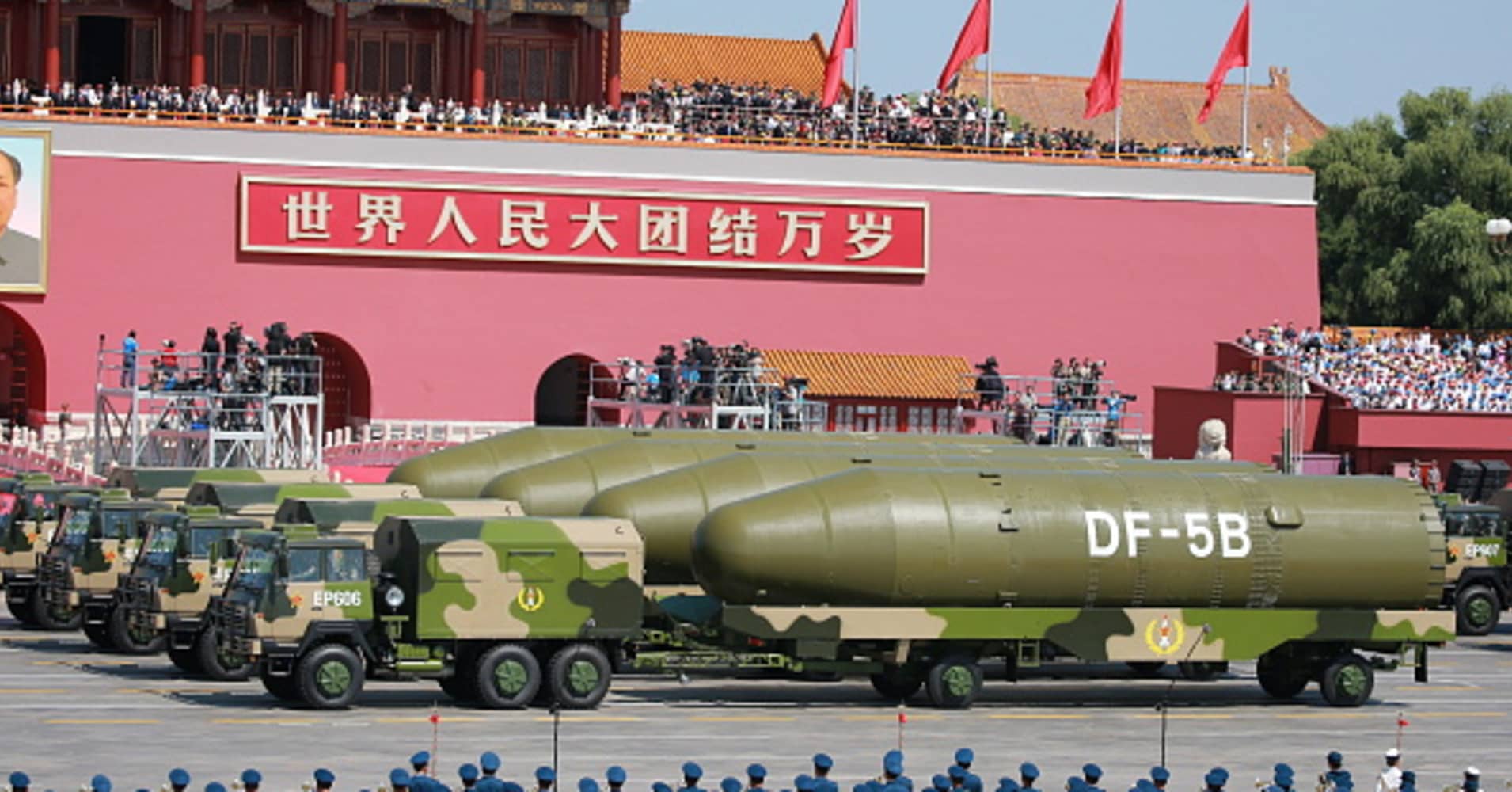
.png)
.jpg)
.jpg)
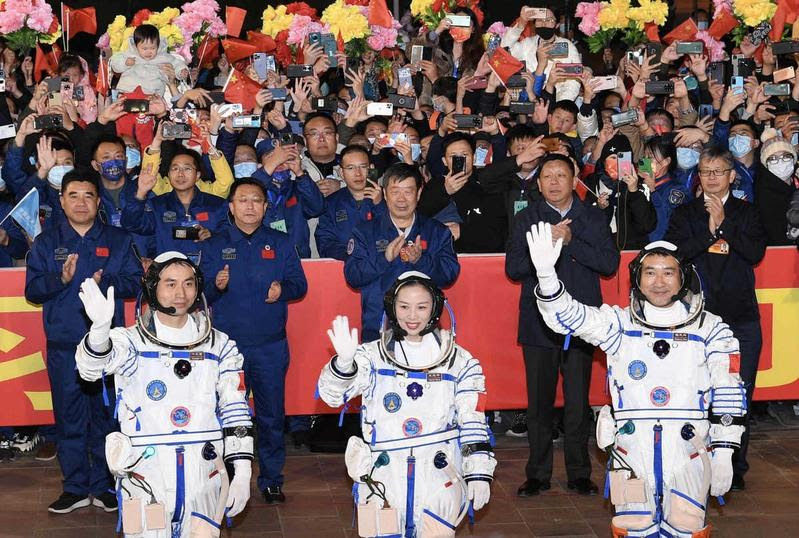

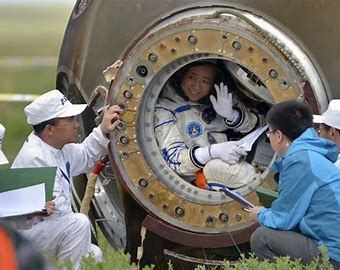

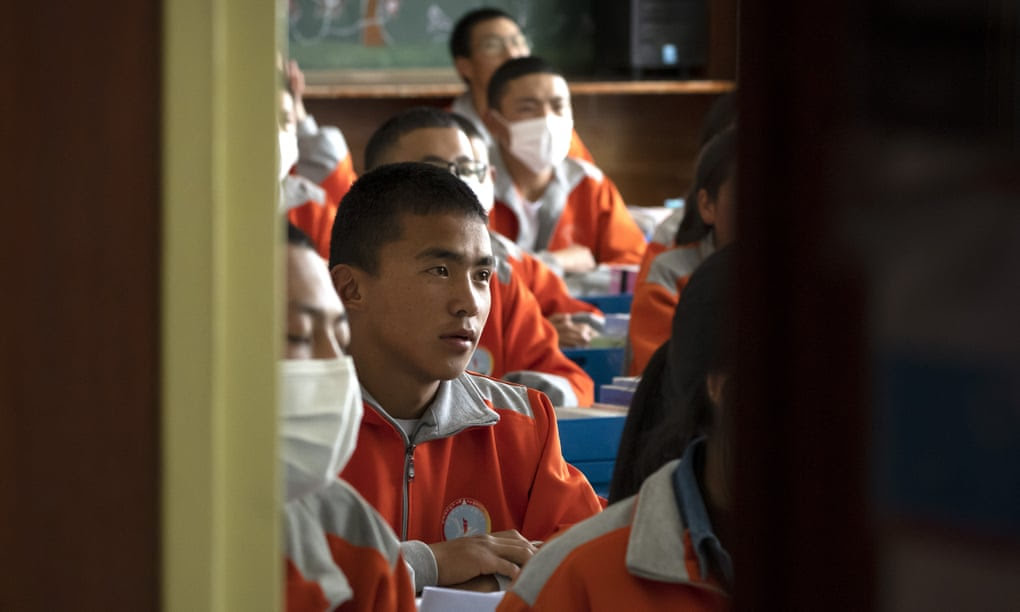
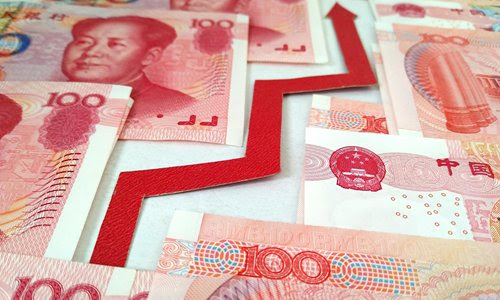
.jpg)
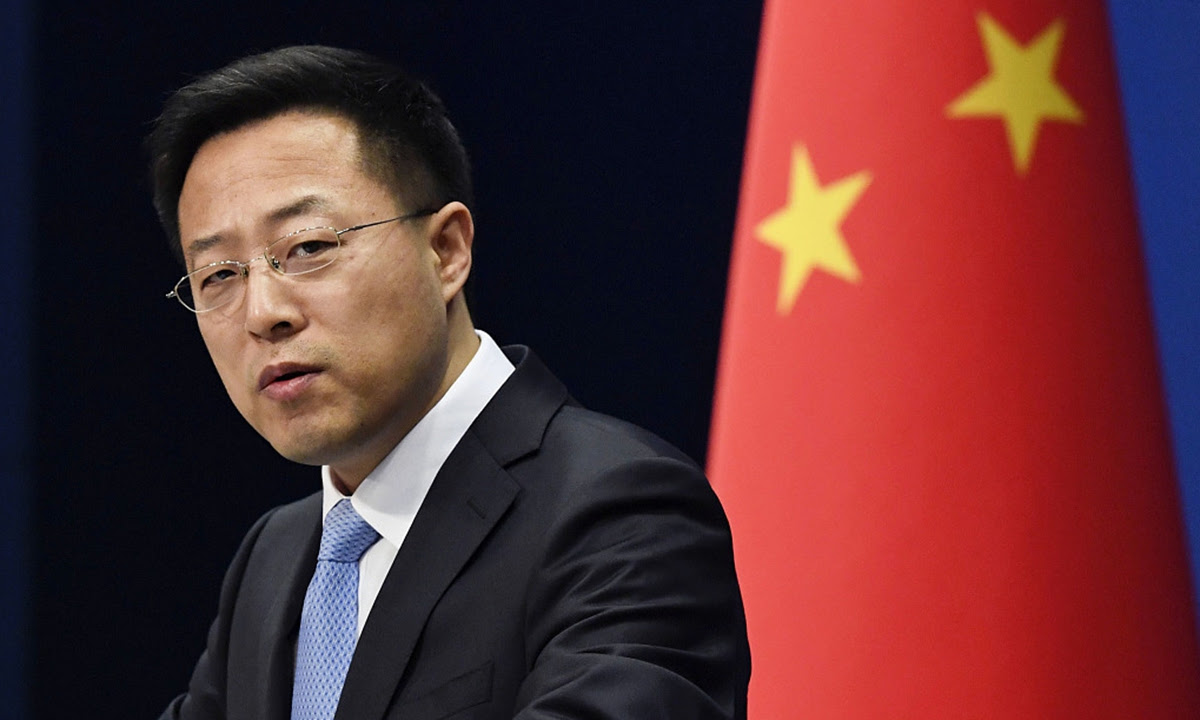
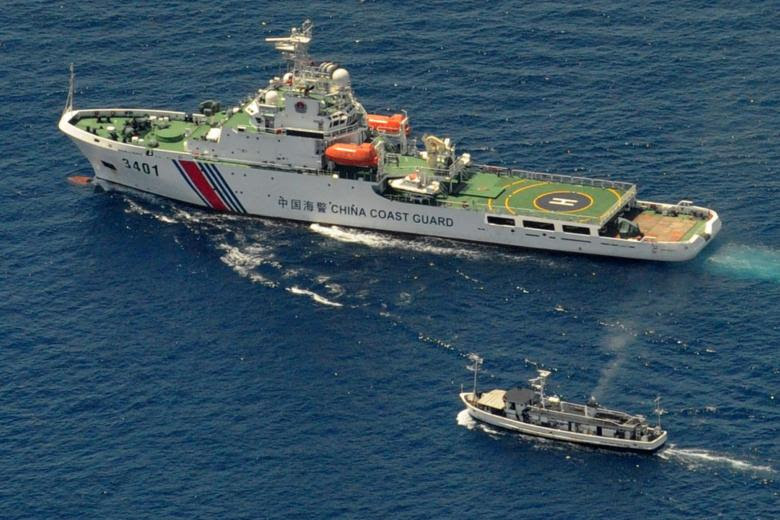
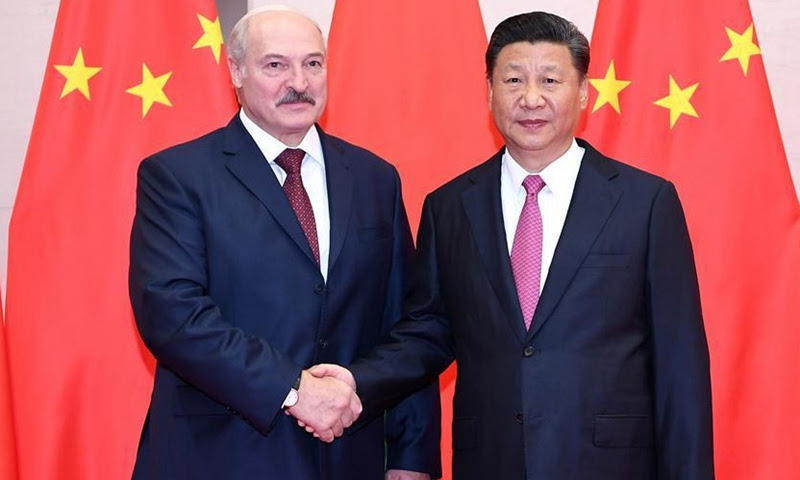
.jpg)
.jpg)
.jpg)
.jpg)
.jpg)
.jpg)
.jpg)
.jpg)

.jpg)
.jpg)
.jpg)
.jpg)
.jpg)
.jpg)

.jpg)
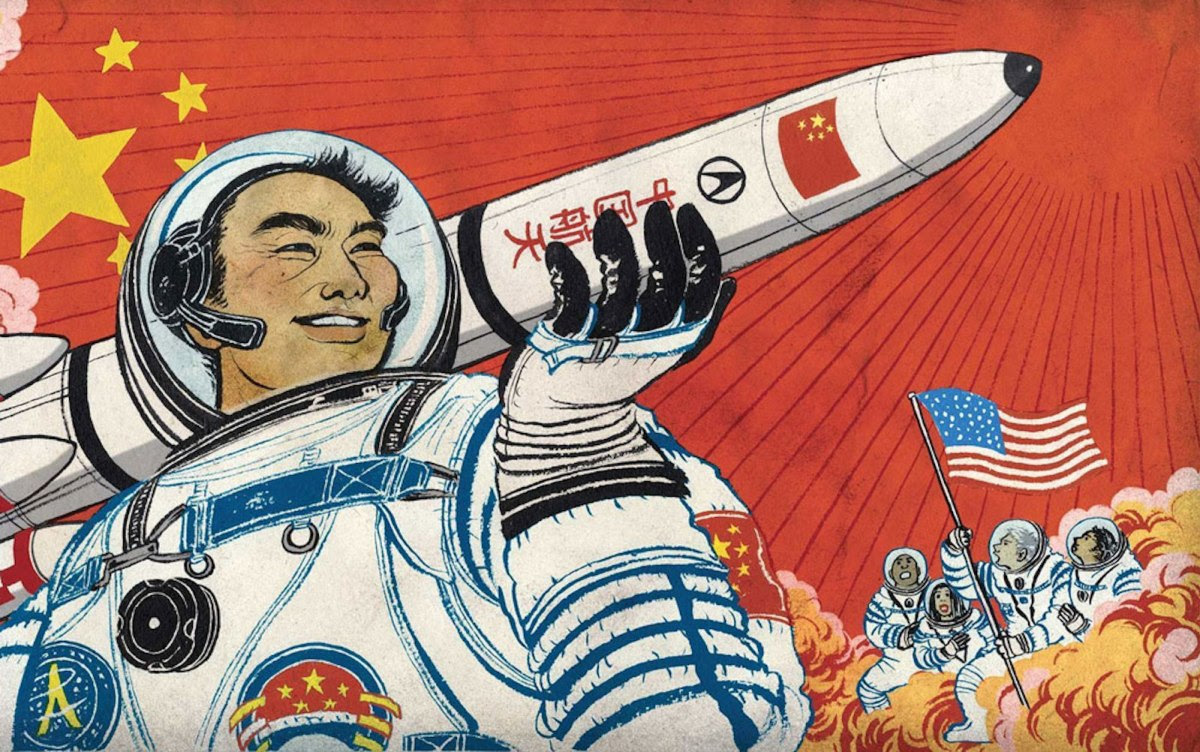
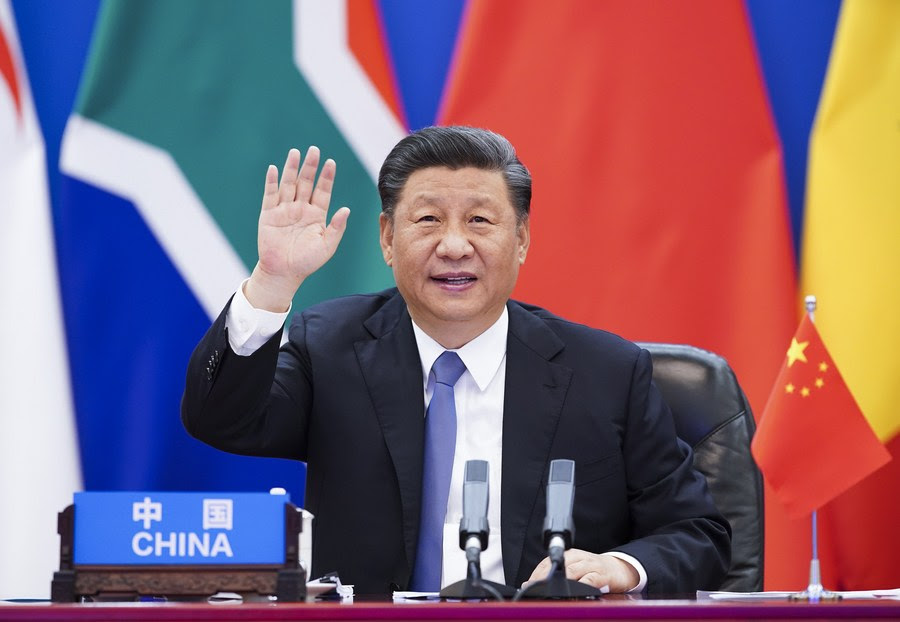

.jpeg)



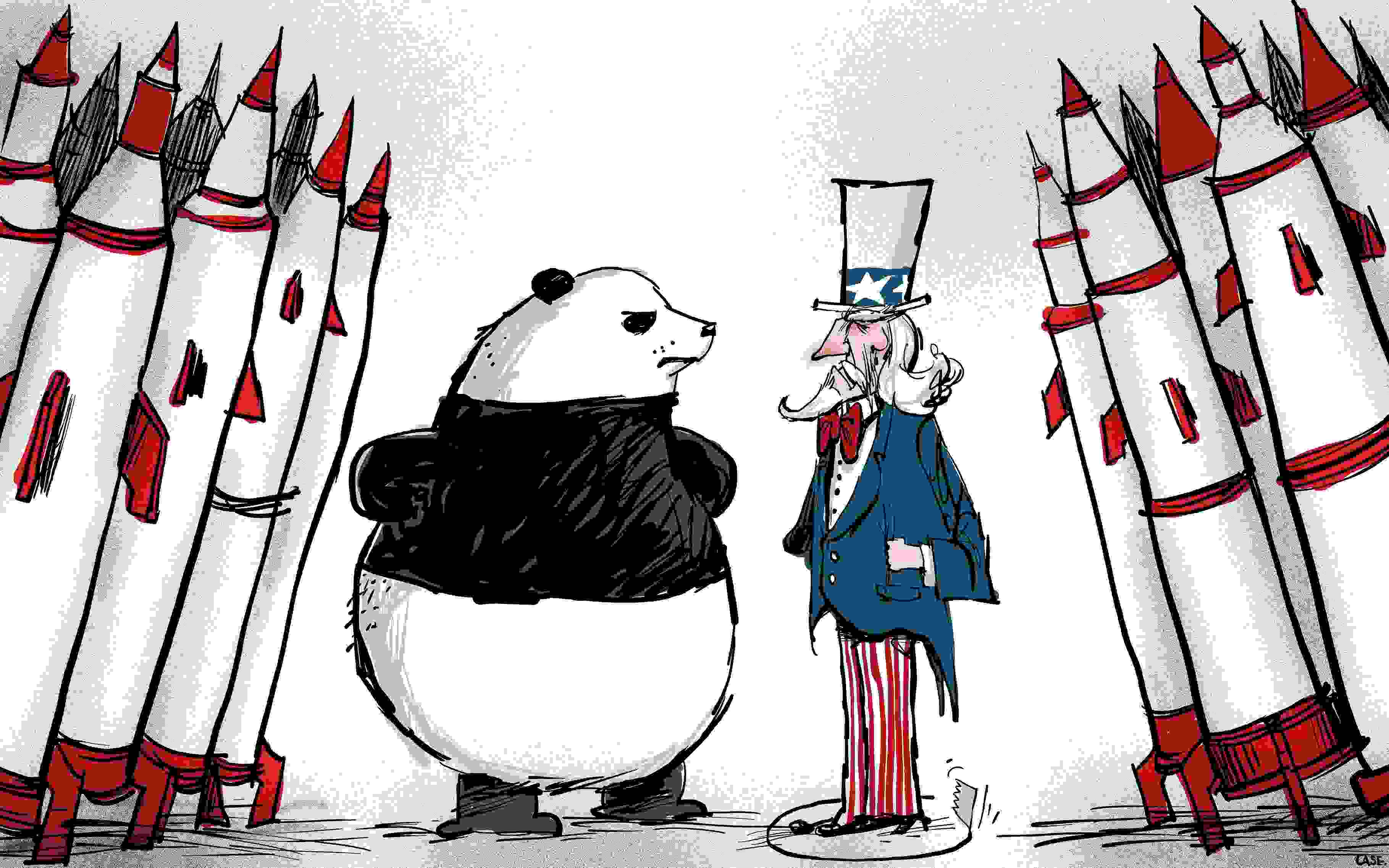
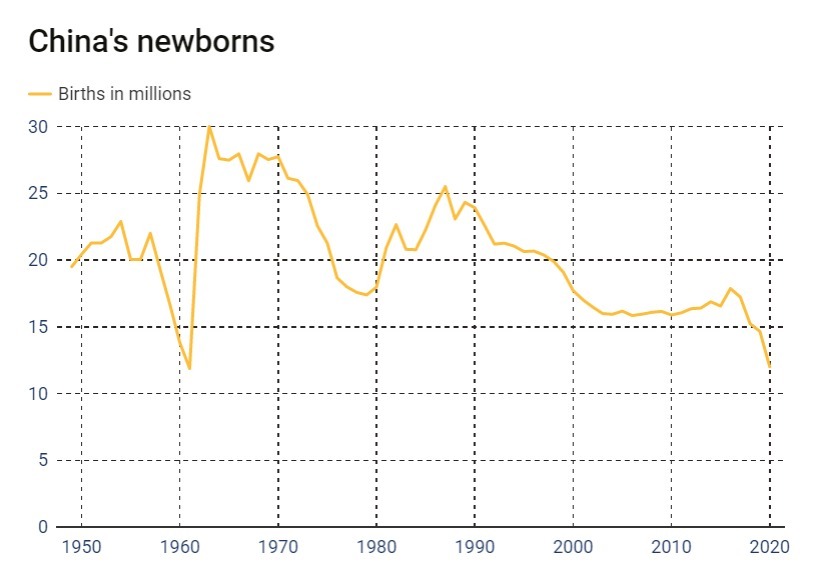
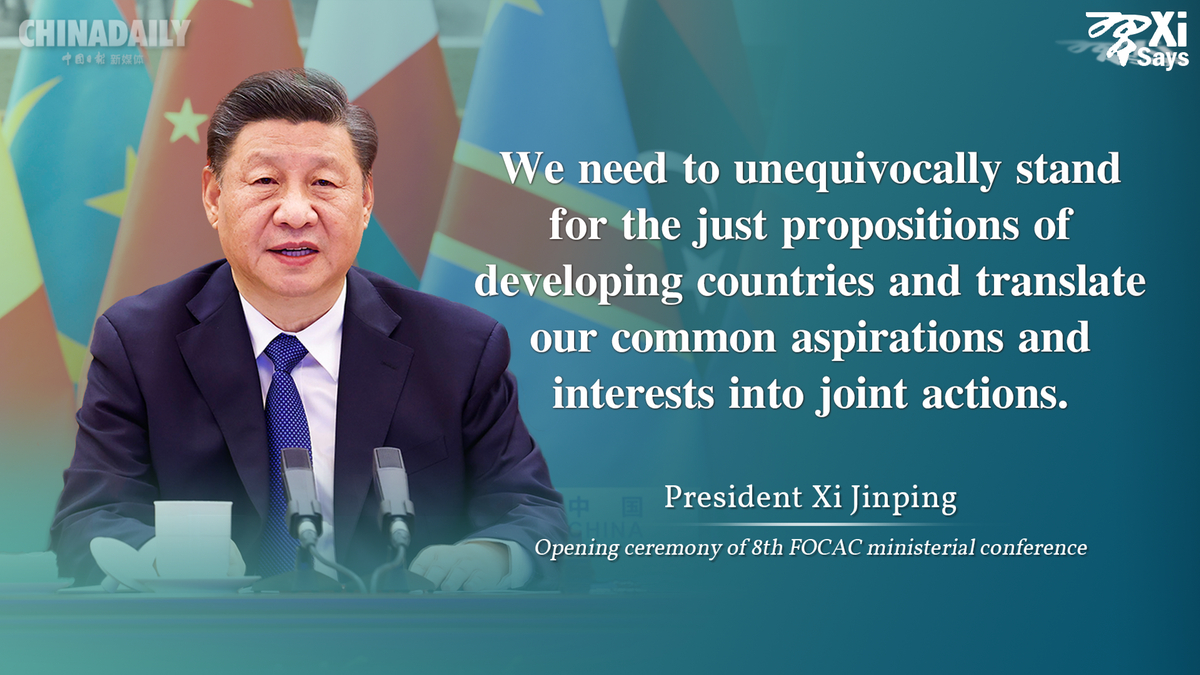
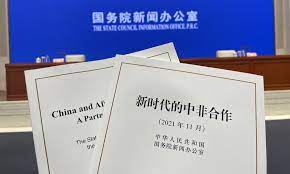
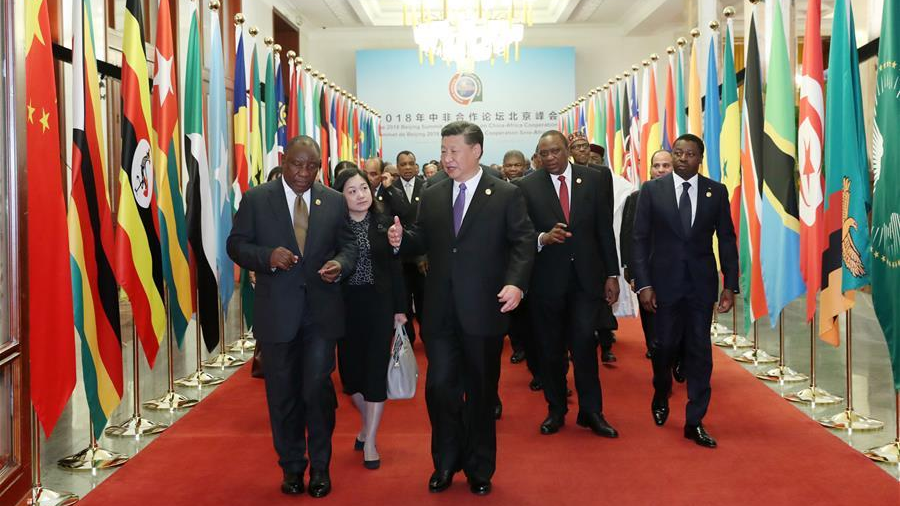
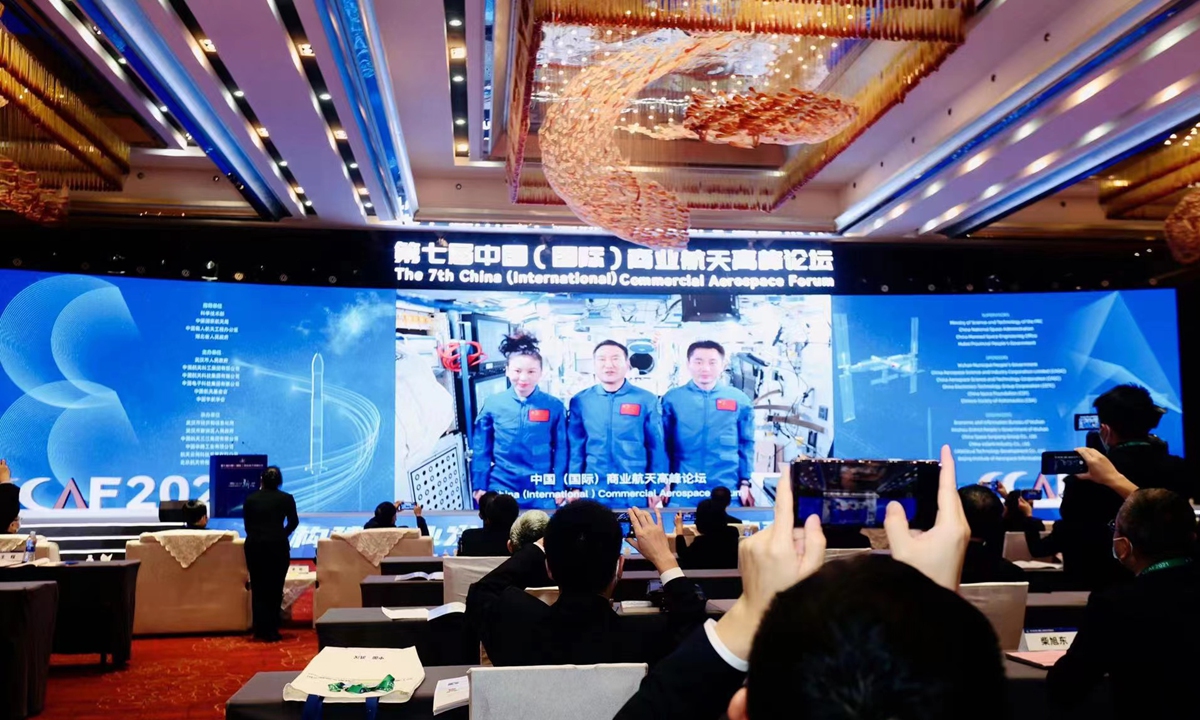
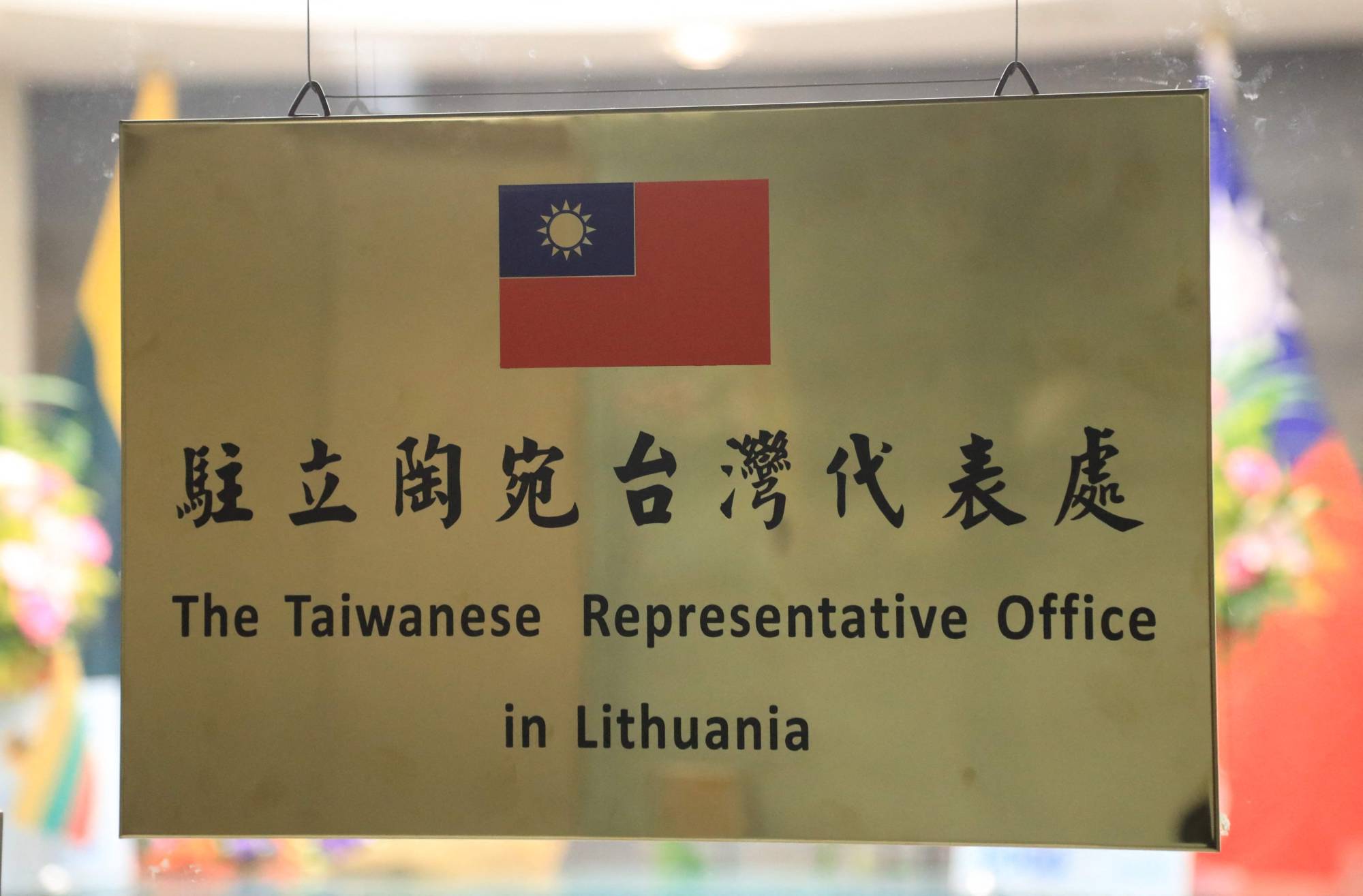

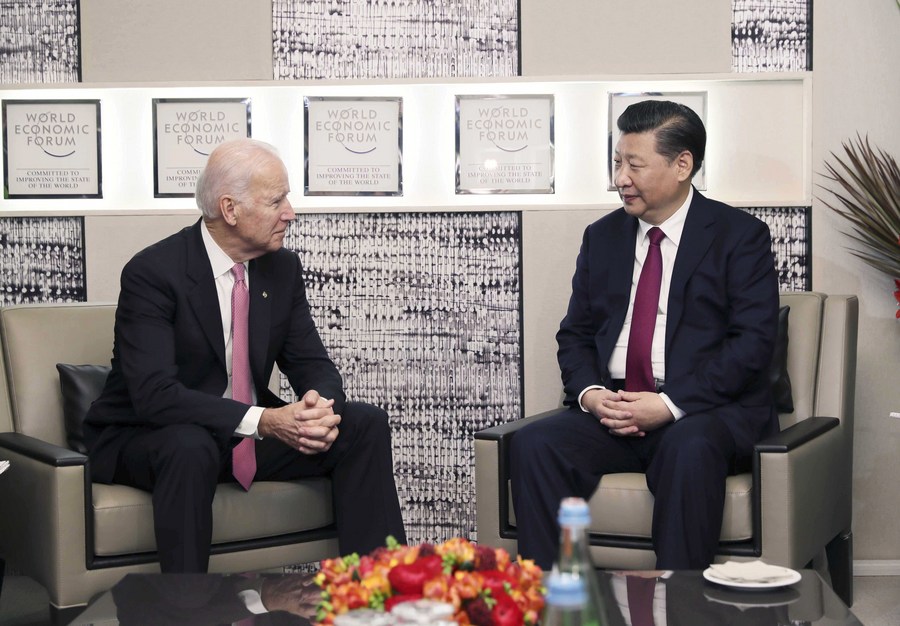
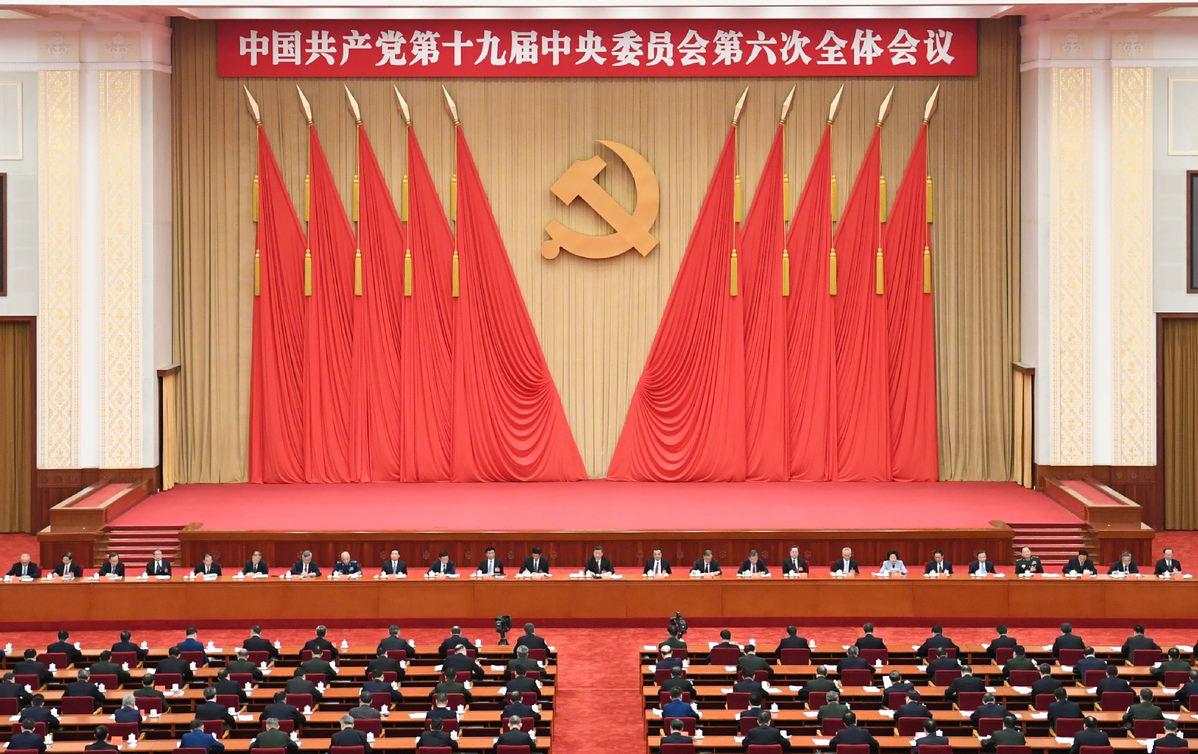
.jpeg)