Photo : VCG
Photo : VCG
In Brief
INTERNAL
Non-residential property lease expiry sparks crisis report The Straits Times
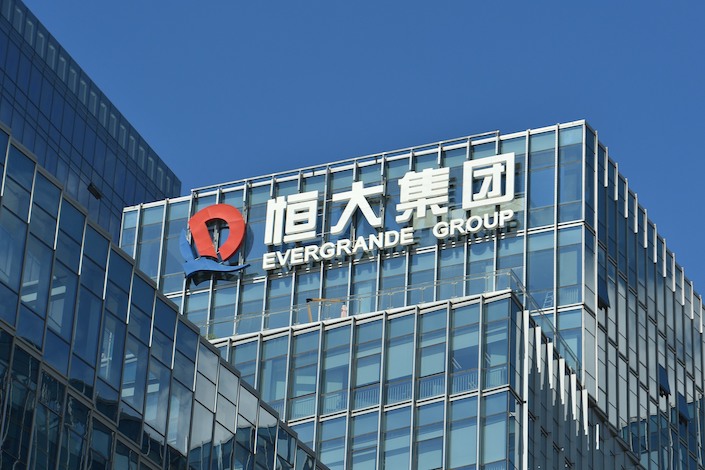
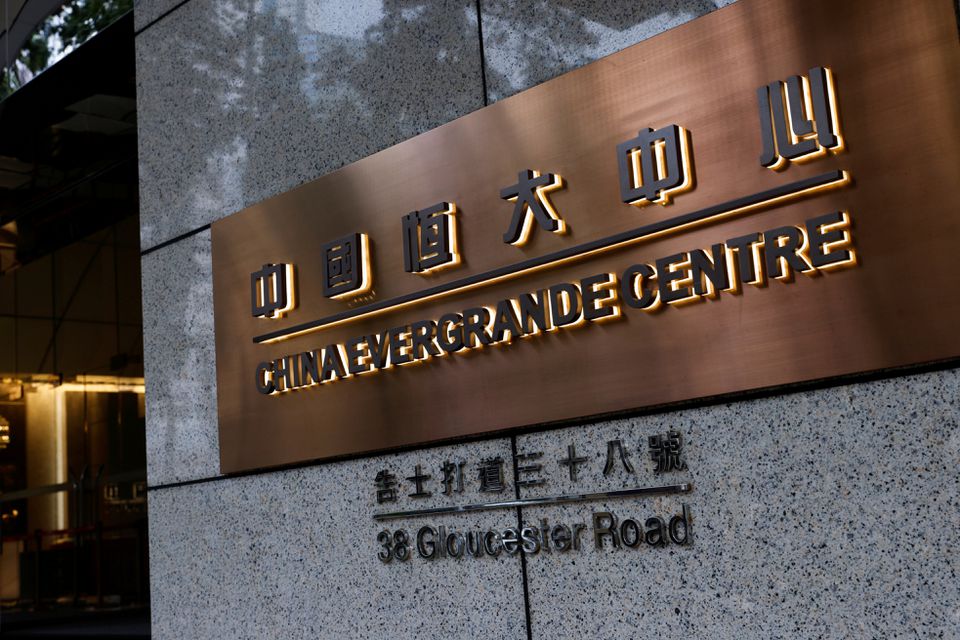
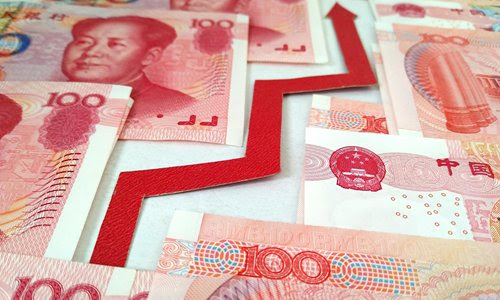
On 12 August, The Straits Times reported on China's property crisis as USD 190 billion in non-residential property leases are soon to expire. Currently, non-residential property has less than 20 years left on leases. As a result, property values have plunged over 40 per cent in major cities. Developers are reported to be in USD 130 billion in debt, and a lack of finance and support from banks and insurers adds to property risk. Authorities are exploring ways to centralise a fragmented policy renewal approach.
("China races to solve $190 billion property threat as leases end," The Straits Times, 12 August 2026)
https://www.straitstimes.com/business/property/china-races-to-solve-190-billion-property-threat-as-leases-end
ENERGY AND ENVIRONMENT
China’s AI weather systems outperform global models in Typhoon tracking reports The Strait Times
On 11 August, The Strait Times reported that China has emerged as a leading player in AI weather forecasting by testing new systems alongside traditional models during Typhoon Dolphin’s path towards the country. Traditional models rely on supercomputers to simulate atmospheric physics, which is expensive and slower. AI models learn patterns from historical weather archives to deliver accurate forecasts in a fraction of the time. China’s leading models include Shanghai AI Laboratory’s Fengwu, Huawei’s Pangu, and Fudan University’s Fuxi. Among the top systems globally are Google’s GraphCast and GenCast, Nvidia’s FourCastNet, and the European Centre for Medium-Range Weather Forecasts’ AI Forecasting System (AIFS). Fengwu has notably outperformed Google’s GraphCast across 80 per cent of evaluated weather variables. Techwind Sun, the company responsible for Fengwu’s industrial applications, stated that AI models are effective at tracking routes, while stating that five days before landfall, Fengwu predicted Typhoon Dolphin’s location within 30 kms and timing within 30 minutes. However, the report also states that AI models still lag behind traditional physics-based systems when predicting storm intensity. While AI complements traditional forecasting, it will not fully replace it soon. They also remain untested for major, long-term climate shifts (like El Niño), requiring years of further scientific research to build public and institutional trust.
(“China bets on AI weather forecasting as extreme weather intensifies,” The Straits Times, 11 August 2026)
https://www.straitstimes.com/asia/east-asia/china-bets-on-ai-weather-forecasting-as-extreme-weather-intensifies
CHINA AND TAIWAN
Pacific Islands Forum invites Taiwan; China urges adherence to the one-China principle
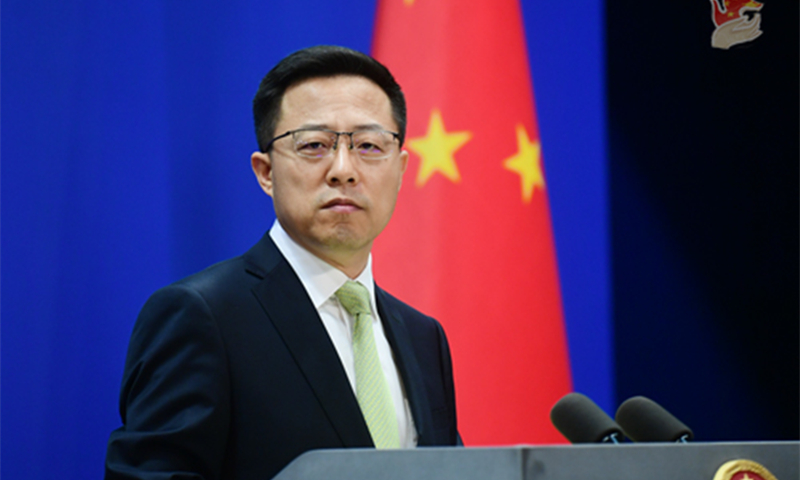
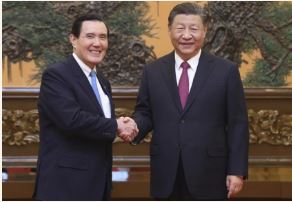
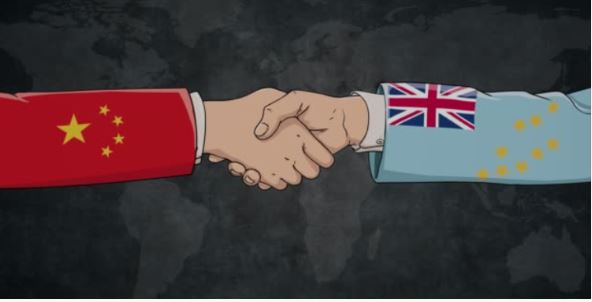
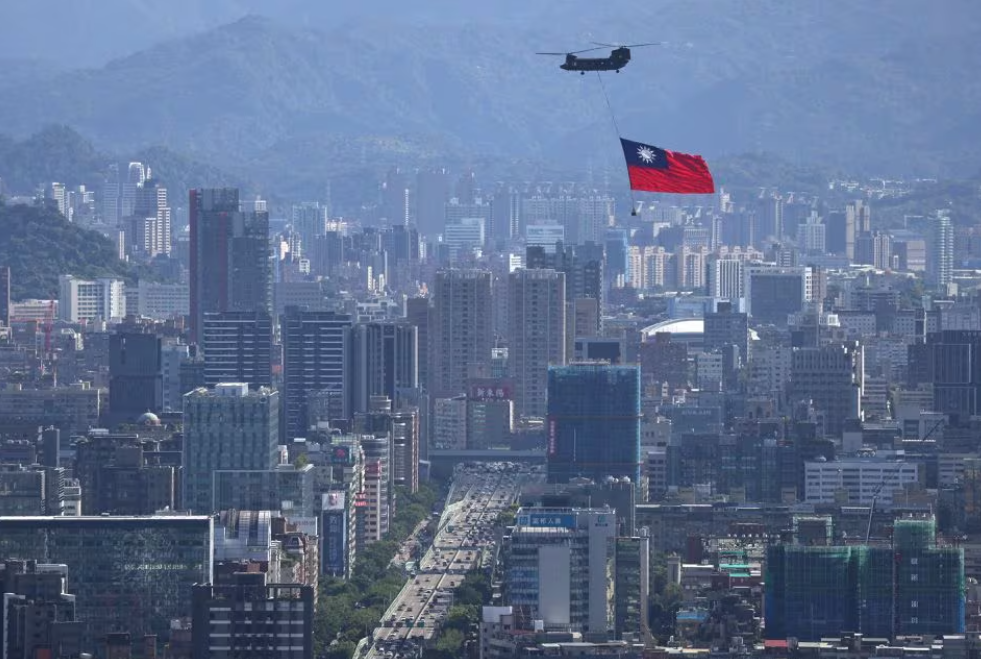
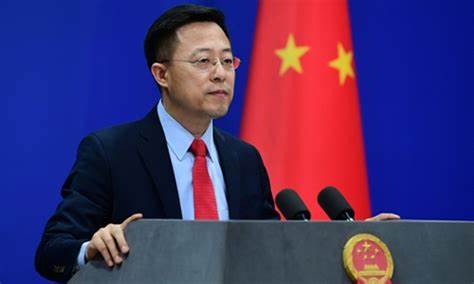
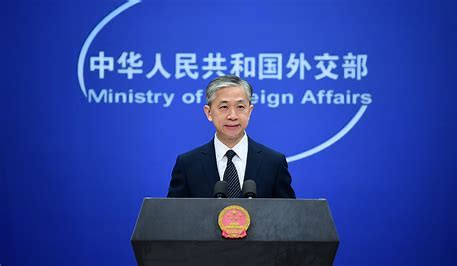
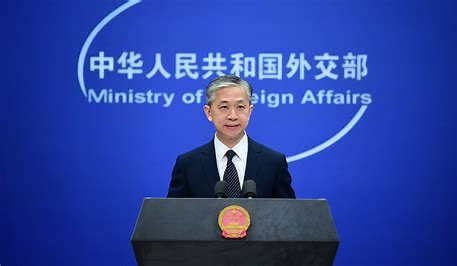
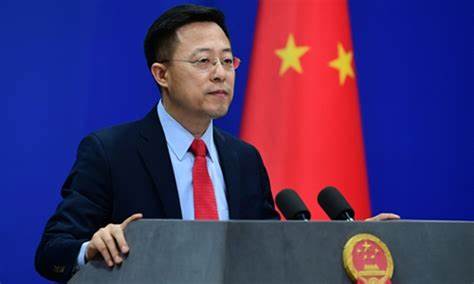
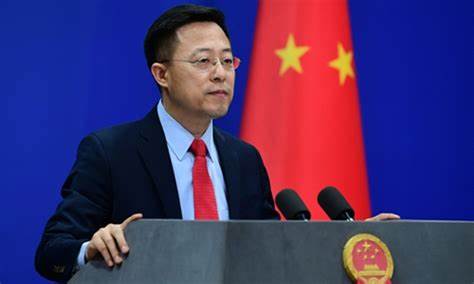
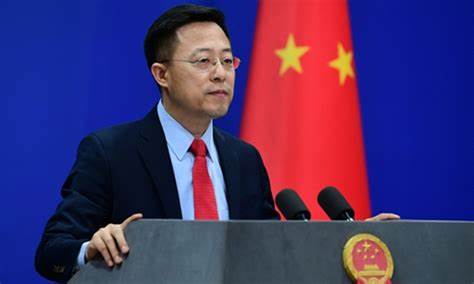
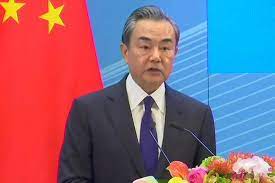
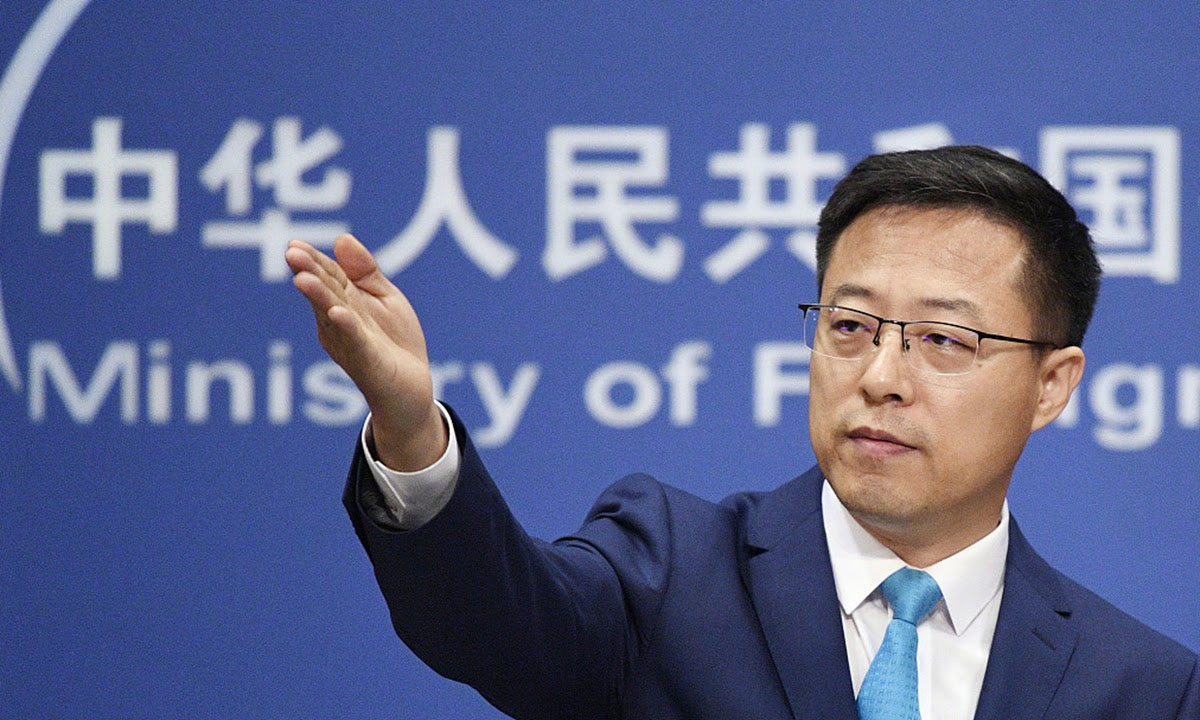
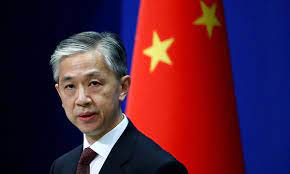
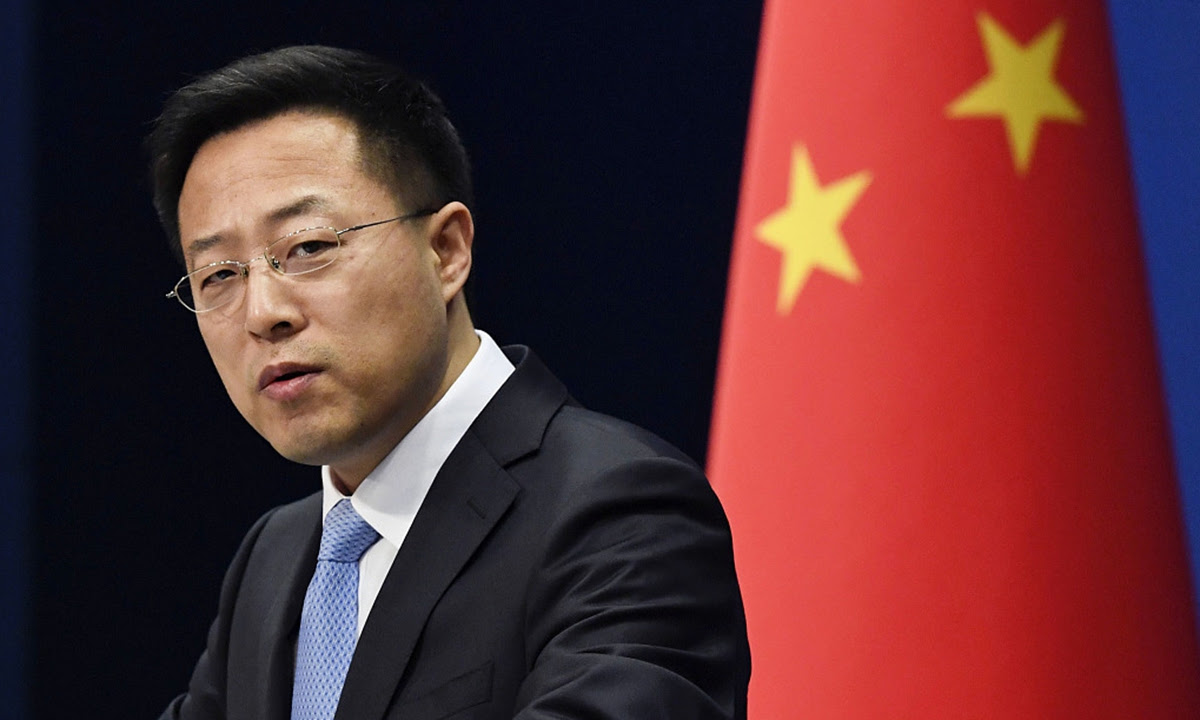
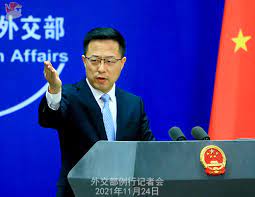
On 11 August, Anadolu Agency reported that China had urged the Pacific Islands Forum to “properly handle Taiwan-related issues,” and to “abide by the one-China principle.” The Pacific Islands Forum is an annual meeting attended by heads of state from Pacific Island Countries and selected partner nations, which will be held in Palau next month. Taiwan has been a ‘development partner’ of the forum since 1993, but several PIF countries have close trade relations with China. Palau, the Marshall Islands, and Tuvalu officially recognise Taiwan. China’s Foreign Ministry spokesperson Guo Jiakun stated that Taiwan’s participation “must be handled in accordance with the one-China principle, which is a basic norm in international relations confirmed by UNGA Resolution 2758 and a prevailing international consensus."
(“China urges Pacific Islands Forum to 'properly handle Taiwan-related issues',” Anadolu Agency, 11 August 2026)
https://aa.com.tr/en/asia-pacific/china-urges-pacific-islands-forum-to-properly-handle-taiwan-related-issues/4024256
Taiwan condemns planned Chinese navy drill in its eastern waters
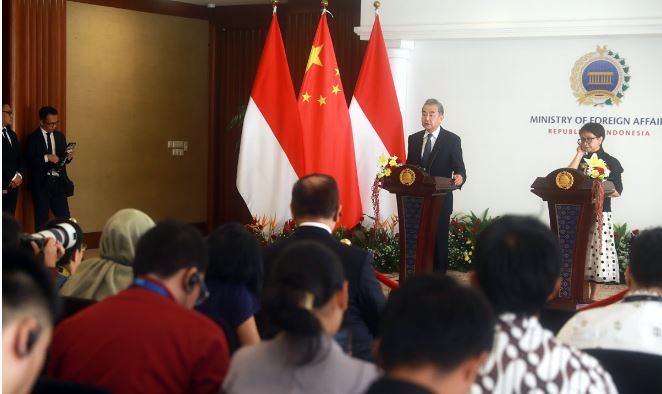
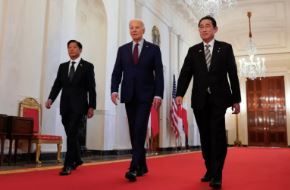
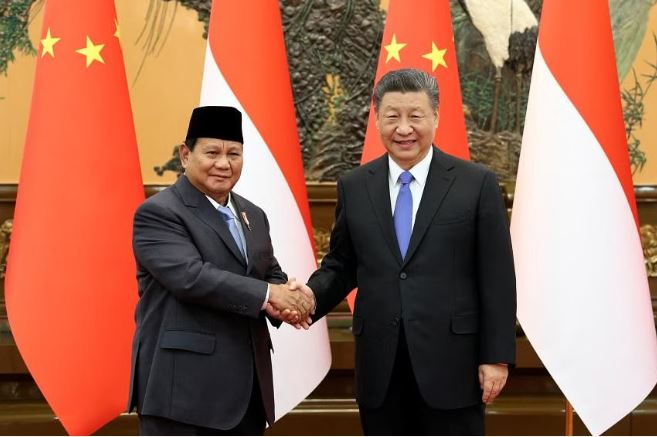
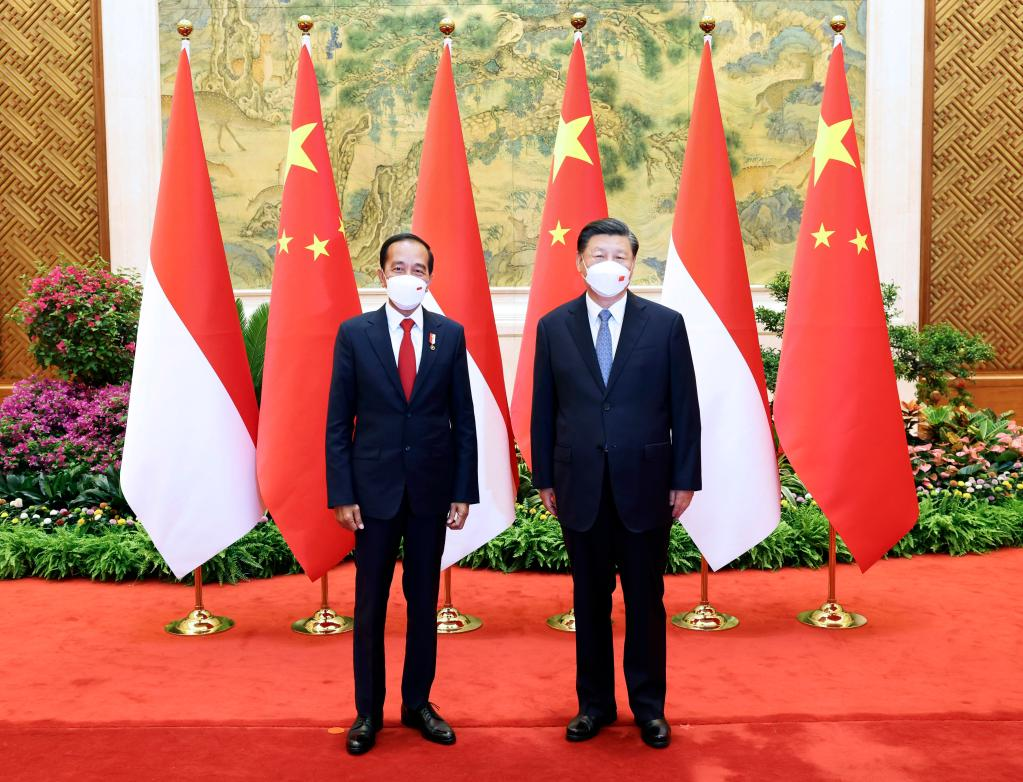
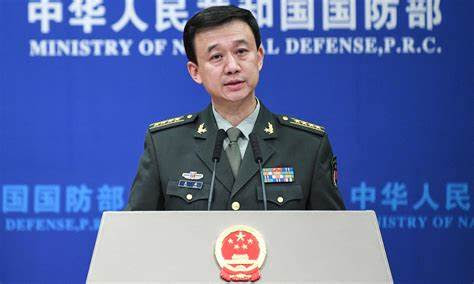
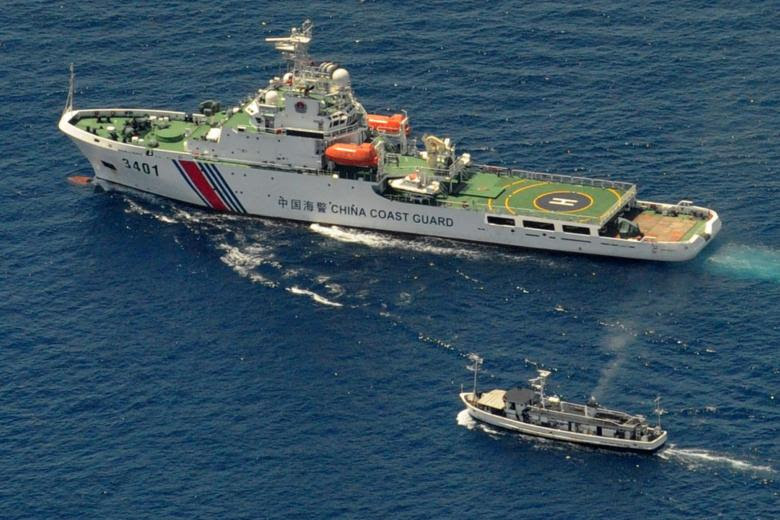
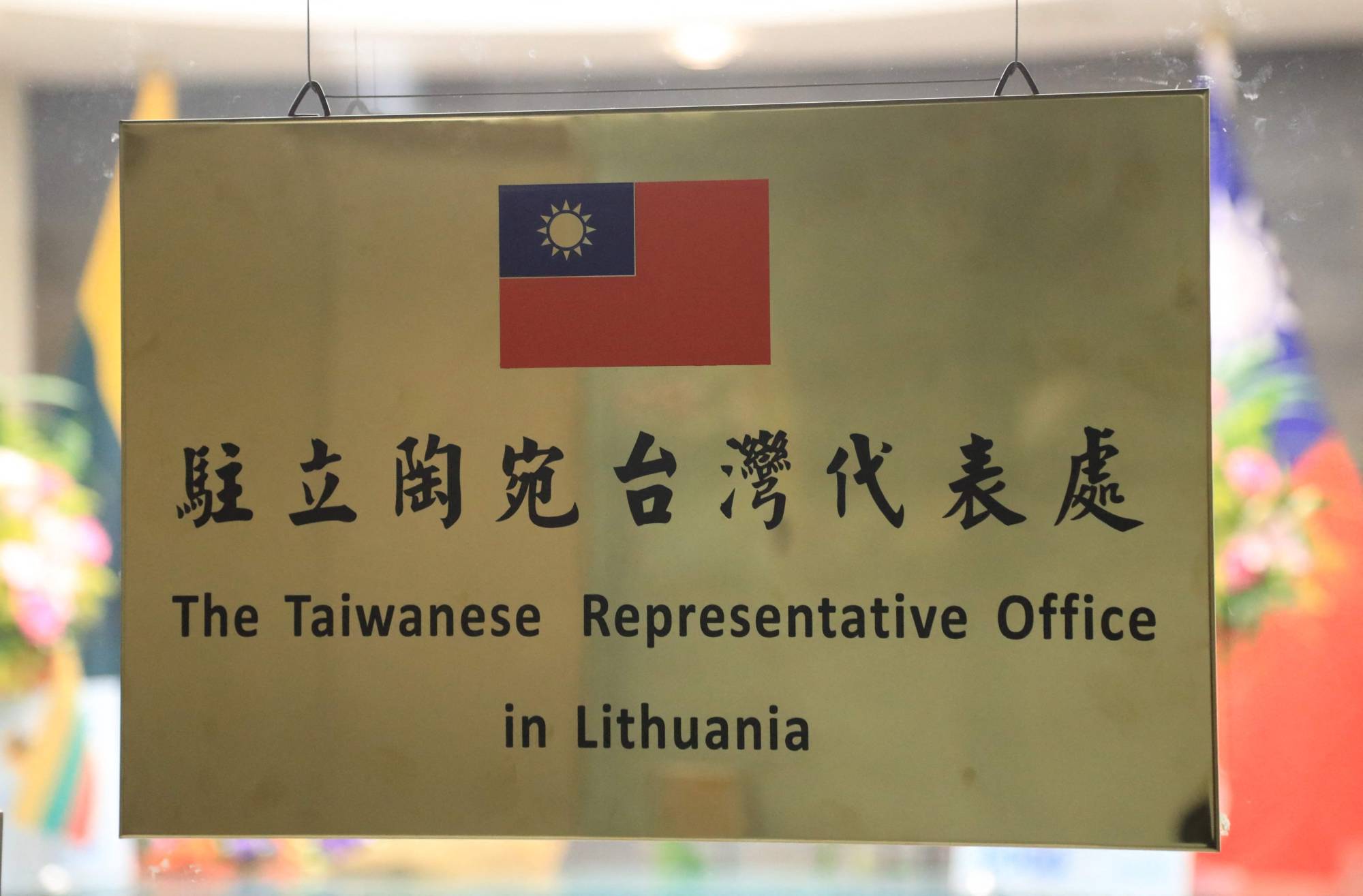
On 12 August, Reuters reported that Taiwan had condemned planned PLAN drills with an Indonesian warship in its eastern waters. China has increased its coast guard and naval activities in Taiwan’s eastern waters due to the announcement of maritime delimitation talks between Japan and the Philippines. China’s Defence Ministry stated that it would hold a “navigation exercise” with an Indonesian warship, set to take place in mid-August. Taiwan’s Mainland Affairs Council stated that the drill constitutes “military provocation,” and that China should “immediately stop this dangerous behaviour that undermines the status quo.” They added that the drills are “in reality, political manipulation, ‘exercises in name, expansion in fact’,” aimed at “creating a false impression” of legitimate jurisdiction over the waters east of Taiwan. Taiwan’s Foreign Ministry has requested a “clarification” from Indonesia.
(“Taiwan condemns 'dangerous' planned Chinese navy drill with Indonesia to its east,” Reuters, 12 August 2026)
https://www.reuters.com/world/china/taiwan-condemns-dangerous-planned-chinese-navy-drill-with-indonesia-its-east-2026-08-12/
CHINA AND SOUTHEAST ASIA
Cambodia and China sign new agricultural technology partnership deal
On 12 August, Khmer Times reported that Cambodia’s Ministry of Agriculture, Forestry and Fisheries (MAFF) and China’s Haikou Silk Road Academy signed a Memorandum of Understanding on research cooperation, agricultural supply chains, and investment expansion in the sector. The MoU aims to increase investment in important agricultural subsectors and expand the processing scale for agricultural products. A key objective is to increase Cambodian agricultural exports to China’s markets by expanding its supply chains and creating more opportunities to increase the market value of these products and expand their presence in Chinese markets.
(“Cambodia-China agro partnership sparks new export push,” Khmer Times, 12 August 2026)
https://www.khmertimeskh.com/501996153/cambodia-china-agro-partnership-sparks-new-export-push/
CHINA AND SOUTH ASIA
India says Arunachal Pradesh is an integral part of India and said that nothing can change this indisputable reality
On 12 August, The Hindustan Times reported that external affairs ministry spokesperson Randhir Jaiswal stated that the state of border affairs has ramifications for India-China ties and the countries should use diplomatic and military mechanisms to avoid misunderstanding and miscalculation along the border. This was in response to a question regarding recent tension over formally naming 27 places in Arunachal Pradesh. He reiterated that India's stance has been made clear in the 36th meeting of the Working Mechanism for Consultation and Coordination (WMCC) on India-China Border Affairs in New Delhi on August 6. He said: "In matters relating to border areas between India and China, we have always emphasised in discussions with the Chinese side that we consider these issues as most serious and that the maintenance of peace and tranquillity in these areas is of the utmost importance." He also added that Arunachal Pradesh is an inalienable and integral part of India and said that nothing can change this indisputable reality.
("‘Border affairs to decide India-China ties': MEA on Arunachal standoff reports," The Hindustan Times, 12 August 2026)
https://www.hindustantimes.com/india-news/border-affairs-to-decide-india-china-ties-mea-on-arunachal-standoff-reports-101786496470491.html
China Communications Construction Company eyes fresh investment opportunities in Sri Lanka
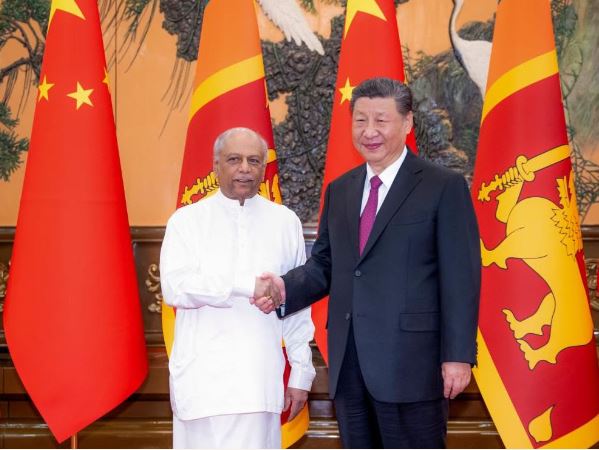
On 11 August, the Daily Mirror reported that President Anura Kumara Dissanayake met a senior delegation from China Communications Construction Company Limited (CCCC), led by Zhang Bingnan, at the Presidential Secretariat, with discussions focusing on ongoing and proposed projects related to Colombo Port City. CCCC representatives stated that the President's policies and programmes had strengthened investor confidence and encouraged the company to explore further investment opportunities in the country. The delegation expressed interest in expanding investments across several sectors, including renewable energy, trade and logistics, and digital services, adding that Sri Lanka had the potential to emerge as a regional hub in these areas and attract greater foreign investment.
("CCCC explores further investment opportunities in Sri Lanka," Daily Mirror, 11 August 2026)
https://www.dailymirror.lk/breaking-news/CCCC-explores-further-investment-opportunities-in-Sri-Lanka/108-347922
Ivan Lidarev, "Reopening China-India Border Trade: New Delhi’s Conundrum On The Border - Analysis," Eurasia Review, 11 August 2026
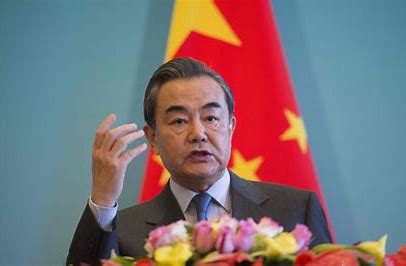
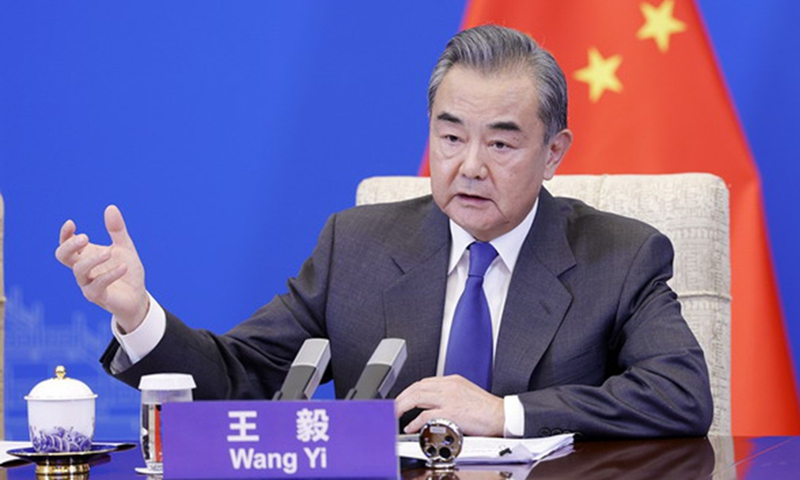
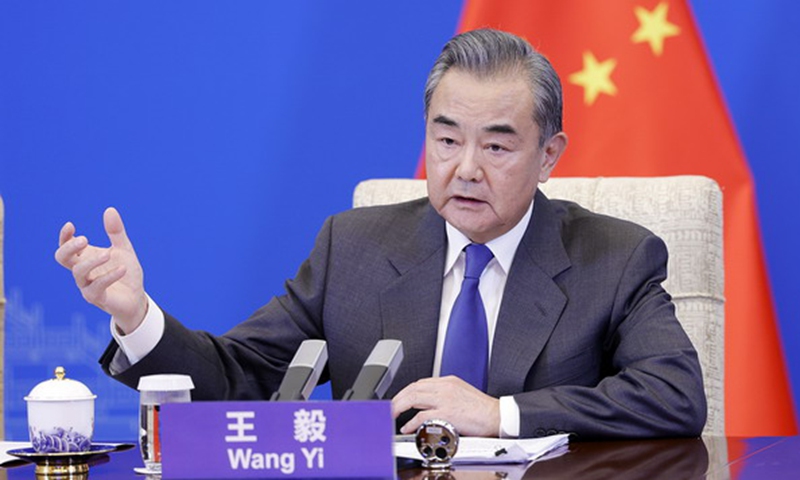
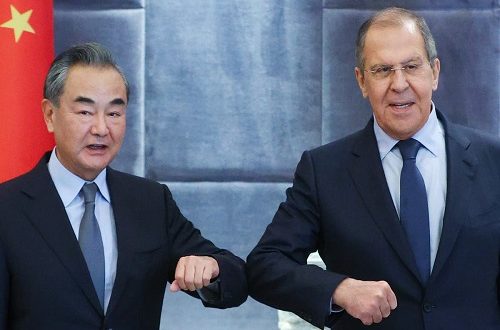
"On 1 August 2026, the China-India border trade resumed after six years of suspension. Following an agreement announced last August during Chinese Foreign Minister Wang Yi’s visit to New Delhi, the two sides opened three passes for border trade Nathu La in Sikkim, Lipulekh in Uttarakhand and Shipki La in Himachal Pradesh. The significance of this reopening is primarily symbolic and political rather than economic ... India prefers to keep its border trade with China small, localised and restricted because it poses substantial security risks. Essentially, India has chosen border security over border trade. Hence, the current reopening of border trade is of limited importance. While sensible, this choice comes with a price. Border trade is unlikely to bring security and stability to the border, but it can cushion tensions and soften the situation on the border."
A. Jathindra, "Strategic Projects Stagnate In Sri Lanka: India Seeks Answers - OpEd," Eurasia Review, 11 August 2026
"In an earlier meeting with Dissanayake in New Delhi, Prime Minister Narendra Modi voiced frustration over the slow pace of implementation. Despite the rhetoric of “system change,” the National People’s Power government appears to be repeating the delays of its predecessors, particularly on India’s strategic projects in the North and East — areas of special concern for New Delhi. Why do these projects remain stalled, and does the old phrase “fear of the big brother” still linger in the background? ... China entrenched itself through large-scale projects such as Hambantota Port and Colombo Port City, raising alarms in Washington about potential military use. For India, delays in its strategic projects are not merely bureaucratic setbacks but a matter of national security."
CPEC 2.0 focuses on industrial and B2B cooperation
On 12 August, ProPakistani reported that China and Pakistan are seeking to deepen business-to-business and industrial cooperation under the second phase of the China-Pakistan Economic Corridor (CPEC 2.0). Pakistan is seeking greater Chinese participation in manufacturing, agriculture, technology and export-oriented industries. A Chinese delegation led by Sun Dongsheng, senior adviser at the Economic Affairs Press, held consultations with Planning Minister Ahsan Iqbal and Pakistani policymakers on advancing B2B and industrial cooperation. Iqbal said Pakistan’s narrow export base remains a constraint on economic growth and called for stronger productive sectors. He also sought greater access for Pakistani goods to the Chinese market. Pakistan also wants cooperation with China on innovation, automation, robotics and Industry 4.0 and 5.0 technologies.
("China, Pakistan Plans More Industrial B2B Deals Under CPEC 2.0," ProPakistani, 12 August 2026)
https://propakistani.pk/2026/08/12/china-pakistan-plans-more-industrial-b2b-deals-under-cpec-2-0/
KP governor seeks greater Chinese investment and cooperation
On 12 August, Dawn reported that Khyber Pakhtunkhwa Governor Faisal Karim Kundi called for stronger bilateral cooperation, trade, and Chinese investment in the province. Speaking at an event at the Governor’s House in Peshawar marking the 75th anniversary of Pakistan-China friendship, he stated that Pakistan and China shared a long-standing friendship and that bilateral relations would become stronger. He added that Pakhtunkhwa has significant mineral resources, tourism potential, and a strategic geographical location, creating opportunities for greater cooperation and investment. The governor highlighted information technology, trade, culture, and youth exchanges as important areas for strengthening future relations. He also proposed holding Dragon Boat competitions at Khanpur Dam next year to further strengthen sports and cultural links between Pakistan and China.
("Kundi calls for greater Chinese investment in KP, Dawn, 12 August 2026)
https://www.dawn.com/news/2022257/kundi-calls-for-greater-chinese-investment-in-kp
China maintains engagement with Taliban
On 12 August, Responsible Statecraft reported that China has maintained direct political and security ties with the Taliban since its return to power in 2021, while stopping short of formally recognising the Taliban government. The report said Beijing’s main concern is preventing Afghan territory from being used for attacks against China or as a base for groups hostile to Chinese interests. The Taliban has restricted the activities of Uyghur militants and relocated some fighters away from the Afghan-Chinese border. However, the report said China remains concerned about the presence of these groups in Afghanistan. ISIS-K has also targeted Chinese nationals and Chinese-linked businesses in Afghanistan. The Chinese economic involvement has remained limited despite interest in Afghanistan’s mineral resources. Chinese companies have announced projects involving copper, oil, and gas, but several have faced difficulties. The Mes Aynak copper project has not reached commercial production, while the Amu Darya oil project was terminated in 2025.
("When US left Afghanistan, China moved in. So How's it going?" Responsible Statecraft, 12 August 2026)
https://responsiblestatecraft.org/afghanistan-china-taliban/
CHINA AND AFRICA
China sells armed drones to Ivory Coast; Expands defence exports to Africa
On 11 August, Business Insider Africa reported that Ivory Coast acquired two Chinese-made Wing Loong II armed drones. They are medium-altitude, long-endurance unmanned aerial vehicles used for surveillance, reconnaissance, and strike missions. According to the latest literature, the Wing Loong series is frequently positioned as a lower-cost Chinese alternative to US armed drones such as the MQ-1 Predator and MQ-9 Reaper. Chinese defence exports are expanding to African countries due to the low acquisition costs and flexible financing arrangements.
("China delivers its famous Wing Loong II combat drones to another African country in growing challenge to America’s MQ-9 Reaper," Business Insider Africa, 11 August 2026)
https://africa.businessinsider.com/local/markets/china-delivers-its-famous-wing-loong-ii-combat-drones-to-another-african-country-in/zzek1s3
CHINA AND THE MIDDLE EAST
China reiterates support for two-state solution; Calls on Israel to halt activities in the West Bank
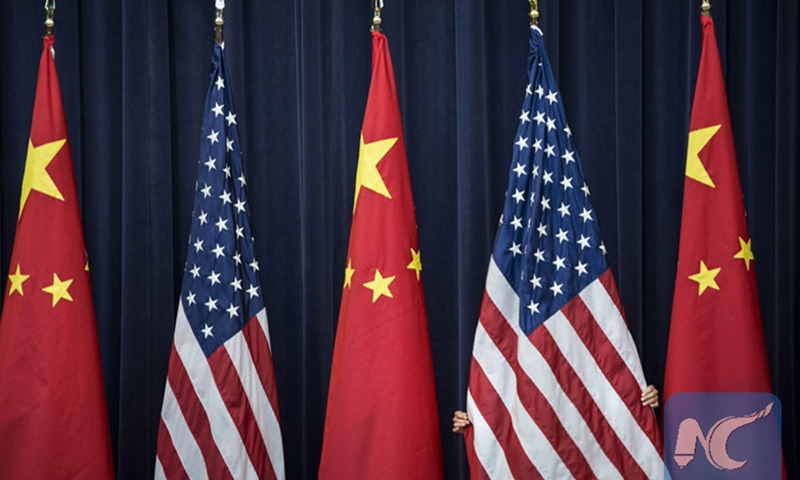
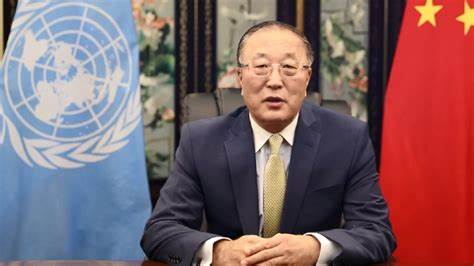
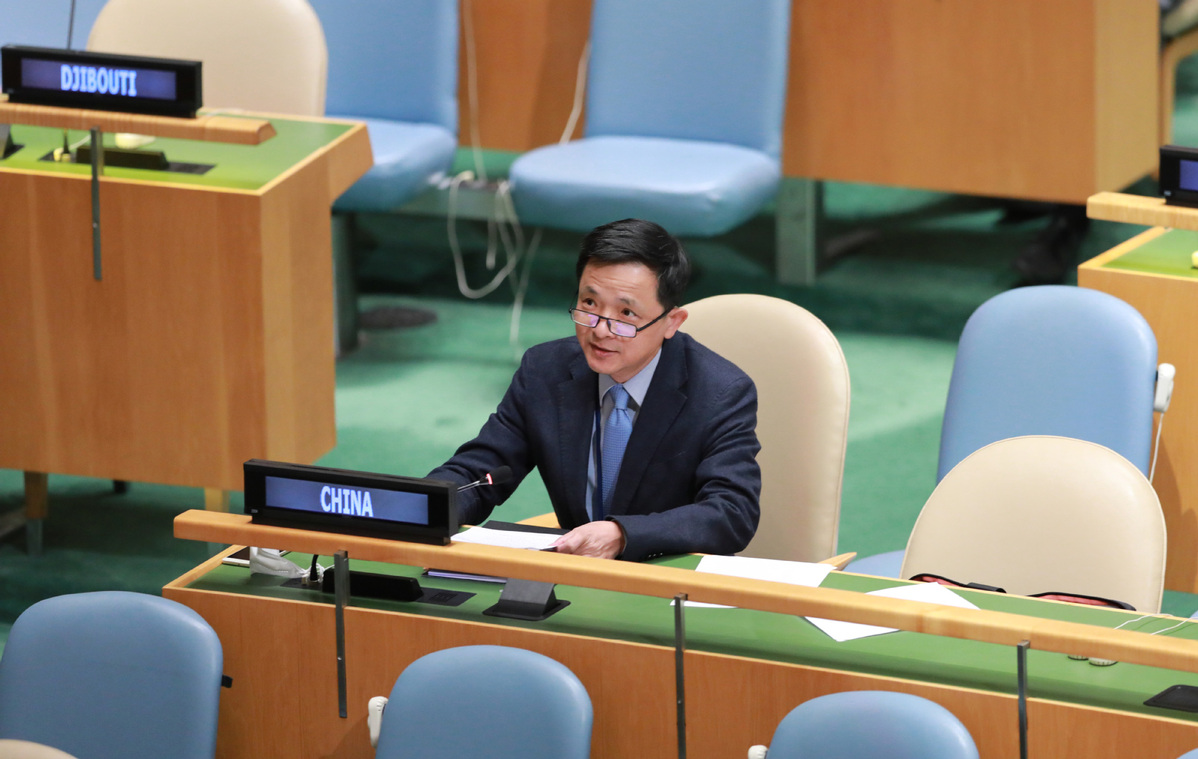
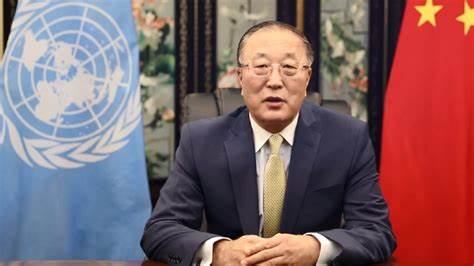
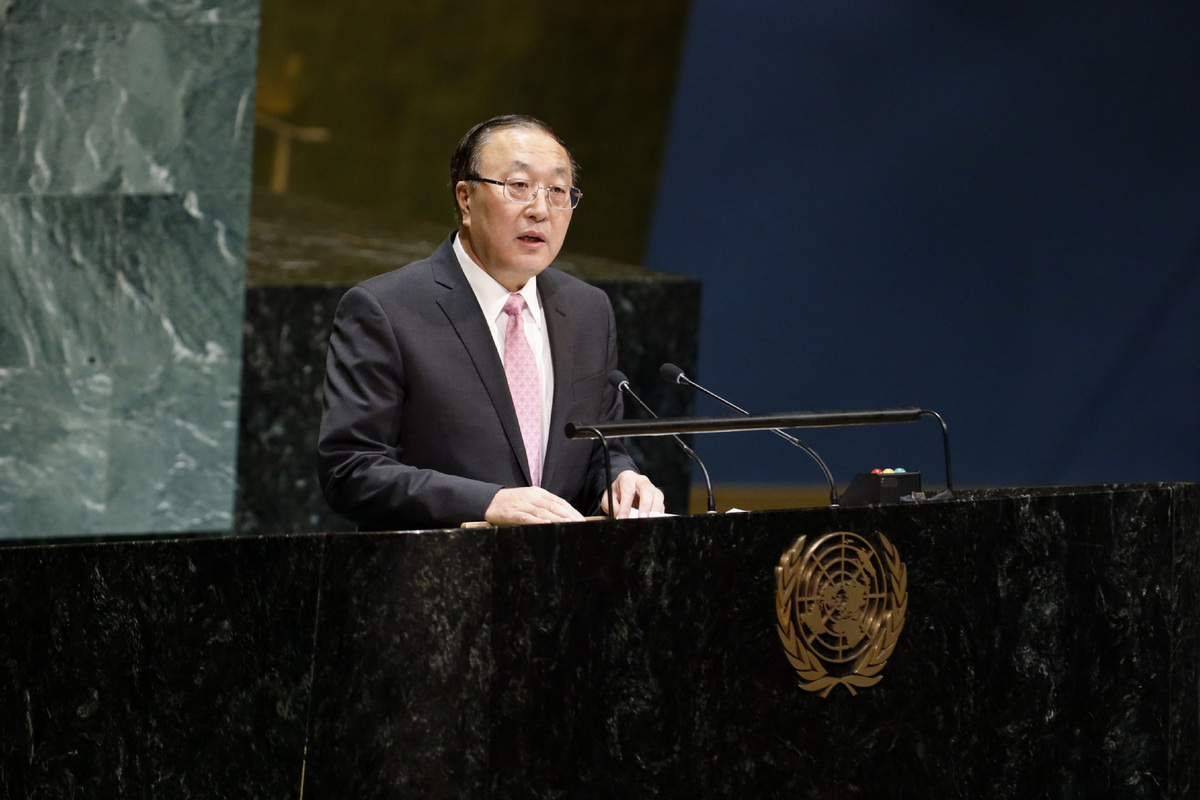
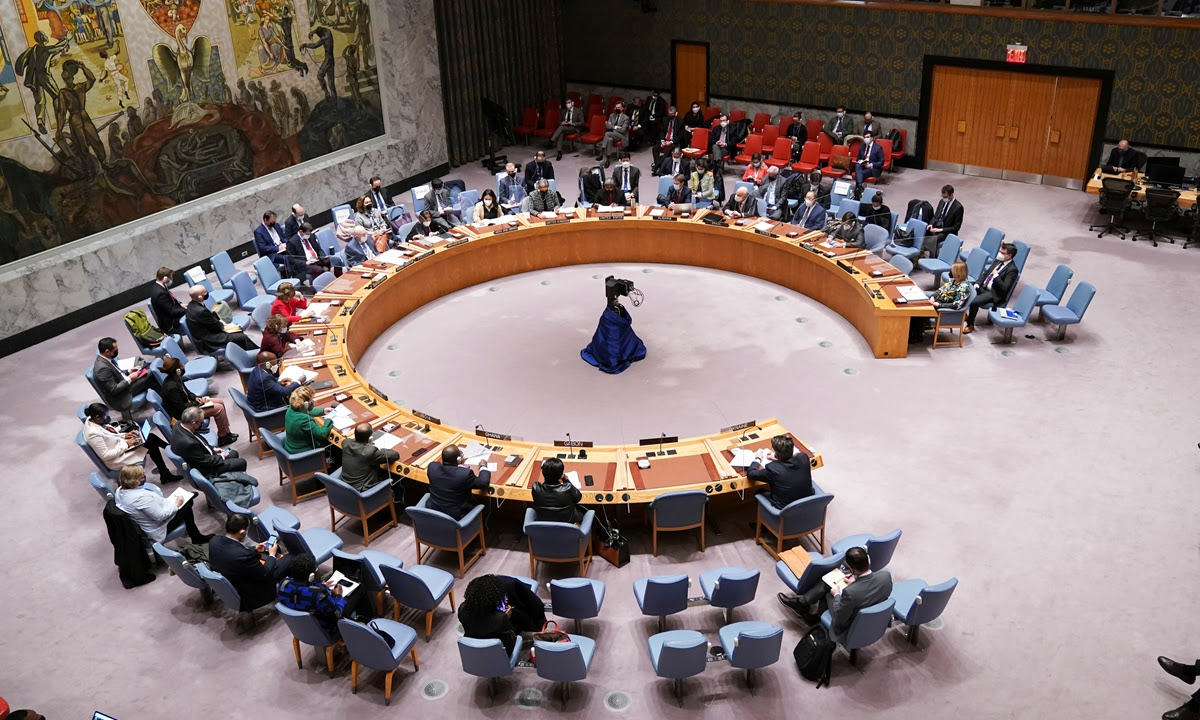
On 12 August 2026, CGTN reported that China's Permanent Representative to the United Nations, Fu Cong, called for urgent action to curb escalating violence in the Palestine-Israel conflict at an emergency meeting of the UN Security Council. He expressed concern over the recent escalation in the situation in the occupied Palestinian territories and sorrow over the growing civilian casualties caused by continued violence. He stated that the situation in the West Bank is deteriorating because of the failure to uphold basic principles of international law. He also called on Israel to halt settlement activities in the West Bank, curb settler violence and ensure accountability. He added that the two-state solution remains the only viable path, and the international community should fully respect the will of the Palestinian people for an independent Palestinian state.
("China urges intl. community to act to curb violence in Palestine-Israel conflict," CGTN, 12 August 2026)
https://news.cgtn.com/news/2026-08-12/China-urges-intl-action-to-curb-violence-in-Palestine-Israel-conflict-1PxNgStpoAw/p.html
CHINA AND EUROPE
China launches “Ice Silk Road” to Europe; Aims for four months of stable seasonal operation
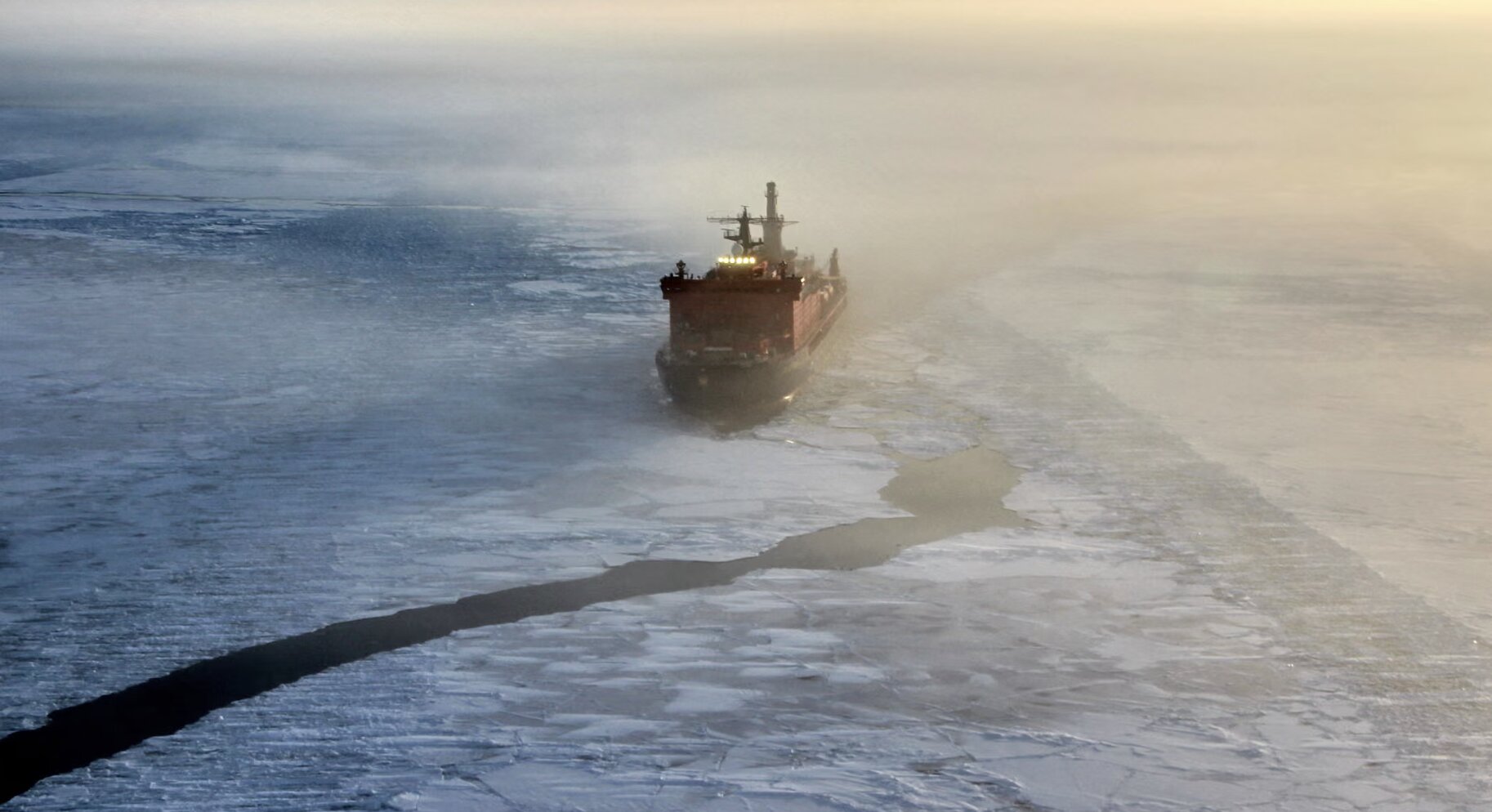
On 11 August, Global Times reported that a container shipping company from China, Sea Legend Shipping, would be launching the "Ice Silk Road," referencing the historical Silk Road linking China and Europe. The Ice Silk Road is a regular container service linking major Chinese ports, including Qingdao, Shanghai, Taicang, and Ningbo-Zhoushan, to European ports like Teesport and Felixstowe in the UK, Hamburg in Germany, and Gdynia in Poland through Russia's Northern Sea Route. However, the final sequence of this service could change due to changing weather conditions. Driven by retreating polar ice and widening seasonal navigation windows, this Arctic alternative bypasses geopolitically sensitive and congested traditional canal routes. Sea Legend shipping company stated that the route would effectively slash transit times from 40 days down to nearly 20 days. The route is highly optimised for high-value cargo like new energy vehicles, power batteries, and energy storage systems, which benefit financially from shorter transit windows and logistically from the cold Arctic environment that naturally mitigates safety and thermal risks. In its attempts to maximise efficiency, Sea Legend has secured priority berthing and "green channel" agreements at major European hubs like Felixstowe, Rotterdam, Wilhelmshaven and Antwerp to minimise anchorage delays. The company aims to establish four months of stable seasonal operations within the next three to five years, with a long-term goal of achieving year-round Arctic navigation within a decade. It would achieve these goals as it is backed by broader Sino-Russian diplomatic cooperation to develop Arctic infrastructure.
(“First regular Arctic container service China-Europe Arctic Express set to debut this week, ship operator tells GT, Global Times, 11 August 2026)
https://www.globaltimes.cn/page/202608/1367972.shtml
CHINA AND THE AMERICAS
Meta CEO Zuckerberg says US AI leadership is at risk from China
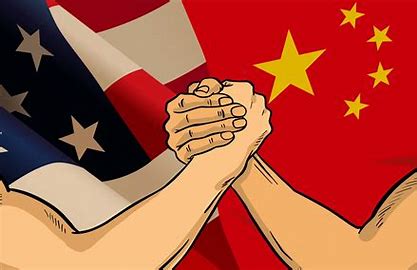
On 11 August, The Hindustan Times reported that Meta CEO Mark Zuckerberg has warned that the US risks losing its AI leadership to China due to infrastructure and policy delays. While the US maintains a competitive edge in advanced silicon chip design, it faces severe systemic deficits in physical infrastructure and power generation speed. China's rapid expansion, highlighted by adding over 1GW of nuclear grid capacity every fortnight, presents a stark contrast to Western power delays, making rapid data centre buildouts difficult. Zuckerberg strongly argued that domestic policies delaying AI model deployments by even a month directly threaten national security, as foreign rivals quickly duplicate open innovations. He positioned himself against concentrated technology gatekeeping, as he rejected common "AI doom" narratives regarding automated job loss. Instead, he advocates for an open-source framework that broadly disperses "personal superintelligence" directly to the public, comparing its democratic importance to the historical distribution of personal computers and smartphone technology.
(“Zuckerberg warns China could win AI race, says US needs to accelerate, links it to ‘new geopolitical balance of power’,” The Hindustan Times, 11 August 2026)
https://www.hindustantimes.com/world-news/mark-zuckerberg-warns-china-could-win-ai-race-says-us-needs-to-accelerate-building-energy-data-centers-101786454193032.html





















.png)
.jpg)
.jpg)
.jpg)
.jpg)
.jpg)
.jpg)
.jpg)
.jpg)
.jpg)
.png)
.jpg)
.jpg)
.jpg)
.jpg)
.jpg)
.jpg)
.jpg)
.jpg)
.jpg)
.jpg)
.jpg)
.jpg)
.jpg)
.jpg)
.jpg)
.jpg)
.png)
.jpg)
.jpg)
.png)
.jpg)
.jpg)


.jpg)
.jpg)
.jpg)
.jpg)
.jpg)
.jpg)
.jpg)
.jpg)
.jpg)
.jpg)
.jpg)
.jpg)
.jpg)
.jpg)
.jpg)
.jpg)

.jpeg)



.jpeg)