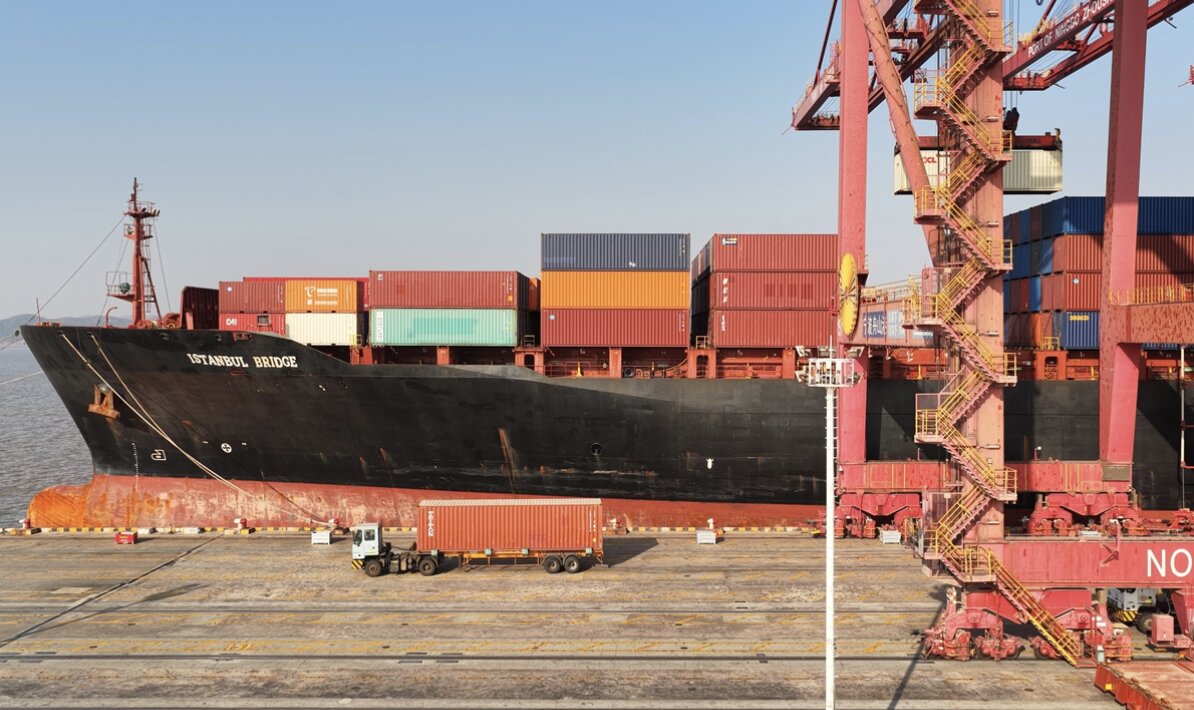
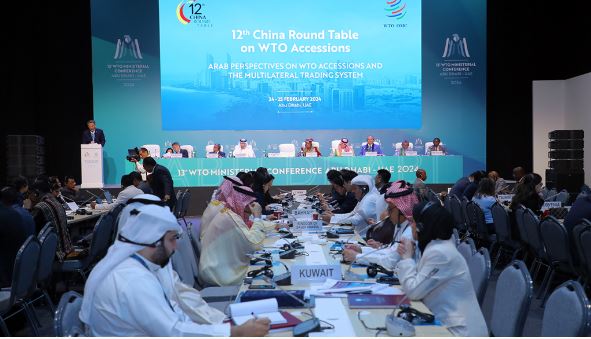
Photo : Emirates 24/7

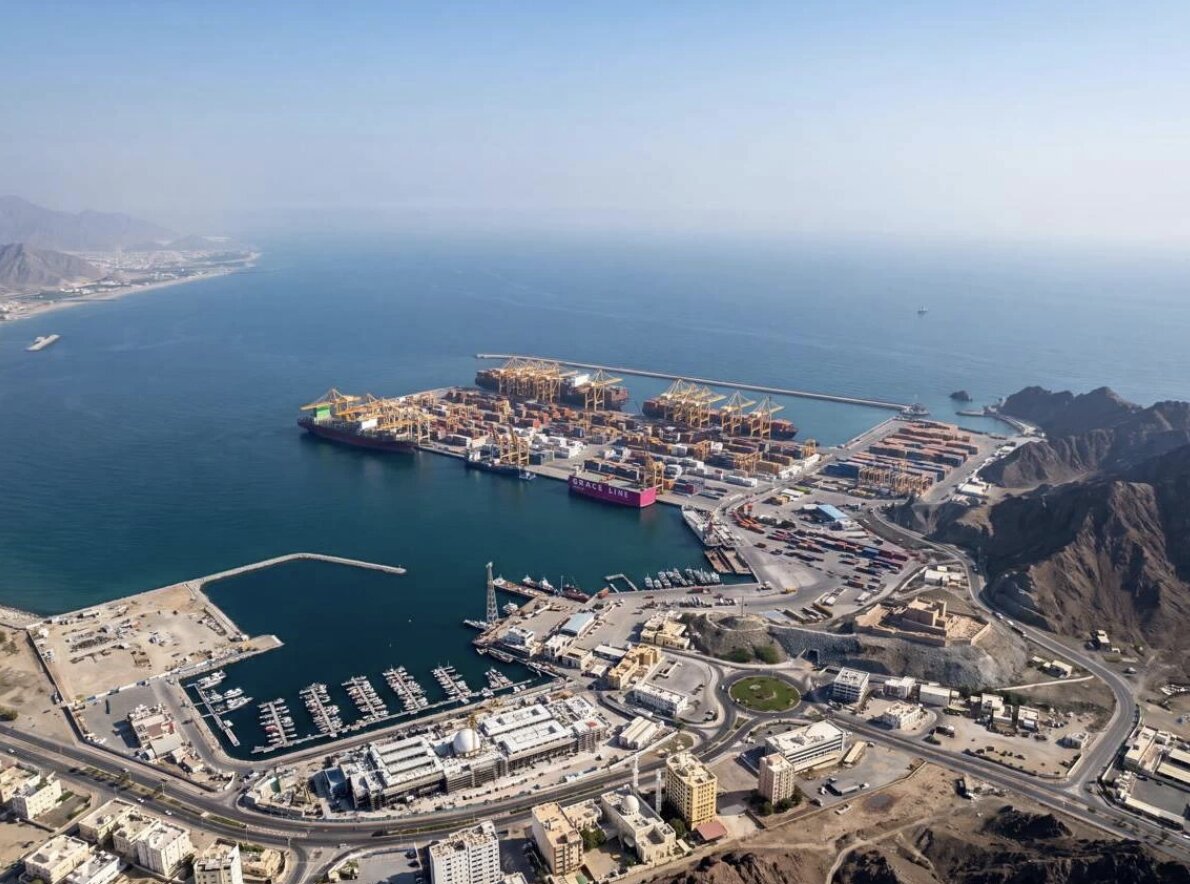
Photo : Emirates 24/7
In Brief
INTERNAL
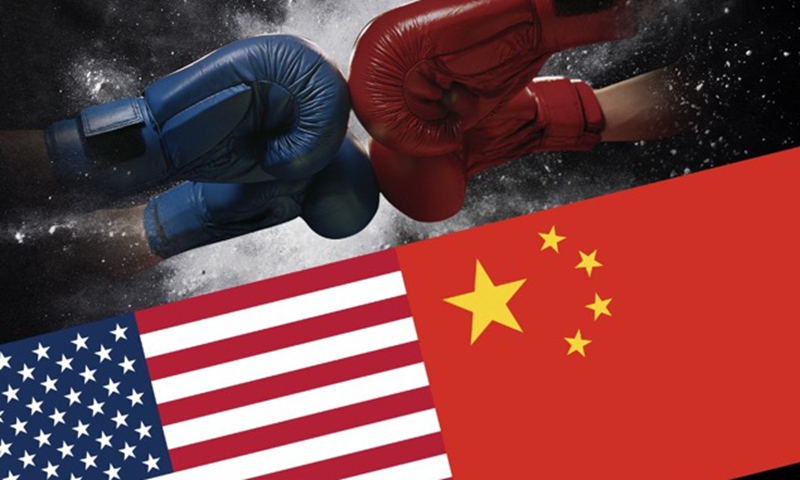
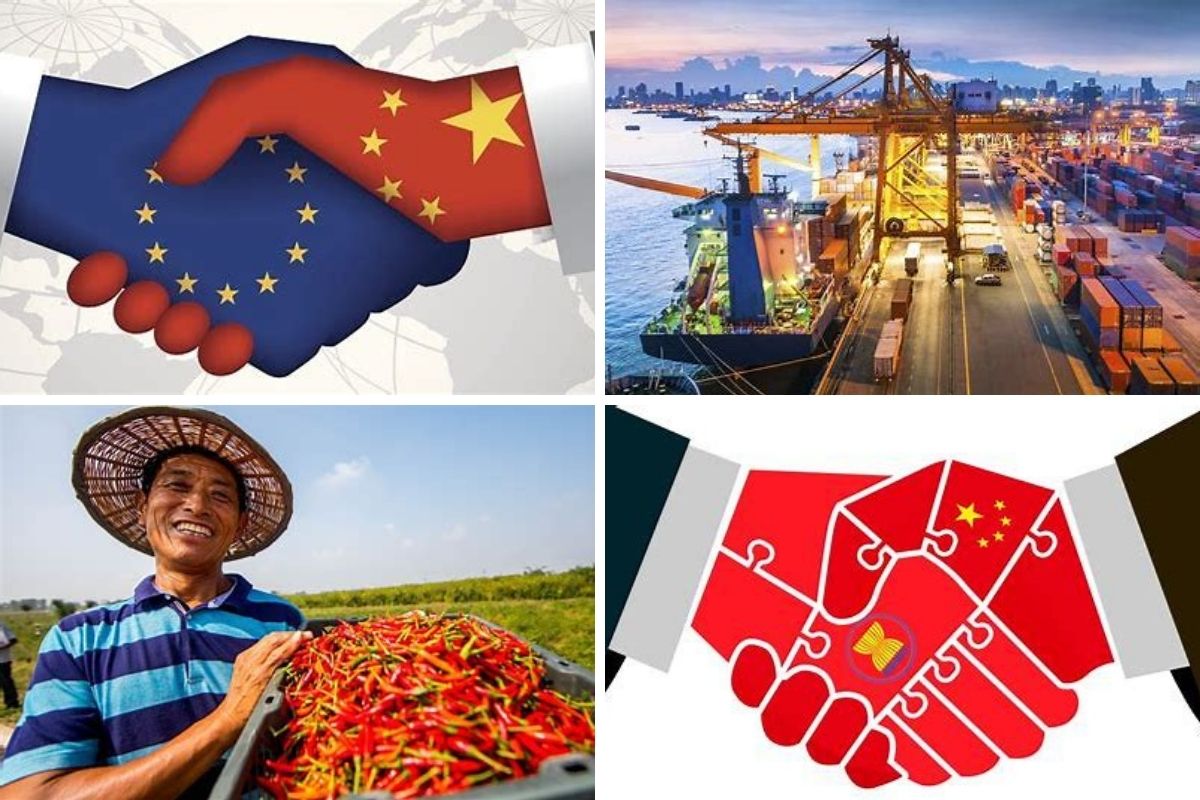
Opinion: "China export surge disguises structural economic weakness,” The Washington Post
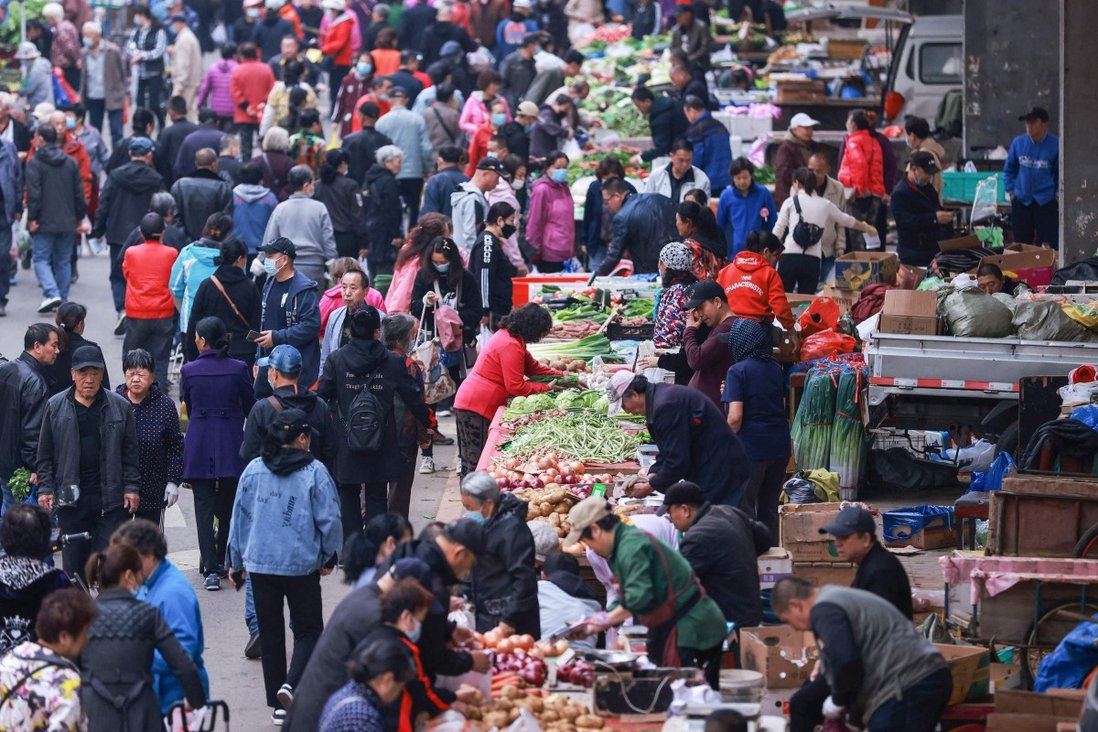
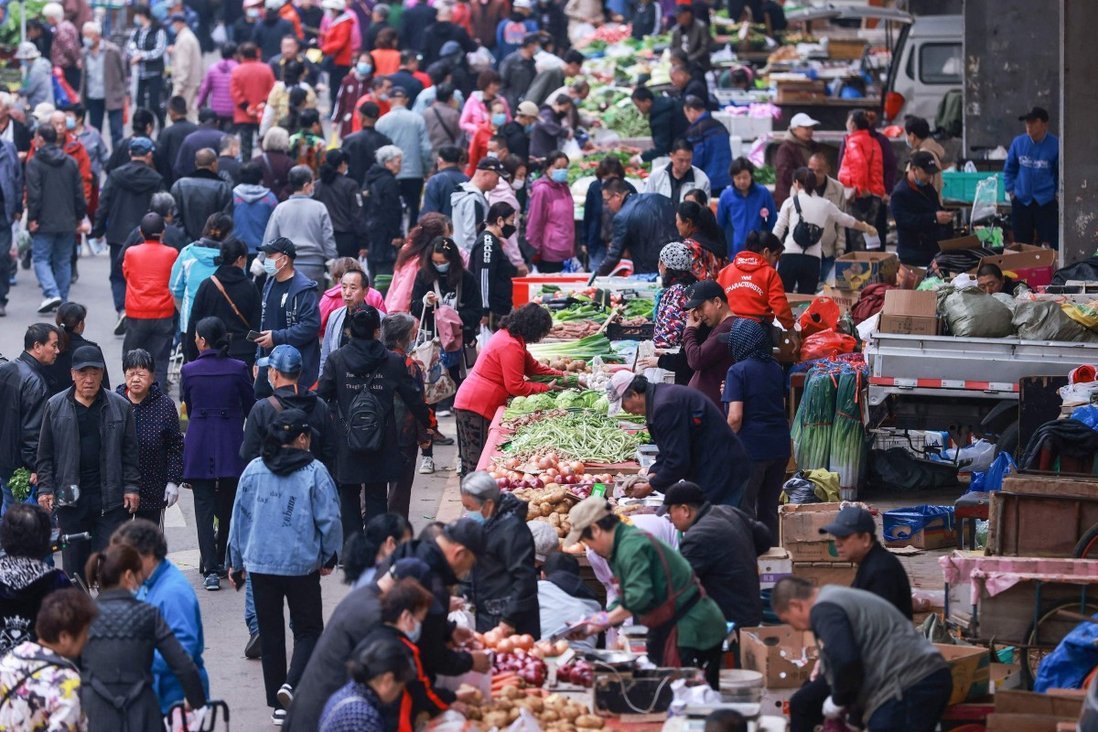
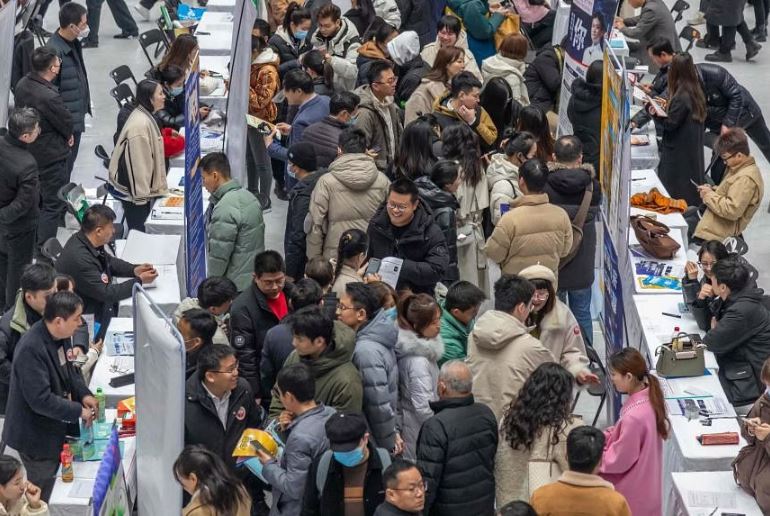
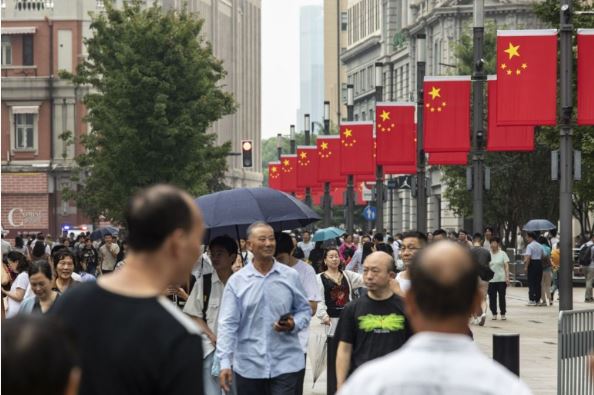
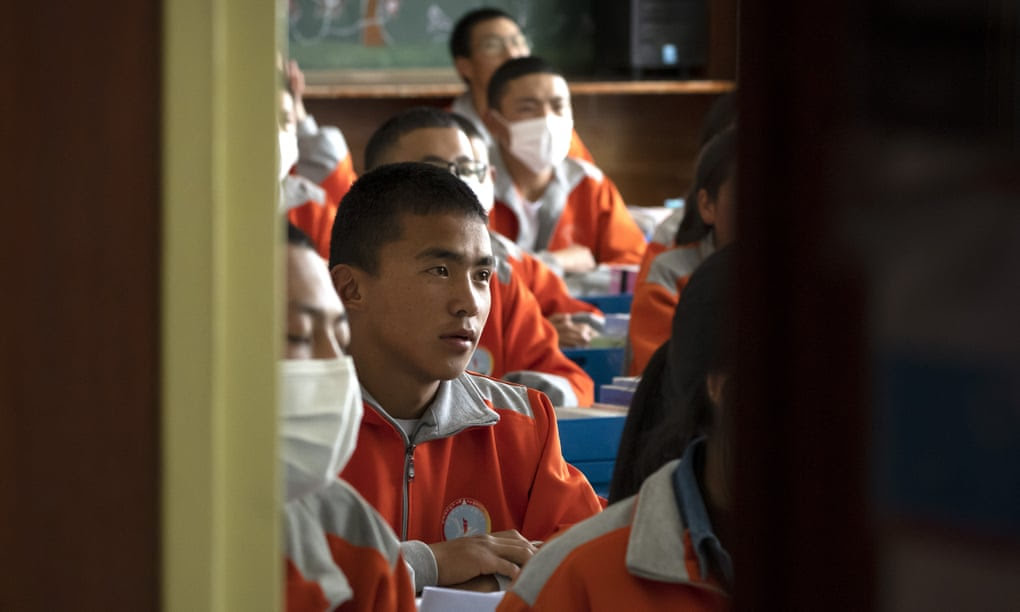
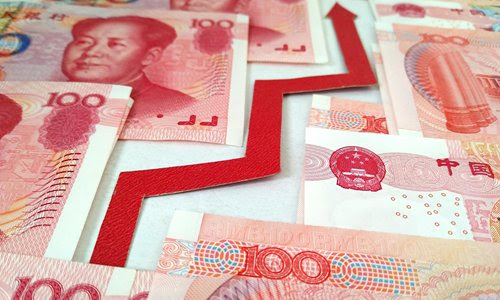
“On the surface, China is on track for another year with a trade surplus topping $1 trillion. Exports surged last month by 24 per cent year-over-year, according to data published Friday. But the domestic economy is showing prolonged weakness. China’s growth dropped to 4.3 per cent in the second quarter of 2026, the lowest in three years, even according to the government’s suspect accounting. Home prices have slumped, and developers and local governments are reeling under piles of debt. Youth unemployment has remained stubbornly around 15 per cent.”
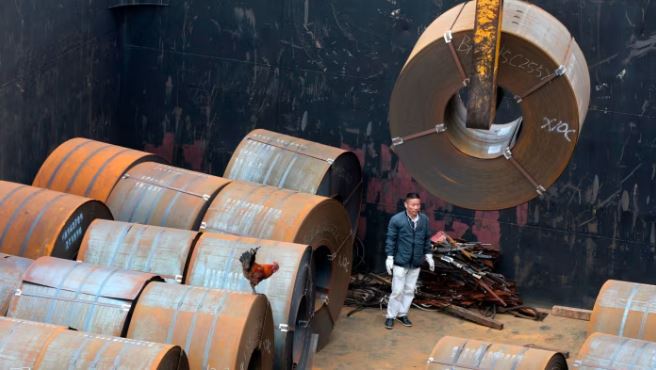
“With weak consumer demand at home, China subsidizes global exports to gin up growth. Makers of electric vehicles, steel companies and other industries receive access to cheap loans, tax breaks, free or inexpensive land at government-run industrial parks, and sometimes direct grants.”
ENERGY AND ENVIRONMENT
Typhoon Dolphin sparks severe flood alerts and temporary closures across central China
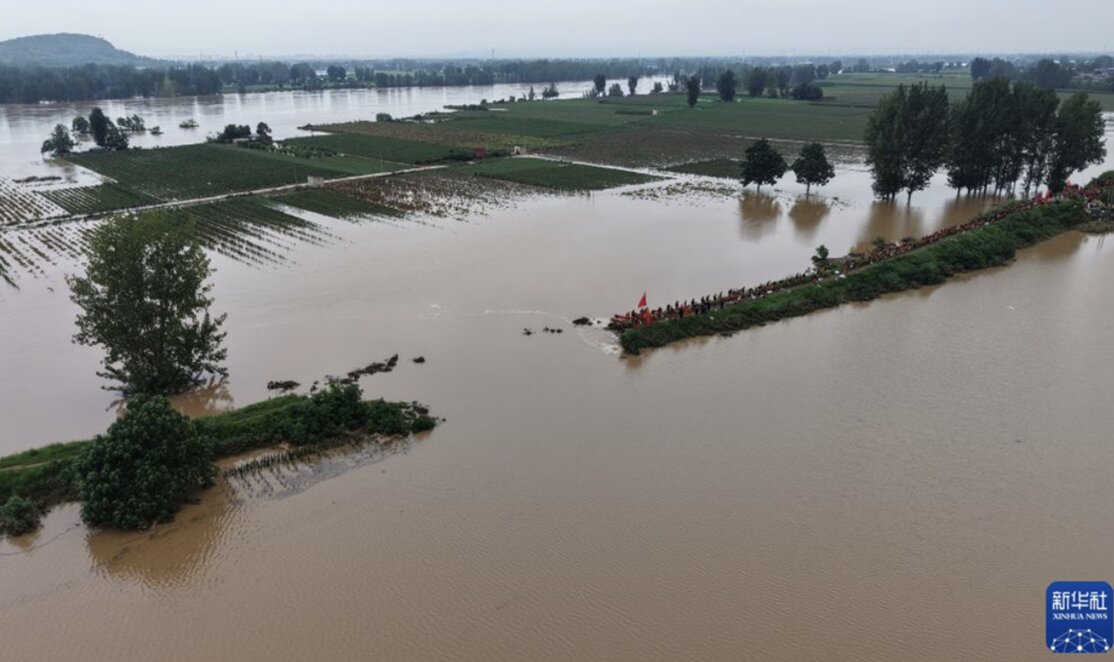
On 11 August, Reuters reported that Typhoon Dolphin, the strongest typhoon to hit China this year, travelled nearly 6,000 kilometres across a resilient storm system before making landfall deep into the central, mountainous province of Hubei. The storm has prompted forecasters to issue an orange rain alert, warning that the province's northwestern region could receive up to 250 mm of rain within 24 hours. It comes as peripheral airflow hits the western mountains and intensifies the rainfall multiple times. The severe weather places a heavy burden on Hubei, a major auto and electronics manufacturing hub of 58 million people that was already struck last month by two rare, deadly tornadoes from Typhoon Maysak. In response to the high risk of flooding and landslides, Hubei authorities issued yellow warnings for major cities like Xiangyang, Huanggang, and Suizhou, suspended 26 high-risk highway and waterway construction projects, and closed popular tourist sites, including the Three Gorges Dam in Yichang. Furthermore, the storm's massive reach is drawing moisture northward, prompting a red flash-flood alert in the neighbouring Henan province. It has also forced four outlying districts in Beijing that are located over 1,000 kilometres away to activate Level I emergency flood responses.
(“Typhoon Dolphin's vast storm system pushes inland, threatens central China,” Reuters, 11 August 2026)
https://www.reuters.com/business/environment/typhoon-dolphins-vast-storm-system-pushes-inland-threatens-central-china-2026-08-11/
SCIENCE AND TECHNOLOGY
China raises 28 trillion in capital markets to fund strategic tech race with the US
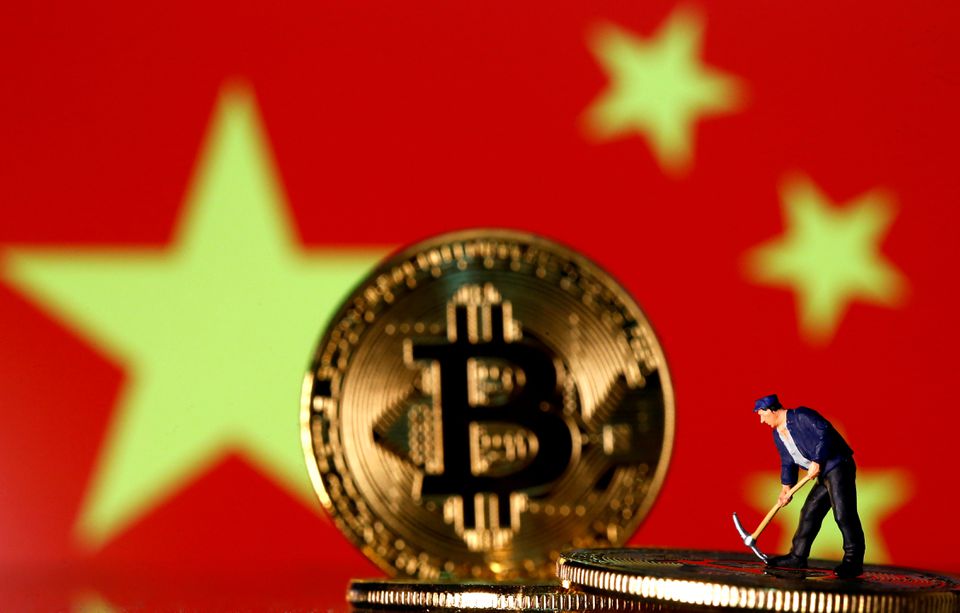
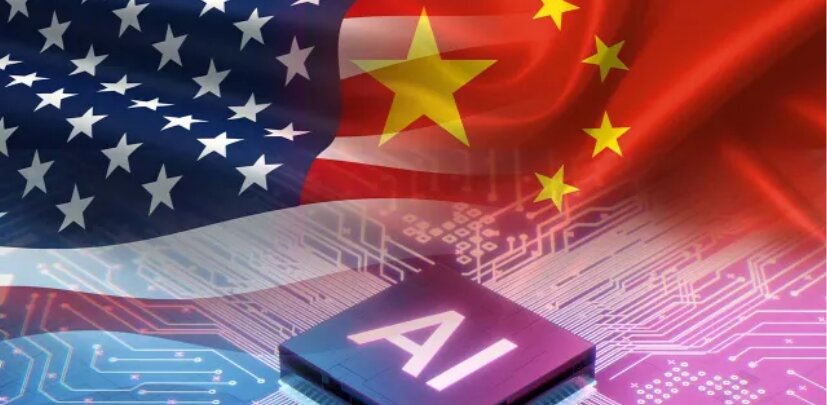
On 10 August, Quartz reported that China is shifting its technology competition strategy with the United States by utilising its USD 28 trillion stock and bond markets to fund strategic industries. They are doing so while aiming to close a funding gap where US firms lead by over six to one. China now forces private and institutional investors to fund its tech sector, instead of relying solely on direct state subsidies and tax incentives, reducing the financial burden on the government's budget. As tech giants from China are paying an average interest rate of just 1.9 per cent on their bonds, they can borrow money much more cheaply than their US rivals, whose borrowing costs are significantly higher. Memory chipmaker CXMT Corp. exemplified this approach by raising USD 8.6 billion, marking the largest mainland China semiconductor IPO on record and becoming China's most valuable onshore company by reaching a USD 488 billion valuation, surpassing the Industrial and Commercial Bank of China. However, the move relied on massive state intervention and left the firm with less capital than its potential market value. By creating streamlined pathways like the "preliminary review" pilot, China can rapidly pump billions of dollars into critical areas like semiconductor chips and AI, speeding up its timeline to achieve technological independence from the West. Despite risks involving reliance on policy-driven sentiment over fundamentals, tech firms from China are increasingly leveraging this method, with AI companies like Z.AI, MiniMax, and Moonshot AI preparing for domestic listings.
(“China is using its own stock market to fund its race for AI chip dominance,” Quartz, 10 August 2026)
https://qz.com/china-capital-markets-ai-chip-race-cxmt-ipo-081026
CHINA AND SPACE
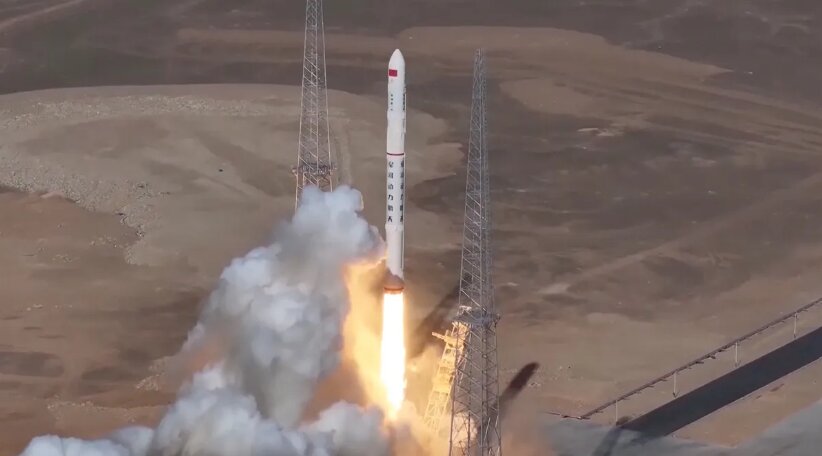
China’s Long March 7A explodes after liftoff; Marks the second explosion in six years
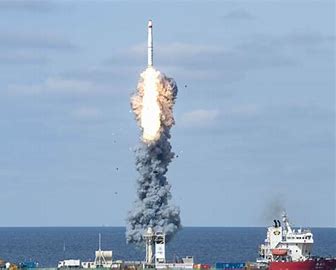
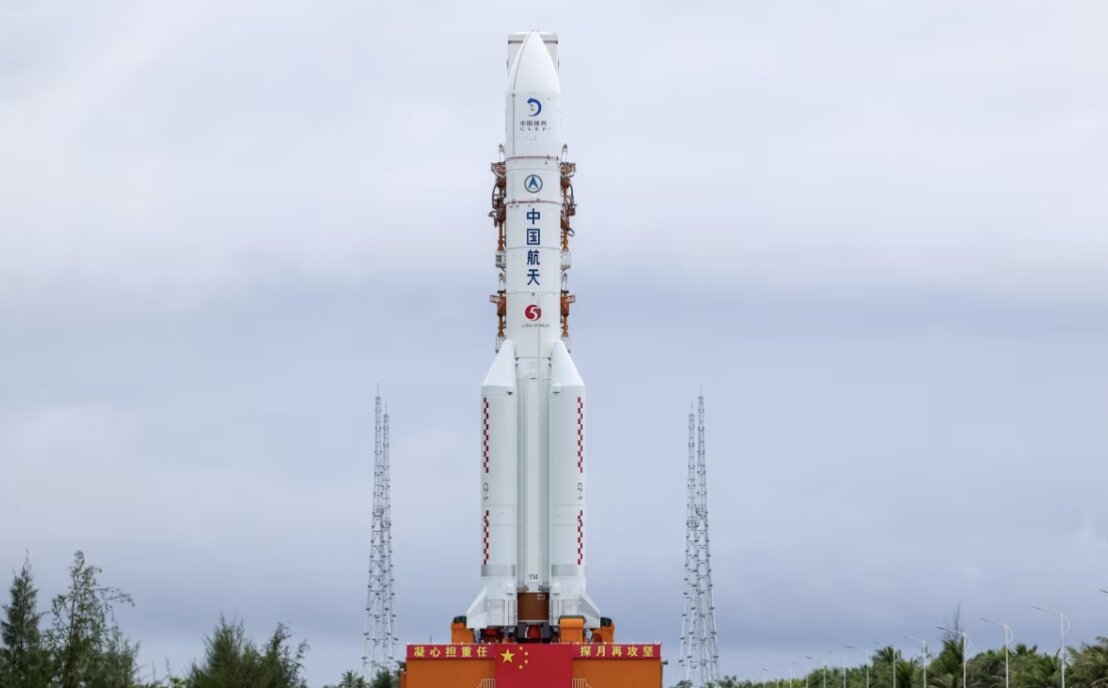
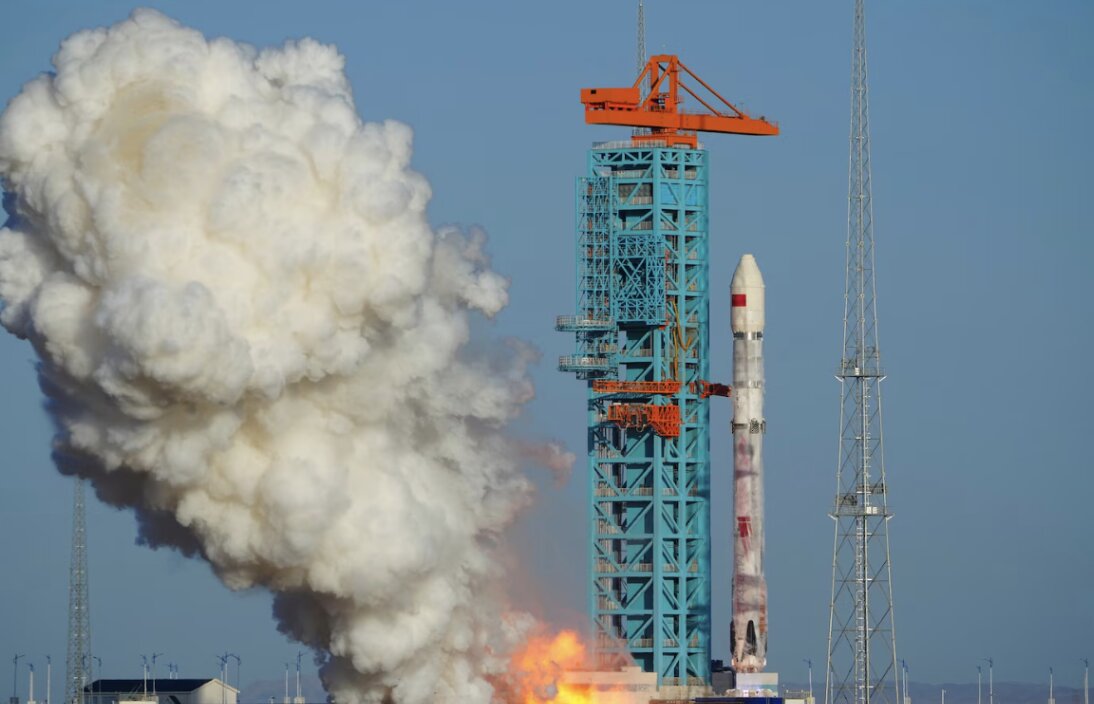
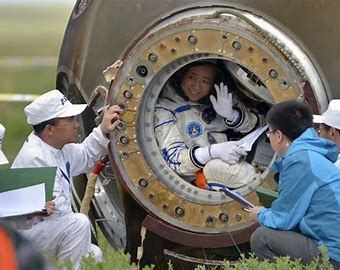
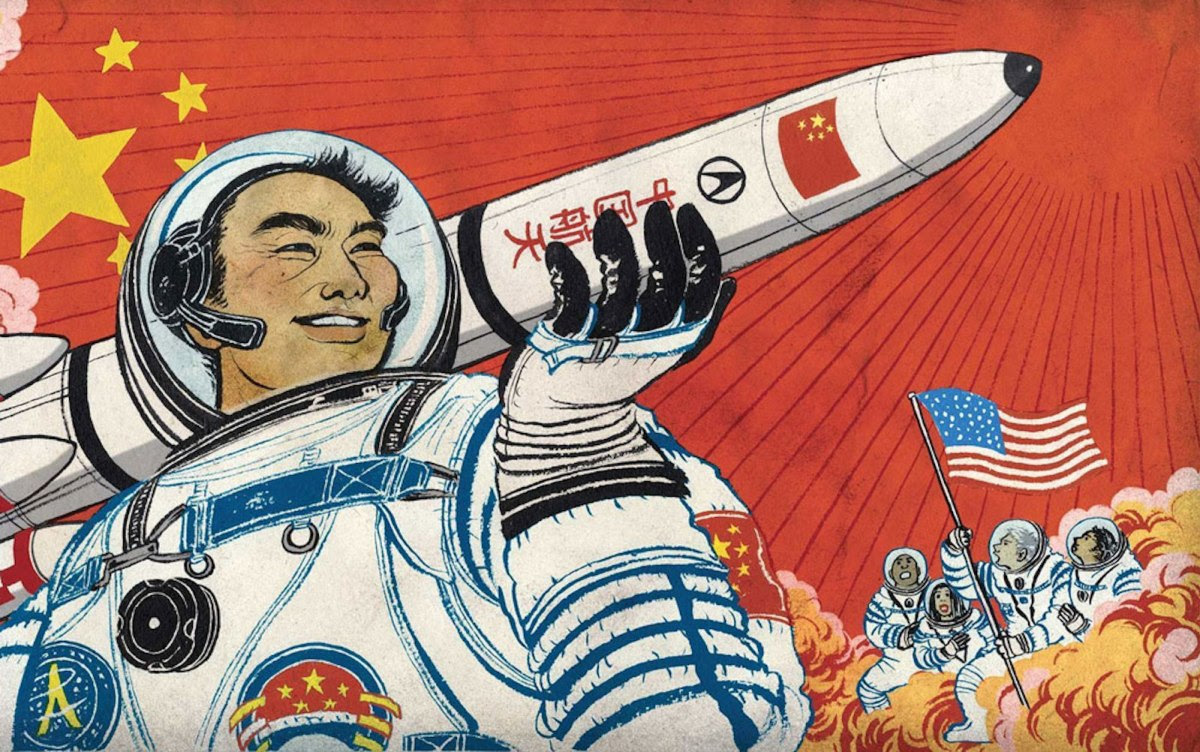
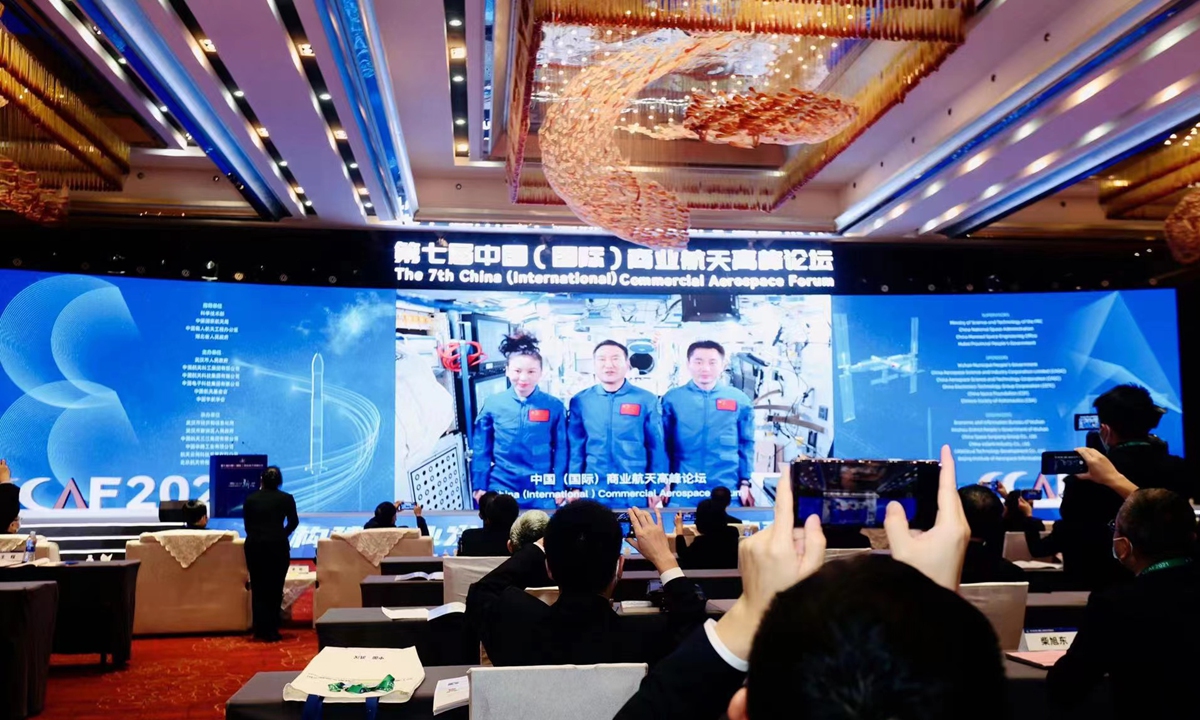
On 10 and 11 August, Space.com and SCMP reported that the state-owned China Aerospace Science and Technology Corporation (CASC) Long March 7A rocket exploded 85 seconds after liftoff from the Wenchang Space Launch Site on 10 August. The explosion completely destroyed its Zhongxing-4B communications satellite payload. This incident marks the second failure for this specific rocket configuration, as the first failure occurred on 16 March 2020 during its maiden flight. China’s state news agency Xinhua officially stated that the rocket experienced an "anomaly during flight". The CASC has confirmed that the mission was unsuccessful and that the exact cause of the mid-air explosion is currently under active investigation. The incident also triggered an official investigation that could significantly delay upcoming cargo resupply missions to the Tiangong space station.
(“Chinese rocket explodes less than 90 seconds after liftoff,” Space.com, 10 August 2026; “A rare rocket failure led to knock-on effects on China’s space launches. What happened?,” SCMP, 11 August 2026)
https://www.space.com/space-exploration/launches-spacecraft/chinese-rocket-explodes-less-than-90-seconds-after-liftoff
https://www.scmp.com/news/china/military/article/3363574/chinas-long-march-7a-rocket-explodes-after-launch-satellite-lost
DEFENCE
China’s most advanced anti-drone laser spotted above amphibious warfare vessel in South China Sea
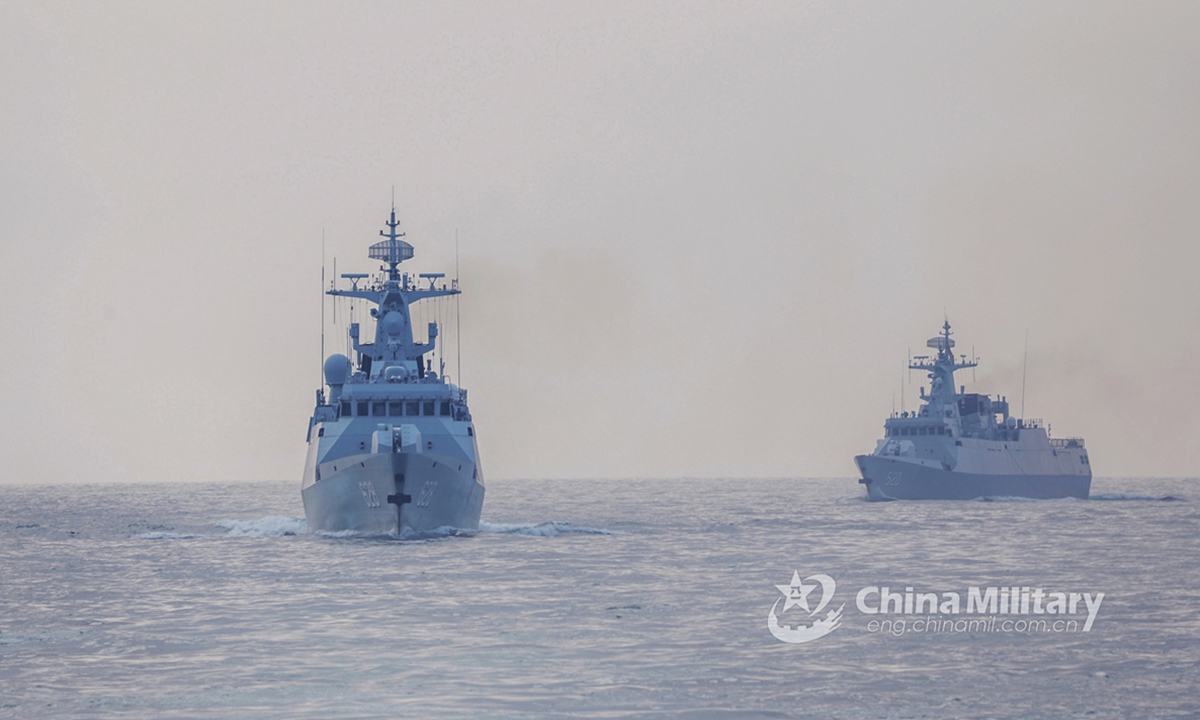
On 10 August, SCMP reported that China had deployed its most advanced anti-drone laser above a Type 071 “Qilianshan” amphibious landing vessel in the South China Sea. The Liaoyuan-1 (LY-1) was seen behind the Qilianshan’s 76mm dual-purpose gun. The LY-1 was showcased for the first time during last year’s Victory Day military parade and is tasked with close-range interception of incoming missiles and drones. The People’s Liberation Army’s Navy and Air Force (PLAN, PLAAF) were holding joint air and naval drills in the Scarborough Shoal of the South China Sea as part of the 99th anniversary of the PLA. The Qilianshan is the second Type 071 vessel to be spotted with the LY-1, after the Simingshan was seen with it last October. Experts and analysts claim that the LY-1 on an amphibious warfare ship indicates that China wants to send a “more forceful message,” after tensions flared in the South China Sea between Beijing and Manila last month. The deployment also comes after a US aircraft carrier, USS George Washington, was seen in the South China Sea last month as well.
(“Powerful anti-drone laser spotted on PLA amphibious ship in South China Sea,” SCMP, 10 August 2026)
https://www.scmp.com/news/china/military/article/3363564/powerful-anti-drone-laser-spotted-pla-amphibious-ship-south-china-sea
CHINA AND SOUTHEAST ASIA
Thailand proposes three-point plan to reduce trade deficit with China
On 11 August, The Nation reported that Thailand proposed three measures to address and reduce the trade deficit with China. The projected deficit for the 2016-2026 period is expected to breach USD 374 billion (12.41 trillion Baht). Deputy Prime Minister and Commerce Minister Suphajee Suthumpun stated that Thailand proposed a “co-creation” approach, where it advocated for less reliance on imported Chinese materials and components. She added that she proposed the measures with China’s Vice Premier He Lifeng on the sidelines of the APEC meeting in China in May 2026. The three proposals are to increase the usage of local components and materials, open China’s e-commerce channels for Thailand’s Small and Micro Enterprises (SMEs) and invest in Thailand’s agricultural processing sector.
(“Thailand seeks three-way plan to narrow China trade deficit,” The Nation, 11 August 2026)
https://www.nationthailand.com/business/trade/40069639
Cambodia's Health Minister holds ceremony for China’s traditional medicine practitioners for a year-long mission
On 11 August, The Khmer Times reported that Cambodia’s Health Minister, Professor Chheang Ra, presided over a ceremony to present medals to a team of Chinese traditional medicine specialists from Chengdu, Sichuan province, for completing a year-long medical mission in Cambodia. China’s ambassador to Cambodia, Wang Wenbin, was also present for the ceremony. The Chinese medical team provided direct services to over 11,000 patients across 20 capital and provincial areas. Minister Ra expressed his thanks and gratitude to China’s government and the relevant institutions for their support and cooperation.
(“Chinese Ambassador, Health Minister honour traditional Chinese medicine team completing Cambodia mission,” The Khmer Times, 11 August 2026)
https://www.khmertimeskh.com/501995776/chinese-ambassador-health-minister-honour-traditional-chinese-medicine-team-completing-cambodia-mission/
CHINA AND SOUTH ASIA
China objects to India’s decision to formally assign names to 27 places in Arunachal Pradesh
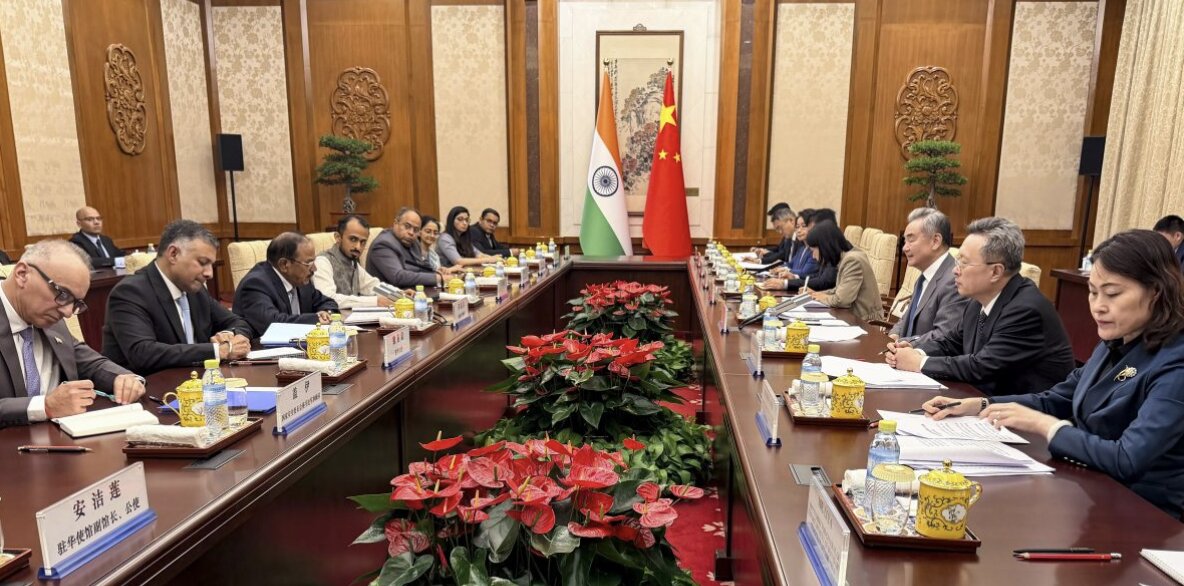
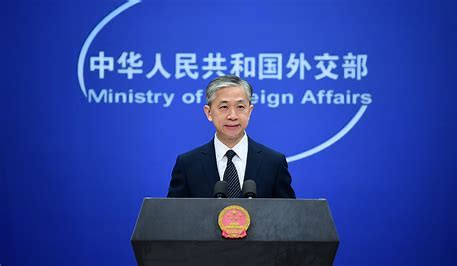
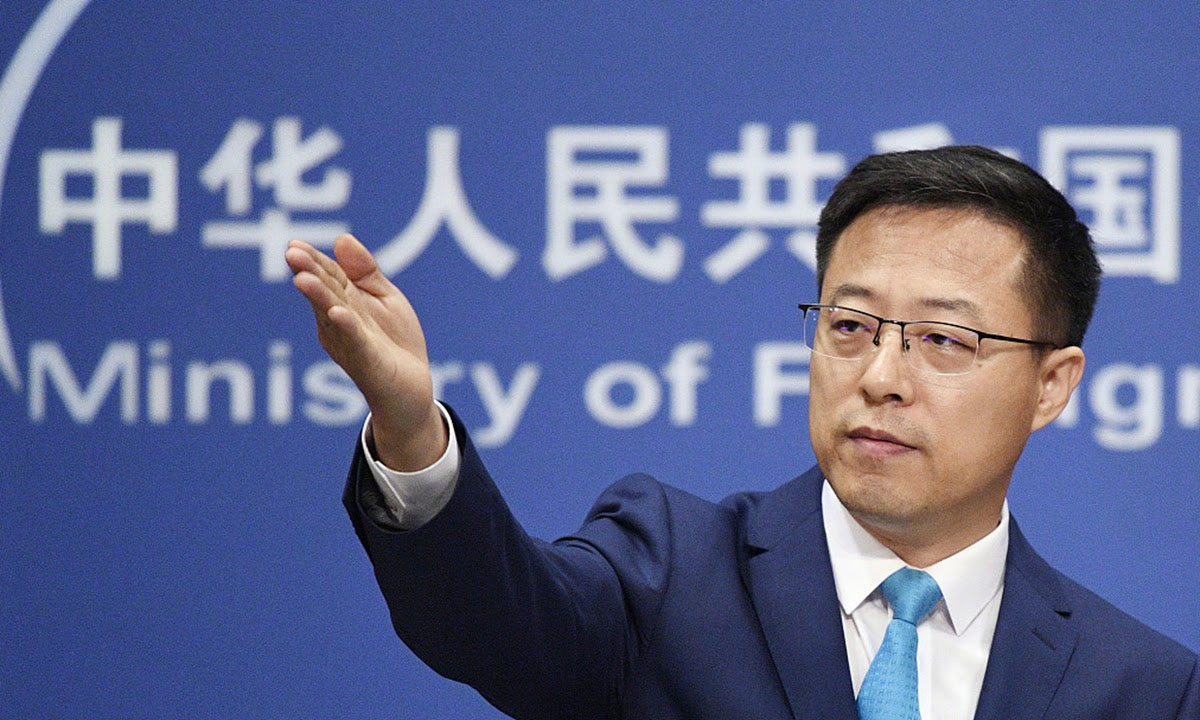
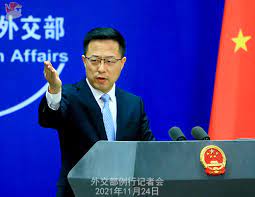
On 10 August, Deccan Herald reported that in response to India's decision to formally assign names to 27 places and features in Arunachal Pradesh, China opposed and stated it intends to replace the names used in South Tibet. China's Ministry of Foreign Affairs called this decision illegal and invalid and claimed that it would change the fact that South Tibet belongs to China. The Ministry also stated its non-acceptance of Arunachal Pradesh as a state of India. Recently, New Delhi decided to assign standardised names for 27 places and geographical features in Arunachal Pradesh. This tension unfolds as the 25th round of boundary negotiations between the special representatives of India and China will be held in the coming month. ("China protests India's map manoeuvre, reasserts claim over Arunachal Pradesh," Deccan Herald, 10 August 2026) https://www.deccanherald.com/india/china-protests-indias-map-manoeuvre-reasserts-claim-over-arunachal-pradesh-4106307
Nepal’s PM meets Chinese ambassador; Calls for strengthened cooperation
On 10 August, Republica reported that Prime Minister Balendra Shah discussed the importance of strengthening Nepal’s historic relations with China with Chinese Ambassador to Nepal Zhang Maoming. They also discussed enhancing development partnership and expanding bilateral cooperation across various sectors. The meeting was held after Prime Minister Balendra Shah’s meeting with Indian Ambassador to Nepal Navin Srivastava.
("PM Shah, Chinese envoy discuss strengthening Nepal-China ties, "Republica, 10 August 2026)
https://myrepublica.nagariknetwork.com/news/pm-shah-chinese-envoy-discuss-strengthening-nepal-china-ties-96-88.html
CHINA AND AFRICA
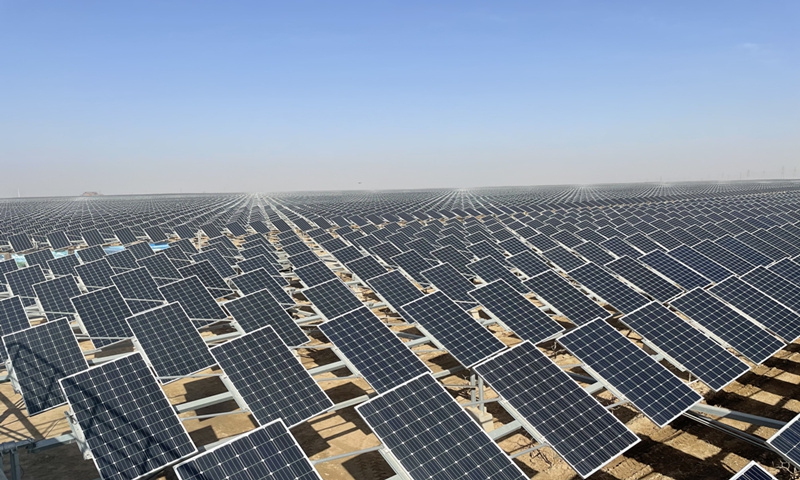
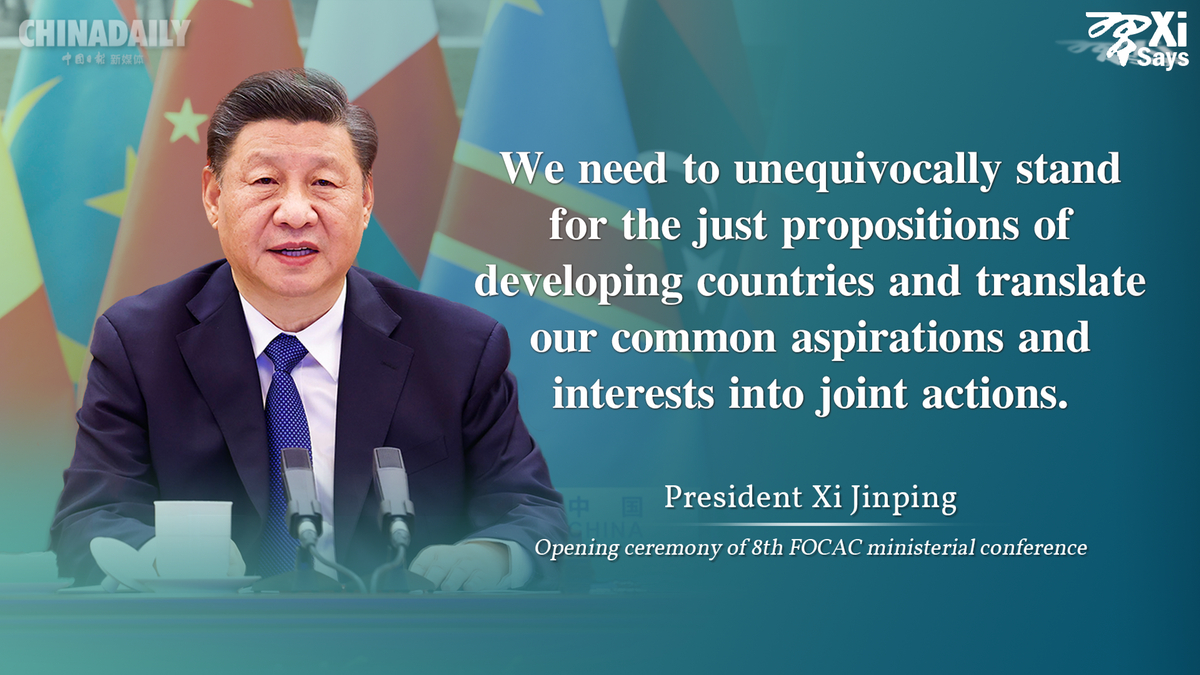
Africa pushes for local solar production amid heavy reliance on Chinese companies
On 10 August, Business Insider Africa reported that, due to rising solar demand, Nigeria, South Africa, Morocco and Ethiopia are planning to expand local solar manufacturing. The current focus is on local assembly. The latest literature shows that Africa is heavily dependent on Chinese imports for high-value solar components. Additionally, between 2010 and 2024, Chinese renewable energy investment and construction projects in Africa reached USD 66 billion. In order to build a local manufacturing base, it requires solar cells, technical skills, finance, electricity and large buyers to sustain the industry. Currently, a one-gigawatt solar manufacturing plan is taking shape in South Africa, Nigeria and Morocco, focusing on panel assembly, and Ethiopia aims to become the global solar manufacturing base. China use this as a production base, and in order to mitigate the effects on China's export policy, the authorities are exploring options to localise production.
("China built Africa’s solar boom, but the continent now wants the factories too," Business Insider Africa, 10 August 2026)
https://africa.businessinsider.com/local/markets/china-built-africas-solar-boom-but-the-continent-now-wants-the-factories-too/8nbw70n
CHINA AND THE MIDDLE EAST
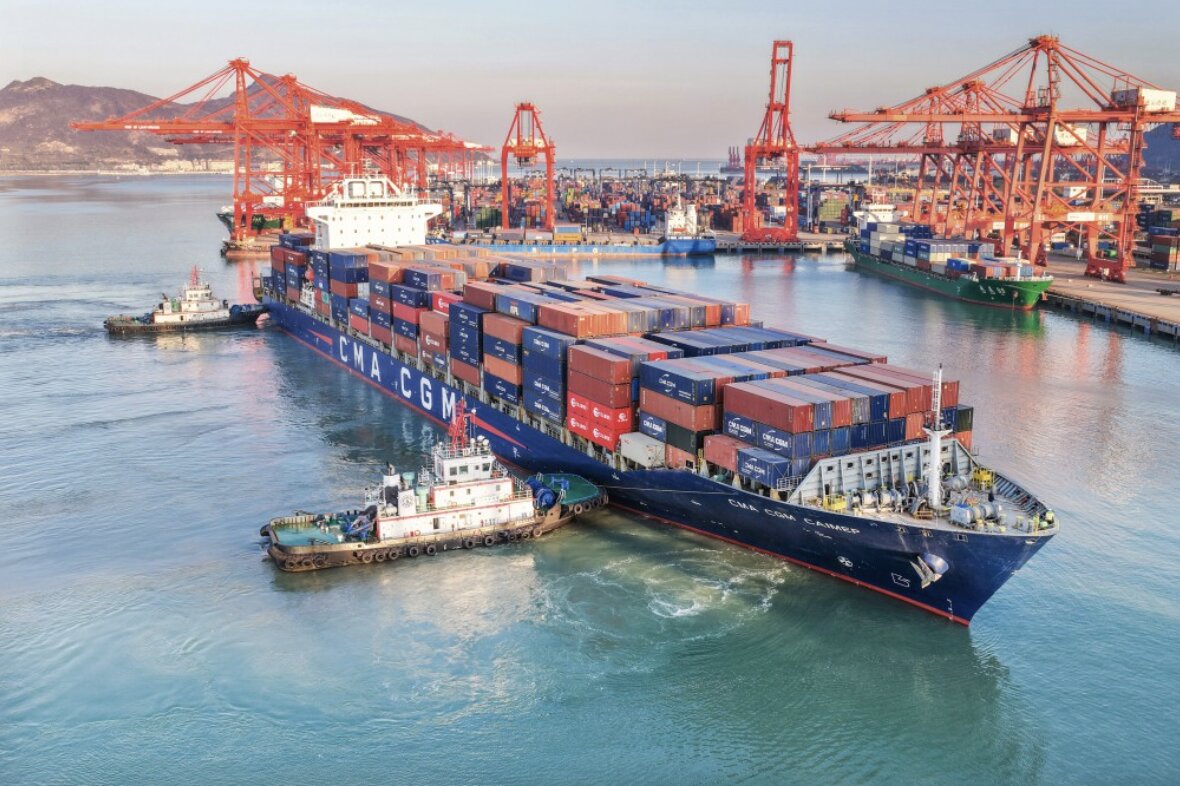
UAE to receive BYD vehicles via new direct logistics corridor
On 09 August, Emirates 24/7 reported that the UAE will receive a shipment of 6,068 new energy vehicles manufactured by Chinese automotive giant BYD through Khorfakkan Port. This new direct maritime shipping route between China's Xiaomo International Logistics Port in Shenzhen and Khorfakkan Port, operated by the Sharjah Ports, Customs and Free Zones Authority, aims to make trade efficient. The news agency reported that the route will minimise potential disruption of vehicles and heavy equipment and ensure supply chain efficiency and reliability. Additionally, they also added that the new route will provide a strategic logistics corridor for Chinese exports to the UAE and the wider Middle East and reduce shipping time by three to five days. ("UAE's Khorfakkan Port to receive record shipment of more than 6,000 BYD electric vehicles from China," Emirates 24/7, 09 August 2026)
https://www.emirates247.com/business/uaes-khorfakkan-port-to-receive-record-shipment-of-more-than-6000-byd-electric-vehicles-from-china/4369
CHINA AND RUSSIA
Satellite imagery shows two Chinese-built pipe racks for LNG2 in the Arctic
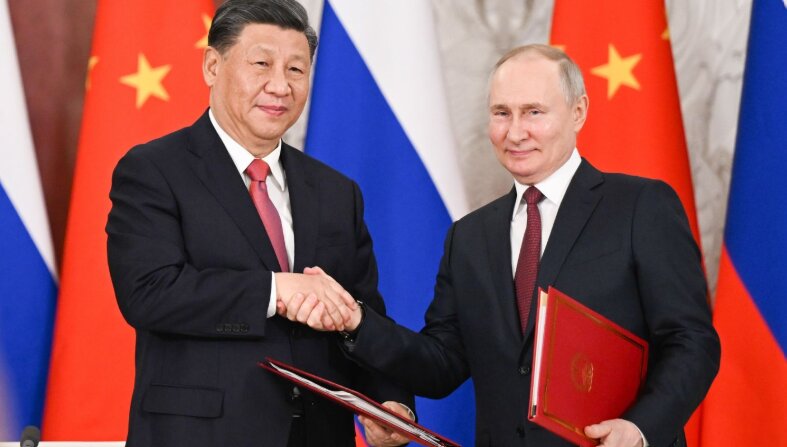
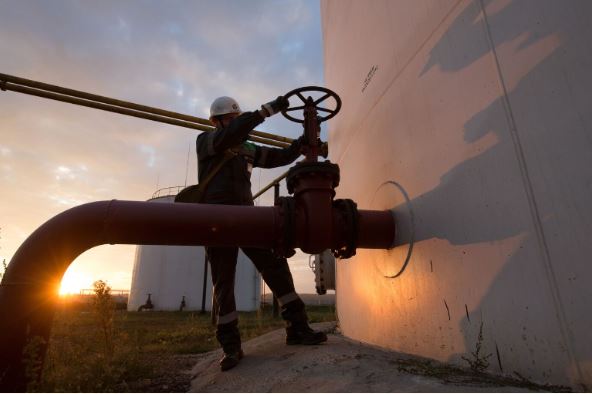
On August 10, High North News reported that satellite imagery confirmed that two Chinese-built pipe rack modules arrived at Russia’s Belokamenka yard and were positioned next to the unfinished concrete gravity-based structure (GBS) intended for Arctic LNG 2’s third production train. The latest literature suggests that this delivery illustrates that industrial links between Moscow and Beijing persist despite Western sanctions, which previously halted work on the train's 14 required modules. However, analysts also predict that the overall yard inactivity indicates no immediate resumption of full-scale construction. Operator Novatek is currently prioritising securing sufficient LNG tanker capacity for existing production over completing the third train, given impending European Union import restrictions.
(“Satellite Imagery Sheds New Light on China-Built Module Delivery for Russia’s Arctic LNG 2,” High North News, 10 August 2026)
https://en.highnorthnews.com/politics/satellite-imagery-sheds-new-light-on-china-built-module-delivery-for-russias-arctic-lng-2/1115970
CHINA AND EUROPE
Chinese component found in Royal Navy drones; Investigation concludes no data leak
On August 11, the BBC reported that during a routine cyber vulnerability assessment, the Ministry of Defence (MoD) discovered that cameras on the Royal Navy’s new K3 Scout surveillance drones contained a Chinese-made component. The component transmitted a "heartbeat" signal to a Chinese IP address, raising spying concerns since NATO nations banned Chinese military hardware. However, an MoD investigation confirmed no sensitive data or systems were compromised. The supplier Kraken clarified that a third-party camera vendor included the part. The security vulnerability has been resolved, highlighting the defence sector's ongoing challenge to eliminate reliance on dominant Chinese supply chains.
(“No evidence of data breach after Chinese-made component found in Navy drones, MoD says,” BBC, 11 August 2026)
https://www.bbc.com/news/articles/c4gwl3n7ne7o
CHINA AND THE AMERICAS
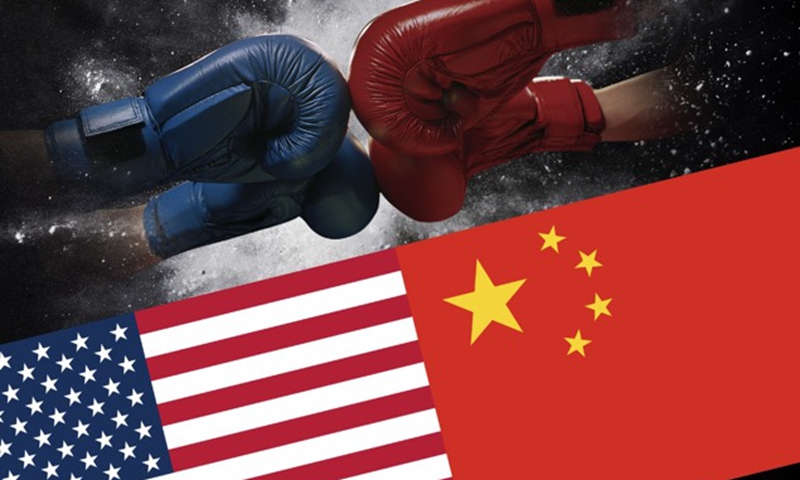
Beijing retaliates with anti-dumping levies on US and Mexican pecans
On August 10, SCMP reported that China’s Ministry of Commerce issued a preliminary anti-dumping ruling against imported pecans from the United States and Mexico, citing significant harm to domestic producers. Chinese authorities found that dumped pecan imports surged by 104.5 per cent while consistently undercutting domestic market prices. In response, Beijing imposed provisional cash deposits of 54.3 per cent on American exporters and up to 51.6 per cent on Mexican firms. However, six cooperating Mexican companies secured reduced rates between 17.8 per cent and 23 per cent. Because no US producers participated in the investigation, all American exporters received the maximum duty. Launched in September 2025, Beijing's probe is widely viewed as retaliation against Mexico’s earlier 50 per cent tariff hikes on Chinese goods, a policy that is widely regarded as being implemented under heavy pressure from Washington to prevent Mexico from serving as a transhipment route for Chinese products entering the US market.
(“China hits US, Mexican pecans with preliminary anti-dumping curbs,” South China Morning Post, 10 August 2026)
https://www.scmp.com/economy/global-economy/article/3363556/china-hits-us-mexican-pecans-preliminary-anti-dumping-curbs

















































.png)
.jpg)
.jpg)
.jpg)
.jpg)
.jpg)
.jpg)
.jpg)
.jpg)
.jpg)
.png)

.jpg)
.jpg)
.jpg)
.jpg)
.jpg)
.jpg)
.jpg)

.jpg)
.jpg)
.jpg)
.jpg)
.jpg)

.jpg)
.jpg)

.jpg)
.jpg)
.png)
.jpg)
.jpg)
.png)
.jpg)
.jpg)



.jpg)

.jpg)
.jpg)
.jpg)
.jpg)
.jpg)
.jpg)
.jpg)
.jpg)

.jpg)
.jpg)
.jpg)
.jpg)
.jpg)
.jpg)


.jpg)

.jpeg)





.jpeg)