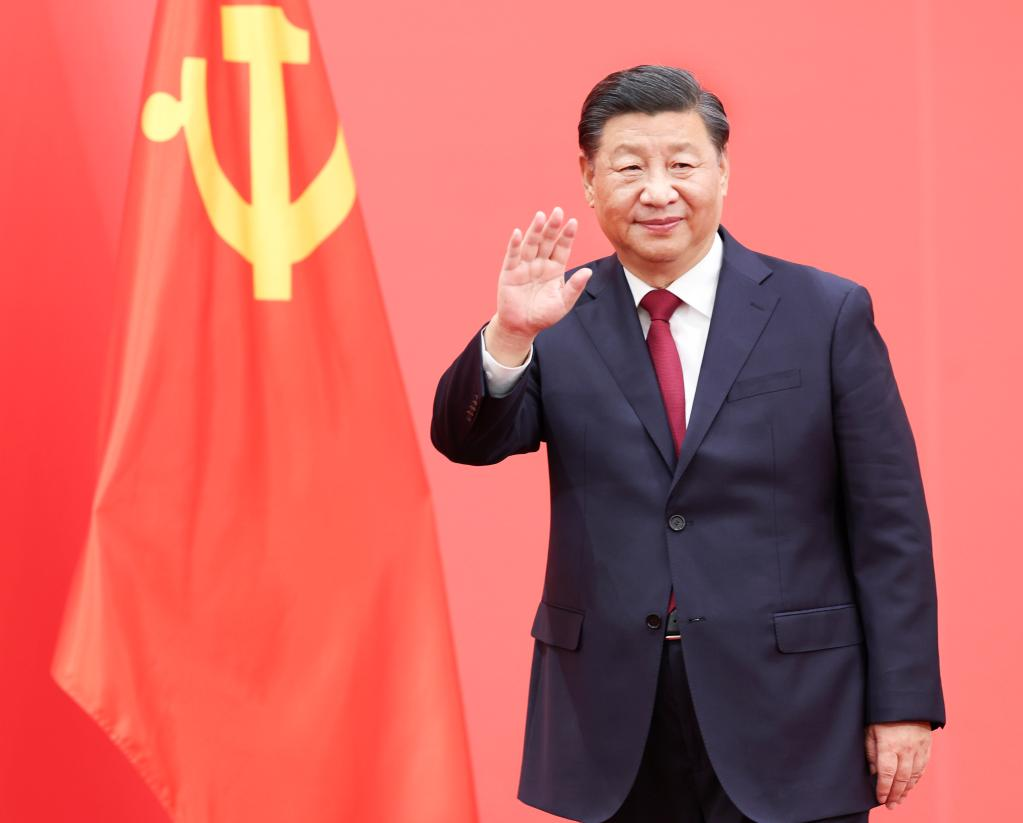
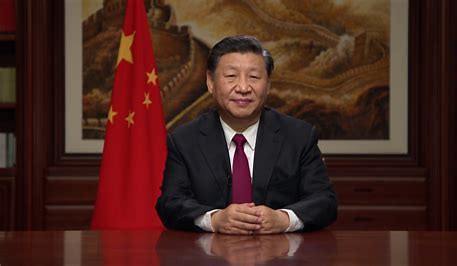
Photo : CCTV
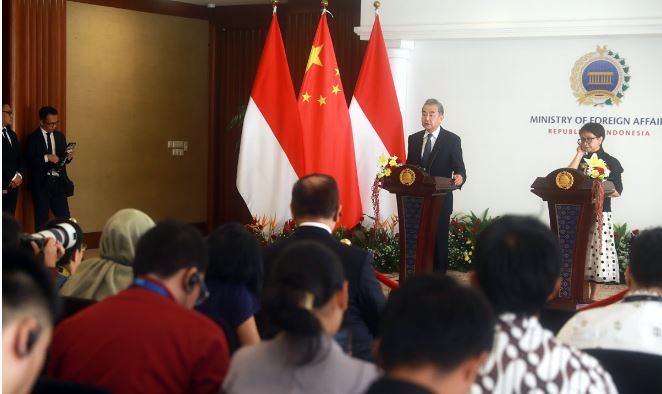
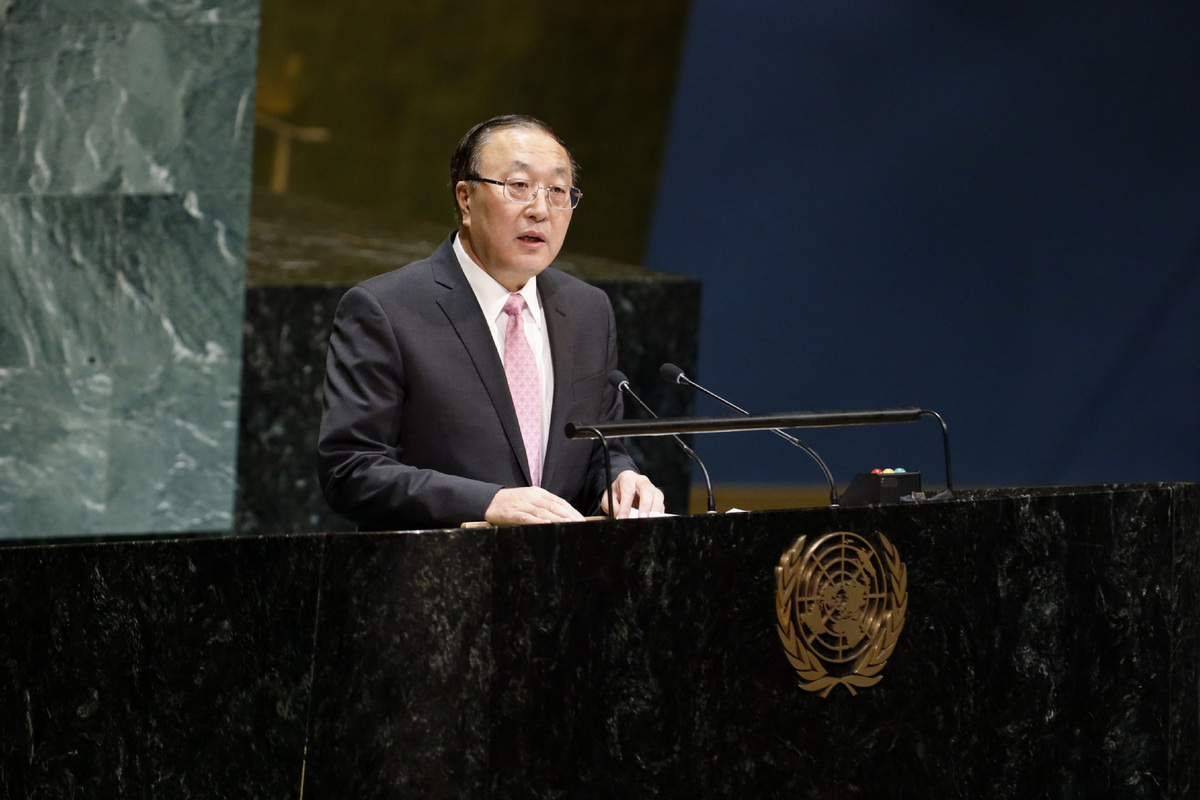
Photo : CCTV
In Brief
INTERNAL
Newly released data notes decrease in inflation, reports Reuters
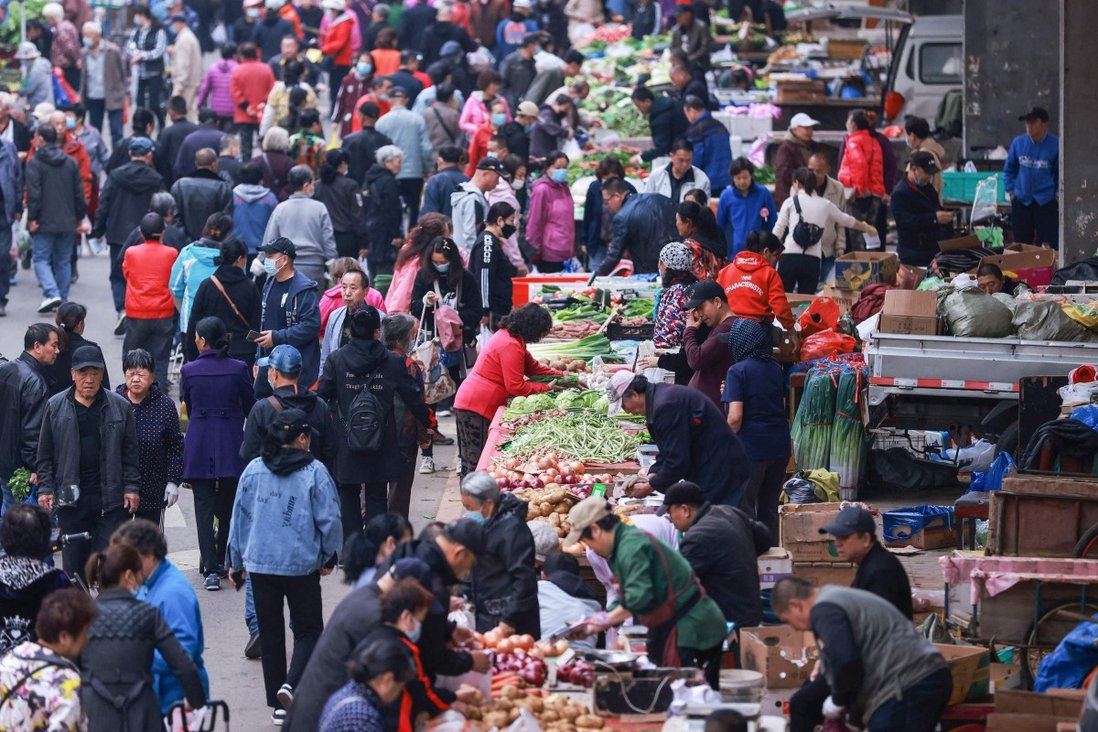
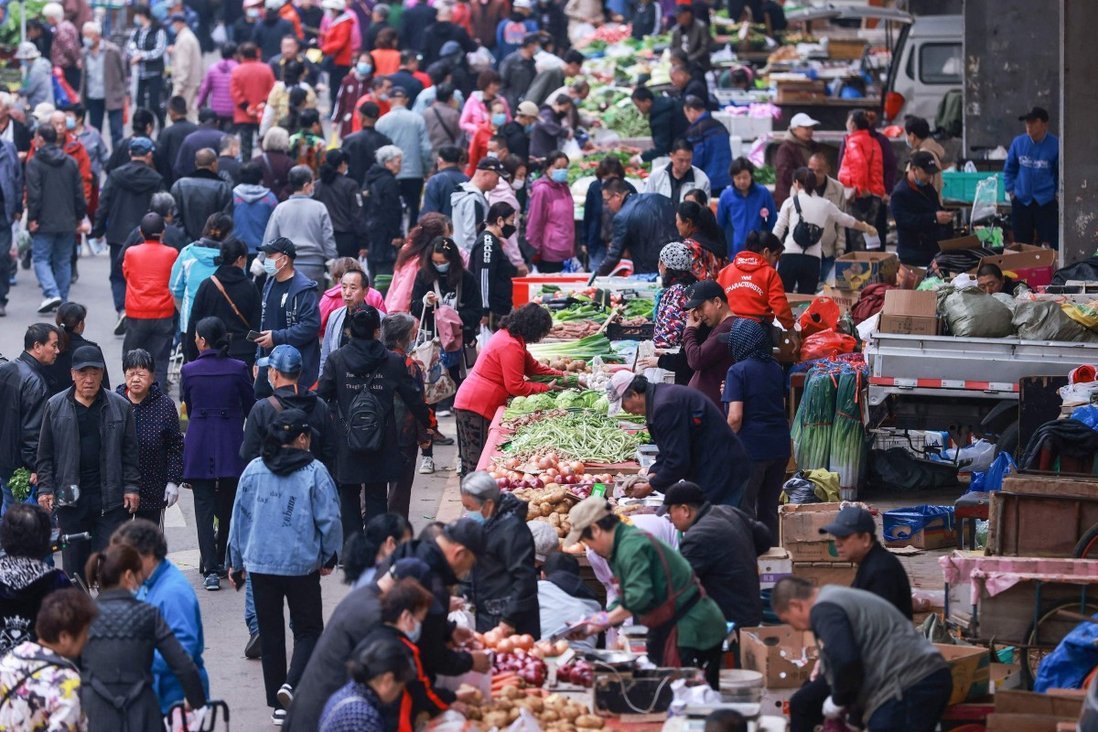
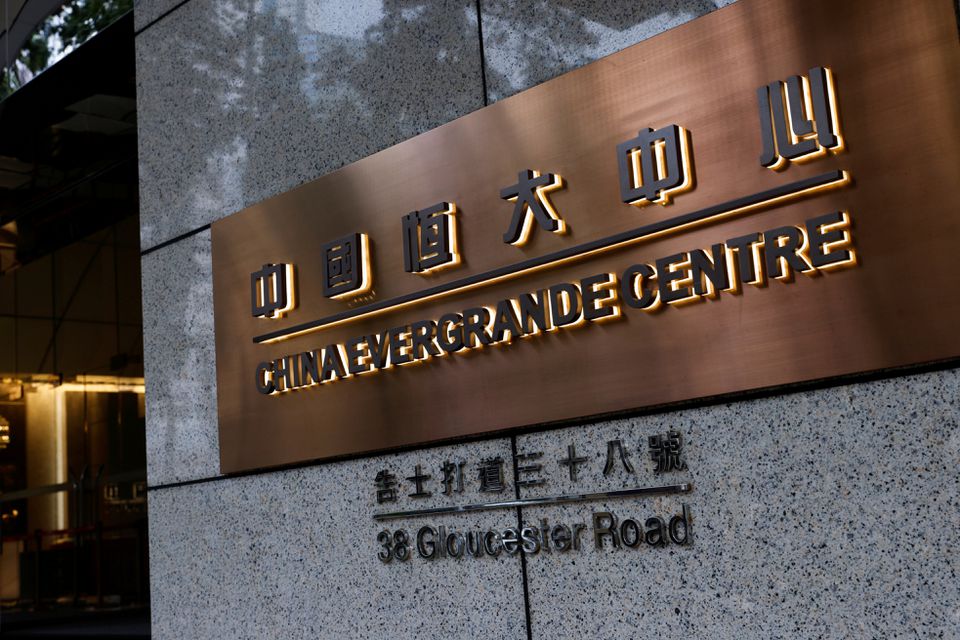
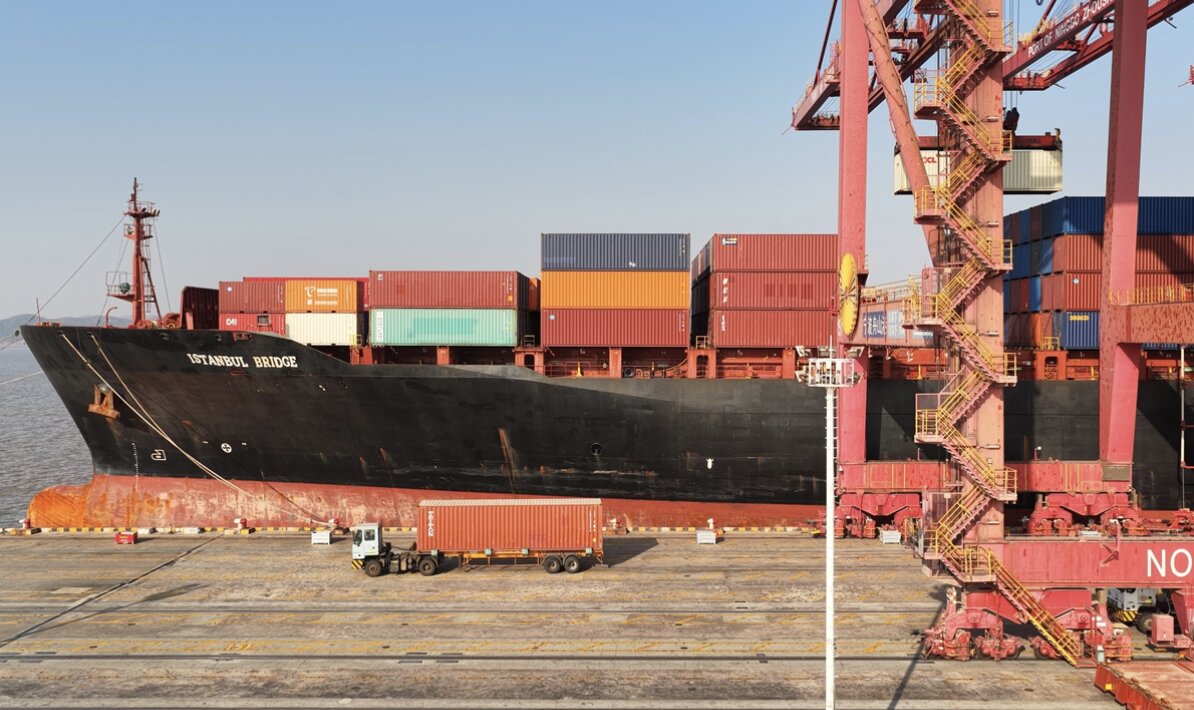
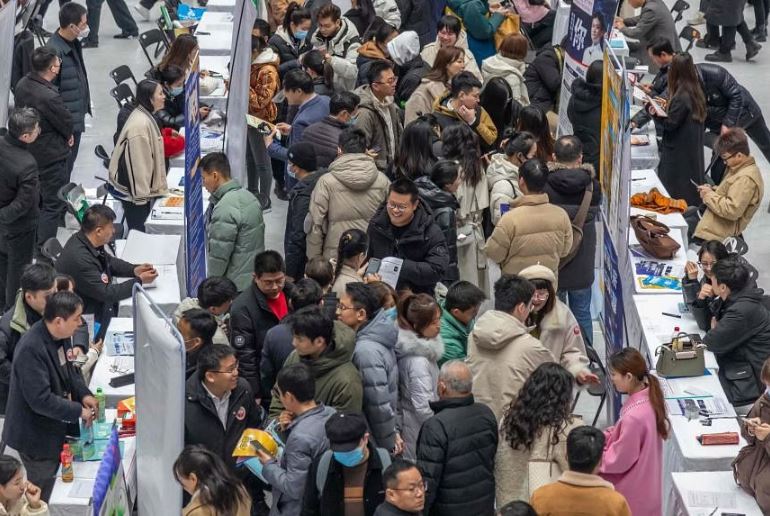
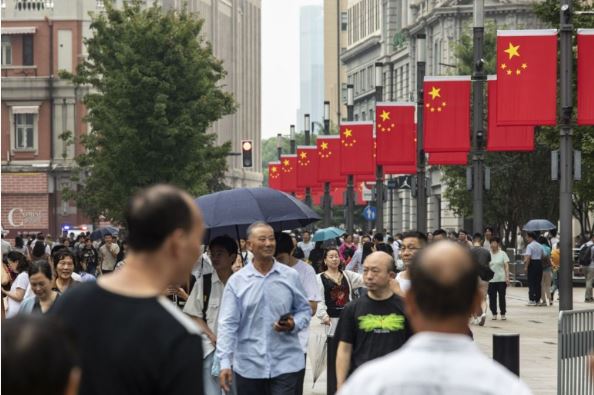
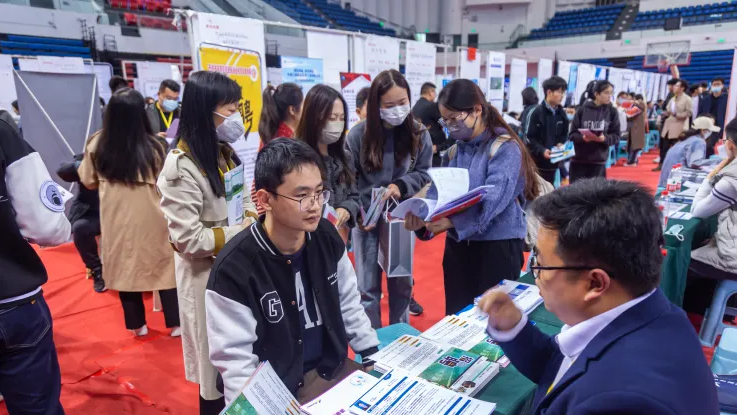
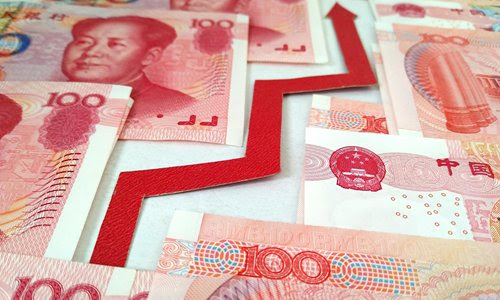
On 09 August, Reuters reported that China's producer price inflation decreased to 3.5 per cent in July, down from 4.1 per cent in June. The consumer price index eased to 0.5 per cent, a six-month low. According to the latest literature, lower oil prices and weak domestic demand stand as the main reasons behind this slowdown. Reuters stated that China's economy is running at two speeds. This includes strong factory output and exports but weak household demand due to the property slump and job insecurity. The Chinese Communist Party had pledged stronger fiscal spending on infrastructure projects throughout the year to support growth. The latest literature predicts China's inflation to follow an M-shaped trajectory, alternating rises and falls.
("China July factory-gate inflation eases to 3-month low, CPI slows," Reuters, 09 August 2026)
https://www.reuters.com/world/china/chinas-producer-inflation-eases-july-below-expectations-2026-08-09/
CHINA AND SPACE
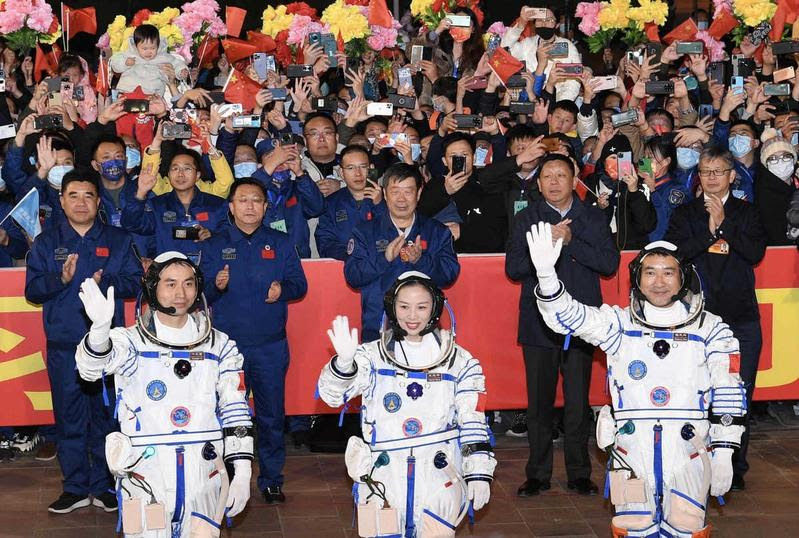
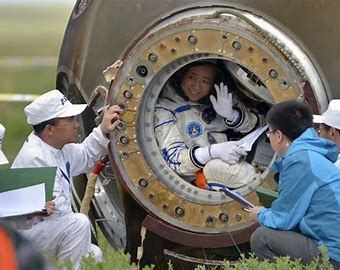
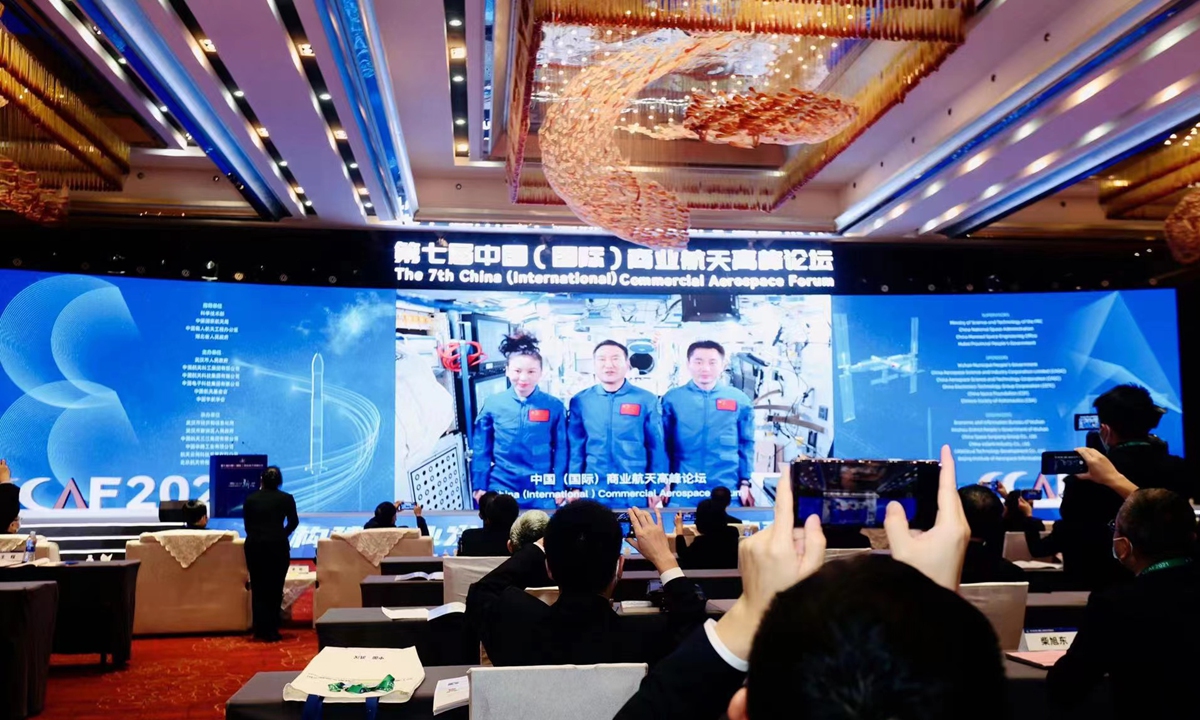
China's Shenzhou-23 crew tests physics, VR and muscle health in orbit
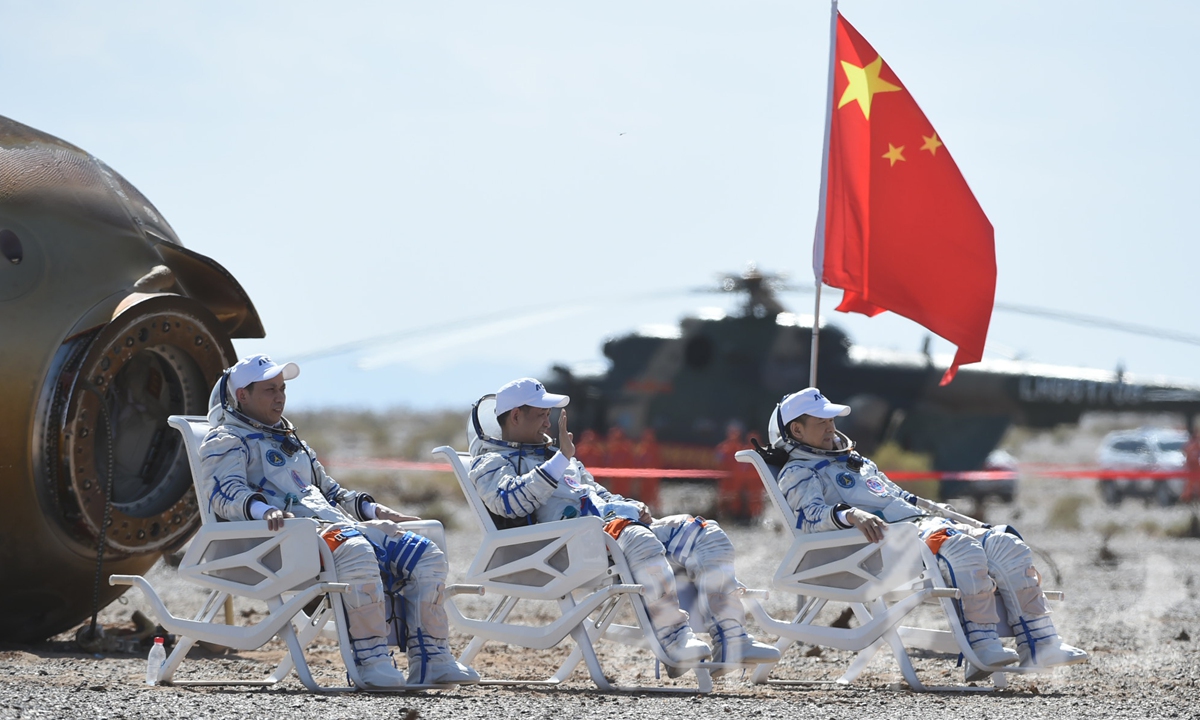
On 09 August, CGTN reported that China's space station crew conducted tests on human physiology, advanced technology testing, and equipment maintenance. To monitor and support health research regarding sensitive muscle remodelling under microgravity, the crew used an ultrasound diagnostic device to scan various muscle groups and completed a series of grip strength tests. They also wore virtual reality (VR) devices to complete both individual perception and two-person collaborative interface experiments. They conducted touch-interaction tests with the station's robot, “Xiaohang,” which provided data to optimise the robot's future in-orbit movement planning. They conducted parallel studies that tracked long-term astronaut kinematics and treadmill dynamics; the crew highlighted this by using a 3D camera to capture detailed posture data from a member running on the space treadmill. On the physics front, the astronauts replaced fluid physics experiment samples, cleared out the containerless experiment cabinet's chamber, serviced the axial mechanism electrodes, and cleaned the viewport cover lenses. Finally, the crew concluded with general upkeep, tidying the station's interior and organising onboard supplies.
(“Shenzhou-23 crew keeps full schedule as robot Xiaohang continues learning in orbit,” CGTN, 09 August 2026)
https://news.cgtn.com/news/2026-08-09/Shenzhou-23-crew-stays-busy-as-robot-Xiaohang-learns-in-orbit-1Pt91w3MUYE/p.html
China’s lunar blueprint includes AI robots for patrols and astronaut companionship
On 08 August, SCMP reported that, according to a blueprint by researchers working on China’s lunar base from the China Academy of Space Technology, robot dogs will scout and patrol China’s future moon base. The concept envisions that future crewed lunar missions will utilise a collaborative framework where astronauts lead, while intelligent robots perform scouting, resource mining, and habitat construction. It also suggests that robots will manage daily chores, handle maintenance, and offer social companionship to isolated astronauts. This proposal comes while China aims to land astronauts by 2030 and establish an International Lunar Research Station (ILRS) by 2035. Researchers, however, state that there exist significant challenges, including a lack of lunar data to train AI and the absence of necessary infrastructure for long-distance, remote coordination.
(“China’s lunar research station could be guarded by robot watchdogs, space scientists say,” SCMP, 08 August 2026)
https://www.scmp.com/news/china/science/article/3363149/chinas-lunar-research-station-could-be-guarded-robot-watchdogs-space-scientists-say
CHINA AND TAIWAN
Taiwan’s new defence expenditure to be increased by 16 per cent; Cites increase in Chinese military and navy activities
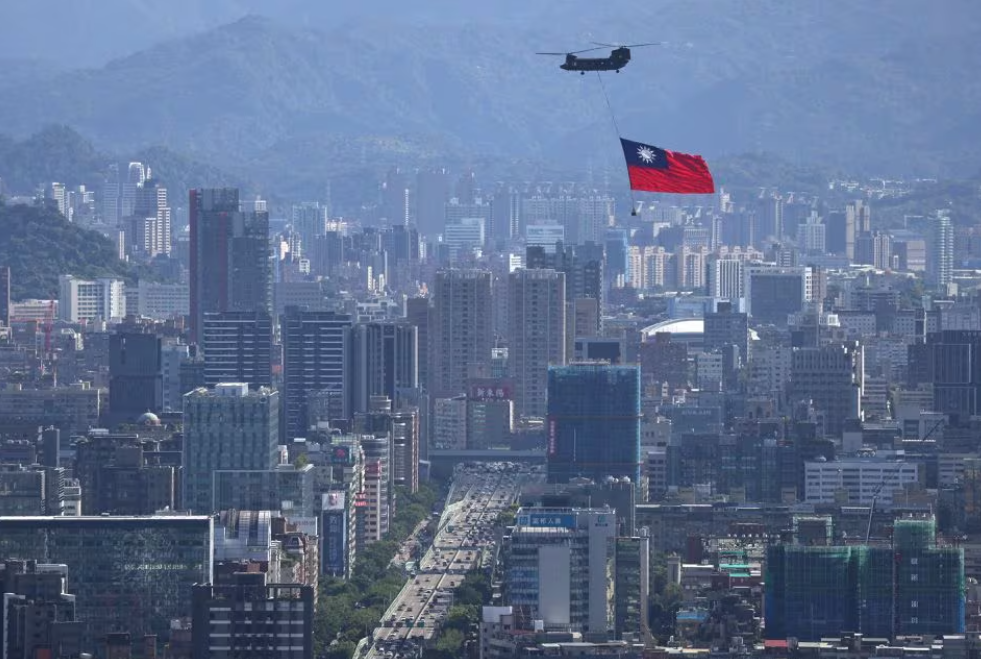
On 09 August, Reuters reported that Taiwan’s cabinet is expected to propose a 16 per cent annual rise in defence expenditure for 2027, exceeding USD 31 billion (1 trillion Taiwan dollars). The proposal comes amid China’s increased military and naval patrolling activities in the region and also its modernisation efforts in recent months. The details on the proposed budget will be revealed on 20 August, which is expected to include funding for the coast guard, veterans, and ‘special projects,’ exceeding 3 per cent of the GDP. Taiwan is currently holding its annual Han Kuang military exercise, where President Lai Ching-te stated that “preparation in peacetime adds another measure of ?stability and strength ?for our nation.”
(“Taiwan's 2027 defence spending to rise 16%, official media reports,” Reuters, 09 August 2026)
https://www.reuters.com/world/china/taiwans-2027-defence-spending-rise-16-official-media-reports-2026-08-09/
CHINA AND THE PACIFIC
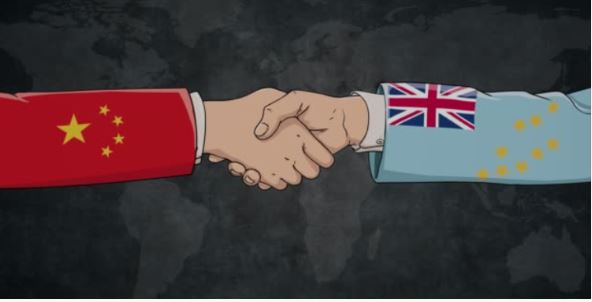
Beijing-Canberra relations reach ‘a more realistic footing ’, says former ambassador to China
On 09 August, SCMP reported that the former ambassador to China from Australia, Graham Fletcher, stated that China-Australia ties have reached a “good enough” baseline relationship. Relations between the two countries became strained due to Australia’s ban on China-based electronics firm Huawei Technologies from its 5G network and its calls for an independent inquiry into the origin of COVID-19, in response to which China placed trade restrictions on Australian products. Relations have slightly improved after the election of Prime Minister Anthony Albanese, with ministerial dialogue resuming and Albanese’s visits to Beijing in 2023 and 2025. Despite the mending efforts, Fletcher highlights two main risks. The first involves Beijing’s pushback on foreign restrictions on its technology and investments, ownership of the Port of Darwin, and political unrest in the Pacific island states. The second risk is a possible military conflict in Taiwan or the broader regional area. Fletcher, working as a non-resident fellow at the Lowy Institute, a Sydney-based think tank, released a report on bilateral relations on Sunday. He previously served as Australia’s ambassador to China from 2019 to 2023.
(“China-Australia relations reach ‘good enough’ baseline, ex-envoy says,” SCMP, 09 August 2026)
https://www.scmp.com/news/china/diplomacy/article/3363442/china-australia-relations-reach-good-enough-baseline-ex-envoy-says
CHINA AND SOUTHEAST ASIA
China issues reminder for Chinese nationals to comply with local laws and regulations in Thailand
On 08 August, Global Times reported that China’s embassy in Thailand issued a notice for its citizens travelling to the country for cultural and sporting activities to comply with local laws and regulations. The notice comes after an incident at Suvarnabhumi Airport where security personnel allegedly made racist gestures to Chinese passengers who violated security measures. The incident was sparked by fans trying to board the flight with a celebrity from China, when a group of passengers violated security measures to board the aircraft to see the celebrity. The embassy called on citizens to interact with the Thai people with “respect, goodwill and openness,” and maintain the friendship between the two under the concept of “China and Thailand as one family.”
(“Chinese Embassy in Thailand issues reminder to nationals participating in cultural and sports activities in Thailand,” Global Times, 08 August 2026)
https://www.globaltimes.cn/page/202608/1367782.shtml
CHINA AND THE MIDDLE EAST
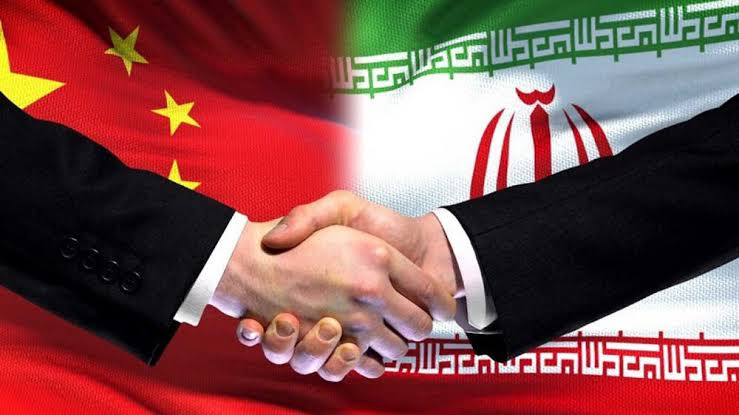
China’s stockpiles cushion oil supply shock triggered by the Hormuz blockade
On 10 August, InvestingLive reported that China is singlehandedly absorbing most of Asia's crude demand drop caused by Middle East supply disruptions during the Iran war. Middle East export flows remain down by roughly 5 million barrels per day despite alternative shipping efforts by Saudi Arabia and the UAE. By drawing on its massive crude stockpile of over 1.2 billion barrels, China has suppressed import demand, with July arrivals down 24.3 per cent. This cushion has masked the severe physical market tightness resulting from the Strait of Hormuz closure. Analysts predict that September presents a vital test as Middle East flows tighten again following a ceasefire breakdown.
(“China's stockpiles are masking the true scale of the Hormuz shock,” InvestingLive, 10 August 2026)
https://investinglive.com/commodities/china-s-stockpiles-are-masking-the-true-scale-of-the-hormuz-shock/
CHINA AND SOUTH ASIA
China lobbies to cancel conference on Tibetan studies in Nepal, reports News18
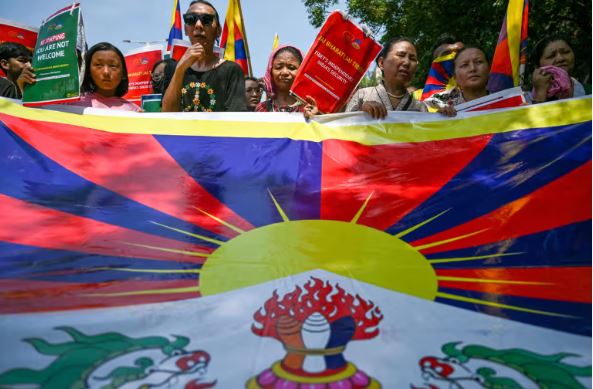
On 08 August, News 18 reported that China's Ambassador Zhang Maoming lobbied Nepal's authorities to cancel the Tibetan studies international conference. In a meeting with Nepal’s Foreign Ministry, he urged the authorities to be cautious about supportive discussions of Tibet and statements concerning the Dalai Lama. The event is set to host over 500 scholars for a week-long program on Tibetan history and culture. The 17th International Seminar of the International Association for Tibetan Studies is a seven-day event that discusses Tibetan history, culture, and political questions. The latest literature suggested that concerns within the Nepalese government that it would affect Nepal's relationship with China and the conference's stance on Tibetan separatism and China's political activity were the major reasons behind the cancellation.
("Chinese Pressure Forces Nepal To Cancel Major Conference Despite Security Nod | Exclusive," News 18, 08 August 2026)
https://www.news18.com/world/chinese-pressure-forces-nepal-to-cancel-major-conference-despite-security-nod-exclusive-ws-l-10261119.html
India and China hold border talks, maintaining peace along the LAC
On 08 August, The Indian Express reported that at diplomatic talks held on 06 August in New Delhi, India and China reviewed the overall situation along the Line of Actual Control (LAC) to address boundary delimitation, border management, and trans-border cooperation. It was convened under the framework of the Working Mechanism for Consultation and Coordination on India-China Border Affairs (WMCC). The meeting was led by India’s MEA Joint Secretary (East Asia), Sujit Ghosh, and China’s Ministry of Foreign Affairs’ Boundary and Oceanic Affairs Department Director General, Hou Yanqi. Both delegations engaged in frank discussions, ultimately agreeing that maintaining peace and tranquillity in the border regions is foundational to the development of their broader bilateral relationship.
(“India, China review situation on Line of Actual Control,” The Indian Express, 08 August 2026)
https://indianexpress.com/article/india/india-china-review-situation-situation-on-line-of-actual-control-10822210/
CHINA AND AFRICA
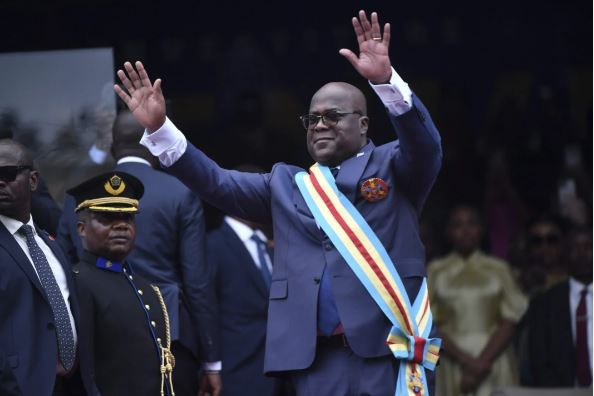
Investigation unveils uranium traces in cobalt shipment from DRC, reports RFI
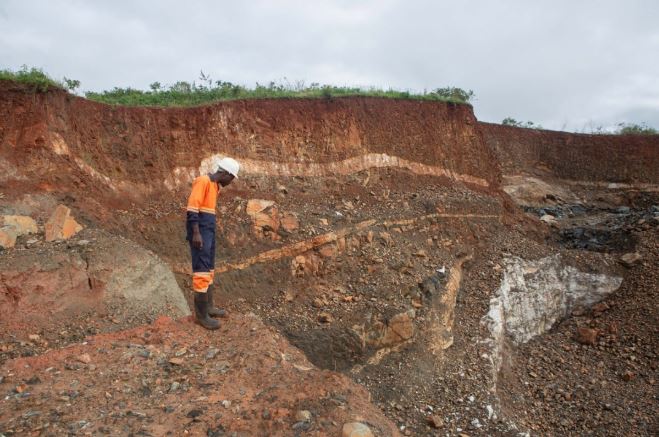
On 09 August, RFI reported that an investigation by Lighthouse Reports, The Financial Times, and Le Monde revealed that significant amounts of uranium are routinely exported from the Democratic Republic of Congo (DRC) inside cobalt shipments primarily to China. Drawing from a confidential 2024 IAEA memo, research estimated 2,000 to 5,000 tonnes of uranium entered China via cobalt hydroxide between 2000 and 2024. Internal records from the CMOC-owned Tenke Fungurume mine showed uranium levels up to 15 times the recommended limit. While CMOC denies violating trade rules or processing uranium, experts have noted that unmonitored uranium contaminants bypass standard removal processes during export.
(“Investigation raises alarm over uranium in DRC cobalt shipments to China,” RFI, 09 August 2026)
https://www.rfi.fr/en/africa/20260809-investigation-raises-alarm-over-uranium-in-drc-cobalt-shipments-to-china
CHINA AND EUROPE
Chinese EV sales witness surge in Europe amidst tariff debates
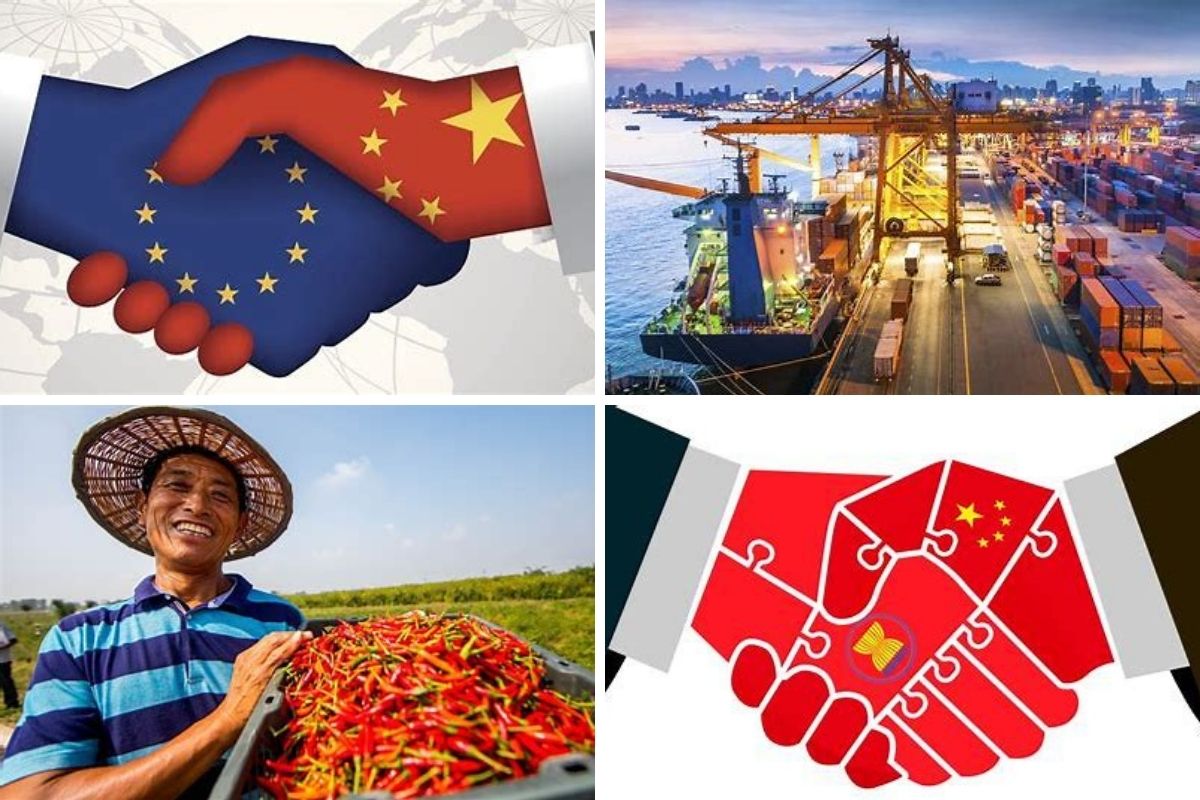
On 09 August, The Guardian reported that Chinese electric vehicle (EV) sales in Western Europe hit a record 14.2 per cent market share in early 2026, selling 171,800 units. The surge, driven by strong demand in the UK and subsidised purchases in Italy, has intensified calls for tougher trade protections to assist European carmakers. Despite EU tariffs reaching up to 35.3 per cent on pure battery electric vehicles (BEVs), manufacturers like BYD and SAIC continue to expand in the European market. However, analysts predict Chinese BEV growth may temporarily peak as brands exploit a regulatory loophole by shifting focus to untariffed plug-in hybrids.
(“Chinese EV sales surge to new high in Europe putting tariffs under scrutiny,” The Guardian, 09 August 2026)
https://www.theguardian.com/business/2026/aug/09/chinese-electric-car-sales-surge-to-a-record-high-in-europe
CHINA AND THE AMERICAS
Declining stockpiles of US weapons elevate strategic risks with China and Russia reports, The Jerusalem Post
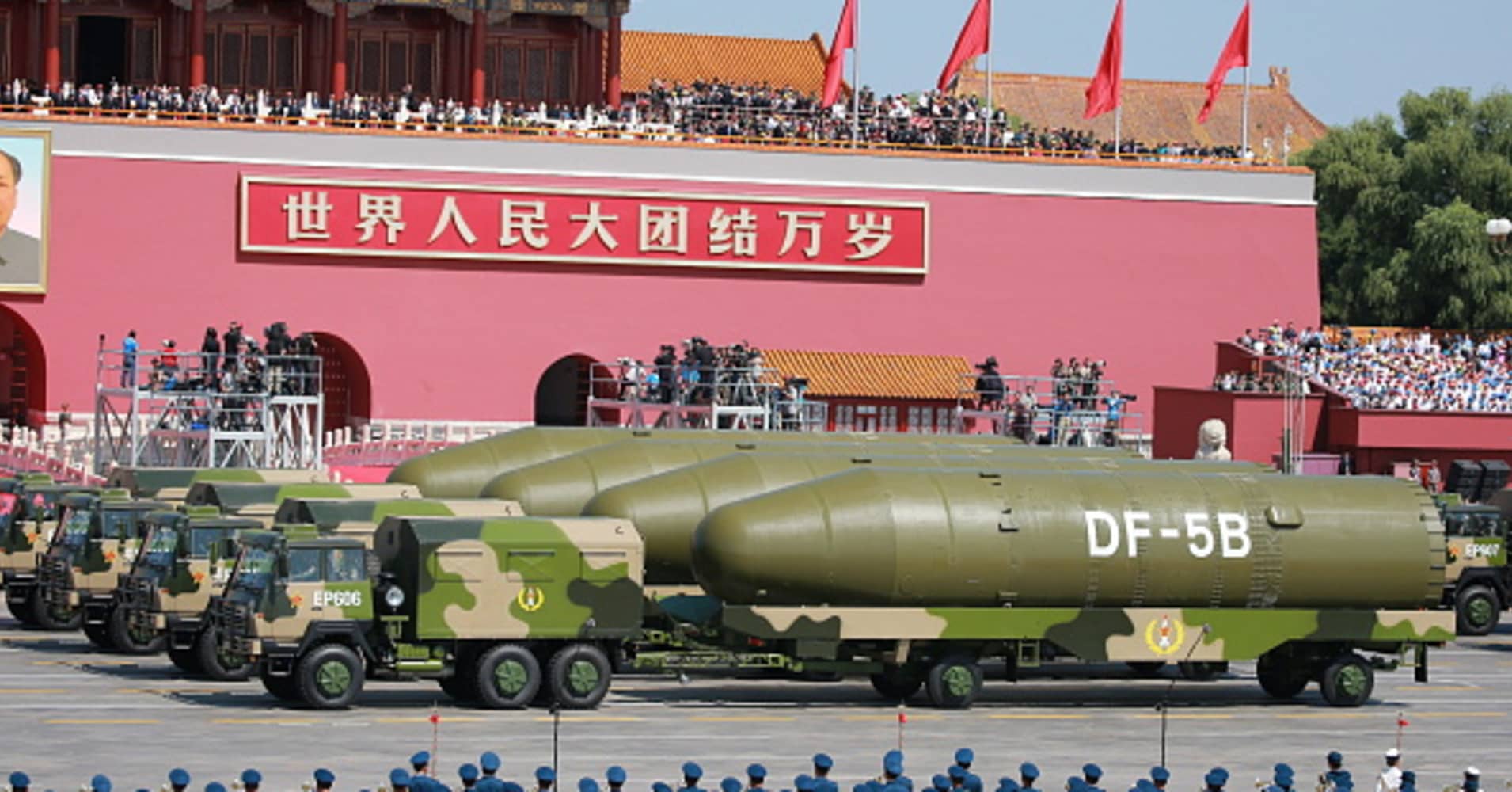
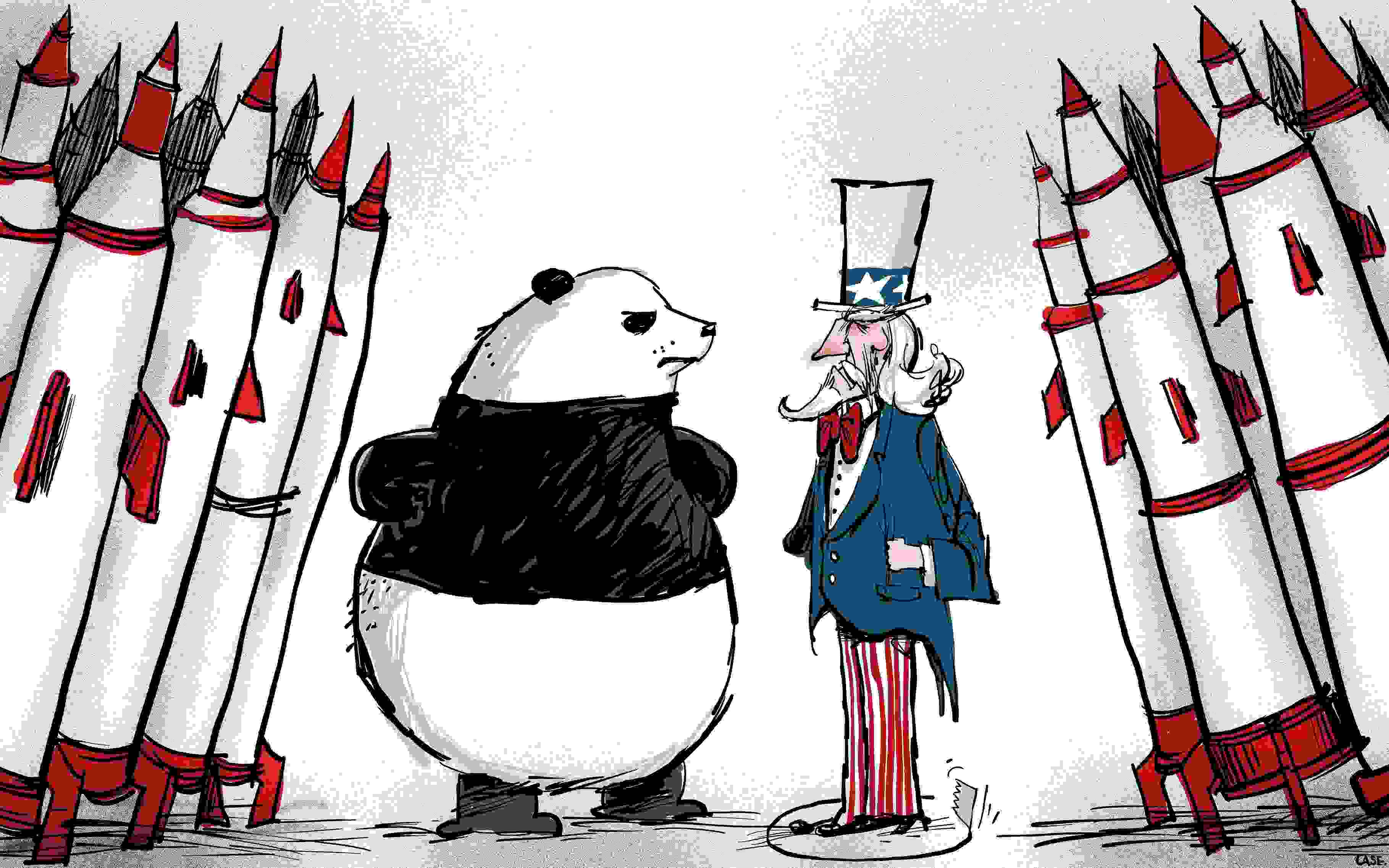
On 09 August, The Jerusalem Post reported that the rapid depletion of US offensive and defensive munitions during the war with Iran has significantly weakened conventional deterrence, resulting in strategic vulnerabilities that Russia and China could exploit. Senior experts warn that these shortages, which include critical reductions in Patriot interceptors, Tomahawks, and tactical ballistic missiles, could persist long past the Trump administration, which may force the Pentagon to shift assets from Europe and Asia to the Middle East. This reallocation impairs troop morale, delays maintenance, and more importantly leaves regional allies like Taiwan, South Korea, and Ukraine increasingly exposed. In response, European allies are seeking alternative arms suppliers, while Asian nations consider developing independent nuclear capabilities. Although President Trump has urged defence contractors to accelerate production to historic levels, the ongoing strain on US arsenals limits military flexibility and risks encouraging adversary aggression.
(“Russia, China could take advantage of low US weapons stockpiles to start war with America - NYT,” The Jerusalem Post, 09 August 2026)
https://www.jpost.com/international/article-904979
US rejects Beijing’s natural reserve claims in the South China Sea
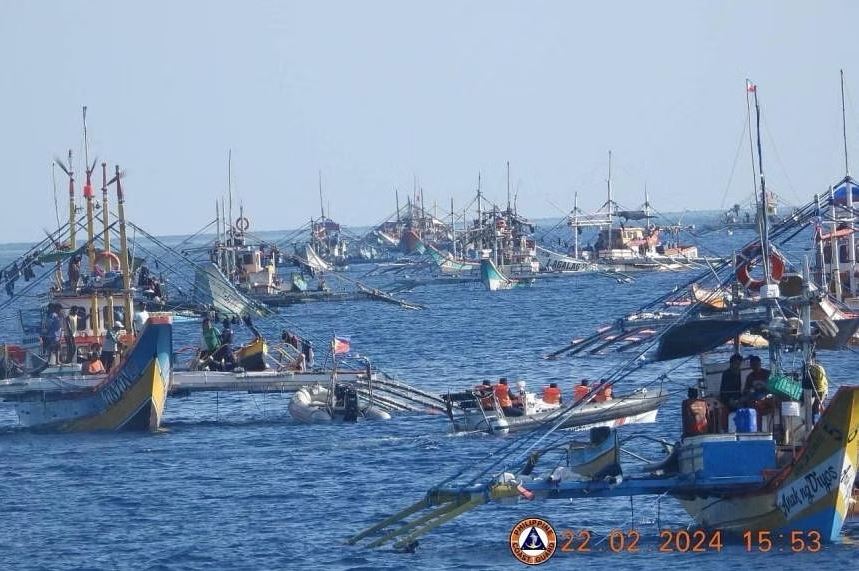
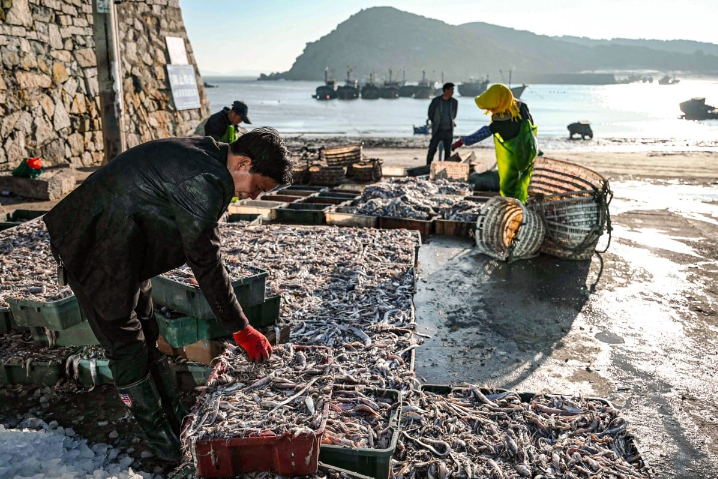
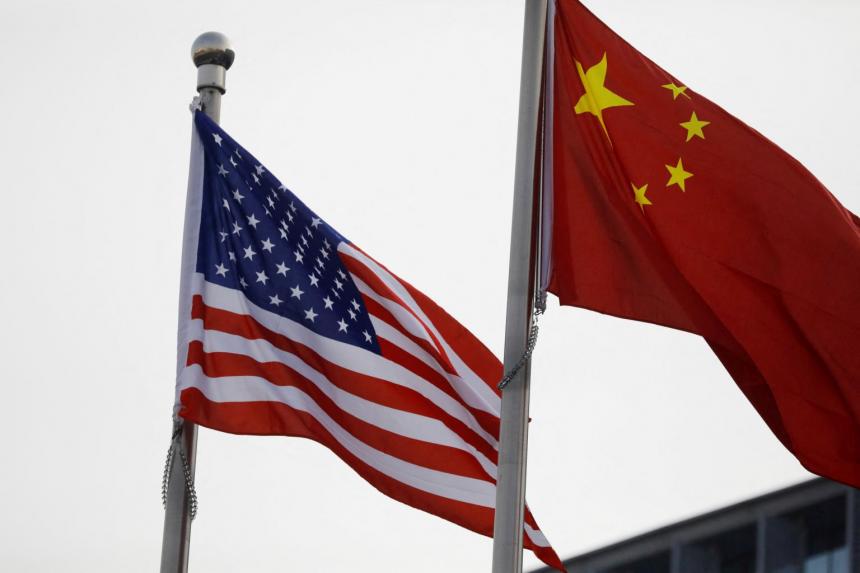
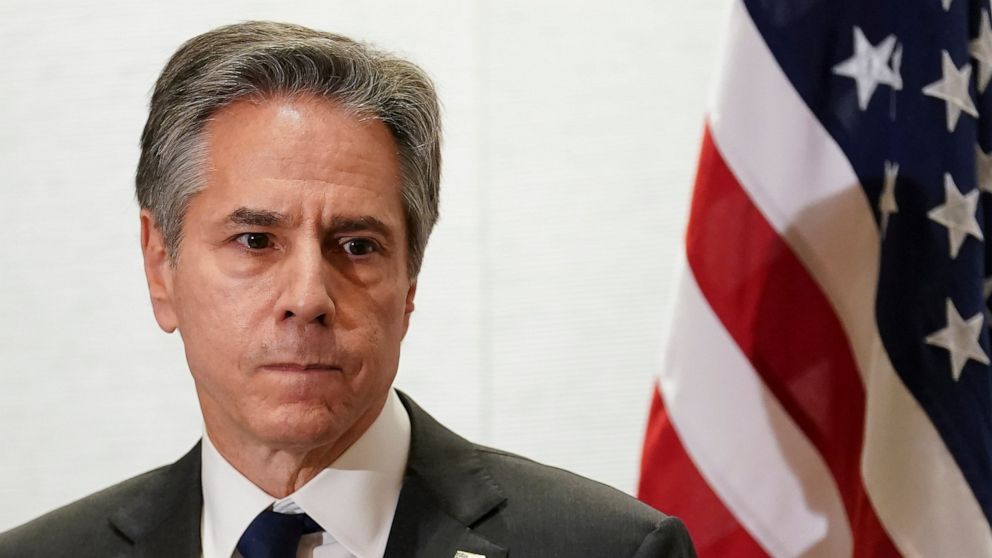
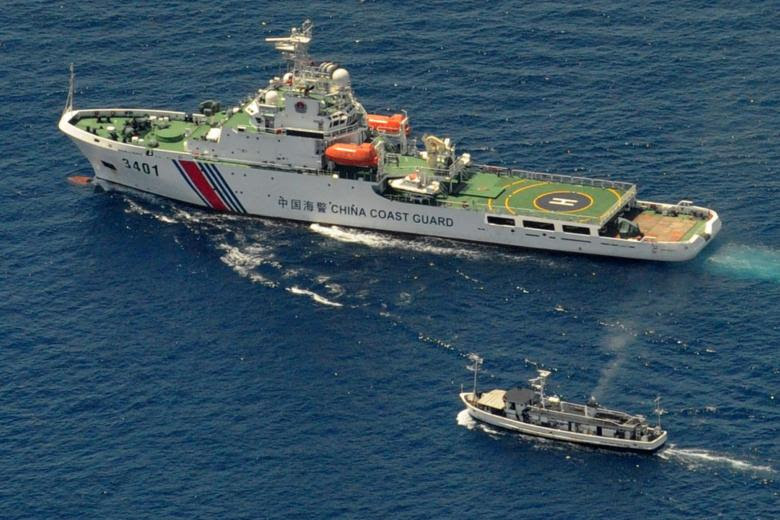
On 08 August, Al Jazeera reported that the US State Department criticised China’s attempt to designate the disputed Scarborough Reef as a "national nature reserve," calling it a legal and environmental pretext to expand its territorial sovereignty. Washington stated that Beijing’s actions aim to deny Filipino fishermen access to traditional waters through coercive measures. The statement reaffirmed US support for the Philippines, following recent incidents where Chinese vessels used water cannons against Filipino ships. Although international arbitration previously rejected China's expansive "nine-dash line" claims, Beijing continues to dismiss the ruling while asserting authority over the contested maritime region. The US State Department released the following statement: "The United States rejects China’s ongoing attempts to enforce its destabilizing ‘national nature reserve’ at Scarborough Reef and deny Filipino fishermen access to their traditional fishing ground."
(“US slams Chinese ‘nature reserve’ as effort to claim South China Sea,” Al Jazeera, 08 August 2026; "China’s “Administrative Measures” at Scarborough Reef," US State Department, 08 August 2026)
https://www.aljazeera.com/news/2026/8/8/us-slams-chinese-nature-reserve-as-effort-to-claim-south-china-sea
https://www.state.gov/releases/office-of-the-spokesperson/2026/08/chinas-administrative-measures-at-scarborough-reef
























.png)
.jpg)
.jpg)
.jpg)
.jpg)
.jpg)
.jpg)
.jpg)
.jpg)
.jpg)
.png)

.jpg)
.jpg)
.jpg)
.jpg)
.jpg)
.jpg)
.jpg)

.jpg)
.jpg)
.jpg)
.jpg)
.jpg)

.jpg)
.jpg)
.jpg)
.jpg)
.png)
.jpg)
.jpg)
.png)
.jpg)
.jpg)


.jpg)
.jpg)
.jpg)
.jpg)
.jpg)
.jpg)
.jpg)
.jpg)
.jpg)

.jpg)
.jpg)
.jpg)
.jpg)
.jpg)
.jpg)
.jpg)

.jpeg)



.jpeg)