Photo : The Guardian



Photo : The Guardian
In Brief
INTERNAL
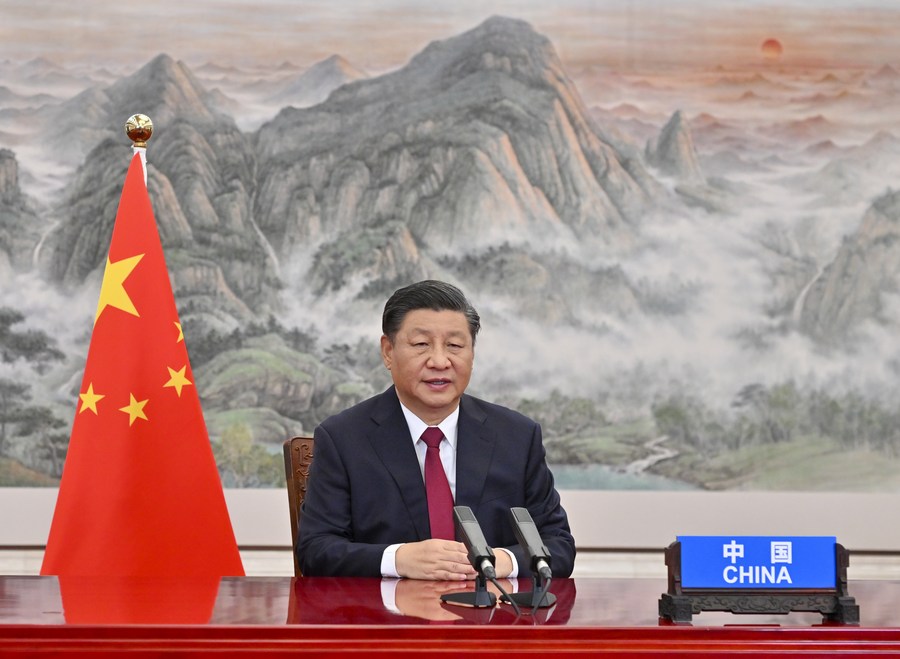
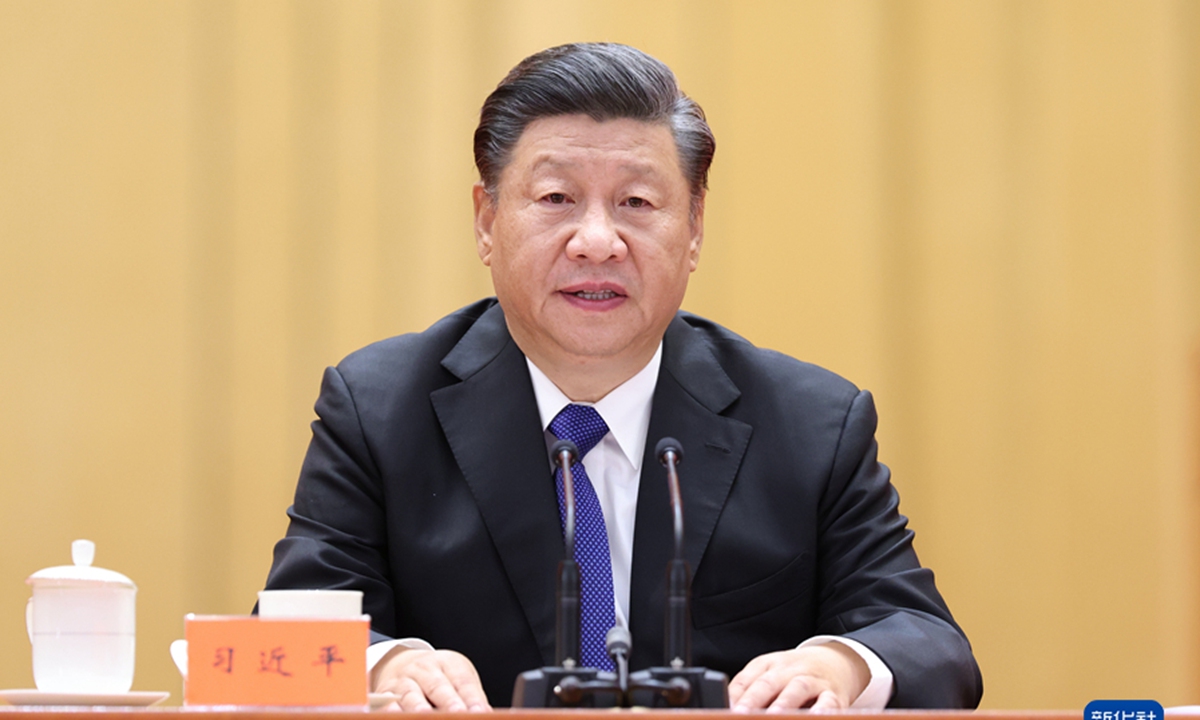
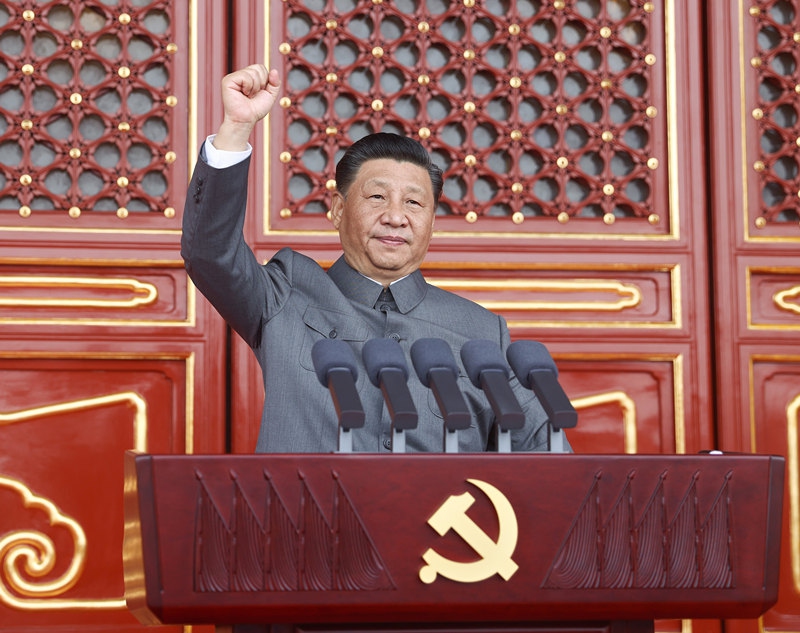
China’s President Xi Jinping calls for technology-driven disaster management amid extreme weather
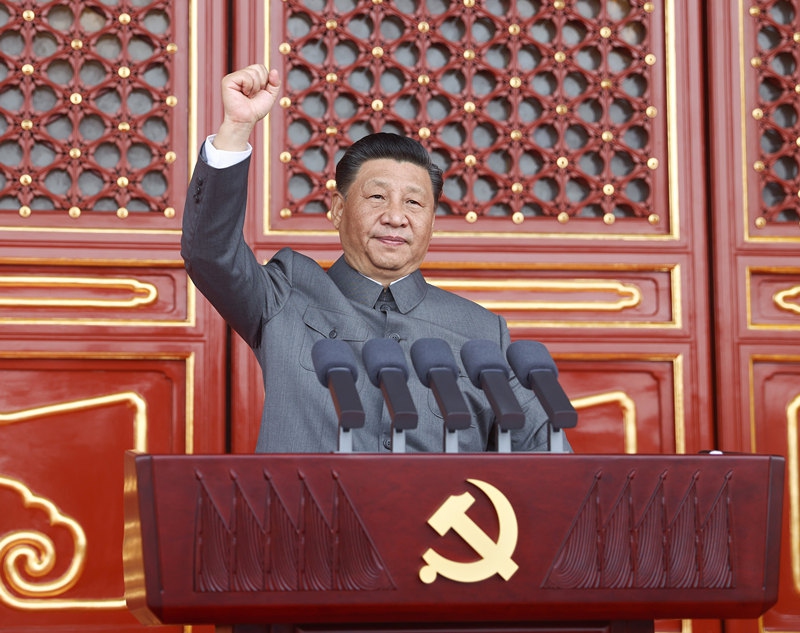
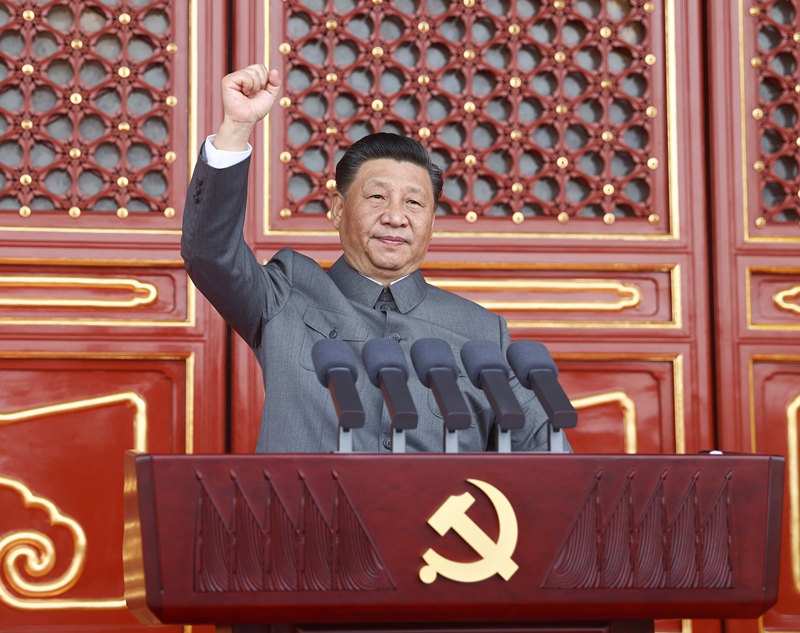
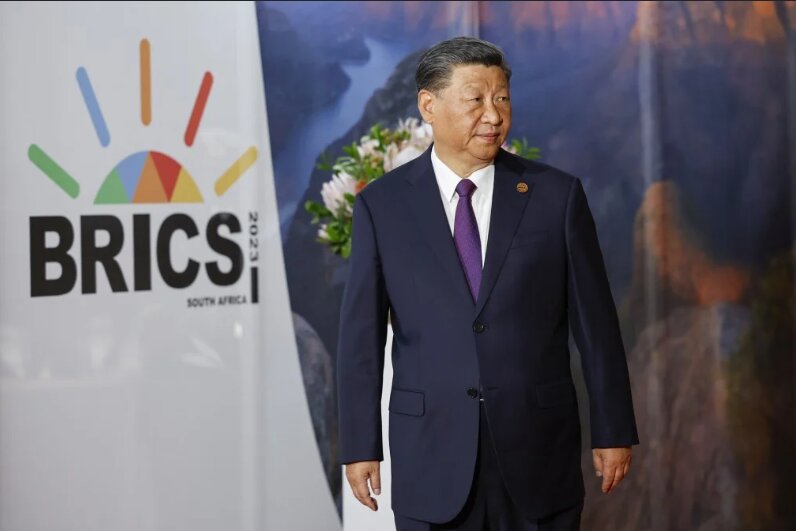
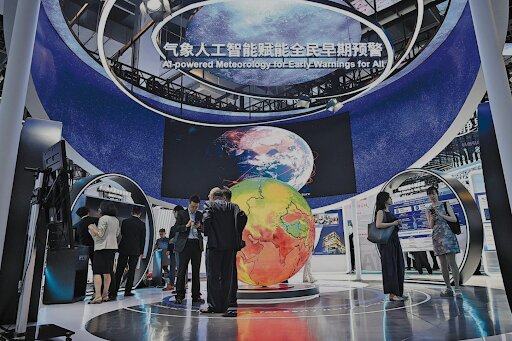
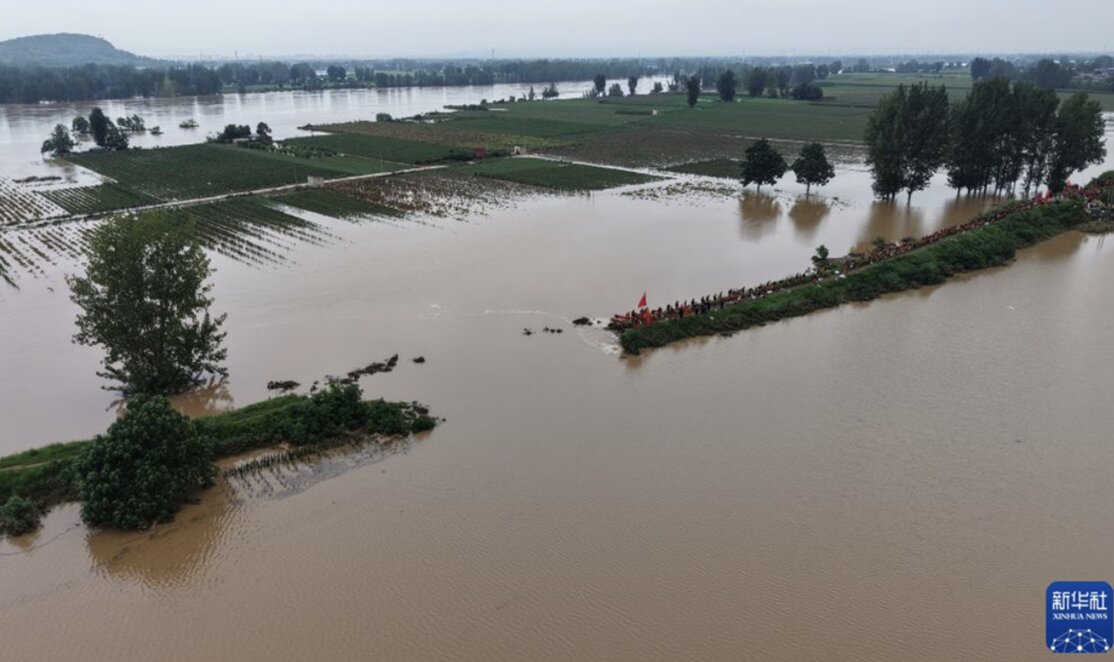
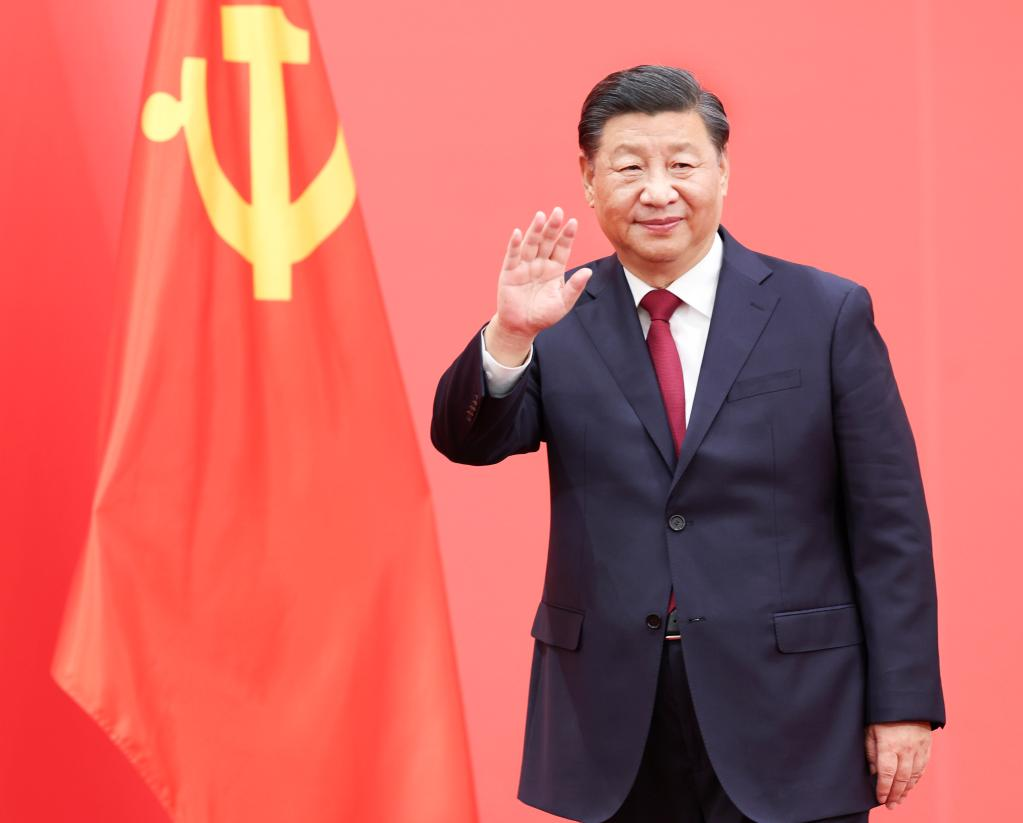
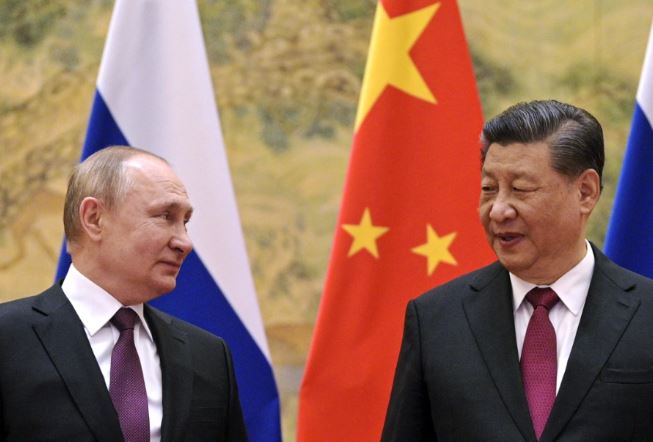
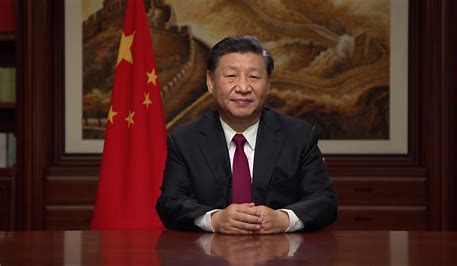
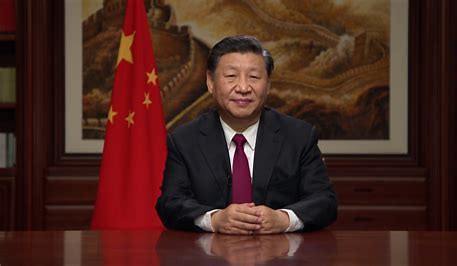
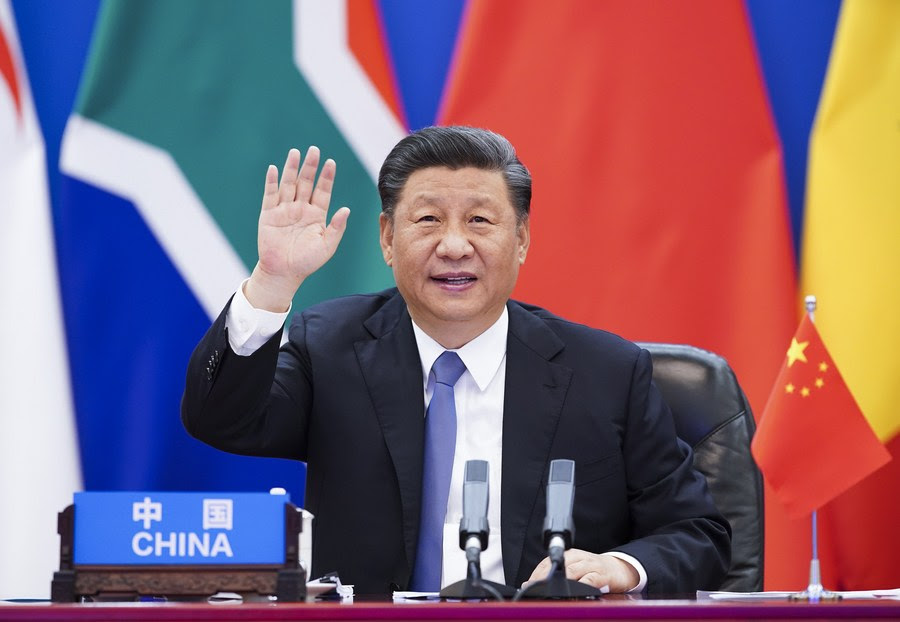
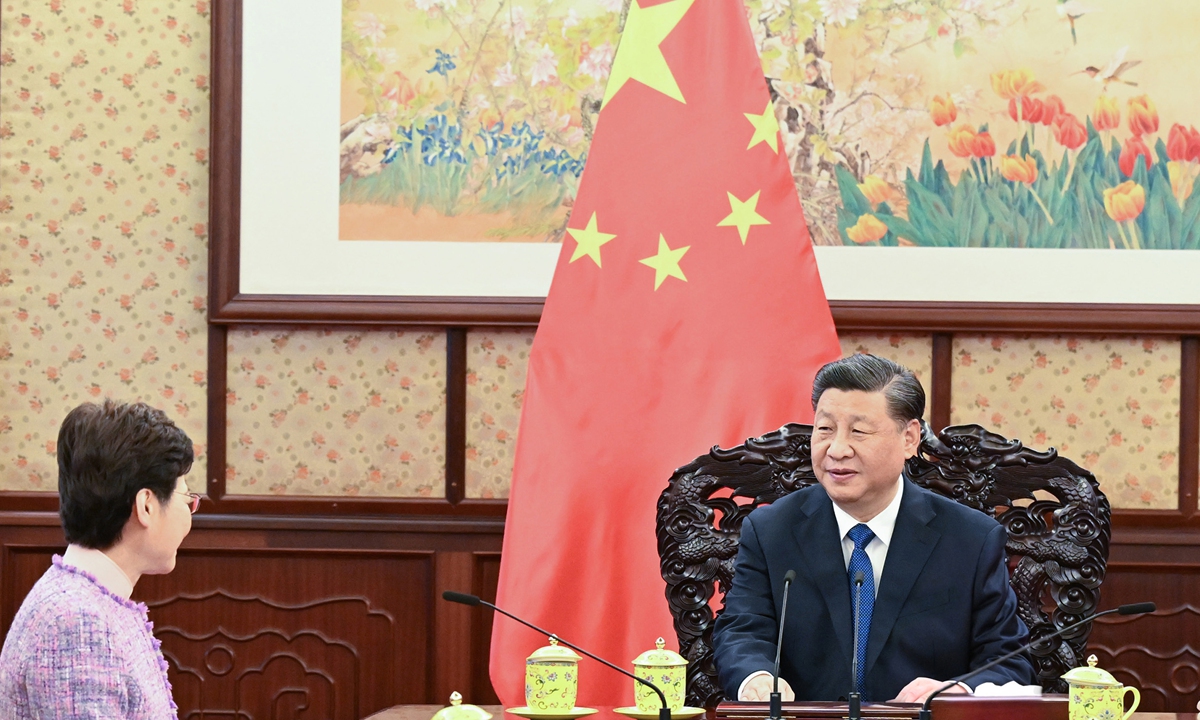
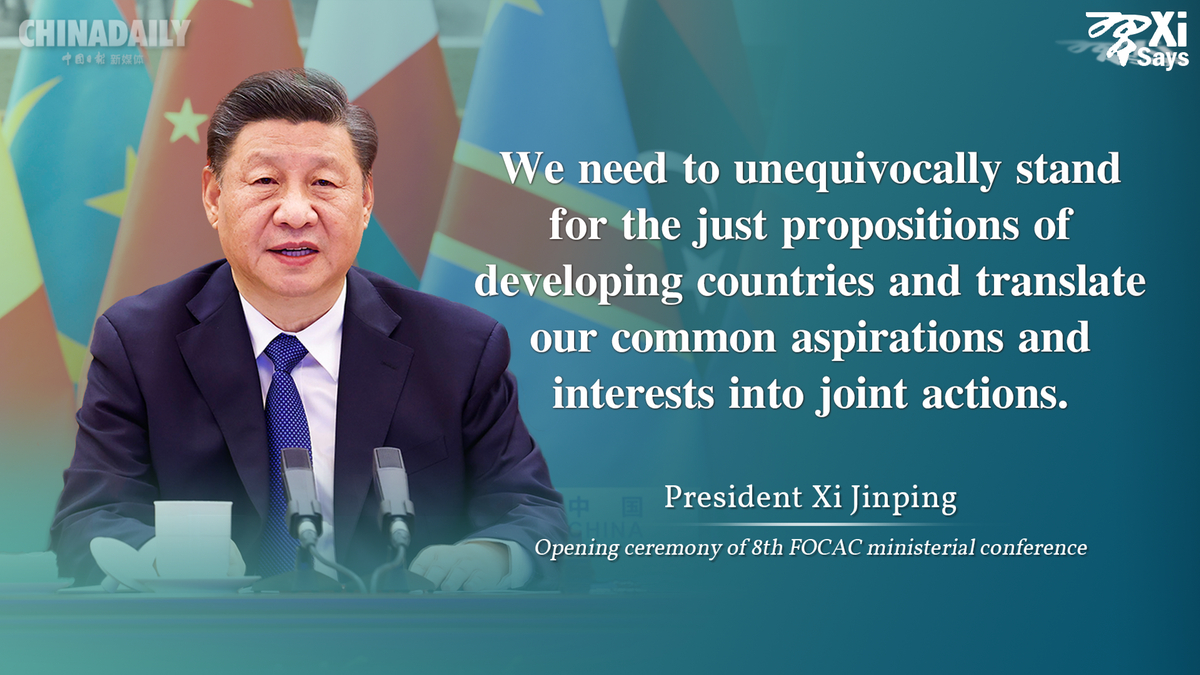
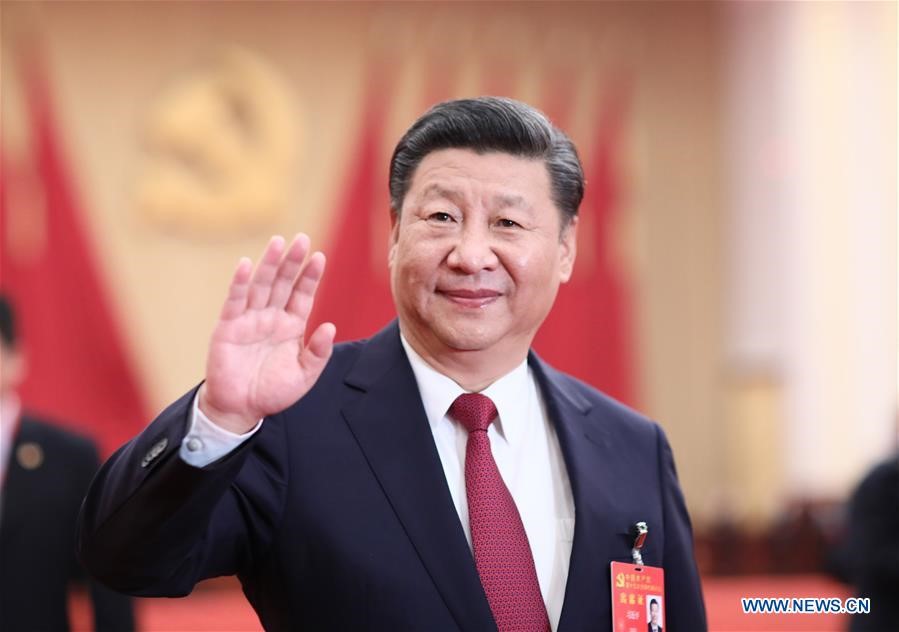
On 15 August, Reuters reported that China’s president Xi Jinping called for improved natural disaster prevention, enhanced early-warning systems, and stronger infrastructure. This comes in order to protect lives and economic stability, particularly as the country faces extreme weather increases due to climate change. Where a series of summer floods and landslides caused dozens of deaths. According to Xi’s remarks drawn from a speech at the Politburo study session published in a central CPC journal, Quishi, he emphasized a shift toward proactive, technology-driven risk management. This includes the use of AI, drones, and satellites to bolster disaster response. He stated that disaster risks must not have a spillover on the economy, energy, food, and social security.
(“Xi calls for improving disaster prevention as floods, landslides batter China,” Reuters, 15 August 2026)
https://www.reuters.com/world/china/xi-calls-improving-disaster-prevention-floods-landslides-batter-china-2026-08-15/
China’s corporate earnings show AI transitioning into core growth infrastructure
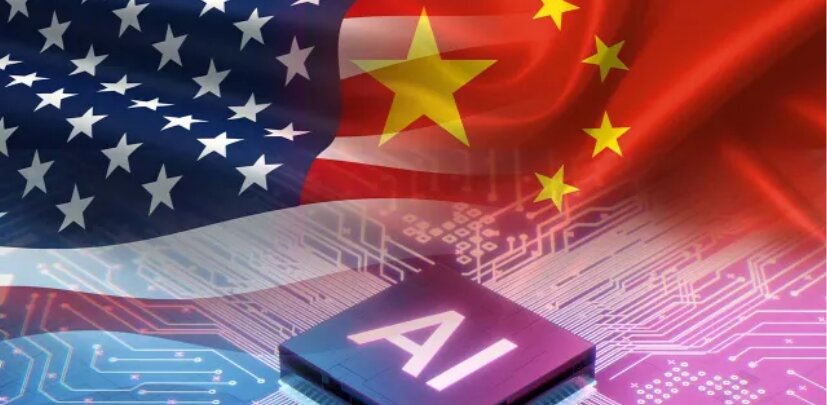
On 16 August, Global Times reported that companies from China recently revealed their interim earnings reports that showed artificial intelligence (AI) has transitioned from an auxiliary tool into a core infrastructure tool. Driving tangible efficiency, cost optimization, and revenue growth across various sectors, including catering, e-commerce, and software. Enterprises are experiencing financial turnarounds and operational upgrades by embedding AI into their daily logistics. The report provided the example of private-cloud vendor Bingo Software that reversed prior losses to achieve a net profit of USD 656,127.4, powered by its new "cloud + AI" computing series. Meanwhile, the fine-dining chain Xiaocaiyuan achieved a 7 per cent year-on-year revenue increase to 2.903 billion yuan by deploying back-of-house cooking robots and AI digital ordering systems across hundreds of stores to boost table turnover rates. Additionally, JINGDONG Industrials deployed over 70 AI agents to automate product data generation and procurement, yielding a 16.6 per cent surge in core productivity and proving that high technology is becoming the underlying operating system for long-term industrial restructuring.
(“Earnings reports of Chinese firms show AI transformation delivers efficiency, profit gains,” Global Times, 16 August 2026)
https://www.globaltimes.cn/page/202608/1368351.shtml
Editorial: “Chokepoints and the cost of cutting off access,” South China Morning Post, 17 August 2026
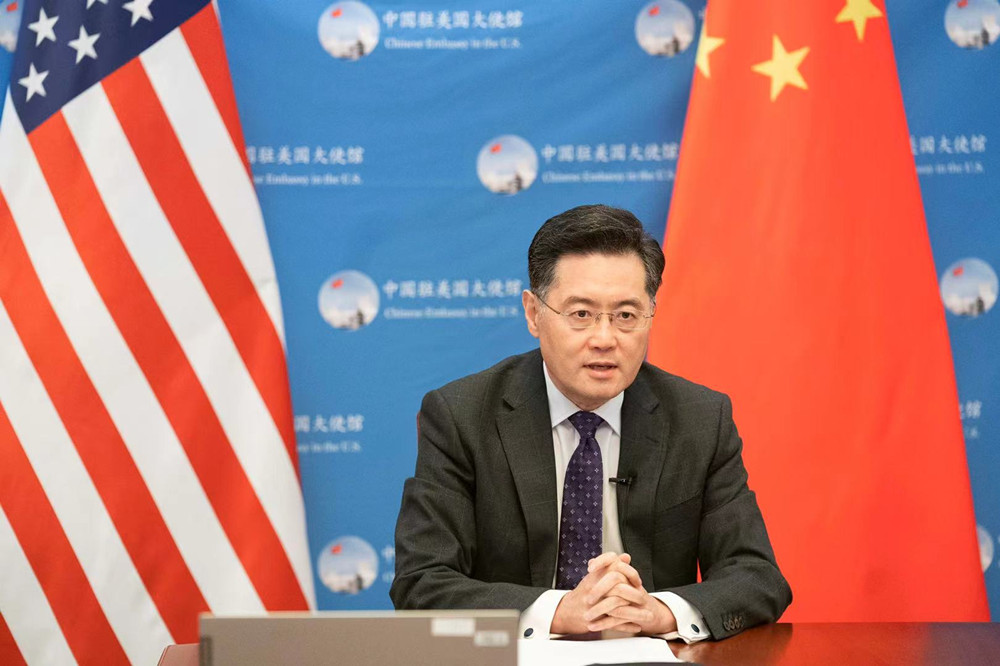
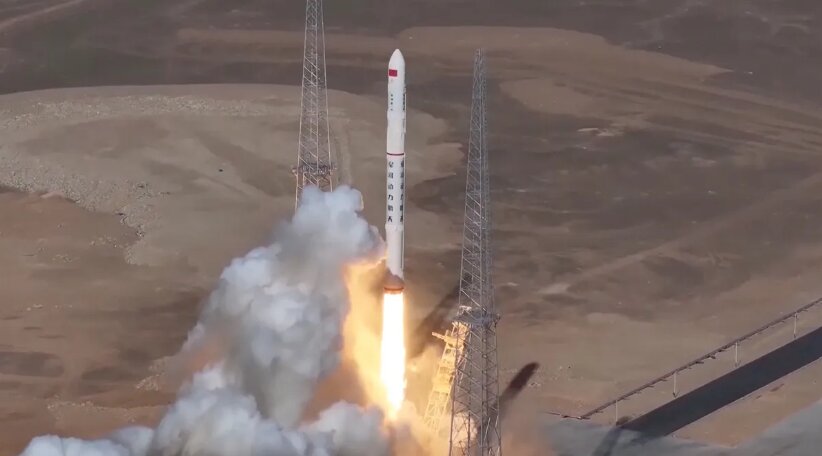
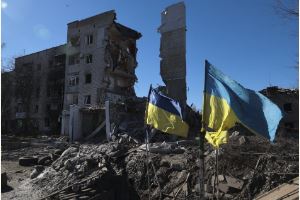
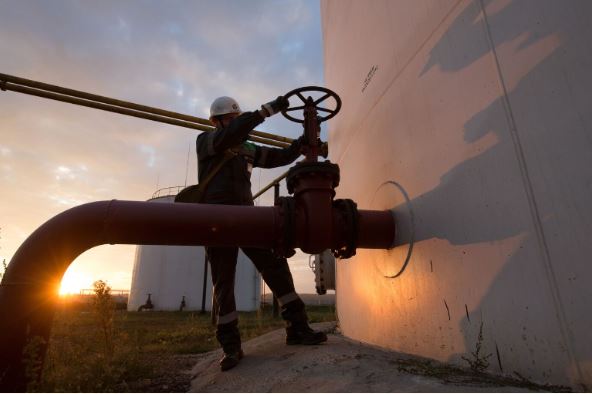
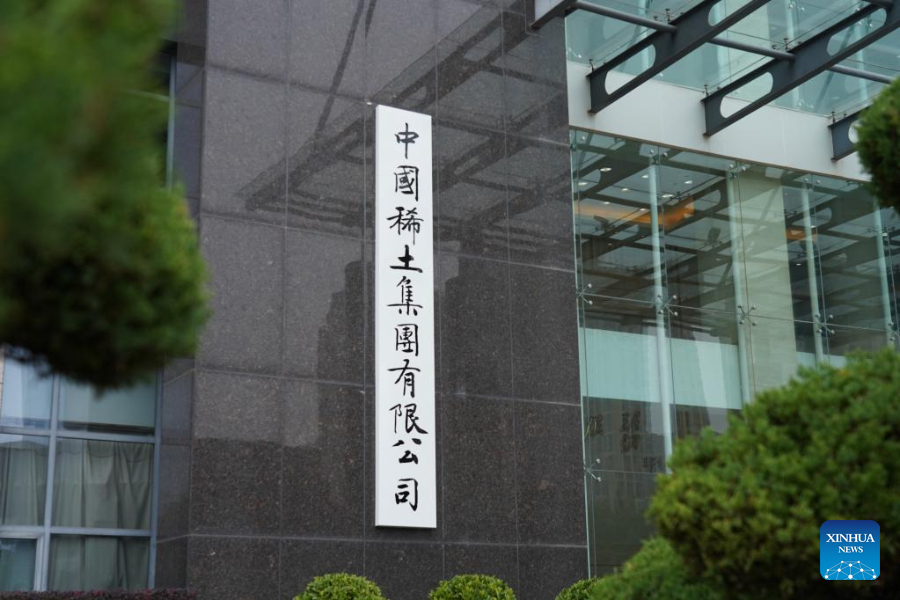
On 17 August, in an editorial published by the SCMP, Robin Hu, emeritus Asia Chair of the US-based Milken Institute analyzed the economic and strategic impact on ‘chokepoints’ and the consequences of ‘choking’ access to a rival power. He posits three questions on a chokepoint - How much depends on it? What does it take to use it? Who decides? He states that China has contemplated on an eventual shutdown of the Malacca Strait by “certain major powers,” since 2003, giving rise to the “Malacca dilemma.” As such, China’s actions to tackle the dilemma is not a result of its naval buildup, or great-power competitions, but to build enough capability to “think harder about the consequences.” The consequences being, increased energy prices, raised importing costs, to allies and neutral-third countries, including the country which decides to close the strait just as the closure of the Hormuz Strait has driven up global oil and gas prices. On the other end, if a supplier decides to “weaponize” the chokepoint, the buyer is almost always forced to look for alternative suppliers, meaning that the leverage over the buyer will soon disappear. For example, China’s rare earth export control restrictions on Terbium and dysprosium oxide to Japan has reached zero in the past few months, which has left Japanese firms to seek alternative supplies and reduce dependency on China. Robin identifies the “next generation” of potential chokepoints, which are low-earth-satellite orbital networks. SpaceX’s Starlink operates around 10,000 satellites, Amazon currently has 400 and China’s planned “Guowang” LEO network is to put 13,000 satellites into orbit. The chokepoints emerging out of these networks are the people who can deny access to it. Elon Musk refused Ukraine access to Starlink in the opening months of the Ukraine war, citing concerns over a private company “being complicit in a major act of war.” Therefore, Robin concludes that the most dangerous ‘chokepoint’ is not the ‘narrowest’ strait or technological restrictions, but a very few number of people who have the final decision to enforce a chokepoint.
(“Chokepoints and the cost of cutting off access,” SCMP, 17 August 2026)
https://www.scmp.com/opinion/world-opinion/article/3363772/chokepoints-and-cost-cutting-access
President Xi praises former General Secretary Jiang Zemin on his 100th birth anniversary
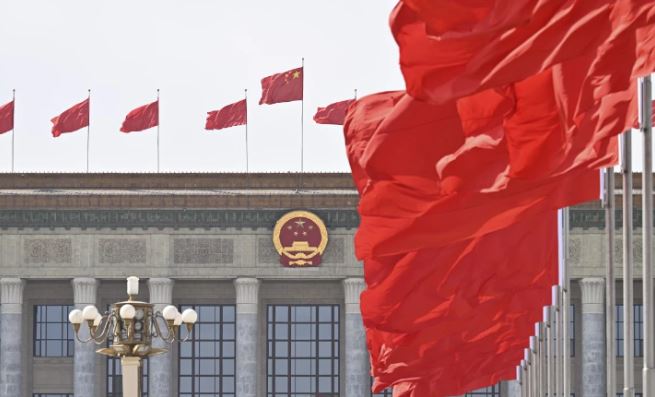
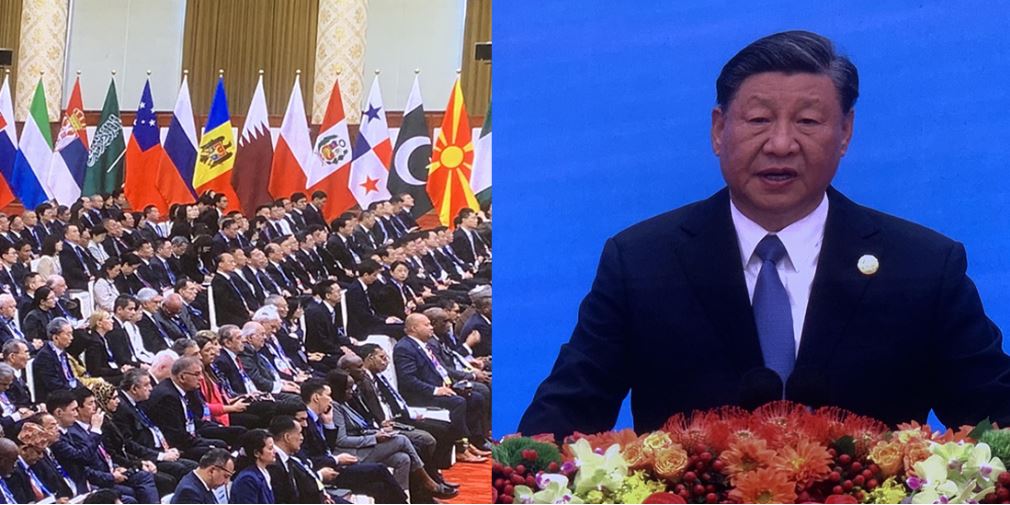
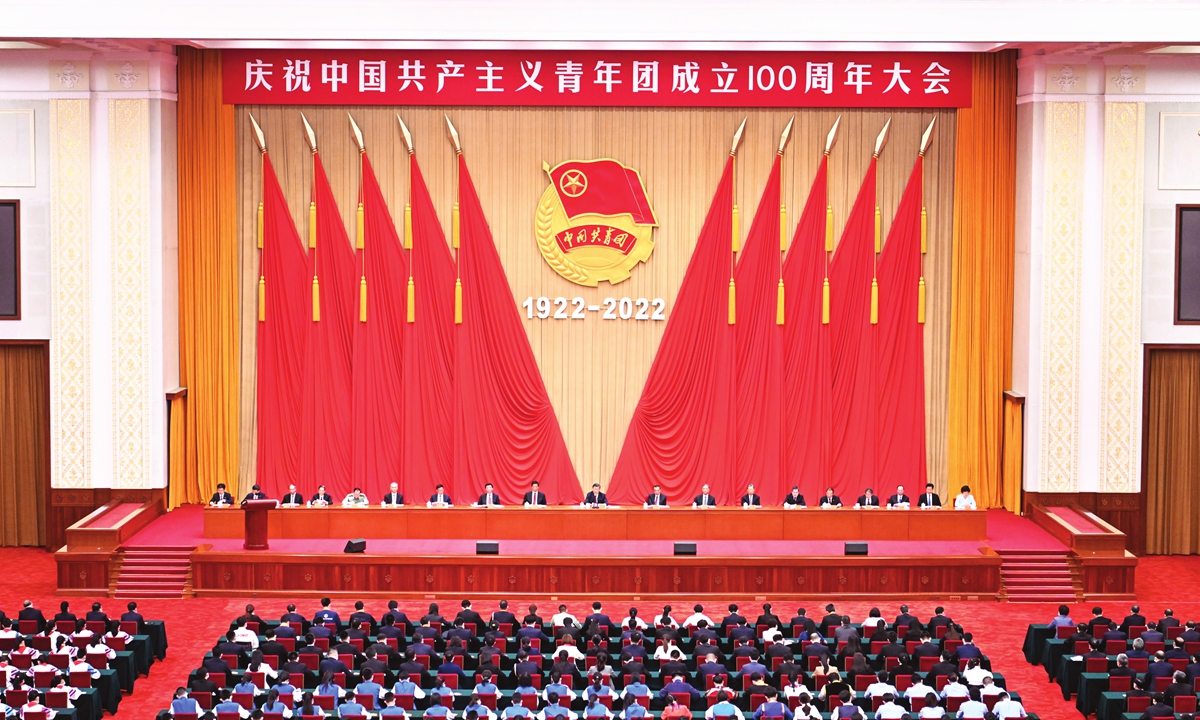
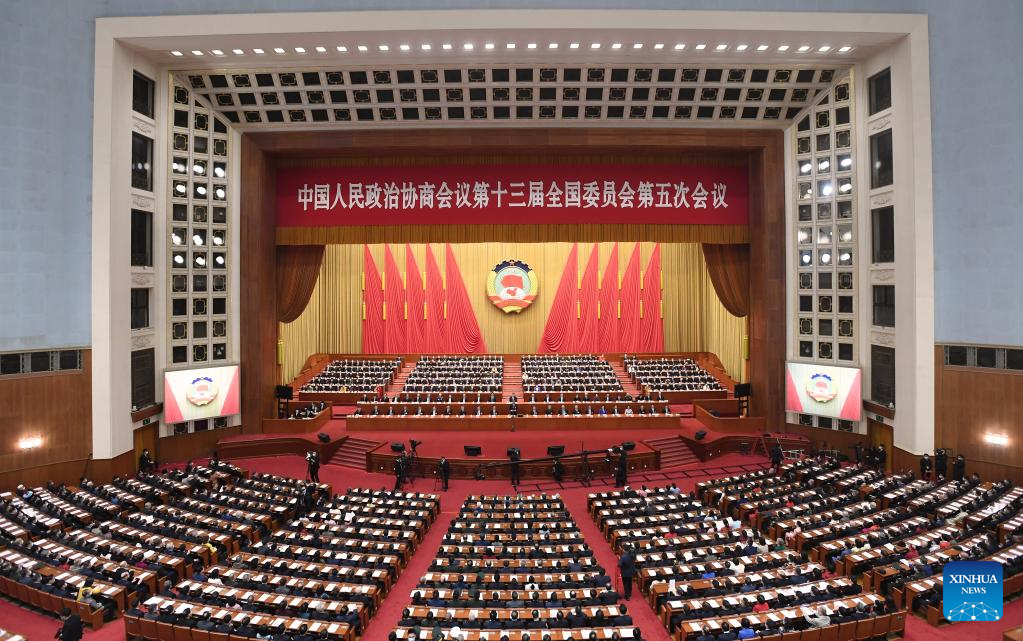
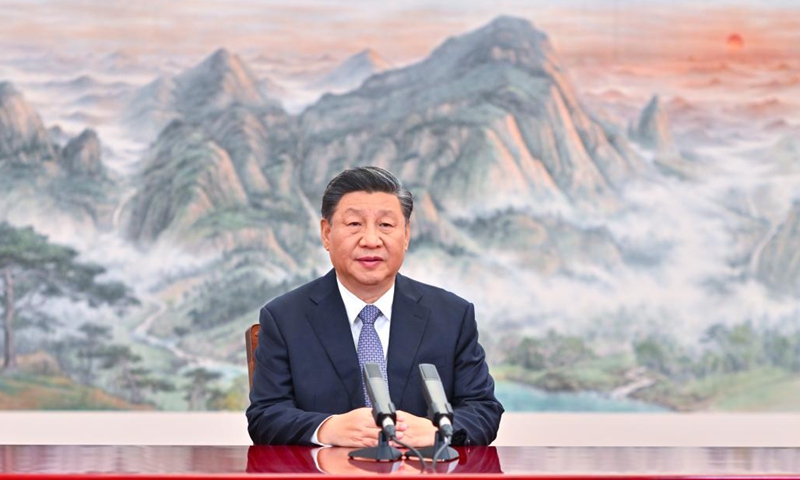
On 17 August, SCMP reported that President Xi Jinping led the 100th birth anniversary commemoration event of China’s former President and General Secretary of the Communist Party, Jiang Zemin. President Xi addressed thousands of officials and delegates of the Politburo at the Great Hall of the People, and the event was also attended by several retired officials such as former Premier Wen Jiabao, Vice President Wang Qishan, and Zeng Qinghong. President Xi listed out the achievements of the former president in the fields of economic development, foreign policy, and defence policy. Xi also highlighted Jiang’s role in managing the 1997 Asian financial crisis and the devastating floods in China in 1998, and their entry into the World Trade Organization.
(“China’s Xi praises former president Jiang’s contribution in show of party unity,” SCMP, 17 August 2026)
https://www.scmp.com/news/china/politics/article/3364226/xi-jinping-speaks-event-commemorate-former-president-jiang-zemin-centenary
DEFENCE
Chinese research advocates mobilising civilian fleets for wartime dual-use strategy
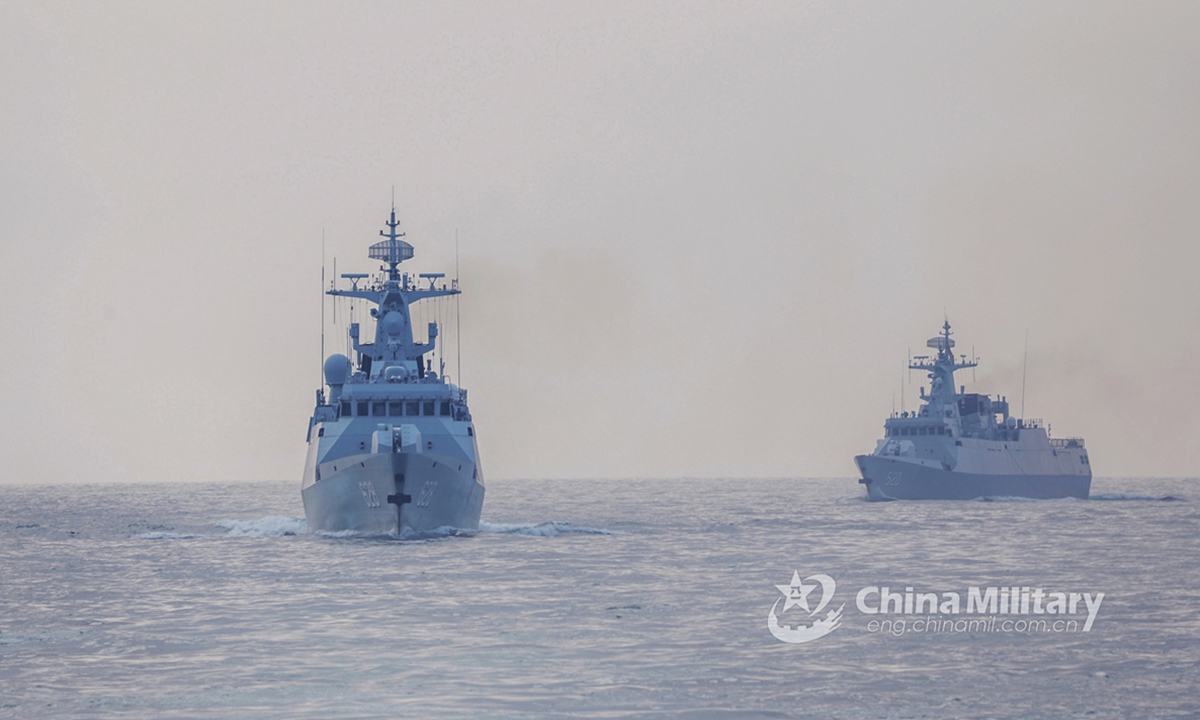
On 16 August, SCMP reported that a defense researcher at China's National Development and Reform Commission, Li Jin, urged Beijing to accelerate plans for commandeering civilian ships for military operations, drawing precedence from Britain’s strategic mobilization during the 1982 Falklands conflict. As maritime security risks expand, Li highlighted the necessity of transforming China's massive commercial fleet into a dual-use military asset.
The proposed strategy requires conducting a comprehensive national fleet survey to build an operational database, establishing clear mobilization command protocols, and conducting regular joint transport exercises. Crucially, the plan also mandates incorporating military specifications directly into the design of new civilian vessels, alongside offering tax incentives and subsidies to commercial operators.
(“From cargo to combat: China urged to prepare civilian ships for wartime use,” South China Morning Post, 16 August 2026)
https://www.scmp.com/news/china/military/article/3364193/cargo-combat-china-urged-prepare-civilian-ships-wartime-use
SCIENCE AND TECHNOLOGY
Humanoid robots face real-world challenges in firefighting at the World Humanoid Games
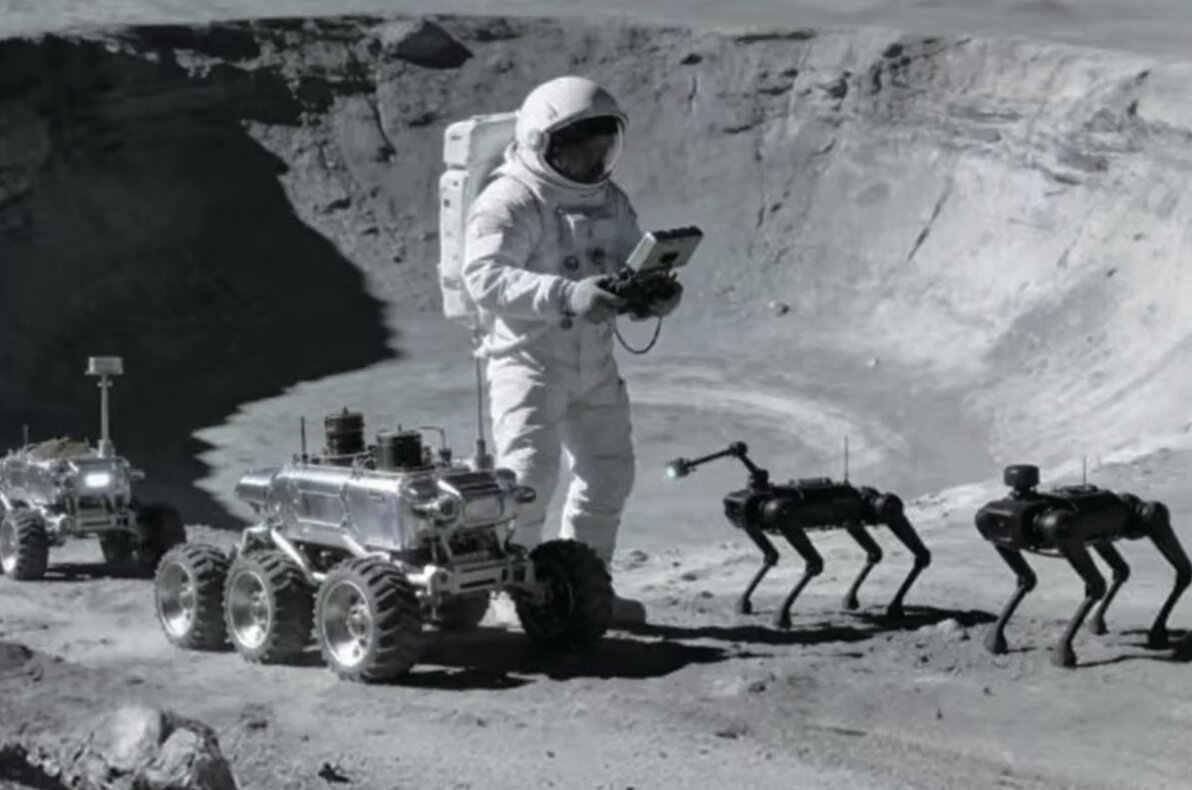
On August 16, Global Times reported that at the second World Humanoid Robot Games held in Beijing, 23 teams competed in a simulated emergency rescue mission, which was reflective of a shift from eye-catching demonstrations towards practical application. Held at an active fire brigade, the competition required robots to identify hazardous materials, shut off randomly selected valves, and operate a fire extinguisher within 30 minutes. Out of 12 teams competing, only three completed all tasks. Outdoor environmental factors like rain and shifting light disrupted visual recognition, path planning, and fine manipulation, exposing the vast gap between controlled laboratory settings and real-world operations. Teams utilized advanced VR teleoperation, specialized high-torque joint modules, and wheel-based locomotion to navigate the course. Despite numerous operational failures, organizers and engineers emphasized that real-world testing provides critical edge-case data needed to refine AI models, advancing China’s effort to deploy embodied intelligence alongside human firefighters in high-risk environments.
(“23 humanoid robot teams compete in firefighting missions at 2nd WHRG, facing real-world complexity beyond dancing in coordination,” Global Times, 16 August 2026)
https://www.globaltimes.cn/page/202608/1368322.shtml
CHINA AND TAIWAN
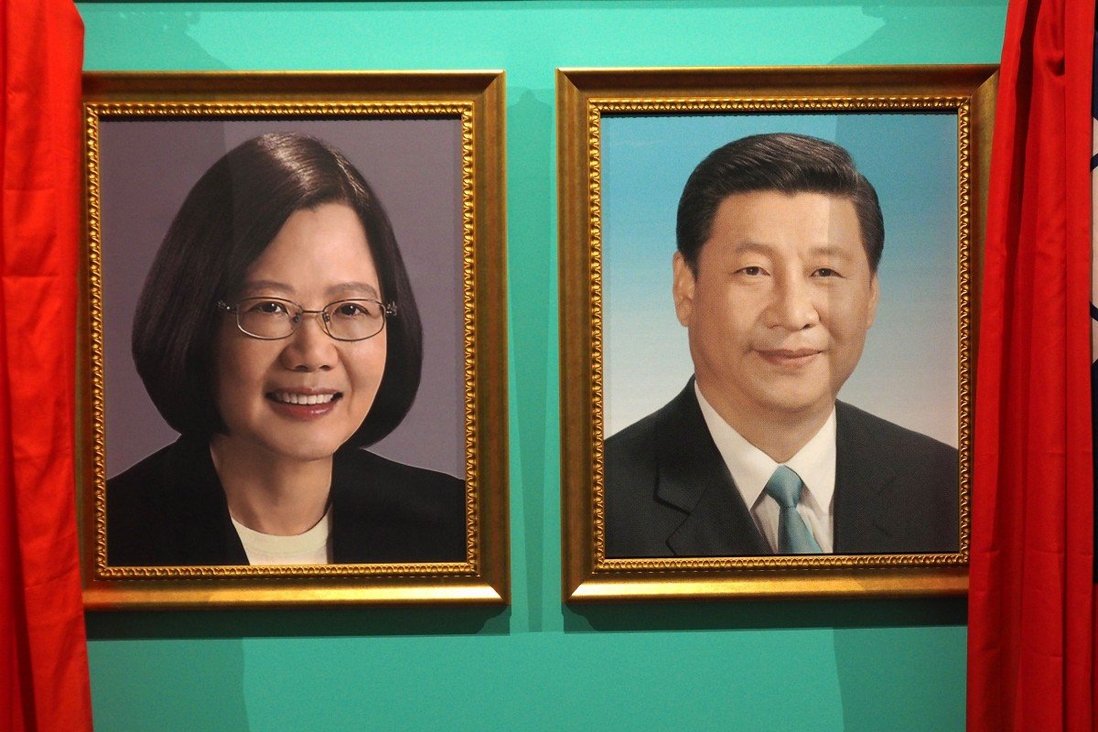
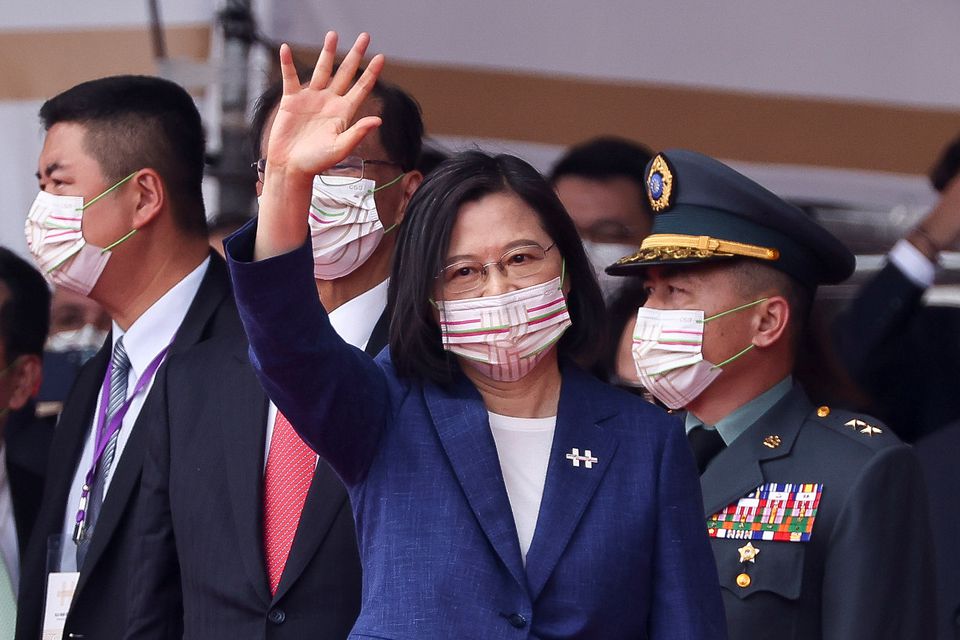
Taiwan passes annual budget, includes President Lai’s drone provisions
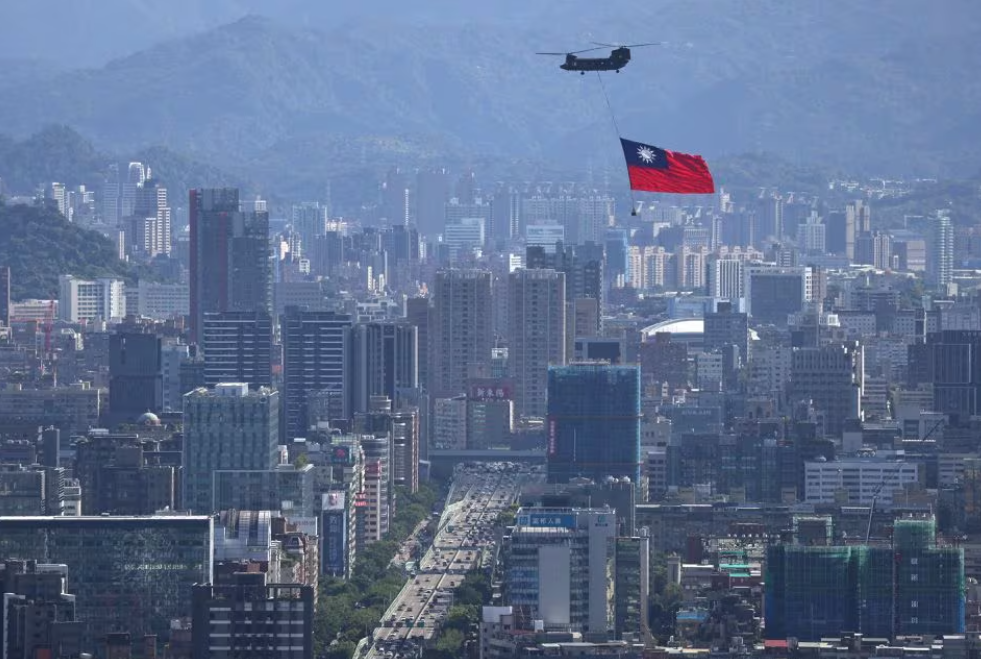
On 15 August, Reuters reported that Taiwan’s parliament has passed this year’s government budget after long delays, including spending on a key drone programme advocated by President Lai Ching-te. Taiwan’s parliament is currently under the primary opposition party, KMT, while the Democratic Progressive Party, under President Lai, is a minority government. The budget was finally passed after nearly a year of delays, after repeated instances of clashes between the opposition coalition and the DPP. Lawmakers also approved USD 63.4 billion for drone manufacturing and for modernization efforts in Taiwan’s military to better deter China. The DPP is set to unveil next year’s budget on Thursday, which will include a 16 percent rise in defence spending.
(“Taiwan passes annual budget after long delay, including drone spending,” Reuters, 15 August 2026)
https://www.reuters.com/world/china/taiwan-passes-annual-budget-after-long-delay-including-drone-spending-2026-08-15/
CHINA AND EAST ASIA
China criticises Japan’s government official visit to controversial World War Two shrine
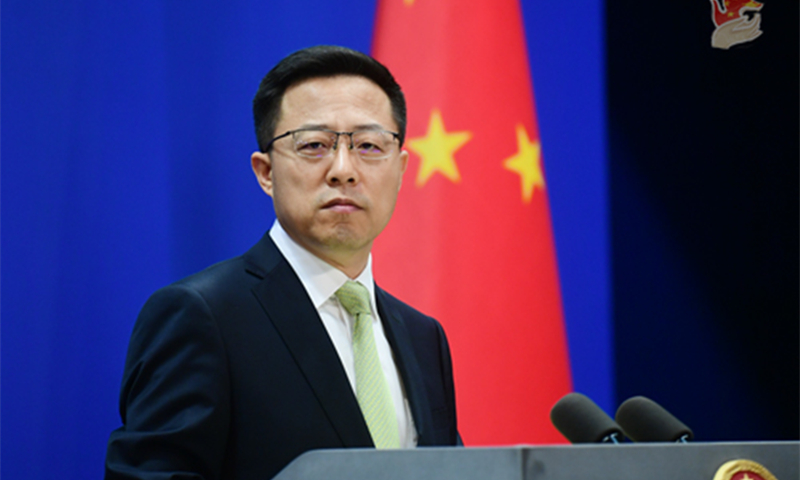
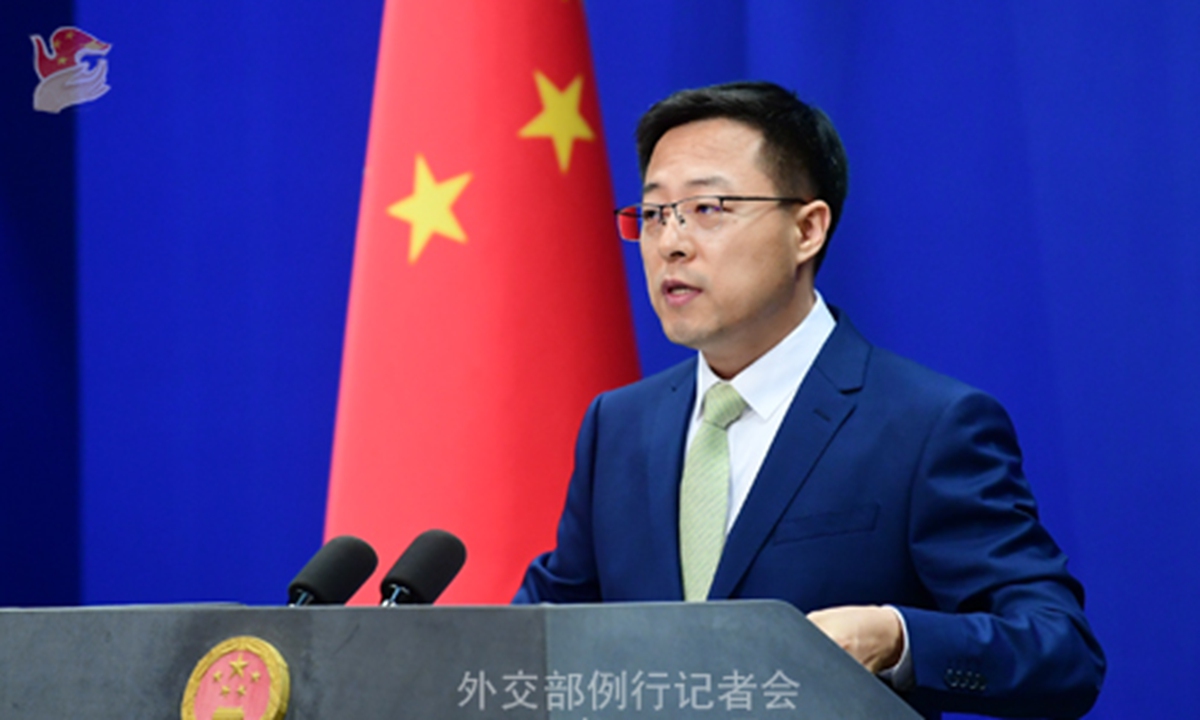
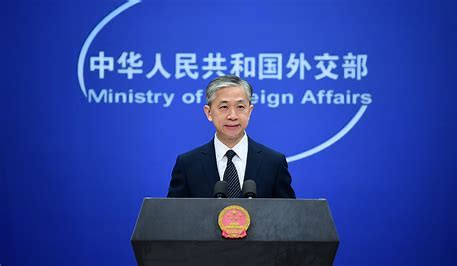
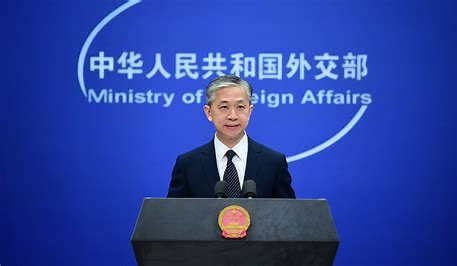
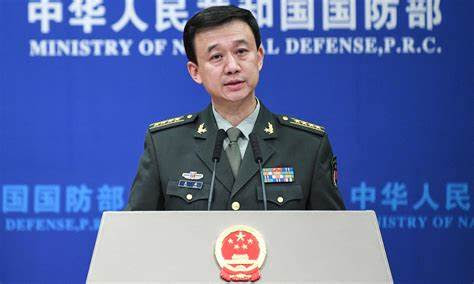
On 15 August, Global Times reported that China’s Defence Ministry had criticised a Japanese official's visit to the Yasukuni Shrine, a World War Two memorial on the anniversary of Japan’s surrender in the war. Japan’s Defence Minister Shinjiro Koizumi had visited the shrine alongside the Economic Security Minister Kimi Onoda. During the Second World War, Imperial Japan committed multiple atrocities and war crimes in China, Korea, and the rest of Asia, which continue to strain relations in the present day. The Shrine commemorates around 2.5 million slain soldiers and also contains the graves of the 14 people indicted for war crimes in the ‘Tokyo Trials.’ Defence Ministry Spokesperson Jiang Bin stated that the visit “openly desecrates historical justice and seriously hurts the feelings of the people of victimized countries in the Asia-Pacific.” He urged Japan to “earnestly draw lessons from history and stop acting against the tide of history,” and that Japan’s “neo-militarist” tendency will be “subjected to the judgement of justice and the reckoning of history.”
(“China’s Defense Ministry spokesperson slams Japanese politicians’ Yasukuni moves,” Global Times, 15 August 2026)
https://www.globaltimes.cn/page/202608/1368277.shtml
CHINA AND EUROPE
China-Europe Arctic shipping routes begin regular weekly operations
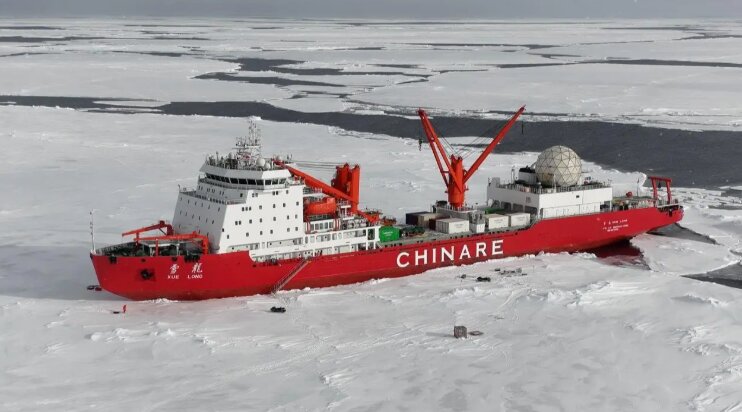
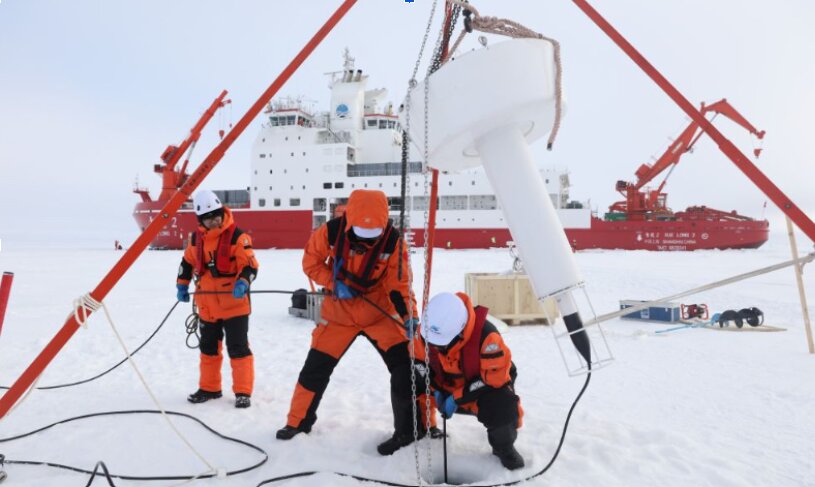
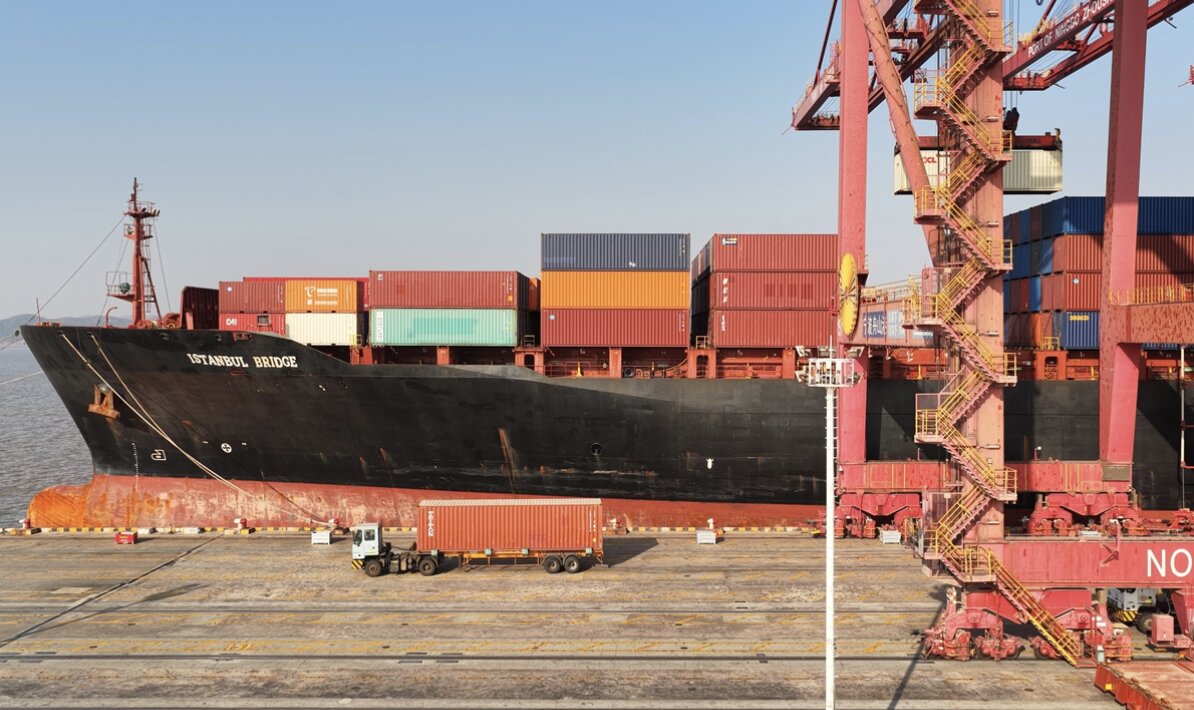
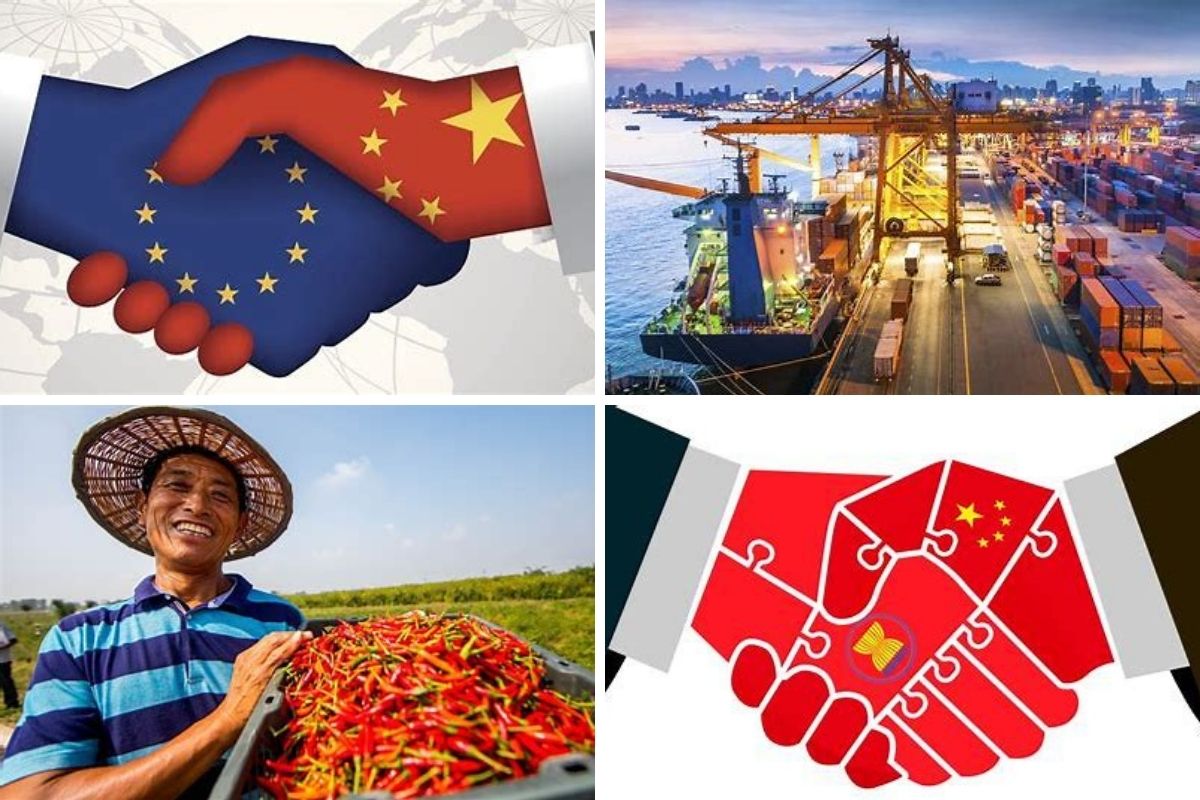
On August 17, Global Times reported that the China-Europe Arctic container express route launched regular weekly seasonal operations on August 15, following the departure of the container ship Dubai Tower from the Ningbo-Zhoushan Port. Traversing the Northeast Arctic Passage, the maritime link connects China with key European hubs, including Felixstowe, Rotterdam, Hamburg, and Gdynia. After completing a successful trial voyage in September 2025, the route significantly enhances transit efficiency, taking approximately twenty days to reach Europe, which cuts traditional Suez Canal shipping times nearly in half. Transporting high-value, temperature-sensitive cargo like renewable energy components and electric vehicle parts, the route offers greater supply chain resilience. Due to polar ice conditions, operators plan at least eight seasonal voyages between July and October.
(“China-Europe Arctic shipping route enters regular weekly operation,” Global Times, 17 August 2026)
https://www.globaltimes.cn/page/202608/1368357.shtml










































.png)
.jpg)
.jpg)
.jpg)
.jpg)
.jpg)
.jpg)
.jpg)
.jpg)

.jpg)
.png)

.jpg)
.jpg)
.jpg)
.jpg)
.jpg)
.jpg)
.jpg)

.jpg)
.jpg)
.jpg)
.jpg)
.jpg)

.jpg)
.jpg)


.jpg)
.jpg)
.png)
.jpg)
.jpg)
.png)
.jpg)
.jpg)


.jpg)
.jpg)
.jpg)
.jpg)
.jpg)
.jpg)
.jpg)
.jpg)
.jpg)

.jpg)
.jpg)
.jpg)
.jpg)
.jpg)
.jpg)

.jpg)

.jpeg)





.jpeg)