Photo : CNN

Photo : CNN
In Brief
INTERNAL
Hong activist pleads guilty of foreign collusion
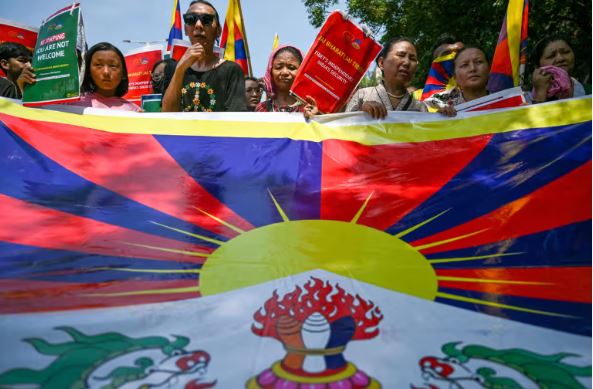
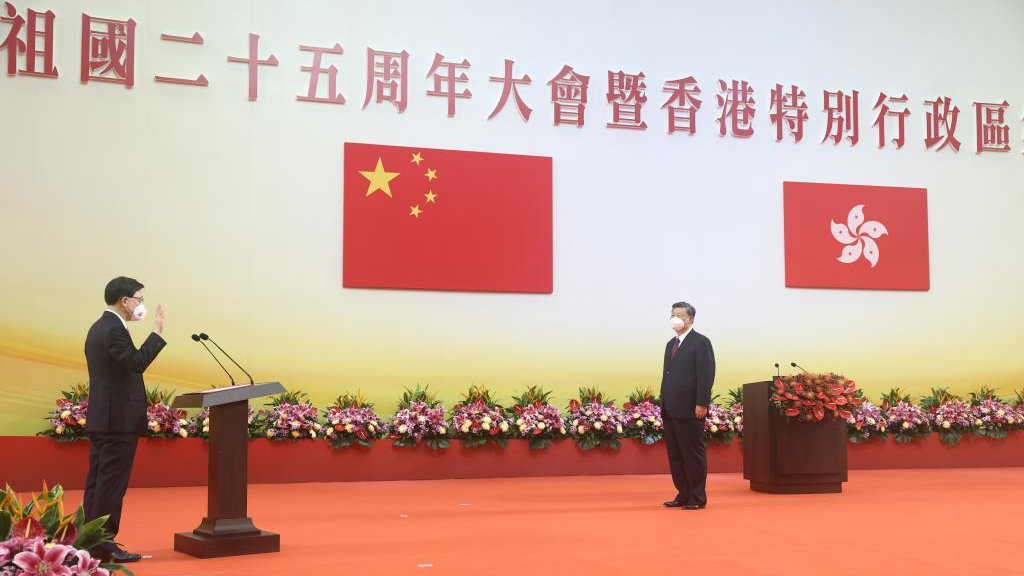
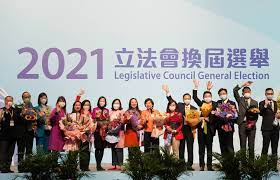
On 02 September, the BBC reported that Joshua Wong, a Hong Kong pro-democracy activist, pleaded guilty to collusion with foreign entities. He is currently serving a four-year, eight-month sentence for subversion in 2024. His latest charge includes conspiring with exiled activist Nathan Law to ask foreign countries and entities outside China to impose sanctions or blockades against Beijing. His second trial comes under the violation of national security law, and this offence carries a statutory range of three to 10 years, or up to life imprisonment. statutory range is three to 10 years, or up to life imprisonment. The latest literature suggests that he pleaded guilty early in hope of a lenient sentence.
("Jailed HK activist Joshua Wong pleads guilty to foreign collusion," BBC, 02 September 2026)
https://www.bbc.co.uk/news/articles/cx2zmzg0408o
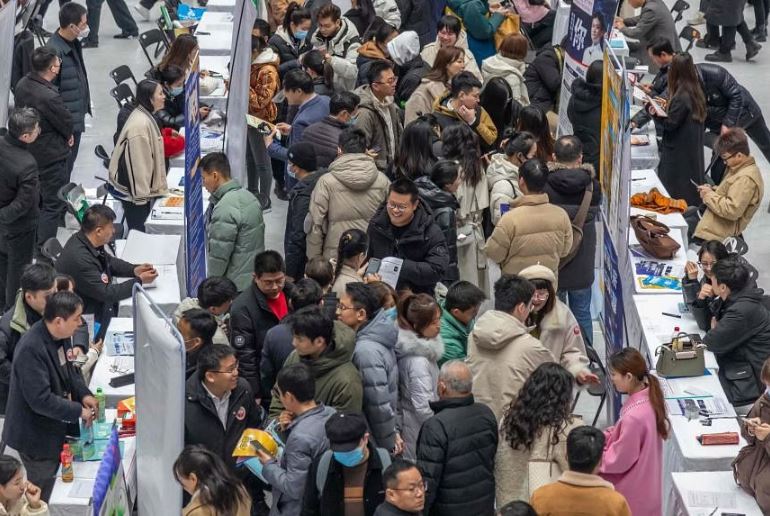
Blue-collar jobs now face job insecurity, offshoring and unemployment reports Washington Post
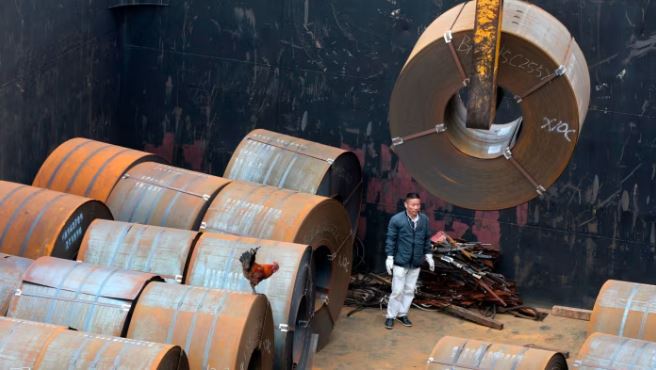
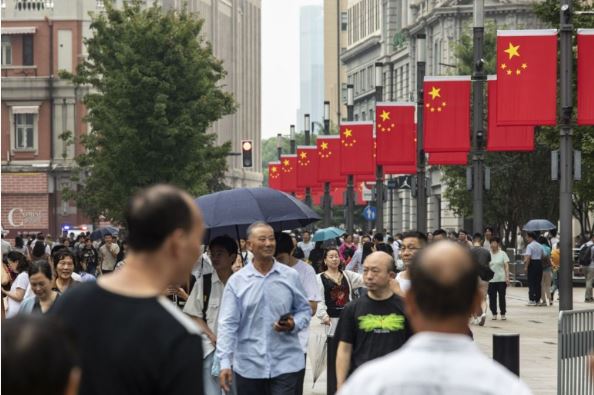
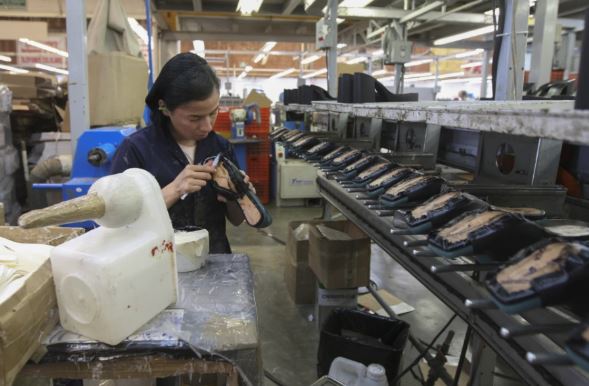
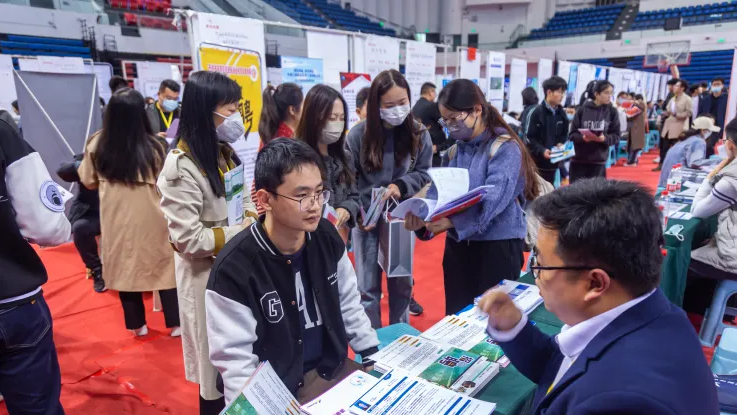
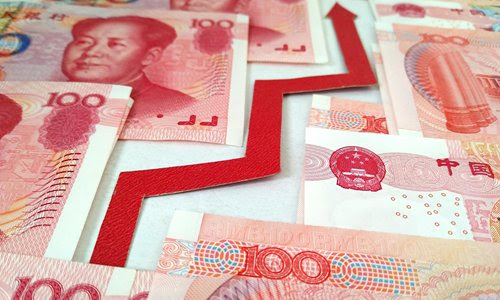
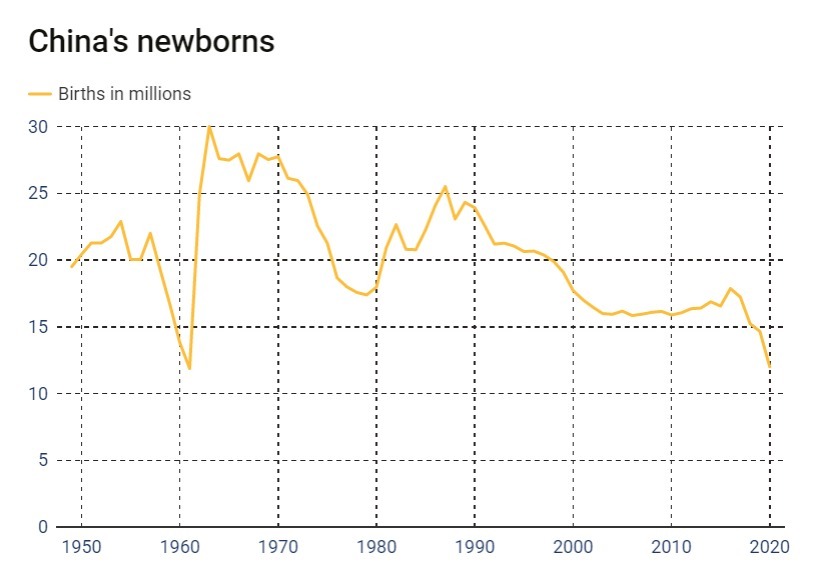
On 01 September, The Washington Post reported that blue-collar jobs, which once powered the Chinese economy, are now highly unbalanced and unequal. The news reported that "aggressive" high-tech innovation adds to the job insecurity of ordinary workers. The report highlights the increasing inequality, offshoring and unemployment in China. Peterson Institute for International Economics fellow Mary Lovely said: "The Chinese economy is in the middle of a “very complicated transition," and even as China develops cutting-edge artificial intelligence and electric vehicles, “parts of the economy … are just as dirty and as low-tech as they ever were. The economy used to benefit from the trade surplus with subsidies, factory automation, and cheap labour. Now, the workers are turning to the gig economy and are projected to reach 320 million from 280 million last year. In such a situation, the news also highlights that China's “work now, pension later” social contract could spark unrest.
(“Blue-collar workers propelled China’s rise. Their jobs are vanishing,” The Washington Post, 01 September 2026)
https://share.google/gn3Cixci4wjfN3Bzh
SCIENCE AND TECHNOLOGY
Chinese researchers hit 98 per cent efficiency in quantum computing breakthrough
On 03 September, Global Times reported that Chinese research teams achieved a breakthrough on an independently developed superconducting quantum computer, with tests showing information transmission efficiency of up to 98 per cent for a single quantum router, according to Science and Technology Daily. Researchers developed a coherent quantum routing system for bucket-brigade quantum random access memory (QRAM) on the Origin Wukong superconducting quantum computer, acting as a "fast lane" for data transmission to help scale up QRAM. Testing three independent quantum routers and a two-layer routing network, a single router achieved 98 per cent transmission efficiency, while the two-layer network reached 93 per cent overall. Average fidelity in random-access tests reached 94.8 per cent for the single router and 82.4 per cent for the two-layer network. Researchers said the breakthrough offers a scalable approach to building QRAM on existing superconducting hardware, potentially cutting computing costs and improving chip-circuit integration.
("China achieves 98% transmission efficiency in single quantum router breakthrough," Global Times, 03 September 2026)
https://www.globaltimes.cn/page/202609/1369709.shtml
CHINA AND SPACE
China achieves Earth-Moon laser link, but data speeds trail NASA's 2013 benchmark
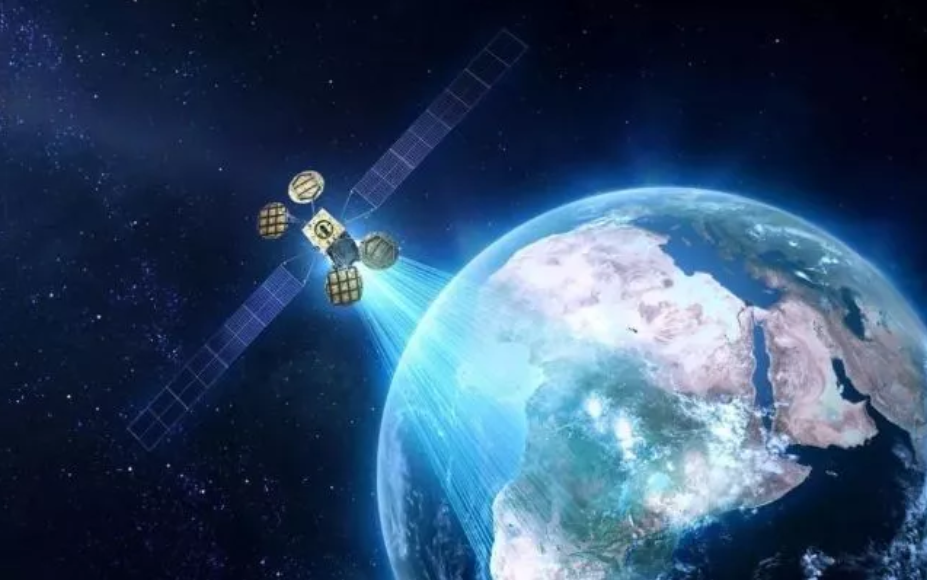
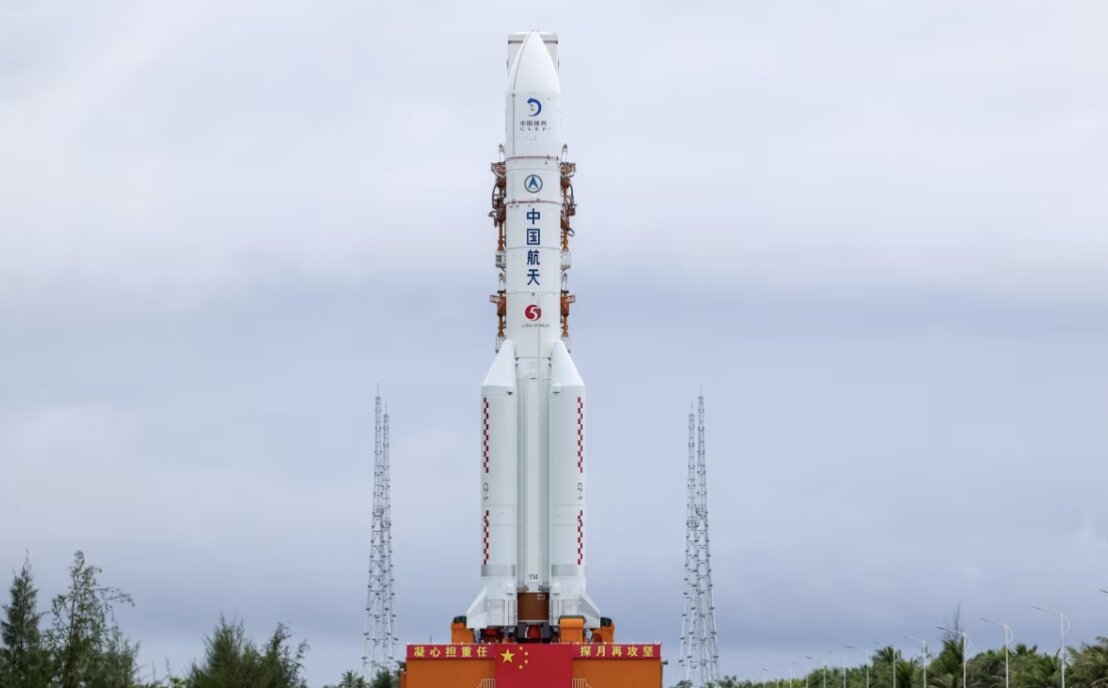
On 02 September, SCMP reported that China achieved two-way laser communication between Earth and the Moon, becoming only the second nation after the United States to do so, though its data rates lagged well behind NASA's over a decade-old benchmark. Using telescopes in Yunnan province and an experimental satellite now orbiting the Moon after a 2024 launch mishap, the Chinese Academy of Sciences-led team recorded a downlink speed of 100 megabits per second and uplink of 1.25 megabits per second, compared to NASA's 2013 demonstration achieving 622 megabits per second download and 20 megabits per second upload speeds. Space historian Jonathan McDowell called the two experiments comparable, saying China has not yet matched US data rates, though the reason for the gap remains unclear. Team lead Yang Lei had earlier highlighted laser communication's speed advantage over other methods.
("China's 2026 moon laser communication speed is slower than Nasa's in 2013," South China Morning Post, 02 September 2026)
https://www.scmp.com/news/china/science/article/3365942/chinas-2026-moon-laser-communication-speed-slower-nasas-2013
DEFENSE
PLA Type 071 landing ship joins commercial vessel rescue drills off Somalia
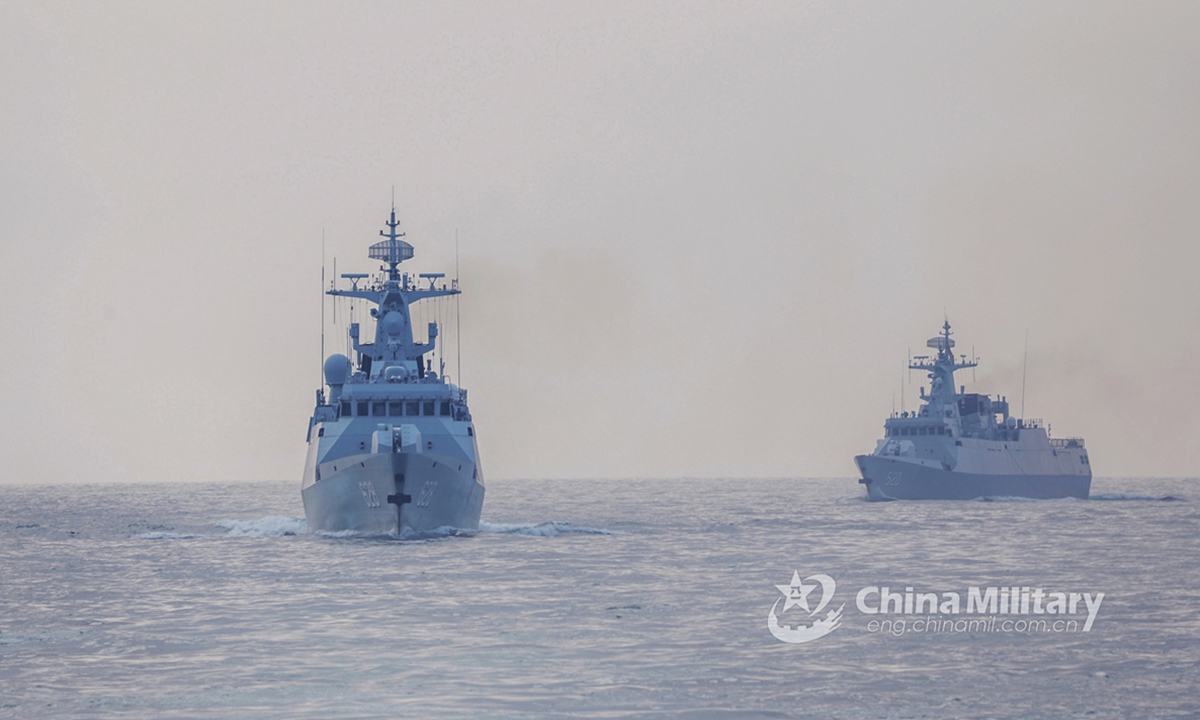
On 01 September, Global Times reported that the PLA Navy's 49th escort task force conducted an anti-piracy drill off Somalia. This included a Type 071 amphibious landing ship, the Wuzhishan (Hull 987), not originally listed in the taskforce's announced composition. Images showed special forces personnel rappelling from helicopters onto the Wuzhishan during the exercise. A military expert said the vessel may have been en route to China's support base in Djibouti for transport or port compatibility training, part of a broader far-sea deployment testing the navy's blue-water capabilities. The 49th task force, from the PLA Southern Theatre Command, includes the guided-missile destroyer Kunming, undertaking its first escort mission, alongside the frigate Yueyang and supply ship Luomahu, with helicopters and special operations personnel aboard.
("PLA Navy's Type 071 comprehensive landing ship joins commercial vessel rescue drills with escort task force in Somalian waters," Global Times, 01 September 2026)
https://www.globaltimes.cn/page/202609/1369583.shtml
Revised defence mobilisation law focuses on AI, drones, quantum tech
On 01 September, South China Morning Post (SCMP) reported that China's top legislature passed the first amendment in 16 years to its national defence mobilisation law, adding focus on emerging technologies including artificial intelligence (AI) and drones. The revised law states the country "promotes the application of advanced technologies in national defence mobilisation," without specifying which technologies. Beijing-based military law expert Xie Dan said this covers cyberspace, AI, unmanned systems, the electromagnetic spectrum, biotechnology, maritime, space, and quantum technologies, alongside relevant market entities and specialised talent. Xie said the Russia-Ukraine conflict "validates the critical role of unmanned, intelligent and cyber technologies in modern warfare," reinforcing the amendment's necessity. The revised law takes effect on 01 October.
("China highlights advanced wartime tech in defence mobilisation law update," South China Morning Post, 01 September 2026)
https://www.scmp.com/news/china/military/article/3365993/china-highlights-advanced-wartime-tech-defence-mobilisation-law-update
CHINA AND TAIWAN
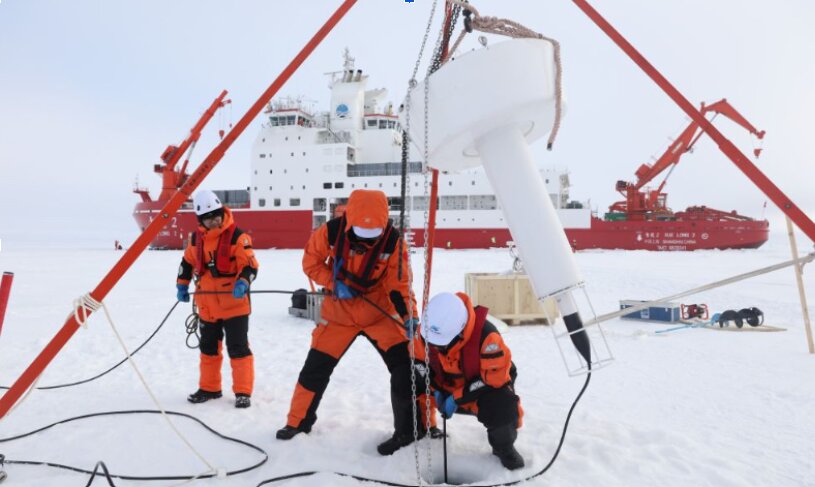
China conducted ‘resource management’ survey in waters east of Taiwan island, says Reuters
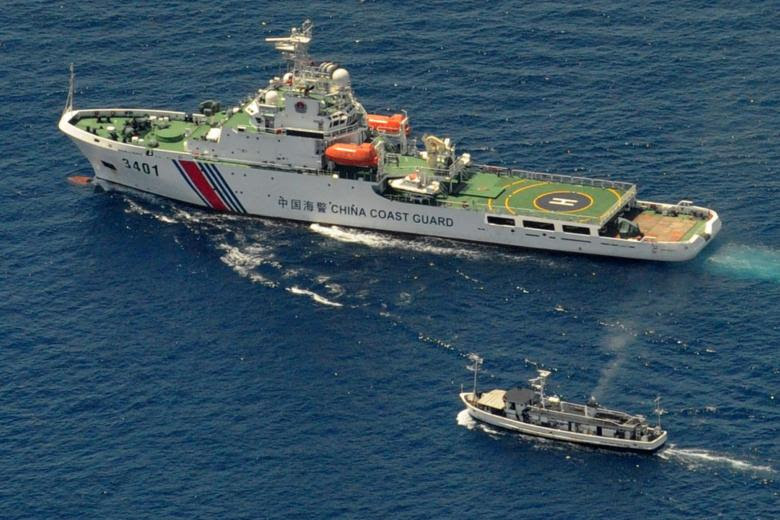
On 03 September, Reuters reported that China’s Ministry of Natural Resources conducted a survey of waters east of Taiwan island the previous month to create a “one map” for territorial and resource management initiatives. China has increased its naval and scientific vessel presence in the eastern waters of Taiwan since June. Taiwan’s Coast Guard stated that they shadowed and monitored a Chinese research ship last month, and the third time it had appeared since May. The Ministry further added that the survey is aimed at understanding the basic geology and structural characteristics of the seabed in “China’s jurisdictional sea areas.” Taiwan’s Mainland Affairs Council Spokesperson Liang Wen-chieh stated that the surveys and patrols conducted by China are “malicious,” and rejected China’s sovereignty claims over the island.
(“China says it conducted survey of waters east of Taiwan last month,” Reuters, 03 September 2026)
https://www.reuters.com/world/asia-pacific/china-says-it-conducted-survey-waters-east-taiwan-last-month-2026-09-03/
Taiwan’s Defence report warns that China is intensifying blockade preparations
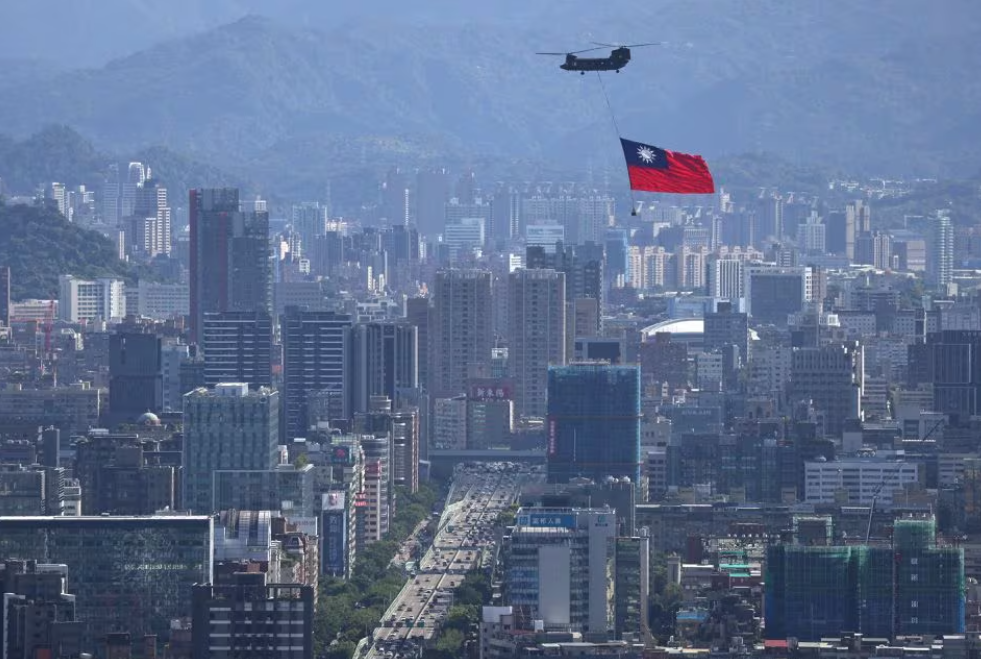
On 02 September, South China Morning Post reported that Taiwan's Defence Ministry stated that the People's Liberation Army (PLA) was stepping up preparations for a blockade of the island, according to its “2026 China Military Power Report” submitted to the legislature. The report said recent PLA exercises had increasingly focused on joint blockade and control of Taiwan's external air and sea routes, alongside maritime and air quarantines, joint firepower strikes, and amphibious landing operations. PLA warplanes and drones have continued crossing the median line, while warships have approached waters near the island's contiguous zone. In response, Taiwan said it would strengthen its command and intelligence networks and use AI-assisted decision-making, having tested countermeasures to a blockade for the first time during this year's Han Kuang exercises. The ministry said the PLA's ability to launch a full-scale amphibious assault remained “still insufficient,” though analysts said Beijing appeared to be accelerating preparations for a potential campaign against the island.
("Mainland China stepping up preparations for Taiwan blockade, report says," South China Morning Post, 02 September 2026)
https://amp.scmp.com/news/china/military/article/3366011/mainland-china-stepping-preparations-taiwan-blockade-report-says
CHINA AND CENTRAL ASIA
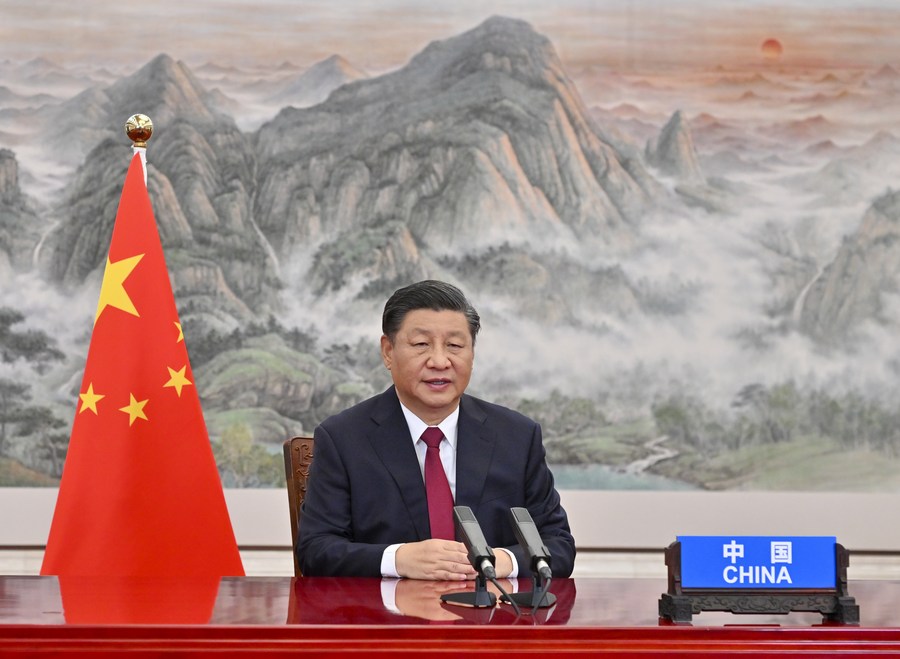
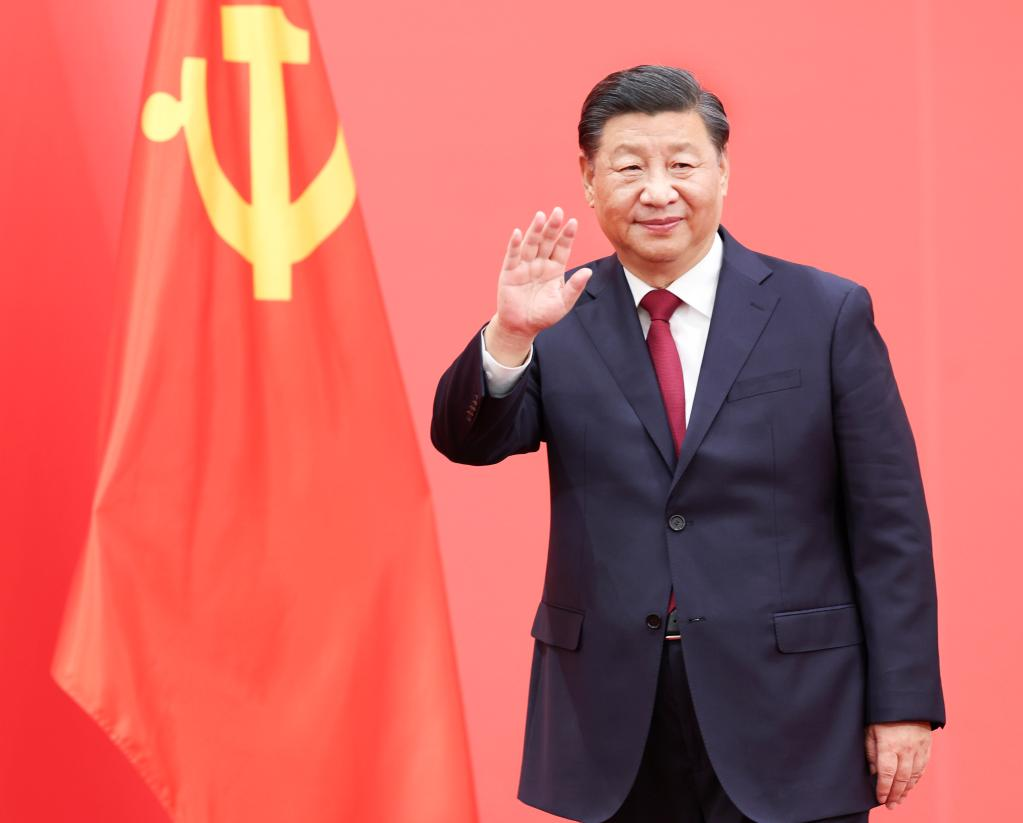
President Xi meets with Mongolia’s President Ukhnaa
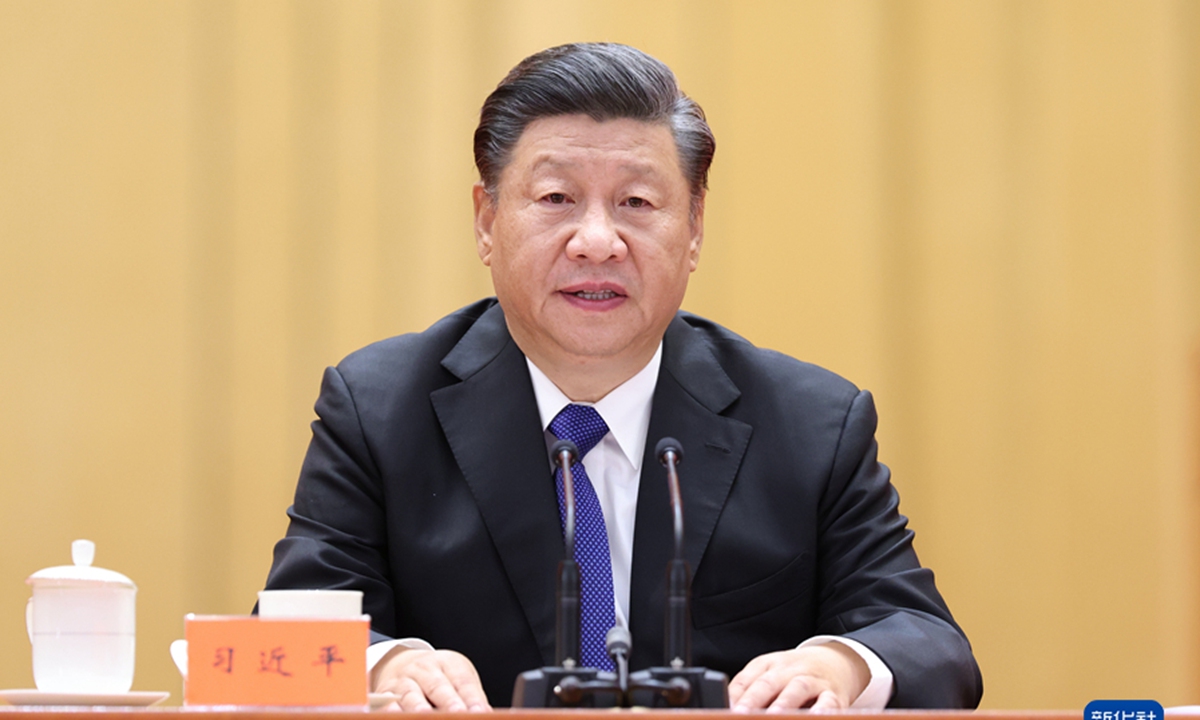
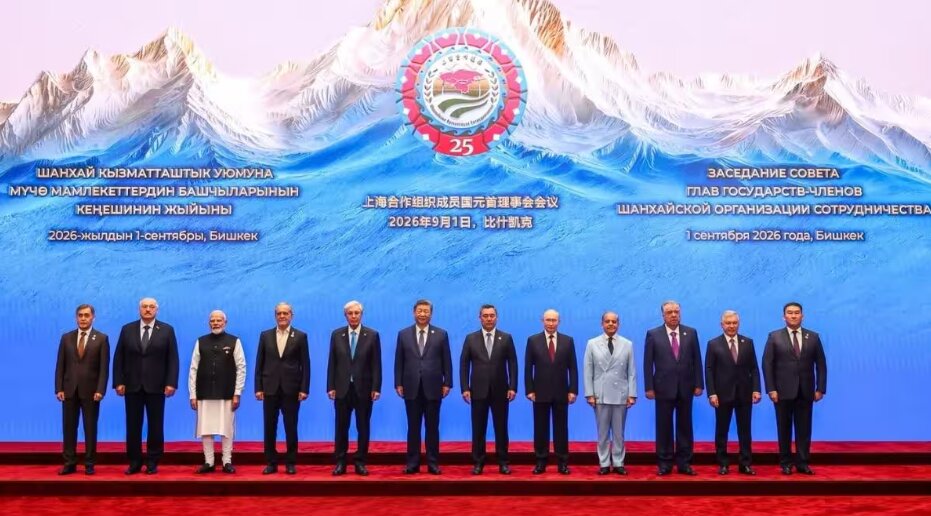
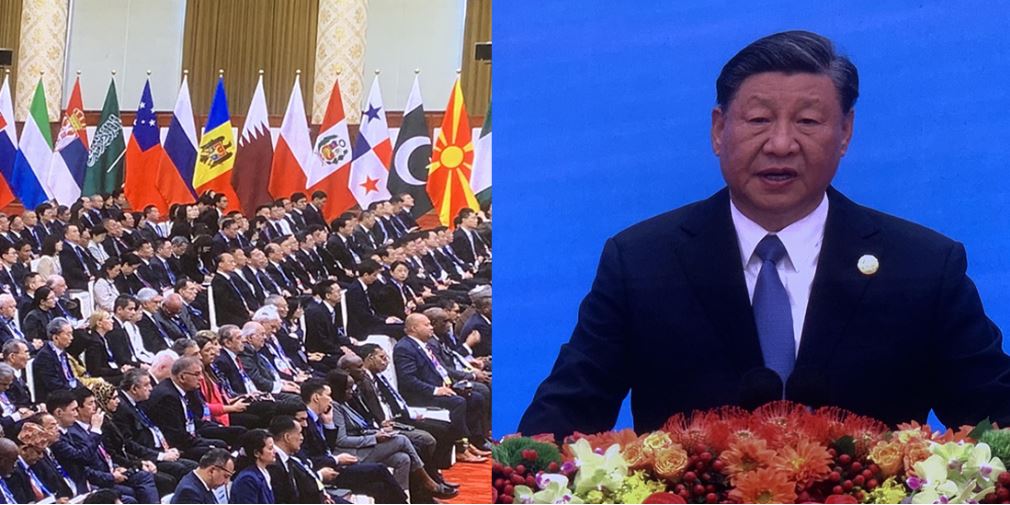
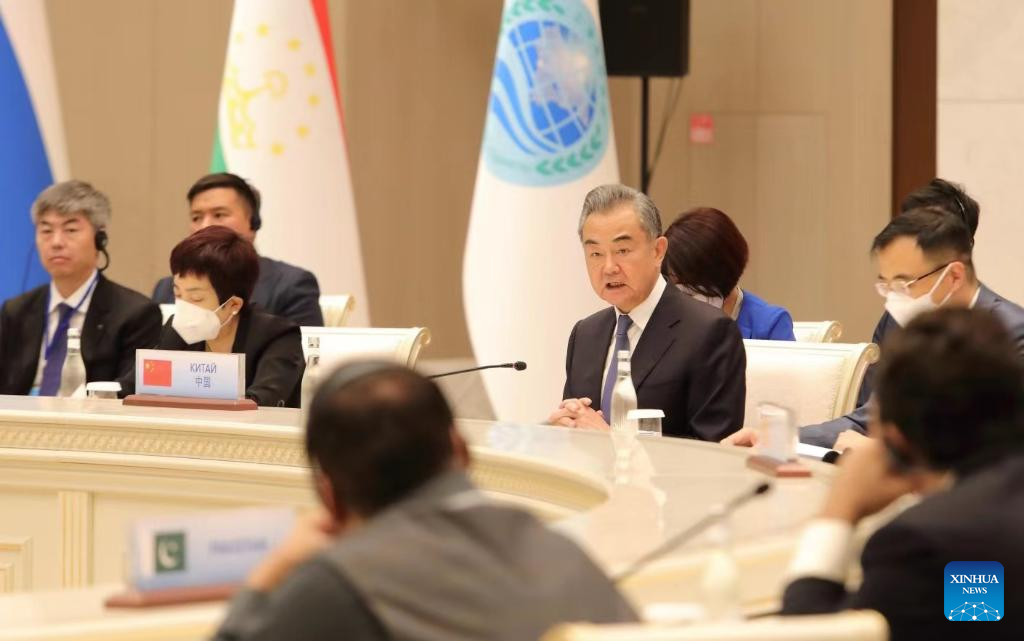
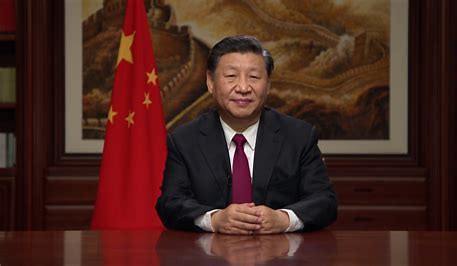
On 31 August, China’s President Xi Jinping met with Mongolia’s President Khurelsukh Ukhnaa on the sidelines of the 2026 Shanghai Cooperation Organisation (SCO) Summit in Bishkek, Kyrgyzstan. President Xi stated that China is ready to work with Mongolia on various sectors, including trade, connectivity, energy, and minerals and to expand cooperation in AI, digitisation, and modernisation. President Ukhnaa echoed similar sentiments, reaffirmed its commitment to the One-China policy, and expressed support for China’s four major global initiatives.
(“President Xi Jinping Meets with President Khurelsukh Ukhnaa of Mongolia,” China’s Embassy communique, 31 August 2026)
https://za.china-embassy.gov.cn/eng/zgyw/202609/t20260901_12013549.htm
CHINA AND PACIFIC
Pacific Islands civil society groups reject all missile testing in the region
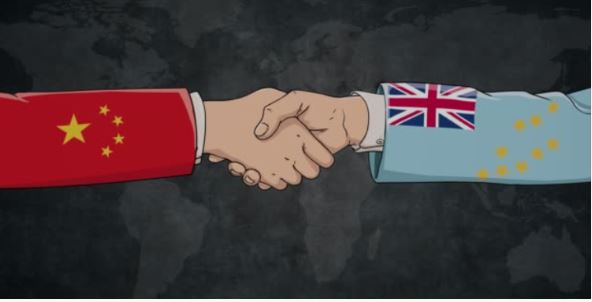
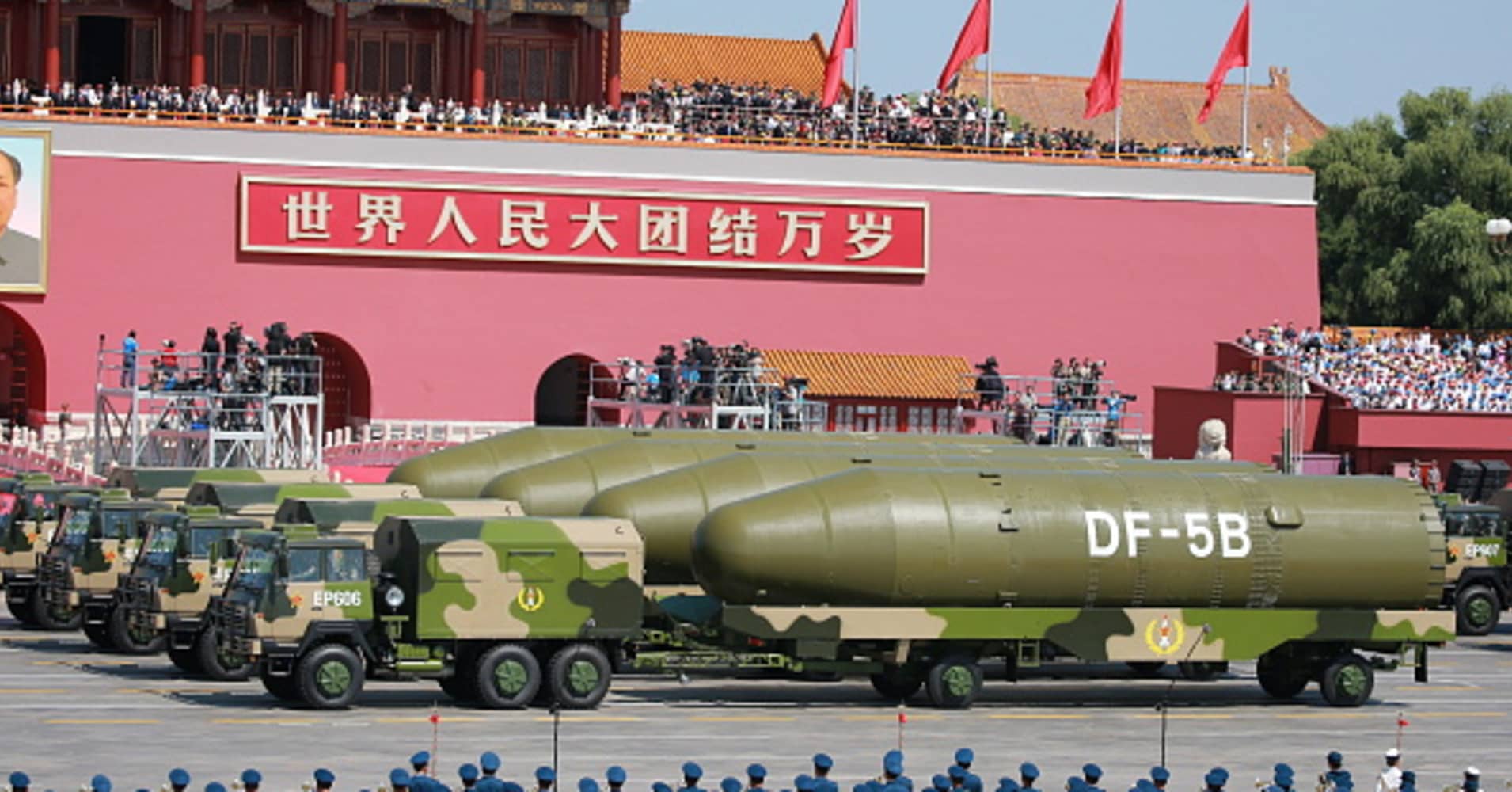
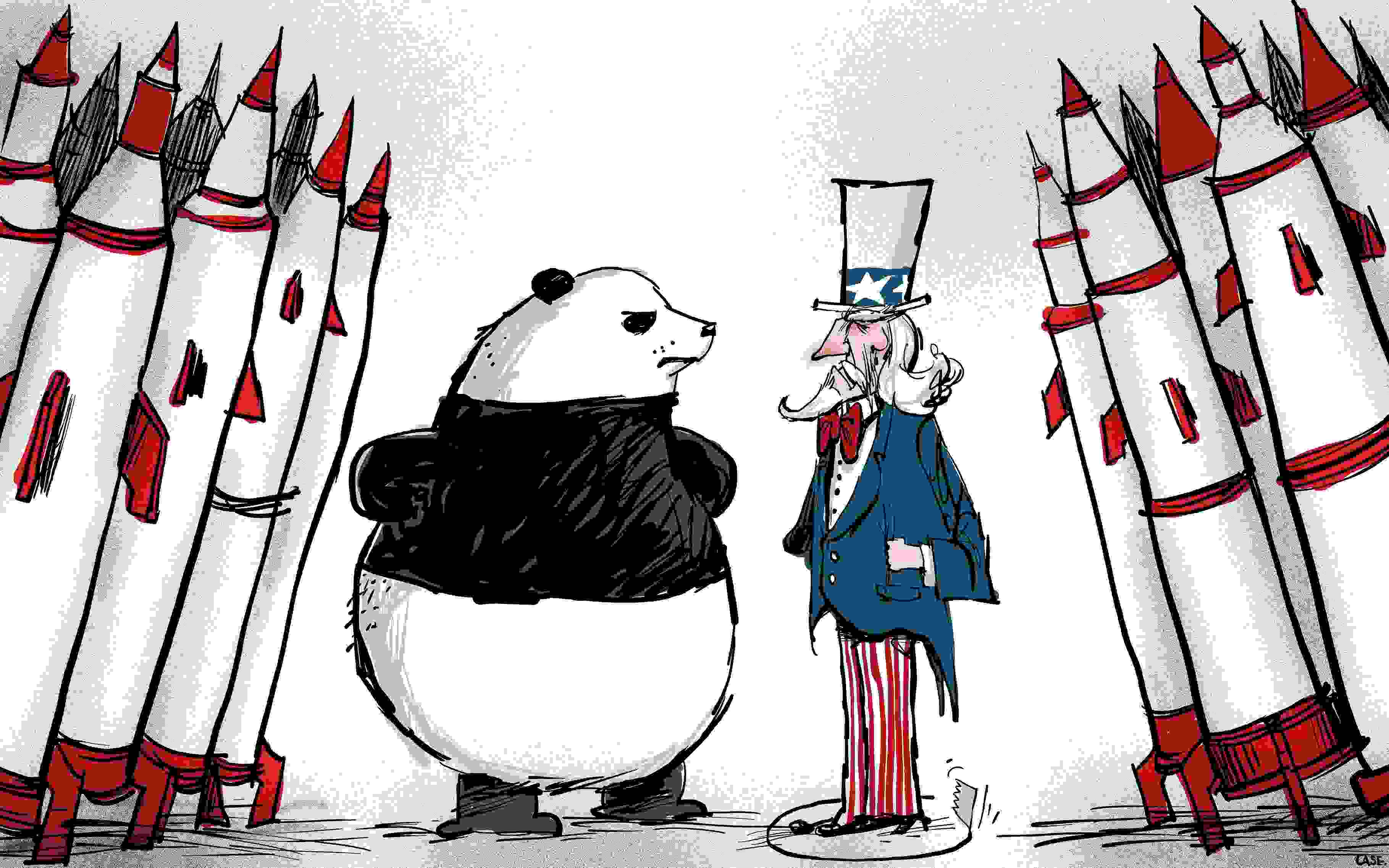
On 02 September, Fiji Sun reported that the Pacific Network on Globalisation (PANG), a consortium of civil society groups operating amongst the Pacific Island nations, condemned the use of the region as a missile testing ground by both China and the US. China had tested a Submarine-Launched Ballistic Missile (SLBM) with a dummy warhead into the Pacific Ocean hours after Australia and Fiji signed a mutual defence treaty. PANG Coordinator Joey Tau stated that Pacific leaders are “silent” on these issues, and also highlighted Japan’s dumping of nuclear waste from Fukushima in the Pacific Ocean. The Pacific Islands Forum Secretary General Baron Waqa also stated that they oppose any form of missile testing in the Pacific.
(“Pacific civil society rejects all missile testing,” Fiji Sun, 02 September 2026)
https://fijisun.com.fj/news/pacific/pacific-civil-society-rejects-all-missile-testing
CHINA AND EAST ASIA
China-Japan diplomatic thaw drives Tokyo’s investment push into India, says a BBC report
On 01 September, BBC reported that Japan Inc was increasingly betting on India as an investment destination, with India’s Commerce Minister Piyush Goyal leading the country's largest-ever business delegation to Japan to expand trade ties. Japanese consumer brands such as Uniqlo, Muji and Onitsuka Tiger have rapidly expanded across Indian cities, while Japanese banks, including MUFG and SMBC, have made major acquisitions in Indian financial assets. Japan has also become the largest contributor to India's global capability centres, with over 100 Japanese firms operating such hubs. During Prime Minister Sanae Takaichi's July visit to New Delhi, Japanese companies announced USD 12.5 billion in investments across around 120 agreements. Experts said India was becoming a natural hedge against China-related risks amid Japan's shrinking domestic market and reduced investment appetite for China, though challenges including bureaucratic delays and tax uncertainties continue to complicate the relationship.
("Japan Inc is betting big on India as China risks deepen," BBC, 01 September 2026)
https://www.bbc.com/news/articles/cz64955d56po
CHINA AND SOUTHEAST ASIA
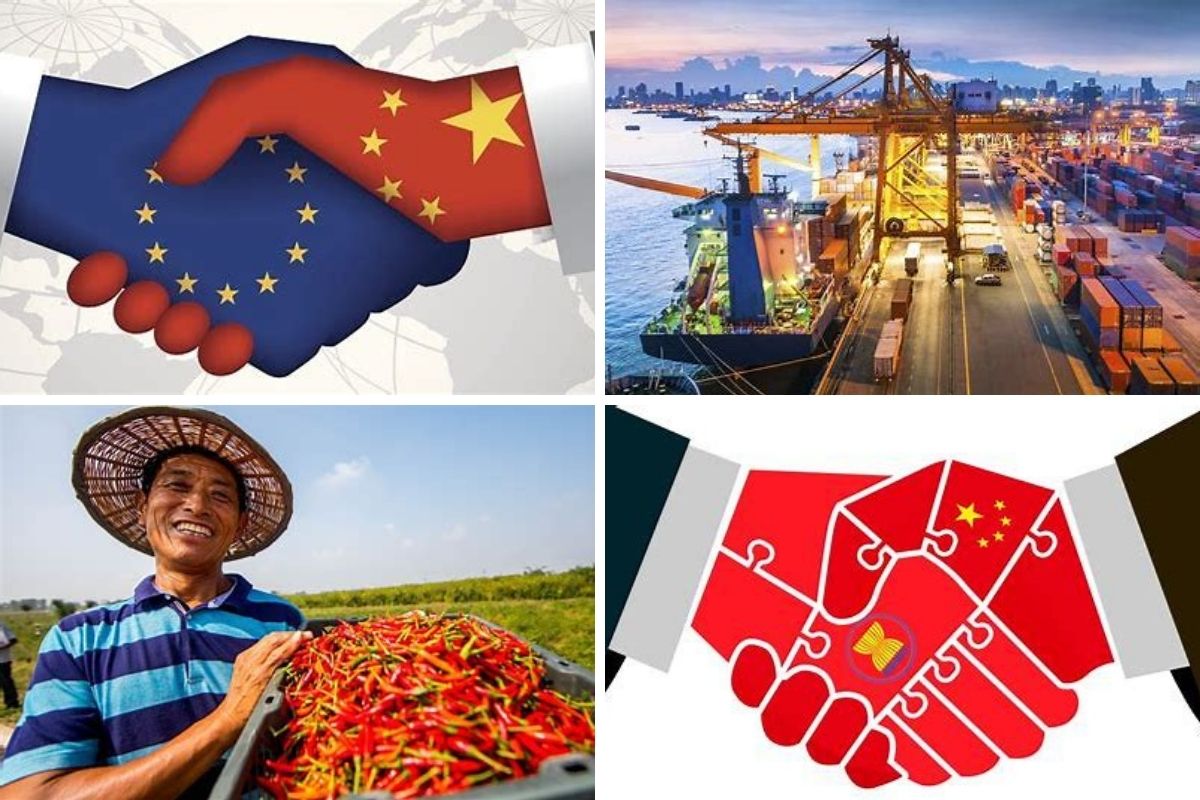
China-ASEAN trade crosses USD 1 trillion for the first time in 2025
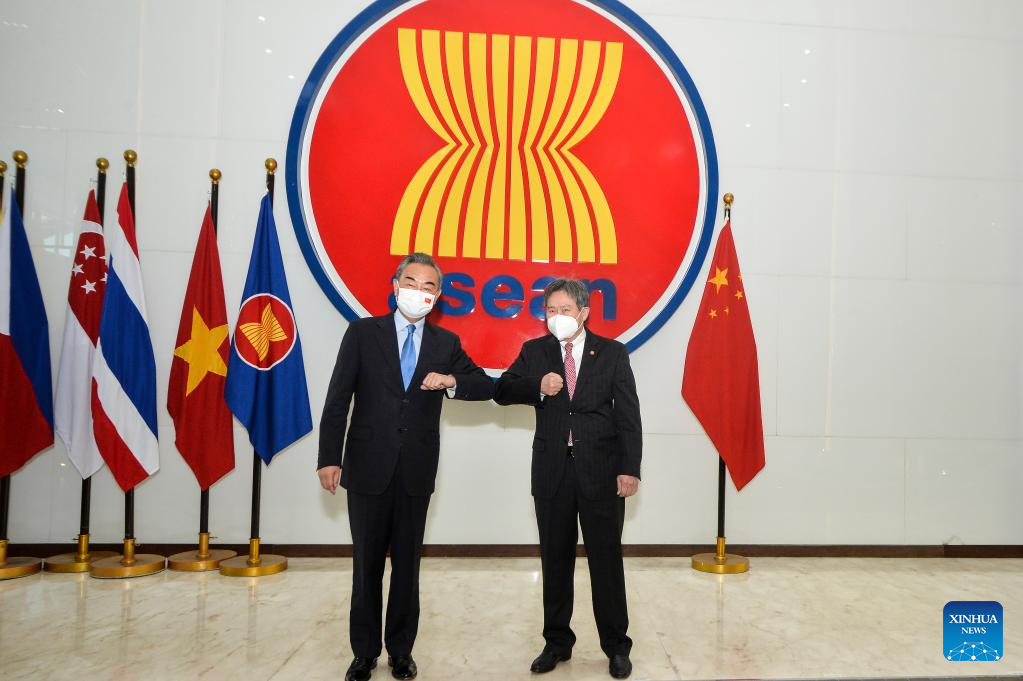
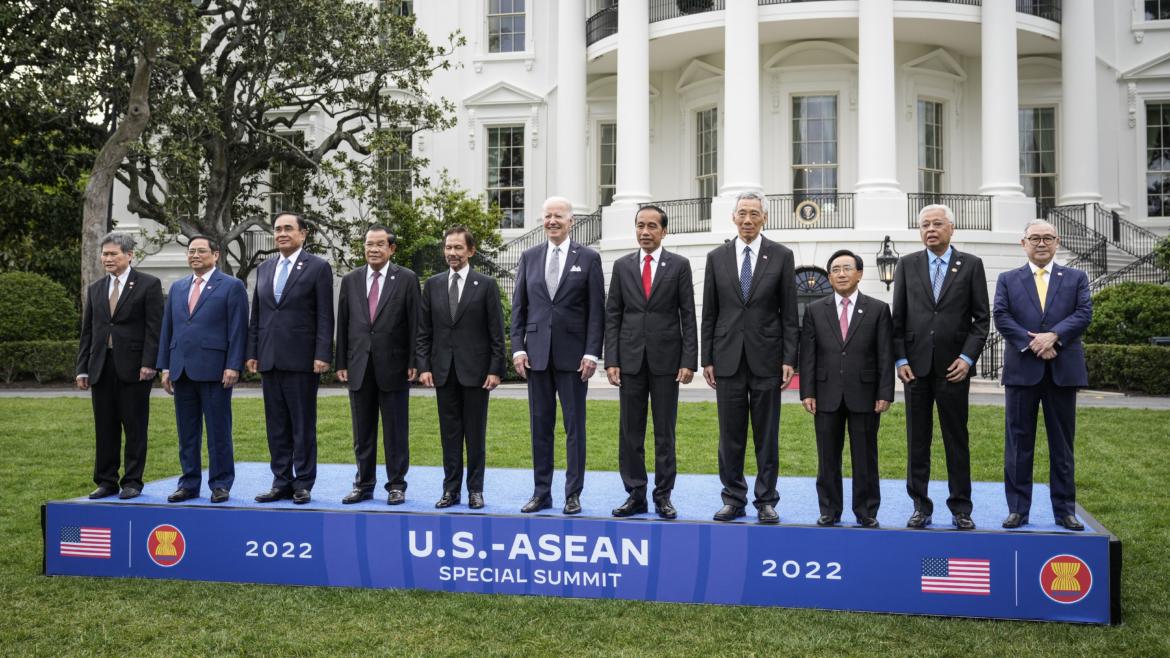
On 01 September, China Daily reported that China-ASEAN trade crossed the USD one trillion threshold for the first time in 2025, according to China’s Vice-Minister of Commerce Yan Dong. China and ASEAN have remained the largest trading partners for each other for six consecutive years, with bilateral trade reaching USD 744.41 billion in the first seven months of 2026. Vice-Minister Yan Dong further added that cumulative two-way investment between the two blocs reached USD 515 billion. The 23rd China-ASEAN annual expo is set to be held from September 17th to 21st, with over 2,200 Chinese companies and over 1,000 ASEAN companies set to be featured. Senior Commerce Ministry official Wang Liping also added that China will actively promote and implement the China-ASEAN Free Trade Area 3.0 Upgrade Protocol, which was signed in October 2025.
(“China-ASEAN trade exceeds $1t for first time in 2025,” China Daily, 01 September 2026)
https://www.chinadailyhk.com/hk/article/638819
CHINA AND SOUTH ASIA
Chinese industrial overcapacity poses challenges for global manufacturing, reports IE
On 03 September, The Indian Express reported that China’s manufacturing overcapacity has emerged as a global structural challenge, with the country accounting for roughly 30 per cent of global manufacturing output and recording a trade surplus of around US$1.2 trillion. The article attributed China’s manufacturing expansion to factors including state subsidies, cheap credit and a state-directed financial system, which have enabled Chinese companies to achieve significant scale across sectors ranging from textiles and machinery to electronics, solar panels, batteries and electric vehicles. The report highlighted the implications for developing economies, where low-cost Chinese imports can support industrialisation but can also make it harder for domestic manufacturers to develop competitive upstream industries. It noted that China’s dominance of critical supply chains creates additional vulnerabilities for countries dependent on Chinese inputs. For India, Chinese imports account for roughly 17 per cent of total imports, with significant dependence in areas including solar equipment, electronics and pharmaceutical inputs. The development places China’s industrial model at the centre of an increasingly important debate over global manufacturing and supply-chain resilience.
(“Chinese overcapacity is a problem for the world,” The Indian Express, 3 September 2026)
https://indianexpress.com/article/opinion/columns/chinese-overcapacity-is-a-problem-for-the-world-10860896/
Bangladesh prepares to buy Chinese waste-to-energy power at higher tariff
On 01 September, India Today reported that Bangladesh is preparing to purchase electricity generated from waste by a Chinese company at Tk 25 per unit under a proposed 42-MW waste-to-energy project at the Aminbazar landfill in Dhaka. The proposed tariff is around 127 per cent higher than the roughly Tk 11 per unit Bangladesh paid on average for electricity supplied by Indian sources in FY2025–26. The comparison comes shortly after Dhaka objected to an Indian proposal to impose a small settlement charge on cross-border electricity transactions. The report stressed that the two arrangements are not directly comparable: India’s proposed charge is an administrative fee associated with cross-border power transactions, whereas Tk 25 represents the electricity tariff from a waste-to-energy facility. The Chinese project is primarily intended to address Dhaka’s growing waste-management problem while also generating electricity and organic fertiliser. Bangladesh’s existing arrangements allow it to import up to 2,656 MW from India, making the 42-MW Chinese project relatively small in the overall power system. The project nevertheless indicates a potential expansion of Chinese involvement in Bangladesh’s waste-management and renewable-energy sectors.
(“Bangladesh protests India’s Rs 0.01 hike, eyes 127% costlier Chinese power. Here’s why,” India Today, 1 September 2026)
Link: https://www.indiatoday.in/world/story/bangladesh-china-electricity-purchase-127-higher-than-indian-rate-tarique-rahman-government-2984375-2026-09-01
Nepal seeks climate compensation after deadly floods
On 02 September, Hindustan Times reported that Nepal is seeking climate compensation following devastating floods and landslides that have caused extensive loss of life and destruction across the country. Nepal’s Foreign Minister Shisir Khanal argued that assistance should be viewed as a “moral liability” rather than charity, pointing to Nepal’s very small contribution to global greenhouse-gas emissions despite its severe exposure to climate-related disasters. China, India and the United States were identified among the major emitters from which Nepal expects greater responsibility and support. The report noted that Kathmandu is increasingly linking disaster losses to climate vulnerability, particularly as glacier melt, extreme rainfall and other hazards intensify across the Himalayan region. The demand represents a broader shift from conventional humanitarian assistance towards climate justice and compensation for loss and damage. For China, the issue adds a climate dimension to its engagement with Nepal, particularly as Himalayan environmental risks increasingly require regional cooperation.
(“India, China, US on list as Nepal seeks climate compensation after deadly floods: ‘Moral liability, not charity’,” Hindustan Times, 2 September 2026)
https://www.hindustantimes.com/world-news/india-china-us-on-list-as-nepal-seeks-climate-compensation-after-deadly-floods-moral-liability-not-charity-101788319348862.html
Modi and Xi interact at SCO summit amid improving India-China ties
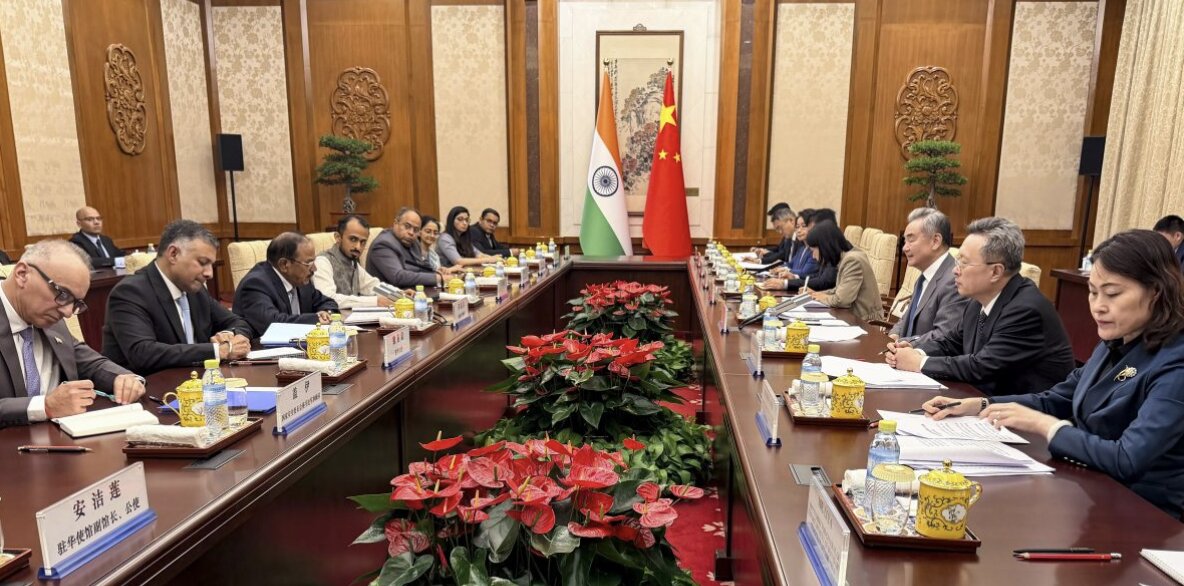
On 01 September, Today News reported that Indian Prime Minister Narendra Modi and Chinese President Xi Jinping interacted and shook hands on the sidelines of the Shanghai Cooperation Organisation (SCO) summit in Bishkek, Kyrgyzstan. The interaction came amid renewed diplomatic engagement between New Delhi and Beijing following efforts to stabilise bilateral relations and address outstanding border issues. The encounter followed recent high-level diplomatic activity, including National Security Adviser Ajit Doval’s visit to Beijing for the latest round of talks between the Special Representatives on the boundary question. The two sides have also been working to restore broader engagement following years of tensions after the 2020 Galwan Valley clash. Although details of the Modi-Xi interaction were not immediately disclosed, the public meeting provided another visible indication of renewed leader-level contact. The development is significant as India and China seek to expand areas of cooperation while continuing negotiations over the unresolved boundary question. Their engagement at the SCO also reinforces the organisation’s importance as a platform for bilateral interaction.
(“Thaw in India-China ties? PM Modi, Xi Jinping interact, shake hands on the sidelines of SCO Summit in Kyrgyzstan,” Today News, 1 September 2026)
https://www.livemint.com/news/india/thaw-in-india-china-ties-pm-modi-xi-jinping-interact-shake-hands-on-the-sidelines-of-sco-summit-in-kyrgyzstan/amp-11788246273994.html
Bangladesh seeks to follow China’s industry-academia model
On 01 September, Daily Sun reported that Bangladesh plans to adopt China’s industry-academia linkage model to strengthen technical education and develop a more skilled workforce. Bangladesh’s Education Minister Dr ANM Ehsanul Hoque Milon said the country wants stronger connections between educational institutions and industries so that technical and vocational training is better aligned with employment requirements. The report noted that Bangladeshi officials examined China’s approach to integrating education with industrial needs during a recent visit. Several initiatives have subsequently been established, including the China-Bangladesh Industry and Education Integration International Service Centre, the China-Bangladesh Vocational Teacher Training Centre, and the Bangladesh Vocational Education Research Centre. A “Chinese Language Plus Skill Development” platform is also intended to combine language training with vocational skills. The cooperation reflects an expanding dimension of China-Bangladesh relations focused on human-resource development, vocational education and employment. It also provides Chinese companies operating in Bangladesh with a potential pool of workers trained in both technical skills and Chinese language.
(“Bangladesh to follow China’s industry-academia model,” Daily Sun, 1 September 2026)
https://www.daily-sun.com/news/895269
CHINA AND CENTRAL ASIA
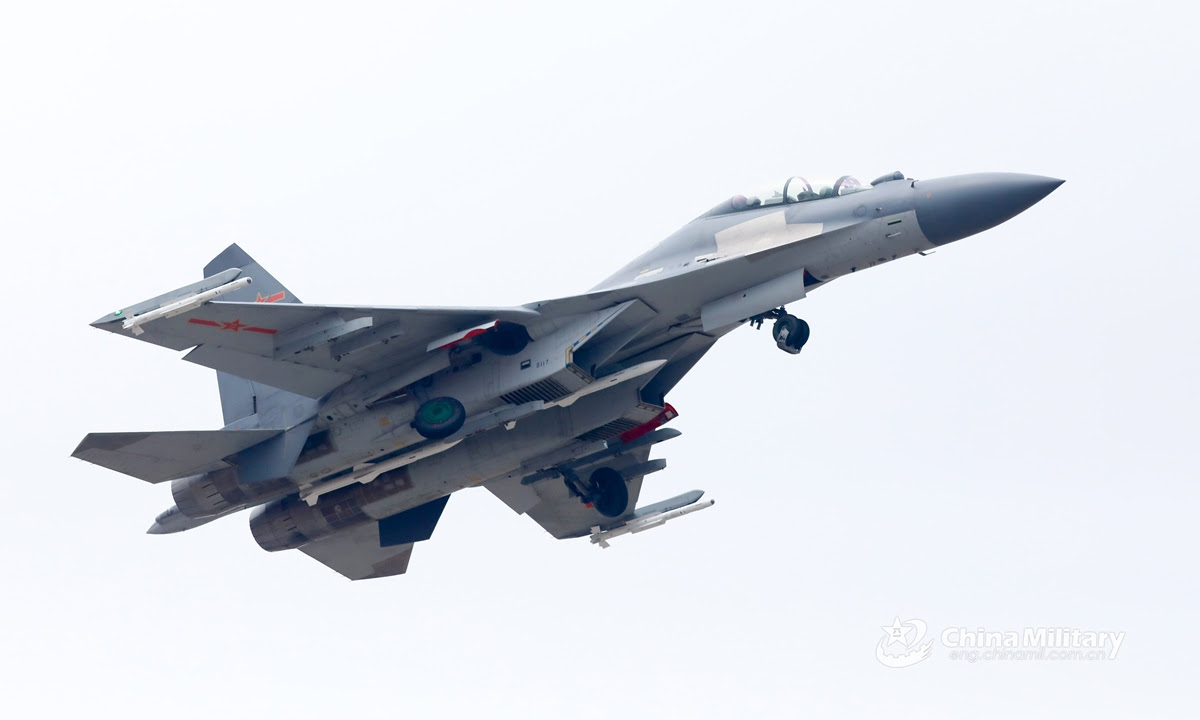
Uzbekistan unveils J-10CE fighter jets; Second customer of Chinese aircraft
On 31 August, SCMP reported that Uzbekistan has become the second foreign country to operate China’s J-10CE fighter jet, after it unveiled the aircraft on its independence day celebrations. There were unconfirmed reports of Uzbekistan ordering 24 J-10CEs, but neither side had confirmed it until now. Uzbekistan is traditionally known to operate and buy its military arms and equipment almost exclusively from Russia, marking the first instance of China entering into the high-tech export market. The J-10CE is a 4.5-generation fighter aircraft, which was first bought by Pakistan, and several countries such as Indonesia, Iran and Egypt have expressed their interest in acquiring the planes. Experts and analysts state that the move could mark China’s efforts to expand its customer base to countries that are not typically served by the US or other Western suppliers.
(“Uzbekistan confirmed as second foreign operator of China’s J-10CE fighter,” SCMP, 30 August 2026)
https://www.scmp.com/news/china/military/article/3365756/uzbekistan-confirmed-second-country-buy-chinas-j-10ce-fighter
CHINA AND AFRICA
Xi Jinping arrives in Cairo for first Egypt visit in a decade
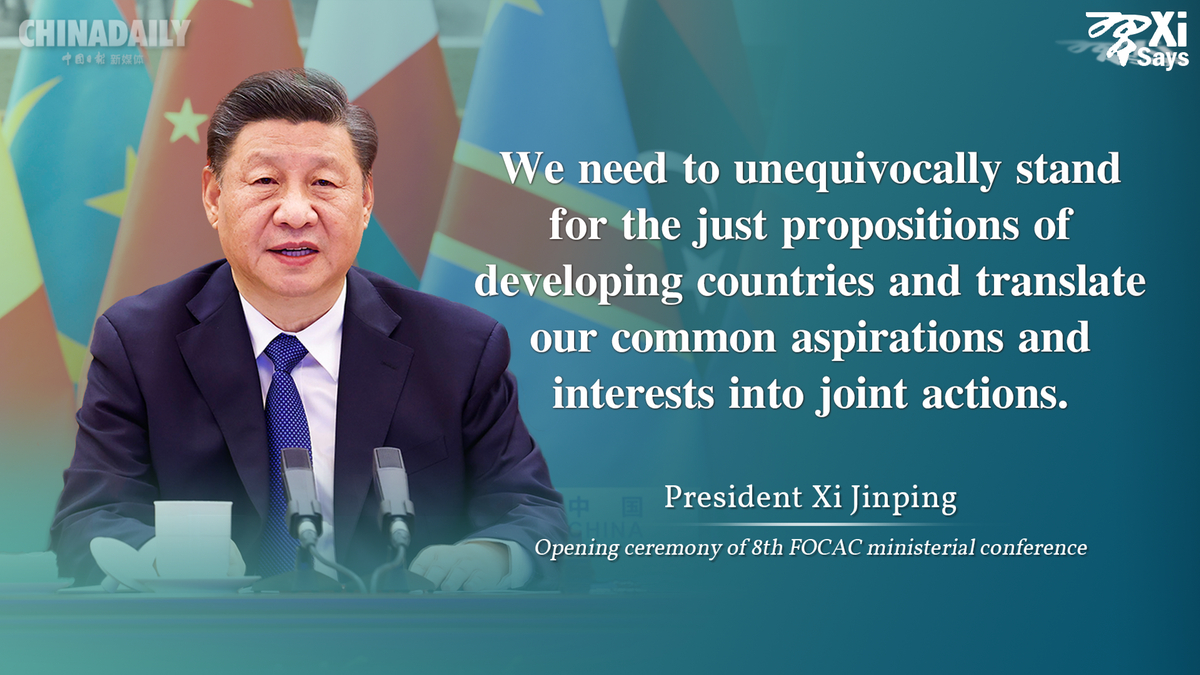
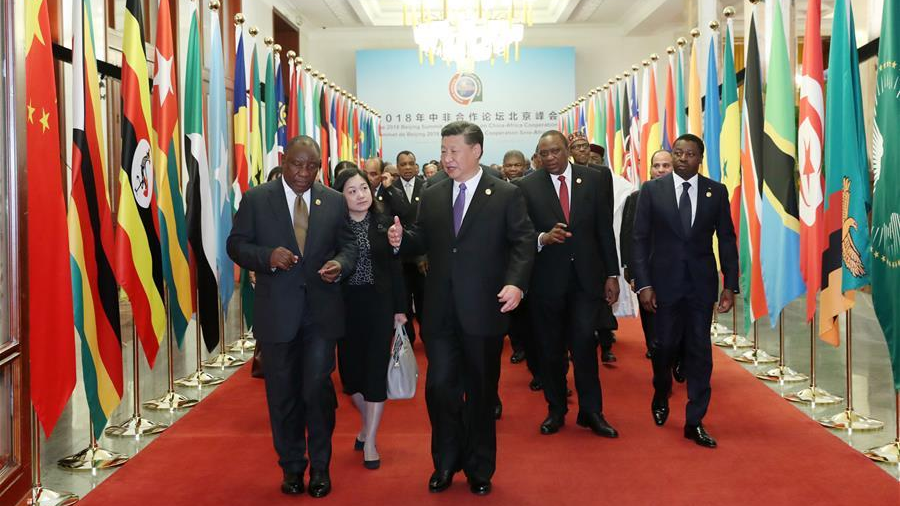
On 01 September, Al Jazeera reported that Chinese President Xi Jinping made his first visit to Egypt since 2016, coinciding with the 70th anniversary of diplomatic ties between the two countries. President Abdel Fattah el-Sisi received Xi in Cairo, following el-Sisi's eight visits to China since 2014. Trade between the two countries reached nearly USD 20.7 billion by end-2025, with Egyptian exports to China up nearly 200 per cent in early 2026. Chinese investment centres on the Suez Canal area, including the TEDA cooperation zone in Ain Sokhna, hosting about 200 companies worth over USD 3.8 billion. El-Sisi thanked China for backing Egypt on the Grand Ethiopian Renaissance Dam dispute. Xi said both countries "firmly support the just cause of the Palestinian people," citing joint Egypt-China "Eagles of Civilisation" air exercises that began 22 August.
("China's Xi makes first visit to Egypt in a decade, amid regional turmoil," Al Jazeera, 01 September 2026)
https://www.aljazeera.com/economy/2026/9/1/chinas-xi-makes-first-visit-to-egypt-in-a-decade-amid-regional-turmoil
CHINA AND MIDDLE EAST
President Xi calls on new Middle East security framework during Egypt visit
On 02 September, Reuters reported that China’s President Xi Jinping called on the countries in the Middle East to oppose any foreign interference and reconsider the region’s security framework during his visit to Egypt. President Xi’s trip to Egypt marks the first visit in four years to the Middle East, and comes amid concerns over the long-term role of the US in the region. Egypt’s President Abdel Fattah al-Sisi welcomed President Xi with a military ceremony, and the two sides agreed to expand cooperation in various sectors, including data centres, semiconductors, the critical minerals supply chain, and to deepen security and counterterrorism cooperation. Egypt represents an important market for China, with over USD 10 billion of exports of Chinese goods to the country in the first half of this year, and Chinese companies have invested billions into green hydrogen projects, container ports and facilities to manufacture iron pipes, car tyres and satellites. China is also a major investor into the Suez Canal Economic Zone, amounting to USD 4 billion.
(“China's Xi urges new Middle East security framework during Egypt visit,” Reuters, 02 September 2026)
https://www.reuters.com/world/china/egypt-welcomes-xi-beijing-expands-influence-middle-east-2026-09-02/
CHINA AND RUSSIA
China, Russia and US may hold trilateral meeting at the next APEC forum
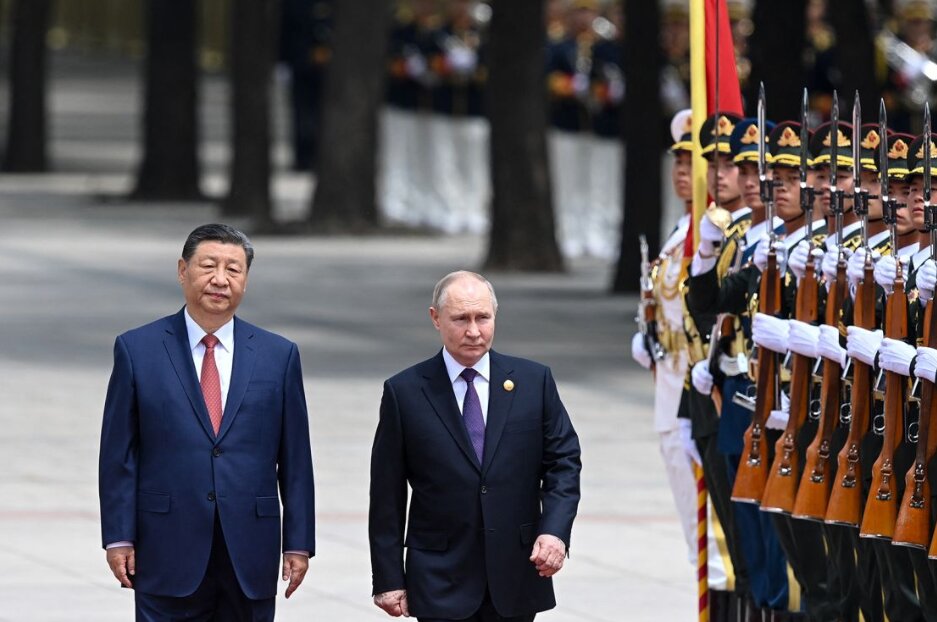
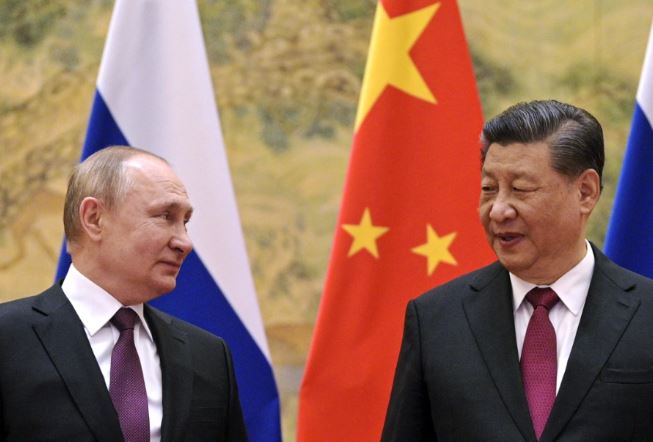
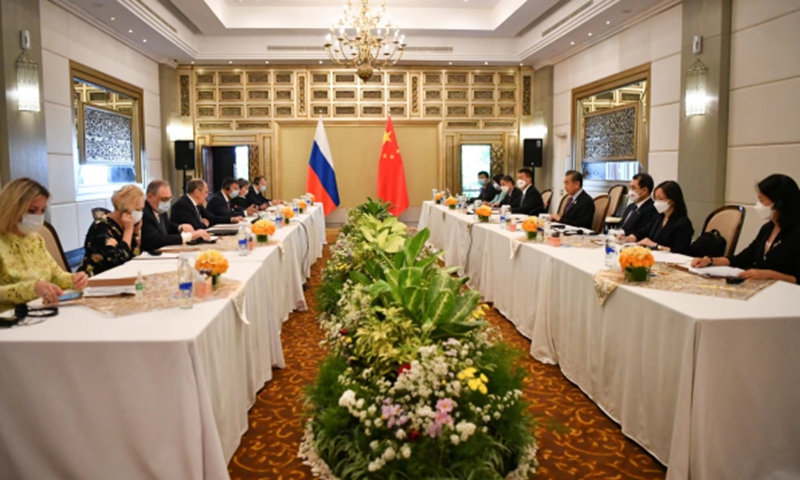
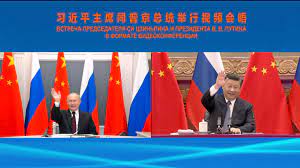
On 02 September, SCMP reported that the US, China and Russia may hold a trilateral meeting on the sidelines of the next Asia-Pacific Economic Cooperation (APEC) summit per a senior Russian official. Presidential Aide for Foreign Affairs Yuri Ushakov stated that the leaders could meet at the APEC summit to be held in Shenzhen, China, on November 18 and 19th. President Vladimir Putin has confirmed his attendance, while President Donald Trump has not confirmed his presence, though experts say he could attend if President Xi decides to attend the December 14-15 G20 summit in Florida. Analysts also speculate that President Xi could become a mediator between the US and Russia, either during the potential trilateral meeting at APEC or at the G20 meeting.
(“Xi, Trump and Putin may hold trilateral meeting at next APEC forum, Kremlin says,” SCMP, 02 September 2026)
https://www.scmp.com/news/china/diplomacy/article/3366039/xi-trump-and-putin-may-hold-trilateral-meeting-next-apec-forum-kremlin-says
CHINA AND EUROPE
EU trade enforcers press Beijing to fix trade imbalances ahead of October deadline
On 02 September, SCMP reported that a European Commission delegation held talks with Chinese officials in Beijing, seeking a diplomatic off-ramp from a looming trade war ahead of an October deadline set by Brussels. The EU team was led by Denis Redonnet, the bloc's top trade enforcement officer, recently made point person on China trade policy, reflecting how EU discourse has shifted from partnership toward rivalry. Later this month, top EU trade official Ditte Juul Jorgensen will also travel to Beijing. Jorgensen told the European Parliament, "We see an engaged China in these talks, but of course the challenges are very, very significant." China increased its trade surplus with all but three EU member states in July compared to a year earlier, deepening Brussels' concerns over dependence on Chinese imports.
("EU trade enforcers descend on Beijing demanding China fix 'untenable' imbalances," South China Morning Post, 02 September 2026)
https://www.msn.com/en-xl/news/other/eu-trade-enforcers-descend-on-beijing-demanding-china-fix-untenable-imbalances/ar-AA2bpPOi?ocid=BingNewsVerp
EU's green ambitions collide with a costly dependence on Chinese clean tech says EU Commissioner
On 31 August, Euronews reported that EU Climate Action Commissioner Wopke Hoekstra said Europe must accept higher short-term costs to reduce its dependence on China for clean-energy technologies, warning delay would make the strategic vulnerability harder and more expensive to unwind. Hoekstra said the EU should have confronted this reliance "five to ten years ago," warning that heavy dependence on Chinese manufacturers for electric vehicles, batteries, solar panels, and storage systems risks replacing one strategic vulnerability, previously Russian energy, with another. China currently supplies 98 per cent of Europe's solar panels and 88 per cent of its lithium-ion battery imports. Hoekstra said the goal isn't ending trade with China, but building European capacity so it is no longer dependent on a single external supplier for critical energy-transition technologies.
("EU climate chief warns China dependence will make EU's green transition more costly," Euronews, 31 August 2026)
https://www.euronews.com/my-europe/2026/08/31/eu-climate-chief-warns-china-dependence-will-make-eus-green-transition-more-costly
CHINA AND THE AMERICAS
US and China are arming for space warfare with hunter satellites, reports Reuters
On 02 September, Reuters reported that Chinese researchers linked to the military are developing satellites designed to pursue and even capture other spacecraft, alongside systems that could extend fuel supplies while doing so, according to a review of patent-related documents, procurement notices, and academic papers. The United States and Britain separately conducted their first joint military space operation, tracking the path of a suspected Chinese spy satellite, marking the first such mission between two "Five Eyes" alliance members. Retired British air force officer Andrew Turner called it "almost certainly a strategic signal to China." US Space Force's General Chance Saltzman said China is "rapidly developing capabilities," including ground- and space-based weapons designed to interfere with or destroy targets, calling the threat "substantial."
("US, China arm for space warfare: hunter satellites and orbital weapons," Reuters, 02 September 2026)
https://www.msn.com/en-us/news/other/us-china-arm-for-space-warfare-hunter-satellites-and-orbital-weapons/ar-AA2bpMK1?ocid=BingNewsVerp
China to consider US companies concerns as they expand investments in Beijing
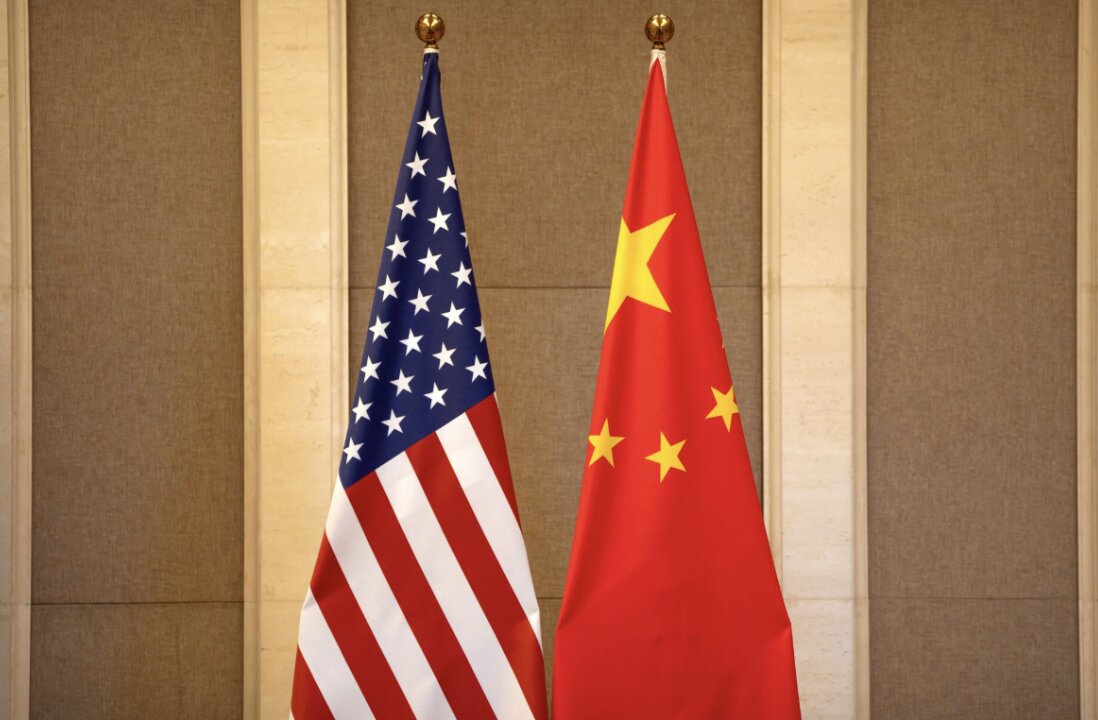
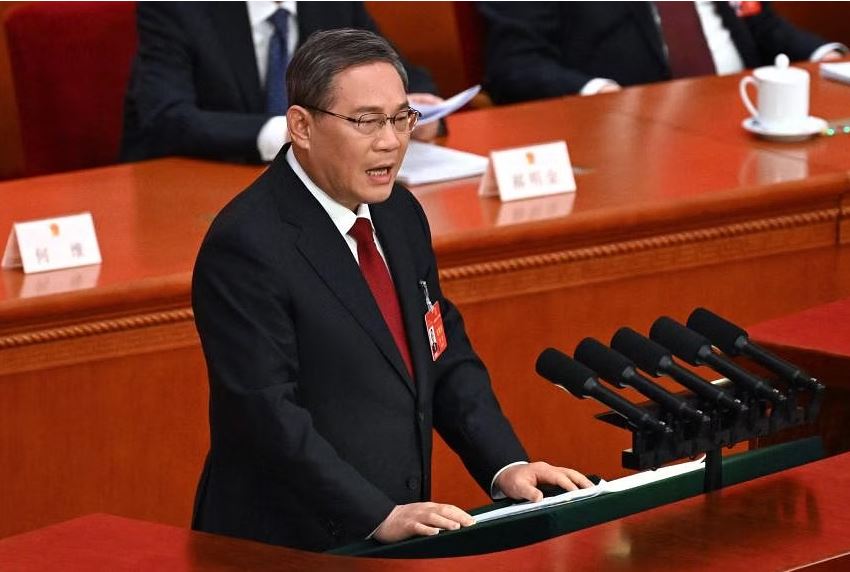
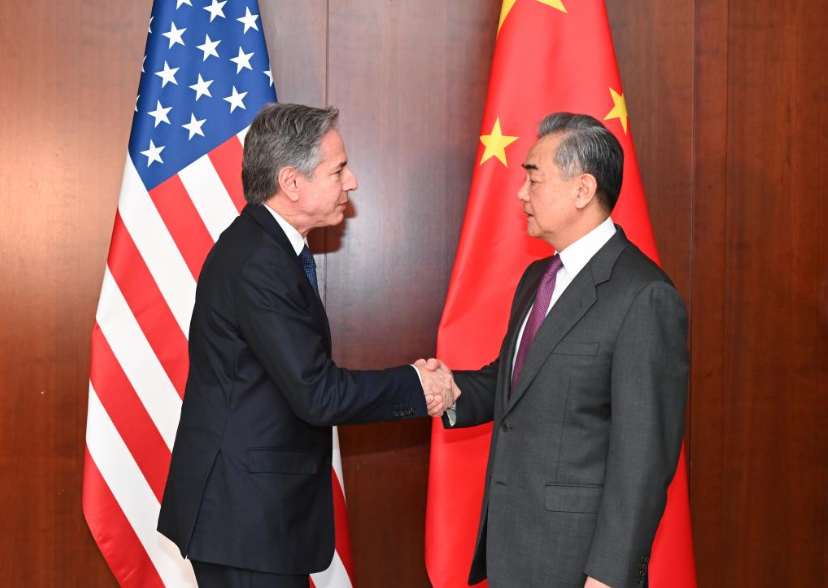
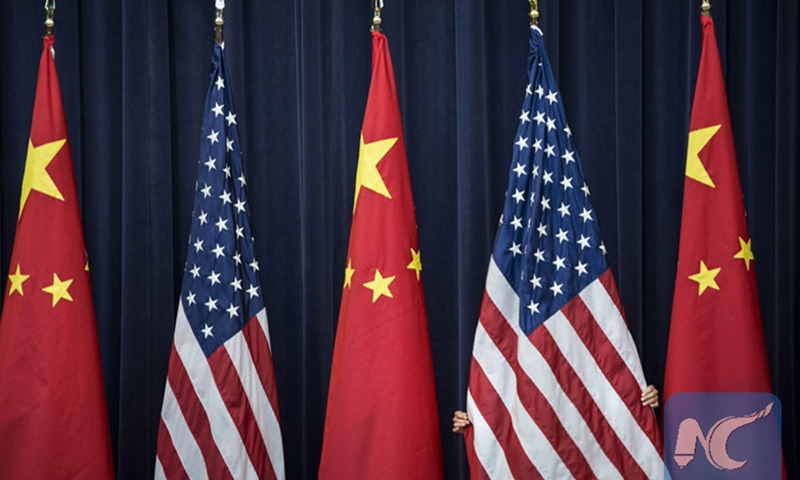
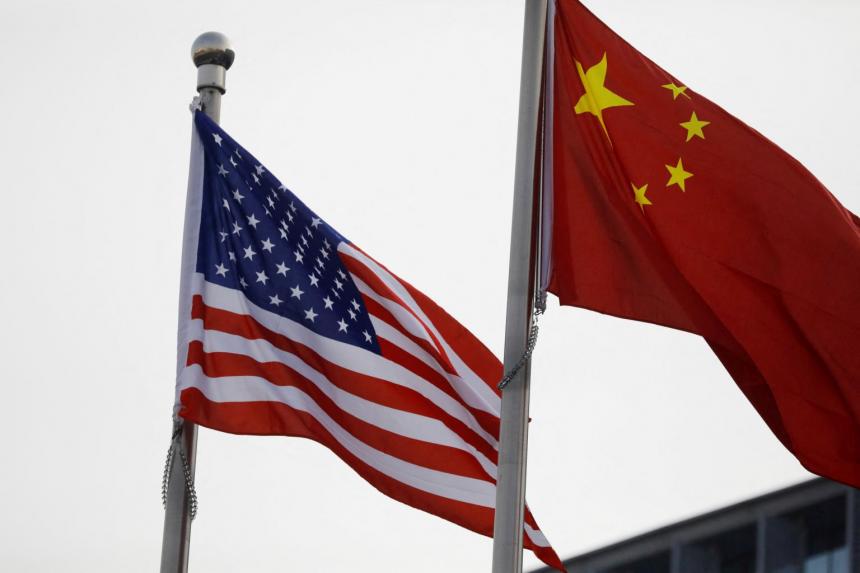
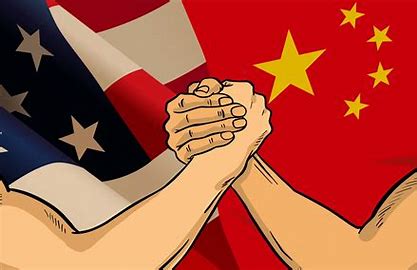
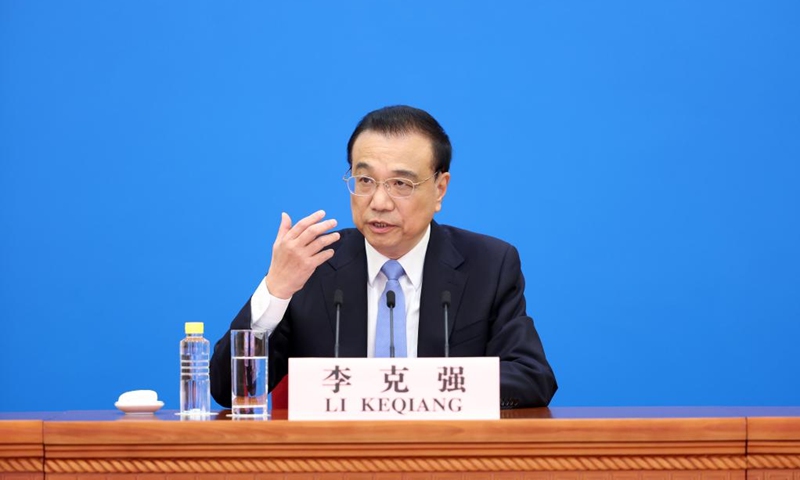
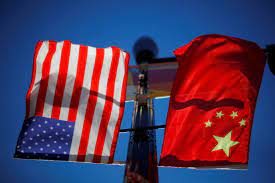
On 01 September, SCMP reported that Chinese Premier Li Qiang held talks with the US-China Business Council in Beijing. In the meeting, Li stated that China will consider reasonable concerns of US companies and urged Washington to take concrete steps and implement the outcomes of recent bilateral trade talks between the two sides. He highlighted the smart and green consumption sector and said: "China may be the only market in the world that combines the two qualities of being large and new." He added that frictions were normal given the scale of bilateral trade between China and the US and called for solutions to any issues through mutual respect and consultation. US-China Business Council stated that US businesses would continue to expand investment in China and remain “long-term partners” in its development. They added that recent leaders' meeting had provided stable expectations for bilateral economic cooperation.
("China’s Li pledges to address US firms’ ‘reasonable concerns’ at Beijing meeting," SCMP, 01 September 2026)
https://www.scmp.com/economy/china-economy/article/3366023/chinas-li-pledges-address-us-firms-reasonable-concerns-beijing-meeting





















.png)
.jpg)
.jpg)
.jpg)
.jpg)
.jpg)
.jpg)
.jpg)
.jpg)
.jpg)
.png)
.jpg)
.jpg)
.jpg)
.jpg)
.jpg)
.jpg)
.jpg)

.jpg)
.jpg)
.jpg)
.jpg)
.jpg)

.jpg)
.jpg)
.jpg)
.jpg)
.png)
.jpg)
.jpg)
.png)
.jpg)
.jpg)


.jpg)
.jpg)
.jpg)
.jpg)
.jpg)
.jpg)
.jpg)
.jpg)
.jpg)

.jpg)
.jpg)
.jpg)
.jpg)
.jpg)
.jpg)
.jpg)

.jpeg)



.jpeg)