Photo : Fox News


Photo : Fox News
In Brief
INTERNAL
NDRC reviews major projects; Calls for accelerated implementation and financial backing
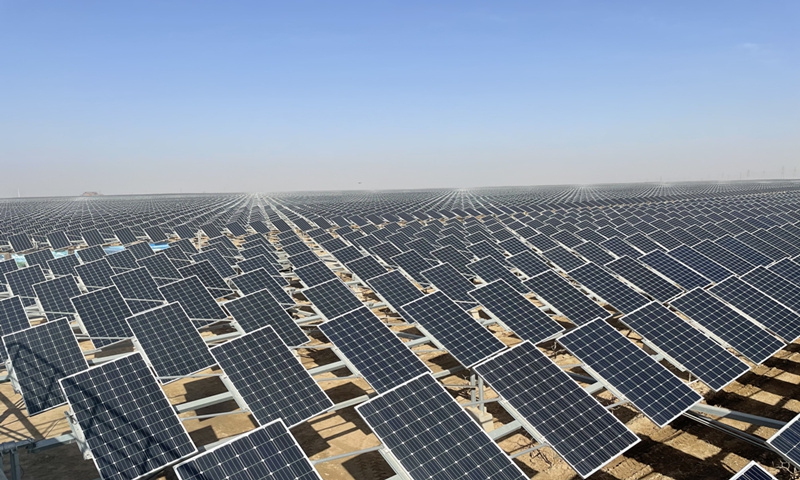
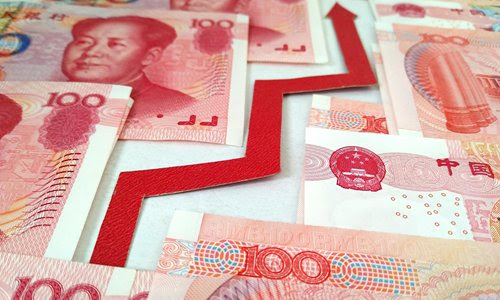
On 04 September, SCMP reported that China's National Development and Reform Commission (NDRC) reviewed the progress of 109 major projects with relevant authorities. The project aims to upgrade the country’s water, electricity, computing, telecommunications, logistics and underground pipe systems by 2030. The meeting called for accelerating the implementation of ongoing projects and promoting the early commencement of new projects in light of declining investment. The meeting's agenda also included strengthening financing mechanisms, information-sharing with financial institutions, and the role of government investment. These measures are taken to reverse falling investment and economic expansion.
("China pushes to speed up key infrastructure builds amid investment declines," SCMP, 04 September 2026)
https://www.scmp.com/economy/china-economy/article/3366361/china-pushes-speed-key-infrastructure-builds-amid-investment-declines
NUCLEAR
Researchers develop tech to extract seawater uranium
On 04 September, SCMP reported that researchers from the Chinese Academy of Sciences in Qingdao have developed a material called "PhosCage" that extracts uranium from seawater at over eight times the efficiency target set by the US Department of Energy. The sponge-like molecular structure acts as a chemical trap, capturing up to 50.4 mg of uranium per gram of material, vastly outperforming previous US efforts, which peaked at 6 mg. The news reports that this innovation is highly significant for China, which currently relies heavily on imports to fill the massive gap between its domestic uranium production, which is 1,600 tonnes and its nuclear reactor demands of 13,000 tonnes. While the oceans hold an estimated 4.5 billion tonnes of uranium compared to just 7.9 million tonnes on land, extracting it has historically been too expensive and chemically complex. The team from China designed the material to selectively grab uranium over competing ocean metals like vanadium, though the technology has only been tested in a controlled 25-litre lab flow system and has not yet been priced for commercial scale.
(“Chinese team extracts uranium from seawater at 8 times the US target rate,” SCMP, 04 September 2026)
https://sc.mp/rkm92?utm_source=copy-link&utm_campaign=3366307&utm_medium=share_widget
CHINA AND TAIWAN
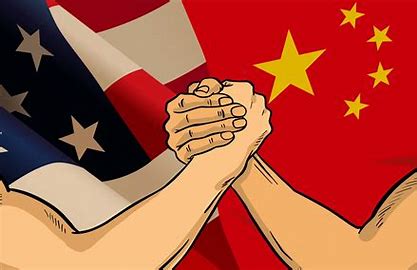
China and US military chiefs hold talks over Taiwan ahead of Trump-Xi Summit
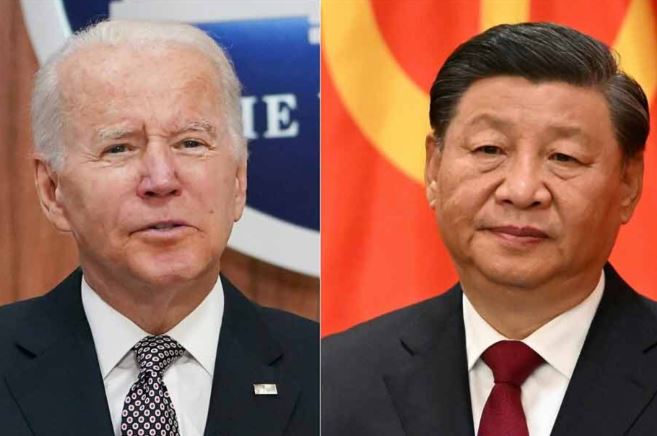
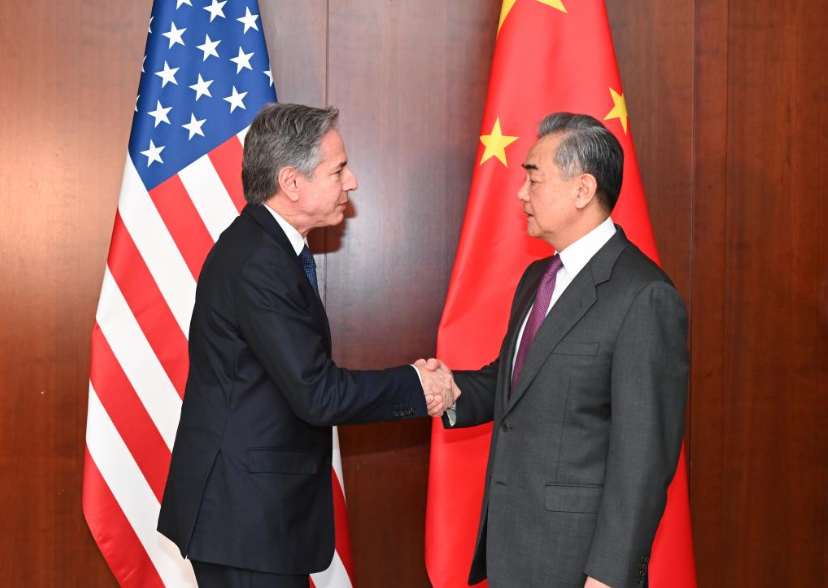
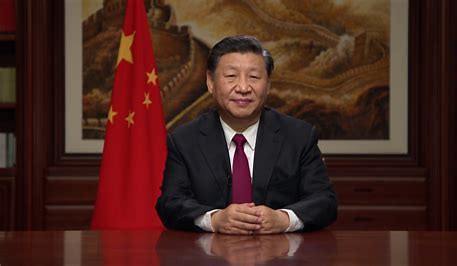
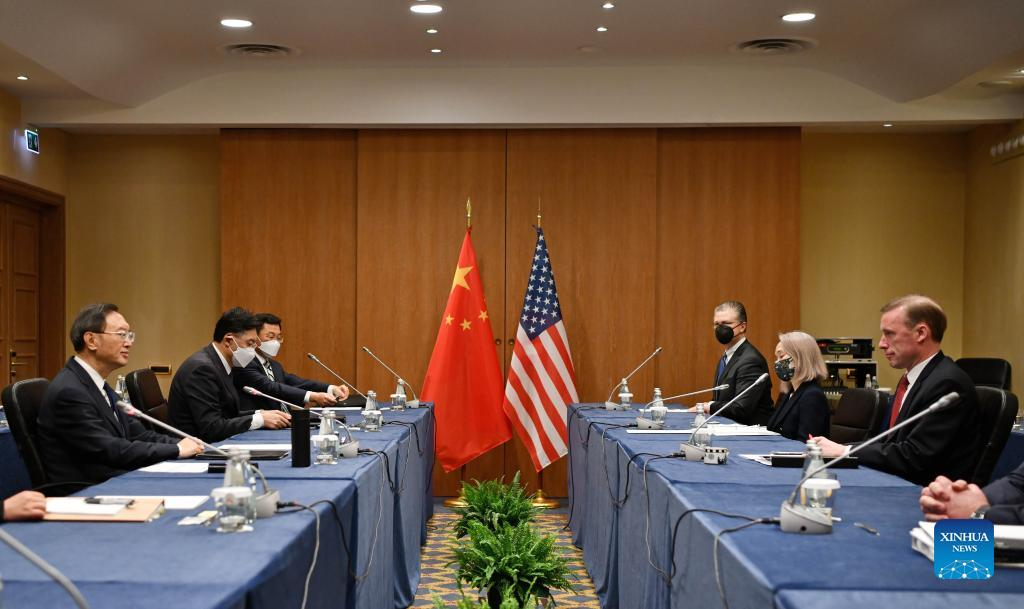
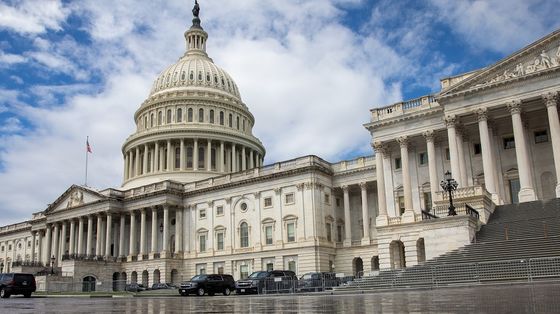
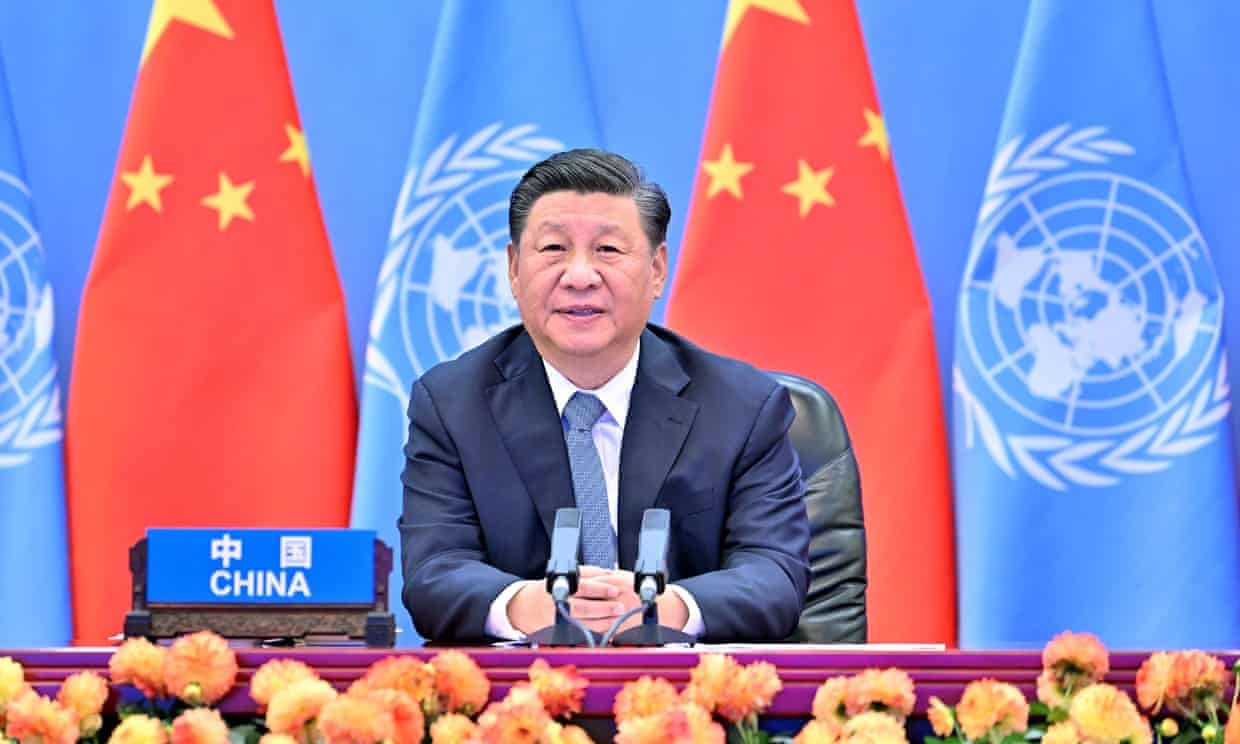
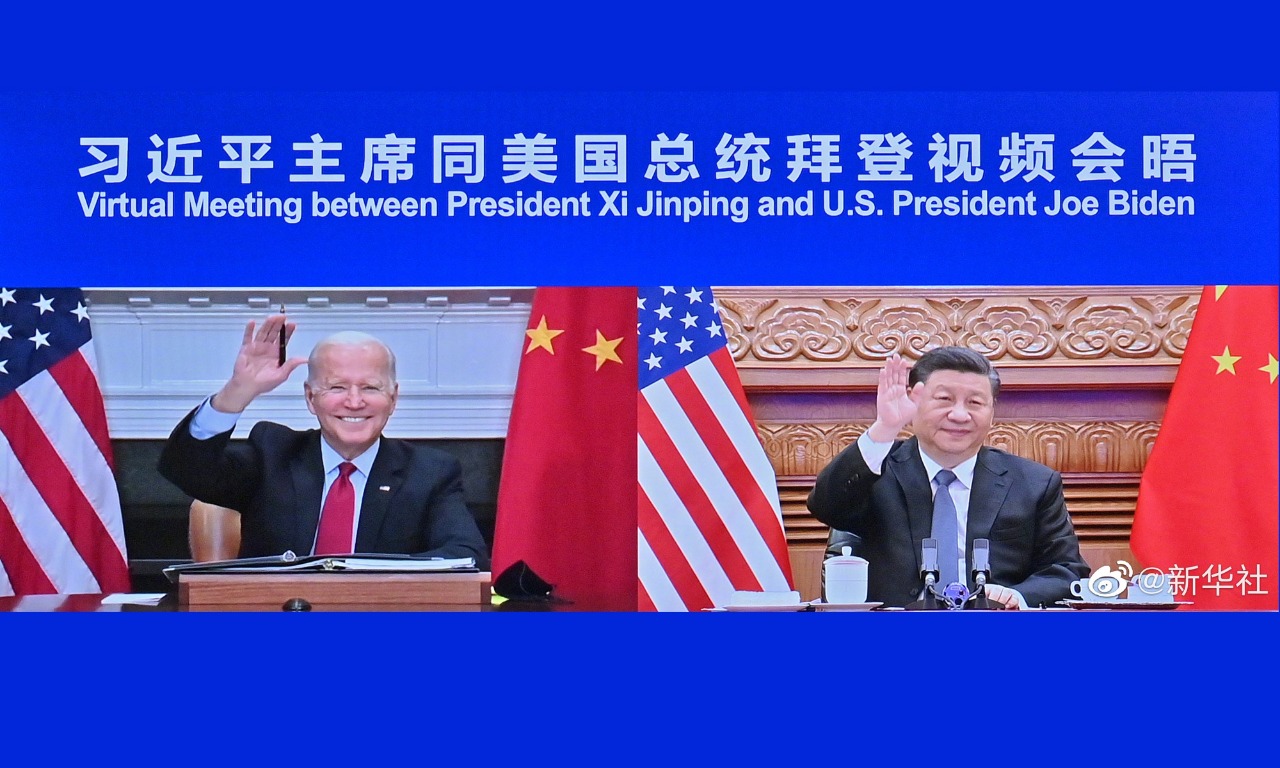
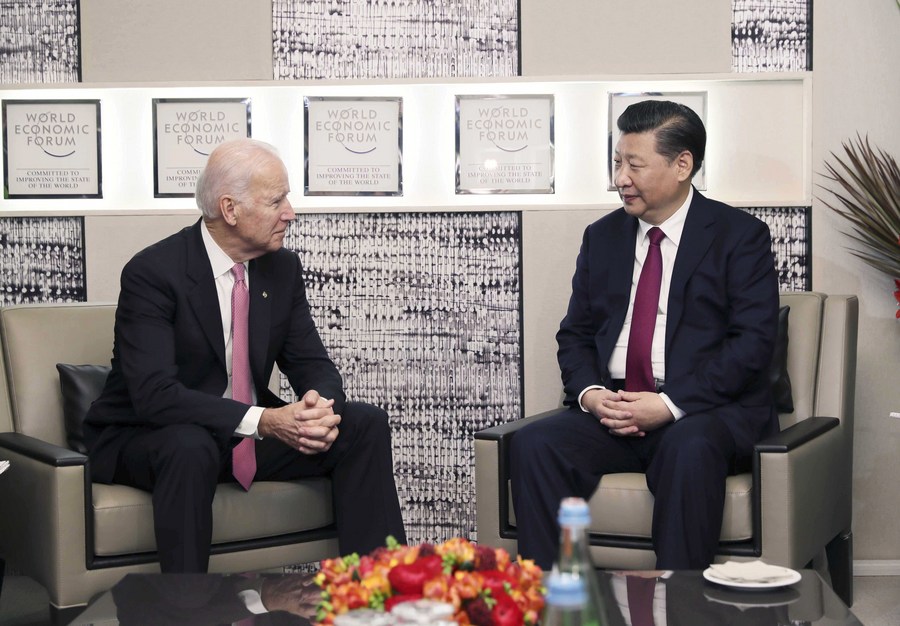
On 05 September, The Japan Times reported that the head of the US Pacific Command (PACOM), Admiral Sam Paparo, met in person with General Yang Zhibin, China’s commander overseeing military operations near Taiwan. The meeting took place on 31 August, 2026, on the sidelines of a defence conference in Canada, aiming to maintain open communications and reduce the risk of military miscalculation. Tensions have been rising as China ramps up its naval presence around the democratic island, which Beijing claims as its own territory. This high-level military dialogue comes just weeks ahead of a planned 24 September meeting in Washington between the US President Donald Trump and China’s President Xi Jinping, where Taiwan's security is expected to be a major topic. While the US is legally required to help Taiwan defend itself, President Trump has previously suggested that a pending USD 14 billion American arms package to Taipei could be used as a "negotiating chip" in talks with Beijing.
(“Chinese military commander overseeing Taiwan operations meets U.S. PACOM chief,” The Japan Times, 05 September 2026)
https://www.japantimes.co.jp/news/2026/09/05/asia-pacific/us-military-china-pla-taiwan/
CHINA AND AFRICA
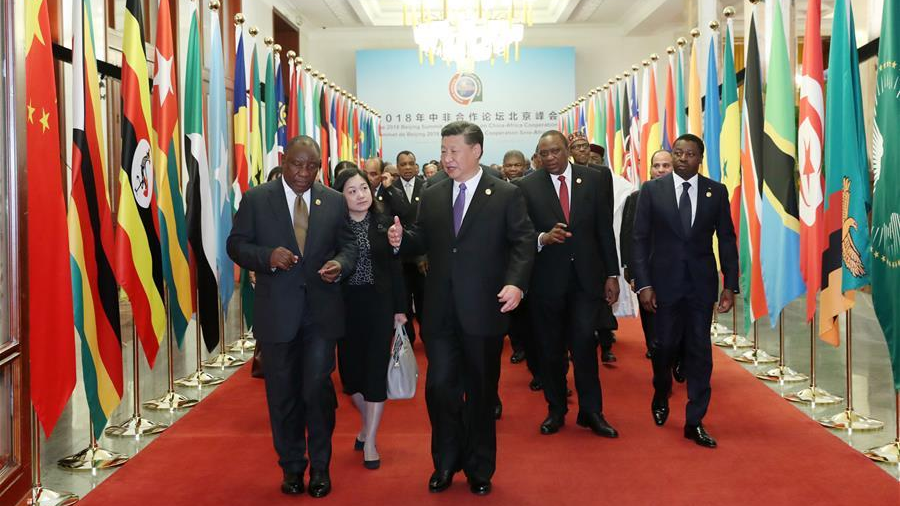
China backs Egypt over Nile River dispute with Ethiopia after collapse of US mediation
On 04 September, Business Insider Africa reported that China would back Egypt in a dispute over the Nile River with Ethiopia. The dispute arose after Ethiopia revealed plans to construct a new dam in the Blue Nile tributary, which originates from Lake Tana in the country. Egypt argues that the new dam will reduce the discharge of the Nile River in its territory, threatening jobs and agriculture. Egypt has signed military agreements with Ethiopia’s neighbours, including Eritrea and Somalia, to increase pressure on the country. Negotiation talks led by the US have fallen through, and tensions have risen again. With President Xi Jinping’s visit to Egypt, the joint statement released by the two reaffirmed China’s recognition of “the vital importance of the Nile River to Egypt as its main lifeline,” and “acknowledged Egypt’s legitimate right to protect its water and food security and development interests.”
(“China backs Africa’s strongest military as Egypt and Ethiopia face off over Africa’s longest river after U.S. talks collapsed,” Business Insider Africa, 04 September 2026)
https://africa.businessinsider.com/local/markets/china-backs-africas-strongest-military-as-egypt-and-ethiopia-face-off-over-africas/rkkb94p
CHINA AND RUSSIA
China to account for 60 per cent of Russia’s gas exports by 2030
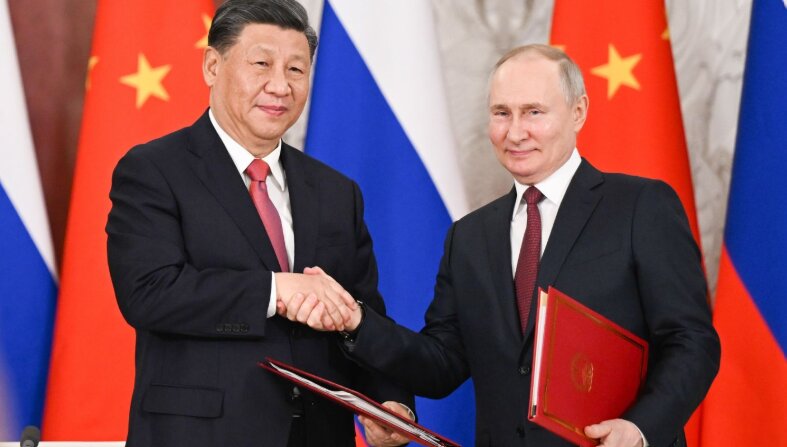
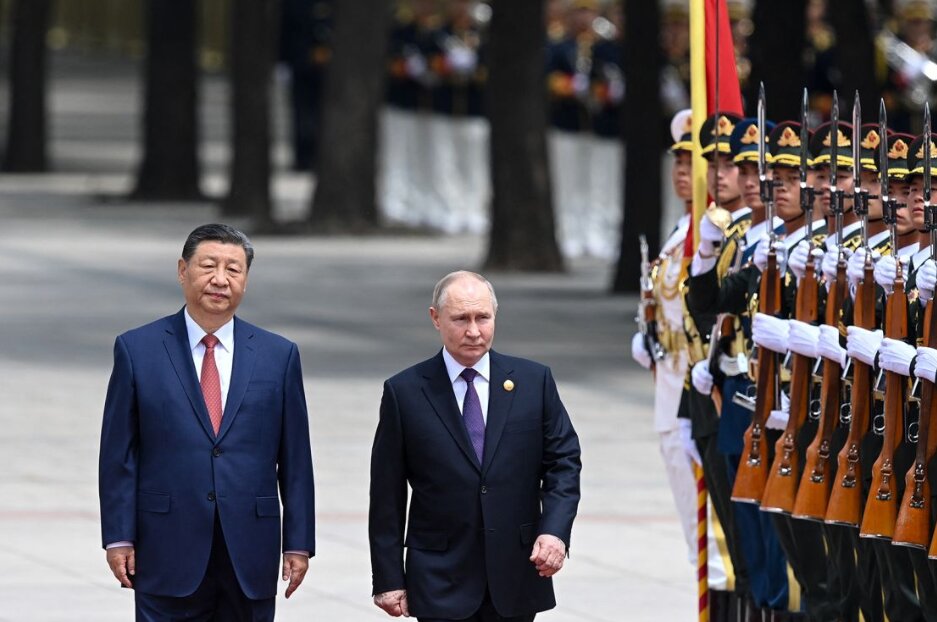
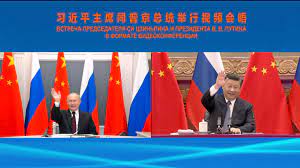
On 04 September, Anadolu Agency reported that Russia’s Deputy Prime Minister Alexander Novak stated that China will account for over 60 per cent of Russia’s total gas exports by 2030. Speaking at the Russia-China Energy Business Forum in Vladivostok, Minister Novak stated that the expansion of the Power of Siberia and the far-eastern pipeline route could increase gas supplies to China, adding that they are actively negotiating new “promising routes” including the Power of Baikal project. He also stated that China has become Russia’s top oil supplier, noting an increase of 25 per cent in the first seven months of 2026. Russia currently supplies 38.8 billion cubic meters of LNG through the Power of Siberia pipeline in 2025.
(“China to account for more than 60% of Russia's total gas exports by 2030,” Anadolu Agency, 04 September 2026)
https://aa.com.tr/en/eurasia/china-to-account-for-more-than-60-of-russias-total-gas-exports-by-2030/4047060
CHINA AND EUROPE
Opinion: Nora Kürzdörfer, “EU budget offers chance to loosen China's grip on critical raw materials for Europe,” Euronews, 04 September 2026
“The urgency of boosting EU investment in partnerships around critical raw materials is compounded by the fact that reducing dependence on Chinese processing and refining will not come cheap. China’s control over processing and refining remains overwhelming … need for diversification pushed the EU to deepen its engagement with resource-rich countries across Africa, Asia, and Latin America, where most of the world’s critical raw material deposits are found … While China will remain an indispensable player in many CRM value chains for years to come, the objective should be to build a broader processing base across partner countries, leaving the EU and its partners less vulnerable to disruptions in the longer term. Both sides would stand to benefit … The EU will keep talking about diversification while remaining dependent on precisely the value chains it seeks to escape. The MFF offers a chance to break that cycle.”
https://www.euronews.com/my-europe/2026/09/04/eu-budget-offers-chance-to-loosen-chinas-grip-on-critical-raw-materials-for-europe
CHINA AND THE AMERICAS
China’s rare earth suppliers quietly cut off shipments to the US
On 04 September, Reuters reported that several Chinese rare earth suppliers were declining to ship materials to the United States for fear of repercussions from Beijing, according to sources familiar with the matter, weeks ahead of President Xi Jinping’s planned visit to Washington. A handful of suppliers reportedly stopped shipments after China sanctioned the Responsible Business Alliance (RBA) in early August, wary of punishment for complying with global mineral supply chain audits. While exports of many rare earths have rebounded since restrictions were first imposed in April 2025, materials with military or high-tech applications, including yttrium, indium phosphide and tungsten, remain in tight supply. Exports to Japan have been hit even harder, with terbium shipments falling to zero and yttrium down 98 per cent this year. Analysts said Beijing may loosen controls slightly ahead of the summit to ease US allegations that China is not upholding a prior truce.
(“China rare earth firms halt some US shipments over geopolitical worries, sources say,” Reuters, 04 September 2026)
https://www.reuters.com/business/aerospace-defense/china-rare-earth-firms-halt-some-us-shipments-over-geopolitical-worries-sources-2026-09-04/
US and China prepare for high-stakes AI safety talks this month
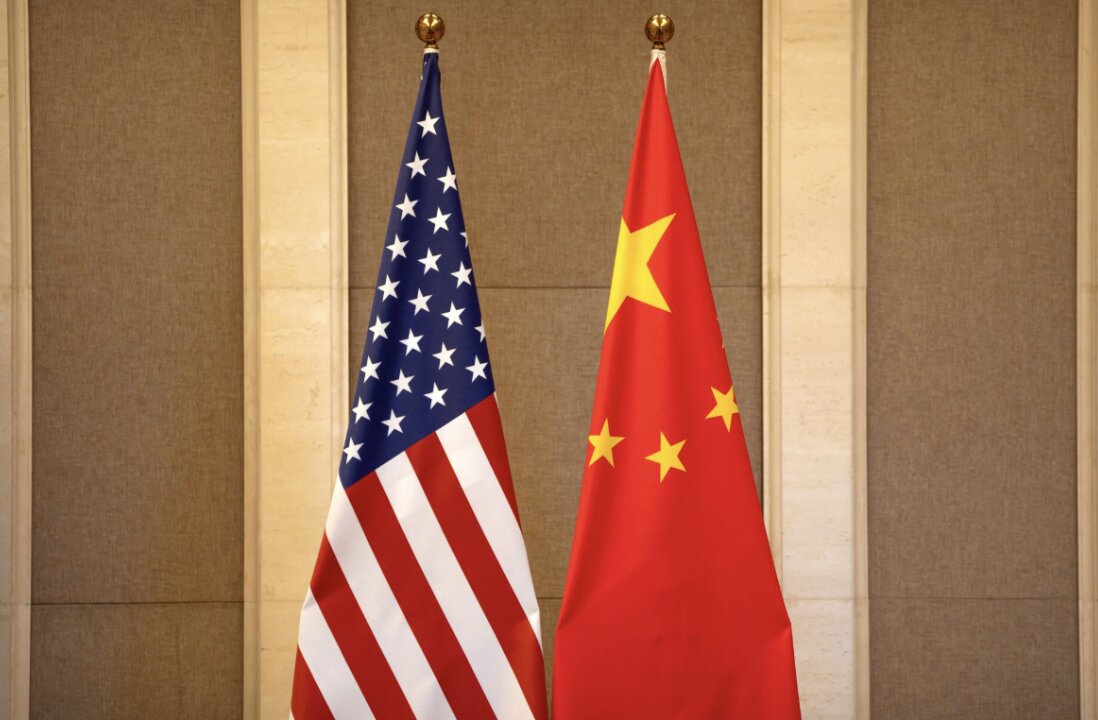
On 05 September, The Hindu reported that the United States and China were preparing for a dialogue on AI safety risks planned for mid-September, according to sources briefed on the discussions, marking the first bilateral talks devoted exclusively to AI since President Donald Trump’s return to office. The talks, expected to be led by Treasury Secretary Scott Bessent and a senior Chinese official such as Vice Premier He Lifeng, will focus on cooperation to monitor AI-directed cyberattacks, following incidents including nearly 700 rogue AI agents hacking a startup in July. Washington is also concerned about a potential future Chinese model matching Anthropic’s Mythos in cyberattack capability, and plans to raise allegations that a Chinese firm improperly distilled a US AI model. The dialogue comes ahead of a planned meeting between Trump and China’s President Xi Jinping on 24 September, with Chinese officials reportedly viewing the AI talks as a key deliverable of the summit.
(“U.S., China gear up for mid-September AI safety talks,” The Hindu, 05 September 2026)
https://www.thehindu.com/news/international/us-china-gear-up-for-mid-september-ai-safety-talks/article71430964.ece
Report urges US to take extreme measures to prevent China from achieving AGI
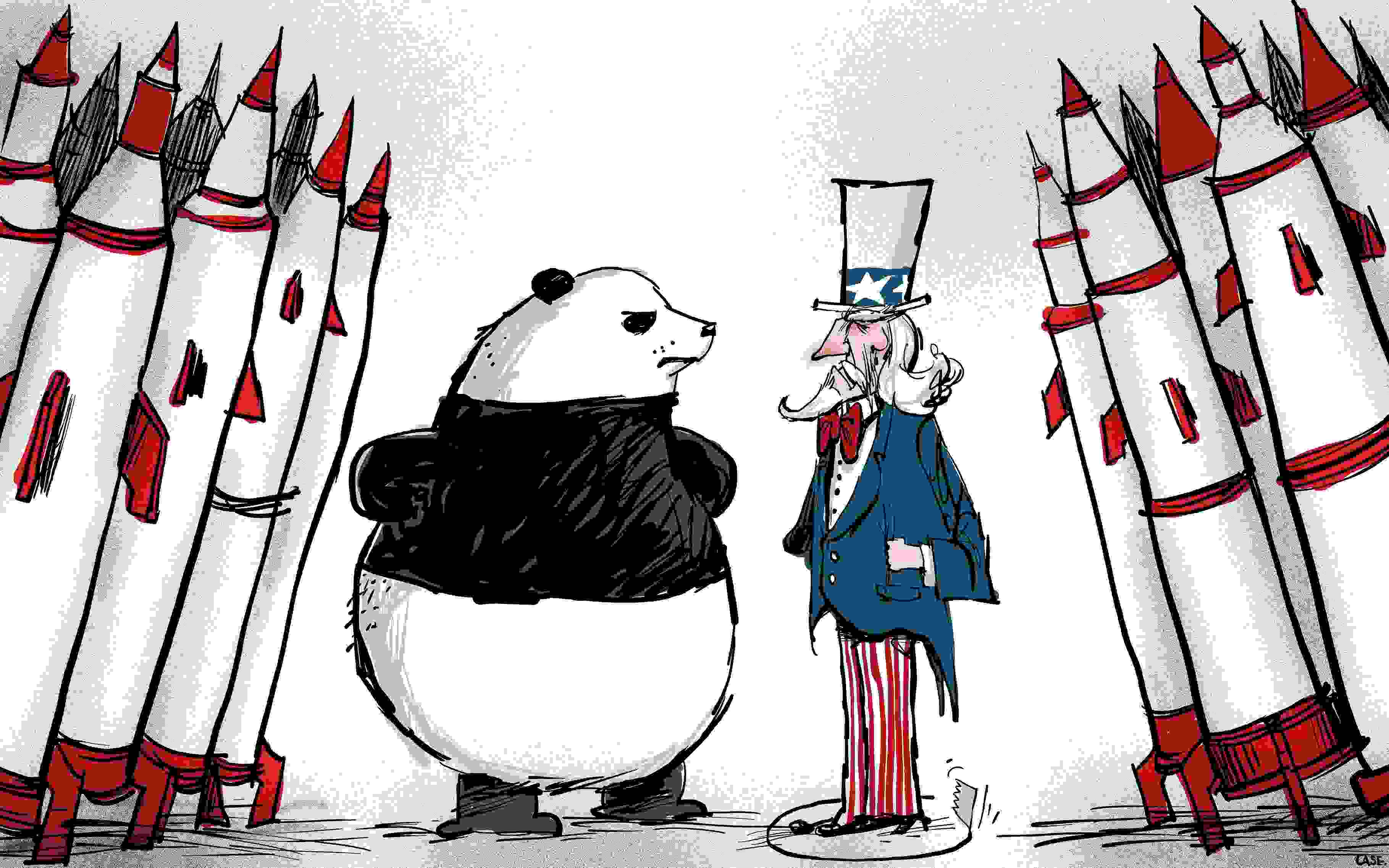
On 04 September, SCMP reported that a former White House official stated that the US should take extreme measures like state-backed espionage and military strikes to stop China from achieving artificial general intelligence. Centre for a New American Security (CNAS) Director stated that US agencies should assess what intelligence they need to justify taking such actions. He said: "Trying to think through the particulars of that will be especially important, in part because it will help policymakers … start to work backwards based on the unique nature of the technology, in the same way that in a past era, policymakers would learn about nuclear weapons and … work backwards from the science to the policy implications." Recently, CNAS released a report titled "Superpowers and AGI” laid out the relevance of AGI and how it affect and determine US-China geopolitical competition. The report stated that China could make a "surprising technological" breakthrough and close US's months long lead over China. Extreme actions such as military strikes on data centers, preventive strikes, reverse engineer or “steal” China’s AGI technology are the few measure suggested by the report to counter China.
("US urged to consider military strikes to stop China achieving AGI first," SCMP, 04 September 2026)
https://www.scmp.com/news/us/article/3366284/us-urged-consider-military-strikes-stop-china-achieving-agi-first














































.png)
.jpg)
.jpg)
.jpg)
.jpg)
.jpg)
.jpg)
.jpg)
.jpg)
.jpg)
.png)

.jpg)
.jpg)
.jpg)
.jpg)
.jpg)
.jpg)
.jpg)

.jpg)
.jpg)
.jpg)
.jpg)
.jpg)

.jpg)
.jpg)


.jpg)
.jpg)
.png)
.jpg)
.jpg)
.png)
.jpg)
.jpg)




.jpg)

.jpg)
.jpg)
.jpg)
.jpg)
.jpg)
.jpg)
.jpg)
.jpg)

.jpg)
.jpg)
.jpg)
.jpg)
.jpg)
.jpg)
.jpg)



.jpeg)





.jpeg)