Photo : China in Space
Photo : China in Space
In Brief
SCIENCE AND TECHNOLOGY
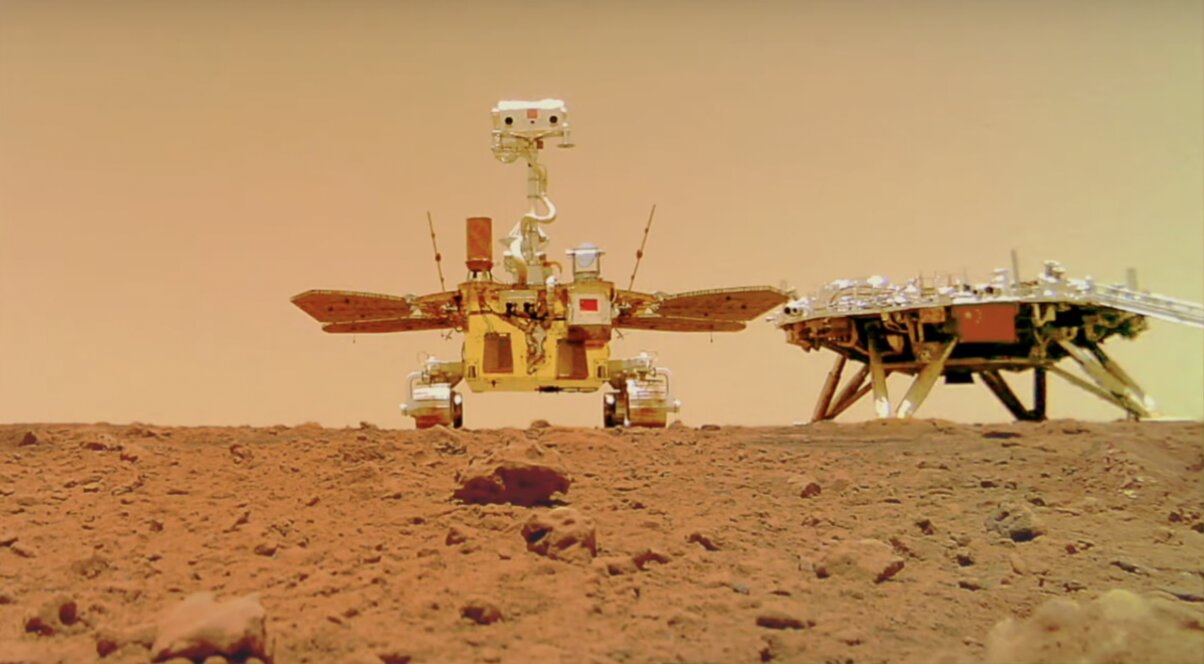
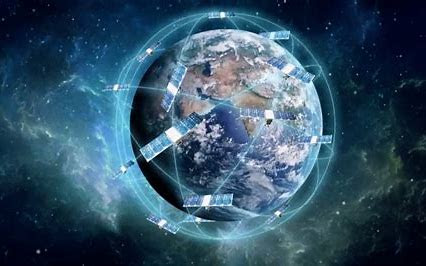
China’s Three-Body Computing Constellation expands with new satellite launch
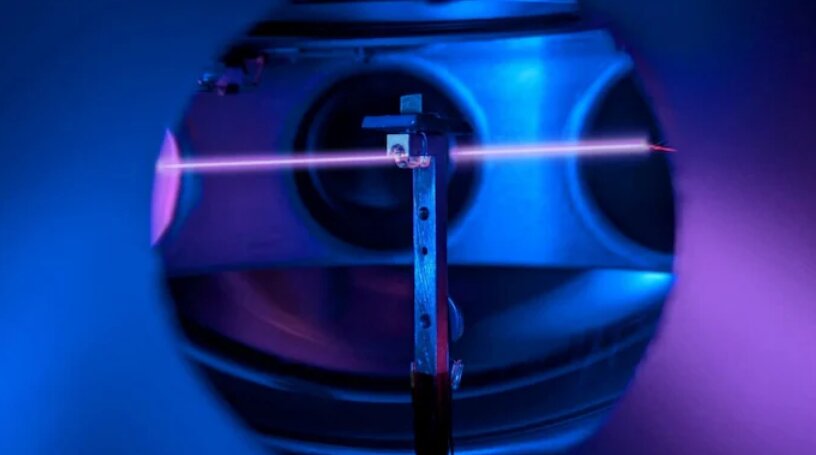
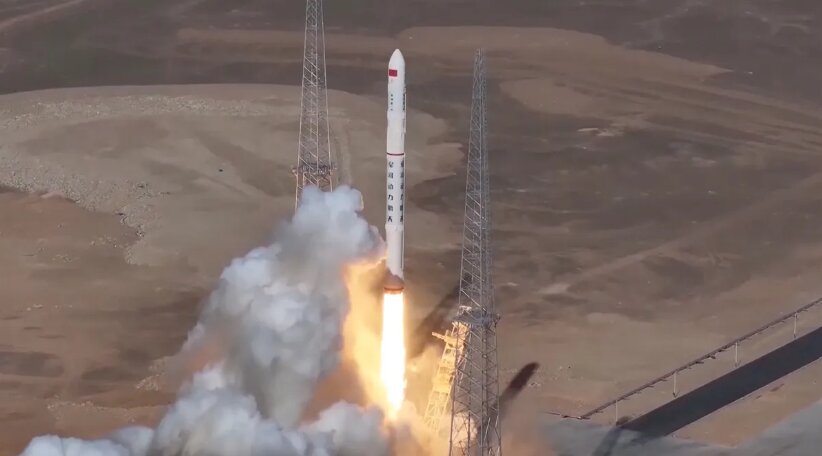
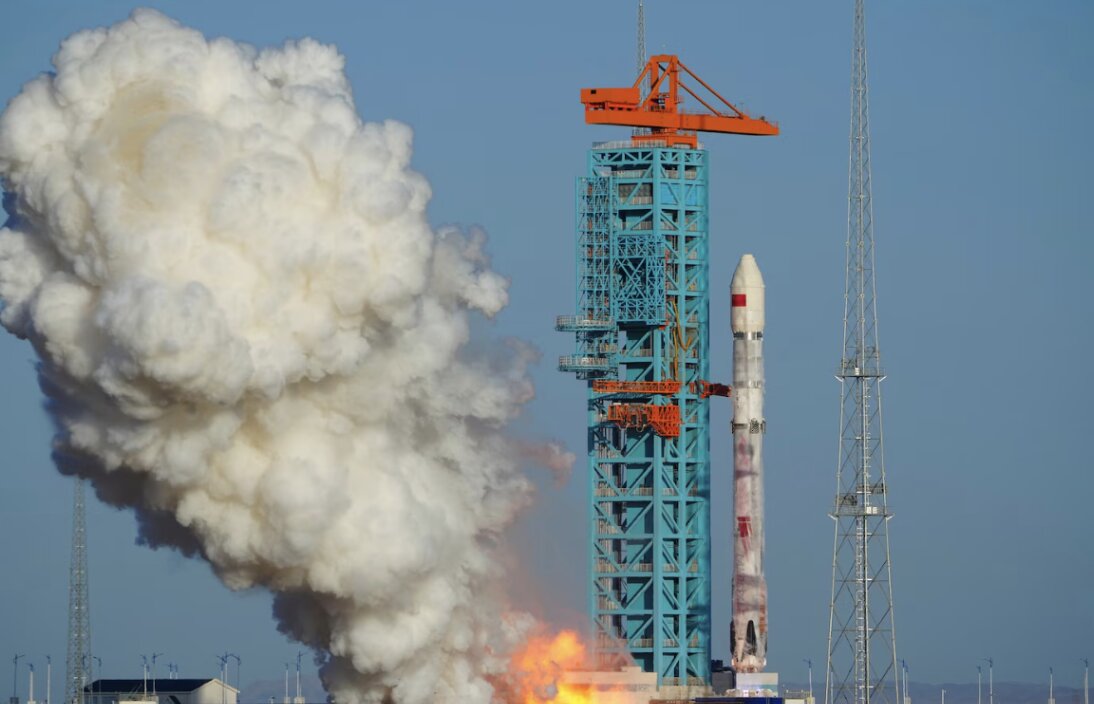
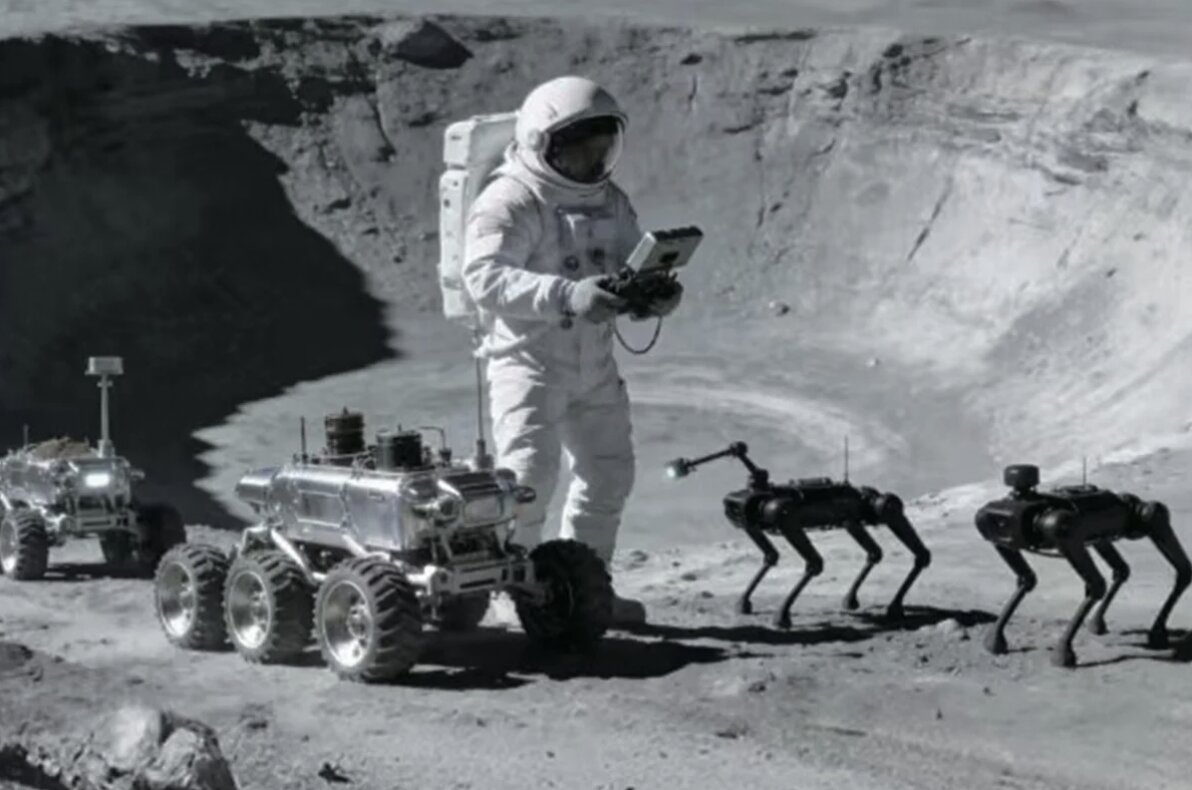
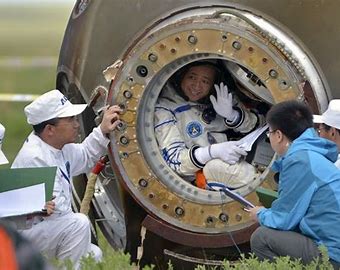
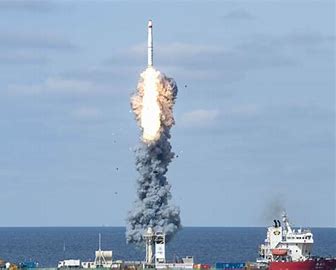
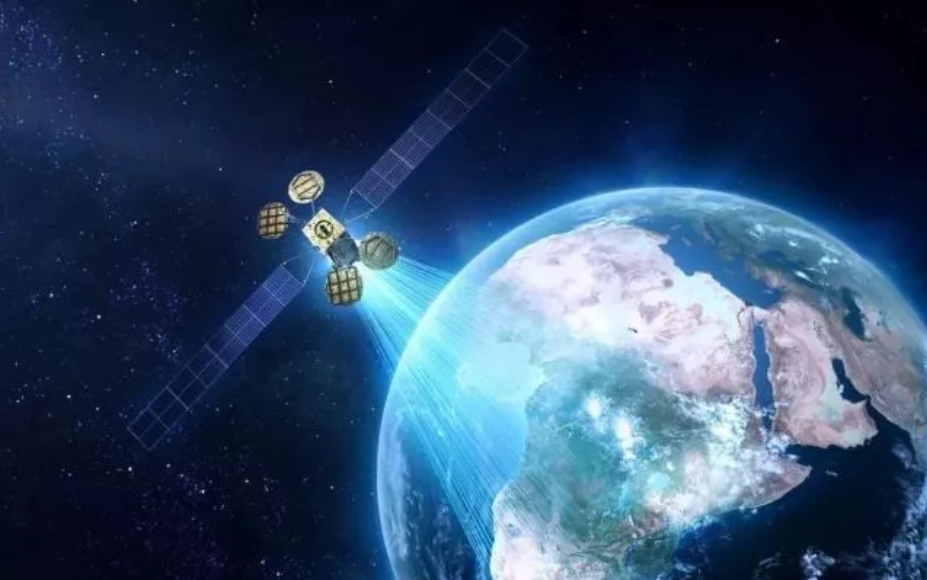
On 14 October, CGTN reported that China had launched a Zhuque-2E Y4 carrier rocket from the Dongfeng commercial space innovation pilot zone. The flight test mission was declared a complete success. China in Space reported that the rocket was heading for sun-synchronous orbit with a group of computing satellites and two laser communication test spacecraft. The Three-Body Computing Constellation, China’s space-based AI supercomputing network, launched eight new satellites, taking the total number of satellites in orbit to 20. These satellites would now integrate with the Zhuque- 2E rocket. The satellites launched would connect with the existing satellites already in orbit and demonstrate expanded onboard compute capabilities. New laser communication links capable of connecting to the ground and cooling radiators are amongst the technologies being shown through the satellite connection. Earlier, the Three-Body Constellation showed its advanced skill sets through tasking terrestrial robots from orbit and sustaining laser links for multiple days with near-constant uptime. The launch of the spacecraft is regarded as a part of China’s initiatives to support space-based connectivity constellation efforts from the satellite manufacturing side.
(“China’s Zhuque- 2E rocket launches 10 satellites into space,” CGTN, 14 October 2026; “Three-Body Computing Constellation Expands with LandSpace Launch{Zhuque- 2E Y4,” China in Space, 14 October 2026)
https://news.cgtn.com/news/2026-10-14/China-s-Zhuque-2E-rocket-launches-10-satellites-into-space-1ReYXyOhz5C/p.html
https://www.china-in-space.com/p/three-body-computing-constellation-316
China's scientists use open-source flight data to estimate Israel's potential electronic warfare units
On 15 October, South China Morning Post reported the claim of China's military scientists about the development of an algorithm that uses civil aviation data to identify electronic warfare units. The researchers suggested that they had located two sources of interference that were spoofing their locations near Israel during the US-Iran War. The locations were estimated near Haifa, with reported positioning errors between 10.9 kilometres and 18.9 kilometres. The source could not independently verify the claims. Researchers analysed 43 days of aircraft-tracking data, from 27 February to 10 April, to identify possible sources of electronic interference in the Mediterranean. Using publicly available Automatic Dependent Surveillance-Broadcast (ADS-B) data, the team developed an algorithm to detect abnormal flight paths and estimate interference sources. Two areas were identified: about 80 kilometres northwest of Haifa and 30 kilometres northwest of the Gaza Strip. The researchers suggested that the first source may have countered long-range suicide drones, such as Iran’s Shahed-136, using a complex dynamic spoofing strategy. The second may have targeted low-cost, short-range drones used by groups in Gaza and the Houthi movement through static spoofing. However, the intended targets could not be directly verified. The team said future research would incorporate ship navigation data to extend the method beyond civil aviation.
(“Chinese scientists use open-source data to spot suspected Israeli electronic warfare units,” South China Morning Post, 15 October 2026.)
https://www.scmp.com/news/china/science/article/3370910/chinese-scientists-use-open-source-data-spot-suspected-israeli-electronic-warfare-units
Opinion
Andy Xie, “Can China’s coal industry ride to the rescue of a world in oil shock?” South China Morning Post, 15 October 2026
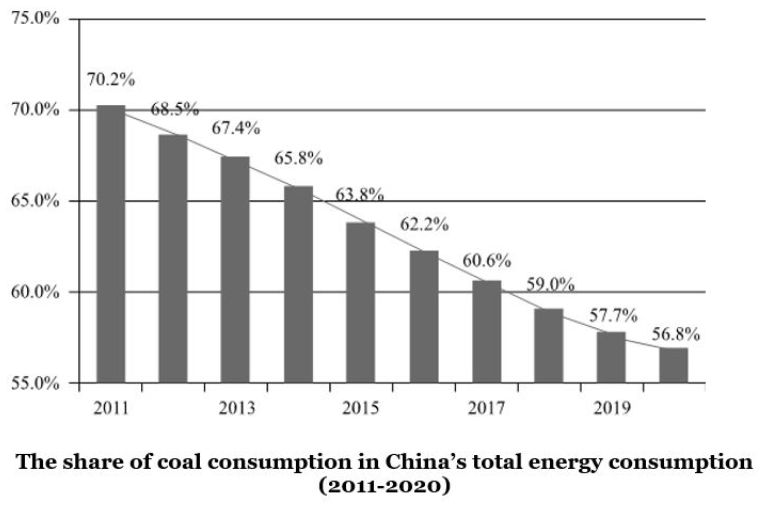
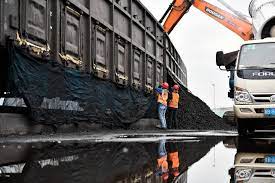
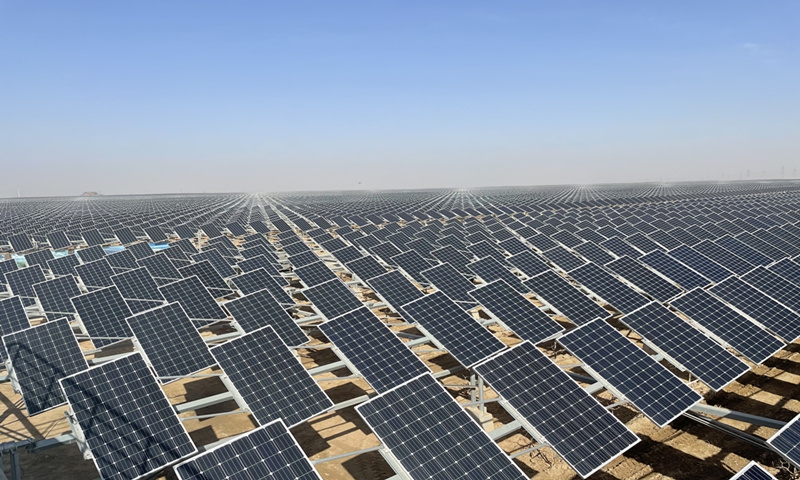
“The global economy is likely to experience a recession next year. War across the Middle East is set to escalate, wrecking energy supplies for many years, even as the artificial intelligence (AI) bubble is ripe to burst. This, however, would also create an energy leadership opportunity for China. High energy prices already fuel demand for Chinese renewable energy products and electric vehicles. But as a leader in building coal-fired power plants, China can also offer the global market a quick substitute for Middle Eastern oil and gas, attracting a boom in investment and export revenue. The unfolding energy crisis also offers opportunities for China: solar energy, wind power and electric vehicles are the usual suspects. But a bigger opportunity, at least for the next five years, could be coal. Coal-fired power plants can be an effective interim solution to an oil and gas shortfall. China has a huge industry in building coal-fired power plants. Chinese coal-fired power plants are much more efficient than those of other countries. As the global leader by far, China can build these plants cheaper and faster than anyone else. More importantly, coal-rich China can expand its coal chemical industry to produce substitute oil products. China can and should produce enough fertiliser, diesel and aviation fuel to meet global demand. China can turn itself into the new energy centre of the global economy. It is a great economic opportunity and also strengthens China’s geopolitical position. If China becomes a superpower in energy as in manufacturing, it basically wins the geopolitical competition in the 21st century.”
INTERNAL
China approves more than 600 national standards to support clean energy development
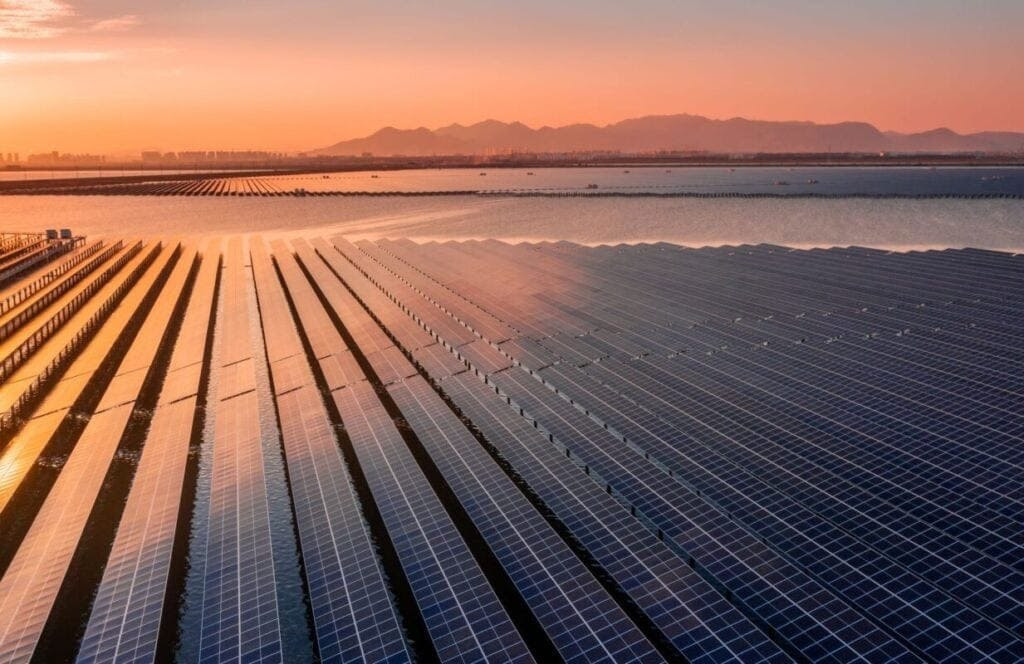
On 14 October, CGTN reported that China had approved more than 600 national standards covering clean-energy sectors, including hydropower, solar power, solar thermal energy and hydrogen. The country had also established more than 1,300 group standards and published 345 foreign-language versions of national standards. China has led the development and publication of 174 international energy standards, accounting for around 15 per cent of the total published internationally. It also hosts secretariats for 10 international standards bodies covering areas such as solar energy and mechanical energy storage, and convenes 34 international working groups. The standards were highlighted during an event marking World Standards Day. The initiative supports standardisation across clean-energy industries and strengthens China’s role in international energy cooperation and the global transition towards cleaner energy sources.
(“China approves over 600 national standards for clean energy,” CGTN, 14 October 2026)
https://news.cgtn.com/news/2026-10-14/China-approves-over-600-national-standards-for-clean-energy-1ReY6BSxw1a/p.html
China’s next export wave may be driven by AI, biotech, and robotics, says SCMP
On 15 October, the South China Morning Post reported that China could be approaching a third wave of export-driven economic disruption, described by economist Alicia Garcia-Herrero as “China shock 3.0.” The next wave is expected to centre on artificial intelligence (AI), biotechnology and robotics, potentially creating a greater impact on global industries than previous waves of Chinese exports. Garcia-Herrero, a senior fellow at Bruegel and chief economist for Asia-Pacific at Natixis, said China was developing competitive AI hardware and software for potential export once domestic demand was met. The assessment highlights China’s expanding technological capabilities and the possibility of increased competition for foreign producers. It also raises concerns about how Chinese technology exports could affect industrial competitiveness, employment and trade relations as countries seek to protect domestic industries.
(“‘China shock 3.0’ to be driven by AI, biotech and robot exports, economist says,” South China Morning Post, 15 October 2026)
https://www.scmp.com/news/china/diplomacy/article/3370925/china-shock-30-be-driven-ai-biotech-and-robot-exports-economist-says
CHINA AND EAST ASIA
China opens joint airfield in Laos, as neighbours watch for military role
On 15 October, ABC News reported that China's new joint airfield in Laos, officially opened at a September ceremony, remained a work in progress, with satellite imagery showing construction still ongoing. The Ban Keun airport, about 50 kilometres north of Vientiane, is China's first overseas military facility focused on air power, with a 2,000-metre runway long enough for fighter aircraft and space to extend it by at least 1,000 metres to accommodate larger planes. China's Defence Ministry said the China-Laos Joint Support and Training Centre and Friendship Aviation Academy would help train Laotian pilots and were "not directed against any third party," though it has not said whether aircraft will be permanently stationed there. Analysts said the base did not radically alter regional power balances but could concern Vietnam, with a Vietnamese official saying Beijing's move was intended to strengthen its influence in Laos. Thailand said Laos had a legitimate right to such agreements but would keep monitoring developments.
("China opens a joint airfield in Laos with construction ongoing and eyes on its military role," ABC News, 15 October 2026)
https://abcnews.com/amp/International/wireStory/china-opens-joint-airfield-laos-construction-ongoing-eyes-137275971
CHINA AND SOUTHEAST ASIA
China and North Korea open long-delayed Yalu River bridge to boost trade
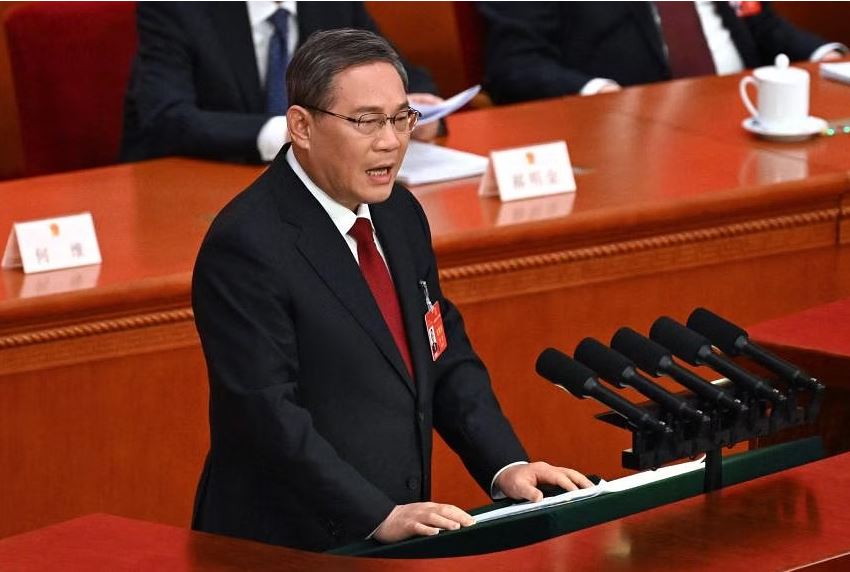
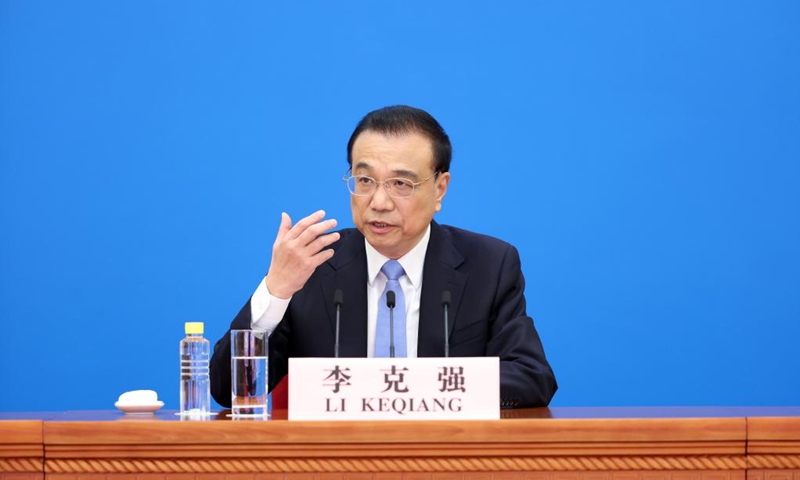
On 15 October, Reuters reported that China and North Korea officially opened their most significant land border crossing, the 03-kilometre New Yalu River Bridge linking the Chinese city of Dandong with North Korea, aiming to rejuvenate trade after years of strained ties and pandemic-related disruptions. The cable-stayed bridge, completed in 2014 but left unused while the North left its approach roads and customs compound unfinished, opened with trucks carrying national flags across it. Chinese Premier Li Qiang said bilateral relations were "entering a new phase," while North Korean Premier Pak Thae Song also delivered a video address. Analysts said North Korea remained cautious about greater dependence on China, with Lim Eul-chul of Kyungnam University saying the bridge was unlikely to produce an immediate return to pre-sanctions trade, though it would help move heavy equipment, raw materials, and energy products. China's exports to North Korea rose 25 per cent to USD 2.3 billion last year.
("China, North Korea open long-delayed border bridge to boost trade," Reuters, 15 October 2026)
https://www.reuters.com/world/asia-pacific/trucks-line-up-long-delayed-china-north-korea-bridge-officially-opens-2026-10-15/
CHINA AND SOUTH ASIA
Nepal wants to bridge India-China distrust in the fight against climate change
On 15 October, the BBC reported that Nepal’s Prime Minister Balendra Shah warned of the growing threat of climate-related disasters in the Himalayas, recalling the devastating floods that struck Kathmandu in his UN General Assembly address. He called for the creation of a Himalayan Climate Resilience Mechanism to strengthen cross-border disaster response and the sharing of scientific data and expertise in the world’s most environmentally fragile and geopolitically sensitive regions. A report by the International Centre for Integrated Mountain Development released in March found that glaciers across the Hindu Kush Himalayas are melting at an accelerating pace, with the rate of ice loss having doubled since 2000 compared with the 1974-1999 period. On the Qinghai-Tibet Plateau, glaciers have shrunk by 24 per cent, increasing the risks of sudden cross-border floods into Nepal, India, and Bhutan. In August 2025, India’s Minister of State for External Affairs Kirti Vardhan Singh told parliament that China had stopped sharing data on the Sutlej and Brahmaputra in 2022 and 2023, respectively. Nepal has the herculean task of convincing its larger neighbours to bury the hatchet in favour of climate.
(“India and China aren’t friends-but Nepal wants to unite them against climate threats,” BBC, 15 October 2026)
https://www.bbc.com/news/articles/cvy0rd1j2kzlo
CHINA AND THE MIDDLE EAST
Houthis using Chinese parts to build advanced missiles, says a WSJ report
On 13 October, The Wall Street Journal reported that Houthi militants are aiming to produce their own advanced medium-range ballistic missiles using Chinese-delivered parts in a technological advance that would raise the threat posed by the Iran-backed group. The Houthis shipped components from a Chinese supplier to build a version of the Kheibar Shekan Iranian precision-guided missile, with the missile having a range of 1200 miles, putting both Israel and Saudi Arabia within range. Iran previously used the Kheibar Shekan against American bases in the spring of 2025. According to UN data, Chinese companies are now the biggest source of seized goods for the Houthis. The Houthis can reach deep into Saudi Arabia with a bigger payload than cruise missiles and drones. While China says it is respecting the UN ban on arms sales to the Yemeni faction, the components imported by the Houthis were dual-use goods.
(“The Houthis Are Building an Advanced Missile With Chinese Parts,” The Wall Street Journal, 13 October 2026)
https://www.wsj.com/world/middle-east/houthi-missile-china-parts-5c2b2516
CHINA AND AFRICA
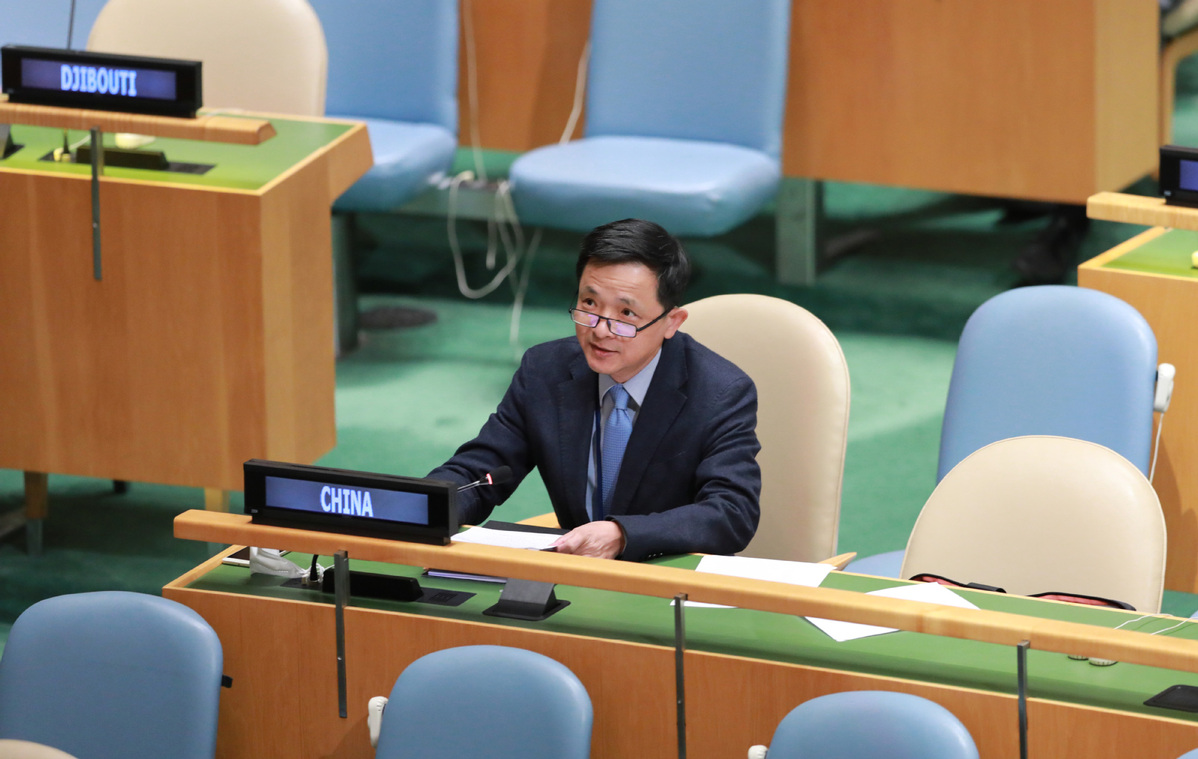
Beijing urges a Libya-led political settlement and institutional unity in the country
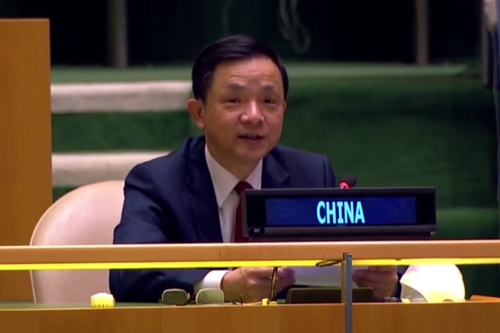
On 15 October, CGTN reported that China has called for an urgent resolution of Libya’s political deadlock, welcoming progress under the UN-facilitated 4+4 talks while stressing that any settlement must be led by Libya and broadly supported within the nation. Deputy UN representative Sun Lei warned that renewed armed conflict and attacks on energy infrastructure could undermine political progress. Beijing urged the unification of Libya’s military and security institutions to support elections and a peaceful transfer of power. China also advocated stronger border controls, action against arms trafficking and oil smuggling, greater fiscal transparency, implementation of a unified budget, and international assistance for public services, reconstruction and economic development.
(“China calls for end to political deadlock in Libya,” CGTN, 15 October 2026)
https://news.cgtn.com/news/2026-10-15/China-calls-for-end-to-political-deadlock-in-Libya-1RfMZr9GpLq/p.html
CHINA AND RUSSIA
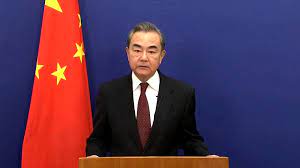
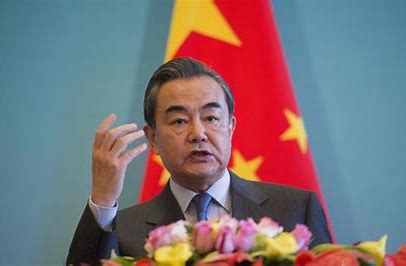
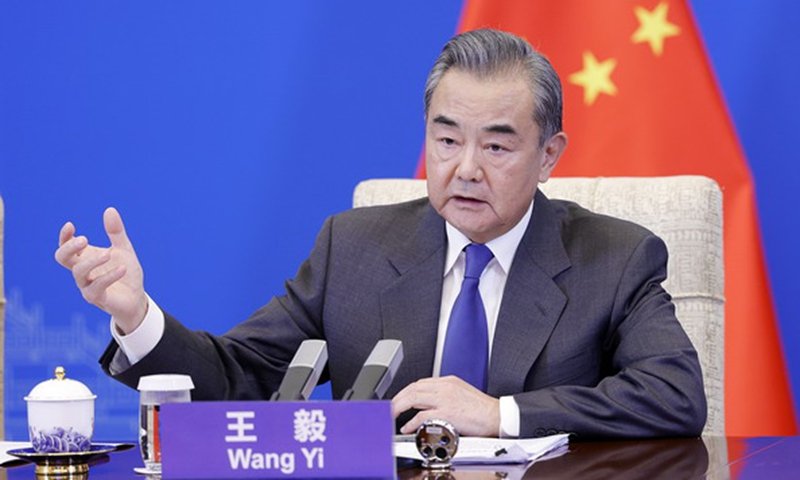
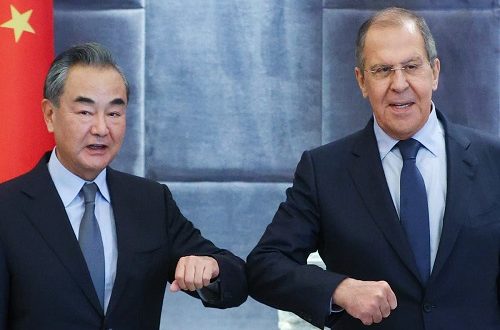
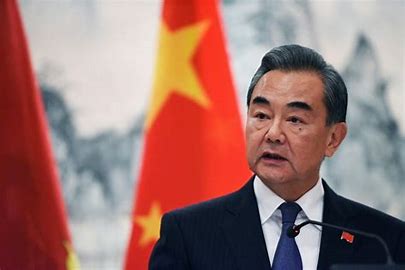
Russian Foreign Minister Sergei Lavrov meets Foreign Minister Wang Yi
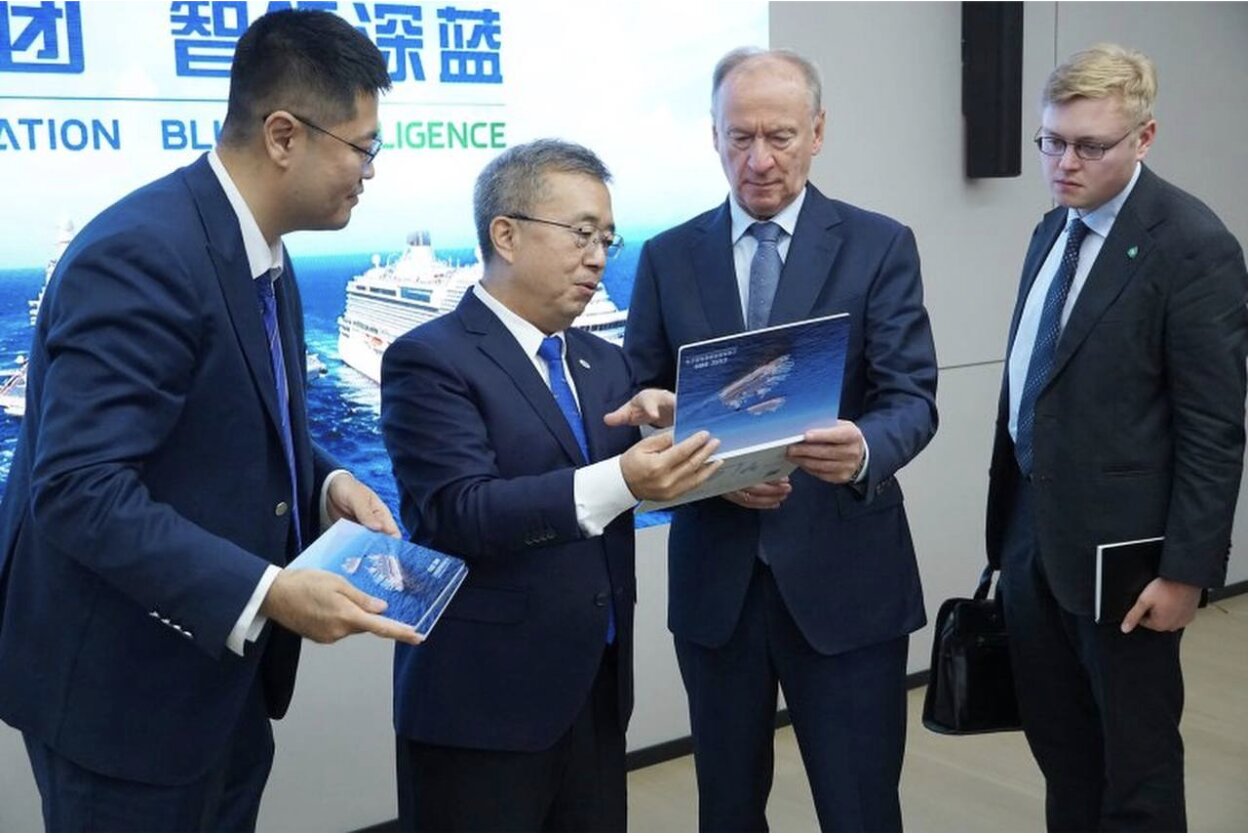
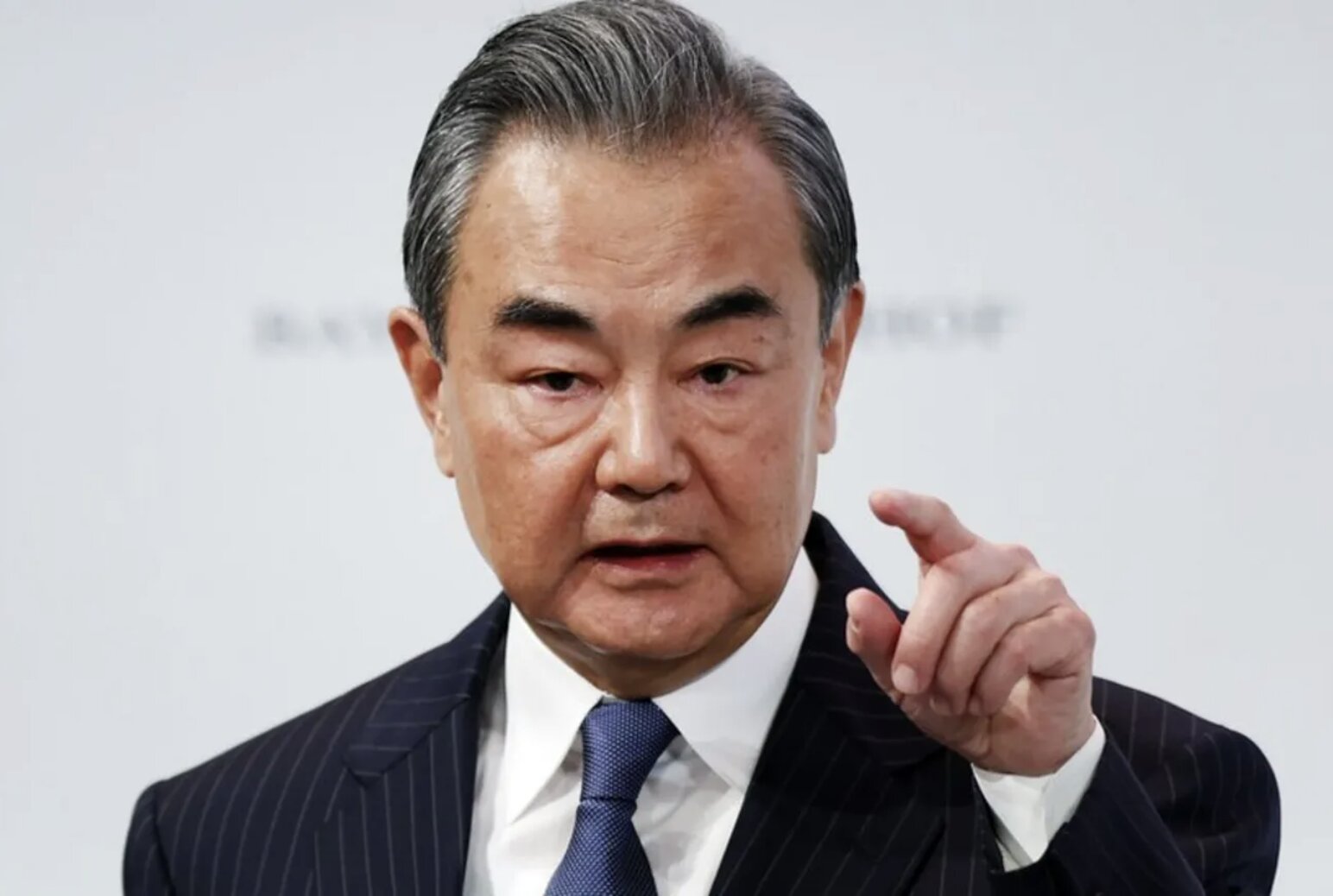
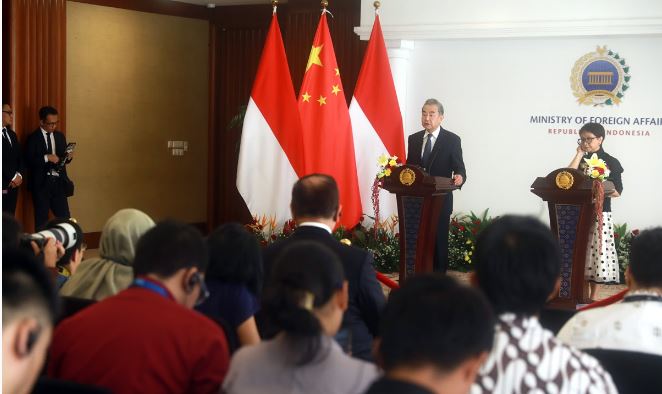
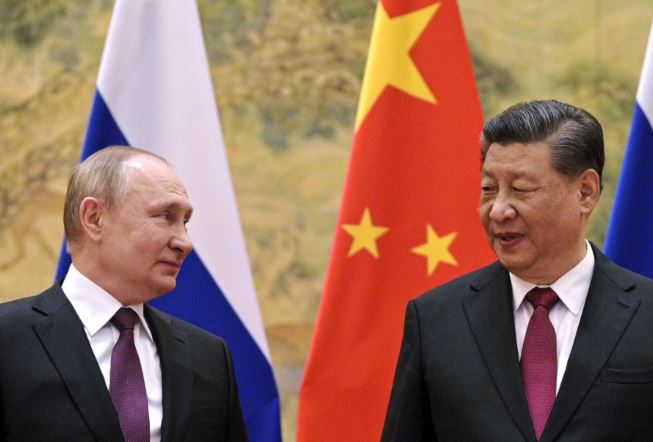
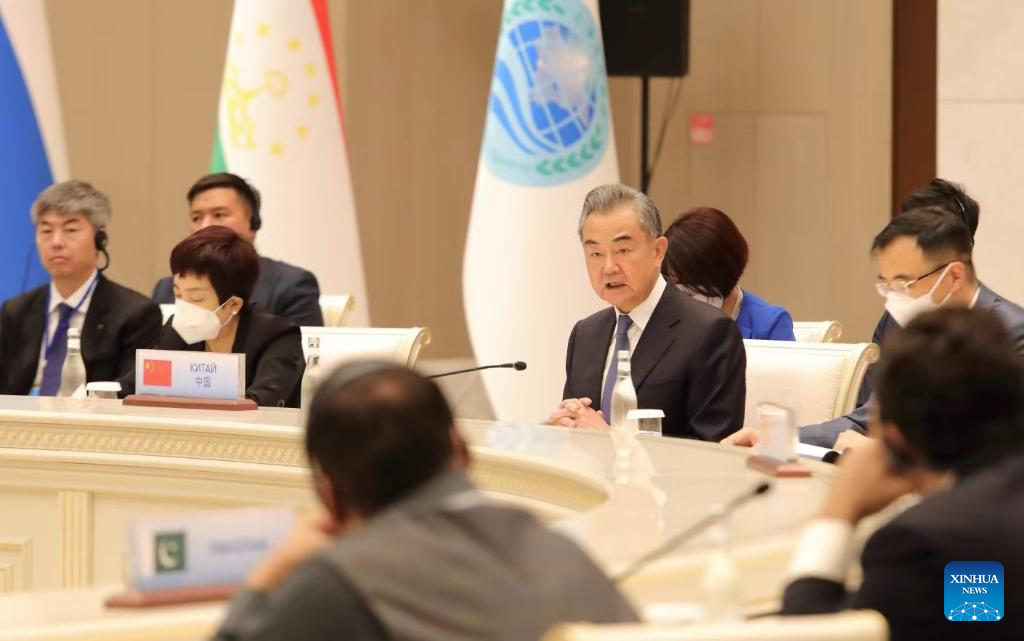
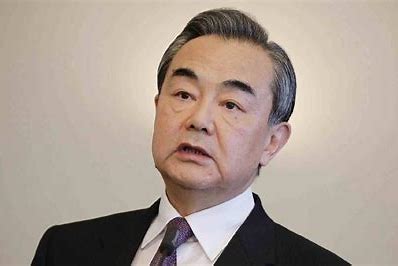
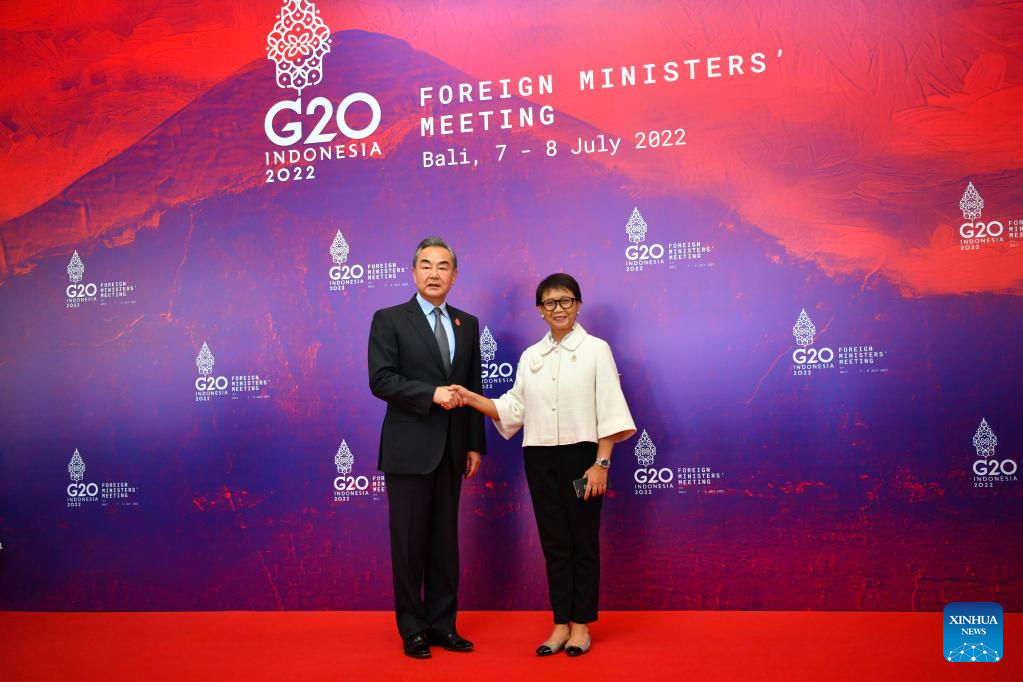
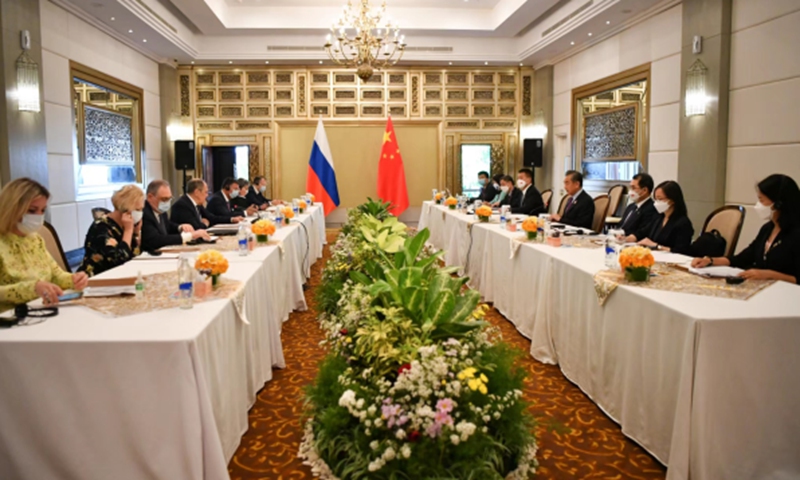
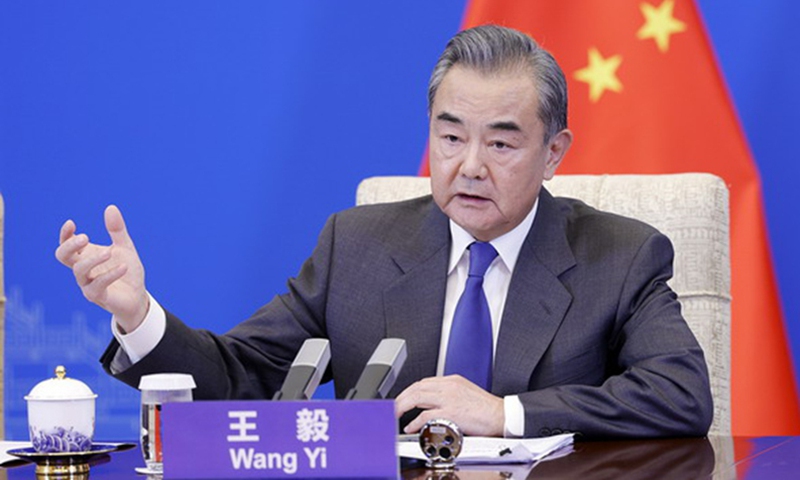
On 15 October, Reuters reported that Russia’s Foreign Minister Sergei Lavrov and China’s Foreign Minister Wang Yi reaffirmed expanding bilateral cooperation during talks on the sidelines of the Conference on Interaction and Confidence-Building Measures in Asia in Azerbaijan. The ministers praised the development of their comprehensive strategic partnership and coordinated positions on bilateral political dialogue. Discussions also covered relations with the United States and ongoing conflicts involving Ukraine and Iran. Moscow and Beijing have jointly advocated diplomatic efforts to end the Iran conflict, warning of wider regional instability. China has meanwhile maintained its close partnership with Russia throughout the Ukraine war while continuing to publicly support a negotiated resolution to the conflict.
(“Russia's Lavrov, China's Wang discuss cooperation, Ukraine, Iran at Asia security meeting,” Reuters, 15 October 2026)
https://www.reuters.com/world/china/russias-lavrov-chinas-wang-discuss-cooperation-ukraine-iran-asia-security-2026-10-14/
CHINA AND EUROPE
Trade deal between Brussels and Beijing temporarily halts economic hostilities
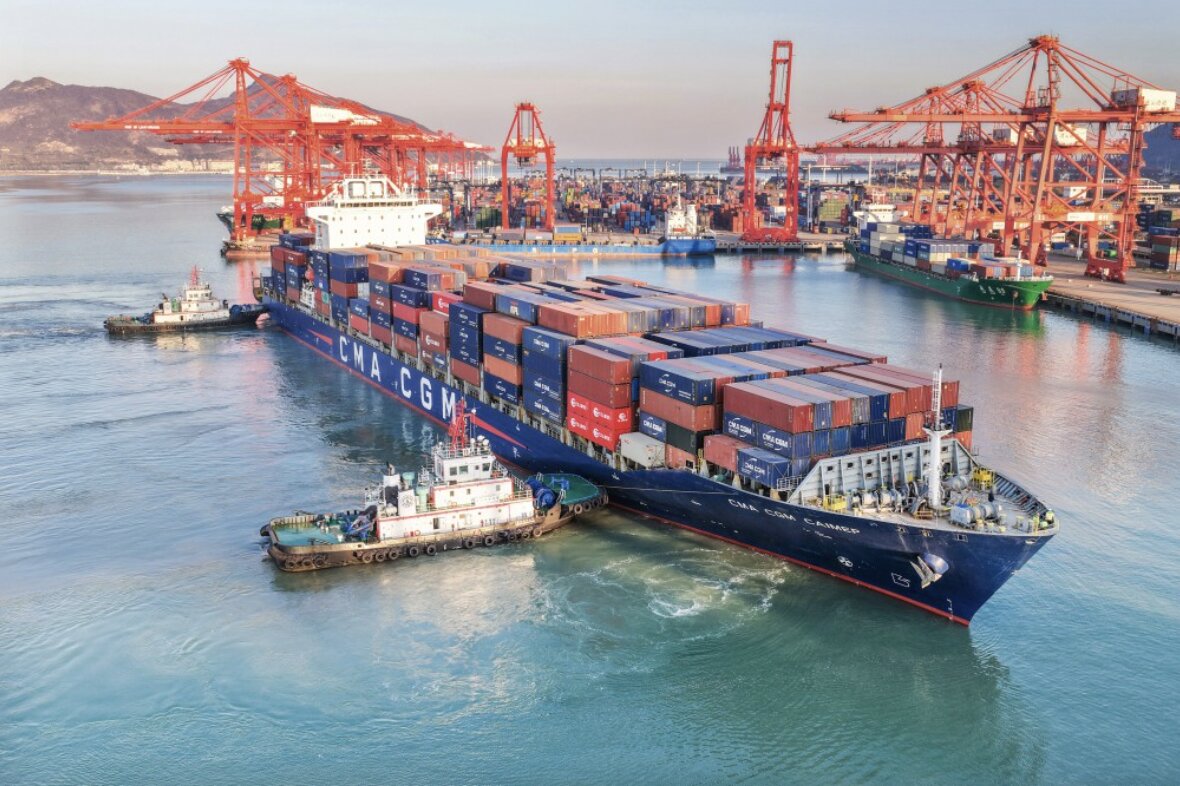
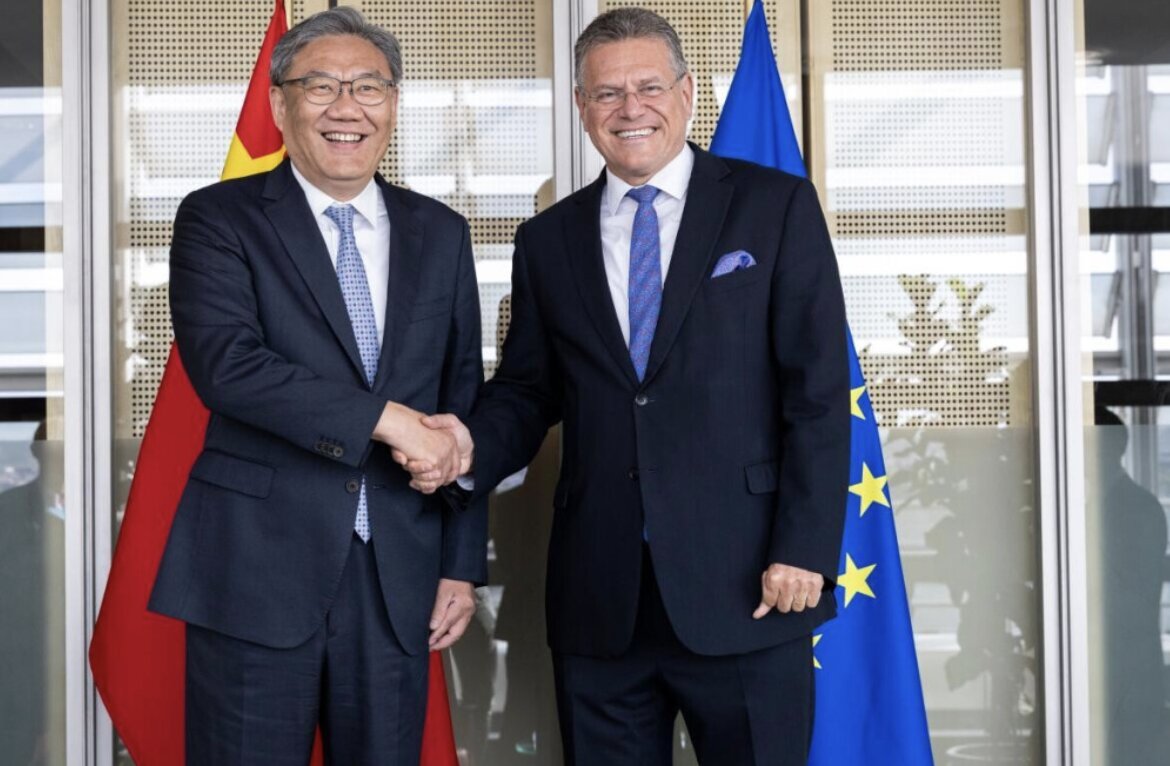
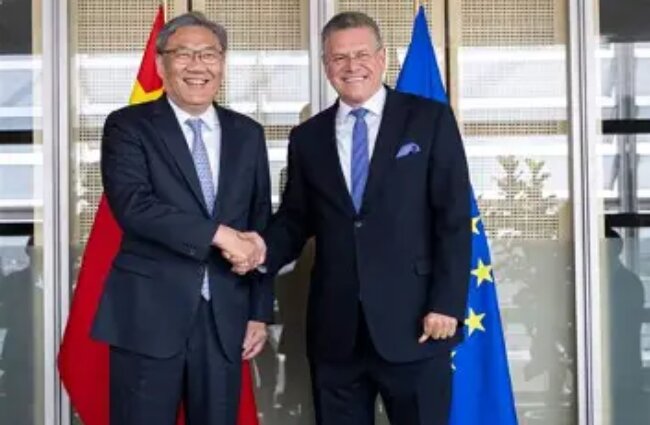
On 12 October, South China Morning Post reported that high-wire negotiations between China and the EU resulted in a surprise trade deal that will impose strict quotas on Chinese car exports to the bloc and slash Chinese tariffs on a variety of European goods. The deal cools the bilateral trade tensions between the two countries and temporarily averts the prospect of a bruising trade war in exchange for a subsequent reduction in value-added tax export rebates on certain goods, which could help curb outbound shipments further. The deal will ensure that Brussels will cap imports of Chinese hybrid cars at 350000 units a year, rising at 6 per cent annually. This will leave exports at less than half of EU projections for 2026. After gaining the consent of all member states, the bloc will use a technical safeguard instrument to moderate the import of Chinese hybrid cars, with numbers in excess of 350000 being turned away.
(“China, EU take a breath after surprise deal brings temporary halt to trade tussle,” South China Morning Post, 12 October 2026)
https://www.scmp.com/economy/global-economy/article/3370623/china-eu-take-breath-after-surprise-deal-brings-temporary-halt-trade-tussle
CHINA AND THE AMERICAS
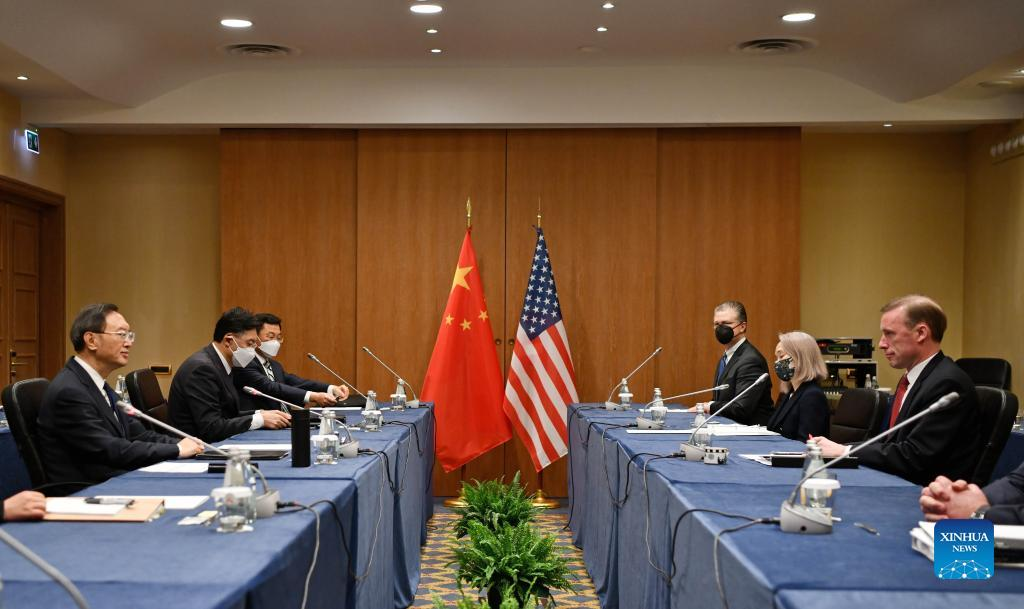
Beijing and Washington seek AI cooperation framework ahead of Trump-Xi meeting
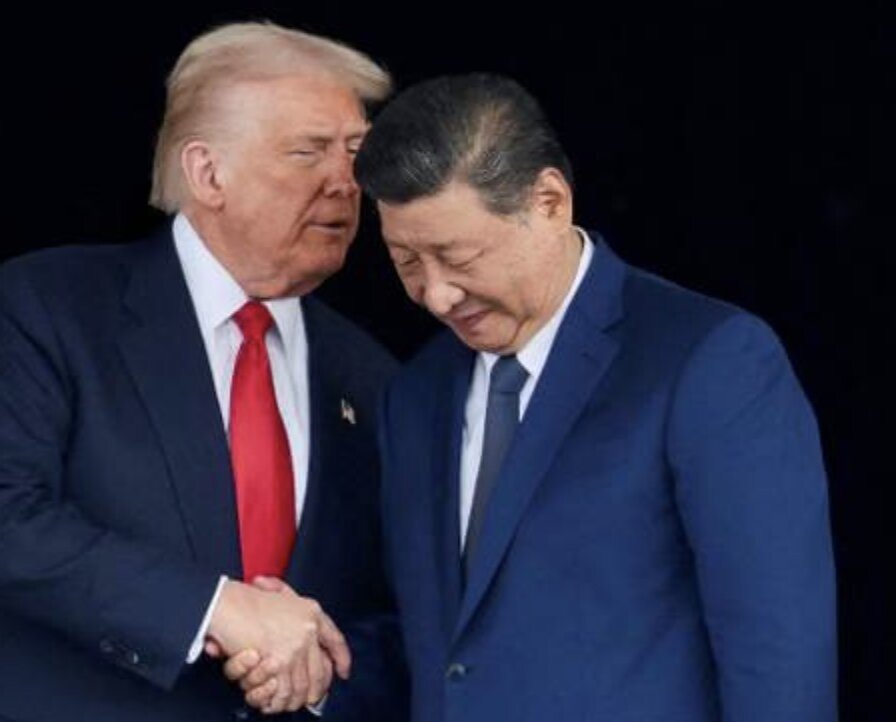
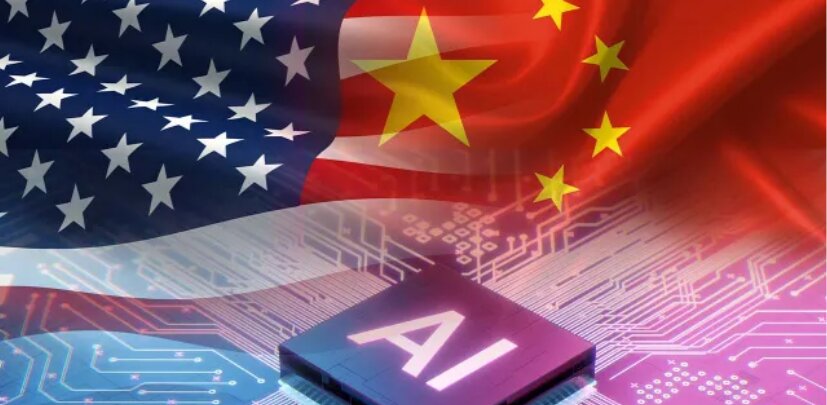
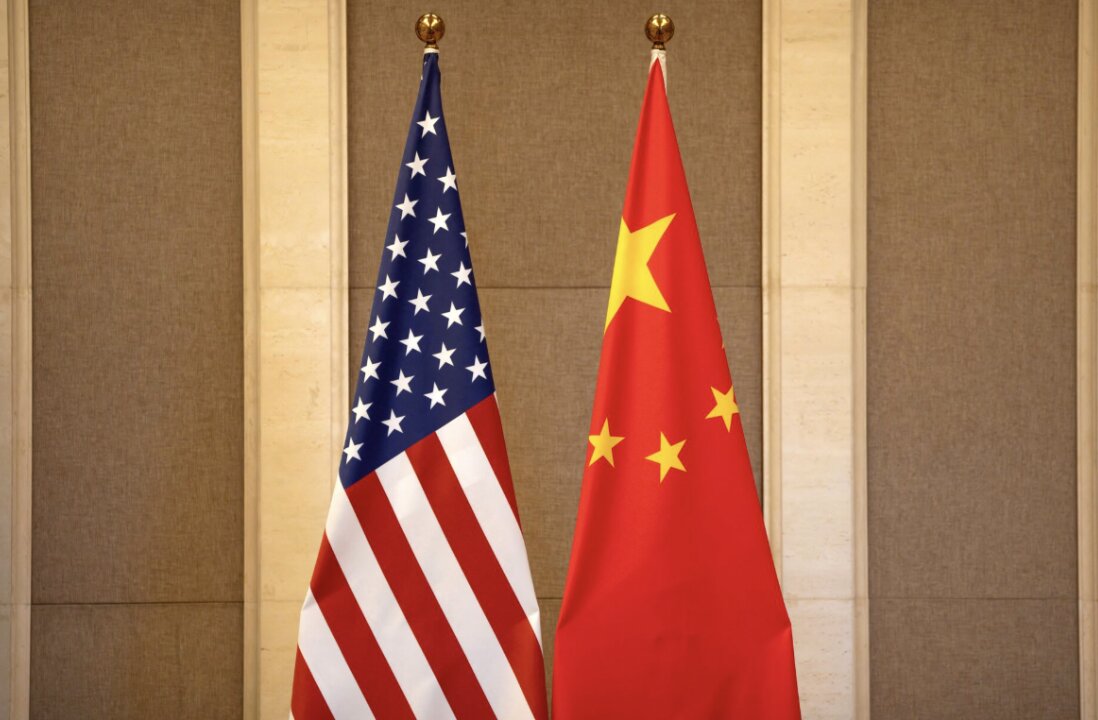
On 15 October, SCMP reported that the US and China are intensifying negotiations to establish a framework for managing AI-related incidents and institutionalising bilateral dialogue ahead of the Xi-Trump meeting at the November APEC summit in Shenzhen. Following agreements reached during Xi Jinping’s September US visit, technical teams are developing a basic crisis communication mechanism, while a broader institutional arrangement could involve governments, research institutions and industry representatives. AI has emerged as a potential area where strategic competitors can demonstrate limited cooperation despite intensifying technological rivalry. However, differences in domestic regulation and economic competition could constrain whatever little progress has been made. Washington continues to emphasise rapid AI development and accuses China of using techniques such as model distillation to acquire US capabilities. Beijing has claimed that these are mere allegations while vehemently denying them. Meanwhile, both countries are competing to shape global AI governance, with the US promoting Pax Silica and China advancing the World Artificial Intelligence Cooperation Organisation.
(“US and China race to shape AI agenda ahead of Xi-Trump talks in Shenzhen, sources say,” South China Morning Post, 15 October 2026)
https://www.scmp.com/news/china/diplomacy/article/3370926/us-and-china-race-shape-ai-agenda-ahead-xi-trump-talks-shenzhen-sources-say