Photo : The Guardian
Photo : The Guardian
In Brief
INTERNAL
China to host Global Governance Forum to advance multilateral cooperation and global governance reforms
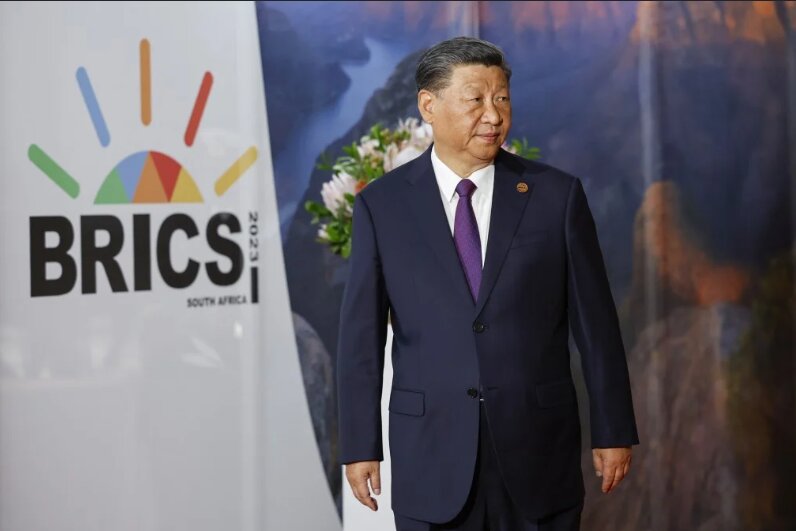
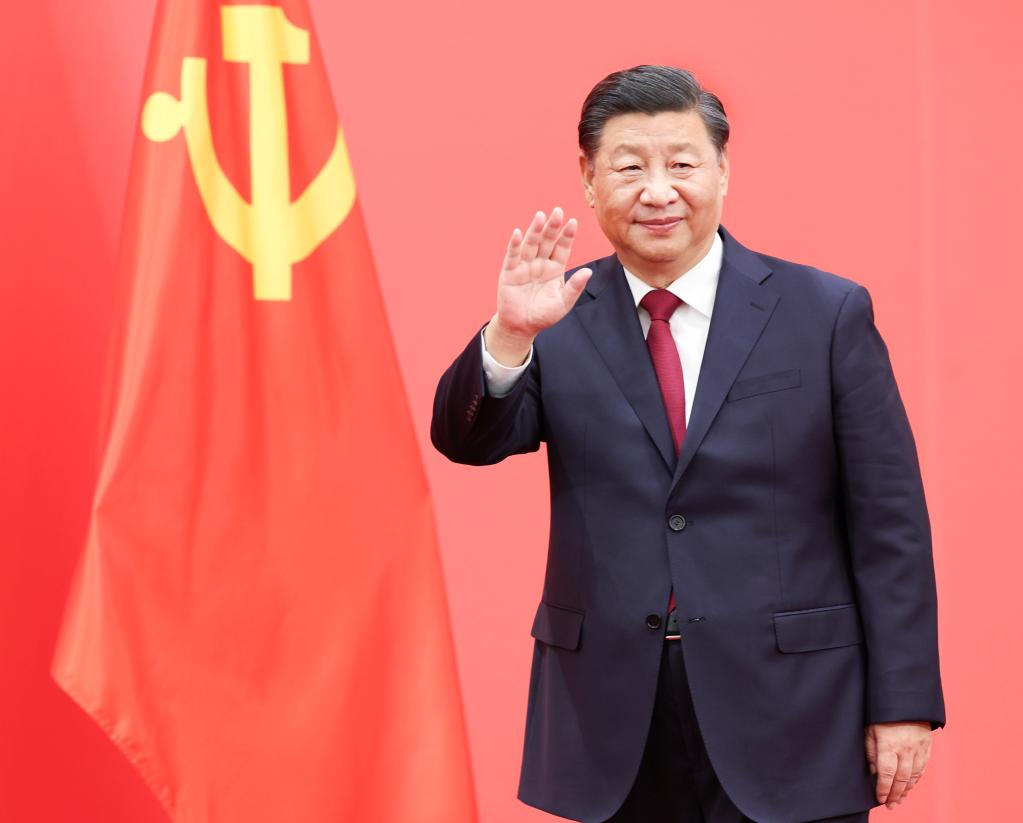
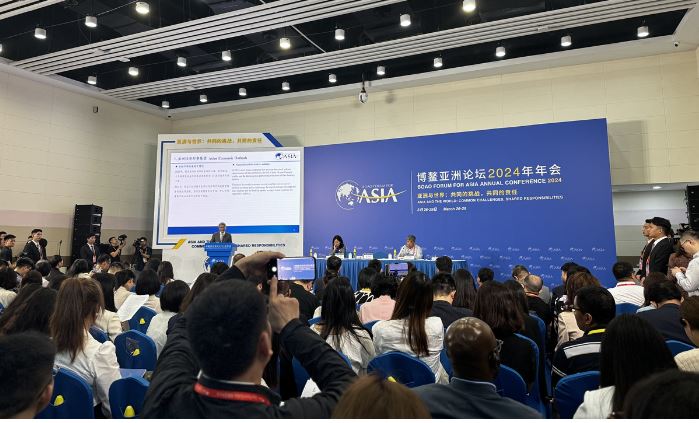
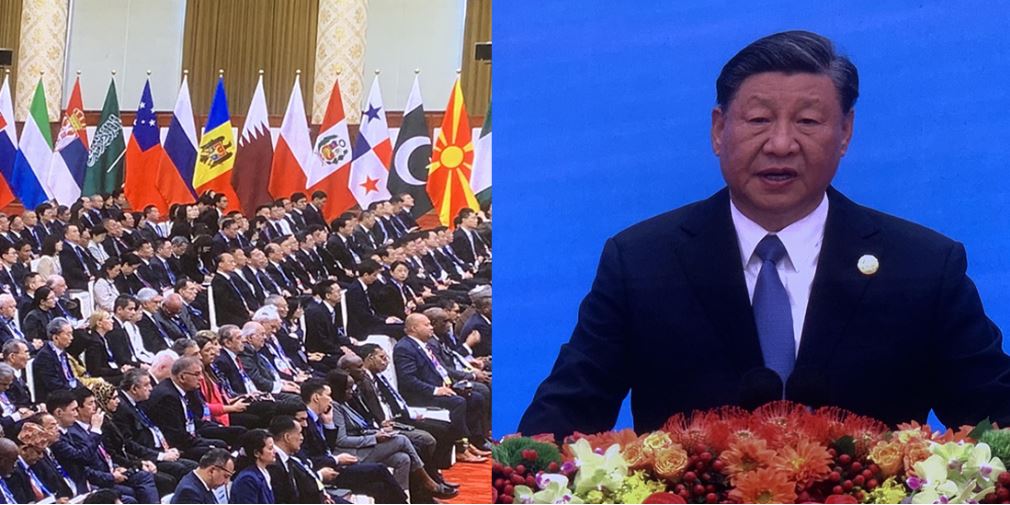
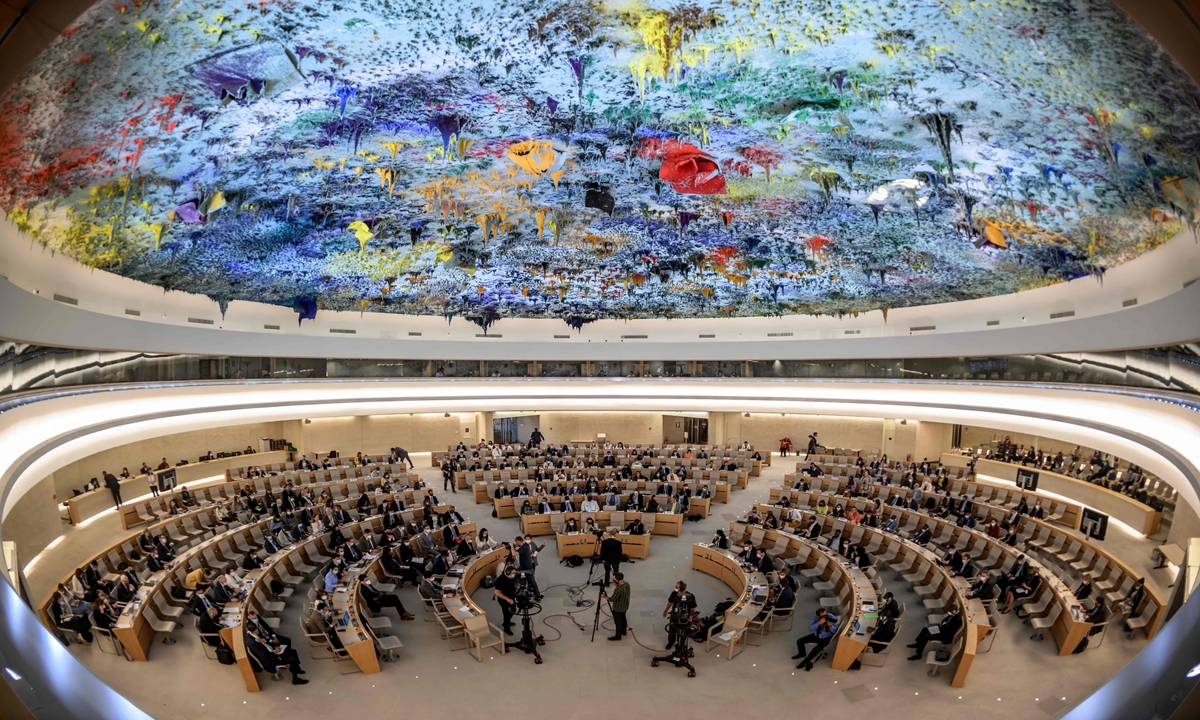
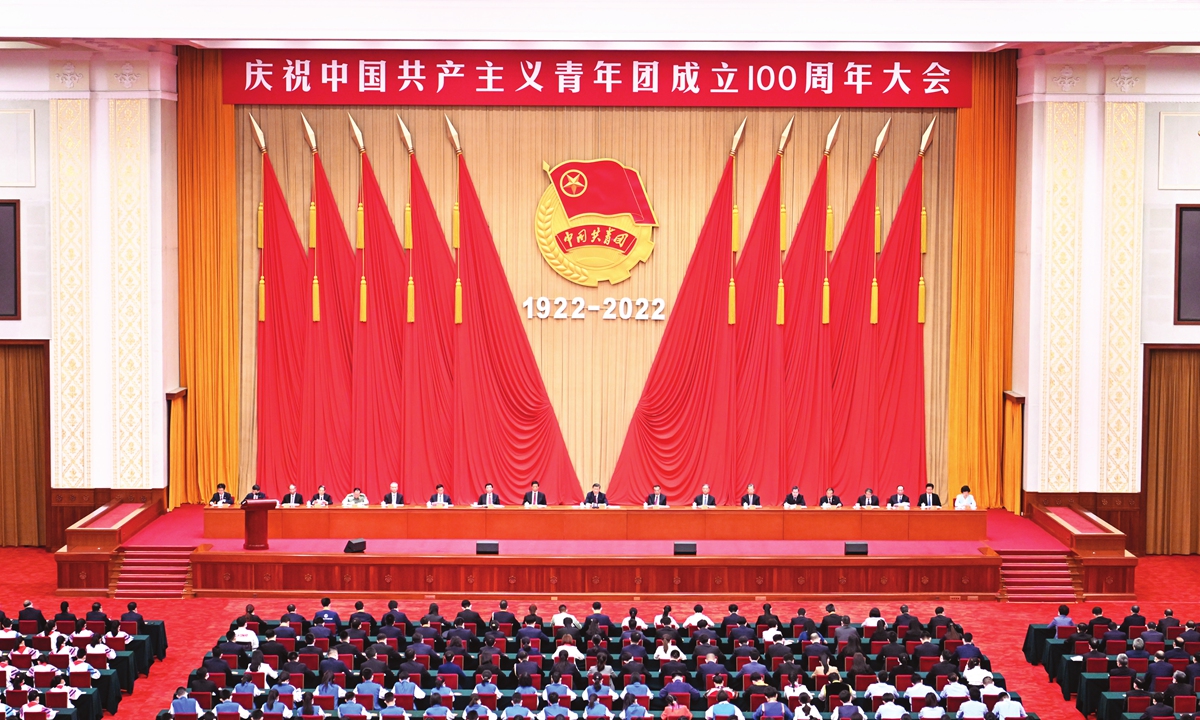
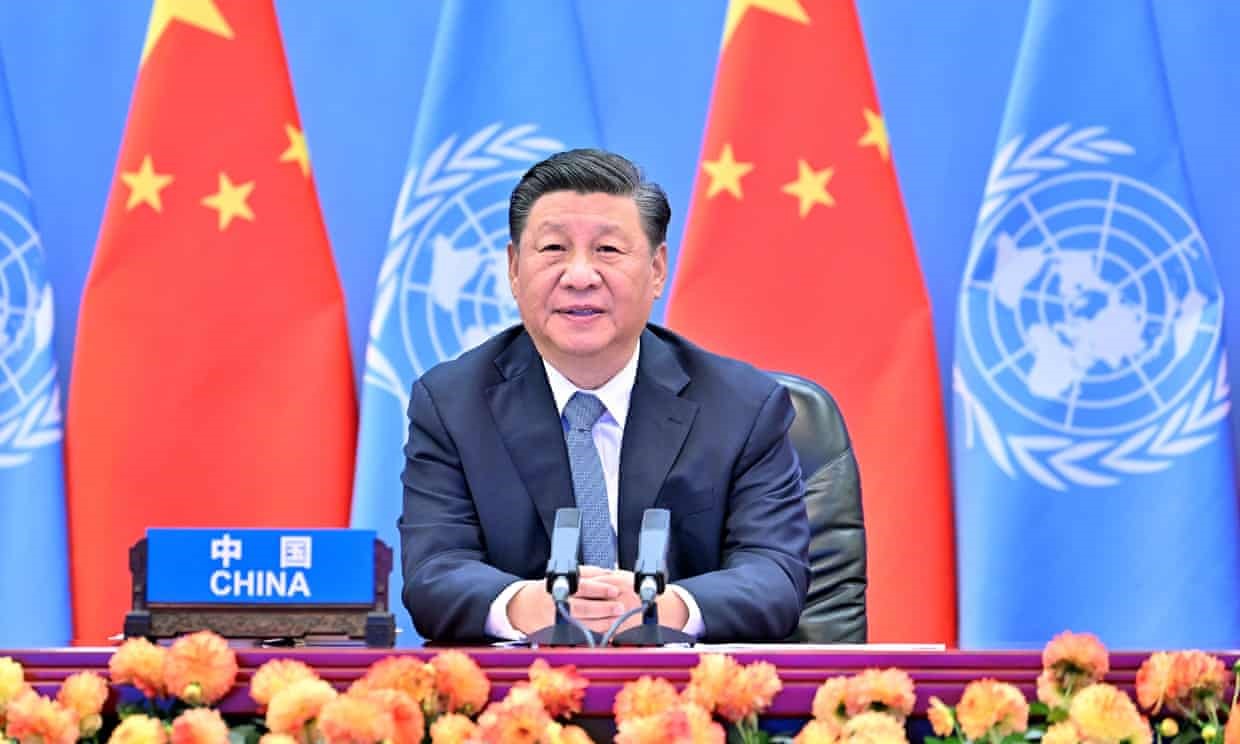
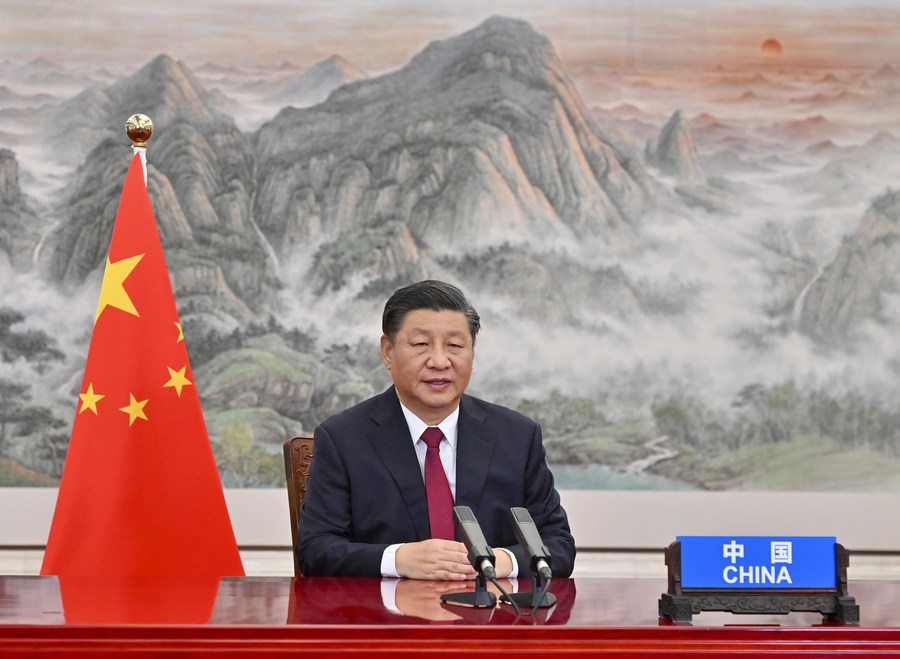
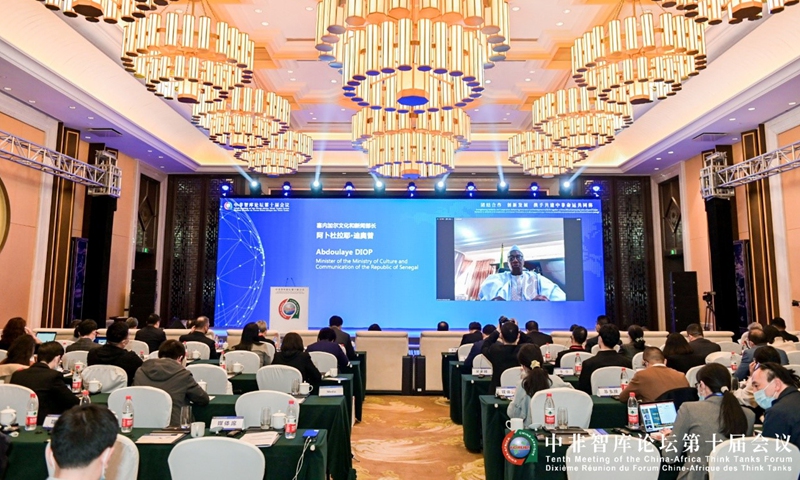
On 16 October, Reuters reported that the Chinese People’s Institute of Foreign Affairs (CPIFA) would host the Global Governance Forum from 23 to 25 October at the Xiongan New Area in Hebei province. The forum will be themed on rebuilding trust and confidence. The CPIFA President, Wu Ken, said that the forum aimed to look into specific and effective approaches, alongside tangible and effective solutions to aid the international community in resolving issues. Around 180 foreign guests from the Global South, the US and Europe are expected, alongside over 200 Chinese guests. 70 per cent of the attendees are expected to be experts, academics and prominent personalities from a wide range of fields including climate change, AI and trade. The Global Governance Forum was introduced by China’s President Xi Jinping last year, and is a diplomatic move towards a multilateral and more equitable global governance system.
(“China targets practical action from global governance forum next week,” Reuters, 16 October 2026)
https://www.reuters.com/world/china/china-targets-practical-action-global-governance-forum-next-week-2026-10-16/
China outlines roadmap for a Healthy China by 2035
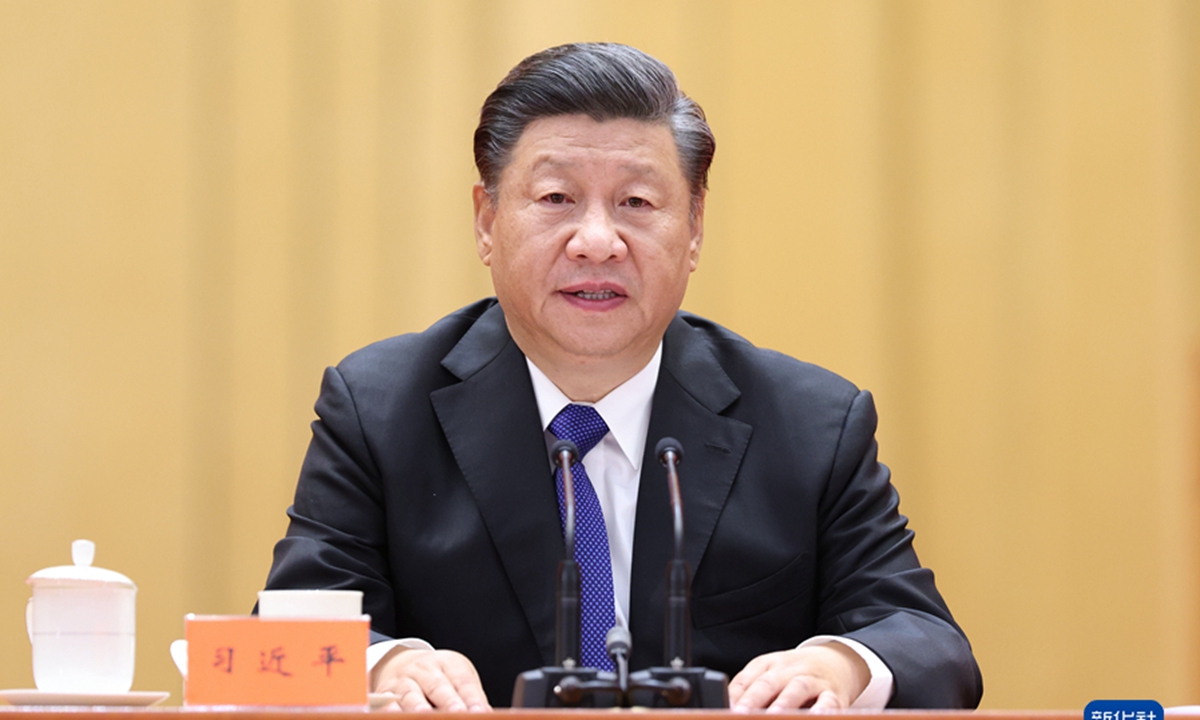
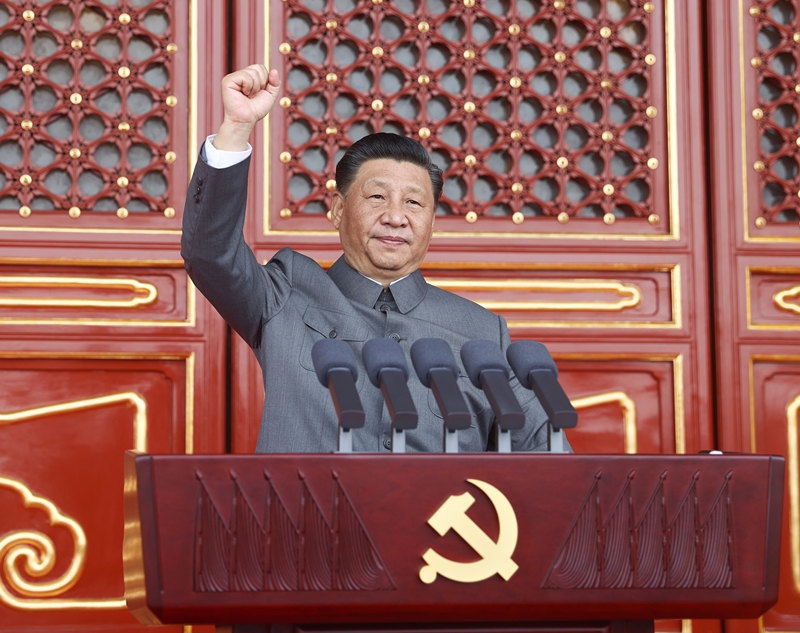
On 15 October, CGTN reported that the Chinese government had outlined its plan for a Healthy China by 2035, with an emphasis on disease prevention, health management and medical innovation. On 12 and 13 October, a national meeting on health was held for the first time in a decade. In his address to the meeting, President Xi stated that efforts needed to be focused on a path with Chinese characteristics that developed the country’s health programs. Health management, disease prevention and control, medical services, medical insurance support, pharmaceutical innovation and talent development were pinpointed as the six key capabilities essential for building a Healthy China. The president also urged a full-chain approach towards chronic diseases which covered prevention, treatment, rehabilitation and long-term management, calling prevention the most economical and effective health strategy.
(“China steps up efforts to build a Healthy China by 2035," CGTN, 15 October 2026)
https://news.cgtn.com/news/2026-10-15/China-steps-up-efforts-to-build-a-Healthy-China-by-2035-1RgfktmALK0/p.html
SCIENCE AND TECHNOLOGY
China's geospatial industry output tops CNY 900 billion in 2025
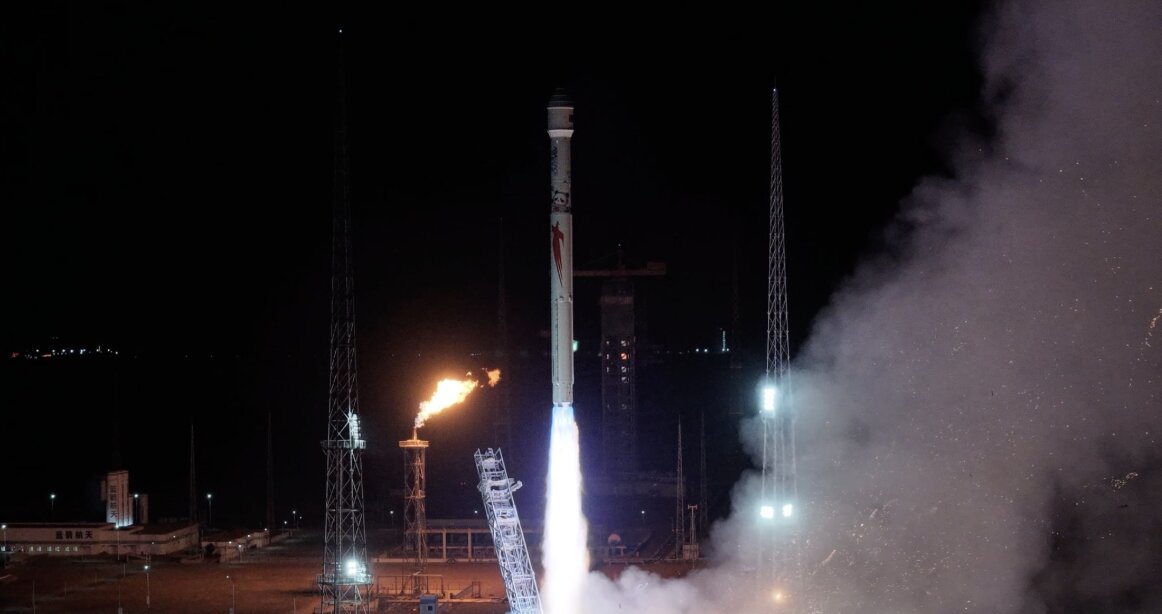
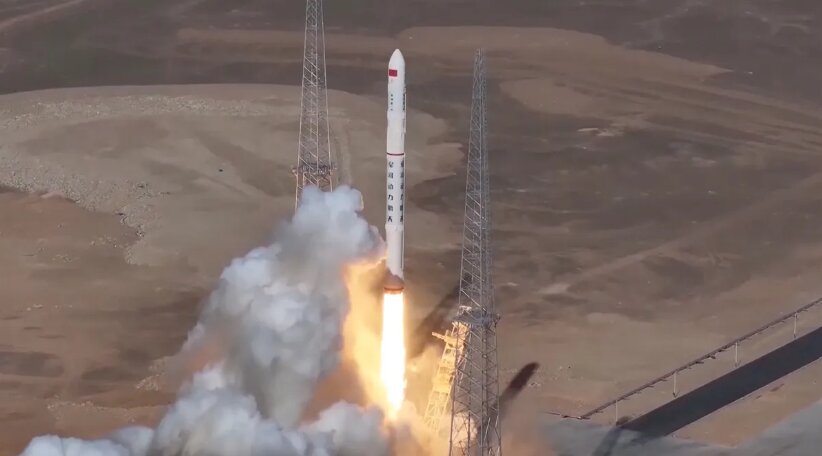
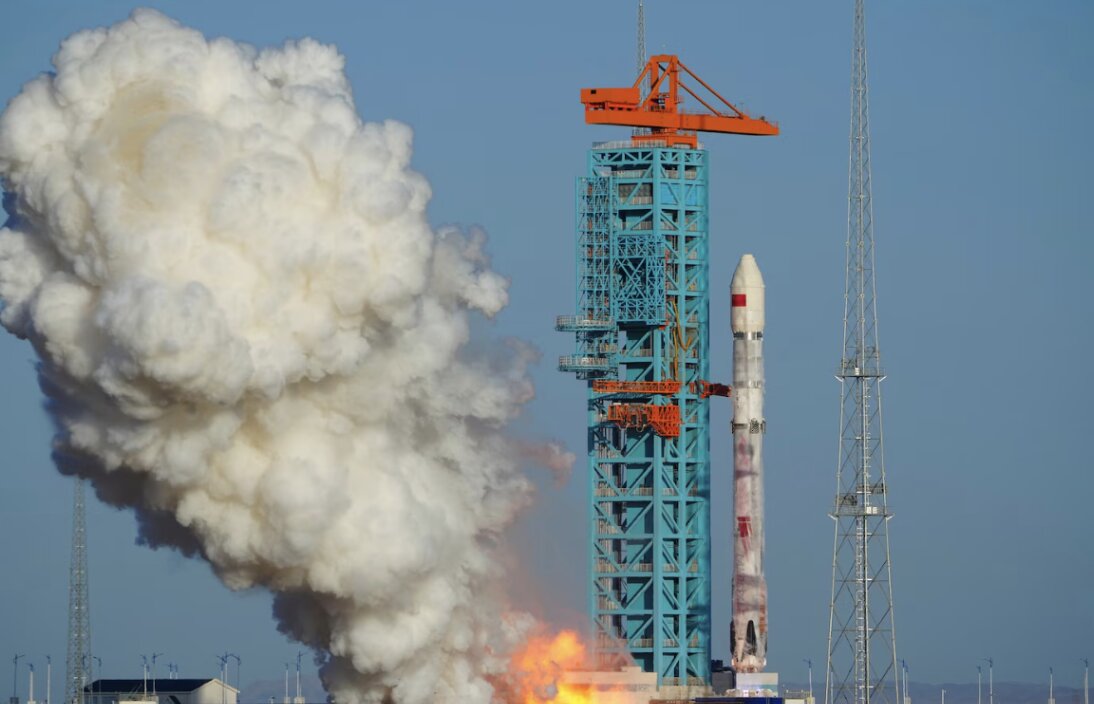
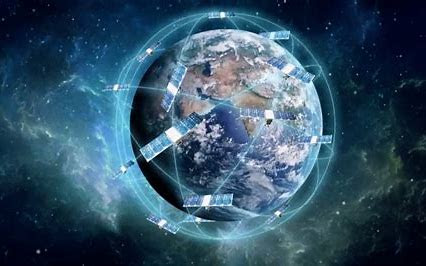
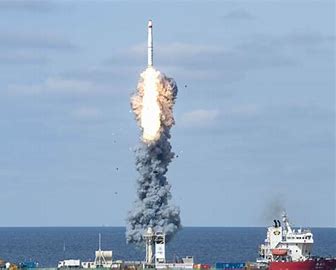
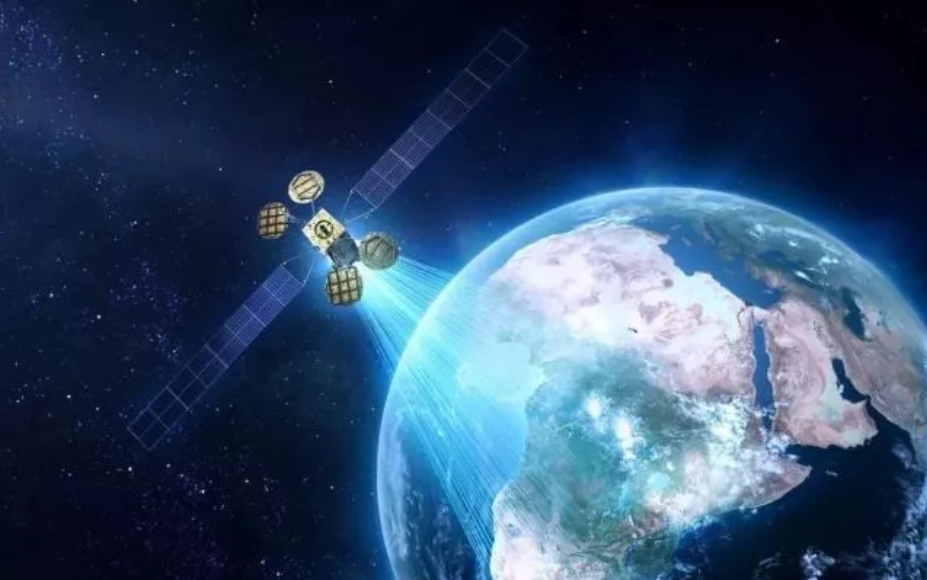
On 16 October, CGTN News reported that China's geospatial information industry generated a total output of CNY 900.5 billion in 2025, up 5.9 per cent year-on-year, according to the China Association for Geospatial Industry and Sciences. The number of enterprises in the sector rose 11.1 per cent to about 269,000, with 447 geospatial companies rated "little giant" enterprises specialising in niche sectors. China had launched 694 civilian remote sensing satellites by the end of 2025, including 126 that year, while in-orbit upgrades of the next-generation BeiDou system were completed. Under the 15th Five-Year Plan, China aims to push the industry's average annual output above CNY 01 trillion, supporting emerging fields such as intelligent driving and embodied intelligence.
("China's geospatial industry output tops 900 bln yuan in 2025," CGTN News, 16 October 2026)
China's wind power sector drives global clean energy push
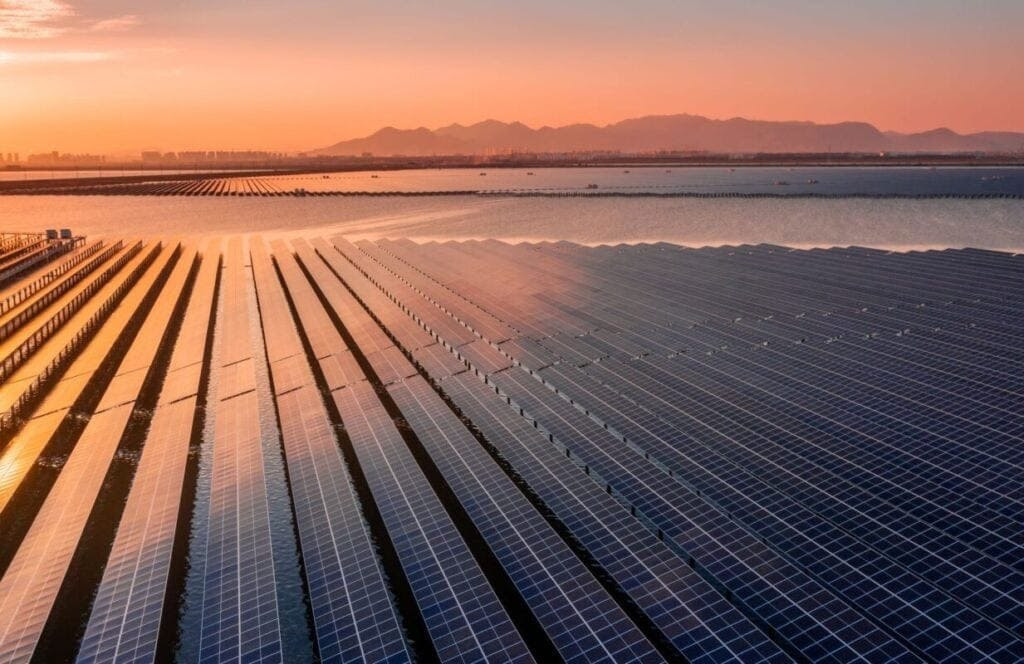
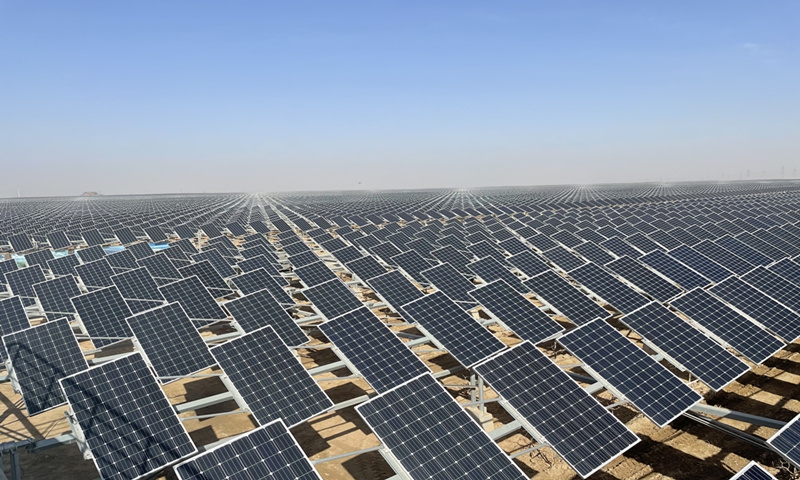
On 16 October, China Daily reported that China's wind power sector had built the world's largest wind energy industrial system during the 14th Five-Year Plan period, supported by the most comprehensive supply chain, according to the National Energy Administration. In 2025, newly installed offshore wind capacity exceeded 07 million kilowatts, accounting for nearly 80 per cent of the global total, with new typhoon-resistant turbines highlighting technological progress. NEA official Pan Huimin cautioned that the sector faced grid integration constraints, tightening factor supplies, and declining project yields following full power marketisation. Global Wind Energy Council CEO Ben Backwell said transmission infrastructure was the most pressing bottleneck worldwide, urging wind firms to offer integrated solutions pairing wind with solar, storage, and smart grids.
("Wind power drives China's global green energy edge," China Daily, 16 October 2026)
CHINA AND SOUTHEAST ASIA
Philippines rebukes Chinese envoy’s “may easily win” remark as a threat of force
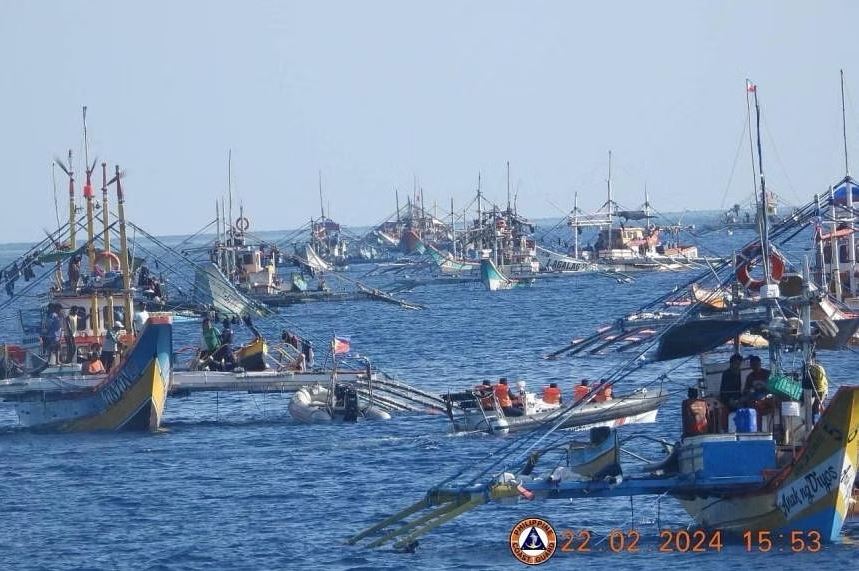
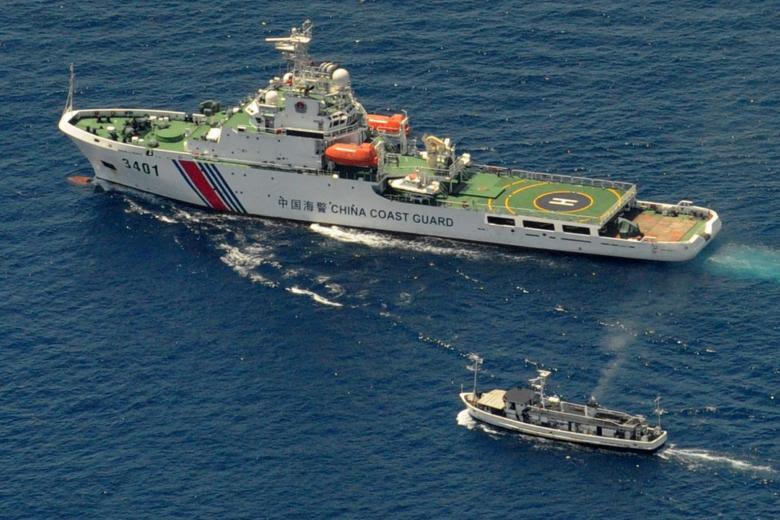
On 16 October, Reuters reported that Manila had rebuked China’s ambassador over remarks the foreign ministry called a “thinly veiled threat” of force. Ambassador Jing Quan told journalists on 15 October that Beijing could easily win a confrontation with Manila, but would not use force because it loves peace. He was responding to the defence secretary calling China a regional troublemaker. The foreign ministry said the choice of words was poor and unhelpful given the complicated bilateral ties. President Ferdinand Marcos Jr said on 16 October that the comments sounded very much like a threat and deserved a discussion with the envoy. The Chinese Embassy said Jing had been quoted selectively. It called the response an over-interpretation and said relations were at an extremely sensitive stage. The two sides have clashed for years over reefs and islands in the South China Sea, where their coast guards repeatedly face off.
(“Philippines hits back at Chinese envoy over ‘thinly veiled threat’ of force,” Reuters, 16 October 2026)
CHINA AND TAIWAN
Taiwan warns against China’s use of Sun Yat-sen commemorations to promote unification
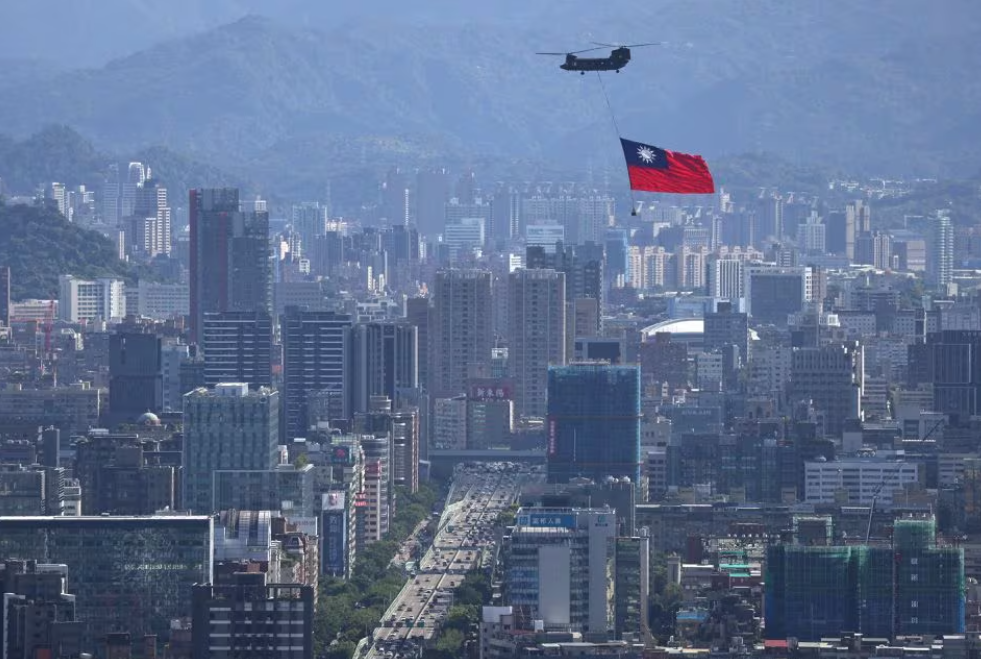
On 16 October, Reuters reported that Taipei’s government has told people to shun events in China next month marking the anniversary of the birth of Sun Yat-sen. Both sides officially laud him for ending the last imperial dynasty. The advisory exposes another historical fault line. In a statement late on 15 October, the Mainland Affairs Council said people should not travel to China for the events or echo the narratives of the Chinese Communists. It said Beijing’s reading of Sun departs from historical fact and uses such commemorations to promote opposition to independence and unification. Sun founded the Republic of China, which fled to the island in 1949 after losing the civil war to Mao Zedong’s communists. There, he is officially the “father of the nation”, while Beijing calls him a national hero and forerunner of its 1949 revolution. China has not detailed its planned events.
(“Taiwan tells its people to shun Chinese anniversary events for revolutionary hero,” Reuters, 16 October 2026)
CHINA AND THE MIDDLE EAST
China urges Israel to open Gaza access routes and halt West Bank settlements
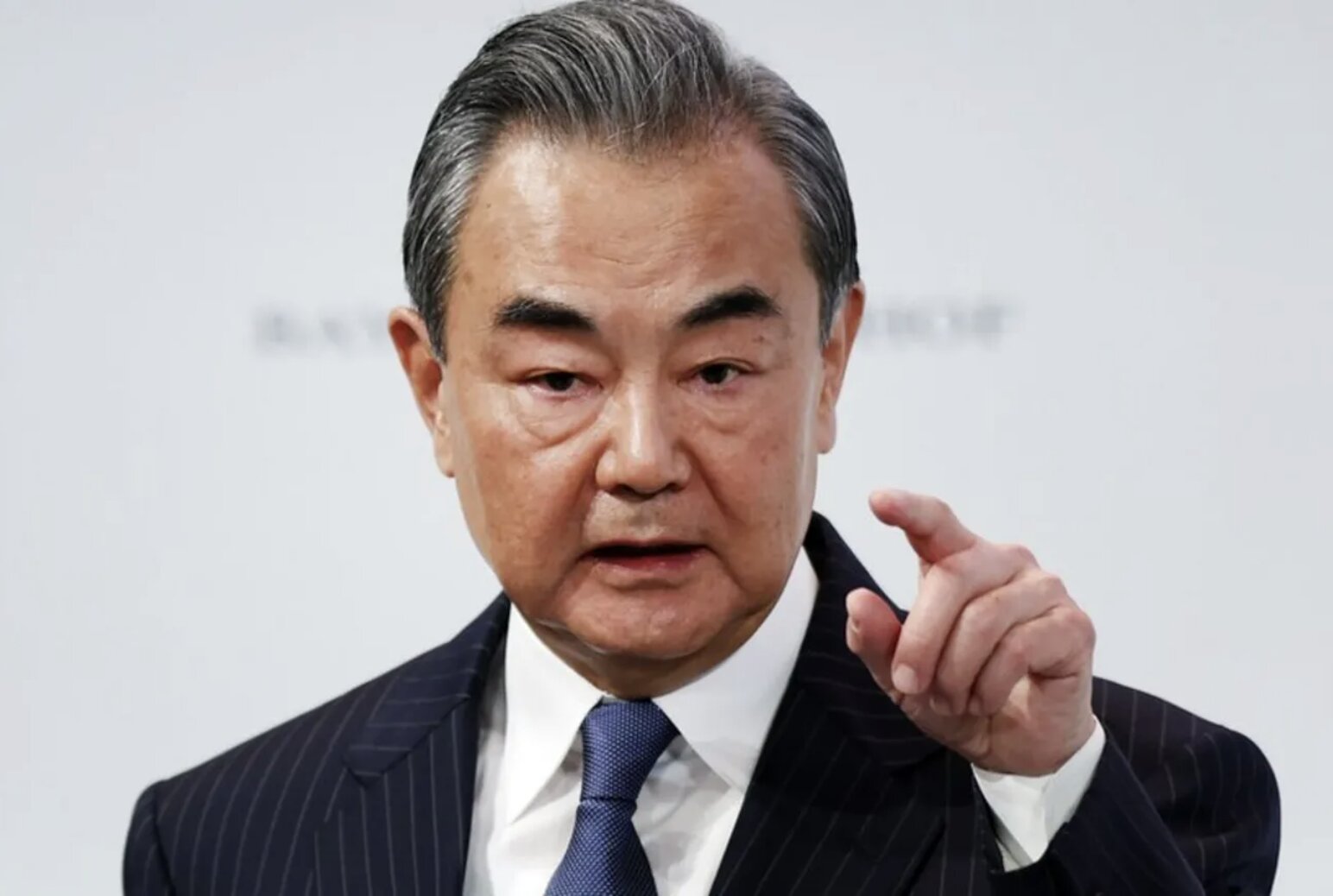
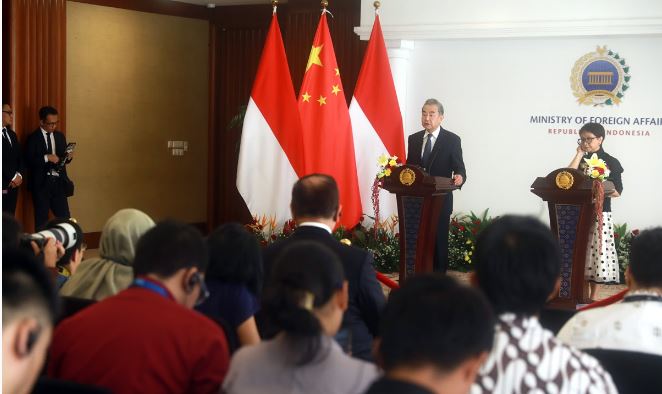
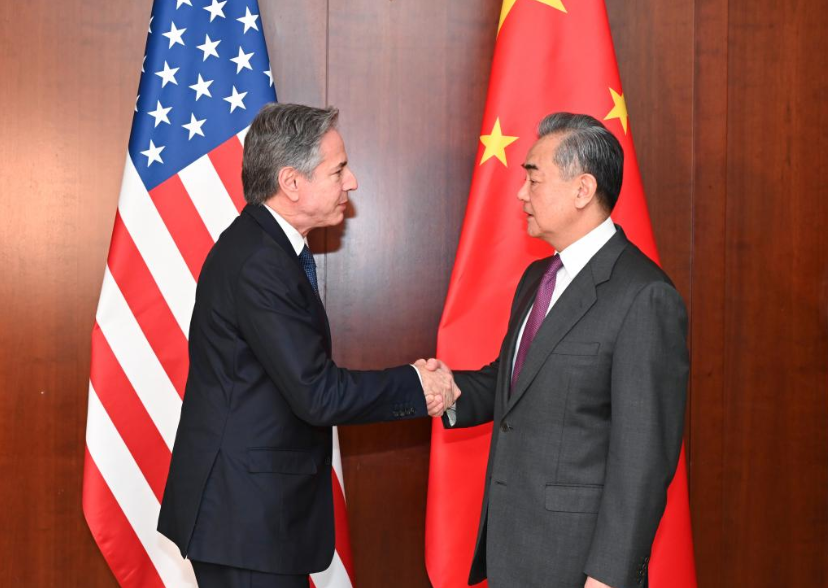
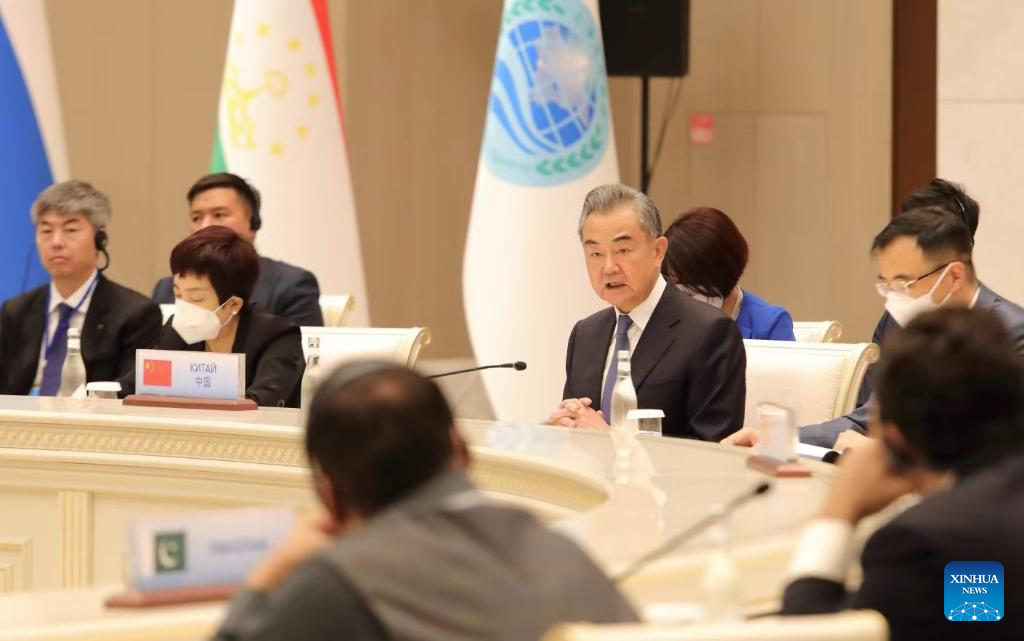
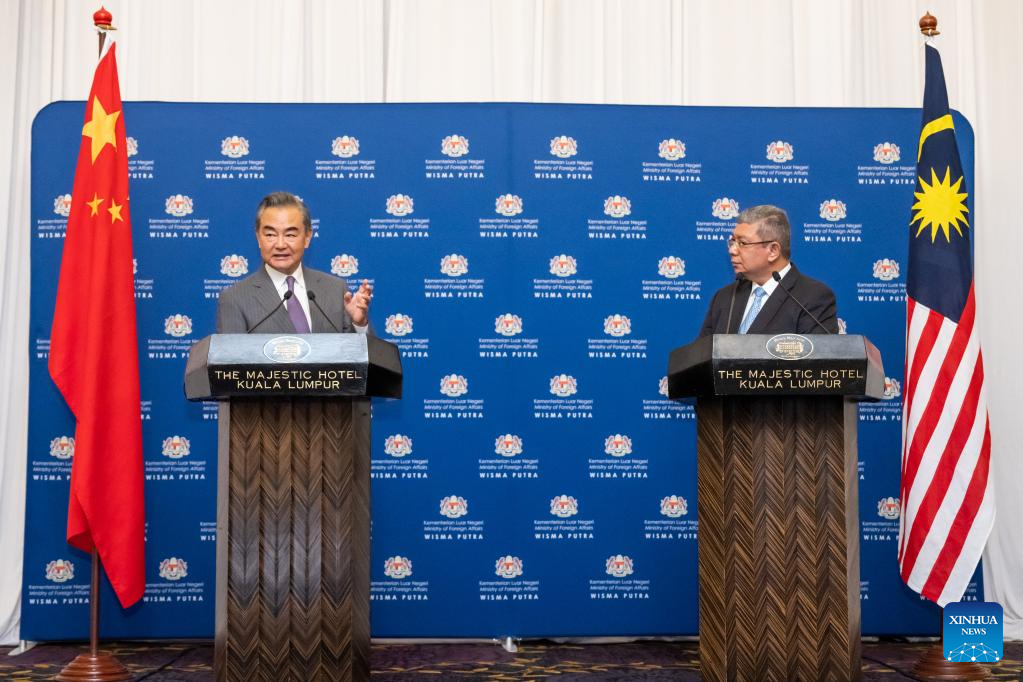
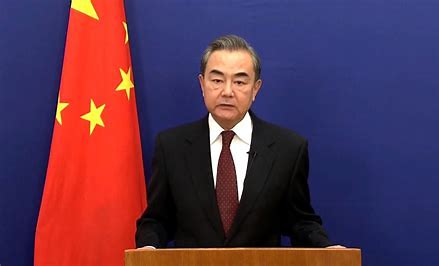
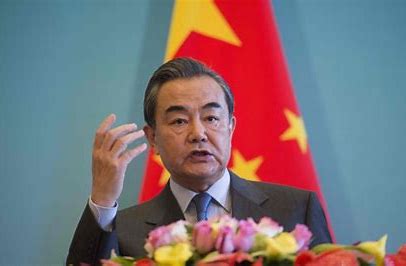
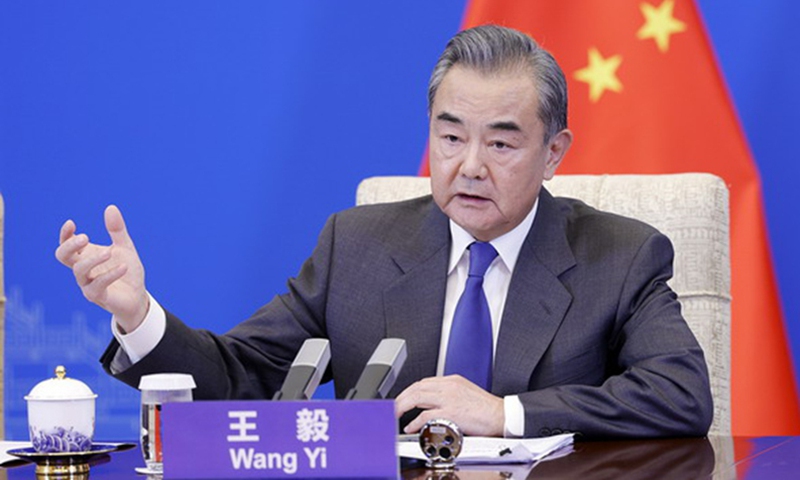
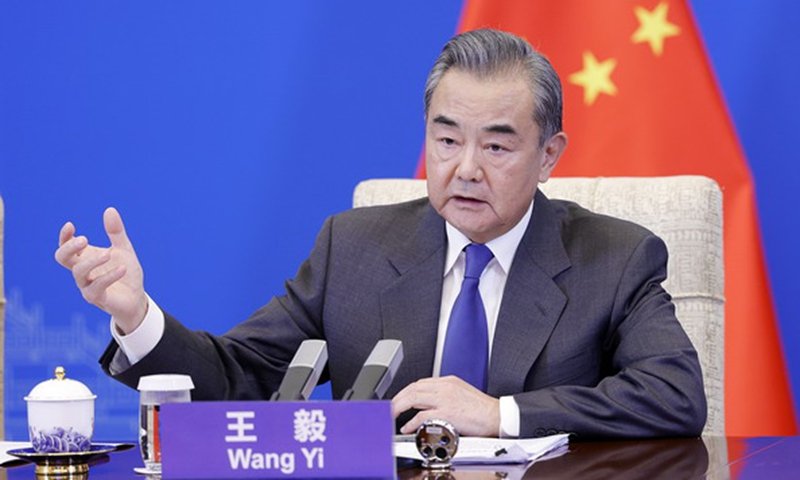
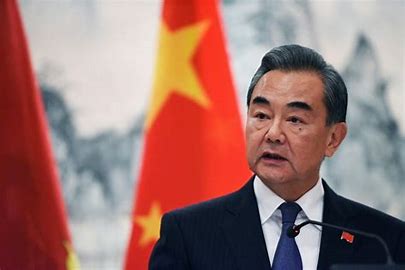
On 16 October, CGTN reported that Chinese Foreign Minister Wang Yi had urged Israel to open up access routes to Gaza and halt settlement activities in the West Bank. The comments were made during a meeting between Wang and Israeli President Isaac Herzog during the Seventh Summit of the Conference on Interaction and Confidence Building Measures in Asia (CICA). Wang said that the complete opening up of routes to Gaza was essential to prevent a worsening humanitarian disaster. The foreign minister also described the Palestinian question as the greatest historical injustice of the 21st century, and stated that the two-state solution was the right path towards resolving it. Wang informed that Beijing was ready to work with the international community to bring all parties back to dialogue and negotiations, towards a political solution for the conflict. Additionally, he praised the stability in ties and positive results in practical cooperation achieved between China and Israel. Meanwhile, Herzog informed that Israel adhered to the One-China policy, and had interest in advancing friendly ties with China.
(“Chinese FM urges Israel to open Gaza access routes, halt West Bank settlements," CGTN, 16 October 2026)
CHINA AND EUROPE
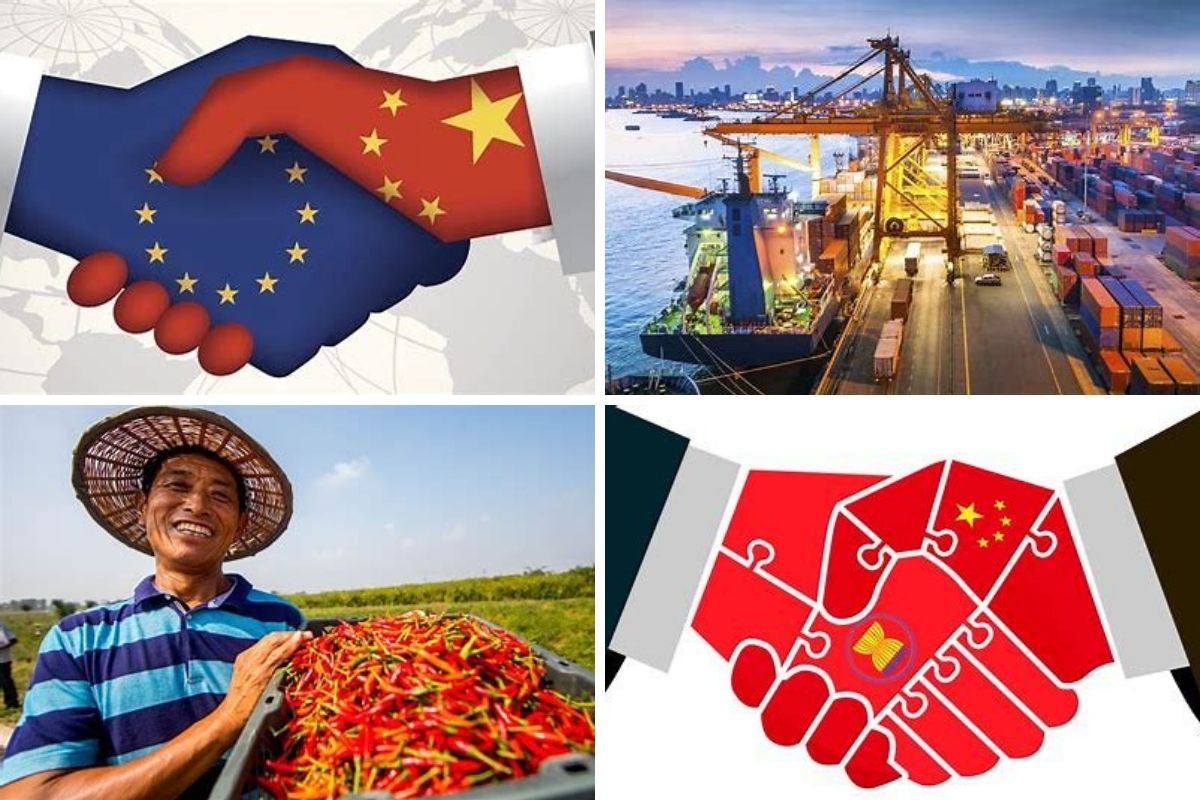
EU hardens trade defences as China offers concessions to protect access to European markets
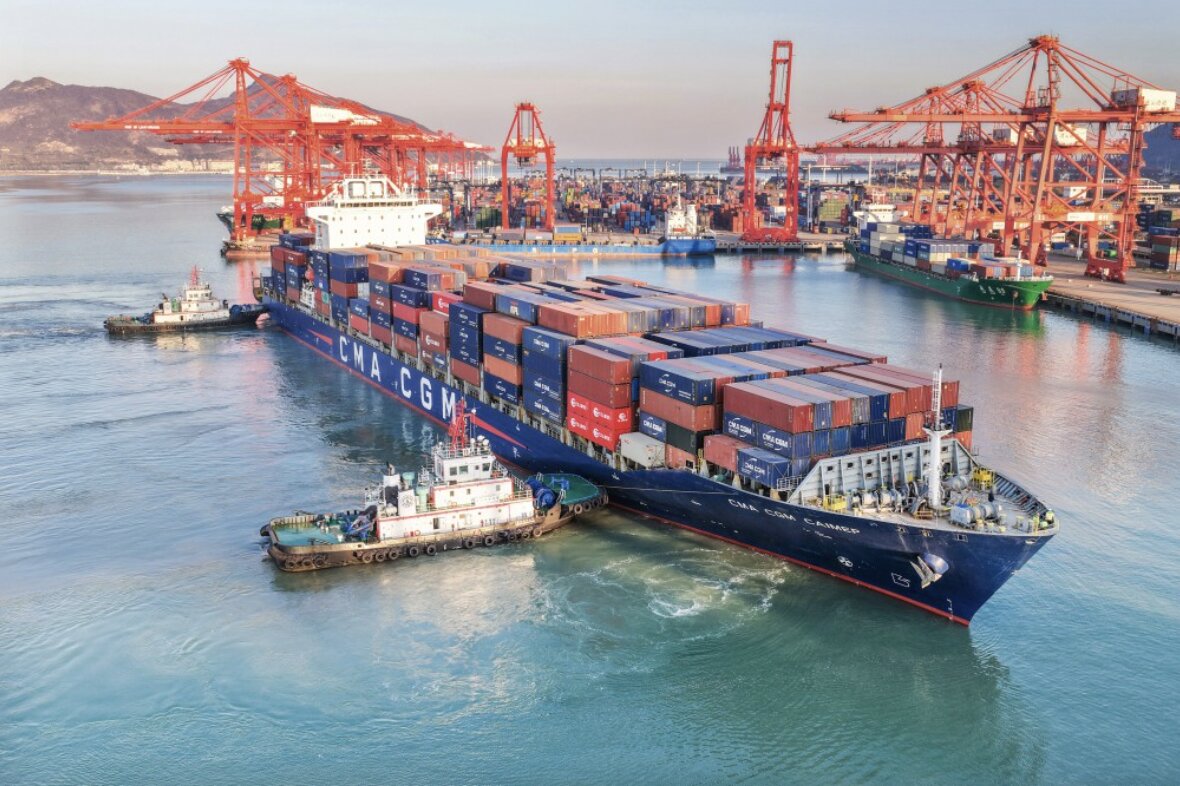
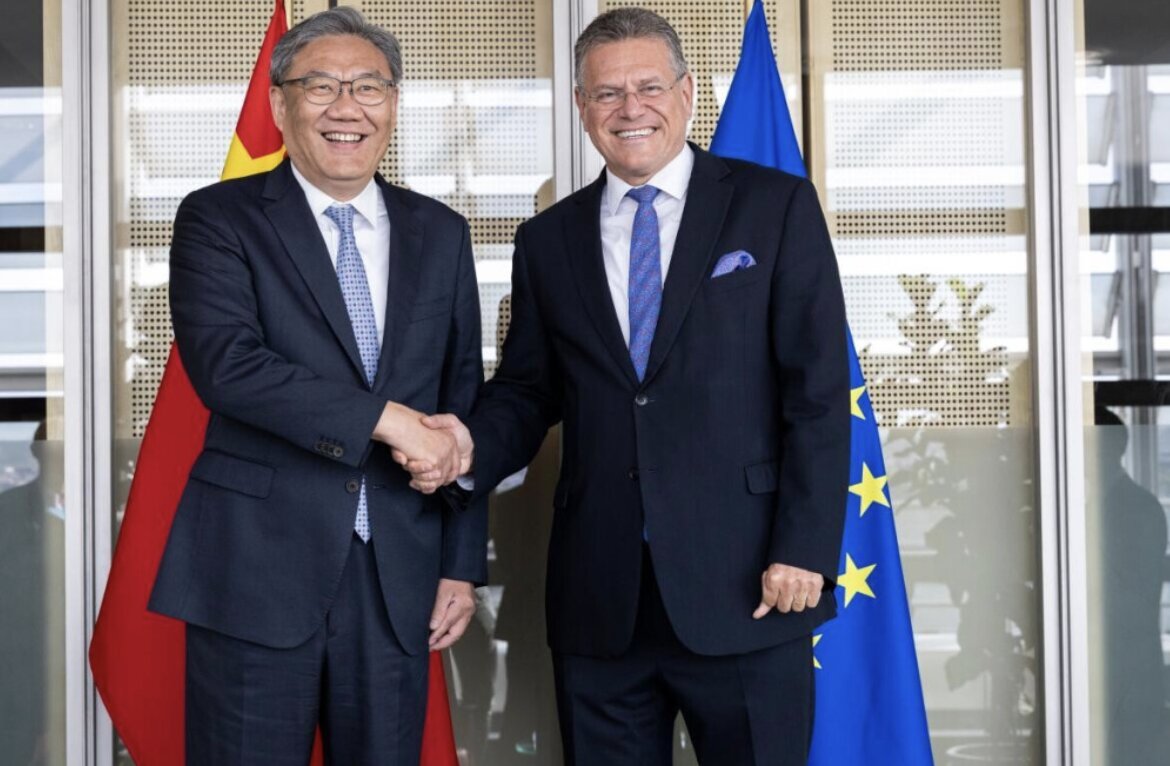
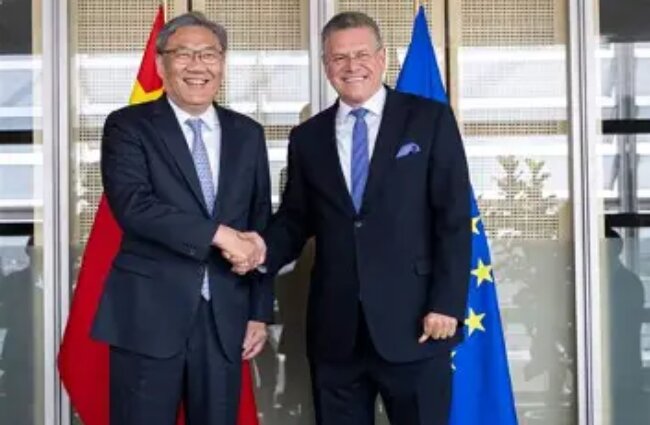
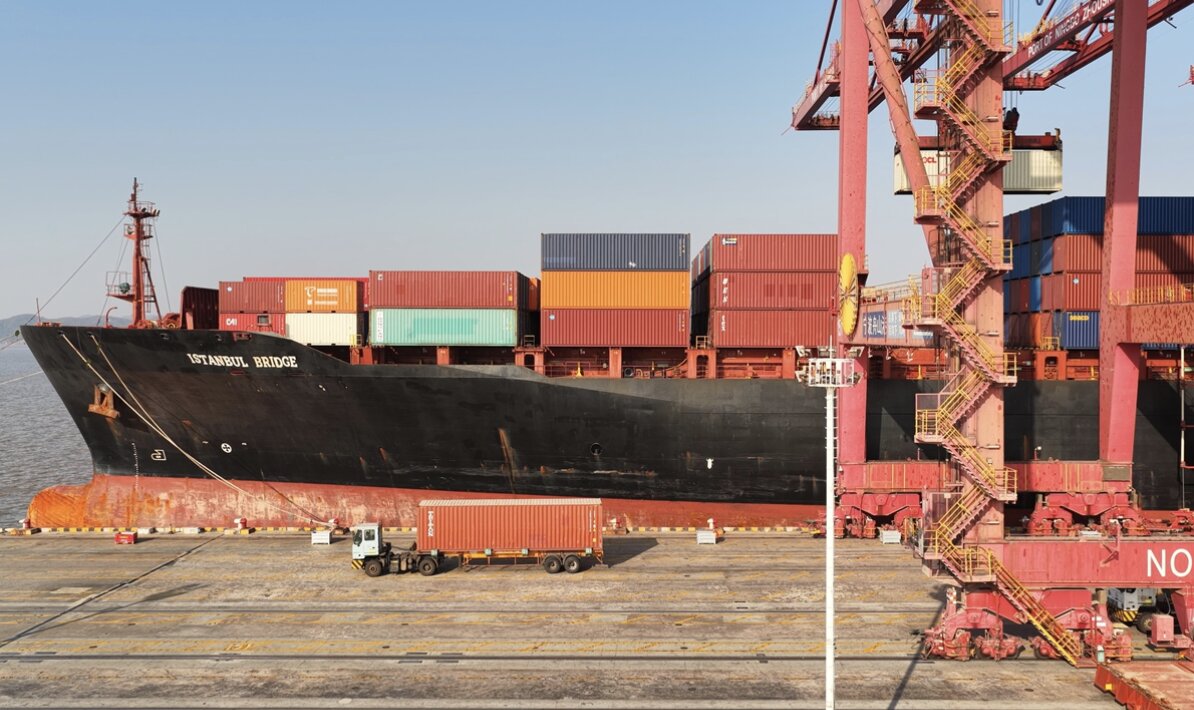
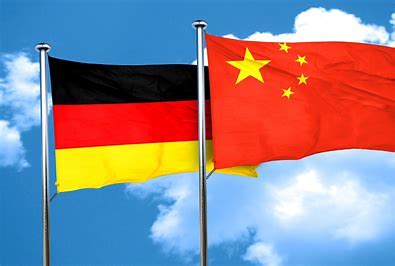
On 15 October, the Wall Street Journal reported that China has temporarily softened its trade stance toward Europe as growing protectionism makes the EU increasingly important to its export-dependent economy. Beijing accepted an EU plan limiting Chinese hybrid vehicle imports to 350,000 annually, potentially cutting volumes by more than half and easing pressure on European automakers. The concession is reflective of China’s vulnerability; that is, weak domestic consumption and industrial overcapacity have encouraged manufacturers to export aggressively, producing a record USD 1.2 trillion trade surplus. Meanwhile, Europe’s trade deficit with China has reached roughly EUR 1 billion daily, intensifying concerns over jobs and industrial competitiveness. With the US market becoming more protectionist, analysts note that China cannot afford comparable barriers in Europe. Consequently, the EU is shifting from seeking greater access to China toward actively limiting Chinese imports. France and Germany are also supporting stronger trade defence mechanisms and measures to reduce strategic dependencies. However, European unity could weaken if Beijing retaliates economically or domestic political pressures divide member states.
(“With China Facing More Trade Barriers, It Can’t Afford to Lose Europe,” Wall Street Journal, 15 October 2026)
CHINA AND THE AMERICAS
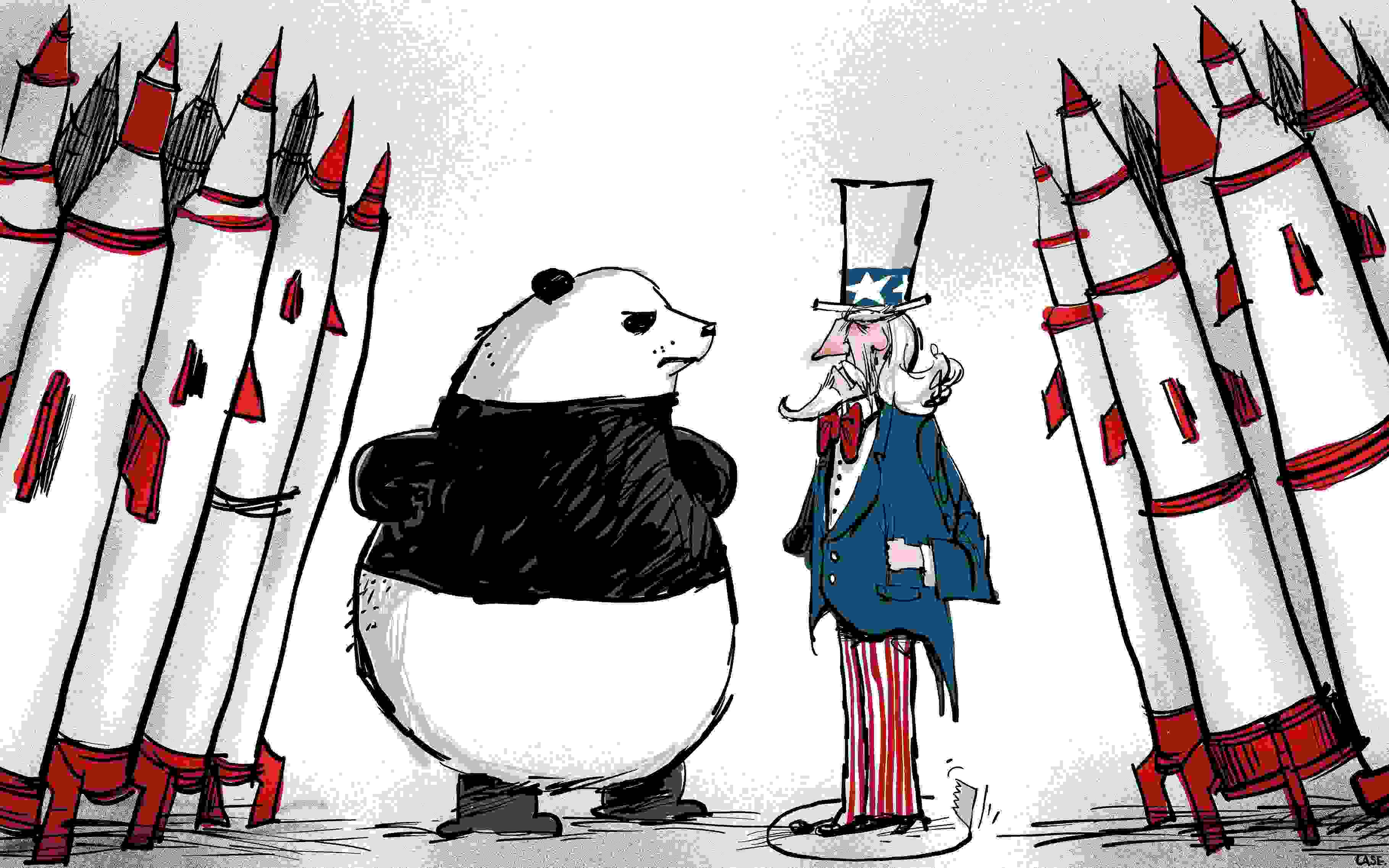
President Trump opens nuclear arms dialogue with Beijing
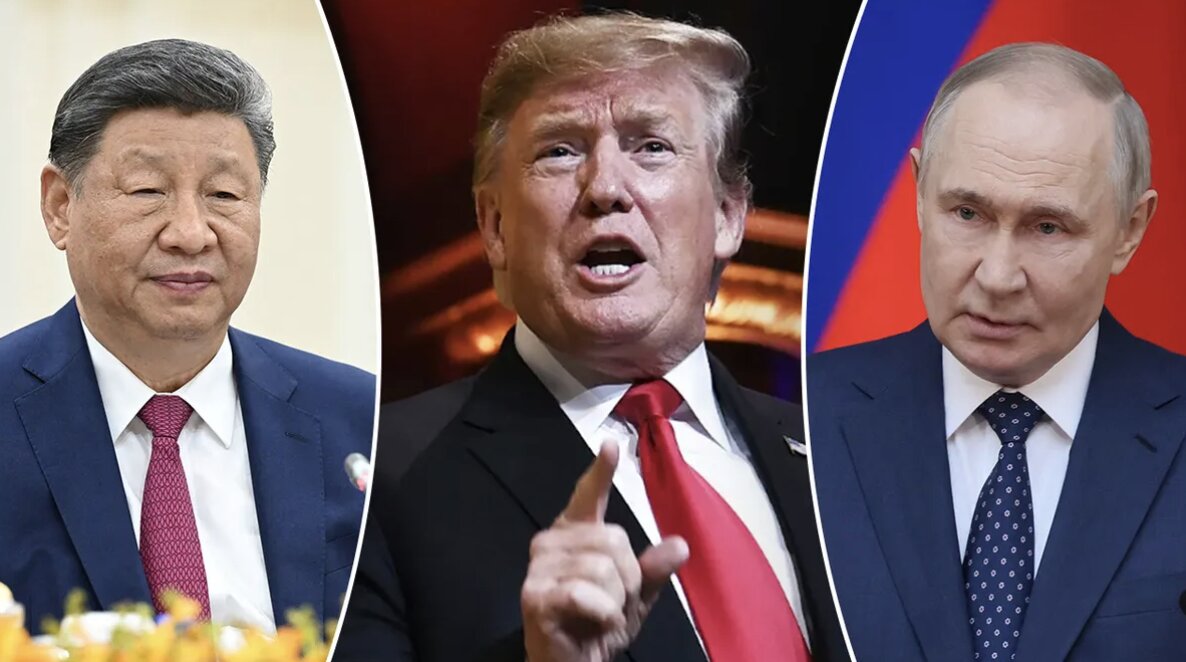
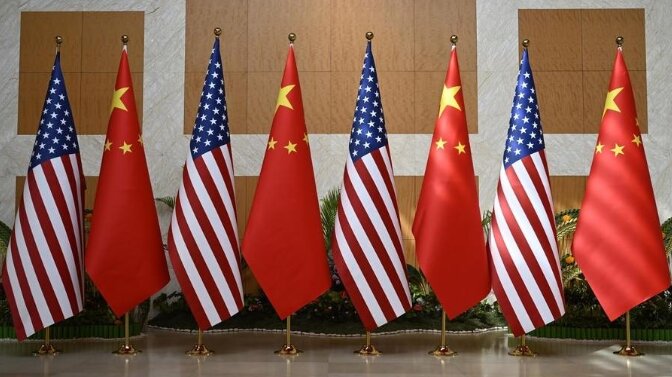
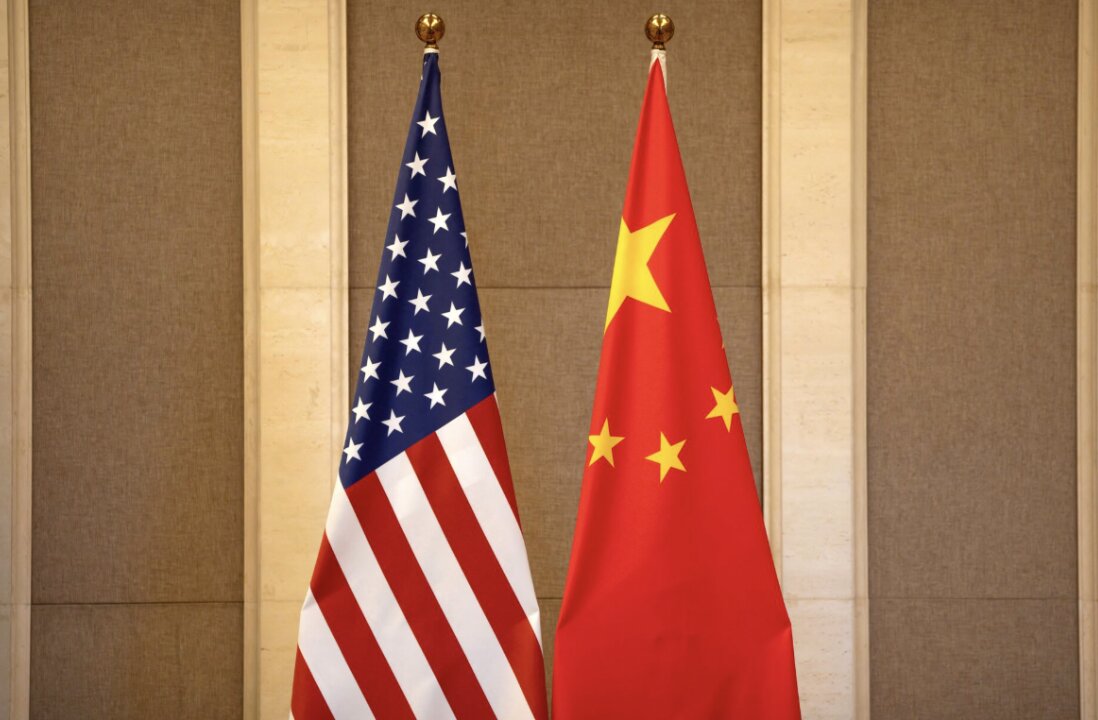
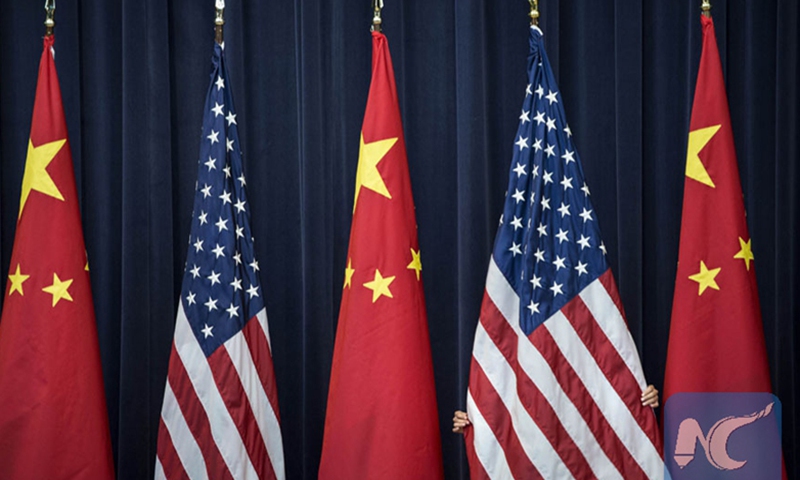
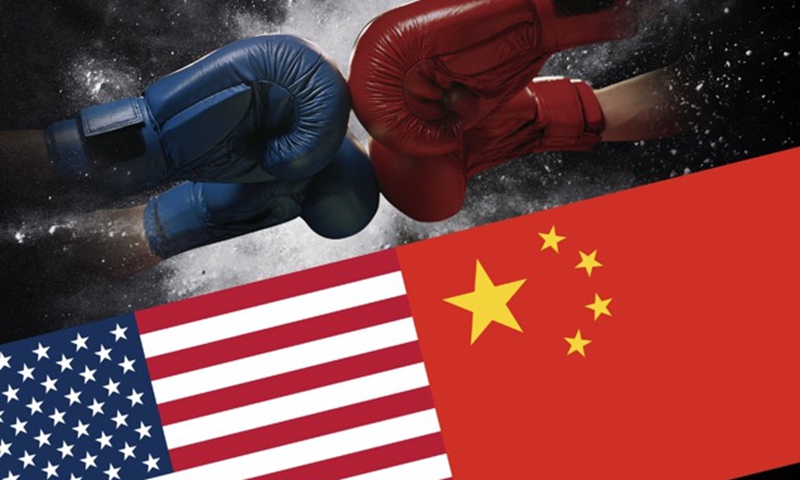
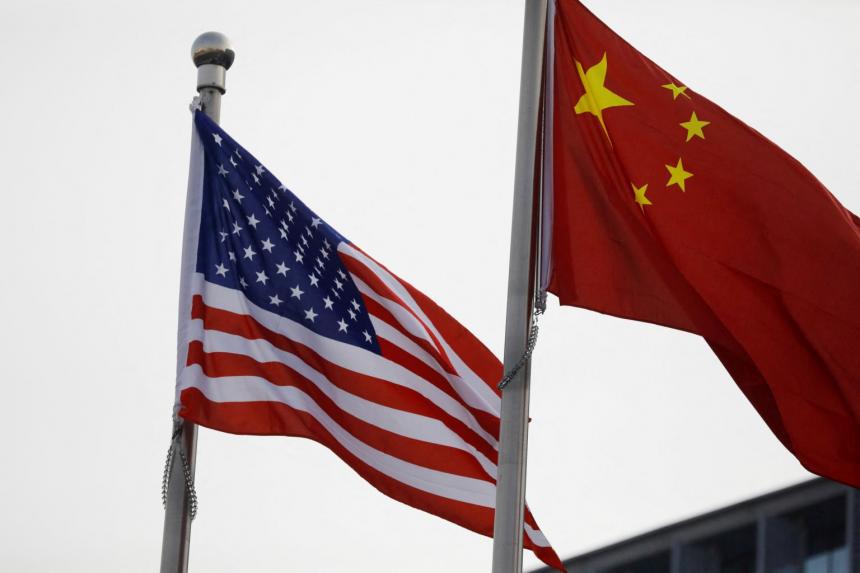
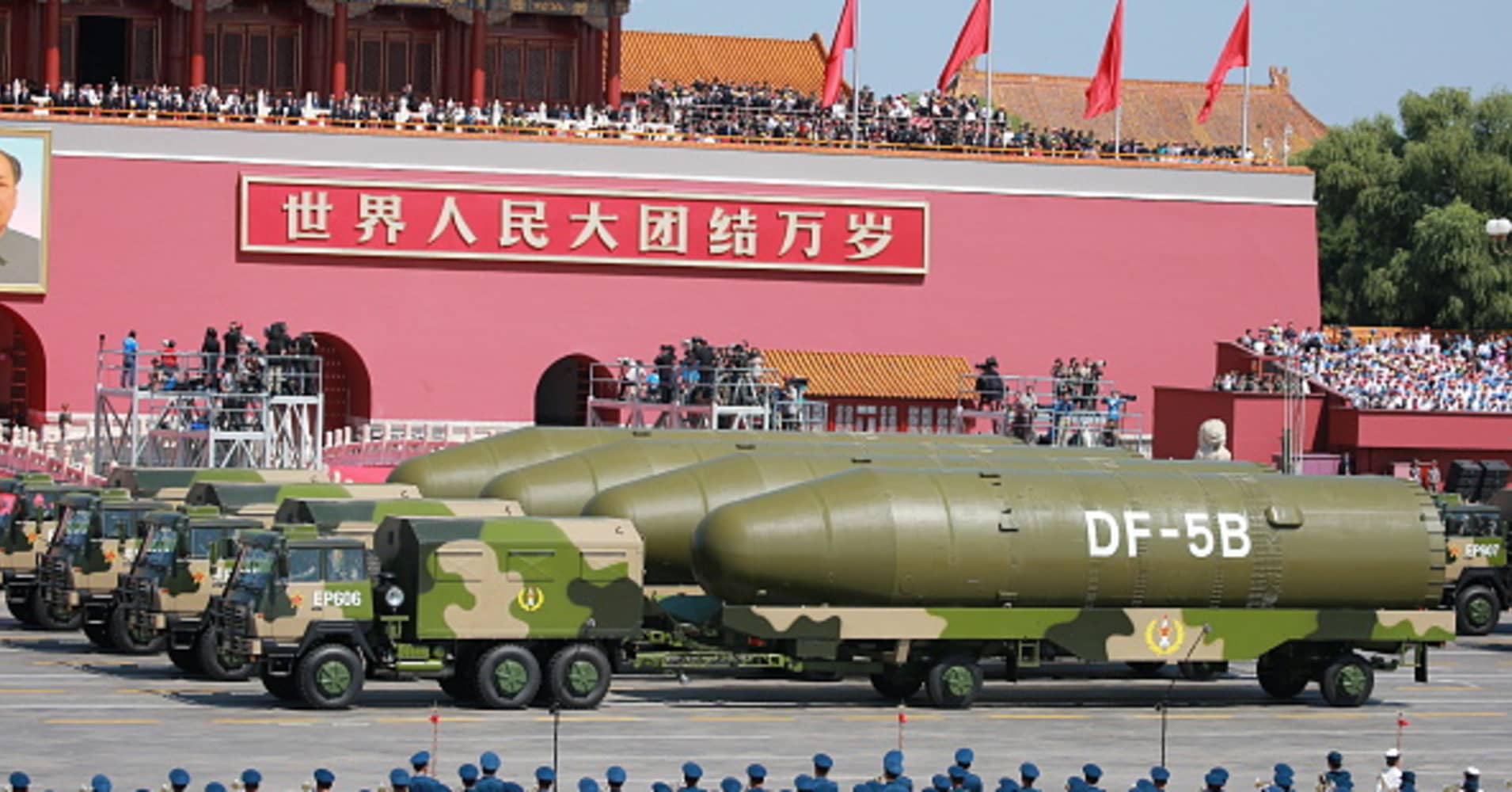
On 16 October, CNA reported that US President Donald Trump said Washington is discussing denuclearisation with China, signalling a potential new area of strategic engagement amidst broader US-China rivalry. President Trump revealed that he had raised the issue with China’s President Xi Jinping and warned that China could “catch up” with the US nuclear arsenal within five years. China currently possesses fewer nuclear warheads than either the US or Russia, but its expanding arsenal has become an increasing concern for Washington. The talks could therefore draw Beijing into nuclear arms control arrangements traditionally dominated by Washington and Moscow. The initiative gained significance following the expiry of New START, which weakened existing nuclear restraints.
(“Trump says he is talking to Russia and China about denuclearisation,” Channel News Asia, 16 October 2026)
Opinion: Peter TC Chang, “Young Americans are key for the US to better understand China,” South China Morning Post, 16 October 2026
“As Washington and Beijing navigate intensifying strategic competition, academic exchanges and opportunities for grass-roots engagement have come under unprecedented strain. This is far more than a niche educational concern. It directly threatens America’s capacity to comprehend China, while quietly eroding the guard rails required for a stable bilateral relationship. The lesson is not that older experts have failed, or that younger people will automatically find common ground. It is that each generation needs the opportunity to encounter China as it actually is, rather than through inherited assumptions. Younger Americans, with fewer preconceptions, could be the generation that breaks through the mistrust built up over decades.”
Opinion: Bernard Chan, “Pageantry matters for US-China summits, even with modest results,” South China Morning Post, 16 October 2026
“The notable feature of the Washington visit was therefore its division between symbolism and substance. The symbolism was rich: pandas, gifts, ceremonial welcomes, cultural diplomacy and the presence of Xi’s wife Peng Liyuan alongside the president. For all the ceremonies, the results were modest: the truce was extended to January, and both sides recommended US$30 billion of non-sensitive goods in each direction for more favourable tariff treatment. These are useful steps, but they do not amount to a wider settlement. At the highest level, the US and China can manage ceremony, conversation and limited compromise.”