Photo : Brazilenergyinsight
Photo : Brazilenergyinsight
In Brief
INTERNAL
China increases gold reserves to diversify away from the US dollar, says Al Jazeera
On 16 October, Al Jazeera reported that China’s central bank bought gold for a 23rd consecutive month in September, adding about 23 tonnes and bringing its reported holdings to approximately 2,410 tonnes. Gold made up 8.5 per cent of China’s official reserves at the end of September, up from 5.5 per cent at the end of 2024. Chinese purchases of gold bars and coins also rose 28.4 per cent in the first half of 2026, compared with the same period last year. The latest literature stated that Beijing is diversifying its reserves to reduce exposure to US government debt and the risk of overseas assets being frozen, while households are turning to gold amid weak stock markets and a troubled property sector. However, they cautioned that the buying does not signal an imminent end to the dollar’s dominance, as central banks still need foreign currency for international payments and gold cannot replace all its functions. China’s reported gold holdings remain far below those of the United States, which is approximately 8,133 tonnes.
(“Why is China buying up gold?" Al Jazeera, 16 October 2026)
https://www.aljazeera.com/news-analysis/2026/10/16/why-is-china-buying-up-gold
Foreign banks cut branches due to weak returns; Shift to digital services and wealth management
On 17 October, SCMP reported that foreign banks are trimming their branch networks in China as weak returns and competition from state-owned lenders pressure their operations. Deutsche Bank China closed its Chongqing branch last month after shutting its Qingdao branch earlier this year, leaving it with four branches outside its Beijing headquarters. HSBC and Stanford Chartered have also closed Chongqing sub-branches over the past year, while HSBC shut a Beijing sub-branch this year. Rather than leaving the market, foreign leaders are shifting their focus towards digital services, wealth management and core clients. These changes reflect a strategy of maintaining a presence in China while concentrating on business areas where they can strengthen their position.
(“Foreign banks trim China branch networks as low returns test strategy”, SCMP, 17 October 2026)
https://www.scmp.com/business/banking-finance/article/3370953/foreign-banks-trim-china-branch-networks-low-returns-test-strategy
ENERGY AND ENVIRONMENT
President Xi calls for stronger wetland protection and green computing development
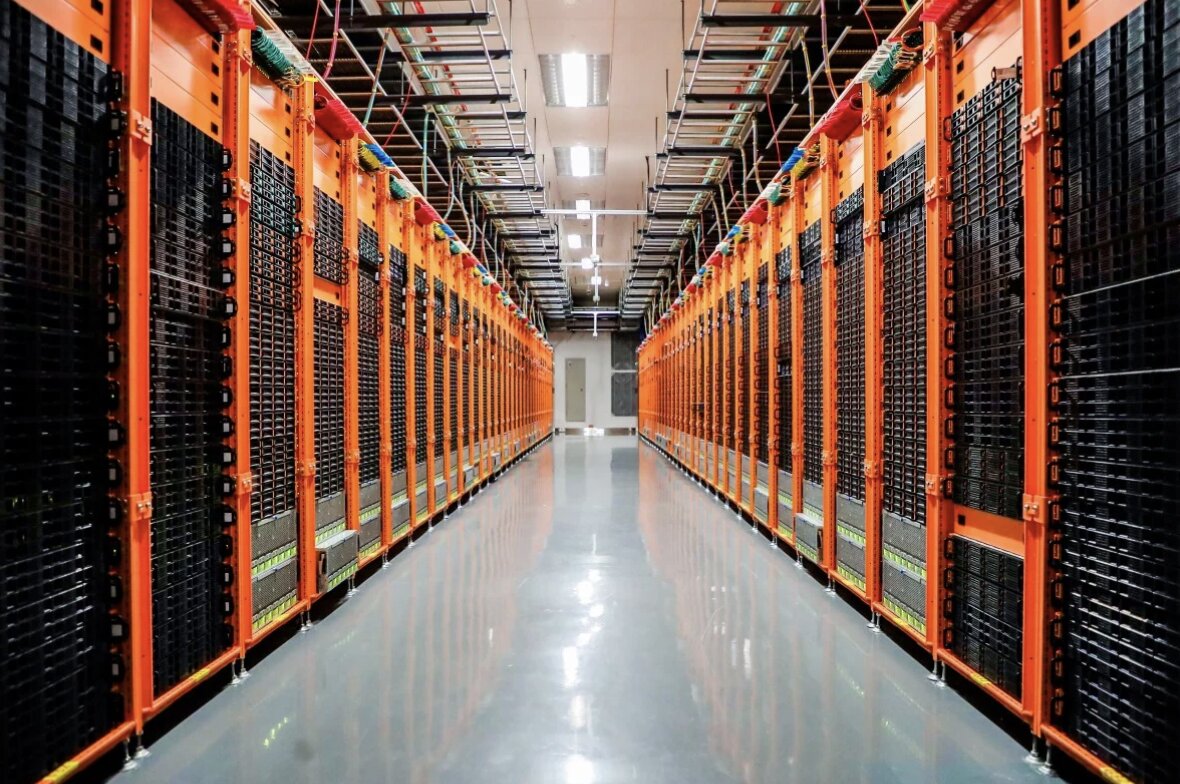
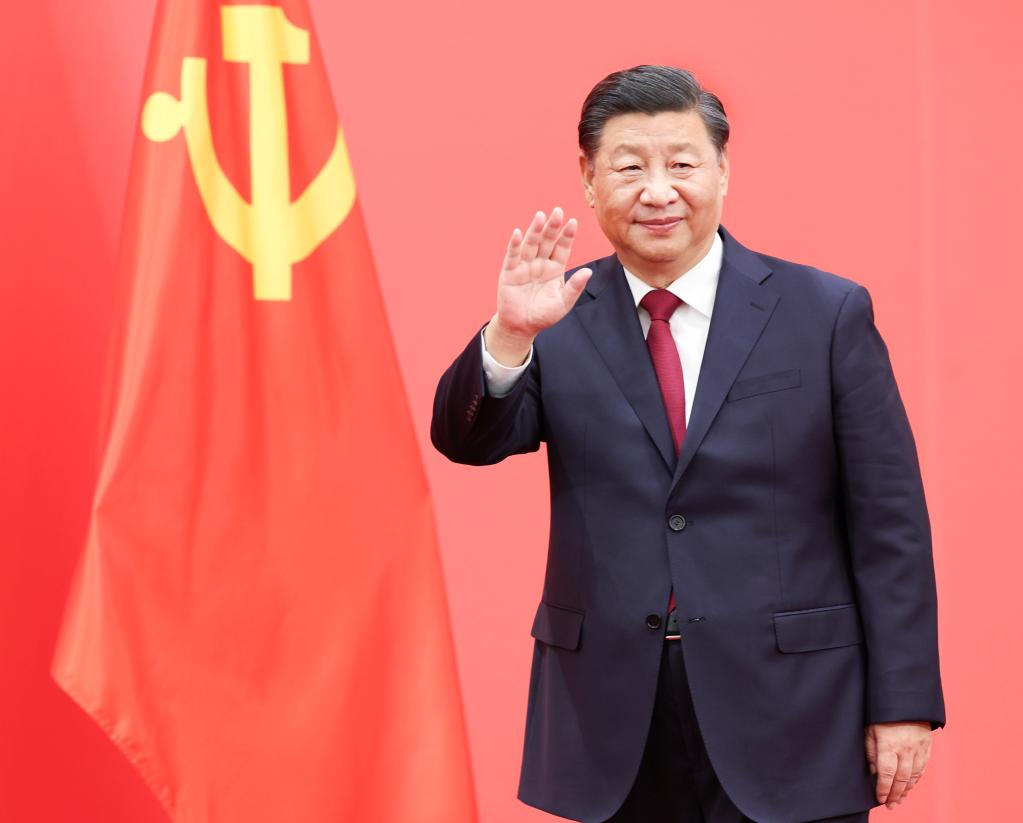
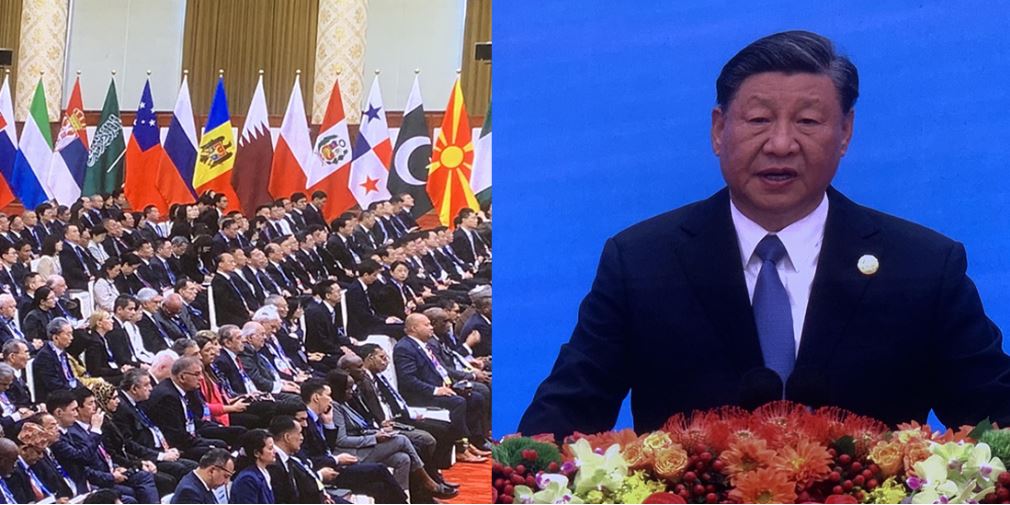
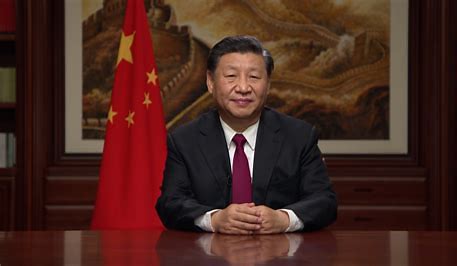
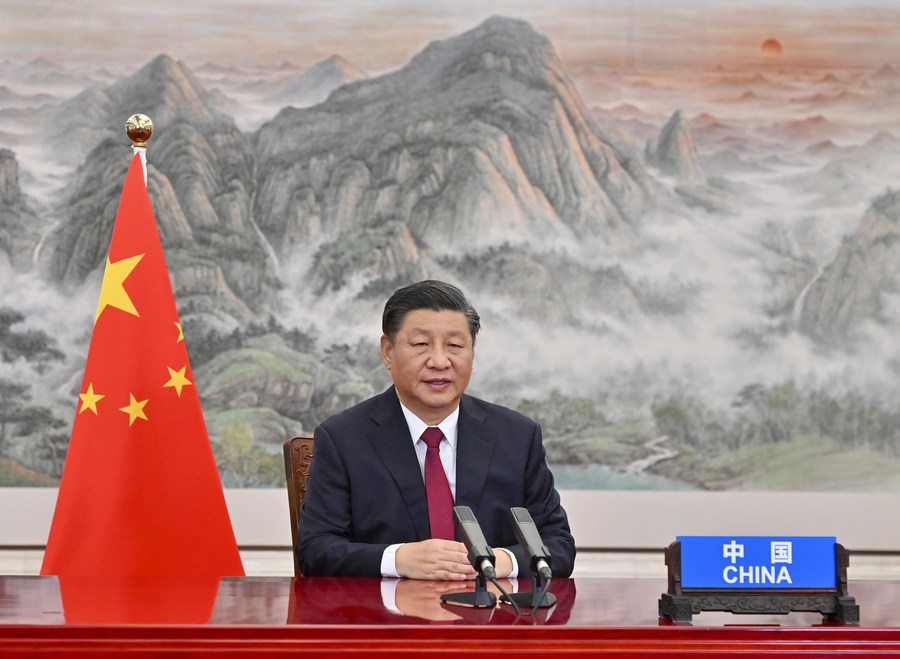
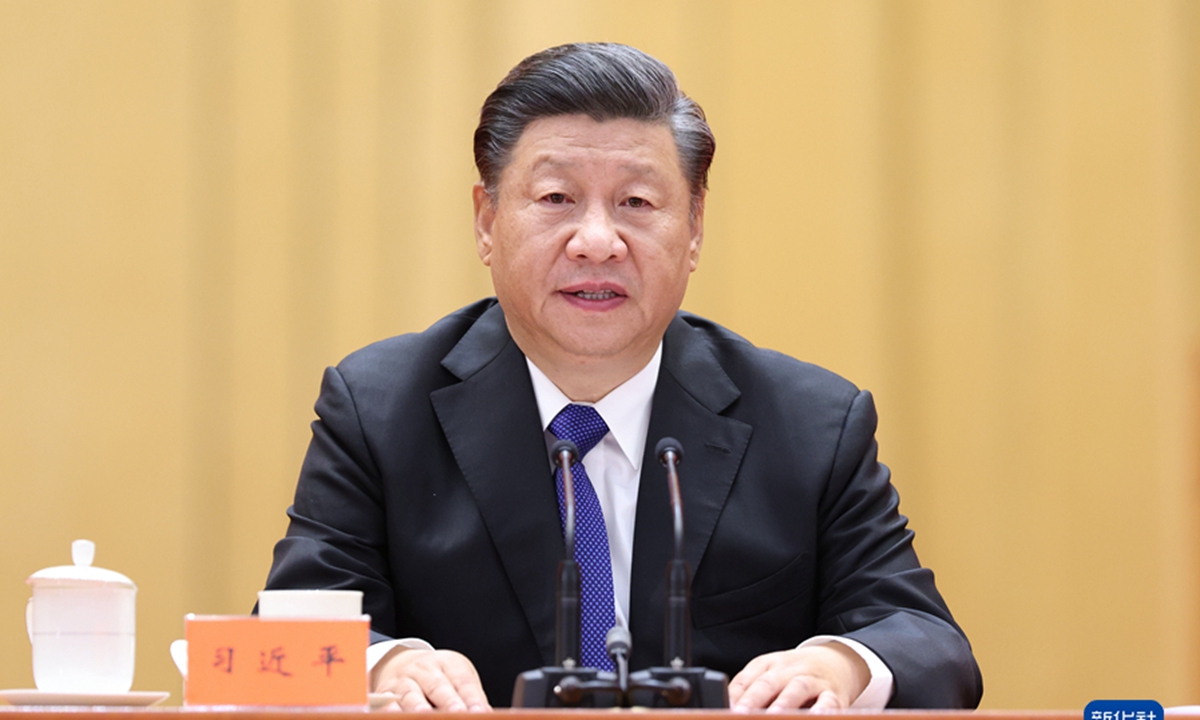
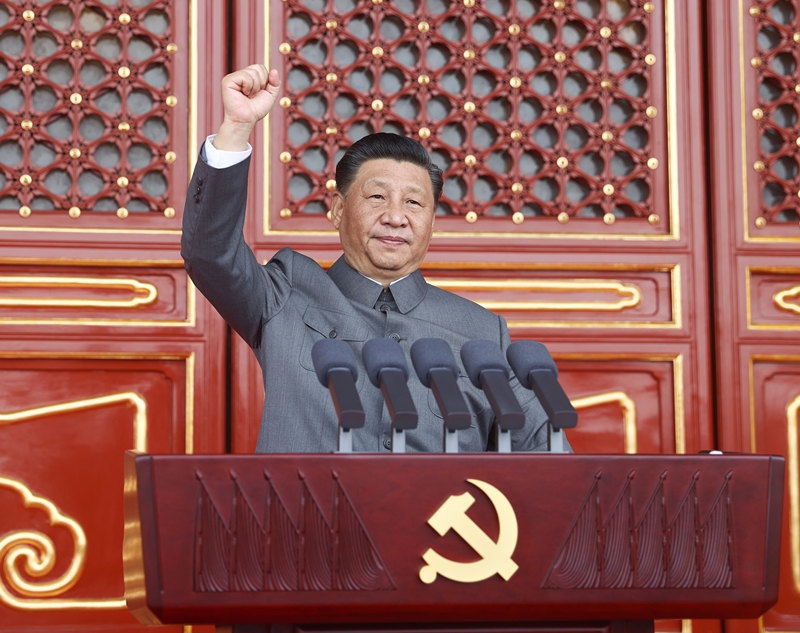
On 16 October, CGTN reported that China’s President Xi Jinping called for prioritising ecological conservation and pursuing green development during an inspection visit to Ulanqab in Inner Mongolia. At Huangqihai Lake Nature Reserve, he stressed implementing the country’s wetland protection law, conserving biodiversity, and restoring degraded ecosystems, with priority given to natural recovery. The lake had previously faced the risk of drying up but has gradually recovered following conservation efforts. Xi also visited the Chahar High-Tech Development Zone, where he highlighted the development of green computing power and the national “East Data, West Computing” project. He called for efficient, safe and environmentally sustainable operations across computing infrastructure. The visit linked wetland conservation with efforts to develop greener digital infrastructure and promote sustainable regional growth.
(“Xi Jinping stresses prioritising ecological conservation, pursuing green development,” CGTN, 16 October 2026)
https://news.cgtn.com/news/2026-10-16/President-Xi-stresses-ecological-conservation-green-development-1Ri68Unsh1K/p.html
SCIENCE AND TECHNOLOGY
AIRCAS's CropWatch wins at the 2026 FAO awards
On 17 October, CGTN reported that the Aerospace Information Research Institute of the Chinese Academy of Sciences (AIRCAS) won the 2026 Food and Agriculture Organisation of the United Nations (FAO) Achievement Award in Rome, Italy. This award recognised its development of a global cloud-based crop monitoring service platform, CropWatch. The platform, developed by a team led by Wu Bingfang, has helped over 40 countries and regions monitor crop conditions and supports food security policymaking based on scientific data, according to the research team. The platform was recognised for turning complex crop monitoring into an accessible, open cloud service and making it widely available worldwide. The team reportedly publishes the CropWatch Bulletin, serving users in 173 countries and regions to date, it said. Wu, speaking to reporters, said that this was not the end, but a milestone on a new journey ahead, adding that the team would continue to enhance the platform's innovative capabilities, ease of use and capacity to serve international users and work towards UN SDGs, particularly the goal of "zero hunger"
("Chinese institute wins 2026 FAO award for crop monitoring platform," CGTN, 17 October 2026)
https://news.cgtn.com/news/2026-10-17/Chinese-institute-wins-2026-FAO-award-for-crop-monitoring-platform-1Rj6h8I21KE/p.html
CHINA AND SOUTHEAST ASIA
Singapore reaffirms economic cooperation with China
On 15 October, SCMP reported that Singapore's Deputy Prime Minister and Trade and Industry Minister Gan Kim Yong reaffirmed the city-state's commitment to economic cooperation with China, speaking at the Bloomberg New Economy Forum in New Delhi. Minister Gan said countries needed to keep engaging with one another even as the world became increasingly fragmented, adding that Singapore and China would continue to have "a very good working relationship" and strong economic cooperation across all aspects of the economy. He noted that Singapore also collaborated strategically with other partners, such as India, in areas including semiconductors. Minister Gan said countries that found ways to cooperate would be better positioned to navigate potential disruptions ahead. His remarks came as Canada's trade minister Maninder Sidhu also said Ottawa would keep building partnerships with China, while Indian businessman Sunil Bharti Mittal cautioned against overreliance on a single source for critical supply chains.
("Canada, Singapore reaffirm China trade ties amid global push for self-sufficiency," South China Morning Post, 15 October 2026)
https://amp.scmp.com/economy/global-economy/article/3370999/canada-singapore-reaffirm-china-trade-ties-amid-global-push-self-sufficiency
CHINA AND TAIWAN
Opinion
Richard Heydarian, “Philippines’ ‘China-free’ manufacturing strategy is a high-risk bet,” SCMP, 17 October 2026
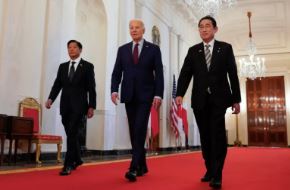
“China and the Philippines recently traded accusations over the medical evacuation of a Philippine serviceman from a grounded naval vessel in the hotly disputed Second Thomas Shoal in the South China Sea. The incident has sparked renewed worries about potential armed skirmishes in a global artery of trade … But Philippine President Ferdinand Marcos Jnr was also quick to emphasise the economic dimensions of a major conflict. After a decade of rapid economic growth, the Philippines is facing potential “stagflation” due to multiple headwinds … By positioning itself as a “China-free” critical minerals producer, and leveraging its burgeoning security ties with Western powers, the Philippines hopes to become a new manufacturing investment hub in the Indo-Pacific … It’s hard to overstate the Philippines’ brewing economic crisis. Growth slowed to 2.3 per cent in the second quarter, according to the latest official data, while inflation has risen to 7.2 per cent. With growth rates halving year on year and core inflation nearly doubling, economists are warning of a “stagflation lite” nightmare … The Philippine dream of becoming a new regional manufacturing hub faces multiple challenges … Ultimately, the Philippines faces stiff competition from neighbours such as Malaysia, Vietnam and Thailand, which have far more robust manufacturing supply chains and have local conglomerates integrated into high-value-added production.”
https://amp.scmp.com/opinion/asia-opinion/article/3370775/philippines-china-free-manufacturing-strategy-high-risk-bet
CHINA AND THE MIDDLE EAST
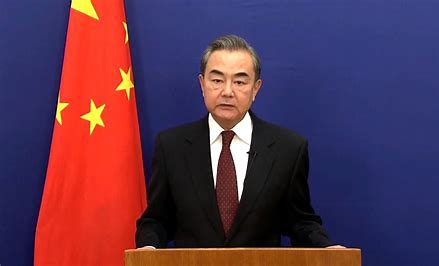
FM Wang Yi meets with Israel’s President on the sidelines of CICA meeting
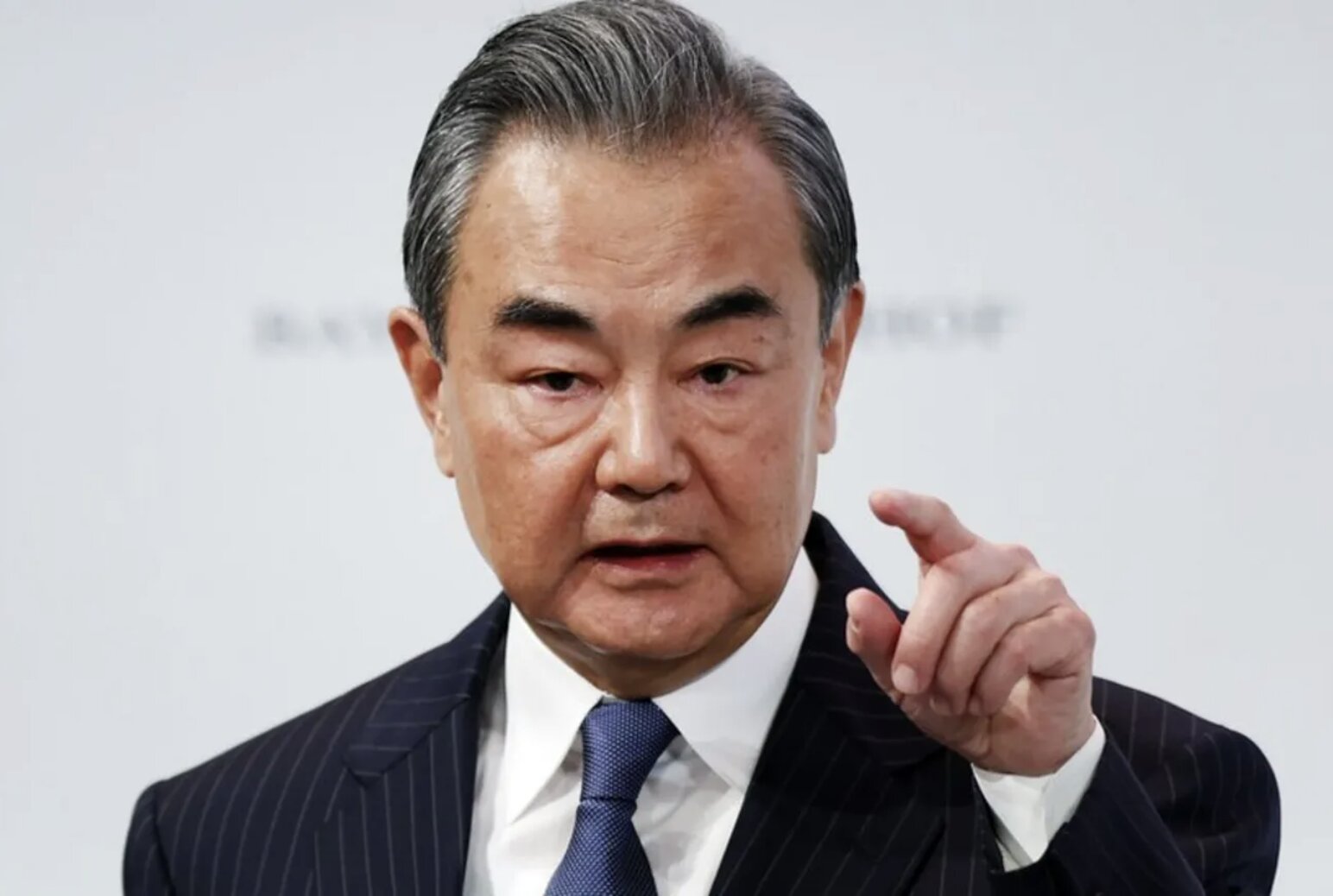
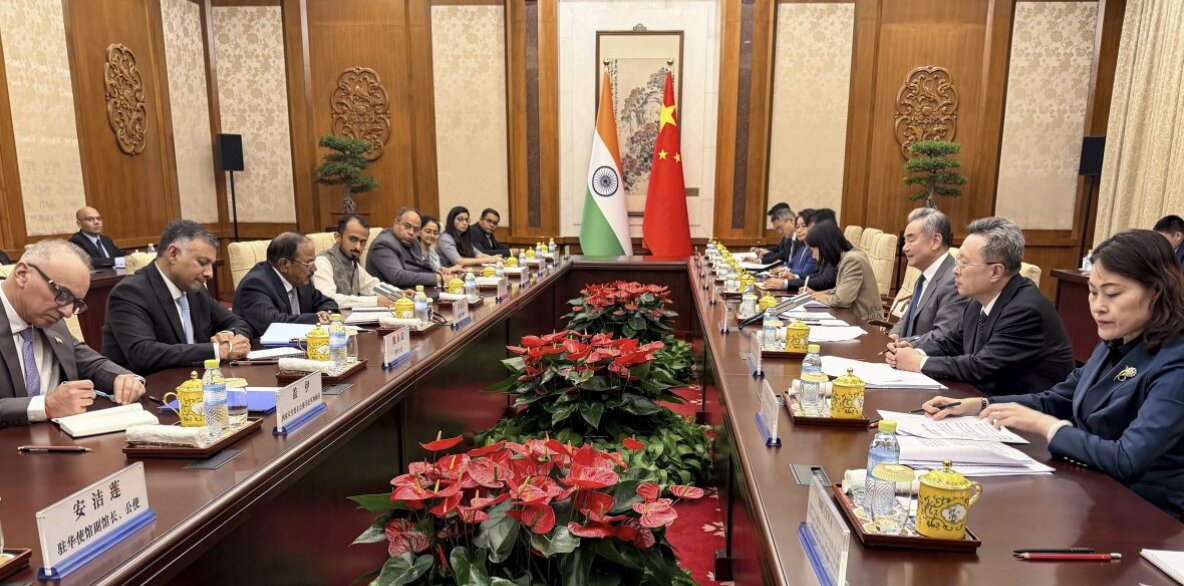
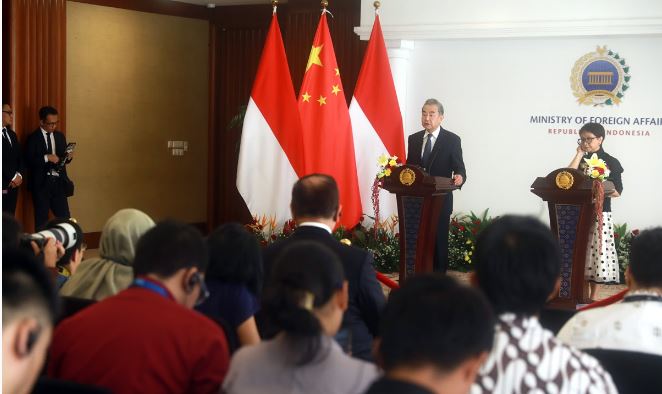
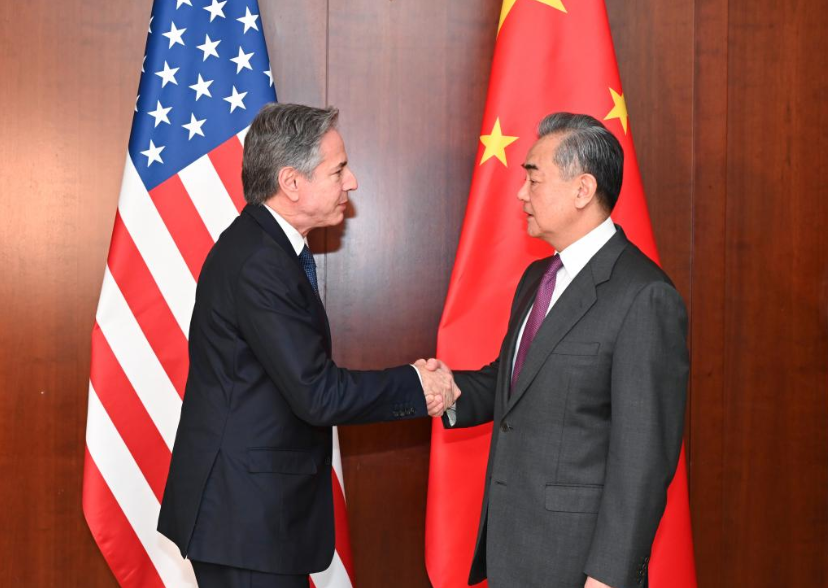
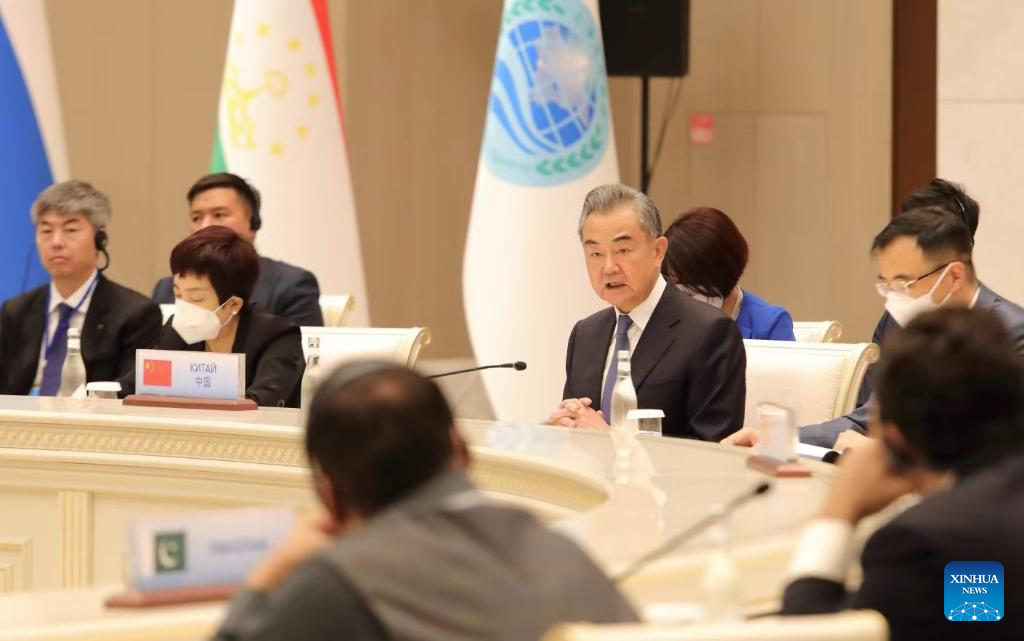
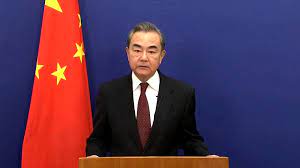
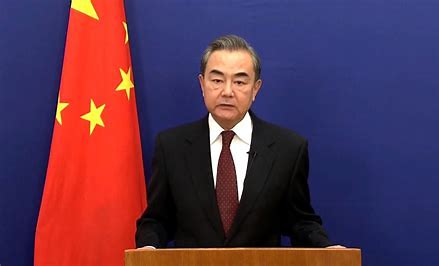
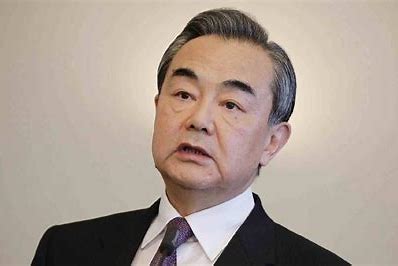
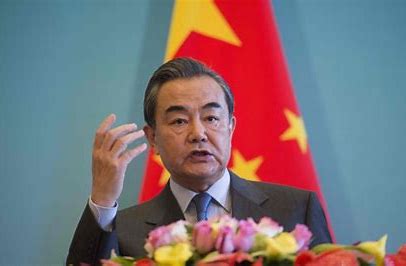
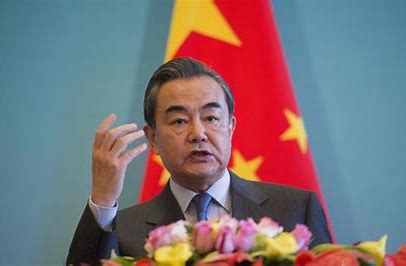
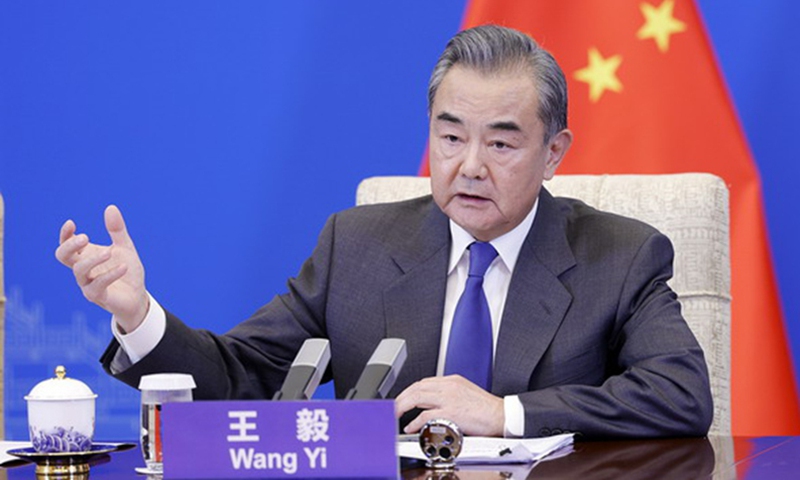
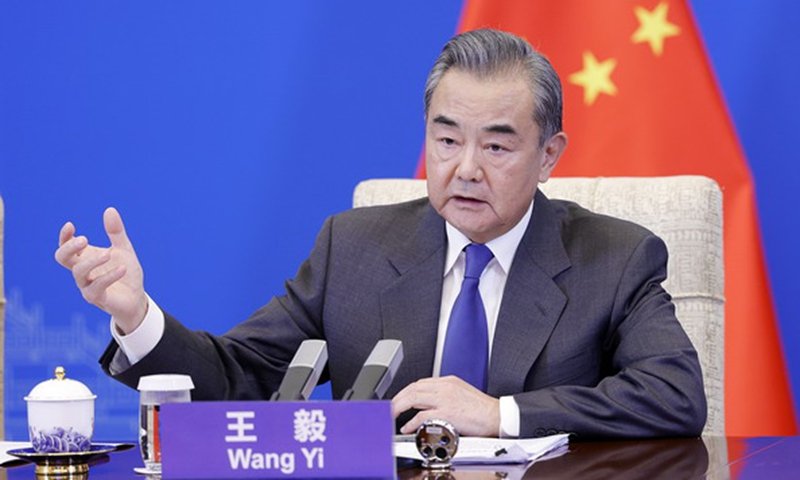
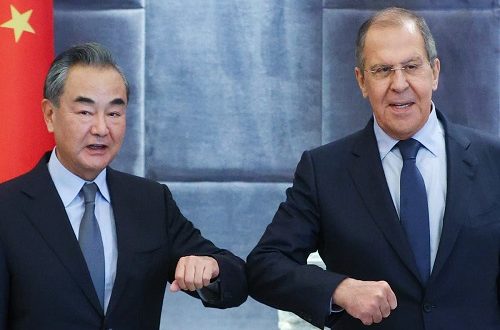
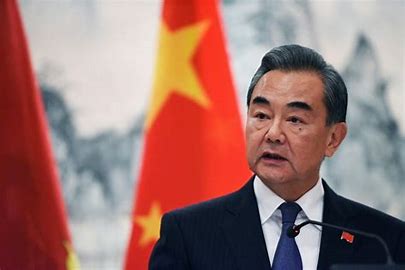
On 17 October, CGTN reported that China’s Foreign Minister Wang Yi met with Israel’s President Issac Herzog on the sidelines of the Seventh Conference on Interaction and Confidence-Building Measures in Asia (CICA) summit held in Baku, Azerbaijan. Minister Wang stated that bilateral relations have developed steadily between the two countries since establishing official relations 30 years ago, and noted the mutual hospitality and cooperation between the peoples of both countries during the Second World War. He noted that the Palestinian question is also the “root cause of the Middle East issue,” and called for peace and reconciliation in the Middle East region, and that China has consistently advocated for a peaceful two-state solution to the Palestinian Question. President Herzog also acknowledged the friendship between the two during the Second World War, and stated that Israel will adhere to the one-China policy and briefed Wang on their policy in the Middle East.
(“Chinese FM meets Israeli president,” CGTN, 17 October 2026)
https://news.cgtn.com/news/2026-10-17/Chinese-FM-meets-Israeli-president-1RibaPyuRHO/p.html
CHINA AND EUROPE
China warns against new trade tool proposed by France and Germany
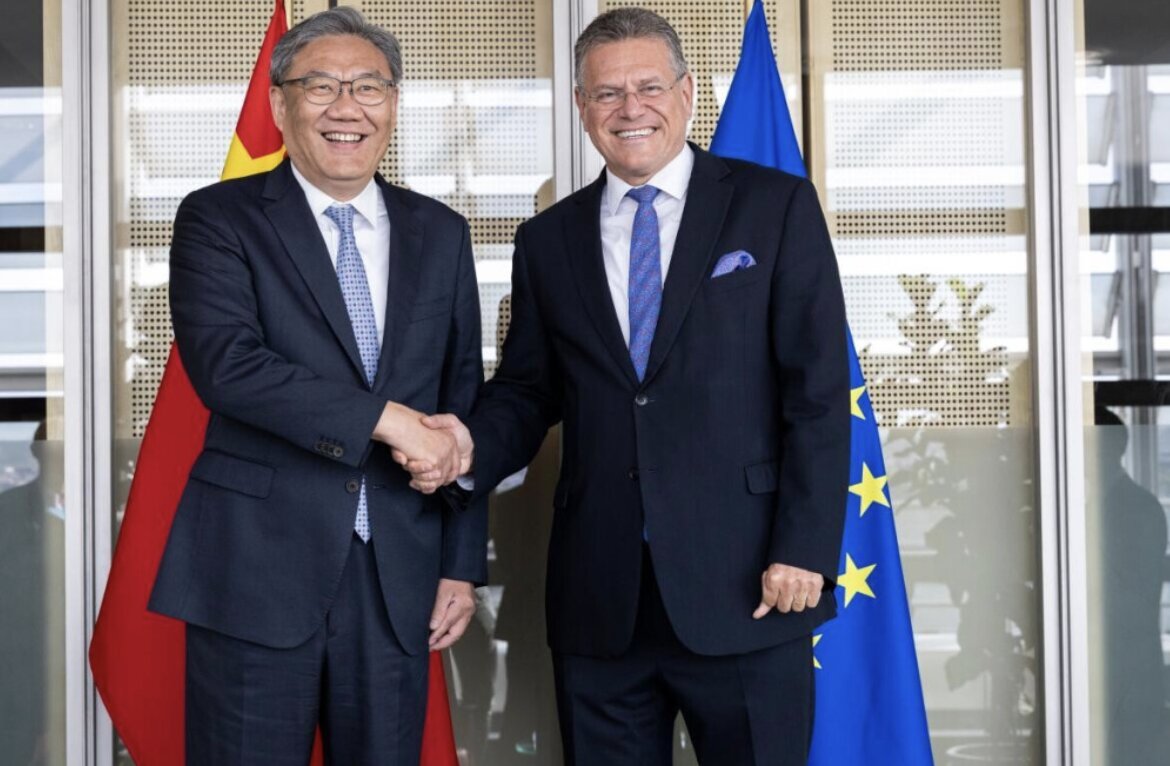
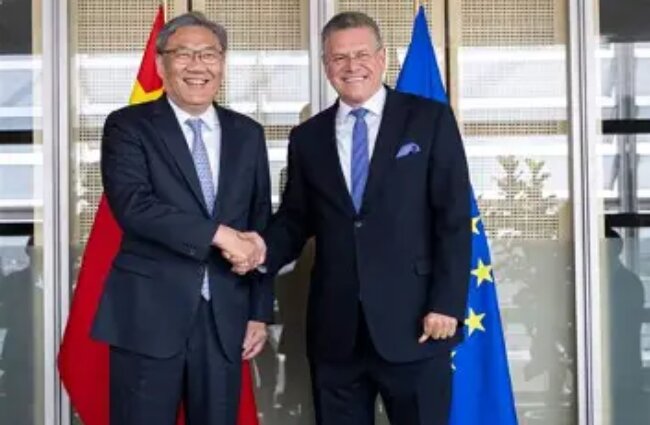
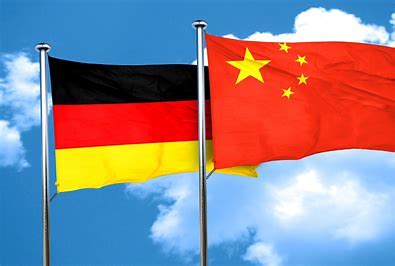
On 17 October, SCMP reported that the Chinese government had warned the EU against taking a hardline position on trade matters. The Chinese Ministry of Commerce issued a statement, warning that the EU must not fantasise about gaining benefits through pressure. It also stated the EU should not underestimate China's willingness and ability to defend its own interests. The ministry also informed that the claim that EU pressure on China would be effective was "groundless."The remarks come after a joint proposal by France and Germany on the development of a new instrument to respond to Chinese coercion and economic distortions. Lithuanian President Gitanas Nauseda said that the instrument known as a "kill switch" would restrict Chinese products entering the European market. European Commission President Ursula von der Leyen confirmed the instrument was in development. Von der Leyen also stated that tariffs on the chemicals and machinery sectors were a priority. A diversification instrument and solidarity mechanism were also proposed, in case Beijing used economically coercive instruments.
(“China warns EU not to ‘fantasise’ on trade approach as Brussels confirms new ‘kill switch’,” SCMP, 17 October 2026)
https://www.scmp.com/news/china/diplomacy/article/3371217/china-warns-eu-not-fantasise-trade-approach-brussels-confirms-new-kill-switch
CHINA AND THE AMERICAS
China and Paraguay tension deepen over stance on technology and Taiwan
On October 17, SCMP reported that China-Paraguay relations have deteriorated after Beijing sanctioned Paraguayan technology minister Gustavo Villate over Asunción’s longstanding diplomatic ties with Taiwan. Minister Villate rejected Chinese pressure, declaring Taiwan relations “not up for negotiation” and linking the sanctions to Paraguay’s exclusion of Huawei and ZTE from its 5G network on security grounds. Beijing also accused Minister Villate of supporting Taiwanese separatism and spreading allegations about Chinese cyberattacks. Paraguay, South America’s only remaining diplomatic ally of Taiwan, is simultaneously expanding technological cooperation with Taipei, including the Yguazu Digital AI data centre.
(“Paraguay’s tech minister defies Beijing sanctions, says Taiwan ties ‘not up for negotiation’,” SCMP, 17 October 2026)
https://www.scmp.com/news/china/article/3371214/paraguays-tech-minister-defies-beijing-sanctions-says-taiwan-ties-not-negotiation
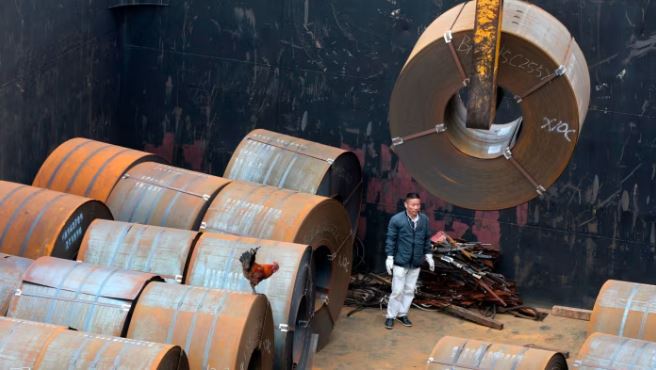
Brazil and China trade hit a record high as oil exports surge amidst the Iran war
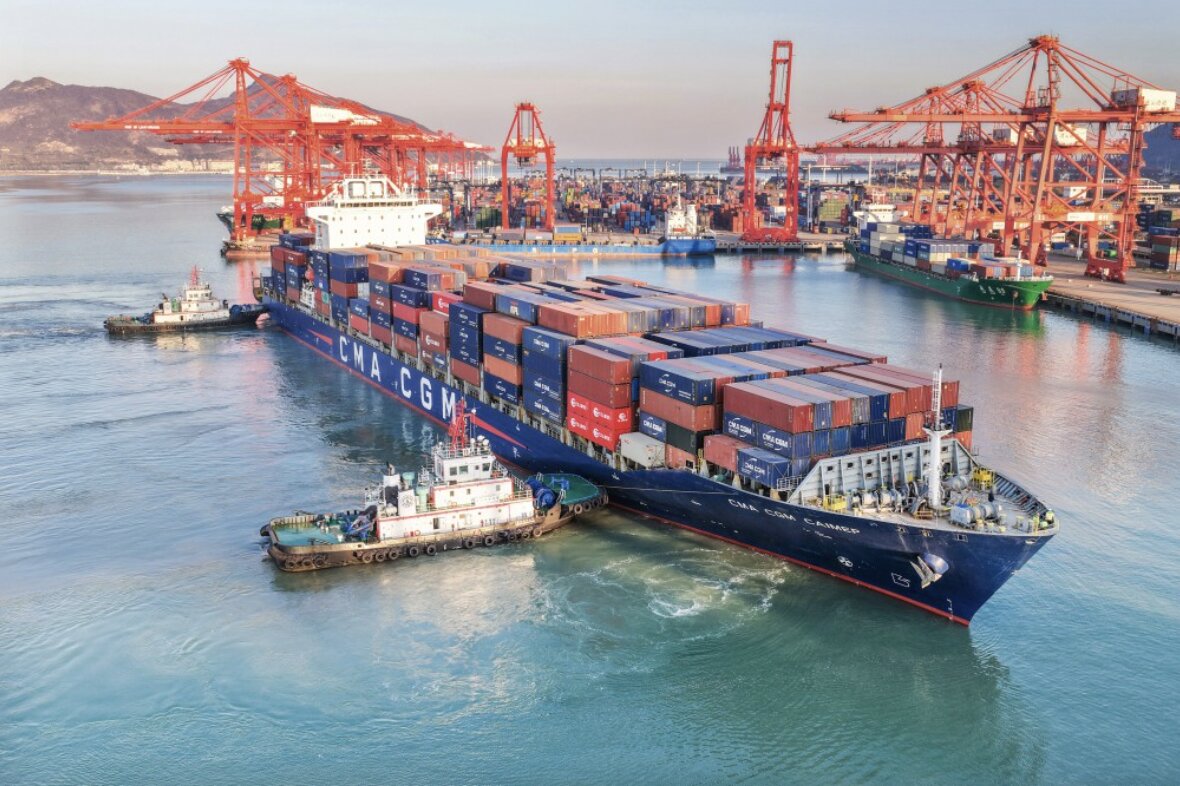
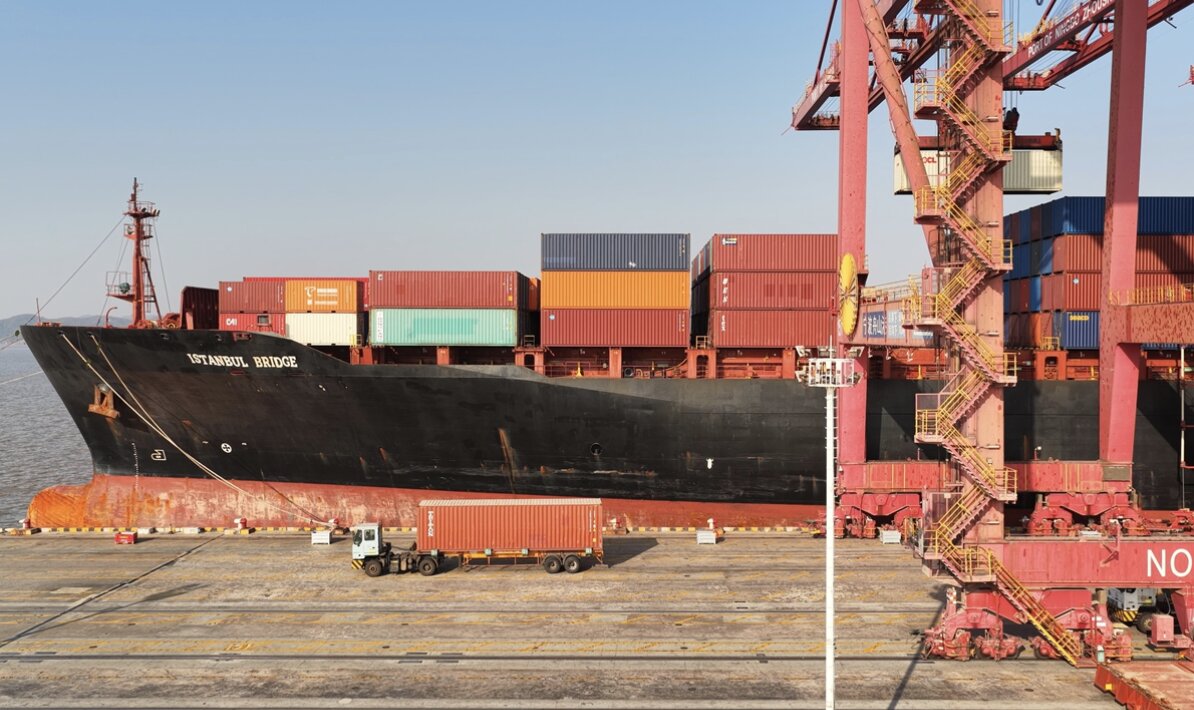
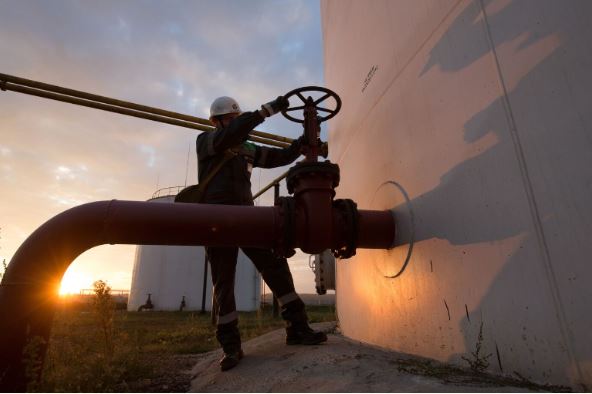
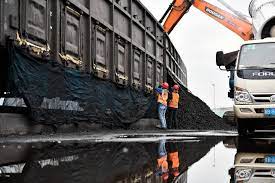
On October 16, SCMP reported that trade between Brazil and China reached a record USD 143 billion in January–September 2026, largely driven by China’s search for alternative oil supplies after the Iran war disrupted shipments through the Strait of Hormuz. Brazilian crude sales to China surged 49 per cent to USD 21.8 billion, with China absorbing half of Brazil’s oil exports and crude becoming its second-largest export to the Chinese market after soybeans. However, oil growth slowed as Gulf supplies recovered. Meanwhile, Brazilian beef exports declined under Chinese safeguards, while imports of Chinese electric vehicles expanded sharply despite Brazil raising tariffs to 35 per cent.
(“China bought half of Brazil’s oil exports as Iran war shut Hormuz, driving sales to record,” SCMP, 16 October 2026)
https://www.scmp.com/news/china/article/3371064/china-bought-half-brazils-oil-exports-iran-war-shut-hormuz-driving-sales-record