Photo : Pv-Tech


Photo : Pv-Tech
In Brief
INTERNAL
Chinese economy sees increase in GDP; Weak consumer demand calls for rebalancing in long term
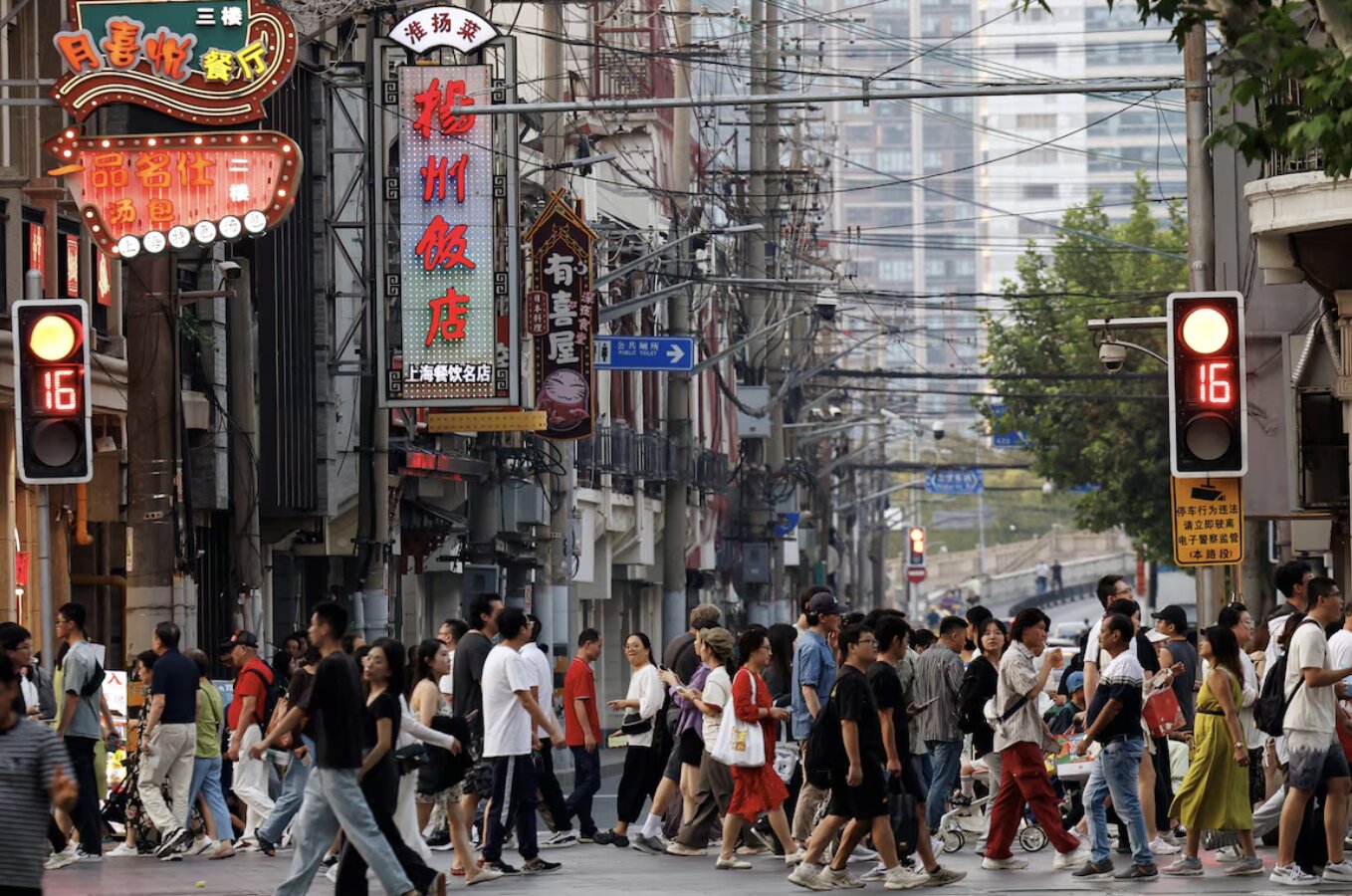
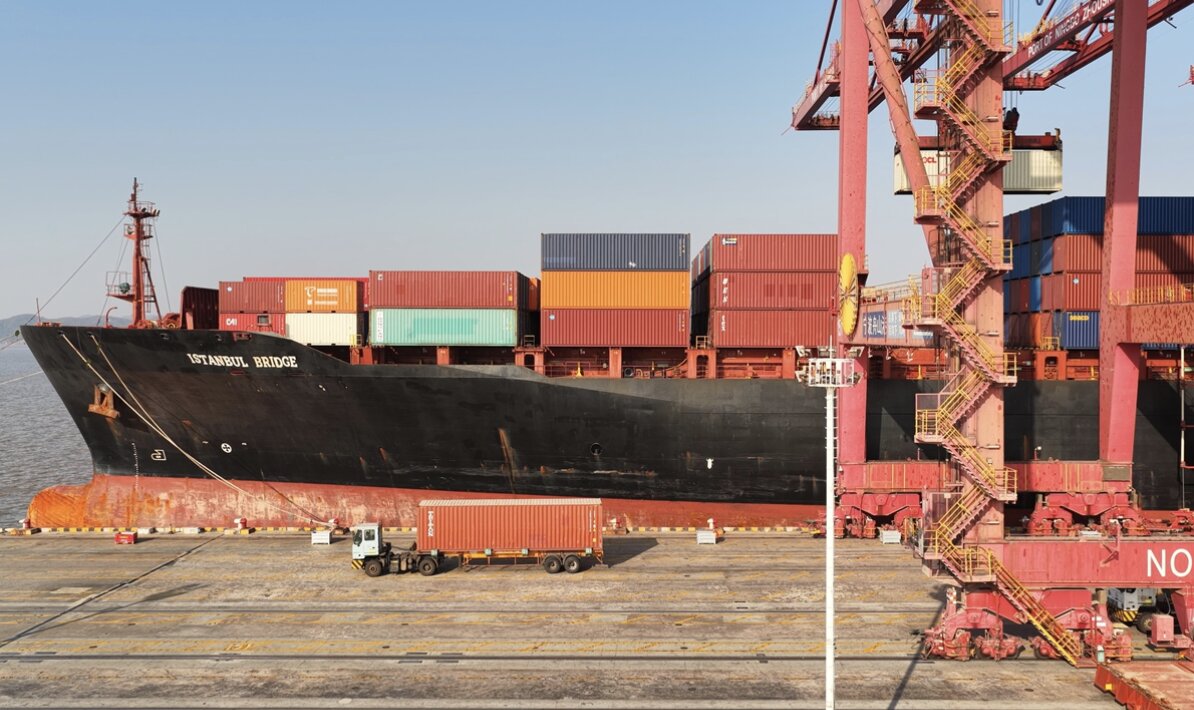
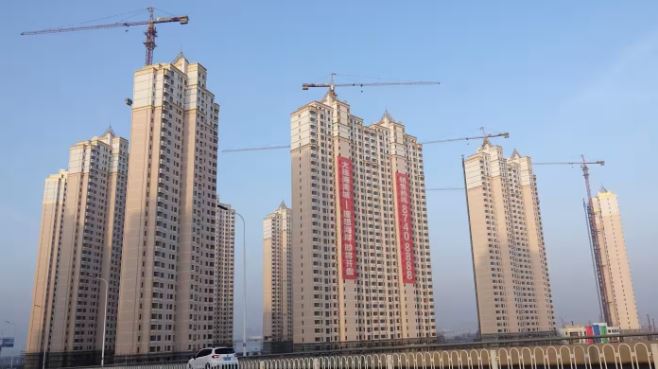
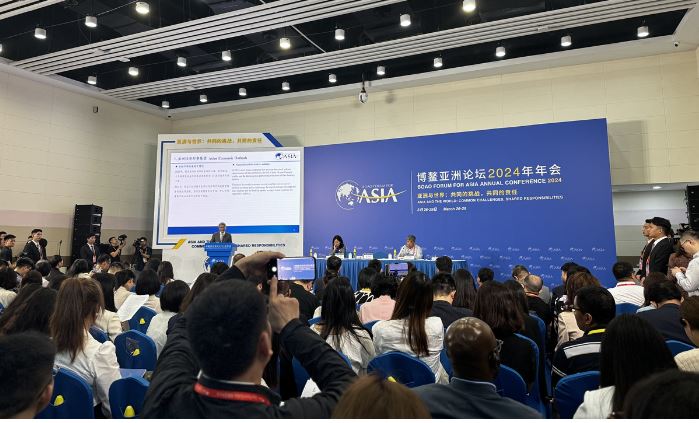
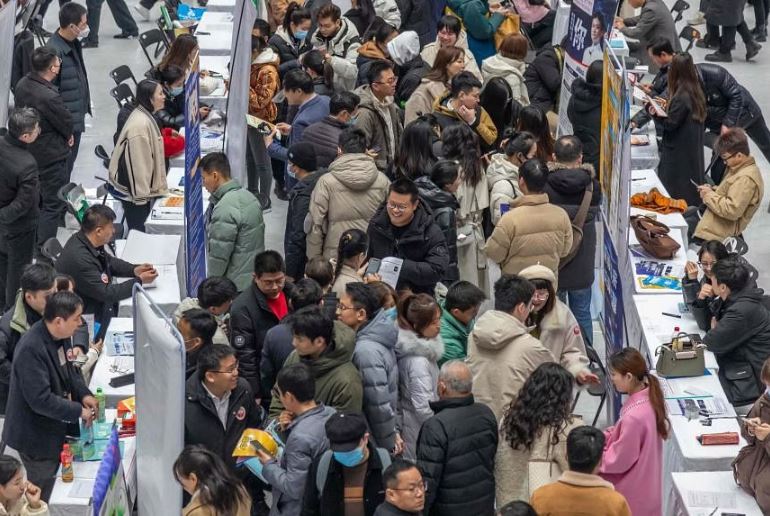
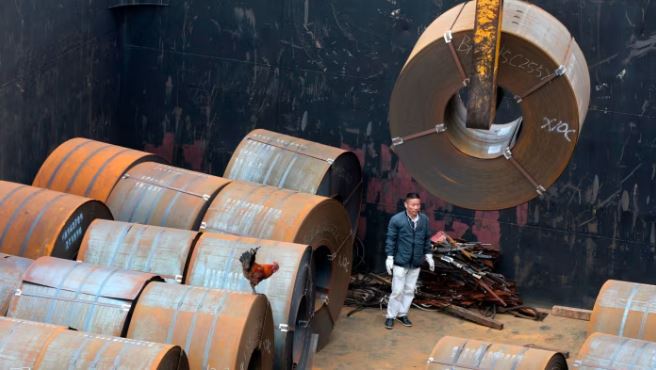
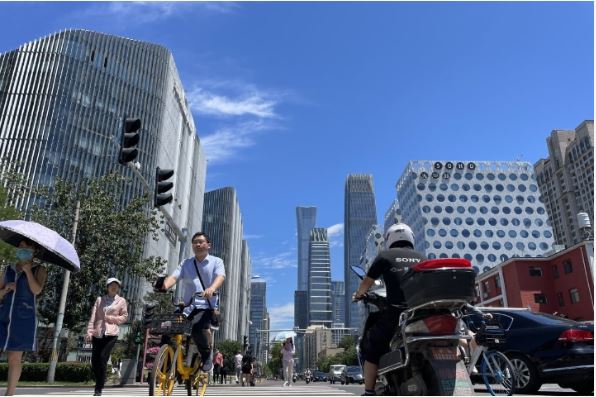
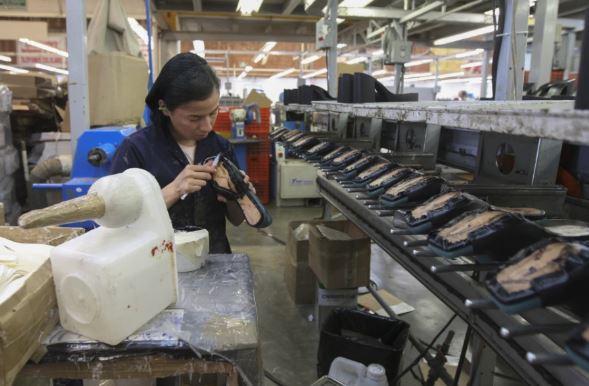
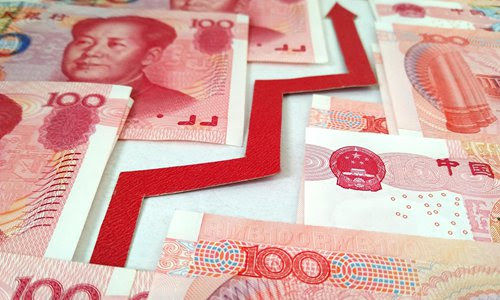
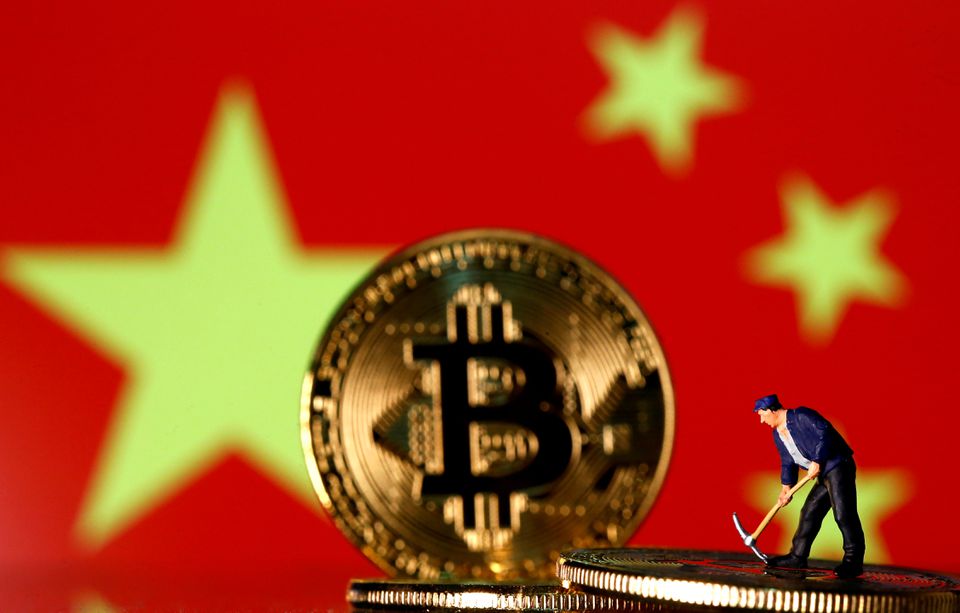
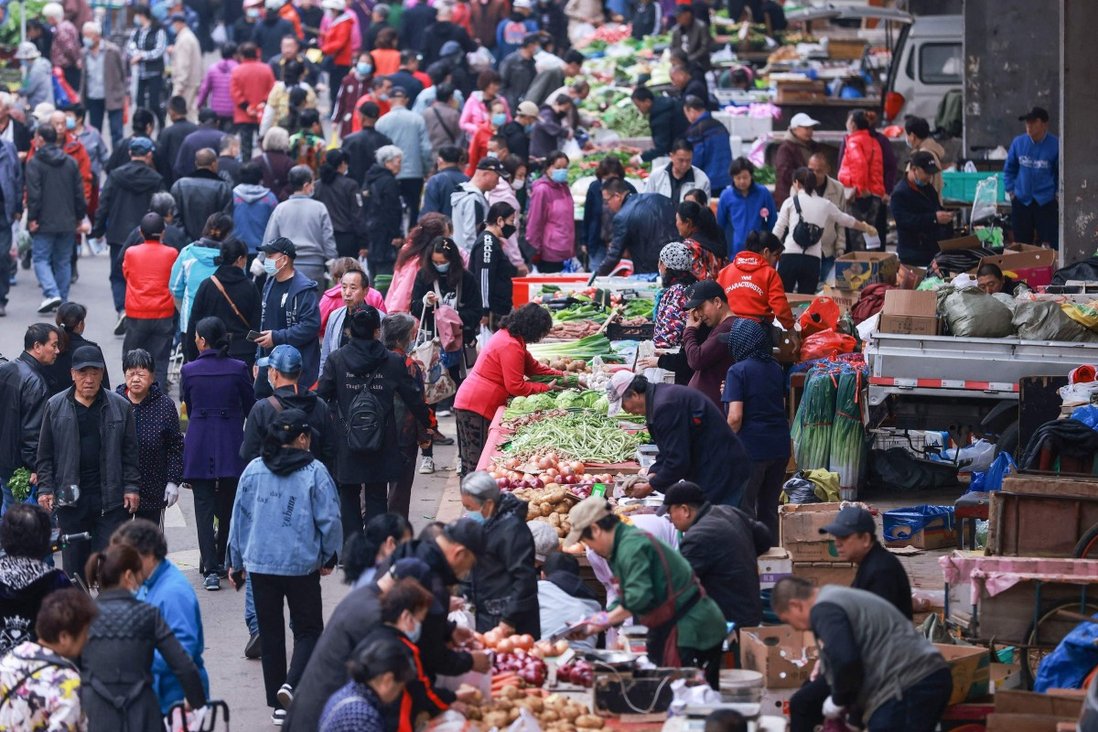
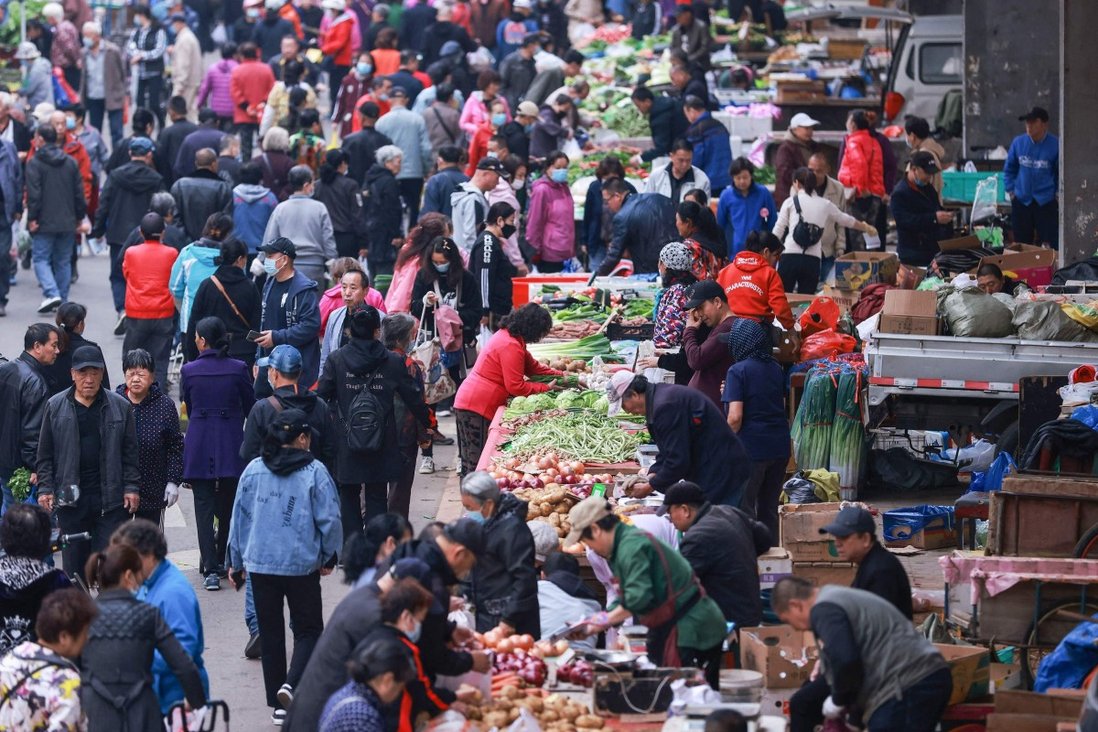
On 19 October, Reuters reported that Chinese Gross Domestic Product(GDP) grew by 4.5 per cent in Quarter 3, more than the forecast of 4.4 per cent. China is expected to reach its 2026 target of 4.5- 5 per cent without needing an additional stimulus. Additionally, Chinese exports of a wide range of products, including chicken meat, electric cars and beauty products, have surged. Industrial output rose by 5.5 per cent in the month of September as well. However, data showed that retail sales remained low. The low retail sales and domestic demand indicate weak consumer demand in China, while exports to foreign markets remain high. The growth figures also show the need for rebalancing the economy in the long term. ANZ analysts stated that increasing trade tensions, protectionist measures and geopolitical tensions hold the potential to hamper future economic growth. According to ITC Markets analyst Andy Ji, growth was unbalanced since it was led by exports and the state, while domestic demand was yet to be self-sustaining and the property sector remained in a downturn.
(“China’s economic growth picks up as exports boom, consumers baulk,” Reuters, 19 October 2026)
https://www.reuters.com/world/china/chinas-economic-growth-picks-up-third-quarter-beating-expectations-2026-10-19/
Beijing faces economic strain as one-third of population ages by 2035
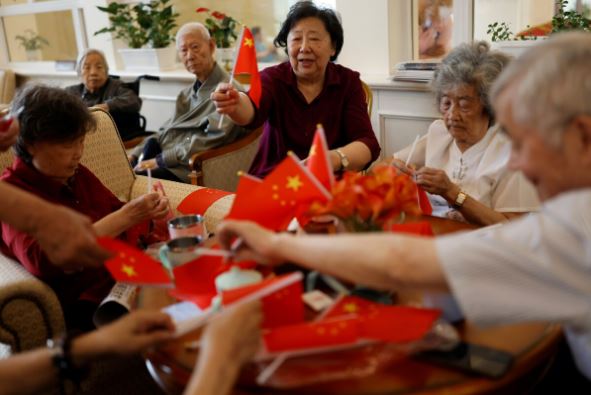
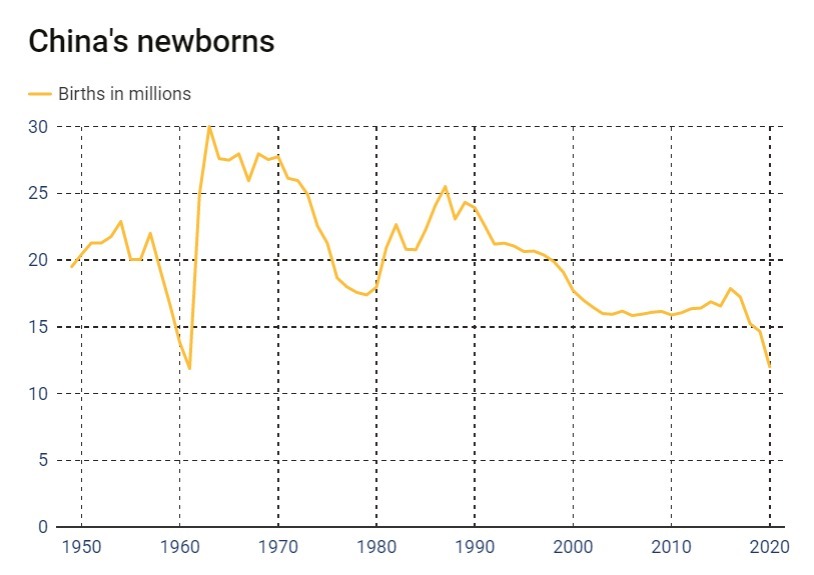
On 19 October, Reuters reported that Beijing’s population is ageing rapidly, with 1 in 3 residents expected to be 60 or older by 2035, and noted this phenomenon as Beijing becoming “suger-aged”. At the end of last year, Beijing had 5.29 million elderly residents, making up nearly 25 per cent of its total population. To support them, the city is increasing financial aid, including raising basic pensions. China’s overall population has been shrinking since 2022. As hundreds of millions of workers retire, pension budgets are being heavily stretched. To reverse this trend, the government is treating population planning as a major economic strategy, spending an estimated USD 26.92 billion this year alone to encourage people to have more babies. Economists and demographers also warn that having fewer children right now will lead to fewer households and slower economic and consumer growth in the future.
(Beijing's population expected to become super-aged by 2035,” Reuters, 19 October 2026)
https://www.reuters.com/world/china/beijings-population-expected-become-super-aged-by-2035-2026-10-19/
Beijing proposes export controls on 12 solar tech; Aims to prevent improper technology dissemination
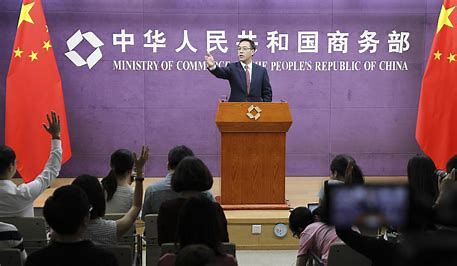
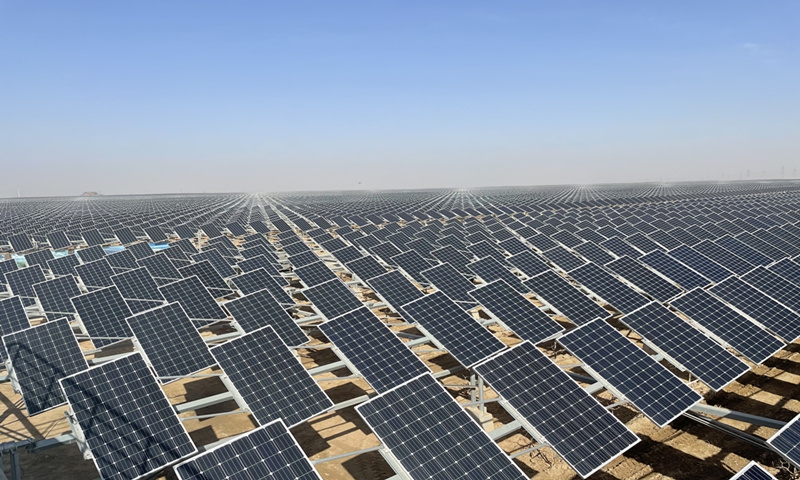
On 18 October, Reuters reported that China has proposed new export controls on 12 advanced solar manufacturing technologies, citing national security, aerospace, and defence concerns. The restrictions are part of a broader update that also targets AI and biotechnology. The proposed limits aim to maintain China’s global solar dominance by blocking the export of key manufacturing methods. This includes outright bans on technologies used to make thin wafers, highly efficient perovskite and tandem solar cells, and energy-efficient fluidised-bed polysilicon. Other advanced cell technologies, like TOPCon, HJT, and XBC, will face heavy restrictions rather than total bans. These curbs threaten international solar supply chains and could disrupt expansion plans for US firms like Tesla. They also target India, which is currently trying to build its own domestic manufacturing sector to eliminate its reliance on China’s imports. China's Ministry of Commerce stated the controls will prevent improper technology dissemination while safeguarding normal scientific cooperation. Exporters must register all overseas technology transfers until the public consultation closes on 15 November and the rules are finalised.
(China proposes export controls on solar-manufacturing technologies,” Reuters, 18 October 2026)
https://www.reuters.com/business/autos-transportation/china-proposes-export-controls-solar-manufacturing-technologies-2026-10-18/
The Guardian notes increase in ‘dark tourism’ in China
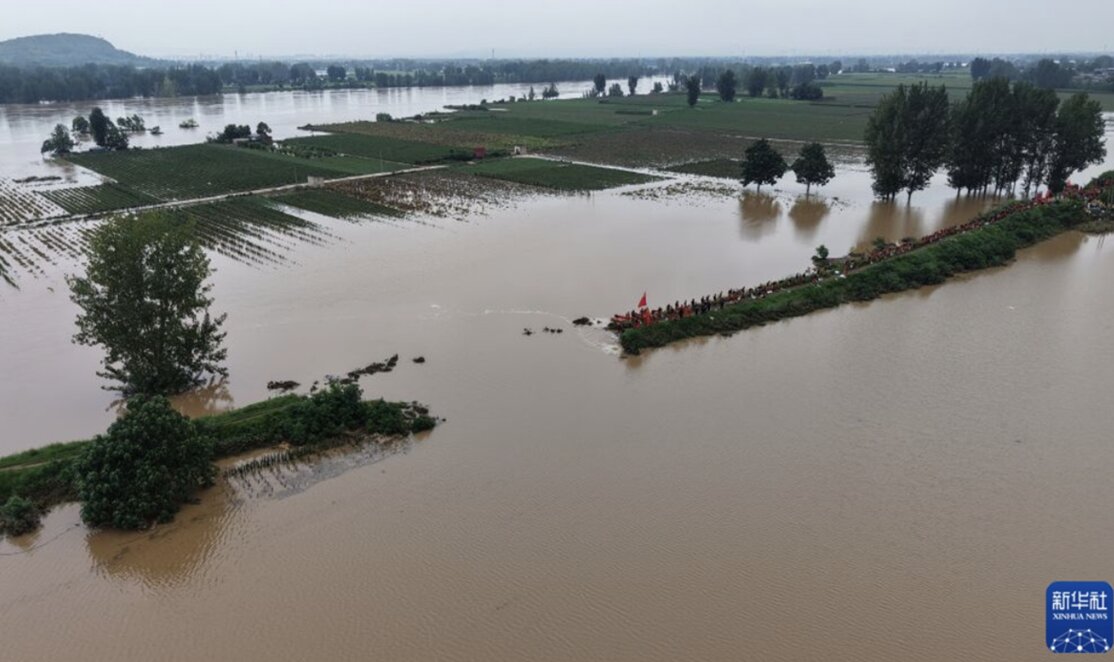
On 17 October, The Guardian reported that the phenomenon of ‘dark tourism’ was becoming increasingly popular in China. This involves simulated experiences of natural disasters that are created. Lvxing Base, a company in Hangzhou, has been key in pushing this forward. The company makes simulations of extreme weather conditions such as typhoons and mudslides, providing participants with the experience of what a natural disaster would be like. General manager Wang Kuanghan said that customers (many of whom were between 20 and 30 years old) came to experience the excitement of what a real natural disaster felt like. The company also plans to open five more centres across China in the next three years. Additionally, earthquake and fire simulations are planned as well. Apart from private companies, public institutes are also playing a role. The Haidian public safety museum also offers simulated experiences of natural disasters like earthquakes, fires and tsunamis. As natural disasters grow in intensity in China, local governments are promoting immersive disaster education, instructing museums and training bases to utilise simulations to teach citizens how to respond in a real crisis.
(“China’s tourists flock to experience a pretend typhoon as ‘dark tourism’ flourishes,” The Guardian, 17 October 2026)
https://www.theguardian.com/world/2026/oct/17/china-tourists-fake-typhoon-experience-dark-tourism
ENERGY AND ENVIRONMENT
President Xi calls for stronger wetland protection and green computing development
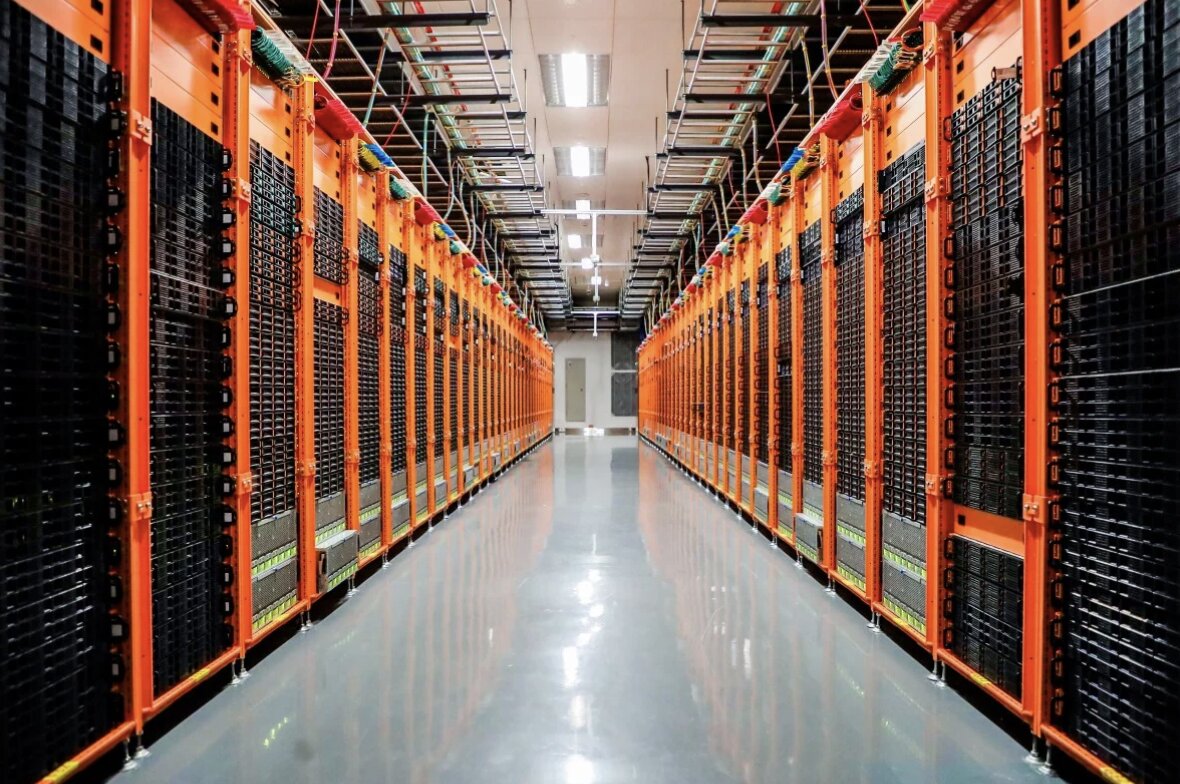
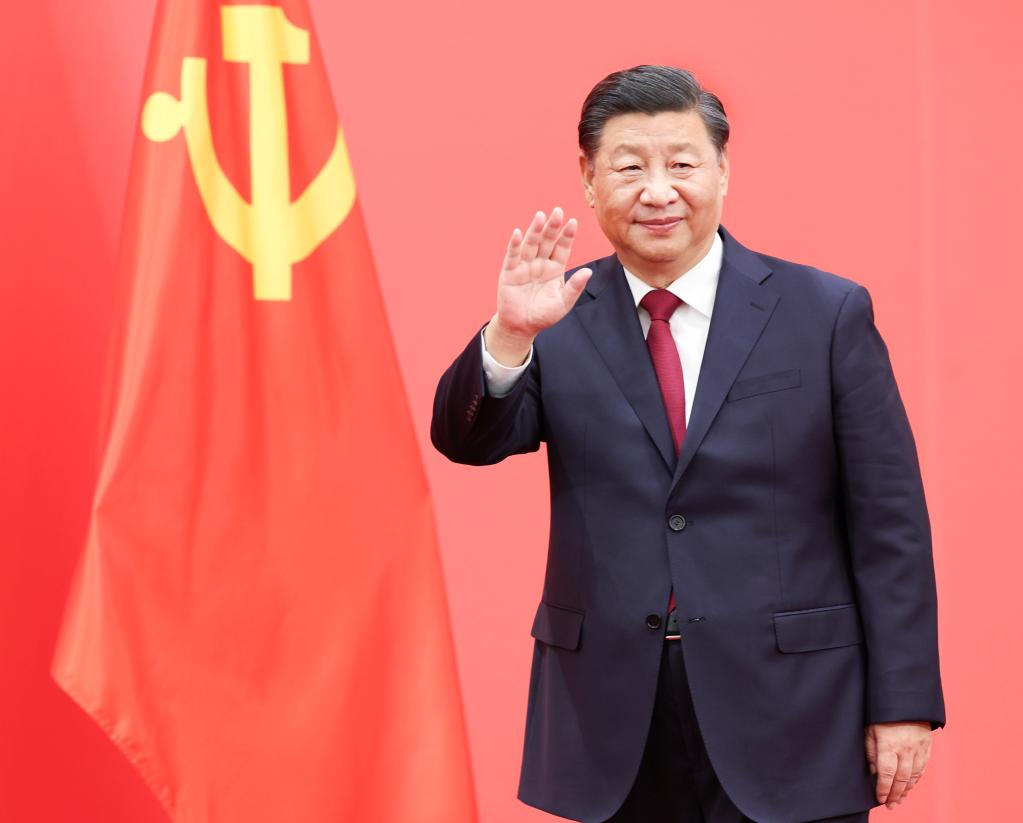
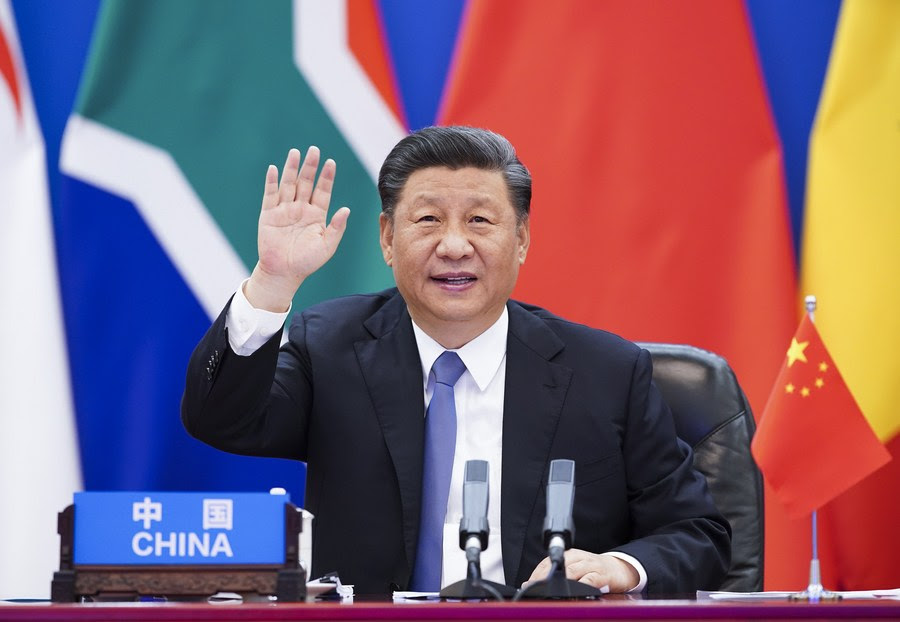
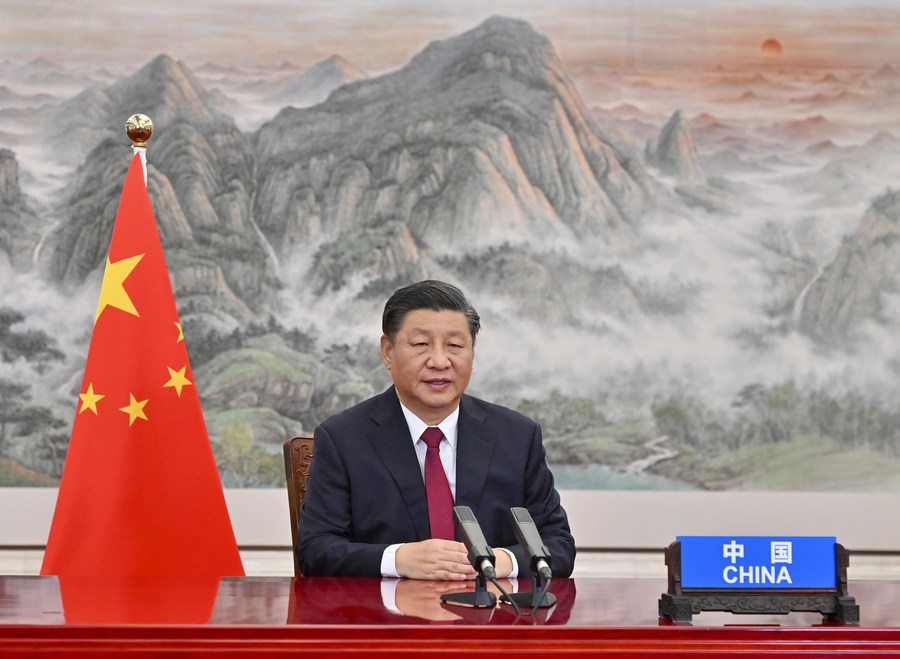
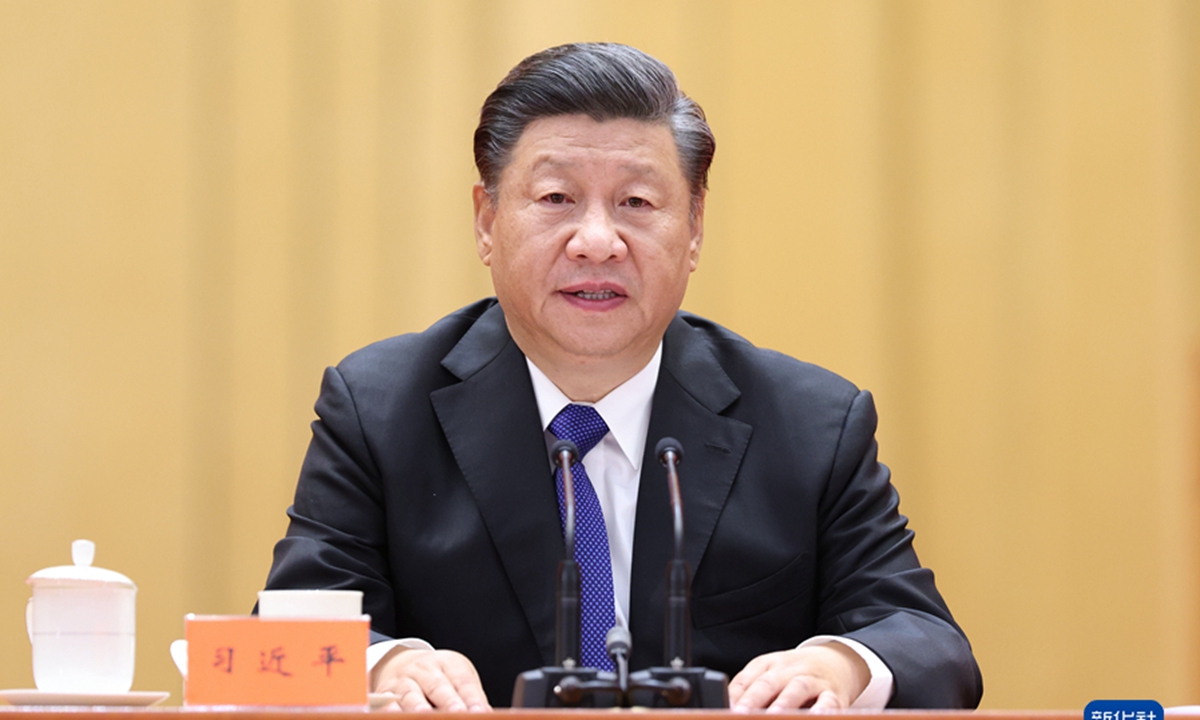
On 16 October, CGTN reported that China’s President Xi Jinping called for prioritising ecological conservation and pursuing green development during an inspection visit to Ulanqab in Inner Mongolia. At Huangqihai Lake Nature Reserve, he stressed implementing the country’s wetland protection law, conserving biodiversity, and restoring degraded ecosystems, with priority given to natural recovery. The lake had previously faced the risk of drying up but has gradually recovered following conservation efforts. Xi also visited the Chahar High-Tech Development Zone, where he highlighted the development of green computing power and the national “East Data, West Computing” project. He called for efficient, safe and environmentally sustainable operations across computing infrastructure. The visit linked wetland conservation with efforts to develop greener digital infrastructure and promote sustainable regional growth.
(“Xi Jinping stresses prioritising ecological conservation, pursuing green development,” CGTN, 16 October 2026)
https://news.cgtn.com/news/2026-10-16/President-Xi-stresses-ecological-conservation-green-development-1Ri68Unsh1K/p.html
CHINA AND TAIWAN
Taipei blocks 16 vessels from Beijing
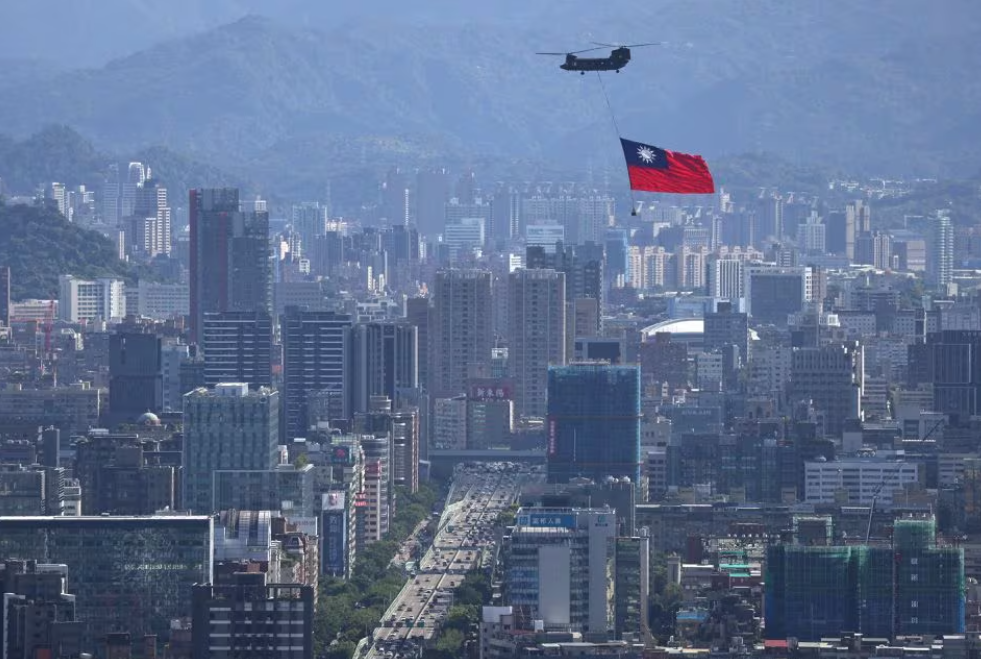
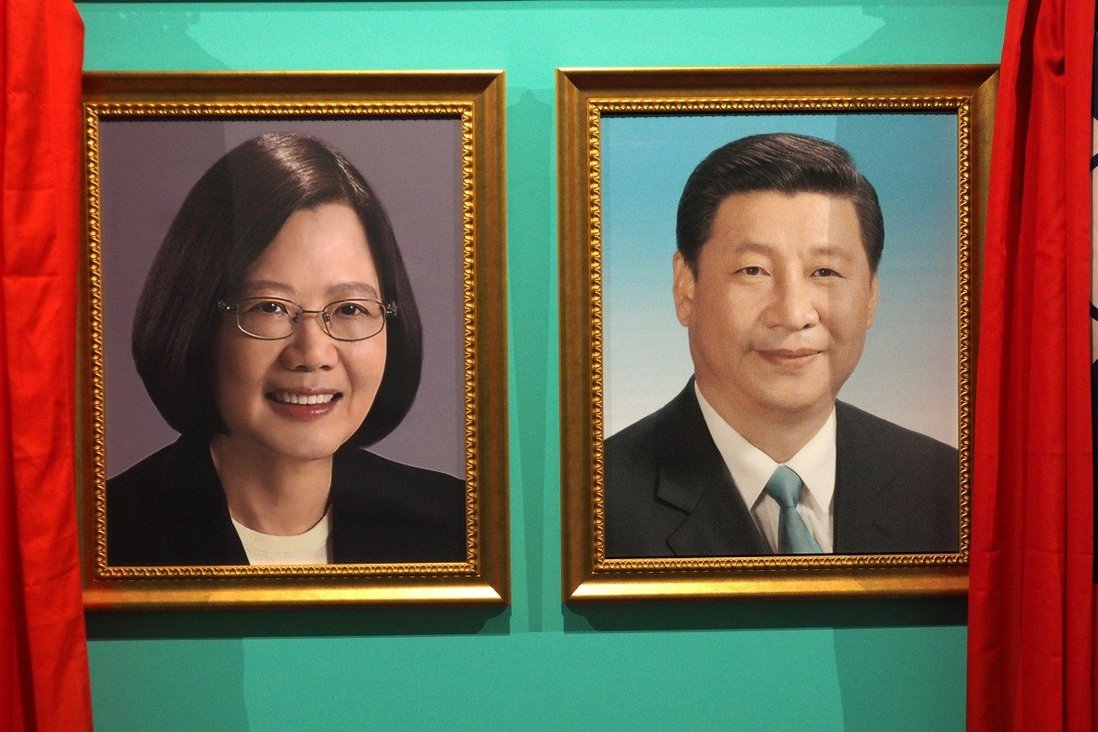
On 18 October, Al Jazeera reported that Taipei had confronted and taken "forceful action to immediately neutralise threats from" 16 of Beijing's coastguard, research and fishing vessels. Taiwan suggested that these were involved in simultaneous “maritime harassment” operations, and were further described as "hybrid warfare". Some of the vessels reportedly entered Taiwan’s restricted waters. An “unusually large” number of Chinese vessels, as reported by Taiwan's coast guard, took part in coordinated operations around Taiwan’s main island and Prata. Conversely, Beijing claims the region and Pratas as part of its territory and asserts jurisdiction over the surrounding waters and has long threatened to use force to regain control of Taiwan. Beijing deployed a record 244 ships around Taiwan’s main island in July, Taiwanese official data show, compared with just 58 in the same month last year.
(‘Hybrid warfare’: Taiwan drives away 16 Chinese ships," Al Jazeera, 18 October 2026
https://www.aljazeera.com/amp/news/2026/10/18/taiwan-drives-away-16-chinese-ships-accused-of-maritime-harassment
CHINA AND EAST ASIA
Korean manufacturers shift investment away from China as US pressure mounts
On 19 October, Korea JoongAng Daily reported that Korean manufacturers across chips, autos and electronics were redrawing their China strategies as intensifying US-China rivalry reshaped supply chains. Samsung Electronics and SK hynix said they had no plans to expand capacity in China beyond existing bases, after Washington ended a validated end-user waiver in 2025, requiring annual licence renewals for controlled US chip equipment. Both are expanding in the United States, Vietnam, and potentially Japan, with Samsung's Taylor, Texas foundry due online next year and SK hynix building a USD 04 billion packaging plant in Indiana, while facing pressure from the Trump administration to build more US factories. Hyundai Motor Group has pivoted to India, with its combined production capacity approaching 1.43 million vehicles this year, as its China sales fell from 1.8 million in 2016 to about 203,000 in 2024. Hyundai said it has not abandoned China, targeting 500,000 annual sales there by 2030, partly through exports of China-developed models.
("Korean manufacturers redraw China playbook as U.S. pressure escalates," Korea JoongAng Daily, 19 October 2026)
https://www.koreajoongangdaily.com/business/korean-manufacturers-redraw-china-playbook-as-us-pressure-escalates/12924062
CHINA AND SOUTH ASIA
China says it is ready to address trade concerns as India flags market-access barriers
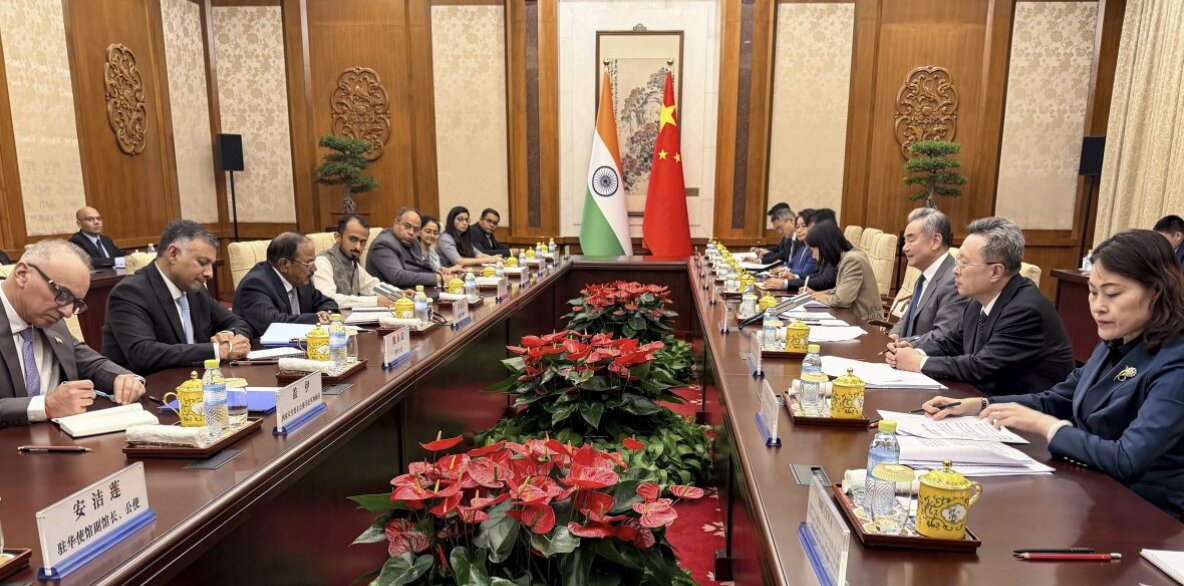
On 16 October, The Times of India reported that China had expressed its willingness to work with India to address bilateral economic and trade concerns following Finance Minister Nirmala Sitharaman’s criticism of restrictions on Indian goods entering the Chinese market. Beijing said it did not deliberately seek a trade surplus and was prepared to address the concerns of both countries. The exchange came as India’s trade deficit with China exceeded USD100 billion, intensifying concerns about the imbalance in bilateral commerce. Sitharaman identified non-tariff barriers as a significant obstacle to Indian exports, particularly generic medicines, bovine meat, vegetables and perishable agricultural products. She argued that India had sought greater access to the Chinese market for years but had made limited progress. India, she said, preferred negotiations and dialogue over punitive tariffs as a means of addressing. The exchange highlights a continuing tension between expanding bilateral trade and ensuring more balanced market access. China remains an important source of manufactured goods and industrial inputs for India, while New Delhi is seeking greater opportunities for Indian producers in the Chinese market. Whether the two governments can translate their stated willingness to engage into concrete improvements in market access will be important for the future direction of bilateral economic relations.
(“‘Ready to work with India’: China says it does not seek trade surplus as Sitharaman flags market access barriers,” The Times of India, 16 October 2026)
https://timesofindia.indiatimes.com/business/india-business/ready-to-work-with-india-china-says-it-does-not-seek-trade-surplus-as-sitharaman-flags-market-access-barriers/articleshow/134997894.cms
China’s security concerns stall reopening of Tatopani crossing reports The Kathmandu Post
On 17 October, The Kathmandu Post reported that Nepal’s efforts to reopen the Tatopani border crossing with China were facing difficulties despite Kathmandu’s diplomatic initiatives. The crossing in Sindhupalchok district remains important for Nepal’s trade with China, particularly after flood damage disrupted the Rasuwagadhi crossing and made alternative routes more difficult and expensive to use. Beijing has yet to commit to restoring regular operations at Tatopani, citing security concerns, logistical difficulties and recurring landslides. According to the report, Chinese concerns extend beyond the physical condition of the border infrastructure. Nepali officials familiar with border security said Beijing was also concerned about Tibetan refugees entering Nepal and the possibility of anti-China activities near the frontier. These considerations have complicated Nepal’s attempts to resume trade through the crossing. Meanwhile, the damage to Rasuwagadhi and the higher costs associated with the Korala route have increased the importance of reopening Tatopani for traders. The episode illustrates how border connectivity between Nepal and China is shaped by both infrastructure conditions and political-security considerations. For Nepal, reopening Tatopani would help restore trade flows and reduce pressure on alternative routes. For China, border management also involves maintaining security along its frontier with Tibet. The negotiations therefore reflect the intersection of Nepal’s economic priorities with Beijing’s wider border-security concerns.
(“Beijing’s security concerns cloud Nepal’s push to reopen Tatopani,” The Kathmandu Post, 17 October 2026)
https://kathmandupost.com/national/2026/10/17/beijing-s-security-concerns-cloud-nepal-s-push-to-reopen-tatopani
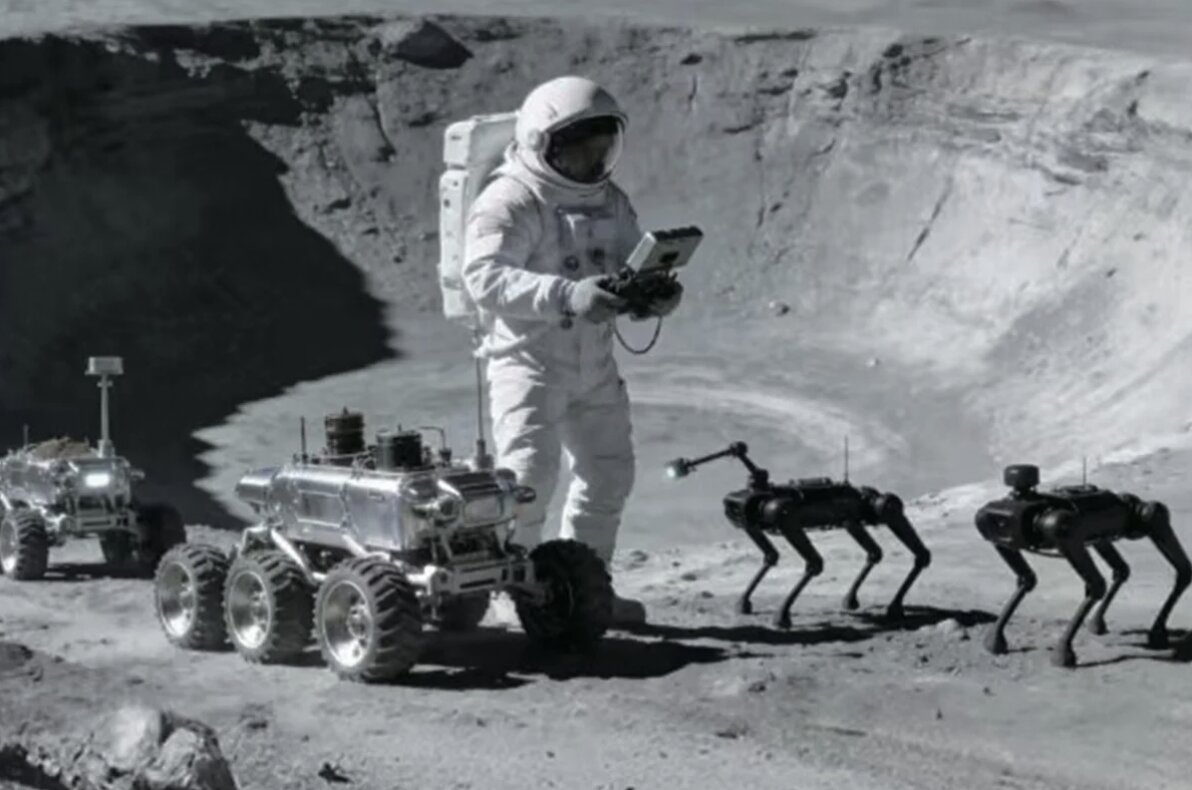
Pakistan sets 2035 Moon-landing target as space cooperation with China expands
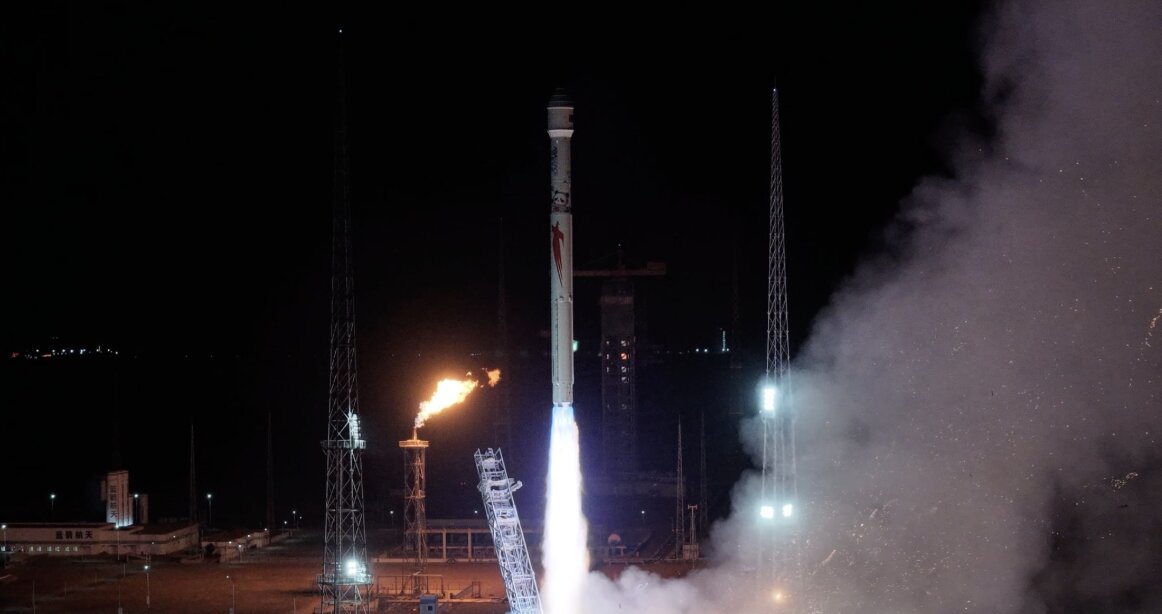
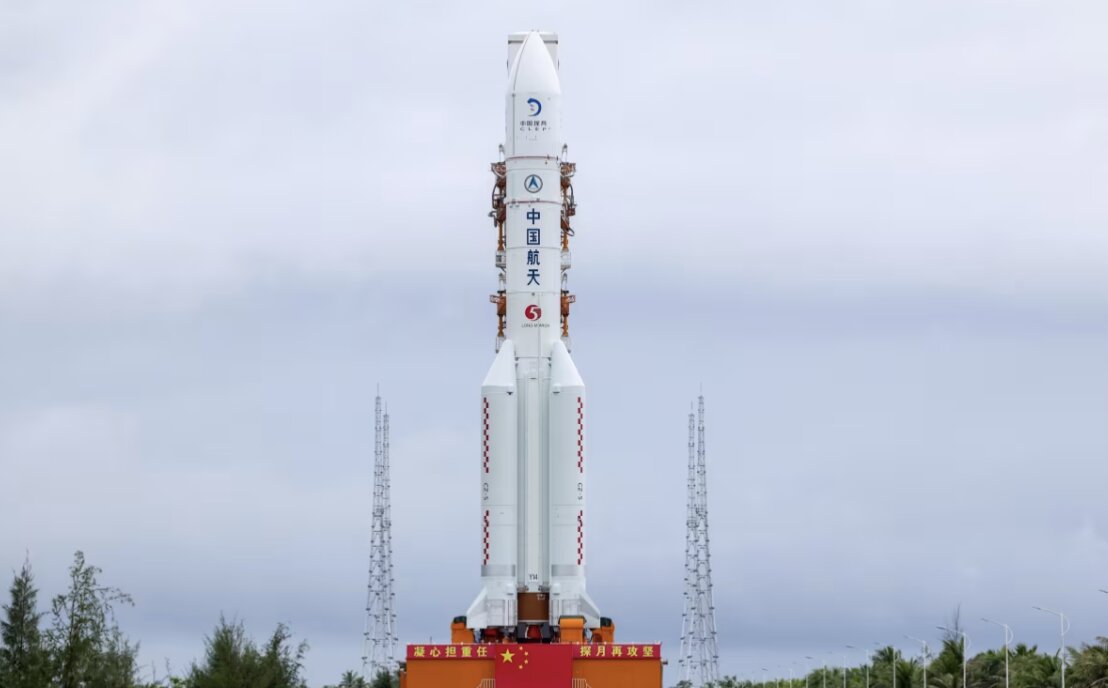
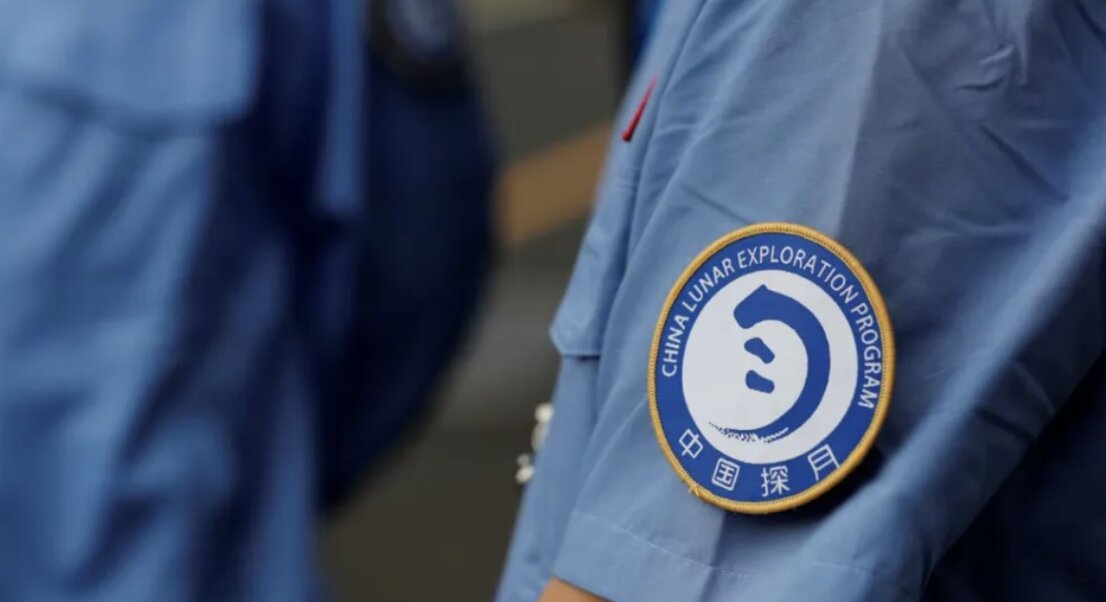
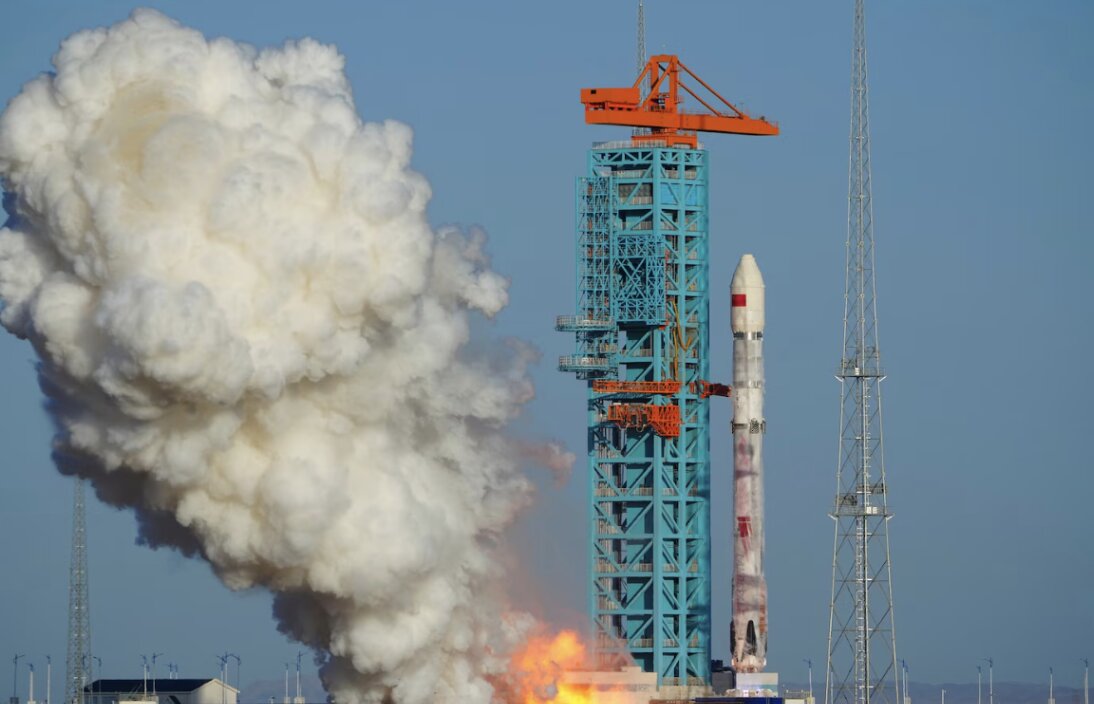
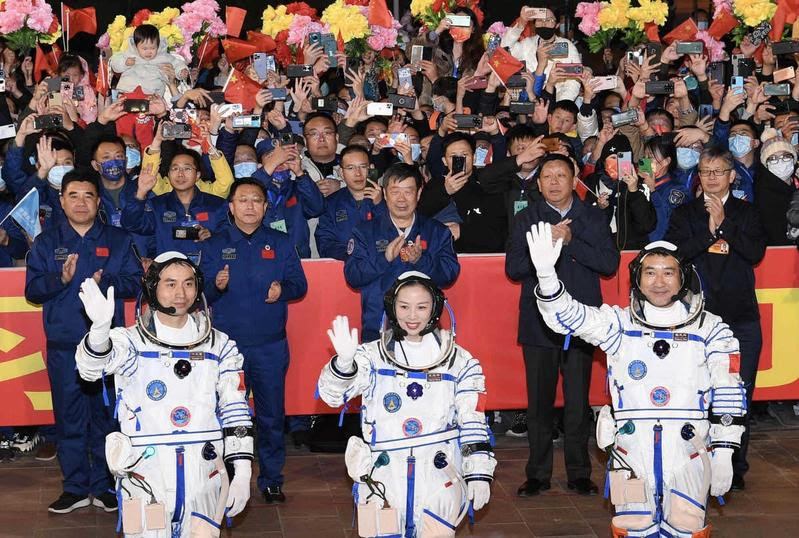
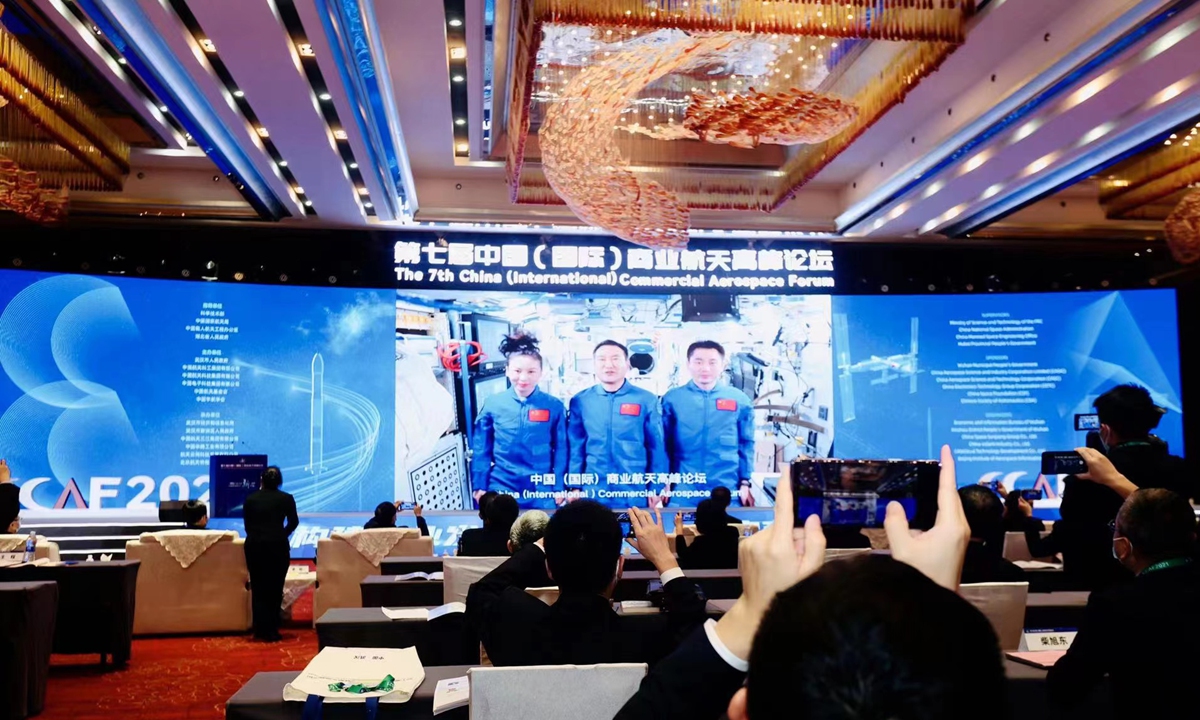
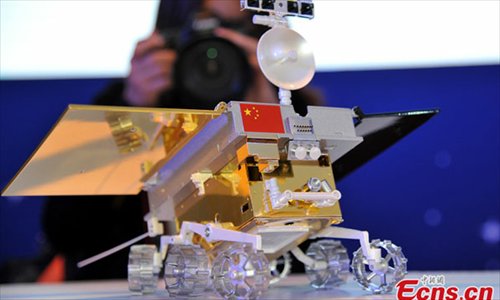
On 18 October, The Times of India reported that Pakistan had announced an ambition to land on the Moon by 2035, alongside plans to expand its space programme through cooperation with China. Planning Minister Ahsan Iqbal announced the target at the conclusion of World Space Week 2026 in Narowal, Punjab. He also said Pakistan's first astronaut would travel to space from China on 25 November 2026, marking a further step in bilateral space cooperation. Pakistan's Space and Upper Atmosphere Research Commission (SUPARCO) signed an agreement with the China Manned Space Agency in February 2025 to prepare a Pakistani astronaut for a mission aboard China's Tiangong space station. Two Pakistani candidates, Khurram Daud and Muhammad Zeeshan Ali, have been undergoing training in China. The selected astronaut is expected to serve as a payload specialist conducting scientific experiments during a mission lasting approximately one week. Cooperation also extends to lunar exploration. Pakistan is developing a lunar rover intended for China's Chang'e-8 mission, expected around 2028, with autonomous navigation capabilities using artificial intelligence. However, the report distinguishes this collaboration from Pakistan's longer-term Moon-landing ambition: it notes that no official commitment has been made to send a Pakistani astronaut to the Moon under the existing partnership. The developments illustrate China's role in providing space infrastructure, training and mission opportunities to a regional partner whose independent crewed-spaceflight capabilities remain limited.
(“Pakistan plans Moon landing by 2035, expands space cooperation with China,” The Times of India, 18 October 2026)
https://timesofindia.indiatimes.com/world/pakistan/pakistan-plans-moon-landing-by-2035-expands-space-cooperation-with-china/articleshow/135030473.cms
CHINA AND THE MIDDLE EAST
Chinese firm to expand into Qatar’s tunnel sector despite the Iran war
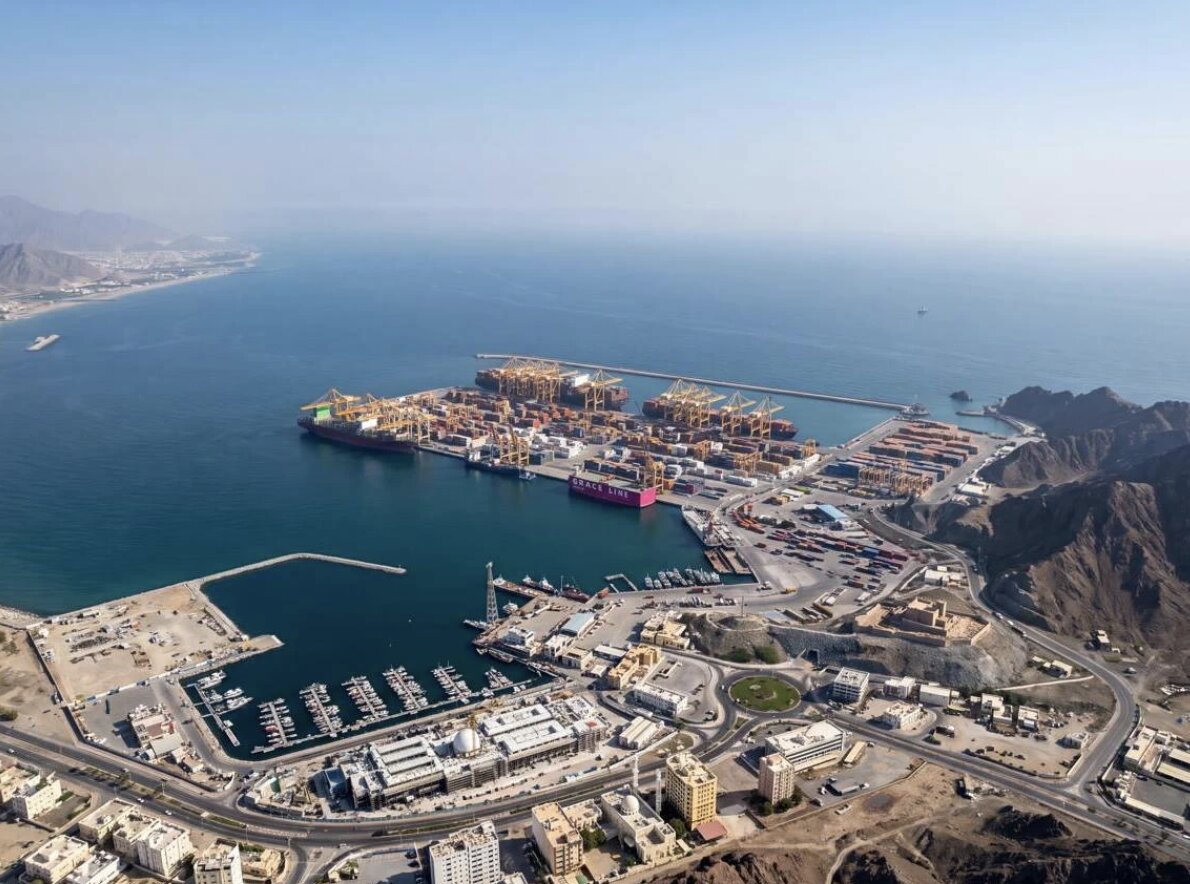
On 18 October, SCMP reported that China Railway Tunnel Group has signed an agreement with Advanced Pipes and Casts, a subsidiary of Qatar’s Aamal Company, to collaborate on tunnel projects and related supply chains in Qatar and the wider Middle East. The deal reflects China’s expanding global infrastructure footprint and could deepen Beijing’s economic ties with Gulf states. However, the ongoing war with Iran and broader regional instability create significant operational and investment risks. Despite these uncertainties, the partnership indicates China's willingness to pursue major infrastructure opportunities in strategically important Middle Eastern markets.
(“Risky business? Chinese firm agrees to build rail tunnels in Qatar amid Iran war,” SCMP, 18 October 2026)
https://www.scmp.com/economy/china-economy/article/3371195/risky-business-chinese-firm-agrees-build-rail-tunnels-qatar-amid-iran-war
CHINA AND RUSSIA
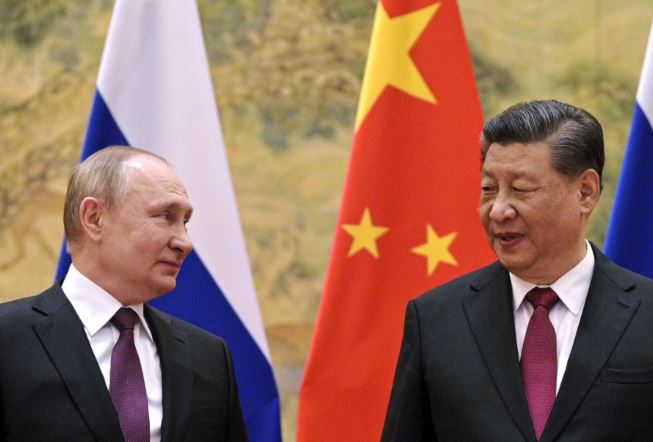
Beijing and Moscow to create alternative maritime network in Arctic; Plans to integrate Maritime Silk Road and Trans-Arctic Transport Corridor
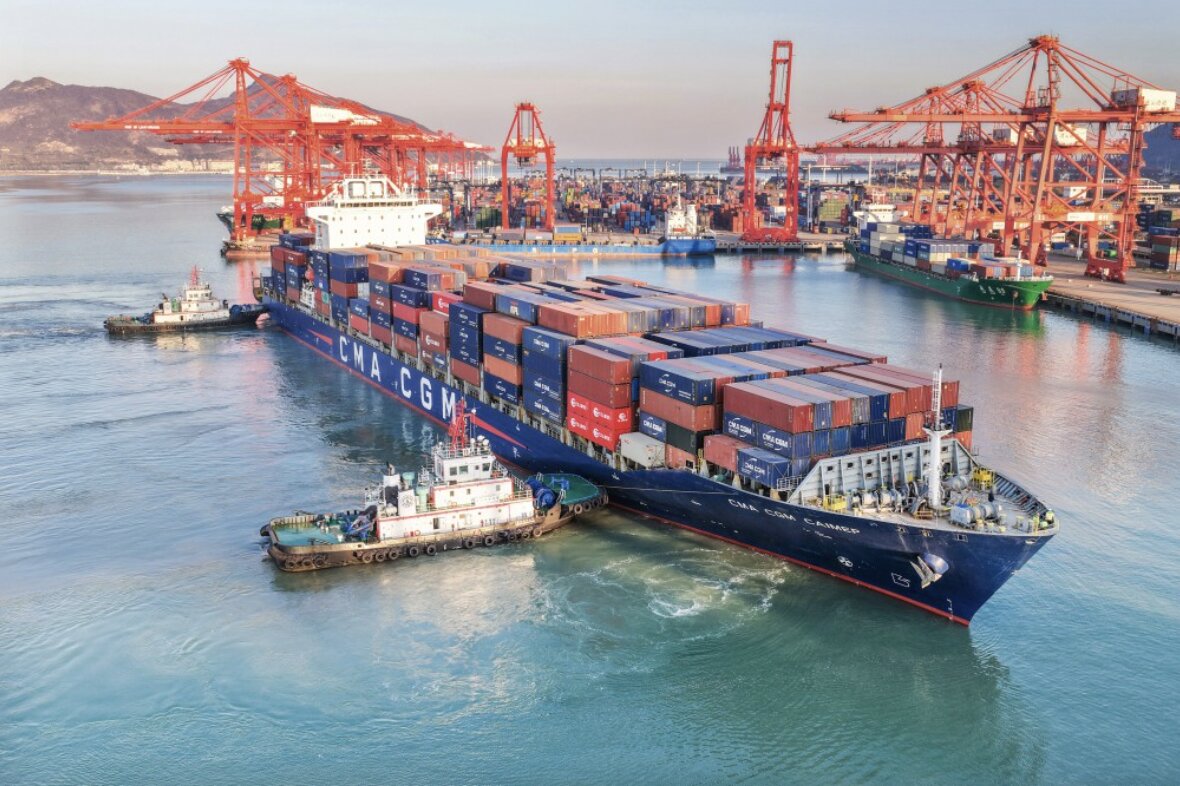
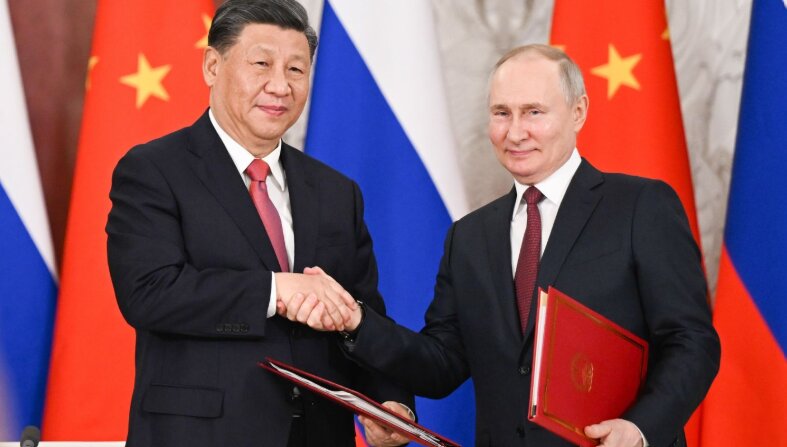
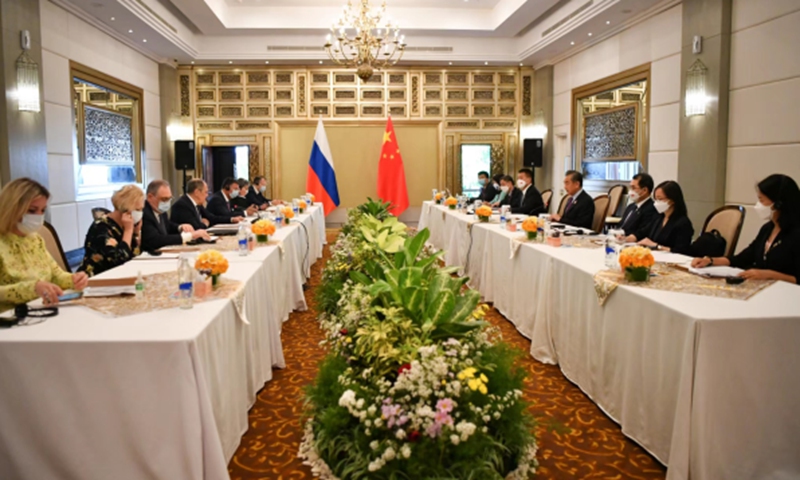
On 17 October, Asia Times reported that China and Russia are moving to integrate Beijing’s Maritime Silk Road with Moscow’s Trans-Arctic Transport Corridor, potentially creating an alternative maritime network which is less vulnerable to geopolitical disruption. Proposals include Chinese investment in Russian ports, direct container links, port automation, shipbuilding and joint maritime research. The Northern Sea Route could help China reduce dependence on chokepoints such as Malacca, Suez and Bab el-Mandeb, while providing Russia with Chinese capital, technology and shipping demand. Although Arctic transport remains constrained by ice, insurance costs and limited infrastructure, its strategic importance is growing. Deeper cooperation could produce infrastructure valuable both commercially and during geopolitical crises, raising concerns in the US, Japan and Taiwan. The news reports that the partnership illustrates how supply chain security is reshaping globalisation. China provides capital and technology while Russia supplies strategic geography, potentially creating a parallel maritime system alongside traditional Asia-Europe shipping routes.
(“China, Russia quietly moving toward a new Arctic axis,” Asia Times, 17 October 2026)
https://asiatimes.com/2026/10/china-russia-quietly-moving-toward-a-new-arctic-axis/
CHINA AND EUROPE
Opinion: Phillip Inman, “Why Britain should reject the lure of cheap – and scary – Chinese AI,” The Guardian, 17 October 2026
“We should be deeply concerned about embedding Beijing’s political restrictions into systems that businesses and public services rely on for information and decisions. The policy governing DeepSeek’s online chatbot says it collects prompts and uploaded material, processes and stores personal data in China, and permits disclosure to Chinese authorities. Michael Wooldridge, a professor of AI at the University of Oxford, says it is not unreasonable to assume data inputted into the chatbot could be shared with the Chinese state. The consequences for policymaking are profound. The UK should reject the lure of cheap Chinese AI and seek to better tame US AI while supporting domestic and EU suppliers."
https://www.theguardian.com/business/2026/oct/17/why-britain-should-reject-the-lure-of-cheap-and-scary-chinese-ai