Photo : Fox News


Photo : Fox News
In Brief
CHINA AND S&T
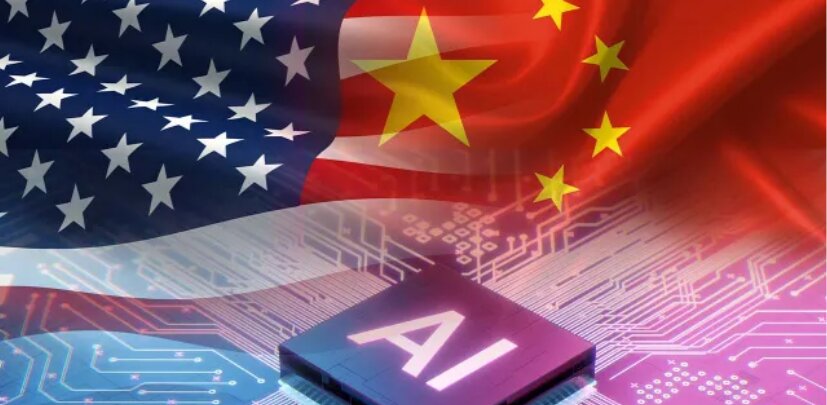
China proposes tighter controls on AI model exports
On 21 October, The New York Times reported that newly proposed draft export rules by China’s Ministry of Commerce and Ministry of Science and Technology would require licenses for the core technology in AI models. The proposal also prohibits exports of AI trained on what China defines as “core data” and of the systems that could be used to launch cyberattacks. The latest report stated that the rules reflect Beijing’s effort to manage national security risks while continuing to compete with the United States in AI. The proposed controls could affect leading models from companies such as Alibaba, Deepseek, Z.ai, and Moonshot AI. However, ministries said the draft would not apply to models that are already released, and overseas users would still be able to access models through apps and online services. The rules' scope and licensing process remain uncertain, raising questions about how they could affect future model releases and updates.
(“China Moves to Tighten its Grip over Exports of Top AI Models,” The New York Times, 21 October 2026)
https://www.nytimes.com/2026/10/21/world/asia/china-exports-ai-controls.html
China’s 100-channel detector could advance quantum networking
On October 22, SCMP reported that researchers have developed a 100-channel single-photon detector that could help overcome a key challenge in expanding quantum networks. The device detects single photons- the smallest units of light- across 100 channels simultaneously. Existing systems, according to the report, supported up to 32 channels. The detector uses superconducting nanowires and was designed to operate at very low temperatures. In tests, its channels recorded detection efficiencies of 80.1 per cent to 98.3 per cent, while dark-count rates remained below 300 per second. The researchers also used the platform to demonstrate a fully connected network distributing quantum entanglement among multiple users. The development could support faster, larger-scale quantum communication systems, where reliable photon detection across many channels is essential. The report stated that the work is a research demonstration; practical broadband quantum internet will require further advances in connecting and operating such systems at scale.
(“Could China’s 100-channel single-photon detector enable broadband quantum internet?,” SCMP, 22 October 2026)
https://www.scmp.com/news/china/science/article/3371729/could-chinas-100-channel-single-photon-detector-enable-broadband-quantum-internet?module=top_story&pgtype=subsection
More than half of South Korea’s AI models built on Chinese compute, reports The Tribune
On 21 October, The Tribune reported that more than half of AI models developed and released by South Korean developers used China-based Alibaba’s Qwen Large Language Model (LLM). Citing a study by Rockbridge Network Korea, the report stated that of the 1,845 AI models published by Korea-based developers, 49.3 per cent were based on Chinese foundational models, while US models accounted for 35.9 per cent and Korean models were at 14.9 per cent. The report also raises concerns over the efficacy of the government’s sovereign AI program, which has received over USD 151 million in support to develop indigenous alternatives to foreign models. The report also flagged security and data leakage concerns, and cautioned against over-dependence on a singular open-weight model.
(“Chinese AI powers half of Korea's new models: study,” The Tribune, 21 October 2026)
https://www.tribuneindia.com/news/business/chinese-ai-powers-half-of-koreas-new-models-study/amp/?utm=relatedarticles
China and Russia to deepen cooperation in AI and frontier technology
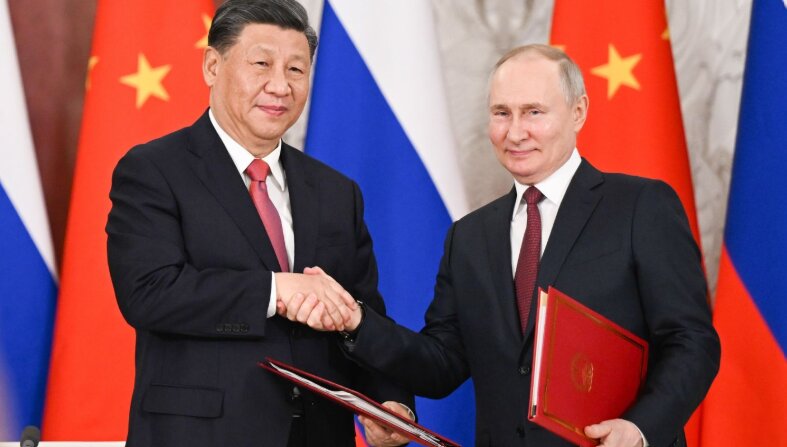
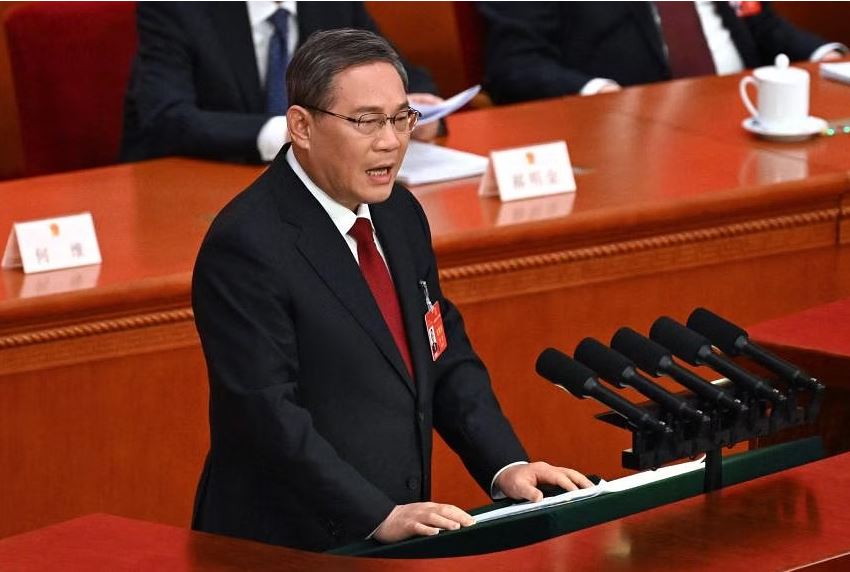
On 21 October, China Daily reported that China and Russia have agreed to deepen economic cooperation while developing new growth areas including artificial intelligence, biotechnology and the digital economy. During the 31st regular meeting between their heads of government in St Petersburg, China’s Premier Li Qiang and Russia’s Prime Minister Mikhail Mishustin pledged to strengthen collaboration in trade, investment, energy, connectivity, aerospace, finance and industry. Bilateral trade exceeded USD 185 billion during the first eight months of 2026, rising 28.4 per cent on a yearly basis. The two sides also signed cooperation documents, promoted educational and cultural exchanges, and committed to closer coordination in multilateral forums, reflecting their expanding strategic and economic partnership.
(“China, Russia eye ties in AI, other frontier sectors,” China Daily, 21 October 2026)
https://www.chinadaily.com.cn/a/202610/21/WS6ad8de83e4b06d4aa05640cc.html
DeepSeek raises USD 15 billion as US-China rivalry over AI intensifies
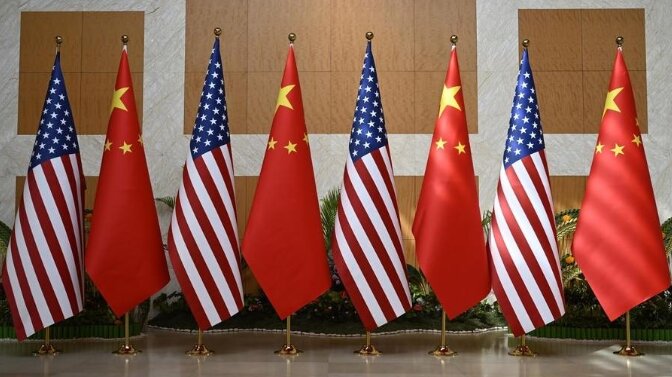
On 22 October, Reuters reported that China’s AI startup DeepSeek is emerging as a major challenger to US frontier laboratories even as Washington moves to restrict its government use, illustrating the increasingly geopolitical character of the artificial intelligence race. Reuters reports that DeepSeek is finalising a roughly CNY 100 billion (15 billion USD) funding round, doubling its original target, with major backing from Tencent, CATL and other Chinese companies. Its pre-investment valuation is reportedly CNY 500 billion, while the financing could support data centres, model development and an eventual IPO. On 21 October, NBC reported Beijing argues that Washington is politicising technology, violating recent understandings of the Xi-Trump summit and unfairly suppressing Chinese companies, while warning that it may take countermeasures. DeepSeek therefore represents two simultaneous trends. China’s growing capacity to finance globally competitive AI and intensifying US-China conflict over data, technological leadership and national security. On 20 October, The Guardian reported that Washington is increasingly treating DeepSeek as a national security concern. The Guardian’s central warning, quoting US authorities, is that its models “present multiple threat vectors,” particularly because government use could expose sensitive data to China. Federal civilian agencies must therefore remove DeepSeek products and third-party services built on its technology. (“DeepSeek wrapping up $15 billion fundraising to fuel AI race,” Reuters, 22 October 2026; “China defends DeepSeek after U.S. ban of its AI from government systems,” NBC News, 21 October 2026; “US bans use of China’s DeepSeek AI tools by government agencies,” The Guardian, 20 October 2026)
https://www.reuters.com/world/asia-pacific/deepseek-raises-15-billion-challenge-leading-us-labs-bloomberg-news-reports-2026-10-22/
https://www.nbcnews.com/world/asia/china-defends-deepseek-us-ban-ai-government-systems-rcna604721
https://www.theguardian.com/us-news/2026/oct/20/us-bans-china-deepseek-ai-tools-government-agencies
INTERNAL
China invests in manufactured water; Leads in desalination technology
On 22 October, Reuters reported that China was emerging as a major supplier of water technology to parched countries across Asia, the Middle East and Africa, as shrinking natural supplies at home push Beijing to invest heavily in manufactured freshwater. Chinese firms are selling desalination membranes, filtration equipment and engineering services to Egypt, Saudi Arabia and the UAE, often through the Belt and Road Initiative, with exports of water filtering machinery exceeding USD 02 billion in 2025, up 25 per cent from 2020. At home, spending on water conservancy now exceeds CNY 1.2 trillion a year, while China Water Risk warned that "peak water" could arrive by 2050 across ten major river systems. China operated 167 seawater desalination projects at the end of 2025, with total capacity of about 3.08 million tonnes a day. Saudi developer Acwa, which buys roughly 70 per cent of its global water equipment from Chinese suppliers, has pledged to invest up to USD 30 billion in China by 2030.
("China bets on manufactured water, and wants to sell it to the world," Reuters, 22 October 2026)
https://share.google/RBCF7CiNva04RCiTG
CHINA AND POLAR REGIONS
China unveils domestically developed polar icebreaking propulsor
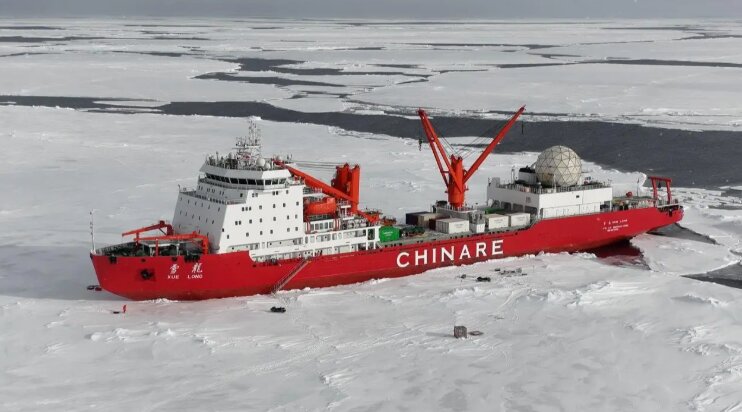
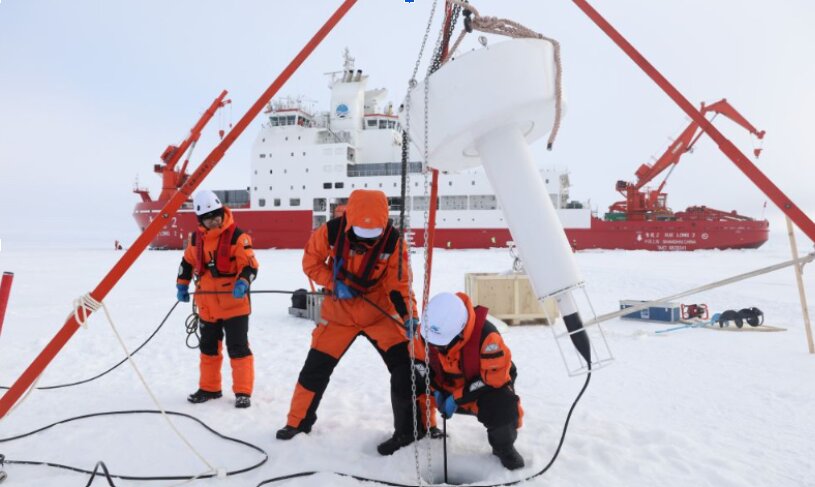
On 20 October, Global Times reported that China’s domestically developed high-power podded propulsor, developed by Powermaster Marine, is expected to arrive at a European shipyard in late November, be installed on a vessel in February 2027, undergo shipboard testing in June, and be ready for delivery between August and October. Podded propulsors must withstand repeated impacts from ice and the harsh effects of extremely low temperatures. This places exceptionally high demands on structural strength, stable power output, and long-term reliability. The testing included 18 rigorous checks, including trials at 150 per cent overload and 120 per cent overspeed. Zhou Hao, general manager of Powermaster Marine, said the propulsor can operate at 160 per cent of its rated torque under ice-breaking conditions and break through ice up to 2.1 meters thick, including 20 centimetres of snow cover. Developing polar capabilities is a key part of China’s efforts to become a strong maritime nation. The achievement makes China one of the few countries capable of developing high-power podded propulsion systems for actual use on polar icebreaking vessels. The project also marks progress in Beijing’s efforts to address the country’s long-standing reliance on imports for high-power podded propulsion systems for polar icebreakers.
(“China unveils first domestically developed 10-megawatt polar icebreaking propulsor,” Global Times, 20 October 2026)
https://www.globaltimes.cn/page/202610/1372651.shtml
ENERGY AND ENVIRONMENT
Ministry reports USD 29.9 billion worth of disaster losses as fatalities rise in 2026
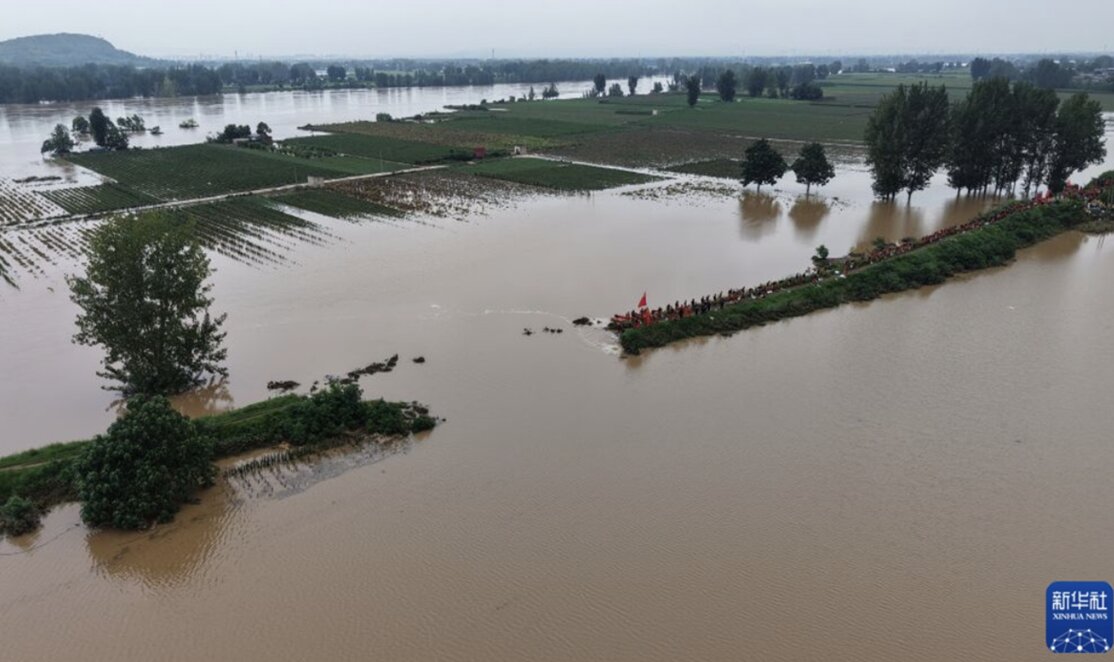
On 22 October, Reuters reported that China suffered USD 29.9 billion in direct economic losses from natural disasters in the first nine months of 2026, according to the Ministry of Emergency Management. This marked an 8 per cent decrease compared to the same period last year, while disaster-related fatalities and missing persons rose to 1,162, up from 742 a year earlier. Severe weather forced over 5 million people to relocate or seek emergency shelter. A total of 26 typhoons formed, with 7 making landfall, and both these figures exceed historical averages. Landslides and mudslides caused 60 per cent of all fatalities, heavily impacting southwestern and southern China. This included 562 casualties from August flash floods along the Nepal-Tibet border. Repeated typhoon landfalls hit eastern coastal provinces the hardest, making typhoons the primary cause of financial damage.
(“China's natural disaster losses hit $30 billion in first nine months of 2026,” Reuters, 22 October 2026)
https://www.reuters.com/business/environment/china-reports-30-billion-natural-disaster-losses-first-9-months-2026-10-22/
China wants COP31 to confront clean tech tariffs as a “new problem"
On 21 October, Reuters reported that China’s Ministry of Ecology and Environment Vice Minister stated that upcoming COP31 should address what it called a "new problem" for global climate action: tariffs and protectionism targeting its clean technology. Vice Minister stated that the conference should also discuss the "old problems" of developed countries' insufficient emission cuts and financial support, as well as a roadmap for the pledge to mobilise USD 300 billion a year in climate finance for developing nations. He added that China would give a "firm response" to smears or attacks against it and called for discussion of the free flow of green technology. The United States has imposed steep tariffs on Chinese solar products and electric cars, while the European Union has taxed autos, restricted some solar components, and is investigating a major Chinese wind company. Asked about Turkey's push for a global electrification agreement, he stated that the objective aligned with Chinese policy but stopped short of explicitly backing it.
("China signals intent to push back against cleantech tariffs at COP31," Reuters, 21 October 2026)
https://share.google/ZuE9fqSlynQDwKvNo
China launches world’s first wind-powered offshore hydrogen production platform
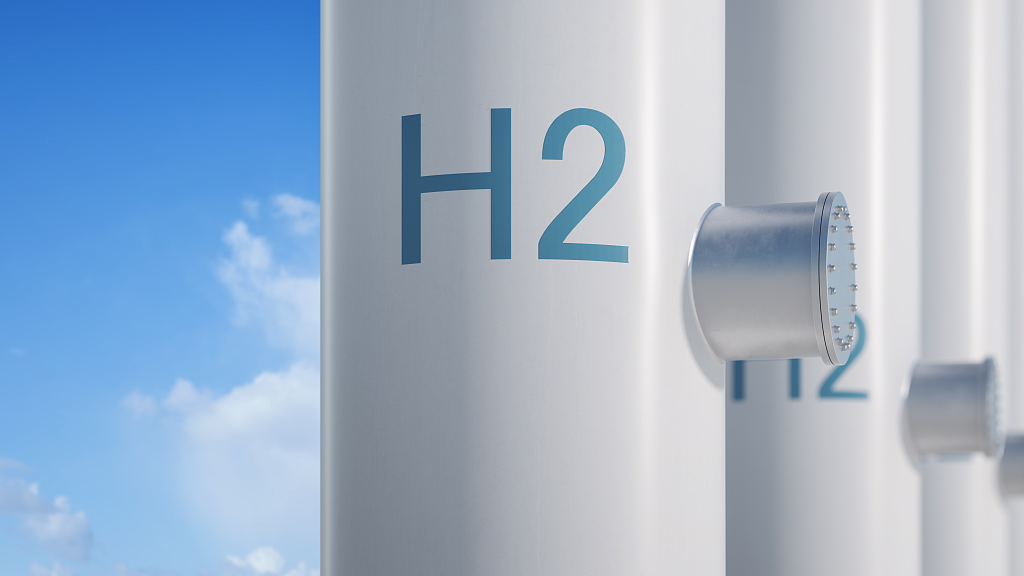
On 21 October, Renewables Now reported that China International Marine Containers (CIMC) Raffles launched the Shenhai Hydrogen Energy No. 1 in Jiangmen, Guangdong. It is the world’s first semi-submersible platform that combines offshore wind power with green hydrogen production. Designed for shallow waters and harsh sea conditions, it includes a large-scale proton exchange membrane electrolyser (a device that splits water into hydrogen and oxygen using electricity), three hydrogen storage tanks, grid and off-grid power options, and remote monitoring for unattended use. Before the scheduled deployment in the South China Sea, it is finishing its onshore tests. It is also China’s first offshore project to pass both classification and statutory inspections from the China Classification Society. The project’s larger aim is to help CIMC move from traditional oil and gas equipment into marine green energy.
(“China launches semi-submersible offshore wind-to-hydrogen platform,” Renewables Now, 21 October 2026)
https://renewablesnow.com/news/china-launches-semi-submersible-offshore-wind-to-hydrogen-platform-1303372/
NUCLEAR
China reveals advanced nuclear submarines in Pacific test
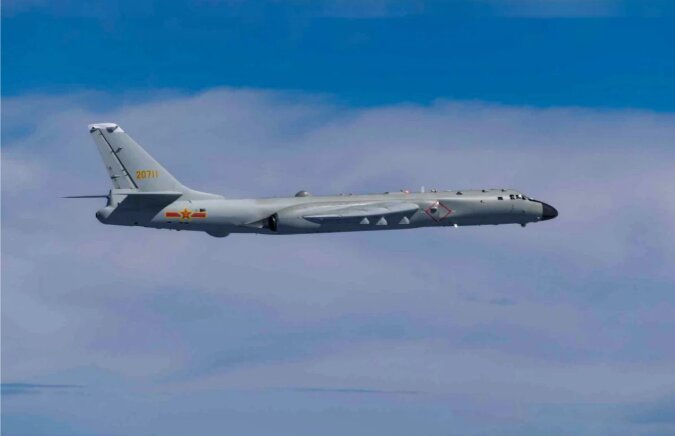
On 21 October, The Times of India reported that China revealed its most advanced nuclear-powered submarines were used to test-fire a strategic missile in the Pacific. Xinhua said the third generation of China’s Changzheng-series nuclear submarine completed a test launch of a submarine-launched strategic missile. While the People’s Liberation Army has not released any details regarding the type of submarine or missile launched in the test, analysts have speculated that the missile was fired from a Type 094 Jin-class ballistic missile submarine. Beijing’s statement points to the deployment of an advanced submarine class. China has rapidly expanded its nuclear-powered submarine fleet, combining new vessel construction with longer-range submarine-launched missiles to enhance its power projection capabilities across the Indo-Pacific. The expansion spans two distinct capabilities: ballistic missile submarines, which underpin China’s sea-based nuclear deterrent, and attack submarines deployed to target enemy vessels and expand naval operations beyond China’s coastal waters. The Type 094 Jin-class, which powers China’s ballistic missile submarine force, carries up to twelve submarine-launched ballistic missiles. Under longer-range submarine-launched ballistic missiles, China has replaced the JL-2 with a range of 7200 kilometres, with the JL-3 designed to extend the reach of its sea-based nuclear force. China is expanding its nuclear-powered attack submarine force. The Type 093B Shang III class is assessed to carry vertical-launch cells for guided missiles, expanding the Chinese navy’s options for attacking surface ships and striking ships at long ranges.
(“In rare disclosure, China reveals advanced nuclear subs in Pacific test; a look inside its submarine fleet,” Times of India, 21 October 2026)
https://timesofindia.indiatimes.com/defence/international/in-rare-disclosure-china-reveals-advanced-nuclear-subs-in-pacific-test-a-look-inside-its-submarine-fleet/amp_articleshow/135090609.cms
CHINA AND TAIWAN
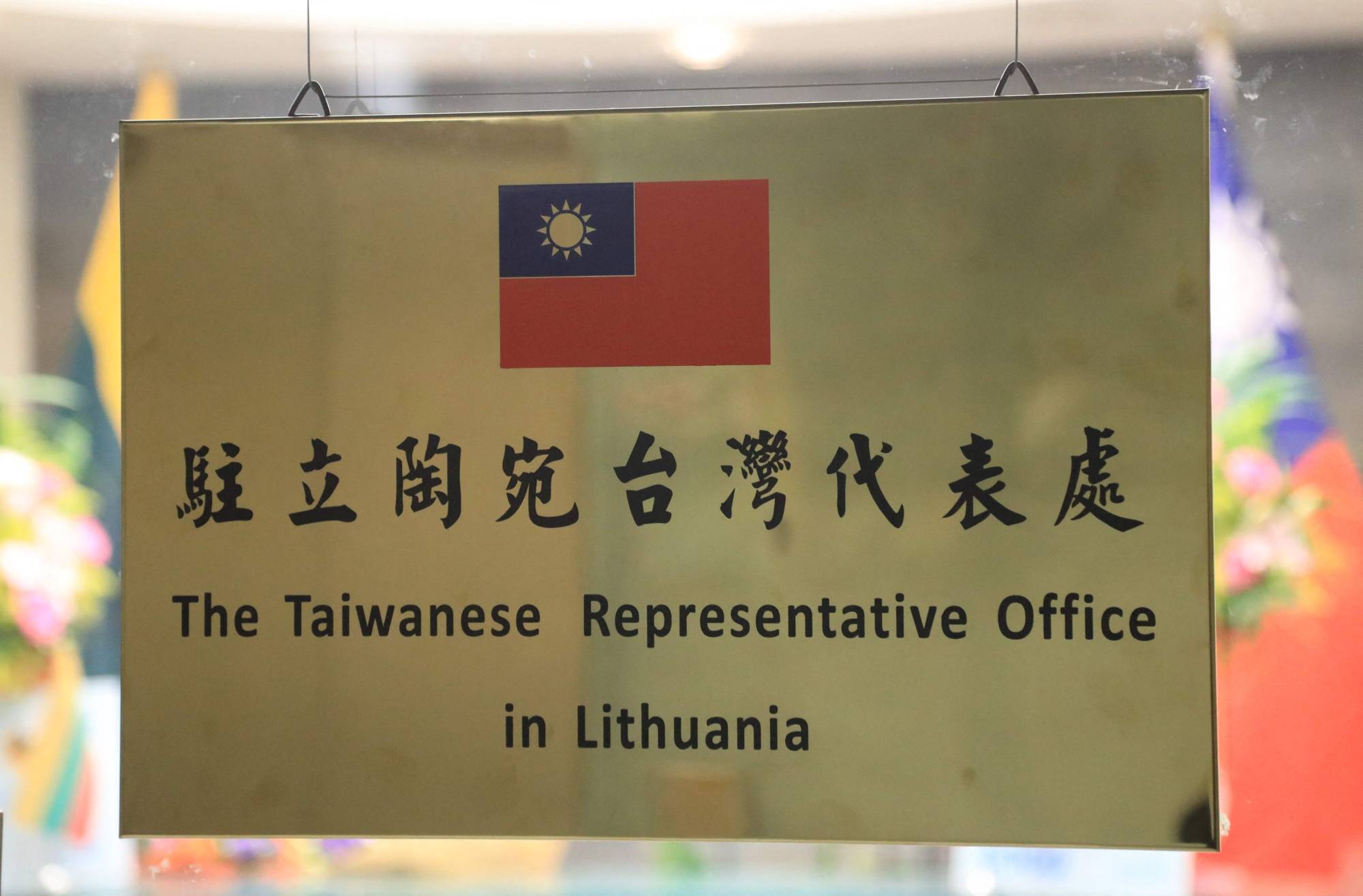
Taipei investigates organised crimes linked to Beijing’s transnational repression
On 22 October, Reuters reported that Taiwan is probing organised crime’s links to Chinese efforts to carry out transnational repression after Taipei’s government said that Beijing was behind an attack on a comedian who mocked President Xi Jinping. Taiwan has complained that Beijing is using underhanded methods to go after Taiwanese who the Chinese government views as separatists or are otherwise politically suspect. Taiwan National Security Bureau Director-General Tsai Ming-yen said that local networks cooperating in such incidents are linked to criminal gangs or private investigation firms linked to organised crime.
“Taiwan probes organised crime links to China’s transnational repression,” Reuters, 22 October 2026
https://www.reuters.com/world/china/taiwan-probes-organised-crime-links-chinas-transnational-repression-2026-10-22/
CHINA AND EAST ASIA
China shuts three Tibetan schools raising concerns over forced assimilation reports, The Tribune
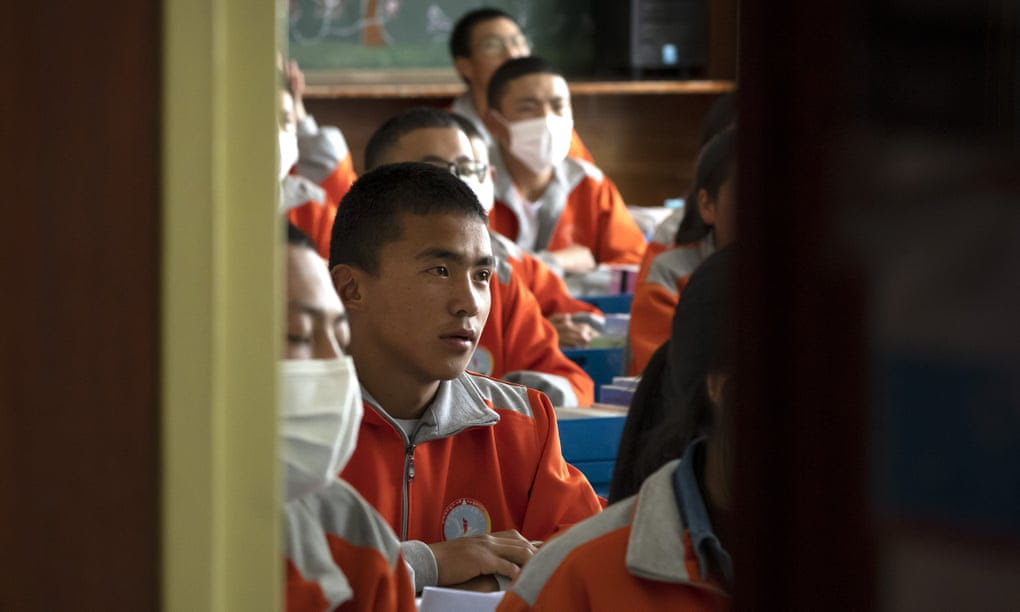
On 20 October, The Tribune reported that China closed down three privately-run Tibetan schools in the Golog Tibetan Autonomous Prefecture. The Central Tibetan Administration (CTA), the government-in-exile of the erstwhile independent Tibet, raised concerns over the region’s linguistic and cultural identity. In a report produced by the CTA, citing sources in the region, it alleged that the closures were part of the Chinese government’s drive to place Tibetan children into state-run institutions, where Mandarin is the primary mode of instruction. Chinese authorities closed down the Golog Tadrak Orphan School in Tabo village, the Ra-Gya Jigme Gyaltsen Grassland Girls’ School and the Jasak village school. The CTA also listed several other Tibetan-medium school closures over the past several years, and stated that these amount to the violation of the linguistic and cultural rights of Tibetan children.
(“China shuts three Tibetan schools in Golog, raising assimilation concerns,” The Tribune, 20 October 2026)
https://www.tribuneindia.com/news/world/china-shuts-three-tibetan-schools-in-golog-raising-assimilation-concerns/amp
Editorial
“Africa’s rare earth deposits offer hope as China’s export curbs leave Japan facing a critical shortage of a jet-engine mineral,” Business Insider Africa, 21 October 2026
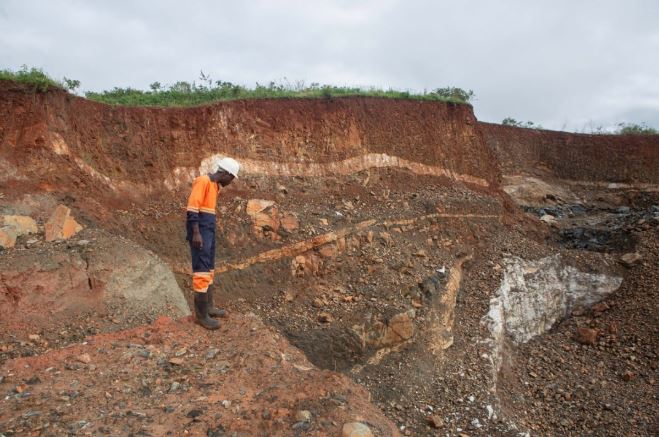
“According to the Financial Times, Japanese officials have asked the United States to help persuade China to ease its rare earth export curbs as manufacturers face dwindling supplies. Yttrium is used in specialised industrial applications, including heat-resistant coatings for jet-engine components, electronics and semiconductor manufacturing equipment. Africa’s rare-earth deposits could offer an alternative source over time, but their impact will depend on projects reaching commercial production and developing processing capacity. South Africa offers another point of comparison. Its Phalaborwa project aims to recover rare earths from phosphate-industry waste, with reported yttrium oxide representing about 2.3% of total rare-earth oxides in the relevant concentrate. Tanzania’s Ngualla deposit is also among Africa’s major rare-earth projects. However, its overall rare-earth resource should not be treated as proof of a large, commercially recoverable yttrium supply without a project-specific breakdown. For Japan, these projects represent potential longer-term alternatives rather than an immediate replacement for Chinese supplies. Producing usable yttrium requires more than extracting ore: companies must establish commercially viable recovery processes, build processing capacity and qualify products for industrial customers.”
CHINA AND SOUTHEAST ASIA
China says it allowed the Philippines to resupply a warship amid the dispute
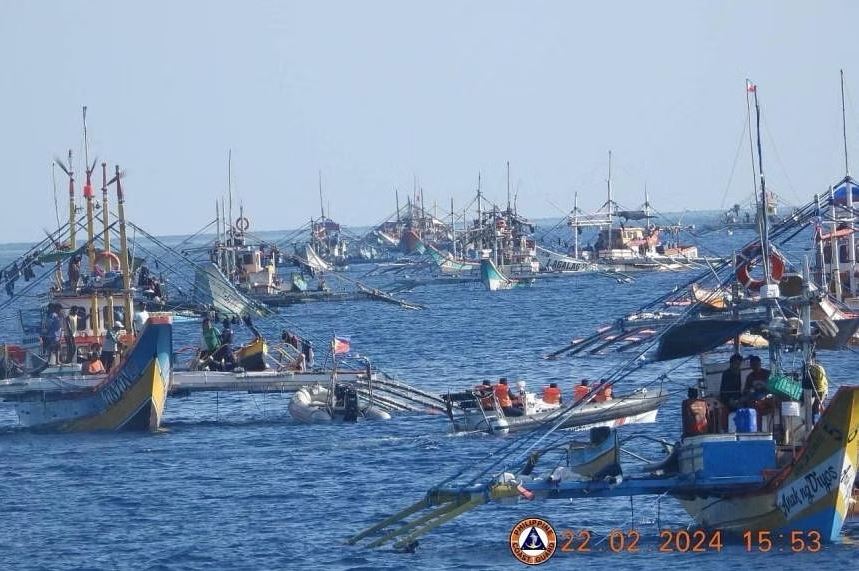
On 22 October, SCMP reported that China had informed it allowed the Philippines to resupply one of its grounded warships. The China Coast Guard (CCG) issued a statement that the Philippines delivered necessities to its warship BRP Sierra Madre, which was grounded at the Second Thomas Shoal, with permission from Beijing. CCG spokesperson Jiang Lue said that they had undertaken confirmation checks and maintained complete supervision over the course of the operation. The latest development comes amidst a period of heightened tensions between China and the Philippines. Chinese Ambassador to the Philippines, Jing Quan, sparked a controversy last week with his remarks that Beijing could “easily win” a war with the Philippines. Jing was summoned by Philippine Foreign Secretary Theresa Lazaro over his “provocative and unacceptable” language. The ambassador later issued a statement that he was advocating for peace between the two countries rather than issuing a threat. There have also been escalating tensions over the disputed South China Sea reefs between the two countries. (“China says it allowed Philippines to resupply warship amid diplomatic tensions,” SCMP, 22 October 2026)
https://www.scmp.com/news/china/diplomacy/article/3371693/china-says-it-allowed-philippines-resupply-warship-amid-diplomatic-tensions
Philippines defence secretary states Chinese actions are a threat to Southeast Asian states
On 20 October, Palawan News reported that the Philippines Defence Secretary Gilberto Teodoro Jr. said that Chinese military belligerence was a threat to Southeast Asian states. Teodoro said that it was not just the Philippines, but also Vietnam, Brunei and Malaysia, alongside Japan, that faced a threat from aggressive military actions by Beijing. He further stated that Manila was focused on bolstering its deterrence capabilities, while working alongside its allies. The defence secretary also refuted claims by the Chinese ambassador that the Philippines was responsible for provoking tensions in the region. Additionally, he reiterated support for the UN Convention on the Law of the Sea (UNCLOS) and the UN Charter.
(“Teodoro: China’s aggressive actions also threaten Vietnam, Malaysia and Brunei,” Palawan News, 20 October 2026)
https://palawan-news.com/teodoro-chinas-aggressive-actions-also-threaten-vietnam-malaysia-and-brunei/
Chinese embassy alerts citizens over kidnapping and job scams in Thailand
On 17 October, SCMP reported that the Chinese embassy in Thailand had warned Chinese citizens over travelling to Thailand amidst concerns over kidnapping and trafficking schemes targeting them. The embassy encouraged citizens in Thailand to be cautious of transport arranged by others, and take rides from only licenced transport and legal regulators instead of free rides. Individuals were further advised to deny changes to travel routes or venues, and ensure their families stayed informed of their location. The notice comes amidst mounting concern over kidnapping incidents targeting Chinese online celebrities and travellers, who are later trafficked to Myanmar. The most prominent case involved Chinese actor Wang Xing, who went to Thailand with the promise of a film project, and was then moved to a scam compound in Myanmar. There were other cases as well involving Chinese nationals who went missing in Thailand and were caught up in trafficking attempts. While all the individuals reportedly returned to China with the assistance of the Chinese embassy, the incidents have affected Chinese tourism to Thailand. Around 7 million Chinese tourists were expected to visit Thailand this year, a reduction from an estimate of 9 million. (“China’s embassy issues fresh Thailand travel alert over kidnappings, job scams,” South China Morning Post, 17 October 2026)
https://www.scmp.com/news/china/diplomacy/article/3371266/chinas-embassy-issues-fresh-thailand-travel-warning-over-kidnappings-job-scams
CHINA AND SOUTH ASIA
China Exim Bank and Invest Bangladesh seek greater Chinese banking presence
On 20 October, The Business Standard (TBS) reported that Invest Bangladesh and the Export-Import Bank of China (China Exim Bank) had called for Chinese banks to establish local operations in Bangladesh to support expanding bilateral trade and investment. The initiative was discussed at a “Bangladesh Day” event held at China Exim Bank’s headquarters in Beijing, bringing together representatives from 11 Chinese financial institutions and 26 companies across infrastructure, energy, electronics, information technology and agricultural technology. Invest Bangladesh Chairman Ashik Chowdhury said Chinese companies investing in Bangladesh needed trade finance, equipment financing, working capital and long-term investment support. A joint presentation by Bangladesh Bank and Invest Bangladesh noted that bilateral trade reached USD 19 billion in fiscal year 2024–25, despite the absence of a Chinese bank operating locally in Bangladesh. Participants discussed investment opportunities in priority sectors, including the Chinese Economic and Industrial Zone and the Mongla Economic Zone. China Exim Bank Vice President Wang Kang said the bank was involved in nearly 40 projects in Bangladesh spanning infrastructure, energy, agriculture, processing and manufacturing. The initiative signals an effort to complement existing trade relations with stronger financial links. A local Chinese banking presence could help facilitate transactions and financing for businesses, although the event itself did not establish that any bank had committed to opening a branch.
(“Invest Bangladesh, China Exim Bank seek Chinese banks' entry into Bangladesh,” The Business Standard, 20 October 2026)
https://www.tbsnews.net/economy/banking/china-exim-bank-invest-bangladesh-seek-attract-chinese-banks-trade-reaches-19bn-fy25
China announces export controls on tunnel-boring machines sought by India
On 19 October, The Hindu reported that China had announced export controls on tunnel-boring machines (TBMs) and related equipment, citing national security and non-proliferation obligations. The restrictions are scheduled to take effect on 18 November 2026. China's Ministry of Commerce said the controlled equipment had both civilian and military applications and that the measures were intended to safeguard national security and interests while fulfilling international obligations. The announcement comes amid existing difficulties faced by Indian infrastructure projects in obtaining Chinese-made TBMs. India relies on imported machinery for metro networks, railway corridors and major tunnelling projects, including infrastructure in border regions. Delays in customs clearance for TBMs sourced from China had reportedly emerged as an issue in 2024. The new licensing requirements could add another layer of uncertainty for Indian buyers, depending on how applications are handled after the controls take effect. The decision also forms part of a wider series of Chinese export-control measures covering selected dual-use technologies and equipment. The immediate impact on India will depend on the scope of the controls, licensing decisions and the availability of alternative suppliers. For India, the development highlights the infrastructure risks associated with dependence on imported specialised machinery. It also raises the importance of diversifying supply sources and strengthening domestic capabilities in critical engineering equipment.
(“China imposes export controls on tunnel-boring machines sought by India, citing ‘national security’,” The Hindu, 19 October 2026)
https://www.thehindu.com/news/international/china-imposes-export-controls-on-tunnel-boring-machines-sought-by-india-citing-national-security/article70200000.ece
China Merchants withdraws from Colombo port logistics hub investment
On 19 October, The Hindu reported that state-owned China Merchants Port Holdings had withdrawn from a proposed USD 392 million joint venture to develop the South Asia Commercial and Logistics Hub (SACLH) at the Port of Colombo. The project was announced in 2023 and was intended to establish a major logistics facility at one of the Indian Ocean’s important maritime hubs. Under the original arrangement, China Merchants was to hold a 70 per cent stake, while the Sri Lanka Ports Authority (SLPA) and a Sri Lankan private construction company would each hold 15 per cent. The SLPA said the decision followed an assessment of prevailing external circumstances, commercial considerations and the interests of the shareholders. China Merchants also referred to changes in the project’s implementation environment and timetable. The authority has indicated that it will pursue an alternative strategy to establish a logistics hub through a public-private partnership (PPP) and competitive bidding. The proposed investment had been presented in 2023 as a significant source of foreign investment following Sri Lanka’s 2022 sovereign debt default. The withdrawal does not mean China is ending its wider port involvement in Sri Lanka. China Merchants retains an 85 per cent stake in the Colombo International Container Terminal and is involved in the management of Hambantota Port. Nevertheless, the decision removes one planned logistics investment from Colombo’s development pipeline. Sri Lanka’s move towards competitive bidding will determine how the replacement project is structured and which investors participate.
(“China pulls out of key investment in Sri Lanka port logistics venture,” The Hindu, 19 October 2026)
https://hindmedia.in/china-pulls-out-of-key-investment-in-sri-lanka-port-logistics-venture
CHINA AND AFRICA
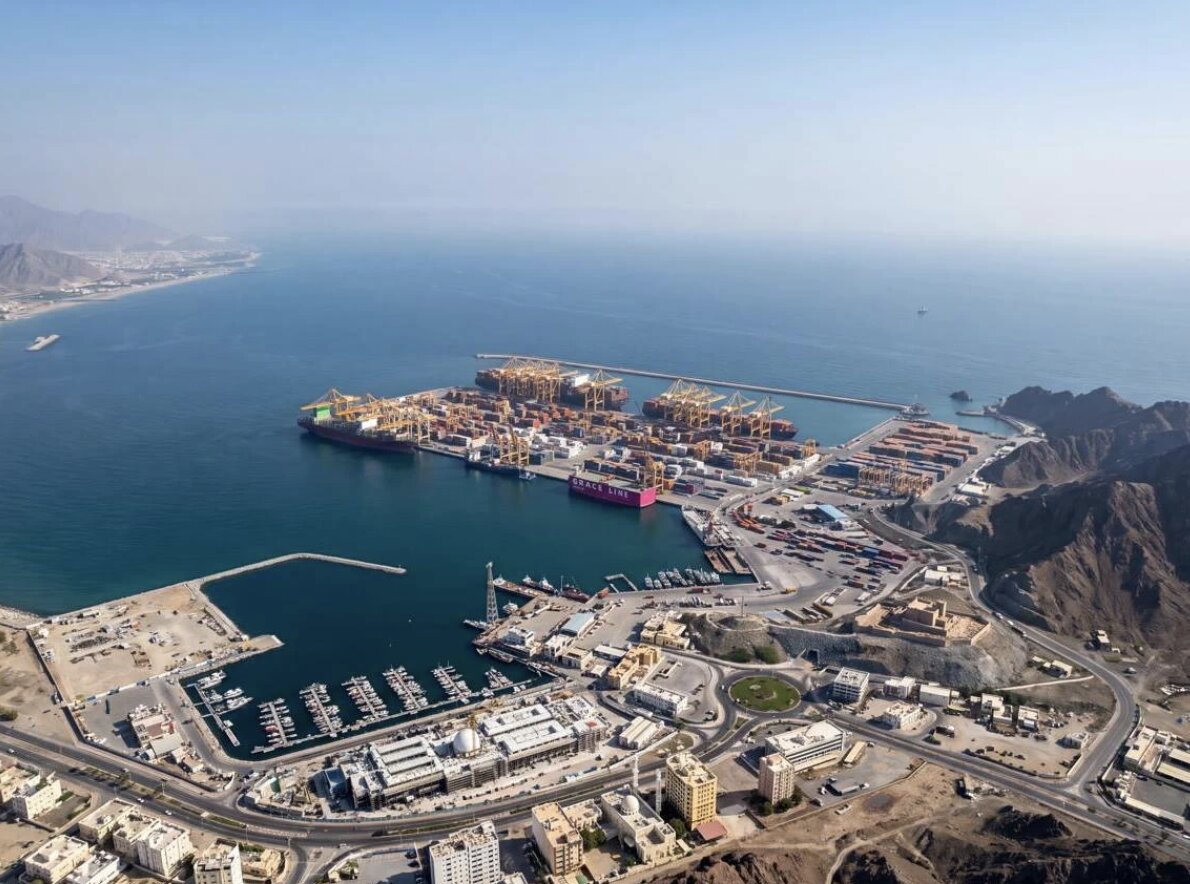
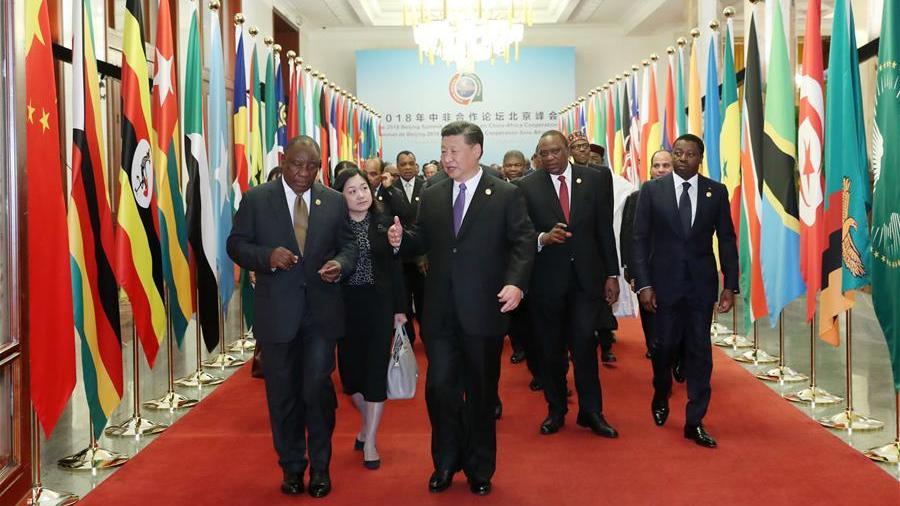
China and Djibouti call for freedom of navigation in the Red Sea
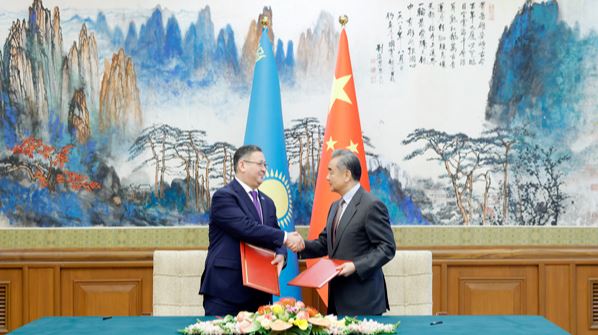
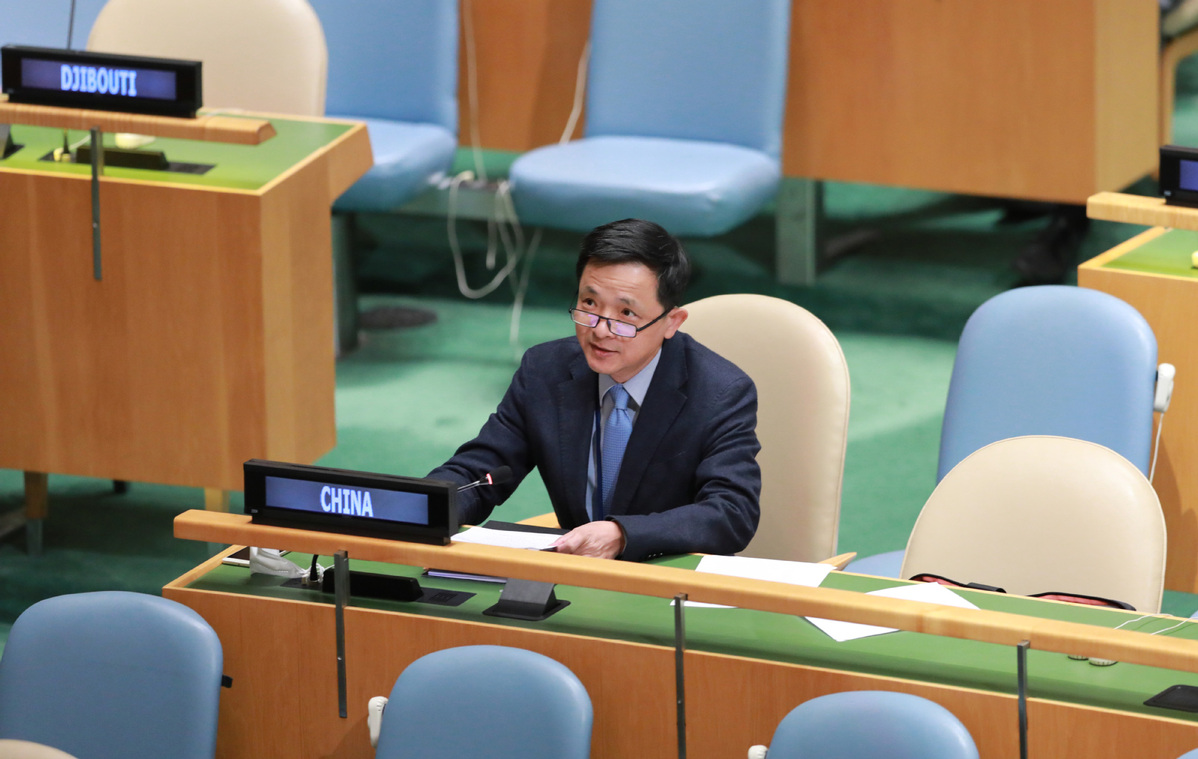
On 22 October, Arab News reported that China and Djibouti have called for the protection of freedom of navigation in the Red Sea and Bab Al-Mandeb Strait amid worsening regional tensions linked to the Yemen conflict. Following talks between their foreign ministers in Beijing, both countries stressed that merchant vessels must be allowed to navigate in accordance with international law. They also argued that Red Sea security arrangements should respect the sovereignty and preferences of littoral states. While supporting regional efforts to safeguard shipping routes, Beijing and Djibouti cautioned external powers against military intervention and unilateral sanctions that could deepen instability and expand the conflict.
(“China, Djibouti say all countries should enjoy freedom of navigation in Red Sea,” Arab News, 22 October 2026)
https://www.chinadaily.com.cn/a/202610/20/WS6ad76435e4b06d4aa0563d30.html
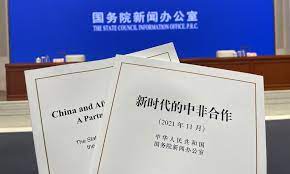
China and Africa to expand the use of RMB in cross-border trade and finance
On 20 October, China Daily reported that China’s ICBC and South Africa’s Standard Bank Group have launched 10 measures to expand Renminbi (RMB) payments, financing and clearing across Africa, supporting Beijing’s broader push to internationalise its currency. The banks, jointly designated Africa’s RMB clearing bank in June, will strengthen access to China’s Cross-Border Interbank Payment System (CIPS) payment network, expand direct currency conversion and develop RMB-denominated financing instruments. They will also establish an interbank financing facility exceeding 10 billion CNY to provide African institutions with RMB liquidity and publish guidance covering 19 African markets. The initiative builds on the rapidly expanding China-Africa commerce. Bilateral trade reached a record USD 348.05 billion in 2025. Growing RMB settlement could reduce reliance on intermediary currencies, simplify cross-border transactions and provide African importers trading with China with greater payment and pricing certainty.
(“ICBC, Standard Bank unveil measures to boost RMB use in China-Africa trade,” China Daily, 20 October 2026)
https://www.chinadaily.com.cn/a/202610/20/WS6ad76435e4b06d4aa0563d30.html
CHINA AND RUSSIA
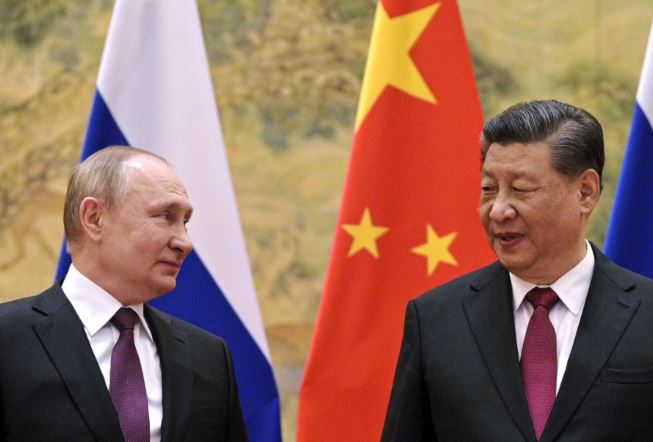
Kremlin states trilateral meeting between Putin-Trump-Xi may take place in China
On 19 October, Reuters reported that the Kremlin has said Russia’s President Vladimir Putin, US President Donald Trump and China’s President Xi Jinping could potentially hold a trilateral meeting on the sidelines of next month’s APEC summit in China. Kremlin spokesman Dmitry Peskov confirmed that the possibility had been discussed but stressed that no formal proposal, agreement or agenda had been established. The comments followed reports that Putin had suggested such a meeting to discuss ways of ending the Ukraine war. Kyiv has strongly opposed the idea, with Ukraine’s Foreign Minister Andrii Sybiha arguing that talks involving Russia, China and the US without Ukraine could encourage Moscow to continue the conflict. Instead, Kyiv favours negotiations involving Ukraine, Russia and the US. Spokesman Peskov acknowledged that Ukraine would ultimately need to participate in any final peace settlement and said Moscow appreciated continuing US mediation efforts.
(“Kremlin says Putin, Trump and Xi could hold a three-way meeting in China next month,” Reuters, 19 October 2026)
https://www.reuters.com/world/china/kremlin-says-putin-trump-xi-could-hold-three-way-meeting-china-next-month-2026-10-19/
CHINA AND EUROPE
EU lawmakers call for a broader trade and investment agreement with China
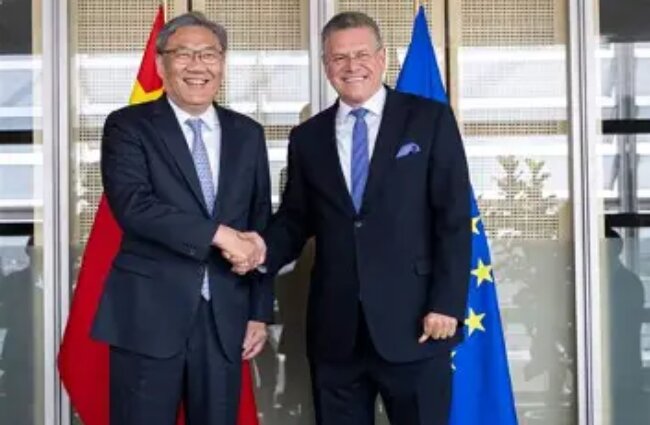
On 21 October, Euronews reported that European Parliament Trade Committee chair Bernd Lange has called for the EU and China to negotiate a comprehensive trade agreement covering investment and wider market distortions rather than addressing disputes sector by sector. His proposal comes ahead of a 27–29 October visit to China by 12 MEPs and could revive elements of the frozen Comprehensive Agreement on Investment. Although Brussels recently secured Chinese limits on hybrid car exports, lawmakers argue that broader problems including industrial subsidies, export restrictions on rare earths and disadvantages facing European companies in Chinese public procurement continue to threaten EU industries. The push reflects the EU’s attempt to balance engagement with economic protection as its trade deficit with China reaches roughly EUR 1 billion daily. While Brussels is considering quotas to shield chemicals and machinery producers from Chinese competition, some member states, including Spain, favour greater engagement to attract Chinese investment, highlighting divisions over the EU’s future economic relationship with Beijing.
(“EU should revive talks on broader China trade deal, top MEP says,” Euronews, 21 October 2026)
https://www.euronews.com/2026/10/21/eu-should-revive-talks-on-broader-china-trade-deal-top-mep-says