Photo : Reuters


China Reader Daily Wire | 31 May 2025, Saturday | Vol.2 No. 111
China Reader Daily Wire | 31 May 2025, Saturday | Vol.2 No. 111
OUTERSPACE
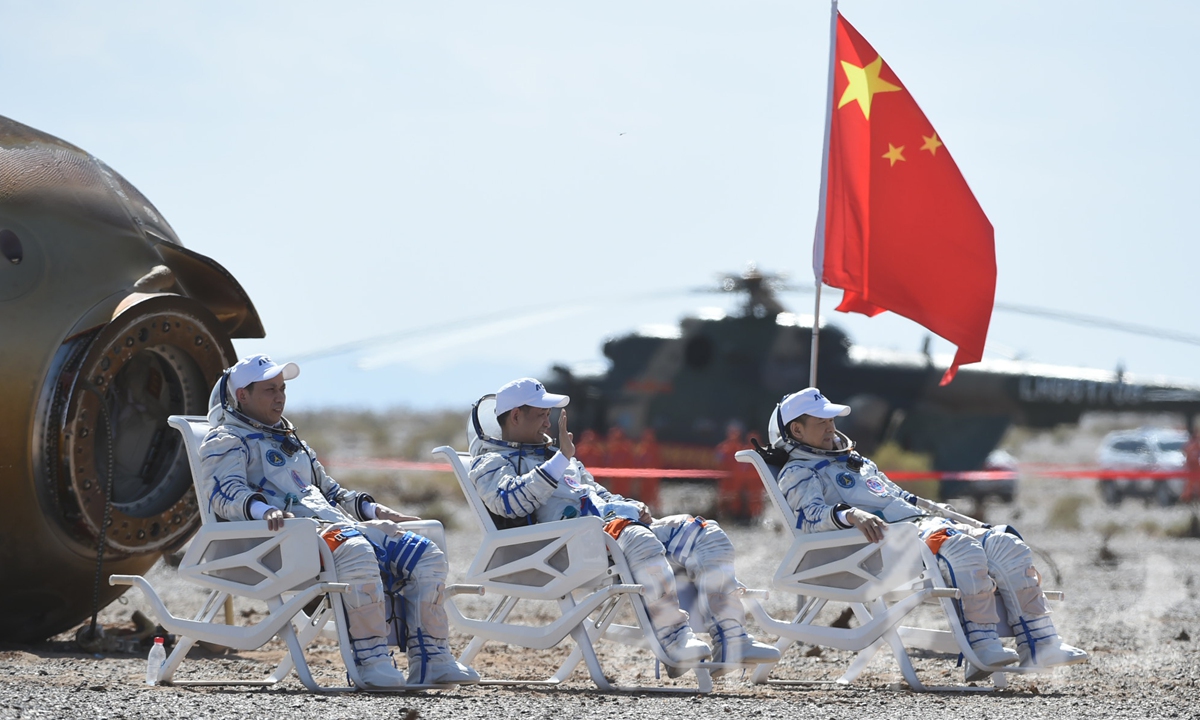
China plans to arm the Tiangong space station
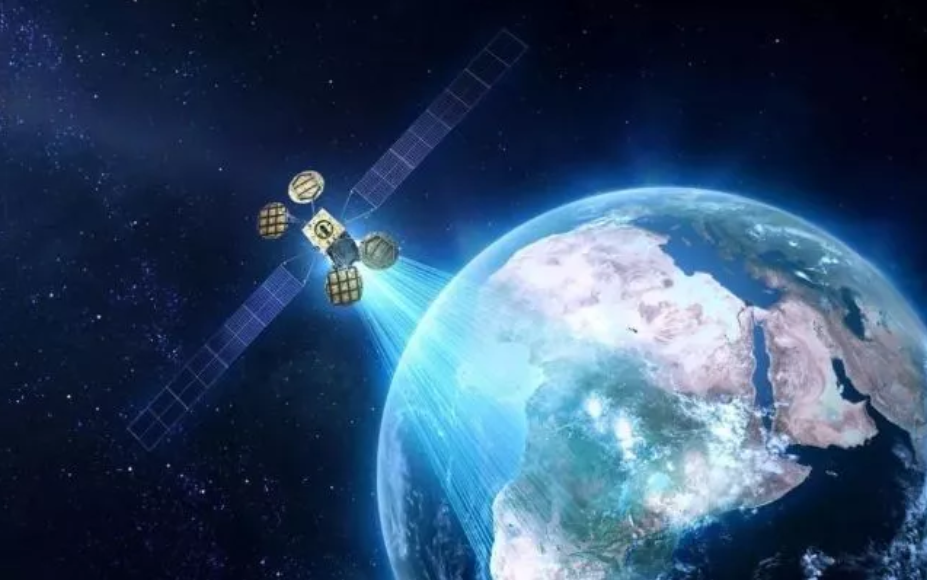
On 29 May, SCMP reported that China is developing a rapid-response space defence system to intercept suspicious spacecraft and push them away. The Beijing National Space Science Centre scientist Sun Zhibin stated that if an unidentified object approaches China’s Tiangong space station or other critical space infrastructure, a small robotic thruster could be deployed to latch onto the intruder and push it to a safer distance. He said: “Sometimes another spacecraft may deliberately come close – maybe just to take a look – but it can still interfere with our operations,” and added that,” In such cases, we first try to assess their intent. Then we choose how to respond – whether by dodging, adjusting our orbit, or releasing a small robot to grab and redirect the object.” In December 2021, China reported to the United Nations that its space station did two evasive manoeuvres to avoid potential collisions with SpaceX Starlink satellites. A note to the UN said the events “constituted dangers to the life or health of astronauts aboard the China Space Station.” ( Ling Xin, “China plans to arm Tiangong space station with self-defence bots, scientist says,” SCMP, 29 May 2025)
CHINA & RUSSIA
Russia and China to collaborate on 80 projects worth USD 200 billion
On 30 May, News. AZ reported that Russian Ambassador to China Igor Morgulov announced that Russia and China are working on over 80 major joint projects worth around USD 200 billion. These projects incorporate sectors like industry, transport, agriculture, logistics, and mineral resources. In 2024, bilateral trade between the two countries hit a record USD 245 billion. Morgulov noted at the event that China has been Russia’s top trading partner for 15 years. He also emphasized ongoing efforts to shift trade to national currencies and expressed optimism about increased investments following a new intergovernmental agreement signed in May to protect mutual capital investments. (“Russia, China collaborate on over 80 major joint projects worth $200 billion,” News. az, 30 May 2025)
EXTERNAL
400 representatives from 85 countries attend the signing of the International Organisation for Mediation
On 30 May, CGTN reported that about 400 high-level representatives from 85 countries and nearly 20 international organisations took part in the signing ceremony of the Convention on the Establishment of the International Organisation for Mediation (IOMed). Thirty-three countries signed the convention on-site, making them the founding members of the IOMed. China’s Foreign Minister Wang Yi has remarked that IOMed is designed to mediate, voluntarily, disputes between states, between states and foreign investors, as well as international commercial disputes. He further added that the IOMed will fill the institutional gap in international mediation. He further added that China expects all signatory countries to ratify the convention as soon as possible and welcomes more countries to actively join. ( “World's first intergovernmental mediation body set up in Hong Kong,” CGTN, 30 May 2025)
CHINA & SOUTHEAST ASIA
China builds first overseas new-generation radio telescope in Thailand, reports SCMP
On 31 May, SCMP reported that China completed its first overseas new-generation radio telescope in northern Thailand. It bolsters the global scientific network that monitors deep space signals and tracks subtle shifts in the Earth’s rotation and tectonic plates. According to the observatory’s WeChat account, the 13-metre radio antenna was officially inaugurated in Chinag Mai on May 16. It is jointly developed by the Shanghai Astronomical Observatory and the National Astronomical Research Institute. China’s Academy of Sciences vice-president Ding Chibiao described the Chiang Mai telescope as “a role model of scientific cooperation between China and Thailand.” The telescope is equipped with a fast slewing antenna, dual-frequency receivers to reduce atmospheric interference, along with high-speed data acquisition and recording systems. This telescope works alongside China’s Tianma-13 and Sheshan-13 stations in Shanghai and the Urumqi-13 station in Xinjiang- all 13-meter new generation antennas together form part of the Chinese VLBI network. ( Ling Xin, “China doubles down on building telescopes in Thailand to monitor Earth using space signals,” SCMP, 31 May 2025)
CHINA & SOUTH ASIA
China warns citizens against travelling to the Nepal-India border
On 30 May, China’s embassy in Nepal repeatedly reminded Chinese travellers in Nepal to avoid going to the Nepal-India border area, as several incidents of Chinese citizens being arrested by Indian border forces on the excuse of illegal entry. To ensure the safety of Chinese citizens travelling in Nepal, the Chinese embassy issued an alert note in a statement via its official WeChat account. The notice further stated that India has strict penalties for illegal entry. Even unintentional border crossings into Indian territory can result in arrest and prosecution, potentially leading to imprisonment for 2-8 years and fines, with no possibility of bail. Despite warnings, Chinese citizens are going to the Nepal-India border at their own risk. ( “Chinese embassy issues alert advising against travel to Nepal-India border area following several incidents of Chinese citizens being arrested by Indian border forces,” Global Times, 31 May 2025)
CHINA & RUSSIA
Russia’s Foreign Minister calls for the revival of the Russia-India-China (RIC) dialogue
On 29 May, Russia’s Foreign Minister Sergey Lavrov expressed strong support for restarting the Russia-India-China (RIC) dialogue at an international conference on Eurasian security cooperation,. Lavrov stated Russia is “genuinely interested” in resuming the RIC format, which was initiated by former Russian Prime Minister Yevgeny Primakov and has held over 20 ministerial-level meetings. The RIC dialogue has been inactive since the 2020 Galwan Valley clash between Indian and Chinese troops. Lavrov also stated that recent progress in India-China border talks emphasises the right moment for revival. He also alleged NATO is trying to involve India in anti-China strategies, stating, “Our Indian friends see this trend as a major provocation,” based on private discussions. (“Russia backs RIC revival, Lavrov says India-China ties show improvement,” Business Standard, 30 May 2025)
CHINA & EUROPE
China calls for peace talks and warns against escalation in the Ukraine conflict
On 30 May, at the UN Security Council meeting, the deputy permanent representative to the United Nations, Chinese envoy Geng Shuang, warned that increasing the supply of lethal weapons in the Russia-Ukraine war would only prolong the conflict and worsen destruction. The accusations by the US about China's role in the Russia-Ukraine conflict were strongly condemned by him. He stated that the US was spreading false information and unfairly blaming China. He also stated these claims are false, not based on facts, and are just part of a political agenda. It has no real intention to solve the crisis. Geng emphasized that China has not supplied any lethal weapons and has promoted dialogue from the beginning. They have also supported recent peace talks in Istanbul. He has urged both sides to continue negotiations and called for respect for international humanitarian law to protect civilians. (“More weapons on battlefield will only protract Ukraine crisis: Chinese envoy,” CGTN, 31 May 2025)
CHINA & THE AMERICAS
Chinese students flee back to China after being accused of illegal voting in the 2022 elections
On 31 May, SCMP reported that a Chinese student from the University of Michigan, accused of voting illegally in the 2022 elections, has fled to China, the FBI reported. Though he had surrendered his Chinese passport and was ordered to stay in Michigan, he allegedly used a second passport to fly out from Detroit in January. He was charged with perjury and voting as a non-citizen, and he missed court hearings. This has to be a federal arrest warrant in April. Federal Bureau of Investigation spokesperson Mara Schneider said: “Only US citizens are allowed to vote in federal elections.” The US does not have an extradition relationship with China, so this means that his return is unlikely. (“Student flees to China after being charged with voting illegally in Michigan,” SCMP, 31 May 2025)
CHINA & THE AMERICAS
US Defense Secretary vows to protect Taiwan against China
On 31 May, US Defence Secretary Pete Hegseth addressed the gathering at Shangri-La Dialogue in Singapore, Asia's premier forum for defence leaders, militaries, and diplomats. He warned the US’s allies in the Indo-Pacific to revamp their military expenditure, saying that “the threat from China was real and potentially imminent.” Hegseth said: “Beijing is credibly preparing to potentially use military force to alter the balance of power in the Indo-Pacific”. Hegseth also addressed the fact that if China were to conquer Taiwan, it would lead to devastating consequences for the Indo-Pacific region and the world. He vowed that a Chinese takeover of Taiwan would not occur under President Trump’s watch. Earlier in February this year, he warned Europe against treating America like a “sucker” while addressing a press conference at NATO headquarters in Brussels and calling out Europe for not spending more on their defence. Many, including US Democratic Senator Tammy Duckworth, co-leading a bipartisan delegation to the Shangri-la Dialogue, called the language Hegseth used in his speech “patronising”. Asian nations spent an average of 1.5 per cent of GDP on defence in 2024, a figure that has remained relatively constant over the last decade. Hegseth expressed that the intention was “not to pressure other countries to embrace or adopt US politics or ideology”, rather to work together in areas of common interest. (“Pentagon chief warns of imminent China threat, pushes Asian allies to boost defence spending,” Reuters, 31 May 2025)
China Reader Daily Wire | 30 May 2025, Friday | Vol.2 No. 110
EXTERNAL
China signs convention to establish the “International Organisation for Mediation”
On 30 May, China signed a convention setting up an international organisation for mediation in Hong Kong in hopes that Beijing might be on par with the International Court of Justice and the Permanent Court of Arbitration of the United Nations in the Hague. This, in the backdrop of the Trump tariff trade war, is significant amid growing geopolitical tensions. The mediation body aims to “cement Hong Kong's presence as a top centre to resolve disputes between countries,” said the current Chief Executive of the Hong Kong Special Administrative Region (HKSAR), John Lee Ka-chiu. Countries that attended the signing ceremony were Indonesia, Pakistan, Laos, Cambodia, and Serbia. Chinese Foreign Minister Wang Yi, said the scope of cases that would be handled include disputes between countries, between a country and nationals of another country and between private international entities. The mediation group also aims to advance China's influence internationally and promote a more assertive role in global governance. (“China sets up international mediation body in Hong Kong,” Reuters, 30 May 2025)
DEFENCE
China’s Defence Minister to not attend Shangri-La Dialogue
On 30 May, SCMP reported China’s downgrade of its representation at the Shangri-La Dialogue this year. In doing so, it will miss its chance of meeting its US and Asia counterparts at the Singapore Forum. However, China's defence minister Dong Jun's absence is justified in the backdrop of the US tariff war and waning interest in a ‘Western-centric’ forum. The forum, scheduled to take place from 30 May to 01 June, will feature only a “delegation from the National Defence University,” according to a statement from the Ministry of National Defence of the People's Republic of China. Jun’s absence will be particularly striking this year, given his consistent presence at the forum over the past three years. The event will be headlined by notable leaders, including French President Emmanuel Macron and the European Union’s top diplomat, Kaja Kallas. (“China’s Dong Jun to skip Singapore forum – and a chance to meet US, Asian defence chiefs,” SCMP, 29 May 2025)
INTERNAL
Four pro-democracy Hong Kongers release after trial
On 30 May, four people jailed in the landmark Hong Kong national security trial of the “47 democrats,” accused of conspiracy to commit subversion, were freed after more than four years behind bars. They were the second group to be released in a month. Among the released was long-time political and LGBTQ activist Jimmy Sham, who led one of the largest pro-democracy groups, the Civil Human Rights Front, which was disbanded in 2021. Coming back home after four years, Sham said that he wanted to spend some time with his family. In a comment, he also said: “I don’t know how to plan because, to me, it feels like today is my first day of understanding the world again.” The Civil Human Rights Front was one of the largest pro-democracy groups in Hong Kong and helped organise a million-strong march during the 2019 pro-democracy protests. Kinda Li, Roy Tam, and Henry Wong were the other three who were released. In early 2021, 47 pro-democracy figures in Hong Kong were arrested and charged with conspiracy to commit subversion under the Hong Kong National Security Law (NSL), which was imposed by Beijing in mid-2020. The charge carries a maximum penalty of life imprisonment. The case centred around their involvement in organizing and participating in an unofficial primary election in July 2020, which aimed to coordinate pro-democracy candidates for the then-upcoming Legislative Council (LegCo) election. The primary was viewed by authorities as part of a broader strategy—the so-called "35+ plan"—to secure a legislative majority and potentially veto government budgets, thereby forcing the Chief Executive to resign, as allowed under the Basic Law. The prosecution argued that this amounted to a plan to paralyze the government, which they classified as subversive activity under the NSL. Following a protracted trial, 45 of the 47 defendants were convicted. Sentences ranged up to 10 years imprisonment, though not all have been sentenced yet as of late May 2025. Only 2 were acquitted. The trial drew widespread criticism from Western governments and human rights organizations, who viewed the case as politically motivated and indicative of a shrinking space for dissent in Hong Kong. In contrast, the Hong Kong and Chinese central governments maintained that the legal proceedings were conducted fairly and by the rule of law, emphasizing that national security laws apply equally to all citizens. (“Second group of Hong Kong democrats freed after 4 years in jail,” Reuters, 30 May 2025)
China’s Foreign Minister meets the chairman of the Asian Peace and Reconciliation Council
On 29 May, China’s Foreign Minister Wang Yi on Thursday met with the chairman of the Asian Peace and Reconciliation Council (APRC) Surakiart Sathirathai at the signing ceremony of the Convention on the Establishment of the International Organization for Mediation (IOMed) in Hong Kong. Wang said: “the IOMed provides a new option for the international community to resolve disputes and achieve reconciliation voluntarily.” China reaffirms its stance to work together with Asian countries in order to continue safeguarding the hard-won peace and stability in Asia. The China-ASEAN partnership, the Shanghai Cooperation Organization, the Lancang-Mekong Cooperation, and the Asia Cooperation Dialogue all serve as strong evidence of this commitment. (“Chinese FM meets chairman of Asian Peace and Reconciliation Council,” CGTN, 30 May 2025)
DEFENCE
China develops world’s first AI nuke detector, reports SCMP
On 30 May, SCMP reported on China's development in AI that can now detect decoys from actual nuclear warheads. They are ahead in “marking the world’s first AI-driven solution for arms control verification.” According to a reviewed paper published in April by researchers with the China Institute of Atomic Energy (CIAE), the technology could prove to bolster Beijing’s stance in stalled international disarmament talks. This feat wasn’t so easily achieved, the project jointly proposed by Chinese and American scientists more than a decade ago, faced three monumental hurdles- training and testing the AI using sensitive nuclear data, persuading the Chinese military leaders that the system would not leak tech secrets and persuading a sceptical United States to abandon Cold War era verification methods. In a statement submitted by the CIAE in their Atomic Energy Science and Technology paper, it said: “Due to the classified nature of nuclear warheads and component designs, specific data cannot be disclosed here.” While this innovation could bolster global disarmament efforts by providing a more reliable verification method, it also raises concerns regarding the handling of sensitive nuclear data and the potential for technological espionage. The integration of AI into such critical areas underscores the need for international collaboration to establish guidelines and ensure that advancements in technology contribute positively to global security. (“China unveils world’s first AI nuke inspector,” SCMP, 30 May 2025)
CHINA & SOUTH ASIA
Magnet shortage from China threatens Indian car output, reports Reuters
On 29 May, Reuters reported that India’s car production could stop by early June due to China’s new export restrictions on rare earth magnets, which are essential for electric and traditional vehicles. These magnets are used in EV motors, power windows, and speakers. China controls over 90 per cent of the global processing capacity for magnets used in automobiles, clean energy, and home appliances. In April, it introduced new rules requiring companies to obtain import permits from Beijing. In a meeting with the commerce ministry, the Society of Indian Automobile Manufacturers (SIAM) stated that auto part inventories may run out by the end of May. SIAM, representing automakers like Maruti, Tata, and Mahindra, urged Prime Minister Modi’s government to help release magnet shipments stuck at Chinese ports since 4 April. In April, China’s magnet exports dropped 51 per cent year-on-year to 2,626 tons. The low- and high-end magnet shipments are affected due to regulatory confusion. (Aditi Shah, “China's magnet curbs risk halting Indian car production - industry documents,” Reuters, 29 May 2025)
China Reader Daily Wire | 29 May 2025, Thursday | Vol.2 No. 109
CHINA & THE MIDDLE EAST
China allows four Gulf countries visa-free travel for up to 30 days
On 28 May, SCMP reported that China now allows passport holders from four Gulf countries- Saudi Arabia, Oman, Kuwait, and Bahrain for a visa-free stay for up to 30 days. This decision was announced a day after the landmark summit China had with the Gulf Cooperation Council (GCC) and the Association of Southeast Asian Countries (ASEAN). Starting 09 June, this policy should be put in place, allowing citizens from the Gulf countries to extend their stay in China for up to 30 days for business, tourism, family visits, or cultural exchanges. Foreign ministry spokeswoman Mao Ning said: “On top of the comprehensive mutual visa-exemption policy implemented for the United Arab Emirates and Qatar in 2018, China’s latest visa-free measures now extend to all six GCC member states.” (“China offers visa-free travel to 4 Gulf countries following landmark meeting,” SCMP, 28 May 2025)
CHINA & THE AMERICAS
US to “aggressively” revoke visas for Chinese students, says US State Secretary
On 29 May, the BBC reported that US President Donald Trump will “aggressively” revoke the visas of Chinese students studying in the US. On 28 May, US State Secretary Marco Rubio said: “Under President Trump's leadership, the US State Department will work with the Department of Homeland Security to aggressively revoke visas for Chinese students, including those with connections to the Chinese Communist Party or studying in critical fields. He added: "We will also revise visa criteria to enhance scrutiny of all future visa applications from the People's Republic of China and Hong Kong." Beijing has not responded to this move specifically. According to US state department data, the pandemic-era restrictions and worsening relations between the two countries have resulted in Chinese student enrollment in recent years. ( Sakshi Venkatraman, “Trump administration to 'aggressively' revoke visas of Chinese students,” BBC, 29 May 2025)
INTERNAL
China’s C919 celebrates its second anniversary with two million passengers flown
On 28 May, the C919 celebrated its second anniversary of operation, with over two million passengers having flown on the airplane. The Chinese-made aircraft competes with the more narrow-bodied Airbus and Boeing airplane manufacturers. Eighteen of these aircraft were given to China Eastern Airlines, Air China, and China Southern Airlines, serving 24 routes across 16 cities and carrying more than 2 million passengers to date. As of 27 May, China Eastern Airlines' C919 fleet logged more than 28,000 safe flight hours and conducted more than 11,400 commercial flights. The model has been appreciated for its dependability, operational reliability, and strong safety performance. The model's first commercial passenger flight flew from Shanghai to Beijing on 28 May 2023. The C919 is regarded as a model to enhance China's competitiveness in the global aviation market. (“C919 carries over 2m passengers in two years of operation,” Global Times, 28 May 2025)
DEFENCE
Satellite images detect China's bombers stationed on the disputed Paracel Islands
On 28 May, Reuters reported on a satellite image of China’s most advanced bombers stationed in Woody Island of the disputed Paracel Islands in the South China Sea. This comes in light of the region's biggest defence forum that is scheduled to take place over the weekend. This is the first time the long-range H-6 bombers have landed on Woody Island in the Paracels since 2020. Singapore's S. Rajaratnam School of International Studies, Defence Scholar, Collin Koh said: “China's long-range bombers don't need to be on the Paracels, so it does appear to be omnidirectional signalling by Beijing - against the Philippines and against the U.S. and other things that are going on.”(“Exclusive: China's most advanced bombers seen on disputed South China Sea Island,” Reuters, 28 May 2025)
OUTER SPACE
China to equip Tiangong with small robotic devices, reports SCMP
On 29 May, SCMP reported that China is developing a rapid-response defence system for its Tiangong space station to protect against potential threats from nearby spacecraft. This system involves deploying small robotic devices capable of intercepting and redirecting unidentified objects that approach the station. The initiative follows incidents in 2021 where Tiangong had to manoeuvre to avoid close encounters with SpaceX's Starlink satellites, highlighting the need for enhanced space safety measures. In 2021, China reported to the United Nations that its space station had to perform two evasive manoeuvres that year to avoid collisions with SpaceX’s Starlink satellites. (“China plans to arm Tiangong space station with self-defence bots, scientist says,” SCMP, 29 May 2025)
CHINA & THE PACIFIC
China and the Pacific Island countries' Foreign Ministers meeting reach five consensus
On 28 May, the Third China-Pacific Island Countries Foreign Ministers' Meeting reached a five-pronged consensus. The meeting was held in Xiamen, southeast China's Fujian Province. During the meeting, China and the Pacific Island Countries engaged in in-depth discussions on advancing bilateral cooperation and international and regional issues of common concern. The five-point consensus reached was to promote common development, including treating each other as equals, reaffirming the one-China principle, upholding fairness and justice, advocating mutual learning and civilizational exchanges, and embracing openness and inclusivity. (“Wang Yi: China and Pacific Island countries FMs' meeting yields five-point consensus,” CGTN, 28 May 2025)
CHINA & EUROPE
Czech Foreign Ministry blames China for cyberattacks
On 28 May, SCMP reported that the Czech Republic had accused China of launching a cyberattack targeting the Czech Ministry of Foreign Affairs' unclassified network since 2022. The attack was allegedly carried out by a hacker group known as APT31, which is linked to China’s Ministry of State Security. Czech Foreign Minister Jan Lipavský responded strongly and said: “China is interfering in our society through manipulation, propaganda, and cyberattacks.” As a result, the Chinese ambassador was summoned to Prague to receive an official protest. The incident has sparked international concern. The EU’s foreign policy chief, Kaja Kallas, condemned the cyber campaign, calling it “a clear and unacceptable violation of international norms.” Meanwhile, the Chinese Embassy in Prague rejected the accusations as “groundless” and reiterated China’s official stance that it opposes all forms of cyberattacks. This event highlights growing tensions between China and Europe over cybersecurity and diplomatic trust. (“China accused of ‘malicious cyber campaign’ targeting Czech foreign ministry,” SCMP, 28 May 2025)
The EU accuses China of a “malicious cyber campaign”
On 28 May, SCMP reported that the European Union accuse a group associated with China’s Ministry of State Security of a “malicious cyber campaign” against the country’s foreign ministry. It named the “cyberespionage actor APT13” associated with the Ministry of State Security as the culprit. The EU’s diplomat Kaja Kallas said: “This is a clear and unacceptable violation of international norms.” The Czech Foreign Minister Jan Lipavsky stated that the attack was “detected during the intrusion,” and “China is interfering in our society through manipulation, propaganda, and cyberattacks.” China’s ambassador has been summoned “to make clear that such hostile actions have serious consequences for our bilateral relations.” ( Finbarr Bermingham, “China accused of ‘malicious cyber campaign’ targeting Czech foreign ministry,” SCMP, 28 May 2025)
Alashankou port handles over 3,000 China-Europe freight trains
On 29 May, Global Times reported that the Alashankou Port in northwest China’s Xinjiang Uyghur Autonomous Region handled over 3,000 China-Europe freight train trips this year. According to railway authorities, it provided a boost to the stability and smooth operation of the global industrial and supply chain. Currently, 123 China-Europe freight trains operate via Alashankou port, connecting 21 countries, including Germany and Poland. The trains transport more than 200 categories of goods, ranging from new energy vehicles to daily consumer goods. Alashankou railway station staff member Yang Peng said: “We operate a 24/7 'green channel' to ensure the smooth operation of China-Europe freight trains,” and added that the station handled an average of over 21 China-Europe freight train trips daily, with a peak of 30 trips in a single day. ( “Xinjiang's Alashankou port handles over 3,000 China-Europe freight trains in Jan-May,” Global Times, 29 May 2025)
China Reader Daily Wire | 28 May 2025, Wednesday | Vol.2 No. 108
EXTERNAL
ASEAN- GCC- China summit in Kuala Lumpur
On 27 May, the Association of Southeast Asian Nations (ASEAN) kicked off its first-ever three-way summit with China and the six-member Gulf Cooperation Council (GCC). Malaysia is the current chair of ASEAN. The annual summit is taking place in Kuala Lumpur, the capital, and its participants include Brunei, Cambodia, Laos, Myanmar, the Philippines, Singapore, Thailand, and Vietnam. The meeting was followed by further talks between the ASEAN, China, and the GCC, which comprises Bahrain, Kuwait, Oman, Qatar, Saudi Arabia, and the United Arab Emirates. Malaysian Prime Minister Anwar Ibrahim addressed the opening ASEAN-GCC summit and said: “I believe the ASEAN-GCC partnership has never been more important than it is today, as we navigate an increasingly complex global landscape marked by economic uncertainty and geopolitical challenges.” He also addressed the current crisis that has left economies under strain, with the recent imposition of US unilateral tariffs. China’s Premier Li Qiang was also present at the summit and used the terms “protectionism” and “multilateralism” to describe the sluggishness of the growth of the world economies. China pledges its support and willingness to work with Malaysia to “promote closer economic cooperation among the three parties” and respond to global challenges. Six of the bloc’s members were among the worst hit, with tariffs between 32 per cent and 49 per cent. Al Jazeera’s Rob McBride, reporting from Kuala Lumpur, said ASEAN members are “very much looking at building ties with other parts of the world, in particular China, but also the Middle East” to strengthen their economic resilience. Hence China, ASEAN and the GCC have come together to fight the tariff war imposed on them by the US. Prime Minister Anwar also said that he had written to Trump to request an ASEAN-US summit this year, however, Washington hasn’t responded. (“ASEAN kicks off summits with China, Gulf states amid US tariff threat,” Al Jazeera, 27 May 2025)
CHINA & THE AMERICAS
Brazilian prosecutors sue BYD over slave-like labour conditions
On 27 May, a Brazilian prosecutor sued Chinese electric vehicle giant BYD and two of its contractors over alleged slave like labour conditions for workers and engagement in human trafficking. The labour prosecutors' office in Bahia state stated that it is seeking USD 257 million in damages from BYD, China JinJiang Construction Brazil, and Tecmonta Equipamentos Inteligentes. This lawsuit stems from an investigation last year that led to the rescue of 220 Chinese workers from the construction site of BYD’s new factory in Camaari. It revealed that workers were brought to Brazil under false pretences and with visas that did not match their jobs. BYD stated that it is collaborating with the investigations from the start and will speak about the case during the course of the probe. It also said it respects Brazil's laws and international labour regulations. ( “Brazilian prosecutors sue China's BYD over allegations of slave-like labor conditions,” The Associated Press, 28 May 2025)
CHINA & THE PACIFIC
China hosts 11 Pacific Island countries in Xiamen
On 28 May, China convened high-level diplomats from 11 Pacific Island nations in Xiamen. This a two-day summit chaired by China’s Foreign Minister Wang Yi aiming to deepen regional engagement and foster a “closer community with a shared future” with Pacific Island nations.. The gathering includes President Taneti Maamau of Kiribati and senior officials from Niue, Tonga, Nauru, Micronesia, Solomon Islands, Vanuatu, Papua New Guinea, Cook Islands, Fiji, and Samoa. The discussions focus on enhancing cooperation in trade, infrastructure, poverty alleviation, sustainability, and climate action. It is the third such meeting, but the first time held in China. Al Jazeera’s Katrina Yu noted this is a chance for Beijing to “extend its influence” as the U.S. shows “very little interest,” with many Pacific nations now “aligned with China.” (“China hosts Pacific Island nations in bid to bolster diplomatic, trade ties,” Al Jazeera, 28 May 2025)
INTERNAL
Chemical plant explosion in Shandong province kills five and injures nineteen
On 27 May, a chemical plant in China managed by Shandong Youdao Chemical exploded in the city of Weifang, Shandong Province. Five people were reportedly killed and nineteen injured. The plant was located in an industrial park and manufactured chemical components for use in pesticides and pharmaceuticals. Local authorities dispatched around 230 responders to the scene in response to the explosion and the resulting blaze. A drone video posted by The Beijing News showed smoke emerging from the chemical plant and a second, unidentified facility nearby. Blasts at chemical plants in China in recent years have included one in the northwest region of Ningxia in 2024 and another in the southeastern province of Jiangxi in 2023. A statement issued by China’s emergency response authority urged response crews to quickly contain the fire and establish the number of people affected. (“At least five reported killed in large explosion at China chemical plant,” Al Jazeera, 27 May 2025)
President Xi congratulates the Ninth National Congress of the Chinese Young Pioneers
On 27 May, China’s President Xi Jinping sent a congratulatory letter to the ninth national congress of the Chinese Young Pioneers (CYP). In his letter, he urged the CYP to follow the Party and cultivate “qualified builders for the cause of socialism with Chinese characters.” With International Children’s Day approaching, Xi also extended his warm greetings to all children across the country. He believes that “children represent the future force in building a strong nation and rejuvenating the Chinese nation.” He also implored the CYP to educate and guide its members to become exemplary examples, love the party, and be diligent in their academics and well-rounded in their development. Among the 3000 people who attended the meeting, a member of the Political Bureau of the CPC Central Committee and head of the CPC Central Committee's Organization Department, Shi Taifeng, was also present. He urged the CYP to keep in mind Xi’s teachings. A member of the Standing Committee of the Political Bureau of the CPC Central Committee and a member of the Secretariat of the CPC Central Committee, Cai Qi was present at the opening meeting of the Congress. (“President Xi sends congratulatory letter to Chinese Young Pioneers national congress,” CGTN, 27 May 2025)
CHINA & SOUTHEAST ASIA
“Red Wa” ethnic group safeguarding Chinese investments in the Shan state, reports The Nation
On 27 May, The Nation reported on the “Red Wa” Army and its activities in Myanmar. The “Red Wa” refers to the United Wa State Party (UWSP) and its military wing. The United Wa State Army (UWSA) is an ethnic armed group based in Myanmar's Shan State. They control a semi-autonomous region along the China-Myanmar border and are heavily supported by China. Thai civil society groups are demanding action against the Red Wa for involvement in drug trafficking and mining operations. Due to the flash floods in Mae Sai, NGOs have raised alarms over toxic contamination in the Sai and Kok rivers. They are now urging the government to intensify negotiations to pressure Myanmar authorities and the Red Wa forces to shut down mining activities. The Red Wa poses not only a security challenge but also a public health threat. China’s involvement owes to the fact that the Chinese Communist Party is a major patron of the United Wa State Party (UWSP) and the United Wa State Army (UWSA). Additionally, Greenpeace Thailand has urged the Thai government to take a firm stance with Myanmar’s government, the Chinese government, and the Red Wa forces to permanently halt mining activities. ("Red Wa": China’s shadow army controlling Shan State power,” The Nation, 27 May 2025)
CHINA & SOUTH ASIA
India tightens rules over testing of China-made CCTVs
On 28 May, Reuters reported on India’s heightened hardware testing rules for all CCTVs. Under the new security rules, manufacturers are required to submit hardware, software, and source code for assessment in government labs. This has been an ongoing rift between global surveillance makers and the Indian regulators in recent weeks. Foreign companies now view these over-regulatory issues as “protectionism” and have issued warnings of supply disruptions. According to a top Indian official involved in policymaking, New Delhi's approach is driven in part by its alarm about China's sophisticated surveillance capabilities. Under the new requirements applicable from April, manufacturers such as China's Hikvision, Xiaomi, and Dahua, South Korea's Hanwha, and Motorola Solutions of the U.S. must submit cameras for testing by Indian government labs before they can sell them in India. (“India's alarm over Chinese spying rocks the surveillance industry,” Aditya Kalra, Reuters, 28 May 2025)
BYD signs an MoU to expand its market to Sri Lanka
On 27 May, at a press conference held in Sri Lanka, representatives of Build Your Dream (BYD) and John Keells signed an MoU to facilitate DENZA's entry into the local market in Sri Lanka. Denza is a Chinese premium electric vehicle (EV) brand that originated as a joint venture between BYD and Mercedes-Benz in 2010. Chairperson of the John Keells Group Krishan Balendra said BYD's rapid success in Sri Lanka's New Energy Vehicle (NEV) segment "reflects the strength of our partnership and our shared vision for the future of mobility." Due to Sri Lanka easing import restrictions in early 2025, BYD has swiftly captured consumer interest with a range of electric vehicles and plug-in hybrid vehicles. This surged the demand for more BYD vehicles. Liu Xueliang, general manager of BYD Asia-Pacific Auto Sales Division, said Sri Lanka is a key market for BYD in South Asia. “While the scale of business in Sri Lanka is not on the same level as other markets we have entered in the region.” (“China's BYD gains ground in Sri Lanka's auto market,” Global Times, 28 May 2025)
CHINA & EUROPE
Chinese cargo port collaborates with European ports for low-carbon maritime cooperation
On 27 May, Ningbo-Zhoushan Port announced three initiatives undertaken in collaboration with three major European ports. It includes Hamburg and Wilhelmshaven in Germany and Valencia in Spain. It aims to construct a green shipping corridor and advance low-carbon cooperation between China and Europe. To decarbonise international shipping, ports will collaborate with shipping lines, cargo owners, energy providers, research institutions, and other stakeholders to promote zero-carbon technology, clean fuels, and smart management systems on designated routes. The key actions to create corridors with net-zero carbon emissions from start to terminal port include the construction and utilisation of shore power infrastructure, optimising freight distribution networks, the adoption of renewable energy solutions, and scaling up clean fuel bunkering. Ningbo- Zhoushan Port Group chairman, Tao Chengbo, said: “We aim to work closely with ports and shipping companies under the Belt and Road Initiative to support the global green transformation of ports and shipping." ( “Top Chinese cargo port partners with 3 European hubs for low-carbon maritime cooperation,” Xinhua, 27 May 2025)
CHINA & THE AMERICAS
North Carolina official denounces WeChat for complicity in the fentanyl crisis
On 27 May, North Carolina Attorney General Jeff Jackson accused the Chinese social media app WeChat of facilitating cross-border money laundering that aids the fentanyl abuse crisis in the US. He alleged that Mexican drug cartels have been using WeChat to coordinate cash pickup cities, arrange currency swaps with Chinese brokers, and quietly move drug profits across borders. He further called on the company to detail how it planned to prevent criminal use of its platform. He said: “This isn’t speculation. This is based on real cases, convictions, investigations, and public reports.” ( Igor Patrick, “WeChat denounced for complicity in US fentanyl crisis by North Carolina official,” SCMP, 28 May 2025)
China Reader Daily Wire | 27 May 2025, Tuesday | Vol.2 No. 107
OUTER SPACE
China to launch its Tianwen-2 mission
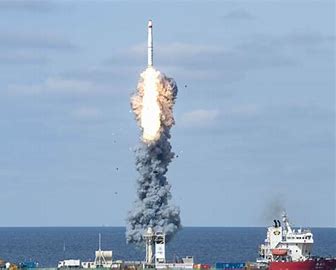
On 26 May, China National Space Administration informed that China is set to launch its Tianwen-2 asteroid probe on 29 May from the Xichang Satellite Launch Center in Sichuan Province. The Long March-3B rocket will soon be fueled for the mission. Ground systems such as the Beijing Aerospace Control Center, Xi’an Monitoring Center, Yuanwang tracking ships, and tracking stations have conducted joint control operations and system checks to ensure mission success. The launch aims to advance China's deep space exploration capabilities. (“China to launch Tianwen-2 asteroid probe and sampling mission on May 29: CNSA,” Global Times, 26 May 2025)
CHINA & RUSSIA
Ukraine confirms Chinese military supplies to Russia
On 26 May, Ukraine’s Foreign Intelligence Chief, Oleh Ivashchenko, reported that China is supplying a range of goods used for defence manufacturing to Russia. He said: “There is information that China supplies tooling machines, special chemical products, gunpowder, and components specifically to defence manufacturing industries.” He further stated that Ukrainian Intelligence had information on at least five cases of Russia-China cooperation in the aviation sector in 2024-2025, including the supply of equipment, spare parts, and documentation. Without providing details, he noted that there were six cases of “large shipments” of specialty chemicals. Last month, Ukraine’s President Volodymyr Zelenskiy accused Beijing of providing direct military assistance to Moscow, to which Beijing retaliated as “groundless”. (Yuliia Dysa, Pavel Polityuk, Liz Lee, “Ukraine confirmed Chinese supplies to 20 Russian military plants, intelligence chief says,” Reuters, 26 May 2025)
CHINA & AFRICA
China’s Foreign Minister meets 50 African envoys for Africa Day
On 26 May, China’s Foreign Minister Wang Yi met with over 50 African envoys in Beijing to commemorate Africa Day. Wang emphasised that China-Africa ties have entered their strongest era, marked by an “all-weather community with a shared future.” He noted that the outcomes of the Forum on China-Africa Cooperation (FOCAC), including six modernisation proposals and 10 partnership actions, provide a solid framework for future cooperation. He called for the upcoming coordinator-level FOCAC meeting to serve as a platform to advance Belt and Road Initiative projects, Global Development Initiative implementation, and shared modernisation goals. He reaffirmed China’s support for Africa’s increased global role. The African envoys praised China's initiatives and pledged to uphold the one-China principle, support China's sovereignty, and jointly defend Global South interests. They expressed strong confidence in continued Africa-China cooperation and alignment with the UN Charter's principles. (“Chinese FM meets African envoys in Beijing - CGTN,” CGTN, 27 May 2025)
ECONOMY
Three per cent growth in China's major enterprises, reports NBS
On 27 May, China’s National Bureau of Statistics (NBS) reported that profits of major industrial firms grew by 3.0 per cent year-on-year in April. From January to April, profits rose by 1.4 per cent. Of the 41 major industrial sectors, 23 posted profit growth, with nearly 60 per cent seeing improved revenues. The high-tech manufacturing sector emerged, saw the most gains with profits soaring by 9.0 per cent in the first four months. Notable growth was seen in bio-medicine, aircraft manufacturing, and semiconductor equipment, driven by the “AI Plus” initiative and nationwide digital transformation in China. The semiconductor equipment sector surged by 105.1 per cent, while electronic circuits and integrated circuits saw gains of 43.1 per cent and 42.2 per cent, respectively. Smart automotive equipment profits spiked 177.4 per cent, drones 167.9 per cent, and wearables 80.9 per cent. Equipment manufacturing grew by 11.2 per cent, supported by government policies like equipment upgrades and consumer trade-in programs. Specialized and general equipment profits rose 13.2 and 11.7 per cent, while home appliances gained over 15 per cent. NBS statistician Yu Weining said: “Given the uncertainties in the external environment and domestic constraints like insufficient demand, in the coming months, we need to promote integrated development of scientific and industrial innovation, optimize and adjust industrial structure, accelerate the transformation and upgrading of traditional industries, while cultivating and strengthening emerging industries.” (China’s major enterprises report steady growth in profits in April, led by high-tech manufacturers: NBS, Global Times, 27 May 2025)
OUTERSPACE
China successfully tests next-generation satellite-to-ground data transmission system
On 26 May, China’s Aerospace Information Research Institute (AIR) successfully tested a next-generation high-throughput satellite-to-ground data transmission system. This was conducted jointly by AIR and Beijing Rong Wei Tech at the Lijiang Station. The experiment simulated satellite data transmission using advanced protocols and achieved a record-breaking X-band single-channel data rate of 2100 Mbps using 128QAM modulation—75 per cent higher than previous speeds. Traditionally, civilian satellites rely on standard X-band transmission rates, which are now inadequate to handle high-volume remote sensing data. The new system enhances transmission speeds through high-order modulation and improvements to key ground infrastructure components, and incorporates artificial intelligence, integrating a deep neural network. According to China Remote Sensing Satellite Ground Station, Director Huang Peng stated that this achievement paves the way for faster, more efficient satellite data relay and establishes a strong foundation for China’s continued leadership in space technology. (China successfully tests new-gen satellite-to-ground data transmission technology, Global Times, 27 May 2025)
DEFENCE
President Xi sets regulations to protect military-industrial facilities
On 26 May, China’s President Xi Jinping signed an order to promulgate a set of regulations on protecting China’s important military-industrial facilities. The regulation, jointly published by China’s State Council and CMC, aims to protect the security of important military-industrial facilities, ensure their effective use and standard operations to modernize the country's national defence. This will apply to buildings, sites, and other facilities used for the research, production, testing, and storage of important weaponry and equipment. It mandates security measures such as the establishment of protection zones without authorisation from relevant management authorities, and activities like photography, videography, or documentation will be prohibited. The violation of the rules may result in criminal penalties. This regulation comprises 51 articles in seven chapters and will take effect on September 15, 2025. (“Xi Jinping signs order on protection of military-industrial facilities,” CGTN, 26 May 2025)
CHINA & SOUTHEAST ASIA
China and Malaysia affirm to maintain high-level exchanges
On 26 May, Malaysia’s Prime Minister Anwar Ibrahim and China’s Premier Li Qiang met in Kuala Lumpur on the sidelines of the ASEAN, GCC, and China inaugural summit. They discussed their willingness to maintain high-level exchanges, strengthen strategic communication, and enhance cultural cooperation with Malaysia. The discussion focused on the digital economy, the green economy, and artificial intelligence. Qiang urged the two countries to expand trade and investment cooperation. Qiang said: “China is ready to work closely with Malaysia to take the event as an opportunity to push for closer economic cooperation among the three sides, build a model of global cooperation and development, jointly safeguard free trade and the multilateral trading system, and address global challenges together, to contribute greater stability, certainty and positive energy to a turbulent world.” (Dewey Simin, Shi Jiangtao, “China’s Li Qiang urges Malaysia to safeguard free trade and multilateral ideals,” SCMP, 27 May 2025)
CHINA & AFRICA
China and South Africa create a high-precision observation telescope
On 27 May, CGTN reported that China’s astronomers with international collaborators completed high-precision observations of the Milky Way's globular clusters. They used China’s five-hundred-meter Aperture Spherical Radio Telescope (FAST) and South Africa’s MeerKAT array telescope. This has refreshed the limits for the Galactic observation. The “FAST” is adept at capturing the faintest cosmic ripples while MeerKAT’s 64-antenna array focuses on tracking signals across a broader sky area. The initiative is led by Tsinghua University, it marks the first deep collaboration between the two world-leading telescopes in the study of globular clusters, which successfully obtained polarisation rotation measurements of 43 pulsars from eight globular clusters. Tsinghua University’s Professor, Li DI, said: “By combining equipment from the Southern and Northern Hemispheres, which are of different capabilities, we have more than doubled our observational sample.”(“Chinese, South African telescopes expand galactic horizons,” CGTN, 27 May 2025)
CHINA & THE AMERICAS
Peru pushes for talks with China and Brazil on the bi-oceanic railway
On 26 May, Peru’s Economy Ministry Raul Perez Reyes announced plans to seek a high-level meeting with China and Brazil to move forward on the proposed bi-oceanic railway project. He also met with China's ambassador to Peru, who emphasised a leadership-level discussion to set a clear joint roadmap for the regional rail corridor. The project aims to create a trade route with China connecting Brazil to a new port on Peru's Pacific coast. This will boost trade and regional integration. The ministry emphasized the importance of coordinated planning among the three nations to make real progress on the initiative. (“Peru seeks high-level meeting with China, Brazil to advance bi-oceanic railroad,” Reuters, 27 May 2025)
China Reader Daily Wire | 26 May 2025, Monday | Vol.2 No. 106
EXTERNAL
Pope Leo calls for the unity of Chinese Catholics with Rome
On 25 May, Pope Leo made his first public comments on China, calling for the Chinese Catholics to remain in communion with the church of Rome. He prayed that the Chinese Catholics “obtain the grace to be strong and joyful witnesses of the Gospel” and continue to “promote peace and harmony” even in difficult times. He stated that during the celebration of the feast day on 24 May, “prayers have been raised to God” in China and around the world to show “solicitude and affection” for Chinese Catholics and their unity with the universal Church. This was first initiated by Pope Benedict XVI, calling to unify China’s 12 million Catholic community. Additionally, to bridge the divide between the state-controlled church and the underground church loyal to Rome. In 2018, the Vatican made a secret deal with China allowing the state to help choose bishops, while the pope kept final approval; critics say it gave too much power to Beijing. Now Pope Leo must decide whether to keep renewing the deal, as China has at times appointed bishops without Vatican consent. (“Pope Leo prays for Chinese Catholics to be in communion with Rome,” SCMP, 26 May 2025)
INTERNAL
COVID-19 cases in China are expected to see a decline by June, reports SCMP
On 25 May, a report reviewed by the SCMP stated that the rise in COVID-19 cases in China should see a decrease by June. The country’s best-known respiratory diseases specialist, Zhong Nanshan, advised that people with symptoms, the elderly in particular, should seek medical treatment within 48 hours. Nanshan stated that the current virus was similar to the general influenza virus, but with a more obvious sore throat. According to the data collected from Hong Kong, Singapore, Britain, France, Brazil, and Norway, the cases of coronavirus saw a sharp rise. Zhong stated that tests on outpatients with flu symptoms and hospital patients with severe symptoms had seen an increase in the number of positives from 7.5 per cent to 16.2 per cent between 31 March and 04 May. According to the Chinese Centres for Disease Control and Prevention CDC report released on 08 May, the number of positive cases in southern provinces was higher than in the north. Additionally, a total of 168,507 cases were diagnosed nationwide. 5 per cent of those cases were of the omicron variant. Despite the low probability of another such major outbreak, experts and medical professionals have urged the public to take precautions. Zhong said those over 65 or with chronic diseases should wear masks and take protective measures in crowded places with poor ventilation. Studies lack the effectiveness and safety of drugs on children below 5 years of age, and so in such cases, “medical professionals should increase nursing care and observation.” (“Covid cases reaching a peak in China and will start falling next month: leading expert,” SCMP, 25 May 2025)
China holds its 20th Western China International Fair
On 26 May, the 20th Western China International Fair opening ceremony was held in Chengdu, southwest China's Sichuan Province. Hosted by the Sichuan provincial government and will run till 29 May. The fair showcases several cutting-edge technologies and diverse products, attracting more than 3,000 companies from 62 countries and regions. This year's fair hosted two guest countries of honour, Laos and Hungary. People visited Laos' pavilion, spotlighting tea, coffee, furniture, and handicrafts. Hungary, on the other hand, presented 17 firms specializing in wine, medical devices, and eco-friendly water treatment technology. Indonesian exhibitor Fransisca Pauline Tjandra showcased handmade accessories, including conducting workshops on manual handicrafts such as shell necklaces. Lao’s Deputy Prime Minister Kikeo Khaykhamphithoune said: “The fair provides valuable opportunities for business matchmaking, investment cooperation and information sharing for enterprises from Laos and other countries, effectively enhancing connectivity and integration in regional commodity markets.” (“International expo in western China draws over 3,000 companies,” CGTN, 25 May 2025)
Six dead and two missing after a mountain torrent’s in South China
On 23 May, a mountain torrent hit Sanshe Village in Longsheng County, Guangxi, killing six people. Local authorities confirmed this on 25 May. Three more bodies were found, and two people are still missing. Rescue efforts remain intense, with nine teams conducting high-intensity searches. Officials stated that operations are progressing “orderly” and in a determined manner. (“Death toll rises to 6 in south China mountain torrent,” CGTN, 25 May 2025)
China’s anti-graft committee to investigate big data firms, reports SCMP
On 25 May, SCMP reported that a recent anti-corruption investigation in Guizhou province has removed several officials connected to its important big data industry. In early May, the director of the province’s National Defence Science and Technology Industry Office and former chief engineer at the Guizhou Big Data Development Administration, Li Gang, was investigated for suspected corruption. Following a similar probe was held on the retired former head of the Big Data Development Administration, Jing Yaping, and Ma Ningyu,. Guizhou attracts tech giants like Apple and Huawei, with big data investment reaching 28 billion yuan in Jan–Sept 2023. Experts say this reflects China's push for tech self-reliance amid US tensions. Political scientist Vivian Zhan Jing noted that these cleanups show the importance of high-tech to national security. Singapore’s Nanyang Technological University assistant professor, Stefanie Kam, noted that the Chinese Communist Party (CCP) now ties legitimacy not just to growth, but to public trust and morality. The internet sector is also under scrutiny, with over 305 million yuan in corruption cases noted by a Beijing court. China’s anti-graft body is using AI and big data to track crimes. Similar drives are targeting the chip and metals industries in regions like Guangxi and Shanxi. (Meredith Chen, “China’s corruption busters eye key tech sectors as Beijing gears up to challenge US,” SCMP, 25 May 2025)
DEFENCE
China’s Fujian aircraft carrier completes intensive eighth sea trial
On 25 May, SCMP reported that China’s most advanced aircraft carrier, the Fujian, completed its eighth intensive sea trial. The carrier, the largest conventionally powered warship at over 80,000 tonnes, is equipped with cutting-edge electromagnetic catapults designed to launch heavier planes like the fifth-generation J-35 stealth fighters. While J-35 jets have conducted test flights, it’s unclear if they launched from the Fujian. The catapults allow more frequent, fully loaded aircraft launches, boosting China’s naval defense and long-range operations. The PLA’s second carrier, Shandong, actively patrols the South China Sea to protect China’s sovereignty, often confronting foreign naval forces. A CCTV report emphasized that Fujian’s technology will significantly enhance China’s air and sea combat capabilities. (“China’s advanced Fujian carrier conducts ‘intensive’ eighth sea trial,” SCMP, 25 May 2025)
CHINA & SOUTHEAST ASIA
China and Indonesia celebrate 75 years of diplomatic relations
On 25 May, China’s Premier Li Qiang visited Indonesia to celebrate the 75th anniversary of diplomatic ties. Both countries noted that they are committed to the Bandung Spirit. Li emphasized upholding the Five Principles of Peaceful Coexistence and called for deeper cooperation in trade, industry, finance, AI, new energy, and infrastructure, especially the Jakarta-Bandung High-Speed Railway. Indonesian President Prabowo Subianto expressed readiness to expand collaboration in agriculture, education, and the green economy. Several cooperation agreements were signed to strengthen strategic cooperation. (“China, Indonesia reaffirm Bandung Spirit, pledge closer cooperation,” Xinhua, 25 May 2025)
China and Indonesia banks sign local currency settlement partnership
On 25 May, China’s Central Bank Governor Pan Gongsheng and Bank Indonesia’s Governor Perry Warjiyo signed a new MoU to broaden their local currency settlement partnership. Building on a 2020 agreement, this expanded cooperation now covers not only current accounts and direct investments but also capital and financial account transactions. This emphasis is to boost the use of local currencies in trade and investment. This will strengthen financial ties and market cooperation between China and Indonesia. The PBOC highlighted that this framework will support deeper bilateral economic integration and reduce reliance on third-party currencies. (“China, Indonesia sign MoU to expand local currency settlement cooperation,” Xinhua, 25 May 2025)
China Reader Daily Wire | 23 May 2025, Friday | Vol.2 No. 105
DEFENCE
China’s PLA conducts a landing drill near the Strait of Taiwan, reports SCMP
On 21 May, SCMP reported that China’s People’s Liberation Army (PLA) conducted an amphibious landing drill in the Taiwan Strait. The 73rd Group Army, stationed in Xiamen and closest to Taiwan’s offshore islands like Kinmen, spearheaded the exercise on the Fujian coast. State broadcaster CCTV reported that troops practiced near-shore driving and landing with Type 05 amphibious assault vehicles, manoeuvring through barriers for 1.5km before making a beach landing. The drill happened at the same time as Taiwanese President Lai Ching-te’s one-year administrative speech, during which he reaffirmed Taiwan’s commitment to strengthening self-defence and deterring aggression. In response, Beijing’s Taiwan Affairs Office accused Lai of promoting a pro-independence agenda. Taiwan’s Defence Ministry reported 15 PLA aircraft and eight naval vessels operating around the island during the same timeframe. The U.S., while officially adhering to the One China policy, continues to arm Taiwan and opposes any use of force. (Liu Zen, PLA conducts amphibious landing drill in strait as Taiwanese leader marks first year, SCMP, 21 May 2025)
CHINA & SOUTH ASIA
China-Pakistan-Afghanistan trilateral meeting
On 21 May, China’s Foreign Minister Wang Yi hosts trilateral talks in Beijing with its Pakistan and Afghanistan counter parts, Ishaq Dar and Amir Khan Muttaqi. China pledged support for both countries in defending sovereignty, security, and national dignity. The three sides agreed “in principle” to exchange ambassadors soon. Wang emphasized strengthening diplomatic ties and cooperation under China’s Belt and Road Initiative, particularly in Afghanistan’s reconstruction. The ministers also agreed to boost collaboration on law enforcement, counterterrorism, and safeguarding against foreign interference. These developments come as military tensions escalate between India and Pakistan, further highlighted by a recent school bus bombing in southwestern Pakistan. China, while not formally recognizing the Taliban, has supported the regime economically since 2021 despite not extending formal recognition and urged to curb terrorism affecting Chinese interests. Wang reaffirmed China’s “ironclad” support for Pakistan and vowed to deepen economic, security, and diplomatic ties with Afghanistan, promoting peace, stability, and mutual development across the region. (Dewey Sim, “China urges trust, cooperation with Pakistan, Afghanistan as regional; tensions mount,” SMCP, 21 May 2025)
CHINA & SOUTHEAST ASIA
China and ASEAN countries conclude CAFTA 3.0 negotiations
On 21 May, China and the 10 ASEAN nations successfully concluded negotiations on the China-ASEAN Free Trade Area (CAFTA) 3.0. The announcement was made during a special virtual meeting of economic and trade ministers. Negotiations began in November 2022 and concluded in October 2024 after nine rounds of formal discussions. CAFTA 3.0 aims to modernize and deepen economic ties, introducing nine new chapters focused on the digital economy, green economy, and supply chain connectivity. These updates reflect evolving global trends and aim to enhance industrial cooperation and supply chain integration between China and ASEAN, two of the world’s leading developing economic blocs. The Ministry described the upgraded pact as a model of openness, inclusiveness, and win-win cooperation, reinforcing commitment to free trade and regional stability. CAFTA 3.0 is expected to boost certainty in global trade, while supporting the creation of a mega-market and a China-ASEAN community with a shared future. Both parties will now proceed with domestic ratification procedures, aiming to formally sign the upgraded protocol by the end of 2025. ( “China, ASEAN complete CAFTA 3.0 negotiations,” CGTN, 21 May 2025)
INTERNAL
China’s centuries-old historical monument’s roof collapse, reports BBC
On 21 May, BBC reported that hundreds of tiles fell off the roof of the Drum Tower from the Ming Dynasty, located in China's Anhui province, a centuries-old historical monument. Online footage showed sections of the roof collapsing, narrowly missing several people. A statement from the Fengyang County Culture and Tourism Bureau stated there were no injuries. The towers were built in 1375 during the Ming Dynasty and rebuilt in 1995. County officials stated an investigation was underway and they will be looking at the repair project's design and construction, a statement seen by local media added. (Tarik Habte, “Roof of historic Ming Dynasty tower collapses in China,” BBC, 21 May 2025)
ENERGY & ENVIRONMENT
China’s Ministry of Ecology and Environment unveils plan to protect rivers and lakes
On 22 May, China’s Ministry of Ecology and Environment unveiled an action plan to protect and create beautiful rivers and lakes from 2025 to 2027. With a focus on improving the quality of aquatic ecosystems. They set the goals of achieving notable progress in creating beautiful rivers and lakes by 2030 and completing the initiative by 2035. China’s Deputy Director of the Department of Water Ecology and Environment, Liu Jing, stated that beautiful rivers and lakes generally need to meet several criteria. In terms of water resources, they should have a stable source of replenishment, good water flow, and adequate ecological water use, thus steadily achieving the goal of “rivers with flowing water,” Liu explained. The plan outlines 19 specific measures, focusing on consolidating and deepening water environment management, guaranteeing basic ecological water use, and comprehensively advancing protection and construction efforts. (“China unveils action plan to protect rivers, lakes,” CGTN, 22 May 2025)
China’s made significant progress in protecting endangered wildlife, reports NFGA
On 22 May, China’s National Forestry and Grassland Administration (NFGA) reported that China has made significant progress in biodiversity conservation with the increased population of rare and endangered wild animals. It noted that over 70 percent of the wild giant panda population is effectively protected, the population of the Siberian tiger, also known as the Amur tiger, now exceeds 70, Amur leopard, also called the Far East leopard, over 80. In recent years, China has made steady progress in wildlife conservation. The country has established national research centers for the protection of flagship species such as the giant panda, Asian elephant, and crested ibis, strengthening scientific and technological support for conserving these species and their ecosystems. Rescue-oriented conservation projects have been launched for 48 critically endangered wild animal species, including in-situ protection, rescue and rehabilitation, artificial breeding and reintroduction of wild animals, promoting the growth of wild populations. (“China steps up efforts to restore rare wildlife, with over 70% of wild giant pandas effectively protected,” Global Times, 21 May 2025)
CHINA & EAST ASIA
PLA encounters 11 close aerial standoffs with foreign aircraft
On 21 May, PLA reported on 11 close aerial encounters with an unspecified foreign military for the past 10 consecutive days above the East China Sea. The operations were conducted by the People’s Liberation Army Ground Force aviation corps under the Eastern Theatre Command, which is responsible for operations around the East China Sea and Taiwan Strait. According to CCTV, PLA pilot Wang Ling was ordered to take off in a combat-ready state in response to what the PLA called “provocations by a foreign force” nearing China’s coastline. Wang described the engagement as part of China’s mission to defend its maritime frontier. Although close encounters between PLA and foreign forces are not uncommon in the region, such interceptions involving ground force helicopters are rare, as these aircraft have limited range and usually operate near the coast. (Liu Zhen, “PLA helicopter in close encounters with foreign aircraft over East China Sea,” South China Morning Post, 22 May 2025)
CHINA & EUROPE
European Parliament accuses 5 lawmakers of the Huawei bribery scandal, reports SCMP
On 22 May, SCMP reported that the European Parliament named five lawmakers under investigation by Belgian prosecutors in a bribery scandal involving Chinese tech giant Huawei. The lawmakers stand accused of accepting gifts from Huawei in exchange for lobbying on the company’s behalf within the parliament. In response to the investigation, Belgian authorities have formally requested that the European Parliament waive the immunity of these members to allow for a full legal probe. European Parliament President Roberta Metsola identified the lawmakers on 21 May: Daniel Attard (Maltese Socialist), Nikola Minchev (Bulgarian centrist), and three Italian members of the centre-right European People’s Party – Salvatore De Meo, Fulvio Martusciello, and Giusi Princi. Huawei, at the center of the allegations, has denied any wrongdoing. The company stated it has a “zero-tolerance policy towards corruption or other wrongdoing” and maintains strict compliance with laws and regulations. The probe has heightened concerns about foreign influence in EU institutions and the integrity of parliamentary decision-making. (Finbarr Bermingham, “European Parliament names 5 lawmakers targeted in Huawei bribery scandal,” SCMP, 22 May 2025)
China launches its first direct air cargo route to the Baltic Sea
On 21 May, a direct cargo flight from northwest China’s Xinjiang Uygur Autonomous Region to Tallinn, the capital of Estonia, marked the region’s first air cargo route to the Baltic Sea area. The weekly route is operated by a Boeing 767 freighter, which carries around 51 tonnes of goods per flight with a travel time of approximately 11 hours. With 30 percent more cargo capacity than conventional aircraft, the route significantly reduces logistics costs for exporters. The cargo primarily consists of light industrial products such as garments and daily-use goods. According to Feng Liang, general manager of Xinjiang Wanshengtong Supply Chain Management Co., the route strengthens connections between Chinese sellers and e-commerce platforms in northern Europe, enhancing the consumer experience in the region. Urumqi, the capital of Xinjiang, now operates 20 international cargo routes, including 12 to major European cities. From January to April this year, Urumqi airport handled 1,584 cargo flights, marking a 1,157.1 percent year-on-year increase. Cargo throughput reached 26,000 tonnes, up 522.2 percent. Zhao Beijing of Urumqi Customs highlighted that the regular operation of such routes supports Xinjiang’s cross-border e-commerce sector and boosts exports of competitive products under China’s Belt and Road Initiative. ( “Xinjiang launches first direct air cargo route to Baltic Sea area,” CGTN, 22 May 2025)
CHINA & THE AMERICAS
China's Foreign Ministry criticizes the US 'Golden Dome' missile defense plan
On 21 May, China’s Ministry of Foreign Affairs spokesperson Mao Ning expressed strong opposition to the US “Golden Dome” missile defense project. They describe it as a serious threat to global strategic stability. The program aims to create a worldwide, multi-layered missile shield by 2029, which is viewed by China as a violation of international agreements. Chinese military expert Song Zhongping warned that the project, which may cost over USD 831 billion according to the Congressional Budget Office, could provoke a new arms race in space. He stated the initiative reflects a US desire for military dominance, similar to a more advanced version of Ronald Reagan’s “Star Wars” program. China's Ministry of National Defense also criticized the plan and urged the US to abandon Cold War thinking and stop exaggerating foreign threats. A joint statement by China and Russia rejected any use of outer space for military conflict or confrontation. (Xu Keyue and Liu Xuanzun, “Chinese FM expresses grave concern over US 'Golden Dome' missile defense system; program violates intl consensus: expert,” Global Times, 21 May 2025)
China Reader Daily Wire | 21 May 2025, Tuesday & Wednesday | Vol.2 No. 104
EXTERNAL
China to give additional USD 500 million to WHO
On 19 May, China announced that it will give an additional USD 500 million (SGD 648 million) to the World Health Organization at the World Health Assembly for over five years, as the UN agency seeks extra funding to counterbalance the expected loss of its top donor, the United States. China’s Vice-Premier of the State Council, Liu Guozhong, made the official announcement in a speech in Geneva. “The world is now facing the impacts of unilateralism and power politics bringing major challenges to global health security. Multilateralism is a sure path to addressing difficulties,” Mr. Liu stated to the delegates. (China to give $648m to WHO in next 5 years, official says, The Straits Times, 19 May 2025)
CHINA AND SOUTH ASIA
Top think tanks of China and Nepal meet
On 20 May, top think tanks of Nepal and China met and deliberated on the prospects for bilateral strategic partnership of cooperation marking the 70th anniversary of diplomatic ties. Government officials and experts from the two countries also attended the seminar organized jointly by Nepal's Policy Research Institute and the National Institute of International Strategy under the Chinese Academy of Social Sciences. Counselor at the Chinese Embassy in Nepal, Wang Xin, stated that he hopes the two think tanks will serve as national teams, using the seminar to deepen China-Nepal exchanges and consistently offer policy recommendations and intellectual support for strengthening bilateral relations.(Huaxia, Think tanks of Nepal, China highlight strategic partnership of cooperation, Xinhua Net, 21 May 2025)
CHINA & EUROPE
The EU imposes a USD 2.25 fee on the imports of cheap parcels
On 20 May, the European Union (EU) decided to slap a flat USD 2.25 on billions of cheap product imports. This is aimed at relieving the burden the EU faces from the massive influx of inexpensive items, especially coming from China. The fee would remove the “customs-free status” of packages worth less than USD 168.75 that consumers import from platforms like the Chinese-funded Temu and Shein. The EU expects the margin of imports to rise. Brussels deems that platforms like Shein and Temu don’t do enough to prevent the sales of products that don’t meet European standards. (“EU to impose US$2.25 fee on cheap parcels, mostly from China,” SCMP, 21 May 2025)
ECONOMY
China’s economy maintains steady growth in April 2025
On 19 May, CGTN reported that China’s economy showed stable growth in April, with industrial output rising 6.1 percent year-on-year and services expanding by 6.0 percent. Retail sales hit 3.7 trillion yuan (USD 515.6 billion), up 5.1 percent, indicating strong consumer demand. Fixed-asset investment grew 4.0 percent to 14.7 trillion yuan, driven by high-tech and infrastructure sectors. The unemployment held steady at 5.2 percent. Despite external pressures, coordinated macro policies supported resilience, with officials prioritizing employment, market stability, and high-quality development to sustain economic momentum. (“China's economy shows stable growth in April,” CGTN, 19 May 2025)
SCIENCE & TECHNOLOGY
Huawei unveils HarmonyOS-powered laptops in major tech milestone
On 19 May, CGTN reported that Huawei launched its first HarmonyOS-based laptops, the MateBook Pro and the foldable MateBook Fold Extraordinary Master. This has marked a major step for China’s domestic software ecosystem. The foldable model is touted as the world’s lightest and largest commercial foldable-screen laptop. The launch, held in Chengdu, also featured the new Nova 14 smartphone series, reinforcing Huawei’s commitment to innovation and self-reliance in advanced tech. (“China's Huawei launches HarmonyOS-powered laptop,” CGTN, 19 May 2025)
ENERGY AND ENVIRONMENT
China’s new measures for urban renewal to improve infrastructure
On 19 May, China announced a new round of measures to accelerate its urban renewal drive, to improve city infrastructure, bolster urban functions, and boost high-quality development.
High ranking officials from the Ministry of Housing and Urban-Rural Development, the National Development and Reform Commission, the Ministry of Finance, the Ministry of Natural Resources, and the National Financial Regulatory Administration outlined this new evolving urban strategy, at a press conference held by the State Council Information Office. The objective of the campaign is to stimulate investment and consumer spending, helping to expand domestic demand. Vice minister of housing and urban-rural development, Qin Haixiang, stated the urban renewal initiative is vital for improving city life in addition to enhancing China's long-term economic vitality. ("China unveils new measures to boost urban renewal, eyes high-quality growth and stronger domestic demand," CGTN, 19 May 2025)
EXTERNAL
China’s Foreign Minister meets with the President of the Asia Society
On 20 May, China’s Foreign Minister Wang Yi met with the President of the Asia Society, Kyung-wha Kang. Wang stated that progress had been made in the high-level economic and trade meeting between China and the United States, proving that equal dialogue, mutual respect, and "addressing legitimate concerns" aligns with the common interests of both countries. He encouraged both countries to achieve positive interactions in the Asia-Pacific region first by establishing proper methods "to get along with each other." Kang, noting that the Asia Society has a great understanding of China's thousands of years of cultural heritage, expressed the willingness to continue sharing fact-based and objective insights about China and build a dialogue with people with vision in the United States. (Xinhua, "Chinese FM meets president of Asia Society," Global Times, 21 May 2025)
CHINA AND EAST ASIA
Nissan considers Global Factory sharing with China’s Dongfeng
On 19 May, BBC reported that Nissan is open to integrating Chinese state-owned partner Dongfeng into its global production system as part of a sweeping restructuring effort. The automaker announced 11,000 new job cuts and seven factory closures, adding to 9,000 layoffs in November 2024, amounting to 15 percent of its global workforce. Despite losses of ¥670 billion (USD 4.6billion), Nissan reassured that its Sunderland, UK plant remains secure in the short term, with new car launches planned. The company aims to cut global output by 20 percent after poor sales in the US and China. Nissan’s long standing partnership with Dongfeng, centered in Wuhan, could expand globally to reduce costs. Meanwhile, tensions rise as the UK-US trade deal prompts Chinese concerns. A Chinese embassy spokesperson warned against deals “at the expense of China’s interests” and demanded clarification from the UK. Amid these shifts, Nissan's battery partner AESC secured £1billion from the UK government for a new EV battery plant in Sunderland. (Adam Hancock, “Nissan says it could share global plants with Chinese state firm,” BBC, 19 May 2025)
CHINA & SOUTH ASIA
China’s Foreign Ministry spokesperson Mao Ning questioned about China’s air defense support to Pakistan
On May 19, China’s Foreign Ministry Spokesperson Mao Ning presided over a regular press briefing where she responded to a question raised by a Bloomberg reporter regarding the Indian military's claim that China provided Pakistan with air defense support. Mao stated that for specific details, it is advisable to consult the competent Chinese authorities. According to Beijing Daily reports, Mao noted that both India and Pakistan are important neighbors of China, and China attaches great importance to relations with both the countries. Since tensions between India and Pakistan escalated, China has always maintained an objective and impartial position, calling on both sides to remain calm and exercise restraint to avoid further escalation. We support and welcome India and Pakistan realizing ceasefire and are willing to continue playing a constructive role in promoting a comprehensive and lasting ceasefire and in safeguarding regional peace and stability. (“Chinese FM responds to Indian military’s claim that China provided Pakistan with air defense support,” Global Times, May 19, 2025)
CHINA & EUROPE
China and Denmark marks 75 Years of diplomatic ties
On 19 May, Chinese Foreign Minister Wang Yi and Danish counterpart Lars Løkke Rasmussen met in Beijing to reaffirm commitments to high-level exchanges, green development, and mutual respect. Wang urged Denmark to support China’s sovereignty, including Taiwan and Greenland, while highlighting opportunities for Danish investment in China. Rasmussen reiterated Denmark’s support for the one-China policy and openness to Chinese investments. Both sides pledged to defend multilateralism and free trade, aligning against decoupling and protectionism. Rasmussen emphasized that “trade wars help no one,” while Wang noted that “respect and equality among nations” are vital for healthy bilateral ties. They also discussed enhancing EU-China ties and coordinating on global challenges like the Ukraine crisis. (“Chinese, Danish FMs vow to enhance ties, cooperation in Beijing talks,” CGTN, 19 May 2025)
Wang Yi urges China-Germany unity against unilateralism and protectionism
On 19 May, China’s Foreign Minister Wang Yi in a phone call with newly appointed Germany’s Foreign Minister Johann Wadephul,emphasized the need for China and Germany to jointly oppose unilateralism and protectionism. Wang stressed adherence to the one-China principle and warned against disruptions under the guise of "de-risking." He urged Germany to enhance China-EU cooperation, especially as both mark 50 years of diplomatic relations. Wang also called for resolving the EV anti-subsidy dispute and upholding free trade and global supply chain stability. Wadephul reaffirmed Germany’s commitment to constructive China relations and EU-China dialogue, including peaceful resolution efforts for the Ukraine crisis.(“Chinese, Danish FMs vow to enhance ties, cooperation in Beijing talks,” CGTN, 19 May 2025)
China’s investments in Europe increases, reports SCMP
On 21 May, SCMP reported that Hungary remains the region’s leading hub for Chinese capital, as China’s investments in Europe skyrocketed in 2024 for the first time in nine years. A recent joint report from the Rhodium Group and Rhodium Group and Mercator Institute for China Studies, a 47 per cent increase from the previous year, to €10 billion (USD 11.23 billion). This is the first rise since 2016, back when European governments’ serious concerns over Chinese investments first turned up. The report found that 53.2 per cent of China’s investments in high-income economies flowed into Europe, with the EU and Britain jointly accounted for 19.1 per cent of all foreign direct investment from the country. Hungary is seen as China’s closest partner in Europe. Greenfield investments in Europe – meaning Chinese companies launching new ventures by constructing new operational facilities from the ground up – rose 21 per cent compared to 2023, the third straight annual increase. (Finbarr Bermingham, Chinese investments in Europe have increased for first time since 2016, SCMP, 21 May 2025)
CHINA & THE AMERICAS
China slams US over AI chip ban, warns of retaliation
On 19 May, Beijing urged Washington to "immediately correct its wrongdoings" after the US warned firms against using Chinese-made AI chips, including Huawei’s Ascend series. China’s Ministry of Commerce condemned the move as discriminatory and damaging to the progress made during recent high-level talks in Geneva. The US Commerce Department issued the guidance citing potential violations of export controls. China criticized the move as a misuse of control measures based on “unfounded accusations,” warning it could harm US industrial competitiveness. Following a 90-day tariff truce, China has vowed resolute countermeasures if the restrictions persist. (Ethan Wang, Shi Bu and Liz Lee, “China urges US to correct 'wrongdoings' on AI chip curb,” Reuters, 19 May 2025)
US-China Trade After Truce: Local Production, higher tariffs
On 19 May, Reuters reported that after a recent 90-day pause on the 34 percent US tariffs on Chinese imports and China reversing some of its own tariffs, the effective US tariff on Chinese goods is still very high at 31.8 percent, according to Fitch (May 13). This includes earlier tariffs from Trump’s first term and a 20 percent tariff related to fentanyl, with some temporary exemptions on electronics like phones and computers. However, a new review on semiconductor imports could close these exemptions, making trade talks before the July deadline more complicated. The trade pause hasn’t brought clear benefits with other US allies either. Meanwhile, big companies are moving their production out of China: Apple is moving most of its iPhone production for the US market to India, and VTech plans to move all US manufacturing out of China by the end of 2026. While some hope for a quick trade deal, these big changes show that ongoing trade tensions may continue for a long time. (Hudson Lockett, “The post-truce state of US-China trade looks dire,” Reuters, 19 May 2025)
China Reader Daily Wire | 20 May 2025, Monday | Vol.2 No. 102-103
ECONOMY
Xi Jinping calls for inclusive planning in the 15th Five-Year Plans
On 19 May, CGTN reported China's President Xi Jinping emphasized the importance of creating a high-quality 15th Five-Year Plan (2026–2030) for the country's economic and social development. Xi highlighted that China's five-year plans are crucial tools for guiding the nation's progress. He stressed that the new plan should be developed through thorough research, democratic participation, and adherence to the law. Xi said: “The formulation and implementation of the 15th Five-Year Plan holds immense significance for fully realizing the strategic initiatives outlined at the 20th CPC National Congress and advancing Chinese modernization.” China is looking to implement the 15th Five-Year Plan for economic and social development, starting 2026. This approach reflects China's commitment to careful planning and inclusive decision-making in shaping its future. (“President Xi stresses high-quality compilation of 15th Five-Year Plan,” CGTN, 19 May 2025)
SCIENCE TECHNOLOGY
Xiaomi invests 50 billion yuan in manufacturing microchips
On 19 May, Chinese smartphone and electric vehicle maker Xiaomi announced plans to invest at least 50 billion yuan (USD 6.93 billion) over the next decade to develop its computer chips. This move aims to reduce reliance on foreign chipmakers and enhance the performance of Xiaomi's smartphones and electric vehicles. The company has already spent 13.5 billion yuan developing its advanced mobile chip, the XringO1, and employs over 2,500 people in its chip design unit. Xiaomi's strategy mirrors that of competitors like Apple and Huawei, who design their chips to better integrate hardware and software, leading to improved device performance and user experience. By investing in chip design, Xiaomi aims to strengthen its position in the competitive tech market and ensure greater control over its core technologies. (“Xiaomi to invest at least $6.9 billion in chip design, founder says,” Reuters, 19 May, 2025)
EXTERNAL
China slaps 74.9 per cent import duties on Polyoxymethylene products from US, Japan and Taiwan
On 18 May, China imposed anti-dumping on imports of POM copolymers (a type of engineering plastic) on United States, the European Union, Japan and Taiwan. Polyoxymethylene is a high-performance engineering thermoplastic known for its strength, rigidity, and excellent dimensional stability. Following the anti-dumping probe China retaliated with after US’ increased tariffs. The Ministry of Commerce of the People's Republic of China imposed steep anti-dumping duties on these countries for the next five years. According to the announcement, “the highest anti-dumping rates of 74.9 per cent were levied on imports from the United States, while European shipments will face 34.5 per cent duties.” Japanese imports incurred 35.5 per cent duties except the Asahi Kasei Corp, which received a company-specific rate of 24.5 per cent. Similarly, Taiwan incurred General duties of 32.6 per cent, except Formosa Plastics, which received a 4 per cent tariff and Polyplastics Taiwan 3.8 per cent. (“China slaps anti-dumping duties on plastics from US, EU, Japan, Taiwan,” Reuters, 18 May, 2025)
SCIENCE TECHNOLOGY
China Telecom Quantum Group pioneers the world’s first “unhackable” quantum-encrypted phone call
On 18 May, SCMP reported an announcement made by the China Telecom Quantum Group on the launch of the world’s first unhackable quantum encrypted phone call. The company declared its success in making the “world’s first cross-regional” phone call using the principles of quantum physics. This integrated system would cover a distance of more than 1,000km (600 miles) between Beijing and the city of Hefei. China Telecom said this combination forms an end-to-end quantum-secure architecture for core uses such as “real-time communication, data protection and trusted identity authentication.” Chief quantum scientist at China Telecom, Peng Chengzi said: “Public key-based encryption systems would face increasing threats as global quantum computing advanced.” The company has set up quantum communication networks in 16 major Chinese cities like Hefei, Shanghai, Beijing, and Guangzhou. Out of all of them, the Hefei Quantum Network is the biggest and most advanced of its kind in the world. China Telecom has also introduced a few high-tech tools. The Quantum Secret is the world’s first carrier-grade (meaning large-scale and super reliable) messaging and teamwork platform that uses quantum encryption to keep communications ultra-secure. Quantum Cloud Seal is a digital platform that uses quantum tech to safely handle things like government approvals, financial checks, and business process management. (“Chinese firm launches ‘unhackable’ quantum cryptography system,” SCMP, 18 May 2025)
CHINA & SOUTH ASIA
China accelerates Mohmand Dam construction in Pakistan
On 19 May, SCMP reported that China is accelerating the construction of the Mohmand Dam in the Khyber Pakhtunkhwa province of Pakistan.The Mohmand dam is designed to serve as a multi-purpose facility for power generation, flood control, irrigation and water supply. This was in response to India's warning to suspend the 1960 Indus Waters Treaty following the Pahalgam attack. The construction of this dam started in 2019, designed to produce 800 MW electricity and provide 300 million gallons of water to Peshawar, “the capital and largest city of Khyber Pakhtunkhwa province.” The infrastructure project also incorporates Diamer-Bhasha Dam, being built on the Indus River, which aims to boost Pakistan’s ability to store water. Pakistan, depending on the Indus system for 80 per cent of its farmland, threatened it would retaliate against water diversion as an act of war. Despite tensions, China urges Pakistan to “restraint” to maintain regional “peace and stability.” (Vaneesa Cai, “China says it will speed up Pakistan dam construction after Indian threat to cut supplies,” SCMP, 19 May 2025)
CHINA & AFRICA
China adopts the Public-Private Partnerships (PPPs) model to finance African infrastructure initiatives
On 18 May, SCMP reported that China is moving away from direct loans to Public-Private Partnerships (PPPs) to finance African infrastructure, minimizing financial risks and alleviating African debt. In this model, Chinese companies finance, construct, and manage projects such as Kenya's SGR and Zambia's Lusaka-Ndola road, recovering costs through long-term toll revenues. China has provided 1,306 loans amounting to USD 182.2 billion to Africa between 2000-2023, but the lending reached a peak in 2016 with increasing debt defaults. PPPs are regarded as more sustainable, although there are forebodings from experts of concealed long-term expenditures and restricted accessibility for low-income individuals. (Jevans Nyabiage, “China turns to PPPs as a ‘yellow brick road’ solution to fund big projects in Africa,” SCMP, 18 May 2025)
China Reader Daily Wire | 17 May 2025, Saturday | Vol.2 No. 101
OUTER SPACE
US warns of escalating space tensions amid China’s satellite manoeuvres and Russian electronic warfare
On 15 May, in a commentary published on Thursday by the PLA Daily, an expert from the People’s Liberation Army Space Engineering University pointed to a recent USD 60 million contract awarded by the US Space Force to develop an orbital transport craft. The PLA believes that this action could intensify the militarisation of space and escalate into an arms race between the two nations. The "orbital carrier" is designed to deploy multiple manoeuvrable space vehicles within hours, rather than days or weeks, using conventional launch systems. The system is expected to be demonstrated as early as 2026 and is intended to enhance the U.S.'s ability to respond rapidly to potential threats in space. At a defence conference held in March, US Space Force vice-chief of space operations Michael Guetlein raised concerns about China’s 2024 low-orbit "dogfighting" drills using five synchronised satellites, Russia’s use of jamming and laser systems, and the potential deployment of nuclear-armed satellites. (“US Space Force’s ‘orbital carrier’ risks escalating arms race, China’s PLA warns,” SCMP, 16 May 2025)
CHINA & SOUTHEAST ASIA
China's carmaker Changan opens its first overseas factory in Thailand
On 16 May, China's carmaker Changan opened its first overseas vehicle factory of Changan Automobile in Thailand's eastern Rayong Province. The plant represents a total investment of approximately 10 billion Thai baht (about 300 million USD) and features comprehensive production capabilities, including welding, painting, assembly, engine assembly, and battery assembly workshops. The facility has an initial annual production capacity of 100,000 vehicles, aiming to bolster Changan's global expansion and support Thailand's ambition to become a major hub for electric vehicle (EV) production. Over the next three years, Changan plans to launch 12 new energy vehicle models in Southeast Asia and establish a spare parts warehouse for right-hand drive markets, aiming for 24-hour order delivery. (“Chinese carmaker Changan opens Thailand plant,” Xinhua, 16 May 2025)
CHINA & AFRICA
China invests in Nigeria in military ammunition production
On 16 May, SCMP reported that Nigeria has struck a major deal with a leading Chinese defence company to begin local production of military-grade ammunition, upgrade military hardware, service battle tanks and train defence personnel for Nigeria. Nigeria’s Minister of State for Defence, Dr. Bello Muhammed Matawalle, said: “This collaboration is a cornerstone of our ambition to achieve self-reliance in defence production.” A high-level Norinco delegation visited Nigeria in March to discuss local arms production through collaboration and technology transfers. Nigeria used to depend mostly on Western countries for military equipment. Now, with help from China, it's trying to build more of its weapons and gear at home to counter security threats. The deal is seen as part of a broader shift in Nigeria’s defence strategy, strengthening ties with Beijing while reducing reliance on Western defence partners. In a statement by a China-Africa specialist and professor at George Washington University’s Elliott School of International Affairs, David Shinn states: “China wants to expand its security cooperation and influence throughout Africa and this is a significant step in that direction.” A professor of military science at Stellenbosch University, Francois Vrey, added that China is capitalising on the lull in US-African relations to deepen its defence partnerships, and Nigeria is a strategic foothold for this broader regional influence. The agreement also underscores China's growing role in arms supply across the continent, especially in states facing restrictions or delays in acquiring Western-made defence systems. (“Chinese defence firm strikes arms deal with Nigeria, deepening ties with West Africa,” SCMP, 16 May 2025)
INTERNAL
The Smithsonian returns valuable silk manuscripts to China's National Cultural Heritage Administration
On 16 May, the Smithsonian’s National Museum of Asian Art returned the “Wuxing Ling” and “Gongshou Zhan” (Zidanku Silk Manuscript volumes II and III) to China's National Cultural Heritage Administration. The manuscripts were illegally taken to the United States in 1946, and the handover ceremony took place at the Embassy of the People's Republic of China in Washington, D.C. The silk manuscripts are currently the only known silk manuscripts from the Warring States period (475-221 BC). These volumes are significant to the study of ancient Chinese script and literature, and the history of Chinese thought. Vice Minister of Culture and Tourism and the head of the National Cultural Heritage Administration Rao Quan said: “The repatriation of Wuxing Ling and Gongshou Zhan ensures that these invaluable artifacts can now be fully and rightfully protected and studied in the soil from which they came.” (“U.S. museum returns ancient silk manuscripts from Warring States period to China,” CGTN 16 May 2025)
China’s construction industry adopts environmentally friendly and intelligent machinery
On 15 May, China held its fourth Changsha International Construction Equipment Exhibition (CICEE) in the capital city Changsha of central China's, Hunan Province. The exhibition brought together more than 1,800 exhibitors, including global industry leaders like “Caterpillar” and “Hitachi Construction Machinery.” The exhibition highlighted the construction industry's move toward environmentally friendly and intelligent machinery. The focus is on building machines in a cleaner, more efficient, and high-tech way. SANY, China’s multinational company that manufactures construction machinery, showcased its concept electric excavator robot "E-Mover," which garnered a lot of attention. SANY also presented 25 electric and new-energy products, including electric wheel loaders, mixer trucks, and hydrogen-powered heavy trucks, making up about 40 per cent of its exhibits. Hitachi Construction Machinery showcased electric rigid dump trucks and intelligent industrial solutions, emphasising "Zero Emission" initiatives. Hitachi is accelerating research and development to meet the rising global demand for intelligent, electric, and large-scale construction machinery. Lastly, the president of the China Machinery Industry Federation, Xu Niansha, emphasised the importance of adopting AI, new energy, and digital technologies to drive the industry's transformation and meet global economic challenges. (“China construction machinery expo highlights industry's green, smart shift,” Global Times, 17 May 2025)
CHINA & SOUTHEAST ASIA
“China does want to flex its muscle”, says a Cambodian political analyst
On May 14, EurAsian Times reported that China and Cambodia are conducting their largest-ever joint military exercises, dubbed "Golden Dragon," at the Beijing-renovated Ream Naval Base. Approximately 900 Chinese and over 1,300 Cambodian troops are participating, utilising advanced equipment including artillery, warships, drones, and robotic battle dogs. A Chinese naval vessel, the Changbai Shan, docked at the base on 12 May with military supplies for the drills. Cambodia, a long-standing ally of China, has received billions in investments and supports China's Belt and Road Initiative. While Cambodia maintains a neutral foreign policy, analysts suggest that these exercises signal China's growing influence in Southeast Asia. Cambodian political analyst Ou Virak noted, “China does want to flex its muscle” and to send a message that “it’s a superpower” through the exercises. The drills follow a visit by Chinese President Xi Jinping to Cambodia in April, aiming to deepen bilateral ties. The exercises are scheduled to conclude on 28 May. (“Chinese Warships Dock At Beijing-Funded Ream Naval Base As China, Cambodia Begin Their ‘Largest-Ever’ Military Drills: OPED,” Nitin J Ticku from EurAsian Times, 14 May 2025)
CHINA & EUROPE
China's Defence Minister concludes his European tour
On 16 May 2025, China's Defence Minister Dong Jun concluded a significant European tour, marking the first visit by a Chinese defence minister to the continent in over four years. The trip included meetings in France and Germany, culminating in Dong's participation at the sixth UN Peacekeeping Ministerial in Berlin. During his engagements, Dong emphasised Beijing's intent to enhance security exchanges with European nations and to bolster its role in United Nations peacekeeping operations. In discussions with French Defence Minister Sébastien Lecornu, topics included maritime navigation freedom, nuclear non-proliferation, Indo-Pacific stability, Middle East security, and efforts toward a "just and lasting peace" in Ukraine. Lecornu described the dialogue as "frank," highlighting the shared responsibilities of both countries as nuclear-armed states and permanent members of the UN Security Council. This tour plays a significant role in China's ongoing efforts to position itself as a proponent of global stability and a key player in international security affairs. (“China’s defence chief forges Europe ties in Paris, Berlin plus UN peace pledge,” SCMP, 16 May 2025)
China and France commit to strengthening economic cooperation
On 15 May 2025, during the 10th China-France High-Level Economic and Financial Dialogue held in Paris, Chinese Vice Premier He Lifeng and French Minister of Economy, Finance, and Industrial and Digital Sovereignty Eric Lombard agreed to enhance bilateral economic ties, focusing on trade, investment, and addressing global challenges such as climate change. Vice Premier He emphasised China's dedication to advancing the consensus reached by both nations' leaders, fostering an open global trade environment, and deepening economic and financial cooperation to invigorate the China-France comprehensive strategic partnership. Minister Lombard expressed France's willingness to collaborate with China on multilateralism, free trade, and climate change initiatives. He pledged to provide Chinese consumers with high-quality French products and to improve France's business climate to attract more Chinese investment. The dialogue concluded with the signing of cooperation agreements on poultry meat, breeding poultry, and hatching eggs, reflecting a commitment to practical collaboration. Vice Premier He also visited French family farms and met with representatives from the cosmetics, medicine, and aviation sectors, indicating a broad scope of economic engagement. This meeting was significant in the backdrop of establishing mutual interest between China and France in reinforcing their economic partnership and addressing shared global concerns. (“China and France vow to deepen economic cooperation,” CGTN, 16 May 2025)
CHINA & THE AMERICAS
Brazil's first bird flu case triggers ban on Chinese import
On 16 May, Brazil officially confirmed its first highly infectious bird flu case on one of its commercial poultry farms in the country's southern region. This prompted China, its biggest poultry trade partner, to temporarily suspend imports. According to the Brazilian Animal Protein Association (ABPA), Brazil has recorded chicken meat exports of 5.294 million metric tons in 2024. The export revenues amounted to USD 9.928 billion, a record as well. China was the leading importer, purchasing 562,200 metric tons of Brazilian chicken in 2024, then the United Arab Emirates (455,100 metric tons), followed by Japan (443,200 metric tons) and Saudi Arabia (370,800 metric tons).The avian flu confirmation is challenging for trade interruptions for Brazil's robust poultry market.(Ana Mano, “Brazil's first bird flu case on commercial firm triggers Chinese ban,” Reuters, 16 May 2025)
China Reader Daily Wire | 15-16 May 2025, Thursday & Friday | Vol.2 No. 99 & 100
CHINA & RUSSIA
Russia and China sign a new space deal to build a power plant on the moon
On 14 May, Live Science reported on a deal signed between Russia and China to build a power plant on the Moon. According to the MoU signed between the two countries, a Russian reactor will be used to power the International Lunar Research Station (ILRS) jointly led by China by 2036. According to the Director General of the Russian Space Agency Roscosmos, Yury Borisov, the construction will be carried out “without the presence of humans”. Following the signing of the MoU, Roscosmos stated that the space station will carry out tests and research “with the prospects of a human being’s presence on the Moon.” (“China signs deal with Russia to build a power plant on the moon — potentially leaving the US in the dust,” Live Science, 14 May 2025)
CHINA & SOUTHEAST ASIA
Colombia joins China’s Belt and Road Initiative
On 14 May, China and Colombia signed a cooperation plan on the Belt and Road Initiative in Beijing. By forming new ties, China is gaining influence in Latin America and the Caribbean, a region of strategic importance for the US. Colombia’s foreign minister, Laur Sarabia, called the deal the country’s “boldest step in decades.” Signing of this deal opens new avenues for Colombia in terms of trade, investment and tourism. China’s president Xi Jinping committed to increasing imports from Colombia and investing more in Colombian firms. (“China, Colombia sign Belt and Road cooperation pact,” Reuters, 14 May 2025)
CHINA & THE AMERICAS
China-US ocean cargo bookings jump by 300 percent after tariff rollback
On 15 May, CGTN reported China-US ocean cargo bookings have increased sharply, after tariff negotiations. China to US container cargo booking surged by 300 percent, reports Vice President of Strategic Business Development, Ben Tracy. Bookings had previously slowed down after 02 April tariffs by US President on Chinese imports, but business rebounded from the tariff shock following a decision between the two nations to lower tariffs. German shipping company Hapag-Lloyd informed 50 percent week-on-week growth in China-US traffic bookings. (“China to U.S. ocean cargo bookings surge 300% after tariff rollback, Vizion says,” CGTN, 15 May 2025)
ECONOMY
China’s Central Bank reduces reserve ratio requirements for banks
On 15 May, China’s Central Bank reduced its reserve requirement ratio (RRR) by 0.5 per cent, marking its first RRR cut annually. The policy, which took effect on 08 May, also saw the interest rate on seven-day reverse repo operations fall from 1.50 per cent to 1.04 per cent. The cut in the reserve ratio is expected to inject approximately 1 trillion yuan (USD 138.77 billion) into China’s financial structure. People's Bank of China (central bank of China) Governor Pan Gongsheng stated that the RRR cut would improve the structure of liquidity provided by the banks. Director and chief economist of the Guangkai Chief Industry Research Institute, Lian Ping, told the Global Times that the cut should boost domestic demand and accelerate structural adjustments. (“China cuts banks’ reserve requirement ratio on Thursday, injecting 1 trillion yuan liquidity to shore up economy,” Global Times, 15 May 2025)
Chinese real esyaye firm Vanke receives a USD 215 million loan from Shenzhen Metro
On 14 May, Chinese firm Vanke secured another USD 215 million loan from Shenzhen Metro to bear its already due loan of USD 3.4 billion. Vanke is real-estate property developer. The loan has a 36-month term and may be extended or repaid early upon mutual agreement. Shenzhen Metro has given Vanke loans totalling 10.3 billion yuan this year. Along with the financial aid, several changes were made to the developer’s management team, including appointing 10 new executives, replacing former CEO Zhu Jiusheng and chairman Yu Liang, who stepped down in January. (“Debt-laden China Vanke gets US$215 million loan from state-owned stakeholder,” SCMP, 15 May 2025)
DEFENCE
China establishes new military schools to further PLA’s modernisation
On 16 May, SCMP reported on People's Liberation Army (PLA) and China's Ministry of Defence announced the establishment of a new military academies, curated for its newly reorganized service branches. The action is intended to facilitate the PLA's reform for modern, high-technology warfare by 2027 and the creation of a world-class army by 2049. Ministry spokesman Jiang Bin stated that these academies will assist in adapting to the restructuring requirements and enhancing the training of military talent. The new units are the PLA Ground Force Service Academy in Hefei, the PLA Information Support Force (ISF) Engineering University in Wuhan, and the PLA Joint Logistics Support Force (JLSF) Engineering University in Chongqing. These will enroll high school graduates. Current academies are being affiliated to create new ones, while the PLA Ground Force will keep running a number of specialist academies. (Liu Zhen, “China announces new military academies as part of PLA modernisation drive,” SCMP, 16 May 2025)
MARITIME
China’s “XLUUV” submarine drone reveal, reports Naval News
On 14 May, Naval News reported on a previously unseen submarine drone being transported through the Chinese city. Naval News cross-referenced with various unpublished sources and found that the vessel has been declared as an extra-large uncrewed underwater vehicle (XLUUV), a secretive armed underwater drone. China is investing heavily in new underwater naval technology, the XLUUV being one of them. The vessel may be related to the UUV-300, a type first revealed at the DSA 2024 exhibition in Kuala Lumpur, Malaysia, in May 2024. (“Candid Image Gives First Evidence of China’s Secretive Armed Underwater Drone,” Naval News, 14 May 2025)
OUTER SPACE
China kickstarts building “Three-Body Computing Constellation”
On 14 May, China deployed the initial 12 satellites of its space-based “Three-Body Computing Constellation.” Both satellites, launched on a Long March 2D rocket from the Jiuquan Satellite Launch Centre, possess intelligent computing devices and high-speed laser communication links to enable data transfer at 100 gigabits per second. Zhejiang Lab has developed it with the assistance of companies like Guoxing Aerospace and HiStarlink. It is set to achieve a combined computing power of 1,000 peta operations per second (POPS), and the El Capitan supercomputer in America reports it at 1.72 POPS. The satellites also possess an AI model with 8 billion parameters to process raw data in orbit directly, reducing Earth-based infrastructure dependency. Jonathan McDowell, an astronomer at Harvard University and space historian, noted that cloud computing is increasing in space due to its ability to utilize solar power and dump heat into space, minimizing environmental traces. Since the world's data centres are likely to consume over 1,000 terawatt hours of power by 2026, China's investment could be a more environmentally friendly and efficient alternative. (Ling Xin, “China launches satellites to start building the world’s first supercomputer in orbit,” SCMP, 15 May 2025)
CHINA & EAST ASIA
China sentences Japanese man for 12 years on espionage charges
On 14 May, China’s Ministry of Foreign Affairs confirmed the arrest of a Japanese man in his 50s who was found spying in Shanghai and was sentenced to 12 years. The Ministry’s spokesperson Lin Jian stated that the case is being handled “following legal procedures, ensuring the legitimate rights and interests of the person concerned.” This is not the only case of a Japanese national being charged with espionage by Chinese authorities in recent years. Lin calls on Japan to “respect China’s judicial sovereignty” and “educate and guide its citizens in China to abide by Chinese laws and regulations, and refrain from engaging in illegal activities.” (“China confirms Japanese citizen has been jailed for spying in Shanghai,” SCMP, 15 May 2025)
CHINA & SOUTHEAST ASIA
President Xi discusses cooperation with Myanmar's military leader
On 16 May, an editorial in SCMP reported on China’s President Xi Jinping first high-level summit with Myanmar's junta ruler Min Aung Hlaing in Moscow. Xi called for safeguarding Chinese investment and people in Myanmar and push for more vigorous anti-crime cooperation. Regional security specialist Jason Tower pointed out that this is evident of Beijing's more active role in Myanmar's internal politics, such as putting pressure on ethnic armed groups to relinquish land back to the junta and assisting the rebuilding after heavy battlefield losses. Currently, the regime, however, has lost 86 percent of the country and is still heavily dependent on China. National War College, Washington, Professor Zachary Abuza expounded that although China is oblivious to regime type, it is looking for stability and security for its economic interest. The USD 15 billion China-Myanmar Economic Corridor (CMEC) is currently disrupted by conflict and Arakan Army has control in the Rakhine region. He also stated China could be pushing towards a political solution, viewing elections as a way out for the junta. (Maria Siow, “Xi Jinping’s meeting with Myanmar’s junta leader in Moscow signals China’s backing of regime,” SCMP, 16 May 2025)
CHINA & SOUTH ASIA
Nepal’s Prime Minister discusses China-Nepal future cooperation with Chinese envoys
On 14 May, China’s Vice Chairman of National People's Congress (NPC) Xiao Jie along with 15-member China delegation met Nepal’s Prime Minister KP Sharma Oli in Kathmandu. The talks covered the discussion on bilateral relations and the forthcoming Sagarmatha Dialogue, which will be organized in Kathmandu from 16 May. Jie reiterated China's readiness to strengthen its age-old friendship with Nepal. The delegation also extended warm greetings from China's leadership, remembering Prime Minister Oli's official visit to China in December. Oli reiterated Nepal's support for the One-China policy and emphasized focusing on the implementation of past understandings. (“Chinese delegation meets PM Oli in Kathmandu,” The Week, 15 May 2025)
China's military arsenal in India-Pakistan conflict, reports The Guardian
On 14 May, an editorial by The Guardian reported on Pakistan’s use of China's military arsenal. Used in retaliation to the airstrikes by India in the recent conflict between India and Pakistan in the backdrop of the Pahalgam terror attack. This was the first time the Chinese arsenal, including the J-10c and PL-15 missiles, was used in combat. This marked a significant discovery, showing military analysts of the world what the Chinese defence arsenal was capable of. The Chinese-made J-10 C jets were used to counter India’s French-made Rafales. China is a crucial ally of Pakistan. China is Pakistan’s biggest military weapons supplier, providing more than 80 per cent of its stock from fighter jets to navy vessels and missiles. SIPRI’S senior researcher Siemon Wezeman said: “Any state producing or buying weapons is keen to see how the product does in real conflict. Tests and exercises can tell most about capabilities of weapons, but the ultimate test is often combat.” (“Pakistan’s use of J-10C jets and missiles exposes potency of Chinese weaponry,” The Guardian, 14 May 2025)
India rejects China renaming territories of Arunachal Pradesh
On 14 May, India’s Ministry of External Affairs commented that any attempt made by China to rename territories in Arunachal Pradesh wouldn’t change the fact that they are under Indian jurisdiction. MEA’s official spokesperson, Randhir Jaiswal, called China’s “creative naming” as “vain and preposterous” after China claimed to rename some territories as the southern part of Tibet. India categorically rejects such attempts, which it states shall not alter reality. China’s Ministry of Foreign Affairs spokesperson Lin Jian informed that China earlier has “standarised” the rename. Similar attempts were made in 2023, when China released a map, listing areas of Arunachal Pradesh as their own. (“India rejects China's 'preposterous' attempts to rename places in Arunachal Pradesh,” The Hindu, 15 May 2025)
CHINA & THE MIDDLE EAST
China’s UN envoy calls for all parties to exercise “restraint” in the Red Sea region
On 14 May, China's Deputy Permanent Representative to the United Nations, Sun Lei, called on all parties to de-escalate tension in the Red Sea region, scale up humanitarian aid and resume political dialogue in Yemen. In his address, Lei called on the Houthis to “Stop assaulting commercial vessels and maintain the safety of the Red Sea shipping lanes.” He stated that the sovereignty, security, and territorial integrity of Yemen should be respected, and the ceasefire agreement should be implemented. China underscored that the crisis in Yemen must ultimately be resolved through political means and urged the international community to support Yemen amidst its hard times. (“China calls for calm in Red Sea, political resolution in Yemen,” Global Times, 15 May 2025)
CHINA & EUROPE
China's Defense Minister meets with French and German counterparts, first time in four years
On 14 May, China’s Defence Minister Dong Jun visits France and Germany. This marks the first-ever such European tour by a Chinese Defence Minister in over four years. In his meetings with French Defence Minister Sébastien Lecornu and his German counterpart Boris Pistorius. Dong highlighted strengthening bilateral security cooperation and increasing China's participation in United Nations peacekeeping missions. Lecornu spoke of the importance of the dialogue between two nuclear powers and UN Security Council members, navigation at sea, nuclear non-proliferation, the Indo-Pacific, Middle East security, and the Ukrainian crisis. In context at the sixth UN Peacekeeping Ministerial in Berlin, Dong pledged to enhance China's peacekeeping mission, revealing modernisation for China's 8,000-strong standby force and a new headquarters unit. Retired PLA officer Zhou Bo, now a senior fellow at Tsinghua University, noted that China's growing role aims to boost its image as a responsible international power, especially as the US reduces its UN peacekeeping budget. (William Zheng, “China’s defence chief forges Europe ties in Paris, Berlin plus UN peace pledge,” SCMP, 16 May 2025)
China’s Vice Chairman of NPC visits Austria
On 14 May, a Chinese delegation led by the Vice Chairman of the National People's Congress (NPC) Standing Committee Li Hongzhing visited Austria. During his stay, Li was present at the welcoming ceremony of a new pair of giant pandas in Austria, along with Austrian President Alexander Van der Bellen and Chancellor Christian Stocker. Li acknowledged that China and Austria should account for each other’s core interests and major concerns to promote mutual benefits and win-win results. Austria, in turn, reaffirms its support for the One-China principle. (“Senior Chinese legislator visits Austria,” Global Times, 15 May 2025)
CHINA & THE AMERICAS
China offers visa-free travel to five Latin American countries
On 15 May, China’s Ministry of Foreign Affairs announced that it will give visa-free entry for Brazil, Argentina, Chile, Peru, and Uruguay from 01 June 2025, valid for 30-day. This action comes after a Beijing summit between China and the Community of Latin American and Caribbean States (CELAC). China’s President pledged to deepen ties with the region, calling this move the start of a “golden decade.” China’s Foreign ministry spokesperson Lin Jian highlighted that China is dedicated to opening and promoting cross-border contacts, inviting even more foreign visitors. (Meredith Chen, “China expands visa-free travel to 5 Latin American nations after summit with regional bloc,” SCMP, 15 May 2025)
China condemns at US rule against the use of Ascend Chinese computer chips
On 15 May, China’s Ministry of Commerce condemns at the US policy against the use of Ascend computer chips made by Huawei Technologies. The ministry spokesperson He Yongqian said: “not conducive to long-term, mutually beneficial, and sustainable cooperation and development between the two countries. The Chinese side urges the US side to immediately correct its erroneous practices.” The US Department of Commerce has long been concerned about Huawei, citing national security risks, such as potential spying or cyber threats. Beijing lifted its retaliatory measures after US President Donald Trump raised tariffs on Chinese imports to 145 per cent. Despite the deal struck between the two, frictions remain. The timing of this is sensitive because the US and China have been on a temporary truce to ease trade tensions and negotiate on better terms. The US Commerce Department's Bureau of Industry and Security (BIS) issued a new guideline subjecting Huawei’s semiconductor to US export controls. The department said: “These chips were likely developed or produced in violation of US export controls,” and that “he use of such PRC advanced computing ICs risks violating US export controls and may subject companies to BIS enforcement action.” Hence, any country or company that wants to sell, ship, or transfer those chips internationally (especially if US tech is involved) may need a special license from the US. (“China blasts new US rule banning use of Huawei’s Ascend advanced computer chips,” AP NEWS, 15 May 2025)
Presidents of Chile and China affirm bilateral cooperation
On 14 May, China’s President Xi Jinping met with Chile’s President Gabriel Boric in Beijing during the fourth ministerial meeting of the China-CELAC Forum, marking 55 years of diplomatic ties. Xi welcomed Chilean exports and encouraged Chinese investment in Chile. He called for deeper cooperation through the Belt and Road Initiative and urged both countries to advance partnerships in agriculture, forestry, animal husbandry and fishery, industrial investment, infrastructure, green minerals, and emerging sectors such as artificial intelligence, biomedicine, polar regions, astronomy, and the digital economy. Xi also stated that, as strong advocates of multilateralism and free trade, China and Chile should strengthen multilateral cooperation to protect the shared interests of the Global South. Boric affirmed Chile's commitment to the one-China principle, highlighted China as Chile’s top trading partner, and stressed the importance of free trade, dialogue over conflict, and joint efforts to protect the authority of the United Nations. The visit concluded with the signing of several cooperation agreements in areas like economy, publishing, inspection and quarantine, media and think tanks. (“Xi Jinping calls on China, Chile to enhance multilateral collaboration to safeguard interests of Global South,” CGTN, 14 May 2025)
China Reader Daily Wire | 13-14 May 2025, Tuesday & Wednesday | Vol.2 No. 97 & 98
DEFENCE
PLA Navy uses AI to enhance magnetic capabilities, reports SCMP
On 13 May, SCMP published a report stating, the PLA Northern Theatre Command recently conducted an exercise using artificial intelligence (AI) to enhance warship degaussing. This exercise improved degaussing efficiency by 60 per cent, with an AI-assisted system optimizing the process to reduce the warship's magnetic signature and boost its stealth capabilities. By adjusting electric currents in degaussing coils based on real-time data from magnetic detectors, ocean temperature, vessel speed, and other factors, the system can help warships evade magnetic sensors and sea mines, crucial for survival in combat. The drill simulated an emergency, with the Type 054A guided-missile frigate Yantai requesting urgent degaussing after simulated damage. According to Colonel Sun Hui, the exercise signals a broader shift in PLA training towards forming elite, efficient units. He also noted that all 12 recruits joined the emergency support unit, tested in high-risk scenarios, and prepared for frontline roles from day one. The AI-driven technology is expected to significantly enhance the stealth capabilities of China’s expanding submarine fleet, challenging Western anti-submarine warfare systems, particularly in the Pacific. Senior analyst Malcolm Davis highlighted the need for the AUKUS alliance to accelerate counter-AI developments to maintain naval dominance. (Enoch Wong, “PLA Navy drill uses AI to trim warship’s magnetic field, gets 60% more efficient,” SCMP, 13 May 2025)
CHINA & THE AMERICAS
US sanctions China and Hong Kong firm for aiding Iran’s oil exports, reports SCMP
On 14 May, SCMP reported that the United States has imposed sanctions on two dozen firms from Hong Kong, China, and Singapore, abetting Iran's secret export of billions of dollars’ worth of oil to China. This move targets a network allegedly working for Iran’s Armed Forces General Staff and its front company, Sepehr Energy. The sanctioned firms are accused of disguising Iranian crude oil by falsely certifying its origin and selling it to China’s independent “teapot refineries.” The US Treasury Department stated that the oil revenue supports Iran’s ballistic missile and drone programs, nuclear development, and attacks by the Houthi group in the Red Sea, the US Navy, and Israel. US Treasury Secretary Scott Bessent emphasized continued efforts to target Iran’s oil trade. Tammy Bruce, spokesperson for the US State Department, highlighted that these sales directly fund destabilizing military actions. In response, Chinese embassy spokesperson Liu Pengyu criticized the sanctions as an abuse of power and warned that China would protect the legal rights of its companies. (Zhao Ziwen, “US sanctions network of companies it says helped ship Iranian oil to China,” SCMP, 14 May 2025)
INTERNAL
China launches AI curriculum, spanning, informs China’s Ministry of Education
On 13 May, China’s Ministry of Education unveiled a comprehensive AI education framework spanning primary to senior high school, aiming to cultivate students’ cognitive, technical, and innovative capacities in artificial intelligence. At the primary level, students will gain AI literacy through exposure to core technologies like voice recognition and image classification. Junior high students will deepen their grasp of AI logic and machine learning, with an emphasis on critical thinking to assess generative AI outputs. At the senior secondary level, the curriculum emphasizes applied innovation, guiding students in designing and optimizing AI algorithm models while promoting interdisciplinary thinking. To support this initiative, the ministry will enhance teacher training with AI teaching competencies and require developmentally appropriate curricula. While highlighting the role of generative AI in creating immersive, interactive learning environments, the policy also bans AI-generated content in academic submissions, urging educators to foster students’ critical evaluation skills of AI-generated information. (“China advances AI curriculum to cover full basic education,” CGTN, 13 May 2025)
EXTERNAL
UN and European Commission extend support for China-US tariff de-escalation
On 12 May, United Nations and European Commission spokespersons strongly supported the recent agreement between China and the United States to reduce major trade tariffs. The UN spokesperson stressed the importance of dialogue over conflict, quoting UN Secretary-General António Guterres’ stance that "no one wins in a trade war" and expressing concern about economic decoupling. They noted, “We've always said that we don't need any escalation in the trade war.” European Commission spokesperson Olof Gill also appreciated the temporary easing of tariffs for 90 days while talks continue. The news triggered a global market surge, with the S&P 500 hitting its highest point since early March. However, US Federal Reserve Governor Adriana Kugler warned that despite the agreement, the remaining tariffs are still high and will continue to affect the economy. (“Decision by China, US to slash tariffs ‘very positive’ for global economy: UN spokesperson,” Global Times, 13 May 2025)
OUTER SPACE
Seismic study reveals possible water beneath Mars’ crust
On 13 May, SCMP published a recent study that uncovered seismic evidence of the presence of water beneath Mars’ surface. NASA’s InSight lander collected data between 2018 and 2022, scientists from the Chinese Academy of Sciences, the Australian National University, and the University of Milano-Bicocca detected a mysterious zone in the Martian crust lying between, which is likely consisting of water-saturated rock. This layer, if confirmed, could contain as much water as a global sheet up to 780 metres thick, potentially accounting for Mars’ “missing” water not found in space, rocks, or ice. Findings were based on three key seismic events, including the strongest marsquake recorded, showing a notable drop in wave speed indicative of porous rock filled with liquid water. While earlier 2024 research theorized mid-crustal water at 11-20 km depth, this new study led by Sun Weijia presents more direct seismic evidence for shallower underground water, which researchers describe as a possible “last refuge” for liquid water on modern Mars. However, the water is currently inaccessible due to technological limitations, and findings are limited to the region beneath the InSight lander. (Ling Xin, “Marsquakes point to liquid water in red planet’s crust, study finds,” SCMP, 13 May 2025)
China deploys new satellite for communication tech testing
On 13 May, China launched a new communication technology test satellite from the Xichang Satellite Launch Center in Sichuan Province. The satellite was sent into its planned orbit using a Long March-3C rocket and will mainly be used to test high-speed and multi-band communication technologies. This launch was the 575th mission of the Long March rocket series. (“China launches new communication technology test satellite,” Global Times, 13 May 2025)
SCIENCE & TECHNOLOGY
China's Chutian Project advances a low Earth orbit satellite network
On 14 May, SCMP published China's advancement in very low Earth orbit (VLEO) satellite technology with its Chutian project. The project aims to build a 300-satellite constellation for high-resolution remote sensing and communications, providing continuous global coverage. The first satellite, Chutian-001, launched in 2023, demonstrated key technologies, including real-time target detection, satellite control in low orbits, and multi-sensor environmental monitoring. The Chutian constellation will be deployed in three phases: an initial technology verification with one satellite, followed by nine satellites for Earth observation, and a large-scale deployment from 2026 to 2030. The system will offer various imaging types and rapid response times, eventually reaching under 10 minutes. The constellation will support disaster response, agriculture, and public services like navigation and crowd monitoring. Zhang Chuan, the project leader at China Aerospace Science and Industry Corp (CASIC), emphasized that the system would enable real-time updates and mission dispatches during emergencies. (Ling Xin, “China’s bullet-shaped satellite test paves the way for very low orbit surveillance network,” SCMP, 14 May 2025)
MARITIME
China develops advanced ocean microscope, reports SCMP
On 13 May, SCMP reported on China developing LICOMK++, the world’s most advanced ocean simulation system with a 1 km resolution. This breaks through computational limits for modeling global ocean dynamics and climate patterns with incredible accuracy. The "ocean microscope" is created by the Chinese Academy of Sciences’ Institute of Atmospheric Physics and Computer Network Information Centre. The microscope will help improve predictions for extreme weather events like typhoons and marine heatwaves. SCMP notes that despite US semiconductor export controls, this system marks a significant advancement in high-performance computing, aiding global climate research and disaster response strategies. The ocean plays a crucial role in regulating energy and carbon in the climate system, absorbing over 90 percent of the additional heat from global warming and more than 30 percent of human-caused carbon dioxide emissions. LICOMK++ won the best supercomputing application prize at HPC China 2024 and was a finalist for the prestigious Gordon Bell Prize. According to Xinhua News Agency and the China Meteorological Administration, this breakthrough supports coastal disaster prevention, resource management, and climate adaptation planning. (Dannie Peng, “Amid US chip sanctions and climate pressure, China builds mighty ocean simulation system,” SCMP, 13 May 2025)
CHINA & SOUTHEAST ASIA
Columbia to ratify Belt and Road Initiative, informs President Gustavo Petro
On 12 May, Colombia’s President Gustavo Petro confirms that the country will officially join China's Belt and Road Initiative, a vast development project that funds infrastructure developments across various countries. In an interview conducted at the Great Wall of China, Petro referred to the initiative by its original name, the "Silk Road," and expressed Colombia’s plans to utilize the funds for artificial intelligence projects and create employment opportunities for the youth. (“Colombia to sign onto China's Belt and Road initiative, Petro says,” Reuters, 12 May 2025)
Xi Jinping offers support to Myanmar for post-earthquake reconstruction
On 10 May, according to Global Banking and Finance Review, China’s President Xi Jinping pledged support for Myanmar's recovery after its deadliest earthquake. Xi’s meeting in Moscow with Myanmar's junta leader, Min Aung Hlaing. He discussed several disaster rehabilitation and reconstruction plans. Since the earthquake, Min Aung Hlaing's position has been strengthened, which had been weakened by diplomatic isolation following the junta's ousting of a democratically elected government, leading to a civil war. The disaster has allowed the junta leader to reconnect with regional nations, with countries like China, India, and Russia offering millions in aid and resources. Min Aung Hlaing expressed Myanmar's gratitude for China's three global initiatives and their vision of building a community with a shared future, stating Myanmar is ready to collaborate with China on common challenges. (“China's Xi pledges to help Myanmar rebuild post-earthquake, Xinhua reports,” Global Banking and Finance Review, 10 May 2025)
CHINA & THE AMERICAS
China-France Defense Ministers discuss strengthening military ties
On 13 May, China's Defense Minister Dong Jun visited France and met his French counterpart, Sébastien Lecornu, marking the first official visit by a Chinese defense minister to a major Western country in several years. The talks, held in Paris, focused on bilateral military relations, European and Indo-Pacific security, and regional issues. This visit reflects shifting European attitudes toward China in defense and security, according to experts cited by the Global Times. Wang Yunfei, a Chinese military affairs expert, highlighted the importance of building trust and avoiding misunderstandings through deeper exchanges. The visit is also symbolically significant, coinciding with the upcoming 80th anniversary of the end of World War II, where both nations played key roles. Zhuo Hua from Beijing Foreign Studies University noted a steady warming of China-Europe defense ties, supported by growing political and diplomatic engagement, particularly as 2024 marked 60 years of China-France diplomatic relations. The trend also includes UK-China military exchanges, as shown by Admiral Tony Radakin’s recent visit to China. Zhuo added that Europe’s pursuit of strategic autonomy, driven by security challenges and strained transatlantic ties, has led to more diversified defense partnerships. (Liu Xuanzun, Guo Yuandan and Liang Rui, “Chinese Defense Minister meets with French counterpart in France; carries positive significance in bilateral military ties: expert,” Global Times, 13 May 2025)
US reduces “de minimis” tariffs on China
On 14 May, Reuters reported that the US reduced tariffs on low-value shipments from China under the “de minimis” rule as part of a 90-day easing in trade tensions between the two countries. According to a White House executive order and industry experts, tariffs on direct-to-consumer postal packages valued up to USD 800 will be lowered from 120 percent to 54 percent, while the flat USD 100 fee per package remains, cancelling a planned hike to USD 200. For packages handled by commercial carriers like FedEx, UPS, and DHL, the tariff drops from 145 percent to 30 percent, which includes a 10 percent global duty and a 20 percent fentanyl-related charge. US Trade Representative Jamieson Greer stated that the 10 percent global rate is expected to stay to support US manufacturing. About 90 percent of all small packages entering the US have used the de minimis exemption, with 60 percent from China, contributing USD 240 billion in exports and 1.3 per cent to China’s GDP. Despite the cut, Hu notes that a 54 percent tariff is still steep and may affect Shein more, as it relies on air freight for fast delivery. (Farah Master, Casey Hall, and Lisa Baertlein, “US slashes 'de minimis' tariff on small China parcels to as low as 30%,” Reuters, 14 May 2025)
China lifts Boeing delivery ban amid easing trade tensions
On 13 May, China lifted its ban on receiving Boeing aircraft after a US-China agreement to temporarily reduce mutual tariffs, according to Bloomberg News. This decision allows Chinese airlines to resume taking delivery of planes made in the US, a move not publicly confirmed by China's Civil Aviation Administration or Boeing. Boeing had earlier stated that China refused to accept new aircraft due to high tariffs, forcing the company to reconsider selling dozens of jets. In April, Boeing repatriated at least three aircraft from its Chinese delivery center back to the US. Although there was no formal ban announced, senior industry sources were unaware of any official directive halting deliveries. China accounts for around 10 percent of Boeing’s commercial backlog, making it a vital aviation market. Boeing had expected to deliver 50 jets to China in 2025, with 41 already built or in production. Of the remaining 30 pre-2023 built 737 MAX jets, Chinese airlines are now anticipated to take 25. Additionally, four 777 freighters are being produced for Chinese carriers, according to Aviation Flights Group. (“China lifts Boeing delivery ban as tariff war cools, Bloomberg News reports,” Reuters, 13 May 2025)
Brazil’s President discusses strengthening cooperation on state visit to China
On 13 May, China’s President Xi Jinping met with Brazil’s President Luiz Inacio Lula da Silva, who was on a state visit to Beijing on the occasion of the 50th anniversary of China-Brazil diplomatic relations. During the talks, Xi called on both countries to expand strategic cooperation and deepen Brazil’s engagement in the Belt and Road Initiative. He also expressed a desire to align development strategies more closely with Brazil-specifically in infrastructure, agriculture, and energy, and to expand cooperation in energy transition, aerospace, and artificial intelligence. Xi stated that China and Brazil should enhance cultural and people-to-people exchanges, provide more convenience for personnel movement between the two sides, and strengthen cooperation in culture, education, tourism, and media at the sub-national level. Lula responded that Brazil is willing to promote the construction of a Brazil-China community by further deepening strategic cooperation. Lula stated, “Brazil will work with China to safeguard the common interests of the Global South and safeguard international fairness and justice.” (“Xi Focus: Xi holds talks with Brazilian president,” Xinhua, 13 May 2025)
China-US substantially reduce tariffs after negotiations in Geneva
On 12 May, the US and China agreed to reduce tariffs in a move aimed at easing economic tensions. US President Donald Trump called the deal as a “total reset,” which led to a surge in the stock market. The deal notes that US will reduce its imposed tariffs on China from 145 per cent to 30 per cent, and China agreed to reduce its retaliatory tariffs to 10 per cent from 125 per cent. Trump also told reporters that while some tariffs had been suspended for 90 days, they had not been fully removed and “may rise in three months’ time.” Investors welcomed the de-escalation, with the S&P 500, Dow Jones, and Nasdaq stocks hiked by 3.2 per cent, 2.8 per cent, and 4.3 per cent, respectively. Following the Liberation Day announcements, the BBC also informed that the US will maintain a 20 per cent tariff on illegal fentanyl imports “to pressurize Beijing.” (Nick Edser, Jonathan Josephs & Lucy Hooker, “Markets rise as US and China agree to slash tariffs,” BBC, 13 May 2025)
China and the US issue a joint statement after the de-escalation of tariff tensions
On 12 May, a joint statement was issued by the US and China, informs China’s Ministry of Commerce. The joint statement emphasized their shared commitment to resolving differences and strengthening cooperation through peaceful dialogue and consultation. Acknowledging the importance of US-China economic and trade relations, both sides agreed to significantly reduce bilateral tariffs, recognizing their impact on the global economy. As part of this agreement, the US will remove 91 per cent of tariffs on Chinese imports, while China will suspend a 24 per cent “reciprocal tariff” on US goods. The statement noted that the initiative is expected to benefit both consumers and manufacturers in the two countries. (“Commerce ministry: China-U.S. joint statement an important step toward resolving differences,” CGTN, 12 May 2025)
China Reader Daily Wire | 12 May 2025, Monday | Vol.2 No. 96
CHINA & RUSSIA
President Xi attends Russia’s Victory Day commemorations
On 09 May, the BBC reported on China’s President Xi Jinping’s 11th visit to Moscow, timed with Russia’s Victory Day commemorations. Xi met his Russian counterpart, Vladimir Putin. China and Russia’s troops marched together at the Red Square, marking an “unbreakable” bond between the two nations, noted Xi. BBC noted that the two leaders appear to share a strong relationship and that China remains neutral on Putin’s actions in Ukraine. Additionally, China must be cautious about its closeness to Russia, especially given Moscow’s recent actions in Ukraine. (“Xi shows he wants to be close to Putin - but not too close,” BBC, 09 May 2025)
CHINA & SOUTHEAST ASIA
China and Cambodia to participate in joint military exercise “Golden Dragon”
On 09 May, as reported by SCMP, China and Cambodia will hold their annual joint military exercise “Golden Dragon.” The drill will showcase new military technology, including several drones and robotic dogs. The Golden Dragon joint military exercise will commence on 14 May and last till 28 May. Cambodia’s Royal Air Force Major General Thong Solimo emphasized on a substantive improvement in “the scope, troop participation and use of advanced equipment.” Cambodia and China will deploy 1,331 and 845 military personnel, respectively. (“China- Cambodia drills to showcase more tech and troops as military ties grow”, SCMP, 09 May 2025)
CHINA & AFRICA
China’s investment in the renewable energy sector in Africa increases, reports ODI Global
On 11 May, SCMP reported on a report by UK UK-based think tank, ODI Global, where it noted that China invests more in the renewable energy sector in Africa. The report stated that China’s investment in solar and wind energy projects constitutes 59 per cent of its energy projects on the continent. Africa is the key market for Chinese solar and wind technology, with exports surging 153 per cent between 2020 to 2024. The exports have increased due to Africa’s “growing needs” and China’s ability to meet those demands amidst its “global competitiveness.” In contrast to the US’s USD 117 million and the European Union's USD 11 billion in exports, China exported solar panels and wind turbines worth USD 13.8 billion in 2024. Due to lower trade barriers in African markets as compared to Western markets, China is able to export more to emerging economies. ODI Global informs that China has also adopted a mixed strategy of concessional and commercial bank loans in gas-rich Mozambique. China has been the dominant supplier of clean tech, with Chinese firms making the most profit since 2022. (“More Chinese energy investments in Africa are going to renewables, report finds”, SCMP, 11 May 2025)
EXTERNAL
China’s Vice Premier discusses multilateralism with the WTO Director
On 11 May, China’s Vice Premier He Lifeng met the World Trade Organization’s Director General, Ngozi Okonjo-Iweala. Lifeng stated that all parties should resolve differences and disputes through dialogue under the framework of the World Trade Organization to promote stability and smooth functioning of supply chains. He also reaffirmed China’s commitment to the WTO in upholding a multilateral trading system and being a “stabilizer” of global trade. In the light of recent challenges, he also urged the WTO to strengthen dialogue and cooperation on international trade issues. Iweala also called for an open multilateral trading system, with the WTO playing a larger role in furthering trade liberalization. (“ Chinese vice premier voices China’s strong support for WTO, multilateralism,” Global Times, 12 May 2025)
CHINA & SOUTH ASIA
Four Chinese nationals caught at the India-Nepal border with invalid visas
On 08 May, ETV Bharat reported that four Chinese nationals were detained at the India-Nepal border in the East Champaran district of Bihar by the Sashastra Seema Bal (SSB). The foreigners belonged to the Hunan province and were accompanied by two Nepalese tourist guides. FIRs were lodged, and a fine of NPR 8,000 was issued. They were further taken for interrogation on the purpose of their visit without a valid visa. Haraiya Police Station in charge, Kishan Kumar Paswan said: “The people were speaking in Mandarin. When their passports and visas were checked, it was found that they did not have visas for India. Based on this, they were arrested. Rs 8,000 in Chinese currency and Chinese passports have been seized from them. They are all being interrogated to know their motive behind entering India without a valid visa.”(“Four Chinese Nationals held at Indo- Nepal Border in Bihar”, ETV BHARAT, 08 May 2025)
China’s Foreign Minister wants India and Pakistan to resolve differences through dialogue
On 11 May, as reported by CGTN, China’s Foreign Minister Wang Yi spoke with India’s National Security Advisor Ajith Doval expressing hope that India and Pakistan resolve differences through restrain and calm dialogue. Wang hopes that both nations agree to a lasting ceasefire, reflecting on the will of the international community. He reiterates China’s opposition to any and all forms of terrorism, condemning the terrorist attacks in Pahalgam. Seeing outbreak of violence, Wang noted that peace and stability in Asia was hard- won and must be cherished. However, Doval stated that India must take counter- terrorism action. War is not desirable on either side, and so dialogue is necessary to restore regional peace and stability. (“Wang Yi speaks to India’s Doval. Urges ‘calm and restraint’ after days of fighting”, CGTN, 11 May 2025)
China’s PLA to host 100 African military officers from 40 countries
On 10 May, SCMP reported that China will train 100 mid-career African military officers from 40 countries. This is part of PLA’s long-term strategy to deepen its defense ties across the continent, notes SCMP. The delegation will stay till 15 May, learning China's military systems and technology. Stimson Centre, Director of China programme Sun Yun, called the officers the “future pillars of military leadership in African countries.” This programme is the fourth of its kind organized by China’s Ministry of National Defence with the National University of Defense Technology in Changsha, Hunan province. (“China hosts delegation of 100 African military officers to strengthen defence ties,” SCMP, 10 May 2025)
CHINA & EUROPE
China’s plug-in hybrid EV exports rise in the UK, reports an editorial in SCMP
On 11 May, an editorial in SCMP titled “While China’s EV exports to UK are down, plug-in hybrids are bucking the trend,” by Mia Nulimaimait, reported on China's increased exports of hybrid EVs to the United Kingdom. This comes in light of the EU imposing a 45.3 per cent tariff on Chinese car manufacturers. The author notes that Chinese vehicles remain more affordable in the UK, where the import tariff is only 10 per cent. According to Chinese customs data, the UK is the second-largest importer of Chinese-manufactured electric vehicles and the fifth-largest for hybrid EVs. China saw a 33.6 per cent fall in EV exports in the first quarter of 2025, while the hike in hybrid vehicles surged by 600 per cent. China’s SAIC Motor, British-based firm MG-HS, whose plug-in hybrid car became the seventh bestselling car in the UK in 2025. (Mia Nulimaimait, “While China’s EV exports to UK are down, plug-in hybrids are bucking the trend,” SCMP, 11 May 2025)
CHINA & THE AMERICAS
US-China culminate their first tariff negotiations, Trump notes a “total reset” in relations
On 11 May, BBC reported on recent trade talks between the heads of China and the US in Switzerland. The US Treasury Secretary Scott Bessant met with China’s Vice Premier He Lifeng. Bessant described their discussions as “productive and constructive.” BBC informed that a joint statement is yet to be released, sources anticipate its arrival by Monday. This was the first high-level engagement since US President Donald Trump imposed a sweeping 145 per cent tariff on Chinese imports. Since the meeting, the stock market in mainland China and Hong Kong posted gains a similar rise is expected for US stocks future. Additionally, there is an appreciation of the Chinese yuan against the US dollar. The potential deal could lead to a reduction in trade tariffs between the two nations. Trump hailed the meeting as a “total reset” in US-China relations. (“US says 'deal' reached with China after trade talks”, BBC, 11 May 2025)
“Fruitful” discussion between the US-China tariff deal, informs China’s Vice Premier
On 12 May, Global Times reported on the China–US trade and tariff talks held in Geneva, highlighting progress between the two countries on multiple fronts. China’s Vice Premier He Lifeng stated that both sides appear to have established a new economic and trade consultation mechanism. While the details have yet to be formally announced in a joint statement, the talks were described as “fruitful” by Lifeng. He emphasized the need to resolve differences through meaningful dialogue and consultation. Chinese Academy of Social Sciences scholar Gao Lingyun noted that the outcomes of the talks, including the creation of the consultation mechanism, lay the groundwork for future discussions on trade and economic issues. Both China and the United States only stand to gain from mutual cooperation. (“China, US make substantive progress in Geneva trade talks; ‘meeting injects stability to world economy’, Global Times, 12 May 2025)
China’s President to attend the fourth China-CELAC ministerial meeting
On 11 May, Global Times reported that China’s President Xi Jinping will address the fourth ministerial meeting of the China-CELAC Forum in Beijing. The Community of Latin American and Caribbean States (CELAC) will be chaired by the China’s Foreign Minister Wang Yi and attended by the CELAC foreign ministers and regional organization heads. Vice Foreign Minister Miao Deyu stated that the meeting will yield two key documents-First, the Beijing Declaration, reaffirming the commitment to peace, development, and cooperation; Second, a Joint Action Plan outlining concrete steps for collaboration in innovation, trade, finance, infrastructure, agriculture, energy, and BRI. Xi welcomed all CELAC member states to join China in addressing global challenges, reforming governance, and ensuring world peace and stability. Brazil’s President Luiz Inácio Lula da Silva is attending the China-CELAC Forum. Both countries have signed over 16 agreements, while 32 are under negotiation. They also lifted soybean restrictions from five Brazilian firms. China also signed agreements with Argentina for soybeans and oil. (Deng Xiaoci, “Xi to attend opening ceremony of fourth ministerial meeting of China-CELAC Forum,” Global Times, 11 May 2025)
China Reader Daily Wire | 02 May 2025, Friday | Vol.2 No. 95
INTERNAL
China’s inbound tourism increases by 173 per cent
On 01 May, CGTN reported on the rise of China’s inbound tourism. TripGroup.com informs that during the May Day holiday period, there was a 173 per cent surge. Shanghai, being a popular site for inbound tourism, further supported this through a tax refund consumption environment. China also launched a series of visa-free entry and transit policies, which have led to several tourists entering Shanghai. In 2025, the first quarter, Shanghai received 1.743 million international tourists, which was a year increase of 37.1 per cent. The minimum purchase threshold for departure tax refund has been reduced by USD 27. Shanghai Municipal Commission of Commerce, Deputy Director, Liu Min, said: “In recent years, Shanghai's departure tax refund sales have always been among the highest in the country.” Bloomberg reported that China’s tourist travel will reach USD 968 billion in 2025. Travel and Tour World magazine reported that China is beating the US in global tourism by offering visa-free travel. (“China's inbound tourism trips for May Day holiday surge to 173%,” CGTN, 01 May 2025)
CHINA & THE AMERICAS
China to evaluate US proposal to kickstart tariff negotiations
On 02 May, China’s Ministry of Commerce informed that China is considering the US proposal to kickstart negotiations for trade tariff discussions. The ministry said: “Recently, through relevant channels, actively conveyed messages to China, expressing a desire to engage in talks.” And that they are evaluating this proposal. China’s state media houses informed us that the Trump administration had reached out to them. Last month, the International Monetary Fund lowered the global growth forecast to 2.8 per cent after the tariffs. Gavekal Dragonomics, Research Director, Christopher Beddor, said on China: “They’re ready to stimulate to blunt the damage to economic growth. But policymakers also clearly understand that it would be a lot better if they didn’t have to use those tools because there was a de-escalation.” Prior to this, US President Donald Trump informed that there is a very good chance of reaching a trade deal with China. China’s Ministry of Commerce said: “The tariff war and trade war were unilaterally initiated by the US, and if the US wants to talk, it should demonstrate sincerity by preparing to correct its erroneous actions and rescind the unilateral imposition of additional tariffs.” (“China says it is ‘evaluating’ Trump administration’s outreach on tariffs,” Al-Jazeera, 02 May 2025)
CHINA & SOUTHEAST ASIA
China’s PLA participates in Vietnam’s 50-year celebration to the end of civil war
On 01 May, China’s People’s Liberation Army (PLA) participated in Vietnam’s annual celebration of the fall of Saigon. This marks the 50-year celebration of the end of the Vietnamese Civil War. Vietnam’s Ministry of National Defense invited the PLA for a joint military parade in Ho Chi Minh City. Chinese media houses called the Chinese presence symbolic of brotherhood. The marks the end of the decade-long Vietnamese war, where China and the Soviet Union backed the communist North regime that won from US US-backed South Vietnamese regime. Vietnam’s Communist Party General Secretary To Lam appreciated China’s support in the international arena. Other than China, the Lao People’s Army and the Cambodian Armed Forces also attended the event. (“Chinese PLA soldiers make first-ever appearance at Vietnam’s fall of Saigon parade,” SCMP, 01 May 2025)
NUCLEAR
China's nuclear power plants have a capacity of 120 kilowatts, reports NEA
On 02 May, CGTN reported on National Energy Administration (NEA) claims that operational nuclear power plants and those under construction have exceeded their capacity to 120 kilowatts. An official of NEA, Zhang Xing, noted that China’s nuclear power plant development has always adhered to principles of safety, and that few countries possess the complete nuclear power industrial system. In 2024, China's nuclear power generation reached 450.9 kilowatt, which is a 3.7 per cent rise and a year-on-year increase. This has resulted in the fall of standard coal consumption, with 370 million tons being produced. Xing said: “China's operational nuclear power units have consistently maintained an excellent safety record, with key performance indicators remaining at internationally advanced levels.” (“China nuclear power installed capacity tops 120 million kilowatts,” CGTN, 02 May 2025)
ECONOMY
China launches the International Consumption Season 2025
On 01 May, China’s Ministry of Commerce organized International Consumption Season 2025, which is the sixth Shanghai 5-5 Shopping Festival. This is done by the ministry in collaboration with China Media Group (CMG) and the Shanghai Municipal Government, aimed at expanding the foreign market and investments. China's Ministry of Commerce also called to support the international consumer cities and to proactively align with the government policies. Vice Minister of Commerce, Sheng Qiuping, said: “Setting benchmarks and effectively leveraging various policies to upgrade product consumption at the launching ceremony.” Sheng informed that in 2024, retail sales of consumer goods in Shanghai, Beijing, Guangzhou, Tianjin, and Chongqing accounted for one-eighth of the national growth. (“Launch of International Consumption Season 2025 looks to further expand foreign investment,” CGTN, 02 May 2025)
CHINA & SOUTH ASIA
Lull in the Hilsa crossing despite Nepal-China border reopening, says an opinion in ANN
On 02 May, Asia News Network published an opinion on the state lull in the China-Nepal border after reopening titled “Hilsa crossing on Nepal-China border quiet for fifth year as Manasarovar pilgrimage stays closed.” The author, Krishna Prasad Gautam, notes that despite the reopening of the Hilsa border at the Nepal-China border last year. The Kailash-Manasarovar pilgrimage route is quiet. The borders were officially opened last year in April, but the Chinese did not lift the restriction on their pilgrimage travel to Mt Kailash and Manasarovar. Since Covid, China shut down the holy site, which has 15,000 pilgrims coming mostly from India. The op-ed notes that this has had a profound impact on the economy and tourism in the region. The locals have made repeated appeals to the administration and the Ministry of Foreign Affairs, but the pleas fall on deaf ears. (“Hilsa crossing on Nepal-China border quiet for fifth year as Manasarovar pilgrimage stays closed,” ANN, 02 May 2025)
Chinese firms are accused of using fake documents to secure the Nepali Hydroelectricity project, reports The Kathmandu Post
On 02 May, The Kathmandu Post reported that a Chinese firm used fake documents to get the Jagadulla Hydroelectric Project in West Nepal. This has now opened an investigation in Nepal’s Commission for the Investigation of Abuse of Authority and the Public Procurement Office. The project is a 106-megawatt runoff river hydroelectricity project in the Dolpa district. The bidders were first informed of this when they accused the qualifying firm. Complaints are also registered by Sinohydro Corporation Limited and SEW Infrastructure Limited. The complaint issued that: “Jiangxi Construction Engineering (Group) Corporation Limited has no verified history or prior experience in hydropower projects, despite claiming otherwise in the bid documents. The company has never been granted a license by the National Development and Reform Commission (NDRC) or the Ministry of Ecology and Environment of the People’s Republic of China to undertake any hydropower project within China or abroad.” (“Nepal hydro tender hit by fraud claims against Chinese firm,” The Kathmandu Post, 02 May 2025)
China Reader Daily Wire | 01 May 2025, Thursday | Vol.2 No. 94
MARITIME
China develops first high-speed typhoon-proof submersible “Blue Whale”
On 30 April, SCMP reported that China launched its first high-speed uncrewed submarine. The vessel can operate underwater for 30 days, under extreme weather conditions, and even launch research rockets. The submersible is called “Blue Whale” and it is 11 meters long and weighs 12 tons. Xinhua reported that: “It can reach surface speeds of up to 36 knots – similar to a destroyer or a US Navy torpedo – and can sail hundreds of kilometers before rapidly diving up to 60 meters underwater to avoid storms.” Chinese Academy of Sciences Project Head Chen Dake reported that this is a milestone in marine technology and innovation. (“China launches ‘Blue Whale’ – world’s first high-speed typhoon-proof uncrewed submersible,” SCMP, 30 April 2025)
ECONOMY
“Greater emphasis on development and security,” says Xi, for the next five-year plan
On 30 April, China’s President Xi Jinping called for sound plans for China’s economic and social development from 2026-2030. He called on China to manage its affairs well to ensure that development and security are both steady. This comes as China gears up to establish its 15th five-year plan, Xi said: “The planning must focus on the goal of basically realizing socialist modernization, with a view to building a great country and advancing national rejuvenation.” He also said: “Greater emphasis should be placed on ensuring both development and security, with a comprehensive assessment of domestic and external risks and challenges.” The first five-year plans were established in the 1950s and have worked as a blueprint for China’s overall development. The formulation involves centralized, unified leadership of the CPC Central Committee (“Xi stresses sound planning for economic, social development in 2026-2030,” State Council of China, 01 May 2025)
CHINA & SOUTH ASIA
Bangladesh plans to establish SEZs exclusive for Chinese firms and investments
On 28 April, the Bangladesh Economic Zones Authority (BEZA) informed that they plan to set up additional economic zones exclusively to be used by China. This will be part of the Chinese Economic and Industrial Zone in Anwara, Chattogram. This comes after China wants to increasingly invest in Bangladesh. This meeting by BEZA was chaired by Chief Advisor Muhammad Yunus. The State-owned Power Construction Corporation of China Ltd (PowerChina) will be responsible for building Chandpur Economic Zone-1. The second one, Bhola Eco-Development Economic Zone, will be built by the Chinese firm Leez Fashion Industries. The upcoming meetings will finalize and allocate land and mills to be used, and BEZA will be responsible for fast-tracking foreign investments. Chandpur Economic Zone-1 area lacks water infrastructure and will connect with the mainland, while the Bhola Zone will attract investments (“Bangladesh plans 2 new exclusive economic zones for Chinese investors,” FibertoFashion, 28 April 2025)
INTERNAL
China’s anti-graft commission removes CMC head from the National People’s Congress
On 30 April, SCMP reported that China’s top general of the Central Military Commission (CMC), Miao Hua, has been removed from his position in the National People’s Congress. China’s Standing Committee of NPC issued that Miao Hua has been removed. He was under investigation over charges of serious violence of discipline. China’s Ministry of Defense announced in November 2024 that it had been suspended over disciplinary actions. This is part of the anti-corruption campaign under Xi Jinping. Miao was last seen publicly on October 7 at the 70th anniversary of the Xinjiang Production and Construction Corps in the far western autonomous region. (“Senior PLA ideology official Miao Hua removed from China’s top legislature,” SCMP, 30 April 2025)
CHINA & THE MIDDLE EAST
China’s Foreign Minister affirms support for Iran’s pursuit of the peaceful use of nuclear energy
On 30 April, China’s Foreign Minister Wang Yi noted that he welcomes a dialogue between Iran and IAEA with other relevant parties on the nuclear issue. Wang Yi met with Secretary of Iran's Supreme National Security Council, Ali Akbar Ahmadian. Wang Yi stated that China values Iran’s commitment to not pursue and develop nuclear weapons, and respects its right to have peaceful nuclear energy. He said: “China supports Iran in safeguarding its sovereignty, security, and national dignity and opposes external interference in Iran's internal affairs.” Ahmadian said: “Iran is willing to strengthen high-level exchanges with China, deepen cooperation in economy, trade, science, technology, and connectivity, and elevate bilateral relations to a new level.” He also noted that Iran is ready to work with China and oppose any external interference or arbitrary actions. (“Foreign Minister Wang Yi: China welcomes Iran's pursuit of dialogue on nuclear issue,” CGTN, 01 May 2025)
CHINA & THE AMERICAS
China’s e-commerce shipping to the US decreases by 65 per cent
On 30 April, The Guardian reported that Chinese exports to sites like Temu and Shein in the US have dropped substantially. The e-commerce shipping to the US plunged by 65 per cent in the first three months of 2025. But there has been an increase in e-commerce shipping to Europe by 28 per cent. The average price of products in Temu rose by 40 per cent, CNBC notes: “a dress listed on Temu for USD 18.47 will cost USD 44.68 after import charges.” The Chinese government warned Trump and threatened that they would not kneel down and that “Bowing to a bully is like drinking poison to quench thirst.” (“Chinese e-commerce exports to US plummet by 65% in face of tariffs,” The Guardian, 30 April 2025)
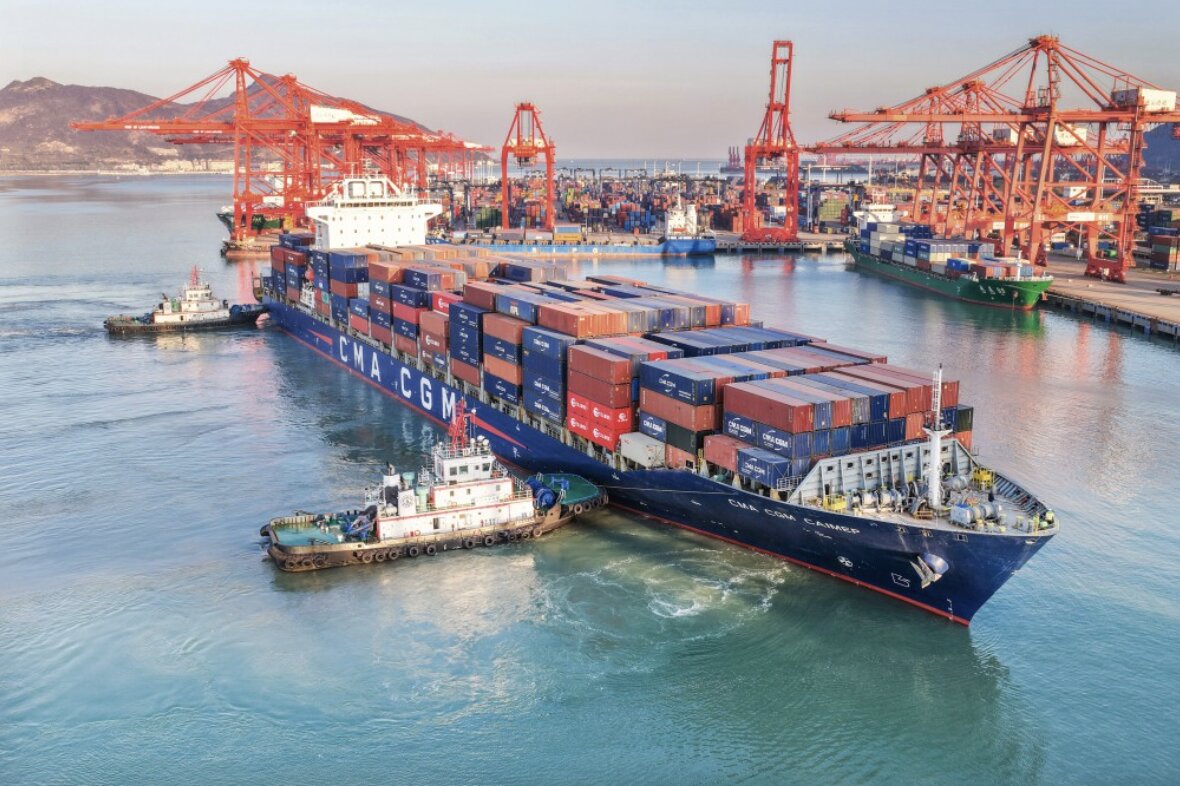
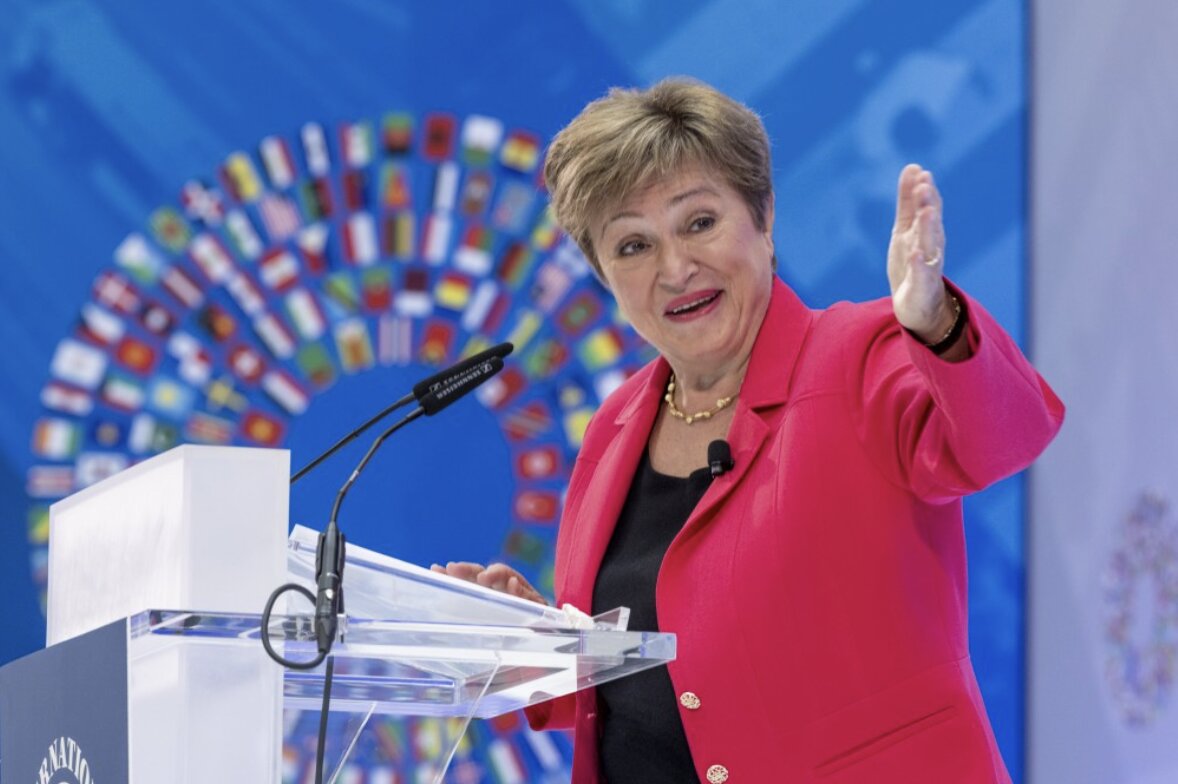
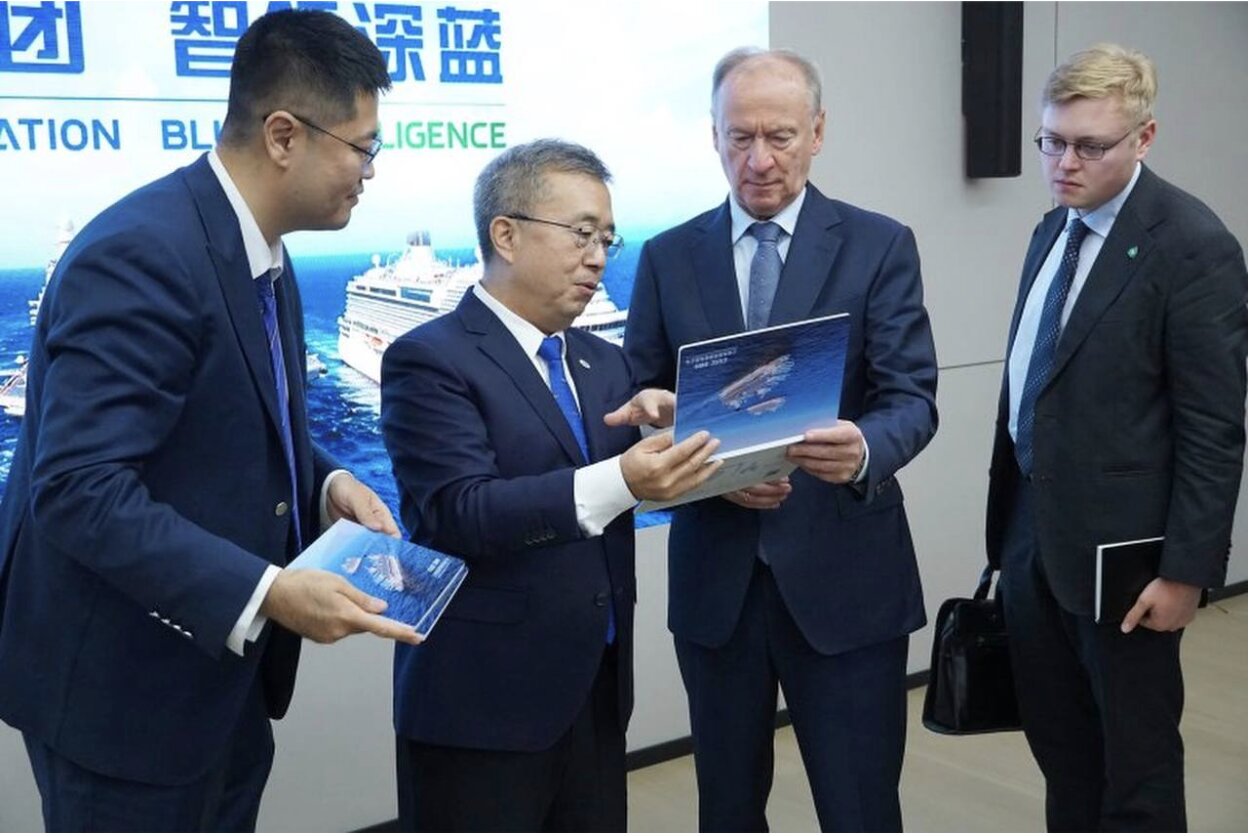
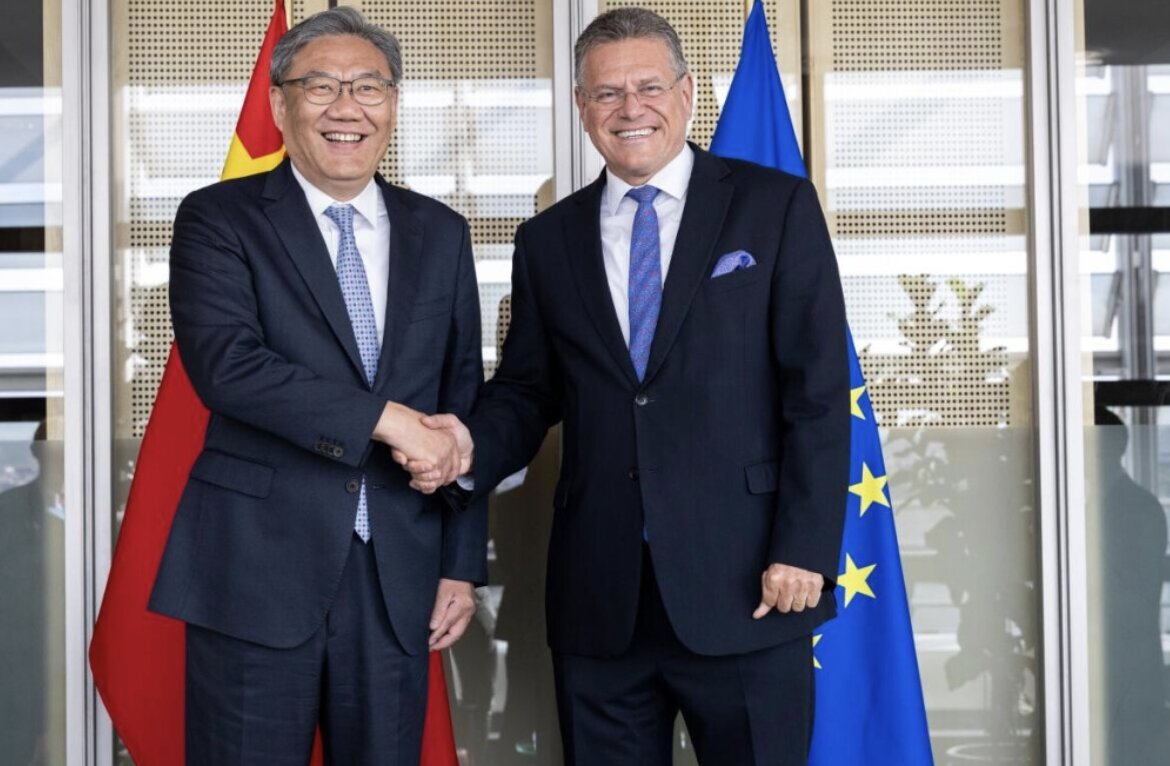
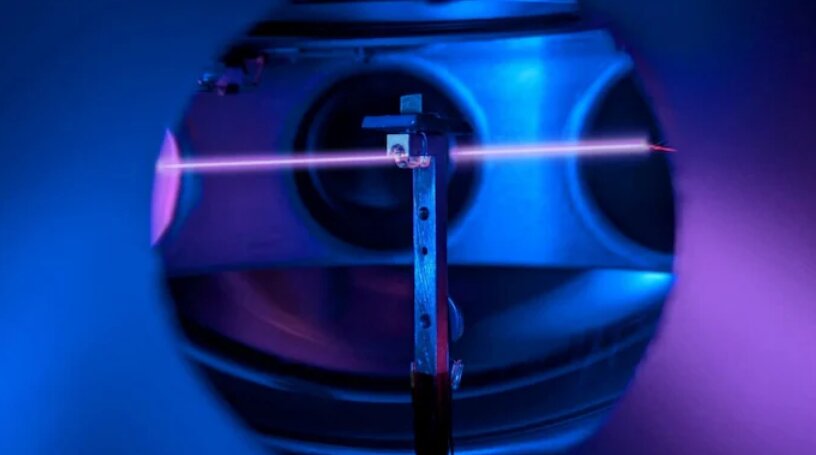




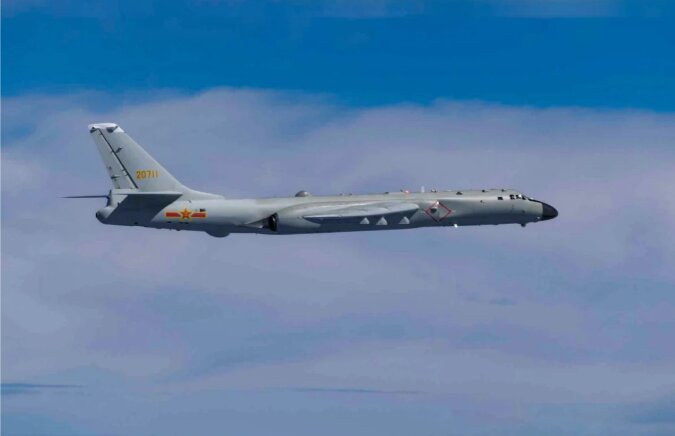
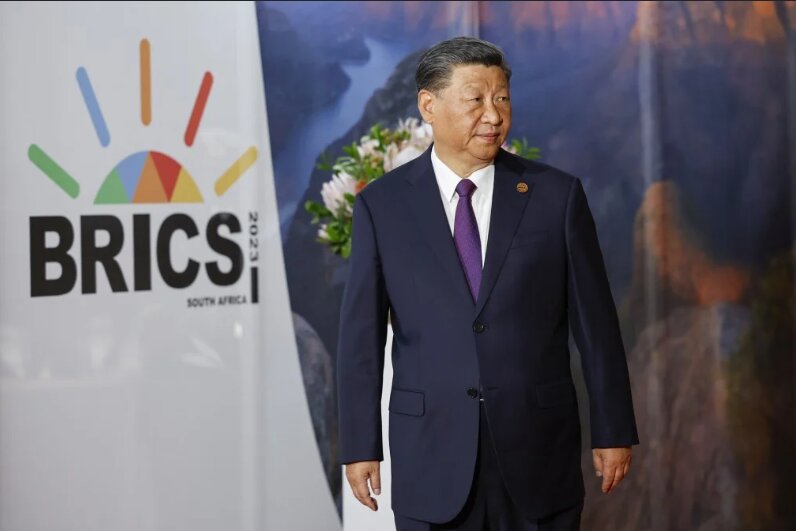
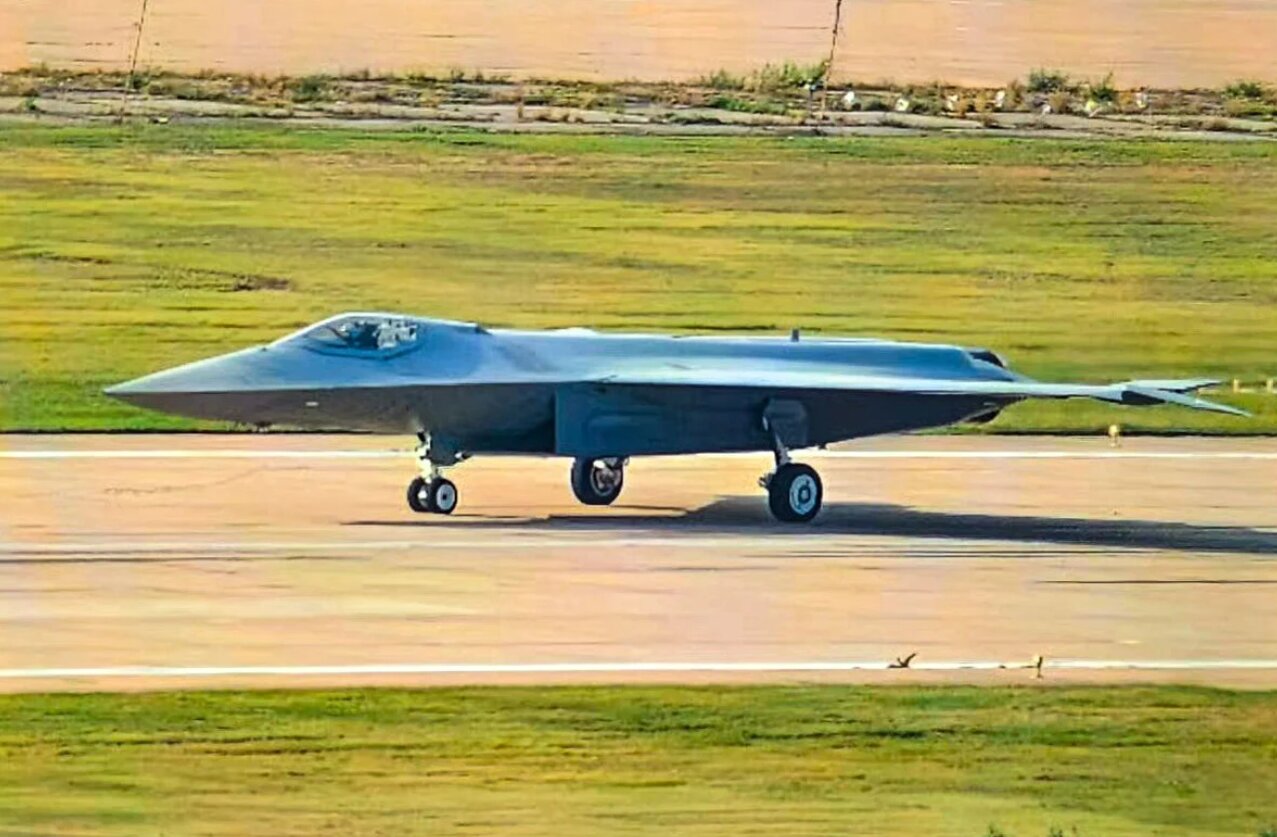
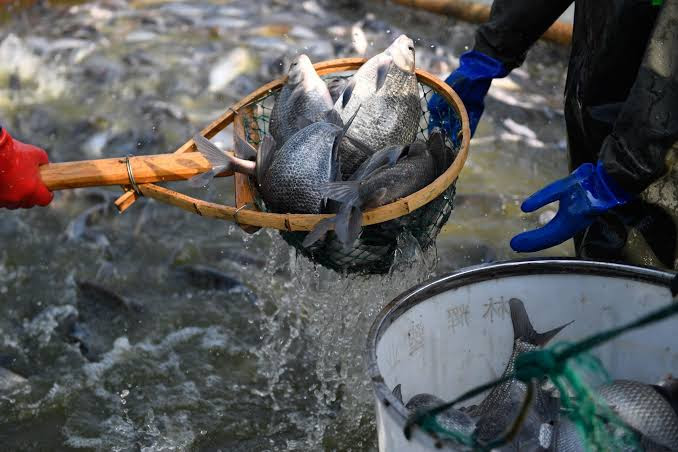
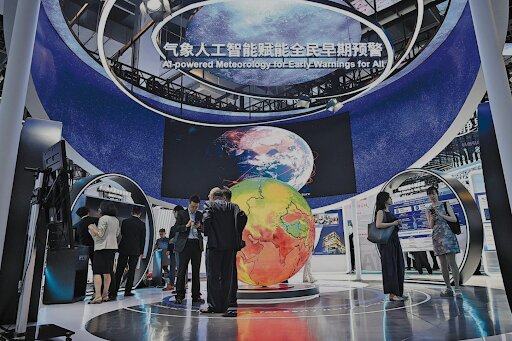
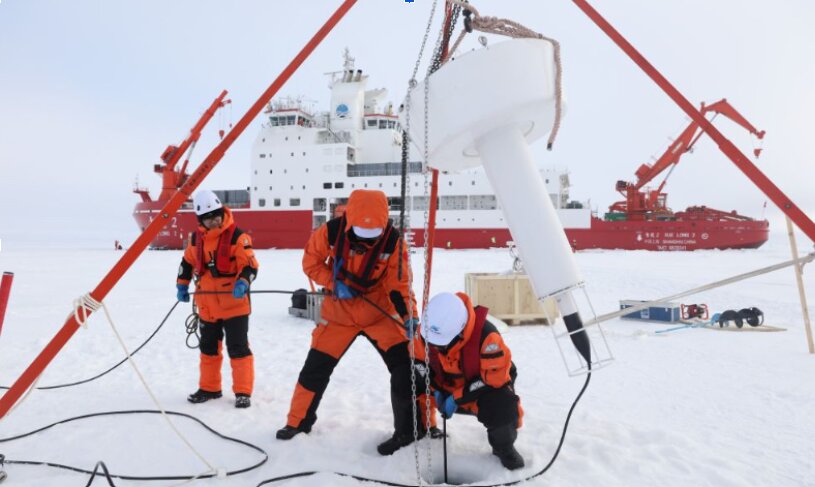
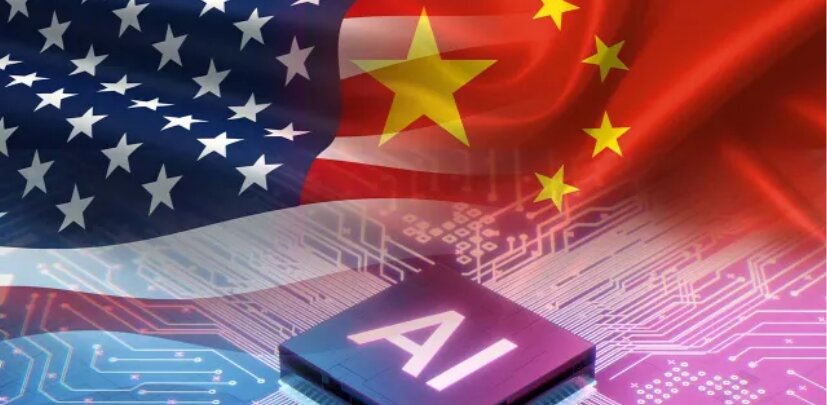
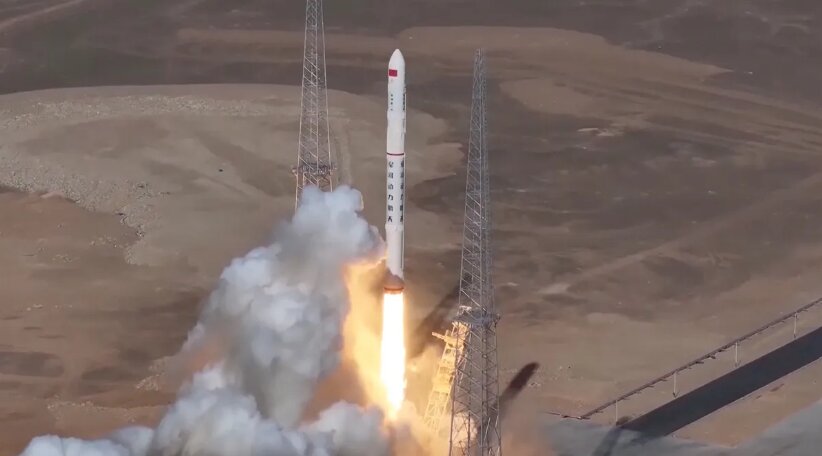
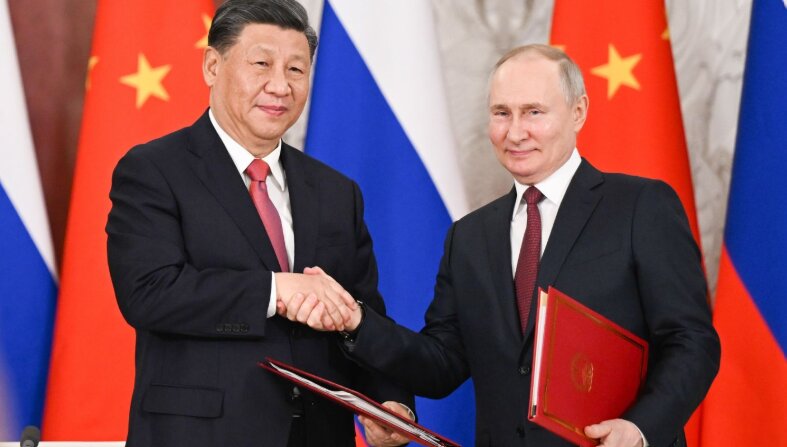
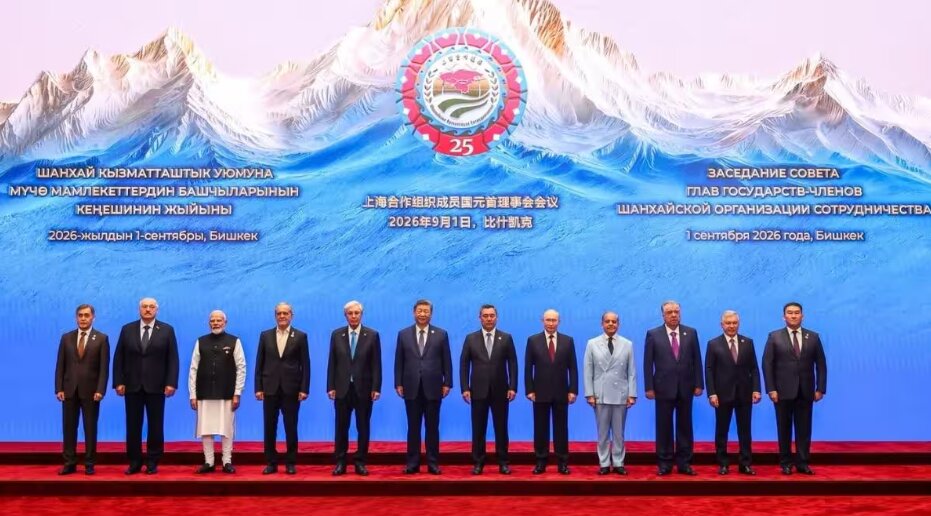
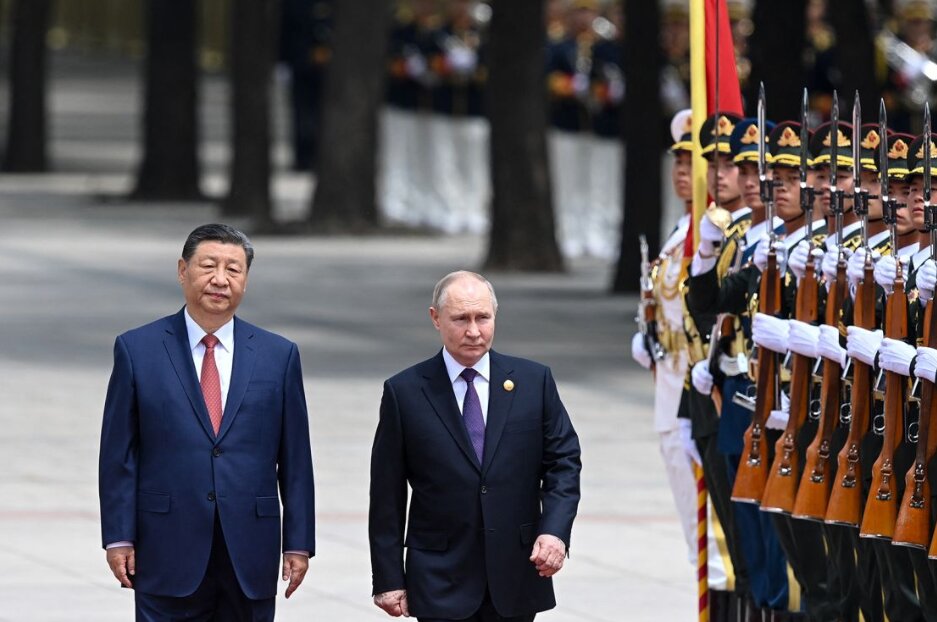

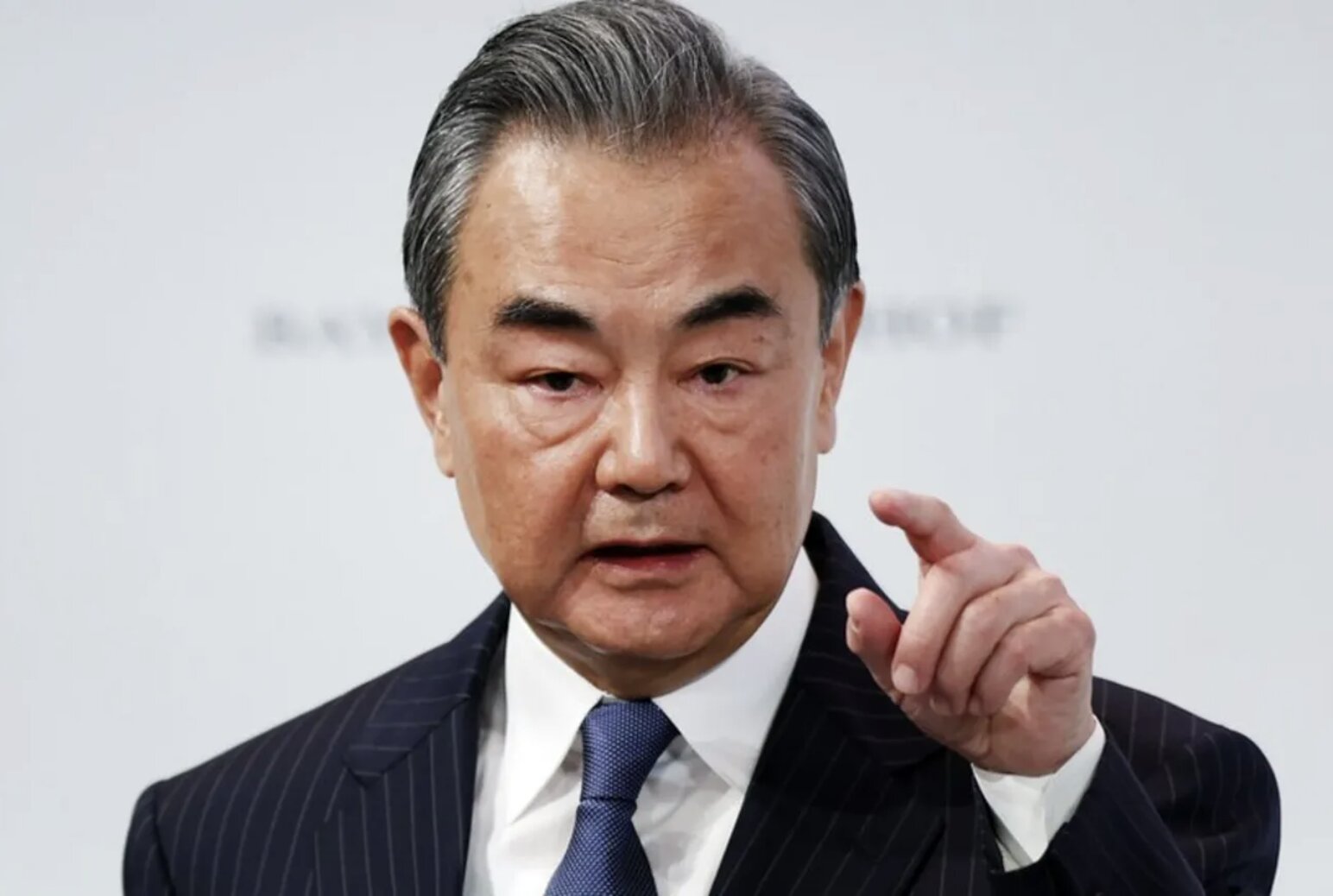
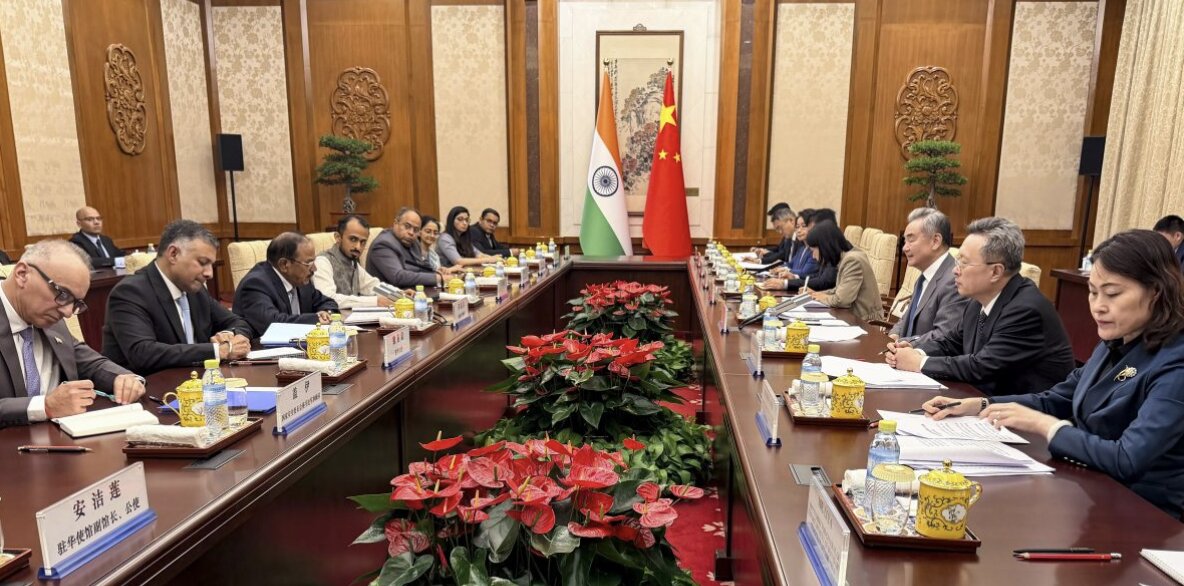
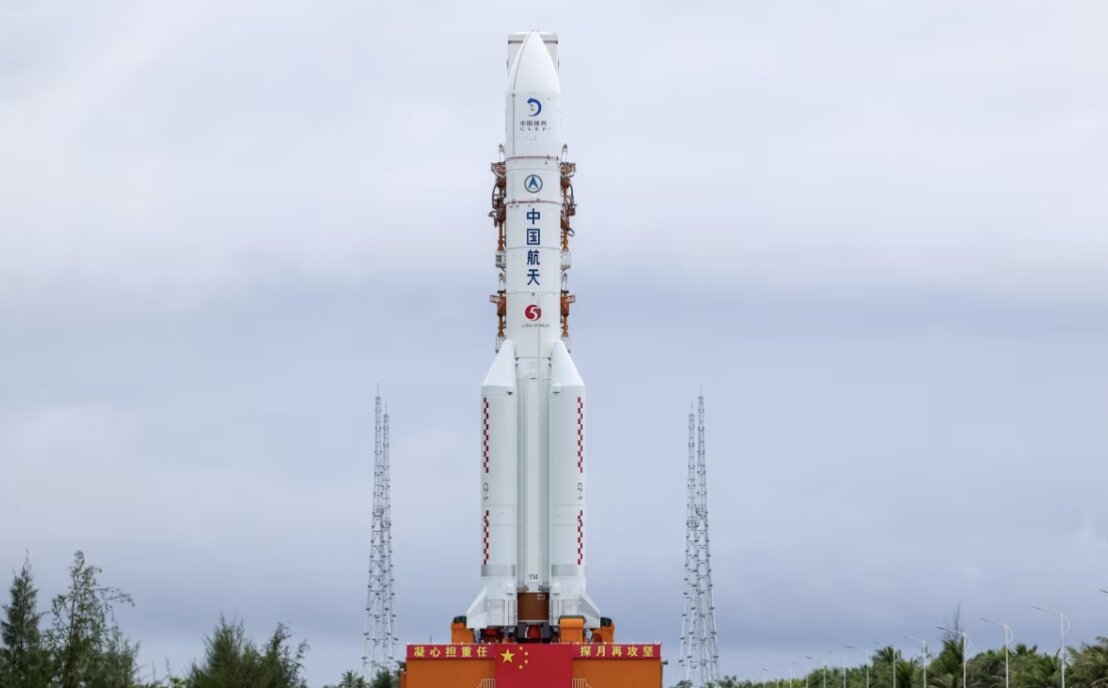

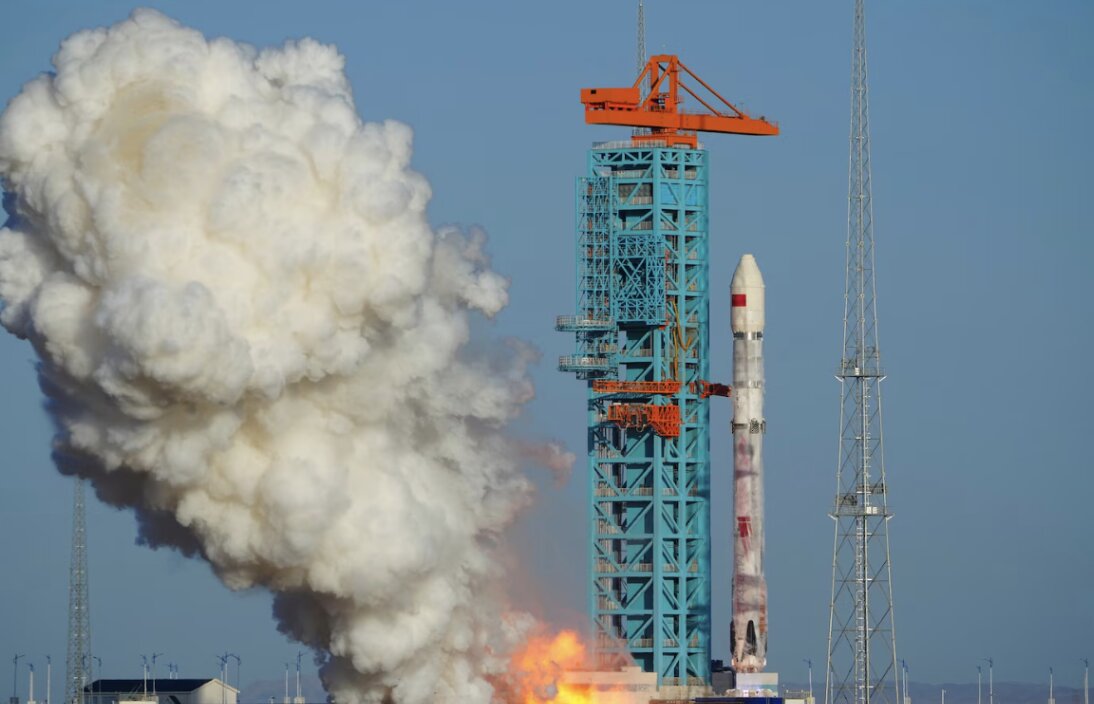
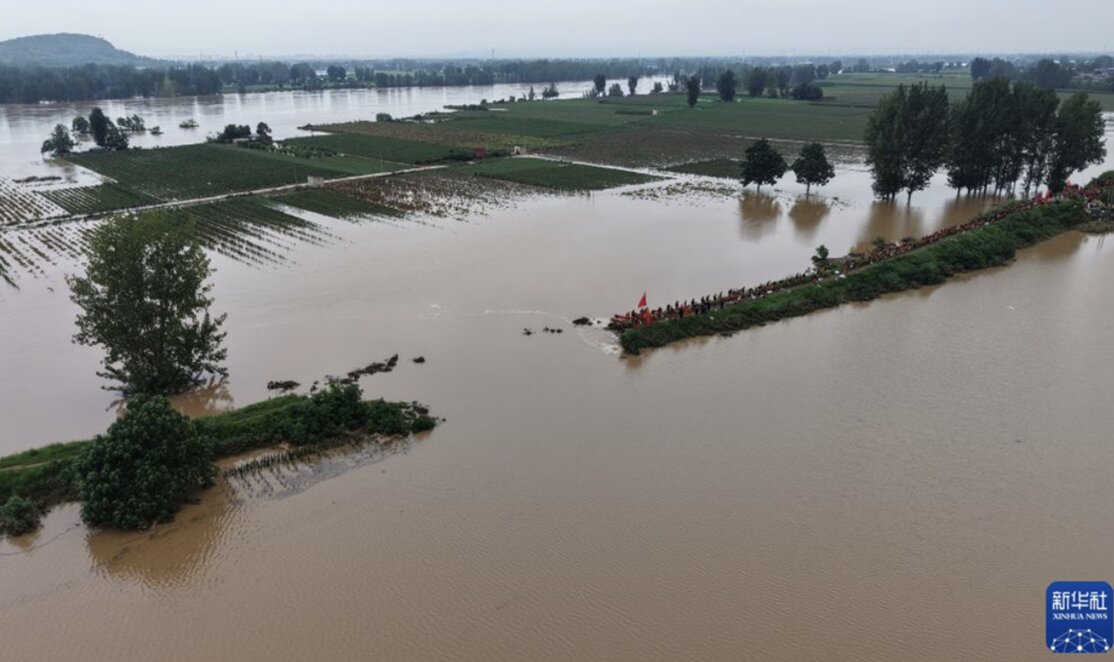


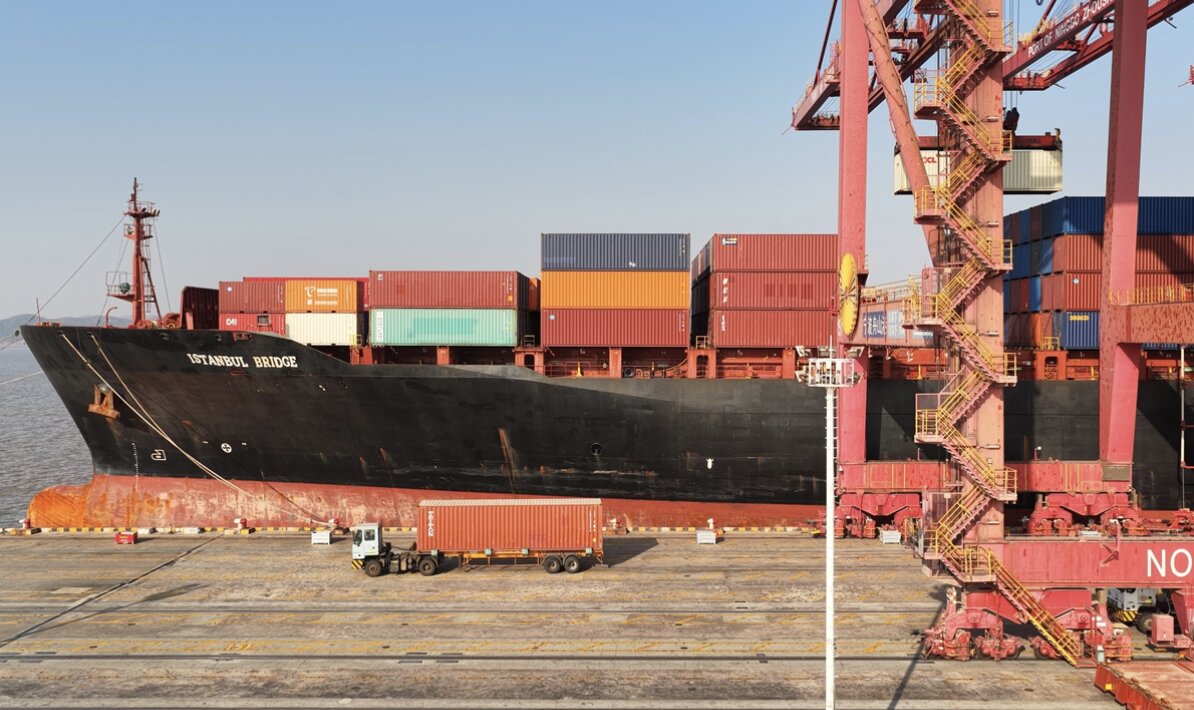
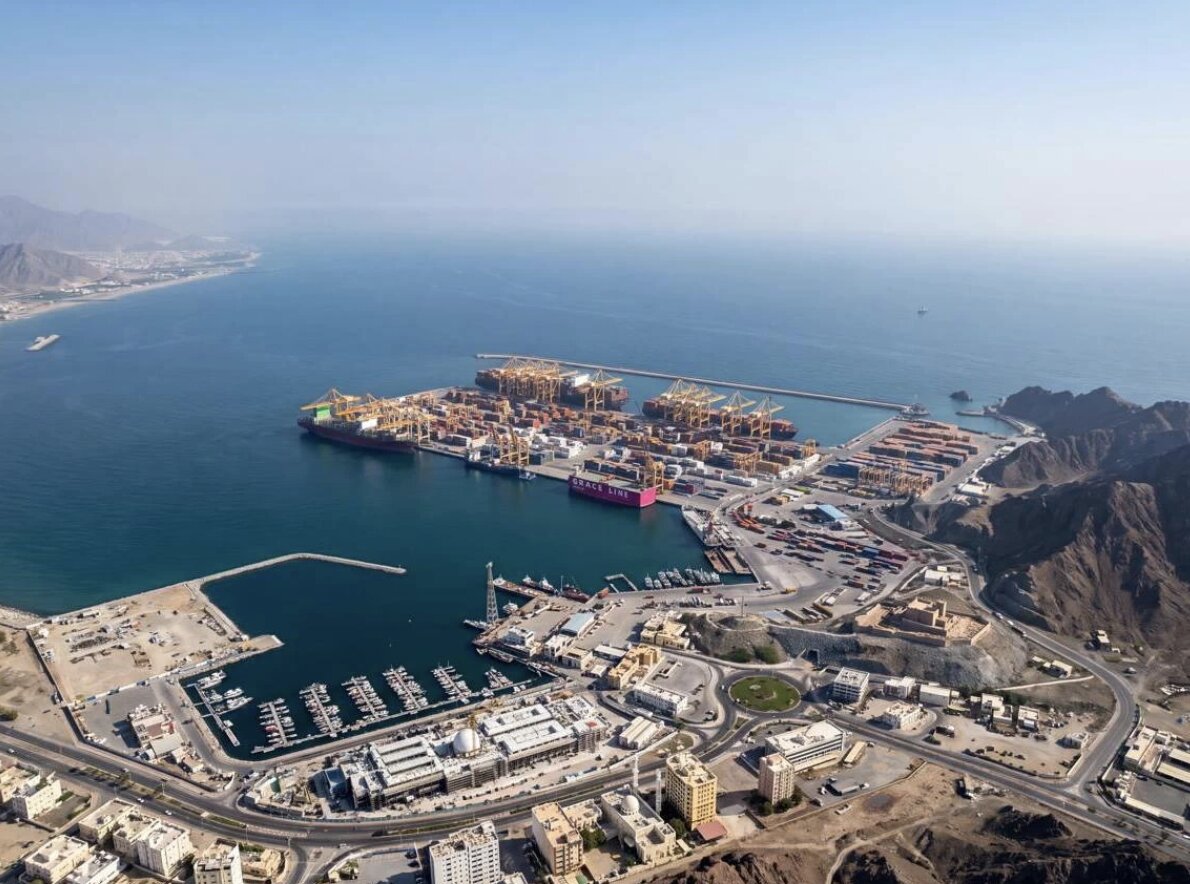
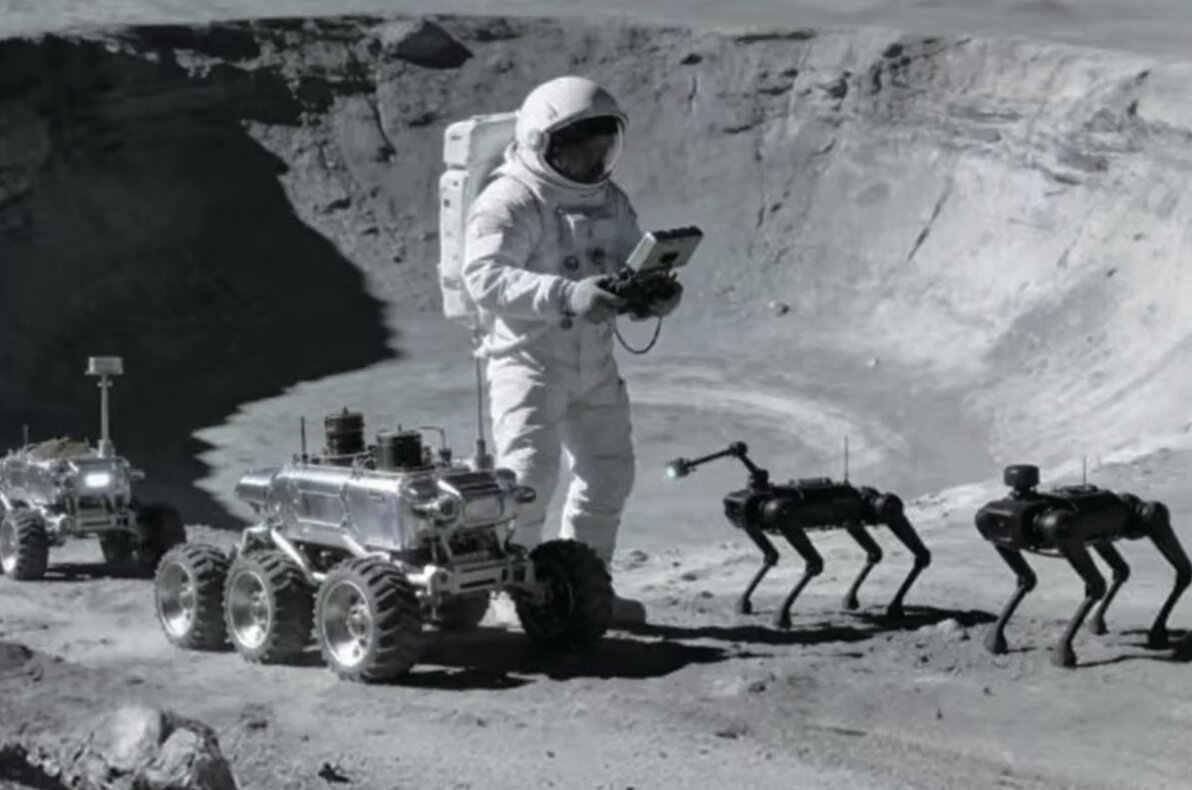
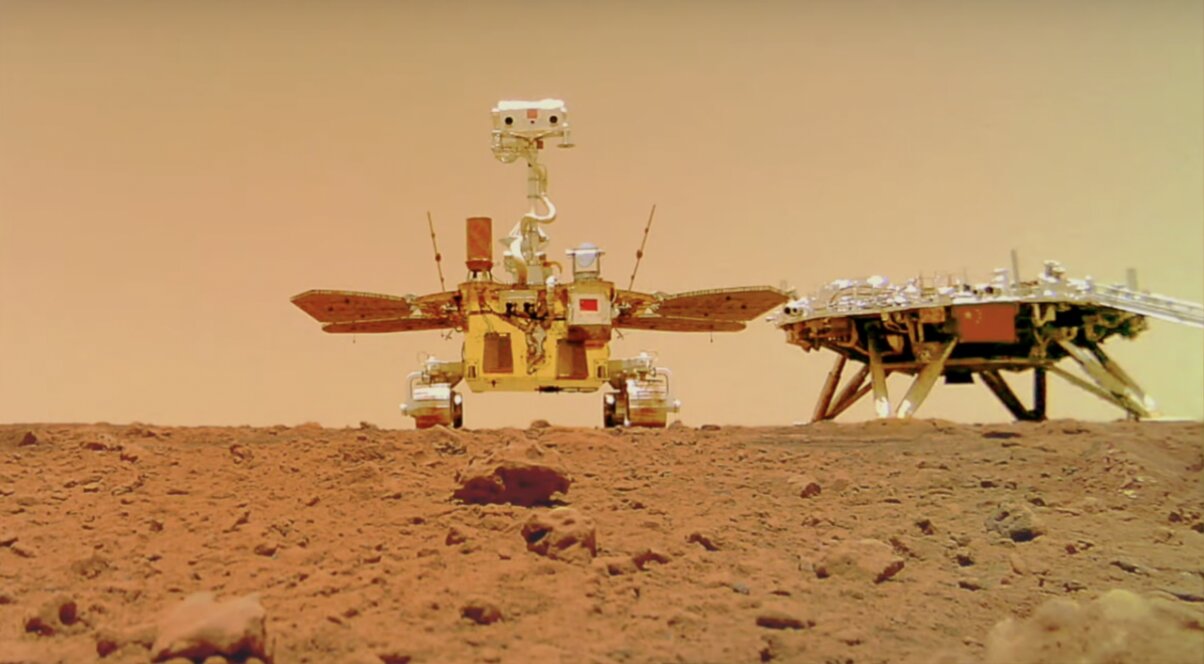
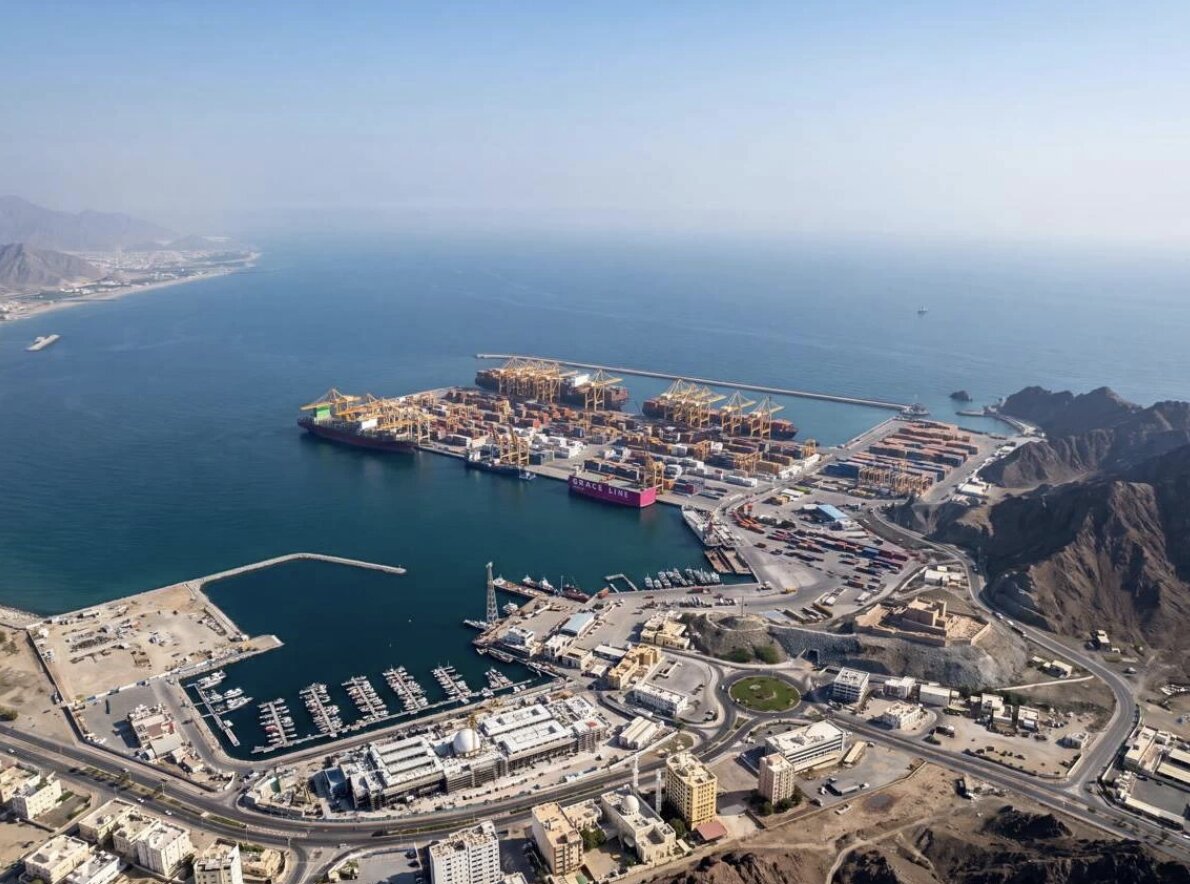

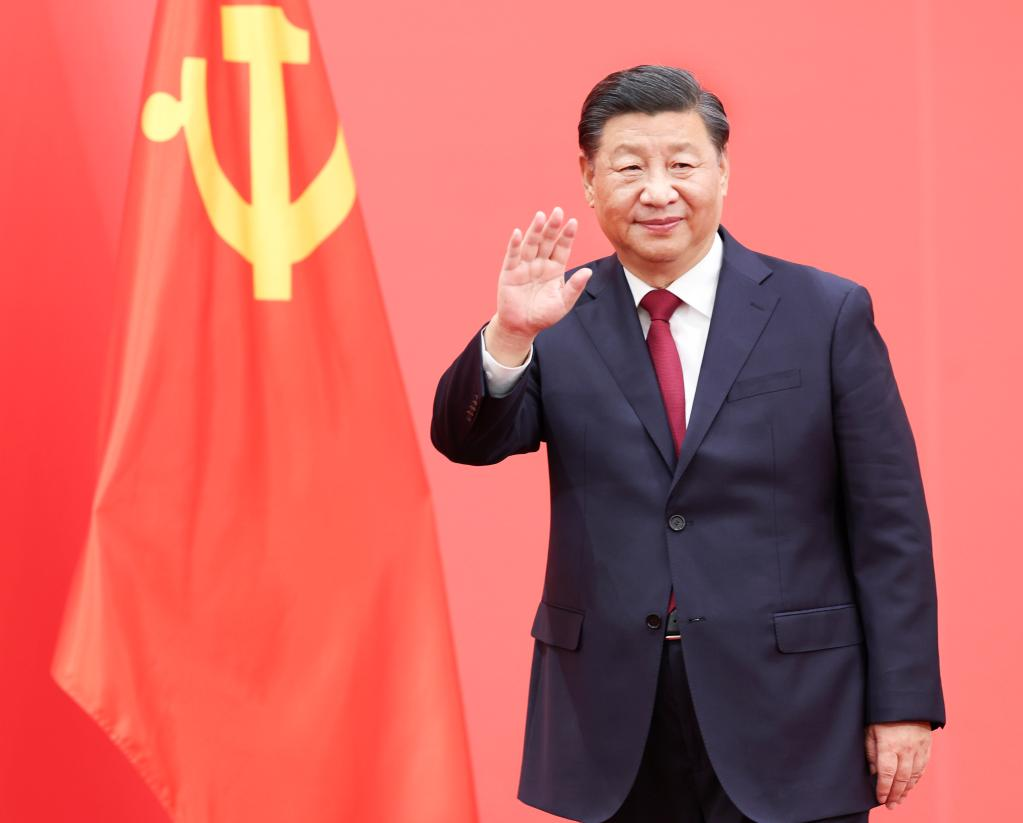



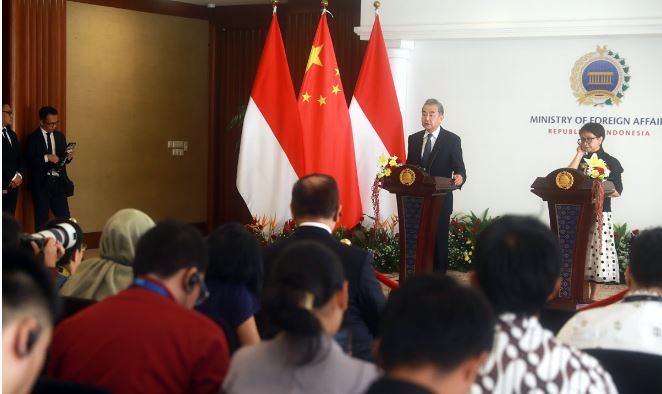

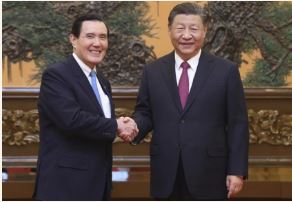
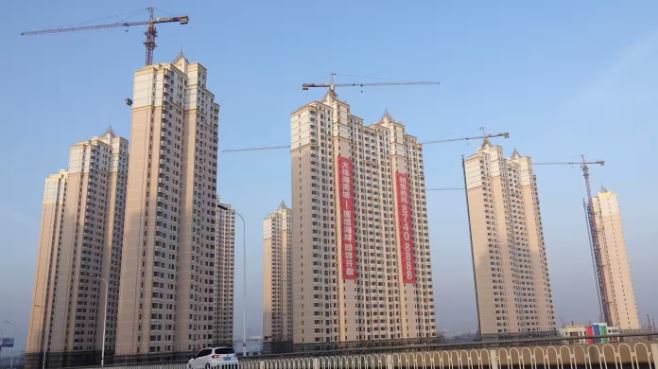
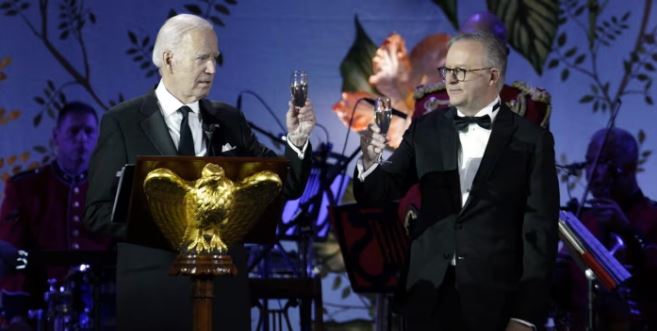

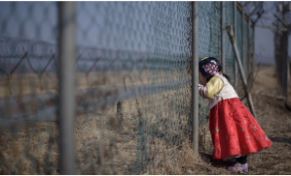
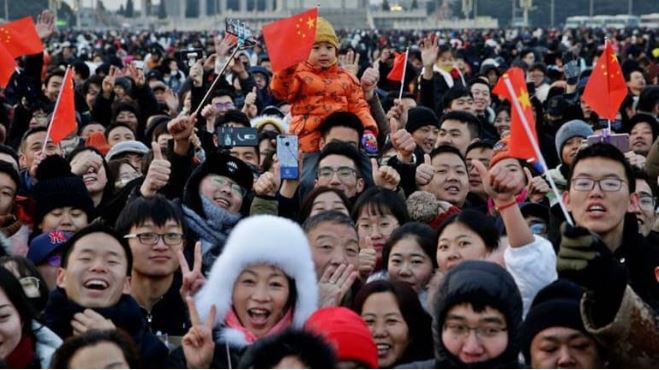
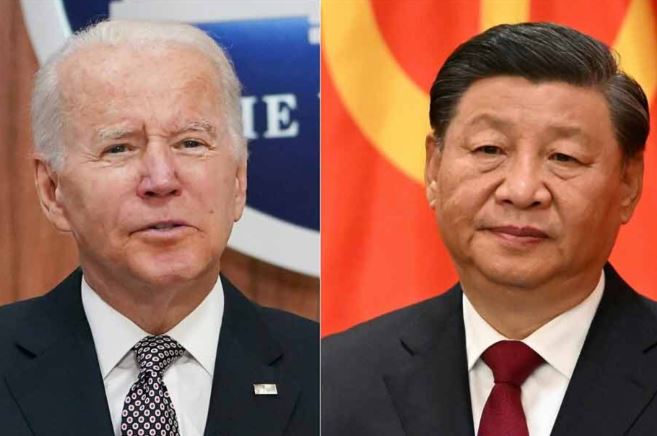
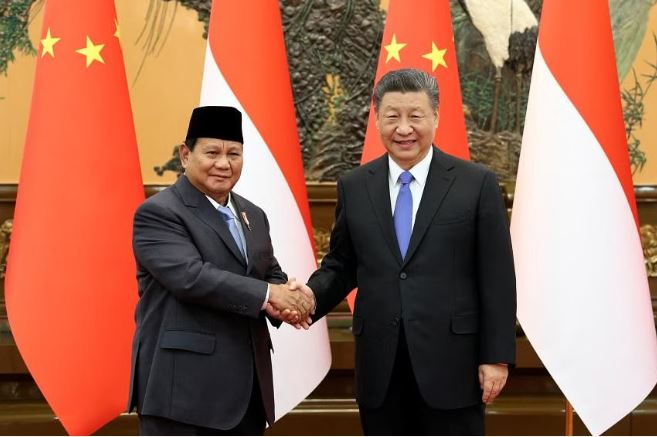
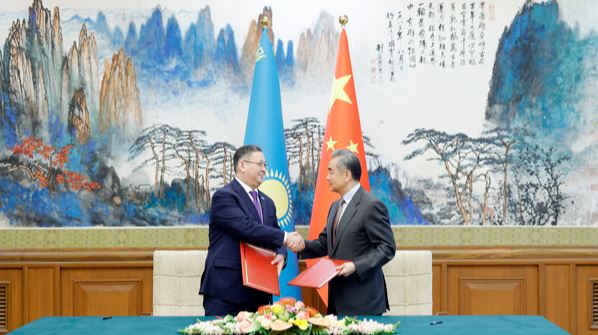
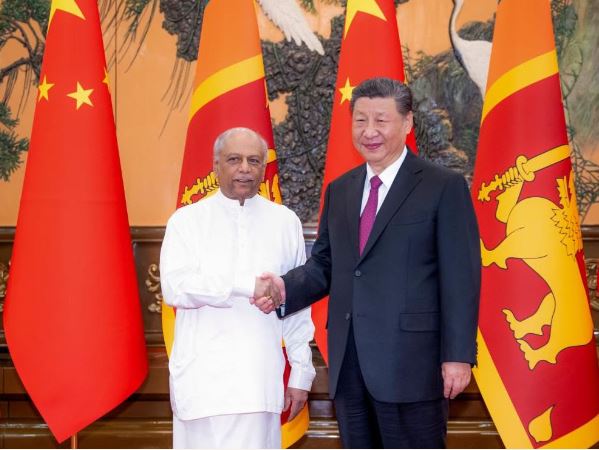
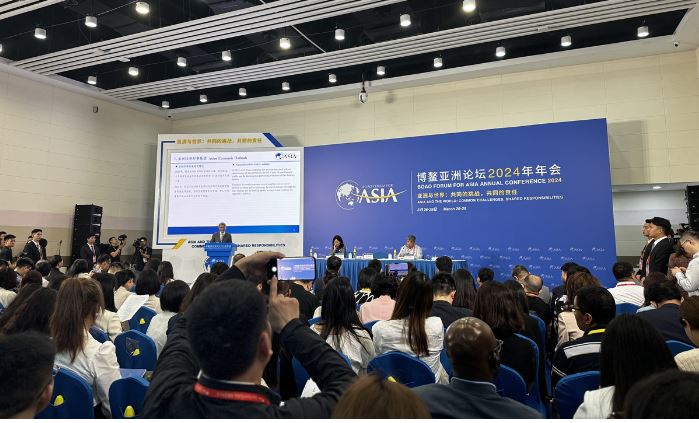
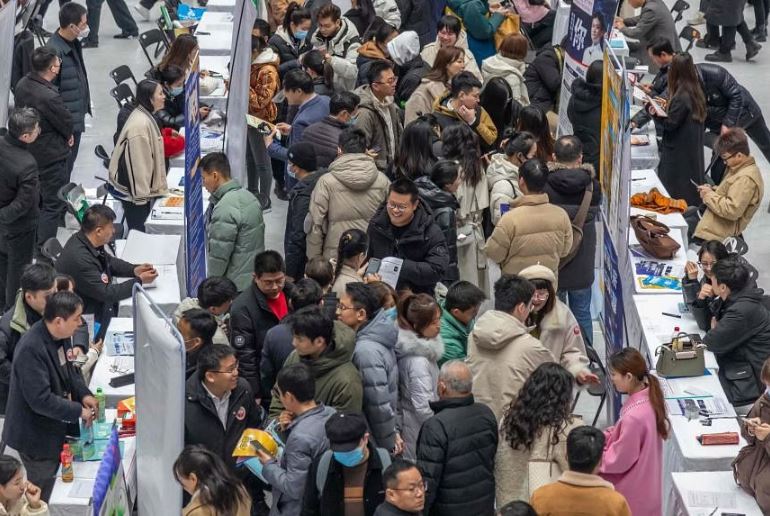



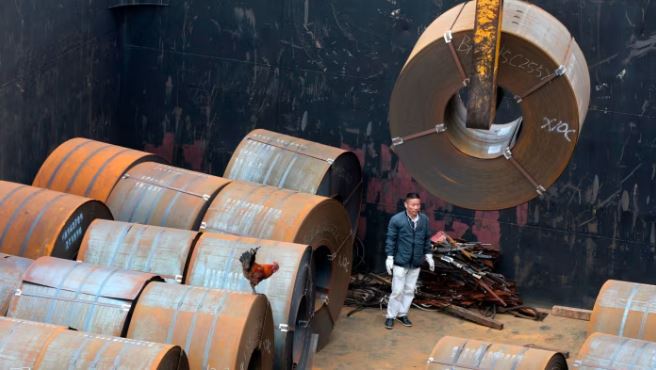
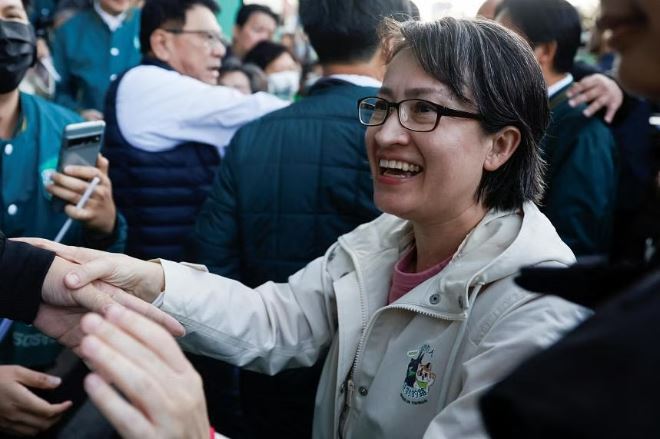
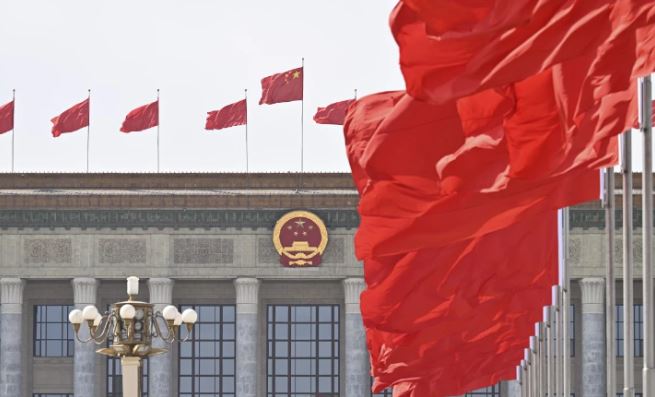
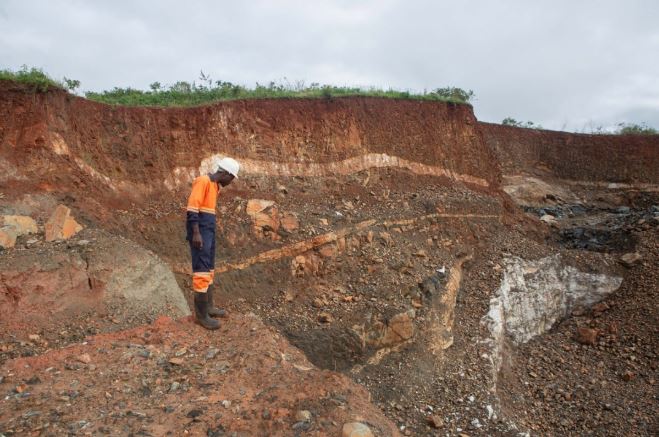
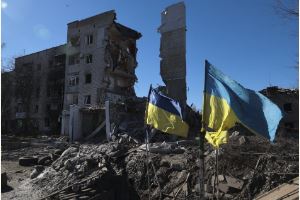
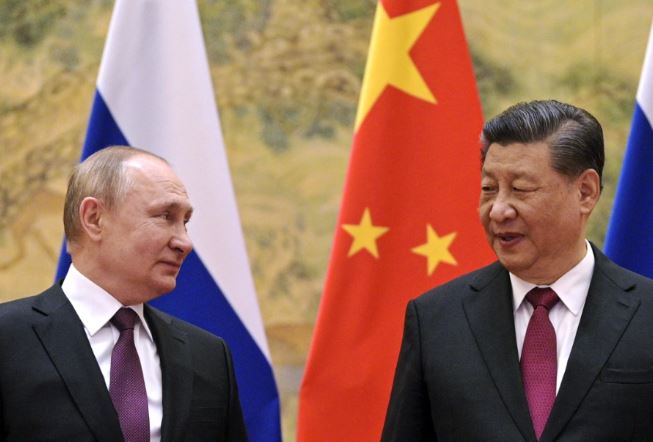
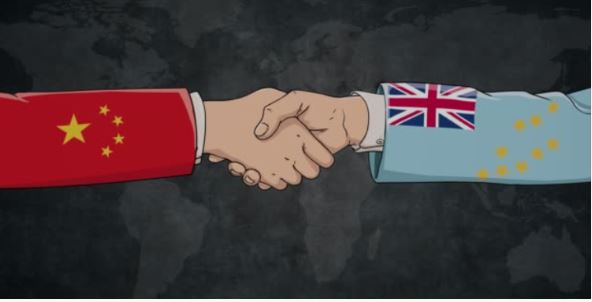
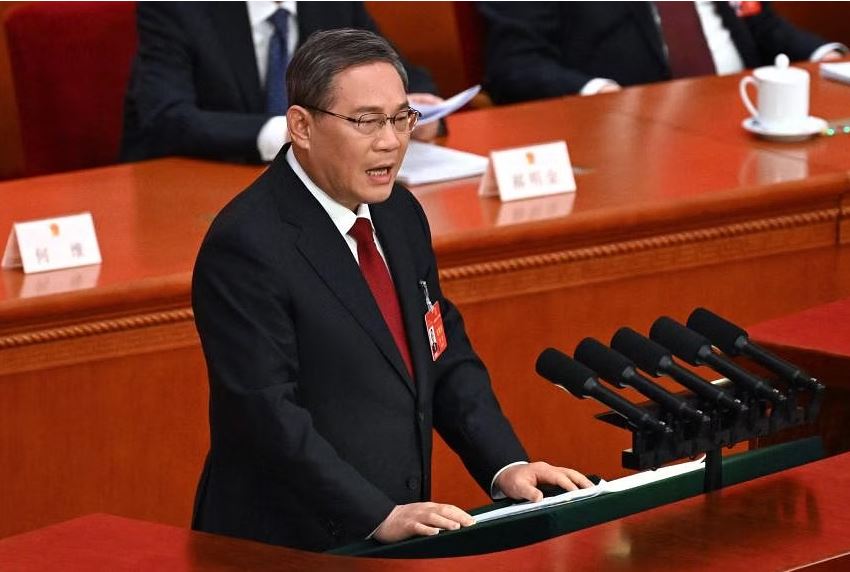
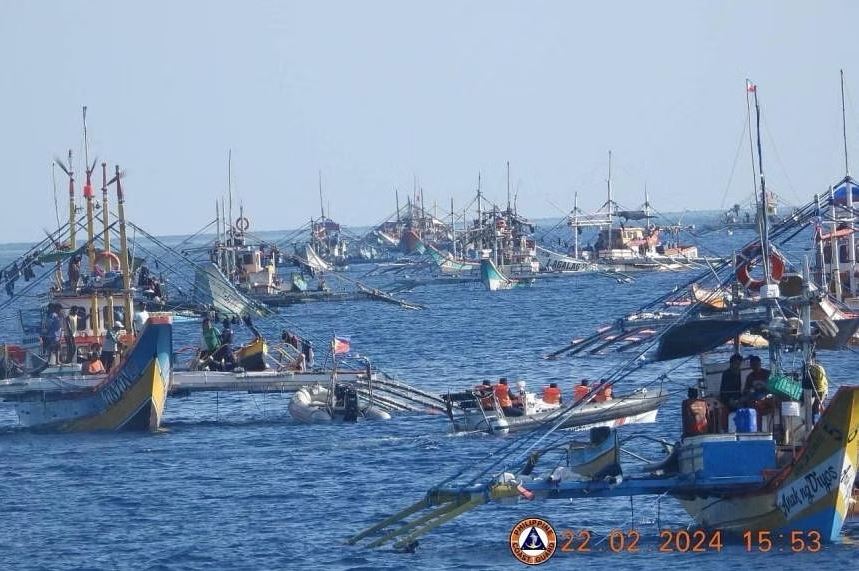
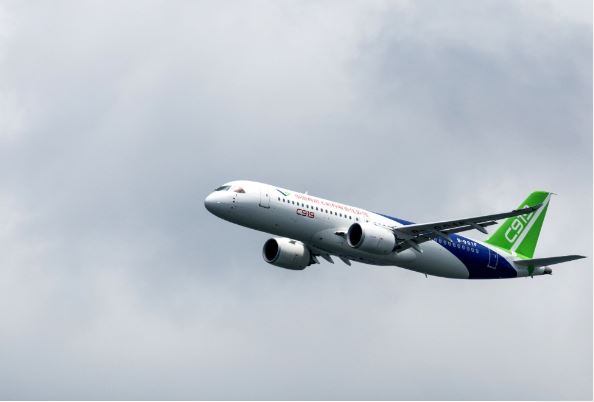
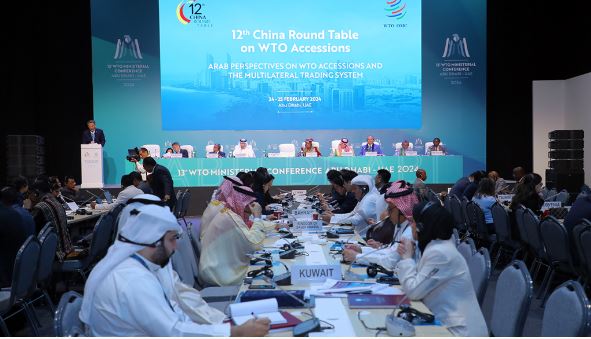
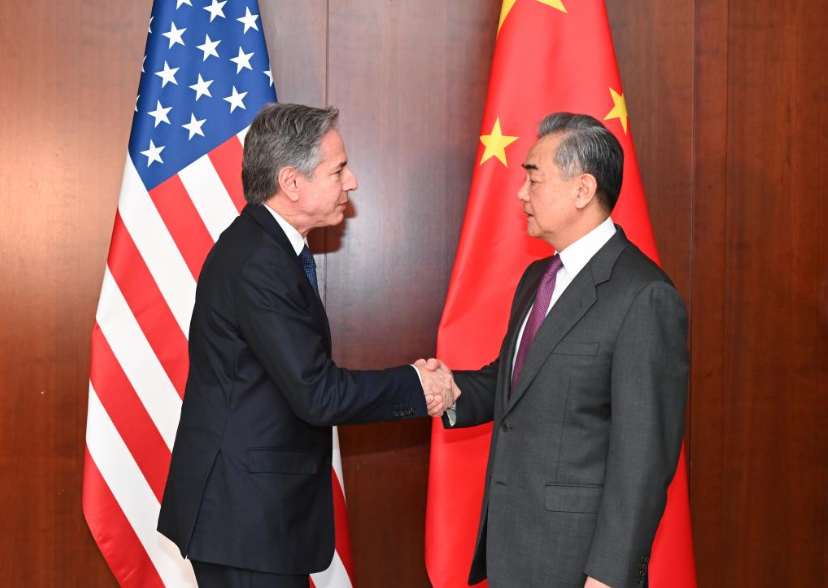
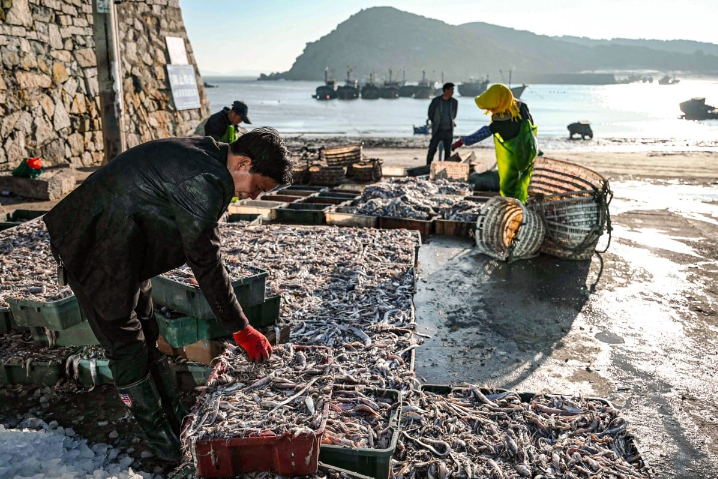
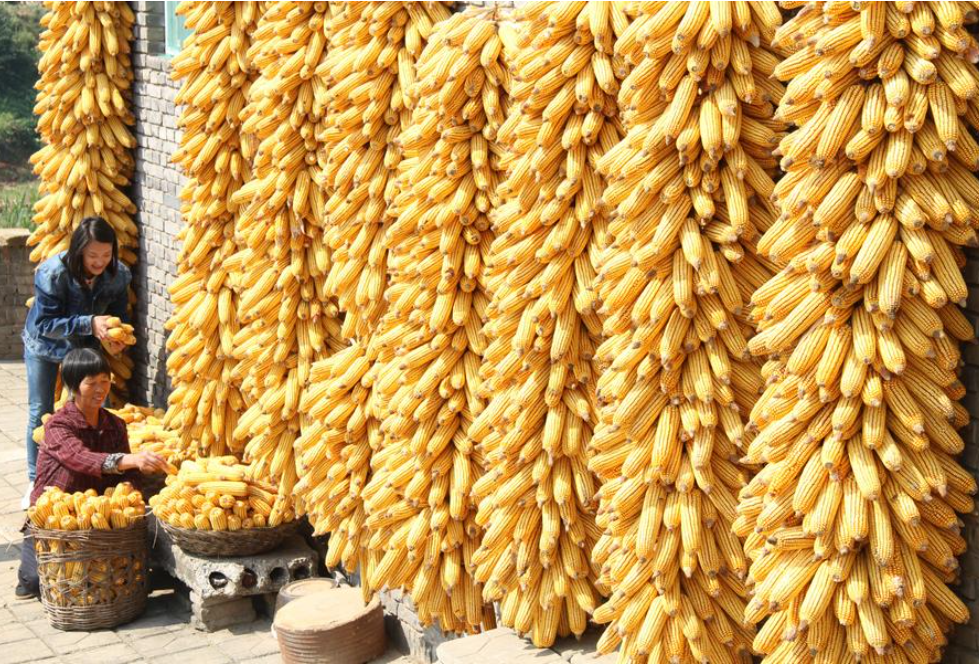
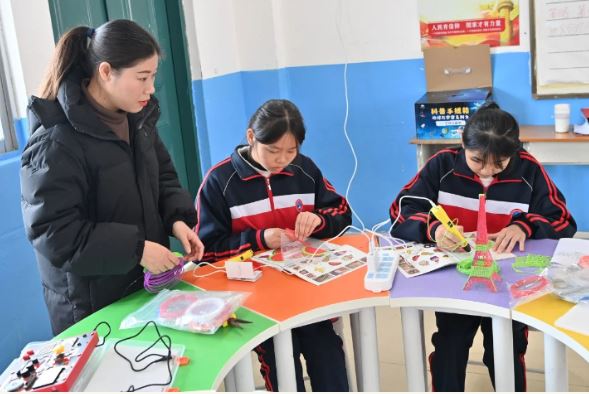
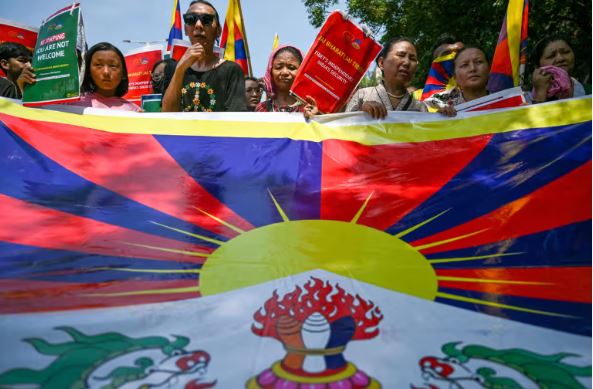

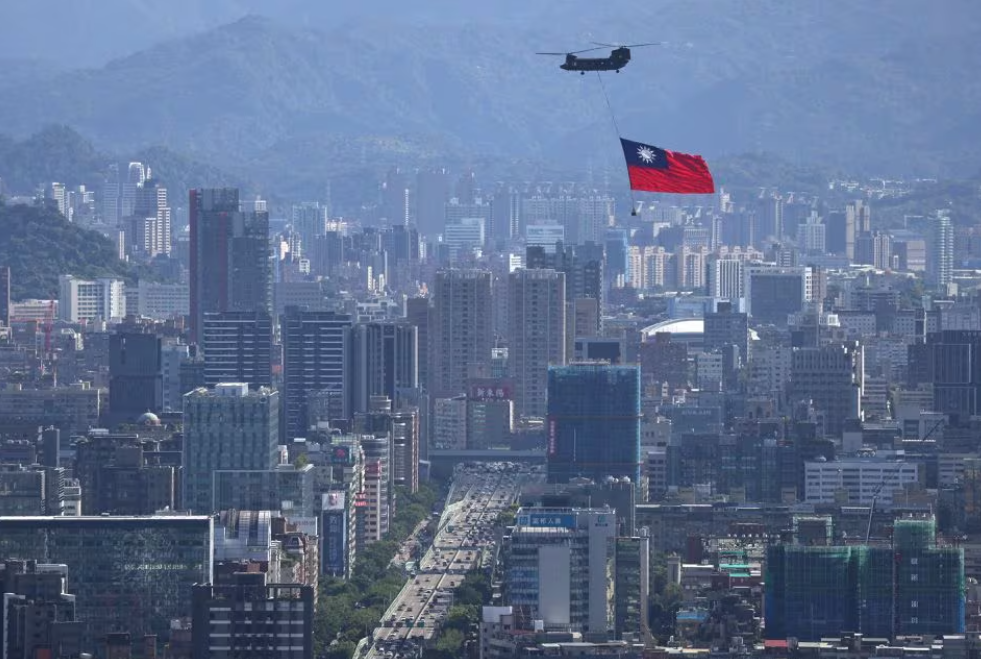
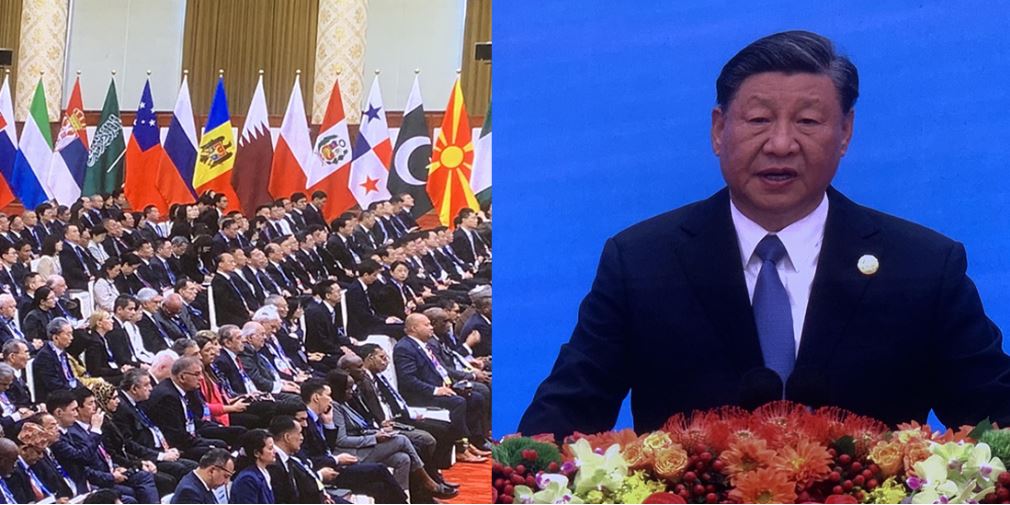
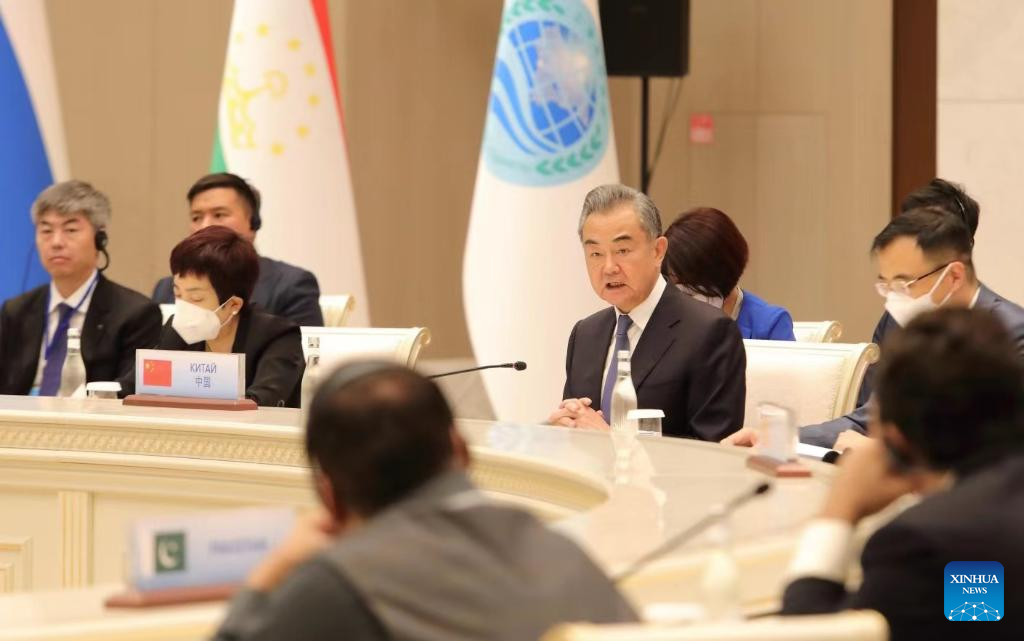
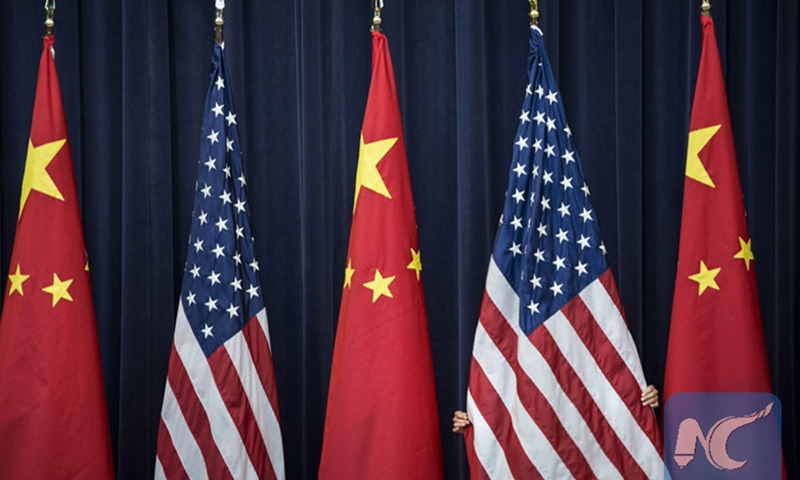
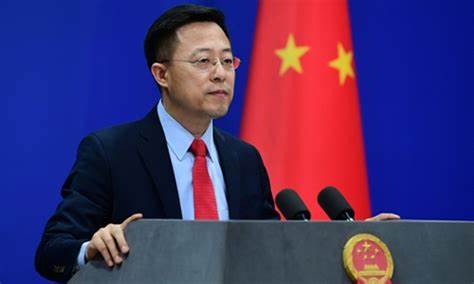
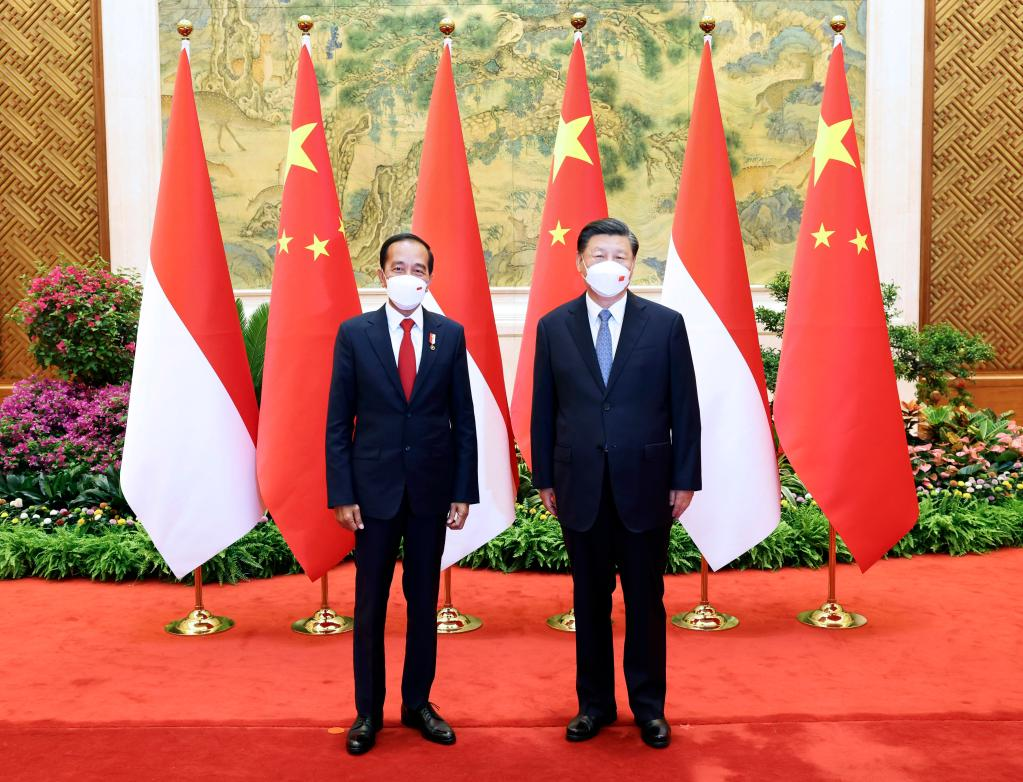
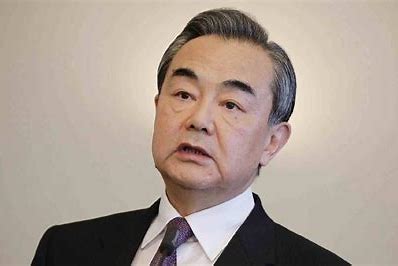
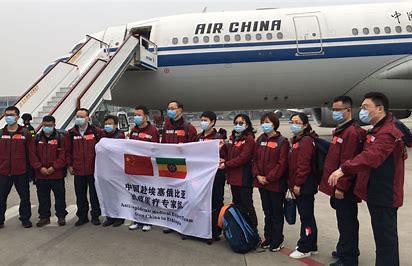
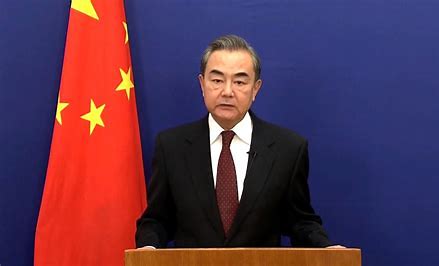
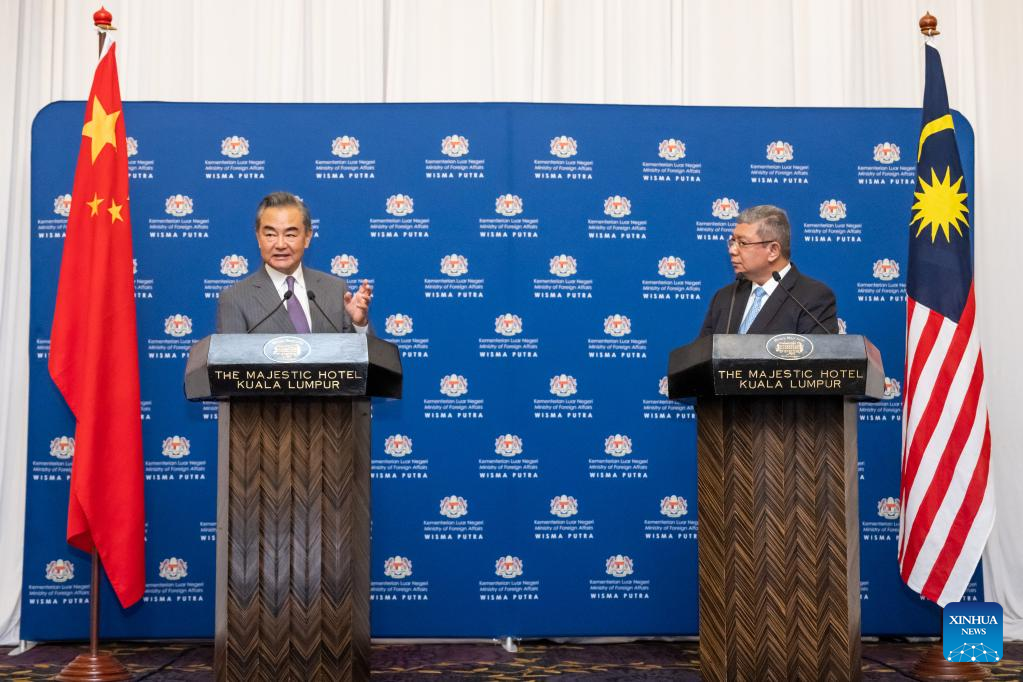
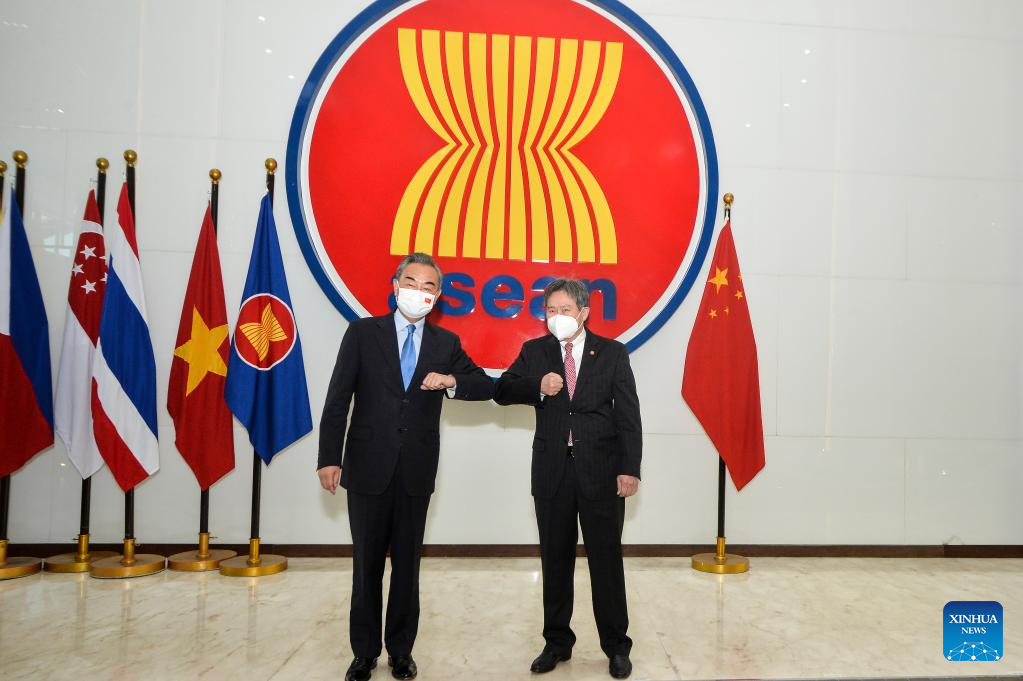
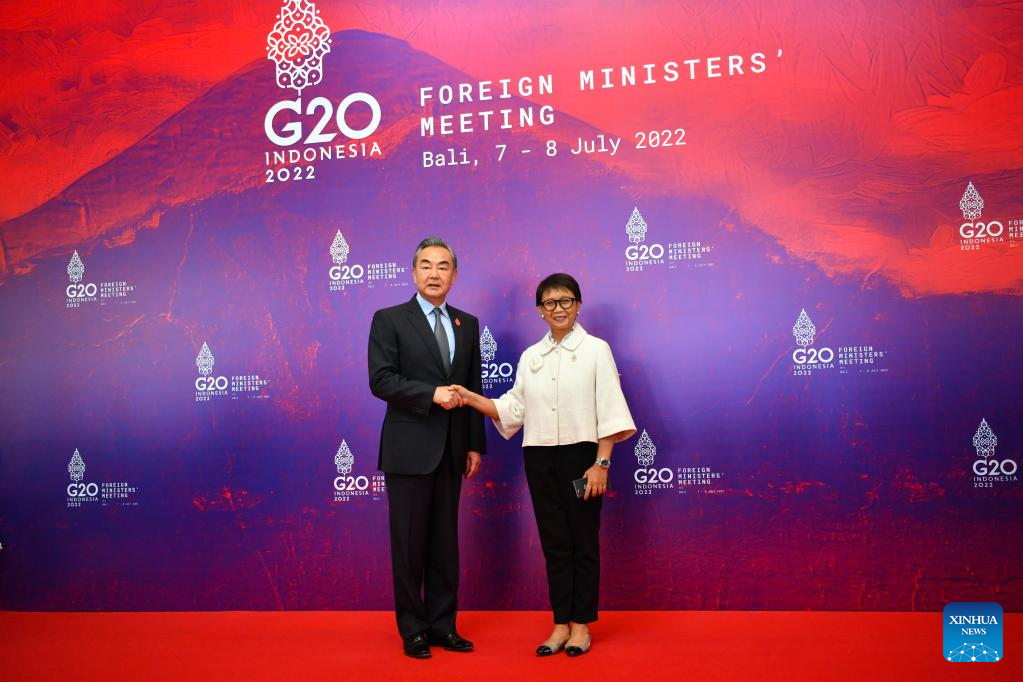
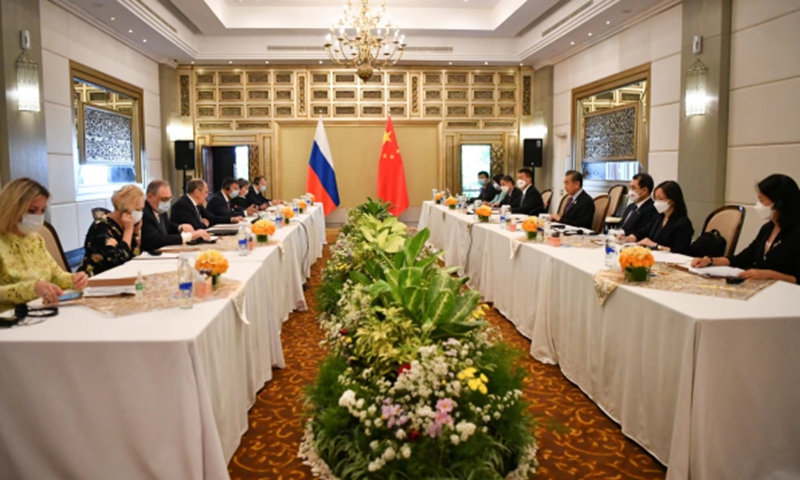
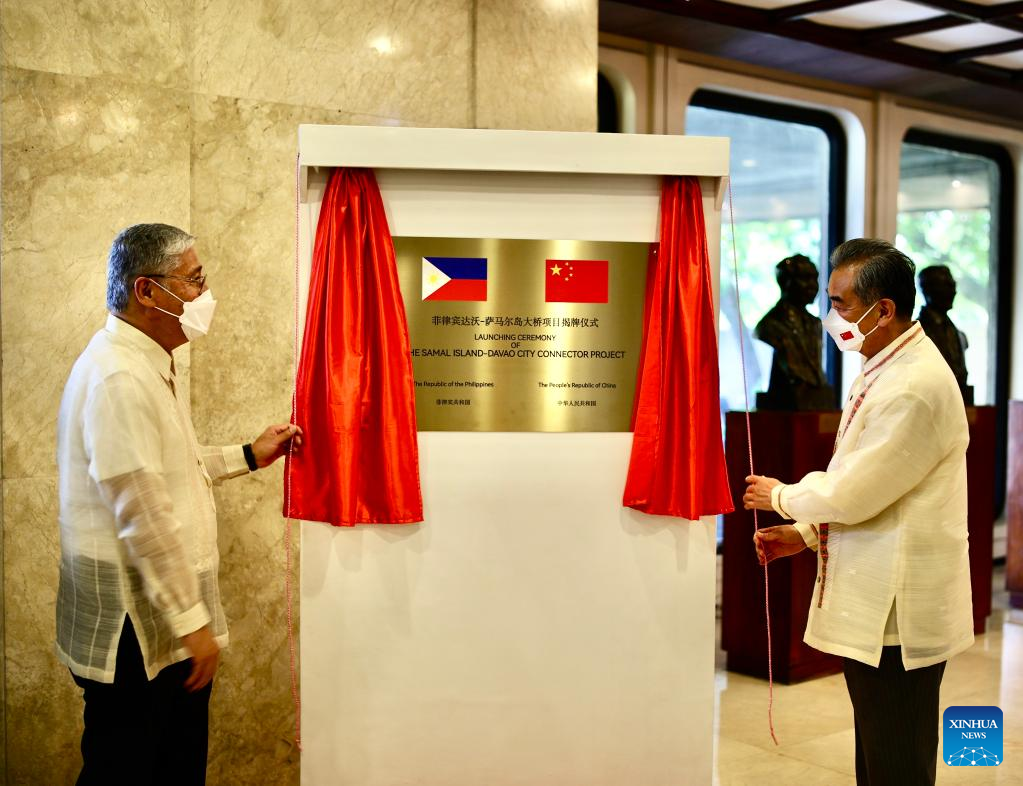

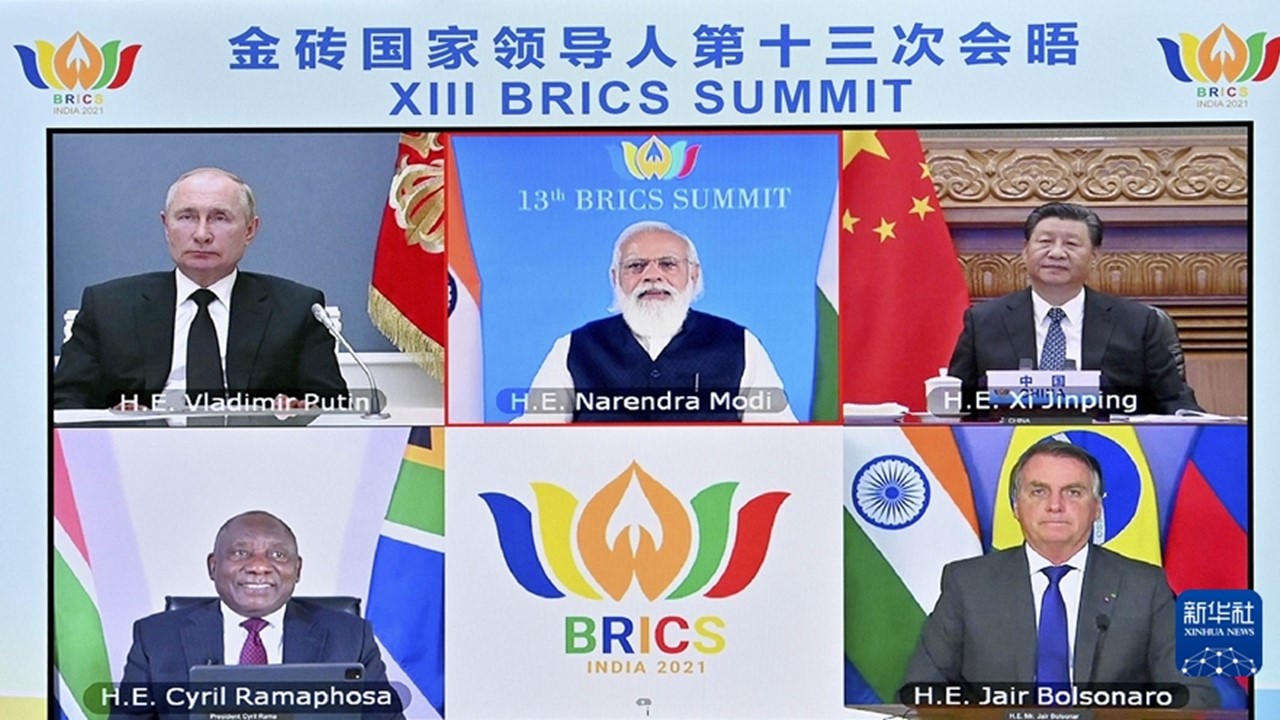
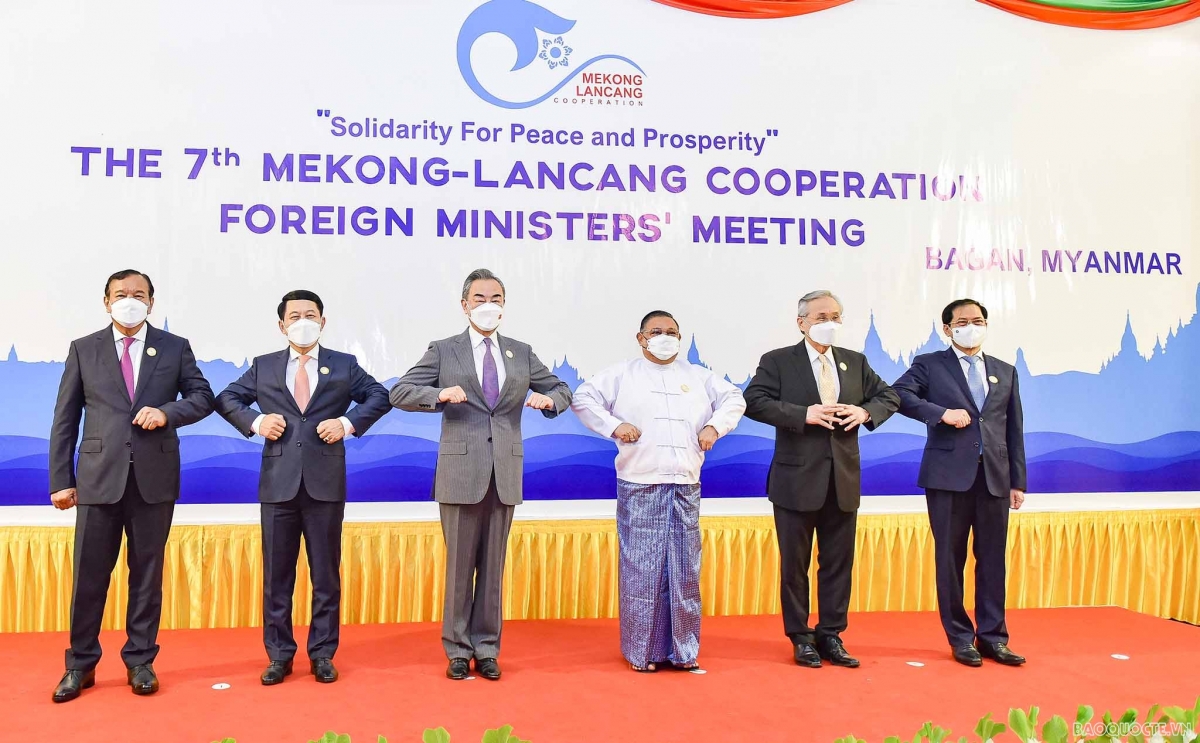
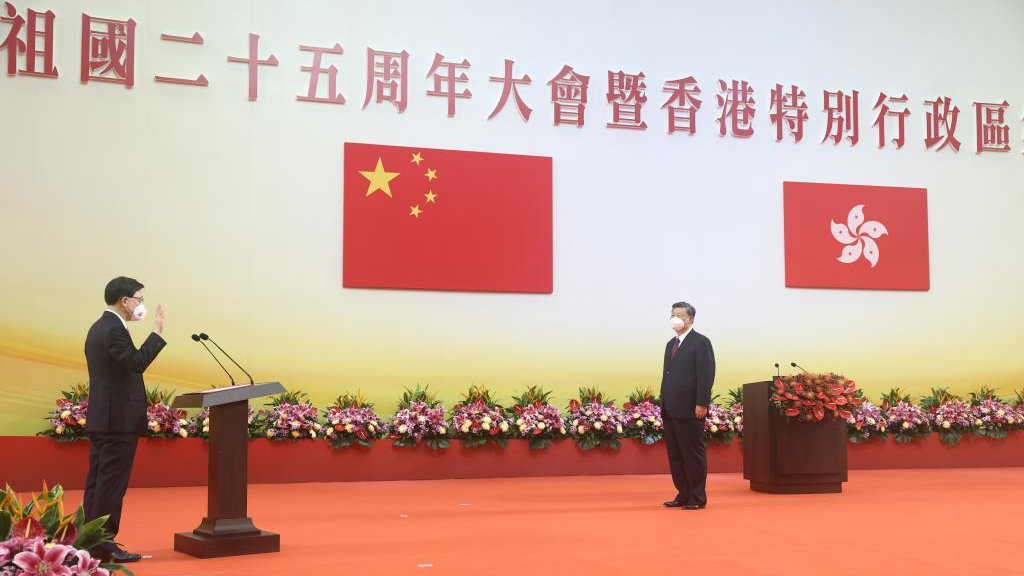
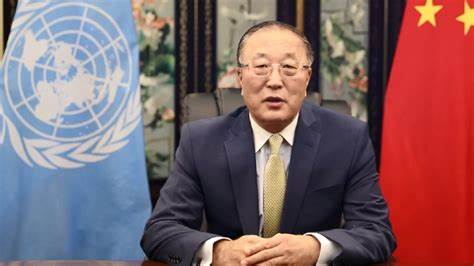
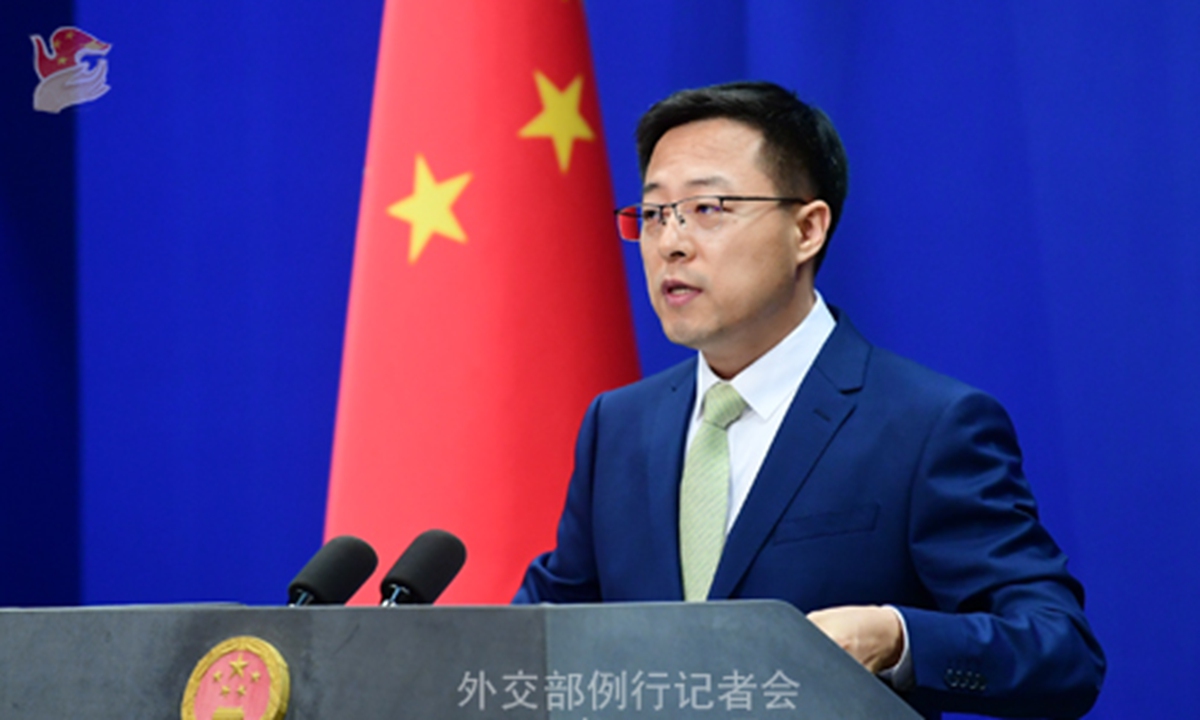
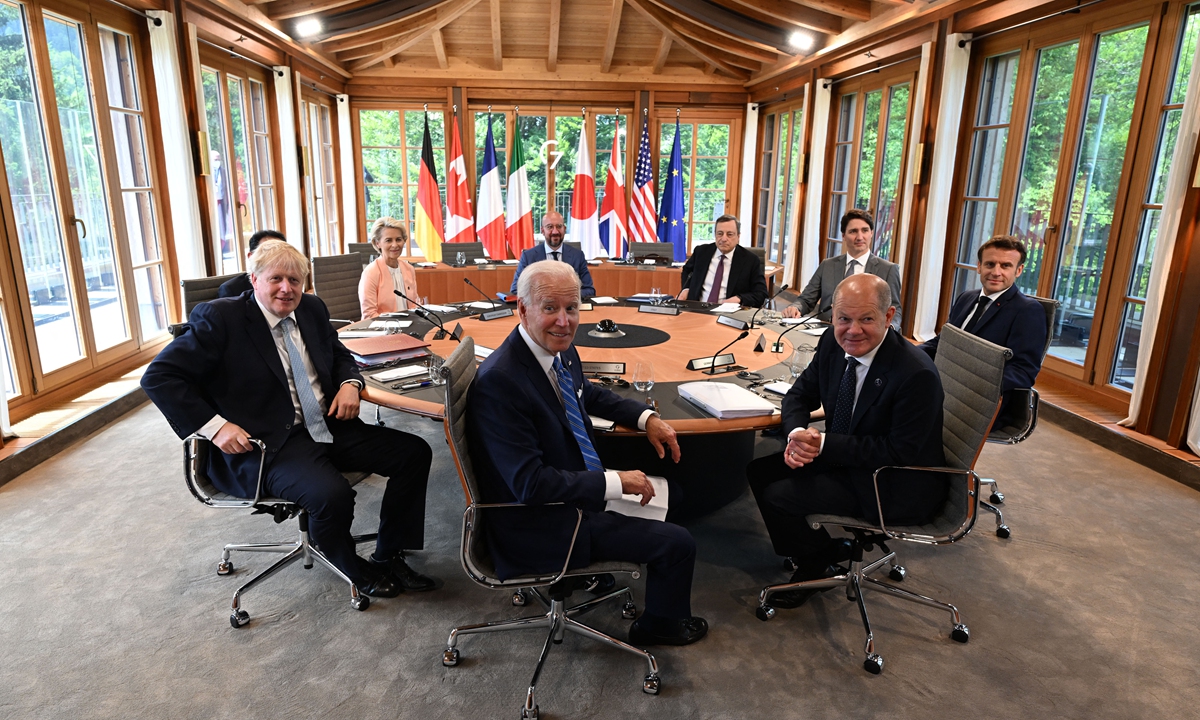
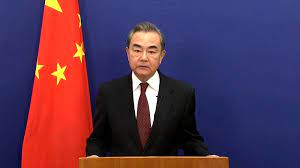
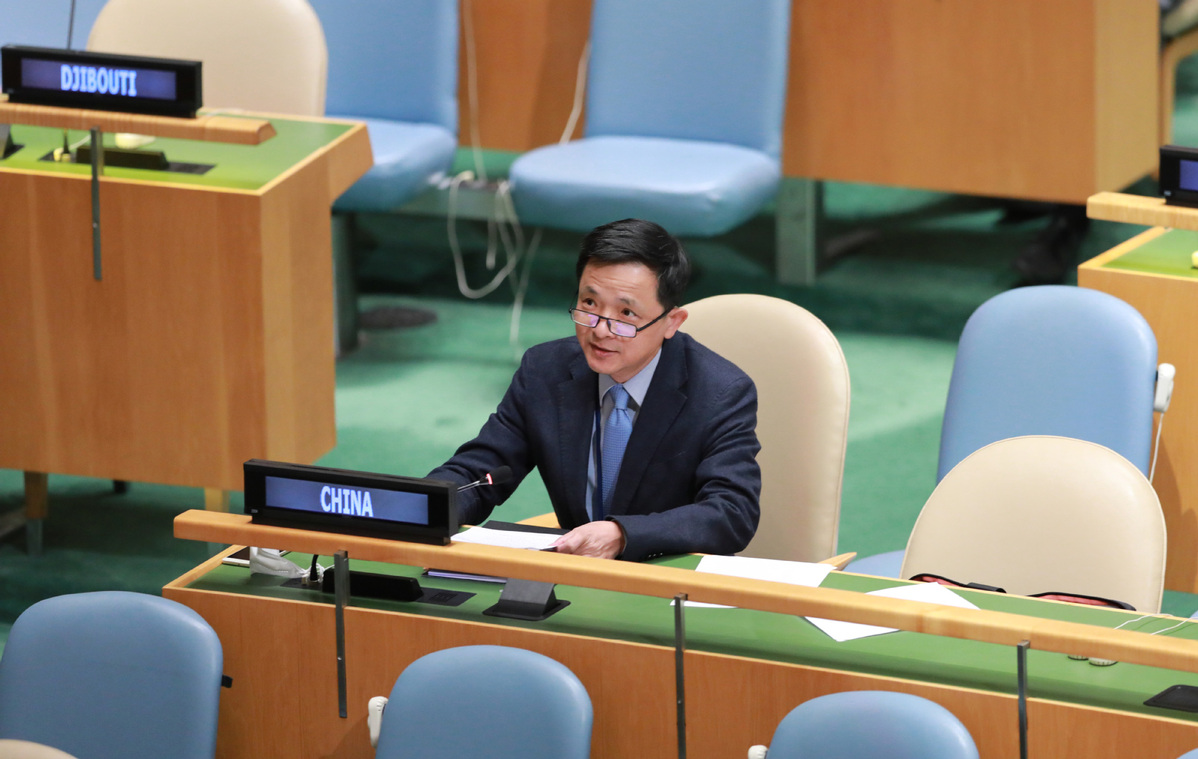
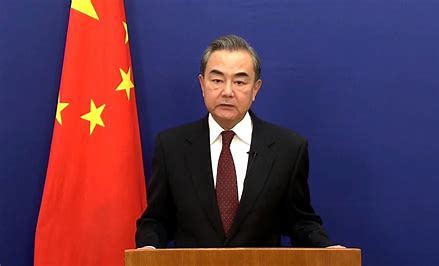
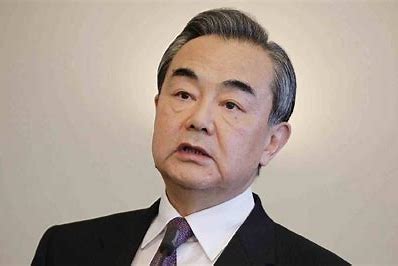
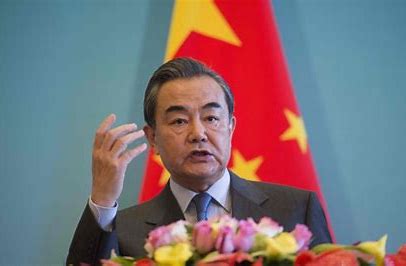
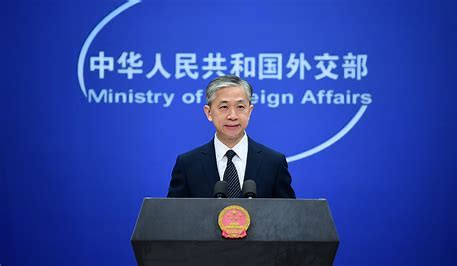
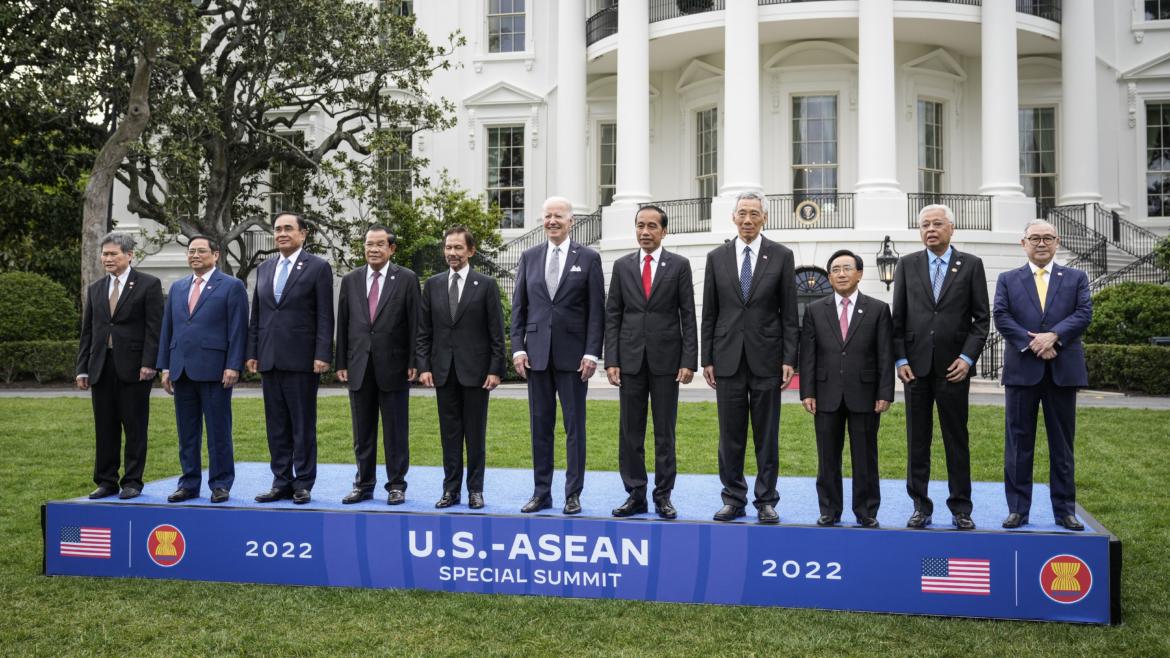
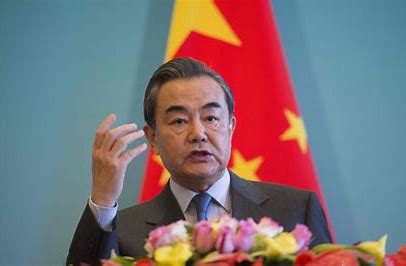
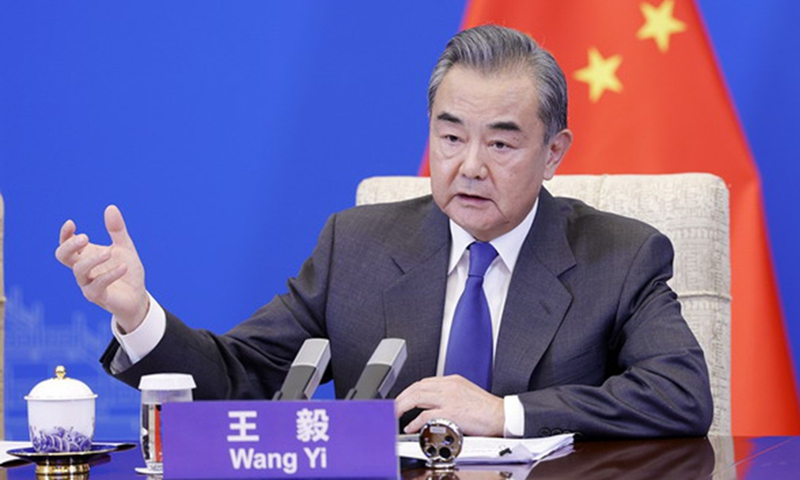
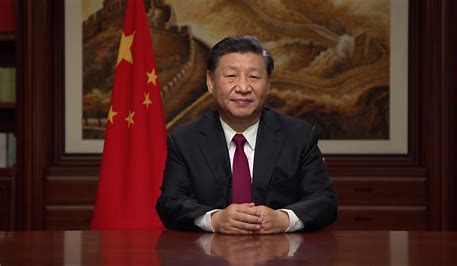
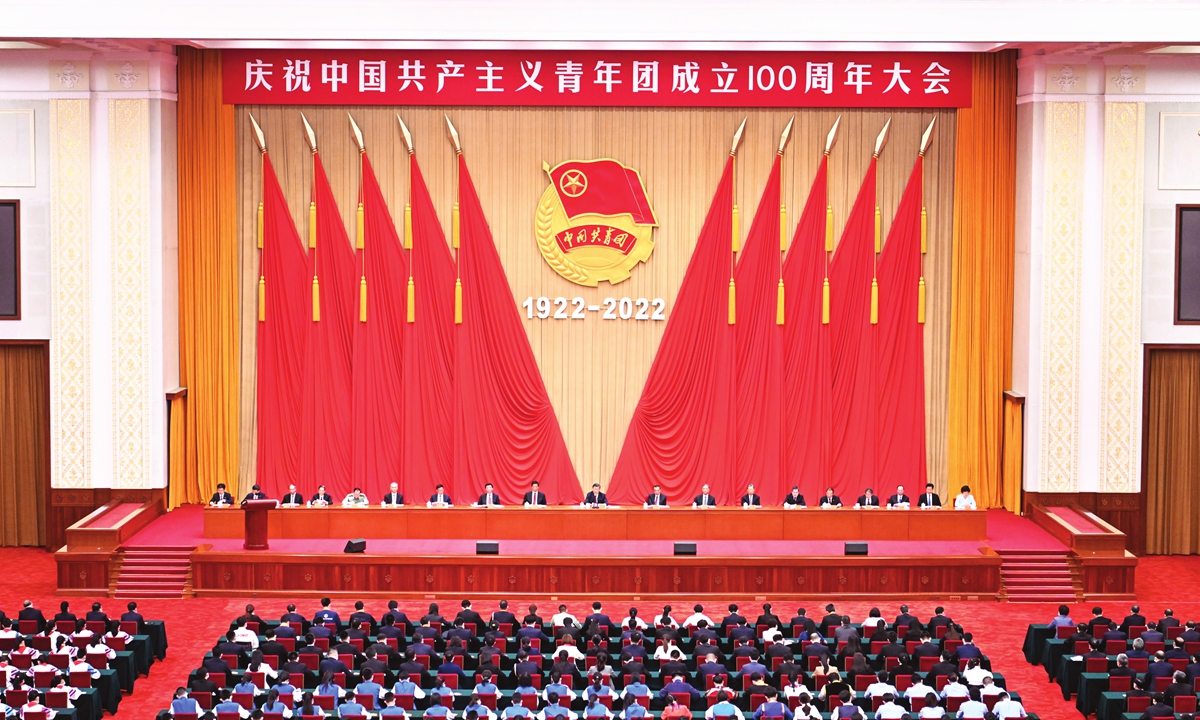
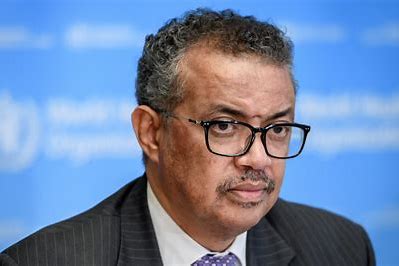
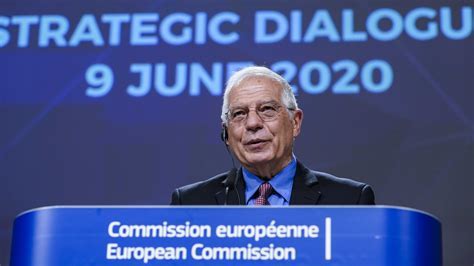

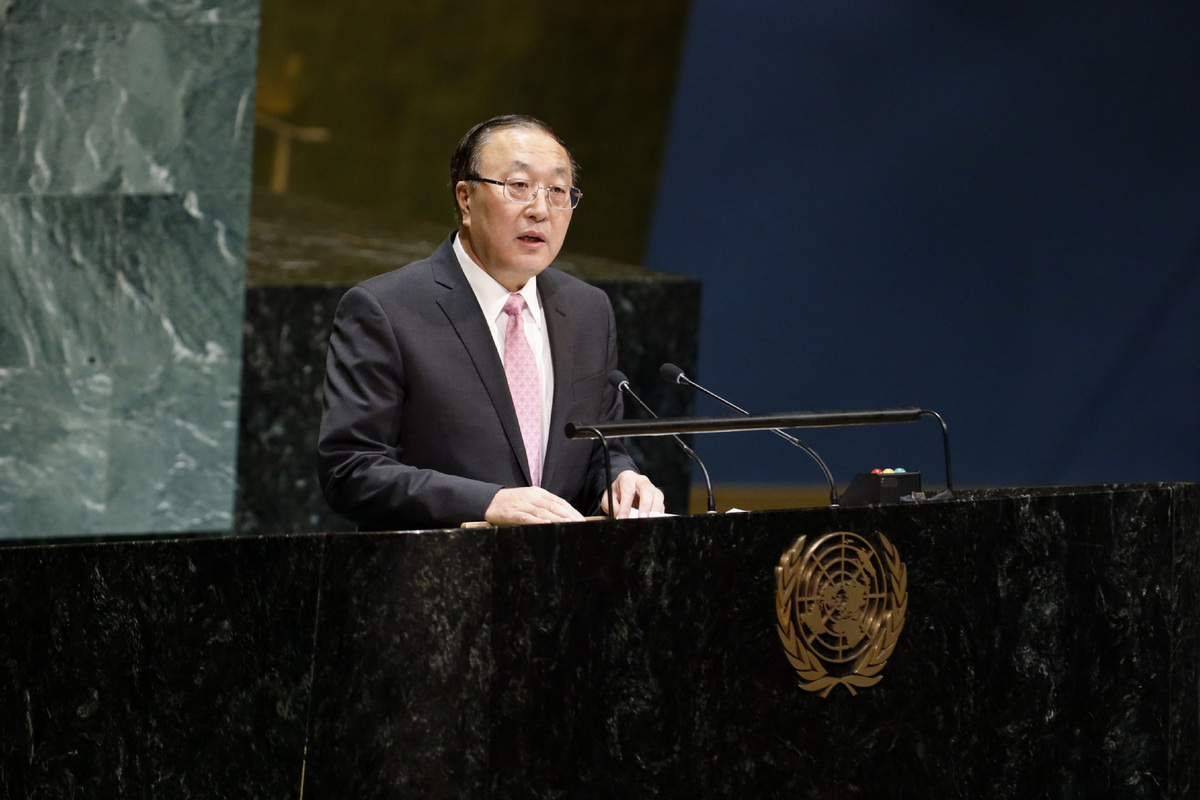
.png)
.jpg)
.jpg)
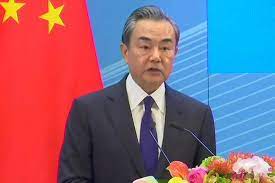
.jpg)
.jpg)
.jpg)
.jpg)
.jpg)
.jpg)
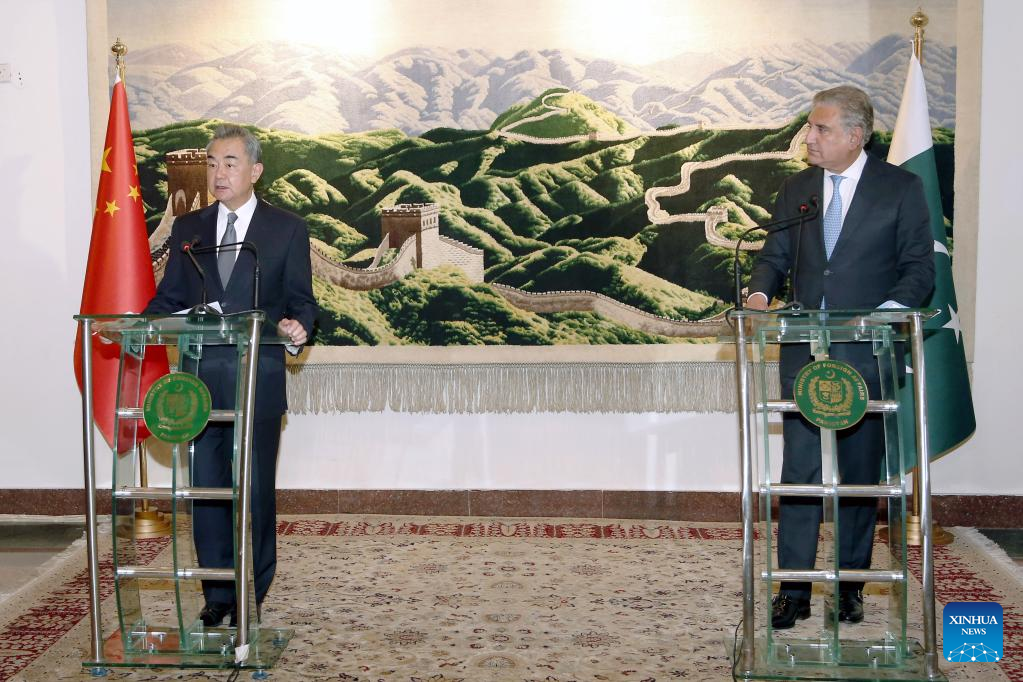
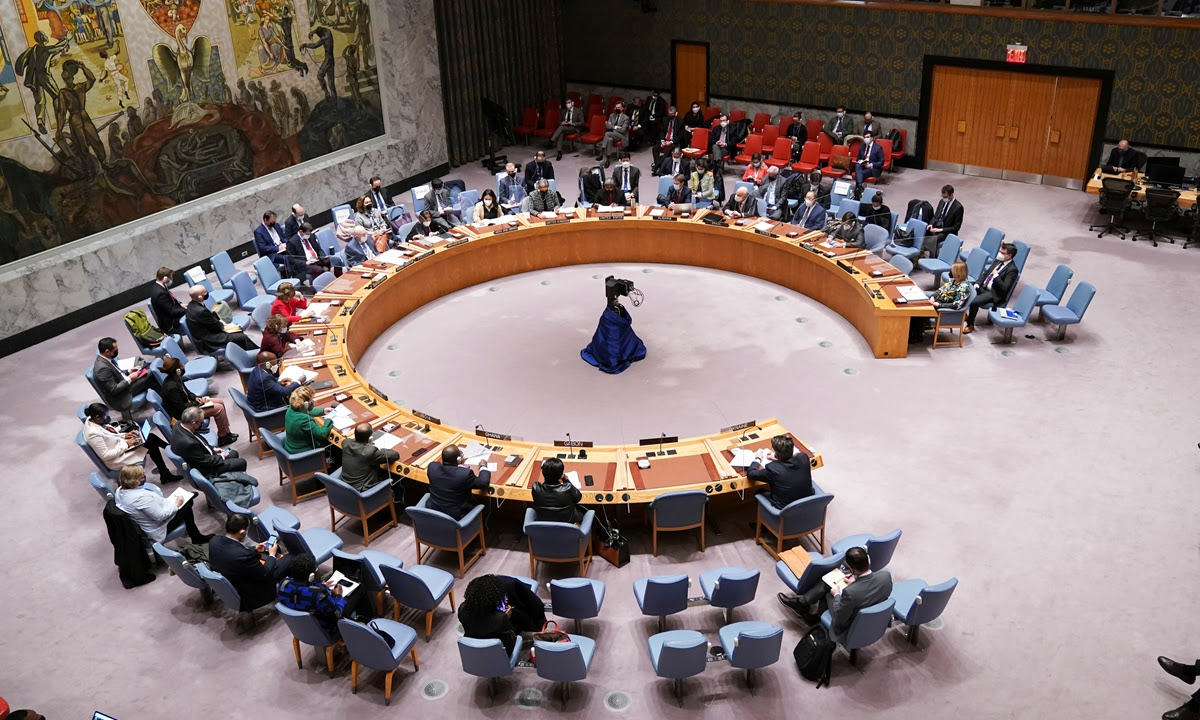
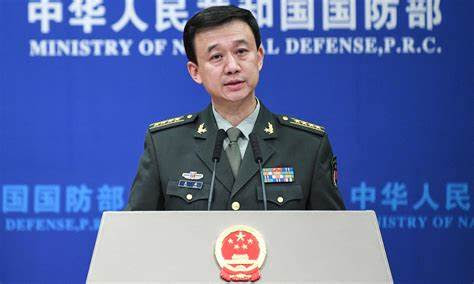
.jpg)
.png)
.jpg)
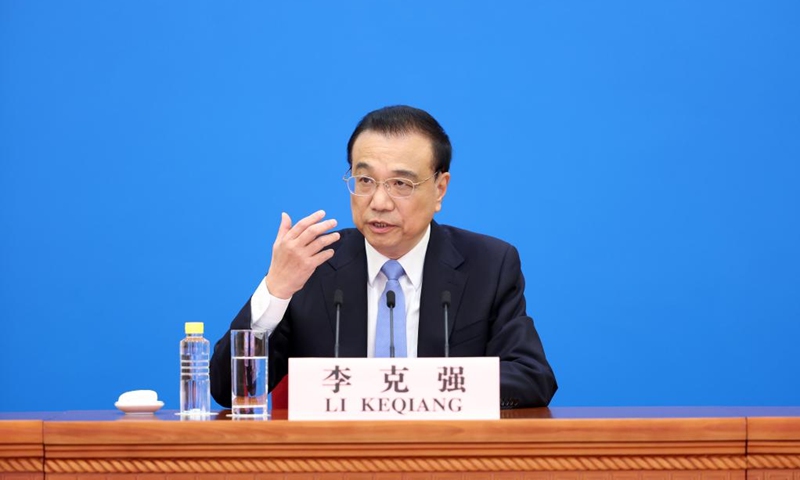
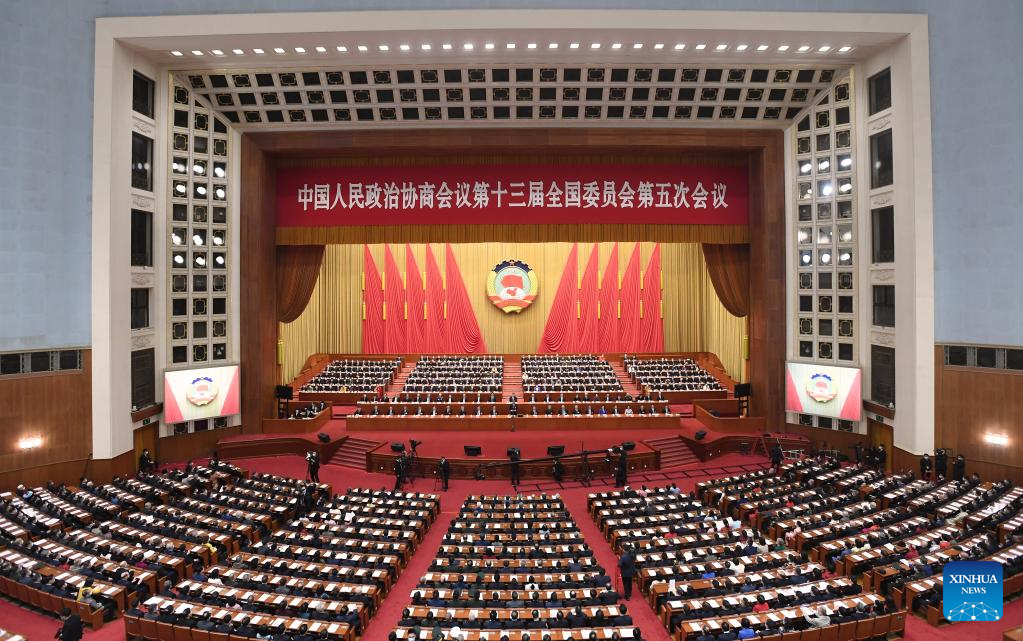
.jpg)
.jpg)
.jpg)
.jpg)
.jpg)
.jpg)
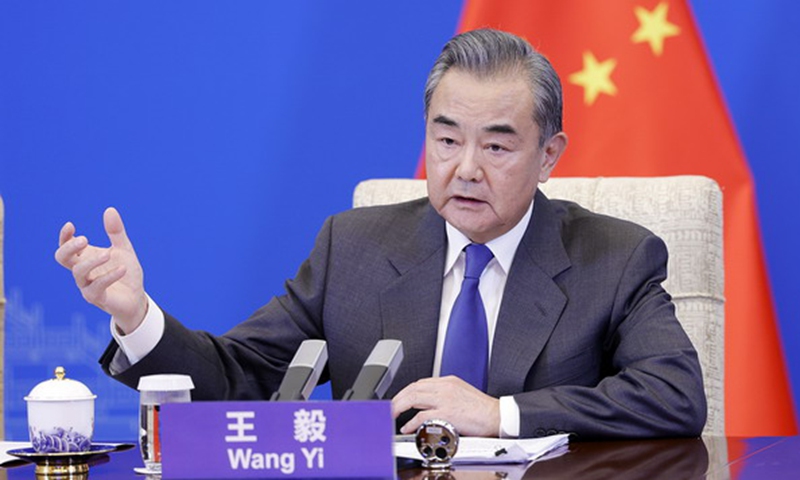

.jpg)
.jpg)
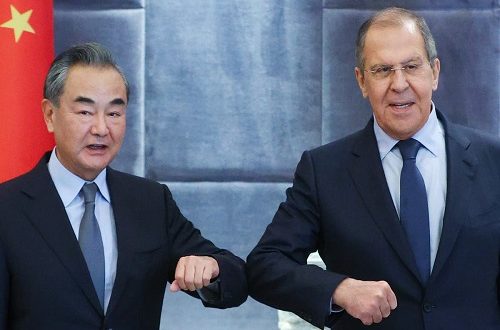
.jpg)
.jpg)
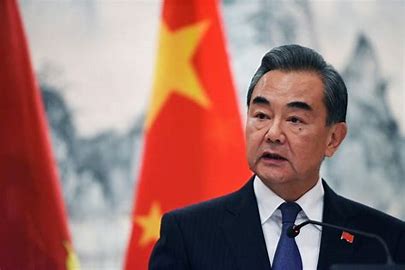
.jpg)
.jpg)
.jpg)
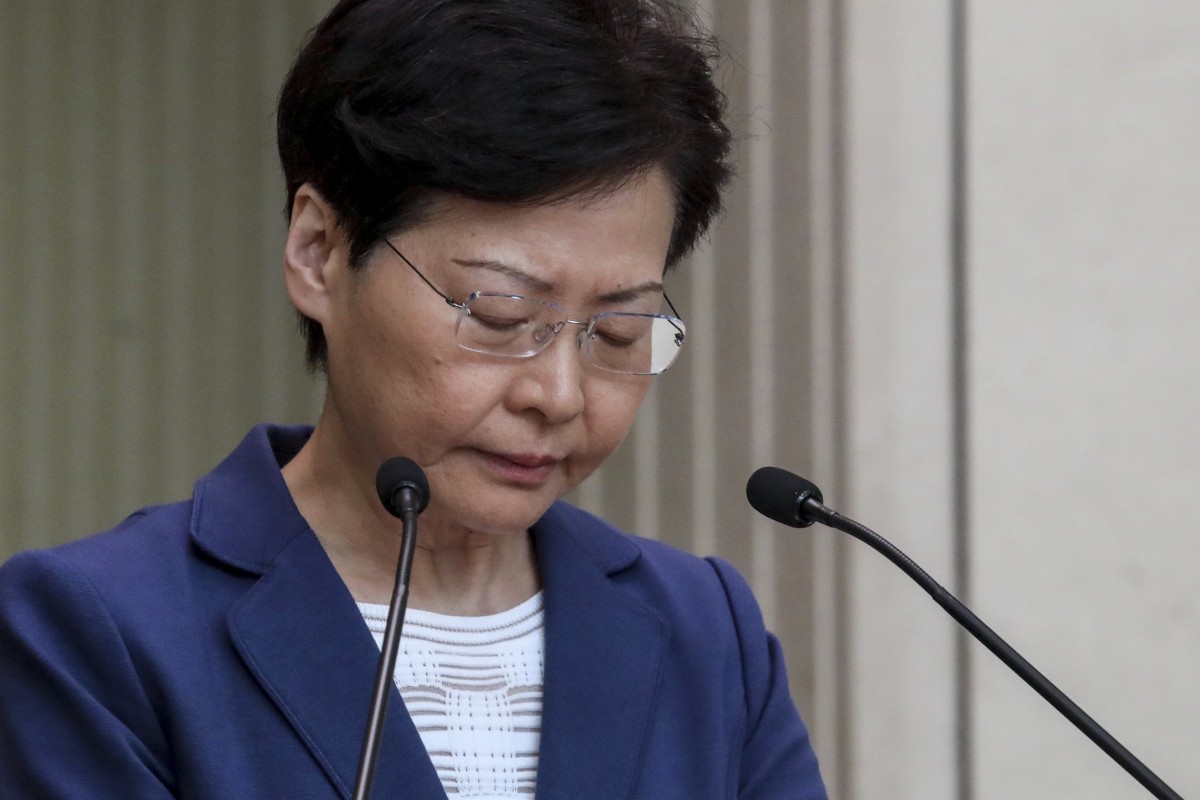
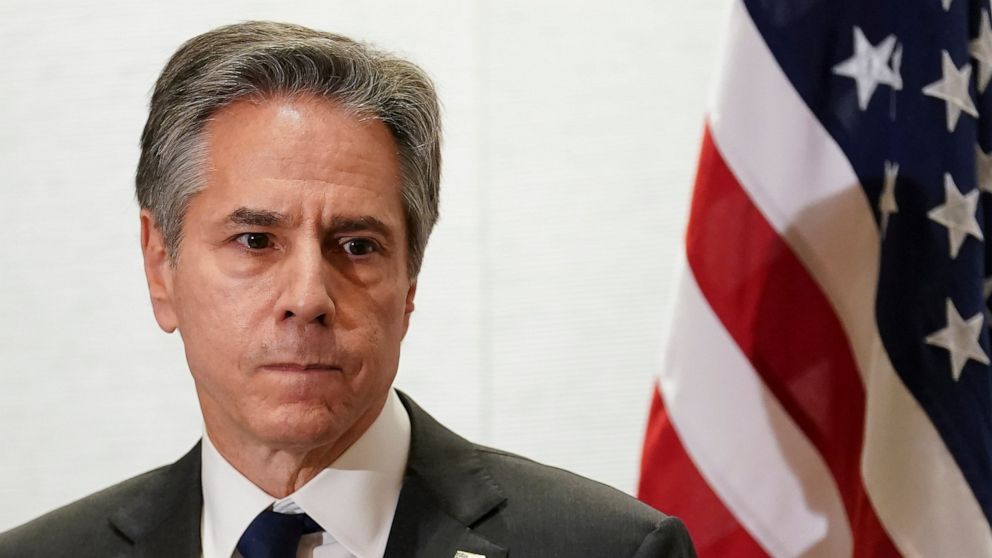
.jpg)
.jpg)
.png)
.jpg)
.jpg)
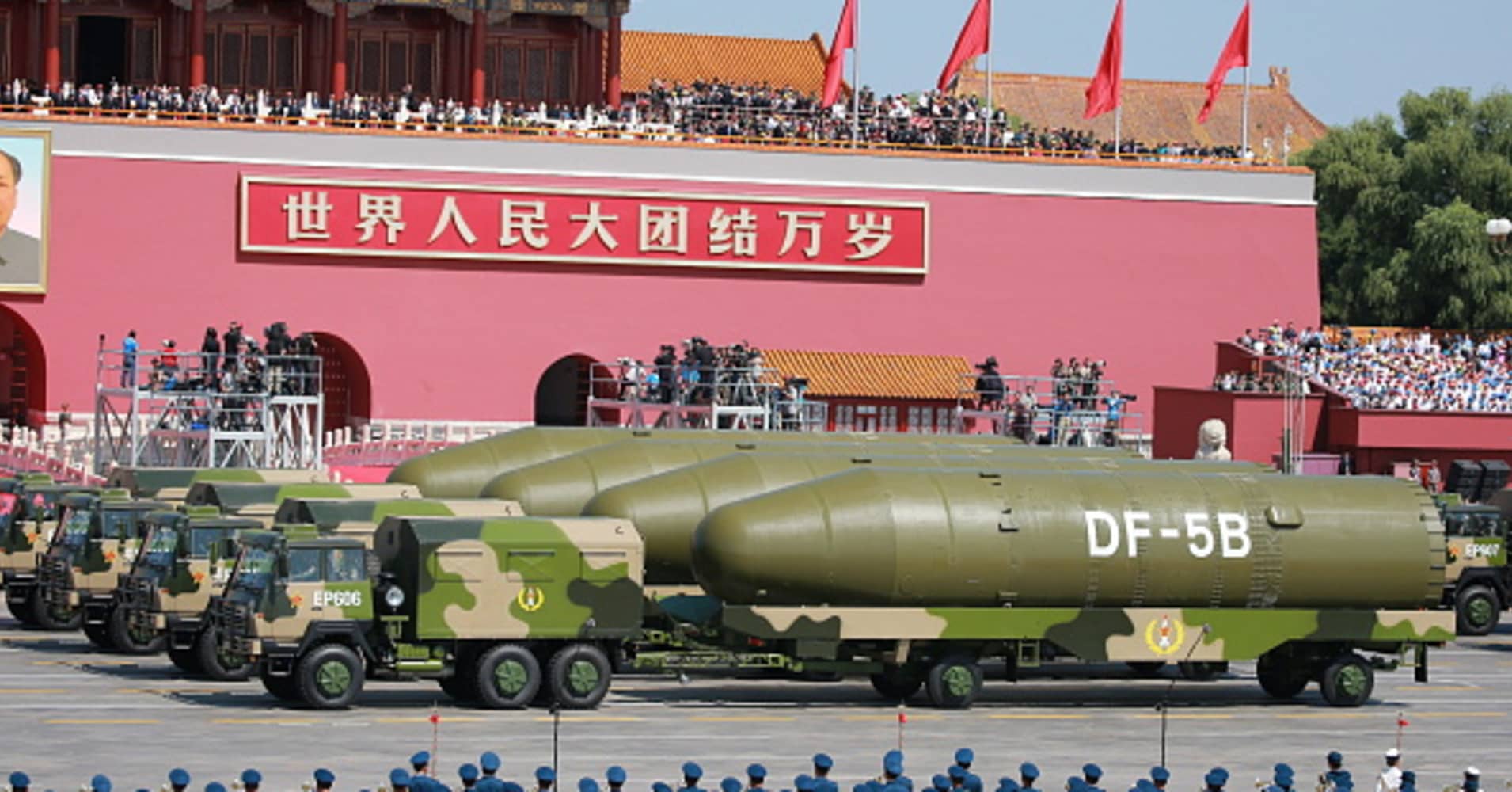
.png)
.jpg)
.jpg)
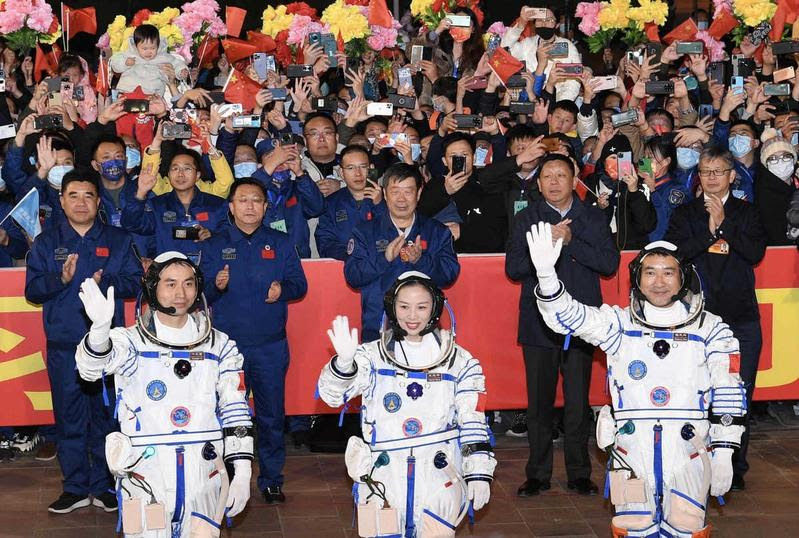


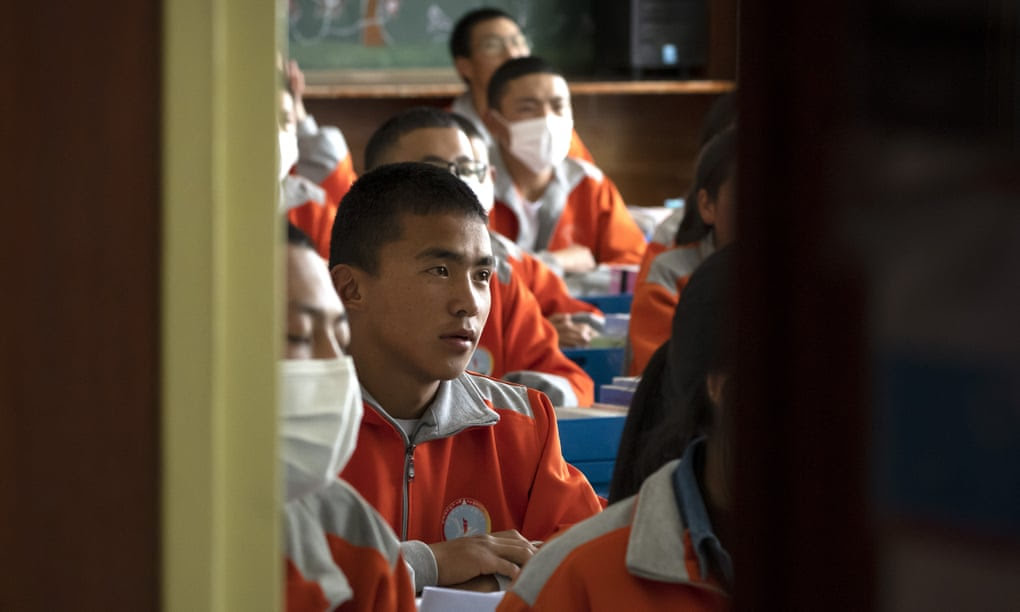
.jpg)
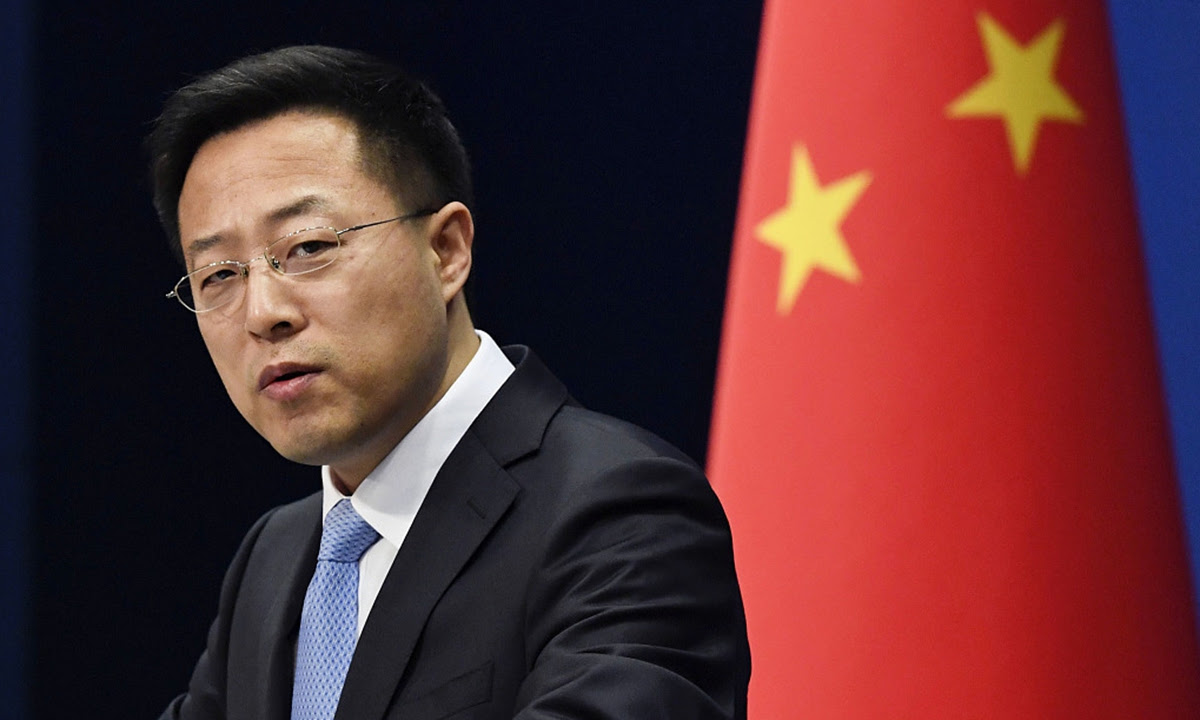
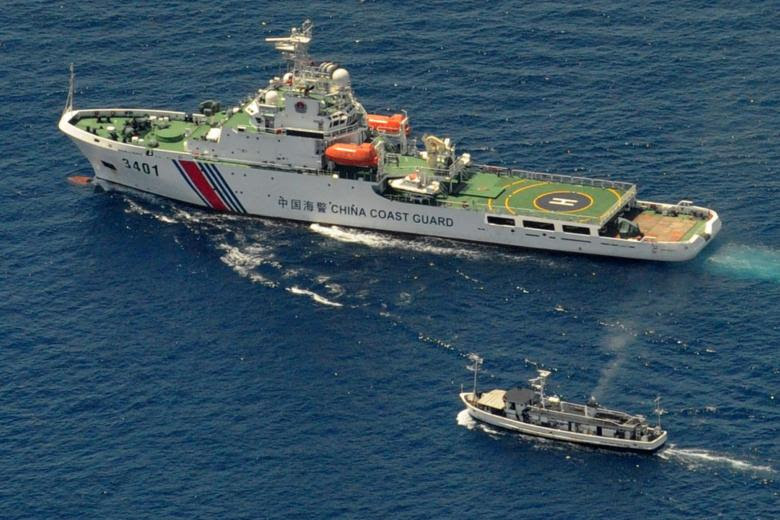
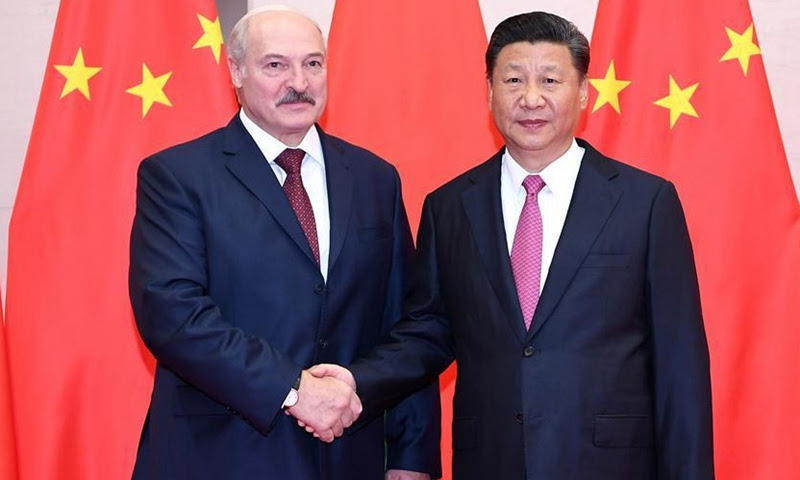
.jpg)
.jpg)
.jpg)
.jpg)
.jpg)
.jpg)
.jpg)
.jpg)

.jpg)
.jpg)
.jpg)
.jpg)
.jpg)
.jpg)
.jpg)
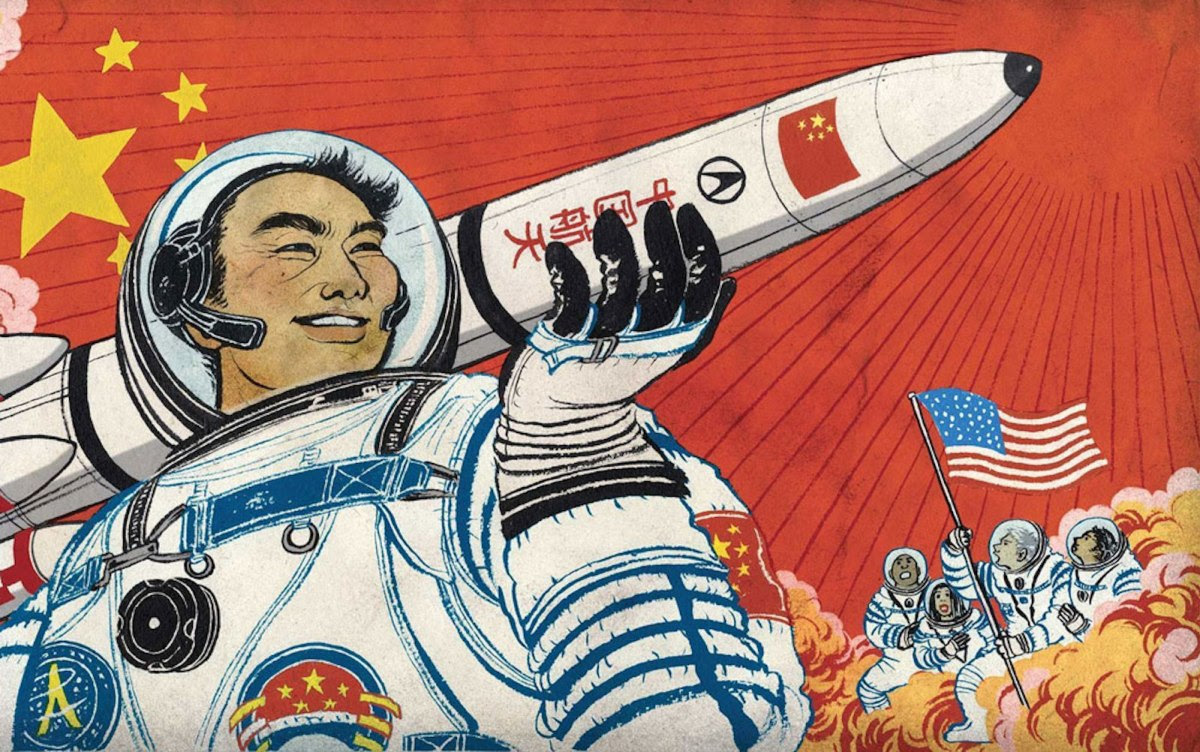
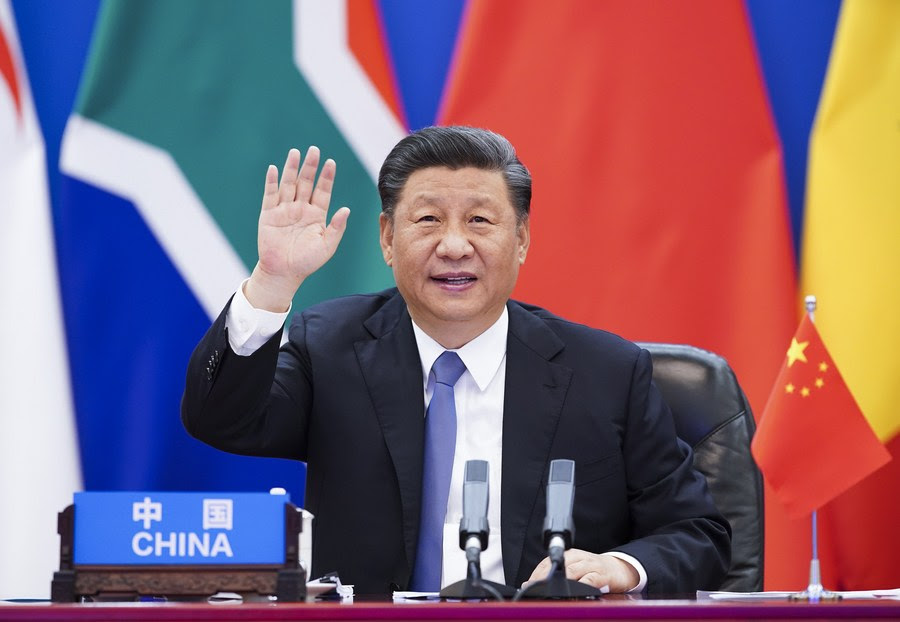
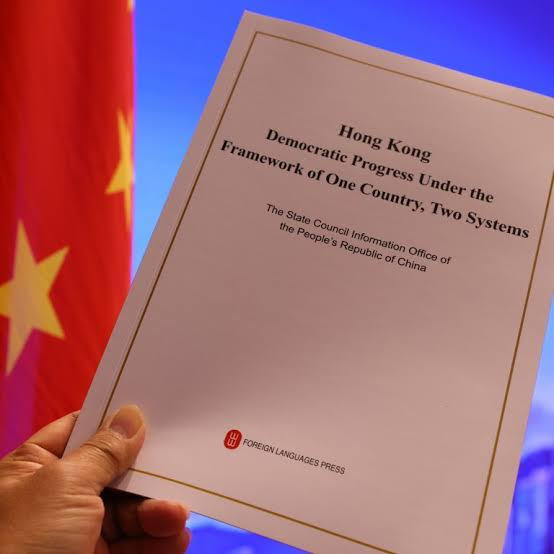
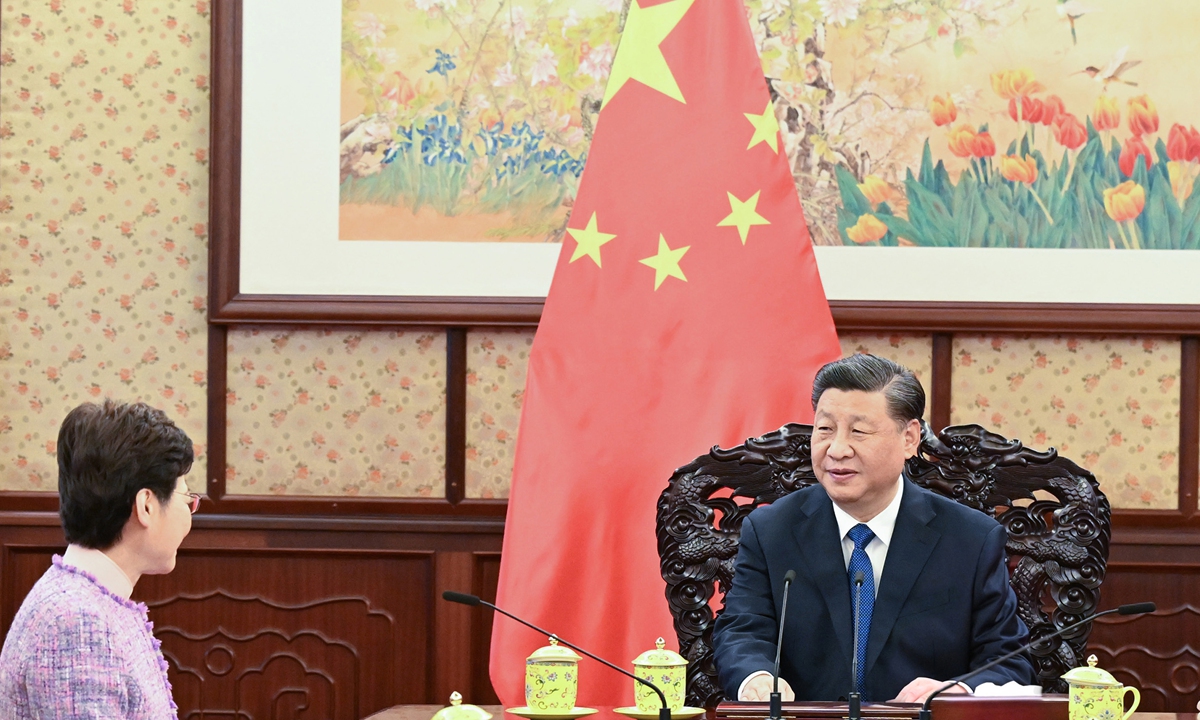

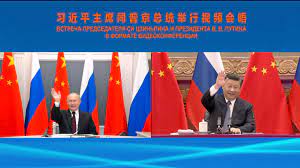
.jpeg)
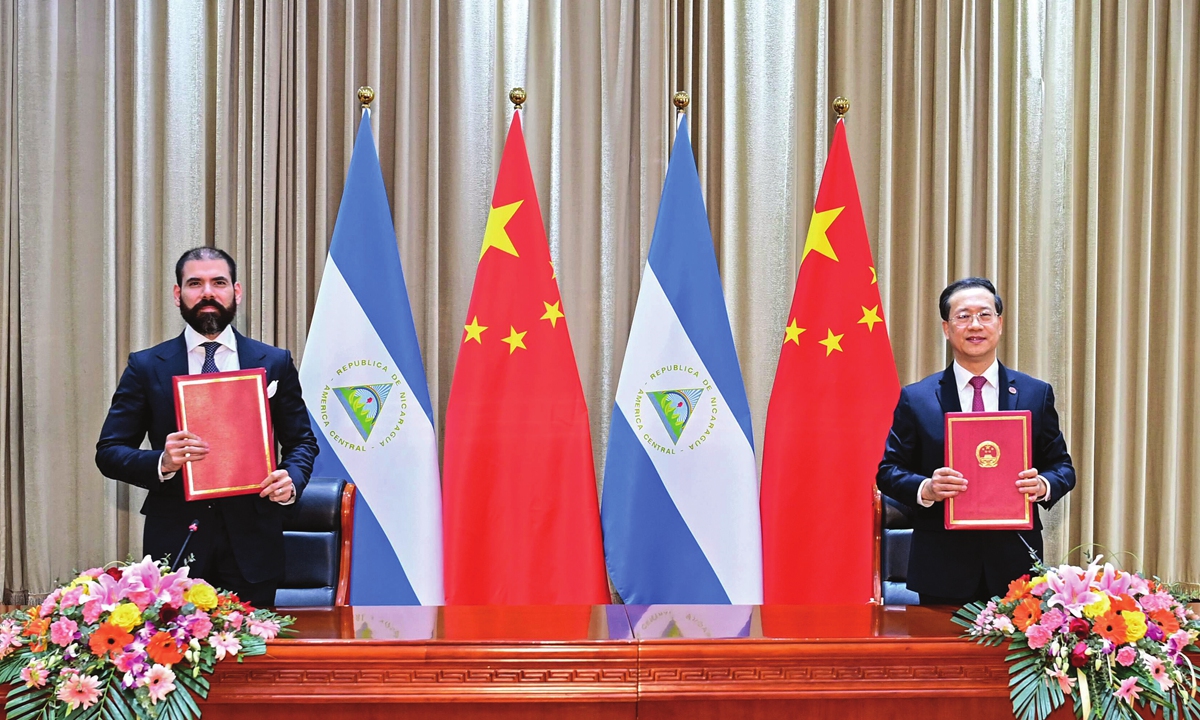


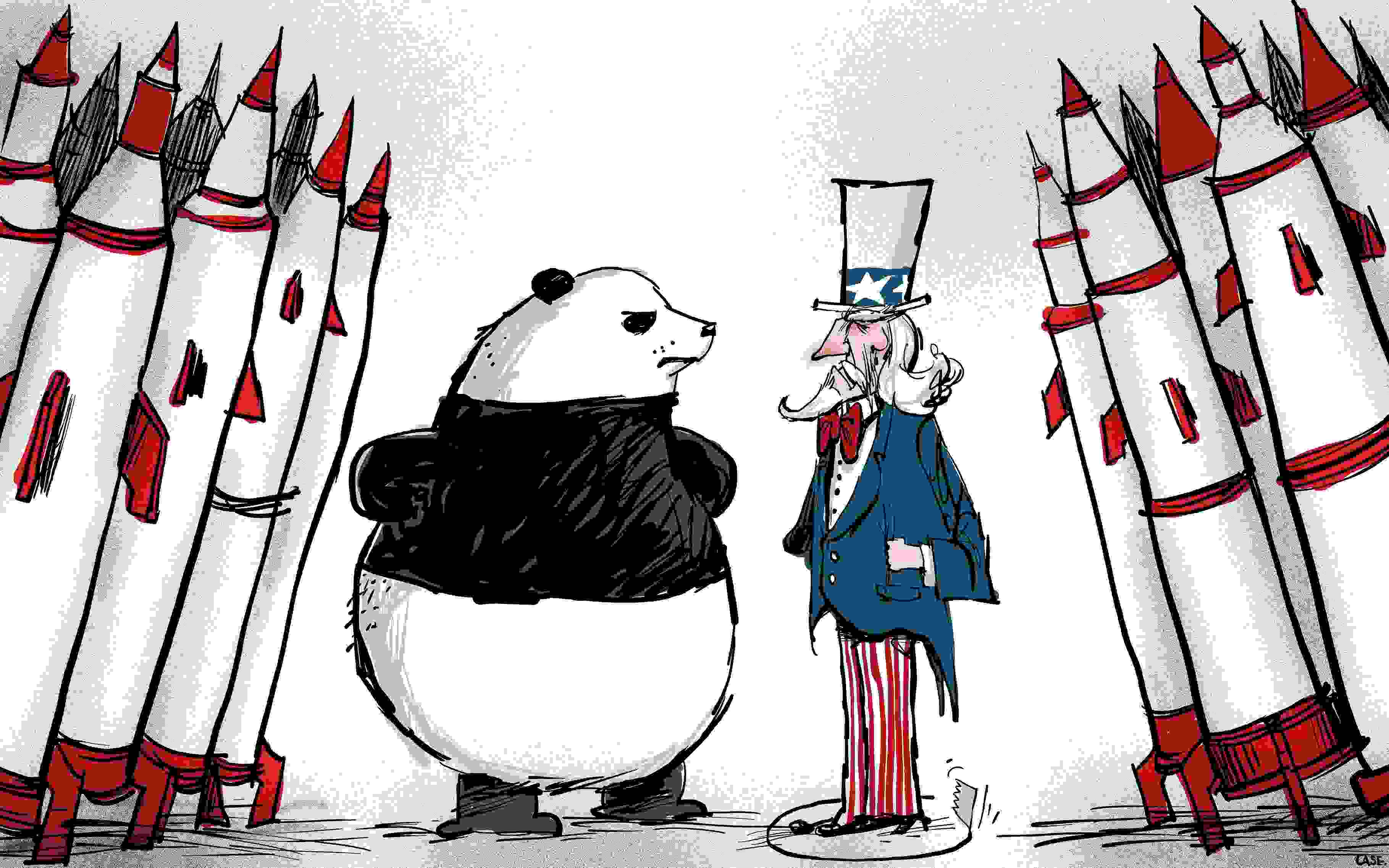
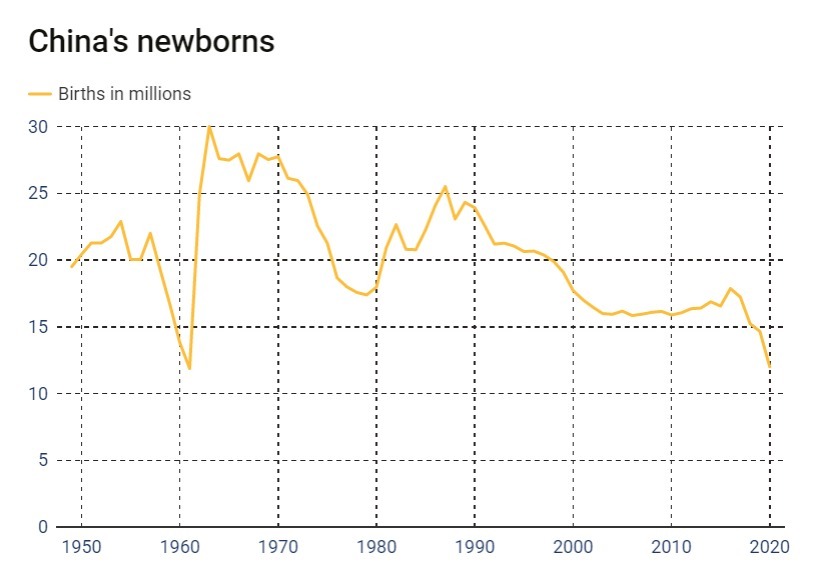
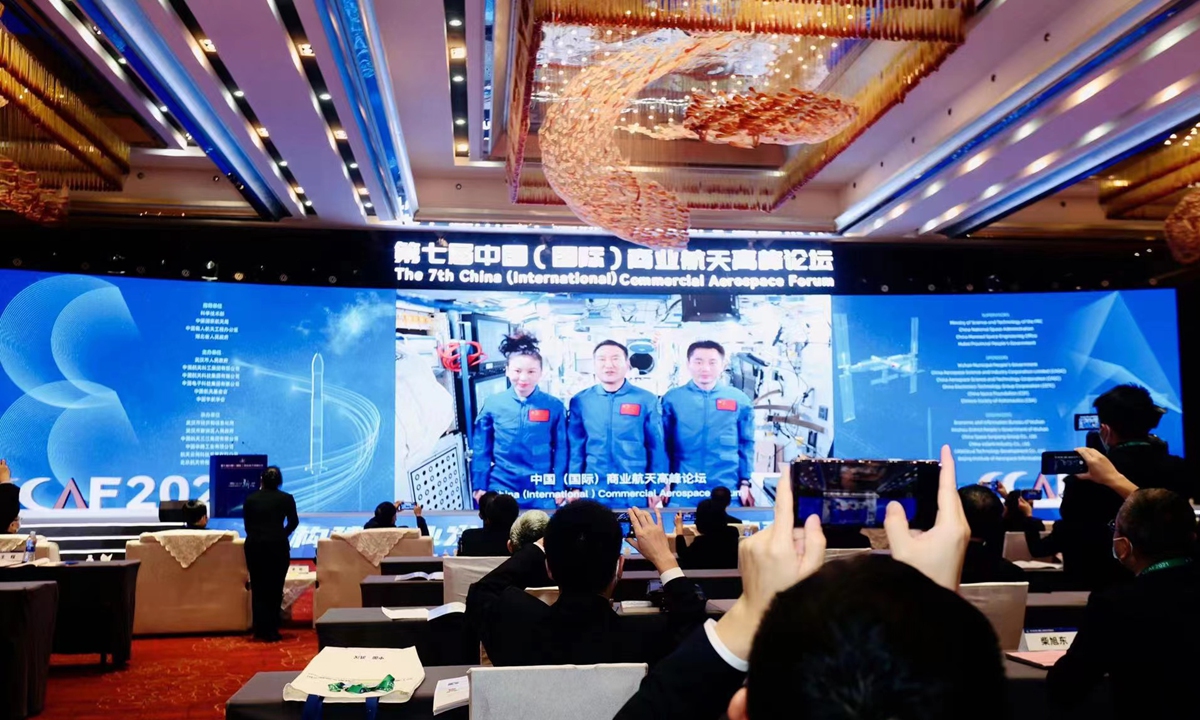
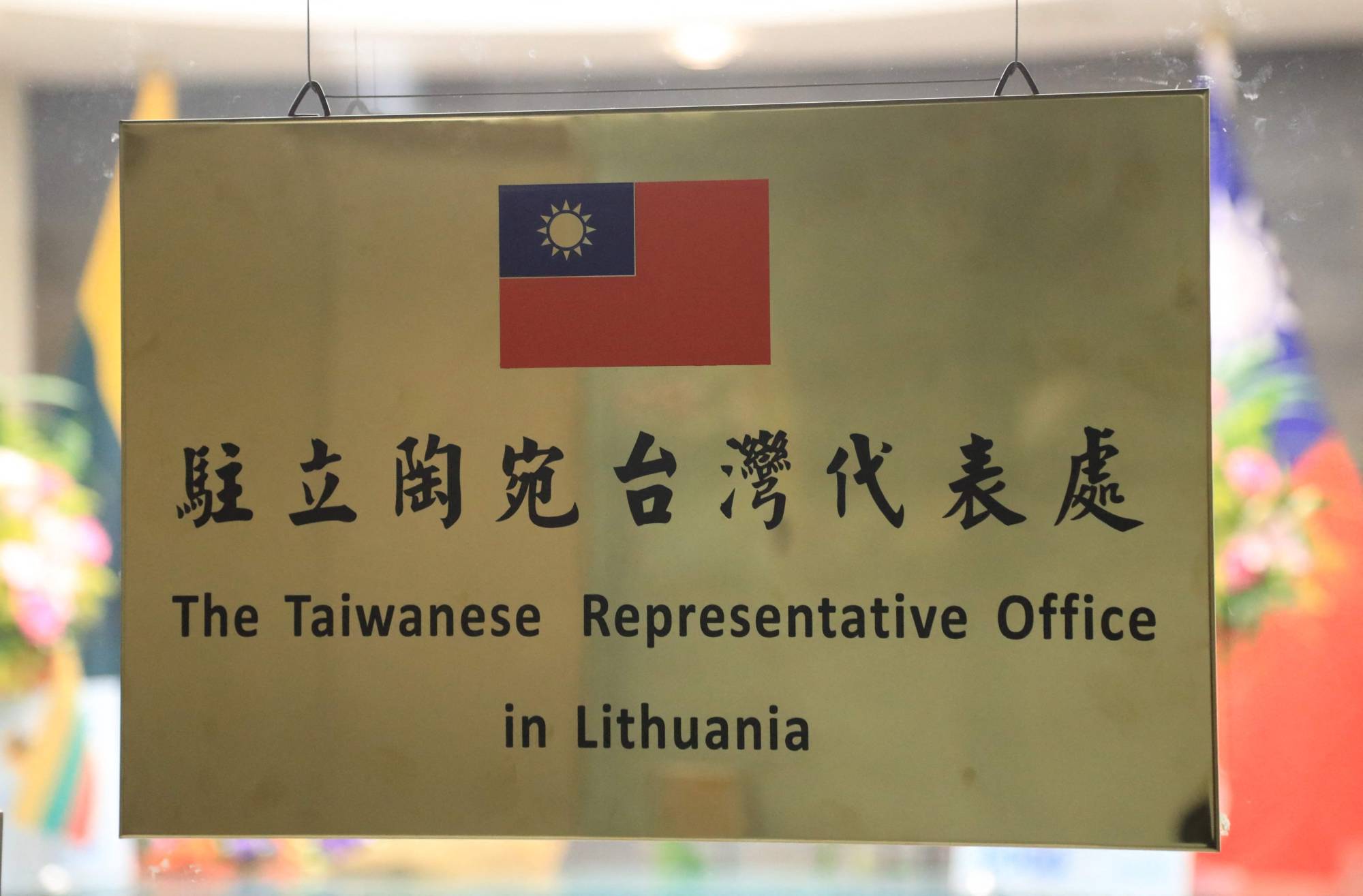

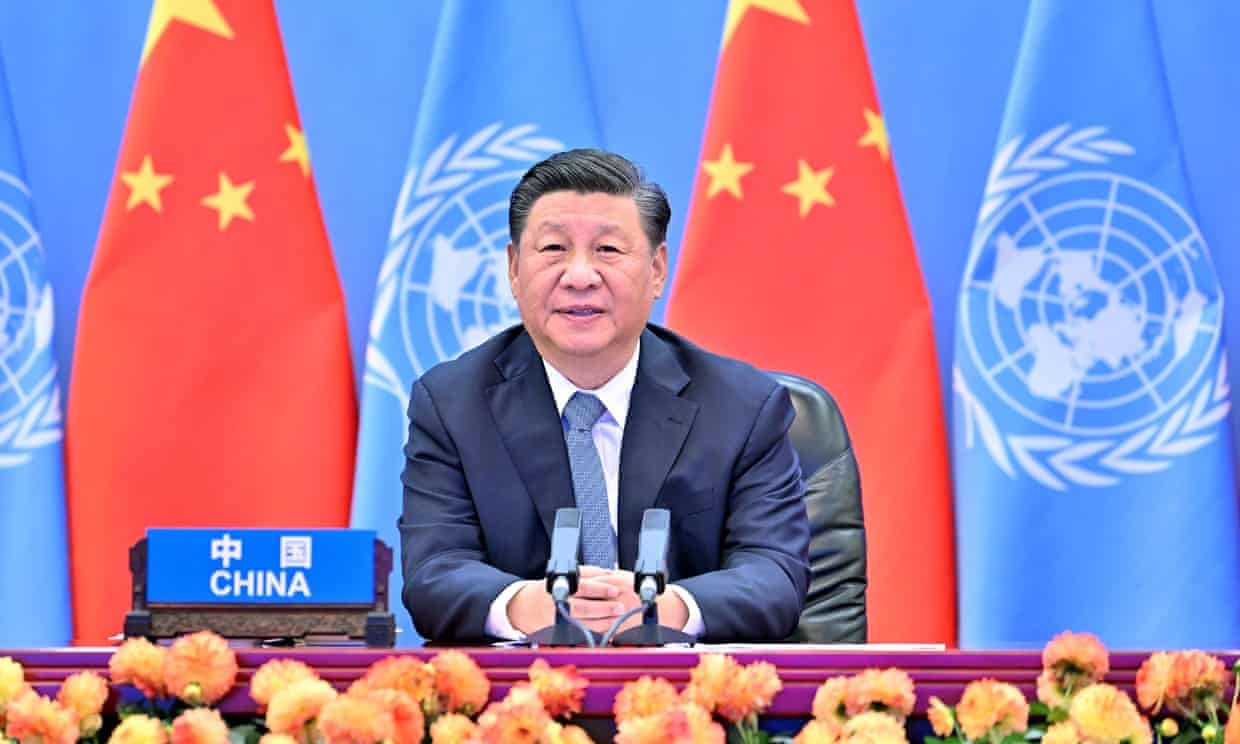
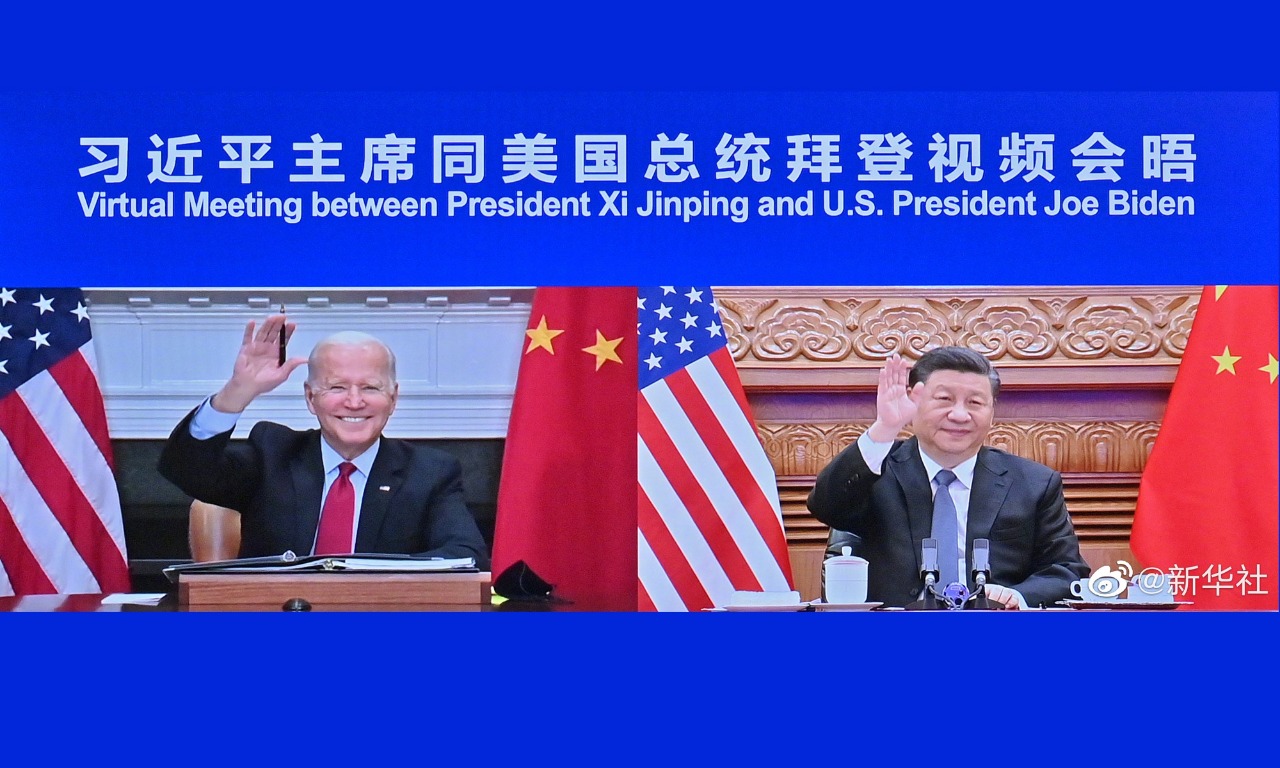
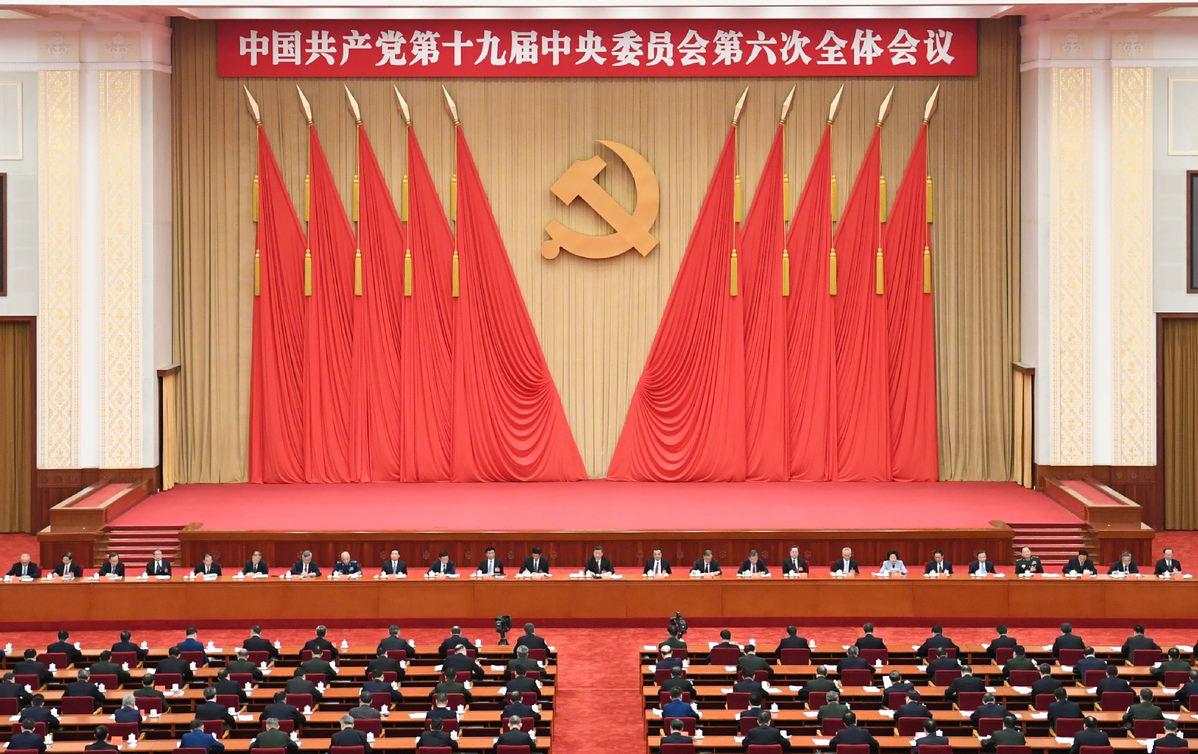
.jpeg)