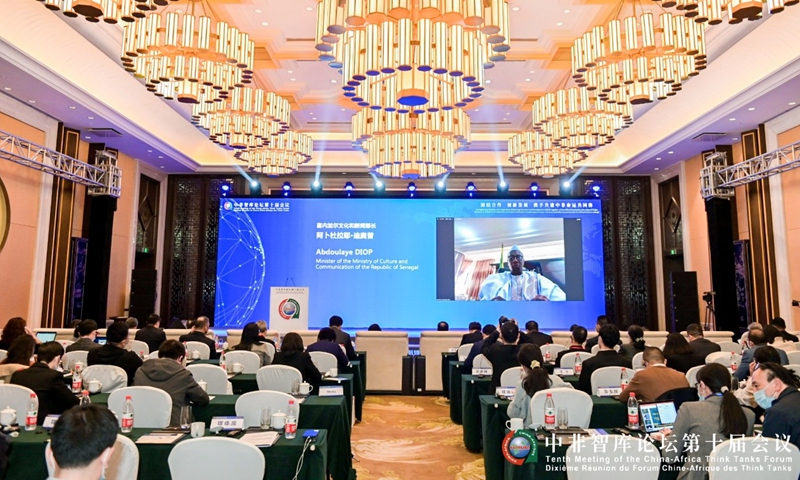
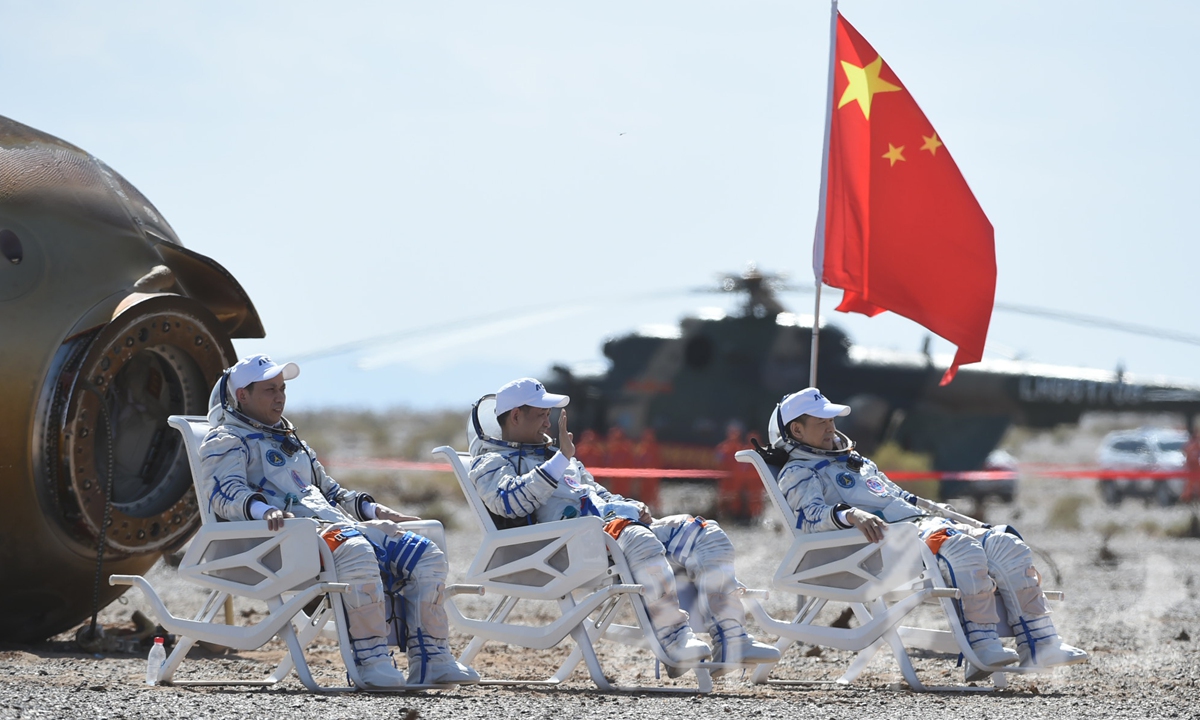
Photo : People's Daily


China Reader Daily Wire | 30 June 2025, Monday | Vol 2 No. 134
China Reader Daily Wire | 30 June 2025, Monday | Vol 2 No. 134
INTERNAL
Communist Party of China has over 100 million members, reports CGTN
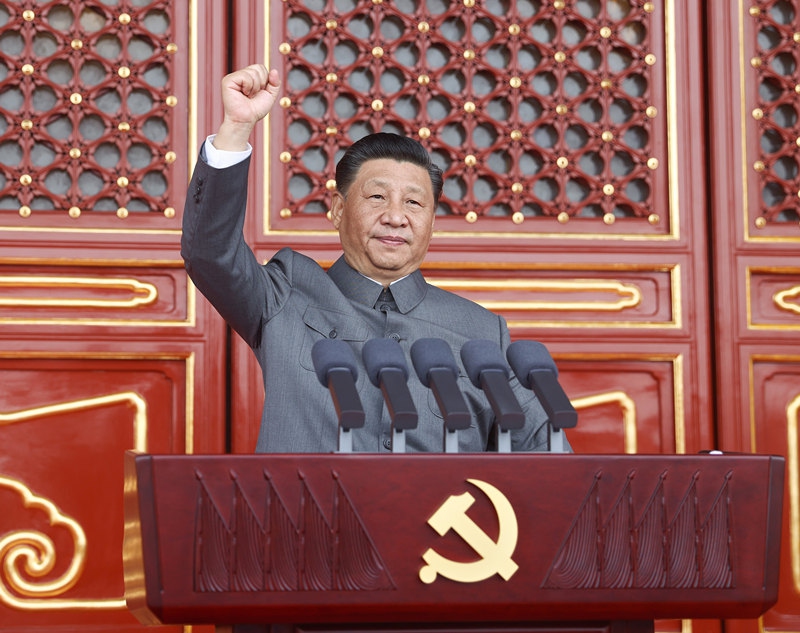
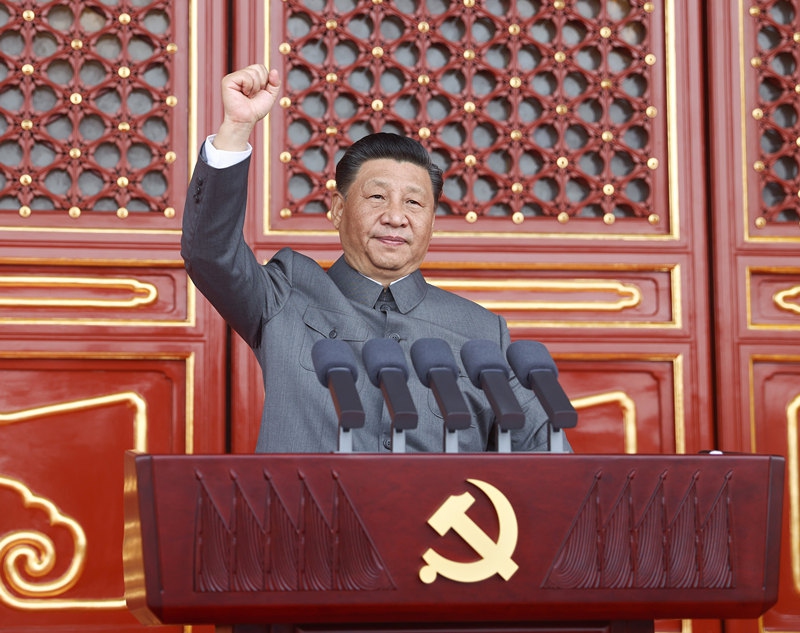
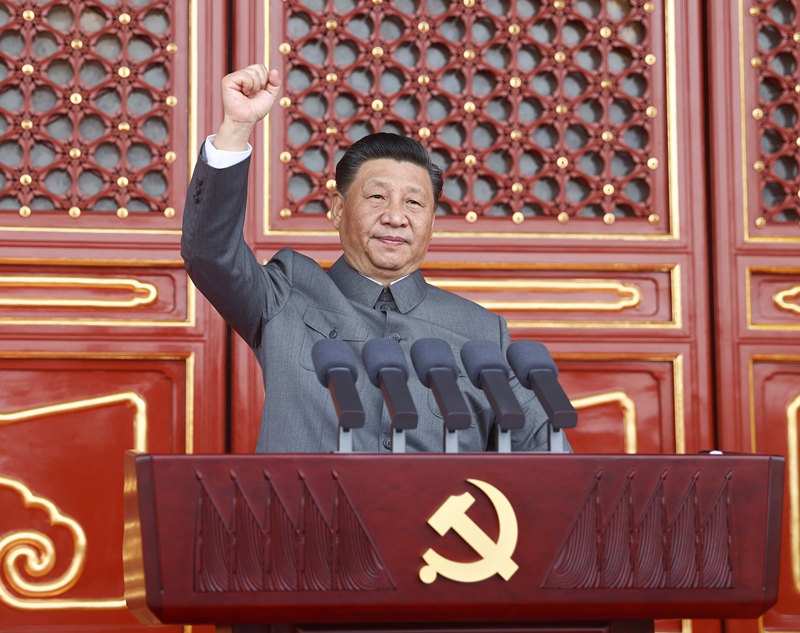
On 30 June, CGTN reported that the Communist Party of China has reported a steady increase in membership and organizational strength, ahead of its 104th founding anniversary. The communist Party of China’s Central Committee Organization Department released a statistical report stating the party’s membership has reached 100.27 million by the end of 2024, which is a stark increase of approximately 1.09 million from 2023. The number of primary-level party organizations also increased to 5.25 million, an increase of 74,000 over the previous year. This sustained growth is a result of the Communist Party’s political vision and grassroots consolidation. The primary-level party organizations play an important role in the implementation of party policies at the community level to reinforce ideological unity. This growth will help the party to strengthen ties with citizens amidst evolving domestic and global challenges. (“CPC grows stronger as membership surpasses 100 million,” CGTN, 30 June 2025)
CHINA & SOUTH ASIA
Nepal's delegation to visit China to celebrate 70 years of diplomatic ties
On 30 June, The Kathmandu Post reported the high-level delegation visit of Nepal, headed by the Chairman of Nepal’s National Assembly, to China to celebrate 70 years of Nepal-China diplomatic relations. The visit includes participation in the Yushu International Nepal Trade Exchange series in Qinghai’s Yushu city to celebrate bilateral ties under the theme “Silk Road and Embarking on a New Journey together”. The delegation is expected to explore trade, logistics, and cultural collaboration in alignment with China’s Belt and Road initiative. The event highlighted the exhibition of Nepal’s handicrafts and fabrics. The visit emphasizes China’s growing partnership with regional partners as well as Nepal’s push to deepen economic and cultural ties with China. (“Upper house chair heading for China leading a large delegation,” The Kathmandu Post, 30 June 2025)
CHINA & SOUTHEAST ASIA
China-Laos cross-border transport hits record-breaking growth, reports Global Times
On 30 June, Global Times reported the strong growth of China-Laos cross-border transport in the first half of 2025, reflecting strong growth in both passenger and freight sectors. As of June, more than 145,000 passenger trips from 91 countries passed through the Mohan railway port, marking an increase of 16 percent in entries and 3.5 percent in exits. Foreign nationals accounted for about 18.7 Per Cent of travel from countries like Laos, Thailand, and Malaysia. Freight transport also surged, with over 4,400 cross-border trains with more than 3.3 million tons of cargo. Though the Lanang-Mekong Express offers 26-hour delivery, the China-Laos-Thailand routes have a transit time of 40 hours. Since its launch, the railway has transported over 13 million tons of goods across 12 Belt and Road nations, and is expanding its cargo to more than 3000 product types. (“China-Laos Railway cross-border transport hits new record in first half of 2025,” Global Times, 30 June 2025)
INTERNAL
Second wave of torrential rain in Guizhou, 40,000 residents evacuated
On 28 June, Reuters reported that the torrential rain struck in Rongjiang in China’s Guizhou province for the second time in a week, and this situation has led to the evacuation of over 40,000 residents. The city is located at the confluence of three rivers and a home to 300,000 people had already suffered record rainfall earlier this week, which left six people dead and over 80,000 people displaced. Water levels peaked at 256.7 meters, which is the highest since 1954. Once poverty-stricken Rongjiang was experiencing a tourism boom recently due to soccer matches, which is now under seven meters of water. The disaster underscores extreme weather events in China, where officials warn of black swan events like dam failures. Due to extreme climatic conditions, about 13 rivers in China are above warning levels. (“Heavy rain hits China's flood-stricken Guizhou for second time in a week,” Reuters, 28 June 2025)
Hong Kong’s last active pro-democracy, The League of Social Democrats,” disbands
On 30 June, Reuters reported that Hong Kong’s last active pro-democracy group, The League of Social Democrats, will disband due to immense political pressure stemming from the national security crackdown. The Left of Social Democrats was founded in 2006 and was known for its radical street protests, becoming the third major opposition party to shut down in the past two years. The founder of the party, Leung Kwok-hung, is jailed for subversion in the high-profile “47 democrats’ case”. The president of the party stated that they had no other choice but to dissolve for their safety, as the bank accounts of the members of the party were frozen and Beijing’s 2020 national security law and 2024 Article 23 criminalized protests in China. The dissolution of the party marks a significant shift in the city’s once vibrant democratic civil society. (“Hong Kong's last active pro-democracy group says it will disband amid security crackdown,” 30 June 2025)
China’s controversial legal crackdown on gay authors, reports BBC
On 30 June, the BBC reported that China launched legal actions against female writers of gay fiction, danmei. The action has arrested over 30 women since February 2025 for allegedly violating pornography laws. The crackdown has targeted not just authors but also readers, fuelling a rare public debate about censorship, gender, and creative freedom. The writers were accused of producing and distributing obscene materials, were some of them faced over 10 years in jail. Critics argue that while heterosexual erotica escapes legal scrutiny, works like danmei, which subvert traditional gender norms, face harsh legal punishment. Meanwhile, legal experts raised concerns over the vagueness of laws, where viewers over 5000 views can lead to criminal charges. Danmei is seen as a threat to traditional family values in China by the state, as birth rates are decreasing in China. (“Every word has come back to haunt me': China cracks down on women who write gay erotica,” BBC, 30 June 2025)
EXTERNAL
China resumes rare-earth exports, but industrialists express concerns over the fragility of supply chains, reports Reuters
On 30 June, Reuters reported that China has resumed the exports of rare earth magnets, which are vital to the global auto Industry. Due to China’s export restrictions in April, there was a 75% drop in shipments, and license approvals are accelerating, covering about 60 percent of European suppliers. Though this has eased the fears of mass production halts, hundreds of permits are still pending, particularly for the US-linked firms. The US-China deal is expected to expedite shipments to American companies. Though the outlook has slightly improved, automakers like Ford and Stellantis faced shutdowns or near-disruptions. Despite progress, industrial leaders warn of a fragile and uncertain, rare-earth supply chain as approval delays of over 90 days persist. (“China's rare earths are flowing again, but not freely,” Reuters, 30 June 2025)
CHINA & EAST ASIA
China’s lifting of the seafood ban on Japan showcases the rekindling of ties, reports SCMP
On 30 June, SCMP reported that China has partially lifted its two-year ban on Japan’s seafood imports, signalling a slight rapprochement in strained bilateral relations. The action was announced by China’s General Administration of Customs, which allows partial imports of seafood from certain regions of Japan, excluding ten prefectures, including Tokyo and Fukushima. Beijing imposed the full ban in August 2023, expressing concerns over radioactive contamination. The partial lift of the ban comes after months of diplomatic talks and negotiations, marking a slight improvement in the relationship with Japan as China seeks to stabilize ties with Japan amidst US trade uncertainties. Japan welcomed the decision and urged China to fully lift the ban. (“Can China’s partial lifting of Japanese seafood ban aid a post-Fukushima reset?” SCMP, 30 June 2025)
CHINA & THE AMERICAS
Nike announces plans to reduce dependence on China’s manufacturing companies, reports BBC
On 28 June, the BBC reported the announcement of Nike to reduce its dependence on China’s manufacturing companies, citing that US President Donald Trump's tariffs would cost the company an additional USD 1 billion this year. Currently, 16 percent of the company’s footwear is manufactured in China and is expected to drop to a single-digit percentage by May 2026. As the US-China trade tensions as expected to reach an agreement on rare earth metals, the shares in Nike rose by 10 Percent after the company projected a revenue decline and posted USD 11.1 billion in quarterly earnings. Fragility and uncertainty wreak global economy as the deadline is expected to be 9 July. (“Nike pledges to cut reliance on Chinese factories,” BBC, 28 June 2025)
Trump on China: “getting along well,” reports SCMP
On 30 June, SCMP reported that US President Donald Trump dismissed concerns over recent aggressive acts like the hacking of the US telecom system and intellectual property theft linked to China. While responding to questions posed by Fox News regarding the smuggling of dangerous fungus by two Chinese nationals, Trump emphasized that that’s how the nasty world works, adding that the US also engages in similar behavior. By this act, the US President played down the significance of the smuggling incident, emphasizing a pragmatic shift in Trump’s stance on China. Trump made these comments amidst the recent trade agreements with China to expedite rare earth shipments and a temporary reduction in US tariffs on China. (“Trump says ‘getting along well’ with China, downplays ‘aggressive’ acts linked to Beijing, SCMP, 30 June 2025)
China Reader Daily Wire | 28 June 2025, Saturday | Vol 2 No. 133
INTERNAL
China purges senior military officer from the Central Military Commission
On 27 June, The Guardian reported that China’s senior military officer, Admiral Miao, has been dismissed from the Central Military Commission (CMC). CMC is China’s top military body led by President Xi Jinping. His expulsion was followed by the dismissal of other high-ranking military officials and defence ministers. These officials were removed due to serious violations of discipline, often connected to corruption. This action was part of an anti-corruption drive within the People’s Liberation Army. Admiral Miao is the eighth Central Military Commission (CMC) officer to be terminated under President Xi Jinping’s leadership, marking a significant military shakeup. The article indicates that these purges could undermine the People’s Liberation Army’s unified and disciplined army as the president seeks to project global strength. (“Top Chinese general ousted from body that oversees China’s military,” The Guardian, 27 June 2025)
CHINA & THE AMERICAS
China and Ecuador sign an agreement to promote the BRI
On 27 June, CGTN reported that China and Ecuador signed a Cooperation plan to advance the Belt and Road initiative, marking a milestone in 45 year 45-year-old diplomatic relationship. China’s President Xi Jinping highlighted their long-term and strategic relationship with Ecuador by successfully collaborating in energy, mining, infrastructure, and electricity. He also urged stronger cooperation in economic development, governance, and mutual support for core interests. Ecuador’s President Daniel Noboa also praised China during his visit to China for the summer Davao’s meeting and highlighted their commitment to trade, technology, education, and cultural exchange. Both leaders emphasized mutual trust, respect, shared development goals, and strategic partnership. (“China, Ecuador sign cooperation plan to promote Belt and Road Initiative,” CGTN, 27 June 2025)
MARITIME
China’s largest rescue drill in the South China Sea, reports SCMP
On 27 June, SCMP reported that China conducted its largest integrated land-air and sea emergency rescue drill on 26 June near the disputed Woody Island, Yongxing Island. The drill involves over 200 personnel, 15 vessels, and two helicopters. It was a 75-minute exercise co-hosted by the People’s Liberation Army, China Coast Guard, and the Sansha city authorities. The exercise included maritime collisions, oil spills, and onboard fires to enhance readiness and maritime emergency coordination. The drill was held in a contested Paracel Island, where Beijing asserts territorial claims. The move marks China’s assertive stance in the South China Sea over rival claimants like Vietnam and the Philippines. (“ China conducts ‘largest’ military, civilian rescue drill in contested South China Sea,” SCMP, 27 June 2025)
CHINA & THE MIDDLE EAST
China hosts Iran’s Defence Minister at the SCO meeting, reports SCMP
On 26 June, SCMP reported that China hosted Iran’s Defence Minister Aziz Nasirzadeh and other military officials during the Shanghai Cooperation Organisation Defence Ministers meeting in Qingdao. Amidst the regional tensions in the Middle East, particularly from the US attacks on Iran’s nuclear sites, Dong stated that hegemony is the source of global disorder. Iran’s Defence Minister expressed gratitude for China’s support and urged Beijing to promote a ceasefire and peace in the region. He has also emphasized the role of multilateral frameworks like the UN and SCO to uphold fairness and equity in international affairs. (“China's Dong Jun hosts Iran Defense Minister and others on Warship, condemns hegemony,” SCO, 26 June 2025)
CHINA & AFRICA
China’s President discusses bilateral relations with the Prime Minister of Senegal
On 27 June, Xinhua Net reported the meeting of China’s president Xi Jinping and Senegalese Prime Minister Ousmane Sonko during the Summer Davos meeting in Beijing. In the meeting, Xi emphasized the importance of the China-Africa relationship for building a wealthier China-Africa community for the new era. He also highlighted cooperation in infrastructure, green energy, and stronger people-to-people exchanges. Sonko also extended his support for the one-China policy and emphasized China as a reliable partner. He also emphasized Senegal’s interest in the Belt and Road Initiative and strategic alignment on trade, investment, and energy. Both leaders emphasized cooperation and multilateralism, and promoting equity and justice through closer regional cooperation. (“Xi meets Senegalese PM,” Xinhua Net, 27 June 2025)
CHINA & THE AMERICAS
China’s Ministry of State Security mocks the CIA's call to recruit officials from China, reported SCMP
On 25 June, SCMP stated that China’s Ministry of State Security (MSS) mocked a CIA campaign to recruit Chinese informants as a desperate and farcical move, accusing the agency of using China’s threat narrative to secure more funds. In an official post on the WeChat account, the MSS criticised the recent Chinese language recruitment videos, alleging they aim to sow dissatisfaction among Chinese officials. This is MSS's first response to the CIA’s campaign. The Ministry of Foreign Affairs of the People’s Republic of China has condemned the initiative as a violation of National interest and warned against US attempts to sow the seeds of discord among China’s officials. (“China’s top security agency mocks CIA Chinese spy recruitment drive as ‘farcical’,” SCMP, 25 June 2025)
China Reader Daily Wire | 27 June 2025, Friday | Vol 2 No. 132
CHINA & AMERICAS
US-China trade deal to expedite rare earth exports amid trade tensions, reports Reuters
On 26 June, Reuters reported that, according to a White House official announcement that the US and China have reached an agreement to expedite rare earth shipments to the US. The deal follows ongoing arrangements to de-escalate trade tensions between the countries. both countries have reached an agreement to truce the trade tensions in Geneva, and US Commerce Secretary Howard Lutnick affirmed that once China resumes its shipments of rare earth minerals, which are crucial for automotive, aerospace, semiconductors, and defence, the US would roll back its countermeasures. The move marks an improvement in resolving trade disputes between the two global powers. (“US says deal with Beijing will expedite rare earth exports from China,” Reuters, 26 June 2025)
OUTERSPACE
China’s Shenzhou-20 crew completes second EVA
On 27 June, CGTN reported that according to the China Manned Space Agency, the Shenzhou 20 mission successfully completed its second extra-vehicular activity (EVA). With the support of an astronaut, ground teams, and space stations, Robotic arms, crew members carried out a 6.5-hour spacewalk. They installed a debris protection device and performed inspection and maintenance tasks on external equipment. They also installed an interface adapter to the extravehicular platform, and it is expected to reduce the duration of future spacewalks by 40 minutes. The crew is expected to focus on research areas like space life lessons, microgravity physics, material science, space medicine, and advanced aerospace technology. This event marks a significant milestone in China’s orbital capabilities. (“China's Shenzhou-20 astronauts complete second EVA,” CGTN, 27 June 2025)
CHINA & SOUTHEAST ASIA
China warns Philippines against hosting US missile system
On 27 June, SCMP reported the sharp warning statements by China’s Ministry of National Defence, accuses the Philippines of creating self-inflicted destruction by encouraging the US missile system and fishing in South China waters. Beijing sent this furious message after the deployment of the US army’s Typhoon missile and NMESIS antiship system in Northern Luzon and Batanes, which has a striking range against China and Taiwan. The ministry’s spokesperson, Zhang Xiaogang, responded by stating that Manila is bringing wrath to its home by aligning too closely with the US and undermining regional stability. He also rebuked the decision of the Philippines to send fishermen into the contested waters. At the same time, China’s embassy in Manila rejected all accusations of the Philippines regarding China’s maritime involvement in drug trafficking. Beijing vowed to strengthen territorial control over disputed water and to defend its territorial claims. (“China warns Philippines against ‘self-inflicted destruction’ by hosting US missile systems,” SCMP, 27 June 2025)
CHINA & SOUTH ASIA
India refuses to endorse the SCO joint statement for overlooking Pahalgam attack, reported Reuters
On 27 June, Reuters reported that the SCO failed to adopt a joint statement due to a lack of consensus among member states on issues related to terrorism. India’s Ministry of External Affairs stated it had pushed for a document to reflect on terrorism, particularly in the context of the recent Pahalagam attack, which killed 26 people. But this suggestion by India was omitted in the meeting, which led India to withdraw from its Joint statement. According to media reports, the exclusion of India’s proposal was due to the involvement of Pakistan. Though China claimed the meeting to be successful but it failed to acquire consensus among members. (India says defence gathering in China unable to adopt joint statement,” Reuters, 27 June 2025)
CHINA & THE AMERICAS
US-China trade truce to unfold 10 new deals, says US Commerce Secretary
On 27 June, Bloomberg reported that during last month's talks in Geneva US and China have officially signed a trade truce, solidifying the terms and conditions of each country. The US has agreed to ease its tariffs in return for China’s delivery of rare earth minerals vital for industries like aerospace and renewable energy, stated US Commerce Secretary Howard Lutnick. But the agreement does not address broader issues such as US market access in China and fentanyl trafficking. Ahead of the 9 July deadline to resume US tariffs, Lutnick revealed the US president’s plans to strike a trade deal with 10 major partners in the next two weeks. The success of the deal will depend on both countries' consensus to ease the trade tensions. (“(“Lutnick Says US-China Trade Truce Signed, 10 Deals Imminent,” Bloomberg, 27 June 2025)
China’s energy firms urge Brazil to clarify its regulatory framework on green investments
On 27 June, SCMP reported that Senior executives from China’s energy firms demanded that Brazil clarify its regulatory framework or risk predictability in green energy investments. At the energy summit in Rio de Janeiro, China’s energy firm leaders from State Power Investment Corporation and China Energy Engineering Corporation emphasized the urgent need for energy storage and concessions. In 2023, China invested in various renewable energy programmes in Brazil by investing USD 1.73 billion. Such a demand by China’s leaders is in response to Brazil’s delays in implementing projects. CEEC Brazil’s Marcelo Taulois said that inaction could seriously disrupt Brazil’s position in the global energy transition. SPIC Brazil CEO urged Brazil to act quickly to bridge the gap between policy formulation and implementation to secure its ties with China. (“Chinese energy firms say Brazil must clarify regulations or face loss of investments,” SCMP, 27 June 2025)
China imports 30,000 tons of Soybeans from Argentina, reports SCMP
On 27 June, SCMP reported that China imports Argentine soybean meal amidst US tensions. To diversify the supply chains, China has ordered a 30,000-ton shipment of soybeans from Argentina. This is the first purchase from China since the inception of opening of China’s market to Argentina in 2019. The cargo is expected to depart in July and reach Guangdong by September. This trial shipment is coordinated by several trades and feed producers from China to assess the feasibility of reducing reliance on the US. Argentina, being the world's top exporter of Soybean meal and oil, is seen as a viable alternative by China. Argentina and China are expected to have long-term cooperation in agricultural trade. (“China imports Argentina soybean meal in trial amid US tensions,” SCMP, 27 June 2025)
China-Latin America survey reveals strong mutual understanding, reports Global Times
On 27 June, Global Times reported the survey conducted by China and Latin America, which revealed strong public opinion alignment between both countries in economic and global governance perspectives. The survey was jointly conducted by Global Times Institute, Latin American Council for Social Sciences, and Centro Estudios Sciences. The survey highlights the interdependence of both countries and emphasizes a win-win economic cooperation, and highlights the need for a reformed international order and commitment to peace and development ideals. Both sides reiterated the importance of their vision of equitable development and multipolarity. The survey also highlights the people of China’s views on Latin America. The survey provides insights for mutual interdependence and to foster robust China-Latin American relations. (“ 1st GT Global South Dialogue: China-LAC roundtable forum held in Brazil,” 27 June 2025)
CHINA & AFRICA
The African Union bans donkey slaughter amid high demand from China
On 25 June, The Guardian reported the slaughter of donkeys across Africa for China’s demand for ‘ejao’, which is traditional medicine made from donkey hide. This process has destabilized African communities and their livelihood. The study conducted by the University of Sydney stated that Chiona’s ejao consumption, driven by popular culture, requires about 4-5 million hides annually. This burden has shifted to Africa as China’s donkey population is collapsing. The slaughtering of donkeys in China leads to economic hardships for families who rely on donkeys for income and transportation. In response to such an action, the African Union has imposed a continent-wide ban on donkey skin exports. The editorial highlights the dangers of unchecked resource exploitation and its global social fallout. (“The Guardian view on China, Africa and disappearing donkeys: an unexpected crisis offers a clue to perils ahead,” The Guardian, 25 June 2025)
China Reader Daily Wire | 26 June 2025, Thursday | Vol 2 No. 131
CHINA & AFRICA
China and Mozambique celebrate the 50th anniversary of diplomatic ties
On 25 June, CGTN reports that China and Mozambique is celebrating its 50th anniversary of diplomatic ties, Chinese Foreign Minister Wang Yi and Mozambique’s Foreign Minister Maria Manuela congratulated each other on the occasion. China’s foreign minister Wang highlighted both the countries friendship and mutual support over five decades in myriad areas like agriculture, infrastructure, energy and global governance. China extended its readiness to cooperate in striking win-win deals between the two countries. The Mozambique foreign minister also praised China and the bilateral relationship rooted in mutual respect and equality. She also expressed her firm support for China’s One-China policy and emphasized the country’s interest to learn from China’s sustainable development experience. Both countries have committed to enhancing their strategic cooperation as they mark this diplomatic milestone. (“Chinese FM, Mozambican counterpart exchange congratulations on 50-year ties,” CGTN, 25 June 2025)
CHINA & EUROPE
EU and China celebrate 50 years of diplomatic ties
On 26 June, CGTN reported that the China’s Foreign Minister Wang Yi met envoys from EU on 25 June to mark 50 year of EU – China diplomatic ties. Wang in his speech addressed the importance of mutual trust and cooperation and outlined a three-point proposal to enhance EU-China relations where he demanded EU’s support to One-China policy, Economic partnership without rivalry and joint promotion of multilateralism and global peace and affirmed China’s global commitment to initiatives like Belt and Road Initiative. The envoys from the EU highlighted the importance of China as a key economic partner and expressed the willingness of the EU to work collaboratively to address global challenges and to uphold a rules-based international order. Both sides emphasized stable and constructive EU-China ties. (“Chinese FM meets envoys from EU, member states,” CGTN, 26 June 2025)
CHINA & THE AMERICAS
US bans China’s AI tools under “No Adversarial AI Act”
On 26 June, SCMP reported the bipartisan move that introduces the ‘No Adversarial AI Act’ to ban the use of AI tools linked to China, Russia, Iran, and North Korea, particularly with a blatant focus on China’s AI platform DeepSeek. The legislation mandates the biannual update of the public list of foreign adversary AI models with narrow exemptions for research. The legislative action is a result of alleged accusations against DeepSeek on Cyber espionage, technology theft, and providing support for China’s military intelligence. Legislators emphasized that AI is a strategic tool for the new Cold War, and US systems must remain free from such threats. (“China-tied AI tools like DeepSeek face US federal ban over ‘threat’ to national security,” SCMP, 26 June 2025)
ENERGY & ENVIRONMENT
China’s rare earth production hub is responsible for toxic byproducts, says an opinion in The Guardian
On 26 June, an opinion in The Guardian reported on China’s rare earth industry and the cost paid by the environment for the economic growth of the industry. Baotou, a city at the edge of China’s Gobi Desert, which has over 80 per cent of the country’s rare earth minerals, is the core of China’s rare earth industry. The city serves as the epitome of China’s rare earth industry, producing minerals vital for smartphones, electric vehicles, and military technology, and also serves as a powerful tool in the trade war, particularly with the EU and the US, which have to bear the brunt of severe economic and health damage. Toxic byproducts from rare earth processing have contaminated land and water bodies, resulting in high rates of cancer and birth defects. Though China has policies to clean up these toxins, many of Baotou’s cancer villages remain in ruins, hidden behind the concrete jungle. The story of the city of Baotou, reported by The Guardian, highlights the environmental plight borne by communities amidst technological and environmental advancements, which is often unseen in the economic and power race in geopolitics. (“The world wants China’s rare earth elements – what is life like in the city that produces them?” The Guardian, 26 June 2025)
SCIENCE & TECHNOLOGY
China’s advances in hypersonic capabilities by the successful test of “Feitian 2”, reports SCMP
On 25 June, SCMP reported China’s advancement in rocket-based combined cycle (RBCC) engine technology by conducting a successful test flight of the Feitian 2 hypersonic vehicle. The test was conducted by China’s Northwestern Polytechnical University (NPU), which was the first flight to collect real-time flight data using a kerosene-hydrogen peroxide propellant, which has variable-geometry intake and autonomous flight with adjustable angles of attack. It has an enhanced payload capacity and fuel efficiency as RBCC engines amalgamate rocket and ramjet technologies. Unlike the previous Feitian 1 design, which was a fully controllable vehicle, Feitian 2 includes larger tail fins and wings. The flight test highlights a state-led strategic leap in China’s hypersonic capabilities, despite US sanctions on NPU (“China’s Feitian 2 hypersonic vehicle shows critical capabilities in test flight,” SCMP, 25 June 2025)
CHINA & THE AMERICAS
China’s Foreign Minister meets Harvard professor and discusses the importance of bilateral ties
On 26 June, Global Times reported the meeting of China’s Foreign Minister with Harvard professor Allison. During the meeting, Harvard professor Graham Allison urged the need for China and the US to develop a strategic framework for peaceful coexistence to avoid’ Thucydides’ Trap’. China’s foreign minister Wang praised Allison’s efforts to promote US- China relationship and emphasized China’s traditional believe in “harmony without uniformity” unlike the zero-sum mind set of the west. He urged both countries to adopt a new narrative of peaceful coexistence and win-win cooperation with mutual respect. Allison also echoed the value of embracing diversity, which is embedded in American ideals. Both Allison and Wang reaffirmed their support for bilateral communication. (“Chinese Foreign Minister meets Harvard Professor Allison,” Global Times, 26 June 2025)
China Reader Daily Wire | 25 June 2025, Wednesday | Vol 2 No. 130
CHINA & EUROPE
Ukraine’s President claims Chinese firms are aiding Russia in the war
On 25 June, SCMP reported that Ukraine’s President Volodymyr Zelensky stated that China’s defence companies help Russia sustain its war against Ukraine. He stated that Ukraine is facing “a network of state and non-state actors” that are “assuring the course of aggression”. He said: “This network includes Russia, North Korea, the current regime in Iran, Chinese companies, and many, many schemes across the world that help produce weapons and carry out operations against our country, our people, and our Europe.” He urged countries not to help Russia and its allies in any ways. He said: “It’s just not China,” and “Also Taiwan, and some of these parts come from European countries and the United States. And every single component or machine tool delivered to Russian defence sectors helps prolong the war and crimes against peace.” (Seong Hyeon Choi, “Zelensky tells Nato Chinese companies are among Russia’s suppliers aiding war on Ukraine,” SCMP, 25 June 2025)
CHINA & SOUTH ASIA
India’s National Security Adviser meets China’s Foreign Minister in Beijing
On 23 June, India’s Ministry of External Affairs said: “On 23 June 2025, Ajit Doval, National Security Adviser met with Wang Yi, Member, Political Bureau of the Central Committee of the Communist Party of China (CPC) and Minister of Foreign Affairs in Beijing. NSA Doval is visiting China to attend the 20th Meeting of the SCO Security Council Secretaries.” It added that both sides reviewed recent developments in India-China bilateral relations and underscored the need to promote the overall development of India-China bilateral relations, including by fostering greater people-to-people ties. Doval underlined the need to counter terrorism in all its forms and manifestations to maintain overall peace and stability in the region. (Shubajit Roy, “Doval meets Wang Yi in China, calls for countering terrorism,” Indian Express, 24 June 2025)
EXTERNAL
Summer Davos meeting concludes in Tianjin
On 24 June, SCMP reported that Summer Davos (16th Annual Meeting of the New Champions) concludes in Tianjin with over 1,500 participants from government, business and international organisations. China’s Premier Li Qiang delivered the keynote address, focusing on global economic cooperation during the time of uncertainty. He called for joint efforts to address trade tensions, geopolitical risks and slowing global growth. He urged countries to reject protectionism and avoid turning economic issues into political conflicts. Li stressed the need to build bridges, not barriers, and called for better coordination of global supply chains. A major theme of the meeting was China’s push to become a consumption-driven economy. Li stated that expanding domestic demand will create new opportunities for global businesses. He also pledged support for foreign investment and a fair business environment. Another topic of the key discussions at the forum included the rise of the Global South, the shift toward digital and service trade and the growing number of regional trade agreements. The meeting focused on entrepreneurship and cooperation as solutions for a disrupted global economy. (“At ‘Summer Davos’, Li Qiang says China will be major consumption power: as it happened,” SCMP, 25 June 2025)
CHINA & EAST ASIA
China’s President and Singapore’s Prime Minister celebrate 35 years of diplomatic relations
On 24 June, China’s President Xi Jinping and Singapore’s Prime Minister Lawrence Wong met in Beijing. As this marks the 35th anniversary of diplomatic relations between China and Singapore, both sides called for a new chapter of high-quality cooperation. Xi stated that bilateral cooperation yielded substantial outcomes, such as the Suzhou Industrial Park, and it contributed to each country's modernisation efforts. It also set a benchmark for cooperation among regional countries. He further stated that the two sides have consistently upheld mutual understanding and respect, which provided a solid foundation for the stable and healthy development of bilateral ties. He welcomed Singapore for deep integration to deepen Belt and Road Cooperation and create achievements in the digital economy, green development and artificial intelligence (AI). Wong reaffirmed Singapore’s adherence to the one-China policy and opposed “Taiwan independence.” He further stated his willingness to leverage the opportunities brought by China’s prosperity and development. (“Xi calls for new chapter in high-quality China-Singapore cooperation,” CGTN, 24 June 2025)
CHINA & SOUTH ASIA
Border trade brings growth to China and Nepal, says an editorial in the Xinhua
On 24 June, Xinhua editorial stated that trade between China and Nepal is growing fast after the reopening of major border ports in 2023. New facilities at places like Lektse and Gyirong have made cross-border business easier and more profitable. Nepal’s businessman Dundrup Tsering stated that his life changed since the port opened. He now sells goods from a proper rent-free market instead of a tent, and his family has a steady income. Nearby, China’s companies are building vehicles for Nepal’s rough roads, and the firm expects to export over 2,000 units this year. The editorial states that trade in electric vehicles, wool and fruit is on the rise. From January to May, trade between Xizang and Nepal hit 1.79 billion yuan, up 14 per cent. Customs support and better roads have helped move goods faster, with deliveries reaching Nepal in about ten days. Lhasa Customs’s Comprehensive Business Division Director Tenzin stated that Road transport accounted for 11.52 billion yuan, nearly 80 per cent of the region's total trade with SAARC. Road transport plays a key role, showing how border trade is bringing prosperity to both sides. (“Revitalized China-Nepal border trade brings prosperity,” Xinhua, 24 June 2025)
China Reader Daily Wire | 24 June 2025, Tuesday | Vol 2 No. 129
CHINA & THE AMERICAS
US urges China to convince Iran against closing Strait of Hormuz, says BBC
On 23 June, the BBC reported that US Secretary of State Marco Rubio asked China to stop Iran from closing the Strait of Hormuz. He stated that China depends heavily on oil shipped through the strait and should act to prevent any disruption. Iran’s parliament approved a plan to close the waterway, but the final decision rests with its Supreme National Security Council. Rubio warned that any closure would be “economic suicide” for Iran and hurt many countries more than the US. Around 20 percent of global oil passes through the strait, making it a critical energy route. Oil prices spiked after US strikes on Iranian nuclear sites and hit USD 81.40 per barrel before falling back. China buys more oil from Iran than any other country. Beijing has called for restraint and an immediate ceasefire. Trump posted on Truth Social, urging countries to keep oil prices down. Energy experts warned that closing the strait could push oil prices much higher and damage global markets. (Adam Hancock, “US asks China to stop Iran from closing Strait of Hormuz,” BBC, 23 June 2025)
SCIENCE & TECHNOLOGY
China unveils its first highly parallel optical computing integrated chip, “Meteor 1”
On 24 June, SCMP reported China’s first parallel optical computing integrated Chip, Meteor-1, amidst the ongoing US-China chip war. Meteor-1, developed by Shanghai Institute of Optics, Fine Mechanics, and Nanyang Technological University, can execute over 2,560 tera operations per second at %)GHz optical frequency. Unlike the traditional optical chips, Meteor-1 has a self-developed architecture that includes a light source chip and a modulation matrix driver board. It can reduce size, energy use, and cost due to its micro cavity optical frequency comb, supporting over 200 wavelengths. The chip can act as a scalable solution for AI and data centre demands as it can run over 100 tasks simultaneously. (“In light of US sanctions, China unveils first parallel optical computing chip, ‘Meteor-1’,” SCMP, 24 June 2025)
EXTERNAL
China condemns US strike on Iran at the IAEA meeting, reports CGTN
On 23 June, CGTN reported the strong condemnation of China in an emergency meeting convened by the International Atomic Energy Agency (IAEA). China’s permanent representative to the IAEA rebuked the US strike on Iranian nuclear facilities, where he stated the irresponsibility of the US being a permanent member of the UNSC is a clear violation of international law and the UN charter. China condemns the attacks of a nuclear state on a non-nuclear state, despite being a member of the Non-Proliferation of Nuclear Weapons. Under IAEA safeguard measures, China expresses its concerns about attacks on nuclear facilities. China warned of spiralling escalations in the Middle East and urged Israel to halt all military actions in the region. China also emphasized the importance of Iran’s sovereignty and urged problem-solving through dialogue and negotiations, and through coercion. Li urged the US to make efforts to de-escalate the conflict. (“Chinese envoy at IAEA: U.S. strike on Iran's nuclear facilities 'egregious, unprecedented',” CGTN, 23 June 2025)
CMG President meets International Olympic Committee leaders
On 23 June, CGTN reported the meeting between China Media Group President Shen Haixiong, the president of the International Olympic Committee (IOC), Kirsty Coventry, and the honorary President for life of the International Olympic Committee in Lausanne, to strengthen strategic cooperation. Shen congratulated both the new leaders and emphasized the longstanding partnership between the IOC and CMC in copyright agreements, event broadcasting, and cultural exchange. CMG was appreciated for the 2026 Milano Cortina Winter Olympics as the exclusive producer of 8K broadcast signals. The meeting also extended CMG’s interest to enhance Olympic values through collaboration in AI, e-sports, and digital innovation. The meeting emphasized CMG’s vital role in promoting the Olympic movement. (“CMG president meets with IOC's Bach, Coventry,” CGTN, 23 June 2025)
CHINA & EAST ASIA
China to celebrate the 80th anniversary of victory against Japanese aggression
On 24 June, CGTN reported China’s plan to celebrate the 80th anniversary of the war of resistance against Japanese aggression. In a press conference by China’s State Council Information Office announced the arrangement to mark the 80th anniversary of China’s victory in the anti-fascist war. China is expected to hold a military parade in Tiananmen Square on 3 September to mark the event. China’s President Xi Jinping is expected to deliver the inaugural speech and also review the troops during the parade. The parade will showcase traditional and modern military formations, such as unmanned and intelligent combat equipment. China will also honour notable heroes and martyrs of the war and will release an updated list of anti-Japanese war memorial sites. This event will be attended by foreign delegates, senior officials, and heads of international organisations. These activities aim to emphasise China’s remembrance of its sacrifices and past victories. (“China unveils plans for marking 80th anniversary of victory against Japanese aggression, fascism,” CGTN, 24 June 2025)
Singapore Prime Minister’s visit to China for bilateral cooperation, reports The Straits Times
On 24 June, The Straits Times reported Prime Minister Lawrence Wong’s first official visit to China, where he emphasised the vitality of Singapore-China relations to navigate through global uncertainties. While meeting with China’s President Xi Jinping, Wong emphasized the importance of multilateralism and a rule-based international order. China’s president also echoed the same by emphasising China’s willingness to deepen strategic cooperation with Singapore to tackle common challenges. They also emphasized the friendship between countries rooted in history and mutual respect, and emphasized President Xi’s unique engagement with all Prime Ministers of Singapore. Prime Minister Wong is also expected to attend the Summer Davos on 25 June. (“Singapore-China ties more important than ever amid global uncertainty, says PM Wong,” The Straits Times, 24 June 2025)
CHINA & SOUTHEAST ASIA
Myanmar’s role in China’s dominance over the global rare earth supply, reports CNBC
On 23 June, CNBC reported the important role of Myanmar in China’s dominance over the global rare earth supply chain. Myanmar is rich in heavy rare earth elements like dysprosium and terbium, which are critical elements for defence, aerospace, and green technologies. Myanmar supplied about 57% of China’s rare earth imports; these minerals are extracted from ion adsorption clay. China’s companies have heavily invested in Myanmar’s IAC mining projects. However, internal tensions in Myanmar have also created vulnerabilities in the supply chain, disrupting exports and driving up global prices. China’s over-reliance on Myanmar highlights geopolitical risks and the fragility of China’s resource security. (“How war-torn Myanmar plays a critical role in China’s rare earth dominance,” CNBC, 23 June 2025)
CHINA & THE MIDDLE EAST
China demands real-time updates of vessels passing through the Strait of Hormuz
On 23 June, SCMP reported the urgent message sent by China to all its vessels crossing the Strait of Hormuz to report real-time data as tensions spike after a US strike on Iranian nuclear facilities. Beijing requires all Chinese vessels passing through the Strait of Hormuz, the Gulf of Oman, and the Persian Gulf to report in full crew and voyage. This message is a safety measure as Iran’s parliament is backing a potential closure of the Strait. Through this narrow artery, half of China’s oil imports transit. Global markets are rattled by the conflict and potential closure of the Strait, and China pushes for de-escalation in the region. (“Beijing tells China ships in Strait of Hormuz to phone home, flags ‘shipping safety’,” SCMP,23 June 2025)
CHINA & EUROPE
China opposes the EU medical device procurement limits against Chinese firms
On 24 June, CGTN reported that China opposed the European Union’s move to restrict Chinese firms from public procurement tenders of medical devices over 5 million euros (USD 5.35 million). The Ministry of Commerce spokesperson stated the EU used a one-sided tool that builds protectionist barriers and harms fair competition. The spokesperson urged the EU to "immediately correct its wrong actions" and stated that China will take steps to protect the rights of its enterprises. Since this year commemorates the 50th anniversary of diplomatic ties, China remains open to dialogue and aims to stabilise confidence in China-EU business cooperation. (“China voices opposition to EU's limits on medical device procurement,” CGTN, 24 June 2025)
China Reader Daily Wire | 23 June 2025, Monday | Vol 2 No. 128
CHINA & THE AMERICAS
China condemns US strikes on Iran and calls for a ceasefire
On 23 June, CGTN reported that China strongly condemned the U.S. attacks on Iran’s nuclear sites and called them a serious violation of international law. The criticism came as hundreds of China’s citizens continue to evacuate from Iran and Israel due to rising conflict. China’s Foreign military spokesperson said: “China strongly condemns the U.S. attacks on Iran. The actions of the U.S. seriously violate the purposes and principles of the UN Charter and international law, and have exacerbated tensions in the Middle East. China’s foreign ministry urged all sides, especially Israel, to stop fighting and protect civilians. President Xi Jinping called for a ceasefire and said force was not the answer. China’s embassies are helping with evacuations and advising citizens to register for flights immediately. Over 740 others crossed into Azerbaijan, and more than 400 have left Israel. (“China condemns U.S. attacks as evacuations from Iran, Israel continue,” CGTN, 23 June 2025)
CHINA & AMERICAS
Texas bans property purchases by China’s citizens, says SCMP
On 22 June, SCMP reported that Texas Governor Greg Abbott signed a bill banning citizens of China, Iran, North Korea, and Russia from buying property in the state, unless it is used as a primary home. The law exempts U.S. citizens and green card holders and will take effect on September 1. The law also allows visa holders to buy homes only if they live in them. Investment property purchases will not be allowed. Supporters say the move protects Texas from foreign threats. Critics say the law is discriminatory and could lead to racial bias in housing. Activists plan to file a legal challenge, arguing it violates the U.S. Constitution. Texas holds nearly half of all U.S. land owned by Chinese buyers. A similar case in Florida is already under federal review. China’s groups in Texas have raised concerns about rising prejudice against Asian communities in the wake of such laws. (Bochen Han, “Texas governor signs bill banning Chinese citizens from buying property in the state,” SCMP, 22 June 2025)
INTERNAL
Summer Davos Forum to be held in Tianjin province from 24 to 26 June, says CGTN
On 22 June, CGTN reported that the Summer Davos Forum will be held in China’s Tianjin Municipality from 24 to 26 June. The forum is also known as the World Economic Forum's 16th Annual Meeting of the New Champions 2025. The theme of this year is “Entrepreneurship in the New Era.” At a media conference, the organisers announced that the forum will attract over 1,700 participants from more than 90 countries. The forum aims to explore how entrepreneurship and innovation can drive global growth. The five key focus areas are new energy and materials, investing in people and the planet, disrupted industries, and outlook on China and the world economy. A National Development and Reform Commission official stated that China will reaffirm its commitment to pursuing high-level opening up and to sharing opportunities brought about by its development with the rest of the world. World Economic Forum Gim Huay Neo stated that there will be over 40 sessions, including the opening plenary, that will be livestreamed, alongside the release of key reports such as the 2025 Energy Transition Index and Top 10 Emerging Technologies. (“2025 Summer Davos to be held in China's Tianjin,” CGTN, 22 June 2025)
China observes National Energy Efficiency Promotion Week, says CGTN
On 23 June, CGTN reported that China launched the National Energy Efficiency Promotion Week from 23 to 29 June in Qingdao city. The theme is energy saving and efficiency improvement. National Low-Carbon Day will be observed on June 25. On-site activities on energy conservation achievements, green consumption, digital empowerment, and public participation will be hosted by national and local authorities along with exhibitions. Beijing’s significant milestones, such as the fifth anniversary of China’s carbon peak and carbon neutrality commitment, and the 20th anniversary of the energy efficiency labelling system, will be highlighted. In this 34th year of commemoration, promotional activities on energy efficiency improvement in industry, energy-saving and carbon reduction in the building sector, and green, low-carbon transformation in the transportation sector will be held. (“National energy-saving week launched in East China,” CGTN, 23 June 2025)
DEFENCE
Increasing interest in China’s military academies, says an editorial in SCMP
On 23 June, an editorial in SCMP stated that there is an increase in military academies and a rise in interest in the military among young Chinese citizens. In May, China’s defence ministry on the social media platform Weibo stated that three new military academics would start recruiting high school graduates, and the post received more than eight million views on social media. While the number of recruits remains the same, military education restructuring aims to create a more efficient and higher-quality system to nurture talent and to achieve the “core need for war preparation.” The defence ministry has removed the three-year work experience requirement for the commander post, and this year onwards, after graduating from military school, students can sit postgraduate entrance exams. China’s education ministry stated that tuition subsidies, preferential admission benefits and employment policies, and post-retirement skills would be awarded to students who join the military. The editorial argues that these modernisation plans will turn the PLA into a world-class fighting force by the middle of the century. The editorial believes that tension with the US and war films, and compulsory patriotic education as the reasons behind the boost in interest in military education. Haolan College Application Consultancy education agent Xie Yuzhong said: “Today’s youngsters have a very strong sense of patriotism and hope to become military talent with strong professional skills who can serve the country,” and stated that high school graduates had shown interest in military colleges and defence-related majors. (Carl Zhang & Edith Mao, “Why more young Chinese have military academies in their sights,” SCMP, 23 June 2025)
OUTERSPACE
Taikonauts advance space medicine and metabolism research, says Global Times
On June 23, Global Times reported that taikonauts made progress in space experiments involving vision, microbiota, and nutrient metabolism. Taikonauts are China’s astronauts. Using specialised equipment, the crew completed tests on how microgravity affects vertical visual fields and brain focus. The data will help improve future mission planning and space interface design. The taikonauts also studied metabolic changes using a Raman spectrometer. By analysing urine samples, they refined indicators to track key nutrients. These findings will support further research on bone health and body regulation in space. The team continued working with their smart robot assistant “Xiao Hang” to improve human-robot interaction and coordination. They also carried out routine maintenance on life support and exercise systems. The experiments are part of China’s focus on space medicine and long-term human missions. (“Chinese taikonauts conduct space experiments related to microbiota and nutrient metabolism,” Global Times, 23 June 2023)
SCIENCE & TECHNOLOGY
China’s evolution of EV rise, reports an editorial in BBC
On 23rd June, an editorial in the BBC argued that China’s success in electric vehicles is no accident but the result of years of focused policy, public investment, and industrial strategy. The country now sells more EVs than any other, with nearly half of all new cars sold in 2024 being electric. The editorial explains how China combined government support with market competition. Companies like BYD and XPeng thrived with subsidies, a large domestic market, and control of battery supply chains. The country also built the world’s largest charging network. Western governments raise concerns about data security and unfair trade. The editorial notes that Chinese drivers are choosing EVs for simple reasons like being inexpensive, easier to run, and widely available. The editorial concludes that China’s lead in EVs is not just about technology but about long-term vision, leaving the West to rethink its approach. (Annabelle Liang & Nick Marsh, “How China made electric vehicles mainstream,” BBC, 23 June 2025)
China Reader Daily Wire | 20- 21 June 2025, Friday-Saturday | Vol 2 No. 126 & 127
SCIENCE & TECHNOLOGY
China’s rare earth magnet exports drop by 50 per cent in May, say Reuters
On 20 June, Reuters reported that China’s rare earth magnet exports fell by over 50 per cent in May. Shipments dropped to their lowest level in more than five years. This happened after new export rules were introduced in April. Beijing is the top global producer of rare earth magnets. It supplies over 90 per cent of the world’s needs. These magnets are used in cars, electronics, aerospace, and defence equipment. The export curbs have disrupted global supply chains. In May, China exported only 1,238 tons of rare earth magnets. That was a 74 per cent drop from the same time last year. Confusion over product types and stricter customs checks have delayed many shipments. Some companies have now received export licenses. But officials have not shared many details. Export totals for January to May were also down more than 14 per cent compared to last year. This marks the lowest level for that time frame since 2021. (Amy Lv & Ryan Woo, “China's rare earth magnet shipments halve in May due to export curbs,” Reuters, 20 June 2025)
CHINA & THE PACIFIC
New Zealand's President and China's President meet in Beijing to discuss trade ties
On 20 June, Reuters reported that New Zealand's President and China's President met in Beijing to discuss trade ties. Luxon posted on X that the meeting was constructive. He said: "We discussed the depth of the New Zealand-China relationship - from trade and people-to-people ties to our shared global responsibilities." The meeting happened amidst New Zealand's expressed concerns over the Cook Islands' pact with China. Xinhua reported that Xi called for both countries to seek common ground and view differences "accurately" without mentioning the incident. In the meeting, Luxon has proposed an agenda to boost business, travel, and Education for New Zealand. (Liz Lee & Renju Jose, “Leaders of China, New Zealand discuss trade, Pacific security,” Reuters, 20 June 2025)
CHINA & THE AMERICAS
US President Donald Trump’s new executive order to extend the TikTok ban
On 20 June, US President Donald Trump signed a new executive order to extend the TikTok ban for 90 more days by pushing the deadline to 17 September 2025. This extension, for the third time, will allow us to gain more time to secure a deal that would shift TikTok to American ownership. The extension is due to failed negotiations with China after the withdrawal of China after Trump’s tariff announcement. CGTN noted that the extension of the TikTok ban was wholeheartedly praised by 170 million Americans and 7.5 million US businesses who use this platform. While concerns persist regarding national security and foreign ownership, the extension suggests that the ban is largely unlikely. Major tech firms like Apple, Google, and Oracle have agreed to continue to support the app, and this movement is reaffirmed by assurances from the Justice Department to avoid legal penalties during ongoing negotiations. (“Trump extends TikTok ban deadline for third time,” CGTN, 20 June 2025)
INTERNAL
China’s Hunan and Yunnan provinces are using special bonds to repay local debts
On 20 June, SCMP reported that Hunan and Yunnan have become the first provinces in China to use special-purpose bonds to repay debts owed by local governments. These bonds are usually meant for infrastructure projects, but are now being used to cover overdue payments to businesses. Hunan allocated 20 billion yuan, while Yunnan set aside 35.6 billion yuan from their 2025 quotas. This change supports Beijing’s push to reduce financial risks and ensure timely payments to firms. New national rules require faster repayments, especially to small and medium-sized enterprises. Experts say the move helps but may not be enough, as local debts are often linked through complex ties with state-owned enterprises. Many businesses still face long payment delays, and the central government has not yet revealed how much of the national bond quota will be used to pay off arrears. (He Huifeng, “Word is bonds: China’s provinces use special-purpose funds to pay debts,” SCMP, 20 June 2025)
China’s Labubu dolls viral toy or cultural icon, says an opinion in BBC
On 20 June, an opinion in BBC reported that Labubu dolls, made by China’s company Pop Mart, have become a worldwide trend. These furry figures have big eyes and toothy grins. Some people think they are cute, others say they are strange. Still, fans in many countries wait in long lines to buy them. The dolls started in China but became global after celebrities like Rihanna and Lisa from Blackpink shared them online. Pop Mart now sells Labubu in more than 30 countries. Some stores have paused sales because of high demand. Pop Mart profits have nearly tripled, and nearly 40 per cent of sales come from outside China. Labubu dolls are often sold in blind boxes, which adds to the excitement. Fans like the surprise of finding rare versions. Some collectors shake boxes to guess what is inside. The Chinese government sees Labubu as a symbol of cultural success. The dolls now play a small part in how the world sees modern China. (Fan Wang & Adam Hancock, “Labubu: How the Pop Mart dolls conquered the world,” BBC, 20 June 2025)
ECONOMY
China’s 618 shopping festival sets new sales records, says CGTN
On 20 June, CGTN reported that China's 618 shopping festival saw record-breaking sales in 2025. E-commerce platforms like JD.com and Tmall reported huge growth in orders. JD.com processed over 2.2 billion orders and saw mobile and home appliance sales rise sharply. Tmall said: “More than 450 brands made over 100 million yuan each.” Trade-in programs encouraged people to replace old products with new ones. These were supported by government subsidies and discounts. This boosted sales in many sectors like cars, phones, and home devices. Instant retail also grew fast. Customers ordered items online and got them quickly through local delivery. JD.com had more than 120,000 couriers and handled over 25 million orders a day. Meituan saw a big jump in smart device and education product sales. People also spent more on lifestyle products. These included pet care, anime-themed items, and entertainment. Ticket sales and leisure spending rose sharply. AI tools helped sellers lower costs and market faster. JD.com used digital hosts and virtual agents to run livestreams. Taobao and JD Cloud also gave merchants free AI tools to make videos and ads. (“Record sales for China's 618 festival, fueled by trade-ins and AI,” CGTN, 20 June 2025)
OUTERSPACE
China launches its latest communication satellite, “ChinaSat 9C”
On 21 June, CGTN reported the successful launch of China’s latest communication satellite, ChinaSat 9C, from Xichang Satellite Launch Centre in Sichuan province on 20 June 2025 at 8:37 pm. ChinaSat 9C satellite is expected to take over services from its predecessor, working in both Ku and Ka bands around 92 degrees east. It is expected to support expanded telecom capabilities. The liftoff of the satellite was done by the Long March-3B/E carrier rocket, which placed the satellite into its predetermined geostationary transfer orbit. The mission marked the 582ND flight of the Long March rocket family. The Long March-3B/E is a three-stage, four-booster launcher primarily designed for heavy geosynchronous payloads run by the China Aerospace Science and Technology Corporation. The 582nd flight of the Long March rocket family highlights China’s growing reliability in orbital deployments. (“China launches ChinaSat-9C satellite into orbit,” CGTN, 21 June 2021); (“China launches Satellite ChinaSat-9C,” Xinhua Net, 20 June 2025)
SCIENCE & TECHNOLOGY
China’s plans to develop a space weather monitoring and warning network, say SCMP
On 19 June, SCMP reported that China plans to construct the world's most comprehensive space weather monitoring and warning network. International Meridian Circle Programme is a ground-based system that comprises of largest chain of Earth observatories. It will pass through more than ten countries and regions. The Internet Meridian Circle Programme aims to build a matrix of surveillance stations to better understand and forecast solar activity. The project was officially launched during the second Belt and Road Conference of Science and Technology. According to the Head of the Project Wang Chi, The IMCP now has agreements with 36 international organisations and research institutes from countries that also include France, Sweden, Japan, Norway, Canada, Mexico and Uganda. It aims to conduct global monitoring of Earth's space environment. (Dannie Peng, “China to lead global space weather network to monitor dangerous solar eruptions,” SCMP, 19 June 2025)
Huawei unveils its in-house software ecosystem
On 21 June, SCMP reported that amidst the ongoing US sanctions, China’s technology giant Huawei Technologies unveiled its in-house software ecosystem. Huawei Technologies introduced its latest proprietary operating system, HarmonyOS 6, at its annual developer conference, along with new AI models and its advanced Cloud Matrix 384 AI rack architecture. HarmonyOS 6 has inbuilt AI agent capabilities and a development toolkit that enables the creation of AI agents without building foundation models. The company also introduced updated Pangu 5.5 AI models with a natural language processing model, which has 718 billion parameters, aimed at industrial sectors like medicine, finance, and the automotive sector. Huawei’s HarmonyOS feature is now running on over 103 million smartphones and 21 million tablets, highlighting Huawei's growing self-resilience in the hardware and software industries amidst the choppy waters of heightened geopolitical tensions in the global tech industry. (“Huawei opens HarmonyOS 6 to developers, Unveils AI agents and Cloud architecture updates,” SCMP, 21 June 2021)
CHINA & SOUTHEAST ASIA
China removes Philippine ship from Scarborough Shoal, reports Reuters
On 20 June, Reuters stated that the Chinese coast guard used water cannons and loud warnings to remove a Philippine ship from waters near Scarborough Shoal. They noted that the Philippine vessel entered the area without permission. It stated that its actions were necessary as the Philippine side refused to leave the area. Beijing sees Scarborough Shoal as part of its territory, as the shoal lies in the South China Sea. It is also claimed by the Philippines. The Philippine embassy in Beijing has not responded. The two countries have had past disputes over the shoal. China took control of it in 2012. Tensions in the area often rise due to fishing and patrol activities. (“China says it 'expelled' Philippine vessel from Scarborough Shoal,” Reuters, 20 June 2025)
CHINA & THE MIDDLE EAST
China begins evacuation of citizens from Israel via the Egypt Border, reports SCMP
On 19 June, SCMP reported that China’s evacuation of its citizens from Israel continues. China’s embassy stated that buses will take people across the Egyptian border at Taba. The embassy called for "all Chinese nationals in Israel to register and leave as soon as possible." The evacuation includes citizens from mainland China, Hong Kong, Macau, and Taiwan. Over 1,600 Chinese nationals have already left Iran in recent days. Several hundred have also left Israel. The embassy in Iran warned people to avoid certain crossings. It said: "There are serious delays at the Bajgiran and Astara borders due to large crowds." China’s Foreign Minister Wang Yi said: “Israel’s disregard for international law has escalated tensions” and called for “all sides to exercise restraint and stop fighting.” President Xi Jinping also urged calm and said China “opposes any act that harms the sovereignty of other countries.” Beijing backed a joint call from 21 Arab and Islamic nations to stop the violence. China’s officials said no citizens have been harmed so far. The government said it “will continue to assist with safe transfers and evacuations.” (Meredith Chen, “China to evacuate citizens from Israel via Egypt border amid escalating Mideast conflict,” SCMP, 19 June 2025)
President Xi calls for a ceasefire in the Middle East, reports CGTN
On 19 June, CGTN reported that China’s president Xi Jinping, in a phone call with Russia’s president Vladimir Putin, urged the importance of a truce in the Middle East to de-escalate the tension between Iran and Israel. Xi emphasised that force is not the solution for international disputes, and further escalation would harm both countries and have spillover effects across the region. He underscored the importance of resolving issues such as the protection of civilians, adherence to international law, and Iran’s nuclear program issue through dialogue and negotiations. He urged all the influential nations and the UN Security Council to step up to de-escalate the conflict in the region. Both countries ended the telephonic conversation by assuring their commitment to restoring peace and regional stability in the region. (“President Xi urges immediate ceasefire in Middle East conflict,” CGTN, 19 June 2025)
CHINA & EUROPE
China condemns British warship sailing through Taiwan Strait, reports Reuters
On 20 June, Reuters reported the strong condemnation of China by the passage of British Warship HMS Spey through the Taiwan Strait, accusing the UK of deliberately disrupting regional peace. The Royal Navy responded by stating that the transit was routine, which is a lawful operation under international law. However, Beijing, which claims sovereignty over the strait, viewed it as deliberate provocation. Taiwan welcomed the British Move as support for the freedom of navigation in the Taiwan Strait. In response to intensified military activities of China, Taiwan’s president Lai Ching-te has deployed heightened surveillance. The previous attempt by a British warship to sail through the Strait in 2021 was also warned by China. (“China angered by British Warship sailing as Taiwan raises alert level,” Reuters, 20 June 2025)
China Reader Daily Wire | 18 June 2025, Wednesday | Vol.2 No. 124
CHINA & CENTRAL ASIA
China and Central Asia sign “Treaty of Permanent Good-Neighbourliness and Friendly Cooperation”
On 17 June, President Xi stated that China and Central Asia Countries have formed and explored the China-Central Asia spirit, which is based on mutual respect, mutual trust, mutual benefit, mutual assistance, and the pursuit of common modernisation through high-quality development. During his speech at the second China-Central Asia Summit in the Kazakh capital of Astana, he stated his decision to decided to establish three cooperation centres and a trade facilitation platform within the China-Central Asia cooperation mechanism. The institutions include the China-Central Asia poverty reduction cooperation centre, the China-Central Asia education exchange cooperation centre, the China-Central Asia desertification control cooperation centre, and the China-Central Asia trade facilitation cooperation platform. China and five Central Asian countries have signed the Treaty of Permanent Good-Neighbourliness and Friendly Cooperation. ( “China, C. Asian countries jointly form China-Central Asia Spirit: Xi,” Global Times, 17 June 2025)
OUTERSPACE
“Mengzhou,” the new generation manned spacecraft of China
On 18 June, China’s new-generation manned spacecraft, the Mengzhou, was developed by its designers, who elaborated on its innovative features. On 17 June, it underwent an escape flight test at zero altitude. China’s Aerospace and Technology Corporation’s Yu Kang, the contractor of the Mengzhou spacecraft development, explained the operational difference between the Mengzhou manned spacecraft and the current Shenzhou manned spacecraft. The former jettisons its heat shield, igniting about one meter above the ground to further reduce landing speed, while the latter jettisons its heat shield before landing, then inflates buffer airbags. Yu stated that airbags are fully inflated before touchdown, and through the combined effect of parachutes and buffer airbags, they cushion the landing and reduce the impact on the capsule. China Academy of Space Technology’s expert Pang Zhihao stated that instead of using buffer engines for deceleration before landing, six inflatable airbags are used to help the capsule achieve a “soft landing.” (Deng Xiaoci, “Developers elaborate on innovation of China's new-gen crewed spacecraft Mengzhou,” Global Times, 18 June 2025)
CHINA & THE AMERICAS
China-based bitcoin mining machine manufacturers are establishing firms in the US, reports Reuters
On 18 June, Reuters reported that Bitman, Canaan, and MicroBT are setting up a manufacturing foothold in the US as the tariff war reshapes the cryptocurrency supply chain. These China-based companies are the world’s best-selling makers of bitcoin mining machines and have built over 90 per cent of global mining rigs. Conflux Network’s chief technology officer, Guang Yang, said: “The U.S.-China trade war is triggering structural, not superficial, changes in bitcoin's supply chains,” and “this goes beyond tariffs. It's a strategic pivot toward 'politically acceptable' hardware sources.” Bitmain started US production of mining rigs in December. Canaan's Senior executive stated that Canaan started trial production in the US with the aim of avoiding tariffs after Trump's 02 April. MicroBT said: “actively implementing a localisation strategy in the US” to “avoid the impact of tariffs.” Auradine's chief strategy officer, Sanjay Gupta, stated that the mining rigs, “hundreds of thousands of them connected to the US electrical grid,” are a security risk. ( Samuel Shen & Vidya Ranganathan, “Dominant Chinese makers of bitcoin mining machines set up US production to beat tariffs,” Reuters, 18 June 2025)
ECONOMY
PBC Governor announces eight measures to open up the financial market
On 18 June, Global Times reported that the People’s Bank of China’s Governor Pan Gongsheng announced eight measures to open up the financial market. These announcements to strengthen Shanghai’s position as an international financial centre were made at the 2025 Lujiazui Forum in Shanghai. The eight measures include establishing an interbank market trade repository and a digital yuan international operation centre. The interbank will systematically collect and analyse transaction data across various financial sub-markets, including bonds, currencies, derivatives, gold, and bills. A licensed personal credit agency aims to improve China’s credit system. The Shanghai Lingang New Area will launch a pilot program to accelerate trade liberalisation. The measures also include developing free trade offshore bonds, financial channels for China’s enterprises to expand overseas, as well as to Belt and Road partner companies. PBC stated its support in piloting innovative structural monetary policy tools, which include various relending programs, expanding carbon reduction support instruments, and facilitating the issuance of technology innovation bonds by private equity institutions. Lastly, in cooperation with the China Securities Regulatory Commission, the PBC will study and promote the trading of yuan foreign-exchange futures. (“China's central bank unveils eight major financial opening-up measures at 2025 Lujiazui Forum in Shanghai,” Global Times, 18 June 2025)
CHINA & SOUTHEAST ASIA
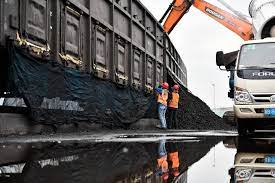
China is exporting coking coal to Indonesia, reports Reuters
On 16 June, Reuters reported that China sent three cargoes of coking coal to processors in Sulawesi, Indonesia, in May. The monthly China’s customs data shows that this rare trade export to Indonesia happened three times since 2024. Shanxi Coking Coal, China Risun, and Dexin Steel were the major companies involved in this. Independent Consultant Lawrence Yan stated that this export was to test the export feasibility of China’s supply and to show traditional sellers alternatives to Indonesian plants. The coke processing plants in Sulawesi, which are a major supply hub for metallurgical coke, now face overcapacity with utilisation at only 60 per cent to 70 per cent. (Sam Li, Sudarshan Varadhan & Hongmei Li, “China sells coking coal to Indonesia in rare trade, sources say,” Reuters, 16 June 2025)
CHINA & THE AMERICAS
US-China trade tensions put pressure on Chinese Pharmacy firms, says an editorial in Reuters
On 18 June, an editorial in Reuters reported that China’s Drug research and development firms are changing project plans, stockpiling supplies, and discussing testing locally to mitigate the impact of trade tensions. The Fears of delay in access to U.S. supply chains and raised import tariffs are the major reasons motivating biotech and pharmaceutical companies to avoid, pause, or consider delaying the start of projects. With low-cost development model using imported clinical samples, equipment, chemicals, and other materials to conduct work was employed by China’s pharmaceutical research and manufacturing sector. It serves global drug companies like Pfizer and AstraZeneca. Consequently, companies like WuXi App Tech paused research projects, and companies like Innovent Biologics, BeOne Medicines turned to test locally. (Andrew Silver, “China pharma projects disrupted by Sino-US tensions,” Reuters, 18 June 2025)
China Reader Daily Wire | 13-16 June 2025, Friday-Monday | Vol.2 No. 121 & 122
CHINA & AFRICA
China to drop tariffs on all African countries, reports BBC
On 12 June, the BBC reported that at a China-Africa cooperation meeting, China stated that it is ready to drop the tariffs on imports from all 53 African countries. Currently, China imports a huge number of raw materials from Africa, from the Democratic Republic of Congo and Guinea. China has been Africa's largest trading partner for the last 15 years. The joint ministerial statement stated "certain countries' [efforts to] disrupt the existing international economic and trade order" through the unilateral imposition of tariffs. ( Damian Zane, “China-Africa trade: Beijing ready to drop tariffs on imports from the continent,” BBC, 12 June 2025)
DEFENCE
China’s J-35A jet to appear at the 55th Paris Air Show
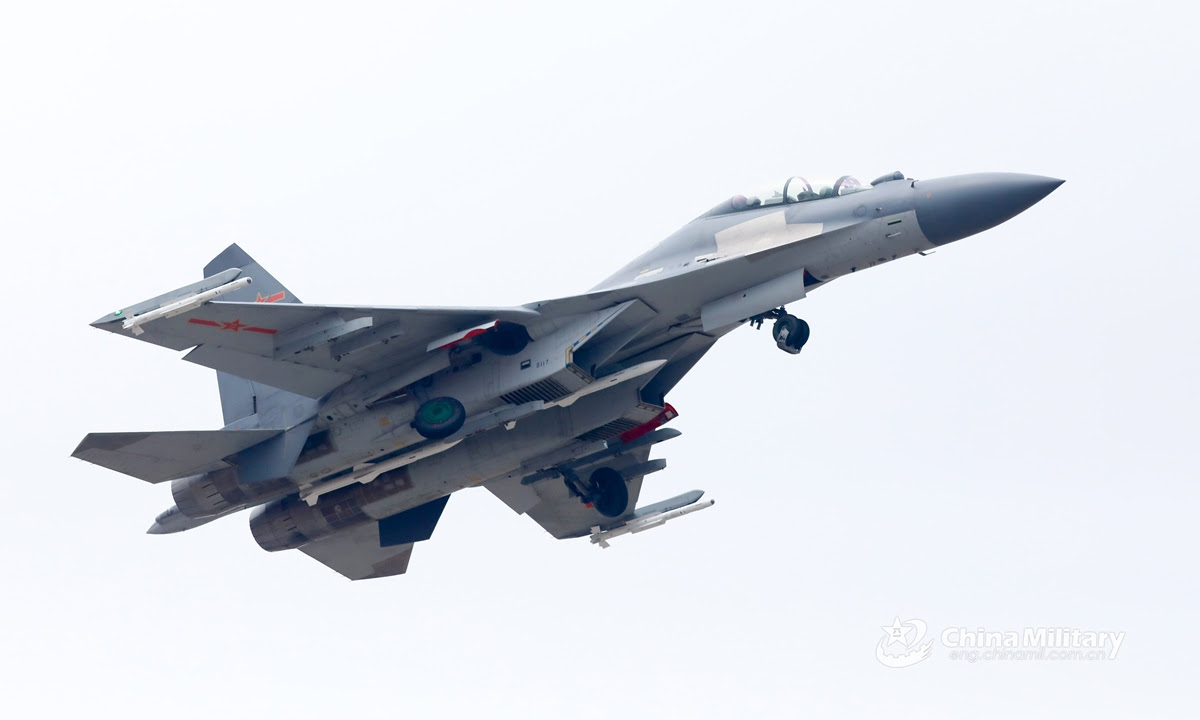
On 13 June, Global Times reported that China’s second type of fifth-generation fighter jet, J-35 A, is scheduled to make an international appearance in model form at the upcoming 55th Paris Air Show. The Shenyang Aircraft Design and Research Institute Wang Yongquing stated that the J-35 series is developed with an “air-sea twin configuration” approach and is expected to play the role of a “point guard” in systematic combat operations. He added that the “one aircraft, multiple variants” concept is expected to be produced in large numbers, and it aims for high efficiency in resource utilisation. It also expects to reduce future maintenance costs and improve the logistical efficiency of the equipment. The features of this aircraft include enhanced stealth performance and exceptional combat capabilities for coordinated operations. ( Liu Xuanzun & Fan Wei, “Exclusive: China can build a lot of J-35 fighters, top designer tells GT,” Global Times, 13 June 2025)
EXTERNAL
Vatican appoints China’s first bishop
On 12 June, SCMP reported that China expressed its willingness to promote better relations with the Vatican after the appointment of China’s first bishop under the new pope. On 05 June, the Vatican stated Pope Leo named Joseph Lin Yuntuan, 73, as an auxiliary bishop in Fuzhou, Fujian. Beijing recognised the appointment on the same day. According to Vatican News, the Vatican views it as “a further fruit of the dialogue between the Holy See and the Chinese authorities” and “a significant step in the diocese’s communal journey”. According to the Catholic Church in China, Lin pledged to “love the country and the church” and uphold the principle of independence and self-management of the church, as well as the path of Catholicism’s sinicisation. ( Kawala Xie, “Beijing hoping for closer ties with Vatican after Pope Leo names first Chinese bishop,” SCMP, 12 June 2025)
INTERNAL
Xinjiang's salty soil ploughed into fertile land, reports SCMP
On 16 June, SCMP reported that a Chinese agricultural scientist turned 40 hectares of Xinjiang's salty soil into fertile land. The land is now capable of supporting multiple crops, aiding food security as part of the national strategy. This happened after seven years of effort in the Uyghur autonomous region’s Shiezhi by a local university research team. The land will now be used to cultivate wheat, rapeseed, and other crops. These experiments are part of a national effort to reclaim saline-alkaline land and find a solution to mounting concerns over food supplies exacerbated by climate change, volatile global markets, and geopolitical pressures. ( June Xia, “China’s Xinjiang turns salt desert into fertile farmland in food security push,” SCMP, 16 June 2025)
China allocates 40 million yuan for emergency rescue and disaster relief efforts
On 15 June, Global Times reported that China earmarked 40 million yuan from the central government fund to support emergency rescue and disaster relief efforts. The funds were allocated by China’s Ministry of Finance and the Ministry of Emergency Management. The MOF stated that it is focused on Hainan, Guangdong province, and Guangxi Zhuang Autonomous Region. The statement added that Typhoon Wutip brought heavy rains and caused floods in the southern region. The fund will be used for the evacuation and resettlement of affected people, the removal of hazardous objects, and risk mitigation. ( China earmarks 40 mln yuan for provinces' disaster response as typhoon hits,” Global Times, 15 June 2025)
DEFENCE
China’s nuclear arsenal is growing faster than any other country, reports SIPRI
On 16 June, SCMP reported that, according to the latest Stockholm International Peace Research Institute (SIPRI) report, China’s nuclear arsenal is growing faster than any other country. It added that China has included 100 more warheads to its nuclear stockpile each year since 2023. SIPRI Associate Senior Fellow Hans Kristensen said: “There could be several factors behind the rapid warhead build-up, including President Xi Jinping’s call that China must be a world-class military power by the middle of the century”. The report further stated that China’s intercontinental ballistic missile (ICBM) force could match that of Russia and the US in a decade. ( Seong Hyeon Choi, “China’s nuclear stockpile is growing fast, ICBMs may match US, Russia around 2030: SIPRI,” SCMP, 16 June 2025)
NUCLEAR
China produces “Yttrium-90” using a commercial nuclear reactor
On 15 June, China National Nuclear Corporation stated that it produced “Yttrium-90” using a commercial nuclear reactor. Produced through irradiation at the Qinshan Nuclear Power Base, the Y-90 glass microsphere passed the relevant test, making the country self-sufficient for mass production. It is a beta-emitting radioisotope widely used in medical treatment through the vascular intervention technique. Moving forward, the researchers will disassemble and analyse the Y-90 before moving it to the application phase. (“China achieves Yttrium-90 production using commercial reactor,” CGTN, 15 June 2025 )
CHINA & SOUTHEAST ASIA
The US urges Vietnam to reduce its tech dependency on China, reports Reuters
On 16 June, Reuters reported that the US has asked Vietnam to reduce the use of China’s tech in devices made in the country before exporting to the US during tariff talks. Large manufacturing operation of tech firms such as Apple, Samsung, Meta, and Google happens in Vietnam and rely on China-made components. It added that sources indicated that the ultimate objective to speed up the US decoupling from China’s high tech is to increase Vietnam’s industrial capacity. As an example, it cited that virtual reality devices are Vietnam-assembled products that depend on China’s tech. ( Francesco Guarascio, “US pushes Vietnam to decouple from Chinese tech, sources say,” Reuters, 16 June 2025)
PLA holds joint sea and air patrols in the South China Sea
On 15 June, the People’s Liberation Army’s Southern Theatre Command spokesperson Tian Junli stated that China’s military held joint sea and air patrols. Tian added that the Philippines has courted countries outside the region to organise “joint patrols” and “raised security risks” in the region. He said: “The theatre command forces remain on high alert, resolutely safeguarding China's national sovereignty and maritime rights," and “all military activities that seek to stir up trouble in the South China Sea or create flashpoints are fully under control." Earlier this month, the philippine and the US conducted 17 joint maritime drills in the South China Sea. ( “China's military conducts patrols in South China Sea, warns Philippines,” Reuters, 15 June 2025)
CHINA & SOUTH ASIA
Pakistan's Chief of Army Staff to discuss China and critical minerals at the Pentagon
On 13 June, SCMP reported that Pakistan’s Chief of Army Staff, Asim Munir, will arrive in Washington at the Trump administration's invitation and is expected to attend high-level meetings at the State Department and the Pentagon. SCMP states that analysts have said Munir’s visit indicates Islamabad’s wish to recalibrate its relationship with Washington and to challenge the perception of Islamabad’s closer ties with China. Foreign Policy Magazine political analyst Michael Kugelman said: “The Pakistani civilian and military leadership has, for quite some time, maintained that Pakistan is not in China’s camp, and that it seeks strong relations with both Beijing and Washington.” Analysts expect the discussions to revolve around cryptocurrency, critical minerals, counterterrorism, and China. ( Khushboo Razdan, “Crypto, China, critical minerals to top Pakistan army chief’s US visit agenda: analysts,” SCMP, 13 June 2025)
CHINA & CENTRAL ASIA
China- Central Asia rising health cooperation, reports CGTN
On 11 June, CGTN reported that China and Central Asia nations deepened health collaboration, and China’s Xinjiang Uyghur Autonomous Region emerged as the key hub. To establish itself as an international medical service centre, Xinjiang has implemented clear actions to provide high-quality care to neighbouring countries. By the end of 2023, the region had treated over 25,000 international patients. The cross-border medical service is boosted by establishing international medical service departments in five top tertiary hospitals, offering 500 dedicated beds. The Xinjiang Medical University annually hosted over 100 medical students from Central Asia. It fosters long-term academic exchanges, health education, technical training, and research collaboration locally. There are meetings and centres to extend the cooperation to traditional Chinese Medicine. ( How China-Central Asia health cooperation is gaining momentum,” CGTN, 11 June 2025)
China’s President to attend the Second China-Central Asia Summit
On 16 June, CGTN reported that China’s President Xi Jinping will attend the second China-Central Asia Summit in Astana on the invitation of Republic of Kazakhstan President Kassym-Jomart Tokayev. Standing Committee of the Political Bureau of the Communist Party of China (CPC) Central Committee and director of the General Office of the CPC Central Committee member Cai Qi and Political Bureau of the CPC Central Committee and foreign minister Wang yi will accompany him. China’s Ministry of Foreign Affairs said that the meeting will: “jointly outline a new blueprint for future cooperation.” The meeting will be attended by heads of state from Uzbekistan, Tajikistan, Kyrgyzstan, and Turkmenistan. Central Asian countries are also signatories of the Belt and Road Initiative, and the meeting is expected to extrapolate on this cooperation. Aiming to further cooperation on the sharing, mining, and refining of natural resources. ( “President Xi Jinping leaves for second China-Central Asia Summit,” CGTN, 16 June 2025)
CHINA & THE MIDDLE EAST
China’s UN representative calls for Israel-Gaza ceasefire
On 12 June, CGTN reported that China’s envoy welcomed the General Assembly resolution for an immediate ceasefire in Gaza and immediate access to humanitarian assistance on a large scale. China’s permanent representative to the UN, Fu Cong, stated that the resolution reflects the call of the international community, sends a strong political message, and embodies solidarity and consensus among the majority of the UN membership. He said: "Israel continues to escalate its military offensive against Gaza, and each day, large numbers of innocent lives are lost," and "Whatever pretext will not make killing civilians noble or just." He further added that his country opposes the weaponisation of humanitarian aid. ( “China welcomes adoption of UN resolution on Gaza ceasefire,” CGTN, 13 June 2025)
China-Africa Economic and Trade Expo kicks off in Beijing
On 12 June, CGTN reported that the Fourth China-Africa Economic and Trade Expo opened on 06 June in Changsha, Hunan Province, reaffirming China’s deepening commitment to Africa. The theme being “China and Africa: Together Toward Modernization,” the four-day event draws nearly 4,700 companies and over 30,000 participants. Deals worth over USD 11 billion have already been signed, showcasing good momentum in economic cooperation. China’s Foreign Minister Wang Yi, attending the opening ceremony, emphasized China’s enduring support for Africa, regardless of shifting global dynamics. He described China as a “true friend and sincere brother” in Africa’s modernization journey. Wang also stressed the shared aspiration for modernization among the 2.8 billion people of China and Africa, calling it a foundation for their strategic partnership. Leaders from Uganda, Liberia, and Kenya also participated. Wang announced efforts to align China-Africa development strategies, promote governance exchange, and fast-track the ten partnership actions for modernization. (“China-Africa expo opens with focus on economic ties, new deals,” CGTN, 13 June 2025)
CHINA & EUROPE
China’s Premier meets European Central Bank’s President on 50 years of EU-China relations
On 13 June, Global Times reported that China’s Premier Li Qiang met with European Central Bank (ECB) President Christine Lagarde in Beijing to mark 50 years of China-EU diplomatic relations and push for stronger economic cooperation on 06 June. Li emphasized the need to consolidate political trust, expand practical collaboration, and jointly promote global prosperity. Li noted that China and the EU, as major global economies, are highly complementary. He highlighted China’s vast market and growth potential, calling for greater cooperation across various sectors. He expressed that both sides should enhance multilateral coordination, foster openness, and contribute meaningfully to global economic recovery and governance. He also expressed China’s willingness to work with the ECB on reforming the international monetary system and reiterated China’s commitment to further opening and sharing development opportunities. Lagarde, in response, warned against tariffs and trade wars, calling them “lose-lose” scenarios. She praised multilateralism and emphasized the importance of open, cooperative approaches to global challenges. Lagarde welcomed the establishment of a new meeting mechanism between the ECB and Chinese central bank governors and looked forward to expanding financial cooperation. (Xinhua, “Chinese premier meets ECB chief,” Global Times, 13 June 2025)
CHINA & AMERICA
China’s Vice Premier calls for the US to resolve the trade tensions with diplomacy, reports CGTN
On 11 June, CGTN reported that during the inaugural meeting of the China-US economic and trade consultation mechanism held in London on 09 June, China’s Vice Premier He Lifeng emphasized that the United States should resolve trade disputes with China through equal dialogue and mutually beneficial cooperation. As China’s top official for trade with the US, He underscored the importance of honoring commitments and implementing the consensus reached by the two countries’ leaders. He stated that trade relations between China and the US are inherently win-win, warning that trade wars yield no winners. While reaffirming China’s sincerity in dialogue, he also noted the country’s resolve to uphold its principles and protect its interests. The talks, which included US Treasury Secretary Scott Bessent, Commerce Secretary Howard Lutnick, and Trade Representative Jamieson Greer, led to progress on several economic concerns. Both sides agreed in principle to implement the consensus reached during the 05 June presidential call and to consolidate outcomes from earlier Geneva talks. He urged continuous communication to reduce misunderstandings, boost cooperation, and promote stable bilateral ties that benefit the global economy. (“Chinese vice premier urges U.S. to resolve trade disputes with China through dialogue, cooperation,” CGTN, 11 June 2025)
The US-China rare earth mineral issue remains unresolved, says an editorial in Reuters
On 16 June, an editorial in Reuters reported that the US-China London meeting did not resolve the rare earth mineral issue. China has not granted export clearance for some specialised rare-earth magnets that are vital for US military suppliers in the production of fighter jets and missile systems, noted the editorial. US officials have signalled a possible extension of existing tariffs on China beyond 90 days. The US Treasury Secretary Scott Bessent stated that there would be no “quid pro quo” on easing curbs on exports of AI chips to China in exchange for access to rare earths. ( Laurie Chen & Fanny Potkin, “Exclusive: US-China trade truce leaves military-use rare earth issue unresolved, sources say,” Reuters, 16 June 2025)
China at the WTO meeting says the US narrative on reciprocal tariffs is misleading
On 13 June, Council for Trade in Services meeting, the Chinese delegation stated that the US narrative on reciprocal tariffs is one-sided and misleading. It urged the US to abide by the rules of the WTO, maintain the stability of the global trading system, and not employ double standards in WTO rules. The delegation stated that the US sustained long-term surpluses in the service trade with its major trading partners, and it has reached approximately USD 300 billion in 2024. It further added that this participation in the highest value-added activities, such as research and development, design, branding, and sales, the United States gains much higher returns in international trade and globalisation than surface trade data reflects. ( “China criticizes U.S. tariff narrative as 'one-sided, misleading',” CGTN, 15 June 2025)
China Reader Daily Wire | 12 June 2025, Thursday | Vol.2 No. 120
CHINA & SOUTHEAST ASIA
China-backed UWSA takes control of rare earth mines in Myanmar
On June 12, 2025, Reuters reported that the China-backed United Wa State Army (UWSA) has seized control of new rare earth mining operations in Myanmar's Shan State. These mines are crucial for extracting elements like dysprosium and terbium, which are essential in manufacturing magnets for electric vehicles, wind turbines, and medical devices. The UWSA, a powerful militia with strong ties to China, has established several leaching pools at mining sites since 2023, following disruptions in Myanmar’s Kachin region due to ongoing conflict. Approximately 100 workers are engaged in extracting minerals under Chinese management, with materials being transported directly to China. Analysts note that mining in Myanmar is significantly cheaper and less regulated than in other regions, making it an attractive option for Chinese interests. This development underscores China's strategic efforts to secure access to critical minerals amidst ongoing trade tensions with the United States. The move also highlights the complex interplay between military-backed militias and economic interests in Myanmar's resource-rich regions. (“Exclusive: China-backed militia secures control of new rare earth mines in Myanmar,” Reuters, 12 June 2025)
CHINA & EUROPE
China and Spain upgrade their relations to a comprehensive strategic partnership
On 12 June, CGTN reported that China and Spain have reaffirmed their commitment to advancing their comprehensive strategic partnership during a meeting between China’s Vice President Han Zheng and Spanish Prime Minister Pedro Sanchez in Madrid on 11 June. Marking the 20th anniversary of this partnership, both leaders emphasized deepening cooperation, strengthening political trust, and upholding multilateralism and free trade. Han highlighted the importance of high-level exchanges and collaboration within multilateral platforms like the UN and WTO, especially amid global instability. He called for enhanced China-Europe solidarity to stabilize the global economy and expressed hope that Spain would actively support stronger China-EU relations, using the 50th anniversary of China-EU diplomatic ties as a catalyst. Sanchez reiterated Spain’s support for the one-China policy and praised China's commitment to multilateralism at a time when unilateralism and protectionism threaten global trade, while strongly emphasizing that “there is no winner in a tariff war,” as he welcomed increased Chinese investment in Spain and pledged support for stronger EU-China ties. (“China, Spain pledge to deepen strategic partnership,” CGTN, 12 June 2025)
EU notes it's too early to determine repercussions of US-China trade talks
On 12 June, SCMP reported that the European Union has stated that it is “too early to conclude” whether recent US tariffs on Chinese goods have triggered a diversion of Chinese exports to the EU. Although May 2025 data show a 34.5 per cent drop in Chinese exports to the US and significant increases to France and Germany, EU officials stressed that isolated spikes in trade do not confirm a pattern of diversion. The European Commission recently launched a customs surveillance system to detect trade diversion and assess potential harm to EU industries. Officials explained that trends, not one-off surges, are necessary to justify emergency safeguarding measures. These safeguards that are non-China-specific could rapidly restrict imports if material harm is proven. Concerns over diversion were raised during a high-level dialogue between EU President Ursula von der Leyen and China’s Premier Li Qiang. A task force is monitoring imports using five criteria, including volume and price shifts, and potential industry harm. Recent data showed surges in imports of LEDs, industrial robots, and steel bars, alongside drastic price drops. (Finbarr Bermingham, “EU says ‘too early’ to say if spike in Chinese exports could prompt emergency measures,” SCMP, 12 June 2025)
ENERGY & ENVIRONMENT
500kV power line across Huaihe River completes construction
On 11 June, a 500-kilovolt power transmission from the Huaihe River in Anhui Province construction completed. The power line spans 1,578 meters with two towering 193-meter pylons on either side of the river. The transmission line is part of a broader effort to strengthen the regional power grid and ensure a stable electricity supply to the economically vibrant eastern regions of the country. The completion of this river-crossing section demonstrates not only the technical prowess of Chinese engineers but also the country's strategic focus on long-term energy security and sustainable development. The project is expected to improve grid efficiency and support industrial and residential energy needs more reliably. It reflects China's commitment to high-standard infrastructure, combining technological innovation with practical utility. In a global context, this development further positions China as a leader in executing complex, large-scale energy projects that are vital for regional growth and resilience. The accomplishment also sets a benchmark for future projects involving difficult terrains and river crossings. (“The 500 kV power transmission project from Xiangjian to Ludao in Anhui Province completed the Huaihe River crossing,” Xinhua, 12 June 2025 )
CHINA & SOUTHEAST ASIA
China adds Indonesia to the 10-day visa-free transit list
On June 12, 2025, China announced that Indonesia had been added to its 240-hour (10-day) visa-free transit program, expanding the list to 55 countries. This policy allows travelers from eligible nations to stay in China for up to 10 days without a visa while in transit to a third country or region. The updated program now includes citizens from countries such as the United States, the United Kingdom, Russia, and Indonesia. Travelers can enter through 60 designated ports across 24 provinces and move freely within these regions during their stay. This expansion is aimed at boosting tourism, encouraging international travel, and strengthening China’s global ties, particularly with Southeast Asia. By offering a longer, more flexible stay without visa hassles, China hopes to attract more visitors and make transit travel more appealing. The inclusion of Indonesia, a key ASEAN member, highlights China's ongoing efforts to deepen regional cooperation and enhance people-to-people exchanges. (“China adds Indonesia to 240- hour visa- free transit program, expands list to 55 countries,” CGTN, 12 June 2025)
China-Myanmar diplomatic relations are a facade, says an editorial in The Irrawady
On 10 June, an editorial in The Irrawady looked at the 75th anniversary of China-Myanmar diplomatic ties. The op-ed noted that even though the event highlighted “paukphaw friendship” and “win-win cooperation,” the reality is different. It is characterised by deep asymmetry, transactional politics, and fragmented sovereignty. The editorial stated that the pragmatic power arrangement is rooted in geography, necessity, and cold pragmatism. They claimed that the concept of “paukphaw” is a myth rooted in calculated asymmetry, and Beijing engages with both the Junta and the EAOs with deliberate calculation. The anniversary brought out the hollow diplomacy that sidelines the public and props up power. (Athena Awn Naw, “Fraternal Facade: The Illusion of China-Myanmar Brotherhood at 75,” The Irrawaddy, 10 June 2025 )
Arakan Army advances to Chinese investment hub Kyaukphyu, reports The Irrawaddy
On 11 June, The Irawaddy reported that the Arakan Army advances to Kyaukphyu, a Chinese-backed investment hub in Rakhine. It captured junta positions and is targeting key outposts near Police Battalion No.32. It threatens China’s pipeline and deep-sea port projects. The Junta responded with airstrikes, naval shelling, and reinforcements. The clashes persist near the Danyawaddy naval base, and over 40,000 civilians have been displaced. Meanwhile, junta forces continue to use drones and paramotors to bomb AA-held territory. The area now faces severe food hortages, landmine dangers, and blocked access to medical care. ( Lin Thit, “Myanmar Junta Reinforces Kyaukphyu as AA Nears China-Backed SEZ Hub,” The Irrawady, 11 June 2025)
CHINA & AFRICA
FOCAC follow-up meeting convenes in Beijing on the follow-up action plan
On 11 June, CGTN reported that Representatives from China, 53 African nations, and the African Union Commission convened in Changsha. They met to promote the implementation of agreements from the 2024 Beijing Summit of the Forum on China-Africa Cooperation (FOCAC). The Chinese Foreign Minister Wang Yi and Congolese Foreign Minister Jean-Claude Gakosso read congratulatory messages from their presidents. The Republic of the Congo is the African co-chair of the FOCAC. President Xi Jinping reaffirmed China’s commitment and the ten key partnership actions. Wang Yi highlighted China and Africa’s role as leaders of the Global South and called for unity amid global instability. Gakosso praised China’s support and affirmed Africa’s commitment to the China-Africa Cooperation Vision 2035. The meeting concluded with the release of the China-Africa Changsha Declaration. It stressed solidarity, opposition to unilateral sanctions, and support for a just global order. ( “China, Africa push implementation of FOCAC Beijing Summit outcomes,” CGTN, 11 June 2025)
China Reader Daily Wire | 11 June 2025, Wednesday | Vol.2 No. 119
CHINA & THE PACIFIC
China’s aircraft carrier sails beyond the Second Island Chain of the Pacific
On 10 June, SCMP reported that China’s Liaoning and Shandong aircraft carriers sailed beyond the Second Island Chain. On 10 June, the People’s Liberation Army deployed two carrier groups in the Western Pacific and surrounding waters. They conducted an exercise to test their far sea defence and joint operational capabilities. In a statement, PLA Navy senior captain Wang Xuemang said: “It is a routine training exercise organised according to the annual plan, aiming to continuously strengthen mission fulfillment capabilities. It complies with relevant international laws and practices and is not targeted at any specific country or objective.” There are no details on what the two career fleets are planning to do in the Pacific. ( “China’s Liaoning and Shandong aircraft carriers sail beyond second island chain,” SCMP, 10 June 2025)
CHINA & THE AMERICAS
US-China agree on a trade framework to resolve the trade deadlock
On 11 June, at the end of the two days trade talks between China and the US that took place in London on 9–10 June, senior US and Chinese negotiators agreed on a framework to get their trade negotiations back on track the talks, held at Lancaster House, were focused on resolving differences and deadlocks over mineral and technology exports. They sought to reinforce a fragile truce first established in Geneva, a 90‑day suspension of punitive tariffs. US Commerce Secretary Howard Lutnick remarked that the discussions were moving “really, really well,” underscoring efforts to shift from negative posturing toward practical solutions. China indicated it may ease export licensing for rare-earth minerals, while the US signaled willingness to roll back certain export controls on high-tech goods, a key part of the emerging framework. Despite positive market reactions, both sides face a hard deadline of just 60 days to finalise a detailed agreement under the Geneva truce, and analysts caution that resolving deeper issues like China’s trade surplus will be more complex. (“The US and China say they have agreed on a framework to resolve their trade disputes,” AP News, 11 June 2025)
CHINA & SOUTHEAST ASIA
China-Vietnam rail terminal construction underway, reports China Daily
On 09 June, China Daily reported that preparations are underway for the construction of a cargo terminal connecting China to Vietnam’s Vinh Phuc Province. According to Vietnam SuperPort CEO Yap Kwong Weng, it is an 83-hectare multimodal logistics port developed as a joint venture between Vietnam’s T&T Group and Singapore’s YCH Group, and he commented that this railway project connecting Vietnam with China is a significant game changer for infrastructure connectivity. It is nearly 419 kilometres and over USD 8.3 billion. According to local media, this investment will create about 90,000 jobs during construction and about 2,500 long-term jobs. (Yang Han, “China-Vietnam rail projects to benefit region,” China Daily, 09 June 2025)
China Reader Daily Wire | 09 June 2025, Monday | Vol.2 No. 117
ENERGY AND ENVIRONMENT
Spike in China's exports of rare earth minerals in May 2025
On 09 June, Reuters reported that in May 2025, China’s rare-earth exports jumped 23 per cent. This, compared to April, reached 5,864.6 tons, the highest monthly volume in a year, even after Beijing introduced curbs on certain minerals the previous month. These restrictions in April forced a 50 per cent drop in rare-earth magnet shipments and caused disruptions in European auto parts factories, with some halting production and semiconductor firms warning of closures. Overall, exports of the 17 key rare-earth minerals totalled around 24,827 tons in the first five months of 2025, slightly higher than the same period in 2024. The full effect of the export controls remains unclear, with more detailed data expected on 20 June. The spike highlights China’s dominant global position in rare-earth supply and adds tension to international trade dynamics. (“China's rare earth exports jump 23% in May despite export curbs,” Reuters, 09 June 2025)
INTERNAL
China’s State Council introduces guidelines for innovation development in Shenzhen
On 11 June, CGTN reported that, according to a new set of guidelines, China will advance comprehensive reforms in the southern city of Shenzhen via greater innovation and opening up in the city. The guidelines were issued by China’s Communist Party Central Committee and the State Council, focusing on breaking institutional barriers in education, science, and talent development. It emphasises strengthening the integration of innovation, industry, capital, and talent chains. The guideline stated that Shenzhen will carry out reforms to enhance data security governance and regulatory capabilities and secure cross-border data flow mechanisms in compliance with laws, regulations, and relevant requirements. ( “China unveils guidelines to deepen reforms in Shenzhen,” CGTN, 11 June 2025)
China’s ultra-high voltage project to deliver power from Xinjiang to Chongqing
On 10 June, State Grid Corporation of China announced the operation of the 800-kilowatt ultra-high voltage (UHV) direct current transmission project linking Xinjiang's Hami with southwest China's Chongqing. This is the third project to transmit electricity from energy-rich Xinjiang to other parts of the country. It is expected to contribute to economic development in both Xinjiang and Chinqqing. It will also enhance regional coordinated developments, facilitate rural revitalisation, and help improve public welfare. This project amplifies Xinjiang’s efforts to position itself as a national energy strategic supply base. ( “New ultra-high voltage project begins operation to deliver power from Xinjiang to Chongqing,” People’s Daily Online, 11 June 2025)
CHINA & AFRICA
Beijing supports South Africa against “hegemony and bullying”, says China’s Defence Minister
On 10 June, Chinese Defence Minister Dong Jun expressed strong support for South Africa in standing against “hegemony and bullying” amid growing tension between Pretoria and Washington over South Africa’s ties to Russia. Speaking during a high-level military visit, Dong emphasised a shared history of “comradeship and brotherhood” forged during South Africa’s anti-apartheid struggle, reaffirming China’s ties with the African National Congress (ANC) and broader African interests. The key issue revolves around increasing US pressure on South Africa for its neutral stance on the Russia-Ukraine war and broader geopolitical alignments. Dong’s comments also promoted China’s Global Security Initiative, advocating multilateralism, partnership over zero-sum competition, and dialogue over confrontation, essentially challenging US-led alliance frameworks. His pointed support for Pretoria comes shortly after China opted not to participate at a senior level in the Shangri-La Dialogue, highlighting Beijing’s selective diplomatic engagement. The timing and tone of Dong’s remarks suggest a strategic move to strengthen China’s influence across the Global South, portraying itself as an alternative leader standing against Western dominance. By backing South Africa, China not only reinforces its ideological stance but also aims to deepen military and diplomatic ties with nations sharing scepticism of the West’s global leadership. (“China’s defence chief Dong Jun backs South Africa against ‘bullying’ amid US tensions,” SCMP, 10 June 2025)
CHINA & SOUTHEAST ASIA
Indonesia considers buying China’s J-10 fighter jets
On 05 June, Business Standard reported that Indonesia is evaluating buying China’s battle-tested J-10 fighter jets, recently used in Pakistan’s clashes with India over Kashmir. Deputy Defense Minister Donny Ermawan Taufanto stated that the offer came during an Indonesian Air Force visit to China. He added that the government is reviewing whether the jets meet Indonesia’s operational needs and can integrate with current systems. However, Taufanto stressed the assessment is still in early stages, and no technical team has been sent to China yet for further evaluation or negotiations. (“Indonesia weighs China's offer of battle-tested J-10 fighter jets,” Business Standard, 05 June 2025)
CHINA & CENTRAL ASIA
Second China-Central Asia Summit 2025 to focus on trade and infrastructure linkages
On 07 June, CGTN reported that there is an increase in deeper economic cooperation between China and Central Asia as the Second Summit is approaching. At the center of this momentum is China's new China-Kyrgyzstan-Uzbekistan Railway project that will commence construction in July of this year to reduce transit time and improve trade. The Tianfu cross-border route, launched in 2022, now connects over 20 cities, moving over 40 types of products. Bilateral trade for these products skyrocketed from USD 460 million in 2020 to nearly USD 95 billion by 2024. Wang Jinguo, a professor at Lanzhou University, commented that, for many years, the lack of infrastructure made trade very difficult but now with high-level cooperation and the Belt and Road Initiative, they are ready to grow together as a region. Institutionalization of these cooperation agreements is also viewed as positive due to the establishment of the China-Central Asia Secretariat. With new initiatives likely to be rolled out in Kazakhstan at the upcoming summit, the long-held relationship is entering a deeper phase of strategic partnership and regional integration. (“2025 China-Central Asia Summit to unlock new opportunities for economic cooperation,” CGTN, 07 June 2025)
INTERNAL
China’s National Health Commission to offer epidurals for childbirth in tertiary hospitals
On 09 June, Reuters reported that China’s National Health Commission (NHC) mandated that all tertiary hospitals (with over 500 beds) offer epidural anesthesia for childbirth, with secondary hospitals (over 100 beds) following suit by 2027. This is a proactive move aimed at fostering a more “friendly childbearing environment” amid a three-year decline in birth rates. Currently, only around 30 per cent of Chinese pregnant women use epidurals, which substantially lags developed countries where usage usually exceeds 70 per cent. For instance, approximately 82 per cent in France and over 67 per cent in the US and Canada. The World Health Organisation (WHO) endorses epidural anaesthesia as a safe pain-relief option for healthy women requesting it. The NHC stressed that this policy would “improve the comfort level and security of medical services” and “enhance people’s sense of happiness,” thereby promoting a friendlier environment for childbirth. Additionally, several provinces are beginning to include childbirth anaesthesia in their medical insurance schemes, alleviating costs for expectant parents. (“China to make all hospitals offer epidurals to incentivise childbirth,” Reuters, 09 June 2025)
ECONOMY
China’s economy demonstrates deflation in 2025, reports Reuters
On 09 June, Reuters reported that May 2025 saw China’s economic landscape demonstrate deepening deflationary pressures. In the backdrop, both consumer and producer prices continued to decline, extending a four-month streak of consumer price drops amid persistent headwinds. The Consumer Price Index (CPI) fell 0.1 per cent year-on-year for the second consecutive month and slid 0.2 per cent from April, “matching economists' forecasts”, signalling weak household demand and cautious consumer behaviour. Meanwhile, factory-gate prices plunged 3.3 per cent, marking the steepest producer price index (PPI) decline in 22 months. This worsened from April’s 2.7 per cent drop and outperformed economist projections of a 3.2 per cent contraction. Chief economist of Pinpoint Asset Management, Zhiwei Zhang, highlighted “persistent deflationary pressure” and pointed to a steepening “price war in the auto sector” as a symptom of fierce competition driving down inflation, while expressing concern that property prices had “resumed their downward trend”. (“China's factory-gate deflation worst in 22 months as economic headwinds mount,” Reuters, 09 June 2025)
MARITIME
China Media Group documentary “Sailing Toward the Sea” on China’s evolving maritime capabilities
On 08 June, China Media Group (CMG) debuted a new documentary program exploring China's evolving relationship with its maritime domain. The 20-part documentary series called “Sailing Toward the Sea”, part of its Nature of China project, highlights China’s growing focus on ocean development, technology, and conservation. It showcases major marine innovations like the Mingyang Tiancheng, the world’s largest floating wind-power platform, and deep-sea missions using submarines like the Fendouzhe. The show also features scientific ships like Xuelong-2 and the Mengxiang drilling vessel, underlining China’s rapid progress in marine science. Importantly, it blends human stories, like those of fishermen and marine conservation workers, with high-tech visuals, showing how China's USD 10 trillion marine economy affects real lives. Environmental protection is a key theme, with episodes focusing on rare dolphin habitats in Xiamen and coral reef clean-ups near Hainan. CMG says the documentary aims to balance development with ecological responsibility, promoting a “shared future” for global ocean governance. (“China's maritime renaissance: New documentary chronicles nation's oceanic ambitions,” CGTN, 08 June 2025)
SCIENCE AND TECHNOLOGY
China’s Beihang University begins mass production of the world’s first non-binary chips
On 09 June, SCMP reported that China has begun mass production of the world’s first non-binary AI chip. It is being developed at Beihang University. This has marked a significant breakthrough in computing. Unlike conventional binary chips using 0s and 1s, this chip uses a Hybrid Stochastic Number (HSN) system that combines binary logic with probability-based operations. This innovation directly addresses both the “power wall”, the massive energy demands of traditional binary processors, and the “architecture wall,” which hinders integration with CMOS systems. As Professor Li Hongge explained, today’s chips “face two big challenges: the power wall and the architecture wall,” and the HSN-based chip effectively overcomes both. By blending deterministic and stochastic computation, the chip achieves greater fault tolerance and energy efficiency, opening new possibilities in touch displays, flight systems, and navigation applications, all critical in aviation and industrial control. (“Beyond 1s and 0s: China starts mass production of world’s first non-binary AI chip,” SCMP, 09 June 2025)
CHINA & SOUTHEAST ASIA
Chinese fishing vessel maneuvers near Thitu Island
On 08 June, a Chinese fishing vessel was witnessed near Thitu Island (known locally as Pagasa), which the Philippines has occupied in the disputed South China Sea. The ship appeared only 2.7 km away from the Filipino village, so residents called local authorities for help. The incident led to a Philippine military and coast guard response, yet they discovered that Chinese vessels had already towed the ship away. The Regional Navy spokesperson, Lt. Ellaine Rose Collado, has stated that the incident took place because of stormy weather conditions. However, its appearance matched previous sightings of suspected Chinese militia ships targeting Filipino military units. China has persistent territorial claims over this strategic maritime pathway in the South China Sea, and this is increasing tension at an alarming rate. The US has officially backed its treaty commitments by declaring its readiness to protect the Philippines from any form of hostile behavior. (Jim Gomez and Joeal Calupitan, “Chinese ship runs aground off Philippines-occupied island in the disputed South China Sea,” AP News, 08 June 2025)
China’s President and Myanmar's leader exchange pleasantries on the 75th anniversary of diplomatic cooperation
On 08 May, China’s President Xi Jinping and Myanmar's leader Min Aung Hlaing exchanged congratulations on the 75th anniversary of diplomatic ties between the two countries. Xi commented that China and Myanmar's “Paukphaw” (fraternal friendship) withstood the test of time and has grown even stronger. He added that they jointly uphold the five principles of peaceful coexistence and the Bandung Spirit. He expressed his willingness to work with Myanmar to accelerate high-quality Belt and Road cooperation, jointly implement the Global Development Initiative, the Global Security Initiative, and the Global Civilisation Initiative, and push for solid progress in building the China-Myanmar community with a shared future. Min Aung Hlaing recalled the Chona’s humanitarian assistance to Myanmar and expressed gratitude to China for its firm support of Myanmar's efforts towards peace, stability, national reconciliation, and economic development. ( “Xi, Myanmar leader mark 75 years of diplomatic ties of two nations,” CGTN, 08 June 2025)
CHINA & THE MIDDLE EAST
China implements trial visa-free entry for GCC passport holders
On 09 June, China introduced a trial visa-free access for ordinary passport holders from Saudi Arabia, Oman, Kuwait, and Bahrain for a period of up to 30 days for business, tourism, family visits, exchanges, or transit from 09 June 2025 to 08 June 2026. This invitation is an addition to the unilateral visa-free "circle of friends" of China and completes access to visa-free status for all GCC countries. The UAE and Qatar have had reciprocal visa-free policies with China since 2018. China’s Foreign Ministry spokesperson, Mao Ning, remarked on the new policy, stating, “We welcome more friends from GCC countries to visit China at any time," during a press conference on May 28. (“China implements trial visa-free policy for ordinary passport holders from Saudi Arabia, Oman, Kuwait, Bahrain,” Global Times, 09 June 2025)
CHINA & EUROPE
UK to review security risks in building the Chinese embassy in London
On 09 June, SCMP reported that the UK government has pledged to look at China’s plan to build a large embassy in the vicinity of London’s financial centres, after President Donald Trump lobbied Prime Minister Keir Starmer to reconsider it. He also asked to avoid the proposal due to the risks to intelligence sharing. A senior US official expressed concern about China being able to access sensitive communications from the UK, and the issue was reportedly raised in the ongoing trade negotiations between the US and the UK. The Technology Secretary, Peter Kyle, stated that the UK government would respond wholly and deliberately to any threats posed. Shadow Home Secretary Chris Philp also agreed with US concerns and added that “the UK would be saying yes to a Chinese security threat” due to the espionage threat posed by China in the UK. Over 1,000 people protested against the embassy proposal earlier in the year. The proposal was originally rejected by the Tower Hamlets Council in 2022, and since 2023, it has been at the government’s discretion and was sent from the Planning Inspectorate for review. (“UK vows due diligence on Chinese embassy in London amid security concerns,” SCMP, 09 June 2025)
China Reader Daily Wire | 05 June 2025, Thursday | Vol.2 No. 115
INTERNAL
36th anniversary of the Tiananmen Square massacre
On 04 June, the US Secretary of State and Taiwan’s president stated that the world will never forget the Tiananmen Square massacre. US top diplomat Marco Rubio said in a statement: “Today we commemorate the bravery of the Chinese people who were killed as they tried to exercise their fundamental freedoms, as well as those who continue to suffer persecution as they seek accountability and justice for the events of June 4, 1989.” In response, China’s Ministry of Foreign Affairs spokesperson Lin Jian said: “Erroneous statements by the US side maliciously distort historical facts, deliberately attack China’s political system and developmental path, and seriously interfere in China’s internal affairs.” Taiwan’s President Lai Ching-te praised the bravery of the protestors and said: “Authoritarian governments often choose to silence and forget history, while democratic societies choose to preserve the truth and refuse to forget those who gave their lives – and their dreams – to the idea of human rights.” The People’s Liberation Army opened fire on the unarmed peaceful protestors at the pro democracy demonstrations held in Tiananmen Square. It resulted in the massacre of numerous protestors and bystanders in Beijing. The government arrested thousands of protestors and executed many. (Helen Davidson, “World won’t forget Tiananmen Square, US and Taiwan say on 36th anniversary of massacre,” The Guardian, 04 June 2025)
CHINA & EUROPE
China opposes NATO expansion into the Asia-Pacific, says China’s Foreign Ministry
On 05 June, China’s Ministry of Foreign Affairs strongly reaffirmed its opposition to NATO's expansion into the Asia-Pacific region, warning that such moves are unwelcome and harmful to regional peace and stability. Ministry spokesperson Wang Wenbin addressed the issue during a regular press briefing, making it clear that the majority of Asia-Pacific countries are against introducing military alliances reminiscent of Cold War bloc confrontations into the region. “The position of most countries in the region is very clear,” Wang said: “They oppose the merging of various military blocs in the region. They do not welcome NATO's expansion into Asia, and they do not accept the transfer of bloc confrontation to Asia.” Wang criticized certain countries for preaching openness and peace while simultaneously working to draw NATO into the Asia-Pacific. “Under the banner of freedom and openness, some countries are forming exclusive small groups and introducing military blocs into the region,” he said. “This seriously undermines regional peace, stability, and cooperation.” He further warned that such actions run counter to the trend of peaceful development and mutual trust among regional countries. China’s firm stance reflects a broader resistance among many Asia-Pacific nations to foreign military involvement. The ministry’s comments come amid growing concerns in Beijing over NATO’s outreach to partners like Japan and South Korea, and reflect China's view that NATO’s presence beyond its traditional North Atlantic scope is provocative and destabilising. (“Chinese Foreign Ministry: NATO not welcome in the Asia-Pacific region,” CGTN, 05 June 2025)
Xi and Lukashenko reaffirm long-standing strategic friendship
On 04 June, Chinese President Xi Jinping met with Belarusian President Alexander Lukashenko in Beijing to reaffirm their enduring traditional friendship and strategic partnership. Xi congratulated Lukashenko on his re-election and emphasised that China views Belarus as a true friend and reliable partner, highlighting the strong political mutual trust and growing cooperation between the two countries. He expressed China's willingness to work with Belarus to promote the steady development of bilateral ties and win-win cooperation. Lukashenko, on his 15th visit to China, expressed gratitude for China's long-term support and assistance, stating that Belarus has high trust in China and will actively advance cooperation. Both leaders agreed to launch joint pilot projects aimed at creating joint production facilities based on scientific research. Belarusian officials noted that the visit serves as an example of friendship and mutual support between the two nations. The visit underscores the strategic and long-term nature of China-Belarus relations, with both sides committed to deepening cooperation in various fields, including technology, industry, and international diplomacy. (“Xi, Lukashenko meet, stress enduring traditional friendship,” Global Times, 04 June 2025)
INTERNAL
78 million railway trips during the Dragon Boat Festival, a 9.9 per cent increase from 2024
On 04 June, China State Railway group reported more than 78.75 million railway passenger trips taken during the Dragon Boat Festival holiday. Between 30 May and 03 June, the trips set a new record for the holiday period. The network increased operations with an average of 12,142 passenger trains running each day, up 9.9 per cent from the same period last year. The enhanced services include streamlined ticketing and transfer procedures, improved catering options, and tailored assistance for elderly passengers, children, and the differently abled. ( “China reports over 78 million railway passenger trips during holiday,” CGTN, 04 June 2025)
Citigroup Inc. to cut 3,500 jobs in China, reports Reuters
On 05 June, Reuters reported that Citigroup Inc. plans to reduce the number of employees at two of its technology centres in China by about 3,500. The measure aims to simplify and shrink global tech operations to improve risk and data management. In a statement, the bank stated that the reduction of staff at the China Citi Solution Centres in Shanghai and Dalian is expected to be done by the start of the fourth quarter this year. For Citi’s businesses globally, the service and technology unit in China provides financial technology and operations services. (Selena Li, “Citi to cut 3,500 tech jobs in China in global revamp,” Reuters, 05 June 2025)
NUCLEAR
CCTV reveals details of China’s DF-5 nuclear weapon capability
On 04 June, SCMP reported that China’s state broadcaster CCTV released some key specifications of the country’s DF-5 nuclear weapons. China’s “first-generation strategic ICBM” could deliver a single nuclear warhead with an explosive yield of between 3 and 4 megatons of TNT. It added that the missile had a maximum range of 12,000km and was accurate to within 500 meters. It further stated that the missile was “32.6 metres in length with a diameter of 3.35 metres and a launch weight of 183 tonnes”. ( Enoch Wong, “Chinese state media releases key details about DF-5 nuclear weapons,” SCMP, 04 June 2025)
CHINA & EAST ASIA
China’s top diplomat meets JAPIT President on trade cooperation with Japan
On 04 June, China’s Foreign Minister Wang Yi met with Japan’s Association for the Promotion of International Trade (JAPIT) President Yohei Kono in Beiing. Wang expressed his great appreciation for the China-Japan friendship and stressed the significance of people-to-people exchanges in the current international situation. Kono stated that history should not be forgotten, nor should it be denied, and noted that the past cannot be changed, but the future can be created through present efforts. He added that JAPIT is willing to continue promoting friendly cooperation between Japan and China. ( “China's top diplomat meets Japanese trade association president,” CGTN, 05 June 2025)
CHINA & SOUTHEAST ASIA
“Unfairly priced” imports from China are a threat to domestic manufacturers, says ISSDA
On 04 June, the Indian Stainless Steel Development Association (ISSDA) cautioned against unfairly priced imports from China and Vietnam as a threat to domestic manufacturers. ISSDA President Rajamani Krishanamurti said: “As the world paces towards sustainability and resilient infrastructure, stainless steel’s relevance is only growing. However, the influx of unfairly priced imports continues to challenge domestic manufacturers. ISSDA has consistently cautioned against these risks, emphasising that unchecked trade diversions—particularly from nations like China and Vietnam—could undermine domestic manufacturing and employment in the sector.” The association plans the National Steel Policy, the third edition of the Global Stainless Steel Expo 2025 in Mumbai. ( Mrityunjay Bose, “Apex body of steel industry cautions against China, Vietnam's 'unfairly priced' imports,” Deccan Herald, 04 June 2025 )
CHINA AND SOUTH ASIA
China’s Foreign Minister lauds Pakistan and Afghanistan's elevation of diplomatic missions to Ambassadors
On 4 June, China’s Foreign Ministry Spokesperson Lin Jian stated that China welcomes Pakistan’s decision to elevate its diplomatic mission with Afghanistan to the level of an ambassador. This was reciprocated by Afghanistan to elevate the mission status in Islamabad from Chargé d'Affaires to Ambassador. He further stated that he believes that this will help enhance mutual trust between Pakistan and Afghanistan, strengthen cooperation and collaboration to safeguard peace and stability in the region. He expressed his interest in playing a constructive role in promoting better development of relations between Pakistan and Afghanistan and his commitment to building a neighbourhood community with a shared future. (“Chinese FM welcomes announcements by Pakistan, Afghan interim govt to elevate missions to level of ambassador,” Global Times, 4 June 2025)
CHINA & THE MIDDLE EAST
China’s diplomat meets UAE envoy calling to strengthen the comprehensive partnership
On 05 June, China's top diplomat, Yang Jiechi, met with the UAE President’s Special Envoy in Abu Dhabi to strengthen the comprehensive strategic partnership between China and the United Arab Emirates. The talks focused on deepening cooperation in investment, trade, technology, healthcare, environmental sustainability, and food security. Yang Jiechi affirmed China's strong support for the UAE's sovereignty and security, said: “China firmly supports the UAE in safeguarding its national sovereignty and opposes any interference in its internal affairs.” He also expressed gratitude for the UAE's endorsement of China’s major global initiatives, said: “We appreciate the UAE’s firm support for the Global Development Initiative and Global Security Initiative,” and added that China is “willing to deepen cooperation” under these frameworks. The two sides agreed to align China’s Belt and Road Initiative with the UAE’s “Designing the Next 50” national development strategy. The meeting also addressed regional tensions in the Middle East, with both diplomats agreeing to enhance dialogue and promote peaceful solutions to regional conflicts. Yang emphasised the importance of diplomacy, noting that “China stands ready to work with the UAE to contribute to peace and stability in the Middle East.” According to official data, trade between China and Arab countries reached approximately USD 400 billion in 2024, solidifying China’s position as the Arab world's largest trading partner. This meeting highlights China’s growing influence in the Gulf region and its ongoing efforts to forge stronger political and economic ties with Arab nations. (“China’s Top diplomat meets UAE president’s special envoy,” CGTN, 05 June 2025)
CHINA & EUROPE
EU expresses concerns about China’s rare earth export controls
On June 05, the European Union (EU) urged China to address its recent export restrictions on rare earth elements and magnets, which have caused significant disruptions in European industries. EU Trade Commissioner Maroš Šefčovič described the situation as "alarming," highlighting the essential role of these materials in manufacturing sectors such as automotive, electronics, and defence. He informed Chinese Commerce Minister Wang Wentao about the severe impact on the European car industry and emphasized that rare earths and permanent magnets are "essential for industrial production". China's export controls, imposed in April 2025, added seven rare earth elements like dysprosium, gadolinium, lutetium, samarium, scandium, terbium, and yttrium to its export control list, along with several rare earth magnets. These measures require export licenses and have been implemented in response to US President Donald Trump's "reciprocal" tariffs. Given China's dominance in the global rare earth market, producing approximately 90 per cent of the world's supply, these restrictions have had a widespread impact. In response, the EU has initiated 13 new critical raw material projects outside the bloc, including in Greenland and Ukraine, to diversify its supply sources. These projects, requiring an estimated investment of €5.5 billion, aim to reduce Europe's dependence on Chinese rare earths and ensure a stable supply for its industries. The EU's call for China to ease its export restrictions underscores the growing concerns over supply chain vulnerabilities and the need for transparent and fair trade practices in the global rare earth market. (“EU pushes China to address ‘alarming’ rare earth export controls,” SCMP, 05 June 2025)
CHINA & THE AMERICAS
China’s President Xi is “very tough and extremely hard to make a deal with,” says US President Trump
On 04 June, US President Donald Trump described Chinese President Xi Jinping as “very tough and extremely hard to make a deal with,” marking a shift from earlier statements in which he praised their “great relationship.” The comment, made on Trump’s social media platform Truth Social, comes amid rising tensions over unresolved trade disputes between the United States and China, particularly concerning a Geneva tariff agreement involving critical minerals. A call between Trump and Xi is expected later this week, with the White House aiming to ease mounting trade friction. White House spokeswoman Karoline Leavitt said: “We’re optimistic that a discussion will help clear up misunderstandings, but the president is under no illusion about how difficult these negotiations are.” The diplomatic tension is compounded by recent legal rulings. A US trade court determined that Trump exceeded his legal authority when he imposed broad tariffs under emergency powers. However, a federal appeals court has temporarily reinstated those tariffs while it reviews the government's appeal. These developments reflect ongoing challenges in US-China relations, with economic, legal, and strategic dimensions all contributing to a volatile environment. The outcome of any upcoming discussions could significantly influence trade flows and regulatory stability surrounding critical mineral supplies, a sector central to both nations' industrial strategies. (“Trump calls China's XI tough, ‘hard to make a deal with’,” Reuters, 04 June 2025)
China Reader Daily Wire | 04 June 2025, Wednesday | Vol.2 No. 114
CHINA & SOUTHEAST ASIA
China rolls out “ASEAN visa” for ASEAN's 10 member states
On 03 June, China introduced a new “ASEAN visa” that offers five-year, multiple-entry permits to citizens of the 10 ASEAN member states and Timor-Leste. This initiative aims to facilitate business travel and strengthen regional ties. The visa allows a maximum stay of 180 days and extends to the applicants' spouses and children. This move aligns with China's broader strategy to enhance connectivity and cooperation within the region. In addition to the ASEAN visa, China has expanded its visa-free policy to include citizens from Brazil, Argentina, Chile, Peru, and Uruguay, effective 01 June. This brings the total number of countries with visa-free access to China to 43. These measures are part of China's ongoing efforts to promote high-level opening-up and attract foreign investment. Supporting these initiatives, China's Foreign Ministry reported a significant increase in international engagement. In the first quarter of the year, over 9 million foreign visits were recorded, marking 40 per cent year-on-year. Furthermore, more than 18,000 foreign-invested enterprises were established in China during the first four months, reflecting a 12.1 per cent increase compared to the previous year. These developments underscore China's commitment to fostering a more open and interconnected global economy, facilitating smoother travel and business interactions across borders. (“China launches 'ASEAN visa' to facilitate regional travel: FM,” The Global Times, 03 June 2025)
DEFENCE
China develops AI-powered torpedo to detect real submarines from decoys, reports SCMP
On 04 June, SCMP reported that China is advancing its submarine warfare capabilities by developing an ultra-fast torpedo powered by artificial intelligence (AI) and super cavitation technology. This initiative aims to enhance the torpedo's ability to distinguish real submarines from sophisticated decoys, a challenge highlighted in the Chinese film Operation Leviathan, where American submarines use acoustic holograms to mislead Chinese torpedoes. In a peer-reviewed study published in April 2025 in the journal Command Control & Simulation, researchers from the PLA Navy Armament Department and China State Shipbuilding Corporation reported that their AI system achieved a 92.2 per cent success rate in differentiating actual submarines from decoys, a significant improvement over the legacy system. The torpedo employs supercavitation, a technique that envelops the projectile in a gas bubble, drastically reducing water resistance and allowing for high-speed underwater travel. This technology, previously utilized in Russia's VA-111 Shkval torpedo, is now being enhanced with AI to improve target recognition and tracking. The development underscores China's commitment to integrating advanced technologies into its military arsenal, potentially altering the dynamics of undersea warfare. (“China is working on an ultra-fast torpedo powered by AI for submarine warfare,” SCMP, 04 June 2025)
EXTERNAL
China’s rare earth export control affecting industries, says an editorial in SCMP
On 03 June, an editorial in SCMP looked into China’s recent clampdown on critical mineral exports sent shockwaves through the global supply chain. This is particularly affecting industries dependent on rare earth elements such as automotive, aerospace, defence, and semiconductors. Since April 2025, Beijing has suspended the export of rare earth alloys, mixtures, and magnets, which are vital components in products such as electric motors, sensors, and wind turbines. As a result, thousands of export applications from European firms remain in limbo, raising alarms across major economies. German and Indian automakers have warned of possible production halts, with Germany’s VDA auto lobby specifically pointing to shortages that could affect essential components like windshield-wiper motors and anti-lock braking systems. In response, countries such as Japan, India, and EU members are pushing for urgent negotiations with Beijing to ease restrictions. The US is preparing to invoke emergency powers under the Defence Production Act to boost domestic production of critical minerals and reduce dependency on China, which currently controls over 90 per cent of the world’s rare earth magnet processing. Notably, the US imports nearly 72 per cent of its rare earth supply from China. Antimony, another critical mineral, saw its price surge by 250 per cent in 2024 following export curbs, reaching USD 40,000 per metric ton, highlighting the severe economic and strategic impact of China's move. (“Global alarms rise as China's critical mineral export curbs take hold,” Reuters, 04 June 2025)
China’s Commerce Minister and WTO Director discuss global trade challenges and reforms
On 03 June, China’s Commerce Minister Wang Wentao met with Director-General of the WTO Ngozi Okonjo-Iweala in Paris, France. The discussion centered on the current global trade challenges and the imperative need for WTO reforms. Wentao highlighted concerns over certain member states unilaterally imposing tariffs, urging the WTO to enhance its oversight mechanisms to ensure that such actions align with established multilateral trade rules. He emphasized China's steadfast commitment to upholding the multilateral trading system and advocated for the WTO to play a more pivotal role in global economic governance. Furthermore, Wang called for the restoration of the WTO's dispute settlement mechanism and the acceleration of agreements related to fisheries subsidies, investment facilitation, and e-commerce. He also proposed initiating discussions on emerging topics such as trade and the environment, supply chain resilience, and artificial intelligence. In a show of continued support, China renewed its backing of the WTO's Least-Developed Countries (LDCs) and Accessions Programme through a newly signed Memorandum of Understanding, as noted by Director-General Okonjo-Iweala. This meeting underscores China's proactive stance in advocating for a fair and rules-based international trading environment amidst escalating global trade tensions. (“Chinese Commerce Minister meets WTO Director-General, urging WTO to strengthen oversight of unilateral tariffs arbitrarily imposed by certain members,” The Global Times, 04 June 2025)
China’s Commerce Minister calls for WTO scrutiny on unilateral Tariffs
On 03 June, during a WTO ministerial meeting in Paris, China’s Commerce Minister Wang Wentao called on Director-General Ngozi Okonjo-Iweala to increase the WTO's scrutiny of unilateral tariffs applied by certain members. He also emphasised China's commitment to multilateral trade rules. He also suggested that all WTO members, even China, should have neutral and rule-based policy guidance. Wang called for as swift restoration of the WTO's dispute settlement mechanism and for further progress on fisheries subsidies, investment facilitation, and e-commerce agreements. He further pointed to China's continued focus on development, agriculture, and new issues, including artificial intelligence, supply chains, and the environment. In addition, China reaffirmed its coverage of the WTO's Least-Developed Countries (LDCs) and Accessions Programme with a new template. After the meeting, Okonjo-Iweala took to X to recognize their partnership and its importance to WTO–China cooperation in the current period of turbulence in global trade. (“Chinese Commerce Minister meets WTO Director-General, urging WTO to strengthen oversight of unilateral tariffs arbitrarily imposed by certain members,” Global Times, 04 June 2025)
CHINA & EAST ASIA
A Chinese man was caught on suspicion of the murder of Japanese nationals
On 03 June, a Chinese man was detained on suspicion of murdering two Japanese men. On 23 May, two Japanese nationals were killed in Dalian, Liaoning province, China. Chinese authorities have arrested a 42-year-old Chinese suspect, surnamed Yuan, who had been residing in Japan. According to a statement by Dalian police, Yuan was the business partner of the victims, and the incident was the result of a dispute. Yuan was apprehended the day after the deaths were reported and will be sent to prosecutors following the conclusion of the investigation. Chinese foreign ministry spokesman Lin Jian confirmed that the incident was due to a personal dispute and emphasized that it was not politically motivated. Japanese media outlets, including Kyodo News, reported that the Japanese government has requested local authorities in Dalian to ensure the safety of Japanese nationals in the area. Dalian authorities have communicated with the victims' families. (“Chinese suspect held after 2 Japanese killed in Liaoning province over ‘business grudge,” SCMP, 03 June 2025)
CHINA & SOUTH ASIA
China and Sri Lanka sign MoUs on trade and industrial cooperation
On 03 June, Tamil Guardian reported that in Colombo, Sri Lanka, the China-Sri Lanka Joint Trade and Economic Commission convened to finalize two memoranda of understanding (MoUs) aimed at facilitating trade and promoting industrial cooperation. China’s Commerce Minister Wang Wentao emphasized and supported multilateral trade and green development. He also indicated a firm stance against unilateralism and protectionism. Sri Lanka’s Trade Minister, Wasantha Samarasinghe, welcomed the developments and stated that the world's second-largest economy continued to belong to Sri Lanka as its largest creditor with USD 7.4 billion in debt owed. Sri Lanka reached a USD 4.2 billion debt restructuring agreement in 2023 with China. Sri Lankan leaders approved China’s President Xi's eight BRI measures, including the continued development of the Hambantota Port and Colombo Port City projects. (“China and Sri Lanka sign MoU to deepen economic ties,” Tamil Guardian, 03 June 2025)
CHINA & THE AMERICAS
China is not a neutral peacemaker between Russia and Ukraine, says former US ambassador to China
On 04 June, SCMP reported that Former US Ambassador to China, Nicholas Burns, has cautioned against Beijing’s role in Ukraine-Russia peace talks, as they are not neutral and support Russia in every way: diplomatically, economically, and militarily, including supplying microelectronics to its defense sector. Burns was speaking at the Brookings Institution, where he provided answers to a wide-ranging discussion, including progress China has made toward fulfilling its ambitions of becoming greater than the United States. While Beijing is interested in Ukraine's reconstruction after the war, it warned that this is a strategic way of influencing without responsibility. He commented that the peace plan China proposed at the United Nations was a "hollow" initiative. He reiterated that Chinese involvement should be narrowly defined, if at all, allowed by parks, and only requested from Kyiv. Finally, he also remarked that China is gaining influence in the Global South as part of the Belt and Road Initiative, but should not shape Ukraine's post-war future. ( Igor Patrick, “Former US envoy to China urges caution over Beijing involvement in Ukraine-Russia talks,” SCMP, 04 June 2025)
FBI detains Chinese scientist smuggling toxic crop-killing fungus into the US
On 03 June, Federal authorities charged Chinese nationals Liu Zunyong and Jian Yunqing with attempting to smuggle the toxic fungus Fusarium graminearum into the United States. This pathogen, known to attack crops like wheat, barley, maize, and rice, as well as to sicken livestock and humans, was discovered in Liu's backpack at Detroit Metropolitan Airport in July 2024. The FBI has described Fusarium graminearum as a “potential agroterrorism weapon.” The charges against Liu and Jian include conspiracy, smuggling, making false statements, and visa fraud. US Attorney Jerome Gorgon Jr. emphasized the severity of the situation, said: “The alleged actions of these Chinese nationals, including a loyal member of the Chinese Communist Party, are of the gravest national security concerns.” Jian, who worked in a lab at the University of Michigan, appeared in court and was returned to jail to await a bond hearing. A lawyer assigned for her initial appearance declined to comment. The incident underscores growing concerns over biosecurity and the potential misuse of biological agents in acts of agroterrorism. (“Chinese scientist Liu Zunyong tried to bring toxic fungus into US, FBI says,” SCMP, 04 June 2025)
China Reader Daily Wire | 03 June 2025, Tuesday | Vol.2 No. 113
EXTERNAL
2nd Belt and Road Conference on Science and Technology to be organised in June
On 03 June, Global Times reported that the 2nd Belt and Road Conference on Science and Technology exchange will take place from 10-12 June in China’s Sichuan Province, Chengdu. Participants from over 100 countries and international organisations are set to attend. China’s Ministry of Science and Technology Vice Minister Chen Jiachang stated that the conference aims to promote technological opening up and cooperation, guided by the concept of building a community with a shared future for mankind. He added that the conference will advance the implementation of the International Science and Technology Cooperation Initiative and provide an international platform for tech exchanges in areas such as youth scientist communications, policy dialogue, cutting-edge area exchanges, and industrial technology synergy. It aims to strengthen consensus, enhance cooperation, and promote cross-sectoral and cross-regional collaboration among Belt and Road Initiative (BRI) participating countries. The conference is co-hosted by government agencies and local governments. ( “Second Belt and Road conference on sci-tech exchange to kick off, attracting participants from over 100 countries, regions,” Global Times, 3 June 2025)
CHINA & EUROPE
EU bans Chinese manufacturers from accessing its public procurement tenders
On 02 June, the European Union took a significant step by voting to restrict Chinese medical device manufacturers from accessing its public procurement tenders worth over 5 million Euros (USD 5.2 million) for the next five years. This marks the first use of the EU’s International Procurement Instrument (IPI), which aims to counteract unfair trade practices by ensuring reciprocity in market access. The move came after prolonged and fruitless negotiations with Beijing, following a European Commission investigation revealing that 87 per cent of Chinese public tenders for medical devices contain explicit or implicit restrictions against imported products, effectively favouring domestic suppliers. The EU highlights Beijing’s “Buy China” policies, especially in high-end medical devices, which are targeted in China’s “Made in China 2025” plan. This policy sets ambitious goals for domestically produced devices to make up 50 per cent of county hospital usage by 2020, rising to 70 per cent by 2025, and 90 per cent by 2030. Such measures create significant barriers for EU firms trying to enter the Chinese market, while Chinese manufacturers face comparatively fewer restrictions in Europe. The timing of the EU vote adds tension ahead of a meeting between EU Trade Commissioner Maroš Šefčovič and Chinese Commerce Minister Wang Wentao at an OECD ministerial conference in Paris. Despite a slight easing of trade relations since the US-China tariff wars, the EU remains wary of China’s opaque subsidy regime, industrial overcapacity, and the risk of trade diversion from US tariffs. Jorge Toledo, the EU ambassador to China, recently expressed frustration over stalled trade talks, emphasising the urgent need for progress to avoid further deterioration in relations. This development underscores the ongoing complexities in EU-China trade ties amid broader geopolitical and economic challenges. (“China to be frozen out of big EU medtech tenders for five years,” SCMP, 02 June 2025)
CHINA & CENTRAL ASIA
Xinjiang land port to kickstart 24/7 operations to boost trade with Central Asia, reports Global Times
On 02 June, Global Times reported on the recent launch of round-the-clock cargo clearance at the Irkeshtam Port in China's Xinjiang Uyghur Autonomous Region. This development positions Irkeshtam as the second land port in Xinjiang, after Horgos, to implement 24/7 operations, and notably, the first in southern Xinjiang to do so. Strategically located as China's westernmost land port, Irkeshtam serves as a vital gateway between China and Kyrgyzstan, facilitating connectivity with Central and West Asia. The port has witnessed a significant uptick in cross-border traffic, with daily crossings exceeding 1,000 on 07- 08 May. To accommodate the increased demand and ensure efficient operations, the border inspection station has increased staffing through a shift-based rotation system and introduced an on-arrival inspection mechanism for freight vehicles. A railway expert at Shanghai's Tongji University, Sun Zhang, emphasised the strategic importance of this move, stating that the 24-hour operations not only bolster freight volume and cross-border trade but also enhance southern Xinjiang's role as a pivotal hub in China's foreign trade and opening-up initiatives. He further noted that this development aligns with China's dual circulation strategy, “by deepening both domestic integration and international trade links”. Official data underscores the port's growing significance: since the beginning of the year, over 105,800 travellers and 98,500 vehicles have been processed, marking year-on-year increases of 80 per cent and 79 per cent, respectively. Following the initiation of the 24-hour operations, 966 freight vehicles were processed between 10 am on Sunday and 8:00 am on Monday. This initiative is part of China's broader efforts to strengthen trade ties with Central Asia. In 2024, trade between China and Central Asia reached a record USD 94.8 billion, supported by thriving cross-border e-commerce. Additionally, China's total investment in the region has surpassed USD 30 billion, reflecting the country's commitment to enhancing connectivity and trade facilitation. (“Xinjiang land port starts 24/7 operations to boost trade with Central Asia,” The Global Times, 02 June 2025)
INTERNAL
China’s top military commander dies at 75
On 02 June, SCMP reported that China’s Central Military Commission's former Deputy head Xu Qiliang died aged 75. He was also a senior air force general and served as deputy chief of the PLA General Staff. He was the first vice-chairman of the CMC from the air wing, the main command body of the People’s Liberation Army, symbolising the Chinese military’s greater emphasis on different branches of the armed forces. The state news agency Xinhua described Xu as “an outstanding leader of the Chinese People’s Liberation Army.” He joined the Air Force at the age of 16. In 2017, he was promoted to be the CMC's first-ranking ice chairman, where he became the most senior uniformed officer in the Chinese military. He was a member of the 25-member elite Politburo, where he spearheaded military reform. He consistently called for the modernisation of the PLA. The late commander noted that: “China has to keep pace with the times and emphasise the use of smart technology to achieve interdisciplinary innovation.” ( “Top Chinese military commander Xu Qiliang dies,” SCMP, 02 June 2025)
CHINA & SOUTHEAST ASIA
China releases first comprehensive genomic atlas in collaboration with Southeast Asian teams
On 02 June, SCMP reported that Scientists from the Kunming Institute of Zoology, an affiliate of the Chinese Academy of Sciences, released the SEA3K data set. On 14 May, this decade-long collaboration with 34 research teams from Southeast Asia culminated in the publication of the first comprehensive genomic atlas of the region in Nature. For more than two decades, the Human Genome Project (HGP) mapped humanity’s genetic blueprint, overlooking Southeast Asia’s rich diversity. It contributed a mere 1.57 per cent to global genomic databases, with data derived from diaspora communities rather than local populations. In an interview with China Science Daily, corresponding author Su Bing said: “For over a decade, we conducted fieldwork in Southeast Asian rainforests, adhering to local ethical protocols, fostering community engagement and documenting indigenous cultural and linguistic contexts.” The researchers collected samples from 6 Southeast Asia countries. Five prominent language families and 30 ethnic languages. They completed genome sequencing for 3,023 cases. ( Shi Huang, “China boosts research of Southeast Asian populations overlooked in Human Genome Project,” SCMP, 02 June 2025)
CHINA & SOUTH ASIA
China’s Commerce Minister increases cooperation with Bangladesh and Sri Lanka
On 02 June, according to a press release from China’s Ministry of Commerce, the visit of China’s Commerce Minister Wang Wentao to Bangladesh and Sri Lanka expanded Beijing’s cooperation in areas such as industry and supply chain with both countries. A Chinese expert stated that the visit once again highlighted China’s importance in its ties with two Asian nations and its open approach to cooperation with developing countries. On 31 May, Wang met with Bangladesh’s interim government chief advisor, Muhammad Yunus, and exchanged views on further deepening practical cooperation between China and Bangladesh. The Bangladesh China Chamber of Commerce and Industry's former general secretary said: “It comes at a time when both nations are actively seeking to diversify trade ties and expand strategic cooperation under regional and global economic frameworks.” On 30 May, Wang visited Singapore and exchanged in-depth views on advancing high-quality Belt and Road Cooperation, expanding trade and investment, and safeguarding the multilateral trading system, according to MOFCOM. Following the talk, two memoranda of understanding were signed – one to establish a trade facilitation working group and the other on industrial and supply chain cooperation. (Yin Yeping, “China boosts cooperation with Bangladesh, Sri Lanka,” Global Times, 02 June 2025)
CHINA & AFRICA
Chinese well-drilling technology transforms Egypt's deserts into farmland, reports an editorial in Global Times
On 02 June, an editorial in Global Times reported on Egypt's Western Desert. It was once dominated by sand and rocks, but patches of lush farmland now thrive thanks to deep wells drilled by the Egypt branch of China's Zhongman Petroleum and Natural Gas Group (ZPEC). These wells enable the cultivation of wheat, alfalfa, and potatoes, transforming barren landscapes into productive agricultural zones. This initiative is part of a broader effort to reclaim desert land for agriculture, offering a model for sustainable development in arid regions. It highlights the potential of international cooperation in addressing food security and ecological restoration. The project exemplifies high-quality Belt and Road cooperation, extending beyond infrastructure to encompass agriculture, technology, and industry. Egypt, with over 100 million people, faces the challenge of expanding farmland in a country where only about 4 per cent of the land is arable. To reduce reliance on food imports, the Egyptian government has intensified efforts to reclaim desert land starting in 2015, with water source development being crucial. ZPEC has operated in Egypt since 2016 and drills more than 680 wells across the country, from the Sinai Peninsula to Aswan. At the Owainat Water Well Project, ZPEC’s team drills 63 wells, each about 450 meters deep, in less than a year. They overcome challenges like extreme temperatures, sandstorms, and complex geology. Abou-elKhier Ibrahim, manager of the Owainat sector of the Future of Egypt agricultural project, expresses satisfaction with the cooperation, noting their first wheat harvest this year. In Minya Province, ZPEC supports the Canal Sugar Company’s farm, a joint venture between Egypt and the UAE. Facing technical hurdles due to unstable groundwater layers, ZPEC introduces air foam drilling technology to prevent leakage and boost efficiency. The company later shares this method with local firms to enhance their performance. Beyond agriculture, ZPEC contributes to local employment and skills development. Mohamed Gaber, who joined ZPEC as a worker five years ago, now works as a platform manager. (“Chinese well-drilling technology turns Egypt's deserts into farmland,” The Global Times, 02 June 2025)
CHINA & THE AMERICAS
US Indo-Pacific Commander warns of China's “rehearsals” in Taiwan Strait
On 03 June, SCMP reported on the head of the US Indo-Pacific Command, Admiral Samuel Paparo, expressing grave concerns over China's military activities in the Taiwan Strait. Speaking at an AI expo hosted by the Special Competitive Studies Project think tank, Paparo stated that China's operations are not merely exercises but “rehearsals” for potential military action. He described the current period as a “profoundly consequential time” and warned that China is on a “dangerous course.” Paparo's remarks highlight the increasing frequency of People's Liberation Army (PLA) sorties crossing the Taiwan Strait's median line, a significant indicator of escalating aggression. While he refrained from explicitly referencing a potential takeover of Taiwan, his comments underscore the growing concerns within the US military establishment regarding China's intentions. The US has been closely monitoring these developments, with officials and lawmakers considering 2027 as a possible timeframe for increased Chinese assertiveness. The situation has been further complicated by the election of Taiwanese leader William Lai Ching-te, whom Beijing has labelled a “destroyer of peace.” Paparo also pointed to a "growing transactional symbiosis among an axis of autocracies," referring to technology transfers and coordinated military activities that could embolden China's stance. These developments have raised alarms about the potential for miscalculations and the need for heightened vigilance in the region. (“US Indo-Pacific commander calls PLA operations in Taiwan Strait ‘rehearsals’, not just exercises,” SCMP, 02 June 2025)
Chinese students allegedly working as spies, reports an editorial in SCMP
On 03 June, an editorial in SCMP reported that the allegations of Chinese students spying in US universities have led to visa revocations and severed academic ties. They have claimed espionage at Stanford. US lawmakers have called for restrictions on Chinese student visas and announced the end of their partnership with Shanghai Jiao Tong University. Senator Ashley Moody and others support banning Chinese citizens from US campuses over national security concerns. However, experts warn that the evidence is weak and risks are exaggerated. A former CIA official and fellow at Georgetown University, Dennis Wilder, stated that spying fears are often based on nationality, not behavior. The executive director of the US-China Education Trust, Rosie Levine, stated that vague accusations unfairly target all Chinese students. Yale University scholar Jeremy Daum and Johns Hopkins scholar Jessica Chen Weiss argue that such policies harm US innovation and global academic leadership. They emphasize the need for precise, evidence-based security measures rather than broad crackdowns, which could damage beneficial research and exchanges. (Bochen Han, “Students as spies? US-China educational ties strained by rising claims of espionage,” SCMP, 03 June 2025)
China Reader Daily Wire | 02 June 2025, Monday | Vol.2 No. 112
ENERGY & ENVIRONMENT
China’s “Linglong-1” first modular nuclear reactor is in the final installation phase
On 30 May, Interesting Engineering reported that China’s first commercial small modular nuclear reactor, Linglong-1, is in the final installation phase. According to Global Times, it is the world's first land-based small modular reactor to begin construction. It is expected to play a key role in reducing China’s carbon emissions. Also known as ACP100, this is a third-generation small pressurised water reactor. In 2016, it became the first SMR to pass a safety review by the International Atomic Energy Agency. Each Lianglong-1 reactor can produce 125,00o kilowatts of electricity, which is enough to power 526,000 homes. It is expected to power the Hainan Free Trade Port and help China become carbon-neutral before 2060. ( Kapil Kajal, “World-first mini nuclear plant ready to power 526,000 homes in China,” Interesting Engineering, 30 May 2025)
INTERNAL
10.8 per cent increase in inter-regional trips during China’s Dragon Boat Festival
On 02 June, Global Times reported that there is a 10.8 per cent year-on-year increase in inter-regional trips during the Dragon Boat Festival. China’s Ministry of Transport reported that more than 230.97 million inter-regional trips were made on the first day of the festival. The majority of trips, estimated to be 209.00 million, were made by road, which was an increase of 11.3 per cent year-on-year. A surge of 5 per cent year on year is noted in railway passenger trips, while the waterway passenger volume surged 21.3 per cent year on year. Airlines handle 1.911 million passenger trips. The dragon boat festival, also known as the Duanwu Festival, falls on the fifth day of the fifth month on the Chinese lunar calendar. ( “China reports 10.8 per cent increase in inter-regional trips during Dragon Boat Festival,” Global Times, 02 June 2025)
CHINA & THE PACIFIC
Australia’s Defence Minister calls for transparency on China’s military build-up in the region
On o1 June, Australian Defence Minister Richard Marles asked China to explain why it needs to have “such an extraordinary military build-up.” He stated Beijing needs to provide greater transparency and reassurance, as it is the fundamental issue in the region. Marles said: “what we have seen from China is the single biggest increase in military capability and build up in conventional sense, by any country since the end of the Second World War,” and “what we want to see is strategic transparency and strategic reassurance be provided by China, and an understanding of why it is needed to have such an extraordinary military build-up." He mentioned that Australia upholds transparency by making its national defence strategy and defence review public, and it makes “utterly clear” that when they build up their defence, it is for Australia’s and Asia’s security. (Tessa Wong, “Australia asks China to explain 'extraordinary' military build-up,” BBC, 01 June 2025)
CHINA & CENTRAL ASIA
China wants to secure the Kazakh nuclear power station contract, reports Eurasianet
On 28 May, Eurasianet reported that Russia and China are in a race to build Kazakhstan’s first nuclear power plant. China’s National Nuclear Safety Administration head Dong Baotong is trying to secure a deal for China National Nuclear Corp during talks with Kazakh Atomic Energy Agency head Astana. Additionally, China is making a strong pitch to handle the nuclear fuel cycle and “the strengthening of scientific and technical infrastructure,” according to the statement. China’s bid got attention because of the cost differential. The CNNC estimates can build two HPR-1000 reactors for roughly USD 5.5 billion, while others, including Russia’s Rosatom as well as firms from South Korea and France, range USD 12-15 billion. ( “China angling to elbow Russia out of Kazakh nuclear power station contract,” Eurasianet, 28 May 2025)
CHINA & SOUTH ASIA
Nepal’s former president is on a 10-day visit to China
On 02 June, The Kathmandu Post reported that Nepal’s former president Bidya Devi Bhandari is currently on a 10-day visit to China to meet top officials from the Communist Party of China and the Chinese government. She is preparing to return to active politics, after the CPN-UML party’s “policy convention” coming in September. One UML insider has shared that she will visit India, but the dates are yet to be finalised. Former minister Gokul Baskota said: “She is clear that we should not tilt to one side [between India and China].” Bhandari was the former vice-chair of the UML and was twice elected President of Nepal. Her return to active politics will challenge the leadership of party chief KP Sharma Oli. (Anil Giri, “Bhandari seeks to bolster her political image on China trip,” The Kathmandu Post, 01 June 2025)
CHINA & EUROPE
British man detained for alleged smuggling of American military tech to China, reports BBC
On 02 June, BBC reported that a British man, John Miller, 63, has been indicted in the US for allegedly attempting to smuggle sensitive American military technology to China, including missiles, air defence radar, drones, and cryptographic devices. Miller, a permanent US resident, and his alleged accomplice, Chinese national Cui Guanghai, 43, were arrested in Serbia and face potential extradition to the US. Court documents reveal that the pair discussed exporting encryption devices and paid a USD 10,000 deposit for such equipment. They also allegedly attempted to harass an anti-Chinese government protester by installing a tracking device on their car and slashing their tyres. Deputy Attorney General Todd Blanche described their actions as a "blatant assault" on US national security and democratic values, emphasising that the Justice Department will not tolerate foreign repression on US soil. If convicted, Miller could face up to 20 years in prison for violating the Arms Export Control Act and 10 years for smuggling. (“Briton accused of plot to export US military tech,” BBC, 02 June 2025)
CHINA & THE AMERICAS
China criticizes the US for inciting conflict at the Shangri-La dialogue
On 01 June, at the 22nd Shangri-La Dialogue in Singapore, China's Ministry of National Defence criticized the United States for using the forum to incite confrontation and advance its own interests. Spokesperson Zhang Xiaogang condemned US Defence Secretary Pete Hegseth's remarks, stating they were filled with hegemonic logic and a Cold War mentality, violating China's sovereignty and disregarding regional efforts for peace. Zhang accused the US of initiating trade wars, forming exclusionary alliances, and increasing military deployments in the Asia-Pacific, actions he claimed would ultimately backfire. He emphasised that the Taiwan issue is an internal affair and warned against external interference, asserting China's determination to safeguard its sovereignty. Regarding the South China Sea, Zhang highlighted its status as a vital and safe shipping route, implying that US actions are disrupting regional stability. The statement reflects China's stance against US policies perceived as destabilising, advocating for regional cooperation over confrontation. (“Defense spokesperson: U.S. exploits Shangri-La Dialogue to create dispute,” CGTN, 01 June 2025)
China rejects Trump’s claims of Geneva trade deal breach, says China’s Ministry of Commerce
On 02 June, China firmly rejected US President Donald Trump's allegations that it breached a bilateral trade agreement reached in Geneva in mid-May. The Ministry of Commerce of the People's Republic of China labelled the accusations as "groundless". It criticised the US for introducing "discriminatory restrictive" measures, including new export controls on AI chips, halting sales of chip design software, and revoking Chinese student visas. The ministry emphasised China's commitment to safeguarding its national interests and hinted at taking unspecified forceful measures in response. The Geneva agreement had stipulated a 90-day suspension of triple-digit tariffs, with China agreeing to lift trade countermeasures affecting critical exports like metals essential for the US semiconductor, electronics, and defence industries. However, tensions escalated when President Trump announced a doubling of import tariffs on steel and aluminium to 50 per cent, further straining bilateral relations. These developments have unsettled global markets, with investors reacting to the renewed trade tensions and potential implications for the global economy. (“China rejects Trump's accusation that it breached Geneva trade deal,” Reuters, 02 June 2025)
1,200 per cent hike since China grants visa-free access to five Latin American countries
On 30 May, China began implementing a trial visa-free entry policy for Brazil, Argentina, Chile, Peru, and Uruguay, effective until 31 May 2026. This allows stays for up to 30 days for tourism, business, or cultural exchange purposes. This marks China's first such move for Latin America, expanding its visa-free list to 43 countries. This has strengthened air routes, including a new 14,000 km direct flight from Mexico City to Shenzhen. Other routes, such as the Beijing-Madrid-Sao Paulo, Beijing-Madrid-Havana, and Beijing-Tijuana-Mexico City routes, have also strengthened links between China and Latin America and the Caribbean. This move supports rising mobility. The trade between China and Latin America surpassed USD 500 billion in 2024. The visa-free entries surged 1,200 per cent to 3.39 million in 2024. The tourism expert at Nankai University, Yu Haibo, called the policy a reflection of China’s commitment to high-standard opening-up and inclusive globalisation. China also extended 240-hour visa-free transit for travellers from 54 nations and announced similar policies to the Gulf region: Saudi Arabia, Oman, Kuwait, and Bahrain, starting 09 June 2025 till 08 June 2026. (“China expands visa-free access to 5 Latin American countries,” Global Times, 02 June 2025)
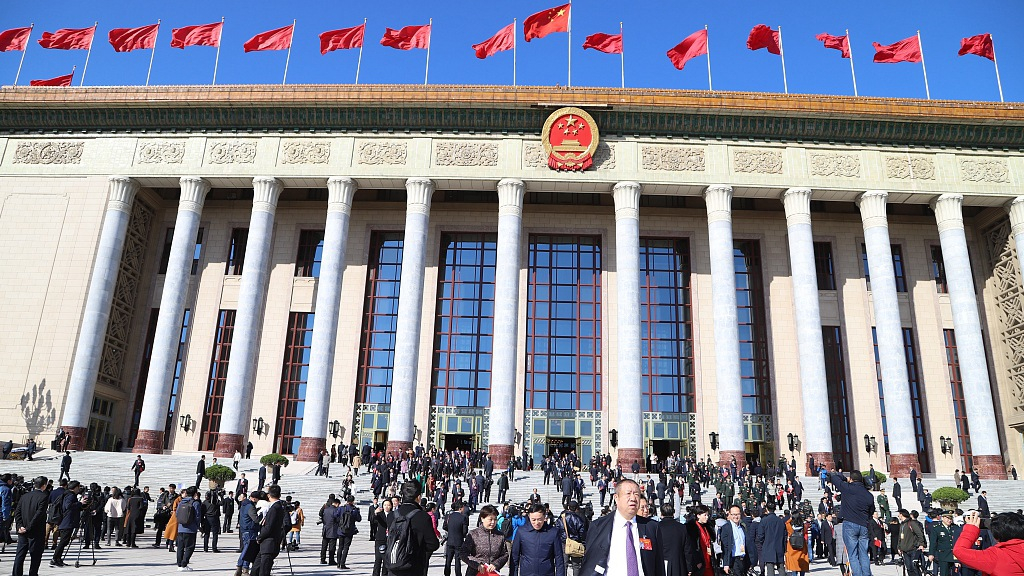

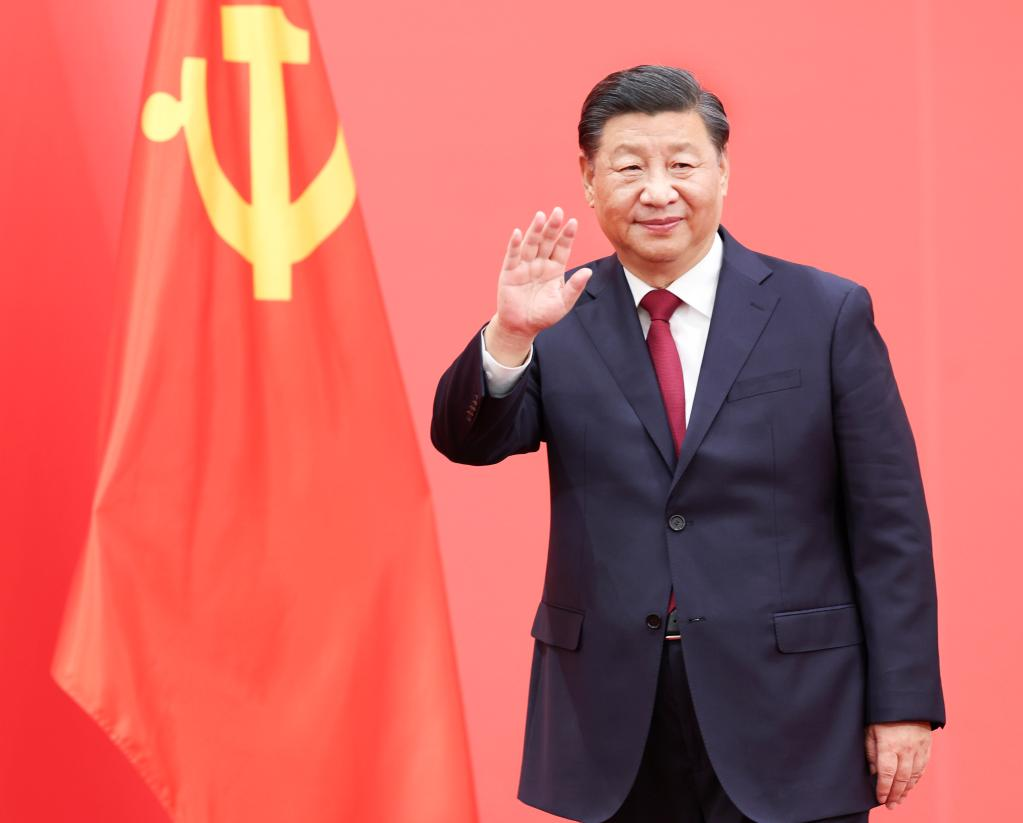



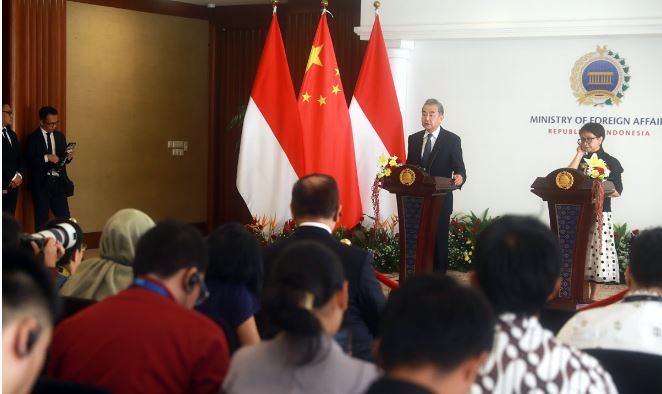

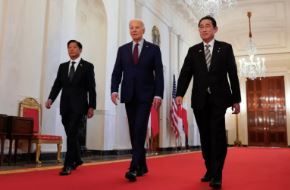
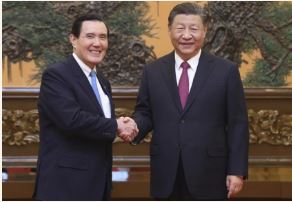
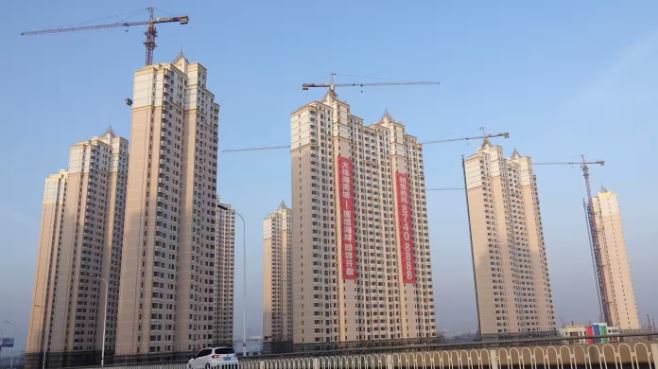
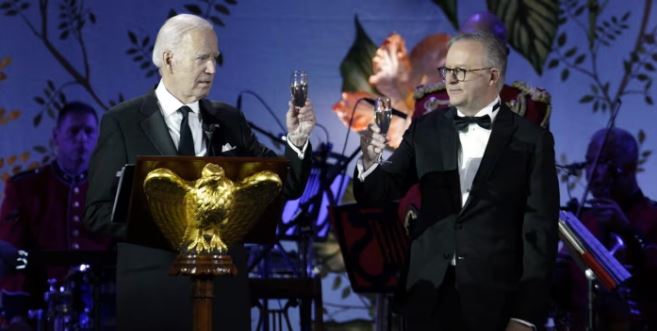

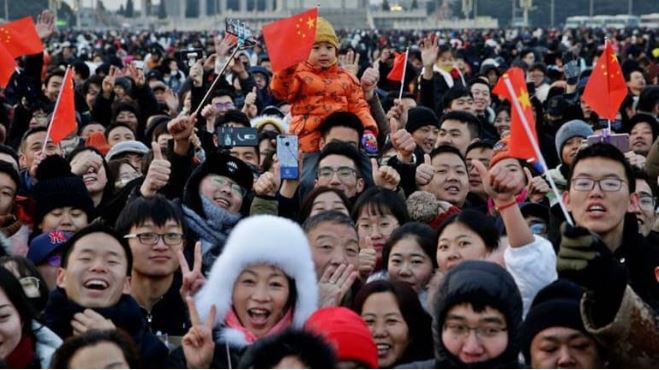
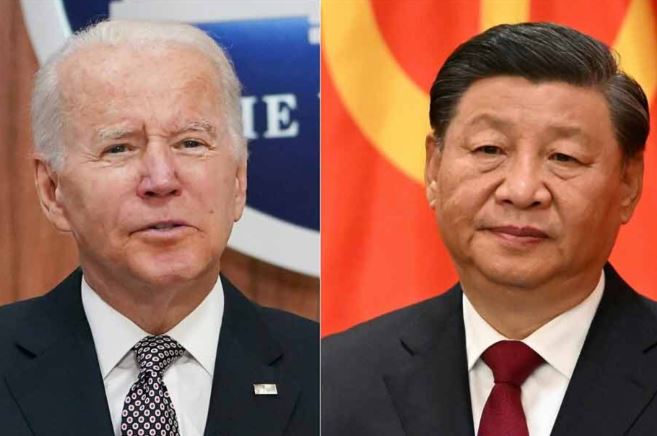
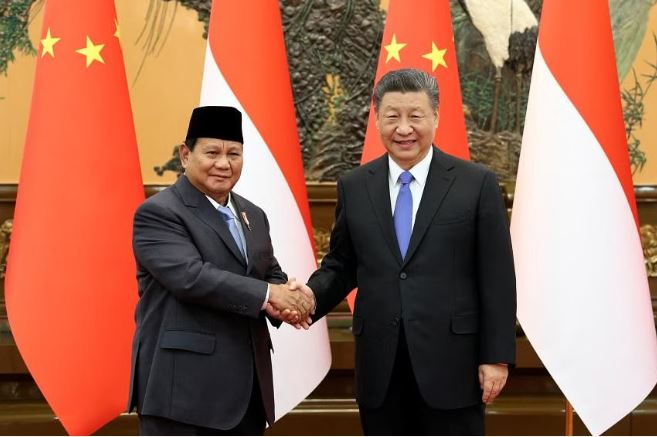
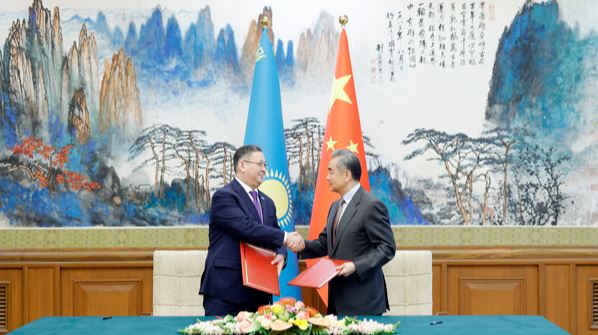
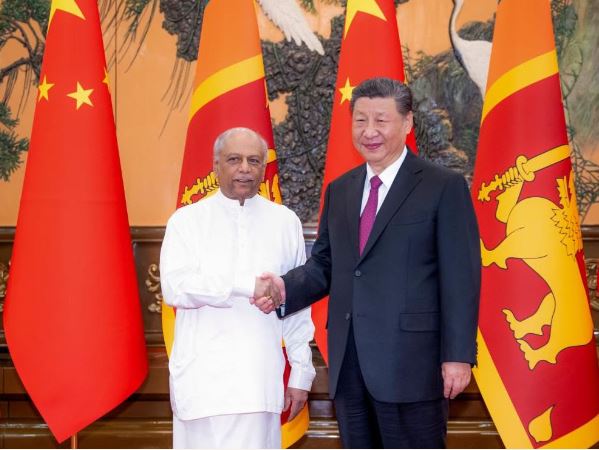
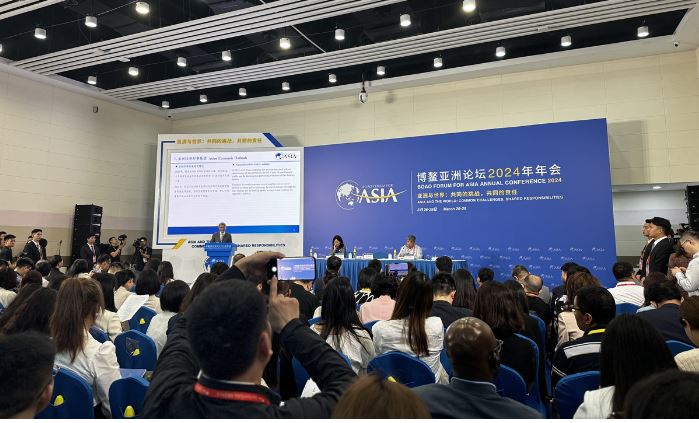
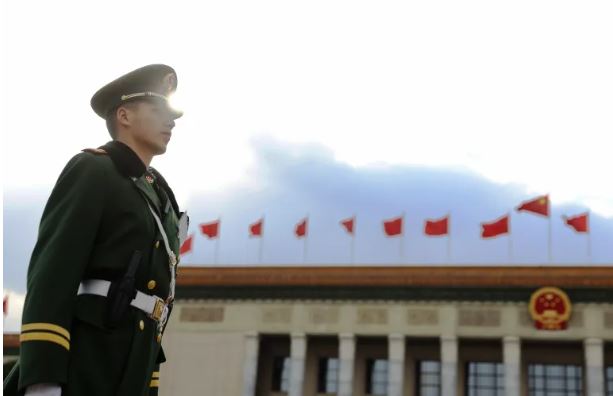



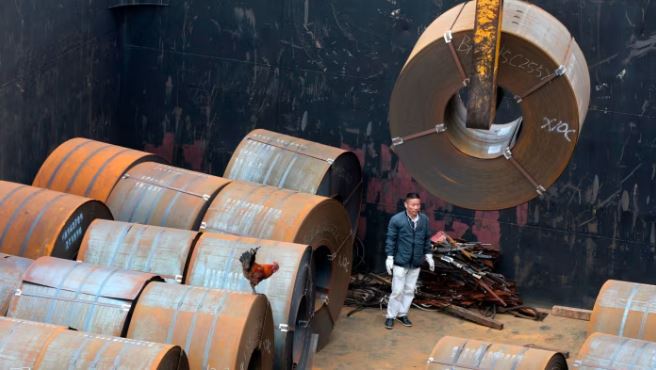
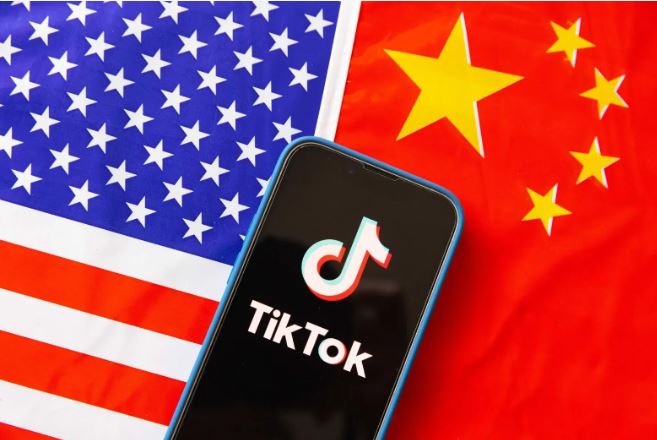
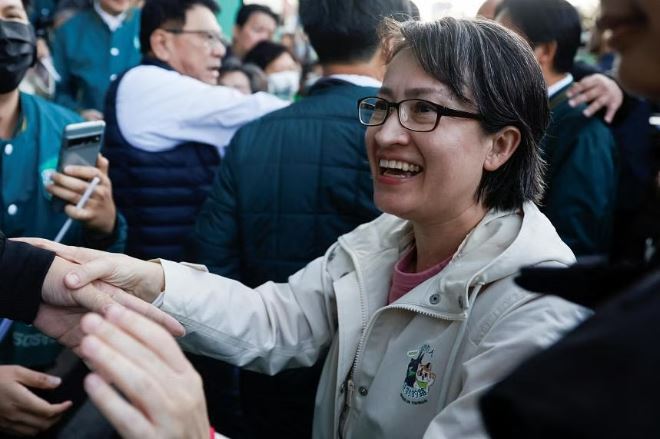
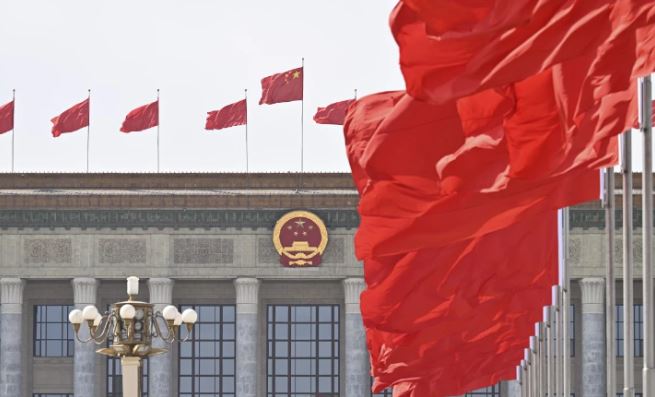
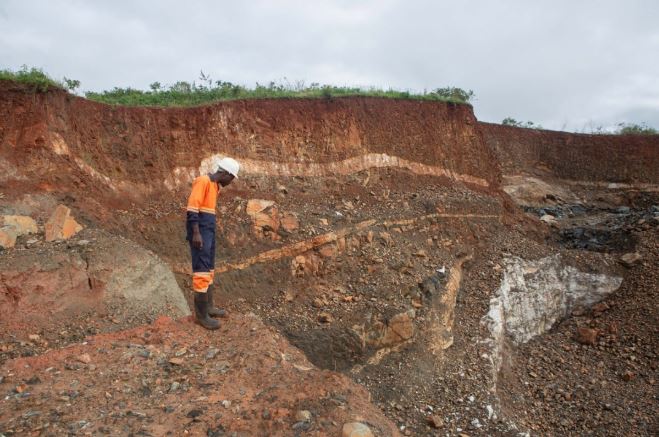
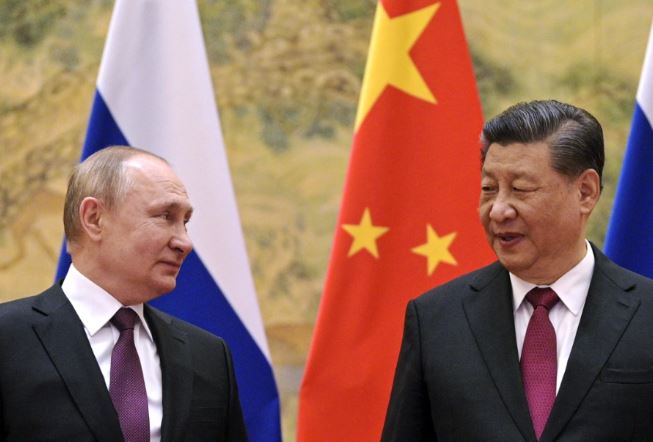
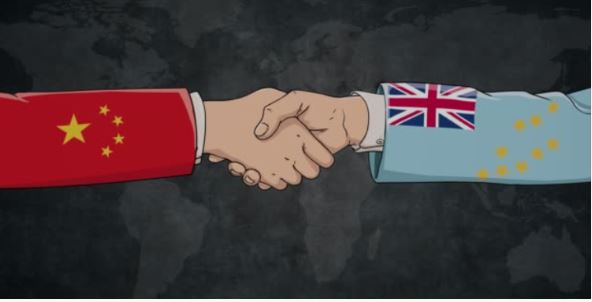
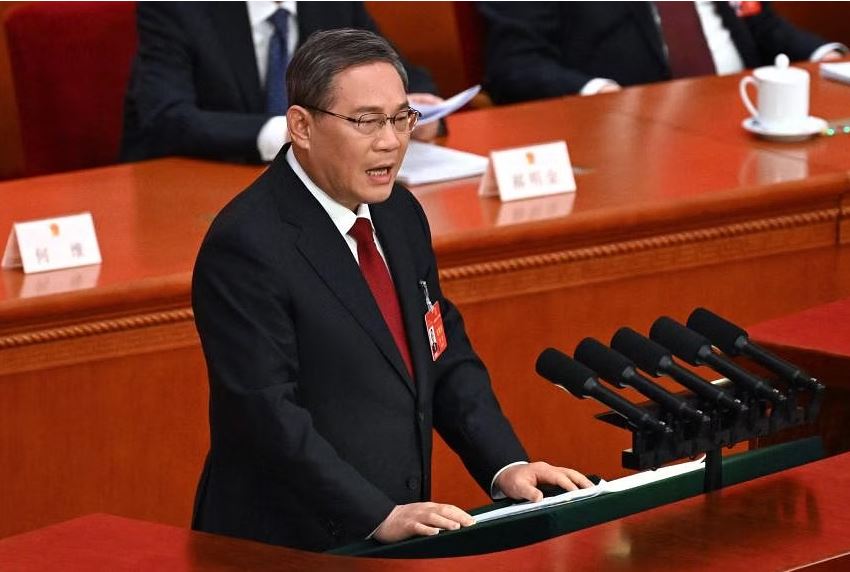
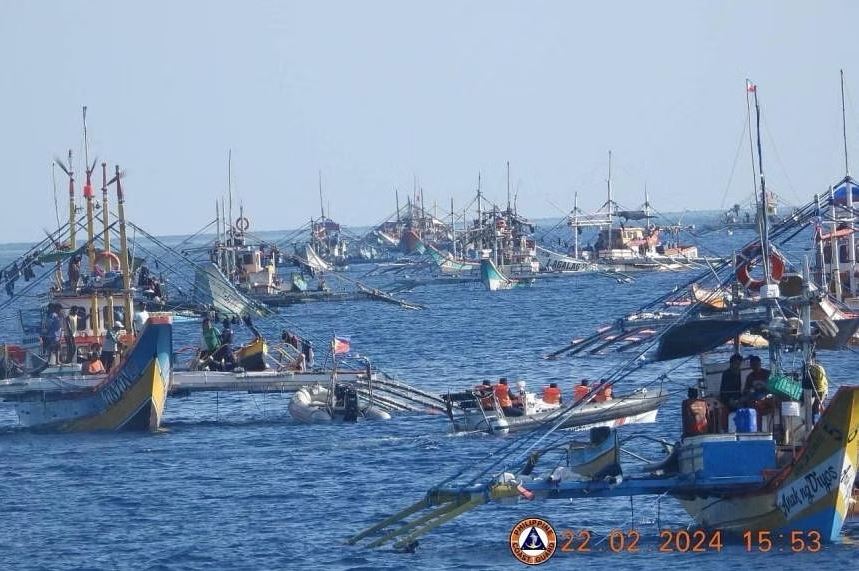
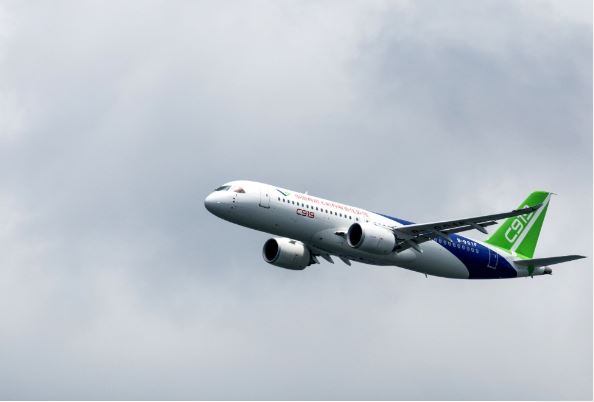
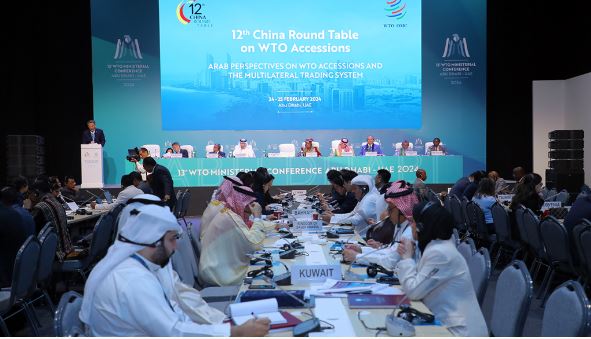
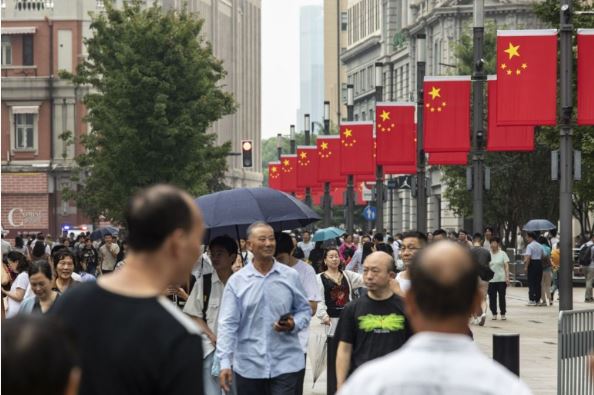
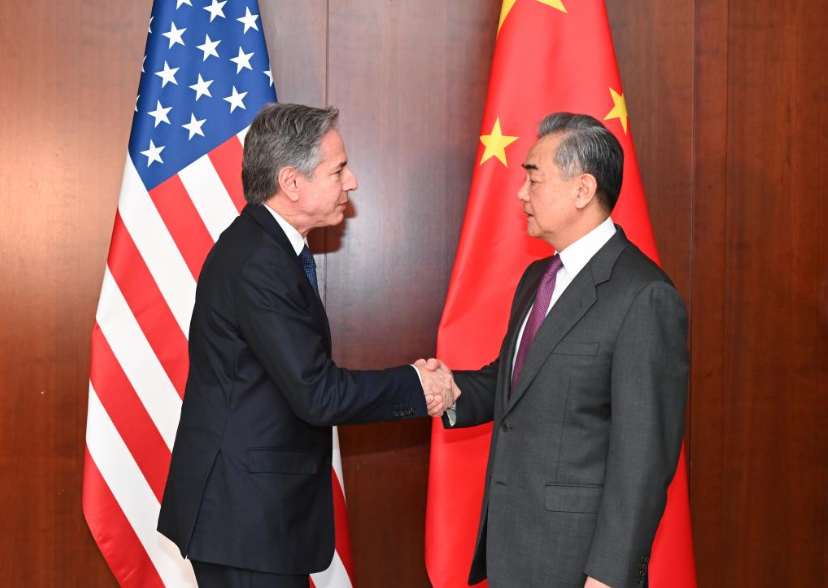
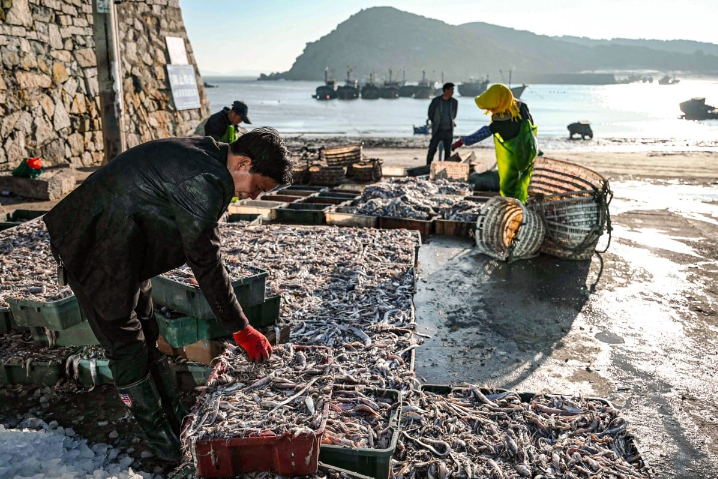
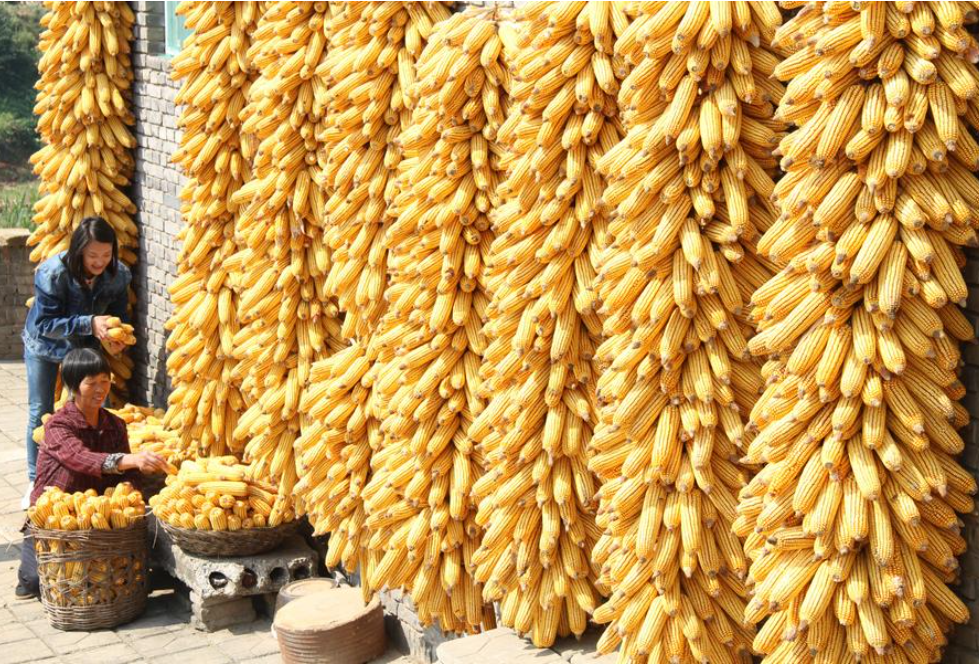
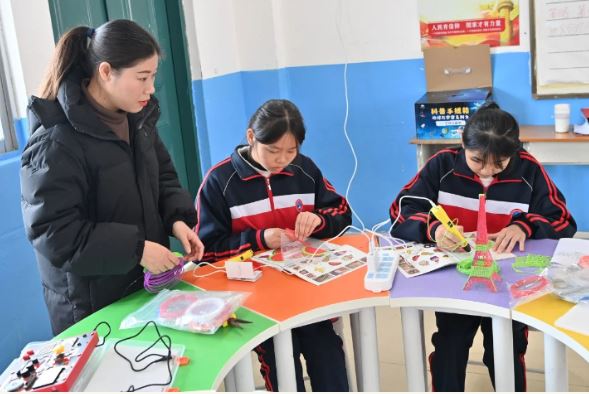
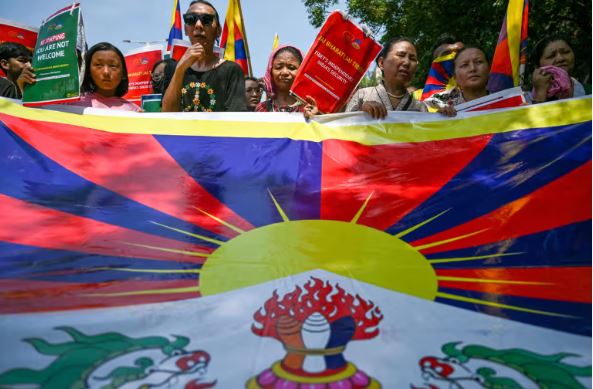
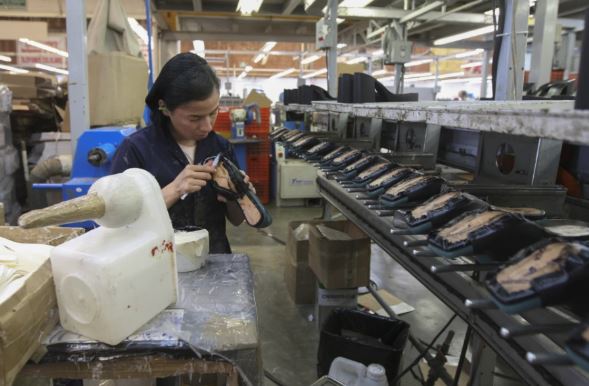
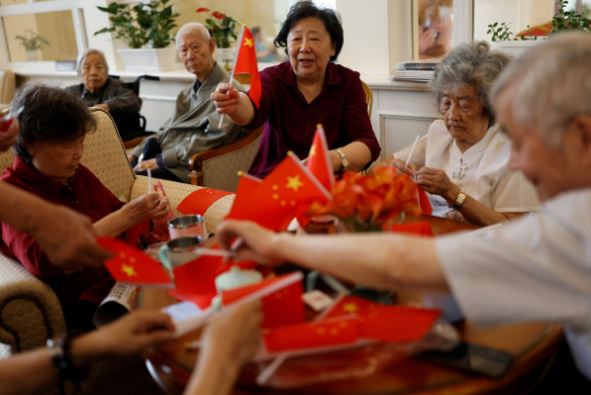

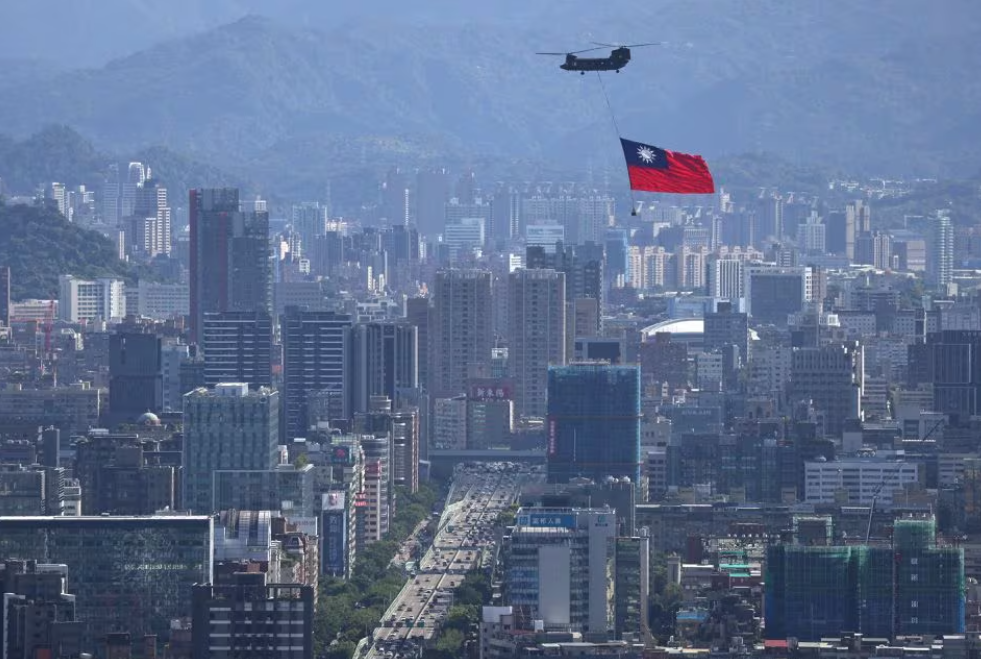
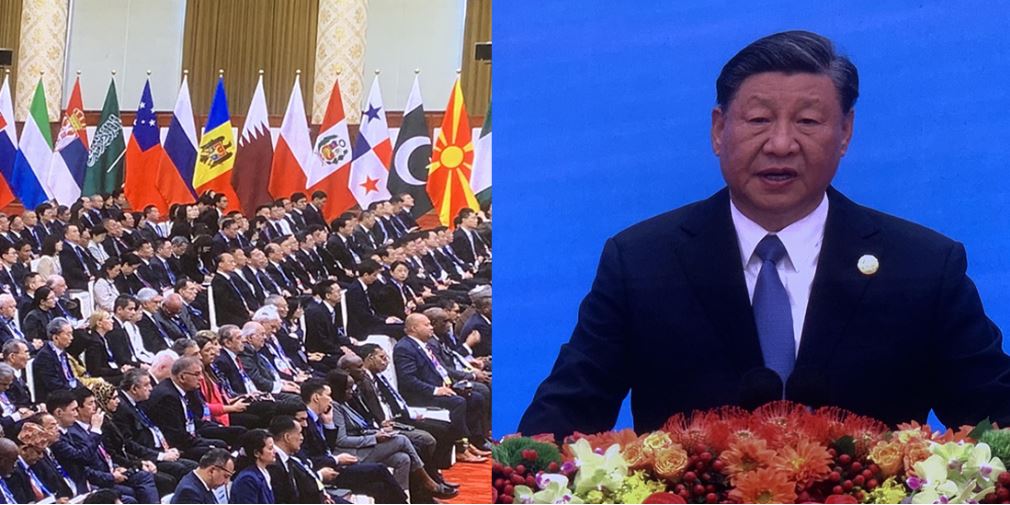
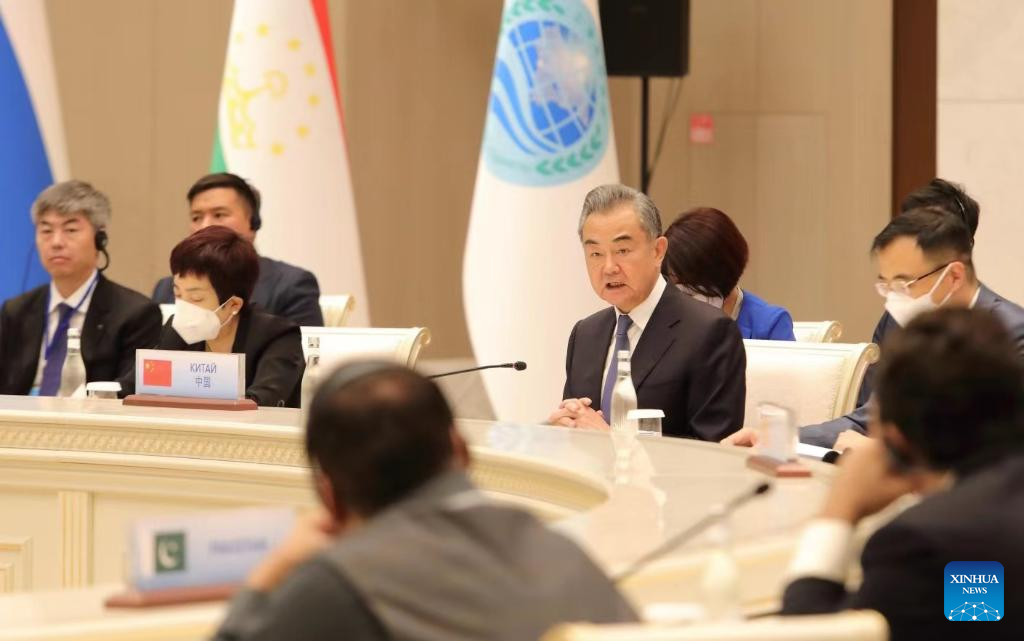
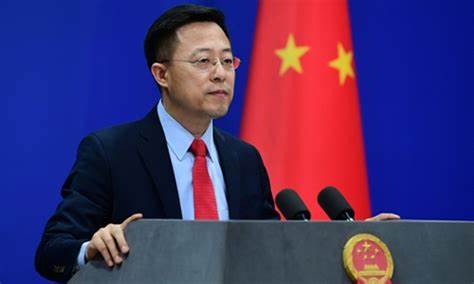
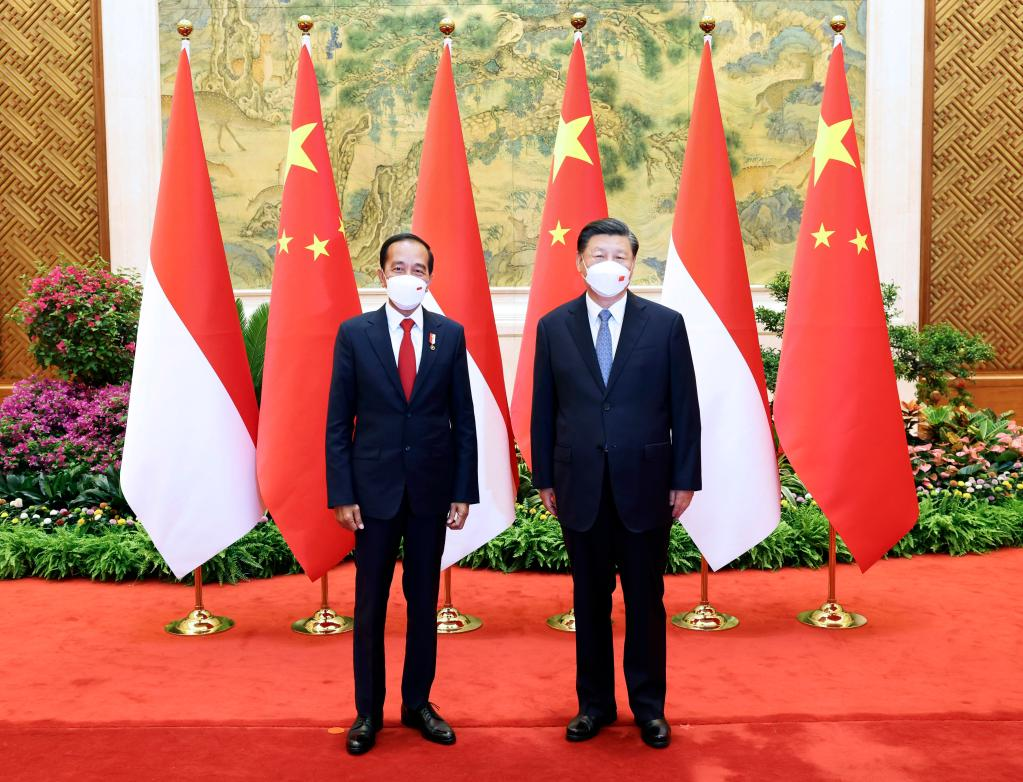
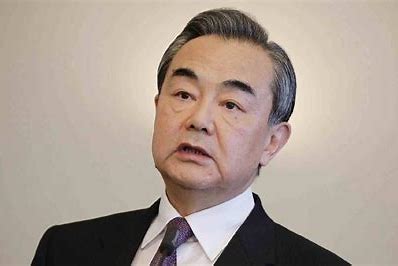
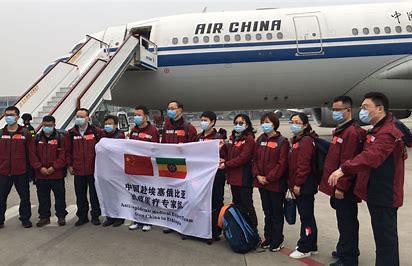
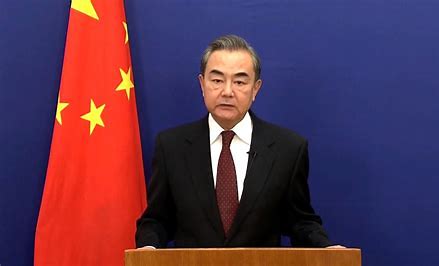
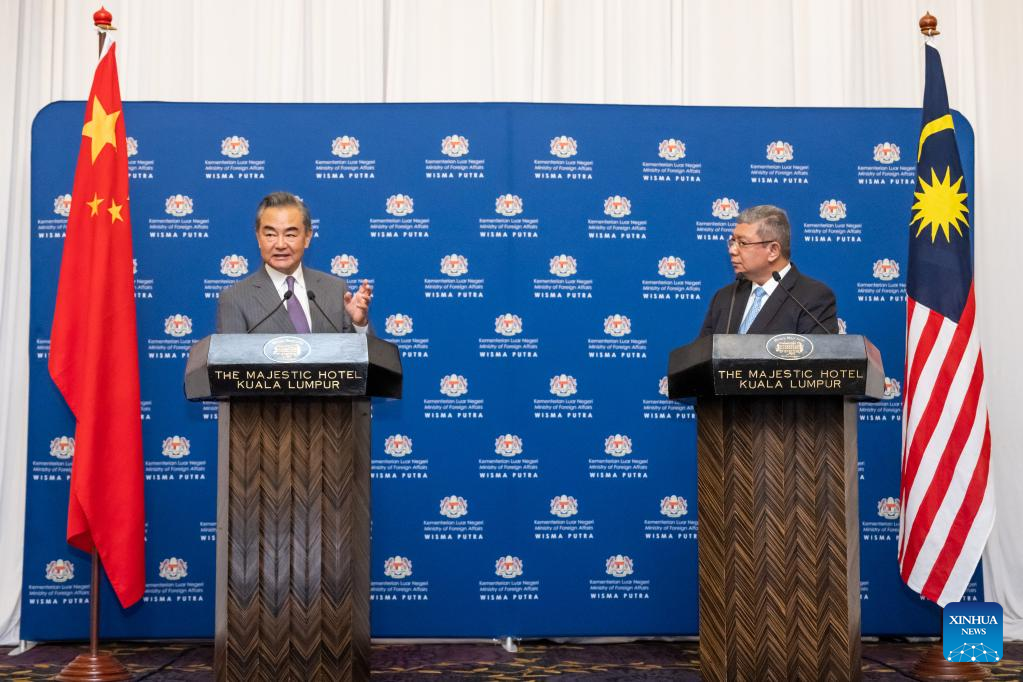
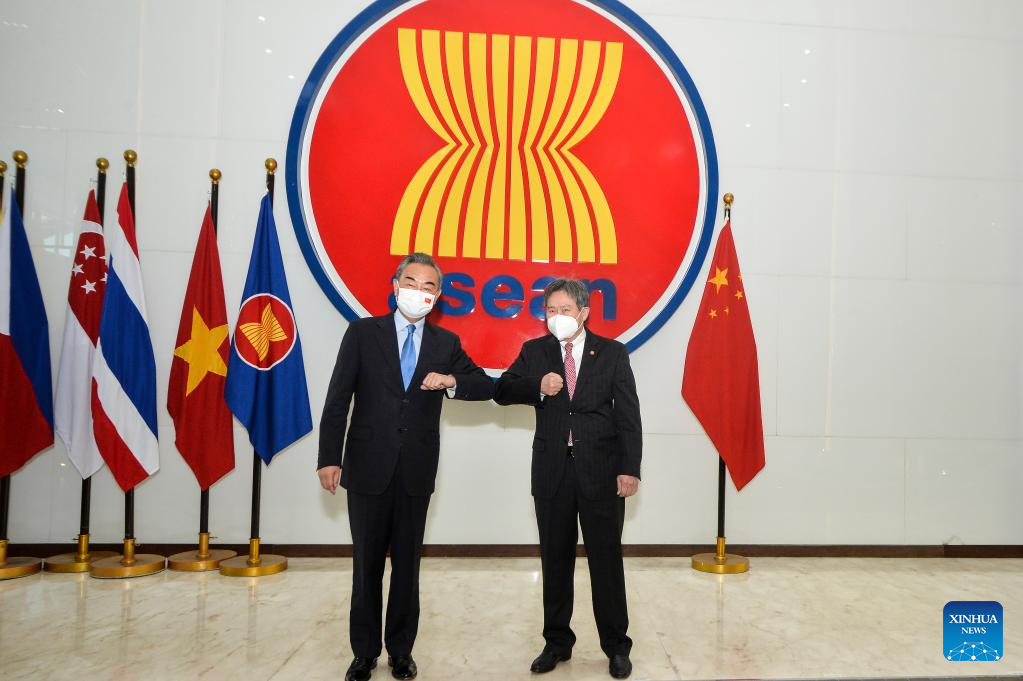
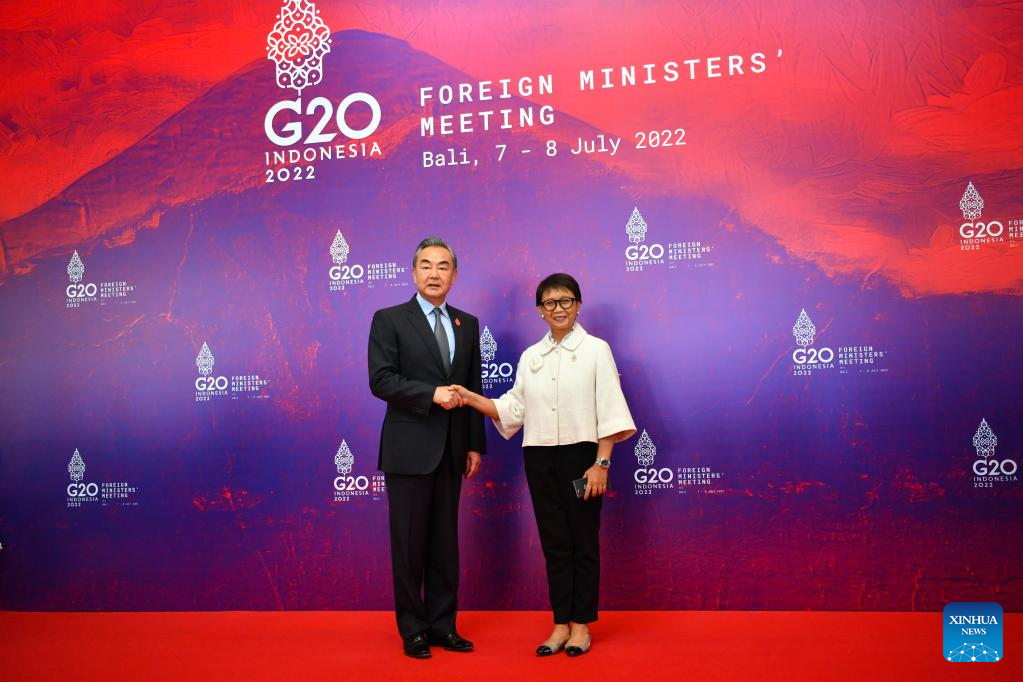
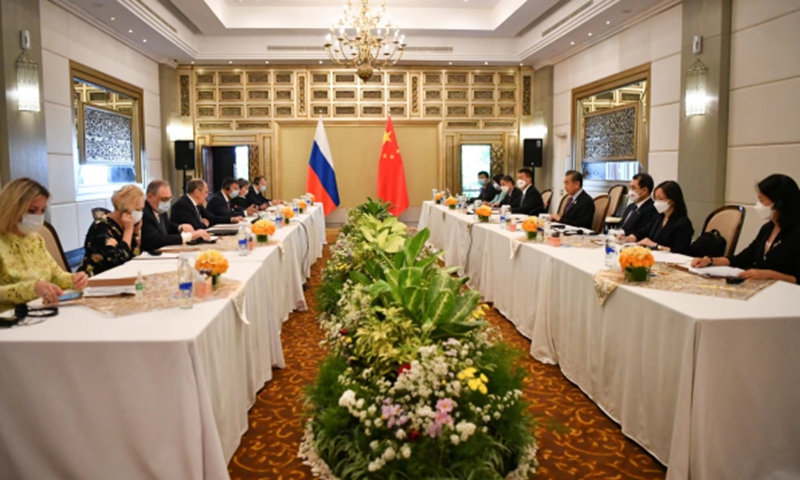
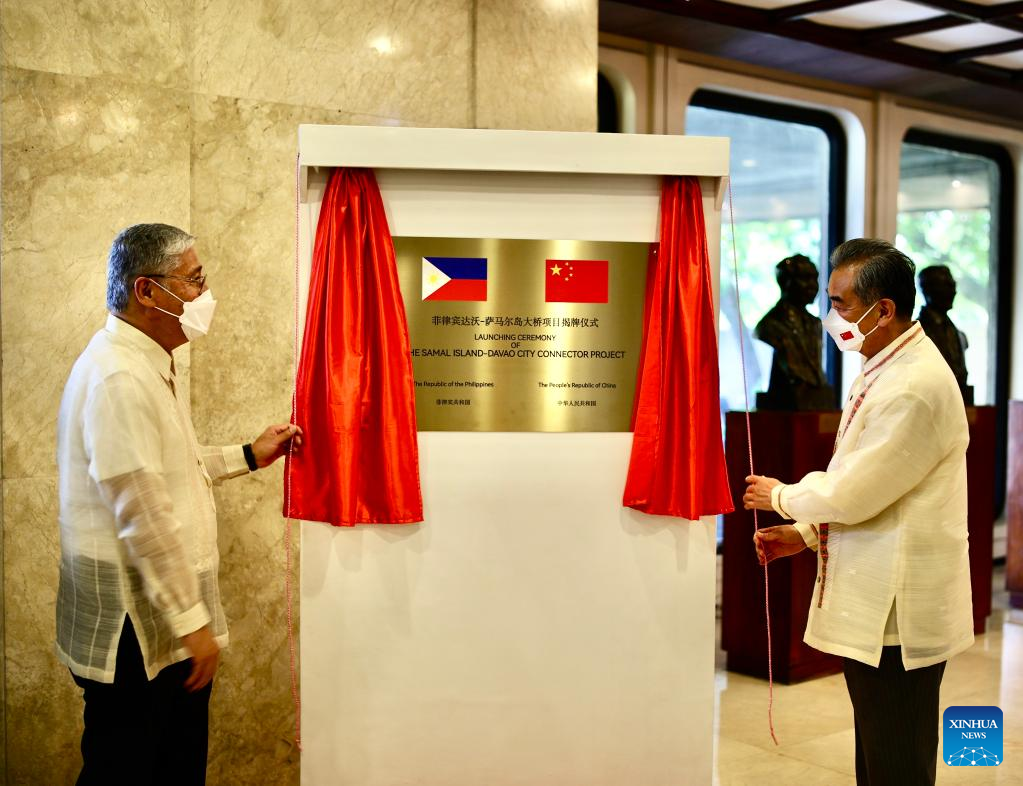

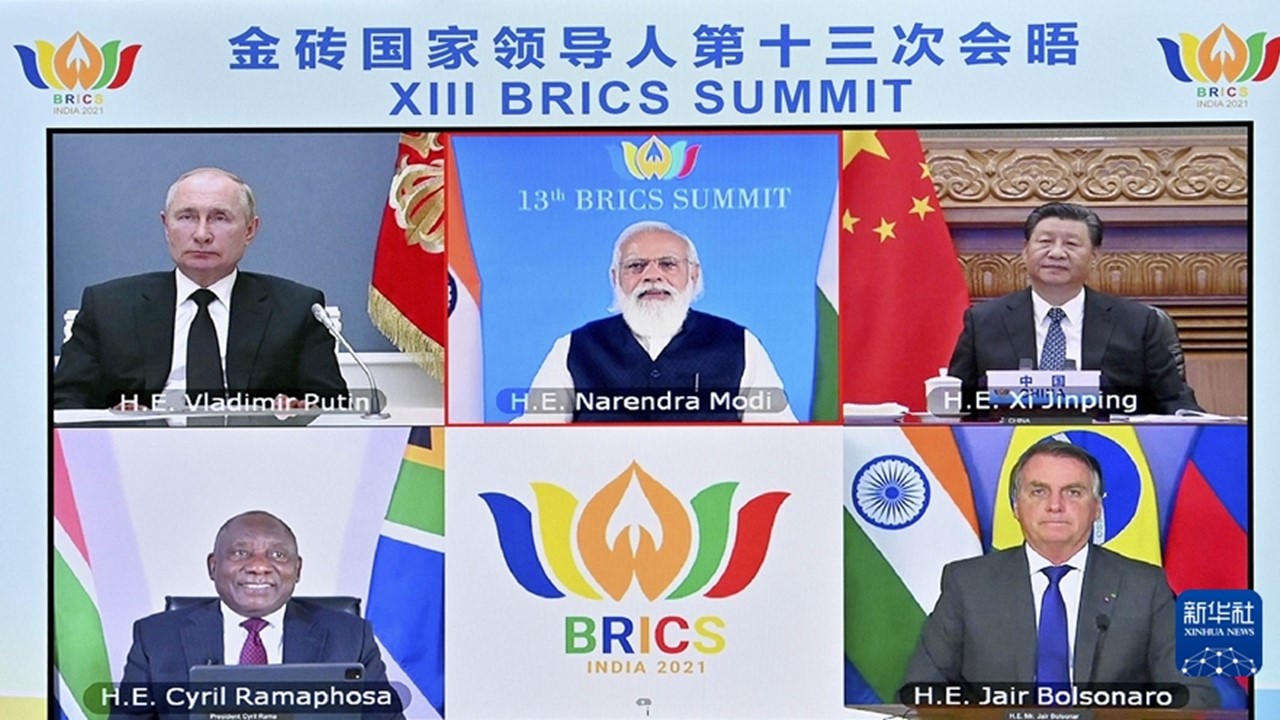
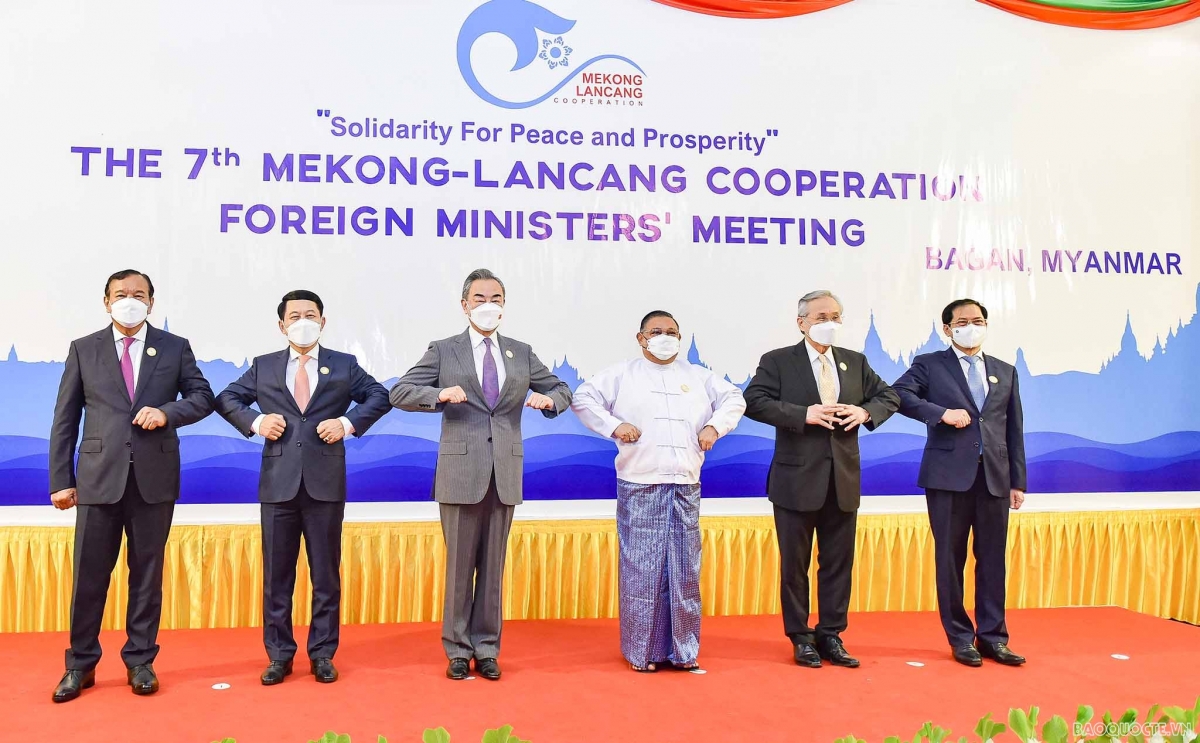
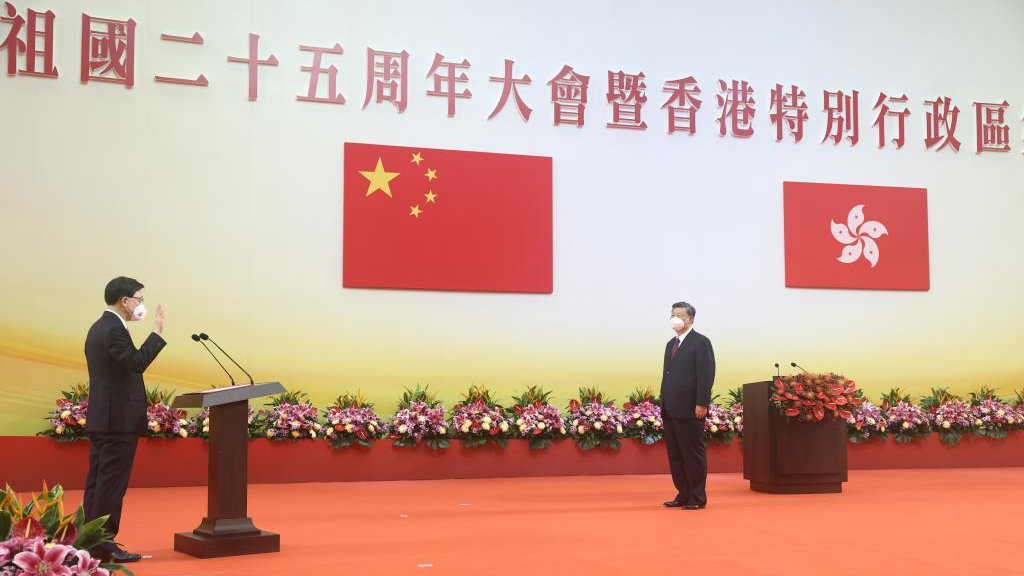
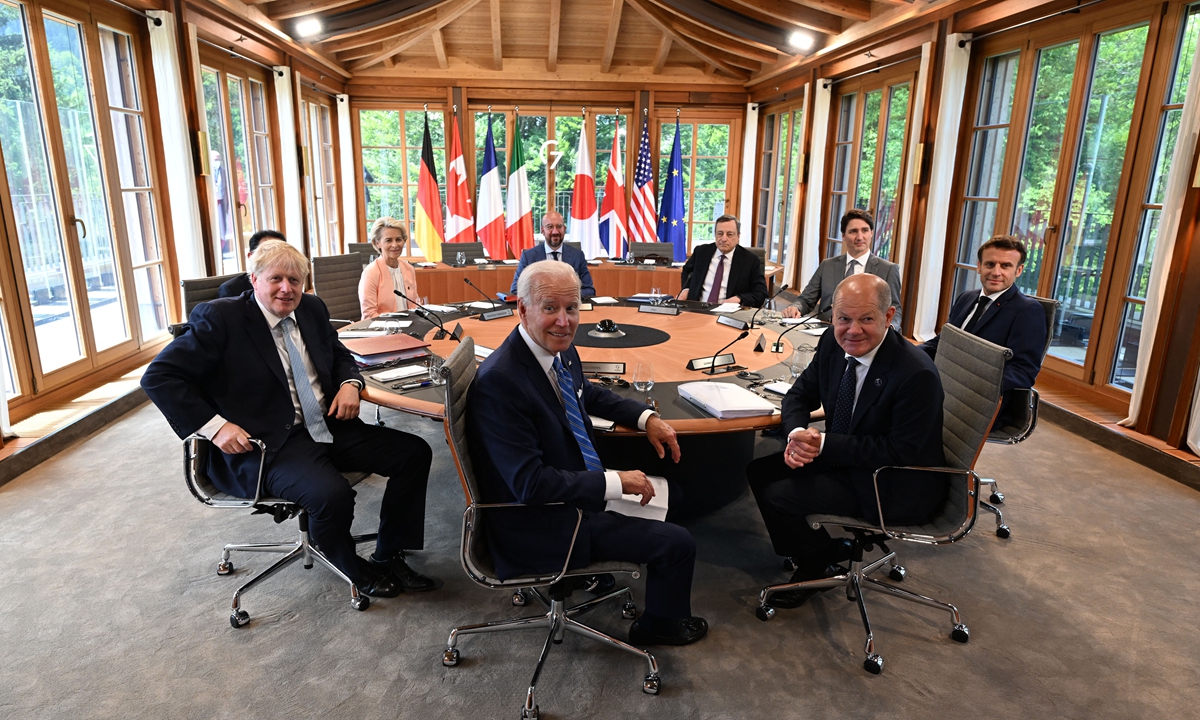
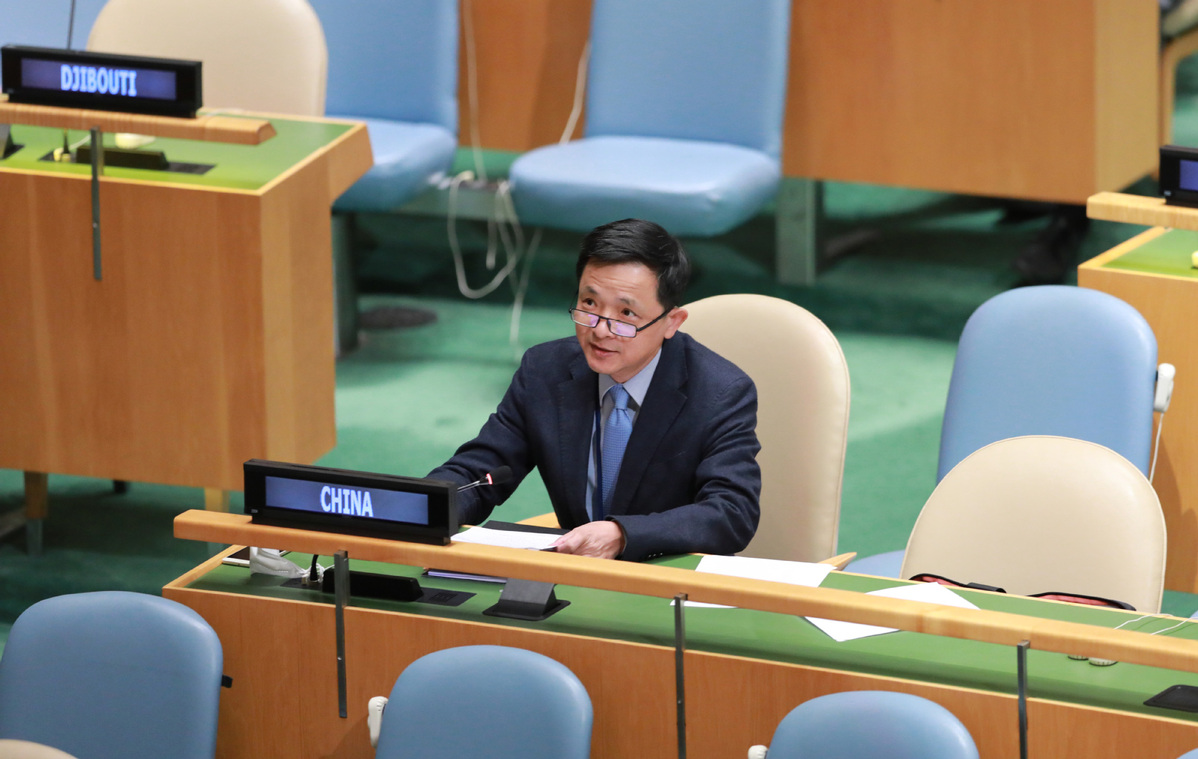
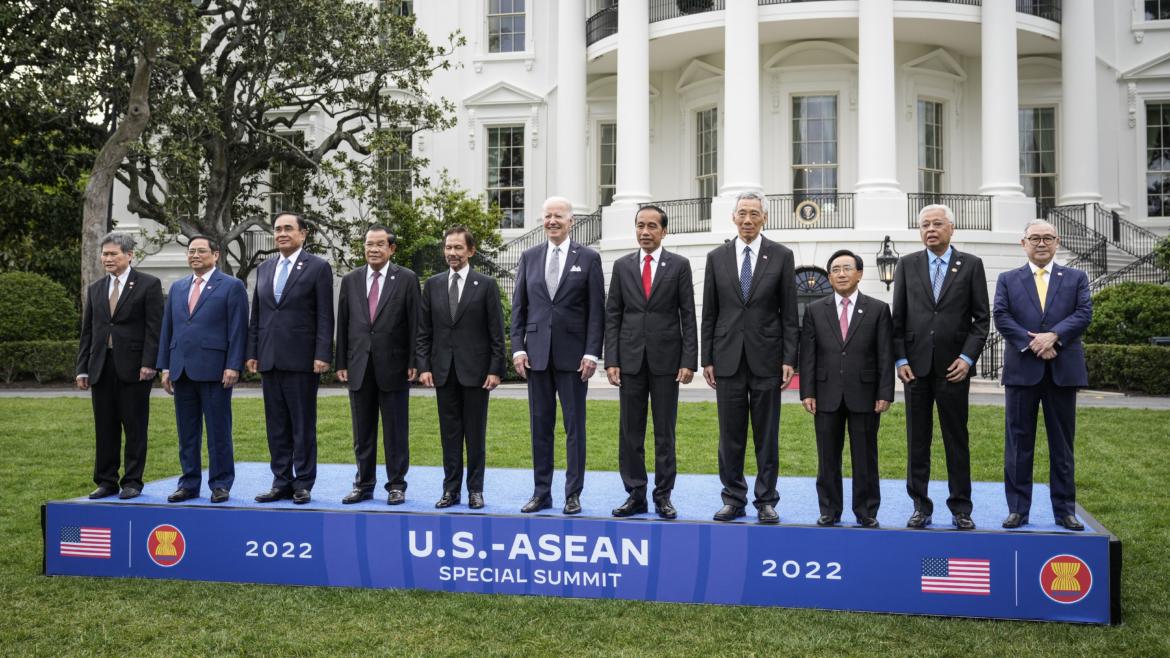
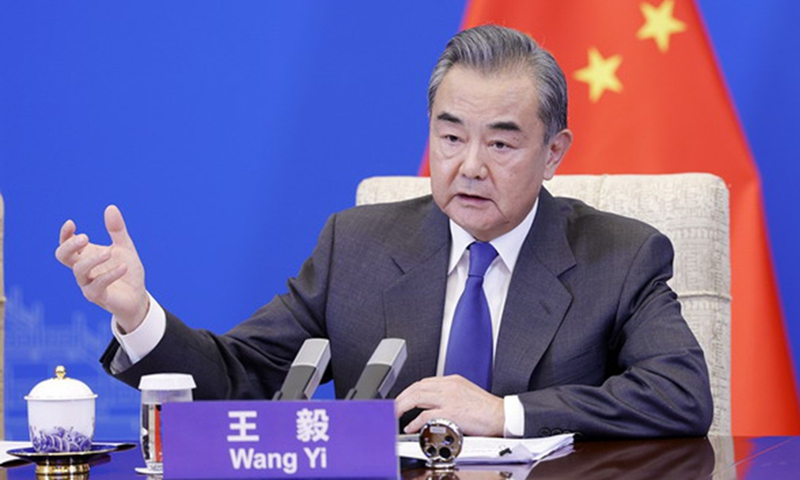
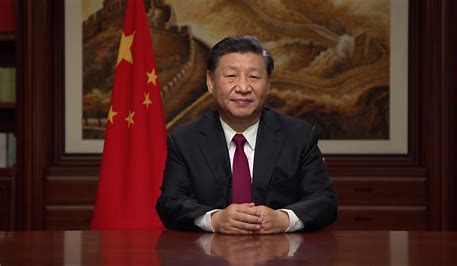
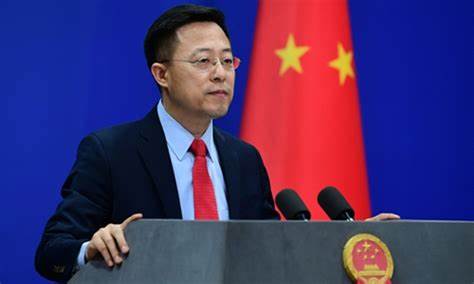
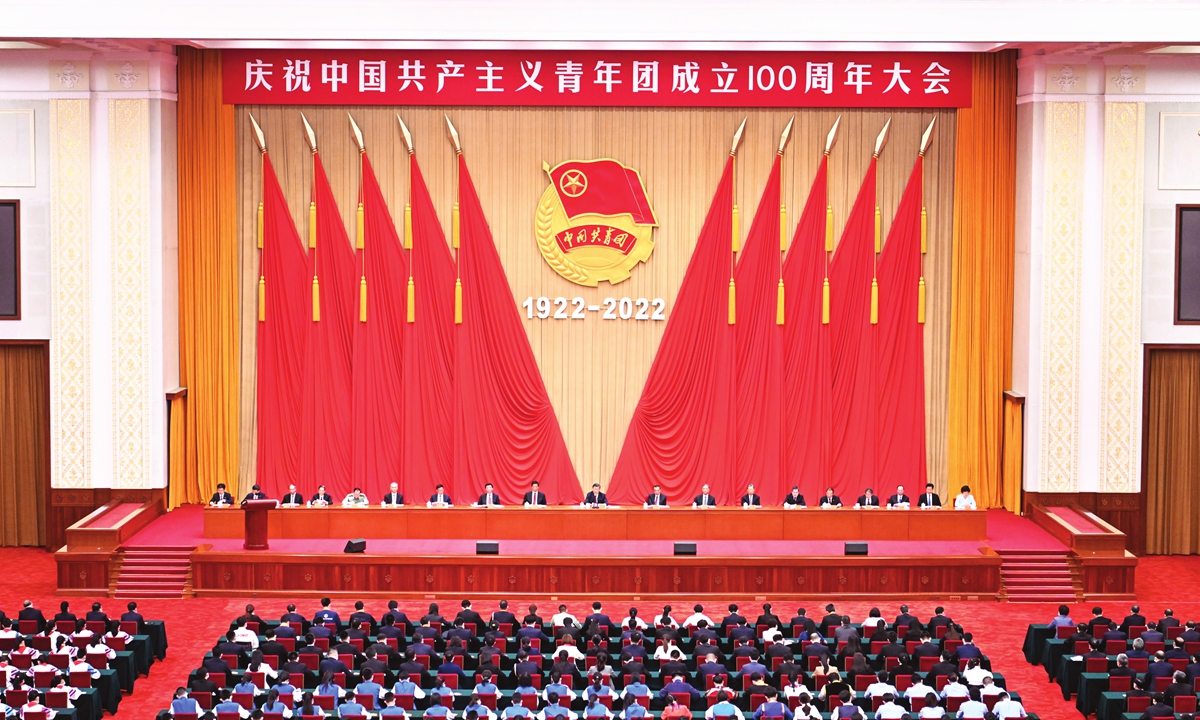
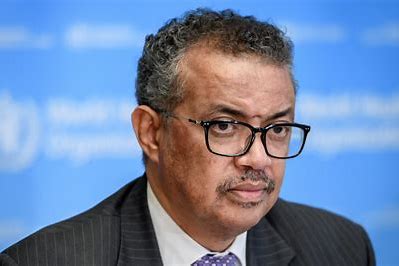
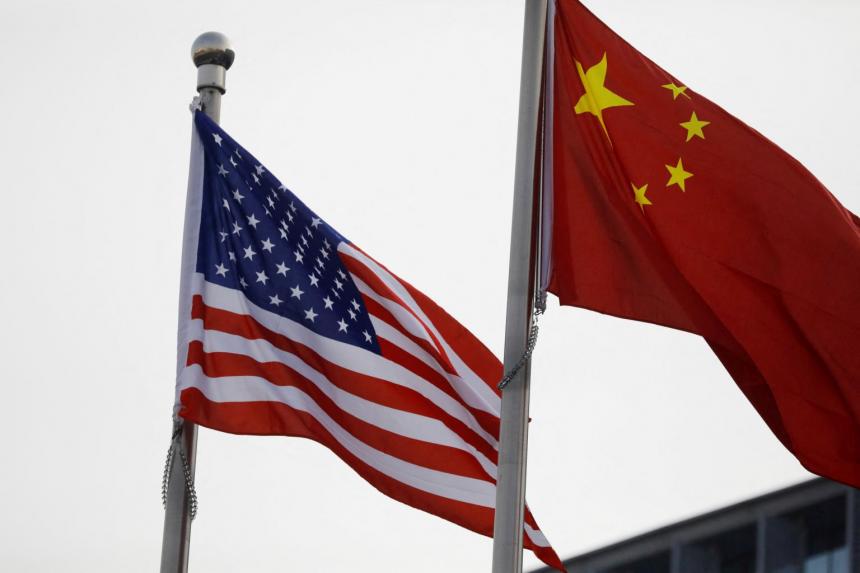
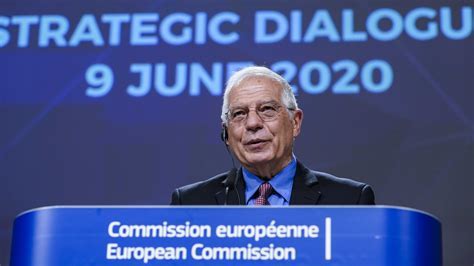
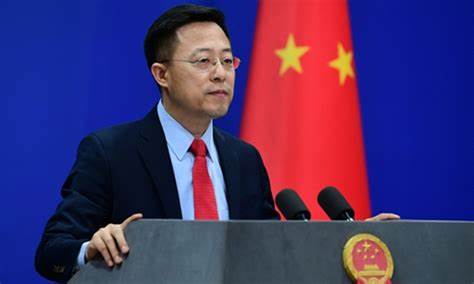
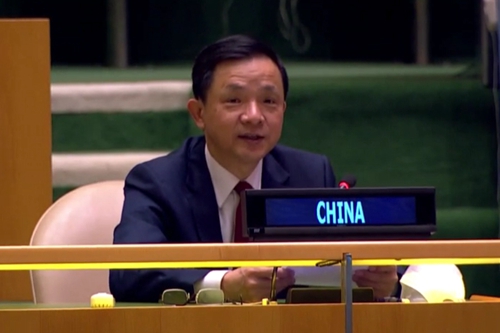

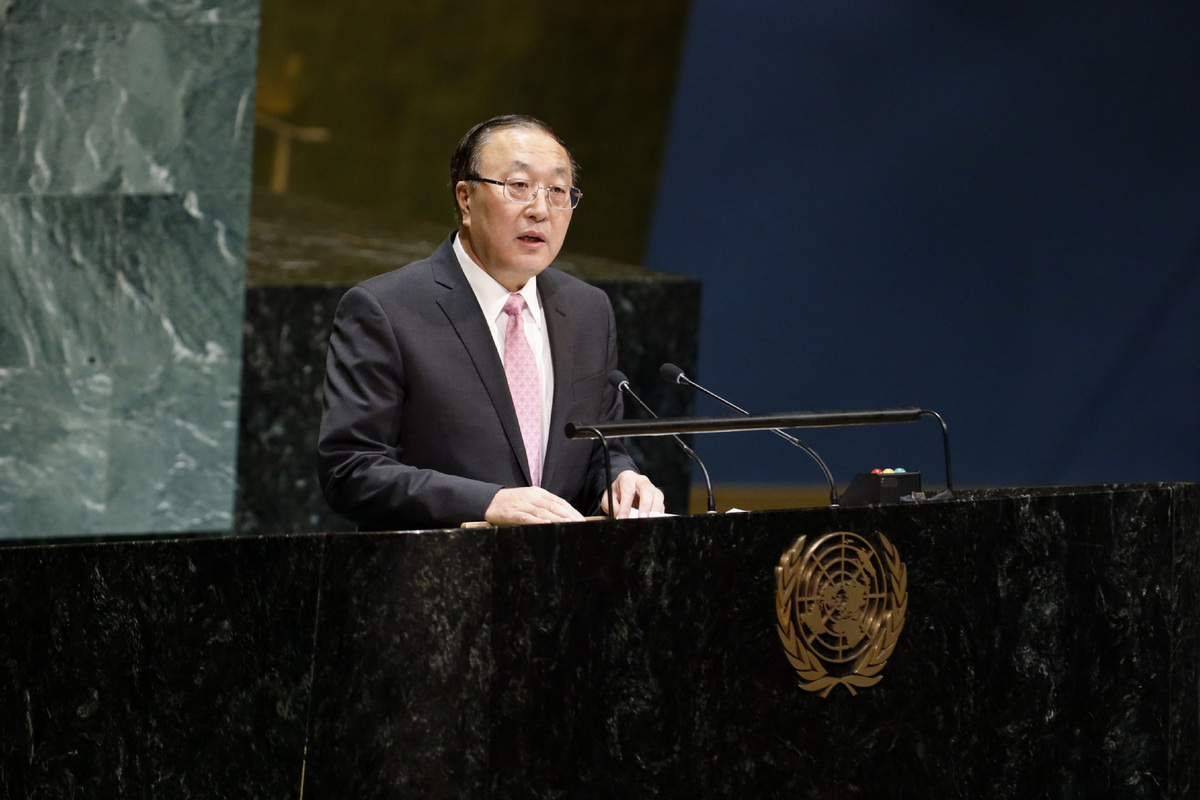
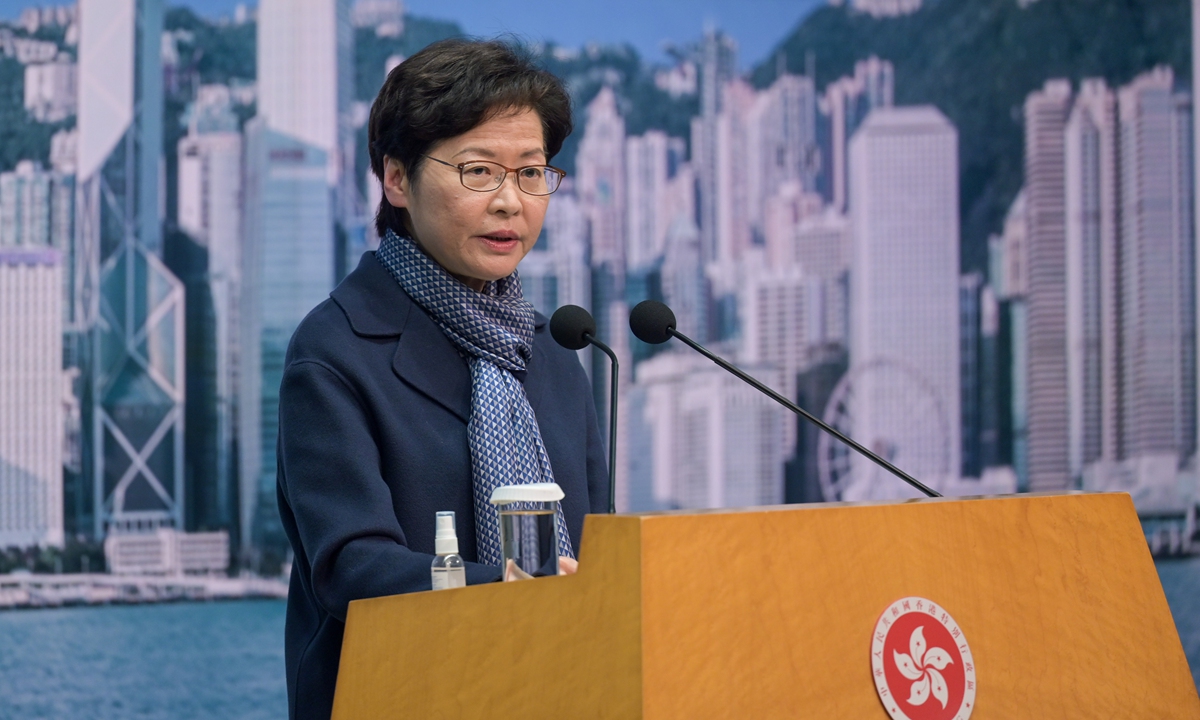
.png)
.jpg)
.jpg)
.jpg)
.jpg)
.jpg)
.jpg)
.jpg)
.jpg)
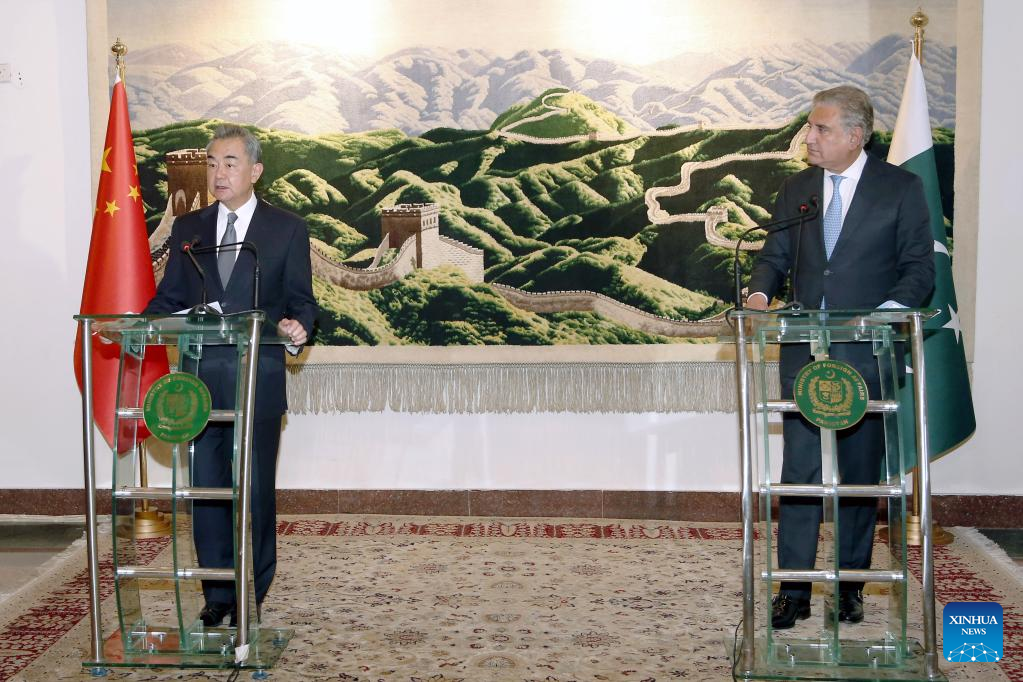
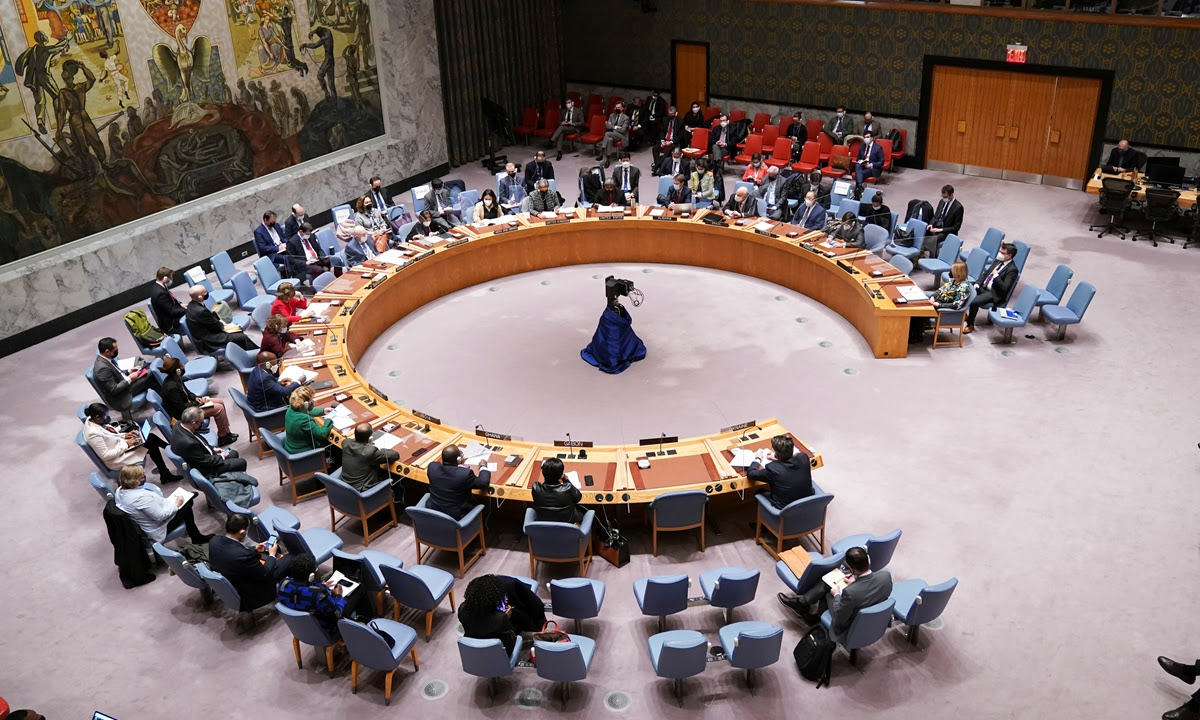
.jpg)
.png)
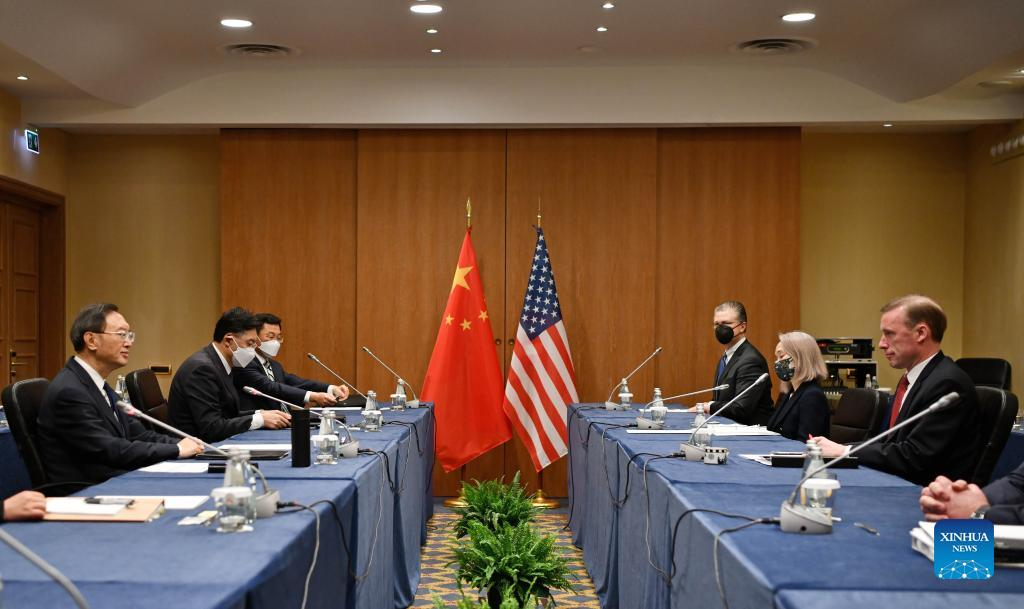
.jpg)
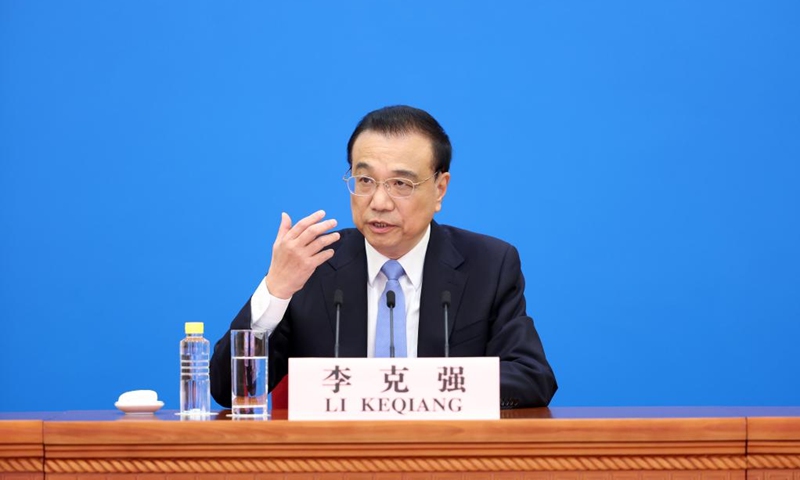
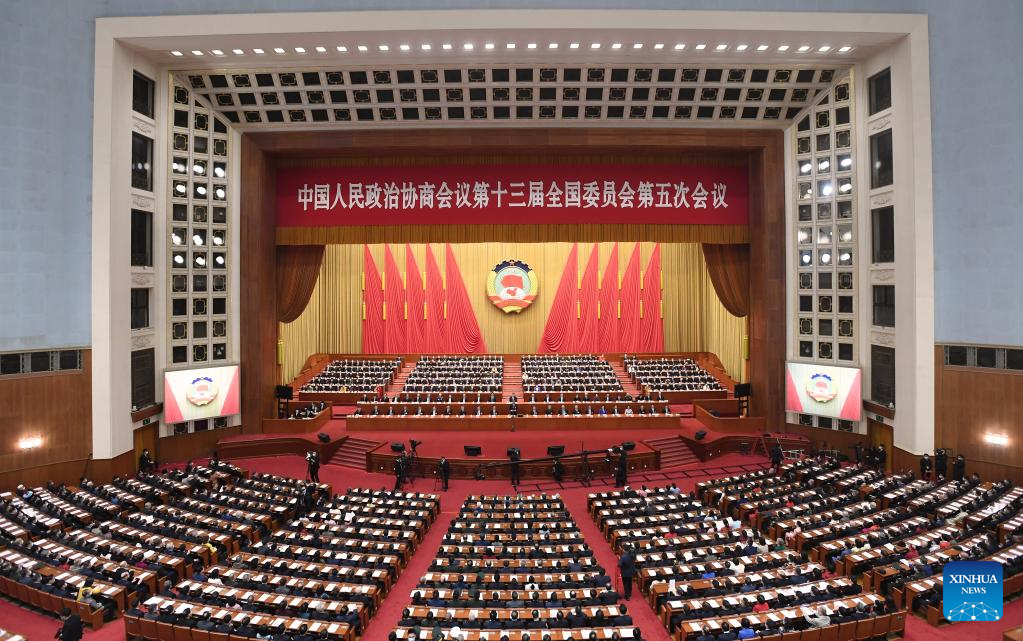
.jpg)
.jpg)
.jpg)
.jpg)
.jpg)
.jpg)
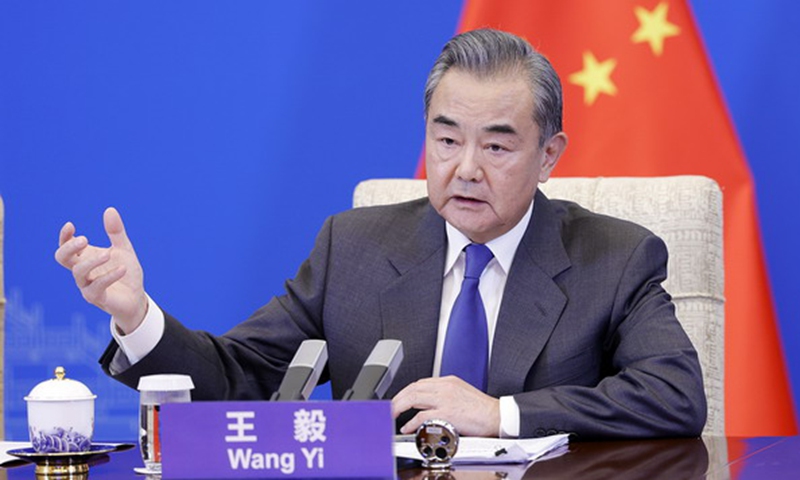

.jpg)
.jpg)
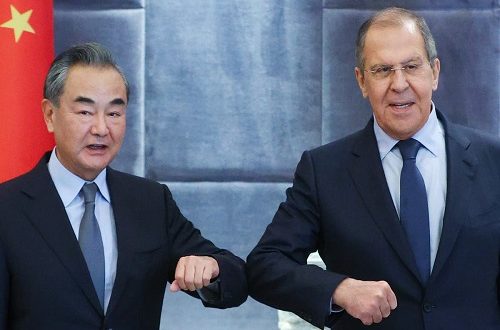
.jpg)
.jpg)
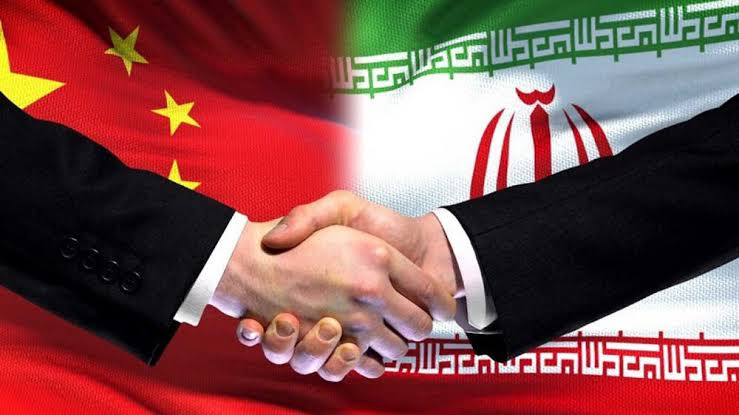
.jpg)
.jpg)
.jpg)
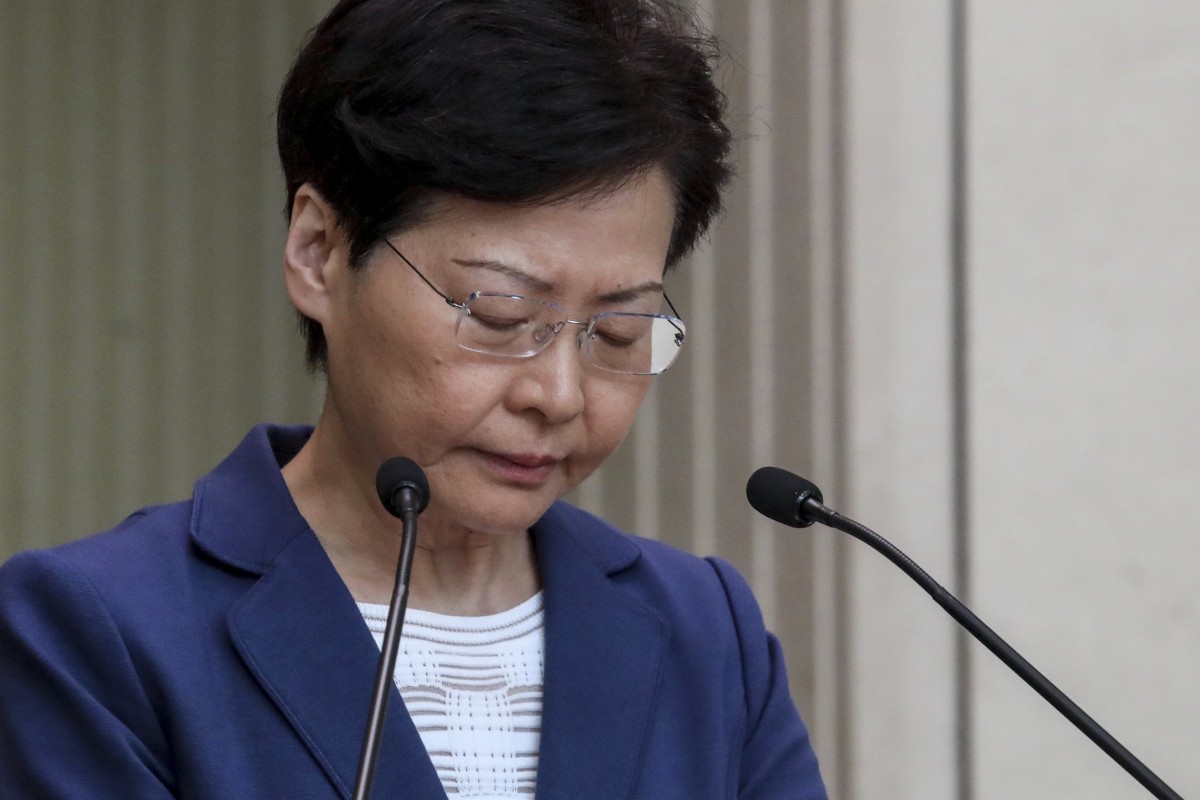
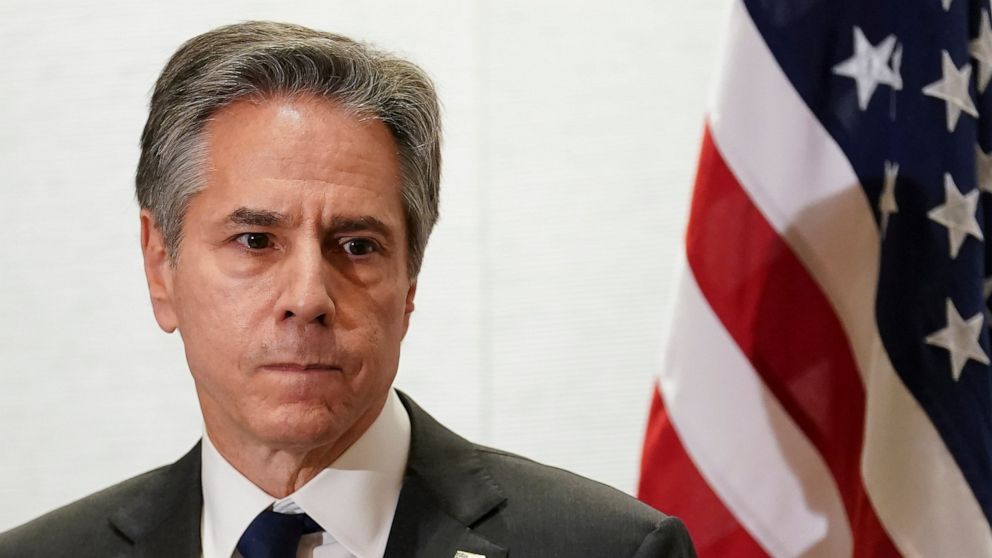
.jpg)
.jpg)
.png)
.jpg)
.jpg)
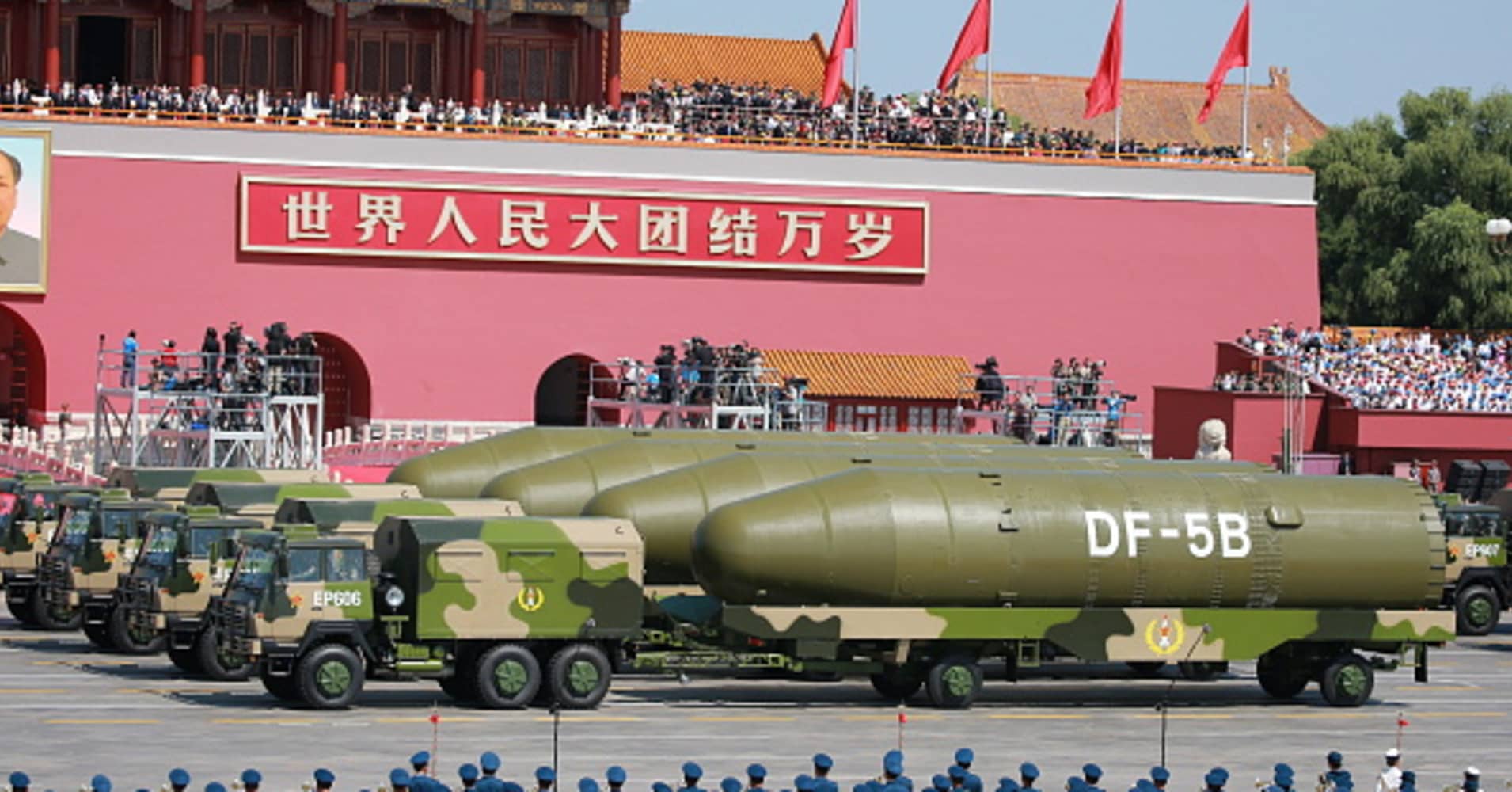
.png)
.jpg)
.jpg)
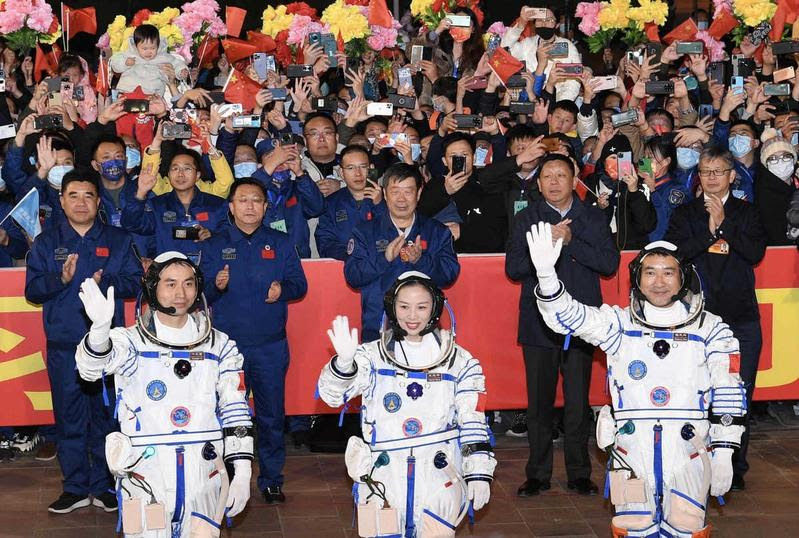

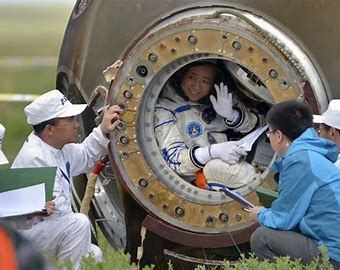

.jpg)
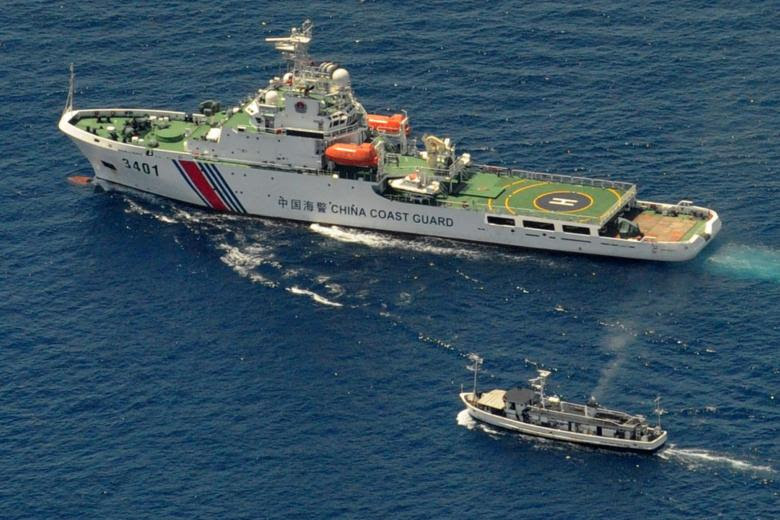
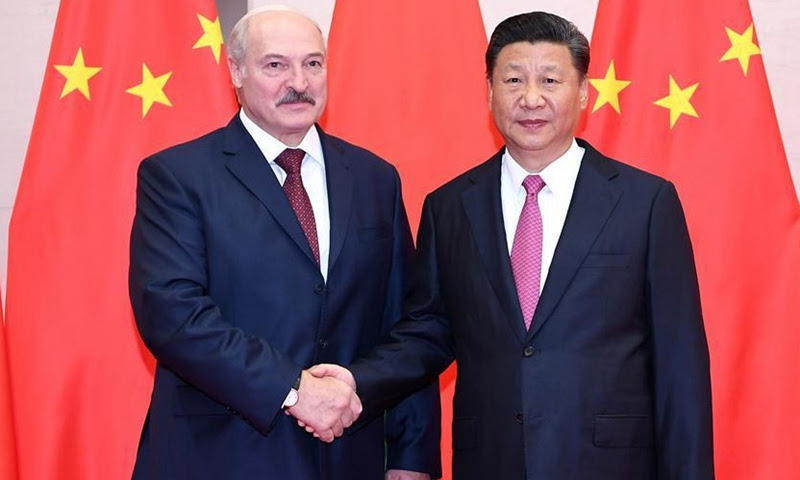
.jpg)
.jpg)
.jpg)
.jpg)
.jpg)
.jpg)
.jpg)
.jpg)

.jpg)
.jpg)
.jpg)
.jpg)
.jpg)
.jpg)
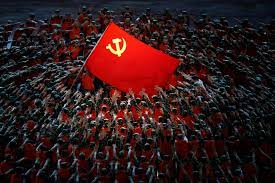
.jpg)
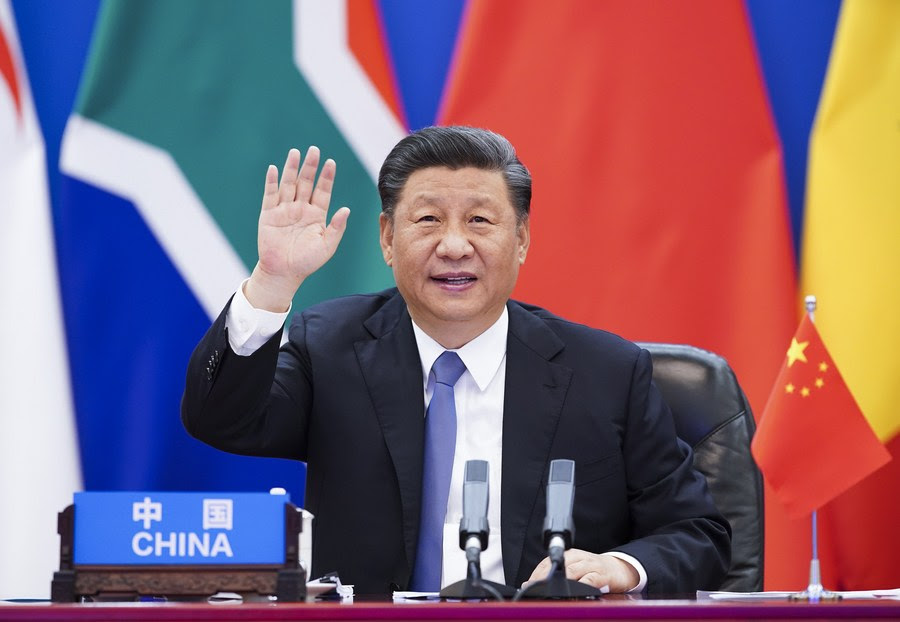
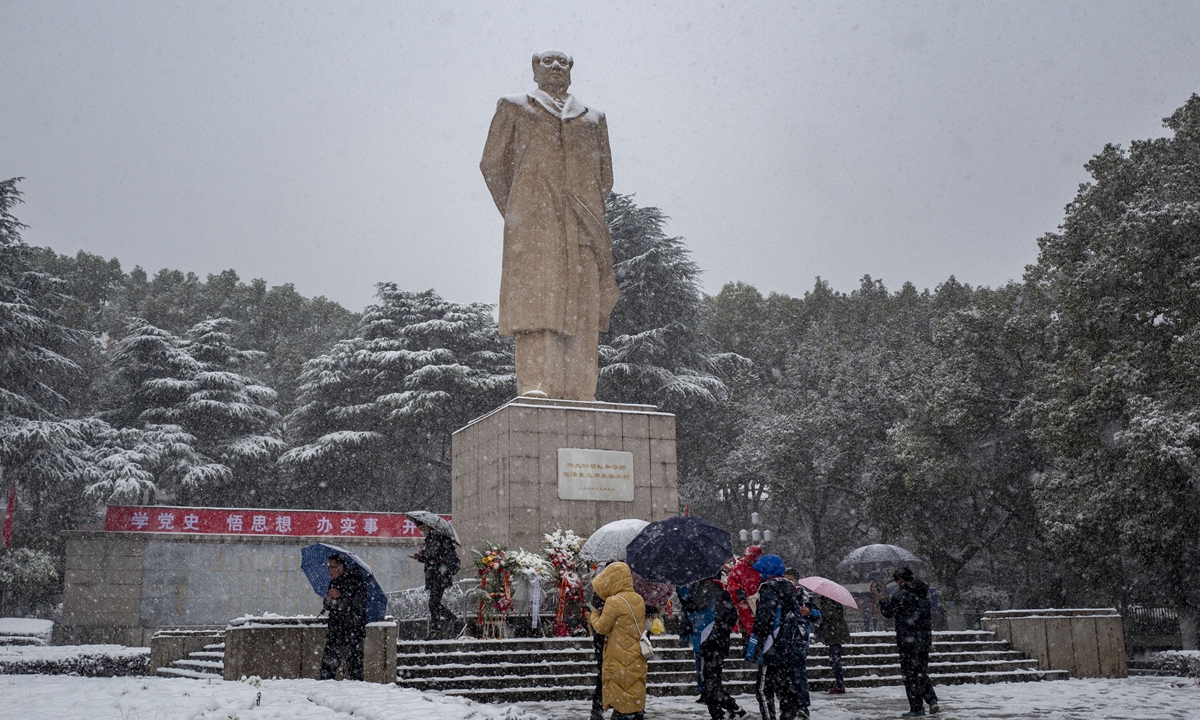
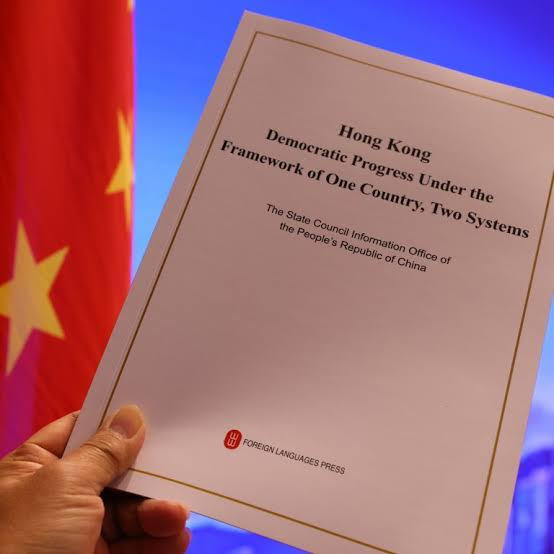
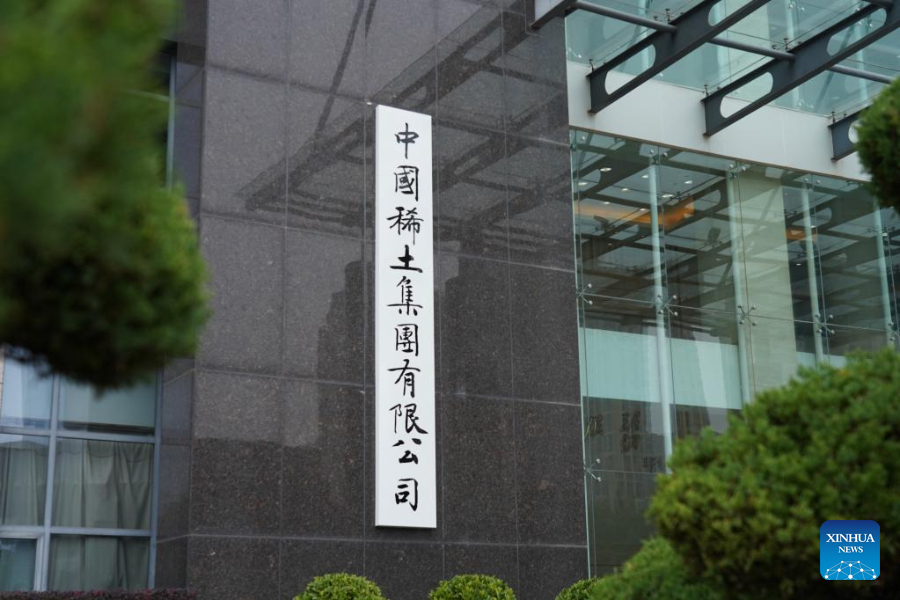
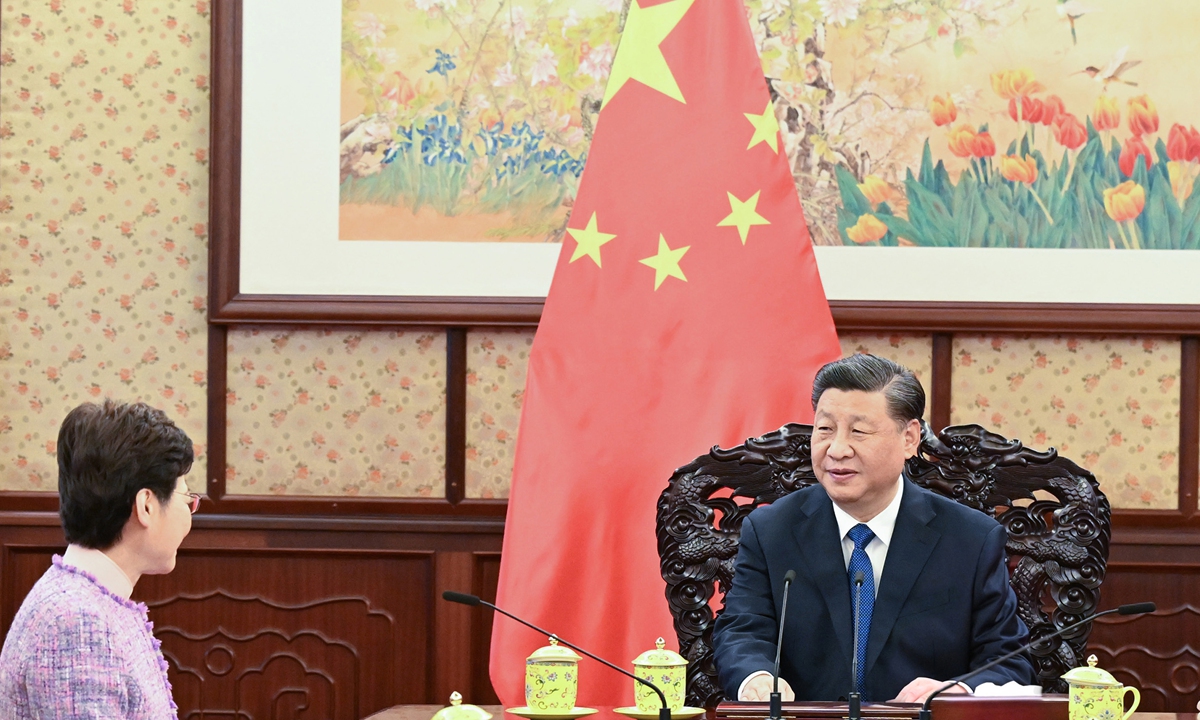
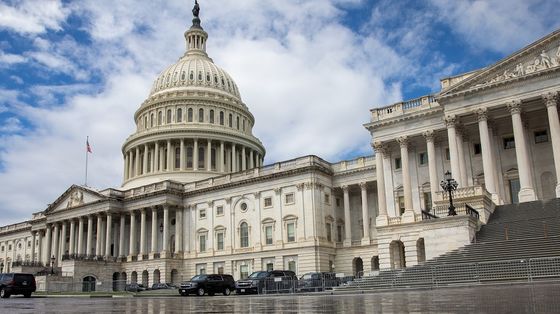

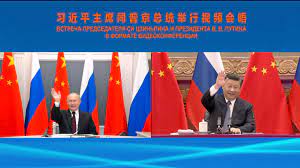
.jpeg)
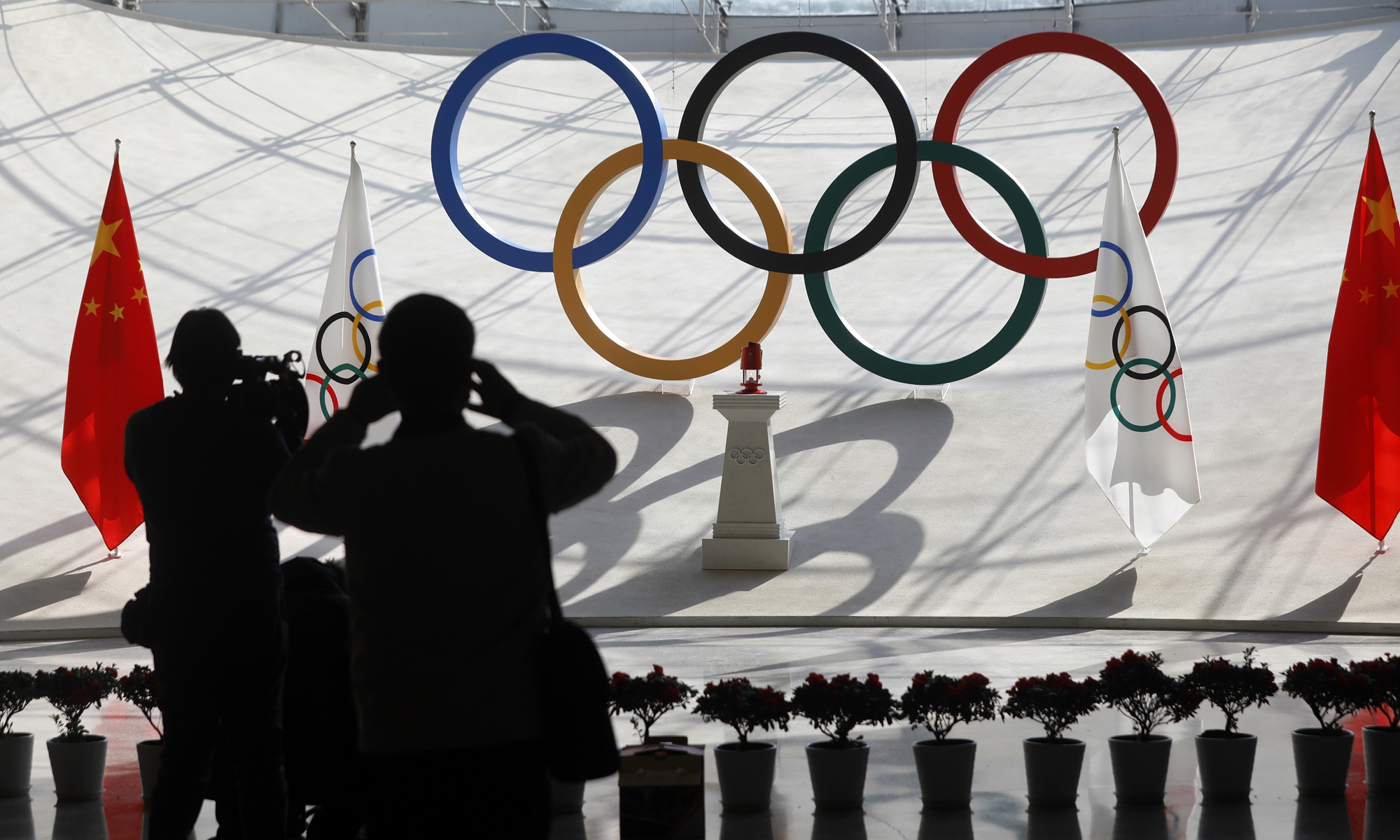
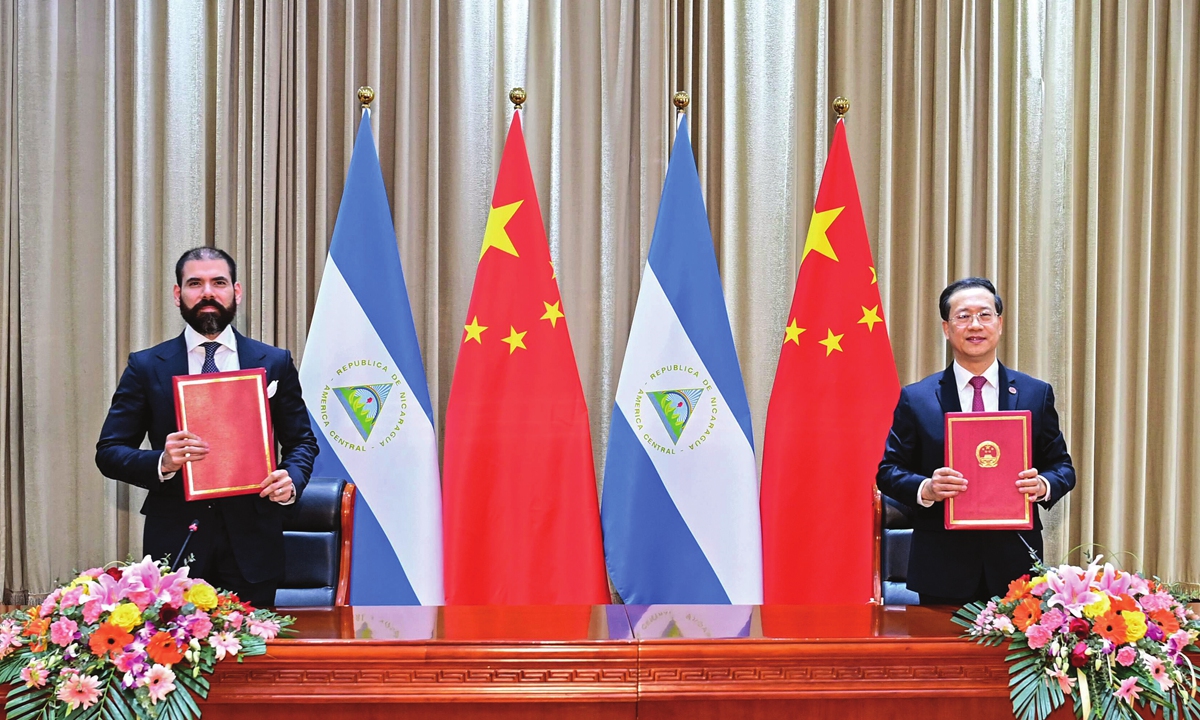

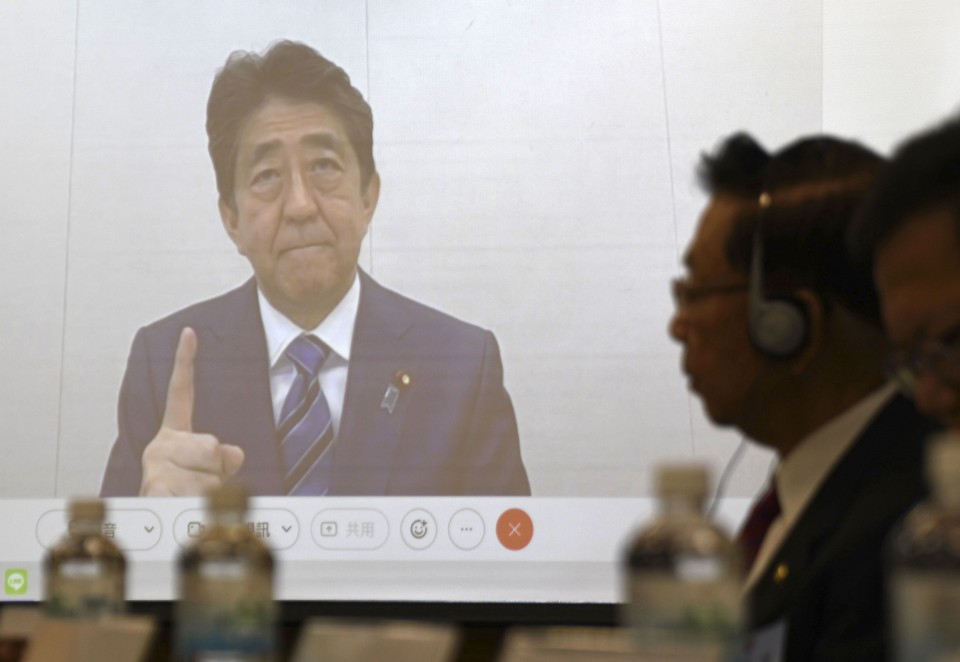

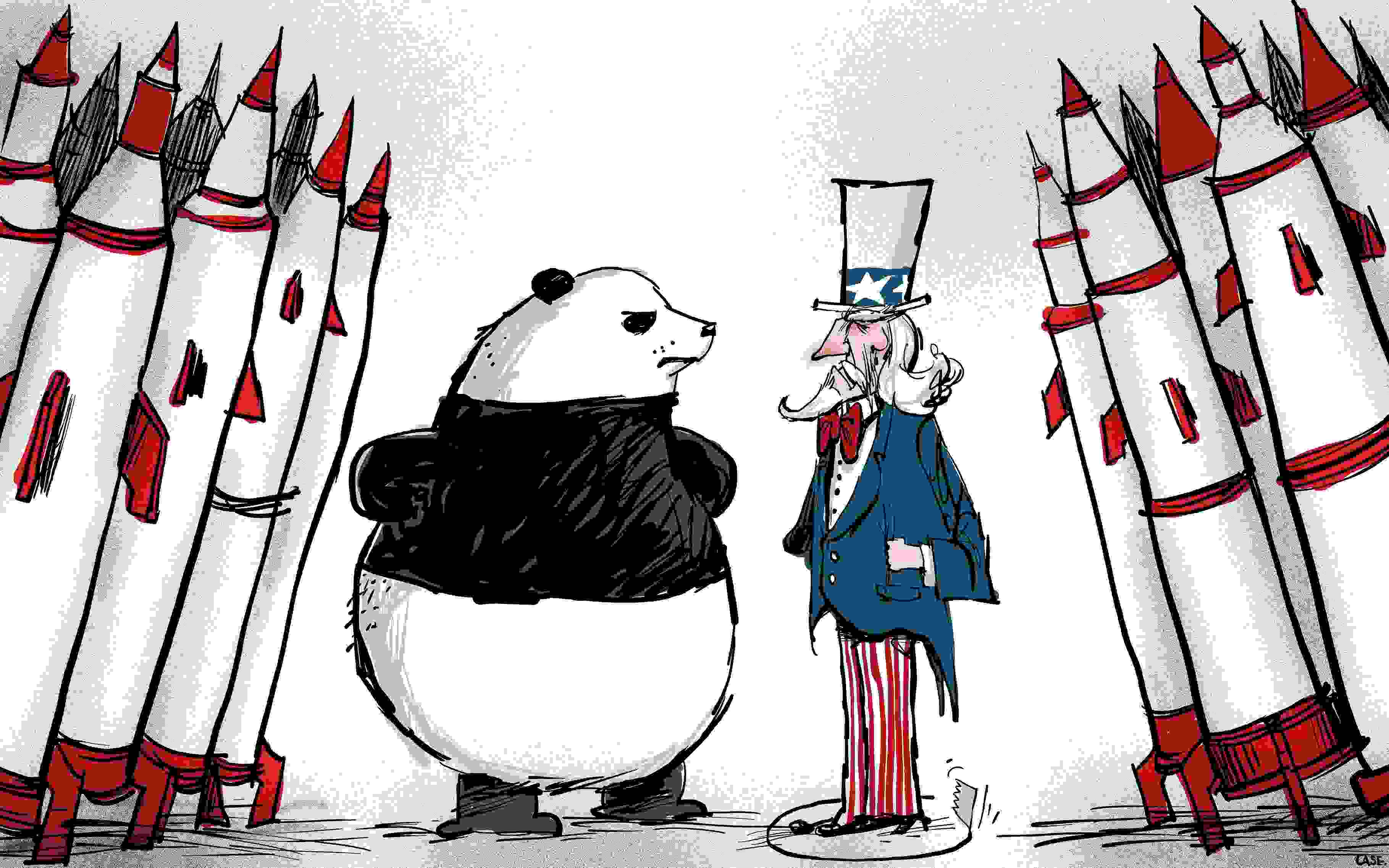
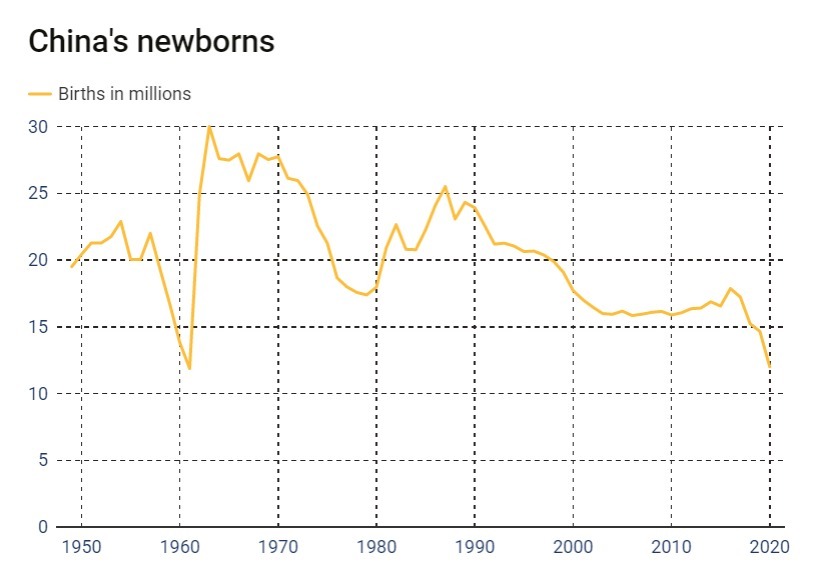
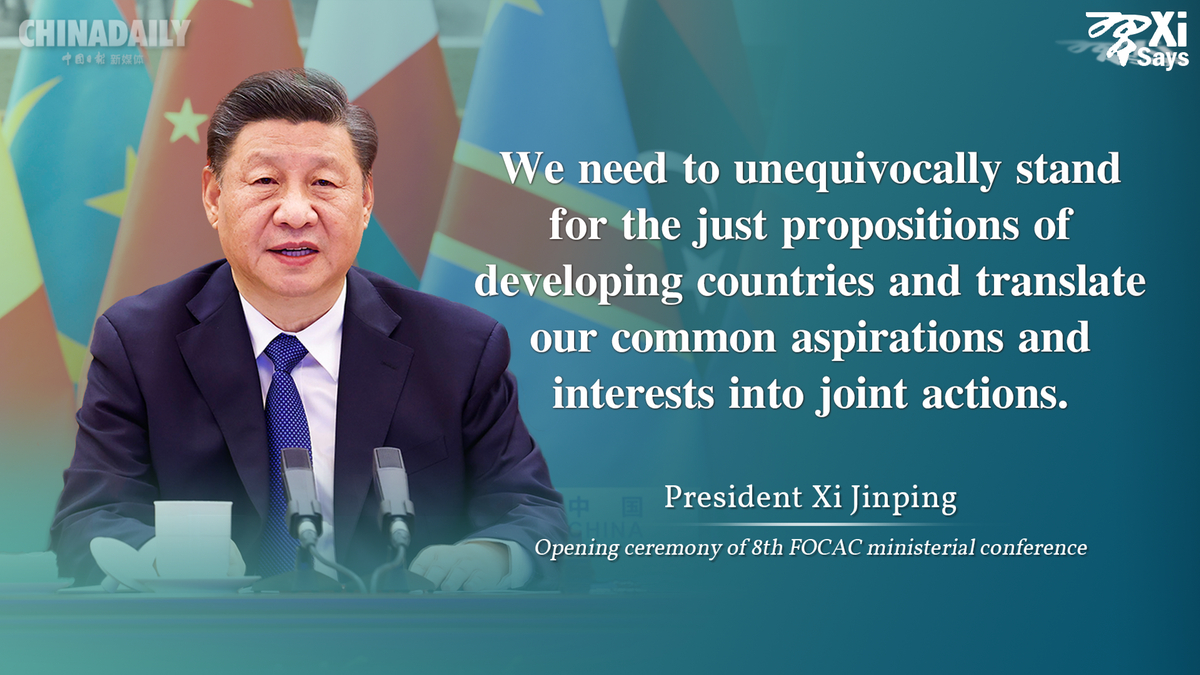
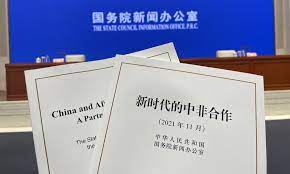
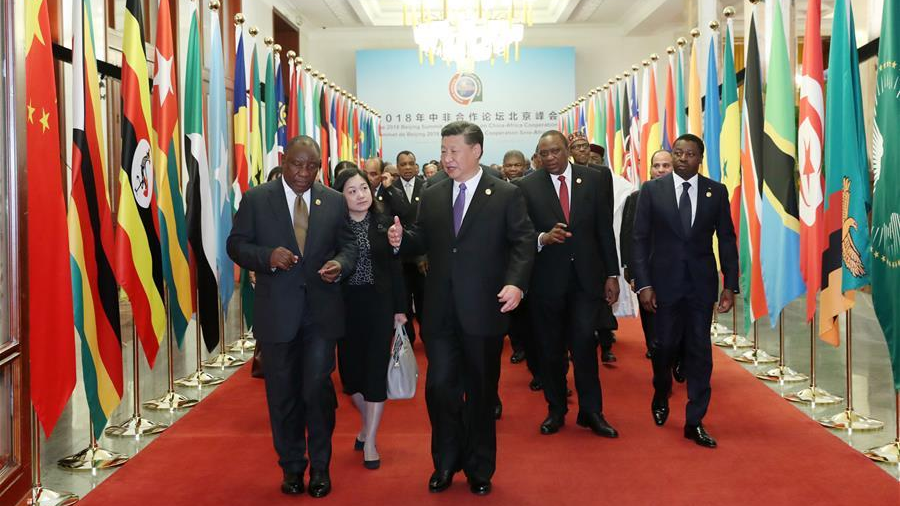
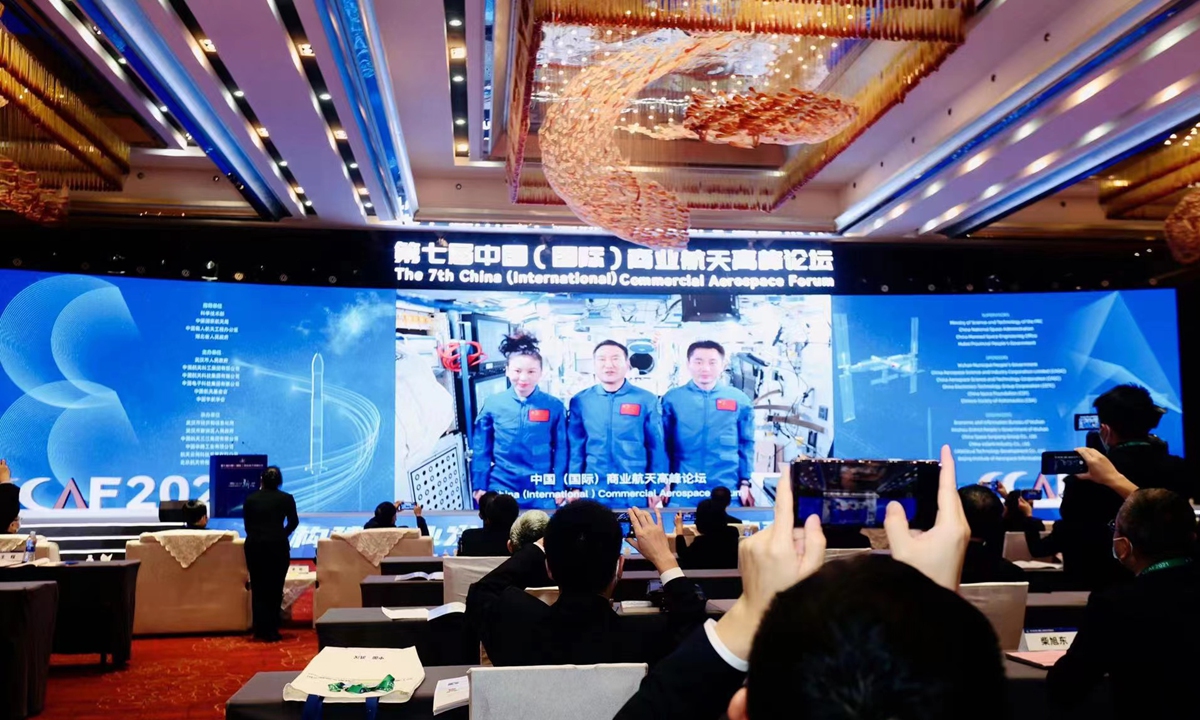
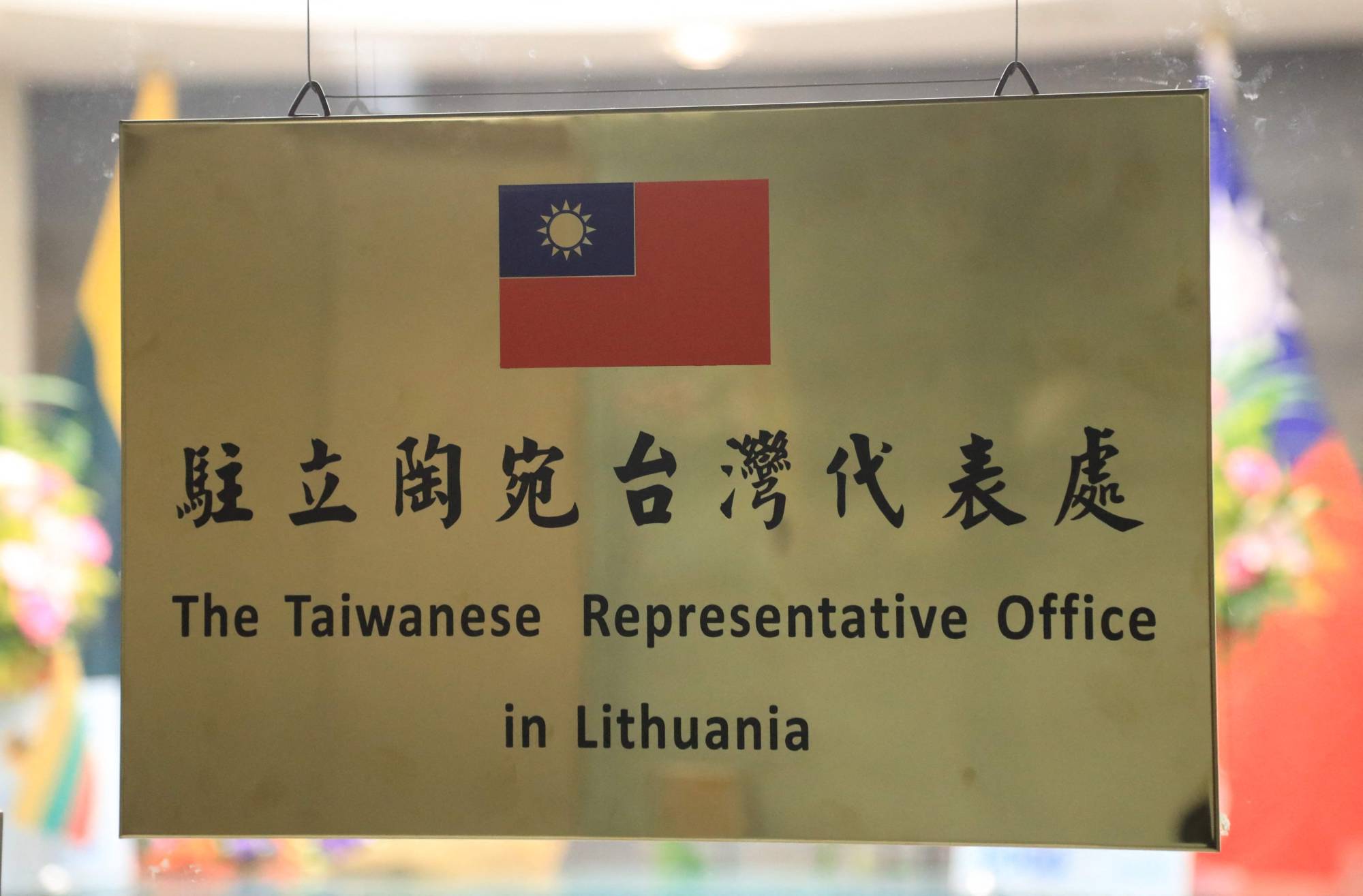

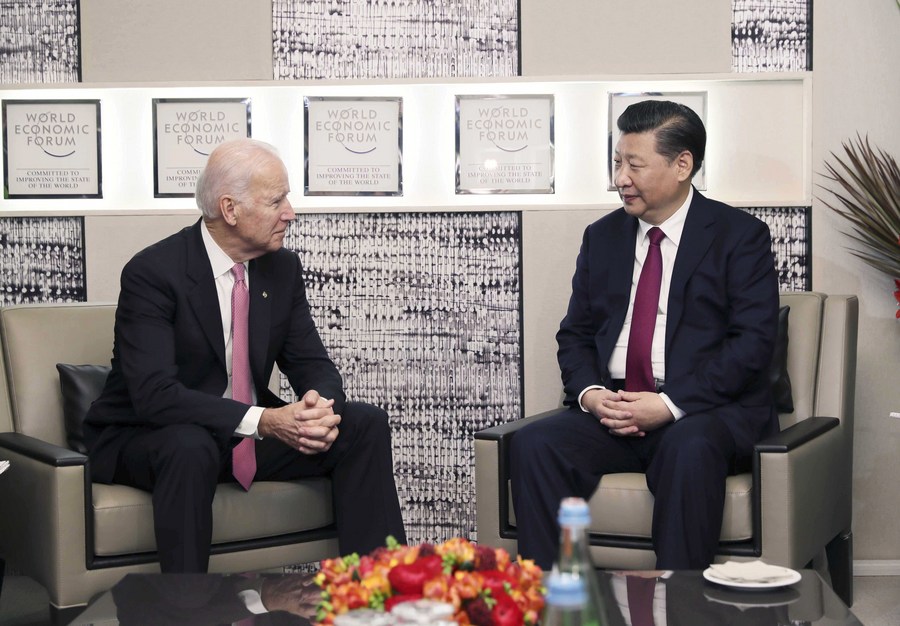
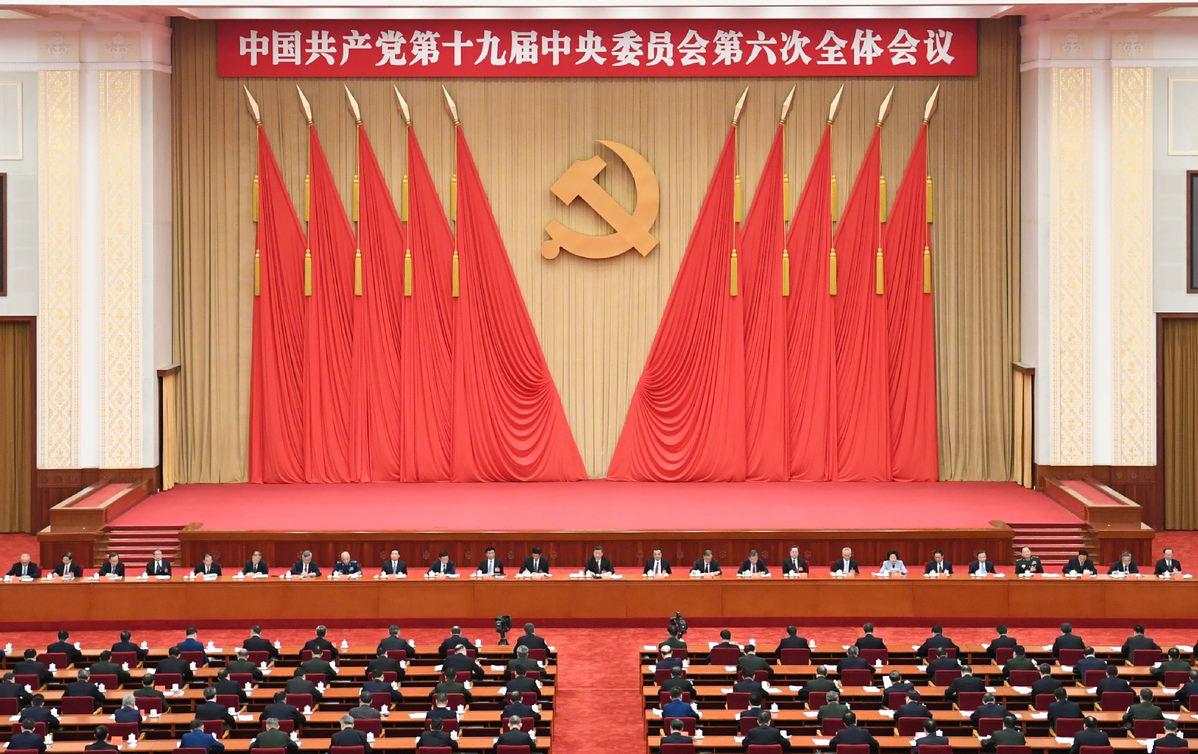
.jpeg)