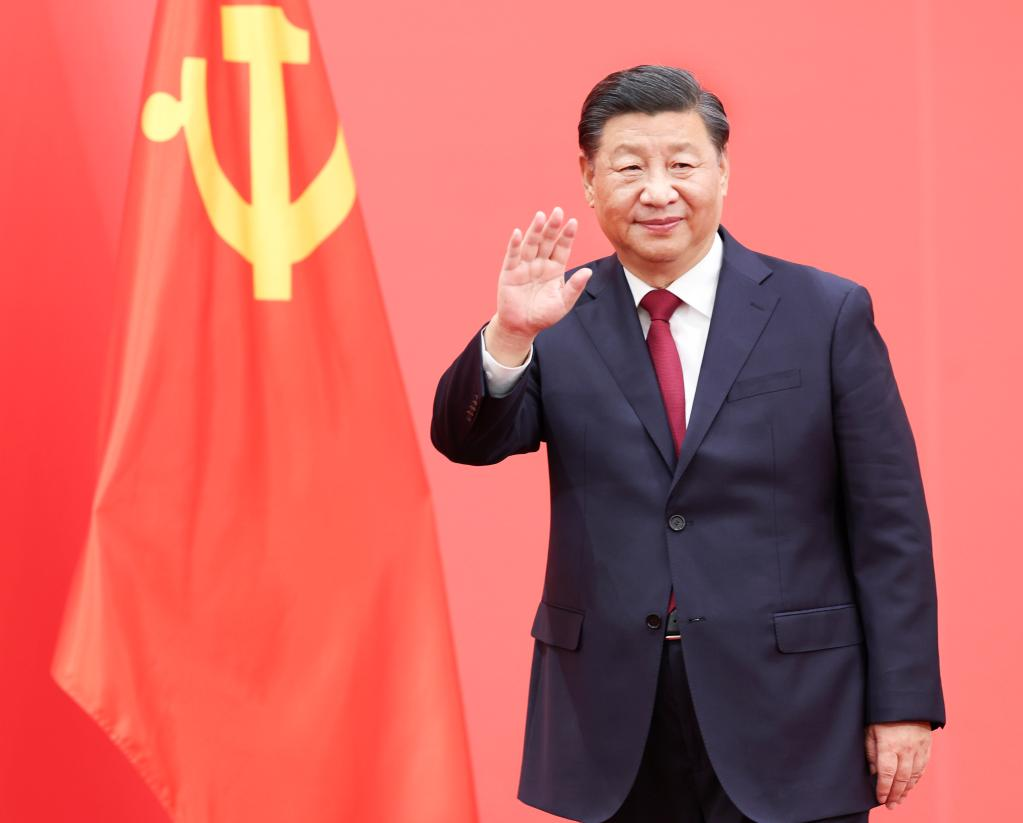
Photo : Xinhua


China Reader Daily Wire | 31 January 2026, Saturday | Vol 3 No. 16
China Reader Daily Wire | 31 January 2026, Saturday | Vol 3 No. 16
INTERNAL
China probe into former Inner Mongolia party chief on corruption charges, reports SCMP
On 30 January, SCMP reported that the former Communist Party chief of the resource-rich Inner Mongolia autonomous region and the country’s first minister of veterans affairs, Sun Shaocheng, is under investigation for corruption, the Central Commission for Discipline Inspection (CCDI) informed. The probe into “suspected serious violations of discipline and law.” His investigation comes just days after probes were announced into two of China’s top military figures — Zhang Youxia and Liu Zhenli — highlighting the campaign’s reach into both civilian and military elites. Sun led Inner Mongolia from 2022 until late 2025, stepping down about four months before the anti-corruption announcement. Sun led Inner Mongolia from 2022 until late 2025, stepping down about four months before the anti-corruption announcement. (“China investigates Sun Shaocheng, former Inner Mongolia party chief and veterans minister,” SCMP, 30 January 2026)
XI Jinping chairs CPC Central Committee meeting
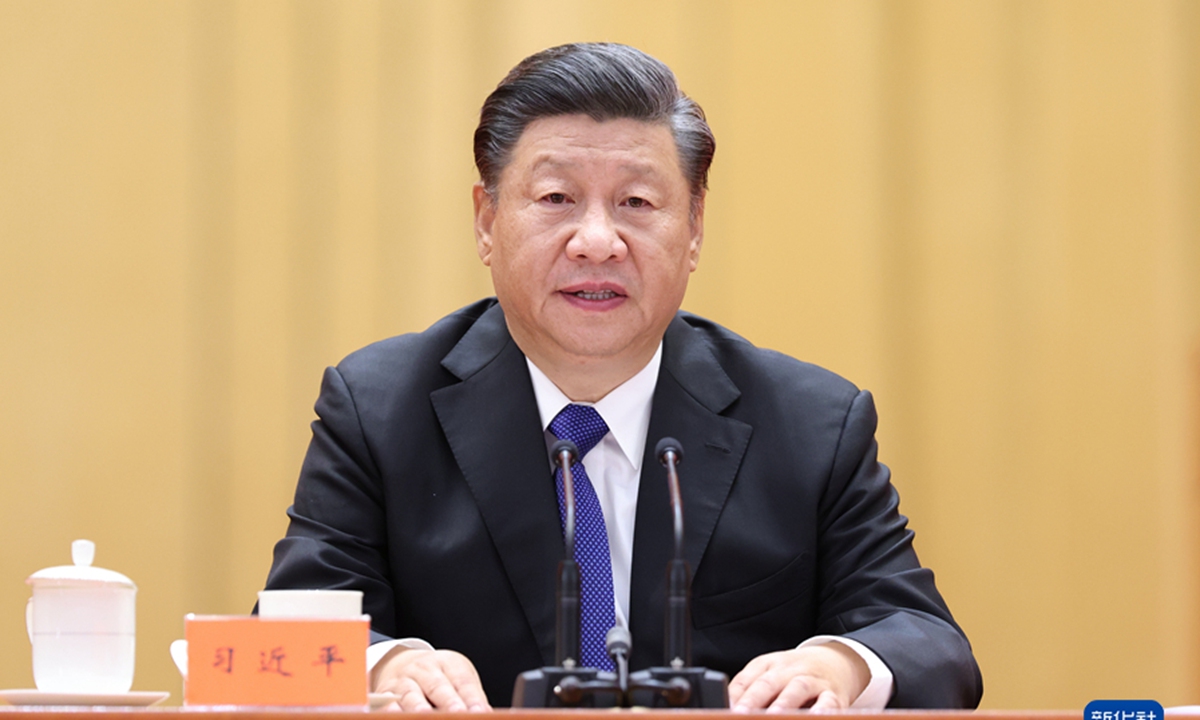
On 30 January, Chinese Communist Party leader Xi Jinping chaired a high-level meeting of the Political Bureau of the CPC Central Committee to review the work of key state institutions and prepare for 2026. The meeting examined reports from the standing committee on the performance of several top bodies, including the National People’s Congress Standing Committee, the State Council (China’s cabinet), the Chinese People’s Political Consultative Conference, the Supreme People’s Court, the Supreme People’s Procuratorate and the CPC Central Committee Secretariat. The leaders evaluated these institutions’ work in 2025 and approved their plans for 2026. (“Xi Jinping chairs CPC leadership meeting to review report on work of state institutions, secretariat of Party Central Committee,” CGTN, 30 January 2026)
China launches corruption probe into Emergency Management Minister
On 31 January, China’s anti-graft watchdog has launched an investigation into the country’s minister of emergency management, Wang Xiangxi, for “suspected serious violations of discipline and law” a standard term used in Beijing to describe alleged corruption. The probe was announced on 31 January by the Central Commission for Discipline Inspection (CCDI), the Communist Party’s top corruption-busting body, and follows a broader sweep targeting senior officials across government and state sectors. It is relatively unusual for a sitting cabinet-level minister to be implicated in a corruption investigation, highlighting the continuing scope of President Xi Jinping’s anti-corruption campaign. (“China’s corruption watchdog probing emergency management minister,” The Straits Times, 31 January 2026)
EXTERNAL
Chinese surveillance cameras guarding Magna Carta spark security concerns, reports The Guardian
On 31 January, The Guardian reported that campaigners have raised alarm over Chinese-made CCTV cameras installed to monitor one of the world’s most iconic democratic symbols, a copy of the Magna Carta at Salisbury Cathedral in England. Because of their alleged links to human rights abuses and security vulnerabilities. The cameras, manufactured by Dahua Technology, have drawn criticism from groups including the World Uyghur Congress (WUC), which says the company’s technology has been implicated in surveillance systems used in Xinjiang against Uyghur Muslims, an ethnic minority that activists describe as subject to “genocide or crimes against humanity.” The WUC has also written to Greek authorities over similar Chinese cameras at the Parthenon. (“Alarm raised over Chinese CCTV cameras guarding ‘symbol of democracy’ Magna Carta,” The Guardian, 31 January 2026)
CHINA & SOUTHEAST ASIA
China accuses the Philippines of increasing tensions in the South China Sea, reports SCMP
On 30 January, SCMP reported that Beijing’s defence ministry spokesman, Jiang Bin, criticised Manila for using the exercises as a pretext to carry out what China calls “infringements and provocations” around the territory it claims as sovereign. The accusation follows Manila’s first joint maritime operation of the year with the United States in the South China Sea, which China condemned as drawing in “external powers” and undermining stability. China has accused the Philippines of “deliberately stoking maritime tensions” after Manila announced a large-scale military exercise in the disputed Scarborough Shoal area of the South China Sea that could run until the end of March. (“China says Philippines is stoking tensions with large-scale Scarborough Shoal drill,” SCMP 30 January 2026)
CHINA & EUROPE
China lifts sanctions on UK lawmakers after Starmer visits China, reports SCMP
On 31 January, SCMP reported that UK Prime Minister Sir Keir Starmer said China has lifted sanctions on British lawmakers following his meeting with Chinese President Xi Jinping during an official visit aimed at resetting bilateral ties. The sanctions, imposed in 2021 in retaliation for UK sanctions on Chinese officials over alleged human rights abuses in Xinjiang, had barred some UK MPs and peers from travel and engagement with China. Starmer told broadcasters in Shanghai that he raised the issue directly with Xi, who confirmed the restrictions “no longer apply” and indicated that all British parliamentarians are now welcome to visit China. China’s Foreign Ministry confirmed the development at a daily press briefing, saying both sides agreed to strengthen people-to-people and legislative exchanges to build mutual trust. (“China lifted sanctions on British lawmakers after Starmer–Xi meeting, UK says,” SCMP, 31 January 20226)
CHINA & THE AMERICAS
US lawmakers move key Taiwan-related bills to Senate committee
On 29 January, US lawmakers moved four Taiwan-related bills through a key Senate committee, sending a clear message to President Donald Trump that support for Taiwan must remain a priority as he prepares for a highly anticipated meeting with Chinese President Xi Jinping in April. The actions by the Senate Foreign Relations Committee reflect growing congressional concern that Taipei’s security, diplomatic space and critical infrastructure should not be overshadowed by broader US and China negotiations. The package includes the Taiwan Energy Security and Anti-Embargo Act, the Taiwan Undersea Cable Resilience Initiative Act, the Taiwan Allies Fund Act and the Strategic Subsea Cables Act. (“Senate bills remind Trump that Taiwan remains a priority before key Xi meeting in April,” SCMP, 30 January 2026)
China Reader Daily Wire | 29 January 2026, Thursday | Vol 3 No. 15
ENERGY
China builds the largest renewable energy system, reports the Ministry of Ecology and Environment
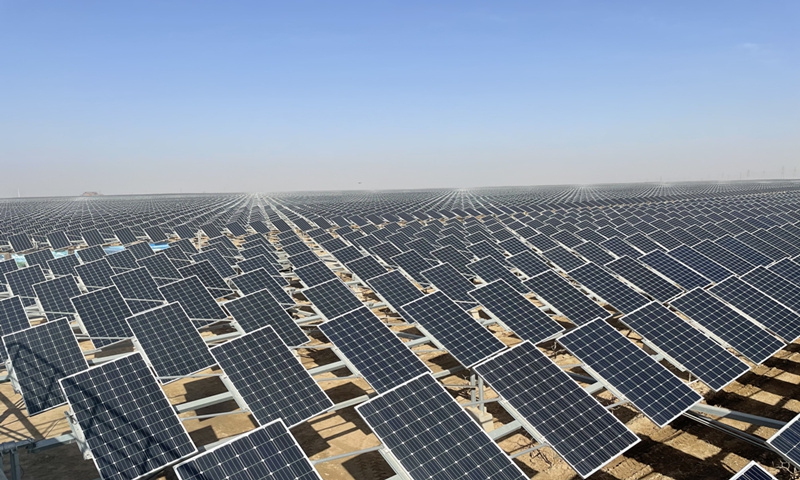
On 28 January, China’s Ministry of Ecology and Environment informed that they have made significant progress during the 14th Five-Year Plan to promote green development and reduce carbon emissions. They said: “China established the largest clean power supply system and the largest clean steel production system globally during the period. Meanwhile, the market penetration rate of new energy vehicles in the country exceeded 50 per cent, and the share of clean transportation in key regions and industries reached 78 per cent.” And that “China has also established the world's largest carbon emissions trading market, marking a major milestone in its efforts to combat climate change.” (“China builds largest renewable energy system globally,” CGTN, 29 January 2026)
CHINA & SOUTHEAST ASIA
China executed 11 members of Myanmar’s scam syndicate, reports BBC
On 29 January, the BBC reported that China executed 11 members of a family that ran a scam centre in Myanmar. A court in Zhejiang province sentenced the Ming family members for crimes including homicide, illegal detention, fraud and operating gambling dens. The Ming family was one of several clans that ran Myanmar's sleepy town of Laukkaing, close to the border with China. Under their rule, the impoverished backwater was transformed into a flashy hub of casinos and red-light districts. This stopped when, in 2023, Myanmar’s authorities arrested them and handed them over to the Chinese government. The scam operations in Myanmar have trapped thousands of Chinese workers over the years, under which hundreds and thousands have been trafficked. (“China executes 11 members of Myanmar scam mafia,” BBC, 29 January 2026)
CHINA & THE PACIFIC
Australia trying to reclaim port Darwin will lead to trade related repurcissuion from China, say s China's Amb to Australia
On 28 January, China’s ambassador to Australia informed that any plan by Australia government to remove Port Darwin from Chinese ownership will affect the future trade growth with the country. Ambassador Xiao Qian’s statements come in light of the Chinese-owned company Landbridge to sell its 99-year lease on the port, sparked by pre-election national security concerns from both Labour and the Coalition. He said that Landbridge has invested a lot, and that “When you’re losing money, you lease it to a foreign country company, and when it has started making money, you want to take it back. That’s not a way to do business.” Landbridge paid USD 506 million to secure a 99-year controlling lease over the port. He noted that “The Chinese government has an obligation to protect the legitimate interests of Chinese companies overseas.” (“China’s ambassador warns Albanese reclaiming Port of Darwin will force Beijing to intervene,” The Guardian, 28 January 2026)
CHINA & SOUTH ASIA
China and Pakistan sign a digital “e-mining platform”
On 28 January, China signed a joint digital “e-mining platform” with Pakistan. This new MoU aims to understand and deepen cooperation in the mineral sector. The initiatives were announced at the Pak–China Mineral Cooperation Forum in Islamabad, where Pakistani officials outlined plans to move beyond raw extraction toward value. Pakistan holds significant reserves of copper, gold, coal and other critical minerals, but much of its resource base has remained untapped for decades. Ministry of Information & Broadcasting said: “A major milestone of the Forum was the launch of the ‘Pak–China E-Mining Platform,’ a digital initiative aimed at improving information sharing, project connectivity and cooperation between Pakistani authorities and Chinese enterprises.” “The platform is expected to enhance transparency, efficiency and collaboration in mineral sector development.” (“Pakistan, China launch digital mining platform, sign cooperation MoUs,” Arab News, 29 January 2026)
CHINA & WEST ASIA
China warns against military adventurism in Iran at the UN
On 28 January, China’s representative in the UN, Fu Cong, warned against the military adventurism against Iran. He called for all parties to follow the rules and purposes of the UN Charter and refrain from interfering in other countries’ matters. He said: “The use of force cannot solve problems. Any acts of military adventurism will only push the region into an abyss of unpredictability.” And that “China hopes that the United States and other relevant parties will heed the call of the international community and regional countries, do more things that are conducive to peace and stability in the Middle East, and avoid exacerbating tensions and adding fuel to the fire.” “We call on all parties to abide by the purposes and principles of the UN Charter, oppose interference in other countries' internal affairs, and reject the use or threat of force in international relations.” (“China warns against 'military adventurism' in Iran,” CGTN, 28 January 2026)
CHINA & EUROPE
UK’s Prime Minister meeting Xi Jinping calls for a comprehensive strategic partnership
On 29 January, UK Prime Minister Keir Starmer met with China’s President Xi Jinping on his first trip in eight years. Stamer, before his trip, noted that China was a pragmatic choice for doing business and that it was time to have a mature relationship. Stamer said: “I have long been clear that the UK and China need a long-term, consistent and comprehensive strategic partnership.” During his meeting, Starmer noted that he hopes that the leaders can identify opportunities to collaborate. Xi Jinping stressed the need for more dialogue and cooperation, as they deal with intertwined international situations. Starmer is in China for three days and is accompanied by a delegation representing nearly 50 UK businesses and cultural organisations, including HSBC, British Airways, AstraZeneca and GSK. China was the UK’s fourth-largest trading partner in 2025, with bilateral trade worth USD 137 billion. Stamer is meeting with Xi, while back home, there are serious criticisms of China's human rights violations. The meeting focuses on economic collaboration. (“China’s Xi Jinping, UK’s Kier Starmer agree to deepen economic ties,” Al-Jazeera, 29 January 2026)
China and the UK to sign an agreement to curb migrant smuggling network, reports UCA News
On 29 January, UCA News reported that the UK and China will be signing a cooperation agreement to target the supply chains used by migrant smugglers. This will be done as Starmer is in China. The party Stamer belongs to has a major agenda on illegal migrants, who in their campaign called to crack down on people smuggling as they face a wave of arrivals. Last year, nearly 42,000 migrants landed on England's southern coast after making the perilous Channel crossing from northern France — the second-highest annual number. Starmer said: “More than half of small boat engines used by people smugglers crossing the English Channel are manufactured in China.” The agreement to be signed aims to share intelligence and have a direct engagement with the Chinese manufacturers of boat parts, noting that their services are not exploited for illegal purposes. The deal also seeks to boost cooperation on combating the trafficking of “highly potent and dangerous synthetic opioids such as nitazenes, known to be produced in China and exported to the UK.” (“Britain and China plan to fight migrant smuggling networks,” UCA News, 29 January 2026)
CHINA & AMERICAS
Chinese man who exposed human rights violations in Xinjiang awarded US asylum, reports BBC
On 29 January, the BBC reported that a Chinese national who exposed human rights violations in Xinjiang has been granted asylum in the US. The US found ground that there is a well-founded threat of prosecution if he returns to China. In 2020, Guan Heng secretly filmed detention facilitates in the north-western Chinese region, where human rights groups say more than one million ethnic Uyghurs have been detained against their will. Guan, 38, applied for asylum after arriving in the US illegally in 2021, but was detained in August as part of a mass deportation campaign by the Trump administration. A UN human rights committee in 2018 said: “China was holding up to a million people in "counter-extremism centres" in the region, which is largely cut off to international media and observers.” (“Man who exposed human rights abuses in China granted US asylum,” BBC, 29 January 2026)
China Reader Daily Wire | 28 January 2026, Wednesday | Vol 3 No. 14
INTERNAL
China’s Central Military Commission’s vice president under investigation for “serious violations of discipline and law”
On 27 January, the BBC reported that a senior-ranking official from the People's Liberation Army (PLA) was purged from his position. This is top general Zhang Youxia, and another senior military officer, Gen Liu Zhenli. Zhang is the vice-chairman of the Central Military Commission (CMC). CMC is made up of seven members, of which there are now only two: Xi Jinping and Gen Zhang Shengmin. The others were removed on anti-corruption charges. The CMC is responsible for controlling millions of military personnel. It is so powerful that being chairman of this body was the single position held by Deng Xiaoping as the absolute ruler of China. There is no official reason listed, while rumours run high. The official announcement stated that they are under investigation and were accused of “serious violations of discipline and law.” Zhang's father was a revolutionary comrade of Xi's father. The general goes back a long way with Xi, and that they were seen as close allies before the turmoil of recent days has possibly made this worse because of a belief that no one is safe. (“China has purged its highest-ranked military general. Why?” BBC, 27 January 2026)
MARITIME
PLA Yulin dry dock aides China’s presence in the South China Sea, reports SCMP
On 26 January, SCMP reported that China’s new dry rock near the South China Sea can help it avoid any gaps in its aircraft carrier presence in the waterways and help it reach the Indian Ocean Region. AllSource Analysis report said: “China’s second aircraft carrier, the Shandong, entered the dry dock for the first time on January 20 or January 21, indicating an expansion of the dock’s capabilities and marking a “milestone” for both the facility and People’s Liberation Army carrier operations.” And that “Construction of the Yulin Naval Base dry dock began in 2017. It became operational in 2022 but had not yet been used by aircraft carriers or vessels of similar tonnage.” Dry docks are specialised basins used to lift aircraft carriers out of the water. The availability of this base means that the aircraft carrier will not have to return to northern China for services. (“Shandong’s use of newest PLA dry dock near South China Sea suggests carrier milestone,” BBC, 26 January 2026)
CHINA & TAIWAN
Taiwan’s defence ministry pushes back against TPP defence proposal, reports SCMP
On 28 January, SCMP reported that Taiwan’s Ministry of National Defence pushed against the opposition party’s proposal to cut the USD 40 billion special military budget and to drop the “T-Dome” layered defence system. There is a deadlock in the special funding bill, which was blocked for the 10th time. The Taiwan People’s Party (TPP), a smaller opposition party, unveiled its version of a special defence procurement bill, cutting the budget over eight years and listing five specific weapons systems to be purchased. They include US-made M109A7 self-propelled howitzers, High Mobility Artillery Rocket Systems (HIMARS), anti-armour drone missiles, Javelin anti-tank missiles and Tow 2B anti-tank missiles. Taiwan’s Lieutenant General Huang Wen-chi called it “rushed and unprofessional.” (“Taiwan’s defence ministry slams TPP’s ‘unworkable’ military spending plan,” SCMP, 28 January 2026)
CHINA & EAST ASIA
China offers special compensation for all cancelled flights on 49 routes to Japan, reports The Straits Times
On 27 January, The Straits Times reported that all scheduled flights on 49 air routes between China and Japan have been cancelled for February. Chinese airlines are offering special ticket change and refund policies. China-Japan routes had cancelled all flights scheduled for February, an increase from January, according to data by Flight Master. China’s three major domestic airlines, Air China, China Eastern Airlines and China Southern Airlines, issued notices detailing special handling measures for tickets on Japan routes. Under this, the passenger will get to do one free change and will be subjected to a fair difference or apply for a refund. (“China cancels all flights on 49 routes to Japan,” The Straits Times, 27 January 2026)
Japan returns pandas amid rising tension with China, reports BBC
On 27 January, the BBC reported that thousands flocked to a zoo to bid farewell to two giant pandas who are set to return to China. This comes after Japanese Prime Minister Sanae Takaichi said Tokyo would get involved militarily if China attacked Taiwan. Since then, there have been a series of escalations and tensions between the two countries. The twins' departure will leave Japan without any pandas for the first time since 1972, the year the two countries normalised diplomatic ties. China has used giant pandas as a gesture of goodwill towards its allies and competitors. But China retains ownership of all pandas it loans to foreign countries, including cubs born abroad. The host country pays an annual fee of USD 1 million per panda. (“Tearful goodbyes as Japan returns pandas to China amid worsening ties,” BBC, 27 January 2026)
CHINA & SOUTH ASIA
China gives NPR 1.5 billion for upcoming Nepal elections, reports The Kathmandu Post
On 27 January, an editorial in The Kathmandu Post reported that India and China will supply vehicles, riot control equipment, and cash for Nepal’s upcoming parliamentary elections to be conducted by 05 March. Sushila Karki’s government, which took office in the wake of the Gen Z revolt in September, had decided to accept support only from India and China. It noted that this is because their resources will not be enough to conduct elections. India’s Embassy in Nepal said: “Based on requests by the government of Nepal, India has been providing election-related support to Nepal since 2008. This includes about 2,400 vehicles that have been gifted by the Government of India for various ministries and departments in Nepal, including the Election Commission.” While China will provide Nepal with NPR 1.5 billion for the elections. The Finance Ministry will use the Chinese cash for election expenditure, including perks and allowances to the security personnel and election officials to be debuted in the booths. (“India sends in-kind assistance, China offers cash for elections,” The Kathmandu Post, 27 January 2026)
CHINA & EUROPE
Xi Jinping meets the Finnish Prime Minister and welcomes them to invest in China’s market
On 27 January, China’s President Xi Jinping welcomed Finnish Prime Minister Petteri Orpo and his entourage of company executives. Xi invited them to “take a swim in the vast ocean of the Chinese market.” Xi noted that Finland was among the first countries to establish diplomatic relations with China. He said: “Over the past 76 years since the establishment of diplomatic ties, China-Finland relations, characterised by mutual respect, equality, future orientation and win-win cooperation, have achieved steady growth regardless of how the international landscape has evolved.” He said: “China is willing to work with Finland to promote an equitable and orderly multipolar world as well as a universally beneficial and inclusive economic globalization.” Oropo said: “Finland is willing to work with China to implement the important consensus reached by the two heads of state, enhance high-level exchanges, and deepen practical cooperation in trade, investment, digital economy, clean energy, agriculture and other fields.” (“Xi welcomes Finnish enterprises to "take a swim in the vast ocean of the Chinese market,” Xinhua, 27 January 2026)
UK’s Prime Minister makes his first trip to China
On 28 January, the UK’s Prime Minister Keir Starmer is making his first trip to China since 2028. With him were 60 British business and cultural leaders, representatives from the bank HSBC, the pharmaceutical company GSK, Jaguar Land Rover and the National Theatre. The visit is aimed at the government’s attempt to reboot Uks relation with China. Before his visit stamer said: “For years, our approach to China has been dogged by inconsistency – blowing hot and cold, from Golden Age to Ice Age, but like it or not, China matters for the UK.” “As one of the world's biggest economic players, a strategic and consistent relationship with them is firmly in our national interest. That does not mean turning a blind eye to the challenges they pose – but engaging even where we disagree.” The meeting will focus on strategic re-engagement. The meeting comes after Canadian Prime Minister Mark Carney and French President Emmanuel Macron visits and currently the Finnish Prime Minister is in China. (“Starmer says 'China matters' as he heads to Beijing with business leaders,” BBC, 28 January 2026)
Finnish Prime Minister arrives in China to enhance strategic relationship, reports Global Times
On 25 January, Finnish Prime Minister Petteri Orpo arrived in Beijing for a four-day official visit to China. He arrived with 20 Finnish companies. China’s Ministry of Foreign Affairs said: “Chinese President Xi Jinping will meet with the Finnish prime minister during the visit, while Chinese Premier Li Qiang and Chairman of China's National People's Congress Standing Committee Zhao Leji will hold talks and meet with Orpo, respectively, to conduct in-depth exchanges of views on bilateral relations and issues of common concern.” China has been Finland’s largest trading partner in Asia for many consecutive years, while Finland is China’s third largest trading partner in Northern Europe. It is expected that an MoU will be signed on the China-Finland Committee for Innovative Business Cooperation, and companies from China and Finland will also sign several business cooperation agreements. The ministry said: “All of this fully demonstrates that China and Finland have the will, confidence and ability to promote the continued positive development of bilateral economic and trade cooperation.” (“Finnish PM arrives in China for 4-day visit; ties set model for Europe when 'law of the jungle' on the rise, says expert,” Global Times, 26 January 2026)
Chinese AI is a risk to Europe, reports an editorial in The Economist
On 22 January, The Economist published that Chinese AI are a risk to Europe. It noted that the rise of China’s DeepSeek is becoming the face of Chinese innovation and AI. DeepSeek is now seeking to invest abroad. Europe is a curse, and the EV industry from China has engulfed German and French carmakers. Several EU countries are seeking restrict access to the DeepSeek chat box. In January, the European Commission launched an effort to identify and remove barriers holding back open models, despite the fears. Chinese software comes with all the old risks. But for Europe, the bigger one now is to spurn it. Therefore, there are also reasons to welcome Chinese AI, being that they are nearly as good as OpenAI, open models are easily accessible, and they offer insurance against lockout. (“Chinese AI is a risk for Europe. So is shunning it,” The Economist, 22 January 2026)
CHINA & THE AMERICAS
Canada reduces tariffs on Chinese EV after Carney visits China, reports Reuters
On 17 January, Reuters reported that China and Canada struck an initial trade deal that will slash tariffs on EVs and Canola. The first Canadian prime minister to visit China since 2017. This comes as Canada’s Prime Minister Mark Carney visits China to recalibrate ties. Canada will initially allow in up to 49,000 Chinese electric vehicles at a tariff of 6.1 per cent on most-favoured-nation terms. Carney said: “This is a return to levels prior to recent trade frictions, but under an agreement that promises much more for Canadians.” And that “For Canada to build its own competitive EV sector, we will need to learn from innovative partners, access their supply chains, and increase local demand.” (“Canada, China slash EV, canola tariffs in reset of ties,” Reuters, 17 January 2026)
China Reader Daily Wire | 27 January 2026, Tuesday | Vol 3 No. 13
INTERNAL
China’s Central Military Commission’s vice president under investigation for “serious violations of discipline and law”
On 27 January, the BBC reported that a senior-ranking official from the People's Liberation Army (PLA) was purged from his position. This is top general Zhang Youxia, and another senior military officer, Gen Liu Zhenli. Zhang is the vice-chairman of the Central Military Commission (CMC). CMC is made up of seven members, of which there are now only two: Xi Jinping and Gen Zhang Shengmin. The others were removed on anti-corruption charges. The CMC is responsible for controlling millions of military personnel. It is so powerful that being chairman of this body was the single position held by Deng Xiaoping as the absolute ruler of China. There is no official reason listed, while rumours run high. The official announcement stated that they are under investigation and were accused of “serious violations of discipline and law.” Zhang's father was a revolutionary comrade of Xi's father. The general goes back a long way with Xi, and that they were seen as close allies before the turmoil of recent days has possibly made this worse because of a belief that no one is safe. (“China has purged its highest-ranked military general. Why?” BBC, 27 January 2026)
MARITIME
PLA Yulin dry dock aides China’s presence in the South China Sea, reports SCMP
On 26 January, SCMP reported that China’s new dry rock near the South China Sea can help it avoid any gaps in its aircraft carrier presence in the waterways and help it reach the Indian Ocean Region. AllSource Analysis report said: “China’s second aircraft carrier, the Shandong, entered the dry dock for the first time on January 20 or January 21, indicating an expansion of the dock’s capabilities and marking a “milestone” for both the facility and People’s Liberation Army carrier operations.” And that “Construction of the Yulin Naval Base dry dock began in 2017. It became operational in 2022 but had not yet been used by aircraft carriers or vessels of similar tonnage.” Dry docks are specialised basins used to lift aircraft carriers out of the water. The availability of this base means that the aircraft carrier will not have to return to northern China for services. (“Shandong’s use of newest PLA dry dock near South China Sea suggests carrier milestone,” BBC, 26 January 2026)
CHINA & EAST ASIA
China offers special compensation for all cancelled flights on 49 routes to Japan, reports The Straits Times
On 27 January, The Straits Times reported that all scheduled flights on 49 air routes between China and Japan have been cancelled for February. Chinese airlines are offering special ticket change and refund policies. China-Japan routes had cancelled all flights scheduled for February, an increase from January, according to data by Flight Master. China’s three major domestic airlines, Air China, China Eastern Airlines and China Southern Airlines, issued notices detailing special handling measures for tickets on Japan routes. Under this, the passenger will get to do one free change and will be subjected to a fair difference or apply for a refund. (“China cancels all flights on 49 routes to Japan,” The Straits Times, 27 January 2026)
Japan returns pandas amid rising tension with China, reports BBC
On 27 January, the BBC reported that thousands flocked to a zoo to bid farewell to two giant pandas who are set to return to China. This comes after Japanese Prime Minister Sanae Takaichi said Tokyo would get involved militarily if China attacked Taiwan. Since then, there have been a series of escalations and tensions between the two countries. The twins' departure will leave Japan without any pandas for the first time since 1972, the year the two countries normalised diplomatic ties. China has used giant pandas as a gesture of goodwill towards its allies and competitors. But China retains ownership of all pandas it loans to foreign countries, including cubs born abroad. The host country pays an annual fee of USD 1 million per panda. (“Tearful goodbyes as Japan returns pandas to China amid worsening ties,” BBC, 27 January 2026)
CHINA & SOUTH ASIA
China gives NPR 1.5 billion for upcoming Nepal elections, reports The Kathmandu Post
On 27 January, an editorial in The Kathmandu Post reported that India and China will supply vehicles, riot control equipment, and cash for Nepal’s upcoming parliamentary elections to be conducted by 05 March. Sushila Karki’s government, which took office in the wake of the Gen Z revolt in September, had decided to accept support only from India and China. It noted that this is because their resources will not be enough to conduct elections. India’s Embassy in Nepal said: “Based on requests by the government of Nepal, India has been providing election-related support to Nepal since 2008. This includes about 2,400 vehicles that have been gifted by the Government of India for various ministries and departments in Nepal, including the Election Commission.” While China will provide Nepal with NPR 1.5 billion for the elections. The Finance Ministry will use the Chinese cash for election expenditure, including perks and allowances to the security personnel and election officials to be debuted in the booths. (“India sends in-kind assistance, China offers cash for elections,” The Kathmandu Post, 27 January 2026)
CHINA & EUROPE
Finnish Prime Minister arrives in China to enhance strategic relationship, reports Global Times
On 25 January, Finnish Prime Minister Petteri Orpo arrived in Beijing for a four-day official visit to China. He arrived with 20 Finnish companies. China’s Ministry of Foreign Affairs said: “Chinese President Xi Jinping will meet with the Finnish prime minister during the visit, while Chinese Premier Li Qiang and Chairman of China's National People's Congress Standing Committee Zhao Leji will hold talks and meet with Orpo, respectively, to conduct in-depth exchanges of views on bilateral relations and issues of common concern.” China has been Finland’s largest trading partner in Asia for many consecutive years, while Finland is China’s third largest trading partner in Northern Europe. It is expected that an MoU will be signed on the China-Finland Committee for Innovative Business Cooperation, and companies from China and Finland will also sign several business cooperation agreements. The ministry said: “All of this fully demonstrates that China and Finland have the will, confidence and ability to promote the continued positive development of bilateral economic and trade cooperation.” (“Finnish PM arrives in China for 4-day visit; ties set model for Europe when 'law of the jungle' on the rise, says expert,” Global Times, 26 January 2026)
Chinese AI is a risk to Europe, reports an editorial in The Economist
On 22 January, The Economist published that Chinese AI are a risk to Europe. It noted that the rise of China’s DeepSeek is becoming the face of Chinese innovation and AI. DeepSeek is now seeking to invest abroad. Europe is a curse, and the EV industry from China has engulfed German and French carmakers. Several EU countries are seeking restrict access to the DeepSeek chat box. In January, the European Commission launched an effort to identify and remove barriers holding back open models, despite the fears. Chinese software comes with all the old risks. But for Europe, the bigger one now is to spurn it. Therefore, there are also reasons to welcome Chinese AI, being that they are nearly as good as OpenAI, open models are easily accessible, and they offer insurance against lockout. (“Chinese AI is a risk for Europe. So is shunning it,” The Economist, 22 January 2026)
CHINA & THE AMERICAS
Canada reduces tariffs on Chinese EV after Carney visits China, reports Reuters
On 17 January, Reuters reported that China and Canada struck an initial trade deal that will slash tariffs on EVs and Canola. The first Canadian prime minister to visit China since 2017. This comes as Canada’s Prime Minister Mark Carney visits China to recalibrate ties. Canada will initially allow in up to 49,000 Chinese electric vehicles at a tariff of 6.1 per cent on most-favoured-nation terms. Carney said: “This is a return to levels prior to recent trade frictions, but under an agreement that promises much more for Canadians.” And that “For Canada to build its own competitive EV sector, we will need to learn from innovative partners, access their supply chains, and increase local demand.” (“Canada, China slash EV, canola tariffs in reset of ties,” Reuters, 17 January 2026)
China Reader Daily Wire | 16 January 2026, Friday | Vol 3 No. 13
EXTERNAL
China urges its firms not to use US and Israeli cybersecurity software, reports The Straits Times
On 15 January, The Straits Times reported that the Chinese authorities told domestic companies to stop using cybersecurity software made by the US and Israel. It noted 12 of these firms stating national security concerns. These included e Broadcom-owned VMware, Palo Alto Networks and Fortinet, while the Israeli companies include Check Point Software Technologies. Chinese authorities noted that this software could collect and transmit data that could be sensitive. Some of the US and Israeli companies facing a ban for their part have repeatedly alleged Chinese hacking operations, which China has denied. (“Beijing tells Chinese firms to stop using US and Israeli cybersecurity software, sources say,” The Straits Times, 15 January 2026)
OUTERSPACE
China’s commercial firm launches the first sea base mission, reports Global Times
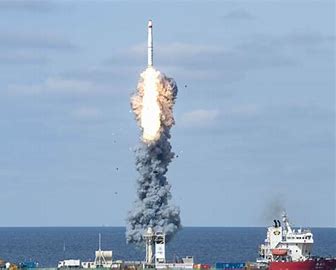
On 16 January, Global Times reported that Chinese commercial space firm Galactic Energy successfully carried out a sea-based launch of its CERES-1 carrier rocket. Launched from the coastal area of East China's Shandong Province by the Taiyuan Satellite Launch Center, the launch marked the 23rd successful flight of the CERES-1 carrier rocket. The satellites belong to the sixth group of the Tianqi constellation, the country's low-Earth orbit internet of Things (IoT) satellite constellation. (“Commercial firm launches rocket from Yellow Sea in China's first sea-based mission in new year,” Global Times, 16 January 2026)
CHINA & TAIWAN
US strikes a deal with Taiwan and reduces its tariffs, reports The Guardian
On 15 January, The Guardian reported that the US and Taiwan have agreed to reduce tariffs on goods as increasing Taiwanese semiconductor and tech companies’ investments in America. The US commerce department note that this will drive massive restructuring of America’s semiconductor industry. Washington will lower tariffs on Taiwanese goods to 15 per cent, down from 20 per cent, as part of a “reciprocal” rate meant to address US trade deficits and practices it deems unfair. Sector-specific tariffs on Taiwanese auto parts, timber, lumber and wood products will also be capped. Taiwan will also provide “credit guarantees of at least USD 250 billion to facilitate additional investment by Taiwanese enterprises” into the American semiconductor supply chain. Taiwan’s vice-premier, Cheng Li-chiun, said: “In this negotiation, we promoted two-way Taiwan-US high-tech investment, hoping that in the future we can become close AI strategic partners.” (“US says it reached deal with Taiwan to lower tariffs and boost investments,” The Guardian, 15 January 2026)
CHINA & WEST ASIA
Wang Yi calls for peace and restraint in Iran as he talks with his Iranian counterpart, reports CGTN
On 15 January, CGTN reported that China’s Foreign Minister Wang Yi called to establish peace and restraint on the situation in Iran as he talked on the phone with his Iranian counterpart, Abbas Araghchi. Wang Yi said: “China opposes the use or threat of force in international relations, the imposition of one's will on others, and a return to the "law of the jungle.” And that “China believes that the Iranian government and people will remain united, overcome difficulties, maintain national stability, and safeguard their legitimate rights and interests.” Abbas said: “Iran has prepared itself to respond to any external interference and, at the same time, keeps the door open for dialogue.” And that “China will play a greater role in promoting regional peace and stability.” (“China calls for peace, restraint in Iran situation during foreign ministers' phone call,” CGTN, 15 January 2026)
CHINA & EUROPE
China approves China's transnational education (TNE) programs, reports The Pie
On 15 January, The Pie reported that the 122-strong raft of TNE projects announced on December 30 included 66 joint programs and 56 joint institutes. The agreed projects are spread geographically throughout China, across 25 provinces and municipalities including Jiangsu, Shandong, Zhejiang, Sichuan and Henan. Universities such as the University of Auckland, Durham University, the University of Strathclyde and the University of São Paulo are among the institutions that have agreed on TNE projects in China. Beijng setting out an ambitious aim of boosting China’s TNE enrolments from 800,000 to eight million. Meanwhile, the British Council highlighted that many of the agreements reflected a strong emphasis on STEM subjects, indicating China’s long-term development goals. (“China greenlights 122 new TNE projects as it eyes enrolment boost,” The Pie, 15 January 2026)
CHINA & THE AMERCIAS
Canadian Prime Minister visits China to revive ties, reports AP
On 15 January, AP news reported that the Canadian Prime Minister Mark Carney. He aims to repair ties with China that deteriorated after Canada’s 2018 arrest of a senior Chinese tech executive, to 100 per cent Canadian tariffs on China-made electric vehicles. He met with Chinese Premier Li Qiang, the statement said: “Both sides welcomed the renewal of bilateral engagement.” He also met leaders from Chinese companies, including Alibaba, and China National Petroleum Corp. Carney said: “We’re ready to build a new partnership — one that builds on the best of our past, and responds to the challenges of today.” Canadian Foreign Minister Anita Anand informed that “Wang Yi that the prime minister looks forward to setting the course for the development of relations and restarting dialogue in various fields.” (“Canadian prime minister hails renewed relations with China during his Beijing visit,” AP, 15 January 2026)
US approves the sale of Nvidia chips to China, reports BBC
On 14 January, the BBC reported that the US government had given chip giant Nvidia approval to sell its advanced AI processing chips to China. The H200, Nvidia's second-most-advanced semiconductor, had been restricted by Washington over concerns that it would give China's technology industry and military an edge over the US. President Donald Trump informed last months he will approve the sales if a 25 per cent fee is collected from the sale. The Commerce Department's Bureau of Industry and Security said its revised export policy applies to Nvidia's H200 chips, as well as less advanced processors. Chinese customers must also show "sufficient security procedures" and cannot use the chips for military uses. (“US approves sale of Nvidia's advanced AI chips to China,” BBC, 14 January 2026)
Chinese super tankers sailing to Venezuela took a U-turn, failing to pick up oil cargo, reports SCMP
On 13 January, SCMP reported that two China-flagged super tankers sailing to Venezuela to pick up debt-paying crude cargoes took a U-turn. LSEG Shipping reported that the U.S.-blocked South American country might not be directly exporting oil ?to its main buyer any time soon. Trump informed that Venezuela’s crude oil will not be deprived of China. But China, the biggest market for Venezuela’s oil, has not received any cargoes from state-run PDVSA. SCMP reported that the very large crude carriers Xingye and Thousand Sunny, which have not been the subject of sanctions, had remained anchored in the Atlantic Ocean for weeks, waiting for directions amid the blockade and Venezuela’s political crisis. (“Supertankers sailing to pick up Venezuelan oil for China make U-turn: ship data,” SCMP, 13 January 2026)
China Reader Daily Wire | 13 January 2026, Tuesday | Vol 3 No. 12
INTERNAL
Xi Jinping warns of a major anti-corruption overhaul this year
On 12 January, China’s President Xi Jinping addressed the plenary session of the Central Commission for Discipline Inspection (CCDI), which is China’s top anti-corruption body. He said: “Corruption is a stumbling block and obstacle to the development of the [Communist] party and the country, and the fight against corruption is a major struggle that we cannot afford to lose.” And that. “Currently, the situation in the fight against corruption remains grave and complex … We must maintain a high-pressure stance without wavering, resolutely punishing corruption wherever it exists, eliminating all forms of graft, and leaving no place for corrupt elements to hide.” He also encourages officials to come up with new methods to discover and identify all types of corruption. Xi warns that this year they will see a major overhaul and that the party “must deploy cadres who are truly loyal, reliable, consistent and responsible.” (“China’s fight against corruption is a battle we can’t afford to lose, Xi Jinping warns,” SCMP, 12 January 2026)
DEFENCE
China’s indigenous unmanned drone Tianma-1000 completes maiden flight
On 10 January, China’s domestically developed unmanned transport aircraft Tianma-1000 completed its maiden flight. The aircraft was independently developed by China North Industries Group Corp-affiliated Xi'an Aisheng Technology Group Co., integrating functions such as logistics, transport, emergency rescue, and material delivery. This is China’s first medium altitude, low-cost platform. According to the Civil Aviation Administration of China, the size of China's low-altitude economy is estimated to have reached 1.5 trillion yuan in 2025. (“China’s self-developed ton-class unmanned transport drone Tianma-1000 completes maiden flight,” Global Times, 11 January 2026)
EXTERNAL
G7 Finance Ministers allies meet in Washington, plan to reduce dependence on Chinese rare earths
On 12 January, the Finance Ministers of G7 countries met in Washington to discuss ways to reduce any reliance on Chinese rare earths. This includes setting a price floor and building new partnerships with alternative suppliers. The meeting was attended by the Finance Ministers of the US, Japan, Britain, France, Germany, Italy, and Canada. US Treasury stated that Bessent seeks “to discuss solutions to secure and diversify supply chains for critical minerals, especially rare earth elements," and expressed optimism that countries would pursue "prudent de-risking over decoupling.” Japanese Finance Minister Satsuki Katayama agreed that there was broad agreement that there is a swift need to reduce reliance on Chinese rare earths. Katayama said: “These include creating markets based on standards such as respect for labour conditions and human rights, as well as deploying a range of policy tools - support from public financial institutions, tax and financial incentives, trade and tariff measures, quarantine measures and minimum price setting.” (“G7, other allies discuss ways to reduce dependence on Chinese rare earths,” Reuters, 13 January 2026)
CHINA & TAIWAN
China’s “cognitive warfare tactics against Taiwan in 2025,” says NSB
On 11 January, Taiwan’s National Security Bureau (NSB) reported that China has been using Chinese IT and marketing companies to create fake news sites and accounts to spread misinformation about Taiwan. NSB called this China’s “cognitive warfare tactics against Taiwan in 2025.” They identified 45,000 fake social media accounts and over 2.314 million pieces of disinformation being spread using this tactic. NSB said: “This disinformation was spread by fake and/or bot accounts hired by Chinese IT companies that have set up databases and are developing automated programs to manage them, under the instruction of the PRC's Central Publicity Department and the Ministry of Public Security (MPS).” (“China uses fake news sites, accounts to spread misinformation against Taiwan: NSB,” Focus Taiwan, 11 January 2026)
CHINA & SOUTH ASIA
China’s Foreign Minister Wang Yi calls for further strategic ties as he visits Sri Lanka
On 12 January, China’s Foreign Minister Wang Yi met with his Sri Lankan counterpart Vijitha Herath in Sri Lanka. Wang Yi called to build their community relations for a shared future. Wang Yi said: “China will firmly safeguard the legitimate rights and interests of developing countries, especially small and medium-sized countries, uphold the purposes of the UN Charter and international law, and work with like-minded countries to resist the resurgence of the 'law of the jungle,’ oppose all forms of power bullying, and defend multilateralism and international justice.” Herath said: “Sri Lanka regards China as its most reliable strategic partner, voicing willingness to maintain close high-level exchanges with China, deepen cooperation in areas such as infrastructure, maritime affairs, tourism and people-to-people and cultural exchanges, and continuously elevate the Sri Lanka-China strategic cooperative partnership to new levels.” (“Wang Yi calls for deepening China-Sri Lanka strategic cooperative partnership,” CGTN, 12 January 2026)
CHINA & EUROPE
China and the EU agree on a price undertaking for EV export
On 12 January, China’s Ministry of Commerce informed the public of the consultation meeting between China and the EU on the anti-subsidy cases related to Chinese EVs. The ministry said: “The parties have reached a consensus on the necessity of providing general guidance on price undertakings for Chinese exporters of battery electric vehicles to the European market. This move is intended to allow Chinese firms to address relevant concerns through more practical and targeted measures while remaining strictly aligned with World Trade Organisation (WTO) rules.” The EU will issue a formal guidance document on their price undertaking and affirm the principle of non-discrimination based on international standards and WTO rules. (“China, EU reach consensus on price undertaking guidance for EV exports,” CGTN, 12 January 2026)
CHINA & THE AMERICAS
Chinese super tankers sailing to Venezuela took a U-turn, failing to pick up oil cargo, reports SCMP
On 13 January, SCMP reported that two China-flagged super tankers sailing to Venezuela to pick up debt-paying crude cargoes took a U-turn. LSEG Shipping reported that the U.S.-blocked South American country might not be directly exporting oil ?to its main buyer any time soon. Trump informed that Venezuela’s crude oil will not be deprived of China. But China, the biggest market for Venezuela’s oil, has not received any cargoes from state-run PDVSA. SCMP reported that the very large crude carriers Xingye and Thousand Sunny, which have not been the subject of sanctions, had remained anchored in the Atlantic Ocean for weeks, waiting for directions amid the blockade and Venezuela’s political crisis. (“Supertankers sailing to pick up Venezuelan oil for China make U-turn: ship data,” SCMP, 13 January 2026)
China Reader Daily Wire | 12 January 2026, Monday | Vol 3 No. 11
OUTER SPACE
China plans to install 200,000 internet satellites, reports SCMP
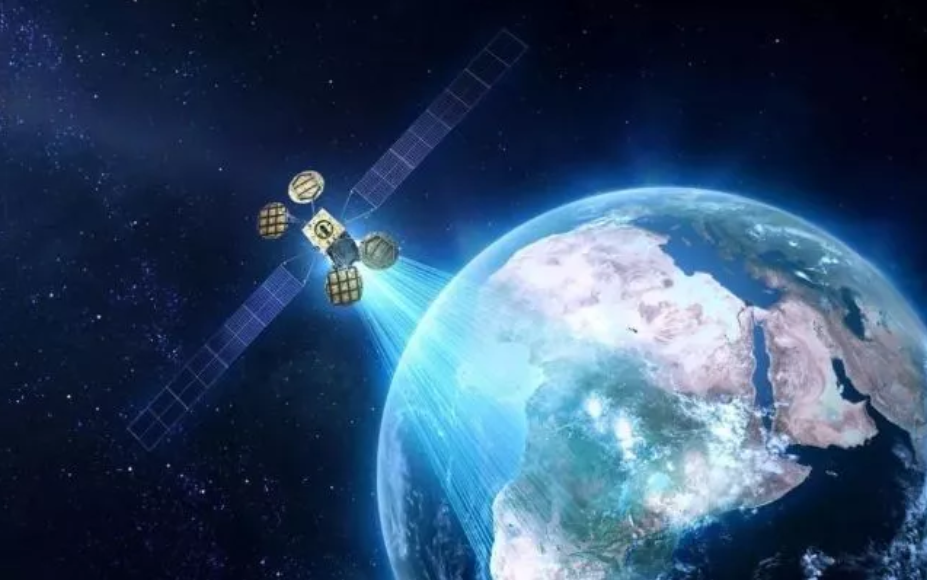
On 11 January, SCMP reported that Chinese firms are planning to launch 200,000 internet satellites and have filed a submission with the US. This comes after China accuses SpaceX of crowding the shared orbital resources. A dozen or so submissions from various Chinese satellite players were filed with the International Telecommunication Union (ITU). The biggest projects – CTC-1 and CTC-2 – were for 96,714 satellites each and filed by the newly established Institute of Radio Spectrum Utilisation and Technological Innovation. The US Federal Communications Commission announced it had given SpaceX the green light to launch a further 7,500 second-generation Starlink satellites. Other Chinese projects submitted to the ITU last month include China Mobile’s L1 project with 2,520 satellites. China has several internet satellite constellation projects in the works, including the Guowang network, which aims to launch around 13,000 satellites, and the Qianfan network, which plans to deploy more than 15,000 satellites by 2030. (“China applies to put 200,000 satellites in space after calling Starlink a crash risk,” SCMP, 11 January 2026)
EXTERNAL
China calls for the US to prevent Japan’s rising militarism, reports SCMP
On 10 January, SCMP reported that China is calling on the US to work and prevent the rising resurgence of militarism in Japan. Chinese embassy in Washington’s spokesperson Liu Pengyu said: “Preventing militarism from harming the world again is in the common interest of both our countries [China and the United States],” and that “We should rise above differences, cooperate, and live up to our obligations as major countries ... and thwart any plot to revive the spectre of militarism.” China and Japan have been embroiled in a diplomatic row since November, when Japanese Prime Minister Sanae Takaichi suggested that a Taiwan contingency could warrant a Japanese military response, which Beijing views as crossing its red line. (“China calls on US to form united front against Japanese militarism,” SCMP, 10 January 2026)
CHINA & EAST ASIA
Chinese international travel to increase by 10 million in 2026, reports SCMP
On 11 January, SCMP reported that China’s international travel will further grow in 2026, which has been boosted by visa-free polices for Chinese nationals and an even stronger yuan. The year is expected to see lower travel to Japan by Chinese nationals, with a 50 per cent decline, which comes in light of the ongoing China-Japan tensions. Mainland Chinese travellers are expected to take about 165 million to 175 million cross-border trips in 2026, up from an estimated 155 million last year, according to the travel marketing and technology firm China Trading Desk. The most popular countries are South Korea, Vietnam, and Thailand in that order. Other countries are likely to see a bump in arrivals after relaxing visa policies for Chinese nationals. That includes Russia, which has allowed Chinese tourists to enter visa-free since December. Turkey introduced a visa-free policy for Chinese travellers this month, while Cambodia plans to waive visas for arrivals from June to October. Dozens of other countries already let Chinese passport holders stay for short periods without a visa. (“China’s outbound travel set to soar by 10 million trips in 2026 – but halve in Japan,” SCMP, 11 January 2026)
CHINA & SOUTH ASIA
Nepal-China border shuts down after forest fire, reports The Kathmandu Post
On 12 January, The Kathmandu Post reported that the Tatopani border point with China has been closed after a massive forest fire broke out near the overnight border areas of Nyalam and Khasa on the Chinese side. The fire destroyed a large forest area across the border. With the fire still raging, there is a risk it could spread towards Nepal’s upper hill areas near the border, including the Kharani Pokhari vicinity. Chinese authorities have warned that if the fire is not contained in time, it could spread into Nepali territory. In view of the potential risk, Nepali authorities have stepped up surveillance around the border. (“Tatopani border point shut after forest fire across Nepal–China border,” The Kathmandu Post, 12 January 2026)
CHINA & AFRICAS
China calls for multilateralism on Wang Yi tour of Africa, reports SMCP
On 11 January, SCMP reported on China’s Foreign Minister Wang Yi’s visit to Africa, where will met with top diplomats of Tanzania and promised that China stands together with Africa. Wang Yi called for Tanzania to uphold international law and multilateralism. He also planned to visit Somalia, but due to scheduled conflicts, it got cancelled. Wang Yi said: “Somalia in safeguarding its national sovereignty, unity and territorial integrity, and opposes the collusion between ‘Somaliland’ and the Taiwan authorities in pursuing independence.” And his Somalian counterpart Abdisalam Abdi Ali said: “adheres to the one-China principle, recognises Taiwan as an inalienable part of the People’s Republic of China, and regards Taiwan-related matters as purely China’s internal affairs.” Beijing has consistently refused to recognise Somaliland. The breakaway region has strengthened diplomatic and economic ties with Taiwan, particularly following the establishment of representative offices by both sides in 2020. (“China urges Tanzania to back multilateralism, vows to ‘always stand together’ with Africa,” SCMP, 11 January 2026)
CHINA & EUROPE
NATO extension to Asia will mark its decline, says former Chinese ambassador to the US
On 12 January, Global Times reported on former Chinese ambassador to the US, Cui Tiankai’s statement on NATO. He noted that if NATO truly extends to Asia, this will mark the decline of the institution. Cui said: “Precisely because alliance relationships no longer conform to the realities of today's world or the direction of history, their continued existence is bound to generate deep divisions within the alliances themselves.” And that. “What are some NATO countries doing by sending warships to the South China Sea and the Taiwan Straits? Do they really have that many warships to withstand the attack?” “Since the end of WWII, this alliance system has never won a war in Asia: it failed in the Korean War, failed in Vietnam, and spent 20 years in Afghanistan only to withdraw in haste in the end.” (“Former Chinese ambassador to US criticizes NATO for overreaching, saying that NATO has never won a war in Asia since WWII,” Global Times, 12 January 2026)
Nordic diplomats reject Trump's claims that Chinese and Russian vessels are operating near Greenland, reports Reuters
On 11 January, Reuters reported that the Nordic diplomats had rejected US President Donald Trump, claiming that Russian and Chinese vessels are operating from Greenland. Another Nordic diplomat said claims that waters around Greenland were “crawling” with Russian and Chinese vessels were unfounded, adding that such activity was on the Russian side of the Arctic. Trump has repeatedly claimed that the water around Greenland was surrounded by Chinese and Russian vessels, to which he has provided no evidence of support. Danish Foreign Minister Lars Lokke Rasmussen said: “The image that's being painted of Russian and Chinese ships right inside the Nuuk fjord and massive Chinese investments being made is not correct.” Trump's renewed push for Greenland, after US military intervention in Venezuela, worries many of the island's 57,000 inhabitants, whose widely held goal is to become an independent nation eventually. (“Nordics reject Trump's claim of Chinese and Russian ships around Greenland, FT reports,” Reuters, 11 January 2026)
CHINA & THE AMERICAS
Canada’s Prime Minister wants to recalibrate ties with China, reports Canadian Parliamentary Secretary
On 11 January, CBC reported that Canada’s Prime Minister Mark Carney’s parliamentary secretary, MP Kody Blois, informed that Carney would like to recalibrate Canada’s relations with the Chinese government and look at the economic prospects for both countries. Noting the upcoming visit to China, Bois stated that the trip will be a continuation of this pivot in their relationship. Carney will meet China’s President Xi Jinping and will be followed by his visit to Qatar, then Switzerland. Blois said: “What I would say, and what Canadians should understand, is that we know the importance of what the Chinese market means from an economic perspective.” Relations between the two countries became icy in 2018, when China detained two Canadians in what was seen as a tit-for-tat move after Canada arrested Meng Wanzhou, the chief financial officer of Huawei, in Vancouver following a US extradition request. (“Carney wants to 'recalibrate' Canada-China relations with visit: PM's parliamentary aide,” CBC, 11 January 2026)
China Reader Daily Wire | 10 January 2026, Saturday | Vol 3 No. 10
INTERNAL
Chinese villagers struggle to get heat as subsidies stop, reports The Straits Times
On 10 January, The Straits Times reported that villagers in northern Heibei province are struggling to afford heating bills as most gas subsidies are gone. In 2017, Beijing mandated that dozens of northern areas wind down the use of coal-fired stoves in favour of electric and natural gas-powered systems. China’s central government allocated funds to refit stoves, but subsidies faded after three years and additional aid has drastically declined. The move came around the same time that international gas prices were driven up by Russia’s war in Ukraine. Last year, Chinese authorities reported national gas consumption growth had slowed. (“Chinese villagers struggle for heat as gas subsidies fade,” The Straits Times, 10 January 2026)
EXTERNAL
China, Russia and Iran to hold joint naval drills in South Africa, reports AP
On 09 January, China, Russia and Iran’s warships launched a week of naval drills with South Africa at the Cape Town coast. The Chinese-led drills were organised last year under the BRICS bloc of developing nations, and South Africa’s armed forces said the maneuvers would practice maritime safety and anti-piracy operations and “deepen cooperation.” It is not immediately clear if other countries from the BRICS group, which also includes Brazil, India and the United Arab Emirates, would take part in the drills. Chinese, Russian and Iranian ships were seen moving in and out of the harbor that serves South Africa’s top naval base in Simon’s Town, south of Cape Town, where the Indian Ocean meets the Atlantic Ocean. (“China, Russia and Iran join South Africa for naval drills as tensions run high,” AP, 09 January 2026)
CHINA & SOUTH ASIA
India’s MEA reject Chinese infrastructure being built in the Shaksgam Valley
On 09 January, India’s Ministry of External Affairs issued that they reject Chinese infrastructure being built through the China-Pakistan Economic Corridor (CPEC) in the Shaksgam Valley. They called it illegal and invalid, stating that the region is an integral and inalienable part of India. Ministry of External Affairs (MEA) spokesperson Randhir Jaiswal said: “India has never recognised the ‘so-called’ China-Pakistan boundary agreement of 1963 or the so-called’ CPEC. Shaksgam Valley is an Indian territory. We have never recognised the so-called China-Pakistan boundary agreement of 1963. We have consistently maintained that the agreement is illegal and invalid. We do not recognise the so-called China-Pakistan Economic Corridor either, which passes through Indian territory, which is under forcible and illegal occupation of Pakistan.” (“MEA rejects China's infrastructure buildup through China-Pakistan Economic Corridor,” DNA, 09 January 2026)
CHINA & AFRICAS
Xi Jinping pens a letter on China-Africa people-to-people exchanges
On 10 January, China’s President Xi Jinping sent a congratulatory letter highlighting Beijing's commitment to strengthening ties and deepening mutual understanding to the China-Africa meeting. Xi said: “Organising the year of people-to-people exchanges on the occasion of the 70th anniversary of launching diplomatic relations between China and Africa is an important consensus reached by leaders from both sides, and marks a significant step to further cement public support for China-Africa friendship at a new historical starting point.” Ethiopian President Taye Atske Selassie said: “Such spirit is particularly precious in today's world. President Xi's letter makes us feel deeply, and from it, we see that there is still hope in the world today.” (“Xi's message on China-Africa exchanges draws warm responses,” Global Times, 10 January 2026)
CHINA & AMEIRCAS
Trump’s calls to buy Greenland to prevent China and Russia from taking it, reports the BBC
On 10 January, the BBC reported on US President Donald Trump’s statement that the US needs to own Greenland to prevent Russia and China from doing so. Trump said: “Countries have to have ownership, and you defend ownership, you don't defend leases. And we'll have to defend Greenland.” He said we will do it the easy way or the hard way. Denmark and Greenland say the territory is not for sale. Denmark has said military action would spell the end of the trans-Atlantic defence alliance. The US already has more than 100 military personnel permanently stationed at its Pituffik base in Greenland's north-western tip - a facility that has been operated by the US since World War Two. (“Trump says US needs to 'own' Greenland to prevent Russia and China from taking it,” BBC, 10 January 2026)
US halts plans to blacklist Chinese-made drones, reports SCMP
On 10 January, SCMP reported that the US Commerce Department had revoked a plan to slap restrictions on Chinese drones. International Crisis Group analyst, Ali Wyne, said: “This decision underscores President Trump’s desire to sustain the trade framework that he and President Xi approved this past October and ensure a cordial meeting between the two leaders during his April visit to Beijing.” And that “It also underlines that his affinity for Xi and his narrow, trade-centric view of strategic competition between the United States and China make Trump an iconoclast within the Beltway.” The US Federal Communications Commission (FCC), which regulates radio, television, wire, satellite and cable transmission, announced a ban on imports of new models of foreign-made drones and critical components. (“US government abandons plan to blacklist Chinese-made drones,” SCMP, 10 January 2026)
Venezuela’s interim President thanks China for its condemnation of Maduro’s abduction
On 09 January, Chinese ambassador Lan Hu met with Venezuela’s interim President Delcy Rodriguez. China noted that they will continue to support Venezuela. Delcy said: “We value China’s firm and consistent stance in strongly condemning the serious violation of international law and Venezuelan sovereignty.” She also thanks China for condemning the abduction of former leader Nicolas Maduro and his wife Cilia Flores. hinese foreign ministry spokeswoman Mao Ning said: “China valued its relations with Venezuela and had always maintained good communication and cooperation with the Venezuelan government, China will continue to firmly support Venezuela in safeguarding sovereignty, dignity and national security.” And that “No matter how the political situation may evolve in Venezuela, China is deeply committed to deepening practical cooperation across many fields and promoting common development.” (“China says it is still ‘deeply committed’ to Venezuela as ambassador meets new leader,” SCMP, 09 January 2026)
China Reader Daily Wire | 09 January 2026, Friday | Vol 3 No. 09
INTERNAL
Chinese protestant church leaders detained, reports BBC
On 08 January, the BBC reported that China has been detaining a prominent Protestant Church leader as part of a crackdown against the underground church movement. Nine people were detained this week after the police raided their homes and churches in Chengdu. In Wenzhou, authorities began demolishing the Yayang Church building, as video obtained by non-profit ChinaAid, which monitors religious persecution, shows. The government said in 2018 that there were 44 million Christians in the country, but it's unclear if that number includes those who attend the many underground churches. China has long been pressuring Christians to join state-sanctioned churches led by government-approved pastors. Li Yingqiang, the current leader of Early Rain Covenant Church, had said he "sensed a storm gathering" and referred to "the imminent prospect of... another large-scale crackdown." Li said: “Yet as an elder appointed by the Lord to stand among you... it is my duty to remind you all to prepare yourselves before the storm returns.” (“Influential China church reports arrests as crackdown on Christians intensifies,” BBC, 08 January 2026)
CHINA & SOUTHEAST ASIA
Cambodia extradites a Chinese billionaire accused of running a crime network, reports SCMP
On 08 January, SCMP reported that Cambodia extradited a Chinese billionaire whom China accused of operating a transnational crime network, including alleged involvement in a casino and fraud. Cambodia arrested three Chinese nationals, including Chen Zhi, the founder of Prince Holding Group. The Cambodian Ministry of Interior and law enforcement from China worked together for months to catch the criminal. The revoked Cambodian citizenship could pave the way for establishing China’s jurisdiction in Chen’s case. China does not allow dual citizenship. China’s Ministry of Public Security called this arrest “another great achievement under China-Cambodia law enforcement cooperation.” (“China accuses extradited billionaire Chen Zhi of running a crime network from Cambodia,” SCMP, 08 January 2026)
CHINA & SOUTH ASIA
Pakistan and China to create a security unit to protect Chinese citizens from terrorist attacks, reports Radio Free Europe
On 08 January, Radio Free Europe reported that China's public security minister, Wang Xiaohong, met with Pakistan's interior and counter-narcotics minister Mohsin Naqvi. China pledged to intensify their cooperation with Pakistan to fight terrorism and telecom crime. Wang said: “effectively address various risks and challenges and jointly safeguard the national security and social stability of both countries.” Militants in Pakistan have repeatedly attacked Chinese nationals working on Beijing-funded multi-billion-dollar infrastructure projects in the South Asian country. The attacks have become a major source of tension in recent years. The two sides agreed to establish a quarterly joint security working group and hold annual meetings between interior ministers. Wang also said: “The protection of Chinese citizens and projects of mutual interest remains our top priority.” Both officials announced the creation of the new security unit in Islamabad, as well as new joint police training programs and a rapid response system to exchange information about terrorist threats in Pakistan. (“Pakistan Creates Special Security Unit To Protect Chinese Citizens Amid A Rise In Attacks,” Radio Free Europe, 08 January 2026 )
CHINA & AFRICAS
Wang Yi attends 9th China–African Union Strategic Dialogue
On 08 January, a joint press release by the African Union reported on a meeting between the Chairperson of the African Union Commission, Mahmoud Ali Youssouf and the Minister of Foreign Affairs of the People’s Republic of China, Wang Yi, for the 9th China–African Union Strategic Dialogue at the African Union Headquarters in Addis Ababa. The statement said: “China and the African Union, members of the Global South, share a broad consensus on major international and regional issues. They underscored the importance of jointly safeguarding the legitimate rights and interests of the Global South and reaffirmed their commitment to supporting each other to safeguard their respective core interests and major concerns. In this regard, they emphasised the need to further strengthen coordination and cooperation to inject positive momentum into global and regional peace, stability, and development.” (“Joint Press Release of the African Union – China Strategic Dialogue,” African Union, 08 January 2026)
CHINA & RUSSIA
The US seizure of Russian-flagged oil tankers seriously violates international law, says the Chinese Foreign Ministry
On 08 January, SCMP reported that China condemned the US seizure of Russia Russia-flagged oil tanker as stated that it is a serious breach of international law. US European Command announced via social media that it had seized the tanker in the North Atlantic. A Russian flag was painted on the hull, and its registry was changed from Guyana to Russia in an apparent effort to gain diplomatic protection from Moscow. China said: “China consistently opposes illegal unilateral sanctions lacking a basis in international law and without authorisation from the United Nations Security Council,” and that “China also opposes any actions that violate the purposes and principles of the UN Charter and infringe on the sovereignty and security of other countries.” Russia’s Ministry of Foreign Affairs urged Russian citizens to be treated fairly in a humane and dignified manner. (“China says US seizure of Russian-flagged oil tanker ‘severely violated’ international law,” SCMP, 08 January 2026)
CHINA & AMERICAS
Nvidia now demands full upfront payments from its Chinese customers, reports Reuters
On 08 January, Reuters reported that Nvidia now requires full upfront payment from its Chinese customers who want to buy H200 AI chips. The chipmaker demands that there is no option to cancel, asking for refunds or even changing any configuration. The stepped-up policy enforcement has not been reported previously. Nvidia and China’s industry ministry had yet to respond to requests for comment at the time of publication. Beijing, in recent days, asked some Chinese tech companies to temporarily pause their H200 chip orders as regulators are still deciding how many domestically produced chips each customer will need to buy alongside each H200. The strict payment requirements underscore the delicate balancing act Nvidia faces as it attempts to capitalise on surging Chinese demand while navigating regulatory uncertainty in both countries. (“Exclusive: Nvidia requires full upfront payment for H200 chips in China, sources say,” Reuters, 08 January 2026)
US pulling out of international organisation is not new, says China’s Foreign Ministry
On 08 January, Global Times reported on China’s Ministry of Foreign Affairs spokesperson Mao Ning on Trump calling to withdraw from 35 non-United Nations (UN) organisations and 31 UN entities. Mao said: “The US pulling out of international bodies is no longer news. As a matter of fact, the raison d'être of international and multilateral organisations lies in their commitment to safeguarding the shared interests of all member states, rather than serving the selfish interests of any single country.” And that “This is what the vast majority of countries in the world, especially small and weak ones, need most at present. No matter how the situation evolves, China will always adhere to multilateralism, support the UN in playing its central role in international affairs, and work with the international community to advance the building of a more equitable and reasonable global governance system.” (“US pulling out of intl bodies ‘is no longer news': Chinese FM on US withdrawal from 66 intl organisations,” Global Times, 08 January 2026)
Taiwan is up to XI Jinping and is not the same as Venezuela, says Donald Trump
On 09 January, SCMP reported that US President Donald Trump said the Taiwan issue was up to Chinese leader Xi Jinping, and Trump drew a sharp distinction between the self-ruled island and the US’s recent military action in Venezuela. In Trump’s interview with The New York Times, he rejected suggestions that his audacious operation targeting the Venezuelan president Nicolas Maduro, could set a precedent that Beijing might apply to Taiwan. Maduro’s government posed a direct threat to the United States that Taiwan did not pose to Beijing, according to Trump. He said: “You didn’t have people pouring into China. You didn’t have drugs pouring into China,” while Venezuela was a real threat to the US. Beijing sees Taiwan as part of China to be reunited by force if necessary. Most countries, including the US, do not recognise Taiwan as an independent state. (“Taiwan is ‘up to’ Xi Jinping and ‘nothing like’ Venezuela: Donald Trump,” SCMP, 09 January 2026)
China Reader Daily Wire | 07 January 2026, Wednesday | Vol 3 No. 06
CHINA & TAIWAN
Taiwan fails to amend the Governing Relations Between the People of the Taiwan Area and the Mainland Area Act, reports SCMP
On 06 January, SCMP reported that Taiwan’s DPP lawmakers’ initiative to amend the Act Governing Relations Between the People of the Taiwan Area and the Mainland Area failed to be drafted into legislation or even reach the legislative agenda committee. They plan to change Taiwan’s law and relations with China and establish independence. DPP want to rename the law to “Taiwan and the People’s Republic of China Relations Act,” and remove “rior to national unification.” The reason for the proposal’s apparent collapse was unclear, but it prompted accusations from the Beijing-friendly opposition Kuomintang that Lin had quietly withdrawn the legislation. (“Bid to change Taiwan law that prompted Beijing to warn of war risk falls at first hurdle,” SCMP, 06 January 2026)
China adds two individuals to “die-hard Taiwan independence, secessionists” list
On 07 January, China’s spokesperson for the State Council Taiwan Affairs Office, Chen Binhua, announced two additions to the list of die-hard “Taiwan independence" secessionists these are Liu Shih-fang and Cheng Ying-yao. Chen said: “Taiwan independence" secessionists are lawbreakers and criminals bent on splitting the country and sabotaging the development of cross-Strait relations and are traitors to the Chinese nation who damage the interests of their fellow Chinese.” This now makes the list 14. Chen also said: “We will take all necessary measures to punish them in accordance with the law and hold them accountable for life.” (“Chinese mainland names two die-hard 'Taiwan independence' secessionists,” CGTN, 07 January 2026)
CHINA & EAST ASIA
China imposes export control on dual-use items to Japan over remarks on Taiwan
On 06 January, The Japan Times reported that China imposed controls on the export to Japan of any military use items as the dispute between the two countries continues. China’s Ministry of Commerce said: “All dual-use items are banned from being exported to Japan for military use effective immediately.” Any export for purposes other than those of the end-user has been banned, as it could enhance Japan’s military capabilities. The ministry said: “Japan’s leader recently made erroneous remarks on Taiwan, hinting at the possibility of military intervention in the Taiwan Strait,” a ministry spokesperson said in a statement. Those comments violated the One-China principle and were of a "malicious nature with profoundly detrimental consequences.” (“China slaps export controls on Japan military for Taiwan remarks,” The Japan Times, 07 January 2026)
CHINA & SOUTHEAST ASIA
China and Myanmar discuss plans to increase items of export under a duty-free regime, reports ANN
On 07 January, Asia News Network reported that China and Myanmar are discussing increasing the number of export items allowed to be exported to China duty-free. The meeting was between Union Minister for Commerce and Industry U Chit Swe, who received a delegation led by Chinese Ambassador to Myanmar HE Ms Ma Jia. During the meeting, they discussed the prospects for increasing trade and investment, including reopening border gates to increase trade between Myanmar and China, cooperating in the areas of machinery and technology needed to ensure that Myanmar’s exports to China meet quality standards, increasing the number of items allowed to be exported to China duty-free, and working together to benefit the people living along the border between the two countries. (‘’ Myanmar, China discuss increasing items allowed to be exported duty-free to China,” Asia News Network, 07 January 2026)
CHINA & SOUTH ASIA
China is building major roads in Tibet, reports Tibetan Review
On 06 January, Tibetan Review reported that the local government in Tibet are building a modern transportation network, as the builds highways. China in the region carried out 167 rural road construction projects in 2025. These projects provide hard-surfaced road access to 14 towns and 231 administrative villages, raising the road accessibility rate to 100 per cent and 92.48 per cent, respectively. Much of China’s recently discovered rare earth minerals are located in remote, hitherto inaccessible parts of Tibet, so it makes for it to open these up for road and railway transport. Additionally, 70 dilapidated rural bridges were renovated during the year, while bus services were extended to 28 additional villages. China is encouraging ethnic Chinese to settle in Tibet in large numbers, including in the newly established border towns. (“China reports major road-building achievement in Tibet in strategic effort,” Tibetan Review, 06 January 2026)
CHINA & EUROPE
China’s Foreign Minister holds a phone conversation with his Finnish counterpart as affirm cooperation, reports CGTN
On 07 January, CGTN reported on China’s Foreign Minister Wang Yi defining the features of China-EU relations during a phone call with Finnish Foreign Minister Elina Valtonen. He said: “Finland, as an important member state of the EU, will play a positive role in fostering a rational and objective view of China within the EU, resolve differences through dialogue and consultation, actively advance the strategic alignment between the Belt and Road Initiative and the EU's Global Gateway Initiative, restart the ratification of the China-EU agreement on investment, and actively explore the negotiation and signing of a China-EU free trade agreement.” Valtonen said: “Europe and China are important partners in climate, energy and other fields, she said that it is essential to maintain a constructive relationship between the two sides, and Finland is willing to play an active role in this regard.” (“Cooperation should be the defining feature of China-EU ties, says Chinese FM,” CGTN, 07 January 2026)
CHINA & THE AMERICAS
Venezuela’s USD 2 billion oil to the US to divert sales from China, reports The Guardian
On 07 January, The Guardian reported that US President Donald Trump will be getting over USD 2 billion worth of Venezuelan crude oil to the US. This deal will divert supplies from China. Trump said: “This Oil will be sold at its Market Price, and that money will be controlled by me, as President of the United States of America, to ensure it is used to benefit the people of Venezuela and the United States!” Venezuela has millions of barrels of oil loaded on tankers and in storage tanks that it has been unable to ship due to the blockade imposed by Trump, as part of the pressure campaign that culminated in the toppling of Nicolás Maduro. China has been Venezuela’s top buyer in the last decade, and especially since the United States imposed sanctions on companies involved in oil trade with Venezuela in 2020. (“Venezuela ‘turning over’ $2bn in oil to US, Trump says, in move that could cut supply to China,” The Guardian, 07 January 2026)
The
US strike on Venezuela struck fear in Taiwan that China can do something similar, reports SCMP
On 05 January 2026, SCMP reported that Taiwan fears a US strike on Venezuela, sparking the PLA to commit copycat measures against Taiwan. The anxiety has been amplified by the People’s Liberation Army’s two-day drills around Taiwan last week, parts of which simulated joint operations aimed at paralysing political and military command structures. The shocking raid has triggered heated debate in Taiwan, with supporters of the US action saying it showcased Washington’s unrivalled precision, intelligence integration and operational reach. (“US ‘decapitation’ strike on Venezuela sparks PLA copycat fears in Taiwan,” SCMP, 05 January 2026)
Nvidia CEO says no formal declaration on China’s approval for the import of H200 chips, reports SCMP
On 06 January, Nvidia CEO Jensen Huang stated that he does not believe that the Chinese government will make any formal declaration that it allows Chinese firms to import from the US and their H200 chips, but the evidence will show once the purchase orders come. Hunag said: “My expectation is that we're not expecting any press releases or any large declarations,” and that “It's just going to be purchase orders. If the purchase orders come, it's because they're able to place purchase orders.” And that “We've fired up our supply chain, and H200S are flowing through the line.” (“Nvidia CEO says purchase orders, not formal declaration, will signal Chinese approval of H200,” Reuters, 07 January 2026)
China Reader Daily Wire | 06 January 2026, Tuesday | Vol 3 No. 05
INTERNAL
China’s CCDI detained a former State Council veteran in an anti-corruption investigation, reports SCMP
On 05 January, SCMP reported that State Council veteran, Tian Xuebin, who worked with several former premiers, was placed under investigation by the top anti-corruption agency. The Central Commission for Discipline Inspection (CCDI), China’s highest political disciplinary and anti-corruption agency, announced Tian, 62, had been detained for “suspected serious violations of discipline and law.” Tian is a first official vice-ministerial level of class grafted in the case of anti-corruption. His most notable achievement was spending 16 years in various roles in the General Office of the Central Committee. The party has vowed to press ahead with President Xi Jinping’s anti-corruption campaign this year, after a record 65 high-ranking officials were detained by the country’s top anti-graft agency in 2025. (“China continued hunt for corrupt ‘tigers’ snares State Council veteran,” SCMP, 05 January 2026)
CHINA & EAST ASIA
South Korea’s President meet Xi Jinping, seeks a new phase in relations with China
On 05 January, South Korean President Lee Jae Myung met with China’s President Xi Jinping as Lee called in a new phase in their relationship. During his four-day visit to China, regional security and lifting China’s ban on K-pop are high on the agenda. It marks the first visit by a South Korean leader since 2019. Bilateral ties had soured under Lee's predecessor, impeached ex-president Yoon Suk Yeol, who was very critical of China. Lee stated that this is a crucial opportunity for a full restoration of relations between South Korea and China. Lee also took a selfie with a Xiaomi phone that Xi Jinping gifted him last year. Xi urged Lee to stand on the right side of history and make correct strategic choices. Lee also vowed to work with China on “viable alternatives for peace in the Korean peninsula.” (“Selfies and smiles: South Korea seeks 'new phase' in ties with China,” BBC, 06 January 2026)
CHINA & SOUTH ASIA
China and Pakistan’s joint communique calls for “visible and verifiable” action against terrorist groups
On 05 January, China and Pakistan issued a joint communique after their 7th round of the Pakistan-China Foreign Ministers’ Strategic Dialogue, for which Deputy Prime Minister Ishaq Dar travelled to Beijing. The communique called “visible and verifiable” to dismantle alls eliminate all terrorist organisations based in Afghanistan. It said: “The two sides called for more visible and verifiable actions to dismantle and eliminate all terrorist organisations based in Afghanistan which continue to pose serious threats to regional and global security, and prevent terrorist organisations from using the Afghan territory for terrorism against any other country and to endanger any other country.” And that “China fully recognised the significant contributions and huge sacrifices that Pakistan made in combating terrorism over the years.” (“Pakistan, China call for more ‘visible, verifiable’ actions to eliminate terrorist groups based in Afghanistan,” Dawn, 05 January 2026)
CHINA & EUROPE
Italy closes probe into DeepSeek after it commits to publish “hallucination” risk warning, reports Reuters
On 06 January, Reuters reported that the Italian regulator, known as the AGCM, ended an investigation into the Chinese AI system DeepSeek for allegedly failing to warn users that it may produce false information, agreeing to binding commitments as a condition for closing the case. The commitments proposed by Hangzhou DeepSeek Artificial Intelligence and Beijing DeepSeek Artificial Intelligence, which jointly own and operate DeepSeek, consist of a package of measures aimed at improving disclosures about the risk of “hallucinations.” AGCM said: “The commitments presented by DeepSeek make disclosures about the risk of hallucinations easier, more transparent, intelligible, and immediate.” (“Italy closes probe into DeepSeek after commitments to warn of AI 'hallucination' risks,” Reuters, 06 January 2026)
Xi Jinping meets the Irish Prime Minister and affirms strategic cooperation
On 06 January, the CPPCC reported that China’s President Xi Jinping met with Taoiseach/ Prime Minister of Ireland Micheal Martin. Xi said: “Both China and Ireland cherish peace, embrace openness and inclusiveness, and strive for self-reliance and progress.” And that “As China and Ireland support multilateralism and advocate international fairness and justice, the two countries should strengthen coordination and cooperation in international affairs and jointly maintain the authority of the United Nations and make the global governance system more just and equitable.” Martin said: “reland firmly adheres to the one-China policy and is committed to developing the strategic partnership for mutually beneficial cooperation.” And that “Ireland is willing to deepen cooperation with China in trade, investment, science and technology, biomedicine, renewable energy, artificial intelligence, education and other fields.” (“Xi meets Taoiseach of Ireland Micheal Martin,” CPPCC, 06 January 2026)
CHINA & THE AMERICAS
US Secretary of Defence warns China and Russia not to “dare test” the US military
On 05 January, US Secretary of Defence Pete Hegseth warned China and Russia, stating that the US is rebuilding its military dominance to a level that its enemies will not dare test it. Addressing shipyard workers and naval personnel at Newport News Shipbuilding, the nation’s largest military shipyard, Hegseth said: “We’re re-establishing deterrence that’s so absolute and so unquestioned that our enemies will not dare to test us.” Hegseth said that while the US sought “good relations” with China and the rest of the world, it was also prepared for conflict, and that “Our purpose is not to be reactive, but to be dominant, so that no enemy, any enemy, will ever attempt to challenge the United States of America.” (“China, Russia won’t ‘dare test’ US, says Hegseth after show of military might in Venezuela,” SCMP, 06 January 2026)
China’s oil investments in Venezuela, reports Energy Now
On 05 January, Energy Now reported on China’s oil investments in Venezuela. China is a major customer of and investor in Venezuela’s oil sector. Years of mismanagement, underinvestment and, more recently, U.S. sanctions have slashed Venezuelan crude production to about 1.1 million barrels per day (bpd). Much of Venezuela’s exported oil is sold to China, although Beijing declares very little and imports are often rebranded. Small independent refiners known as “teapots” are the main Chinese buyers of discounted Venezuelan crude. Some of the Chinese investors are: China National Petroleum Corp., Sinopec Group, China Concord Resources Corp, Kerui Petroleum, and Anhui Erhuan Petroleum Group. (“China’s Oil Investments in Venezuela,” Energy Now, 05 January 2026)
China’s UNSC representative calls US to release Maduro
On 05 January, China delivered a strong message against the US at an emergency meeting of the UN Security Council. China called on the US to abide by international law and end the illusion that is the world police force and court, also calling to release Nicolas Maduro and his wife. The comments were made by Deputy Permanent Representative of China, Sun Lei, he said: “China is deeply shocked by and strongly condemns the unilateral, illegal and bullying acts by the United States,” and that “As a permanent member of the Council, the US has disregarded the grave concerns of the international community, wantonly trampled upon Venezuela’s sovereignty, security and legitimate rights and interests and seriously violated the principles of sovereign equality.” Washington’s UN representative Mike Waltz informed that the US followed law enforcement action and that this does not merit diplomatic oversight. Waltz said: “The United States will not waver in our actions to protect Americans from the scourge of narcoterrorism and seeks peace, liberty and justice for the great people of Venezuela.” (“‘Shocked’ China demands US release Maduro after ‘trampling’ Venezuela’s sovereignty,” SCMP, 05 January 2026)
China Reader Daily Wire | 04 January 2026, Monday | Vol 3 No. 04
CHINA & TAIWAN
China’s cyber-attacks on Taiwan by 6 per cent in 2025, finds NSB
On 05 January, Reuters reported that Chinese cyberattacks on Taiwan's key infrastructure, from hospitals to banks, rose 6 per cent in 2025, according to the National Security Bureau (NSB). Taiwan has in recent years complained about what it sees as China's "hybrid warfare" - from daily military drills near the island to disinformation campaigns and cyberattacks. The report said: “Such a trend indicates a deliberate attempt by China to compromise Taiwan’s crucial infrastructure comprehensively and to disrupt or paralyse Taiwanese government and social functions.” The bureau said China's "cyber army" timed operations to coincide with military and political coercion and that “China’s moves align with its strategic need to employ hybrid threats against Taiwan during both peacetime and wartime.” (“Chinese cyberattacks on Taiwan infrastructure averaged 2.6 million a day in 2025, report says,” Reuters, 05 January 2026)
China’s military exercise on US HIMARS in Taiwan, reports Focus Taiwan
On 04 January, Focus Taiwan reported that China finds the High Mobility Artillery Rocket Systems (HIMARS) Taiwan purchased from the United States as a major threat. During the Justice Mission-2025 drills, the PLA focused on the HIMARS. The China Coast Guard (CCG) released a poster depicting a CCG vessel intercepting a shipment of HIMARS aboard an Evergreen Marine freighter. National Defense and Security Research (INDSR), Su Tzu-yun on HIMARS said: “They can be deployed against a PLA amphibious landing operation to strike enemy lines of communication behind the front lines, which would likely cause the operation to fail.” (“China highlights Taiwan's HIMARS as major threat in latest military drills: Experts,” Focus Taiwan, 04 January 2026)
CHINA & EAST ASIA
North Korea conducts a hypersonic missile test as South Korea’s President visits China
On 05 January, North Korean leader Kim Jong Un oversaw the test firing of hypersonic missiles and stated that Pyongyang need to maintain a powerful nuclear deterrent in its first ballistic missile test of the year. Kim said: “It's a very important strategy to maintain or expand the strong and reliable nuclear deterrence,” noting that this is in light of the recent geopolitical crisis and various international circumstances. North Korea fired ballistic missiles towards the sea to its east as South Korean President Lee Jae Myung started a state visit to China. The strikes also follow North Korea’s criticising of the US strikes on Venezuela. Despite their name, analysts say the main feature of hypersonic weapons is not speed - which can sometimes be matched or exceeded by traditional ballistic missile warheads. (“North Korea's Kim oversaw hypersonic missile test, KCNA says,” Reuters, 05 January 2026)
South Korea’s President arrives in Beijing with a 200-strong delegation
On 04 January, South Korea’s President Lee Jae-myung arrived in China with 200 delegation. This is the first trip to China since he took office. Over 200 South Korean entrepreneurs, including the chairmen of Samsung and SK Group, are accompanying Lee on his trip. Lee will attend a Korea-China business forum on Monday morning, followed by a summit meeting with President Xi Jinping. The two leaders are also expected to hold a memorandum signing ceremony, and Xi will later host a state banquet in Lee’s honour, according to South Korean media. Lee reaffirmed Seoul’s position to uphold the one-China principle, saying that maintaining regional peace and stability was of vital importance. (“South Korean President Lee Jae-myung lands in Beijing with 200-strong delegation,” SCMP, 05 January 2026)
CHINA & SOUTH ASIA
Nepal’s Foreign Ministry affirms commitment to the One-China principle
On 04 January, Nepal’s Ministry of Foreign Affairs released a press release declaring that Nepal recognises China as the sole legal government representation of the whole of China and that Taiwan is an inseparable part of Chinese territory. This comes as China and Nepal mark their 70th anniversary of diplomatic ties between the two countries. Nepal has joined a growing chorus of South Asian nations in formally reaffirming its commitment to the "One China" principle, a move that aligns Kathmandu with neighbours Pakistan, Sri Lanka, and Bangladesh amid heightened tensions in the Taiwan Strait. (“Nepal reaffirms ‘One China principle’: Calls Taiwan ‘inalienable part’ of Chinese territory,” Mathrubhumi, 04 January 2026)
China-Pakistan holds their seventh Foreign Ministers' Strategic Dialogue
On 04 January, China Daily reported that the seventh round of the China-Pakistan Foreign Ministers' Strategic Dialogue was conducted. China’s Foreign Minister Wang Yi met with Pakistan's Deputy Prime Minister and Foreign Minister Mohammad Ishaq Dar. Wang Yi said: “China stands ready to work with the international community, including Pakistan, to firmly uphold the UN Charter, defend the moral bottom line of international relations, uphold the principle of sovereign equality, jointly safeguard world peace and development, and advance the building of a community with a shared future for humanity.” Dar said: “Pakistan's commitment to the one-China principle and said Pakistan will continue to firmly support China on all issues involving China's core interests. Noting that the international order is under severe strain, he said Pakistan is willing to strengthen multilateral coordination with China to jointly address global challenges.” (“China-Pakistan talks highlight role of international law,” China Daily, 04 January 2026)
CHINA & THE AMERICAS
Xi Jinping against US veiled raid on Venezuela, reports SCMP
On 05 January, SCMP reported that Chinese President Xi Jinping expressed that major powers should take the lead in respecting the path of other nations and that China is against the US’s veiled raid on Venezuela and taking President Nicolas Maduro. Xi said: “The world today is undergoing changes and turbulence not seen in a century, with unilateral acts of hegemony severely undermining the international order.” And that “All countries should respect the development paths independently chosen by the peoples of other nations, abide by international law and the purposes and principles of the United Nations Charter, and major powers, in particular, should take the lead in doing so.” China is Venezuela’s largest oil buyer, has repeatedly said that Venezuela has the right to pursue economic cooperation with other countries without external pressure. (“Xi Jinping makes veiled swipe at US for ‘hegemony undermining international order,” SCMP, 05 January 2026)
China Reader Daily Wire | 03 January 2026, Saturday | Vol 3 No. 03
INTERNAL
No place for the corrupt to hide, Xi Jinping warns CPC cadres
On 01 January, SCMP reported that China’s President Xi Jinping warned Chinese cadres that no one should harbour any illusion that they can get away with corruption. He stated that there will be no place for the corrupt to hide. He said: “[We must] maintain a high-pressure stance against corruption at all times, investigate and punish corruption cases according to the law and regulations, and severely punish corrupt officials.” And that “[We must] not stop for a moment or yield an inch, [we must] not give corrupt officials any hiding place, and no one should harbour any illusions or wishful thinking.” Xi noted that the graft cases are the greatest threat facing the party ad that they are another reminder that the fight remains. The committee had reviewed and approved an investigation report on five senior officials and nine military generals who were all accused of corruption, removed from their posts and expelled from the party, according to a statement released after the plenum. (“We must not give corrupt officials any hiding place, Xi Jinping tells cadres,” SCMP, 01 January 2026)
Contraceptive tax and cheaper childcare in China to boost birth rates, reports BBC
On 31 December, the BBC reported that Chinese people will pay 13 per cent sales tax on contraceptives from 2026 and will see cheaper childcare services. Faced with an ageing population and sluggish economy, Beijing has been trying hard to encourage more young Chinese people to marry and couples to have children. China's population has shrunk three years in a row, with just 9.54 million babies born in 2024. Tax on contraceptives, including condoms, birth control pills and devices, has sparked concern about unwanted pregnancies and HIV rates. Observers appear divided on the aim of the tax overhaul. The idea that a tax hike on condoms will impact birth rates is “overthinking it.” (“Condom tax and cheaper childcare: China's plan to boost birth rates,” BBC, 31 December 2025)
CHINA & TAIWAN
China threatened to cancel trade talks with the UK minister who visited Taiwan, reports The Guardian
On 02 January, The Guardian reported that China threatened that it would cancel high-level trade talks with the UK minister who is now the Secretary for Scotland’s visit to Taiwan. Beijing told the British government it would pull its first trade and economic dialogue with the UK in seven years after Douglas Alexander, then a trade minister, travelled to Taipei in late June. The Chinese government strongly condemned a visit to Taiwan by a Labour Party parliamentary delegation in the spring of 2024, while the party was still in opposition. The UK does not recognise Taiwan as a country but has a longstanding unofficial relationship with its government, including via ministerial talks, which have been held since 1991. (“China threatened to cancel key trade talks after UK minister’s Taiwan visit in June,” The Guardian, 02 January 2026)
CHINA & EAST ASIA
Japanese business leaders halt their annual China trip amid rising tensions, reports SCMP
On 01 January, SCMP reported that 200 prominent Japanese business leaders have postponed their annual visit to mainland China. This comes in light of the growing tensions between China and Japan after their Prime Minister Sanae Takaichi made a statement that attacks on Taiwan will trigger Japan’s military response. China has opposed these statements and urges, while Japan has remained defiant against China’s growing “hegemonic view”, says Sanae. JCEA said: “Under the current state of Japan-China relations, we have made sustained efforts to make this delegation a reality,” and that “However, we have found it difficult to secure sufficient exchanges with Chinese government agencies, including meetings with national leaders.” (“Japanese business leaders shelve annual China trip as tensions mount,” SCMP, 01 January 2026)
CHINA & SOUTHEAST ASIA
The Philippines Coast Guard challenges Chinese vessels, reports Reuters
On 31 December, Reuters reported that the Philippines Coast Guard deployed aircraft to challenge Chinese research ships. The statement by the Philippines Coast Guard said: “The pilot issued multiple radio challenges to the CRV Tan Suo Er Hao seeking to confirm whether it was conducting marine research without Manila's consent, which would violate Philippine and international law, but received no response.” China’s Embassy in Manila said: “It does not accept certain Philippine domestic maritime laws, and under international law, has the right to pass through the waters as part of a maritime route.” Philippine Defense Secretary Gilberto Teodoro said: “This heightened scale of coercion has implications that extend beyond cross-Strait relations and into the broader Indo-Pacific community.” (“Philippines challenges Chinese vessel off northern province amid Taiwan tensions,” Reuters, 31 December 2026)
CHINA & SOUTH ASIA
China’s presence in Balochistan is a threat to Bharat and Balochistan, says Baloch leader to India’s Foreign Minister
On 02 January, Pakistan’s Baloch leader Mir Yar Baloch claimed that China could be deploying its military forces in their region as part of the China-Pakistan alliance. He wrote an open letter to External Affairs Minister S Jaishankar, calling this growing partnership as dangerous. The Balochistan region of Pakistan has faced decades of repression under the government. The letter said: “The people of Balochistan have endured Pakistan's state occupation, state-sponsored terrorism, and egregious human rights atrocities for the past seventy-nine years. The time has now arrived to eradicate this festering affliction at its roots, ensuring lasting peace and sovereignty for our nation.” And that “the Republic of Balochistan views the escalating strategic alliance between Pakistan and China as profoundly dangerous. We warn that China, in collaboration with Pakistan, has advanced the China-Pakistan Economic Corridor (CPEC) to its final phases.” He warned that if Baloch defence and freedom forces are not bolstered and continue to be overlooked, it is possible that China could deploy military forces in Balochistan. He also said: “he presence of Chinese boots on Balochistsoil without the will of the 60 million Baloch people would pose an unimaginable threat and challenge to the futures of both Bharat and Balochistan.” (“Baloch leader appeals to EAM Jaishankar, warns China may deploy troops in Balochistan soon,” The Economic Times, 02 January 2026)
CHINA & THE PACIFIC
China urges Australia to abide by the One-China policy, reports CGTN
On 01 January, CGTN reported that China’s Embassy in Australia criticised a statement issued by the Australian Department of Foreign Affairs and Trade (DFAT) for distorting facts and confusing rights from wrong. They urged Canberra to abide by the political commitments on Taiwan. DFAT issued a statement expressing concern over the Chinese People's Liberation Army (PLA)'s recent military exercises around China's Taiwan island. The statement read “China strongly urges Australia to abide by its political commitments, stop interfering in China's internal affairs, cease condoning ‘Taiwan independence" separatist activities, and create a favorable environment for the healthy and stable development of China-Australia relations.“ (“China urges Australia to abide by its political commitments,” CGTN, 01 January 2026)
CHINA & WEST ASIA
Turkey grants visa-free entry to Chinese citizens, reports Global Times
On 01 January, Global Times reported that Turkey grants visa-free travel for Chinese citizens for tourism and transit. Under the new regulations signed by Turkish President Recep Erdogan, Chinese travellers will be exempt from visa requirements for stays of up to 90 days within any 180 days. The move aims to strengthen trade and tourism between the two nations. It follows a significant surge in arrivals from China, which has become one of Turkey's fastest-growing tourism markets. Chinese visitors to Turkey rose 65.1 per cent year-on-year in 2024 to approximately 410,000. (“Turkey grants visa-free entry to Chinese tourists,” Global Times, 01 January 2026)
CHINA & EUROPE
China’s Ministry of Commerce inform that they will take necessary measures against EU trade restrictions, reports CGTN
On 01 January, CGTN reported on China’s Ministry of Commerce warning that China will take all necessary measures to respond to any unfair restrictions by the European Union’s Carbon Border Adjustment Mechanism (CBAM). The EU recently released a series of CBAM-related legislative proposals and implementation rules, including setting default values for carbon emission intensity and planning to expand the scope of covered products. The ministry said: “EU, under the pretext of preventing ‘carbon leakage," is advancing new forms of trade protectionism by ignoring historical emission responsibilities, as well as differences in countries' development stages and technological capabilities, and by imposing its own carbon standards on developing countries.” (“Ministry of Commerce: China will take necessary measures against EU's unfair trade restrictions,” CGTN, 01 January 2026)
CHINA & THE AMERICAS
China’s UN envoy warns against Starlink’s space activity as a security and safety risk, reports SCMP
On 01 January, SCMP reported that China’s representative at the UNSC council stated that SpaceX’s Starlink expansion presents a security challenge. In an informal meeting with Russia, China informed of several incidents that could have led to a near-collision between the Chinese space station and Starlink. They also expressed concerns about the complete disregard for airspace and laws, and their use of military reconnaissance tech by terrorist groups. This comes after a Starlink executive informed that there was a near-miss collision with a Chinese satellite, and he accused them of not coordinating with other satellites. China said: “At the same time, it must also be noted that, with the rapid expansion of commercial space activities, the unchecked proliferation of commercial satellite constellations by a certain country, in the absence of effective regulation, has given rise to pronounced safety and security challenges.” The Chinese envoy said that “Recently, [December 17] one Starlink satellite disintegrated in orbit, generating more than one hundred debris fragments.” (“China warns satellites from Elon Musk’s Starlink are ‘safety and security’ risk,” SCMP, 01 January 2026)
China Reader Daily Wire | 02 January 2026, Friday | Vol 3 No. 02
INTERNAL
No place for the corrupt to hide, Xi Jinping warns CPC cadres
On 01 January, SCMP reported that China’s President Xi Jinping warned Chinese cadres that no one should harbour any illusion that they can get away with corruption. He stated that there will be no place for the corrupt to hide. He said: “[We must] maintain a high-pressure stance against corruption at all times, investigate and punish corruption cases according to the law and regulations, and severely punish corrupt officials.” And that “[We must] not stop for a moment or yield an inch, [we must] not give corrupt officials any hiding place, and no one should harbour any illusions or wishful thinking.” Xi noted that the graft cases are the greatest threat facing the party ad that they are another reminder that the fight remains. The committee had reviewed and approved an investigation report on five senior officials and nine military generals who were all accused of corruption, removed from their posts and expelled from the party, according to a statement released after the plenum. (“We must not give corrupt officials any hiding place, Xi Jinping tells cadres,” SCMP, 01 January 2026)
CHINA & EAST ASIA
Japanese business leaders halt their annual China trip amid rising tensions, reports SCMP
On 01 January, SCMP reported that 200 prominent Japanese business leaders have postponed their annual visit to mainland China. This comes in light of the growing tensions between China and Japan after their Prime Minister Sanae Takaichi made a statement that attacks on Taiwan will trigger Japan’s military response. China has opposed these statements and urges, while Japan has remained defiant against China’s growing “hegemonic view”, says Sanae. JCEA said: “Under the current state of Japan-China relations, we have made sustained efforts to make this delegation a reality,” and that “However, we have found it difficult to secure sufficient exchanges with Chinese government agencies, including meetings with national leaders.” (“Japanese business leaders shelve annual China trip as tensions mount,” SCMP, 01 January 2026)
Contraceptive tax and cheaper childcare in China to boost birth rates, reports BBC
On 31 December, the BBC reported that Chinese people will pay 13 per cent sales tax on contraceptives from 2026 and will see cheaper childcare services. Faced with an ageing population and sluggish economy, Beijing has been trying hard to encourage more young Chinese people to marry and couples to have children. China's population has shrunk three years in a row, with just 9.54 million babies born in 2024. Tax on contraceptives, including condoms, birth control pills and devices, has sparked concern about unwanted pregnancies and HIV rates. Observers appear divided on the aim of the tax overhaul. The idea that a tax hike on condoms will impact birth rates is “overthinking it.” (“Condom tax and cheaper childcare: China's plan to boost birth rates,” BBC, 31 December 2025)
CHINA & SOUTHEAST ASIA
The Philippines Coast Guard challenges Chinese vessels, reports Reuters
On 31 December, Reuters reported that the Philippines Coast Guard deployed aircraft to challenge Chinese research ships. The statement by Philippines Coast Guard said: “The pilot issued multiple radio challenges to the CRV Tan Suo Er Hao seeking to confirm whether it was conducting marine research without Manila's consent, which would violate Philippine and international law, but received no response.” China’s Embassy in Manila said: “It does not accept certain Philippine domestic maritime laws, and under international law, has the right to pass through the waters as part of a maritime route.” Philippine Defense Secretary Gilberto Teodoro said: “This heightened scale of coercion has implications that extend beyond cross-Strait relations and into the broader Indo-Pacific community.” (“Philippines challenges Chinese vessel off northern province amid Taiwan tensions,” Reuters, 31 December 2026)
CHINA & THE PACIFIC
China urges Australia to abide by the One-China policy, reports CGTN
On 01 January, CGTN reported that China’s Embassy in Australia criticised a statement issued by the Australian Department of Foreign Affairs and Trade (DFAT) for distorting facts and confusing rights from wrong. They urged Canberra to abide by the political commitments on Taiwan. DFAT issued a statement expressing concern over the Chinese People's Liberation Army (PLA)'s recent military exercises around China's Taiwan island. The statement read “China strongly urges Australia to abide by its political commitments, stop interfering in China's internal affairs, cease condoning ‘Taiwan independence" separatist activities, and create a favorable environment for the healthy and stable development of China-Australia relations.“ (“China urges Australia to abide by its political commitments,” CGTN, 01 January 2026)
CHINA & WEST ASIA
Turkey grants visa-free entry to Chinese citizens, reports Global Times
On 01 January, Global Times reported that Turkey grants visa-free travel for Chinese citizens for tourism and transit. Under the new regulations signed by Turkish President Recep Erdogan, Chinese travellers will be exempt from visa requirements for stays of up to 90 days within any 180 days. The move aims to strengthen trade and tourism between the two nations. It follows a significant surge in arrivals from China, which has become one of Turkey's fastest-growing tourism markets. Chinese visitors to Turkey rose 65.1 per cent year-on-year in 2024 to approximately 410,000. (“Turkey grants visa-free entry to Chinese tourists,” Global Times, 01 January 2026)
CHINA & EUROPE
China’s Ministry of Commerce inform that they will take necessary measures against EU trade restrictions, reports CGTN
On 01 January, CGTN reported on China’s Ministry of Commerce warning that China will take all necessary measures to respond to any unfair restrictions by the European Union’s Carbon Border Adjustment Mechanism (CBAM). The EU recently released a series of CBAM-related legislative proposals and implementation rules, including setting default values for carbon emission intensity and planning to expand the scope of covered products. The ministry said: “EU, under the pretext of preventing ‘carbon leakage," is advancing new forms of trade protectionism by ignoring historical emission responsibilities, as well as differences in countries' development stages and technological capabilities, and by imposing its own carbon standards on developing countries.” (“Ministry of Commerce: China will take necessary measures against EU's unfair trade restrictions,” CGTN, 01 January 2026)
CHINA & THE AMERICAS
China’s UN envoy warns against Starlink’s space activity as a security and safety risk, reports SCMP
On 01 January, SCMP reported that China’s representative at the UNSC council stated that SpaceX’s Starlink expansion presents a security challenge. In an informal meeting with Russia, China informed of several incidents that could have led to a near-collision between the Chinese space station and Starlink. They also expressed concerns about the complete disregard for airspace and laws, and their use of military reconnaissance tech by terrorist groups. This comes after a Starlink executive informed that there was a near-miss collision with a Chinese satellite, and he accused them of not coordinating with other satellites. China said: “At the same time, it must also be noted that, with the rapid expansion of commercial space activities, the unchecked proliferation of commercial satellite constellations by a certain country, in the absence of effective regulation, has given rise to pronounced safety and security challenges.” The Chinese envoy said that “Recently, [December 17] one Starlink satellite disintegrated in orbit, generating more than one hundred debris fragments.” (“China warns satellites from Elon Musk’s Starlink are ‘safety and security’ risk,” SCMP, 01 January 2026)
China Reader Daily Wire | 01 January 2026, Thursday | Vol 3 No. 01
INTERNAL
“The reunification of our motherland, a trend of the times, is unstoppable!” says Xi Jinping in his New Year's Eve speech
On 31 December, China’s President Xi Jinping delivered a speech on New Year’s Eve. The highlight in the speech was on Taiwan, where he said: “We should unswervingly implement the policy of One Country, Two Systems, and support Hong Kong and Macao in better integrating into the overall development of our country and maintaining long-term prosperity and stability. We Chinese on both sides of the Taiwan Strait share a bond of blood and kinship. The reunification of our motherland, a trend of the times, is unstoppable!” This year marks the 14th Five-Year Plan for economic and social development, he noted that “Our economic output has crossed thresholds one after another, and it is expected to reach RMB 140 trillion yuan this year. Our economic strength, scientific and technological abilities, defense capabilities, and composite national strength all reached new heights.” And that “We integrated science and technology deeply with industries, and made a stream of new innovations. Many large AI models have been competing in a race to the top, and breakthroughs have been achieved in the research and development of our own chips.”
China reveals new standard language laws for ethnic unity, reports SCMP
On 30 December, SCMP reported that China unveiled new legislation to promote ethnic unity law and the use of standard Chinese. They warned of legal penalties for those who violate these rules and the use of the national language. A draft Law on Promoting Ethnic Unity and Progress went for a second review by the National People’s Congress. Meanwhile, the first changes to the Law on the Standard Spoken and Written Chinese Language in 25 years were formally passed. Legislators argued that a common language was crucial for national unity, economic development and stability in ethnically diverse regions. This comes in light of China’s policies against its ethnic minorities from Tibet and Xinjiang. Two years ago, a controversial set of policies designed to promote the use of standard Chinese and Han culture was introduced in Inner Mongolia. (“China unveils new ethnic unity and language laws with ‘national security perspective’,” SCMP, 30 December 2025)
SCIENCE & TECHNOLOGY
China builds record-breaking hypergravity machine “CHIEF1900,” reports SCMP
On 31 December, SCMP reported that China will break its own record in hypergravity research with a colossal new centrifuge that can spin multi-tonne samples at unmatched intensities. The machine, known as CHIEF1900, was built by Shanghai Electric Nuclear Power Group. It allows researchers to recreate catastrophic events such as dam failure and earthquakes inside a laboratory. SCMP reported that all objects on Earth are subject to gravity and the centrifugal force induced when spinning. By generating forces hundreds or thousands of times stronger than Earth’s gravity, machines such as CHIEF can compress time and distance, making it possible to study phenomena that would otherwise take decades or span kilometres, all within a lab. (“China builds a record-breaking hypergravity machine to compress space and time,” SCMP, 31 December 2025)
CHINA & TAIWAN
EU, UK and the Philippines express concerns about Chinese military drills near Taiwan
On 31 December, the European Union, Japan, South Korea and the Philippines voiced concerns against the latest Chinese live fire military drills “Justice Mission 2025” near Taiwan. European External Action Service (EEAS) stated that China is further escalating cross-strait tensions and endangering international peace and stability. They said: “Peace and stability in the Taiwan Strait are of strategic importance for regional and global security and prosperity. We reiterate our calls to exercise restraint and avoid any actions that may further escalate tensions, which should be resolved through cross-strait dialogue.” The German federal government called for restraint and that any change in the status quo must occur only peacefully and in mutual agreement. Foreign, Commonwealth & Development Office said: “any unilateral attempts to change the status quo or any activity that risks destabilising it.” South Korean Foreign Ministry spokesperson Park IL said: “cross-strait relations will develop peacefully through dialogue and cooperation.” Philippines top envoy to Taiwan, Corazon A. Padiernos, said: “Developments that raise the risk of tension, miscalculation, or conflict in the Taiwan Strait and the wider region are deeply worrying, particularly given their potential impact on regional stability, trade routes, and the safety and livelihood of the many Filipinos residing and working in Taiwan.” Taiwan’s Ministry of National Defense informed that the People's Liberation Army (PLA) fired 27 rockets during the second day of its latest military drill near Taiwan, with 10 landing at sea within Taiwan's 24-nautical-mile contiguous zone, making it the closest Chinese live-fired armaments have come to Taiwan. (“EU, UK, Philippines express concern over China's latest drills,” Focus Taiwan, 31 December 2025)
The President of Taiwan calls for unity in light of military drills by China, Taipei Times
On 31 December, Taipei Times reported that President William Lai is calling for unity as China conducts their largest military drills around Taiwan. He posted on social media Facebook where he said: “The Chinese Communist Party has continued to escalate military tension in the region, which is not the behavior of a responsible world power,” and that “Maintaining peace in the Taiwan Strait and the Indo-Pacific region is an international consensus, and Taiwan, as a responsible regional partner, will continue to uphold this goal.” He stated that Taiwan will not provoke for confrontation or seek any kind of conflict with China. He also called on opposition parties to swiftly review and pass the central government budget proposal for the next fiscal year. (“Lai urges unity on day two of PLA drills,” Taipei Times, 31 December 2025)
CHINA & THE PACIFIC
Australia’s meat industry to incur huge loss after Chinese tariffs, reports ABC News
On 01 January, ABC News reported that China's move to impose an additional 55 per cent tariff on beef imports that exceed quota levels from several countries, including Australia, will have a "severe impact." This comes after China’s Commerce Ministry informed that the tariffs are impacting Brazil and the US and were aimed at protecting their domestic cattle market. Australia exported more than 295,000 tons of beef to China in the first 11 months of 2025, and the Australian Meat Industry Council said the new tariff would cut those exports by a third, costing the Australian industry about USD 1 billion. The new annual quota levels are set below import levels for the first 11 months of 2025 for top supplier, Brazil, as well as for Australia. (“Australian meat industry warns China's new beef tariff impact will be 'severe',” ABC News, 01 January 2026)
CHINA & SOUTH ASIA
China mediated tensions between India and Pakistan, says China’s Foreign Minister
On 31 December, Hindustan Times reported that China’s Foreign Minister Wang Yi claimed that China resolved tensions between India and Pakistan and that they mediated the tensions. This is the recent standoff between the military of India and Pakistan after the Pahalgam valley terror attack. He made these statements as he spoke at the Symposium on the International Situation and China’s Foreign Relations and said: “This year, local wars and cross-border conflicts flared up more often than at any time since the end of World War II. Geopolitical turbulence continued to spread.” He added “Following this Chinese approach to settling hotspot issues, we mediated in northern Myanmar, the Iranian nuclear issue, the tensions between Pakistan and India, the issues between Palestine and Israel, and the recent conflict between Cambodia and Thailand.” (“After Trump, China claims mediation in India-Pak tensions, people in New Delhi react to ‘bizarre’ remark,” Hindustan Times, 31 December 2025)
CHINA & THE AMERICAS
Venezuela condemns US arms sale to Taiwan, reports SCMP
On 30 December, SCMP reported that Venezuela criticised the United States over its arms sale to Taiwan. This statement aligns them with China as the tensions escalate near the Island. The Ministry of Foreign Affairs of Venezuela stated that the sale interferes in China’s internal affairs and breaches international commitments. It reiterated its support for the one-China principle and said Taiwan is “an inalienable part of China’s territory.” The Venezuelan government also expressed solidarity with China and said it trusted that Beijing would overcome what it described as a new challenge “orchestrated from Washington.” (“Venezuela condemns US arms sale to Taiwan, echoing Beijing’s position,” SCMP, 30 December 2025)
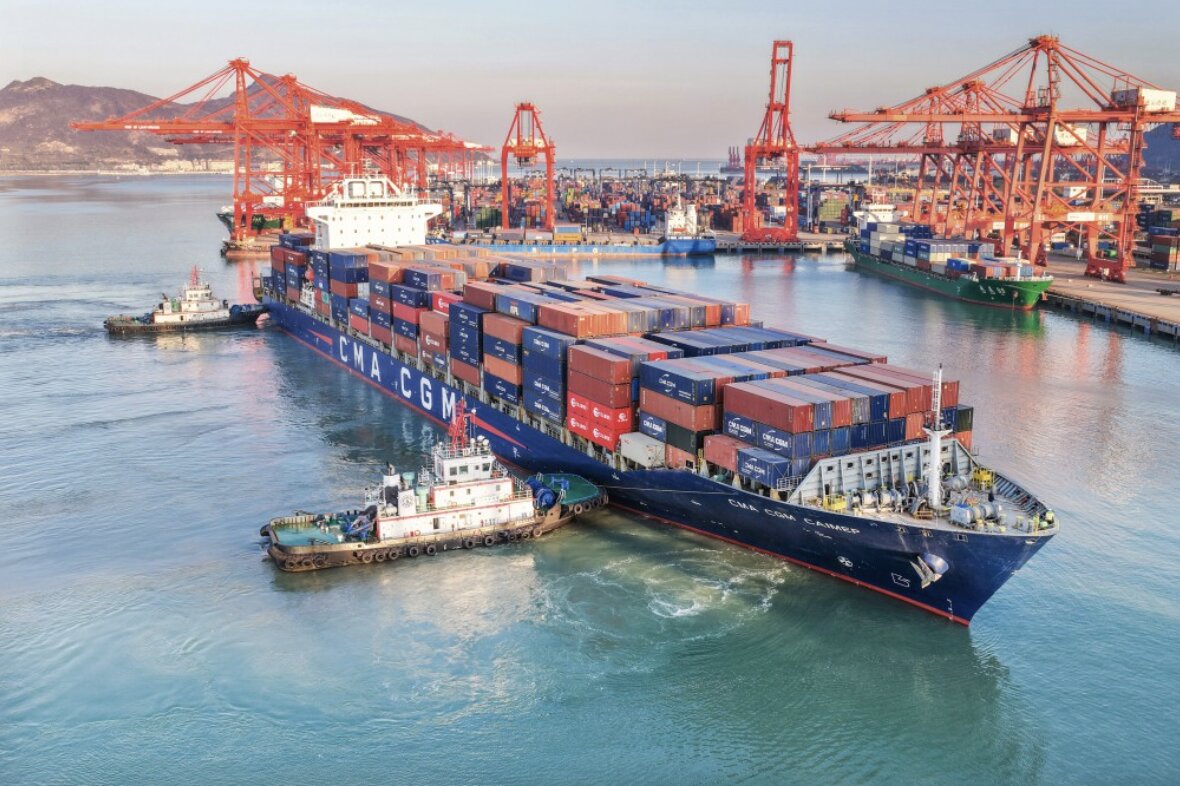
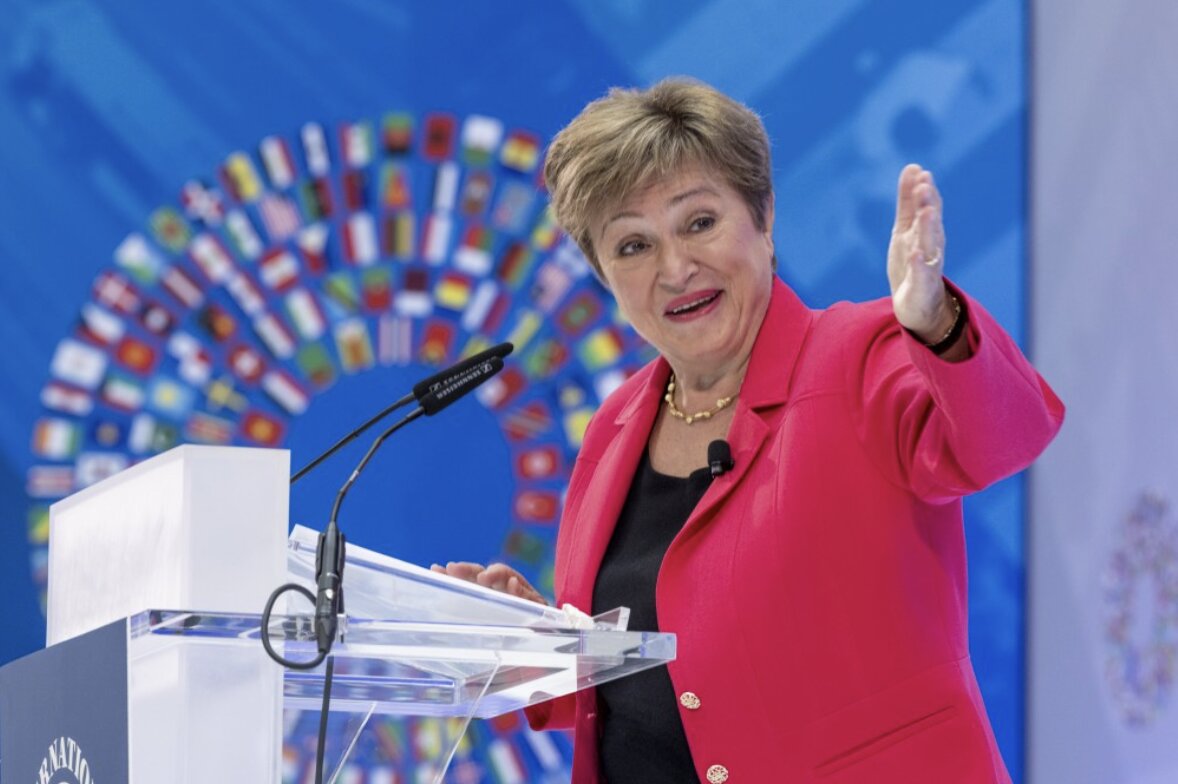
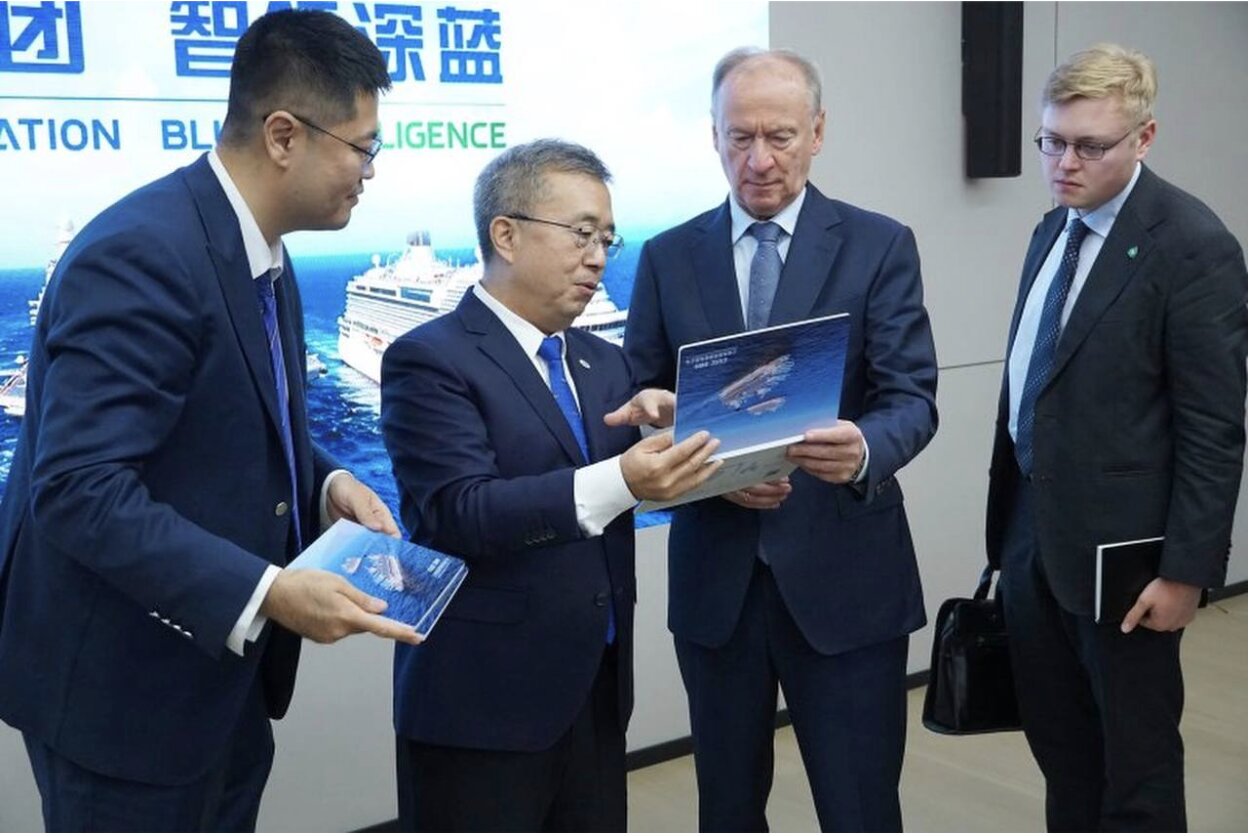
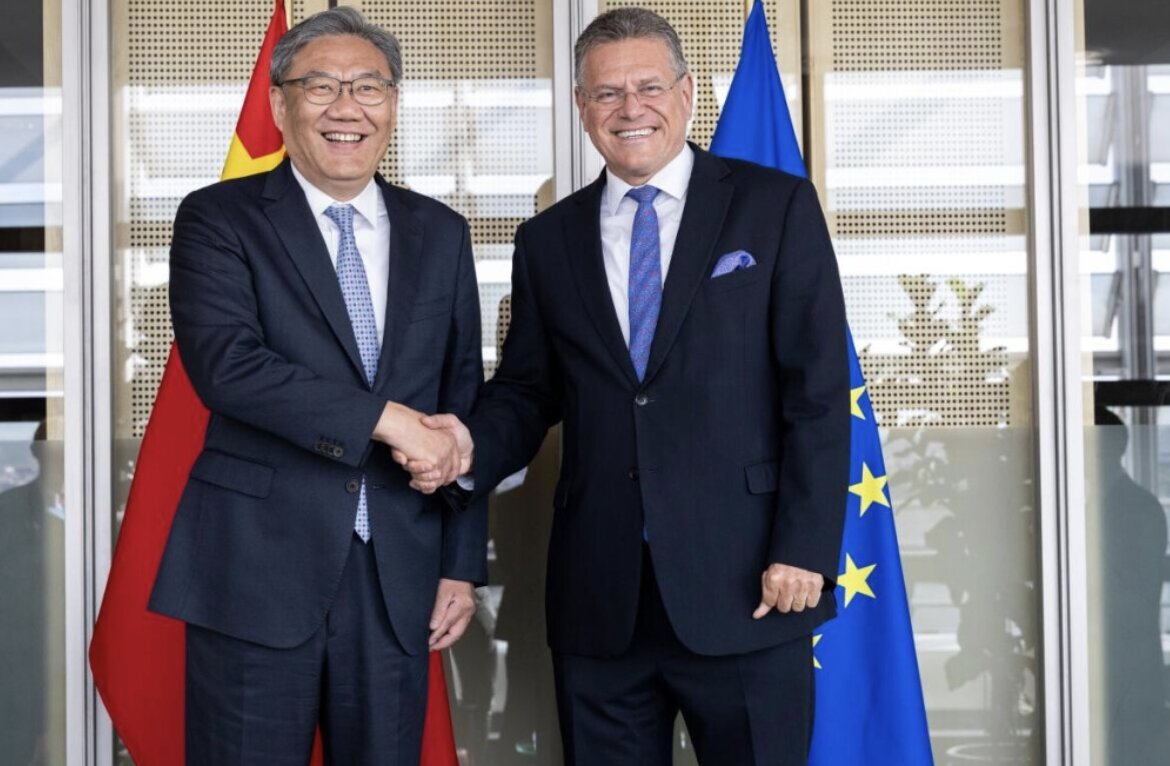


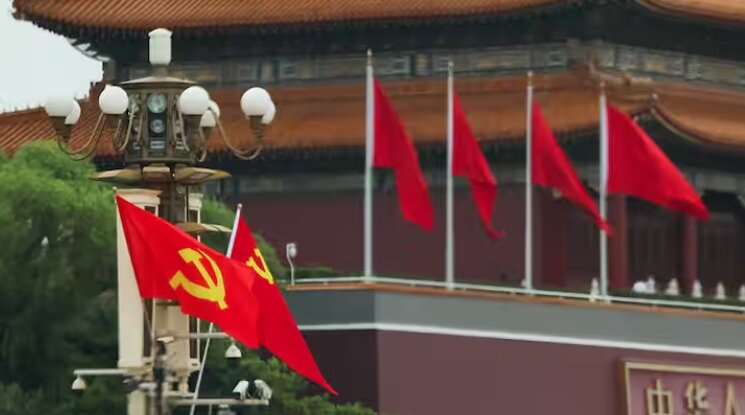
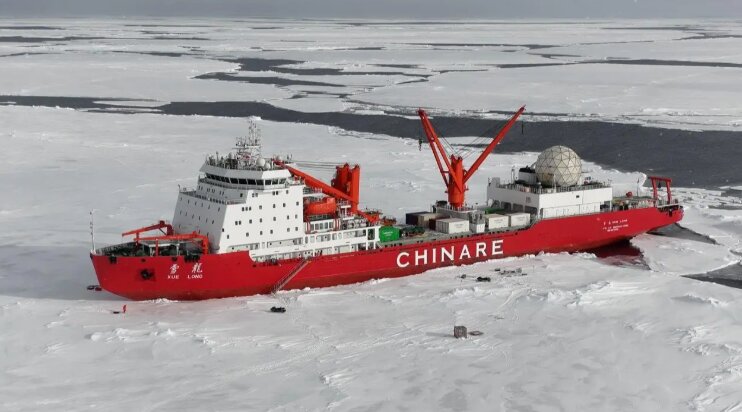



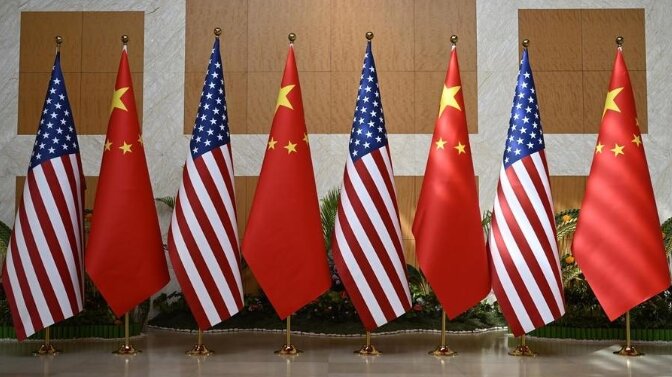
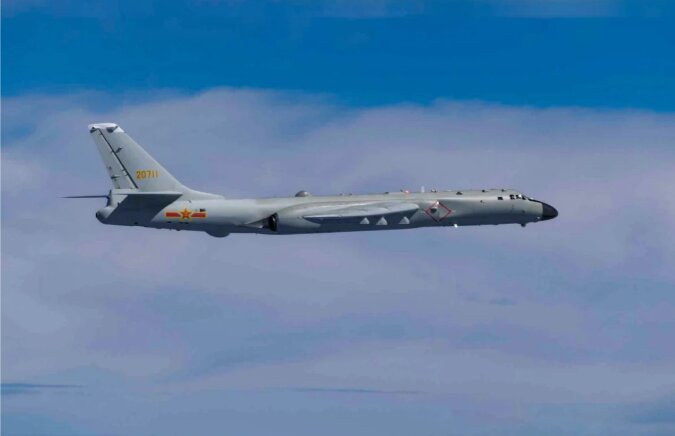
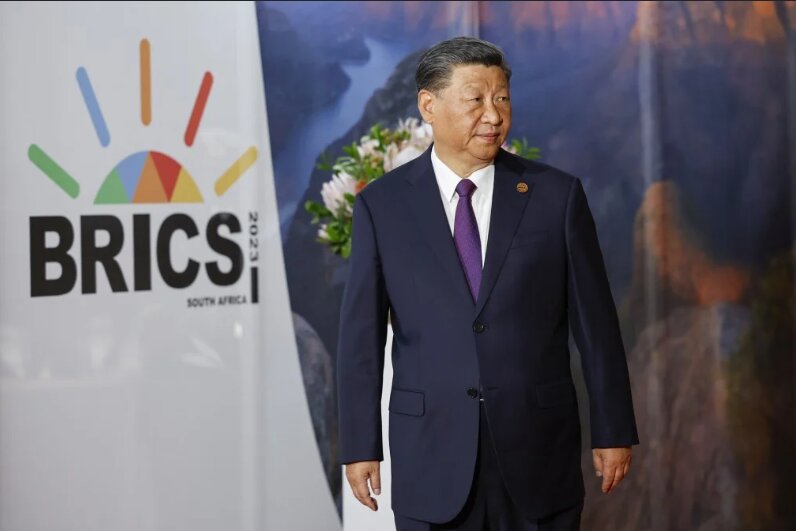
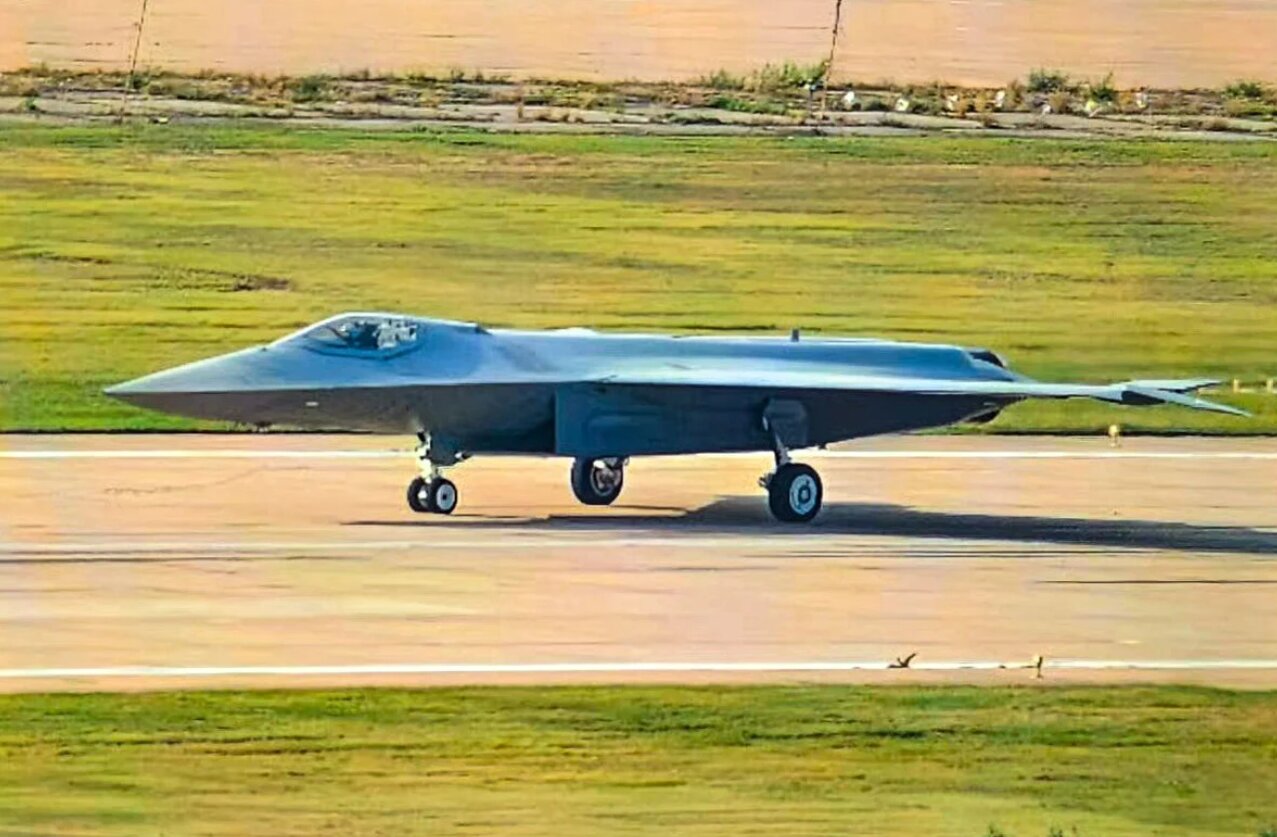
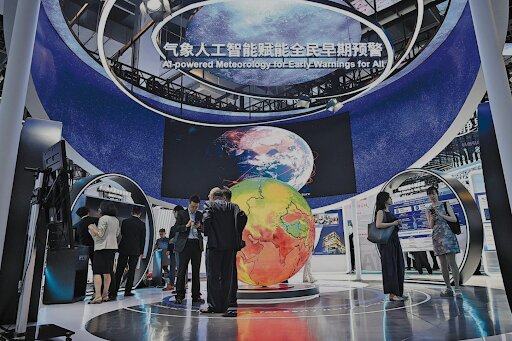
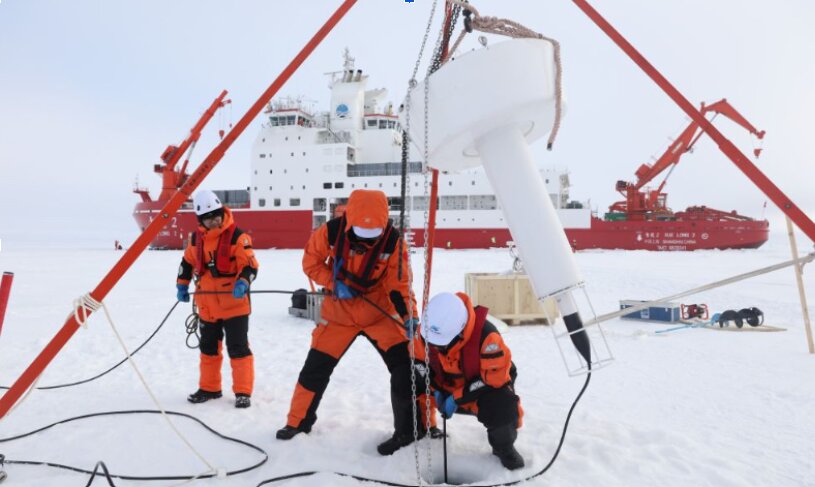
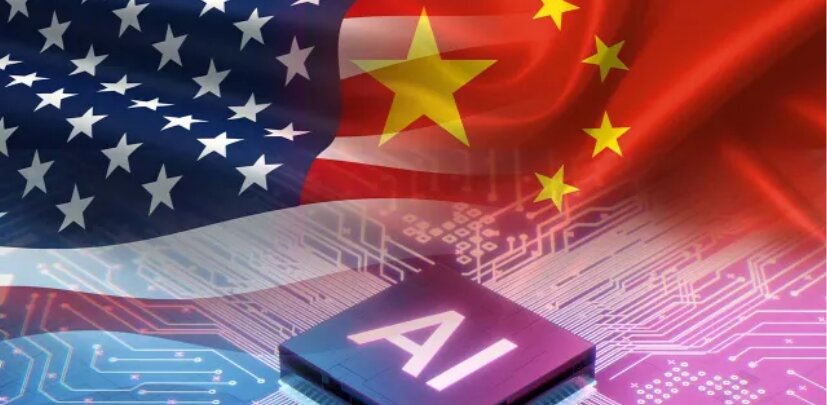
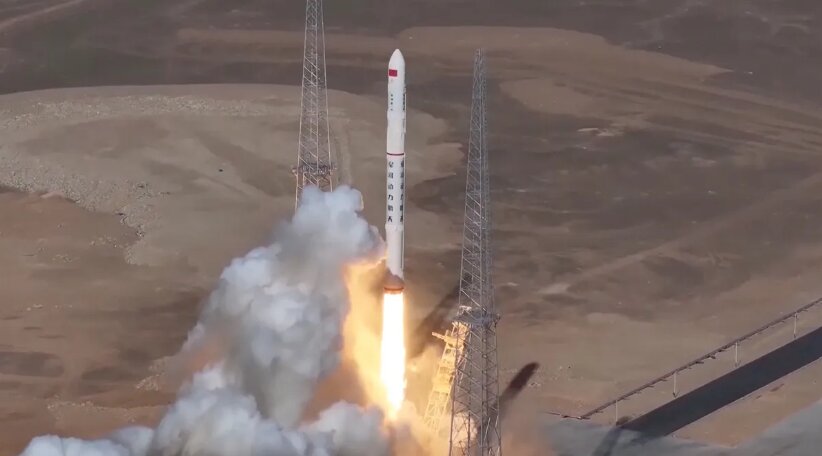
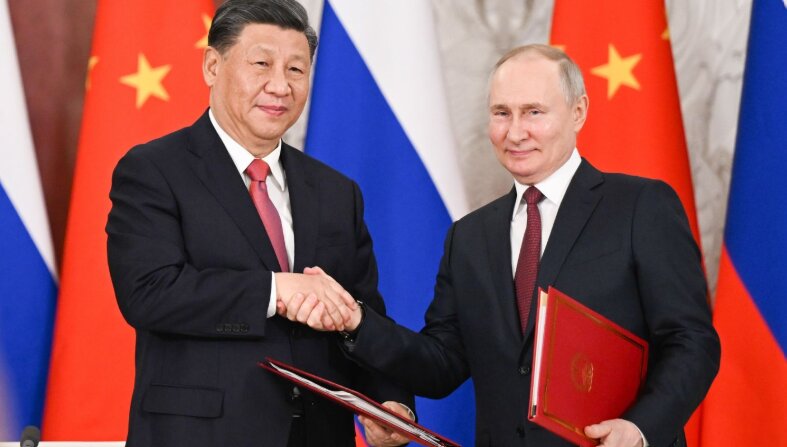
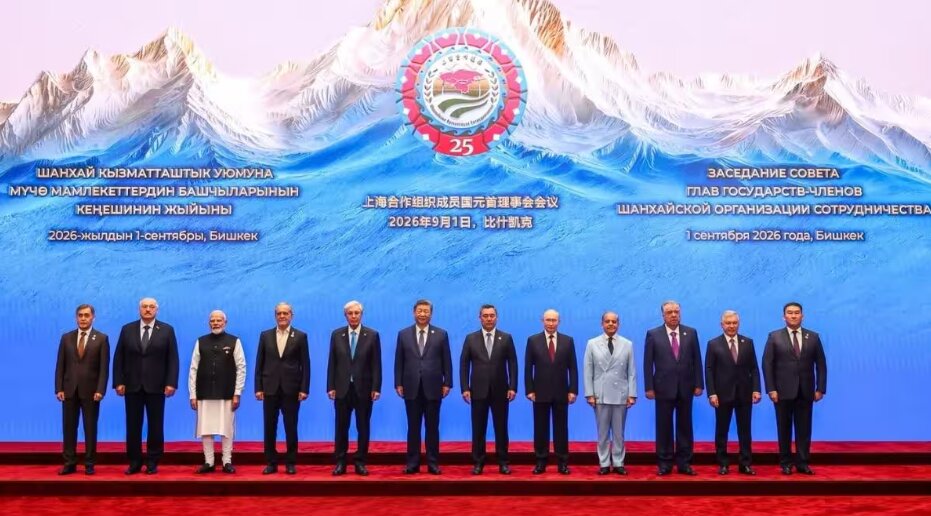
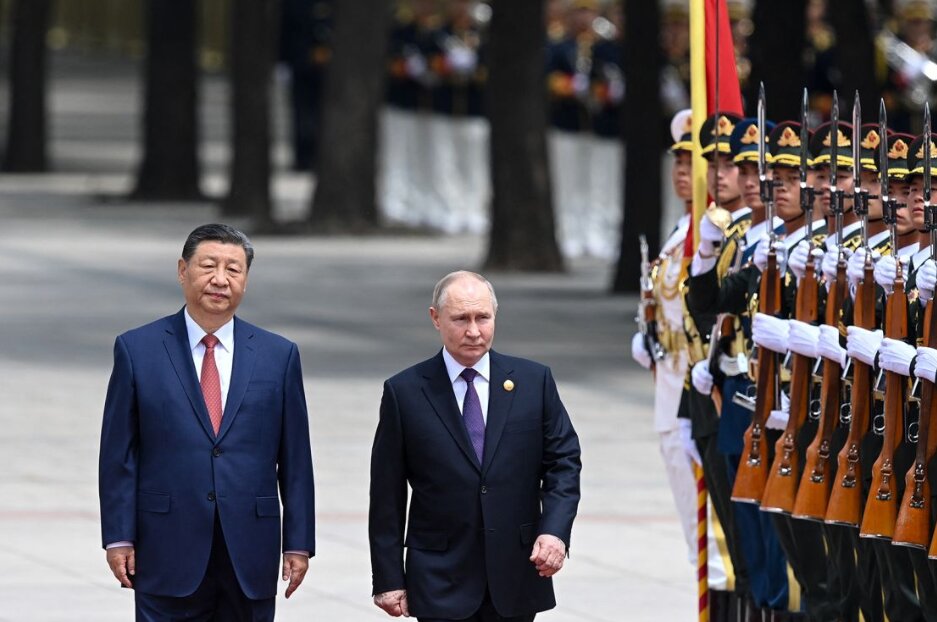

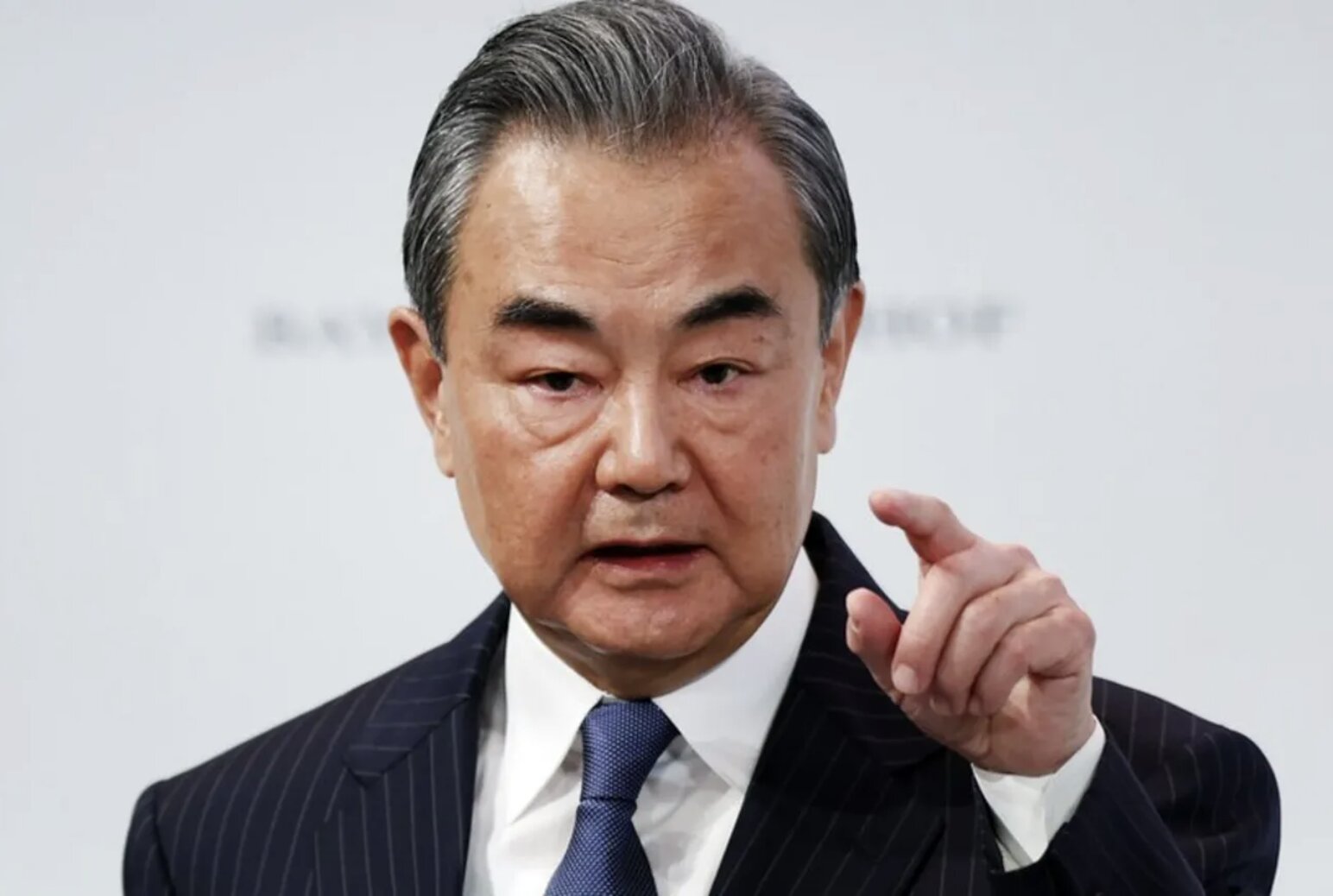
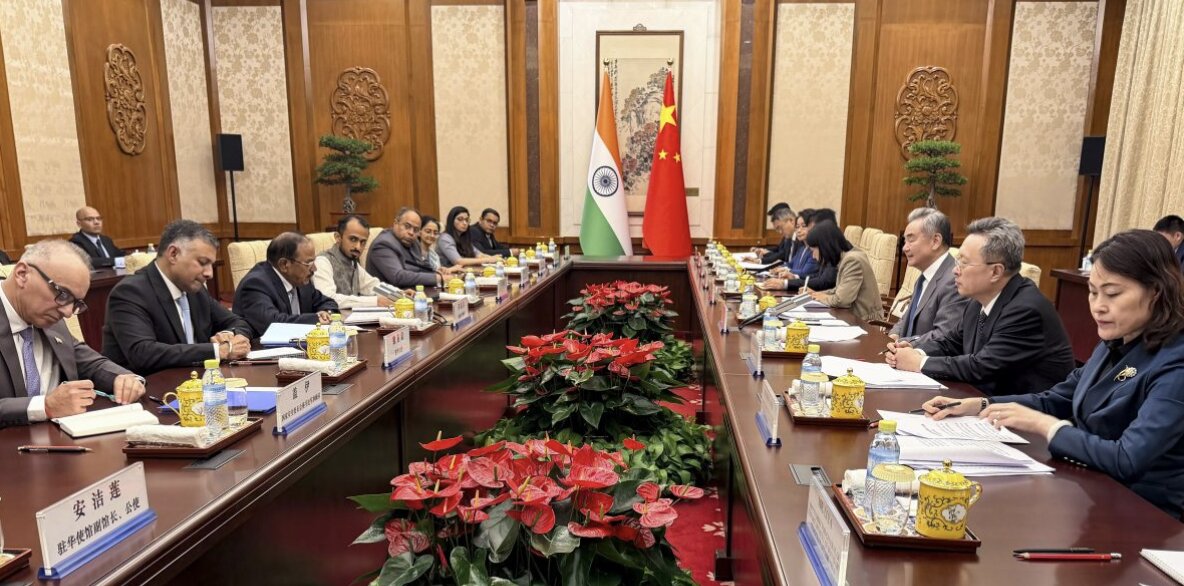
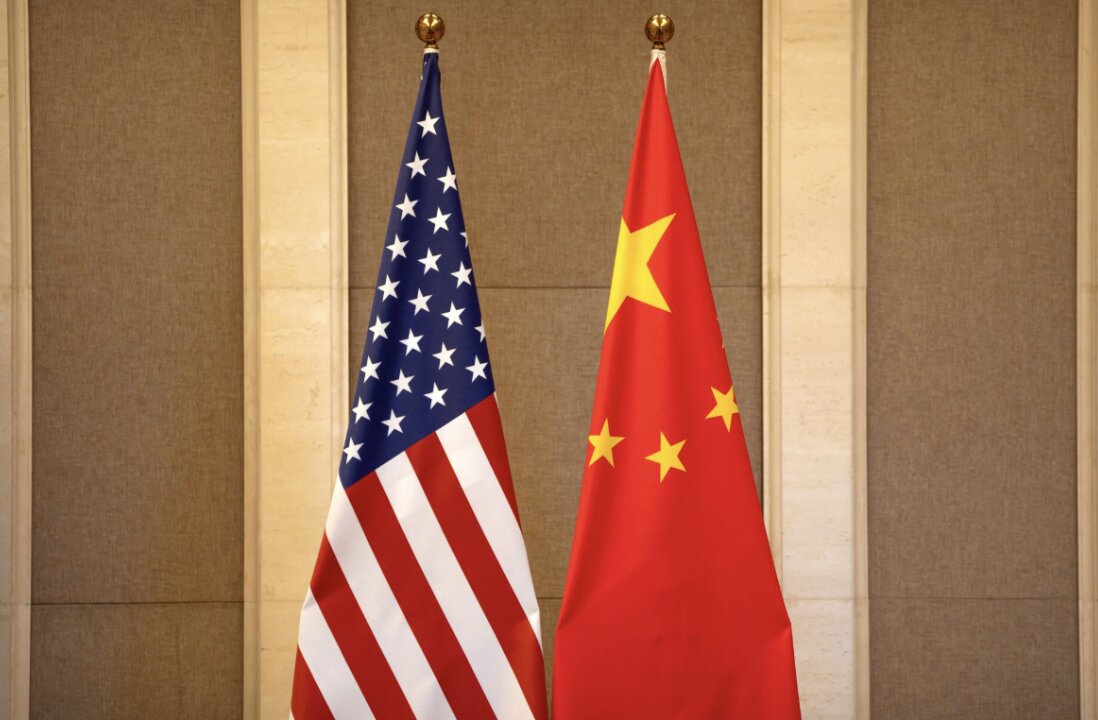
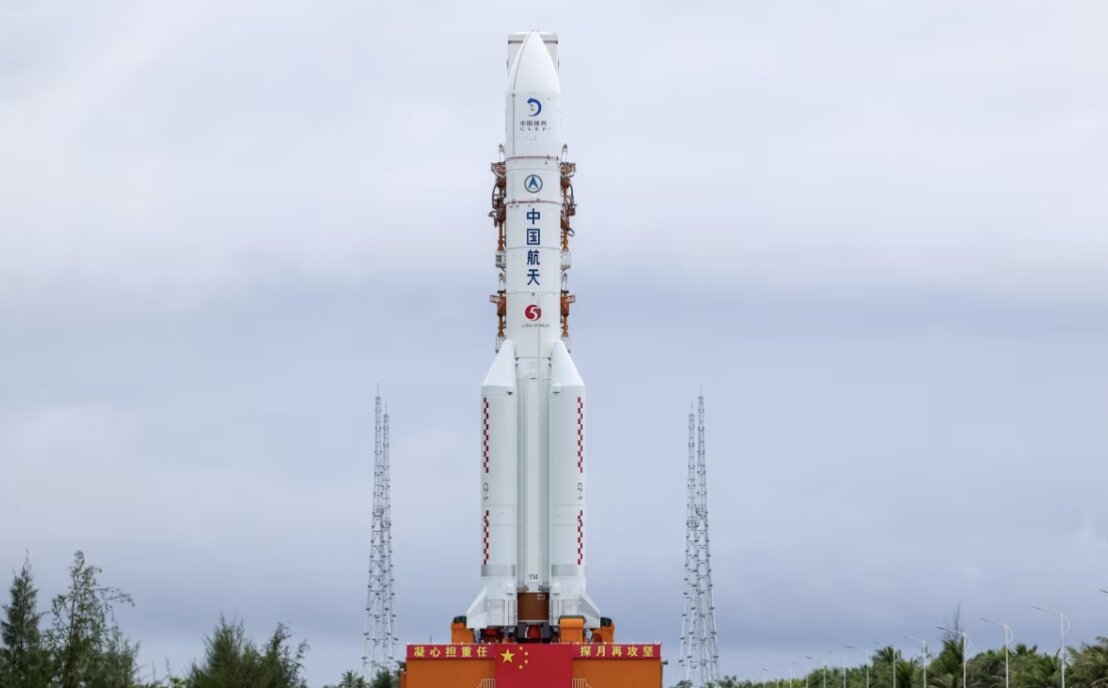
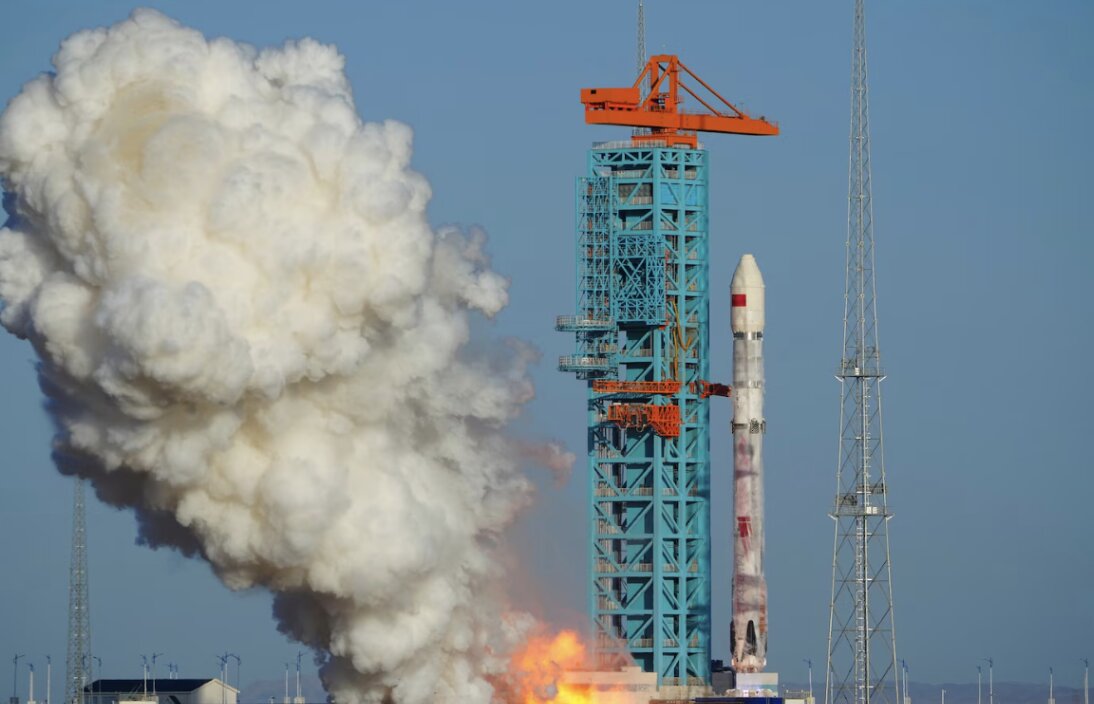
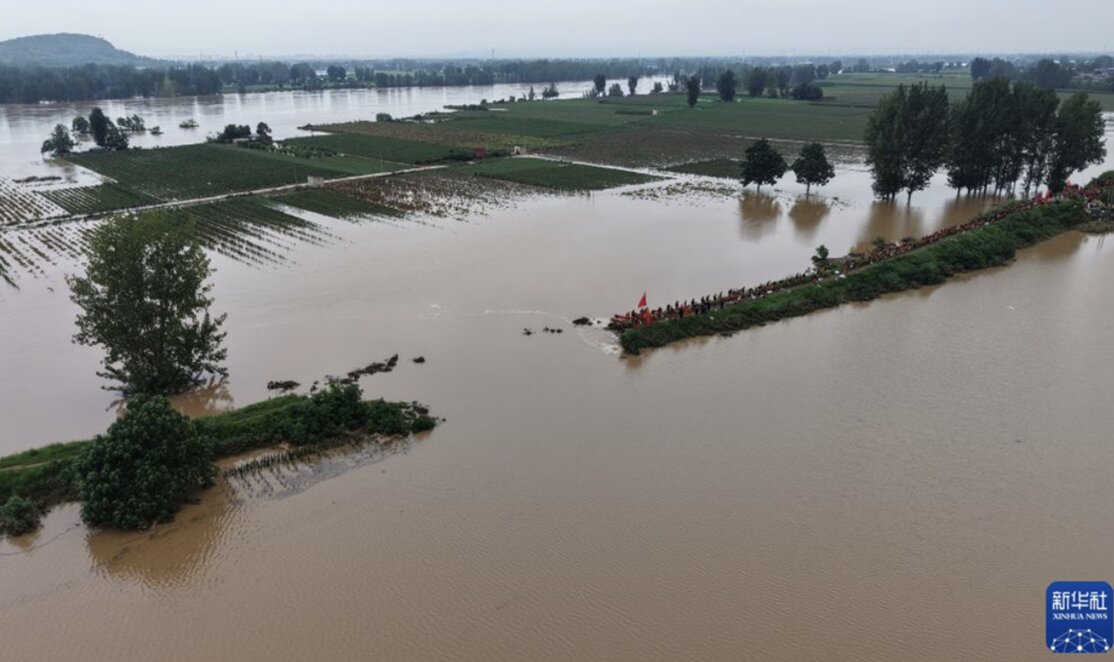
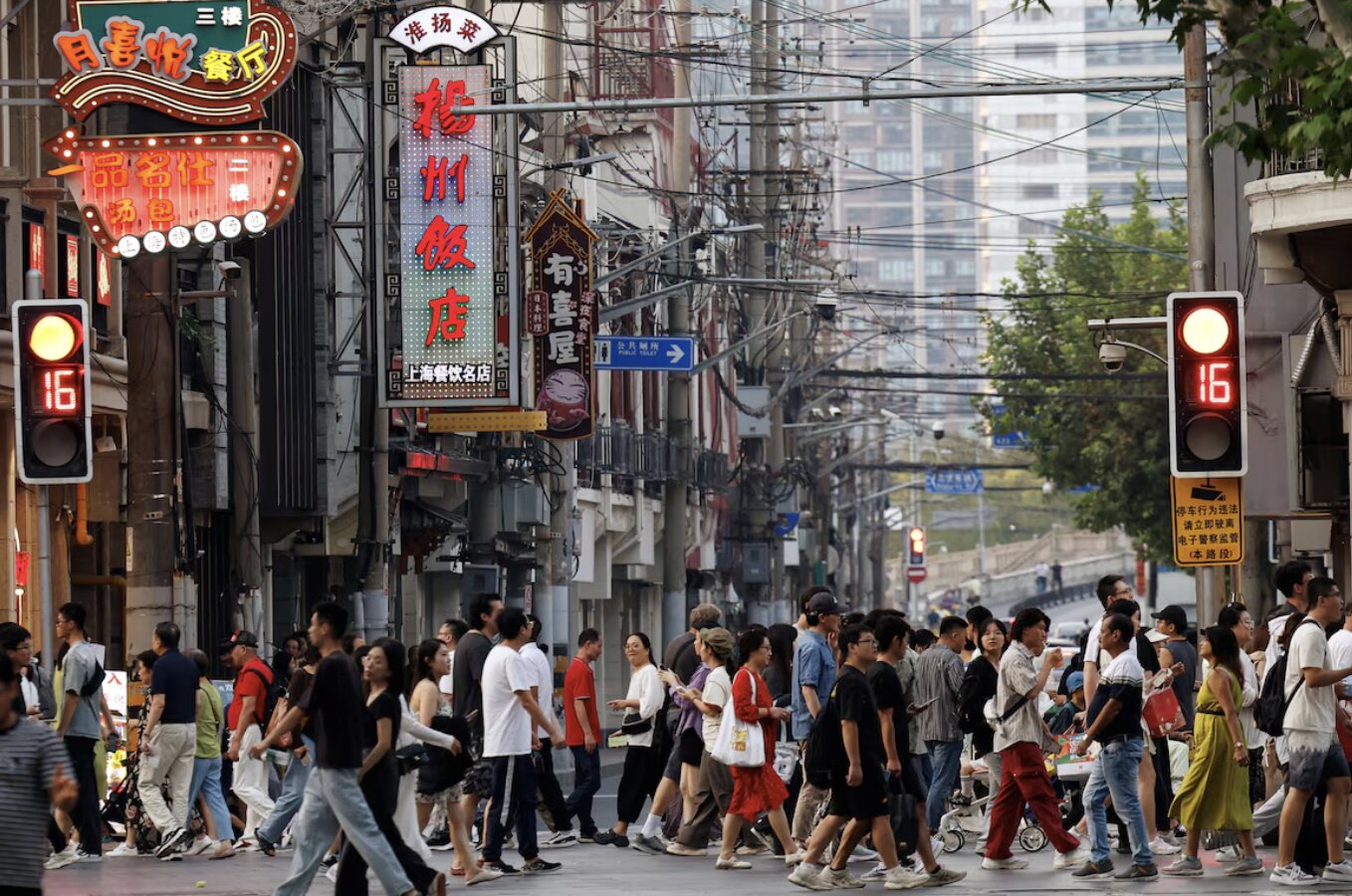

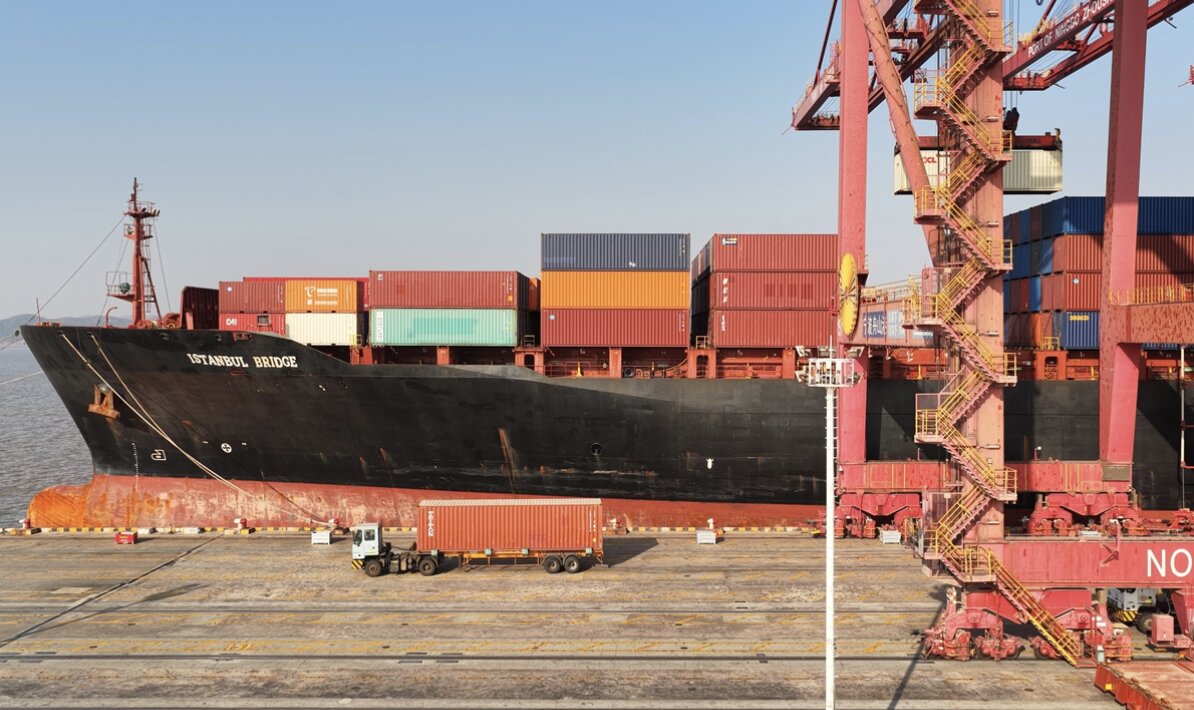
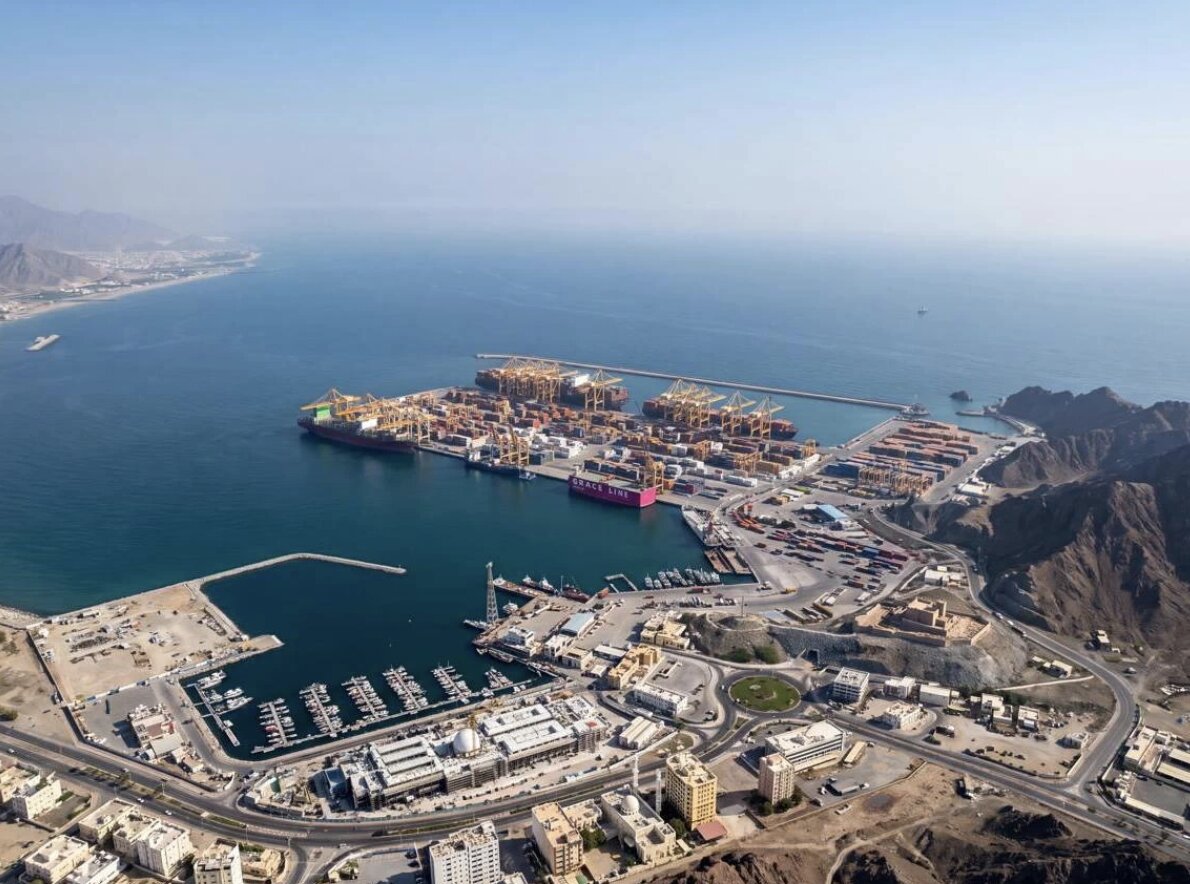
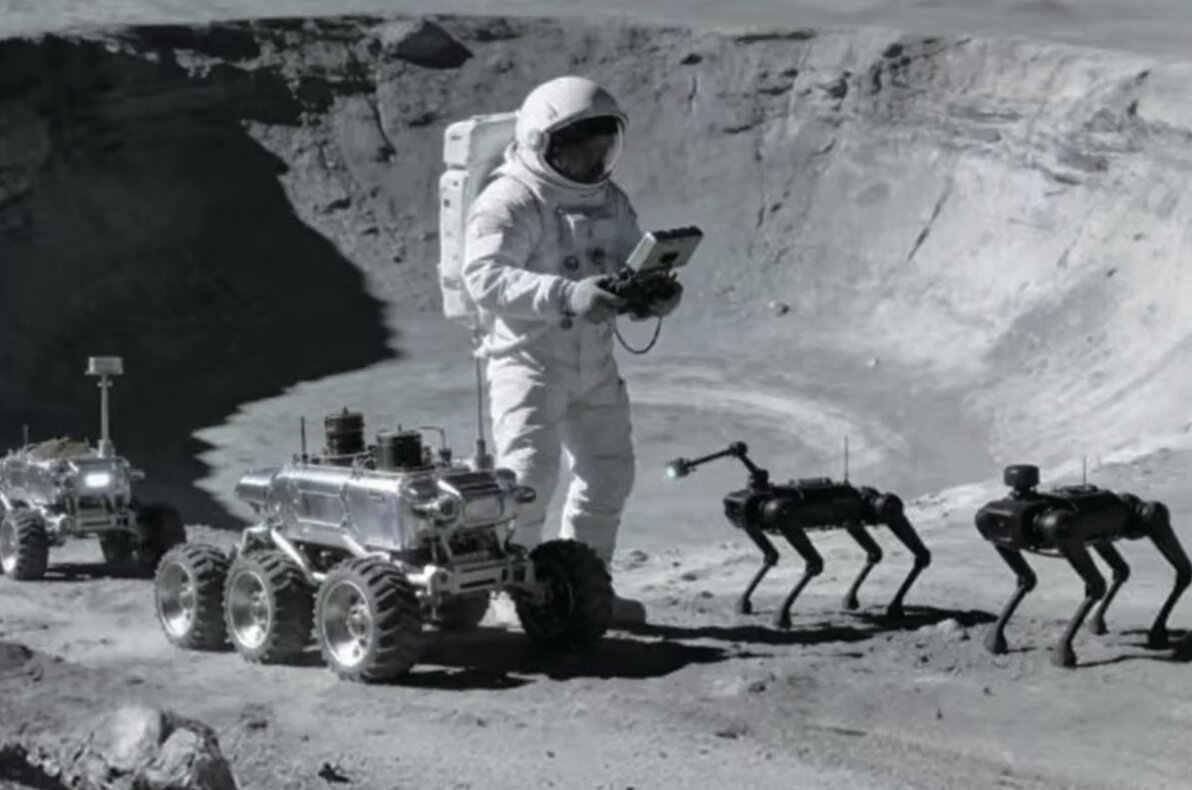

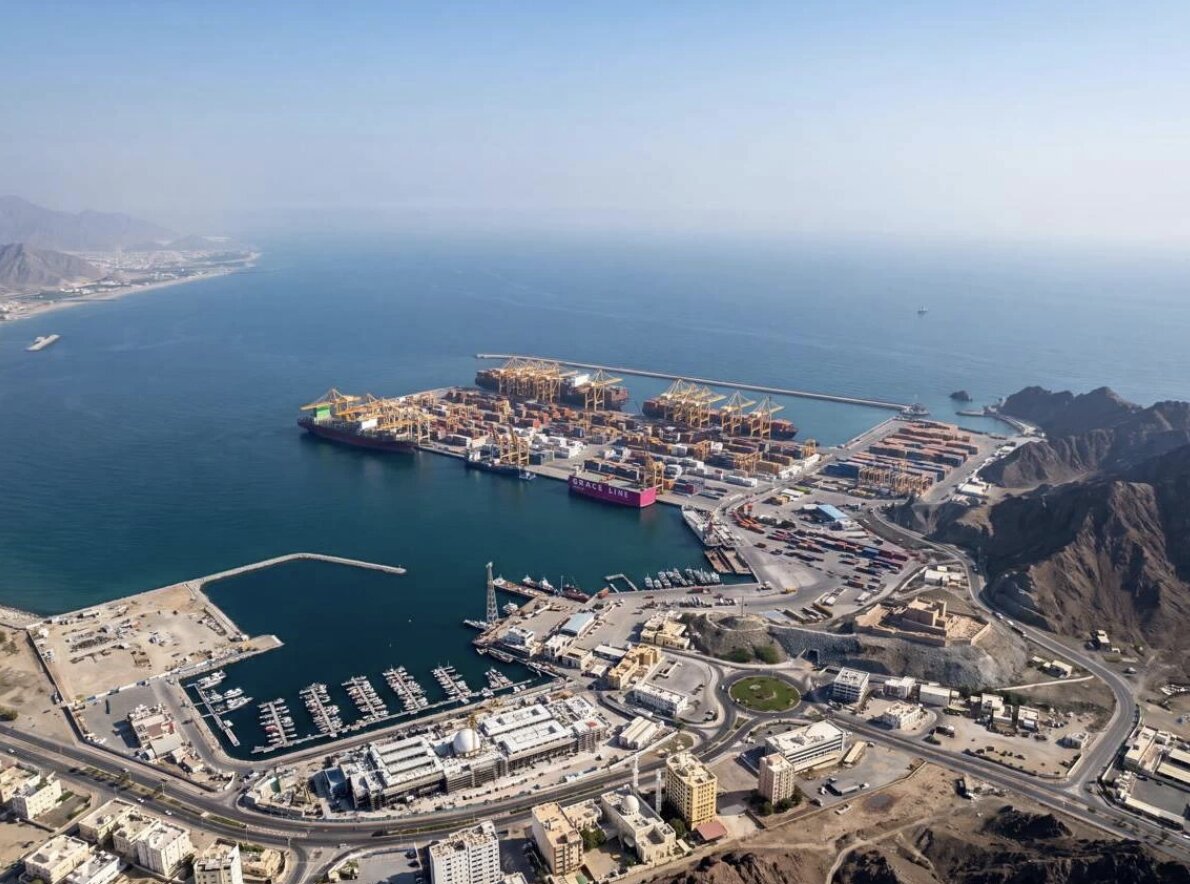



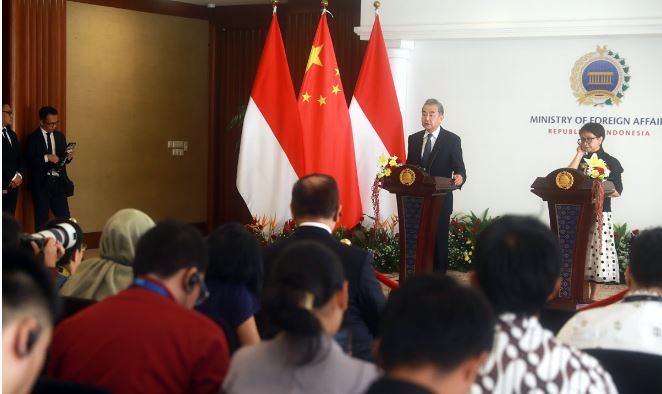
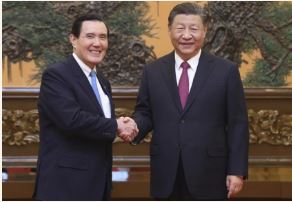

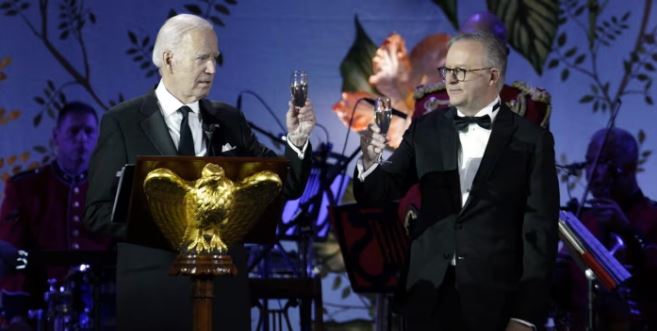

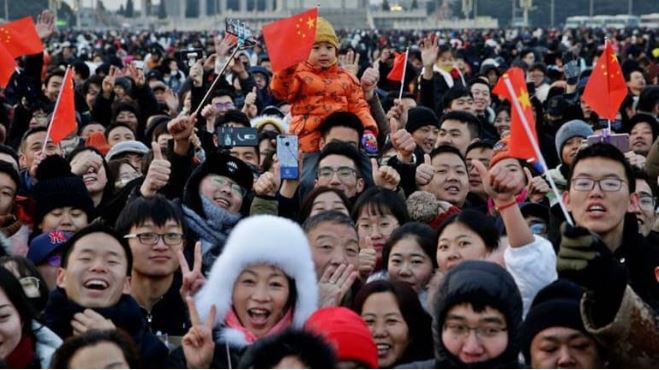
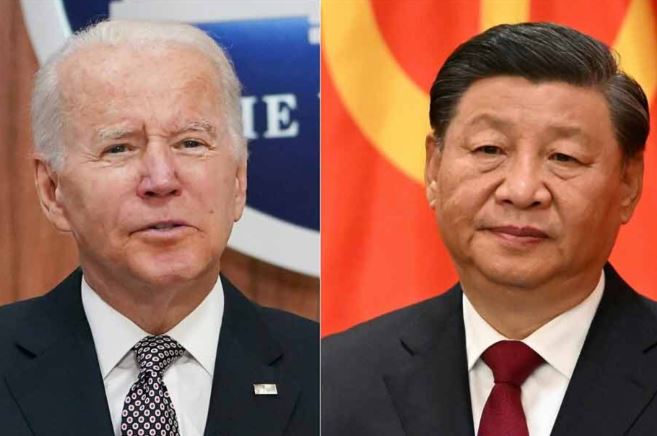
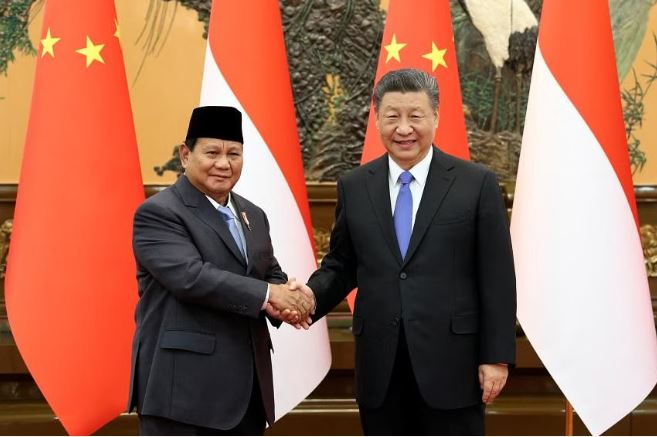
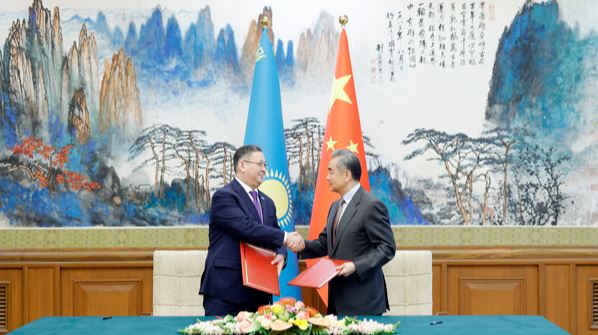
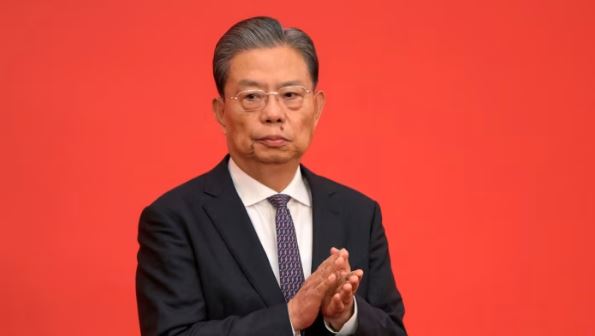
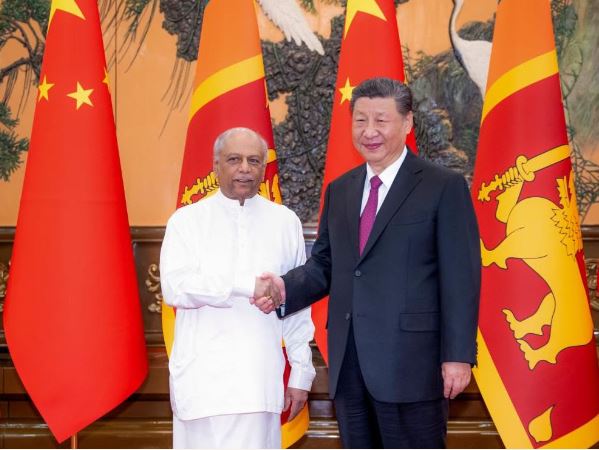
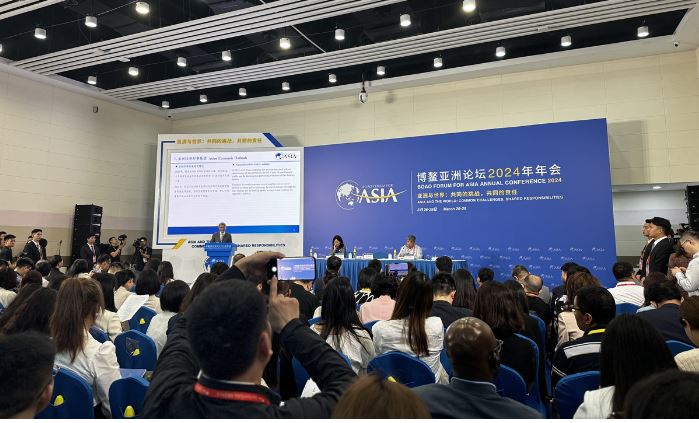
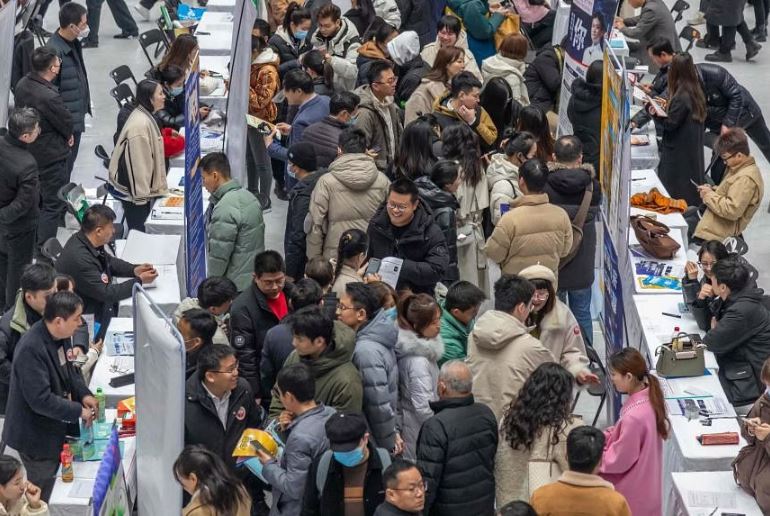
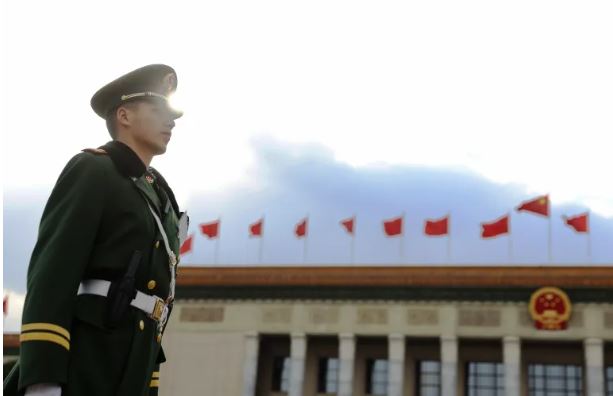


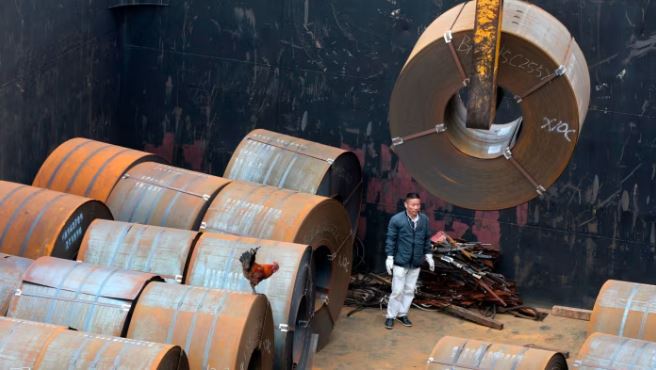
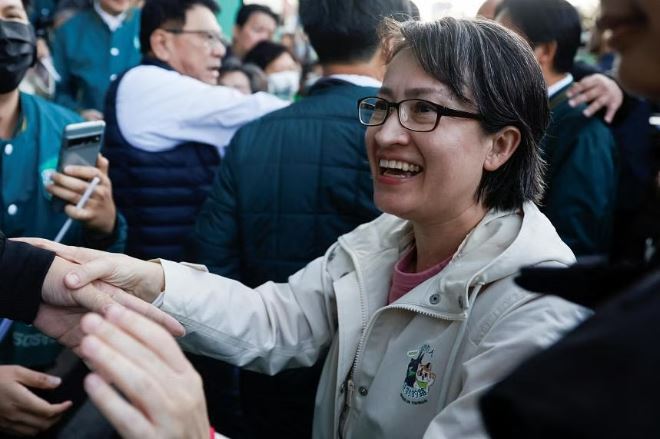
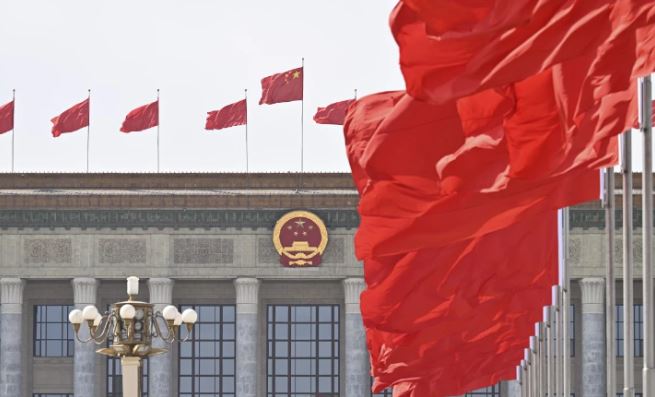
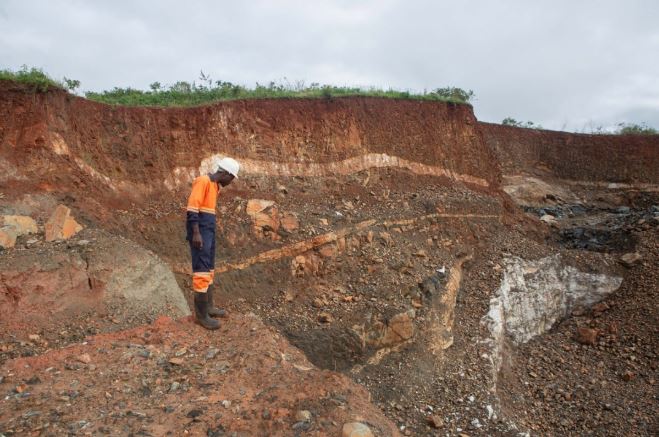
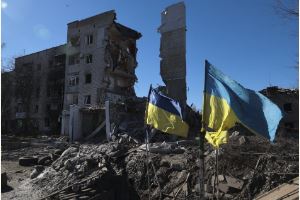
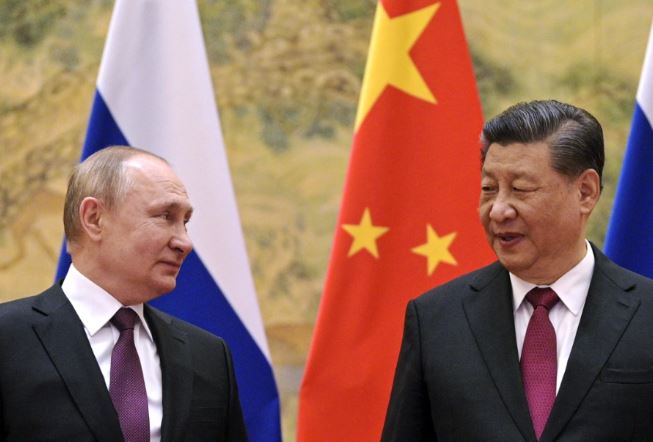
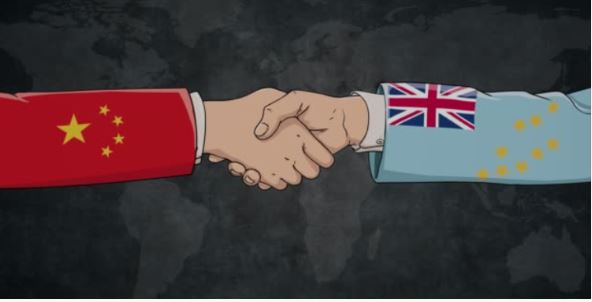
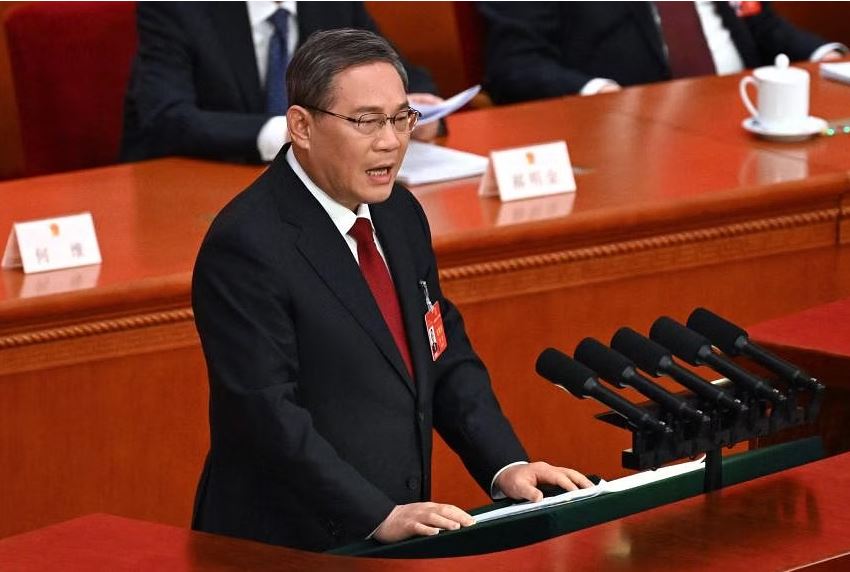
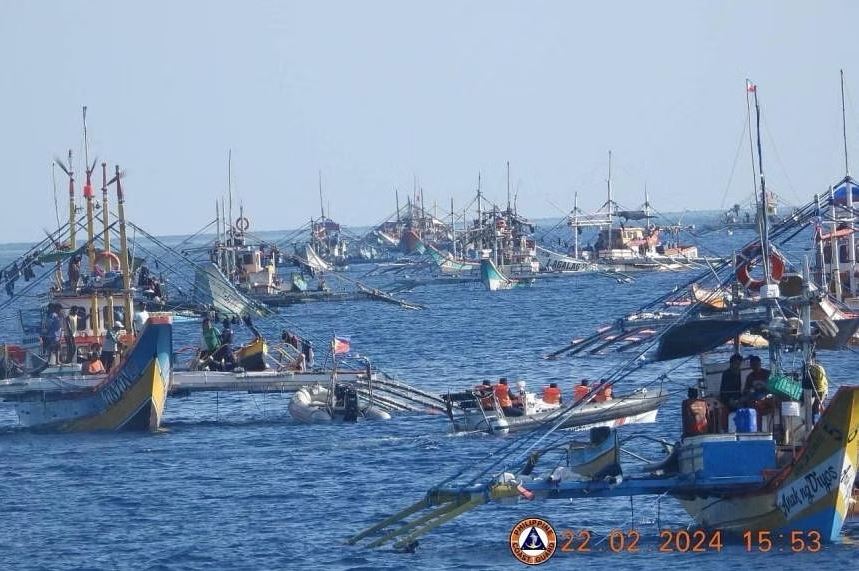
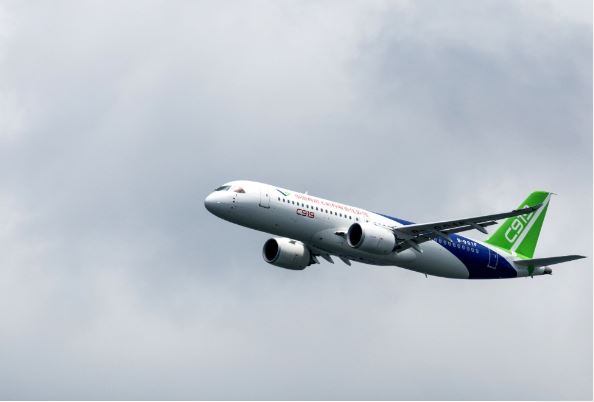
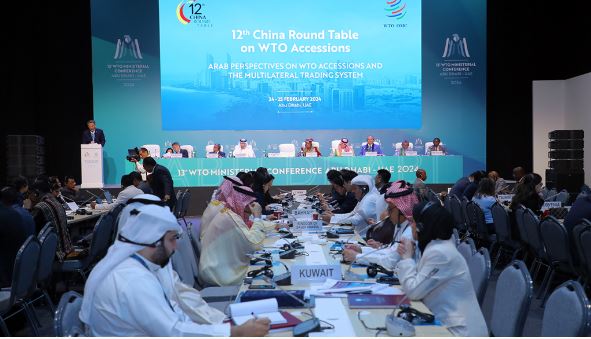
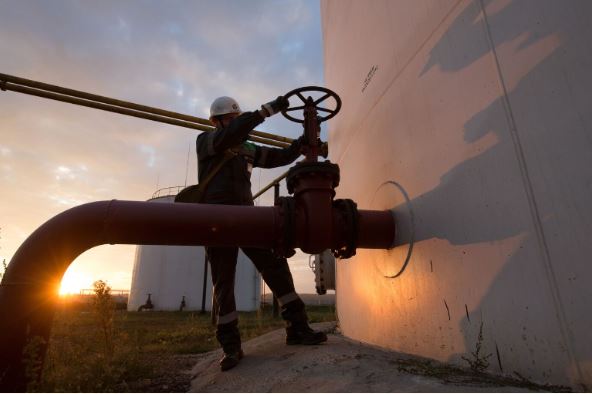
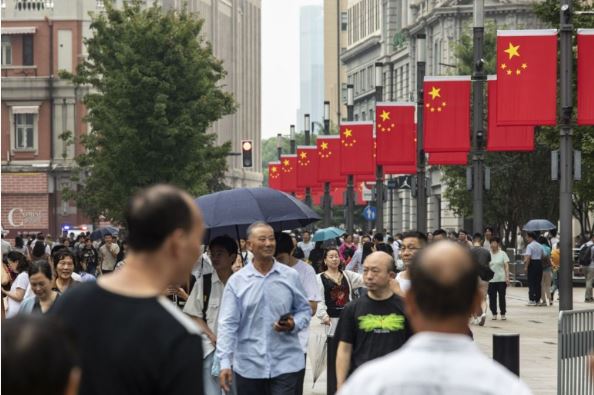
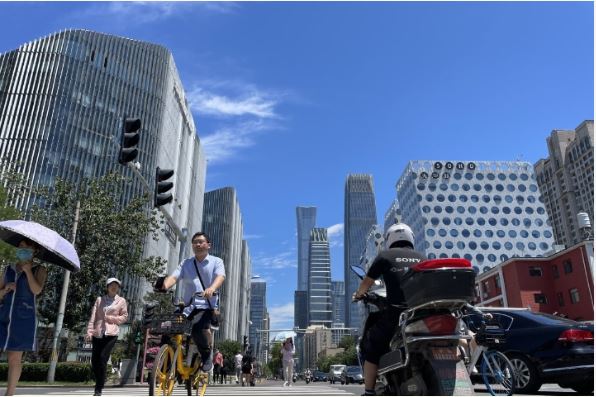
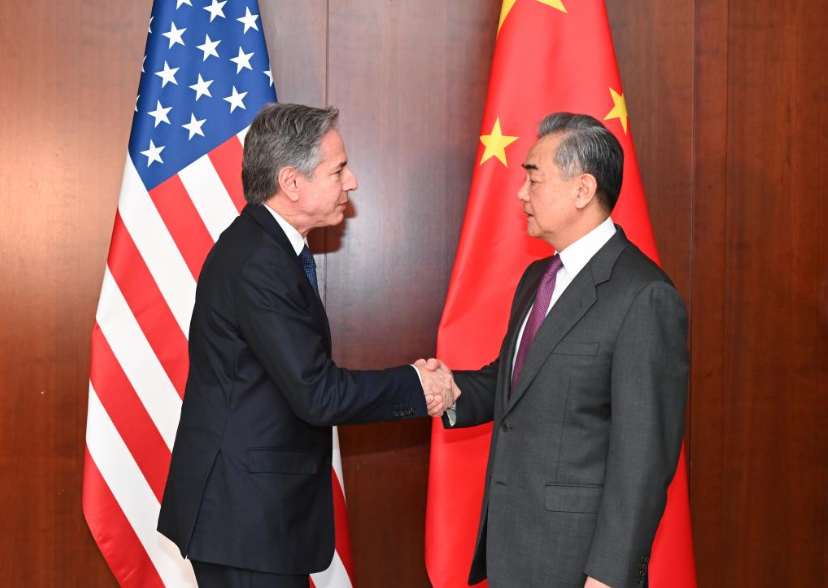
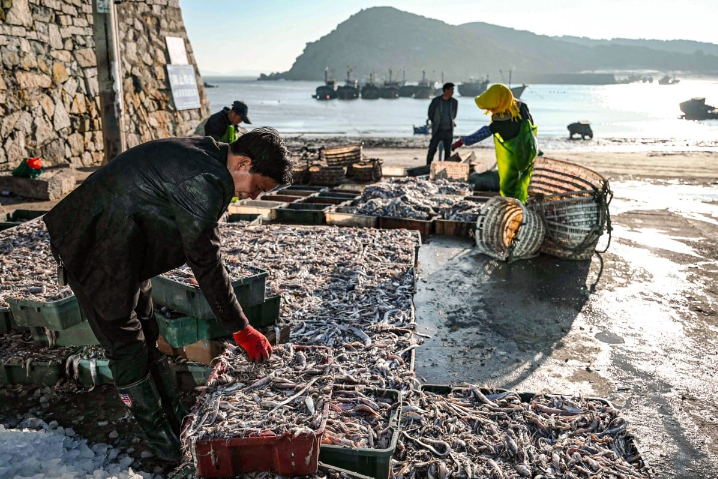
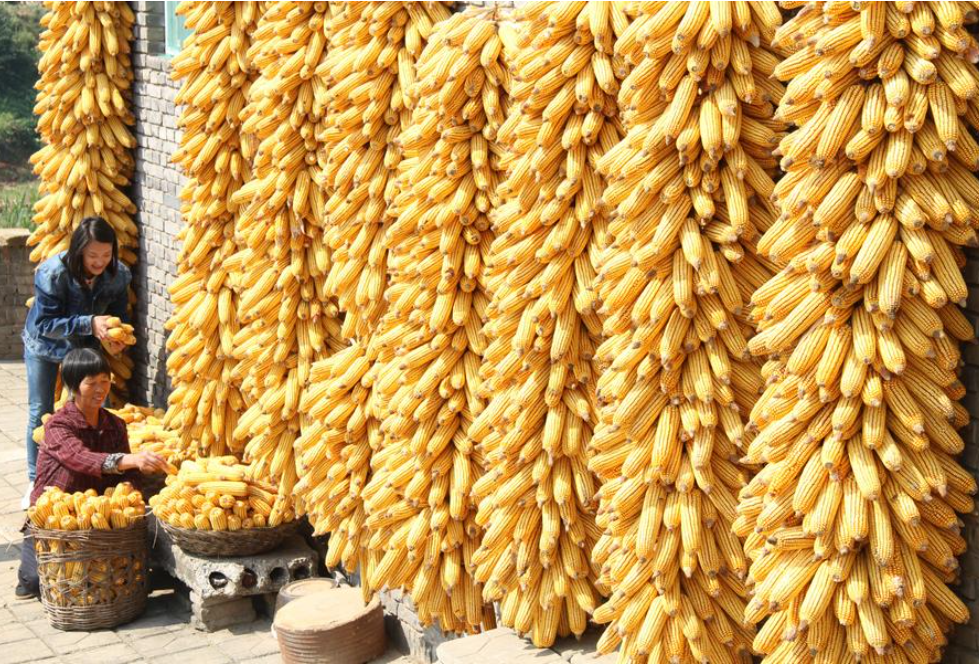
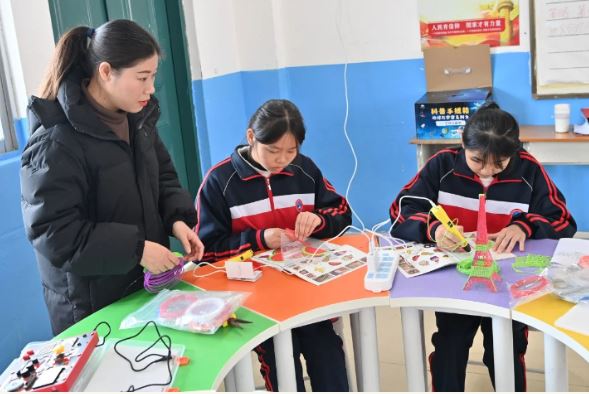
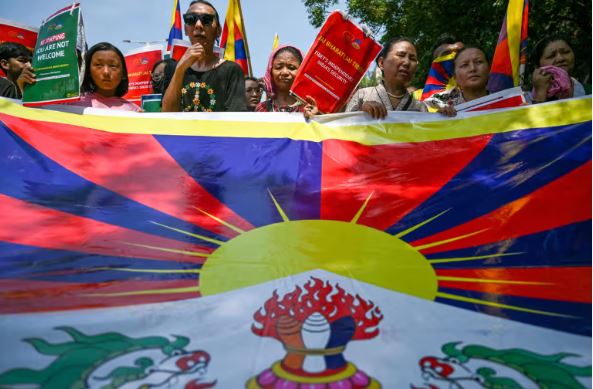

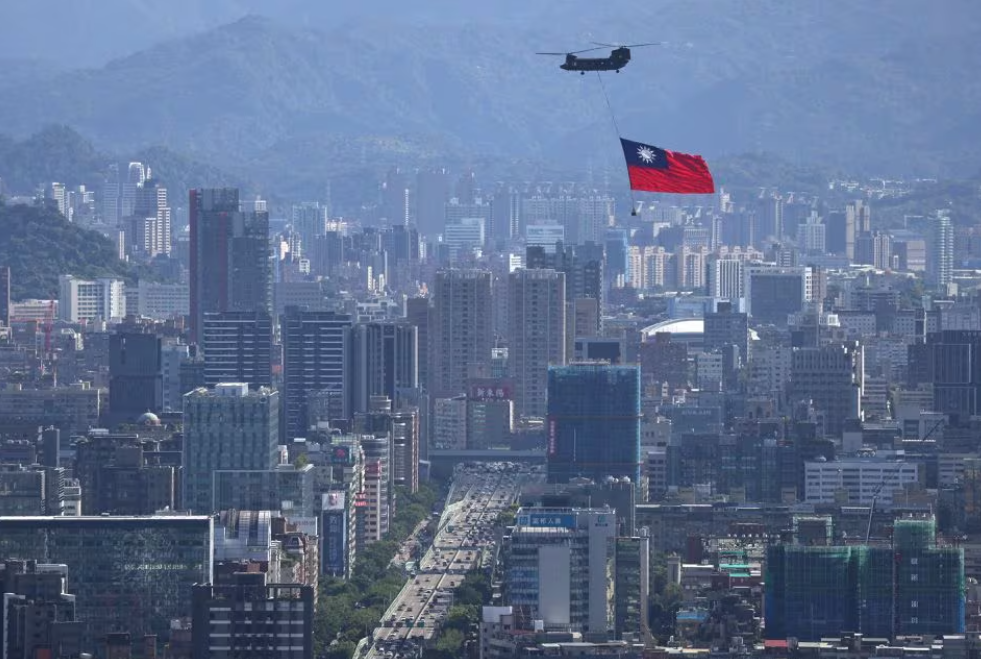
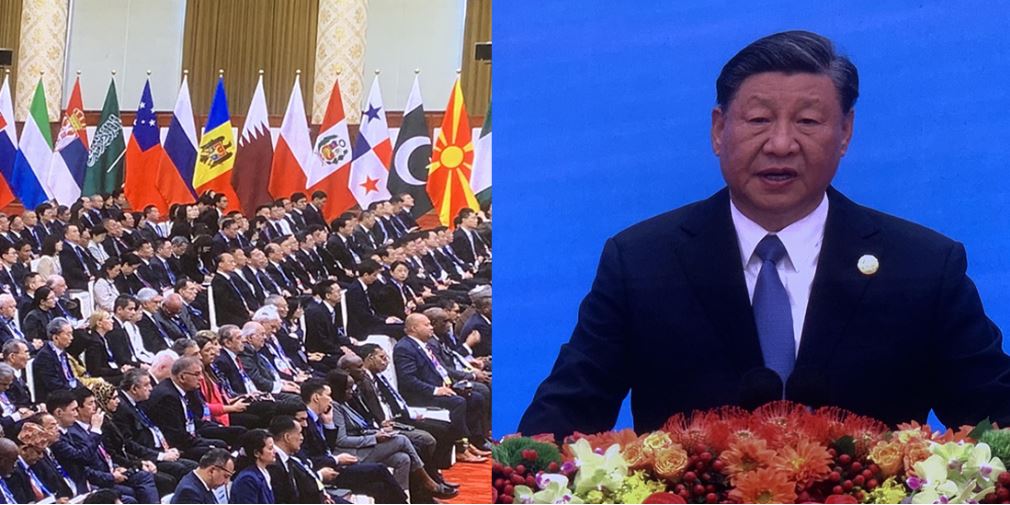
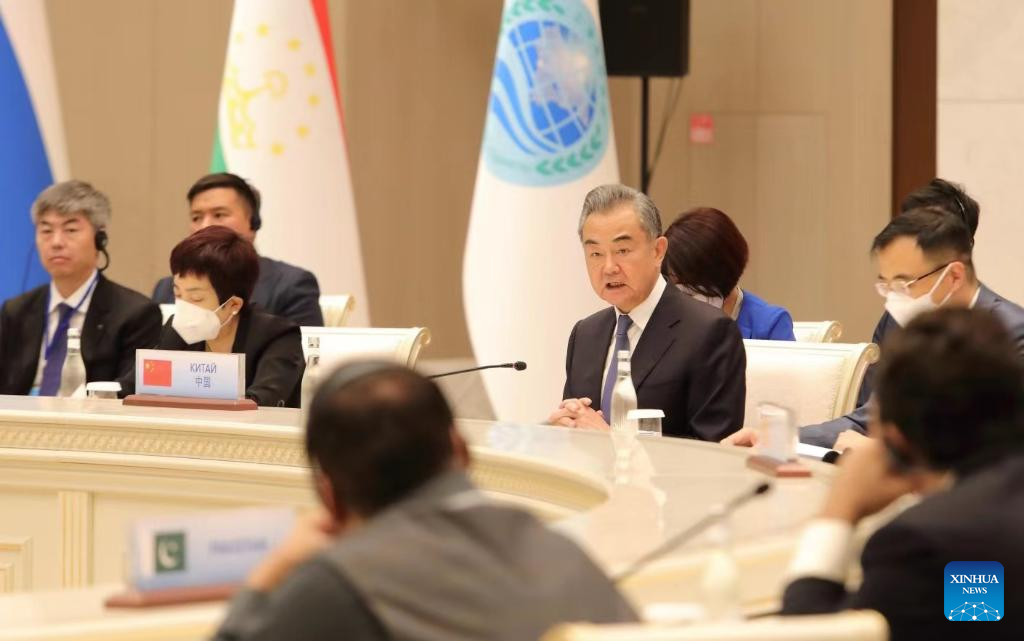
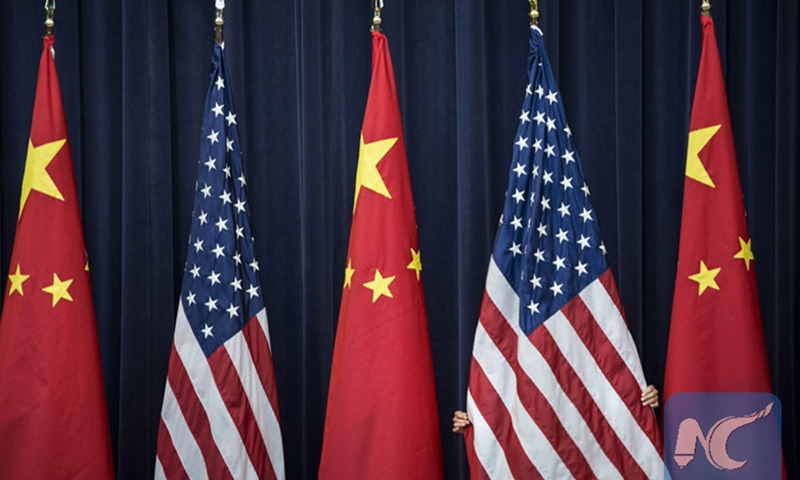
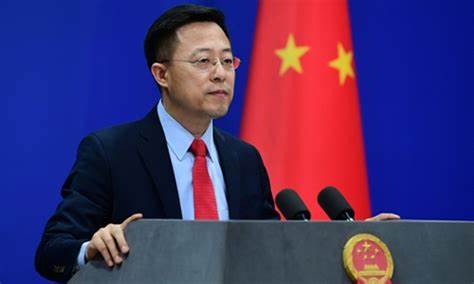
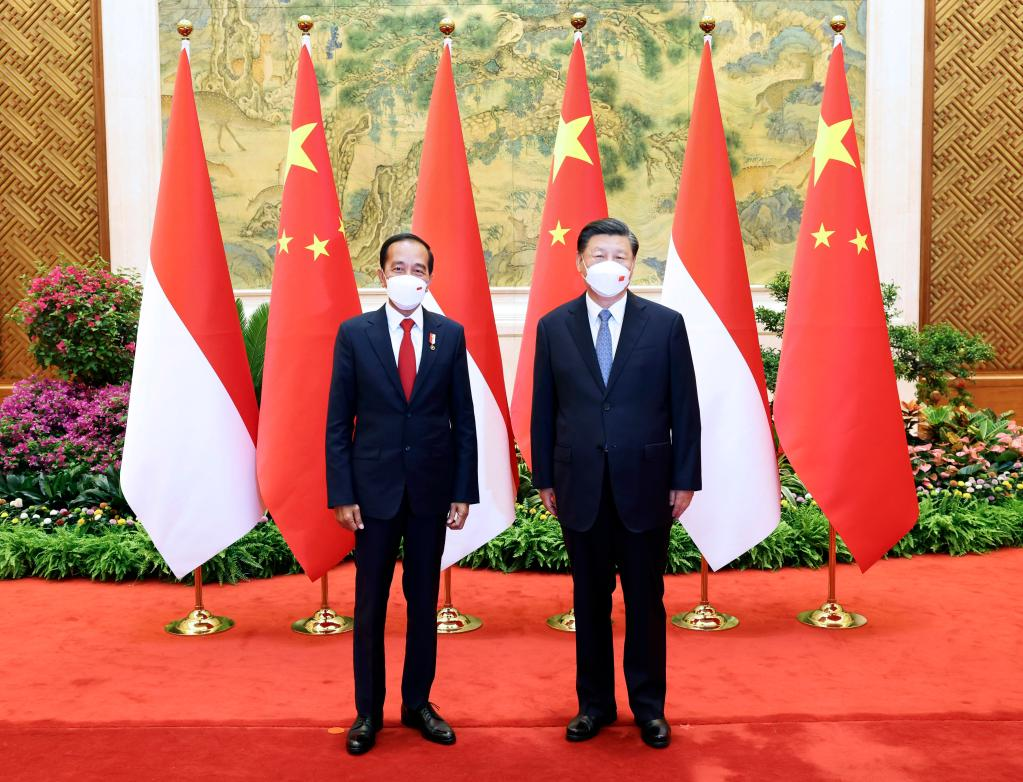
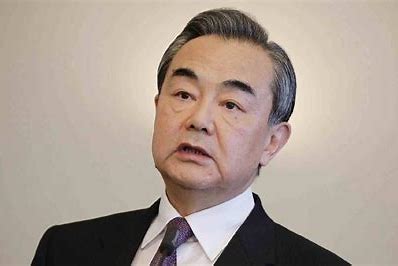
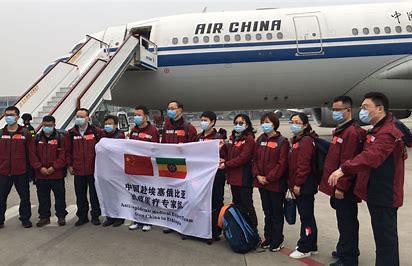
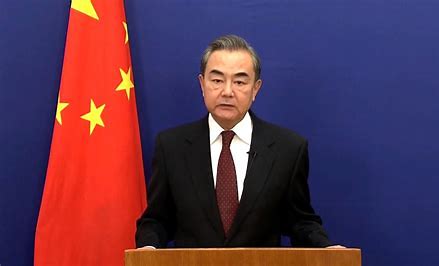
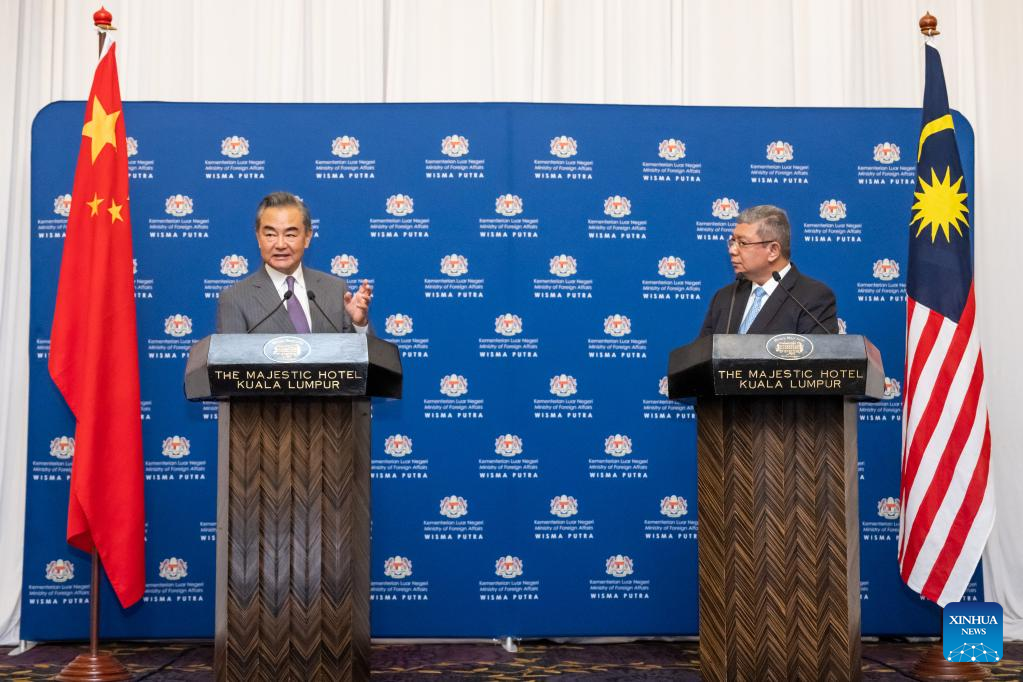
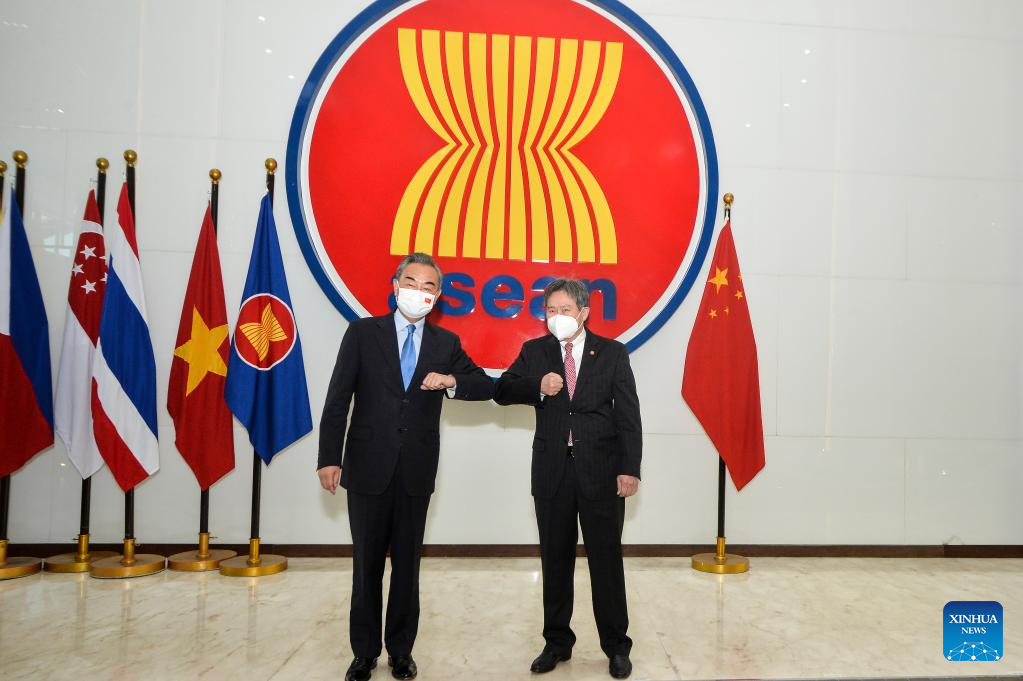

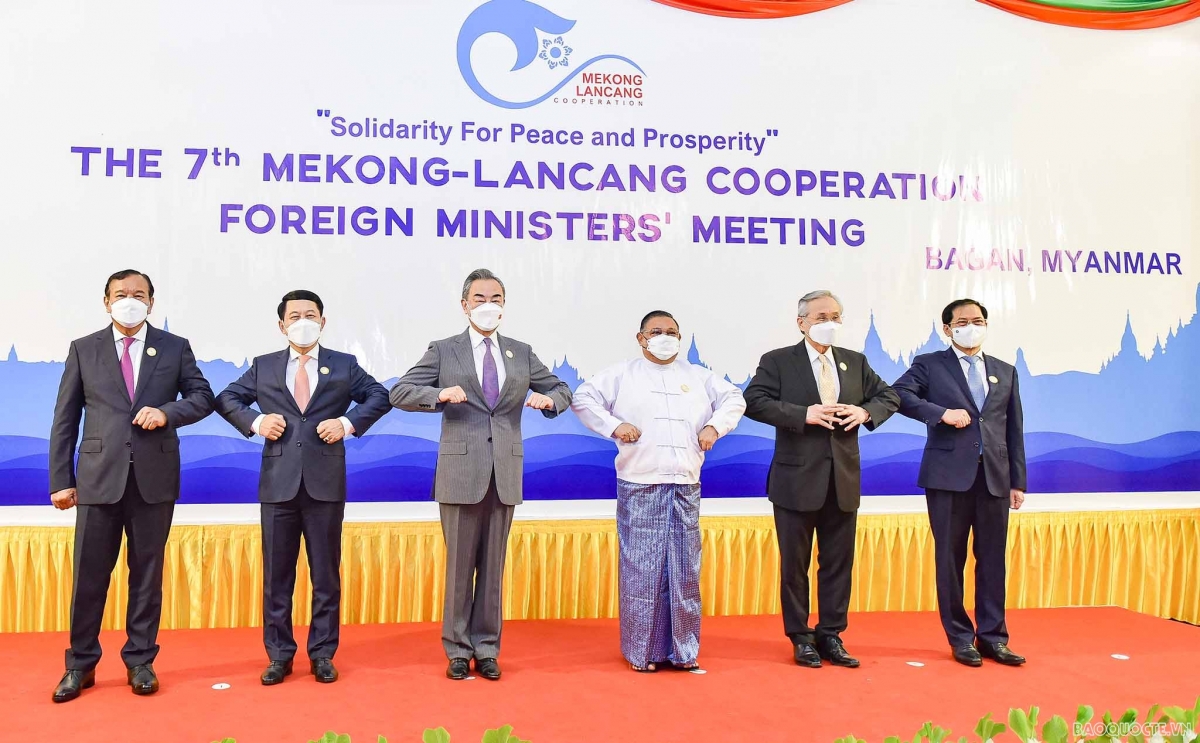
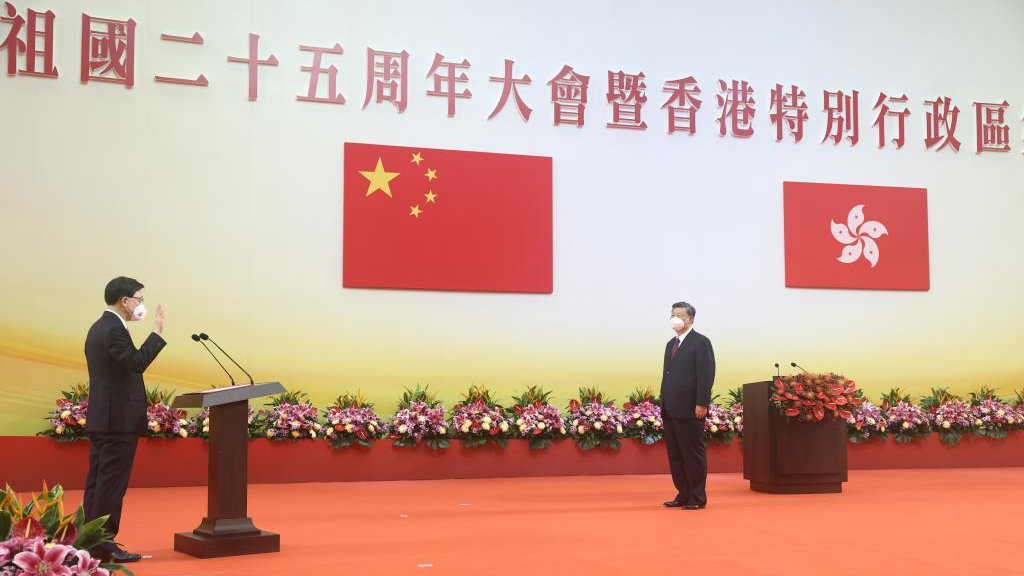
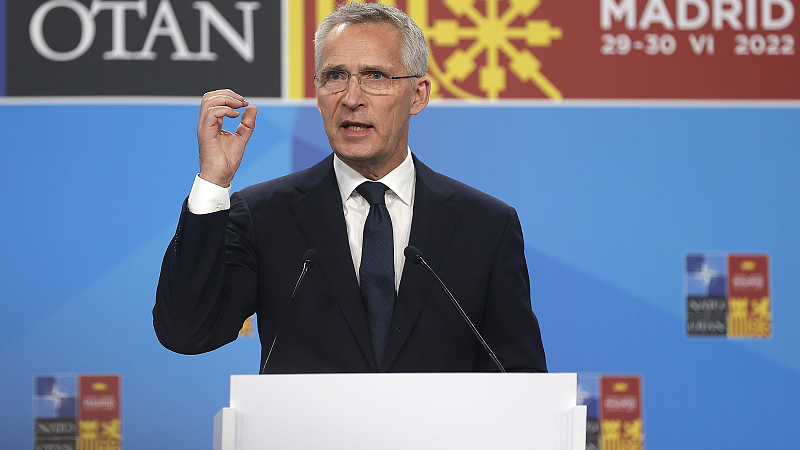
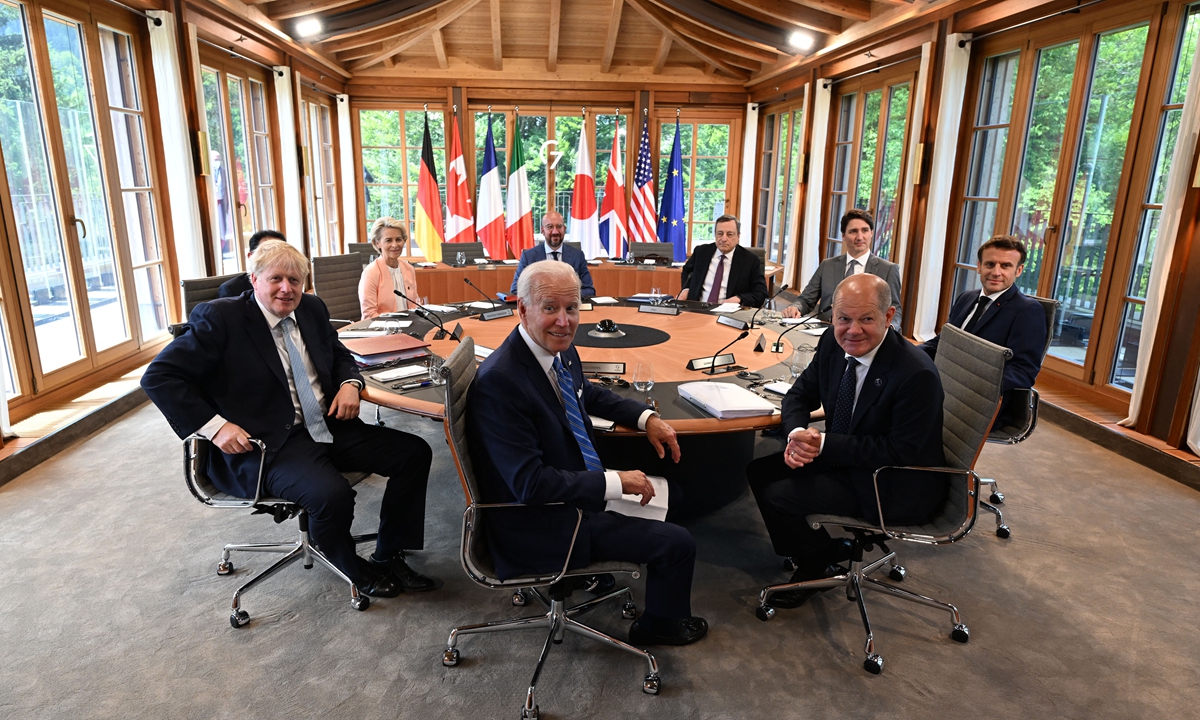
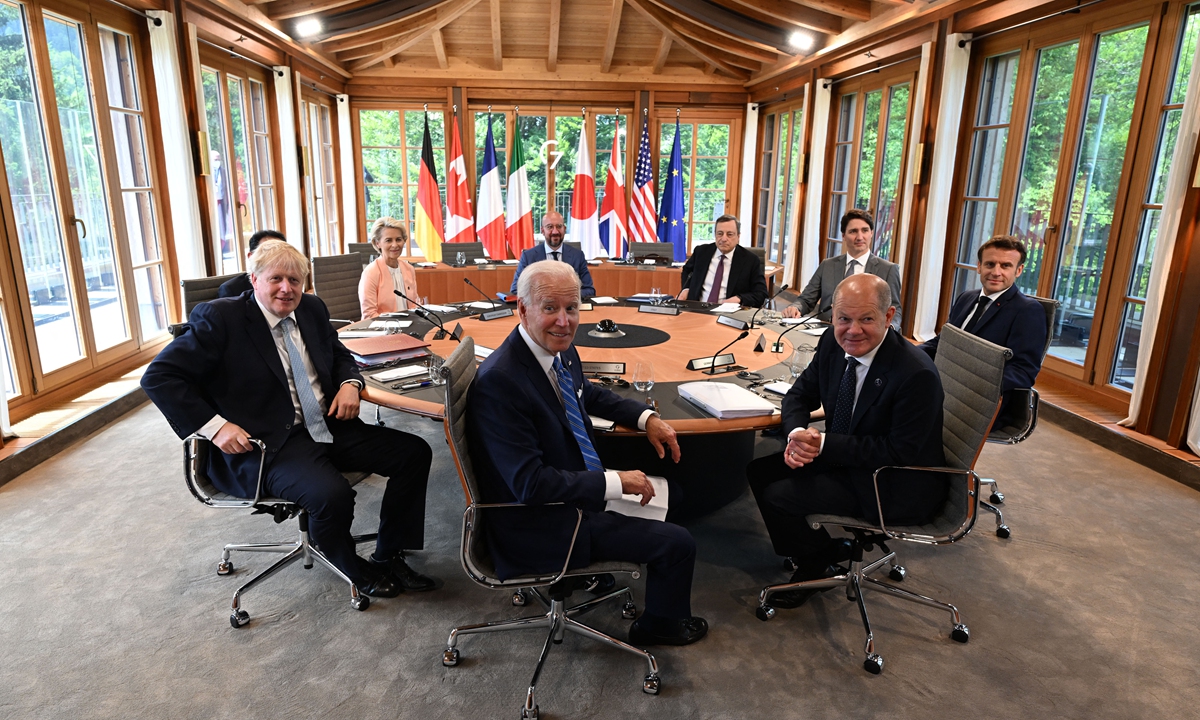
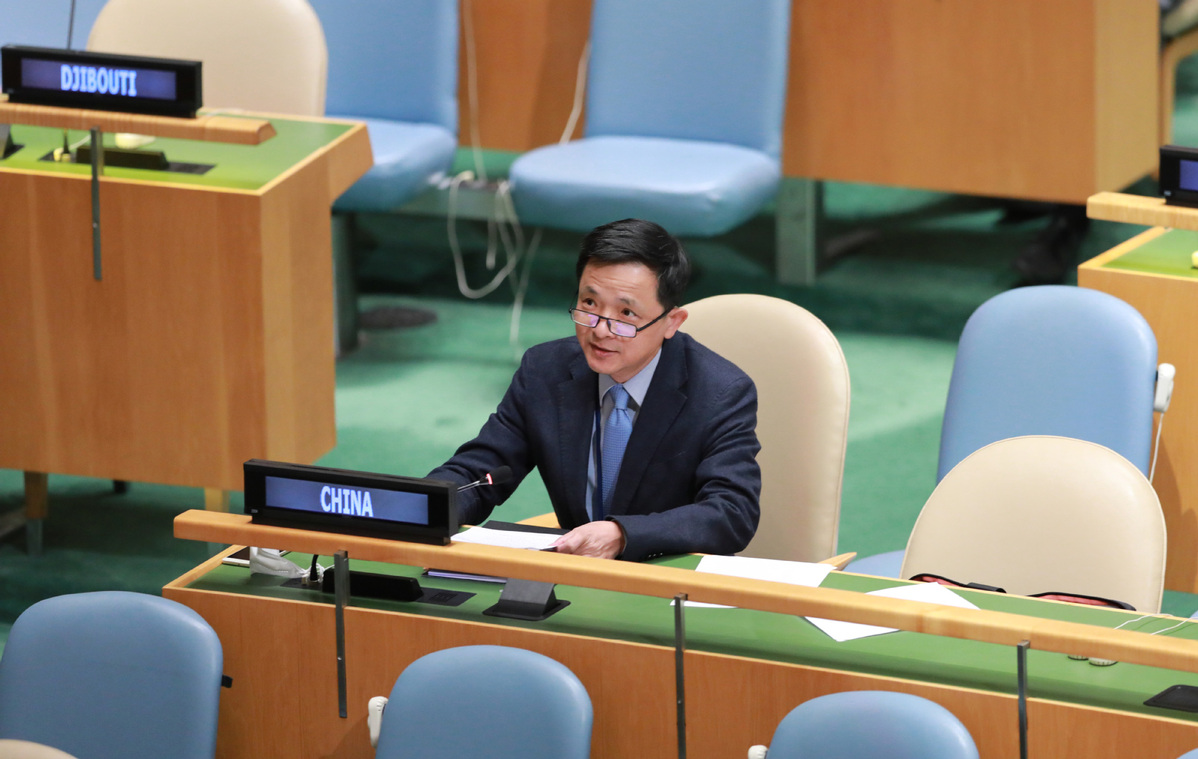
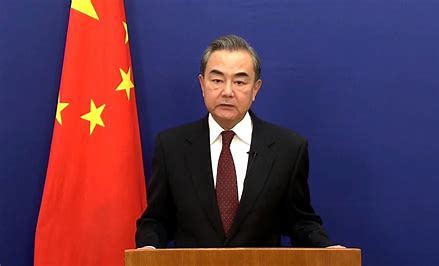
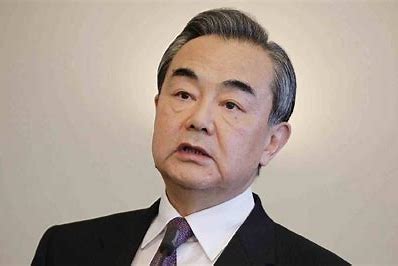
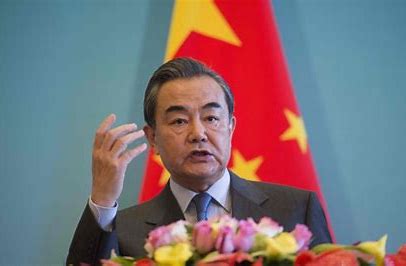
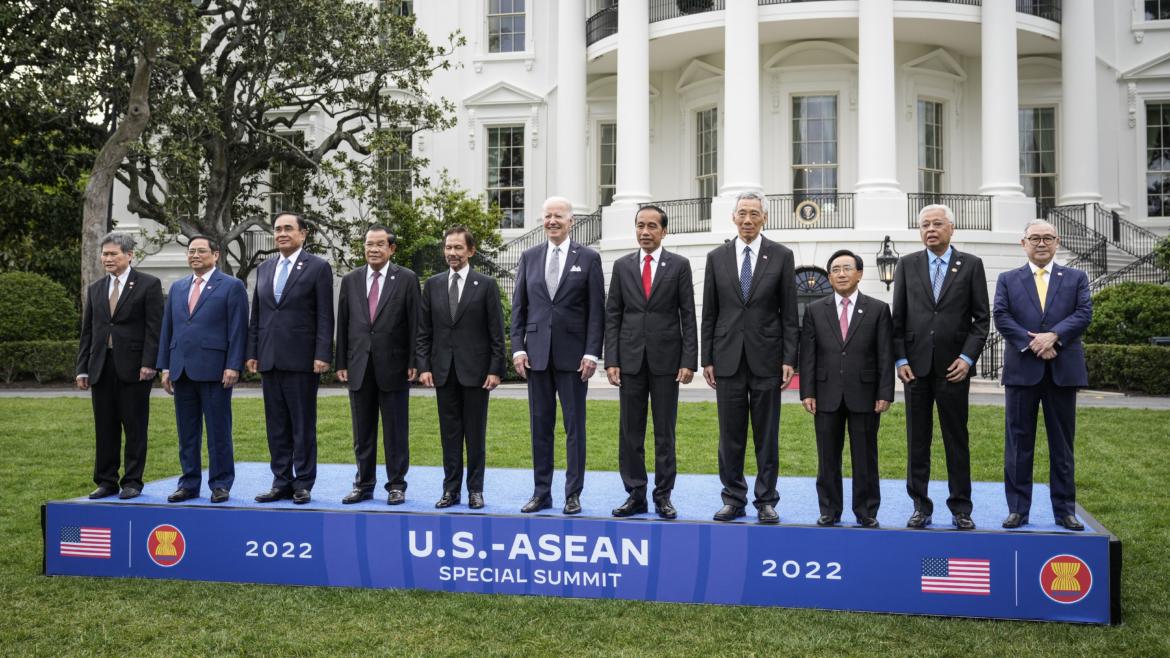
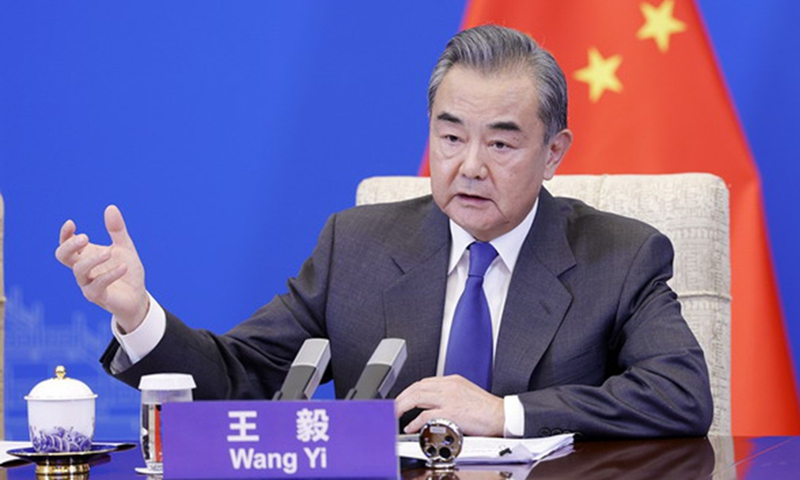
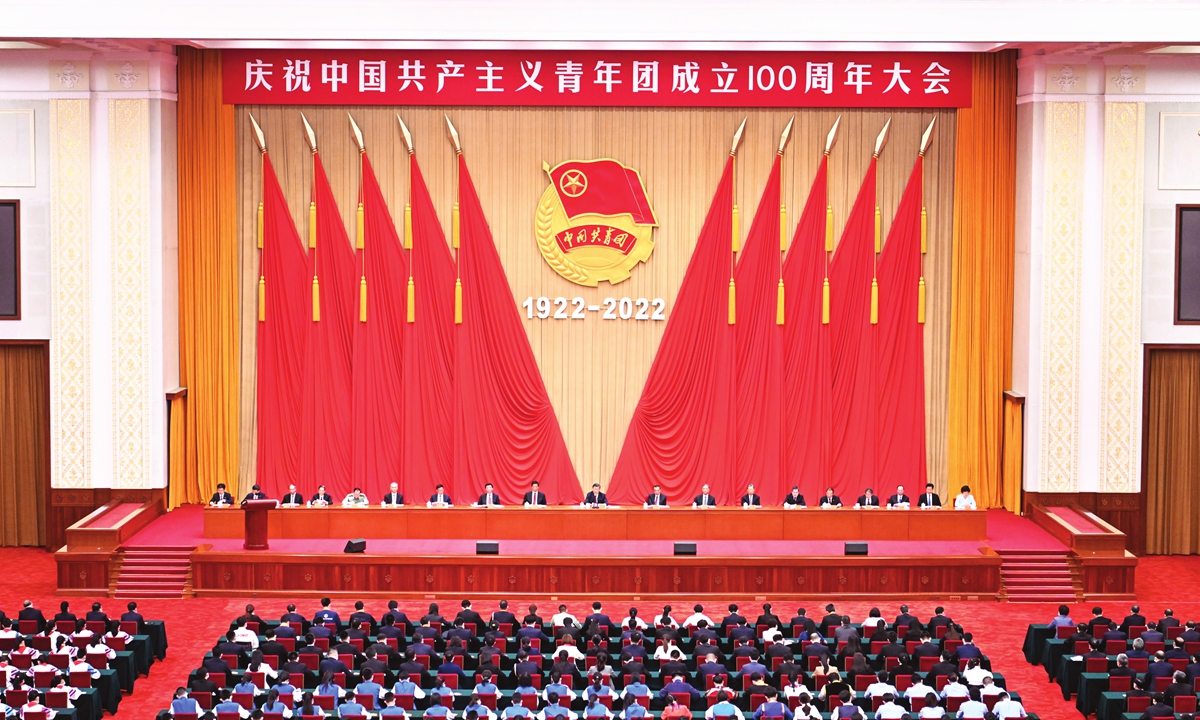
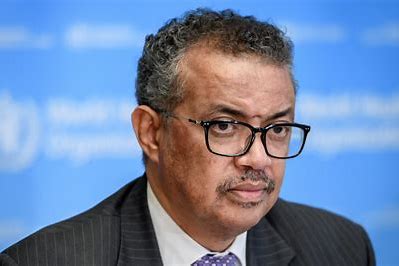
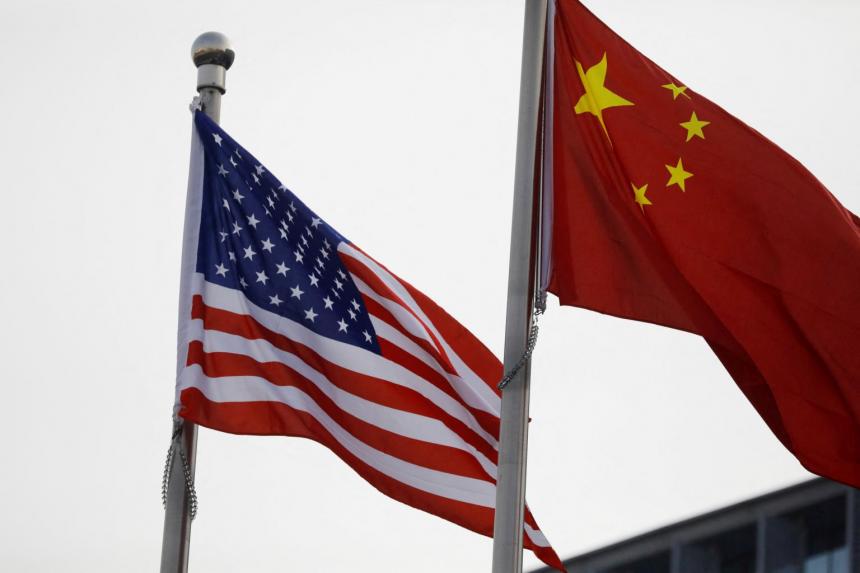
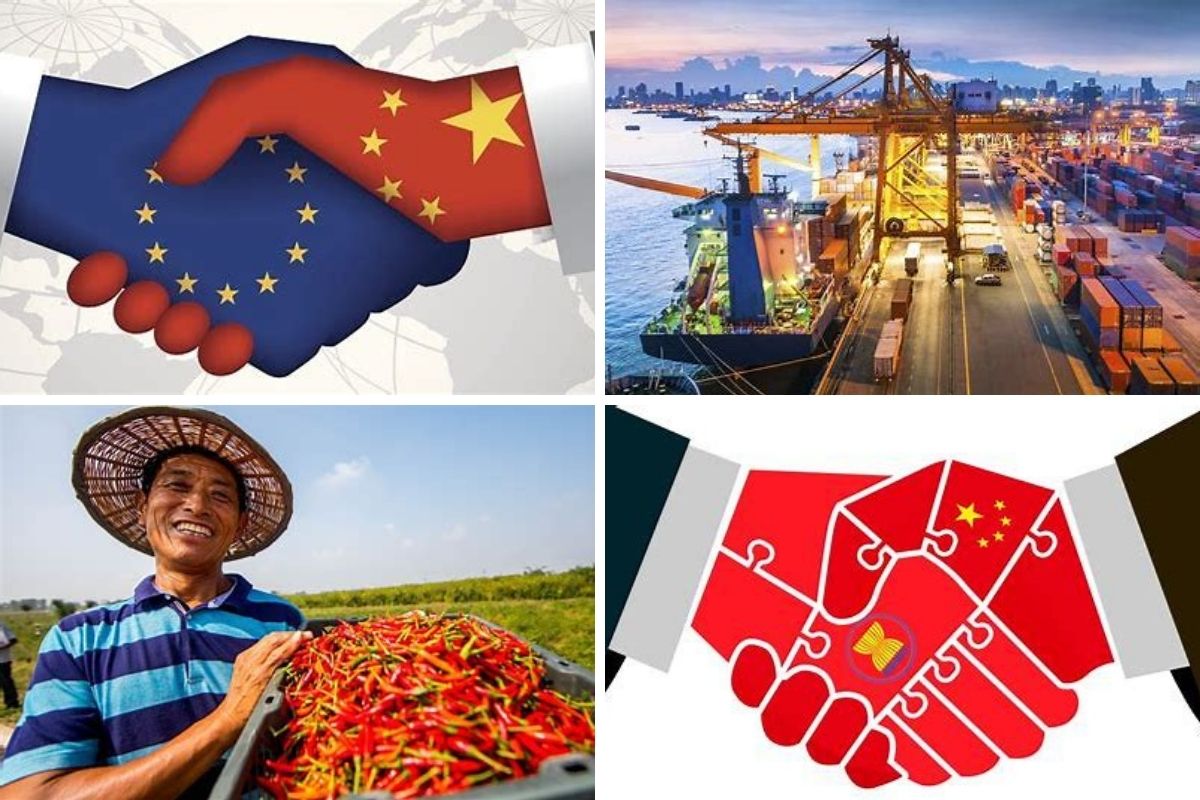
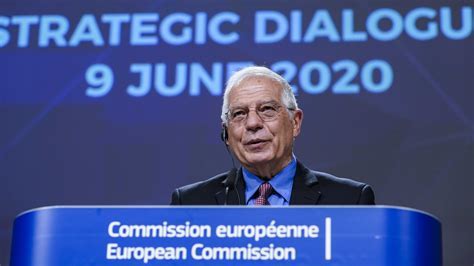
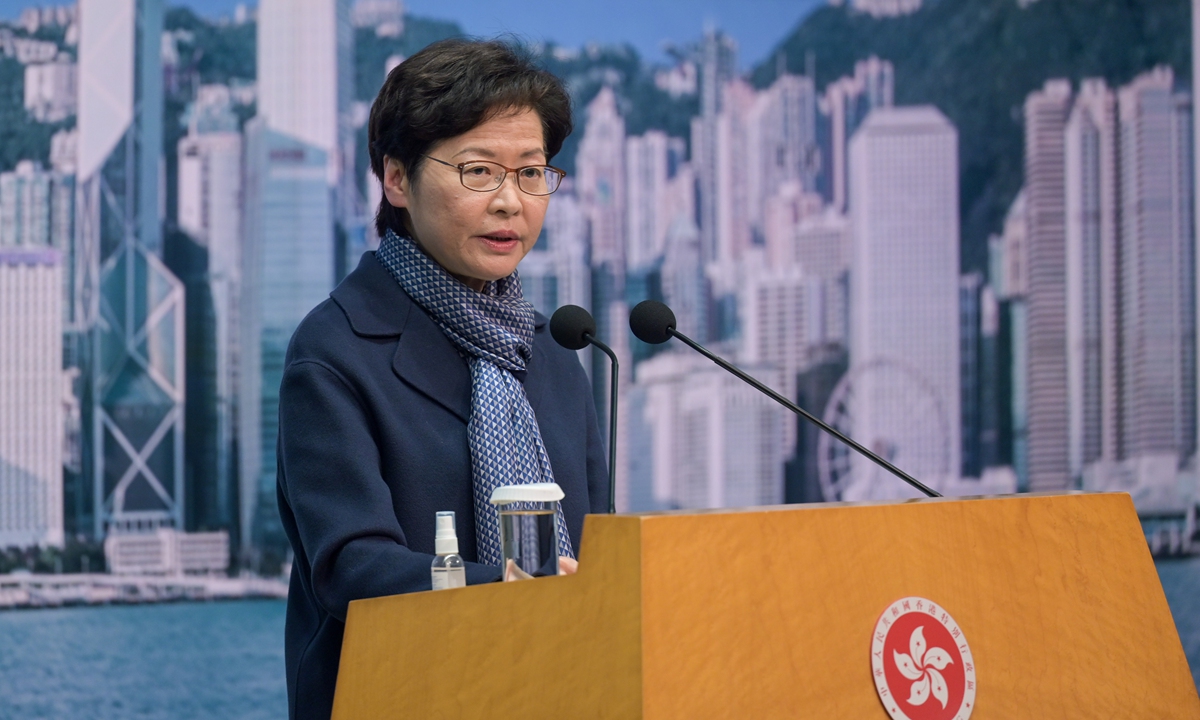
.png)
.jpg)
.jpg)
.jpg)
.jpg)
.jpg)
.jpg)
.jpg)
.jpg)
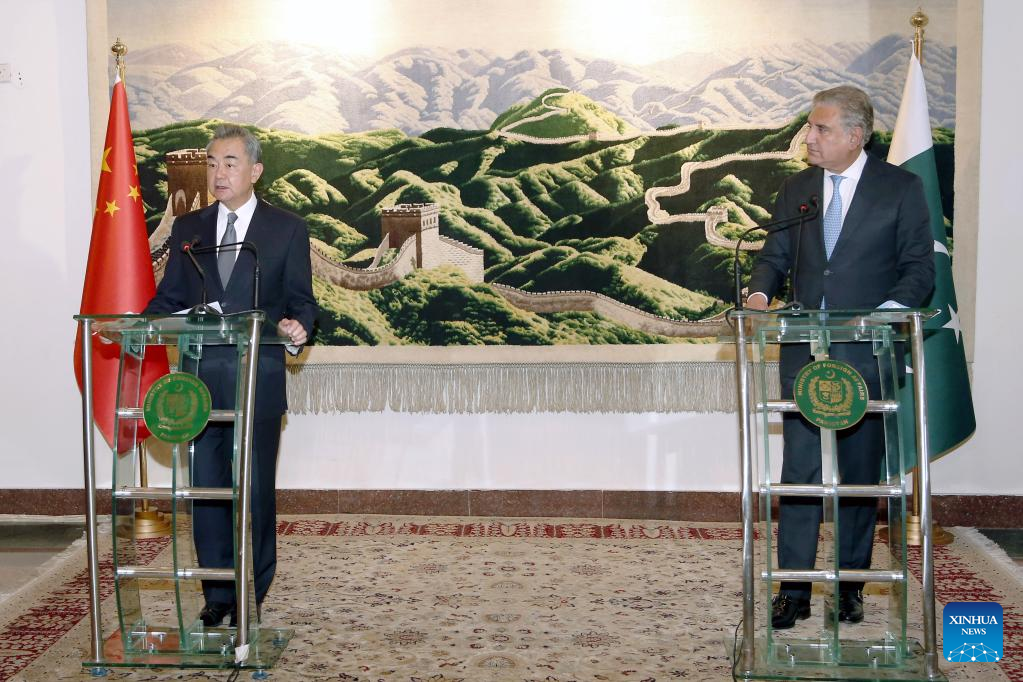
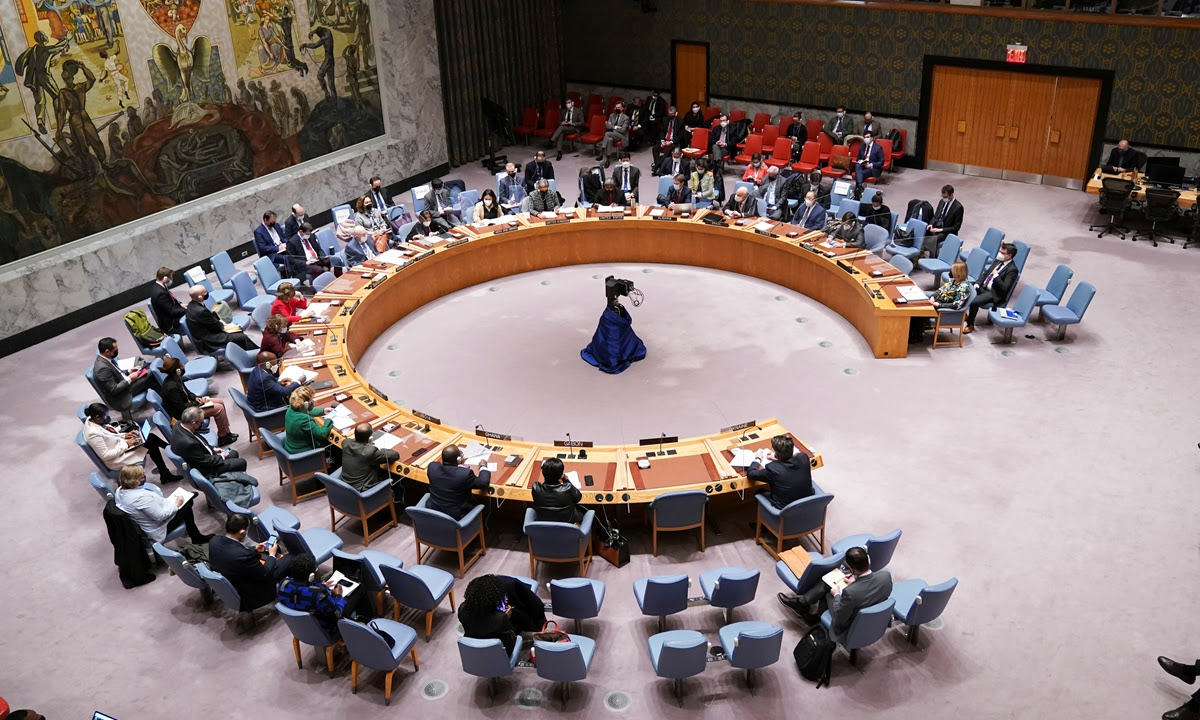
.jpg)
.png)
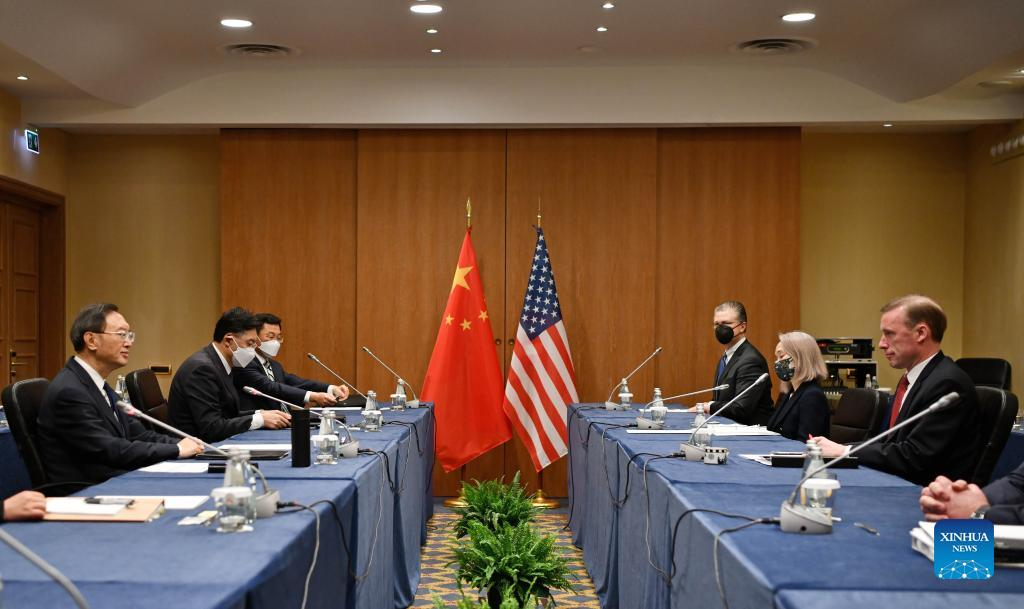
.jpg)
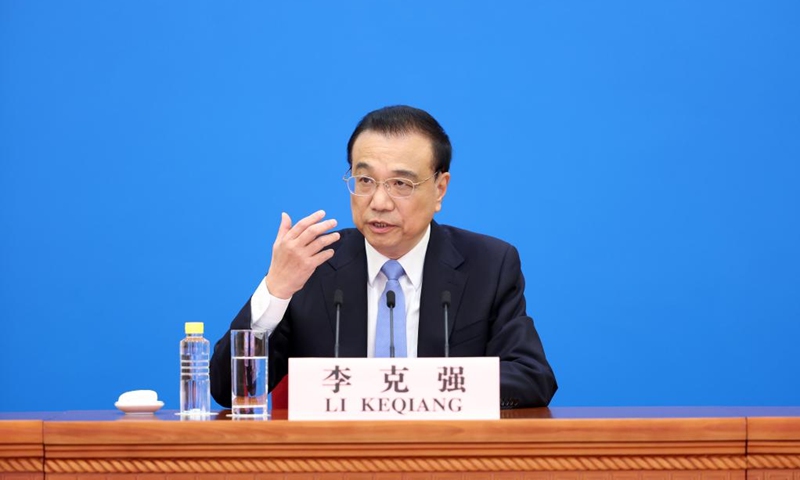
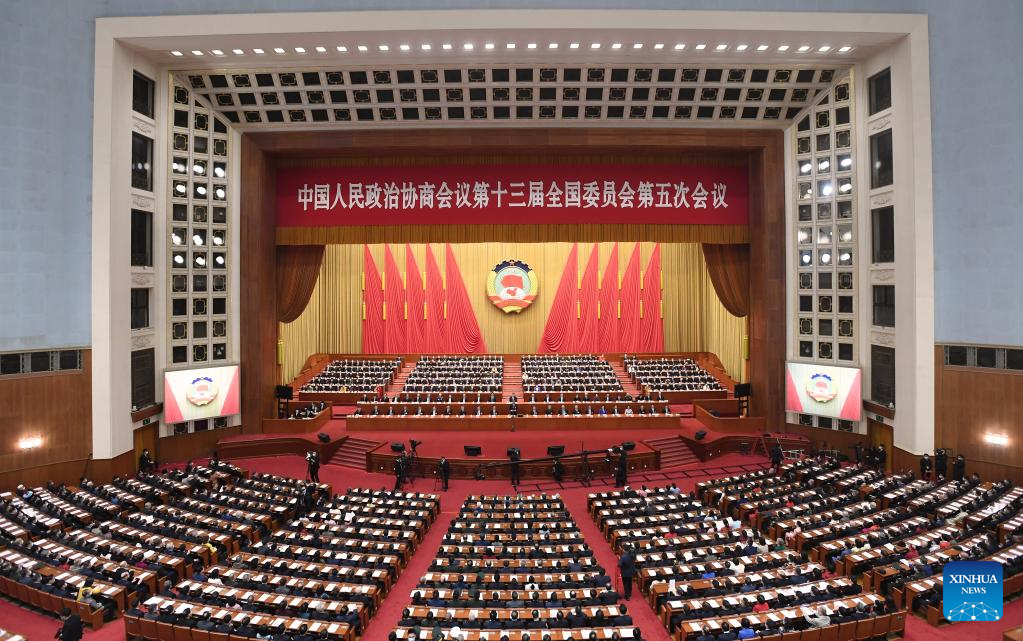
.jpg)
.jpg)
.jpg)
.jpg)
.jpg)
.jpg)
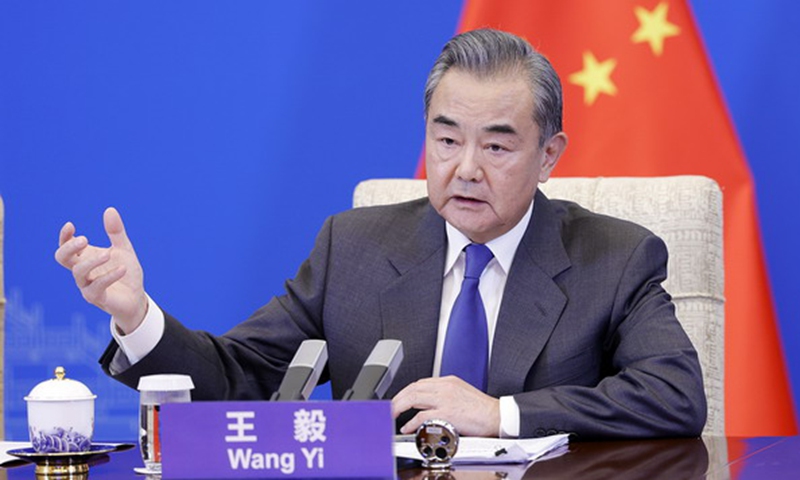

.jpg)
.jpg)
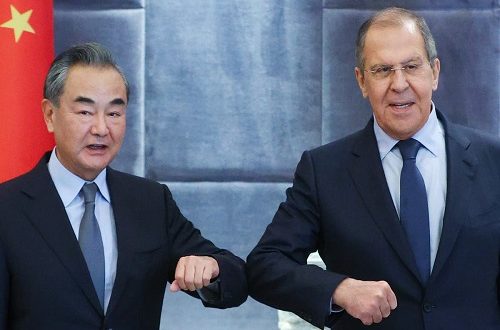
.jpg)
.jpg)
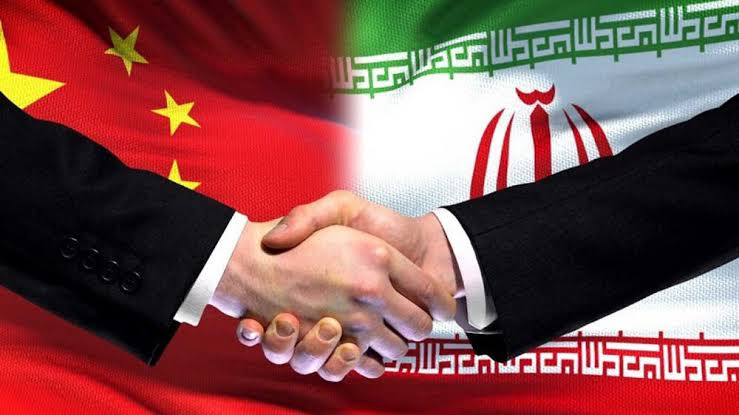
.jpg)
.jpg)
.jpg)
.jpg)
.jpg)
.png)
.jpg)
.jpg)
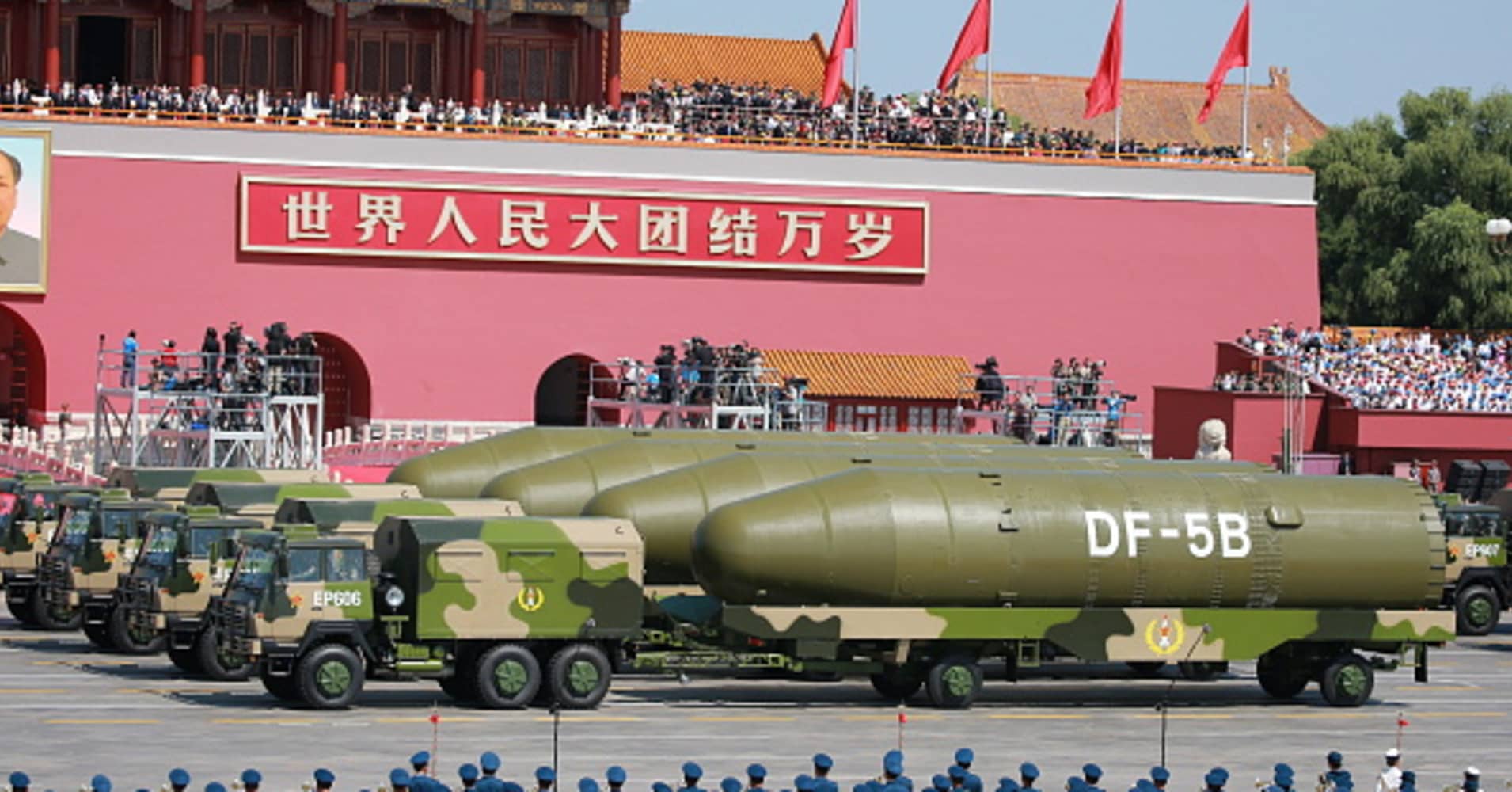
.png)
.jpg)
.jpg)
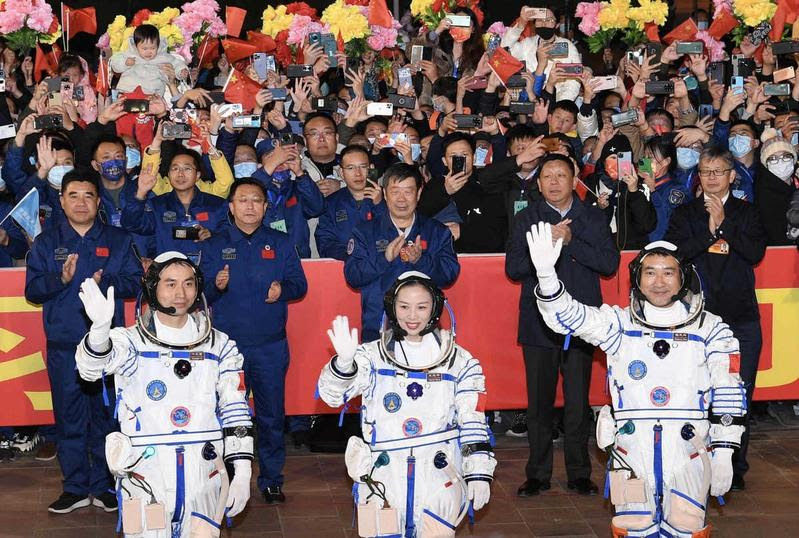


.jpg)
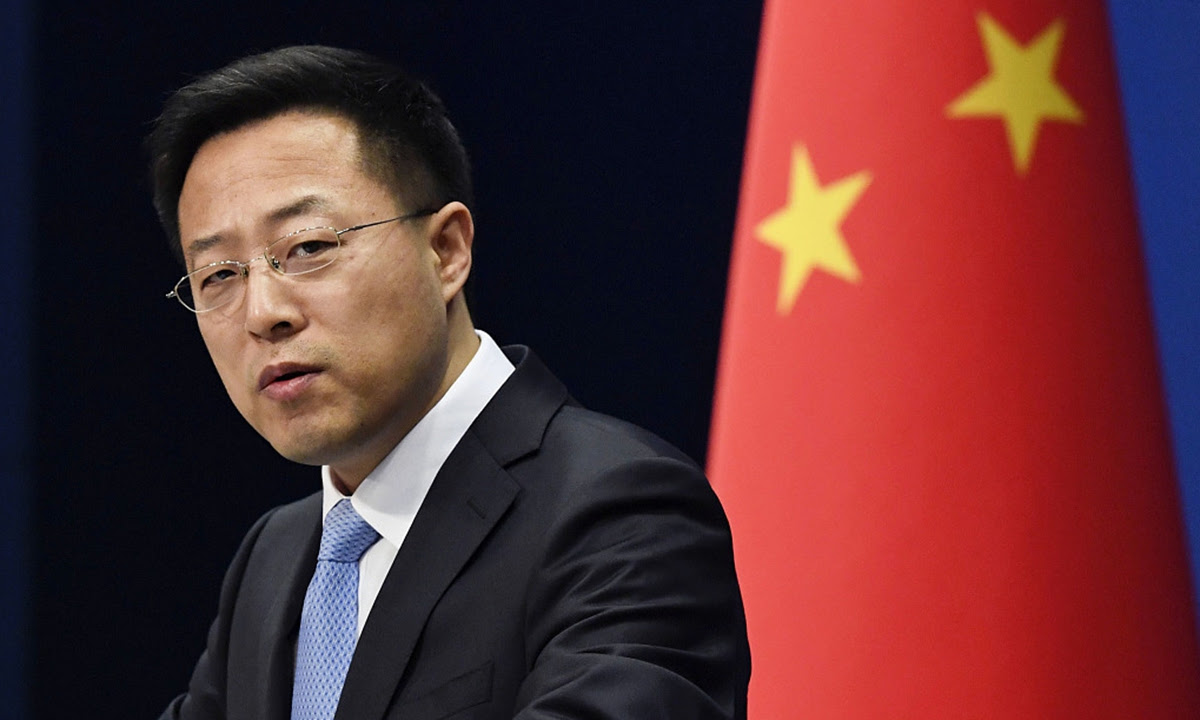
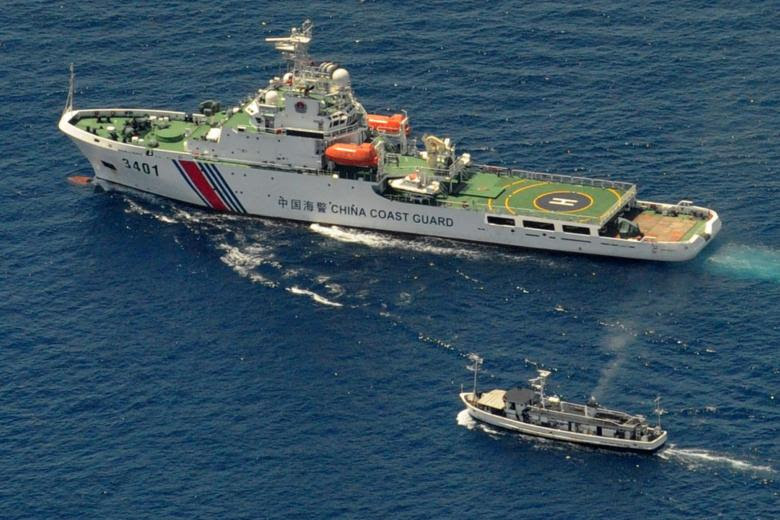
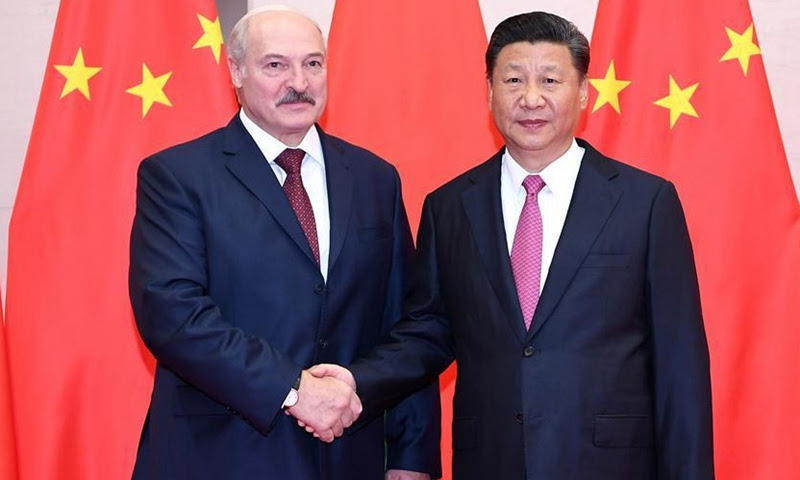
.jpg)
.jpg)
.jpg)
.jpg)
.jpg)
.jpg)
.jpg)
.jpg)

.jpg)
.jpg)
.jpg)
.jpg)
.jpg)
.jpg)
.jpg)
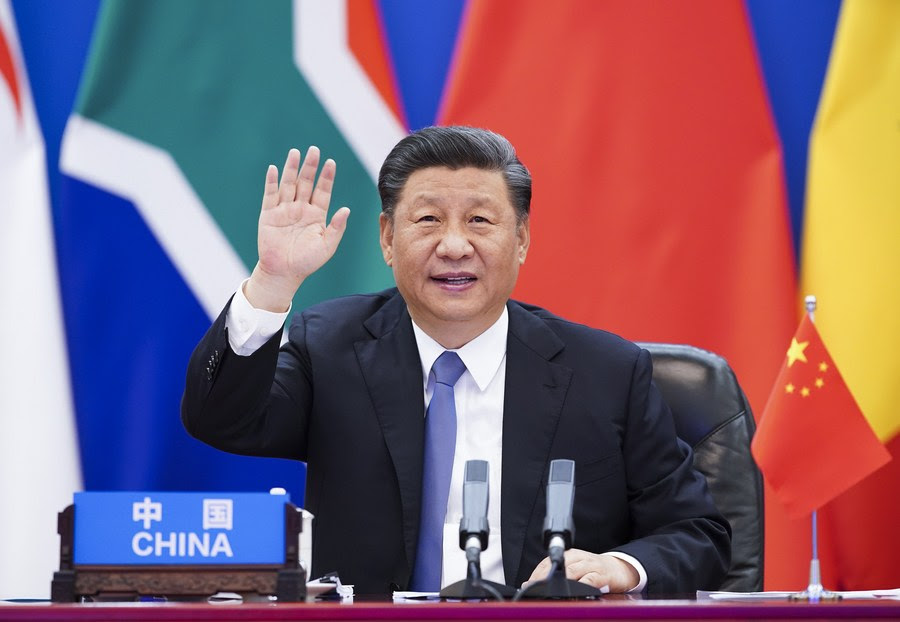
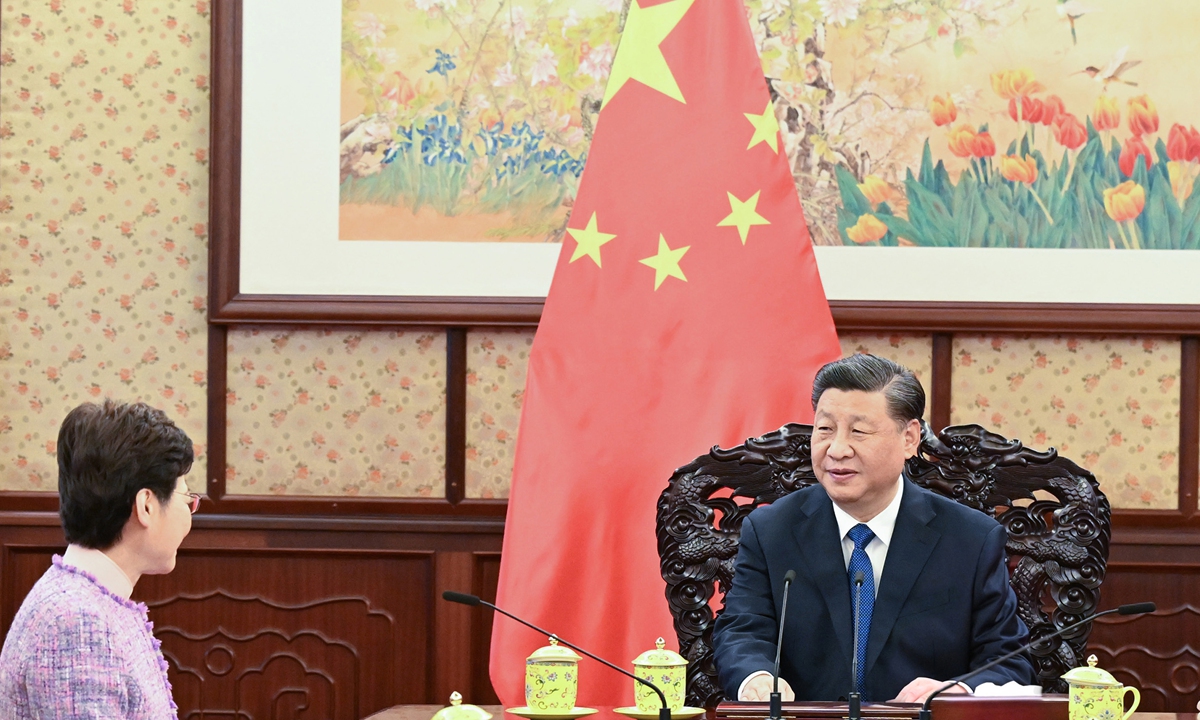
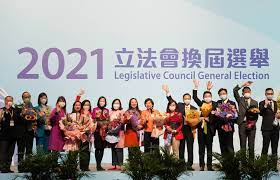
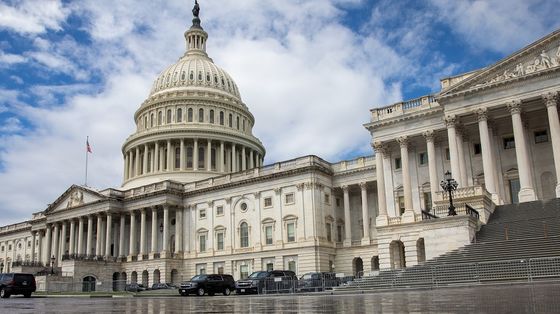

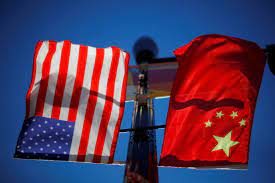
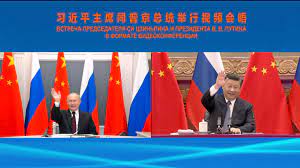
.jpeg)
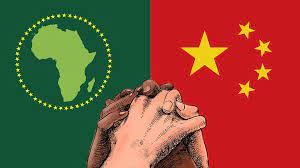
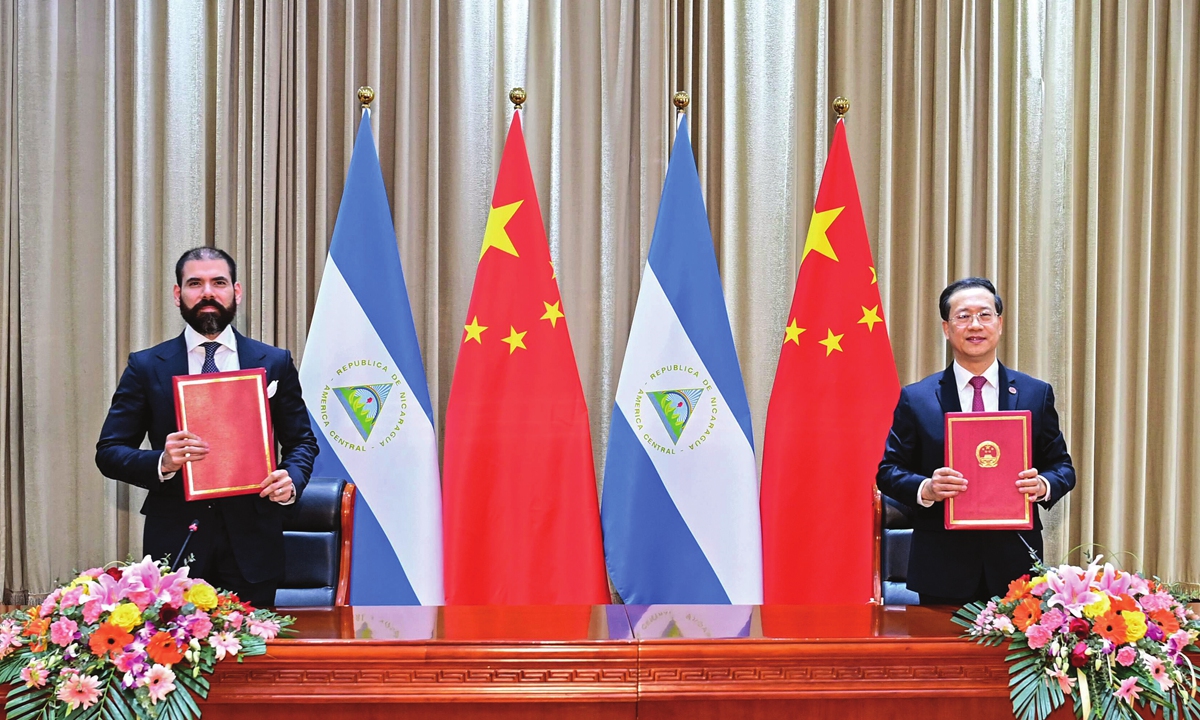
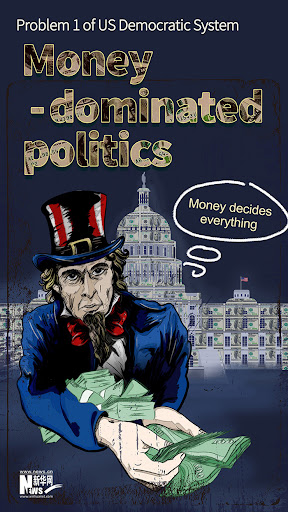
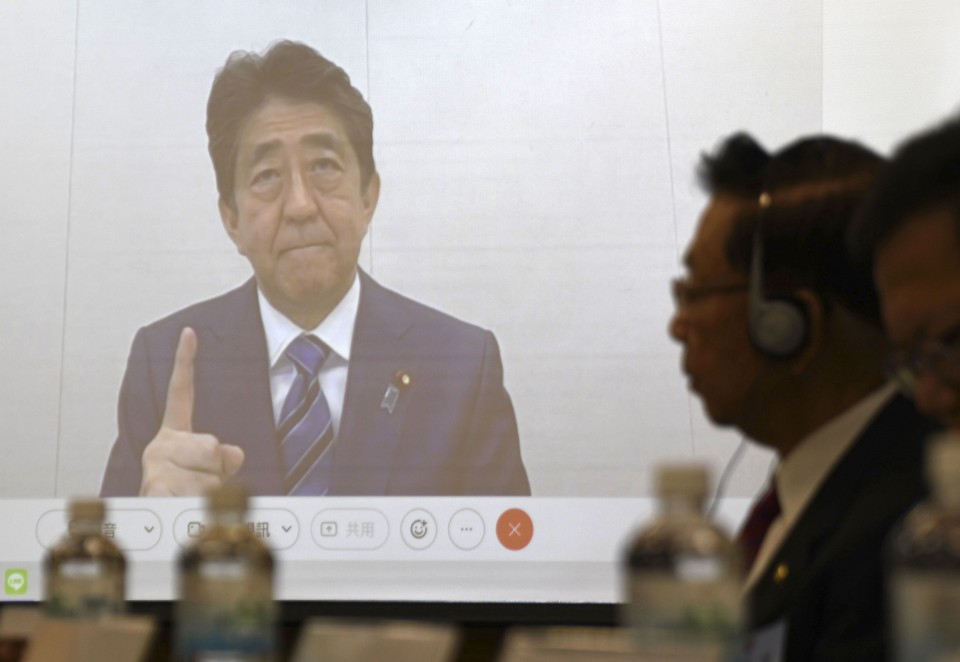

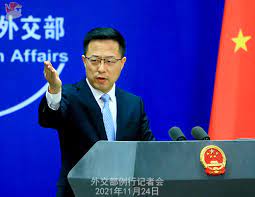
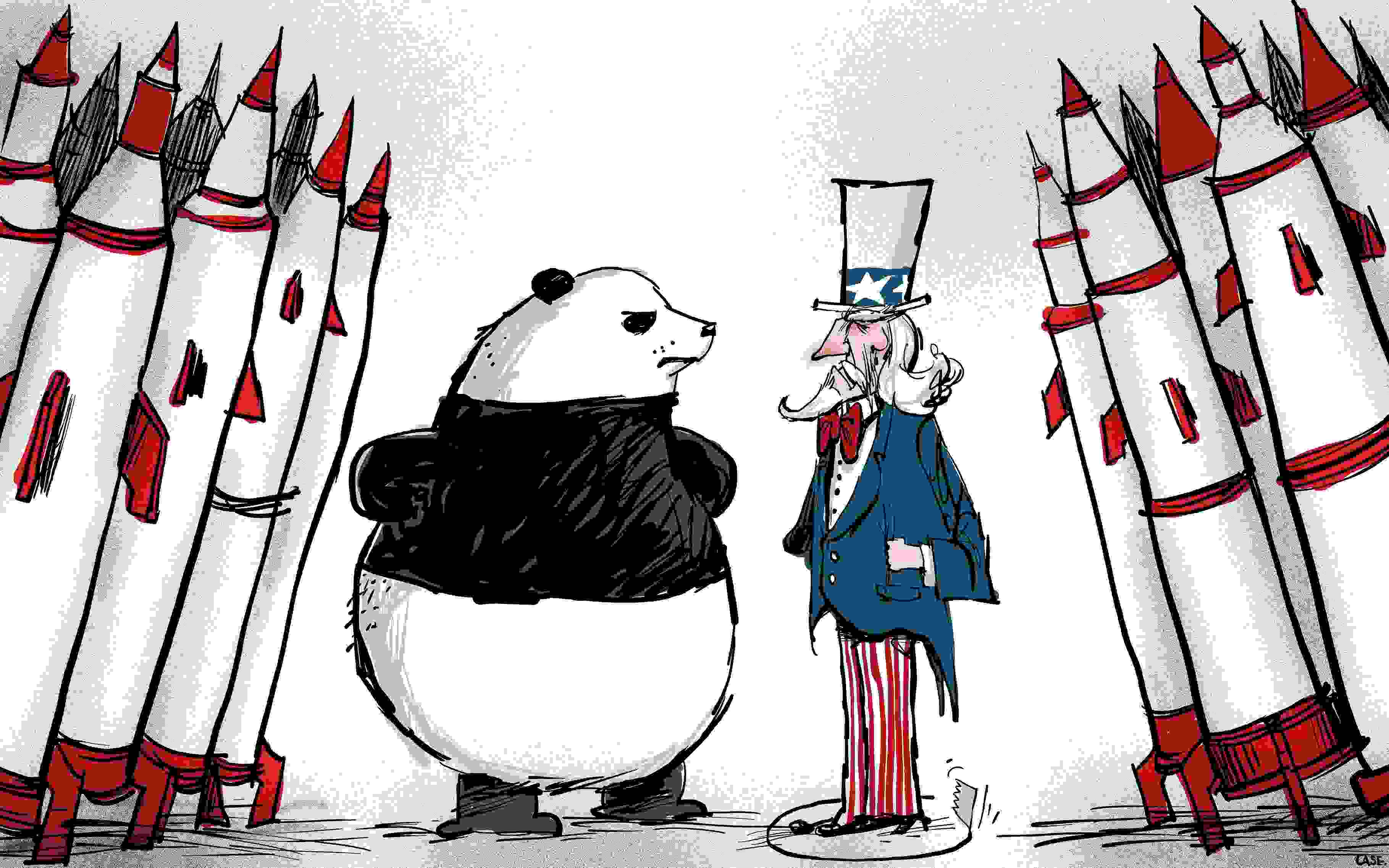
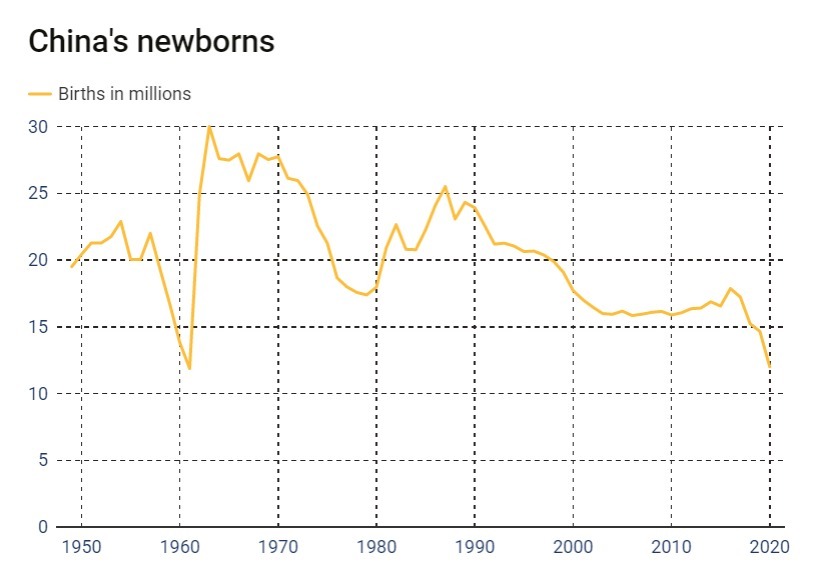
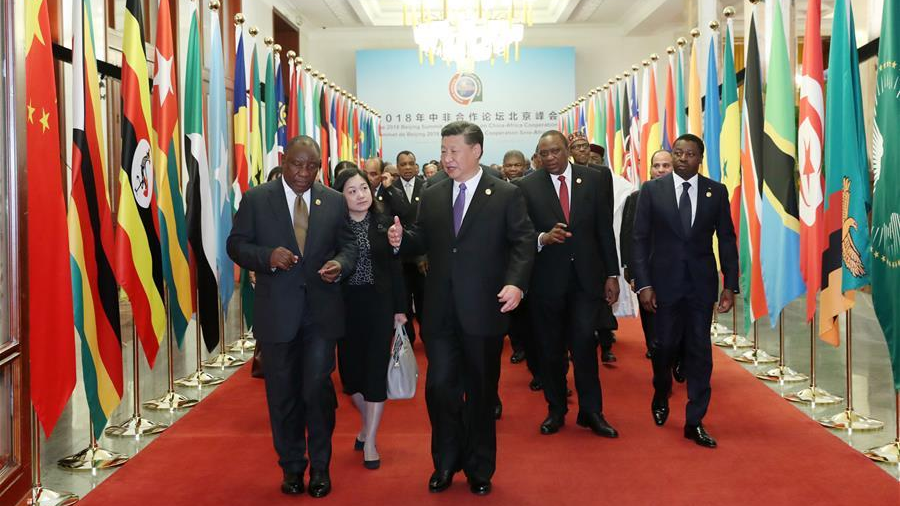
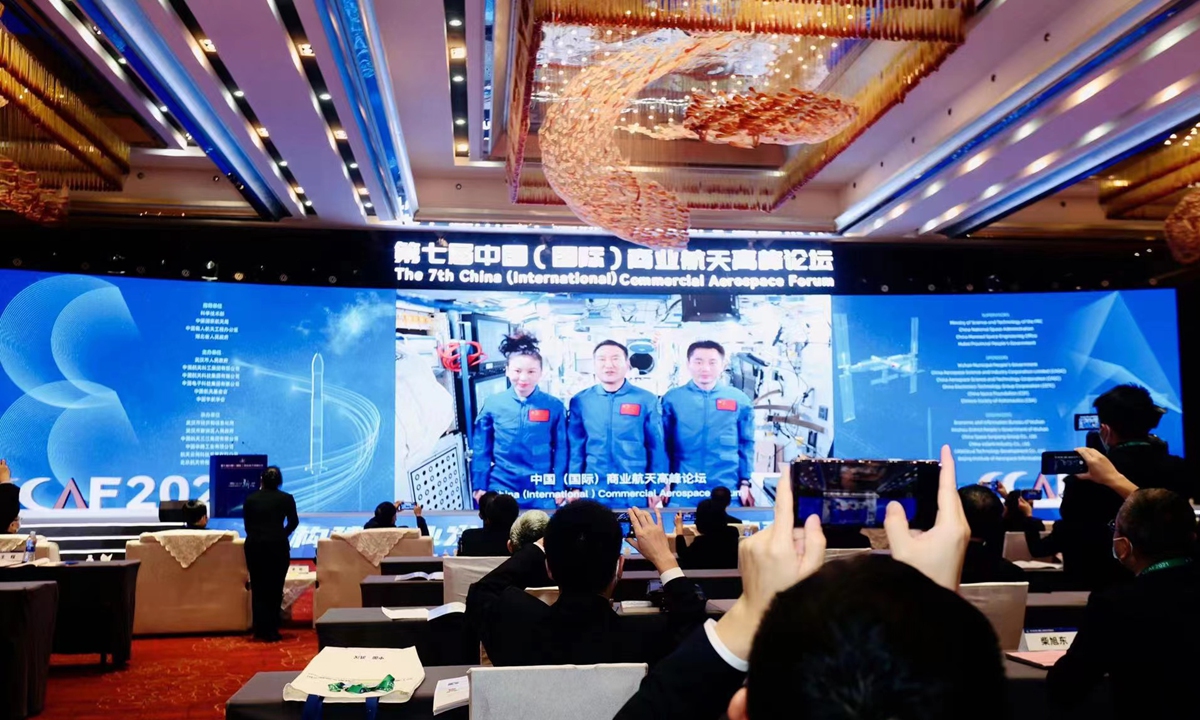
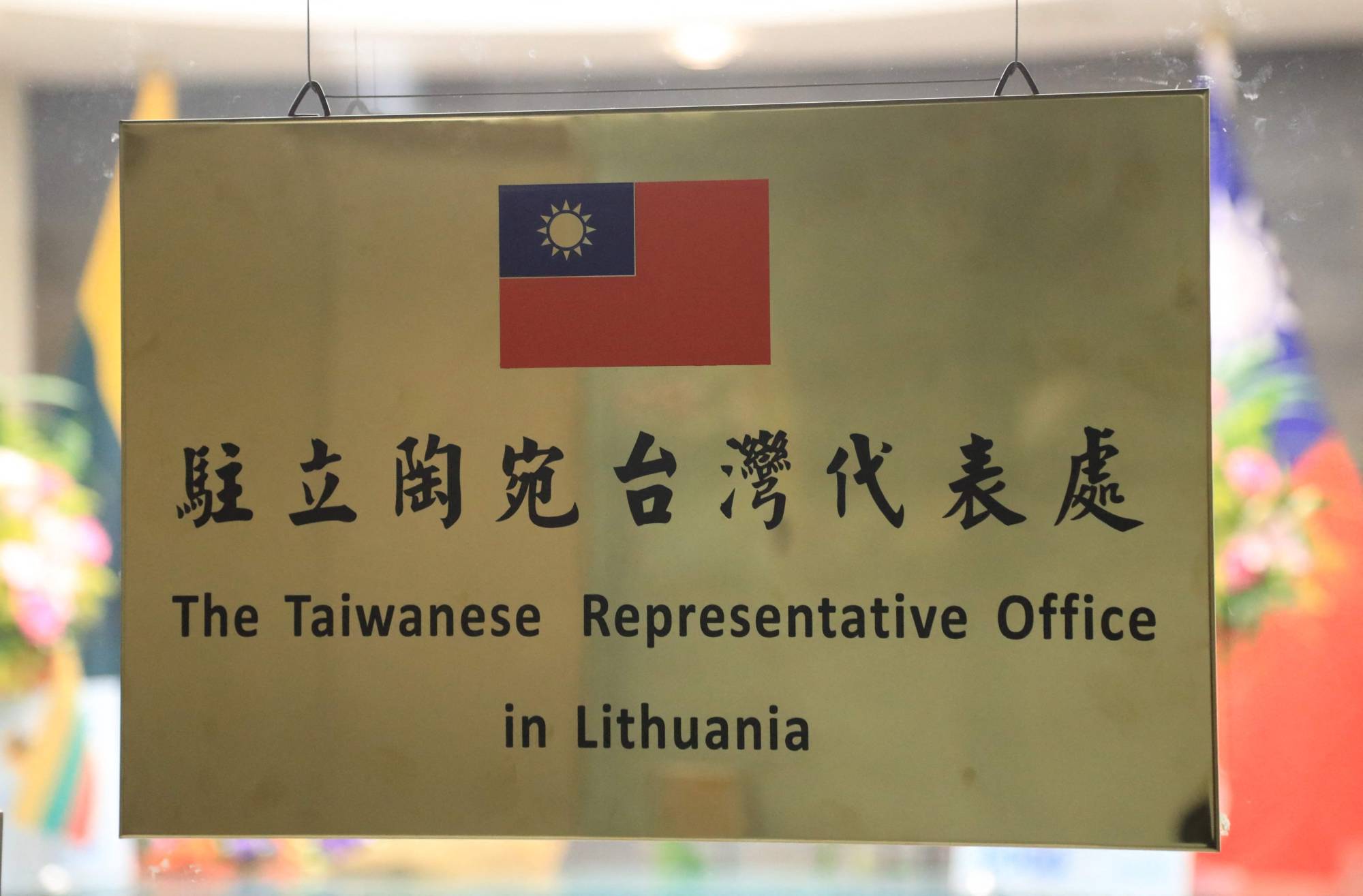

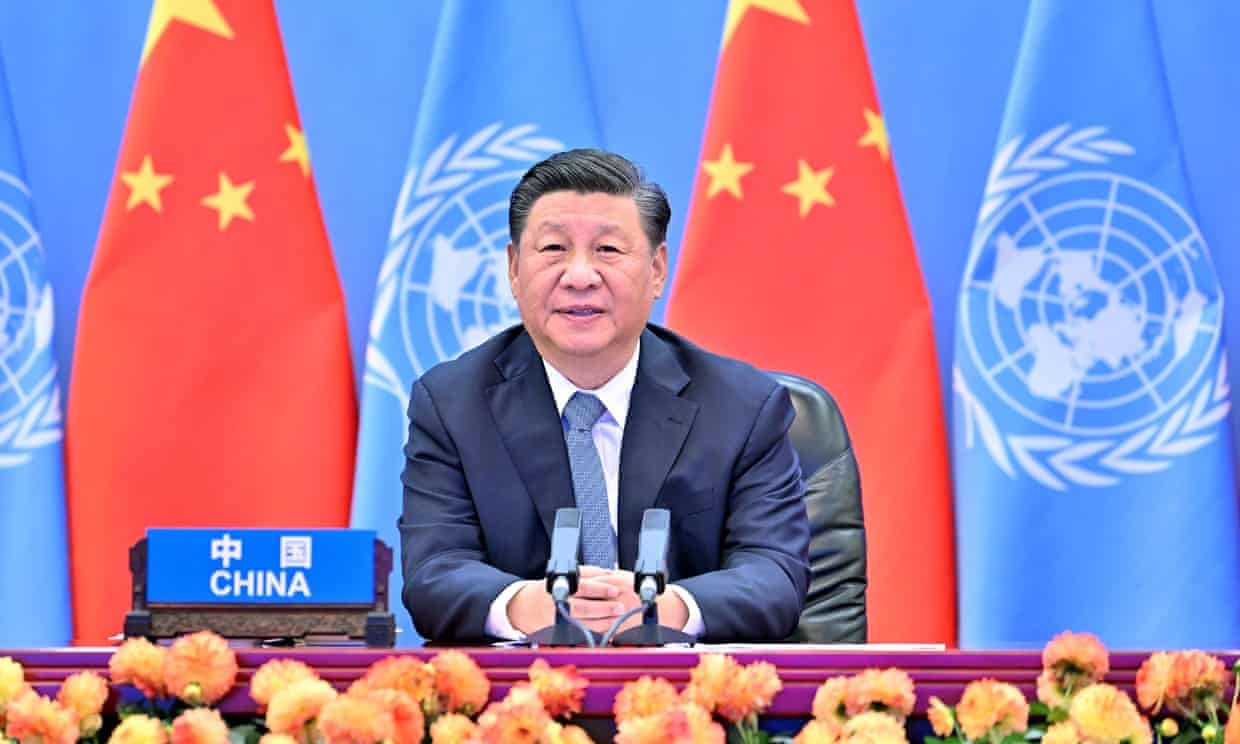
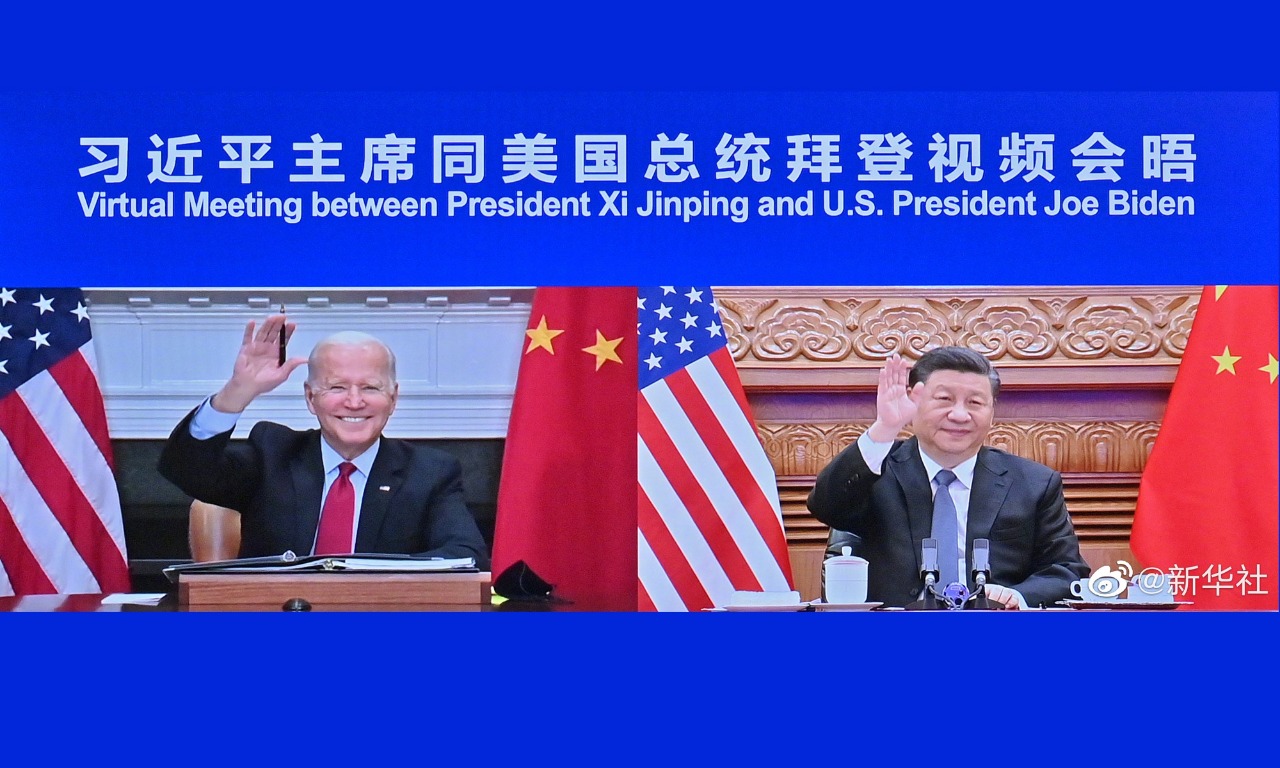
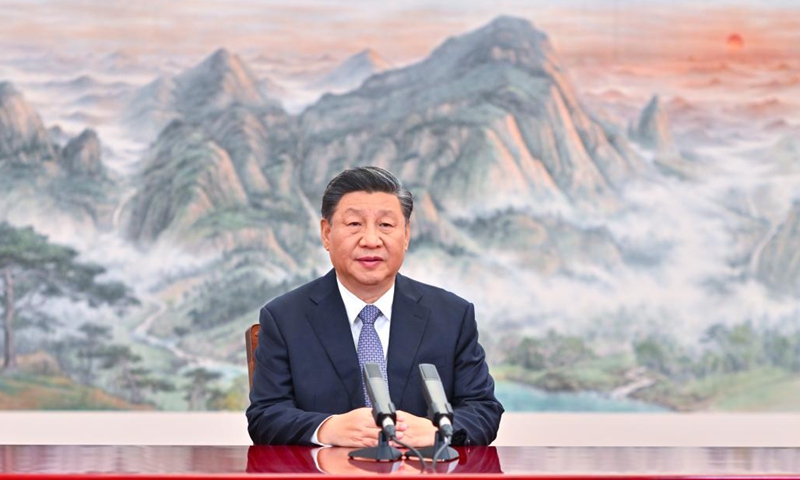
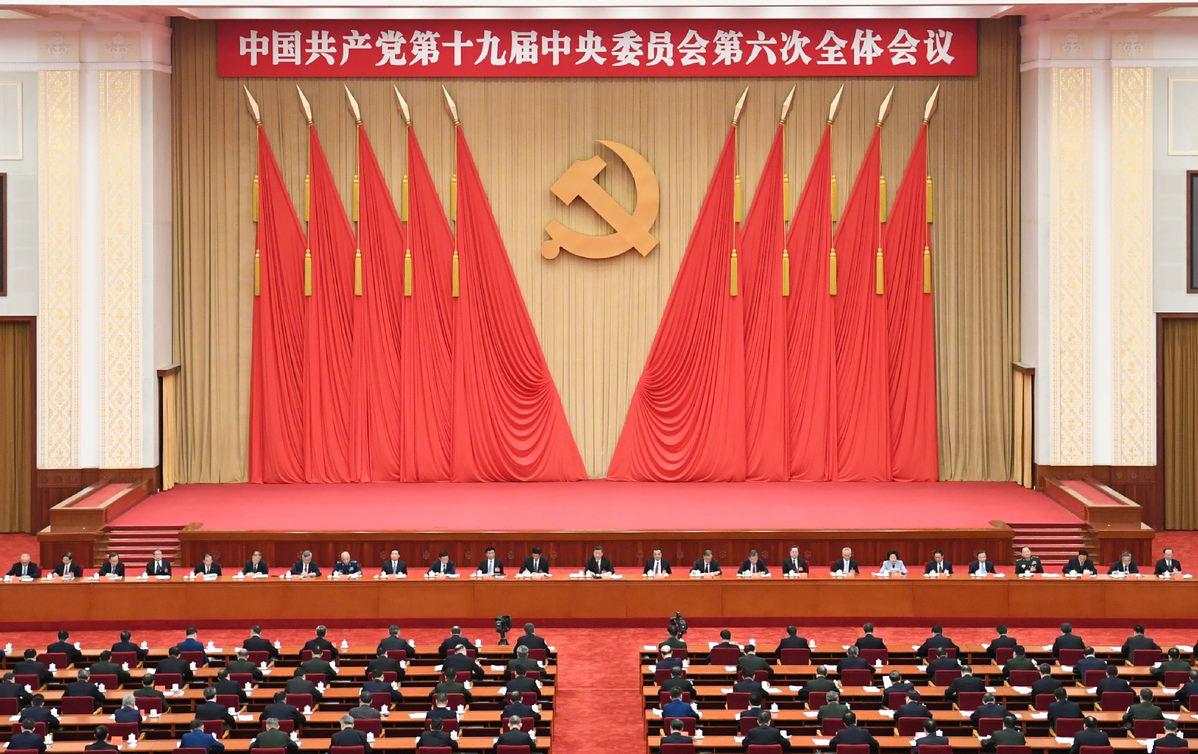
.jpeg)