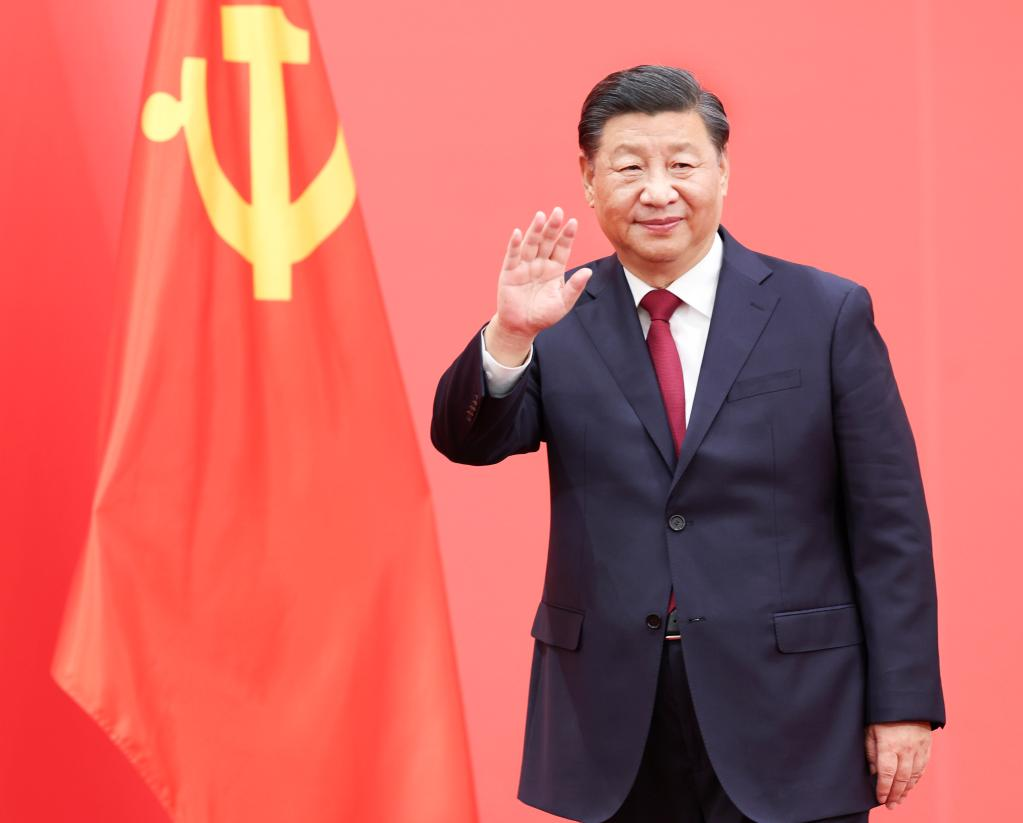
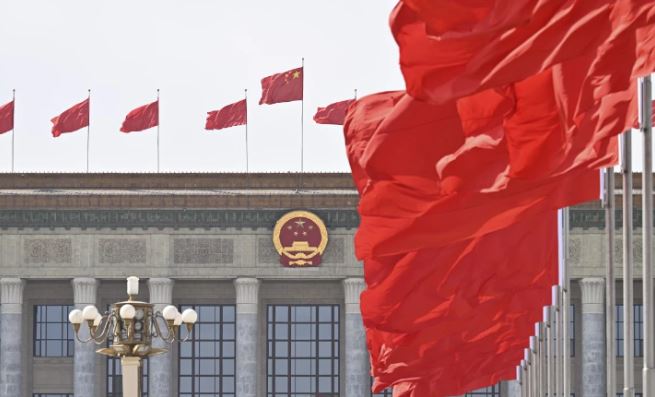
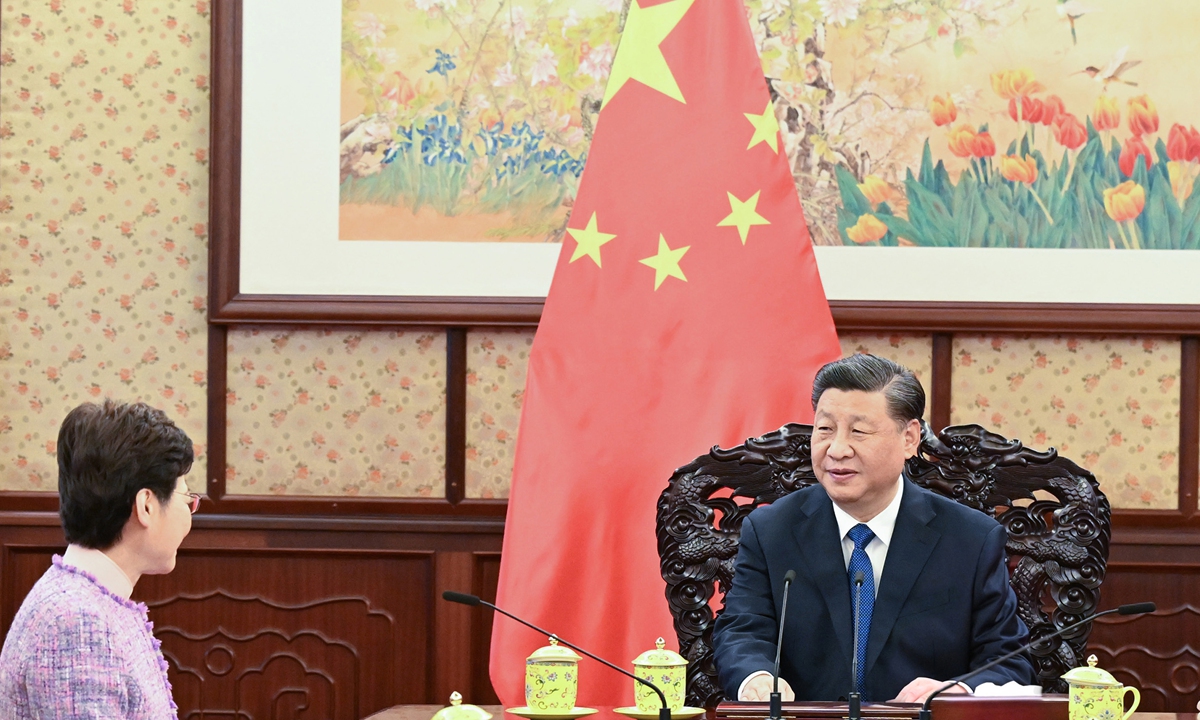
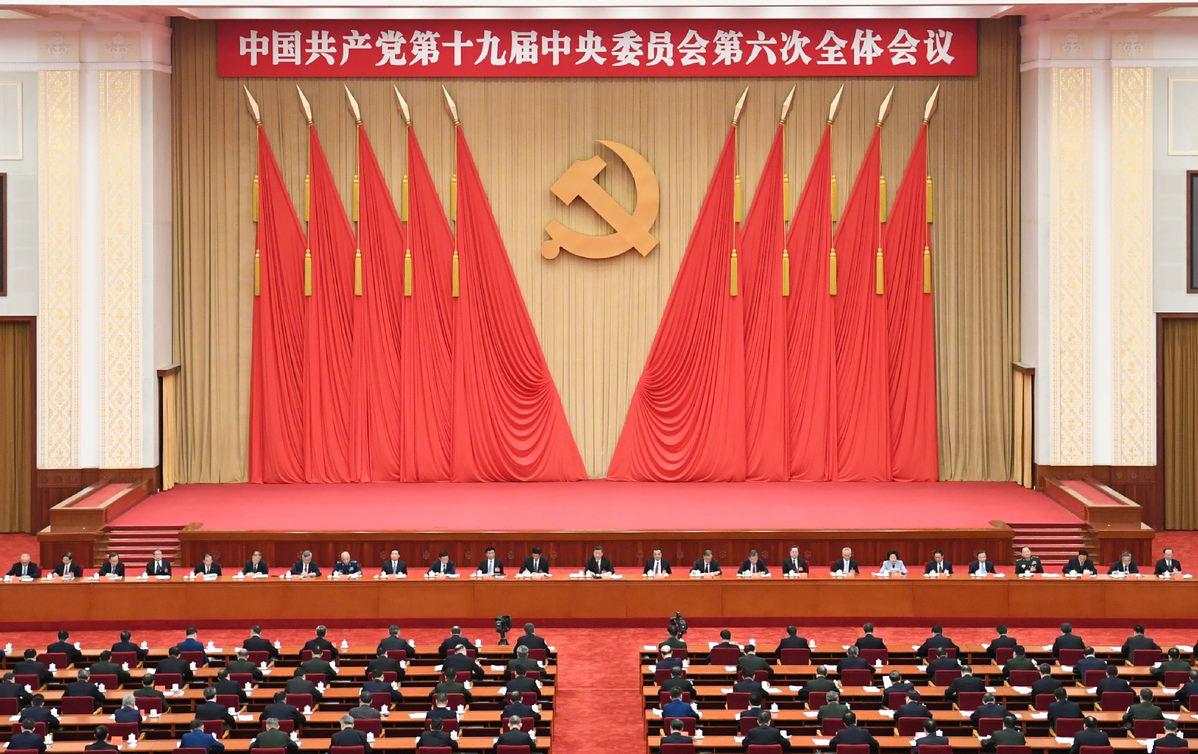
Photo : Xinhua


China Reader Daily Wire | 17 September 2026, Thursday | Vol 3 No. 140
In Brief
INTERNAL
Economic slowdown deepens as unemployment tops forecasts
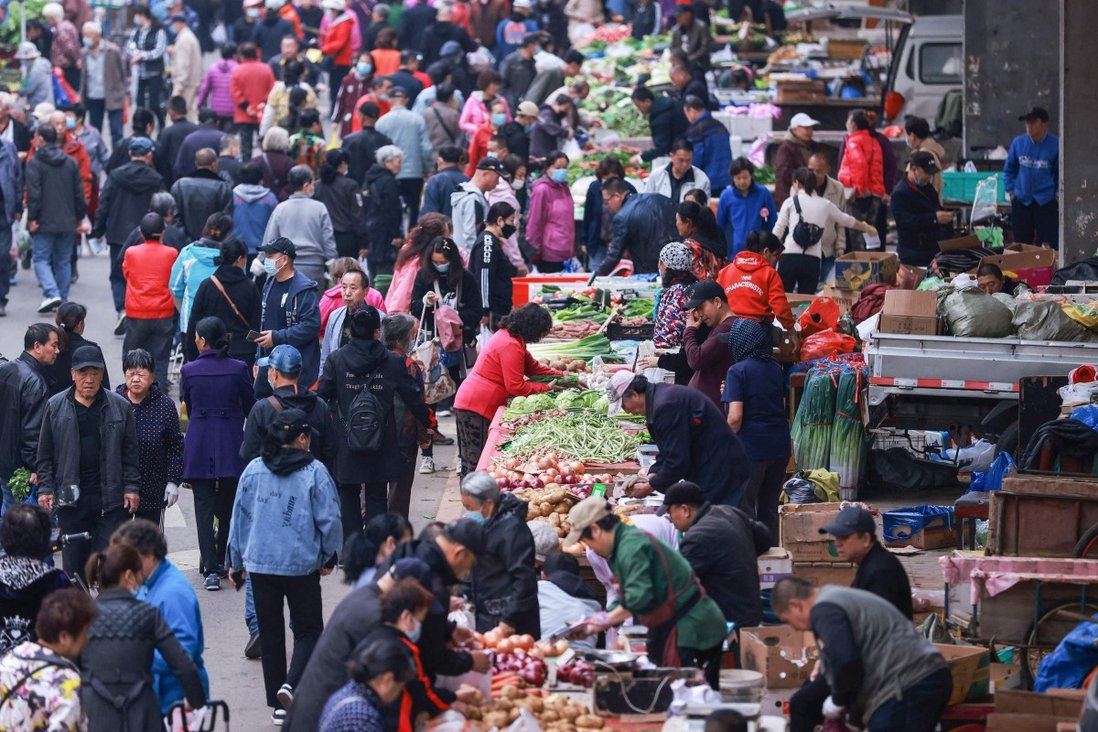
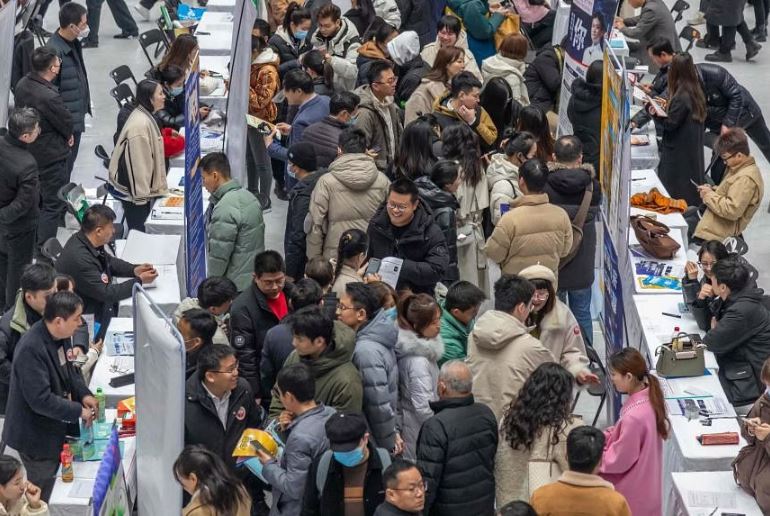
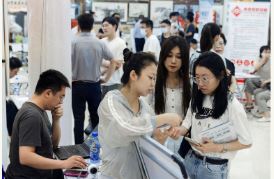
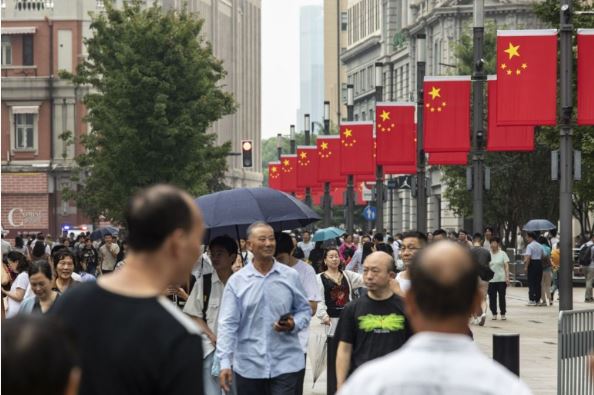
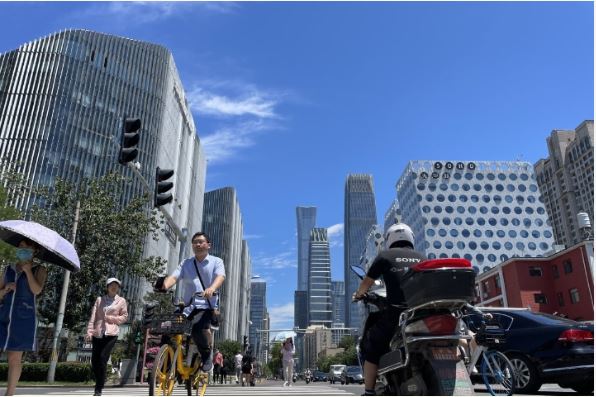
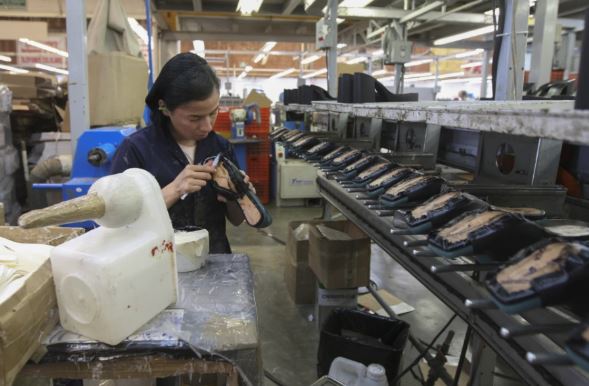
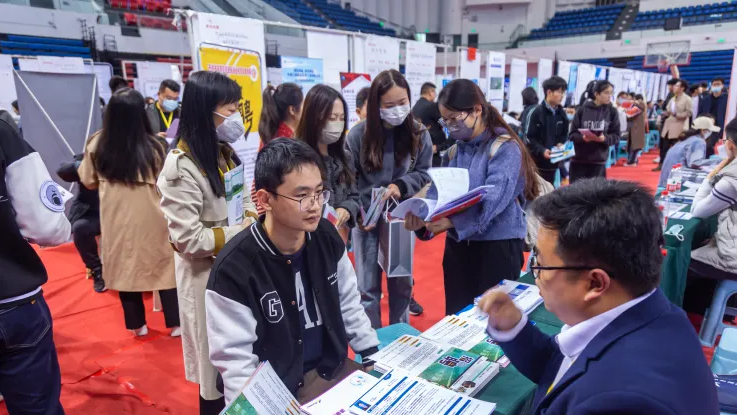
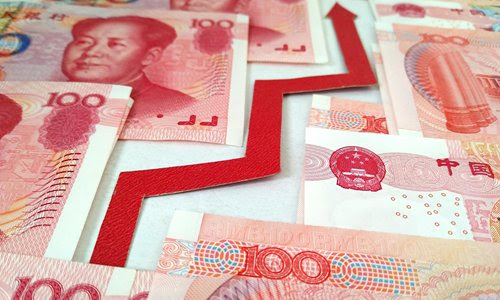
On 15 September, AA News reported that China's slowing retail sales growth and fixed-asset investment, alongside a higher-than-expected unemployment rate, signalled weakening domestic demand, raising expectations that Beijing may need additional fiscal and monetary support to sustain growth. Retail sales grew just 0.4 per cent year-on-year in August, falling short of estimates, while fixed-asset investment declined 7.2 per cent and unemployment rose to 5.3 per cent. ING Group's chief China economist Lynn Song said GDP growth was likely to stagnate in the third quarter, with the 2026 forecast of 4.6 per cent potentially requiring a downward revision, as high-tech and export-driven sectors continued to outperform amid broader domestic weakness. Auto sales fell 18.5 per cent year-on-year, the biggest drag on retail sales, while furniture and gold and jewellery sales also declined, though household appliance sales posted their first positive growth in nearly a year.
("China's weak domestic demand, worse-than-expected unemployment threaten growth," AA News, 15 September 2026)
https://www.aa.com.tr/en/asia-pacific/china-s-weak-domestic-demand-worse-than-expected-unemployment-threaten-growth/4057858
SCIENCE AND TECHNOLOGY
China extracts rare metals from lithium waste
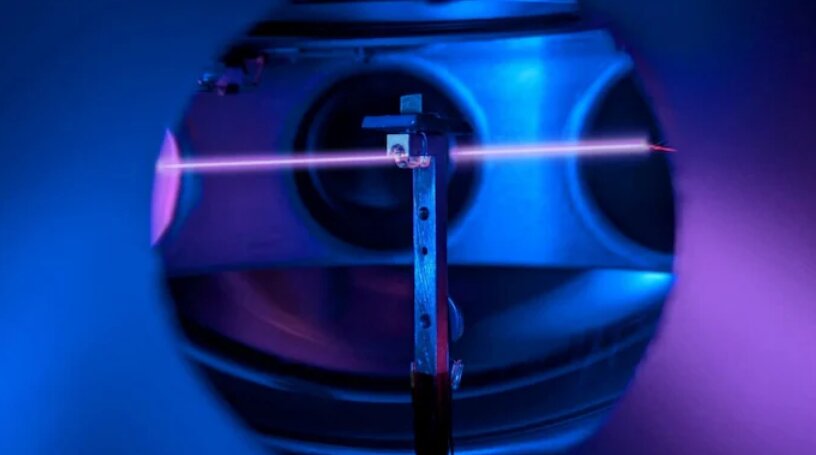
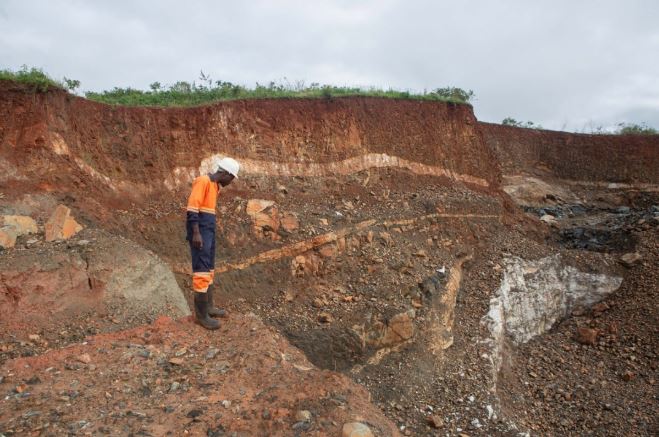
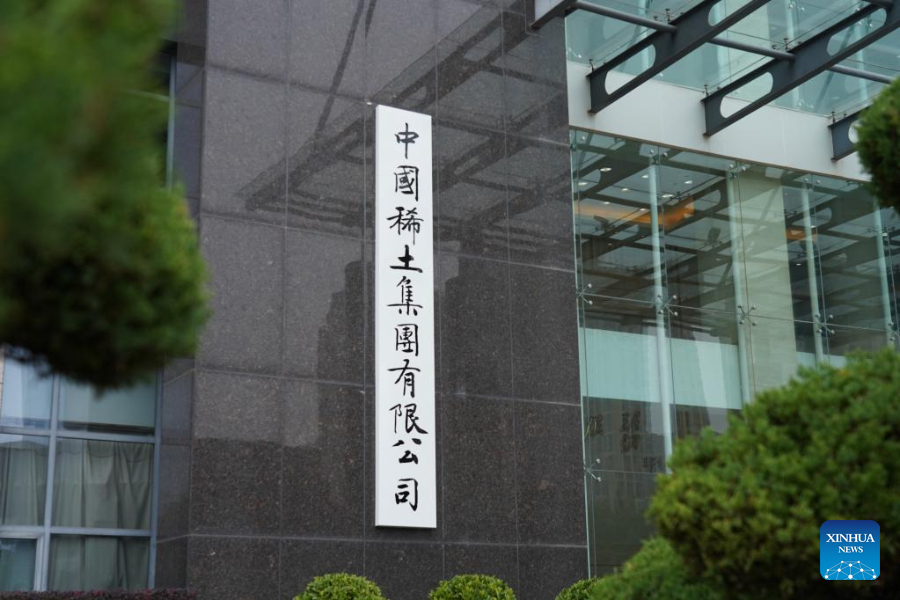
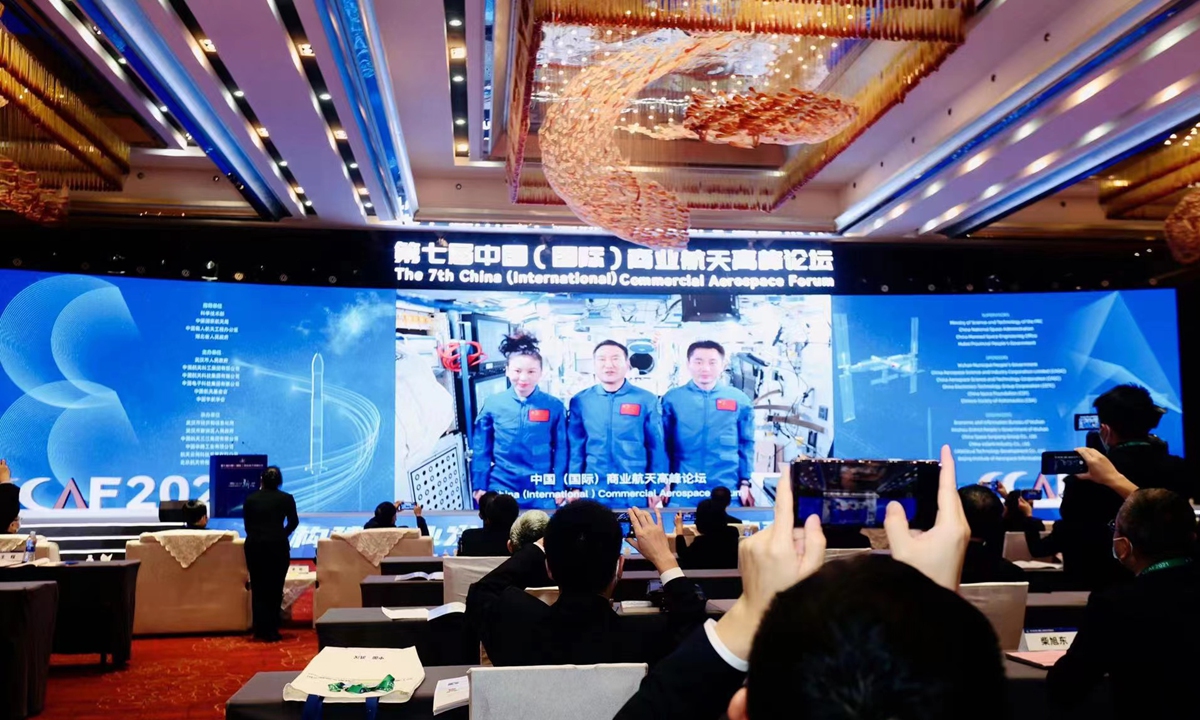
On 15 September, SCMP reported that China launched a 500-tonne production line to extract rubidium and caesium from lithium waste, marking the world's first continuous industrial-scale operation of its kind, according to the Institute of Process Engineering under the Chinese Academy of Sciences. The demonstration line in Jiangxi province, built with Jiangxi Ganfeng Lithium and other partners, uses a high-efficiency tower extraction system that recovers over 98 per cent of caesium and 95 per cent of rubidium, both critical to aerospace, quantum computing, and other frontier technologies. China holds an estimated 1.16 million tonnes of rubidium oxide reserves, though low ore grades have historically made extraction difficult, while the country remains reliant on imports for caesium ore. Officials said the breakthrough provides a technical model for larger-scale commercialisation and strengthens China's already dominant position in the global rubidium supply chain.
("Chinese plant extracts critical rare metals from lithium waste in world first," South China Morning Post, 15 September 2026)
https://amp.scmp.com/news/china/science/article/3367490/chinese-plant-extracts-critical-rare-metals-lithium-waste-world-first?module=latest_china_science&pgtype=section
SCIENCE AND TECHNOLOGY
China launches high-resolution weather system using domestic AI supercomputer
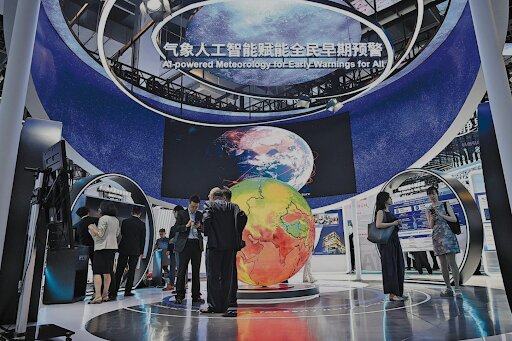
On 16 September, SCMP reported that China has launched a powerful new weather forecasting system that predicts global weather 10 days in advance at a highly detailed 5km resolution. The new system maps the atmosphere in 5km grid sizes, outperforming the US National Weather Service’s system (13km) and beating most global models (5km to 10km). This is a major step toward China's 2030 goal of providing 1km resolution nationwide and 100-meter resolution for key areas. The model runs on a massive China-made computing system built entirely with domestically developed AI chips, storage, and networking. Traditional supercomputers handle precise math, while AI systems process massive data quickly. The Sugon 8,000 combines both methods by linking 100,000 computing units to work simultaneously. Beyond weather, this hardware is already running over 500 AI models across 30 industries, including protein and molecular research. The system delivers a full 10-day global forecast in about one hour. While slightly slower than the US system, it is fast enough for daily routine use. Generating high-resolution data within this one-hour window gives forecasters crucial extra time to predict and prepare for severe typhoons, floods, and heavy rains. Halving a weather grid's size requires eight times more computing power. Using domestic AI chips to solve this massive workload shows China's growing self-reliance in high-performance computing.
(“China uses 100,000 home-grown AI chips to build leading weather forecast system,” South China Morning Post, 16 September 2026)
https://sc.mp/ra3vl?utm_source=copy-link&utm_campaign=3367747&utm_medium=share_widget
DEFENSE
China’s Defence Minister warns against militarism ahead of the US Summit
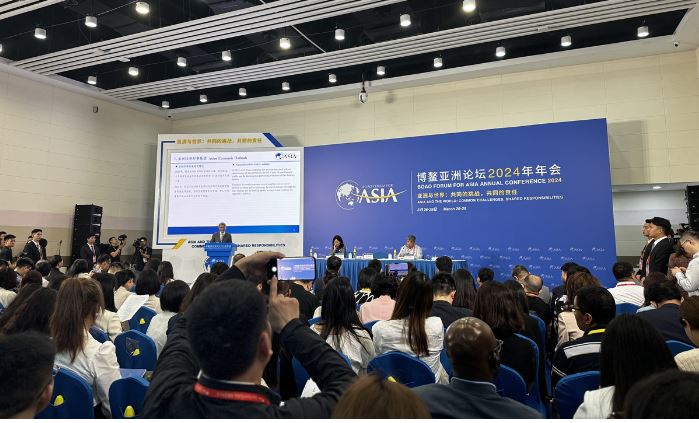
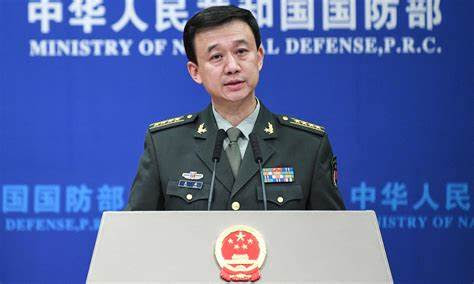
On 16 September, Reuters reported that China’s Defence Minister Dong Jun at the Beijing Xiangshan Forum urged countries to avoid proactive acts, reject militarism, and guard against “historical revisionism.” His remarks were widely seen as a veiled critique of Japan, following statements last year by Japan's Prime Minister Sanae Takaichi regarding a potential military response to a China attack in Taiwan. Amid heightened regional tensions over Taiwan and the South China Sea, Dong avoided directly naming the US or Japan. This diplomatic caution aligns with Beijing's traditional stance ahead of next week's US summit between China’s President Xi Jinping and the US President Donald Trump. The tightly scripted forum hosted around 2,000 global delegates, including a senior Pentagon official, Russian academics, and Taliban representatives. The event also highlighted non-Asian tensions, featuring a sharp exchange where Saudi researcher Prince Turki Al-Faisal publicly criticised Iran for violating Arab state sovereignty.
(“China defence minister urges nations to curb regressive historical trends,” Reuters, 16 September 2026; “China defence minister urges an end to 'provocative acts' to open security forum,” Reuters, 16 September 2026)
https://www.reuters.com/world/china/china-defence-minister-urges-countries-check-surge-regressive-historical-trends-2026-09-16/
https://www.reuters.com/world/china/china-defence-minister-urges-an-end-provocative-acts-open-security-forum-2026-09-16/
China's defence minister pitches global cooperation on AI and space at Beijing forum
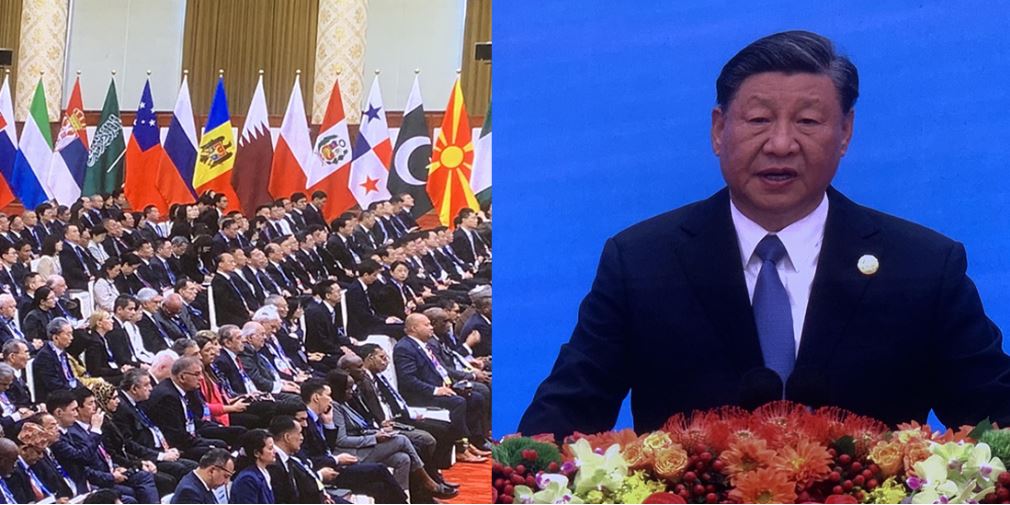
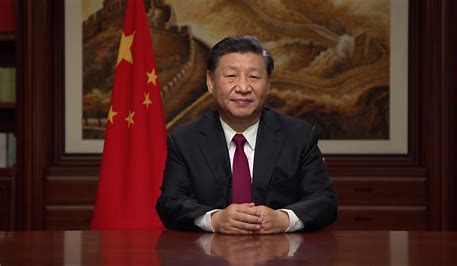
On 16 September, AA News reported that Defence Minister Dong Jun stressed the need for "consensus" and "action-oriented" governance of global security at the 13th Beijing Xiangshan Forum in Beijing, calling for cooperation in artificial intelligence (AI) and outer space. Dong said, "for global security governance, action is the key and outcomes the ultimate measure," according to CGTN, urging countries to reject exclusive blocs and escalating tensions while pursuing dialogue on AI, outer space, and deep-sea technologies for humanity's benefit. He did not mention Taiwan or the South China Sea in his address. The three-day forum, marking its 20th anniversary under the theme "Build Consensus on Stability, Advance Security Governance Together," drew nearly 2,000 officials, academics, and observers from about 100 countries, regions, and international organisations.
("China's defense chief calls for 'consensus' in global security, cooperation in AI, outer space," AA News, 16 September 2026)
https://www.aa.com.tr/en/asia-pacific/china-s-defense-chief-calls-for-consensus-in-global-security-cooperation-in-ai-outer-space/4058438
CHINA AND OCEAN
China discovers gold-rich underwater deposit in the Pacific
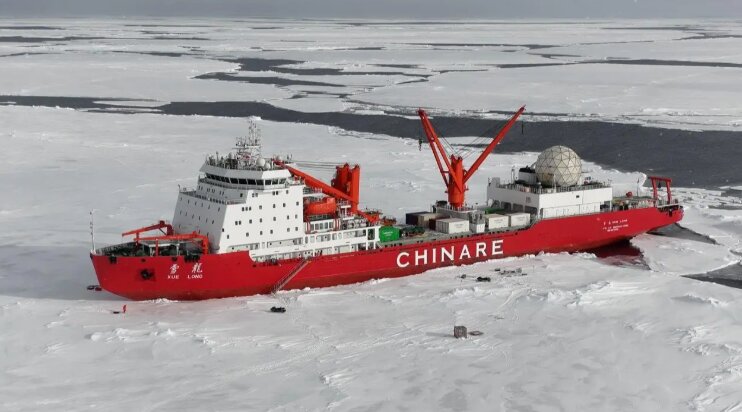
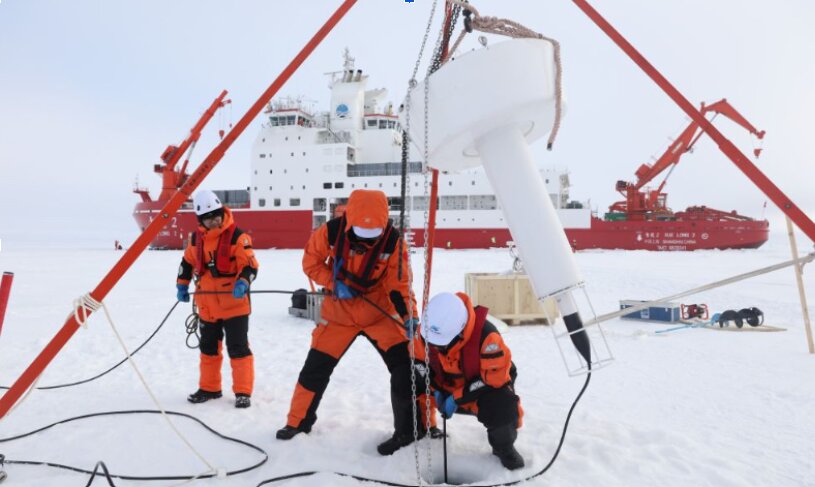
On 15 September, South China Morning Post reported that Chinese scientists discovered a massive underwater mineral deposit in the western Pacific unusually rich in gold and silver, according to state broadcaster CCTV. The discovery was made during an 18-day expedition aboard the research vessel Xiang Yang Hong 10, within a hydrothermal field inside China's exclusive economic zone, with silver reaching up to 1.27 kilograms per tonne of ore and gold up to 15.4 grams per tonne, both significantly higher than typical land-based deposits. Song Shiji, vice-dean of Tsinghua University's Institute for Ocean Engineering, described the site as having "extremely high exploitation value." The deposit, comprising three large sulphide mounds, was identified following earlier surveys that had mapped dozens of high-temperature hydrothermal vents in the area.
("Chinese scientists find 'extremely high-value' underwater gold mine in Pacific," South China Morning Post, 15 September 2026)
https://amp.scmp.com/news/china/science/article/3367337/chinese-scientists-find-extremely-high-value-underwater-gold-mine-pacific
NUCLEAR
China mulls nuclear-powered tank armed with 450-km railgun
On 15 September, SCMP reported that Chinese military researchers outlined a concept for a nuclear-powered main battle tank armed with an electromagnetic railgun capable of hitting targets up to 450 kilometres away, potentially debuting after 2045. Detailed in a June paper in the Chinese journal Acta Armamentarii, the concept envisions a 60-tonne armoured vehicle powered by a 10-megawatt-class small modular reactor (SMR) and a 50-megajoule railgun. Researchers came from Inner Mongolia First Machinery Group, part of China's defence industrial system, and Beijing Institute of Technology. The design remains a peer-reviewed academic proposal rather than a confirmed military programme, requiring the reactor to fit within 2 cubic metres with shielding no heavier than 3 tonnes, and a fuel-replacement interval of at least five years.
("China mulls building nuclear-powered tank with 450km-range railgun in 2 decades," South China Morning Post, 15 September 2026)
https://amp.scmp.com/news/china/science/article/3367546/china-mulls-building-nuclear-powered-tank-450km-range-railgun-2-decades
CHINA AND TAIWAN
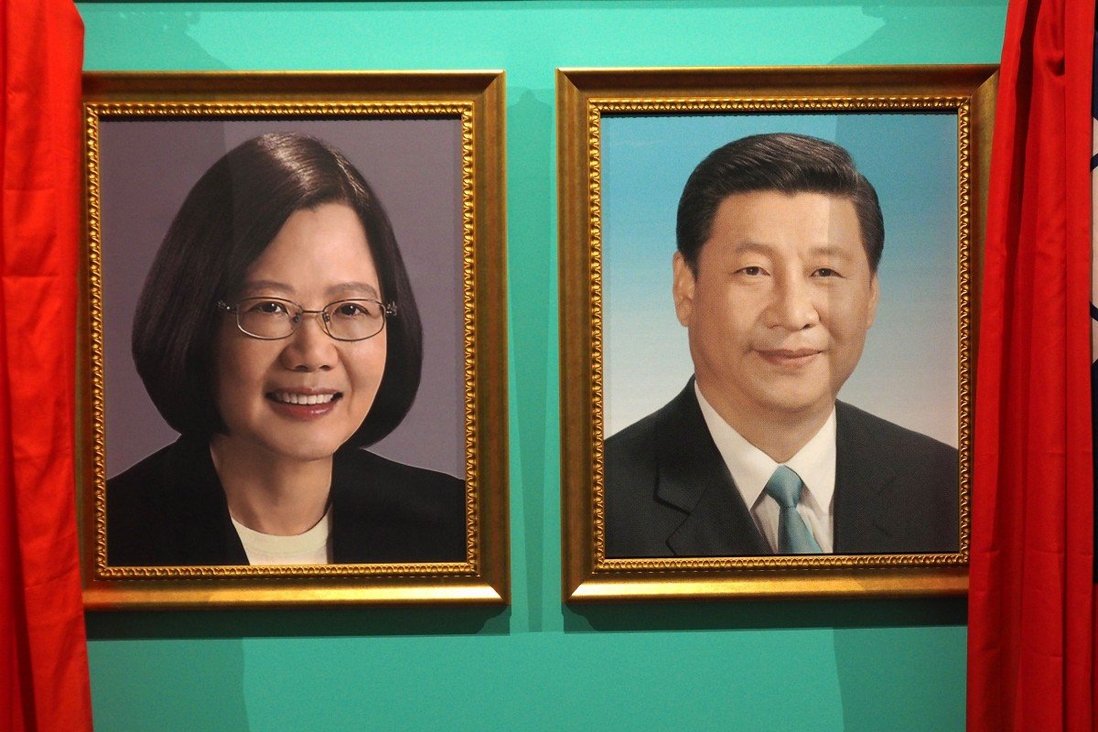
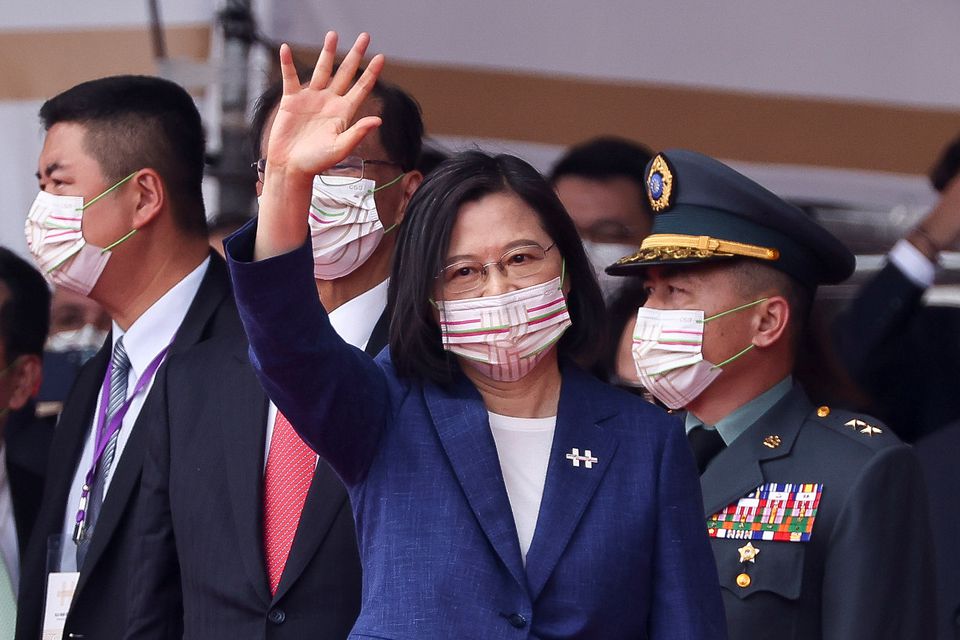
Taiwan warns against electoral interference by China
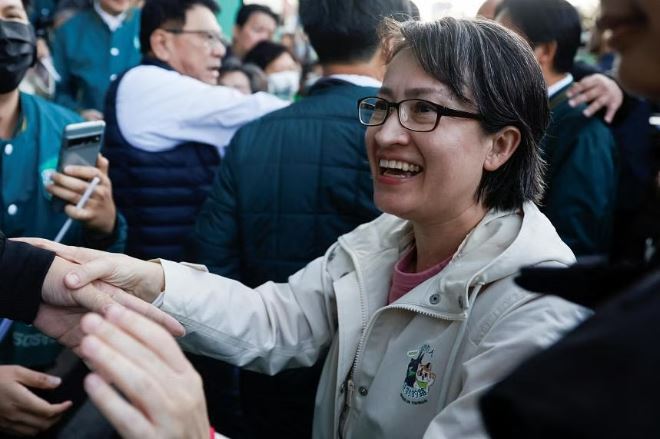
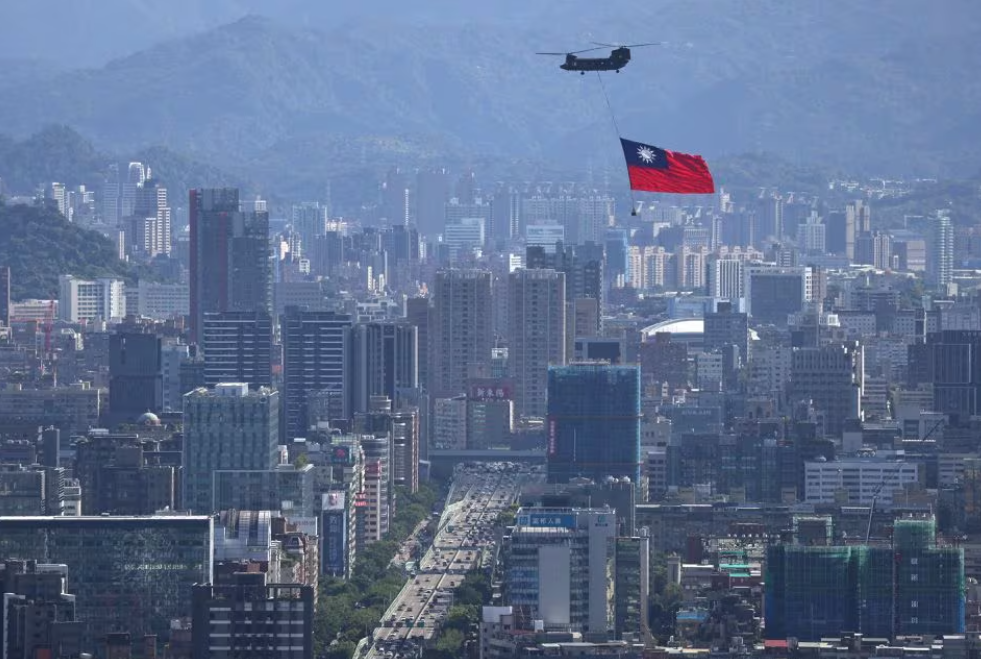
On 16 September, The Tribune reported that Taiwan warned against electoral interference by China by encouraging extremist figures and exploiting political divisions. Taiwan’s National Security Council advisor Alex Huang stated that China’s goal is to weaken Taiwan by encouraging radical political figures and deepening polarisation. He added that Chinese election intervention attempts were also present in US presidential elections and in Canadian and Australian elections as well. He also called for strict background checks on citizenship standards by the Election Commission and other relevant authorities. He further stated that China is also using fake social media accounts, which interact with internet users in real time and manipulate them via artificial intelligence.
(“China allegedly seeks to deepen Taiwan’s political divisions through election interference,” The Tribune, 16 September 2026)
https://www.tribuneindia.com/news/world/china-allegedly-seeks-to-deepen-taiwans-political-divisions-through-election-interference/amp
CHINA AND SOUTHEAST ASIA
China opens new canal, connecting inland riverine provinces to Southeast asia
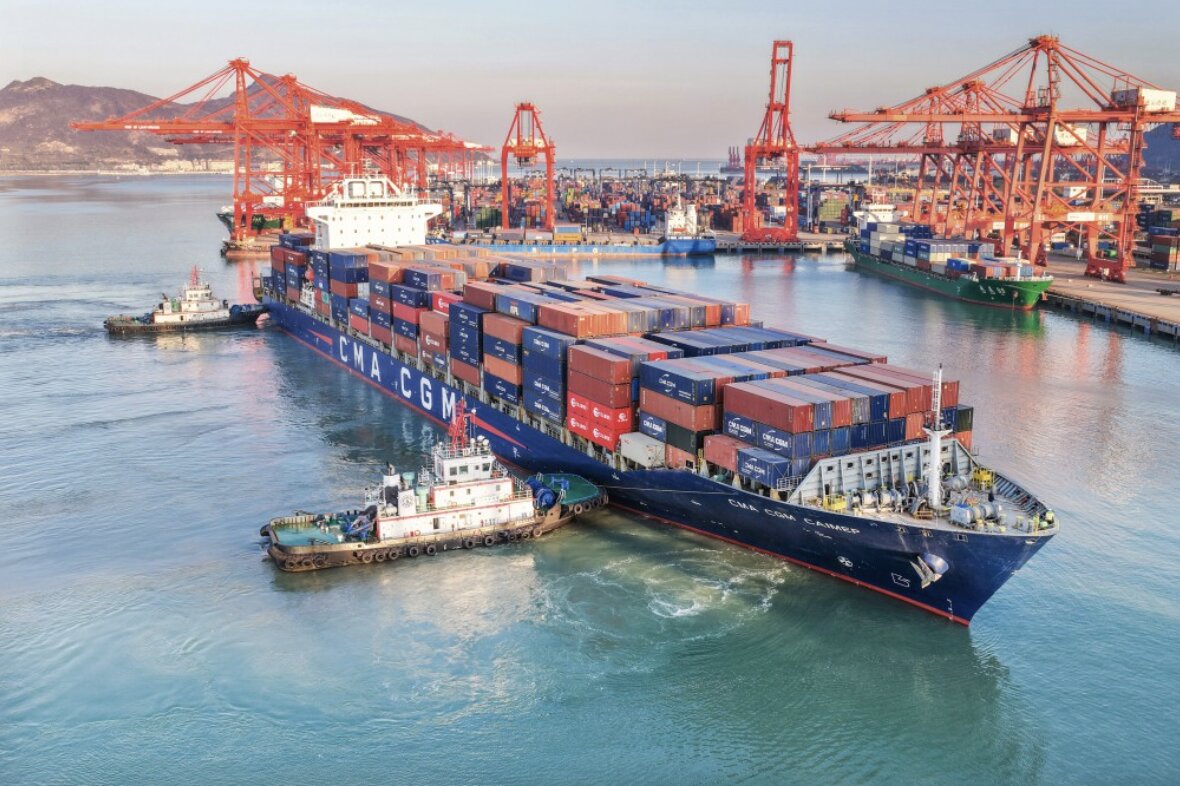
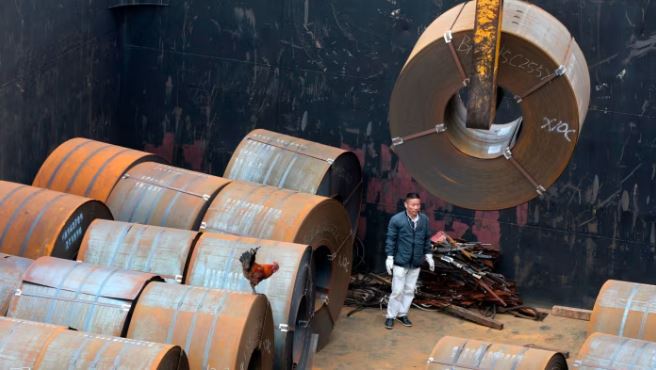
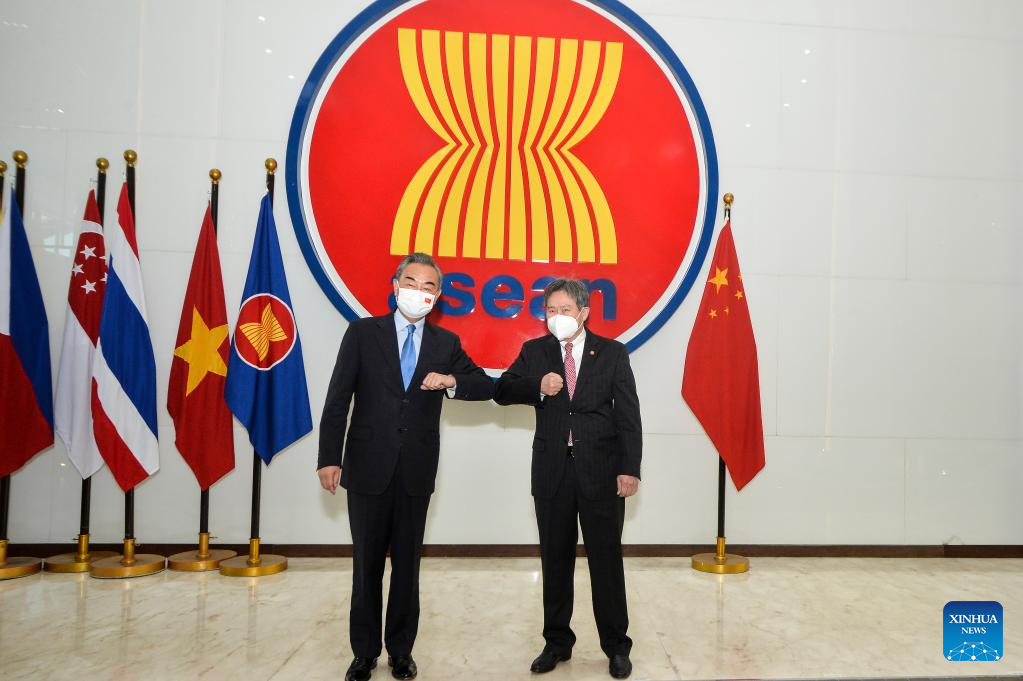
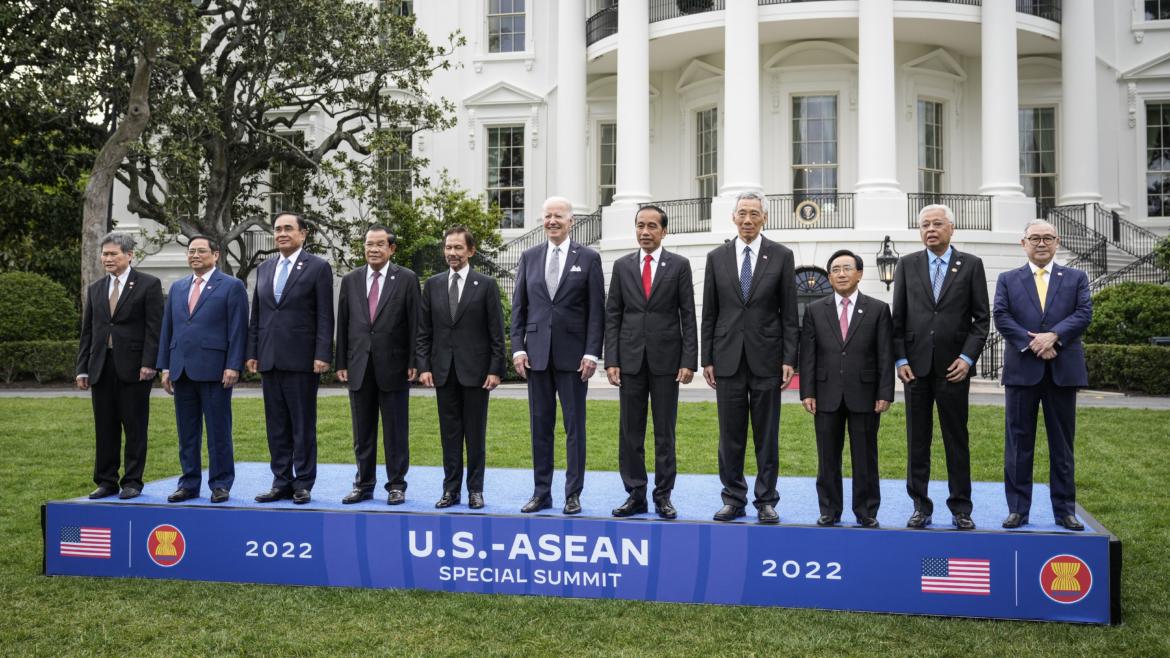
On 16 September, SCMP reported that China has opened the Pinglu Canal, which connects the country’s southwestern hinterland regions to the Gulf of Tonkin, allowing cargo to reach Southeast Asia. With an estimated cost of USD 10.8 billion, the new 134.2-kilometre route connects Nanning, the capital of Guangxi province, to the Tonkin Gulf, cutting down a roughly 560-kilometre detour and logistics costs. The canal currently has two routes, an international route connecting Nanning with Can Tho, Vietnam and an internal route connecting Nanning with Yangpu, Hainan province. The canal also provides passenger shipping services alongside cargo shipments of construction materials, coal, minerals, steel and fertiliser. The canal accommodates vessels capable of carrying up to 5,000 tonnes and saves USD 745 million in logistics costs. The canal is the latest in China’s push to increase trade with the ASEAN bloc, and connect its internal provinces of Yunnan, Guizhou, Hunan and Sichuan with ASEAN markets.
(“China launches new canal, first of its kind since 1949, giving inland access to sea lanes,” SCMP, 16 September 2026)
https://www.scmp.com/economy/china-economy/article/3364504/china-launches-new-canal-first-its-kind-1949-giving-inland-access-sea-lanes
China calls on Manila to uphold One-China principle as new Taiwan representative office is set to be opened
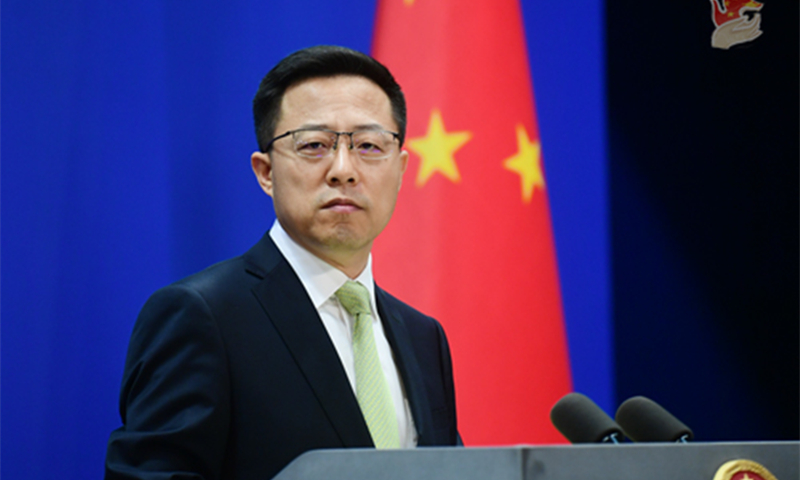
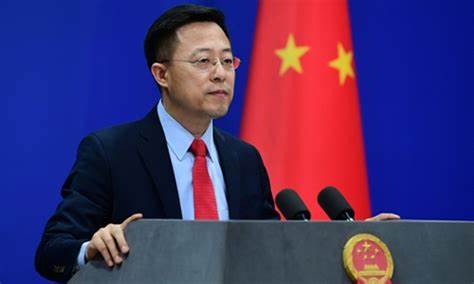
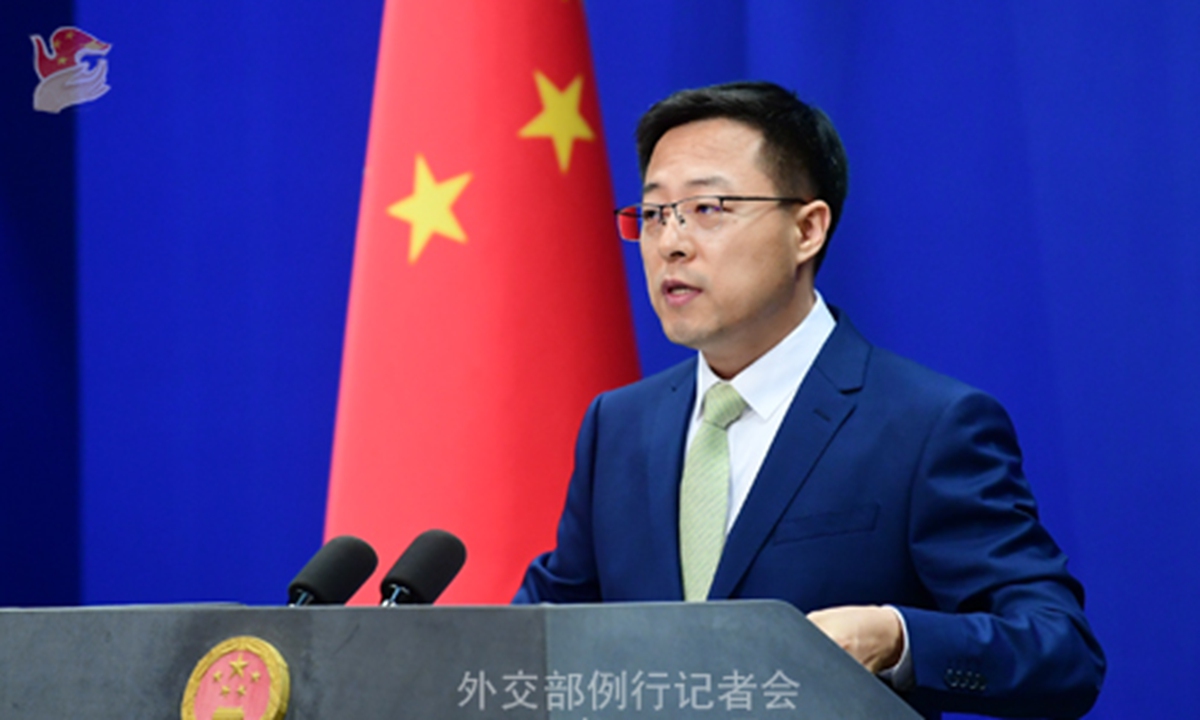
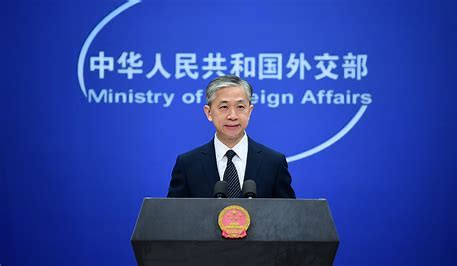
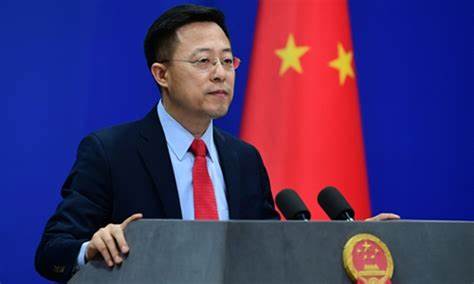
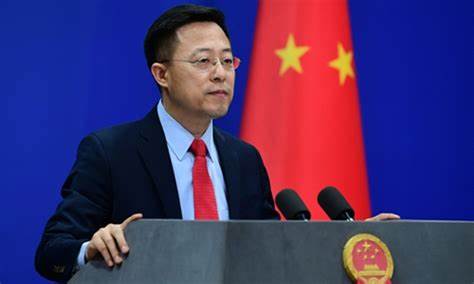
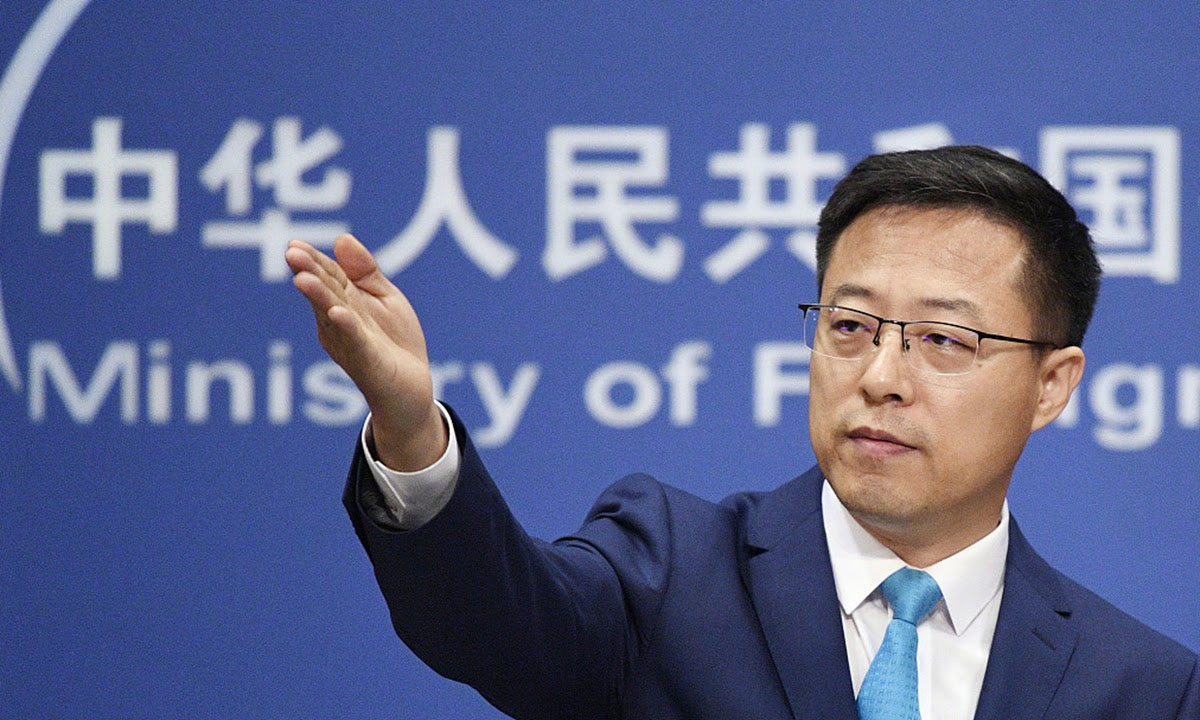
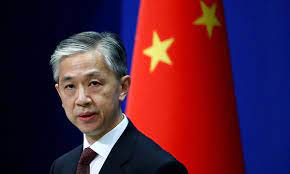
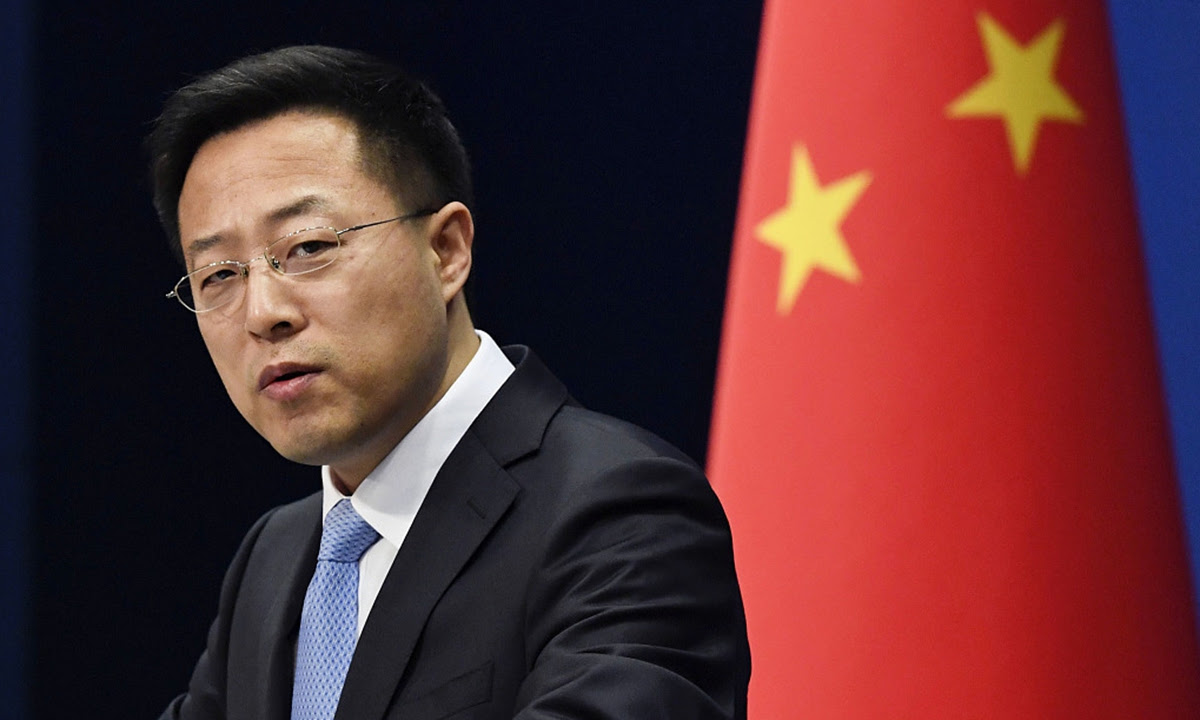
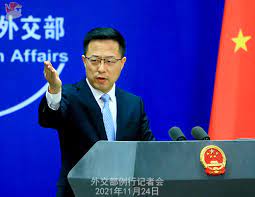
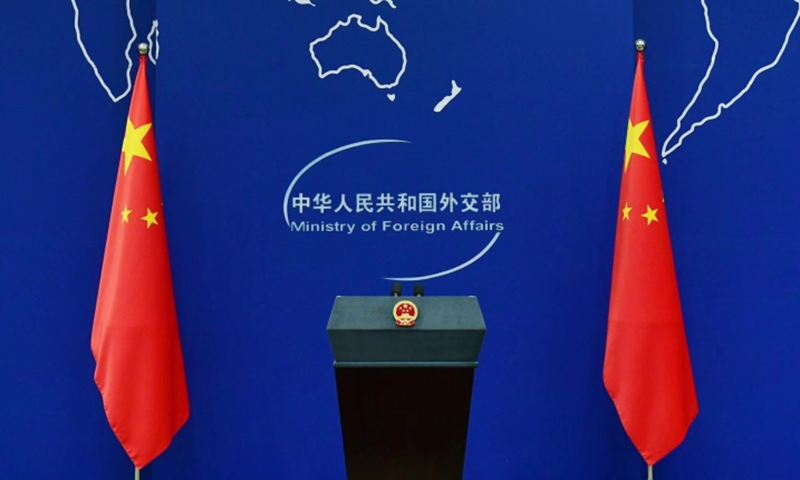
On 16 September, Anadolu Agency reported that China called on the Philippines to uphold the One-China principle as Taiwan prepares to open a representative office in Cebu City in the central Philippines. China’s Foreign Ministry Spokesperson Guo Jiakun stated that Taiwan’s de facto embassy office could harm Beijing-Manila relations and added that their efforts at ‘Taiwan independence’ will not succeed. The remarks come after Taiwan’s Foreign Minister Lin Chia-lung stated that Taiwan is set to open a representative office in Cebu to serve travellers and businesspeople in the central Philippines. It would be Taiwan’s second representative office in the country; however, Minister Chia-lung did not reveal any timeline for its opening date.
(“Beijing urges Philippines to uphold 1-China principle as Taiwan prepares to open Cebu office,” Anadolu Agency 16 September 2026)
https://www.aa.com.tr/en/asia-pacific/beijing-urges-philippines-to-uphold-1-china-principle-as-taiwan-prepares-to-open-cebu-office/4059099
CHINA AND SOUTH ASIA
China reduces PLA deployment along LAC to 10 combined-arms brigades
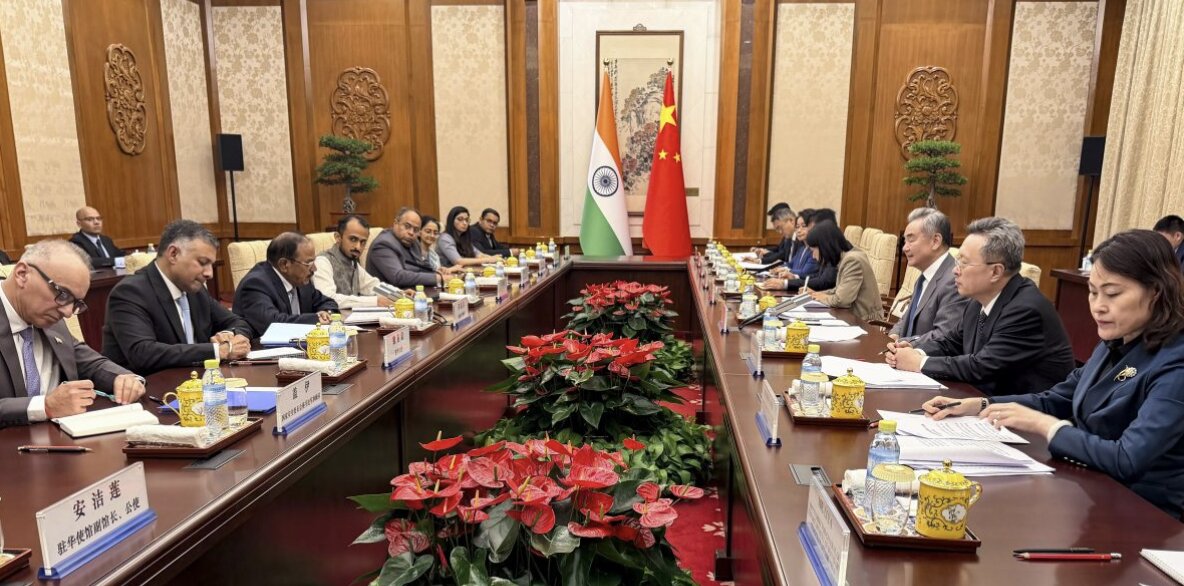
On 14 September, The Times of India reported that China significantly reduced the deployment of the People’s Liberation Army (PLA) along the Line of Actual Control (LAC) during 2025. Citing the Indian Ministry of Defence, the report said that 10 combined-arms brigade-sized PLA formations remained deployed in areas along the LAC and traditional training areas. The Indian Army, meanwhile, continued to maintain what the ministry described as a robust deployment across all sectors. The reduction took place alongside increased political, diplomatic and military engagement between India and China. The Ministry of Defence cited the resumption of the Working Mechanism for Consultation and Coordination and Special Representatives’ talks, as well as continued corps-commander and Border Personnel Meeting mechanisms. The report also linked the improvement in bilateral engagement to Prime Minister Narendra Modi’s participation in the SCO Summit in Tianjin in August 2025. The development indicates a change in the scale of Chinese deployment along the LAC while both sides continue diplomatic and military mechanisms for managing the boundary.
(“China scales back troops along LAC amid thaw in ties with India; down to 10 Arms Brigade,” The Times of India, 14 September 2026)
https://timesofindia.indiatimes.com/defence/news/china-scales-back-troops-along-lac-amid-thaw-in-ties-with-india-down-to-10-arms-brigade/articleshow/134232310.cms
China to help Pakistan establish AI-equipped law-enforcement centre
On 16 September, Anadolu Agency reported that China will assist Pakistan in establishing a state-of-the-art law-enforcement centre equipped with artificial-intelligence technology. The agreement was reached during a meeting in Islamabad between Pakistan’s Interior Minister Mohsin Naqvi and Chinese Vice Minister for Public Security Gao Qi. The two sides discussed expanding cooperation to address terrorism and drug trafficking. The proposed centre is expected to incorporate Chinese AI-based technology and modern equipment for law-enforcement purposes. Pakistan and China also agreed to expand their police-training exchange programme and strengthen cooperation in modern policing technology and equipment. Gao praised Pakistan’s efforts in combating terrorism, while Naqvi said the new centre would become another symbol of Pakistan-China cooperation and that Chinese technology could support Pakistan’s security requirements. The initiative expands bilateral security cooperation beyond conventional defence into policing, counterterrorism, technology and law-enforcement capacity-building. It also demonstrates the increasing role of Chinese digital and AI technologies in Pakistan’s domestic security infrastructure.
(“China to help Pakistan establish law enforcement center equipped with AI technology,” Anadolu Agency, 16 September 2026)
https://www.aa.com.tr/en/asia-pacific/china-to-help-pakistan-establish-law-enforcement-center-equipped-with-ai-technology/4058748
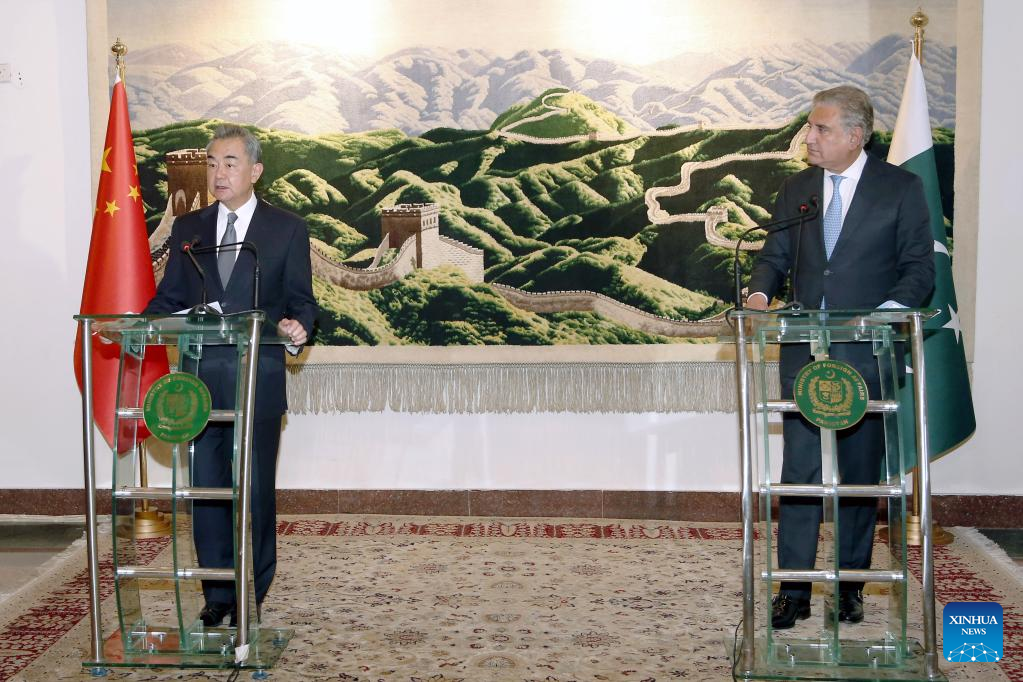
India rejects Pakistan-China Boundary Joint Commission
On 16 September, The Tribune reported that India rejected the newly operationalised Pakistan-China Boundary Joint Commission, describing the mechanism as having “no legal basis”. The response followed the inaugural meeting of the commission in Islamabad, where Pakistan and China described its operationalisation as a milestone in their bilateral relationship. The commission is intended to facilitate cooperation on border management, joint border surveys, trade flows and people-to-people connectivity. India objected specifically to arrangements concerning territories that New Delhi regards as part of Jammu and Kashmir and Ladakh. The Indian government reiterated its position that these territories are integral parts of India and argued that Pakistan does not have the authority to enter into arrangements concerning territory that India considers to be under Pakistan’s illegal occupation. The development adds a territorial dimension to the expanding China-Pakistan relationship, particularly concerning their shared boundary and connectivity across Pakistan-occupied areas. It also demonstrates that developments in China-Pakistan border cooperation remain closely linked to India’s longstanding territorial objections.
(“India rejects Pakistan-China boundary commission, calls it ‘without legal basis’,” The Tribune, 16 September 2026)
https://www.tribuneindia.com/news/india/india-rejects-pakistan-china-boundary-commission-calls-it-without-legal-basis/
Bangladesh and China discuss economic corridor, Mongla Port and energy cooperation
On 15 September, India Today reported that Bangladesh and China discussed the proposed Bangladesh-China-Myanmar Economic Corridor (BCMEC), alongside infrastructure, energy and wider economic cooperation. The discussions took place between Bangladesh’s junior foreign minister Shama Obaed Islam and Chinese Ambassador Yao Wen. The proposed corridor would connect Bangladesh with southwestern China through Myanmar and is separate from the earlier Bangladesh-China-India-Myanmar (BCIM) corridor. The talks also covered development of Mongla Port, the Chinese Economic Zone, a proposed 1,000-bed hospital in Rangpur, education and human-resource development, people-to-people exchanges, renewable energy and women’s empowerment. Bangladesh recalled Prime Minister Tarique Rahman’s recent China visit and welcomed Beijing’s continued assistance in infrastructure and capacity-building. Yao described China as a “trusted partner and friend” and invited the Bangladeshi minister to visit China with a delegation of women entrepreneurs. The discussions demonstrate that the proposed economic corridor is being developed alongside a broader package of infrastructure, energy, health and human-resource cooperation between Beijing and Dhaka.
(“Bangladesh-China-Myanmar Economic Corridor talks focus on Mongla Port, energy and hospital,” India Today, 15 September 2026)
https://www.indiatoday.in/world/story/bangladesh-china-myanmar-economic-corridor-talks-mongla-port-energy-hospital-ptag-2995007-2026-09-15
CHINA AND THE MIDDLE EAST
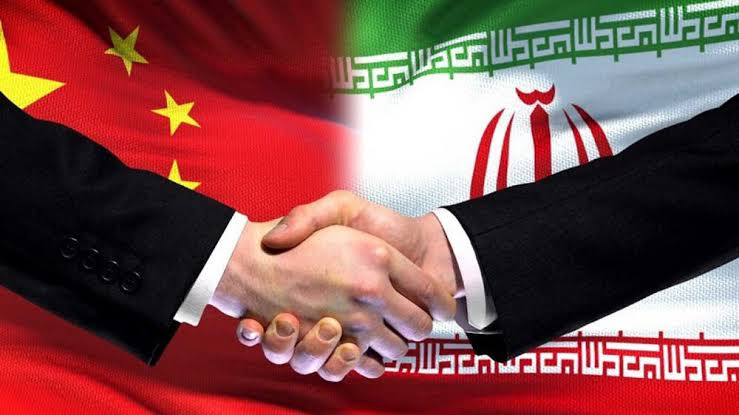
Beijing calls for a diplomatic end to the crisis in the Middle East
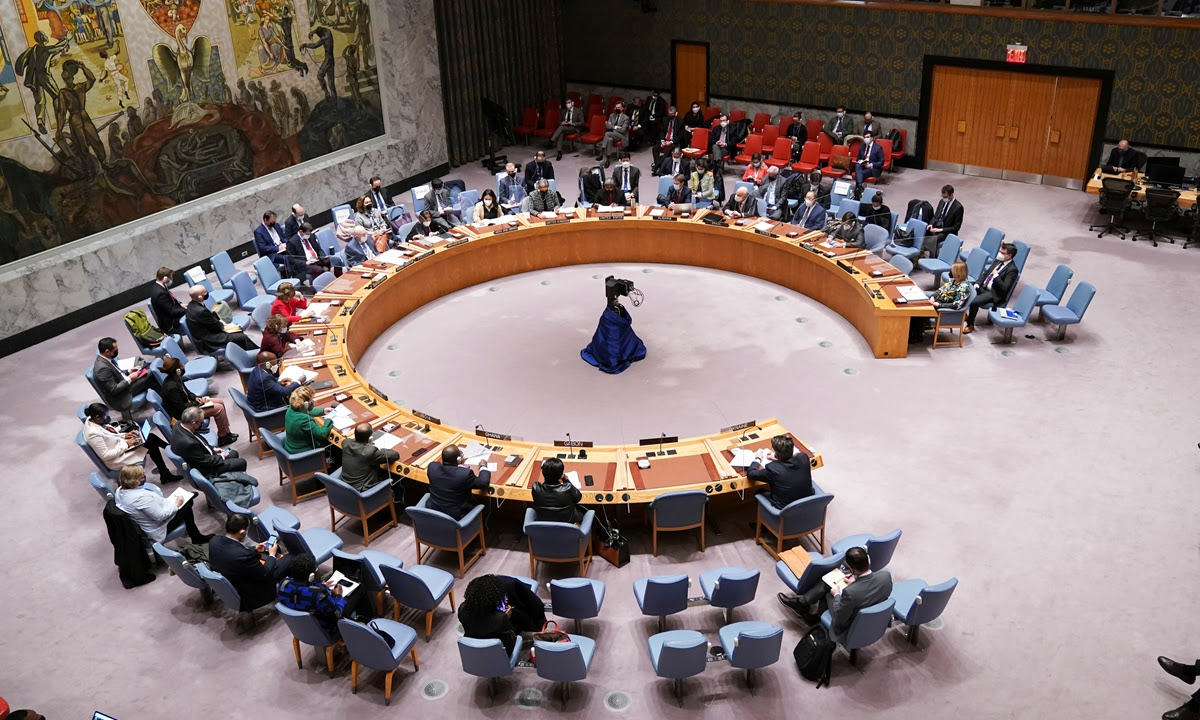
On 15 September, Anadolu Ajansi reported that China has pushed for a diplomatic solution to the US-Iran war as a report by the Pentagon inspector general revealed that four months of fighting caused strategic ammunition shortages. The report highlighted weaknesses in the US defence industrial base, including limited production capacity for solid rocket motors, explosives and propellants, while shortages of skilled labour could further delay replenishment. China’s Foreign Ministry spokesperson Guo Jiakun stated that “Beijing is following the situation in the Middle East and Gulf region. We hope relevant parties will solve disputes through political and diplomatic means.”
(“China urges diplomatic end to Iran war as US admits ammunition shortages,” Anadolu Ajansi, 15 September 2026)
https://www.aa.com.tr/en/asia-pacific/china-urges-diplomatic-end-to-iran-war-as-us-admits-ammunition-shortages/4057582
CHINA AND AFRICA
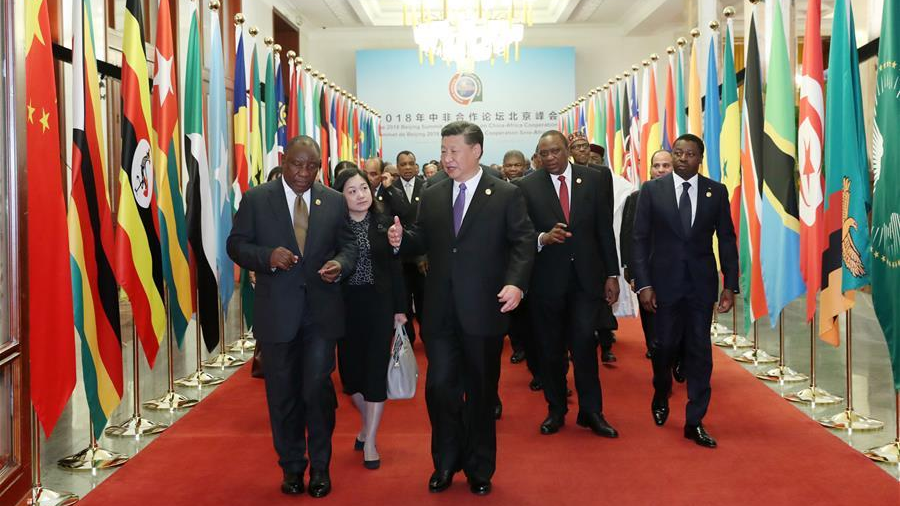
China-Africa trade deficit reaches USD 80.07
On 16 September, DNE Africa reported that Africa's trade deficit with China widened 34.48 per cent year-on-year to USD 80.07 billion in the first eight months of 2026, according to data from China's General Administration of Customs. Two-way trade between China and Africa reached USD 273.94 billion during the period, up 23.3 per cent from the previous year, with Chinese exports to Africa rising 25.8 per cent to USD 177 billion, while African exports to China grew 19 per cent to USD 96.93 billion. The imbalance persists despite China extending zero-tariff treatment to 20 additional African countries in May, with African exports remaining concentrated in minerals, hydrocarbons, and agricultural commodities against Chinese shipments of machinery and manufactured goods. The African Export-Import Bank called for stronger regional value chains, local processing capacity, and improved trade infrastructure to help African exporters capture more value from the relationship.
("Africa-China Trade Deficit Widens to $80bn," DNE Africa, 16 September 2026)
https://africa.dailynewsegypt.com/africa-china-trade-deficit-widens-to-80bn/
CHINA AND EUROPE
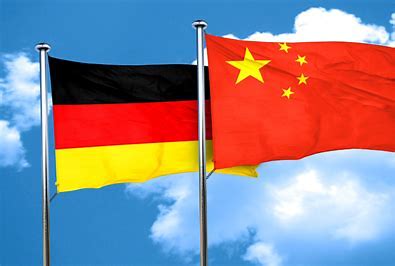
EU President vows tougher stance on China trade imbalance
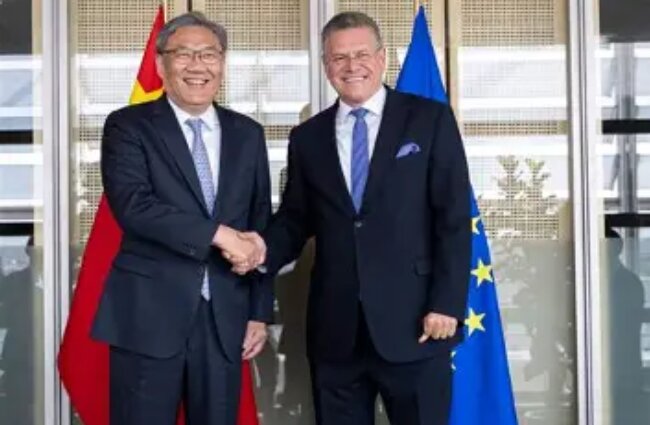
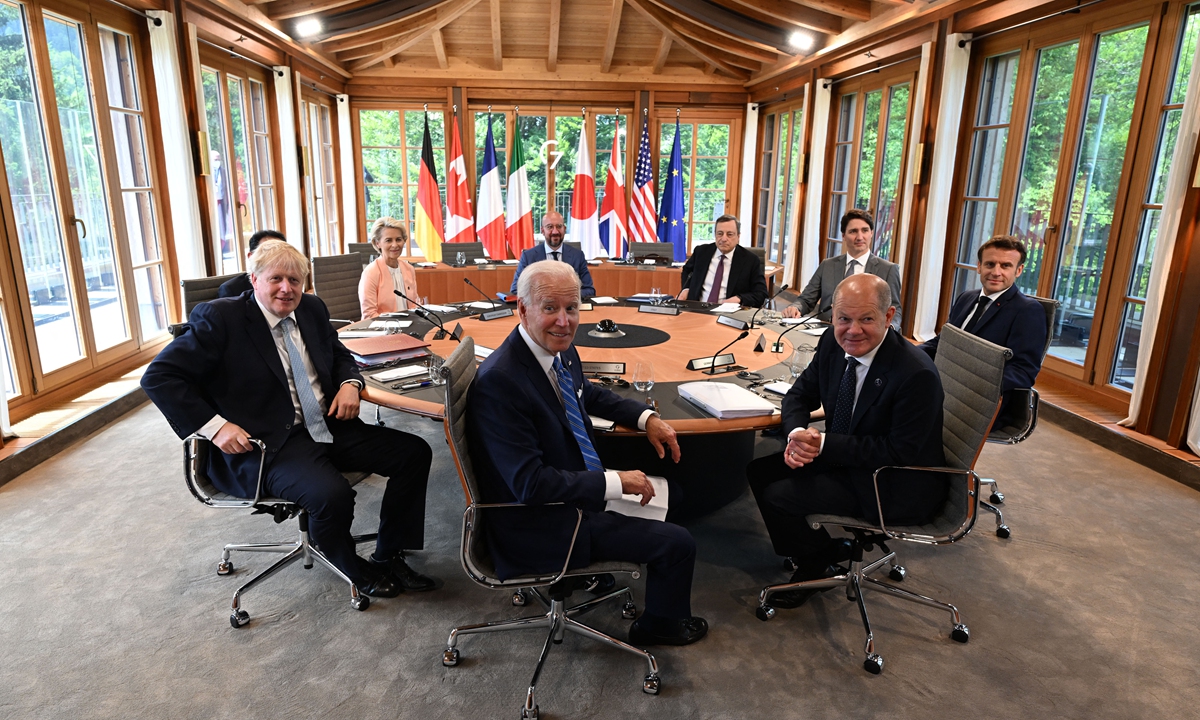
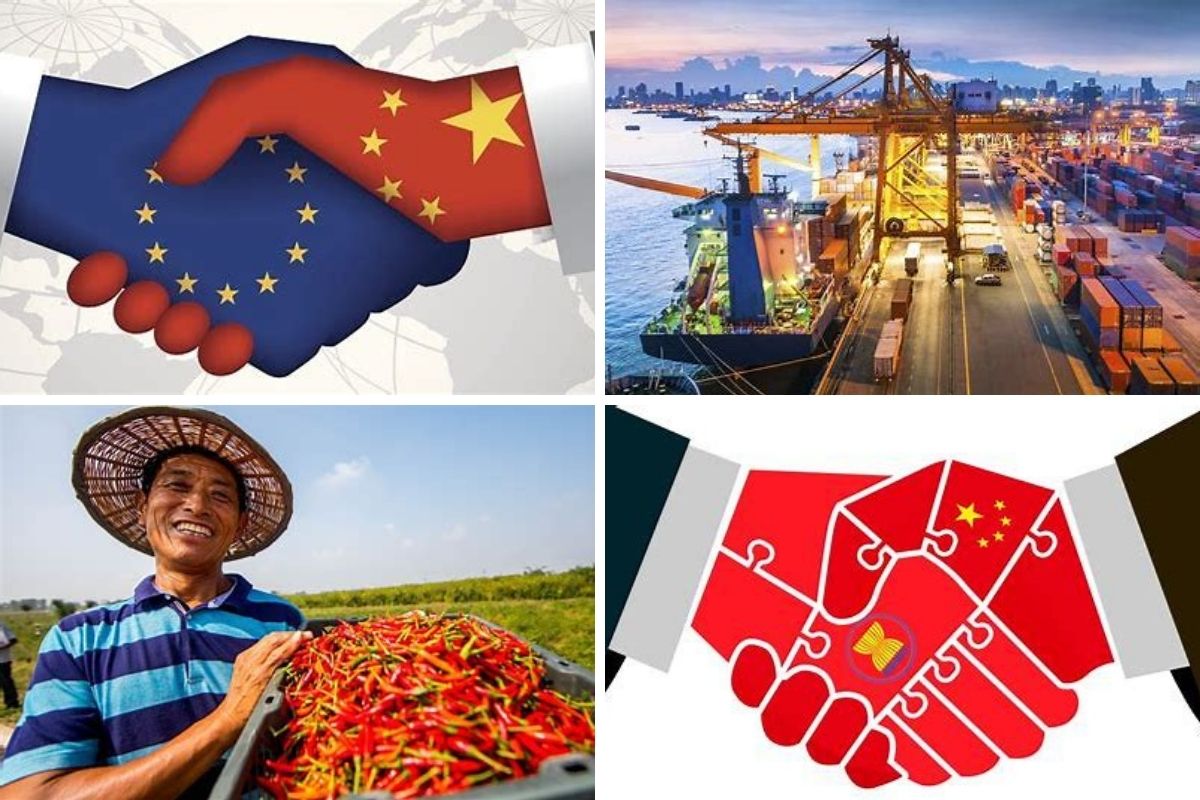
On 16 September, South China Morning Post reported that European Commission President Ursula von der Leyen reaffirmed the EU's resolve to use "all the tools" available to rebalance trade with China, warning that a "second China shock" had already arrived. Speaking during her State of the Union address, von der Leyen said dialogue with Beijing must lead to concrete results, adding that China's weakened domestic demand made it more reliant on European markets. She pledged to continue reducing the EU's dependence on Chinese critical raw materials through a proposed European Corporation on Critical Raw Materials, ahead of a second round of EU-China trade talks scheduled for October. China's Foreign Ministry urged Brussels to avoid protectionist policies, with spokesperson Guo Jiakun warning that such measures would undermine investor confidence in Europe, responding to an open letter from major European telecom executives who warned a proposed ban on high-risk suppliers could cost the industry up to EUR 40 billion.
("EU's von der Leyen vows tough China-trade stance: 'words are good, but deeds are better'," South China Morning Post, 16 September 2026)
https://amp.scmp.com/economy/global-economy/article/3367731/eus-von-der-leyen-vows-tough-china-trade-stance-words-are-good-deeds-are-better
Beijing and Paris seek dialogue amidst growing EU-China frictions
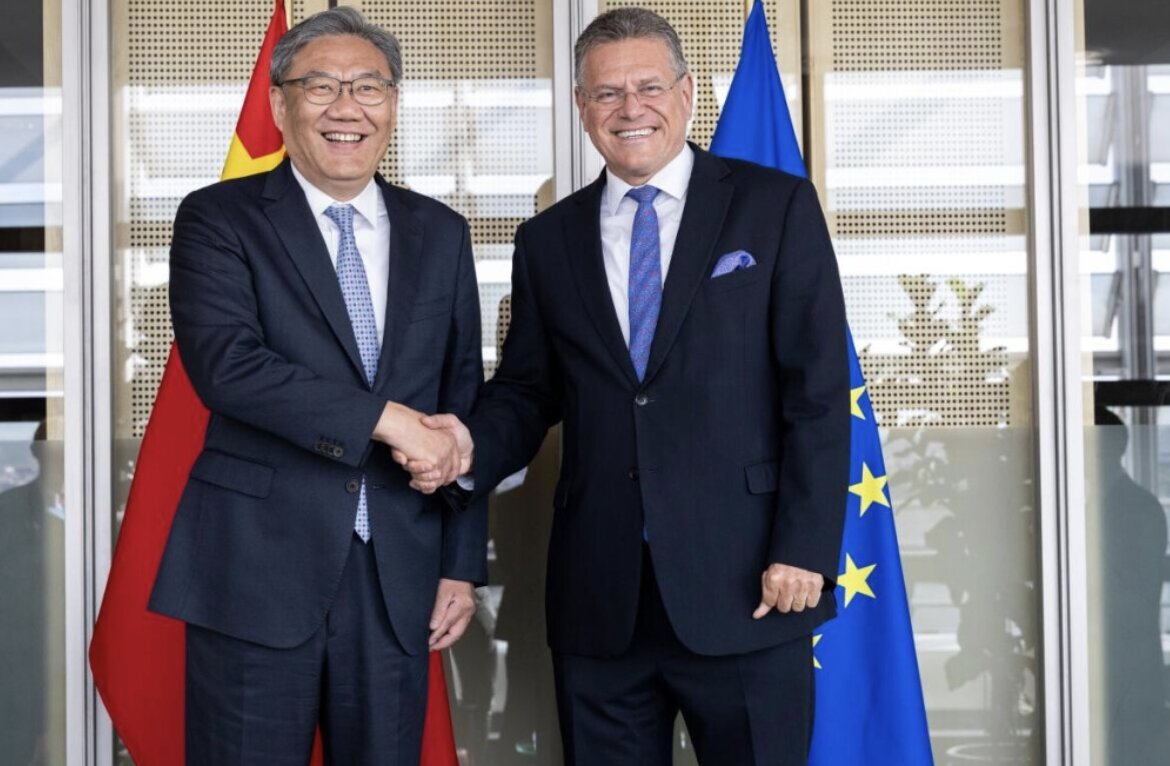
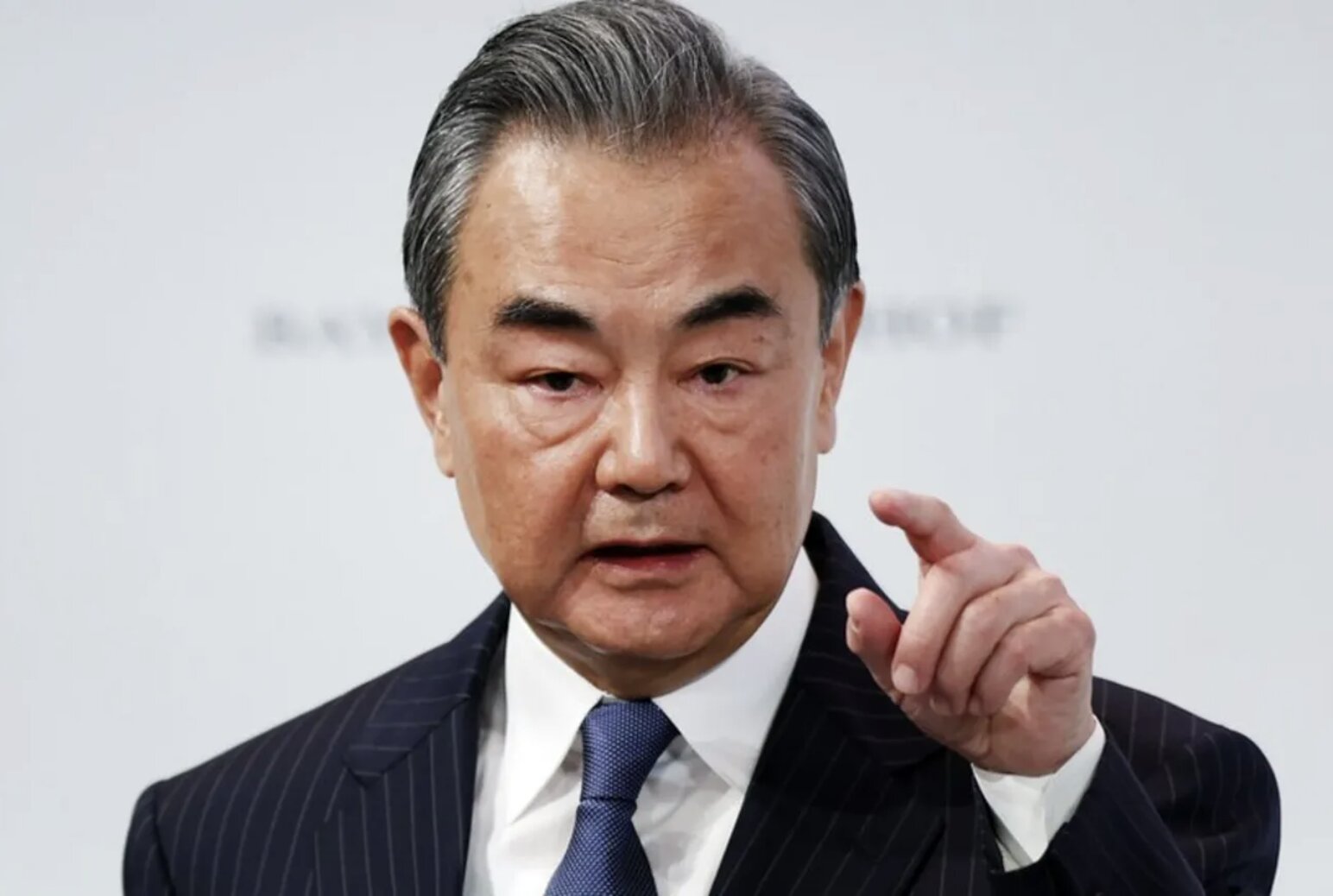
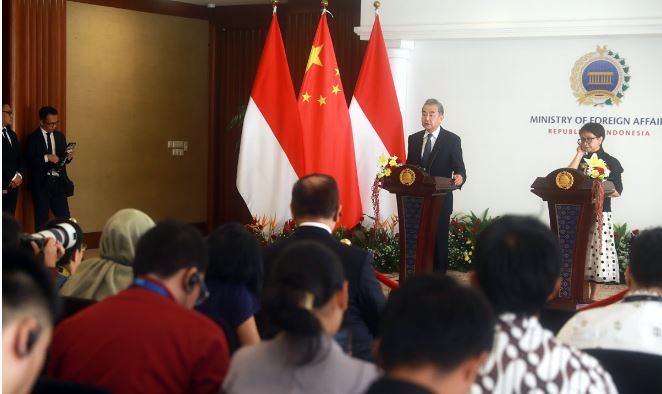
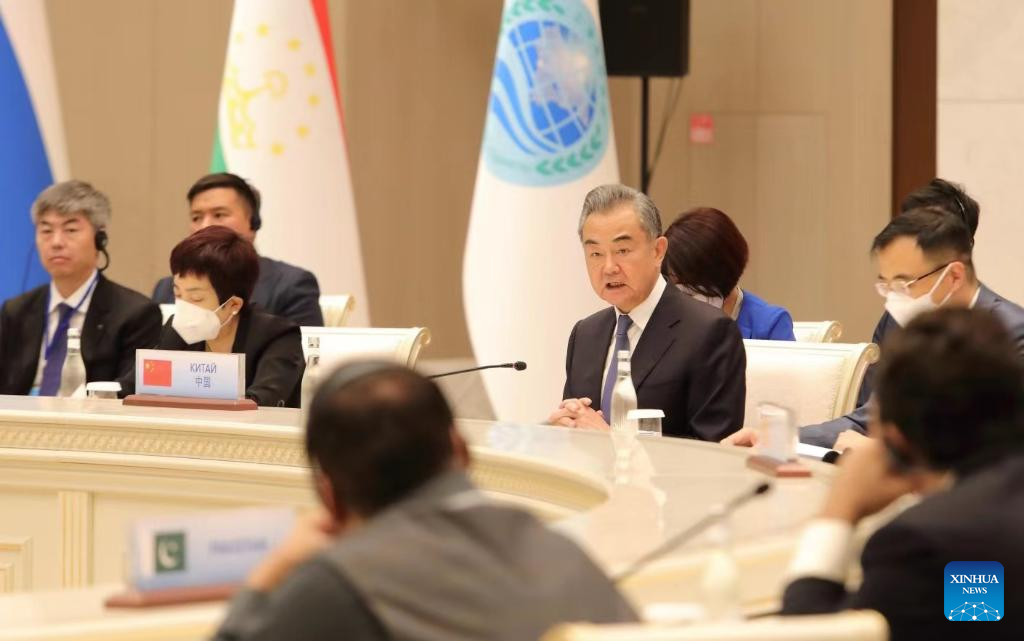
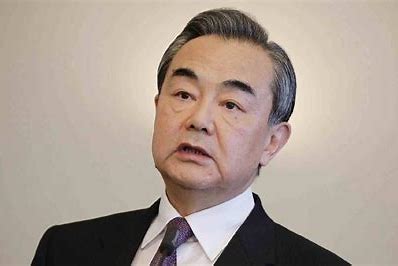
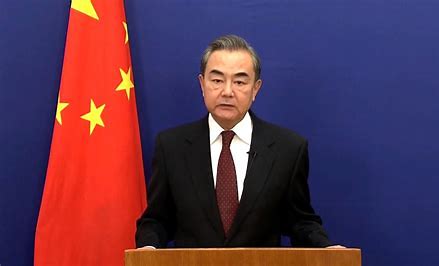
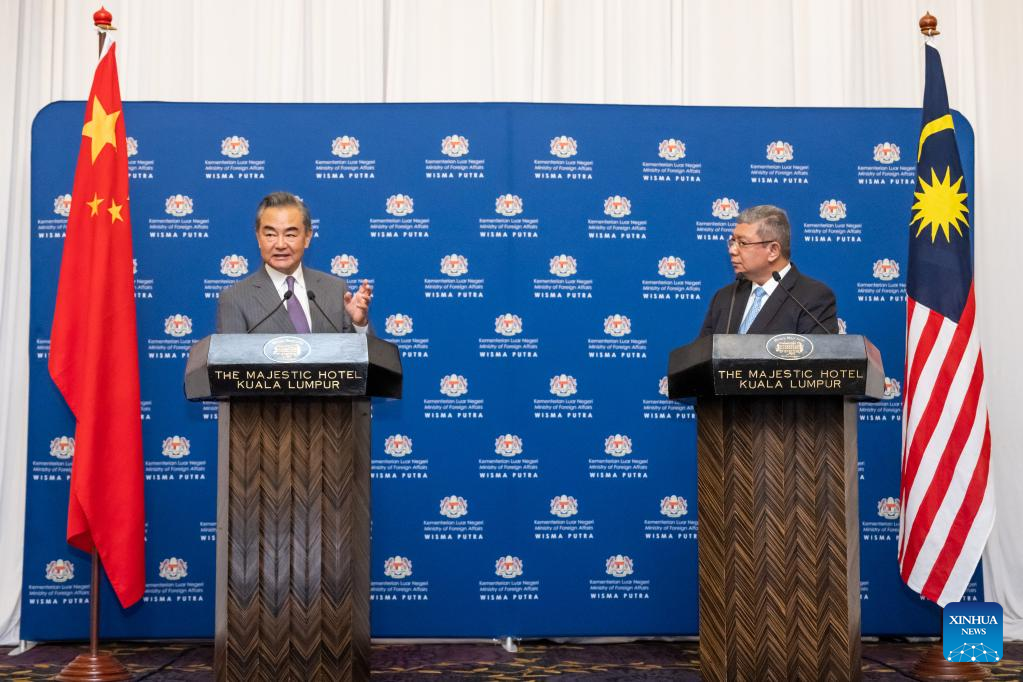
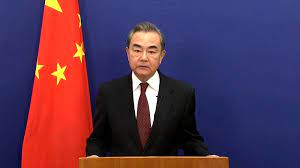
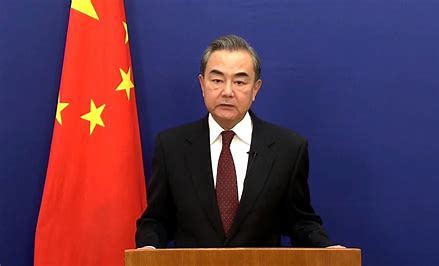
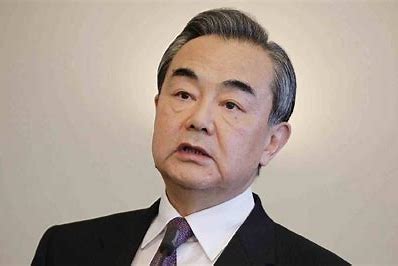
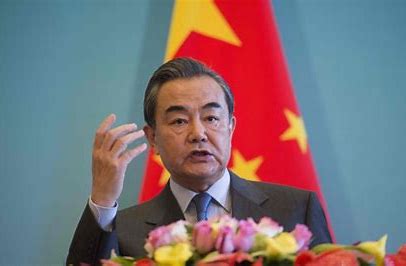
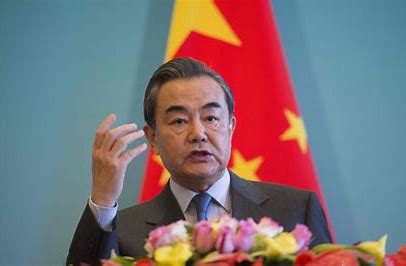
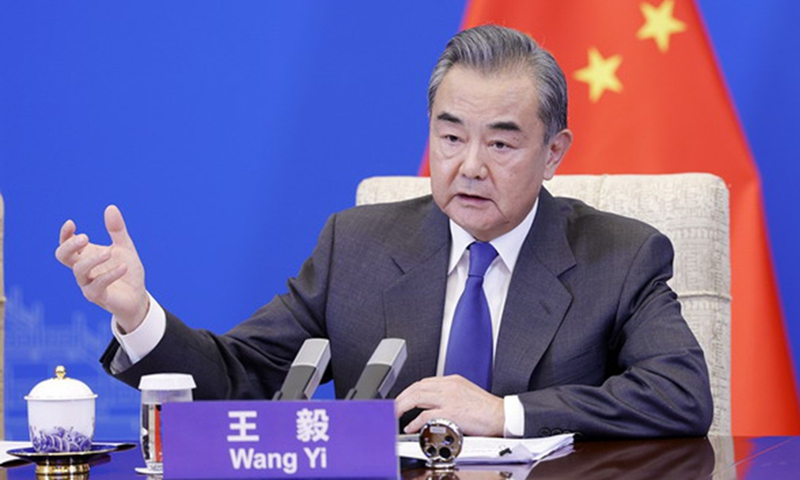
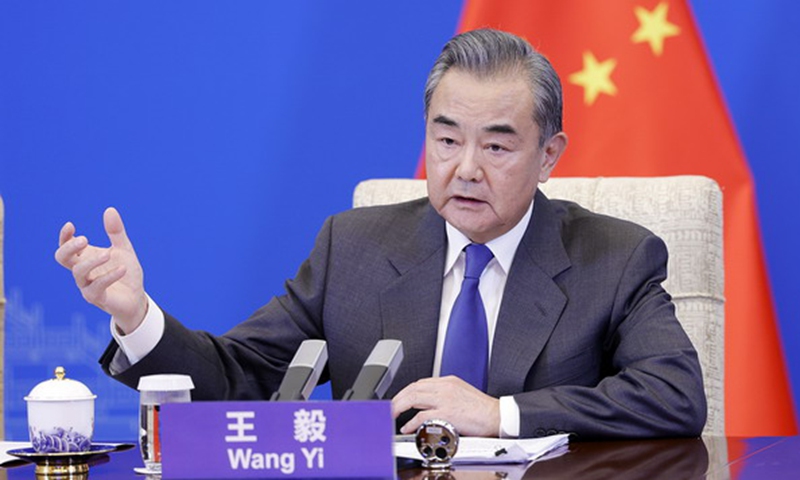
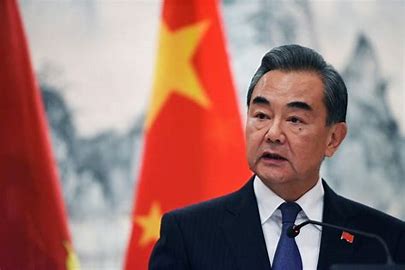
On 16 September, SCMP reported that China’s Foreign Minister Wang Yi urged France and the European Union to pursue “constructive dialogue” with Beijing amidst escalating disputes over trade imbalances, subsidies, investment screening and Chinese electric vehicles. Minister Wang argued that protectionism could raise inflation and hinder Europe’s green transition, while describing China’s economic growth as an opportunity for Europe. France’s Foreign Minister Jean-Noël Barrot supported continued EU-China trade talks but stressed that dialogue should produce substantial trade rebalancing to address Europe’s persistent deficit with China. The ministers also discussed Taiwan, with Minister Wang reaffirming the ‘One China principle’ and Minister Barrot reiterating France’s adherence to it. In addition to this, Minister Barrot also highlighted concerns over freedom of navigation in the Hormuz and Bab el Mandeb straits and the importance of maritime stability.
(“China urges ‘constructive dialogue’ with EU in high-level call with France,” South China Morning Post, 16 September 2026)
https://www.scmp.com/news/china/diplomacy/article/3367556/china-urges-constructive-dialogue-eu-high-level-call-france
CHINA AND THE AMERICAS
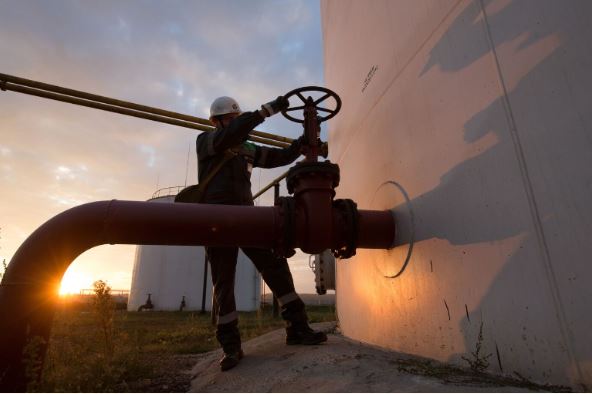
US Congress passes bill targeting Russia's leading energy buyers China and India
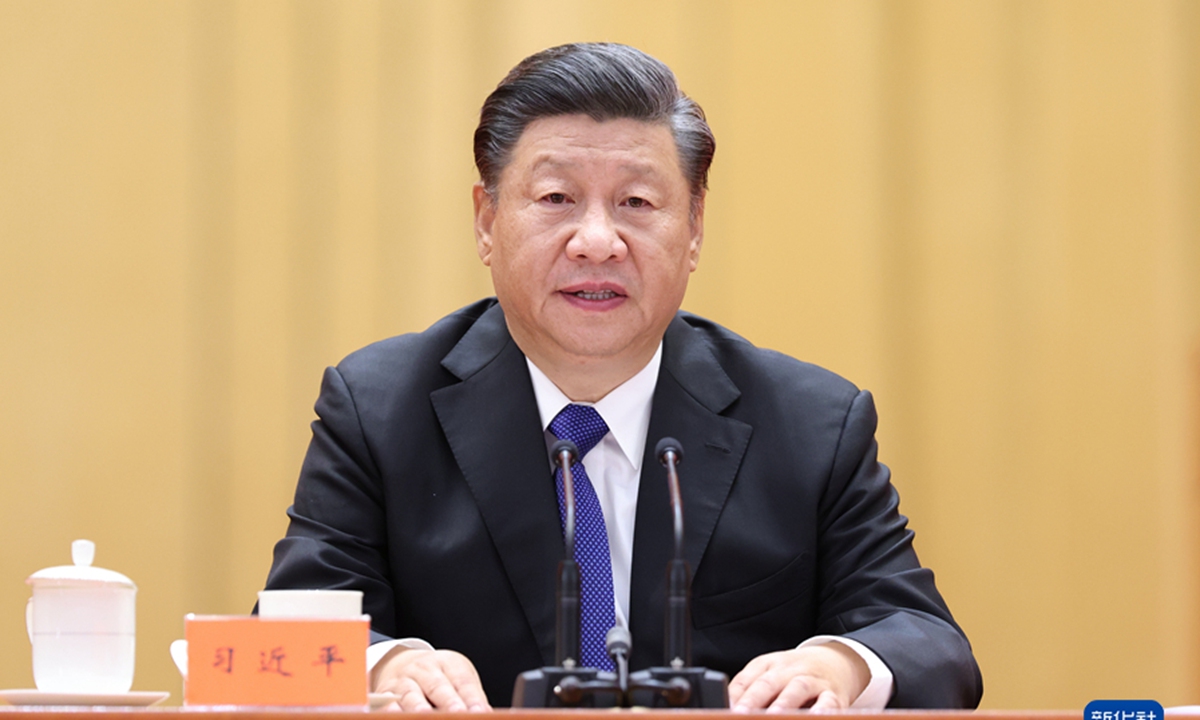
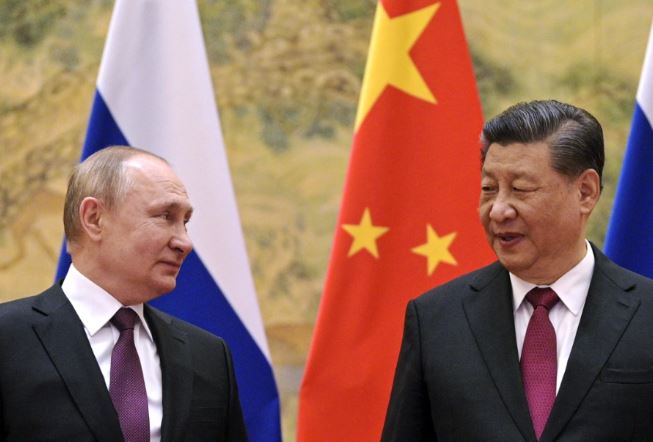
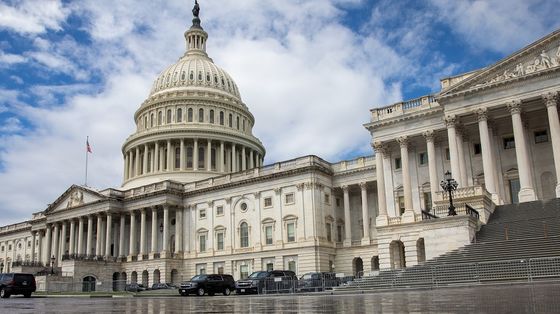
On 17 September, South China Morning Post (SCMP) reported that the US Congress passed a bill to strengthen sanctions on Russia by targeting Moscow's leading energy buyers, China and India, just days before Chinese President Xi Jinping is due to arrive in Washington for a summit with President Donald Trump. The US House of Representatives cleared the "Lindsey Graham Sanctioning Russia and Iran Act of 2026" by a 262-159 vote, sending it to Trump for signature. The Senate had passed the bill last month, 86-11. The legislation, championed by the late Senator Lindsey Graham, authorises Trump to impose tariffs of up to 100 per cent on the five largest importers of Russian oil and natural gas, while potentially exempting countries like Japan, France, Hungary, and Belgium.
("US Congress passes bill targeting Russia's leading energy buyers – China and India," South China Morning Post, 17 September 2026)
https://share.google/USGp2ob7SSmYO1chU
US, China security experts propose nuclear-style safeguards for AI risks
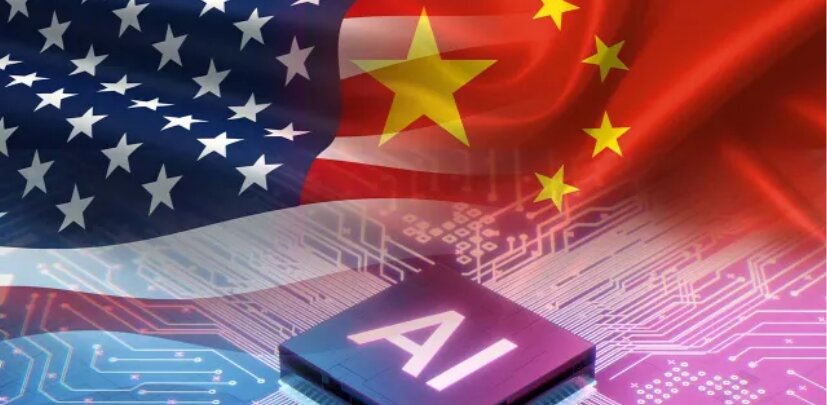
On 17 September, Reuters reported that an AI system interfering with a nuclear command network or launching a military cyber operation could leave Washington or Beijing mere minutes to decide whether they had been attacked, according to US and Chinese security experts. The experts, part of a dialogue convened by the Brookings Institution and Tsinghua University, proposed red lines around nuclear systems, human control over consequential cyberattacks, and a hotline for incidents involving autonomous AI, published ahead of a planned Trump-Xi meeting expected on 24 September. Brookings' Melanie Sisson said, "humans should retain sole authority to initiate AI-enabled cyberattacks against nuclear command, control and communications systems." Fudan University's Tianjiao Jiang urged a dedicated hotline, warning automated cyber exchanges could escalate before humans intervene.
("US, China security experts propose nuclear-style safeguards for AI risks," Reuters, 17 September 2026)
https://share.google/0xGHIkE5G10H1zkJI
Beijing urges Washington to curb military expansion in outer space
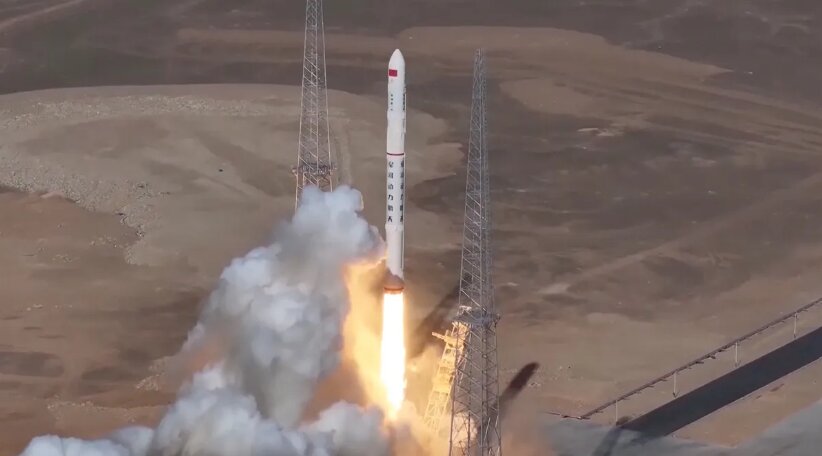
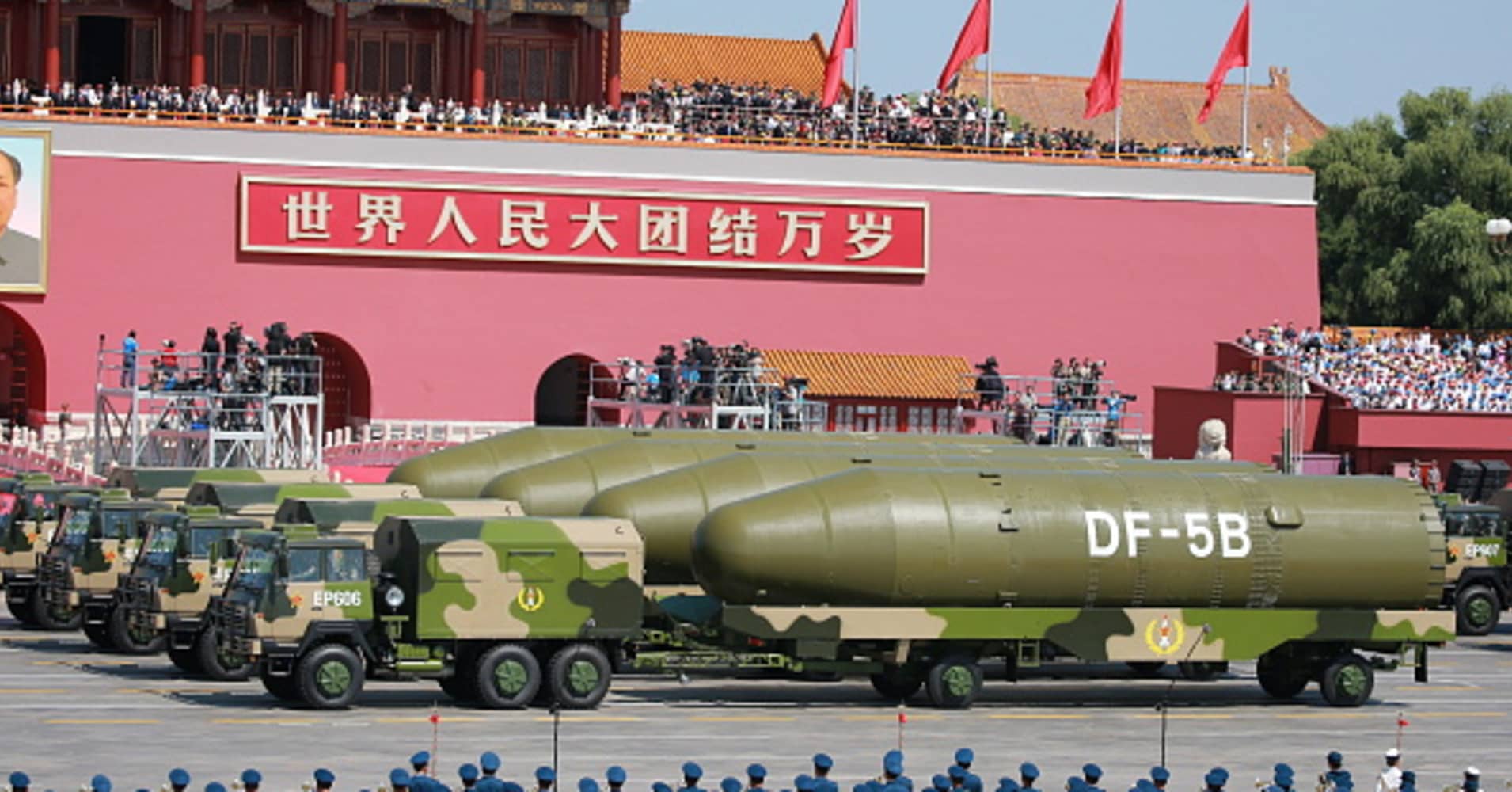
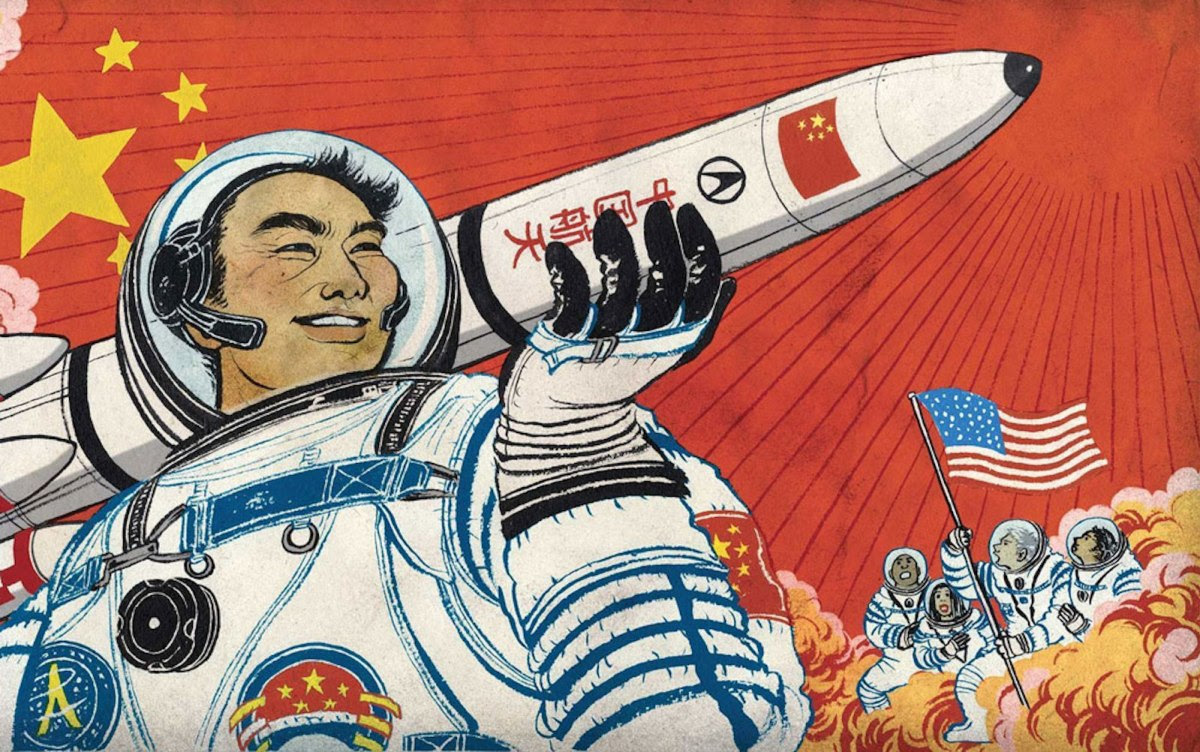
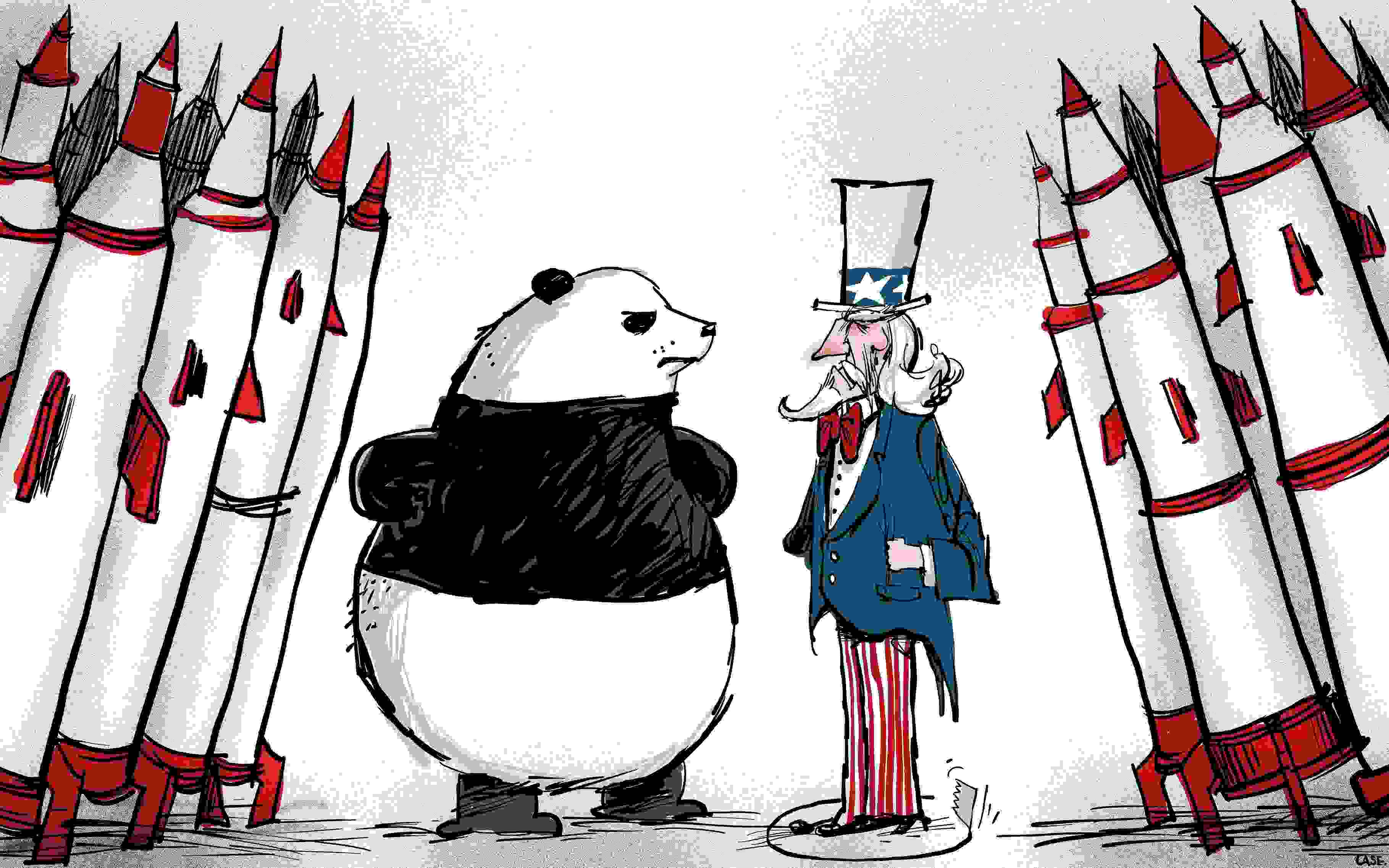
On 16 September, China Daily reported that Beijing has called on the United States to halt the expansion of its military capabilities in outer space and take concrete measures to preserve global strategic stability. China’s Foreign Ministry spokesperson Guo Jiakun made the remarks during a press briefing following Washington’s confirmation that it has deployed weapons in space. Spokesperson Guo reaffirmed China’s support for the peaceful and secure use of outer space, while opposing an arms race, the weaponisation of space, and efforts to turn it into a potential theatre of warfare.
(“China urges US to stop expanding military build-up in outer space,” China Daily, 16 September 2026)
https://www.chinadailyhk.com/hk/article/639653#China-urges-US-to-stop-expanding-military-build-up-in-outer-space-2026-09-16
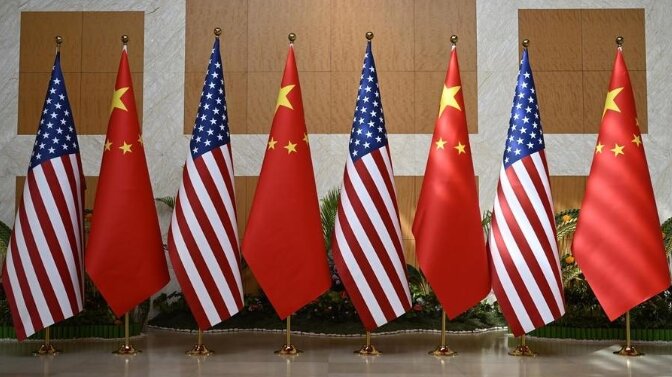
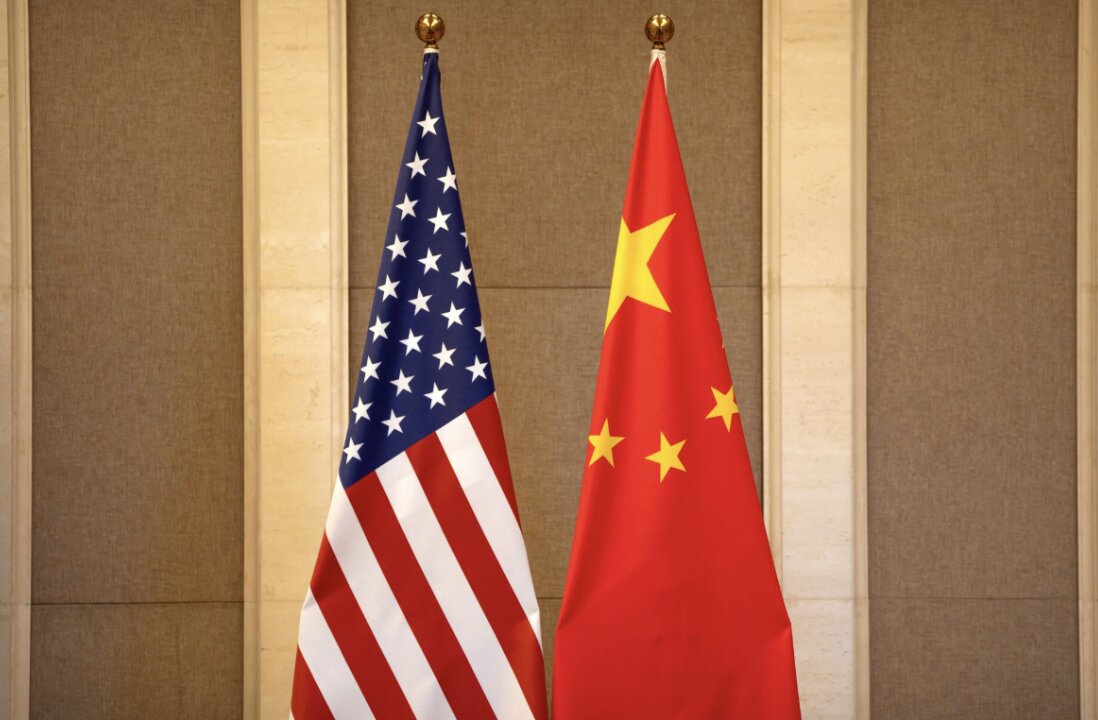
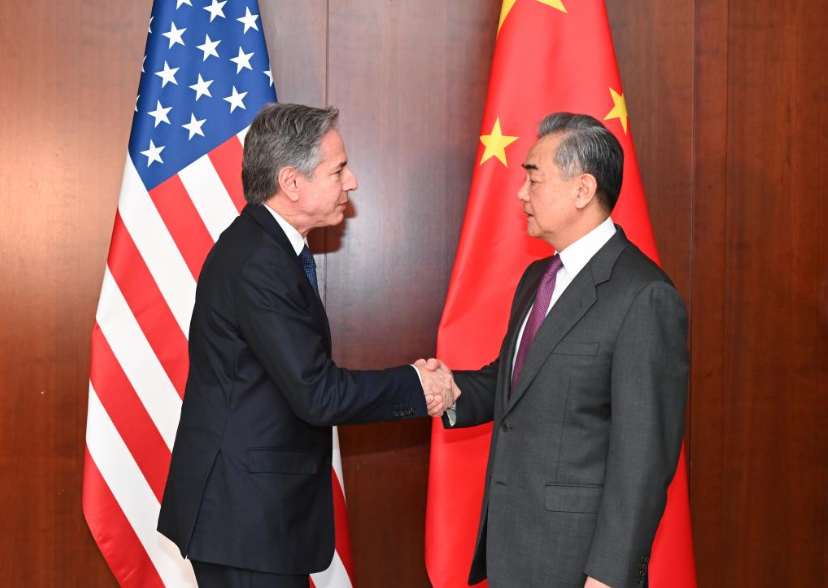
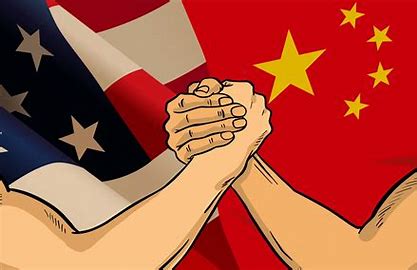
US and China discuss tariff reduction ahead of Trump-Xi summit
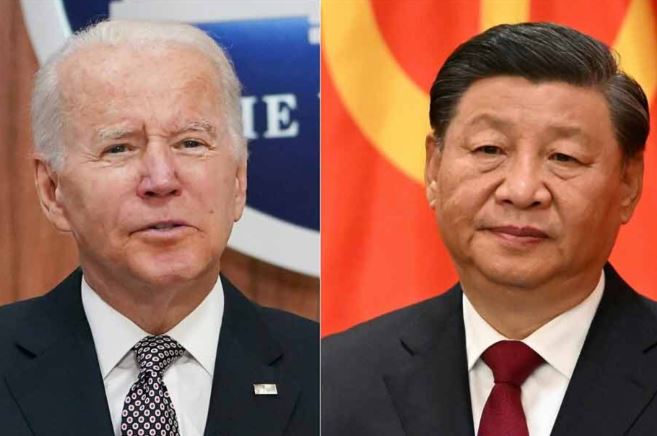
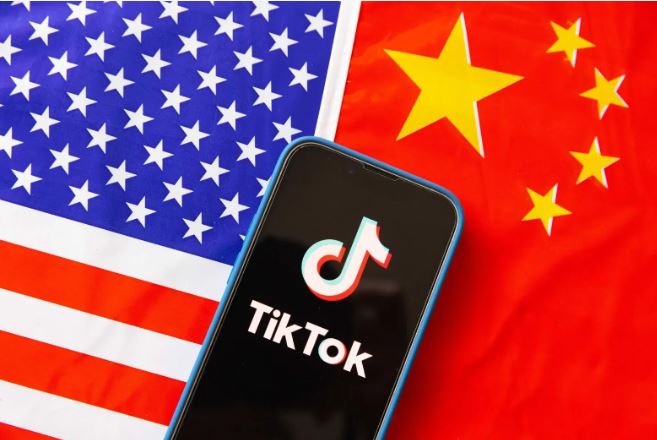
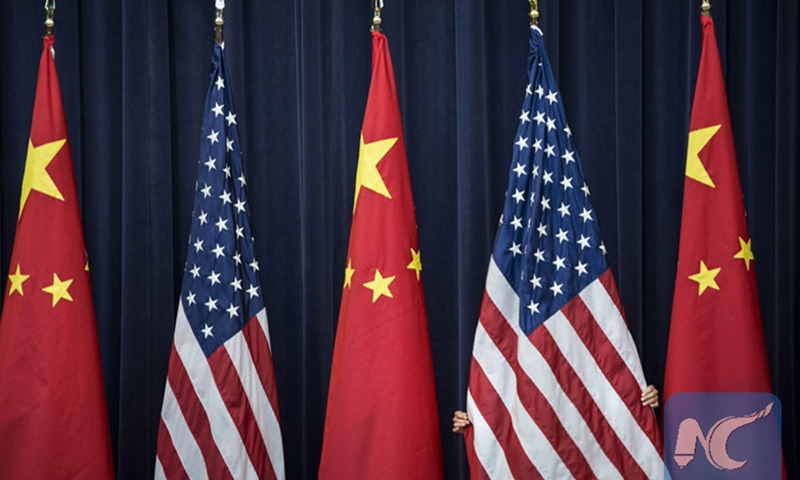
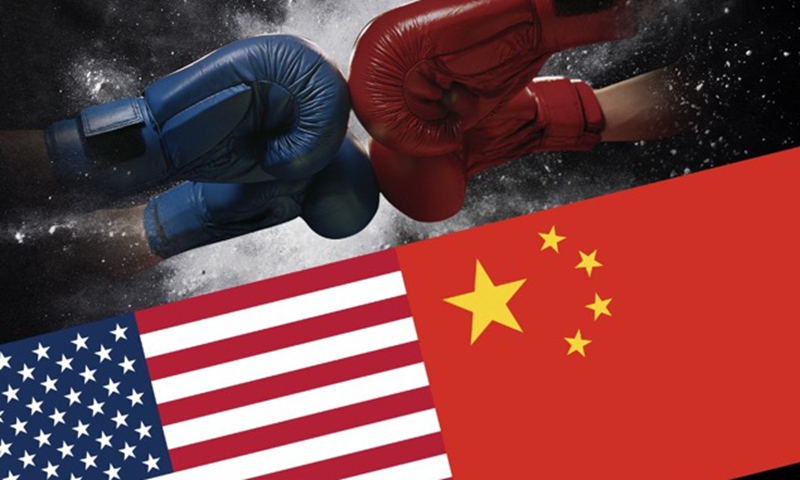
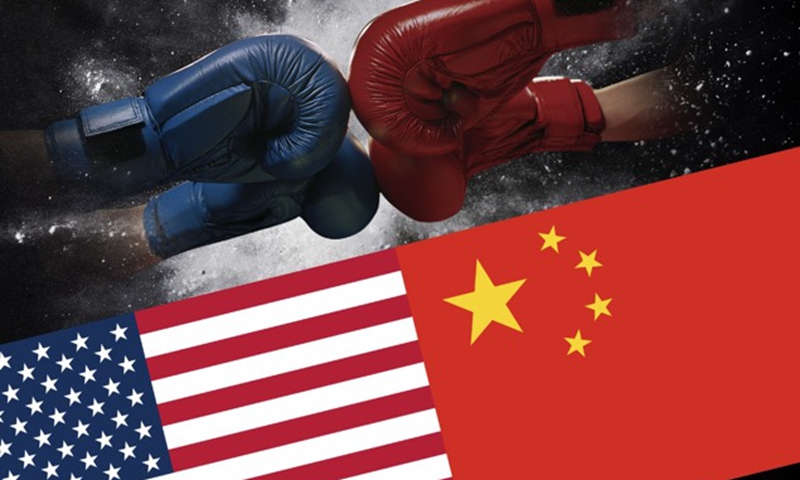
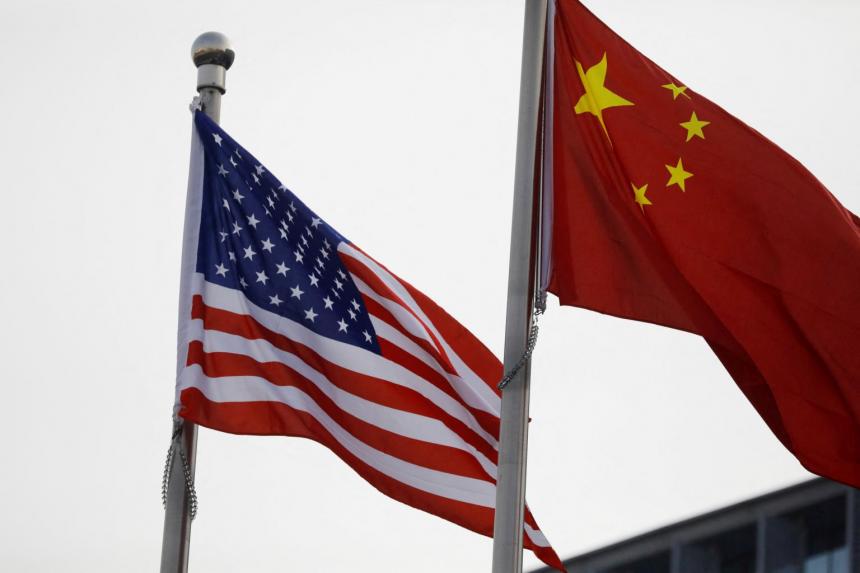
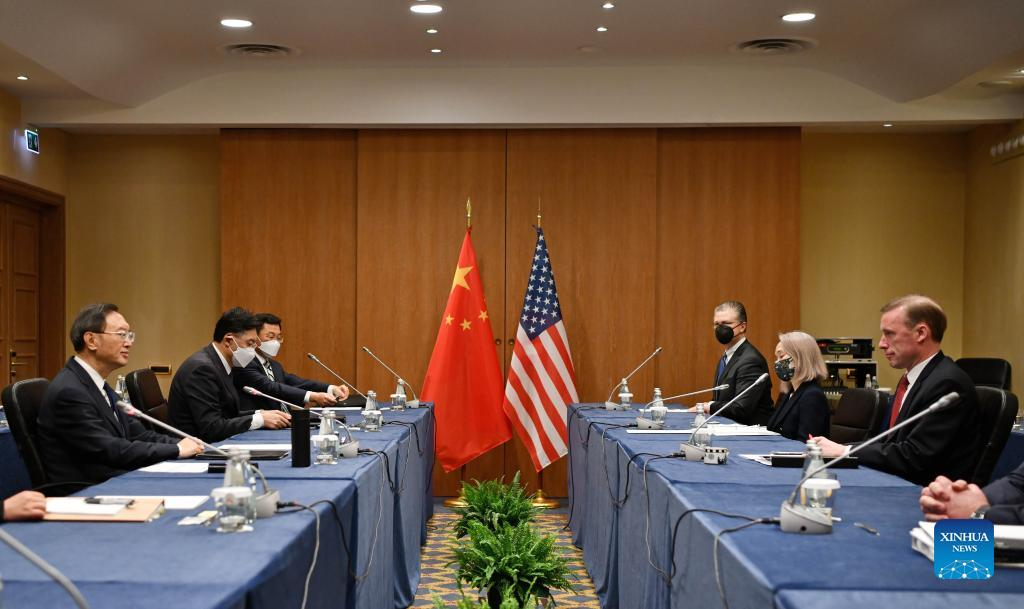
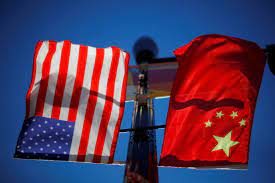
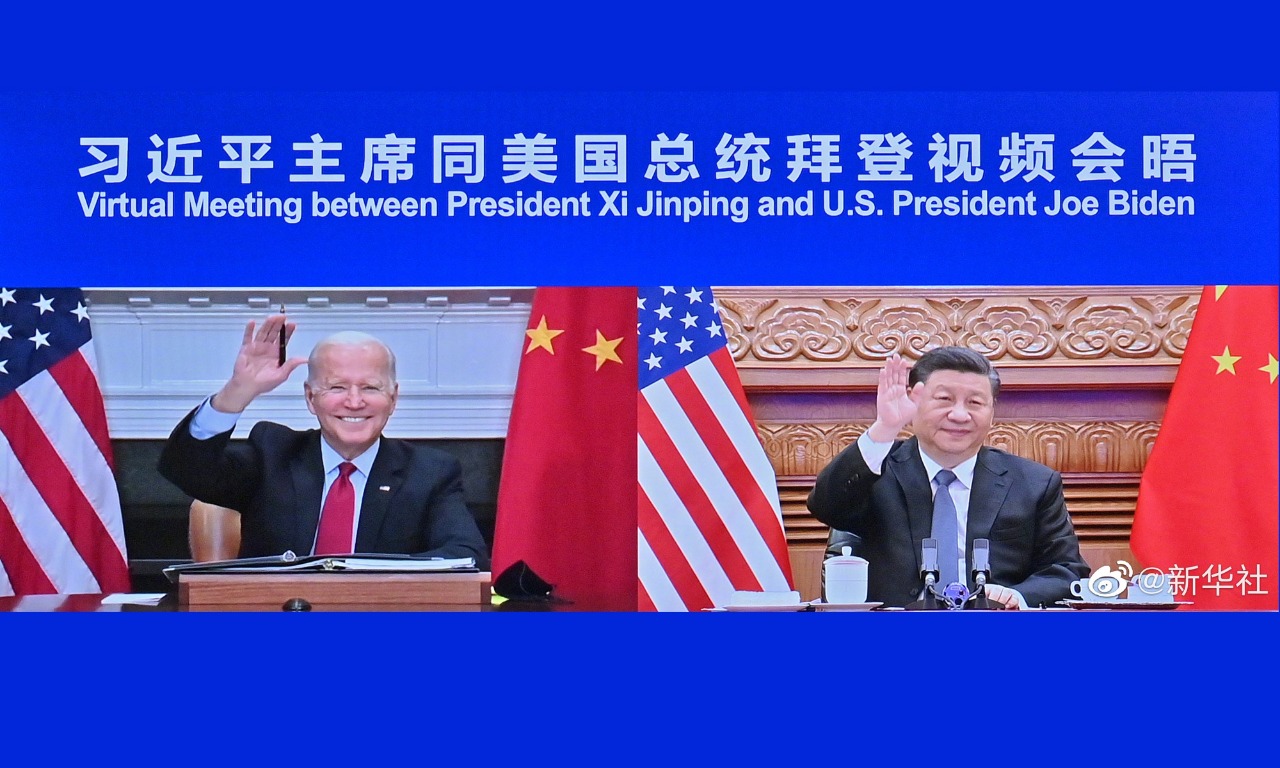
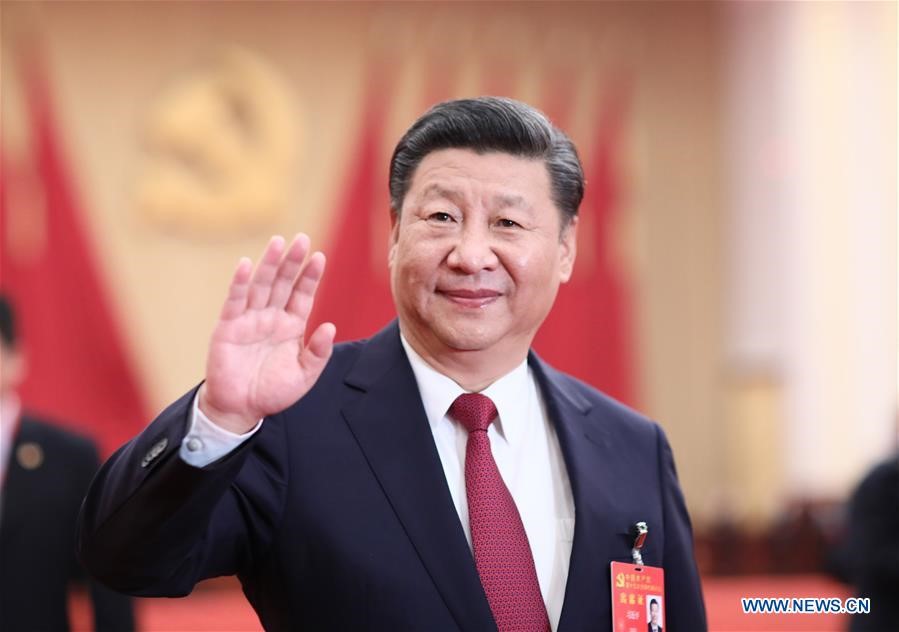
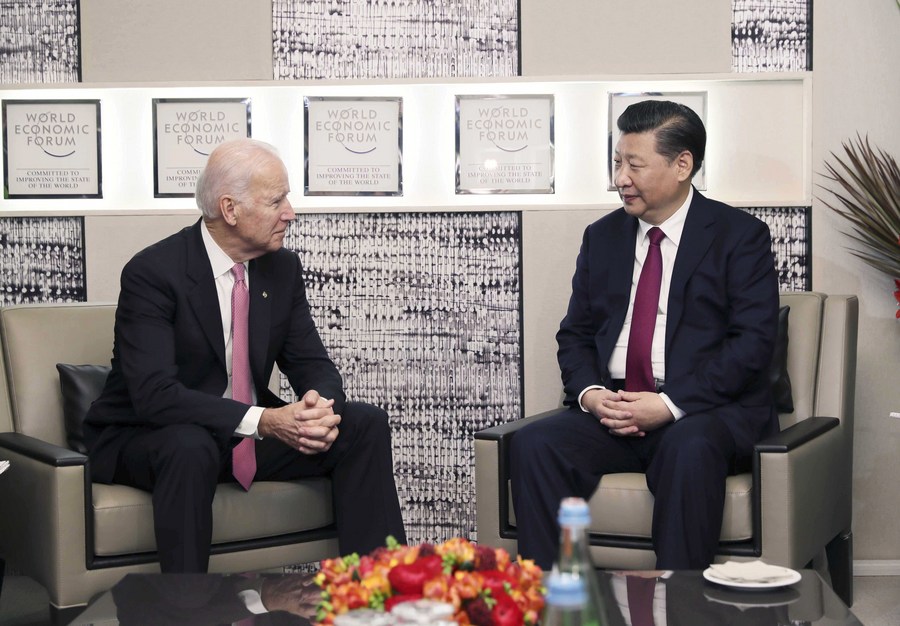
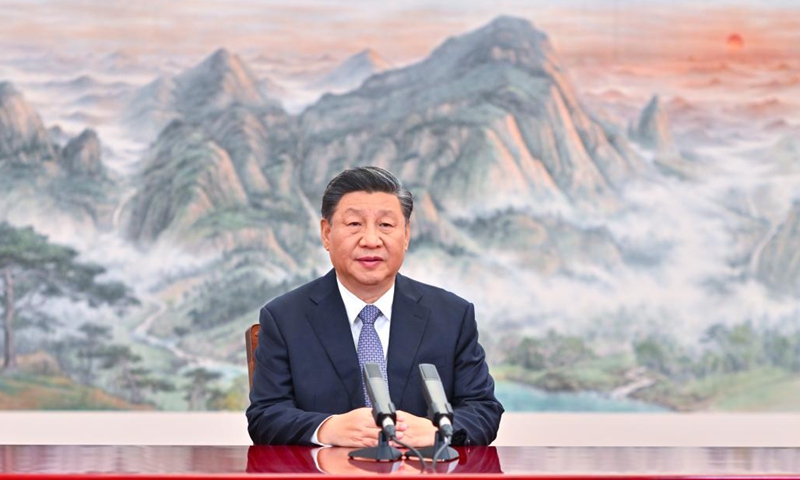
On 16 September, The Japan Times reported that the United States and China are discussing further tariff reductions ahead of President Donald Trump and President Xi Jinping’s planned September 24 summit in Washington. The measures could lower US duties on Chinese inputs used by manufacturers and reduce tariffs on American agricultural and energy exports, extending an existing trade truce. Treasury Secretary Scott Bessent is expected to meet China’s Vice Premier He Lifeng beforehand to prepare for the summit and discuss issues including Iran-related sanctions. Despite progress on trade, tensions remain over China’s ties with Iran and Russia and competition in artificial intelligence, particularly allegations of technology-related knowledge extraction and restrictions on advanced chips.
(“U.S. and China discuss cutting some tariffs as leaders prepare to meet,” The Japan Times, 16 September 2026)
https://www.japantimes.co.jp/business/2026/09/16/economy/us-china-tariffs-leaders-meet/




























.png)
.jpg)
.jpg)
.jpg)
.jpg)
.jpg)
.jpg)
.jpg)
.jpg)
.jpg)
.png)

.jpg)
.jpg)
.jpg)
.jpg)
.jpg)
.jpg)
.jpg)

.jpg)
.jpg)
.jpg)
.jpg)
.jpg)

.jpg)
.jpg)
.jpg)
.jpg)
.png)
.jpg)
.jpg)
.png)
.jpg)
.jpg)


.jpg)

.jpg)
.jpg)
.jpg)
.jpg)
.jpg)
.jpg)
.jpg)
.jpg)

.jpg)
.jpg)
.jpg)
.jpg)
.jpg)
.jpg)

.jpg)

.jpeg)




.jpeg)