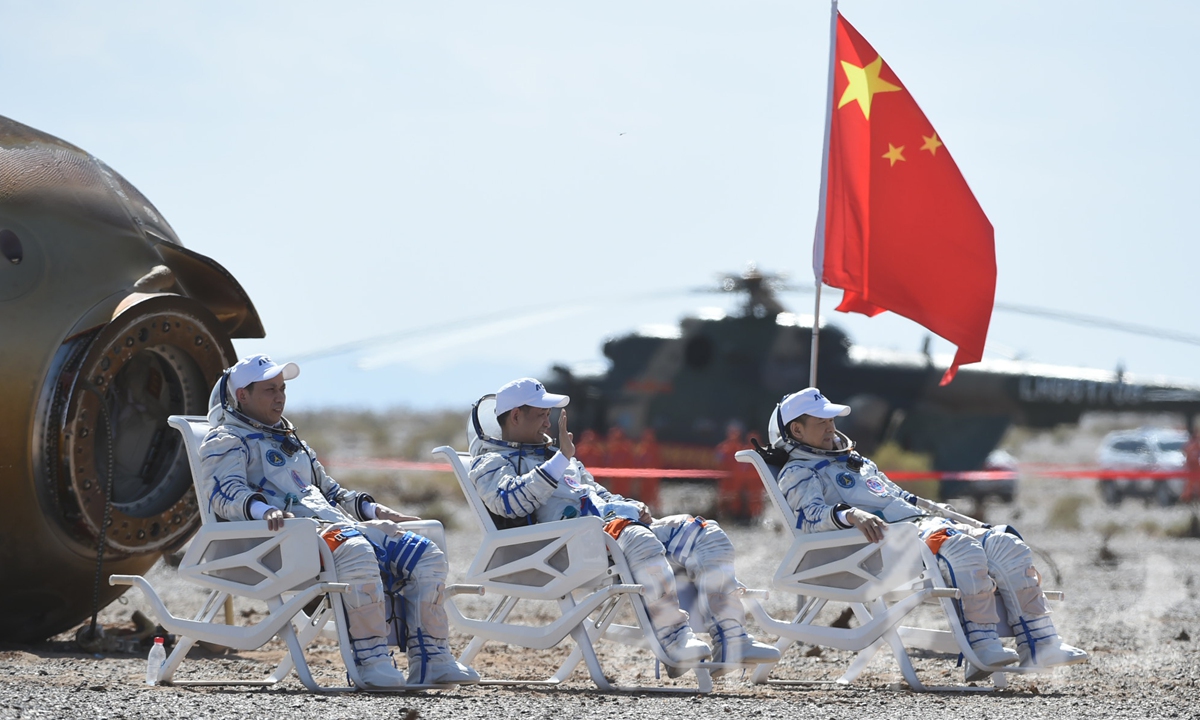
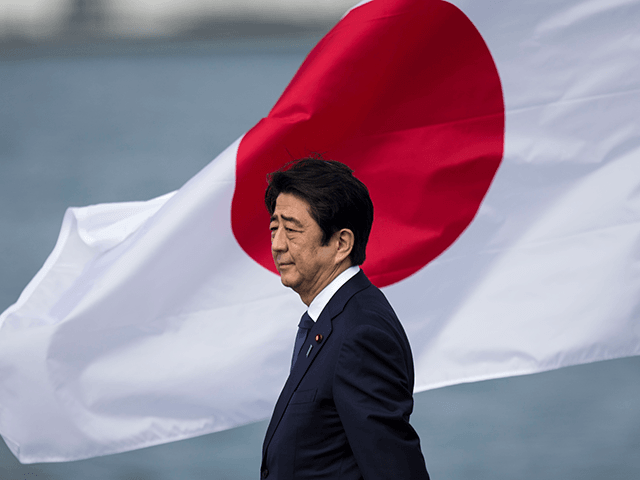
Photo : AA


China Reader Daily Wire | 18 September 2026, Friday | Vol 3 No. 141
In Brief
INTERNAL
Beijing establishes restricted airspace
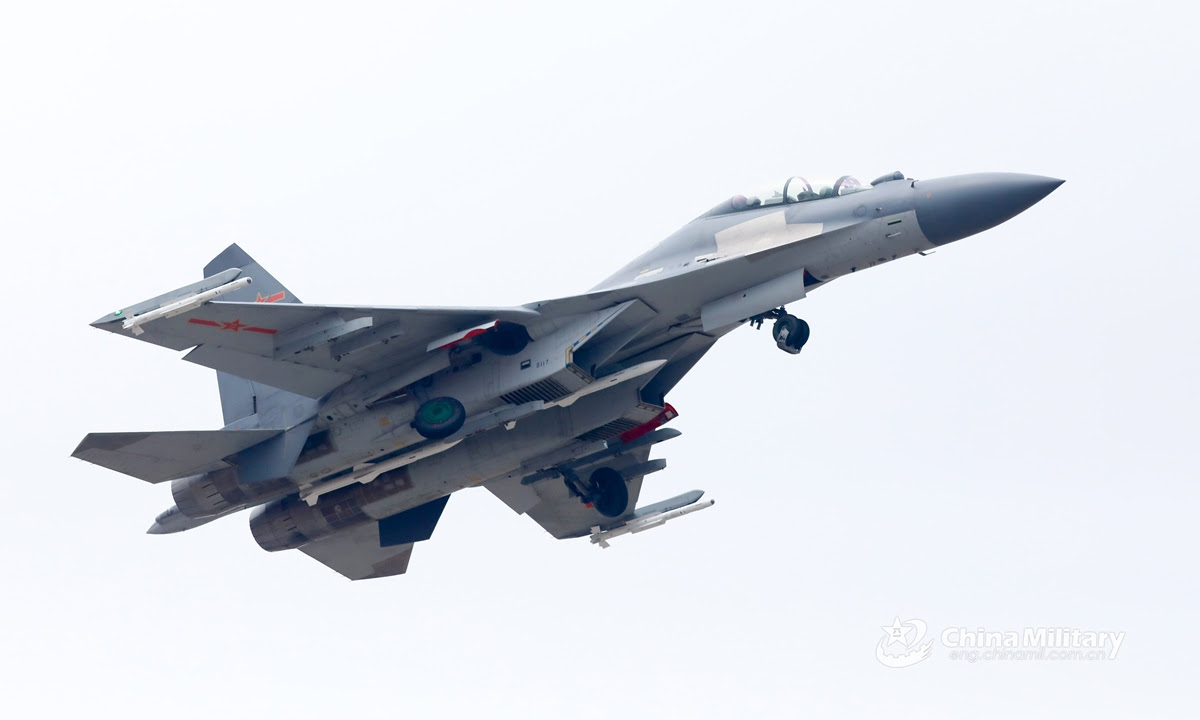
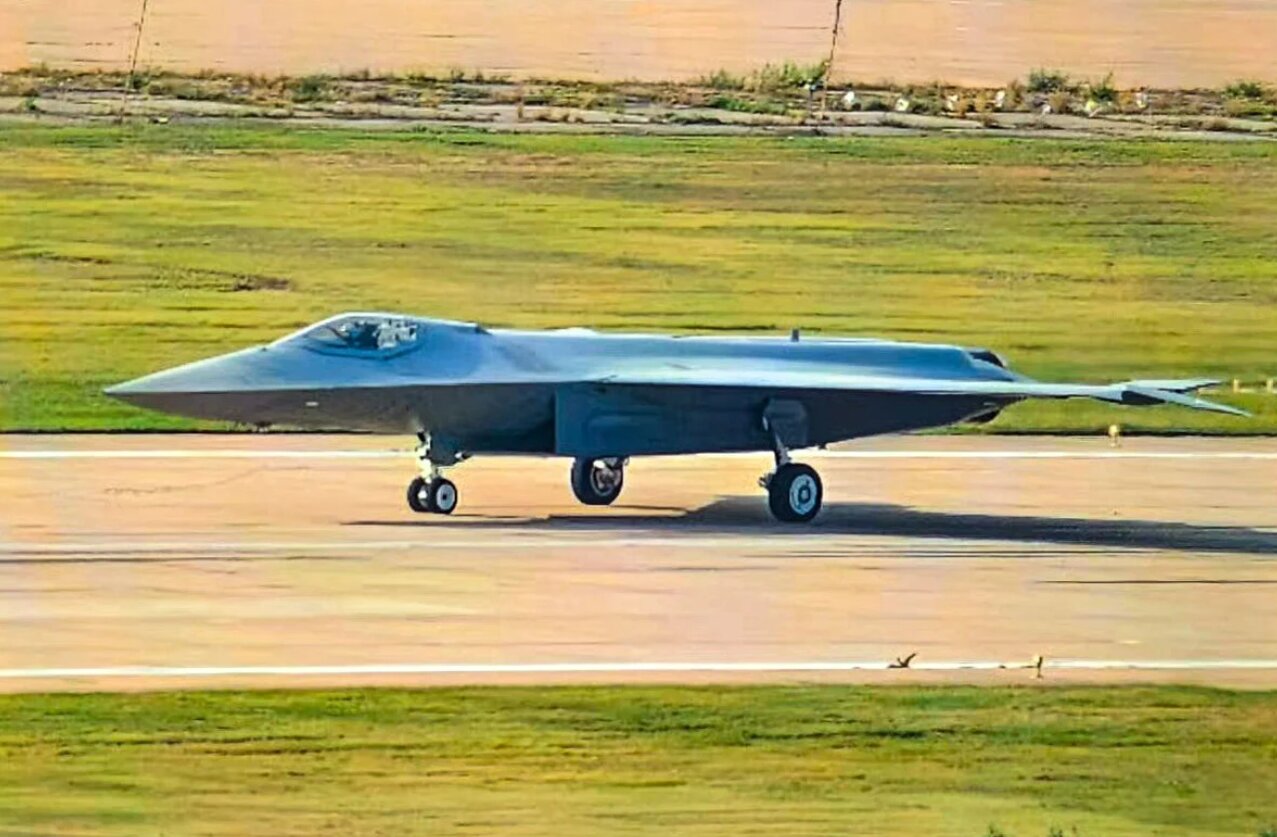
On 18 September, The Straits Times reported that China will establish a permanent special restricted airspace zone around Beijing, roughly the size of Italy. The 600-kilometre-wide circular zone will take effect from 20 September and extend from the ground to unlimited altitude. Most flights will be prohibited, except commercial airline services, approved business flights and military, customs, police and emergency flights. The move follows a rare aircraft crash in Beijing in which the pilot was killed, and 13 people were injured after the aircraft struck the CITIC Tower. The restriction is based on an aviation notice attributed to Beijing airspace control authorities and recorded in the US Federal Aviation Administration’s public NOTAM system. The measure significantly expands permanent airspace restrictions around the capital.
(“China creates Italy-size no-fly zone around Beijing after rare crash,” The Straits Times, 18 September 2026)
https://www.straitstimes.com/asia/east-asia/china-creates-italy-sized-no-fly-zone-around-beijing-after-rare-crash
President Xi calls for advanced manufacturing to support economic growth
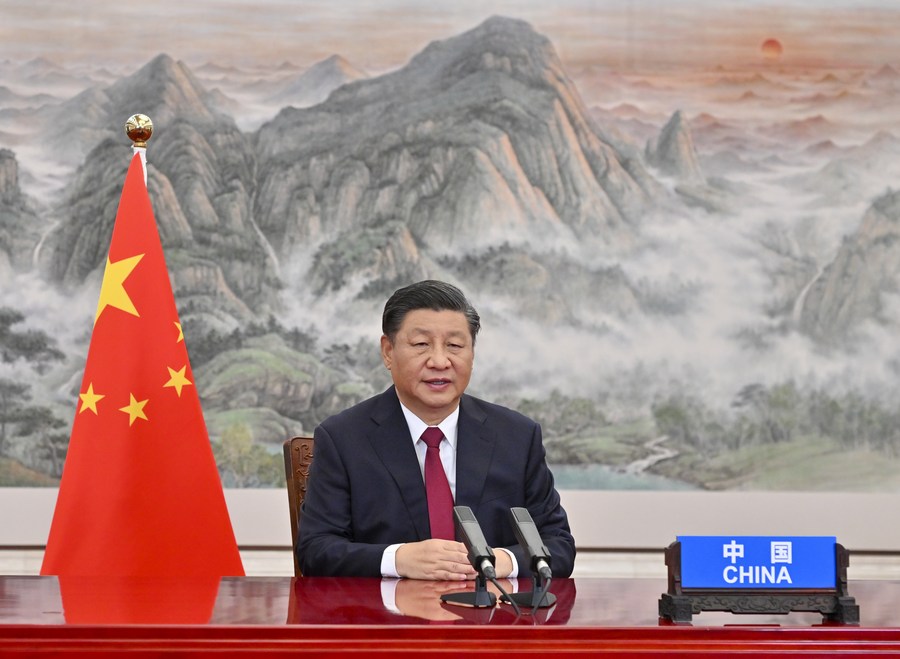
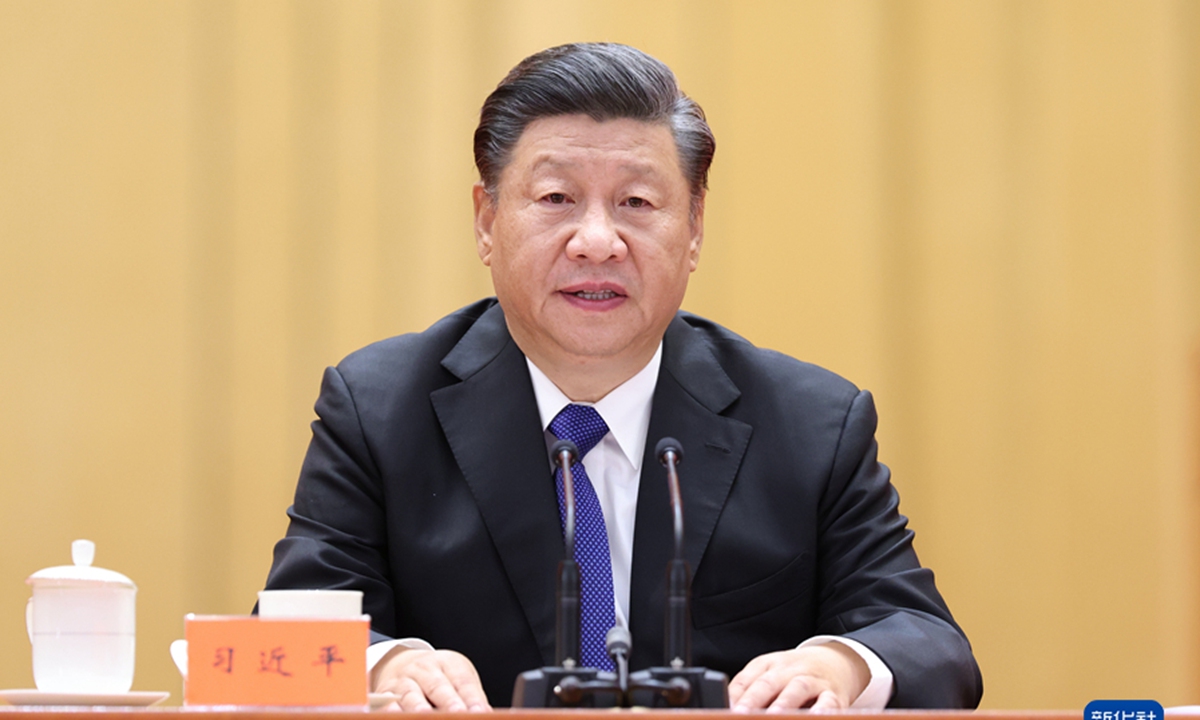
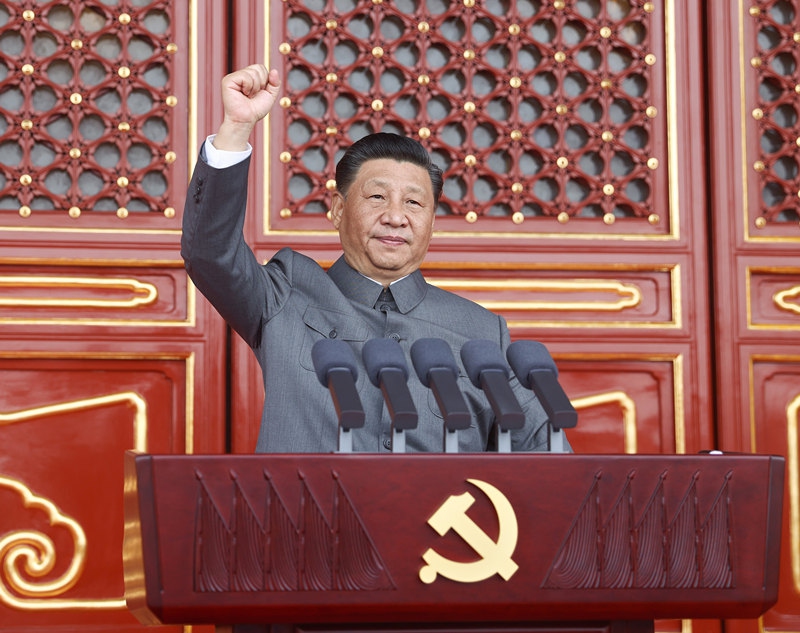
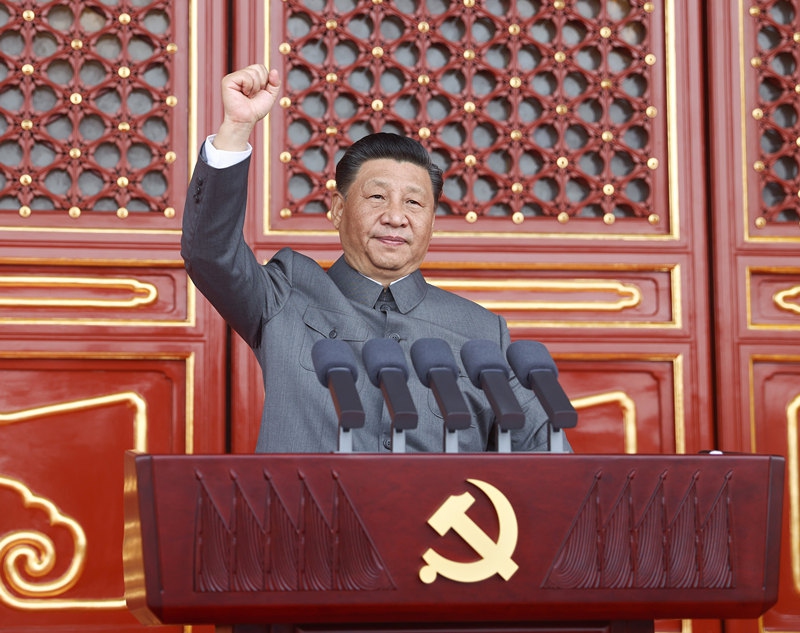
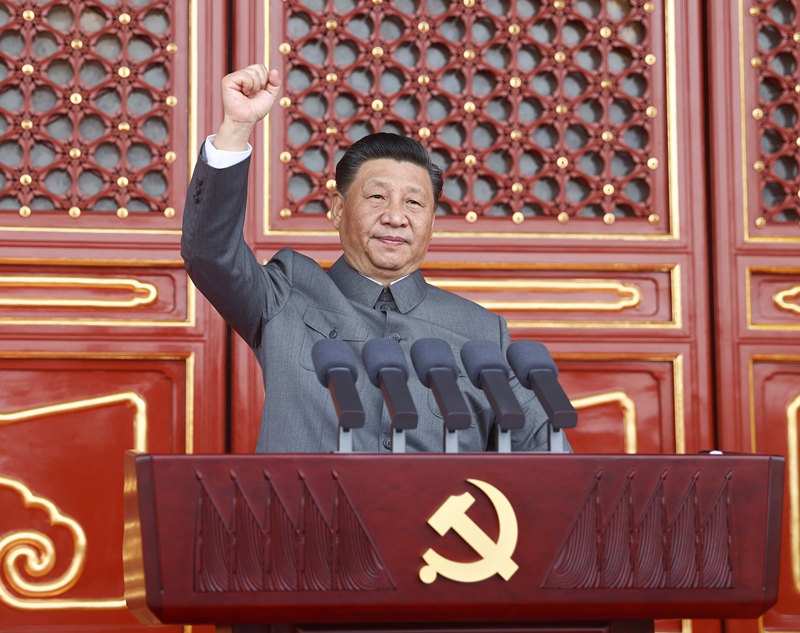
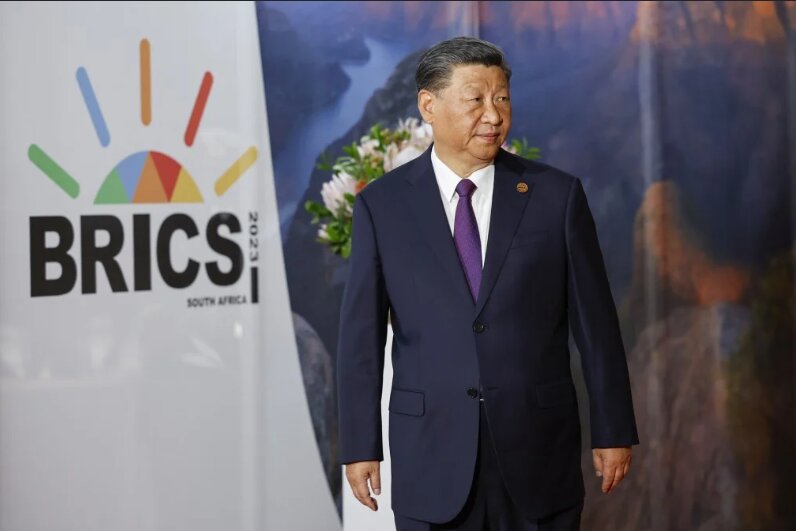
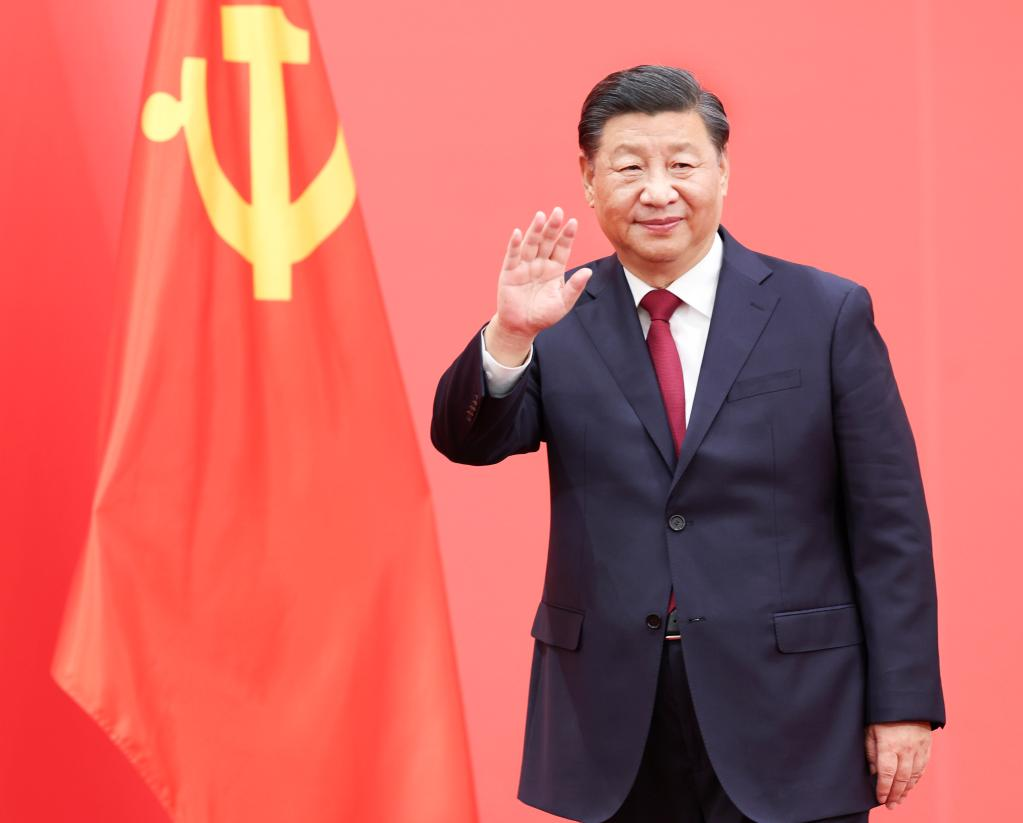
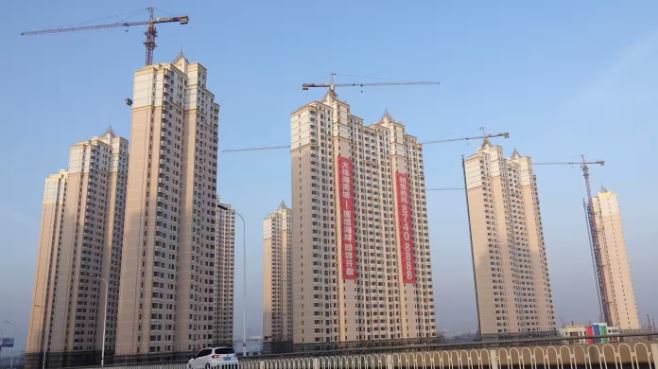
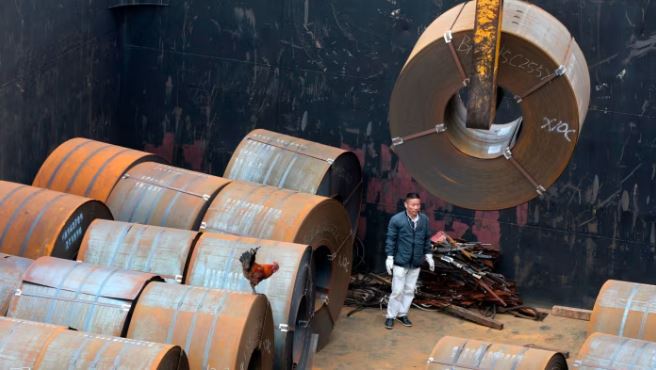
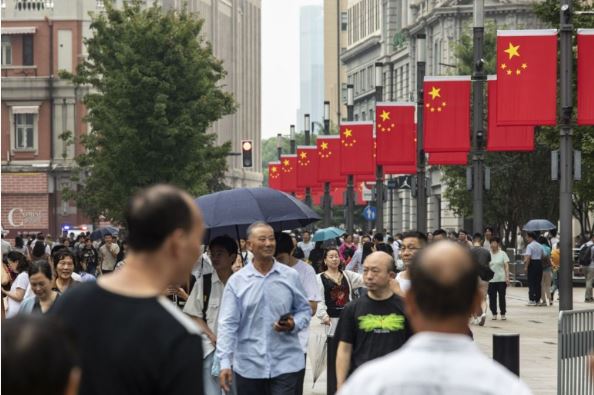
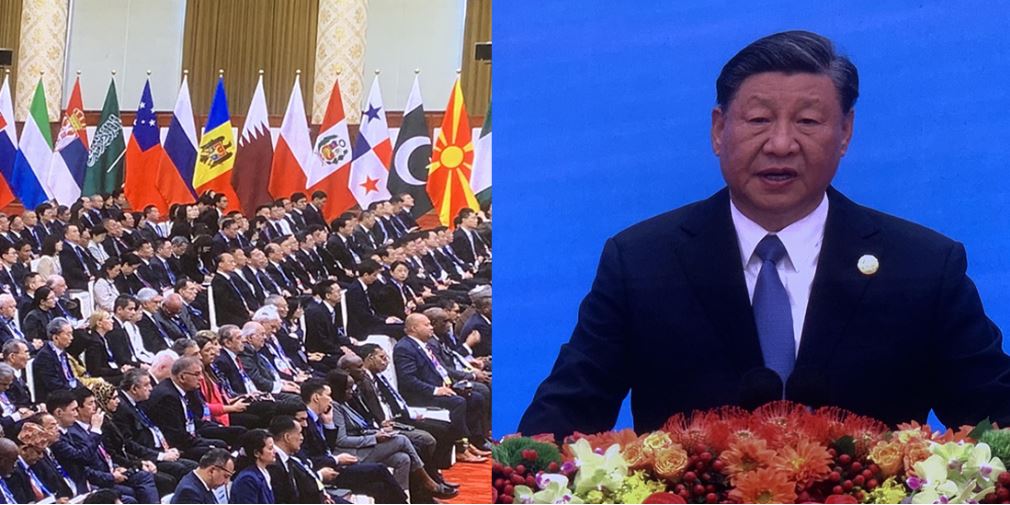
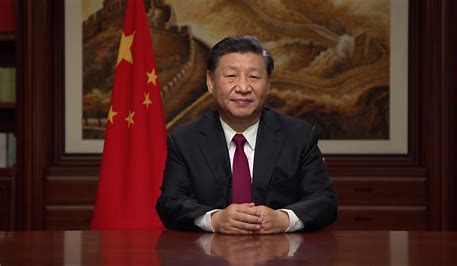
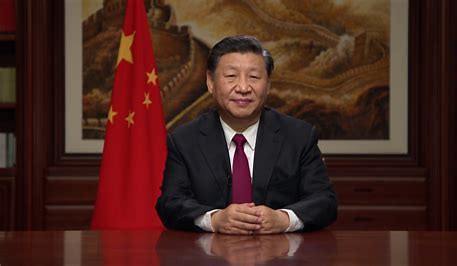
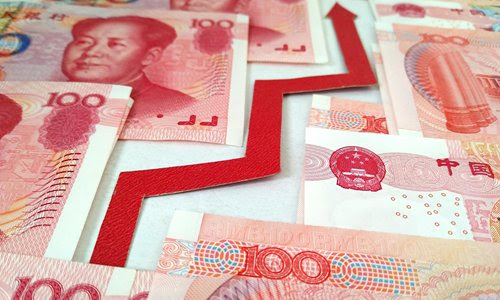
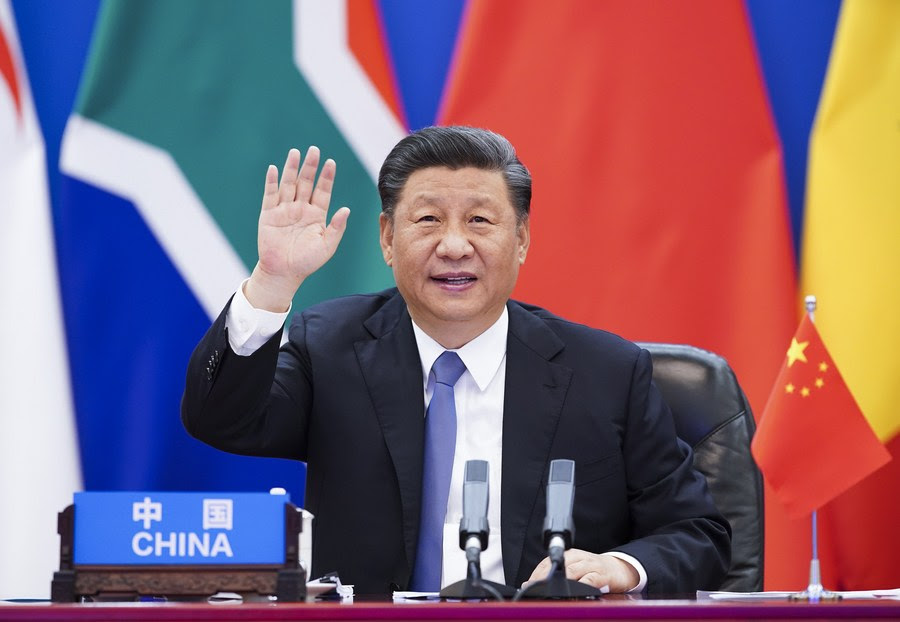
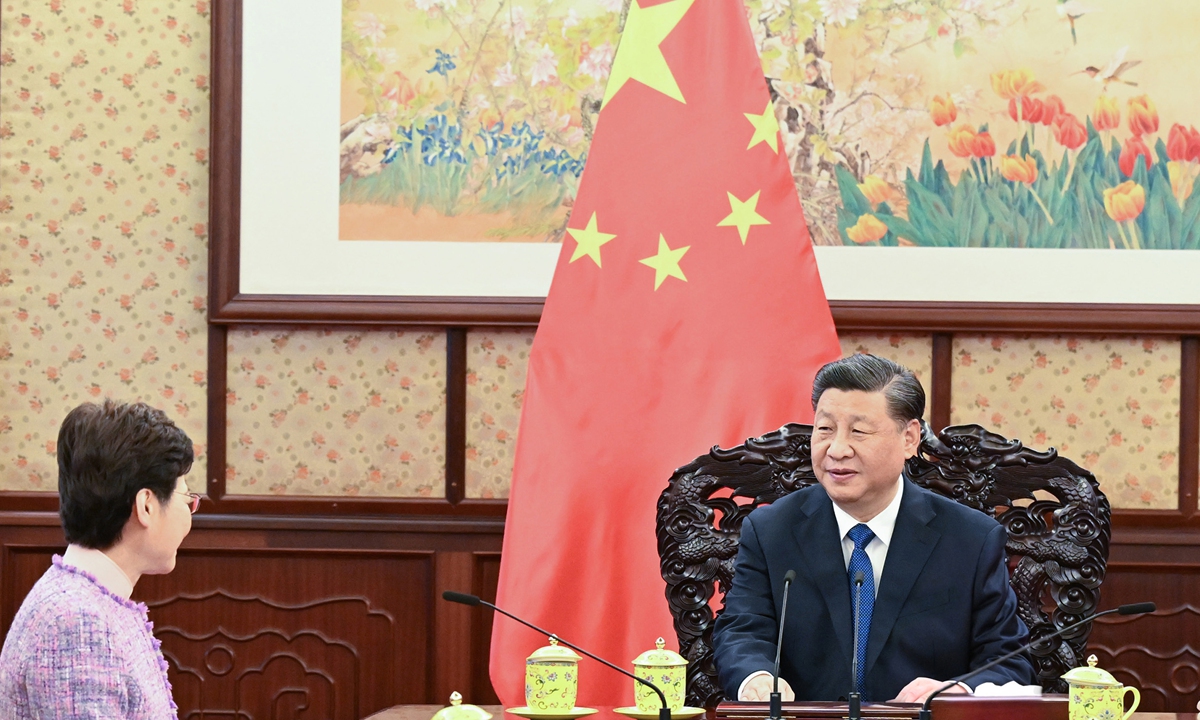
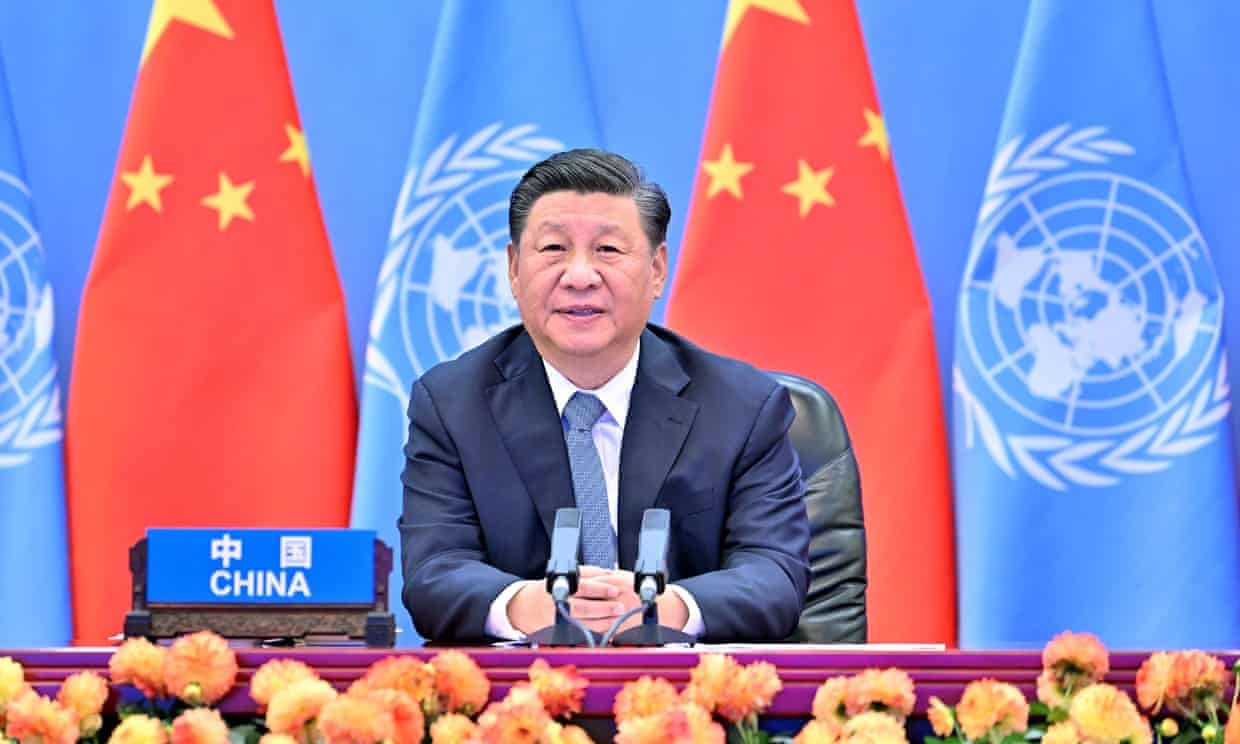
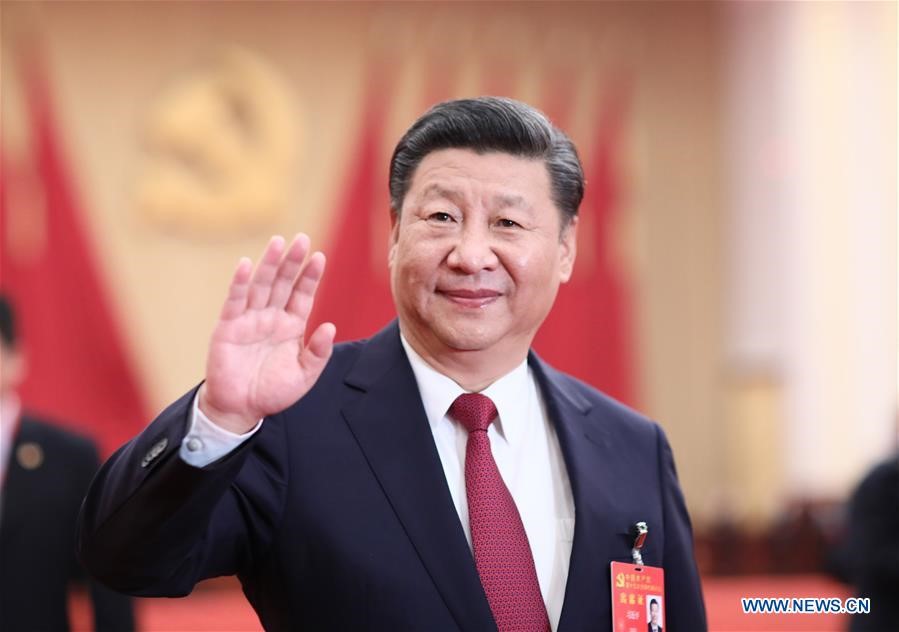
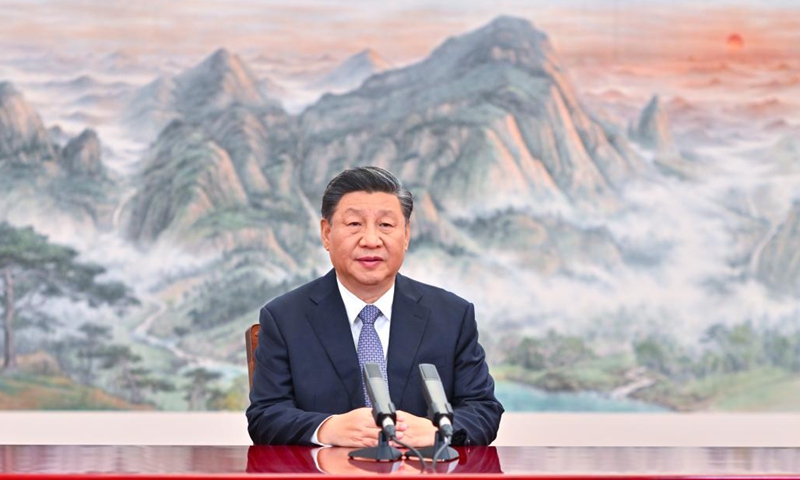
On 17 September, AA News reported that Chinese President Xi Jinping urged sustained efforts to expand and strengthen advanced manufacturing to support China’s economic modernisation. His instructions were conveyed at a national conference on advanced manufacturing held in Beijing. Xi called for smart, green and integrated industrial development, while urging authorities to make industrial supply chains more self-reliant and resilient to risks. He also called for faster development of a modern industrial system with advanced manufacturing as its backbone and stronger foundations for the real economy. The emphasis comes as recent economic data show weaker domestic demand. Retail sales grew 0.4 per cent year-on-year in August, while fixed-asset investment declined 7.2 per cent. Industrial production, however, increased 5.2 per cent. The government is therefore placing greater emphasis on advanced manufacturing and industrial capacity.
(“Xi urges China to strengthen advanced manufacturing amid weak domestic demand,” AA News, 17 September 2026)
https://www.aa.com.tr/en/asia-pacific/-xi-urges-china-to-strengthen-advanced-manufacturing-amid-weak-domestic-demand/4060044
CHINA AND SPACE
China launches two military and commercial space launches
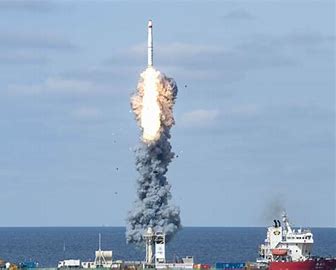
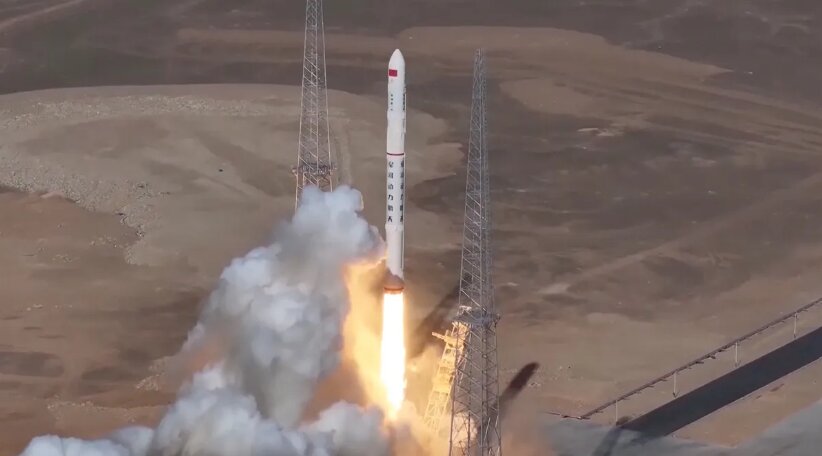
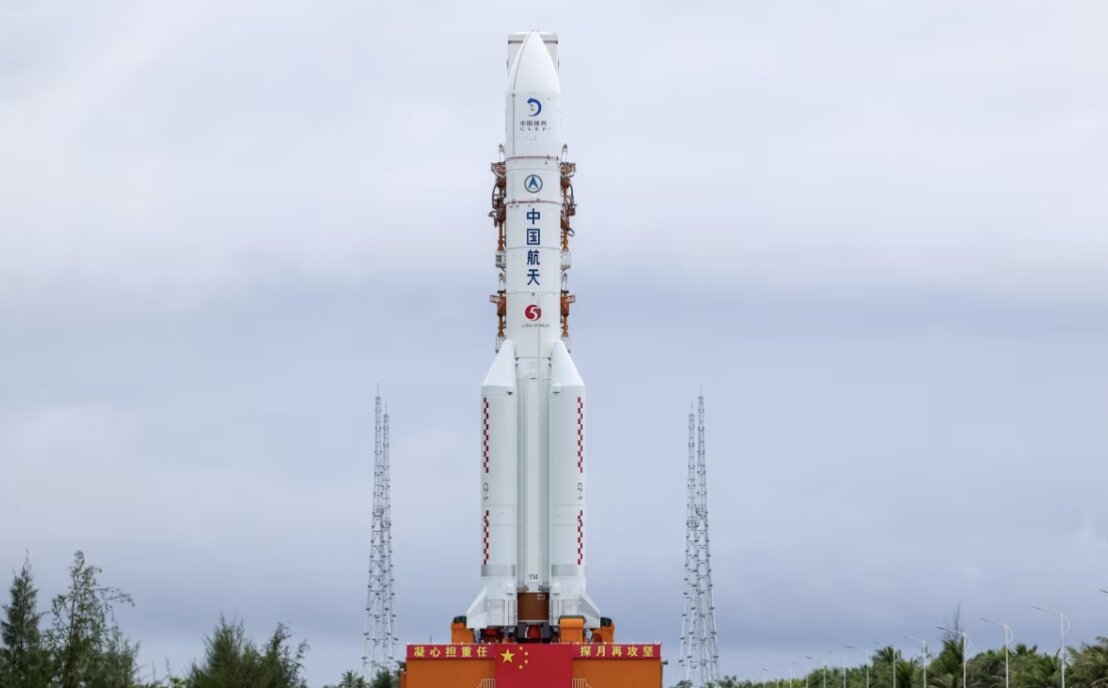
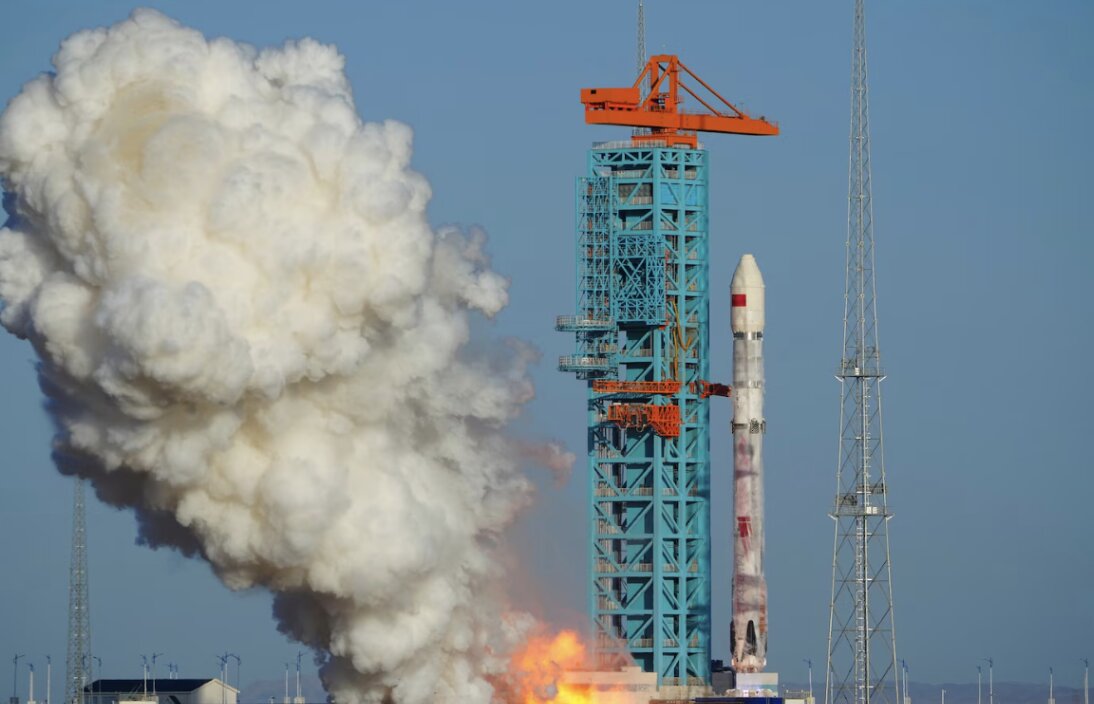
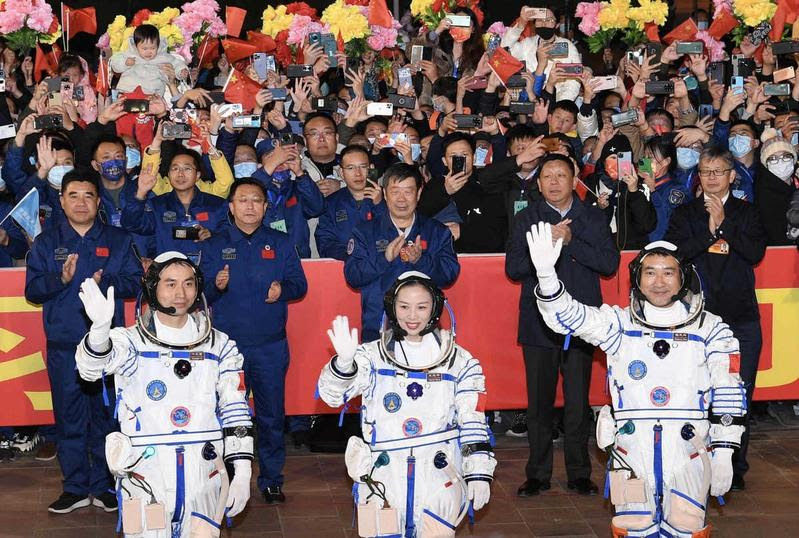
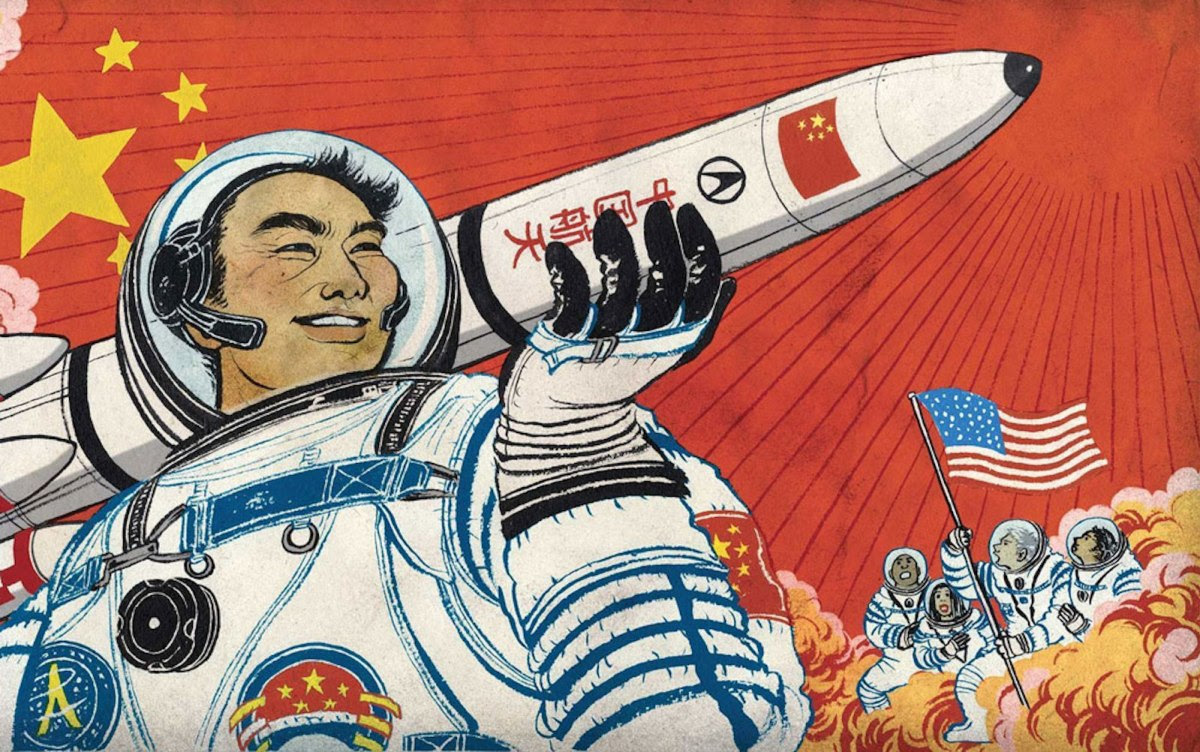
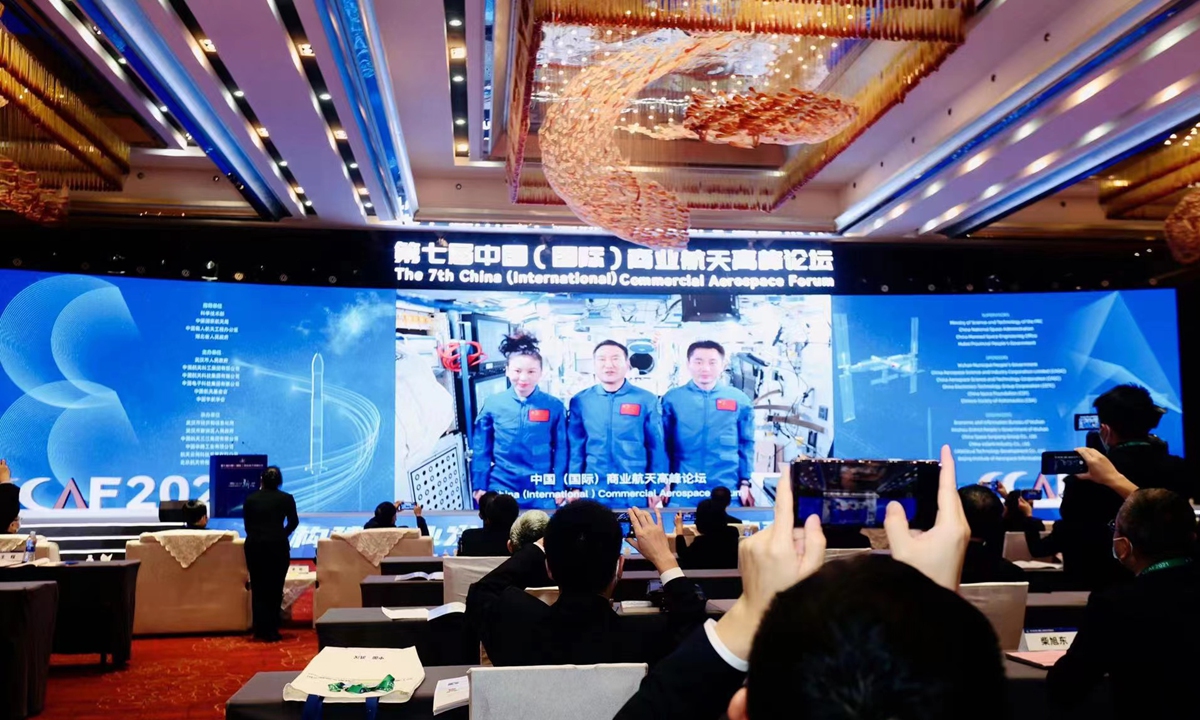
On 17 September, AA news reported that China successfully conducted two space launches on Thursday, placing a new batch of low-orbit internet satellites and two commercial remote-sensing satellites into orbit. The first launch occurred at 8:32 a.m. from the Hainan commercial spacecraft launch site, where a Long March-12 rocket delivered the 25th group of internet satellites. Just over two hours later, at 10:40 a.m., a Kuaizhou-11 solid-fuel rocket lifted off from the Jiuquan Satellite Launch Centre to deploy two commercial interferometric synthetic aperture radar (InSAR) satellites. These missions marked the 667th flight for the Long March rocket family and the 7th for the Kuaizhou-11.
(“China conducts 2 successful space launches, sends satellites into orbit,” AA News, 17 September 2026)
https://aa.com.tr/en/asia-pacific/china-conducts-2-successful-space-launches-sends-satellites-into-orbit/4060431
CHINA AND PACIFIC
Australia’s PM argues AUKUS could entangle Australia in US-China war
On 18 September, The Guardian reported that former Australian Prime Minister Paul Keating criticised the AUKUS defence agreement, arguing that it could draw Australia into a future US conflict with China. Keating said Australia could become vulnerable to retaliation because of its growing military integration with the United States. His comments followed remarks by US Congressman Michael McCaul, who said Australia’s alliance commitments would make its involvement in a potential conflict over Taiwan likely. McCaul also suggested that US nuclear-powered submarines operating from Australian bases could potentially carry nuclear weapons after 2032. Keating argued that such arrangements would reduce Australia’s strategic autonomy. The Australian government has continued to support AUKUS, under which Australia is acquiring nuclear-powered submarines through cooperation with the United States and United Kingdom. These competing views reflect ongoing debate over Australia’s defence partnerships and regional security role.
(“Paul Keating says Aukus locking Australia into a US war against China, which it would ‘certainly lose’,” The Guardian, 18 September 2026)
https://www.theguardian.com/world/2026/sep/18/paul-keating-aukus-locking-australia-into-us-china-war
CHINA AND SOUTH ASIA
Climate change fuelled deadly Nepal-China flood disaster, study finds
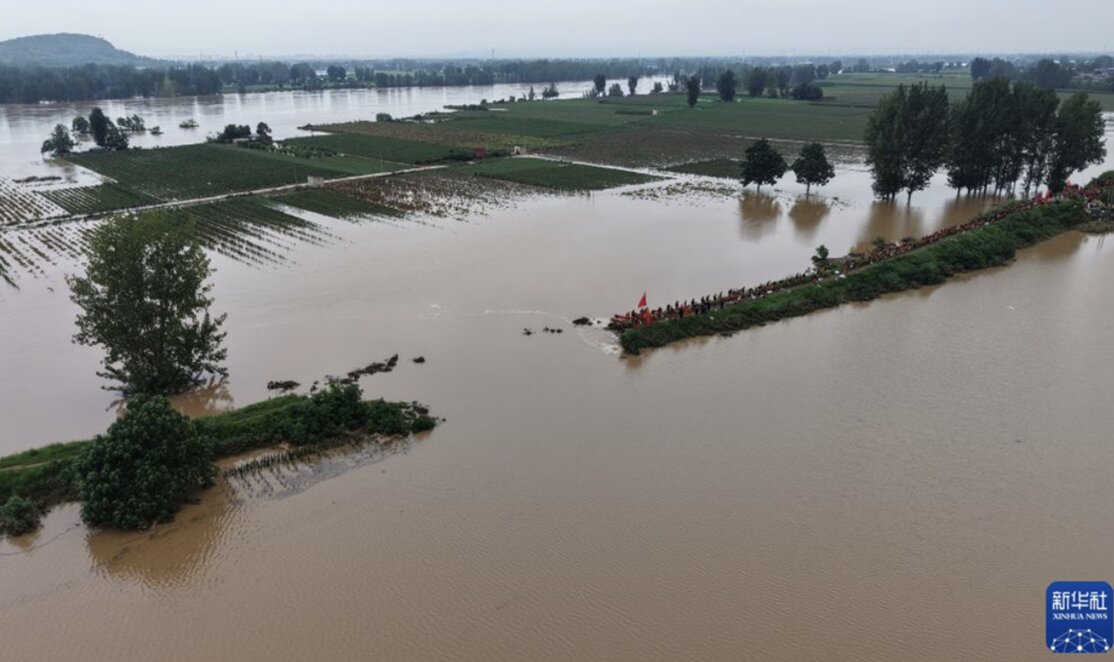
On 17 September, AA News reported that a group of researchers found climate change acted as "a destabilising factor" behind last month's deadly flash floods and mudslides along the Nepal-China border, which killed over 1,400 people and left more than 6,000 missing. The World Weather Attribution report, involving experts from ten countries, said the disaster was triggered on 26 August when a glacier on Nepal's Mount Langtang Lirung fractured at 5,200 metres, setting off an ice-rock avalanche that turned into a massive debris flow devastating Nepal's Rasuwa, Nuwakot, Dhading and Kavre districts, as well as the Kathmandu Valley and the Gyirong border crossing in Xizang. Researchers said the fracture may have been preconditioned by a 2015 magnitude 7.8 earthquake, with warming, permafrost degradation, glacier retreat, and increased rainfall likely contributing to the eventual collapse. The report noted the disaster exceeded the limits of Nepal's existing early warning systems and called for stronger high-Himalaya monitoring, transboundary data sharing, and accelerated climate finance to reduce future risk.
("Climate change destabilising factor in deadly Nepal-China flood disaster, say researchers," AA News, 17 September 2026)
https://www.aa.com.tr/en/world/climate-change-destabilizing-factor-in-deadly-nepal-china-flood-disaster-say-researchers/4060404
India's dependence on China for electronics imports widens
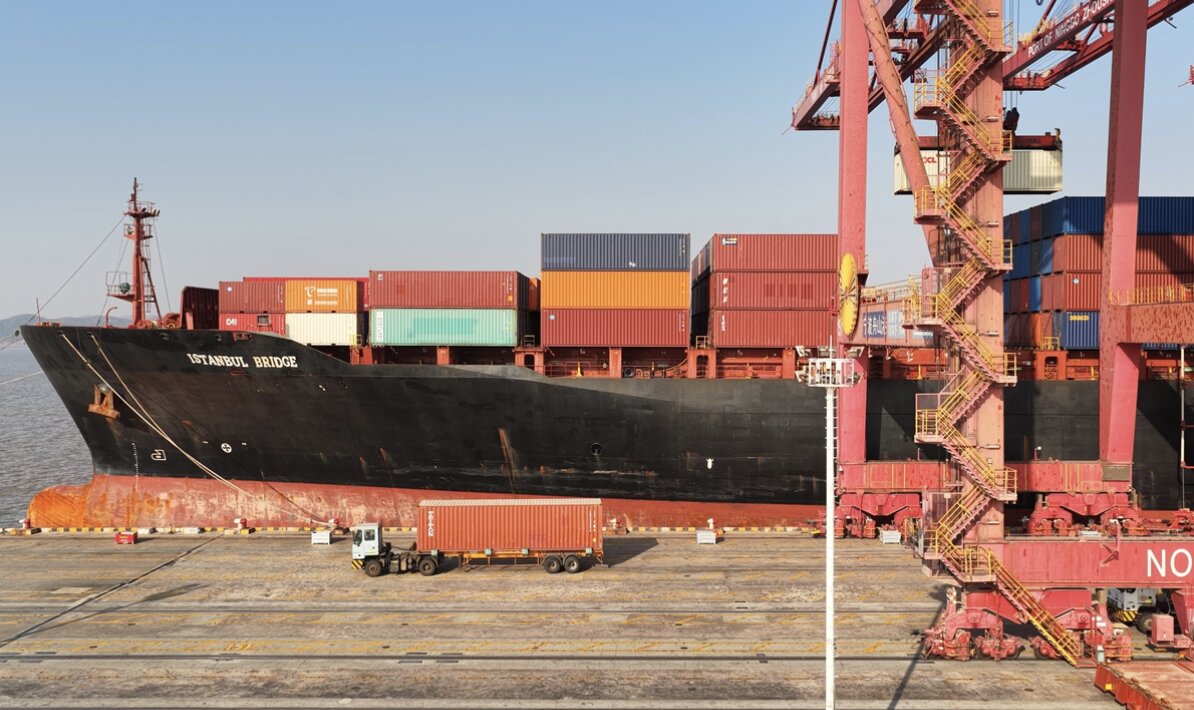
On 17 September, The Print reported that India’s trade deficit with China in electronics and electrical goods reached USD 43.1 billion in FY26, more than double the approximately USD 20 billion recorded in FY19, according to a Koan Advisory and Institute of Chinese Studies report. The number of product categories where China supplied at least 80 per cent of India’s imports increased from 461 in FY19 to 636 in FY26. The report said this shows wider dependence on Chinese manufacturing. China supplied 29.5 per cent of India’s electronic integrated circuit imports, 48.9 per cent of semiconductor imports and 54.3 per cent of telephone equipment imports in FY26. Meanwhile, India’s electronic goods exports increased 39.72 per cent during April–August 2026. However, electronic goods imports rose 43.57 per cent during the same period. India’s overall imports from China also increased 27 per cent to USD 65.49 billion.
("India’s China trade deficit is now structural. Electronics goods deficit doubled to $43 bn since 2019," The Print, 17 September 2026)
https://share.google/x0a69ryCLggZ9kwK9
Opinion
Bernard Chan, "What the China-Nepal floods teach us about crisis communication," SCMP, 18 September 2026
"For families waiting for news, more reporting was valuable because it shifted attention back to what mattered: finding out what had happened, where the damage was worst and who had been affected ... China and Nepal share a practical interest in ensuring the next warning travels faster than the next wall of water. People in valleys below need to know when a lake is forming, a slope is moving or a river is rising. That means the two countries must share information quickly and make sure it reaches the villages, road crews and border posts most exposed to danger ."
CHINA AND MIDDLE EAST
Beijing vetoes UNSC resolution on extending Iran sanctions monitors
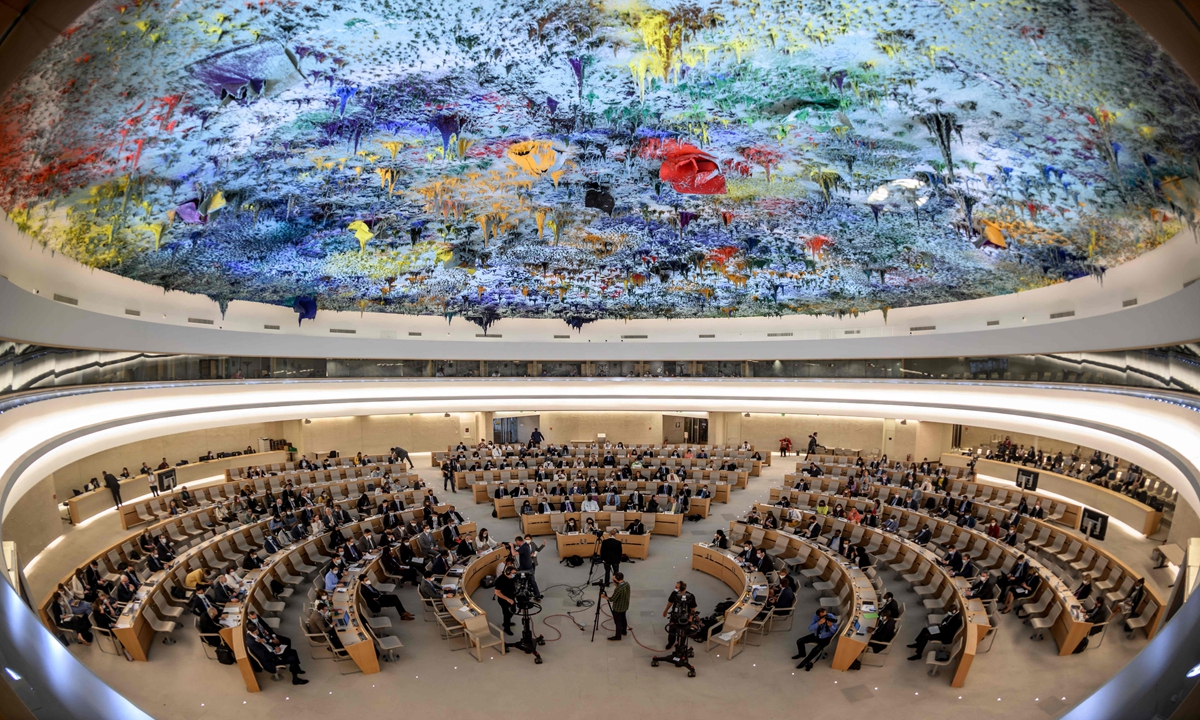
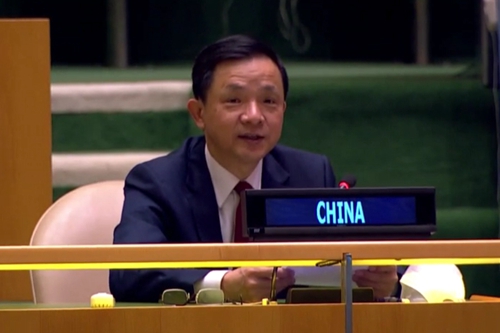
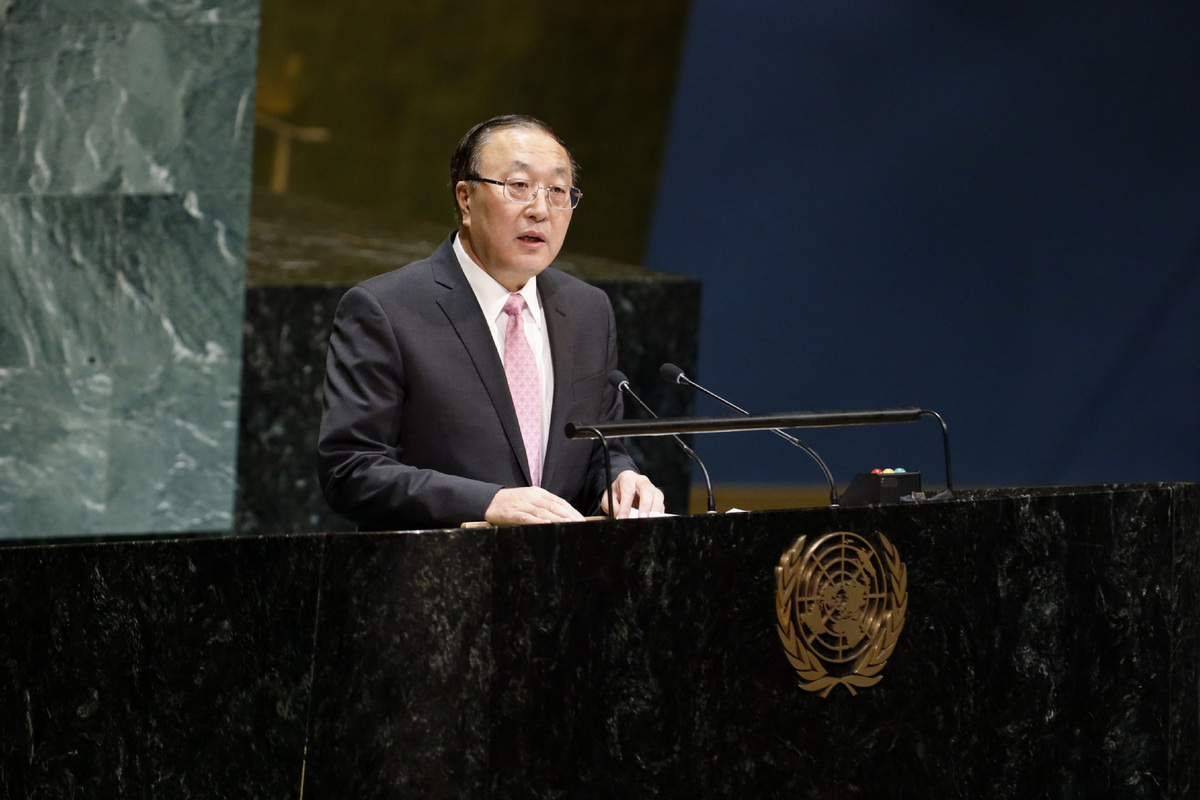
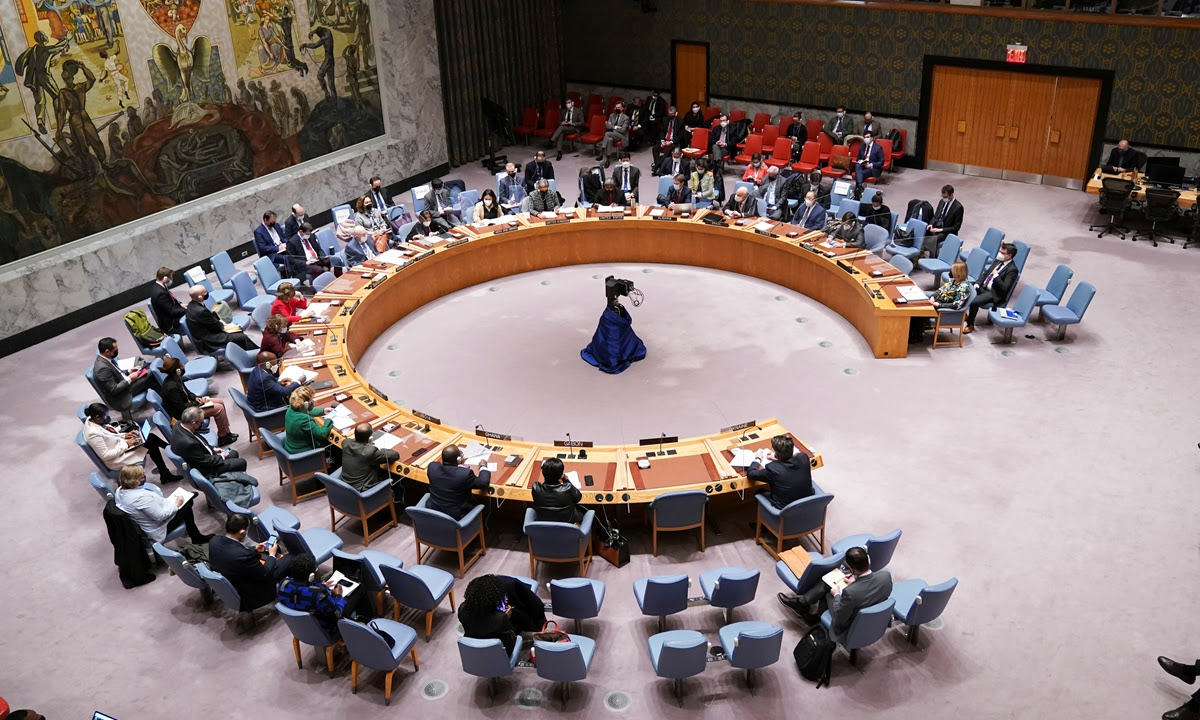
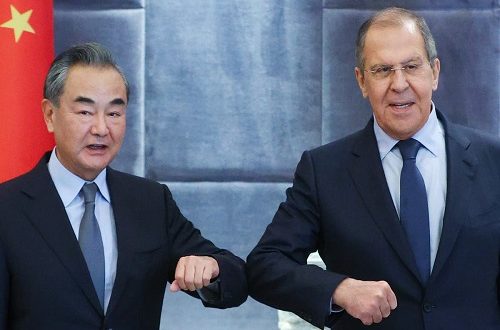
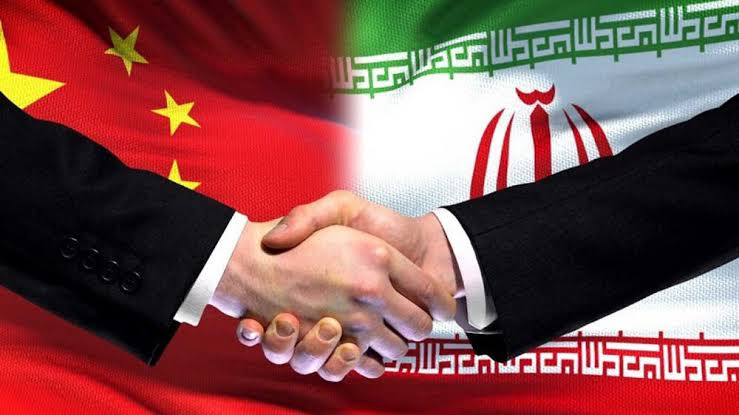
On 17 September, Al Jazeera reported that China and Russia had vetoed a US-backed resolution at the United Nations Security Council, which would have authorised UN experts to monitor sanctions on Iran. The resolution called for extending the independent monitoring of sanctions which were reimposed on Iran last year after Western powers accused Tehran of violating the 2015 nuclear pact. Iran’s mission to the UN thanked Russia and China for opposing the “politically motivated” US draft resolution.
(“Russia, China veto UN mandate to monitor Iran sanctions,” Al Jazeera, 17 September 2026)
https://www.aljazeera.com/amp/news/2026/9/17/russia-china-veto-un-mandate-to-monitor-iran-sanctions
China will safeguard Iran’s rights and interests, says FM
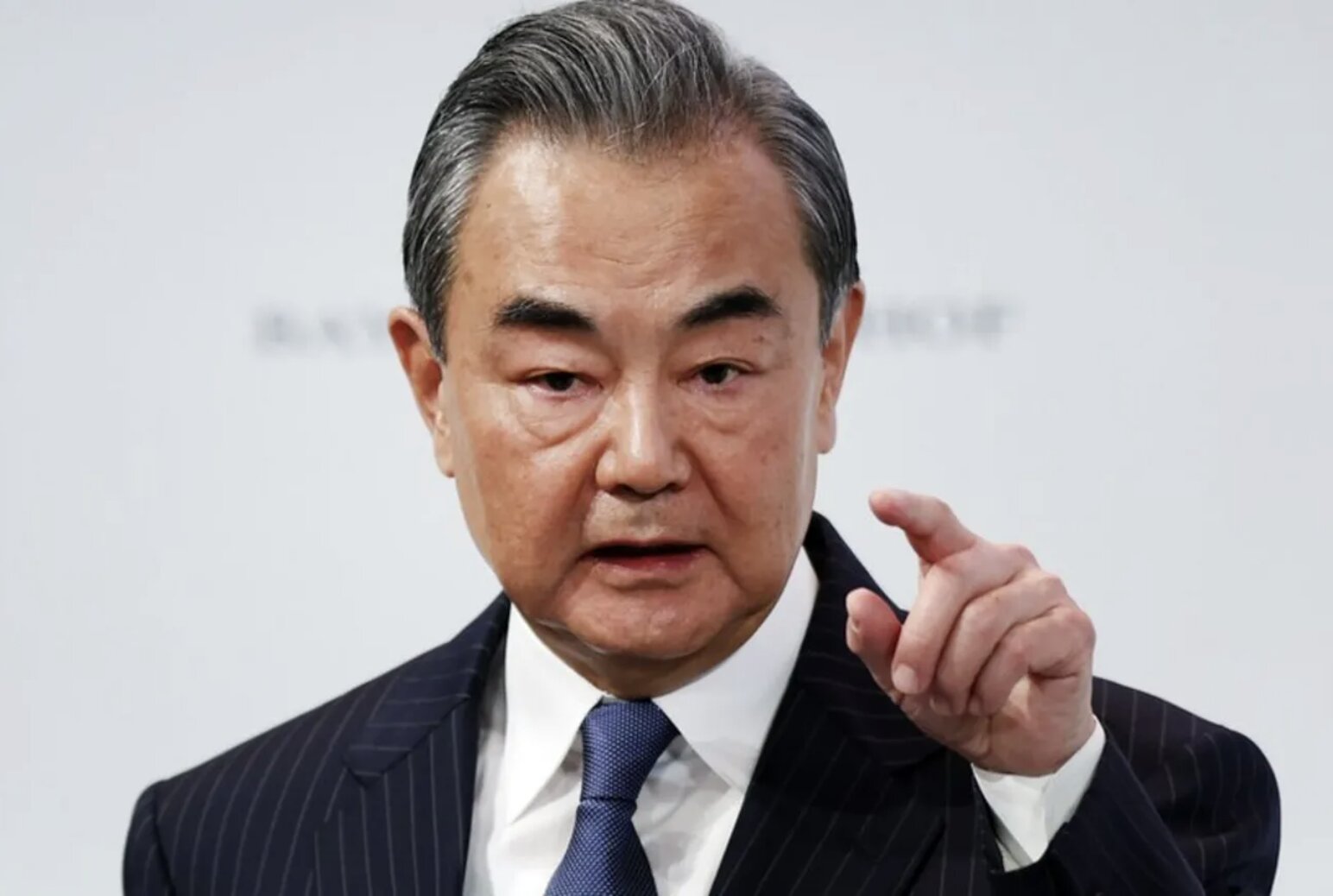
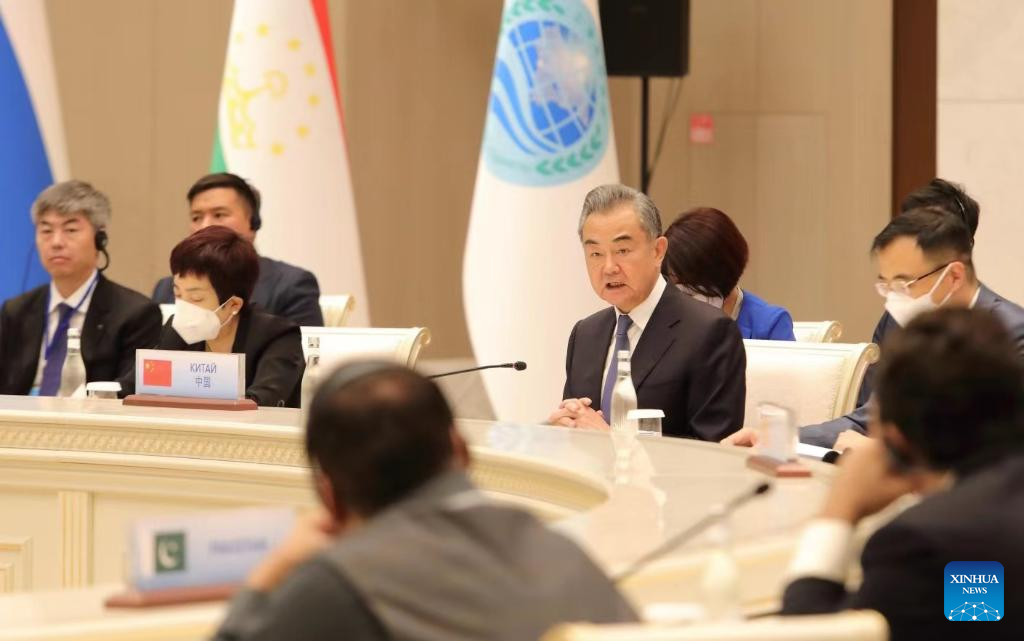
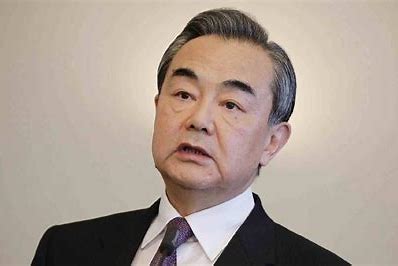
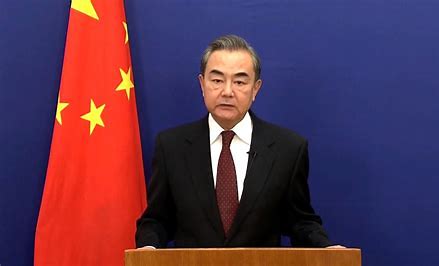
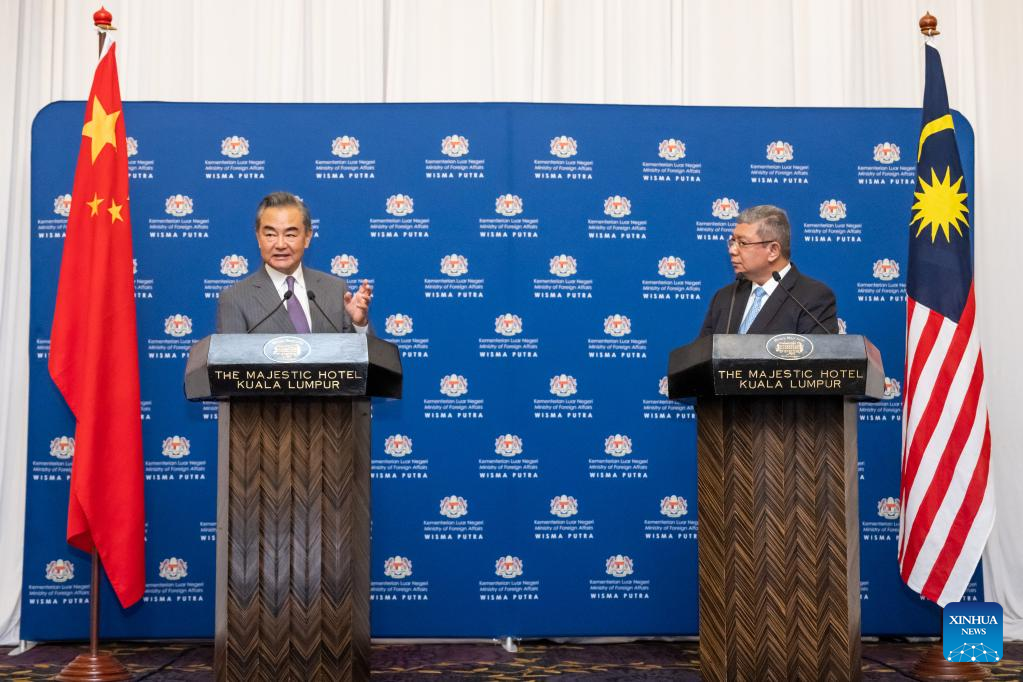
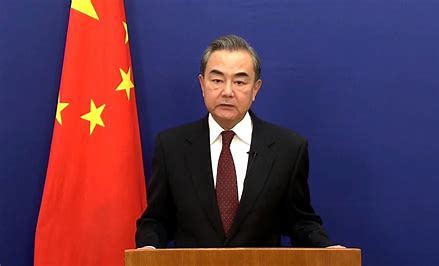
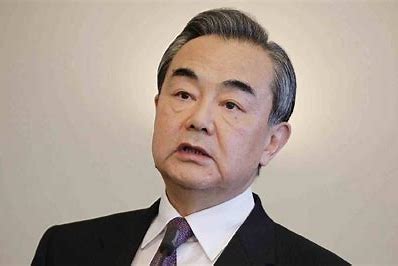
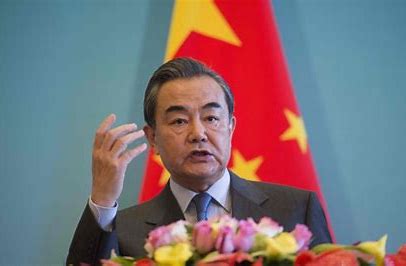
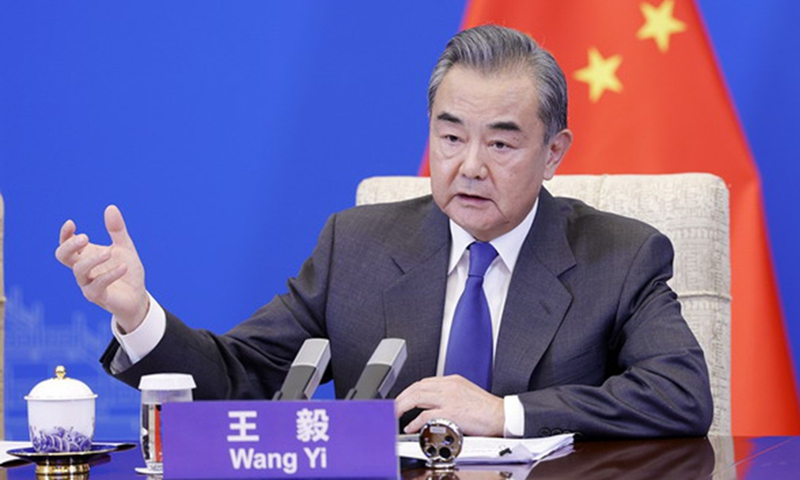
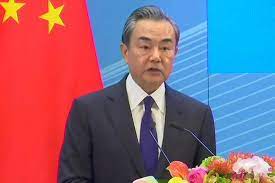
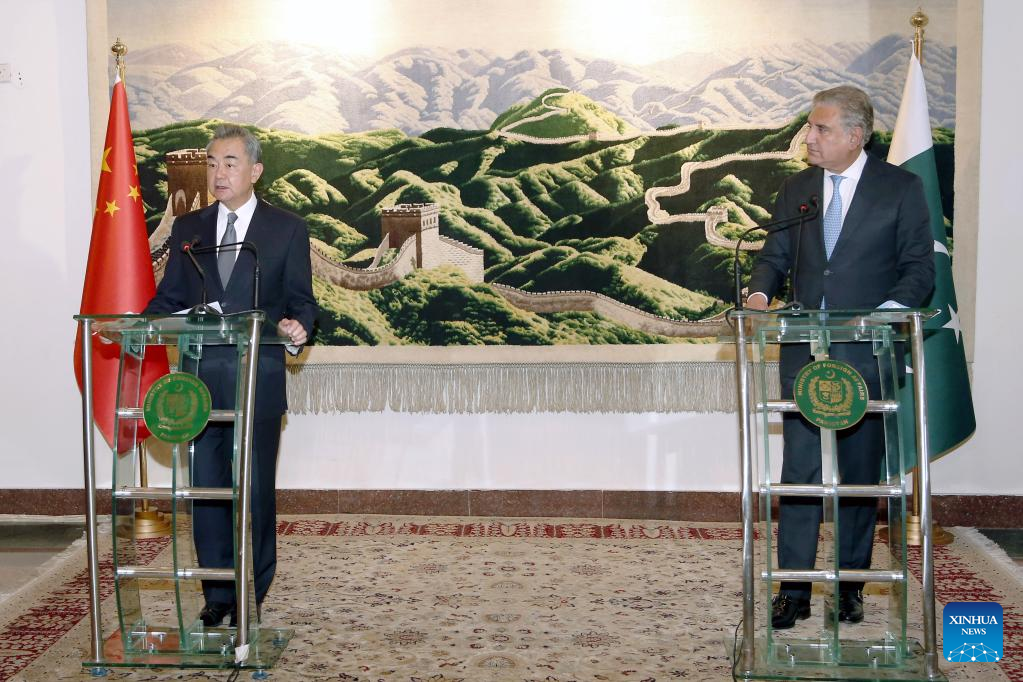
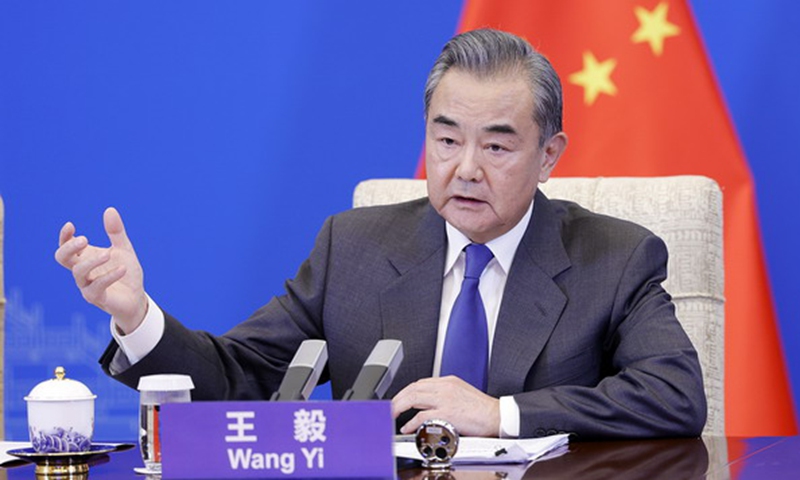
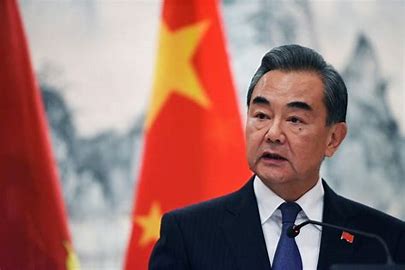
On 16 September, Al Jazeera reported that China would safeguard Iran’s “legitimate rights and interests,” and would strengthen cooperation with the country, Tehran’s Foreign Minister Abbas Araghchi said in Beijing. The ministers met in Beijing on Wednesday, a week before President Xi Jinping is expected to travel to the US and potentially discuss the situation in the Strait of Hormuz. Minister Wang Yi further urged all parties to reopen the Strait of Hormuz and cautioned against regional tensions spilling over into Yemen and the Red Sea. Minister Araghchi remarked on similar sentiments, and added that Iran has begun negotiations with regional countries.
(“China willing to ‘safeguard Iran’s legitimate rights’, official says,” Al Jazeera, 16 September 2026)
https://www.aljazeera.com/amp/news/2026/9/16/china-willing-to-safeguard-irans-legitimate-rights-official-says
CHINA AND AFRICA
Report finds China’s Djibouti base upgrades boost regional surveillance reach
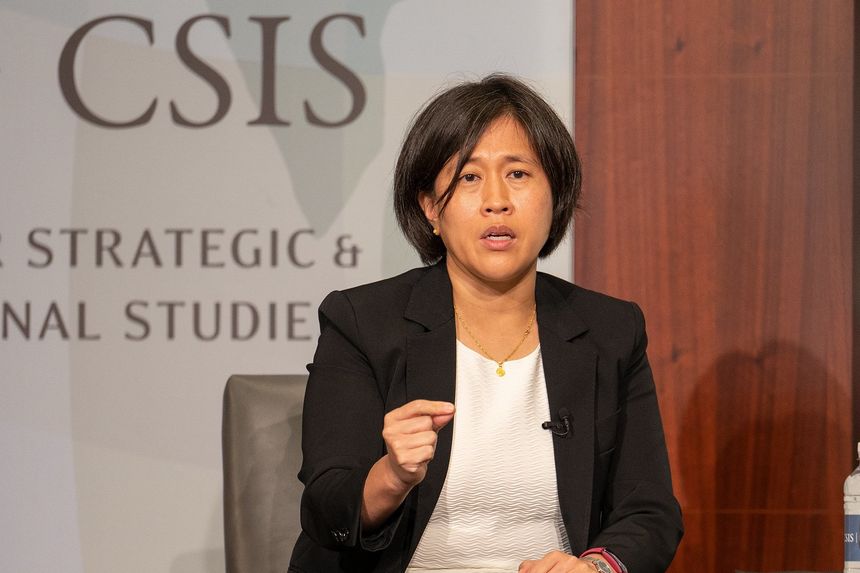
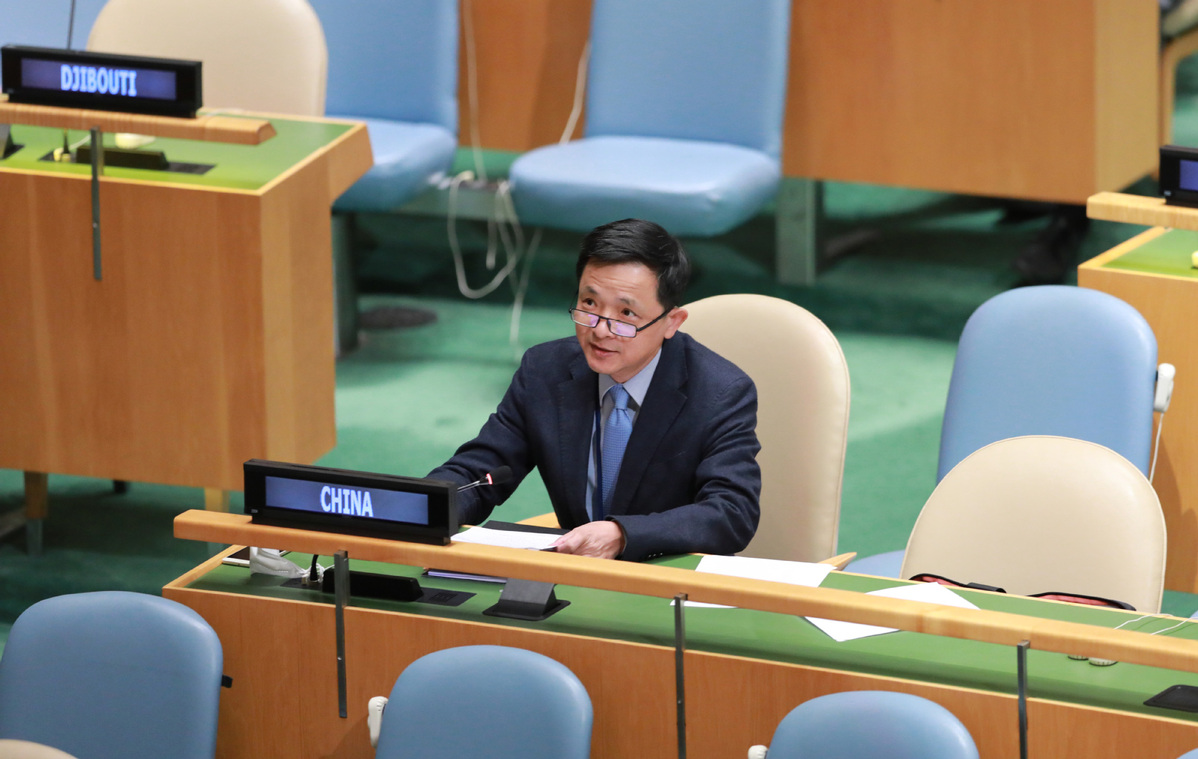
On 18 September, The Straits Times reported that China had upgraded its military base in Djibouti in ways likely to significantly enhance its ability to monitor military activity across the Middle East and Africa, according to a report by the Washington-based Centre for Strategic and International Studies (CSIS). Satellite imagery showed new antennas, satellite communications equipment, and two new communications compounds installed at the base since mid-2024, which the report said likely formed part of a broader intelligence and military command architecture linking Chinese forces in the region to headquarters in China. The upgrades come amid heightened regional military activity involving the Houthis, Iran, the United States, and Israel, giving the base greater intelligence value, the report said. China's Washington embassy did not respond to a request for comment.
("China's Djibouti base upgrades should boost its monitoring reach, report says," The Straits Times, 18 September 2026)
https://www.straitstimes.com/world/united-states/chinas-djibouti-base-upgrades-should-boost-its-monitoring-reach-report-says
China courts African allies on defence at fourth Peace and Security Forum
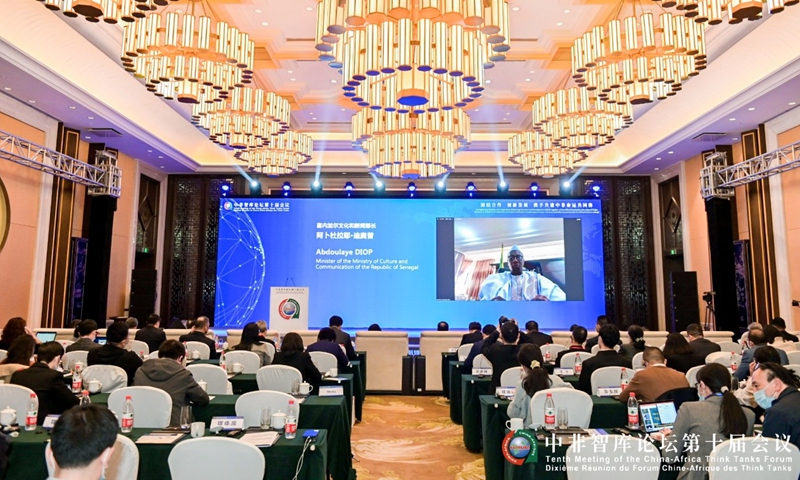
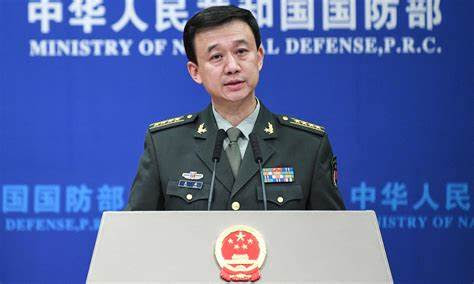
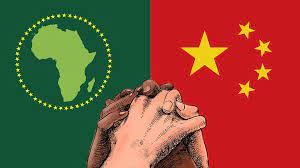
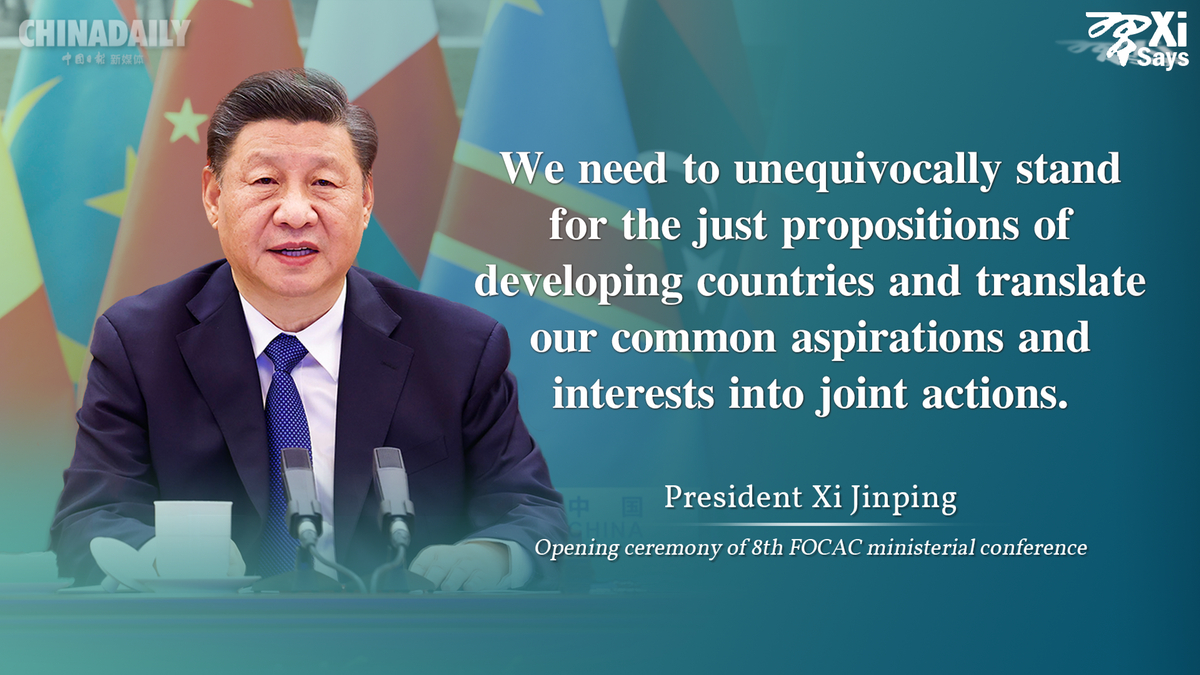
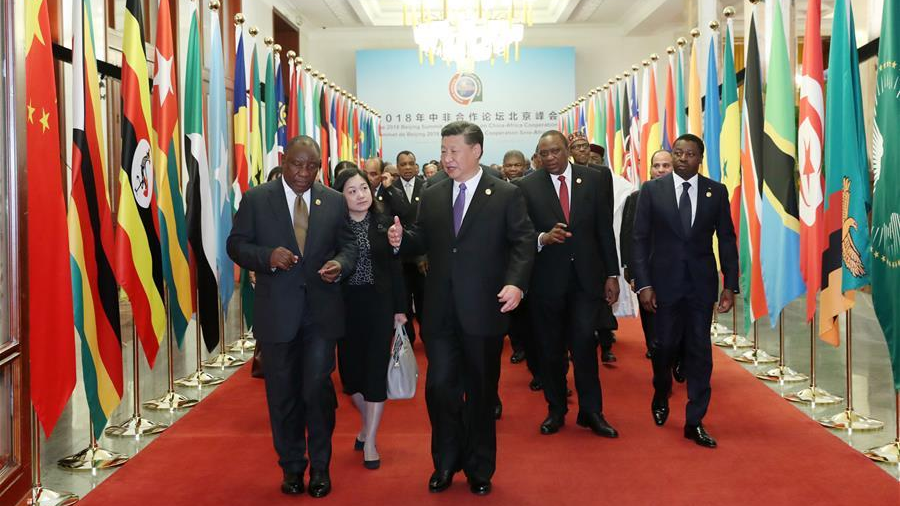
On 17 September, CGTN News reported that Chinese Defence Minister Dong Jun said China-Africa security cooperation contributed to development on both sides and global stability, speaking at the Fourth China-Africa Peace and Security Forum in Beijing. Marking the 70th anniversary of China-Africa diplomatic ties, Dong called for deeper defence exchange mechanisms, expanded maritime security cooperation, and strengthened capabilities in emerging fields, describing the goal as building an "all-weather China-Africa community with a shared future." The forum drew defence officials and military representatives from the African Union and 41 African countries, with African delegates describing China as an important partner and expressing willingness to deepen defence cooperation further.
("Deeper defence cooperation discussed at fourth China-Africa peace, security forum," CGTN News, 17 September 2026)
https://news.cgtn.com/news/2026-09-17/Fourth-China-Africa-peace-security-forum-opens-in-Beijing-1QvFRQEu6T6/p.html
CHINA AND THE AMERICAS
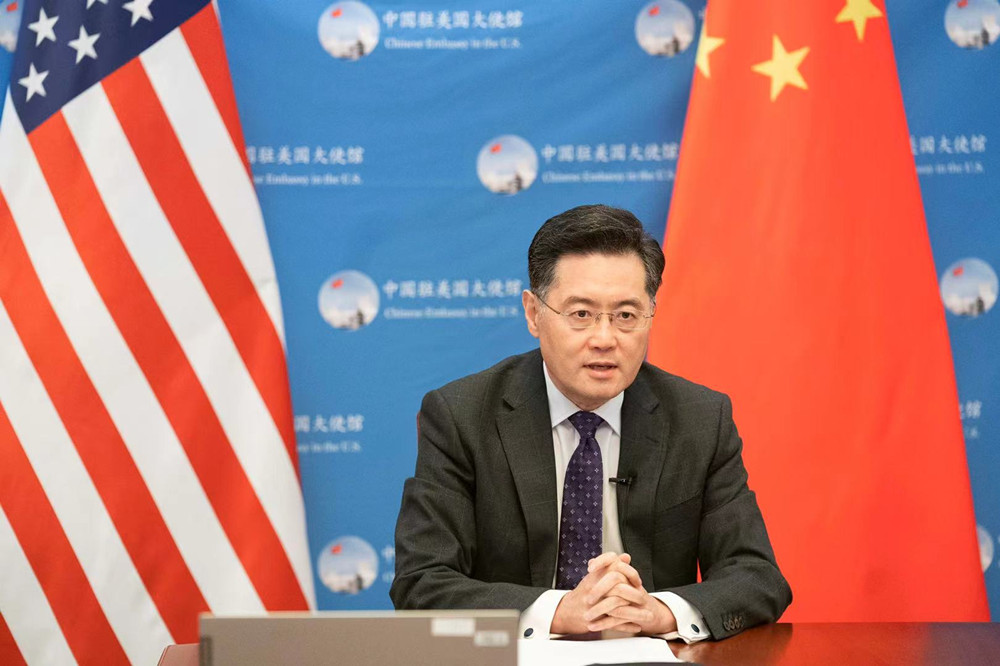
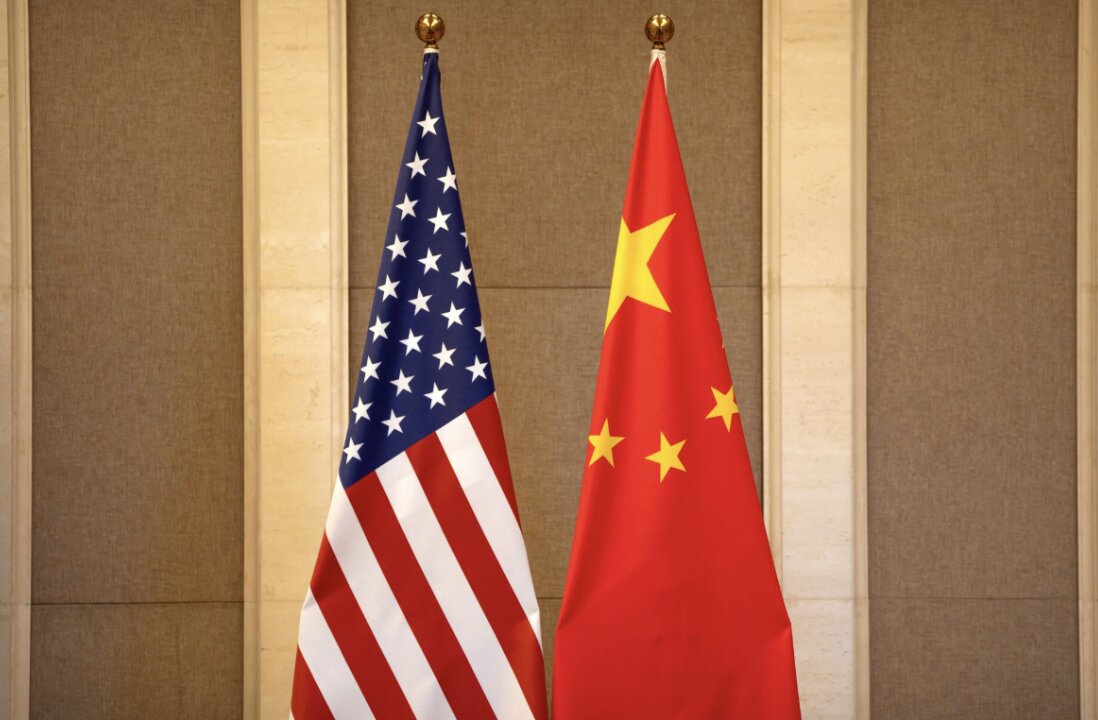
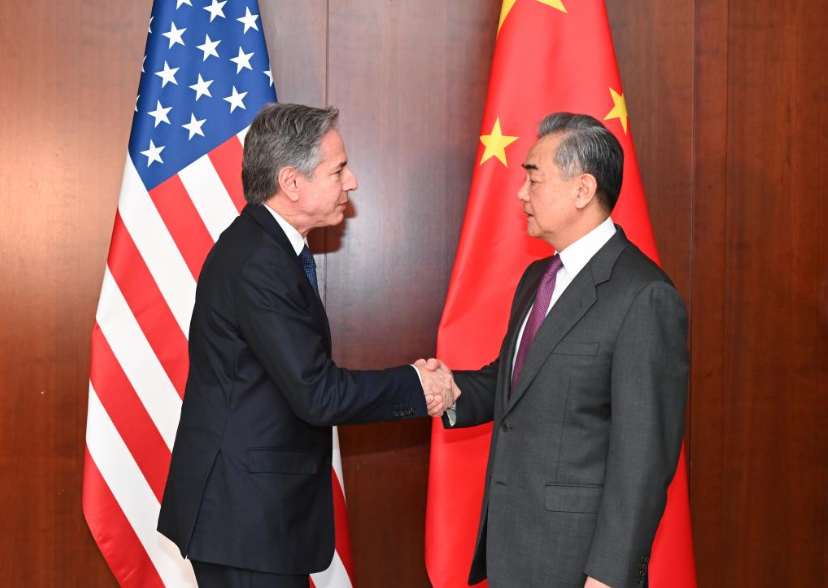
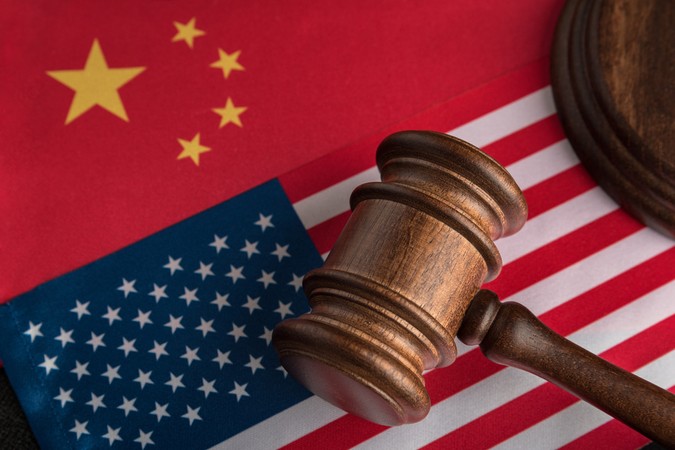
China and the US discuss military ties ahead of the leaders' summit
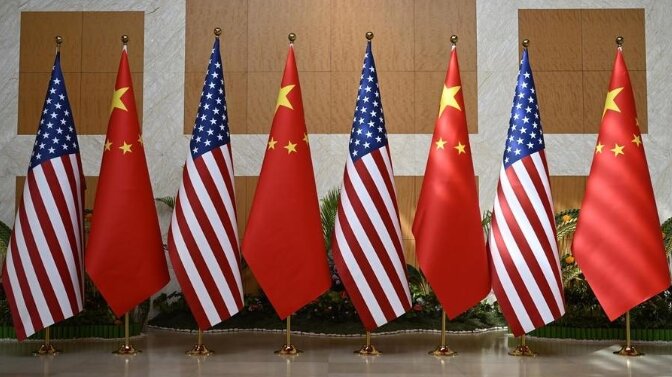
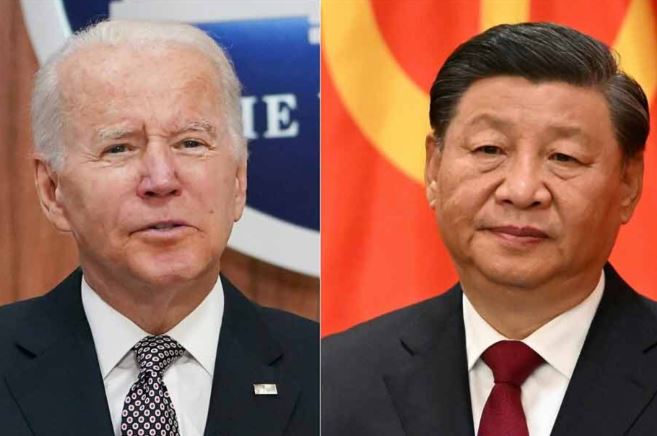
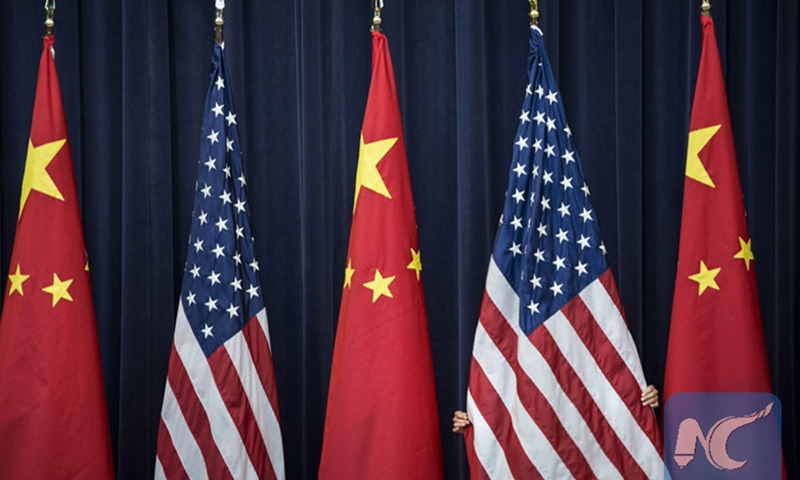
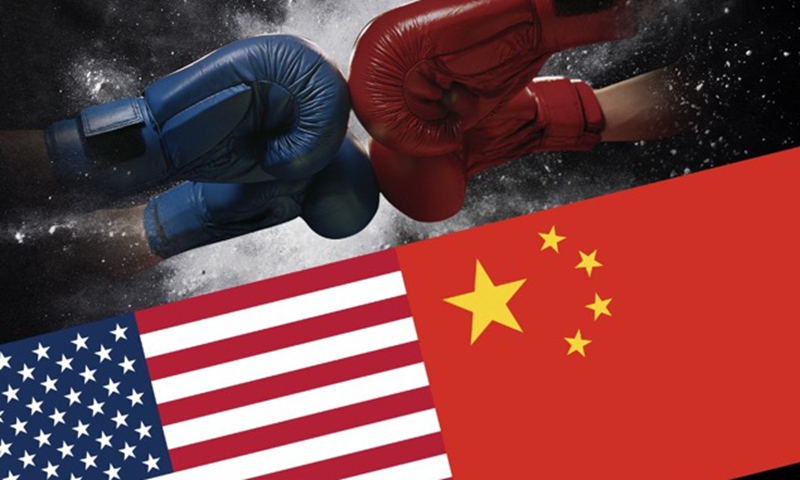
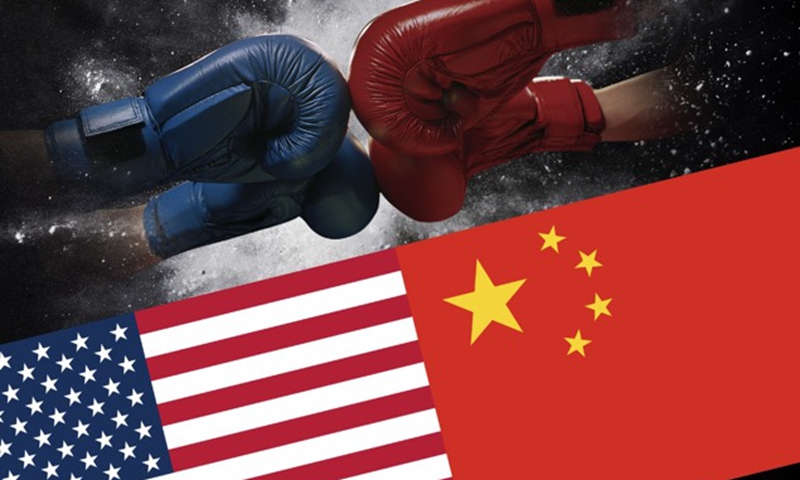
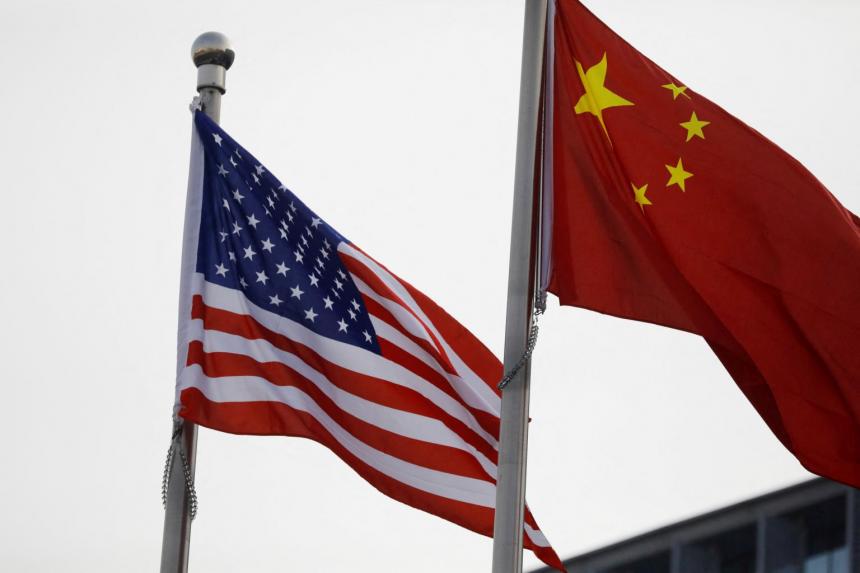
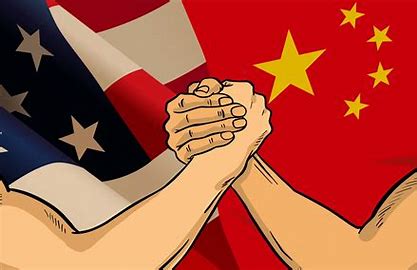
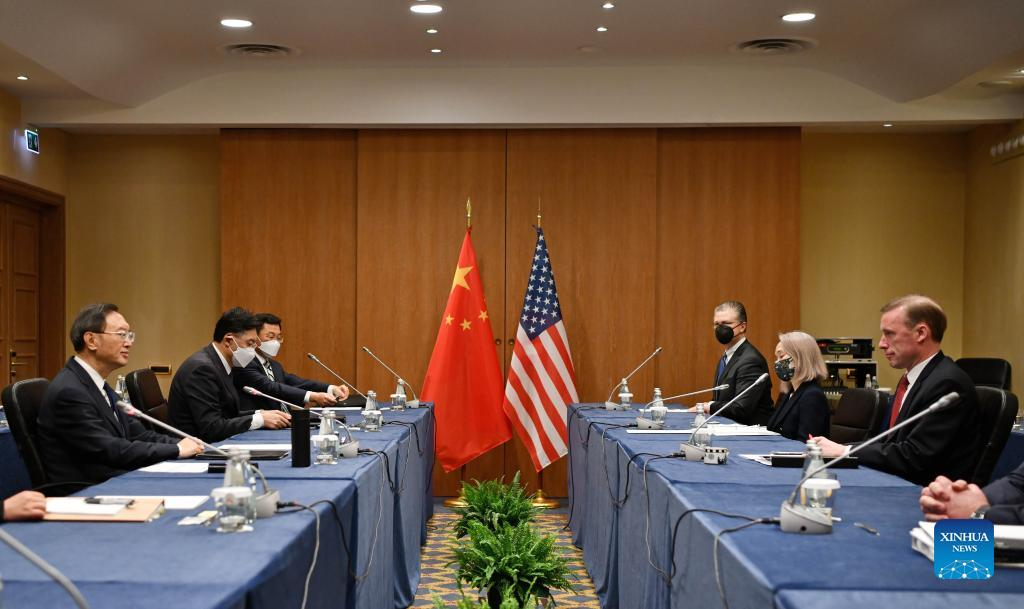
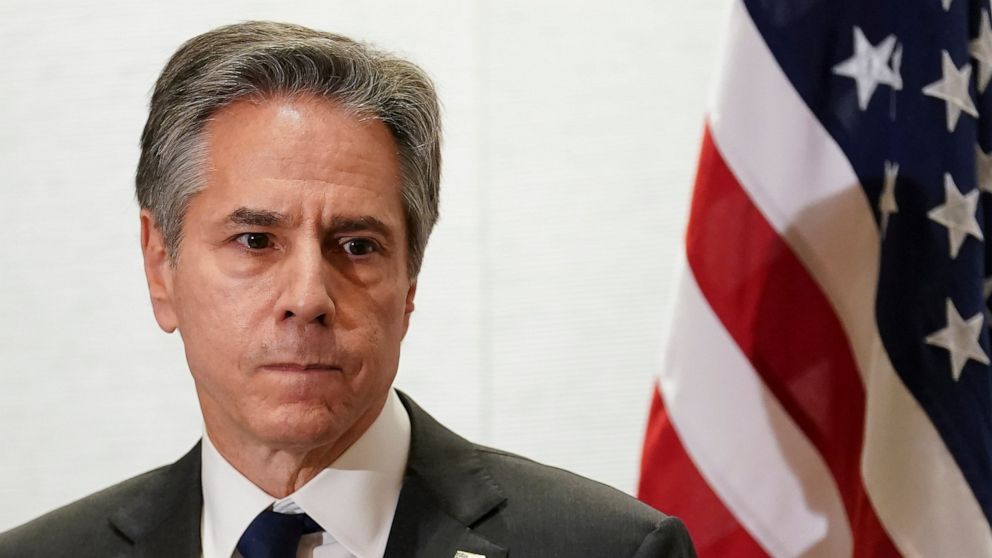
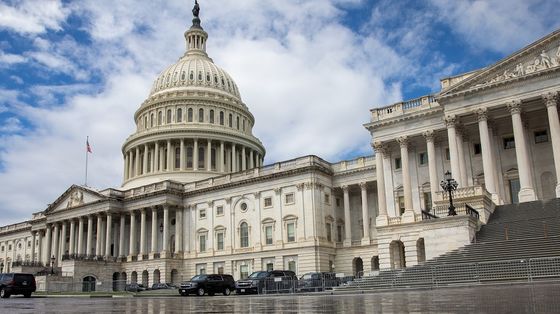
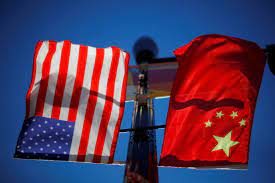
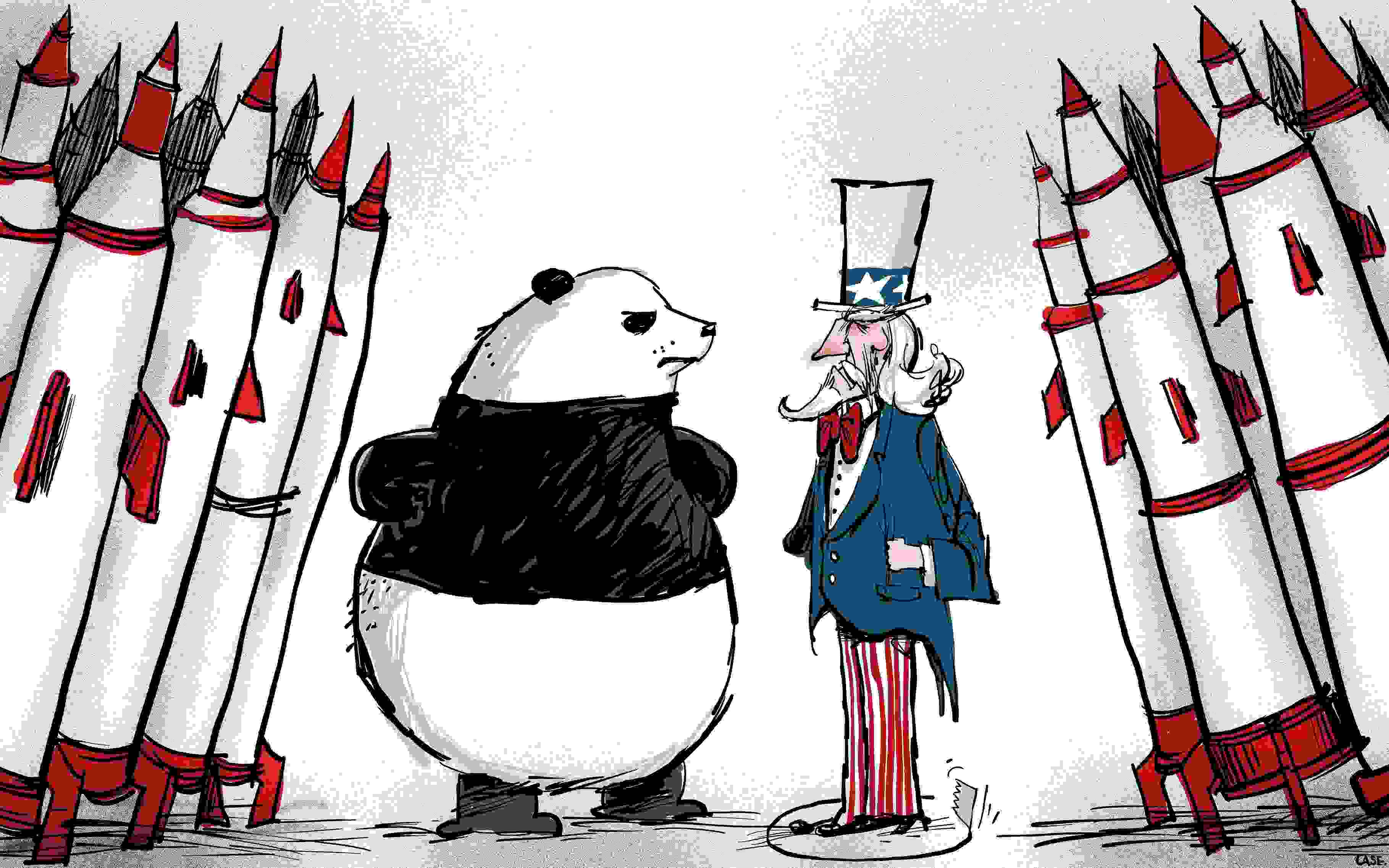
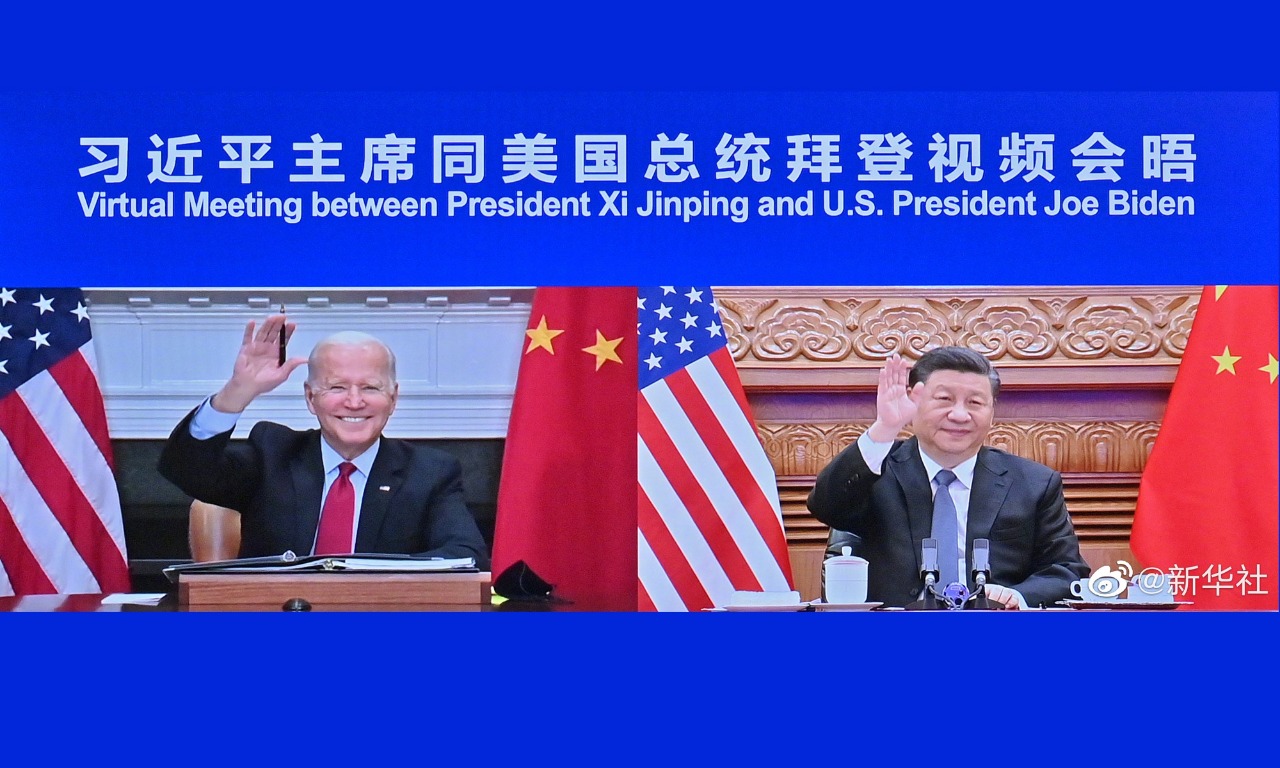
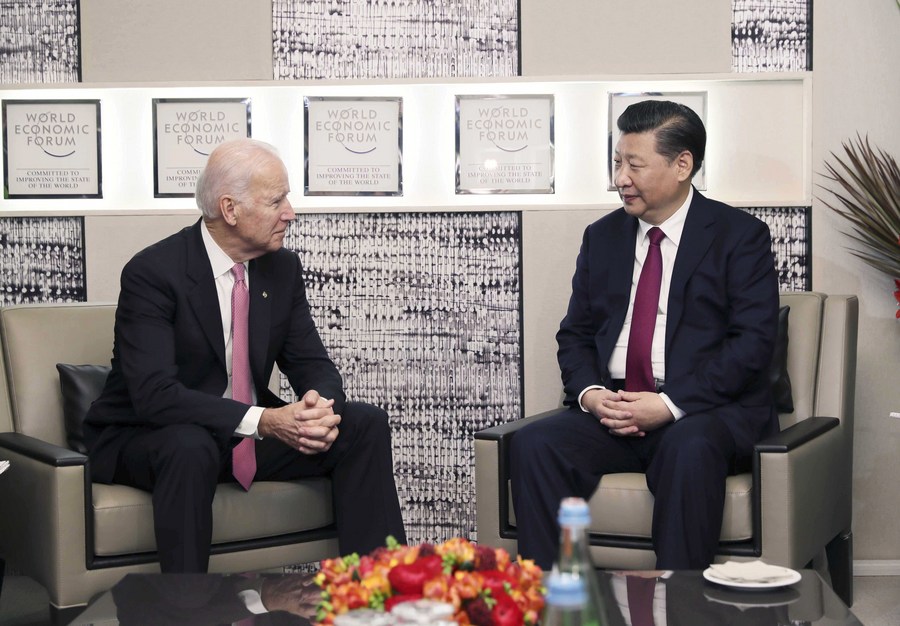
On 17 September, SCMP, in an exclusive, reported that ahead of China’s President Xi Jinping’s visit to Washington, the US and China are actively discussing initiatives to strengthen military-to-military ties and stabilise a fiercely competitive relationship. The two countries are working to solidify communication across three distinct levels: presidential, ministerial, and frontline commanders. The aim is to prevent strategic miscalculations and build on recent face-to-face talks between US Admiral Samuel Paparo and China’s General Yang Zhibin. A primary goal of the upcoming summit is restarting the dedicated arms-control talks that Beijing suspended in 2024 over US weapons sales to Taiwan, with the potential to expand the dialogue to include military personnel. While a massive anti-corruption purge within China's Central Military Commission has delayed formal ministerial-level meetings, overall communication channels have rebounded significantly under the second Trump administration compared to the frozen ties of the Biden era. Despite ongoing friction regarding trade tariffs and export controls, high-level defence officials from both sides have publicly committed to maintaining "strategic stability”. This is a renewed engagement, further evidenced by China hosting US defence teams to recover the remains of American soldiers missing since World War II.
(“China, US may unveil measures to boost military ties when Xi visits Washington,” SCMP, 17 September 2026)
https://sc.mp/8t3rf?utm_source=copy-link&utm_campaign=3367849&utm_medium=share_widget
US warns that Saudi Arabia’s F-35 deal risks exposing tech to China
On 17 September, AA News reported that according to The New York Times, US intelligence officials are warning that a proposed USD 24 billion sale of F-35 fighter jets to Saudi Arabia could expose sensitive military technology to China. Consequently, China could potentially access the advanced technology through spying operations inside Saudi Arabia or through its growing military and security partnerships with the kingdom. A Defence Intelligence Agency (DIA) assessment highlighted risks regarding China’s military access to Saudi bases and Riyadh's reliance on China’s telecommunications infrastructure. Officials questioned whether the US and Saudi Arabia can maintain facilities secure enough to protect the F-35 technology. These concerns are not new, as the DIA shared a similar warning in late 2025 when the US administration first began reviewing the potential multi-billion-dollar deal.
(“US intelligence warns of China spying risk in Saudi F-35 sale: Report,” AA news, 17 September 2026)
https://www.aa.com.tr/en/americas/us-intelligence-warns-of-china-spying-risk-in-saudi-f-35-sale-report/4060133



































.png)
.jpg)
.jpg)
.jpg)
.jpg)
.jpg)
.jpg)
.jpg)
.jpg)
.jpg)
.png)
.jpg)
.jpg)
.jpg)
.jpg)
.jpg)
.jpg)
.jpg)

.jpg)
.jpg)
.jpg)
.jpg)
.jpg)

.jpg)
.jpg)
.jpg)
.jpg)
.png)
.jpg)
.jpg)
.png)
.jpg)
.jpg)


.jpg)
.jpg)
.jpg)
.jpg)
.jpg)
.jpg)
.jpg)
.jpg)
.jpg)

.jpg)
.jpg)
.jpg)
.jpg)
.jpg)
.jpg)

.jpg)

.jpeg)



.jpeg)