Photo : AA


China Reader Daily Wire | 19 September 2026, Saturday | Vol 3 No. 142
In Brief
INTERNAL
Opinion: “Global monetary tightening tests China’s 2-speed economy,” SCMP, 19 September 2026
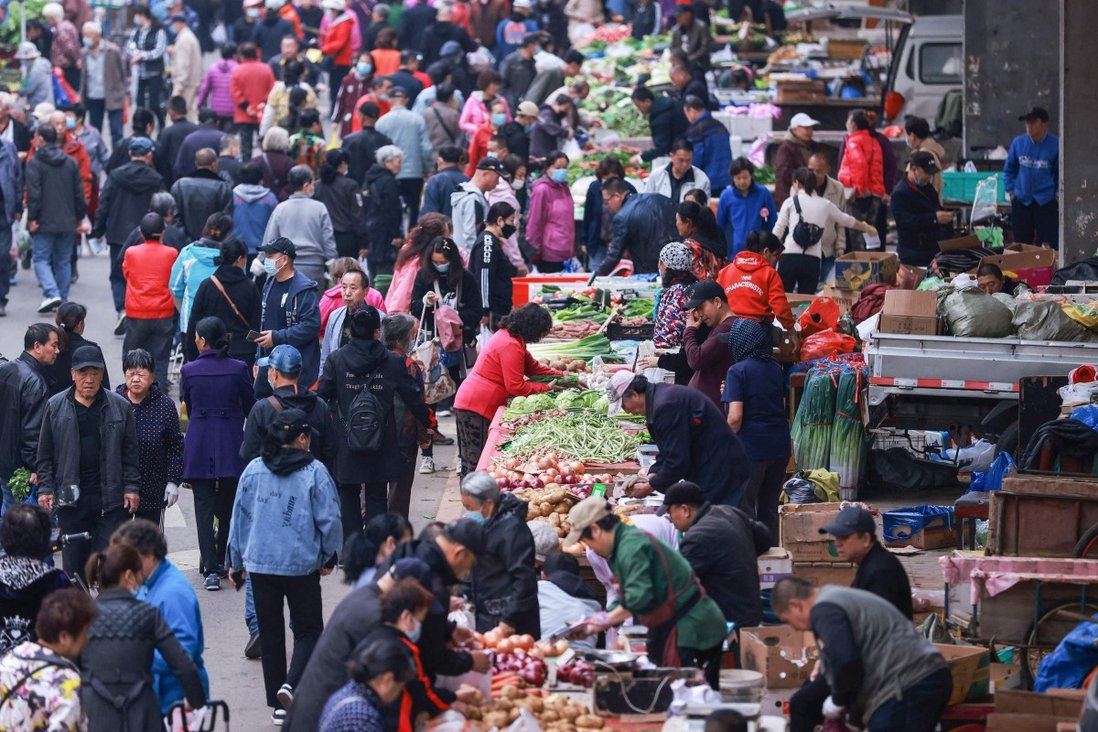
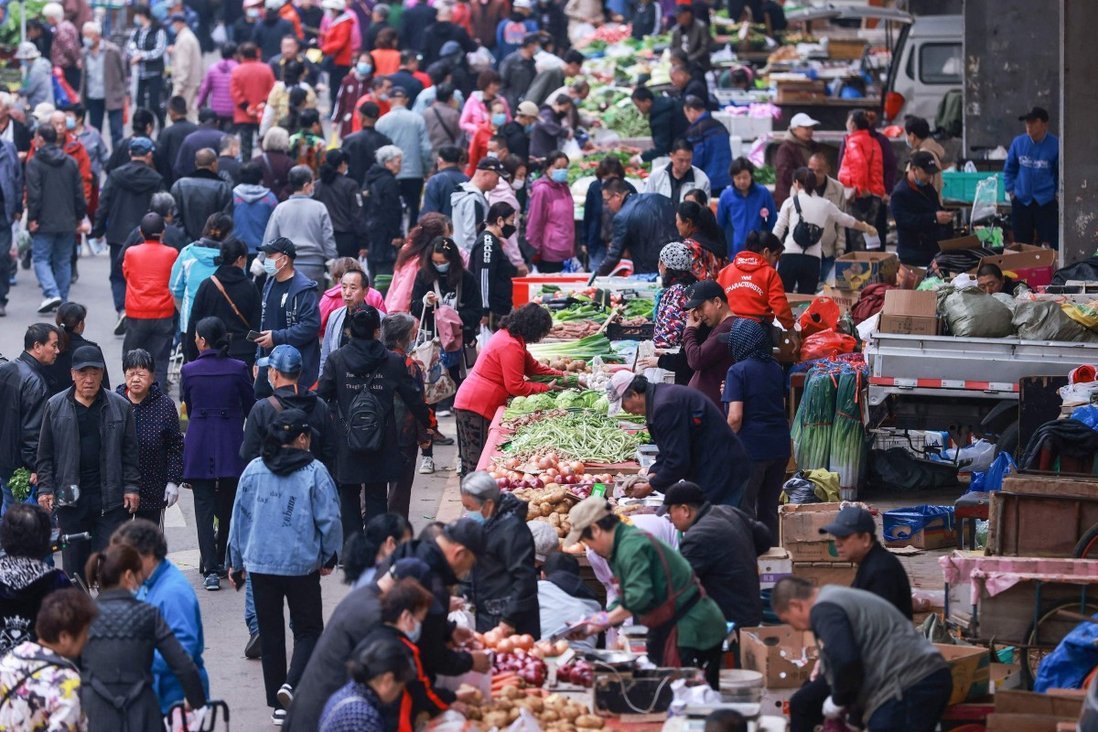
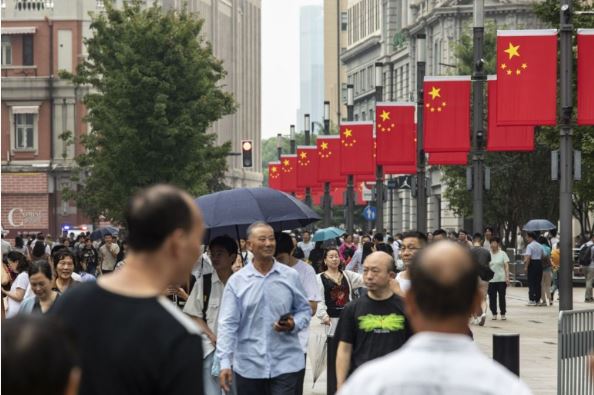
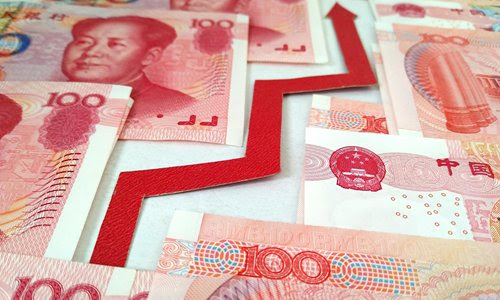
“The US Federal Reserve’s decision to raise interest rates by 25 basis points marks a pivotal moment not just for American monetary policy, but for China’s increasingly fractured economy… Beyond interest rates, darker clouds gather. The widening US-China yield gap – American yields spiking amid persistent inflation and fiscal concerns while Chinese bond yields decline amid weak demand and disinflation – risks accelerating pressure on capital outflows. China’s direct US Treasury holdings have already fallen to an 18-year low of US$618 billion… Beijing has its work cut out as policymakers tackle this two-speed economy and respond accordingly, supporting industries that can weather global headwinds while mitigating the social costs of others struggling to adapt.”
https://amp.scmp.com/opinion/comment/article/3367957/global-monetary-tightening-tests-chinas-2-speed-economy
Newly released open-source medical AI model detects abdominal cancers
On 18 September, SCMP reported that Alibaba’s research arm, Damo Academy, has open-sourced an advanced medical AI model named Damo Radar. The model is capable of identifying nearly 150 abdominal conditions, including malignant tumours and cancers, from contrast-enhanced CT scans covering 18 organs. Trained on a massive dataset of CT scans paired with clinical reports, this vision-language model achieved a remarkable 0.913 Area Under the Curve (AUC) score. It is a metric where 1.0 represents perfect diagnostic accuracy across nearly 40,000 real-world examinations. Published in the journal Science, the study demonstrated that the AI's diagnostic performance outperformed 23 out of 26 human radiologists in comparative trials. Furthermore, when working alongside the AI, radiologists reduced their medical review times by more than 30 per cent and improved their ability to prevent missed diagnoses by 10 per cent. Developed alongside top institutions from China like Zhejiang University and Guangdong General Hospital, this breakthrough marks a significant milestone in Alibaba’s broader healthcare push, providing what researchers call the world’s first "expert-level generalist medical imaging model" that could eventually be expanded to other forms of clinical imaging.
(“Alibaba open-sources medical AI model that can detect cancer and nearly 150 conditions,” South China Morning Post, 18 September)
https://sc.mp/z3bsy?utm_source=copy-link&utm_campaign=3368055&utm_medium=share_widget
CHINA AND TAIWAN
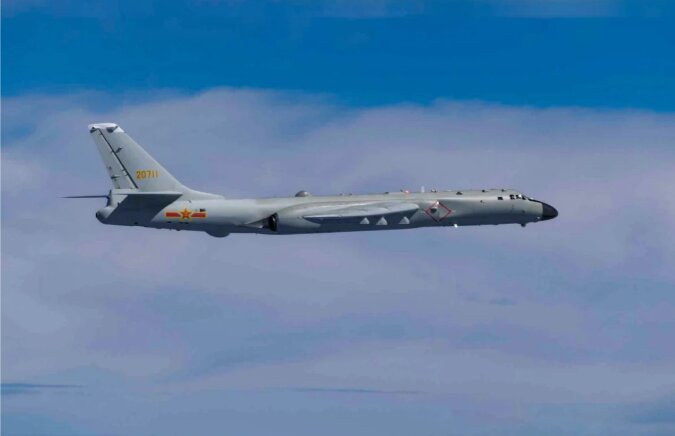
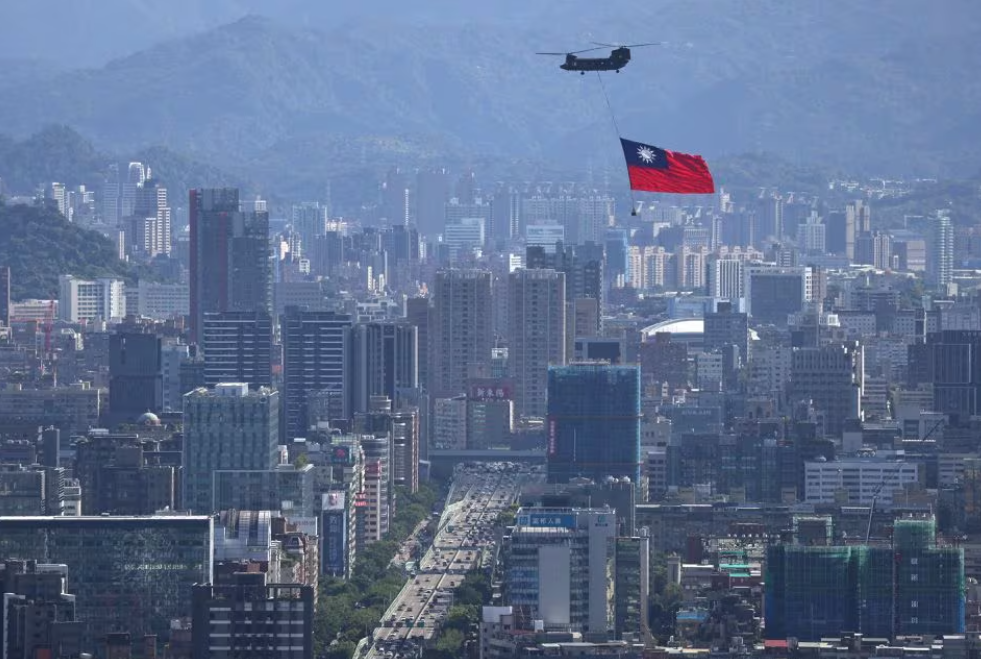
Taiwan military conducts first joint attack-drone drills ahead of Trump-Xi summit
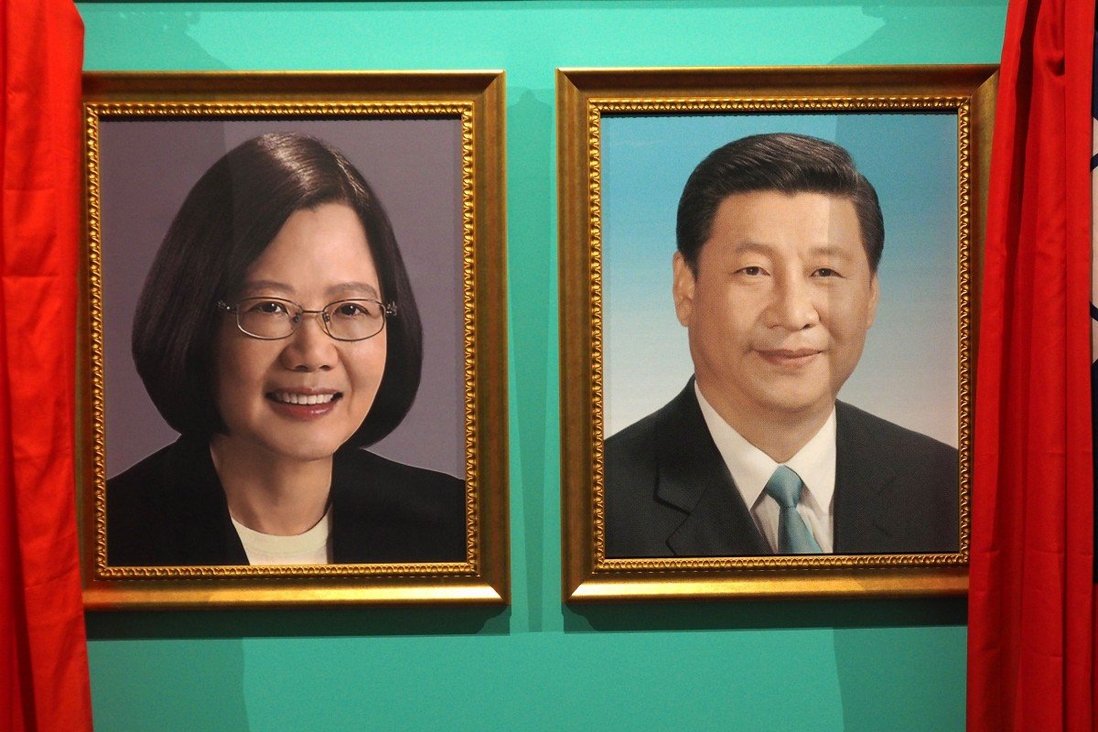
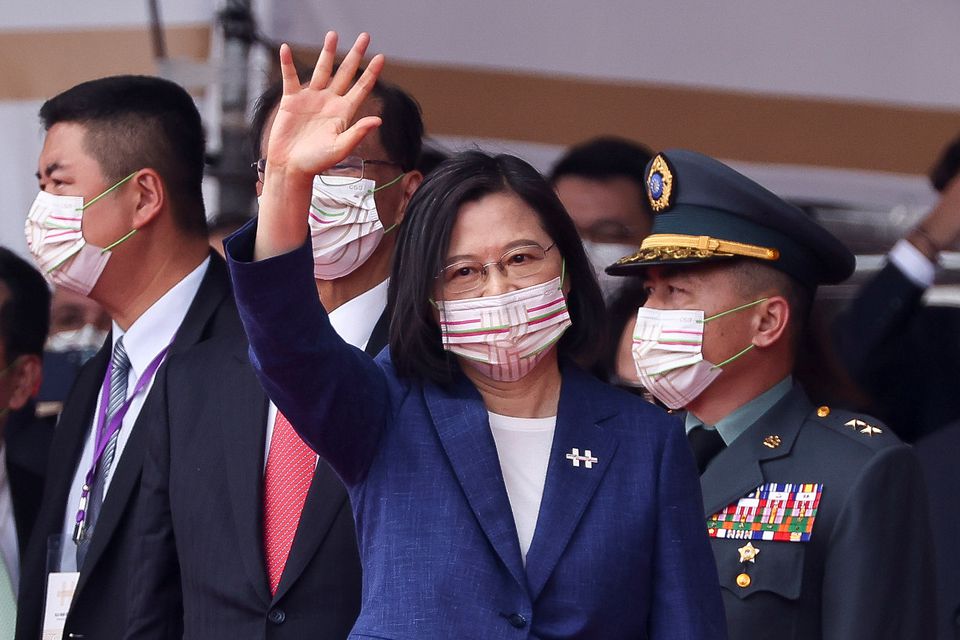
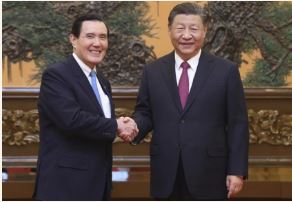
On 18 September, ABC News reported that Taiwan conducted its first joint combat exercises involving multiple types of attack drones, alongside missile drills, ahead of the planned 24 September summit between US President Donald Trump and China’s President Xi Jinping. President Lai Ching-te said the exercises demonstrated the military’s modernisation and adaptation to modern warfare. The drills in southern Pingtung County included anti-air, anti-ship and anti-landing missiles, although the military did not disclose the types of drones used. Taiwan has increased defence spending and continues to rely on US arms sales. The planned Trump-Xi meeting is expected to address Taiwan, with US arms sales to the island among the issues in bilateral discussions. Taiwan is also scheduled to conduct further exercises using newly acquired US-made HIMARS systems and Stinger missile simulators.
(“Taiwan holds first joint military drills using attack drones ahead of Trump-Xi summit in the US,” ABC News,18 September 2026)
https://share.google/1B94Ez7r416ES5VHR
CHINA AND EAST ASIA
Chinese mineral companies to begin mining rare earth elements in Tibet
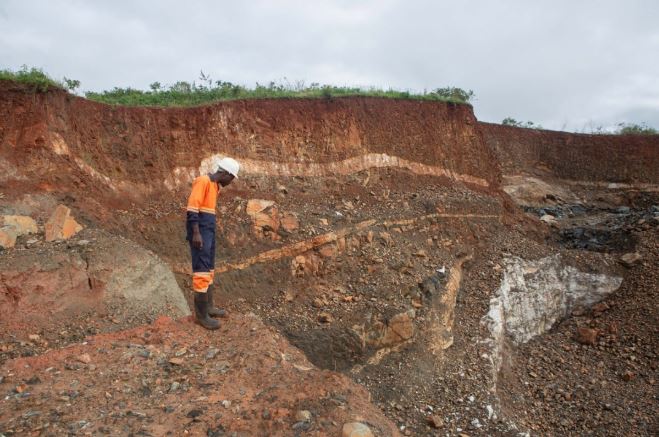
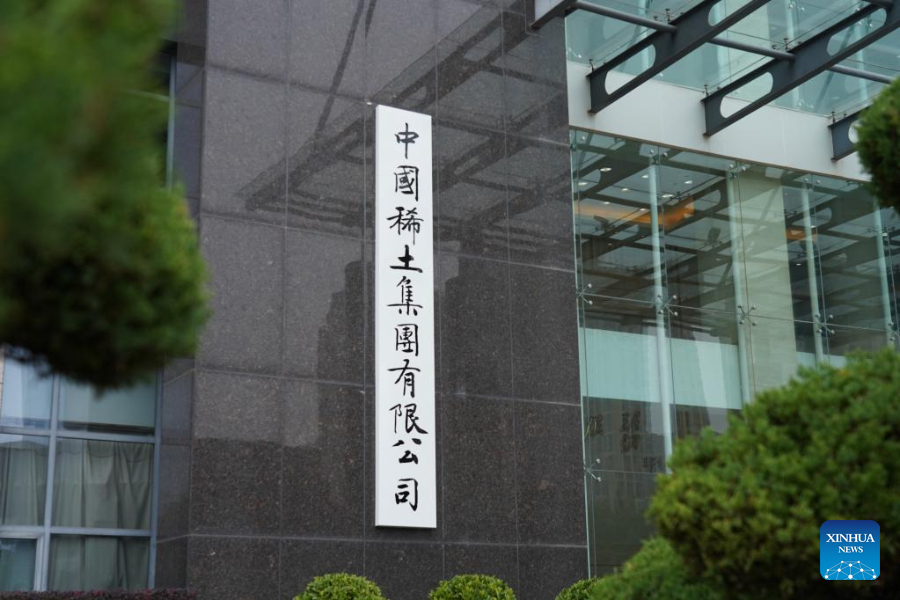
On 19 September, SCMP reported that two China-based mining companies, Xizang Zhihui Mining and the state-owned Zhaojin Nonferrous Mining, are set to begin operations in Tibet to acquire gold, copper and other critical minerals. The two companies signed a cooperation framework, intending to jointly pursue mining projects in Tibet. Chinese surveys have found that the Qinghai-Tibet Plateau contains vast amounts of critical minerals, which are used extensively in defence systems, EV batteries, renewable energy equipment, aerospace and semiconductor industries.
(“Chinese miners partner to tap Tibet’s critical minerals amid Beijing’s resource push,” SCMP, 19 September 2026)
https://share.google/Clz56wcMwwUPEuKW2
North Korea’s nuclear tests permanently alter seismic and volcanic activity in North Korea-China border, study finds
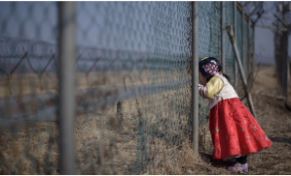
On 18 September, SCMP reported that a joint research study undertaken by Chinese and South Korean academics found that five nuclear explosions conducted by North Korea between 2013 and 2017 have intensified volcanic and seismic activity near the China-North Korea border. The tests have activated ancient fault lines about 100 kilometres away from Mount Mantap, which contains the Punggye-ri nuclear test site. The fault lines lead to Mount Paektu, also known as Changbai Mountain in China, which is a dormant volcano. Researchers have recorded 955 seismic sources, which have reactivated dormant volcanic activity, and the tests have increased the likelihood of an eruption. The last significant eruption from Changbai Mountain was in 946 CE, which was one of the most powerful recorded volcanic eruptions in history.
(“North Korea’s nuclear tests awaken fault lines pointing to huge volcano at China border,” SCMP, 18 September 2026)
https://www.scmp.com/news/china/science/article/3367982/north-koreas-nuclear-tests-awaken-fault-lines-pointing-huge-volcano-china-border
CHINA AND PACIFIC
Australia raises concerns with China over submarine missile test
On 18 September, Defence Industry Europe reported that Australia raised concerns over China’s 06 July submarine-launched ballistic missile test during defence talks in Beijing. The issue was discussed at the Australia-China Defence Coordination Dialogue, which brought together officials from both countries. Australia stressed that regional militaries should operate safely and professionally to reduce the risk of miscalculation or escalation. Canberra also emphasised adherence to international law, including the United Nations Convention on the Law of the Sea, and called for greater transparency and reassurance regarding military intentions. The dialogue provided an opportunity for both sides to discuss regional and global security issues and maintain communication despite differences. The meeting was the first Australia-China Defence Coordination Dialogue since October 2024. Australia and China also discussed the importance of continued dialogue in managing regional security concerns.
(“Australia presses China over submarine-launched ballistic missile test during Beijing defence talks, warns of regional escalation risks,” Defence Industry Europe, 18 September 2026)
https://share.google/V2Vjn4KcHUJ3TkoqU
CHINA AND SOUTH ASIA
China funds Tk12.35 crore masterplan for Bangladesh’s trunk highway network
On 15 September, The Business Standard reported that Bangladesh’s Roads and Highways Department (RHD) is preparing a new masterplan for the country’s trunk highway network with a Tk12.35 crore grant from China. The technical assistance project will focus on developing a national expressway network and identifying major river-crossing bridges required to improve connectivity between economic centres, cities, industrial zones and ports. The entire cost of preparing the plan will be financed by the Chinese government. The proposed masterplan is intended to establish a data-driven framework for prioritising road and bridge projects over the short, medium and long term. It will also identify strategic economic corridors and address existing gaps caused by fragmented highway planning and the absence of an integrated transport database. The initiative follows earlier Bangladesh-China exchanges and agreements on transport planning, with Chinese support for the project reaffirmed in June 2025. The development adds transport planning and technical assistance to the expanding scope of China-Bangladesh infrastructure cooperation, alongside ongoing Chinese involvement in ports, energy and regional connectivity.
(“Govt prepares Tk12cr China-funded trunk highway masterplan,” The Business Standard, 15 September 2026)
https://www.tbsnews.net/bangladesh/govt-prepares-tk12cr-china-funded-trunk-highway-masterplan-1546036
Bangladesh seeks defence diversification while managing relations with India and China
On 15 September, The Daily Star reported that Bangladesh’s recent defence engagements with China and India reflect an effort to broaden its security partnerships while avoiding excessive dependence on any single power. The analysis noted that Bangladesh and China discussed military training, educational exchanges, technological cooperation and continued Chinese support for defence modernisation on 3 September. Six days later, Bangladesh and India discussed military training, exchanges between armed forces, disaster management, regional peace and maritime security. The article highlighted the different roles played by the two relationships. China has been an important supplier of aircraft, naval platforms, missile systems and other military equipment to Bangladesh, while India’s geographical proximity makes it an important partner for border security, maritime coordination, disaster response and military communication. Bangladesh has also expanded defence links with Japan and Türkiye, creating a wider network of suppliers and partners. The report cautioned that diversification can also create multiple forms of technological and logistical dependence, making procurement planning and long-term operational compatibility important considerations for Dhaka.
(“Bangladesh between India and China: The dilemma of defence diversification,” The Daily Star, 15 September 2026)
https://www.thedailystar.net/slow-reads/geopolitical-insights/news/bangladesh-between-india-and-china-the-dilemma-defence-diversification-4272751
Three Chinese naval vessels arrive in Bangladesh for five-day goodwill visit
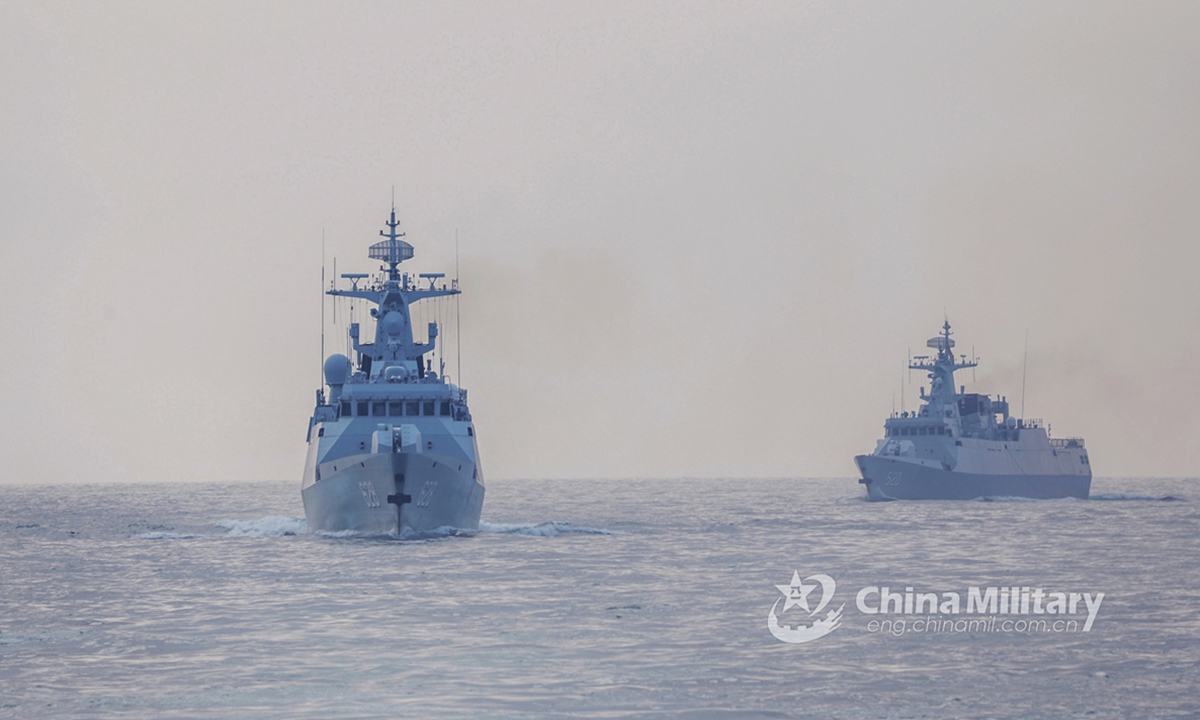
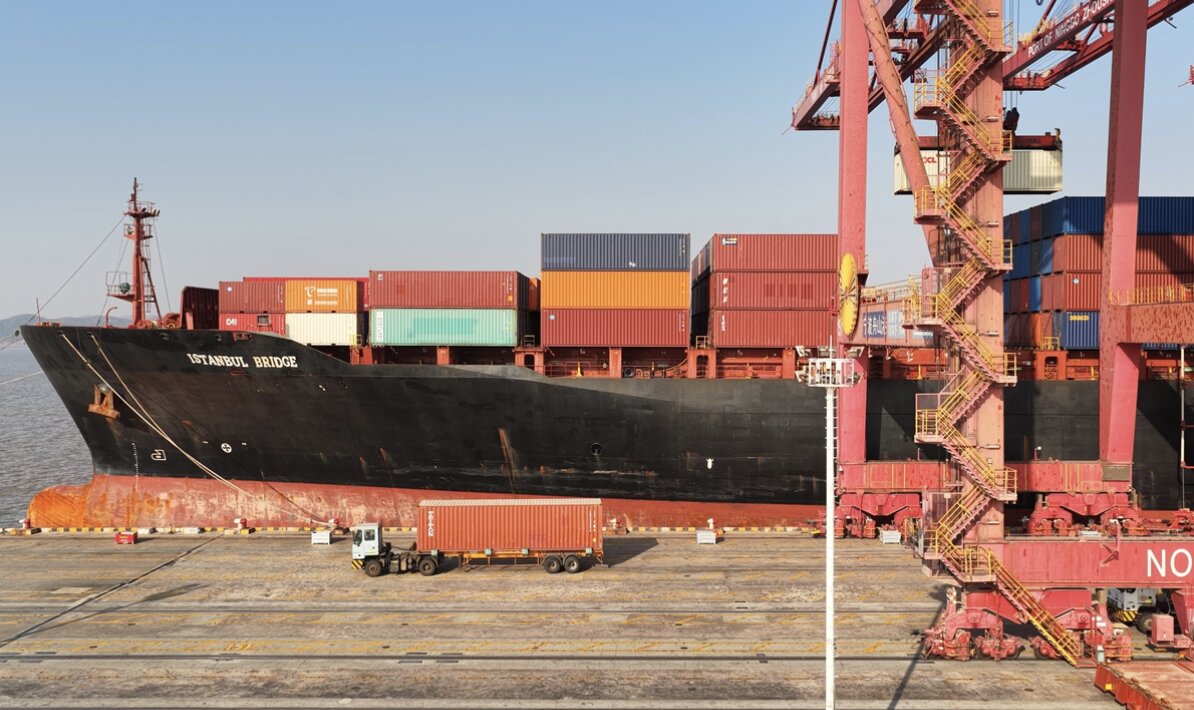
On 17 September, three Chinese People's Liberation Army Navy vessels Tang Shan, Da Qing and Tai Hu arrived at Chattogram Port for a five-day goodwill visit to Bangladesh. The vessels are scheduled to remain in Bangladeshi waters until 21 September. The Bangladesh Navy said the visit is intended to strengthen mutual cooperation, professional ties and friendly relations between the two navies. The visiting group includes the Tang Shan, a Type 052DL guided-missile destroyer and flagship of the PLAN’s 48th escort task group, and the Da Qing, a Type 054A guided-missile frigate. The Da Qing had also participated in the bilateral “Sea Guardian” exercise with the Pakistan Navy earlier in 2026. Chinese embassy officials and senior Bangladesh Navy representatives were present during the arrival ceremony at Chattogram. The visit adds a maritime dimension to China-Bangladesh defence engagement, which already includes military training, equipment cooperation and defence-modernisation support. It also provides an opportunity for professional interaction between the two navies while remaining formally framed as a goodwill visit.
(“3 Chinese Navy Ships Arrive In Bangladesh For 5-Day Goodwill Visit,” NDTV, 18 September 2026)
https://www.ndtv.com/world-news/3-chinese-navy-ships-arrive-in-bangladesh-for-5-day-goodwill-visit-12063701
CHINA AND EUROPE
Beijing oppose EU proposals that seek to restrict hybrid car exports
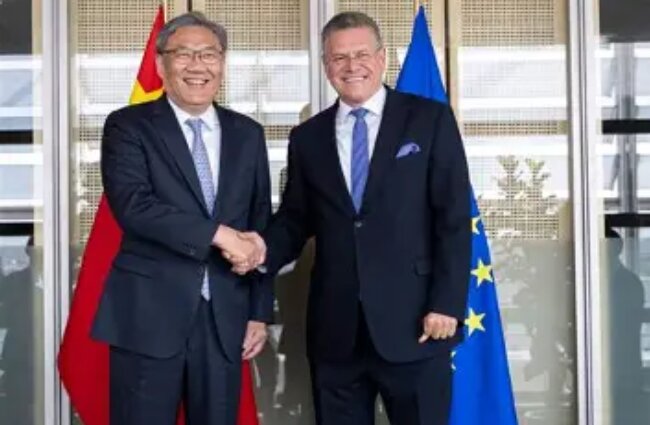
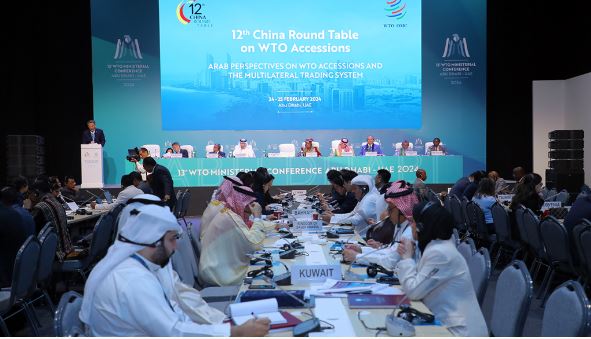
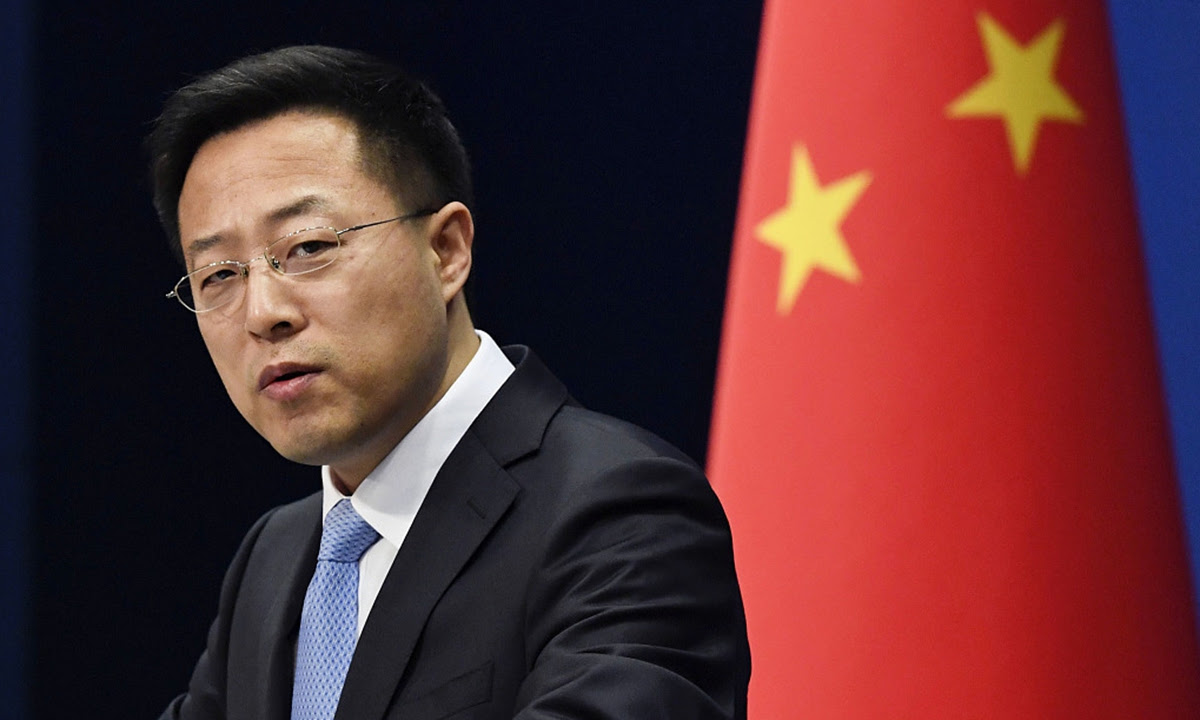
On 18 September, Reuters reported that China’s Foreign and Commerce Ministries have firmly opposed media reports indicating that the European Union wants Beijing to voluntarily cap hybrid vehicle exports at around 15 per cent of the EU market. Beijing cautioned that such export limitations are in violation of World Trade Organisation rules and also impede fair market competition. Emphasising its commitment to defending Chinese corporate interests, Beijing has urged the EU to adhere to free trade principles and stated that any bilateral trade resolution must ensure mutual economic balance.
(“China says it will monitor EU moves on Chinese hybrid cars, opposes 'voluntary limit' on exports,” Reuters, 18 September 2026)
https://www.reuters.com/world/china/china-says-it-will-monitor-eu-moves-chinese-hybrid-cars-opposes-voluntary-limit-2026-09-18/
CHINA AND THE AMERICAS
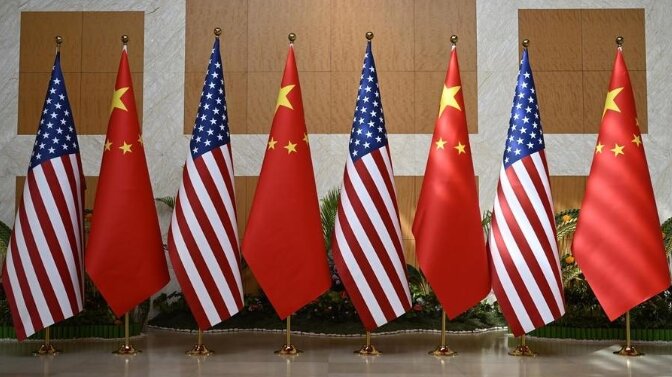
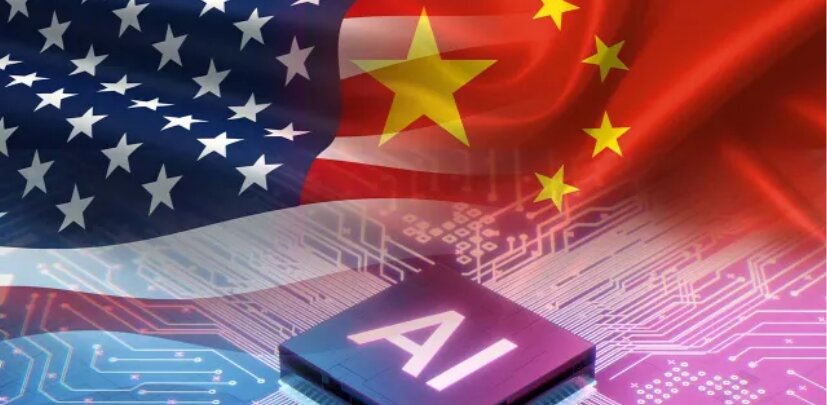
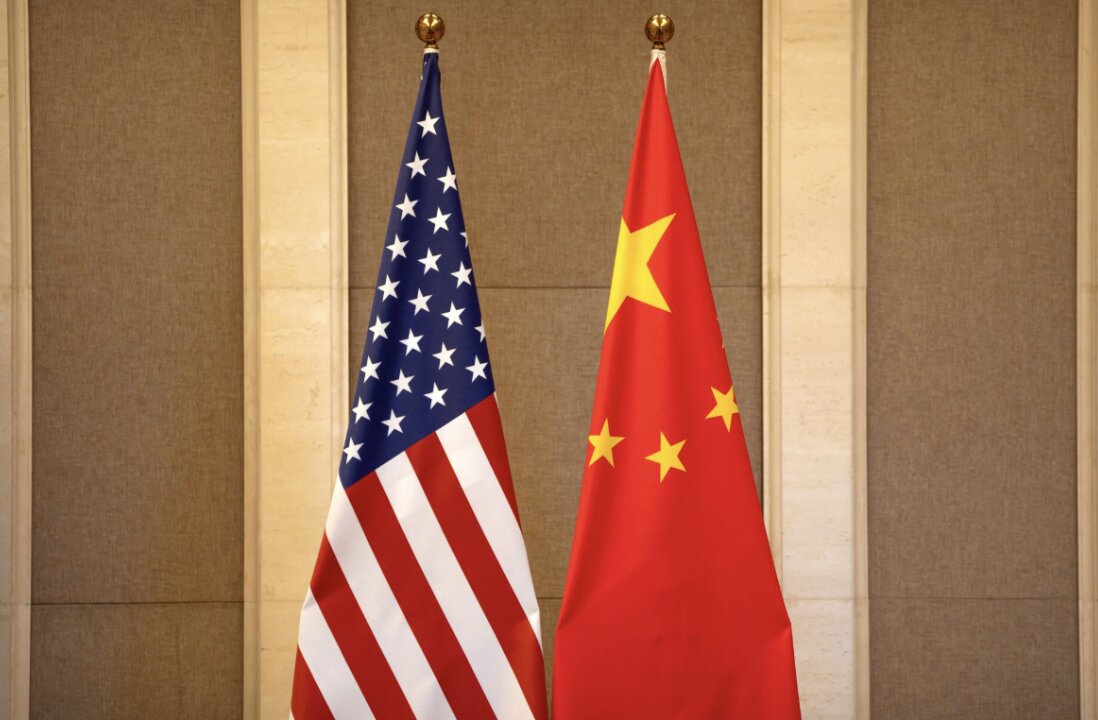
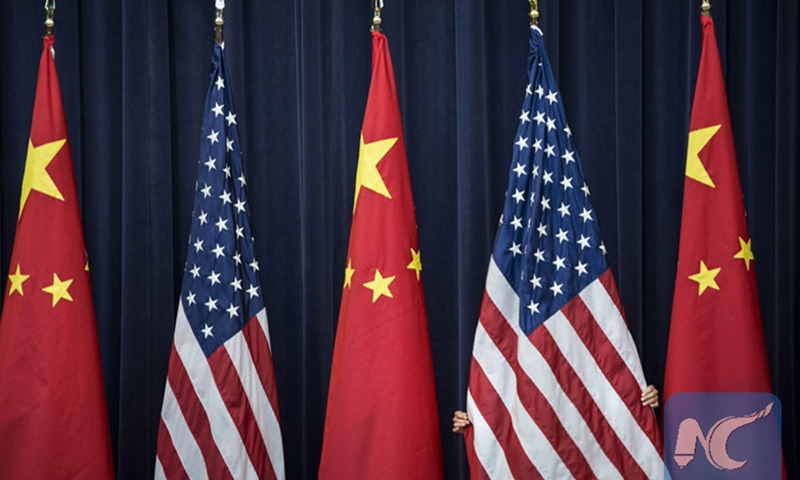
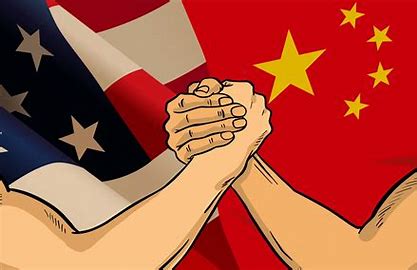
US-China talks to centre around AI, trade, and rare earth minerals
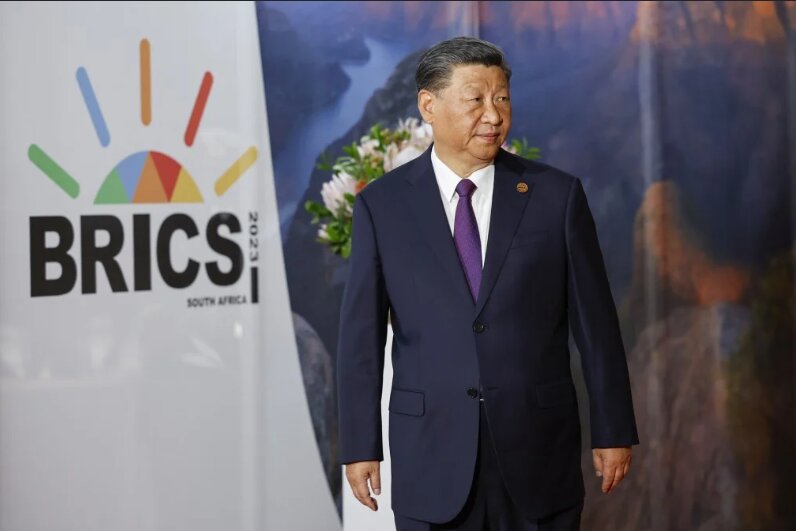
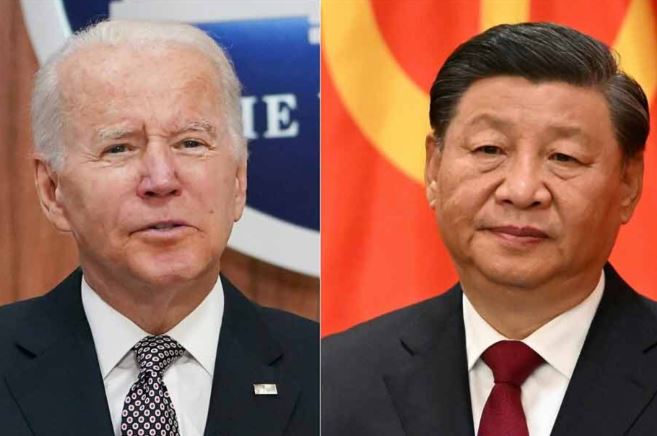
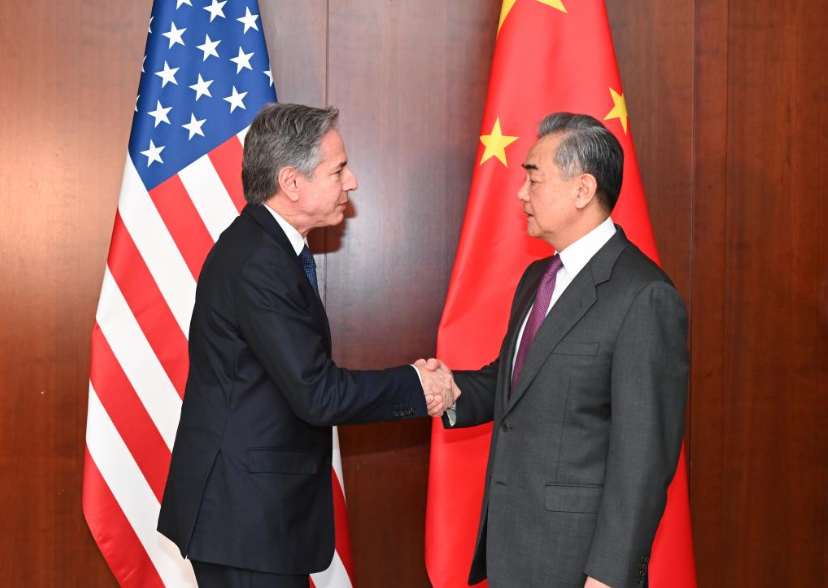
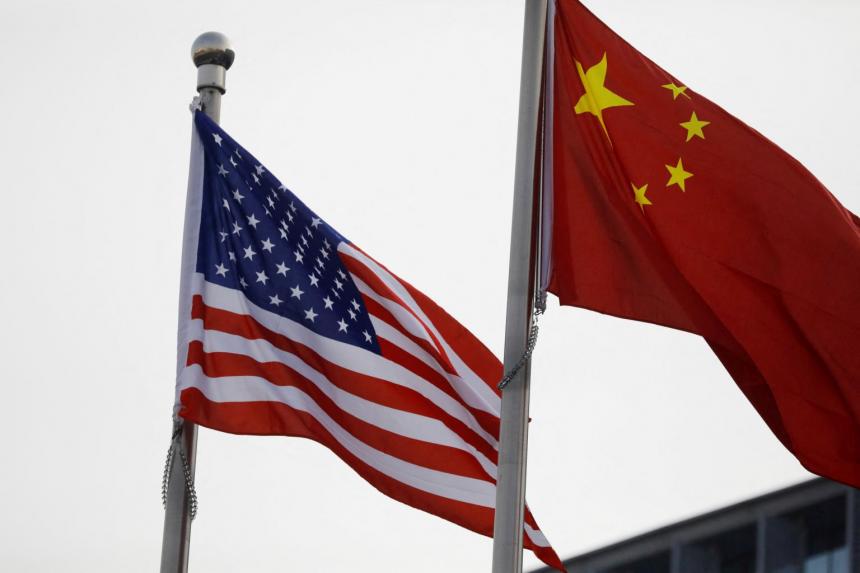
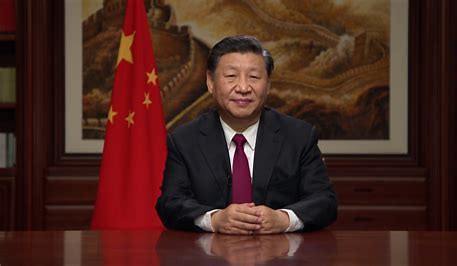
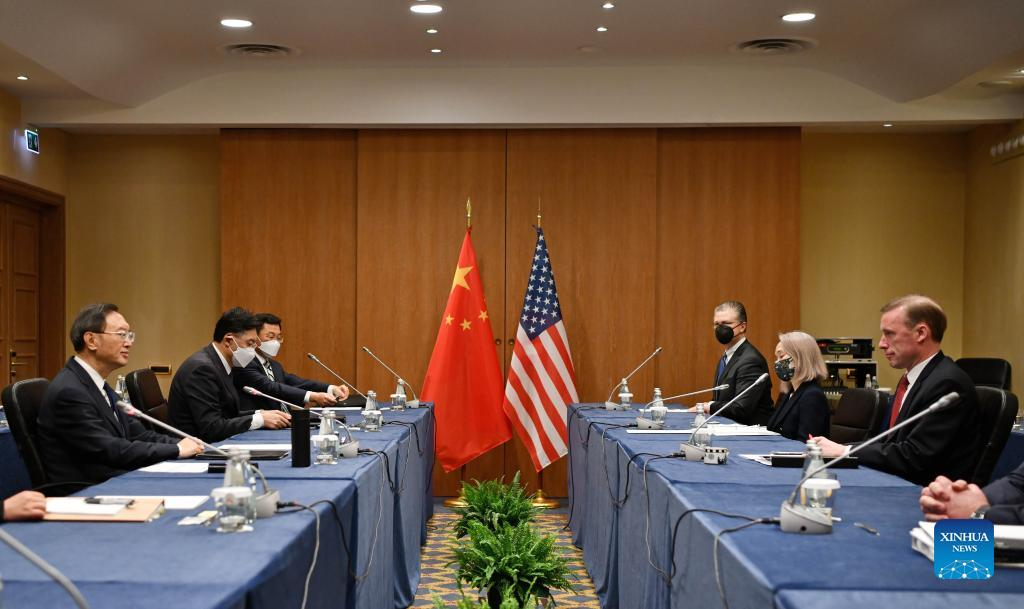
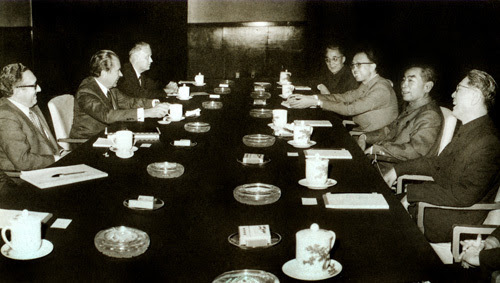
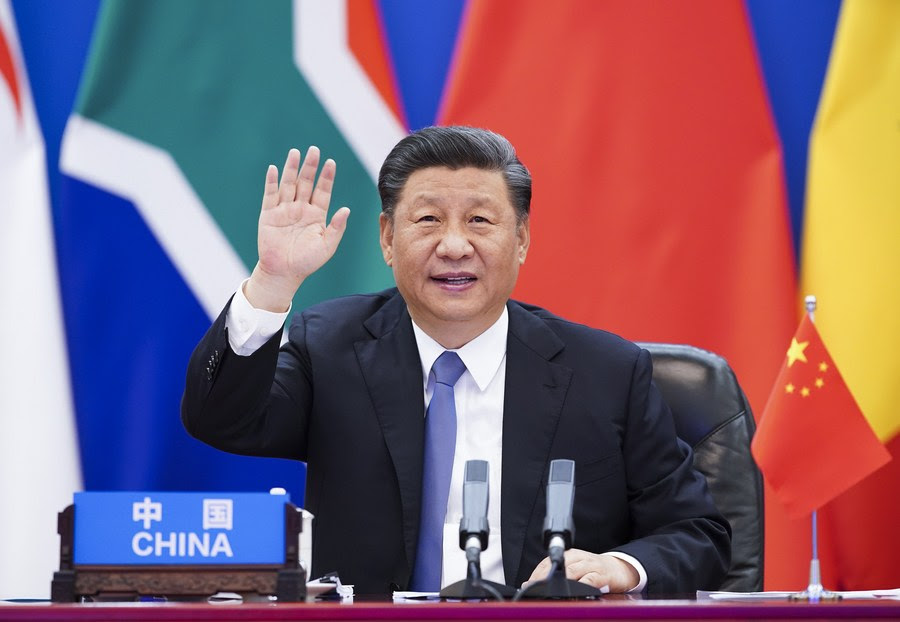
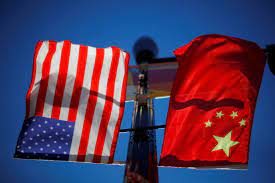
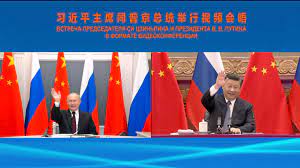
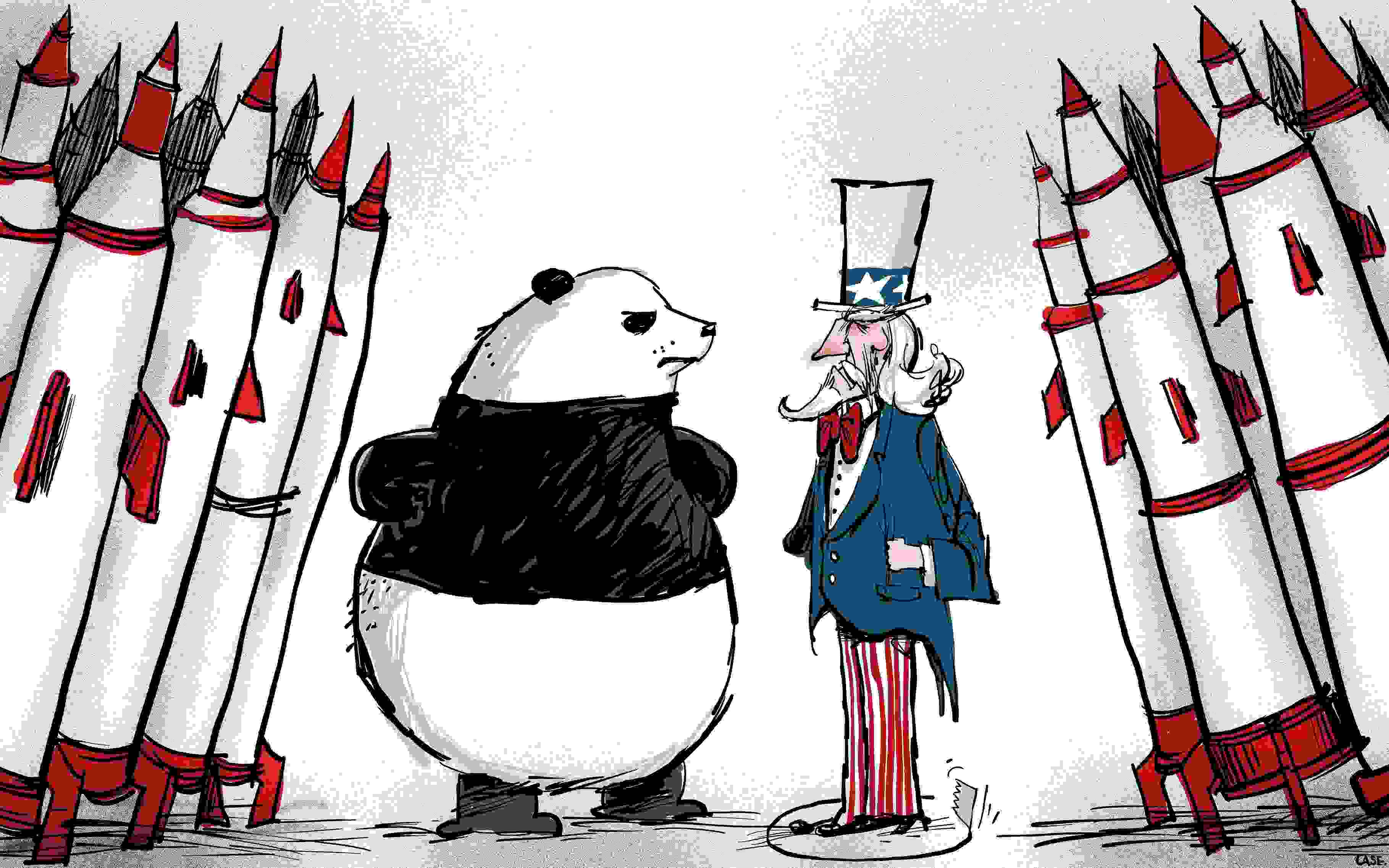
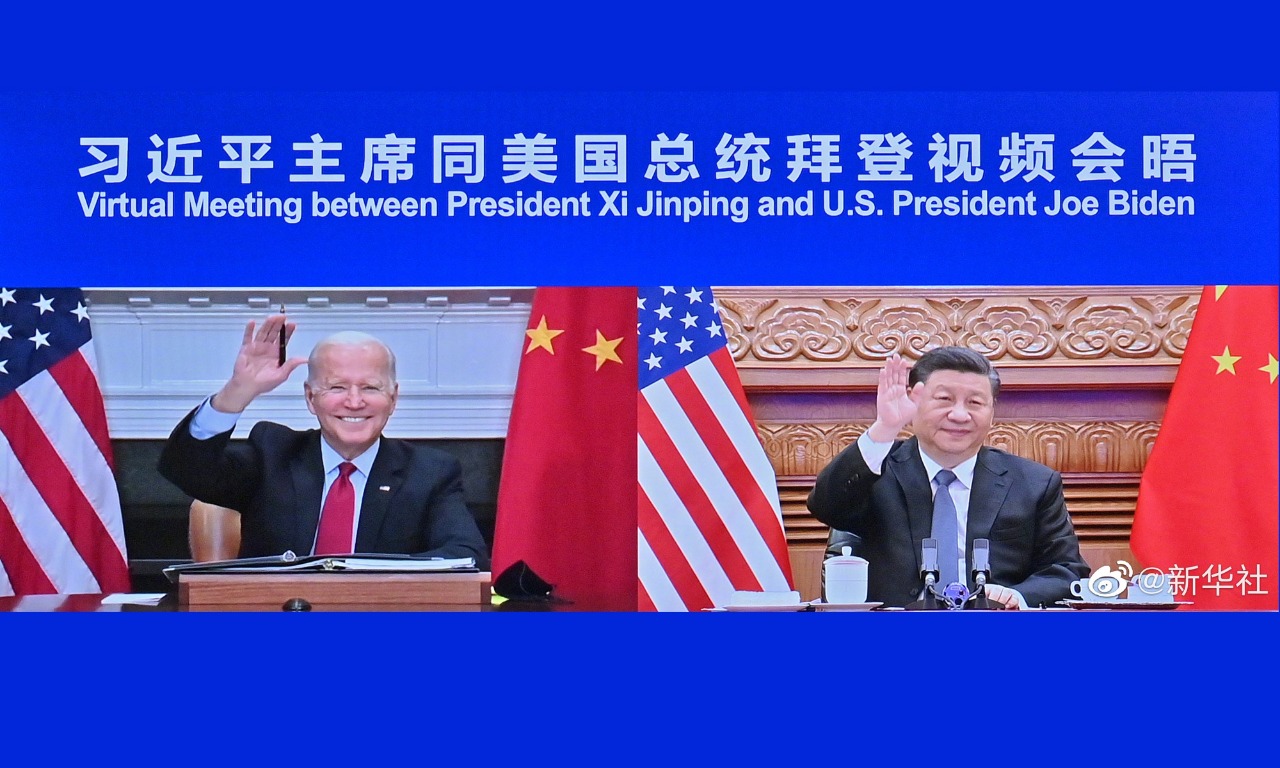
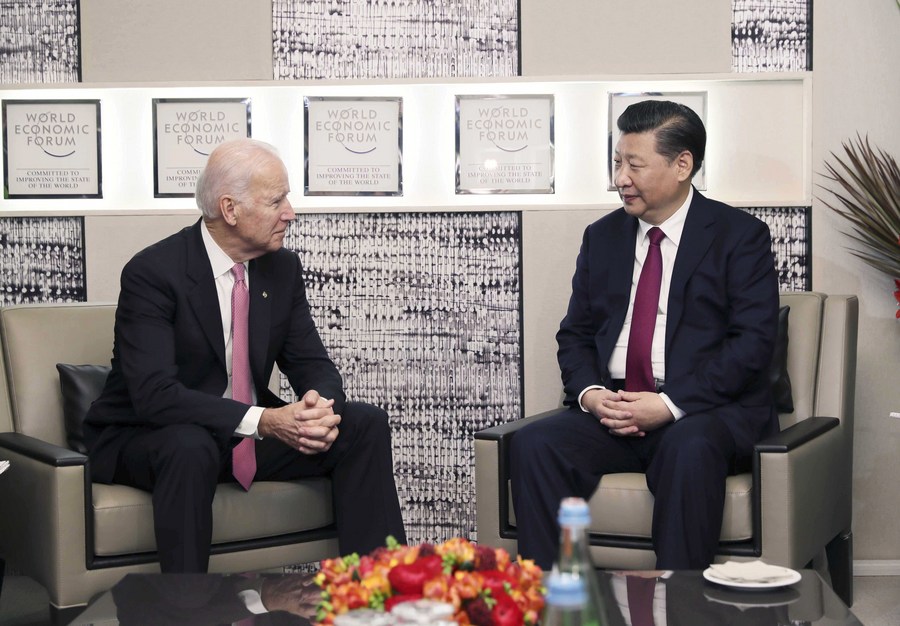
On 18 September, ABC News reported that US President Donald Trump and China’s President Xi Jinping will focus on economic and strategic issues, particularly tariffs, artificial intelligence, and rare earth minerals during President Xi’s upcoming visit to the USA. Washington may consider reducing tariffs on a limited range of non-strategic Chinese goods, while China’s supply of rare earths will also be discussed. However, the report indicates that the US is unlikely to ease export controls.
(“Trump will be at the airport to greet Xi when China's leader arrives for his US state visit,” ABC News, 18 September 2026)
https://abcnews.com/US/wireStory/trump-airport-greet-xi-chinas-leader-arrives-us-136577203
US President signs bill affecting China’s imports of Russian energy supply
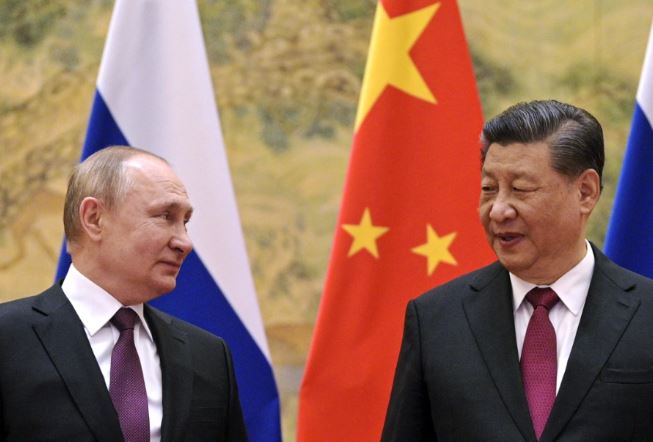
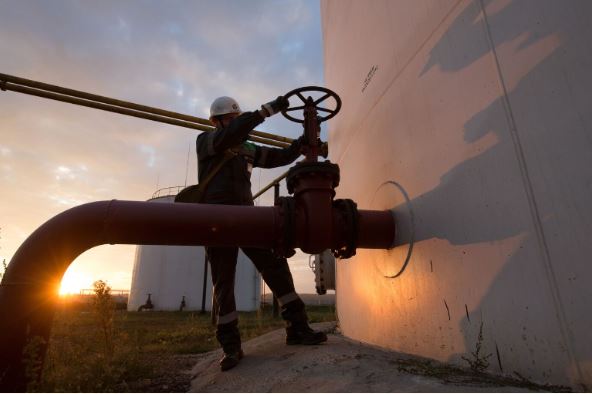
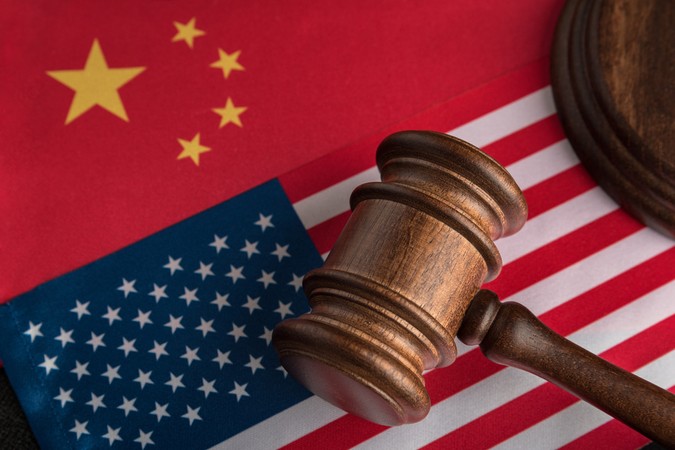
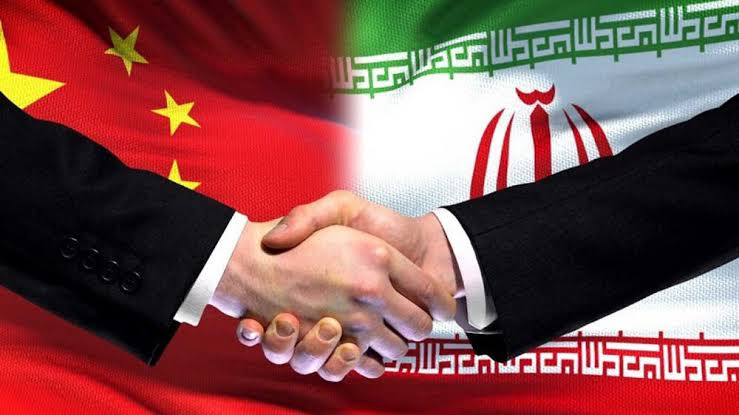
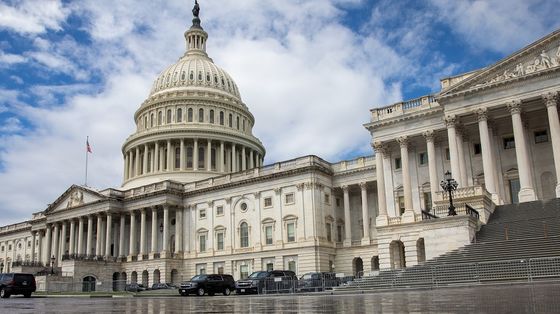
On 19 September, SCMP reported that President Donald Trump signed the ‘Lindsey O Graham Sanctioning Russia and Iran Act of 2026,’ expanding US sanctions, tariffs and restrictions targeting Russia and Iran. The law authorises tariffs of up to 100 per cent on major buyers of Russian oil and gas, potentially affecting China and India, while also targeting Russia’s energy and defence sectors. Beijing criticised the measure as unlawful “long-arm jurisdiction,” while India warned of potential implications for bilateral relations and stressed its need to maintain energy security. The legislation comes just before the Xi-Trump summit, adding a potential source of tension to negotiations on tariffs, agricultural trade and extending the existing US-China trade truce. Washington is also pressing Beijing over commercial ties with Iran.
(“Trump signs bill targeting China’s Russia energy imports days before Xi’s US visit,” South China Morning Post, 19 September 2026)
https://www.scmp.com/news/us/economy-trade-business/article/3368079/trump-signs-bill-targeting-chinas-russia-energy-imports-days-xis-us-visit


























.png)
.jpg)
.jpg)
.jpg)
.jpg)
.jpg)
.jpg)
.jpg)
.jpg)
.jpg)
.png)
.jpg)
.jpg)
.jpg)
.jpg)
.jpg)
.jpg)
.jpg)

.jpg)
.jpg)
.jpg)
.jpg)
.jpg)
.jpg)
.jpg)
.jpg)
.jpg)
.png)
.jpg)
.jpg)
.png)
.jpg)
.jpg)


.jpg)
.jpg)
.jpg)
.jpg)
.jpg)
.jpg)
.jpg)
.jpg)
.jpg)

.jpg)
.jpg)
.jpg)
.jpg)
.jpg)
.jpg)
.jpg)

.jpeg)



.jpeg)