|
In Brief
INTERNAL
China signals new stimulus push as economic slowdown deepens
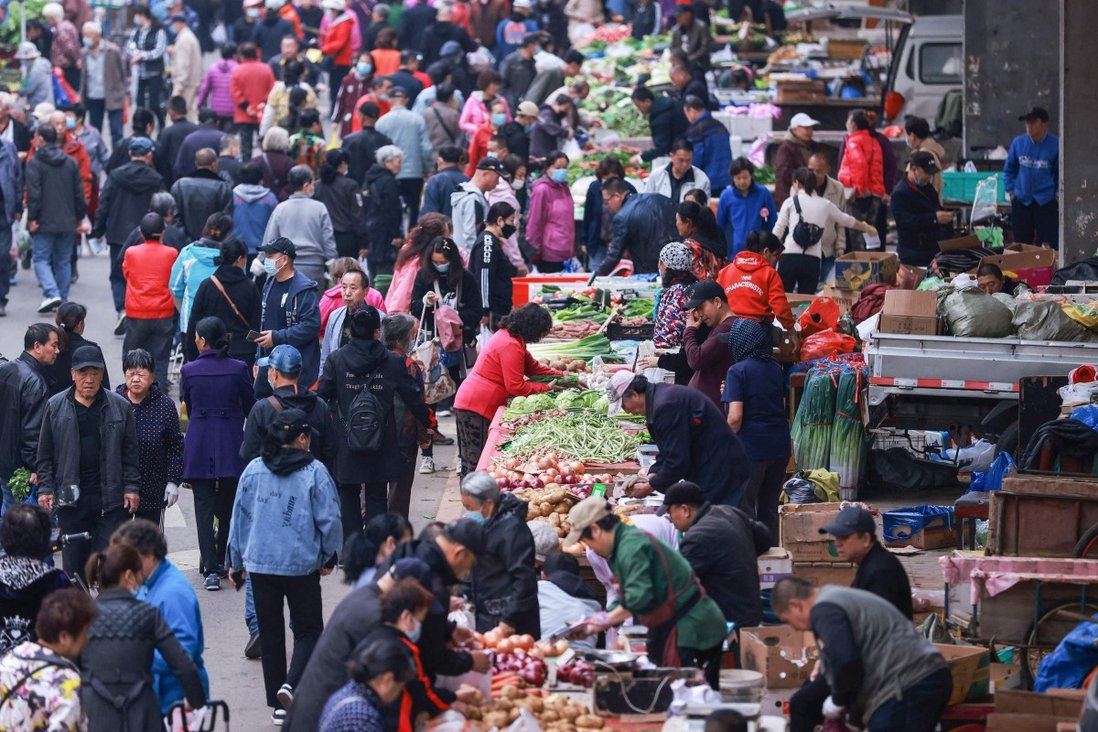
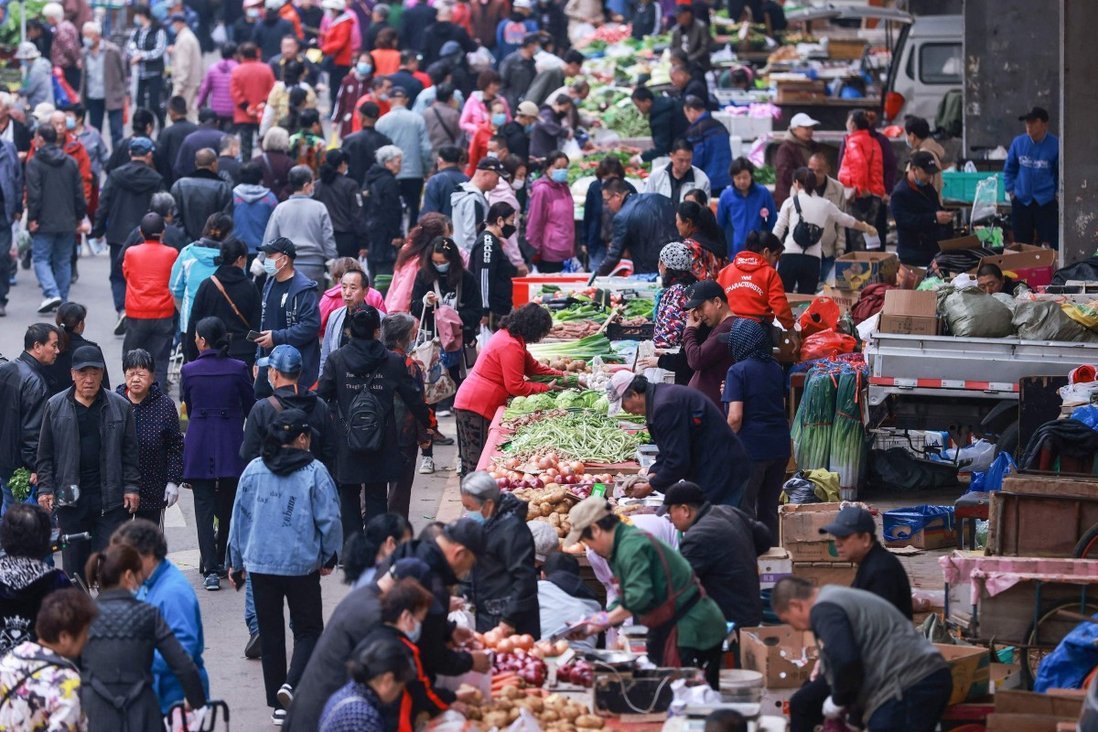
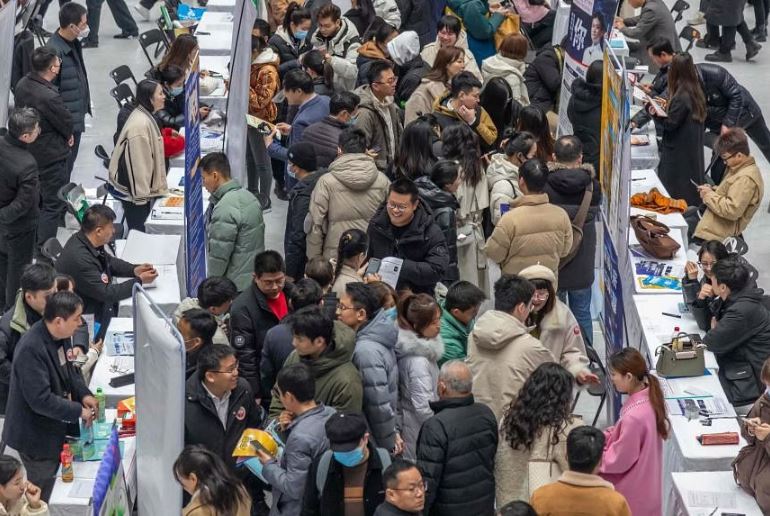
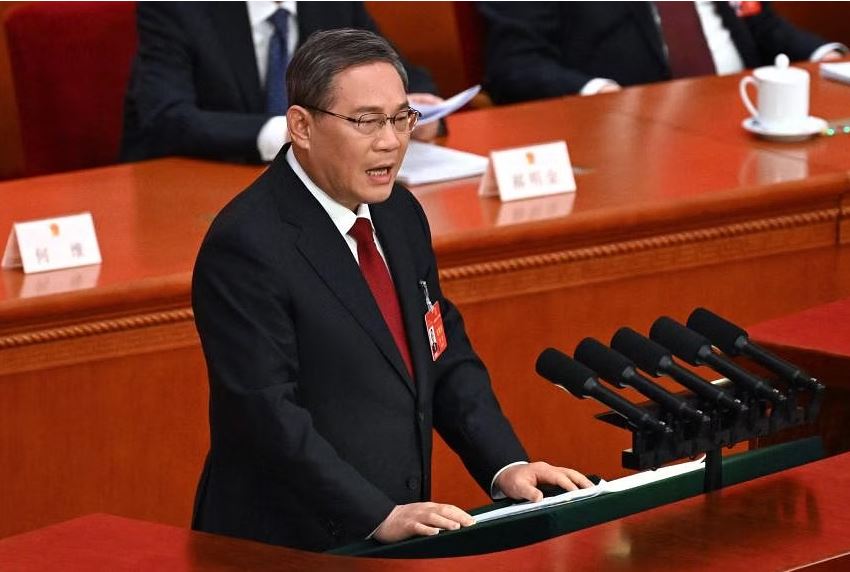
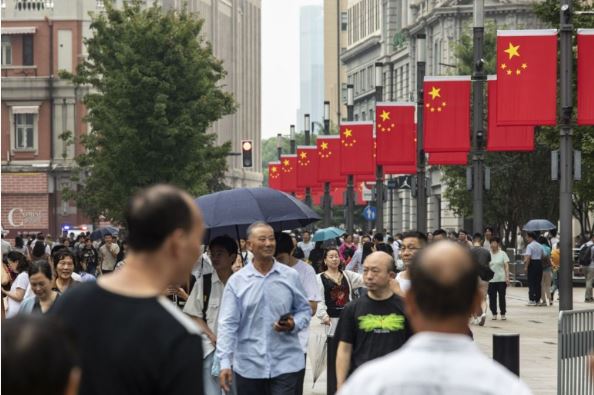
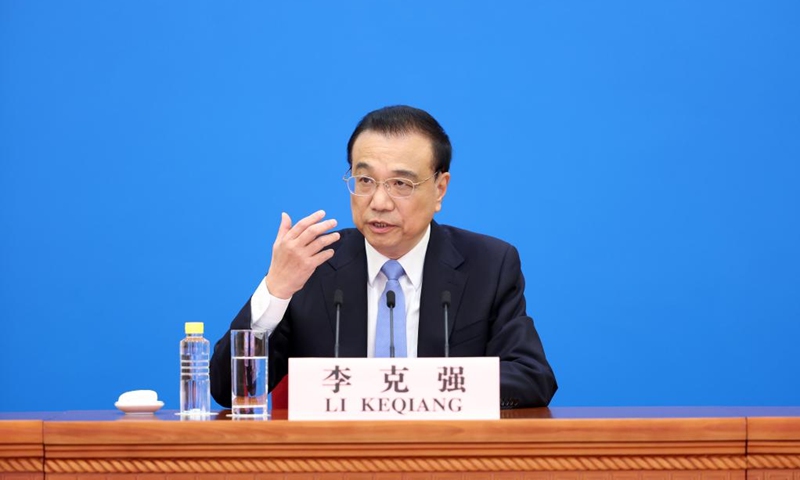
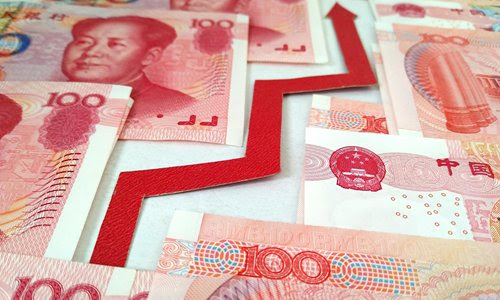
On 29 September, The Business Times reported that China gave its strongest signal yet that it would move with greater urgency to counter a deepening economic slowdown, pledging to introduce new measures to support growth and stabilise the property market. According to a statement following a State Council meeting chaired by Premier Li Qiang, authorities said they would "put in place a package of practical and effective additional policies," including tapping unused local government bond quotas and expanding central bank relending facilities for innovation and small businesses. Growth likely weakened further below the government's 4.5 to 5 per cent annual target in the third quarter, after reaching 4.3 per cent in the previous quarter, with consumption growth softening to near zero in August. Economists said additional fiscal support was likely in the fourth quarter to help bridge the gap to the annual growth goal.
("China set to boost economy, stabilise housing market as slowdown threatens growth target," The Business Times, 29 September 2026)
https://www.businesstimes.com.sg/international/china-set-boost-economy-stabilise-housing-market-slowdown-threatens-growth-target
Industrial profits rise 15.7 per cent in first eight months
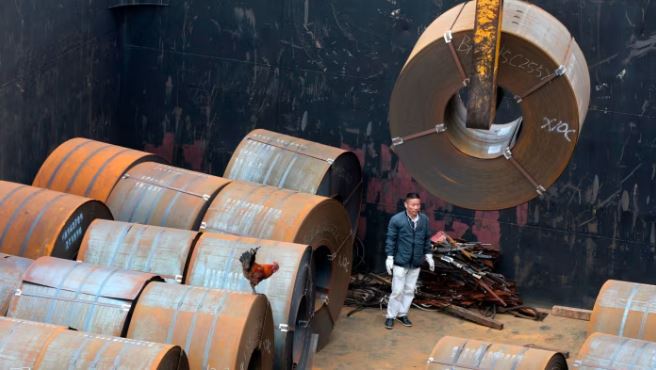
On 28 September, Reuters reported that profits at China’s industrial firms rose 15.7 per cent year-on-year in the first eight months of 2026, according to National Bureau of Statistics data. However, growth slowed from 17.6 per cent in the January to July period. Industrial profits increased 4.2 per cent in August, compared with 11.2 per cent in July, indicating weaker momentum. Technology manufacturing remained a major source of growth, with profits in computer, communication and electronic equipment manufacturing rising 110 per cent during the first eight months. By contrast, profits in wine, beverages and refined tea manufacturing fell 34.7 per cent. Reuters reported that weak domestic consumption and excess capacity are limiting firms’ pricing power, while stronger overseas demand is increasing manufacturers’ reliance on exports.
(China's industrial profit growth slows further as economic imbalances deepen, Reuters, 28 September 2026)
https://www.reuters.com/world/asia-pacific/china-industrial-profits-rise-157-january-august-2026-09-28/
ENERGY AND ENVIRONMENT
China's overseas coal pledge undermined by investment loopholes finds UN report
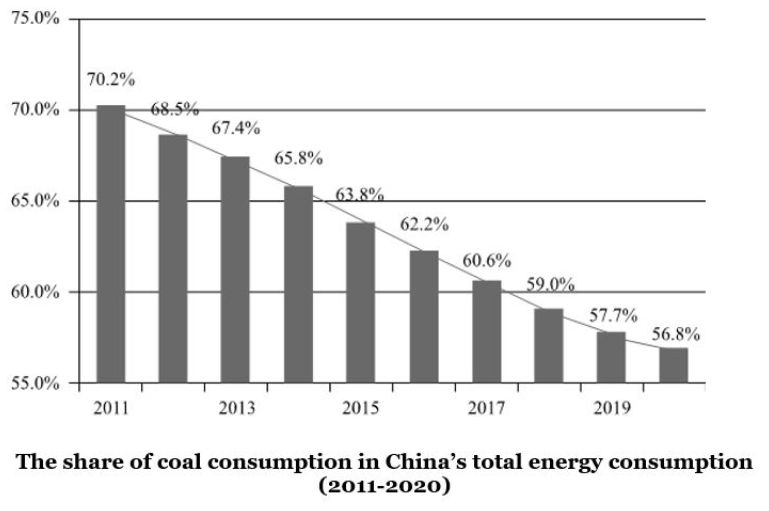
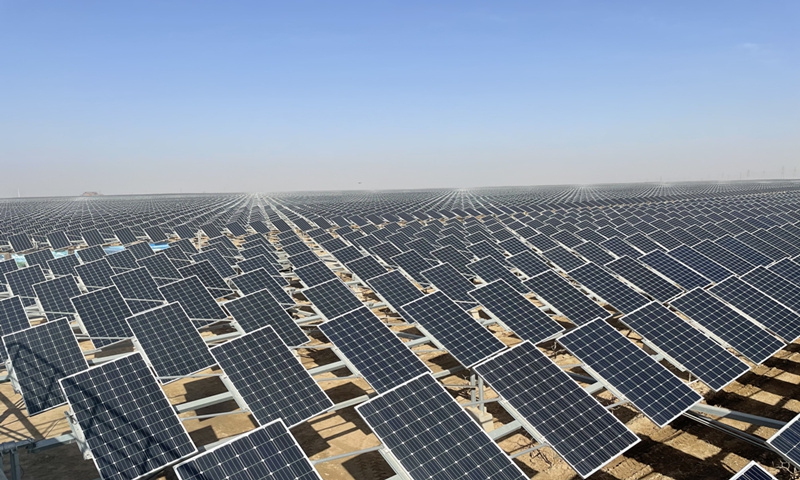
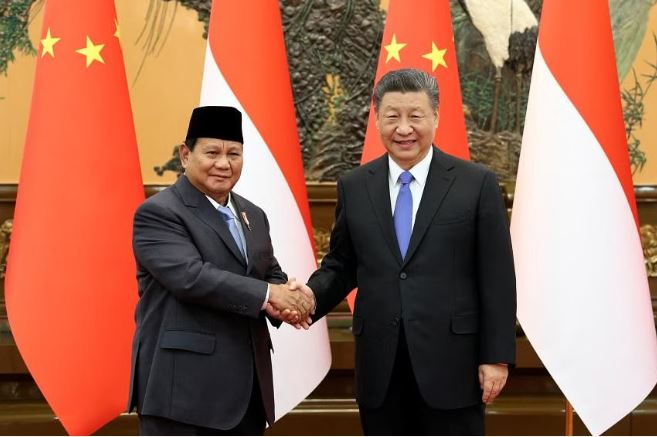
On 29 September, ABC News reported that five years after China's President Xi Jinping pledged to stop funding overseas coal power plants, loopholes allowed Chinese companies to keep investing in coal projects abroad, according to a new report released around UN Climate Week. China has cancelled 67 per cent of the overseas coal capacity it had planned in 2021, avoiding an estimated 6.4 billion tonnes of lifetime carbon emissions, according to the Centre for Research on Energy and Clean Air and People of Asia for Climate Solutions. However, the pledge still permits private Chinese firms to invest overseas, with Indonesia leading in continued Chinese-backed coal capacity at 17.1 gigawatts, much of it tied to "captive coal" powering heavy industry. Analysts said the closure of the Strait of Hormuz and resulting energy shocks had pushed several Southeast Asian nations to ramp up coal use, complicating the region's energy transition despite rapid renewable energy growth.
("China has kept its promise to stop funding overseas coal, but loopholes are helping coal expand," ABC News, 29 September 2026)
https://abcnews.com/amp/US/wireStory/china-promise-stop-funding-overseas-coal-loopholes-helping-136775183
SCIENCE AND TECHNOLOGY
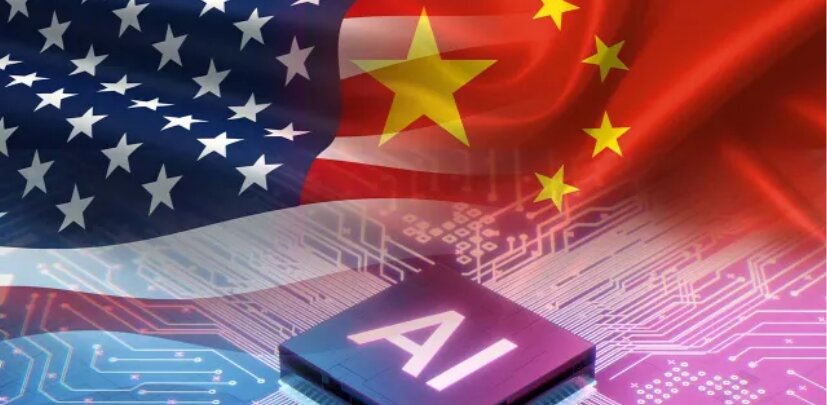
Beijing extends travel curbs to families of top AI talent; Tightens tech leak controls
On 29 September, Japan Times reported that China has expanded overseas travel restrictions for top AI professionals at private firms to include the families of key personnel, further tightening measures aimed at preventing the outflow of critical know-how to the United States (US). Government agencies have recently begun sharing the wider restrictions with affected people, including prominent startup founders and heads of strategically important AI-related firms. Spouses and children of certain AI and chip executives, whose work is considered paramount to state security, now need approval from Beijing before travelling abroad, even for short trips. The move widens curbs already placed on China's most influential tech talent since May, when overseas travel was restricted for top AI professionals at private firms including Alibaba Group and DeepSeek. While not an outright travel ban, the new requirement is likely to further chill a tech sector already facing unprecedented restrictions.
("Beijing broadens travel curbs to encompass family of top AI talent in China," Japan Times, 29 September 2026)
https://www.japantimes.co.jp/business/2026/09/29/tech/china-travel-curbs-ai-talent/
CHINA AND SPACE
China claims satellite refuelling triumph in high Earth orbit reports SCMP
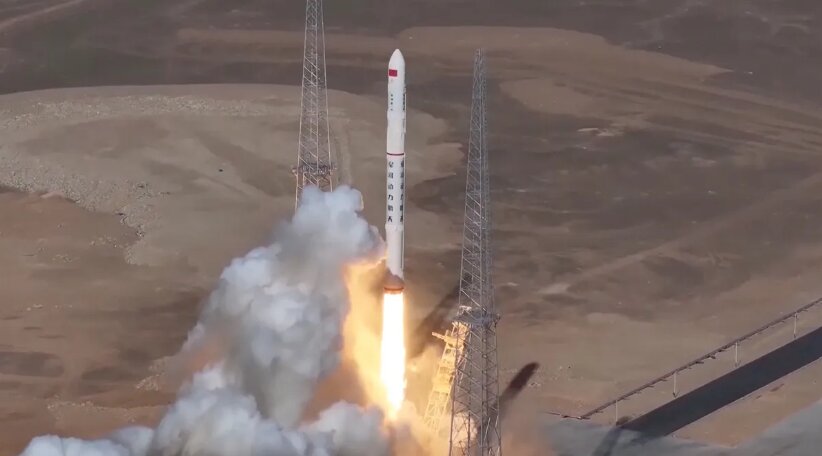
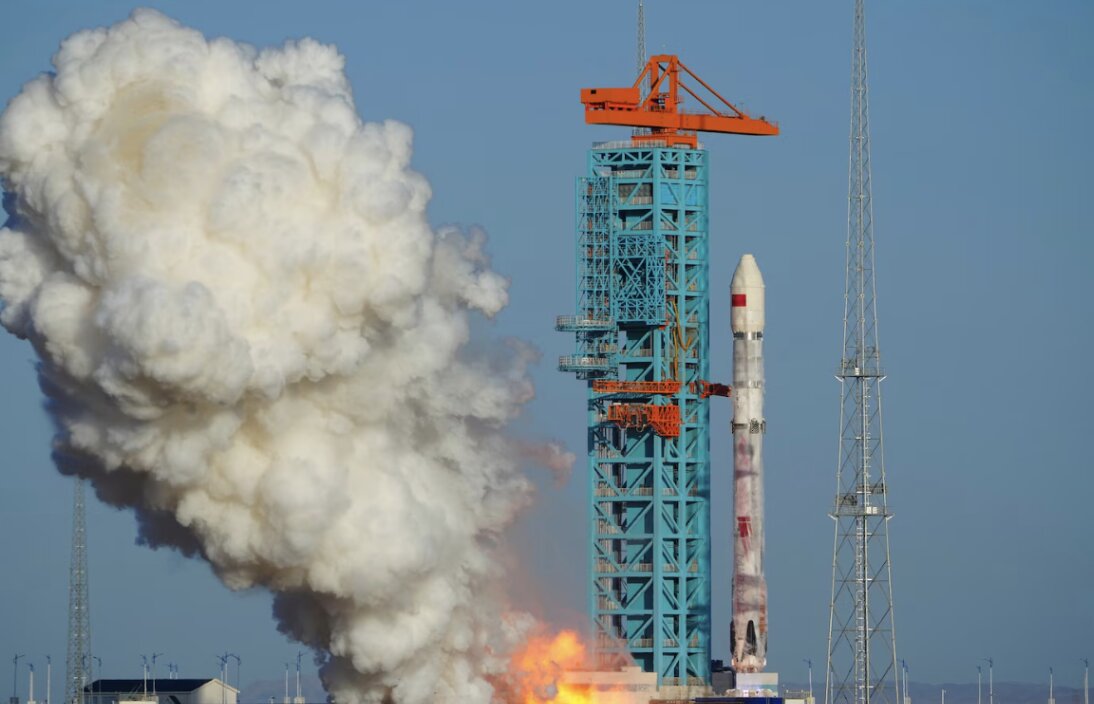
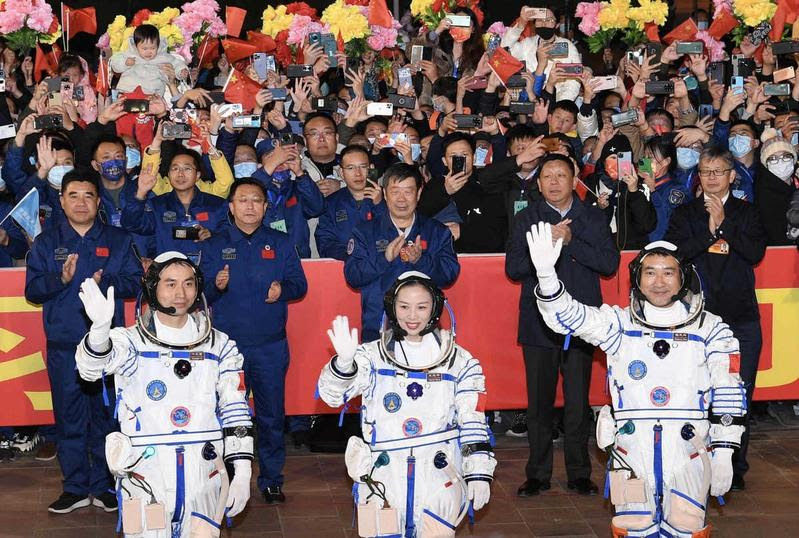
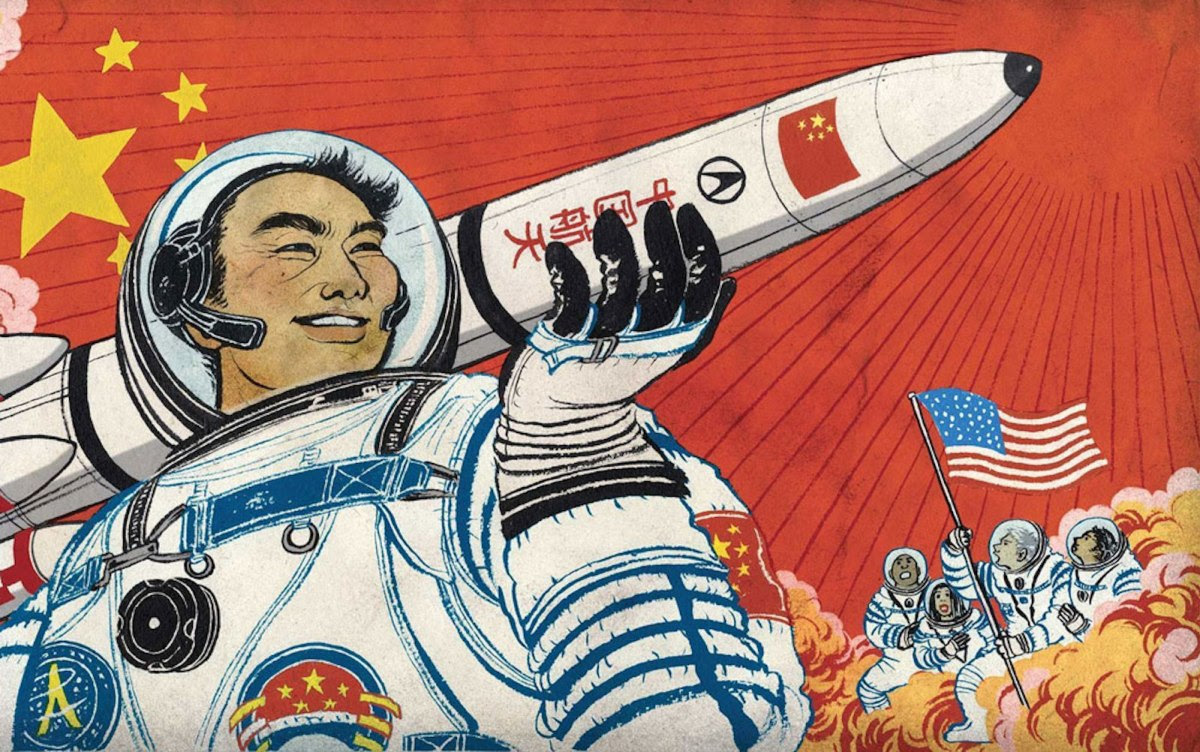
On 27 September, SCMP reported that researchers from China revealed a previously unknown satellite-to-satellite refuelling operation in high Earth orbit, putting the country at the forefront of a technology that could reshape the space race.In a paper undergoing peer review for the Journal of Deep Space Exploration, the team said China had “successfully provided room-temperature propellant refuelling for a high-orbit BeiDou satellite for the first time”. The team stated that it had given China valuable experience but emphasised the need to develop technologies for transferring extremely low-temperature propellants, which offered better performance for large spacecraft and deep-space missions. BeiDou is China’s equivalent to the US GPS, a globe-spanning satellite network that provides positioning, navigation and timing services. It underpins everything from smartphone maps and financial transactions to military drone swarms and hypersonic missile guidance. The report states that launching a replacement when a satellite runs low on propellant is an expensive and time-consuming process, while in-orbit refuelling could extend a satellite’s life by years. For the BeiDou constellation, that would mean a more resilient, continuously available navigation service capable of outlasting and outmanoeuvring rival systems in a crisis. According to the researchers from Chinese Academy of Sciences (CAS), the servicing satellite was Shijian-25, which was launched in January 2025 to refuel, repair and remove space debris from other spacecraft in orbit. “In February 2025, Shijian-25 successfully refuelled the BeiDou-2 G7 satellite with 142kg of propellant, extending its lifespan by eight years,” they wrote. The first satellite refuelling in high orbit took place in July 2025, when Shijian-25 docked with and reportedly supplied fuel to Shijian-21 in geostationary orbit. So far, China is the only country known to have carried out satellite-to-satellite refuelling in orbit. The technology’s military implications have raised concerns in Washington. In January, US Space Command chief General Stephen Whiting warned that China’s ability to refuel satellites could give it an advantage in a future conflict in orbit. The report also states that technology could also play a critical role in the new “moon race”, allowing spacecraft to make repeated journeys between Earth and the moon to build and supply lunar bases or potentially fight in a future conflict in cislunar space.
(“Why claims that China’s BeiDou satellite was refuelled in orbit could change space race,” SCMP, 27 September 2026)
https://sc.mp/j1y4o
POLAR
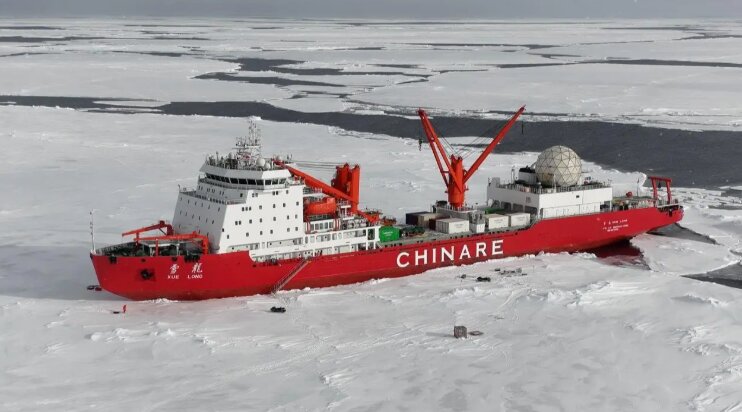
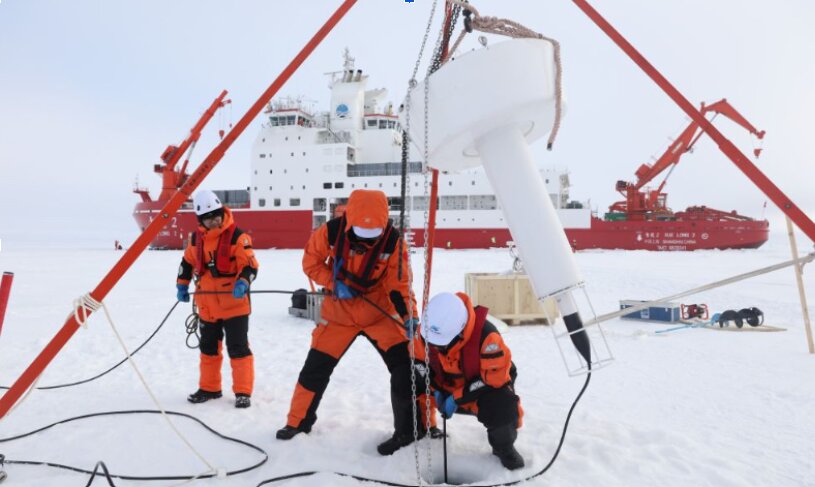
China to build sixth Antarctic research station
On 27 September, ABC News reported that China is preparing to build its sixth Antarctic research station, a summer-only base in remote Marie Byrd Land, sparking geopolitical concerns despite Beijing’s assurances of peaceful climate research. While the Antarctic Treaty strictly bans military bases and weapons, experts view this expansion less as an immediate defense threat and more as a bid for prestige and systemic influence. China operates legally within the rules but practices a pattern of "quiet disruption" to protect its strategic interests, particularly regarding resource access under its "Polar Silk Road" initiative. Alongside Russia, China has used the treaty’s consensus-based voting system to block new Marine Protected Areas and stall protections for vulnerable emperor penguins, successfully avoiding future geographic restrictions on its expanding polar fishing fleet. A major flashpoint is the lucrative Antarctic krill fishery, where China is pushing to raise catch limits despite ecological concerns and intense diplomatic pushback. This dynamic has created a deep trust deficit and a political stalemate, leading security analysts to warn that democratic nations cannot blindly assume good faith and must develop strategic plans to balance China's expanding polar ambitions.
(“China's plan to build sixth Antarctic base raises concerns,” ABC News, 27 September 2026)
https://www.abc.net.au/news/2026-09-27/china-sixth-base-antarctica-expansion-australia-concerns/107178622?utm_source=abc_news_web&utm_medium=content_shared&utm_campaign=abc_news_web
NUCLEAR
SPIC reveals fully autonomous full-scope nuclear energy simulator in Beijing
On 28 September, China Daily reported that State Power Investment Corp (SPIC) had unveiled China’s fully autonomous full-scope nuclear energy simulator in Beijing. The system is designed for nuclear power plant operator training and licensing examinations, reducing reliance on foreign technology. Developed by SPIC’s Central Research Institute and subsidiaries, it integrates the proprietary “Hejing” simulation platform, “Herui” instrument and control simulation software, and “COSINE” calculation software. The simulator passed its final acceptance review on 18 September after 23 months of testing, including 720 hours of trial operations and 126 training scenarios. SPIC said the system can replicate plant conditions from normal operations to severe accidents with 100-millisecond precision. The development is expected to strengthen domestic nuclear operator training and support safety standards in China’s expanding nuclear power sector.
(“SPIC unveils China's fully autonomous nuclear simulator in Beijing,” China Daily, 28 September 2026)
https://www.chinadaily.com.cn/a/202609/28/WS6ab9fc19e4b06d4aa05608cb.html
MARITIME
PLA holds naval and air drills near disputed Scarborough Shoal
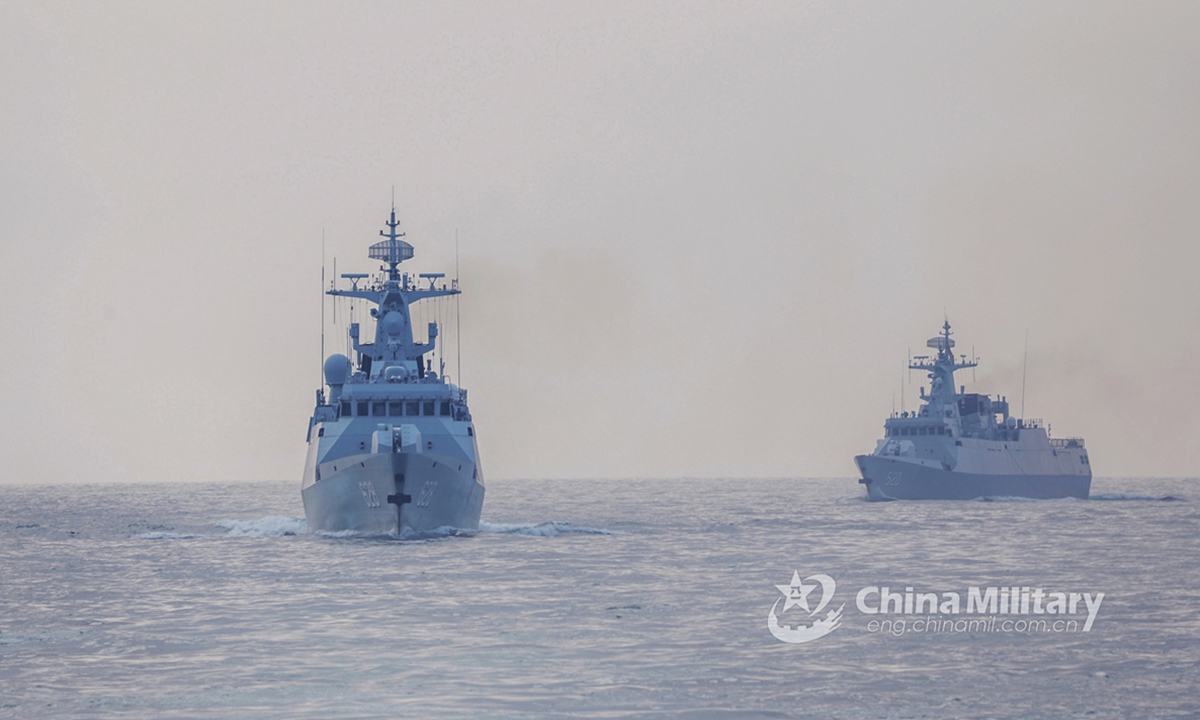
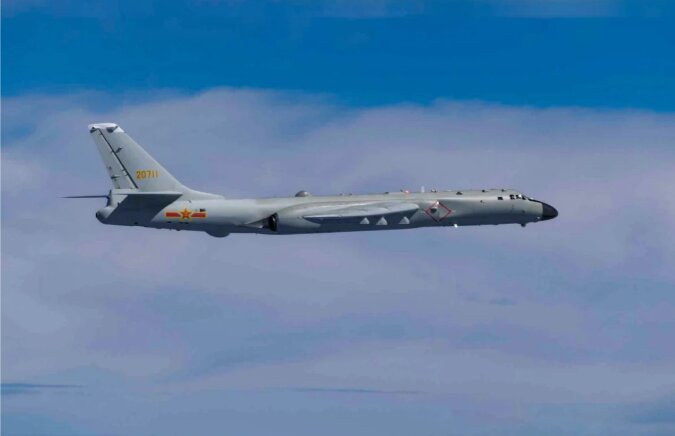
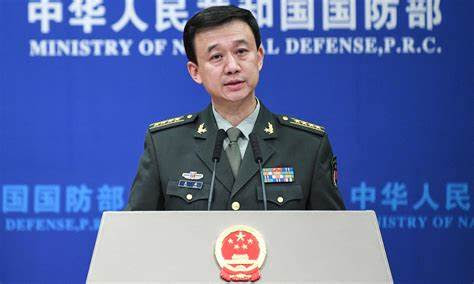
On 27 September, Modern Diplomacy reported that China’s military conducted joint naval and air training exercises near the disputed Scarborough Shoal in the South China Sea. The People’s Liberation Army Southern Theatre Command described the drills as a response to actions by “certain countries” that it said threatened regional peace and stability. The exercise aimed to test combat capabilities and protect China’s territorial rights and interests. The China Coast Guard also conducted separate drills involving boarding, inspection, intrusion interdiction and forced towing. The Philippines, which refers to the feature as Bajo de Masinloc, had not immediately responded to requests for comment. The exercises come amid continuing tensions over competing claims and maritime activities around the shoal.
China Holds Naval and Air Drills Near Disputed South China Sea Shoal, Modern Diplomacy, 27 September 2026)
https://moderndiplomacy.eu/2026/09/27/china-holds-naval-and-air-drills-near-disputed-south-china-sea-shoal/
CHINA AND TAIWAN
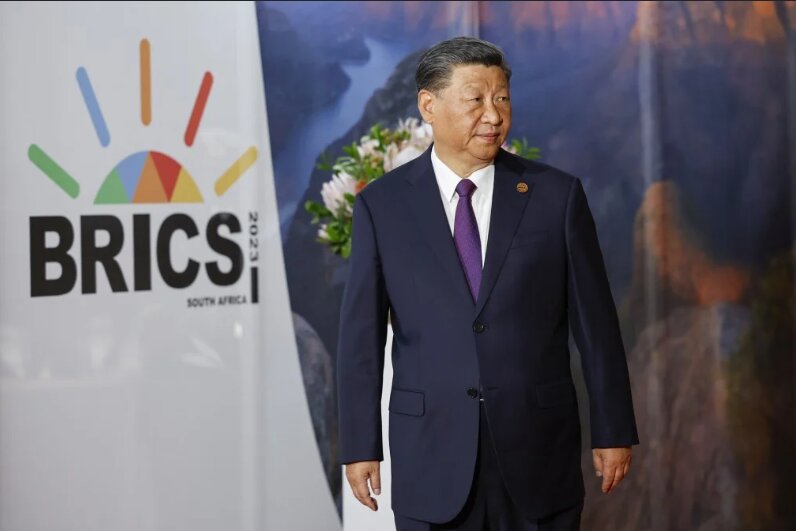
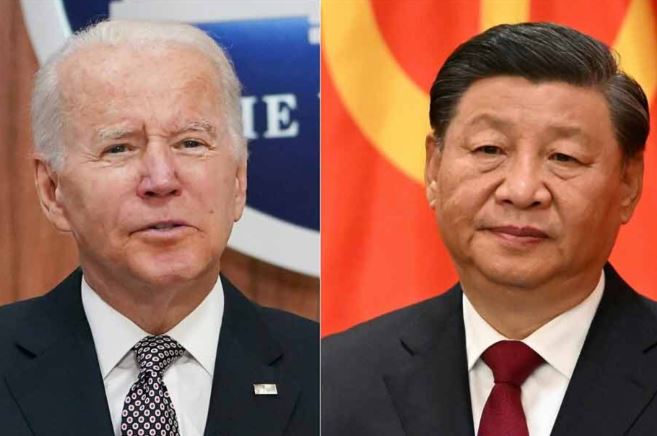
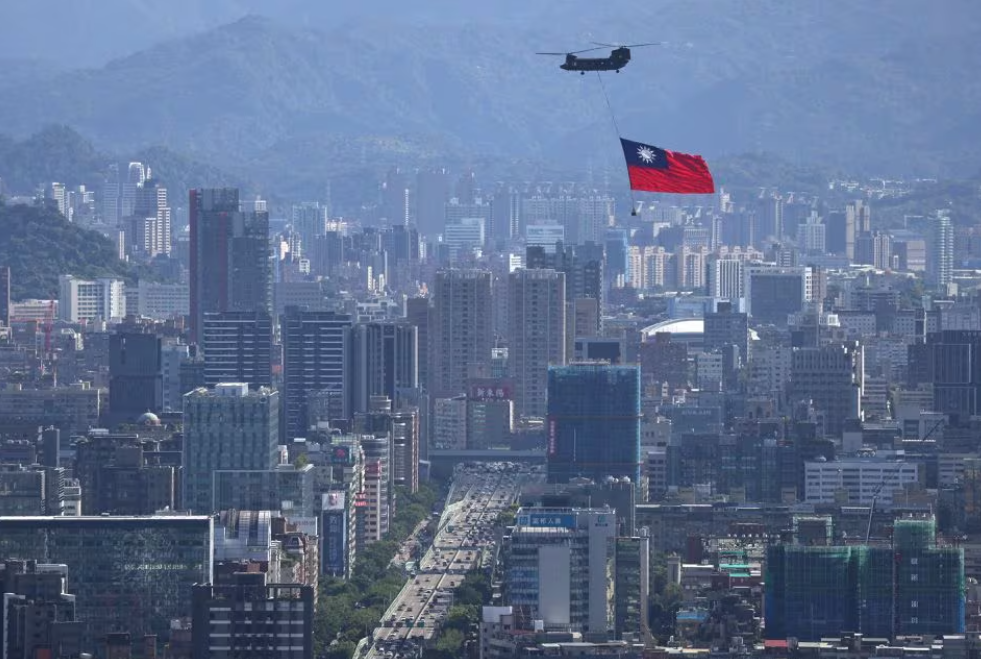
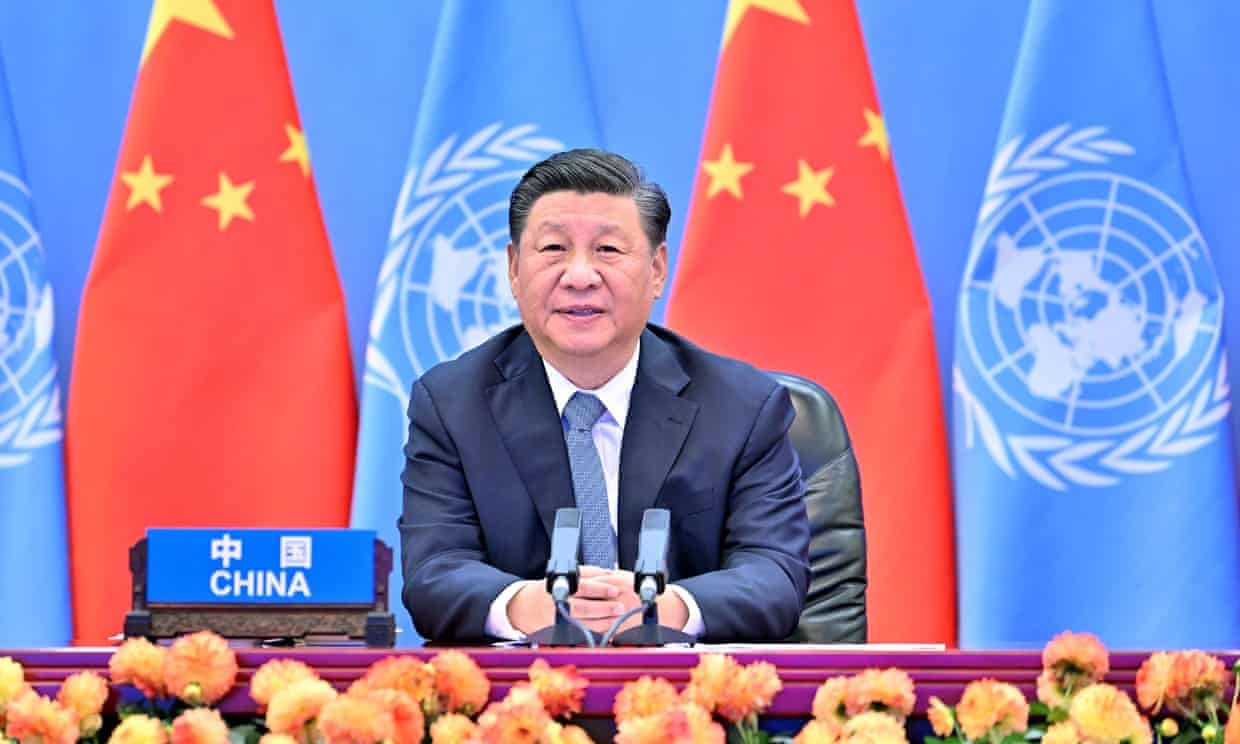
Taiwan pushes back on Second World War narrative by President Xi
On 28 September, Reuters reported that Taiwan criticised China for attempting to overwrite the erstwhile Republic of China’s role in the Second World War. The statement comes after President Xi Jinping and US President Donald Trump praised each other’s role in the Second World War. The Republic of China government was pushed to Taiwan in 1949, after losing the civil war with the Chinese Communist Party, and retained the formal title to this day. Deputy head of Taiwan’s Mainland Affairs Council Shen Yu-chung stated that Taiwan will continue to convey messages to the US on their role in the War. Additionally, Taiwan’s Deputy Foreign Minister Francois Wu stated that China is attempting to replace the Republic of China’s role with its official narrative, which often minimises the latter’s role during the War.
(“Taiwan pushes back after Xi seeks to win over Trump on World War Two narrative,” Reuters, 28 September 2026)
https://www.reuters.com/world/china/taiwan-pushes-back-after-xi-seeks-win-over-trump-world-war-two-narrative-2026-09-28/
CHINA AND EAST ASIA
Chinese brokers advertise North Korean labour in defiance of UN sanctions
On 28 September, Daily NK reported that Chinese brokers are openly advertising North Korean labour on Chinese social media platforms such as WeChat, in defiance of the UN sanctions which ban the overseas employment of North Korean workers. UNSC Resolution 2397 banned the hiring of North Korean workers overseas, as the government takes a huge part of their salary. Per the advertisement listings, women in their 20s and 30s from North Korea are ‘waiting for work,’ with some of them listed as having completed entry procedures. Previously, hiring labourers from North Korea was heavily reliant on personal connections, with these advertisements hinting towards a more professionalised and specialised labour pool being sent from North Korea.(“Chinese brokers openly advertise North Korean workers on WeChat,” Daily NK, 28 September 2026)
https://www.dailynk.com/english/north-korean-workers-wechat-ads-china/
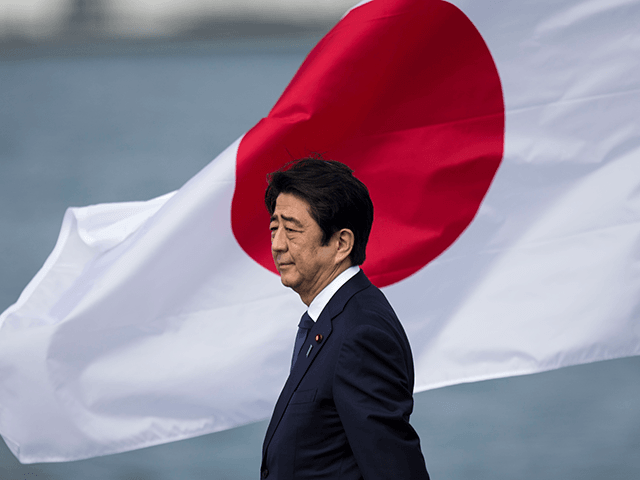
China criticises Japan’s push to remove ‘enemy state’ characterisation in UN charter
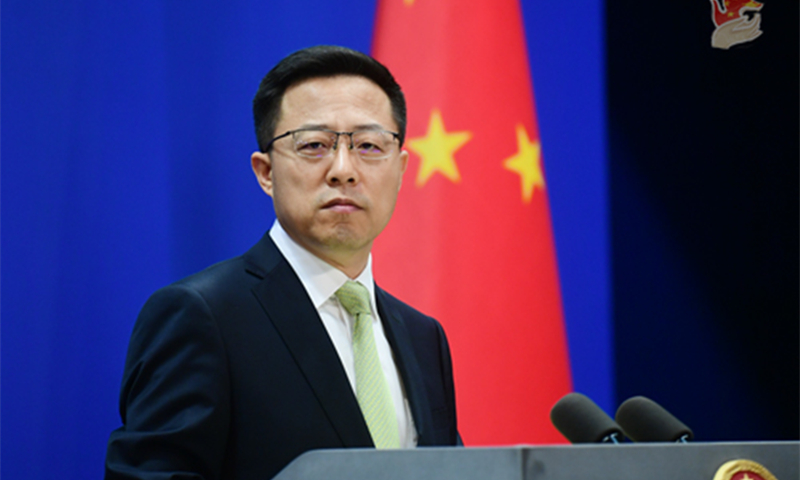
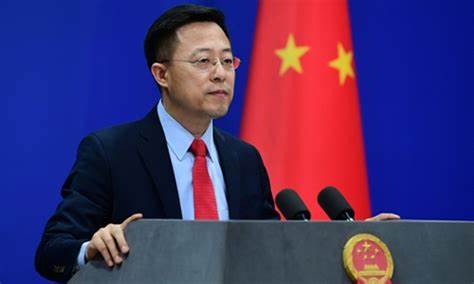
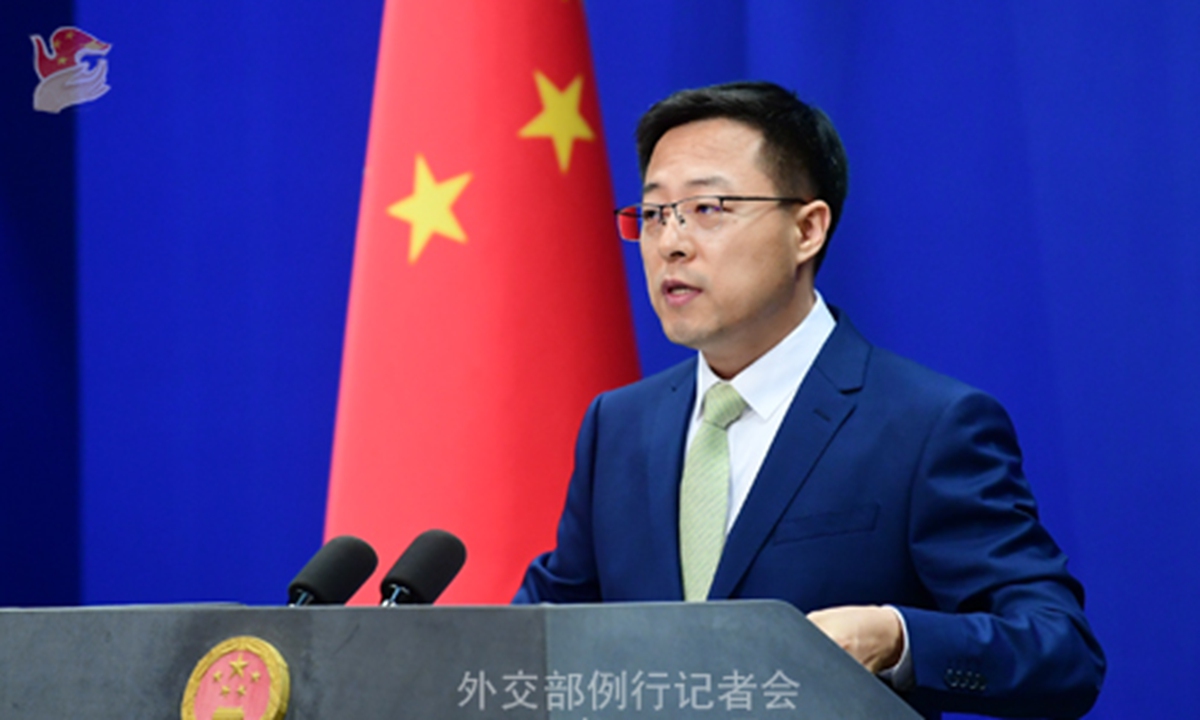
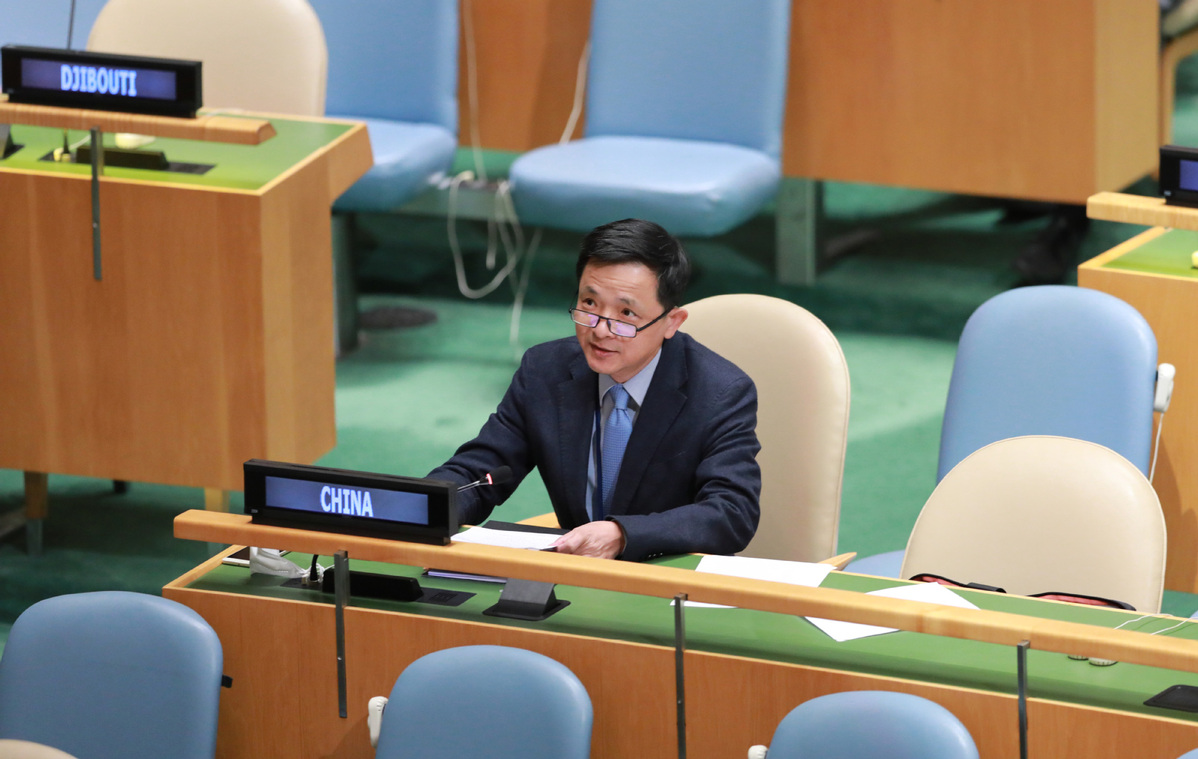
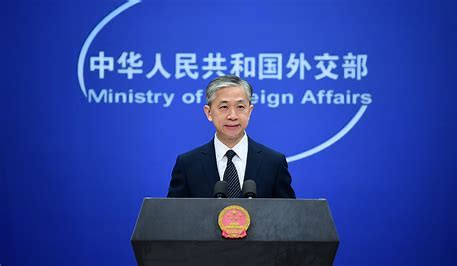
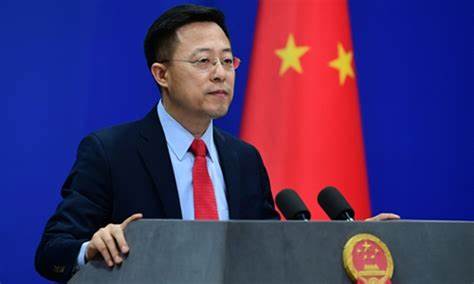
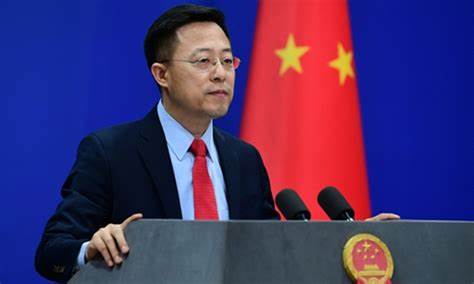
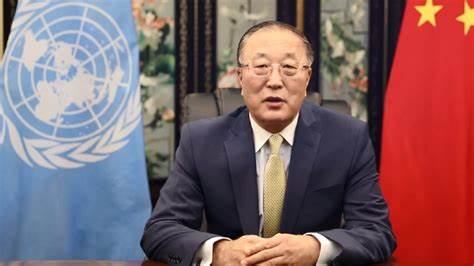
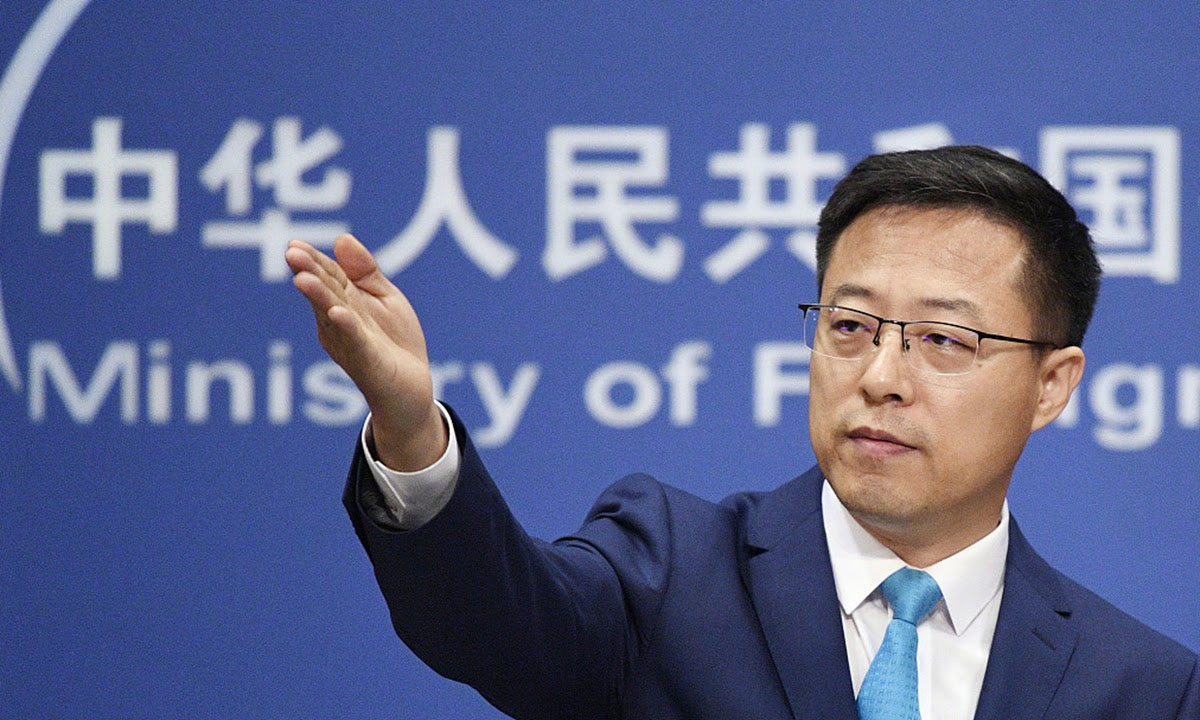
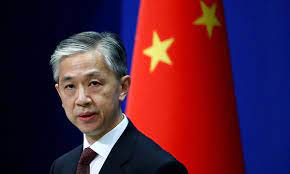
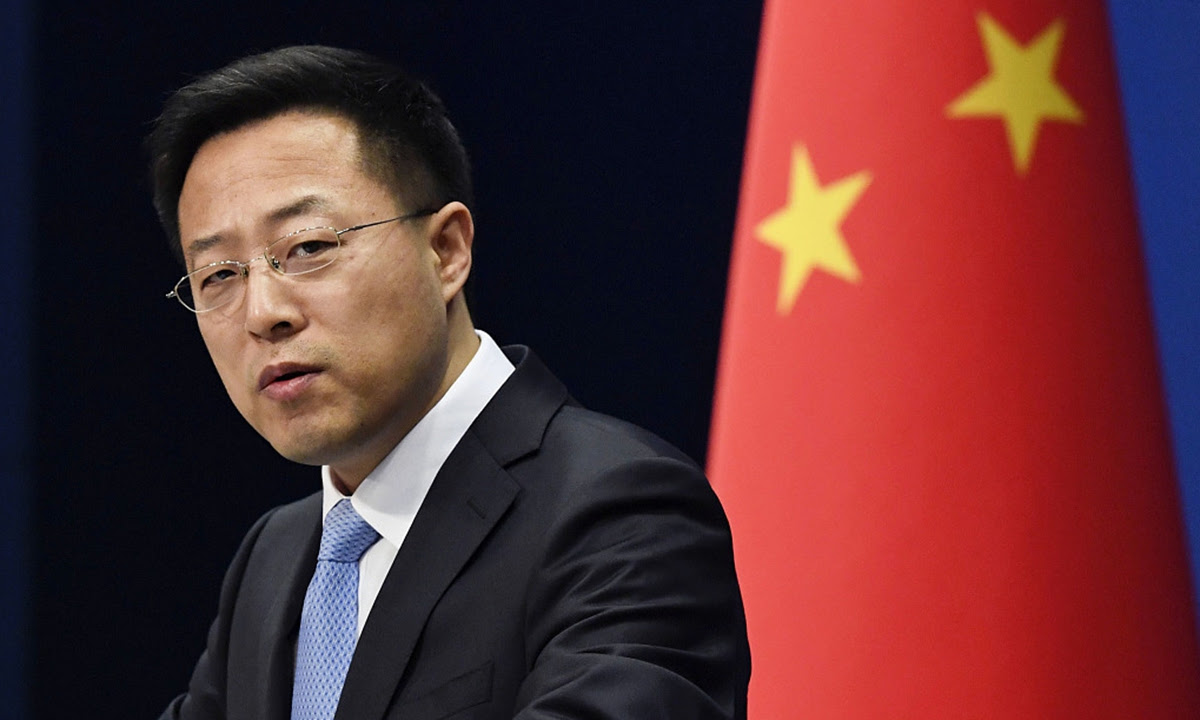
On 24 September, The Japan Times reported that China criticised Japan’s Prime Minister Sanae Takaichi’s push to remove Japan’s designation as an “enemy state” in the United Nations Charter. Prime Minister Takaichi, in her maiden speech at the UN General Assembly, also called on to revise provisions which still refer to Japan and the other Axis powers defeated in the Second World War as “enemy states.” China’s Foreign Ministry Spokesperson Guo Jiakun stated that the provisions are necessary and a “vital institutional arrangement” to prevent fascism and militarism in the world. China has repeatedly criticised the Takaichi administration’s attempts to reform Japan’s military industry, often terming such actions as “re-militarisation.”
(“China pushes back against Takaichi’s call to remove ‘enemy state’ wartime label,” The Japan Times, 24 September 2026)
https://www.japantimes.co.jp/news/2026/09/24/japan/politics/enemy-state-clause/
China-North Korea bridge starts cargo crossings after 12-year delay
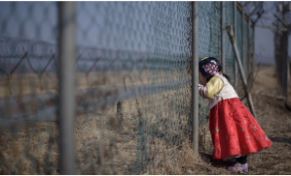
On 22 September, NK News reported that several heavy cargo trucks crossed the stalled New Yalu River Bridge, connecting China and North Korea, ahead of its speculated opening ceremony. The bridge was in limbo for over 12 years, with construction being completed in 2014 and connects China’s Dandong city with North Korea’s Sinuiju. Captured by a Chinese resident living next to the bridge, the cargo trucks appear to be trial runs in preparation for its opening ceremony sometime in the next month. The bridge is set to increase China-North Korea trade volumes, with August’s volume being worth USD 238 million.
(“Cargo trucks appear to cross China-North Korea bridge after 12-year delay,” NK News, 22 September 2026)
https://www.nknews.org/2026/09/cargo-trucks-appear-to-cross-china-north-korea-bridge-after-12-year-delay/
CHINA AND SOUTHEAST ASIA
Philippines accuses China of obstructing its resupply missions to disputed island
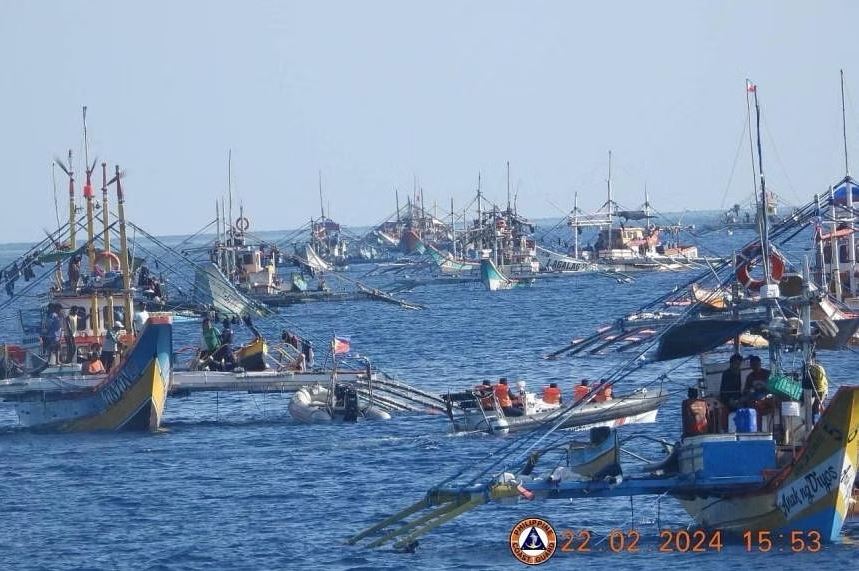
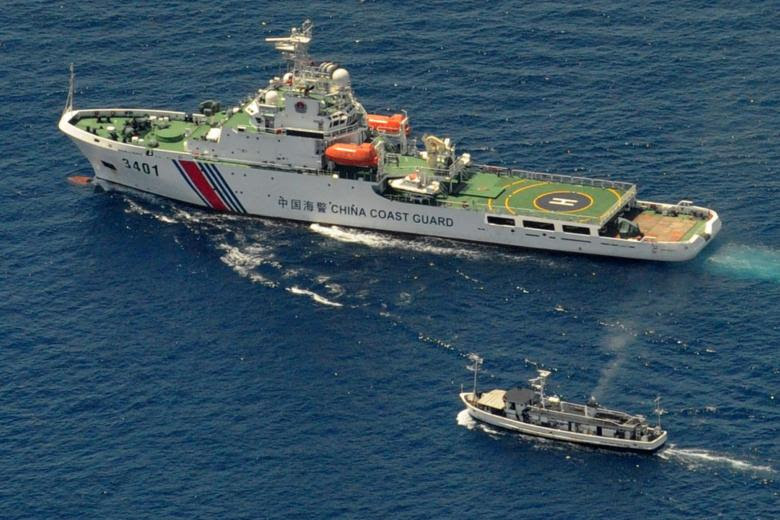
On 25 September, Reuters reported that the Philippines accused China of obstructing its resupply missions to its troops stationed aboard a grounded vessel in the Second Thomas Shoal in the South China Sea. The Philippine Coast Guard (PCG) stated that China’s Coast Guard and the PLA-N “obstructed a legitimate humanitarian and sustainment operation” to its grounded ship in the Second Thomas Shoal, adding that a Chinese Coast Guard vessel initiated dangerous manoeuvers. The PCG further called on China to adhere to the 2016 South China Sea arbitration ruling and stop interfering with its lawful supply missions. In response, China Coast Guard (CCG) Spokesperson Jiang Lue stated that the PCG had ignored their warnings against the resupply mission and initiated “on-site monitoring” and verbal warnings.
(“Philippines accuses China of obstructing resupply mission in South China Sea,” Reuters, 25 September 2026)
https://www.reuters.com/world/china/philippines-accuses-china-obstructing-resupply-mission-south-china-sea-2026-09-25/
CHINA AND SOUTH ASIA
Bangladesh and China discuss trade, investment and Rohingya crisis
On 28 September, The Daily Star reported that Bangladesh Prime Minister Tarique Rahman met outgoing Chinese Ambassador Yao Wen for a farewell meeting at the Prime Minister’s Office, with discussions focusing on expanding trade, investment and development cooperation between the two countries. The Rohingya crisis was also among the issues discussed. Yao congratulated Rahman on his participation in the 81st session of the UN General Assembly and his engagements in New York. During the meeting, the Chinese ambassador said Beijing would continue supporting Bangladesh’s development efforts and expressed hope that bilateral relations would strengthen further. Bangladesh’s State Minister for Foreign Affairs Humaiun Kobir and Invest Bangladesh Authority Chairman Chowdhury Ashik Mahmud Bin Harun were also present. The meeting followed growing Bangladesh-China engagement in trade, infrastructure, connectivity and investment, including initiatives discussed during Rahman’s June visit to Beijing. The discussion also places the Rohingya issue within the broader bilateral relationship, as China has previously engaged with Bangladesh and Myanmar on efforts concerning the refugee crisis.
(“PM, outgoing Chinese envoy discuss trade, Rohingya crisis,” The Daily Star, 28 September 2026)
https://www.thedailystar.net/news/bangladesh/news/pm-outgoing-chinese-envoy-discuss-trade-rohingya-crisis-4285586
Bangladesh and China to implement Joint Action Plan to rebalance trade relations
On 27 September, Daily Sun reported that Bangladesh and China have begun implementing a Joint Action Plan (JAP) aimed at increasing Bangladesh’s exports to China, attracting Chinese investment and reducing the countries’ substantial bilateral trade imbalance. The plan follows a memorandum of understanding signed between the two countries’ commerce ministries during Prime Minister Tarique Rahman’s 25 June visit to Beijing. A 23-member Bangladesh Joint Research Team has already held five meetings with its Chinese counterpart three in person and two virtually. At a meeting on 24 September, the teams agreed to establish subcommittees before preparing a final report. The plan focuses primarily on identifying ways to expand the range and volume of Bangladeshi products entering the Chinese market. The trade imbalance remains substantial. According to the report, Bangladesh’s deficit with China reached USD 21.48 billion in 2025. Bangladesh therefore intends to use the mechanism to address export capacity, market access and product diversification while encouraging greater Chinese investment. The initiative represents a shift towards a more structured attempt to rebalance bilateral economic relations rather than focusing exclusively on increasing Chinese investment in Bangladesh.
(*“Bangladesh, China turn to Joint Action Plan to close trade gap,” Daily Sun, 27 September 2026*)
https://www.daily-sun.com/business/899998
Nepal-China crossings impacted by floods, landslides and road damage
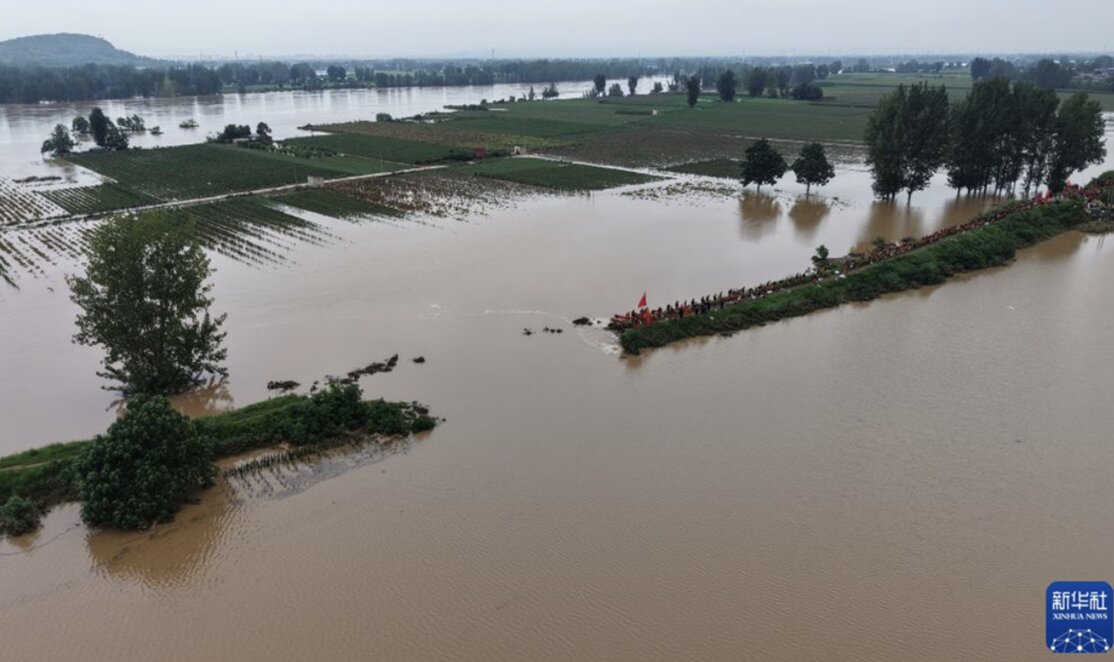
On 29 September, The Kathmandu Post reported that all three major overland crossings between Nepal and ChinanRasuwagadhi-Kerung, Tatopani and Korala have been disrupted by floods, landslides and road damage ahead of Dashain, Nepal’s major Hindu festival. Rasuwagadhi-Kerung has remained closed since the devastating 26 August flood, while China has kept Tatopani closed for about a month. Korala became the latest crossing to be affected after heavy rain triggered flooding, landslides and road erosion along the Beni-Jomsom section of the Kali Gandaki corridor. The disruption has stranded hundreds of containers and affected the movement of vehicles, commercial goods and daily necessities. More than 200 containers were reportedly parked at the Korala Customs yard, while more than 45 containers carrying goods remained stranded on the Chinese side near Tatopani. Traders warned that prolonged closures could affect supplies and prices during the festive season. The disruption is significant for Nepal-China trade, with China accounting for about 14 per cent of Nepal’s total foreign trade and around 17 per cent of its imports. The simultaneous closure of the three routes has temporarily interrupted Nepal’s principal overland trade channels with China.
(“All three major Nepal-China crossings hit by monsoon disruptions ahead of Dashain,” The Kathmandu Post, 29 September 2026)
https://kathmandupost.com/money/2026/09/29/all-three-major-nepal-china-crossings-hit-by-monsoon-disruptions-ahead-of-dashain
Nepal proposes trilateral cooperation with India and China to address GLOF risks
On 28 September, The Kathmandu Post published an analysis examining how Nepal, India and China could cooperate on glacial lake outburst flood (GLOF) risks following Nepal’s proposal for a Himalayan Climate Resilience Mechanism. The proposal, raised by Prime Minister Balendra Shah at the UN General Assembly, calls for sharing satellite data and scientific expertise, monitoring dangerous glacial lakes, strengthening early-warning systems and coordinating assistance across borders. The article noted that Nepal and the wider Hindu Kush Himalaya are experiencing glacier retreat, permafrost degradation and increasing slope instability, which can interact to produce cascading hazards including avalanches, landslides and GLOFs. It identified 47 potentially dangerous glacial lakes relevant to Nepal: 21 in Nepal, 25 in the Tibet Autonomous Region of China and one in India. Because a lake can lie in one country while its potential flood pathway affects another, the article argues that risk management requires cross-border information and coordination. The proposed approach would combine continuous satellite observation, multi-hazard risk assessment and operational early-warning systems. The article presents GLOF monitoring as a possible starting point for broader Himalayan disaster-risk intelligence and regional scientific cooperation.
“Can Nepal, India and China team up to beat GLOF risks?” The Kathmandu Post, 28 September 2026
https://kathmandupost.com/columns/2026/09/28/can-nepal-india-and-china-team-up-to-beat-glof-risks
Tibetans and Uyghurs protest Xi Jinping’s US visit in Washington
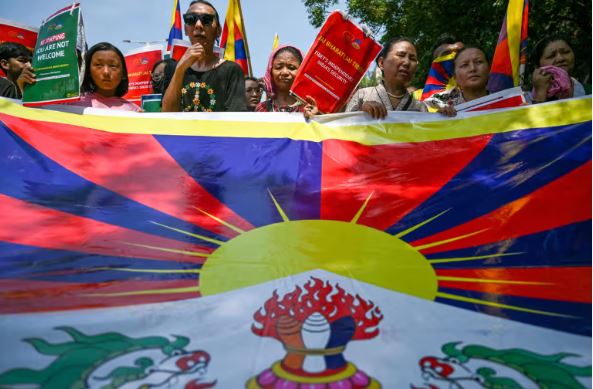
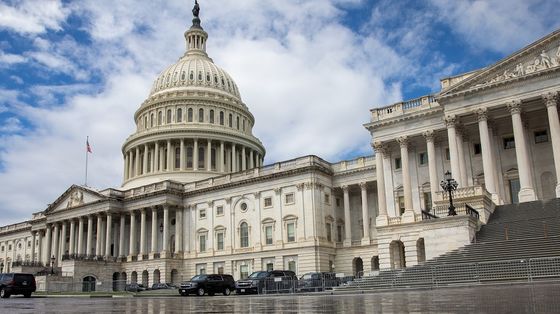
On 25 September, ANI reported that Tibetans, Uyghurs and other diaspora communities held protests in Washington during Chinese President Xi Jinping’s three-day visit to the United States. Demonstrators called for greater international attention to human-rights concerns in Tibet and East Turkistan/Xinjiang, with Tibetan protesters raising slogans including “We want China out of Tibet.” The mobilisation included a demonstration outside the Chinese Embassy, a march towards the US Capitol and a rally involving Tibetan, Uyghur, Hong Kong, Southern Mongolian and Chinese democracy activists. The protests brought together organisations representing different diaspora communities, with speakers drawing parallels between their concerns over religious, linguistic and cultural restrictions. Uyghur Human Rights Project Executive Director Omer Kanat also criticised policies affecting Tibetan and Uyghur communities, particularly in relation to religious practice, language and education. These positions represent the views of the participating advocacy groups and were contested by Beijing, which rejects such characterisations of its policies. The demonstrations added a human-rights dimension to Xi’s Washington visit and placed Tibet and Xinjiang among the issues raised by diaspora organisations during high-level US-China engagement.
(“We want China out of Tibet”: Tibetans, Uyghurs hold anti-China protests in Washington over Xi’s US visit,” ANI, 25 September 2026)
https://news.webindia123.com/news/articles/world/20260925/4503289.html
Pakistan’s first Chinese-built Hangor submarine conducts missile firing
On 27 September, Telegraph India reported that Pakistan’s newly inducted Chinese-built PNS/M Hangor submarine conducted its maiden live weapon firing in the North Arabian Sea. The Pakistani Navy said the submarine successfully engaged a designated long-range target using an anti-ship cruise missile. The exercise was witnessed by Pakistan Navy Chief Admiral Naveed Ashraf, who highlighted the submarine’s combat capabilities and the importance of strengthening Pakistan’s undersea capabilities. The Hangor is the first of eight Hangor-class submarines that Pakistan is acquiring from China under the two countries’ long-standing defence cooperation. The vessels incorporate air-independent propulsion, advanced sensors, combat systems and stealth features. The first submarine arrived in Karachi in June after being constructed in China. Pakistan has described the programme as an important component of its naval modernisation and maritime defence planning. The missile test marks a new operational milestone in China-Pakistan naval cooperation and follows earlier collaboration on platforms such as the jointly developed JF-17 fighter aircraft. (“After JF-17 fighter jets, Pakistan gets Hangor submarine from China, tests missile,” Telegraph India, 27 September 2026)
https://www.telegraphindia.com/amp/world/after-jf-17-fighter-jets-pakistan-gets-hangor-submarine-from-china-tests-missile/cid/2181954
Nepal proposes Himalayan Climate Resilience Mechanism with India and China
On 25 September, The Hindu reported that Nepalese Prime Minister Balendra Shah proposed establishing a Himalayan Climate Resilience Mechanism involving Nepal, India and China. The proposal was presented during Nepal’s address to the 81st United Nations General Assembly and follows devastating floods and other climate-related disasters in the Himalayan region. Shah argued that the Hindu Kush Himalayan region is closely connected to the water, ecosystems, agriculture and livelihoods of around two billion people. Under the proposed mechanism, the three countries would share satellite data and technical expertise, monitor vulnerable glaciers, strengthen joint early-warning systems and coordinate assistance during cross-border disasters. Shah argued that the Himalayas should become a platform for international scientific and environmental cooperation rather than an area where information remains fragmented between countries. The proposal places China within a prospective regional framework for Himalayan climate and disaster governance alongside India and Nepal. It also reflects growing attention to the transboundary nature of glacier-related hazards, floods and other climate risks affecting downstream communities across national boundaries.
(“Nepal PM proposes establishing Himalayan Climate Resilience Mechanism with India, China,” The Hindu, 25 September 2026)
https://www.thehindu.com/
Bangladesh seeks Yunnan as gateway for expanding exports to China
On 27 September, Bangladesh Post reported that Bangladesh is seeking to use China’s Yunnan Province as a gateway for expanding exports to the Chinese market. Commerce Minister Khandakar Abdul Muktadir said Bangladesh should quickly operationalise proposed bonded warehouses and exhibition facilities in Yunnan to facilitate the entry of Bangladeshi products into a market of around 46.4 million people. A high-level Yunnan delegation led by Executive Vice Governor Zhao Junmin was visiting Dhaka for discussions on expanding economic cooperation. The two sides discussed establishing a road connection of approximately 1,200 kilometres from Chattogram through Myanmar to Kunming, which Bangladesh said could substantially reduce transport times and costs. Bilateral trade between Yunnan and Bangladesh exceeded 1.3 billion yuan in 2025. Yunnan officials also said Bangladesh is the first South Asian country covered by the province’s special trade-facilitation policy, including bonded warehouses, exhibition centres and customs facilities. Potential Bangladeshi exports discussed included jute and jute products, leather goods, frozen fish, fruits and other agricultural products, alongside greater cooperation in e-commerce, energy and technology.
(“Bangladesh eyes Yunnan as gateway to expand exports to China,” Bangladesh Post, 27 September 2026)
https://bangladeshpost.net/posts/bangladesh-eyes-yunnan-as-gateway-to-expand-exports-to-china-173819
Strengthening China ties identified as priority for Bangladesh’s economic revival
On 27 September, New Age reported that Bangladesh’s Prime Minister’s Political Adviser Zahir Uddin Swapon described stronger strategic and economic ties with China as a priority for the country’s economic recovery and development. He made the remarks at a reception in Dhaka for a high-level Chinese delegation from Yunnan led by Executive Vice Governor Zhao Junmin. Chinese Ambassador Yao Wen and senior Bangladeshi political figures also attended the event. Swapon highlighted the complementarity between China’s manufacturing and technological capabilities and Bangladesh’s young workforce. He also pointed to the substantial trade imbalance: Bangladesh imports more than US$22 billion in goods from China annually, while exports to China remain below US$1 billion. He referred to China’s duty-free access for Bangladeshi products and facilities in Kunming intended to support Bangladeshi exporters. The discussion also highlighted a proposed economic corridor connecting Kunming through Myanmar to Chattogram, linking Bangladesh’s export ambitions with wider regional connectivity. The remarks reflect Dhaka’s emphasis on China as a source of investment, technology, manufacturing cooperation and market access.
(“Strengthening China ties priority for Bangladesh’s economic revival: Swapon,” New Age, 27 September 2026)
https://www.newagebd.net/
CHINA AND AFRICA
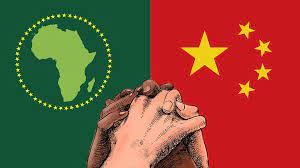
China upgrades military base in Djibouti to expand intelligence capabilities
On 27 September, SCMP reported that China upgraded its Djibouti military base with new communications infrastructure that could enhance the PLA’s regional communications and intelligence-gathering capabilities. CSIS satellite imagery identified two communications compounds with high-frequency VHF/UHF antennas, satellite dishes, probable 5G arrays, and radomes. Although there is no confirmation that China is actively intercepting foreign communications, the systems could monitor signal patterns, frequencies, origins and operational tempos of nearby US, Japanese and other forces. The upgrade is significant because Djibouti hosts several foreign military bases and is increasingly important to US regional operations. Analysts suggest the new capabilities could also support electronic warfare and PLA preparations.
(“China’s Djibouti base upgrade may give PLA eyes on foreign military in Middle East,” South China Morning Post, 27 September 2026)
https://www.scmp.com/news/china/military/article/3368246/djibouti-base-upgrade-may-offer-pla-window-foreign-military-middle-east-operations
CHINA AND EUROPE
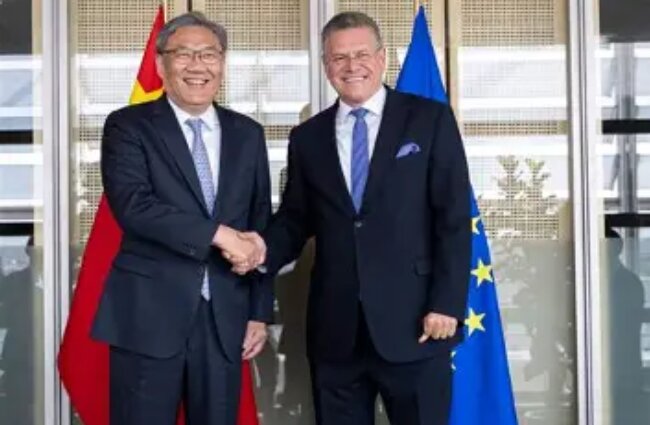
EU urges Beijing to accept import quotas or voluntary export restrictions
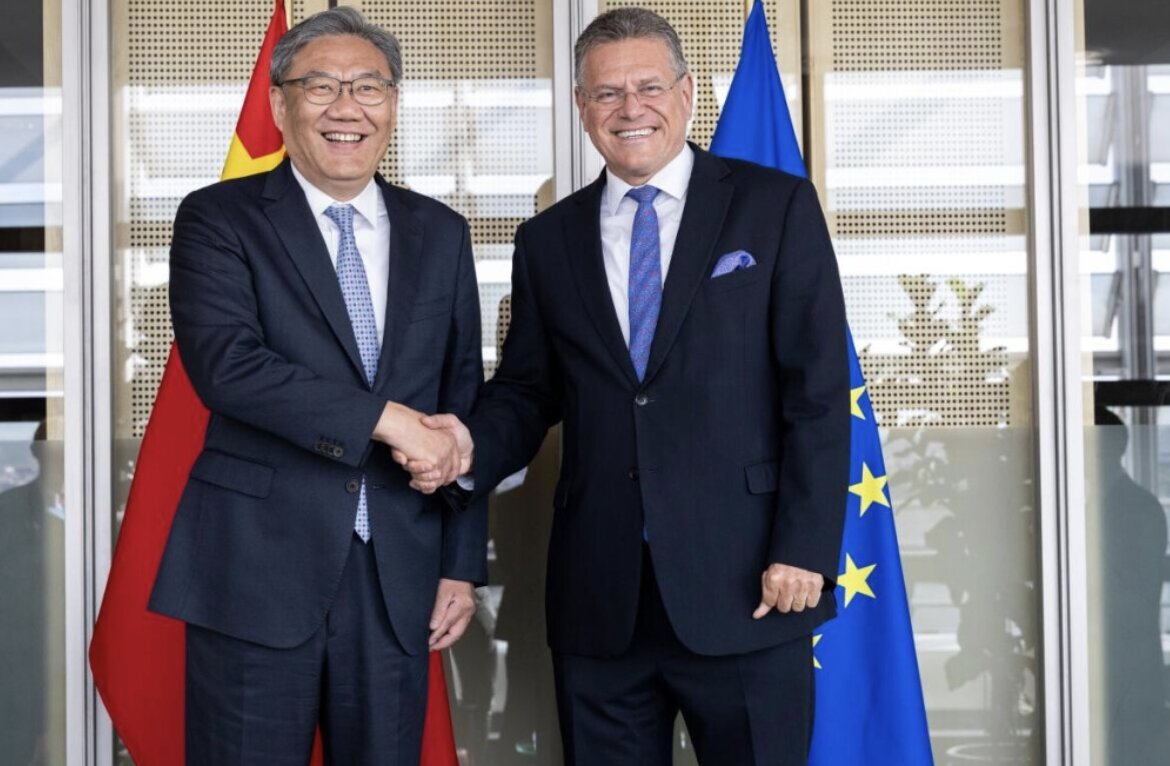
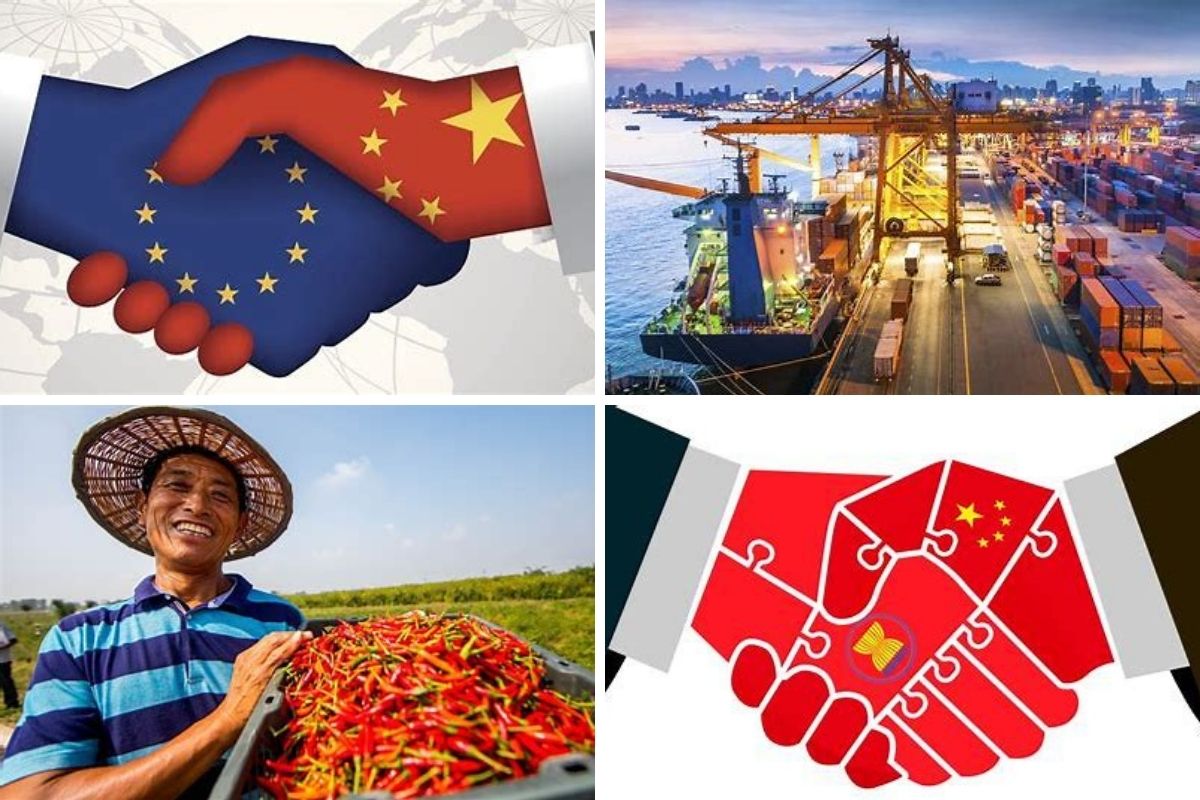
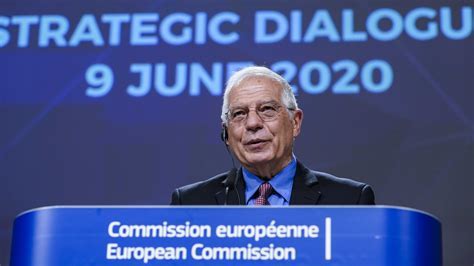
On 28 September, Euronews reported that the European Union is urging China to accept import quotas or voluntary export restrictions as Brussels seeks to rebalance its widening trade deficit with Beijing. Negotiations, launched in June, are approaching an October deadline for tangible results, with the EU threatening trade defence measures if progress remains limited. Brussels is particularly concerned about Chinese competition affecting industries such as chemicals, automobiles and other manufacturing sectors. However, Beijing has resisted any calls to limit exports, while questions remain over how any quota system would be enforced. EU Trade Commissioner Maroš Šefčovič is scheduled to visit Beijing on 08–09 October for crucial political discussions.
(“EU pushes China to accept import quotas in bid to rebalance trade,” EuroNews, 28 September 2026)
https://www.euronews.com/2026/09/28/eu-pushes-china-to-accept-import-quotas-in-bid-to-rebalance-trade
UK keeps tariffs on Chinese electric vehicles under review as it considers EU’s programme
On 27 September, Politico reported that the UK will keep tariffs on Chinese electric vehicles under review as it negotiates participation in the European Union’s proposed “Buy European” industrial programme. Business Secretary Jonathan Reynolds said Britain’s position was “finely balanced,” reflecting tensions between protecting domestic industry and avoiding Chinese retaliation against UK exports. The EU has urged Britain to raise tariffs over concerns that Chinese EVs could enter the EU market through the UK. Brussels is also developing measures restricting foreign manufacturers’ access to subsidies and public procurement. Secretary Reynolds argued that excluding UK supply chains could harm European industry, while continued uncertainty over Britain’s EU relationship risks delaying wider trade agreements.
(“Britain to keep tariffs on Chinese EVs ‘under review,’ UK business chief says,” Politico, 27 September 2026)
https://www.politico.eu/article/uk-tariffs-china-ev-review-jonathan-reynolds/
CHINA AND THE AMERICAS
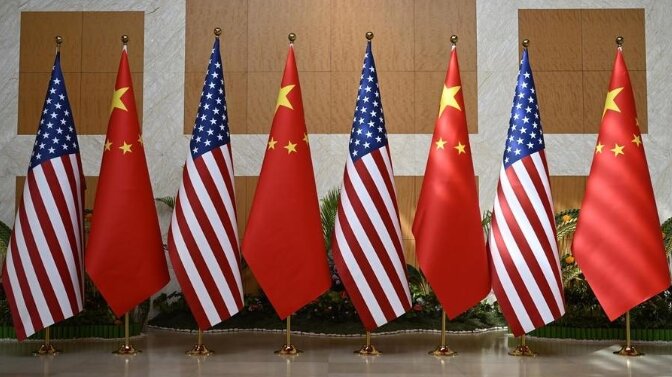
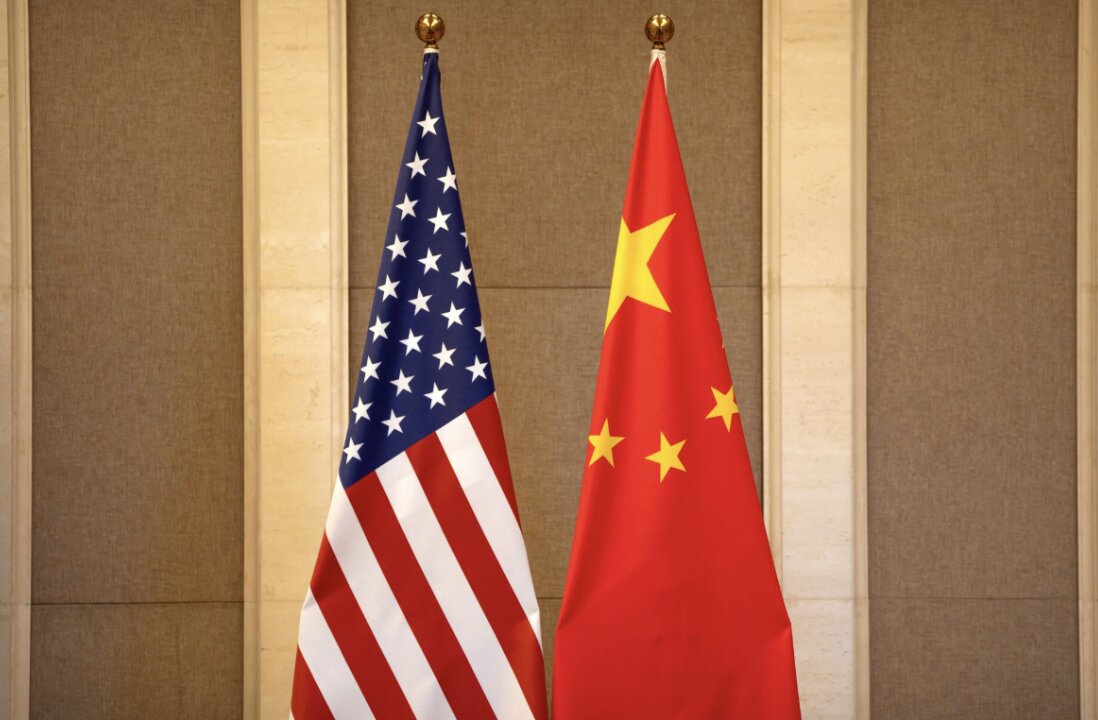
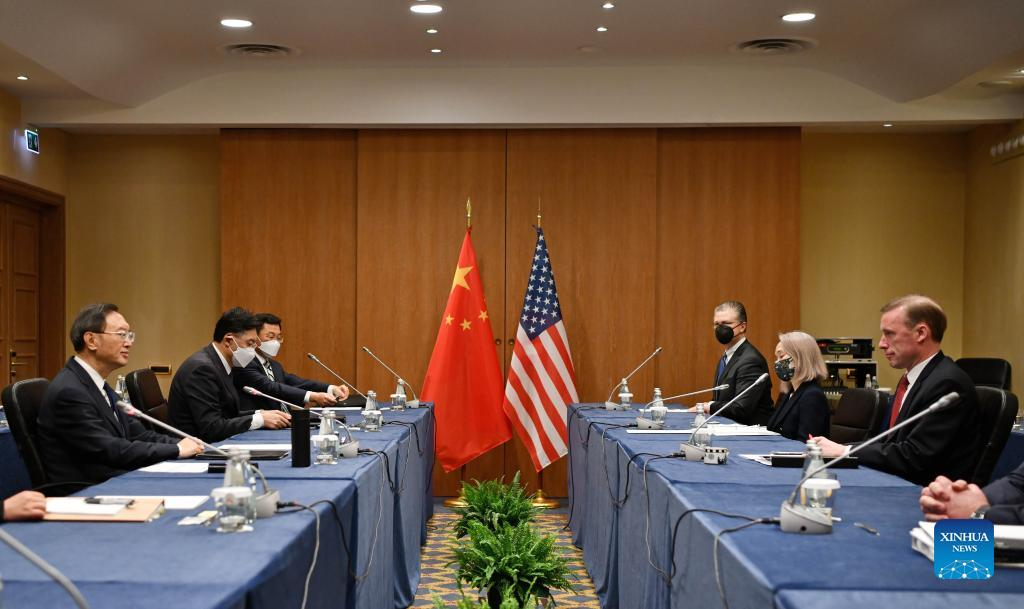
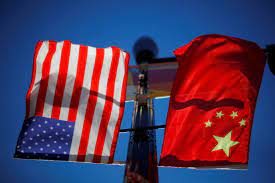
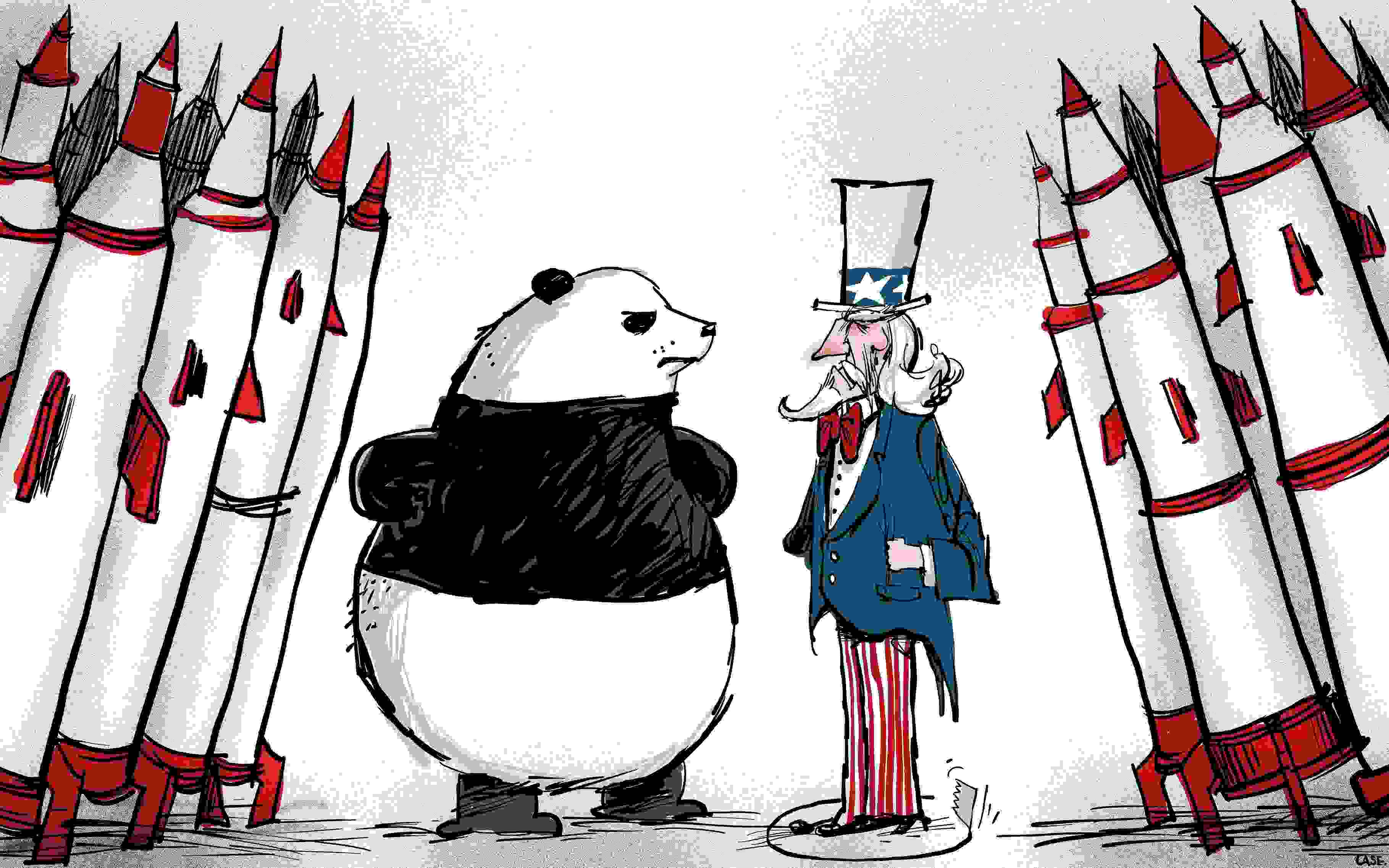
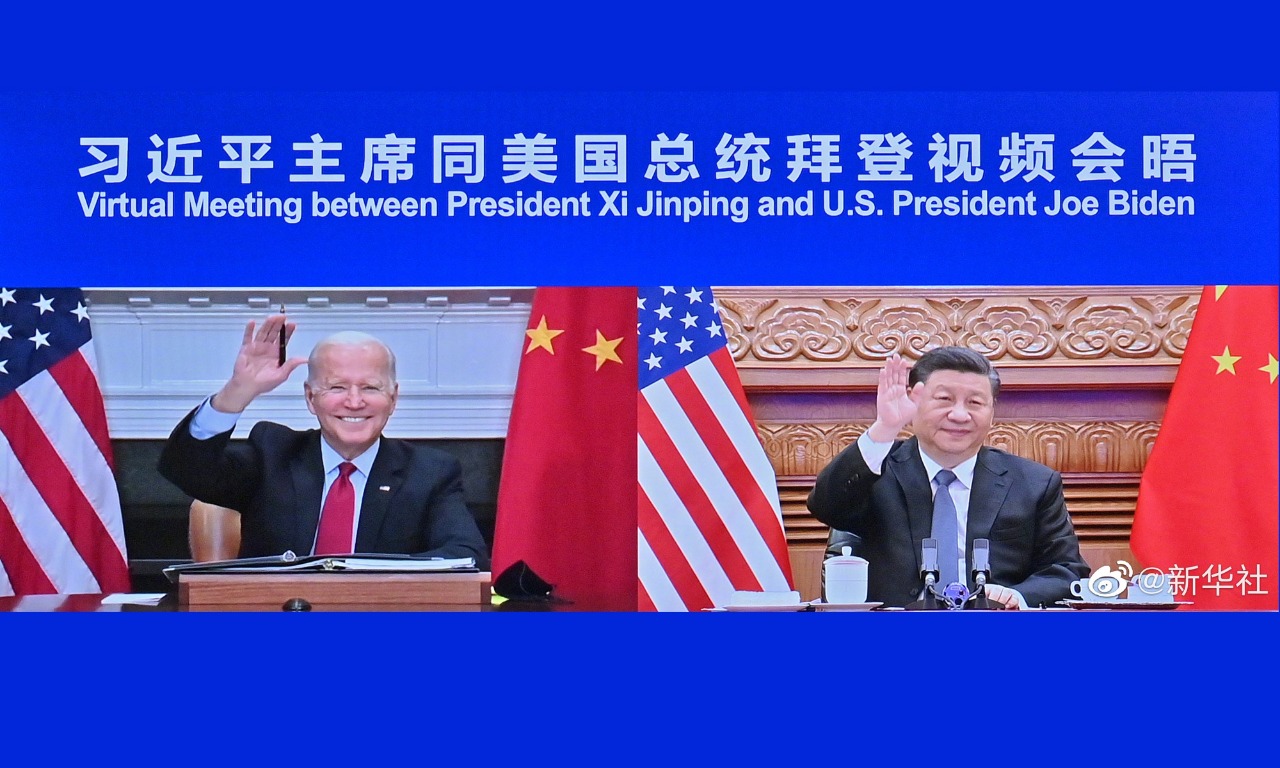
China and US agree to tariff cuts and coal imports; Discuss AI, connectivity and improved market access
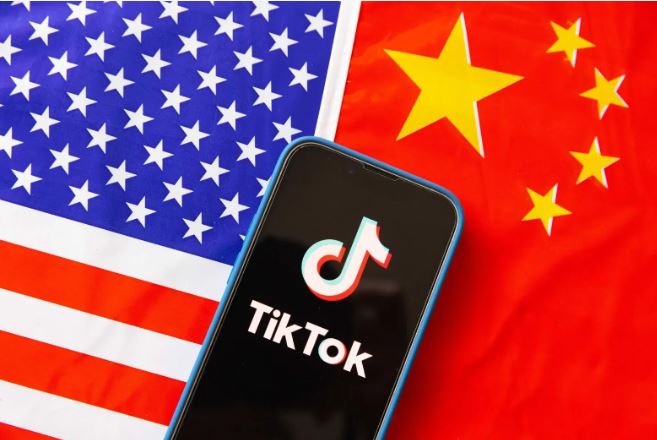
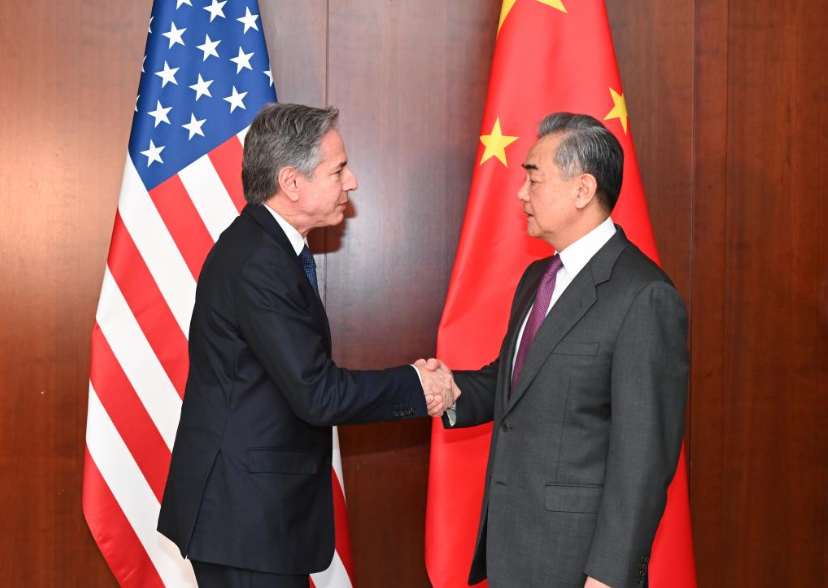
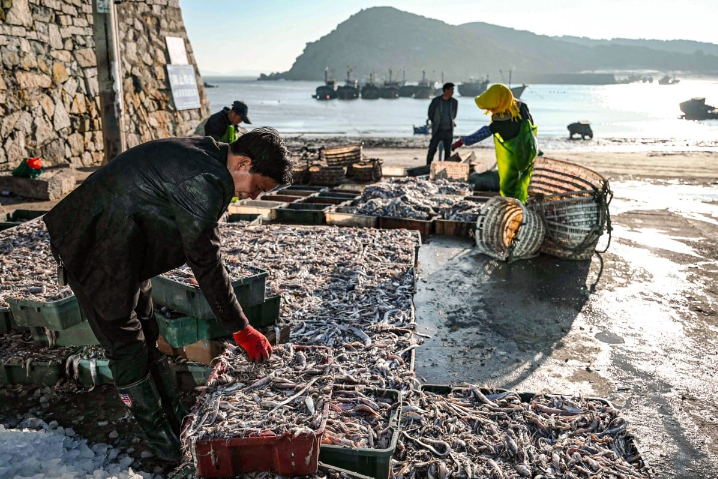
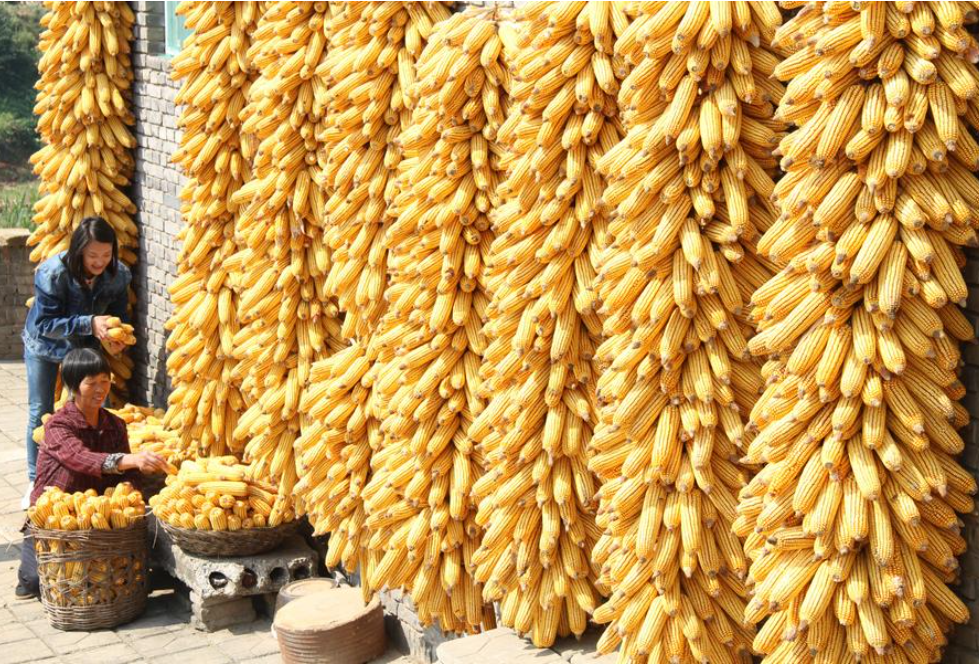
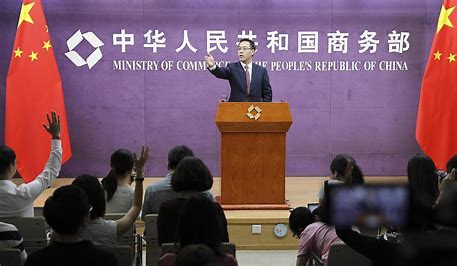
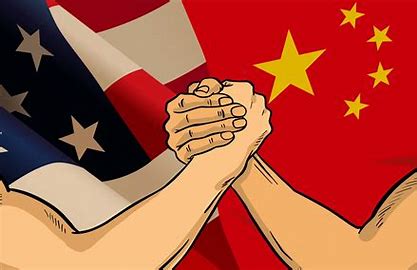
On 28 September, Reuters reported that China and the United States agreed to reduce tariffs on goods worth USD 60 billion, with each side identifying USD 30 billion of non-sensitive imports for preferential treatment. China will lower duties on US agricultural products including corn, wheat, meat and dairy, while excluding soybeans, alongside tariffs on seafood, wood, cosmetics and medical devices. The US will reduce tariffs on Chinese household appliances, toys, tableware, textiles and holiday decorations. The trade truce was extended to January 10, creating a more predictable environment for businesses. China also agreed to import US coal and continue discussions on AI and direct flights.
(“China, US agree tariff cuts on $60 billion of goods including agriculture, household items,” Reuters, 28 September 2026)
https://www.reuters.com/business/aerospace-defense/china-says-us-trade-truce-extension-creates-space-advance-talks-2026-09-28/
China challenges Washington’s policies on Iran and Cuba at the UNGA
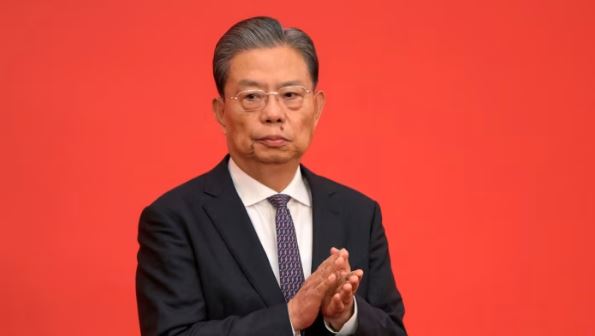
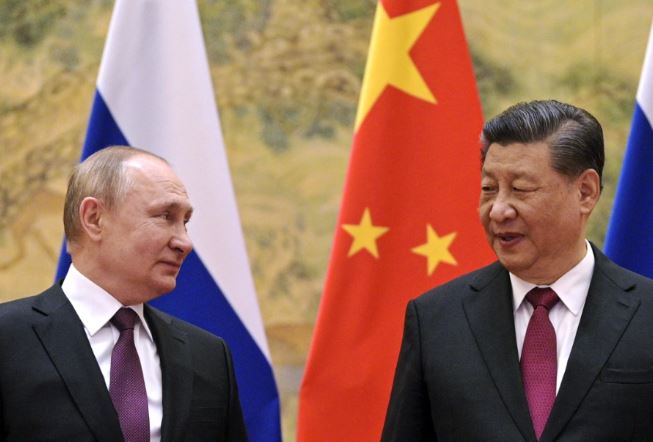
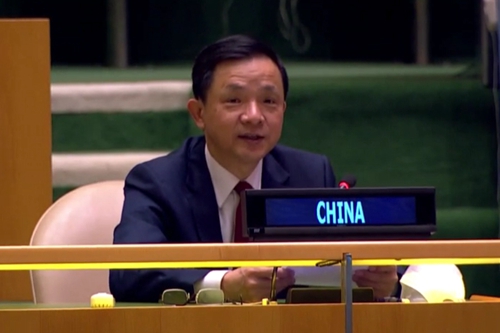
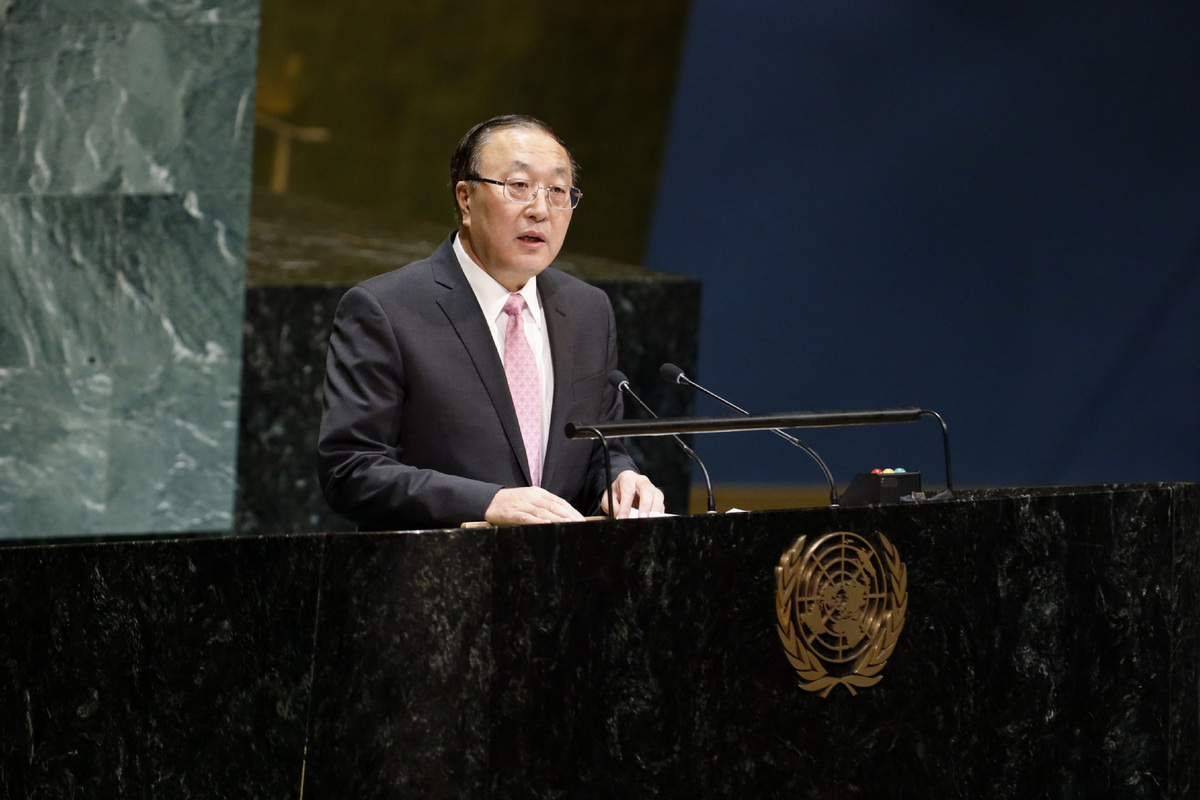
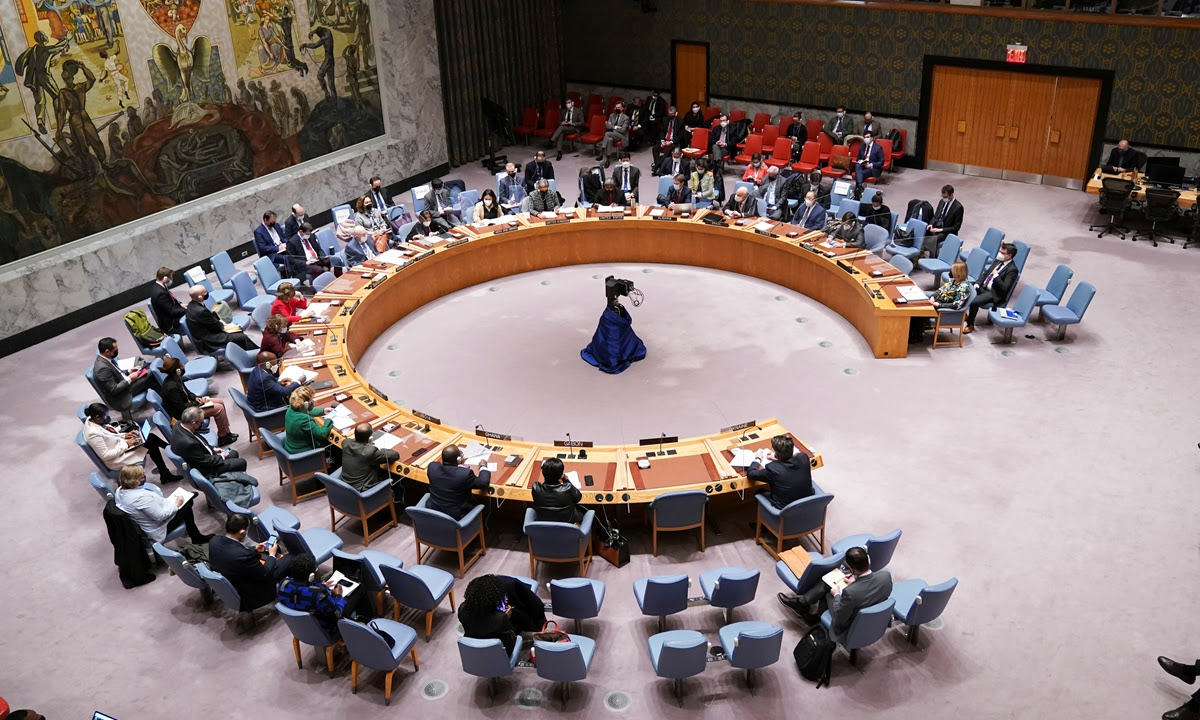
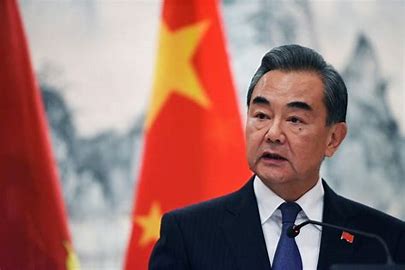
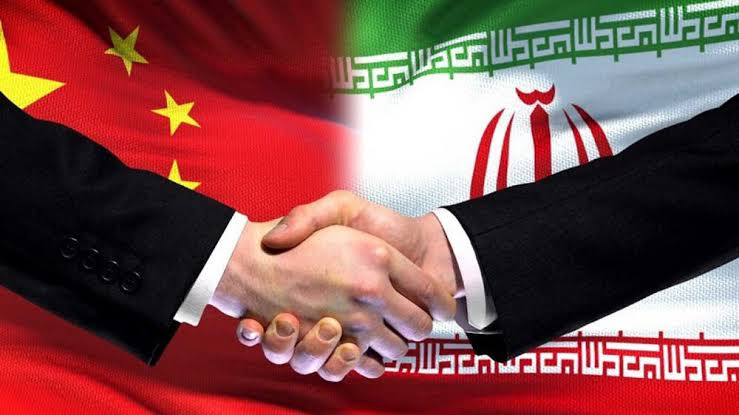
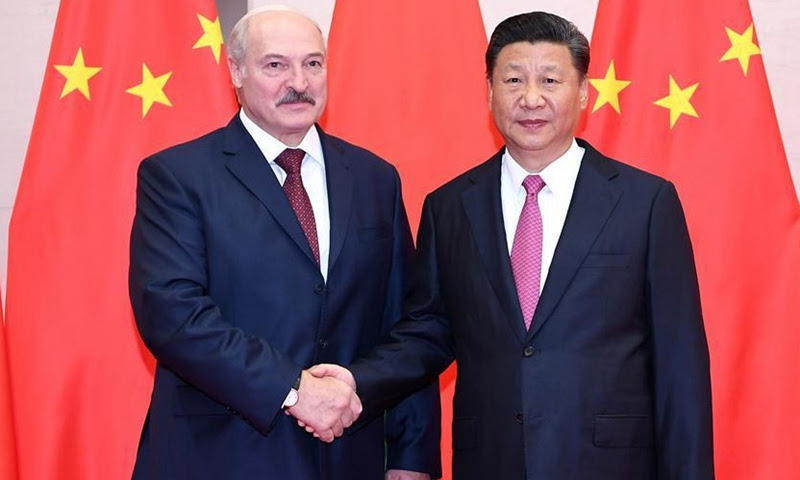
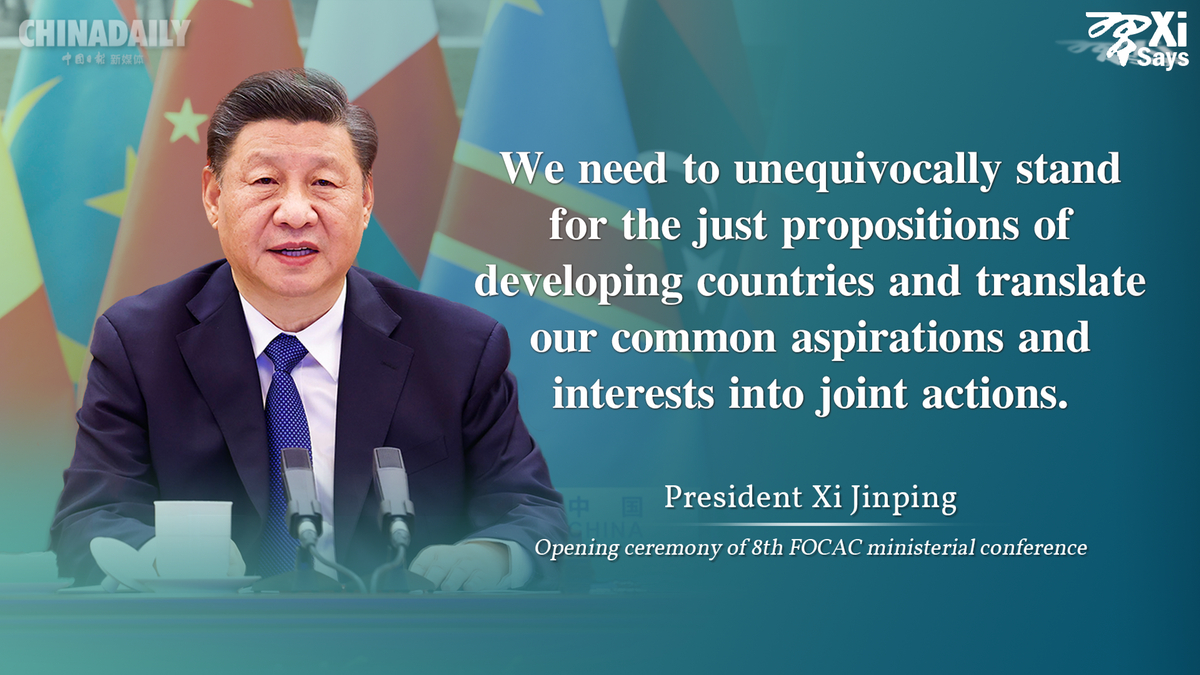
On 26 September, Reuters reported that China used its UN General Assembly speech to criticise US policies toward Iran and Cuba, without directly naming Washington. Vice President Han Zheng stressed that the sovereignty and security of Middle Eastern countries, including Gulf states, must be respected, following US concerns over China’s alleged support for Iran. The remarks were in contrast with the cordial atmosphere of the recent Trump-Xi summit, where Washington warned Beijing against supporting Tehran. Vice President Han presented China as a defender of developing countries and advocated equal sovereignty.
(“China pushes back against US on Iran and Cuba in UN speech,” Reuters, 26 September 2026)
https://www.reuters.com/world/china/china-pushes-back-against-us-iran-cuba-un-speech-2026-09-26
President Trump denies envoy’s statement of weapon sale to Beijing
On 28 September, The Guardian reported that the US Ambassador to China, David Perdue, said that President Trump offered to sell US weapons to China’s President Xi Jinping. Ambassador Perdue stated, “President Trump continues to say, ' Hey, we sell arms to other people around the world. He actually asked President Xi, ' Would you like to buy some at one point.” The statements come at a critical juncture with regard to both Taipei and Beijing. President Trump has often been questioned on his ambiguous stance on Taiwan. Since May 2026, he has kept an arms package to Taiwan worth USD 14 billion dollars in abeyance, claiming it is a “very good negotiating chip” with China. On 29 September, The Times of India reported that President Trump has denied any offer of US arms sales to China. He was quoted on Ambassador Perdue’s statement as “To China? You mean to Taiwan? I never heard of that one. I'm going to have to ask him.” President Trump, however, did imply that arms sales to China are not a bad idea, and believed that US arms are of superior quality. In addition to that, he re-emphasised, “So maybe it's a good idea. But we didn't discuss it. He may have been talking about Taiwan. I think he was probably talking about Taiwan.” The US Department of State has vehemently clarified Washington’s position, stating that “US law prohibits arms sales to China and there is no offer or plan to sell arms to China.”
(“Trump asked Xi Jinping if China would like to buy US weapons, American ambassador says,” The Guardian, 28 September 2026; “Trump denies offering US arms to China’s Xi, contradicts his own envoy,” The Times of India, 29 September 2026)
https://www.theguardian.com/world/2026/sep/28/trump-xi-jinping-china-buy-weapons
https://timesofindia.indiatimes.com/world/us/trump-denies-offering-us-arms-to-chinas-xi-contradicts-his-own-envoy/articleshow/134550046.cms
|




































.png)
.jpg)
.jpg)
.jpg)
.jpg)
.jpg)
.jpg)
.jpg)
.jpg)
.jpg)
.png)

.jpg)
.jpg)
.jpg)
.jpg)
.jpg)
.jpg)
.jpg)

.jpg)
.jpg)
.jpg)
.jpg)
.jpg)

.jpg)
.jpg)
.jpg)
.jpg)
.png)
.jpg)
.jpg)
.png)
.jpg)
.jpg)


.jpg)
.jpg)
.jpg)
.jpg)
.jpg)
.jpg)
.jpg)
.jpg)
.jpg)

.jpg)
.jpg)
.jpg)
.jpg)
.jpg)
.jpg)

.jpg)

.jpeg)



.jpeg)