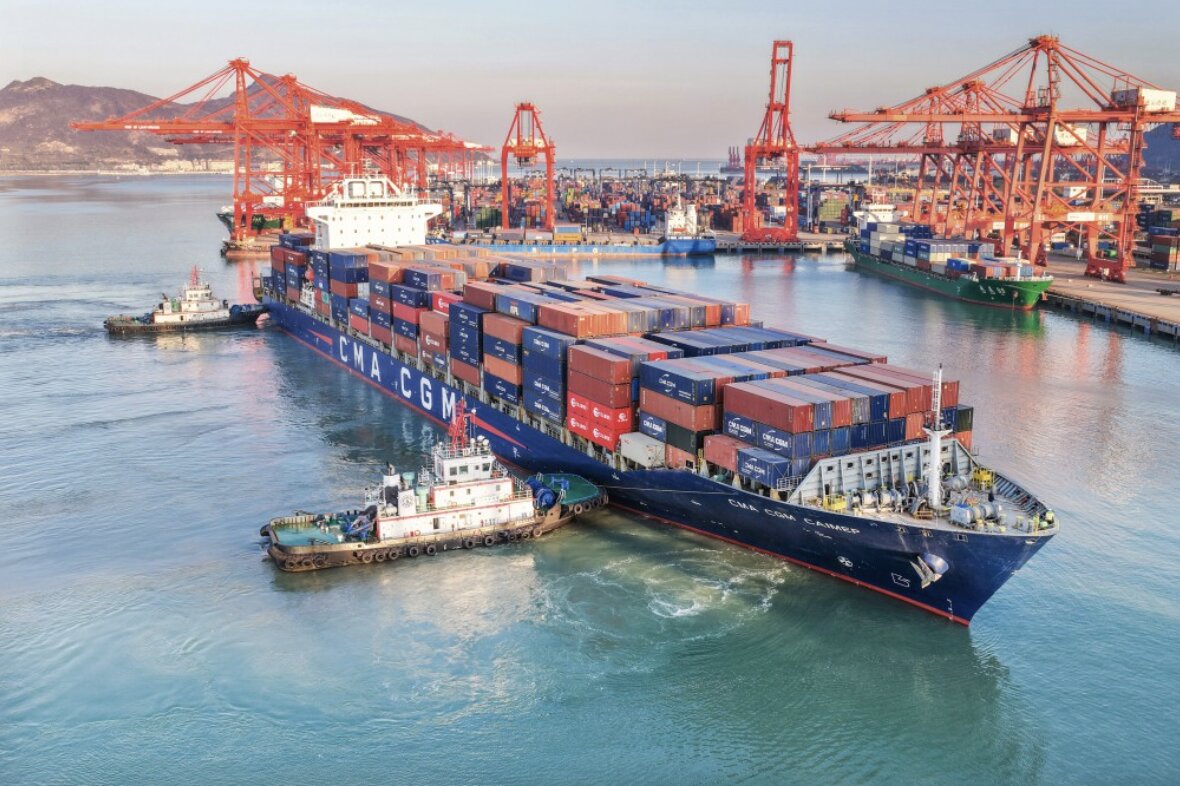
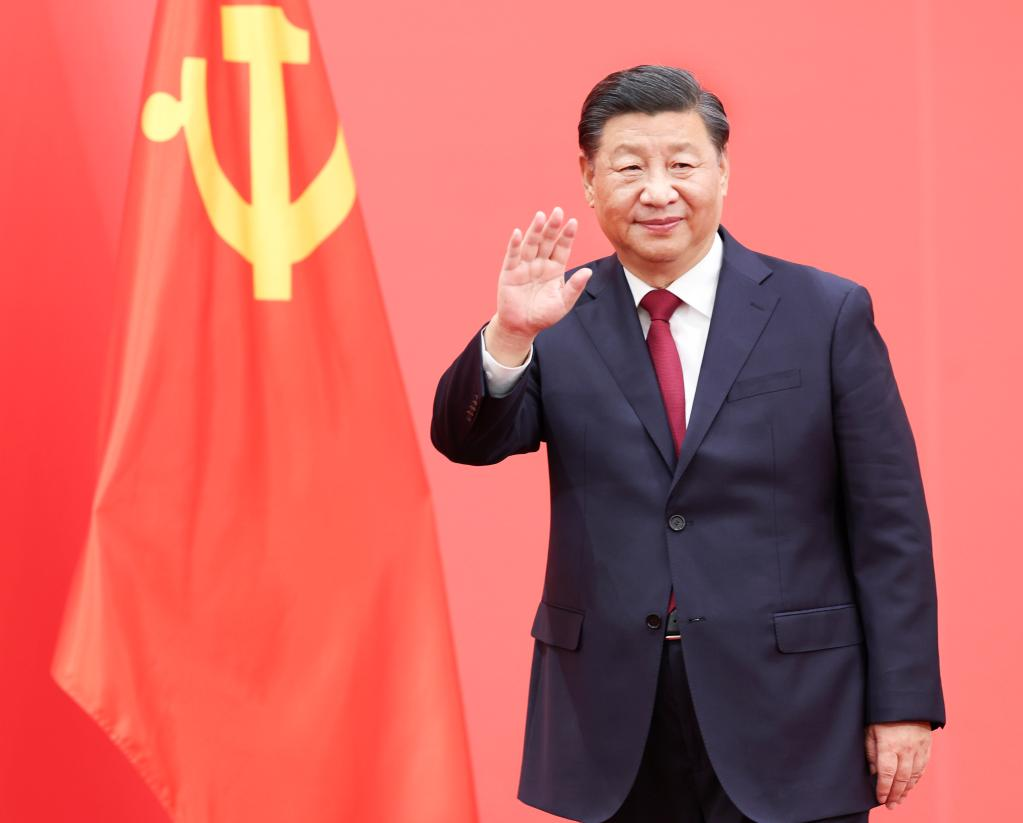
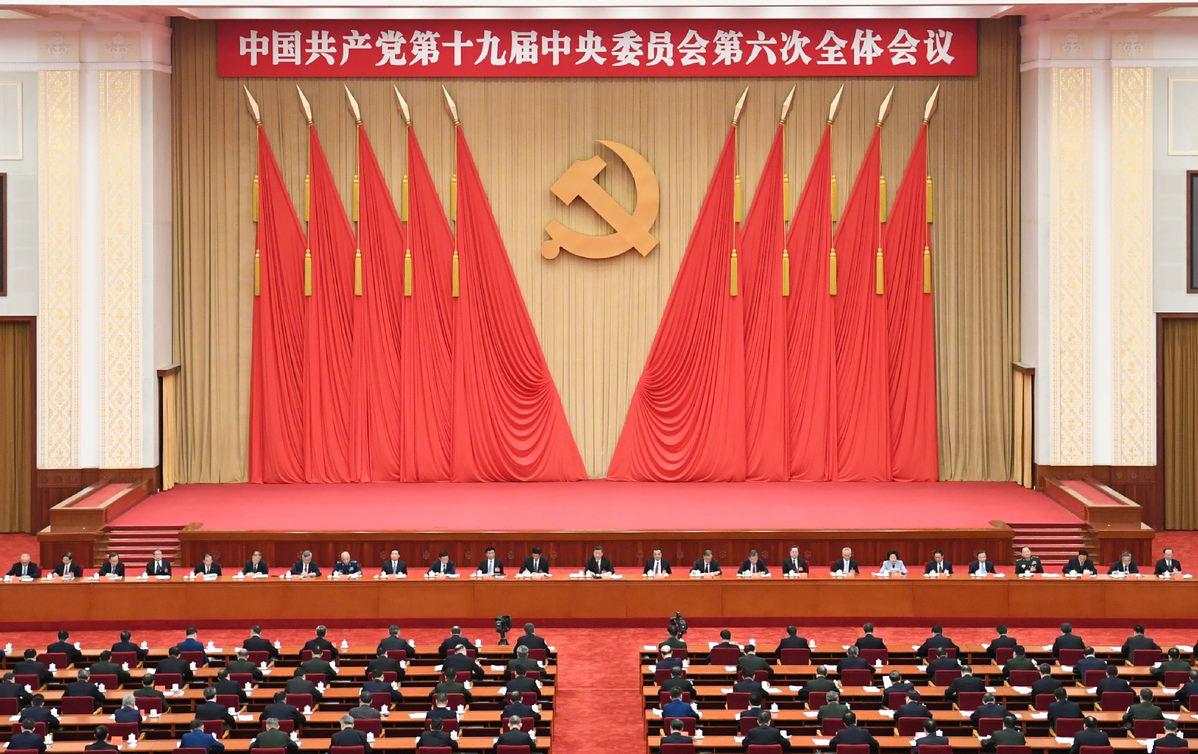
Photo : CMG


China Reader Daily Wire | 30 September 2026, Wednesday | Vol 3 No. 145
In Brief
NUCLEAR
Private energy firm achieves hydrogen-boron fusion
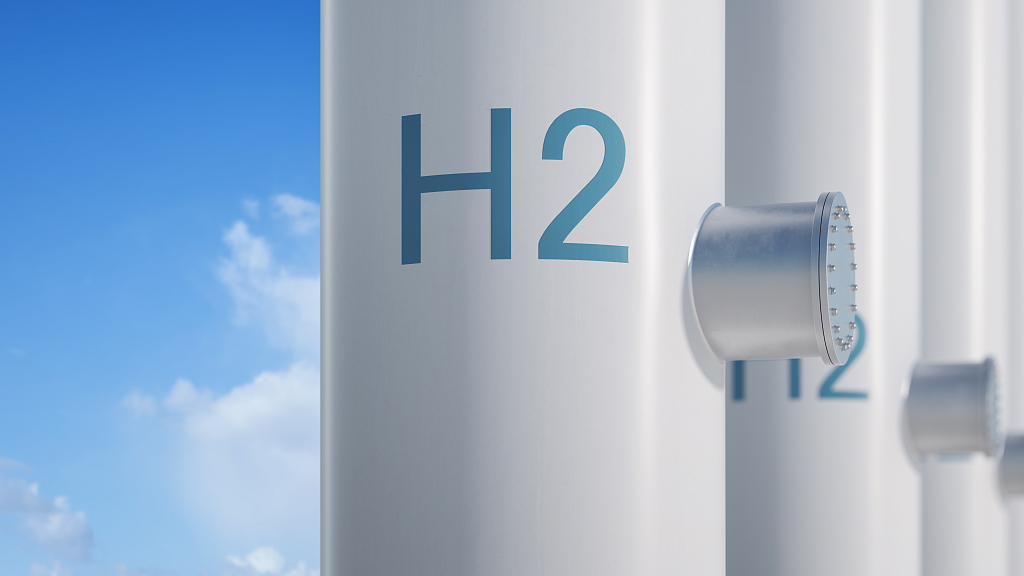
On 28 September, SCMP reported that China’s private energy firm ENN Group has achieved a milestone in clean energy tech by triggering and controlling a hydrogen-boron nuclear fusion reaction using its custom EXL-50U compact tokamak. This marks the first time a private commercial firm has achieved this reaction on its own device. It advances a major clean alternative to mainstream Deuterium-Tritium (D-T) fusion models. While D-T fusion relies on rare, radioactive tritium and releases destructive neutrons, ENN Group's hydrogen-boron approach is completely neutron-free, fusing a hydrogen proton with a boron-11 nucleus to produce harmless helium and clean energy without hazardous radiation. To overcome the immense technical difficulty of this pathway, the ENN team combined high-energy neutral beam injections with radio frequency waves to target the "first resonance peak," pushing the fusion rate past 100 million times per second. ENN has also already broken ground on its next-generation Helong-2 device, aiming to reach plasma temperatures of 100 million degrees Celsius and commercialise fusion power by 2035.
(“Chinese commercial reactor achieves nuclear fusion with clean hydrogen-boron fuel, SCMP, 28 September 2026)
https://sc.mp/8fhso
POLAR
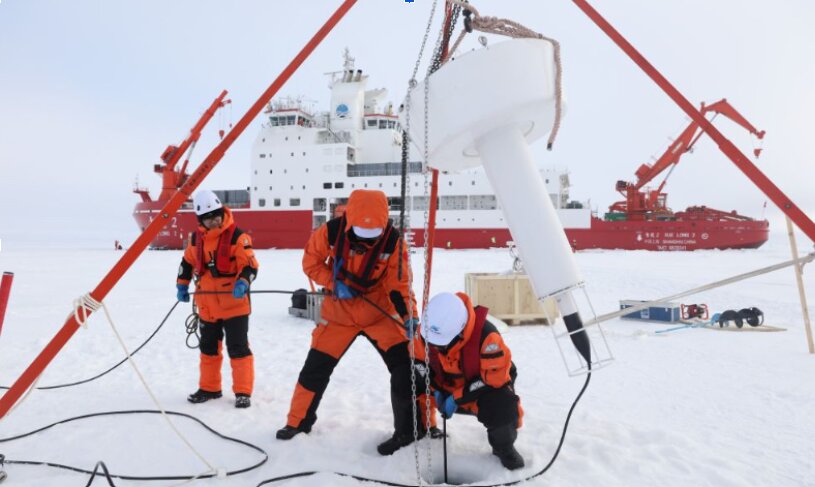
Chinese icebreakers complete 16th Arctic expedition
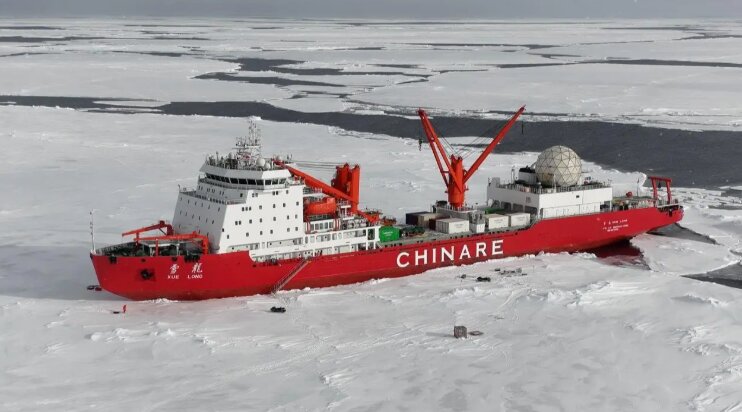
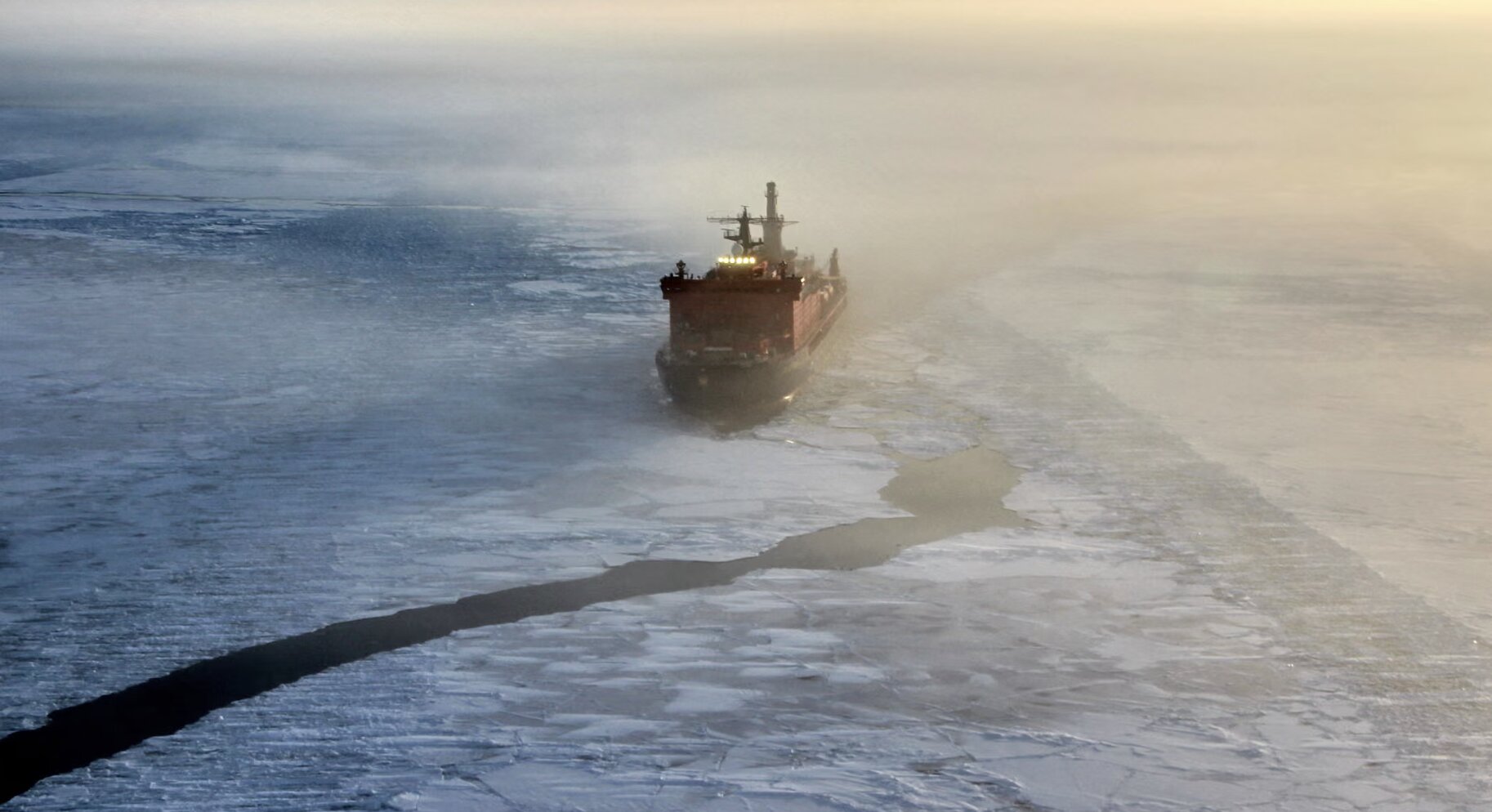
On 30 September, CGTN News reported that China's icebreakers Xuelong and Xuelong 2 returned to Shanghai after completing the country's 16th Arctic expedition, which yielded several scientific advances over three months of surveys in the Chukchi Plateau, Canada Basin, and central Arctic Ocean. Researchers found an intensified inflow of subsurface warm water from the Pacific into the Canada Basin and discovered a new large hydrothermal plume area along the Gakkel Ridge, while also identifying a relatively large number of juvenile polar cod in high-latitude ice-covered areas, offering new insight into the Arctic ecosystem. The expedition also achieved a geophysical breakthrough, obtaining a complete 25-million-year electrical structure record of the lithosphere that challenged traditional plate-cooling models. Expedition head Wang Jinhui said the mission's scale and workload reached record highs, providing what officials described as strong support for understanding climate change and promoting sustainable development in the Arctic.
("China completes 16th Arctic expedition with new findings," CGTN News, 30 September 2026)
https://news.cgtn.com/news/2026-09-30/China-completes-16th-Arctic-expedition-with-new-findings-1QR2sX3GdPO/p.html
CHINA AND EAST ASIA
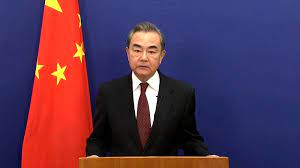
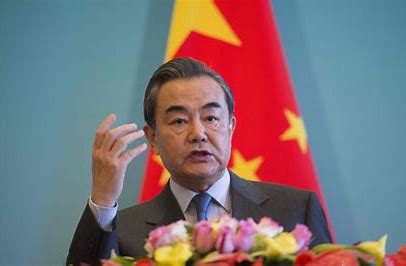
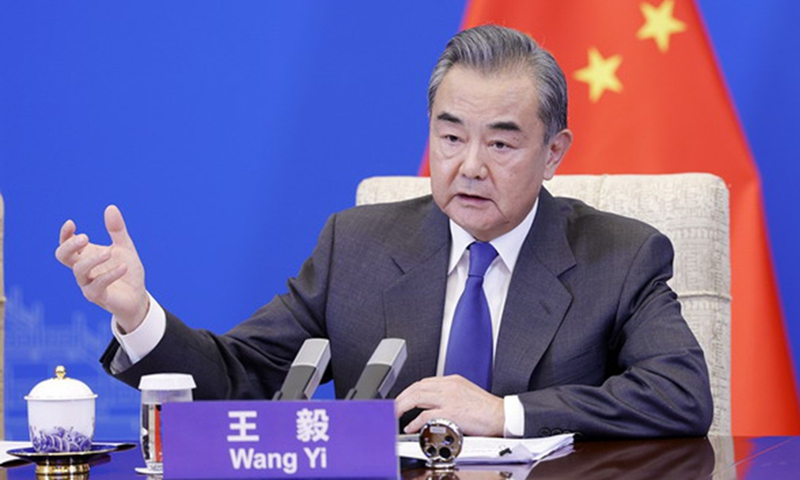
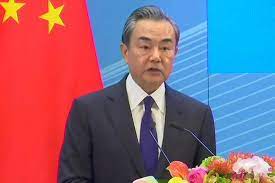
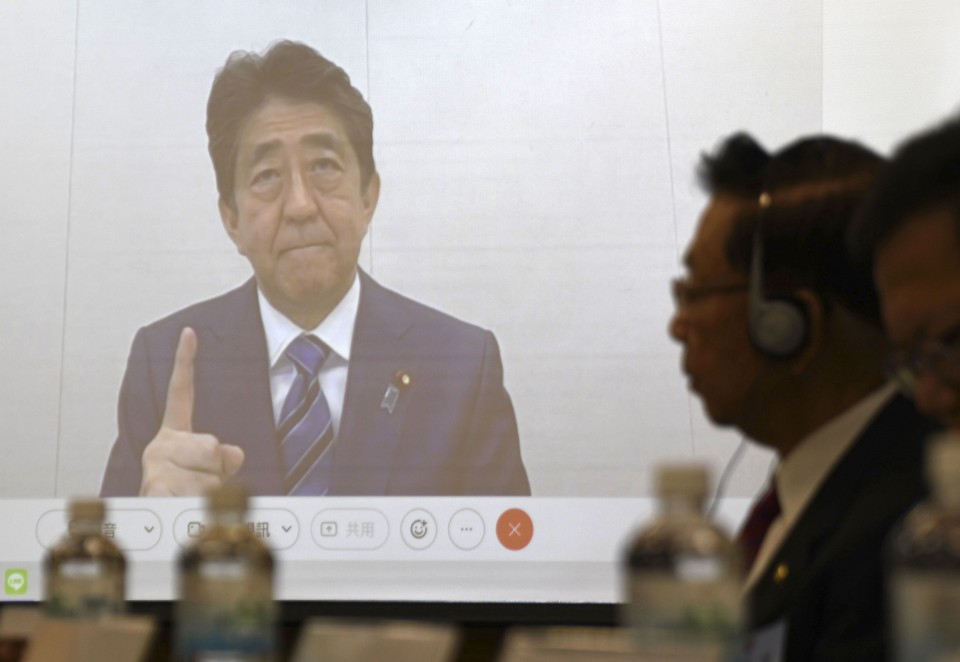
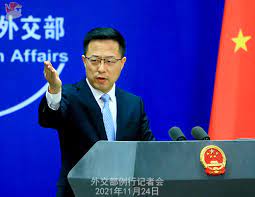
China’s Foreign Minister urges normalisation of ties with Japan
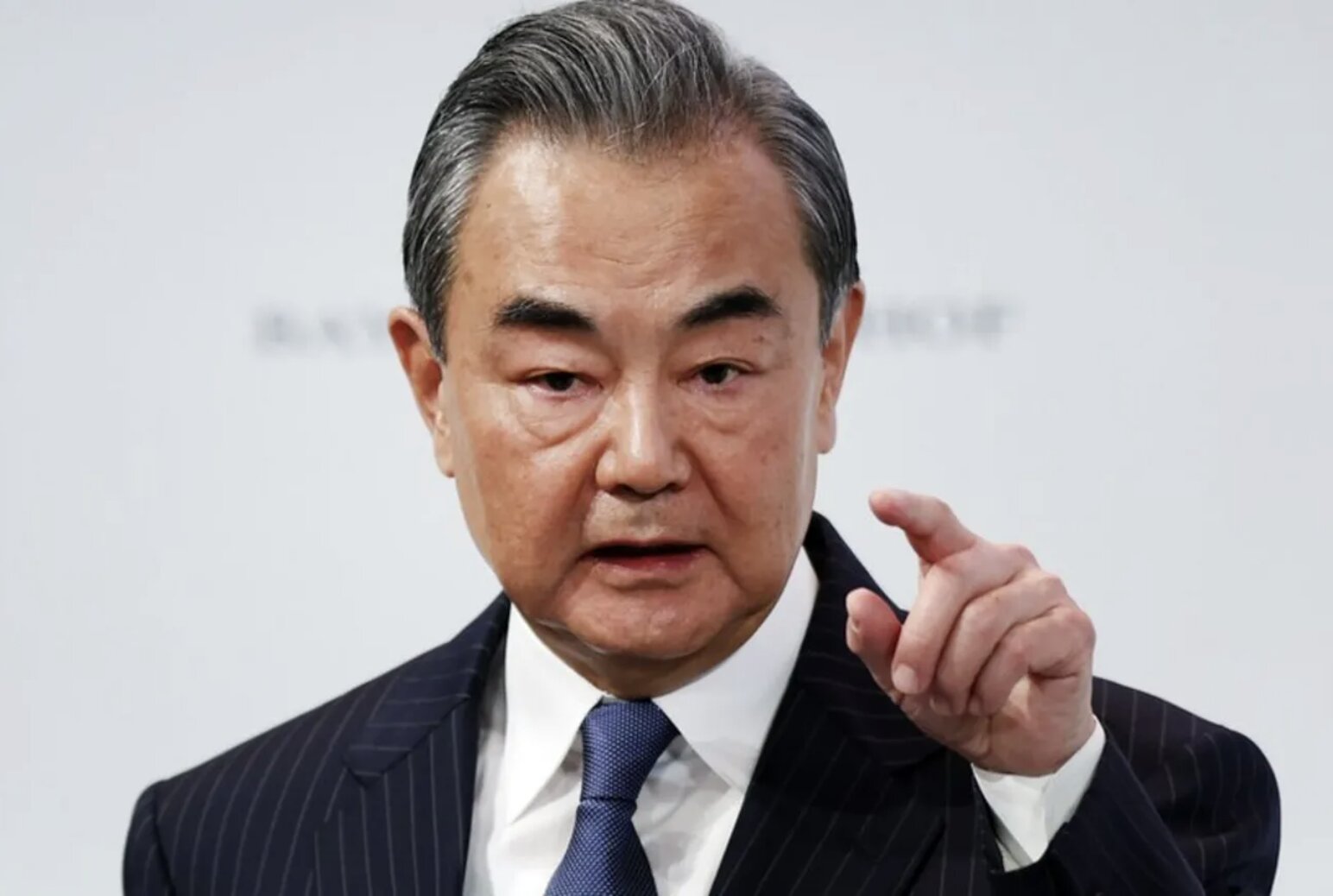
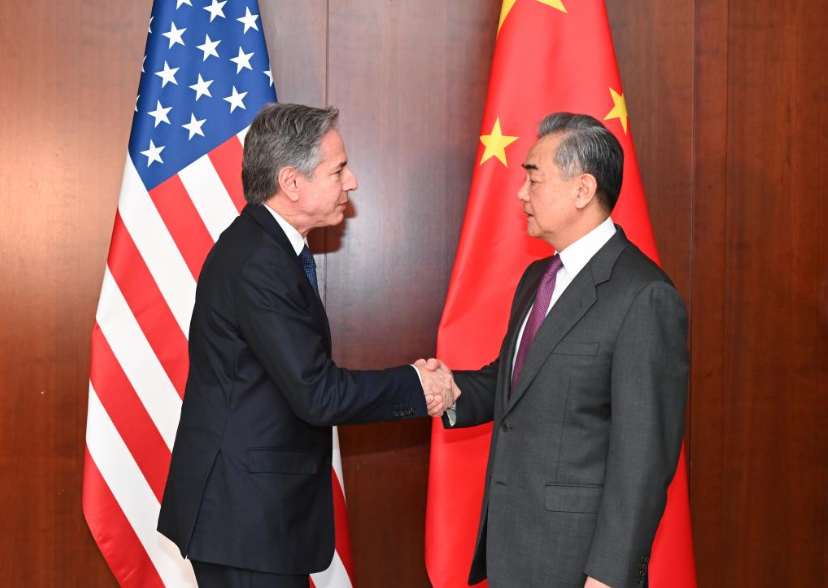
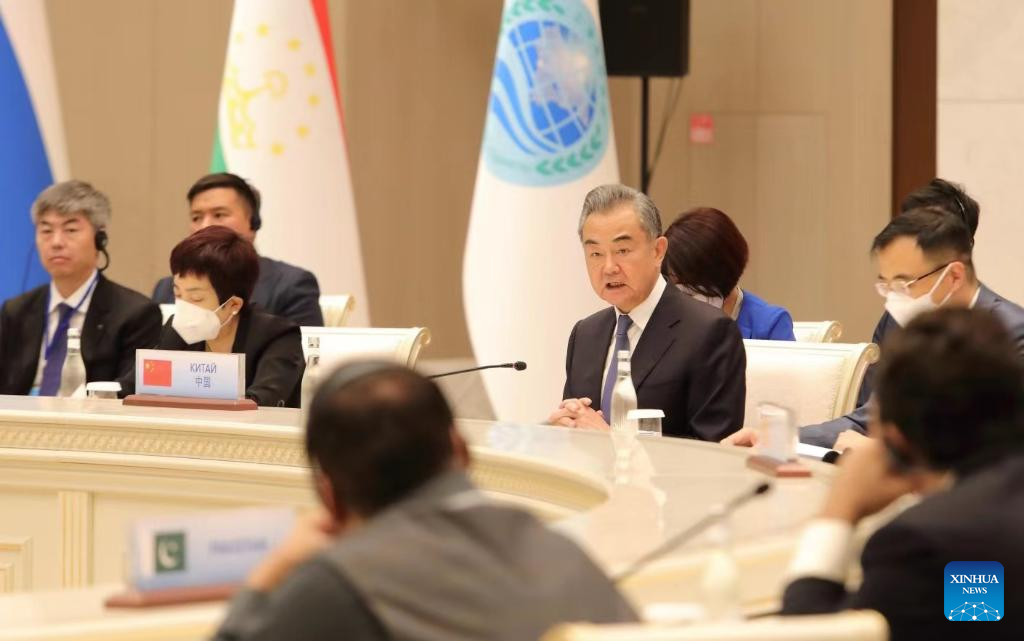
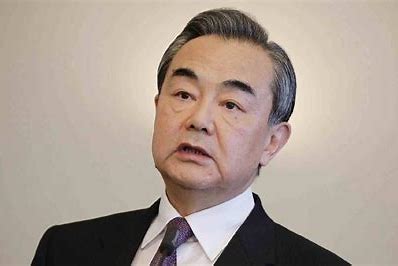
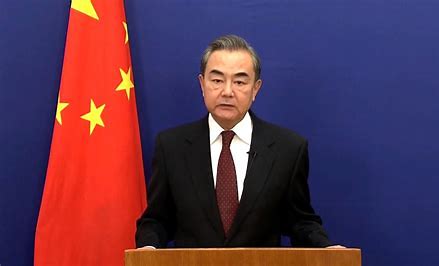
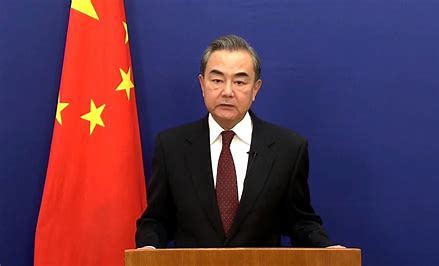
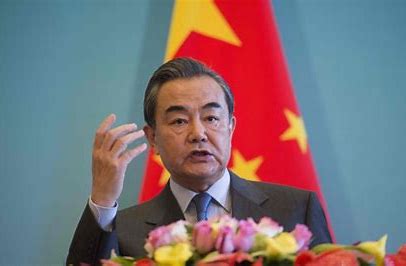
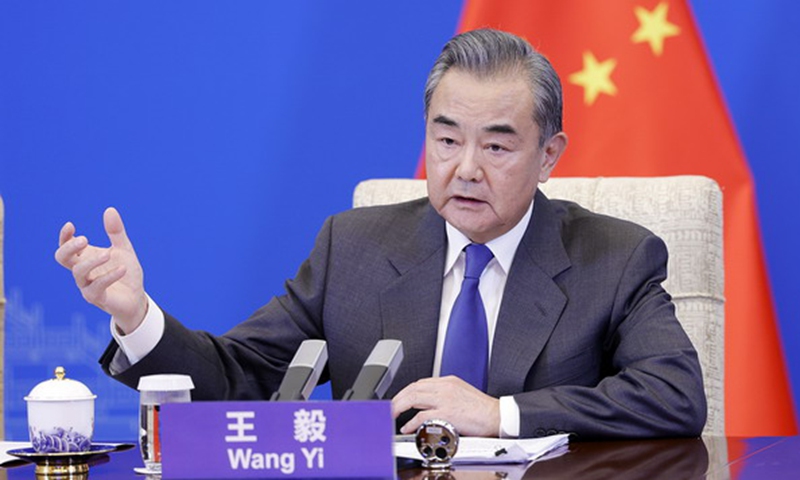
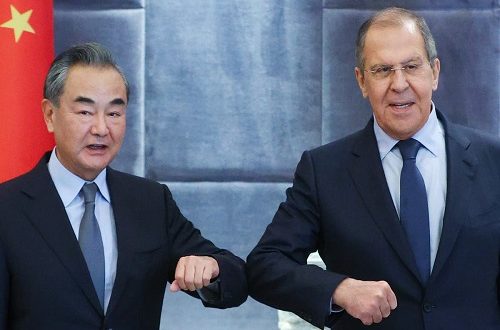
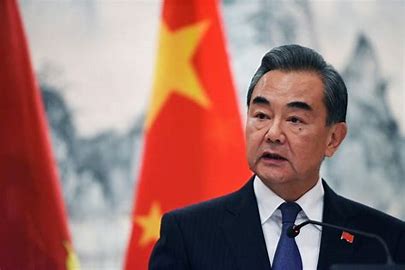
On 30 September, KDH News reported that China’s Foreign Minister Wang Yi called for the normalisation of ties with Japan, noting that their relations have reached an all-time low. Minister Wang made these comments while holding a meeting with Japan’s former Foreign Minister Takeshi Iwaya, who is currently on a visit to Beijing.
(“China says Japan ties need ‘normalisation’ again over Taiwan,” KDH News, 30 September 2026)
https://kdhnews.com/news/world/china-says-japan-ties-need-normalization-again-over-taiwan/article_9e3c50f3-2bb2-57c9-a6f5-e0b4b9b3ee34.html
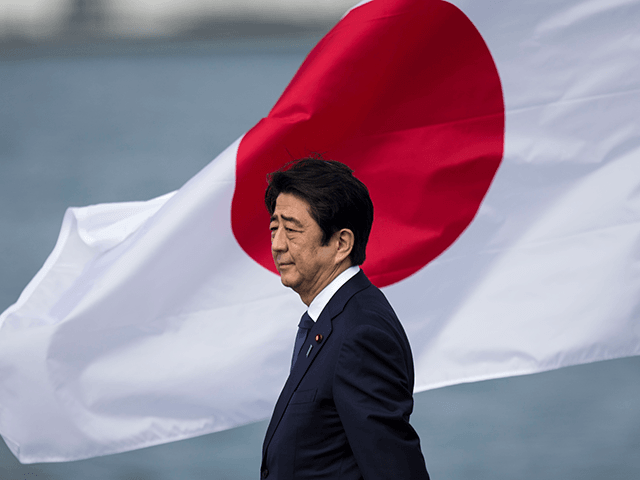
Japan’s UN representative pushes back on Chinese criticism of ‘enemy state’ categorisation
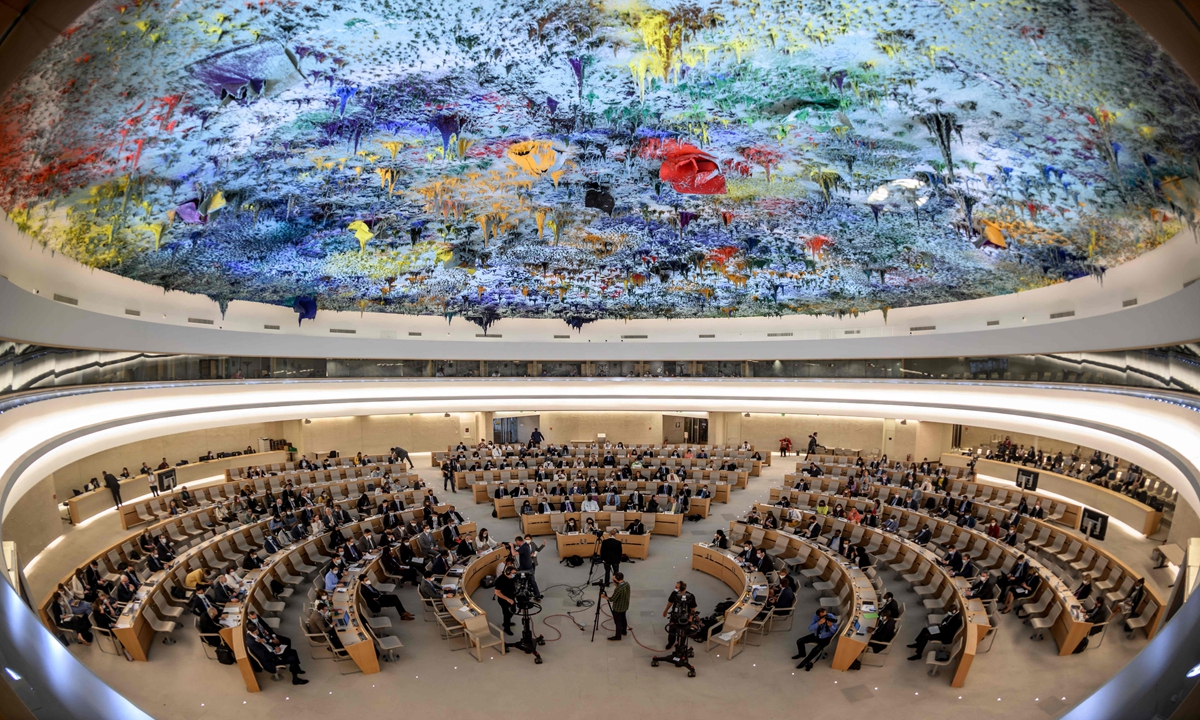
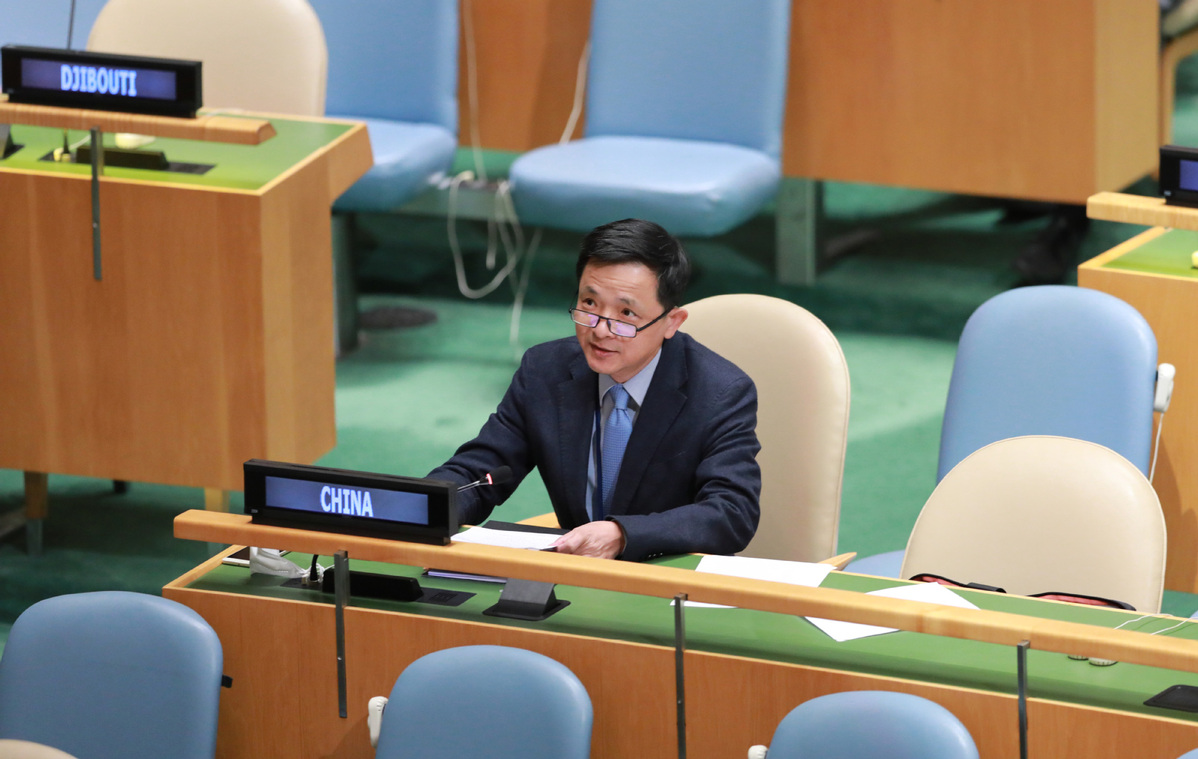
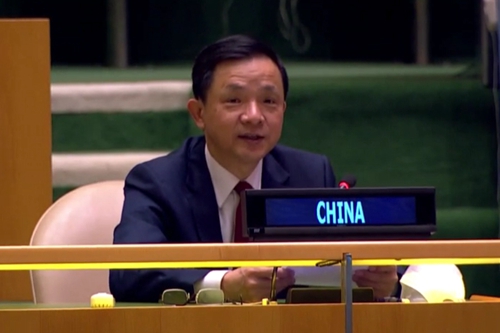
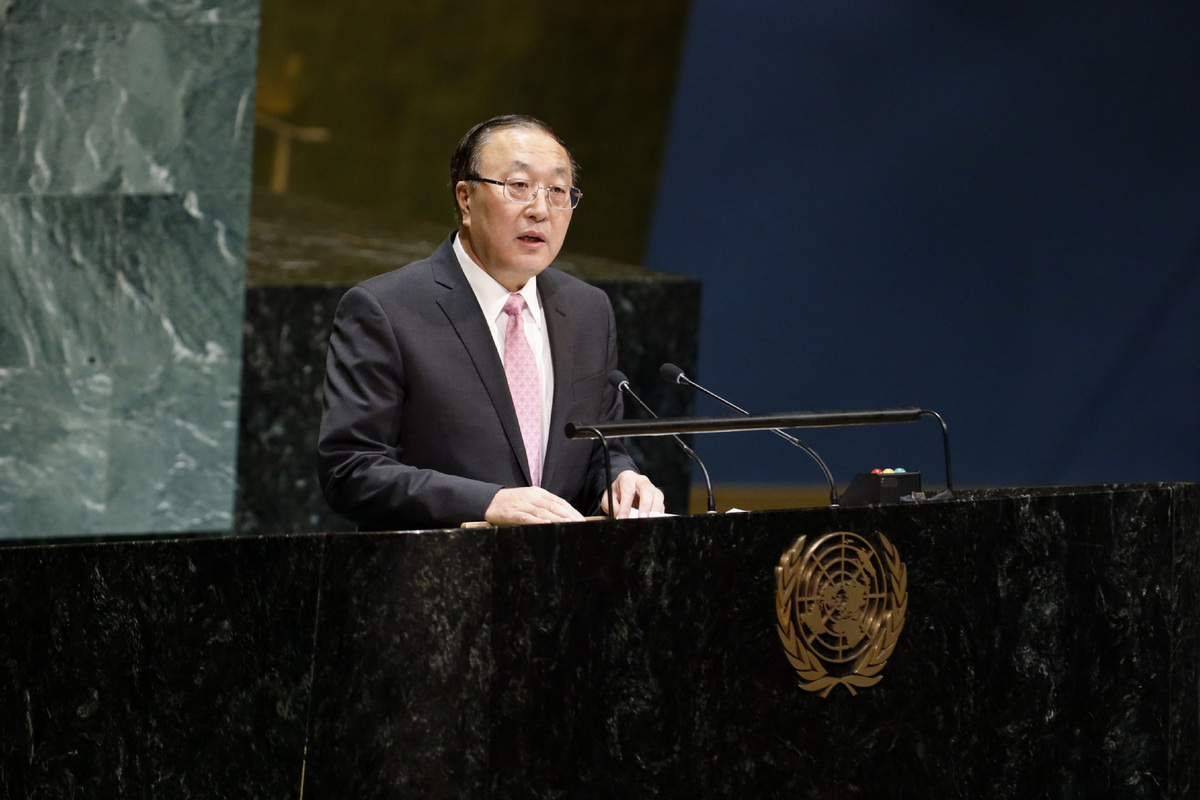
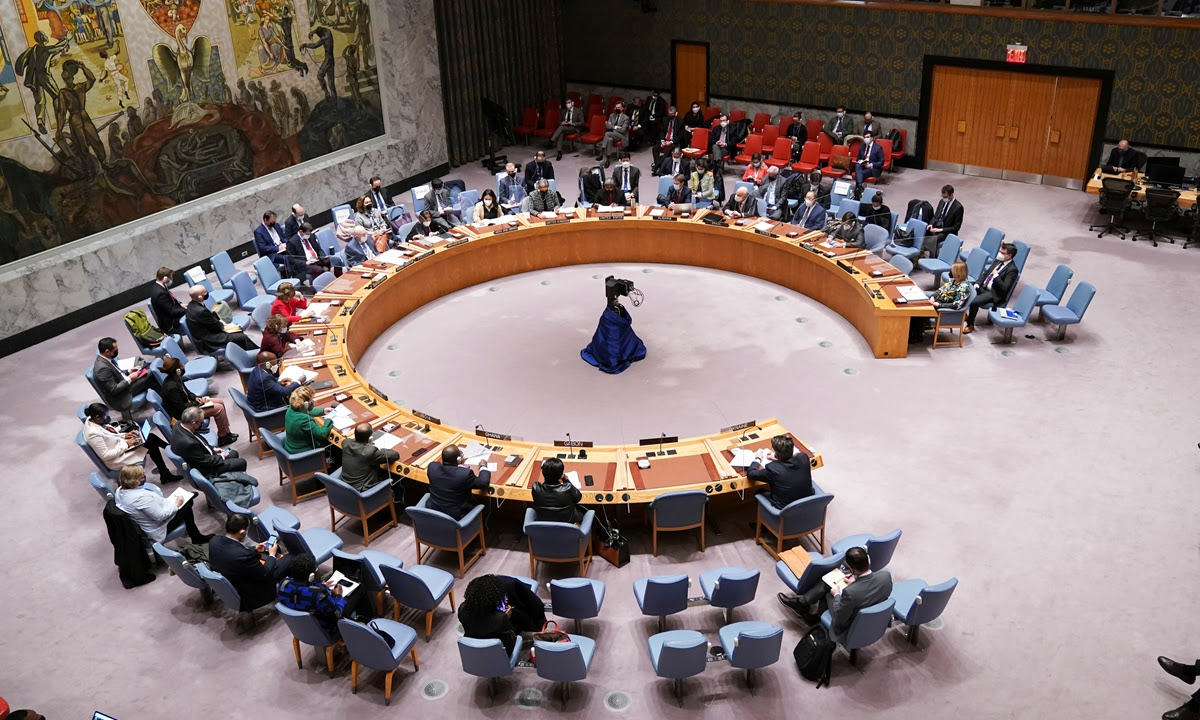
On 28 September, Nippon reported that Japan’s Deputy Permanent Representative Shigeru Umetsu pushed back on China’s own Deputy Representative Sun Lei’s comments on defending the UN Charter’s characterisation of Japan as an “enemy state.” China’s representative Sun Lei stated that the clause provides institutional safeguards for maintaining the postwar international order. The remarks come after Japan’s Prime Minister Sanae Takaichi’s maiden speech at the UNGA, calling for the scrapping of the archaic characterisation. Japan’s representative Umetsu stated that postwar Japan has “consistently contributed to peace and prosperity in the international community since the end of World War Two.”
(“Japan Confronts China, N. Korea at U.N. over Enemy State Clauses.” Nippon, 28 September 2026)
https://www.nippon.com/en/news/yjj2026092900232/
CHINA AND PACIFIC
Editorial - “China’s changing steel sector could leave Australian iron ore behind,” Dialogue Earth, 29 September 2026
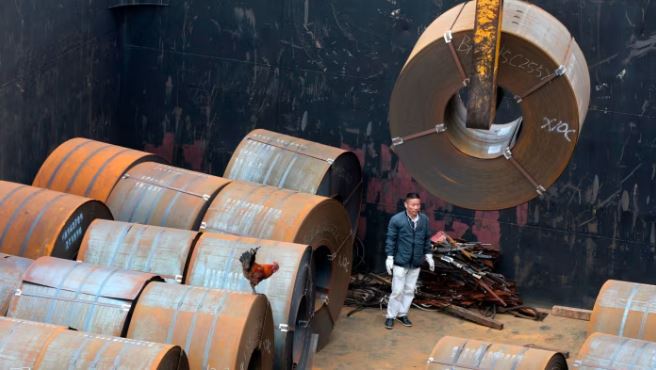
“For decades, Australia has shipped iron ore to China, accounting for around three-fifths of its partner’s supply of this key input for blast-furnace steelmaking. Some Australian miners have racked up profit margins of 60% on this dependable trade. But China is getting serious about achieving net zero nationally before 2060, and 15% of its carbon emissions come from steel. This puts Australia at a fork in the road. It can risk losing its main buyer by continuing to sell its raw iron ore, which is potentially of lesser use in a future of lower demand and fewer blast furnaces in China. Or, it could harness its mineral reserves and renewable energy potential to produce “green iron”, a form of the metal processed using renewables that could be vital to near-zero emissions steelmaking, in China and beyond. Schäpe cautioned against expecting China to be an automatic market for green iron in the near future, given its recent slowdown in both overall production and its current focus towards using scrap steel in electric arc furnaces as a carbon-reduction measure. But even if China does not take up what Australia might offer in the way of green iron, there may be flow-on effects in helping green the supply chains of smaller steelmaking nations, and a way to diversify markets. Jorrit Gosens, a fellow at the Australian National University’s Centre for Climate and Energy Policy, said: “Japan, South Korea and even India, where the steel industry is still building up, they project really rapid growth in steel demand.” Such countries may face higher costs or constraints on renewables at home, and thus may be willing to pay for Australian green iron, he said.”
https://share.google/vKfjByeJeBeCTAmVZ
CHINA AND SOUTHEAST ASIA
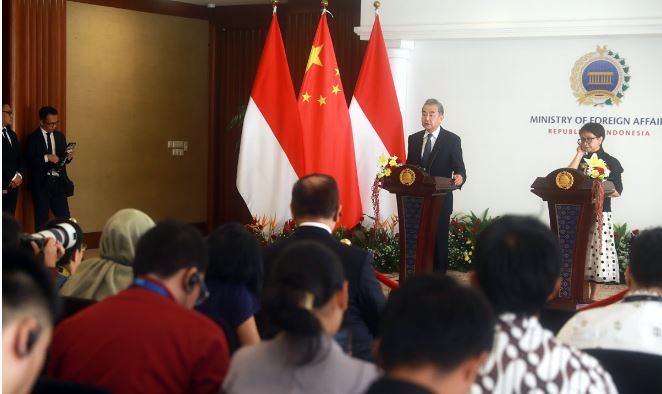
China urges Philippines to stop "hyping up" South China Sea issue at UN
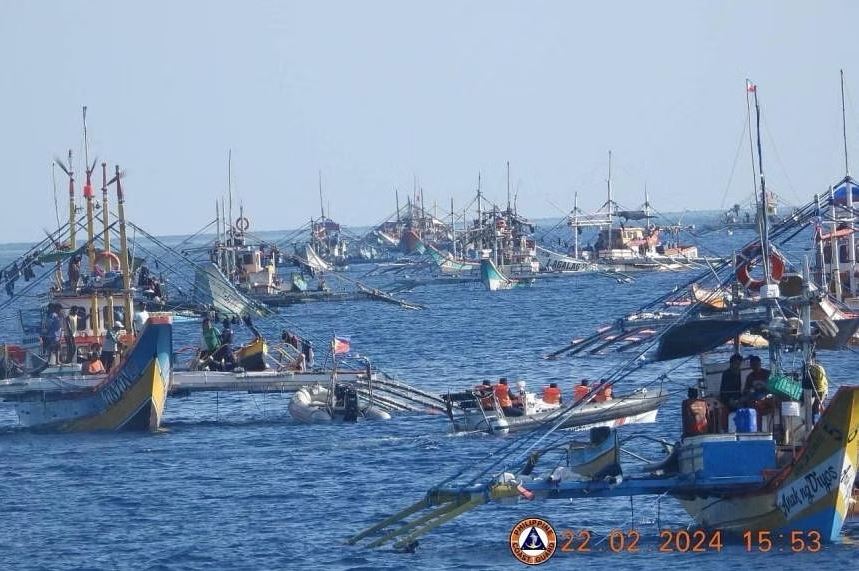
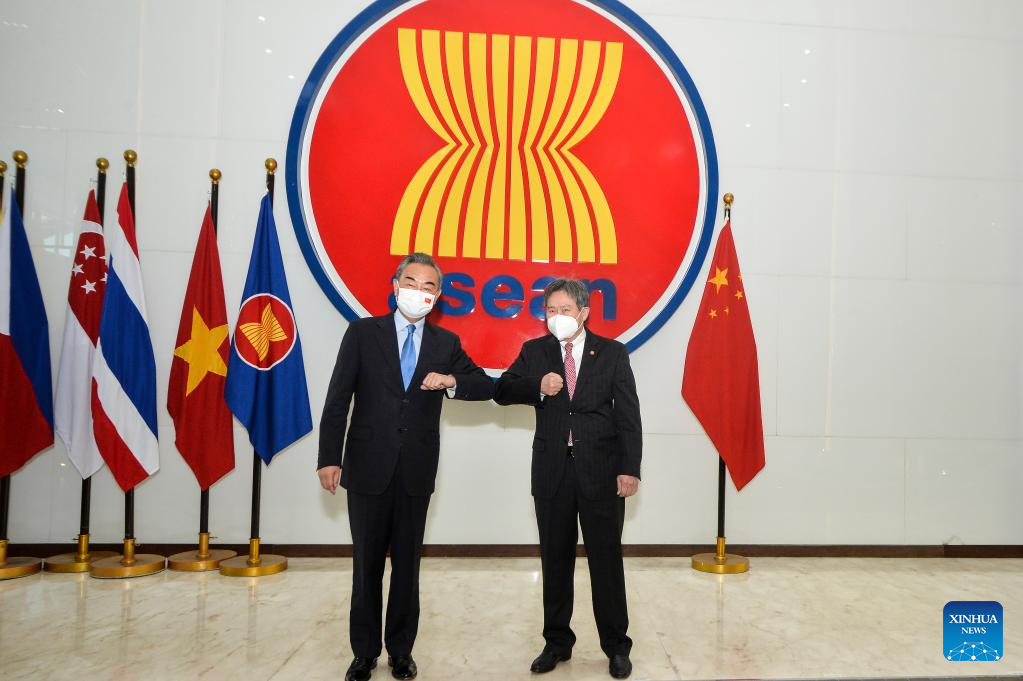
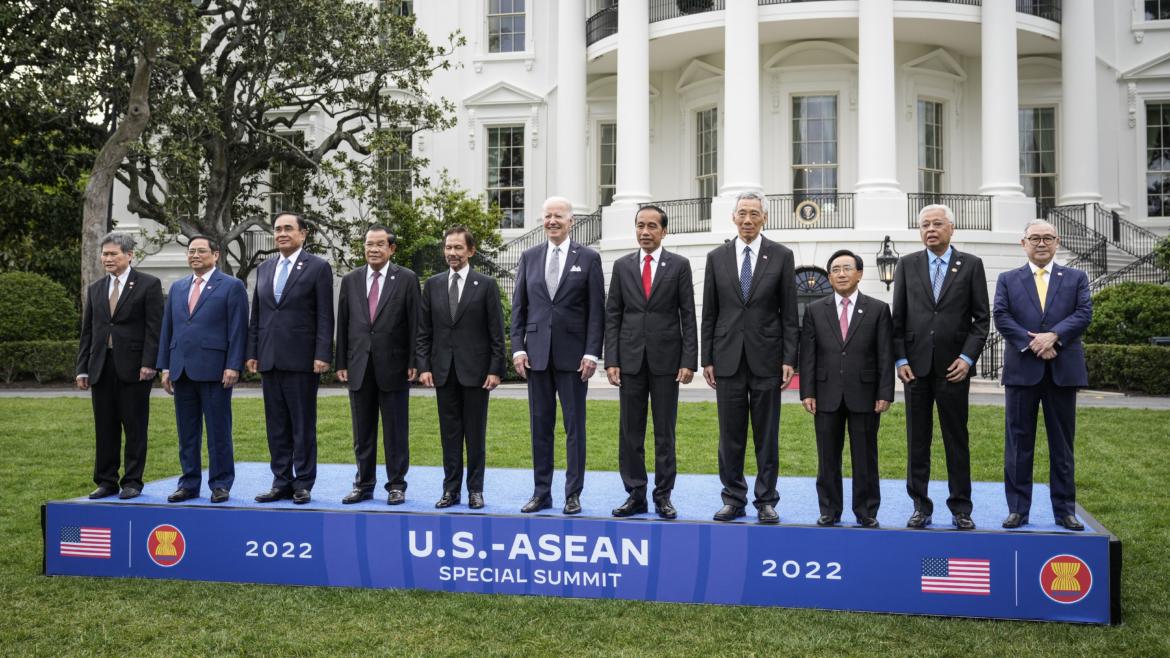
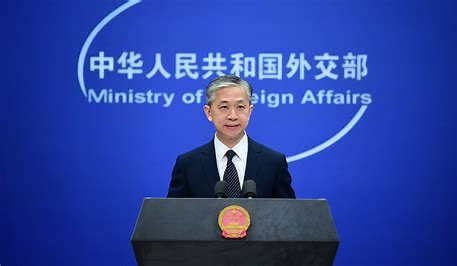
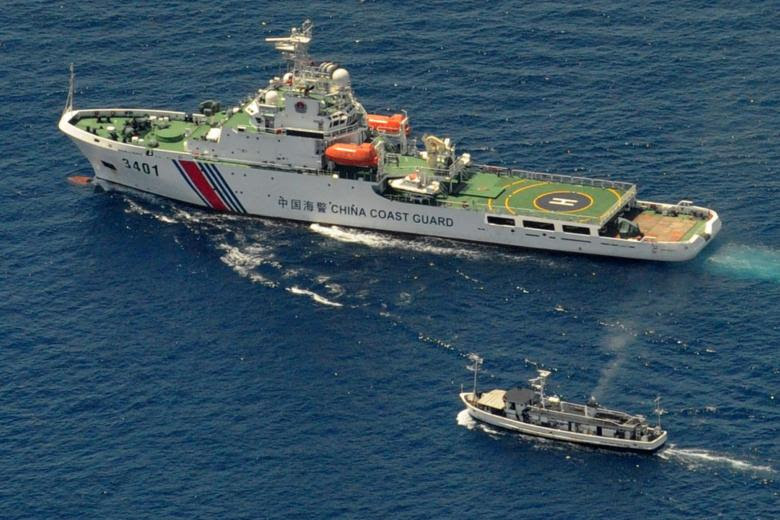
On 29 September, CGTN reported that China urged the Philippines to stop hyping up the South China Sea issue through multilateral platforms and return to bilateral negotiations. Chinese Deputy Permanent Representative to the United Nations Sun Lei made the remarks. Sun made the comments while exercising China's right of reply to the Philippines at the General Debate of the UN General Assembly. Sun said the "South China Sea arbitration" the Philippines unilaterally initiated violated fundamental principles of international law, including state consent and pacta sunt servanda. He said it also contravened the United Nations Convention on the Law of the Sea (UNCLOS). Sun said the issue extends beyond China's territorial sovereignty and maritime rights to the rule of law at sea and a fair international maritime order. He said the "award" has not resolved the maritime issues between the two countries and has instead worsened regional tensions. China will keep working with ASEAN countries to safeguard peace and stability in the South China Sea, Sun added.
("China urges Philippines to stop hyping up South China Sea issue," CGTN, 29 September 2026)
https://share.google/ZBJyEH14X0eYXQXrY
CHINA AND SOUTH ASIA
India explores Xinjiang air route amid Pakistan airspace closure
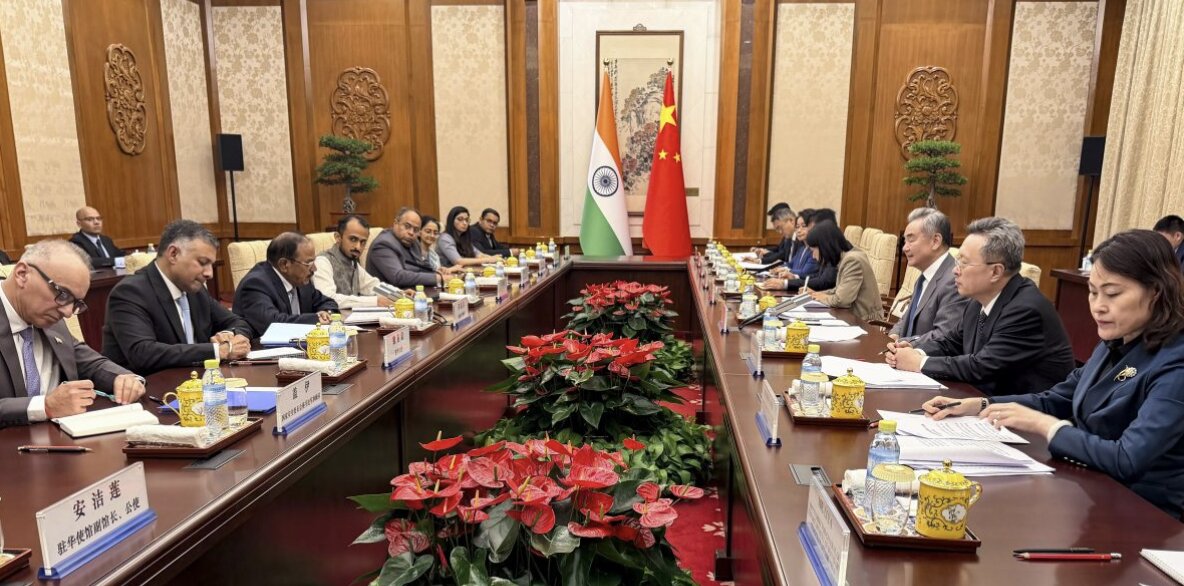
On 29 September, Hindustan Times reported that India is exploring an alternative international air route through China’s Xinjiang region as Pakistan’s continued closure of its airspace forces Indian airlines to take longer routes. Civil Aviation Minister Ram Mohan Naidu said discussions are underway between India and China over a possible Hotan route, with India’s Ministry of External Affairs engaging Chinese authorities. He did not indicate a timeline or suggest that an agreement had been reached. The proposed route is being considered as an alternative to the detours over the Arabian Sea that Indian carriers have been using for flights affected by the Pakistani airspace restrictions. Reports indicate that these diversions have increased flight times and operating costs, particularly on routes towards Europe and North America. India is also examining other alternatives, including possible routing through Bhutan. The discussions add an aviation dimension to the gradual resumption of India-China institutional engagement. If an arrangement is eventually reached, the Xinjiang corridor could provide Indian carriers with another routing option, although its implementation would require bilateral coordination and regulatory clearances.
“India explores alternate route through China's Xinjiang to bypass Pak airspace ban,” Hindustan Times, 29 September 2026
https://www.hindustantimes.com/india-news/india-pakistan-news-donald-trump-ai-super-intelligence-asian-games-gold-supreme-court-ayushmann-khurrana-101790736544414.html
India-China bilateral trade reaches USD 92 billion in first half of 2026
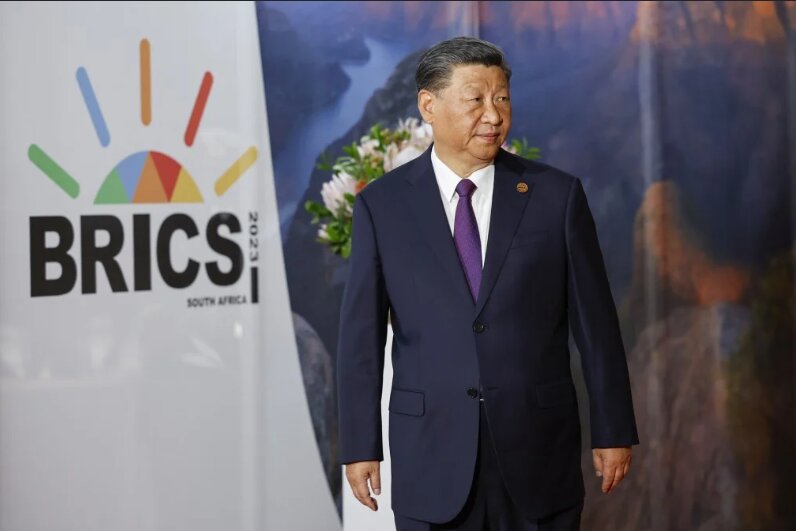
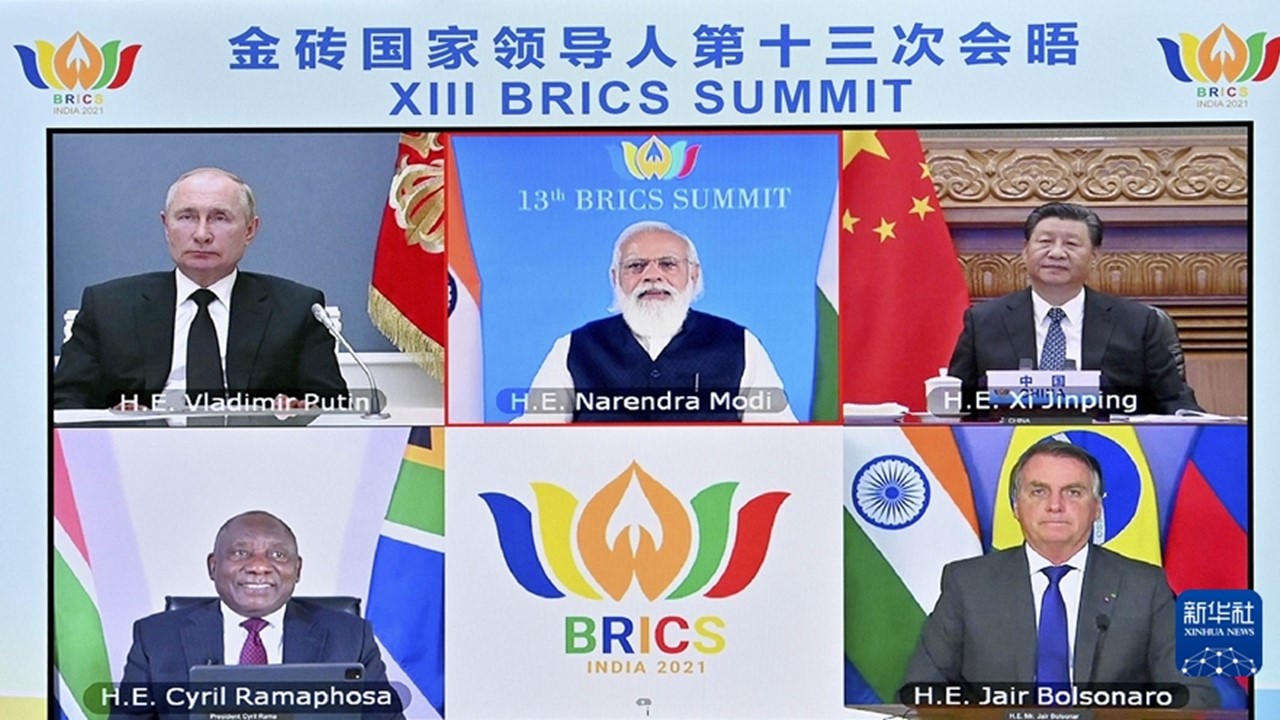
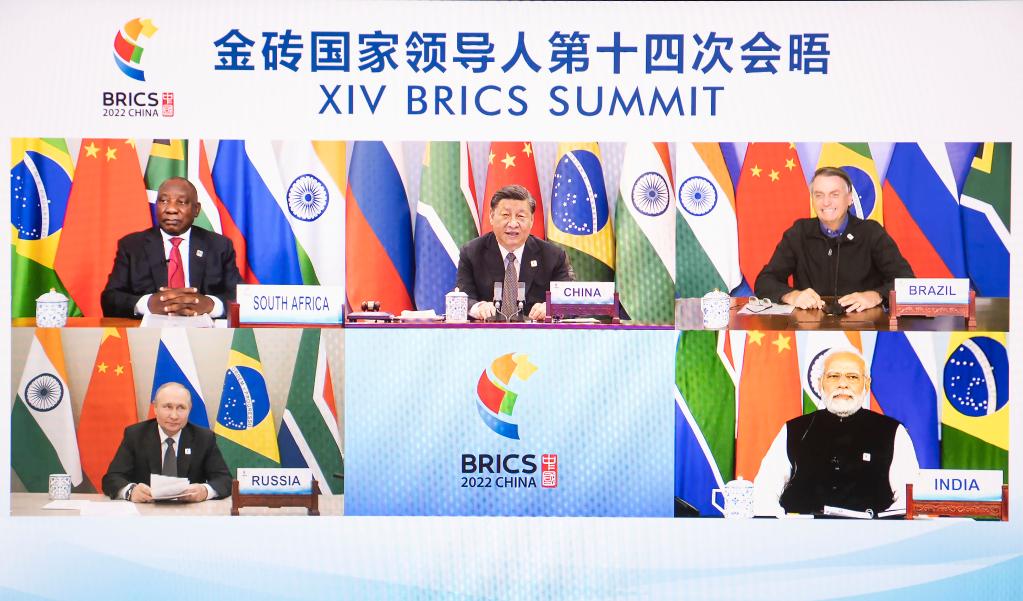
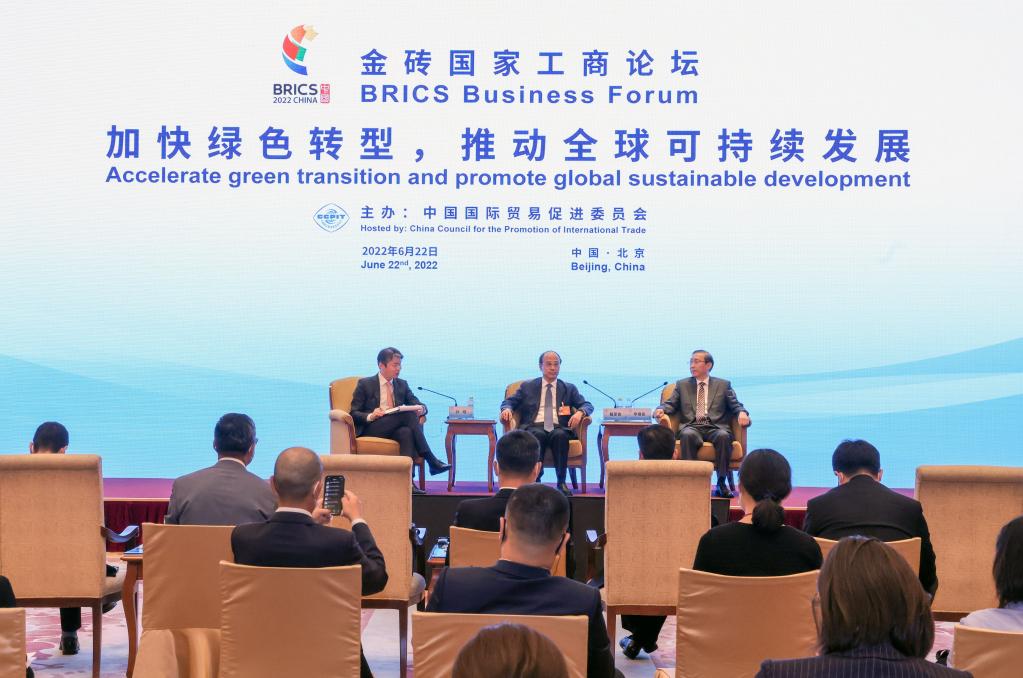
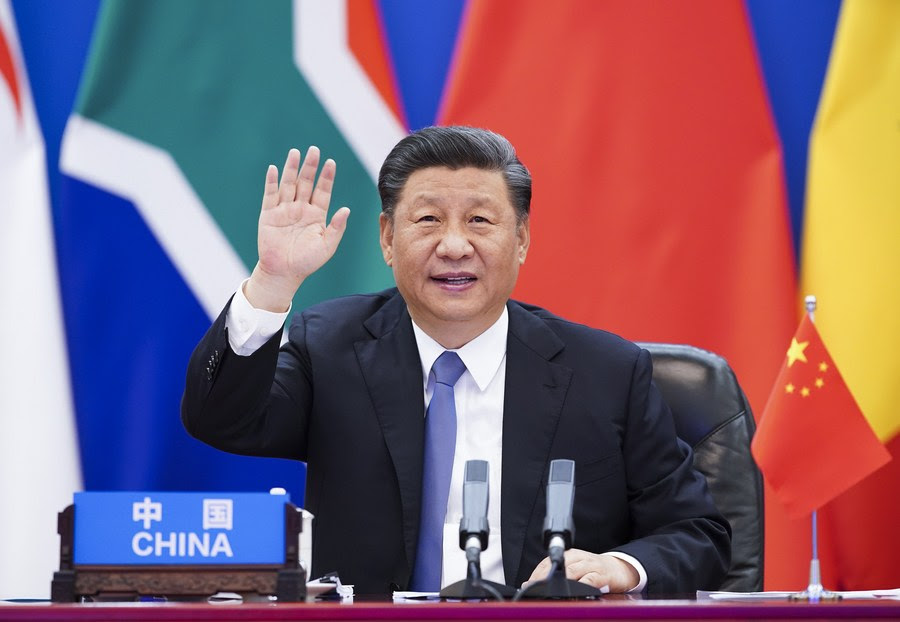
On 29 September, The Times of India reported that bilateral trade between India and China reached USD 92 billion in the first half of 2026, according to Chinese Consul General in Mumbai Qin Jie. He made the statement at a Bengaluru forum on BRICS and China-India relations. Qin said bilateral institutional exchanges had gradually resumed and that the two countries’ cooperation agenda had expanded. According to the report, Indian exports to China grew by 39 per cent between April and August year-on-year, with growth attributed to value-added products including electronics, mobile phone parts and telecom equipment. Qin also referred to the recent meeting between Chinese President Xi Jinping and Prime Minister Narendra Modi at the BRICS summit in New Delhi. He said Xi had emphasised that India and China should view each other as “partners and opportunities” and manage differences through mutual respect and understanding. The figures indicate continued expansion in bilateral economic exchanges alongside the gradual restoration of institutional engagement. The reported increase in Indian exports, particularly in technology-related products, is also notable against the traditionally large trade imbalance between the two countries. The trade figure therefore provides an economic dimension to the broader stabilisation of India-China relations.
“India-China trade touches $92 billion in first half of 2026,” The Times of India, 29 September 2026
https://timesofindia.indiatimes.com/city/bengaluru/india-china-trade-touches-92-billion-in-first-half-of-2026/amp_articleshow/134570794.cms
Floods expose vulnerabilities in Nepal’s China connectivity strategy
On 10 September, Channel News Asia (CNA) reported that the August floods in Nepal had severely disrupted the country’s principal overland trade corridor with China, exposing the physical vulnerabilities of Kathmandu’s efforts to diversify trade away from India. The Rasuwagadhi-Gyirong crossing, which handles close to 11% of Nepal’s imports from China and nearly half of its exports to China, was among the infrastructure destroyed by the disaster. More than 55 km of roads required reconstruction and over 100 bridges were damaged or destroyed in Nepal. CNA noted that Nepal has pursued northern connectivity for decades, particularly after the 2015 earthquake and the subsequent disruption along its southern border with India. China’s share of Nepal’s imports increased from about 13 per cent in 2015 to around 20 per cent a decade later, although India remained dominant at nearly 58 per cent. Even before the latest floods, 50–60 per cent of Nepal’s imports from China were reportedly transported by sea through India before reaching Nepal. The disaster has consequently renewed questions about the resilience of Himalayan connectivity. Experts cited by CNA argued that Nepal’s diversification strategy has not necessarily failed, but future China-linked routes will require stronger disaster resilience, alternative crossings, improved infrastructure and joint monitoring and early-warning mechanisms.
“Floods expose fragility of Nepal’s bid to reduce trade dependence on India through China,” Channel News Asia, 10 September 2026
https://www.channelnewsasia.com/asia/nepal-china-flood-disaster-trade-routes-6374776
China to rebuild 14 Sri Lankan bridges destroyed by Cyclone Ditwah
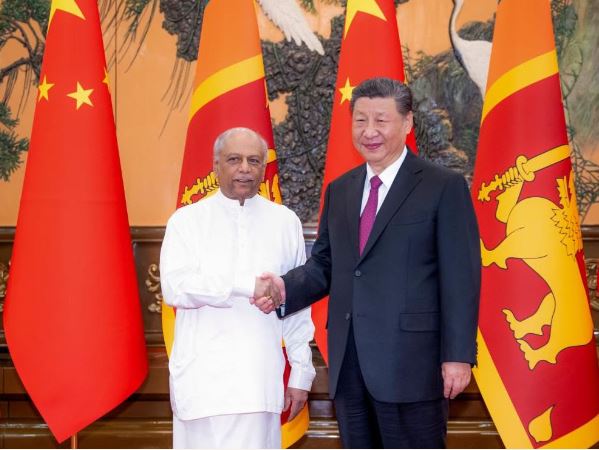
On 29 September, Xinhua reported that China and Sri Lanka had signed an agreement to implement a China-aid project for rebuilding 14 bridges destroyed by Cyclone Ditwah. The agreement was signed on 28 September at Sri Lanka’s Ministry of Transport, Highways and Urban Development, with Chinese Ambassador to Sri Lanka Wei Huaxiang and ministry secretary Asiri Karunawardena attending the ceremony. According to the report, Sri Lanka had requested Chinese assistance for infrastructure reconstruction following the cyclone. China subsequently sent a team of experts to conduct on-site assessments and accelerated approval of the reconstruction projects. Ambassador Wei said Chinese and Sri Lankan sides would work together on developing and managing the projects. Sri Lankan officials said the assistance would help address transportation difficulties created by the disaster while contributing to wider improvements in transport infrastructure. Cyclone Ditwah struck Sri Lanka between late November and early December 2025, causing more than 600 deaths and an estimated USD 4.1 billion in damage, according to Xinhua. The bridge reconstruction project adds to China’s post-disaster infrastructure assistance in Sri Lanka and provides another avenue for bilateral cooperation through reconstruction and transport infrastructure.
“China to help Sri Lanka rebuild 14 bridges destroyed by Cyclone Ditwah,” Xinhua, 29 September 2026
https://www.thestar.com.my/aseanplus/aseanplus-news/2026/09/29/china-to-help-sri-lanka-rebuild-14-bridges-destroyed-by-cyclone-ditwah?utm_source=chatgpt.com
CHINA AND AFRICA
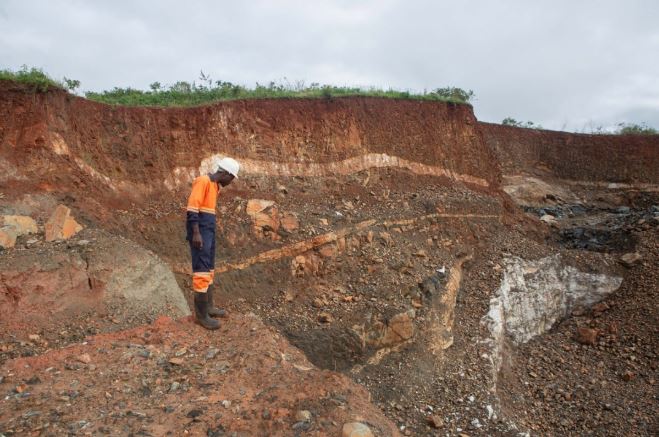
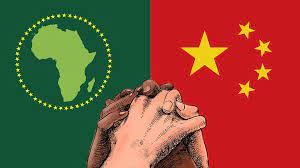
China’s critical mineral mining in Africa raises environmental and human rights concerns
On 29 September, ADF reported that China has increased its investment in mining projects across Africa for important minerals such as cobalt, copper, lithium and nickel. These minerals are essential for electric vehicles, batteries and other clean-energy technologies. However, the rapid growth of mining has also led to increasing concerns about environmental damage and human-rights abuses. According to the Business and Human Rights Centre, allegations linked to China’s mining in Africa more than doubled from 45 in 2024 to 100 in 2025. Between 2023 and 2025, Africa recorded 119 allegations out of 326 worldwide. The Democratic Republic of the Congo had the highest number of allegations, followed by Zimbabwe, Guinea and Zambia. In one serious incident in Zambia in February 2025, a China-owned copper mine released at least 50 million litres of toxic waste into the Kafue River, which provides water to millions of people.
Experts say that some mining agreements are made without enough consultation with local communities or strong environmental and human-rights protections.
(“China’s Quest for Critical Minerals Comes With Abuse,” ADF, 29 September 2026)
https://adf-magazine.com/2026/09/chinas-quest-for-critical-minerals-comes-with-abuse/
CHINA AND RUSSIA
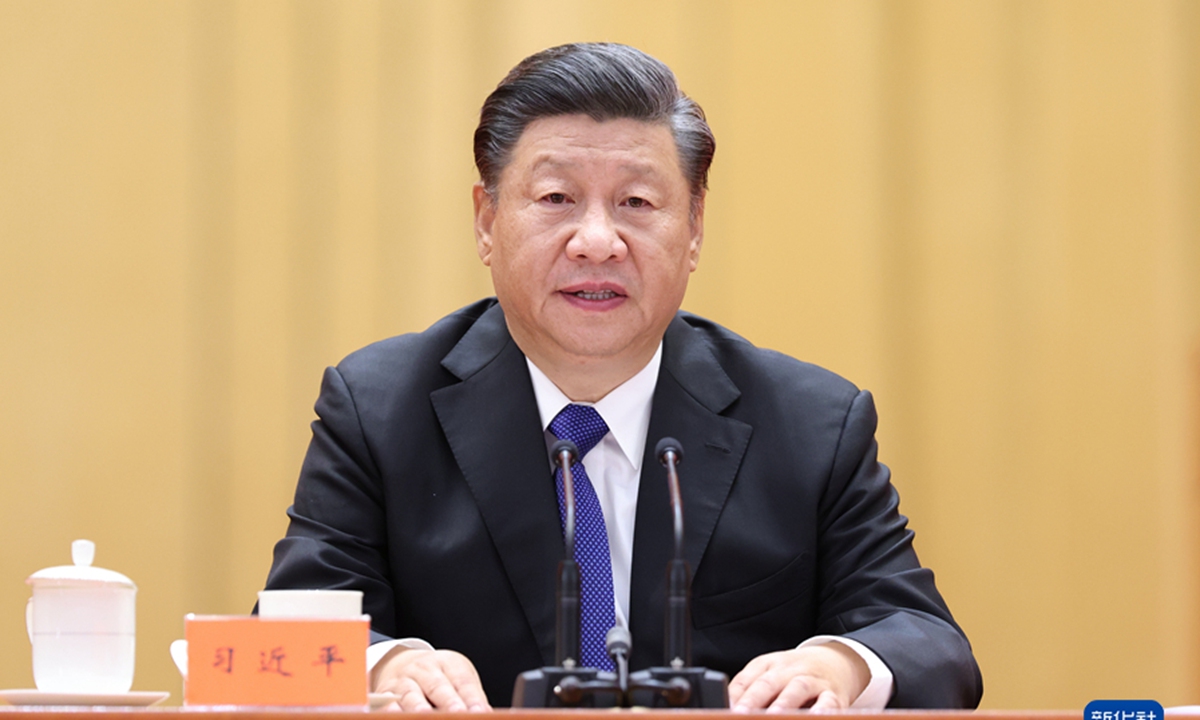
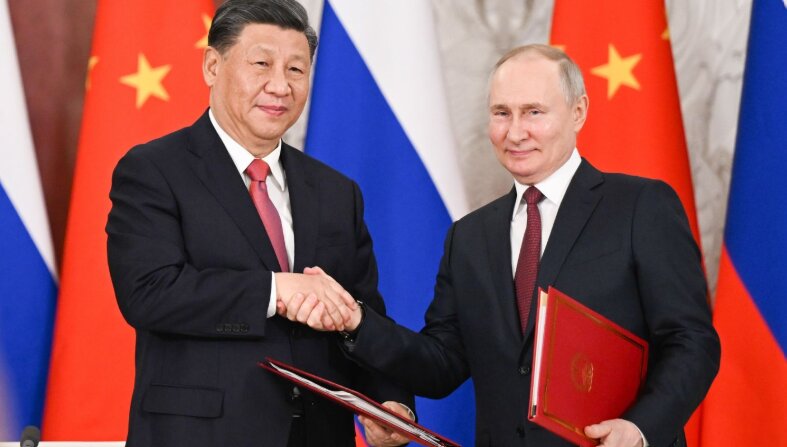
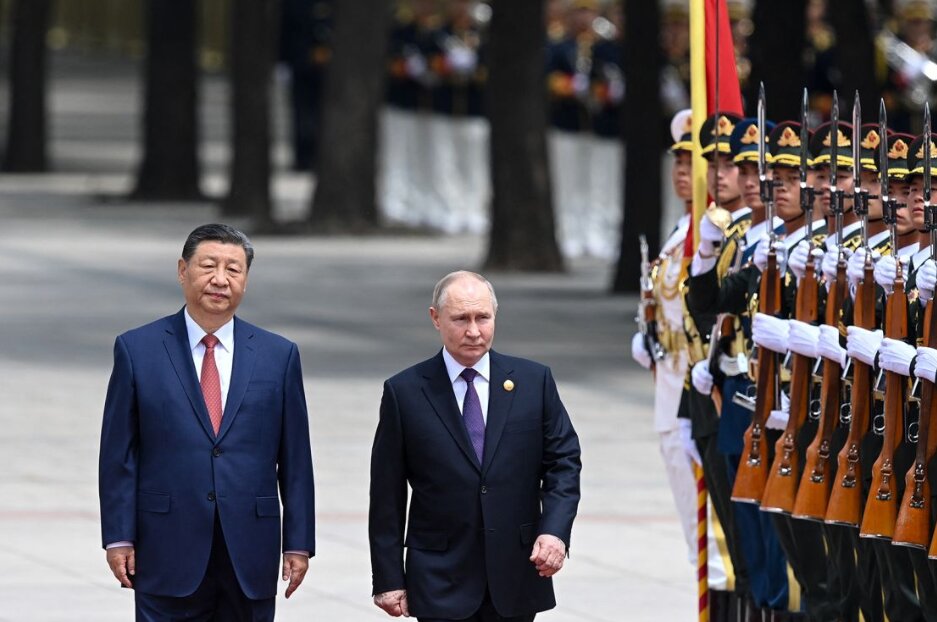
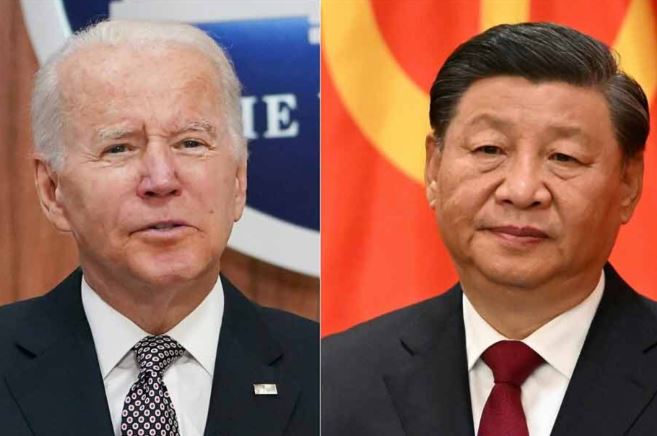
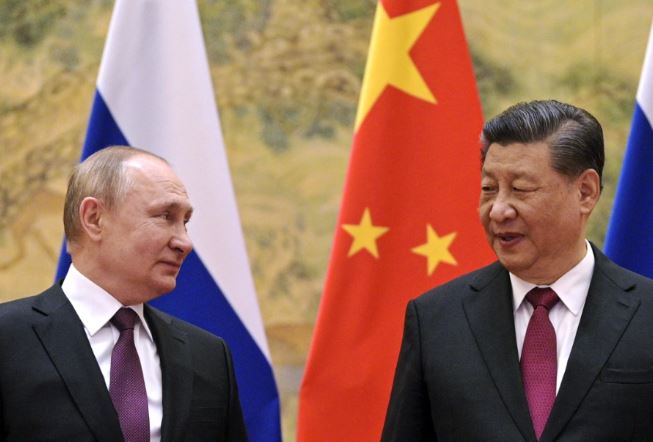
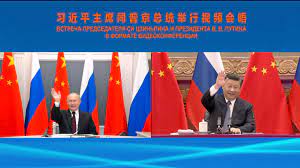
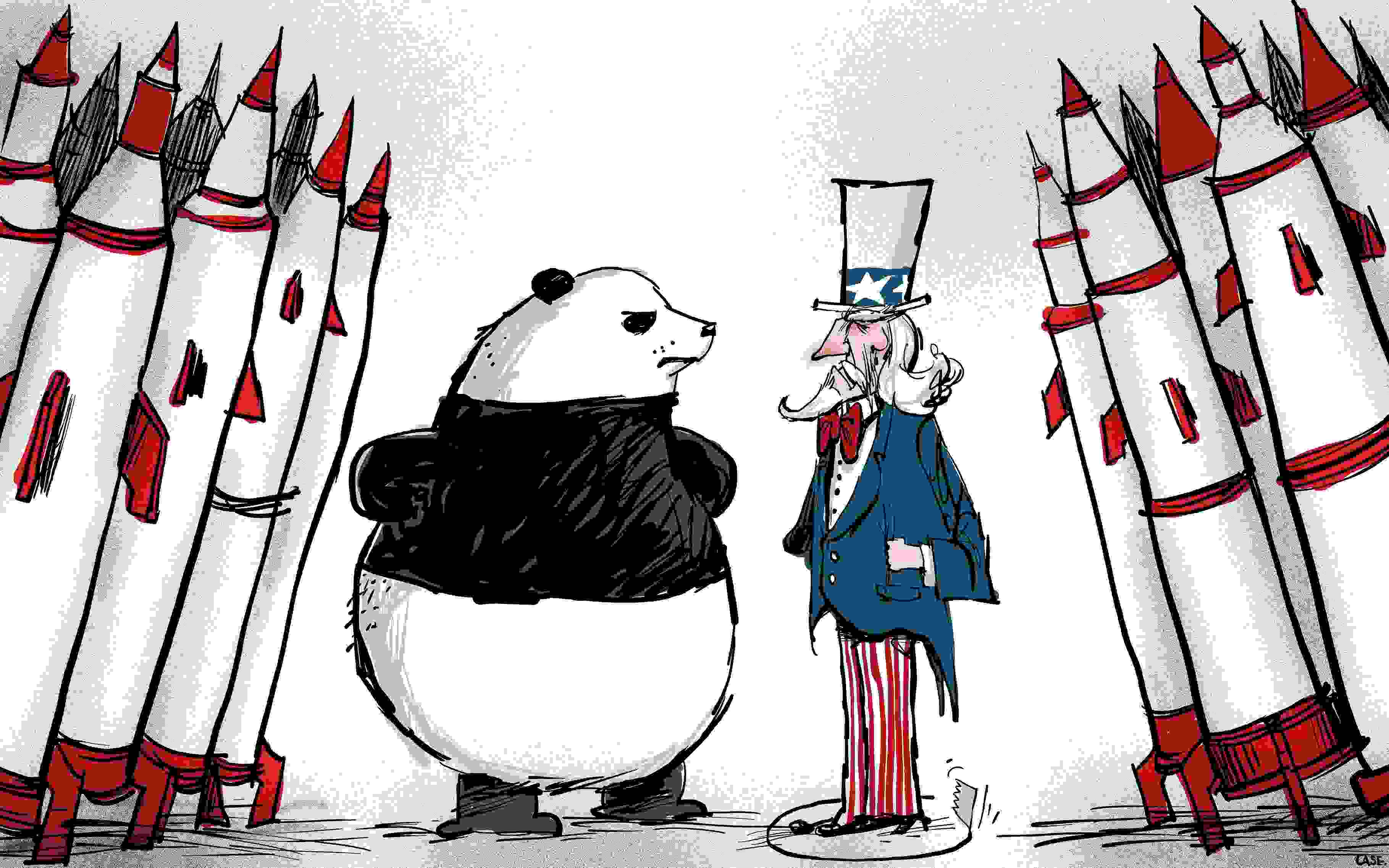
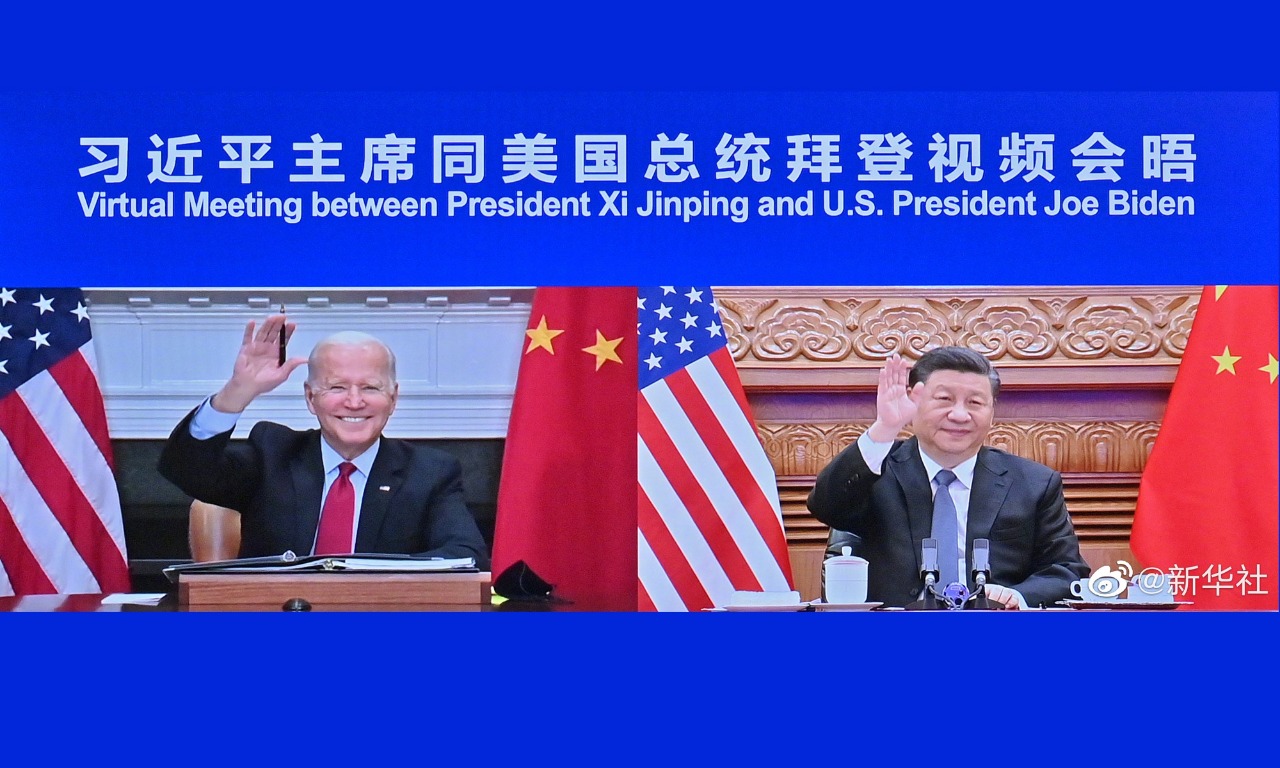
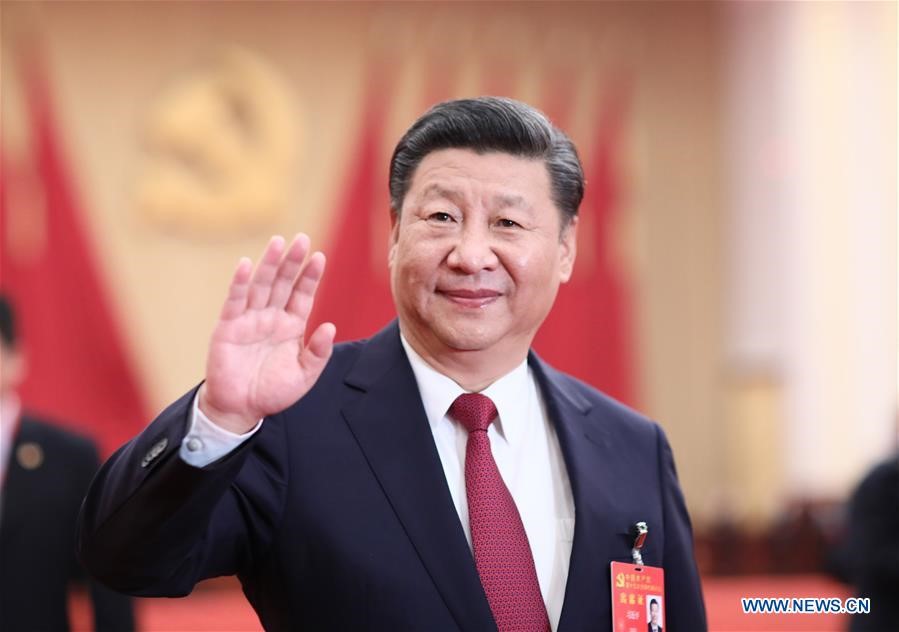
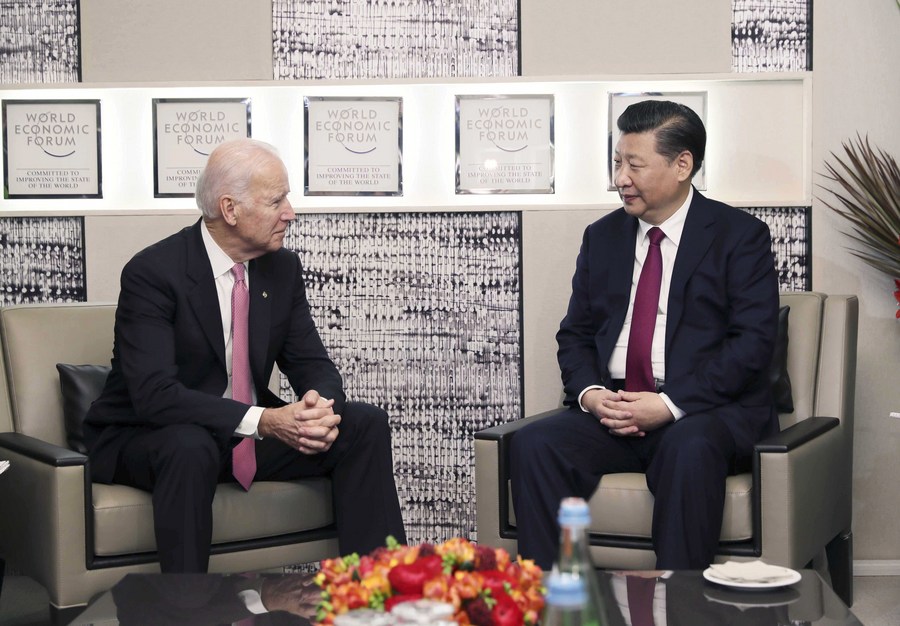
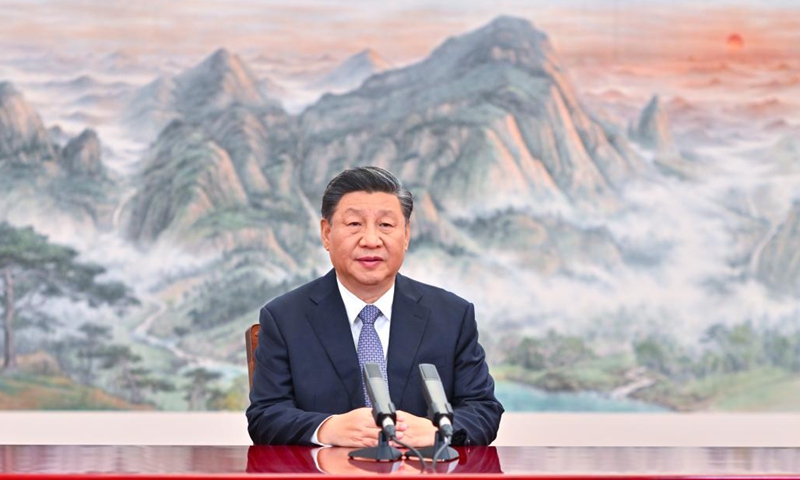
Kremlin says Xi likely to push for first-ever US-China-Russia trilateral summit at November APEC
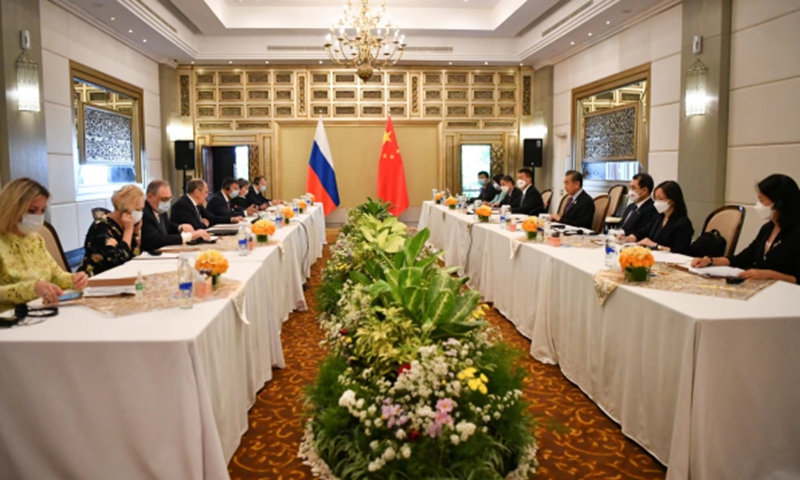
On 30 September, SBS World News reported that Chinese President Xi Jinping is expected to push for a trilateral summit with the leaders of the United States and Russia, on the sidelines of the APEC summit China will host in November. Russia's state-run Vesti TV cited Kremlin foreign policy aide Yuri Ushakov. Ushakov said Russian President Vladimir Putin will attend the APEC summit as planned. He added, "If the US President is also present, it is highly likely that host President Xi will take steps to hold a trilateral meeting. Ushakov said no agreement has been reached on the matter yet. He had earlier hinted at the possibility on 01 September, saying a three-way meeting could materialise "if things go according to plan." Russia's RIA Novosti reported separately that China's Ambassador to Russia, Zhang Hanhui, told Izvestia such a summit would be "very beneficial."
("Kremlin: Expects China's Xi to Push for US-China-Russia Trilateral Summit at APEC in November," SBS World News, 30 September 2026)
https://share.google/KJnpe8tiJVkSSX3mR
CHINA AND EUROPE
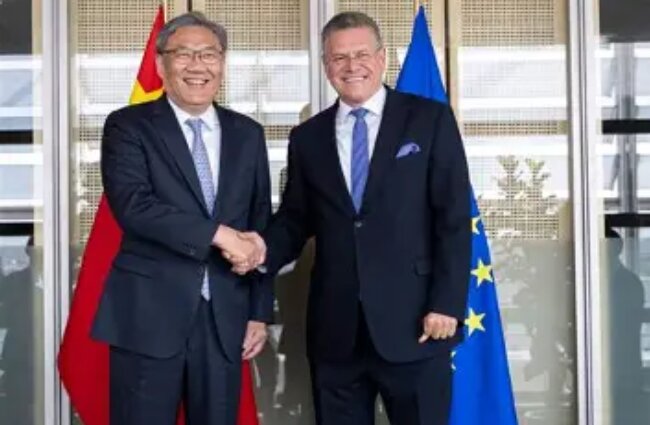
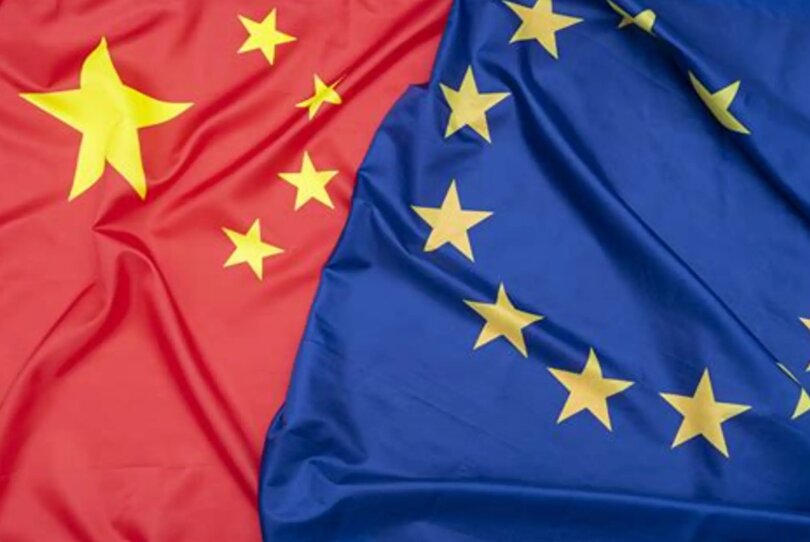
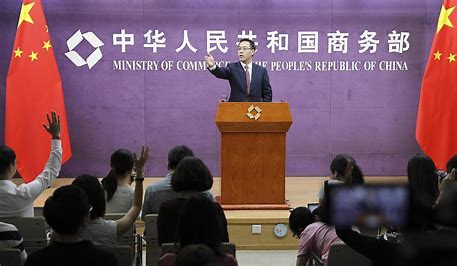
Resolute actions will be taken against EU trade tools, says China's Commerce Ministry
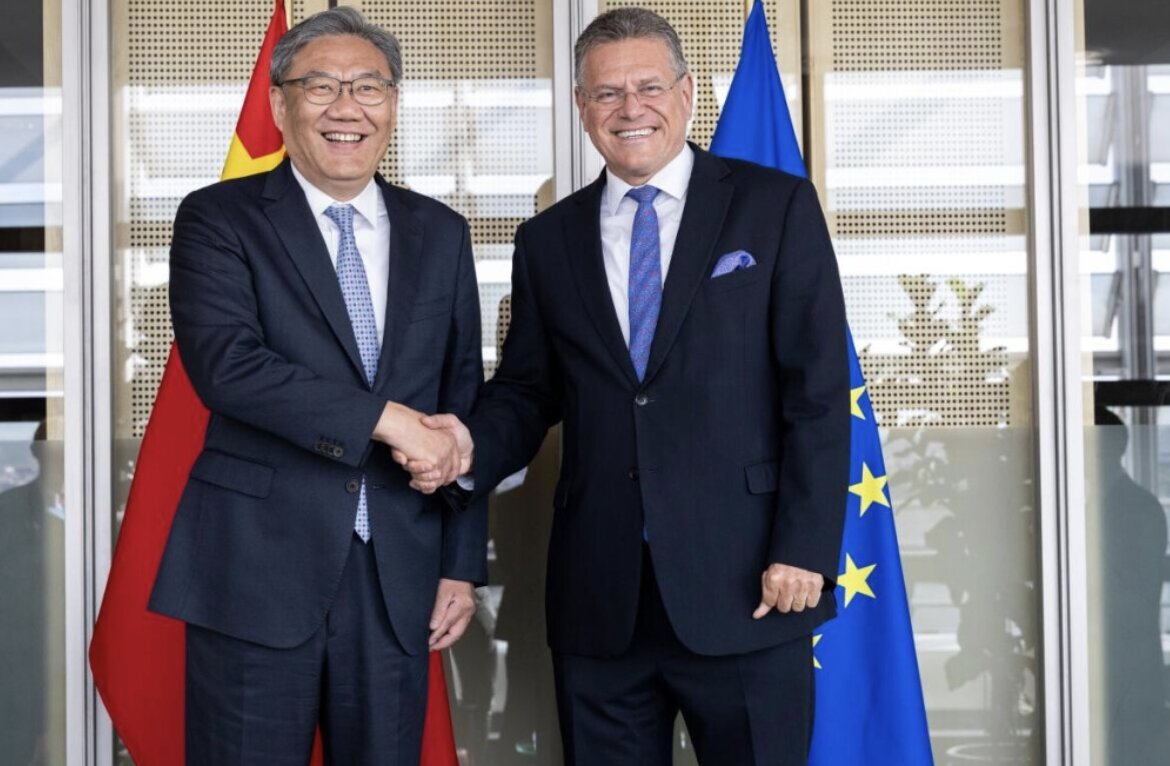
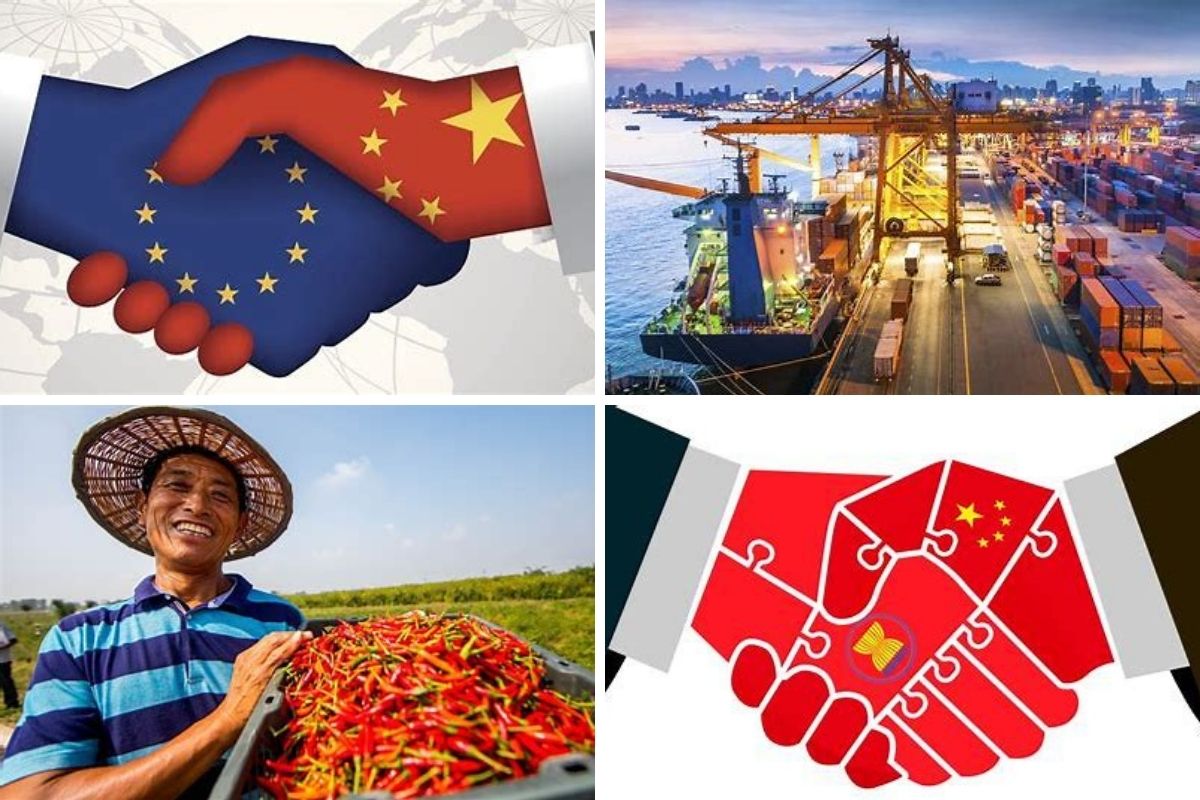
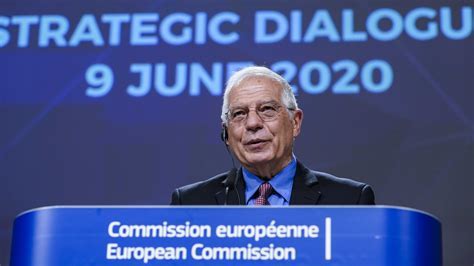
On 30 August, Reuters reported that China's commerce ministry stated that a resolute response will be taken against its industries if the European Union goes ahead with restrictions against Chinese companies. The statement added that the latest EU measures were typical protectionist and unilateralist measures and would disrupt EU-China trade. The statement said: "If the European side engages in talks and consultations with China, while increasingly pressuring China, it will seriously undermine mutual trust, interfere with the overall process of consultation." In response to it, the Ministry added that it will adopt a strong policy toolbox, which will include anti-discrimination probes and security investigations into industrial and supply chains.
("China vows response if EU introduces moves targeting Chinese trade," Reuters, 30 September 2026)
https://www.reuters.com/world/asia-pacific/china-vows-response-if-eu-introduces-moves-targeting-chinese-trade-2026-09-29/
CHINA AND THE AMERICAS
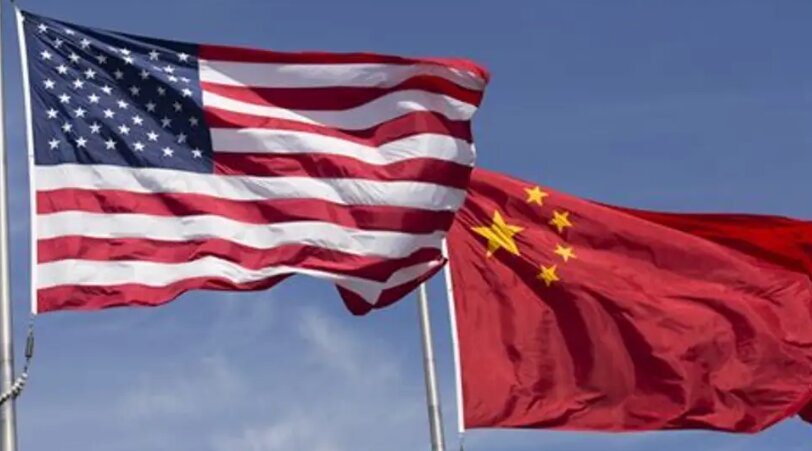
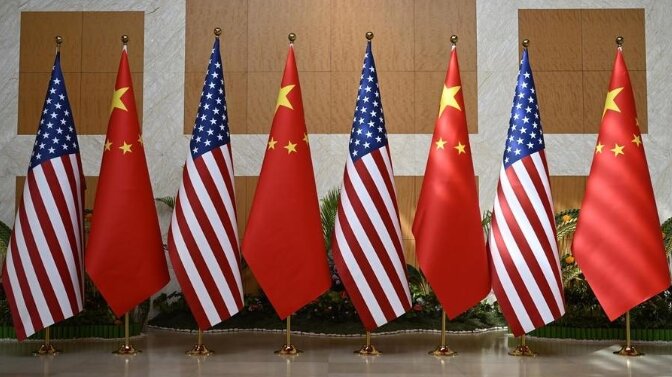
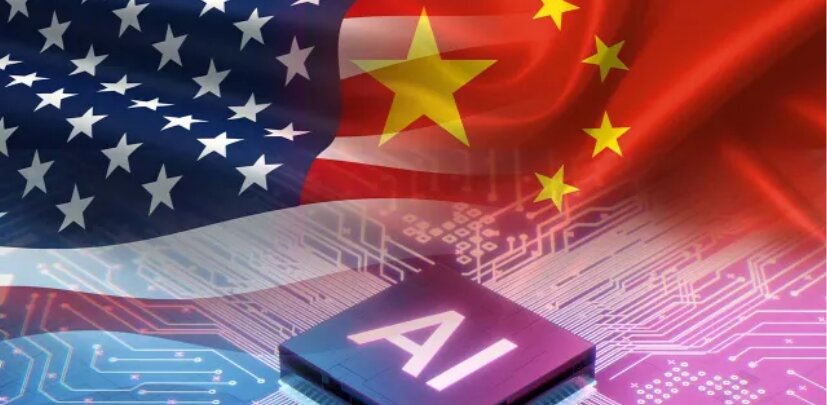
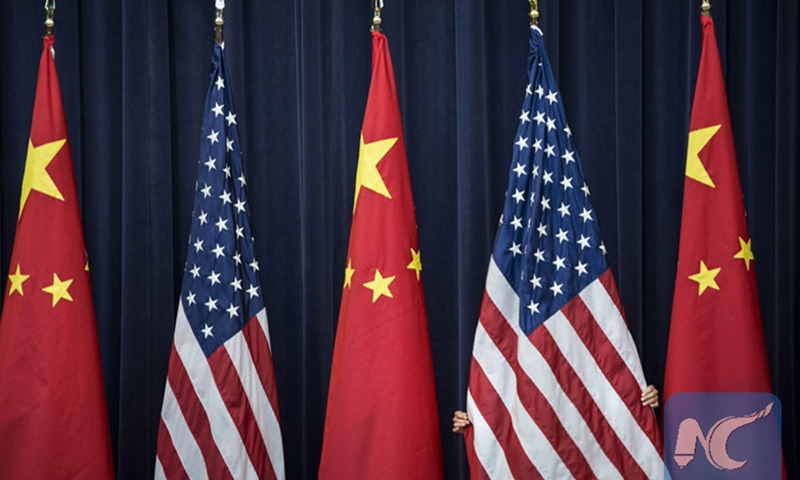
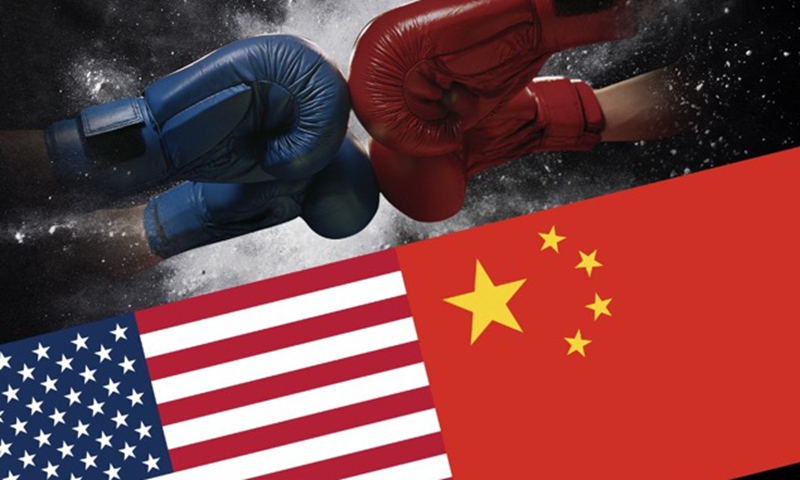
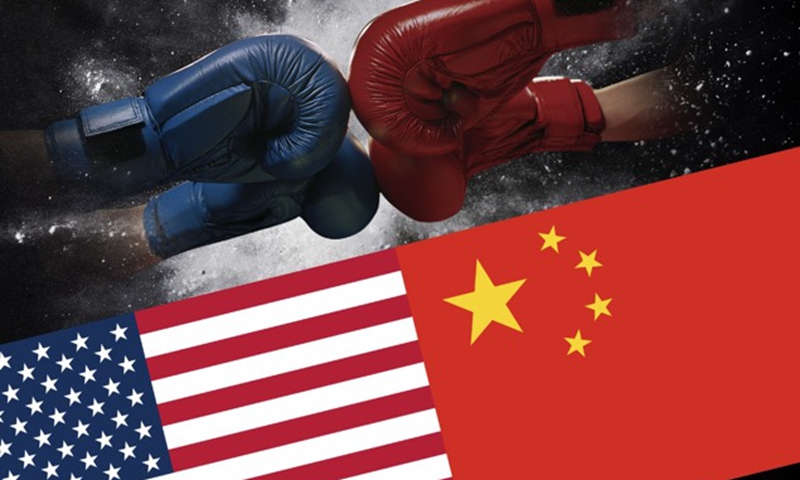
US will not pursue AI joint venture with China, says President Trump
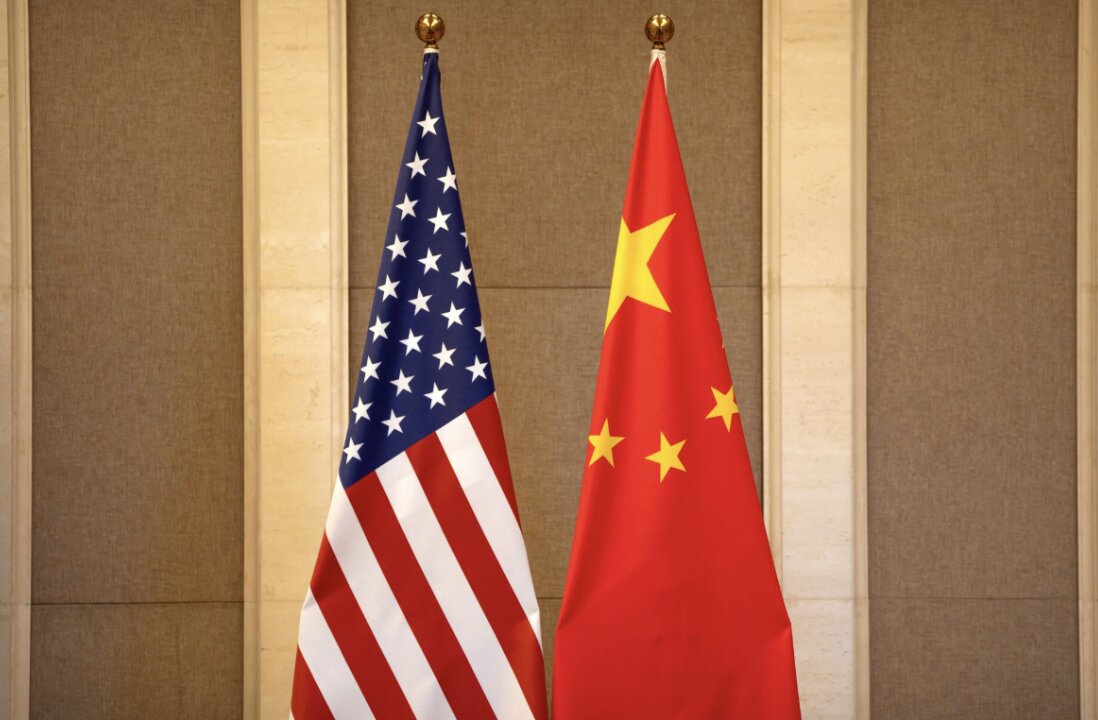
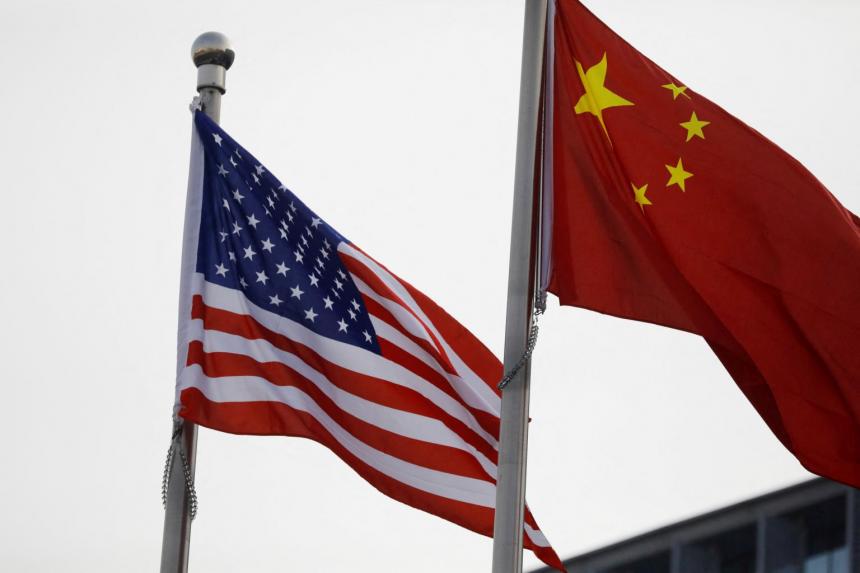
On 30 September, BBC reported that US President Trump stated that the US would not pursue any sort of joint venture with China in artificial intelligence (AI). He added that such cooperation would amount to "giving away secrets." Speaking at an event, he stressed that the US is currently leading in AI and wants to maintain that advantage. He also reiterated his preference for minimal restrictions on AI development and announced further government initiatives focused on what he called "Super Intelligence." He said: "We're leading now over China and everyone else, and I want to keep it that way. At the recent summit, both countries had agreed to launch a new AI dialogue and establish communication channels for AI-related incidents.
("Trump rules out joint US-China venture to develop AI," BBC, 30 September 2026)
https://www.bbc.com/news/articles/cwly5lmvy38qo


































.png)
.jpg)
.jpg)
.jpg)
.jpg)
.jpg)
.jpg)
.jpg)
.jpg)
.jpg)
.png)

.jpg)
.jpg)
.jpg)
.jpg)
.jpg)
.jpg)
.jpg)

.jpg)
.jpg)
.jpg)
.jpg)
.jpg)

.jpg)
.jpg)
.jpg)
.jpg)
.png)
.jpg)
.jpg)
.png)
.jpg)
.jpg)


.jpg)
.jpg)
.jpg)
.jpg)
.jpg)
.jpg)
.jpg)
.jpg)
.jpg)

.jpg)
.jpg)
.jpg)
.jpg)
.jpg)
.jpg)

.jpg)

.jpeg)



.jpeg)