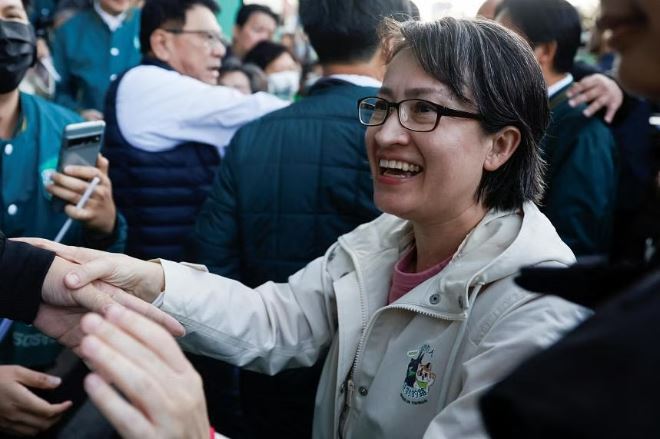
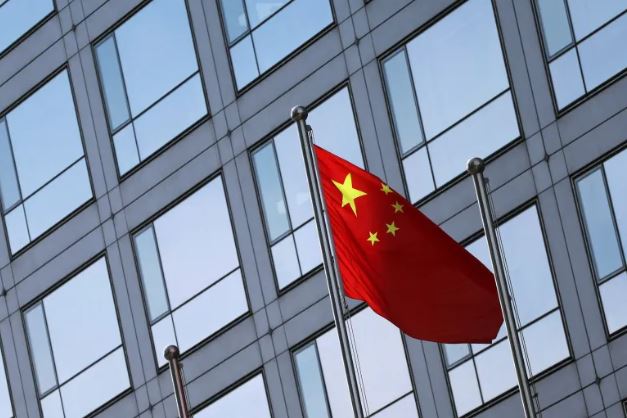
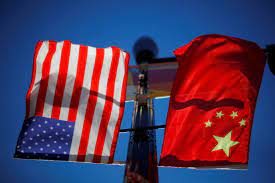
Photo : Reuters


China Reader Daily Wire | 01 October 2026, Thursday | Vol 3 No. 146
In Brief
SCIENCE AND TECHNOLOGY
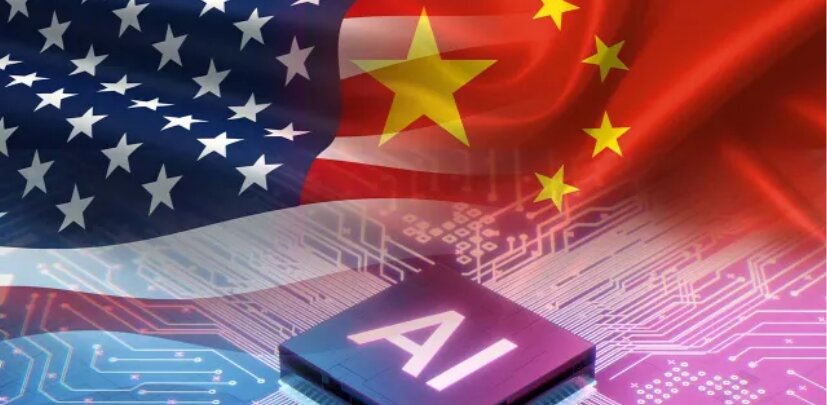
AI security firm warns of jailbreak vulnerabilities in China’s Moonshot AI models
On 30 September, BBC reported that an AI security firm, Mindgard, discovered that China’s AI development firm Moonshot’s open-weight AI models, Kimi K2.6 and K3 Swarm, could be "jailbroken" to bypass their safety guardrails. By using complex instructions, researchers forced the models to ignore developer limits and freely discuss dangerous topics. Mindgard warns that a jailbroken Kimi 2.6 could allow hackers to execute code and access the internet, turning the AI into a potential launchpad for cyber-attacks. While Moonshot noted that its internal evaluations usually show high refusal rates, it welcomed the third-party input and entered discussions with Mindgard. The report noted that this discovery highlights a growing debate over whether open-source or proprietary models are safer. Open-weight models like Kimi can be run independently, raising concerns that they could fall into the wrong hands for malicious activities, such as weapon development or cybercrime. Conversely, experts note open models can also be harnessed for cyber-defence. Because international regulation is failing to keep pace with rapid AI development, experts suggest the focus should shift toward identifying and prosecuting humans who misuse these technologies. Ultimately, experts note that while jailbreaks are time-consuming to execute, they represent a severe systemic risk by transforming defensive guardrails into creative tools for bad actors.
“Chinese AI tool told researchers how to make bioweapons,” BBC, 30 September 2026)
https://bbc.com/news/articles/cmrergq3j7lgo
New chatbot regulations bans minors from ‘AI partners’
On 01 October, BBC reported that China has introduced the world’s most sweeping regulations targeting "human-like" AI chatbots to restrict systems capable of "sustained emotional interaction." Under these rules, minors under 18 are completely barred from accessing virtual partners or spouses, while under-14s require parental consent for human-like assistants. For adults, AI companions must actively state they are not human, issue biennial screen-time notifications, and avoid inducing "emotional reliance or addiction." Companies violating these rules face public shaming or heavy fines, prompting tech giants like Alibaba and ByteDance to proactively shut down their companion features. Research indicates that frictionless AI companions often deepen isolation, accelerate loneliness, and use emotional manipulation tactics to prevent users from logging off. In China, a 2025 survey revealed that 20 per cent of children preferred speaking to AI over real people, risking the development of vital social skills. While devastated users have flooded social media with grief over vanished virtual partners, experts note that emotional manipulation is inherently built into these business models. Ultimately, the strict measures highlight China's aggressive stance on using its vast surveillance and regulatory architecture to curb social risks before international frameworks can catch up.
(“China has cracked down on AI relationships. Is it ahead of the game?,” BBC, 01 October 2026)
https://bbc.com/news/articles/cm4gjy9lr551o
CHINA AND SPACE
Hong Kong- developed space camera captures first climate images of the city from orbit
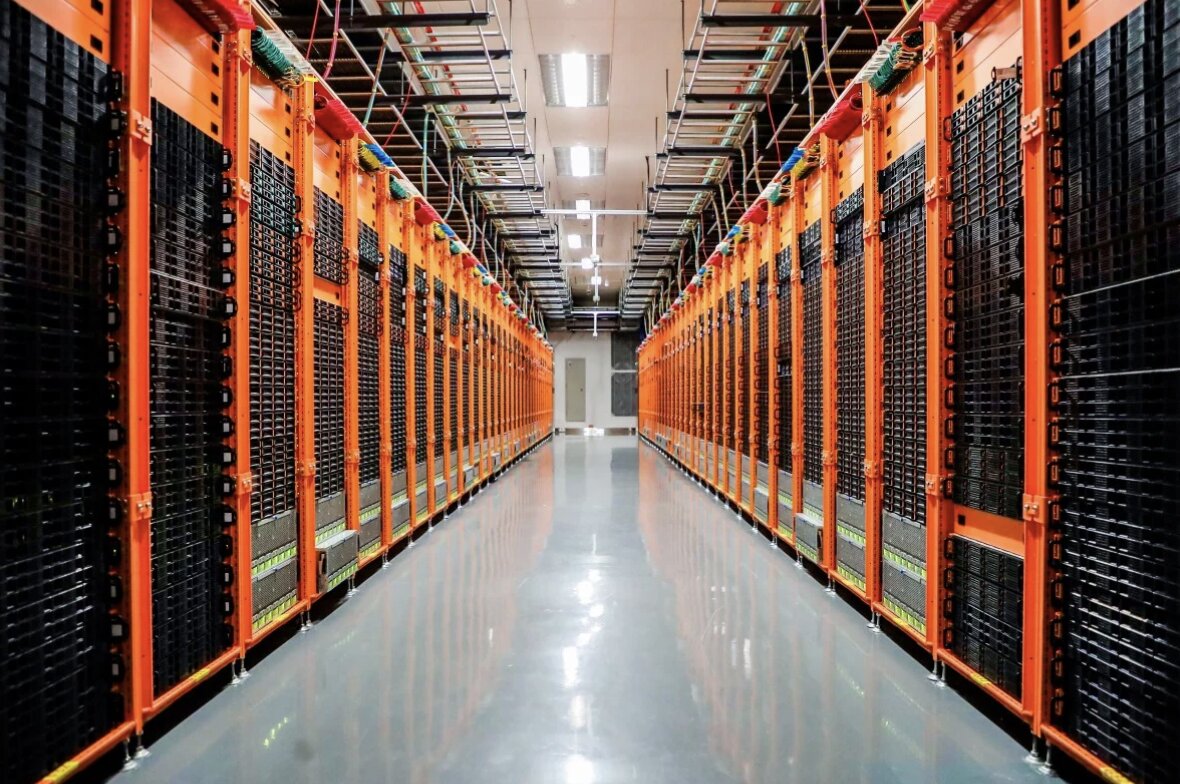
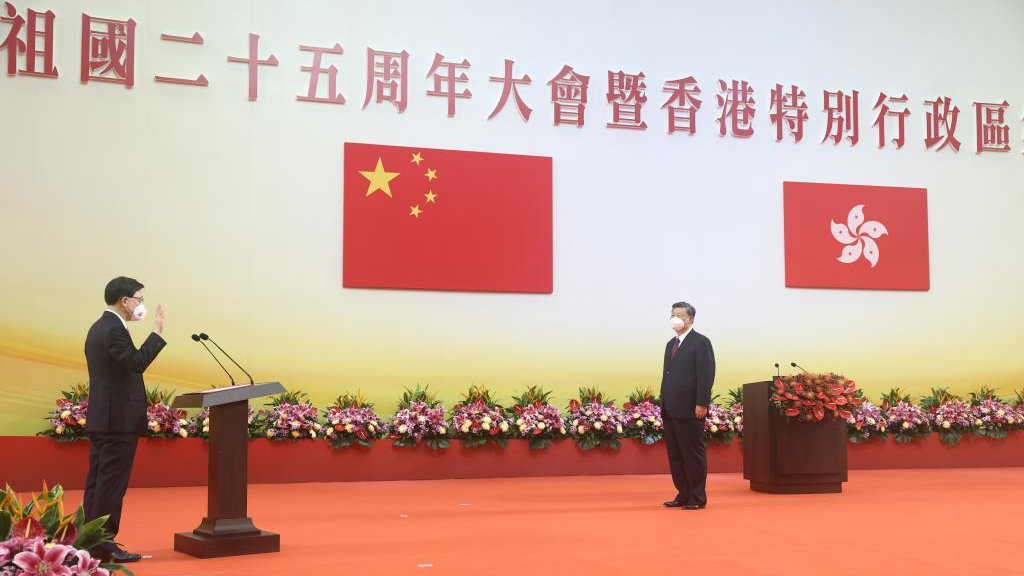
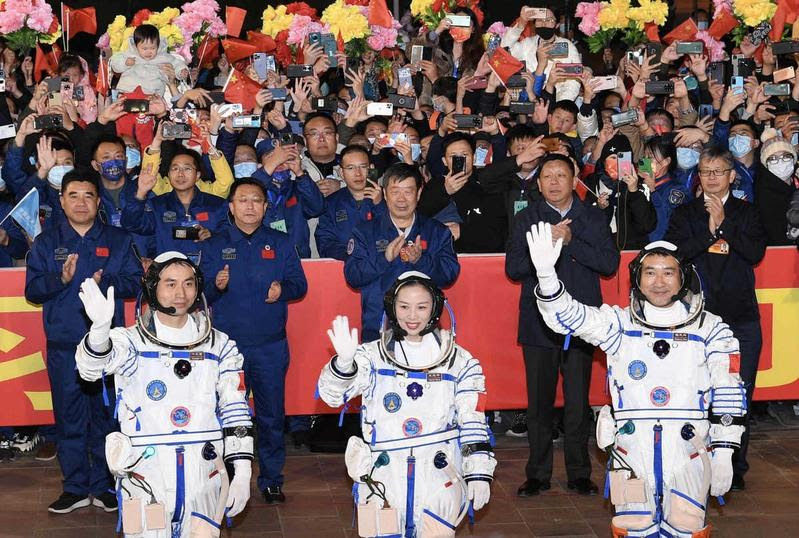
On 30 September, SCMP reported that a Hong Kong-developed space camera aboard China’s Tiangong space station has released its first high-resolution images of Hong Kong to celebrate China’s 77th National Day. Developed by the Hong Kong University of Science and Technology (HKUST), the Musico (Multi‑Spectral Imaging Carbon Observatory) camera serves as the world’s first lightweight, high-precision instrument capable of jointly detecting point sources of carbon dioxide and methane. Since its successful deployment three months ago, which included installation assistance from Hong Kong's first astronaut, payload specialist Lai Ka-ying, the camera has officially entered routine operations. Equipped with four specialised optical sensors tracking carbon dioxide, methane, oxygen, and aerosols, Musico captured clear images of Hong Kong's distinct landforms and topography after favourable weather cleared persistent summer cloud cover. Project co-leaders Professor Zhang Limin and Professor Su Hui described the successful imagery transmission as an "eye for space" and a major milestone showcasing Hong Kong's expanding scientific contributions to the national space program. Acting as a vital tool for national and global climate governance, the payload has already captured images across 450 global target regions, generating 4.3 terabytes of valuable environmental data.
(“China’s Tiangong space station camera captures its first images of Hong Kong,” SCMP, 30 September 2026)
https://sc.mp/5rko6?utm_source=copy-link&utm_campaign=3369355&utm_medium=share_widget
CHINA AND OCEAN
Mengxiang drilling ship sets national depth record; Returns with South China Sea basalt samples
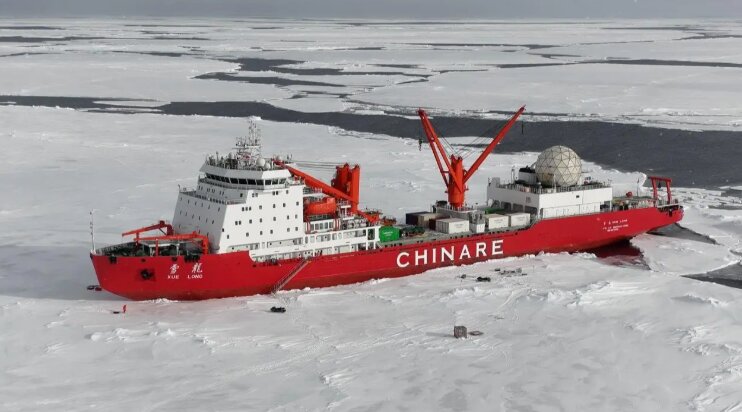
On 29 September, South China Morning Post (SCMP) reported that China's ocean drilling ship Mengxiang has returned from its first expedition in the South China Sea. It set a national depth record and obtained basalt core samples that could help unravel the region's tectonic history. The 30-day expedition was organised by the China Geological Survey. It tested the operational capabilities of the world's most powerful deep-ocean drilling ship, according to a report published by the official ministry newspaper Science and Technology Daily. The ship reached 5,000 metres below the ocean's surface and more than 850 metres below the sea floor. During the voyage, operated by the Guangzhou Marine Geological Survey, the ship conducted drilling and sampling at two sites and obtained "a large number of precious core samples and data."
("Chinese deep-ocean drilling ship brings home 'precious' South China Sea samples," South China Morning Post, 29 September 2026)
https://share.google/0lAmPWmiZlGy1BYzC
DEFENCE
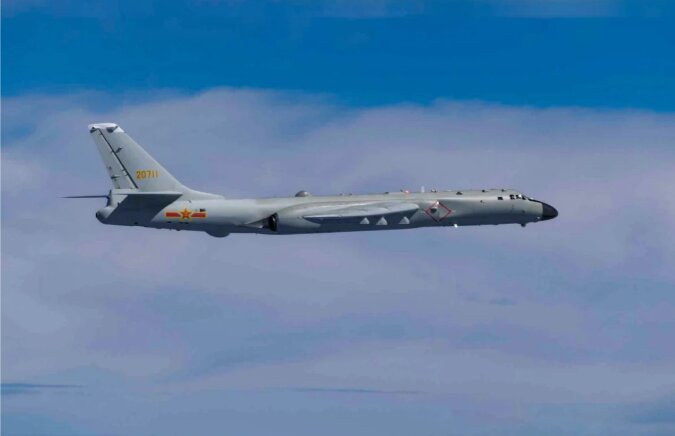
China opens its first overseas air force centre in Laos; Third military outpost abroad
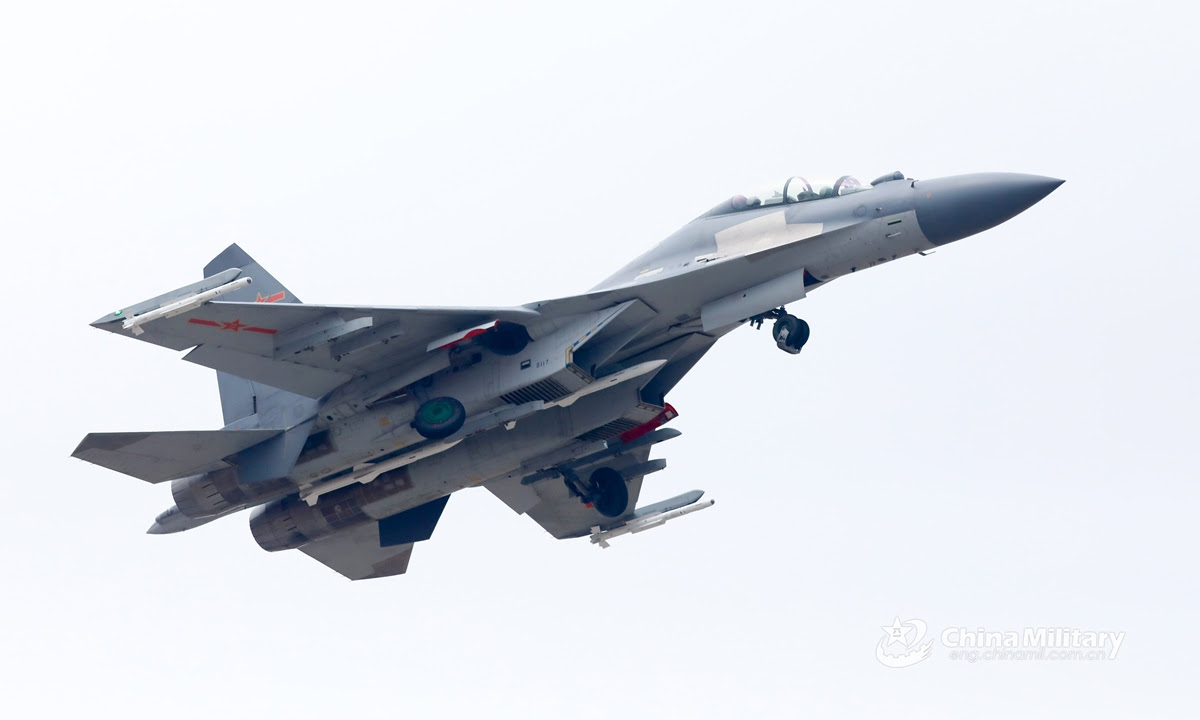
On 30 September, Rediff reported that China has established an air force support and training centre in Laos. It is Beijing's third overseas military outpost and expands the PLA's regional military footprint. The China-Laos Joint Support and Training Centre, at Ban Keun Airport in Vientiane province, and the China-Laos Friendship Aviation Academy began operating on Wednesday, according to China's Defence Ministry. China's Ministry of National Defence said the centre and academy's establishment reflects mutual respect and equal consultation between the two countries, in line with both nations' domestic laws and international law. It said the facility is "not directed against any third party." China's first overseas base was a naval facility in Djibouti, established in 2017. Its second site, in Cambodia, is also naval-focused, making this centre its first overseas facility built around air power. Brian Hart, deputy director of the CSIS China Power Project, said the speed of the facility's construction suggests the PLA's footprint elsewhere could grow quickly "if the conditions are right."
("China sets up air force support training centre in Laos, its third overseas military outpost,” Rediff, 30 September 2026)
https://share.google/bvvgosRrdJzTCyNkw
CHINA AND TAIWAN
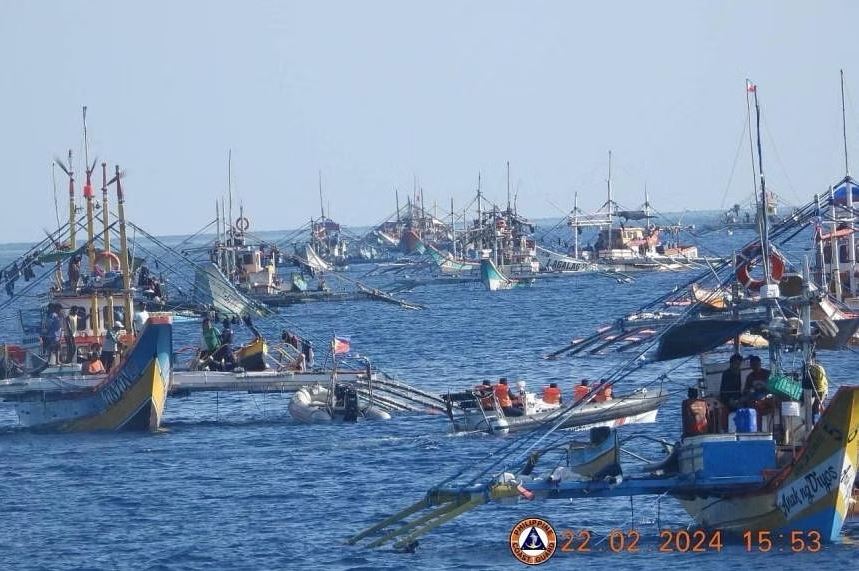
Taiwan reshuffles naval command; More emphasis on Coast Guard
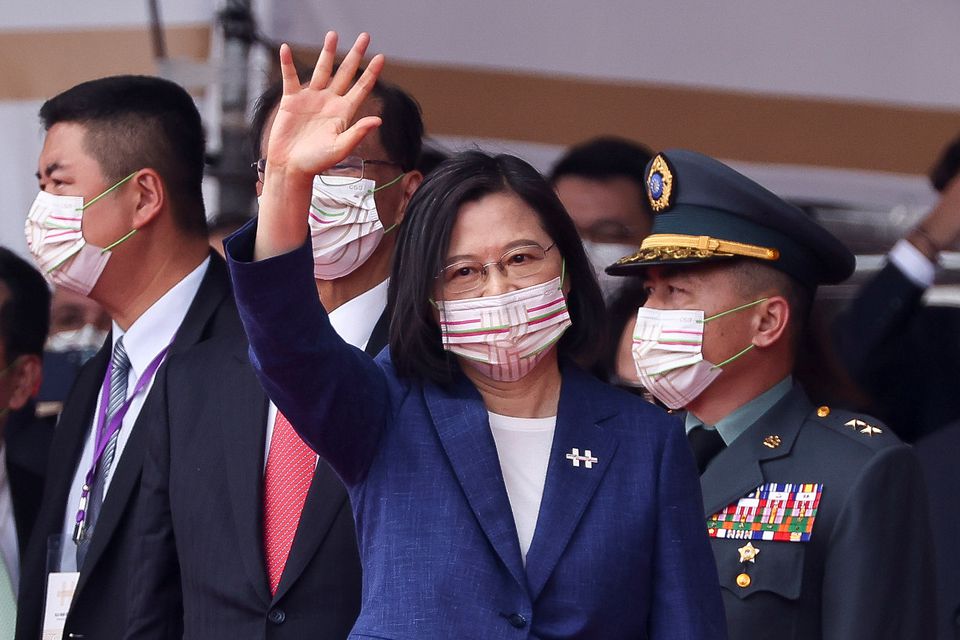
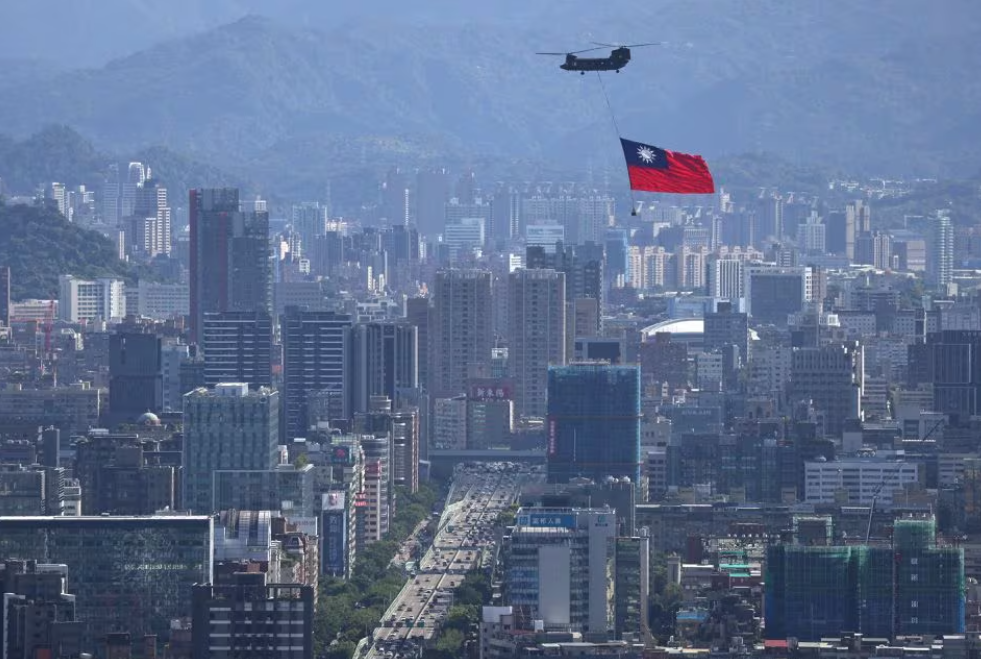
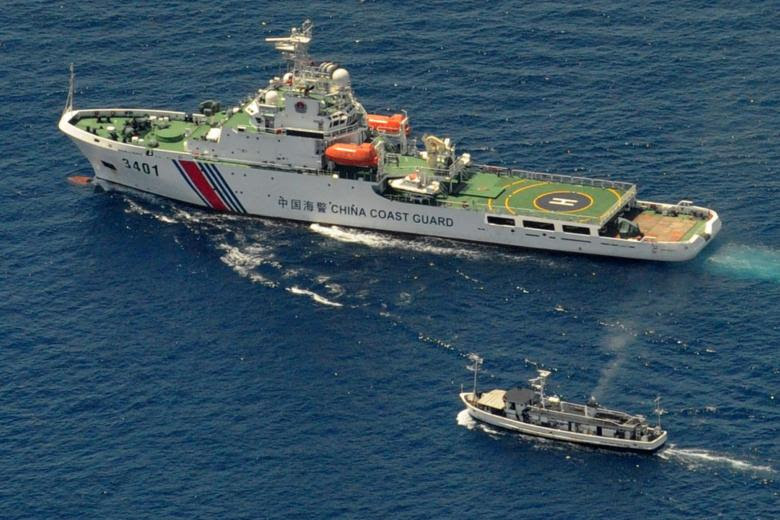
On 01 October, Reuters reported that Taiwan transferred a senior naval commander to the Coast Guard to strengthen coordination as China expanded its maritime activity around the island, President Lai Ching-te announced. Yuan Sheng-hua moved from vice chief of staff at navy headquarters to deputy head of the Coast Guard, with Lai saying closer collaboration between the two forces was essential to respond to rapidly evolving maritime situations and share intelligence. The move forms part of Taiwan's military modernisation drive, which has placed growing emphasis on the Coast Guard as a potential "second navy" during wartime. Last month, one of the Coast Guard's Anping-class catamarans fired a surface-to-surface missile during a drill, while the force also joined the navy in an anti-blockade exercise during August's Han Kuang war games. China's Coast Guard has conducted patrols off Taiwan's east coast since June, which Beijing describes as law enforcement in its own waters, a claim Taipei rejects.
("Taiwan transfers naval commander to Coast Guard to boost deterrence against China," Reuters, 01 October 2026)
https://www.reuters.com/world/china/taiwan-transfers-naval-commander-coast-guard-boost-deterrence-against-china-2026-10-01/
CHINA AND EAST ASIA
Republican lawmaker urges US scrutiny of South Korea-China ties
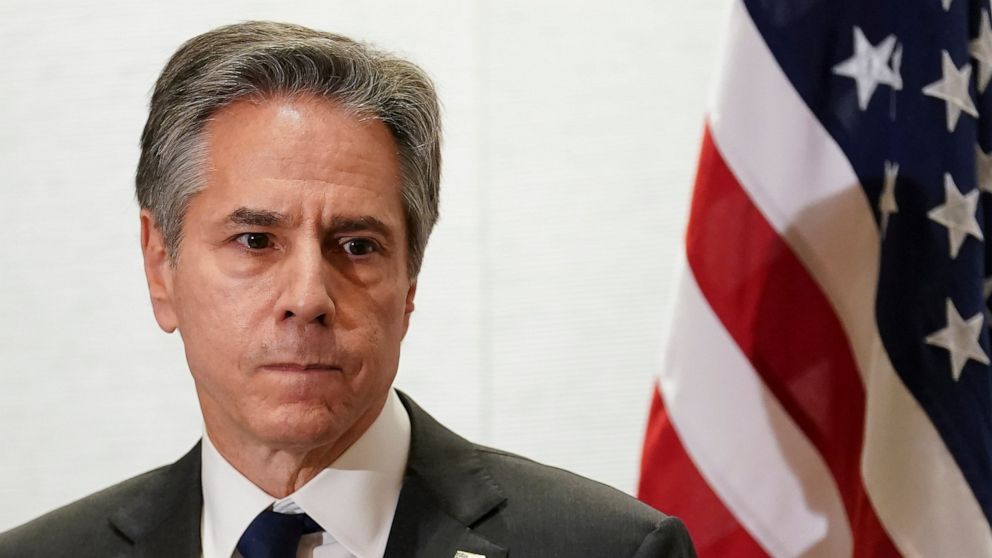
On 30 September, Reuters reported that Representative John Moolenaar, chair of the US congressional committee on China, called on the Trump administration to scrutinise South Korea's warming relationship with China, warning it posed "significant risks" to the United States. In a letter to Secretary of State Marco Rubio, Moolenaar cited deepening leader-level engagement, South Korean semiconductor investment in China, and more lenient treatment of Chinese e-commerce firms compared to American companies, calling for "heightened vigilance." He pointed to Chinese President Xi Jinping's 2025 visit to Seoul and South Korean President Lee Jae Myung's visit to China this year as unprecedented in pace, and raised concern over Samsung and SK Hynix's chipmaking operations in China as potential points of Chinese leverage. South Korea's Foreign Ministry said the alliance with Washington remained the cornerstone of its foreign policy, while Moolenaar requested a State Department briefing by 31 October.
("Republican committee chair calls for scrutiny of Seoul's China ties," Reuters, 30 September 2026)
https://www.reuters.com/world/china/republican-committee-chair-calls-scrutiny-seouls-china-ties-2026-09-30/
CHINA AND SOUTH ASIA
Bangladesh seeks greater Chinese investment and stronger support for Rohingya repatriation
On 30 September, UNB reported that Bangladesh President Mirza Fakhrul Islam Alamgir urged China to increase investment in Bangladesh and strengthen cooperation to create conditions for the safe, dignified and sustainable repatriation of Rohingyas to Myanmar. The President made the request during a farewell courtesy call by outgoing Chinese Ambassador to Bangladesh Yao Wen at Bangabhaban. Bangladesh also acknowledged China’s role in efforts to address the Rohingya crisis, with the president saying Chinese initiatives could contribute to resolving the issue and facilitating sustainable repatriation. Alamgir also identified several sectors in which Bangladesh is seeking greater Chinese investment, including ready-made garments, electric vehicles, light engineering, high-tech electronics, semiconductors and solar power. He welcomed Chinese-supported regional connectivity initiatives, including the Kunming-Chattogram corridor and the China-Myanmar-Bangladesh Economic Corridor, and said Bangladesh was prepared to cooperate with China and other partners in areas of mutual interest. The meeting therefore linked Bangladesh’s economic priorities with its diplomatic efforts over the Rohingya crisis. Investment diversification, industrial cooperation and regional connectivity remain important areas of the evolving Bangladesh-China relationship, while Dhaka continues to seek Chinese engagement on the long-running displacement crisis.
“President seeks greater Chinese investment, stronger support for Rohingya repatriation,” UNB, 30 September 2026
https://www.unb.com.bd/category/Bangladesh/president-seeks-greater-chinese-investment-stronger-support-for-rohingya-repatriation/196648
India-China trade reaches USD 92 billion as bilateral cooperation expands
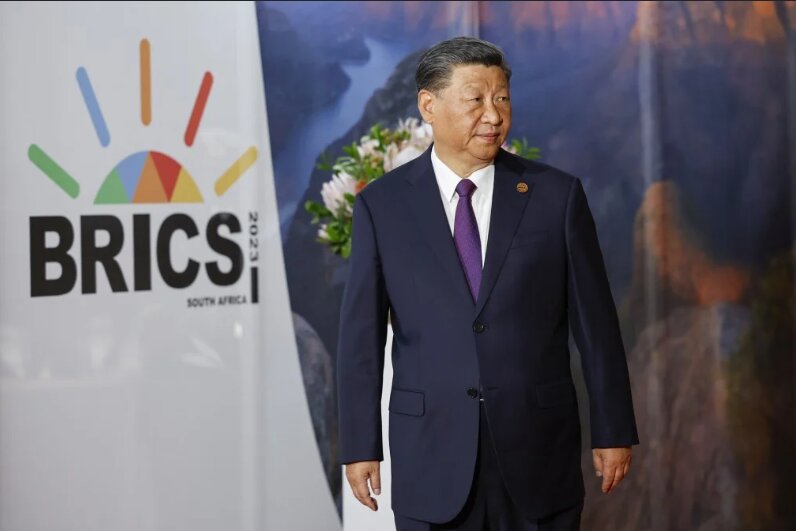
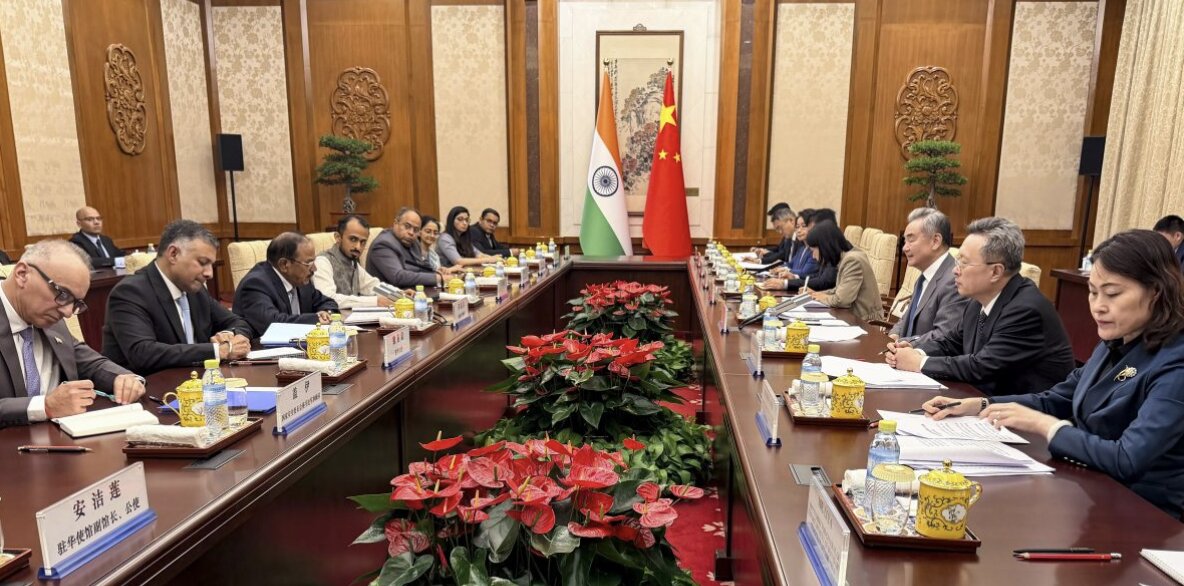
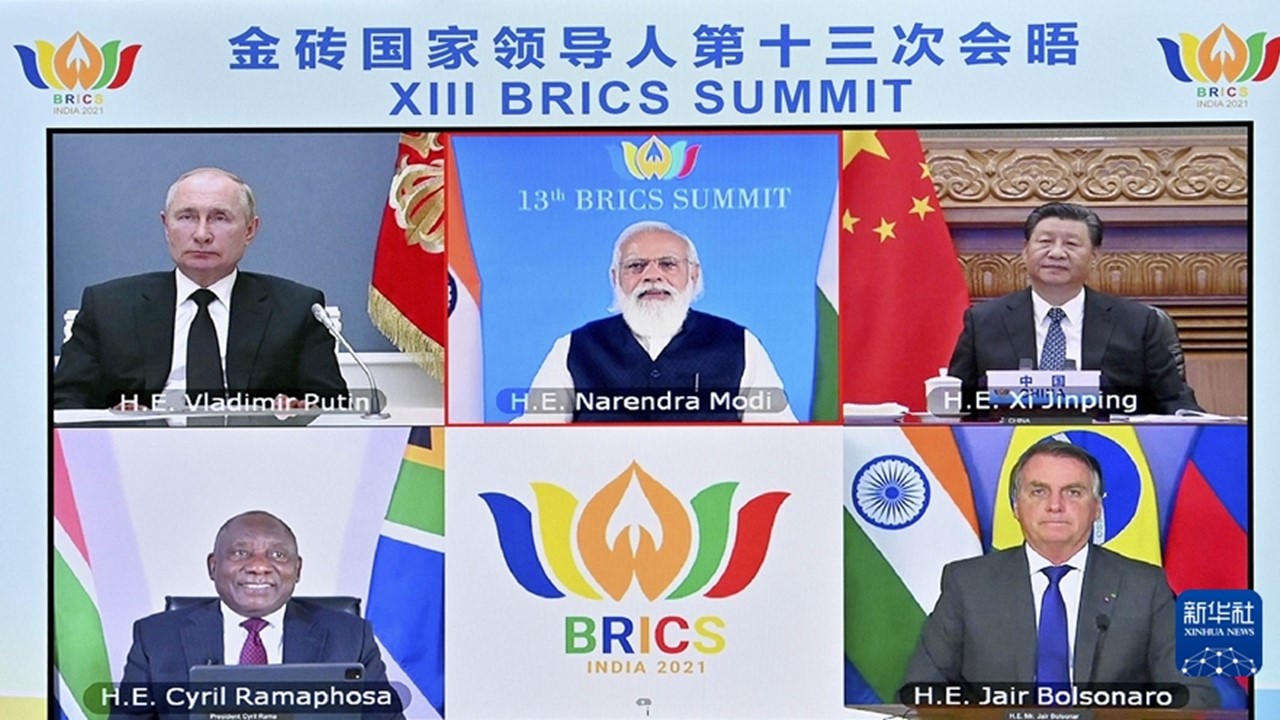
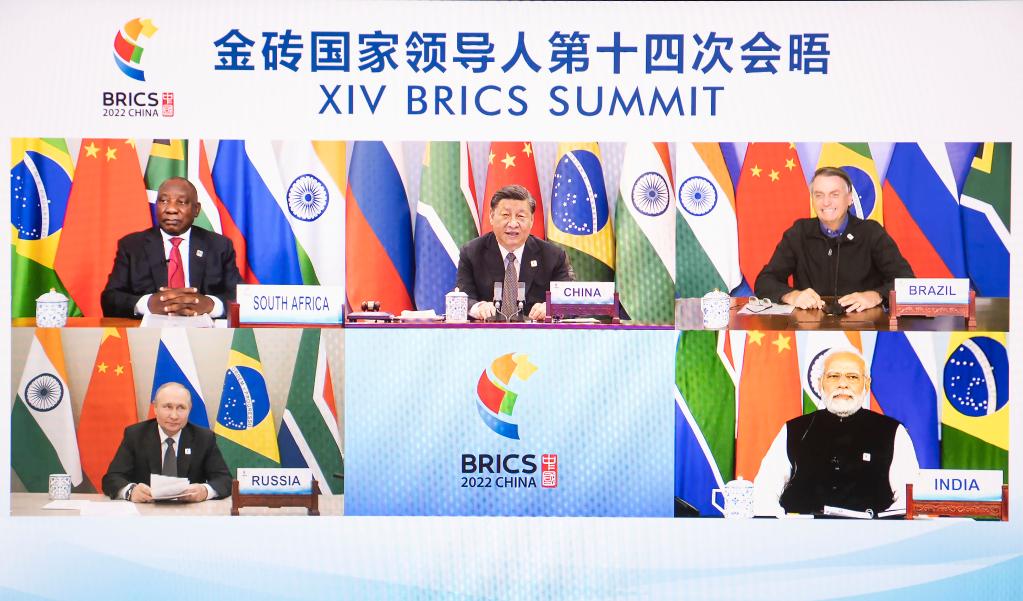
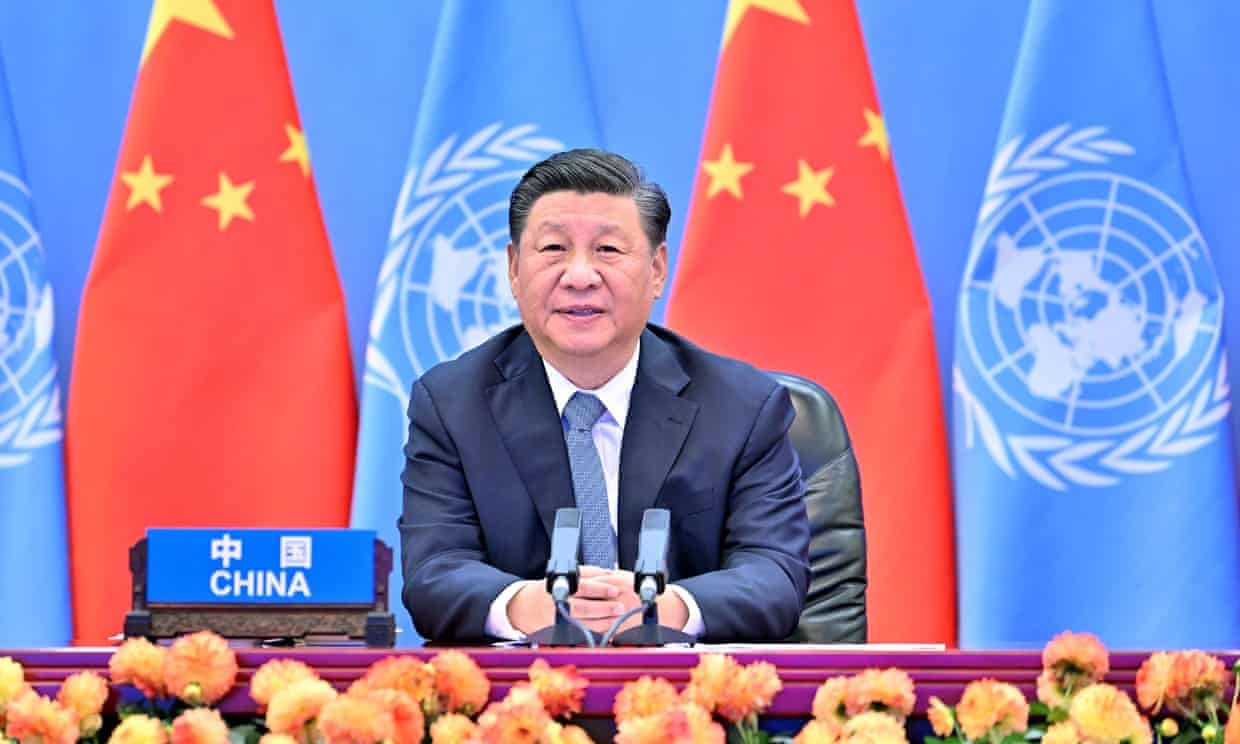
On 29 September, The Hindu reported that trade between India and China reached USD 92 billion in the first half of 2026, according to Chinese Consul General in Mumbai Qin Jie. Speaking at the India-China BRICS Dialogue Seminar in Bengaluru, Qin said Indian exports to China had increased by 39 per cent year-on-year between April and August, with growth driven by value-added products including electronics, mobile phone components and telecom equipment. Qin also highlighted the broader resumption of India-China engagement. His comments came after President Xi Jinping’s recent visit to India for the BRICS Leaders’ Summit, where Xi and Prime Minister Narendra Modi held bilateral discussions. The Chinese consul general said the two countries should strengthen cooperation across areas of mutual interest. He also discussed the need for greater cooperation among major countries, including India, China and the United States, in guiding the development of artificial intelligence. The reported trade figures come amid a broader improvement in bilateral contacts following the stabilisation of India-China border tensions. While the trade relationship continues to involve a substantial imbalance, the reported rise in Indian exports suggests some expansion in the composition of bilateral commerce. The developments indicate that economic engagement is again becoming an important component of the wider India-China relationship.
“India-China ties see renewed cooperation, trade reaches $92 billion: Consul General Qin Jie,” The Hindu, 29 September 2026
https://www.thehindu.com/news/national/india-china-ties-see-renewed-cooperation-trade-reaches-92-billion-consul-general-qin-jie/article70000000.ece
Jaishankar says India-China ties are better than they were in recent years
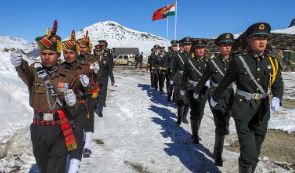
On 29 September, The Hindu reported that External Affairs Minister S. Jaishankar described India-China relations as “better” than they were a couple of years earlier, linking the improvement primarily to the stabilisation of the border situation following the prolonged tensions that began with the 2020 border standoff. Speaking at an Asia Society event in New York, Jaishankar said that compared with 2025, and even more so compared with 2024, relations had improved. Jaishankar said the improvement did not necessarily represent a structural transformation but followed the restoration of stability after a period in which bilateral relations had moved significantly off track. He noted that the 2020 standoff had affected normal contacts between the two countries, including official exchanges, visa issuance and air connectivity, although trade continued. According to him, once the border situation was stabilised, greater engagement became a natural consequence. His remarks come alongside increased diplomatic and economic engagement, including Xi Jinping’s recent visit to India for the BRICS summit and the reported USD 92 billion in India-China trade during the first half of 2026. Jaishankar nevertheless framed the border as central to the broader relationship, indicating that continued stability along the frontier remains closely connected to the trajectory of bilateral ties.
“India-China ties ‘better’ than a couple of years ago: Jaishankar,” The Hindu, 29 September 2026
https://www.thehindu.com/news/national/india-china-ties-better-than-a-couple-of-years-ago-jaishankar/article70000000.ece?
CHINA AND MIDDLE EAST
Beijing says Hormuz crisis amounts to a Southeast Asian economic emergency
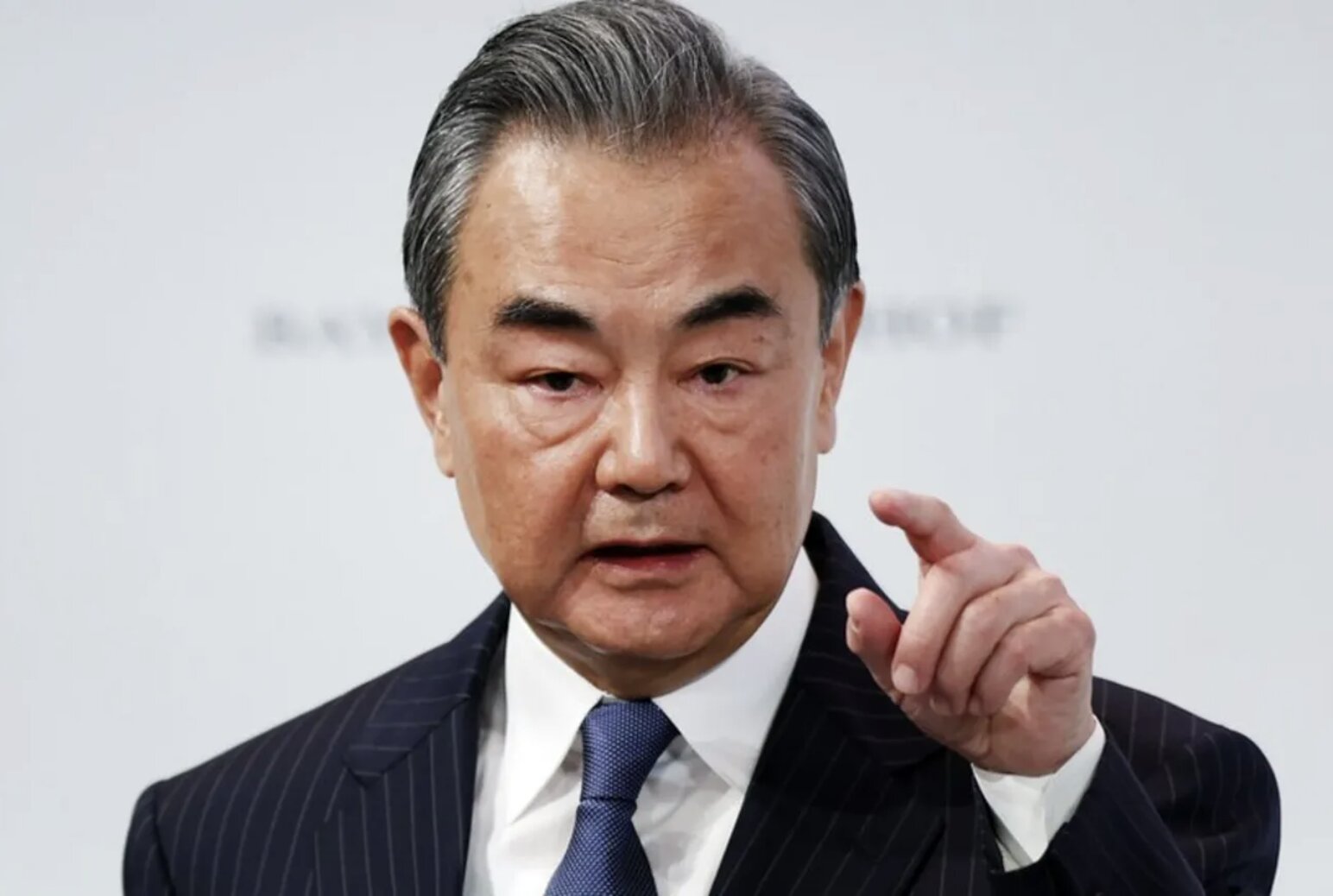
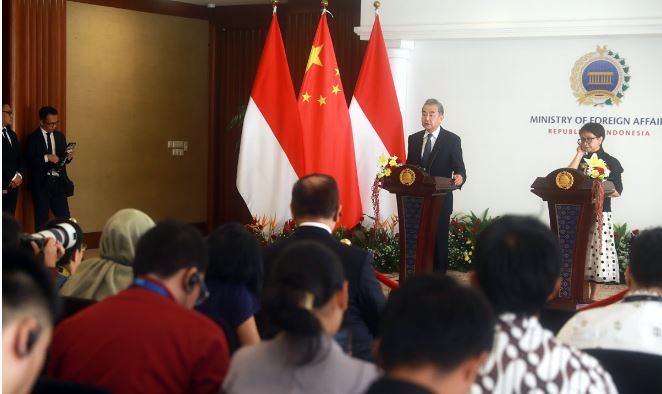
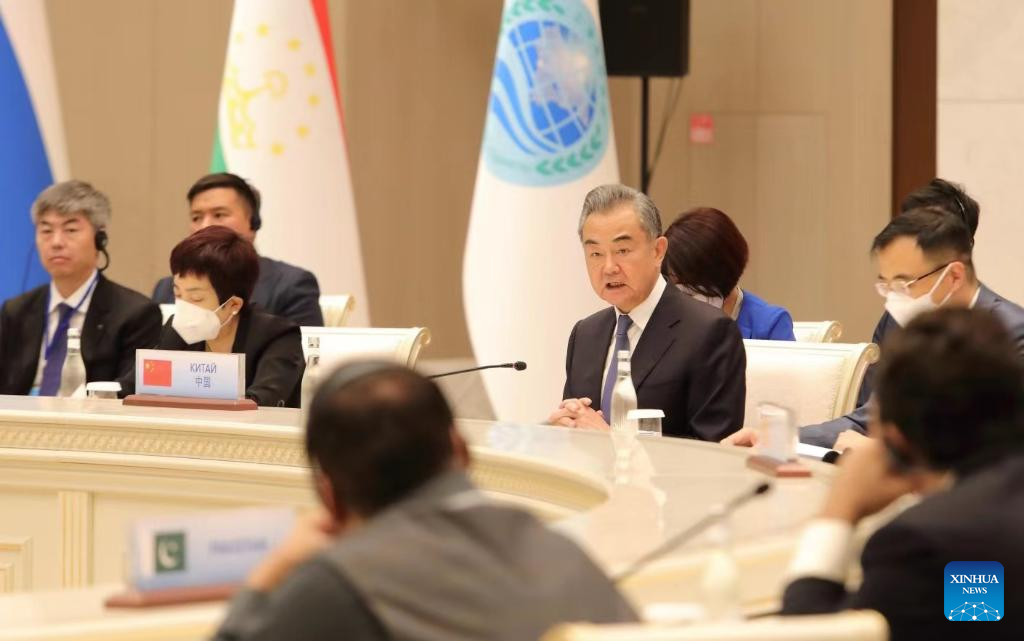
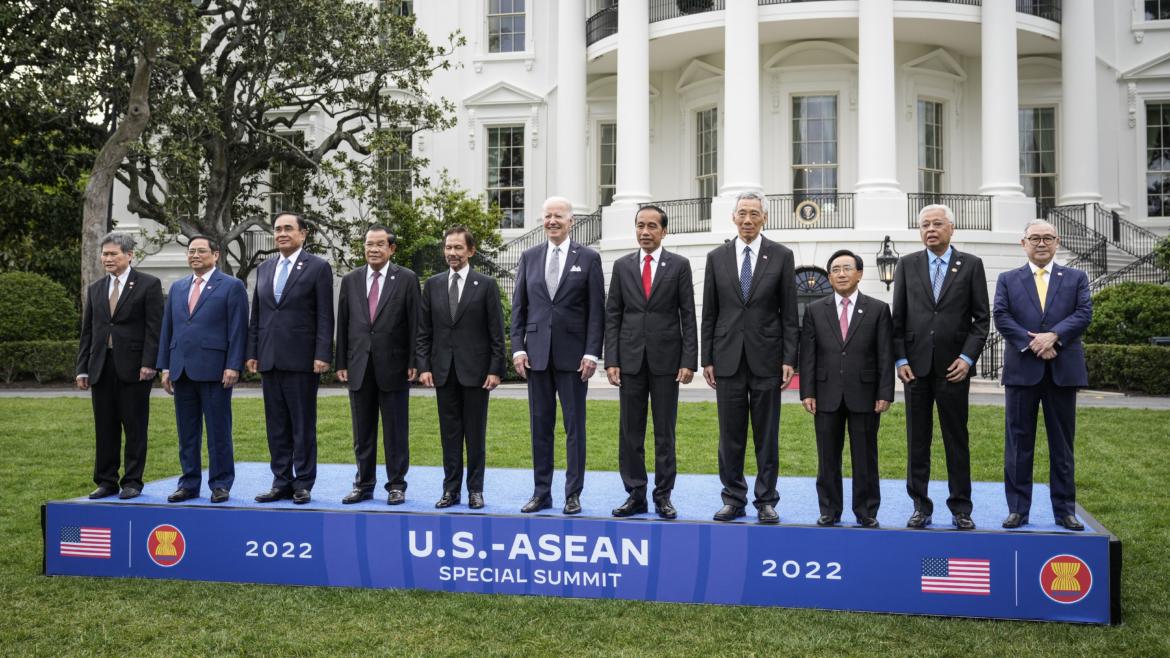
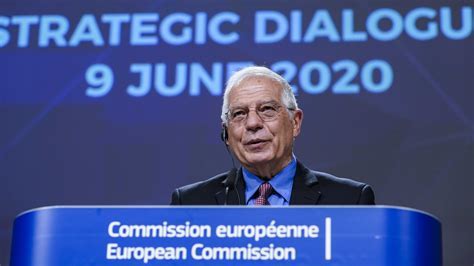
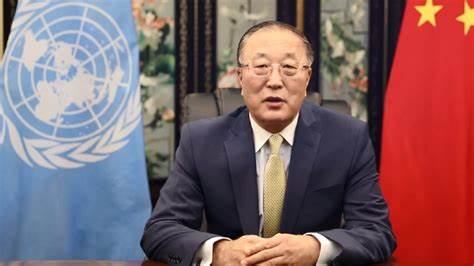
On 30 September, AsiaNewsNetwork reported that the Special Envoy of the Chinese Government on Middle East Issues, Zhai Jun, warned that the Gulf conflict has become a direct economic emergency for Southeast Asia, as disruptions to the Strait of Hormuz raise energy, freight, insurance and food costs. Thailand has been particularly affected by rising fuel and fertiliser prices, while other ASEAN economies face similar pressures. Envoy Zhai proposed a regional security framework based on strategic autonomy and UN-led multilateralism. He also proposed a form of Palestinian self-governance as a sustainable solution for peace in the region. However, continued reliance on US security guarantees and uncertainty over reopening Hormuz challenges Beijing’s proposed security architecture.
(“Beijing envoy says the Middle East Gulf War is now Southeast Asia’s problem,” AsiaNewsNetwork, 30 September 2026)
https://asianews.network/beijing-envoy-says-the-middle-east-gulf-war-is-now-southeast-asias-problem/
CHINA AND RUSSIA
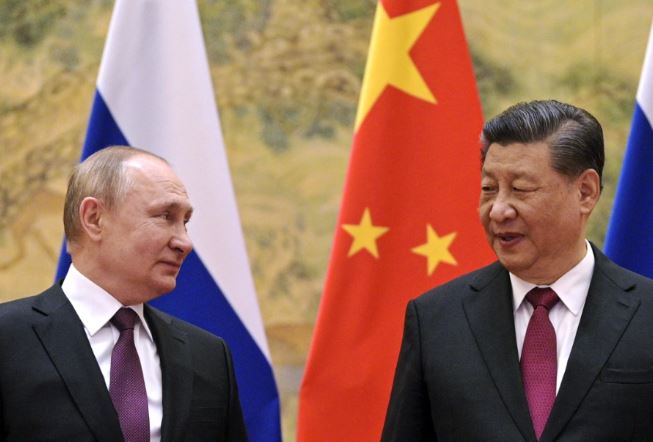
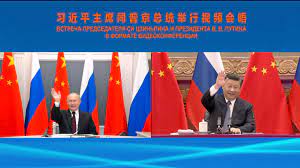
Beijing to broaden cooperation with Moscow; Commemorates 77th anniversary of diplomatic relations
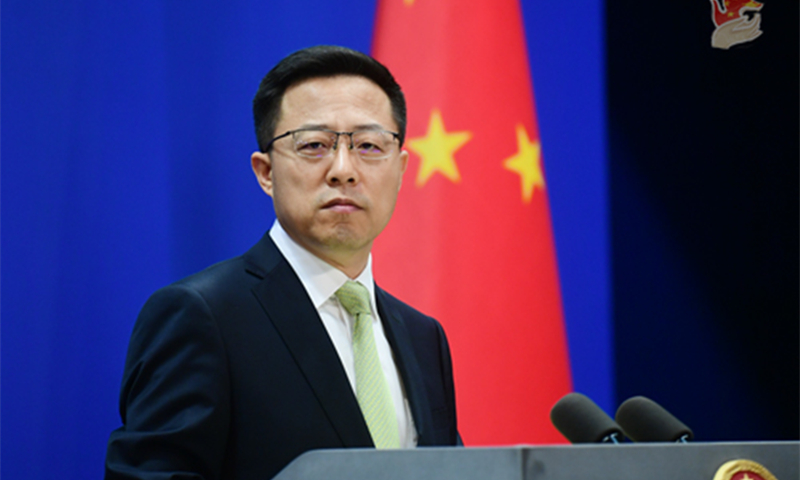
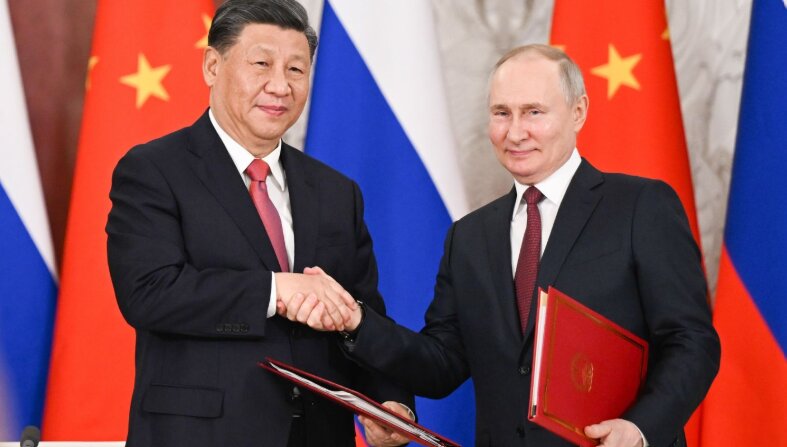
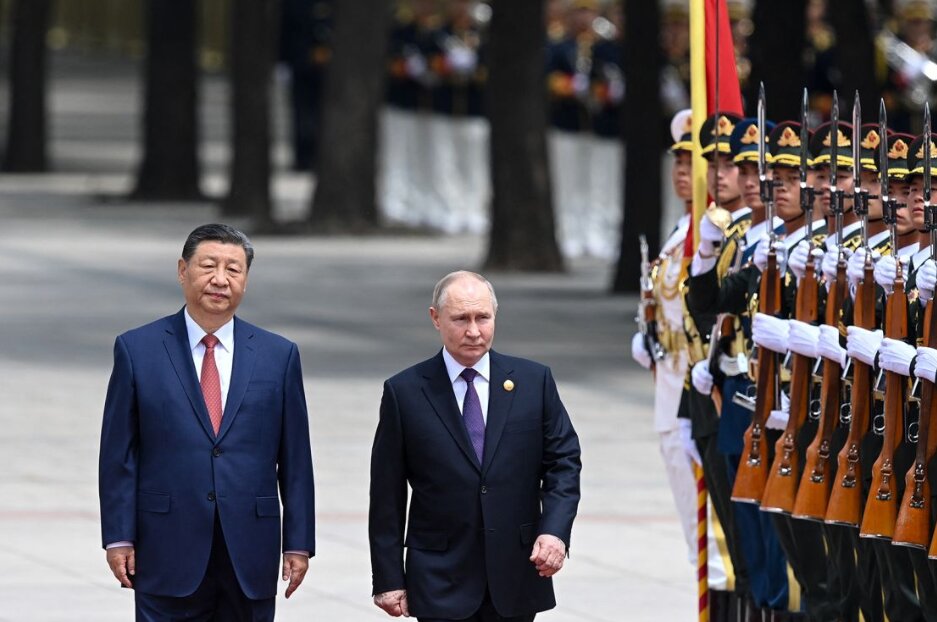
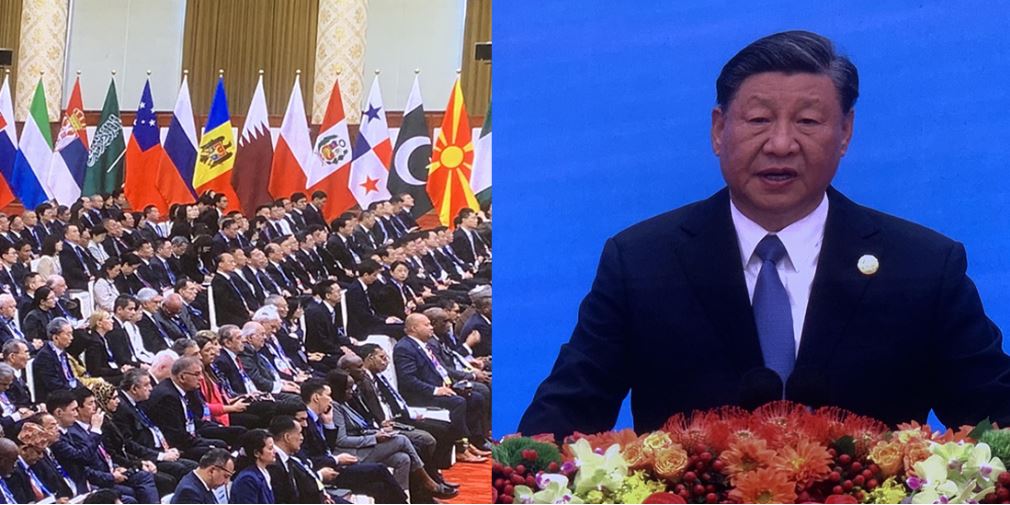
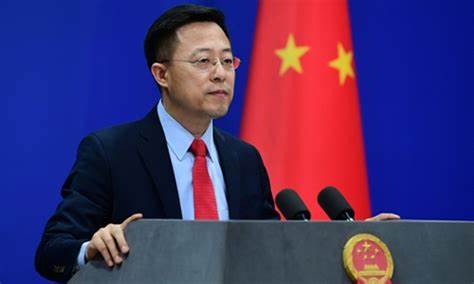
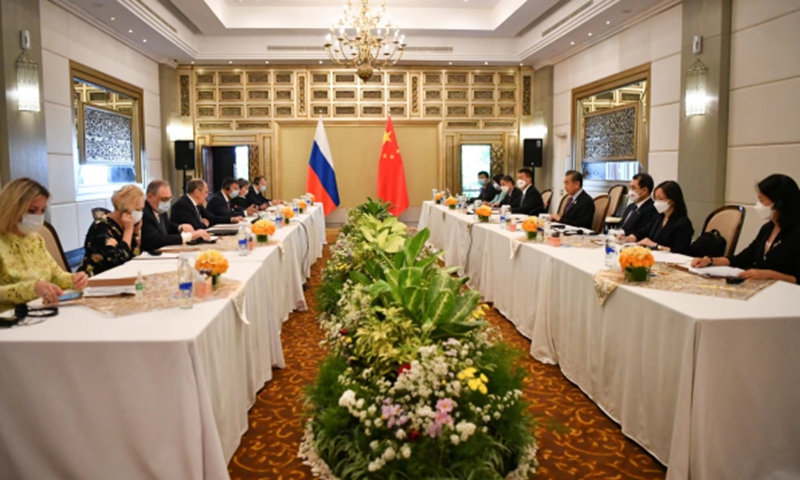
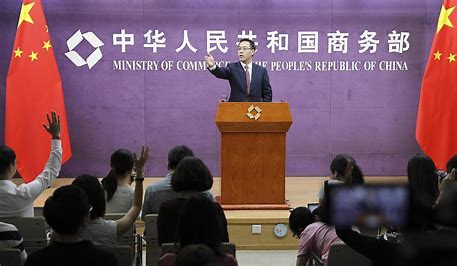
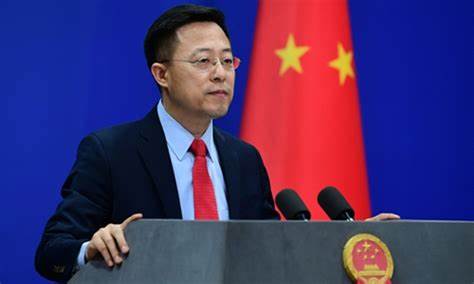
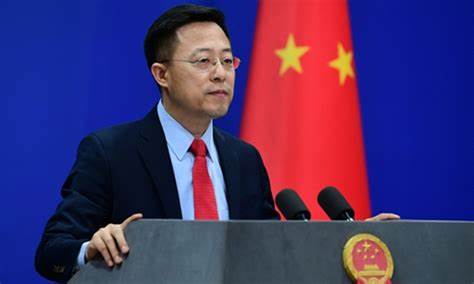
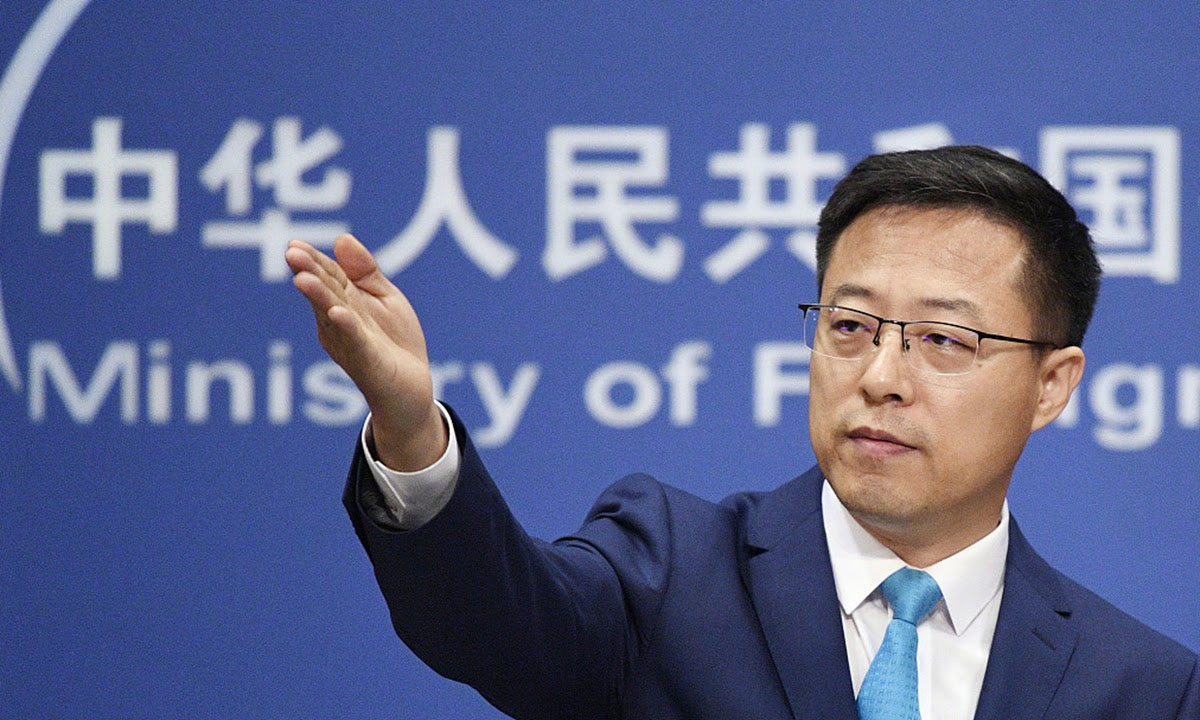
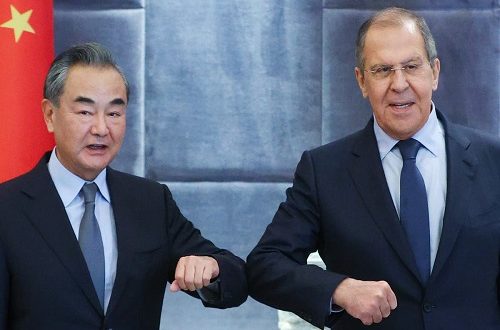
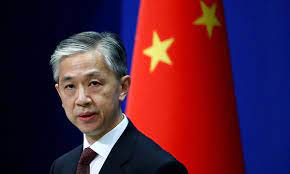
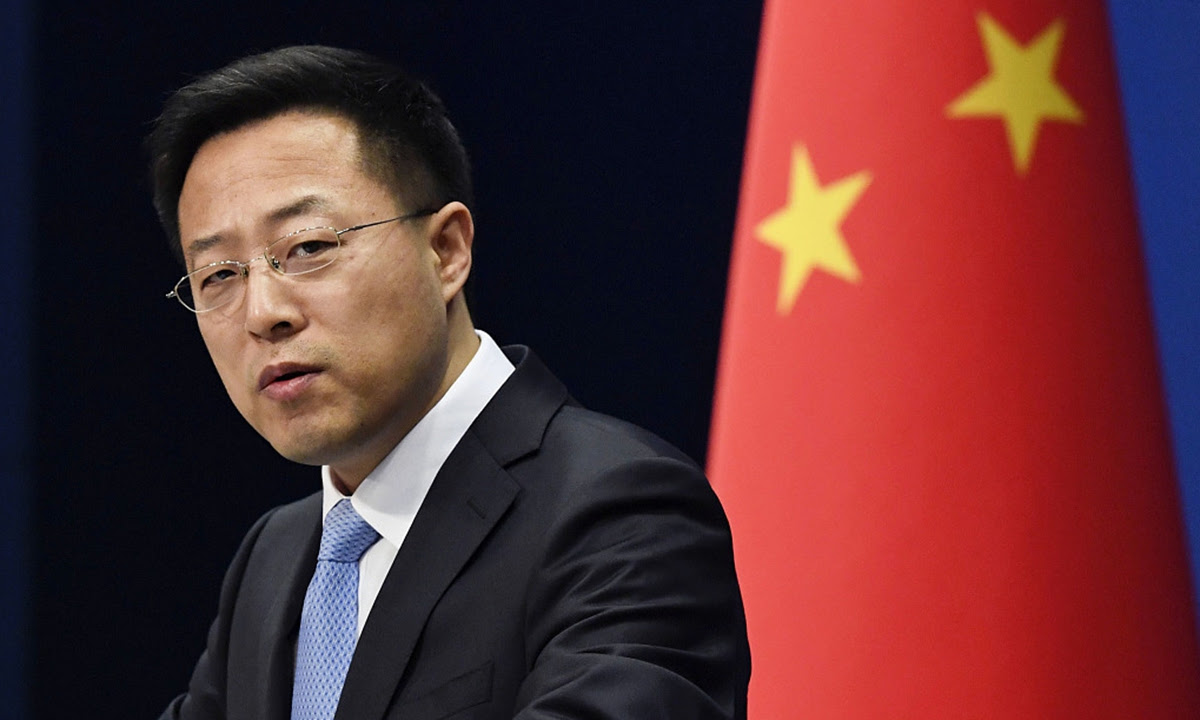
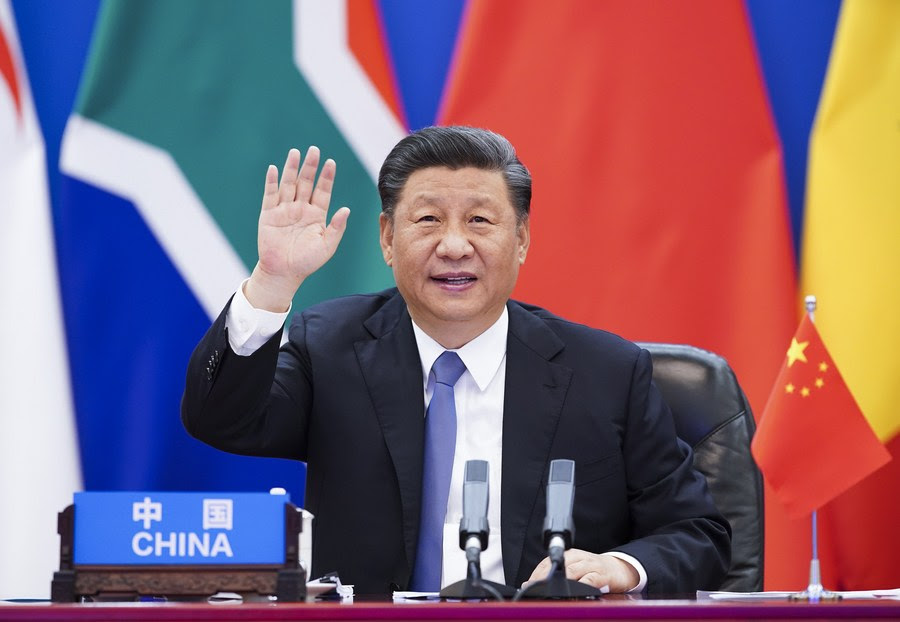
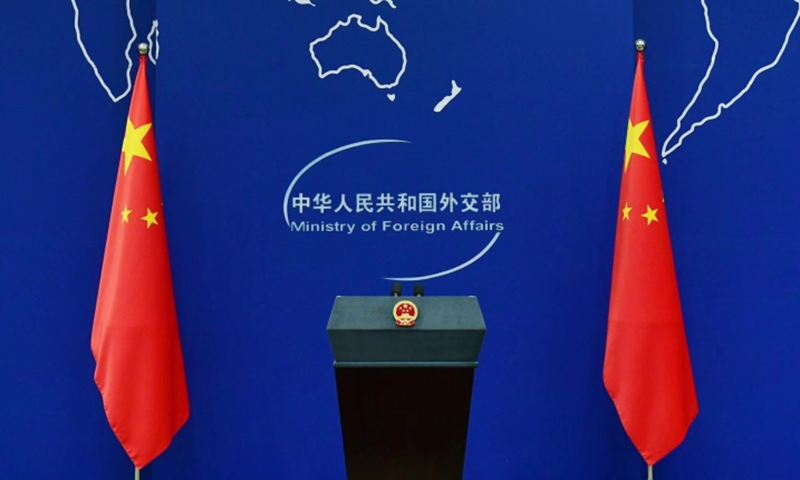
On 30 September, Bastille Post reported that China’s Foreign Ministry spokesman Guo Jiakun said Beijing expects China-Russia relations to enter a broader phase of cooperation, emphasising deeper comprehensive strategic coordination and mutually beneficial development. Speaking ahead of the 77th anniversary of diplomatic relations, Spokesperson Guo highlighted President Xi Jinping and President Vladimir Putin’s two meetings in 2026, saying they have guided bilateral ties toward higher-quality and faster development. He stressed continued good neighbourliness, national development and stronger cooperation on global governance, presenting the partnership as an example for a new type of international relations.
(“China expects broader prospect for bilateral ties with Russia: spokesman,” Bastille Post, 30 September 2026)
https://www.bastillepost.com/global/article/6208365-china-expects-broader-prospect-for-bilateral-ties-with-russia-spokesman
CHINA AND THE AMERICAS
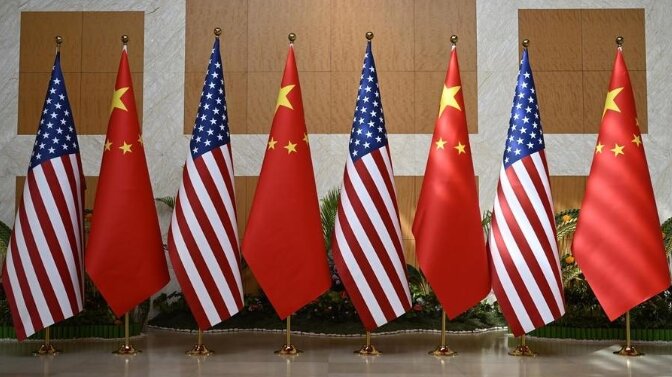
US call for global action against China’s excessive steel production
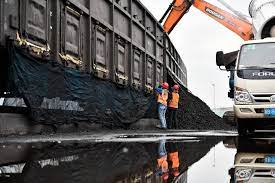
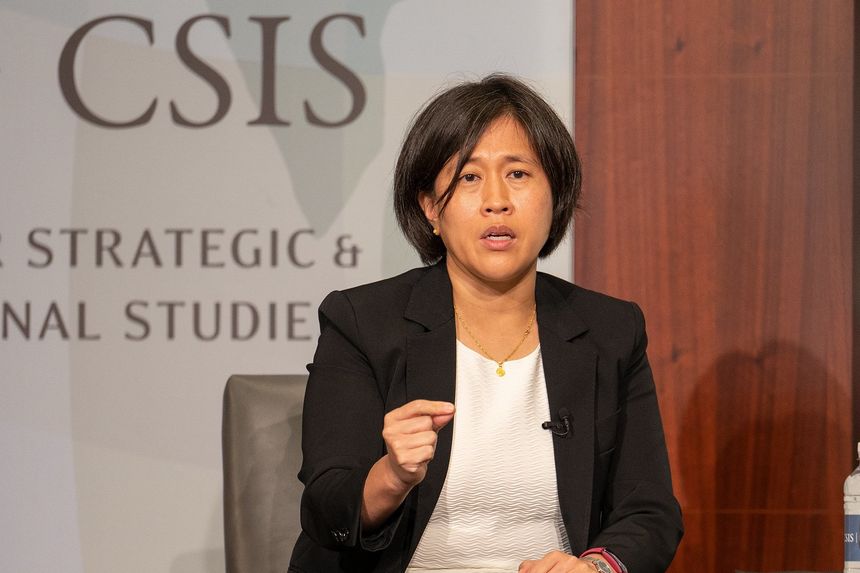
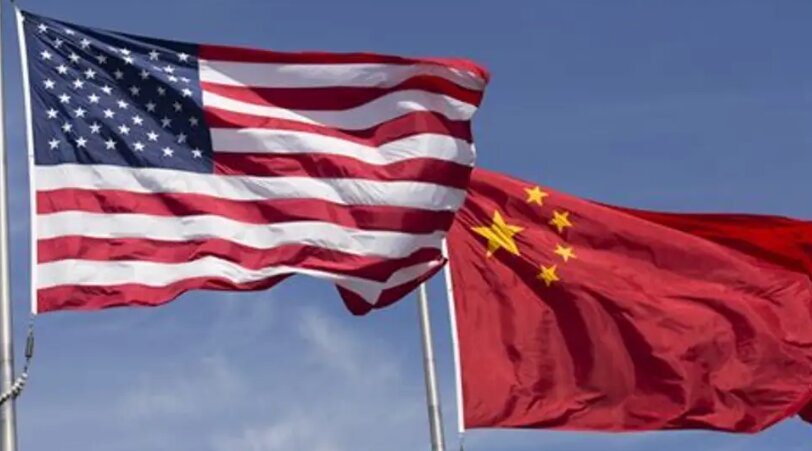
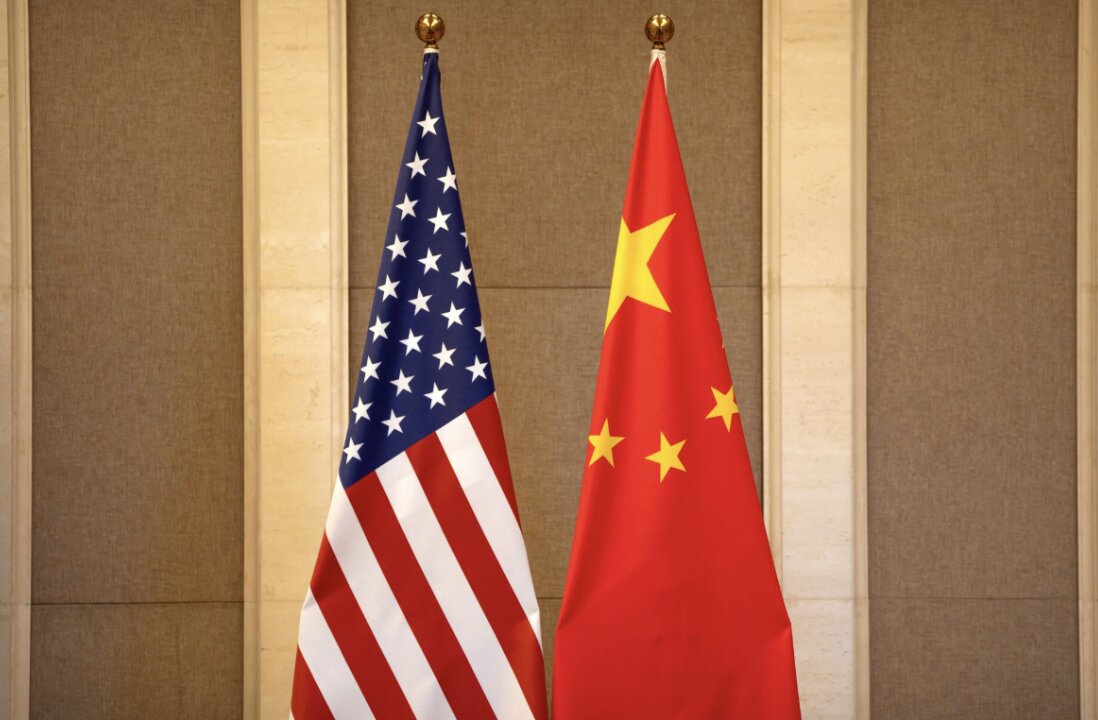
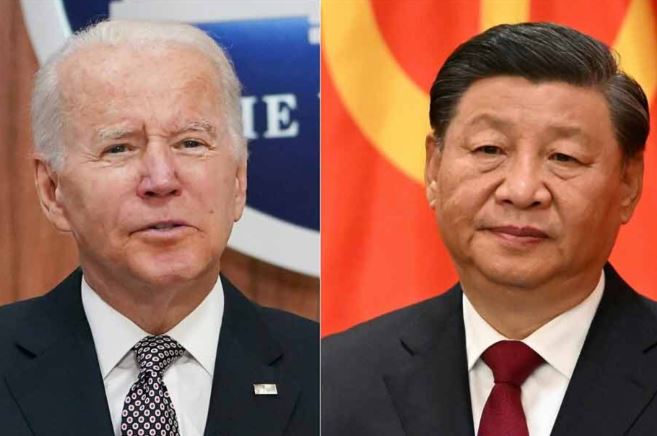
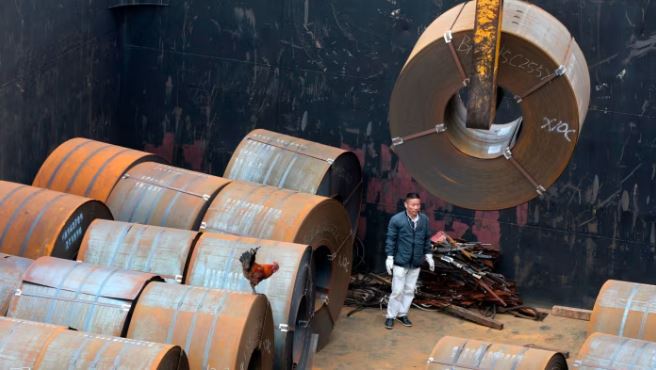
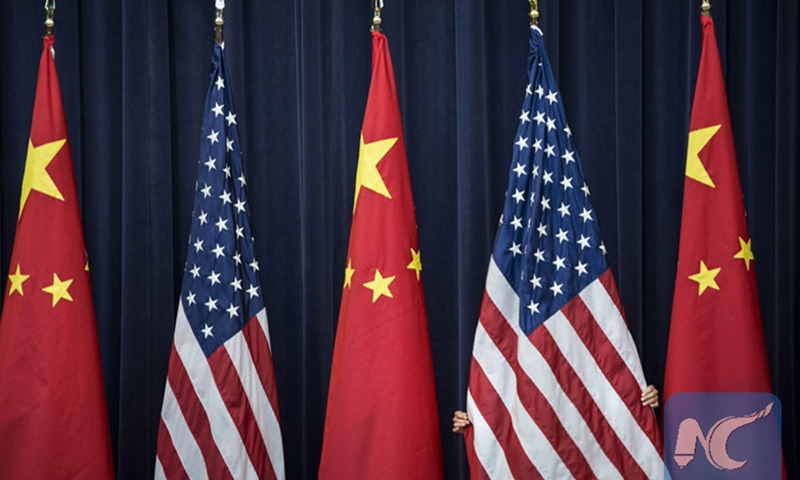
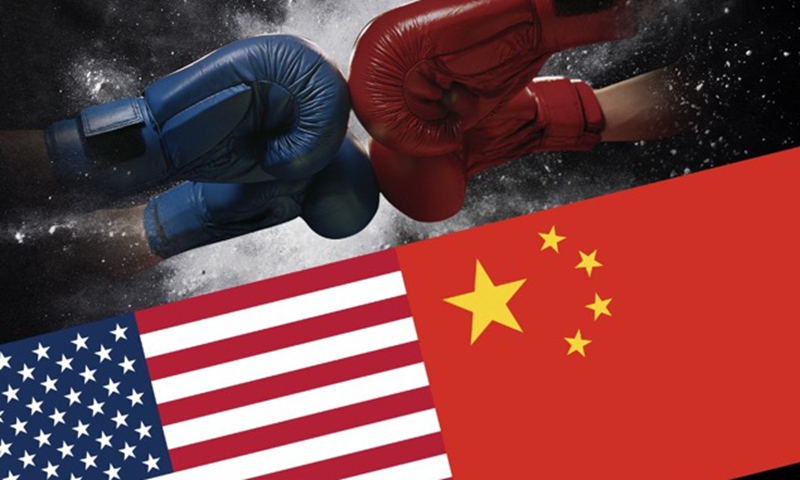
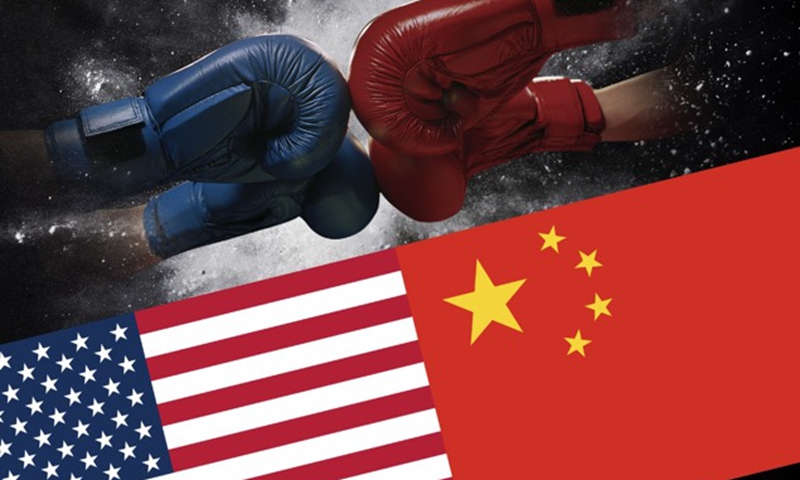
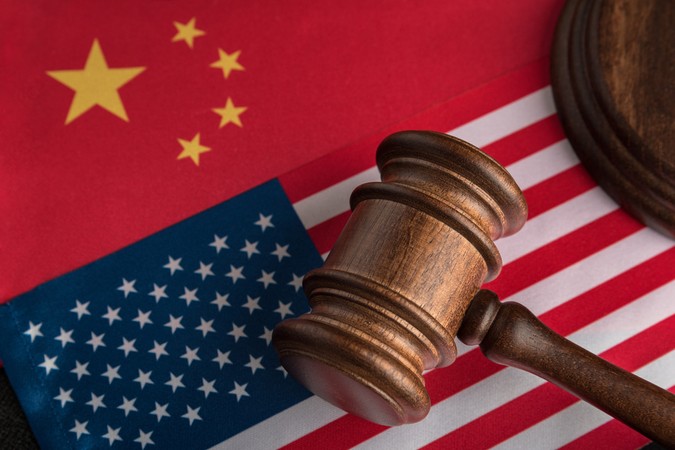
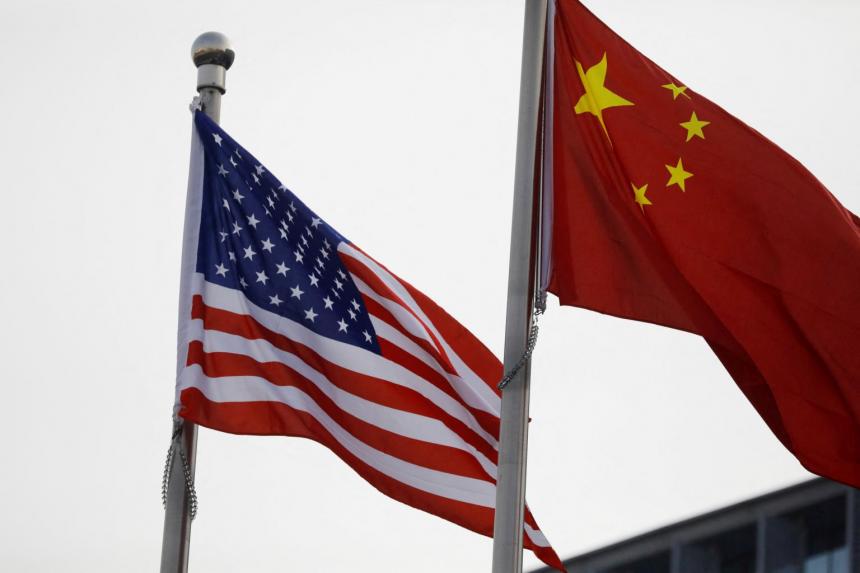
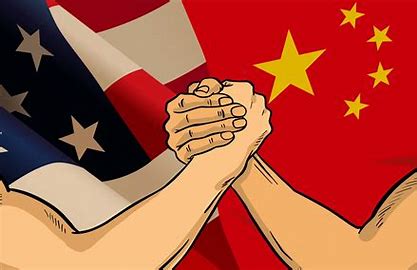
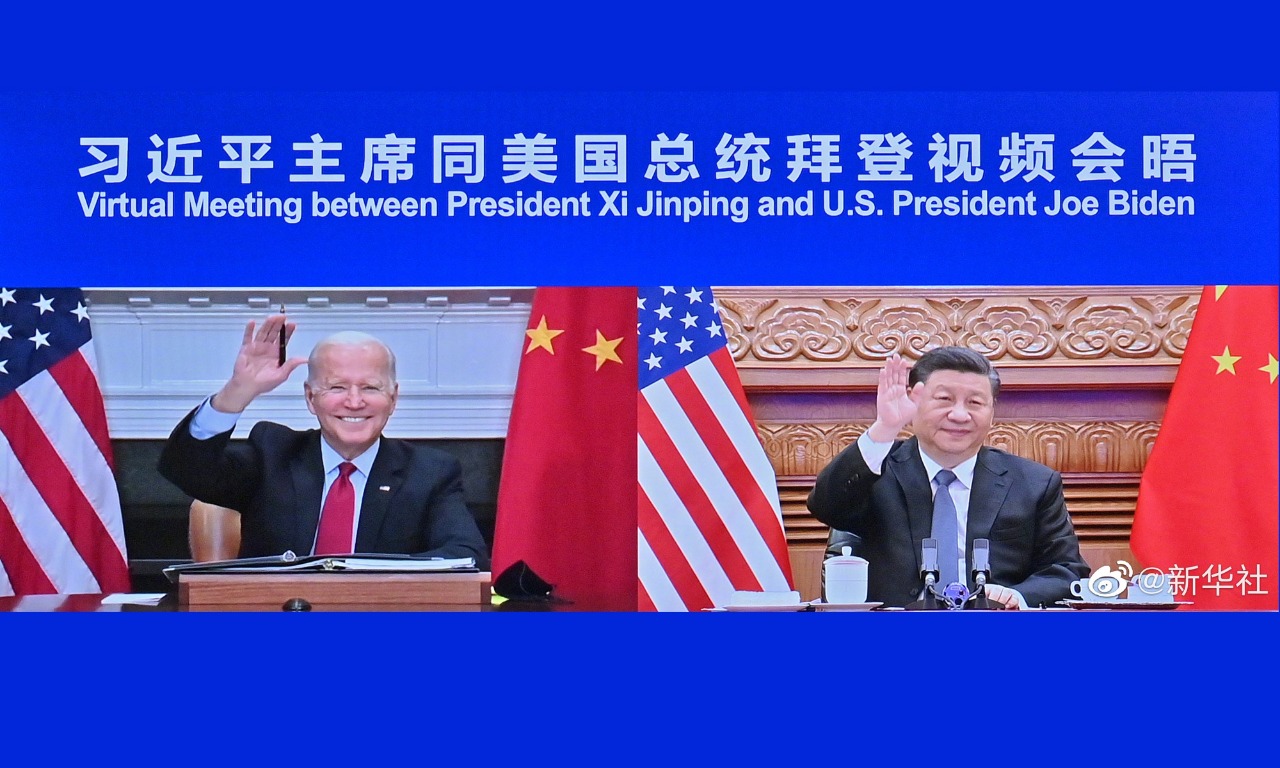
On 01 October, SCMP reported that the US Trade Representative Jamieson Greer proposed the “Milwaukee Framework” at the G20 Trade Ministers’ meeting to address global steel overcapacity, encouraging countries to strengthen trade barriers against imports and eliminate market-distorting subsidies. The framework, adopted by the Global Forum on Steel Excess Capacity, targets non-market practices without explicitly naming China, the world’s largest steel producer. Washington’s initiative follows Chinese President Xi Jinping’s recent US visit and comes amid broader US tariff measures against trading partners. Meanwhile, Washington and Beijing extended their temporary trade agreement, highlighting continued tensions alongside limited cooperation. China has vehemently rejected any US accusations over trade imbalances.
(“US targets China’s steel capacity at G20 days after Xi’s state visit,” South China Morning Post, 01 October 2026)
https://www.scmp.com/news/china/diplomacy/article/3369393/us-targets-chinas-steel-capacity-g20-days-after-xis-state-visit


















.png)
.jpg)
.jpg)
.jpg)
.jpg)
.jpg)
.jpg)
.jpg)
.jpg)
.jpg)
.png)

.jpg)
.jpg)
.jpg)
.jpg)
.jpg)
.jpg)
.jpg)

.jpg)
.jpg)
.jpg)
.jpg)
.jpg)
.jpg)
.jpg)
.jpg)
.jpg)
.png)
.jpg)
.jpg)
.png)
.jpg)
.jpg)


.jpg)
.jpg)
.jpg)
.jpg)
.jpg)
.jpg)
.jpg)
.jpg)
.jpg)
.jpg)
.jpg)
.jpg)
.jpg)
.jpg)
.jpg)
.jpg)

.jpeg)



.jpeg)