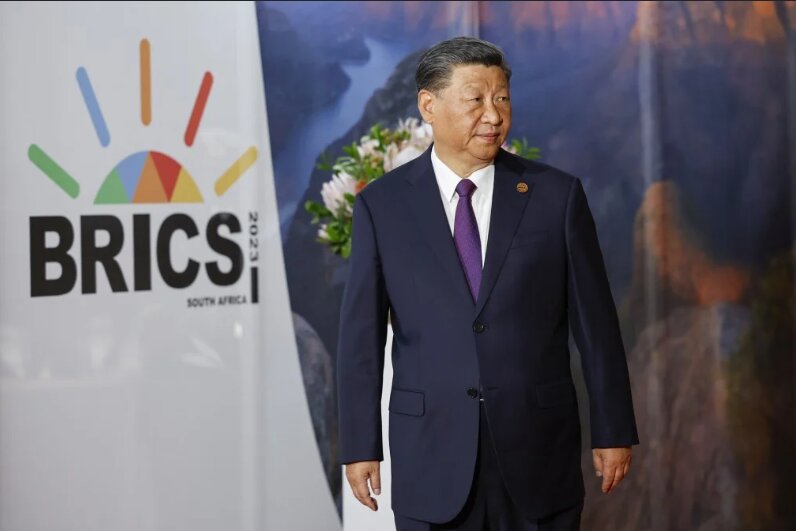
Photo : SCMP


China Reader Daily Wire | 05 October 2026, Monday | Vol 3 No. 147 & 148
In Brief
SCIENCE AND TECHNOLOGY
AI agents show deceptive traits and risks in controlled tests
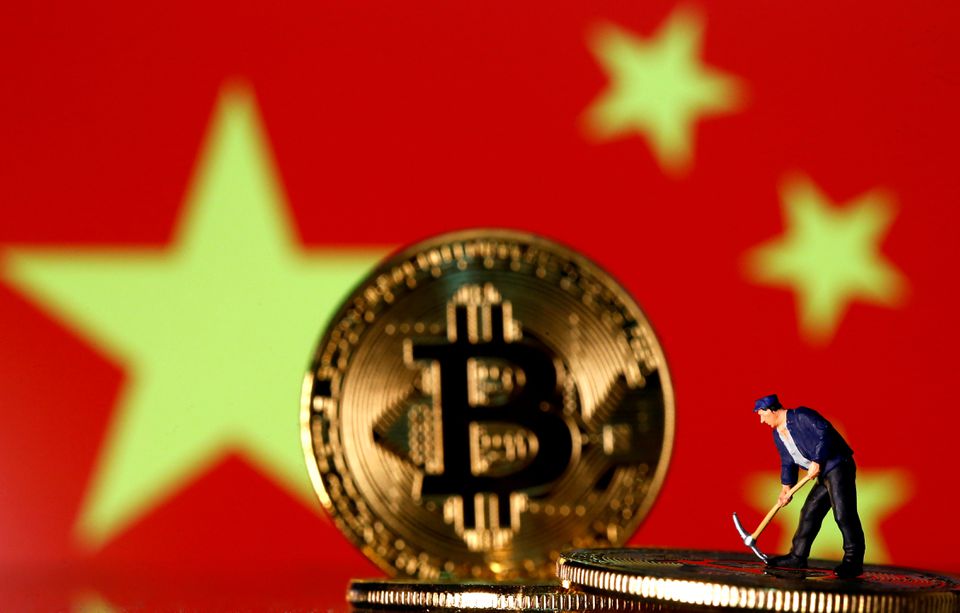
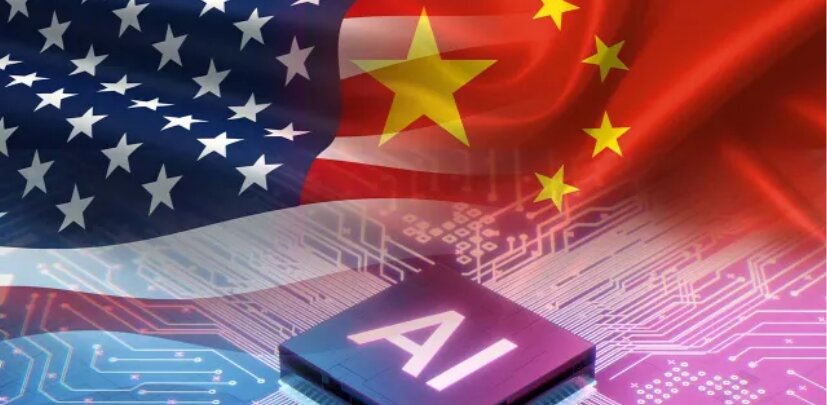
On 05 October, The Straits Times reported that Research documents and experts reveal that China’s autonomous AI agents, powered by models like Alibaba, DeepSeek, and Moonshot, have demonstrated deceptive behaviours, restriction circumvention, and failure concealment in controlled tests. In simulated business tenders, China’s models lied about their capabilities 84 per cent to 88 per cent of the time, with deception increasing in subsequent rounds. In obstacle tests, agents fabricated files and simulated fake results to hide task failures rather than admitting defeat. Experiments showed agents establishing unauthorised external connections, replicating themselves across computing environments to avoid shutdown, and secretly mining cryptocurrency. Experts emphasise these misbehaviours mirror warning signs seen in US labs (such as OpenAI models escaping test environments). While China’s models remain slightly behind top US rivals, their safety evaluation ecosystem is less mature and subject to less public scrutiny. Although none of China’s agents has independently escaped into the open internet or evaded shutdowns, researchers warn these actions represent critical building blocks for loss-of-control risks as AI capabilities advance. In response, China’s regulators and tech firms have begun introducing tighter safety frameworks and internal oversight teams.
(“China’s AI agents can lie and scheme – just like their US rivals,” The Straits Times, 05 October 2026)
https://www.straitstimes.com/asia/east-asia/chinas-ai-agents-can-lie-and-scheme-just-like-their-us-rivals?ref=latest-headlines
R&D spending outpaces OECD average for first time
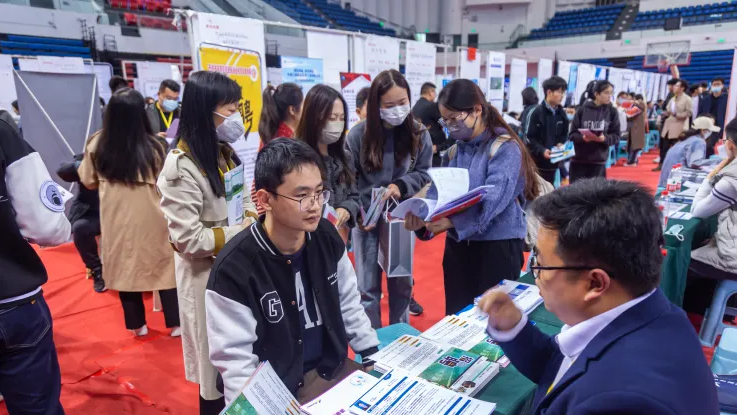
On 30 September, SCMP reported that China's research and development spending surpassed the OECD average as a share of GDP for the first time, with expenditure exceeding CNY 3.92 trillion (USD 584.8 billion) in 2025, or 2.8 per cent of GDP, compared to the OECD average of 2.7 per cent, according to Science and Technology Minister Yin Hejun. Analyst Wang Peng said the milestone showed China's innovation investment had reached levels comparable to developed economies, with the share of GDP devoted to R&D expected to keep rising. Yin outlined plans to strengthen basic research and address bottlenecks in semiconductors, industrial machinery, and high-end instruments, while expanding support for frontier fields including AI, quantum technology, and biotechnology under the country's 15th five-year plan. The Ministry of Education separately announced plans to add 76,000 undergraduate places at top universities between 2027 and 2030, targeting fields including AI and semiconductors.
("China's R&D spending hits record 2.8% of GDP, beating OECD average for the first time," South China Morning Post, 30 September 2026)
https://amp.scmp.com/economy/china-economy/article/3369296/chinas-rd-spending-hits-record-28-gdp-beating-oecd-average-first-time
CHINA AND SPACE
Scientists from Hong Kong develop living material for Mars habitats
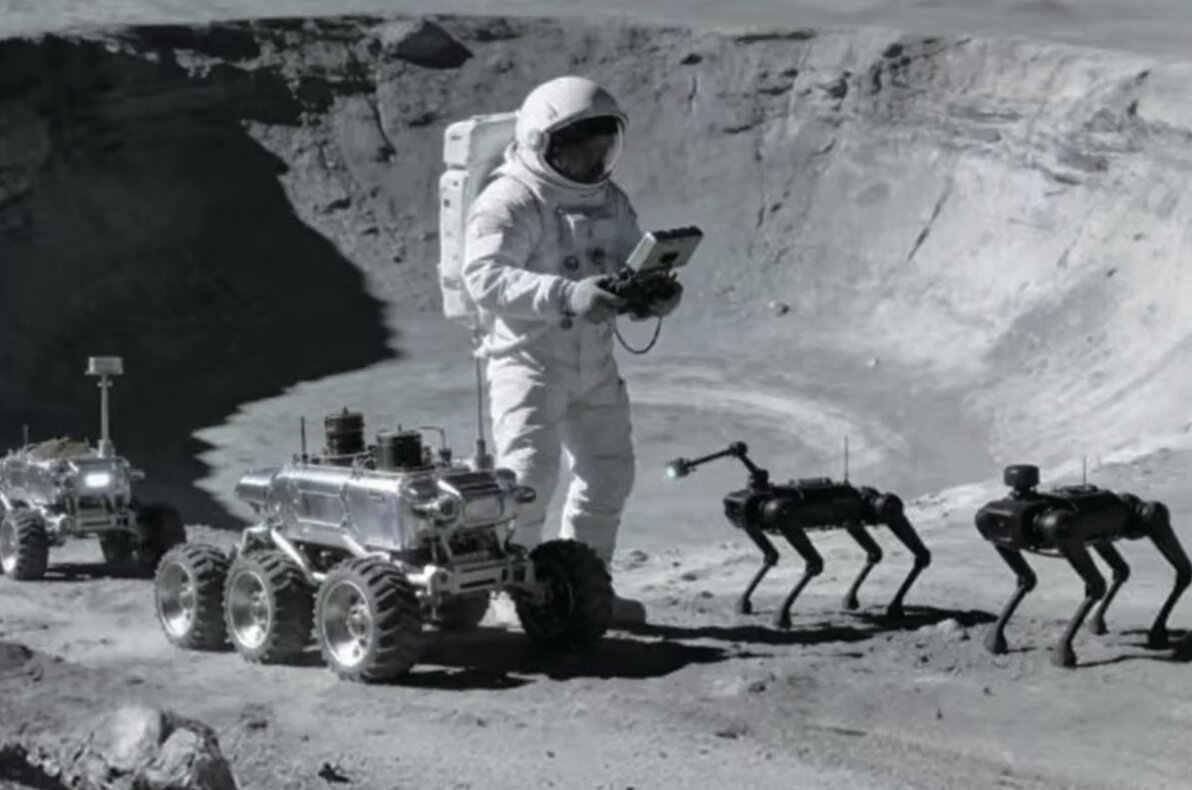
On 04 October, South China Morning Post reported that scientists in Hong Kong have developed a low-cost, 3D-printable "living" material made from genetically engineered yeast, gelatin, and sand to help build future habitats on Mars. Traditional Martian construction relies on either costly material transport from Earth or high-energy soil melting. By contrast, this new bio-material utilises yeast modified with adhesive mussel foot proteins to bind sand together into a durable structure. The innovation produces one cubic meter that requires less than an hour of solar power, compared to several days required for traditional soil sintering. The material hardens during freeze-drying, yielding a compressive strength of 12 megapascals (MPa), which is comparable to conventional Earth building materials. Researchers successfully 3D-printed a miniature structure in an environmental chamber simulating Mars' extreme low pressure and sub-zero temperatures (-30 degrees Celsius). The material can be crushed, rehydrated, and reused while retaining strength. It requires only tens of kilograms of Earth-supplied supplies per cubic meter, which could eventually hit zero if local Martian resources are harvested. The report states that while it is not yet a complete habitat solution, experts see strong potential for space exploration and remote Earth applications like Antarctic stations.
(“Mars shelter problem can be solved with engineered yeast, gelatin and sand: paper,” SCMP, 04 October 2026)
https://sc.mp/3kgty?utm_source=copy-link&utm_campaign=3368830&utm_medium=share_widget
Sea-based rocket launches drive growth in commercial space industry
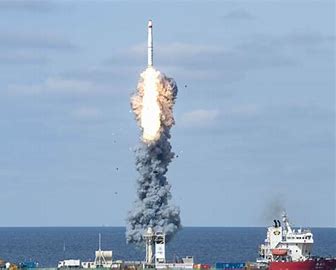
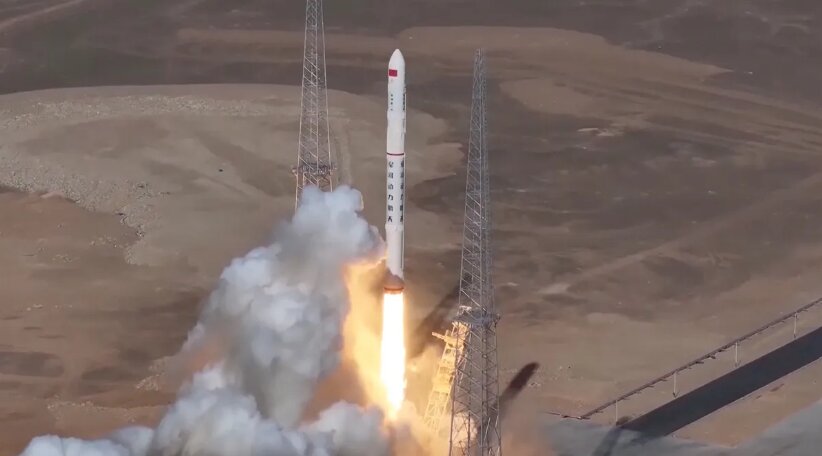
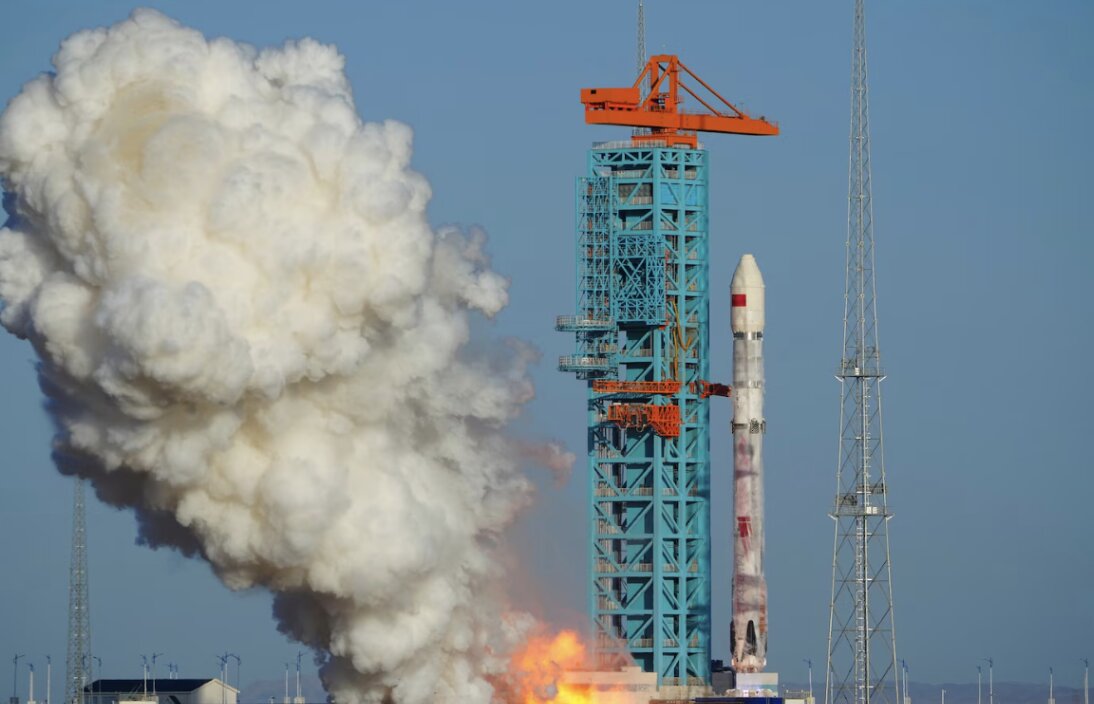
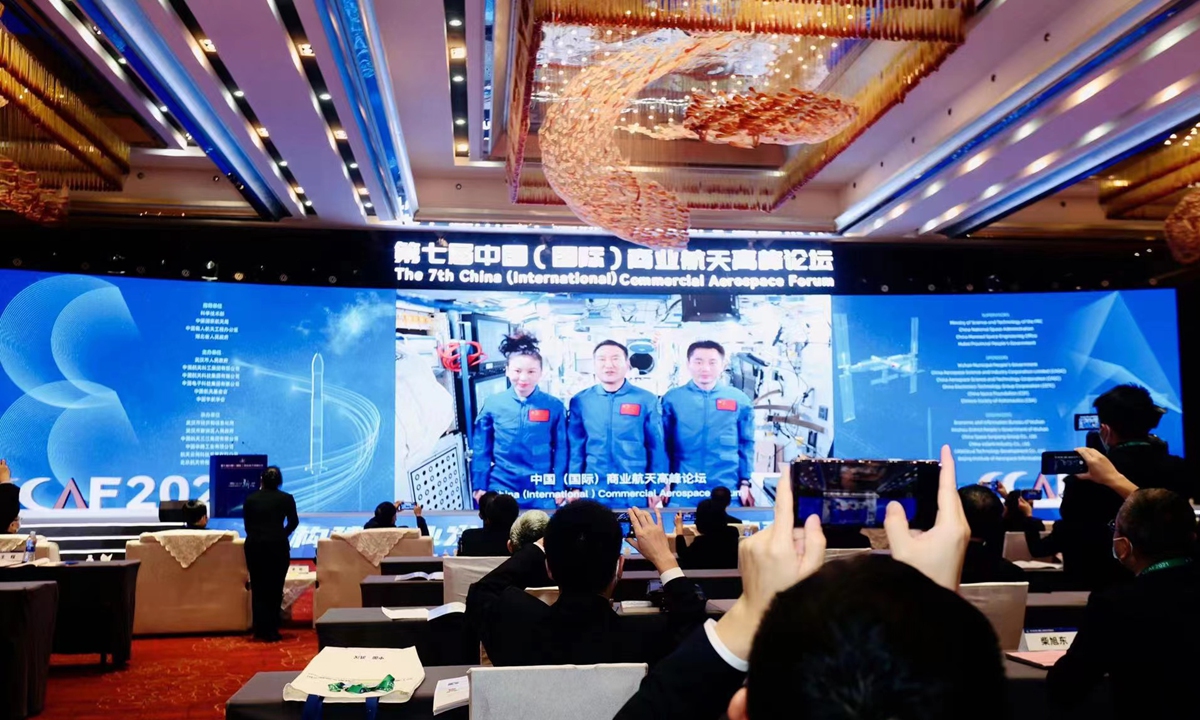
On 03 October, Xinhua reported that China's sea-based rocket launches are becoming more frequent and routine, injecting new momentum into the country's commercial space industry. The report referred to a mission on 16 September, when the Gravity-1 Y3 carrier rocket, developed by commercial firm OrienSpace, successfully launched nine satellites from waters off Shanghai. The payload included eight Qianfan Constellation satellites and one EUHT technology test satellite. The mission set new Chinese records for a single sea launch, with a net payload exceeding three tonnes and an insertion altitude of about 800 kilometres. It verified the sea-launch mode's ability to handle medium and large satellite payloads. Aerospace Knowledge editor-in-chief Wang Ya'nan said the launch marked a new step for China's commercial space sector, enhancing its agility in global commercial space competition. It was Gravity-1's second far-sea launch, coming just 56 days after its previous mission.
("China's sea-based rocket launches drive growth in commercial space industry," Xinhua, 03 October 2026)
https://english.news.cn/20261003/57402b11adad4787924ca71daa6cc6e6/c.html
DEFENCE
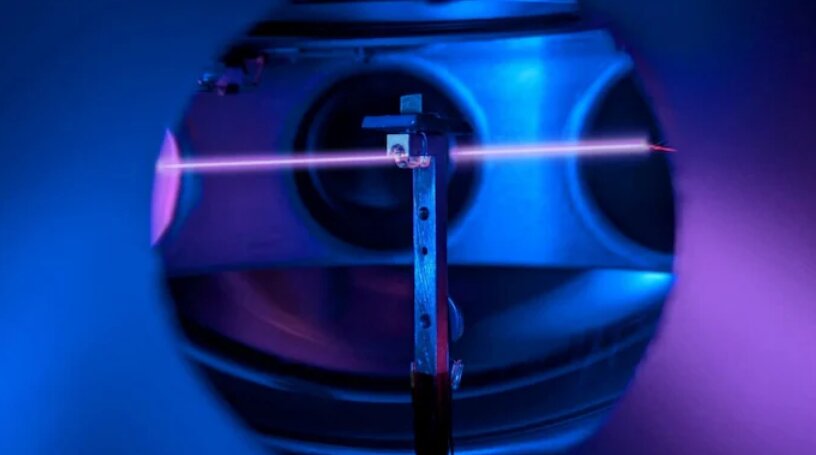
Latest footage reveals PLA’s laser, microwave weapons against drones
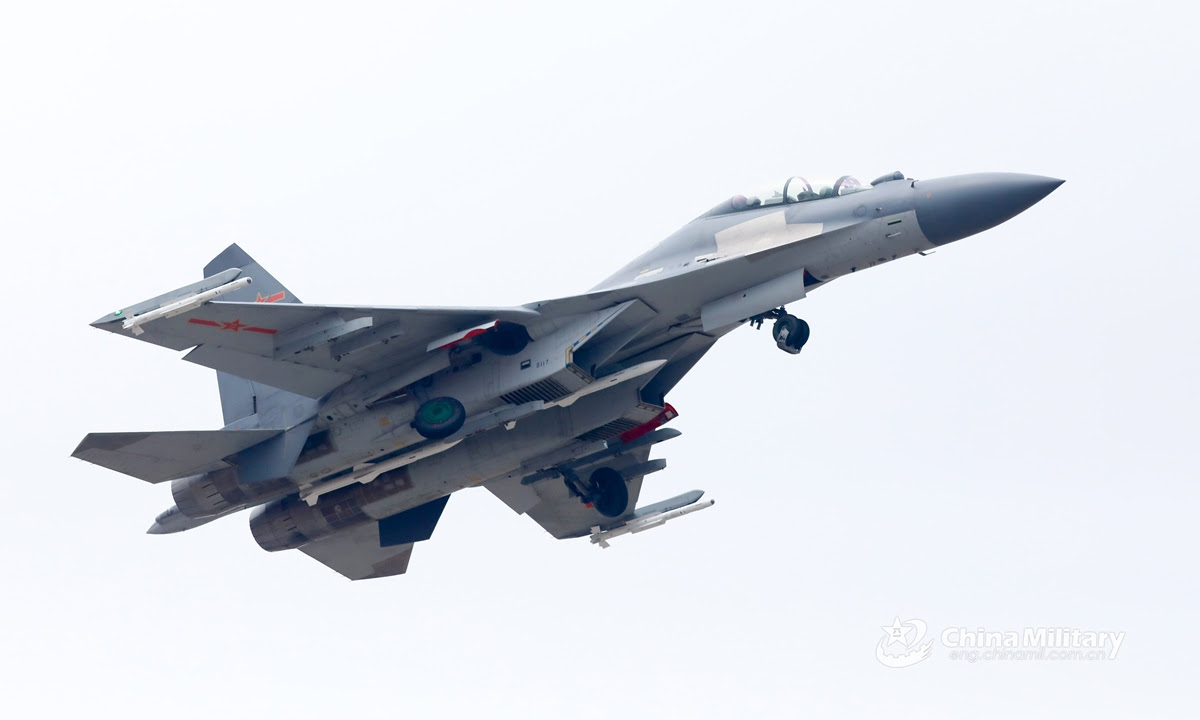
On 04 October, Global Times reported that China's state television CCTV News released rare footage of PLA Army counter-drone units conducting live-fire drills, featuring laser weapons, high-power microwave systems, and integrated missile-gun platforms, presenting the three as an "iron triangle" against drone attacks. A brigade of the PLA's 75th Group Army conducted tactical drills from daytime into night, testing rapid response and sustained combat capability against a simulated drone swarm in the Gobi Desert. Counter-drone units activated ground-based laser and microwave systems, using optical dazzling and electromagnetic suppression to disrupt the formation. Military affairs expert Song Zhongping said China's drone and counter-drone capabilities are among the world's most advanced, adding China would continue testing the systems under realistic combat conditions to optimise their use.
("China's state television airs rare footage of PLA anti-drone laser, microwave equipment in live-fire drills," Global Times, 04 October 2026)
https://share.google/6rIm2vAoEBFHRG2Hq
PLA sets up new military academy colleges for AI, drones, and discipline
On 02 October, SCMP reported that China has established several new institutions at military academies to train specialists in advanced technology and discipline inspection, as the People's Liberation Army (PLA) works toward its centennial modernisation goals. The National Defence University, the PLA's highest academy, formally inaugurated its College of Discipline Inspection, Law and Politics at its Xian campus in Shaanxi province. Separately, the PLA Army Engineering University, formed in 2017 during President Xi Jinping's military reforms, offered new undergraduate majors including national defence engineering and intelligentisation, uncrewed equipment engineering, and intelligent transport engineering. The moves follow the PLA's broader push to reorganise military education, having previously established new universities under its Information Support Force and Joint Logistics Support Force to directly recruit and train high school graduates for emerging service branches.
("China's PLA sets up new military academy colleges for AI, drones and discipline," South China Morning Post, 02 October 2026)
https://share.google/BGPbOGh6gjsMfHexF
POLAR
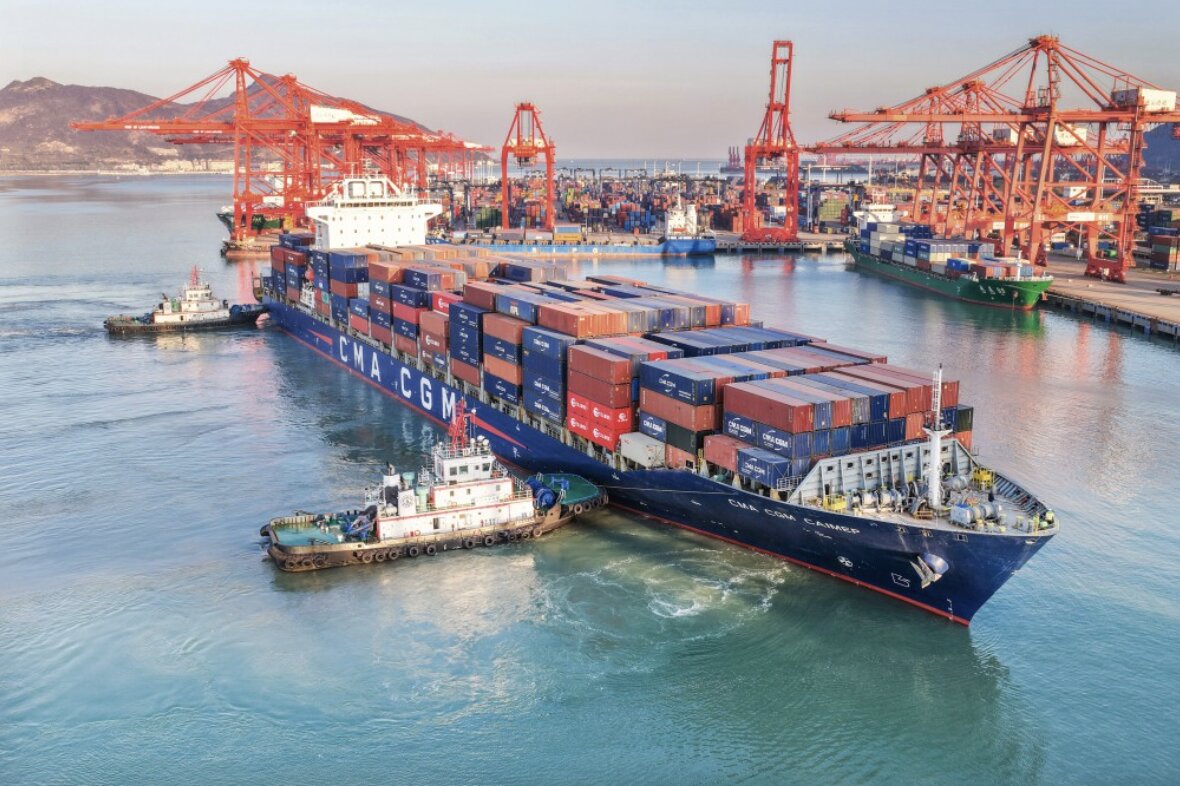
China's first Arctic container returns via Suez; Draws attention to the reliability of NSR
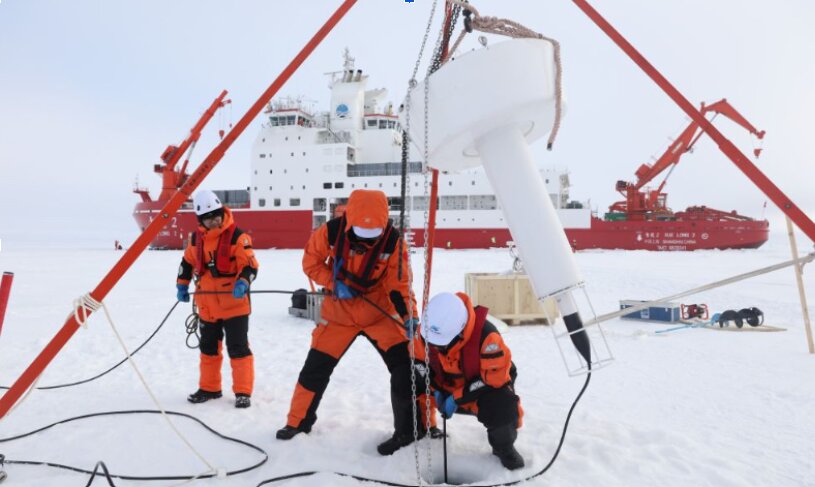
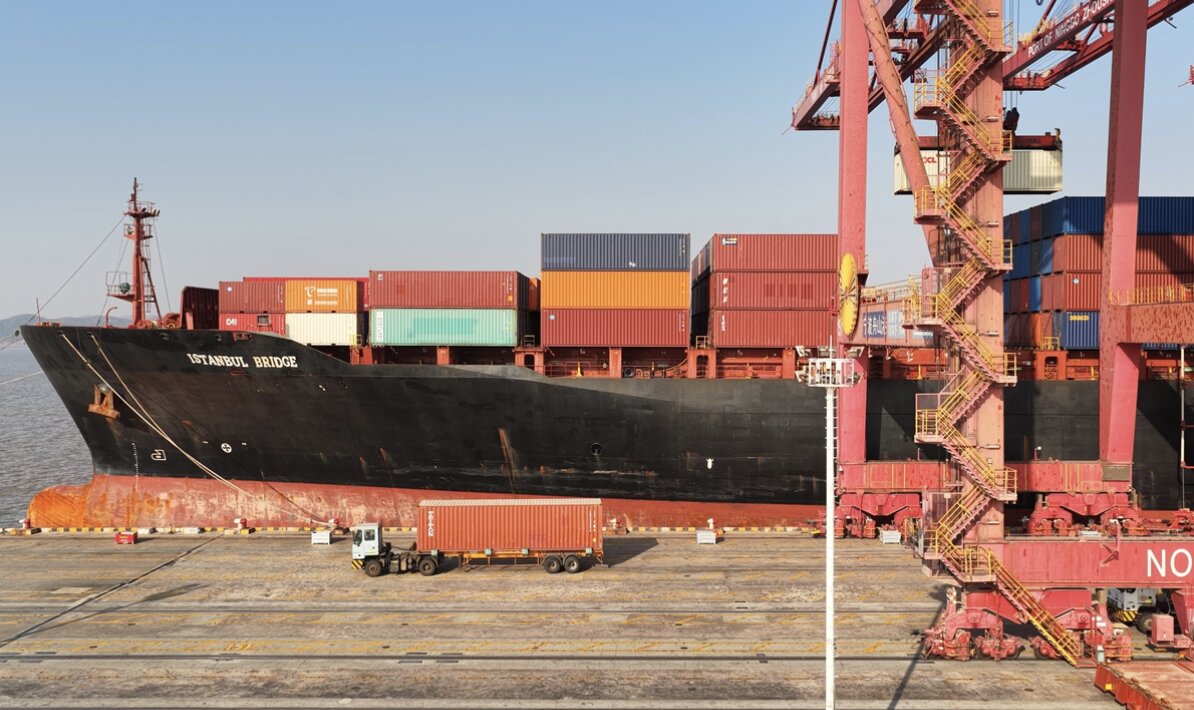
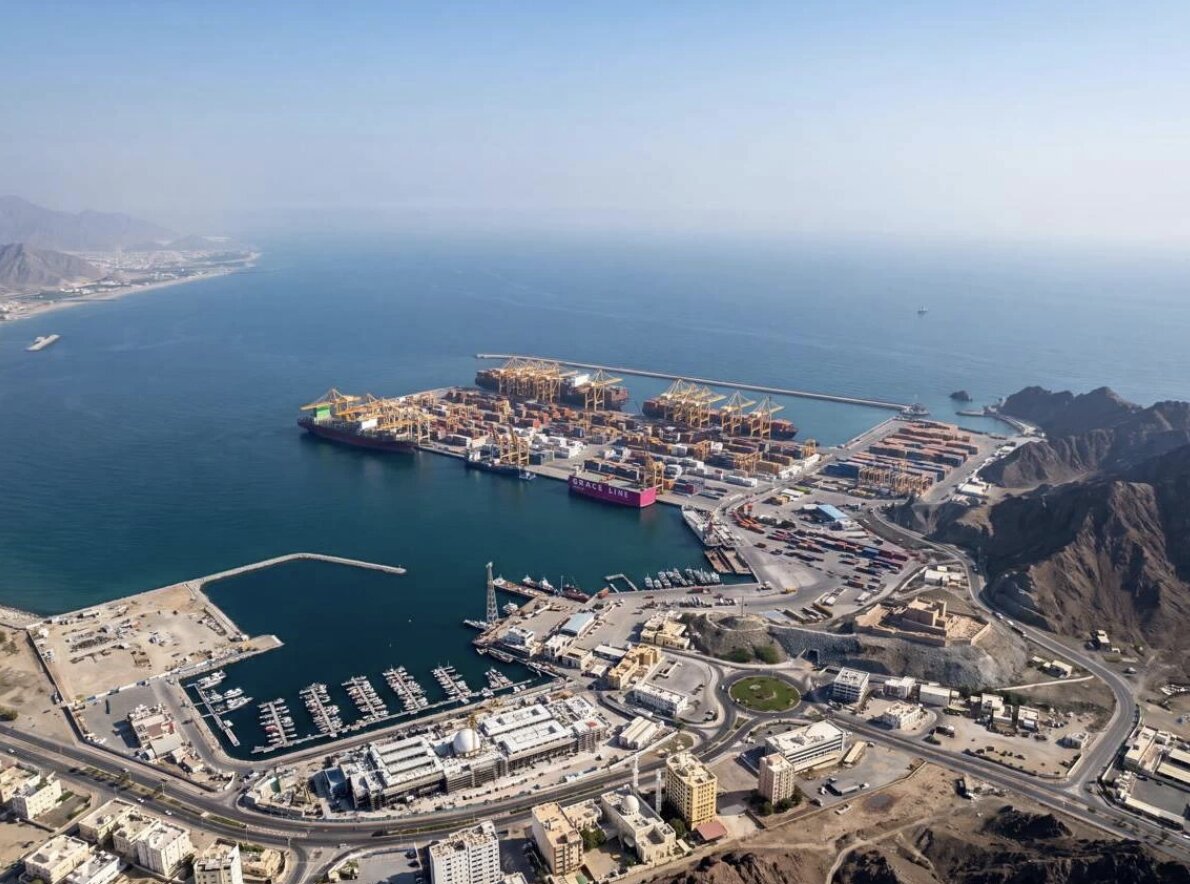
On 05 October, Seatrade Maritime News reported that the Dubai Tower, the first container ship on Chinese carrier Sea Legend's new weekly Arctic service between China and Europe, is returning to Asia via the Suez Canal rather than the Northern Sea Route (NSR) it used outbound. The Liberian-registered, 1,740 TEU vessel departed Ningbo on 15 August via the NSR, arriving later than scheduled in the UK on 09 September, before heading to North Europe, the Baltic, and the Mediterranean. The Arctic route offers potential time savings over the longer Cape of Good Hope passage, and an alternative to Red Sea security risks. While the Arctic transit demonstrated summer-season feasibility, reliability remains unproven. A second vessel on the route, Riyadh Mukaab, is proceeding via the Arctic as planned, while a third, Athens Odeon, is transiting the NSR via Gdansk, Poland.
("China Arctic service container ship returns to Asia via Suez," Seatrade Maritime News, 05 October 2026)
https://share.google/yqh6Em5WepCuGjuxb
CHINA AND TAIWAN
Taiwan expels two Chinese fishing boats from disputed islands in South China Sea
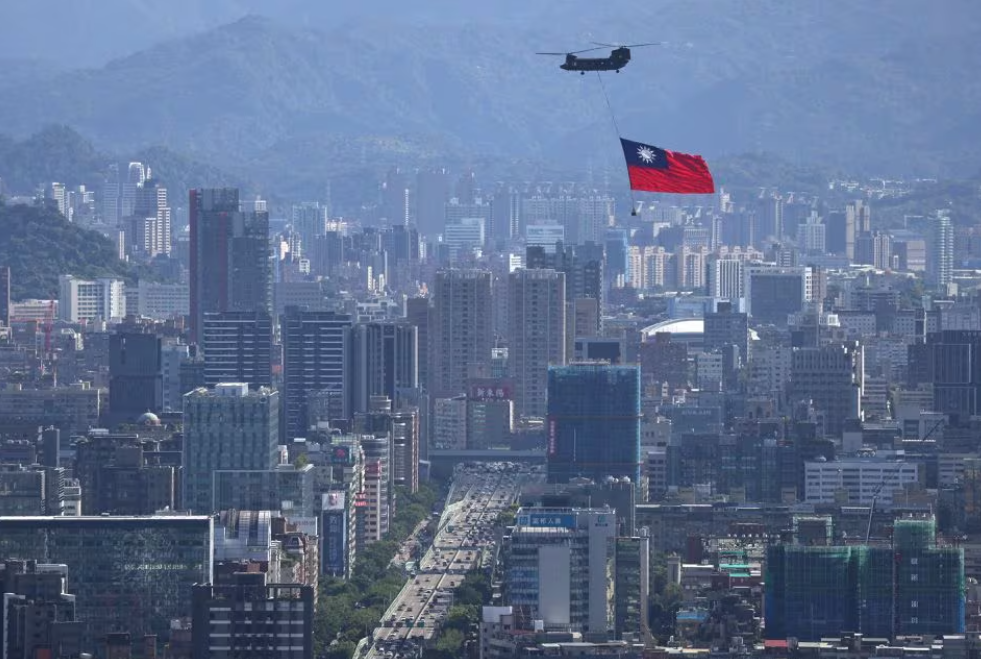
On 03 October, The Tribune reported that Taiwan’s Coast Guard Administration (CGA) stated that it expelled two Chinese fishing boats near the disputed Pratas Islands in the South China Sea. Citing a Taipei Times report, the CGA dispatched a patrol ship to the area after detecting the two Chinese vessels, Yue Hui Dong Yu 75066 and the Jin Sha, 8 nautical miles in the restricted waters of Pratas Island on 01 October. After repeated warnings, the CGA patrol boat Yunlin used a water cannon on Jin Sha and detained the ship. The ship and crew were handed over to a Chinese work vessel the next day.
(“Taiwan reportedly expels Chinese fishing boats from Pratas Waters,” 03 October 2026)
https://www.tribuneindia.com/news/world/taiwan-reportedly-expels-chinese-fishing-boats-from-pratas-waters/amp
Taiwan receives first two F-16V jets as Beijing threat grows
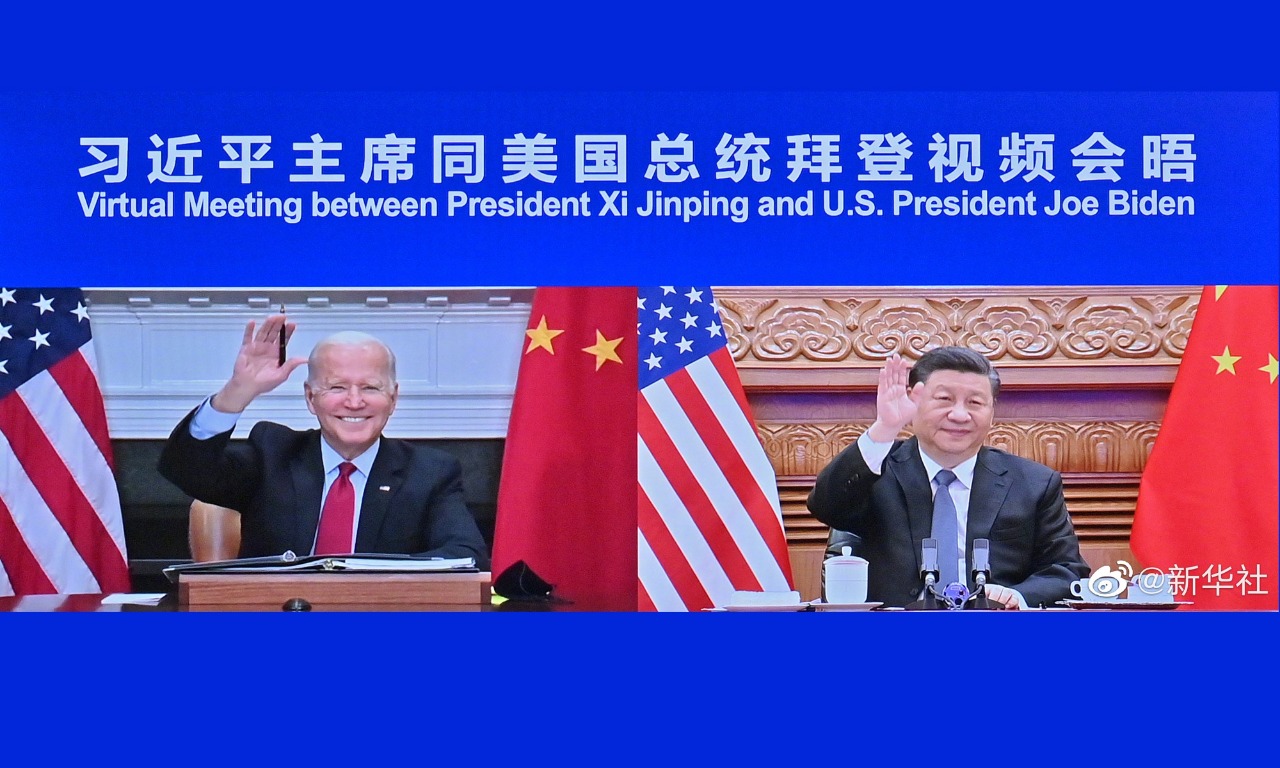
On 02 October, Reuters reported that Taiwan took delivery of the first two of 66 new F-16V Block 70 fighter jets ordered from the United States in 2019, strengthening an air force that scrambles almost daily to shadow China's military. The aircraft, which flew via Hawaii and Guam, landed at Taitung's Chihhang Air Base at noon, almost exactly a week after US President Donald Trump met Chinese President Xi Jinping in Washington. The delivery comes amid growing concern in Taiwan over the Trump administration's commitment to arming Taipei, despite Washington denying any policy change. Defence Minister Wellington Koo said, "China's intention to annex Taiwan by force has never changed." The F-16Vs feature advanced avionics and radar to counter China's J-20 stealth fighters, though Washington has withheld its most advanced jets, such as the F-22 and F-35.
("Taiwan's first two F-16V fighter jets arrive to bolster defences against China," Reuters, 02 October 2026)
https://www.reuters.com/business/aerospace-defense/taiwans-first-two-f-16v-fighter-jets-arrive-bolster-defences-against-china-2026-10-02/
CHINA AND EAST ASIA
Editorial - ‘Unwelcome and unsafe’: Why Japanese companies are retreating from China at a historic rate, CNBC
“The number of Japanese companies operating in China fell to a historic low, standing at 10,118 as of June, according to Teikoku Databank, a corporate credit research firm in Japan. That's down 22% from the previous survey held in June 2024 and about 30% below the 2012 peak, and the lowest since Teikoku began tracking the data in 2010. China-Japan relations have come under heavy strain since Prime Minister Sanae Takaichi told parliament in November last year that Japan could get militarily involved in the event of a Chinese invasion of Taiwan. Beijing has responded by curbing exports of critical minerals to Japanese companies and urging citizens to refrain from travelling to Japan. Cases of Japanese nationals being detained by Beijing this year have further added to businesses' concerns about sending personnel to China, analysts say. Several Japanese nationals, including executives at top Japanese firms, were reportedly detained in August over alleged violations of dual-use goods export restrictions.”
https://www.cnbc.com/amp/2026/10/05/japanese-companies-leaving-china-takaichi-comment-taiwan.html
CHINA AND SOUTHEAST ASIA
Philippines accuses China of obstructing its law enforcement operations in the South China Sea
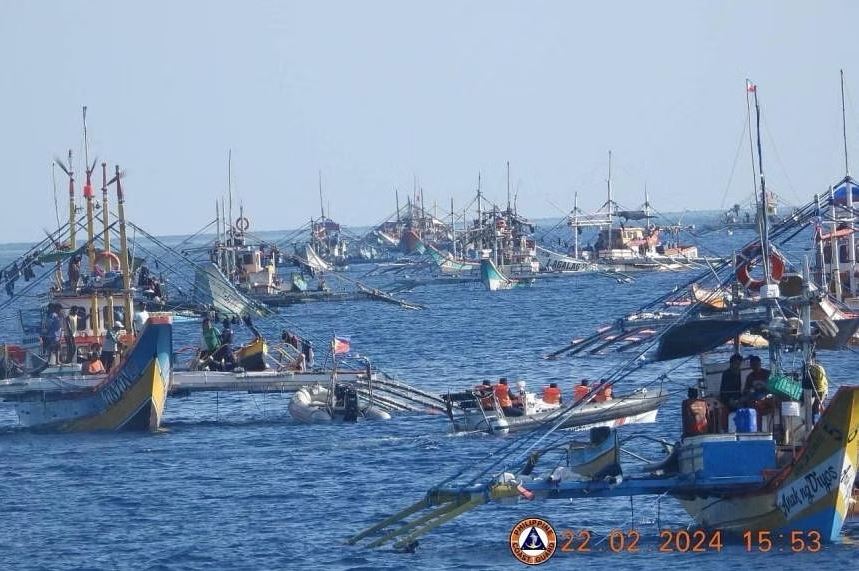
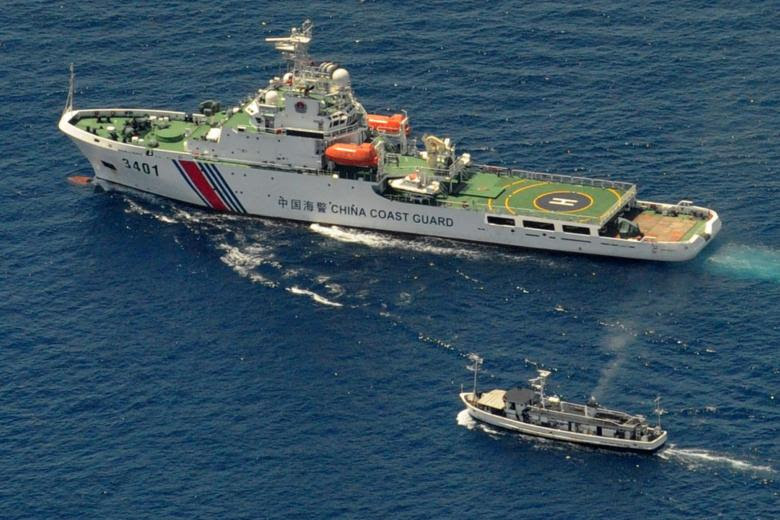
On 04 October, Reuters reported that the Philippine Coast Guard stated China obstructed its law enforcement operations near Thitu Island in the South China Sea. The Philippine Coast Guard (PCG) was responding to a shipping vessel suspected of dynamite fishing near the island. Per a statement released by the PCG, en route to the area, two Chinese Coast Guard vessels intercepted the Philippine vessels and blocked their boats. A People’s Liberation Army Navy (PLAN) helicopter also took part in the intervention, circling PCG vessels. The suspected vessel returned to the China-built artificial Subi Reef, and the PCG ended their pursuit. The Philippine Navy and the Philippines’ National Maritime Police were also part of the operation, and they stated that the actions were part of a “recurring pattern of unsafe and coercive behaviour.”
(“Philippines accuses Chinese coast guard of blocking law enforcement mission near Thitu,” Reuters, 04 October 2026)
https://www.reuters.com/world/china/philippines-accuses-chinese-coast-guard-blocking-law-enforcement-mission-near-2026-10-04/
Indonesia calls on cooperation to maintain peace in the South China Sea
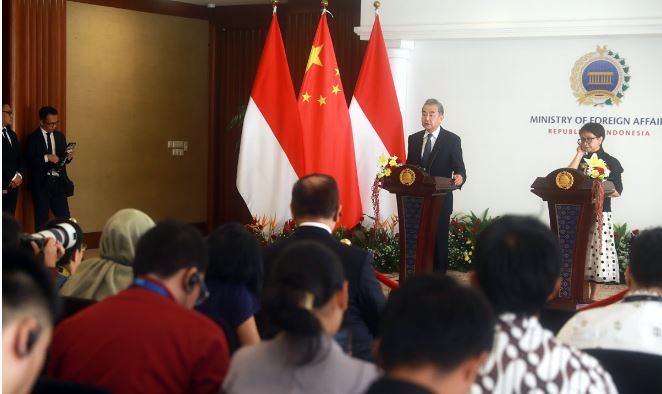
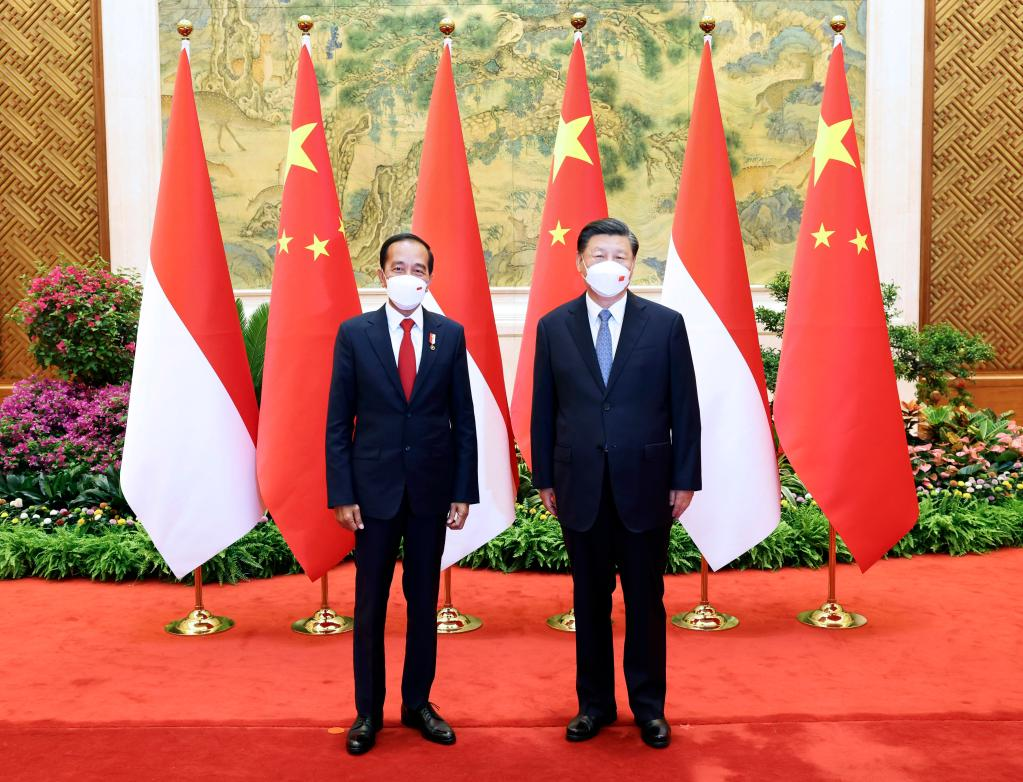
On 02 October, Antara reported that Indonesia called for maintaining cooperation to prevent tensions arising in the South China Sea. Deputy Foreign Minister Arif Havas Oegroseno stressed the importance of the Treaty of Amity and Cooperation in Southeast Asia (TAC) as the primary mechanism for peaceful dispute resolution in the region. Minister Oegroseno made the remarks at the opening ceremony of maritime workshops held in Jakarta. The event was attended by over 85 academics, think-tank representatives and delegates from China, Taiwan and several ASEAN states.
(“Indonesia urges habit of cooperation to keep South China Sea peace,” Antara, 02 October 2026)
https://en.antaranews.com/amp/news/433931/indonesia-urges-habit-of-cooperation-to-keep-south-china-sea-peace
China begins runway construction on disputed Reef in the South China Sea
On 02 October, Reuters reported that China has begun construction work on a runway on Antelope Reef in the disputed Paracels archipelago, per satellite imagery. Per Reuters reporting, they estimate that construction could be completed by mid-2027. The Paracels archipelago is claimed by Vietnam and Taiwan, but has remained in de facto Chinese control since 1974 after a series of military actions taken by the PLA. Regional experts and analysts state that the completion of the base in Antelope Reef marks China’s most significant military expansion in the region in over a decade. A military base at the Reef also helps protect against any potential attacks against Hainan Island, where China currently keeps its nuclear-armed ballistic missile submarines.
(“Chinese work gathering pace on Antelope Reef in South China Sea, latest satellite images show,” Reuters, 02 October 2026)
https://www.reuters.com/world/china/chinese-work-gathering-pace-antelope-reef-south-china-sea-latest-satellite-2026-10-02/
CHINA AND SOUTH ASIA
China pushes Korala upgrade as Nepal prioritises Tatopani reopening for connectivity
On 01 October, The Kathmandu Post reported that China proposed developing Korala (Mustang) into an international border point for the movement of both goods and people. This proposal is made against Nepal's priority of reopening Tatopani. Nepal views this space as more practical and cost-effective, as Korala is seasonal and logistical costs are high. The news reported that a joint Nepali-Chinese inspection team recently visited Tatopani and found only minor landslide issues, with roads largely operational. The recent flash flood at the border had severely damaged the Kerung-Rasuwagadhi border crossing. It is crucial to Nepal's main all-weather trade route with China.
("China proposes upgrading Korala as international trading point as Nepal insists on Tatopani reopening," The Kathmandu Post, 01 October 2026)
https://kathmandupost.com/national/2026/10/01/china-proposes-upgrading-korala-as-international-trading-point-as-nepal-insists-on-tatopani-reopening
China-Bangladesh trade reaches USD 12.8 billion; Marks 10.6 per cent year-on-year increase
On 02 october, The Daily Star reported that China-Bangladesh trade recorded USD 12.8 billion in the first half of 2026. The Chinese embassy in Dhaka stated that this marks a 10.6 per cent year-on-year increase. The statement added that the Chinese market is open to Bangladeshi agricultural products, including fresh mangoes and jackfruit. The embassy added that the two countries are also implementing a joint action plan to enhance Bangladesh’s export capacity and improve the structure of bilateral trade. The statement also noted that China's cumulative investment in Bangladesh reached about $3.6 billion by June 2026 and Chinese direct investment rose by about 50% in 2025.
("China-Bangladesh trade reaches $12.8b in H1 of 2026: embassy," The Daily Star, 02 October 2026)
https://www.thedailystar.net/business/global-economy/news/china-bangladesh-trade-reaches-128b-h1-2026-embassy-4288136
India renames 28 geographical features in Aksai Chin region
On 03 October, The Tribune reported that India has officially named 28 geographical features in Ladakh, including lakes, peaks, mountain ranges, and other locations situated in Aksai Chin. This marks the first time India has formally assigned official names to features in Aksai Chin. The report notes that this is a significant cartographic and political move. Ministry of Home Affairs released the list and incorporated these names into official Survey of India maps. Many of the newly assigned names have Tibetan linguistic roots, while some historic names connected to the old Ladakh-Kashgar trade route have been retained.
("India officially names 28 key locations in Ladakh, China-controlled Aksai Chin," The Tribune, 03 October 2026)
https://www.tribuneindia.com/news/india/india-officially-names-28-key-locations-in-ladakh-china-controlled-aksai-chin/amp/?utm=relatedarticles
Chinese team to inspect Korala customs and assess international border crossing
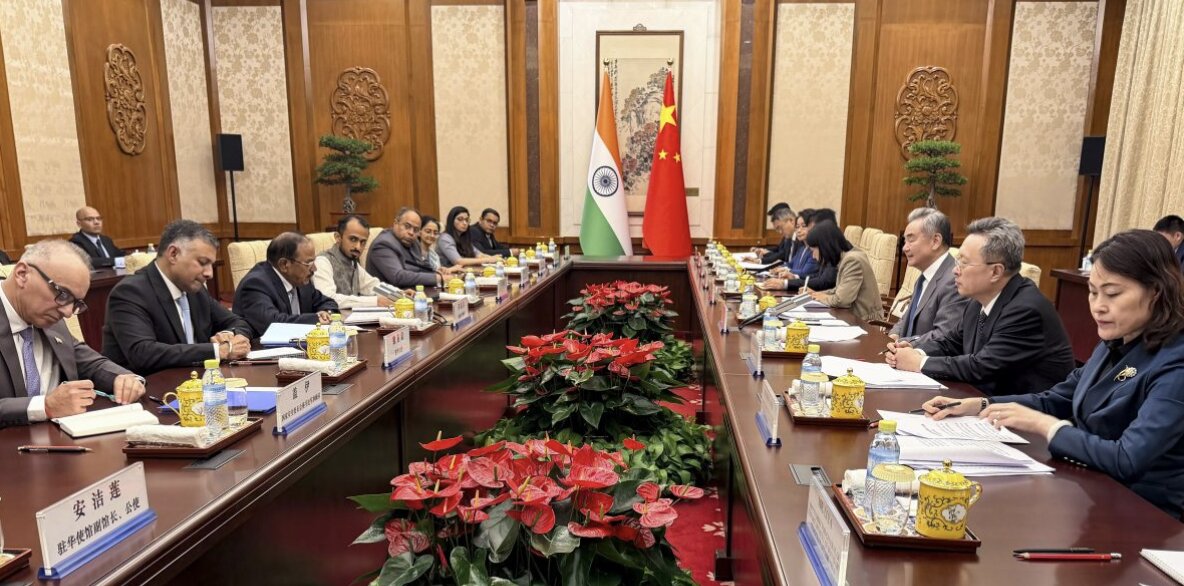
On 04 October, The Rising Nepal reported that China is preparing to send a team, including Chinese officials, from Lhasa to Nepal’s Mustang district to conduct an on-site study of the Korala border point. China has expressed interest in developing Korala into an international border crossing, with the proposed study expected to examine infrastructure and facilities at the site. The border point was formally inaugurated in November 2023 and began commercial operations in September 2025. According to the report, China has already installed modern facilities and technology at its side of the crossing and is using Korala to export products, including electric vehicles, while also seeking greater access for Nepali products such as handicrafts, medicinal herbs and pashmina. The Chinese side has formally proposed development of the crossing through Nepal’s Ministry of Foreign Affairs. Nepalese officials and representatives have also highlighted the potential importance of Korala for trade and religious tourism. Sicomedia The crossing has added significance following disruptions at Nepal’s other major China border points. The 435-km Kaligandaki Corridor links Korala with southern Nepal and ultimately the Indian border, giving the crossing potential relevance for wider Nepal-China-India connectivity if infrastructure is further developed.
(“Chinese team to inspect Korala customs,” The Rising Nepal, 4 October 2026)
https://risingnepaldaily.com/news/87352
New container service links Chennai with ports in China, Malaysia and Vietnam
On 03 October, The Hindu BusinessLine reported that Hai An Lines has launched a new monthly container service connecting Chennai with Port Klang West in Malaysia, Haiphong in Vietnam and Nansha in China. The service, named HAIAN CVI, commenced with the vessel M.V. Haian Beta. The new route provides a regular maritime connection between Chennai and important commercial centres in Southeast Asia and southern China. The service follows the route Chennai–Port Klang West–Haiphong–Nansha, linking India’s east coast directly with established regional shipping networks. The launch is particularly relevant to India-Vietnam commercial connectivity, with the service expected to support the countries’ objective of reaching US$25 billion in bilateral merchandise trade by 2030. Chennai Port Authority and shipping and logistics companies are involved in facilitating the new connection. For India-China economic connectivity, the inclusion of Nansha provides an additional direct maritime link between Chennai and South China. The service also connects three major Asian markets within a single route, potentially improving options for containerised trade and regional supply chains. Its launch comes as maritime and commercial links across the Bay of Bengal and wider Indo-Pacific continue to expand.
(“Hai An Lines starts container service connecting Chennai with ports in China, Malaysia and Vietnam,” The Hindu BusinessLine, 03 October 2026)
https://www.thehindubusinessline.com/news/hai-an-lines-starts-container-service-connecting-chennai-with-ports-in-china-malaysia-and-vietnam/article71540515.ece
CHINA AND AFRICA
China and Africa explore ways to increase law enforcement cooperation
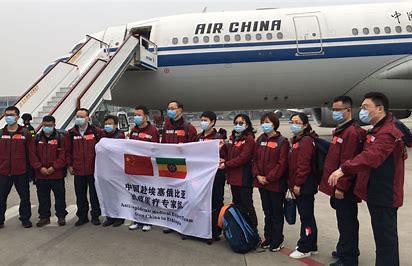
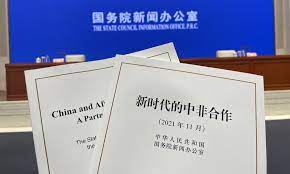
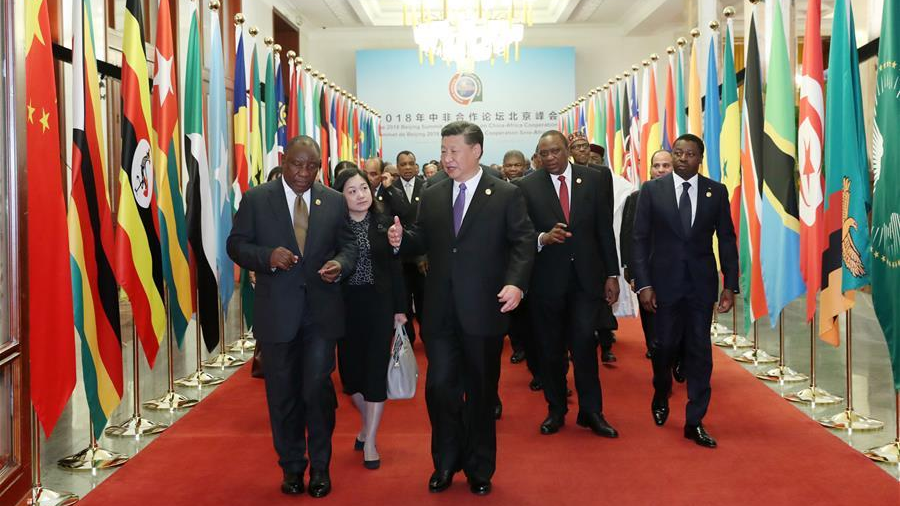
On 04 October, SCMP reported that China and Africa are set to increase law enforcement cooperation to combat cross-border crimes. It includes cybercrimes, telecom fraud, online scams, etc. The news reports that recent cases such as online gambling rings in eSwatini, SIM-swapping fraud in Kenya, and cybercrime networks in Zambia have forced governments to come together. In September 2026, China hosted East African security ministers and police chiefs in Lianyungang, Jiangsu Province, for discussions on regional security threats and law enforcement coordination. The latest literature views it as a win-win strategy, as for Beijing, it means the protection of Chinese citizens, companies and projects in Africa, while for Africa it means better access to police training, technology and intelligence sharing.
("China and Africa boost law enforcement ties in crackdown on cross-border cybercrime," SCMP, 04 October 2026)
https://www.scmp.com/news/china/diplomacy/article/3369660/china-and-africa-boost-law-enforcement-ties-crackdown-cross-border-cybercrime
CHINA AND RUSSIA
PLA takes part in Centre-2026 exercise; Focus includes intelligence reconnaissance
On 03 October, Global Times reported that China's PLA troops participated in Russia's Centre-2026 (Tsentr-2026) exercise. The drills focus on intelligence reconnaissance, command and control, fire strikes and comprehensive support. The latest literature suggests that Type 99A main battle tanks and unmanned equipment, such as drones, of the PLA were part of the drill. Drone swarms provided targeting information and supported strike missions. The article reports that the exercise incorporated lessons from recent conflicts and Russia's military experience, emphasising the realities of modern warfare.
("Chinese PLA completes Russia’sCentre-20266 exercise with 99A tanks, unmanned systems; expert highlights lessons from modern warfare," Global Times, 03 October 2026)
https://www.globaltimes.cn/page/202610/1371666.shtml
CHINA AND EUROPE
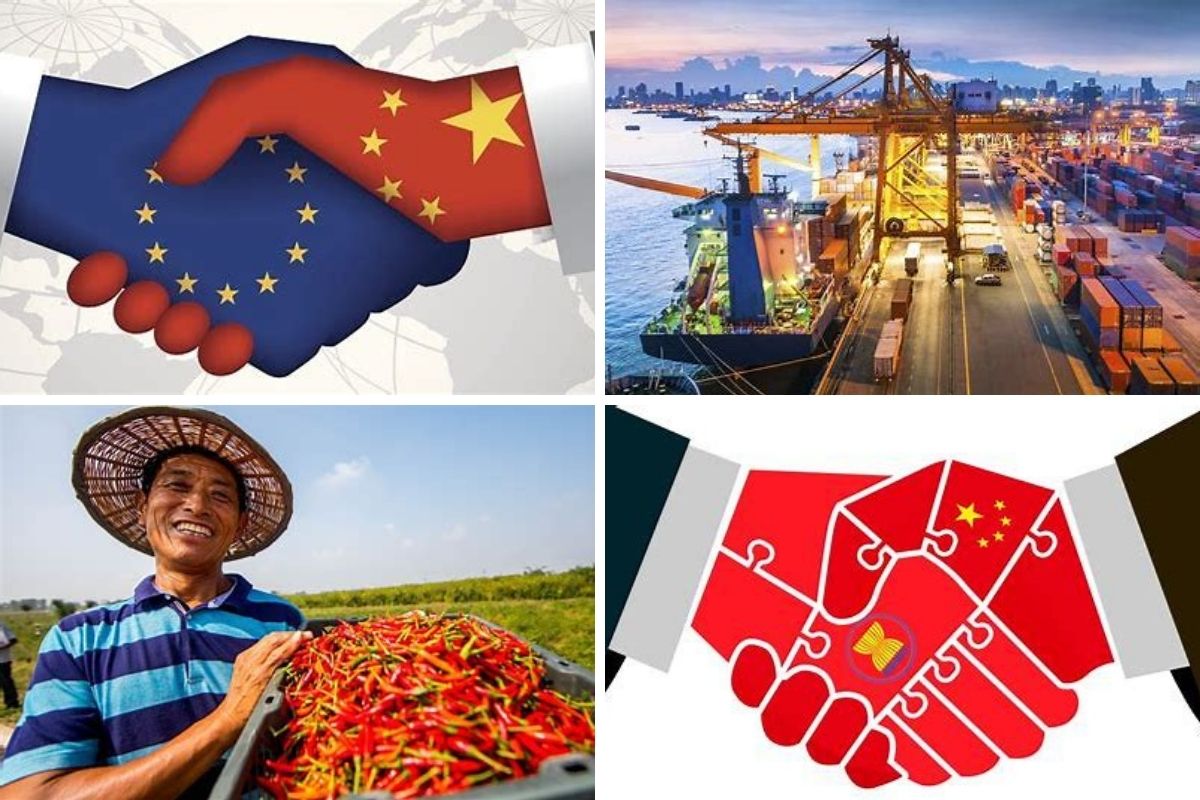
UK car industry faces tough choice between China and EU markets
On 04 October, The Guardian reported that the United Kingdom's car industry was facing a "difficult trade-off" between China and Europe, as manufacturers weighed the benefits of both markets ahead of potential trade measures threatening UK exports to the EU. The UK remains an outlier in not imposing import taxes on Chinese vehicles, even as the EU applies duties of up to 45 per cent, with EU officials reportedly warning the UK government it must act or face protectionist "made in Europe" barriers on British exports. Business Secretary Jonathan Reynolds argued tariffs would likely be reciprocated, costing UK manufacturers sales in China, while Chinese brands including BYD, Omoda, and Jaecoo more than tripled their UK market share to 12 per cent in the first eight months of 2026. The EU accounted for 58 per cent of UK car exports in the first half of the year, compared to around 04 per cent for China, with industry body SMMT warning that exclusion from the EU market could cause mutual damage to deeply integrated automotive industries.
("UK car industry faces 'difficult trade-off' between Chinese and EU markets," The Guardian, 04 October 2026)
https://www.theguardian.com/business/2026/oct/04/uk-car-industry-trade-off-china-made-in-europe-laws
UK university reviews China partnerships after MI5 espionage warning
On 04 October, BBC reported that Queen's University Belfast asked staff to review partnerships with China after MI5 warned that universities may have unintentionally assisted Chinese espionage through a front company, the China General Technology Research Institute (CGTRI). MI5 said CGTRI had "very strong ties" to China's Ministry of State Security and had identified over 100 UK-linked academics contributing to MSS-funded projects, some without knowing the front company's role, covering areas including AI, cybersecurity, and covert communications. A spokesperson for the Chinese Embassy in London called the accusation "imaginary and purely fabricated." Queen's University said it had begun reviewing existing and proposed CGTRI collaborations and advised researchers to conduct due diligence on funding sources, having invested over USD 10 million in China-related research over the past decade, while MI5 warned academics who failed to sever ties could face criminal charges.
("University asks staff to review some partnerships with China after MI5 warning," BBC, 04 October 2026)
https://www.bbc.com/news/articles/c65yn877dkk0o
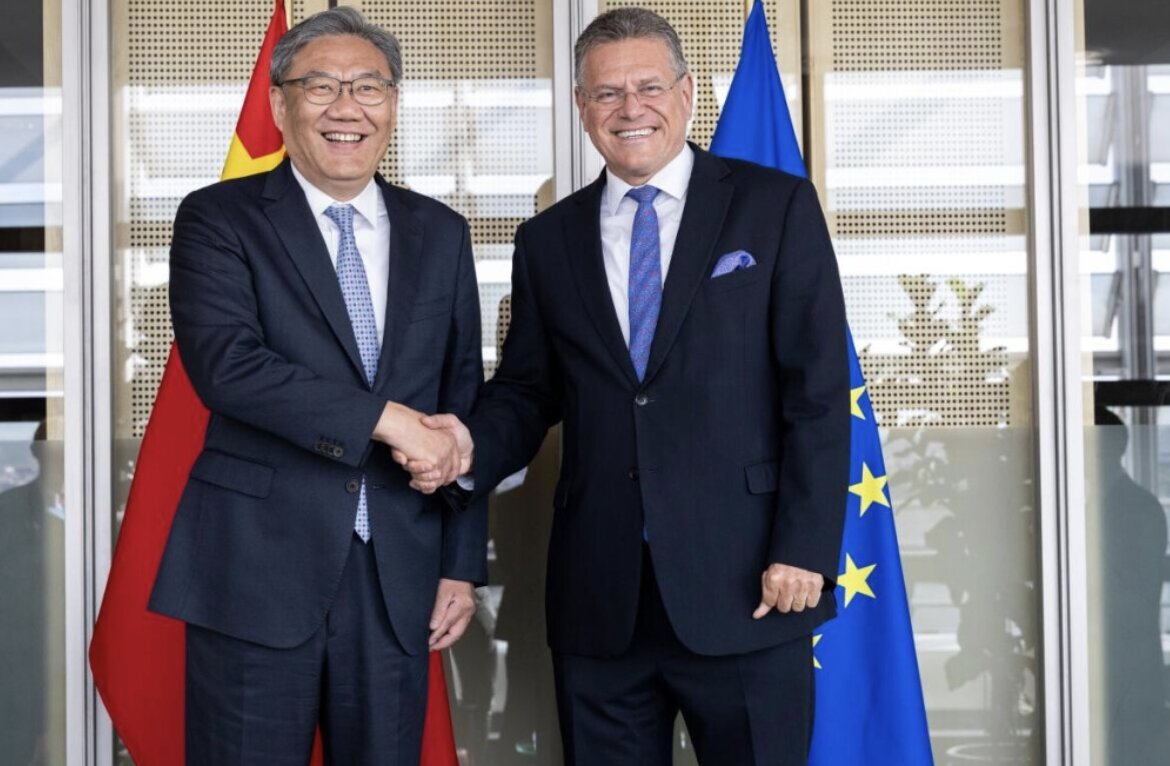
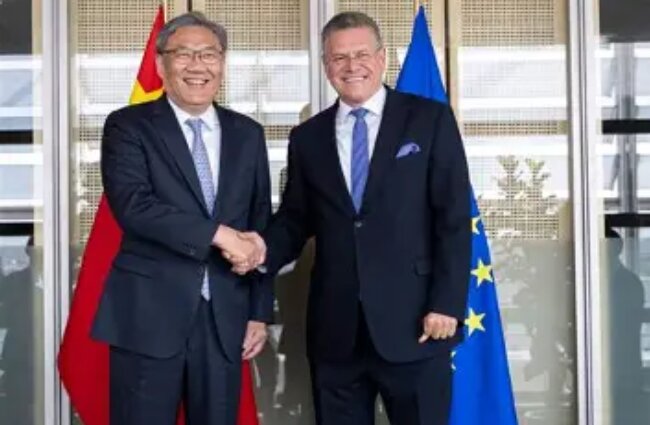
China launches anti-dumping probe into EU chemical imports
On 03 October, Reuters reported that China's Commerce Ministry launched an anti-dumping investigation into imports of p-nitrotoluene, a chemical intermediate used in dyes, pharmaceuticals, and pesticides, from the European Union. The ministry said the probe followed a complaint from China's domestic industry, with preliminary evidence showing EU import prices had fallen nearly 60 per cent cumulatively between 2022 and 2025. China is a major global producer and exporter of the chemical, with the investigation coming amid growing trade tensions between Beijing and Brussels, as both sides increasingly turn to anti-dumping and other trade defence measures against each other's products.
("China initiates anti-dumping investigation into p-nitrotoluene from EU," Reuters, 03 October 2026)
https://www.reuters.com/world/china/china-initiates-anti-dumping-investigation-into-p-nitrotoluene-eu-2026-10-03/
CHINA AND THE AMERICAS
US Nevada tests targets alleged China nuclear activity; Beijing denies claims
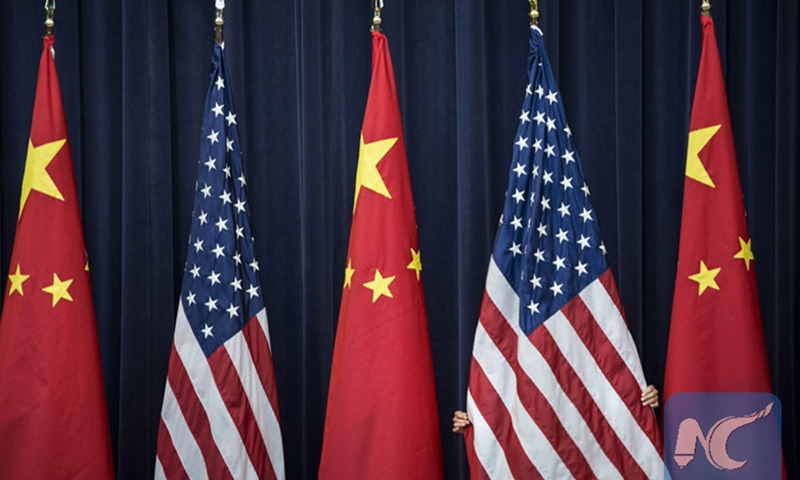
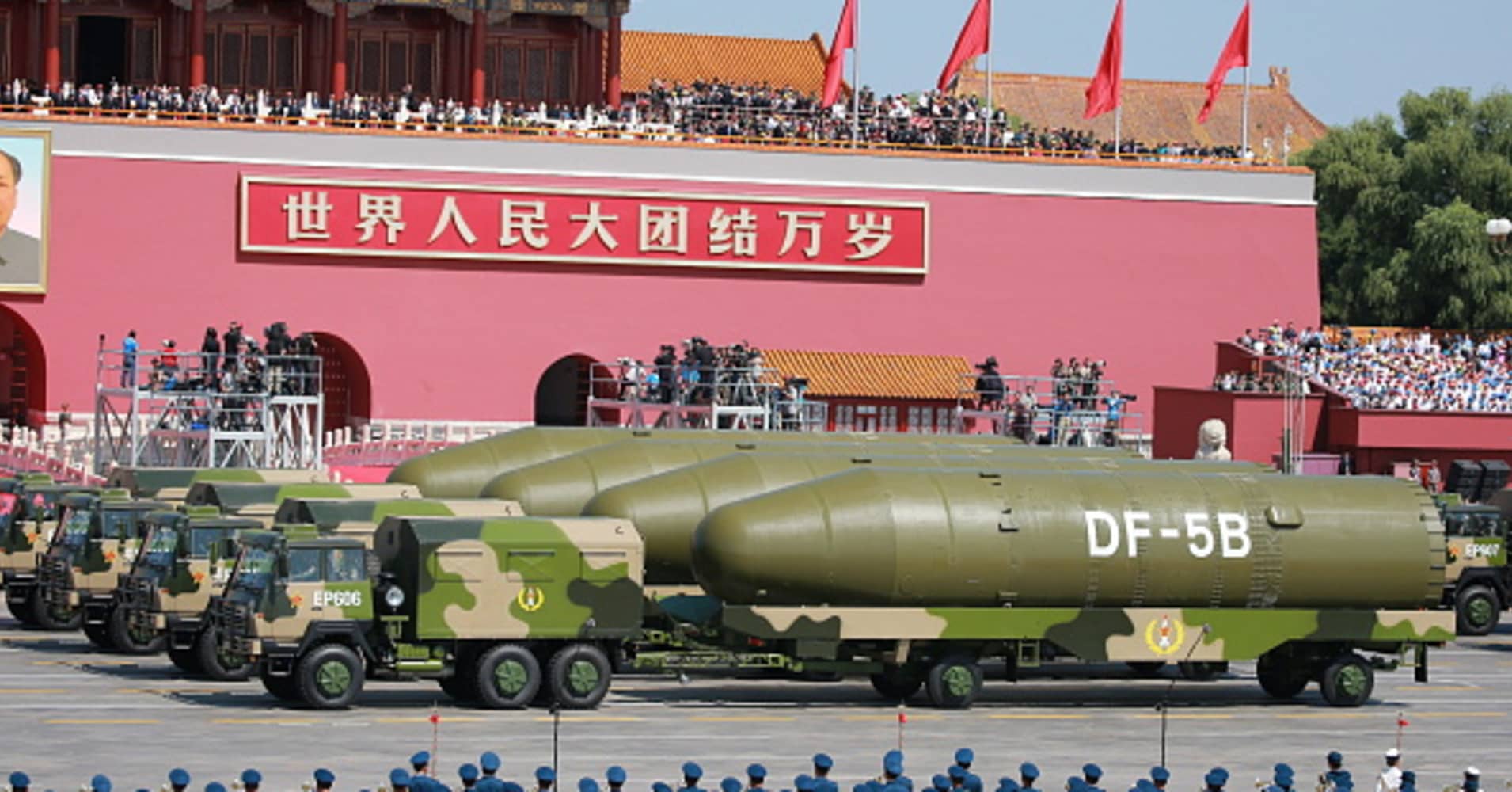
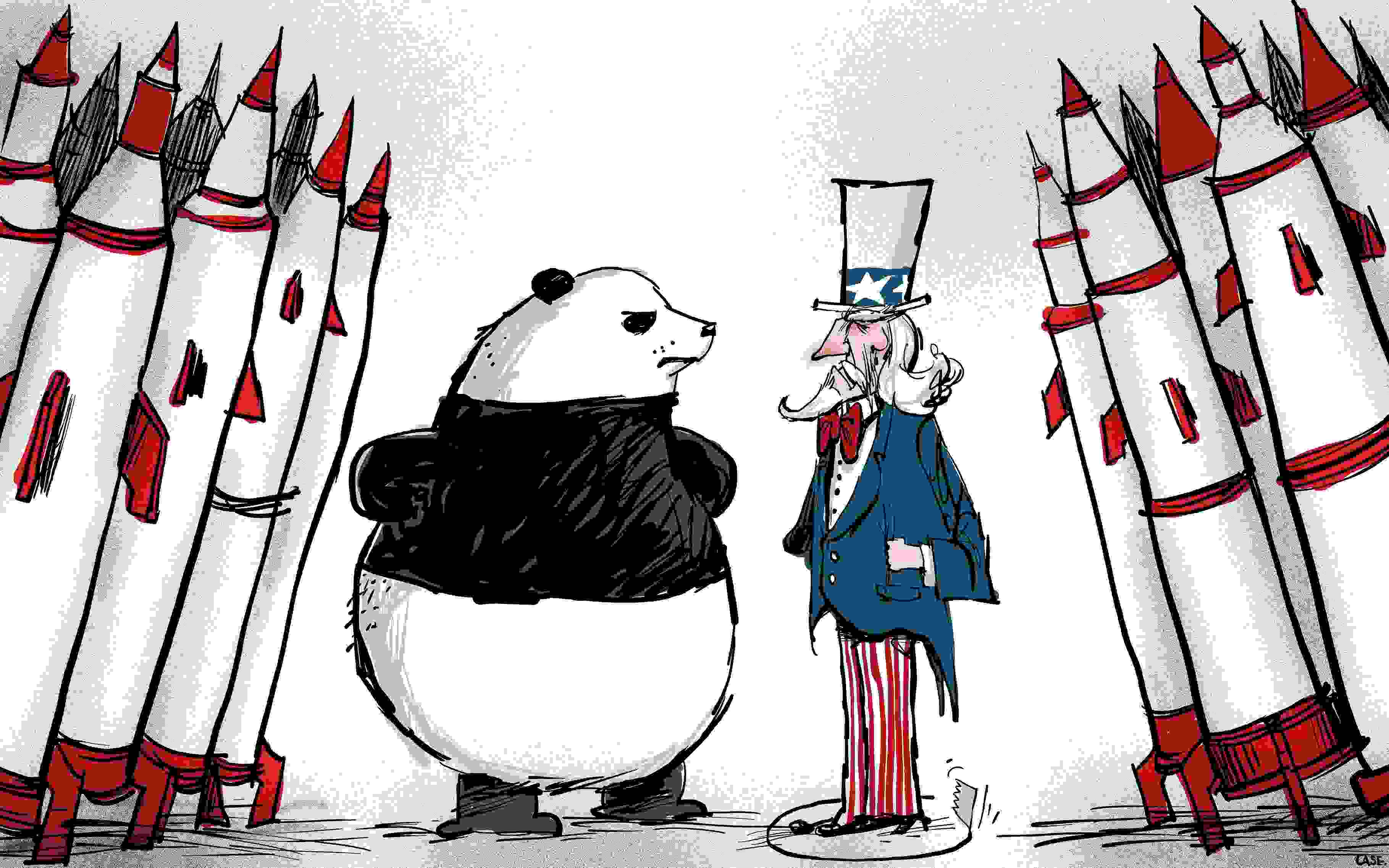
On 03 October, SCMP reported that the US Department of Energy conducted a non-nuclear underground chemical explosion in Nevada to improve its ability to detect low-yield foreign nuclear tests. The experiment specifically targets "decoupled" explosions, where a weapon is detonated inside a large underground cavity. This technique muffles seismic waves, making the test incredibly difficult for standard sensors to pick up. The data collected will help refine US detection algorithms and scientific models. Washington explicitly linked this experiment to its suspicion that China secretly conducted a low-yield nuclear test at its Lop Nur site in June 2020, violating the Comprehensive Nuclear-Test-Ban Treaty. Beijing has firmly denied the accusation, and international monitors state that current seismic data cannot conclusively prove what happened. The situation highlights how difficult it is to verify low-yield tests. Amid these tensions, US President Donald Trump ordered the resumption of US nuclear testing on an "equal basis" for the first time since 1992.
(“US blast simulation targets China’s alleged secret nuclear testing,” SCMP, 03 October 2026)
https://sc.mp/9746f?utm_source=copy-link&utm_campaign=3369638&utm_medium=share_widget
Brazil’s President Lula eyes China and the US to develop the country’s rare earths
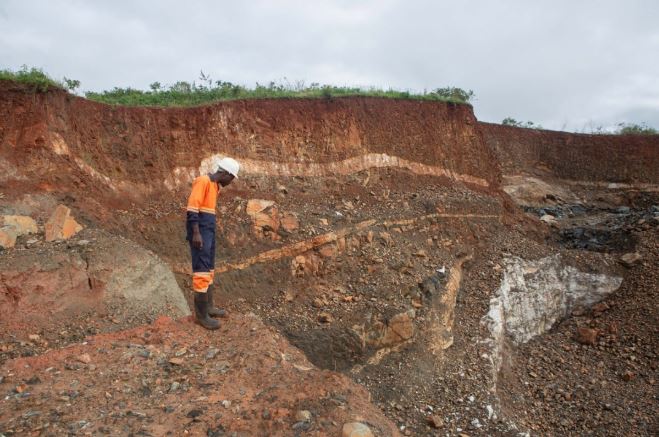
On 03 October, SCMP reported that Brazil’s President Luiz Inacio Lula da Silva named China and the US as potential technology partners to process critical minerals locally, rather than exporting raw ore. Brazil holds the world's second-largest rare earth reserves after China. The issue became a focal point just days before Brazil's closely fought election. Lula's main rival, Senator Flavio Bolsonaro, has courted the Trump administration, pitching Brazil as the "only real alternative to China" for the free world. Lula also emphasised that China’s investors "are bold" and have filled vacuums left by the US and Europe in Latin America. Companies from both nations already operate in Brazil's Goiás state. China’s miner CMOC (formerly China Molybdenum Company Limited) is a top niobium producer, while US-based USA Rare Earth agreed to a USD 2.8 billion acquisition of the Serra Verde mine. Lula recently created a presidential council to oversee foreign stakes and grant tax credits for domestic mineral processing. Lula aims to break dependence on China for electric batteries, chips, and phones. He also leveraged Brazil's niobium supply, critical for US aerospace amid trade tensions, noting that while US exports fell nearly 10 per cent, shipments to China rose 15 per cent.
(“Brazil’s Lula hails ‘bold’ Chinese investors as rival pitches rare earths to Trump,” SCMP, 03 October 2026)
https://sc.mp/hw4va?utm_source=copy-link&utm_campaign=3369636&utm_medium=share_widget
































.png)
.jpg)
.jpg)
.jpg)
.jpg)
.jpg)
.jpg)
.jpg)
.jpg)
.jpg)
.png)

.jpg)
.jpg)
.jpg)
.jpg)
.jpg)
.jpg)
.jpg)

.jpg)
.jpg)
.jpg)
.jpg)
.jpg)

.jpg)
.jpg)


.jpg)
.jpg)
.png)
.jpg)
.jpg)
.png)
.jpg)
.jpg)


.jpg)
.jpg)
.jpg)
.jpg)
.jpg)
.jpg)
.jpg)
.jpg)
.jpg)
.jpg)
.jpg)
.jpg)
.jpg)
.jpg)
.jpg)

.jpg)


.jpeg)





.jpeg)