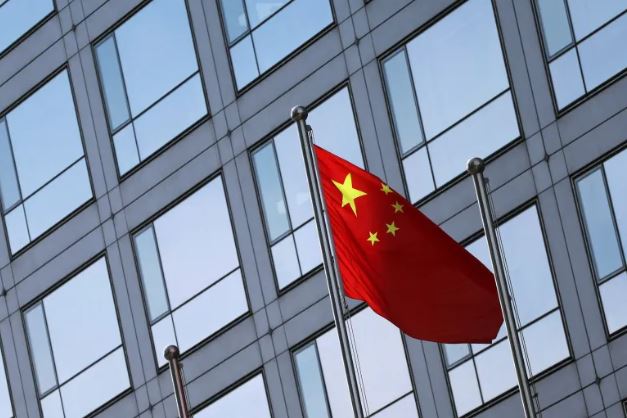
Photo : SCMP


China Reader Daily Wire | 06 October 2026, Tuesday | Vol 3 No. 149
In Brief
INTERNAL
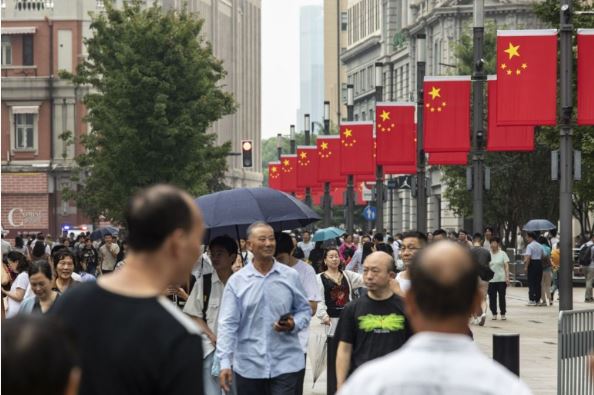
China accelerates consolidation of smaller banks amid economic slowdown
On 5 October, CNBC reported that China is accelerating the consolidation of smaller, mostly rural banks to shore up its financial system amid ongoing concerns about an economic slowdown. Beijing's policy-led consolidation saw a record 670 lenders closed in 2025, around a quarter of the country's banks, as authorities ramped up mergers and dissolutions to create fewer, larger, and better-capitalised institutions, according to Fitch Ratings analysis.
("China shuts hundreds of banks as Beijing moves to shore up its financial system," CNBC News, 5 October 2026)
https://share.google/nXuyL62JGVRfgV7bm
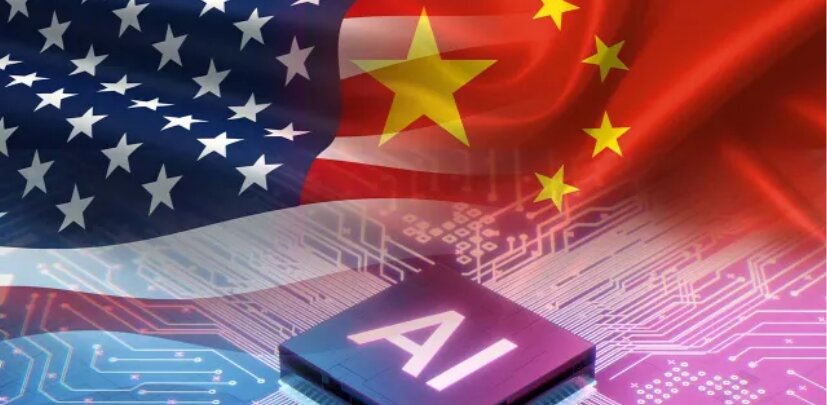
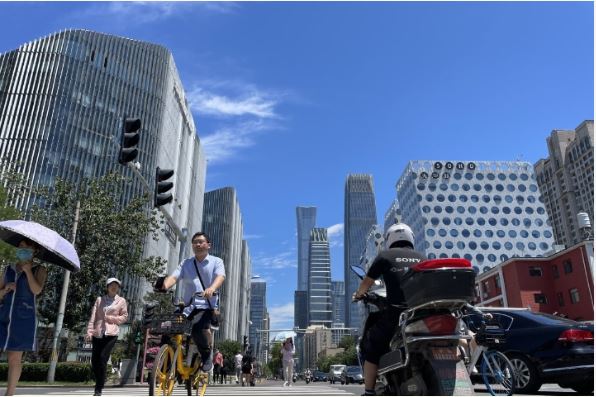
China Opinion: Sherry Wang, “How is China planning to build on its ‘engineer dividend’ in tech war with US?,” SCMP, 05 October 2026
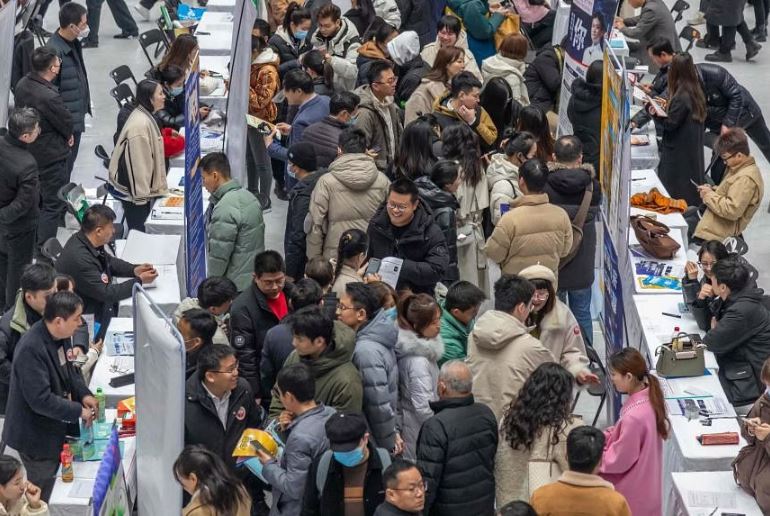
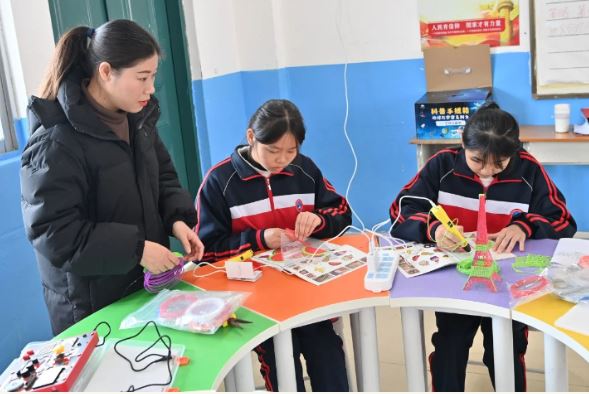
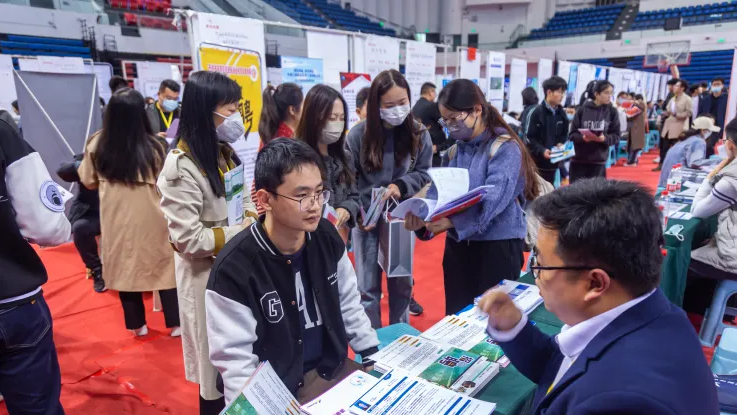
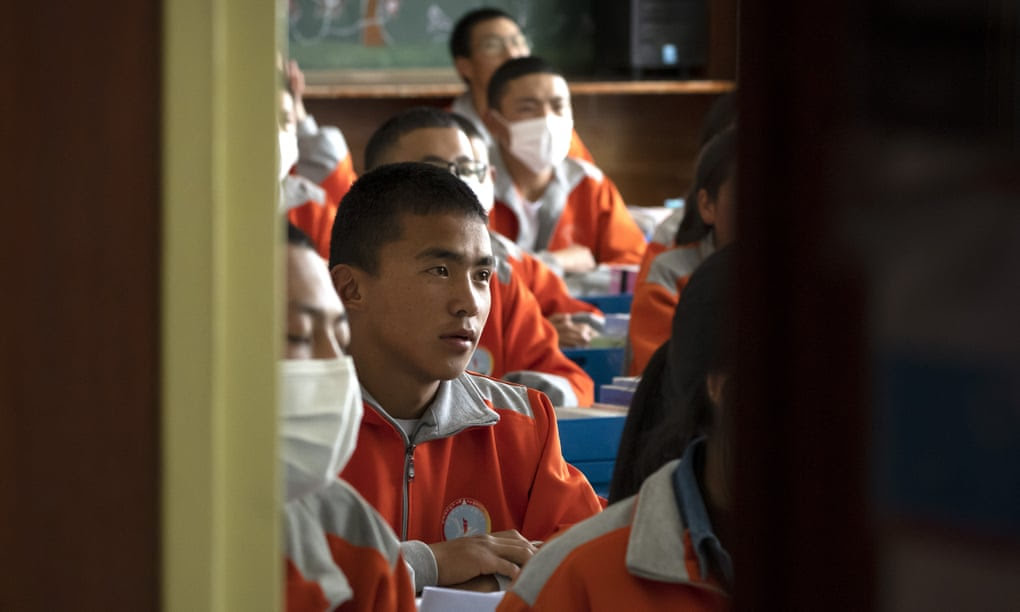
“As China seeks to build on its “engineer dividend” – the advantage created by a vast pool of engineers built up over decades – it is directing more talent towards artificial intelligence and other hi-tech fields central to its competition with the US … The expansion would “strengthen basic and frontier research and drive breakthroughs in key technologies, building a strong force to support major national strategic priorities”, Guo Peng, the head of the ministry’s development planning department, said at a news conference in Beijing … China employed 41 per cent of the world’s leading AI researchers last year, pulling ahead of the US at 34 per cent, according to a study released last week by the Carnegie China think tank … National Development and Reform Commission chairman Zheng Shanjie told a news conference in March that China’s student populations for junior high, senior high and higher education would peak sequentially in 2026, 2029 and 2032. To manage that rolling wave of demand, Zheng said the government’s priorities for the next five years would include expanding high school capacity and building undergraduate capacity at top universities.”
https://share.google/0loc0hk6zOZPrRhA3
ENERGY AND ENVIRONMENT
China speeds up ultra-deep drilling to boost domestic energy security
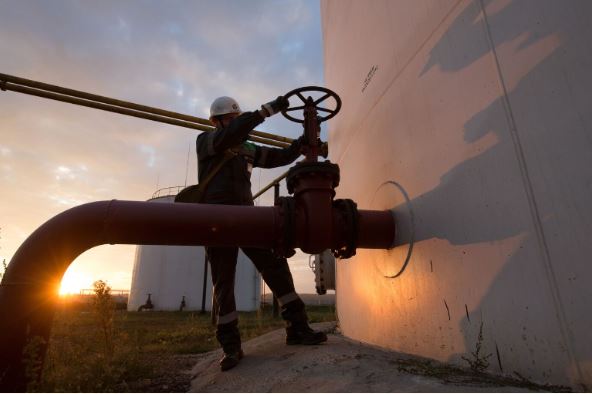
On 06 October, South China Morning Post reported that China is accelerating ultra-deep oil and gas exploration to boost its domestic energy supply amidst growing global supply chain uncertainties. A primary focus is the Hade-Fuman oilfield in Xinjiang's Taklamakan Desert, where reservoirs sit over 6,000 meters underground. The Fuman field, the country’s largest ultra-deep field discovered in 2021, holds over one billion tonnes of oil and gas resources. To tap these complex reserves, PetroChina developed advanced drilling tools capable of averaging depths over 8,300 meters, roughly the height of Mount Everest. The field has already produced more than 26 million tonnes of oil equivalent. Beijing's push for energy security has intensified following recent disruptions in global energy corridors like the Strait of Hormuz. Under its current five-year plan, China aims to hit a domestic supply of 440 million tonnes of oil equivalent by 2030. To support this, the country plans to expand its pipeline network to 220,000 kilometres. At the same time, offshore projects like the Liuhua oilfield in Guangdong are being redeveloped using deepwater extraction technologies, pushing cumulative output past two million tonnes.
(“China taps ultra-deep oil reserves 6,000 metres deep as global energy turmoil continues,” SCMP, 06 October 2026)
https://sc.mp/q3sns?utm_source=copy-link&utm_campaign=3369859&utm_medium=share_widget
CHINA AND SPACE
China approaches 100-launch record with recent missions
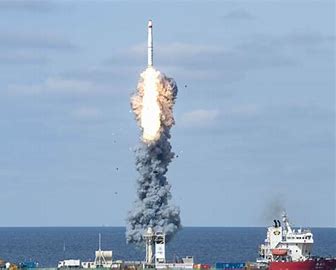
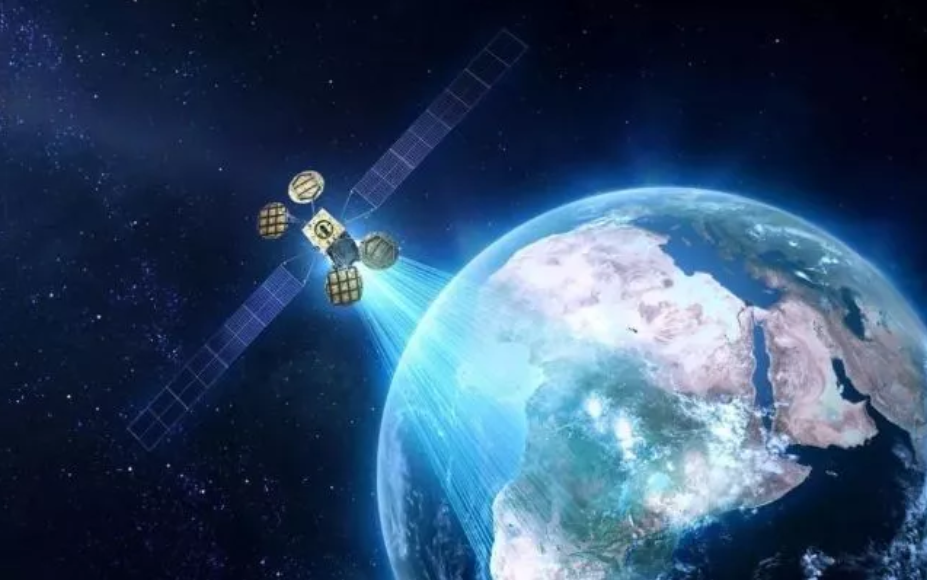
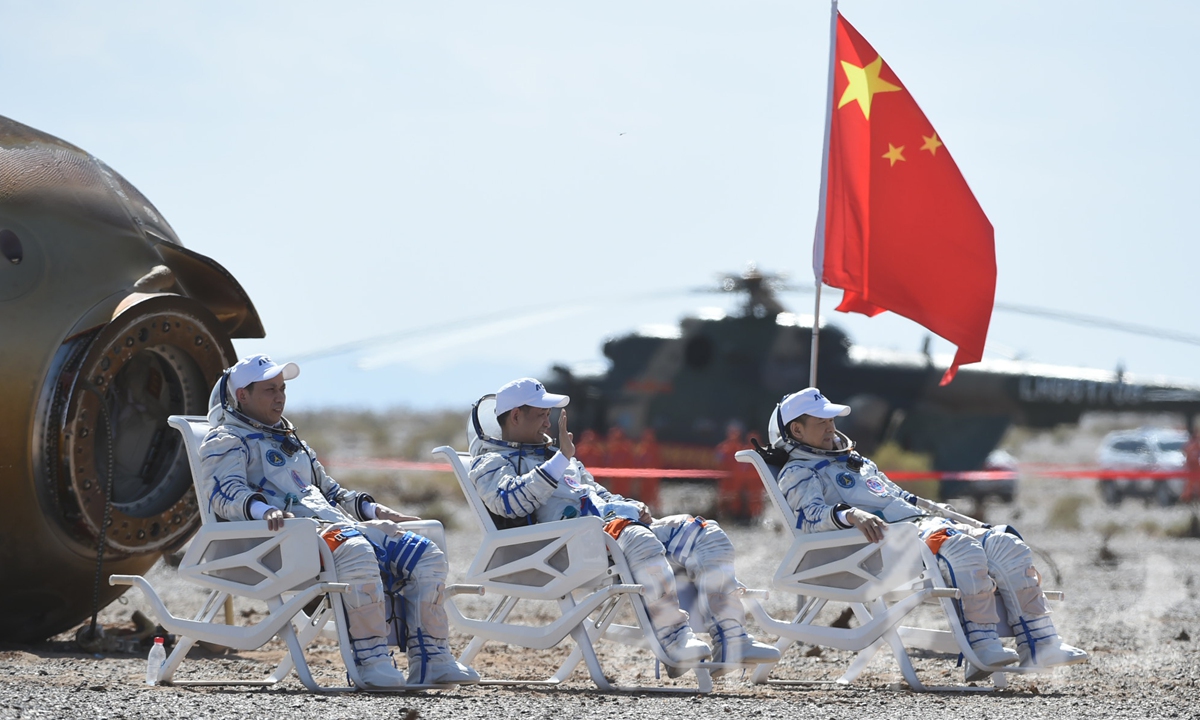
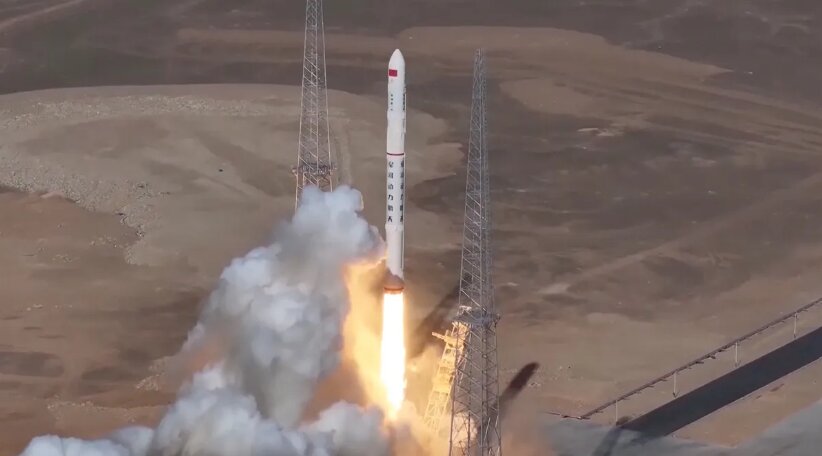
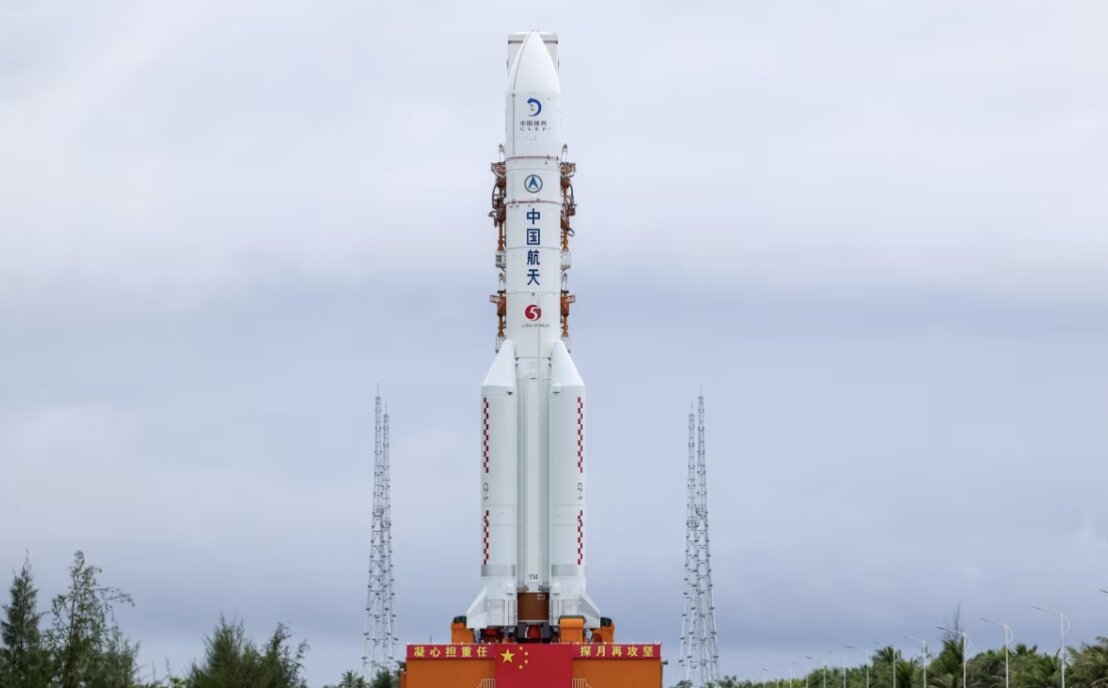
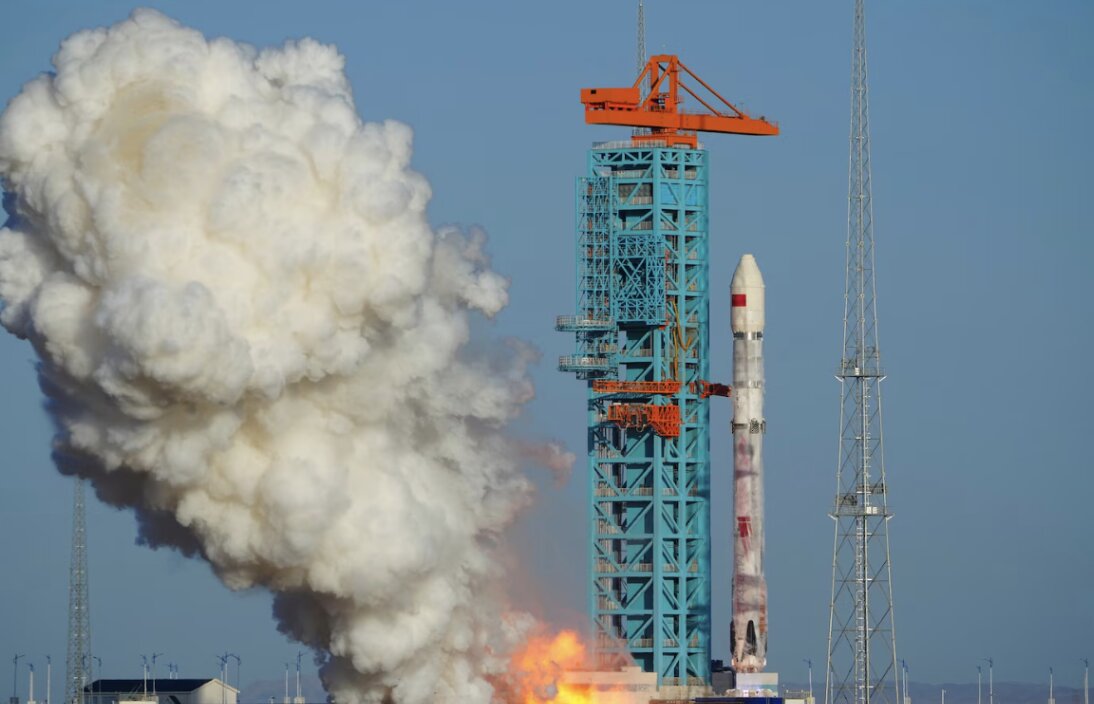
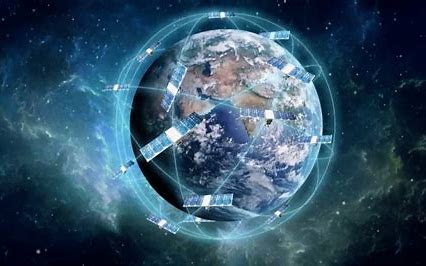
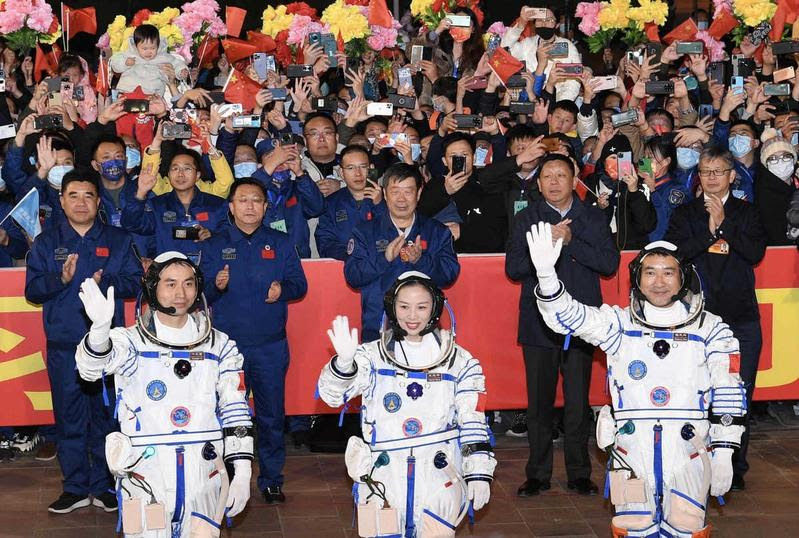
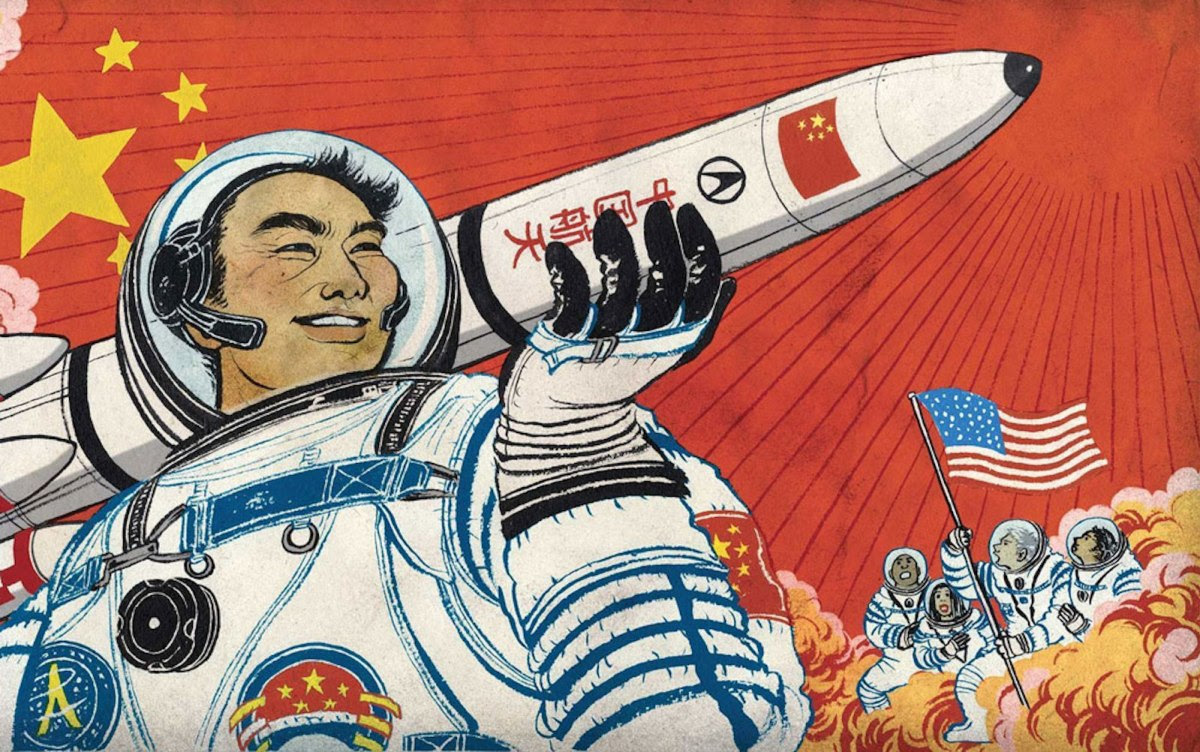
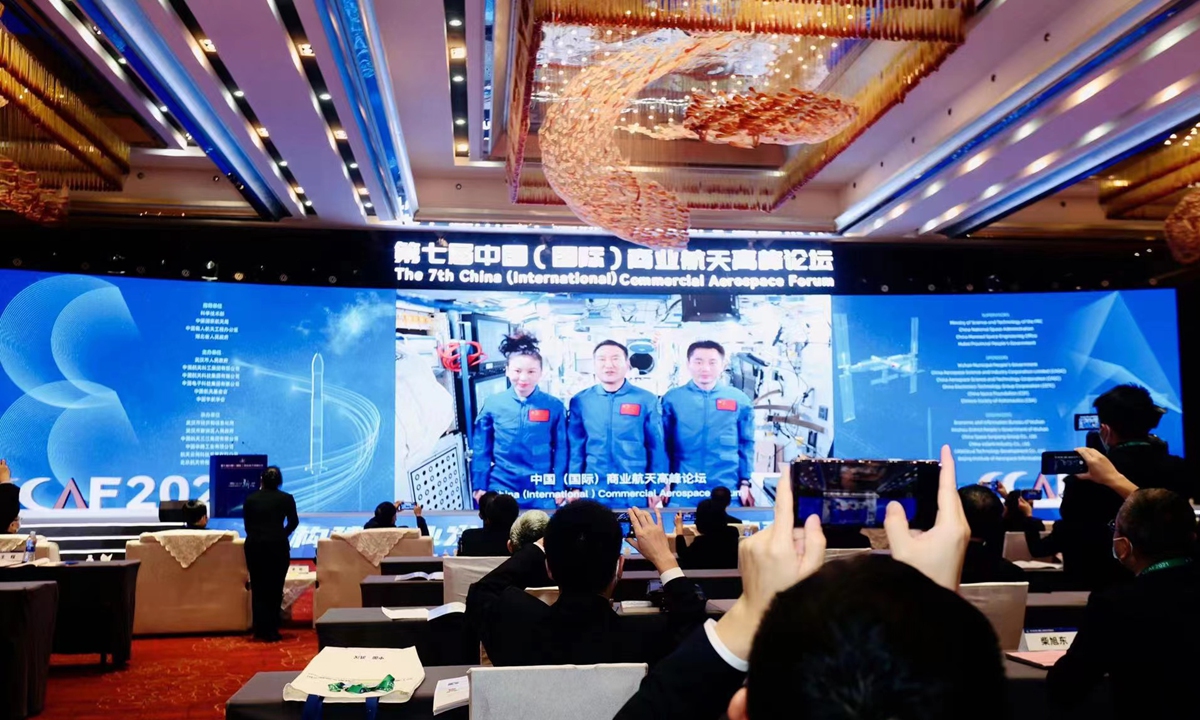
On 01 October, Space News reported that China completed its ninth and tenth orbital launches of September 2026, bringing its yearly total to 70 attempts as it targets a record-breaking 100-plus launches. The recent missions deployed two main satellite groups. On 23 September, Guowang, a Long March 8A rocket, launched the 26th batch of satellites for China’s planned 13,000-satellite megaconstellation, designed to provide low Earth orbit internet. On 24 September, Yaogan-40, a Long March 6A rocket, carried three remote-sensing satellites into polar orbits for electromagnetic environment detection, completing the fourth of five projected orbital planes. To hit its annual goal, China must execute at least 31 launches in the final quarter of the year. The high-profile missions for the upcoming fourth quarter include Shenzhou-24, a crewed mission to the Tiangong space station, expected around November. The report states that it may feature Pakistan’s payload specialist, marking the first foreign astronaut to visit the station. Expected maiden flights for commercial rockets, including Gravity-2 and Hyperbola-3. Finally, a continued intensive deployment of flights for both the Guowang and Qianfan internet networks.
(“China launches Guowang, Yaogan-40 satellites, sets up busy Q4 manifest,” Space News, 01 October 2026)
https://spacenews.com/china-launches-guowang-yaogan-40-satellites-sets-up-busy-q4-manifest/
CHINA AND TAIWAN
China intensifies transnational repression on Taiwanese citizens, claims MAC
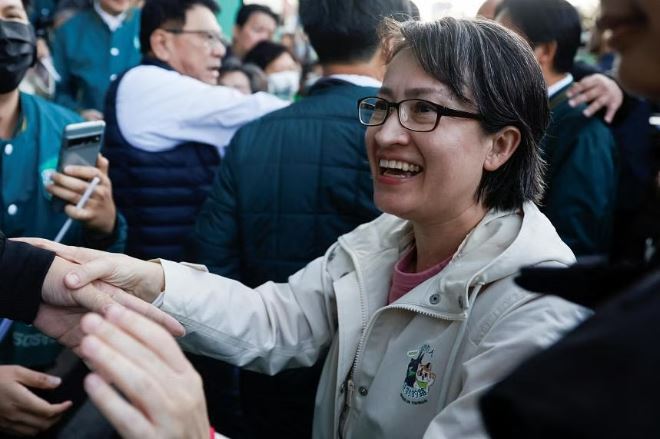
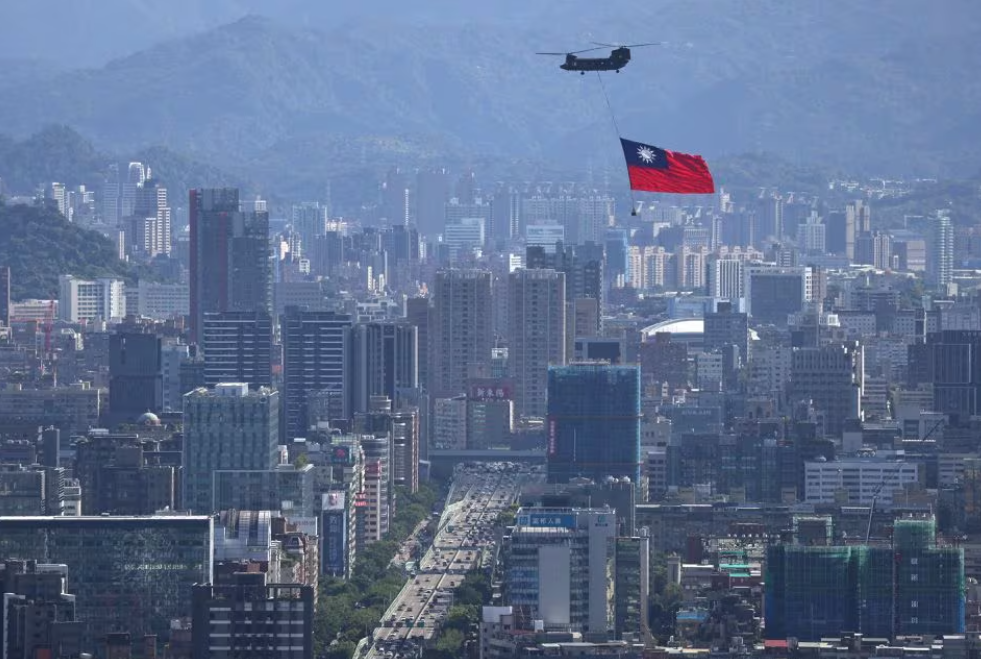
On 06 October, Taiwan News reported that Taiwan’s Mainland Affairs Council said that at least 126 people have been targets of China’s transnational repression. The MAC stated that they have recorded at least 140 cases of Chinese transnational repression and added that the US FBI’s arrest of a woman allegedly spying on President Lai Ching-te’s son is a “typical example of transnational repression.” The MAC further stated that the government is planning to amend the Anti-infiltration Act to criminalise transnational repression.
(“Taiwan says Chinese transnational repression targets 126 Taiwanese,” Taiwan News, 06 October 2026)
https://www.taiwannews.com.tw/news/6452585
CHINA AND EAST ASIA
Japan to build spy agency amidst rising regional tensions
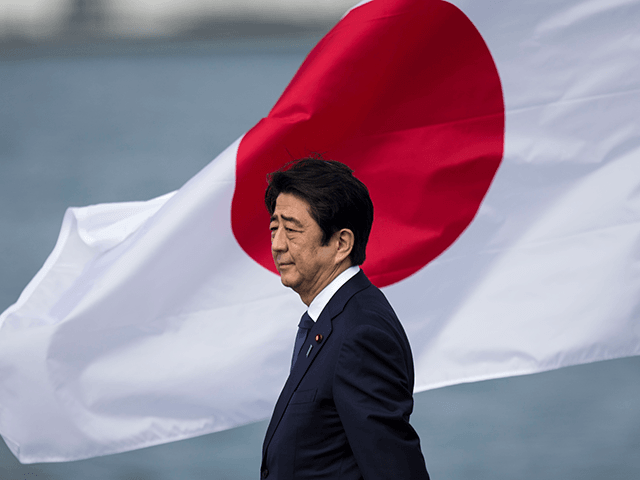
On 05 October, ABC News reported that Japan is set to build its own centralised spy agency modelled after various Western intelligence agencies. Japan’s current intelligence system is compartmentalised, with police, defence and foreign affairs gathering their own. In recent months, the Sanae Takaichi administration has ramped up efforts to construct a centralised intelligence agency amidst rising tensions and the military build-up by China, Russia and North Korea. Nakasone Peace Institute’s senior research fellow Osawa Jun stated that this agency would be “akin to the CIA or Britain’s M16.” He added that the agency should be established in early 2028, but challenges remain with regard to legal and structural reforms, and gaining the public’s trust. China has increased its criticism of the Takaichi administration over its various defence reforms, and has termed such actions as “re-militarisation,” and accused Japan of “threatening regional peace and stability.”
(“Japan builds spy agency 'with the utmost urgency' as tensions with China escalate,” ABC News, 05 October 2026)
https://www.abc.net.au/news/2026-10-05/japan-builds-spy-agency-as-china-tensions-escalate/107220738
PM Takaichi calls China ‘an important neighbour’; Seeks dialogue after strained ties
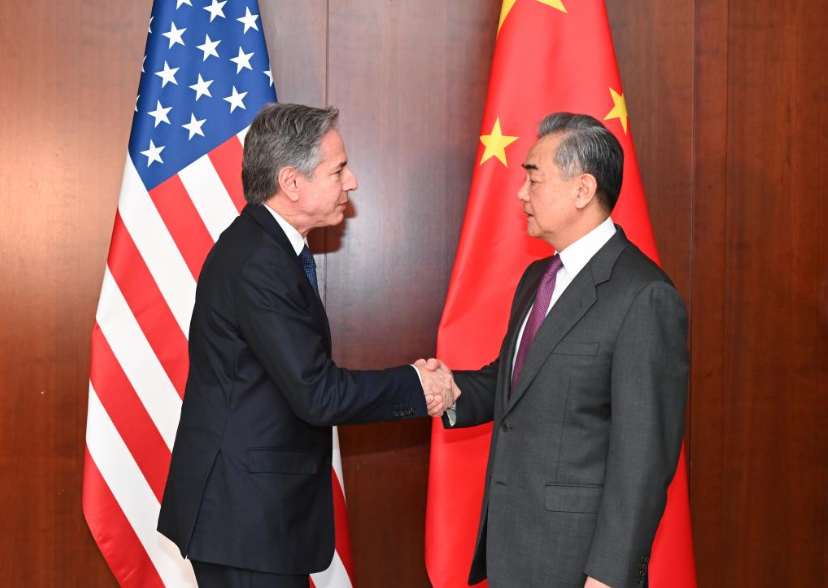
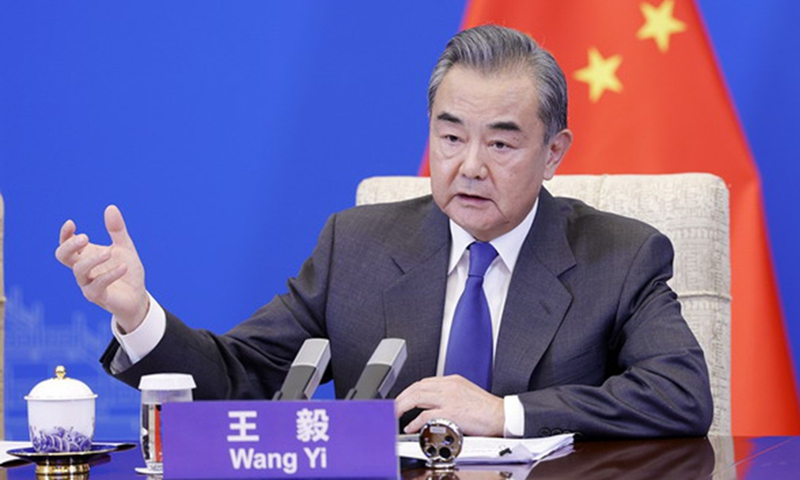
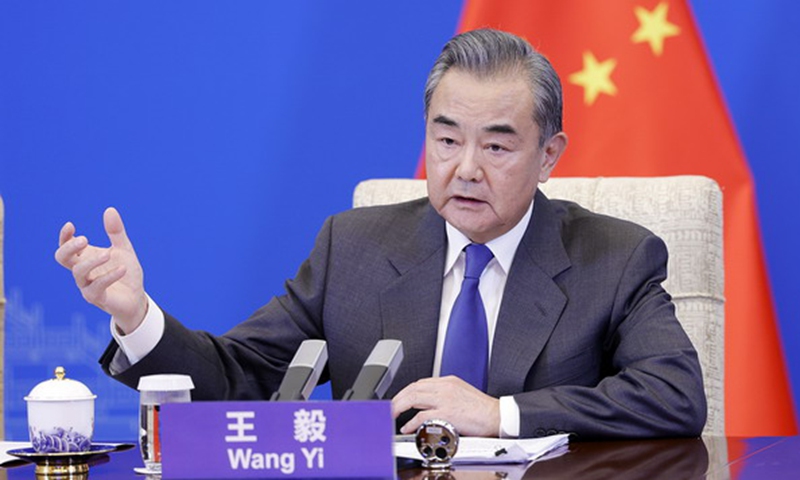
On 06 October, Anadolu Agency reported that Japan’s Prime Minister Sanae Takaichi called China “an important neighbour,” and vowed to pursue dialogue with Beijing amidst strained ties. Diplomatic relations between the two reached an all-time low after Takaichi stated that Japan could intervene if a crisis arises in Taiwan. Addressing the parliament, she stated that “We will maintain dialogue on shared challenges, protect Japan’s national interests and work toward a constructive and stable relationship.” The remarks come after former Foreign Minister Takeshi Iwaya visited Beijing and met with China’s Foreign Minister Wang Yi and Vice Premier He Lifeng.
(“Japan's prime minister calls China ‘an important neighbour’ amid tensions over Taiwan,” Anadolu Agency, 06 October 2026)
https://aa.com.tr/en/asia-pacific/japans-prime-minister-calls-china-an-important-neighbor-amid-tensions-over-taiwan/4079077
China’s ambassador to South Korea calls on resilience in bilateral economic cooperation, not to choose sides with Beijing or Washington
On 06 October, The Korea Times reported that China’s Ambassador to South Korea Dai Bing said that Beijing has not asked Seoul to choose a side between the US and China, adding that maintaining relations with the two must solely be guided by its own national interests. In an interview with the Korea Times, Dai Bing emphasised that the US-China competition should not be “the sole lens through which the regional order in East Asia is viewed,” and added that China respects the alliance relationship of Seoul with the US based “on its historical context.” He noted that China and Korea have “deeply integrated industrial and supply chains,” and highlighted the ongoing second leg of negotiations over the Korea-China free trade agreement. He further stated that China will “safeguard peace and stability on the Korean Peninsula, prevent war and turmoil, and ultimately achieve lasting peace and stability on the peninsula,” and added that “Relevant parties should take each other’s legitimate concerns seriously and take actions conducive to resuming dialogue and rebuilding mutual trust.”
(“'China has never asked Seoul to choose a side between Beijing, Washington,' envoy says,” The Korea Times, 06 October 2026)
https://www.koreatimes.co.kr/amp/southkorea/politics/20261006/china-has-never-asked-seoul-to-choose-a-side-between-beijing-washington-envoy-says
CHINA AND SOUTH ASIA
Afghanistan inaugurates Wakhan Corridor road linking country to China
On 04 October, Anadolu Agency reported that Afghanistan officially opened a 121-kilometre unpaved road through the Wakhan Corridor, connecting northeastern Badakhshan province with China’s Xinjiang region. Construction of the road began around two years ago and reportedly cost 365 million Afghanis (about USD 5.5 million). Afghan Rural Rehabilitation and Development Minister Abdul Latif Mansour described the project as strategically, politically and economically important for the country. He also said the road was constructed by Afghan engineers without foreign engineers or advisers. The Wakhan Corridor is a narrow strip of Afghan territory extending eastward towards China, separating Tajikistan from Pakistan-administered Gilgit-Baltistan. The newly completed road runs from the Broghil area towards the Chinese border. Afghan authorities have presented it as an important step towards establishing direct overland connectivity with China and expanding trade and transit opportunities. Earlier in 2026, Afghan officials had already described the completion of the basic road as creating a direct land connection with China. However, the road's inauguration does not yet mean that a fully operational commercial corridor has been established. Reports indicate that additional customs, loading and other border infrastructure would be necessary before regular transit trade can begin. Nevertheless, the project strengthens Kabul’s efforts to diversify its external connectivity and deepen economic engagement with China, while giving the Wakhan region greater transport access.
(“Afghanistan inaugurates Wakhan Corridor road linking country to China,” Anadolu Agency, 4 October 2026)
https://www.aa.com.tr/en/asia-pacific/afghanistan-inaugurates-wakhan-corridor-road-linking-country-to-china/4077721?utm_source=chatgpt.com
CHINA AND AFRICA
Ghana reduces dependence on US dollars on trade with China
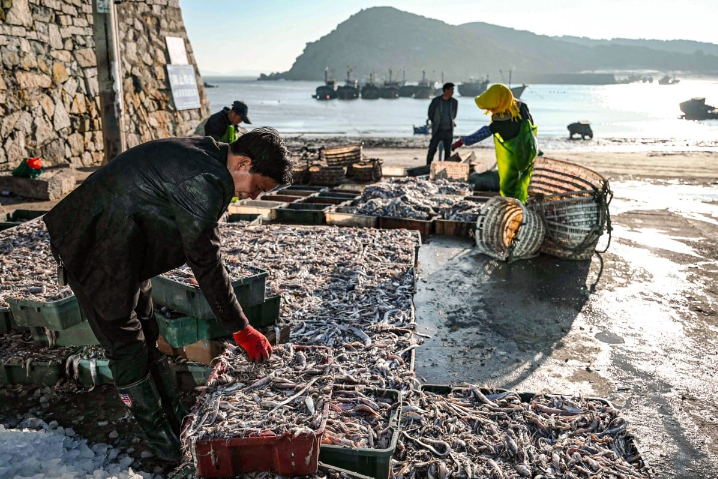
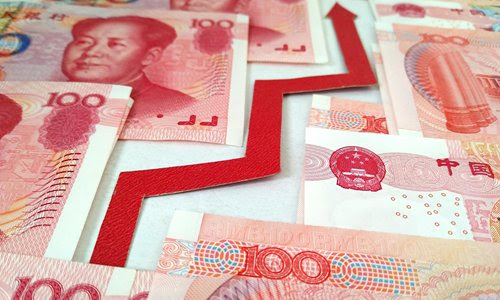
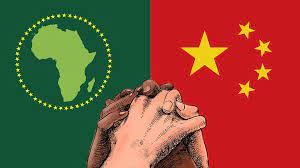
On 05 October, Business Insider Africa reported that Ghana has introduced a cedi-to-yuan payment system that lets importers pay Chinese suppliers directly from Ghanaian cedi accounts, reducing reliance on the US dollar and intermediary banks. Stanbic Bank Ghana is piloting the service through China’s Cross Border Interbank Payment System (CIPS), while the Ghana Commercial Bank is developing a similar facility. The arrangement aims to lower transaction costs, reduce processing times, and limit foreign exchange conversions. The initiative comes as Ghana deepens economic ties with China, its largest import source.
(“Africa's gold powerhouse bypasses US dollar to clear trade with China as Beijing unlocks zero-tariff access for 53 African nations,” Business Insider Africa, 05 October 2026)
https://africa.businessinsider.com/local/markets/africas-gold-powerhouse-bypasses-us-dollar-to-clear-trade-with-china-as-beijing/vnhhj5x
CHINA AND RUSSIA
Russia shifts towards Chinese EVs amid fuel shortage
On 06 October, The New York Times reported that Russia is experiencing a rapid shift toward Chinese electric vehicles (EVs) as Ukrainian drone strikes on oil refineries trigger persistent gasoline shortages. EV sales more than doubled in 2026, with Chinese models dominating the expanding market. Many Russian factories previously producing Western brands now assemble Chinese vehicles, reflecting Moscow’s broader economic pivot following Western sanctions. Chinese EVs are increasingly attractive as fuel shortages raise demand, while government incentives and expanding charging infrastructure support adoption. However, high prices, limited charging networks and lingering consumer resistance remain significant obstacles to a wider transition.
(“Russians Snap Up Chinese E.V.s as Ukrainian Attacks Make Fuel Scarce,” The New York Times, 06 October 2026)
https://www.nytimes.com/2026/10/04/world/europe/russia-ukraine-war-ev-sales.html
CHINA AND EUROPE
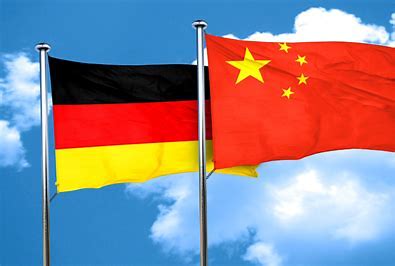
France and Germany push for stronger EU trade defences against Beijing
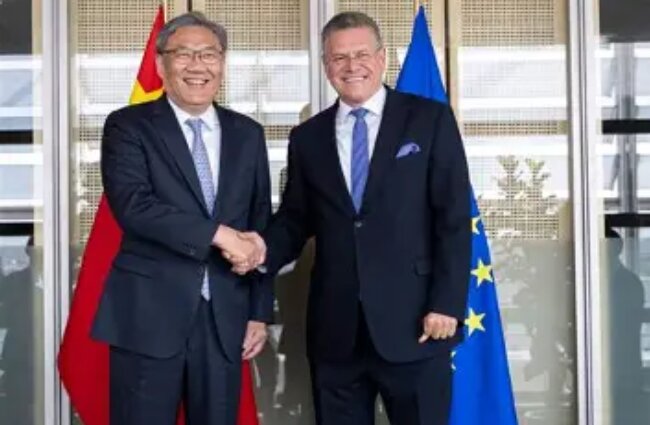
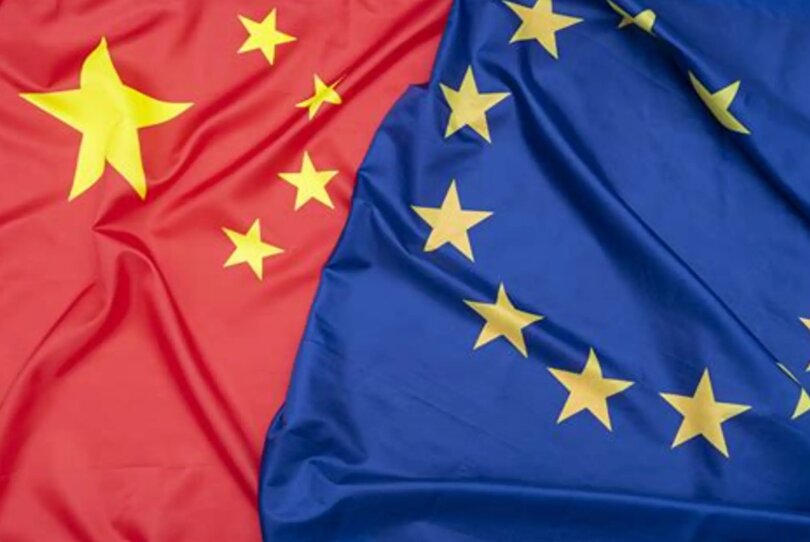
On 05 October, Euronews reported that France and Germany have proposed a new EU instrument allowing the European Commission to respond rapidly to market distortions driven by China and to protect the European single market. The proposal seeks measures covering subsidies, currency manipulation and supply-chain concentration, alongside diversification tools to reduce strategic dependencies. Paris and Berlin also want the EU to prepare for possible Chinese retaliation and strengthen anti-dumping, anti-subsidy and safeguard measures. The initiative reflects growing European concern over industrial competition and trade imbalances. Vulnerabilities have been noted across key sectors including automotive, pharmaceuticals, aerospace, machinery, and chemicals.
(“Germany and France agree new trade tool to counter China,” EuroNews, 05 October 2026)
https://www.euronews.com/2026/10/05/germany-and-france-agree-new-trade-tool-to-counter-china
CHINA AND THE AMERICAS
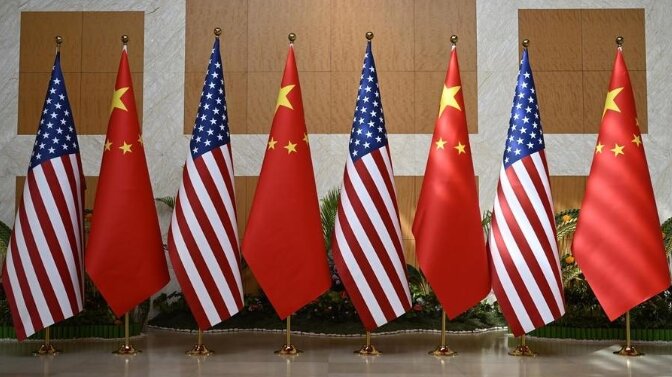
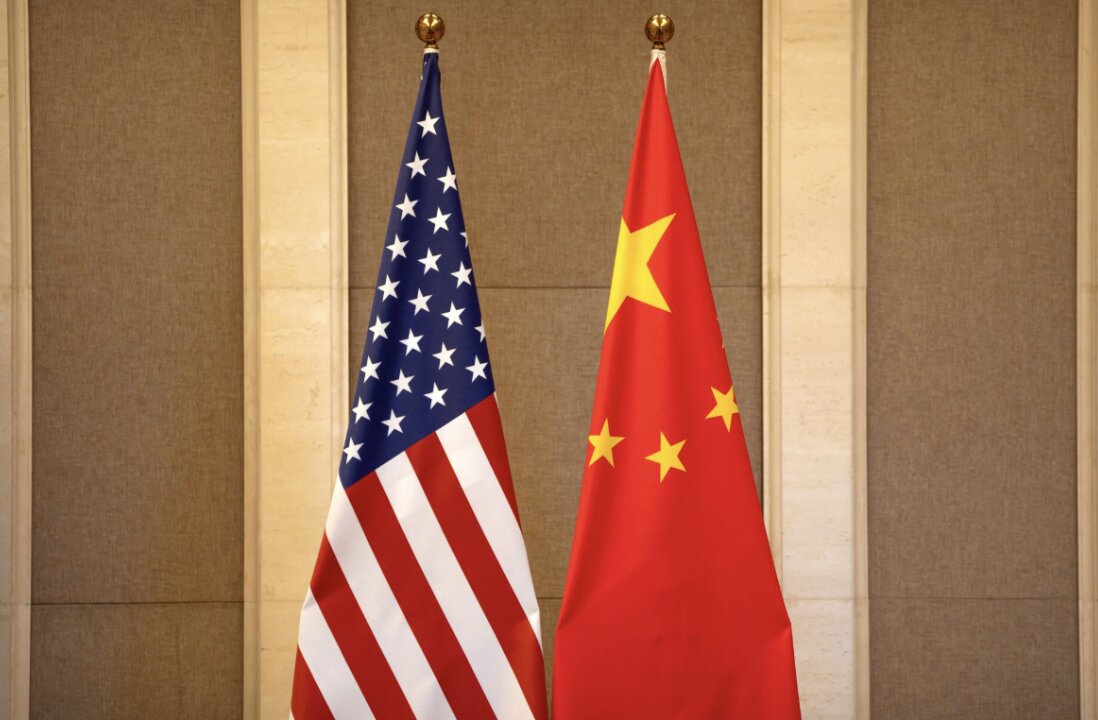
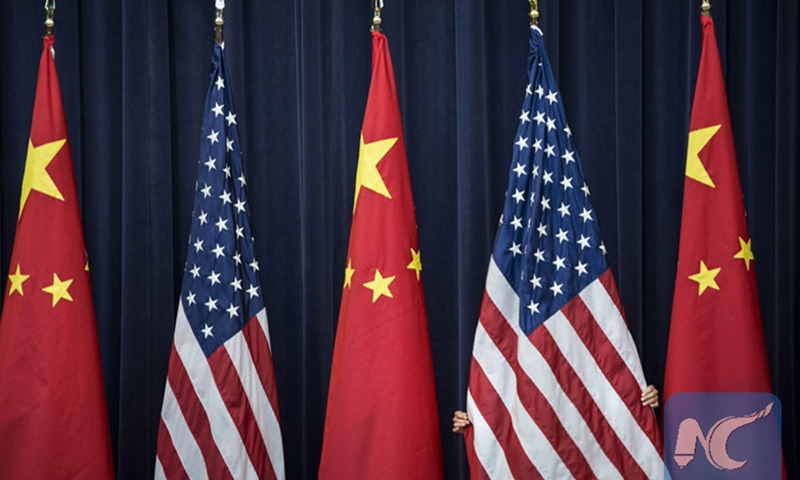
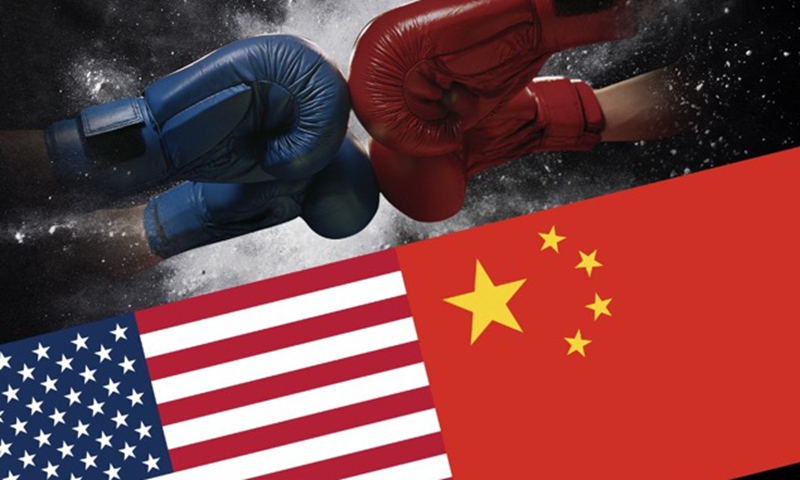
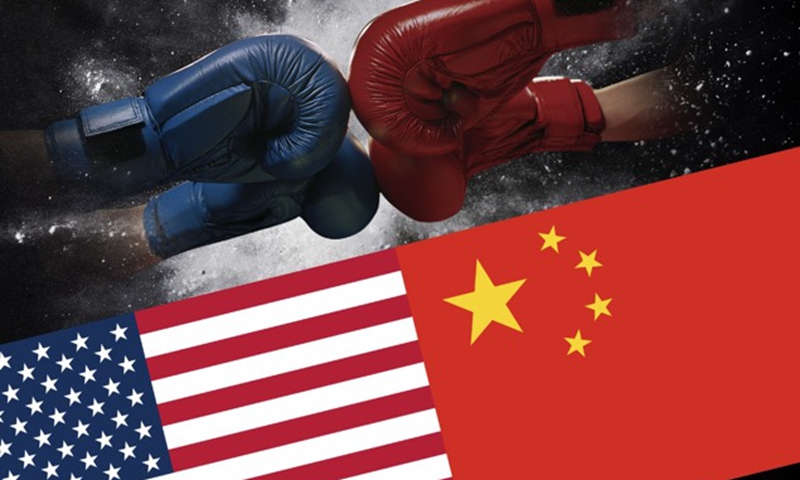
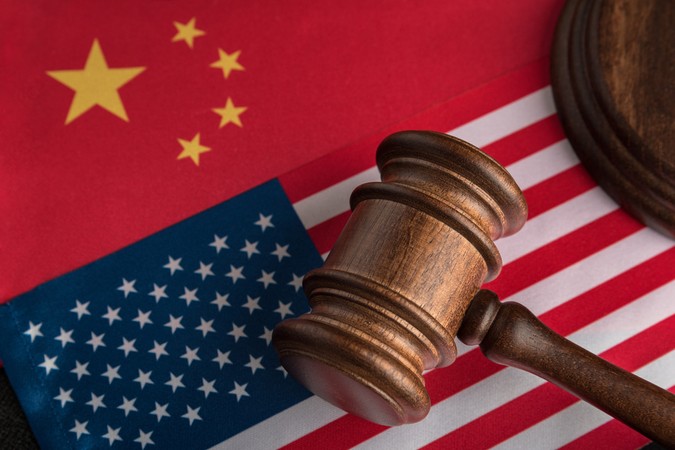
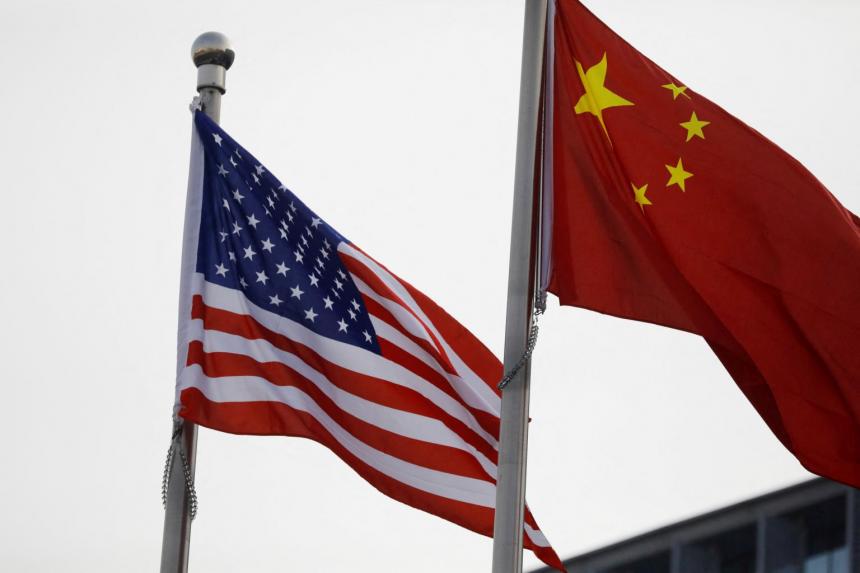
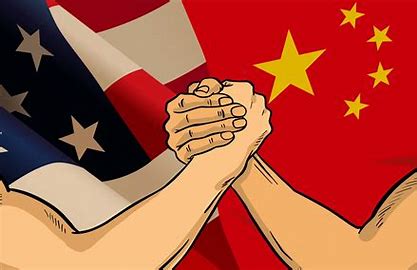
China-US trade rivalry moves towards patents and intellectual property rights
On 05 October, Forbes reported that the US-China trade rivalry is increasingly centred on technology, intellectual property (IP) and control over strategic industries. China’s firms filed about 1.8 million patent applications worldwide in 2024, compared with roughly 502,000 from US applicants. These figures highlight China’s growing technological capacity and intensifying competition with the US. Washington continues to scrutinise Chinese practices involving technology transfer, cyber-enabled IP theft and industrial policy through various legal mechanisms. However, stronger Chinese innovation and improved IP enforcement complicate the traditional US narrative of technological dependence and weak protection. The rivalry therefore extends beyond tariffs into patents, cybersecurity, supply chains, market access and national security controls, creating tensions between economic competitiveness and technological security.
(“China’s Patent Filings Dwarf America’s. What It Means For The Tech Rivalry,” Forbes, 05 October 2026)
https://www.forbes.com/sites/viviantoh/2026/10/04/china-patents-us-tech-rivalry/
























.png)
.jpg)
.jpg)
.jpg)
.jpg)
.jpg)
.jpg)
.jpg)
.jpg)
.jpg)
.png)
.jpg)
.jpg)
.jpg)
.jpg)
.jpg)
.jpg)
.jpg)
.jpg)
.jpg)
.jpg)
.jpg)
.jpg)
.jpg)
.jpg)
.jpg)
.jpg)
.png)
.jpg)
.jpg)
.png)
.jpg)
.jpg)


.jpg)

.jpg)
.jpg)
.jpg)
.jpg)
.jpg)
.jpg)
.jpg)
.jpg)

.jpg)
.jpg)
.jpg)
.jpg)
.jpg)
.jpg)
.jpg)

.jpeg)


.jpeg)