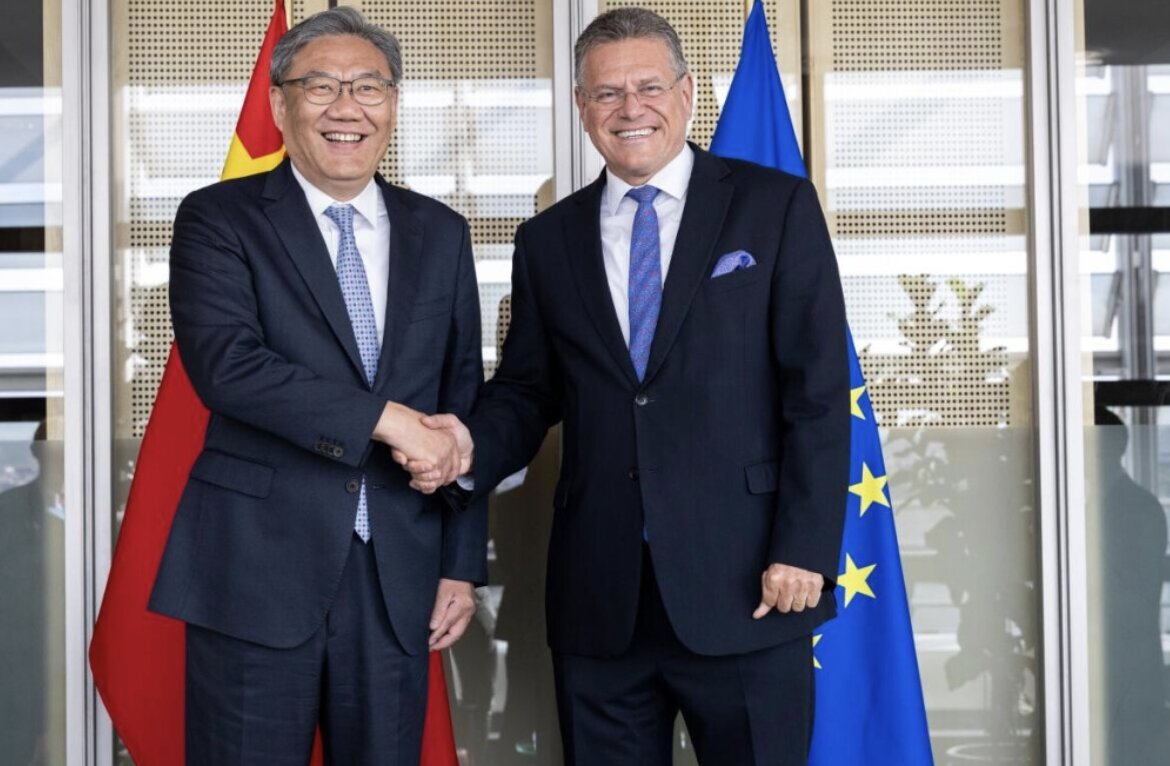
Photo : Business Europe


China Reader Daily Wire | 07f October 2026, Wednesday | Vol 3 No. 150
In Brief
CHINA AND EUROPE
Beijing rejects EU’s push for stronger trade protection
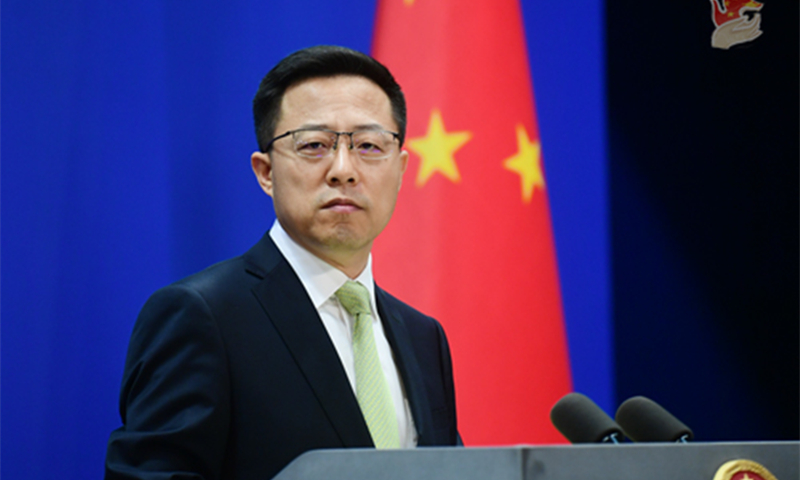
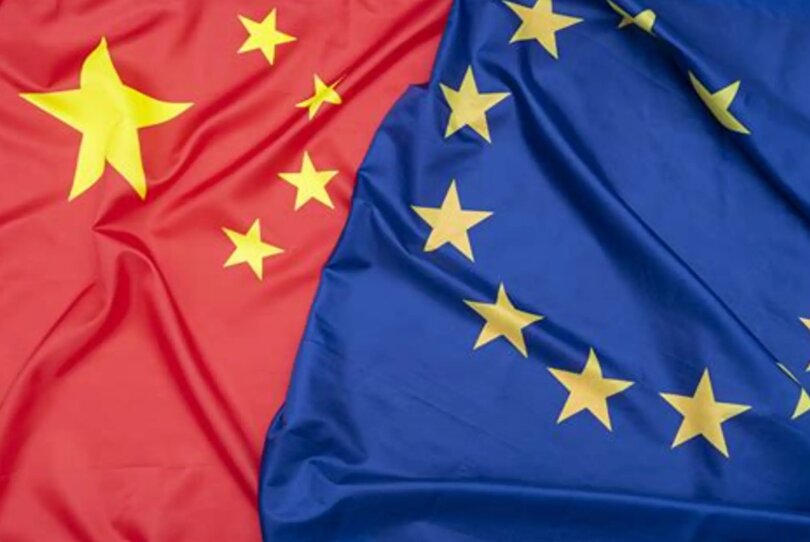
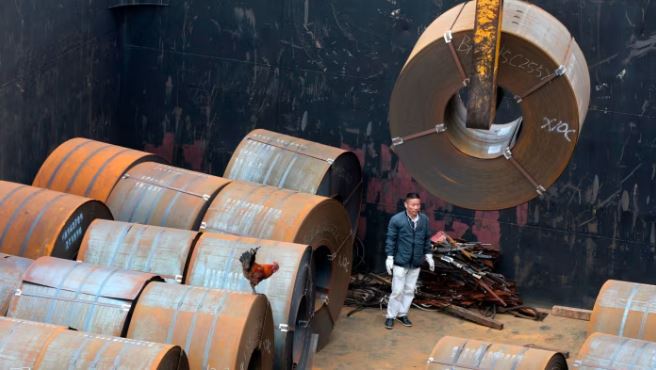
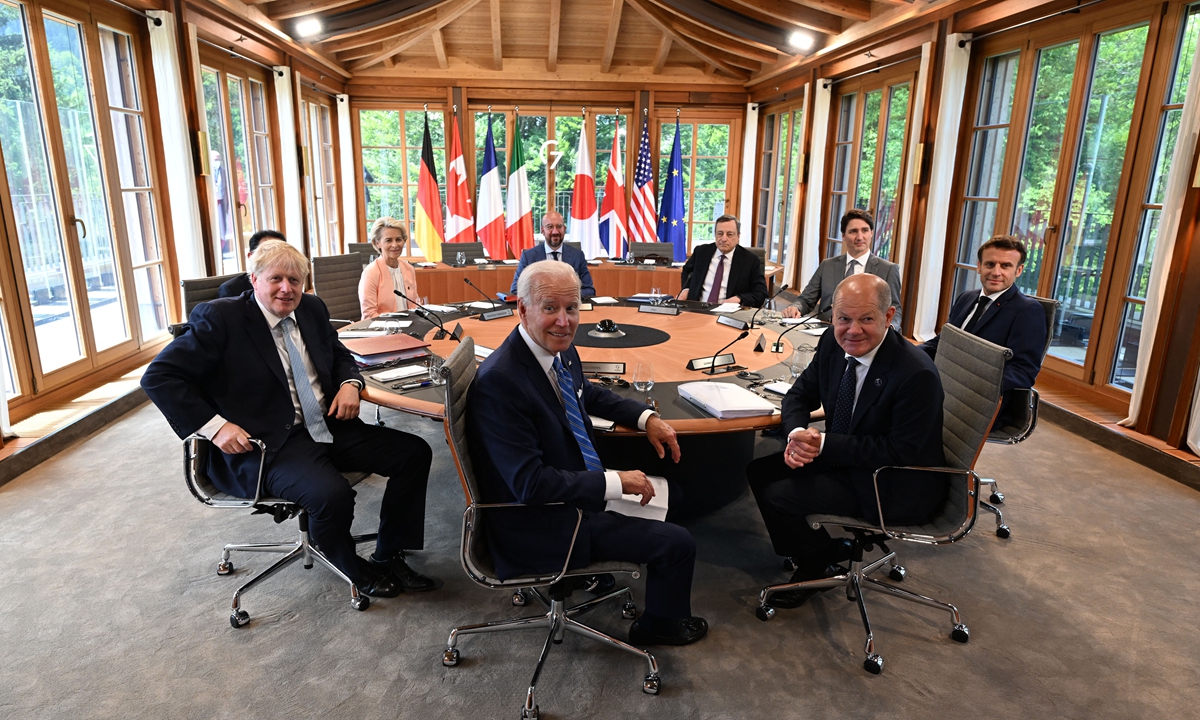
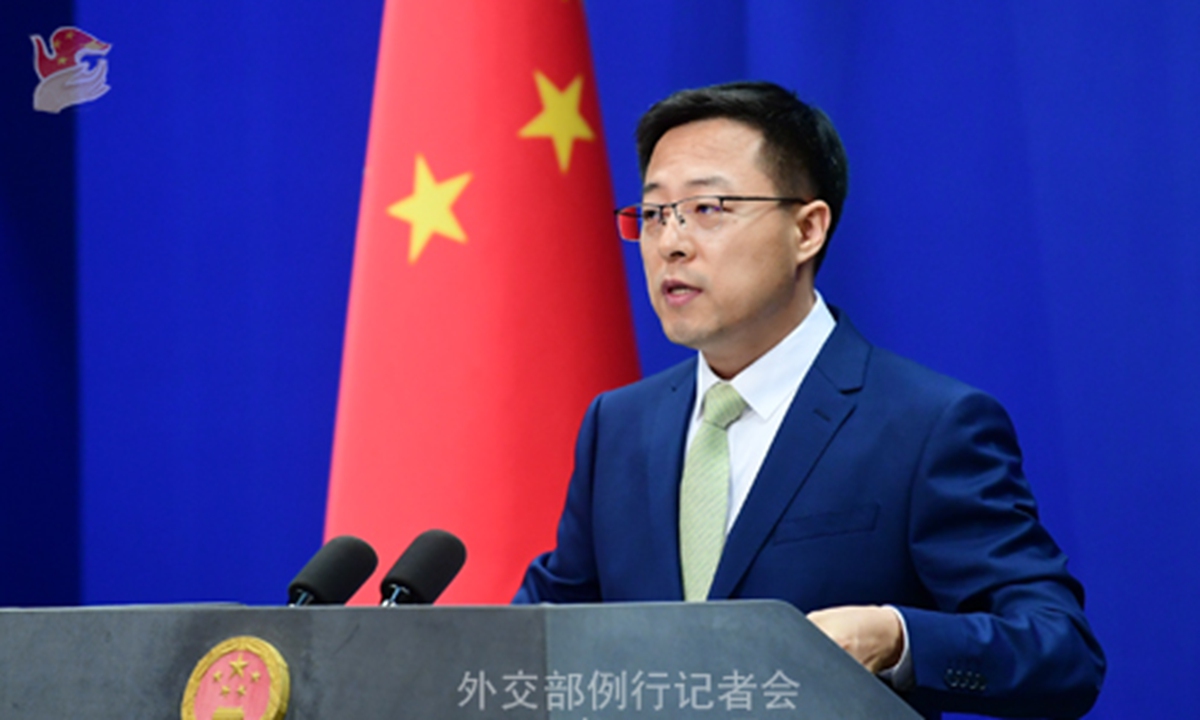
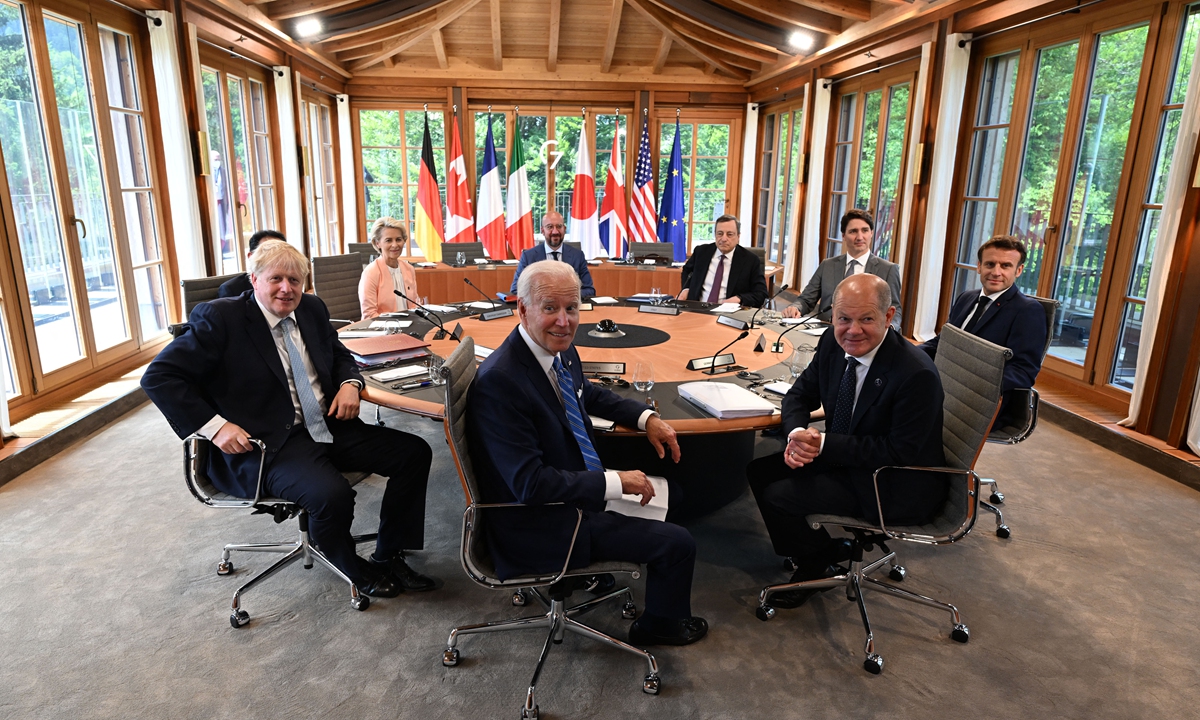
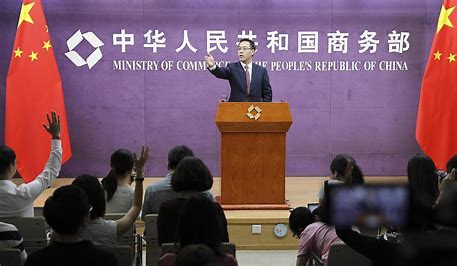
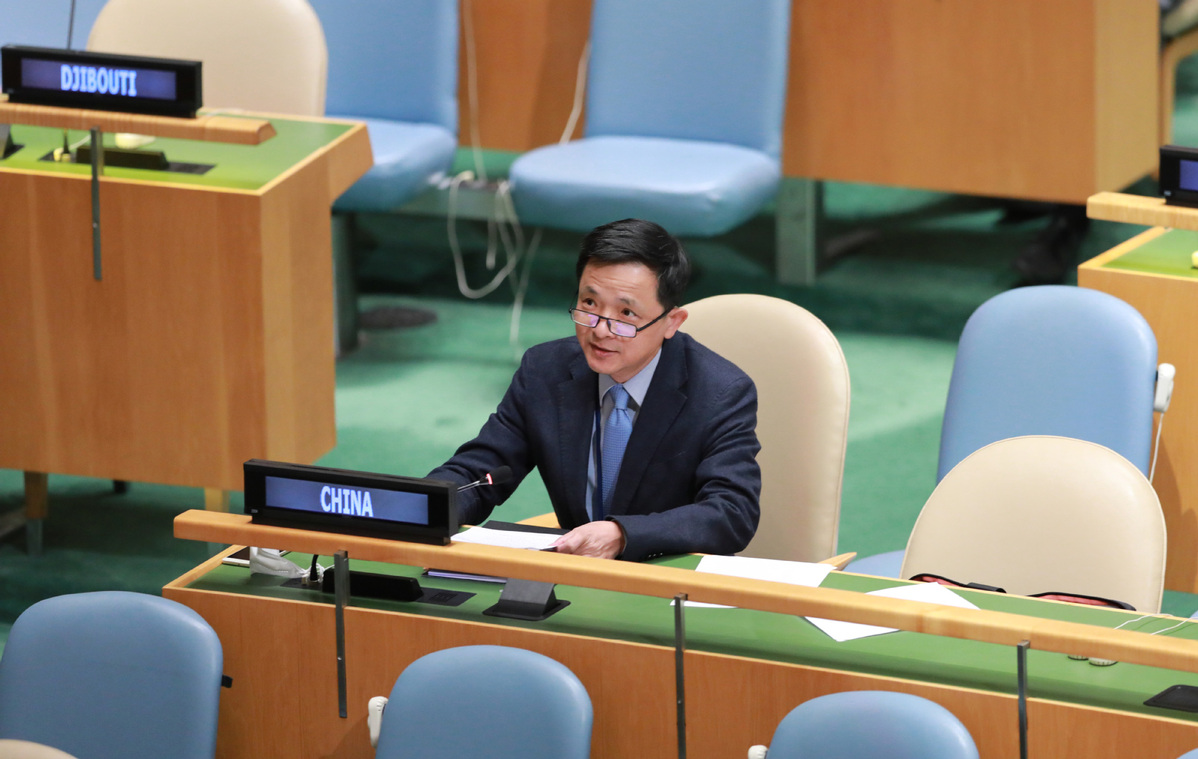
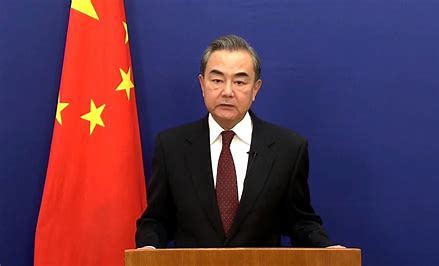
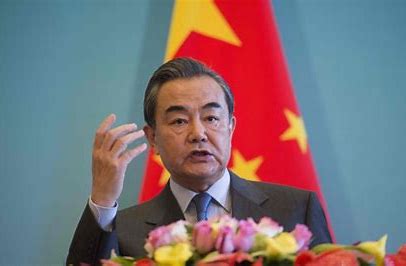
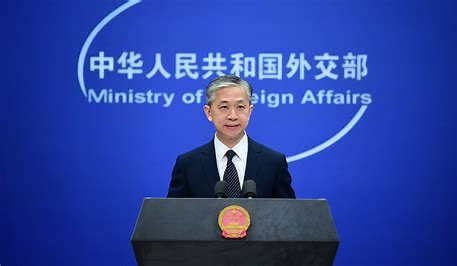
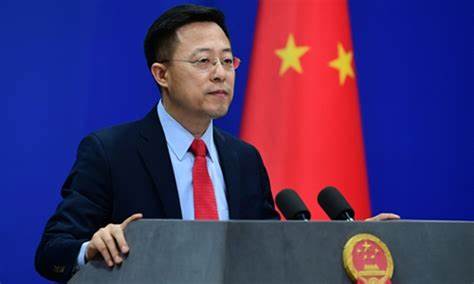
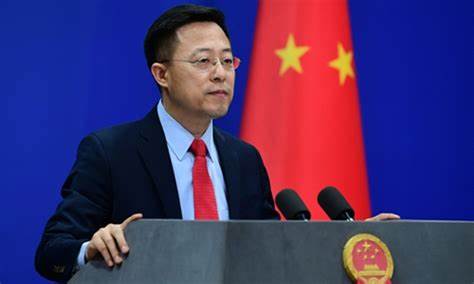
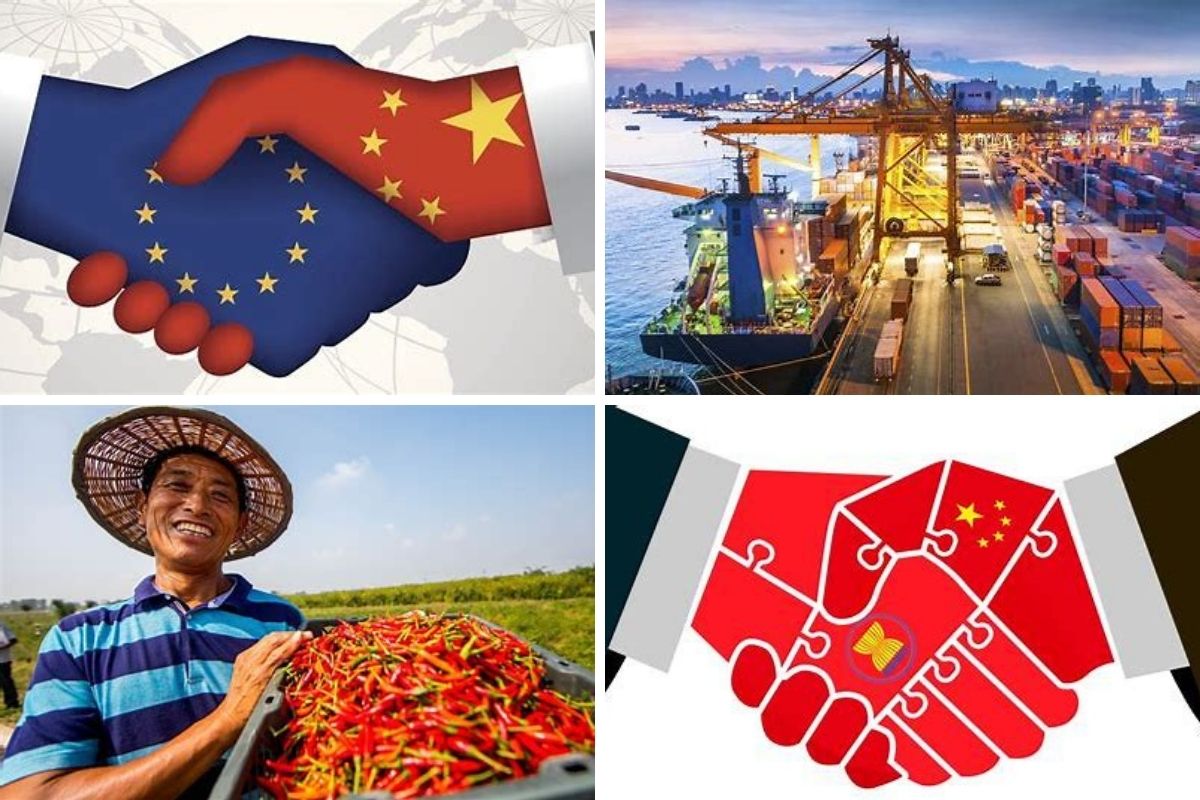
On 07 October, CNA reported that China has urged France and Germany to reject what it describes as “protectionist” trade measures, amidst growing EU concerns over its trade deficit with Beijing. France’s President Emmanuel Macron and Germany’s Chancellor Friedrich Merz have proposed giving the European Commission stronger powers to respond rapidly to trade aggression, including restricting access to the EU single market. Beijing called for openness, cooperation and free trade, warning that protectionism could harm Europe also. China has also stressed that EU-China trade is mutually beneficial and urged both sides to resolve disputes through dialogue while maintaining stable global supply chains.
(“China warns France, Germany against 'protectionist' trade tools,” CNA, 07 October 2026)
https://www.channelnewsasia.com/world/china-france-germany-trade-eu-economy-6437411
SCIENCE AND TECHNOLOGY
China hosts 41 per cent of top AI researchers; Struggles to attract foreign talent
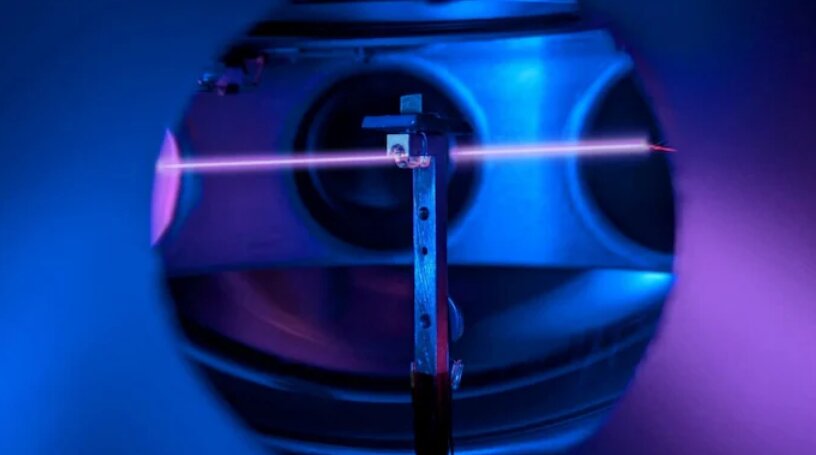
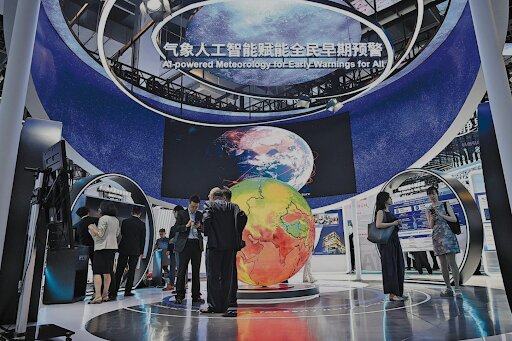
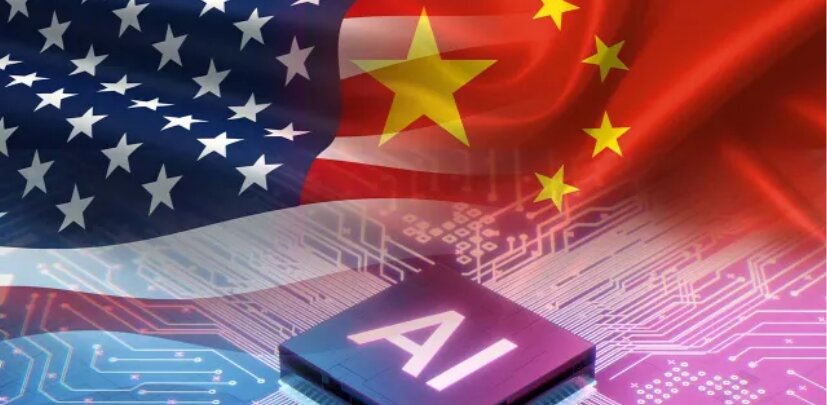
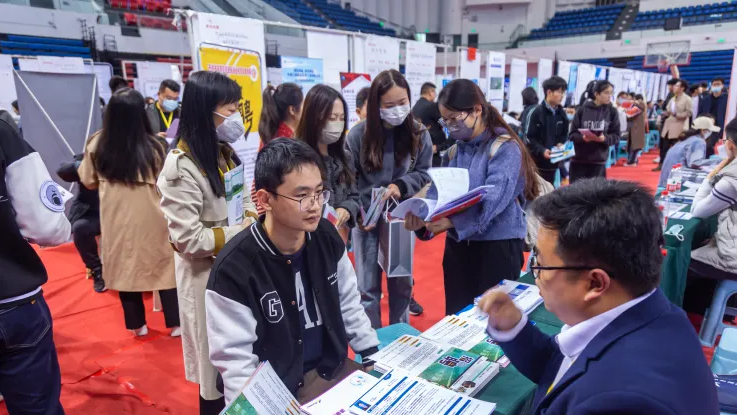
On 06 October, The New York Times reported that China now hosts 41 per cent of the world's top AI researchers by one measure, up from 27 per cent in 2022, while the US share fell from 46 per cent to 34 per cent. Despite this, Beijing struggles to recruit foreign researchers, with far more Chinese researchers moving to the US than the reverse. For every 30 Chinese AI researchers working in the US in 2025, only one made the opposite journey. At DeepSeek, 53.5 per cent of affiliated authors had never studied or worked outside China. Foreign recruits cited language barriers, academic-freedom concerns, and geopolitical tensions as key deterrents, even as China's AI talent gap exceeds 5 million professionals, according to its Ministry of Human Resources.
("In Race With U.S., China Struggles to Recruit Foreign A.I. Researchers," New York Times, 06 October 2026)
https://share.google/1cXjpX5F6Q4NvN4ry
CHINA AND EAST ASIA
North Korea defended Beijing’s “One China” policy; Blames the US for regional instability
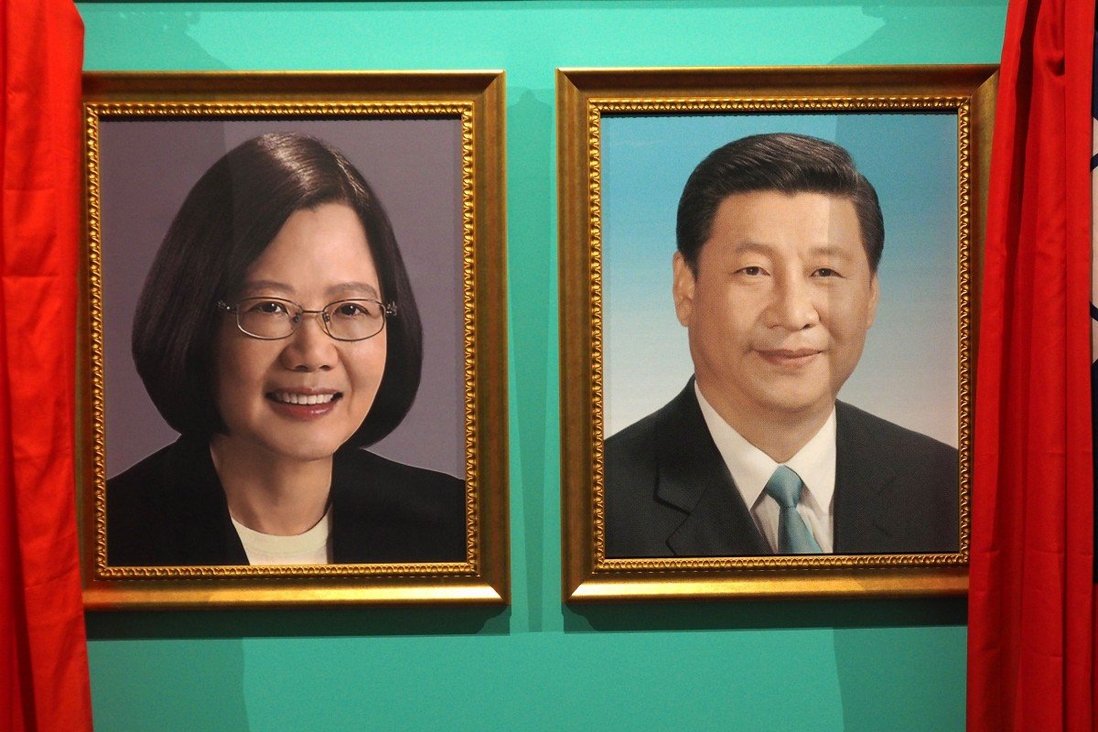
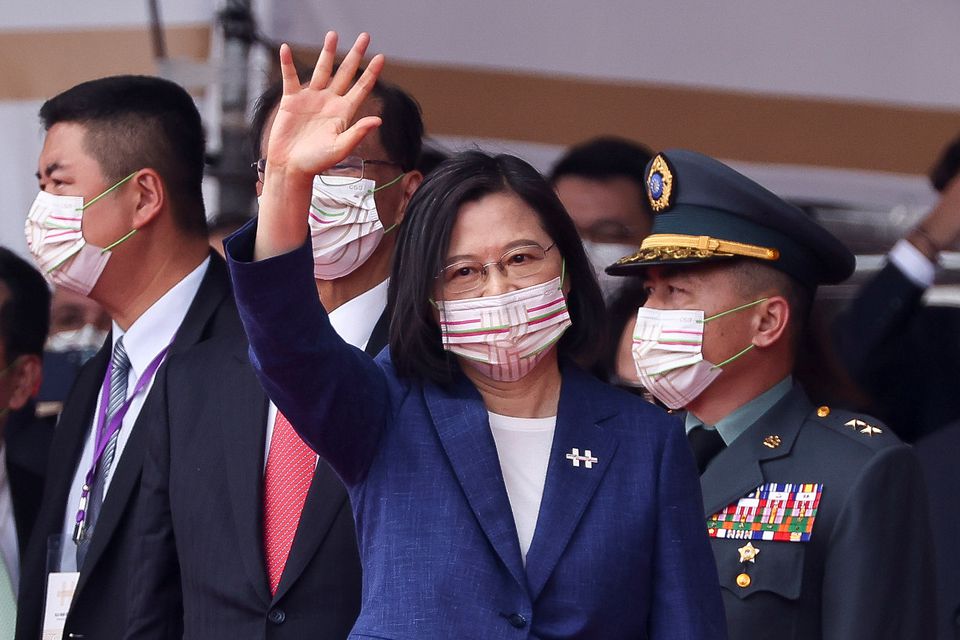
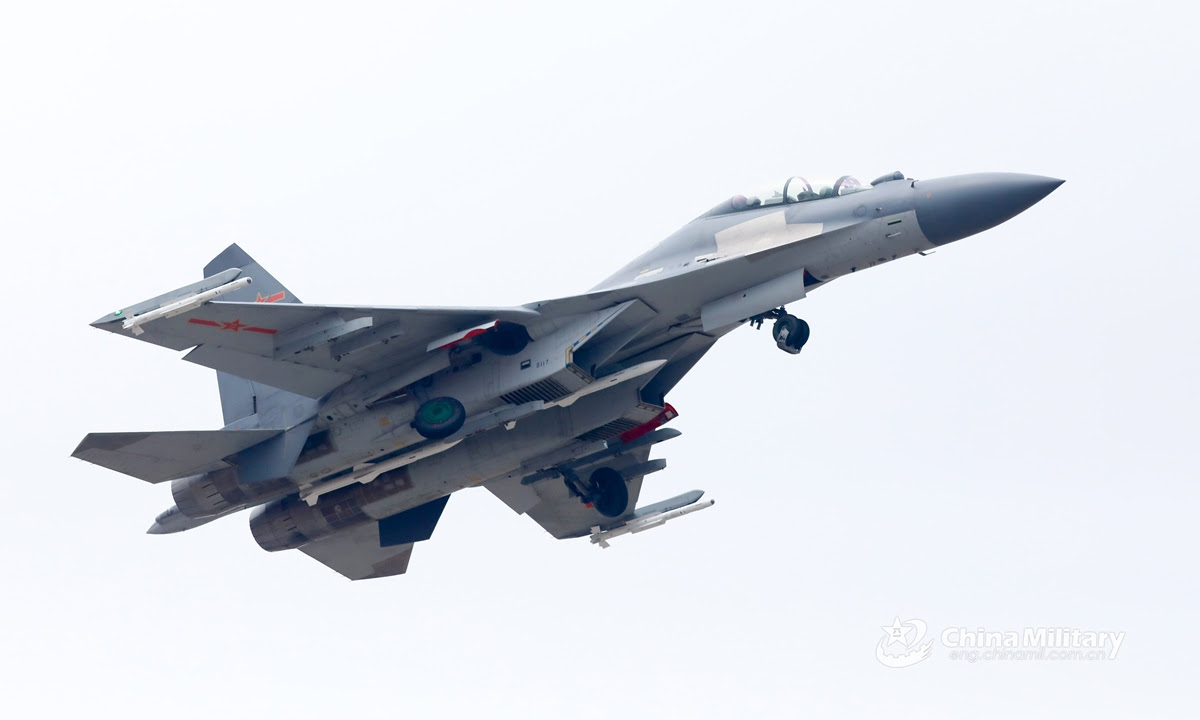
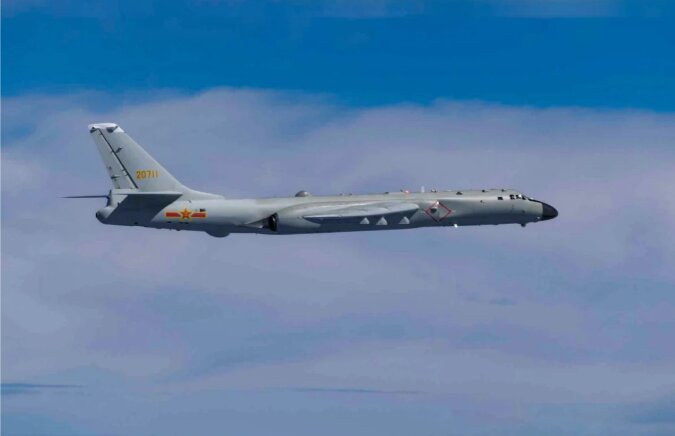
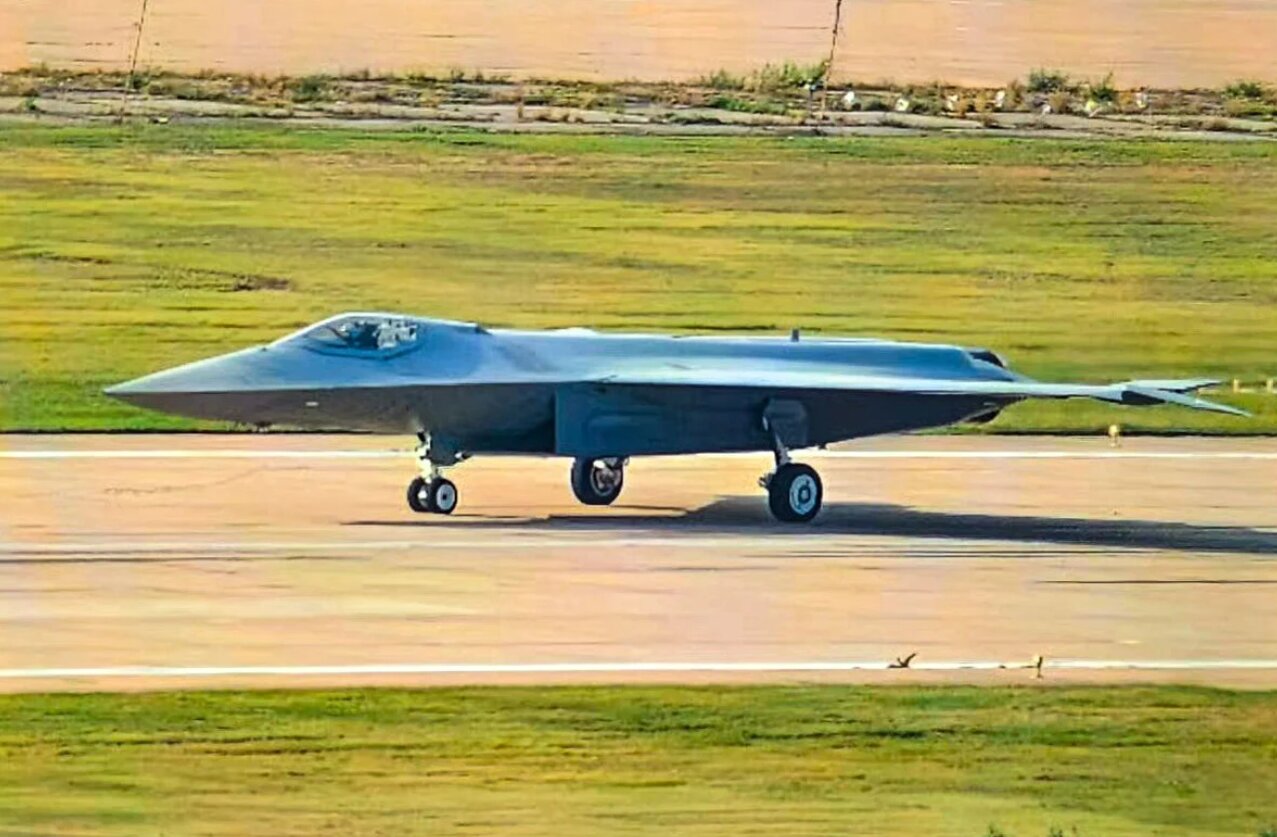
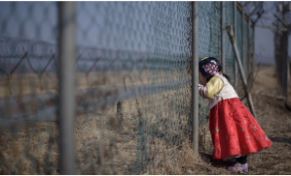
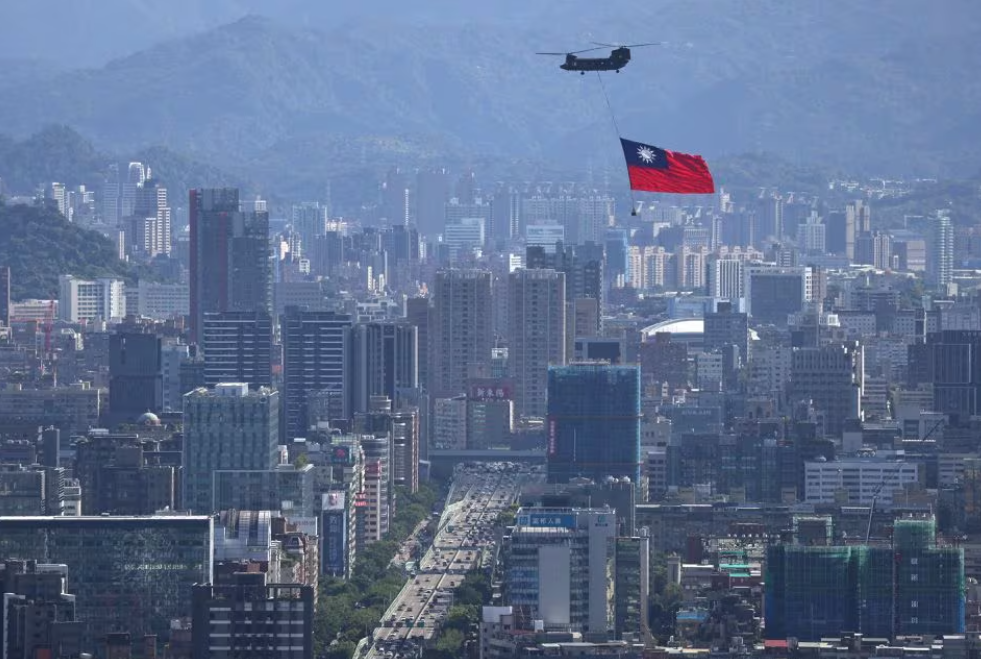
On 07 October, The Korea Times reported that North Korea defended Beijing's "One China" policy while accusing the United States of supporting Taiwan independence and "escalating" tension in the region. The criticism came in an article titled "U.S. Is Acting Rashly" by international affairs analyst Kim Myong-chol, carried by the Korean Central News Agency (KCNA). He criticised the recent delivery of a US fighter jet to Taiwan by saying it is like planting a bomb at the gate of another's house and asserting the bomb is for ensuring the security of that house. He claimed munitions supplied by the U.S. to Taiwan through overseas arms sales over the past decade alone amounted to more than USD 39 billion. Kim warned Washington to “think twice” whether it is ready to stand a confrontation with the PRC for the security of Taiwan and cope with its consequences. North Korea and China have grown closer in recent years, following two summits, one in Beijing in September 2025 and the other in Pyongyang in June this year. During the latter summit, the two sides vowed to elevate their relationship to a "strategic partnership."
(“N. Korea backs China on Taiwan, blames US for regional instability,” The Korea Times, 07 October 2026)
https://www.koreatimes.co.kr/amp/foreignaffairs/northkorea/20261007/n-korea-backs-china-on-taiwan-blames-us-for-regional-instability
Hackers use Chinese AI tool to breach seven banks in South Korea
On 06 October, Quartz News reported that South Korea's National Police Agency opened an investigation into cyberattacks that used a Chinese-developed AI tool, Artex AI, to breach at least seven South Korean financial firms, exposing data belonging to 68,000 people. The attacks, first detected last week, compromised Shinhan Bank, affecting 25,000 customers, and Kookmin Bank, exposing credit card data for 119,000 clients, with Hana Bank suffering a more limited breach. Artex, built by Chinese engineer Li Puhua as an open-source vulnerability-testing tool, draws on external AI models, including Anthropic's and OpenAI's, to automate attack planning with minimal human input. President Lee Jae Myung ordered officials to act swiftly, with South Korean cybersecurity stocks jumping as much as 30 per cent following the news. Investigators said the attacks originated from over two dozen internet addresses across roughly a dozen countries and were seeking international cooperation to identify those responsible.
("Hackers used a Chinese AI tool to breach 7 South Korean banks," Quartz News, 06 October 2026)
North Korea-China transport links restored as new Yalu bridge nears opening
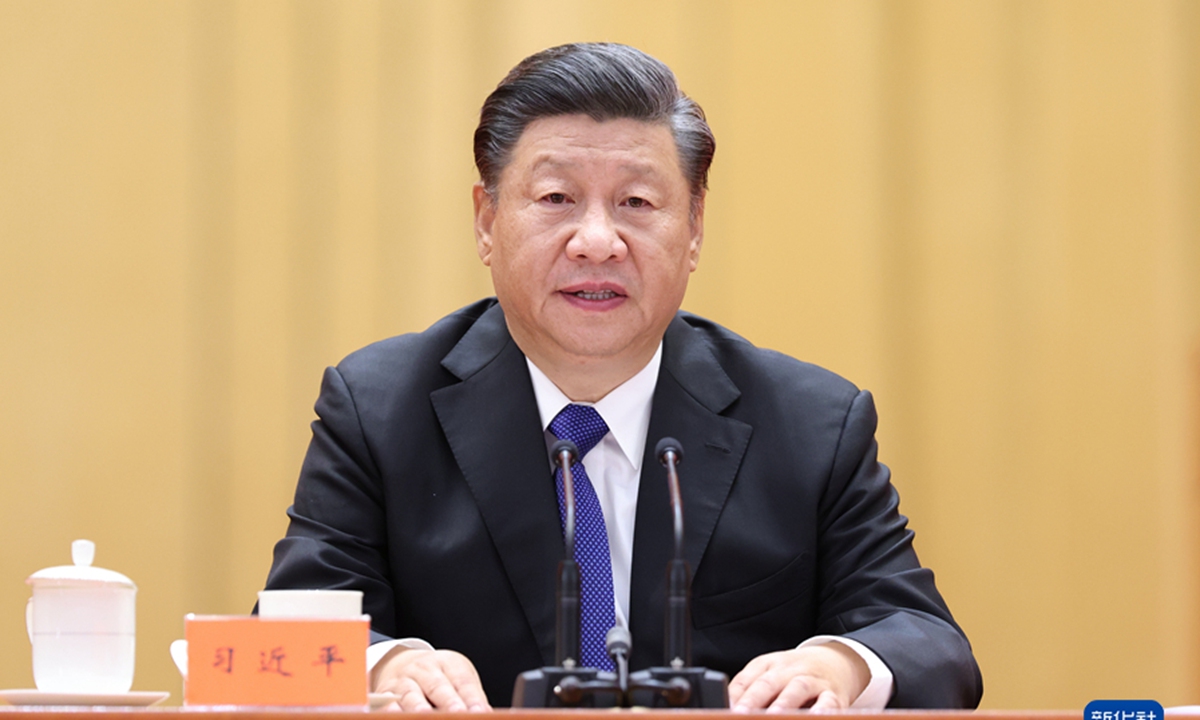
On 07 October, The Chosun Daily reported that North Korea-China transportation networks, severed in early 2020 due to the pandemic, had largely been restored after six years, with the New Yalu River Bridge, closed for 12 years, set to open soon. Since 2022, the two countries have resumed cargo trains, flights, and passenger rail services between Dandong and Sinuiju, with high-level exchanges reviving following North Korean leader Kim Jong-un's 2025 visit to Beijing and China's President Xi Jinping's June visit to Pyongyang, his first in seven years. Despite the pandemic-era thaw, ties had cooled between 2023 and 2024 amid North Korea's deepening military cooperation with Russia, before warming again following renewed high-level visits. Once fully operational, the four-lane bridge, built with Chinese funding, is expected to establish a new large-scale automobile logistics route between the two countries, though analysts noted North Korea's centralised trade control may limit any immediate expansion in civilian exchanges.
("North Korea-China Transportation Networks Restored, New Yalu Bridge Opens Soon," The Chosun Daily, 07 October 2026)
CHINA AND SOUTHEAST ASIA
"China plus one" strategy delivers uneven gains for Southeast Asia reports Fortune
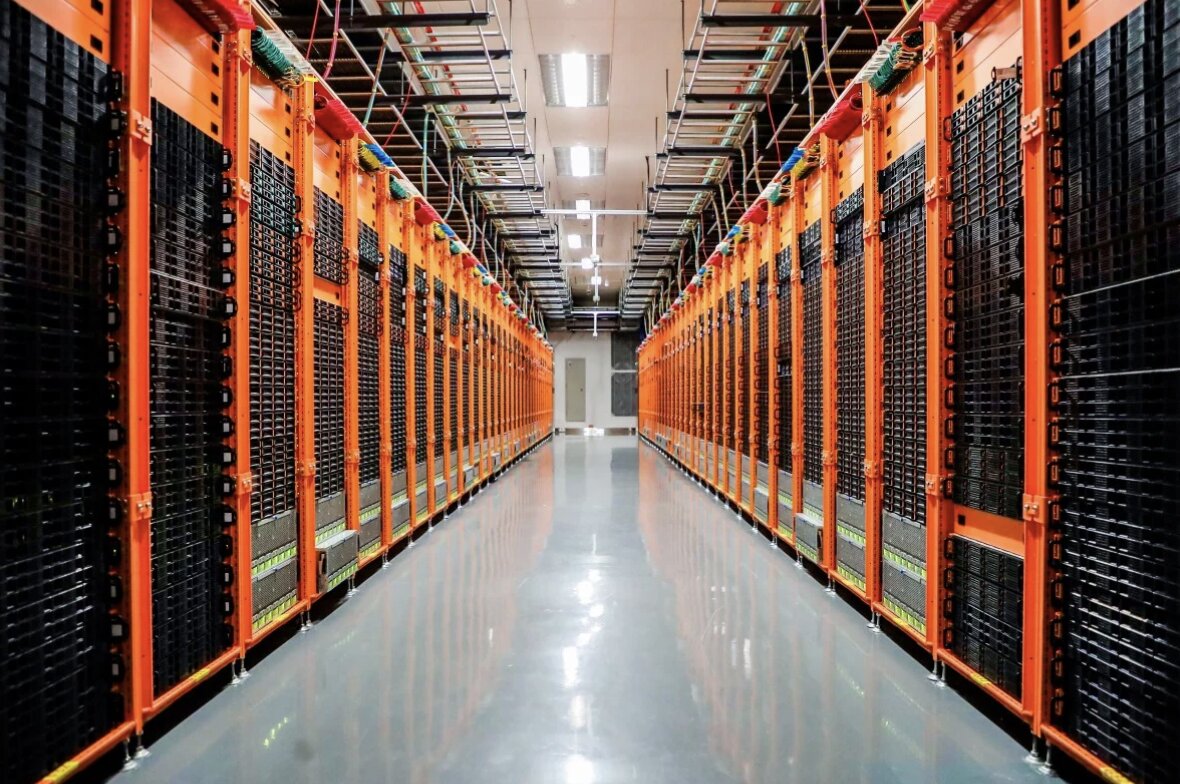
On 05 October, Fortune reported that the "China plus one" supply chain shift, which drew billions of dollars into Southeast Asian factories, is delivering fewer benefits than regional leaders had hoped. Chung-Hua Institution for Economic Research’s (CIER) Meng-Chun Liu called the shift "a net gain... but a conditional and uneven one." UCLA's Christopher Tang said most new jobs remain low-skill assembly roles, since China's decades-built manufacturing ecosystem still dominates component production and logistics. Malaysia has carved a semiconductor niche, with data centre investment reaching nearly 18 per cent of GDP, the highest share globally, per HSBC. Queen Mary University's Lee Jones warned the trend risks "premature deindustrialisation" long-term, as Southeast Asia shifts from exporting goods to becoming a consumer market for Chinese products.
("Why the 'China plus one' supply-chain shift is paying off less than Southeast Asia hoped," Fortune, 05 October 2026)
https://share.google/9DJ05G4xcV7o26ddh
CHINA AND SOUTH ASIA
Sri Lanka reports growing presence of Chinese nationals in illegal cybercrime call centres
On 07 October, Sri Lanka Guardian reported that information obtained from Sri Lanka’s Computer Crime Investigation Division (CID) under the Right to Information Act indicates a significant number of foreign nationals, particularly Chinese nationals, among those arrested in raids on illegal call centres. According to the CID data cited by the publication, 408 people were arrested in five major raids conducted up to 31 July 2026, including 284 Chinese nationals, 59 Sri Lankans and 49 Vietnamese nationals. Of the 201 people arrested during the first seven months of 2026, 152 were Chinese nationals. The report describes these establishments as “boiler rooms” involved in financial fraud, phishing and cryptocurrency or foreign-exchange investment scams. It alleges that some foreign nationals were recruited through social media under the pretext of legitimate employment before being confined in rented properties and made to conduct fraudulent calls and messages. The article also describes the use of SIM boxes, VPNs and proxy technologies in the operations. These are claims reported by Sri Lanka Guardian based on the CID information and should not be treated as establishing criminal liability for all Chinese nationals in Sri Lanka. The report links the emergence of these networks to crackdowns on similar operations elsewhere in Southeast Asia. It also calls for tighter regulation of SIM cards, rented properties and cybercrime-related equipment, alongside greater international cooperation in investigations.
(“Sri Lanka’s Hidden Cybercrime Factories: Chinese Gangs Build a New Scam Hub,” Sri Lanka Guardian, 07 October 2026)
https://slguardian.org/sri-lankas-hidden-cybercrime-factories-chinese-gangs-build-a-new-scam-hub/?
Nepal seeks China’s approval to reopen Tatopani border crossing
On 06 October, Republica reported that Nepal is in regular discussions with China to resume operations at the Tatopani-Zhangmu border crossing, which has remained closed following floods, landslides and other disaster-related disruptions. Infrastructure Development Minister Sunil Lamsal told a parliamentary special committee that Nepal had already restored the road on its side and was ready to resume operations. He said discussions with Chinese officials were taking place almost daily. According to Lamsal, the remaining obstacle is on the Chinese side, which has not yet provided the “green signal” for reopening. He said Chinese authorities appeared reluctant to resume operations while disaster risks remained, particularly given continuing concerns over floods and landslides in the border region. Nepal is simultaneously working to restore the Rasuwagadhi-Kerung crossing, another major trade route with China that suffered severe damage during the August 26 disaster. The situation highlights the vulnerability of Nepal’s northern trade infrastructure to Himalayan hazards. With Tatopani closed and Rasuwagadhi severely damaged, Nepal’s ability to maintain regular overland trade with China has been constrained. At the same time, China has proposed developing Korala in Mustang as an international border point, potentially providing another northern trading option.
(“Nepal in talks with China to reopen Tatopani border crossing: Minister Lamsal,” Republica, 06 October 2026)
https://myrepublica.nagariknetwork.com/news/nepal-in-talks-with-china-to-reopen-tatopani-border-crossing-minister-lamsa-36-65.html
CHINA AND EUROPE
EU-China trade talks set to take place on hybrid car exports
On 07 October, The Guardian reported that EU trade negotiators are travelling to China for crucial talks aimed at reducing the bloc’s growing trade deficit, with Chinese hybrid electric vehicle exports emerging as a key issue. Brussels is seeking a measurable agreement that could initially limit hybrid car exports through voluntary restrictions or safeguards such as quotas. Tensions have intensified as Germany and France demand stronger protection for European industries and support a new rapid response trade instrument. Analysts warn that China could delay meaningful concessions through prolonged negotiations. Germany’s policy shift signals growing European concern over Chinese subsidies, industrial competition and deindustrialisation.
(“EU negotiators head to China hoping to curb cheap imports of hybrid electric cars,” The Guardian, 07 October 2026)
https://www.theguardian.com/business/2026/oct/07/eu-negotiators-head-to-china-hoping-to-curb-cheap-imports-of-hybrid-electric-cars
Beijing rejects EU’s push for stronger trade protection
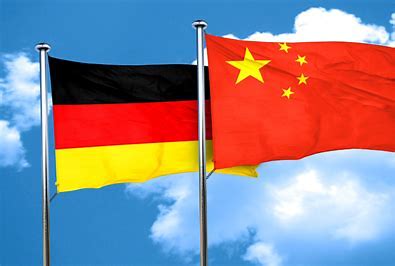
On 07 October, CNA reported that China has urged France and Germany to reject what it describes as “protectionist” trade measures, amidst growing EU concerns over its trade deficit with Beijing. France’s President Emmanuel Macron and Germany’s Chancellor Friedrich Merz have proposed giving the European Commission stronger powers to respond rapidly to trade aggression, including restricting access to the EU single market. Beijing called for openness, cooperation and free trade, warning that protectionism could harm Europe also. China has also stressed that EU-China trade is mutually beneficial and urged both sides to resolve disputes through dialogue while maintaining stable global supply chains.
(“China warns France, Germany against 'protectionist' trade tools,” CNA, 07 October 2026)
https://www.channelnewsasia.com/world/china-france-germany-trade-eu-economy-6437411
CHINA AND THE AMERICAS
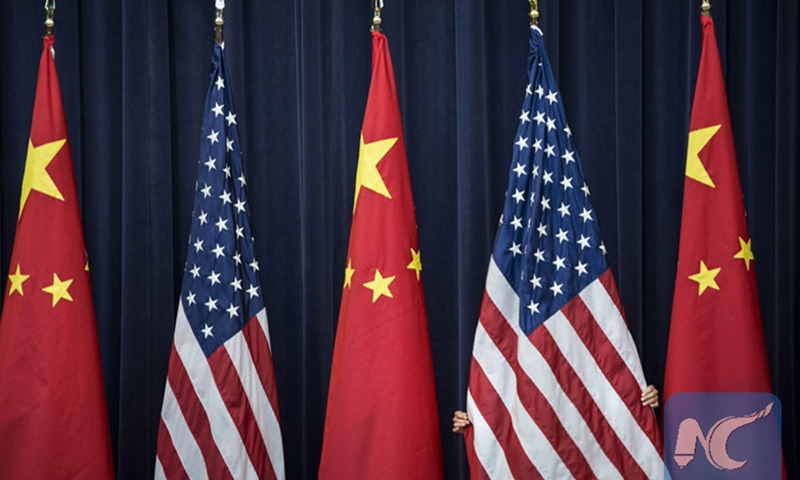
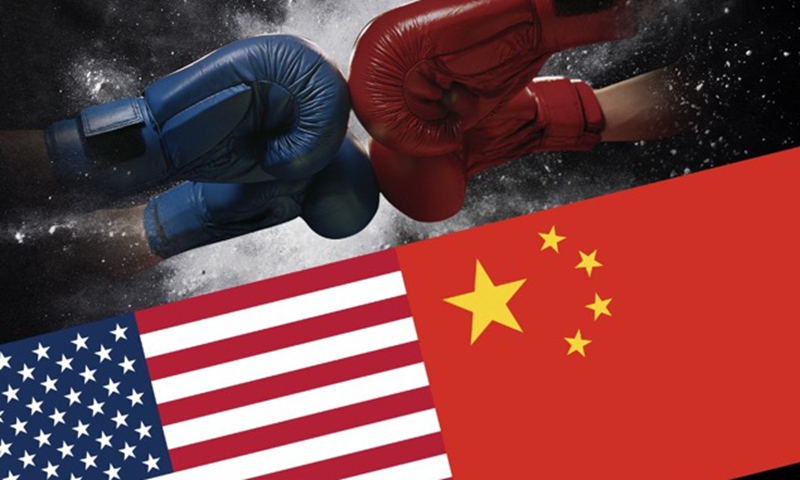
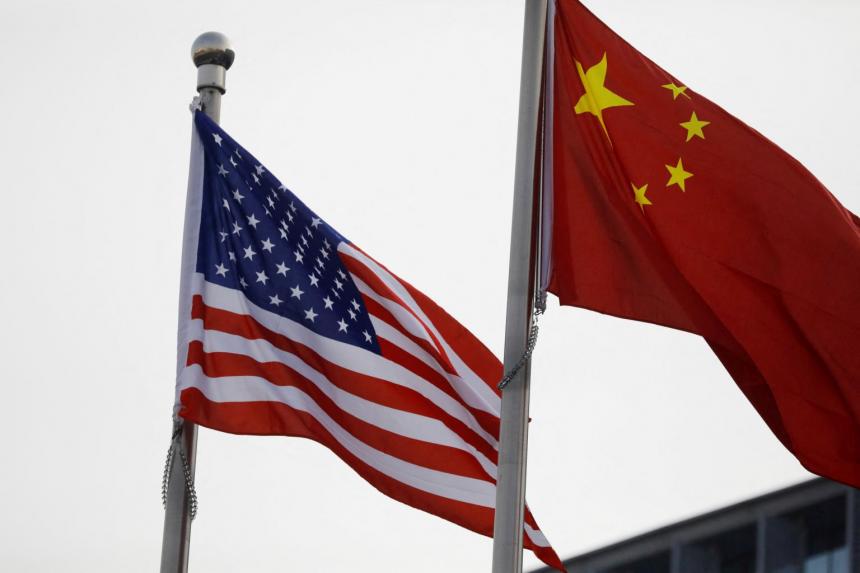
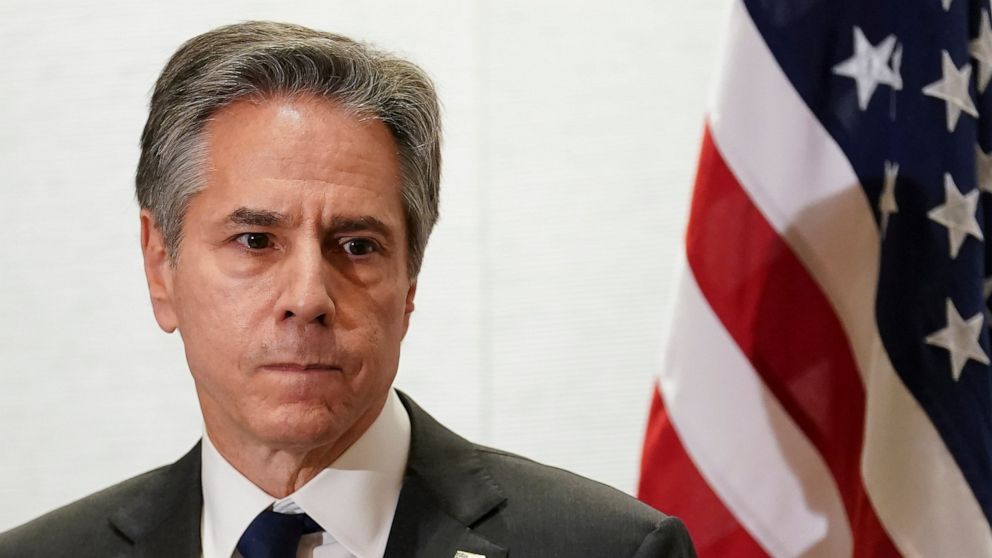
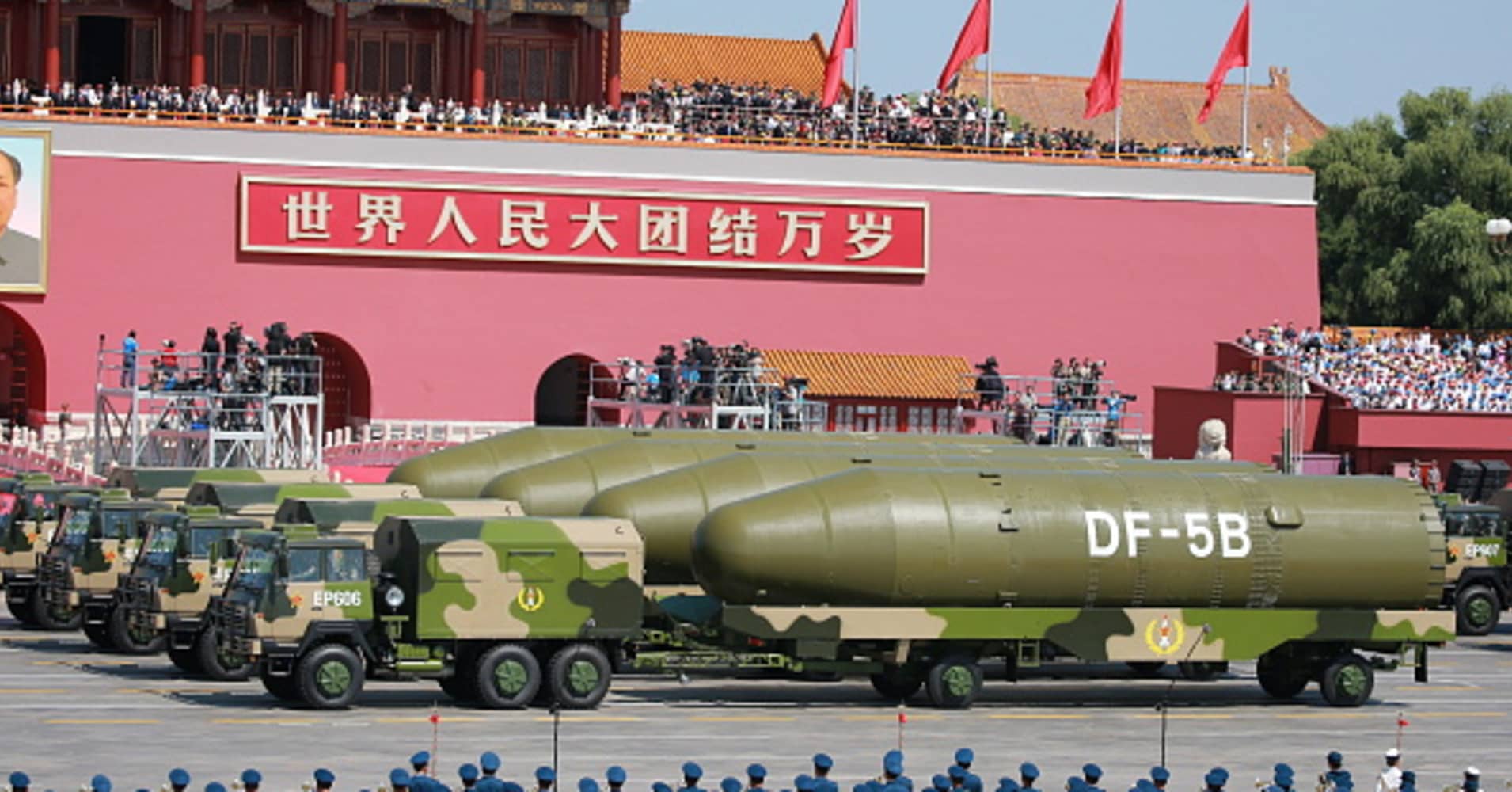
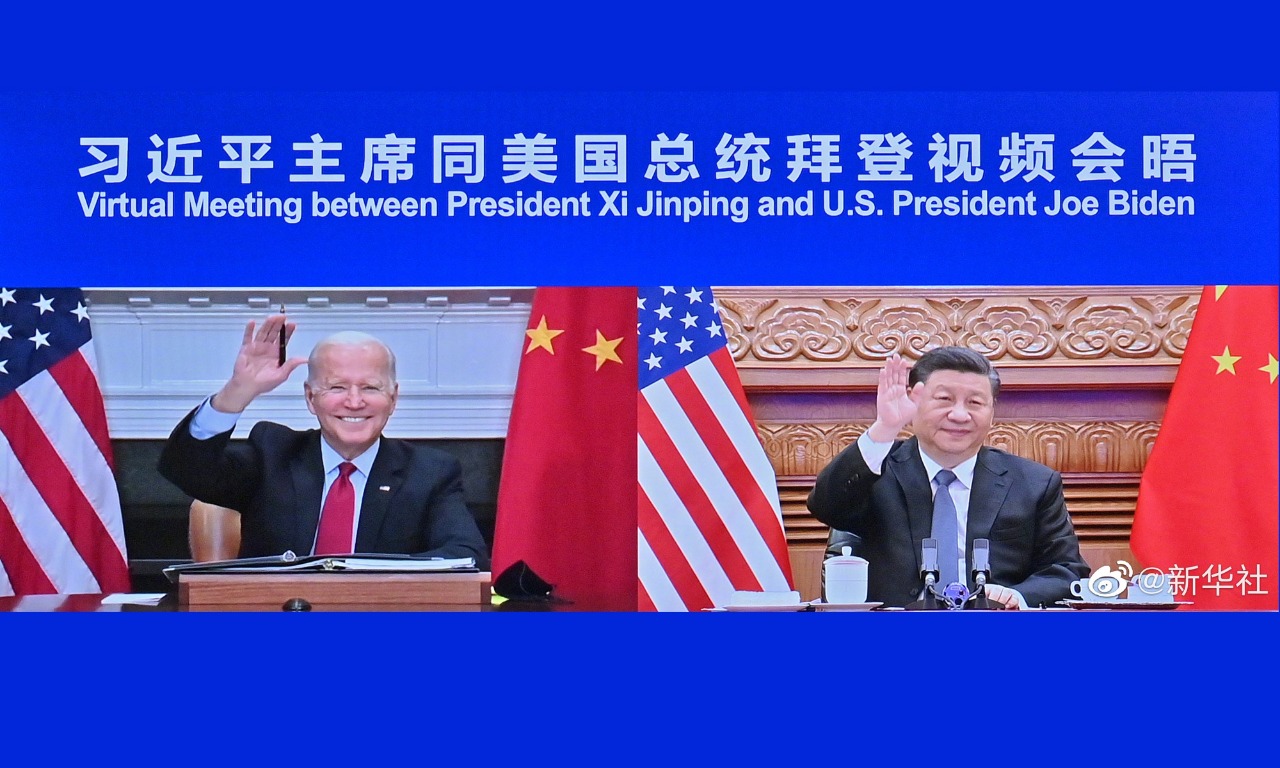
US and China discuss reciprocal nuclear site visits, reports CNN
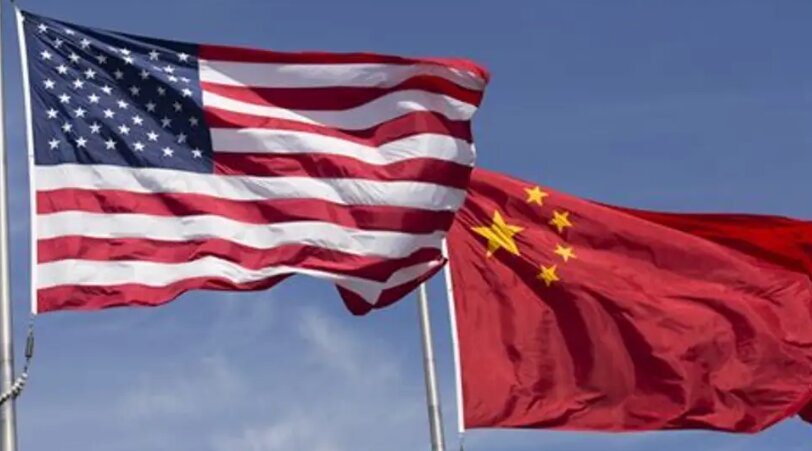
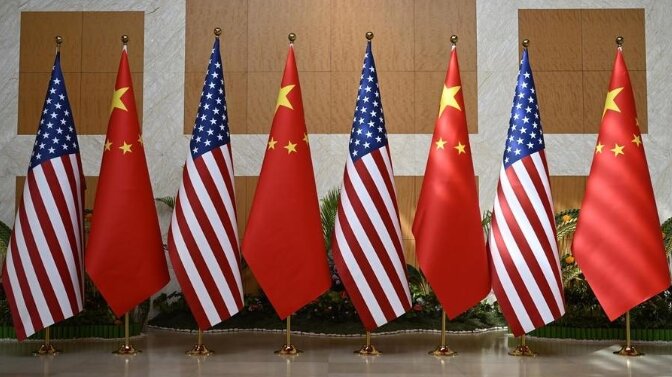
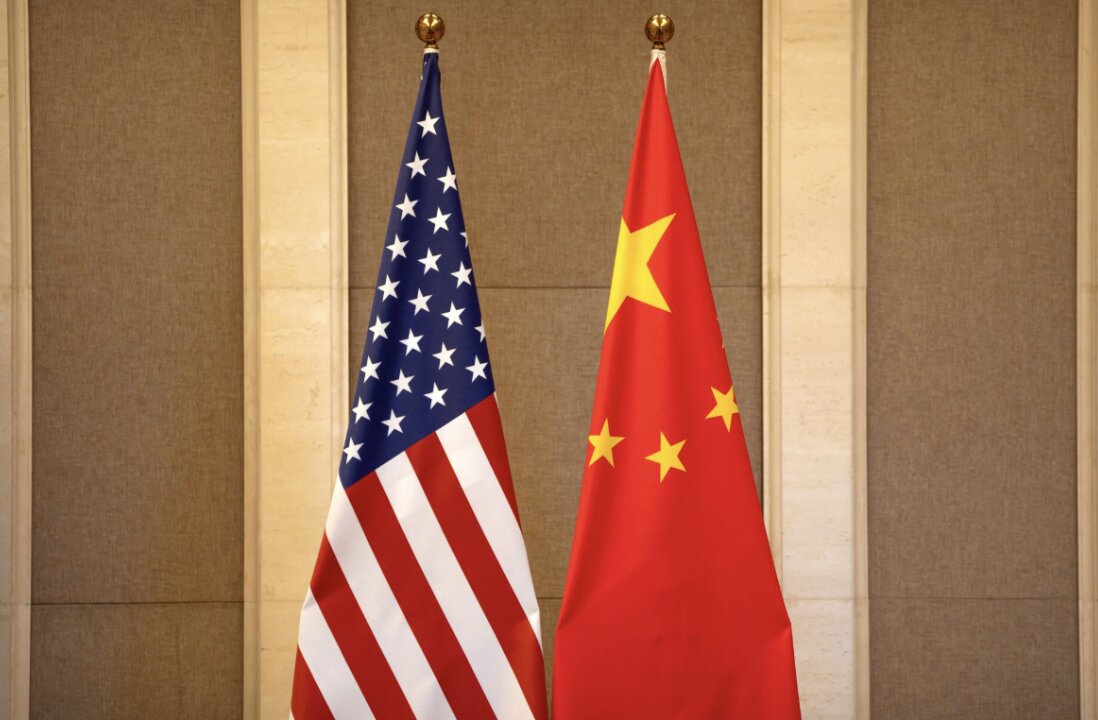
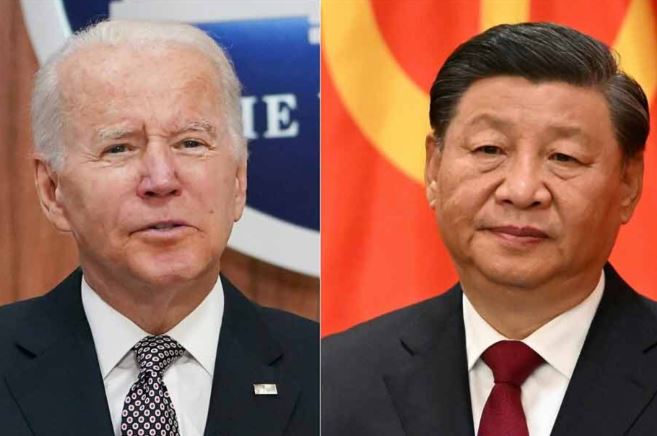
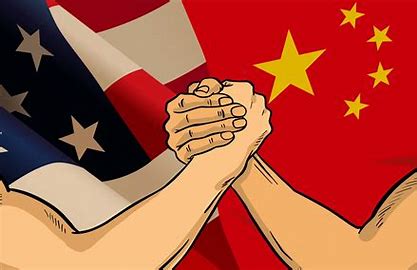
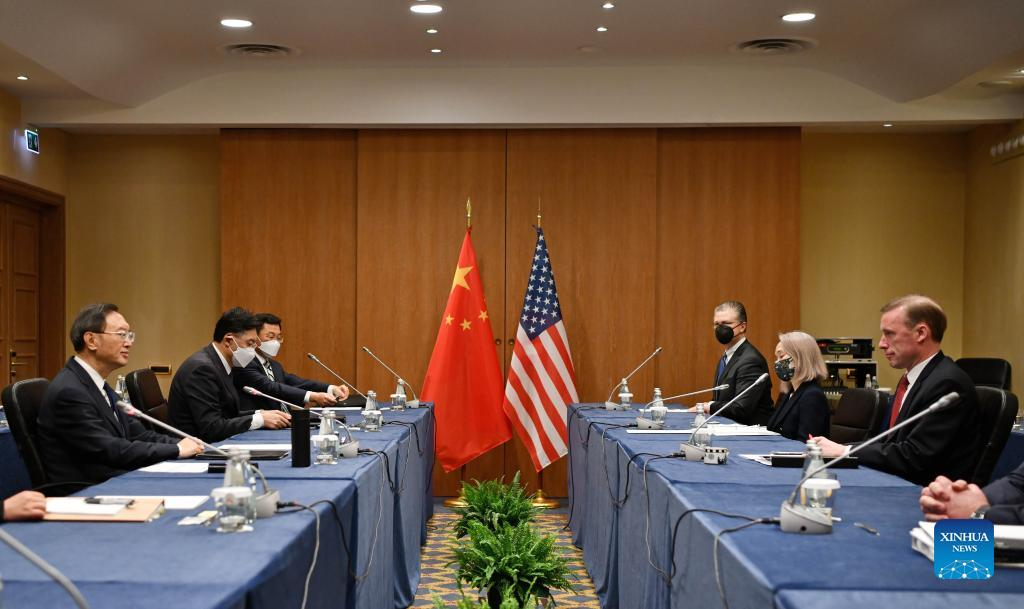
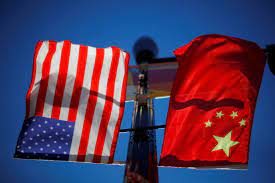
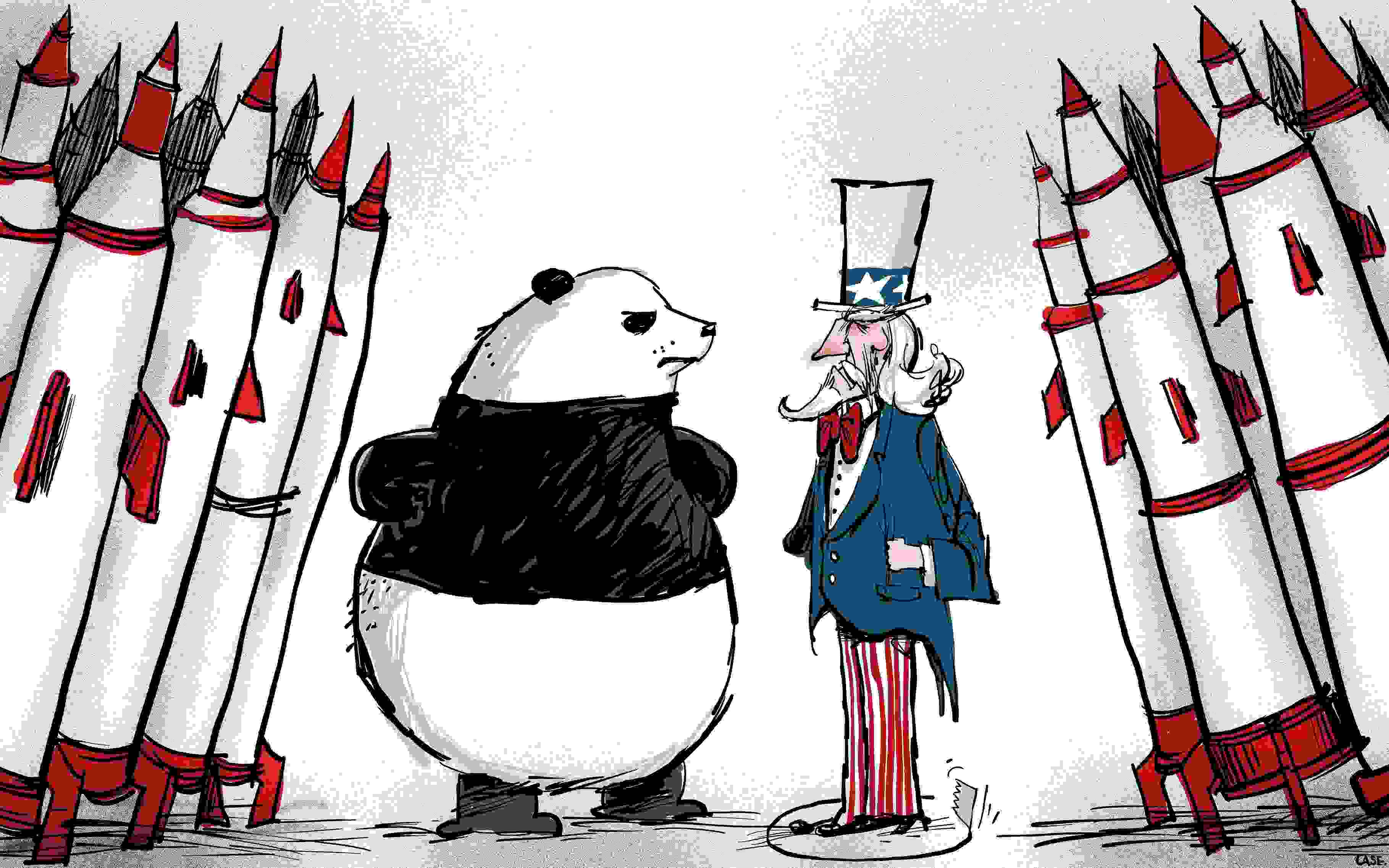
On 06 October, CNN reported that the United States and China are informally discussing reciprocal visits to nuclear facilities as a potential confidence-building measure amidst concerns over China’s expanding nuclear arsenal and weakened global arms control safeguards. The proposal could involve visits to national laboratories, nuclear facilities and potentially testing sites, providing greater transparency and supporting future strategic stability negotiations. However, China remains unwilling to discuss limits on its nuclear buildup, citing the larger US and Russian arsenals. Experts view site visits as a possible foundation for reducing nuclear risks but remain sceptical about Beijing’s intentions and the prospects for a broader trilateral arms control agreement.
(“US and China discussing reciprocal nuclear site visits amid concerns about a new arms race,” CNN, 06 October 2026)






























.png)
.jpg)
.jpg)
.jpg)
.jpg)
.jpg)
.jpg)
.jpg)
.jpg)
.jpg)
.png)
.jpg)
.jpg)
.jpg)
.jpg)
.jpg)
.jpg)
.jpg)

.jpg)
.jpg)
.jpg)
.jpg)
.jpg)

.jpg)
.jpg)
.jpg)
.jpg)
.png)
.jpg)
.jpg)
.png)
.jpg)
.jpg)


.jpg)

.jpg)
.jpg)
.jpg)
.jpg)
.jpg)
.jpg)
.jpg)
.jpg)

.jpg)
.jpg)
.jpg)
.jpg)
.jpg)
.jpg)

.jpg)

.jpeg)



.jpeg)