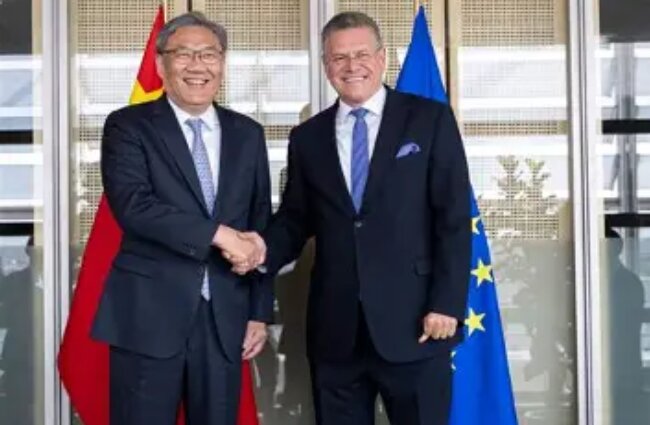
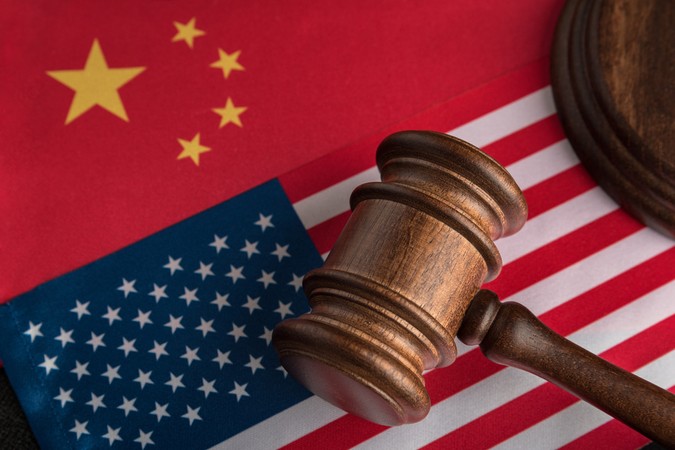
Photo : Politico


China Reader Daily Wire | 08 October 2026, Thursday | Vol 3 No. 151
In Brief
CHINA AND EUROPE
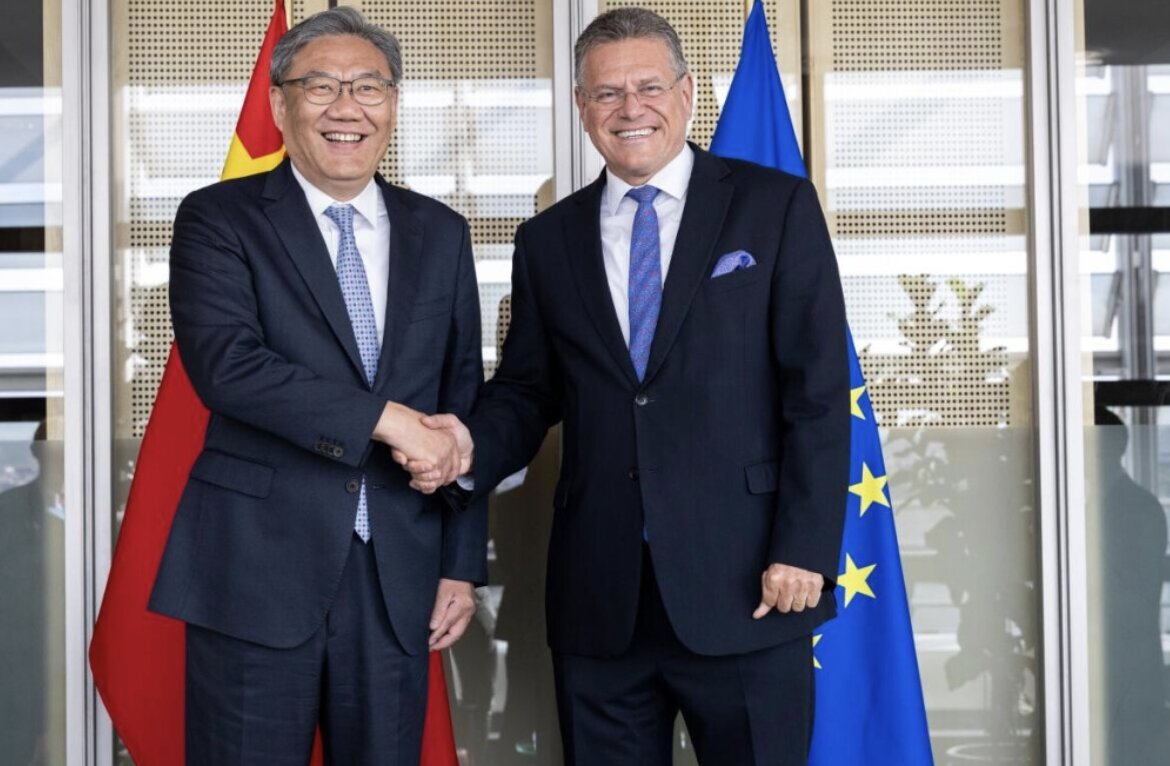
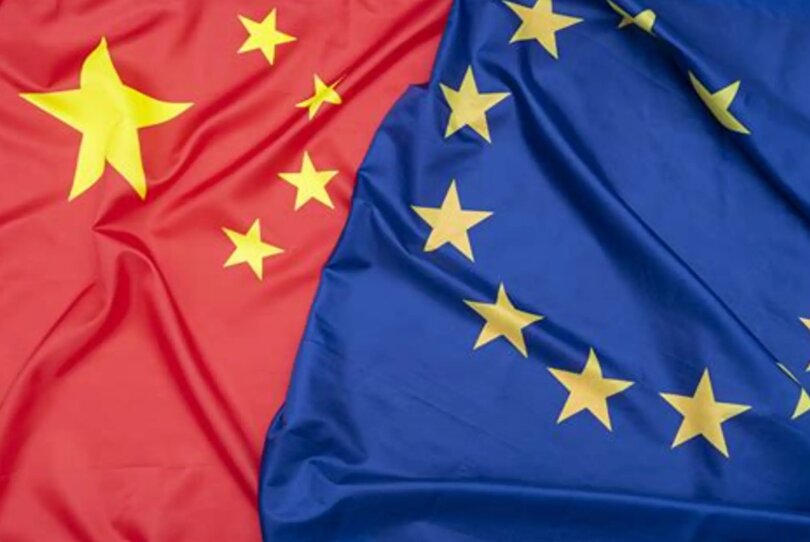
EU-China trade negotiations kick off in Beijing; Focus on trade deficits and restrictions
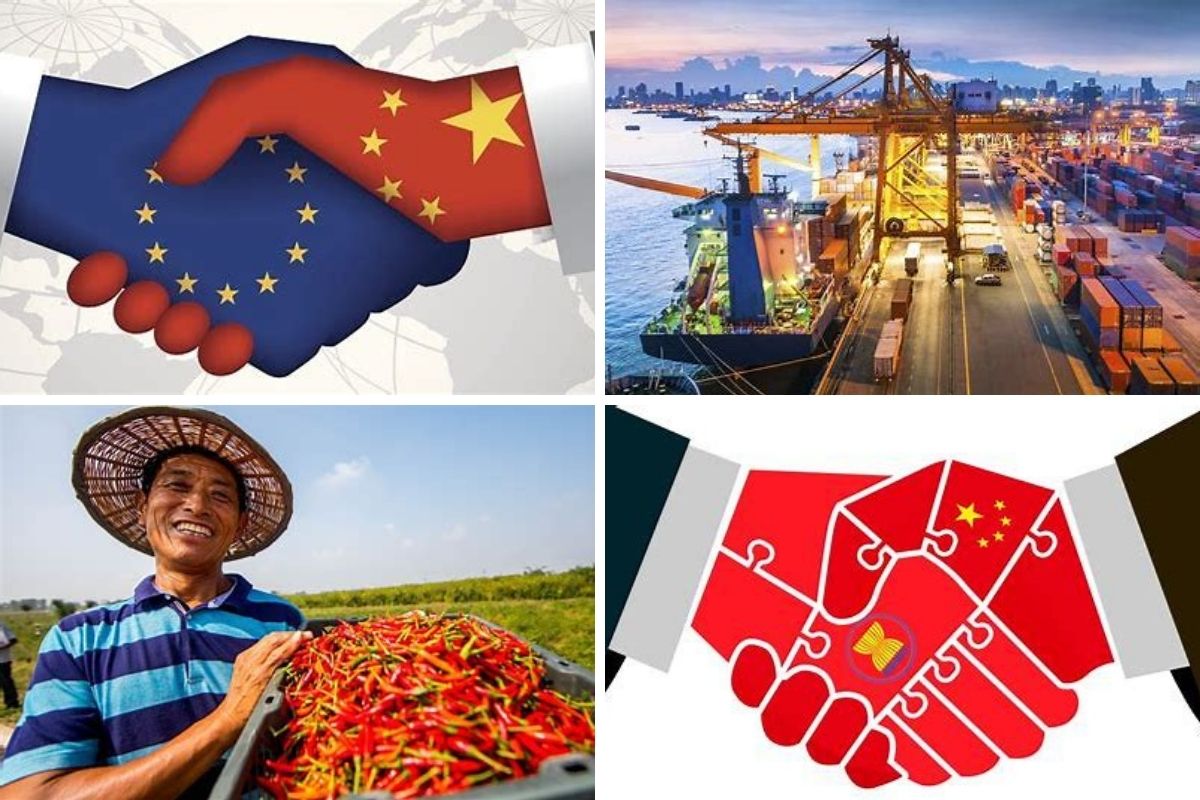
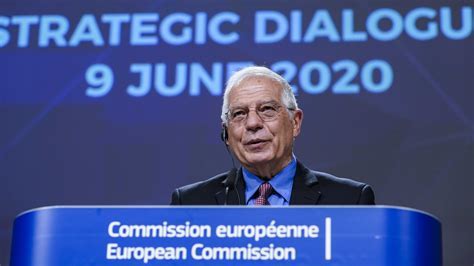
On 08 October, AFP and SCMP reported that a new round of trade negotiations between EU officials and Chinese counterparts has started in Beijing. The China Chamber of Commerce to the EU has urged both sides to use the existing Trade and Investment Consultations (TIC) mechanism to manage disputes, find solutions, and provide clearer signals to businesses. Major discussions are centred on rare earth export restrictions and rebalancing trade deficits. The latest literature views these talks as a damage-control exercise aimed at preventing a full-scale deterioration in economic relations. EU Trade Commissioner Maroš Šefčovič identifies three opportunities, which include addressing surging imports in strategically important sectors, increasing European exports to China, and improving access to critical raw materials.
("In Beijing, EU trade envoy says deficit with China 'unsustainable'," AFP, 08 October 2026; "As China and the EU begin crunch trade talks, optimism is in short supply," SCMP, 08 October 2026)
https://www.scmp.com/economy/china-economy/article/3370119/china-and-eu-begin-crunch-trade-talks-optimism-short-supply
https://www.msn.com/en-us/news/other/in-beijing-eu-trade-envoy-says-deficit-with-china-unsustainable/ar-AA2dMr52?ocid=BingNewsSerp
INTERNAL
Global investors return to Chinese equities after four-year retreat says latest report
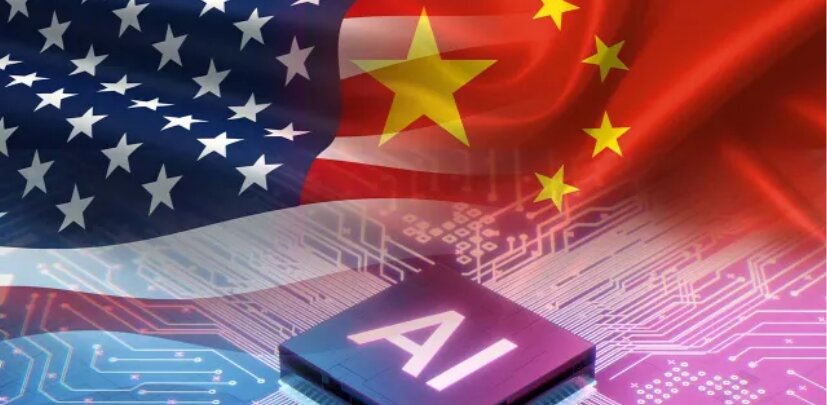
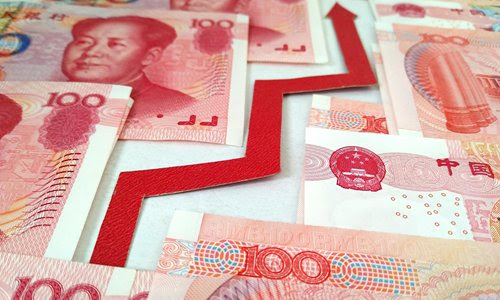
On 08 October, SCMP reported that global investors were raising their exposure to Chinese equities after years of cautious positioning, drawn by relatively cheap valuations and opportunities in artificial intelligence, according to a Bank of America analysis of 2,767 global funds. Active long-only funds have shifted their average allocation to Chinese equities from underweight to benchmark-neutral since June, ending four years of underweight positioning, with the funds managing USD 562 billion in Chinese stocks. BlackRock remained neutral on Chinese equities but flagged opportunities in physical AI, while UBS Asset Management described China as "a key opportunity," citing attractive valuations in technology and advanced manufacturing. The MSCI China Index traded at around 10.2 times forward earnings as of 30 September, below its 10-year average, with China and Hong Kong-focused ETFs recording USD 19 million in inflows in August, reversing USD 1.94 billion in outflows the previous month.
("More global investors eye Chinese equities, ending 4-year underweight run, bank says," South China Morning Post, 08 October 2026)
https://amp.scmp.com/business/china-business/article/3370035/more-global-investors-eye-chinese-equities-ending-4-year-underweight-run-bank-says?module=top_story&pgtype=homepage
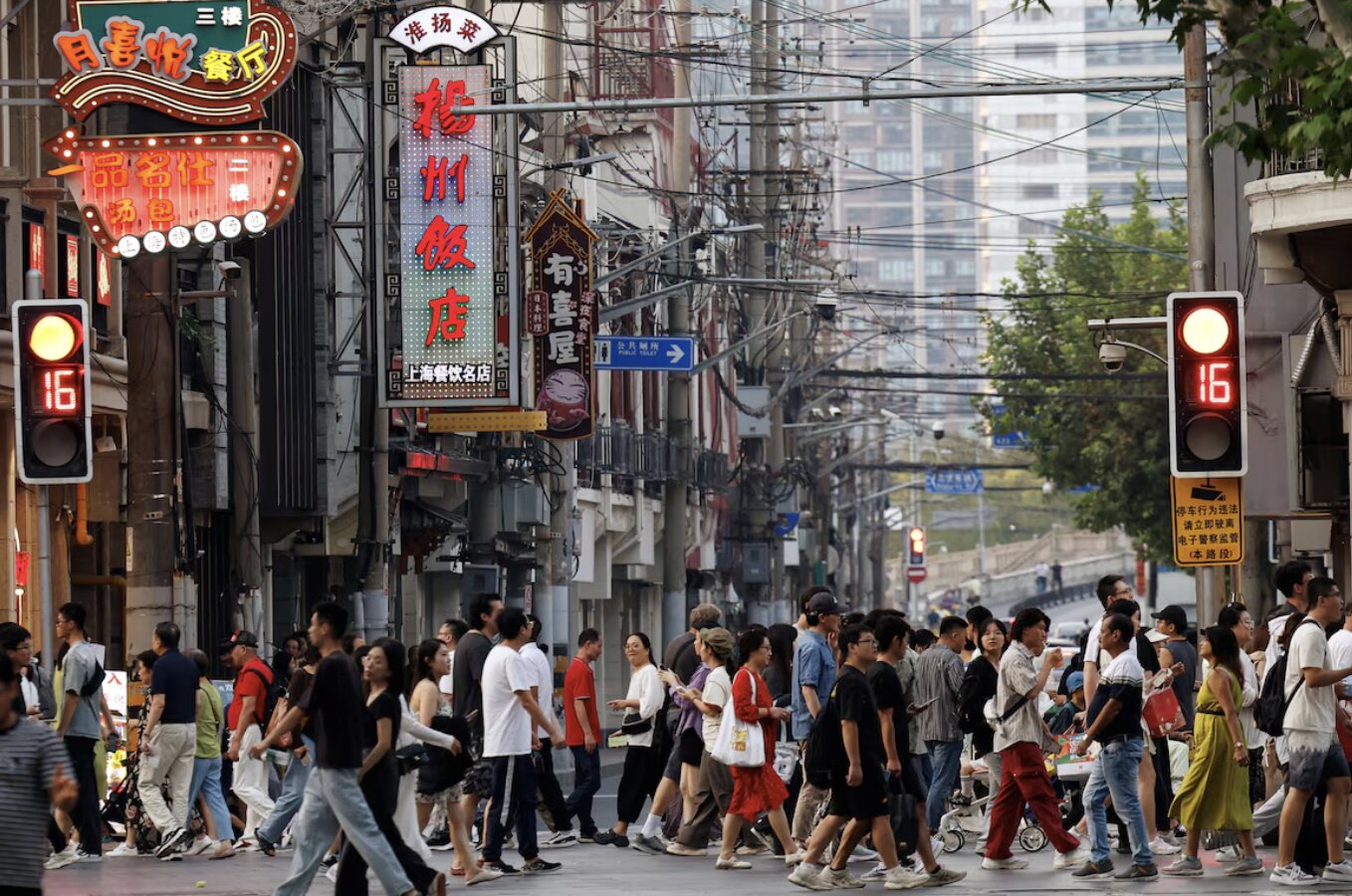
China Opinion: Danny Vincent, “China’s succession crisis: a generation of entrepreneurs is retiring, but are their children ready to take over?,” The Guardian, 08 October 2026
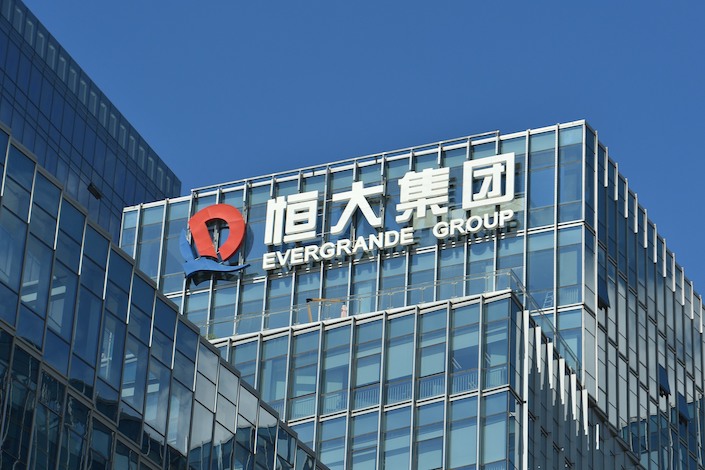
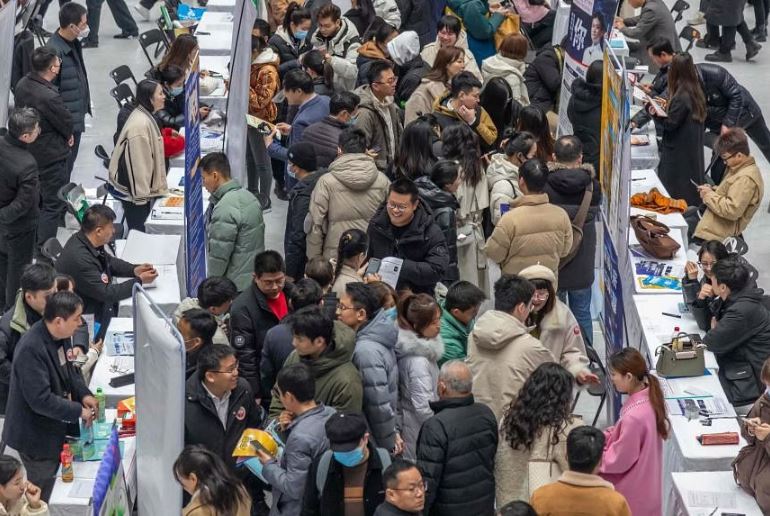
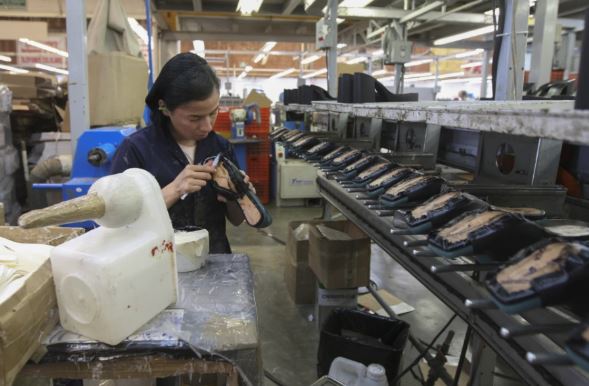
“By the mid-eighties, Chinese economists had a name for this type of bottom-up economic growth story: the Wenzhou model. It was a system that saw small companies secure finances through family connections and operate underground factories to produce cheap goods that would end up on the busy streets of China and beyond … According to HSBC Life research, two-thirds of wealthy Chinese people have no legacy plan … According to official estimates, China’s private sector accounts for more than half of the country’s tax revenue and 60% of its GDP. Economists say unsuccessful handovers can lead to firms losing value or even closing. Because family-run companies represent such a large percentage of China’s private sector, if they fail in the thousands, it could threaten the country’s future growth.”
https://www.theguardian.com/world/2026/oct/08/china-succession-crisis-factory-workers-manufacturing-family-businesses
CHINA AND TAIWAN
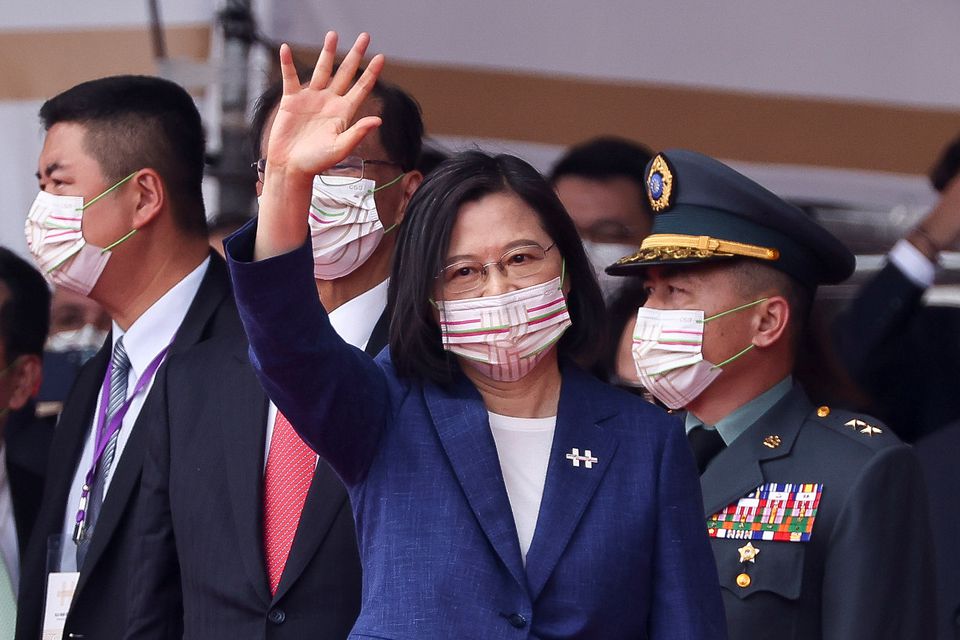
Taiwan says US commitment to the island is unchanged
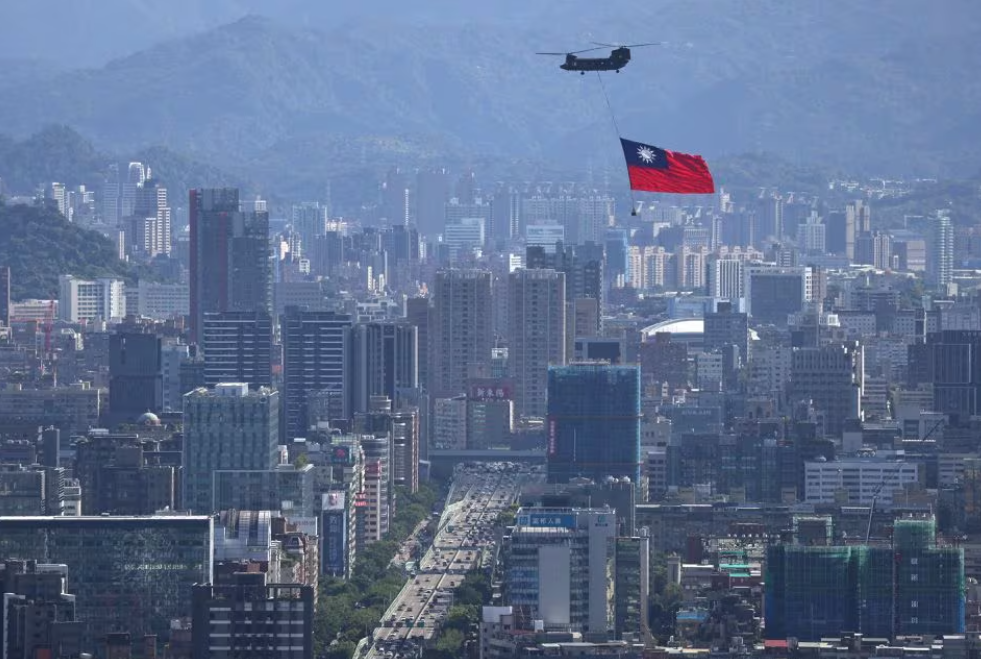
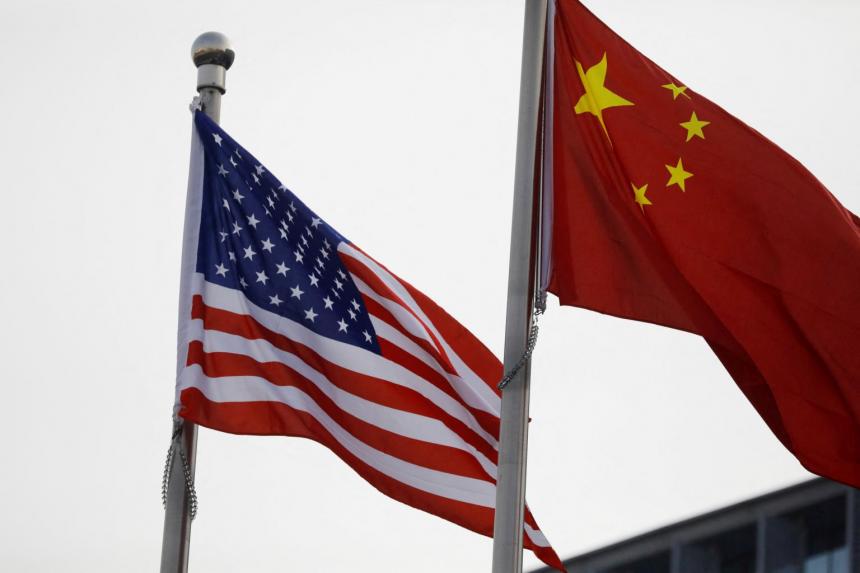
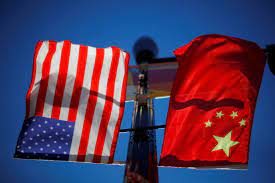
On 07 October, The Mint reported that Taiwan’s Defence Minister Wellington Koo stated that the US’ commitment to the island has not changed. Addressing the parliament, he further added that US President Donald Trump is yet to approve a USD 14 billion arms sale to Taiwan and that Washington has reaffirmed its commitment to sell arms to Taiwan, which the US is mandated by law to do so. However, Trump has delayed authorization for the proposed sale to Taiwan due to the ongoing negotiations with China, following the two bilateral meetings between Trump and President Xi Jinping.
(“Taiwan says US' commitment for island unchanged as Trump yet to approve $14 bn arms sale package amid truce with China,” The Mint, 07 October 2026)
https://www.livemint.com/news/us-news/taiwan-says-us-commitment-for-island-unchanged-as-trump-yet-to-approve-14-bn-arms-sale-package-amid-truce-with-china/amp-11791343187112.html
CHINA AND SOUTHEAST ASIA
China attempts to persuade top criminal syndicates in Myanmar to drop fraud business, says SCMP
On 06 October, SCMP reported that China had tried to persuade powerful crime syndicate families based in Northern Myanmar to close their online fraud operations per a documentary released by China’s Ministry of Public Security. In the documentary, the ministry showcased that Chinese authorities attempted to negotiate with the Bai, Wei, Liu and Ming families in Myanmar’s Kokang region; however, it fell through without any progress made. The Bai family has been involved in more than USD 2.9 billion in gains from illegal gambling and fraud websites, while the Wei family profited more than USD 764 million in similar fashion. China has executed 15 core members of the main criminal networks on various charges, ranging from murder to fraud and human trafficking. Over 76,486 people have been arrested between 2023 and September 2026, in operations targeting criminal networks in Myanmar.
(“China tried 3 times to talk crime families out of scam business in Myanmar: state media,” SCMP, 06 October 2026)
https://www.scmp.com/news/china/politics/article/3369886/china-tried-3-times-talk-crime-families-out-scam-business-myanmar-state-media
CHINA AND SOUTH ASIA
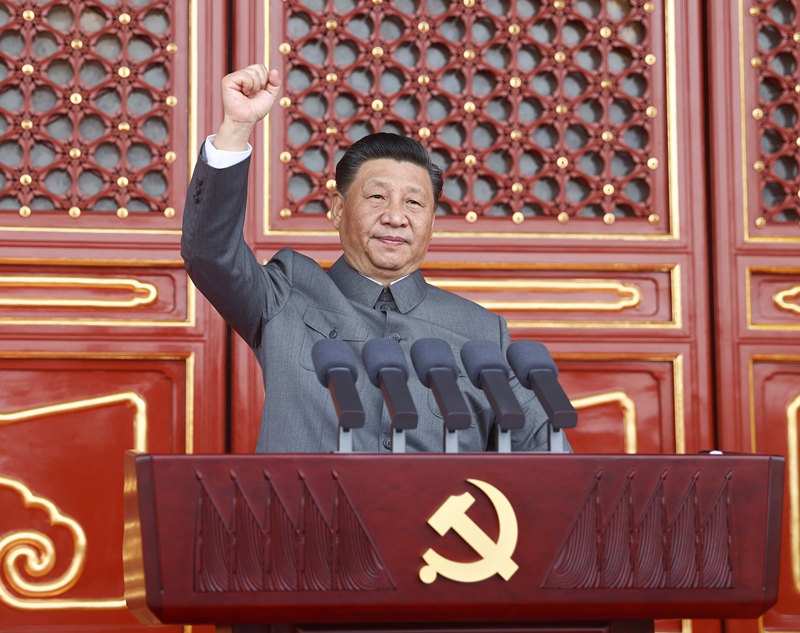
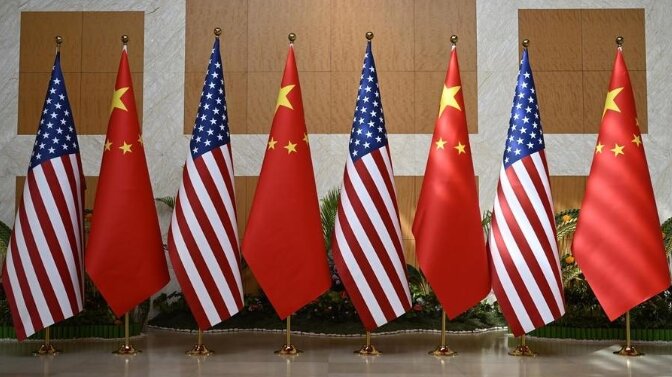
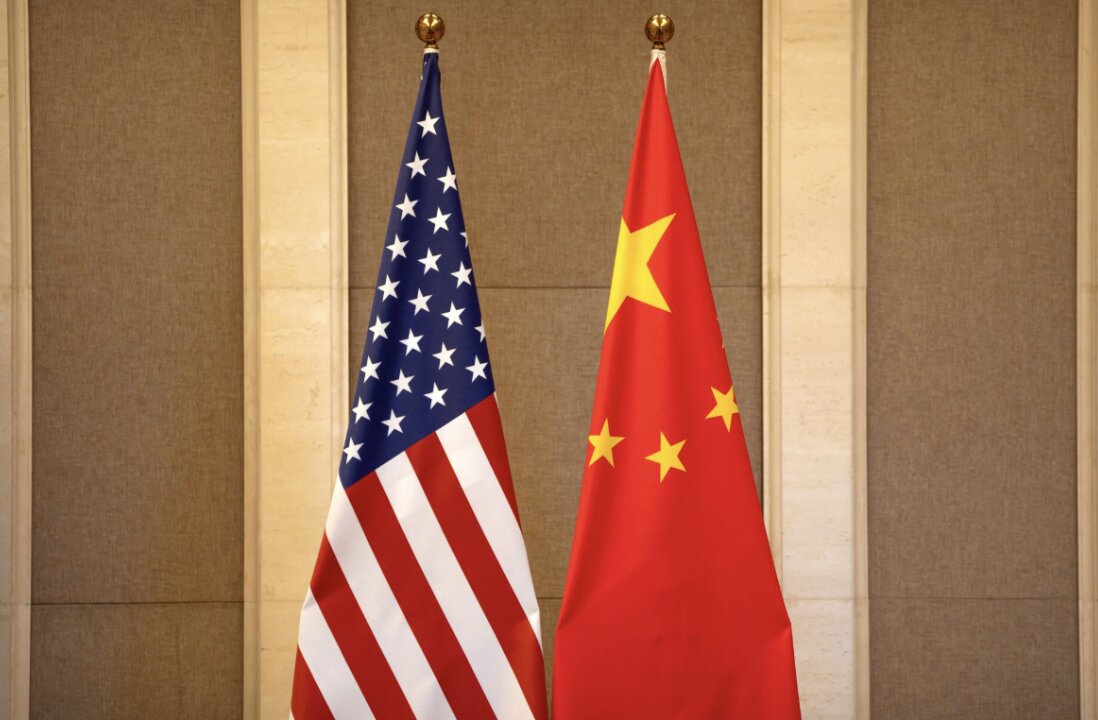
‘G2’ expectations remain uncertain after Xi-Trump summit says SCMP
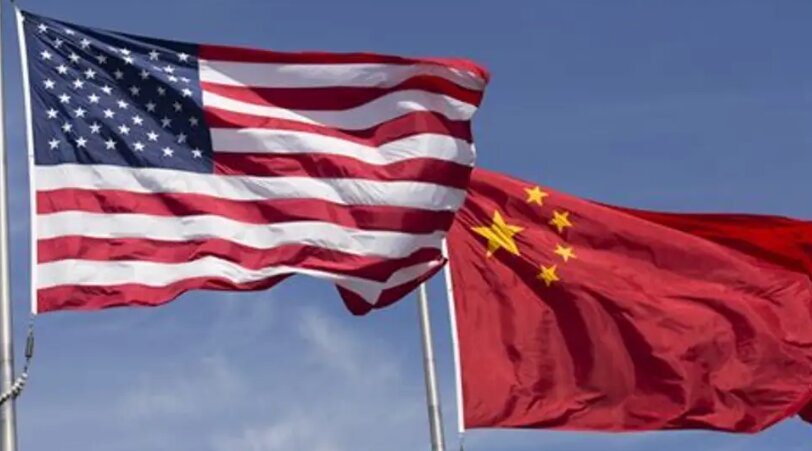
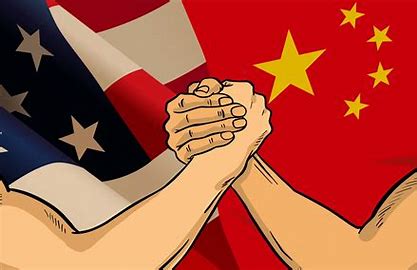
On 08 October, South China Morning Post examined the implications of the Xi Jinping–Donald Trump summit, arguing that the meeting has raised questions over whether Washington and Beijing are being treated as equal powers rather than simply negotiating partners. The article points to the highly formalised nature of Xi’s US state visit, including the White House welcome and state dinner, as contributing to perceptions that China is being accorded a status comparable to that of the United States. It notes that other countries, particularly those without a seat at the negotiating table, are watching the relationship closely. The article distinguishes between the two sides’ approaches to the idea of “reciprocity.” It characterises the US approach as more transactional, in which concessions are exchanged and measured according to what each side receives. China, by contrast, is portrayed as seeking recognition of its status and equality in the relationship. The distinction suggests that an agreement between Washington and Beijing does not necessarily resolve deeper differences over the structure of the international order. For countries such as India and other members of the Global South, the article argues that the evolving US-China relationship creates uncertainty over their strategic space. The possibility of greater accommodation between Washington and Beijing could alter the assumptions on which other countries have built their external partnerships.
(“The ‘G2’ illusion? After Xi-Trump summit, China wants equality while the US seeks deals,” South China Morning Post, 08 October 2026)
https://www.scmp.com/news/china/diplomacy/article/3370028/g2-illusion-after-xi-trump-summit-china-wants-equality-while-us-seeks-deals
Nepal ready to reopen Tatopani and restore Rasuwagadhi border links with China, says India Today
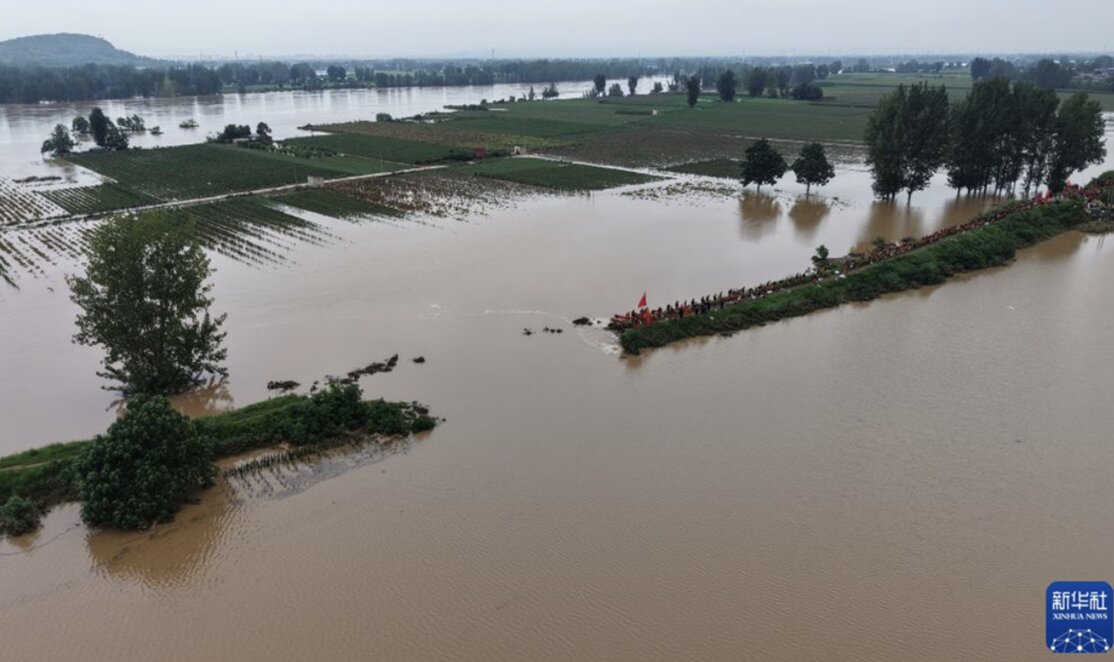
On 07 October, India Today reported that Nepal is in discussions with China to resume transport services through the Tatopani border point, while restoration work continues at the heavily damaged Rasuwagadhi-Kerung crossing. Infrastructure Development Minister Sunil Lamsal told a parliamentary committee that the road on Nepal’s side of Tatopani had already been reopened and that there were no major obstacles to restarting operations from the Nepali side. However, Chinese authorities have not yet indicated readiness to resume the crossing. Tatopani has remained closed since 26 August, following severe monsoon-related flooding, landslides and continuing risks along the border and connecting highways. Rasuwagadhi suffered much more extensive damage during the 26 August high-altitude glacial collapse and rock-ice avalanche, which triggered a destructive debris flood through the Lhende, Bhotekoshi and Trishuli river systems. Nepal is undertaking infrastructure restoration in affected areas while maintaining discussions with Chinese authorities over reopening both routes. The disruption has affected two of Nepal’s principal overland links with China and highlighted the exposure of Himalayan trade infrastructure to climate and geological hazards. For Nepal, restoring the crossings is important for maintaining regular trade with Tibet and China, while the situation also strengthens the relevance of alternative northern routes such as Korala.
(“Nepal-China border reopening talks: Tatopani ready, Rasuwagadhi restoration under way,” India Today, 7 October 2026)
https://www.indiatoday.in/amp/world/story/nepal-china-border-reopening-talks-tatopani-ready-rasuwagadhi-restoration-under-way-ptag-3011409-2026-10-07
CHINA AND MIDDLE EAST
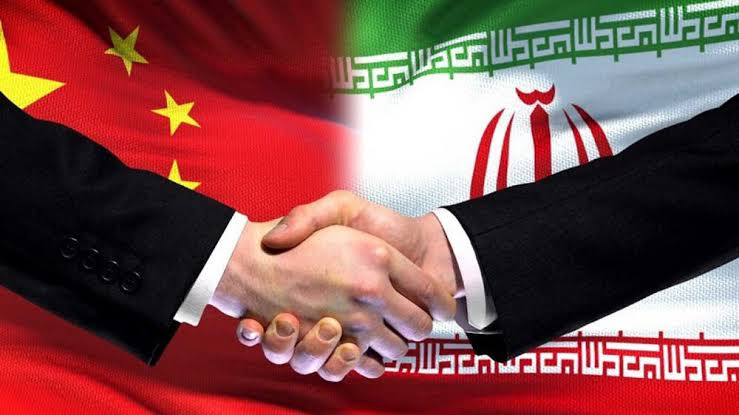
Chinese refiners stock up on Iraqi and Qatari crude as Iranian sources falls
On 06 October, Reuters reported that China’s independent oil refiners have increased Iraqi and Qatari crude oil purchases to replace the slowing Iranian supplies. Chinese refiners have bought at least 12 million barrels of Iraqi and Qatari crude, with some estimates ranging from 15-20 million barrels. Most of the purchases were Iraqi Basra Medium and Heavy crude and were bought by Hongrun Petrochemical, Qicheng Petrochemical, Qirun Petrochemical, Hualong and Chambroad Petrochemical. The purchases come after Iran’s oil exports to China fell to 590,000 barrels a day, and Iranian oil storage outside of the blockade zone fell to 45 million barrels from 100 million in July.
(“Chinese independent refiners boost Iraqi oil purchases as Iranian flows fall, traders say,” Reuters, 06 October 2026)
https://www.reuters.com/business/energy/chinese-independent-refiners-boost-iraqi-oil-purchases-iranian-flows-fall-2026-10-06/
CHINA AND AFRICA
South Africa’s exports to China surge amidst fresh US tariffs
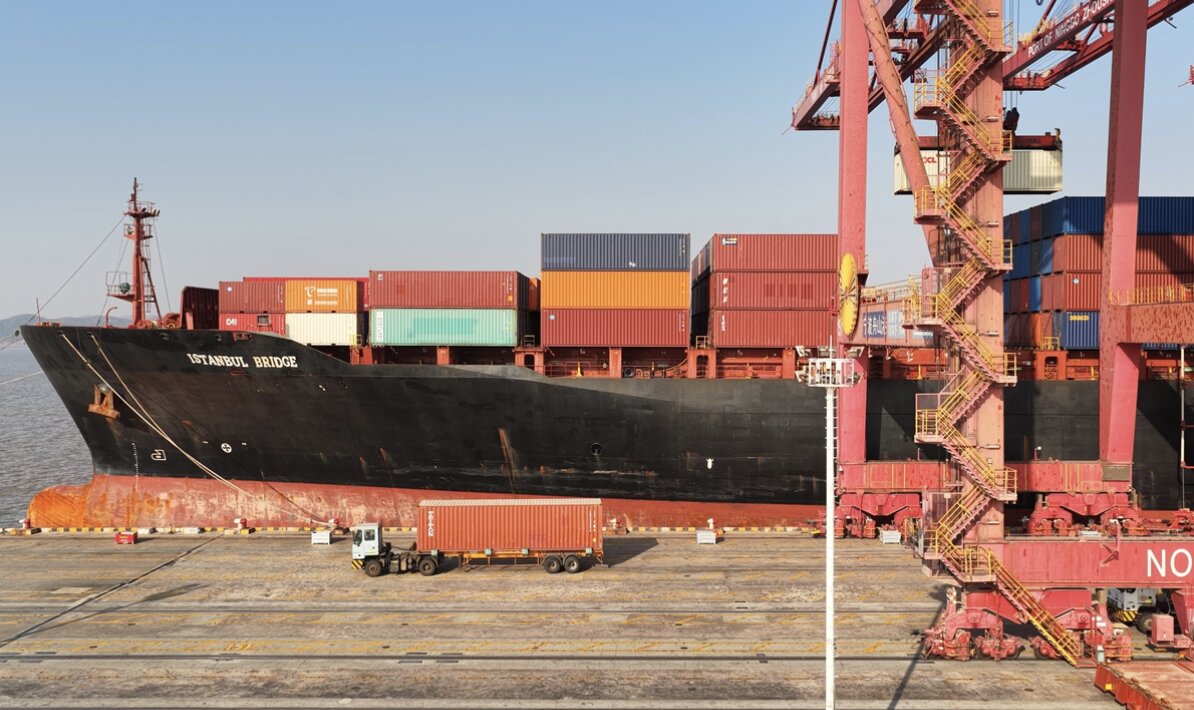
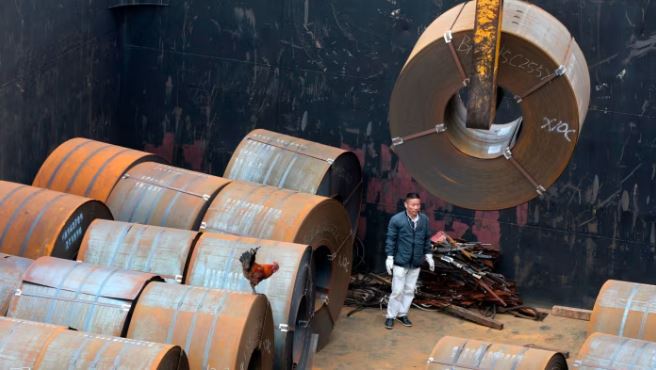
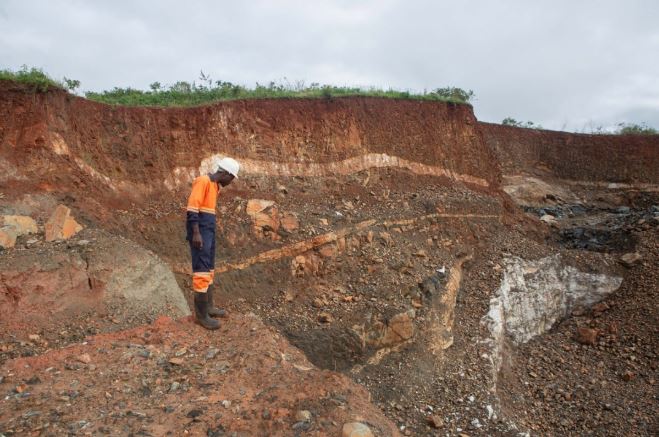
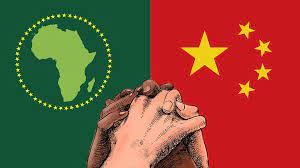
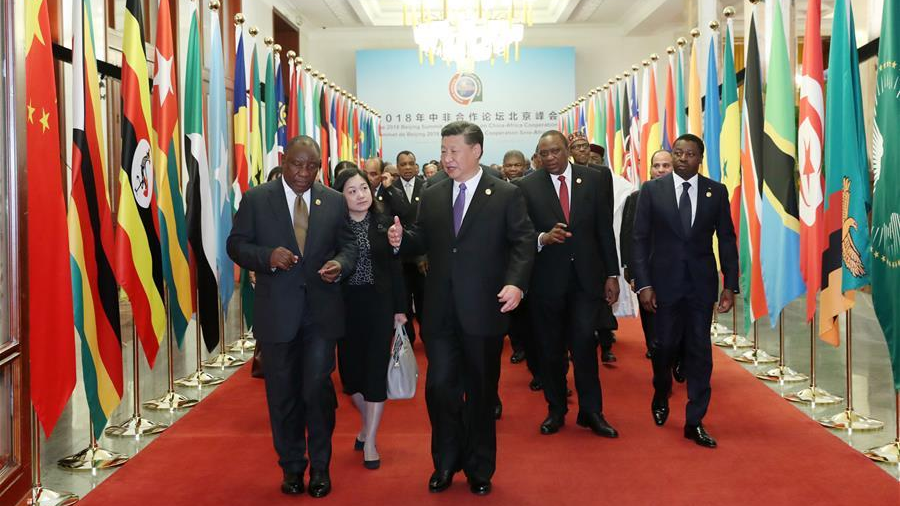
On 06 October, Business Insider Africa reported that South African exports to China surged after Beijing enacted the two-year zero-tariff policy, taking effect from 01 May 2026. The policy is aimed at supporting regional industrialisation, with shipments of key metals, including chrome, magnetite, and iron ore, surging through South Africa’s Ngqura port. China’s zero-tariff policy extends to all African nations, excluding Eswatini because of its relationship with Taiwan, and amid the Trump administration enacting 12.5 per cent tariffs on South Africa, Nigeria, and five other nations since 24 July.
(“South African exports to China’s 1.4 billion-person market surge as U.S. slaps 12.5% tariffs on Africa,” Business Insider Africa, 06 October 2026)
https://africa.businessinsider.com/local/markets/south-african-commodities-flood-chinas-13-billion-person-market-as-beijing-drops/qmgpeqz



























.png)
.jpg)
.jpg)
.jpg)
.jpg)
.jpg)
.jpg)
.jpg)
.jpg)
.jpg)
.png)
.jpg)
.jpg)
.jpg)
.jpg)
.jpg)
.jpg)
.jpg)

.jpg)
.jpg)
.jpg)
.jpg)
.jpg)

.jpg)
.jpg)
.jpg)
.jpg)
.png)
.jpg)
.jpg)
.png)
.jpg)
.jpg)


.jpg)

.jpg)
.jpg)
.jpg)
.jpg)
.jpg)
.jpg)
.jpg)
.jpg)

.jpg)
.jpg)
.jpg)
.jpg)
.jpg)
.jpg)
.jpg)

.jpeg)



.jpeg)