Photo : India Today


China Reader Daily Wire | 09 October 2026, Friday | Vol 3 No. 152
In Brief
INTERNAL
China’s limited stimulus measures fail to address mounting economic problems, says WSJ
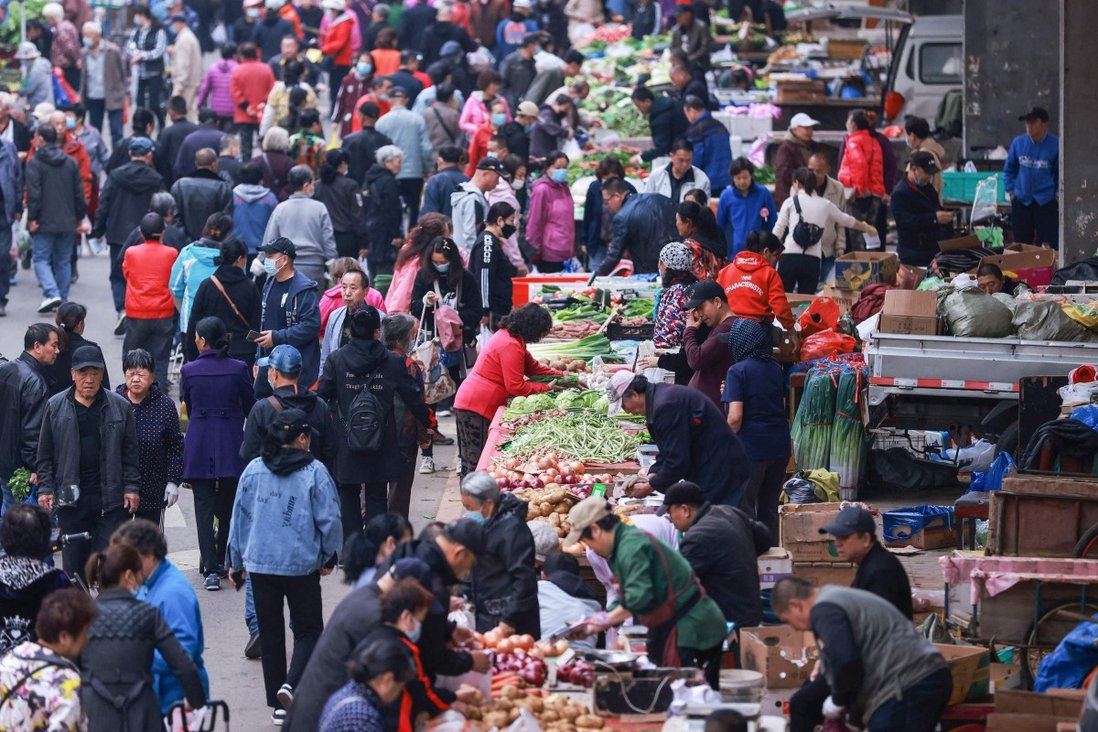
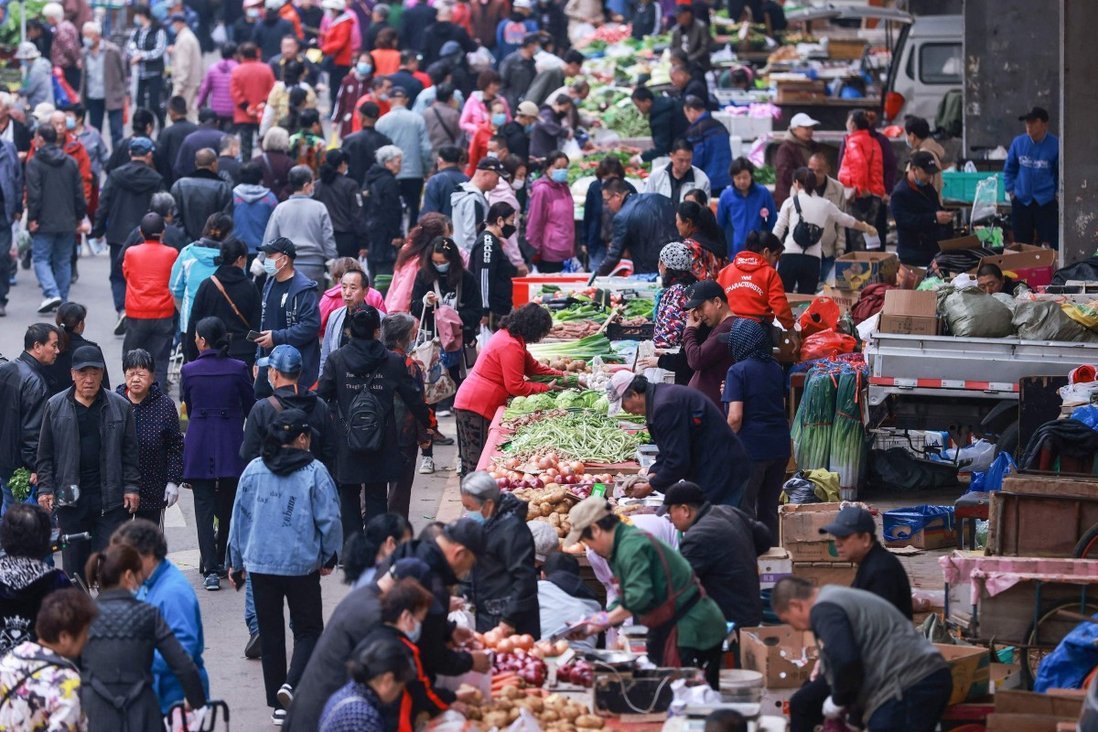
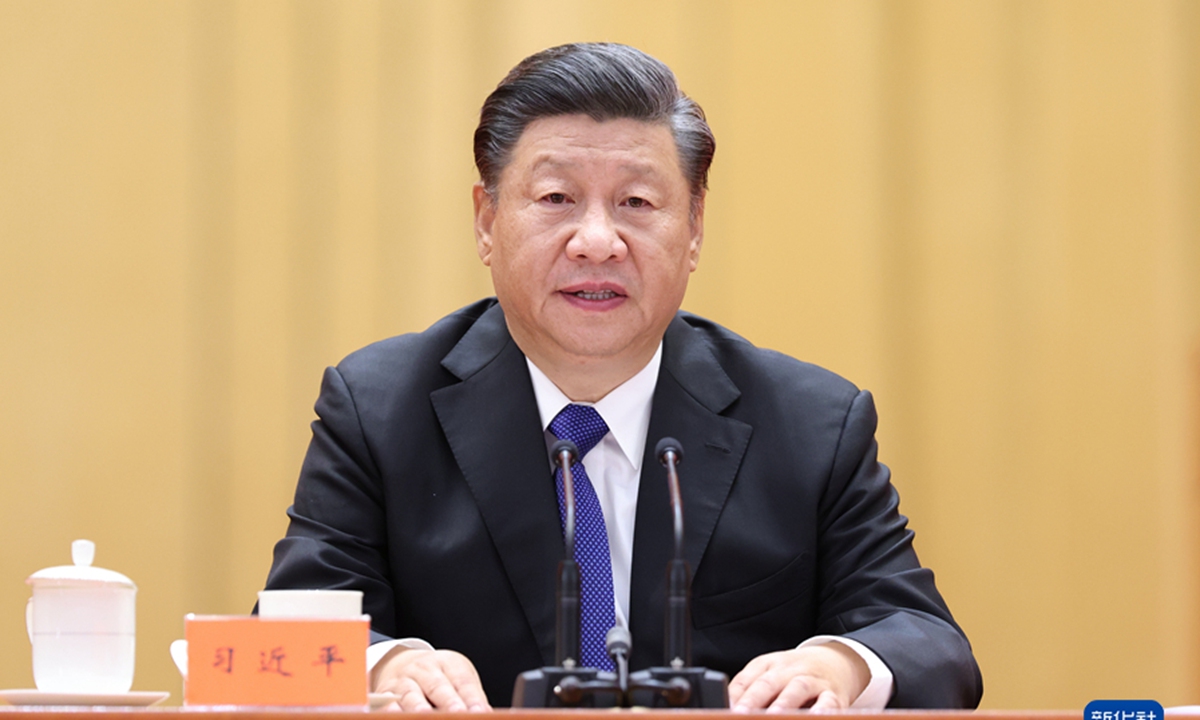
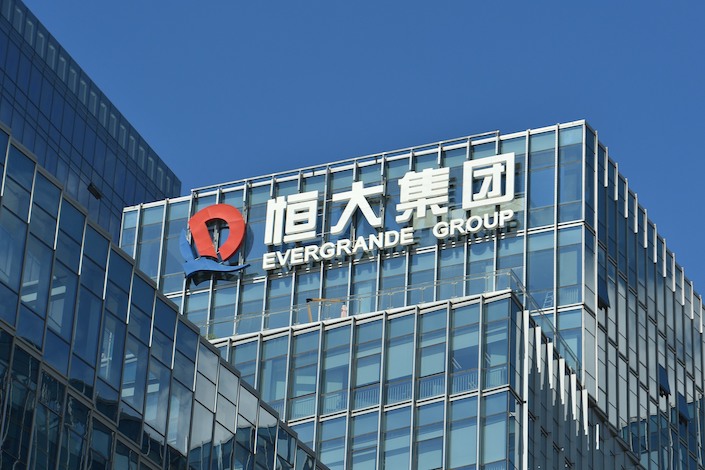
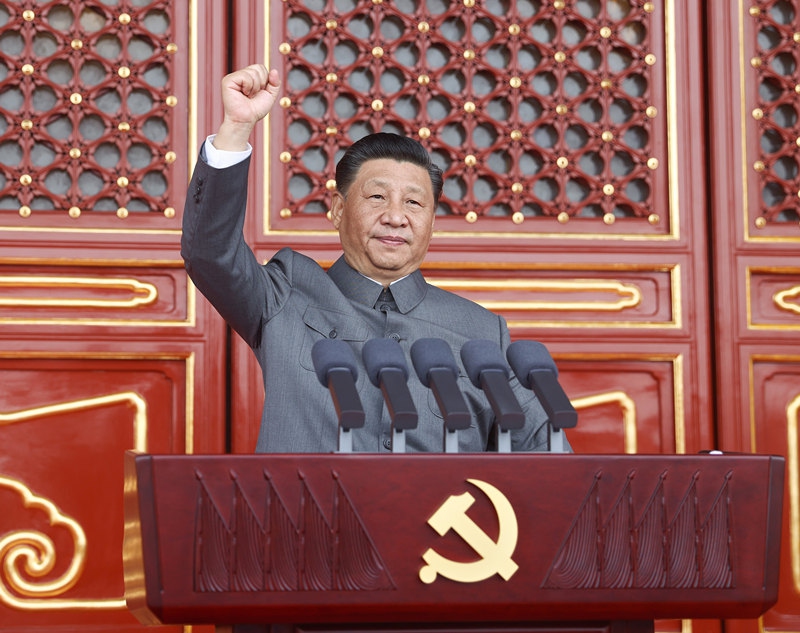
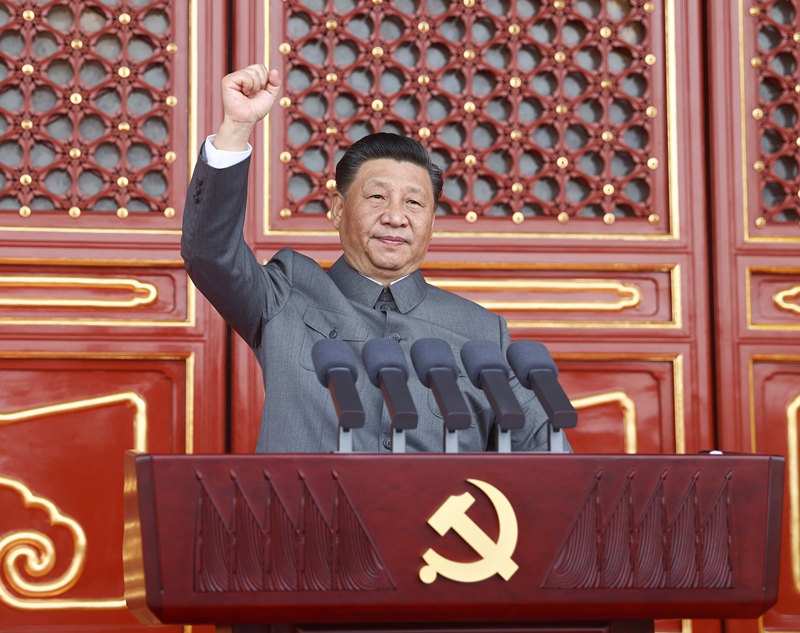
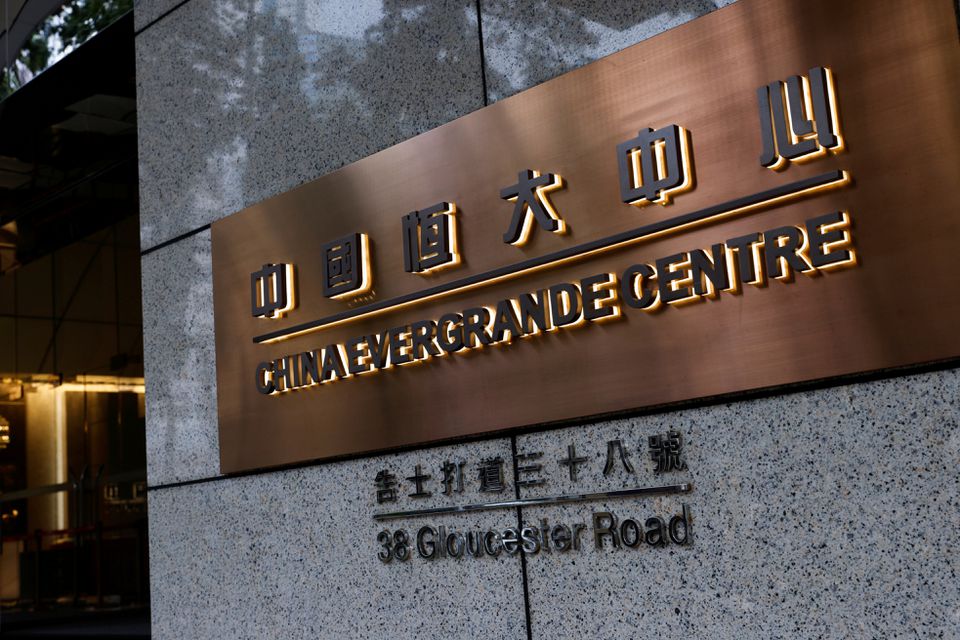
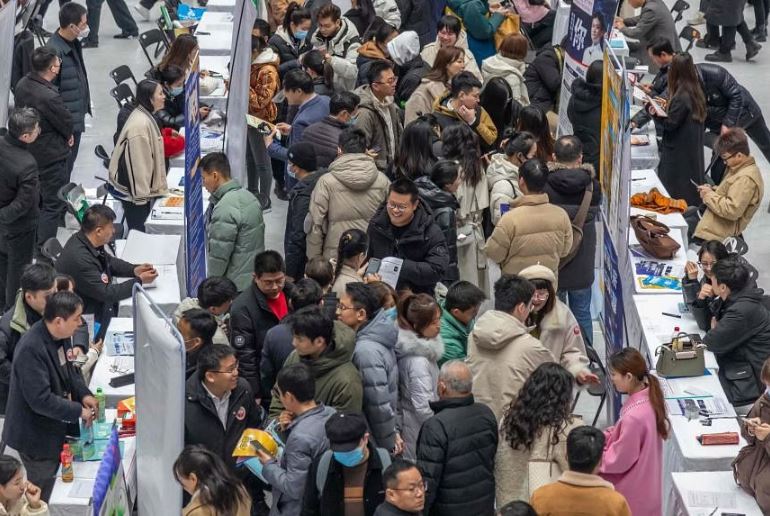
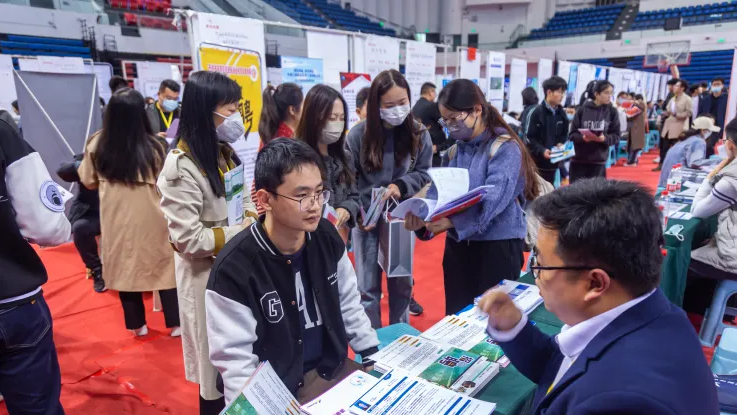
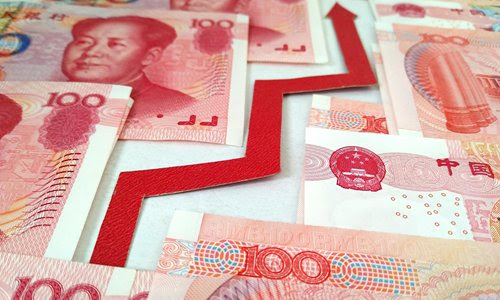
On 08 October, The Wall Street Journal reported that China’s government was adopting limited economic measures despite mounting challenges, including a prolonged property crisis, unemployment among graduates and weak corporate profits. China’s economy grew by 4.3 per cent year-on-year in the second quarter of 2026, its slowest pace in more than three years. Recent measures include one-year mortgage subsidies for eligible first-time homebuyers, increased infrastructure financing and a USD 54 billion capital injection into eight major banks and insurers. However, economists said these interventions were insufficient to revive domestic demand and address financial risks linked to property developers and local government debt. President Xi Jinping continues to prioritise advanced manufacturing and technological self-reliance. Analysts warned that avoiding large-scale household assistance and deeper reforms could prolong deflationary pressures and weaken economic growth.
(“China Is Offering Half Measures to Its Mounting Economic Problems,” The Wall Street Journal, 08 October 2026)
https://www.wsj.com/world/china/china-is-offering-half-measures-to-its-mounting-economic-problems-3074211f
NUCLEAR
China’s scientists develop first operating nuclear clocks with Austrian researchers
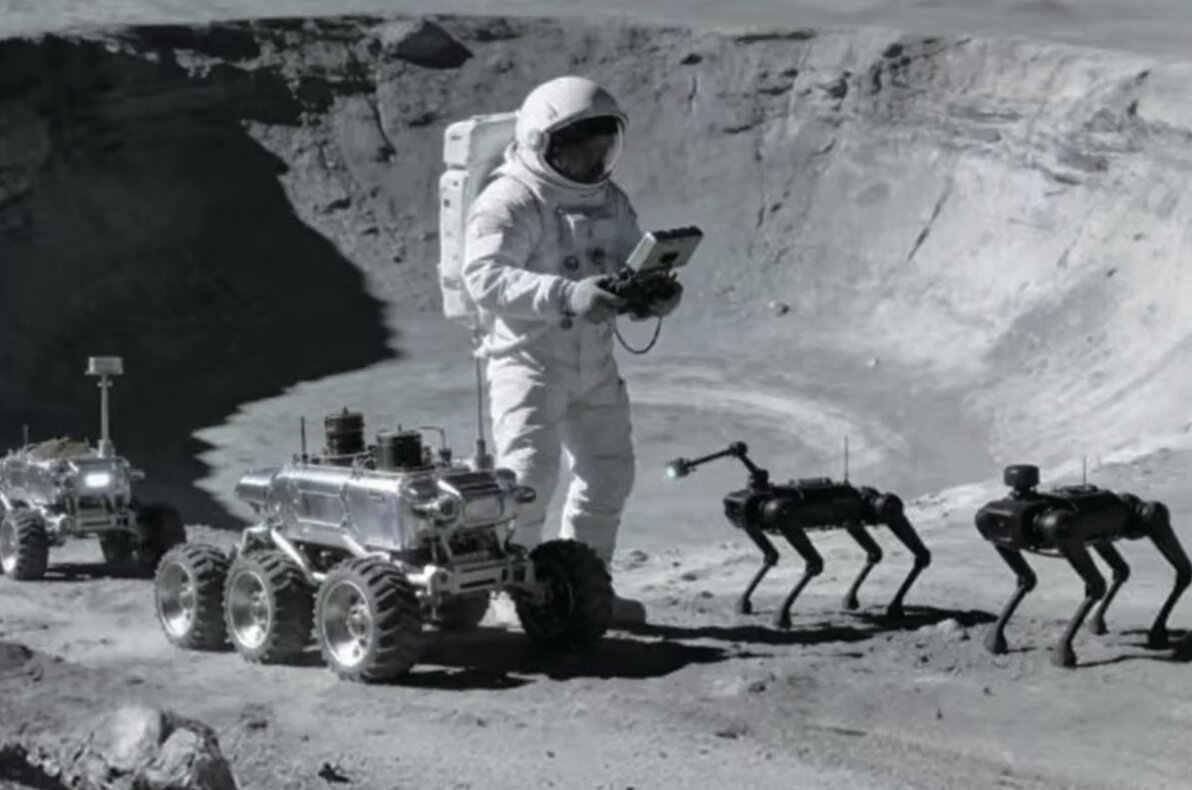
On 08 October, India Today reported that scientists in China and Austria had independently developed the world’s first operating nuclear clocks. The research teams, including scientists from Tsinghua University and TU Wien, published their findings in Nature on 07 October. The clocks use thorium-229 nuclei embedded in calcium fluoride crystals and lasers to measure transitions within the atomic nucleus, unlike conventional atomic clocks, which track electron transitions. The technology could eventually improve precision in satellite navigation, telecommunications and data synchronisation. It may also help scientists investigate dark matter and test fundamental theories of physics. However, the new devices do not yet outperform the most precise existing optical atomic clocks. Researchers must improve their accuracy and stability before the technology can be widely used.
(“World's first nuclear clock is ready: What is it, and why does it matter?,” India Today, 08 October 2026)
https://www.indiatoday.in/amp/science/story/nuclear-clock-breakthrough-austria-china-build-worlds-first-operating-devices-3012281-2026-10-08
CHINA AND TAIWAN
Chinese maritime militia boat spotted off Taiwan’s east coast for first time
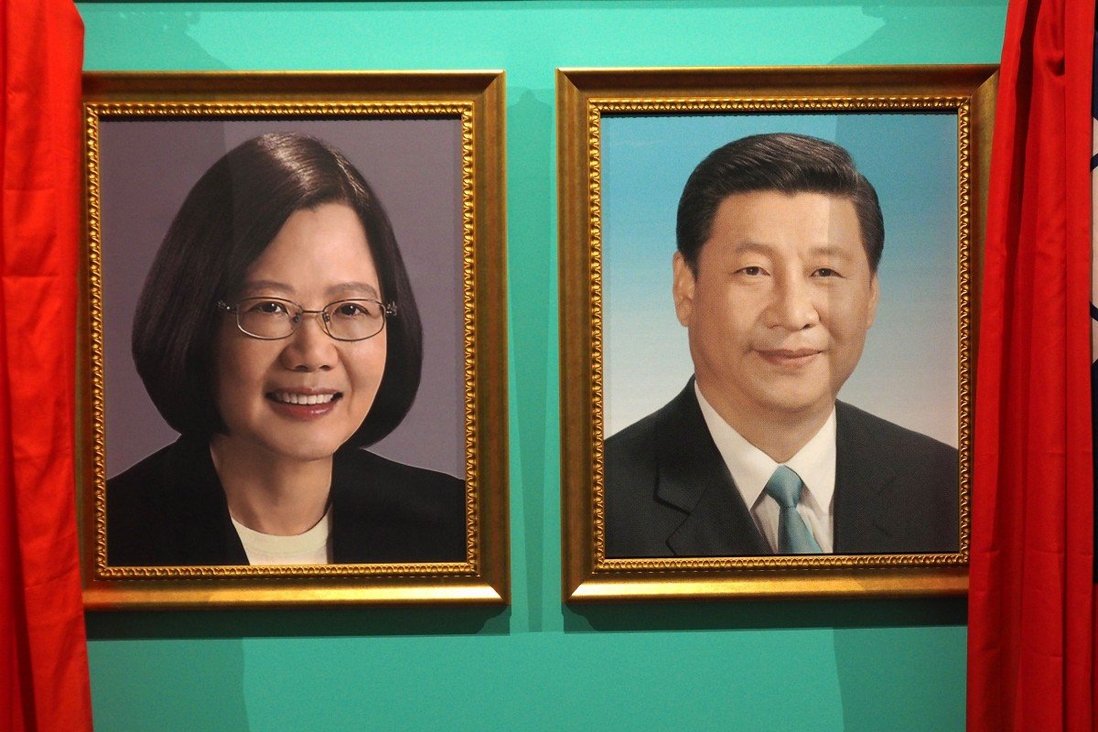
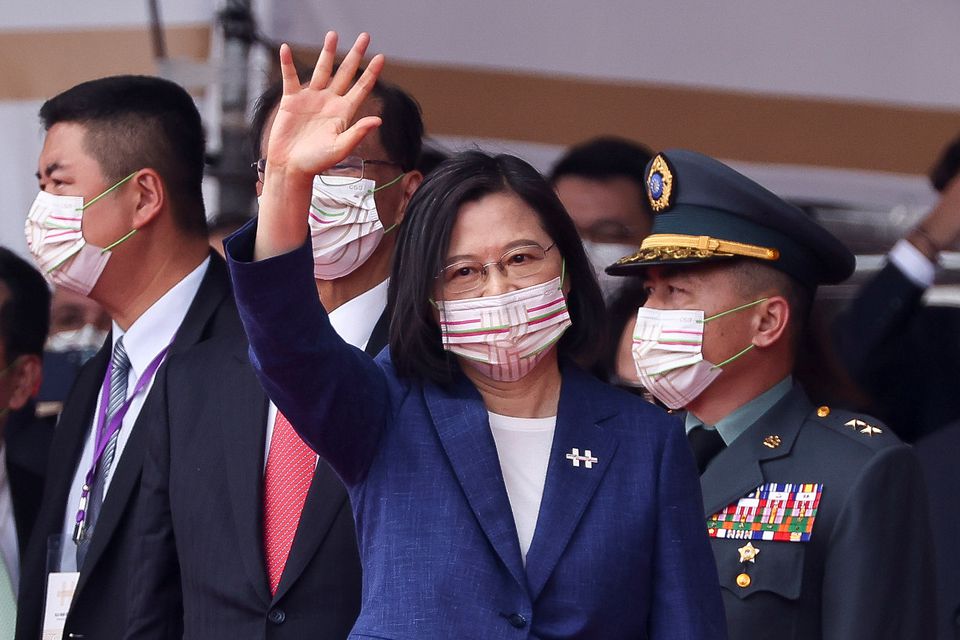
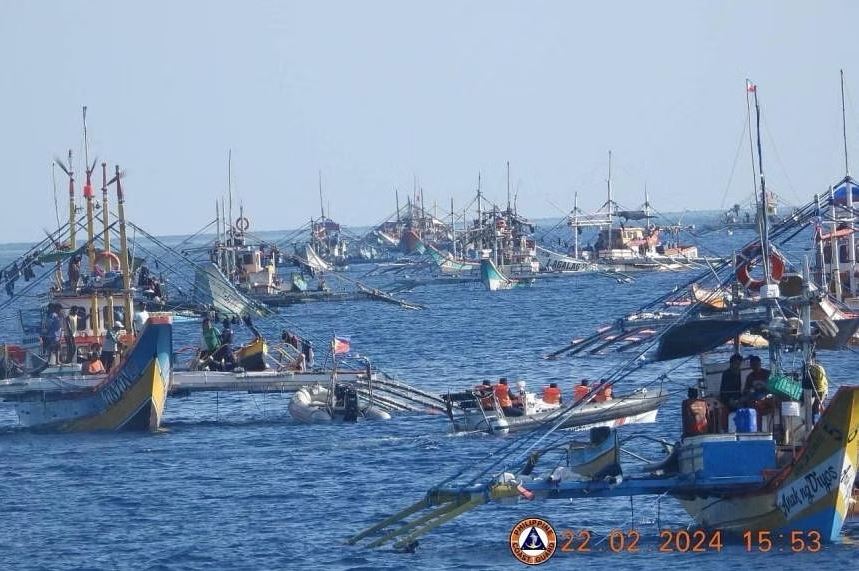
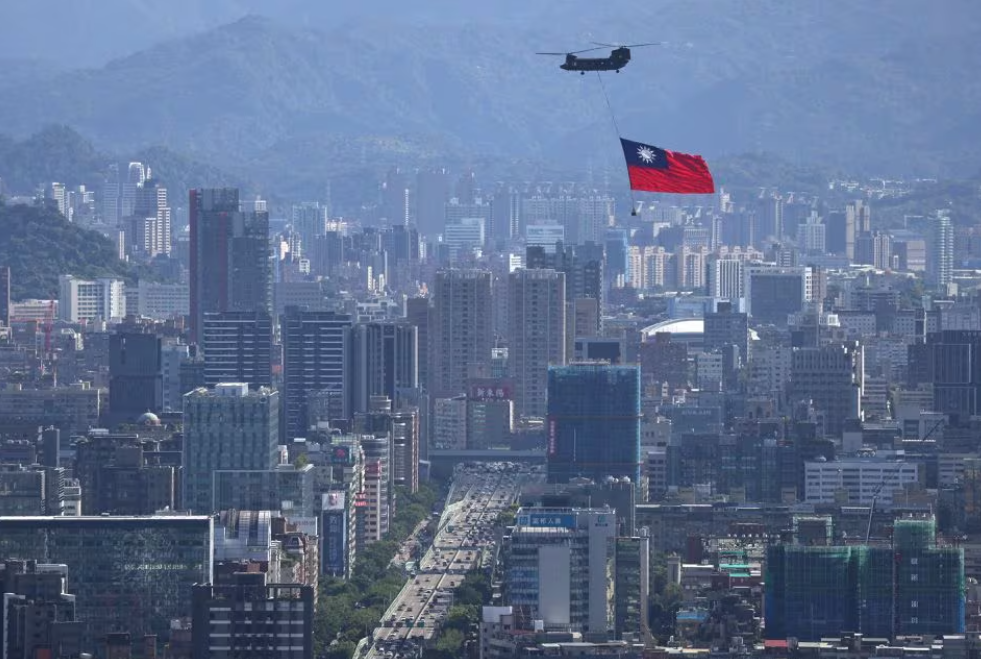
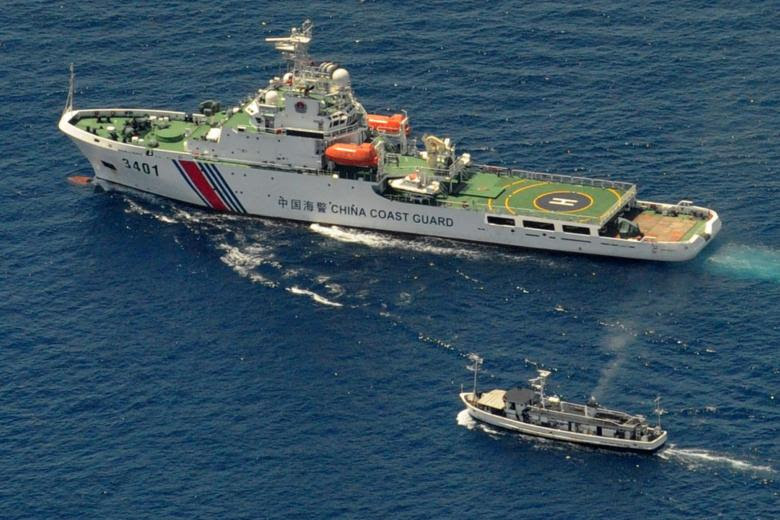
On 08 October, Reuters reported that a Chinese maritime militia fishing boat was spotted operating alongside a coast guard cutter and a research vessel off Taiwan’s eastern coast in August. Taiwan’s Apex Aviation identified the fishing boat as Minfudingyu 07902. The three vessels were detected more than 30 nautical miles off Hualien County, an area considered important for Taiwan’s potential wartime supply routes. Taiwanese officials said the vessels were operating in an area not commonly used by Chinese ships and linked the activity to maritime pressure drills. They warned that China could be using civilian, paramilitary and research vessels to practise for a potential blockade. However, the surveillance report could not establish the vessels’ specific missions or confirm coordination between them. China’s authorities did not respond to Reuters’ requests for comment.
(“EXCLUSIVE: China militia boat spotted for first time off Taiwan's east coast, patrol finds,” Reuters, 08 October 2026)
https://share.google/X0aysBZDFtv07BScR
CHINA AND SOUTH ASIA
India’s steel demand growth may offset China’s slowdown, says Shanghai Metals Market
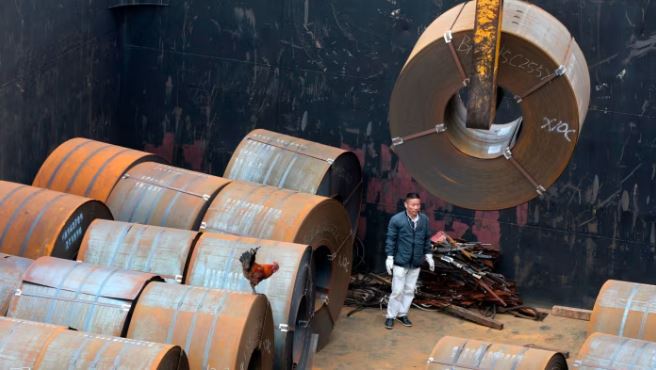
On 09 October, Shanghai Metals Market (SMM) published an analysis examining whether India’s expanding steel demand can compensate for the slowdown in China, the world’s largest steel-consuming market. The article draws on the World Steel Association’s April 2026 outlook, which projected Indian finished steel demand to rise from 159.8 million tonnes in 2025 to 171.6 million tonnes in 2026. Chinese demand, by comparison, was projected to decline from 796 million tonnes to 784.1 million tonnes. On these estimates, India’s additional demand of 11.8 million tonnes would nearly offset China’s projected 11.9-million-tonne contraction. However, SMM cautions that the comparison does not mean India can replace China’s influence on the international steel market. China’s market remains approximately 4.6 times larger than India’s, making global demand sensitive to even modest changes in Chinese consumption. Continued weakness in China’s property sector, including declining construction starts and real-estate investment, could further affect steel demand. The article also highlights India’s expanding domestic production capacity and the importance of distinguishing consumption growth from import demand. Higher Indian consumption can be met by domestic mills rather than overseas suppliers. SMM concludes that India is becoming a more important source of global steel demand, but the impact on international prices will depend on Chinese demand, Indian production growth and actual cross-border trade )
(“Can India's Steel Demand Growth Offset China's Slowdown?”, Shanghai Metals Market, 09 October 2026)
https://news.metal.com/newscontent/104147780-smm-analysis-can-indias-steel-demand-growth-offset-chinas-slowdown
China's rise, geopolitical shift and AI could test India's 2047 vision says India's CEA
On 08 October, Mint reported that Chief Economic Adviser V Anantha Nageswaran had identified geopolitical realignment, supply-chain dependencies, China’s industrial scale, climate volatility, artificial intelligence and demographic change as major factors shaping India’s ambition to become a developed economy by 2047. Nageswaran argued that the international environment is increasingly characterised by power and bargaining, requiring India to negotiate from a position of strength and build coalitions that it can help shape. China’s manufacturing capacity and position in global supply chains form a central part of this assessment. India’s long-term development will depend partly on how effectively it manages strategic dependencies and strengthens its domestic industrial capabilities. The changing international order also creates uncertainty for countries seeking access to technology, investment and critical supplies. Artificial intelligence presents another challenge, as its effects will interact with India’s demographic profile, productivity and capacity to create employment. The assessment places India’s 2047 development objective within a wider strategic and economic context rather than treating it solely as a domestic growth target. It highlights the relationship between economic resilience, technological adaptation and foreign policy choices. For India, reducing vulnerabilities while sustaining international economic engagement will be important as competition among major powers influences supply chains, technology access and the terms of global economic cooperation.
(“Geopolitics, China, and AI to test India’s 2047 ambitions: CEA Nageswaran,” Mint, 08 October 2026)
https://www.livemint.com/news/geopolitics-china-and-ai-to-test-india-s-2047-ambitions-cea-nageswaran-11791462746469.html
Road blockades disrupt Nepal-China trade at all three major northern crossings
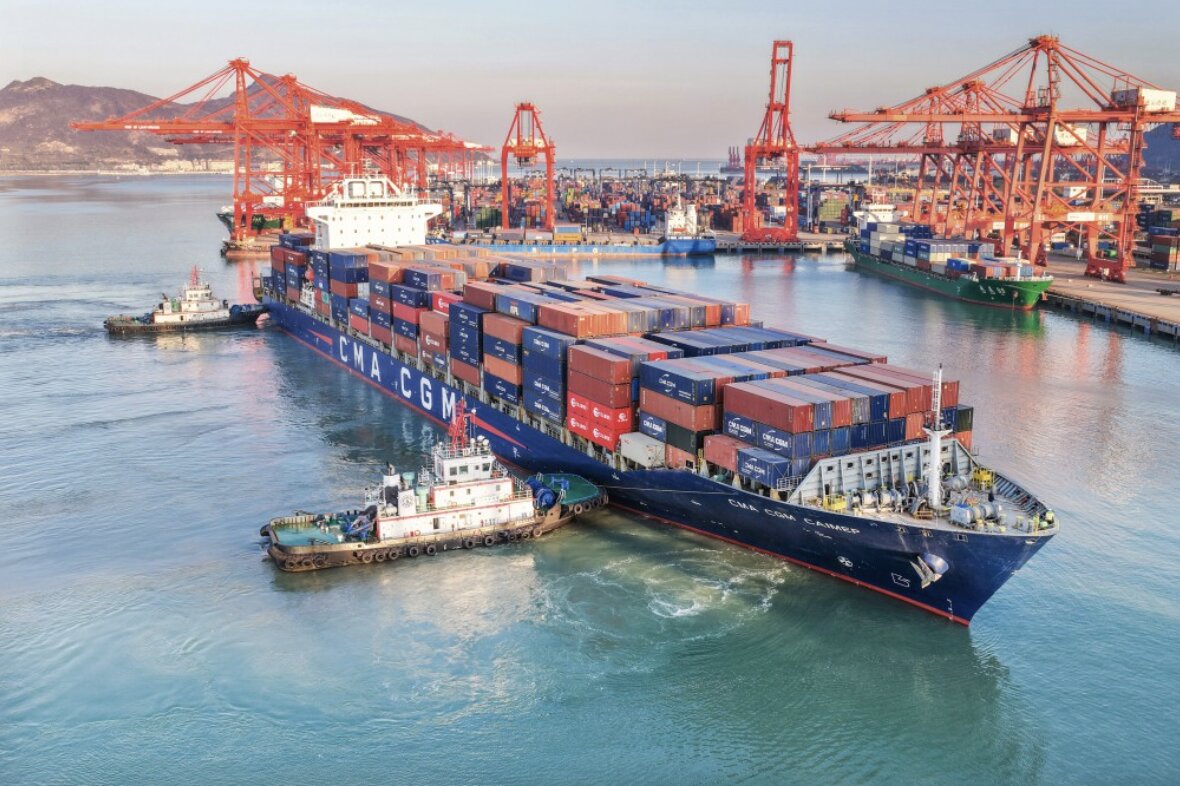
On 08 October, Ratopati reported that trade between Nepal and China had been disrupted after road blockades and monsoon-related damage affected all three major northern border crossings: Rasuwagadhi, Tatopani and Korala. The Rasuwagadhi crossing was rendered inoperable after flooding in the Bhote Koshi River destroyed customs facilities, roads and other infrastructure. China subsequently halted trade through Tatopani, citing landslide risks. Traders then relied more heavily on Korala in Mustang, but heavy rainfall and landslides along the Beni–Jomsom road also halted movement through that route. The disruption has left substantial quantities of cargo stranded. According to the report, approximately 200 containers and hundreds of electric vehicles that entered Nepal through Korala were stuck in Mustang. The timing is particularly significant because the interruptions occurred ahead of Nepal’s Dashain festival, when demand for imported goods typically increases. Traders and consumers face the prospect of longer delivery times, higher transport costs and price increases as supply chains remain disrupted. The situation demonstrates the vulnerability of Nepal’s northern trade infrastructure to floods, landslides and road closures. Although Nepal has sought to diversify its trade and connectivity through China, the functioning of these routes depends on reliable road access across difficult Himalayan terrain. The simultaneous disruption of all three crossings also highlights the need for resilient infrastructure, alternative transport arrangements and closer disaster-risk coordination between Nepal and China.
(“Nepal-China Trade Disrupted at Key Border Crossings Due to Road Blockades,” Ratopati, 08 October 2026)
https://english.ratopati.com/story/82860/floods-and-landslides-halt-trade-at-all-three-northern-border-points-consumers-hit-by-price-hikes-photos
CHINA AND MIDDLE EAST
Opinion: Asda Ullah, “It’s time for China to offer more than statements on Hormuz,” SCMP, 08 October 2026
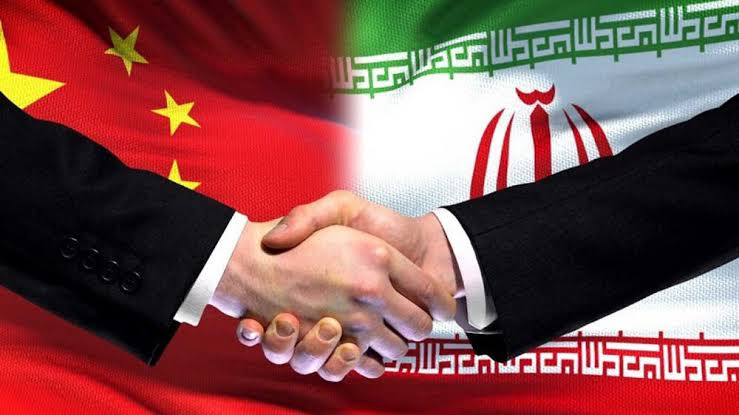
“Beijing does not need to replace Washington as the Gulf’s security guarantor. However, it does need to show that its access can produce something more durable than another call for restraint. China’s diplomacy has been rich in principles and thin on procedures. It means China should say what it will actually do: put proposals on the table, name a venue and be clear about what it will ask of Iran as well as of the United States. China could lend its support to a standing Gulf crisis management mechanism, one with a deliberately modest mandate that is built alongside Iran and the Gulf states. The test is not whether China can replace the US in the Gulf. It is whether its influence can keep any miscalculation from spilling over into a wider war.”
Egypt-Ethiopia tension renews strategic challenges for Beijing, says Al Monitor
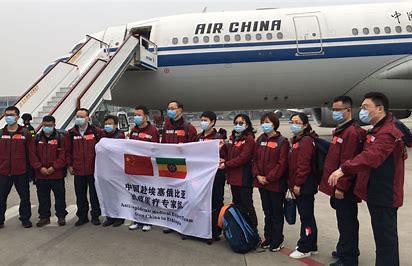
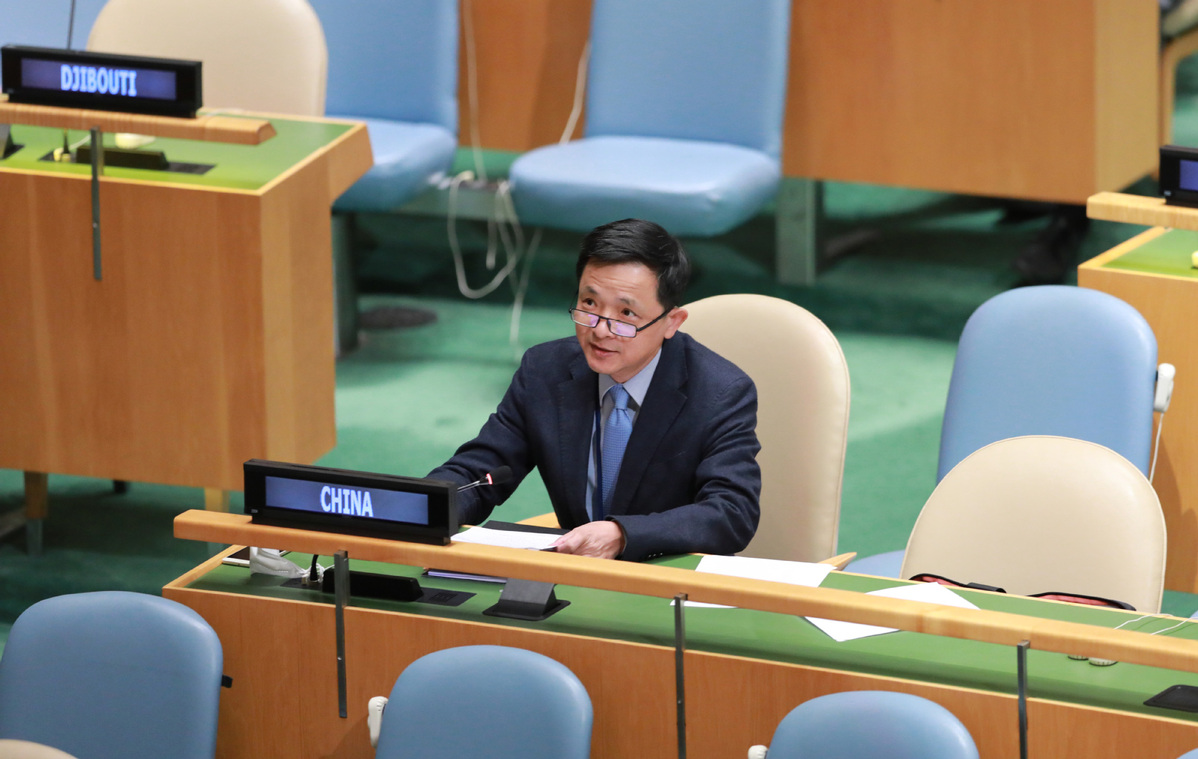
On 08 October, Al Monitor reported that renewed Egypt-Ethiopia standoff over water rights on the Nil, and access to the Red Sea threatened China’s strategic and economic interests in both countries. Egypt fears the Grand Ethiopian Renaissance Dam (GERD) could jeopardise its water security, while Ethiopia considers it essential for electricity generation and economic development. Both countries are important Chinese partners, with extensive cooperation in infrastructure, trade, manufacturing and energy under Beijing’s Belt and Road Initiative. During Xi Jinping’s visit to Egypt in September 2026, China endorsed Cairo’s concerns about Nile water security and littoral states’ authority over Red Sea governance,e thereby potentially straining relations with landlocked Ethiopia. Escalation could destabilise northern Ethiopia, disrupt transport links connecting Ethiopian industrial centres to Djibouti’s ports, increase costs and discourage investment. However, China lacks a strong regional mediation record. Analysts suggest Beijing may adopt a wait-and-see approach, balancing bilateral relationships while encouraging stability, particularly as Washington is not actively mediating the dispute.
(“Why renewed Egypt-Ethiopia tensions are a problem for China,” Al Monitor, 08 October 2026)
https://www.al-monitor.com/originals/2026/10/why-renewed-egypt-ethiopia-tensions-are-problem-china
CHINA AND AFRICA
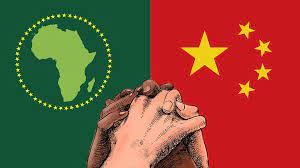
Beijing provides Nairobi USD 2 million for drought relief and Ebola preparedness
On 08 October, Capital FM 98.4 Africa reported that China provided Kenya with a USD 2 million grant to strengthen drought response and preparedness for potential Ebola outbreaks. China’s Ambassador Guo Haiyan and Kenya’s National Treasury Principal Secretary Chris Kiptoo signed the grant handover certificate in Nairobi, with Public Health Principal Secretary Mary Muthoni in attendance. The funding allocates USD 1 million to Ebola preparedness infrastructure in high-risk counties and another USD 1 million to drought relief. The assistance is followed by Kenya’s confirmation of its first imported Bundibugyo Ebola case.
(“China gives Kenya $2 million for drought relief, Ebola preparedness,” Capital FM 98.4, 08 October 2026)
https://capitalfm.africa/china-gives-kenya-2-million-for-drought-relief-ebola-preparedness/
CHINA AND EUROPE
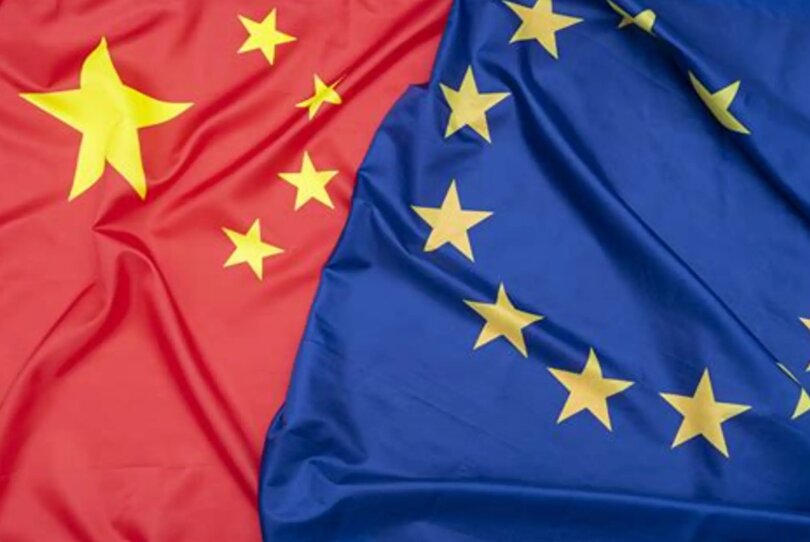
EU’s industry group calls for stronger action against China’s unfair trade practices
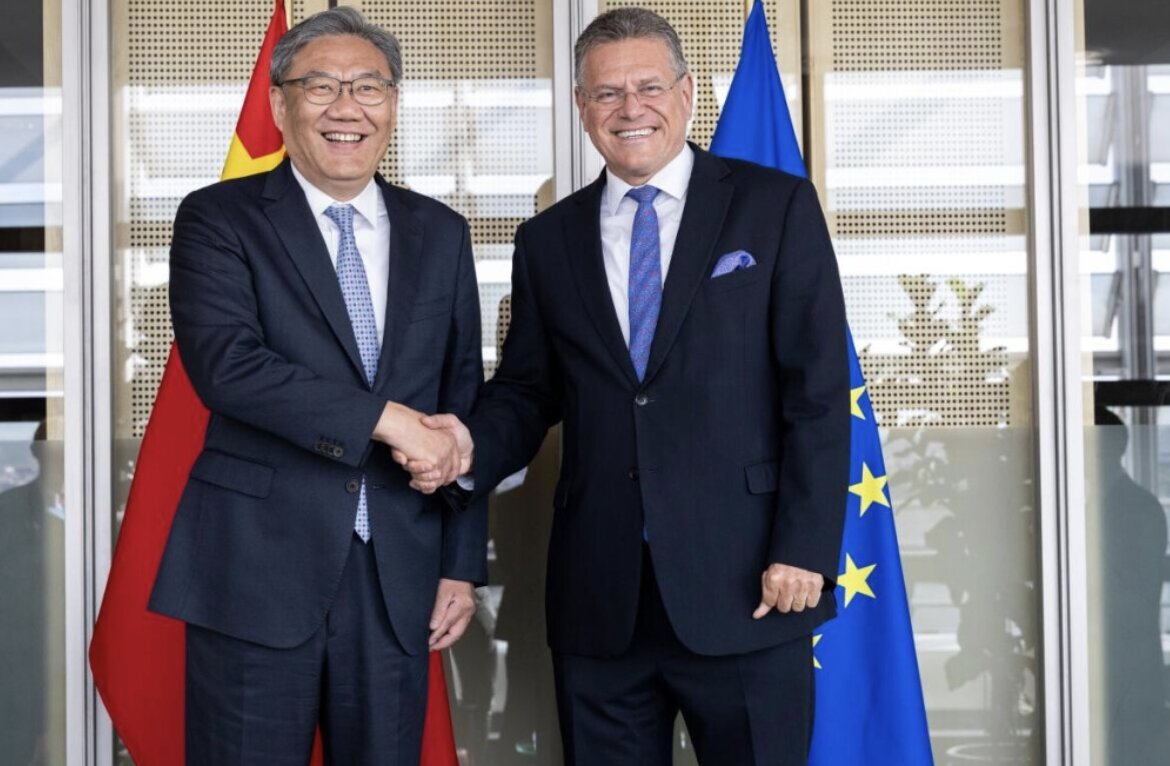
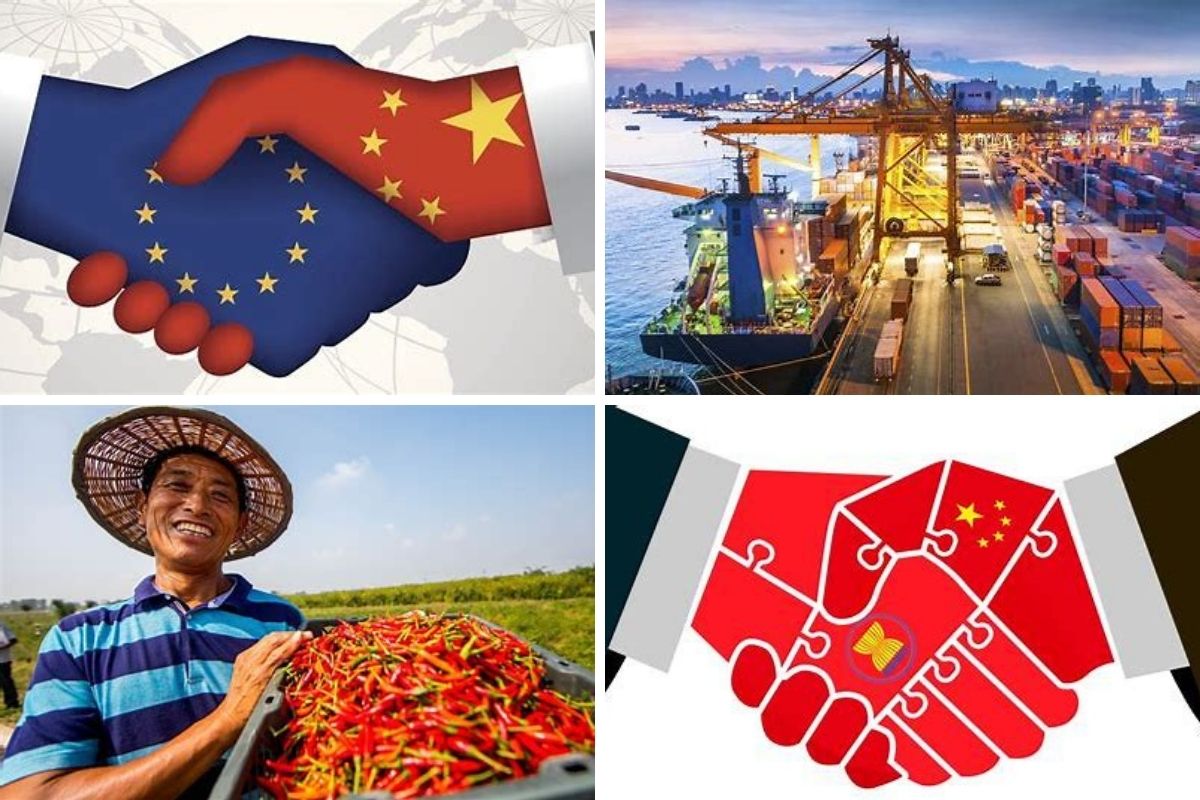
On 08 October, Reuters reported that 44 European industry associations called on European Union member states to take urgent action against alleged unfair Chinese trade practices, warning that they threaten European manufacturing and could lead to further job losses. Representing sectors including metals, chemicals and automotive components, they highlighted the EU’s growing trade deficit with China, which exceeds EUR one billion daily. They urged the European Commission to strengthen trade defence measures, address state-driven market distortions, accelerate complaint processing by increasing staffing, and assess entire value chains without harming partners such as Britain, Norway and Switzerland. EU leaders are preparing to discuss expanded trade protections as Trade Commissioner Maroš Šefčovič seeks Chinese export concessions, potentially targeting hybrid vehicles.
(“European industry groups call for urgent EU action on China trade,” Reuters, 08 October 2026)
https://www.reuters.com/world/china/european-industry-groups-call-urgent-eu-action-china-trade-2026-10-08/
CHINA AND THE AMERICAS
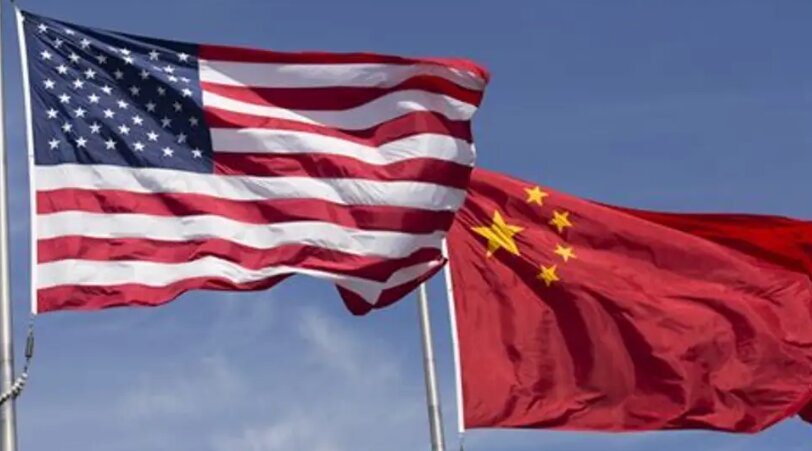
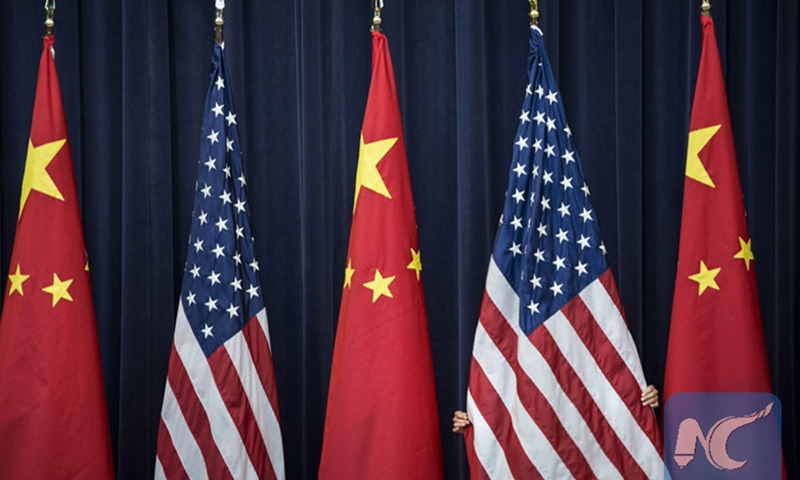
Washington investigates nine universities over allegations of visa fraud and Chinese influence
On 09 October, SCMP reported that the Trump administration has launched investigations into nine prominent US universities, including Harvard, Yale, MIT and Stanford, over alleged J-1 visa fraud and potential foreign interference in federally funded research. Officials, including Vice President JD Vance, expressed concerns that China could exploit academic institutions to access American technology and intellectual property. Subpoenas have been issued to the universities to examine visa compliance, financial relationships and foreign influence. Four institutions emphasised legal compliance or pledged cooperation. The investigation accompanies broader restrictions on international student employment and alleged abuses ofemployment-basedd immigration programmes, reflecting Washington’s heightened scrutiny of foreign talent.
(“US probes Harvard, Yale, MIT, other universities over alleged visa fraud, with China focus,” South China Morning Post, 09 October 2026)
https://www.scmp.com/news/us/article/3370239/us-investigates-9-universities-over-alleged-visa-fraud-focus-china






























.png)
.jpg)
.jpg)
.jpg)
.jpg)
.jpg)
.jpg)
.jpg)
.jpg)
.jpg)
.png)
.jpg)
.jpg)
.jpg)
.jpg)
.jpg)
.jpg)
.jpg)

.jpg)
.jpg)
.jpg)
.jpg)
.jpg)
.jpg)
.jpg)
.jpg)
.jpg)
.png)
.jpg)
.jpg)
.png)
.jpg)
.jpg)


.jpg)
.jpg)
.jpg)
.jpg)
.jpg)
.jpg)
.jpg)
.jpg)
.jpg)
.jpg)
.jpg)
.jpg)
.jpg)
.jpg)
.jpg)
.jpg)

.jpeg)



.jpeg)