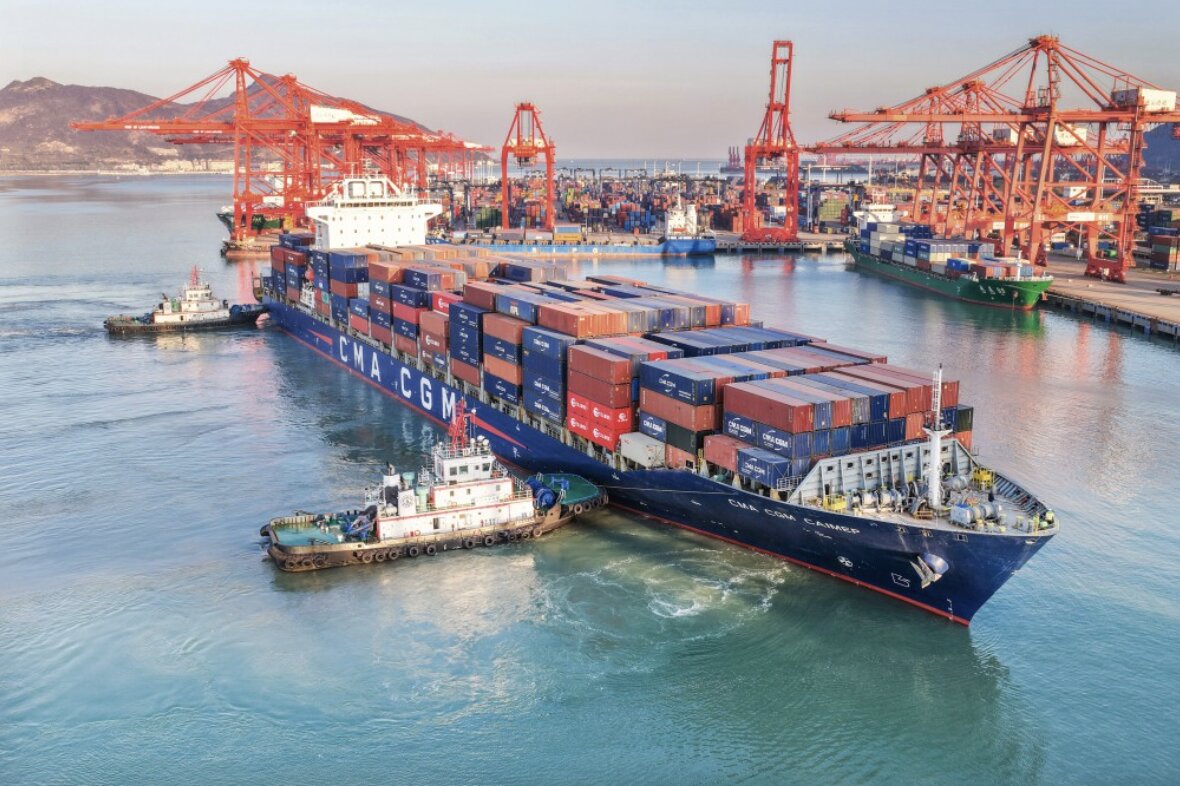
Photo : South China Morning Post


China Reader Daily Wire | 13 October 2026, Tuesday | Vol 3 No. 155
In Brief
INTERNAL
IMF trims China's growth outlook, as exports fall short of offsetting weak demand
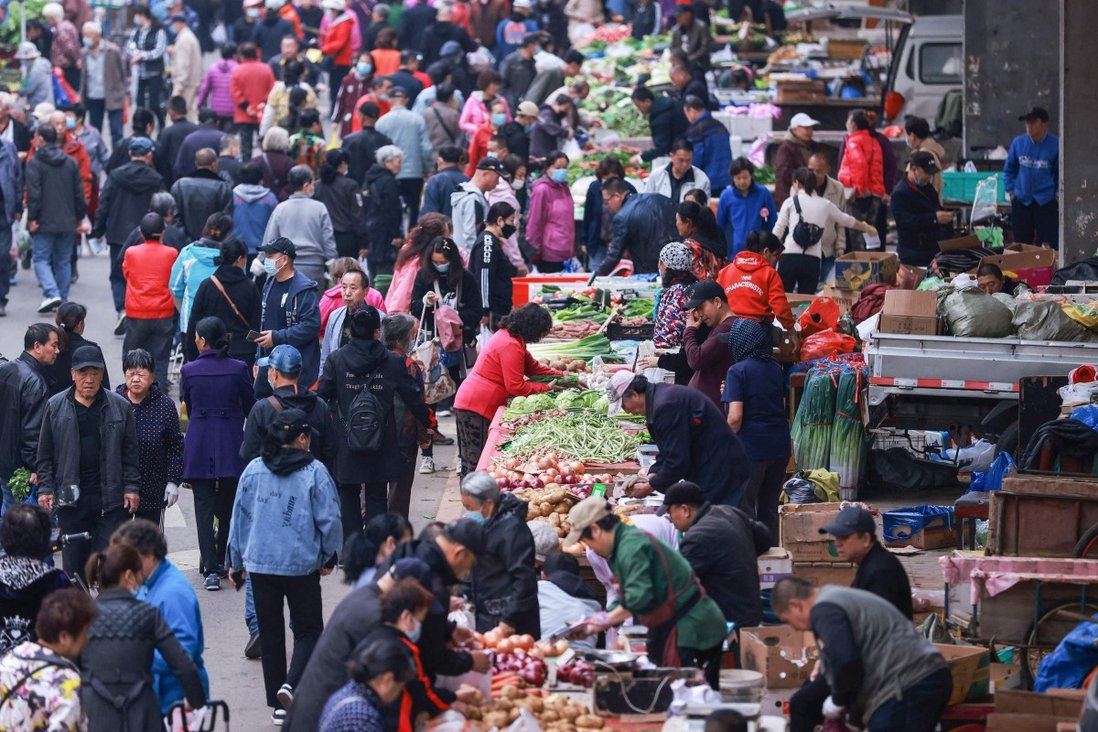
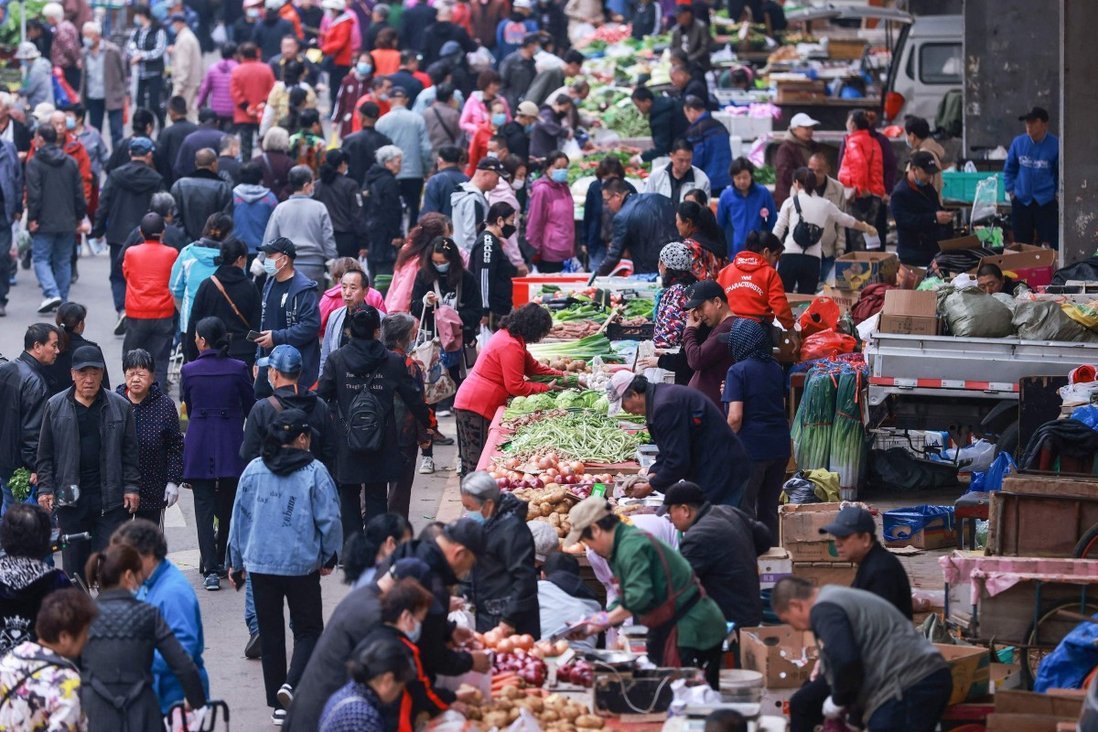
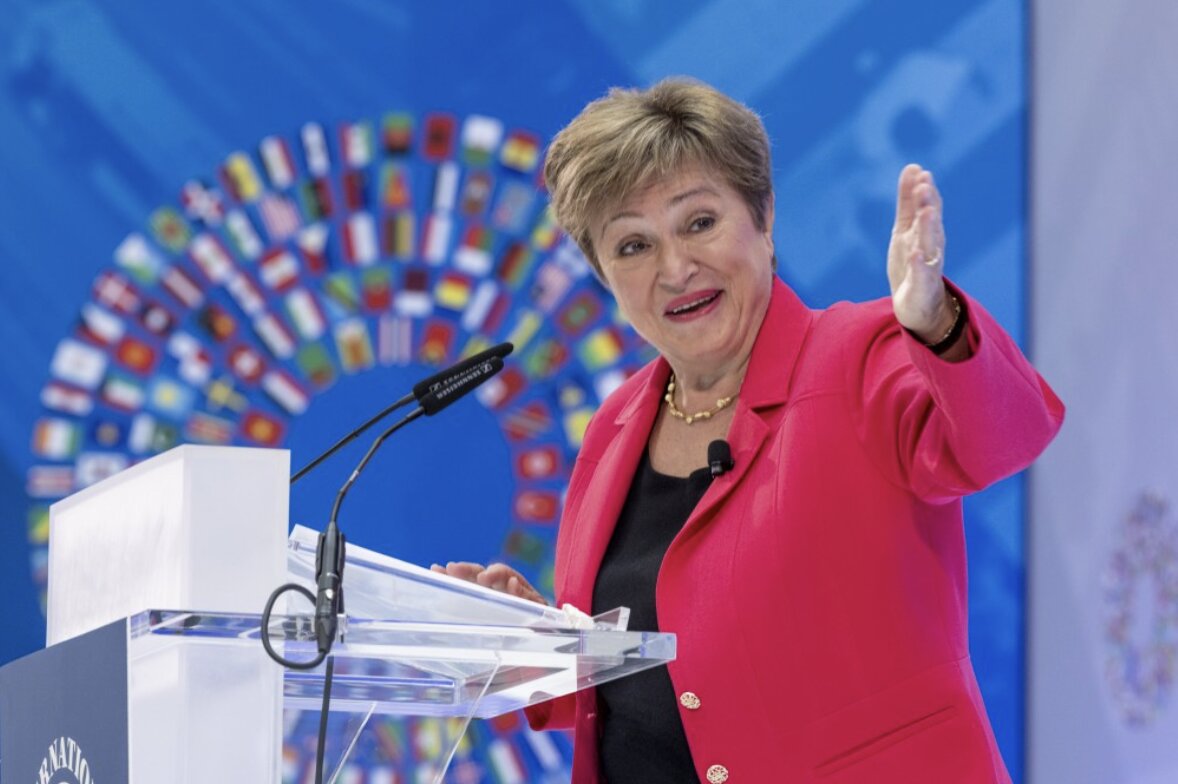
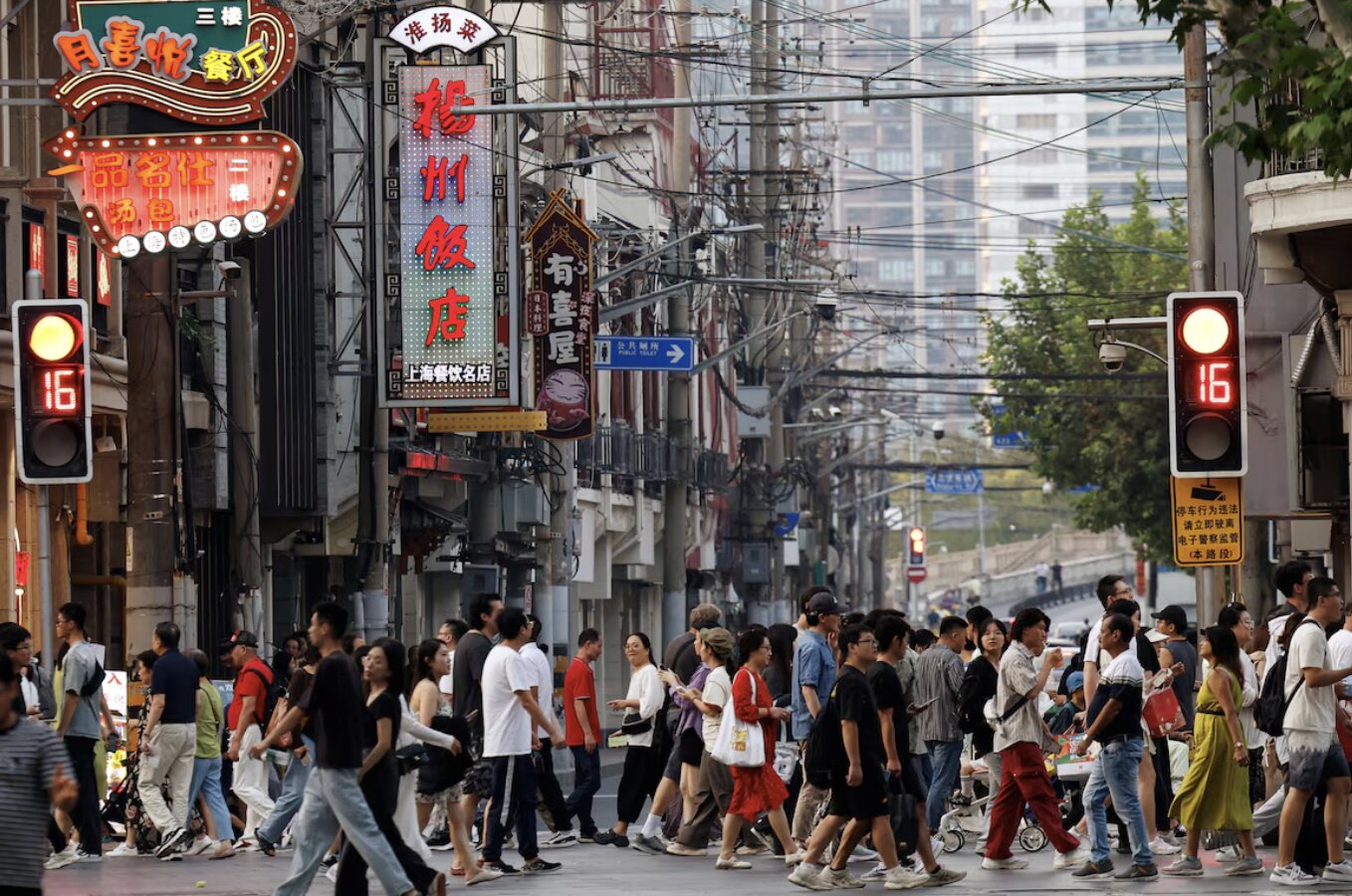
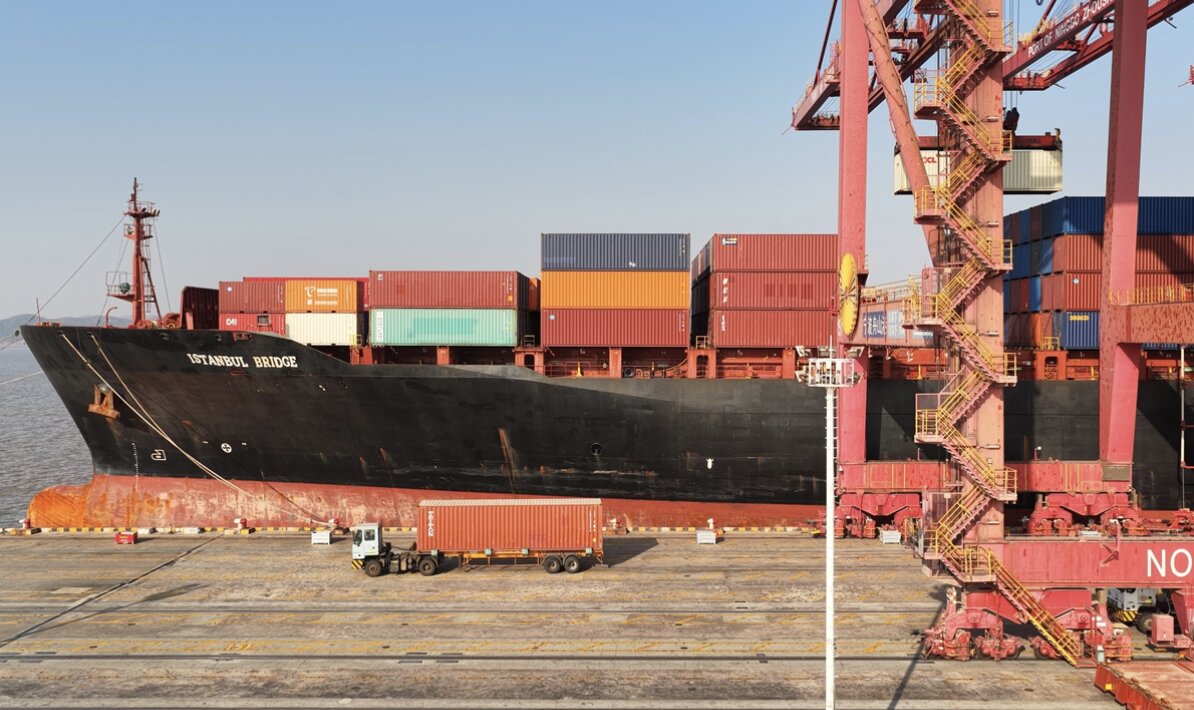
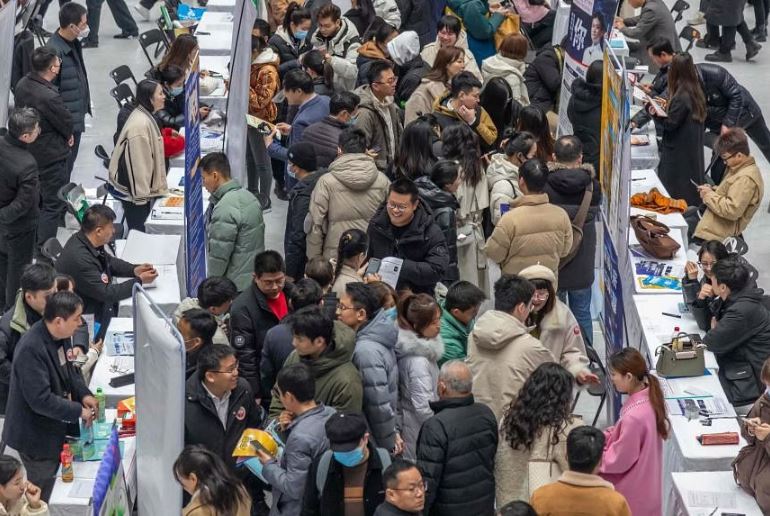
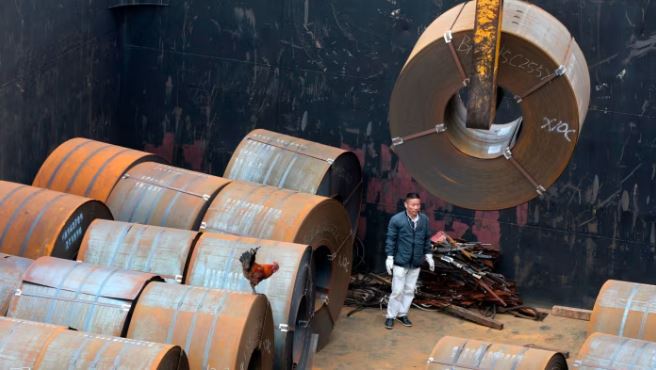
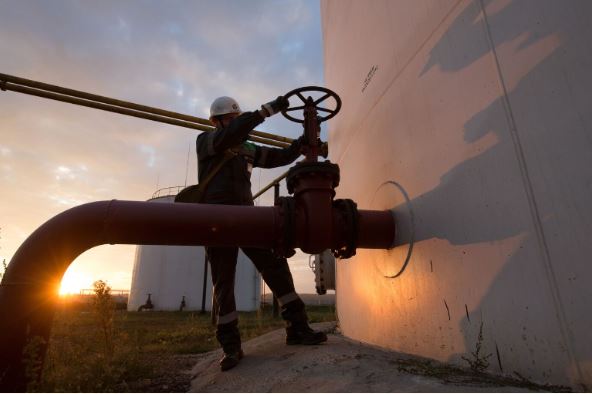
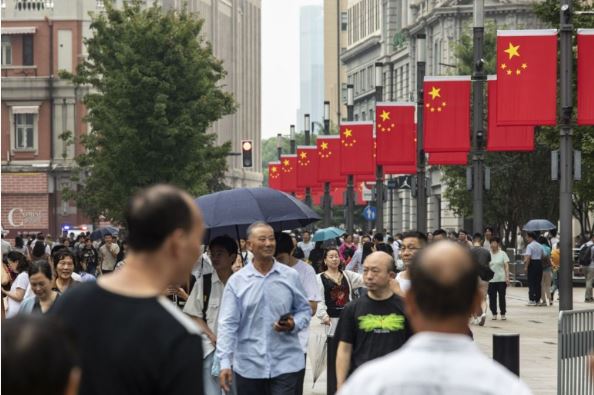
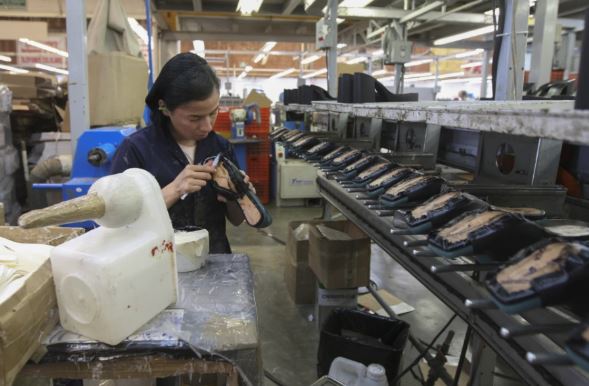
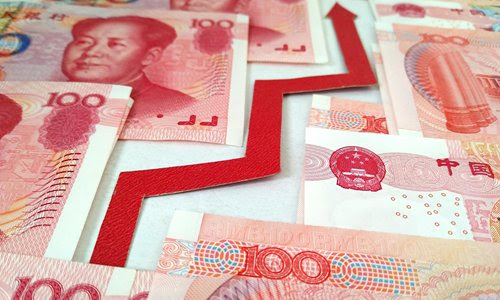
On 13 October, South China Morning Post reported that the International Monetary Fund trimmed its 2026 growth projection for China by 0.1 per cent to 4.5 per cent, warning that resilient exports could no longer fully offset weak domestic demand. The forecast, down from 4.6 per cent in July, sits at the lower end of Beijing's 4.5 to 5 per cent target, with growth expected to slow further to 4.0 per cent in 2027. The IMF cited sluggish consumption, weakening investment, and property sector strains, alongside higher oil prices projected at USD 130 a barrel from late 2026. Exports rose 25 per cent year-on-year to USD 401.44 billion in August, though analysts noted that capital-intensive export growth had limited gains for employment and household income. Beijing has stepped up support, including policy bank rate cuts, mortgage subsidies, and CNY 550 billion in local debt quotas.
("IMF revises its projection down for China's GDP this year, cautions on export reliance," South China Morning Post, 13 October 2026)
https://amp.scmp.com/economy/china-economy/article/3370586/imf-revises-down-projection-chinas-gdp-year-cautions-export-reliance
China draws strongest foreign investment in four years, as inflows jump 81 per cent
On 12 October, China Daily reported that net foreign direct investment inflows into China reached USD 60.9 billion in the first half of 2026, up 81 per cent year-on-year and the highest first-half level in four years, according to the State Administration of Foreign Exchange. Foreign direct equity investment rose 55 per cent to USD 63.8 billion, while reinvestment of earnings by foreign-invested enterprises increased 31 per cent, signalling stable willingness to expand operations. New capital contributions into high-tech services and manufacturing rose 61 per cent, indicating a shift towards participating in "Created in China." Loan repayments to overseas affiliates fell 62 per cent to USD 2.9 billion. Apple's Iris Cui said more than 80 per cent of its 200 major suppliers operate facilities in China. The administration plans further measures to ease cross-border cash pooling and capital-account procedures for multinational companies.
("Net FDI inflows in first half hit four-year high," China Daily, 12 October 2026)
https://www.chinadaily.com.cn/a/202610/12/WS6acd014fe4b06d4aa0562604.html
SCIENCE AND TECHNOLOGY
China explores molten salt energy for a more stable green power grid
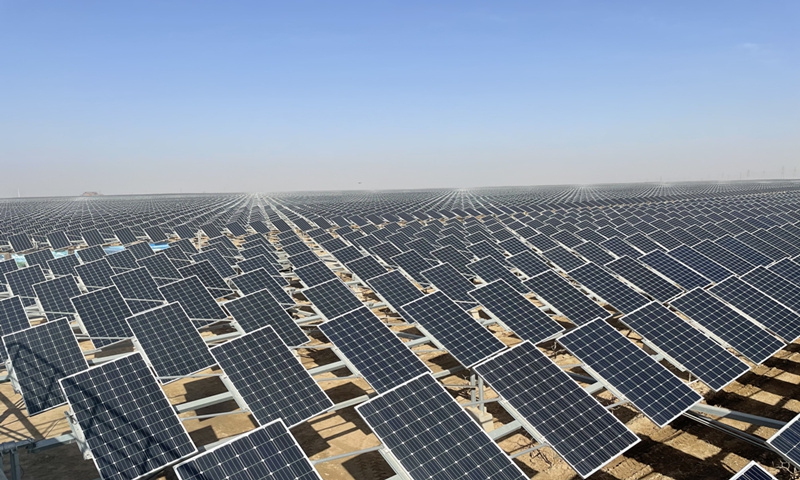
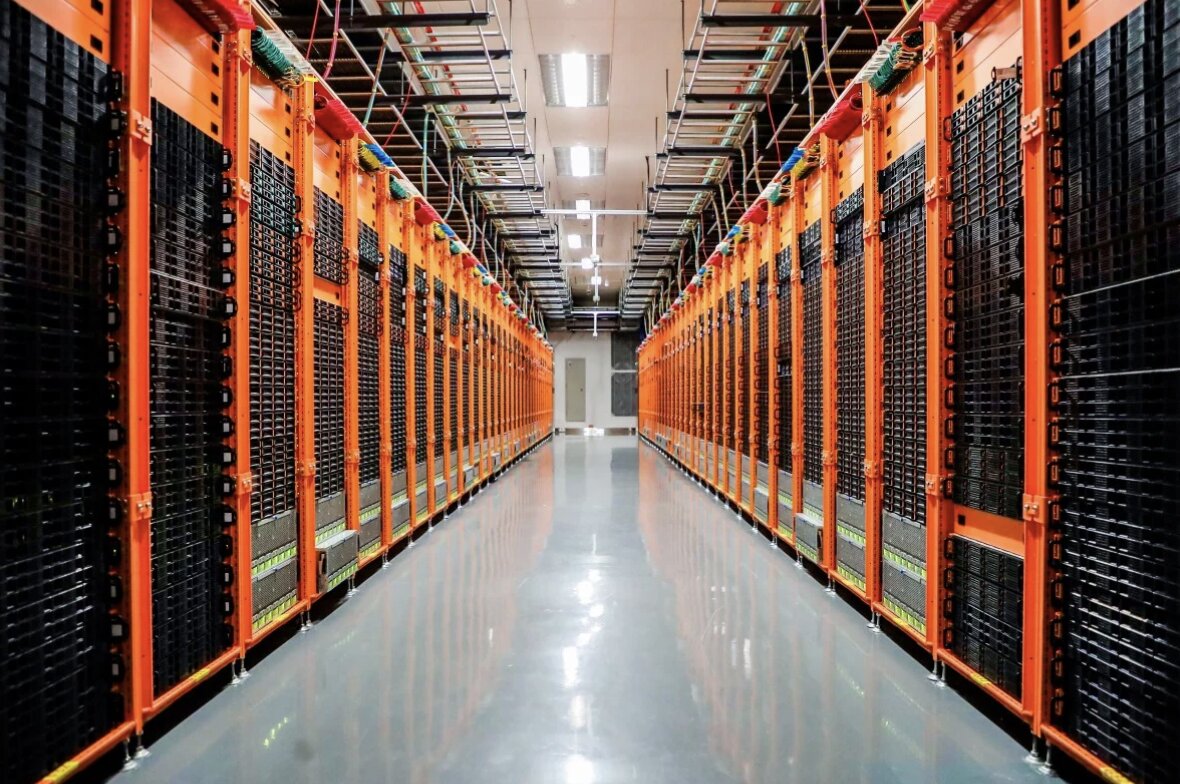
On 13 October, SCMP reported that China is exploring molten salt energy storage and supercritical carbon dioxide power generation to address the challenges created by its rapid expansion of renewable energy. As intermittent solar and wind power place greater pressure on electricity grids, these technologies could store surplus energy, reduce wastage and provide more stable power supplies. A demonstration project in Shandong combines molten-salt storage with supercritical carbon dioxide generation, seeking higher efficiency and greater grid flexibility. The initiative reflects China’s broader effort to develop next-generation energy infrastructure capable of integrating its expanding renewable capacity while strengthening energy security and supporting long-term decarbonisation goals.
(“China bets on molten salt and CO2 to help meet power needs,” SCMP, 13 October 2026)
https://www.scmp.com/plus/news/china/science/article/3370584/china-bets-molten-salt-and-co2-help-meet-its-power-needs?module=plus_label&pgtype=topic
Chinese researchers identify gene linked to evolution of human intelligence
On 12 October, Global Times reported that a research team from the Kunming Institute of Zoology of the Chinese Academy of Sciences had identified a new gene associated with the evolution of human intelligence. The gene, identified as CCNB1IP1, is an essential component for the ‘folds’ on the human brain’s surface. These folds, known as cerebral gyri and sulci, have a “walnut-like patterns,” allowing the cerebral cortex to be folded and compressed inside the limited space of the human skull, thereby expanding the cortex’s total surface area and thus increasing the brain’s information storage and logical processing capacity. The Chinese research team introduced the CCNB1IP1 gene into mice, whose brains are naturally ‘smooth,’ and soon developed cerebral cortex folds resembling those of primates. The gene-modified mice showed significant improvements in memory abilities according to the team's findings. The lead researcher of the team, Shi Lei, stated that the CCNB1IP1 gene showed a unique evolutionary pattern before it arrived in the brains of primates, and with its introduction to primates, it increased folding complexity by elevating levels of neural progenitor cells and increasing the amount of neuron generation.
(“Chinese scientists identify key gene linked to evolution of human intelligence, develop brain folds in mice,” Global Times, 12 October 2026)
https://www.globaltimes.cn/page/202610/1372088.shtml
CHINA AND TAIWAN
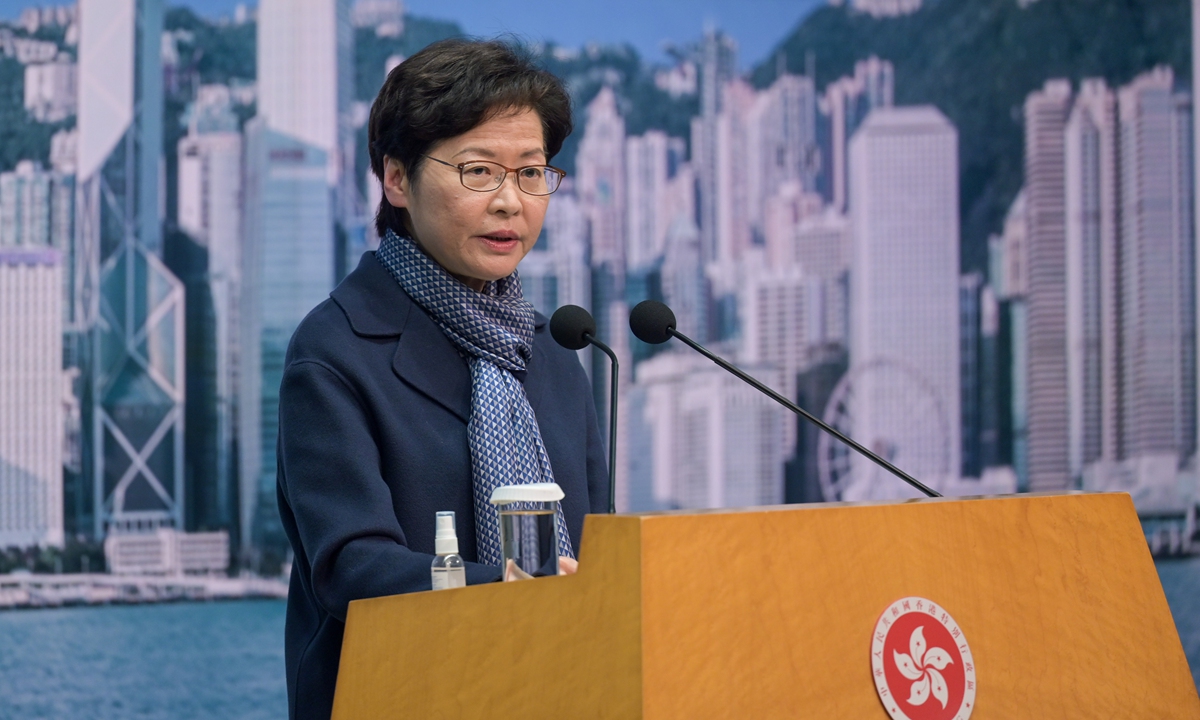
Taiwan’s Finance Minister to attend APEC meeting in Hong Kong
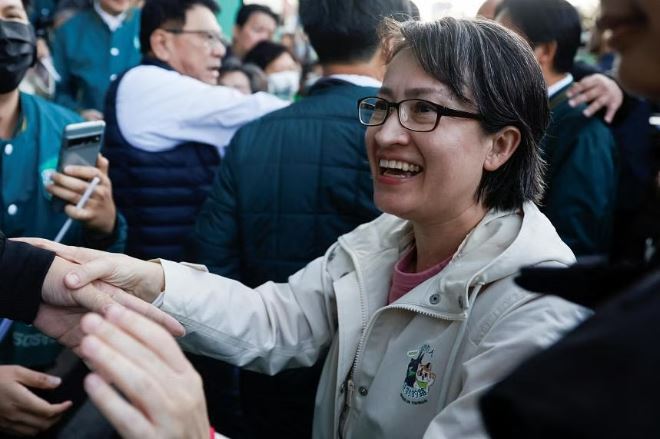
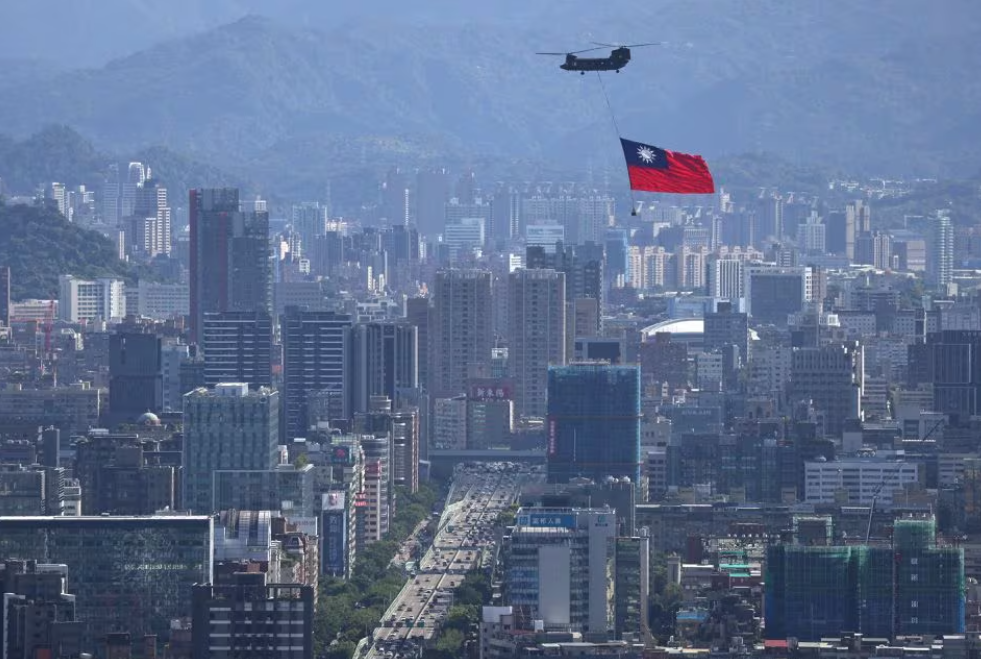
On 13 October, Reuters reported that Taiwan’s Finance Minister Chuang Tsui-yun is expected to attend the Asia-Pacific Economic Cooperation meeting of finance ministers in Hong Kong from 20-21 October. The AEPC group is one of the very few international bodies which include Taiwan, with the leaders' summit being scheduled in November in Shenzhen, China. Taiwan’s Finance Ministry stated that Chuang will attend the summit “as is customary”, and is expected to go under the name “Chinese Taipei,” which is usually used by Taiwan in international forums.
(“Taiwan finance minister to attend APEC meeting in Hong Kong,” Reuters, 13 October 2026)
https://www.reuters.com/world/china/taiwan-finance-minister-attend-apec-meeting-hong-kong-2026-10-13/
CHINA AND SOUTH ASIA
Opinion
Samara Bukhari, “CPEC is fertile ground for food security," China Daily, 13 October 2026
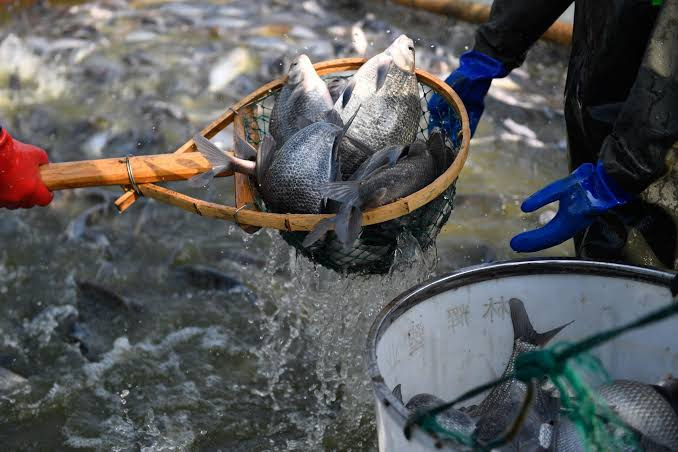
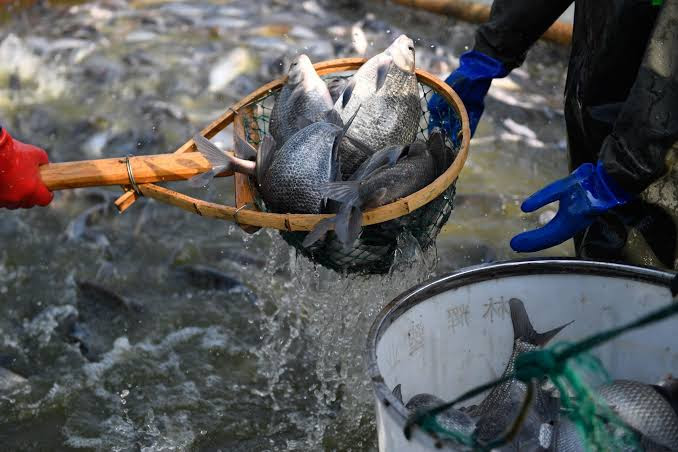
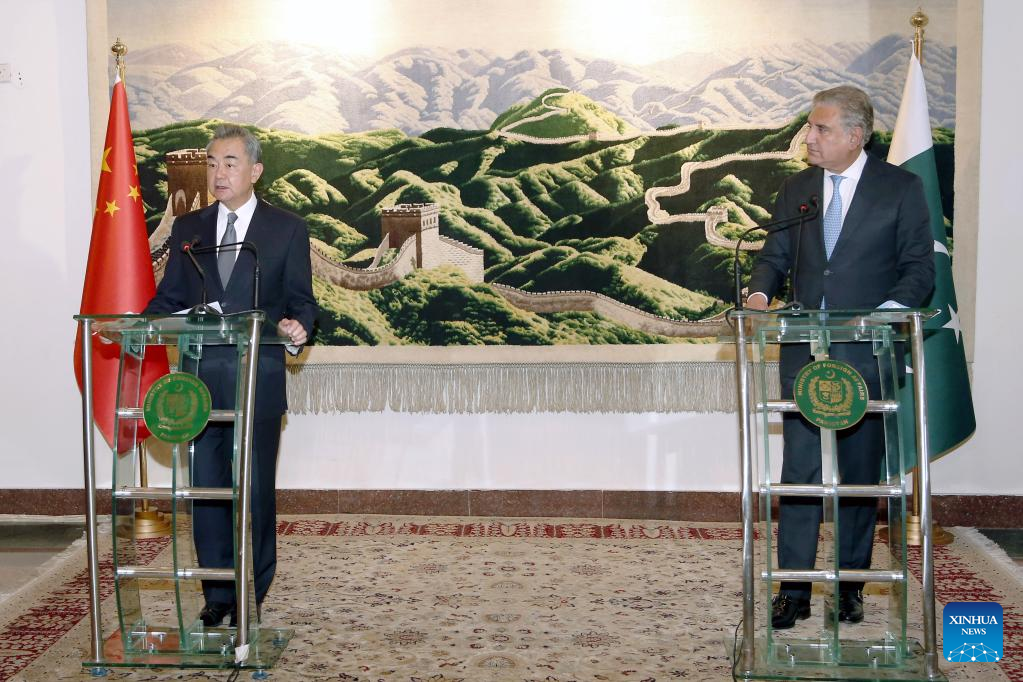
“Agriculture influences inflation, livelihoods, social stability, trade balances and the resilience of economies. For China and Pakistan, agricultural cooperation should be more than just a facet of bilateral trade. It can be a strategic pillar of the China-Pakistan Economic Corridor 2.0, embodying their shared interest in development and stability. But there are several challenges to overcome. First, food security is increasingly vulnerable to risks beyond the farm. Climate change is altering rainfall, increasing heat stress and intensifying floods and droughts. The second problem is the inefficient use of agricultural resources in Pakistan. Third, food security does not end when a crop leaves the field. Inadequate storage, transportation, processing and cold-chain infrastructure can lead to significant loss in value. Fourth, agricultural cooperation requires joint institutions and long-term knowledge exchange. Encouragingly, the foundation of such cooperation already exists. The Joint Working Group on Agricultural Cooperation under CPEC has expanded to technology, mechanization, seed development, processing, fisheries and capacity building. But these challenges also present an opportunity for mutually beneficial investment. Pakistan's agricultural exports could become more competitive in China, while Chinese enterprises could engage in processing, logistics, machinery, seeds, biotechnology and smart agriculture. For Pakistan, stronger food security reinforces economic resilience; for China, deeper agricultural cooperation with a neighbor diversifies supply chains and presents new investment opportunities."
China and Pakistan to hold joint army drill in Xinjiang
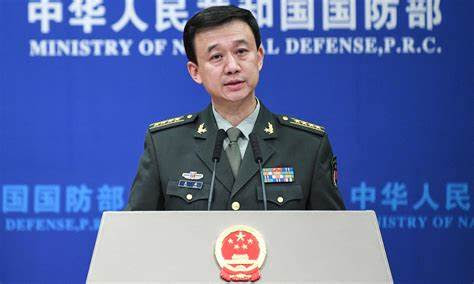
On 11 October, India Today reported that China and Pakistan would hold a joint military exercise in Xinjiang later this month. The drill, called Karakoram 2026, is scheduled to be held in Korla. A spokesperson for the China Defence Ministry, Senior Colonel Chen Xi, said that the exercise would help both sides improve cooperation and strengthen interoperability in counter-terrorism operations. This drill marks a broadening of China- Pakistan military cooperation, from maritime and air exercises to army training with a focus on counter-terrorism coordination. Countering drone attacks is also expected to be a focus of Karakoram 2026. Military affairs expert Zhang Jueshe stated the first joint army training showed growing mutual military trust between China and Pakistan, and would deepen bilateral cooperation. The exercises are the first joint military training between the two allies since the military confrontation between Pakistan and India last year.
(“China, Pakistan to hold first joint army drill in Xinjiang this month," India Today, 11 October 2026)
https://www.indiatoday.in/world/story/china-pakistan-first-joint-army-drill-xinjiang-karakoram-2026-ptag-3015122-2026-10-11
Bangladesh signs concessional loan agreement with China to modernise seaport near Indian border
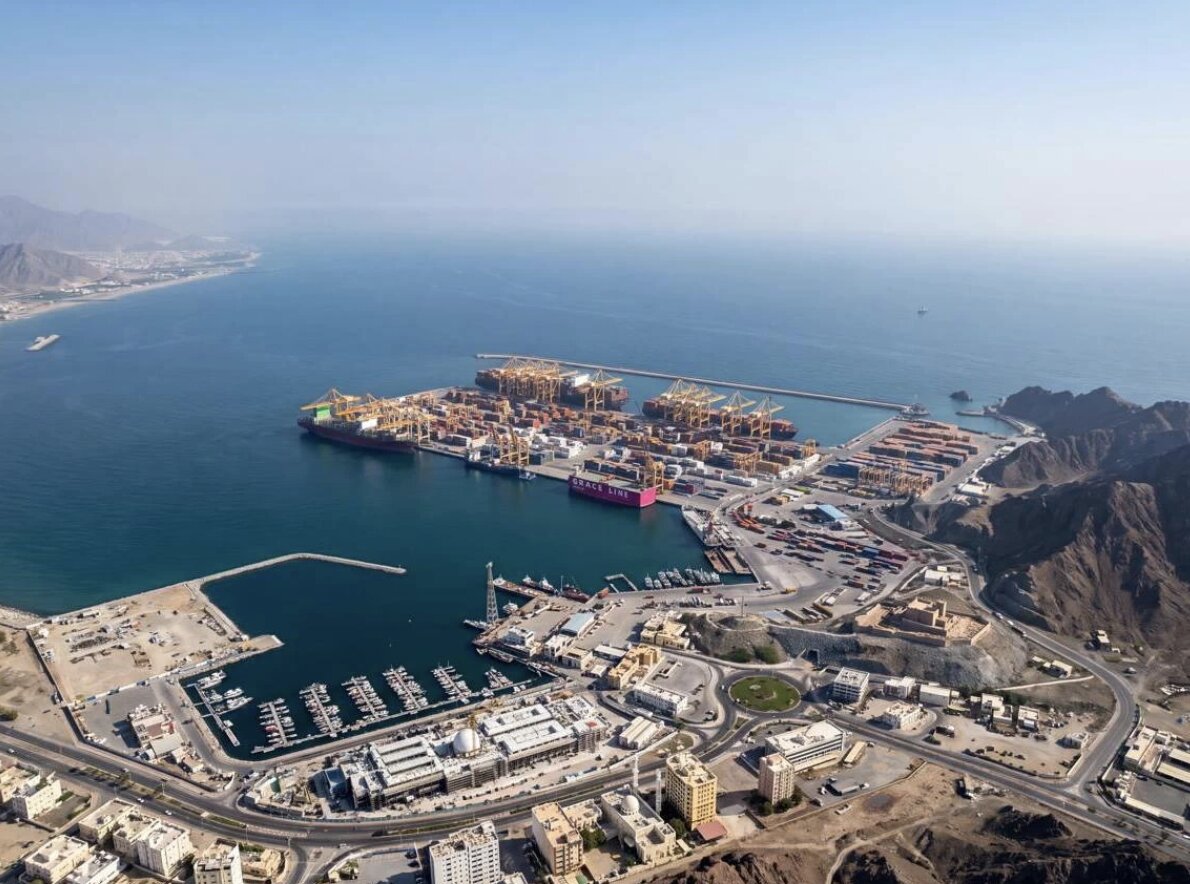
On 12 October, The Indian Express reported that Dhaka had signed a USD 335.78 million concessional loan with Beijing to modernise its southwestern Mongla Port, expanding its capacity and infrastructure. The port, located 80 kilometres west of the Indian border, 71 nautical miles upstream from the Bay of Bengal, is the second-largest seaport after Chattogram. This agreement follows an understanding reached between Bangladesh and China during Prime Minister Tarique Rahman's visit to Beijing in June. This development comes a year after the Muhammad Yunus-led interim government called off an Indian Economic Zone project planned on 110 acres of land near the same port, suggesting that the Indian government-nominated developer had failed to begin physical construction within the stipulated timeframe. India, in the past, has flagged concerns over China's expanding footprint in Bangladesh, with projects in strategically significant areas drawing particular attention because of their proximity to Indian territory.
("Bangladesh signs USD 335 million loan agreement with China to modernise sea port near Indian border," The Indian Express, 13 October 2026)
https://www.newindianexpress.com/world/2026/Oct/12/bangladesh-signs-usd-335-million-loan-agreement-with-china-to-modernise-sea-port-near-indian-border-2
Opinion
Gaurav Kumar, “Despite a China-India thaw, military relations are stuck in 2020,” South China Morning Post, 12 October 2026
“On 12 October, the South China Morning Post reported that the Sino-Indian thaw has encompassed every facet except the military, as direct flights have returned and border points have been reopened, with trade standing at USD 100 billion a year. Both the Chinese and the Indian armies suffered from asymmetric information about each other’s intentions in Galwan, with both countries paying for that gap. To ease ties, the Hand-in-Hand exercises need to be revived so that Chinese and Indian soldiers see themselves as compatriots and not adversaries. There need to be regular exchanges between India’s Defence Services Staff College at Wellington and China’s PLA Army Command College in Nanjing. The exchanges would let them study each other’s doctrine firsthand. Third could be closer humanitarian assistance and disaster relief cooperation.”
CHINA AND THE MIDDLE EAST
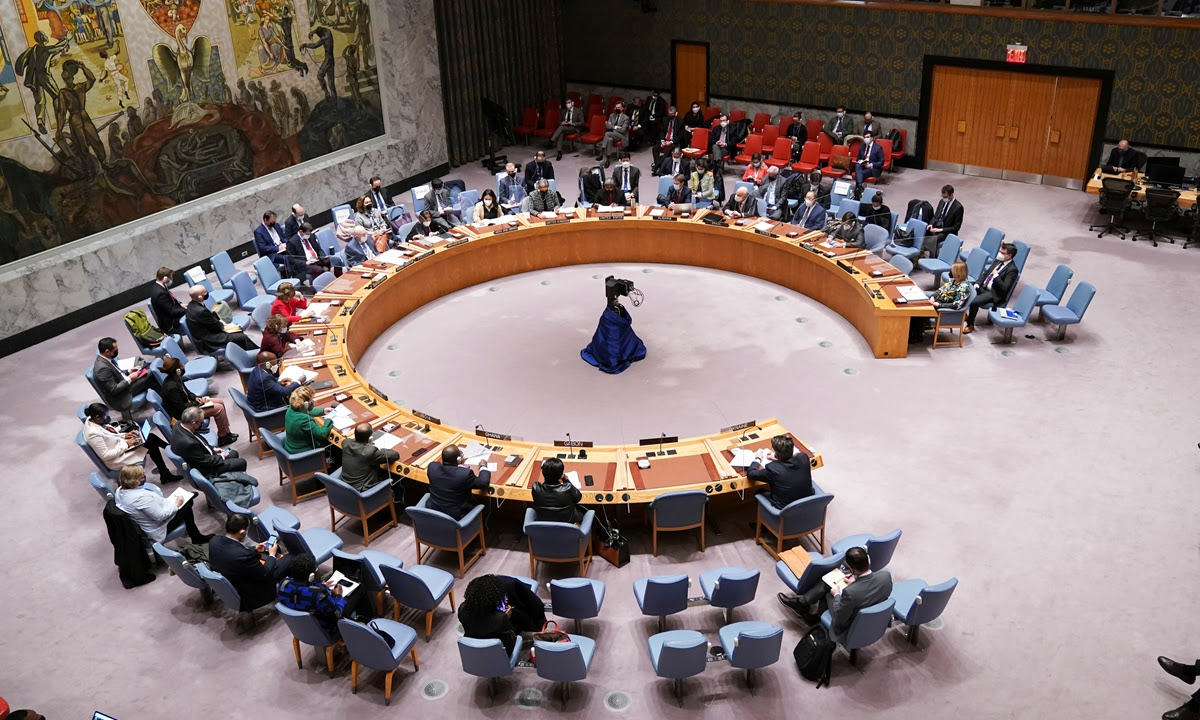
China cautions against escalation, urges dialogue in Middle East after Houthis attack
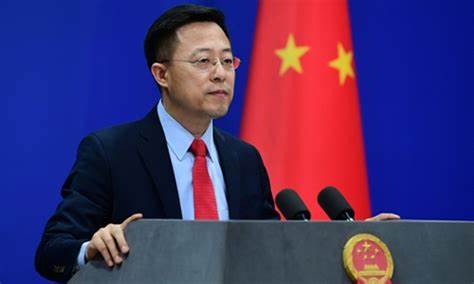
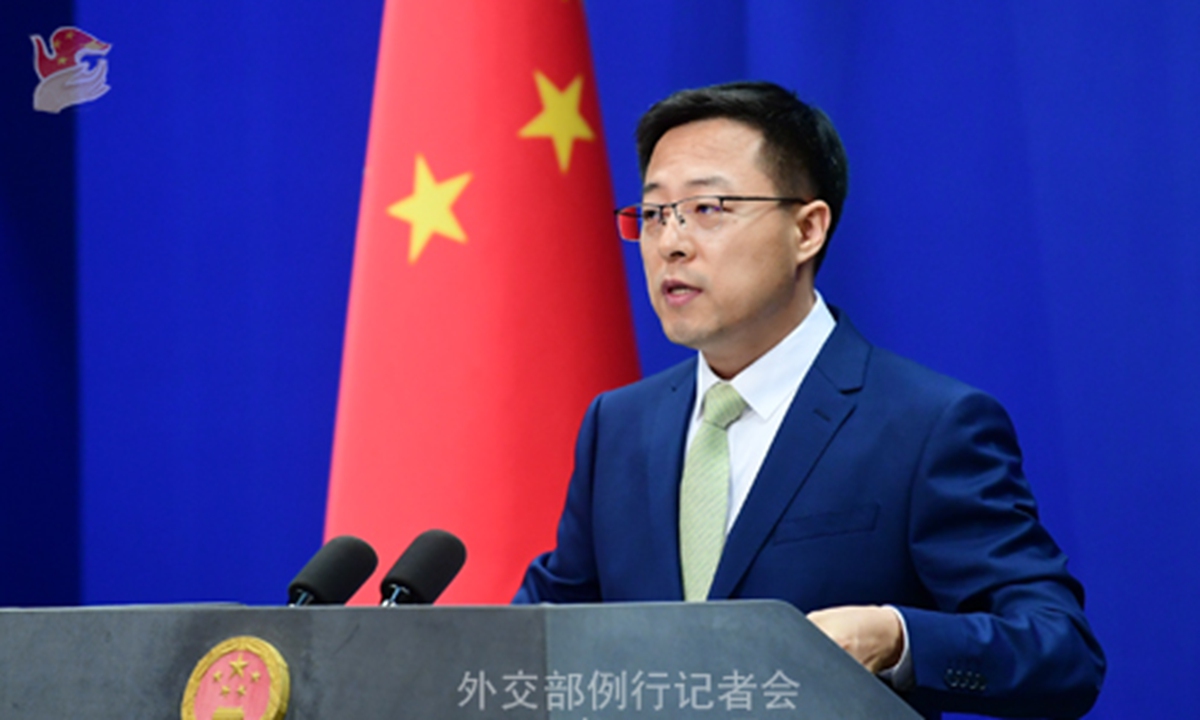
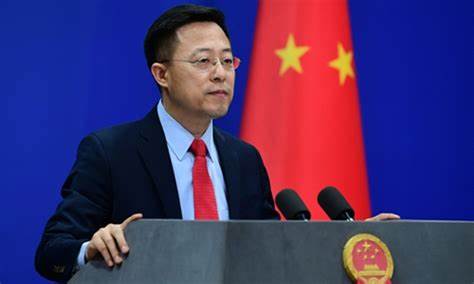
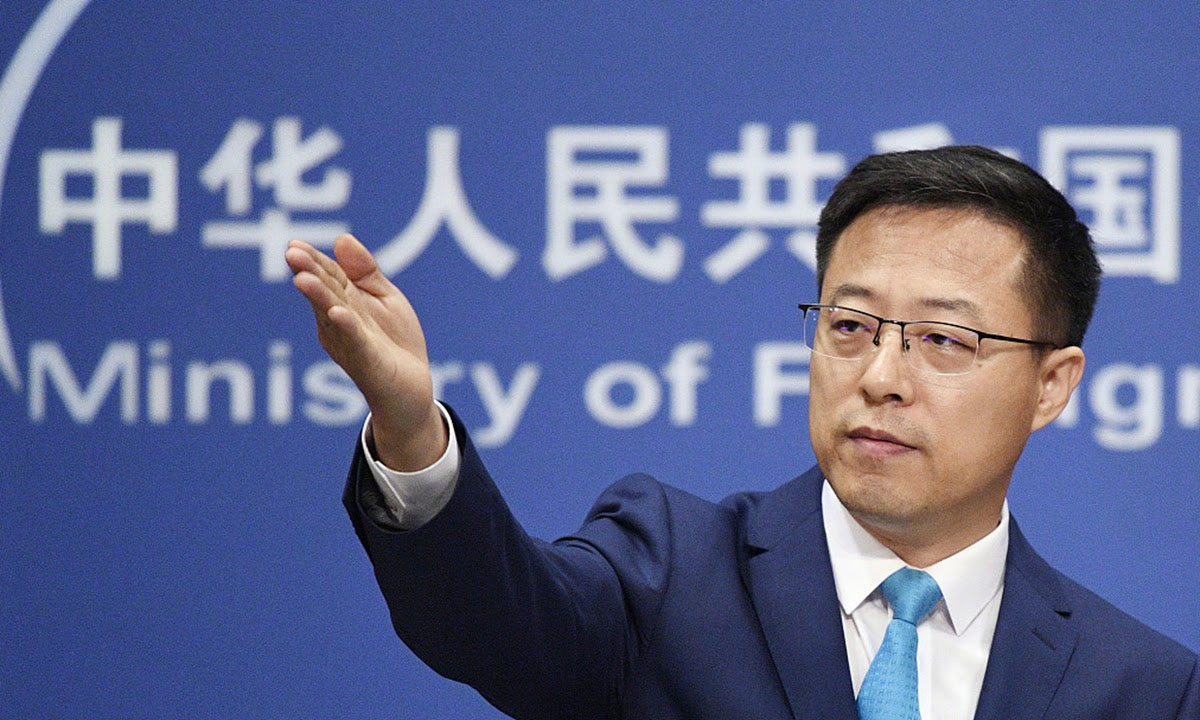
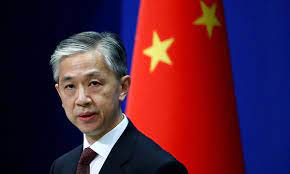
On 12 October, Anadolu Agency reported that China’s Foreign Ministry cautioned against escalating regional tensions in the Middle East and urged dialogue and negotiations after Yemen’s Houthis struck Saudi Arabia’s Riyadh airport, killing 14. Ministry Spokesperson Mao Ning stated that China is “seriously concerned about the significant casualties caused by the attack and the escalation of the conflict,” and called for resolving differences and disputes for peace and stability in the region.
(“China warns against escalation, urges dialogue after Houthi attacks on Riyadh airport,” Anadolu Agency, 12 October 2026)
https://www.aa.com.tr/en/asia-pacific/china-warns-against-escalation-urges-dialogue-after-houthi-attacks-on-riyadh-airport/4085882
CHINA AND EUROPE
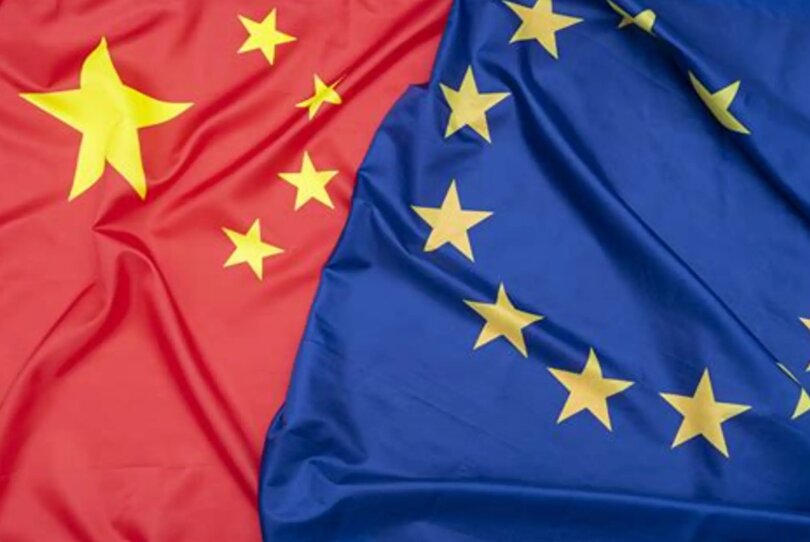
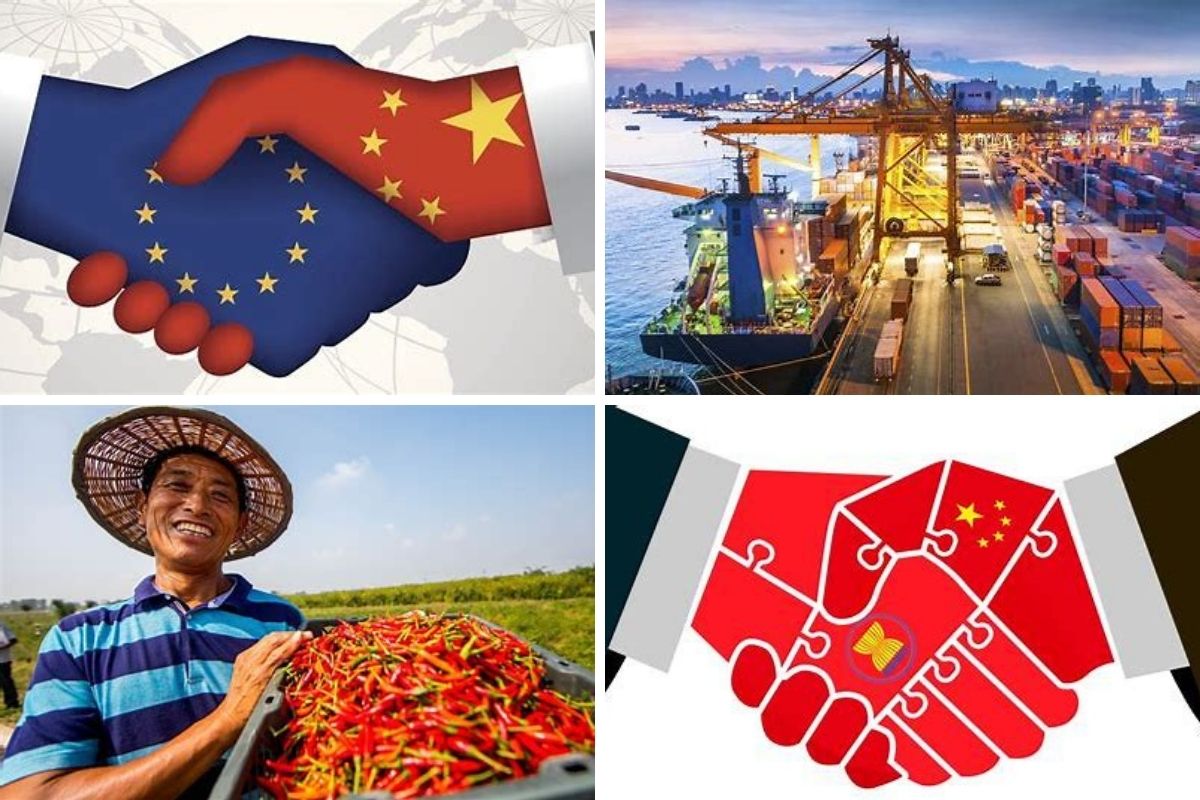
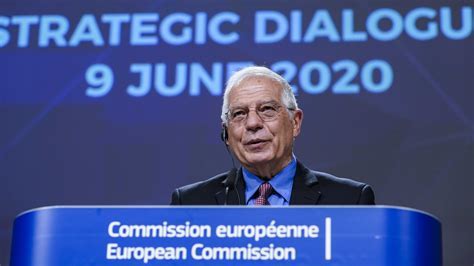
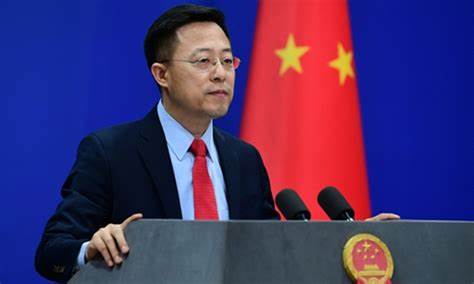
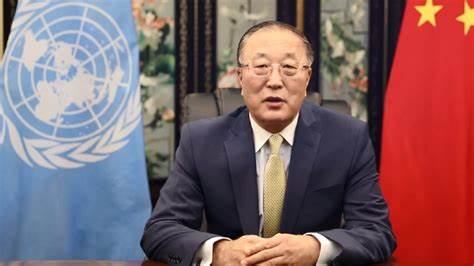
EU plans new trade defences, as it seeks to reduce dependence on China
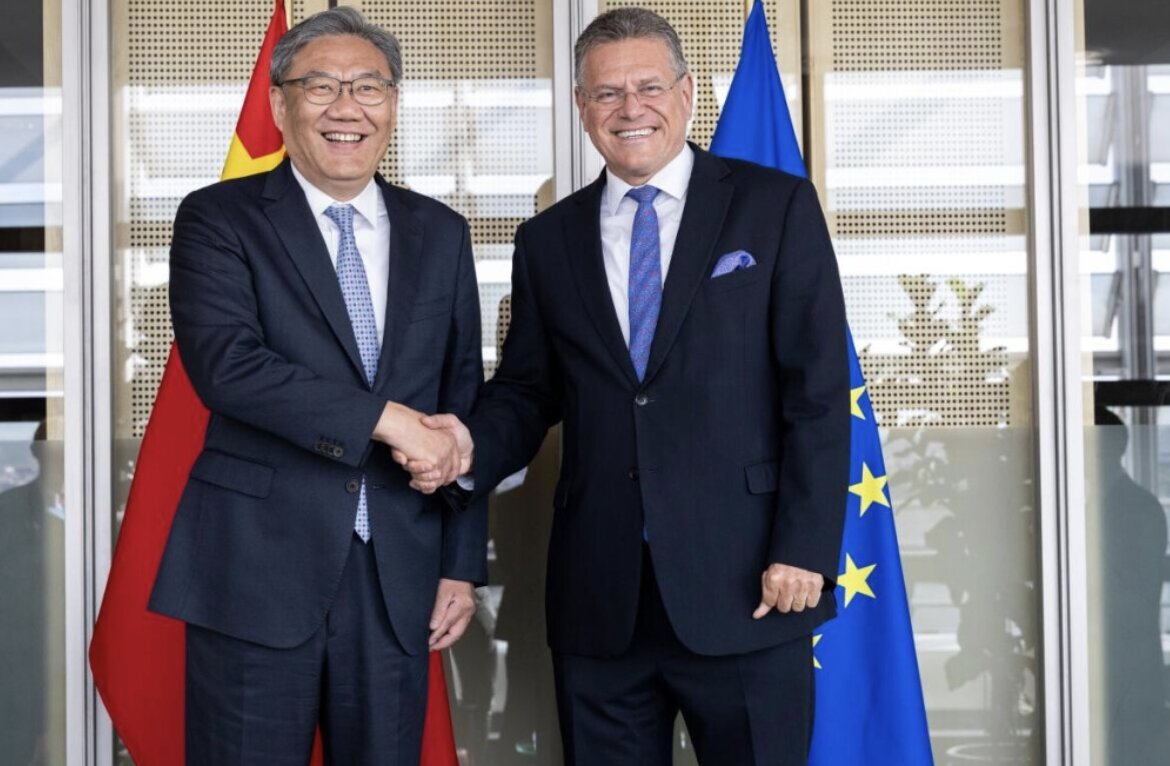
On 12 October, Reuters reported that the European Commission plans to unveil new trade defence initiatives in December to address the EU’s persistent trade deficit with China and reduce dependence on single suppliers for critical goods. The move follows an agreement limiting Chinese hybrid car imports to 350,000 annually, with a 6 per cent yearly increase over four years, potentially halving the market share of Chinese-built EVs in the European market. The proposed measures will diversify critical supply chains and support European industries.
(“EU eyes December trade initiatives after China car import deal,” Reuters, 12 October 2026)
https://www.reuters.com/business/autos-transportation/eu-eyes-december-trade-initiatives-after-china-car-import-deal-2026-10-12/
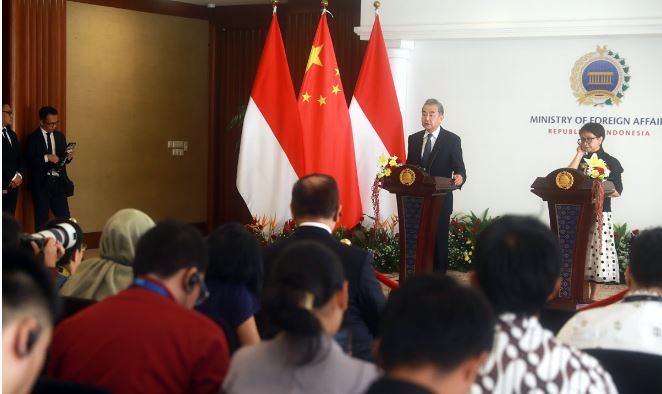
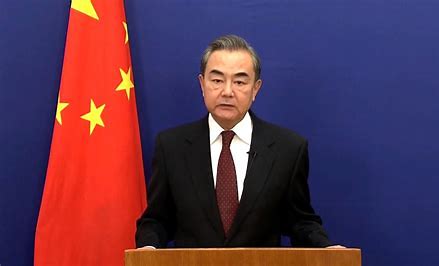
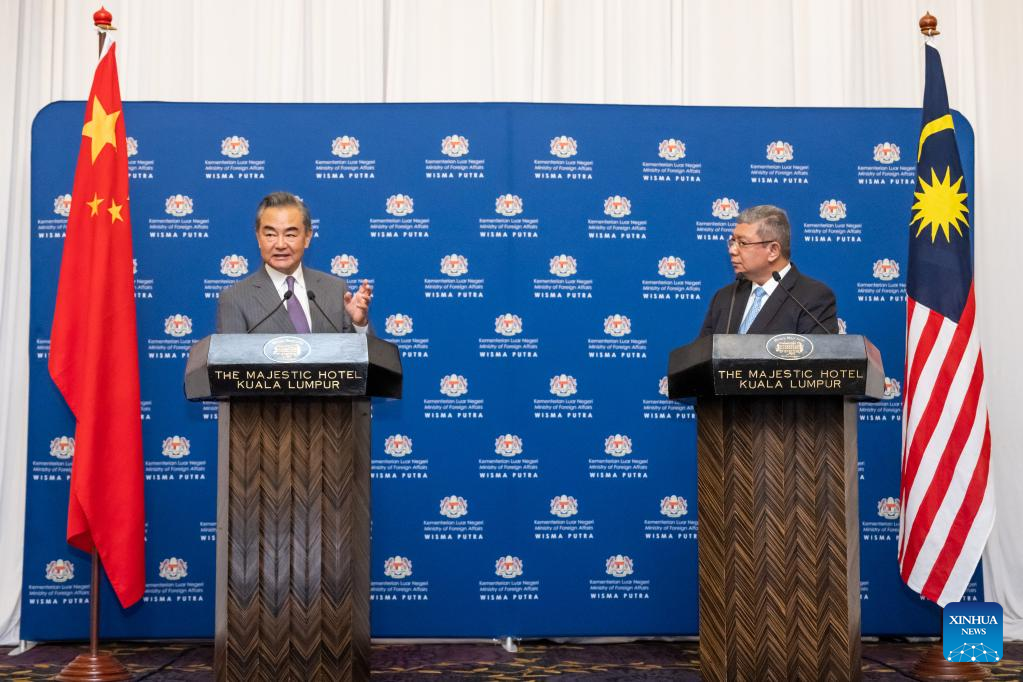
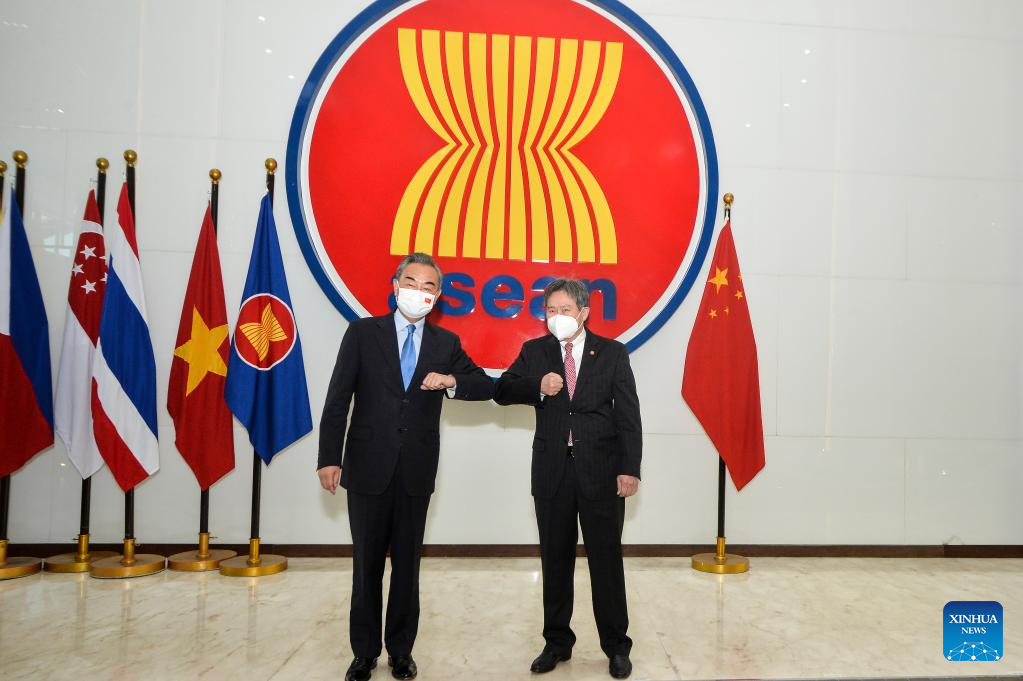
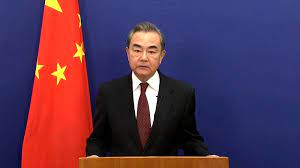
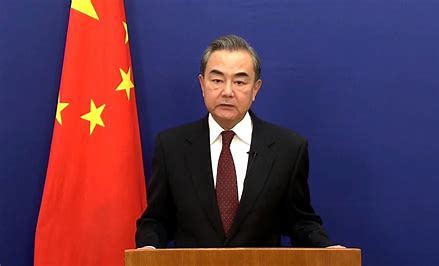
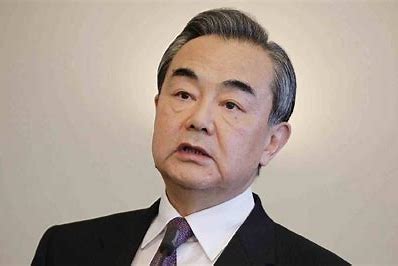
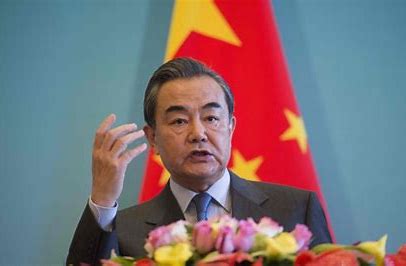
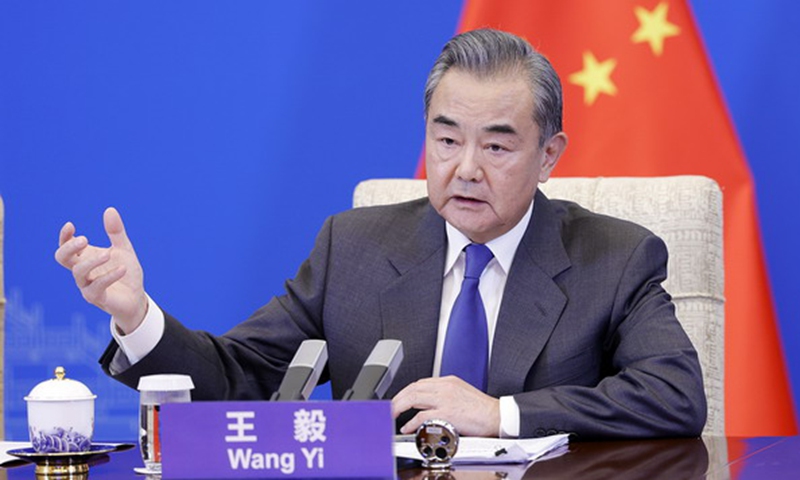
Wang Yi to undertake a tour to four countries to strengthen China’s ties with connectivity
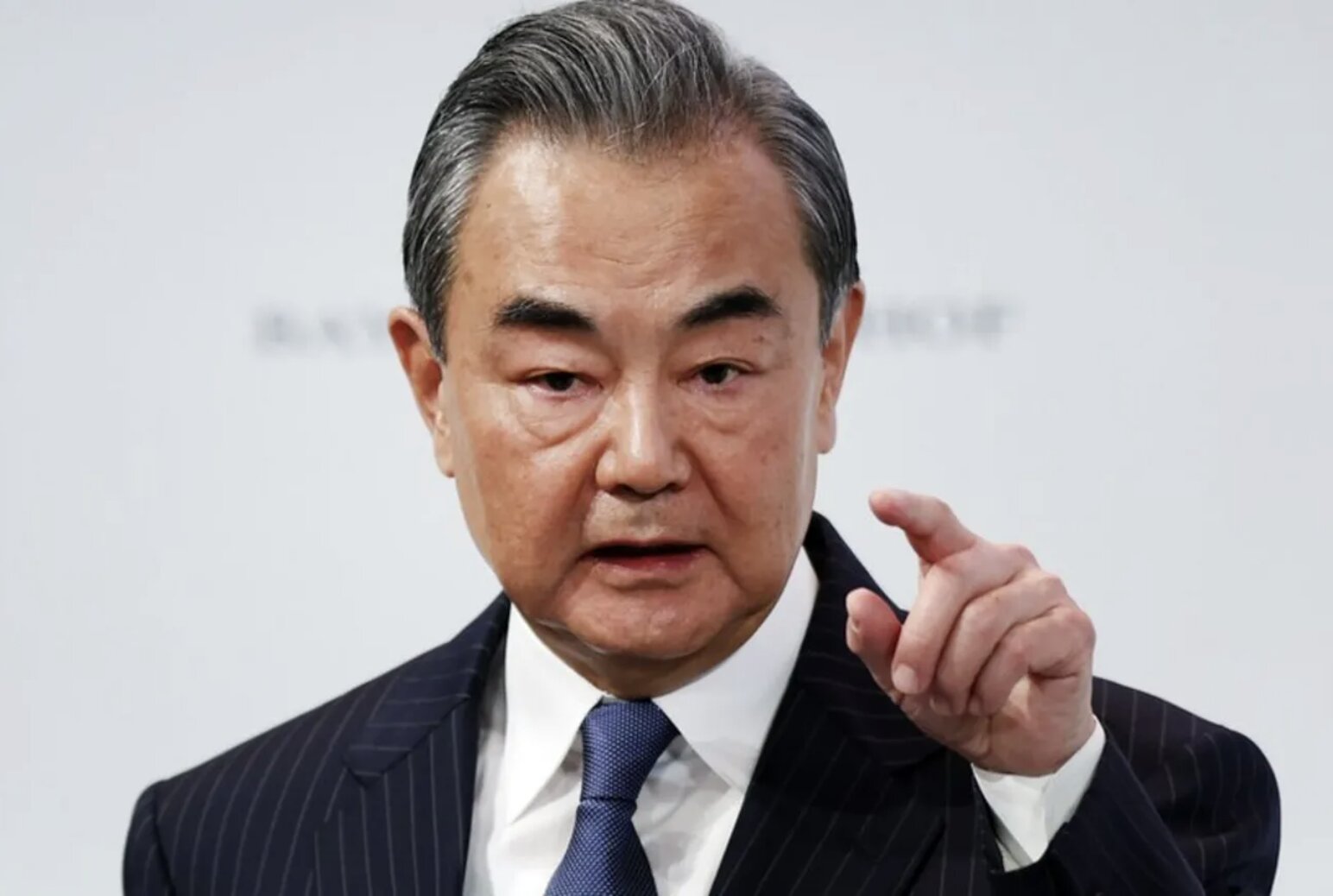
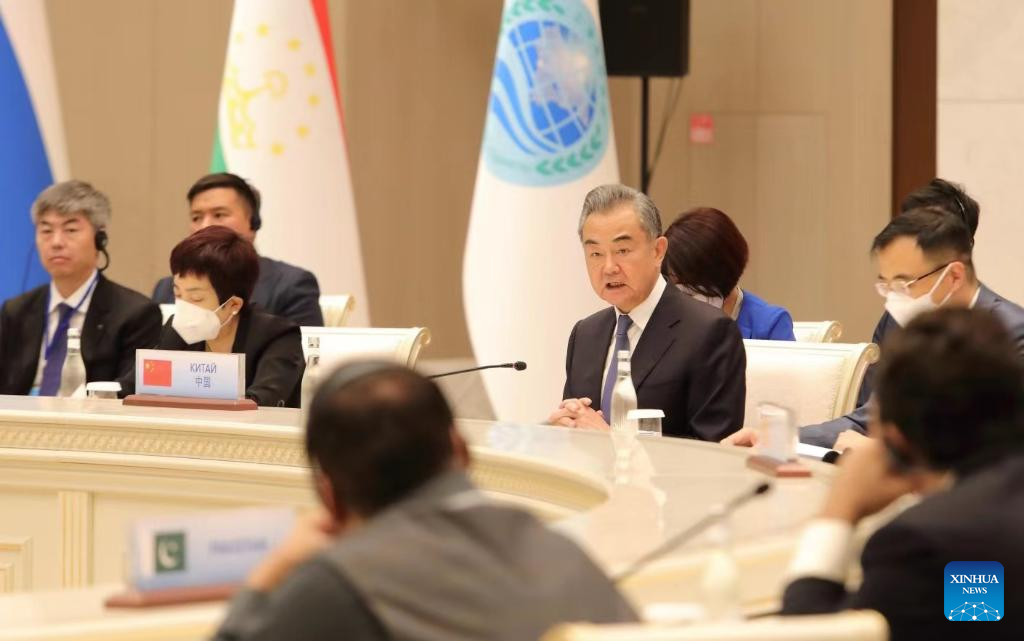
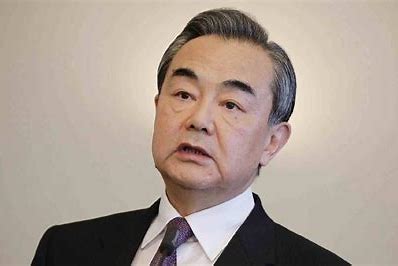
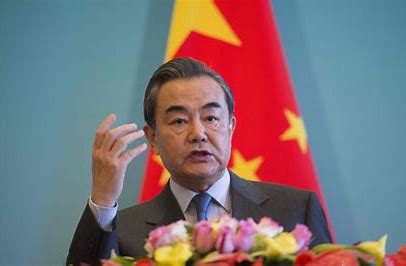
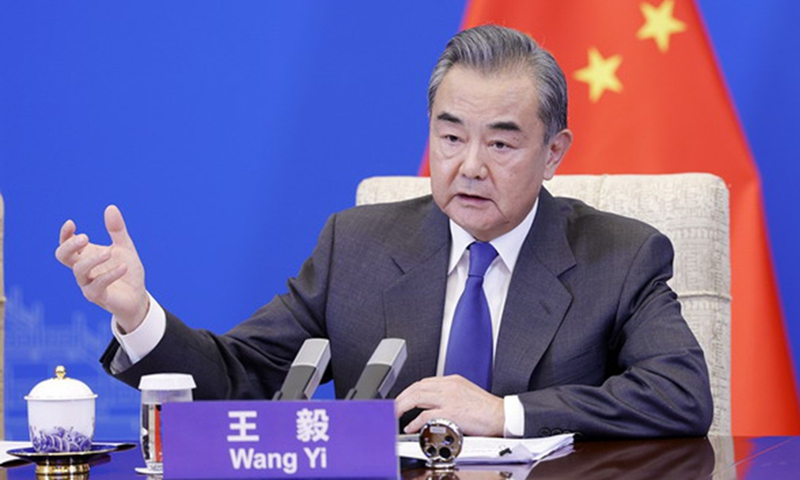
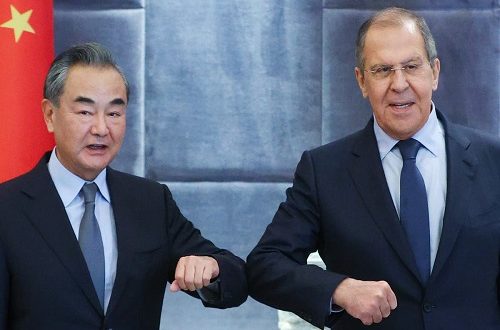
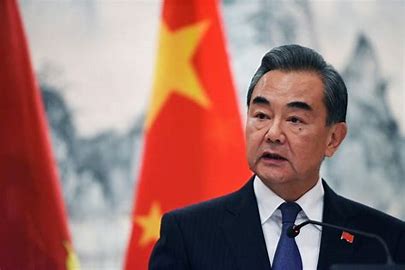
On 12 October, SCMP reported that China’s Foreign Minister Wang Yi will visit Azerbaijan, Croatia, Montenegro and Bulgaria from 14-20 October, reflecting Beijing’s efforts to deepen political ties and strengthen Eurasian trade corridors. In Baku, Minister Wang will represent President Xi Jinping at the Conference on Interaction and Confidence-Building Measures in Asia (CICA) summit, promoting multilateralism and regional cooperation. The tour also highlights China’s interest in the Middle Corridor, which connects China with Europe while bypassing Russia. In the Balkans, Minister Wang will seek stronger trade, investment and infrastructure cooperation, building on Belt and Road projects such as Montenegro’s North-South highway and Croatia’s Peljesac Bridge.
(“China’s top diplomat to visit Azerbaijan, Croatia, Montenegro and Bulgaria to boost ties,” SCMP, 12 October 2026)
https://www.scmp.com/news/china/diplomacy/article/3370626/chinas-top-diplomat-visit-azerbaijan-croatia-montenegro-and-bulgaria-boost-ties
CHINA AND THE AMERICAS
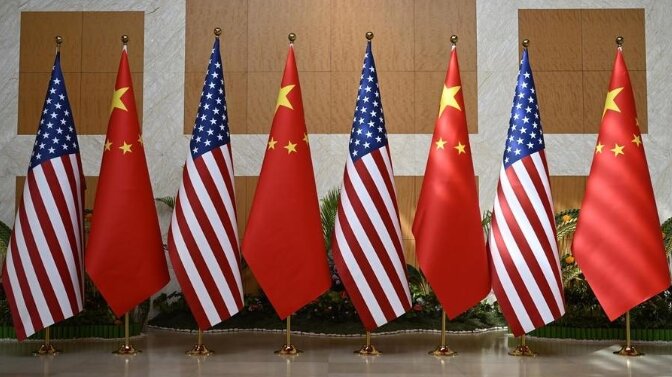
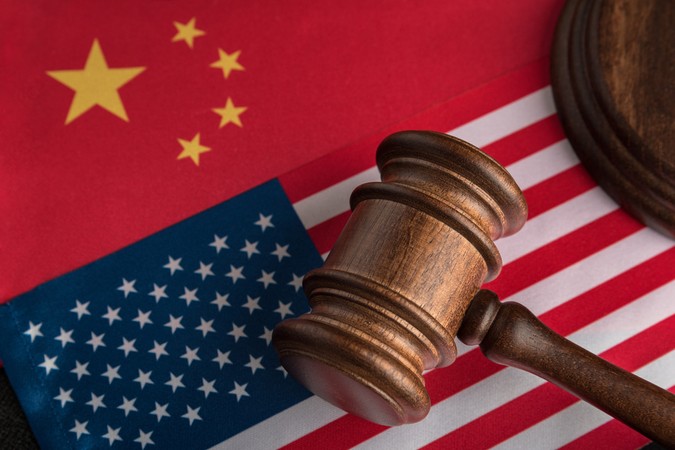
Washington condemns Beijing’s sanctions on Belize and Paraguay over Taiwan ties
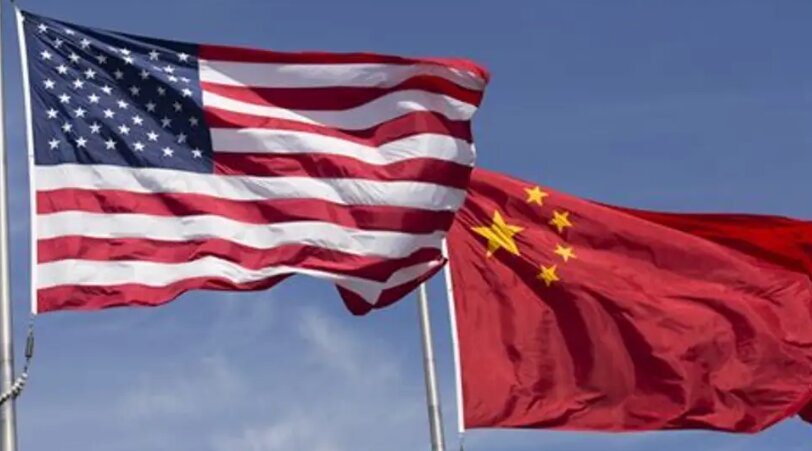
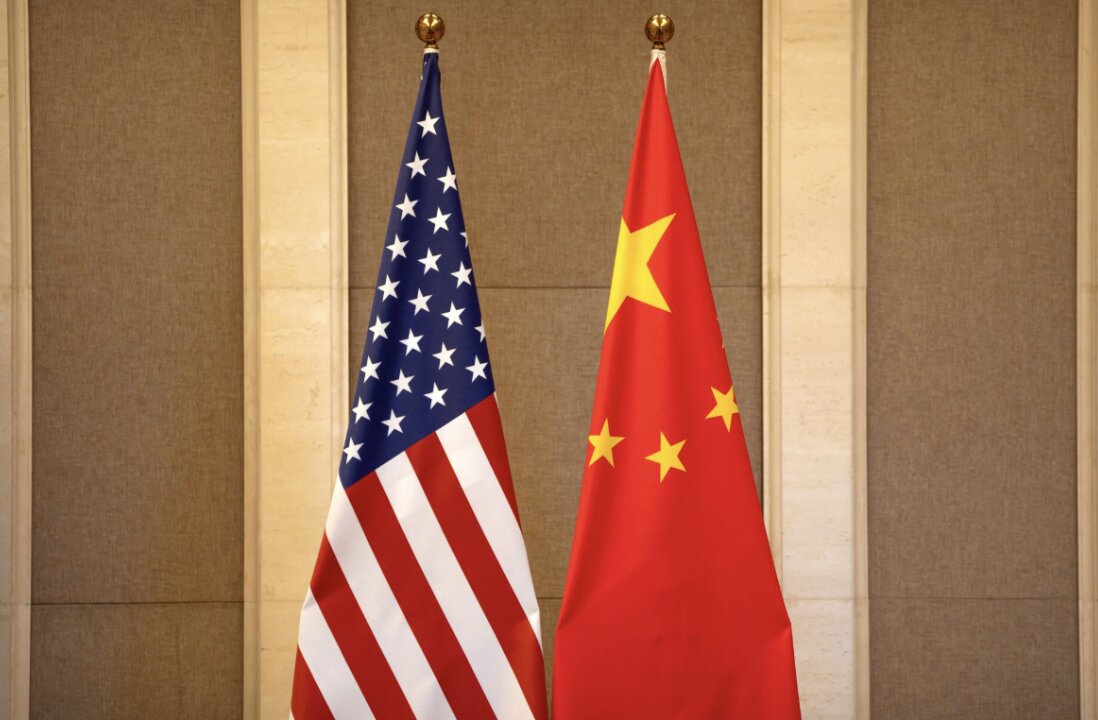
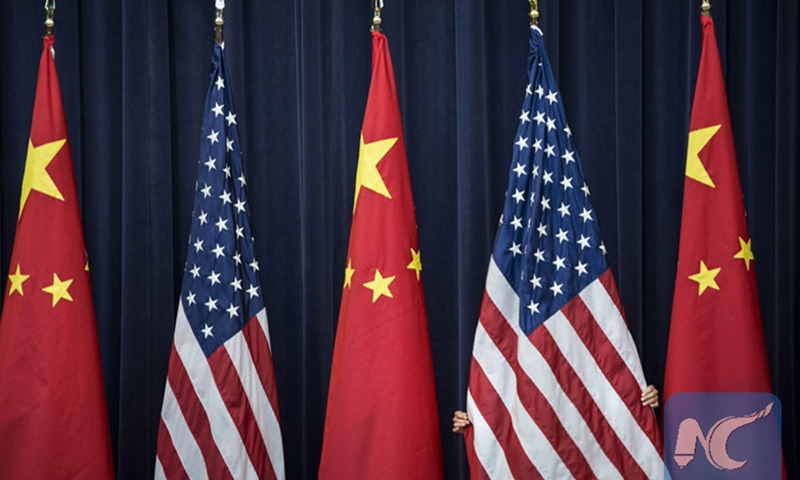
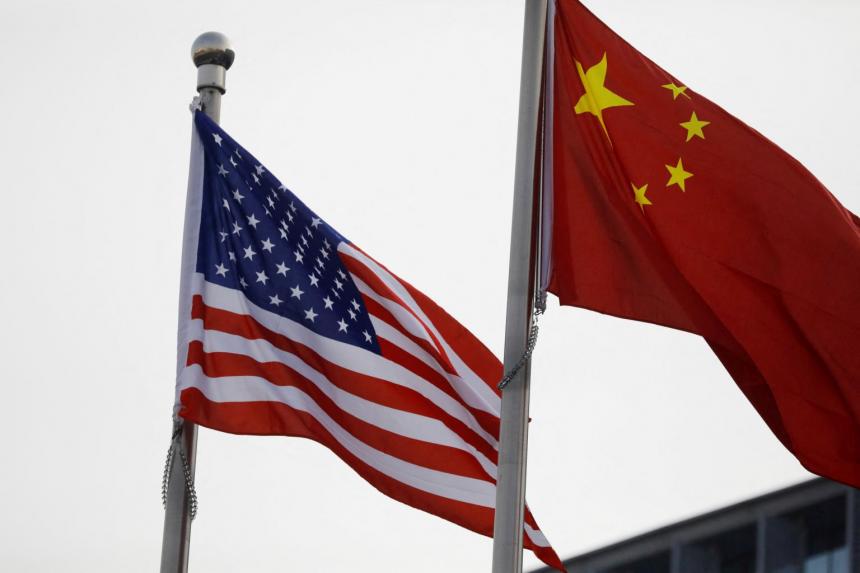
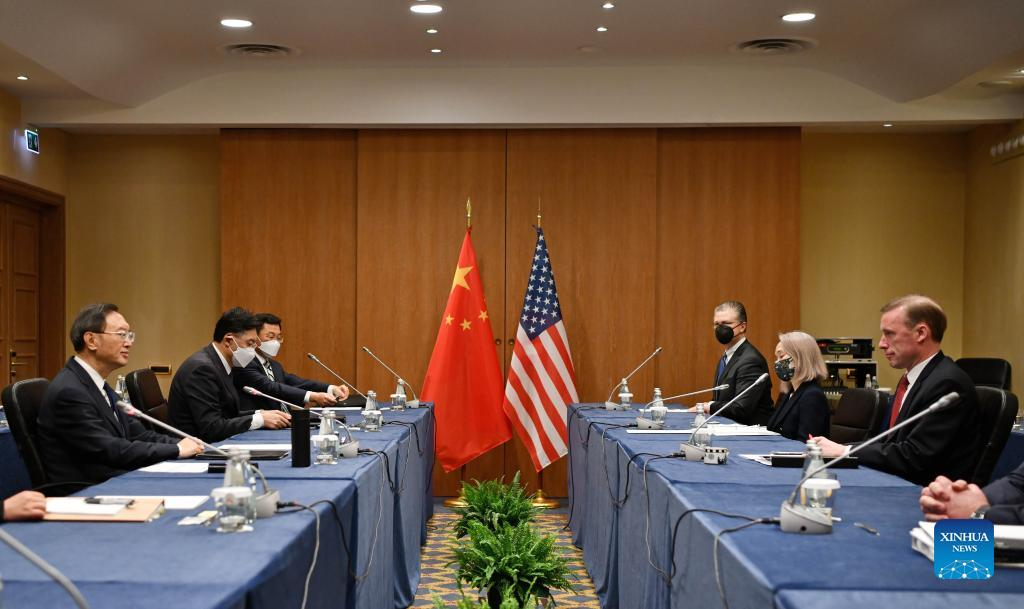
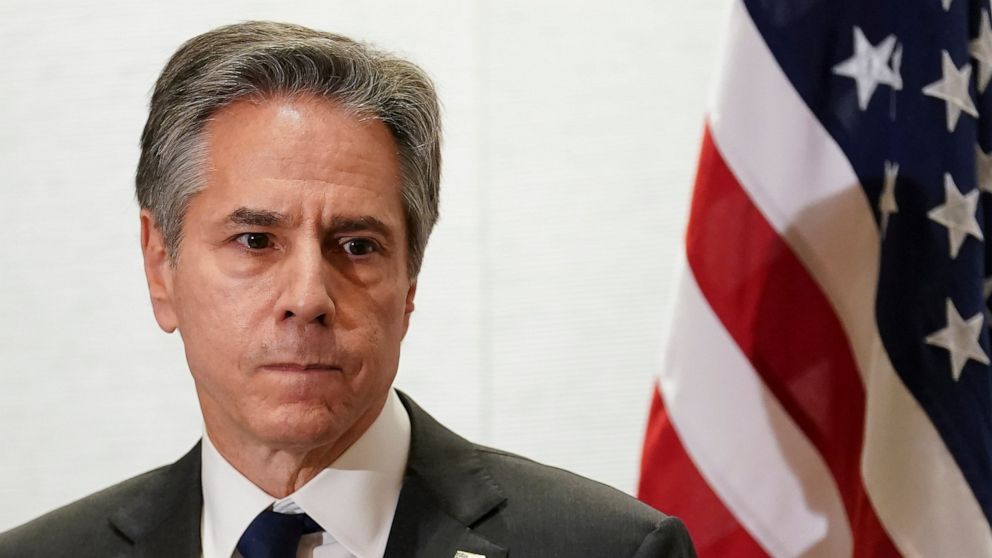
On 13 October, Reuters reported that the United States has condemned China’s sanctions against ministers from Belize and Paraguay, two of Taiwan’s 12 remaining diplomatic allies, describing Beijing’s actions as “coercion and aggression” against sovereign states. Washington’s response reflects broader concerns about China’s attempts to isolate Taiwan diplomatically and expand its influence in Latin America. Beijing defended its position and warned the US against encouraging Taiwanese separatism. Taiwan, meanwhile, accused China of extending “transnational repression” to its diplomatic partners and pledged to resist authoritarian pressure, as Beijing continues efforts to persuade Taiwan’s remaining allies to switch recognition.
(“US says it opposes Chinese 'coercion', after Belize, Paraguay ministers sanctioned,” Reuters, 13 October 2026)
https://www.reuters.com/world/china/us-says-it-opposes-chinese-coercion-after-belize-paraguay-ministers-sanctioned-2026-10-13/




























.png)
.jpg)
.jpg)
.jpg)
.jpg)
.jpg)
.jpg)
.jpg)
.jpg)
.jpg)
.png)
.jpg)
.jpg)
.jpg)
.jpg)
.jpg)
.jpg)
.jpg)

.jpg)
.jpg)
.jpg)
.jpg)
.jpg)

.jpg)
.jpg)
.jpg)
.jpg)
.png)
.jpg)
.jpg)
.png)
.jpg)
.jpg)



.jpg)
.jpg)
.jpg)
.jpg)
.jpg)
.jpg)
.jpg)
.jpg)
.jpg)
.jpg)
.jpg)
.jpg)
.jpg)
.jpg)
.jpg)
.jpg)

.jpeg)



.jpeg)