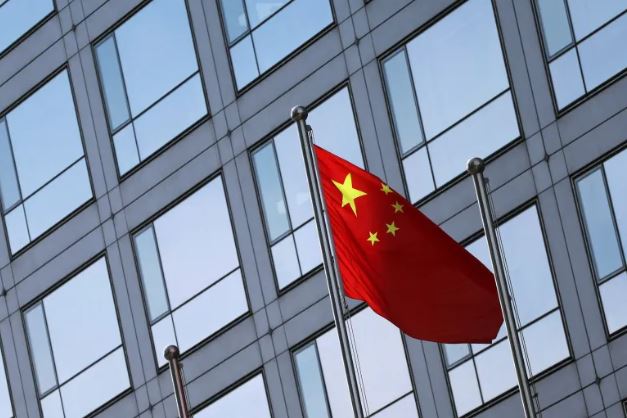
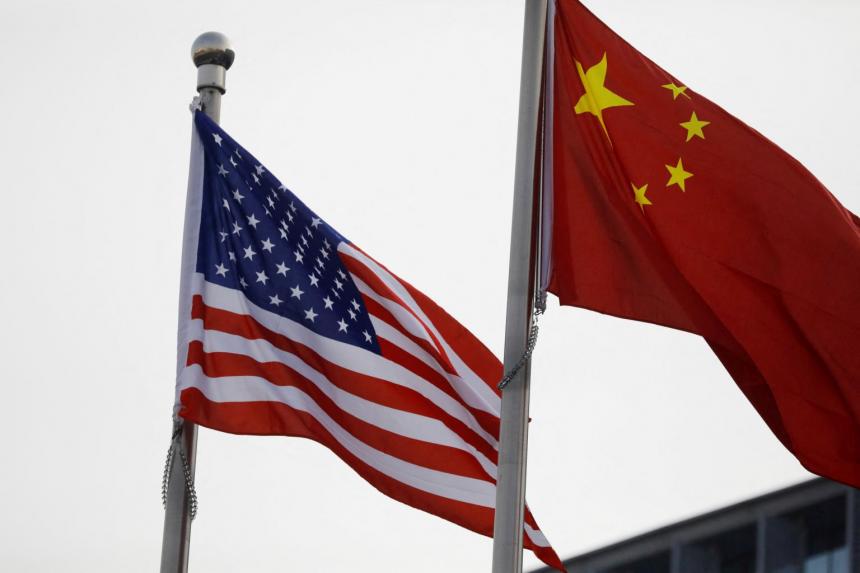
Photo : South China Morning Post


China Reader Daily Wire | 14 October 2026, Wednesday | Vol 3 No. 156
In Brief
INTERNAL
China's factory-gate prices accelerate, while consumer inflation stays moderate
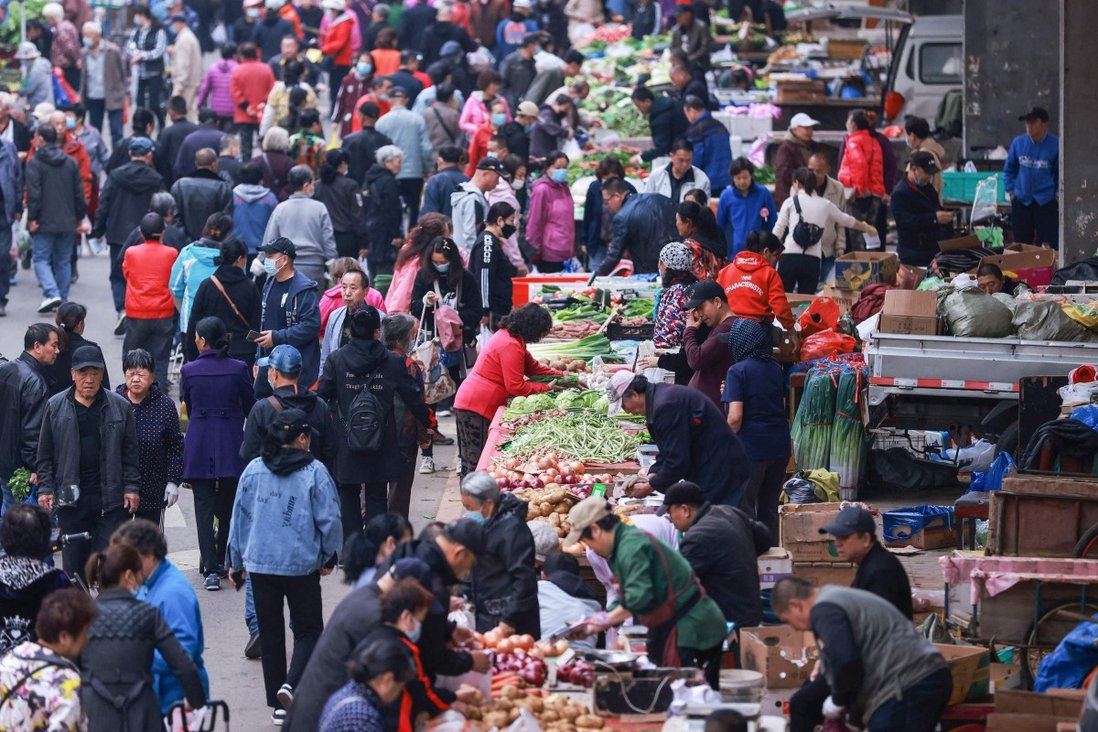
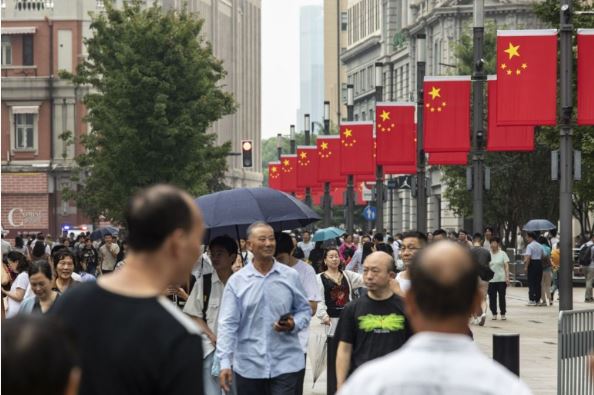
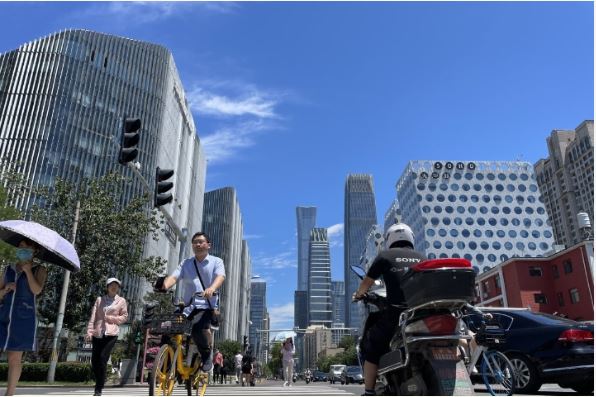
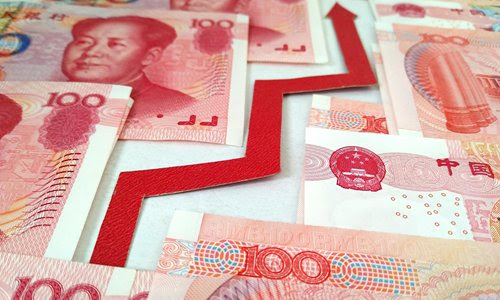
On 14 October, CGTN reported that China's consumer and producer prices both rose faster year on year in September, with factory-gate prices gaining momentum while consumer inflation remained moderate, according to the National Bureau of Statistics. The consumer price index rose 0.9 per cent, up from 0.8 per cent in August, while the producer price index increased 05 per cent, accelerating from 3.8 per cent. Core CPI, which excludes food and energy, rose 0.1 per cent, unchanged from August, with food prices falling 1.7 per cent and service prices rising 0.8 per cent. Production material prices rose 6.5 per cent, while industrial input prices climbed 6.9 per cent, pointing to continued cost pressures for some manufacturers. Bruce Pang of CUHK Business School said broad-based consumer price pressures remained limited, with stronger policy support expected to underpin a gradual recovery in prices as China begins its 15th Five-Year Plan.
("China's CPI and PPI rise faster in September," CGTN, 14 October 2026)
https://news.cgtn.com/news/2026-10-14/China-s-CPI-and-PPI-rise-faster-in-September-1RejVMpQwo0/p.html
Chinese producer prices increase amidst concerns over weak demand
On 14 October, Reuters reported that Chinese producer prices rose at their fastest rate in four years, alongside an increase in inflation. Additionally, higher fuel and commodity prices increased costs of manufacturing or factory-gate inflation. The higher fuel prices are largely a result of transport disruptions, adverse weather and geopolitical turmoil. Data from the National Bureau of Statistics showed that the producer price index rose 5 per cent from a year earlier. Commodity supply disruptions caused by the conflict in West Asia drove the increase, with fuel processing, chemicals and non-ferrous metals particularly witnessing a price increase. The Consumer Price Index (CPI) gained 0.9 per cent year-on-year, compared to 0.8 per cent the previous month. This was lower than the 1 per cent increase forecast by economists. Additionally, household spending remains weak, despite stimulus measures by the Chinese government. This indicates a persistent weakness in domestic demand and broader economic imbalances.
(Qiaoyi Li and Liz Lee, China factory-gate inflation heats up as commodity costs rise, CPI lags forecast, Reuters, 14 October 2026)
https://www.reuters.com/world/asia-pacific/chinas-factory-gate-inflation-accelerates-september-2026-10-14/
China’s foreign trade growth hits nearly five-year high in first three quarters of 2026
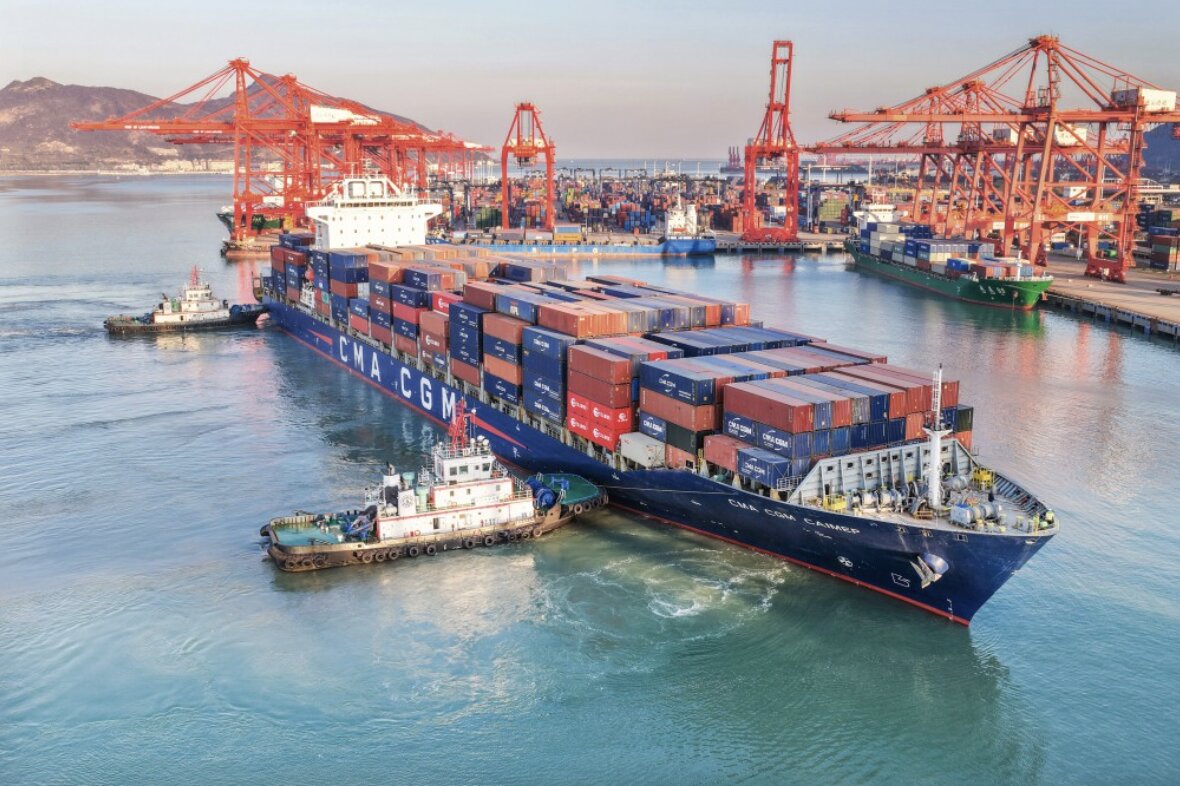
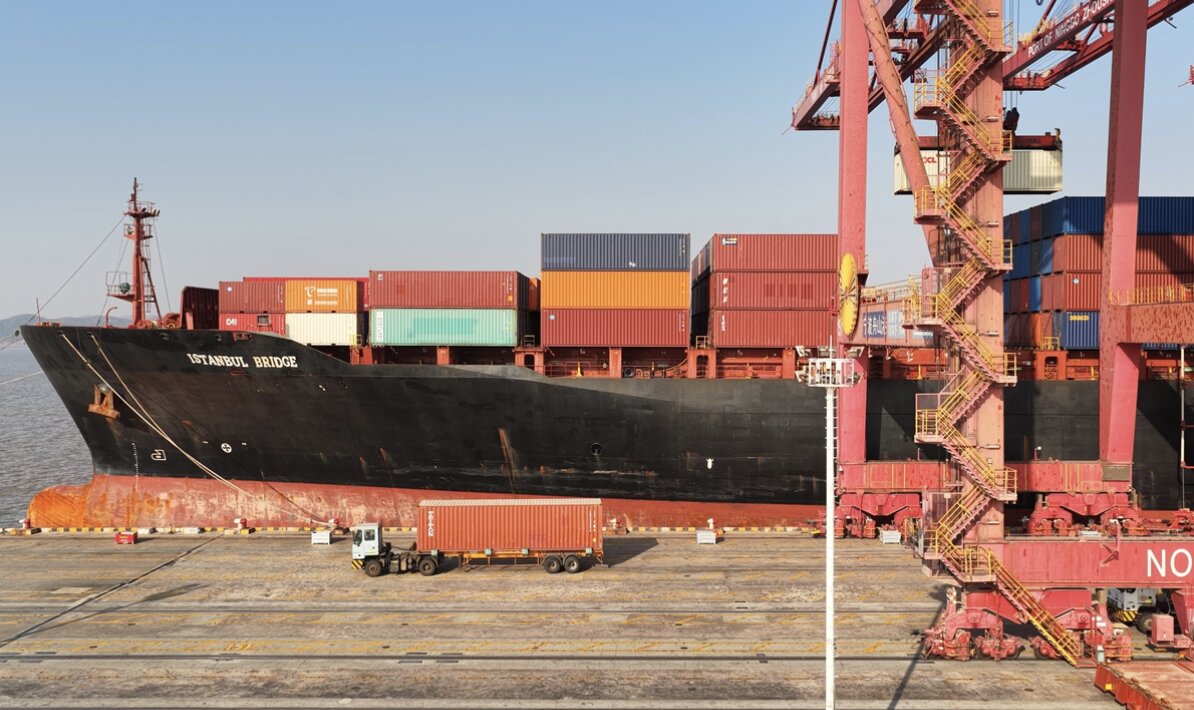
On 14 October, Global Times reported that Chinese foreign trade had increased by 18.8 per cent in the first three quarters of 2026. The total amount now stands at USD 5.96 trillion, according to the Chinese General Administration of Customs (GAC). This is the fastest growth for this period in nearly five years. For the month of September, Chinese imports and exports reached 5.16 trillion yuan, crossing the 5-trillion-yuan mark for the first time. China’s total exports also reached 23.2 trillion yuan, a growth of 16.4 per cent year-on-year. Similarly, imports reached 16.74 trillion yuan, a growth of 22.3 per cent. Additionally, the monthly growth rate has been in double digits for six consecutive months now. Wang Jun, vice minister of GAC, stated that Chinese growth had maintained momentum in the first three quarters and dealt with external shocks. He also added that solid fundamentals were in place to sustain growth in the fourth quarter.
(“China’s foreign trade rises by 18.8% in first three quarters of 2026, marking fastest growth in nearly 5 years: customs data,” Global Times, 14 October 2026)
https://www.globaltimes.cn/page/202610/1372242.shtml
Three people sentenced to death by China for running Myanmar scam centres
On 13 October, Al Jazeera reported that a court in the East of China has sentenced three members of a criminal gang to death for operating networks of scam centres in Myanmar. Quanzhou Intermediate People’s Court said it had sentenced Wei Huairen, Chen Dawei and Liao Jingfang for their involvement in the “Wei family criminal gang.” The court added that Wei was one of the group’s leaders and was found guilty of several crimes, including murder. Three other members were sentenced to lifetime imprisonment, while 55 others were handed sentences ranging from three years and three months to 24 years in prison. The court said the gang’s operations netted more than USD 1.8billion. China's state broadcaster CCTV described the gang as operating 14 “large-scale” compounds and having lured “thousands” of Chinese nationals with promises of high wages to Myanmar. The verdict comes amid Beijing's intense crackdown on cross-border scam networks operating in Southeast Asia.
("China sentences three people to death for running Myanmar scam centres," Al Jazeera, 13 October, 2026)
https://www.aljazeera.com/news/2026/10/13/china-sentences-three-people-to-death-for-running-myanmar-scam-centres
PLAN dispatches Liaoning carrier group to Western Pacific for training
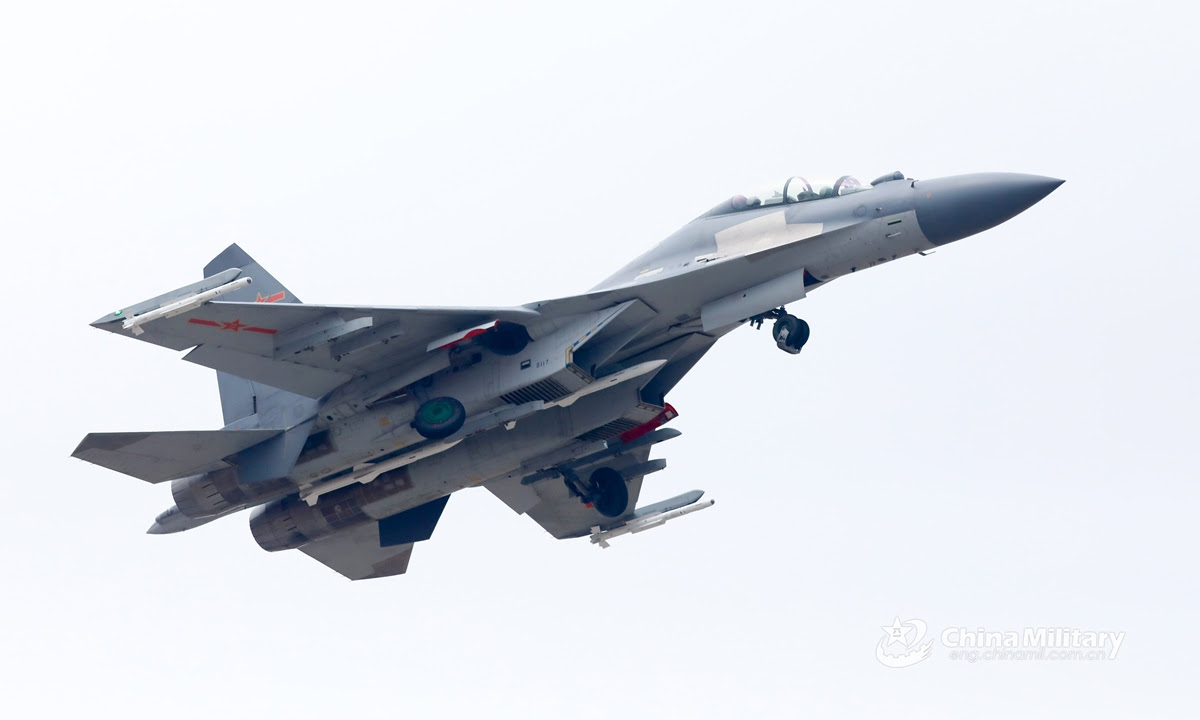
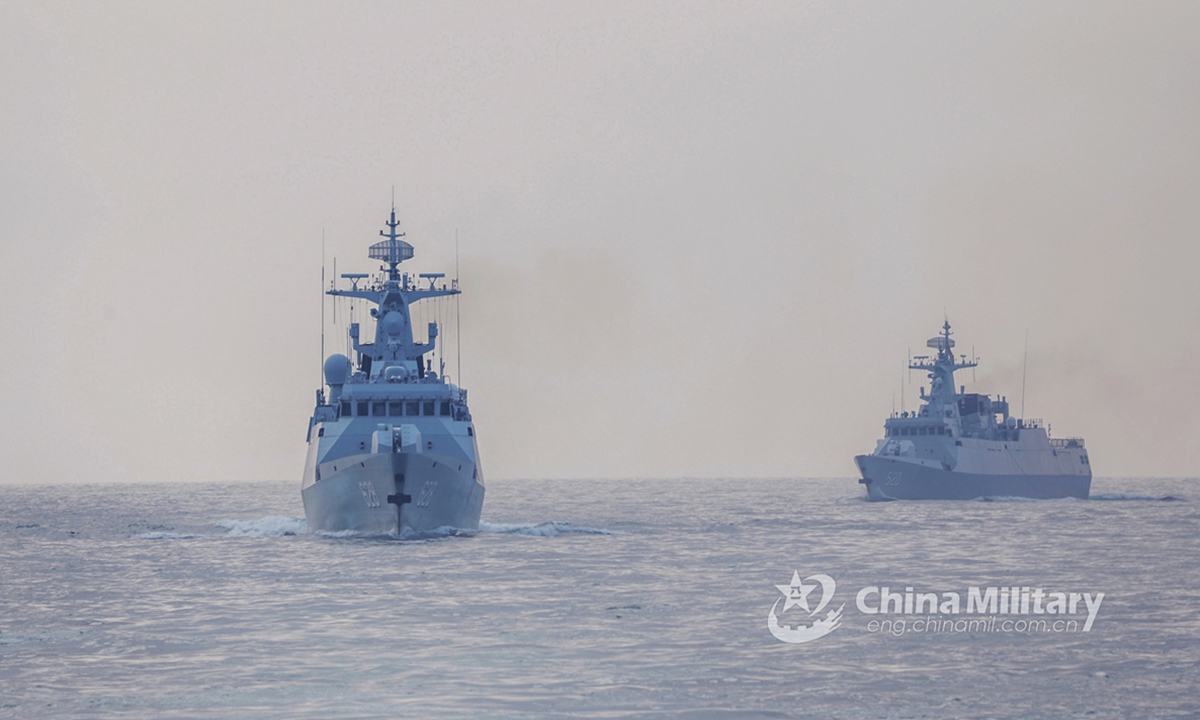
On 14 October, CGTN reported that China’s People’s Liberation Army Navy (PLAN) had dispatched the Liaoning carrier task group to the Western Pacific for training purposes. The PLAN stated that the mission was “organized in accordance with the annual routine training plan to test and improve the group's realistic training level and enhance its capabilities.”
(“PLA Navy sends Liaoning carrier to Western Pacific for training,” CGTN, 14 October 2026)
https://news.cgtn.com/news/2026-10-14/PLA-Navy-sends-Liaoning-carrier-to-Western-Pacific-for-training-1Re1DsdCGcg/p.html
SCIENCE AND TECHNOLOGY
China’s exports surge on strong tech demands
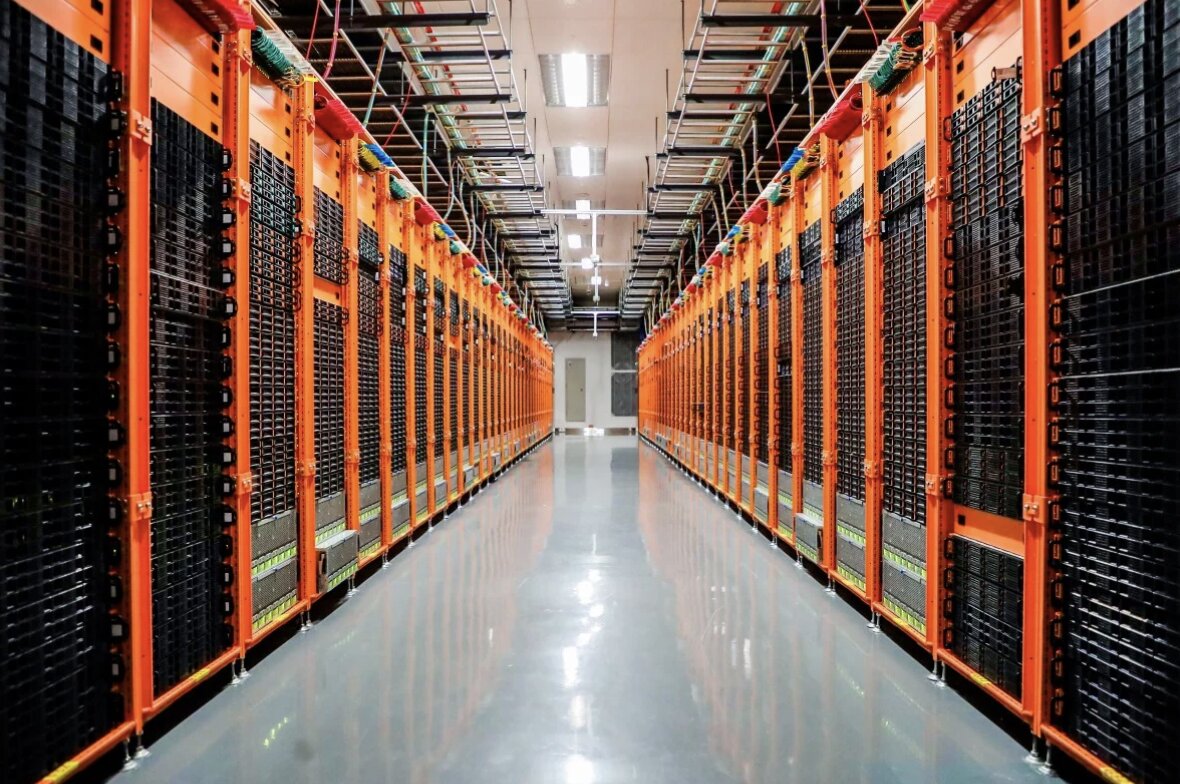
On 14 October, South China Morning Post reported that China's exports rose 36.3 per cent year on year to USD 447.18 billion in September, exceeding economists' forecast of 25.7 per cent and August’s 25 per cent growth. Imports increased 31 per cent to USD 313.65 billion, bringing the monthly trade surplus to USD 133.53 billion. Total trade in the first nine months of 2026 rose by 23.8 per cent, while the cumulative surplus reached USS 938.11 billion, which is 7.2 per cent higher compared to the same period last year. Customs officials said exports were driven by demand for chips and electronic components used in AI computing and electricity infrastructure. Integrated circuit exports rose to 136 per cent in value but only 1 per cent in volume, amid a memory chip shortage and higher prices. Exports to the United States increased 39.56 per cent, to the European Union 25.25 per cent, and to the ASEAN countries 52.26 per cent. China’s September exports also benefited from shipments made ahead of the Golden Week holiday. Analysts said sustained AI demand and easing China-EU trade tensions could support exports, while uncertainty over oil prices could affect imports.
(“China’s exports surge more than 36% in September amid tech demand, holiday rush,” South China Morning Post, 14 October 2026 )
https://www.scmp.com/economy/china-economy/article/3370799/chinas-trade-momentum-quickens-september-amid-tech-demand-holiday-rush
CHINA AND EAST ASIA
China and North Korea finally inaugurate long-delayed bridge in Liaoning province
On 14 October, Reuters reported that China and North Korea finally opened the New Yalu River Bridge, linking the Chinese city of Dandong, Liaoning province, to North Korea’s Sinuiju. With its opening, the bridge has become the largest and most significant land crossing for trade between the two countries. Completed in 2014, it was delayed due to the lack of road and customs facilities on the North Korean side and deteriorated relations due to North Korea’s nuclear tests. The bridge’s opening marks China’s warming of ties with North Korea, which followed just weeks after Pyongyang announced its first road bridge with Russia.
(“China, North Korea to open long-delayed bridge on Thursday,” Reuters, 14 October 2026)
https://www.reuters.com/world/china/china-north-korea-bridge-open-october-15-2026-10-14/
Taiwan warns Europe of risks of dependence on China
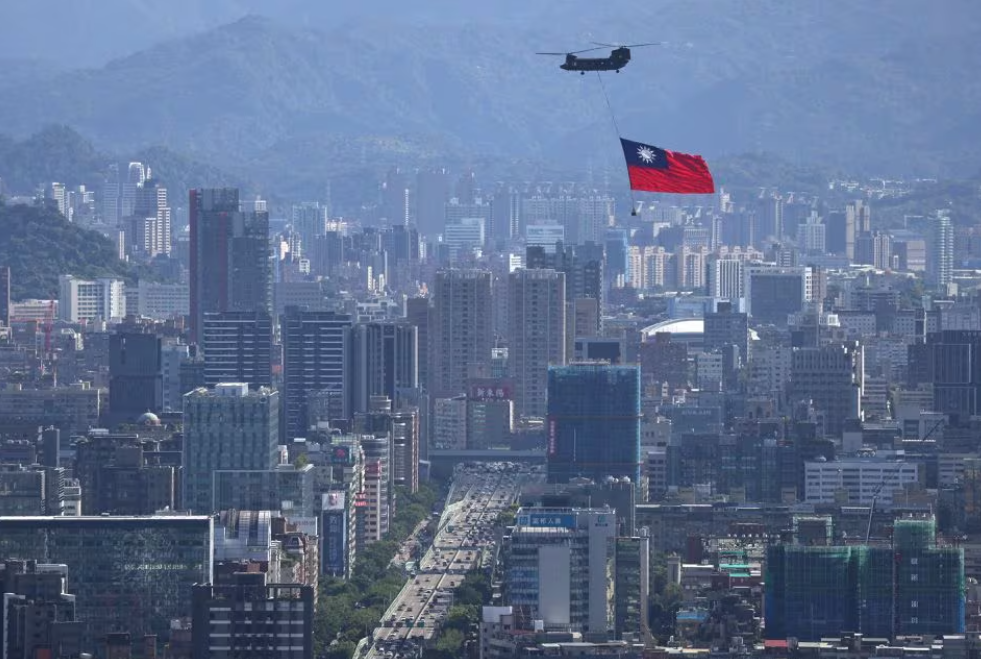
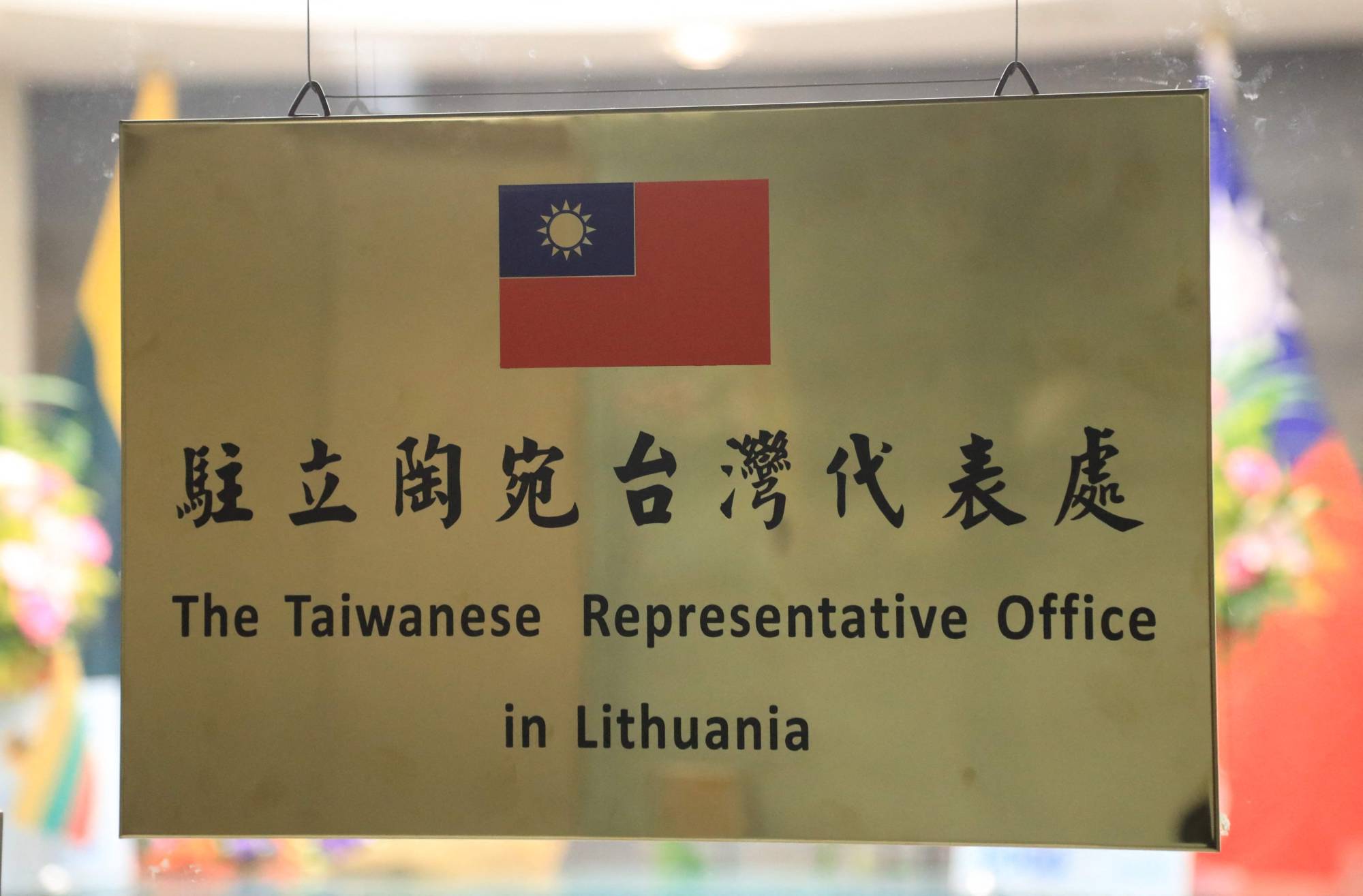
On 13 October, Reuters reported that Taiwan's foreign minister warned the European Union regarding their dependence on Chinese suppliers during a speech in Warsaw. He suggested that dependence on China is "not merely an economic risk," but also a "threat to European freedom and sovereignty itself" because "authoritarian ideology is fundamentally incompatible with Europe's democracy." This comes ahead of a summit in Brussels where trade with Beijing is reported to be high on the agenda to mitigate risks of over-dependence on Beijing's sensitive sectors. "A Europe controlled through its supply chains would be a Europe that had surrendered part of its liberty", he said. Lin added that trade with Taiwan benefits Europe and stressed their shared values. He suggested that the Taiwan model had "helped power innovation and prosperity in Silicon Valley, and it can do the same for Europe too." Taipei has sought closer ties with Brussels, especially since the 2022 Russian invasion of Ukraine.
("Taiwan warns Europe of dangers of dependence on China," Reuters, 13 October 2026) https://www.reuters.com/world/china/taiwan-warns-europe-dangers-dependence-china-2026-10-13/
CHINA AND EUROPE
Beijing and Brussels ease trade tensions with hybrid car quotas and tariff cuts
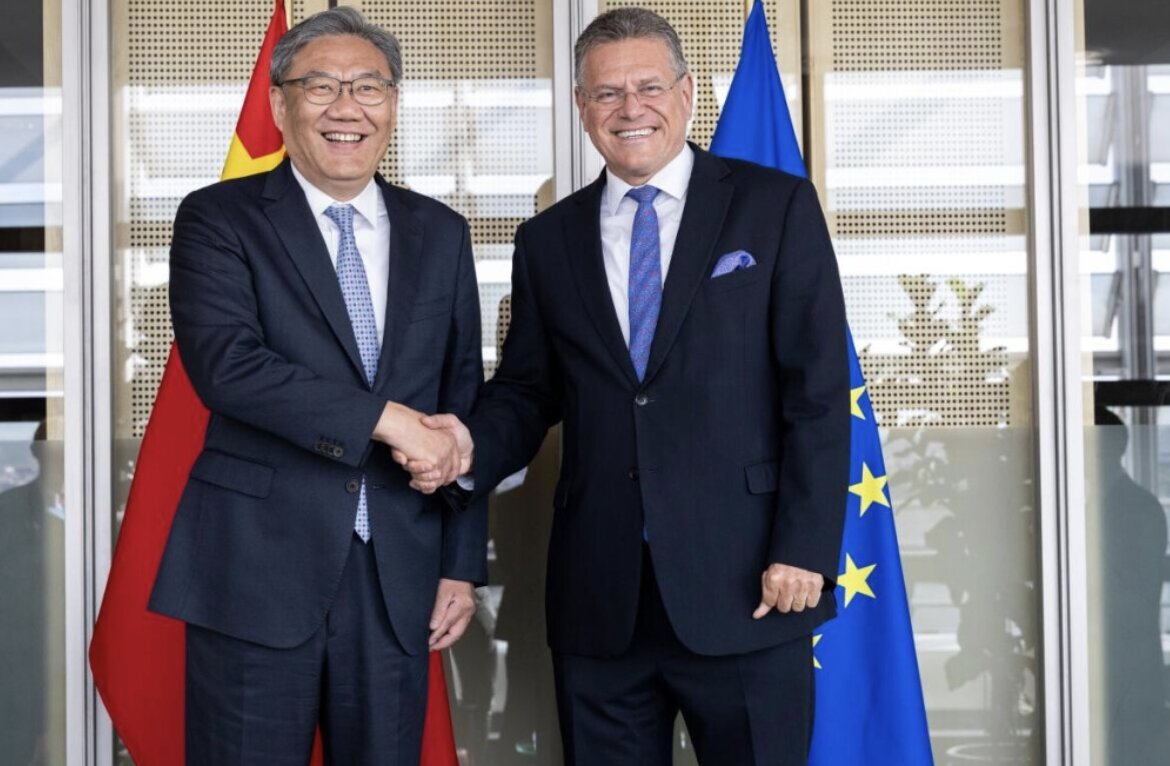
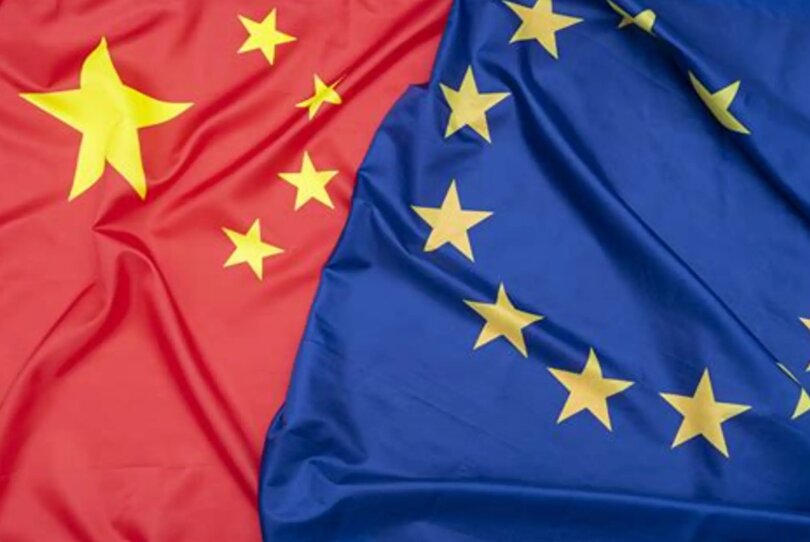
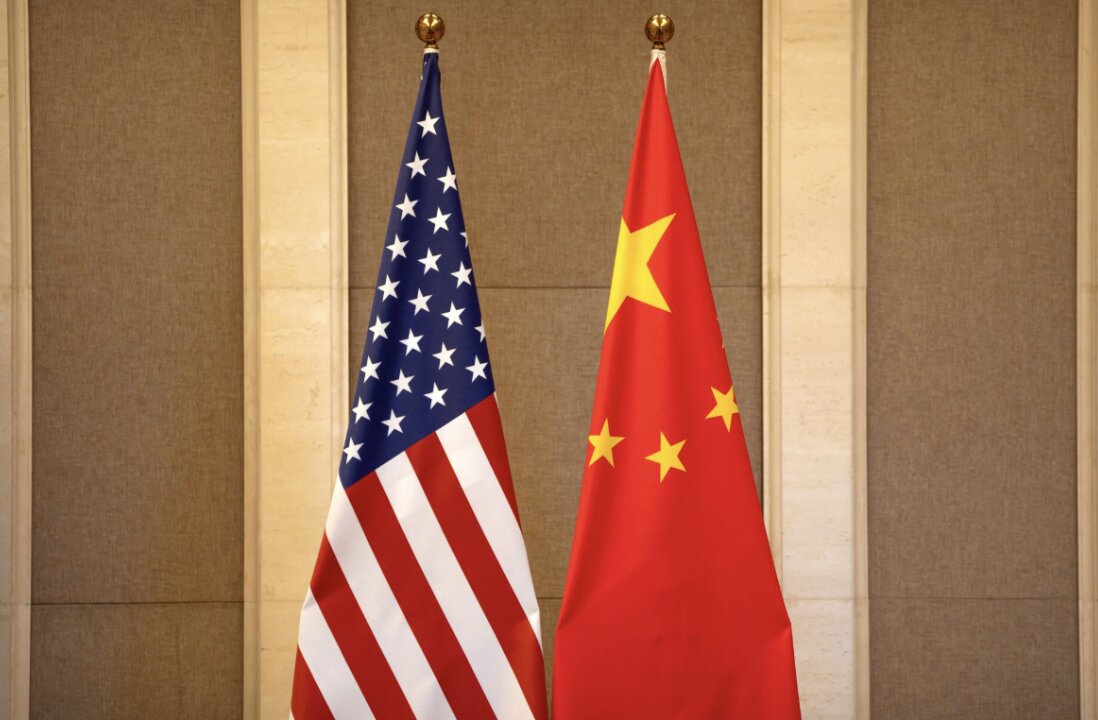
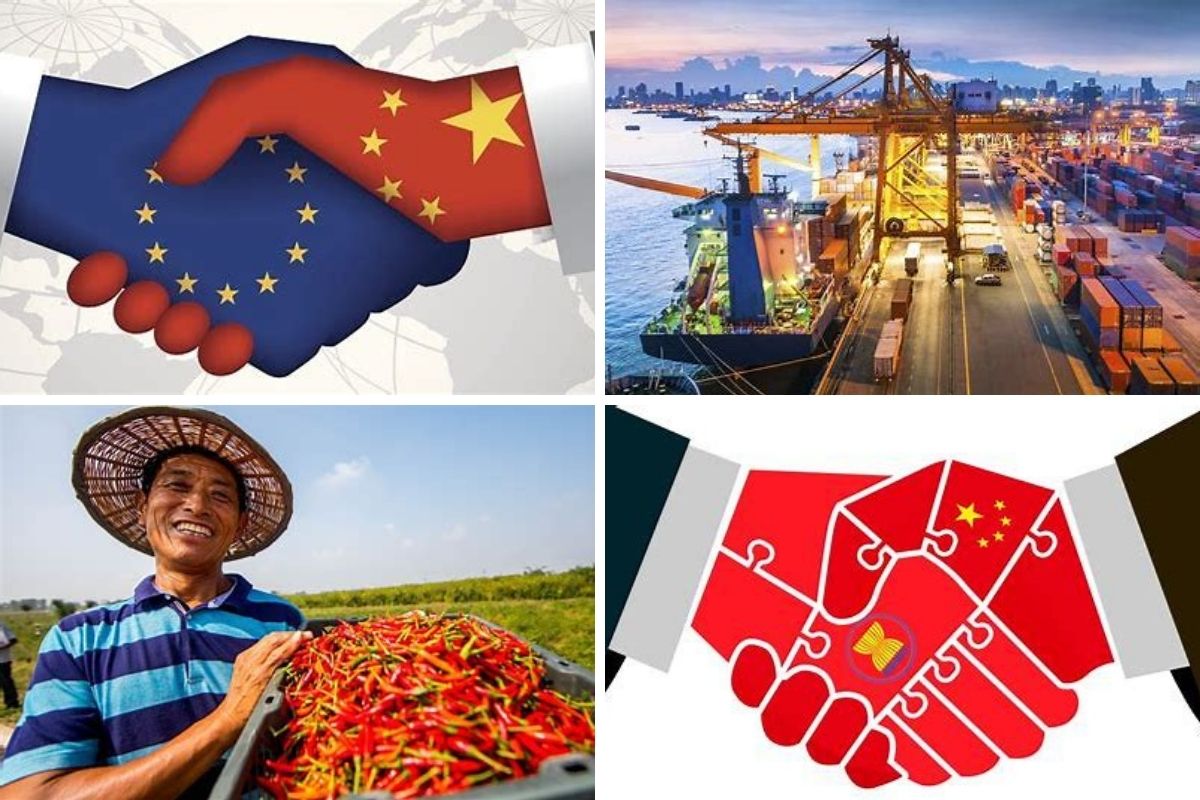
On 13 October, SCMP reported that China and the European Union reached a surprise trade agreement on 12 October, temporarily easing escalating commercial tensions. The deal caps Chinese hybrid vehicle exports to the EU at 350,000 units annually, with the quota increasing by 6 per cent each year, which is well below the 800,000 vehicles projected for 2026. Once the quota is reached, additional shipments will be denied entry. In return, China will reduce tariffs on several European goods. Beijing also lowered VAT export rebates on selected products, potentially moderating exports further. Both sides welcomed the agreement as a means of stabilising trade while addressing European concerns over unfair competition.
(“China, EU take a breath after surprise deal brings temporary halt to trade tussle,” South China Morning Post, 13 October 2026)
https://amp.scmp.com/economy/global-economy/article/3370623/china-eu-take-breath-after-surprise-deal-brings-temporary-halt-trade-tussle?
CHINA AND THE AMERICAS
Opinion
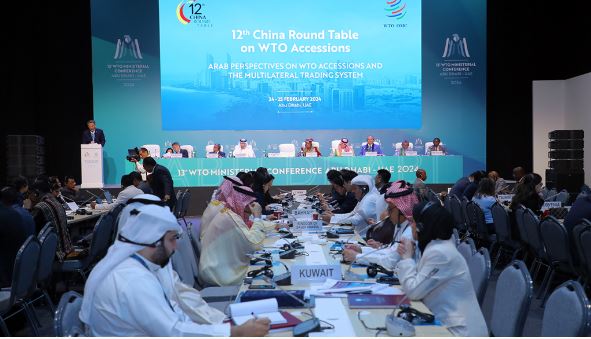
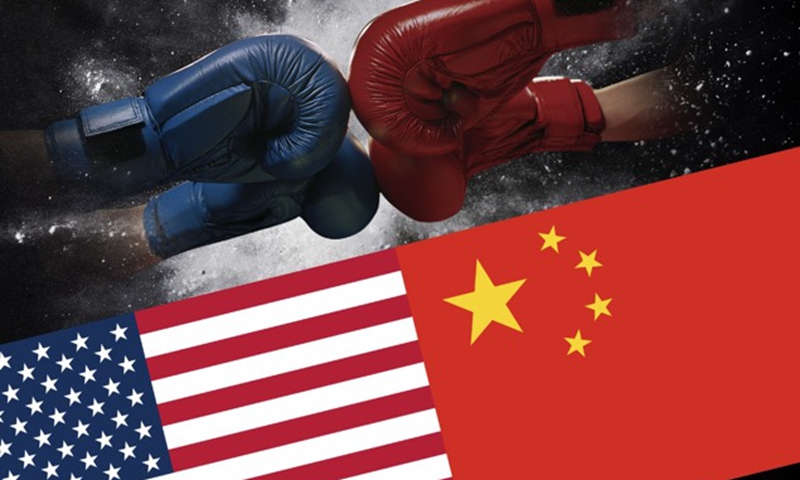
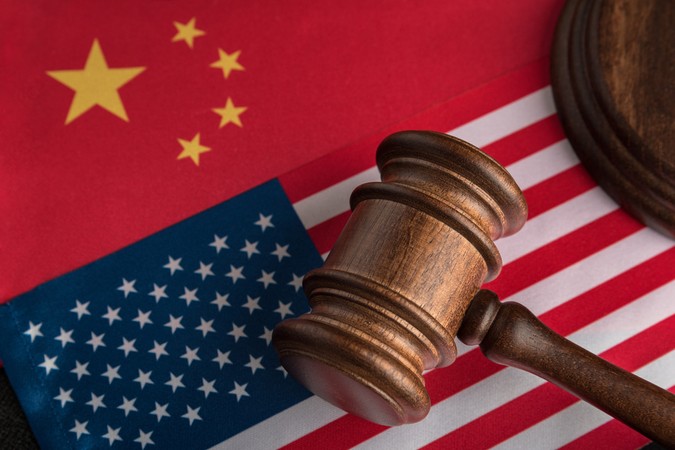
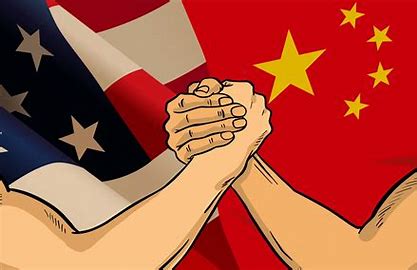
Alex Lo, “US cosplays WTO against China while paralysing the real global body,” South China Morning Post, 13 October 2026
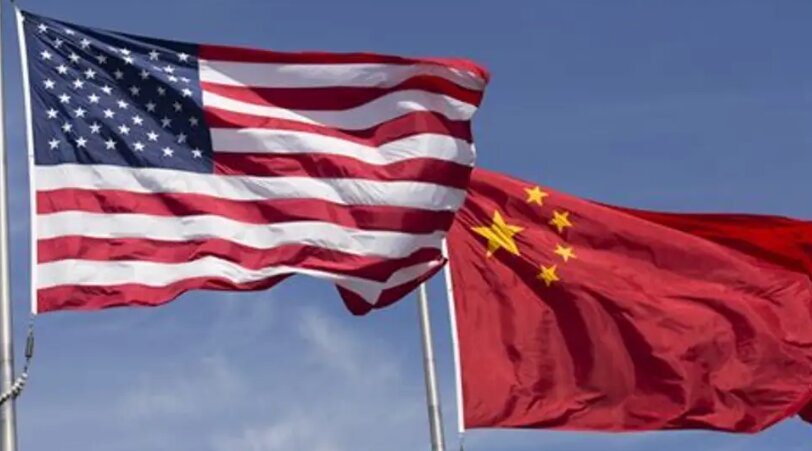
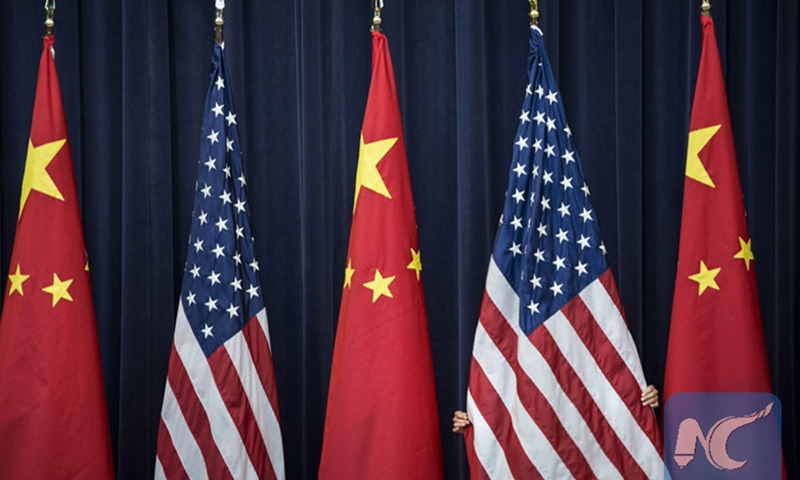
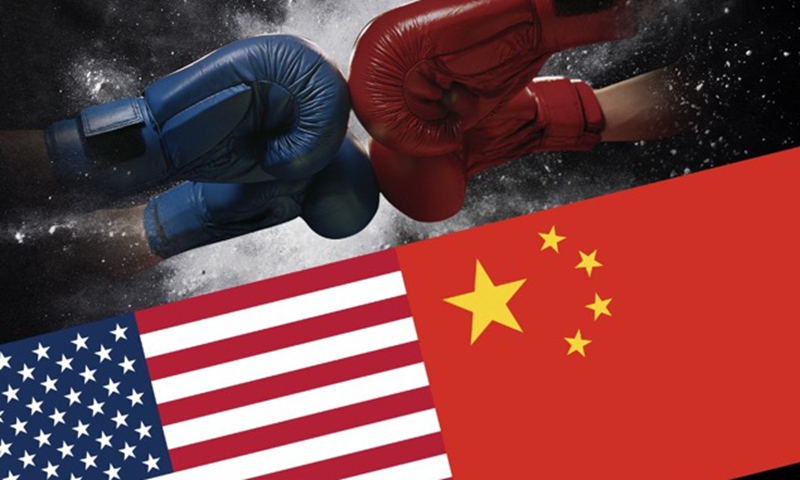
“The US has disabled the court of appeal. So Washington plays prosecutor, convenes its own jury and borrows the authority of a global body it has deliberately kneecapped. That is cosplay: the costume of multilateralism with none of the institutions inside. Remind me, who has been waging a global tariff war that upended the entire trading system? Imagine a defendant who not only commits his crimes but demolishes the courthouse, then turns up in a judge’s robe to try others for stealing from him. The rules-based order, it turns out, is a rules-for-thee order. When they bind Washington, it is a sovereign nation with a veto, an unratified treaty or a sanctions list. The rules-based order, it turns out, is a rules-for-thee order. Beijing is hardly a saint, and its trade practices deserve scrutiny. But scrutiny needs a credible venue and a credible prosecutor. Washington has sabotaged the first and disqualified itself from the second. Standing at the edge of the global legal system, the Americans feel the call of the void. As they look down, they are pushing everyone else off the ledge, then lecturing the survivors on compliance.”
Peru seeks Chinese investment for Corio port as an alternative to Chancay
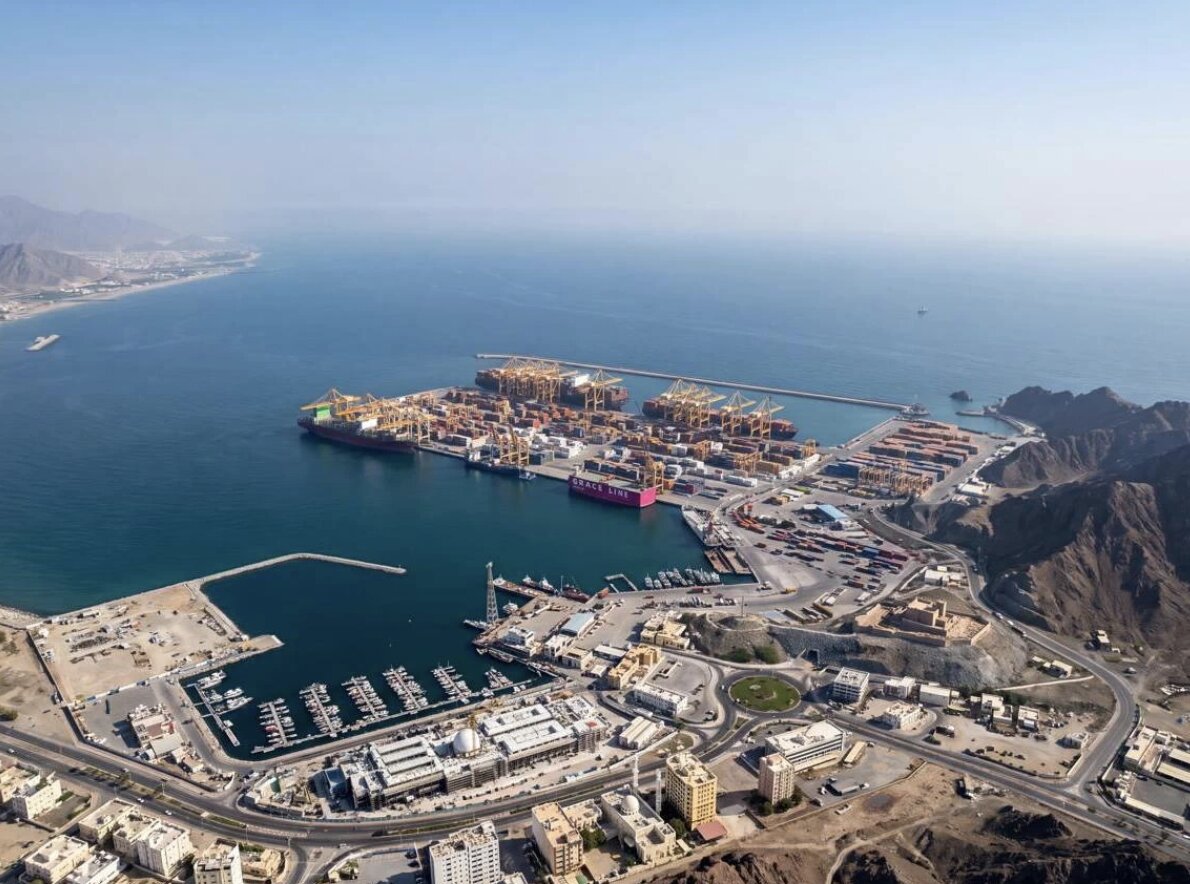
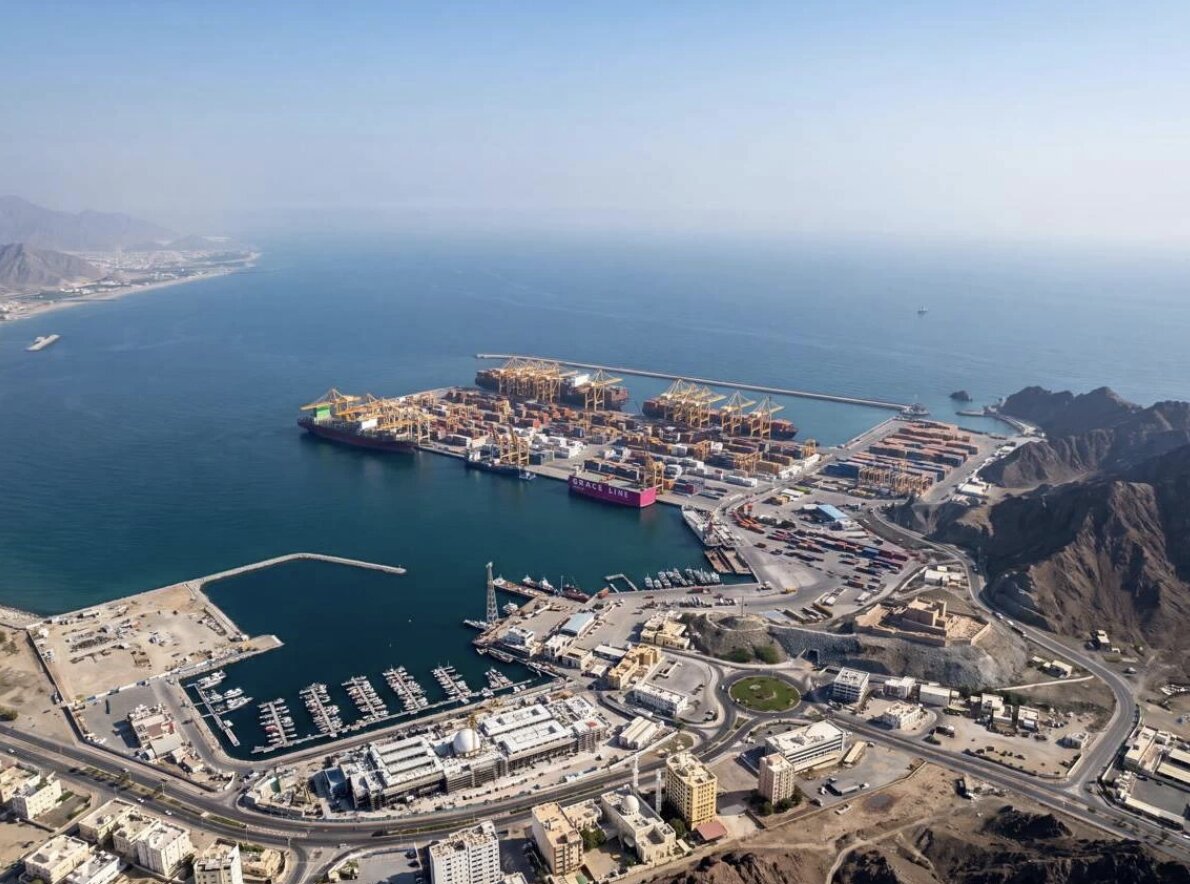
On 14 October, SCMP reported that Peru is promoting the proposed Corio deep-water port in Arequipa as a new logistics hub, with Governor Rohel Sanchez reporting interest from Chinese, American, Indian and other foreign investors. The project has been substantially scaled back from an earlier USD 7 billion vision to an approximately USD 844 million multipurpose terminal developed in three phases, with capacity near two million tonnes annually. Corio’s key advantage is its estimated 20–28-metre water depth, exceeding the Chinese-operated Chancay port’s roughly 18 metres, while its location could facilitate copper exports from southern Peru to Asia. However, the project still lacks a confirmed investor or operator, and operations may be five or six years away. Chinese involvement remains speculative despite repeated expressions of interest. Meanwhile, Chinese companies are already deeply involved in Peru’s port and mining sectors through Chancay, the planned Marcona port and major mining operations, reinforcing China’s growing role in Peru’s export infrastructure.
(“Peru governor touts Chinese interest in deep-water port pitched as Chancay alternative,” South China Morning Post, 14 October 2026)
https://amp.scmp.com/news/china/article/3370786/peru-governor-touts-chinese-interest-deep-water-port-pitched-chancay-alternative?module=top_story&pgtype=homepage



































.png)
.jpg)
.jpg)
.jpg)
.jpg)
.jpg)
.jpg)
.jpg)
.jpg)
.jpg)
.png)
.jpg)
.jpg)
.jpg)
.jpg)
.jpg)
.jpg)
.jpg)

.jpg)
.jpg)
.jpg)
.jpg)
.jpg)

.jpg)
.jpg)
.jpg)
.jpg)
.png)
.jpg)
.jpg)
.png)
.jpg)
.jpg)



.jpg)
.jpg)
.jpg)
.jpg)
.jpg)
.jpg)
.jpg)
.jpg)
.jpg)

.jpg)
.jpg)
.jpg)
.jpg)
.jpg)
.jpg)

.jpg)

.jpeg)




.jpeg)