Photo : Dialogue Earth
Photo : Dialogue Earth
In Brief
INTERNAL
China’s role as global supply chain anchor highlighted at the 26th China International Fair for Investment and Trade
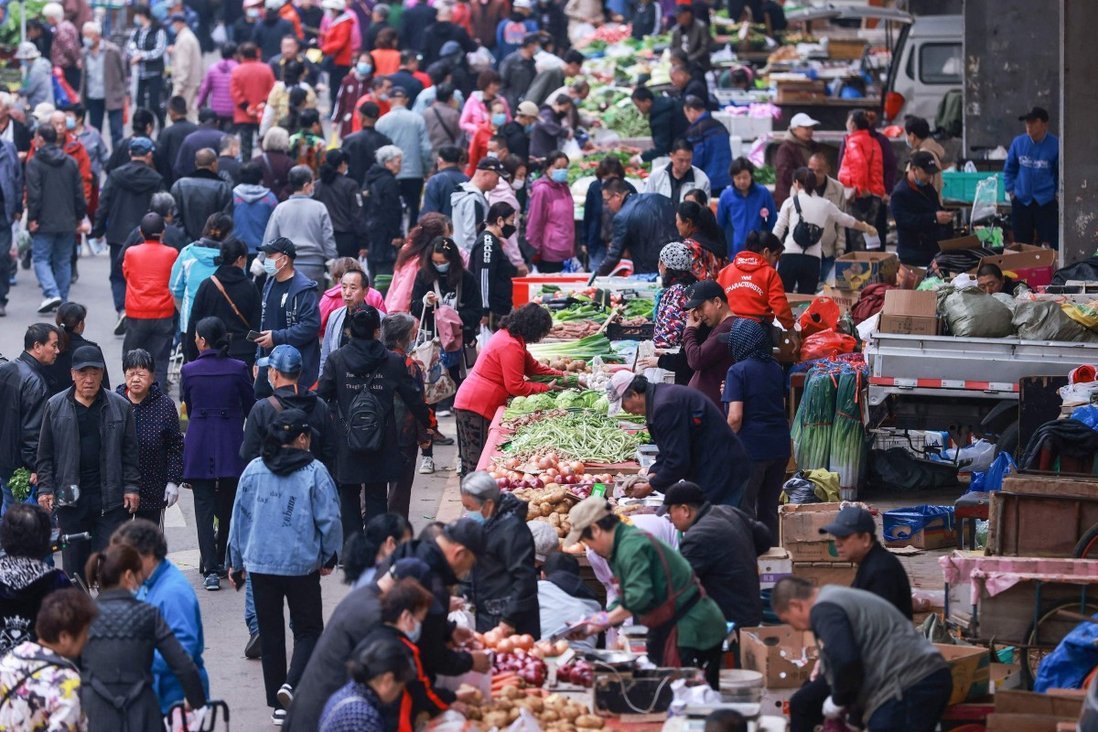
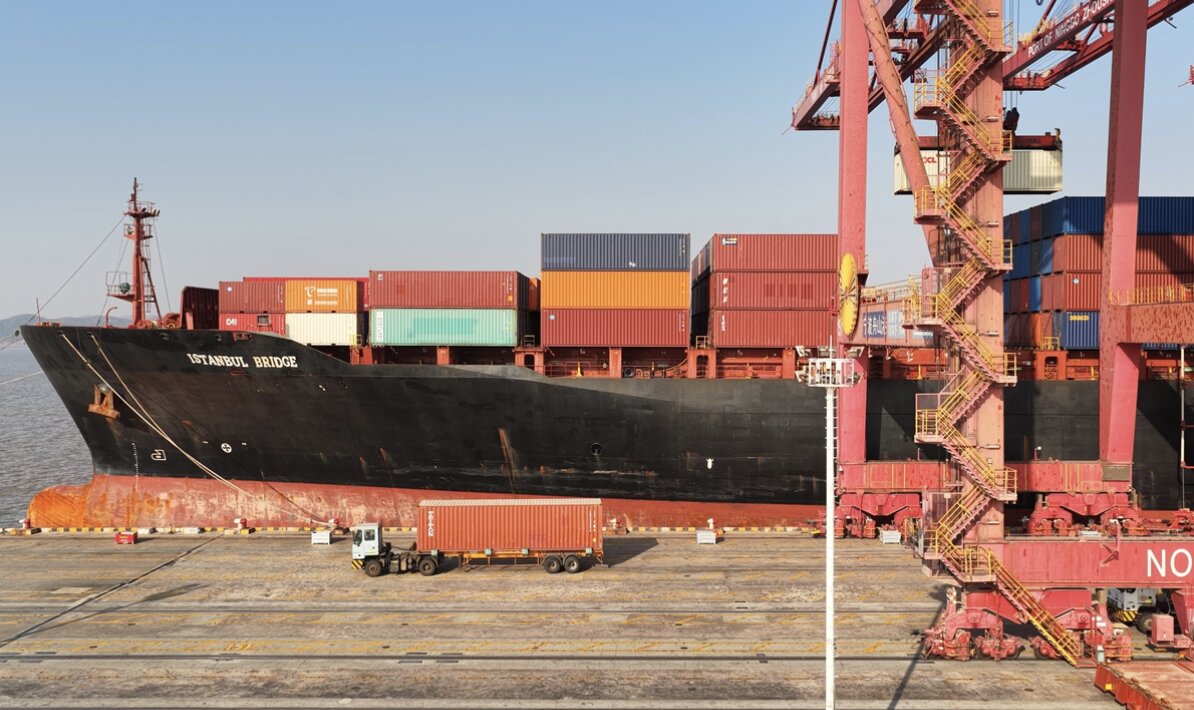
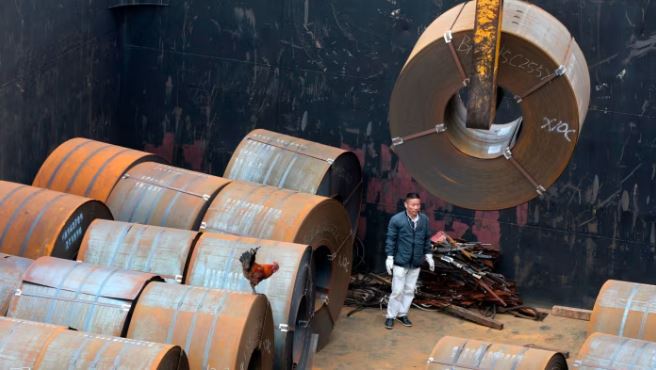
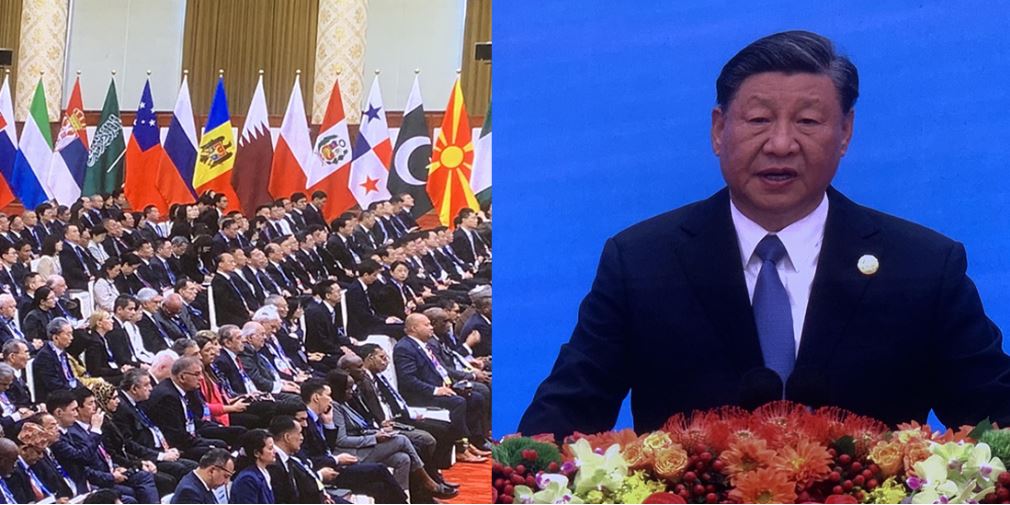
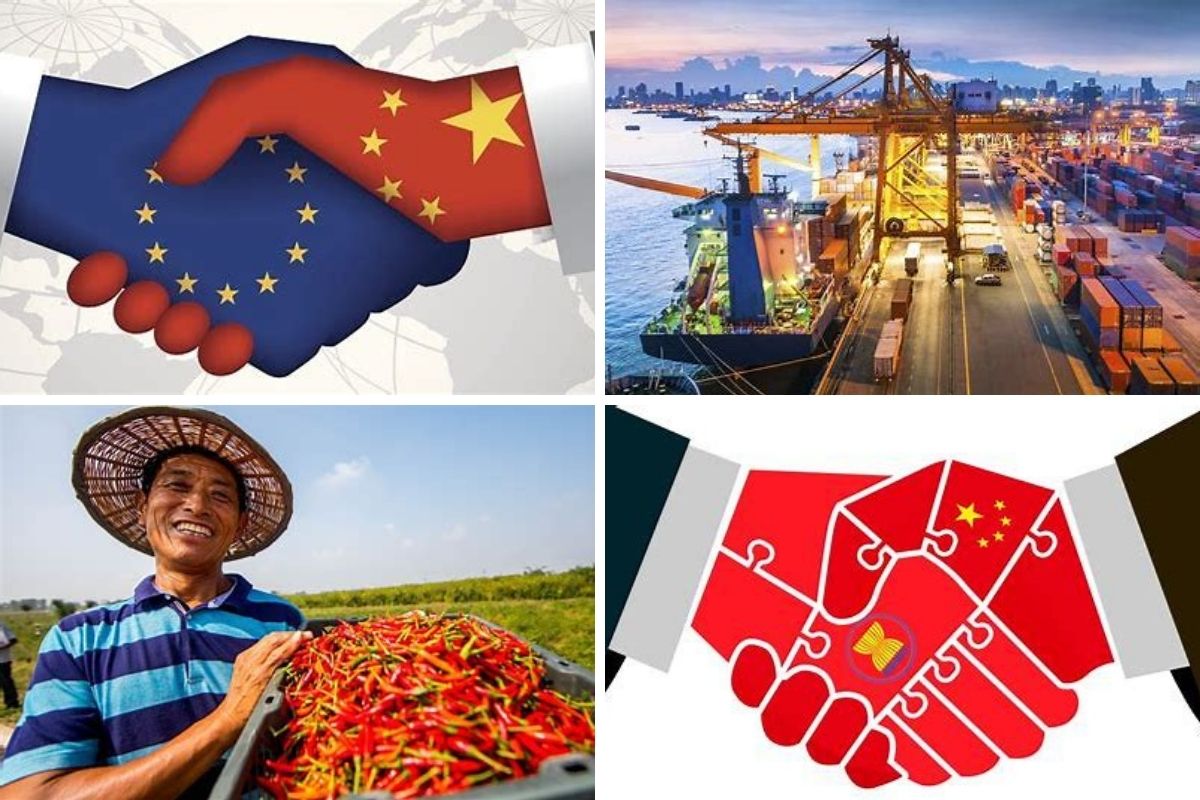
On 08 September, Xinhua net reported that, at the 26th China International Fair for Investment and Trade (CIFIT) in Xiamen, company executives highlighted China's expanding role as a stabilizing anchor for global supply chains amidst rising geopolitical headwinds and trade barriers. Reflecting intense international interest, the fair expanded its exhibition space to 200,000 square meters and hosted delegations from 129 countries and regions. Beyond acting as a major sales market, China is deeply integrating into global industrial value chains, as demonstrated by the USD 6.5 billion Sino-Saudi Gulei Ethylene Complex Project and infrastructure like the Fuzhou-to-Tashkent freight rail that has halved transit times for Central Asian traders. Furthermore, China’s supply chain firms are actively helping foreign nations build resilience and upgrade local industries; notably, a 2.5-million-tonne stainless steel project in Indonesia has generated over 12,000 local jobs, built critical infrastructure, and shifted resource-rich countries away from raw material extraction toward higher-value domestic processing.
(“Xinhua Headlines: China strengthens global supply chain cooperation to bolster economic certainty,” Xinhua net, 08 September 2026)
https://english.news.cn/20260908/55df8877f65f442a952c938744b10530/c.html
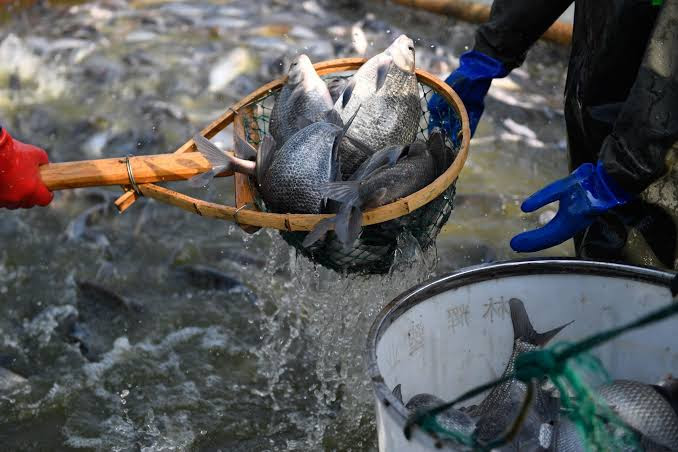
China outlines 2030 fisheries plan integrating AI and strict catch limits
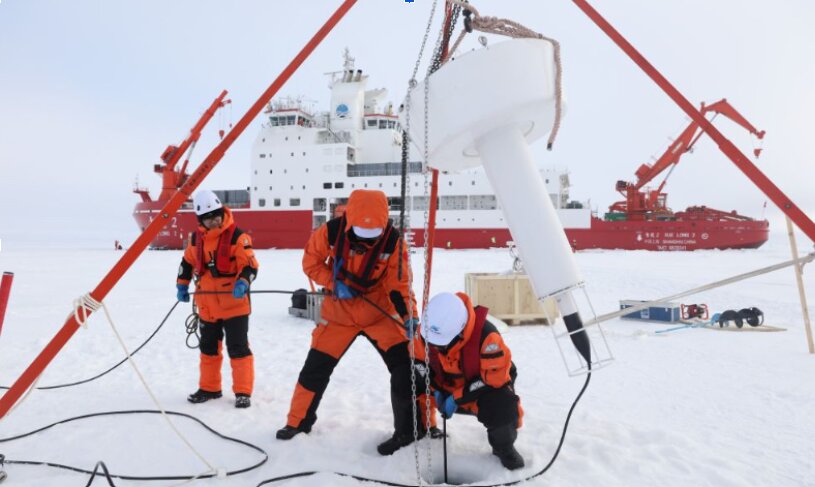
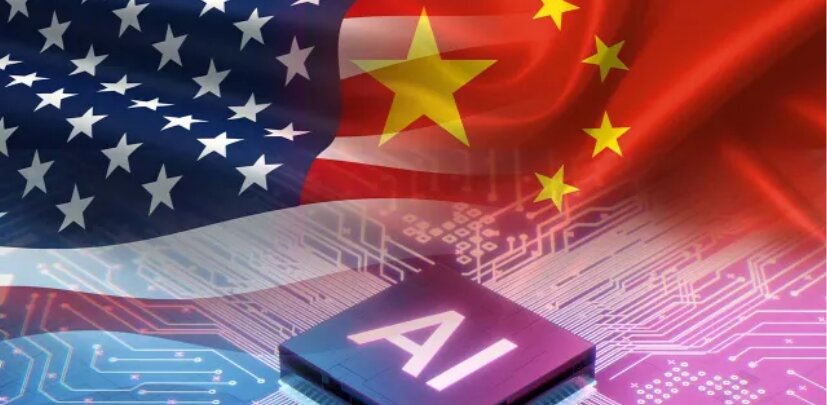
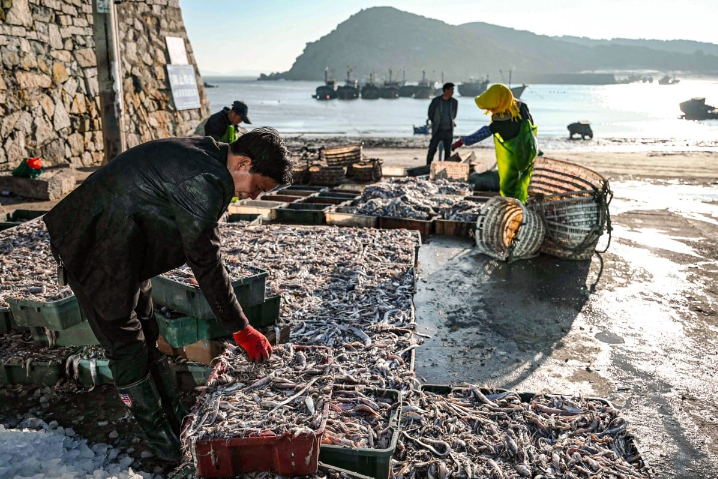
On 08 September, Xinhua reported that China's Ministry of Agriculture and Rural Affairs has launched a national fisheries development plan for 2026–2030. The plan aims to vastly increase high-quality aquatic output by 2030 through modern technological upgrades. Building on its 2025 production of 76.52 million tonnes, which accounted for over half of global aquaculture. China will integrate artificial intelligence (AI) and big data to modernize facility-based fisheries while enforcing a strict annual domestic marine catch cap of 10 million tonnes to protect wild stocks. The plan reinforces China's environmental and global commitments by continuing the 10-year Yangtze River fishing ban, stabilizing rare species populations, and deepening participation in international treaties like the Central Arctic Ocean commercial fishing ban.
(“China aims to boost supply of high-quality aquatic products by 2030,” Xinhua net ,08 September 2026)
https://english.news.cn/20260908/8b8afb481f8849e0b771a65ee04e6439/c.html
SCIENCE AND TECHNOLOGY
China’s new Tianyu Telescope features unique real-time ‘rewind’ to capture supernova
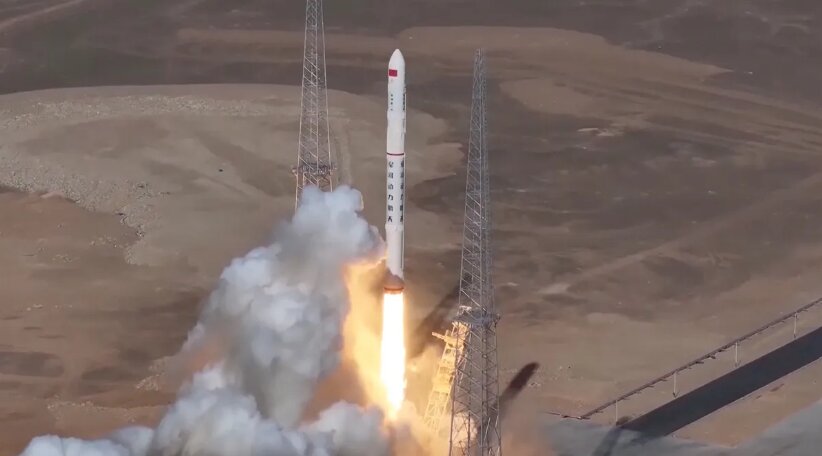
On 08 September, Xinhua reported that the Tianyu Telescope, located in Lenghu, northwest China's Qinghai Province, has transitioned to its scientific observation stage after capturing the North America and Pelican Nebulae alongside over one million stars in a single exposure. The telescope developed by Shanghai Jiao Tong University and the Chinese Academy of Sciences, features a massive field of view covering nearly nine square degrees that are equivalent to over 40 full moons and is scheduled to begin formal survey operations in October 2026. A standout capability of the telescope is its unique real-time "rewind" feature. The feature allows it to rapidly pivot toward space alerts like supernovae or gravitational-wave flashes and restore celestial views from seconds before the explosion. The project has already drawn collaborative research teams from Britain, Belgium, and Chile to help monitor hundreds of millions of celestial bodies for exoplanets, variable stars, and small solar system bodies.
(“China's Tianyu Telescope to be commissioned for scientific observations,” Xinhua net, 08 September 2026)
https://english.news.cn/20260908/ea7d28be5255494e8647f462fcc8f488/c.html
CHINA AND EAST ASIA
China imposes anti-dumping measures on Japanese imports of chip chemicals
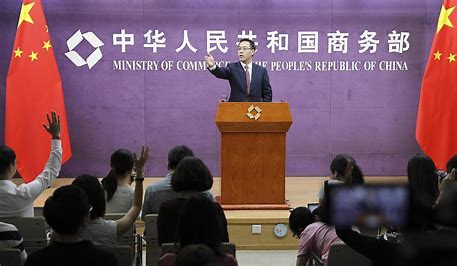
On 08 September, The Japan Times reported that China’s Commerce Ministry had imposed anti-dumping measures on Japanese shipments of dichlorosilane, a chemical required to process silicon wafers into chips. Chinese companies importing the chemical from Japan must provide cash deposits of up to 99.8 per cent to authorities. Japan’s Chief Cabinet Secretary Minoru Kihara stated that they are reviewing China’s measures and assessing its impact. The measure is the latest in a series of diplomatic feuds between Japan and China, where Beijing has restricted exports of rare earth minerals to Japan, which is the 2nd largest producer of dual-use permanent magnets. China has increased its shipments of ultra-high purity dichlorosilane from South Korea, becoming its largest supplier in 2025.
(“China hits Japan with anti-dumping measures on chip chemical,” The Japan Times, 08 September 2026)
https://www.japantimes.co.jp/business/2026/09/08/economy/china-japan-imports-anti-dumping/
Japan scrambled its military jets in response to Chinese spy aircraft over East China Sea
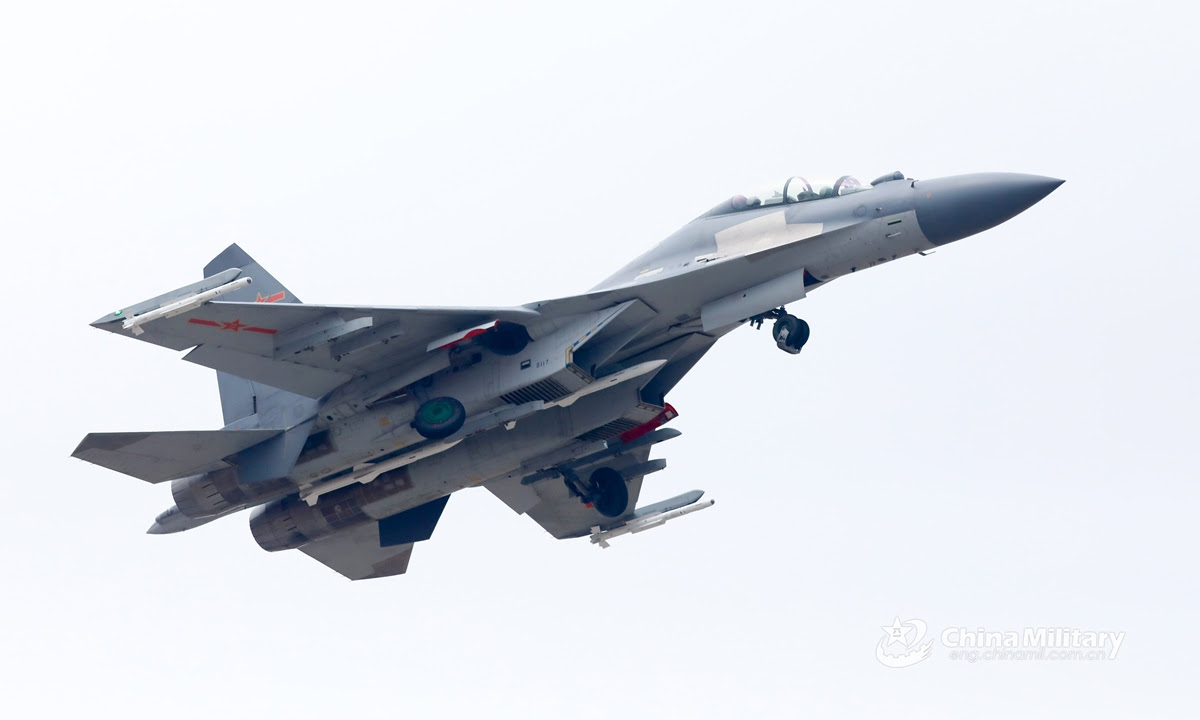
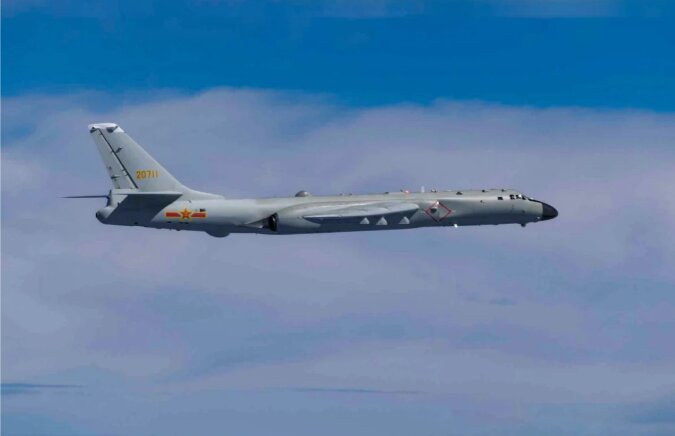
On 07 September, Anadolu Agency reported that Japan had scrambled its military jets for four days after a Chinese aircraft allegedly flew over the East China Sea. Per a statement released by the Japanese Joint Staff, China had deployed a Y-9 reconnaissance aircraft, which was detected off the Danjo Islands and off Okinawa’s main island in the East China Sea. The statement also clarified that the aircraft did not intrude into Japan’s airspace.
(“Japan says it scrambled military jets for 4 days after Chinese spy aircraft fly over East China Sea,” Anadolu Agency, 07 September 2026)
https://www.aa.com.tr/en/asia-pacific/japan-says-it-scrambled-military-jets-for-4-days-after-chinese-spy-aircraft-fly-over-east-china-sea/4049427
China-Japan trade friction deepens over anti-dumping duties on chipmaking chemical
On 07 September, South China Morning Post reported that China would impose provisional anti-dumping duties of up to 99.2 per cent on Japanese dichlorosilane, a critical chipmaking chemical, following an eight-month investigation that found dumped imports had harmed local manufacturers. China's Ministry of Commerce said importers would be required to pay corresponding cash deposits starting 08 September, with Denal Silane facing a lower rate of 80.8 per cent while other firms, including major supplier Shin-Etsu Chemical, would face the maximum rate. The ministry said it had applied trade remedy measures in a "prudent and restrained manner" and would continue the investigation to reach an objective final determination. Dichlorosilane is primarily used in thin-film deposition processes central to chip production, with the anti-dumping investigation launched by Beijing in January.
("China hits critical Japanese chipmaking chemical with steep anti-dumping measures," South China Morning Post, 07 September 2026)
https://www.scmp.com/economy/china-economy/article/3366661/china-hits-critical-japanese-chipmaking-chemical-steep-anti-dumping-measures
Opinion: Chao Kong, “Could China sanction US for illegal international seabed mining? A study says yes,” South China Morning Post, 08 September 2026
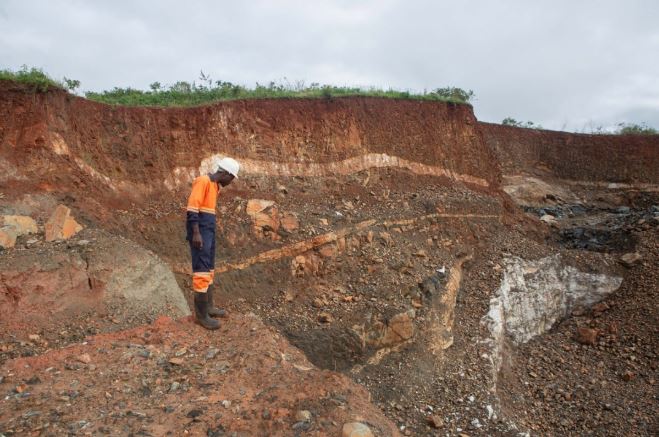
“For decades, the United States has used economic and financial restrictions as major foreign policy tools.But as China and other countries gain greater economic and technological strength, they are also acquiring more ways to push back against US actions, with deep-sea mining possibly becoming a testing ground for that shift.China could join other countries in taking coordinated countermeasures, including sanctions against companies, if the US proceeds with seabed mining in violation of international law, according to Bian Yongmin, a professor of international law at the University of International Business and Economics in Beijing … For China, the issue creates a tension between defending the multilateral system and protecting access to critical minerals, with Beijing already deeply involved in international seabed development … Coordinated action could follow if diplomacy failed.Bian wrote that countries firmly committed to upholding the multilateral mechanism for deep-sea mining could at least refuse to cooperate with American mining companies.They could also avoid buying deep-sea mineral products sold by American deep-sea mining companies and their processed products, she wrote.”
https://amp.scmp.com/news/china/science/article/3366759/could-china-sanction-us-illegal-international-seabed-mining-study-says-yes
CHINA AND PACIFIC
Australia nears agreement on defence treaty with Solomon Islands
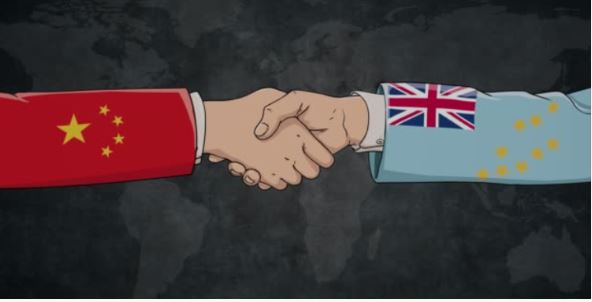
On 08 September, SCMP reported that Australia has reached an “in-principle” treaty agreement with the Solomon Islands per Australian media reports, and the signing is expected to happen in the coming weeks. The deal is widely seen as part of Australia’s efforts to bring the Solomon Islands and the other Pacific island countries under its sphere of influence to deter China. Per leaked texts from Australia’s Ambassador to the Solomon Islands, Australia has also apparently pledged USD 708 million in aid and assistance to the country. Solomon Islands’ Prime Minister Matthew Wale is a stringent critic of the previous Manasseh Sogavare administration’s 2022 security pact with China, and is seeking to reverse the policy. The signing, if it materialises, would make the Solomon Islands the fifth formal defence treaty ally of Australia, and the fourth Pacific Island country after Fiji, Papua New Guinea and New Zealand.
(“Australia nears treaty with Solomon Islands in bid to limit China’s influence,” SCMP, 08 September 2026)
https://www.scmp.com/news/asia/australasia/article/3366702/australia-nears-treaty-solomon-islands-bid-limit-chinas-influence
CHINA AND SOUTHEAST ASIA
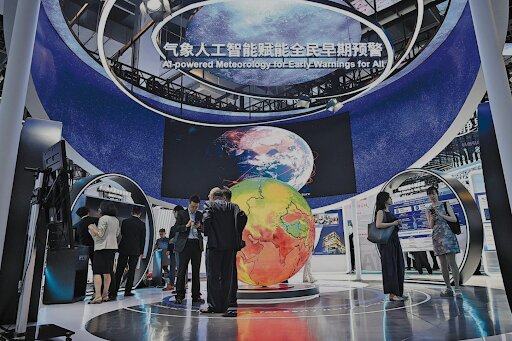
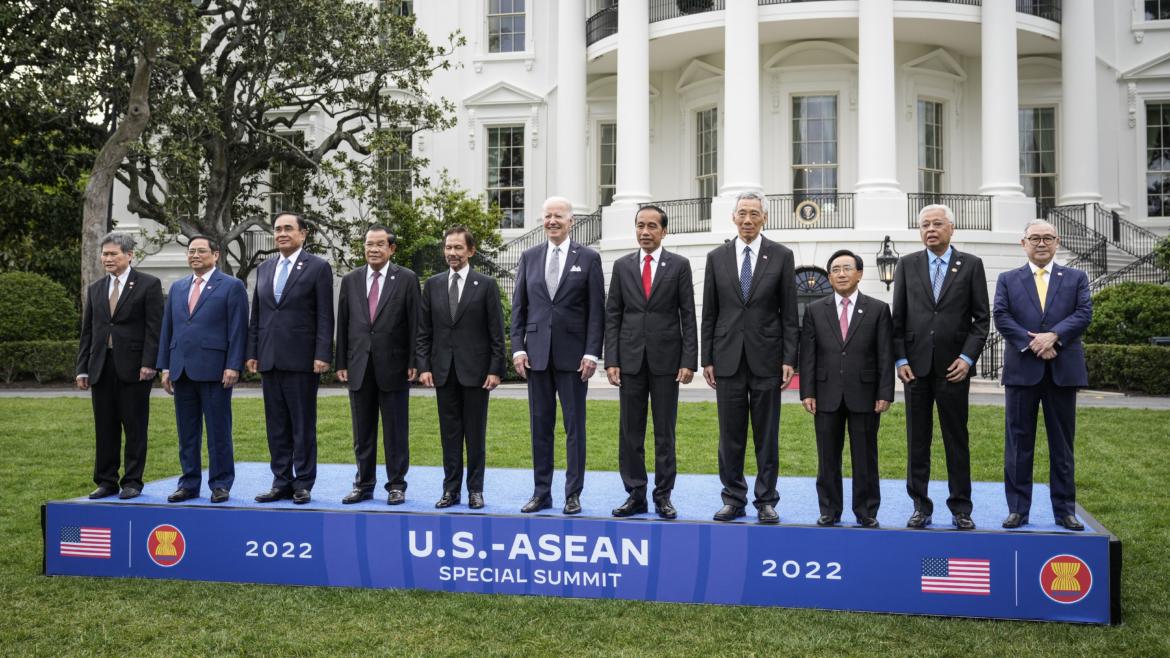
Malaysia’s top news agency CEO and think-tank chief lauds China-ASEAN cooperation
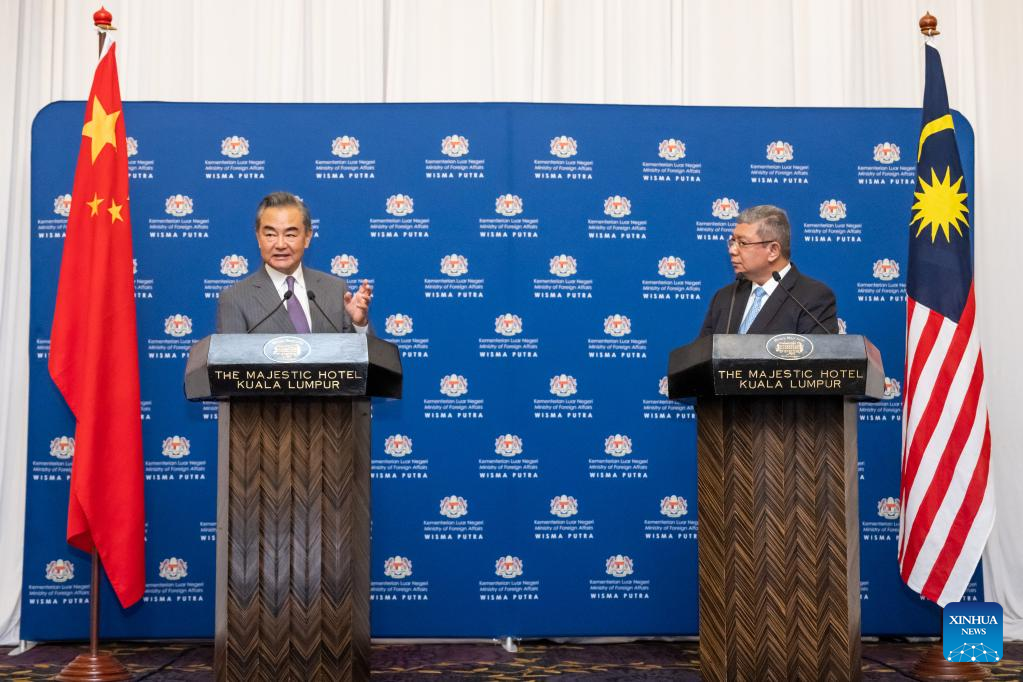
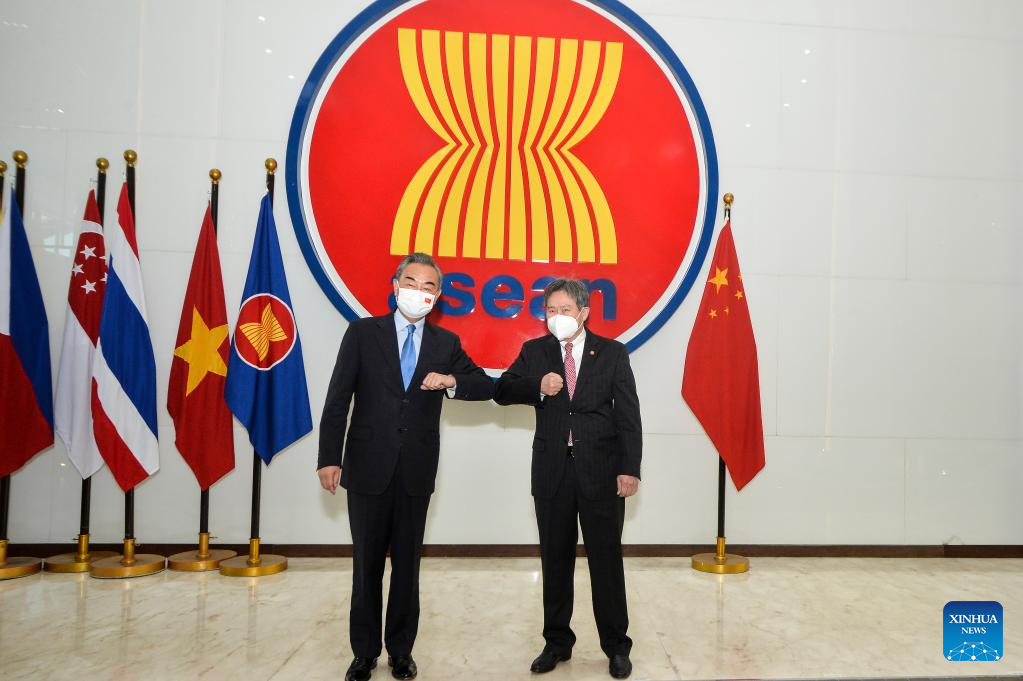
On 09 September, Xinhuanet reported that Malaysia’s National News Agency (Bernama) CEO Nur-ul Afida Kamaludin and Chairman of the Center of Regional Strategic Studies and Member of Parliament Tan Kar Hing praised China-ASEAN relations. In an interview with Xinhuanet, Kamaludin stated that cooperation between ASEAN and China “will be key to ensuring regional stability and economic growth even as the world continues to grapple with geopolitical challenges.” She added that the Asia-Pacific region should not be divided into rival regional blocs, and that China-Malaysia relations have improved substantially across trade, investment, infrastructure and people-to-people exchanges. MP Kar Hing is set to lead a Malaysian delegation for the China International Fair for Trade in Services (CIFTIS)in Beijing from 09 to 13 September. He stated that CIFTIS acts as a two-way bridge for China-ASEAN cooperation and praised China’s technological advancements showcased at the fair.
(“ASEAN-China cooperation key to regional stability, growth, says Malaysian National News Agency CEO,” Xinhuanet, 09 September 2026; “CIFTIS a two-way bridge for China-ASEAN cooperation: Malaysian think tank leader,” Xinhuanet, 09 September 2026)
https://english.news.cn/asiapacific/20260907/75b9b34411db44b4927954873392811c/c.html
CHINA AND AFRICA
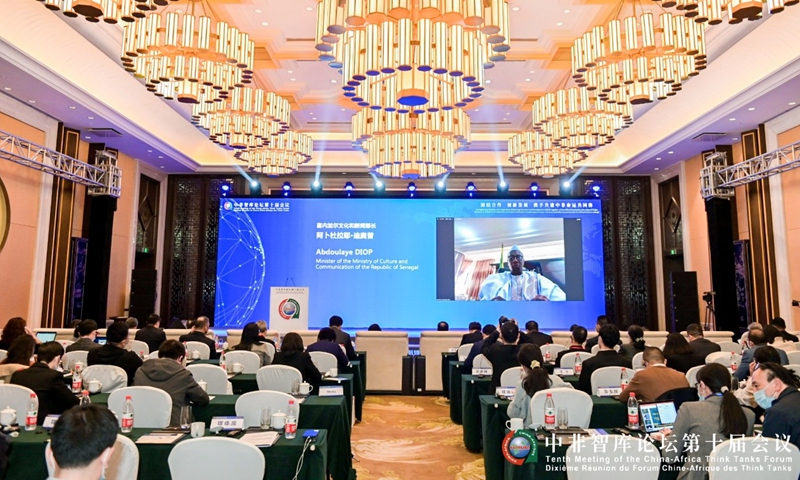
Zambian delegation participate in seminar organized by China’s Commerce Ministry
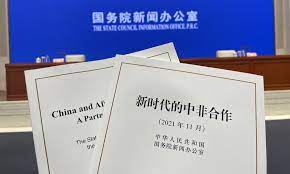
On 08 September, Xinhua reported that Zambia had sent senior officials from its Commerce and Trade Ministry to attend a seminar on processing trade innovation organized by China’s Commerce Ministry in Beijing. Spokesperson Everness Nankala stated that exposure to China’s industrial experience would help Zambia to formulate their own policies and programs to support local businesses. She added that China remains a major partner in bilateral trade, investment and technical cooperation and thanked China’s support for Zambia’s developmental goals and ideals.
(“China's industrial experience helps accelerate Zambia's development: ministry,” Xinhuanet, 08 September 2026)
https://english.news.cn/africa/20260909/dbc30511ffed45b5be560cc3407d868f/c.html
CHINA AND AFRICA
Beijing and Cairo strengthen mutual trust and cooperation; focus on South-South cooperation
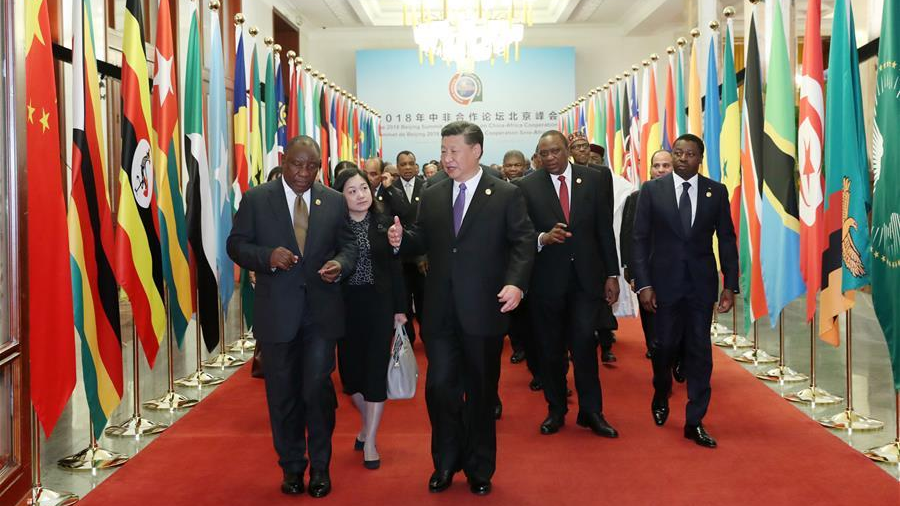
On 09 September, Xinhua reported that there is a deep level of mutual trust and strategic coordination driving the expanding bilateral partnership between Egypt and China. Grounded in strong political alignment and historical ties, this relationship fosters comprehensive collaboration across multiple sectors, including economic development, trade, and cultural exchange. The same sentiments was echoed by Ezzat Saad, director of the Egyptian Council for Foreign Affairs, stating that "Egyptian-Chinese relations are characterized by a high level of trust between the leaders of the two countries, deep friendship, shared interests, and mutual benefits." He attributed this development to initiatives like BRI, SCO, and BRICS, which he believes are pertinent to strengthen the global South in a multi polar world. By leveraging their shared vision and mutual respect, both nations seek to advance key joint projects, enhance regional stability, and reinforce their strategic alliance.
(“High-level trust drives Egypt-China partnership forward: expert,” Xinhua Net, 09 September 2026)
https://english.news.cn/africa/20260906/dc5071c22f634b3eb7611a2cad40bb2a/c.html
CHINA AND EUROPE
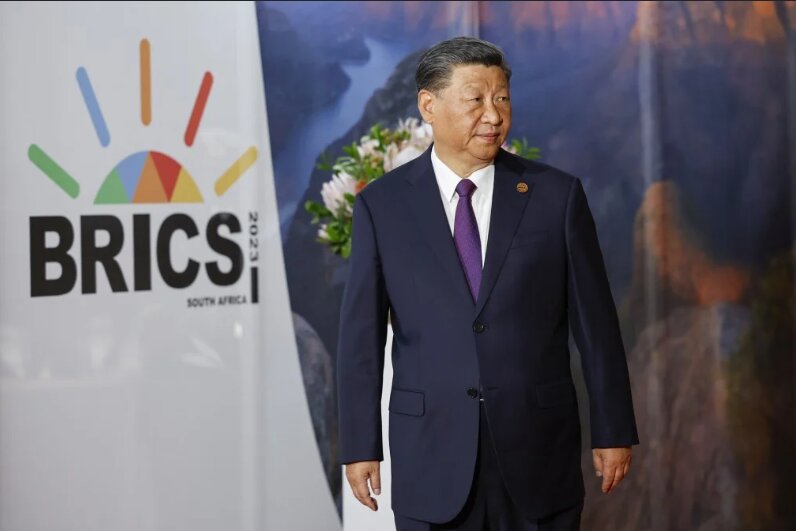
President Xi holds talks with British PM; both parties seek to deepen bilateral ties
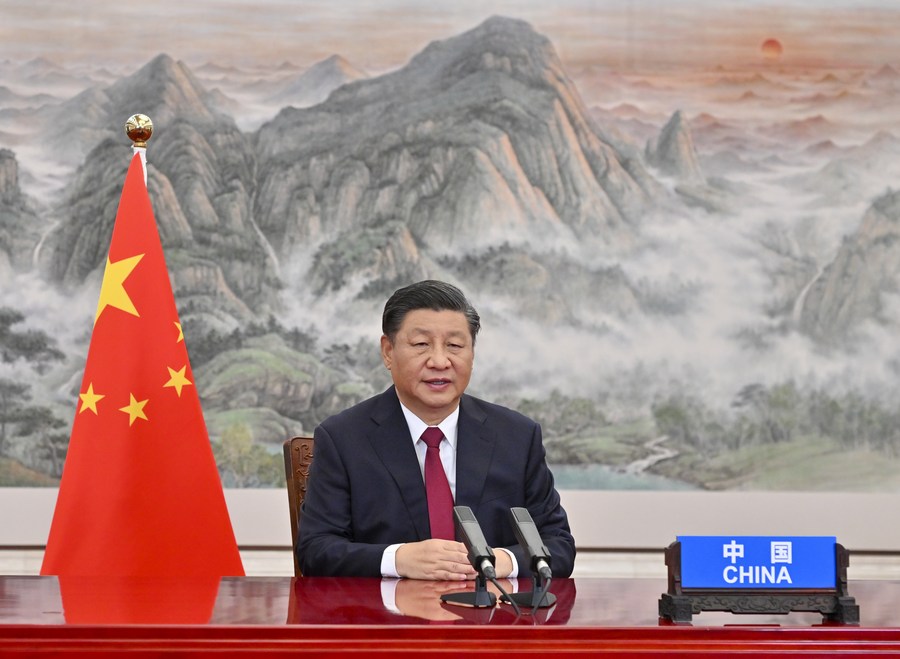
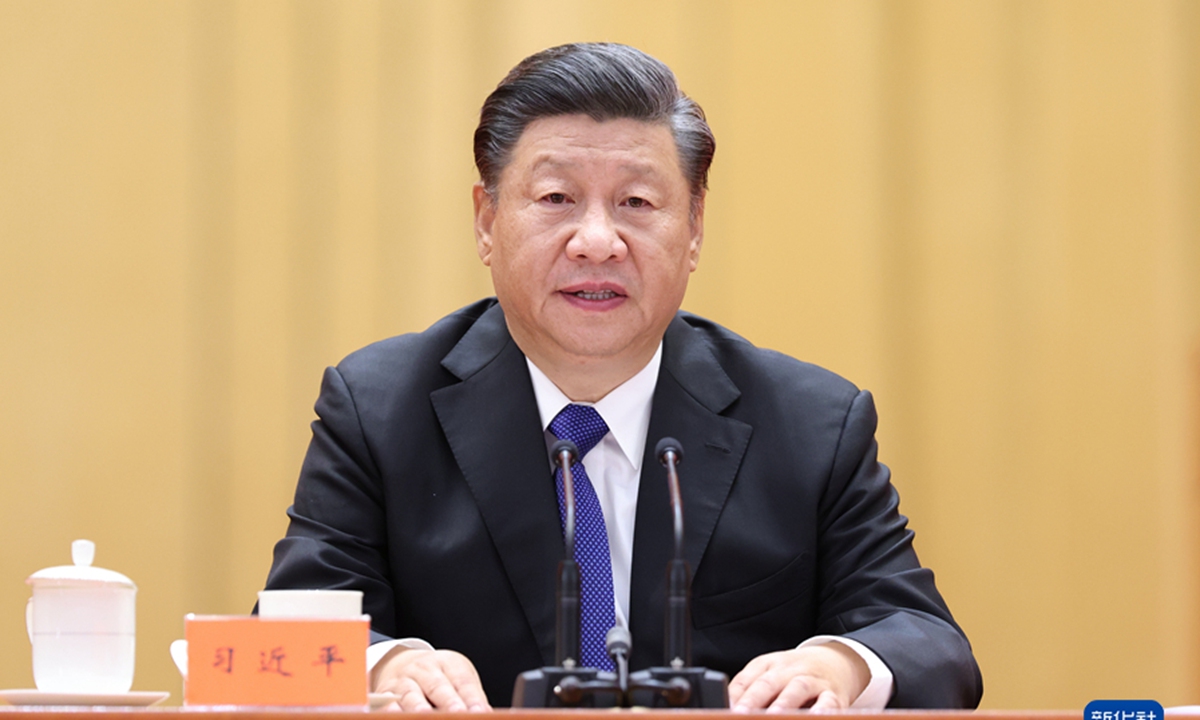
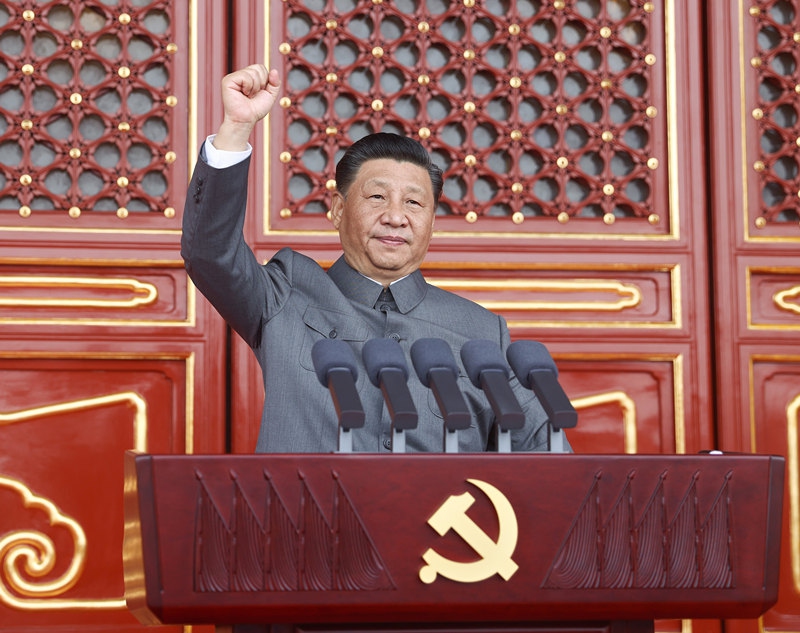
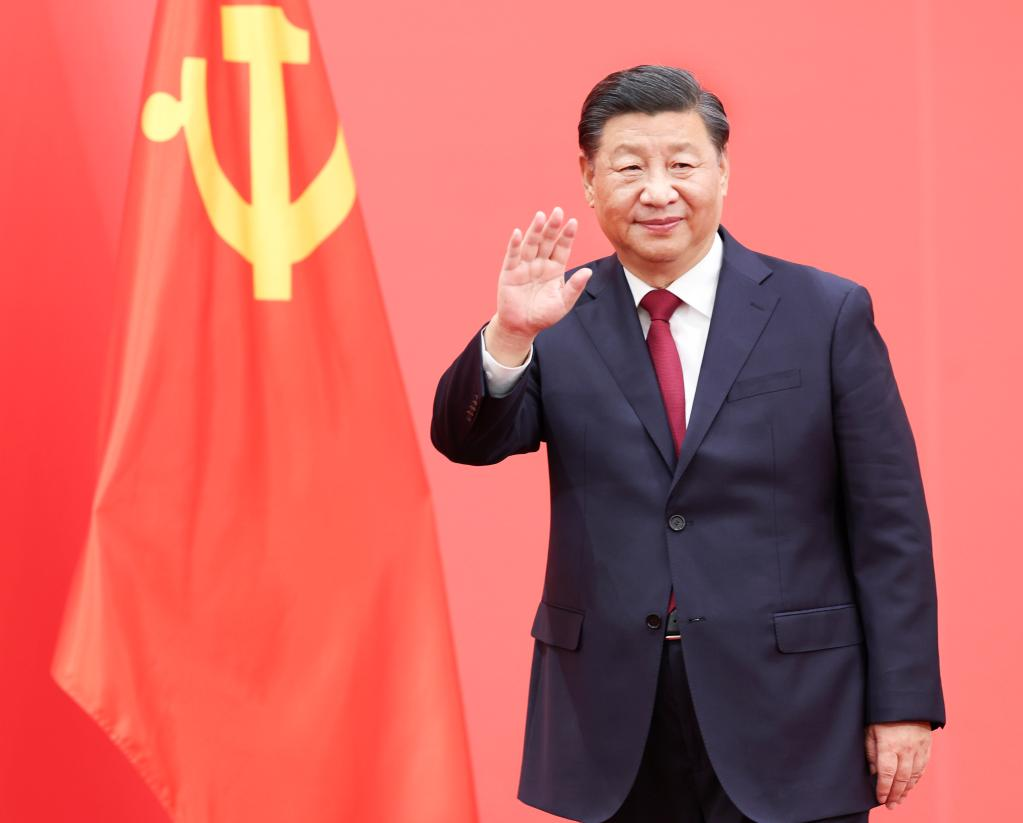
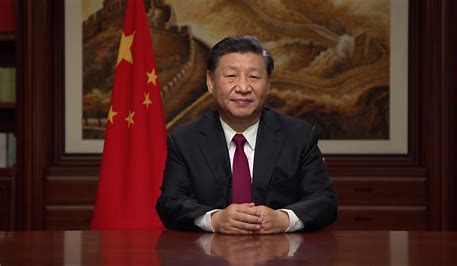
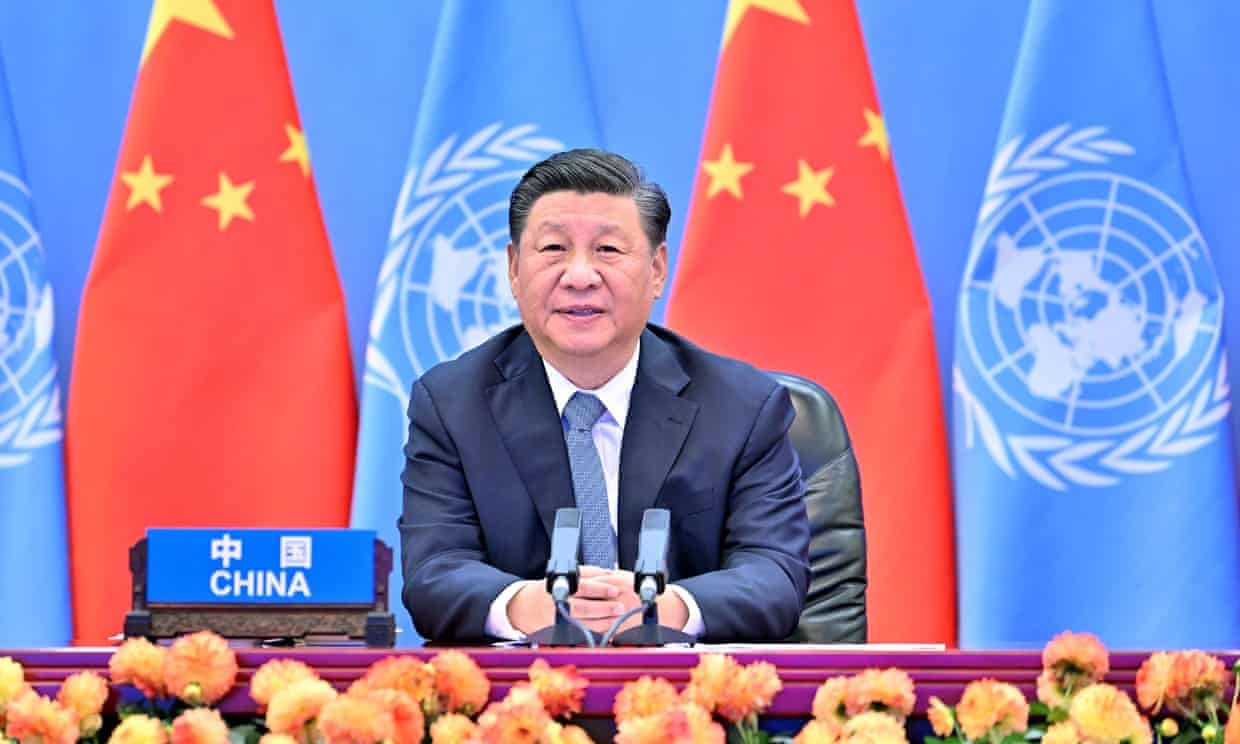
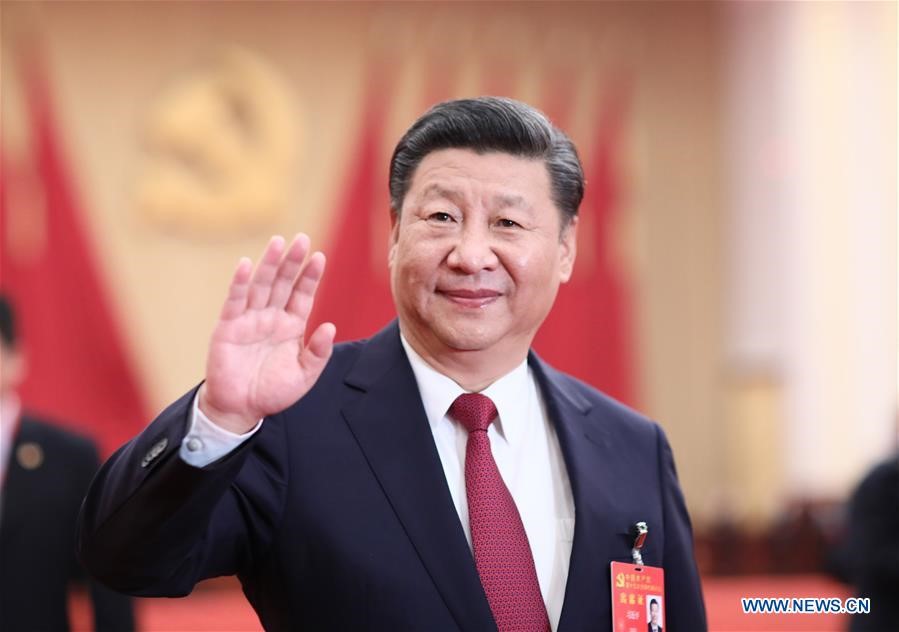
On 09 September, Xinhua reported China’s President Xi Jinping held phone talks with newly appointed British Prime Minister Andy Burnham to discuss deepening bilateral relations. Highlighting their status as UN Security Council permanent members and major global economies, both leaders emphasized expanding mutually beneficial cooperation despite differing social systems. President Xi invited British partnership during China's 15th Five-Year Plan, specifically pointing to opportunities in healthcare, finance, and education, while requesting protection for Chinese investors. PM Burnham reaffirmed Britain’s unchanged stance on Taiwan, praised China’s local disaster relief efforts assisting British citizens, and expressed commitment to building a stable, long-term strategic partnership focused on multilateralism, trade, and climate action.
(“Xi holds phone talks with British PM,” Xinhua Net, 09 September 2026)
https://english.news.cn/20260908/86fdea33fc314b2ba0109dc1e0f5e86d/c.html
CHINA AND THE AMERICAS
Washington warns Ford over its strategic ties to Chinese tech rivals
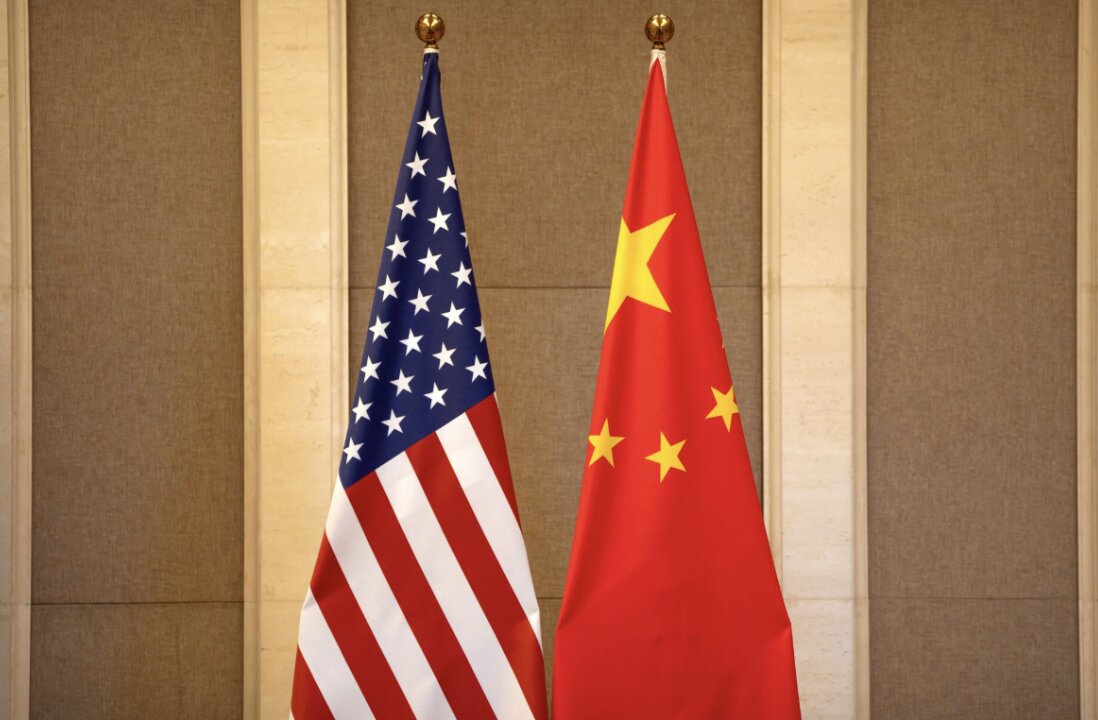
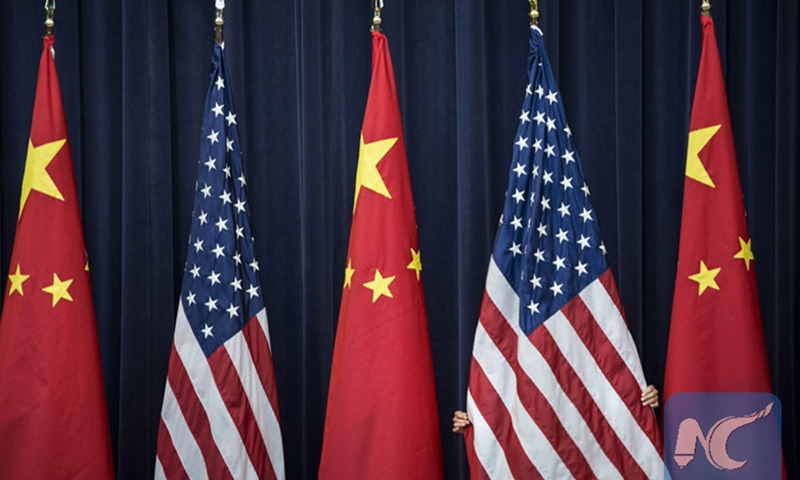
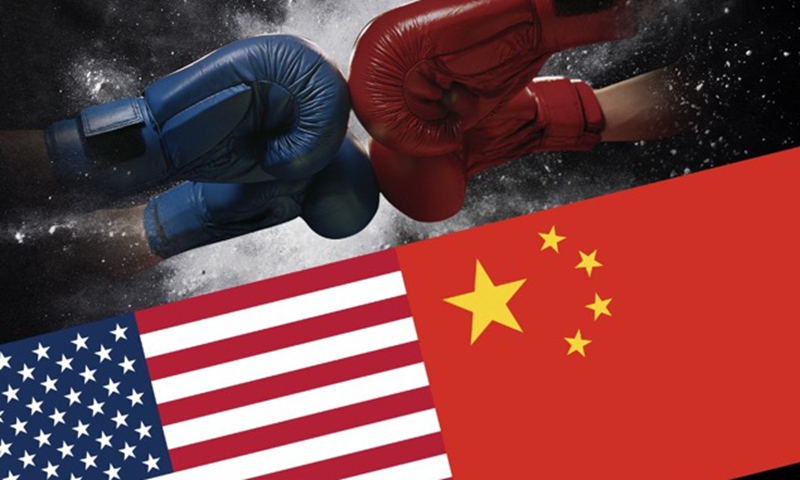
On 08 September, Al Jazeera reported that the US Department of Transportation publicly criticized Ford Motor Company over its partnerships with Chinese firms CATL, Geely, and BYD, warning they jeopardize American supply chain security. The US Department of Transportation's public warning to Ford highlights the deepening economic friction and technological decoupling between Washington and Beijing. To secure global leadership in next generation transport, the US government is aggressively cracking down on foreign component dependencies, viewing Chinese electric vehicle (EV) supply chains, battery tech, and software as critical national security vulnerabilities. Ford’s strategy is also reflective of the dilemma faced by Western automakers, while Washington demands total supply chain independence, American manufacturers rely on Chinese technical expertise such as CATL’s battery technology to build competitive, affordable EVs before foreign rivals capture global market share. By penalizing these partnerships, as per Al Jazeera, the US risks creating a strategic trade-off between strict national security boundaries and the rapid domestic industrialization required to rival China's clean technology dominance.
(“US warns Ford over ties with Chinese firms amid tensions,” Al Jazeera, 08 September 2026)
https://www.aljazeera.com/economy/2026/9/8/us-warns-ford-over-ties-with-chinese-firms-amid-tensions
Opinion: Scott Morrison, “China Overplayed Its Hand on Critical Minerals,” Wall Street Journal, 08 September 2026
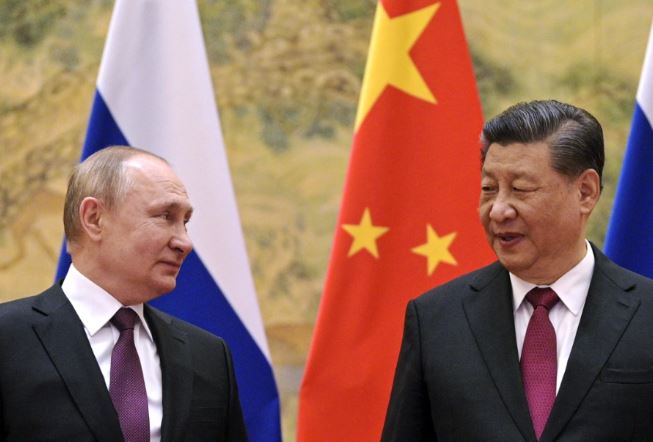
"By weaponizing its near-monopoly on critical minerals to squeeze Western defense sectors and pressure global trade partners, China believed it could project insurmountable economic leverage. Instead, Beijing overplayed its hand. Rather than forcing compliance, its aggressive export restrictions spooked the international community into action, dismantling decades of Western industrial complacency. Across the G7 and beyond, governments are now deploying unprecedented capital subsidies, instituting price floors, and forging global mining alliances to build independent supply chains. In attempting to assert total dominance over the building blocks of future technology, China has inadvertently accelerated the global coalition that will ultimately break its grip on these vital resources."
https://www.wsj.com/opinion/china-overplayed-its-hand-on-critical-minerals-fbab6de8




































.png)
.jpg)
.jpg)
.jpg)
.jpg)
.jpg)
.jpg)
.jpg)
.jpg)
.jpg)
.png)
.jpg)
.jpg)
.jpg)
.jpg)
.jpg)
.jpg)
.jpg)

.jpg)
.jpg)
.jpg)
.jpg)
.jpg)

.jpg)
.jpg)
.jpg)
.jpg)
.png)
.jpg)
.jpg)
.png)
.jpg)
.jpg)


.jpg)

.jpg)
.jpg)
.jpg)
.jpg)
.jpg)
.jpg)
.jpg)
.jpg)

.jpg)
.jpg)
.jpg)
.jpg)
.jpg)
.jpg)
.jpg)

.jpeg)




.jpeg)