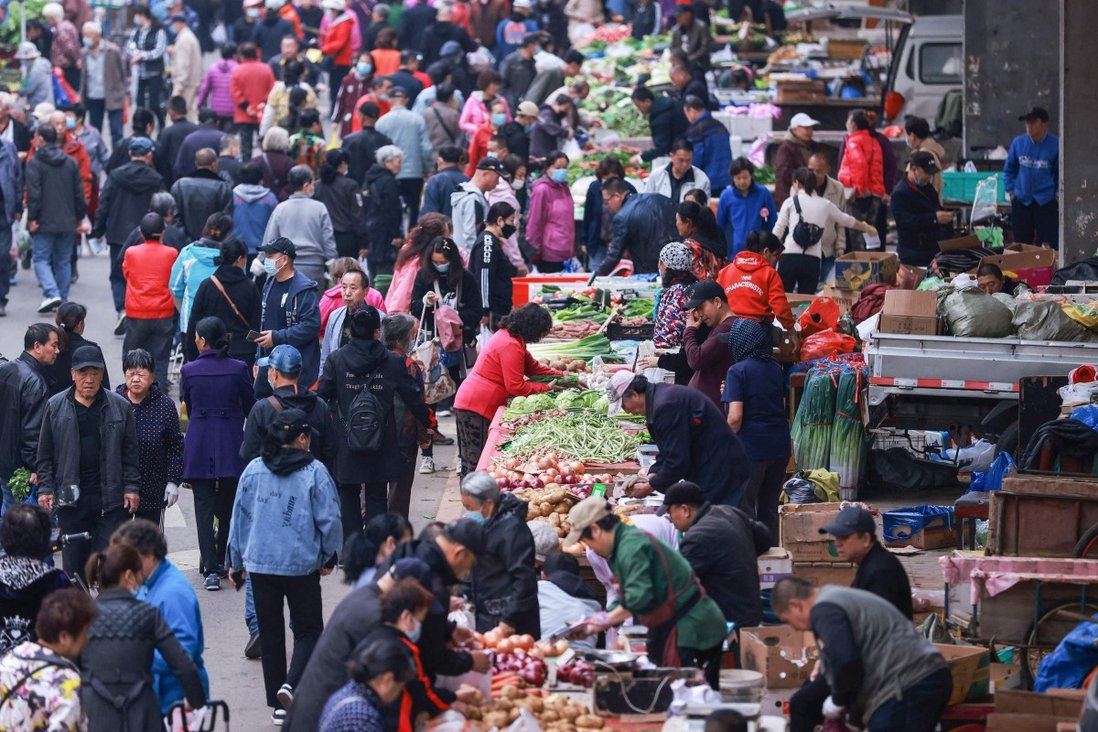
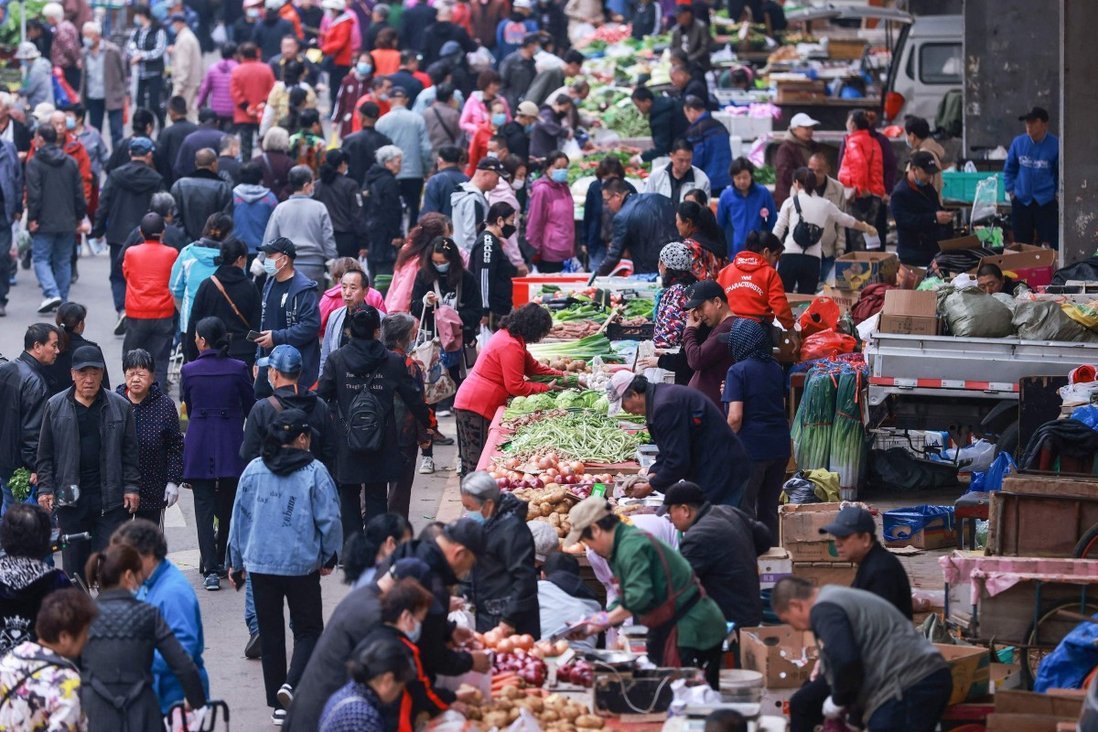
Photo : SCMP


Photo : SCMP
In Brief
INTERNAL
New national security exit rules allowing up to three-year travel bans take effect
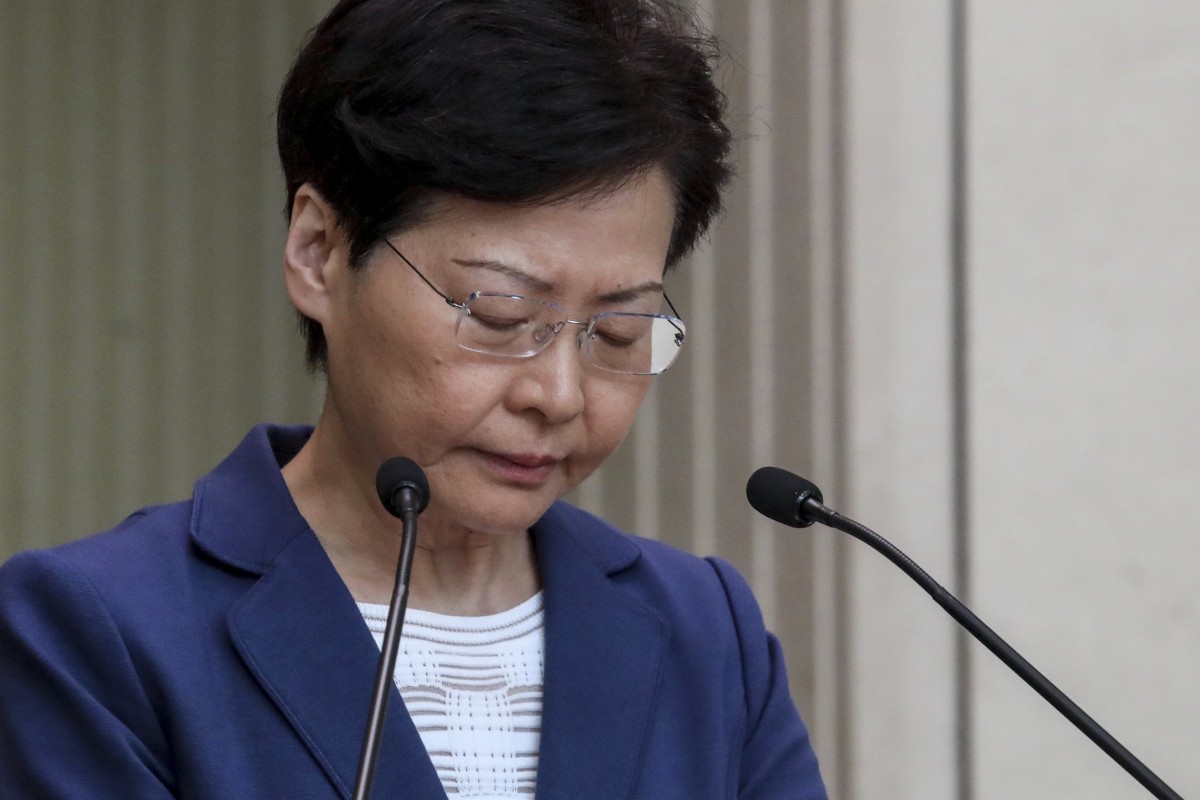
On 15 September, Reuters reported that China tightened travel curbs as new exit-and-entry rules took effect on 15 September, barring citizens deemed a potential threat to national technology security from leaving the country. The rules, unveiled in July, target violations of export controls or technology import-export rules that could endanger industrial or technological security. They provide for exit bans ranging from six months to three years for citizens returning to China after committing illegal or criminal acts abroad that harm national security. Foreign nationals may also be denied entry for one to five years over false visa application statements. The rules follow a broader pattern of scrutiny on foreign travel, including last month's detention of Myanmar expert and US citizen Min Zin. Taiwan's Mainland Affairs Council warned its citizens to take extra care visiting China, which considers Taiwanese people Chinese citizens.
("China tightens travel rules over tech security," Reuters, 15 September 2026)
https://www.reuters.com/world/china/chinas-new-tech-national-security-exit-rules-take-effect-2026-09-15/
SCIENCE AND TECHNOLOGY
World’s first intelligent manufacturing facility for humanoid robots opens in Liuzhou
On 14 September, Global Times reported that China’s humanoid robot developer, UBTECH Robotics, located in Liuzhou, South China, has opened what it says is the world's first intelligent manufacturing facility for humanoid robots. The 14,000-square-meter plant can turn out one robot every 10 minutes, aiming for a yearly capacity of 10,000 units. The facility mainly produces UBTECH's Walker S and Cruzr robot lines. Built with Germany's Siemens, the factory runs on a digital "smart brain" that automatically schedules work orders, materials, and quality checks, while robots themselves help build other robots by handling loading, unloading, and material transport. Every finished robot undergoes over four hours of testing plus an all-angle visual inspection, and a compact automated warehouse stores 112 robots in just 65 square meters. UBTECH says the project signals China's shift from small-batch, lab-style robot production to true industrial-scale manufacturing, crediting the country's deep supply chain and engineering talent. This is a trend reflected in broader data showing China's industrial robot output up 30.2 per cent year-on-year in July, with over 635,000 units produced from January to July 2026.
(“‘Robots building robots’: World’s 1st 10,000-unit-scale industrial humanoid robot smart factory starts production,” Global Times, 14 September 2026)
https://www.globaltimes.cn/page/202609/1370528.shtml
DEFENSE
Xiangshan Forum begins in Beijing; Discusses regional tensions and military purges
On 14 September, Reuters reported that China's Defence Minister Dong Jun is set to open the three-day Xiangshan Forum in Beijing, a tightly scripted Chinese event seen as a rival to Singapore's Shangri-La Dialogue. Hundreds of military officers, diplomats, and scholars from dozens of countries are expected to attend this event. Defence Minister Dong is likely to pitch closer international cooperation in a multi-polar world while including coded criticism of the US and its allies. However, according to some Asian envoys and analysts, this may be tempered by Xi Jinping's planned visit to Washington later this month, with Japan seen as an easier target given the current China-Japan tensions over its wartime past and "remilitarisation." Taiwan does not attend the forum, as neither government recognises the other and China views the island as its own territory. The US delegation will be headed by the Pentagon's principal director for China, Taiwan and Mongolia, Cynthia Carras. Vietnam is sending Defence Minister Phan Van Giang and Malaysia is sending its Vice Defence Minister Adly Zahari. An East Asia politics and security expert at Brookings Institution notes that doubts about US security commitments in Asia give China an opening to argue regional defence should be managed by Asian countries, though China's assertive behaviour, particularly in the South China Sea, keeps many Asian countries sceptical of it. The forum also comes amid corruption purges within China's military and ahead of next year's Communist Party congress, which will fill out the Central Military Commission's currently understaffed seven-member body. The body is now filled with two positions, one by Xi himself, giving foreign delegates a chance to meet potential future PLA leaders and gauge the purges' impact.
(“Chinese defence forum set to open amid roiling regional tensions,” Reuters 14 September 2026)
https://www.reuters.com/world/china/chinese-defence-forum-set-open-amid-roiling-regional-tensions-2026-09-14/
NUCLEAR
H-6N bomber completes China's nuclear triad reports SCMP
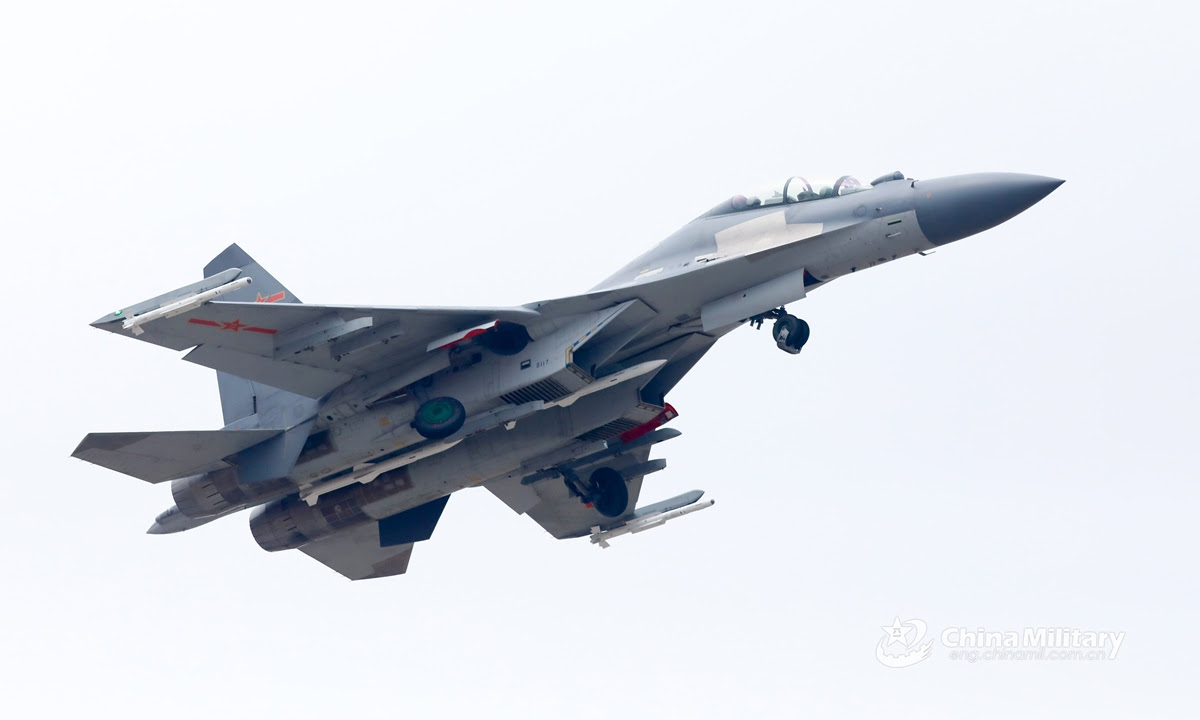
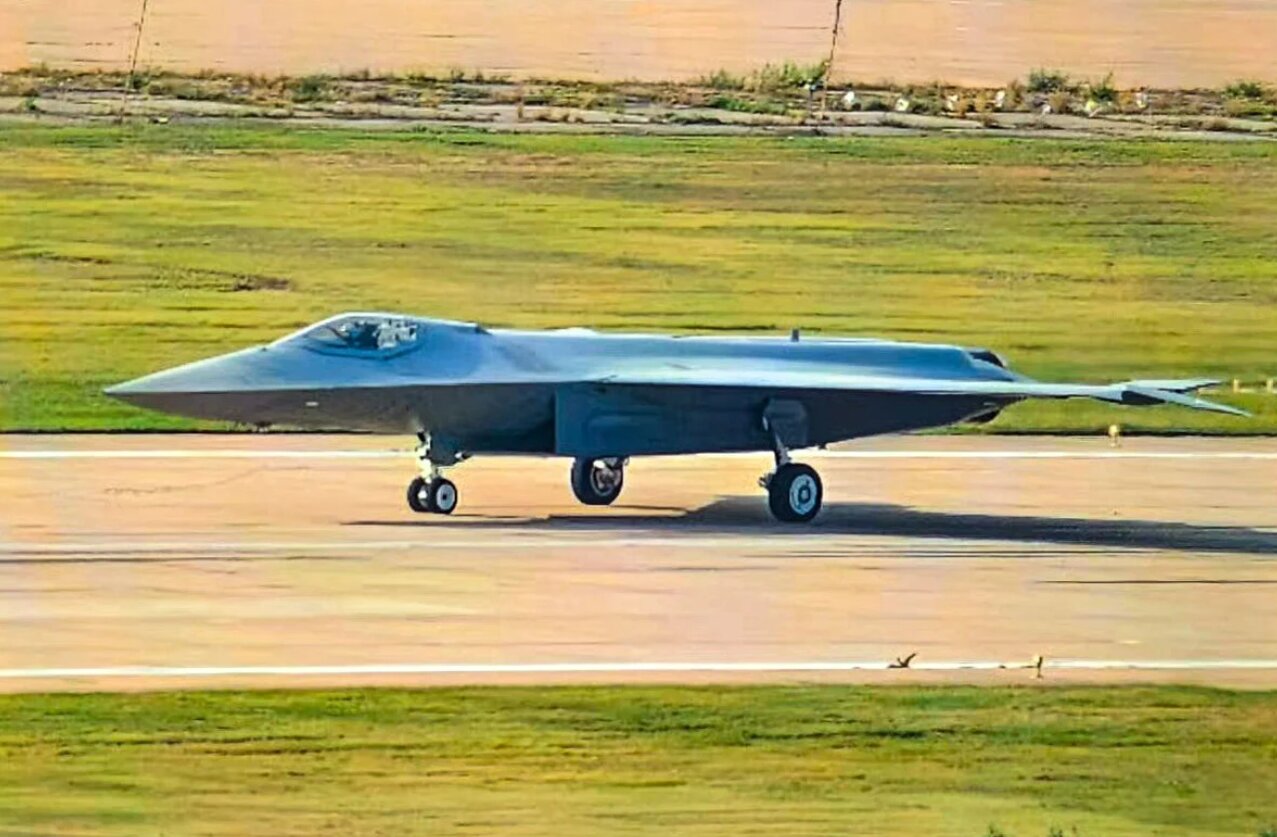
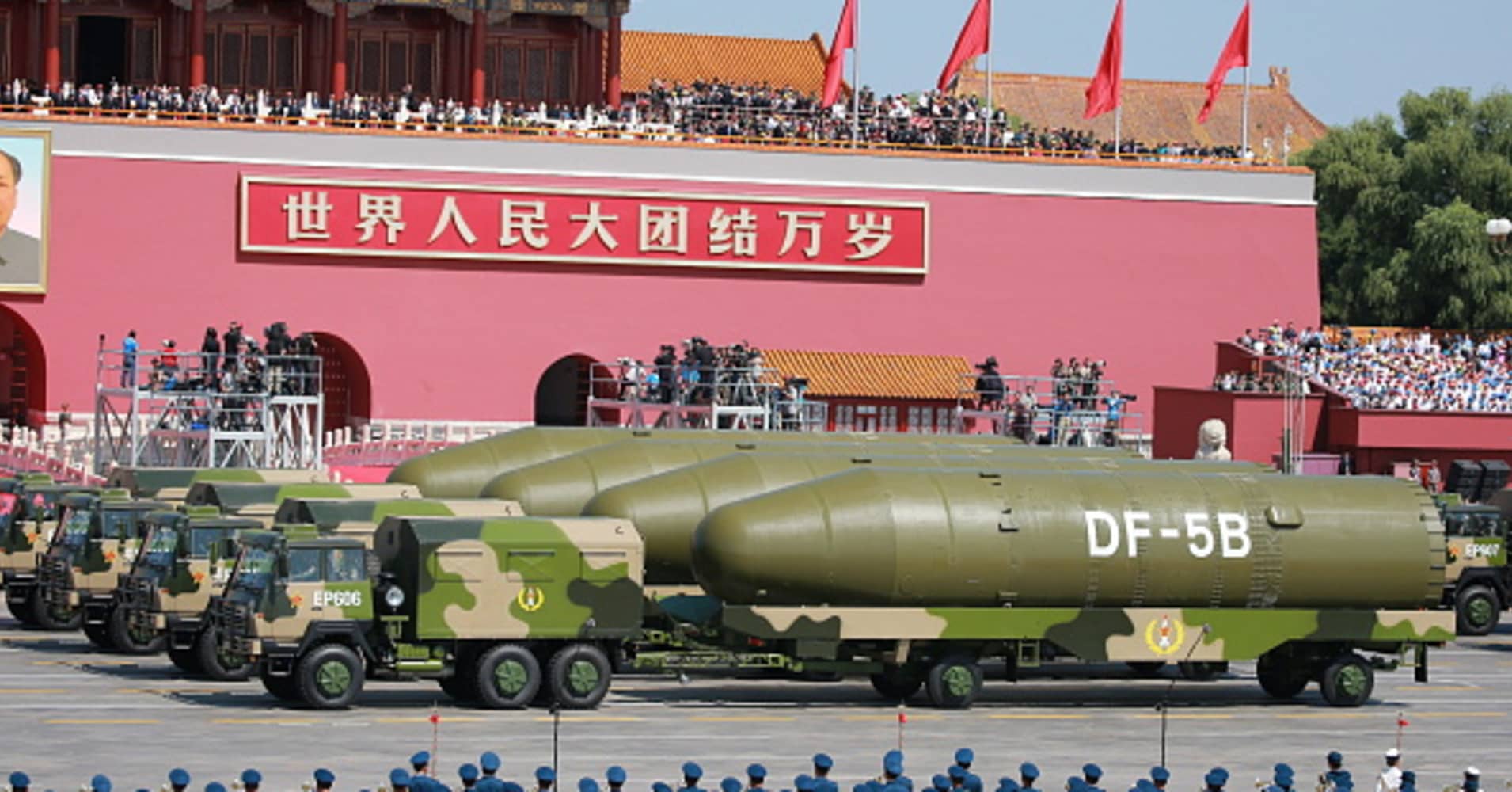
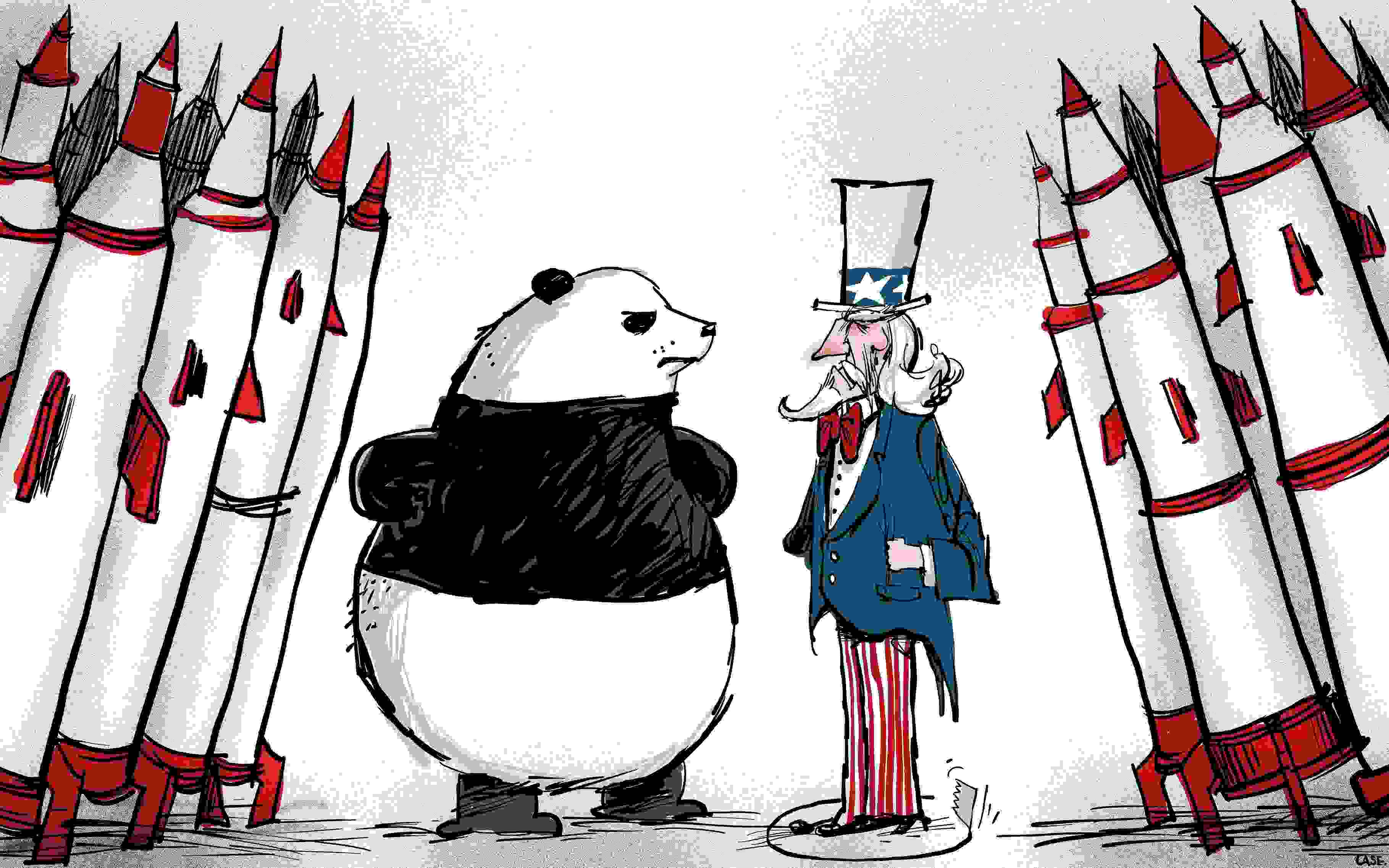
On 13 September, SCMP reported that China is now considered to have completed its nuclear triad, after its JL-1 air-launched ballistic missile (ALBM) was confirmed capable of being mounted on the H-6N strategic bomber, boosting Beijing's nuclear deterrence and second-strike capability. The H-6, a local variant of the Soviet-era Tu-16, has served as China's primary strategic strike aircraft for six decades. The JL-1 first appeared publicly at Beijing's Victory Day parade last September, and footage released in August showed an H-6N carrying the missile, escorted by two J-20 stealth fighters during simulated strike drills. With the JL-1-H-6N combination, China joins the US and Russia in possessing a full nuclear triad, comprising air-, land-, and sea-based delivery systems, considered the cornerstone of credible nuclear deterrence.
("For China, H-6N bomber enhances nuclear deterrence and second-strike capability," South China Morning Post, 13 September 2026)
https://www.scmp.com/news/china/military/article/3367350/china-h-6n-bomber-enhances-nuclear-deterrence-and-second-strike-capability
CHINA AND EAST ASIA
China criticises Japan’s “forward deployment” of weapons during trilateral joint exercise with the US and Australia
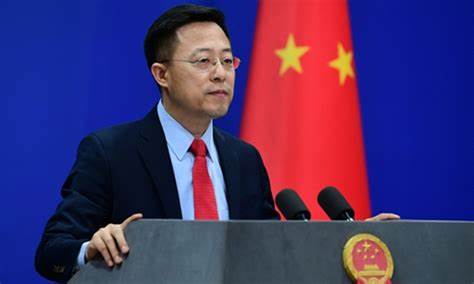
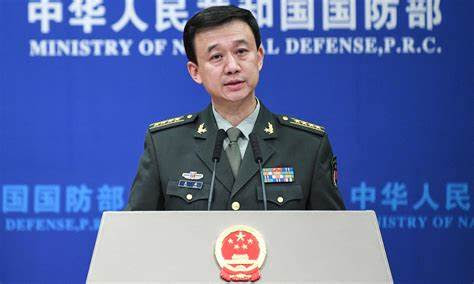
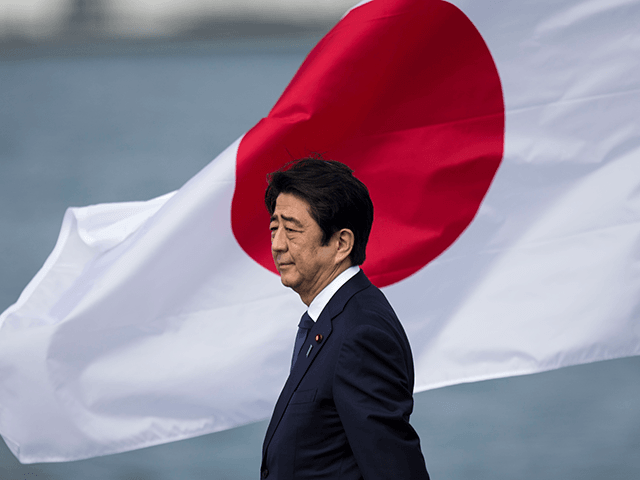
On 15 September, Anadolu Agency reported that China criticised Japan’s participation in the Orient Shield 2026 joint military exercises with the US and Australia, stating that they increase the risk of confrontation in the region. The exercise is currently being held in Japan's Hokkaido and Kagoshima regions, and will continue till 24 September. China’s Defence Ministry Spokesperson Jiang Bin stated that Japan has “repeatedly breached the principles of its pacifist constitution” and accelerated its “remilitarization” through these overseas military exercises, and condemned the “forward deployment” of its armaments in the region. He further urged the three countries to “contribute positively to regional peace and stability through concrete actions.”
(“China warns Japan’s forward deployment of strategic offensive weapons risks confrontation,” Anadolu Agency, 15 September 2026)
https://www.aa.com.tr/en/asia-pacific/china-warns-japan-s-forward-deployment-of-strategic-offensive-weapons-risks-confrontation/4057269
CHINA AND SOUTH ASIA
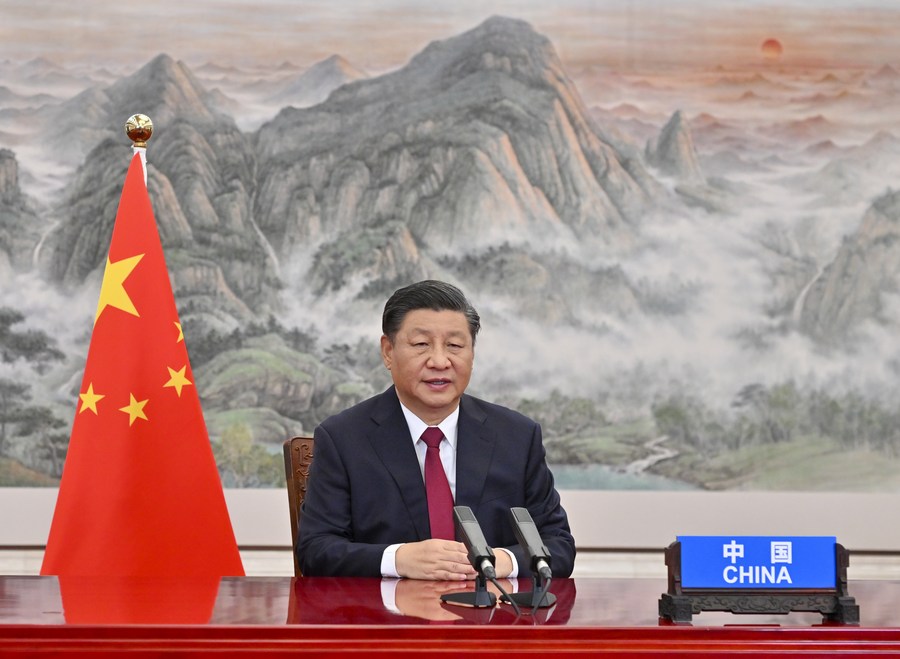
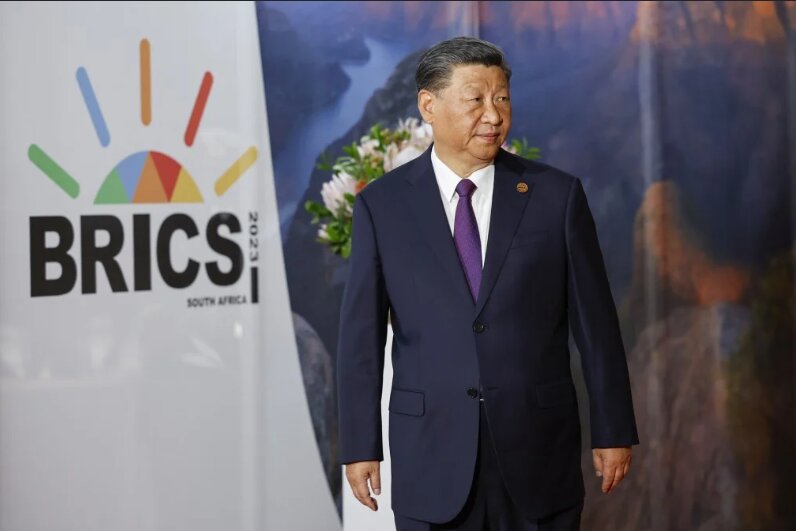
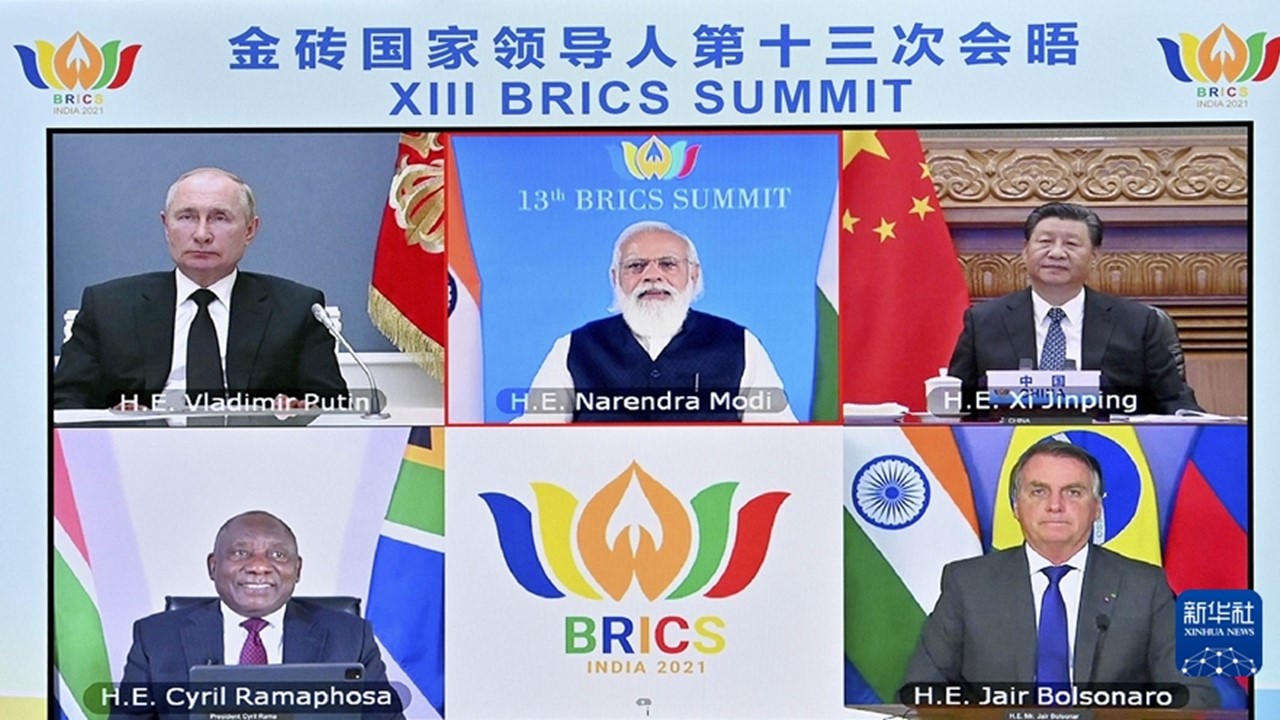
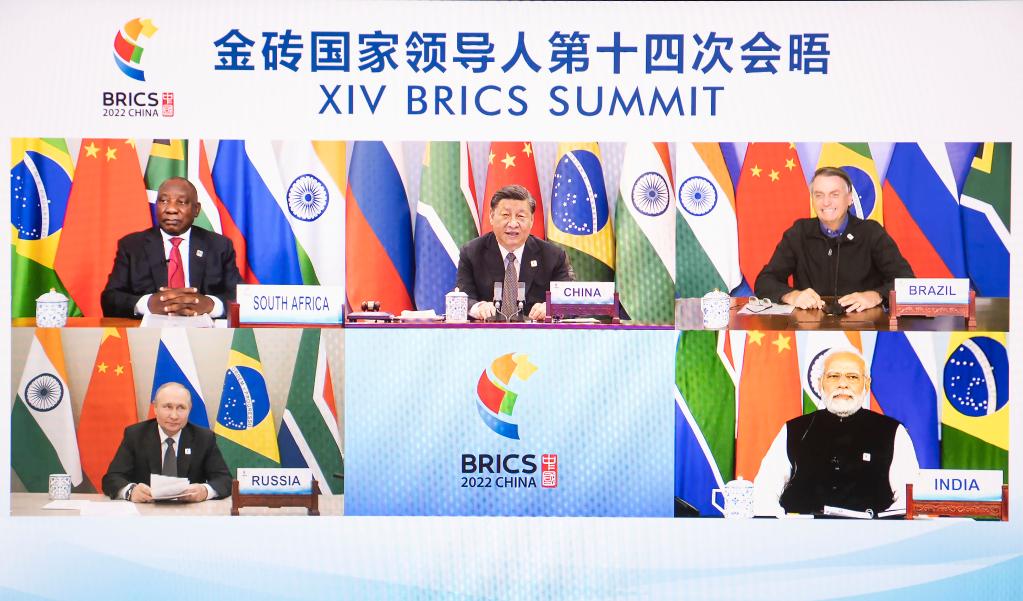
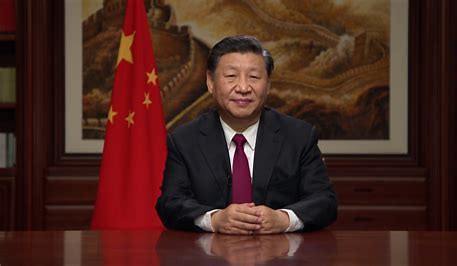
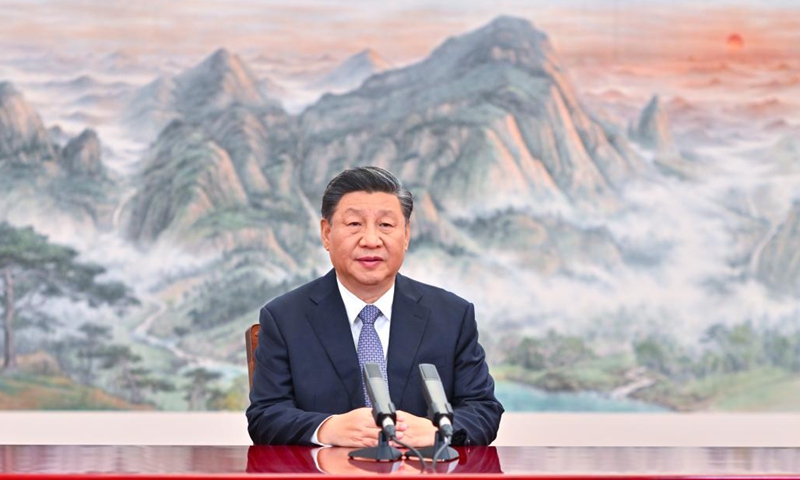
President Xi says China will take the lead to enhance AI and technology cooperation in BRICS
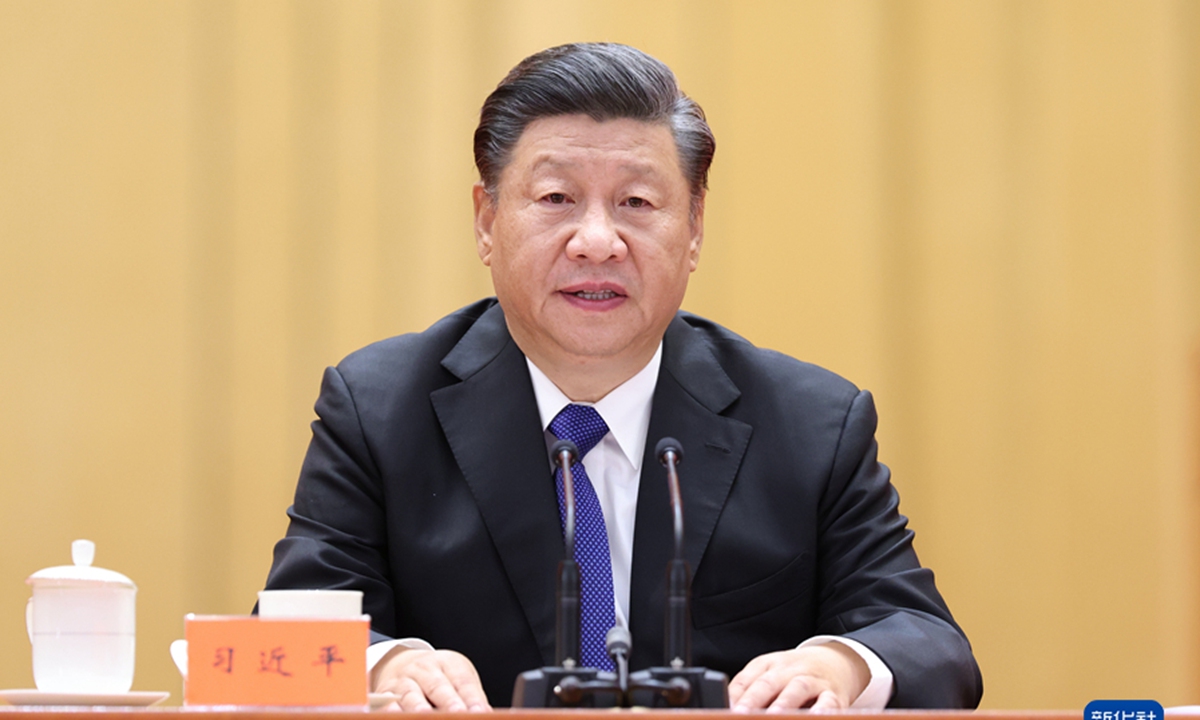
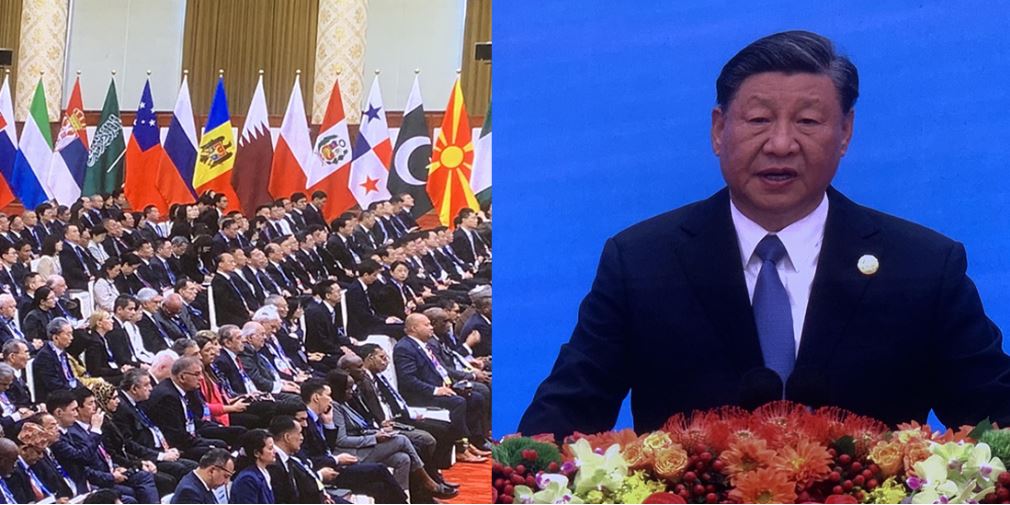
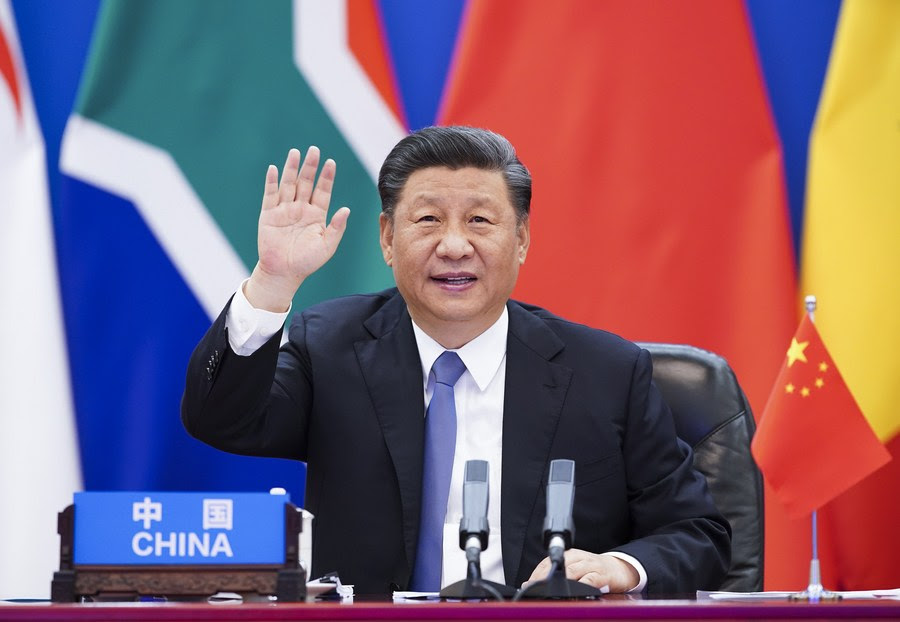
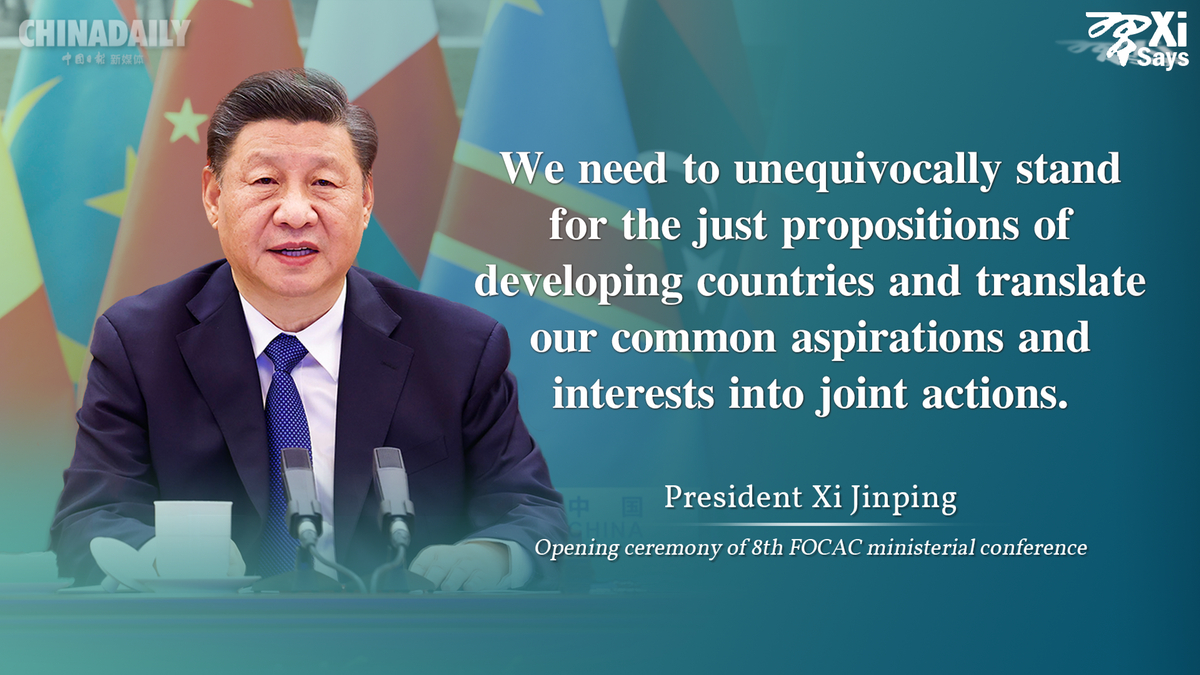
On 13 September, CNBC reported that China will take the lead to foster AI collaboration and development among the developing-economy countries in BRICS. President Xi Jinping made the remarks during the 18th BRICS summit held in New Delhi, India. In a statement released by China’s Ministry of Foreign Affairs, Beijing will take the lead on establishing a BRICS AI open-source community, conduct AI seminars and training courses and build an open AI ecosystem. President XI also called on setting up a BRICS engineer cultivation alliance and a youth exchange program for scientific and technological innovation.
(“Xi says China will take lead to foster AI, tech cooperation among BRICS countries,” CNBC, 13 September 2026)
https://www.cnbc.com/amp/2026/09/13/china-xi-ai-tech-brics.html
China pushes closer economic ties with India as border tensions ease
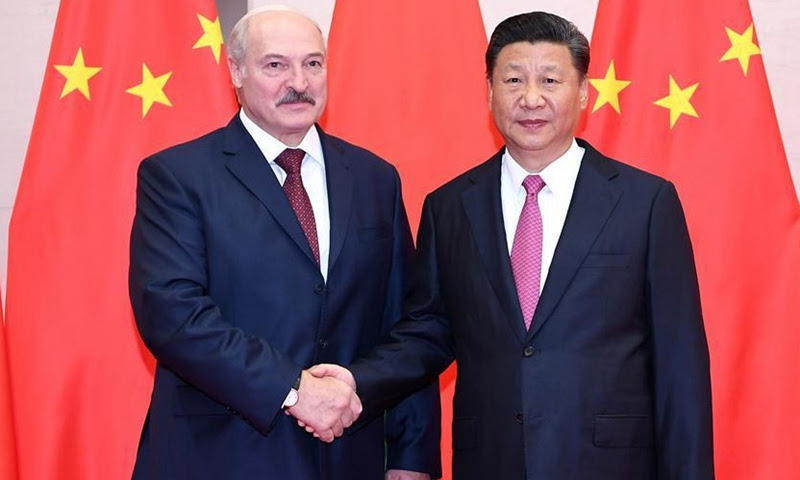
On 13 September, Reuters reported that India's Prime Minister Narendra Modi and China's President Xi Jinping pledged to strengthen business and transport links as both countries continue rebuilding ties damaged by their 2020 border clash, according to New Delhi. The leaders met on the sidelines of the BRICS summit in New Delhi, Xi's first visit to India in seven years, with the Indian foreign ministry noting that both sides underlined the need to address structural trade imbalances and facilitate predictable market access. Bilateral trade reached a record USD 155.6 billion in 2025, according to Chinese customs data, with China now India's largest source of imports at around USD 132 billion, leaving New Delhi with a trade deficit exceeding USD 100 billion. Xi said, according to Xinhua, that institutional exchanges were gradually being restored and the list of cooperation areas was growing. Ties began recovering at the end of 2024 after both leaders agreed to end their military stand-off in the western Himalayas, though substantial troop deployments and slow-moving border talks remain, with Modi saying peace in border areas was essential for continued bilateral progress.
("India's Modi and China's Xi push business links, border peace as ties revive," Reuters, 13 September 2026)
https://www.reuters.com/world/china/chinas-xi-lands-delhi-brics-summit-indian-tv-channels-report-2026-09-12/
CHINA AND THE MIDDLE EAST
Beijing urges Riyadh to exercise restraint amidst Houthi attacks in Saudi Arabia
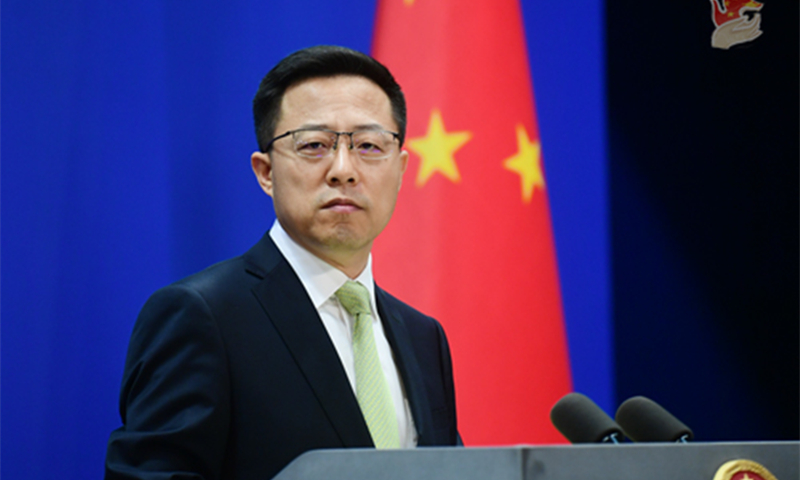
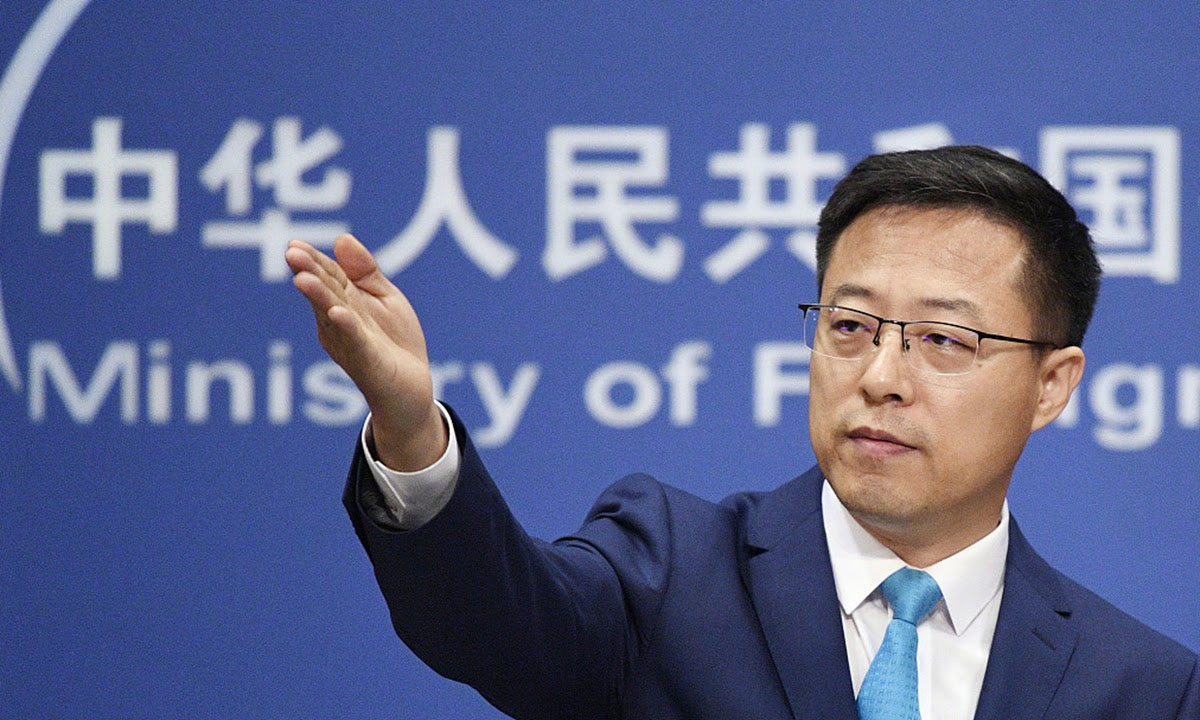
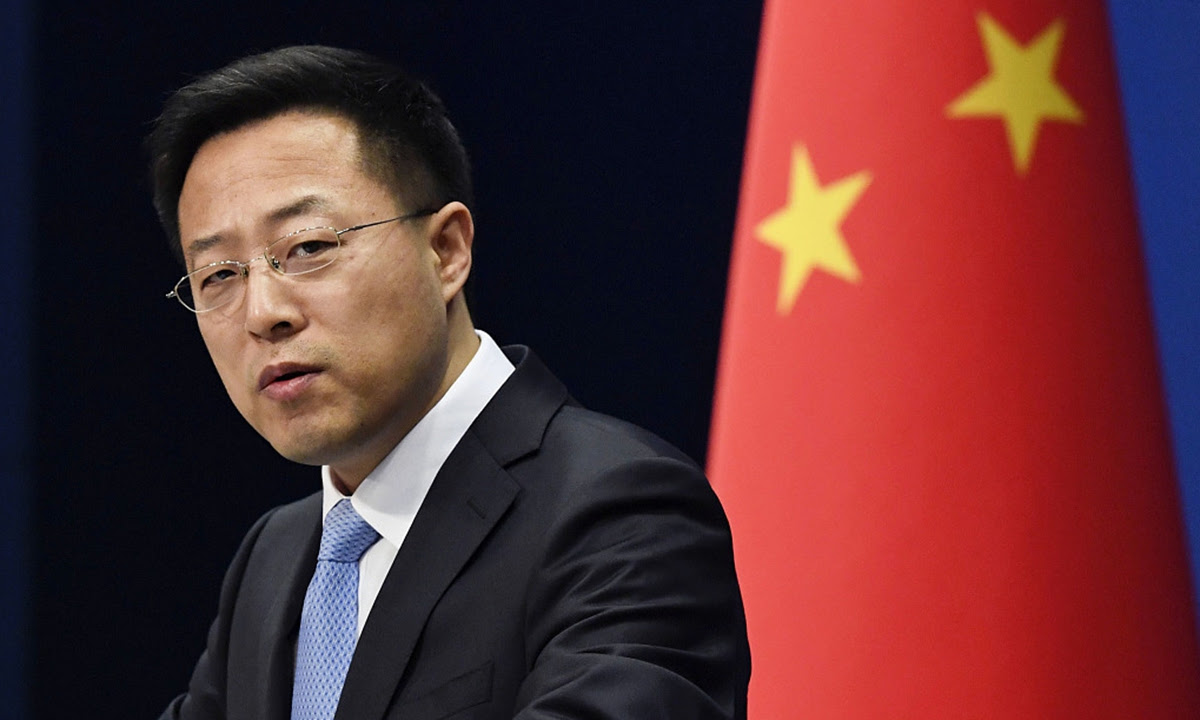
On 14 September, Anadolu Ajansi reported that China has expressed deep concern over escalating Houthi missile and drone strikes against Saudi Arabia and Red Sea shipping infrastructure. Condemning civilian casualties and energy grid damage, China’s Foreign Ministry spokesman Guo Jiakun called for immediate restraint, respect for sovereignty, and diplomatic dialogue to prevent a broader regional conflict. He also stated that “Increasing turmoil in the region serves no one's interest. The sovereignty and security of all countries should be respected, and the only way out is to resolve disputes through political and diplomatic means,” while reiterating that attacks on civilians and any impediments to their livelihoods are “unacceptable.”
(“China calls for restraint, dialogue, expresses ‘concern’ amid Houthi attacks on Saudi Arabia,” Anadolu Ajansi, 14 September 2026)
https://www.aa.com.tr/en/asia-pacific/china-calls-for-restraint-dialogue-expresses-concern-amid-houthi-attacks-on-saudi-arabia/
CHINA AND EUROPE
Beijing and Brussels to hold a high-stakes discussion over the EU’s increasing trade deficit with China
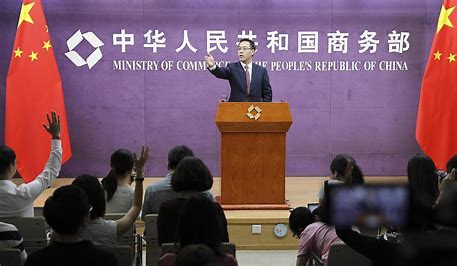
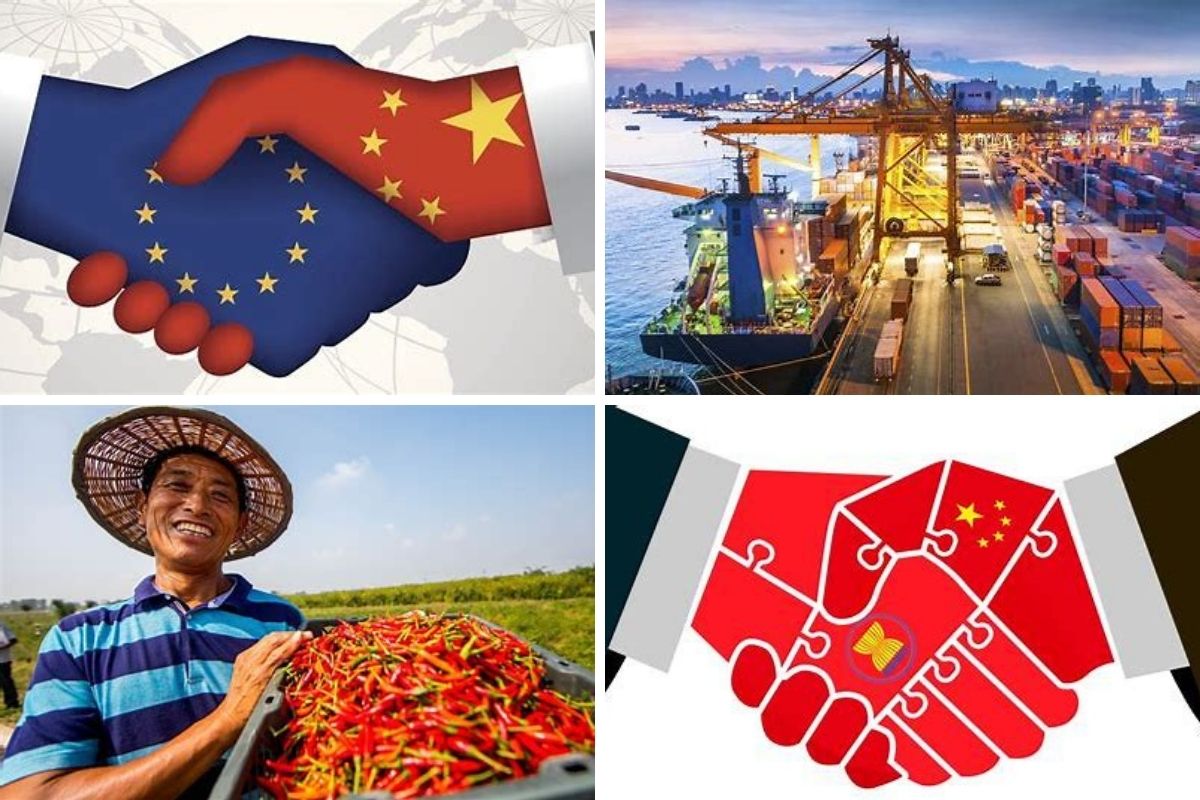
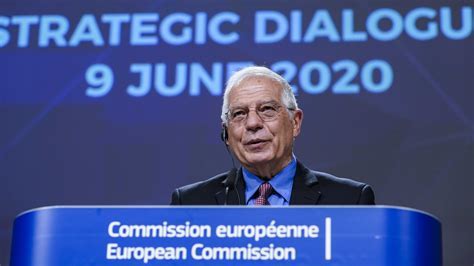
On 14 September, Politico reported that the European Commissioner for Trade Maroš Šefčovič will hold a videoconference with Chinese Commerce Minister Wang Wentao on September 17. The high-level meeting comes as Brussels intensifies efforts to curb its massive EUR one billion per day trade deficit with China. Ahead of a pivotal EU summit in mid-October, Commissioner Šefčovič is also expected to consult European CEOs on diversifying critical supply chains and reducing dependence on China.
(“EU, China trade chiefs to hold call Thursday as talks near crunch time,” Politico, 14 September 2026)
https://www.politico.eu/article/eu-and-chinese-trade-chiefs-to-hold-videoconference-thursday/
CHINA AND THE AMERICAS
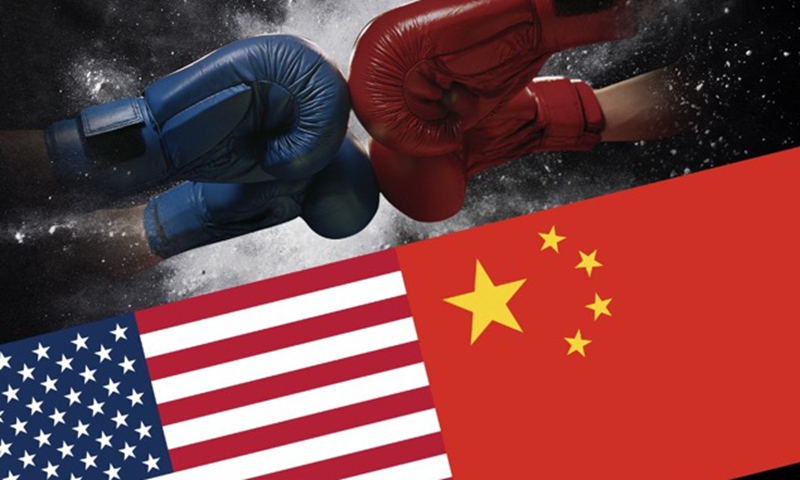
Anthropic CEO publishes essay urging Washington to impede China’s progress in AI
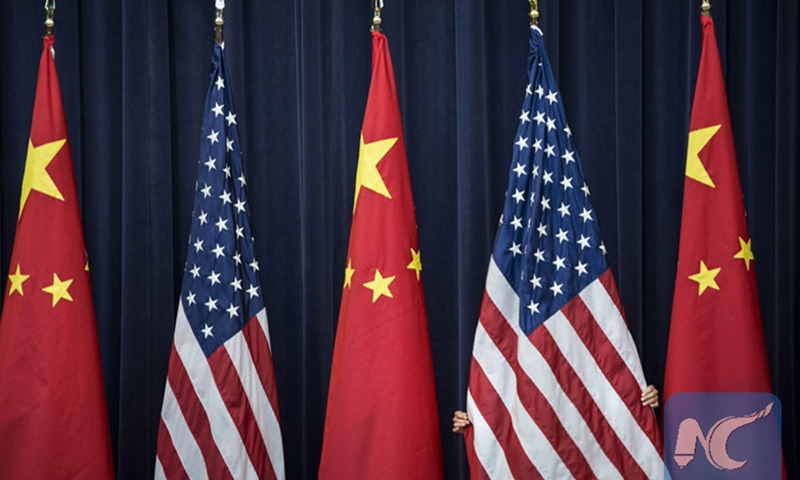
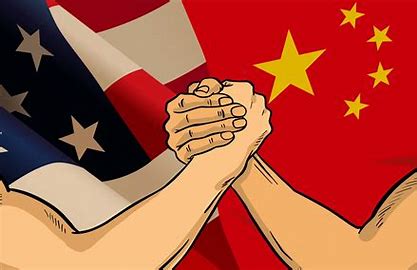
On 14 September, The Guardian reported that tensions between the US and China over artificial intelligence governance have escalated following an essay by Anthropic CEO Dario Amodei. Amodei urged global pacing in AI development while advocating that Washington actively obstruct Beijing's progress to preserve democratic leadership, warning a Chinese lead poses grave global risks. China’s foreign ministry dismissed these proposals as "fearmongering" and a "cold war playbook," emphasising that confrontation disrupts global governance. Intelligence Chief Chen Yixin warned that foreign AI models like Claude and GPT-5.5-Cyber pose direct threats to the political and ideological security of the Communist Party. Meanwhile, US President Donald Trump rejected safety guardrails, asserting that dominance is the priority. He stated that the only guardrails required are a “strong and smart president.” However, the stark divergence sets a volatile backdrop for US-China bilateral AI governance discussions scheduled for September 24.
(“China dismisses AI ‘fearmongering’ as spy chief warns of threat to Communist party rule,” The Guardian, 14 September 2026)
https://www.theguardian.com/world/2026/sep/14/china-dismisses-ai-fearmongering-as-spy-chief-warns-of-threat-to-communist-party-rule





































.png)
.jpg)
.jpg)
.jpg)
.jpg)
.jpg)
.jpg)
.jpg)
.jpg)
.jpg)
.png)

.jpg)
.jpg)
.jpg)
.jpg)
.jpg)
.jpg)
.jpg)

.jpg)
.jpg)
.jpg)
.jpg)
.jpg)

.jpg)
.jpg)
.jpg)
.jpg)
.png)
.jpg)
.jpg)
.png)
.jpg)
.jpg)


.jpg)

.jpg)
.jpg)
.jpg)
.jpg)
.jpg)
.jpg)
.jpg)
.jpg)

.jpg)
.jpg)
.jpg)
.jpg)
.jpg)
.jpg)

.jpg)

.jpeg)




.jpeg)