
Photo : Abascusnews
US bans imports from three Chinese genomics firms over forced labour
In Brief
INTERNAL
China's clean tech exports will help avoid 450 Mt of carbon dioxide emissions globally, says a new report
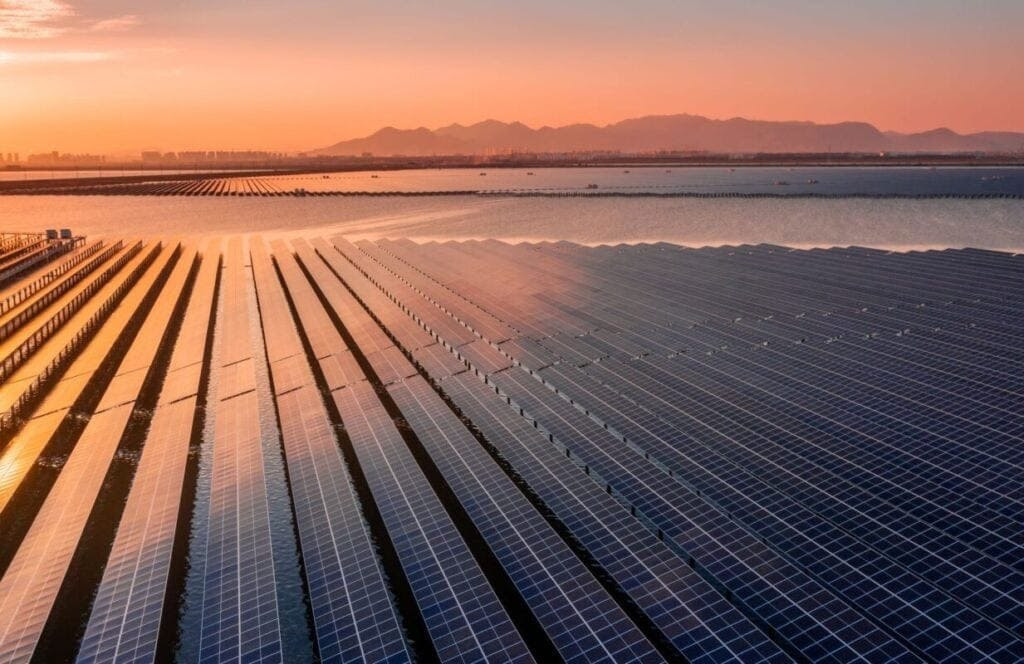
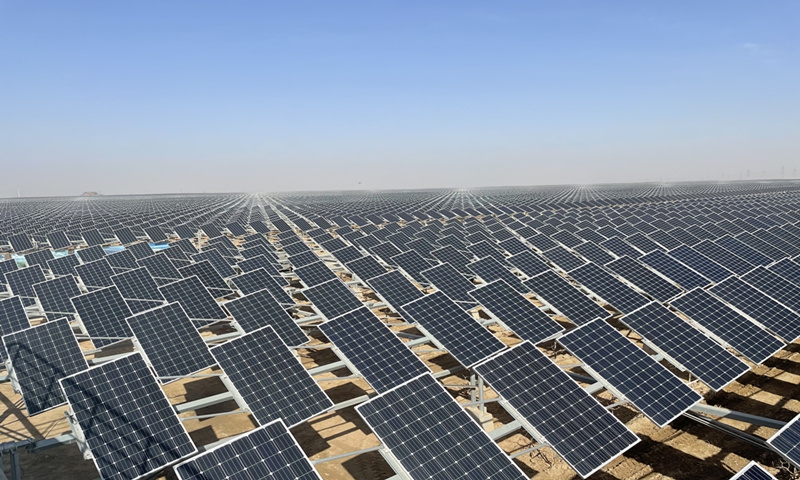
On 29 October, Reuters reported that China's exports of solar panels, wind turbines, electric vehicles, and batteries will help the world avoid 450 million metric tonnes of carbon dioxide emissions in 2026, according to the Finland-based Centre for Research on Energy and Clean Air. The report states that it is equal to Brazil's annual emissions from fossil fuel consumption. Avoided emissions are up from 370 million tonnes last year, equal to 02 per cent of annual emissions outside China, with most of the savings in the Global South, where imports are decarbonising fossil-heavy grids. The analysis found it took around six months for clean tech imports to "pay back" their manufacturing emissions, with lifetime avoided emissions from 2026 exports forecast at 8,400 million tonnes. It also found the exports had, in aggregate, created new markets rather than displacing existing producers, though falling per-unit prices cut into incumbents' revenues.
("China clean tech exports to cut global emissions by Brazil-sized amount in 2026," Reuters, 29 October 2026)
https://www.reuters.com/sustainability/cop/china-clean-tech-exports-cut-global-emissions-by-brazil-sized-amount-2026-2026-10-29/
SCIENCE AND TECHNOLOGY
Unitree's revenue jumps 70 per cent in first earnings test for China's robotics sector
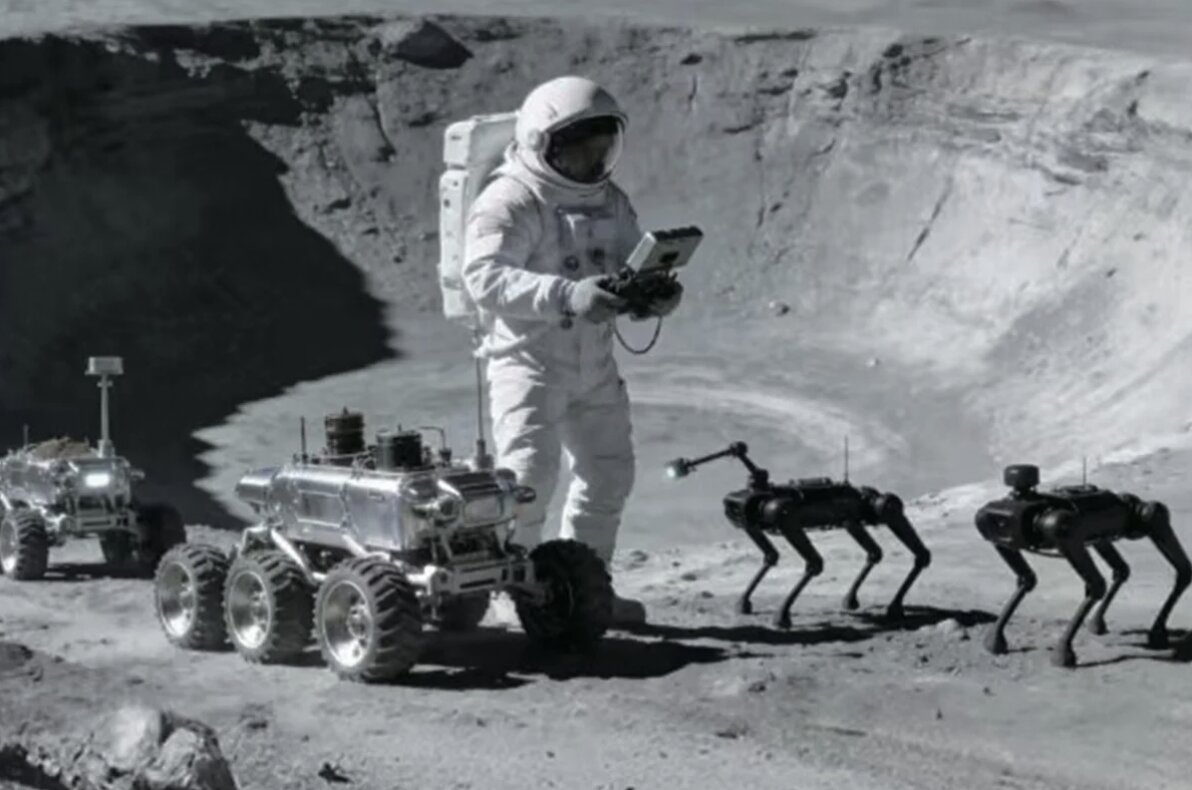
On 28 October, Reuters reported that Unitree, China's best-known humanoid robot maker, said third-quarter revenue rose 70 per cent year-on-year to CNY 665 million, though net profit attributable to shareholders fell 17.4 per cent to CNY 112.7 million, below analysts' CNY 224 million forecast, in its first earnings since listing. Research and development spending jumped 249.6 per cent to CNY 127 million as the company invested in embodied-intelligence models, computing capacity, and its R&D team. For the first nine months, revenue climbed 55.7 per cent to CNY 1.82 billion and net profit rose 270.5 per cent to CNY 386.7 million. Investors are watching the results as a bellwether for future humanoid robot listings, amid a broader tech rout, with the STAR50 index down 40 per cent since July. Unitree's shares have surged over 65 per cent in the past two weeks after slumping almost 55% from their August debut.
("Unitree's quarterly revenue surges 70% in test for China's robotics sector," Reuters, 28 October 2026)
https://www.reuters.com/world/asia-pacific/unitrees-q3-profit-down-174-on-year-test-chinas-robotics-sector-2026-10-28/
CHINA AND EAST ASIA
Chinese authorities demolish over 200 monks’ homes in eastern Tibet, reports The Tribune
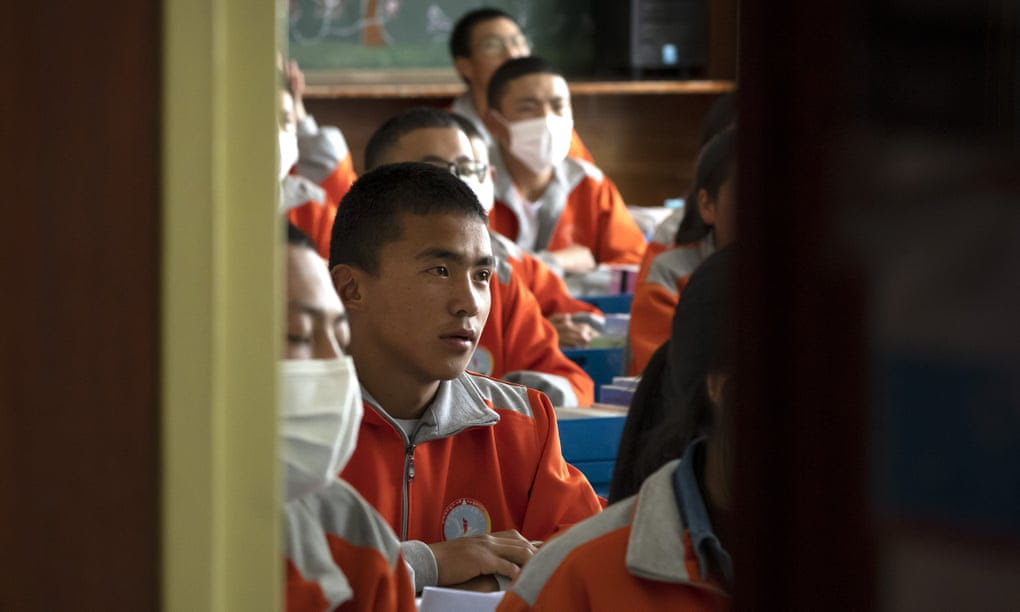
On 28 October, The Tribune, citing ANI, reported that Chinese authorities have reportedly launched a demolition campaign targeting more than 200 homes of monks at the historic Dza Sershul Monastery in eastern Tibet. The claim comes from Radio Free Asia (RFA), as cited by the Central Tibetan Administration (CTA). The CTA said the drive is believed to have begun on 25 or 26 October. The timeline and extent are unverified. Authorities have held public meetings and restricted internet access and the flow of information, making independent verification difficult. The report follows earlier demolitions at Larung Gar in July 2016 and Yachen Gar in August 2017 and July 2019. The CTA also highlighted closures of Tibetan schools, including one in September 2026. In 2018, more than 200 underage novice monks were reportedly expelled from Dza Sershul and sent to government-run schools.
(“China targets over 200 monks’ homes in Tibet demolition drive,” The Tribune, 28 October 2026)
https://share.google/sxb2RECodwMTrGUiX
CHINA AND AFRICA
Editorial
“China is setting up factories in Africa: 7.7 billion invested in manufacturing,” Il Sole 24 Ore, 28 October 2026
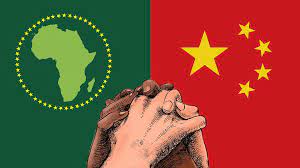
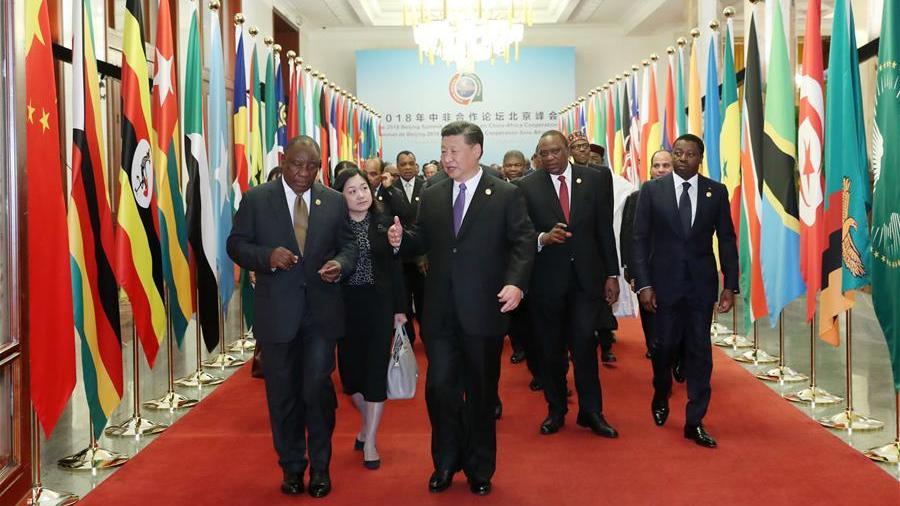
“China is changing the nature of its economic presence in Africa, gradually shifting from a model dominated by infrastructure, raw materials and major projects towards more direct involvement in manufacturing. In 2025, reported Chinese investment in African manufacturing and industrial processing reached $7.7 billion, compared with $4.8 billion in the extractive sector. The key issue concerns the internal structure of the factories. An African factory can produce goods intended for both local markets and exports, whilst using Chinese machinery, imported components, proprietary software and commercial contracts managed by the parent company. The outcome may be economically positive without constituting a complete industrial transformation. Employment grows, a portion of wages is distributed locally, and production contributes to the national GDP. However, the capacity to design the product, modify industrial processes, select suppliers and reach customers independently may remain abroad. Between the end of 2026 and 2028, an initial assessment of the industrial ambitions formalised in recent years will emerge. The FOCAC 2025–2027 Plan, namely the strategic document through which China and African countries set out the guidelines for their economic, political and infrastructural cooperation, will reach the end of its operational period; the European Union will continue to make progress towards the objectives of the Critical Raw Materials Act for 2030. Three outcomes remain possible. Chinese investment could continue to increase, leading to limited but genuine improvements in employment and skills. It could foster more substantial growth amongst African suppliers, technicians and businesses capable of operating independently. Or it could lead to the establishment of efficient facilities that are, however, dependent on external technologies, components and decisions.”
Mozambique to negotiate debt relief with China
On 28 October, Reuters reported that Mozambique will seek further negotiations for debt relief after China agreed to reschedule some of its outstanding debt payments. China is the largest bilateral creditor to Mozambique. The Finance Ministry stated that there are plans to seek bilateral creditors to explore mechanisms to convert debt into investments and added that China agreed to adjust its “payment schedules,” without disclosing the actual amount. Mozambique currently owes China USD 1.28 billion, amounting to nearly 15 per cent of its total external debt. Mozambique has struggled to pay its debts due to a hidden-debt scandal in 2016, wrecking investor confidence and delaying major energy and infrastructural projects.
(“Mozambique seeks to negotiate more debt relief after China reschedules payments,” Reuters, 28 October 2026)
https://www.reuters.com/world/asia-pacific/mozambique-says-china-agrees-let-it-reschedule-some-debt-payments-2026-10-28/
CHINA AND EUROPE
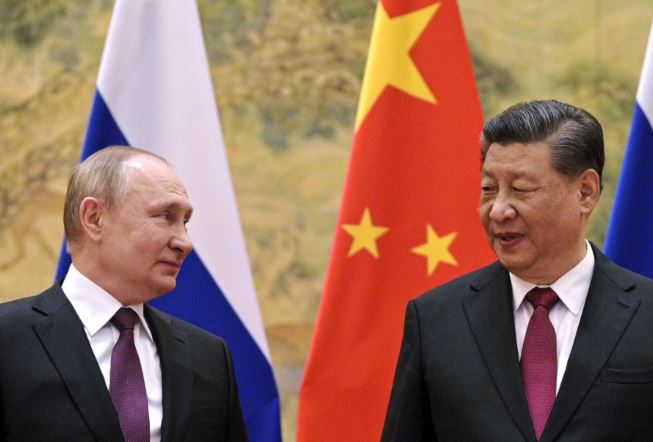
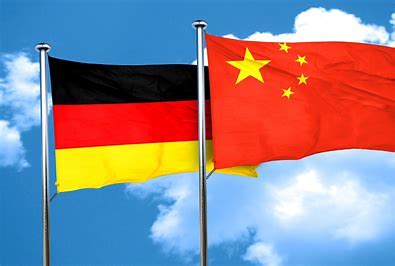
China urges Germany and EU to behave rationally on trade matters
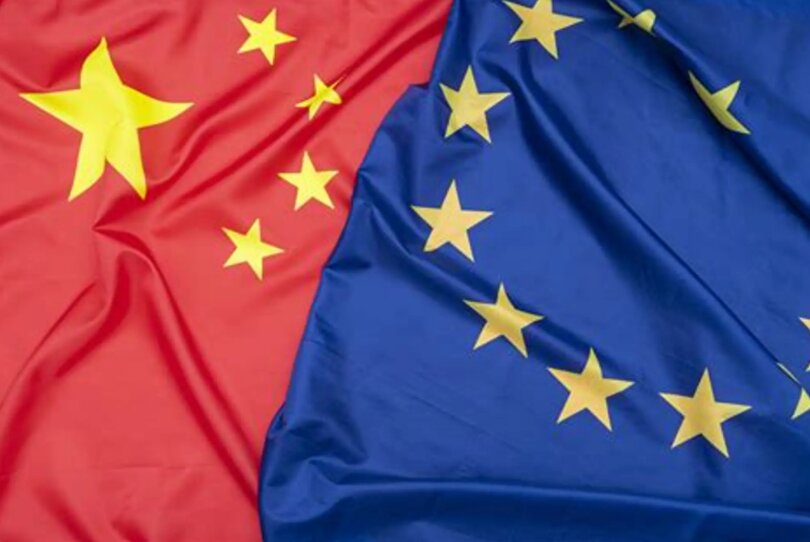
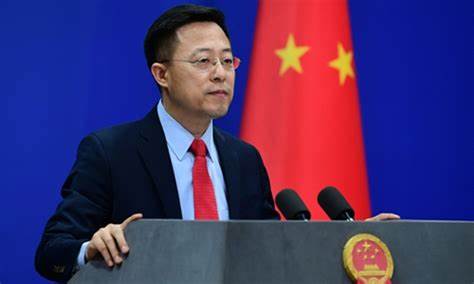
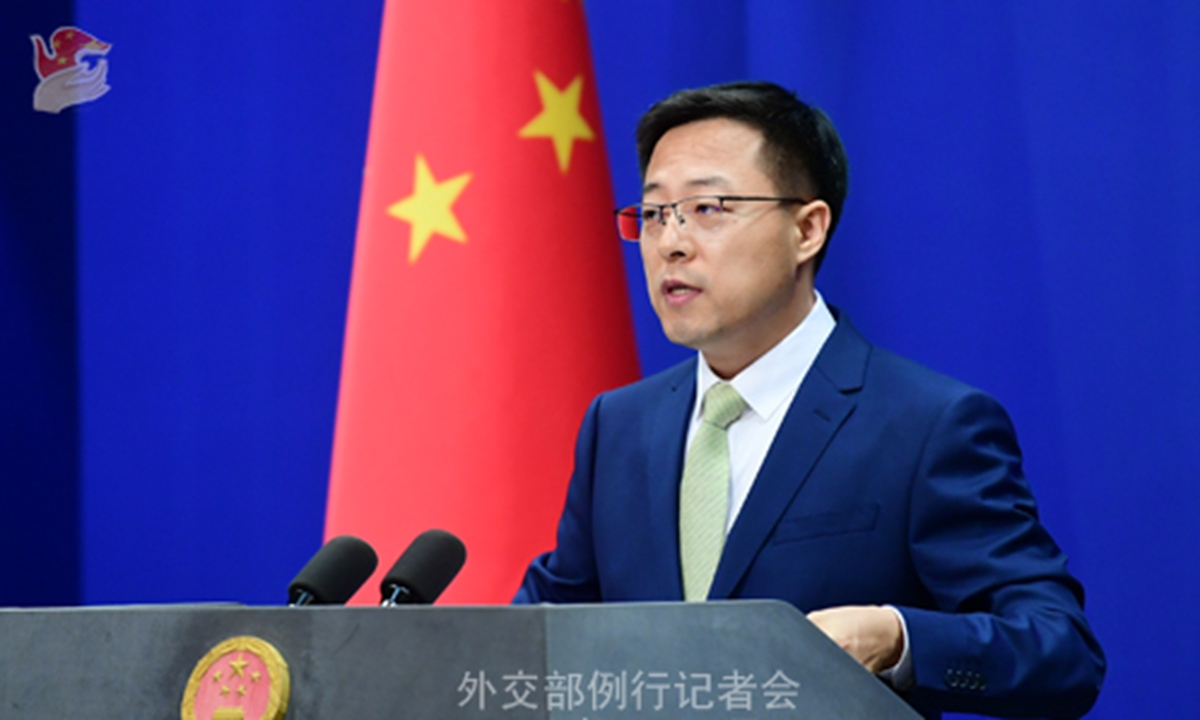
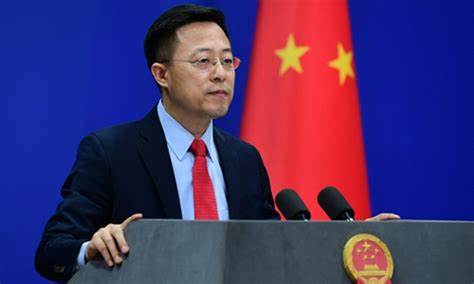
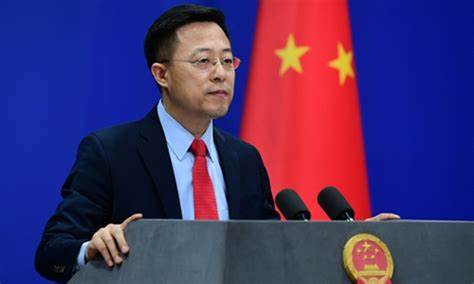
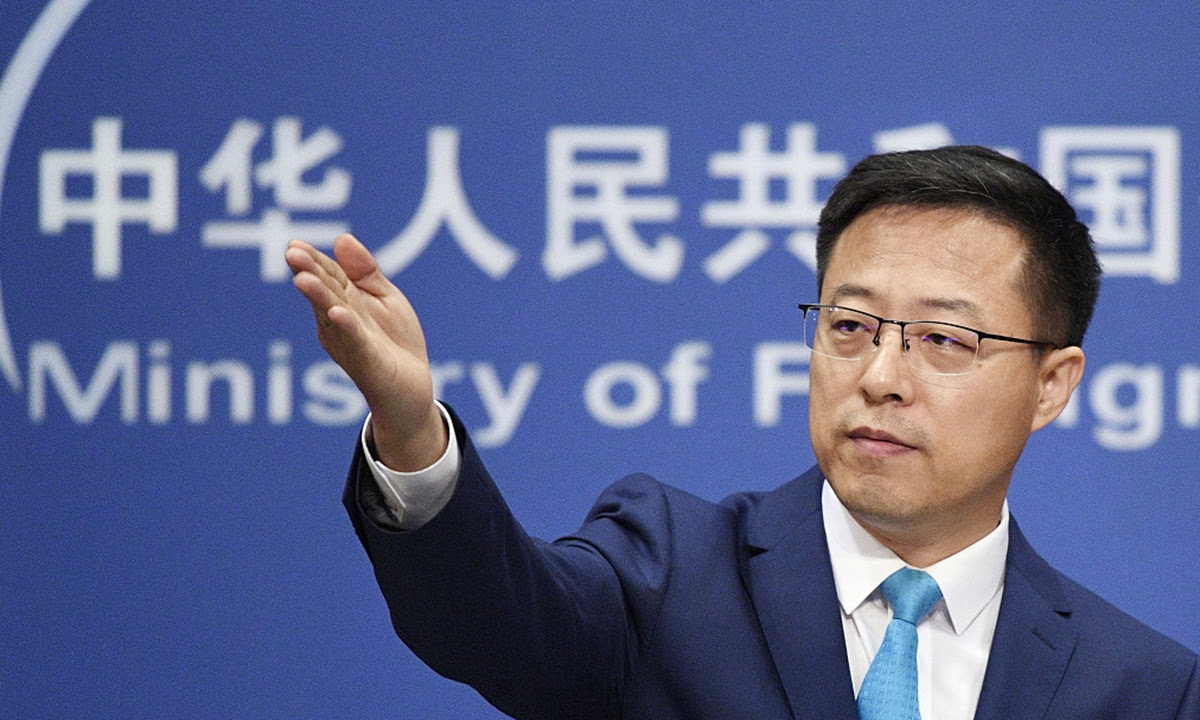
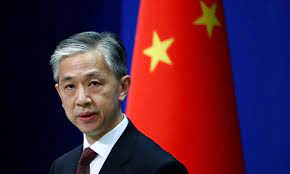
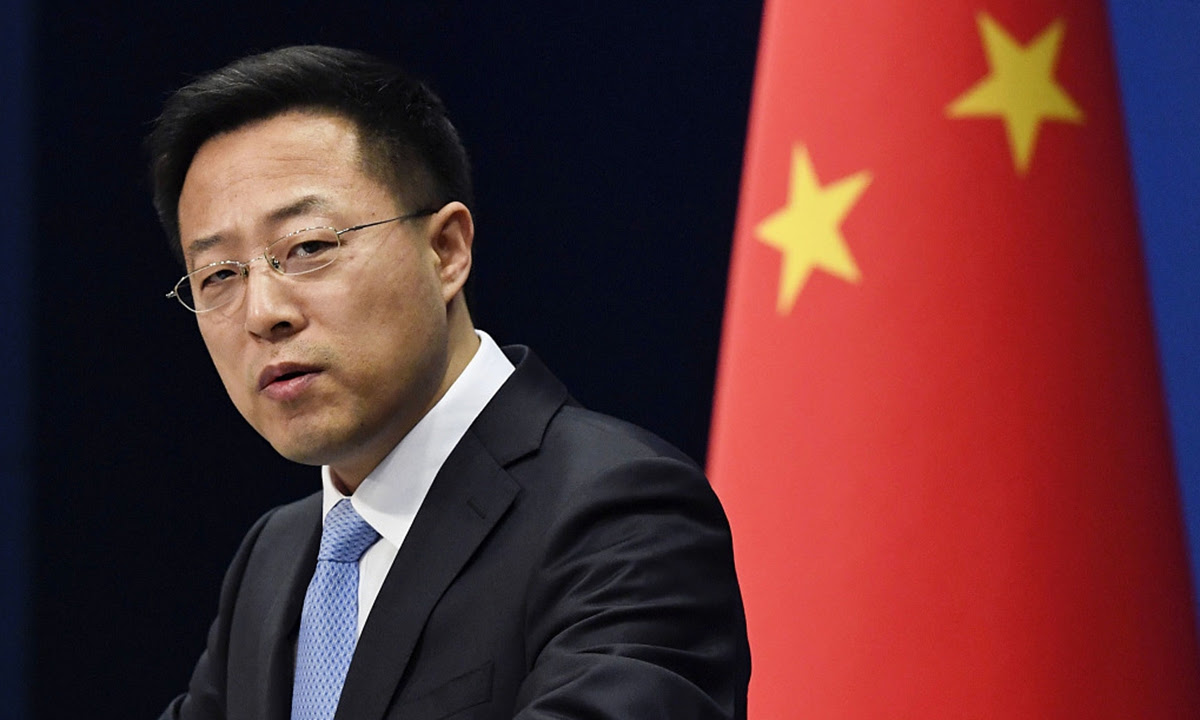
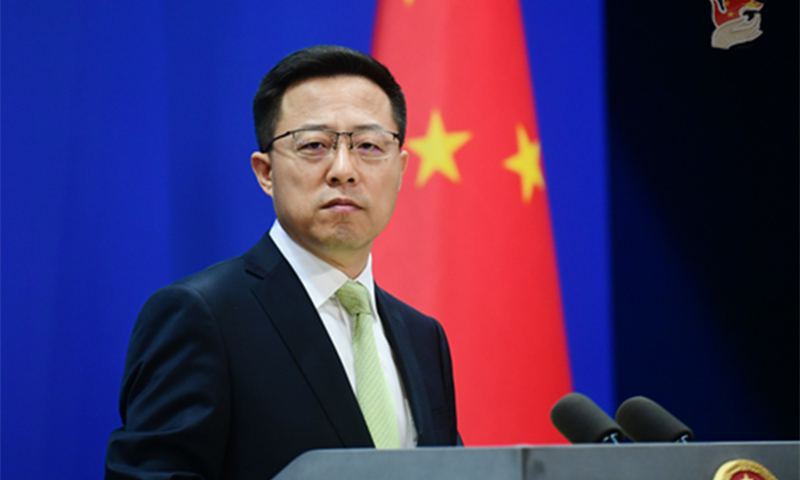
On 28 October, Reuters reported that the Chinese foreign ministry had urged rational behaviour from Germany and the EU on trade issues, amid German Chancellor Friedrich Merz’s proposal to counter trade restrictions through wider EU- Asia market access. Merz had stated Europe and Asia needed to reduce one-sided dependencies, although he did not favour complete economic decoupling from China. Chinese foreign ministry spokesperson Guo Jiakun informed that Beijing wished for the resolution of differences through dialogue, and that Germany and the EU behave objectively. The ministry also emphasised Beijing’s desire towards working with all parties towards ensuring the stability and security of global industrial and supply chains. (“China calls on Germany, EU to be rational on trade, supply chain issues”, Reuters, 28 October 2026)
https://www.reuters.com/world/china/china-calls-germany-eu-be-rational-trade-supply-chain-issues-2026-10-28/
CHINA AND THE AMERICAS
Former CIA official urges US to spy on Chinese firms for maintaining tech advantage
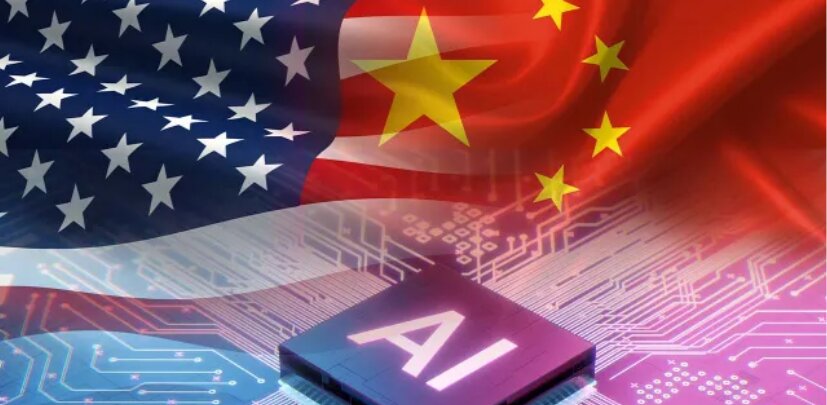
On 29 October, SCMP reported that the former CIA deputy director, David Cohen, had urged the US to spy on foreign firms to maintain its advantage in the tech race. According to Cohen, China was closing the gap or overtaking the US in crucial advanced technologies. He argued that the US needed to remove the ban on economic spying on foreign firms imposed during the Obama administration. Cohen further stated that US national security was dependent on private firm innovations in fields like AI and 6G telecommunications, meaning it could no longer afford to fall behind. He also expressed his opinion that US efforts on spying needed to only target adversaries like China and Russia, with results to be shared with “specifically identified frontier tech sectors.”
(“US should spy on Chinese firms to maintain edge in tech race: ex-CIA official”, SCMP, 29 October 2026)
https://www.scmp.com/economy/china-economy/article/3372475/us-should-spy-chinese-firms-maintain-edge-tech-race-ex-cia-official
US airbase in Japan bans BYD vehicles over security concerns
On 27 October, The Guardian reported that Kadena airbase on Okinawa, one of America's biggest overseas military bases, has banned all vehicles made by China’s electric vehicle maker BYD over security concerns, the US military in Japan stated on Tuesday. The ban applies to all BYD vehicles, including privately owned cars, taxis and delivery vehicles. The Base’s gate guards have been instructed to turn BYD vehicles away. A spokesperson called the vehicles an "unacceptable and unmitigable risk" to personnel and the mission. US officials haven't named a specific threat. Reports point to concerns that cameras, sensors and GPS in cars could leak sensitive information. Kadena Air Base would be central to any crisis involving China, Russia or North Korea. It hosts the Typhon missile system, fighters, and surveillance and refuelling aircraft. The move fits a wider Western effort to restrict China’s smart technology. In June, the Pentagon added BYD to a list of 188 firms from China it says have military ties, and in 2018 it banned Huawei and ZTE phones at its bases. China has done something similar, barring Tesla vehicles from some government compounds in 2021 and lifting that in 2024. BYD, which hasn't responded publicly, overtook Tesla as the world's top seller of battery-electric vehicles in 2025 and is expanding in Japan.
(“US bans vehicles from China’s BYD at Japan military base, calling them ‘unacceptable’ risk,” The Guardian, 27 October 2026)
https://www.theguardian.com/world/2026/oct/27/us-bans-byd-electric-vehicles-kadena-military-base
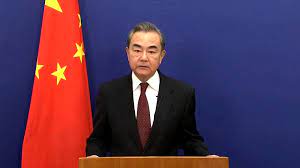
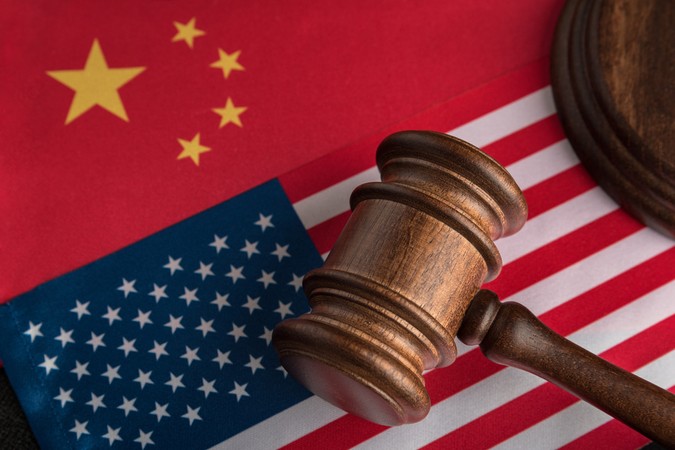
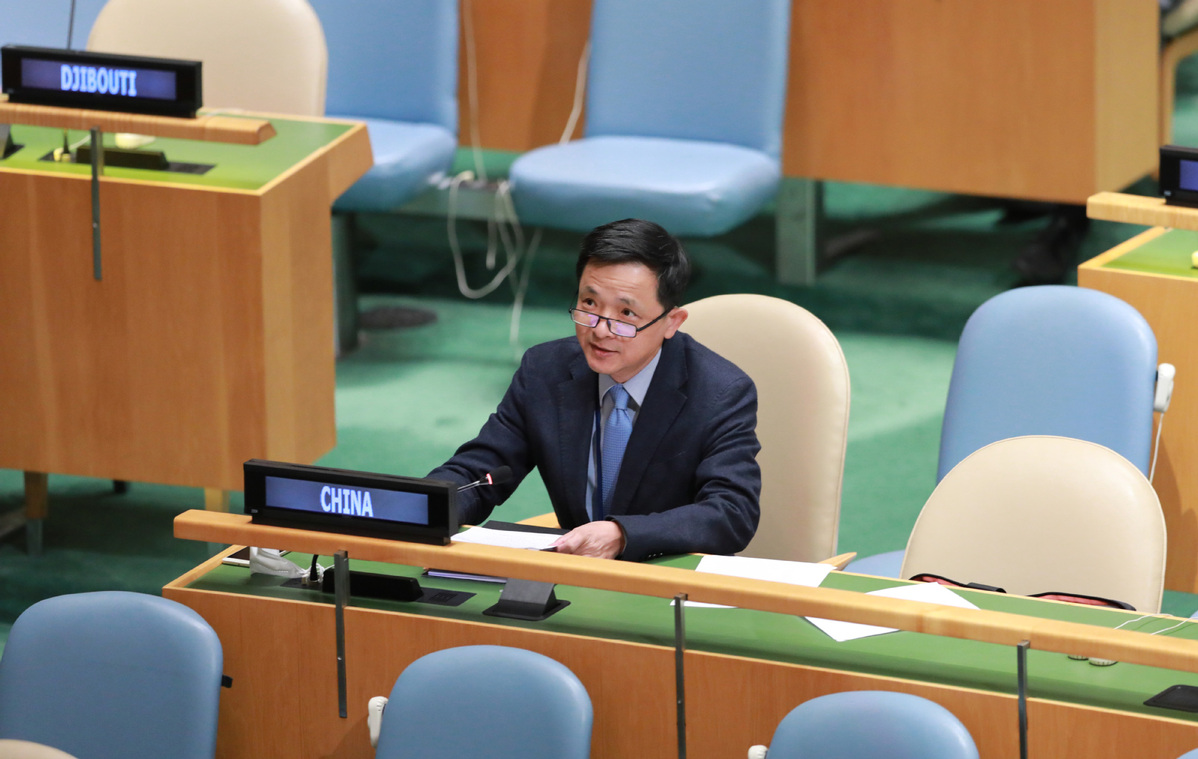
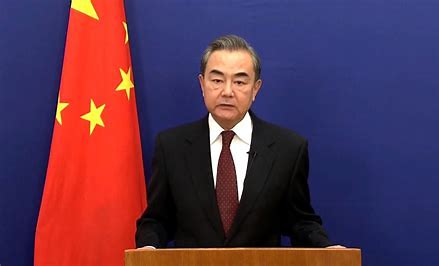
US bans imports from three Chinese genomics firms over forced labour
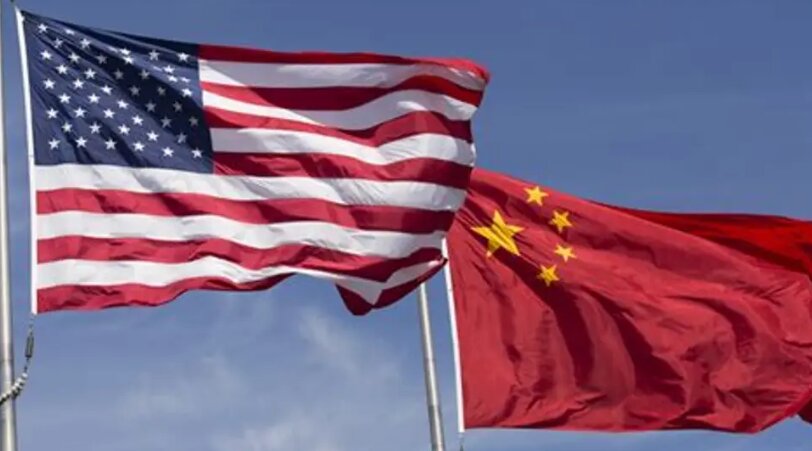
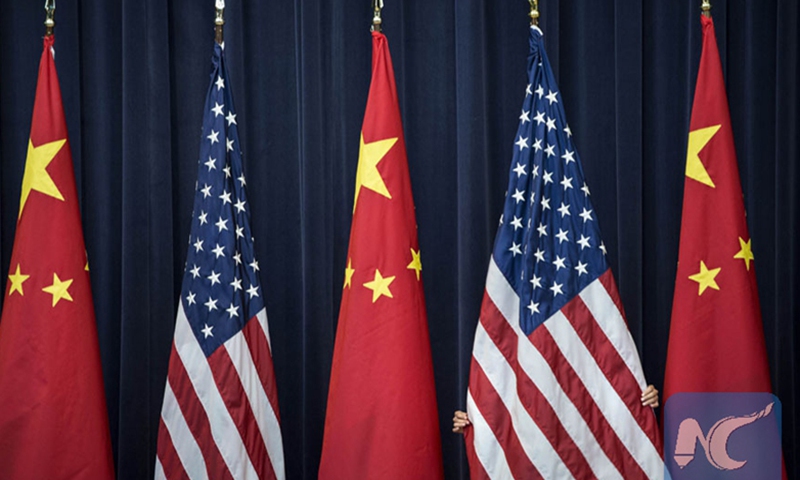
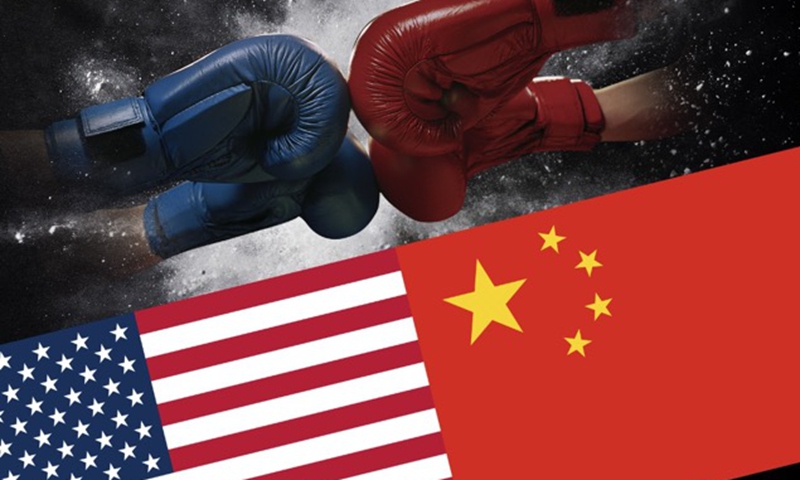
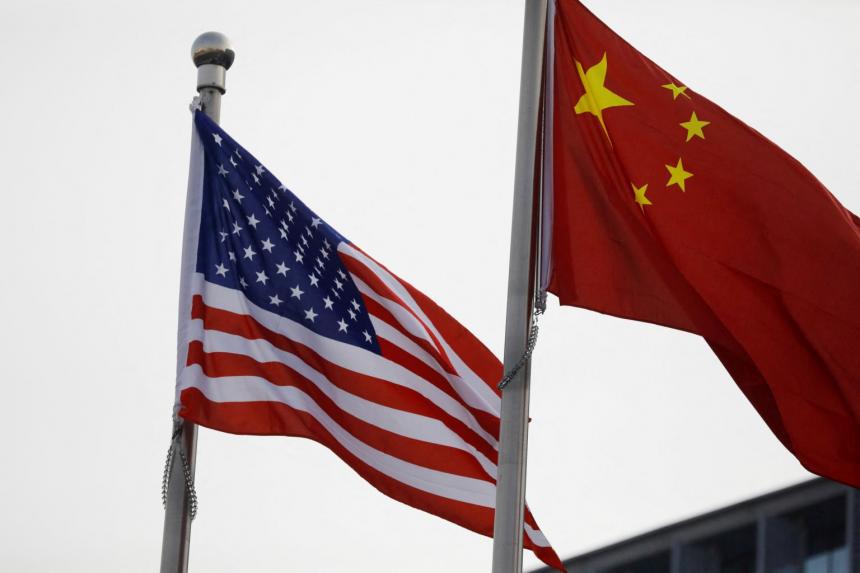
On 29 October, The Straits Times reported that the US banned imports from China’s three genomics firms: BGI Genomics, MGI Tech and Shenzhen BGI Technology (also known as BGI Group, according to the US). They joined a list of companies accused of using or enabling forced labour of Uyghurs and other minorities in Xinjiang. US customs must stop their goods unless exporters prove no forced labour was involved. The US says BGI Group and BGI Genomics run genetic testing in Xinjiang and help the government arrange forced labour, while MGI Tech supplies testing equipment. It also says they support a genetic surveillance system used for repression and internment, often under the guise of healthcare. The companies deny the claims, saying they have zero tolerance for forced labour. BGI Group says the US is a very limited part of its business and expects no material impact. China’s embassy rejected the allegations as smears, and Beijing denies running camps or forced labour. The ban comes during a fragile US-China trade truce. China banned Illumina’s sequencing equipment in March 2025 but later said it would lift the ban. The list now has 190 entities, covering goods from cotton and canned tomatoes to electronics.
(“US bans imports from 3 Chinese genomics companies, citing ties to forced labour in Xinjiang,” The Straits Times, 29 October 2026)
https://www.straitstimes.com/asia/east-asia/us-bans-imports-from-3-chinese-genomics-companies-citing-ties-to-forced-labour-in-xinjiang