

Photo : Cepro
Beijing warns of countermeasures to the US ban on Chinese labs testing electronic devices
In Brief
INTERNAL
China will lead AI and seven other tech sectors by 2030, says a new data
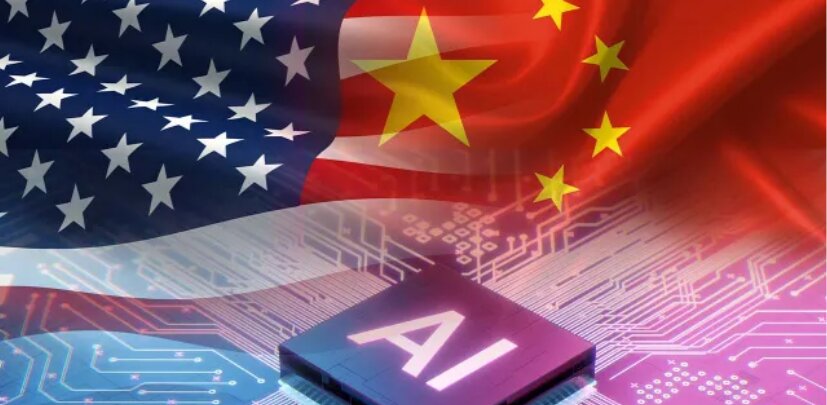
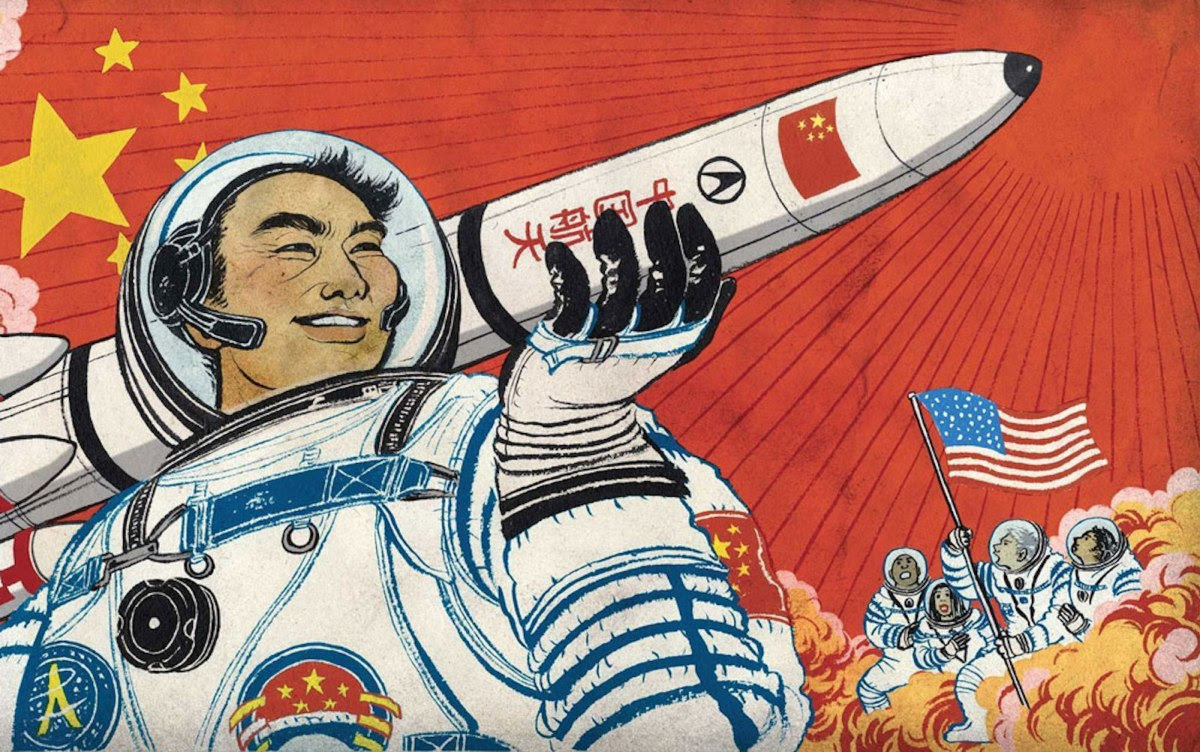
On 28 October, Quartz reported that a Bloomberg Intelligence report stated that China will in large language models and eight of 17 key industries by 2030. The report forecasts that China will also lead in new-energy sectors, including electric vehicles and energy storage, and in biopharmaceutical manufacturing. The United States and China are expected to share AI leadership: U.S. models may remain slightly ahead at the frontier, while China could offer cheaper AI deployment. Chinese semiconductor and optical-networking firms are expected to become more competitive, although China is unlikely to achieve full chip self-sufficiency. Bloomberg Economics projects China’s annual GDP growth will average 3.6 per cent over the next decade. The report also cites weak AI profitability and trade restrictions as challenges.
(“Bloomberg Intelligence says China will lead AI models and 7 other tech sectors by 2030,” Quartz, 28 October 2026)
https://qz.com/bloomberg-intelligence-china-lead-ai-models-2030-102826
ENERGY AND ENVIRONMENT
Renewables make up over 70 per cent of China’s new power capacity, says latest data
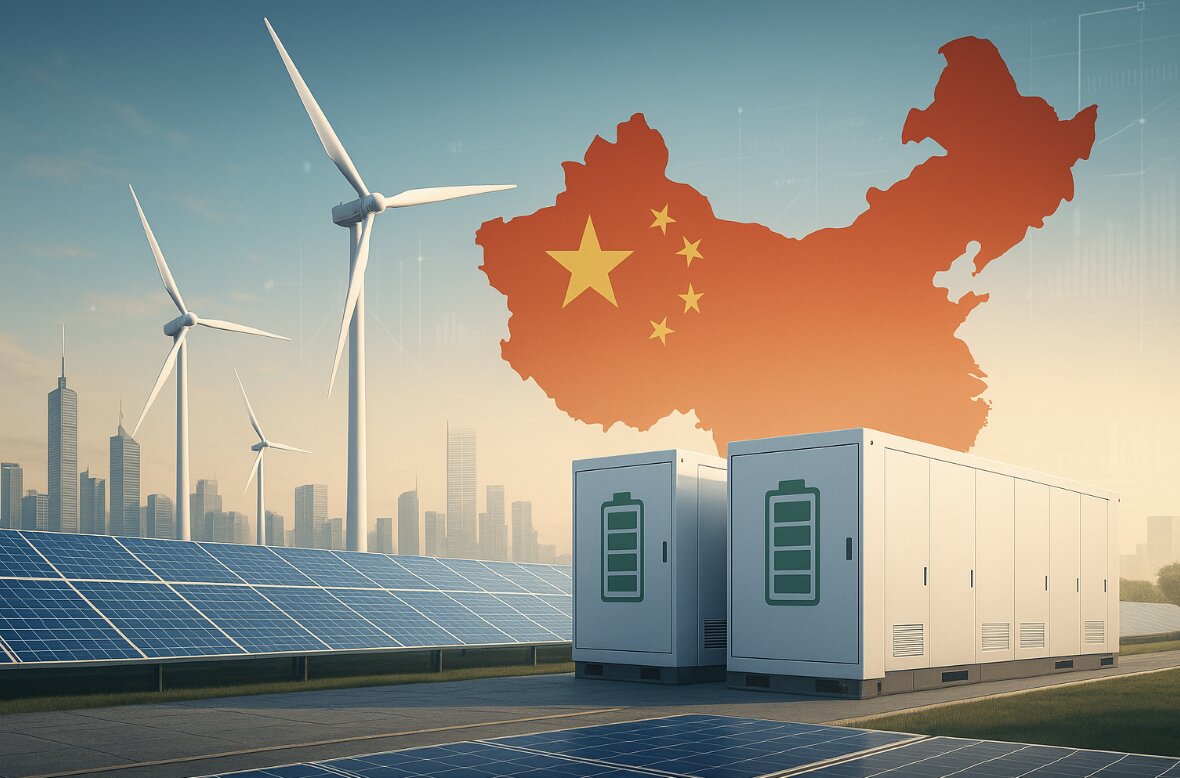
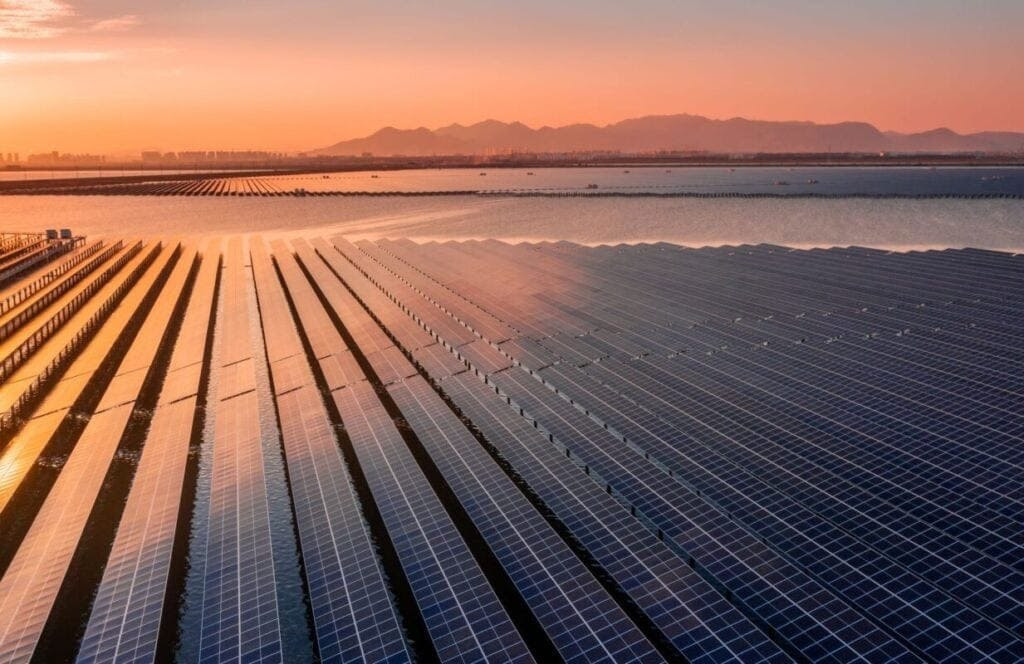
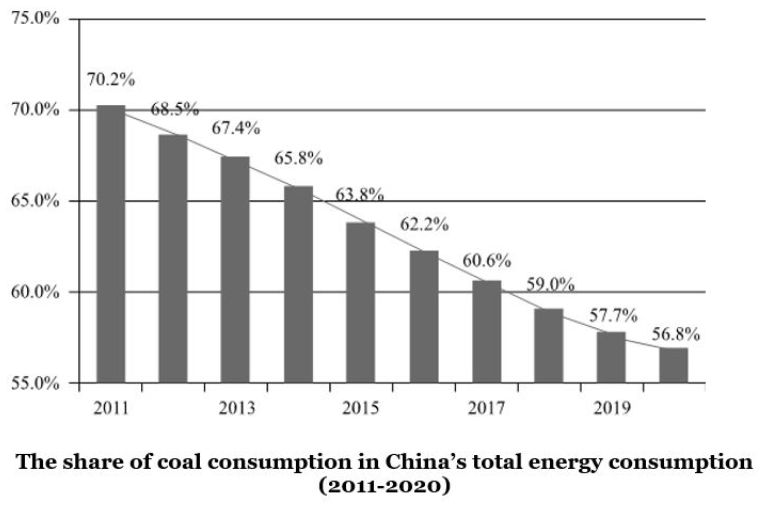
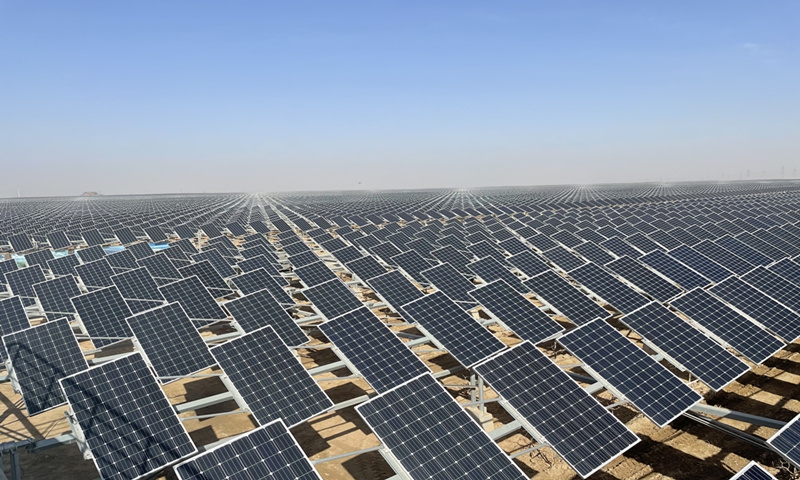
On 30 October, BigGo Finance reported that China added 180 gigawatts of renewable energy capacity in the first three quarters of the year, accounting for 71.7 per cent of all new capacity. Wind and solar together made up nearly 70 per cent of additions. By the end of September, renewables reached 2.518 billion kilowatts, or about 61 per cent of China’s total installed capacity. Solar capacity rose to 1.31 billion kilowatts, overtaking coal in July as the country’s largest power source. Renewable sources generated 3.13 trillion kilowatt-hours during the first three quarters, 41.8 per cent of total electricity generation. Coal’s share fell to 49.1 per cent, while clean energy accounted for more than 80 per cent of new generation. New energy storage capacity reached 167 million kilowatts, up 63 per cent year on year.
(“China’s renewable energy adds 180 GW in first three quarters, accounting for over 70% of new capacity; solar becomes largest power source,” BigGo Finance, 30 October 2026)
https://finance.biggo.com/news/12e174f7-39eb-487e-8bf9-b621d16fd058
DEFENCE
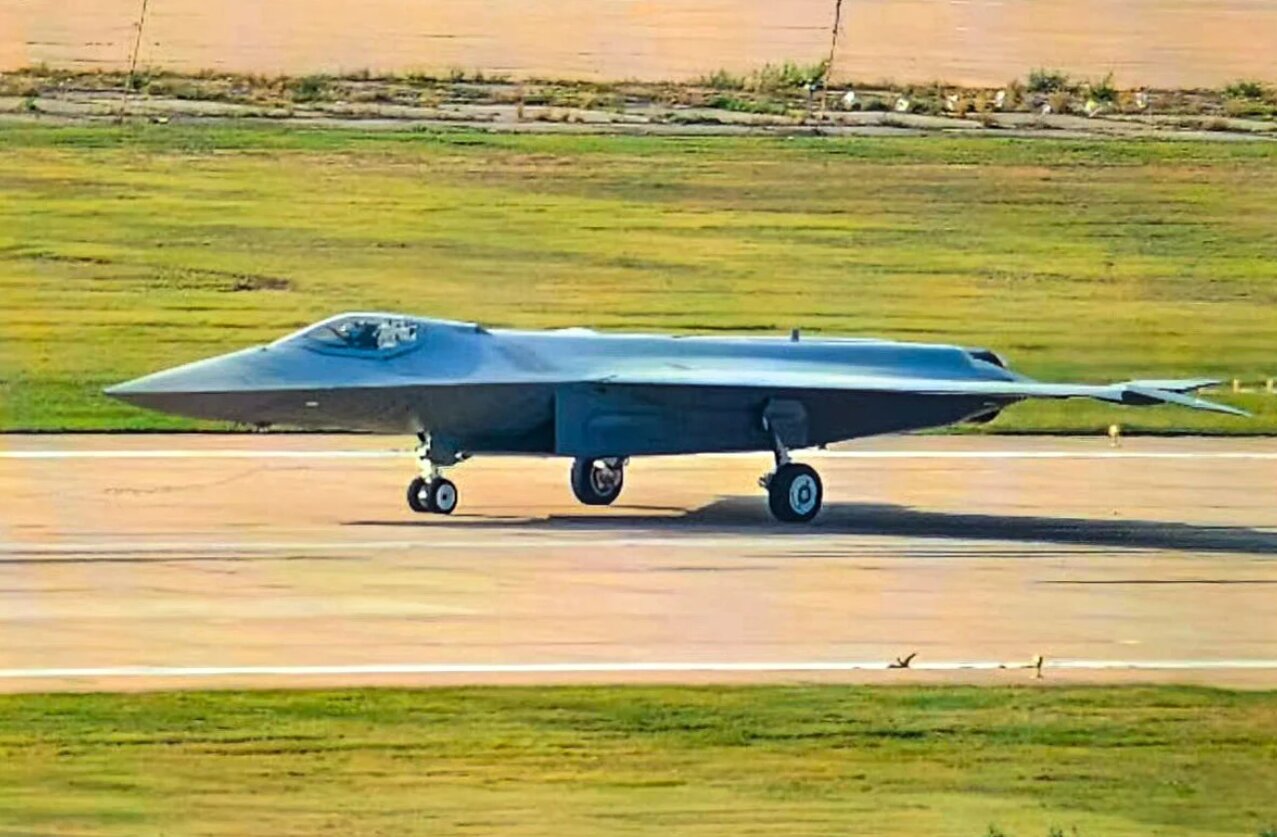
China’s stealth drone makes first ship takeoff and landing
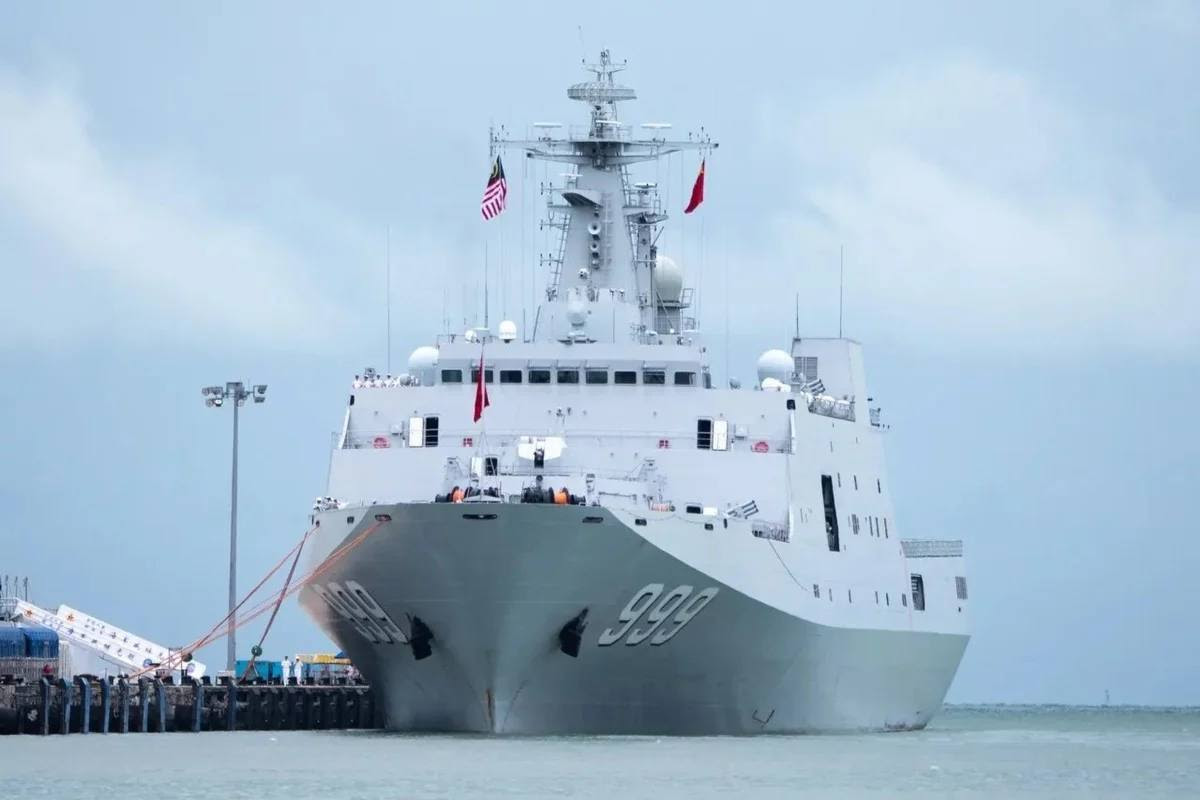
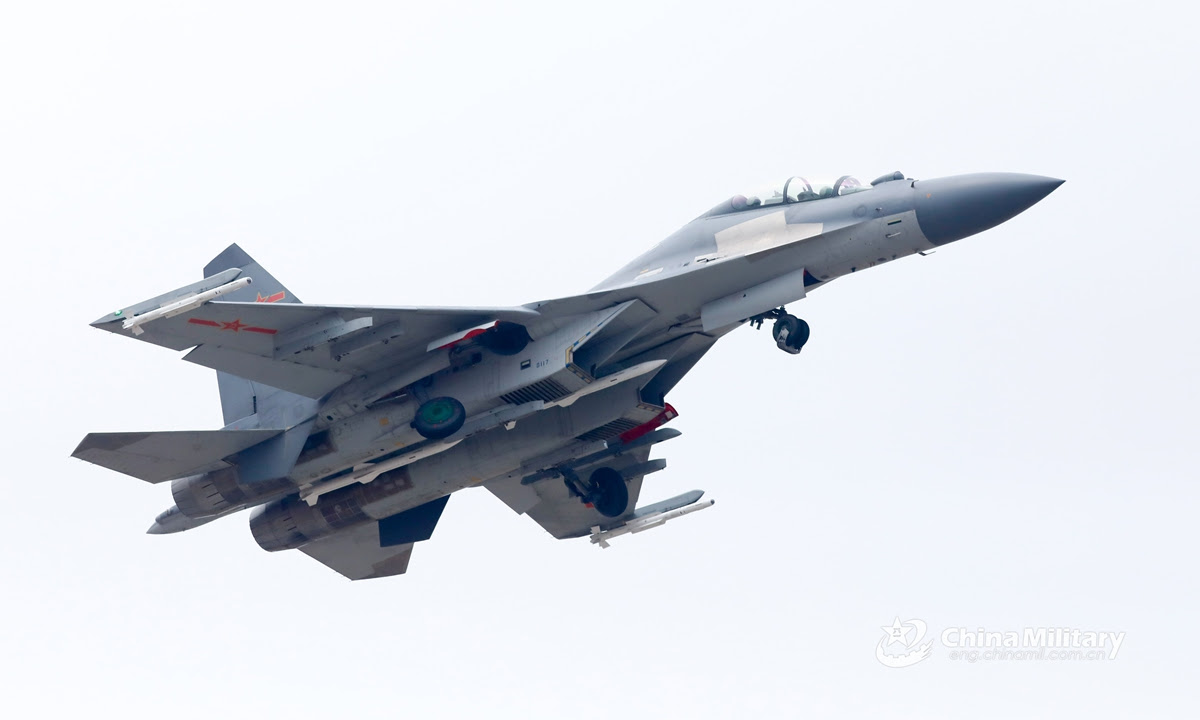
On October 30, The Straits Times reported that China’s first carrier-based stealth reconnaissance and strike drone, the GJ-21, completed its first takeoff and landing on the Sichuan, the country’s first Type 076 amphibious assault ship. The trial underlines Beijing’s push to integrate drone technology into its military modernisation drive, an effort in which the country has developed advanced warships, fighter jets, missiles and increasingly capable unmanned systems. State-owned outlet Xinhua hailed the test as a breakthrough in China’s amphibious assault programme and said it signifies the navy’s ability to operate fixed-wing stealth drones from large naval platforms. The GJ-21 is low-cost, reusable and can be recovered and redeployed multiple times. It can also be used to deploy small, low-cost guided bombs. The Sichuan was launched in 2024 and features electromagnetic catapult and arresting technology. It can carry fixed-wing drones, helicopters and amphibious equipment. The vessel has a full-load displacement of more than 40000 metric tonnes and features a full-length flight deck and twin-island superstructure.
(“ China says stealth attack drone makes first takeoff, landing on amphibious ship,” The Straits Times, 30 October 2026)
https://www.straitstimes.com/asia/east-asia/china-says-stealth-attack-drone-makes-first-takeoff-landing-on-amphibious-ship
CHINA AND POLAR REGIONS
China seeks to strengthen cooperation with Iceland in Arctic affairs
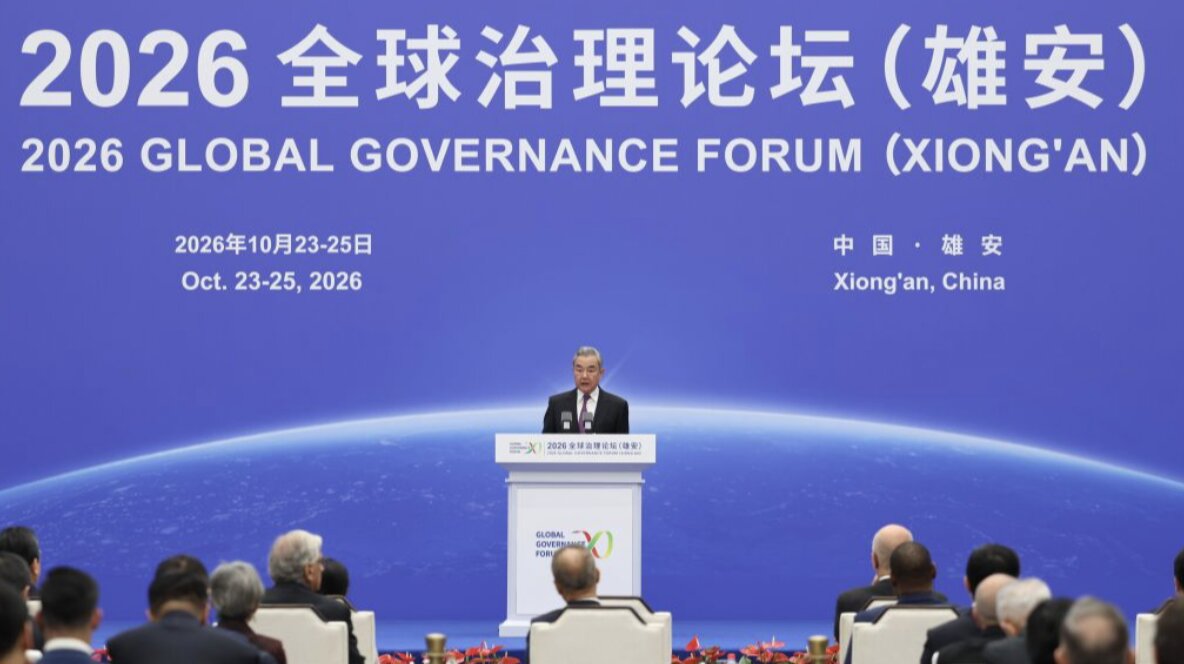
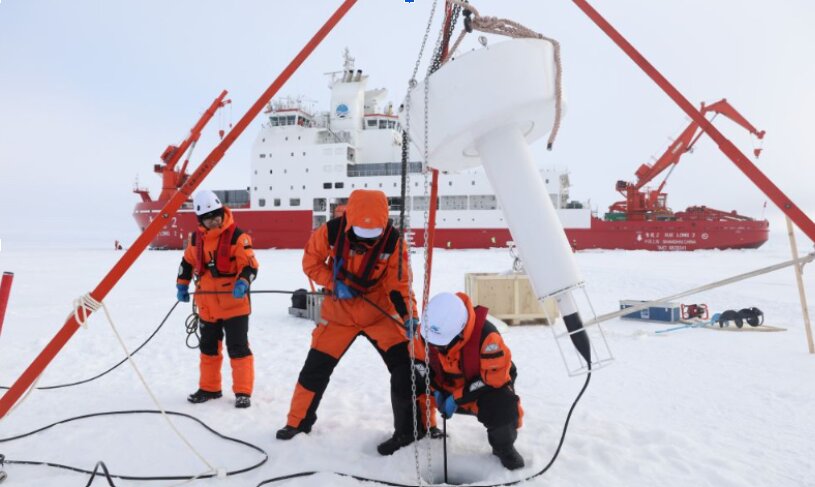
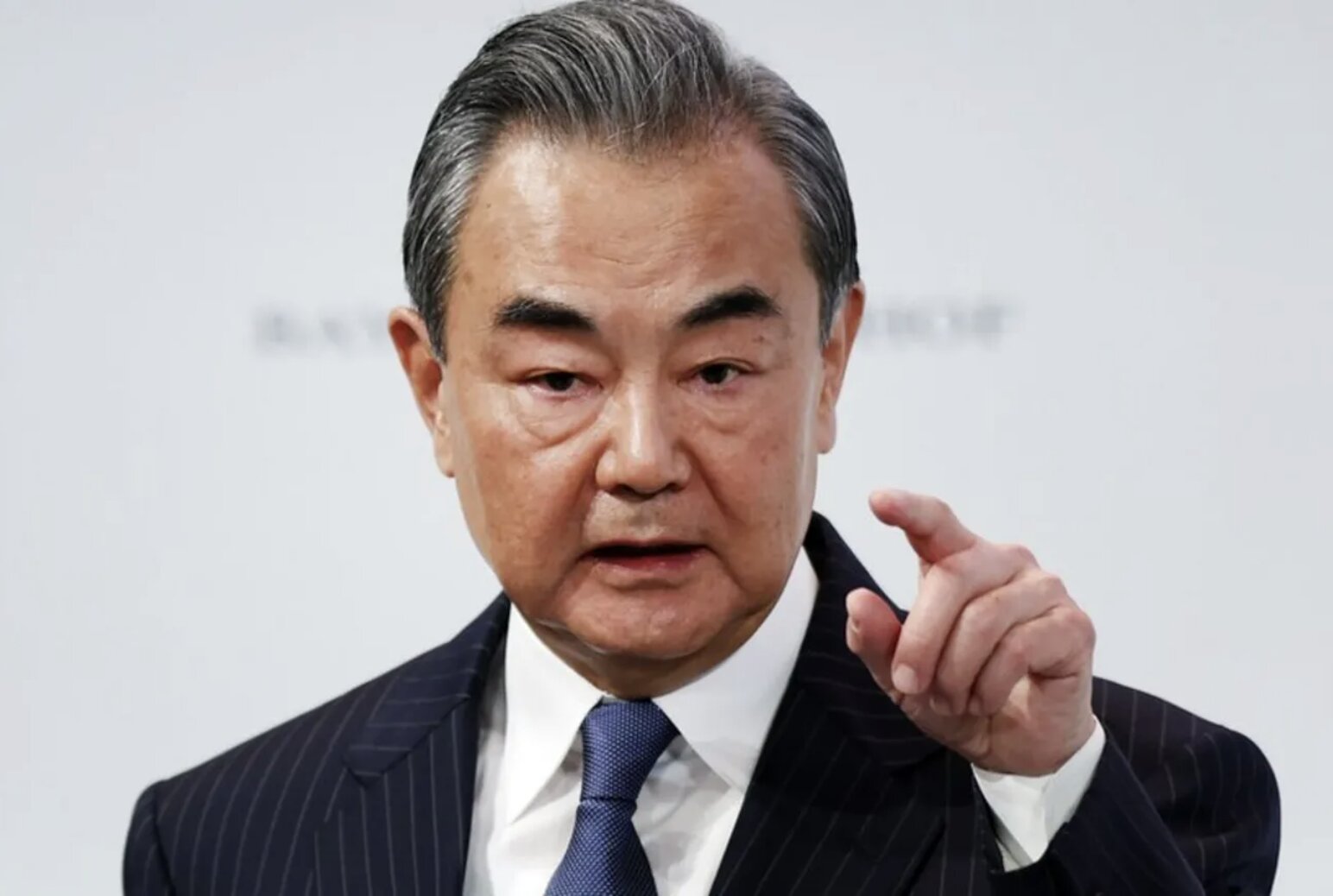
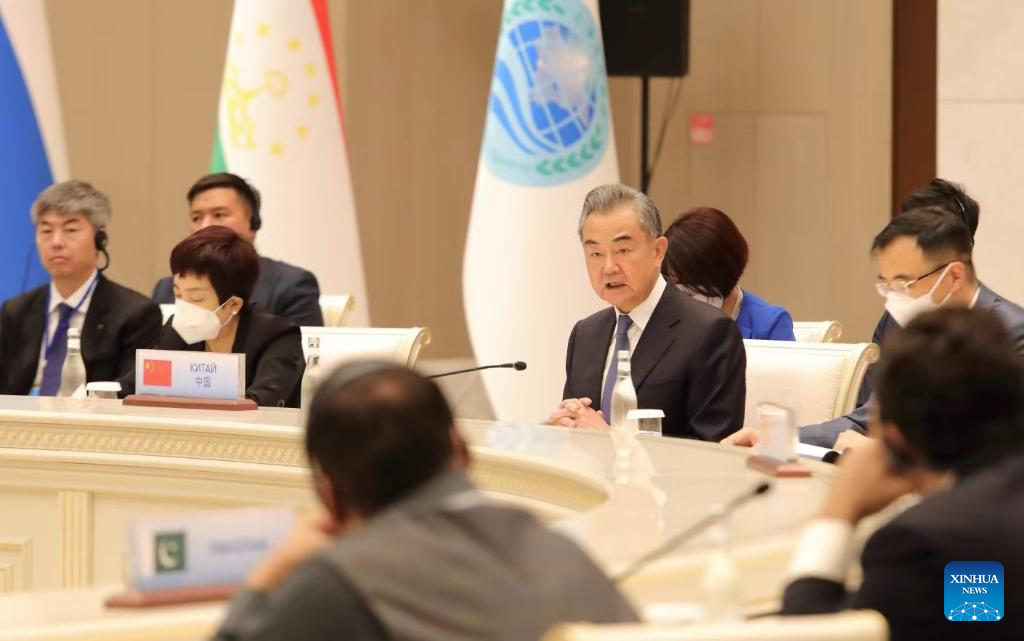
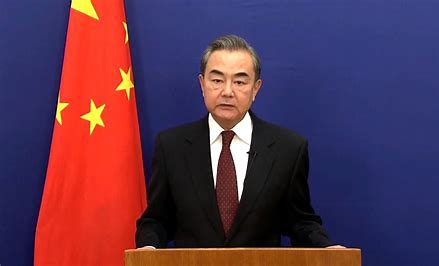
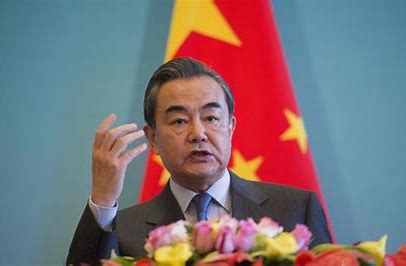
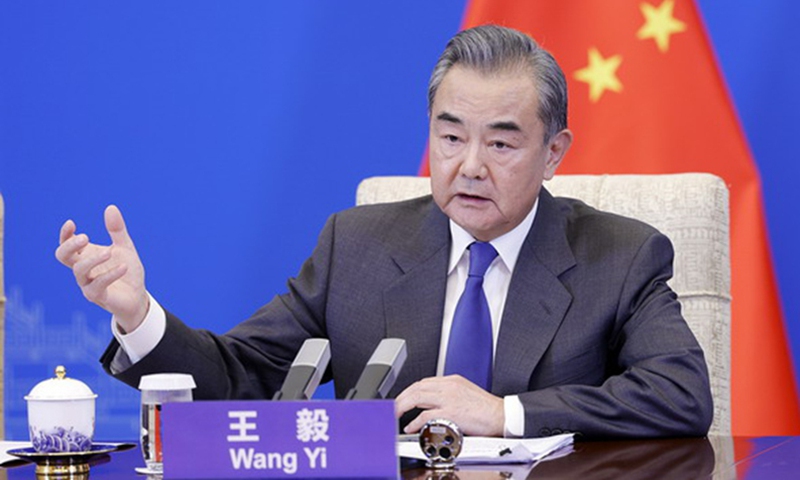
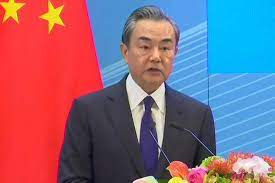
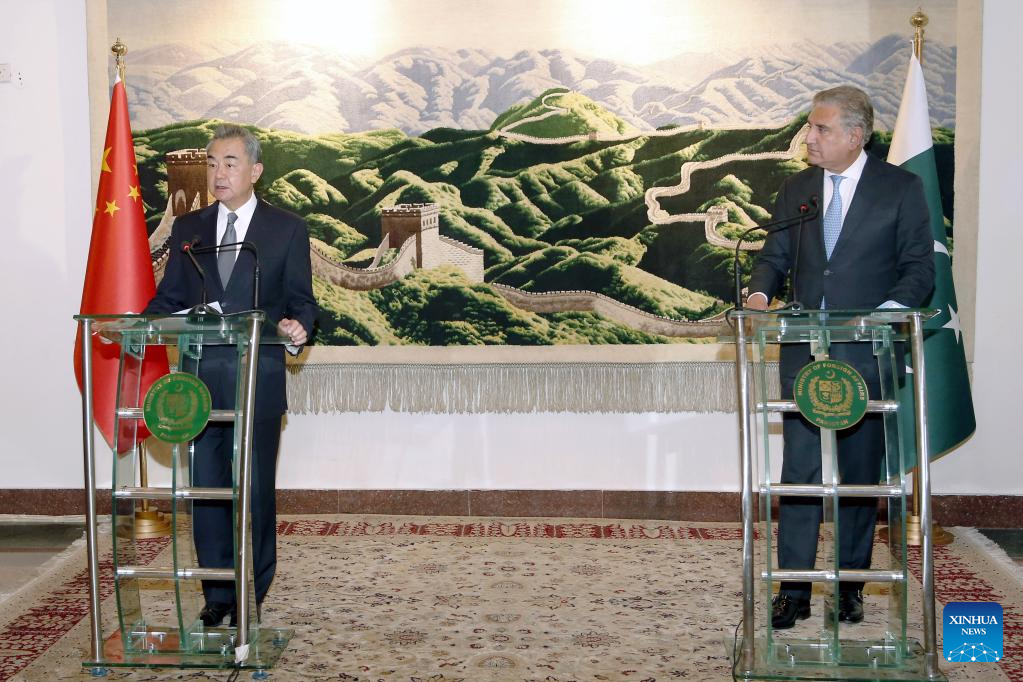
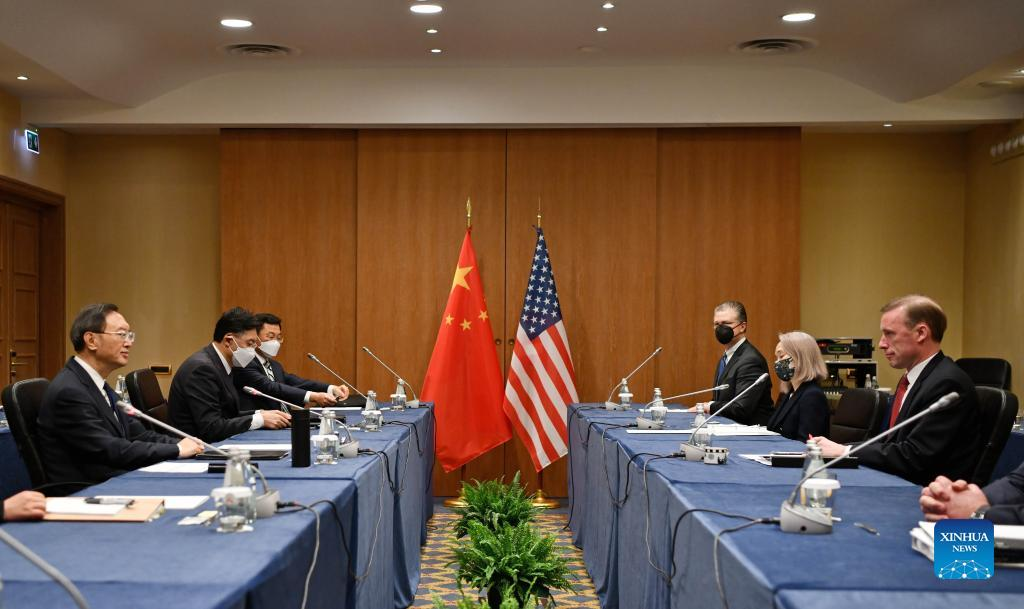
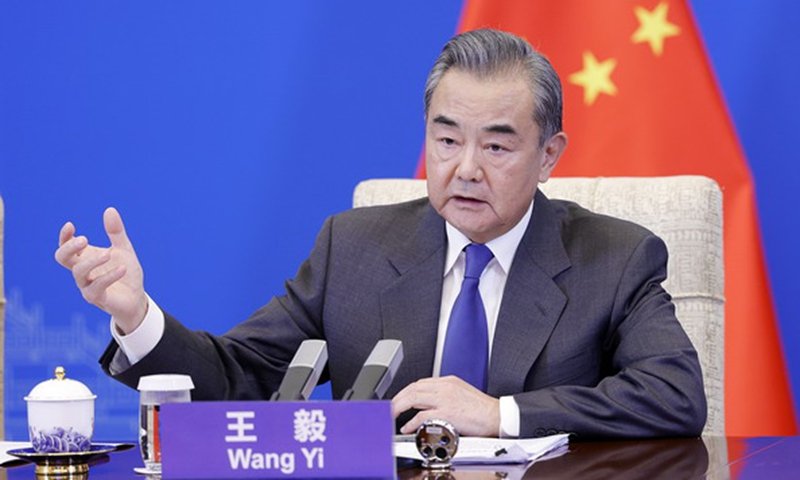
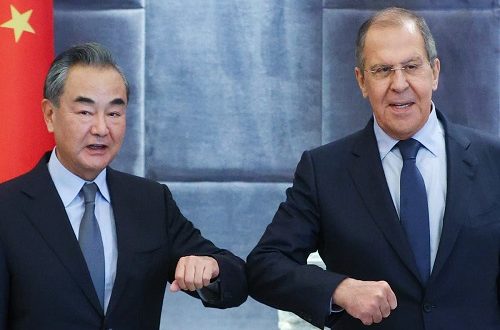
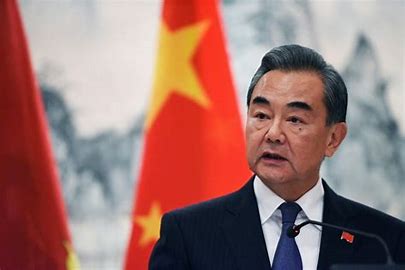
On October 30, Anadolu Agency reported that China’s Foreign Minister Wang Yi has called for cooperation with Iceland in trade, geothermal energy, green transition, as well as Arctic affairs. Wang Yi made the remarks during a meeting with his Icelandic counterpart, Thorgerdur Katrin Gunnarsdottir, in Beijing. Wang stated that China is willing to share development opportunities with Iceland, explore cooperation potential, and strengthen cooperation in areas such as trade and economy, geothermal energy, green transformation, marine affairs and the Arctic. He called for enhanced exchanges in tourism, joint scientific research and talent cultivation and the promotion of people-to-people ties between the two countries. He stated that both sides should uphold multilateralism and the rule of law, strengthen cooperation, support the role of the United Nations in international affairs, promote the building of a just and equitable global governance system, and make new contributions to maintaining peace and security.
(“China seeks to strengthen cooperation with Iceland in Arctic affairs,” Anadolu Agency, 30 October 2026)
https://www.aa.com.tr/en/asia-pacific/china-seeks-to-strengthen-cooperation-with-iceland-in-arctic-affairs/4105623
CHINA AND SOUTH ASIA
Nepal to temporarily reopen Rasuwagadhi border crossing to improve trade with China
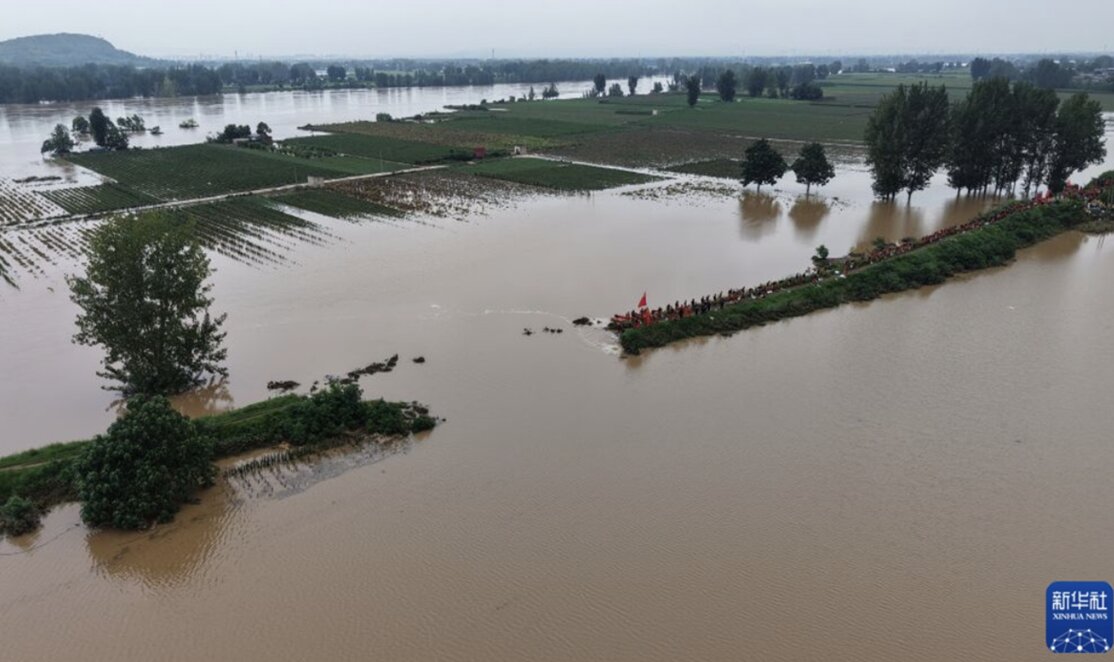
On 31 October, The Kathmandu Post reported that the Rasuwagadhi border crossing with China remained cut off since floods on 26 August, with no clear timeline for reopening, as bridges were washed away and the road to the crossing remains incomplete. Department of Roads Director General Vijay Jaisi said a Bailey bridge over the Bhotekoshi River at Syaphrubesi was expected before Tihar, followed by four more between Syaphrubesi and the border, with a permanent road to be planned after further studies. Electric vehicles account for 60 per cent of imports through the crossing, a major trade route that last reopened on 01 January 2026 after nearly six months of closure. An eight-member Chinese technical team is assessing flood damage, while the government is also weighing a Kathmandu-Kerung expressway as an alternative to the proposed cross-border railway.
("Nepal plans temporary bridges to reopen flood-hit Rasuwagadhi border crossing," The Kathmandu Post, 31 October 2026)
https://kathmandupost.com/money/2026/10/30/nepal-plans-temporary-bridges-to-reopen-flood-hit-rasuwagadhi-border-crossing#google_vignette
Adverse weather conditions disrupt Nepal-China trade at Korala Pass
On 30 October, Ratopati reported that adverse weather had left more than 500 containers and over 2,500 electric vehicles awaiting customs clearance and transportation at the Korala Pass on the Nepal-China border in Mustang. The vehicles and containers had reached the area after Dashain to transport Chinese goods through the Beni-Jomsom-Korala route. Moderate snowfall, continuous rainfall, and temperatures dropping to minus 12 degrees Celsius have disrupted operations in Upper Mustang. Authorities warned of possible snowstorms and avalanches and advised tourists and the public to avoid travelling to the border area. The Nepali marketplace across the border in China was also closed for two days in coordination with Chinese authorities. Although road movement had not been completely suspended, worsening conditions threatened cross-border cargo movement and trade.
(“Adverse Weather Halts Over 500 Containers at Nepal-China Border's Korala Pass,” Ratopati, 30 October 2026)
https://share.google/TzGfhVGep9cLWEY4J
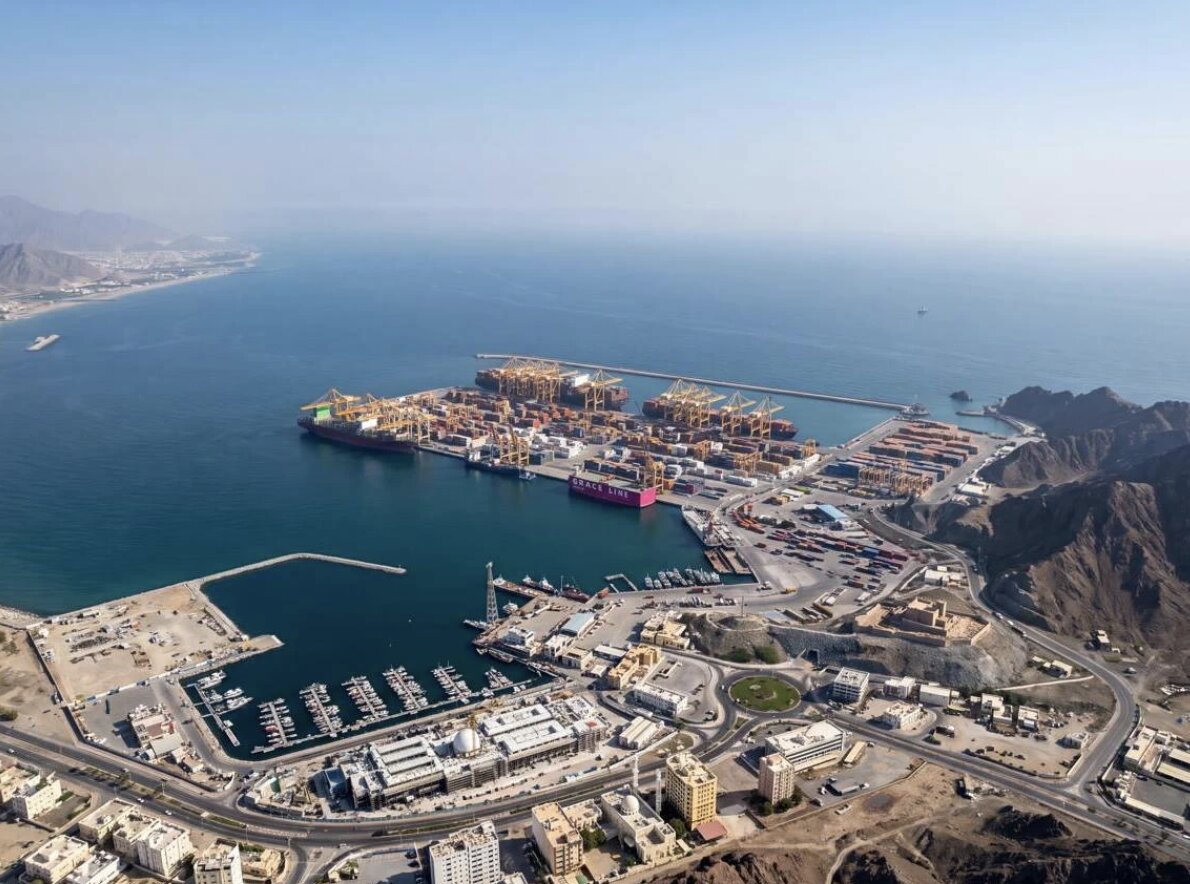
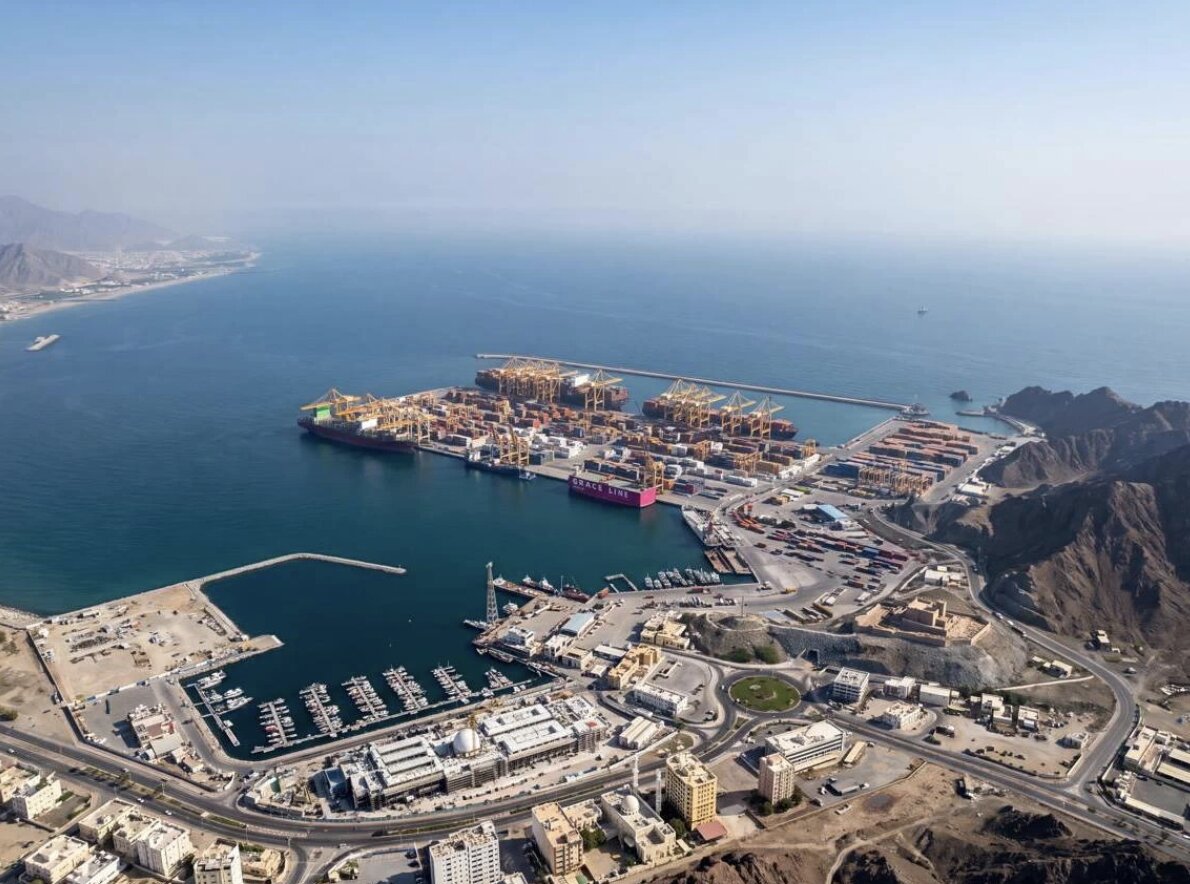
Colombo port deal collapses as Sri Lanka tightens scrutiny of Chinese investments amid debt concerns
On 30 October, The Assam Tribune reported that China Merchants Port Holdings and its Sri Lankan partners had agreed to abandon a proposed USD 392 million logistics and warehousing project at the Port of Colombo, originally announced in 2023. The decision followed disagreements over tax concessions, commercial viability and operating conditions. Sri Lanka’s cautious approach to foreign-backed investments after its 2022 economic crisis and ongoing debt restructuring contributed to the difficulties. The proposed tax arrangements also raised concerns about their compatibility with the country’s commitments under its International Monetary Fund programme. The report noted that other Chinese-backed projects, including Hambantota Port and Colombo Port City, have faced similar challenges involving domestic priorities and financial constraints. The withdrawal highlights the limits of China’s Belt and Road Initiative when investment terms conflict with the host country’s economic interests.
(“China’s Colombo port exit highlights problems with BRI investments,” The Assam Tribune, 30 October 2026)
https://assamtribune.com/amp/international/chinas-colombo-port-exit-highlights-problems-with-bri-investments-1621573
CHINA AND EUROPE
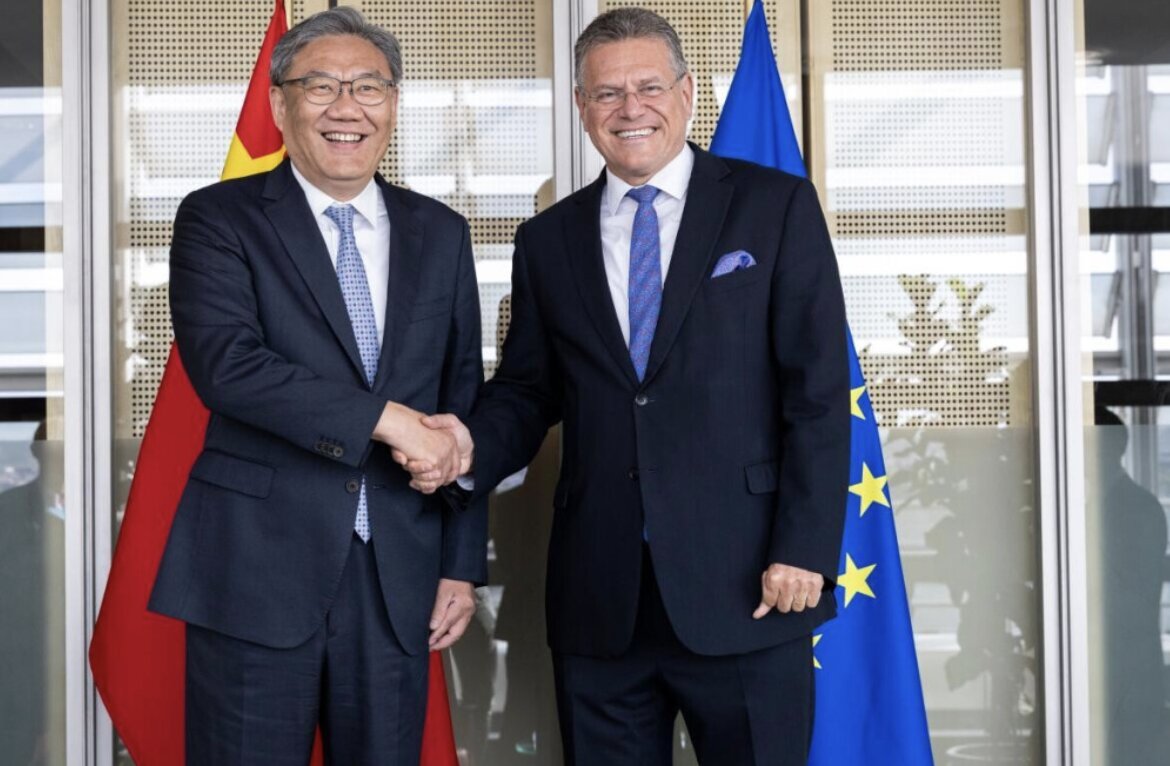
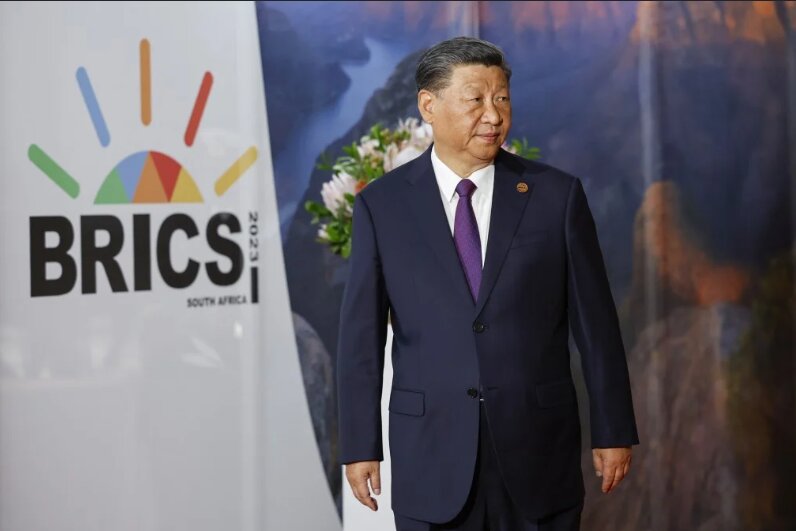
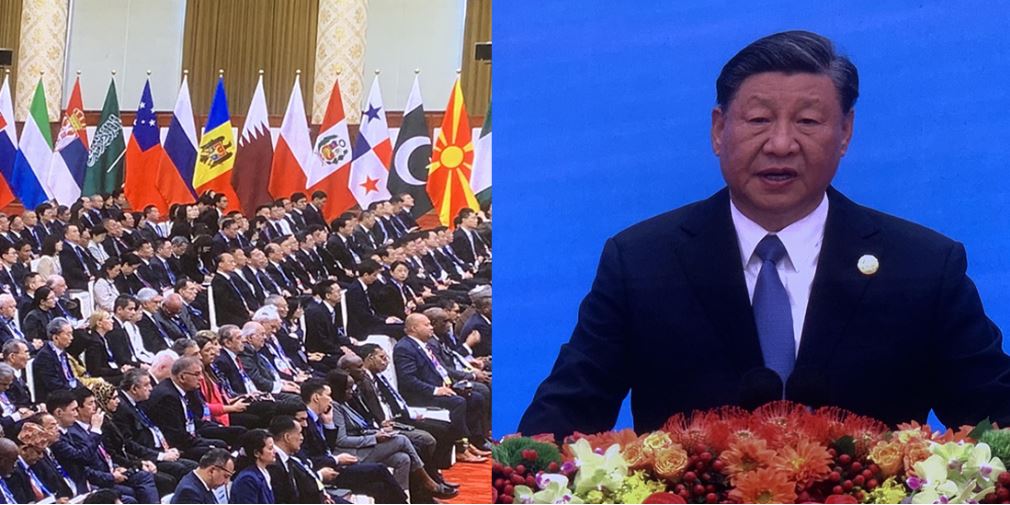
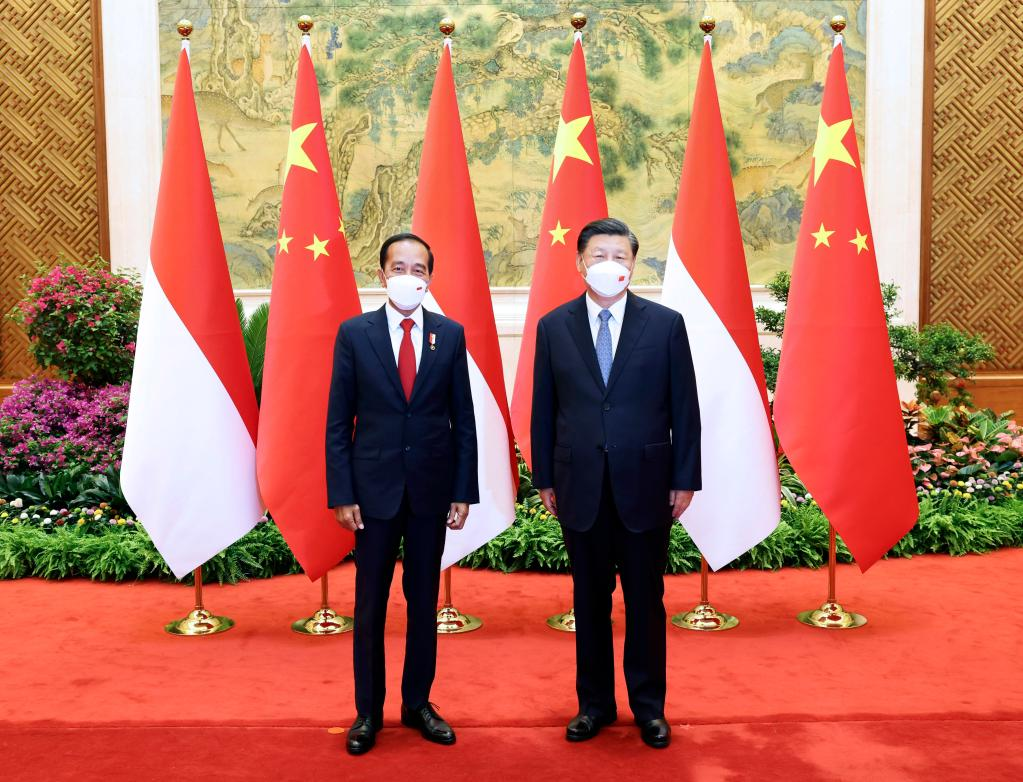
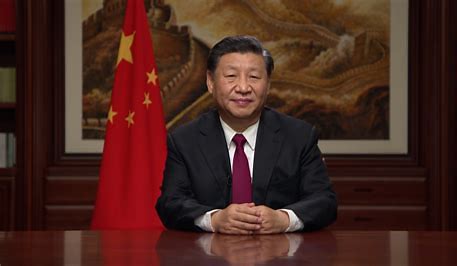
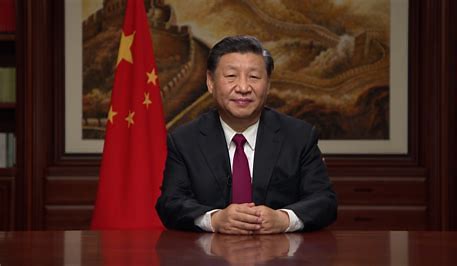
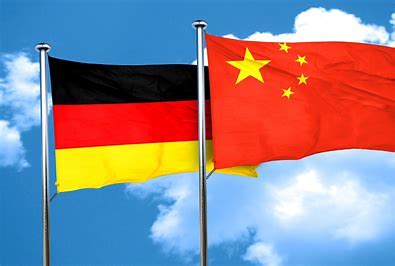
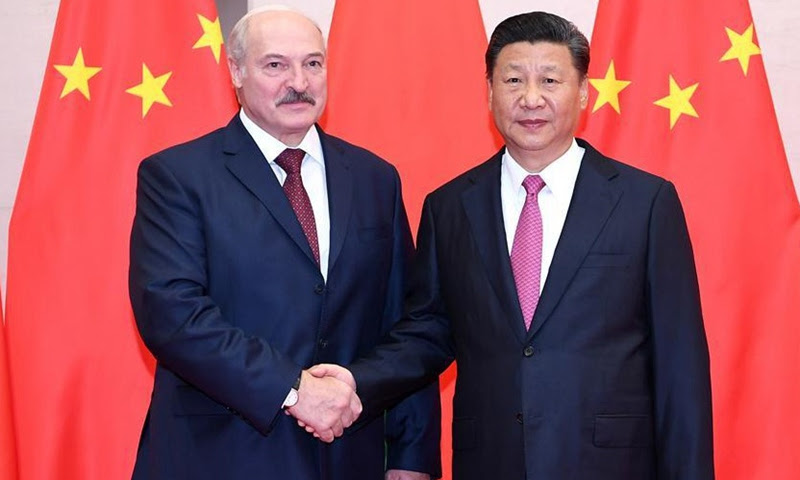
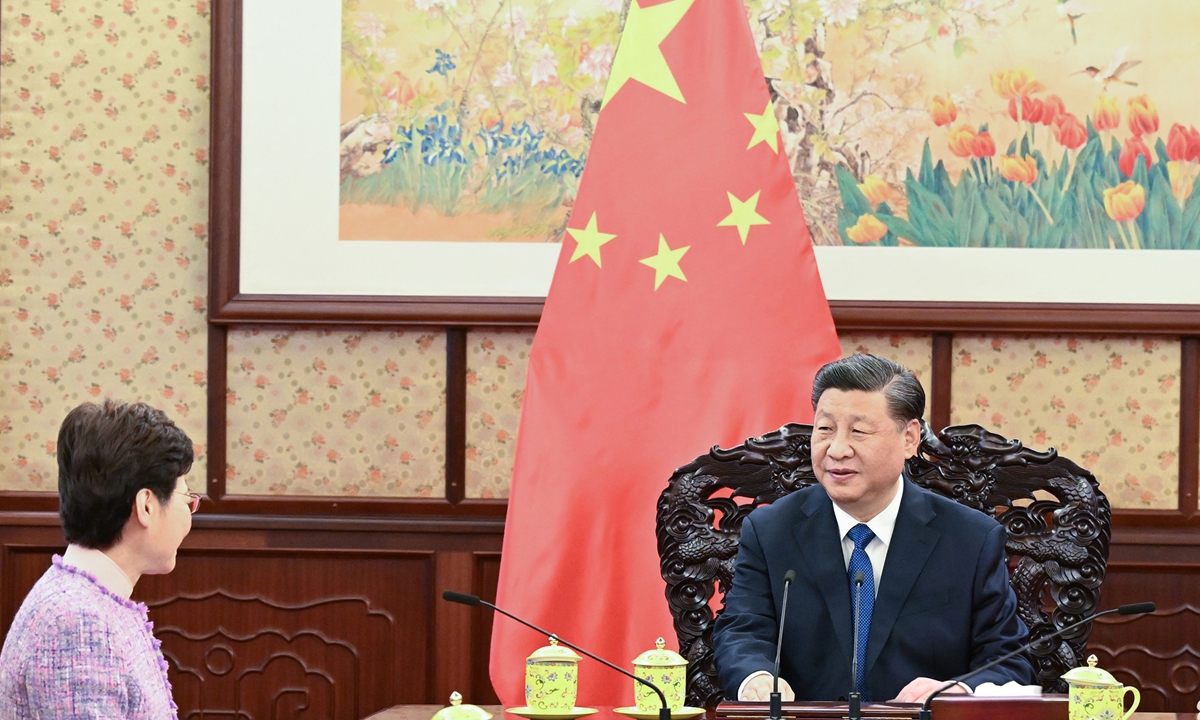
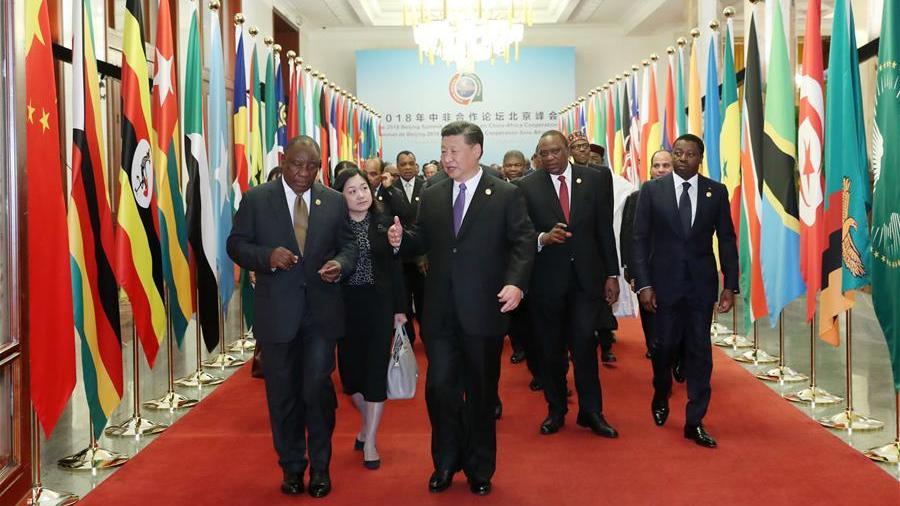
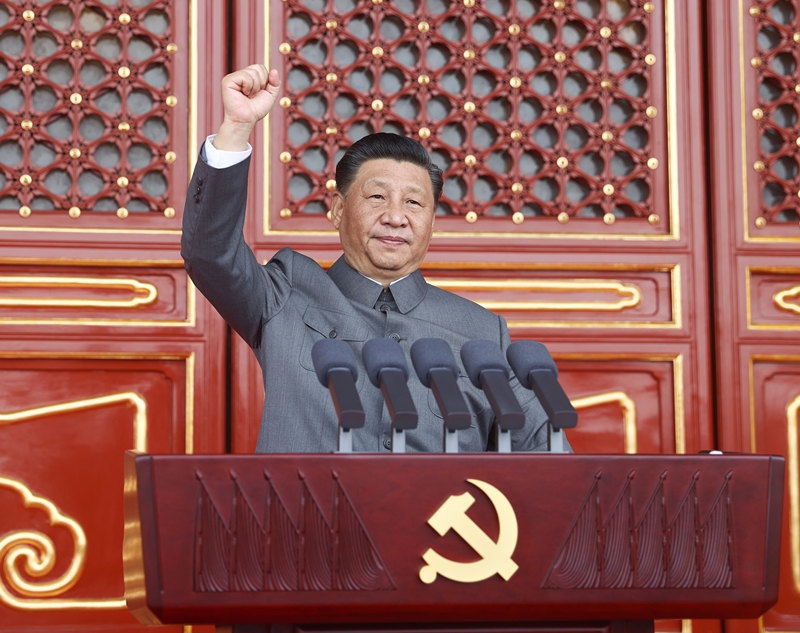
Xi calls on increased cooperation with EU to Germany’s President
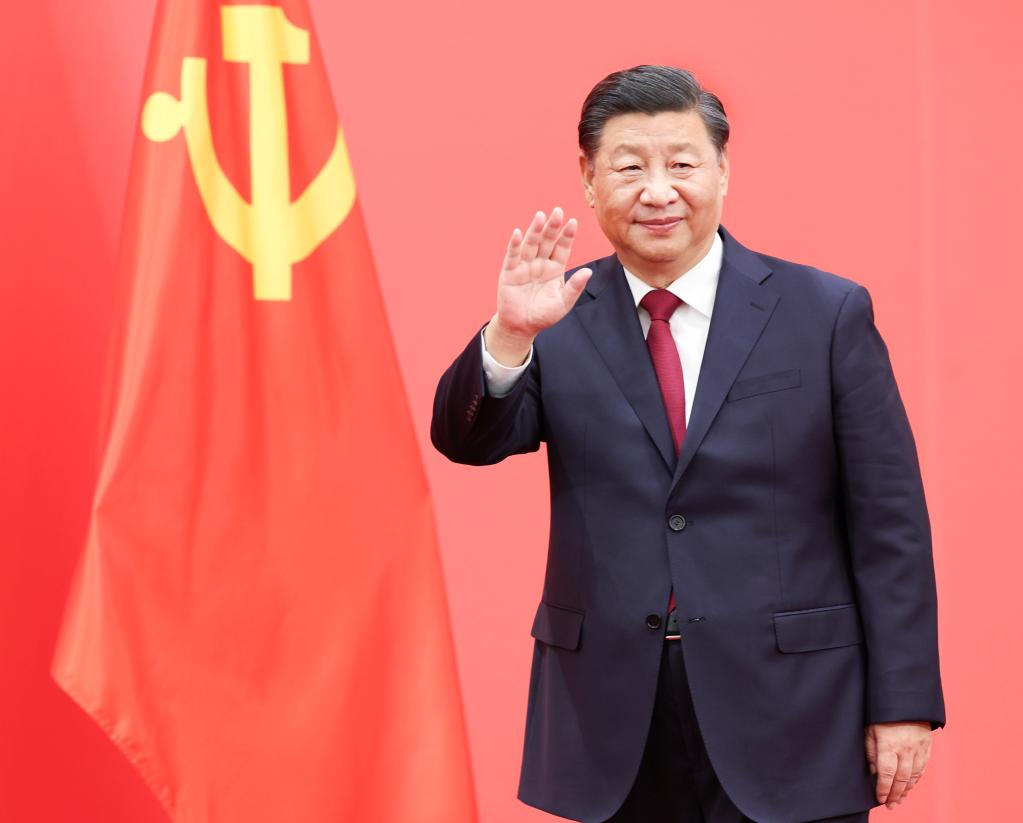
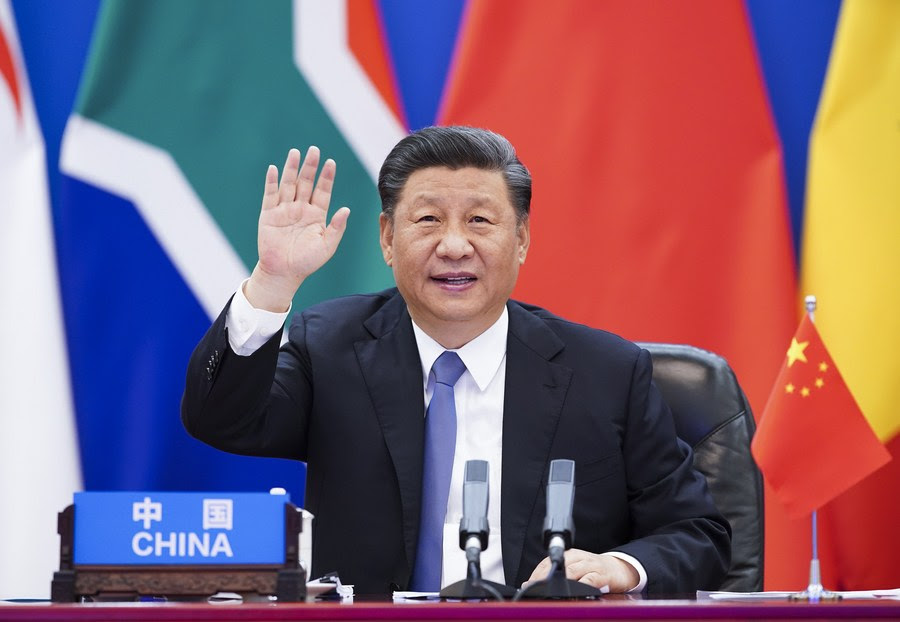
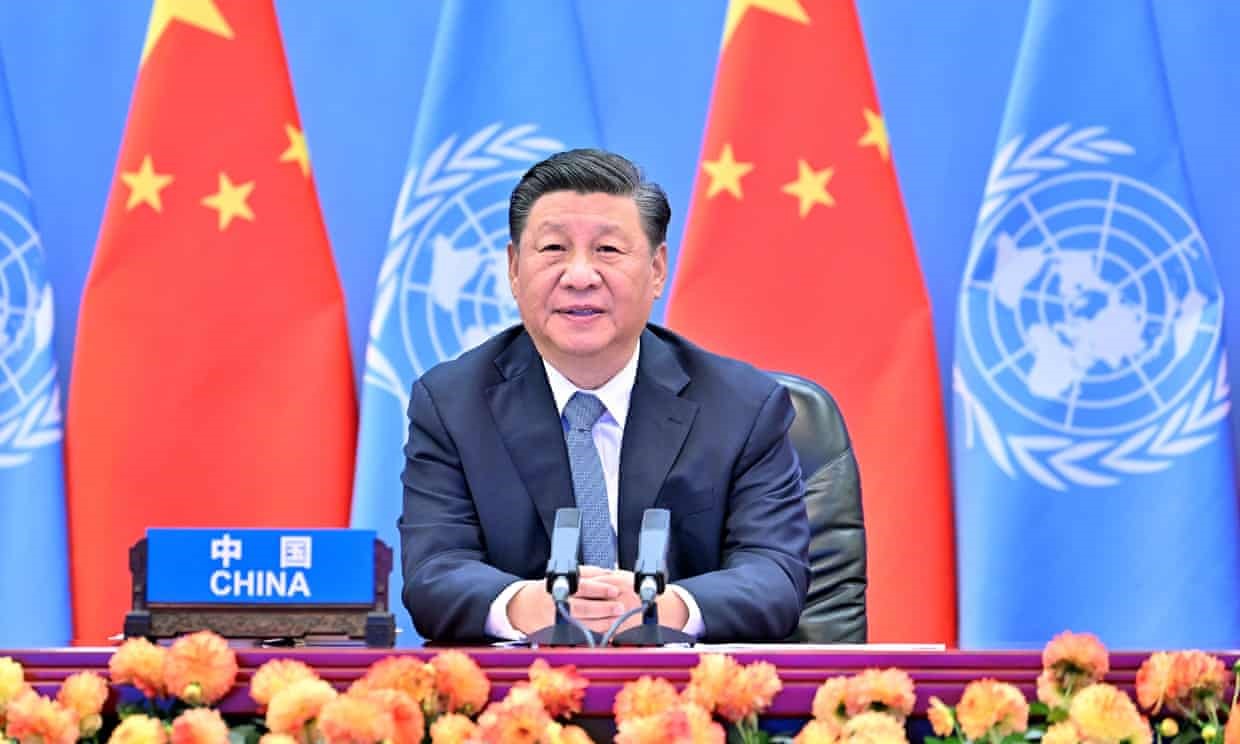
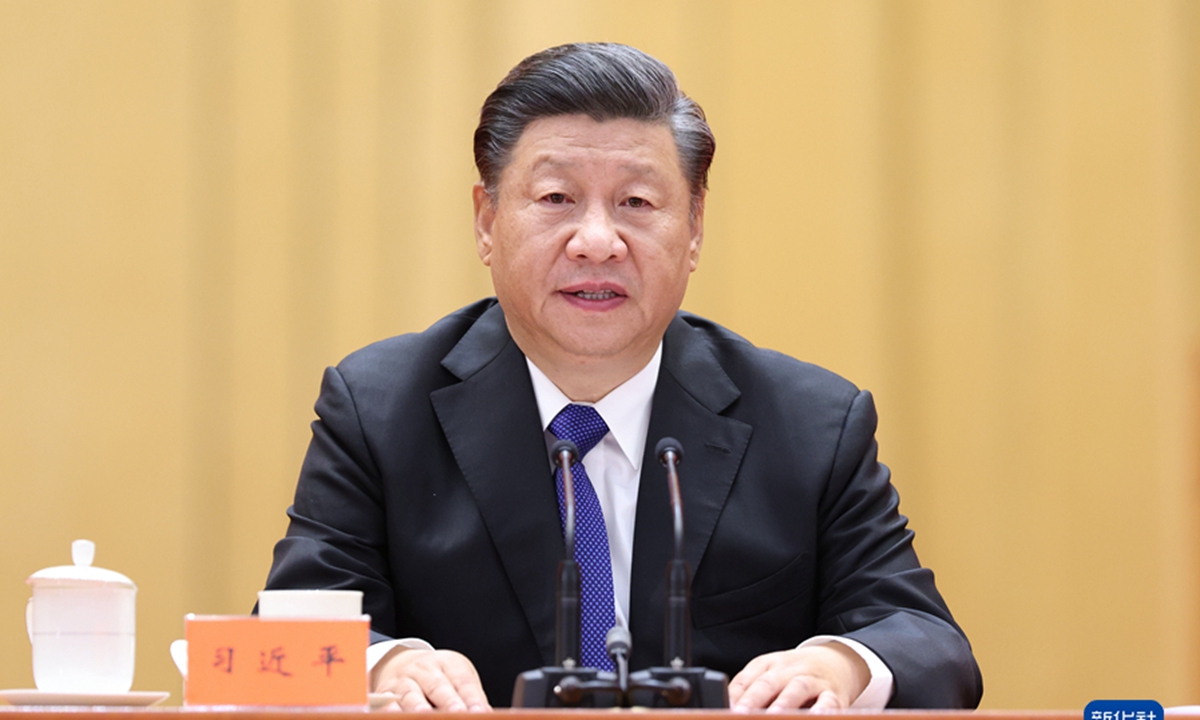
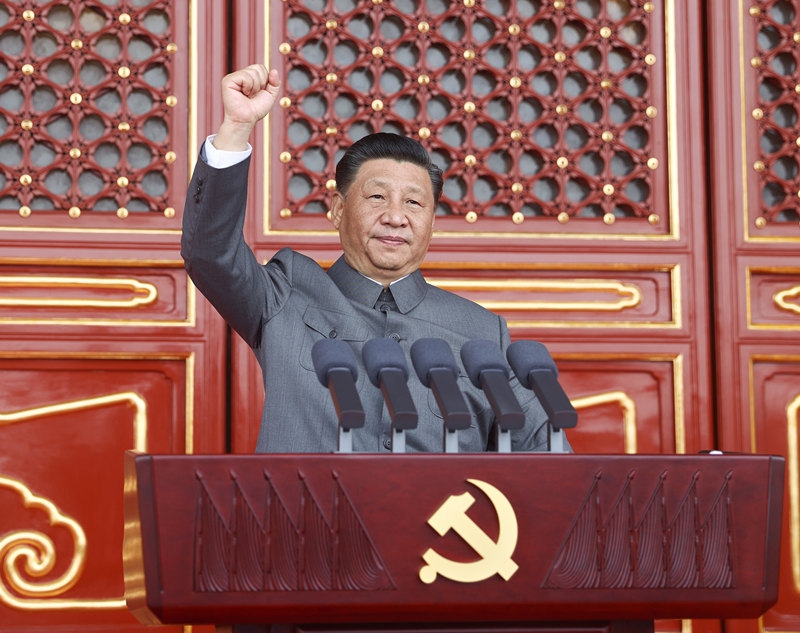
On 30 October, SCMP reported that President Xi Jinping called on dialogue and cooperation rather than competition with the European Union to Germany’s President Frank-Walter Steinmeier. President Steinmeier is currently on a visit to China. The EU is considering protectionist policies to counteract the mounting trade deficit with China, which grew to USD 1.1 billion a day last year, especially in the automobile and chemicals sector. Xi stated that “China has always regarded the European Union as a partner,” and urged dialogue and negotiations to end differences. Steinmeier also called for increased dialogue and consultations to achieve mutual benefits and said that Germany is willing to “join China in safeguarding global peace and development.”
(“Xi Jinping tells German president China and EU must ‘stay anchored to their partnership’,” SCMP, 30 October 2026)
https://www.scmp.com/news/china/diplomacy/article/3372781/xi-jinping-tells-german-president-china-and-eu-must-stay-anchored-their-partnership
CHINA AND AMERICAS
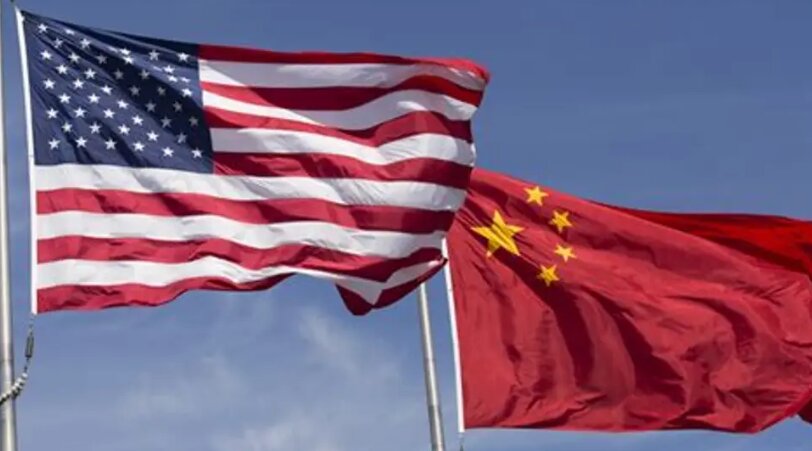
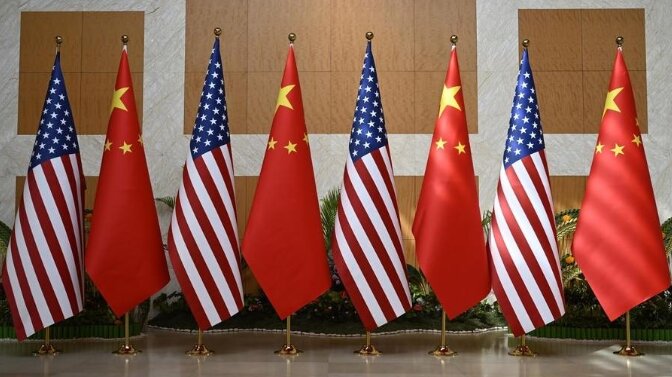
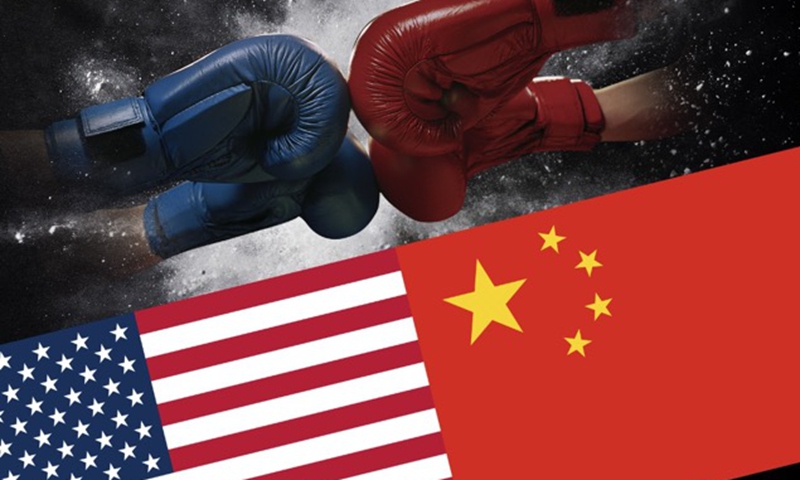
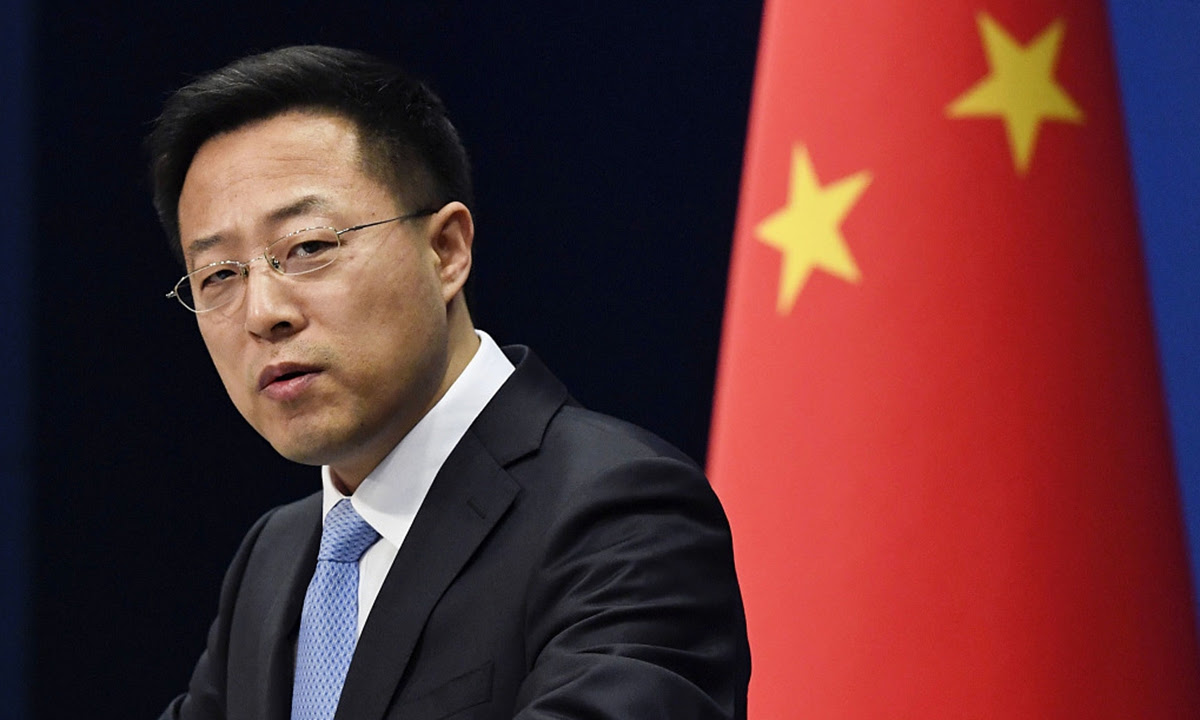
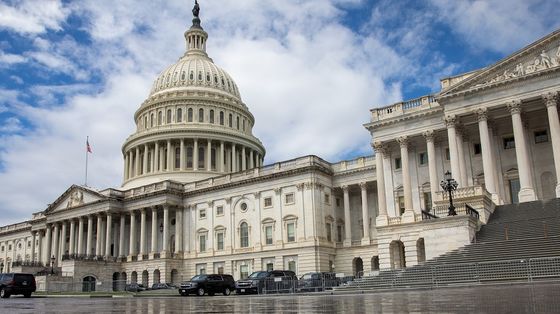
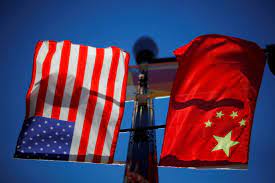
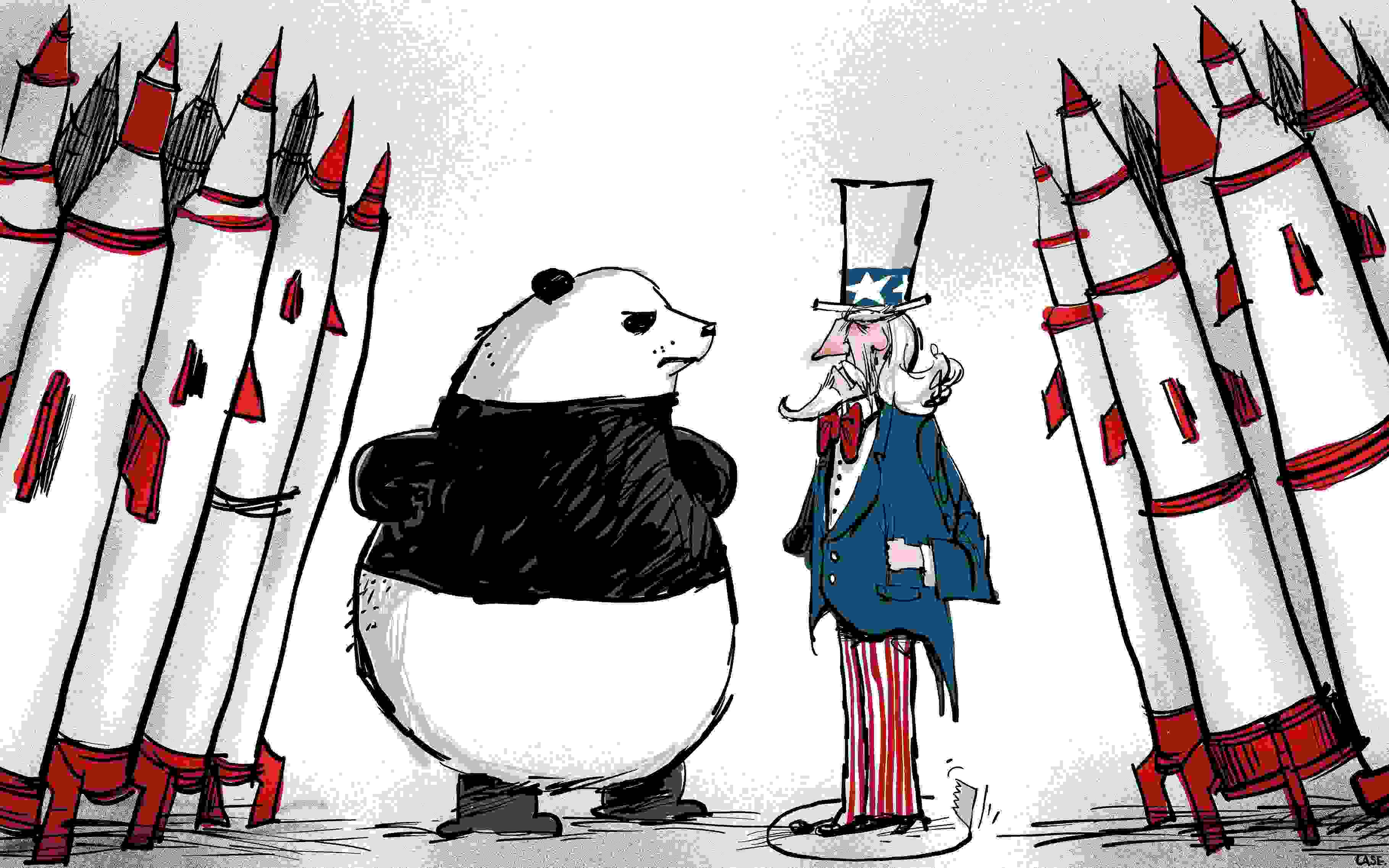
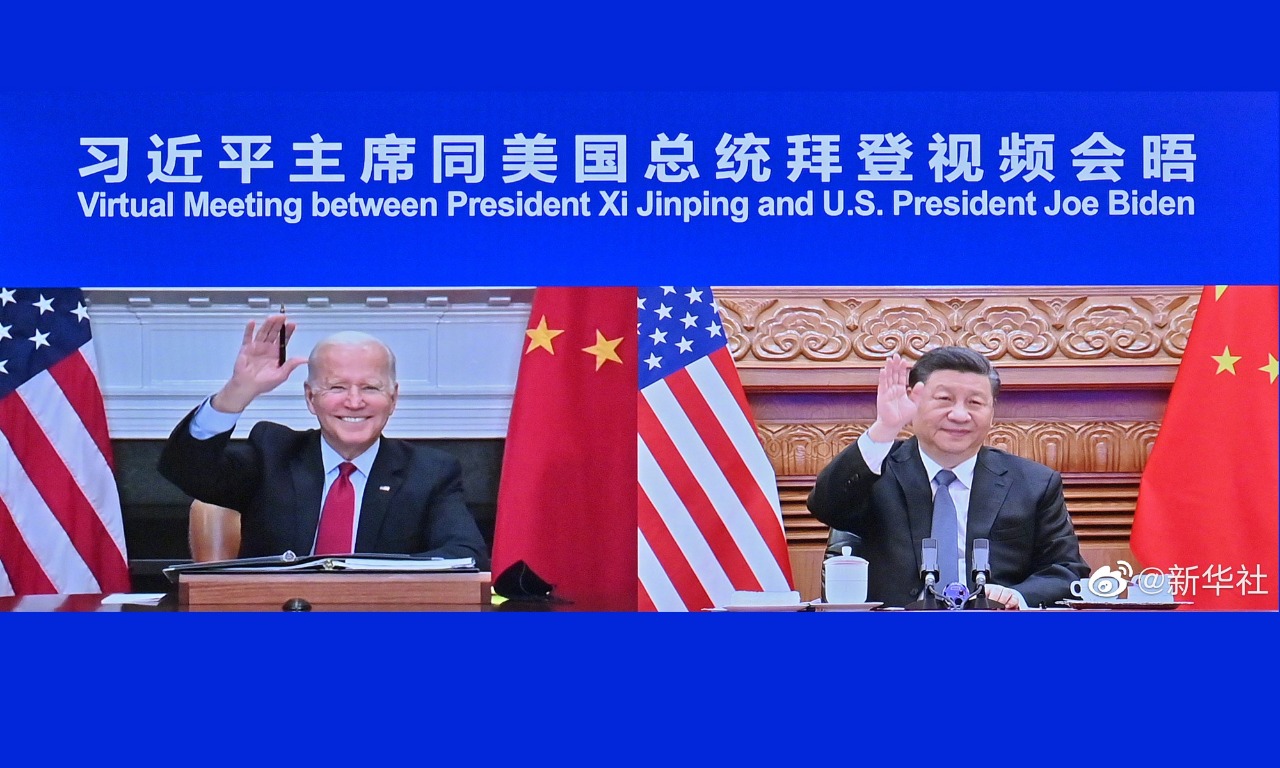
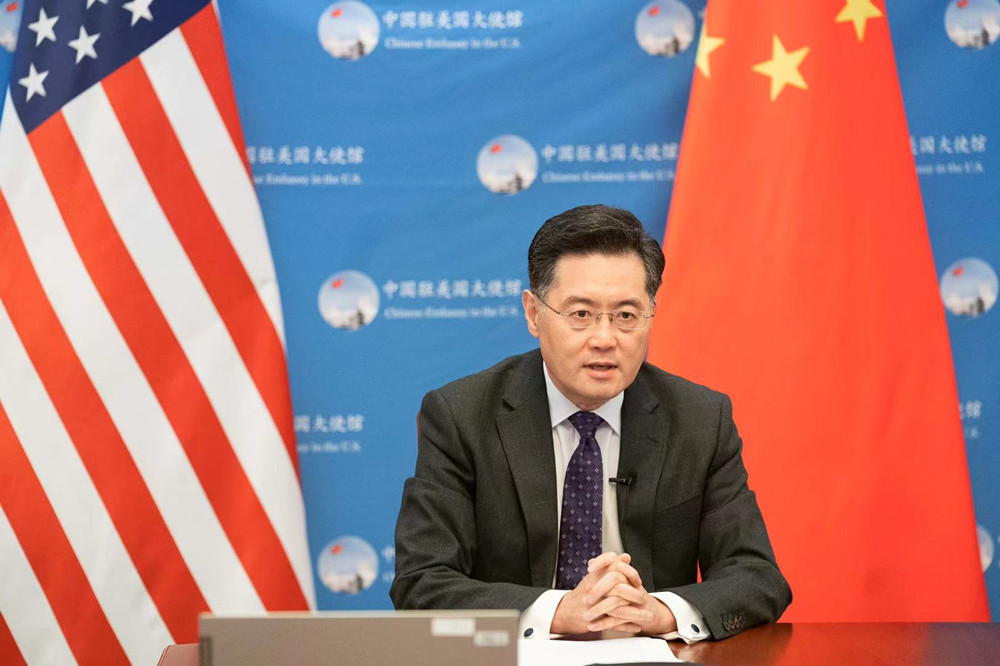
Beijing warns of countermeasures to the US ban on Chinese labs testing electronic devices
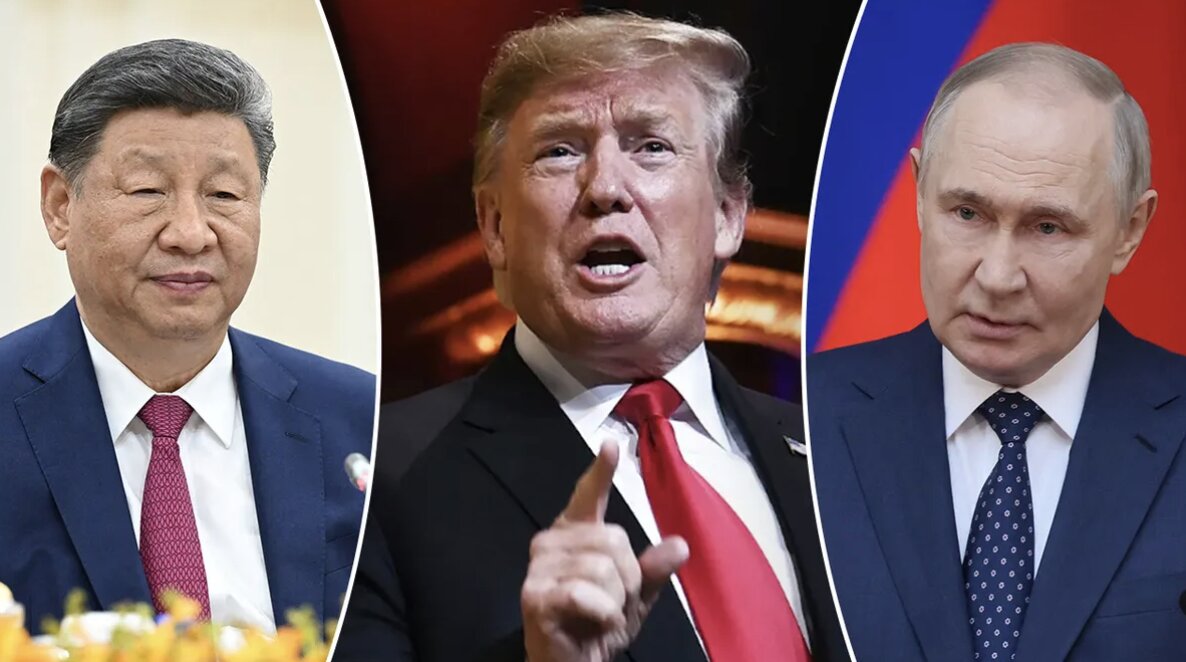
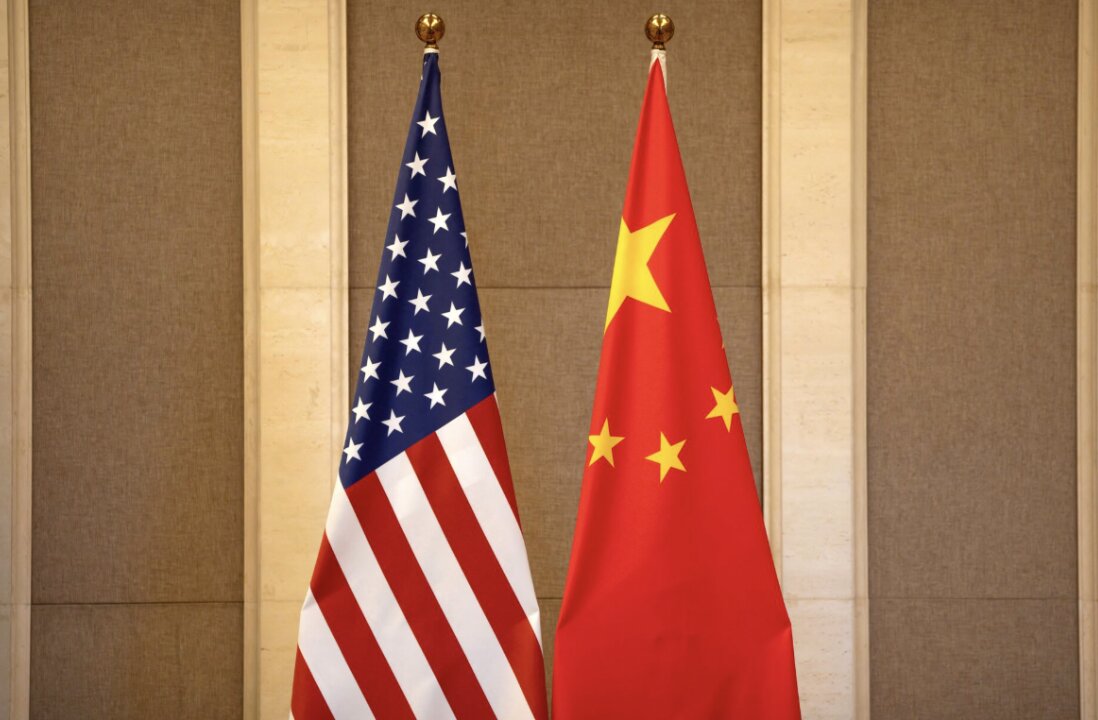
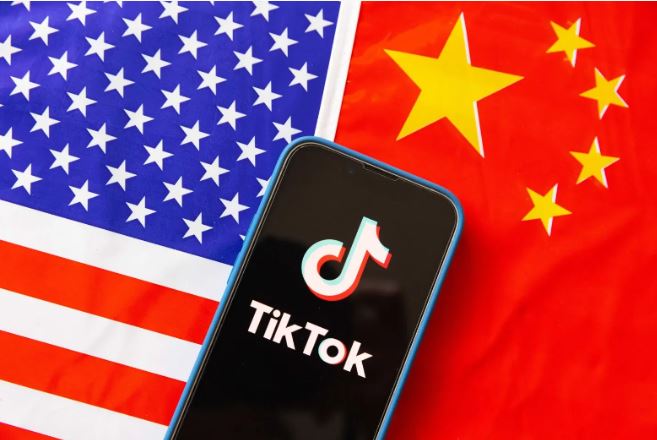
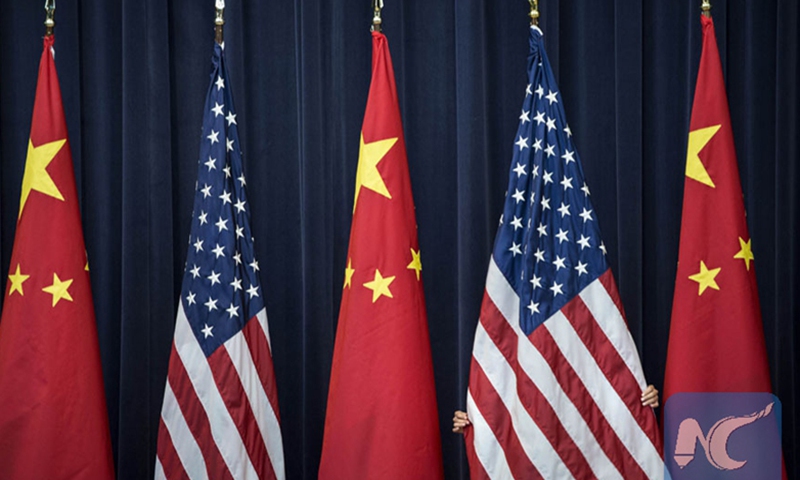
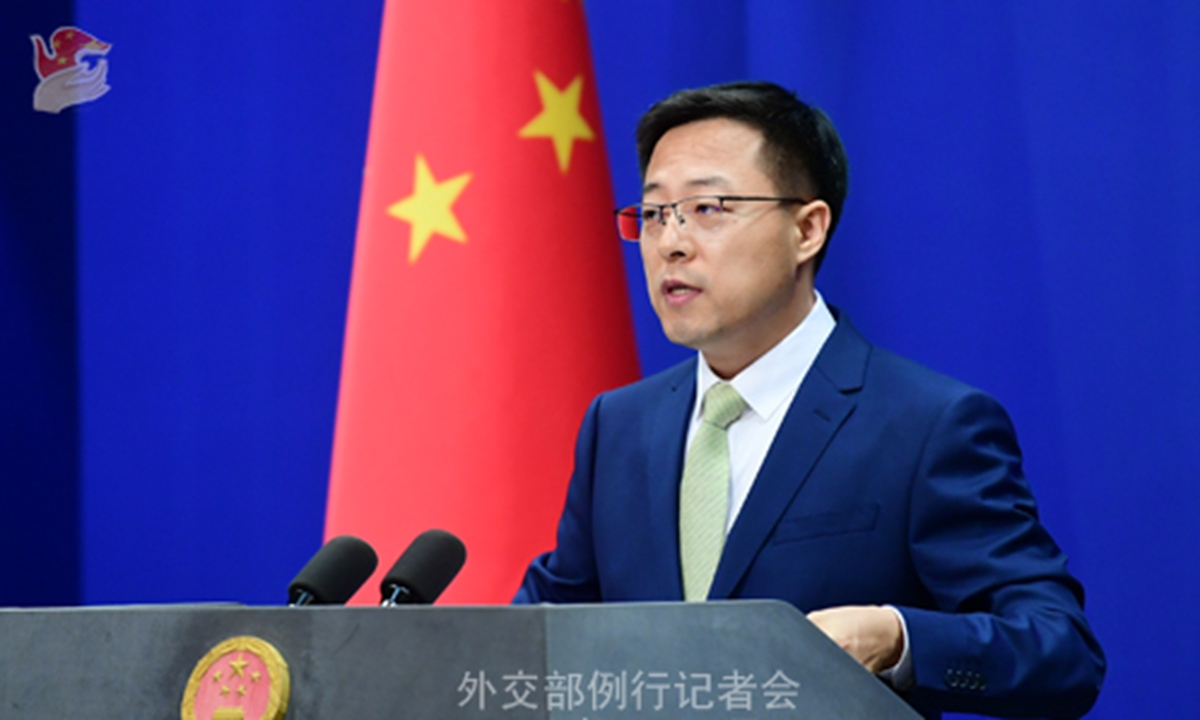
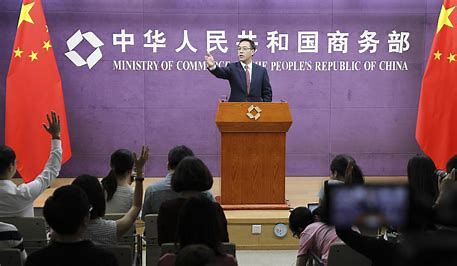
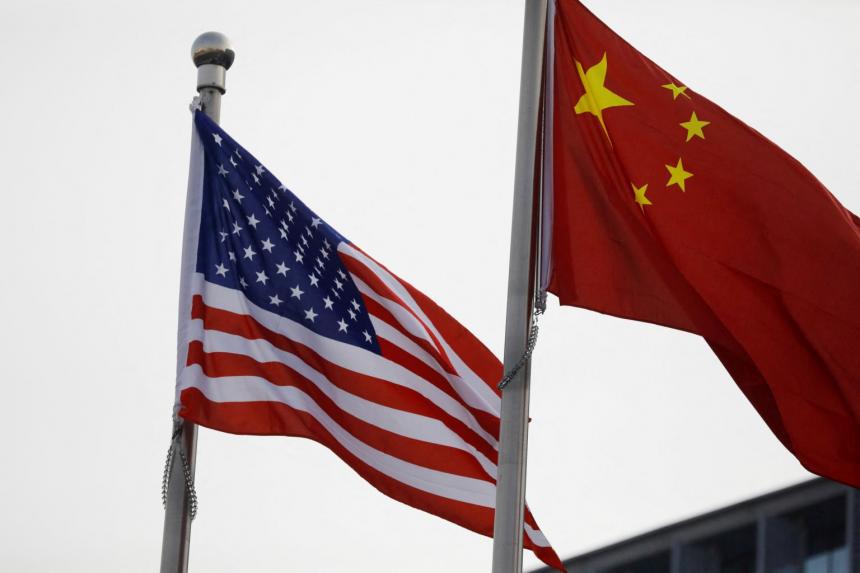
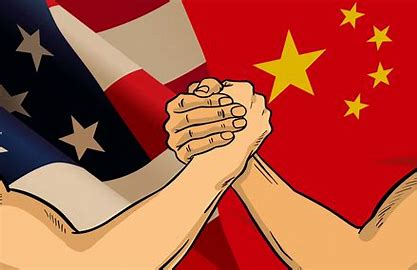
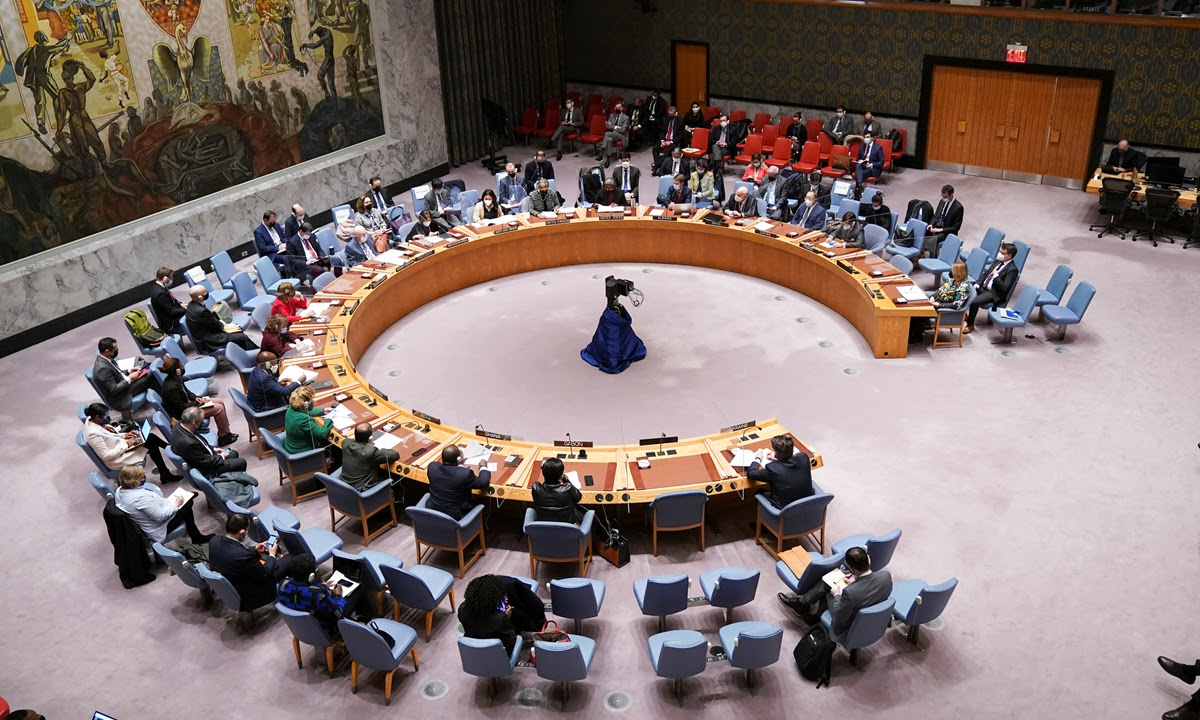
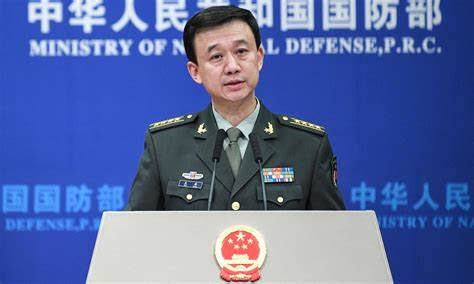
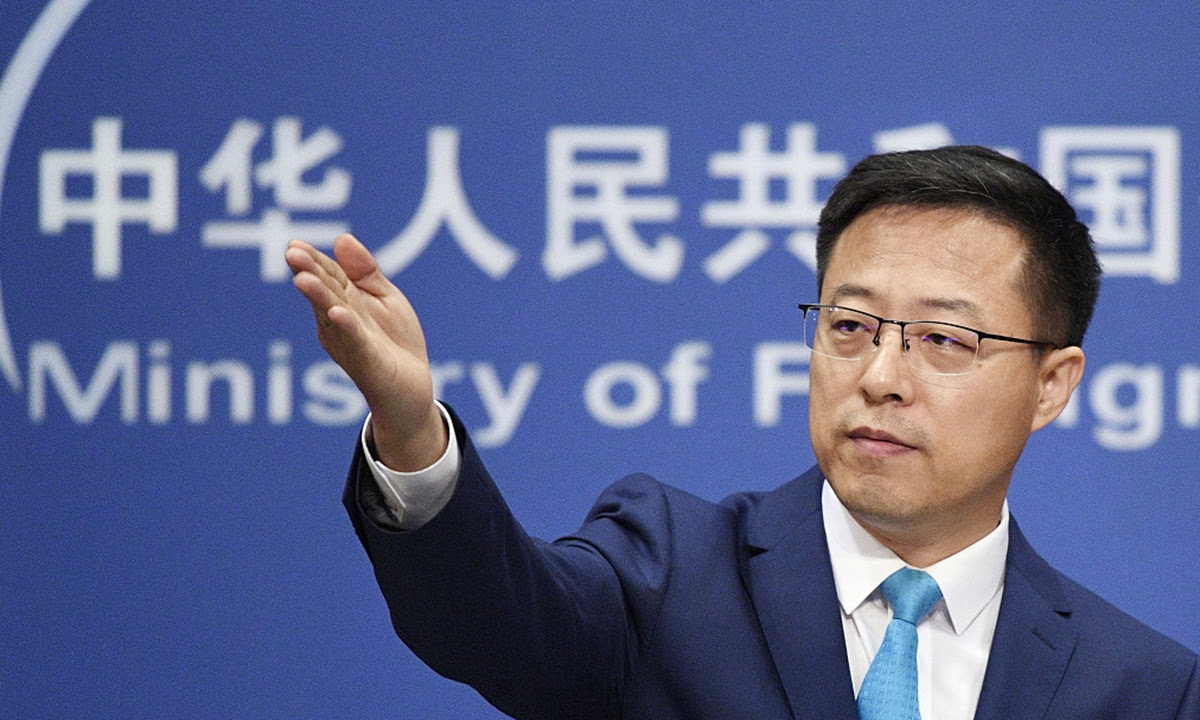
On 30 October, Reuters reported that China warned that it would take countermeasures if the US Federal Communications Commission’s vote to ban all Chinese labs from testing electronic devices for use in the US follows through. China’s Commerce Ministry issued a statement, condemning the move and stating that it had proposed a bilateral mutual-recognition agreement but “the US side's attitude has been extremely passive and negative.” The ministry urged the US to revoke the measures and said it remains open to dialogue and negotiations.
(“China opposes US FCC ban on Chinese lab testing, vows countermeasures if US presses ahead,” Reuters, 30 October 2026)
https://www.reuters.com/world/china/china-opposes-us-fcc-ban-chinese-lab-testing-vows-countermeasures-if-us-presses-2026-10-30/