
Photo : Newsweek
China to launch its first nuclear-powered aircraft by 2027
In Brief
INTERNAL
China shifts key policy rate to overnight lending
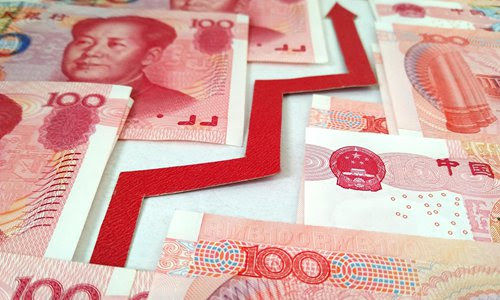
On 02 November, Reuters reported that the People’s Bank of China (PBOC) injected USD 81.3 billion into the banking system through overnight reverse repurchase agreements at 1.25 per cent. The operation marked the start of daily overnight repo operations and the shift of the overnight rate to the central bank’s main policy-rate anchor. The PBOC also plans to change its seven-day reverse repo operations. Instead of offering them at one fixed rate, it will use multiple rates, with the operations mainly timed around tax payments and month-end periods. The latest literature stated that anchoring policy to the overnight rate could ease funding conditions and lower borrowing costs for financial institutions. One analyst described the shift as a formal recognition of the existing benchmark for funding costs. The change is a restructuring of the policy framework; Reuters did not report a separate rate cut alongside Monday’s cash injection.
(“China central bank injects cash, shifts to overnight rate as key policy lever,” Reuters, 02 November 2026)
https://www.reuters.com/world/asia-pacific/china-cbank-injects-cash-shifts-overnight-rate-key-policy-lever-2026-11-02/
Factory growth eases as export orders slow, reports Reuters
On 02 November, Reuters reported that China’s factory activity continued to expand in October, but at a slightly slower pace as growth in export orders weakened. The private RatingDog manufacturing Purchasing Managers’ Index, compiled by S&P Global, slipped to 52.0 from 52.1 in September. A reading above 50 indicates expansion. The figure beat the 51.6 forecast in a Reuters poll, but contrasted with China’s official PMI, which showed factory activity contracting. Output rose at its fastest pace in six months, while the overall new orders index edged down to 53.3. Export-order growth fell to a three-month low. Manufacturers cut output prices amid intense competition, and export prices declined for the first time since November 2025. Employment rose for a second consecutive month, though only marginally. Business confidence remained positive but fell to a nine-month low, with firms citing higher input costs and stiffer competition.
(“China factory growth slows in October as export orders ease, private PMI shows,” Reuters, 02 November 2026)
https://www.reuters.com/world/asia-pacific/china-factory-growth-slows-october-export-orders-ease-private-pmi-shows-2026-11-02/
NUCLEAR
China to launch its first nuclear-powered aircraft by 2027
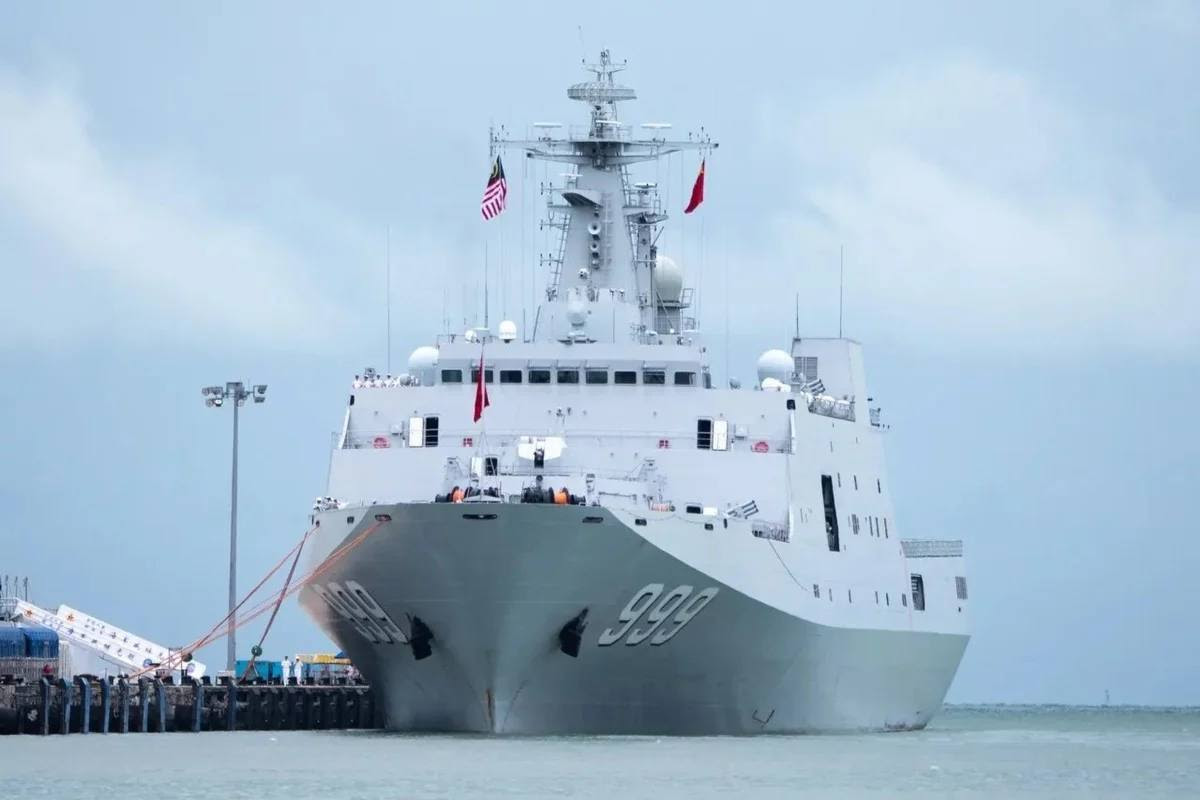
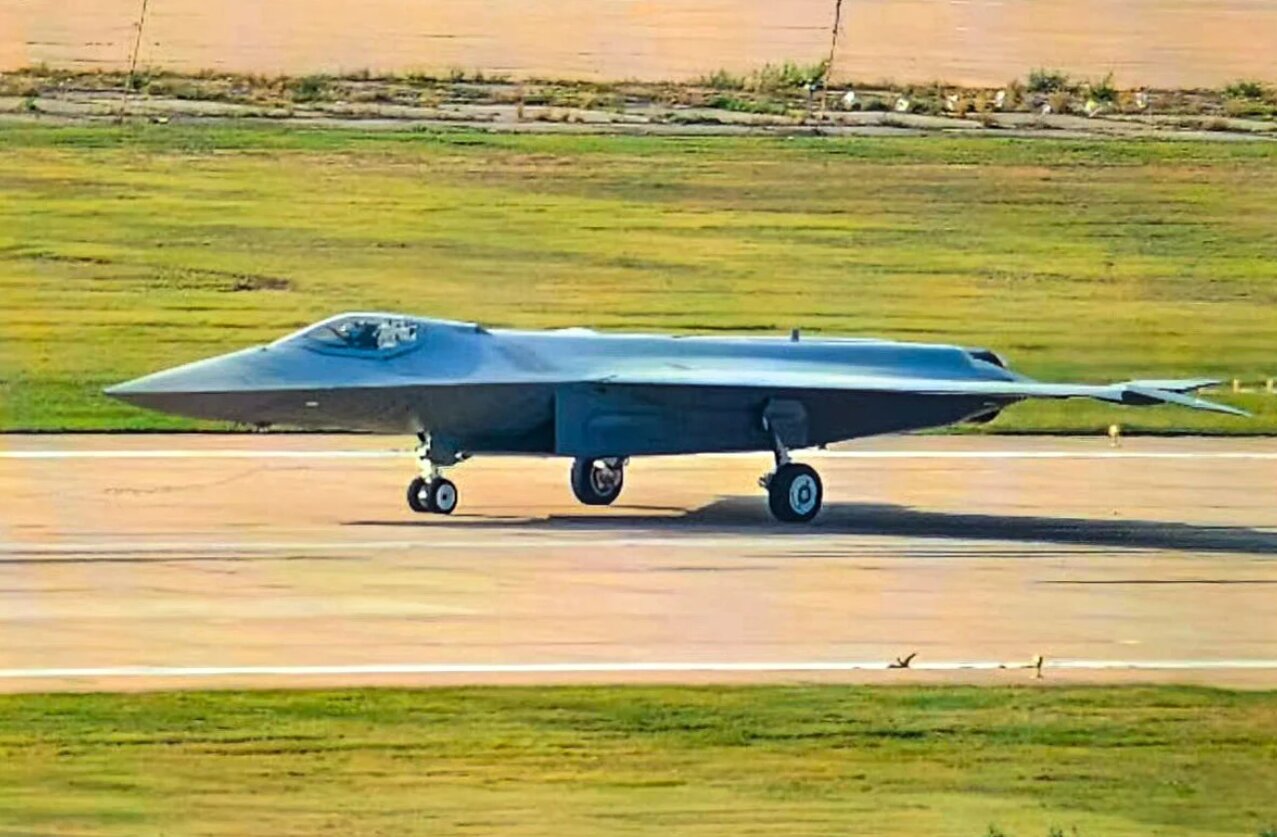
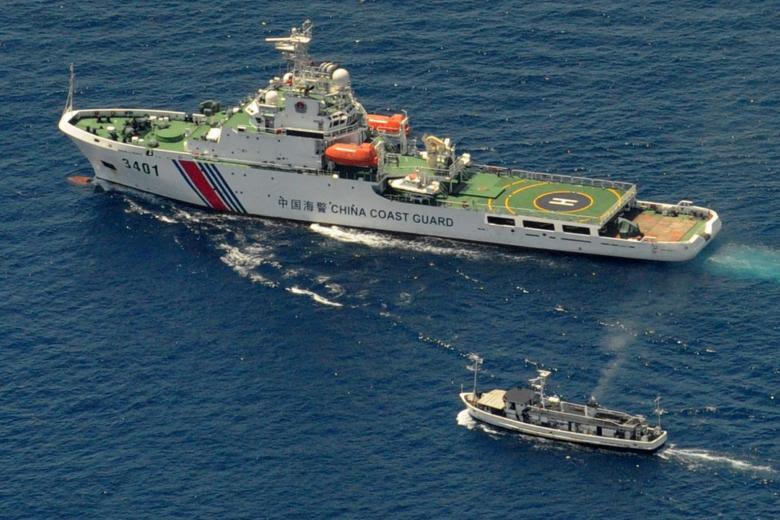
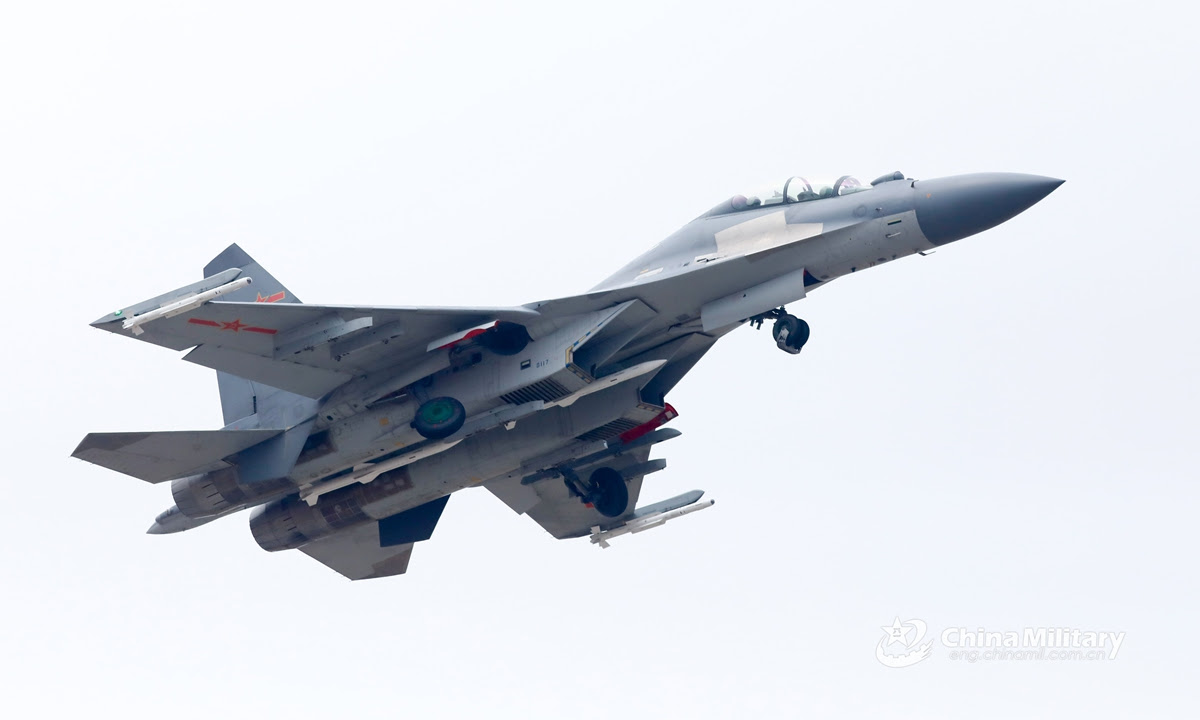
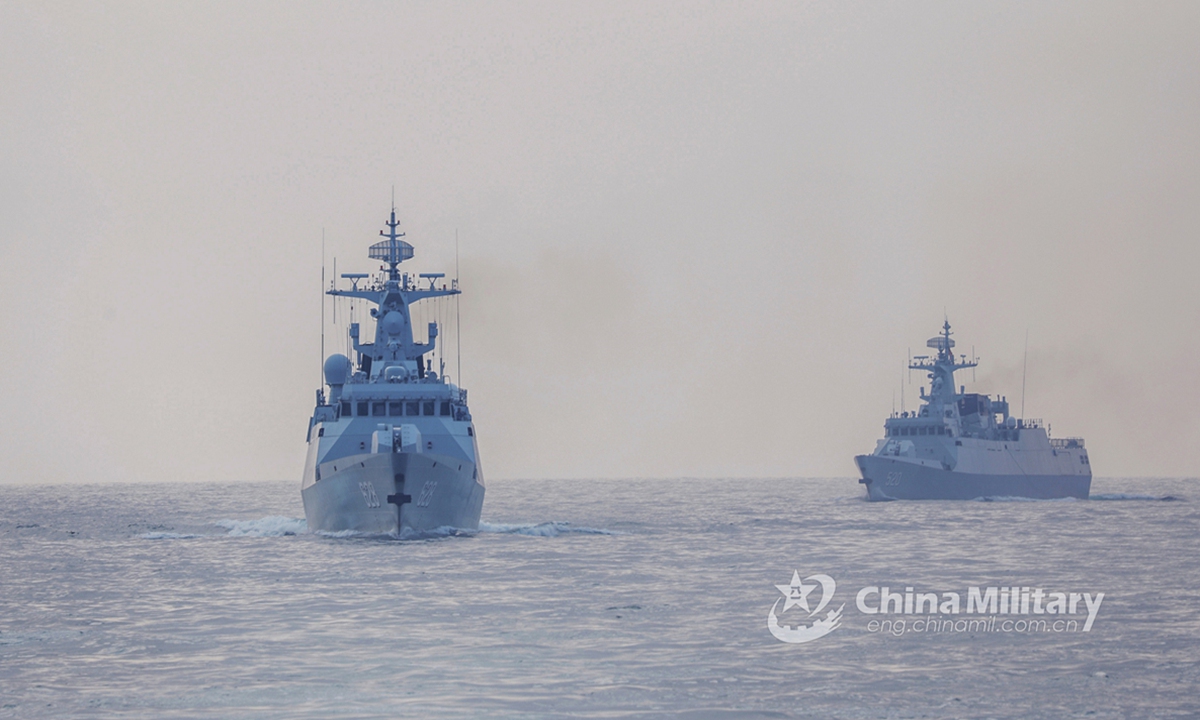
On 31 October, Marine Insight reported that China could possibly be planning the launch of its first nuclear-powered aircraft carrier by the end of 2027, quoting a report from the Centre for Strategic and International Studies (CSIS). Satellite imagery of Dalian Shipyard suggests that the vessel, believed to be the Type 004, is taking shape at a rapid pace. According to CSIS, its unfinished hull measures about 322 metres long and 46 metres wide. The report suggests that the carrier could feature four electromagnetic launch catapults, a flight deck and hangar facilities. Images also indicate compartments potentially designed for nuclear reactor containment, although Beijing has not confirmed its propulsion system. If nuclear-powered, the carrier would offer greater operational endurance and reduce dependence on conventional refuelling. Its development follows the commissioning of the 80,000-tonne Fujian, China's first carrier equipped with three electromagnetic catapults.
("China To Launch First Nuclear-Powered Aircraft Carrier By 2027," Marine Insight, 31 October 2026)
https://www.marineinsight.com/china-to-launch-first-nuclear-powered-aircraft-carrier-by-2027-csis-report-says/
CHINA AND SOUTHEAST ASIA
Beijing offers to engage in joint research on AI with Vietnam
On 30 October, TNglobal reported that China suggested joint research in advanced artificial intelligence (AI) with Vietnam. This development occurred during a Vietnam-China seminar on AI research and applications, conducted as part of the Vietnam International Digital Week 2026 organised by the Vietnamese Ministry of Science and Technology. Chinese Ministry of Industry and Information Technology Deputy Director Fan Bin informed that Beijing wished for substantive cooperation with Vietnam on AI. He added that the two countries could expand cooperation in smart manufacturing, the digital economy, AI, quantum technology, and semiconductors. The deputy director proposed three key areas of cooperation: partnering in open innovation, narrowing the AI gap and developing AI for human benefit. A representative of the Department of Digital Technology and AI at the Vietnamese Ministry of Science and Technology affirmed that Vietnam wished for greater cooperation with China on talent, data, research and AI application. She also informed that the Vietnamese national strategy on AI was to move away from the research and application of AI to a comprehensive national transformation driven by the technology. Hanoi aims to be amongst the top 10 countries in the field of AI research, mastery and application by 2045.
(“China Offers Joint Ai Research With Vietnam As Hanoi Sets 2045 Target For World-Leading AI,” TNglobal, 30 October 2026)
https://technode.global/2026/10/30/china-offers-joint-ai-research-with-vietnam-as-hanoi-sets-2045-target-for-world-leading-ai/
Chinese scam networks gravitate away from Cambodia after crackdown
On 01 November, The China Global South Project reported that crackdowns had shown linkages between Chinese scam operations based in Madagascar and similar networks present in Cambodia. The Madagascar justice ministry informed that thirteen Chinese-run scam compounds were taken down in August and September in joint operations conducted with the US Department of Justice (DOJ). It also stated the scam sites were involved in romance, cryptocurrency and investment fraud. According to the DOJ, about USD 52 million worth of cryptocurrency was seized in a single day, with over 3,200 electronic devices processed. A Malaysian national called Chui Kok Wa was charged with being in charge of a romance scam scheme. The DOJ stated that this individual’s criminal group had connections to Malaysia and China. The cybercrime unit coordinator at the Madagascar communications ministry, Tsitohaina Ralihivao, informed that the scam networks relocated to Madagascar following a crackdown by the Cambodian government in 2025. The FBI report also indicated the same, referring to its interrogation of three Brazilian nationals. According to the report, the Brazilians moved to Madagascar from Cambodia following action by Cambodian law enforcement and the military conflict with Thailand.
(“Chinese Scam Networks Shift From Cambodia to Madagascar as Authorities Crack Down,” The China Global South Project, 01 November 2026)
https://chinaglobalsouth.com/analysis/chinese-scam-networks-shift-from-cambodia-to-madagascar-as-authorities-crack-down/
CHINA AND THE PACIFIC
Australian PM to visit Beijing next month
On 30 October, the SCMP reported that Australian Prime Minister Anthony Albanese is expected to travel to Beijing in November, as Canberra seeks to stabilise a relationship fraught with trade and geopolitical disputes. Albanese is expected to visit Shenzhen for the APEC leaders’ summit before travelling to the capital. Since taking office in May 2022, the Albanese government has sought to repair ties with Beijing, resuming high-level dialogue that has been frozen for many years. The Australian Prime Minister’s Office released a statement saying that Australia’s approach to its relationship with China remains patient, calibrated and deliberate, with dialogue remaining central to a stable and constructive relationship. China’s ambassador to Australia, Liu Jinsong, urged stronger business ties, stating that trade and economic cooperation were central to the current stabilisation of China-Australia ties.
("Australian PM to visit China after Beijing-hosted APEC summit as tensions simmer,” SCMP, 30 October 2026)
https://www.scmp.com/news/china/diplomacy/article/3372671/australian-pm-visit-beijing-after-china-hosted-apec-summit-tensions-simmer
CHINA AND SOUTH ASIA
China’s border infrastructure and settlement expansion raise strategic concerns near Arunachal Pradesh
On 01 November, Tibetan Review reported that former Indian Army commander Lieutenant General (Retd.) Abhay Krishna had warned that China’s infrastructure development and settlement-building activities in Tibet could strengthen its territorial claims near Arunachal Pradesh. He argued that China had gained a 15–20-year lead in developing border regions through roads, railways, airfields, dams and border villages. According to figures cited in his analysis, around 72 per cent of the villages under Tibet’s border-village programme are located near the Line of Actual Control in India’s northeastern sector, with 90 per cent facing Arunachal Pradesh. Krishna cautioned that these settlements could strengthen China’s long-term administrative and military presence along the disputed frontier and create strategic challenges for India.
(“India warned on China’s Arunachal border infrastructure, settlement-building spree,” Tibetan Review, 01 November 2026)
https://share.google/RjNtP6otDiBA2xzOa
Zorawar light tank development highlights India’s efforts to strengthen military preparedness along the China border
On 01 November, SCMP reported that India faces a trade-off between the protection and mobility of its Zorawar light tank, designed for deployment in high-altitude areas along the disputed border with China. The tank weighs approximately 25 tonnes in its basic configuration, allowing it to be transported to remote border areas by air. However, efforts to strengthen its armour against high-calibre weapons could add around seven tonnes, potentially affecting its mobility and deployment. The debate has gained urgency amid reports of renewed military stand-offs between Indian and Chinese troops. India previously deployed heavier Russian-origin T-72 and T-90 tanks in Ladakh, while China has used its lighter Type 15 tanks. The Zorawar is intended to address the operational challenges posed by difficult Himalayan terrain.
(“Armour vs altitude: India’s light tank dilemma along China border,” SCMP, 01 November 2026)
https://share.google/Grj94rGEiq7Kt39qv
China to rebuild nine bridges in Sri Lanka under post-disaster aid programme
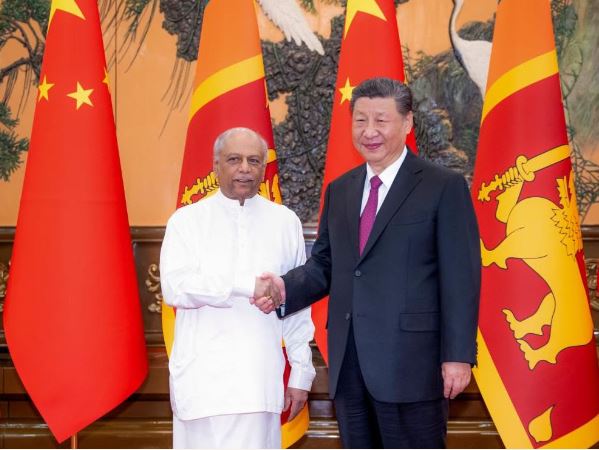
On 02 November, Newswire reported that China announced plans to reconstruct nine bridges in Sri Lanka within 18 months under its emergency post-disaster reconstruction assistance programme, according to a statement from the Chinese Embassy in Colombo. The embassy said the bridges would be completed to high standards, with particular attention to safety, following the groundbreaking ceremony for the first bridge under the China Aid Emergency Post-Disaster Reconstruction Project. It noted that the initiative would help reconnect disaster-affected communities and strengthen the resilience of economic activities. Describing the project as a reflection of the longstanding friendship between the two countries, the embassy called for deepening the China-Sri Lanka Strategic Cooperative Partnership and carrying forward the spirit of the historic Rice and Rubber Pact.
("China to reconstruct nine bridges in Sri Lanka within 18 months," Newswire, 02 November 2026)
https://www.newswire.lk/2026/11/02/china-to-reconstruct-nine-bridges-in-sri-lanka-within-18-months/
CHINA AND MIDDLE EAST
President Xi receives Oman’s Sultan in Beijing; Calls for lasting peace in Middle East
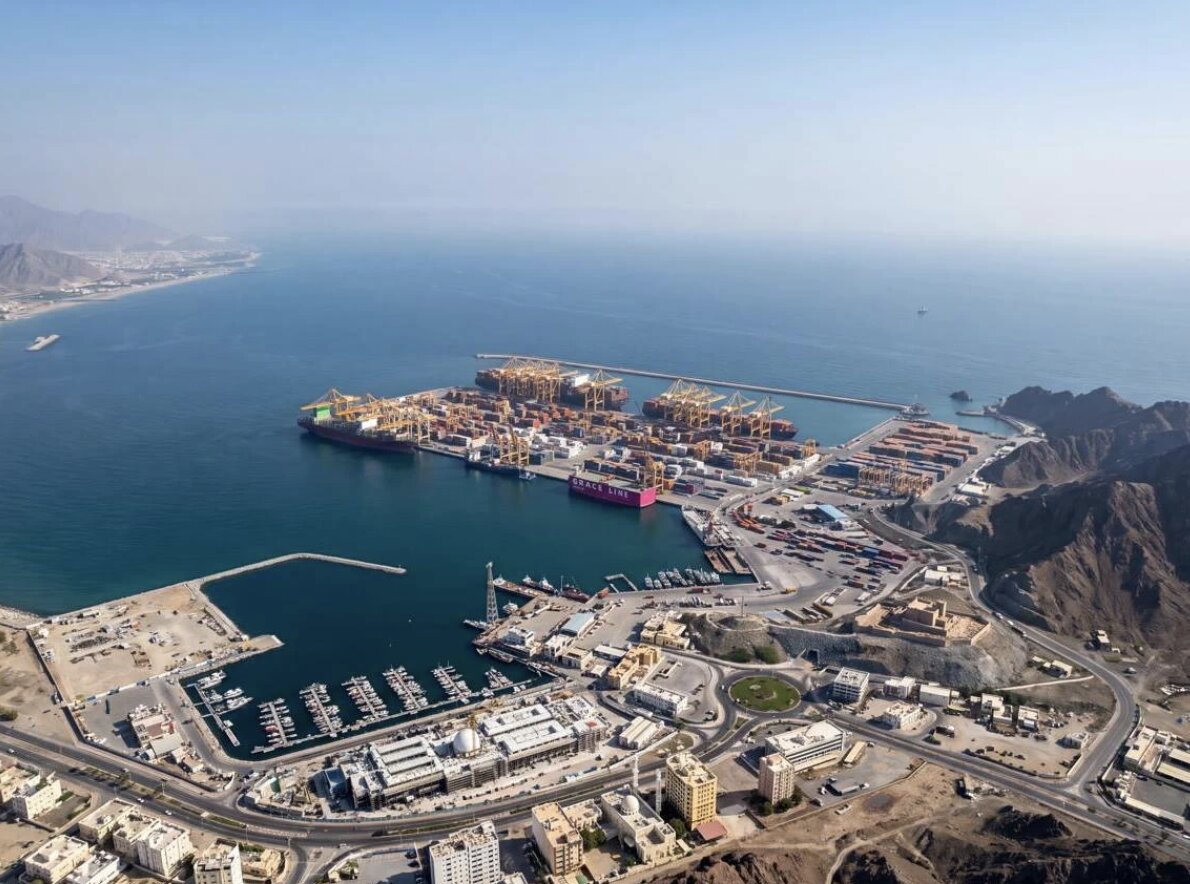
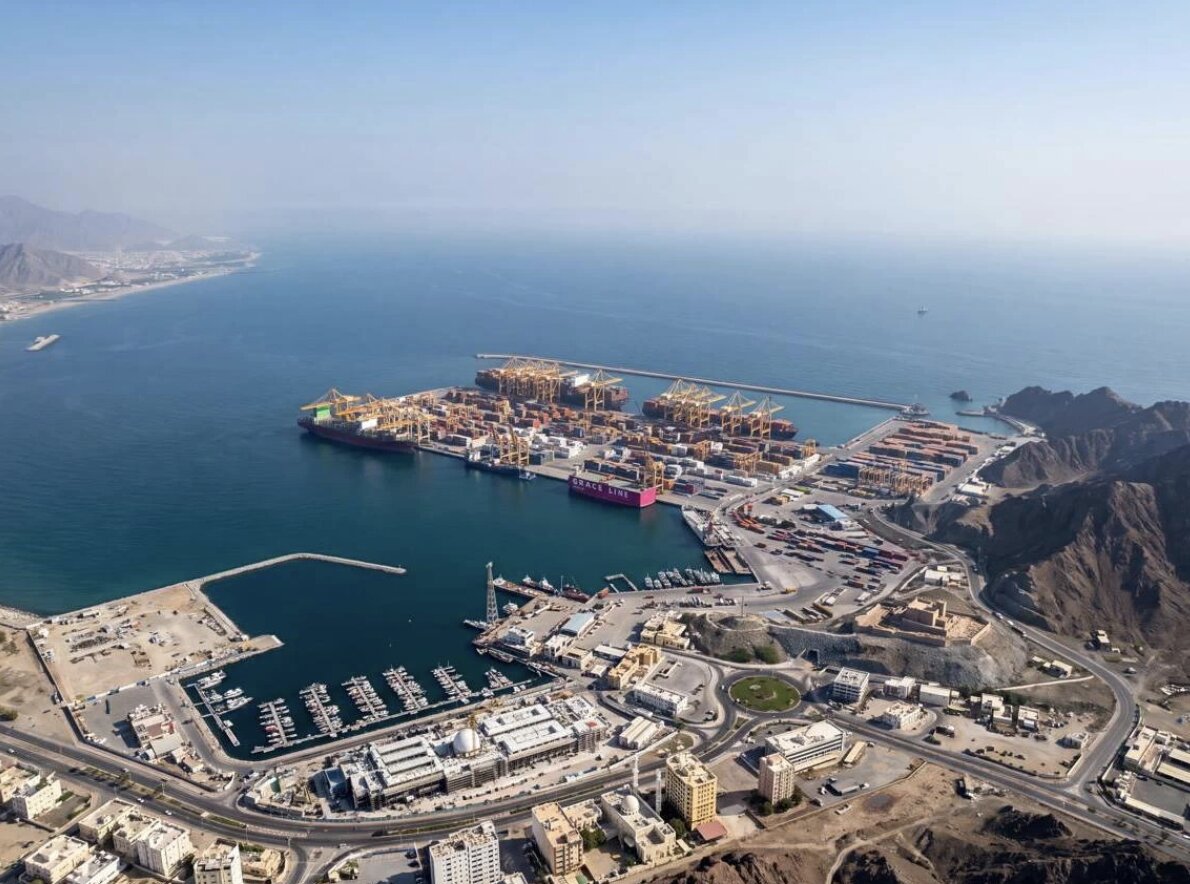
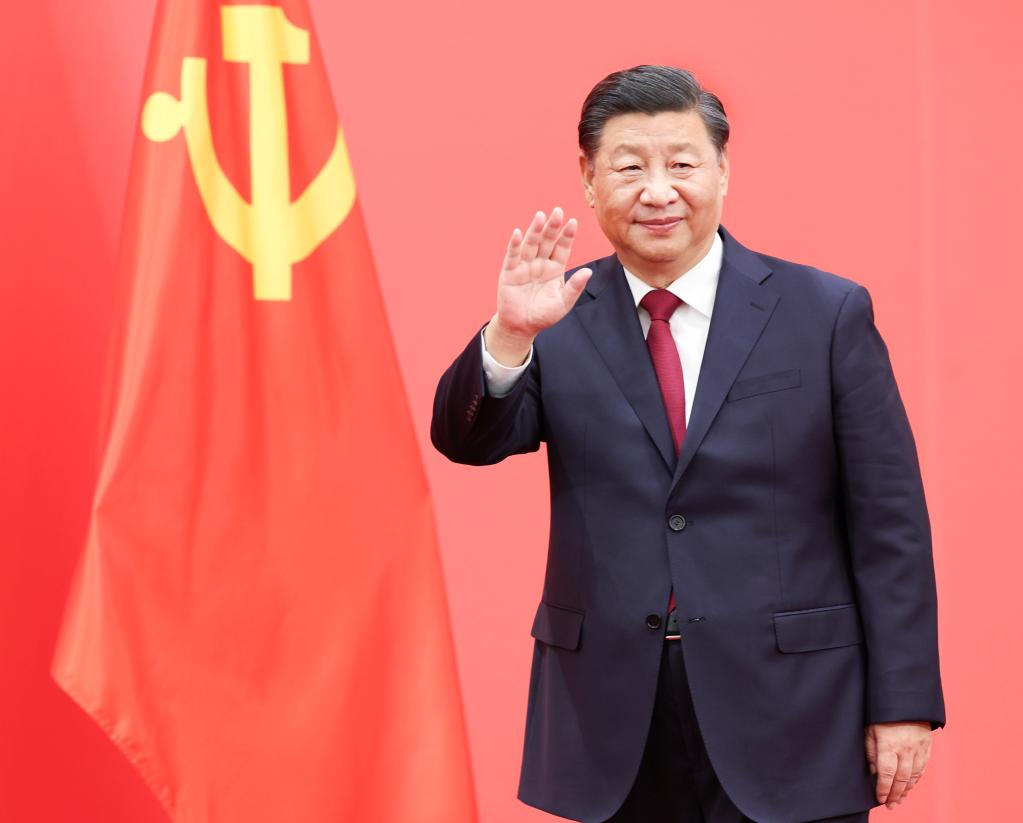
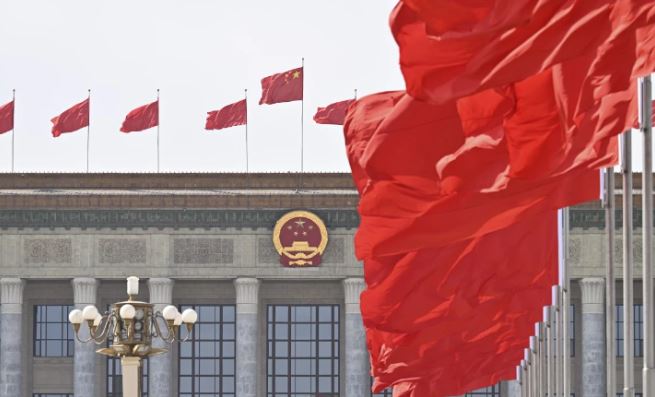
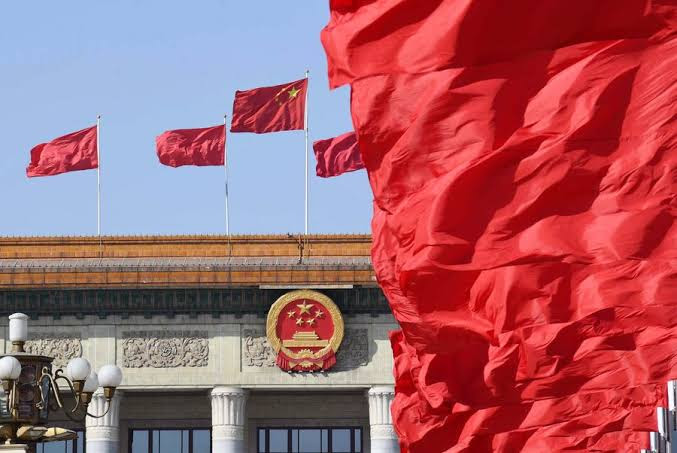
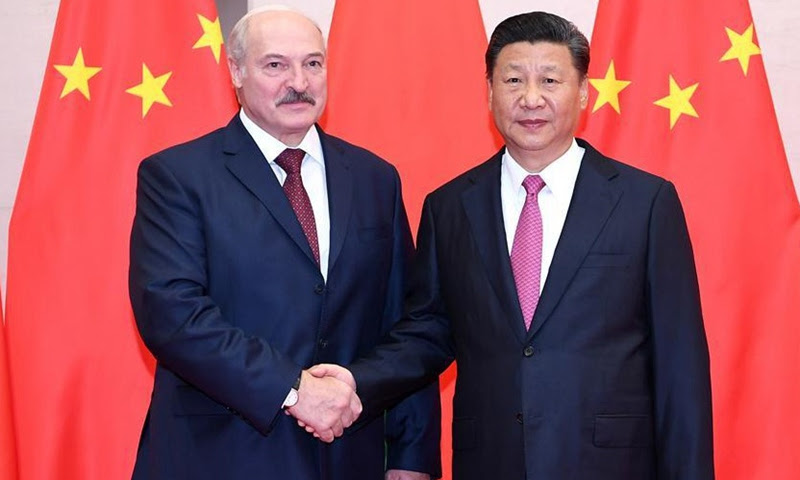
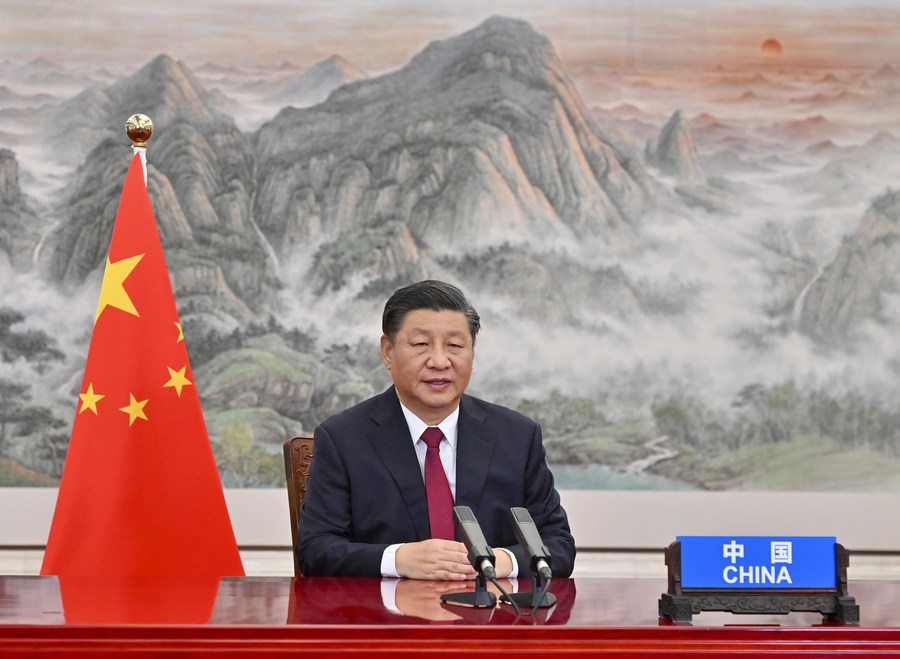
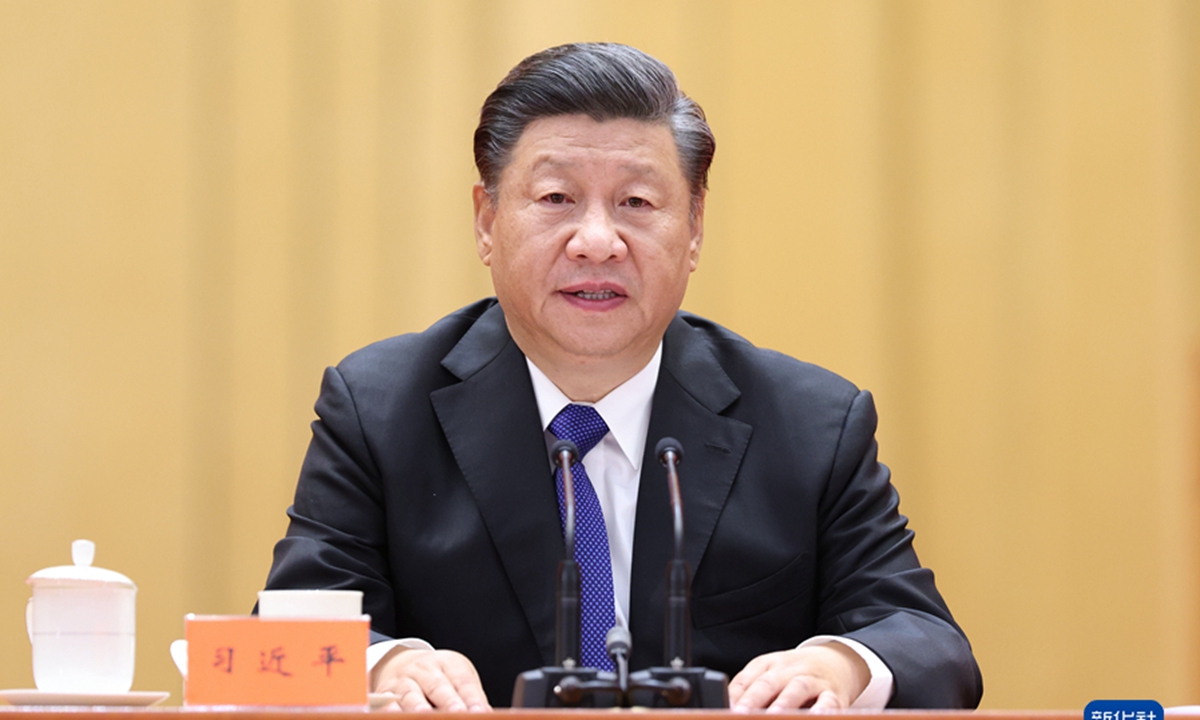
On 02 November, Reuters reported that President Xi Jinping received Oman’s Sultan Haitham bin Tariq al-Said at the Great Hall of the People in Beijing. Sultan Haitham is currently on a two-day trip to China, the first-ever by an Omani head of state since formalising relations in 1978. Xi stated that the Middle East region should “not become an arena for great-power rivalry and geopolitical conflict,” and called for lasting peace and stability in the region. He also added that China is willing to strengthen communication and coordination with Arab countries, including the Gulf Cooperation Council states. Haitham also expressed similar sentiments, stating that Oman has “deep appreciation” for China’s positions on issues concerning the region. He further added that Oman is open to a preferential bilateral trade and investment agreement with China. The two sides released a 20-point joint statement, which called on the safe passage of vessels through the Strait of Hormuz and for the resumption of peace negotiations between the US and Iran.
(“China's Xi says Middle East should not become battleground for great power rivalry,” Reuters, 02 November 2026)
https://www.reuters.com/world/china/deeper-china-oman-ties-strategic-both-sides-xi-says-2026-11-02/
CHINA AND AFRICA
Analysts claim that China has increased sales of sophisticated military arms to African nations
On 01 November, SCMP reported that China has increased the sales of specialised weapons including armed drones and electronic warfare systems to African nations. China usually supplied African militaries with small arms and land-based equipment, such as armoured vehicles and artillery, but now has expanded into selling air-defence systems, armed drones and electronic warfare equipment, which was once dominated by Russia and the West. African countries are increasingly showcasing Chinese equipment, with a Chinese Yitian-L air defence system appearing in a Malian military convoy, Burkina Faso conducting a live-fire drill, and equipment inspections of mobile surveillance radar and surface-to-air missile launchers made by China-based North Industries Group Corporation (Norinco). Mali and Burkina Faso have begun to use Chinese military tech to combat insurgency groups in the Sahel region. Norinco also established a regional office in Dakar, Senegal and operates a service centre in Bauchi, Nigeria. Several analysts of the region contend that China has become one of the major arms suppliers to African countries, and Chinese manufacturers “offer a broad package, including training, maintenance, financing and increasingly sophisticated technologies.”
(“From rifles to radar: China upgrades its African arms trade as Russia and the West retreat,” SCMP, 01 November 2026)
https://www.scmp.com/news/china/diplomacy/article/3372870/rifles-radar-china-upgrades-its-african-arms-trade-russia-and-west-retreat
CHINA AND EUROPE
EU announces new fee on packages entering bloc as a measure to reduce imports from Chinese platforms
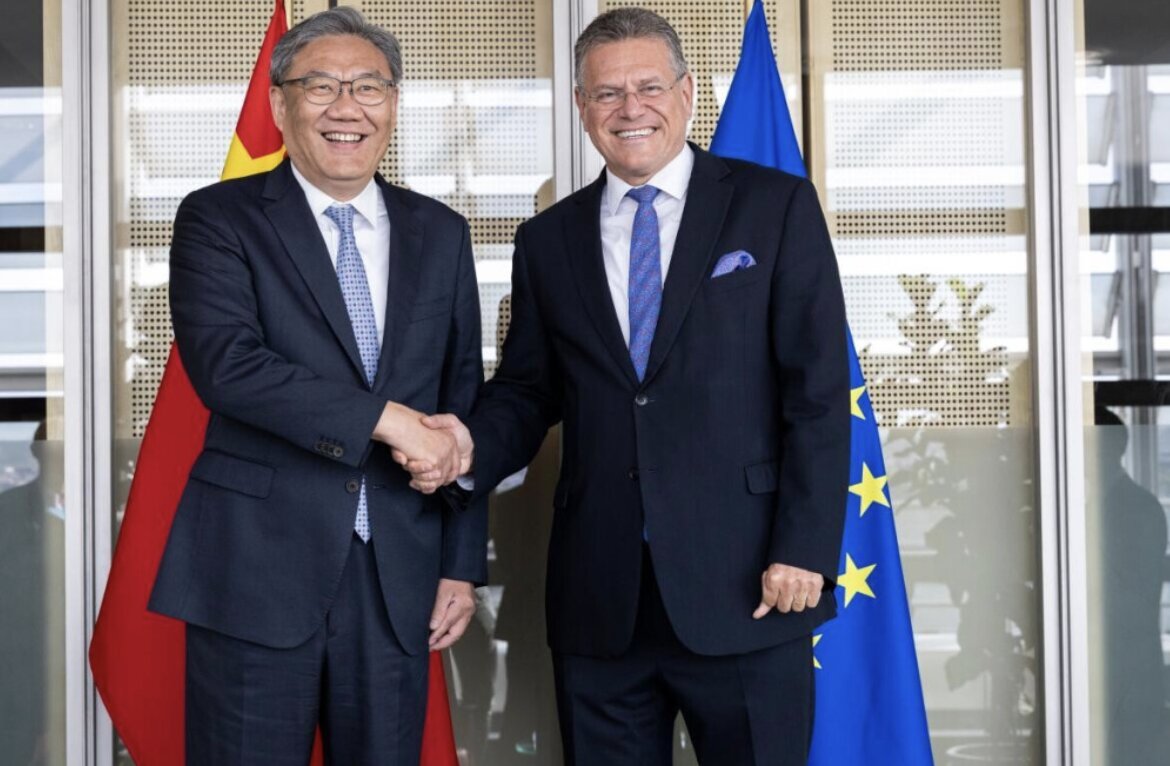
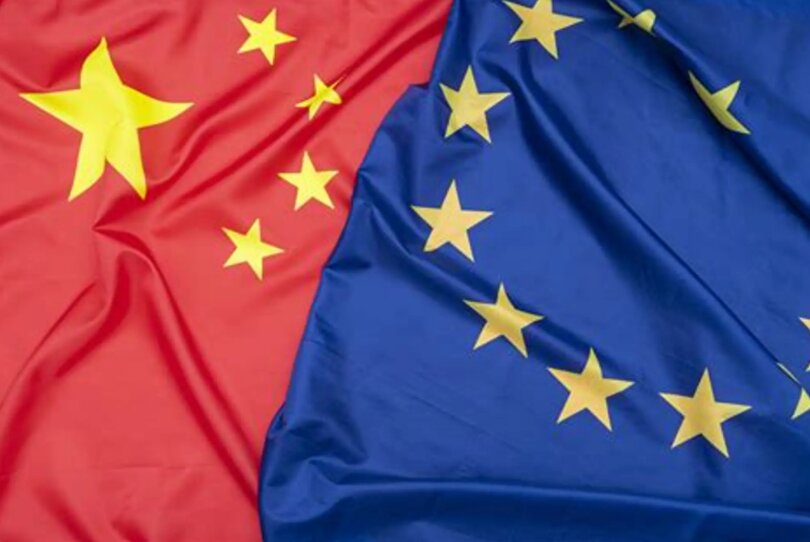
On 30 October, Euronews reported that the EU would begin imposing a new handling fee of USD 2.24. The new fee would take effect on 01 November and cover all packages and customs handling costs. The new fee will be collected by the 27 EU member states and paid by platforms, sellers or carriers. 75 per cent of the money collected will go into the EU budget, while the EU member states will retain the remaining 25 per cent. The new fee is in addition to a previous one of EUR 3, which was imposed in July on all small parcels worth less than EUR 150. The new increase comes amidst a surge in low-cost imports to the EU from Chinese platforms such as Temu and Shein. An EU official justified the new fee as necessary to ensure a level playing field, with all goods paying the required amount of duty. According to the European Commission, small parcels entering the EU have fallen by 60 per cent since the July fee was introduced.
(“EU to impose 2 fee on all packages entering the bloc as of 1 November,” Euronews, 30 October 2026)
https://www.euronews.com/2026/10/30/eu-to-impose-2-fee-on-all-packages-entering-the-bloc-as-of-1-november
CHINA AND AMERICAS
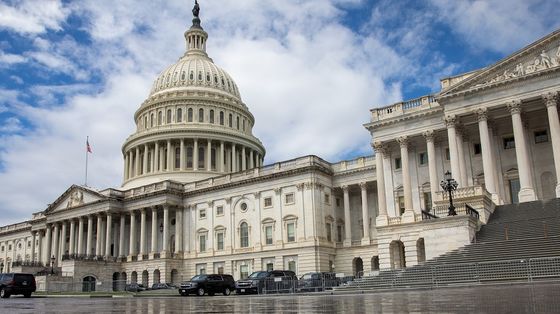
Trump alleges China involved in spying on US amidst speculation over espionage operations
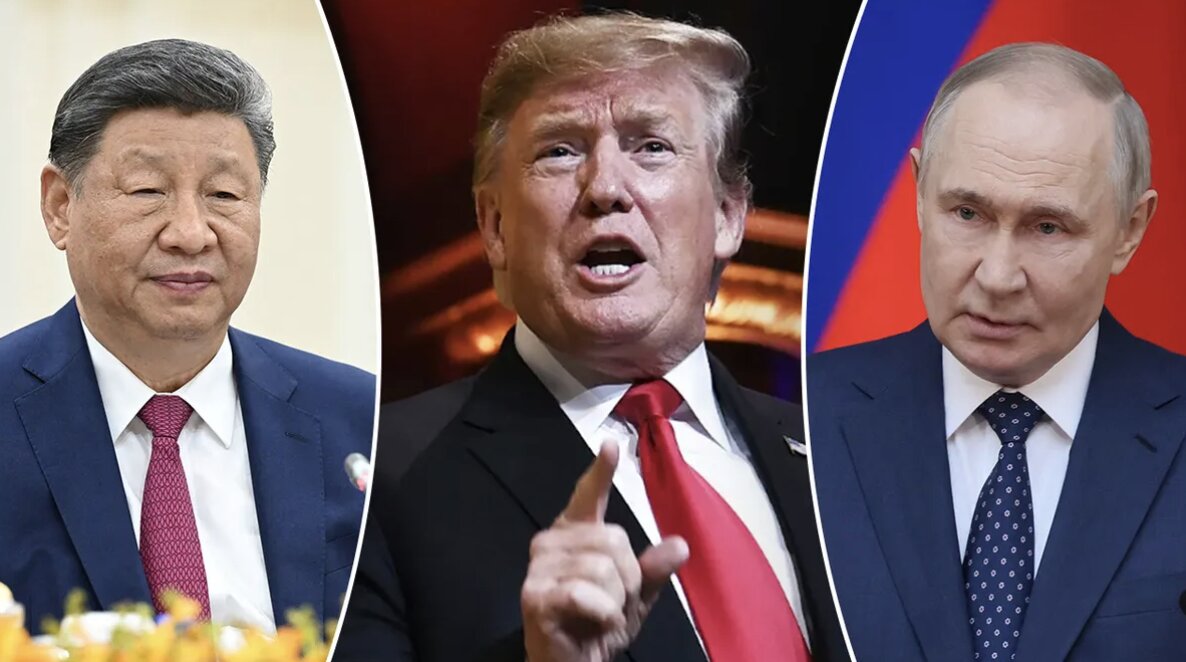
On 02 November, Firstpost reported that US President Donald Trump had alleged that both China and Russia were involved in spying on the US. However, Trump also affirmed that the US conducted better intelligence operations against the two states. The remarks came amid scrutiny of reported Chinese intelligence operations directed against US military personnel and installations. The US Department of Justice (DOJ) had announced last week that two Chinese nationals were sentenced to 30 months in prison. The charges against the two nationals were conspiring to act as an agent for the Chinese government. The DOJ informed that the two defendants had facilitated secret cash payments in exchange for sensitive information. They had gathered photographs of US military installations, naval personnel and recruitment facilities, and personal information about potential intelligence targets. The two defendants also operated under the directive of the Chinese Ministry of State Security.
(“Trump says China, Russia are spying on US, says ‘we do it better’,” Firstpost, 02 November 2026)
https://www.firstpost.com/world/trump-says-china-russia-are-spying-on-us-says-we-do-it-better-14057007.html
Academics call on China, US to nurture next generation to ensure strong interpersonal ties
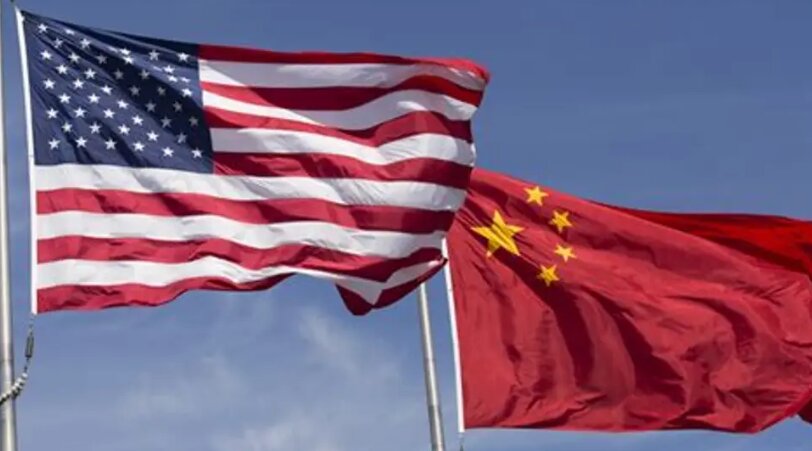
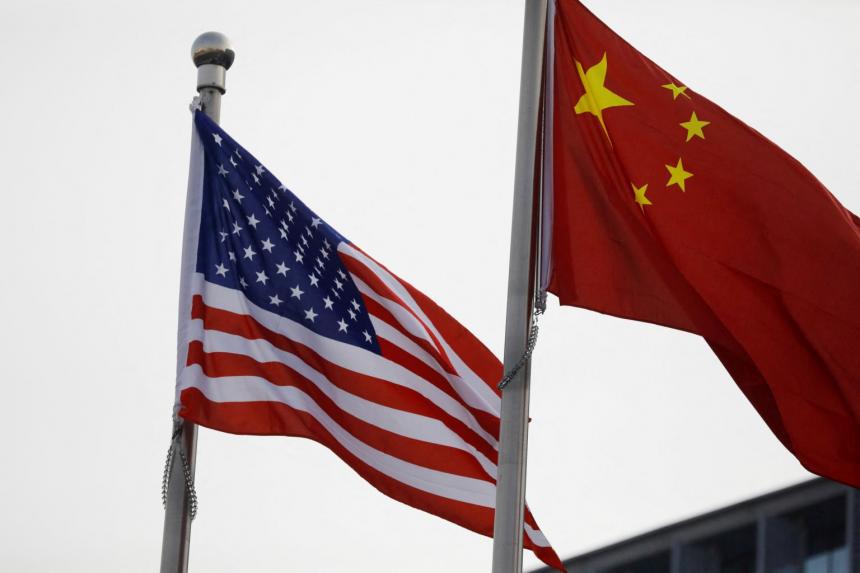
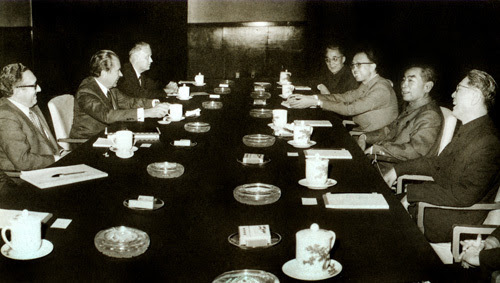
On 31 October, SCMP reported that academics and experts from China and the US had called on both countries to foster the next generation of talent for strengthening people-to-people exchanges between the two. The comments were made at the China-US Intergenerational Dialogue 2026 in Shanghai. A professor of international relations at Nanjing University, Zhu Feng urged China and the US to look at new areas of cooperation for creating an “unstoppable linkage.” The vice-president of the New York-based Asia Society, Qian Jing, focused on the potential role of universities, think tanks, media and companies in ensuring better protections towards those enabling people-to-people exchanges. The remarks come at a time of growing geopolitical tensions between Beijing and Washington, with tighter scrutiny of visas and suspension of university partnerships. A key focus of the dialogue was finding a new generation of “bridge builders” between the two countries, in the mould of former US national security advisor Henry Kissinger.
(“With ‘Kissinger moment’ over, US and China urged to foster new ‘bridge builders.’’ SCMP, 31 October 2026)
https://www.scmp.com/news/china/diplomacy/article/3372823/kissinger-moment-over-us-and-china-urged-foster-new-bridge-builders