
Photo : Global Times
China’s private rocket sends 18 satellites into orbit
In Brief
INTERNAL
China's fifth plenum moves to rein in local party leaders
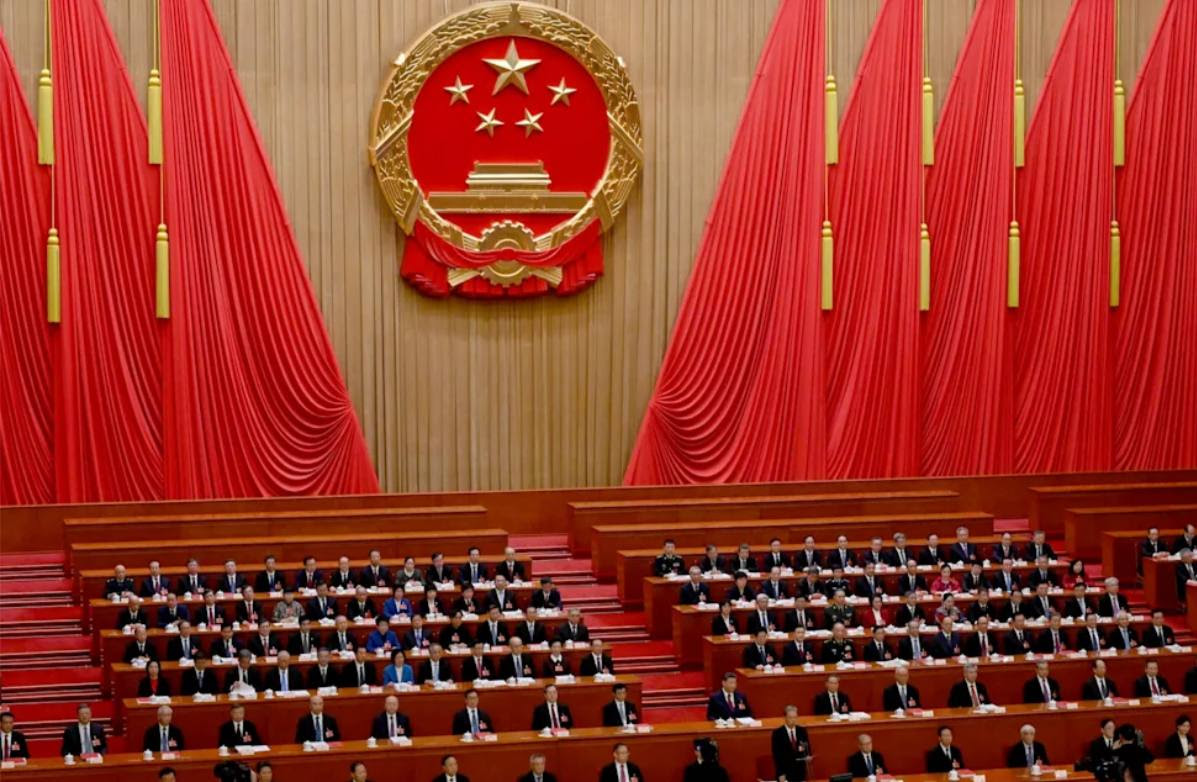
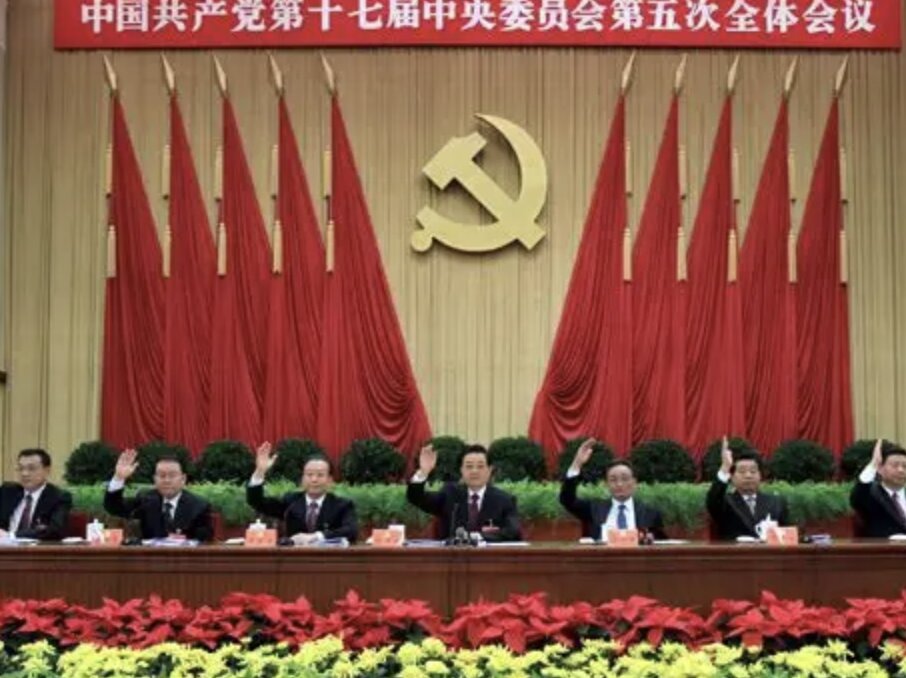
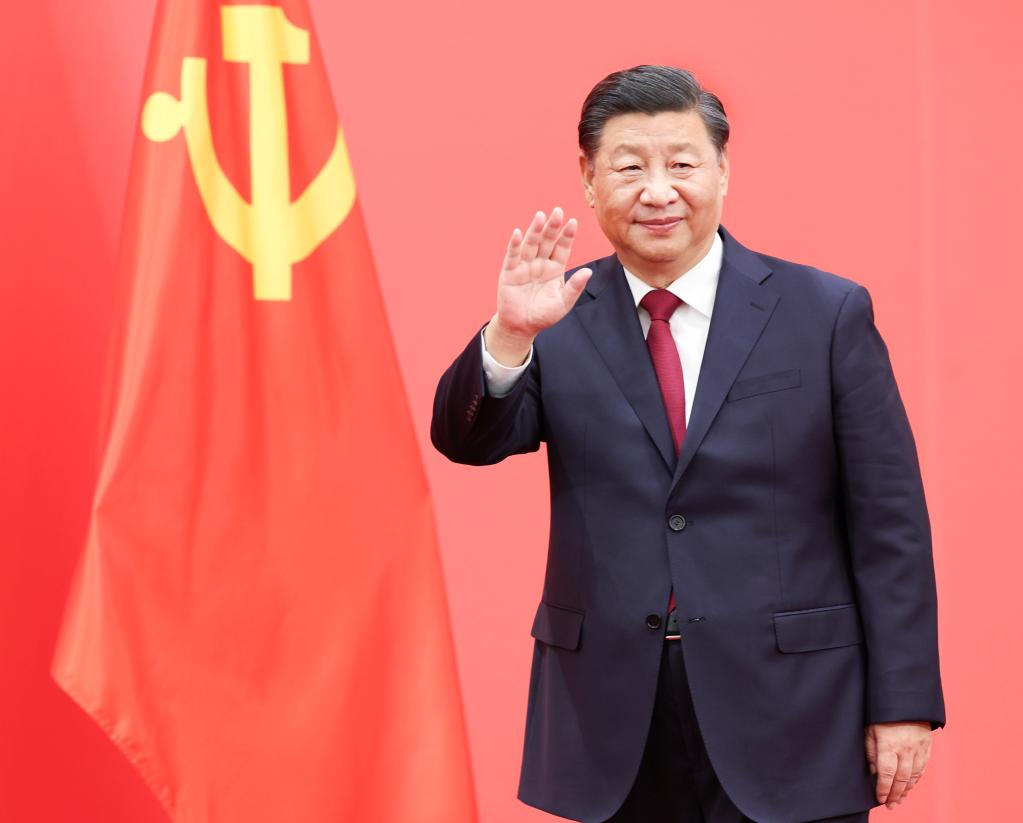
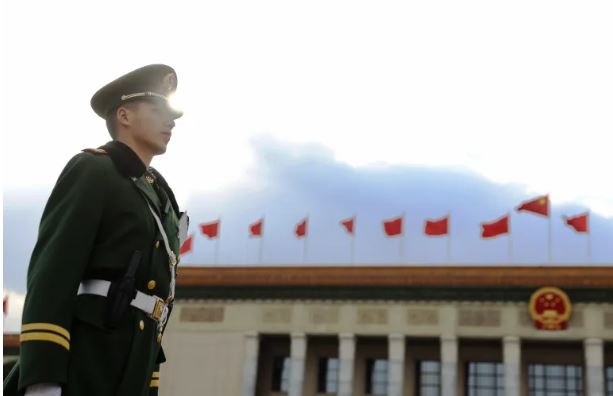
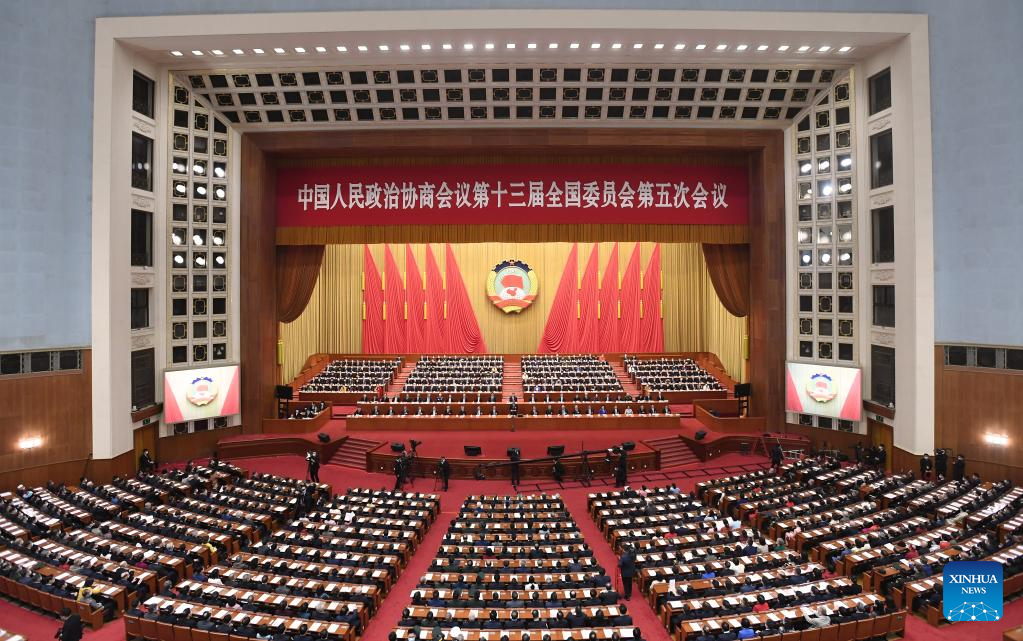
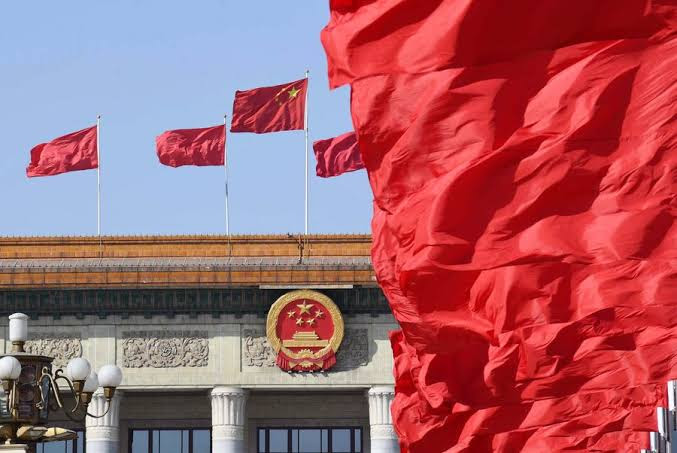
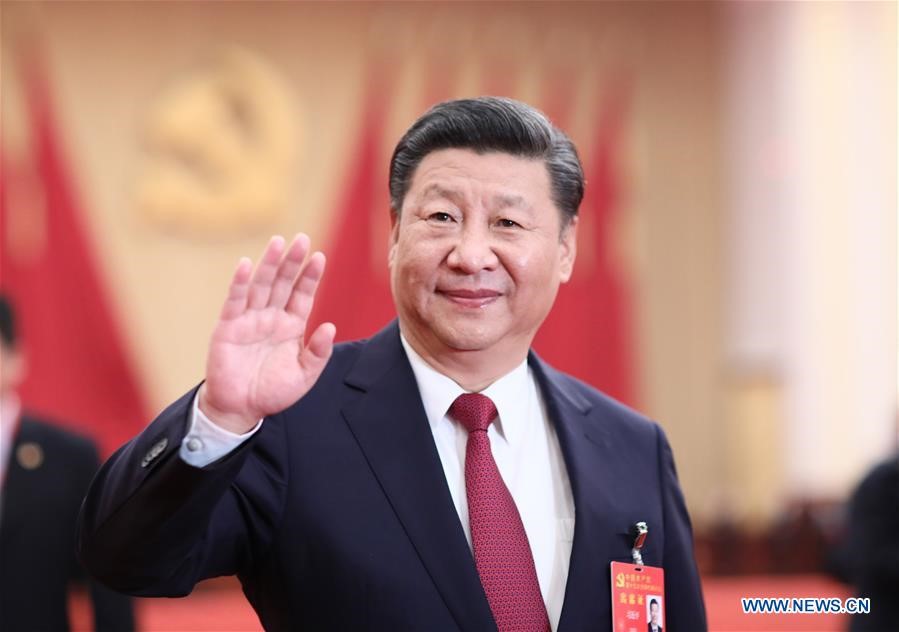
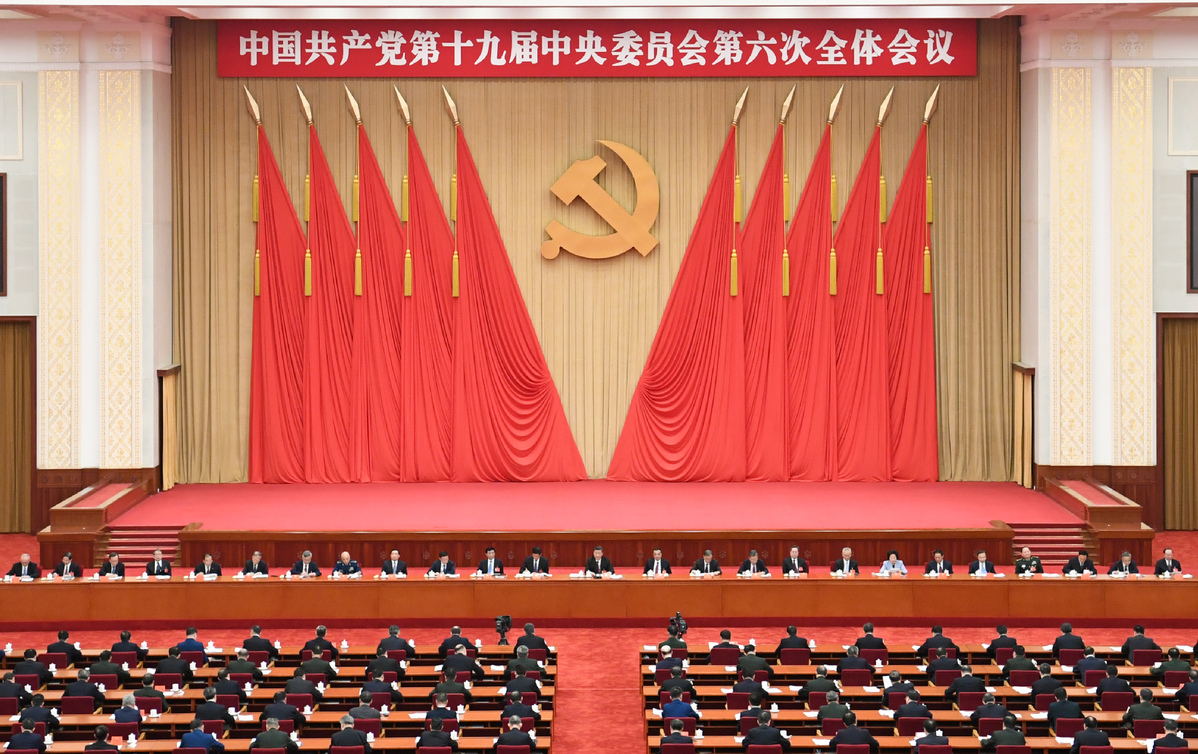
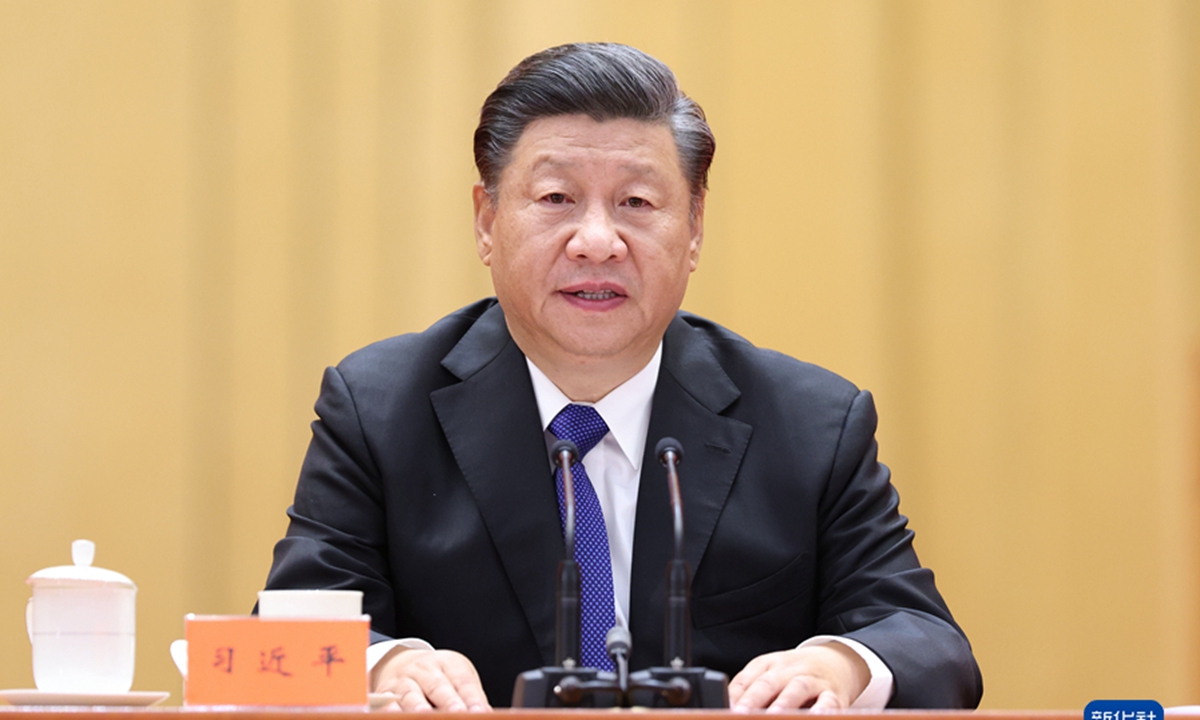
On 03 November, South China Morning Post reported that a 17,000-word resolution approved at the fifth plenum of the Communist Party's 20th Central Committee proposed stronger oversight of principal leaders below the central level, barring them from demanding personal allegiance from their leadership teams. The resolution calls for a "speak last" system under which principal leaders withhold their views until all other team members have spoken, and says party committee secretaries must avoid turning decision-making into a "one-man show." It reaffirms the right of leadership team members to report misconduct by principal leaders to higher party authorities, with analyst Xie Maosong saying this aims to pierce the administrative shield that has made peer whistle-blowing costly to careers. Principal leaders will also be a focus of corruption investigations as the party prepares for its 21st national congress in the second half of next year.
("Speak last': China's fifth plenum moves to rein in Communist Party leaders," South China Morning Post, 03 November 2026)
https://www.scmp.com/news/china/politics/article/3373028/speak-last-chinas-fifth-plenum-moves-rein-regional-leaders?module=top_story&pgtype=homepage
China deliberates new draft law to combat cross-border corruption
On 02 November, Xinhua reported that China's top legislature is deliberating a draft law to combat cross-border corruption, marking a major step toward establishing a comprehensive foreign-related anti-corruption legal framework. Comprising six chapters and 47 articles, the draft outlines the principles, scope, and key positions of these enforcement efforts. The law mandates a zero-tolerance, systematic approach that addresses both the symptoms and root causes of corruption, while actively participating in global governance. It stipulates that all efforts must strictly adhere to the Constitution, follow statutory procedures, and protect human rights and data confidentiality. Key provisions require China’s cross-border companies to establish integrity departments or appoint dedicated compliance staff. It also outlines provisions for authorities to utilize information technology during investigations. Finally promotes a world-class, market-oriented business environment aligned with international standards. This legislative move follows a period of intensified international cooperation. Through operations like "Sky Net," China repatriated over 14,000 fugitives and recovered USD 9.92 billion in illicit assets between 2015 and 2024. In 2025 alone, China investigated 505 cross-border cases and repatriated 963 fugitives, safeguarding its massive global trade footprint and over 50,000 overseas enterprises.
(“China's draft law calls for fair, equitable global anti-corruption governance system,” Xinhua, 02 November 2026)
https://www.chinadaily.com.cn/a/202611/02/WS6ae811f4e4b06d4aa0566733.html
SCIENCE AND TECHNOLOGY
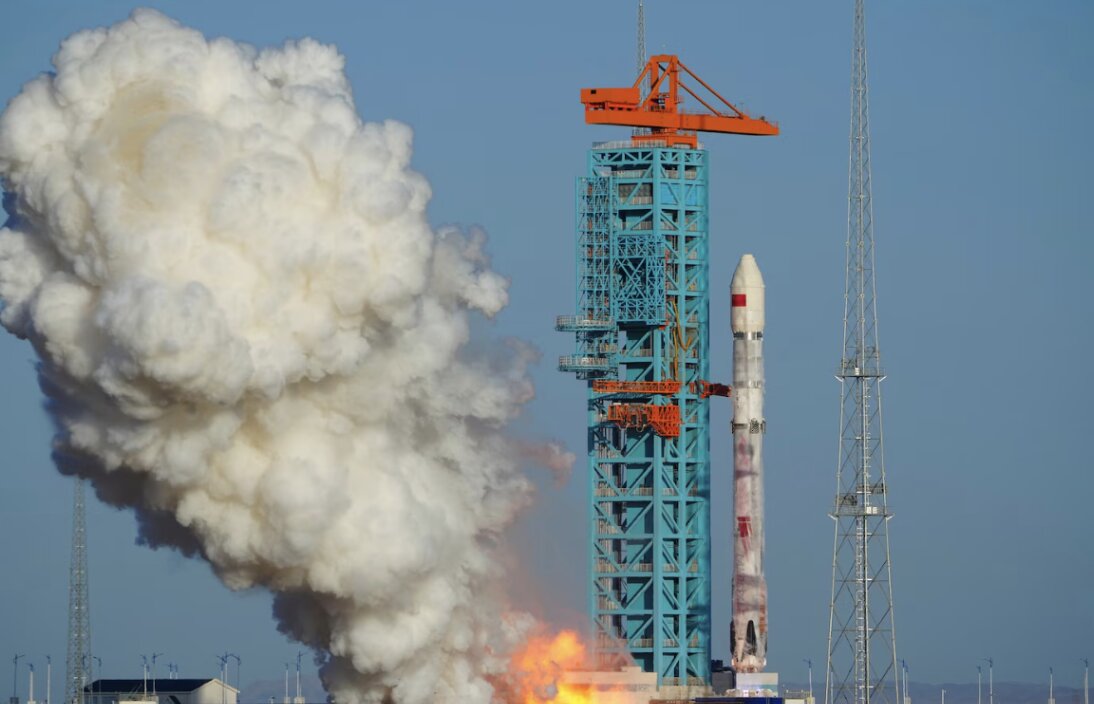
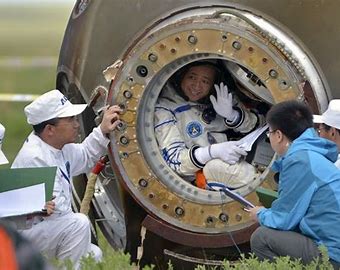
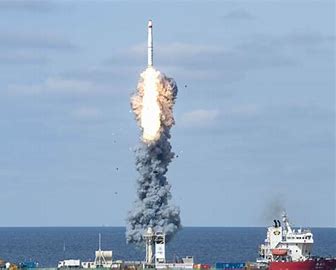
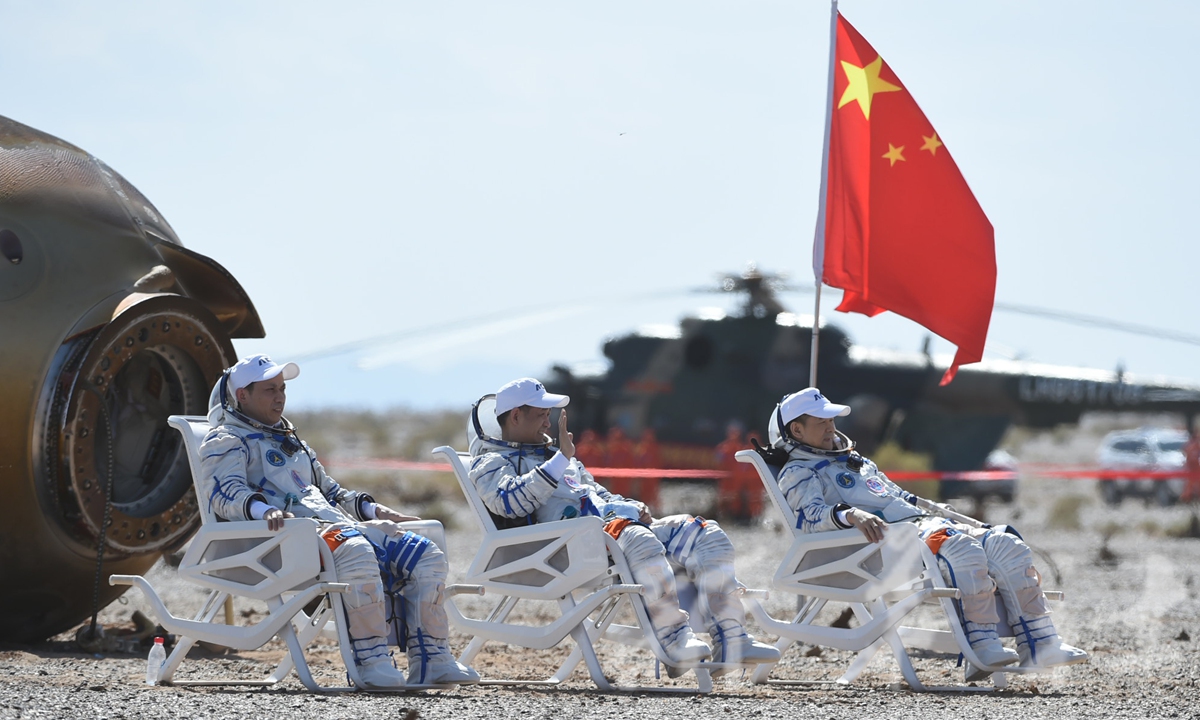
China’s private rocket sends 18 satellites into orbit
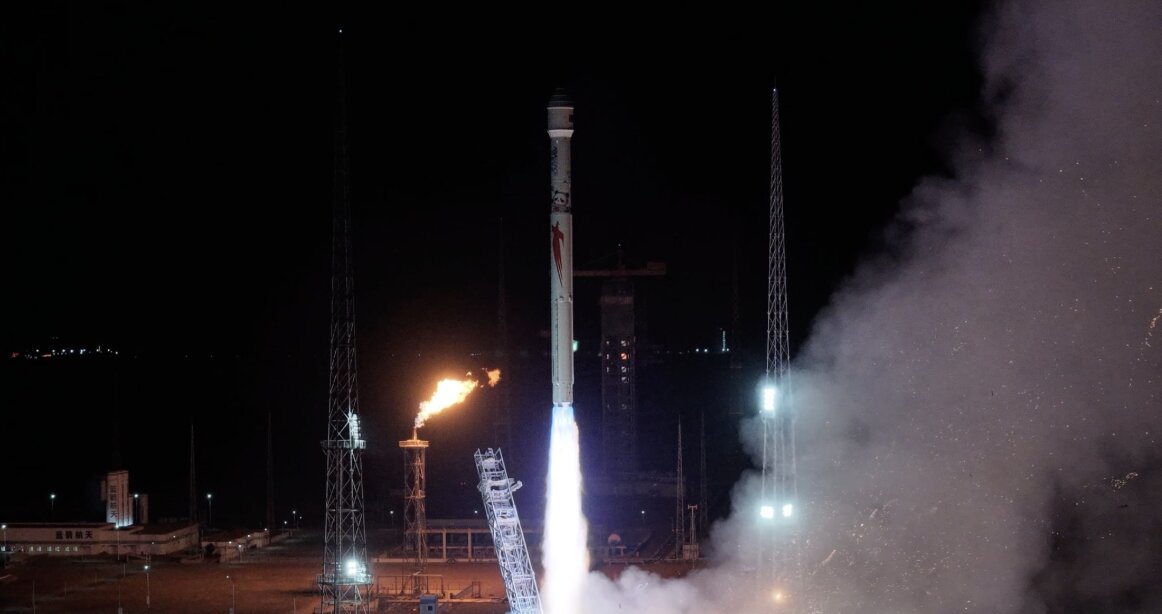
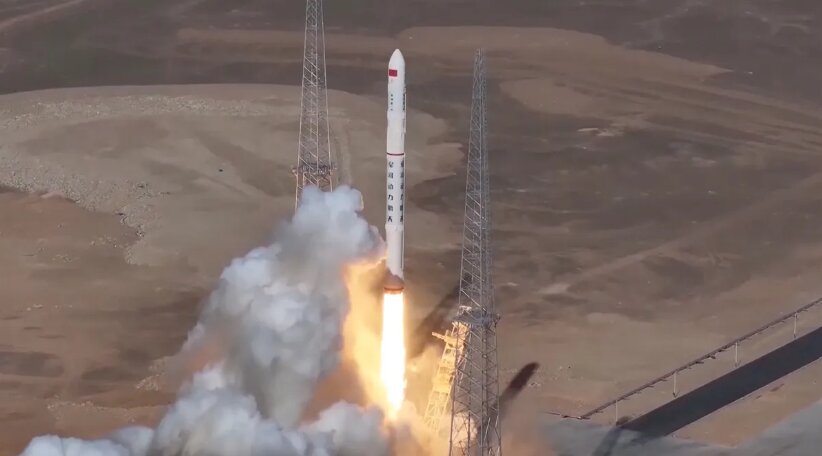
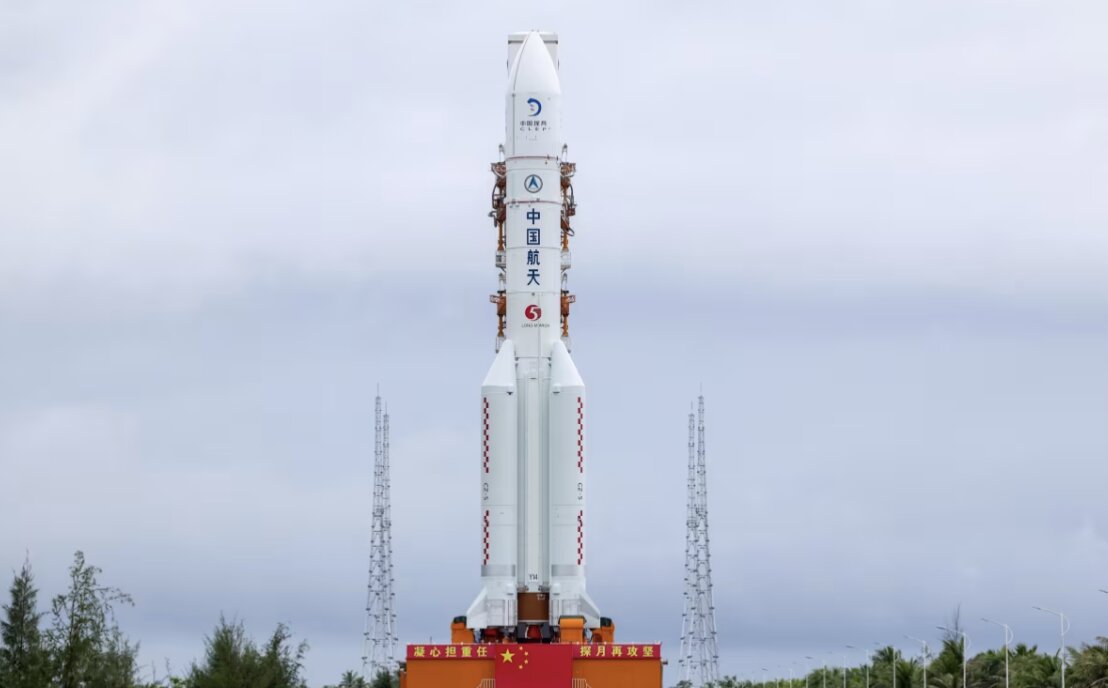
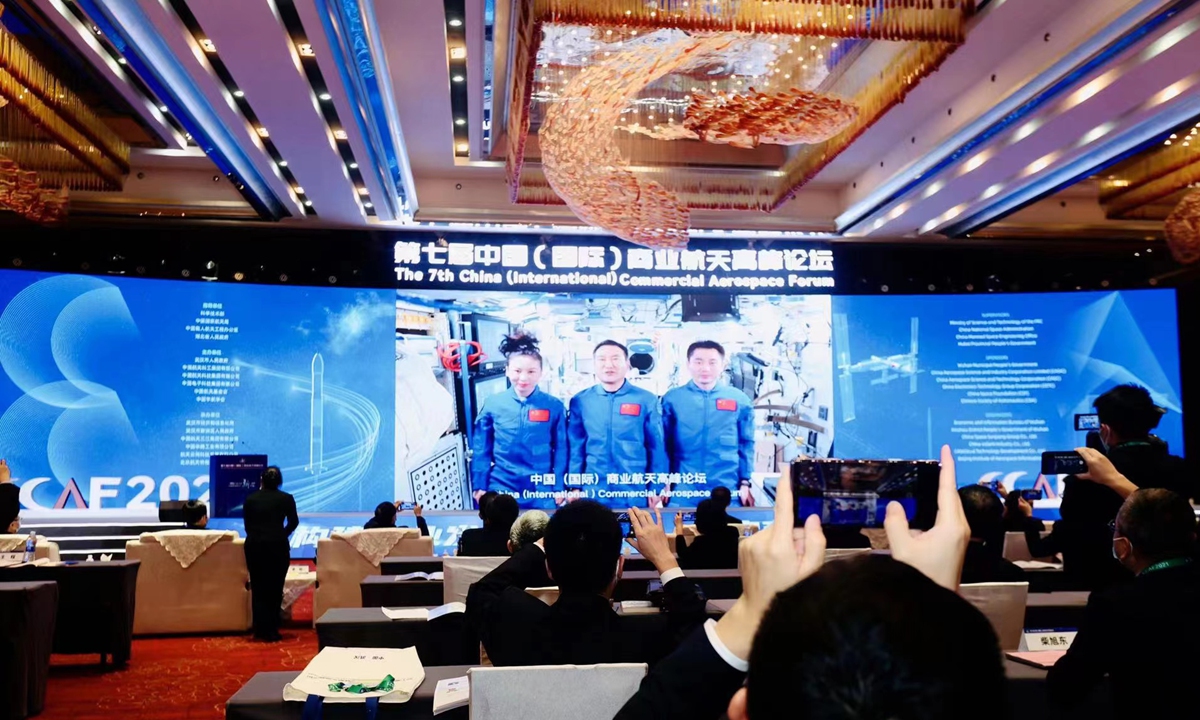
On 03 November, Global Times reported that CAS Space’s Kinetica-2 rocket successfully launched 18 satellites for China’s Qianfan low-orbit internet constellation. The rocket lifted off from the Jiuquan Satellite Launch Center in northwestern China. The mission was Kinetica-2’s second flight and its first deployment of a large batch of satellites for an internet constellation. The launch advances China’s effort to build satellite-based internet infrastructure and highlights the role of commercial space companies in supporting the programme. The satellites were placed into orbit as part of the Qianfan network, also known as Spacesail. The report said high-frequency, reliable and low-cost launch capacity would be essential to expanding satellite internet infrastructure. The mission also tested the rocket’s ability to deploy a large group of satellites in a single launch.
(“Chinese private rocket launches 18 satellites, boosting low-orbit internet constellation,” Global Times, 03 November 2026)
https://www.globaltimes.cn/page/202611/1373514.shtml
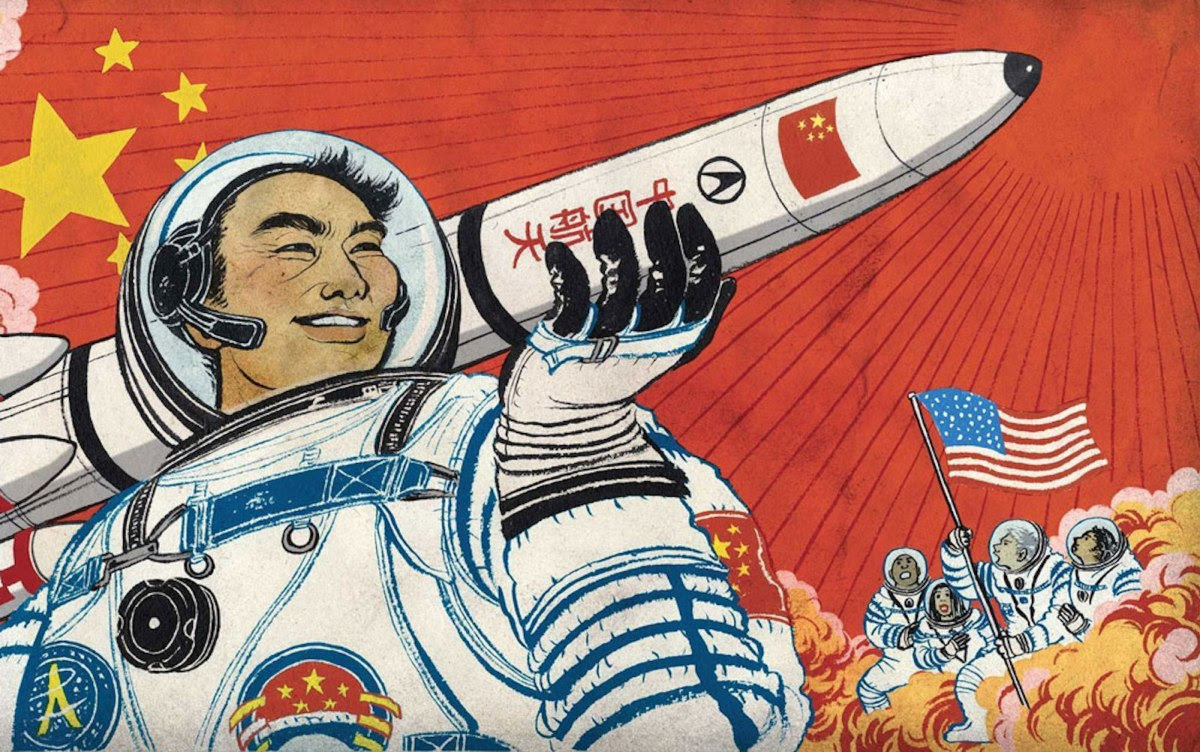
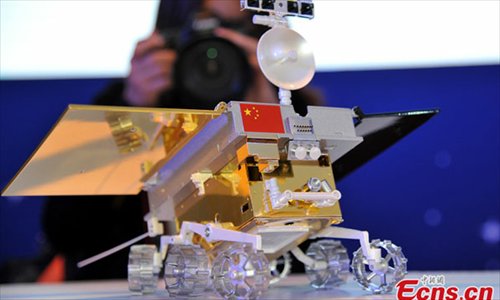
China outlines plan for its first crewed lunar mission
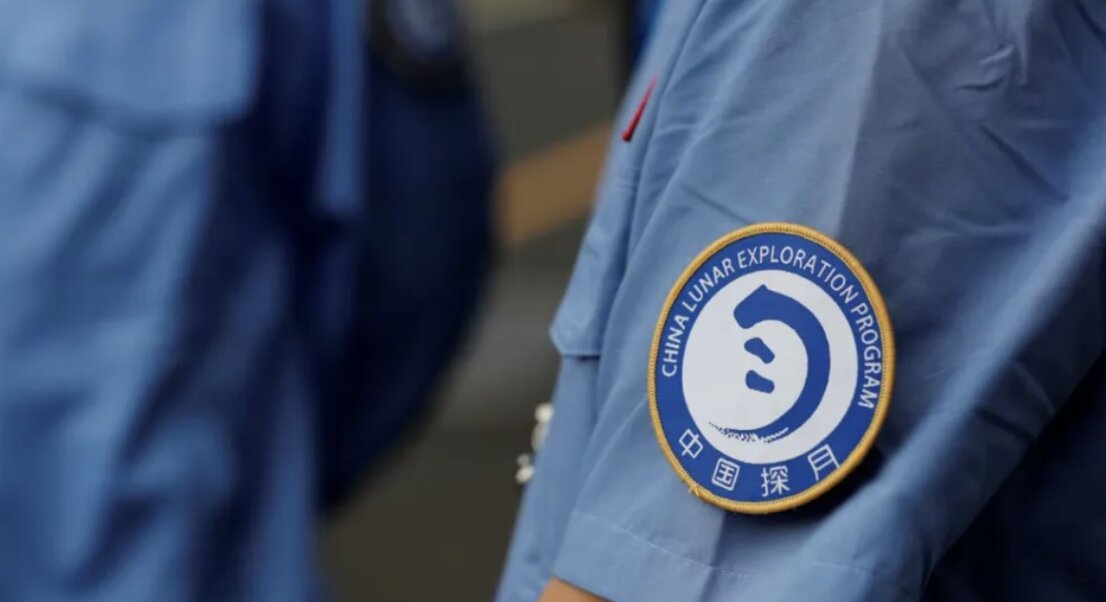
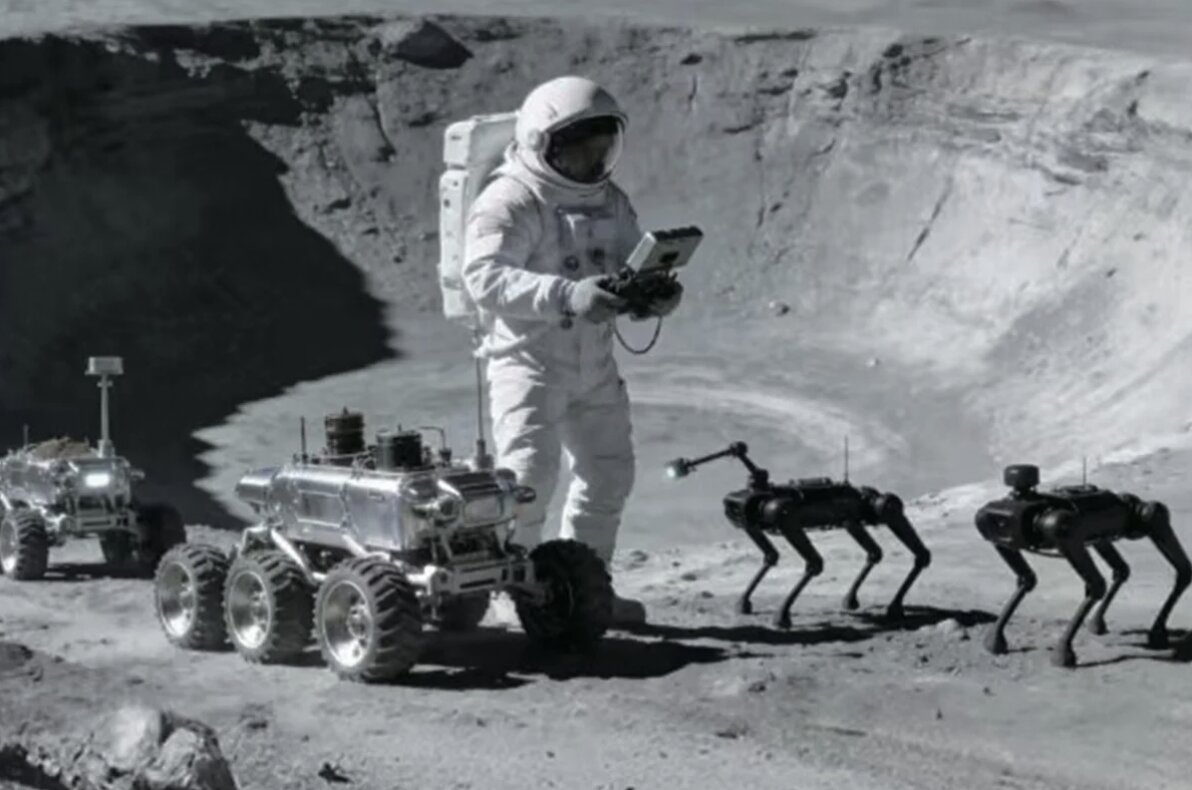
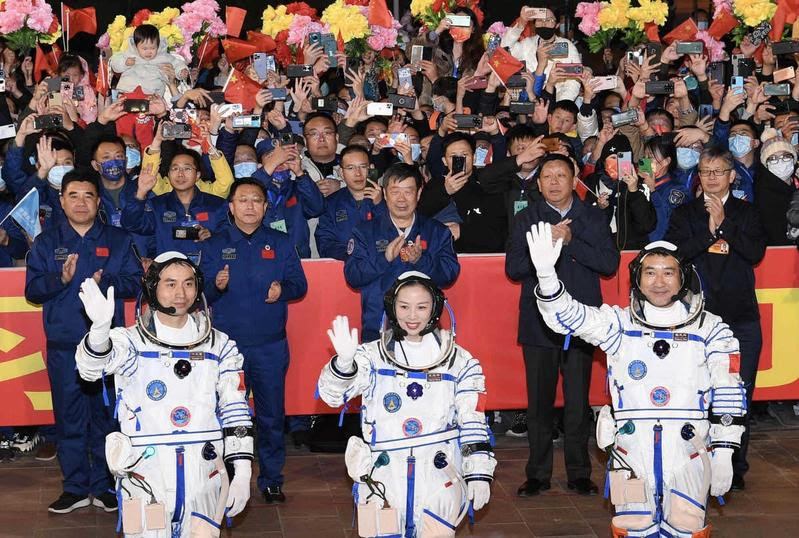
On 02 November, China Daily reported that China’s first crewed lunar mission will use two Long March 10 rockets to send the Lanyue lunar lander and Mengzhou spacecraft into lunar orbit. The vehicles are expected to rendezvous and dock before two of the three astronauts transfer to the lander and descend to the Moon. The third crew member will remain aboard Mengzhou to support the landing team. On the lunar surface, the two astronauts will use a Tansuo rover to conduct scientific work and collect samples. They will then return to Lanyue, travel back to the spacecraft in lunar orbit and bring the samples aboard for the journey to Earth. Project leader Wang Xiang said astronaut safety is the programme’s top priority. Planned lunar activities will first be tested in near-Earth orbit, and crewed missions will be preceded by uncrewed tests.
(“China reveals detailed plan for manned lunar mission,” China Daily, 02 November 2026)
https://www.chinadaily.com.cn/a/202611/02/WS6ae8aed0e4b06d4aa0566913.html
"AI investment is too concentrated," warns Chinese regulator
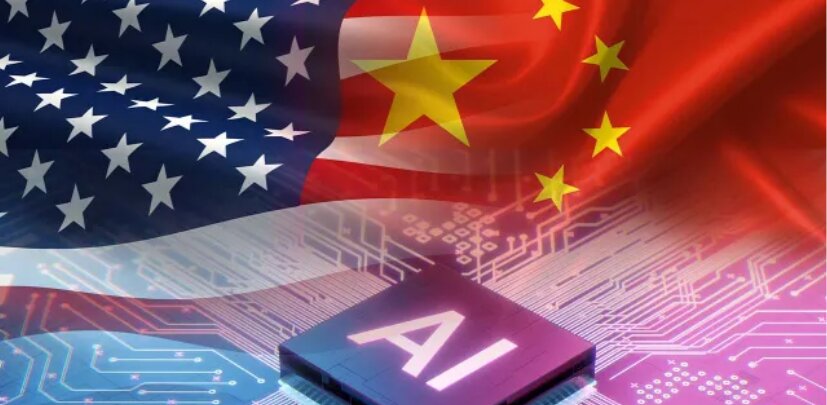
On 03 November, Reuters reported that Xiao Yuanqi, deputy head of China’s National Financial Regulatory Administration, warned that global investment in artificial intelligence is becoming overly concentrated. Speaking at the Hong Kong Monetary Authority’s Global Financial Leaders’ Summit, he said the rapid flow of capital into technology firms was pushing up borrowing costs for traditional industries and making it harder for them to invest and expand production. Xiao said the influx of funding had also increased leverage among technology companies and leading firms, potentially encouraging excessively rapid expansion. He warned that this concentration of capital could heighten credit risks while weakening traditional businesses’ ability to reinvest. He called on policymakers to develop frameworks that address AI-driven changes in the economy, including measures for macroeconomic management and the prevention of financial risks.
(“AI investment is becoming overly concentrated, Chinese official says,” Reuters, 03 November 2026)
https://www.reuters.com/business/finance/ai-investment-is-becoming-overly-concentrated-chinese-official-says-2026-11-03/
ECONOMY
China’s central bank raises forex reserve requirement to 06 per cent amid Yuan’s gains
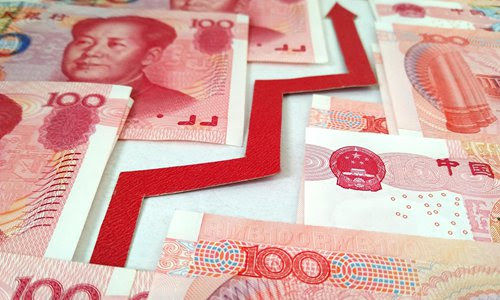
On 03 November, Global Times reported that China’s central bank, the People’s Bank of China (PBC), announced that it will increase the foreign exchange reserve ratio for financial institutions by 2 percentage points from 4 per cent to 6 per cent, effective from 15 November, to strengthen foreign exchange liquidity management at financial institutions. The move comes as the yuan’s appreciation has gained pace, with the adjustment helping ease upward pressure on the Chinese currency and prevent exchange rate swings, as changing market conditions make currency stability crucial to economic growth. A rapidly strengthening yuan could affect exporters while large fluctuations in either direction could introduce instability into economic activity. China’s export growth has generated foreign currency earnings, some of which have been converted into yuan with foreign direct investment and overseas purchases of Chinese equities, funds and yuan-denominated government bonds contributing to appreciation pressure as investors exchange foreign currencies for yuan. The PBC also stressed the need to guard against sharp short-term rate fluctuations, particularly rapid depreciation that could threaten financial stability. The central bank also stressed in the statement that exchange rates are shaped by multiple factors, including economic growth, monetary policy, geopolitical developments, financial markets and unexpected risks, and have no linear relationship with the current account.
("China's central bank raises forex reserves requirement ratio to 6% amid yuan’s gains; move could help curb excessive market swing: expert,” Global Times, 03 November 2026)
https://www.globaltimes.cn/page/202611/1373516.shtml
CHINA AND EAST ASIA
Taiwan says, it must control its own maritime information amid Chinese pressure
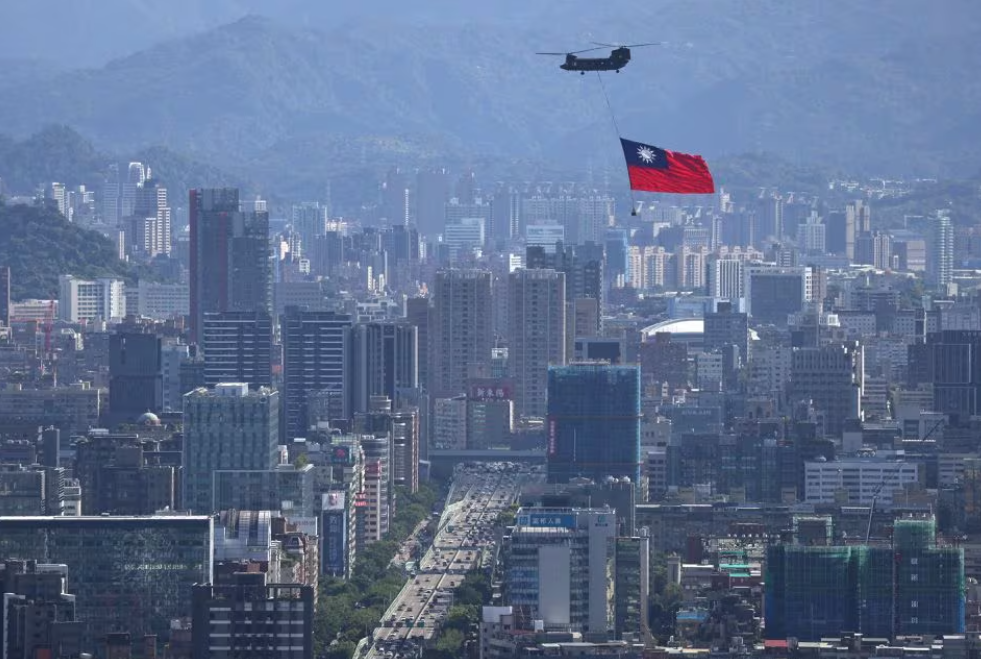
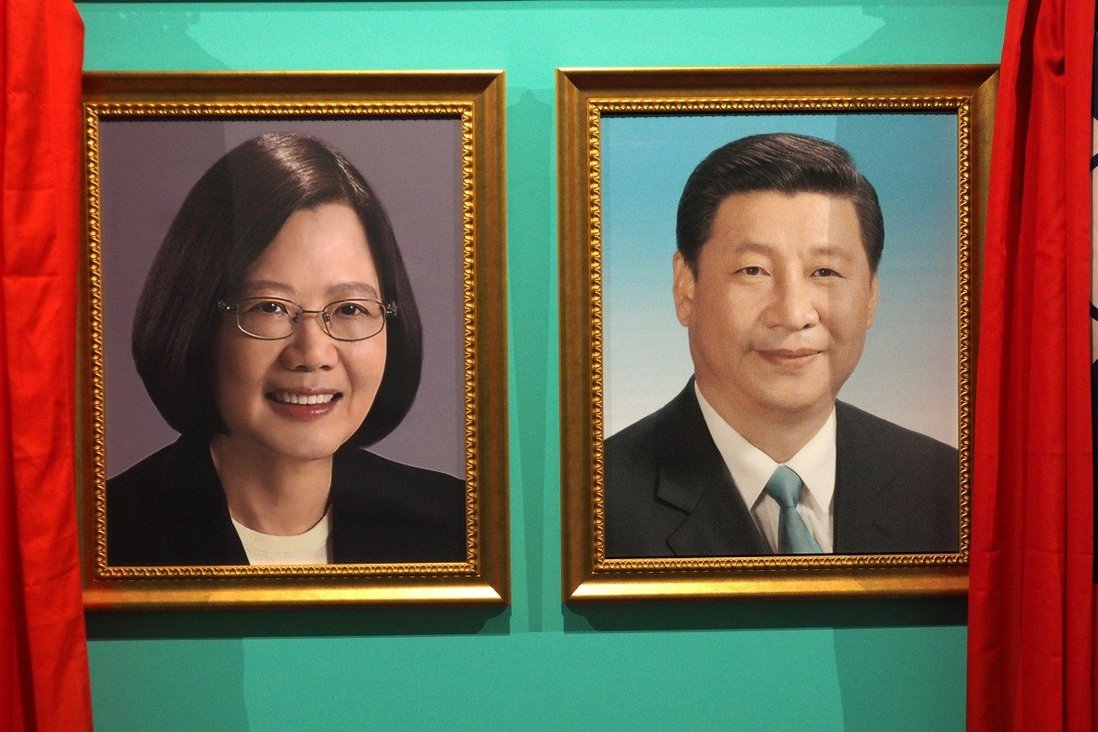
On 02 November, Reuters reported that Kuan Bi-ling, head of Taiwan's Ocean Affairs Council, which runs the Coast Guard, said Taiwan must be the master of its own maritime information and conduct its own ocean surveys, speaking at a sea drone forum in Tainan. She said Taiwan's resources, energy, and supply transport depend on the ocean, and that the island sits on a key global shipping route, but faces challenges including grey-zone harassment. Kuan said the Coast Guard needed more equipment and comprehensive intelligence to spot threats earlier. Taiwan has complained of a stepped-up Chinese campaign using Coast Guard and research ships to assert jurisdiction over its waters, with China announcing another Coast Guard patrol off Taiwan's east coast on 01 November, while Taipei says Beijing has no jurisdiction over its waters.
("Facing Chinese pressure, Taiwan says it must be master of its own maritime information," Reuters, 02 November 2026)
https://www.reuters.com/world/china/facing-chinese-pressure-taiwan-says-it-must-be-master-its-own-maritime-2026-11-02/
CHINA AND SOUTHASIA
Nepal explores alternative trade routes with China to strengthen cross-border connectivity
On 02 November, Nepal News reported that Nepal was discussing the use of alternative border crossings with China to maintain trade connectivity and reduce dependence on vulnerable routes. Foreign Secretary Amrit Bahadur Rai said discussions were underway to improve trade activities and road networks through the Korala crossing in Mustang and Lamabagar in Dolakha, while Tatopani remains a priority. He highlighted that global warming and glacial melting have increased the risks facing existing crossings, making alternative and river-basin-based routes increasingly important. The government is also working with China to establish a joint mechanism and a reliable early-warning system to address future disaster risks. The discussions follow the recent Bhotekoshi floods, which disrupted transport links and complicated rescue operations in remote areas. The initiative aims to strengthen cross-border connectivity and ensure more resilient trade routes.
(“Nepal in talks to open alternative trade routes with China,” Nepal News, 2 November 2026)
https://english.nepalnews.com/s/business/nepal-in-talks-to-open-alternative-trade-routes-with-china/
Pakistan and China strengthen partnership through high-level talks on regional and global issues
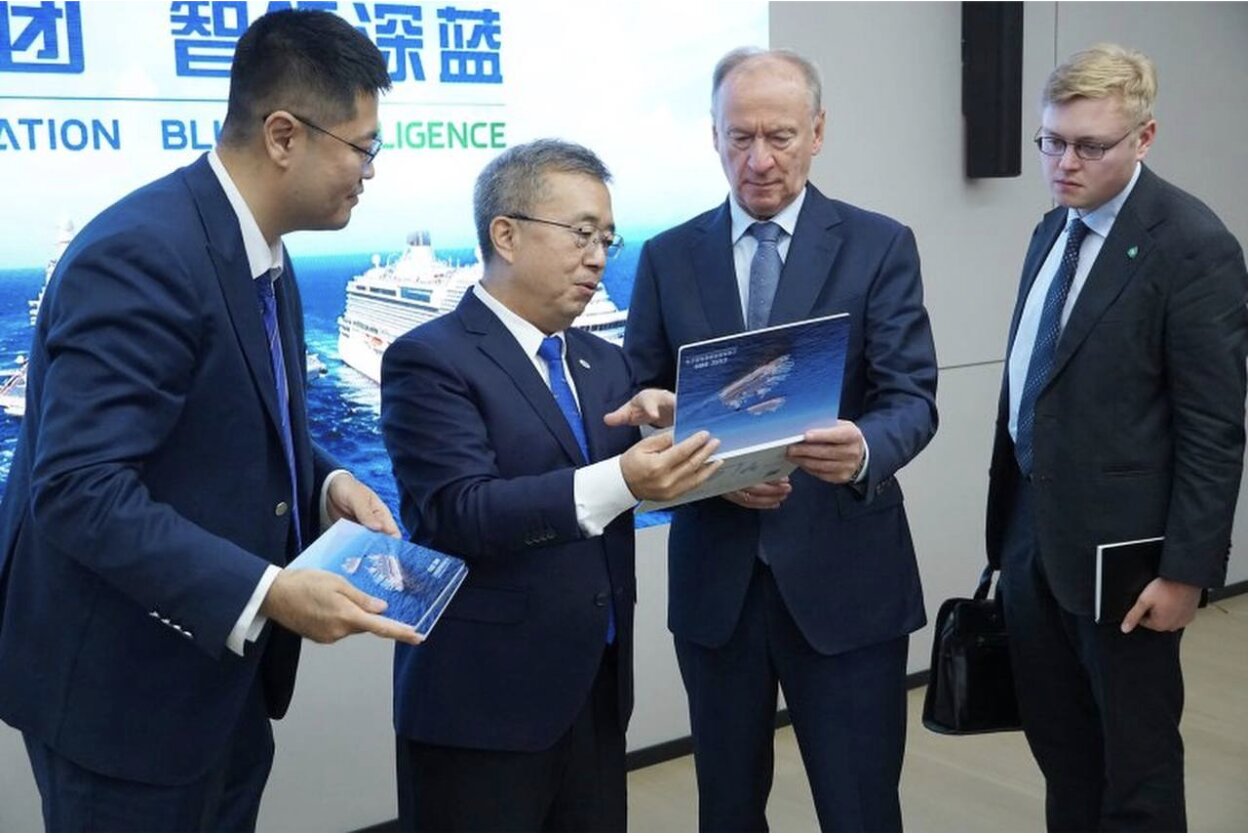
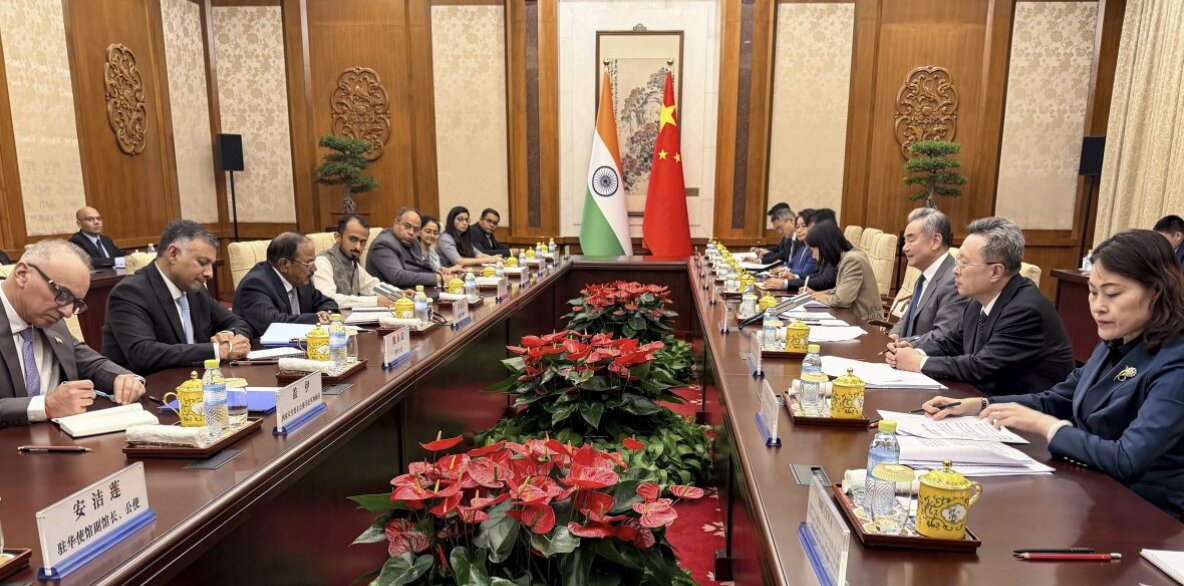
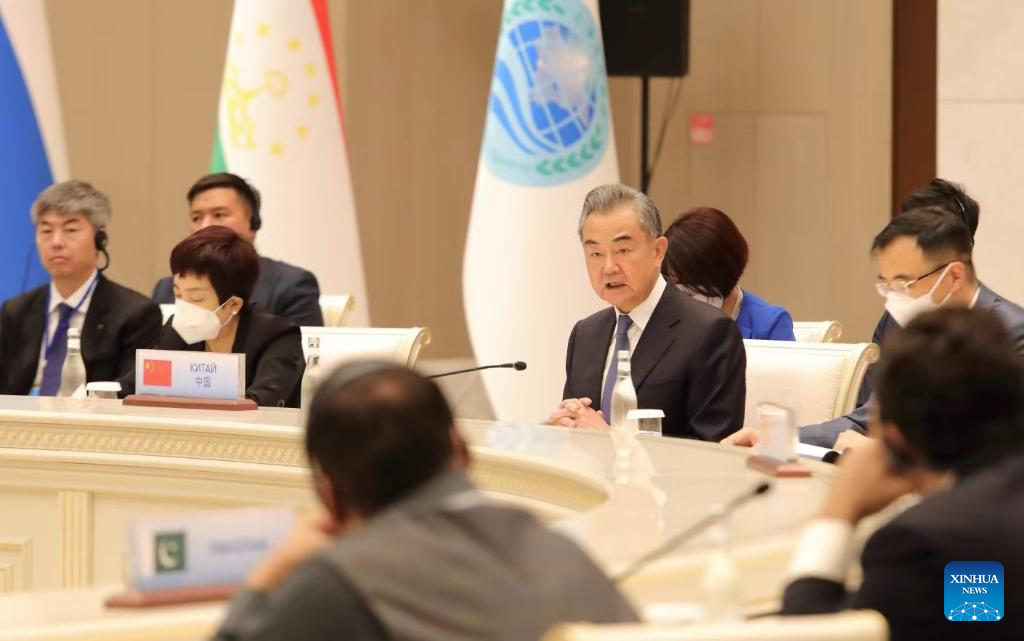
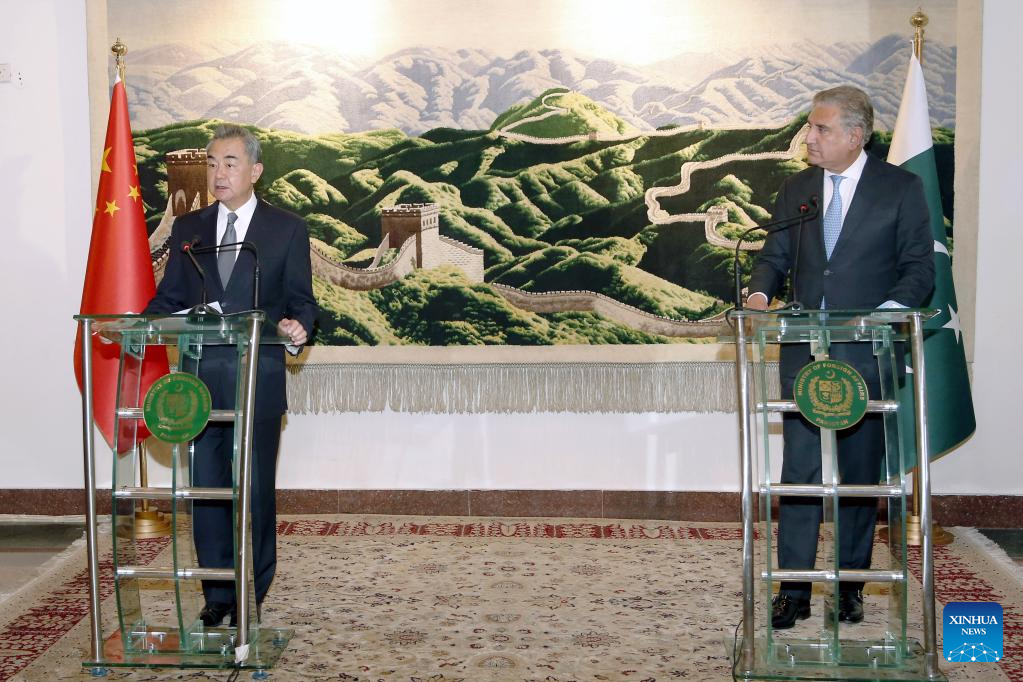
On 02 November, Dawn reported that Pakistan and China had discussed regional and international developments during a series of high-level meetings in Islamabad. Liu Haixing, Minister of the International Department of the Communist Party of China’s Central Committee, met Prime Minister Shehbaz Sharif, Chief of Defence Forces Field Marshal Asim Munir and Deputy Prime Minister and Foreign Minister Ishaq Dar. The discussions focused on strengthening bilateral cooperation in trade, investment, connectivity, infrastructure, information technology, agriculture and regional security. Both sides reaffirmed their commitment to maintaining close coordination at bilateral and multilateral forums. The meetings also highlighted the importance of political exchanges and institutional links between the two countries. Haixing’s three-day visit reflects continuing efforts by Islamabad and Beijing to strengthen their longstanding strategic partnership.
(“Pakistan, China discuss regional and global developments in high-level meetings,” Dawn, 02 November 2026)
https://www.google.com/url?sa=t&source=web&rct=j&opi=89978449&url=https://www.dawn.com/news/2041638&ved=2ahUKEwitwY2t_uqXAxW0muEIHcB3IZMQvOMEKAB6BAgiEAE&usg=AOvVaw2k3q3mFTXVBQq3iG3o-gjb
Beijing praises Islamabad's joint efforts for regional peace; Minister to hold meetings with Prime Minister and Field Marshall
On 03 November, The Nation reported on Prime Minister Shehbaz Sharif emphasising the importance of sustained political engagement and party-to-party exchanges to further strengthen Pakistan-China relations. He made these remarks during a meeting with Liu Haixing, Minister of the International Department of the Communist Party of China Central Committee (IDCPC), in Islamabad. Reaffirming the two countries' all-weather strategic cooperative partnership, the Prime Minister highlighted mutual trust, respect and strong people-to-people ties. He appreciated the IDCPC's role in promoting institutional cooperation and advancing collaboration in trade, investment, infrastructure, IT and agriculture. Liu reaffirmed China's commitment to strengthening bilateral ties. Separately, Field Marshal Asim Munir stressed sustained high-level engagement and stronger institutional linkages during his meeting with Liu in Rawalpindi. Both sides discussed regional security and international developments, reaffirming their commitment to further strengthening bilateral relations.
("China praises Pakistan’s efforts for regional peace," The Nation, 03 November 2026)
https://www.nation.com.pk/03-Nov-2026/china-praises-pakistan-s-efforts-regional-peace
CHINA AND AMERICAS
US automakers urge Congress to ban Chinese vehicles
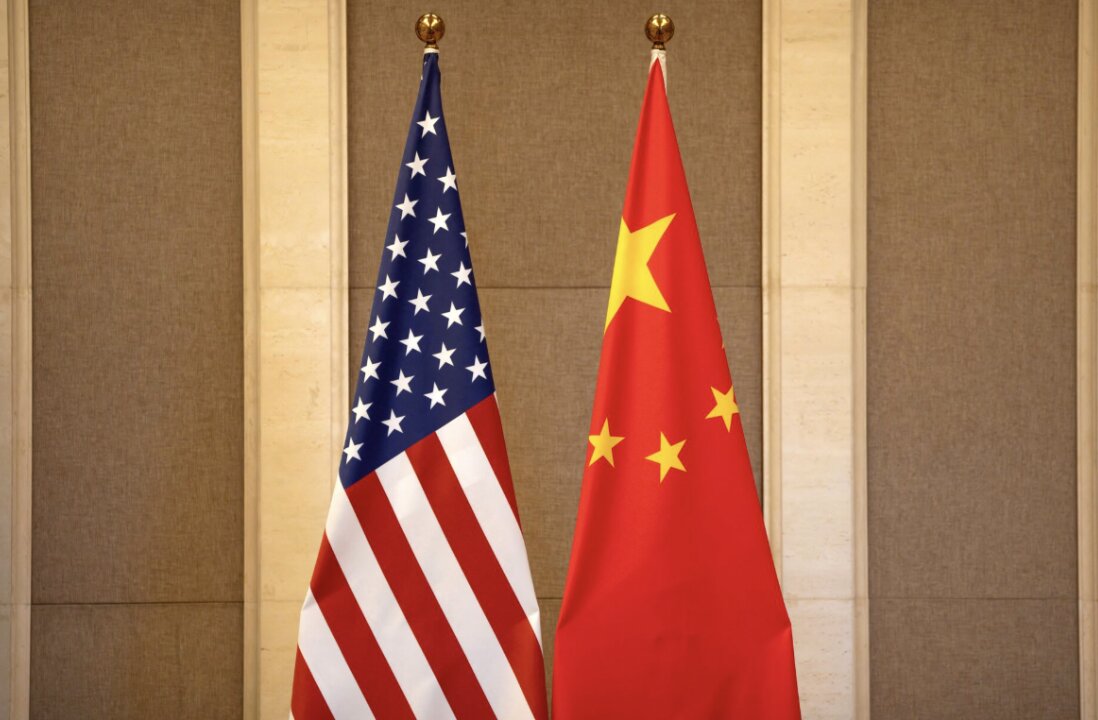
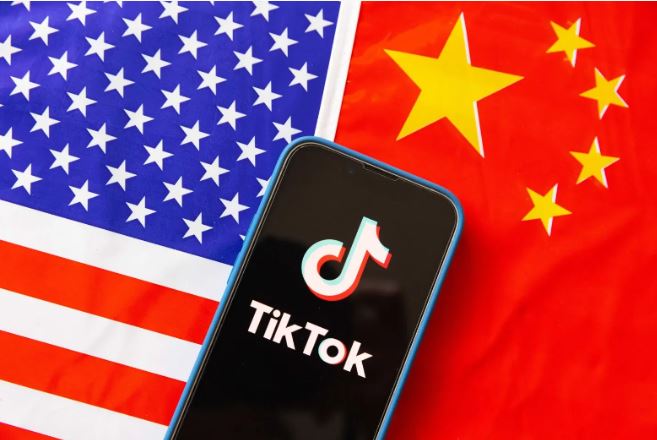
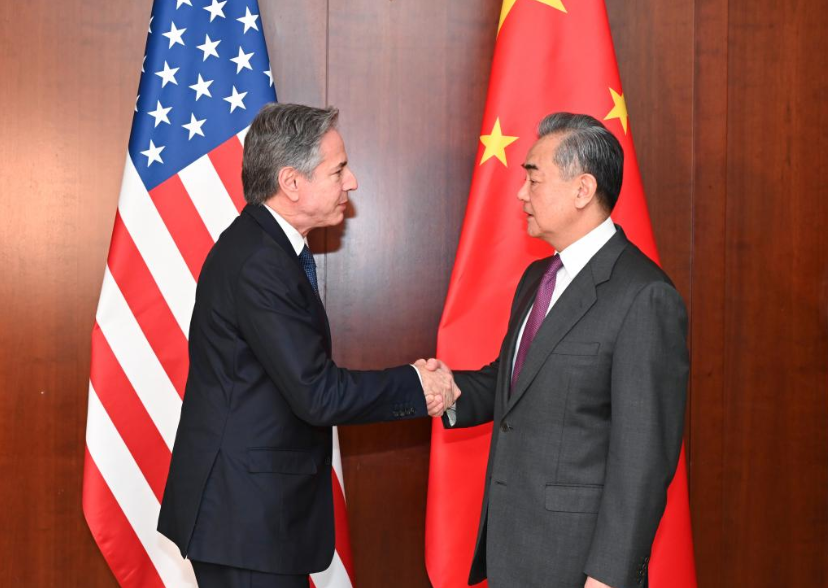
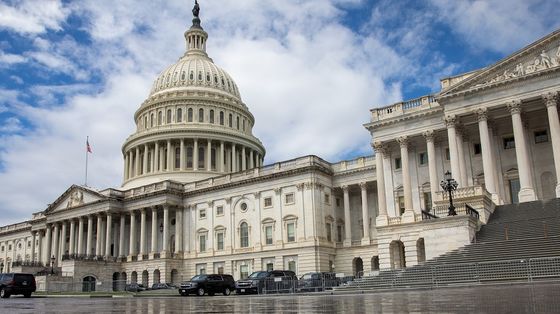
On 02 November, Reuters reported that a representative organization for nearly all major US-based automakers urged US Congressmen and women to pass a permanent ban on Chinese vehicles after the conclusion of the midterm congressional elections. The Alliance for Automotive Innovation represents General Motors, Toyota, Volkswagen and other major automakers, whose chief John Bozzella called on Congress to “protect the US market from a flood of Chinese imports that carry surveillance risk and disadvantage current manufacturers. The US currently maintains more than 100 percent tariffs on Chinese electric vehicles, and a regulation imposed by the previous Biden administration effectively banned Chinese automakers from selling or building vehicles in the US due to data sovereignty concerns.
(“Major automakers urge US Congress to pass permanent ban on Chinese vehicles,” Reuters, 02 November 2026)
https://www.reuters.com/legal/government/major-automakers-urge-us-congress-pass-permanent-ban-chinese-vehicles-2026-11-02/
Purchases of US farm goods by China hits seven-year low despite pledges to increase imports
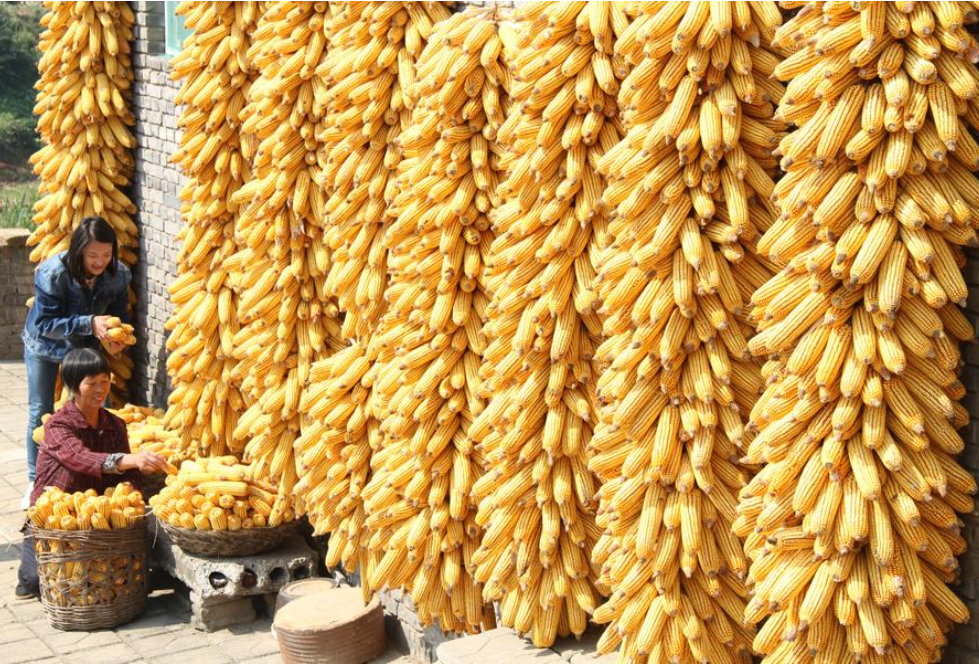
On 02 November, Reuters reported that China’s purchases of US farm goods other than soybeans is on track to hit a seven-year low despite Beijing pledging to purchase billions of dollars in imports per a Reuters investigation. In May, China had pledged to buy USD 17 billion worth of farm goods from the US, however a Reuters analysis shows that Chinese imports are at their lowest for this period since 2019. The slow spending by China has continued to hurt US farmers, who struggle with high fuel prices and driving the Democrats’ efforts to win rural votes in the upcoming midterm elections. Analysts state that weak Chinese demands and stiff competition are the reasons for the sluggish imports, unless Beijing orders its state-owned buyers into increasing imports. China has also diversified its corn and sorghum imports, with Brazil securing favourable access to Chinese markets in 2025 with over 1.7 million tons exported to China this year, nearly half of US exports of sorghum to China in 2026.
(“China's slow buying of US farm goods tests $17 billion trade pledge,” Reuters, 02 November 2026)
https://www.reuters.com/world/china/chinas-slow-buying-us-farm-goods-tests-17-billion-trade-pledge-2026-11-02/