
Photo : SCMP
Beijing expands amphibious warfare capabilities
In Brief
INTERNAL
China’s manufacturing growth slows, as weakening export demand raises concerns over economic momentum
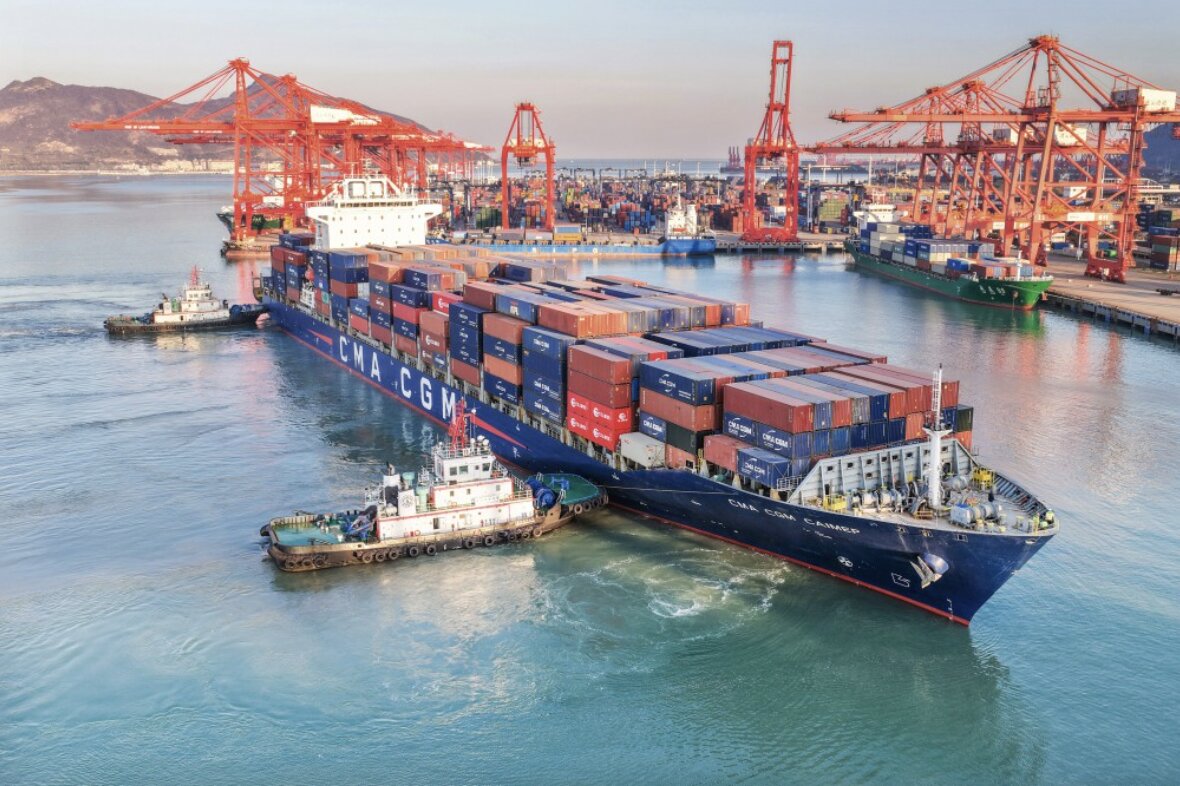
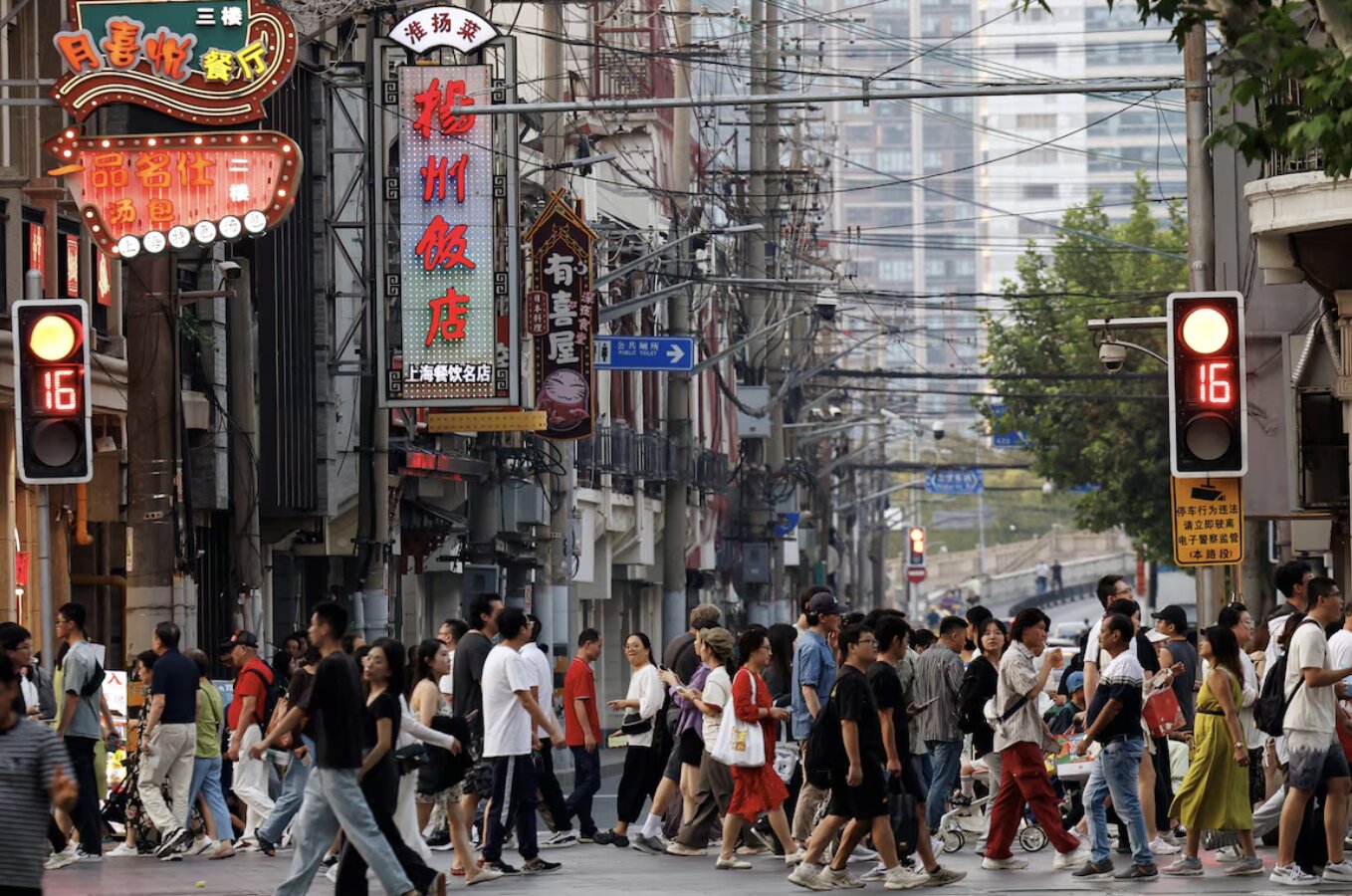
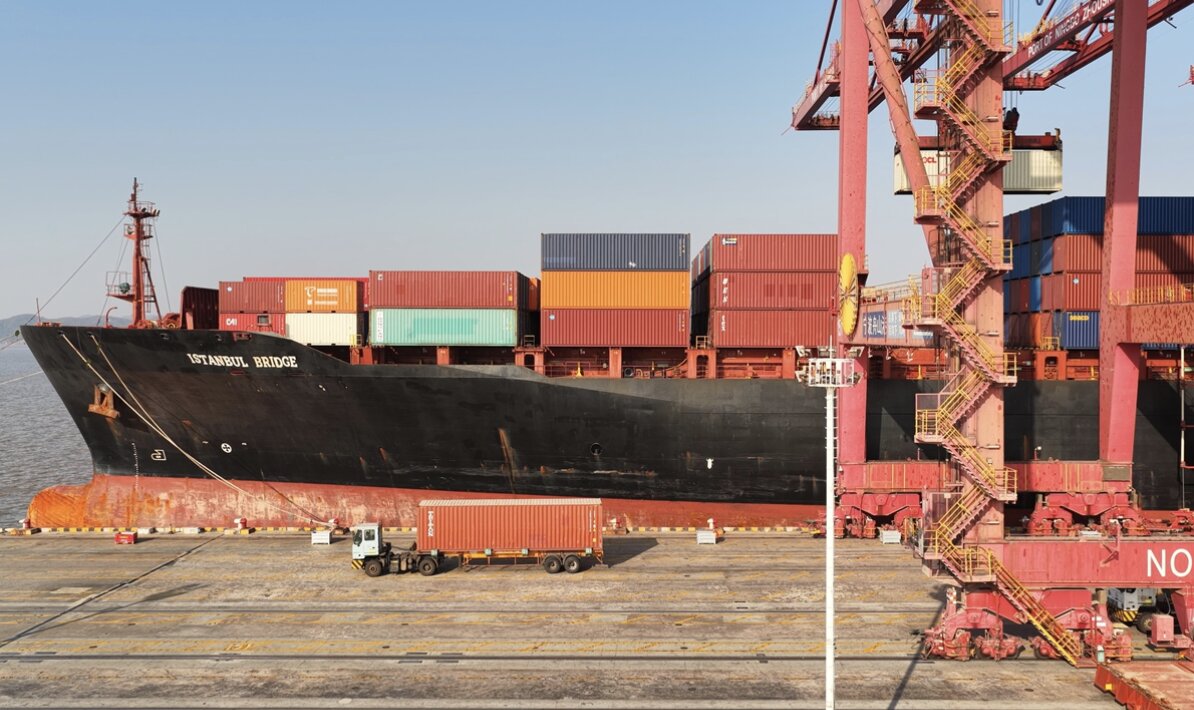
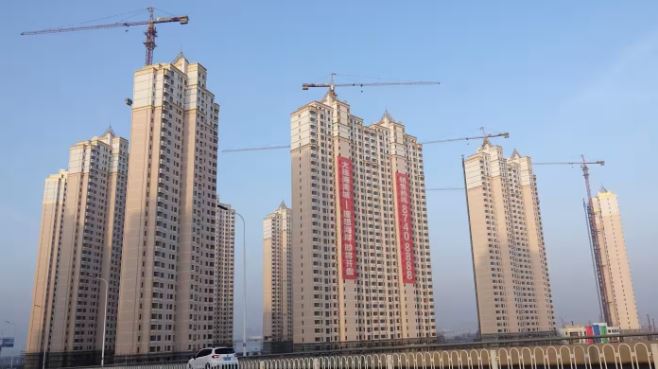
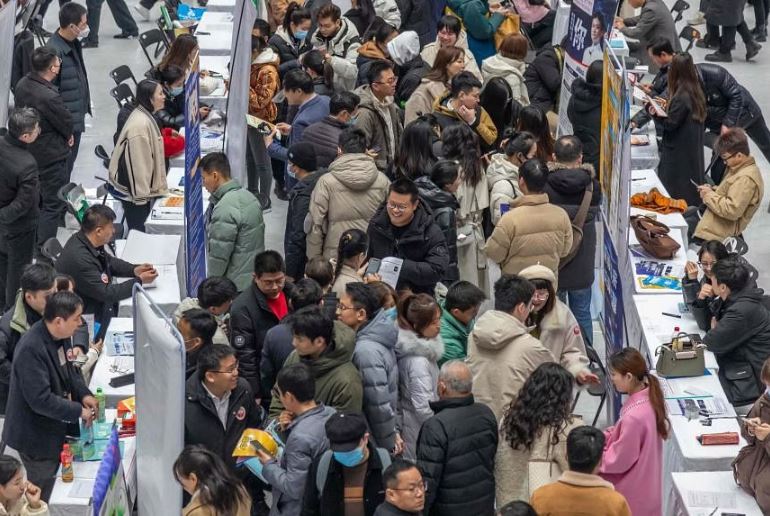
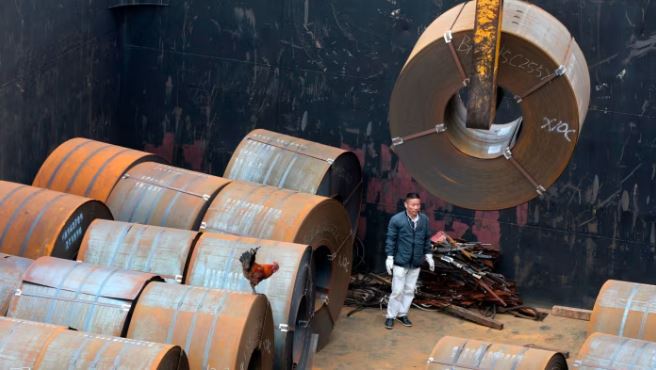
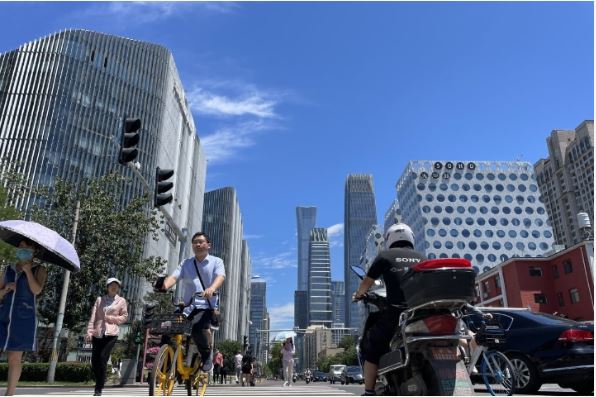
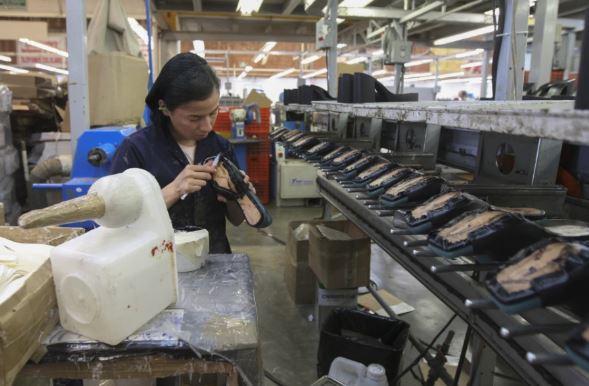
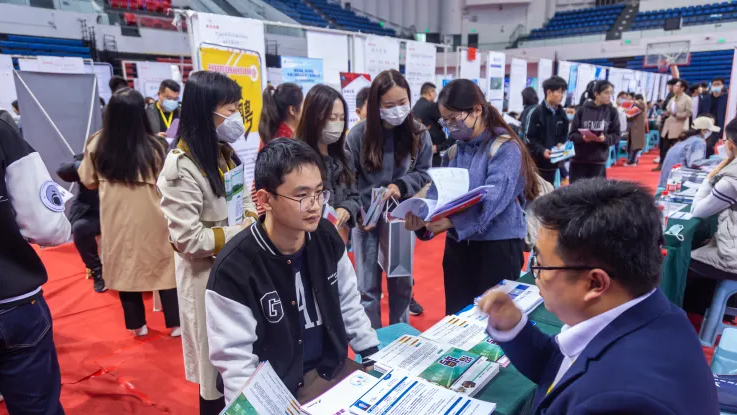
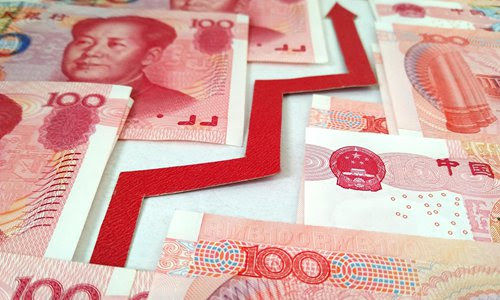
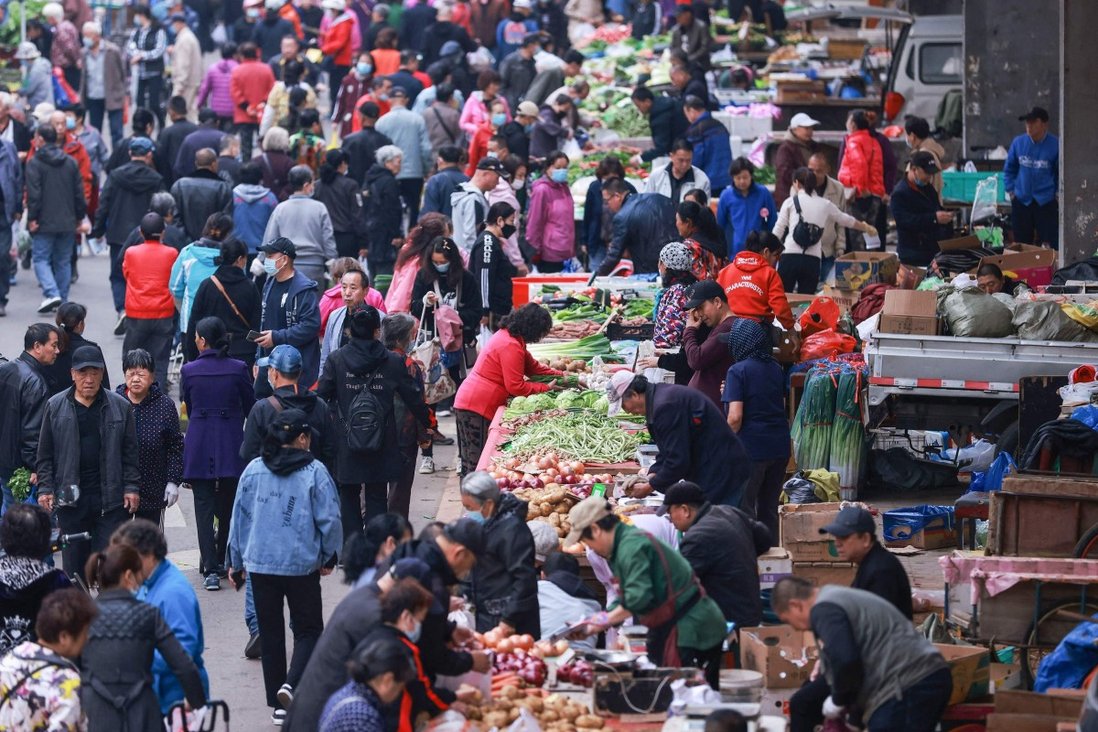
On 03 November, Bloomberg reported that China’s manufacturing sector expanded for the eleventh consecutive month in October 2026, although growth slowed for the first time since July. The private RatingDog Manufacturing Purchasing Managers’ Index (PMI), compiled by S&P Global, declined marginally from 52.1 in September to 52, remaining above the 50-point threshold that indicates expansion. While factory output recorded its fastest growth in six months, new export orders fell to a three month low, signalling weakening external demand. Although manufacturers reported increased business from Asia, Europe and Africa, slower overseas orders threaten China’s export led growth model, particularly amidst subdued domestic consumption and persistent weakness in the property sector. Meanwhile, intensifying competition and elevated input costs pressured profit margins, prompting manufacturers to reduce selling prices. Business confidence also weakened to a nine month low. These developments highlight China's continuing manufacturing resilience alongside growing vulnerabilities in sustaining export driven economic growth.
(“China's Economy Dealt Surprise Setbacks in Risk to Growth Pillar,” Bloomberg, 03 November 2026)
https://www.bloomberg.com/news/articles/2026-11-02/china-factory-activity-expands-but-ends-streak-of-faster-growth
China reiterates its position on Taiwan’s Interpol membership
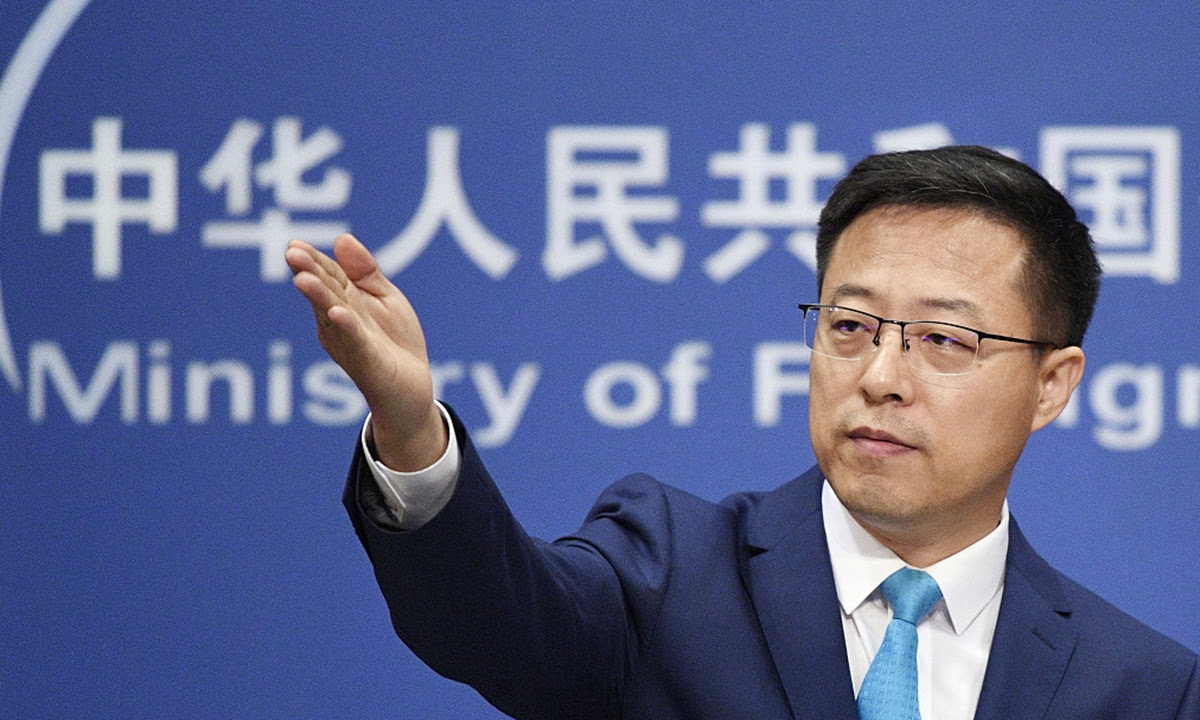
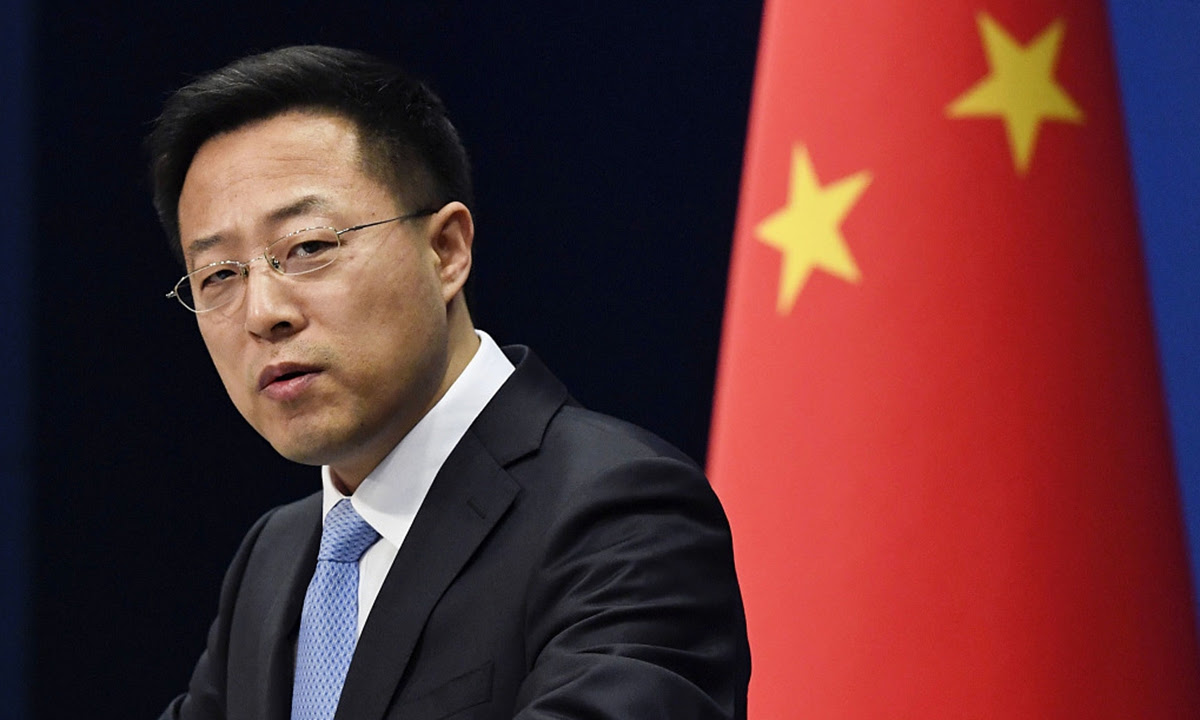
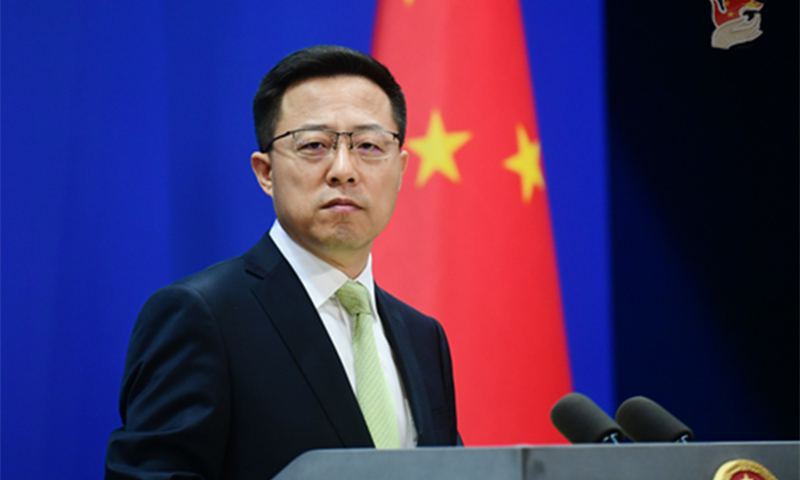
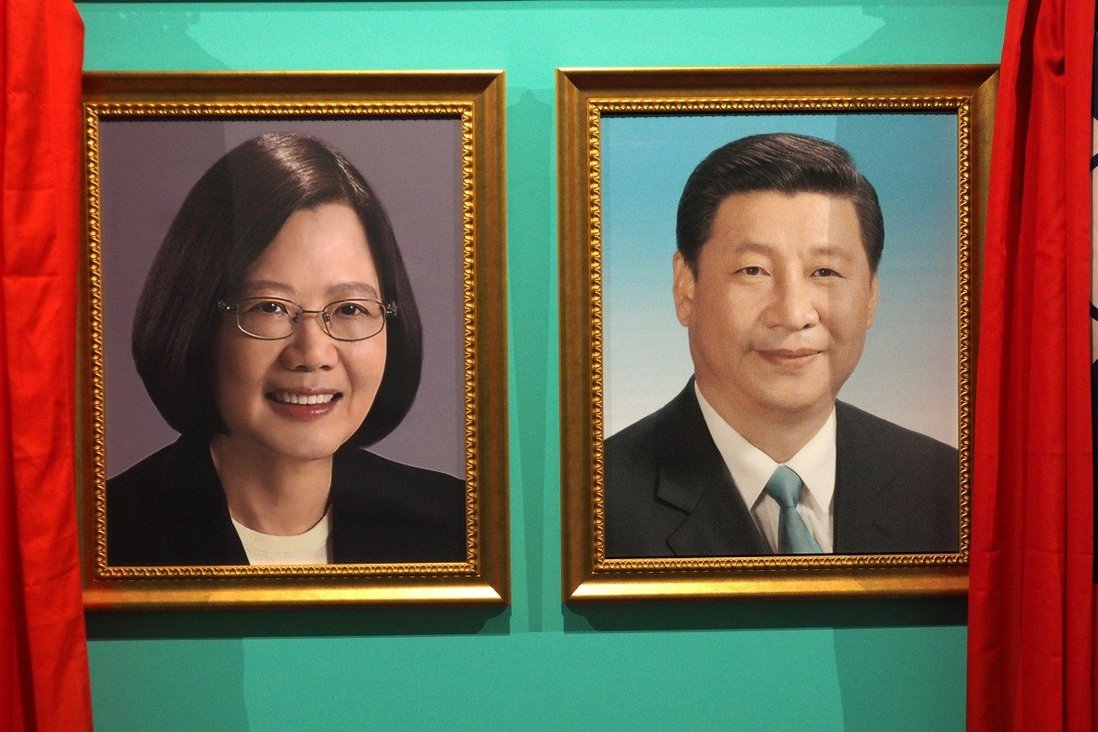
On 04 November, China Daily reported that a Chinese mainland spokesperson said Taiwan was not eligible to join Interpol, reiterating Beijing’s position that participation in international organisations must follow the one-China principle. The remarks came after Taiwan’s Democratic Progressive Party authorities argued that the island’s exclusion created a gap in global security and called for international support for its membership. State Council Taiwan Affairs Office spokesperson Zhu Fenglian said existing arrangements allow Taiwan’s police authorities to share information and cooperate on cases with Interpol member states. The 94th Interpol General Assembly is scheduled to be held in Hong Kong from November 30 to December 3. Zhu also said Taiwan could take part in this year’s APEC Economic Leaders’ Meeting if it followed established arrangements.
(“Mainland reaffirms Taiwan’s ineligibility for Interpol membership,” China Daily, 04 November 2026)
https://www.chinadaily.com.cn/a/202611/04/WS6aeaf196e4b06d4aa0567100.html
Joshua Wong faces sentencing in Hong Kong security case
On 04 November, Reuters reported that Hong Kong activist Joshua Wong was due to be sentenced the following day on a charge of colluding with foreign forces under the national security law. The charge carries a possible sentence of up to life imprisonment. Wong, 30, was accused of conspiring with exiled activist Nathan Law and others between July and November 2020 to seek foreign sanctions, blockades or other actions against Hong Kong and China. Wong had pleaded guilty to the charge in September. He was already serving a four-year-and-eight-month sentence for conspiracy to commit subversion linked to an unofficial 2020 pro-democracy primary. Reuters reported that the new sentencing hearing was scheduled before High Court Judge William Tam
(“Hong Kong activist Joshua Wong set to be sentenced on national security charge,” Reuters, 04 November 2026)
https://www.reuters.com/world/china/hong-kong-activist-joshua-wong-set-be-sentenced-national-security-charge-2026-11-04/
SCIENCE AND TECHNOLOGY
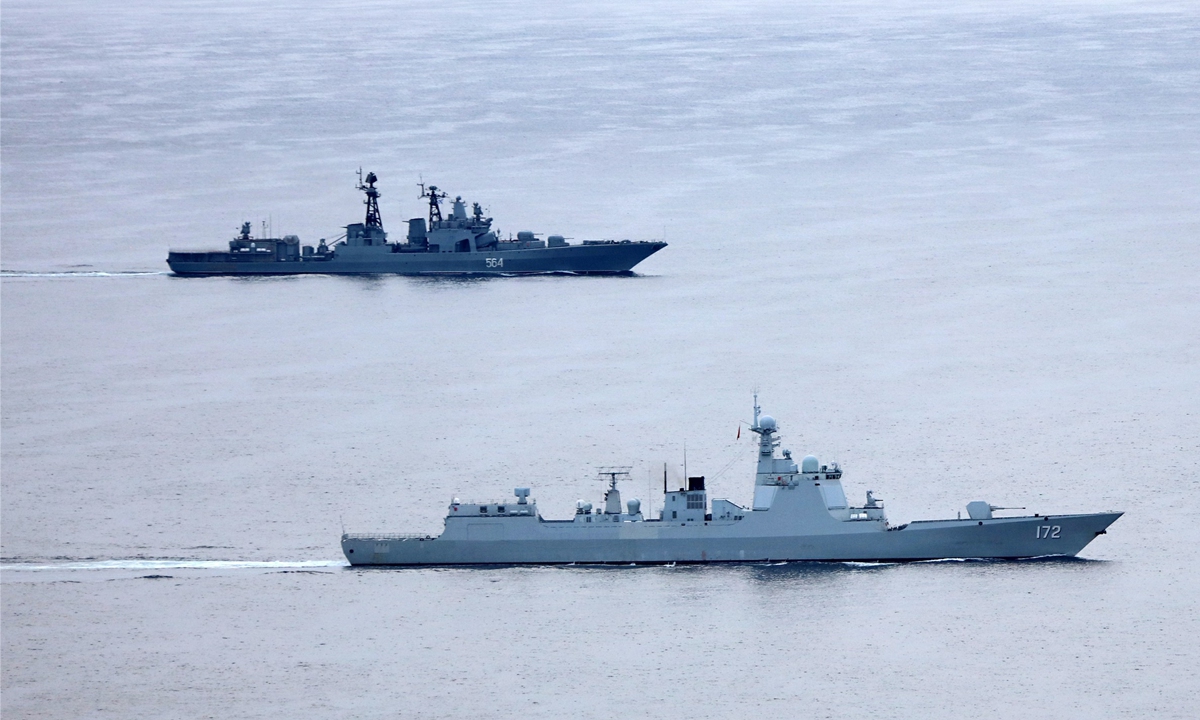
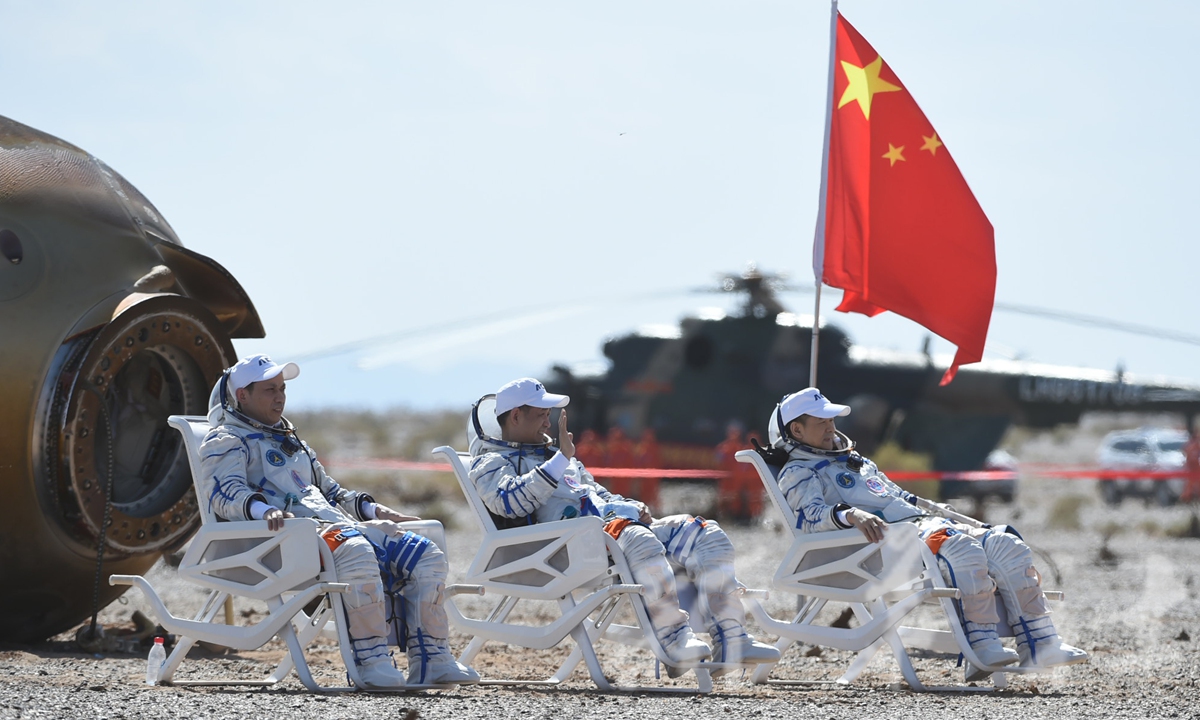
Beijing expands amphibious warfare capabilities, as Taiwan’s defences pose a major obstacle to invasion
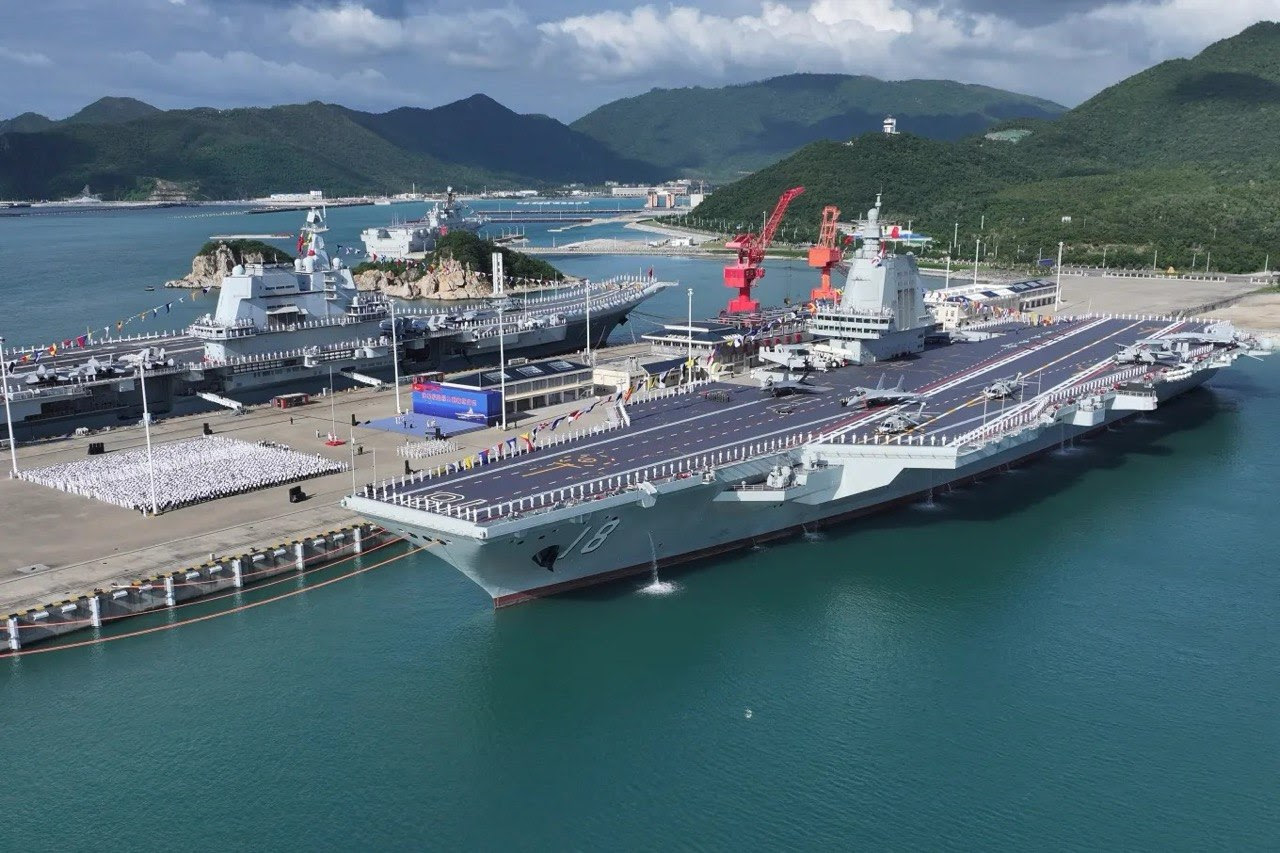
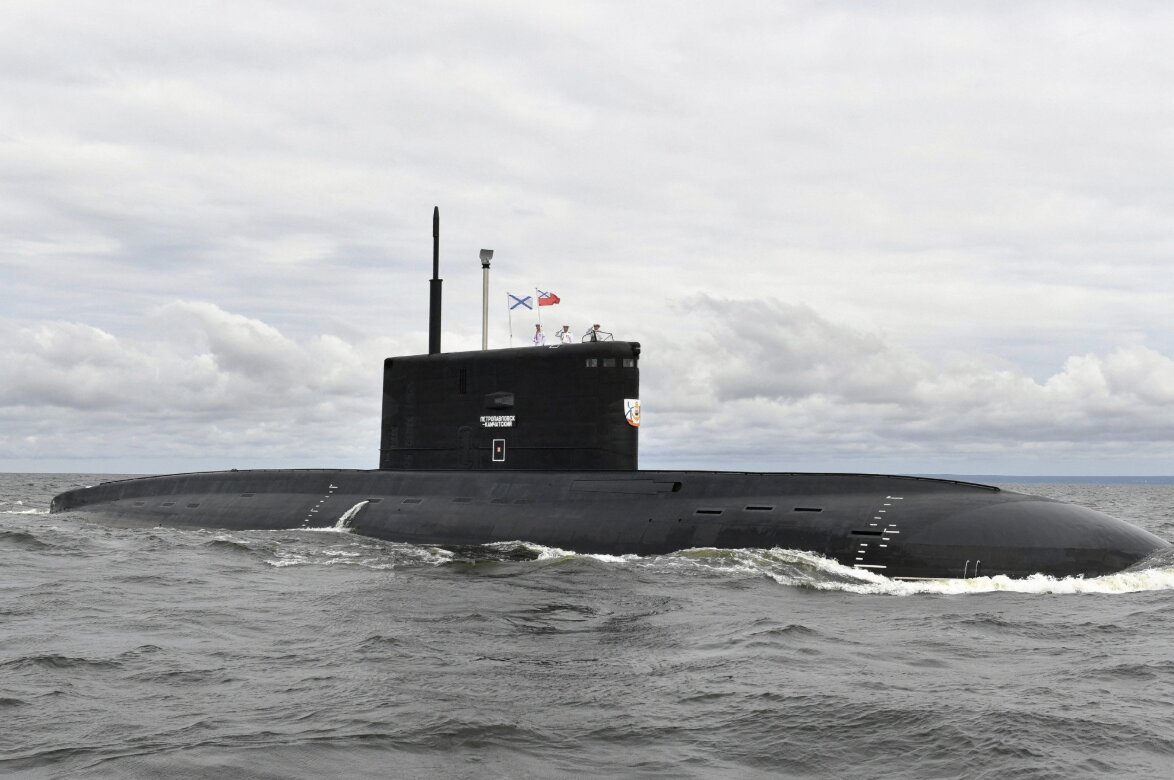
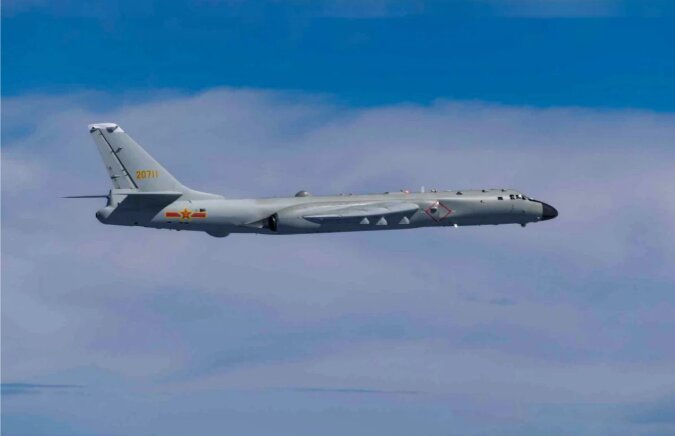
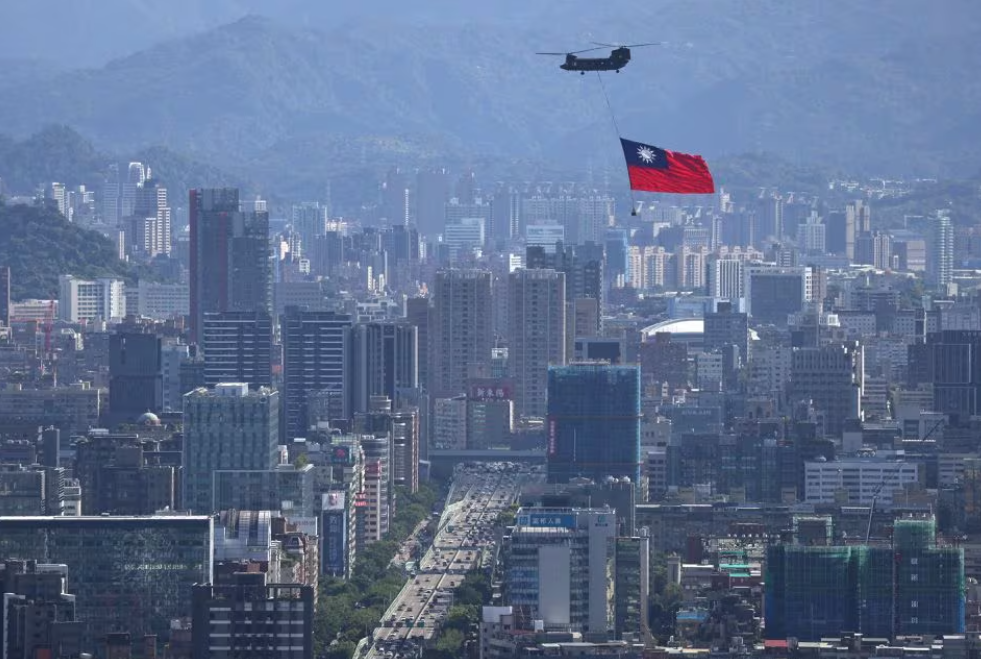
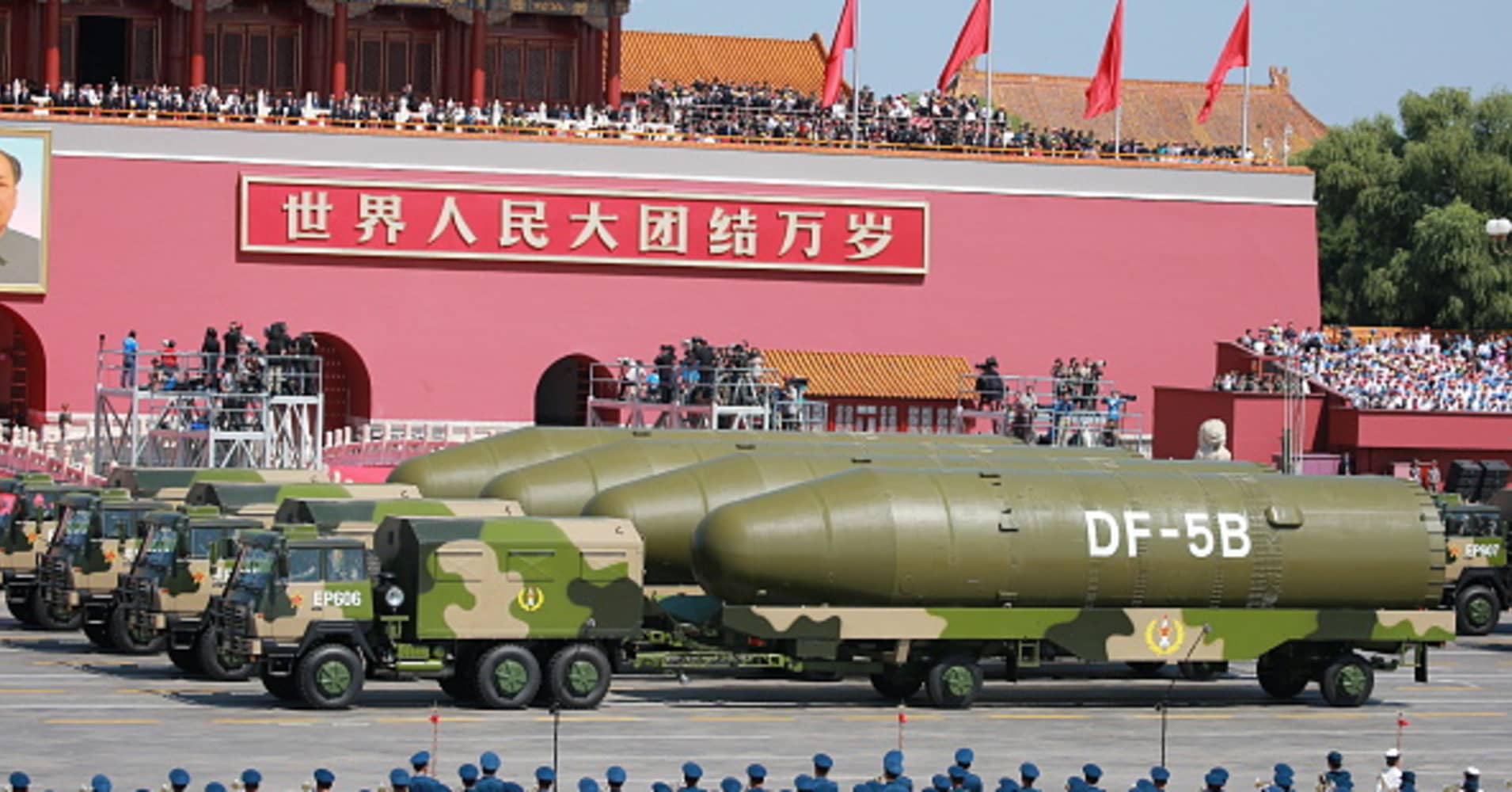
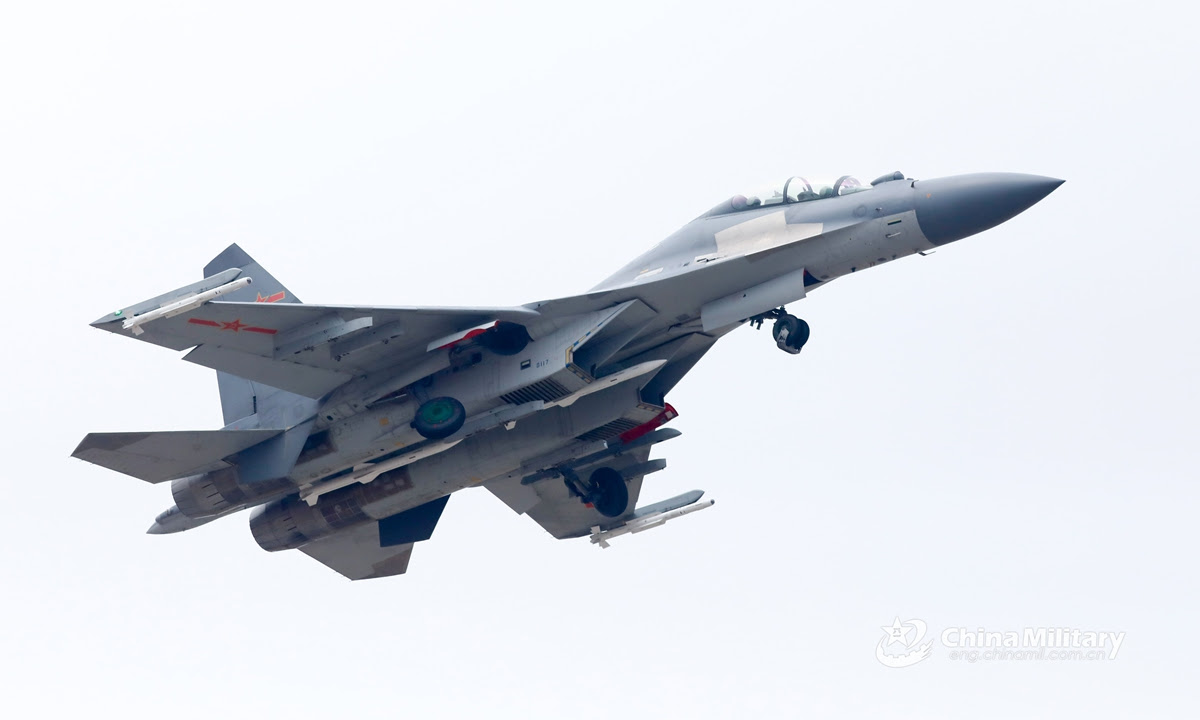
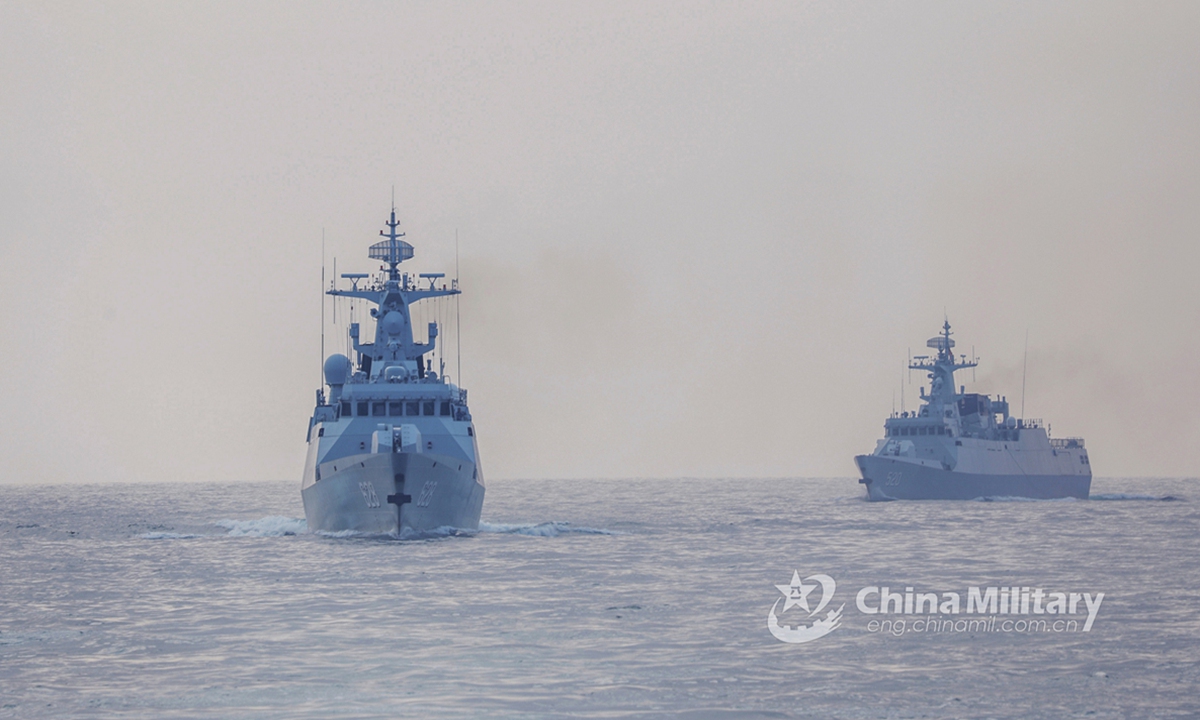
On 05 November, Asia Times reported that China is accelerating its amphibious warfare capabilities through the construction of six additional Type 071 amphibious transport ships, potentially increasing its existing fleet of eight by 75 per cent. These vessels could transport 23,000–29,800 troops and over 1,000 armoured vehicles in an initial landing. However, this remains insufficient against Taiwan’s estimated 85,000–110,000 defenders and concentrated coastal defences. Beijing is therefore increasingly integrating civilian roll-on/roll-off ferries, cargo ships and specialised floating causeways into military exercises to expand troop and equipment transportation. These systems could enable large scale landings without relying entirely on captured ports. Nevertheless, civilian vessels remain vulnerable to missile strikes, submarines, adverse weather and Taiwanese coastal resistance. The central challenge is sustaining logistical supply lines after establishing a beachhead. Ultimately, China's growing industrial and naval capacity strengthens its invasion options, but successfully overcoming Taiwan’s defences and potential US military intervention remains uncertain.
(“China’s amphibious surge confronts a Taiwan invasion’s hard math,” Asia Times, 05 November 2026)
https://asiatimes.com/2026/11/chinas-amphibious-surge-confronts-a-taiwan-invasions-hard-math/
CHINA AND EAST ASIA
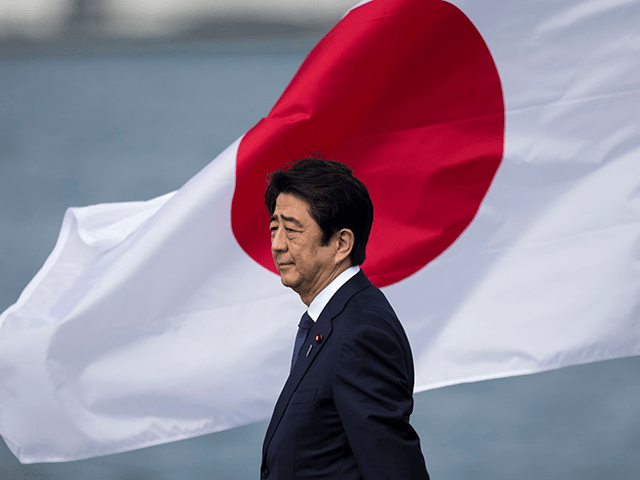
China remains concerned about the consequences amid record Japanese defence spending
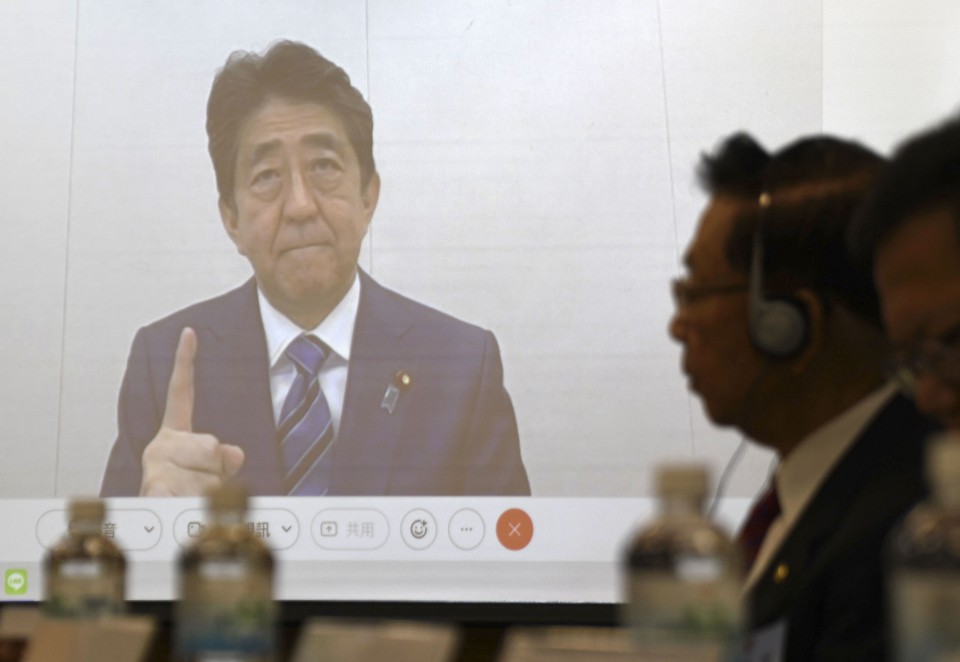
On 05 November, the South China Morning Post reported that China could face a substantially more capable Japanese military over the coming years as Tokyo weighs on doubling its defence spending to USD 508 billion. According to observers, such a surge in spending could see Japan acquire means to deter or respond to the People's Liberation Army’s operations around Taiwan and the East China Sea as well as withstand attacks and sustain prolonged operations in a regional conflict. The reported increase from nearly JPY 43 trillion under the existing program remains subject to government negotiations as Japan plans to revise its three key national security documents by the end of the year. Japan’s defence ministry had earlier estimated the cost to be JPY 80 trillion, with negotiations expected to reduce the total after scrutiny of procurement plans. In December 2022, Japan adopted a major security policy overhaul that included plans to acquire counterstrike capabilities and increase five-year defence spending by 60 per cent while targeting defence-related expenditure of 2 per cent of GDP by financial year 2027. The bigger concern for Beijing would not only be the integration of Tokyo’s weapons into the US-led security system. Stronger surveillance around the Senkakus could improve Japan’s response to Chinese activities. Greater ammunition production and logistics capacity could also help Japan sustain prolonged operations.
(“What’s the message for China as Japan weighs US$ 500 billion defence surge?," South China Morning Post, 05 November 2026)
https://www.scmp.com/news/china/military/article/3373139/whats-message-china-japan-weighs-us500-billion-defence-surge
CHINA AND SOUTHEAST ASIA
Beijing and Manila to continue dialogue amid tensions
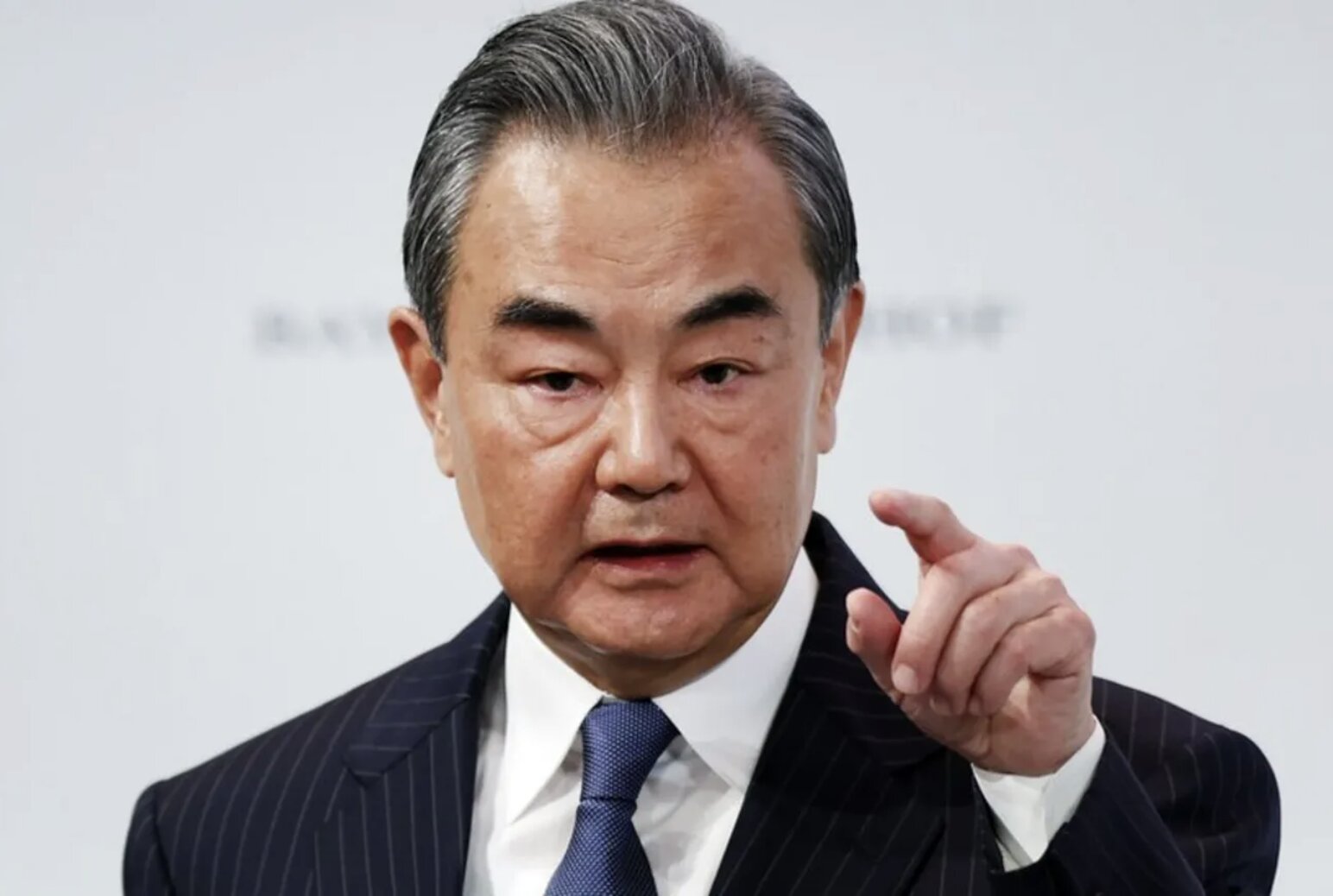
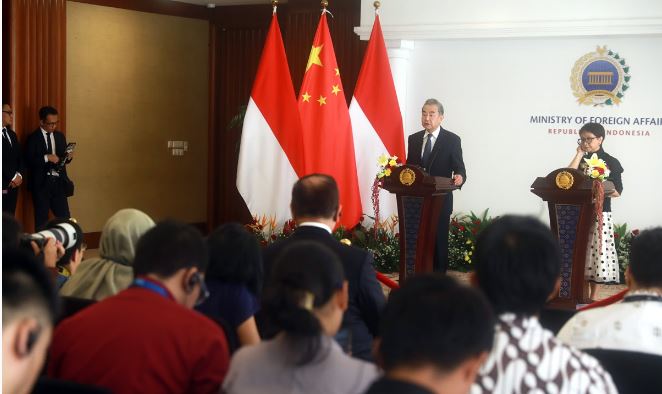
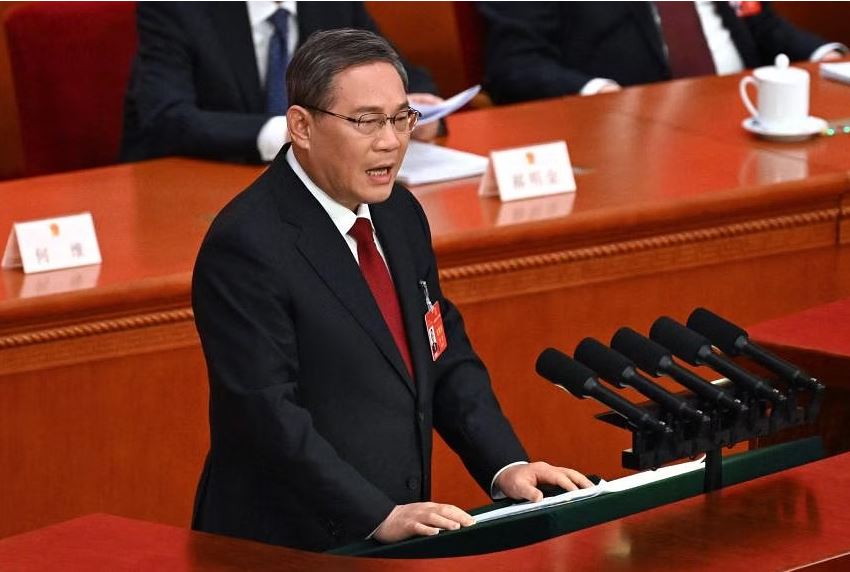
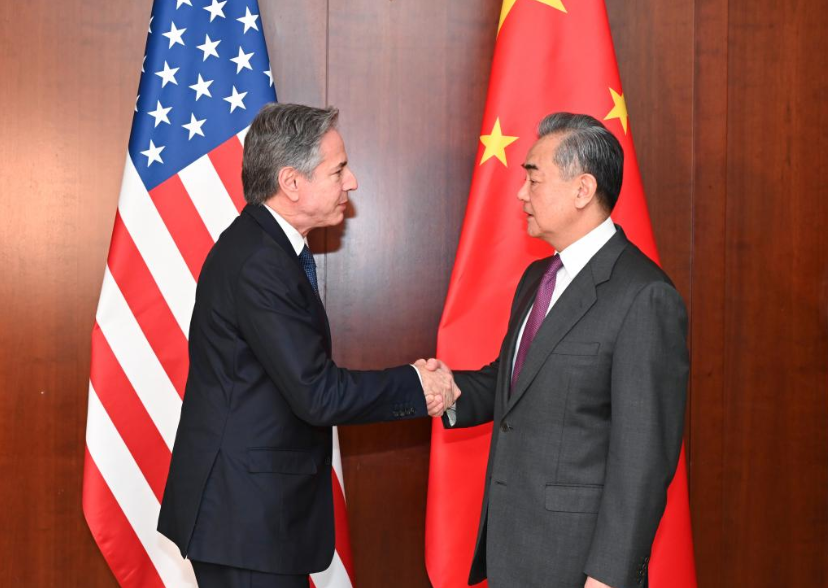
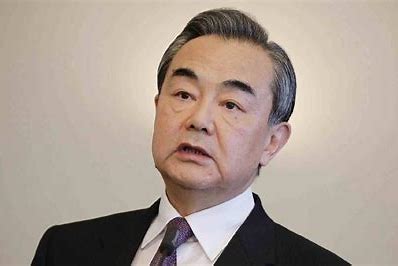
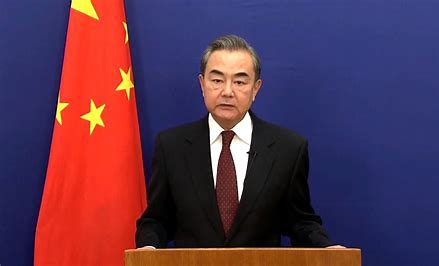
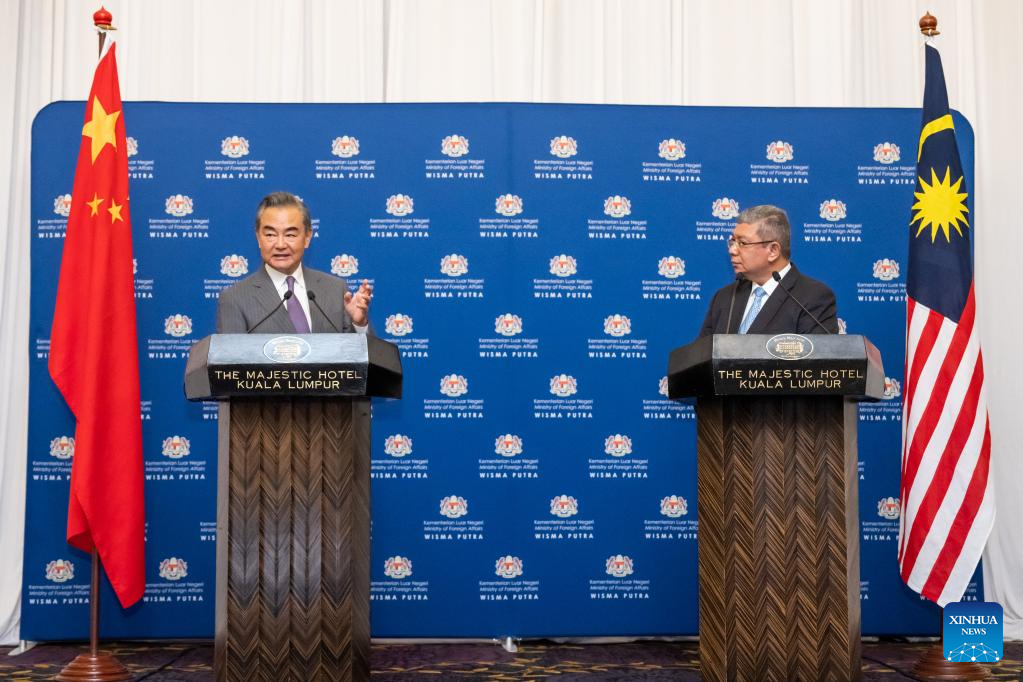
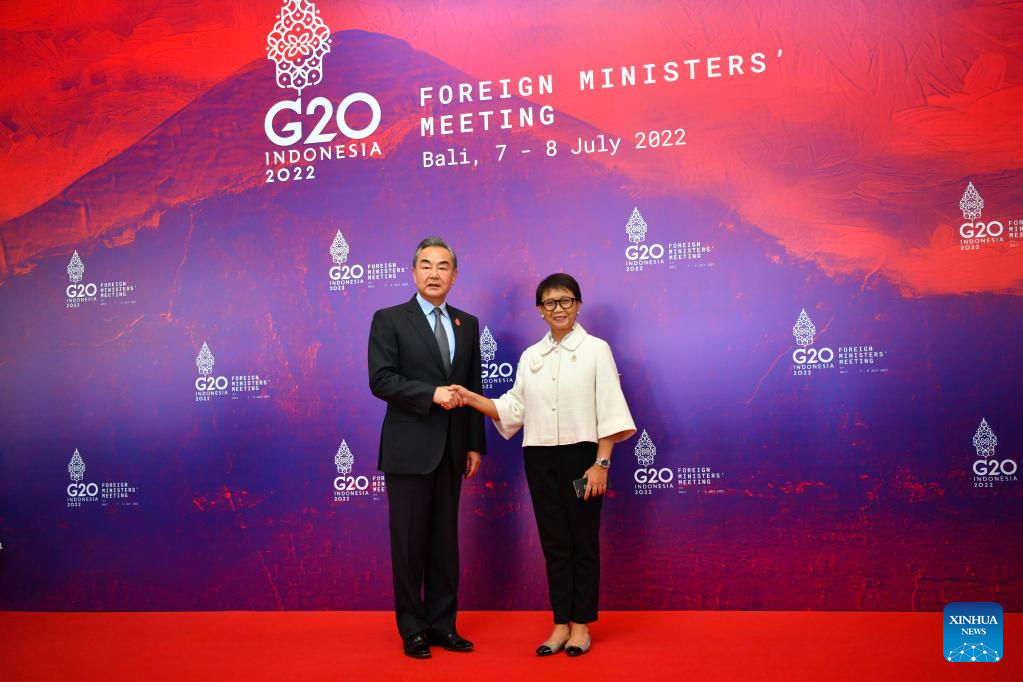
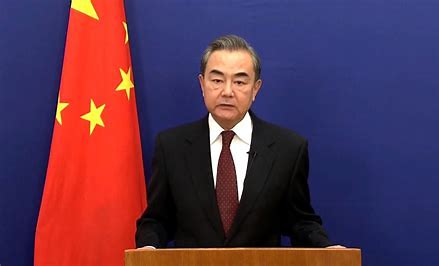
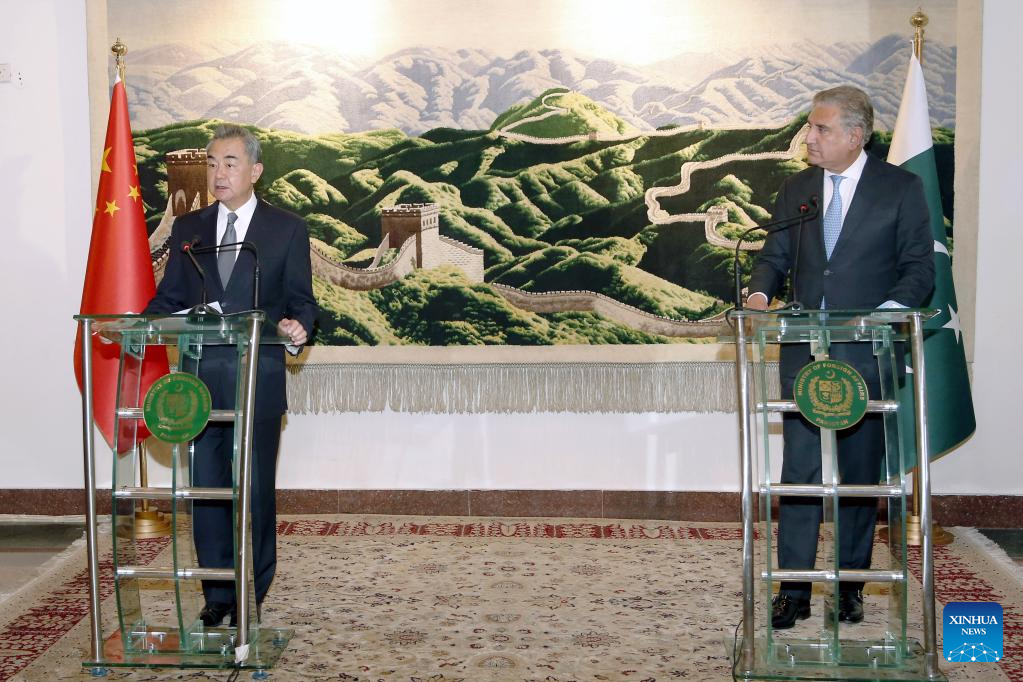
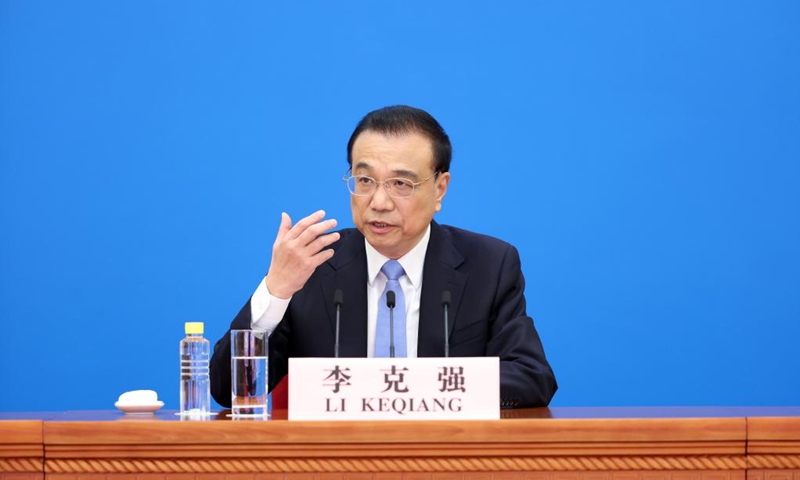
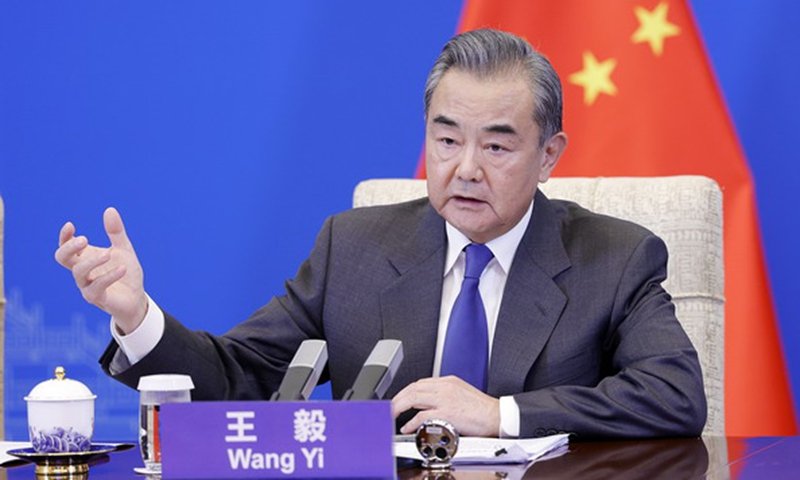
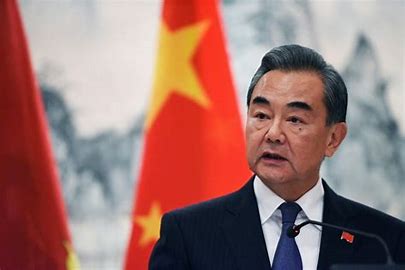
On 04 November, Reuters reported that China and the Philippines pledged to maintain dialogue and communication despite strained ties. The Philippine Foreign Ministry stated that Foreign Minister Ma Theresa Lazaro spoke with her Chinese counterpart Wang Yi describing the phone call as pragmatic, frank and constructive. Wang stated that the relations between the two countries face malicious interference and accused some politicians of irrational and intolerable conduct that crossed China’s red lines. The Philippines said it takes its responsibility as ASEAN chair for 2026 seriously and both ministers assured each other that their leaders would be accorded proper courtesies during the ASEAN and APEC summits respectively. The Philippine Foreign Ministry stated that Chinese Premier Li Qiang is expected to attend the ASEAN meetings in Manila.
(“Philippines, China pledge to maintain dialogue amid tensions,” Reuters, 04 November 2026)
https://www.reuters.com/world/china/philippines-china-pledge-maintain-dialogue-despite-tensions-2026-11-04/
CHINA AND THE MIDDLE EAST
China urges Middle East countries to create sustainable new regional security architecture
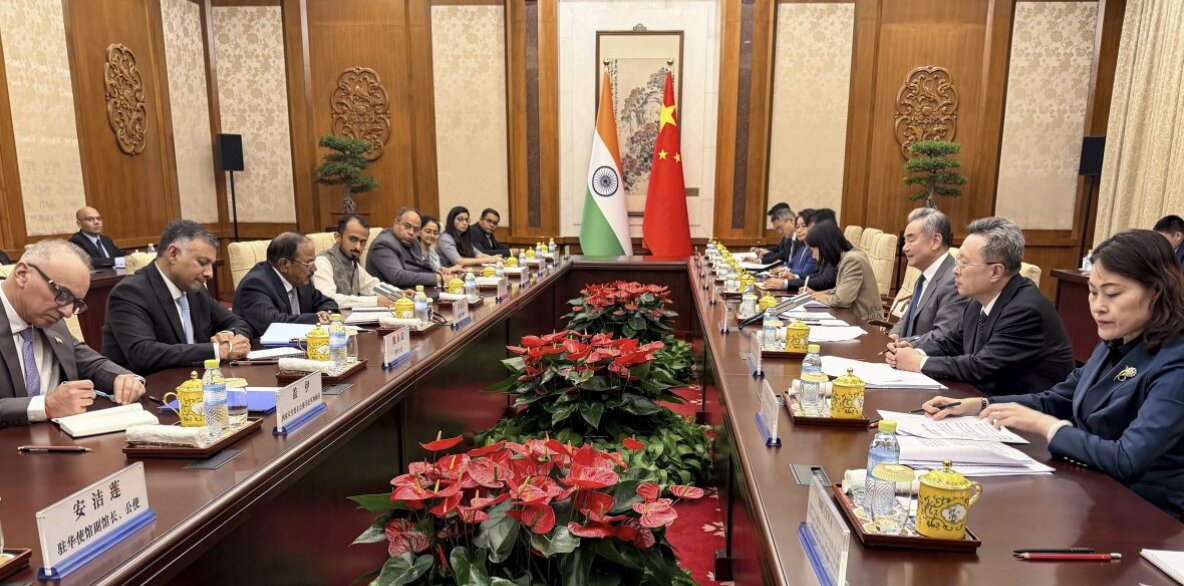
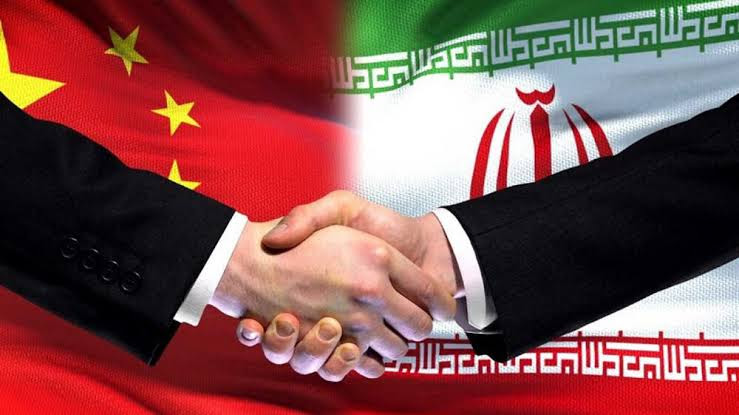
On 04 November, AA news reported that China is calling on Middle Eastern countries to build a "new regional architecture" focused on mutual respect and sustainable security to prevent further conflict. China’s Foreign Ministry spokesperson Mao Ning emphasised that avoiding new clashes is the top priority to shield local populations from suffering. This stability is critical not only for the region but also for the global energy supply and world peace. To support this, China’s Foreign Minister Wang Yi recently hosted discussions in Beijing with national security officials from Saudi Arabia and Iran. China plans to maintain an objective stance while helping resolve key regional disputes. Specifically, Beijing aims to support direct negotiations between Iran and the United States. To Promote a political settlement to the ongoing conflict in Yemen and to facilitate a comprehensive agreement regarding the reopening of the Strait of Hormuz. This diplomatic push follows a cycle of violence earlier this year, where the US and Israel’s attacks against Iran triggered Tehran’s retaliation before an April ceasefire. While Washington and Tehran later signed a June agreement on navigation freedom through the Strait of Hormuz, implementation remains stalled due to security disagreements. China is ready to step up dialogue with all regional parties to overcome these tensions.
(“China calls on Mideast nations to create ‘new regional architecture’ for common, sustainable security,” AA news, 04 November)
https://aa.com.tr/en/asia-pacific/china-calls-on-mideast-nations-to-create-new-regional-architecture-for-common-sustainable-security/4111571
CHINA AND EUROPE
The EU announces EUR 525 million for European chip startups to rival the US and China
On 04 November, Reuters reported that European chip startups had secured EUR 525 million in investment as the region seeks to strengthen its semiconductor industry and compete with the US and China. Speaking at the platform's launch, European Commission Executive Vice-President Henna Virkkunen emphasised that strengthening Europe's position in the global semiconductor market would require greater progress in chip design. She added that a robust design ecosystem would boost demand for manufacturing facilities and reinforce the region's semiconductor value chain. According to the Commission, European chip design firms account for less than 1 per cent of global revenue in the segment. The platform will provide startups with chip design tools, technical support, intellectual property blocks and manufacturing access. The initiative comes amid rising global demand for AI-related chips.
("Europe to invest €525 million in chip startups to catch up with US and China," Reuters, 04 November 2026)
https://www.reuters.com/world/china/europe-invest-525-million-chip-startups-catch-up-with-us-china-2026-11-04/
CHINA AND THE AMERICAS
Taiwan expects continued bipartisan support from the US military a political shift
On 05 November, Reuters reported that Taiwan expects continued bipartisan support from the United States for strengthening its defence capabilities following the Democrats’ victory in both chambers of Congress in the November 2026 midterm elections. Defence Minister Wellington Koo emphasised that congressional backing for Taiwan remains strong across party lines and that Taipei will continue coordinating with US lawmakers and the Department of War to ensure approved arms transfers proceed. However, uncertainty surrounds a proposed USD 14 billion arms package, which President Donald Trump has delayed since his May meeting with China’s President Xi Jinping, describing it as a bargaining instrument in US-China negotiations. This follows an earlier record USD 11 billion arms sale approved in December 2025. Analysts anticipate that congressional pressure could revive the stalled package, potentially through smaller, phased deliveries extending into 2027. The issue highlights Washington’s challenge of balancing Taiwan’s security commitments against efforts to stabilise relations with Beijing, which strongly opposes American arms transfers.
(“Taiwan sees continued US arms sale support after midterm election,” Reuters, 05 November 2026)
https://www.reuters.com/world/china/taiwan-sees-continued-us-arms-sale-support-after-midterm-election-2026-11-05/
Washington and Beijing strengthen military communication to prevent escalation
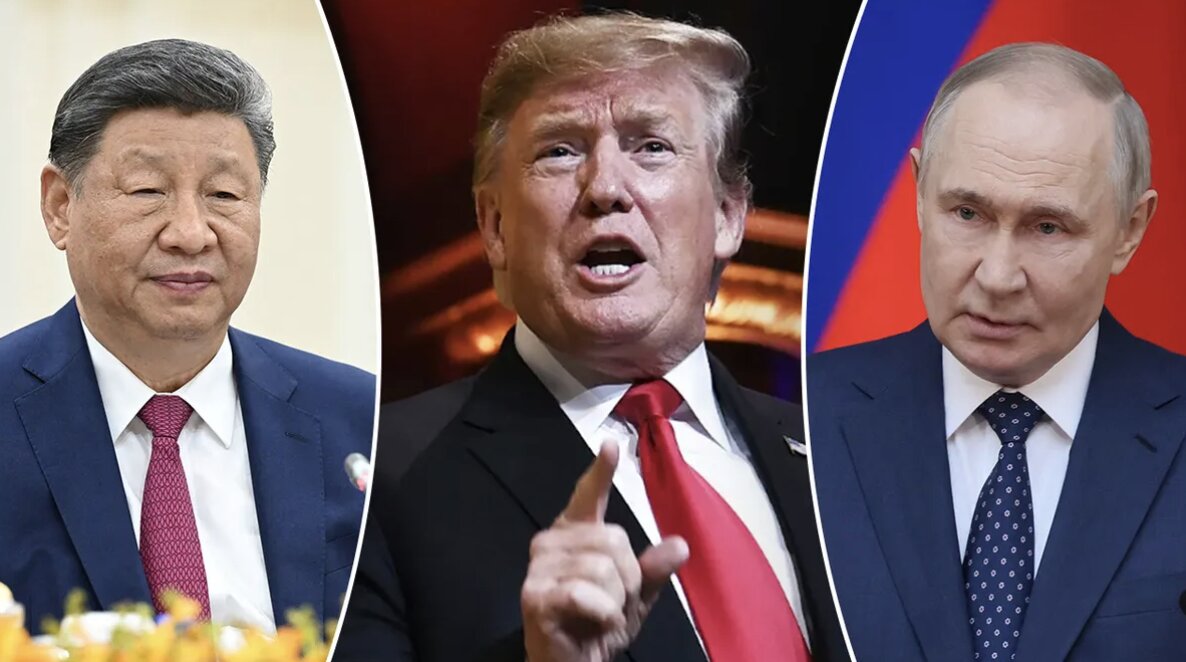
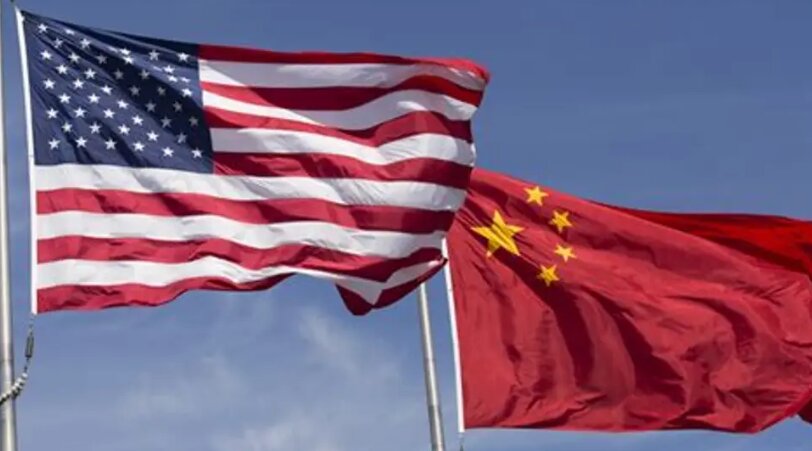
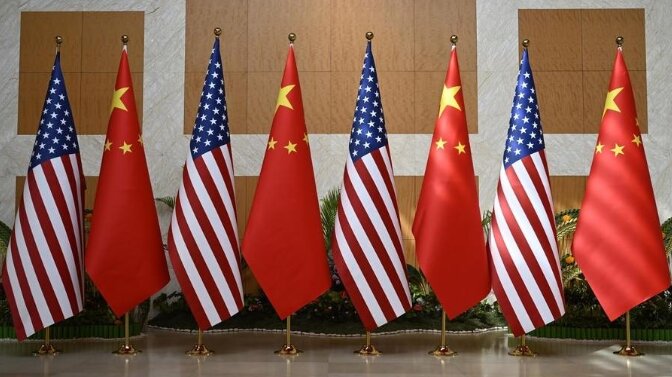
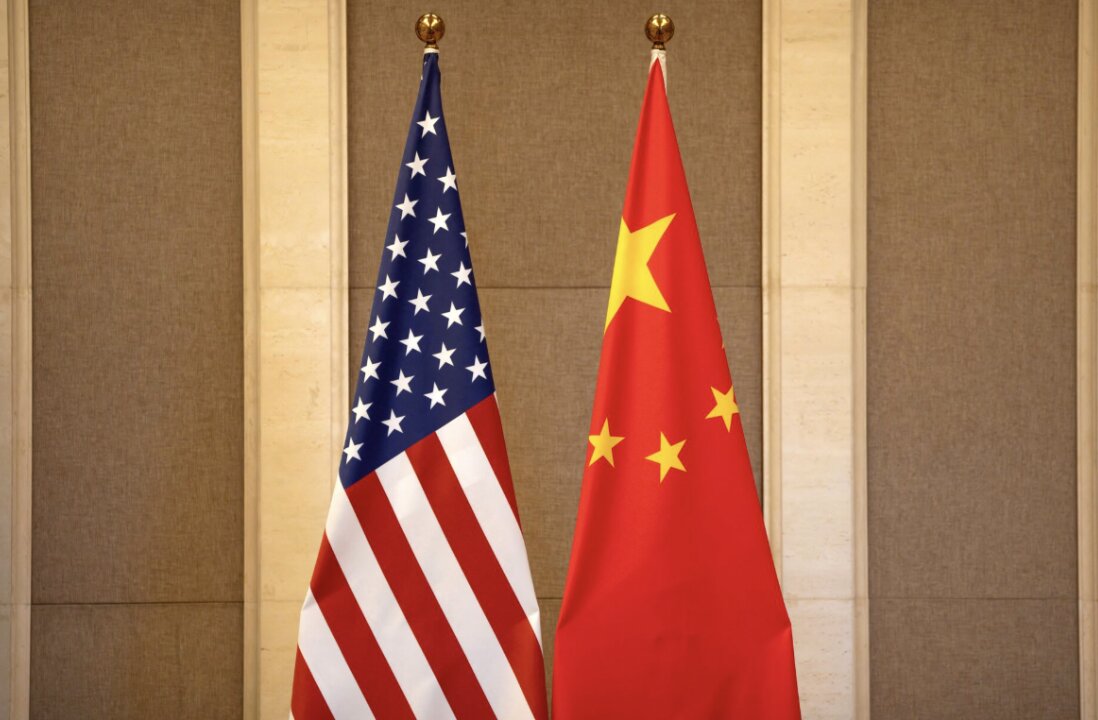
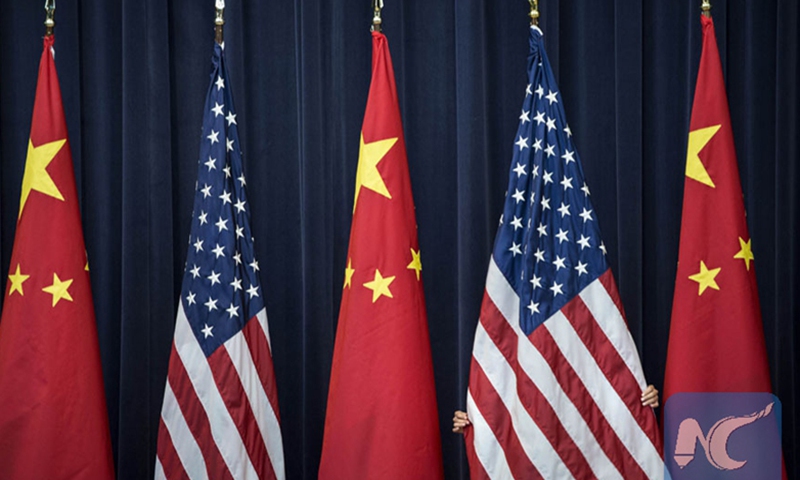
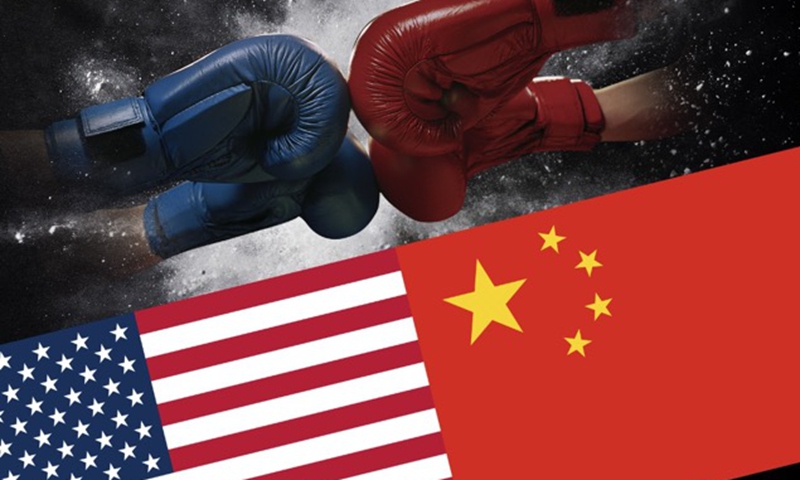
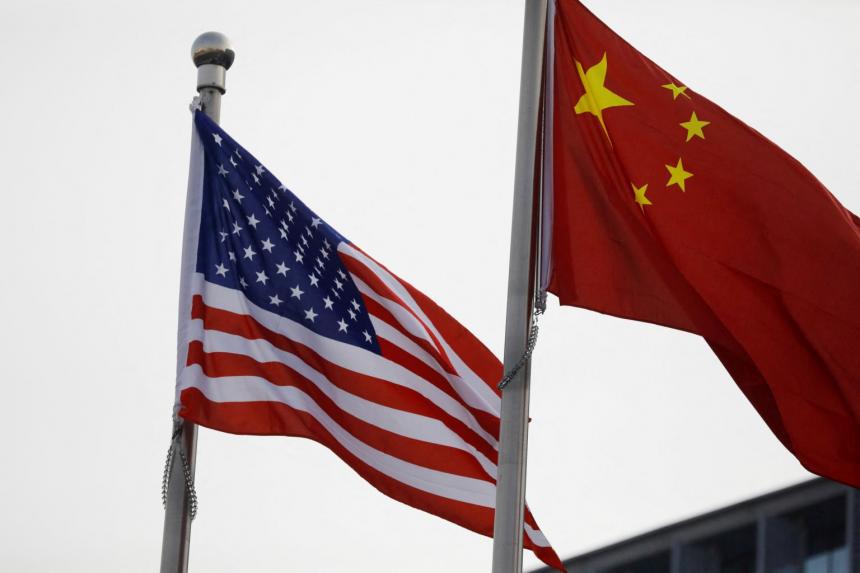
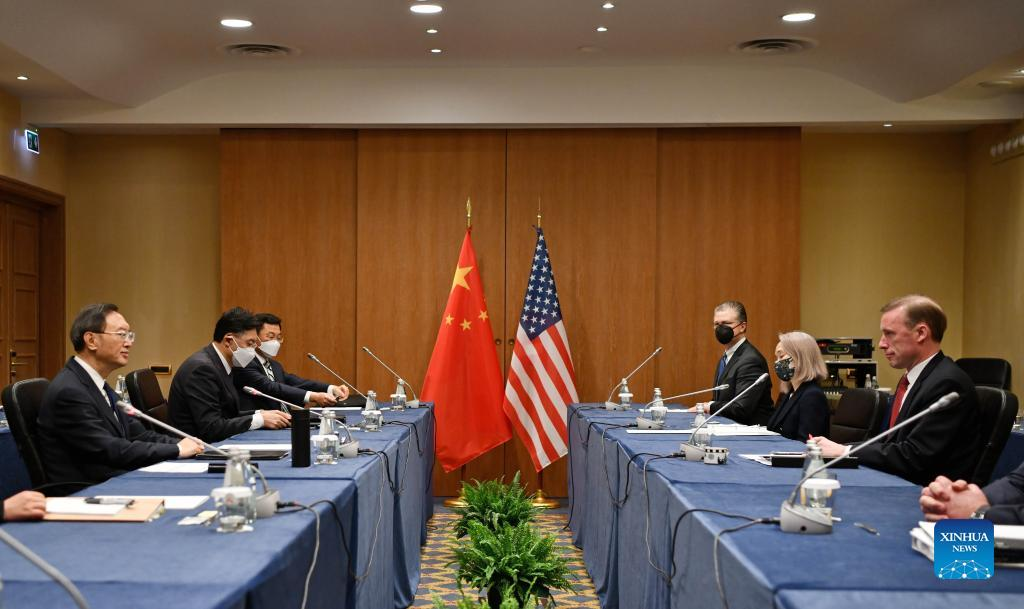
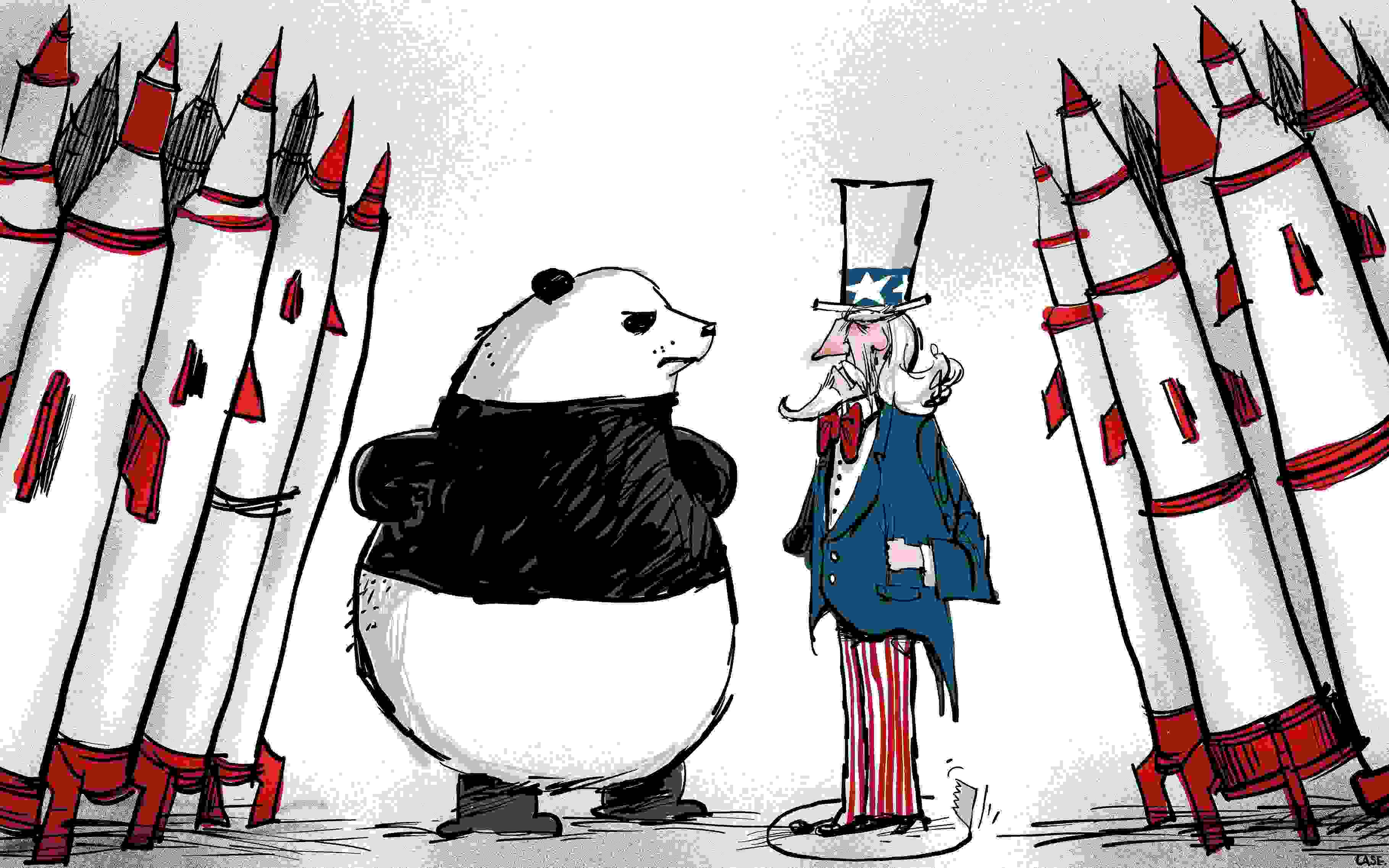
On 05 November, SCMP reported that Chinese and US defence officials held their first meeting of the Crisis Communications and Prevention Working Group in Washington on November 2–3, following an agreement reached during the September Trump–Xi summit. Both sides emphasised practical communication measures to reduce military miscalculations and prevent confrontations from escalating into crises. Discussions focused on establishing additional communication channels, improving crisis management and ensuring faster, more effective exchanges between their armed forces. The initiative builds on renewed military engagement after previous disruptions to bilateral defence contacts, particularly over Taiwan. However, neither side disclosed specific agreements or operational procedures. The Pentagon indicated that discussions with the People's Liberation Army would continue. While the initiative signals improved military diplomacy, it does not resolve underlying strategic disagreements, particularly over Taiwan and Indo-Pacific security.
(“China, US defence officials agree to improve ‘communication’ to reduce risks,” South China Morning Post, 05 November 2026)
https://www.scmp.com/news/china/diplomacy/article/3373321/china-us-defence-officials-agree-improve-communication-reduce-risks