CWA # 2333
TWTW Takeaways
Brazil Elections 2026:
Five takeaways on Lula's re-election and the Changing dynamics of democratic politics
The World This Week #376-378, Vol 8, Nos. 38-40, 08 November 2026

|
Maya Swetang Choubey
8 November 2026
|
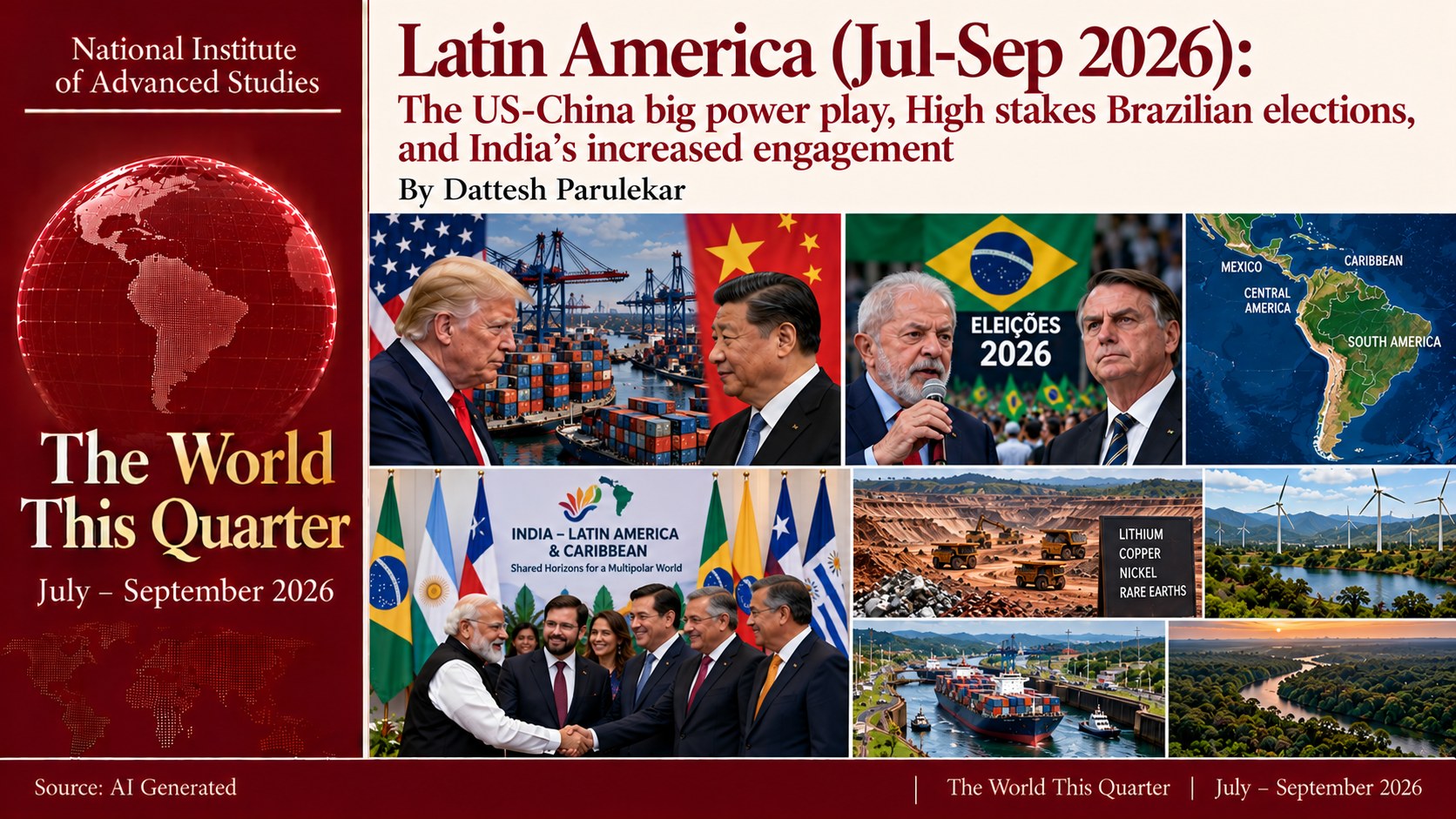
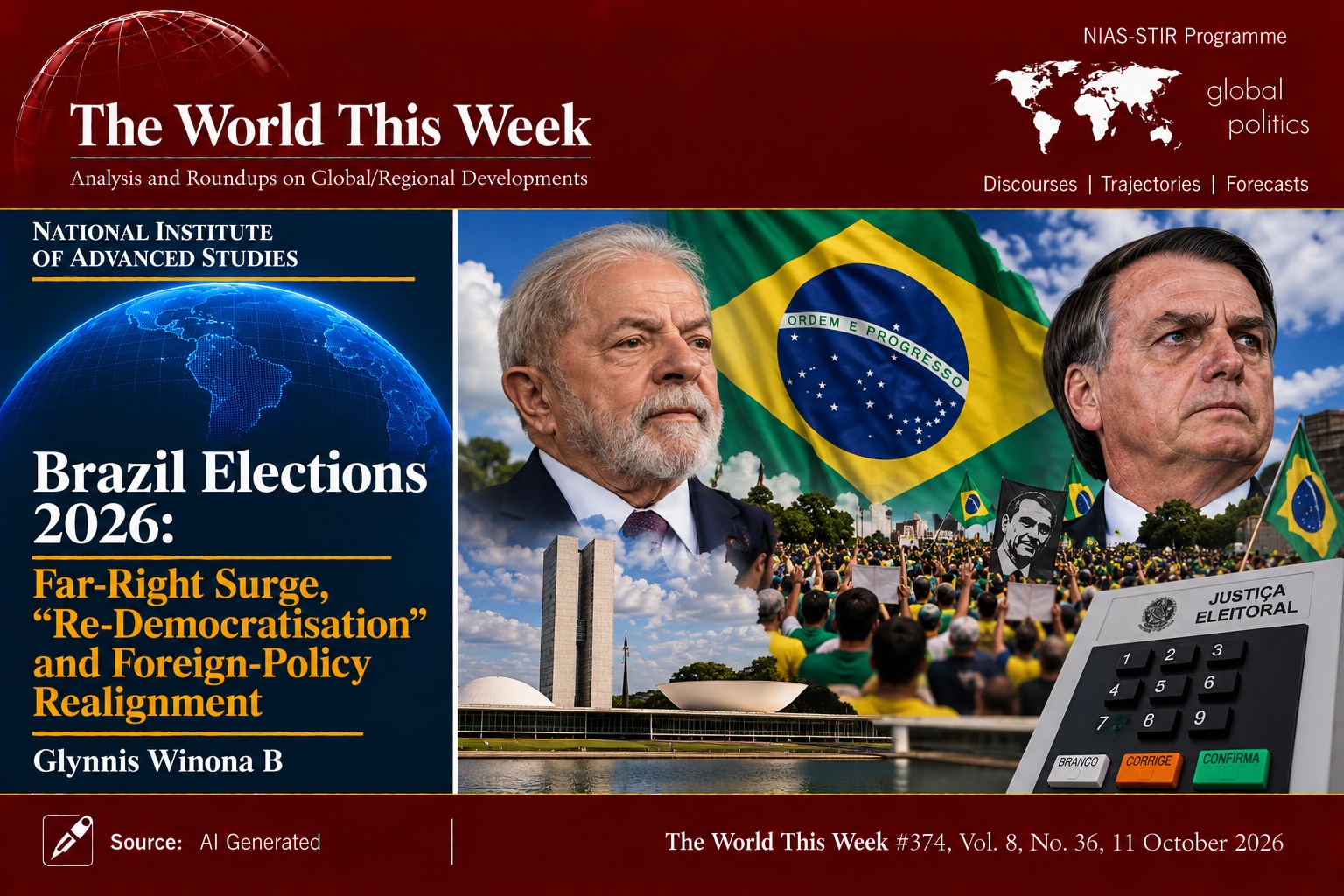
On 25 October, Luiz Inácio Lula da Silva won the fourth presidential term with 51.79 per cent of the vote against 48.21 per cent for Flávio Bolsonaro. The winner made a comeback after the first-round defeat and became the only candidate with four presidential mandates in the history of democracy in Brazil. In response to his loss in the election, Flávio Bolsonaro declared that he would challenge the results of the vote.
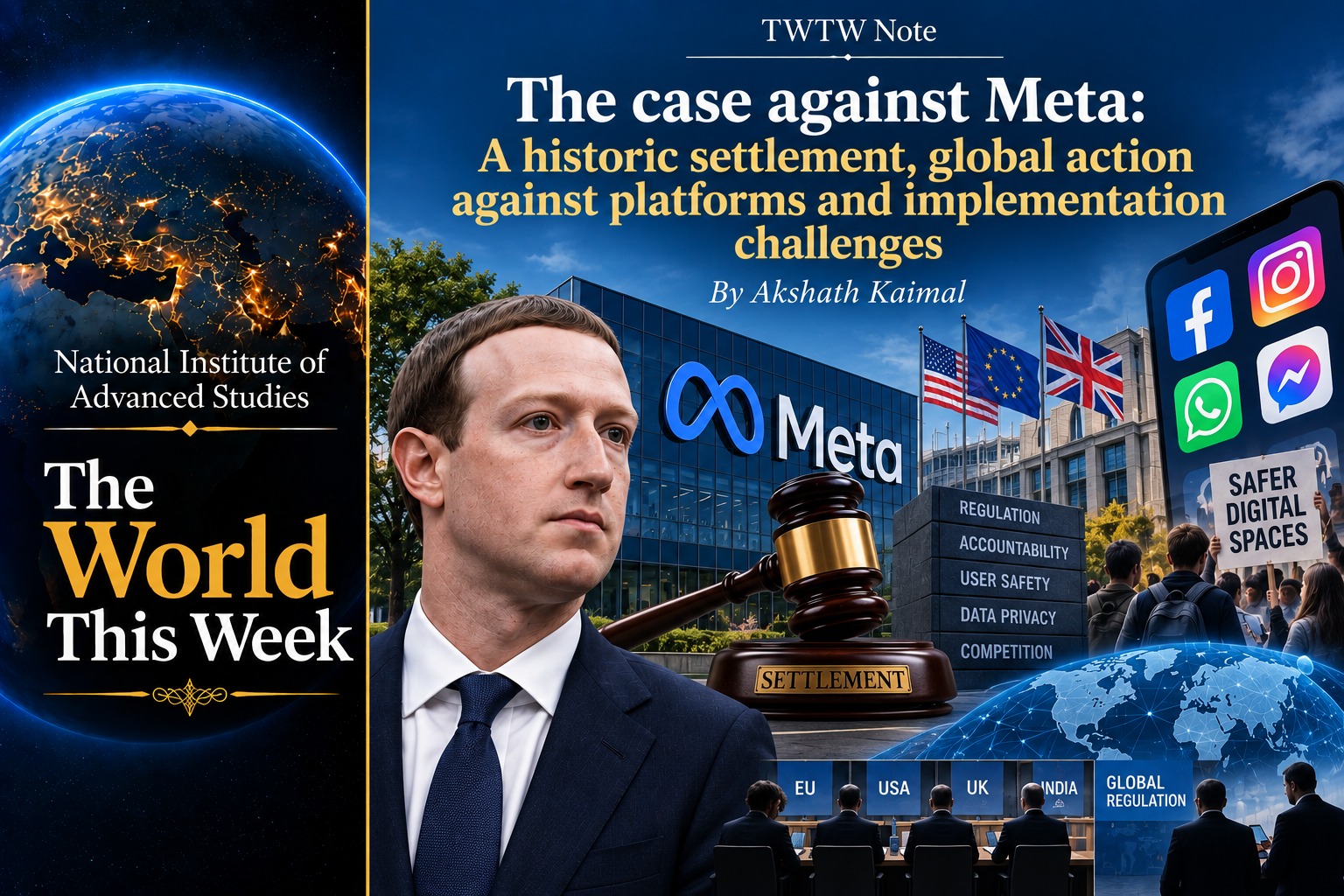
In the closing stage of the election, Lula bolstered his digital campaign using smartphone videos and WhatsApp groups to appeal directly to youth voters. Moreover, there were claims of Meta's manipulation and bias with the help of algorithms in favour of certain political messages. However, the company claimed that there was no political preference but only technical errors. Furthermore, there was a reduction of abstention in the runoff election in Brazil to approximately 19.2 per cent.
The following are five takeaways from the Brazil Elections 2026:
1. Lula’s political legacy and the shifting nature of the electoral process
The political revival of Lula has to be analysed in the context of increasing political polarization in Brazil and changing voting preferences of the Brazilian people. Lula’s two presidential mandates (2003-2010) have been marked by anti-poverty programs, welfare benefits and economic growth in the country. At the same time, the present political situation of Lula has been undermined by such factors as inflation, corruption scandals and criticism regarding the Workers' Party. On the other hand, Flávio Bolsonaro has been using the conservative political platform of his father Jair Bolsonaro.
2. Campaigning on the web and increased importance of young voters
The social networking sites have become increasingly important tools in political mobilization in Brazil. The previous success of Jair Bolsonaro showed the effectiveness of digital tools in engaging voters other than those in traditional political organizations. In his campaign, Lula tried to redress the balance in the last three weeks before the election. Through the creation of the WhatsApp group Lula’s Army, Congressman André Janones was able to mobilize his followers through video clips, hashtags and online messages. Lula's use of selfie videos and mobile phone communication is a reflection of the desire to reach out to younger voters.
3. Algorithmic governance and the accountability of technology companies
The claims against Meta raise broader questions regarding the power of private technology firms in influencing the democratic process. Instagram, Facebook, and WhatsApp are capable of exerting influence over the dissemination of political information. In this sense, the limits on political accounts and algorithmic curation could lead to a situation where political communication is biased towards certain candidates. According to research from the field of political communication, specifically Tarleton Gillespie’s studies about the importance of algorithms in the matter, platforms are able to do so by controlling and distributing the information. Nevertheless, the Brazilian situation does not show any coordination of efforts between the US government and American technology companies in order to influence the election.
4. Voter turnout and the issue of democratic legitimacy
Decreasing levels of abstention in the second round are linked to the mobilization of voters resulting from the results of the first round. As The Indian Express reports, based on the data available, nearly three million extra people turned up to vote in the runoff, thereby lowering the rate of abstention from 21.08 per cent to 19.2 per cent. On the other hand, the lack of concession by Bolsonaro and his challenge to the results indicate that maintaining institutional trust in such a politically polarized situation is difficult. In other words, two interrelated questions are raised by the election in question.
5. Brazil’s autonomous position in a changing geopolitical sphere
Consequences of the victory go beyond domestic politics in Brazil. Considering Brazil is the biggest economy in Latin America, the political course taken by the country will have an impact on regional alignment, South-South cooperation and interaction with great powers. Lula's fourth mandate will affect the relations between Brasília and Washington, especially given the ideological contradictions with the Trump administration, but also his position in BRICS and other clubs of emerging economies. This presidential race also shows that the role of digital platforms in modern democratic politics grows bigger each year. The use of social networks to reach out to young people and accusations of the bias of algorithms bring up issues of digital governance and transparency of the electoral process. Domestically, Lula has to manage a politically polarised country, with a conservative Congress, budget constraints and ideological divisions. Bolsonaro's unwillingness to accept defeat shows how difficult it is to preserve trust in institutions after a controversial election.
To summarise, the results of the Brazilian election are a reflection of three interrelated trends – the endurance of established political elites, the growing role of digital technologies in democracy and the geopolitical significance of Latin America's biggest economy.
About the author
Swetang is a PhD Scholar at NIAS, specialising in Arctic security, governance, and the broader geostrategic landscape. He holds an undergraduate degree in geography and a Master's in International Relations and Peace Studies.