CWA # 2334
TWTW Takeaways
The Third Russia-Africa Summit:
Four takeaways on Expanding trade, Africa's attempt to diversify partnerships and Moscow's limited influence
The World This Week #376-378, Vol 8, Nos. 38-40, 08 November 2026

|
Akshath Kaimal
8 November 2026
|
Between 28-29 October, Moscow hosted the Third Russia-Africa Summit, led by Russia’s President Vladimir Putin and African Union Chairperson Évariste Ndayishimiye. It brought together representatives from 48 African countries, including 22 heads of state. The summit was first launched in Sochi in 2019 in an attempt to revive Moscow’s historical relationships with African countries, expand economic and military cooperation, and establish a platform to expand Russia’s influence on the continent. It also reflected Moscow’s ambition to strengthen its position among developing countries and diversify its international partnerships. The second summit, held in St Petersburg in July 2023, took place amid Russia’s growing diplomatic isolation following its invasion of Ukraine and the imposition of Western sanctions. At that meeting, leaders agreed to hold future summits every three years, resulting in the 2026 edition. Putin described Russia’s intentions as “seeing African countries defend their sovereignty, develop with confidence and strengthen their economies and social spheres,” while Ndayishimiye emphasised the “importance of ensuring that these resources generate tangible benefits for the continent’s population.”
The following are four takeaways from the Third Russia-Africa Summit:
1. The summit produced a broad set of agreements with implementation remaining the key test
The summit adopted three principal documents: the Joint Declaration of the Third Russia-Africa Summit, the Declaration on Cooperation in the Field of Civilian Applications of Artificial Intelligence Technologies, and the Russia-Africa Partnership Forum Action Plan for 2027-2029. Separate action plans involving the African Union Commission and SADC were also signed. Russian presidential adviser Anton Kobyakov reported that more than 60 agreements had been signed during the summit and accompanying forum. These included intergovernmental, institutional, and commercial agreements, whose individual value and implementation status remain unclear. Defence cooperation was central to the discussions. Putin said Russia had military-technical cooperation agreements with 45 African countries. He also reported that bilateral trade exceeded USD 27 billion in 2025 and set a target of USD 50 billion but did not provide a timeline for the same. The outcomes indicate an effort to move beyond political declarations. But practical constraints, including sanctions, infrastructure and disrupted supply chains mean implementation remains a key test, particularly in realising tangible benefits for African partners.
2. Russia is seeking expanded strategic influence in Africa, but its economic and security capacity has limits
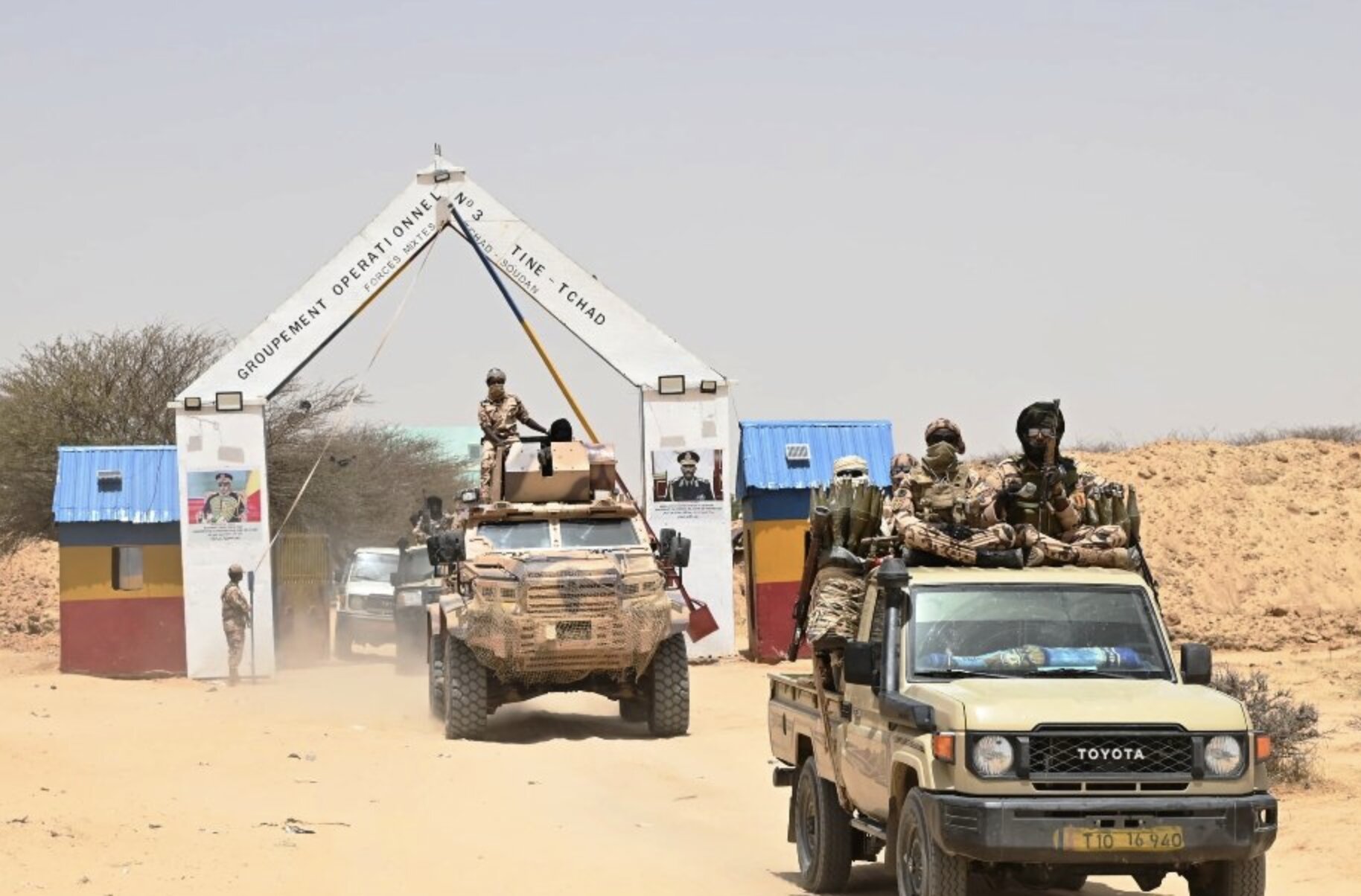
Russia’s expanded engagement with Africa is a partly attempt to offset diplomatic isolation following its invasion of Ukraine. Moscow also wants to demonstrate that it retains influence beyond its immediate neighbourhood. Since 2023, Moscow has opened eight new embassies on the continent, bringing its total to 48, while also expanding military, agricultural, and energy partnerships with African countries. With its 54 countries representing the largest regional voting bloc in the UN General Assembly, Africa also offers much needed diplomatic support for Russia. However, Russia’s economic presence remains comparatively limited. Its trade with Africa reached approximately USD 27 billion in 2025, against around USD 348 billion for China and USD 367 billion for the EU. In addition to this, despite Russian-backed forces having expanded defence cooperation across the Sahel, average annual deaths linked to violent extremism in the region rose sharply from 927 in 2016-2019 to 10,470 in 2022-2025, reflecting the complex security environment in the country. Russia can offer arms, grain, fertilisers and selected energy projects, but its ability to match the scale of Chinese or Western investment remains constrained.
3. Africa’s engagement with Russia is an attempt to diversify partnerships
African participation in the summit reflects a broader strategy of diversifying partnerships rather than a collective shift towards Russia. For some governments, particularly in the Sahel, Russia offers military assistance and diplomatic engagement without the political conditions associated with some Western partnerships. For others, cooperation in grain, fertilisers, nuclear energy, mining and education offers opportunities to address specific development needs. Russia said it supplied more than 18 million tonnes of grain to African countries in 2025, while nearly 40,000 African students are currently studying in Russia. Yet African governments are also seeking more than commodity supplies and security assistance. The summit declaration itself calls for local processing of minerals, technology transfer, value-added exports and job creation, reflecting a longstanding concern that external partnerships have not sufficiently supported industrialisation on the continent. Whether Russia can meet these demands remains uncertain, particularly given its relatively modest trade and investment capacity.
4. While multipolarity was the objective, Russia-Africa engagement is unlikely to transform the international order
The summit reflects the growing great power competition in Africa, but it is unlikely to create a fundamental shift in the international order, despite the Joint Declaration calling for the same. China’s position, for instance, illustrates the difference between diplomatic outreach and sustained economic engagement. The Forum on China-Africa Cooperation (FOCAC), established in 2000, has held regular summits and ministerial meetings every three years, creating an institutional framework for long-term cooperation and helping trade between the two reaches USD 348 billion in 2025. The US and EU also maintain extensive economic and political ties with African countries, and Russia’s presence is unlikely to displace these established partnerships, despite being the primary security provider for the countries in the Sahel and Horn of Africa. For the US and EU, Moscow’s growing security role, particularly in the Sahel, complicates their influence, but is unlikely to replace them. China, meanwhile, faces competition in selected sectors but retains a much deeper economic foothold going back decades. While the summit produced a host of agreed documents spanning multiple sectors, Russia is still held back by sanctions and international isolation, which will ultimately limit its influence on the continent.
About the author
Akshath Kaimal is a postgraduate in International Studies and International Humanitarian Action. He is currently a Research Assistant at the National Institute of Advanced Studies (NIAS), Bengaluru, and is part of the NIAS Pakistan Reader team.