
Photo : CGTN/CMG
Beijing launches new remote sensing satellites
In Brief
INTERNAL
China’s import expo opens with record overseas participation
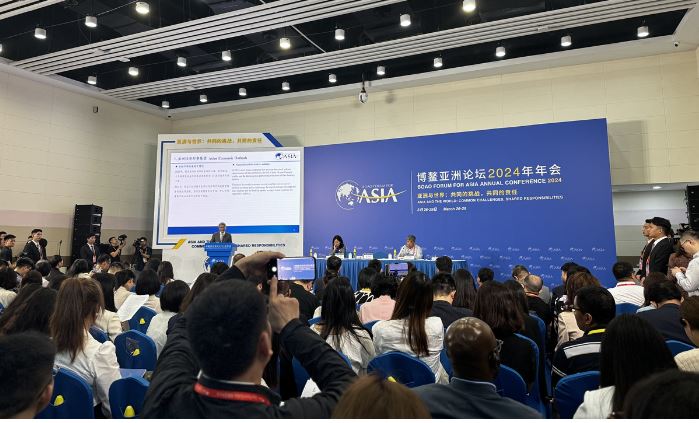
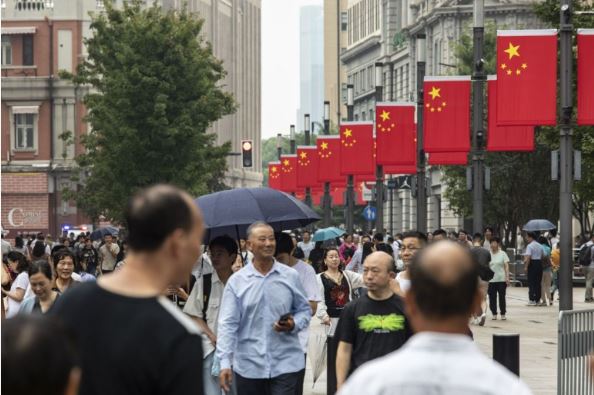
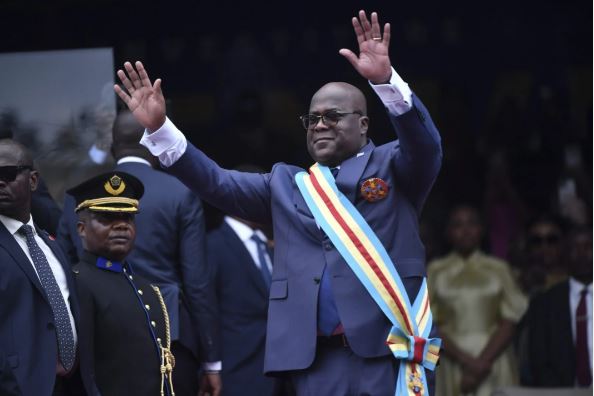
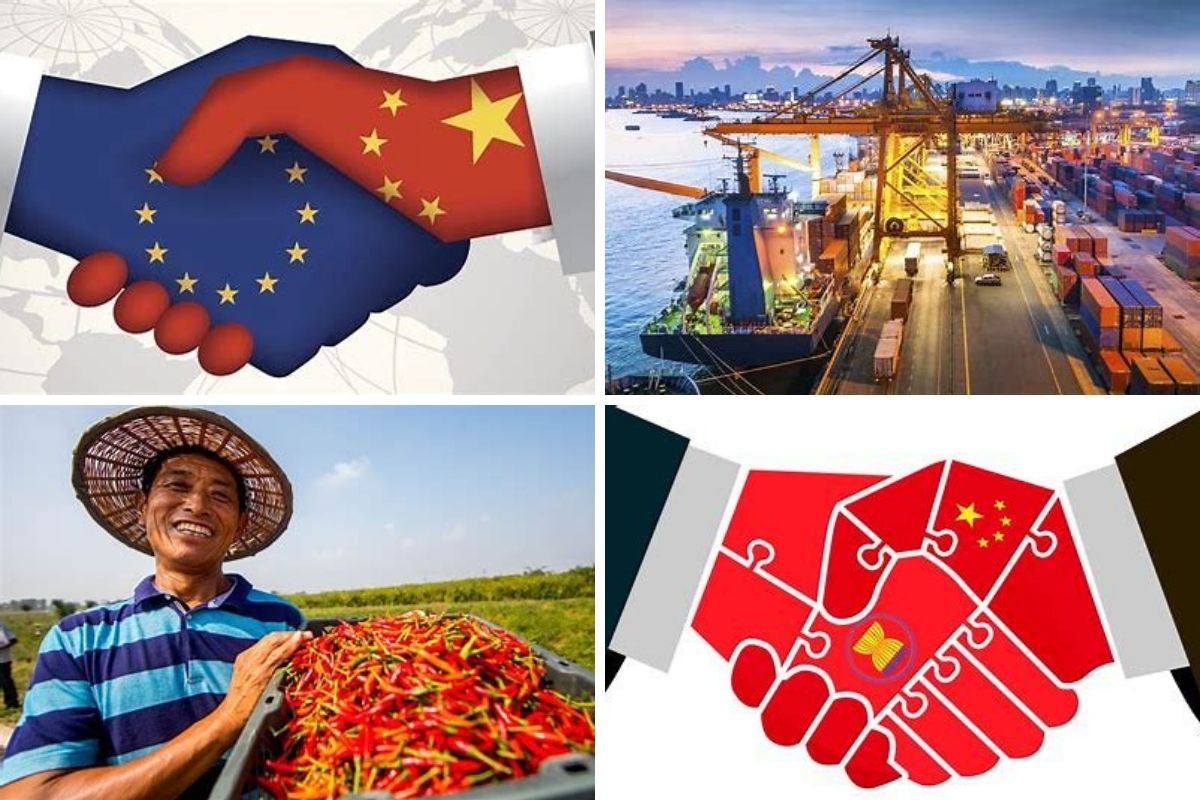
On 06 November, China Daily reported that the ninth China International Import Expo opened in Shanghai, with a record 4,142 overseas exhibitors and, for the first time, an exhibition area exceeding 440,000 square metres. More than 480 products and services are expected to make their debut, while over 300 Fortune Global 500 companies and industry leaders are attending. The expo runs through Tuesday, and Chinese officials position it as a platform for trade and international cooperation amid global economic uncertainty. Vice-Premier Ding Xuexiang said the event promotes an open world economy. UN Development Programme Administrator Alexander De Croo described it as an important space for dialogue and cooperation. Austria’s Chancellor Christian Stocker called for deeper engagement with China, while Gabon’s President Brice Clotaire Oligui Nguema welcomed China’s green transition and digitalisation.
(“9th China International Import Expo opens in Shanghai,” China Daily, 06 November 2026)
https://www.chinadaily.com.cn/a/202611/06/WS6aecade1e4b03ebf8519a9dd.html
China passes law targeting cross-border corruption
On 06 November, China Daily reported that China’s top legislature had adopted a law to prevent and punish cross-border corruption. The legislation aims to strengthen international cooperation on corruption cases and protect China’s sovereignty, security and development interests. It contains 47 articles across six chapters, covering case handling, cooperation with other countries, integrity and compliance, and legal responsibilities. The law also tightens rules on protecting state and commercial secrets, as well as personal data gathered during investigations. Chinese companies operating across borders will be required to establish anti-corruption compliance measures suited to their size, activities and risk exposure. The legislation was revised this month to broaden its scope and support what Xinhua described as a fairer global system for anti-corruption governance.
(“China passes law to combat cross-border corruption,” China Daily, 06 November 2026)
https://www.chinadaily.com.cn/a/202611/06/WS6aed32c5e4b03ebf8519abd7.html
SCIENCE AND TECHNOLOGY
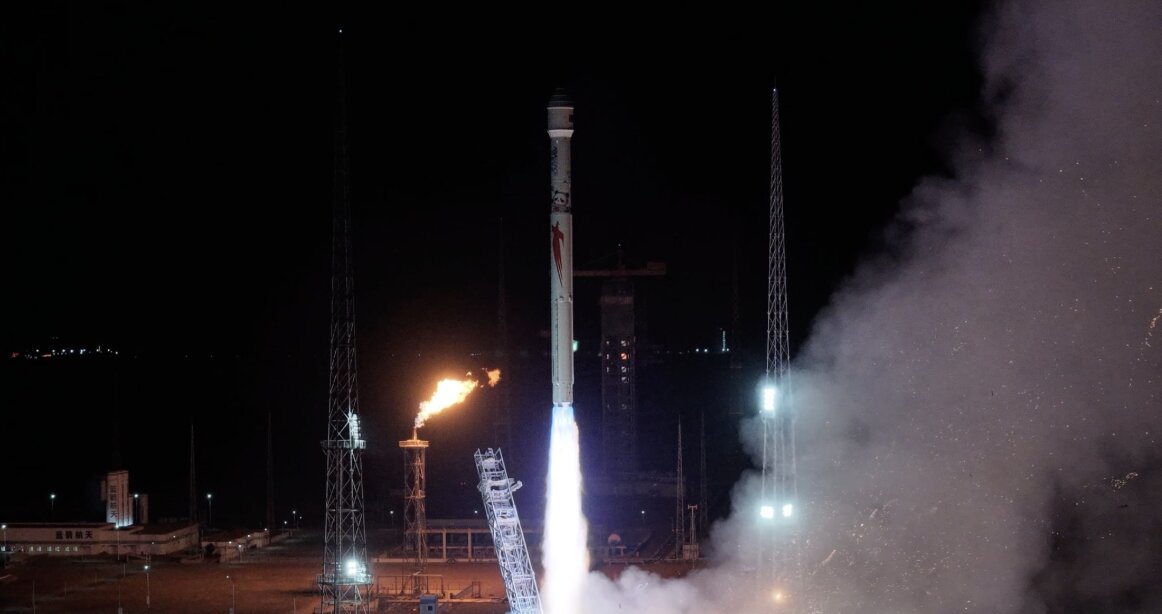
Beijing launches new remote sensing satellites
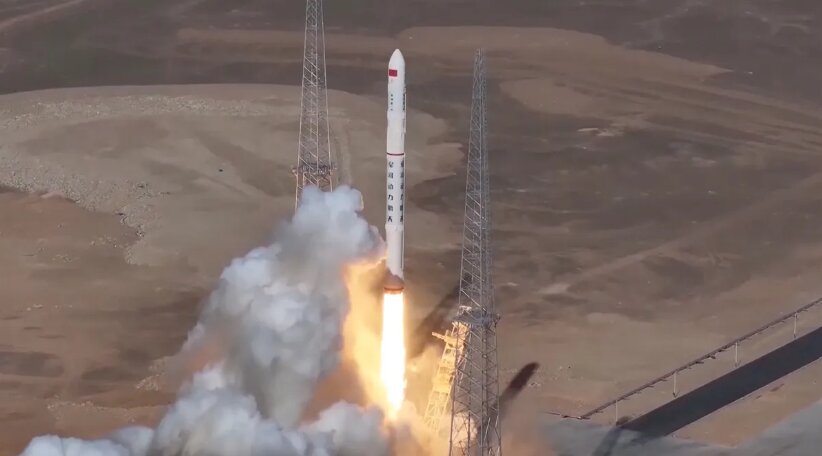
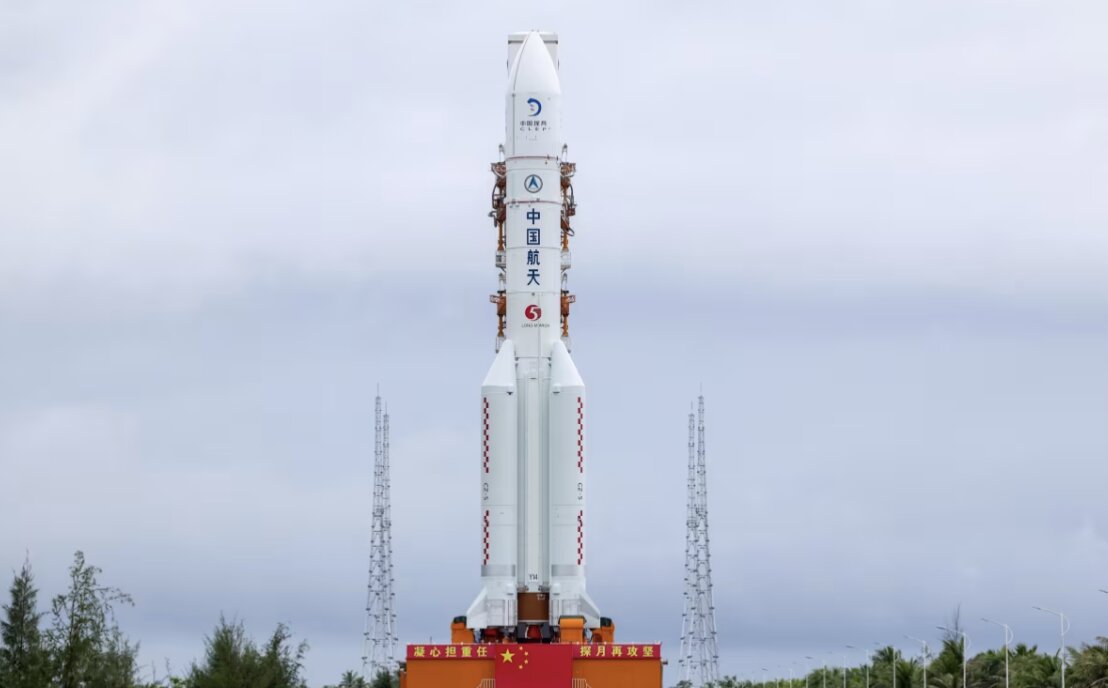
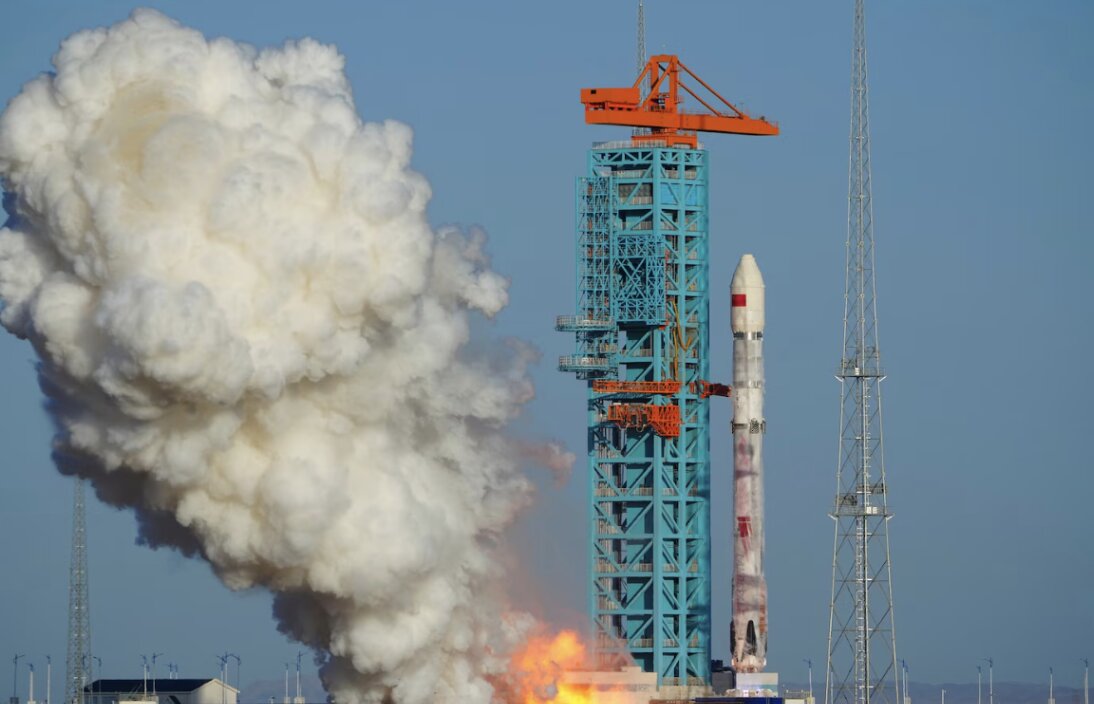
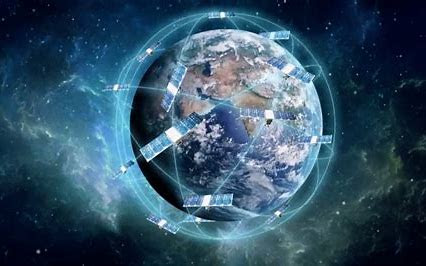
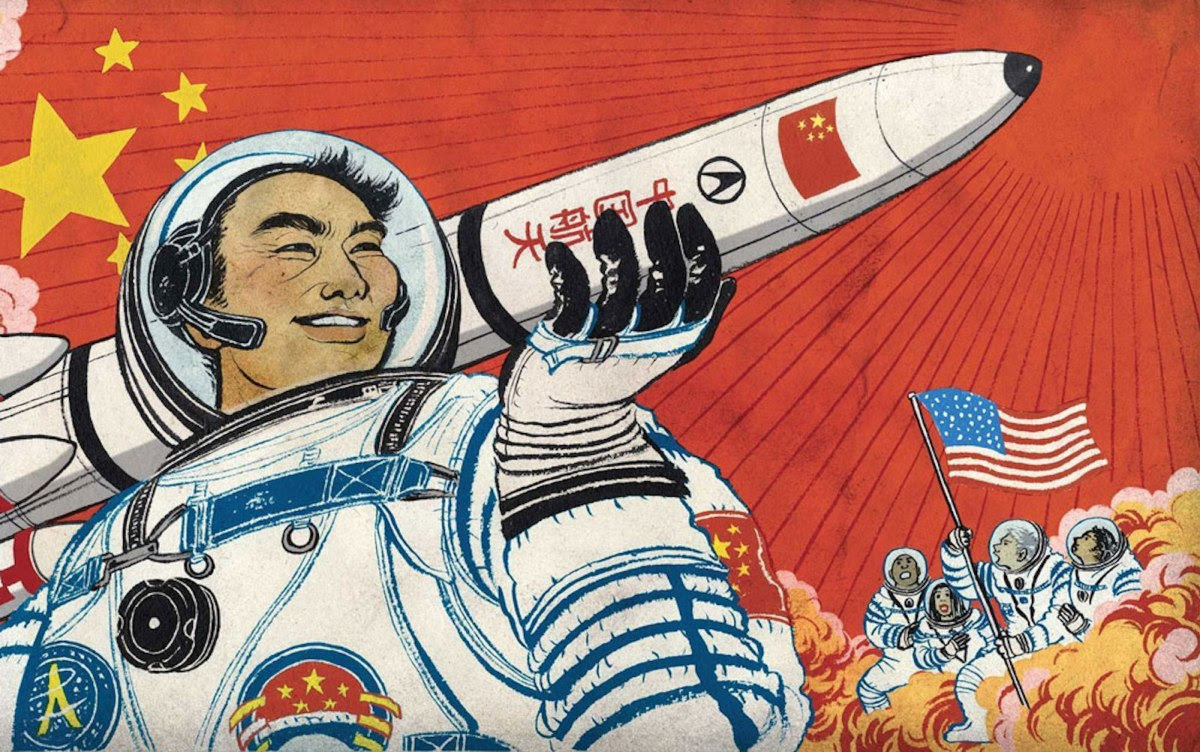
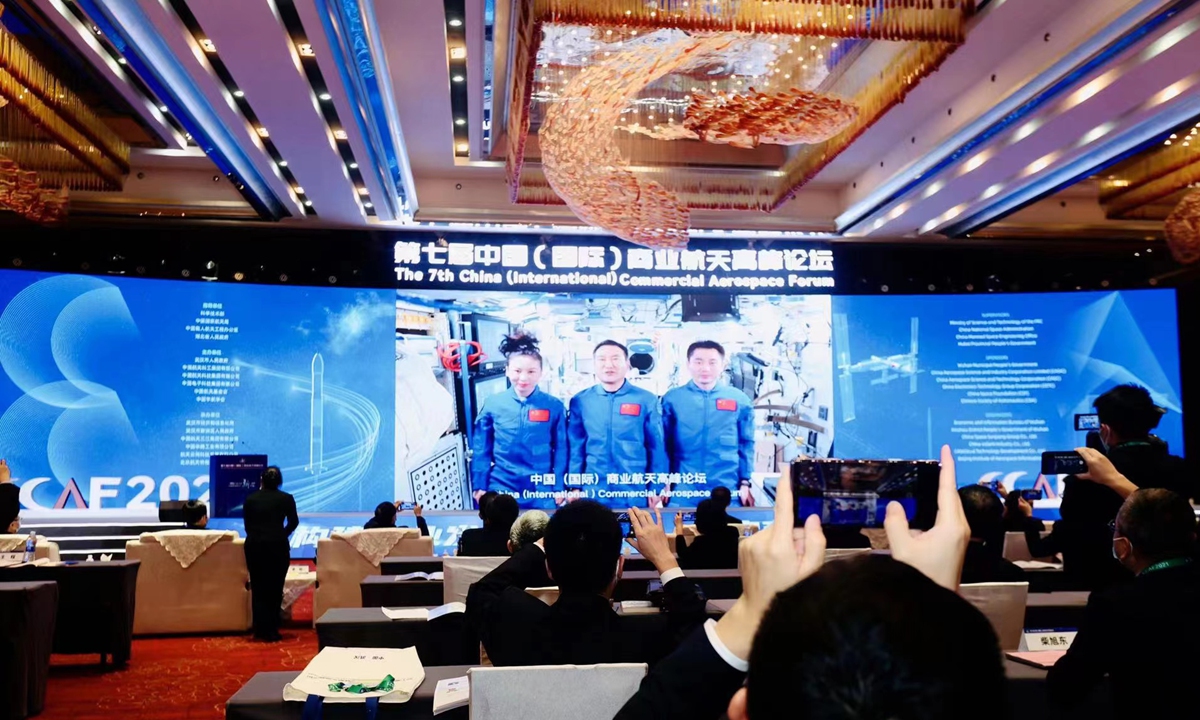
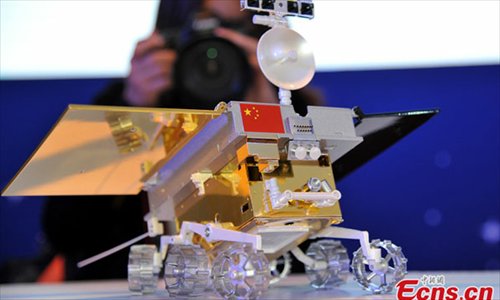
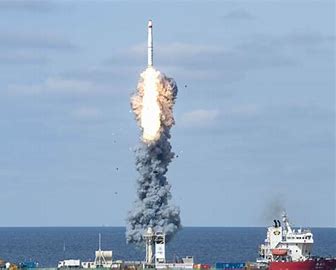
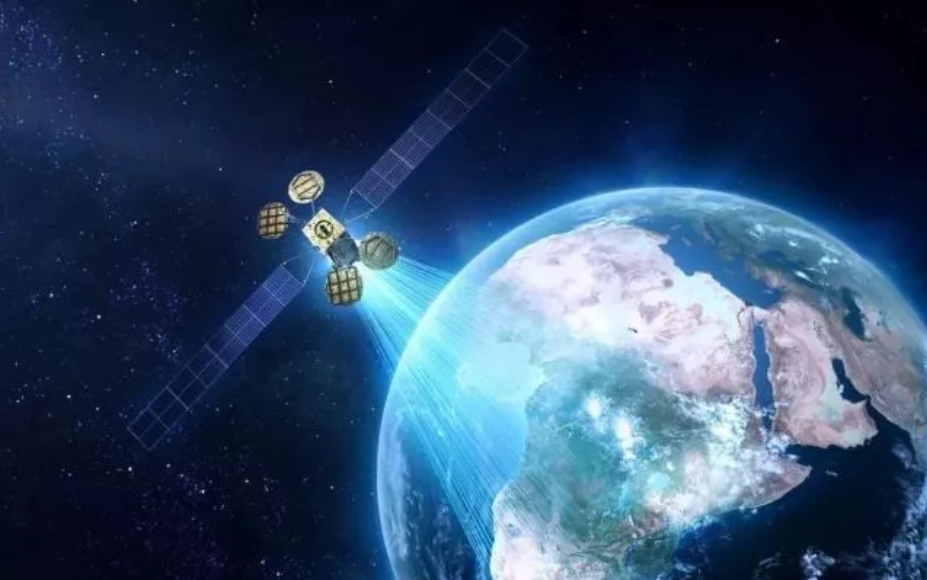
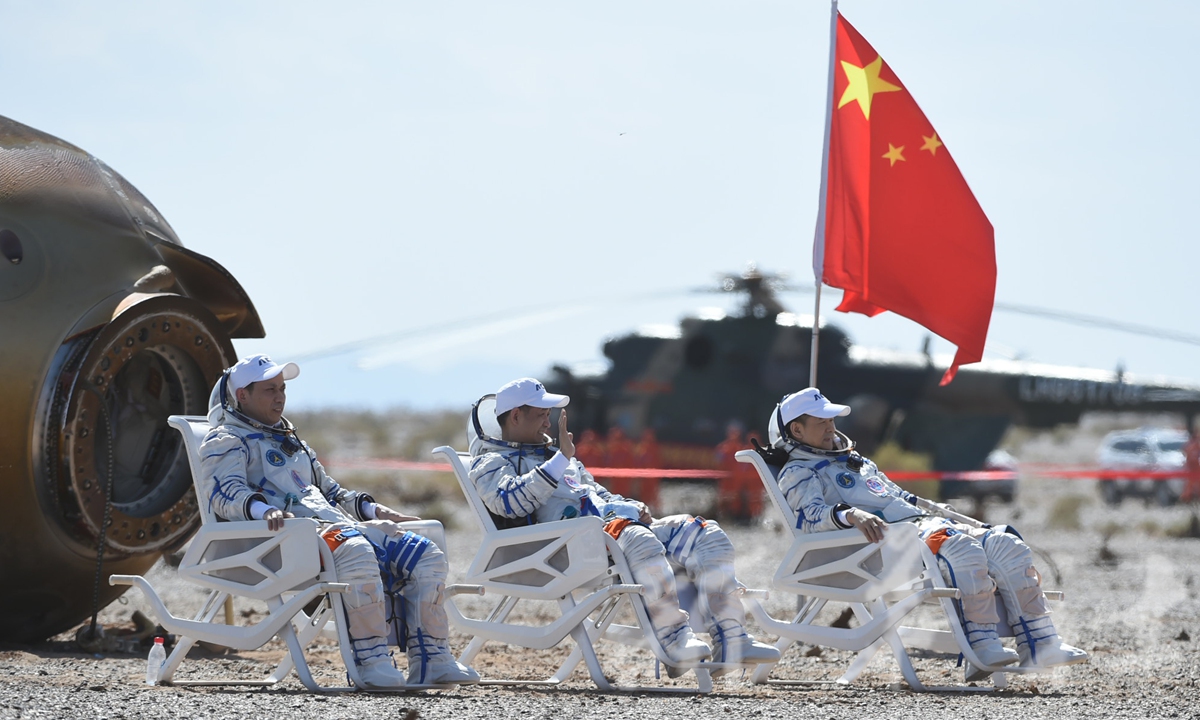
On 06 November, CGTN reported that China launched a group of remote sensing satellites from the Xichang Satellite Launch Centre on 05 November. The satellites, 07-09 of the Yaogan-51 group, were said to be launched at 11:58 p.m. (Beijing Time) aboard a Long March-2C carrier rocket, and they entered the preset orbits successfully. These satellites are said to be used for scientific experiments and electromagnetic environment detection. This launch marked the 675th mission of the Long March carrier rockets.
("China launches new remote sensing satellites," CGTN, 06 November 2026)
https://news.cgtn.com/news/2026-11-06/China-launches-new-remote-sensing-satellites-1RQjEcsbQjK/p.html
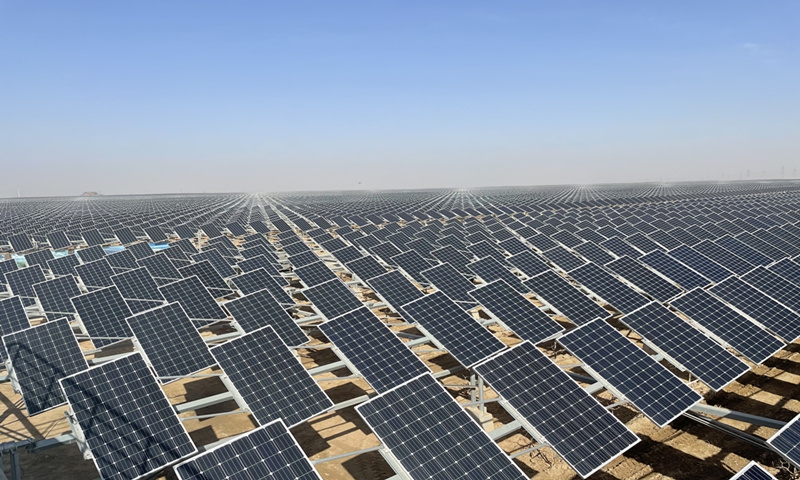
China's Xizang now operates the world’s highest-altitude grid-connected solar thermal power station
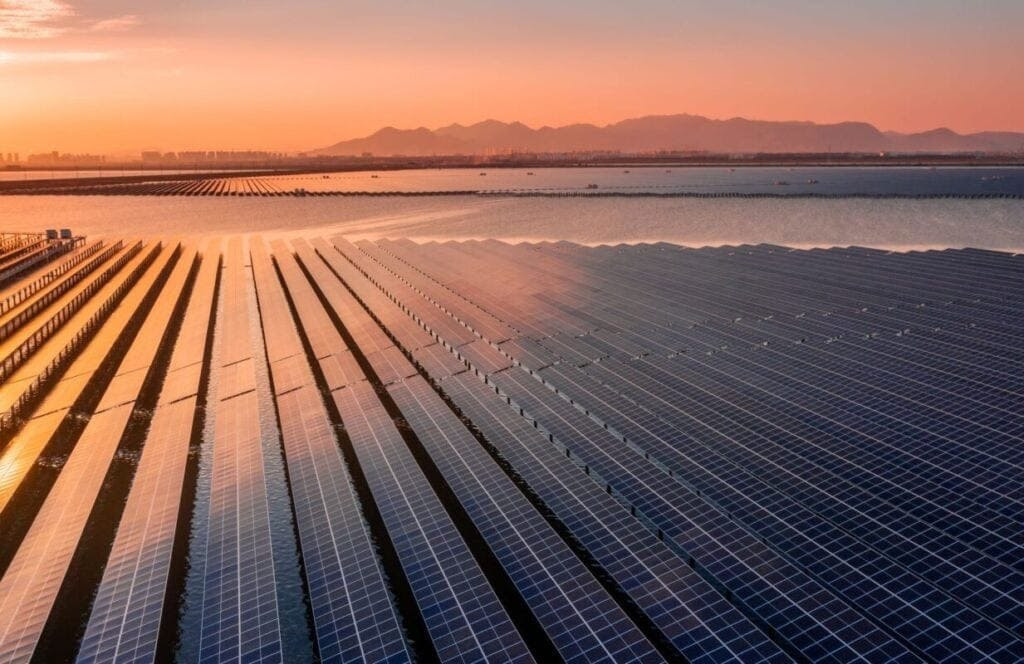
On 06 November, Global Times reported that China's Xizang region had connected the first generating unit of a solar power demonstration project to the national grid, marking the start of operations at the world's highest-altitude grid-connected solar thermal power station. Located in Gar County, Ngari Prefecture, at an average altitude of 4,300 metres, the zero-carbon project was developed by China General Nuclear Power Group (CGN) with a total installed capacity of 150 megawatts, comprising 100 megawatts of photovoltaic power and 50 megawatts of solar thermal power. The facility is said to store surplus daytime electricity as thermal energy, enabling power generation at night and during periods of insufficient sunlight. Once fully operational, it is expected to generate 270 million kilowatt-hours annually, reduce carbon emissions by 168,200 tonnes and create sustainable economic opportunities for local communities.
("World’s highest-altitude grid-connected solar thermal power station begins operation in China’s Xizang," Global Times, 06 November 2026)
https://www.globaltimes.cn/page/202611/1373784.shtml
CHINA AND SOUTHEAST ASIA
Hanoi wants China-Laos cooperation to contribute to regional stability
On 05 November, Reuters reported that Vietnam’s foreign ministry stated that cooperation between countries should comply with international law and contribute to peace and stability. This comes after China and Laos recently established a joint training facility. Foreign Ministry spokesperson Pham Thu Hang stated that Hanoi hoped Laos would develop in a peaceful, independent, and self-reliant manner. Hang stated that Vietnam believed that cooperation among countries should be treated in accordance with international law, the Treaty of Amity and Cooperation in Southeast Asia, and the principles of the UN Charter. This cooperation should act as a positive contribution to peace, stability, prosperity and stability in the region. China and Laos established the joint training facility at an airport in Laos, raising regional concerns about the expansion of Beijing’s security ties with Southeast Asian countries. In September, China’s defence ministry announced that it had set up the facility at Ban Keun, outside the Laos capital of Vientiane.
(“China-Laos military cooperation should contribute to regional stability, Vietnam says,” Reuters, 05 November 2026)
https://www.reuters.com/world/china/china-laos-military-cooperation-should-contribute-regional-stability-vietnam-2026-11-05/
CHINA AND SOUTH ASIA
India identifies Chinese AI tools behind hacking of financial firms
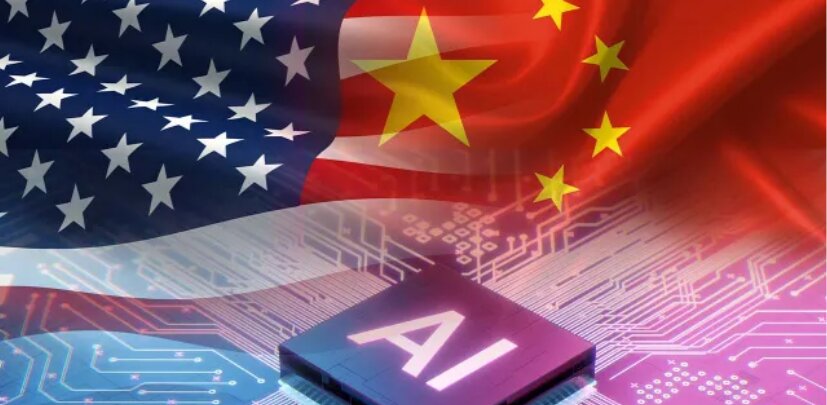
On 05 November, Reuters reported that India’s cybersecurity agency CERT-IN named the hacking group behind a wave of AI-driven attacks on financial firms and identified its tools, at least two of them linked to China, adding India to a long list of countries where such tools have been used against banks. The group, known as Crafty Falcon, has breached non-bank lenders, fintech firms and cryptocurrency exchanges. The advisory came after a spate of cyberattacks on Indian banks and non-bank lenders in recent weeks, even as authorities issued warnings and the Reserve Bank of India tightened cybersecurity checks. CERT-IN said that the attackers use publicly available AI tools to automate break-ins at machine speed, calling the threat active and ongoing. It named four tools: ARTEX, PentAGI, Cairn and CyberStrikeAI. CERT-IN said Crafty Falcon surveys its targets with machine intelligence and moves money by invoking victims’ own payment and disbursement systems.
(“India flags Chinese-linked AI tools in hacking campaign against financial firms,” Reuters, 05 November 2026)
https://www.reuters.com/legal/government/india-flags-chinese-linked-ai-tools-hacking-campaign-against-financial-firms-2026-11-05/
CHINA AND THE AMERICAS
China extends anti-dumping and anti-subsidy tariffs on US n-Propanol imports
On 05 November, Reuters reported that China will maintain anti-dumping and anti-subsidy duties on n-Propanol (NPA) imports from the United States for another five years, beginning on 07 November 2026. The decision follows expiry reviews by China's Commerce Ministry, which concluded that removing the tariffs could cause continued or renewed damage to China's domestic NPA industry. NPA is an important industrial chemical used in food packaging production and as a component of electrolytes in lithium-ion batteries for new energy vehicles. The extended measures impose anti-dumping duties of 254.4–267.4 per cent and anti-subsidy duties of 34.2–37.7 per cent, reinforcing trade restrictions on US chemical imports.
(“China to keep anti-dumping, anti-subsidy tariffs on US n-Propanol imports for five more years,” Reuters, 05 November 2026)
https://www.reuters.com/world/asia-pacific/china-keep-anti-dumping-anti-subsidy-tariffs-us-n-propanol-imports-five-more-2026-11-05/
Opinion
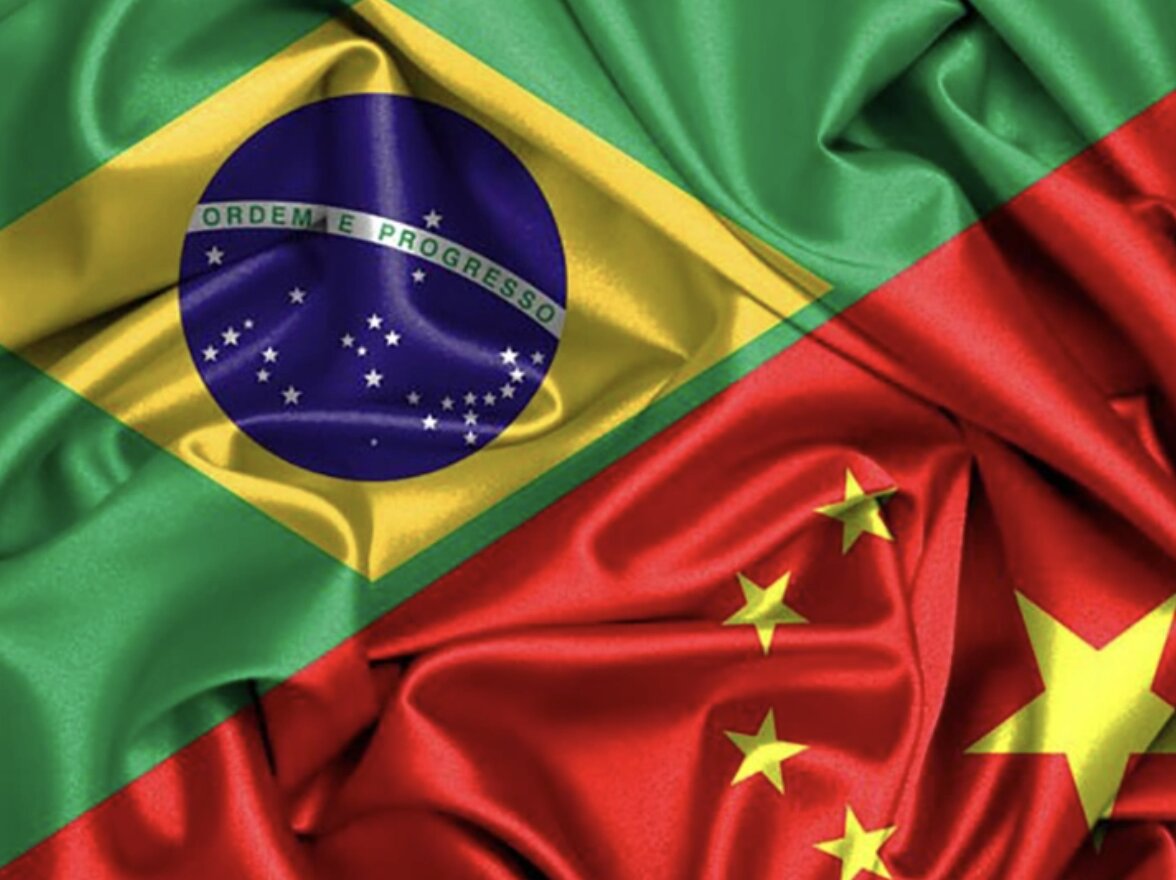
Alice Li, He Huifeng, “Is Lula’s upset win also a victory for Chinese firms in Brazil?” South China Morning Post, 06 November 2026“As economic ties between Beijing and Brasilia deepen, Brazil has become an increasingly important destination for Chinese investors. Lula’s re-election offers the prospect of policy continuity and closer bilateral ties, but it is not an unqualified win for Chinese companies. Brazil’s government wants Chinese capital to help develop its domestic industrial capabilities, rather than deepen its reliance on imported technology and manufactured goods. Chinese investment in Brazil rose 45% year on year to US$6.1 billion in 2025, making Brazil the world’s largest destination for Chinese investment. For Chinese companies, the opportunities remain substantial, but navigating Brazil’s political divisions and demands for local manufacturing will be crucial.”
US sanctions Chinese companies over alleged military support to Cuba, escalating tensions with Beijing
On 06 November, SCMP reported that the United States has sanctioned two Chinese companies, China National Electronics Import and Export Company (CEIEC) and Beijing H&C Technologies, for allegedly supplying military-related equipment to Cuba through Cuban procurement firm Sociedad Mercantil Duna in 2026. Washington accused the companies of supporting Cuba’s military and contributing to activities threatening US national security. Beijing rejected the sanctions as unilateral measures lacking international legal authority and vowed to protect Chinese businesses’ interests. The action also expands US sanctions authority to Cuba’s electronics, manufacturing, marine and technology sectors, potentially exposing more foreign companies, including Chinese firms, to restrictions.
(“US sanctions Chinese firms over alleged military supplies to Cuba,” South China Morning Post, 06 November 2026)
https://www.scmp.com/news/china/diplomacy/article/3373462/us-sanctions-chinese-firms-over-alleged-military-supplies-cuba