Photo : SCMP
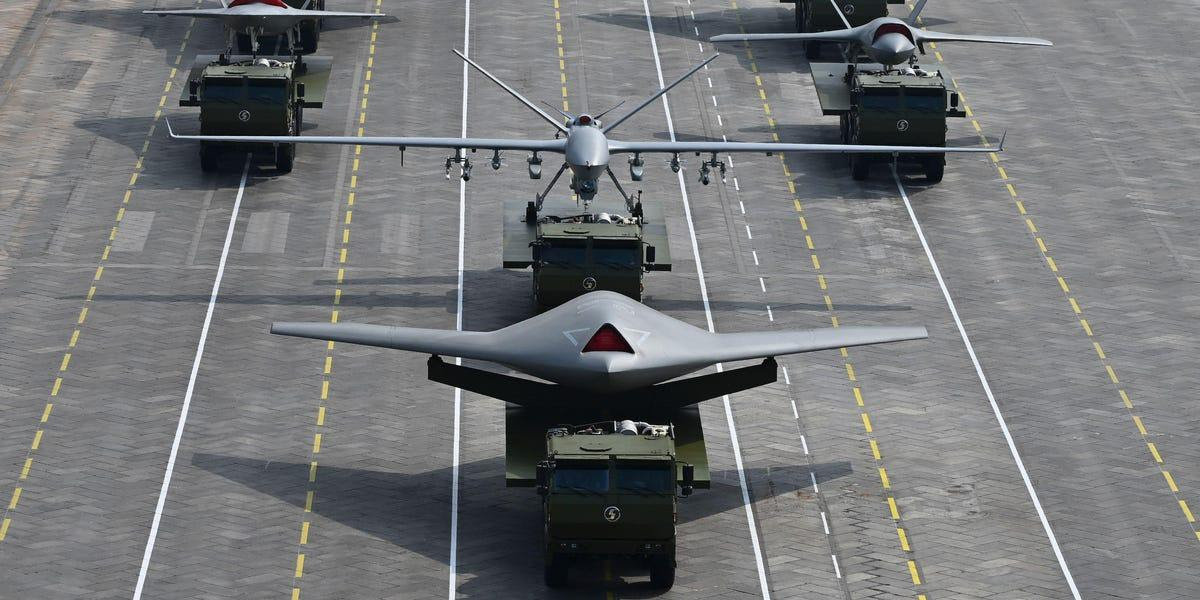
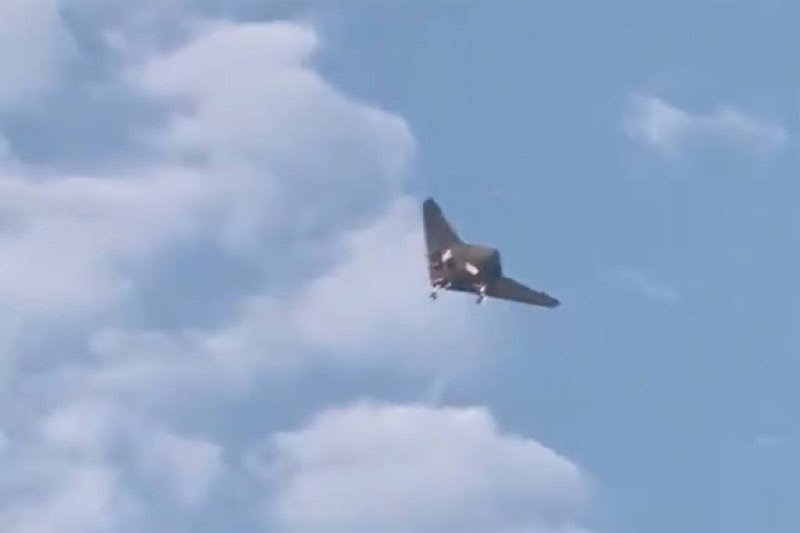
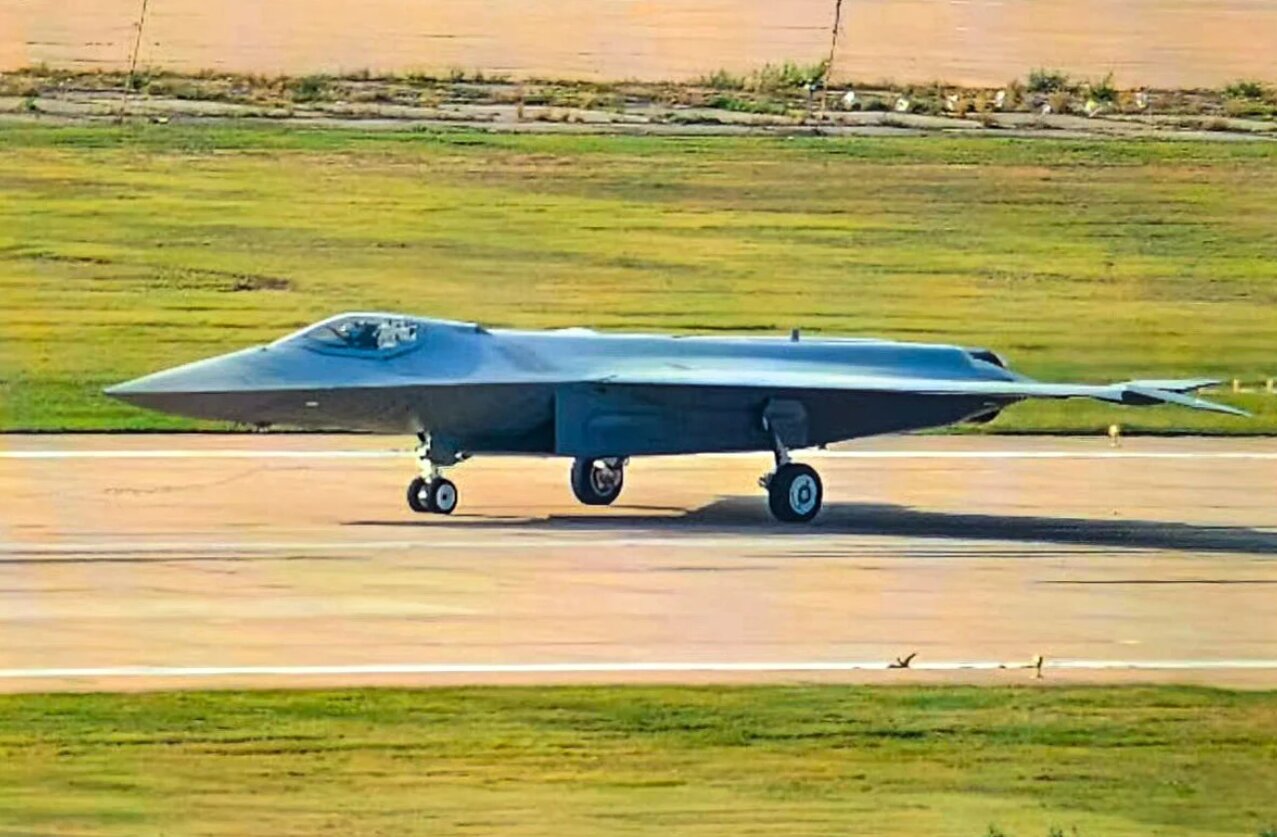
China’s GJ-21 stealth drone completes first takeoff
In Brief
INTERNAL
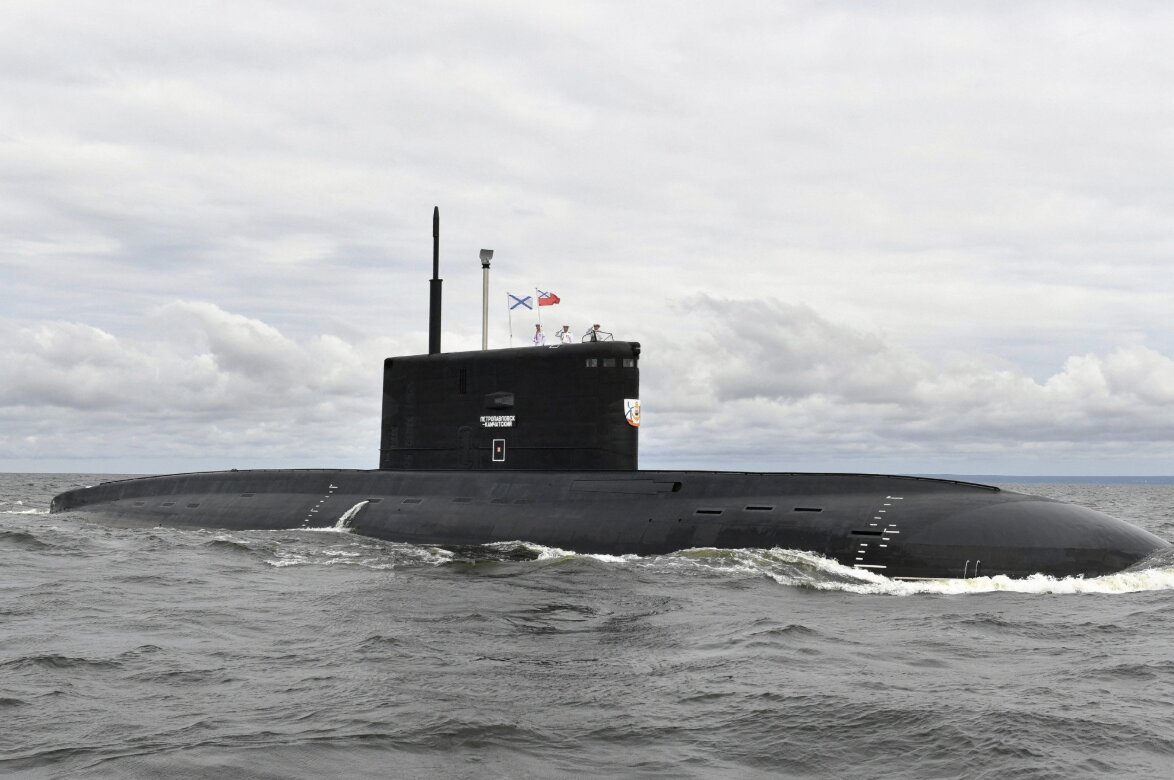
China’s GJ-21 stealth drone completes first takeoff and landing from naval ship
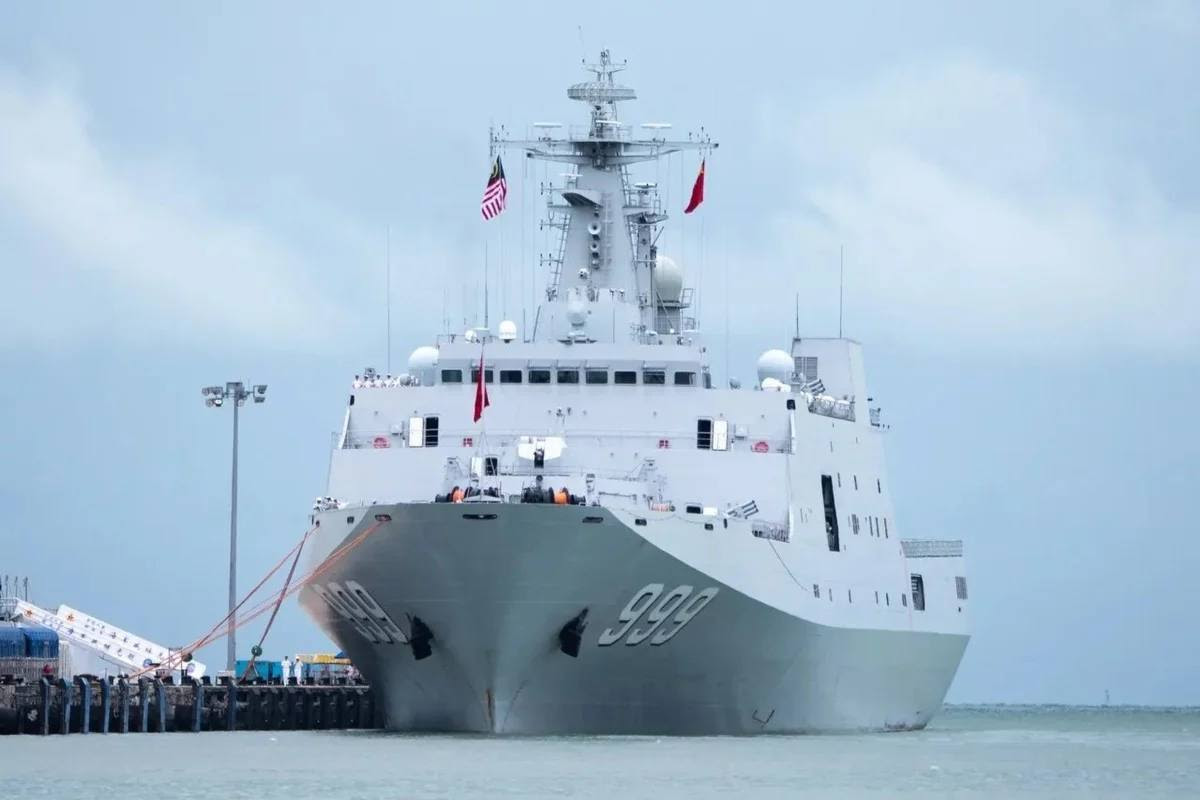
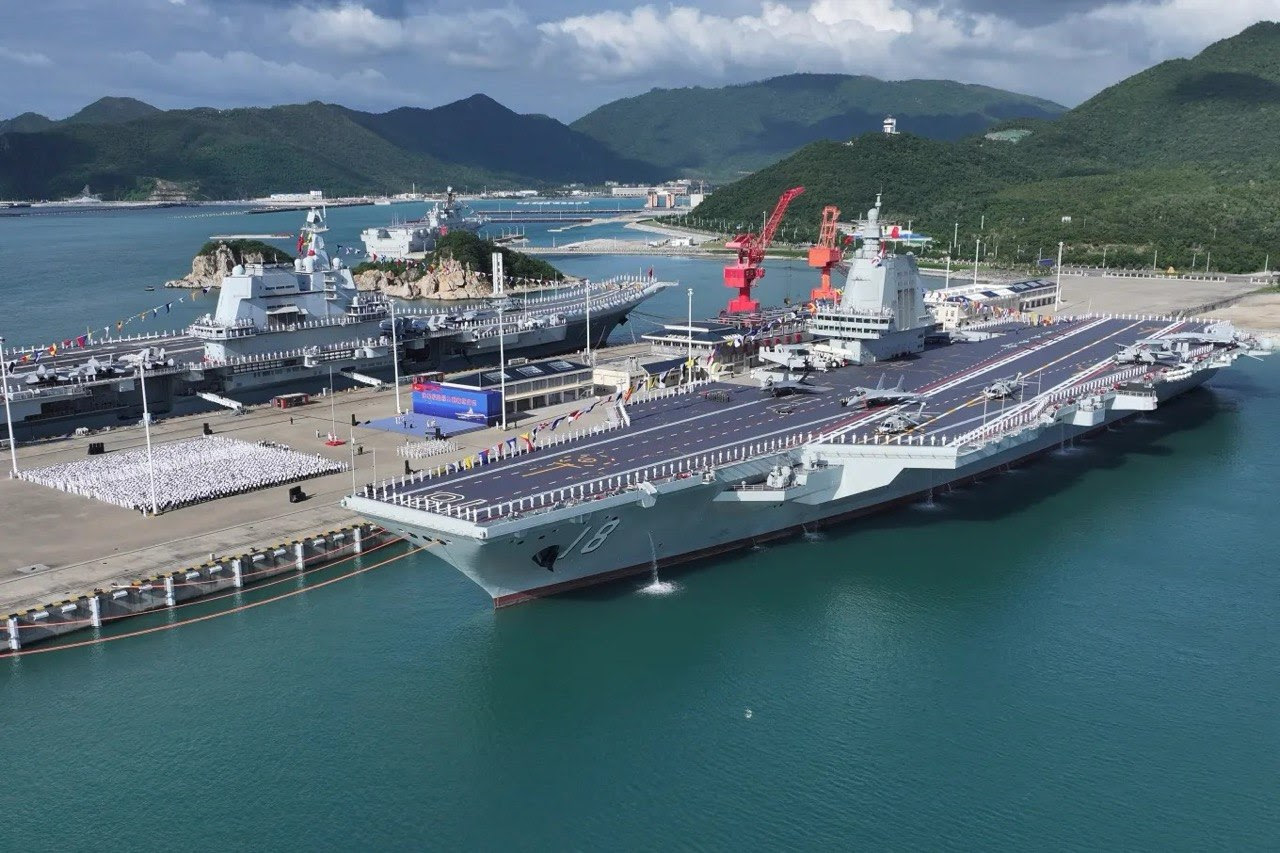
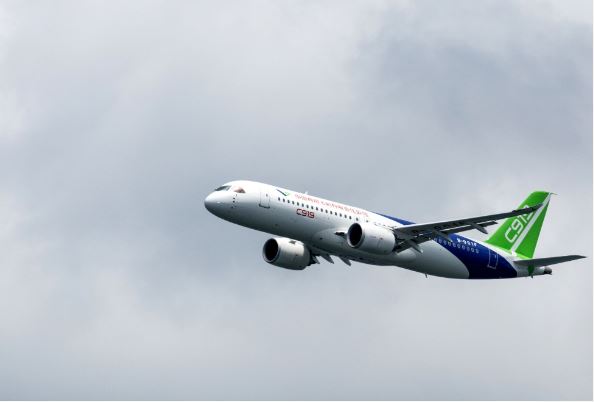
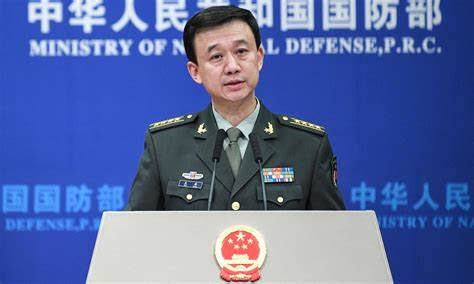
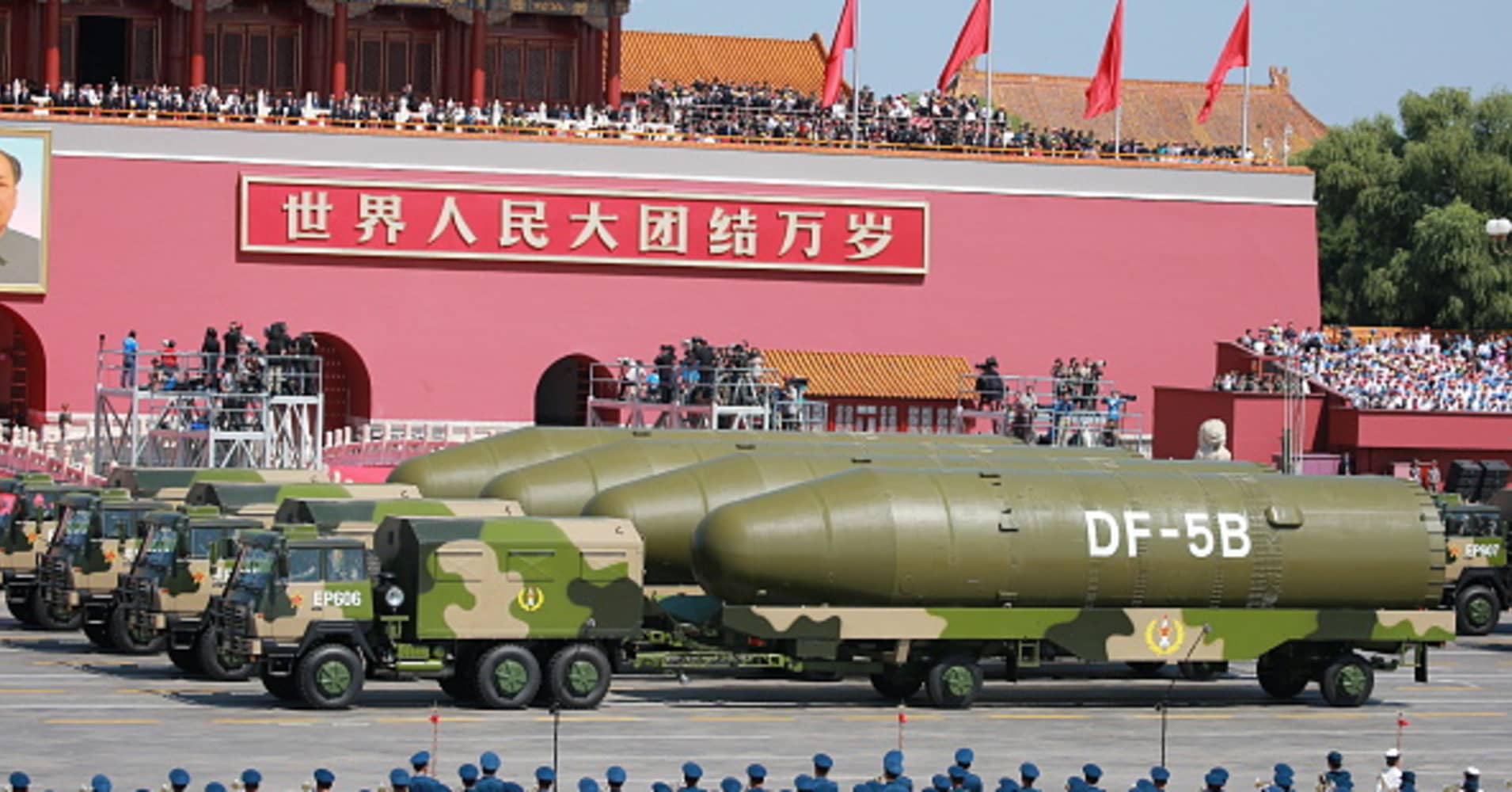
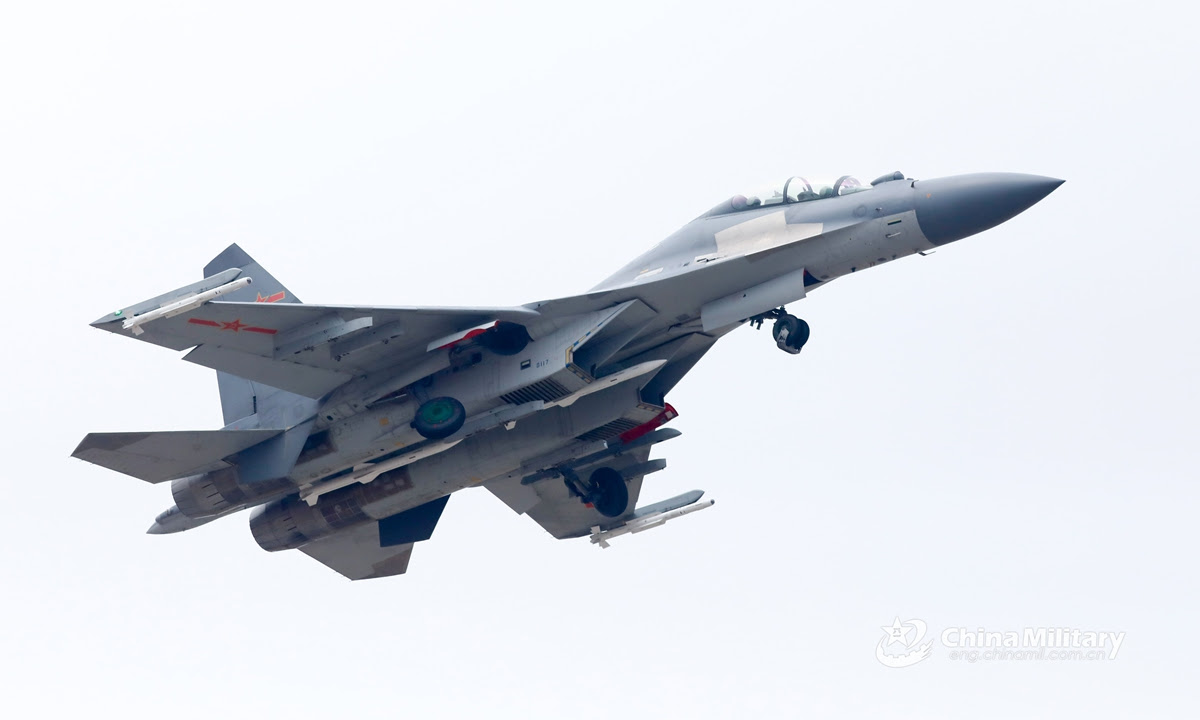
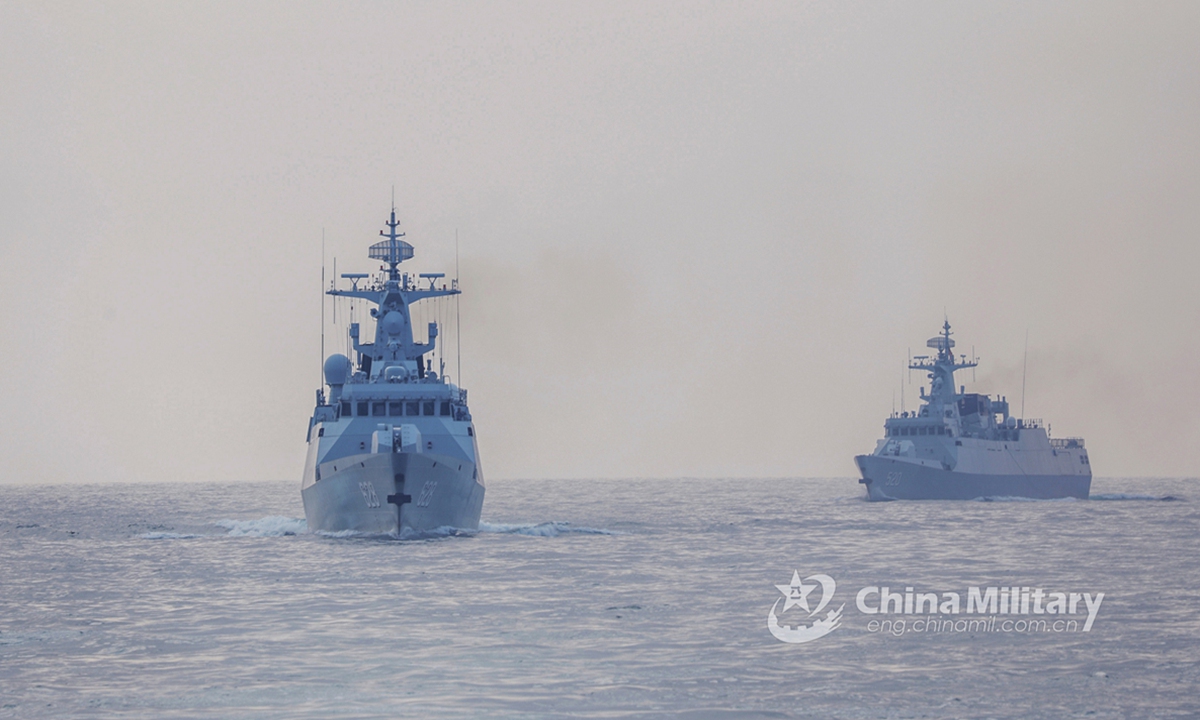
On 06 November, Global Times reported that the GJ-21 stealth reconnaissance and strike drone had completed its first takeoff and landing aboard the Sichuan, China’s first Type 076 amphibious assault ship. Defence Ministry spokesperson Chen Xi described the test as a milestone in developing the People’s Liberation Army’s new combat capabilities. The Sichuan was designed to carry fixed-wing drones, helicopters and amphibious equipment. It has a full-length flight deck and electromagnetic catapult and arrestor systems. The ship began sea trials in November 2025. Chinese state media said the drone’s operation demonstrated the navy’s ability to operate fixed-wing stealth drones from large maritime platforms. Chen said China was modernising its military equipment to protect its sovereignty, security and development interests, while maintaining that the country follows a defensive defence policy. Reports have suggested the drone could extend the navy’s operational reach, though the announcement did not provide details about the trial or future deployment plans.
(“Successful takeoff & landing of China’s GJ-21 shipborne stealth drone marks milestone for new combat capabilities; China pursues defensive defense policy: spokesperson,” Global Times, 06 November 2026)
https://www.globaltimes.cn/page/202611/1373796.shtml
China adopts law to regulate Antarctic activities and protect environment
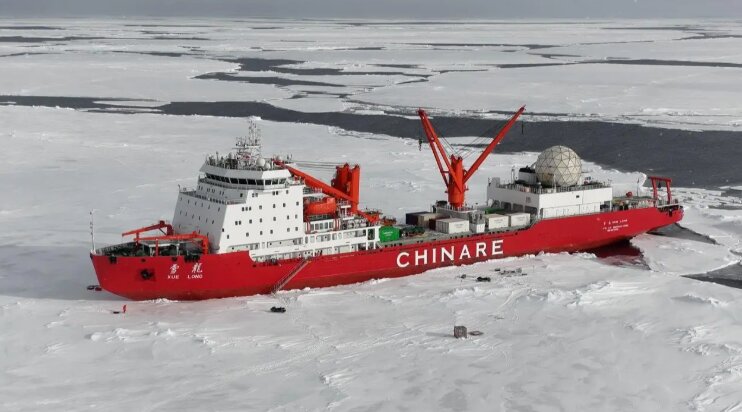
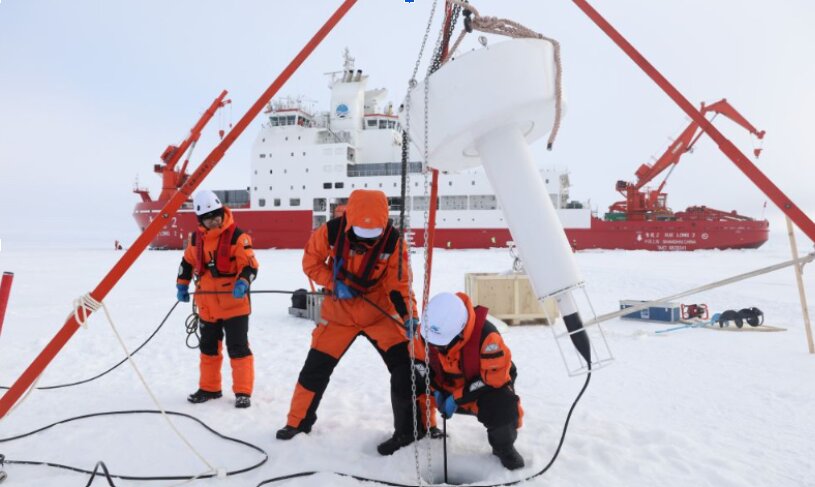
On 06 November, Reuters reported that China had approved a law to support its Antarctic research and regulate activities such as tourism, shipping and exploration. The law requires Chinese operations to protect wildlife, manage waste, prevent marine pollution and avoid or reduce harm to the Antarctic environment. Permits will be subject to environmental, safety and other conditions. The legislation aims to encourage scientific exploration while safeguarding China’s activities and interests in Antarctica. China has operated an atmospheric monitoring station there for two years to track changes and contribute to global climate research. The country is a party to the Antarctic Treaty, which reserves the continent for peaceful scientific research and prohibits military activity, and to the 1991 environmental protocol, which bans mining and oil exploration for 50 years.
(“China adopts law on Antarctic activities and environmental protection,” Reuters, 06 November 2026)
https://www.reuters.com/legal/litigation/china-adopts-law-antarctic-activities-environmental-protection-2026-11-06/
CHINA AND AFRICA
China and Gabon pledge deeper mining and security cooperation
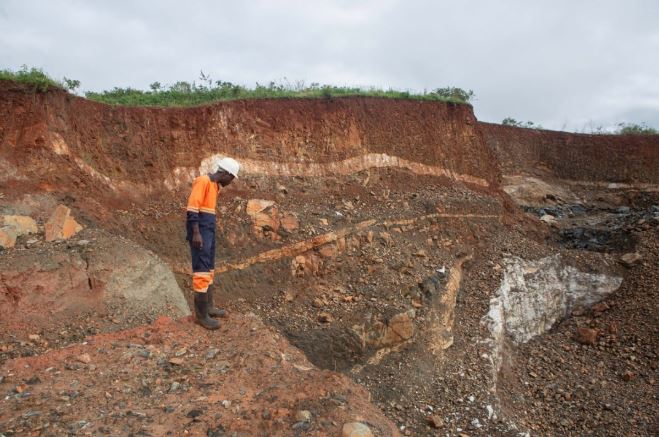
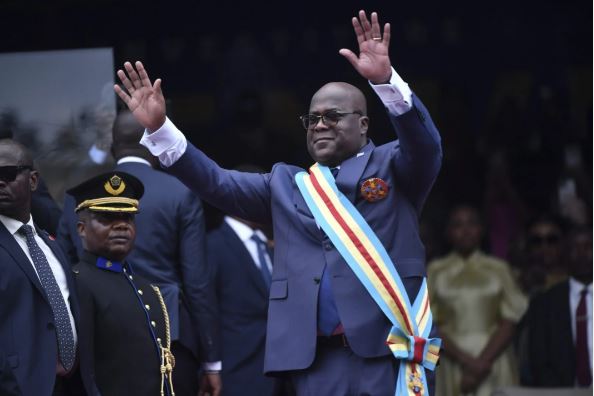
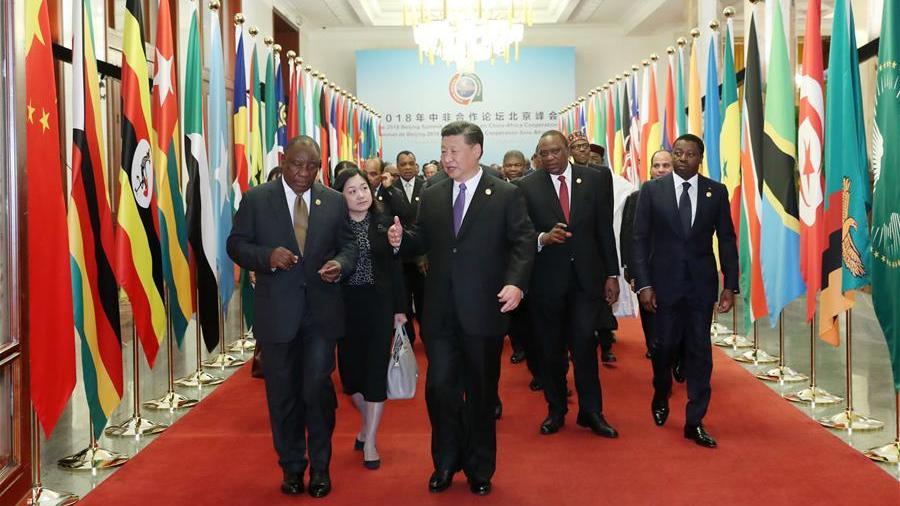
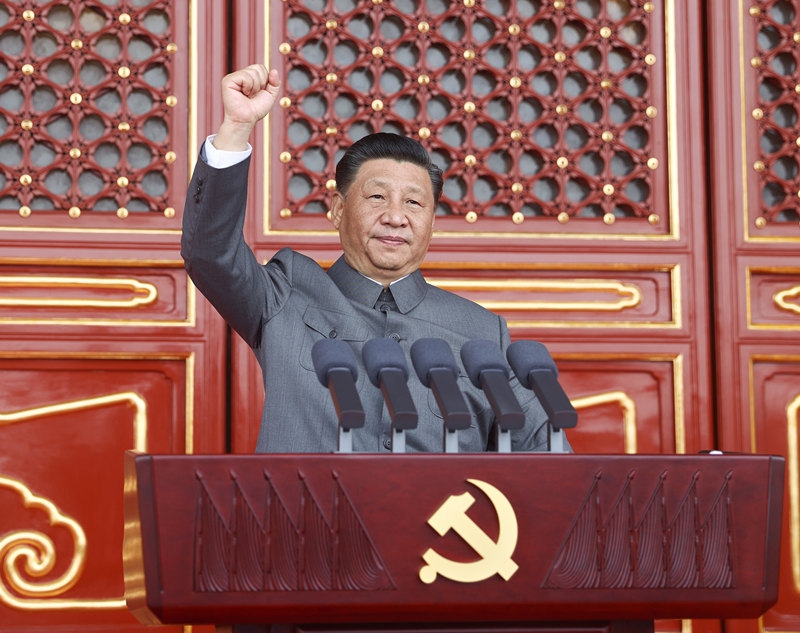
On 06 November, Reuters reported that China and Gabon elevated their diplomatic ties during a state visit by the Central African nation’s President to China and are looking to deepen cooperation in the areas of mining and security. China and Gabon agreed to pursue high-level political, governmental, party, legislative and local exchanges according to Xinhua. China is willing to support Gabon in the mining sector and turn its resource advantages into drivers of development. The two nations are committed to strengthening their cooperation in peace and security, pledging to expand exchanges between their armed forces and law enforcement and security agencies. The statement also called for deeper collaboration in trade, education and public health. Chinese President Xi Jinping told his Gabonese counterpart that China is willing to be a reliable partner in Gabon’s independent development.
(“China, Gabon elevate ties, pledge deeper mining, security cooperation,” Reuters, 06 November 2026)
https://www.reuters.com/world/china/china-gabon-elevate-ties-pledge-deeper-mining-security-cooperation-2026-11-06/
CHINA AND EAST ASIA
Chinese and North Korean senior officials meet in Beijing focusing on deeper cooperation
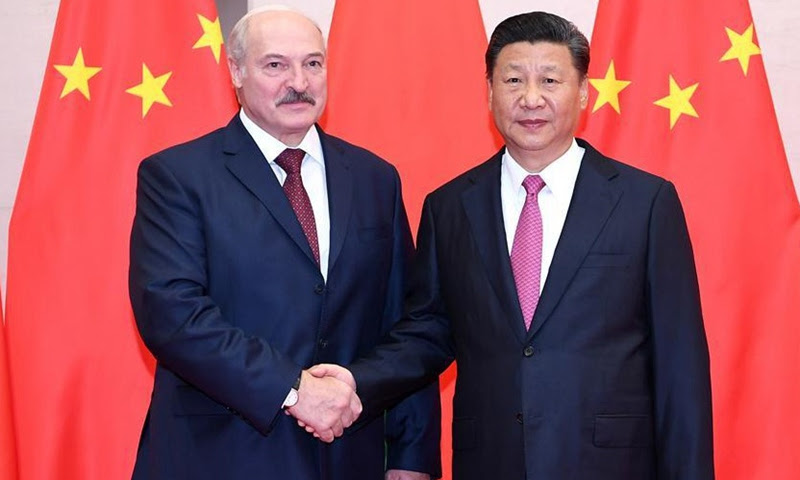
On 06 November, Reuters reported that senior Chinese official Cai Qi told a North Korean delegation in Beijing that both sides should enhance strategic communication and coordination and promote regional peace, stability and development. Cai told the Director of the International Relations Department of the Workers’ Party of Korea, Kim Song Nam, that China is willing to work with North Korea to implement the consensus reached to carry forward traditional friendship and strengthen mutual learning on party governance.
(“Senior Chinese, North Korean officials meet in Beijing, urge closer ties,” Reuters, 06 November 2026)
https://www.reuters.com/world/china/senior-chinese-north-korean-officials-meet-beijing-urge-closer-ties-2026-11-06/
CHINA AND EUROPE
Norway to export USD 3 billion worth of seafood to China
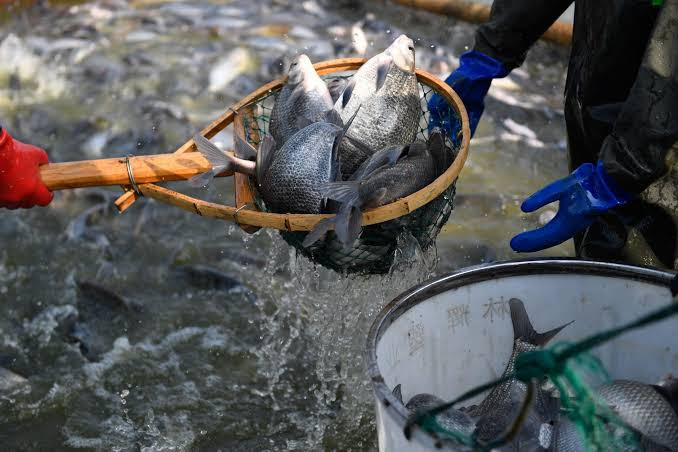
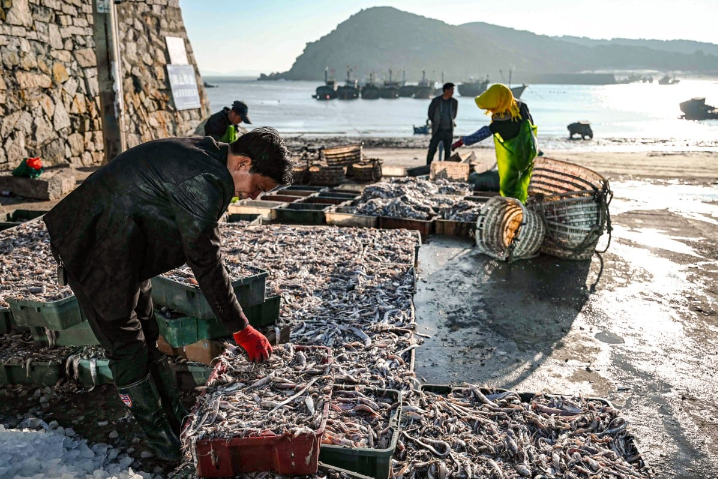
On 06 November, Global Times reported that Norway plans to increase its seafood exports to China to USD 3 billion by 2035. The Norwegian Seafood Council (NSC) announced this at the ninth China International Import Expo (CIIE) convention held at Shanghai, China. Norway’s Industry and Commerce Minister Cecilie Myrseth stated that they would increase cooperation and connections to cater for the needs of Chinese consumers. China became Norway’s second-largest export market of seafood items in 2026, with over 158,230 tons delivered till September 2026. The NSC added that they would reach the original target of USD 1.498 billion worth of exports by the end of this year as part of their “Target 2035” initiative. China and Norway also signed a new protocol to expand market access for wild-caught seafood to enter into the Chinese markets.
(“Norway targets $3 billion in seafood exports to China by 2035, showing ‘strong’ confidence in Chinese market,” Global Times, 06 November 2026)
https://www.globaltimes.cn/page/202611/1373807.shtml
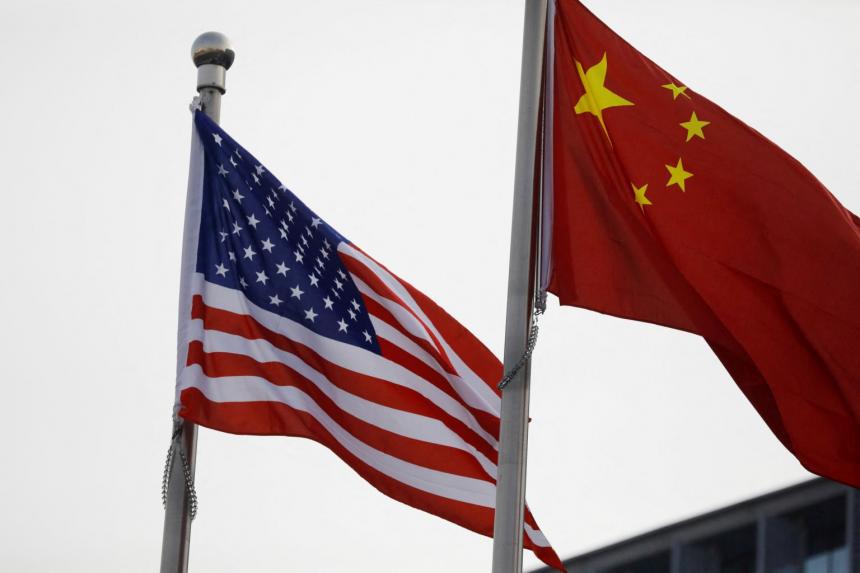
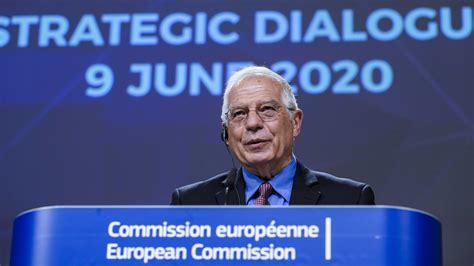
US and EU revive China dialogue after a two-year pause despite strained transatlantic relations
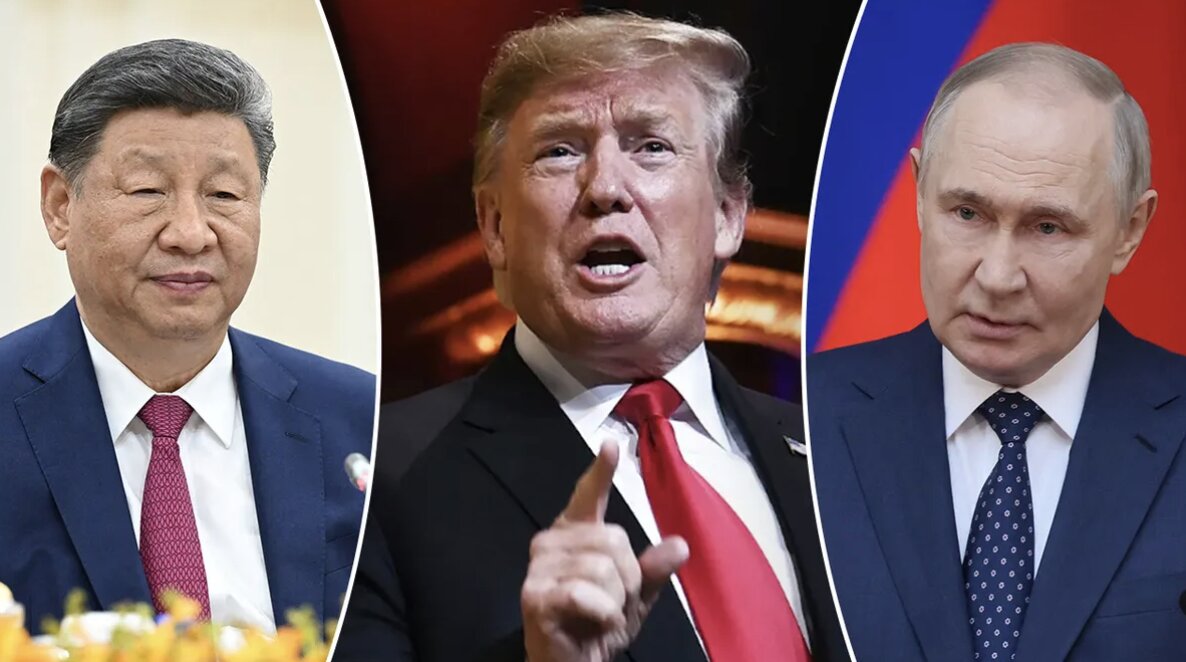
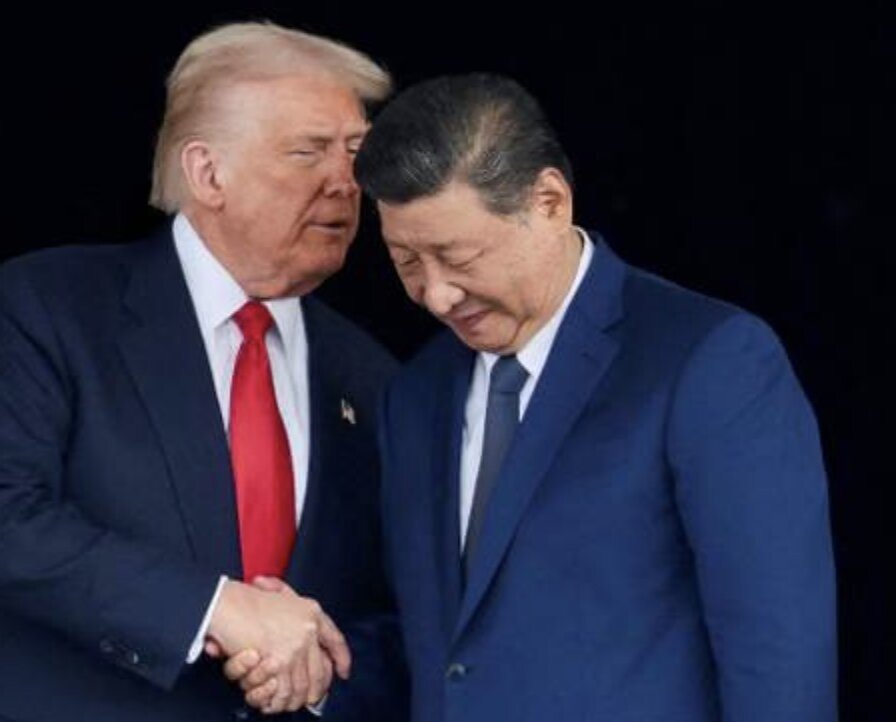
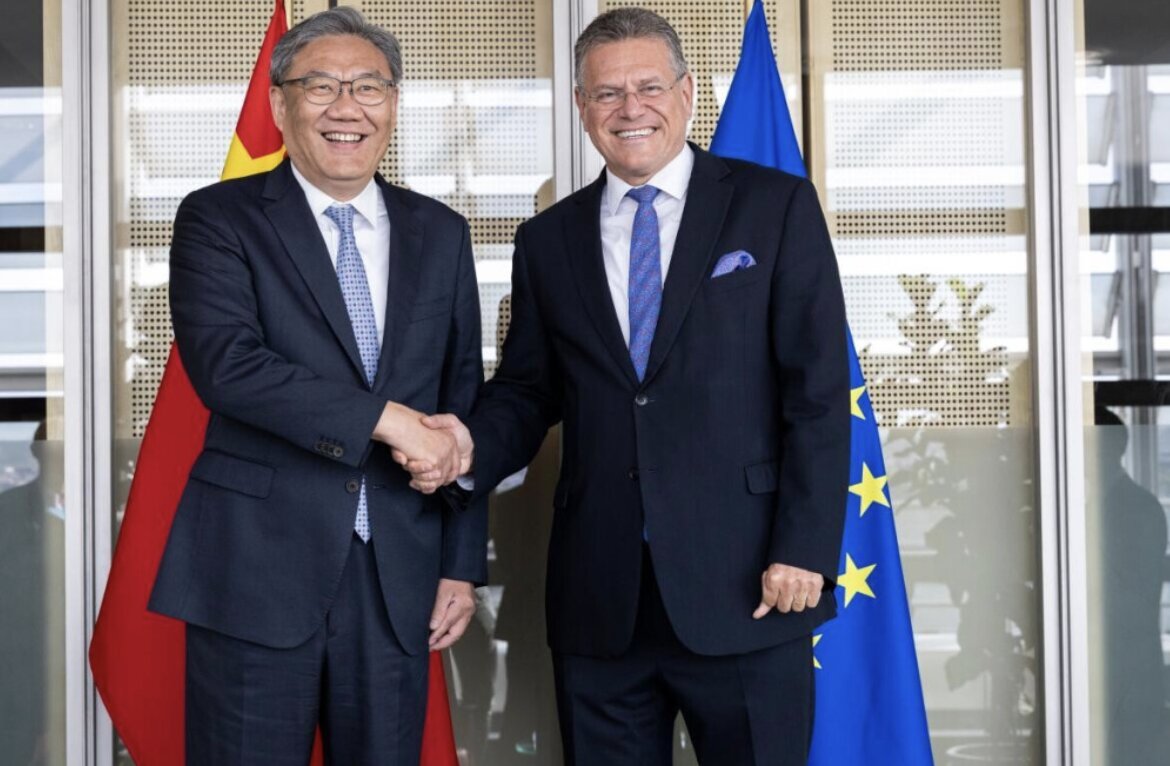
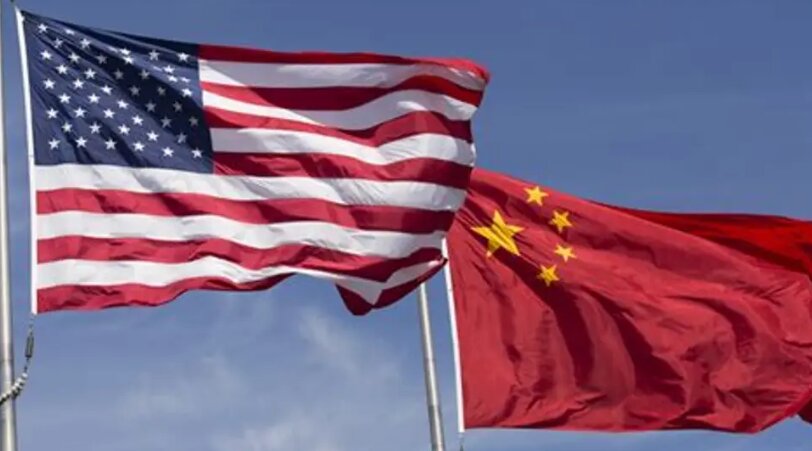
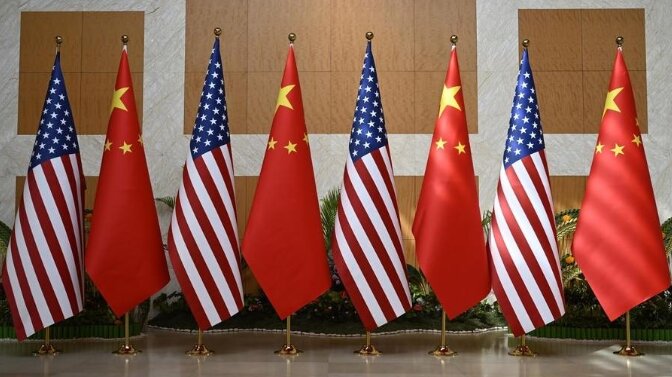
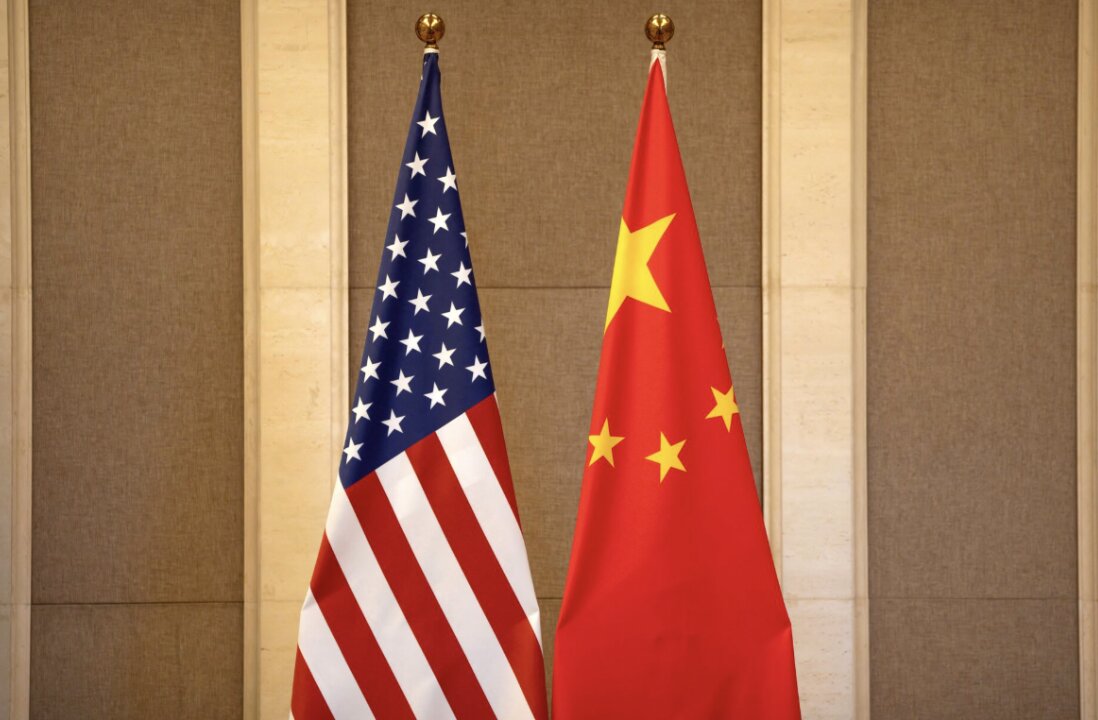
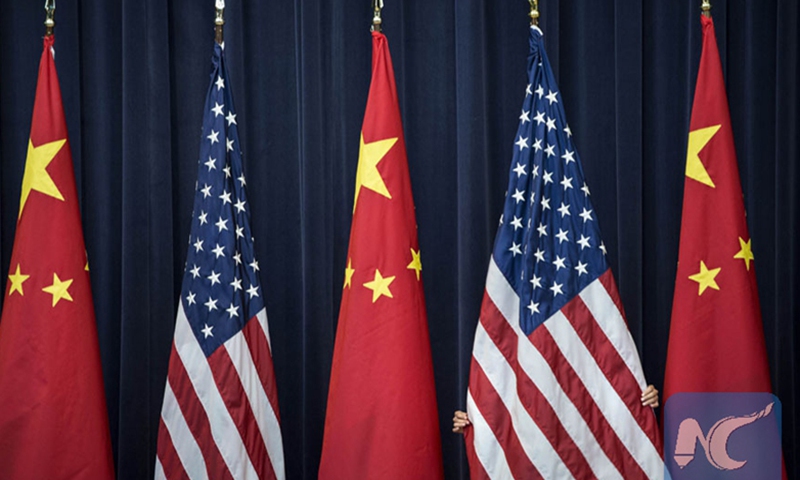
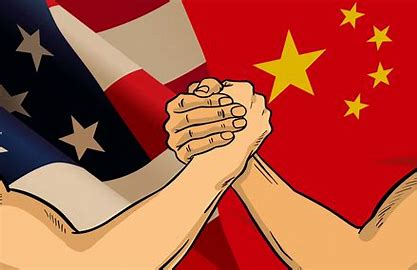
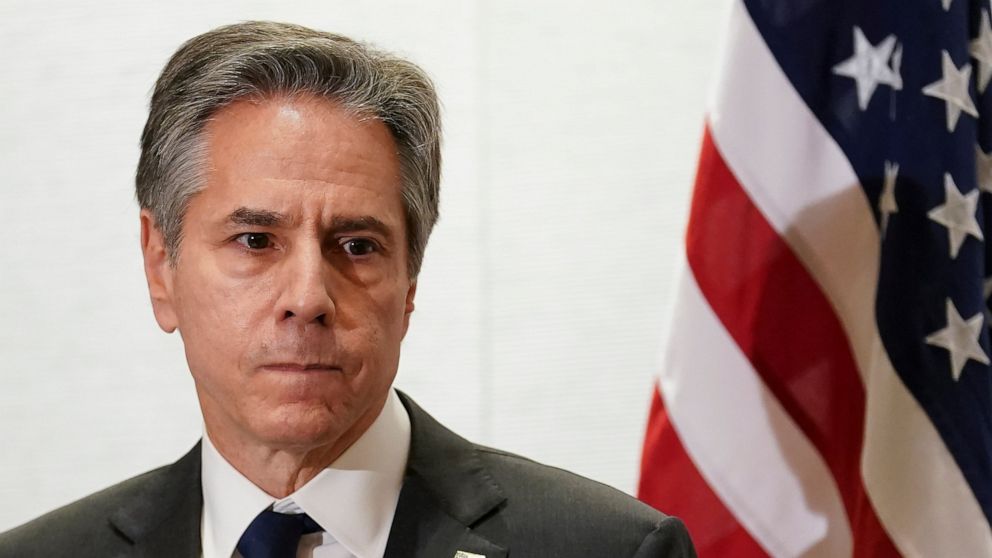
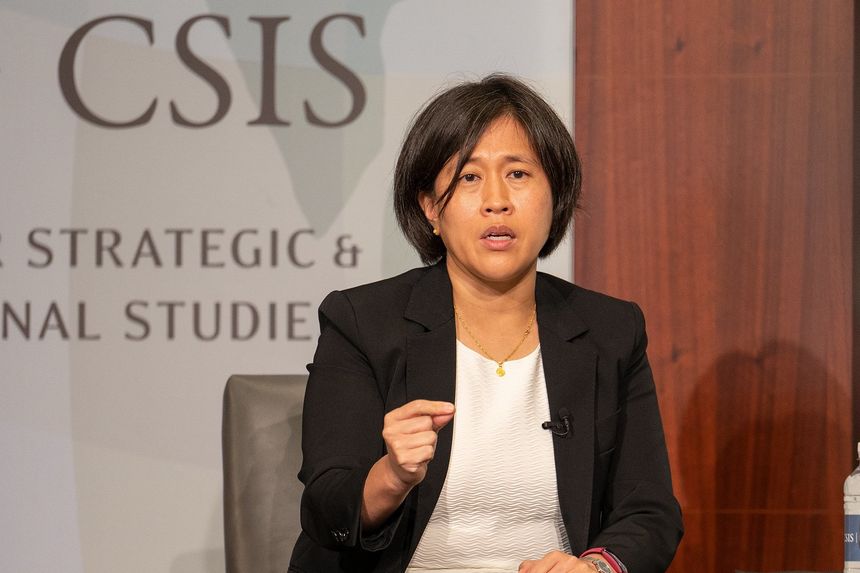
On 07 November, the South China Morning Post reported that the United States and the European Union plan to resume their dialogue on China in the first week of December after a two-year pause. The discussions had stalled following US President Donald Trump’s return to the White House, which disrupted several diplomatic platforms established during the previous administration. Washington has now approached Brussels to revive the consultation channel. The forum previously provided a platform for both sides to exchange views and coordinate their approaches on shared concerns regarding Beijing. The planned resumption comes despite growing disagreements in transatlantic relations. The move signals an effort by Washington and Brussels to maintain communication and discuss China-related policy issues despite wider diplomatic tensions.
(“US and EU’s China talks channel comes back to life after stalling since Trump’s return,” South China Morning Post, 07 November 2026)
https://amp.scmp.com/news/china/diplomacy/article/3373614/us-and-eus-china-talks-channel-comes-back-life-after-stalling-trumps-return?pgtype=search
Italy investigates China-linked network accused of surveilling and intimidating a Chinese dissident
On 06 November, Reuters reported that Italian prosecutors had completed an investigation into 10 people, including eight Chinese nationals and two Italian citizens, accused of tracking and intimidating Chinese dissident and social media journalist Li Ying, popularly known as “Teacher Li”. The investigation alleges that the network conducted surveillance of Li’s homes, monitored his movements, collected personal information and issued death threats. One suspect reportedly gathered more than 4,000 photographs and 35 videos during surveillance operations. Prosecutors allege that two suspected leaders acted on behalf of Chinese police and maintained contacts with Chinese diplomats and the Communist Party’s United Front Work Department. Four suspects face criminal-association charges carrying up to seven years in prison. China rejected the allegations of transnational repression, stating that it operates under the rule of law.
(“Italian prosecutors target China-linked network accused of tracking dissident,” Reuters, 06 November 2026)
https://www.reuters.com/business/media-telecom/italian-prosecutors-target-china-linked-network-accused-tracking-dissident-2026-11-06/
CHINA AND THE AMERICAS
China and Canada to resume high level economic dialogue after eight years
On 06 November, Global Times reported that China and Canada will resume their high level Economic and Financial Strategic Dialogue on November 09, after an eight year hiatus, signalling efforts to improve bilateral relations and address trade differences. China’s Vice Premier He Lifeng will co-chair the meeting with Canadian ministers. The discussions follow January's agreement to advance a new strategic partnership and address disputes involving electric vehicles, steel, aluminium and agricultural products. Both countries have also agreed to extend favourable market access for Canadian agricultural and seafood exports and certain Chinese metals until 2028. Bilateral trade reached USD 80.39 billion in the first nine months of 2026, increasing 17.2 per cent on a yearly basis.
(“China, Canada to hold high-level economic dialogue after eight years,” Global Times, 06 November 2026)
https://www.globaltimes.cn/page/
Beijing condemns US sanctions on Chinese companies over alleged links to Cuba
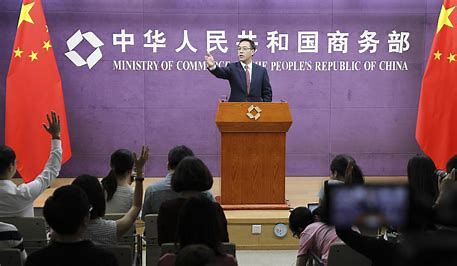
On 07 November, Global Times reported that China has strongly opposed US sanctions imposed on two Chinese companies over their alleged involvement with Cuba, describing the measures as unilateral actions that violate international law and established norms of international relations. Responding to it, China's Ministry of Commerce (MOFCOM) urged Washington to withdraw its restrictions and correct what it called wrongful practices. Beijing argued that Washington's expanding sanctions and discriminatory measures have harmed Chinese companies, undermined bilateral economic interests and contradicted agreements reached between the two countries' leaders. Notably, this marks the first reported instance of US sanctions against Chinese companies specifically on Cuban related grounds. China warned that it reserves the right to take countermeasures to protect its legitimate interests.
(“China urges US to correct wrongful practices over sanctions on Chinese firms,” Global Times, 07 November 2026)
https://www.globaltimes.cn/page/202611/1373831.shtml
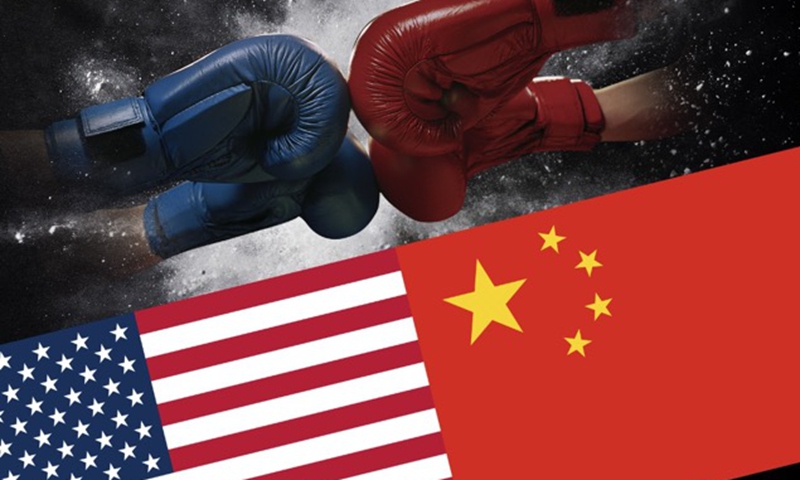
Opinion: Andrew Sheng, “ Midterm swing won’t change trajectory of US-China rivalry,” South China Morning Post, 06 November 2026
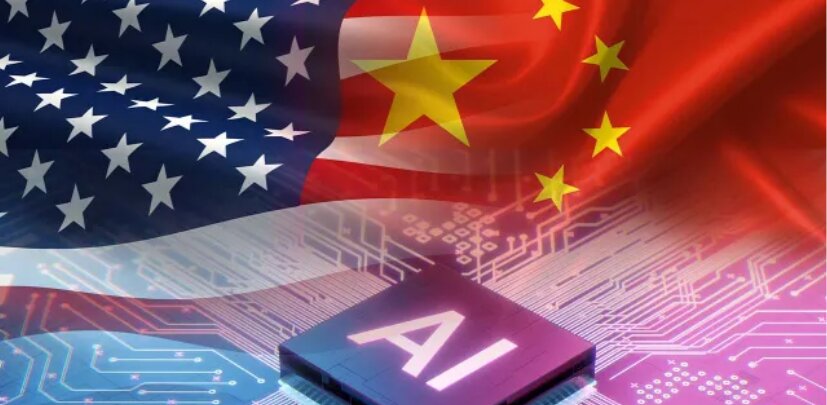
“The core difference between the United States and China lies not in the quantity of capital, but in their different social architecture: who controls the social contract, towards what end and with what relationship to the technology/finance and biophysical worlds. The competition unfolding is fundamentally a contest between two distinct institutionalisations of capital: one oriented towards private but elitist financial engineering, the other towards state-coordinated strategic engineering using market forces – each with its own strengths, contradictions and relationship to the natural world. Capital is not a thing, but a social relation – a form of organised human agency operating upon the material world.”