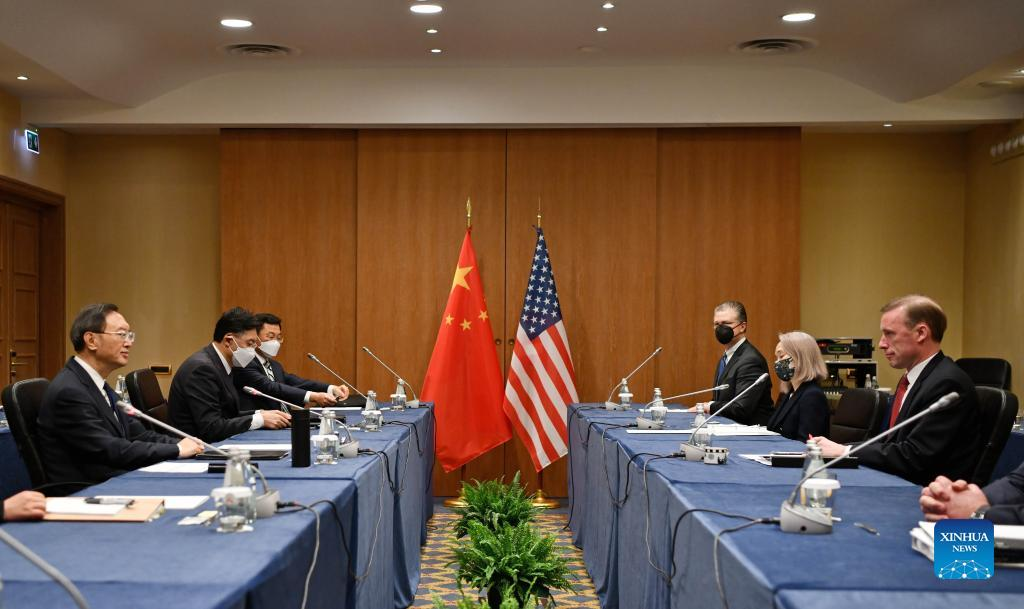


Photo : SCMP
South China Sea Code of Conduct talks remain inconclusive
In Brief
CHINA AND EAST ASIA
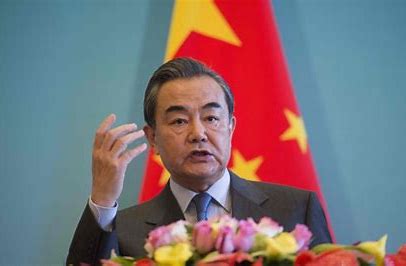
Foreign Minister Cho Hyun urges deeper cooperation with Beijing
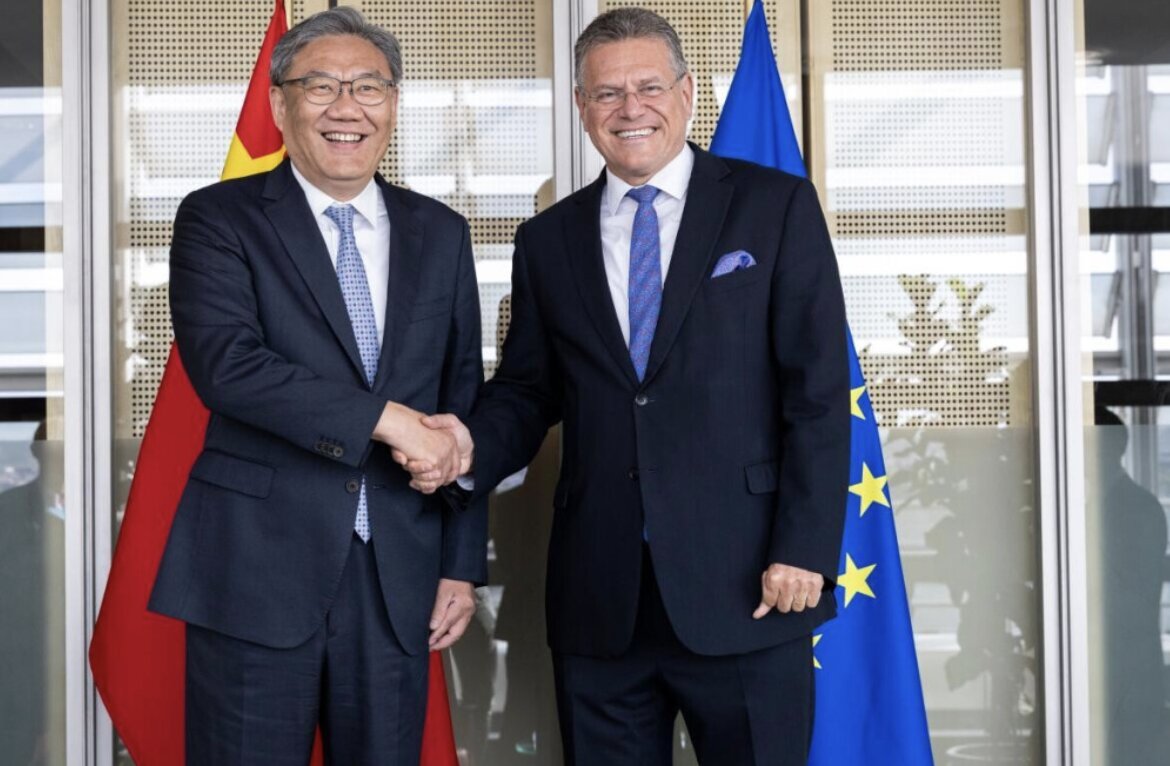
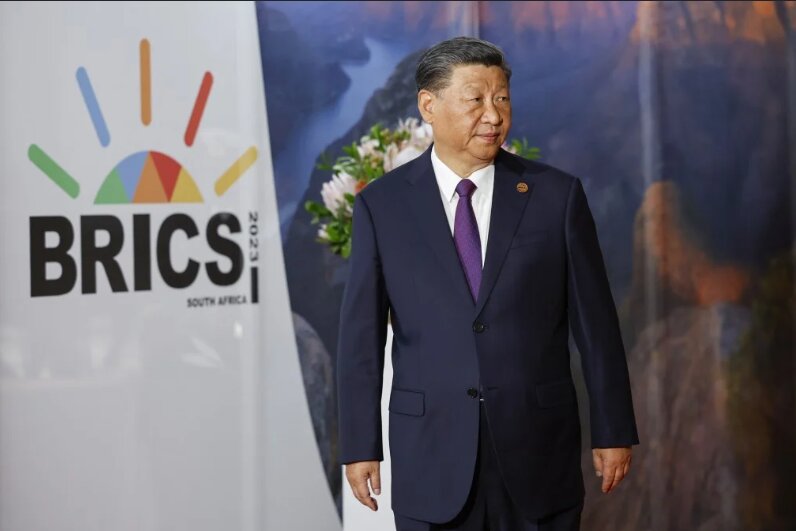
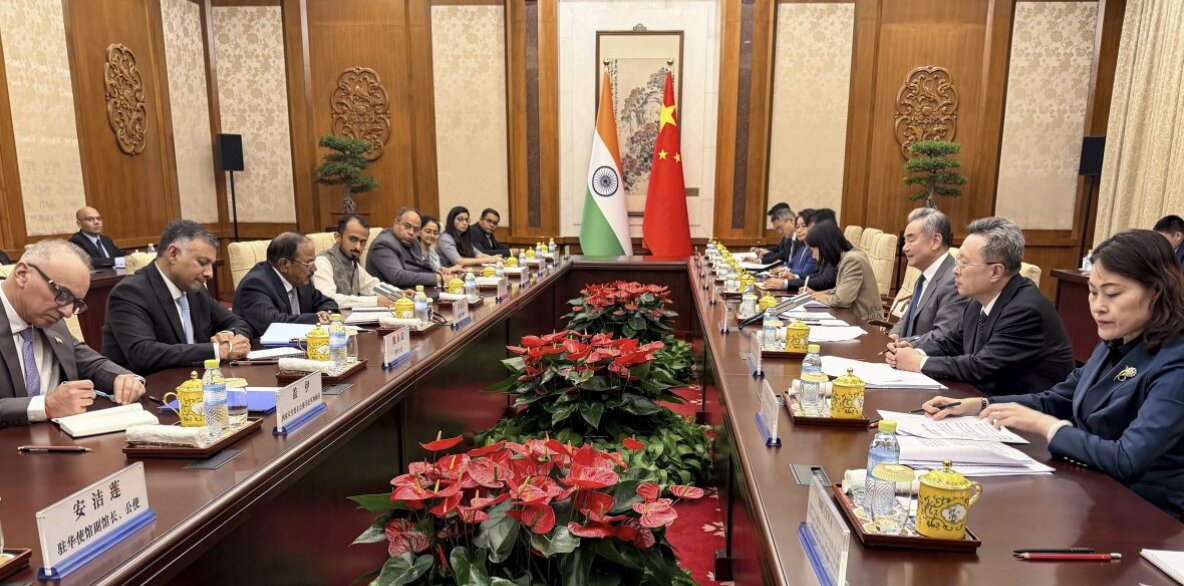
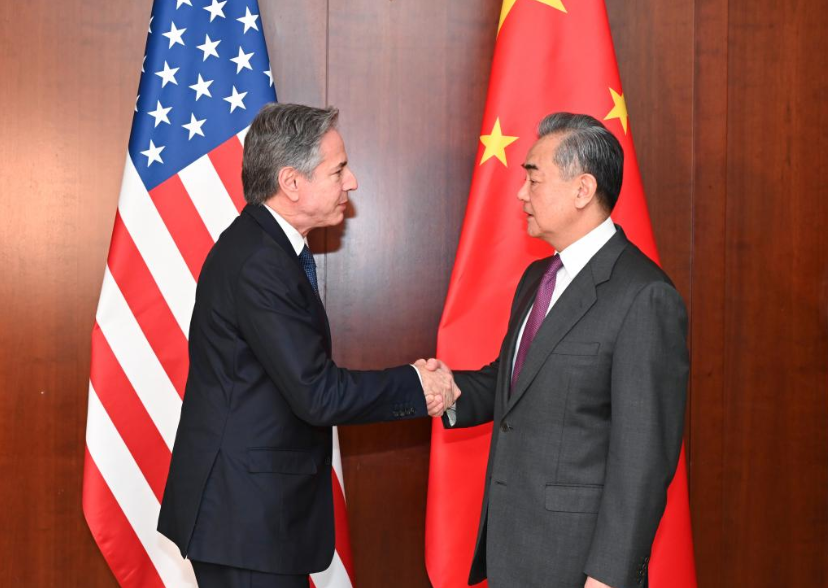
On 14 November, Reuters reported that South Korea should neither fear China’s rise nor underestimate its capabilities. Cho stated that Seoul should build cooperation that benefits both countries by developing the autonomy and creativity of the people and companies of both countries. The ministers discussed bilateral ties and issues on the Korean Peninsula and ways to deliver tangible benefits to people in both countries. The meeting came ahead of the Asia-Pacific Economic Cooperation Forum in Shenzhen on 18-19 November, which will be attended by South Korean President Lee Jae-myung. Cho stated that Seoul would use Lee’s visit to advance bilateral ties and expand horizontal and mutually beneficial cooperation in areas where the countries have complementary strengths.
(“South Korea should not fear China’s rise, foreign minister says,” Reuters, 14 November 2026)
https://www.reuters.com/world/china/south-korea-should-not-fear-chinas-rise-foreign-minister-says-2026-11-14/
CHINA AND SOUTHEAST ASIA
US, Japan, Australia and Philippines plan joint defence coordination centre to monitor China
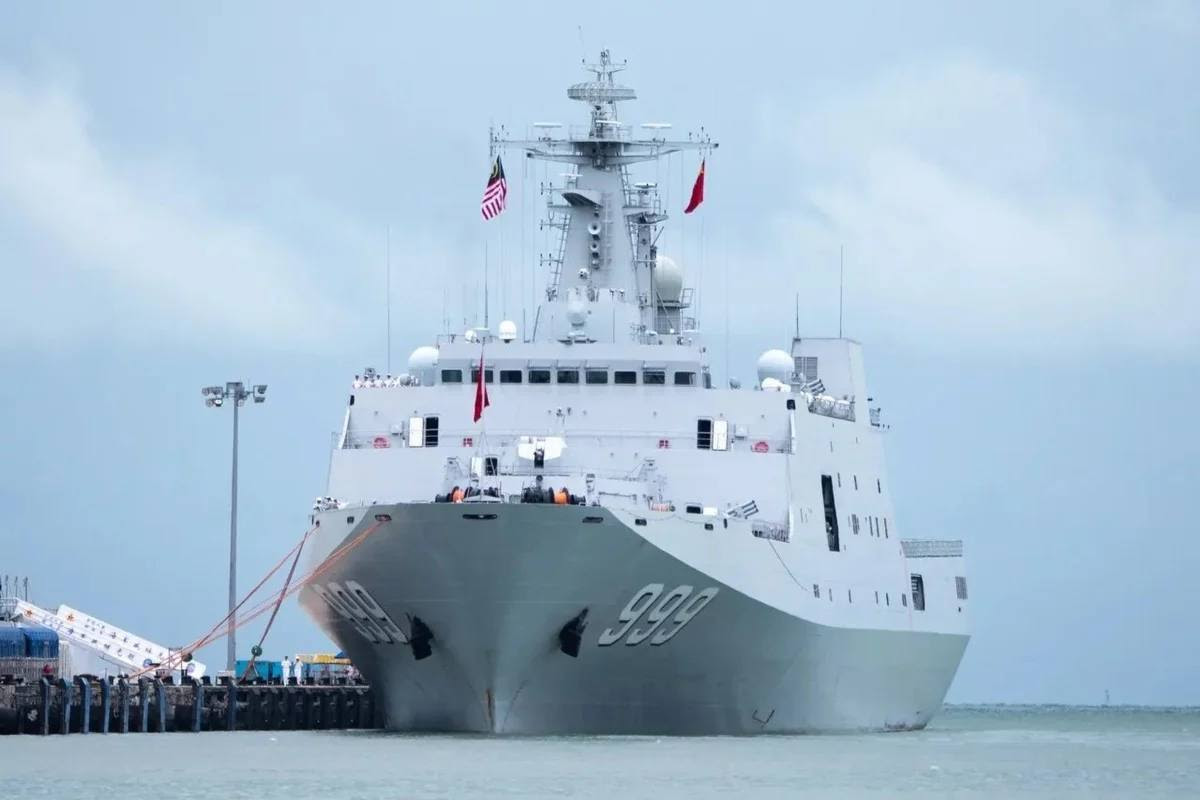
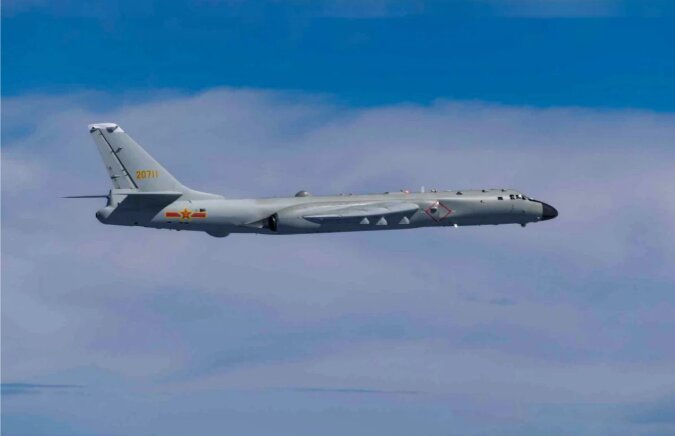
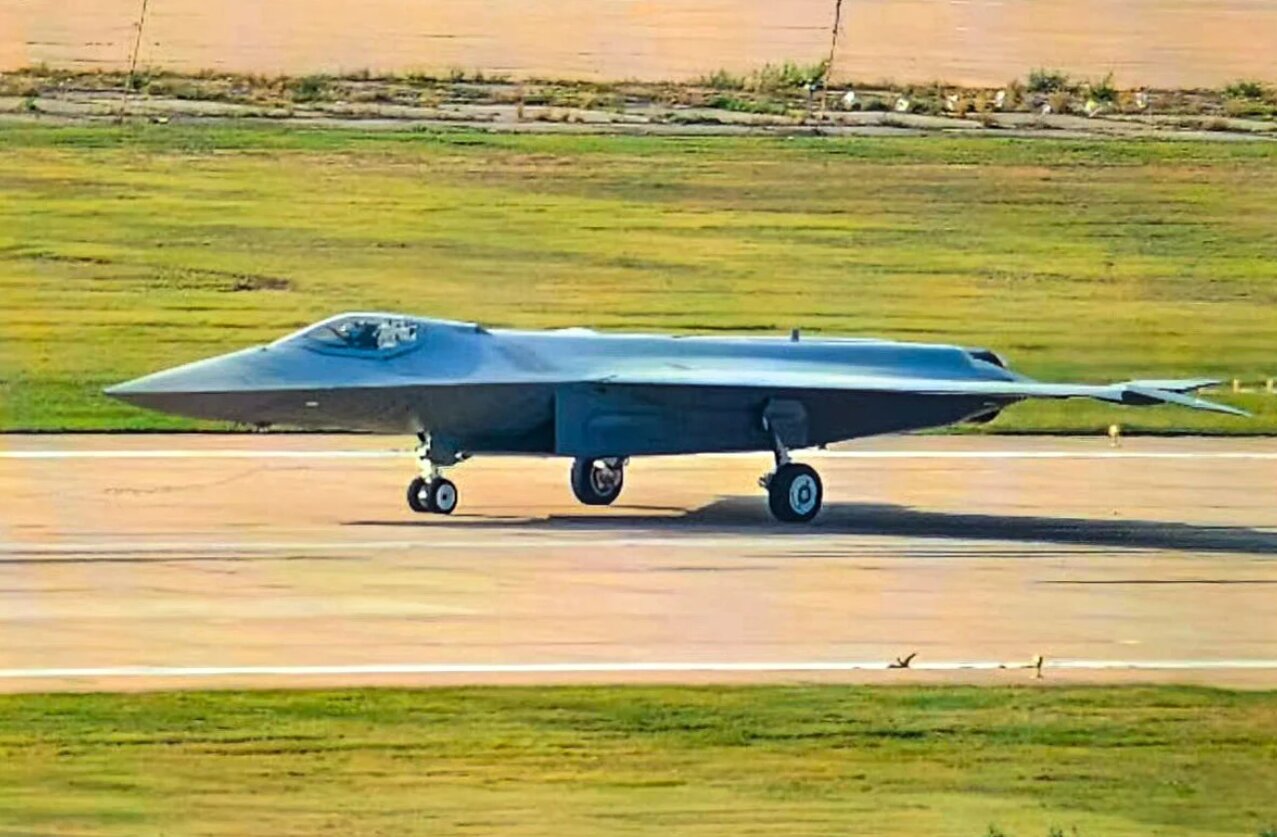
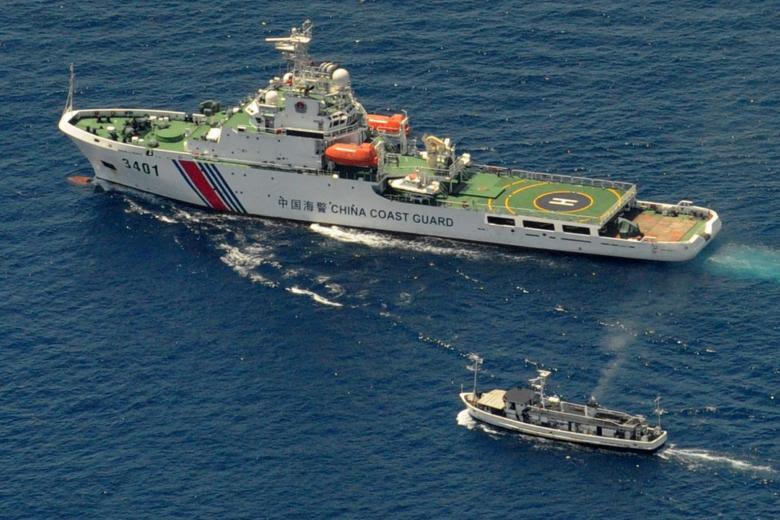
On 16 November, the South China Morning Post reported that the United States, Japan, Australia and the Philippines are planning to establish a Combined Coordination Centre (CCC) in the Philippines to strengthen their collective response to China’s maritime activities in the South The agreement was reached on 28 October and made public on 10 November 2026. The proposed centre is expected to improve intelligence sharing, joint surveillance and coordination among the four countries. The initiative forms part of broader efforts to strengthen regional deterrence, defence interoperability and maritime security. Defence analysts suggest that the arrangement could help the countries monitor Chinese activities in disputed waters and respond more effectively. The development comes amid continuing maritime tensions and overlapping territorial claims in the South China Sea.
(“Can a new 4-country defence hub counter China in the South China Sea?” South China Morning Post, 16 NovChina Sea. ember 2026)
https://amp.scmp.com/news/china/military/article/3374504/can-new-four-country-defence-hub-counter-china-south-china-sea?module=top_story&pgtype=homepage
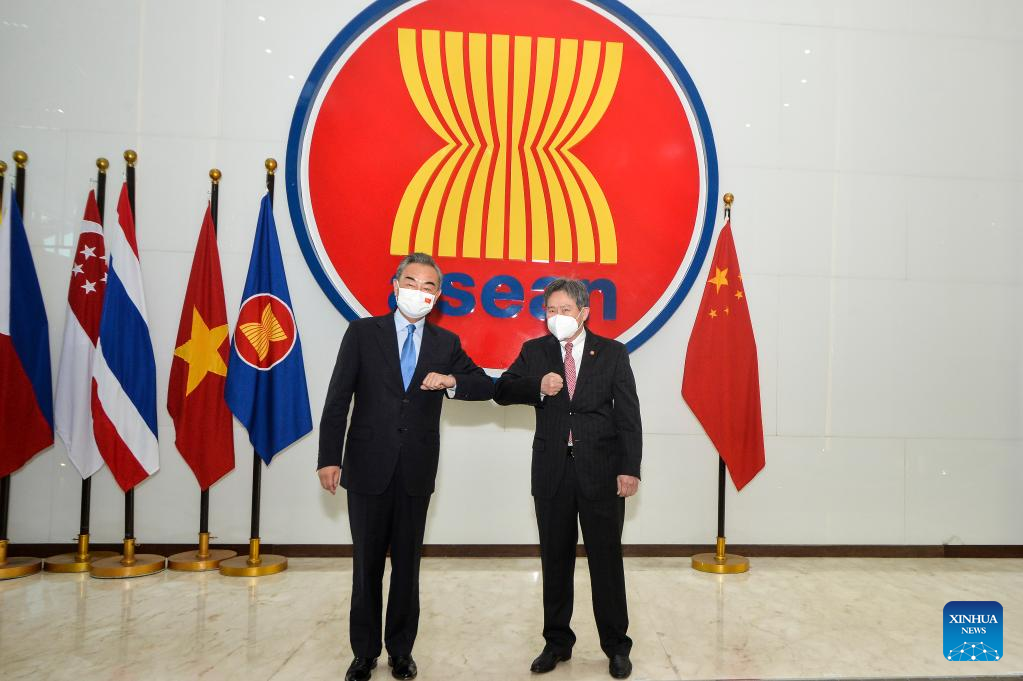
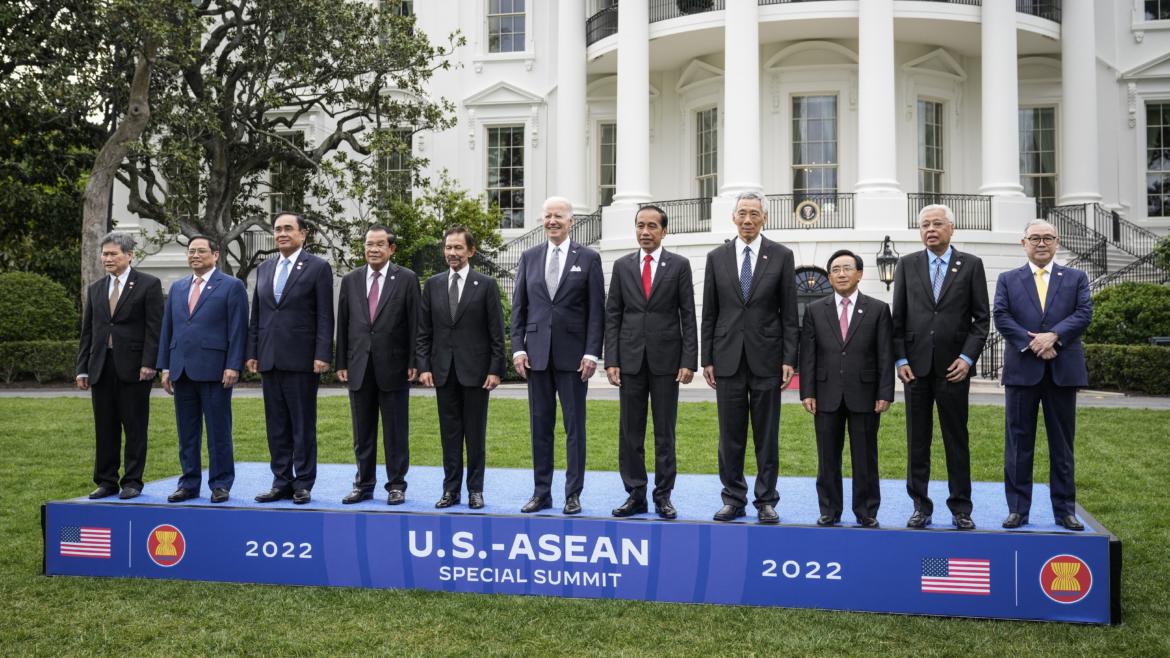
South China Sea Code of Conduct talks remain inconclusive between ASEAN and China
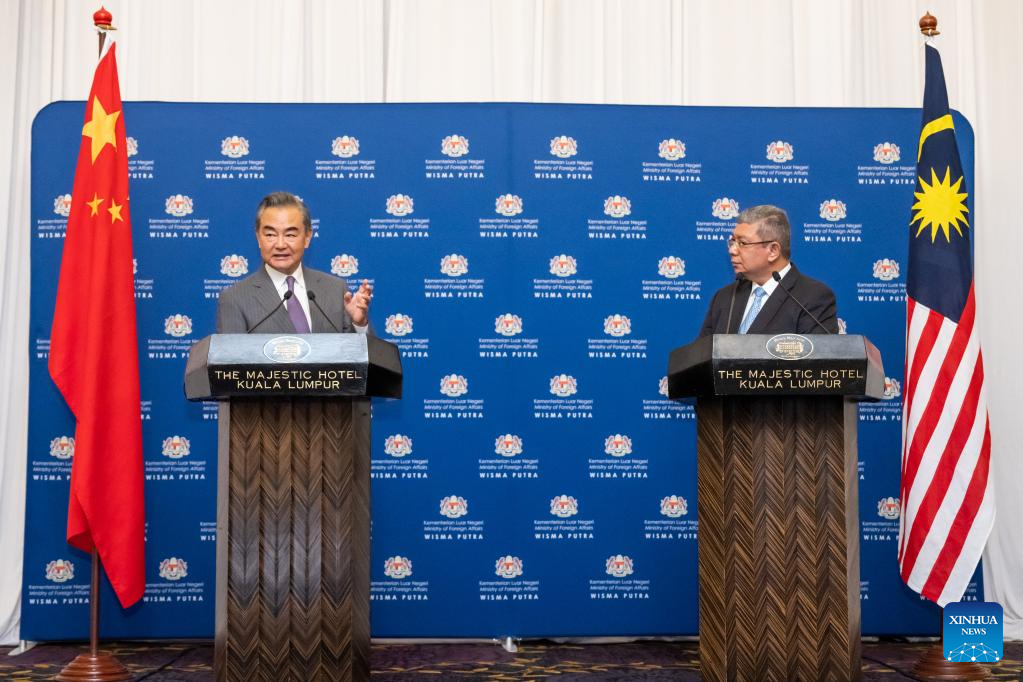
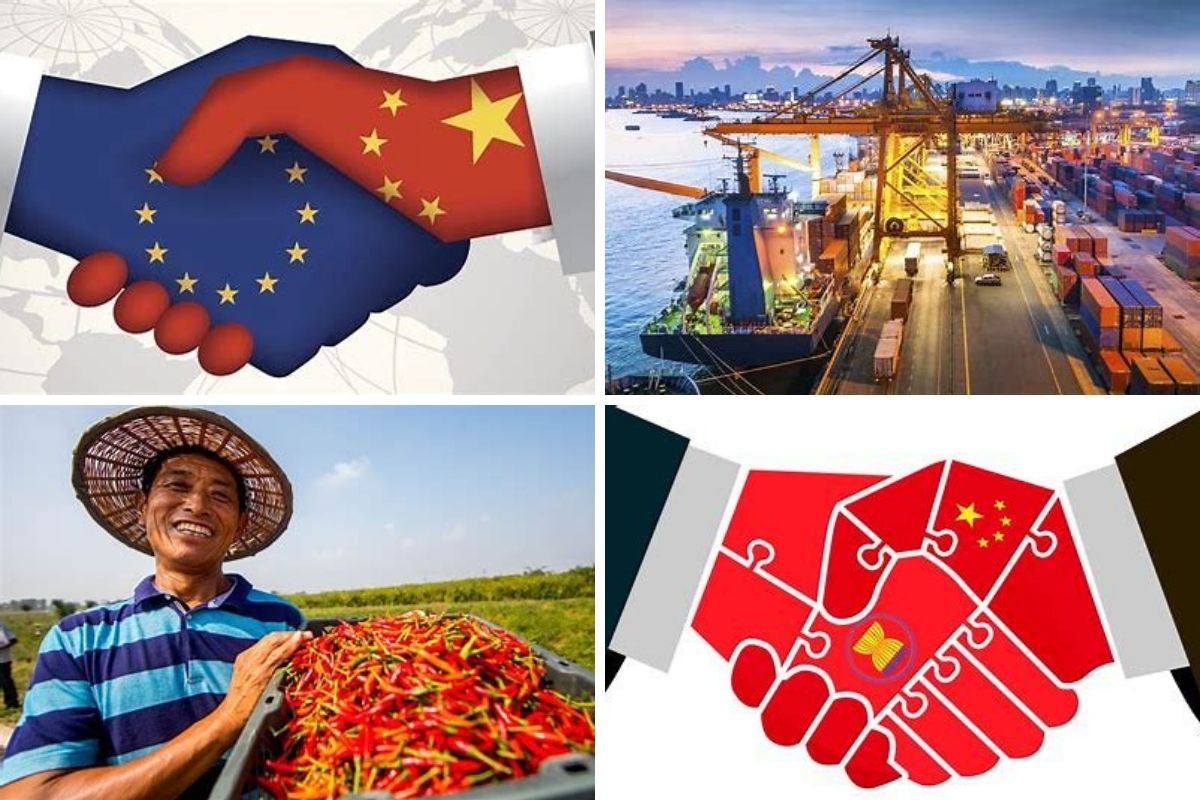
On 15 November, Reuters reported that ASEAN and China were unable to conclude negotiations on a South China Sea Code of Conduct under the Philippines' chairmanship, despite reaching a provisional agreement on 80 per cent of the draft. While negotiations on the Code of Conduct have dragged on for two decades, Manila had agreed to speed up the talks and conclude it in 2026. China’s Southeast Asian neighbours want the code to be based on international law, which they have accused China of volating as it asserts its sovereignty over all of the South China Sea. China’s extensive maritime claims overlap with the exclusive economic zones of Brunei, Indonesia, Malaysia, Vietnam and the Philippines thus making a code of conduct essential.
(“ASEAN-China fail to conclude South China Sea Code of Conduct,” Reuters, 15 November 2026)
https://www.reuters.com/world/china/asean-china-fail-conclude-south-china-sea-code-conduct-2026-11-15/
CHINA AND SOUTH ASIA
Beijing wary of the Wakhan Corridor road that reduces reliance on Pakistan
On 14 November, Al Jazeera reported that there is no official border crossing at the Wakhjir Pass, however, the Afghan Taliban celebrated a road leading to the frontier but, crucially, did not cross it. Afghanistan’s Ministry of Rural Rehabilitation stated that the Wakhan corridor in Badakhshan province had been built in two phases for USD 5.5 million. While the area on both sides of the border is remote, in recent years it has become on of Asia’s most geopolitically sensitive crossroads with China’s security concerns, Pakistani and Irani interests, Central Asian regional connectivity projects and Afghanistan’s economic interests have intersected. In his 2025 meeting with Afghan Interior Minister, Sirajuddin Haqqani, Wang stated that China supported the early resumption of bilateral patrols in the Wakhan corridor. The Afghan government views the road as a beginning of a trade corridor that would connect the country to China’s Belt and Road Initiative and generate transit fees. While Afghanistan sees the corridor as an alternative to dependence on Pakistan, China wants to link it to the China-Pakistan Economic Corridor.
(“Afghanistan’s new road to China ends at a closed border,” Al Jazeera, 14 November 2026)
https://www.aljazeera.com/amp/features/2026/11/14/wakhan-corridor-afghanistan-china-taliban
CHINA AND AFRICA
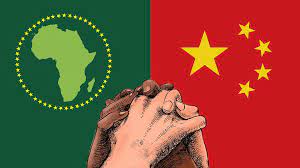
Chinese agricultural assistance to Zimbabwe takes root in local communities
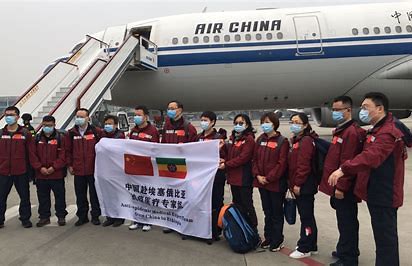
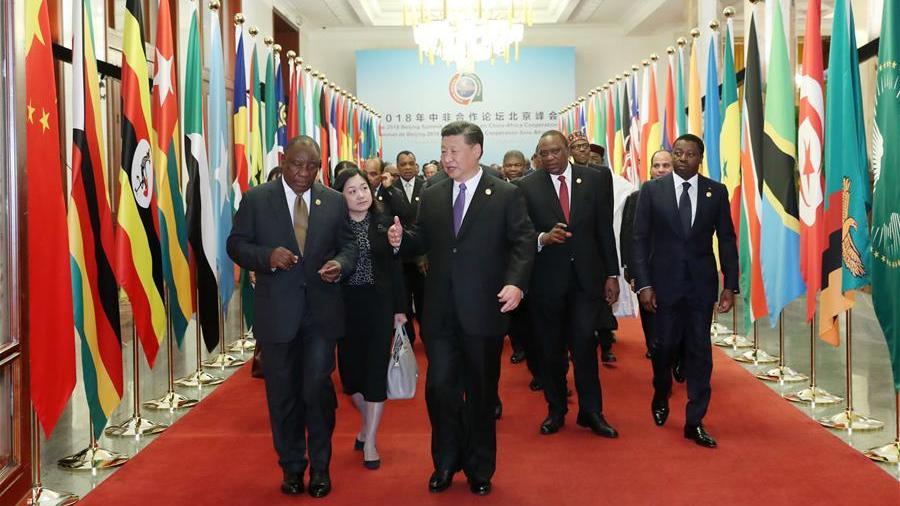
On 16 November, China Daily reported that Chinese experts in agricultural technology and infrastructure development teams have been helping local Zimbabwean communities. China and Zimbabwe signed an agricultural cooperation agreement, with two pilot villages being selected for its launch. China has also sent six batches of senior agricultural experts to Zimbabwe since 2009, helping build advanced farming technologies, solar-powered pumps, community watersheds, and borewells. In one of the pilot villages, Zindi, the Chinese team has successfully built an irrigation system with a daily output of 55,000 litres of water, boosting vegetable production, and has established a poultry farming initiative with over 50,000 chickens sold each year. In September, the expert team returned to China after spending three years in Zimbabwe.
(“Chinese knowledge takes root in Zimbabwe,” China Daily, 16 November 2026)
https://www.chinadaily.com.cn/a/202611/16/WS6afa4528e4b03ebf8519c7c8_2.html
CHINA AND EUROPE
Inteview/Editorial - “Serbia’s ex-foreign minister Vuk Jeremic on China’s rise in a ‘geopolitical recession’,” SCMP, 16 November 2026
“Multipolarity is a description of how power is distributed; a multipolar order is an agreement about how that power should be exercised. The first has already emerged, while the second remains conspicuously absent. This distinction is essential because the existence of multiple centres of power does not automatically produce equilibrium, much less stability. We are confronting what I would call the “geopolitical many-body problem”. In a bipolar system, strategic interactions were extraordinarily dangerous but comparatively easier to calculate. In a genuinely multipolar system, relationships are more fluid, alignments more contingent, and the consequences of individual decisions potentially much harder to anticipate. The complexity of the system increases faster than our capacity to govern it. There is a further contradiction: economic and technological power has become substantially more dispersed, while the institutional architecture of global governance remains disproportionately anchored in the distribution of power that prevailed eight decades ago. Meanwhile, major powers increasingly approach international institutions as instruments of geopolitical advantage rather than as mechanisms for managing their common vulnerabilities. I believe the central challenge is therefore not simply to accommodate rising powers, but to develop a new understanding of coexistence among powers that have different political systems, historical experiences and conceptions of international legitimacy. A multipolar world without a multipolar order is not a new equilibrium; it is a prolonged transition with an unusually high potential for disorder. The task of diplomacy is to prevent that transition from becoming a succession of crises."
https://www.scmp.com/news/china/diplomacy/article/3374485/serbias-ex-foreign-minister-vuk-jeremic-chinas-rise-geopolitical-recession
CHINA AND THE AMERICAS
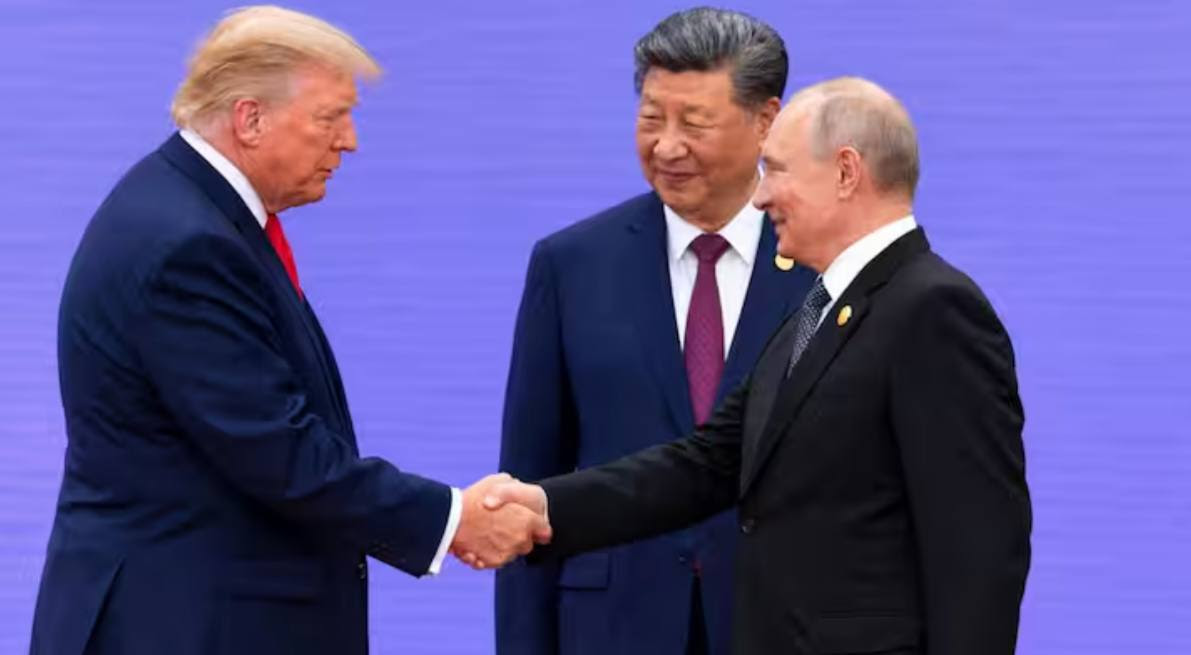
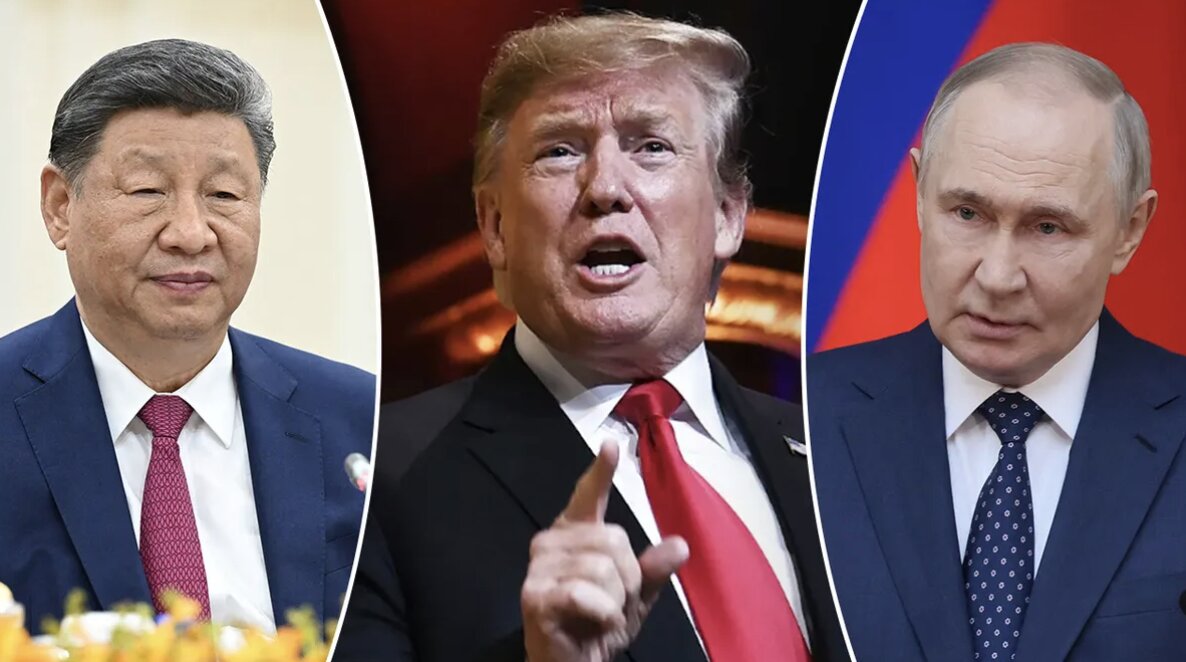
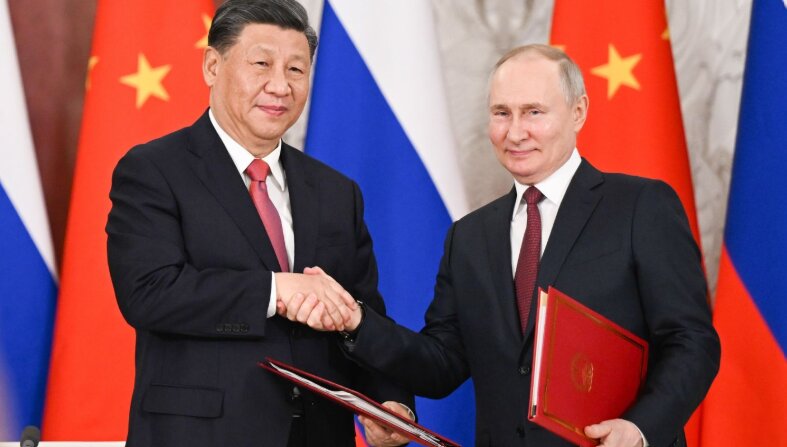
Presidents Trump, Xi, and Putin to hold trilateral meeting on nuclear non-proliferation
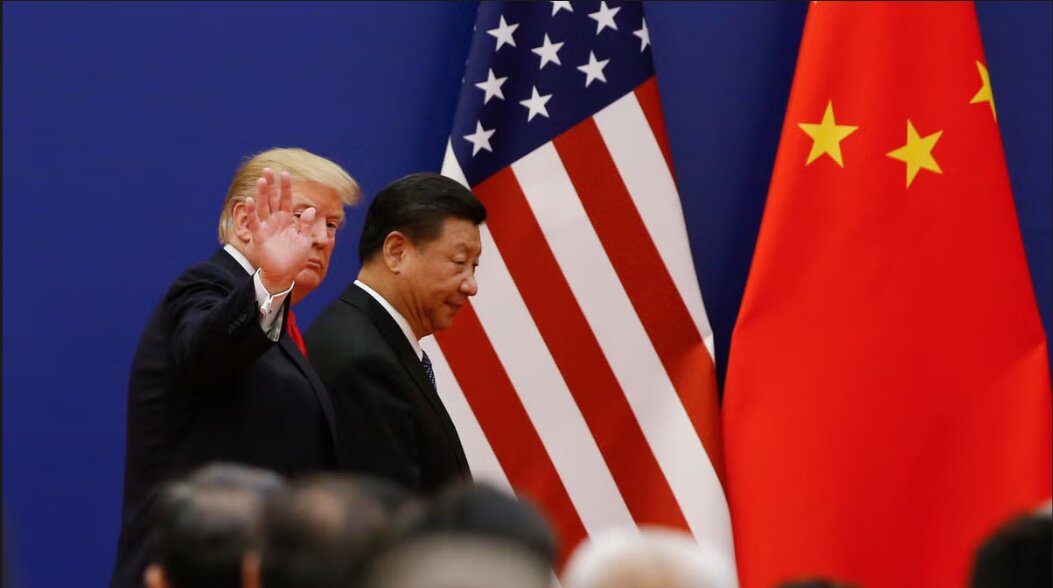
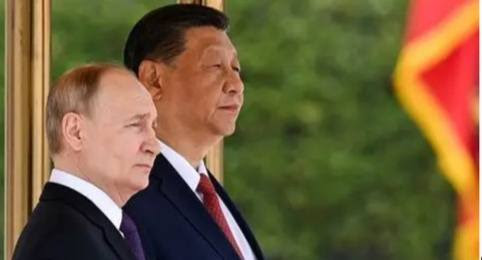
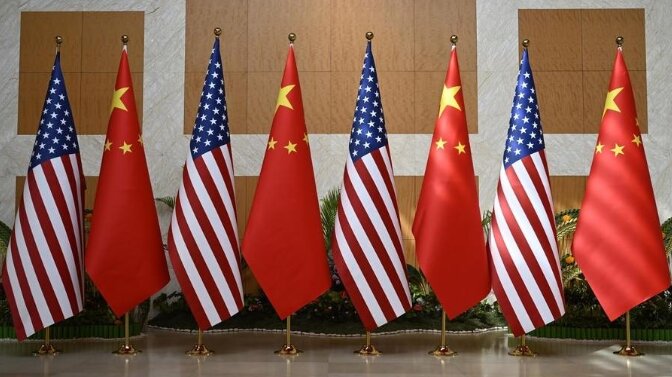
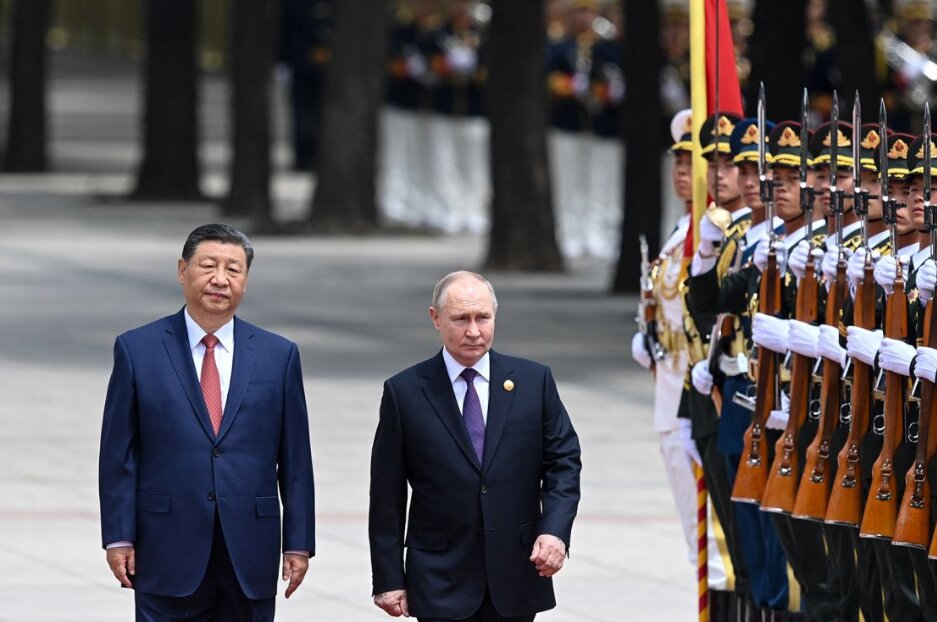
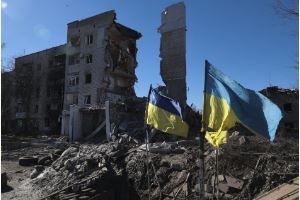
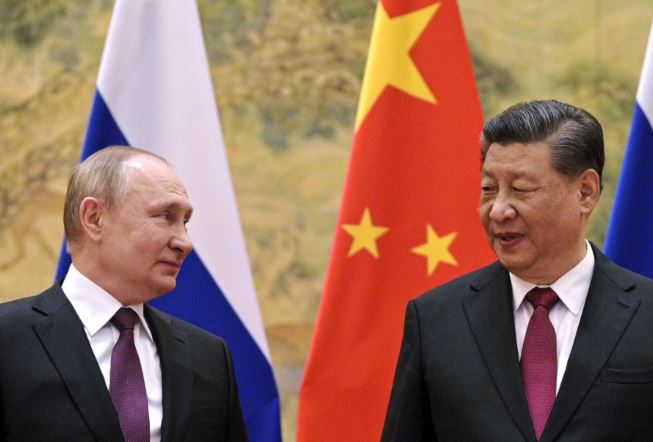
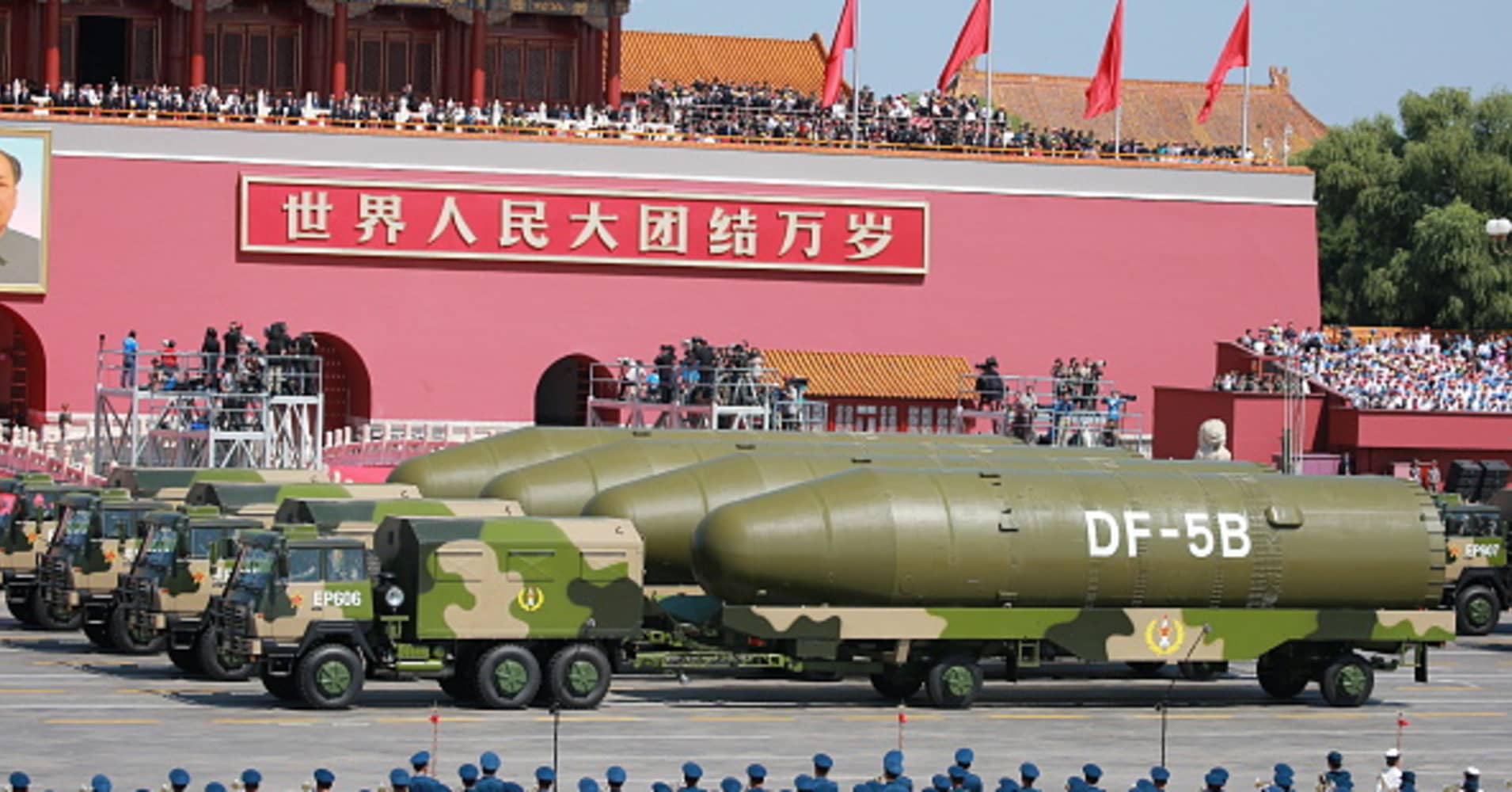
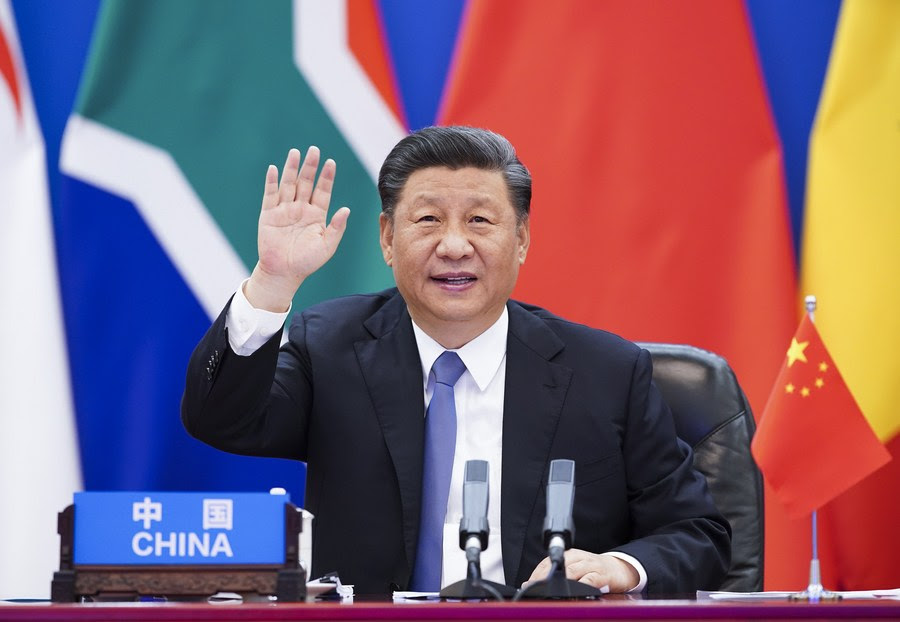
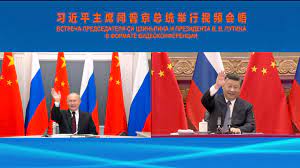
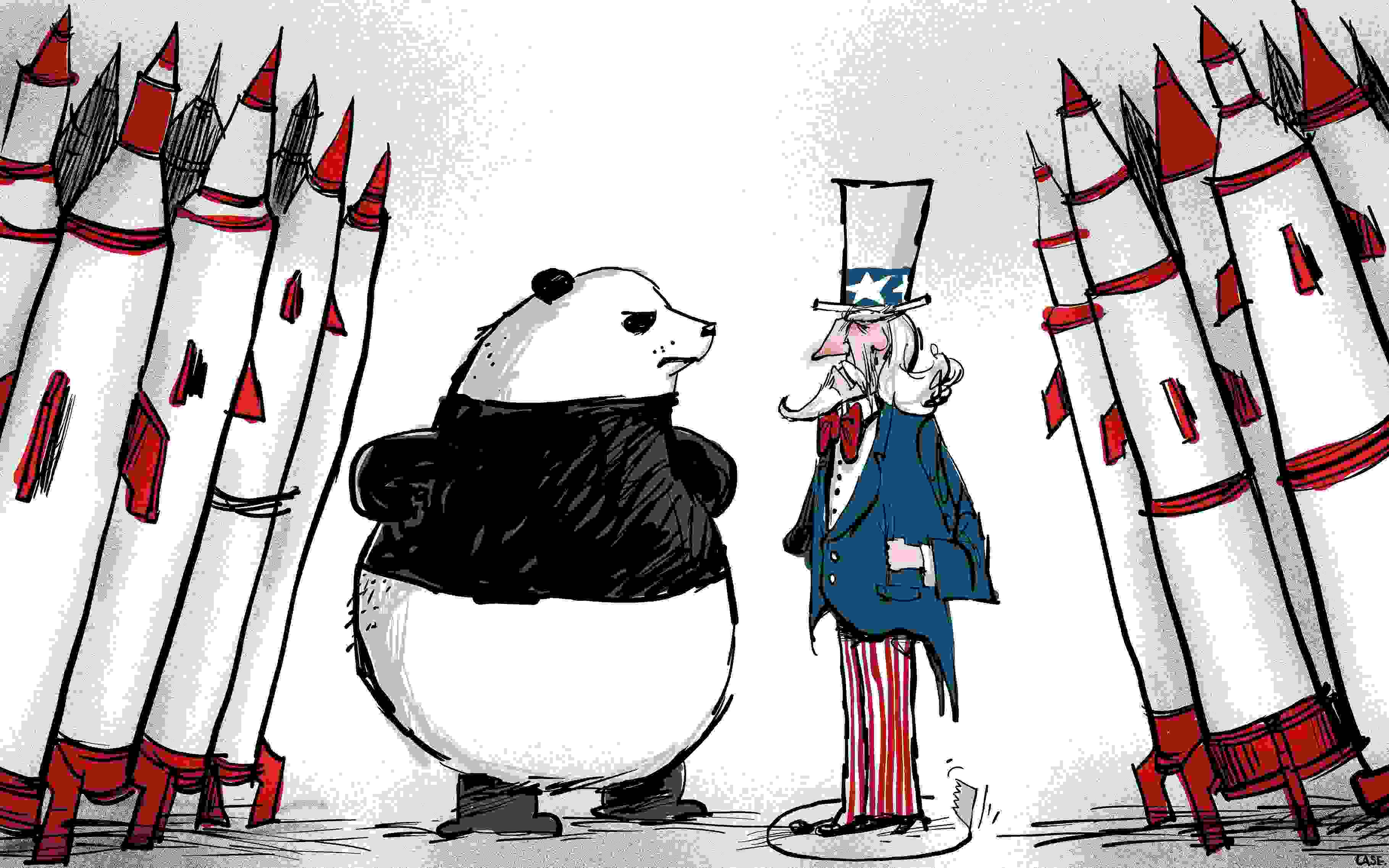
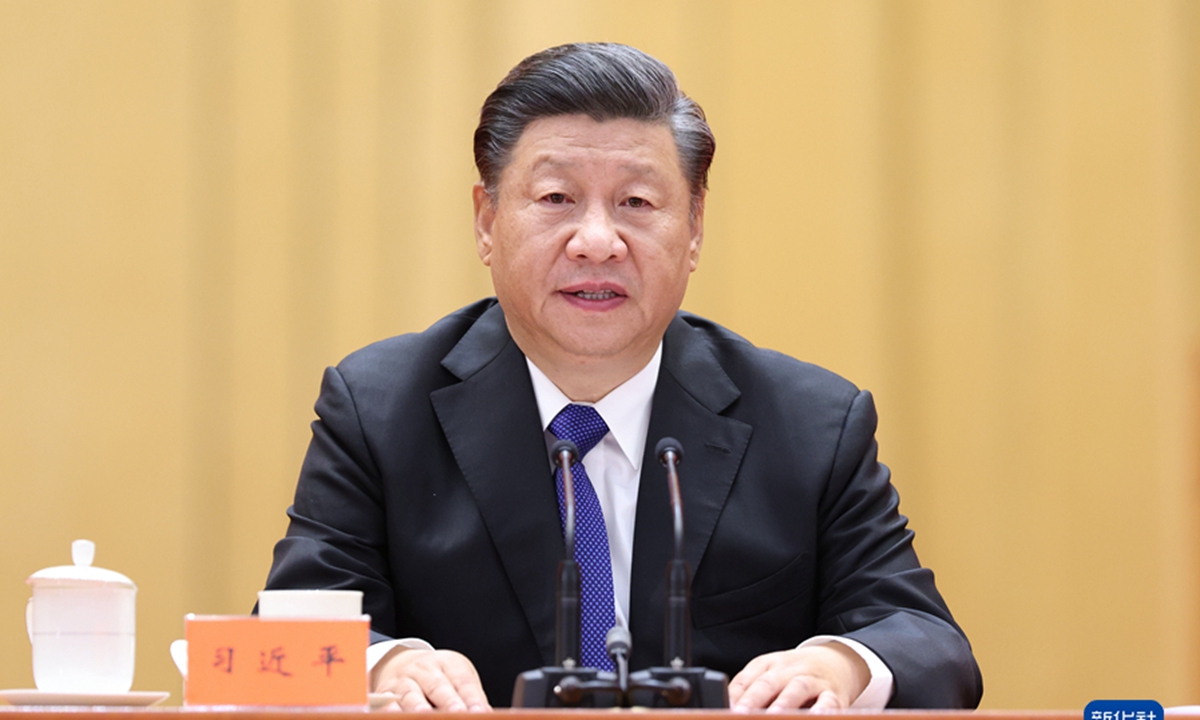
On 16 November, CNN reported that US President Donald Trump will hold an unprecedented trilateral meeting with China’s President Xi Jinping and Russia’s President Vladimir Putin on the sidelines of the APEC summit in Shenzhen on November 19. The discussions will focus on nuclear non-proliferation and potential reductions in nuclear weapons, although US officials do not expect an immediate agreement. The meeting comes amidst the expiration of the last US-Russia nuclear arms treaty in February and China's expanding nuclear arsenal. While Washington views the talks as an initial diplomatic engagement, Ukraine has expressed concerns about decisions affecting its future without Kyiv's participation.
(“Trump to meet with China’s Xi and Russia’s Putin at historic trilateral sit-down on nuclear non-proliferation,” CNN, 16 November 2026)
https://edition.cnn.com/2026/11/13/politics/trump-putin-xi-meeting
President Trump’s critical minerals strategy fails to reduce US dependence on China, says Reuters
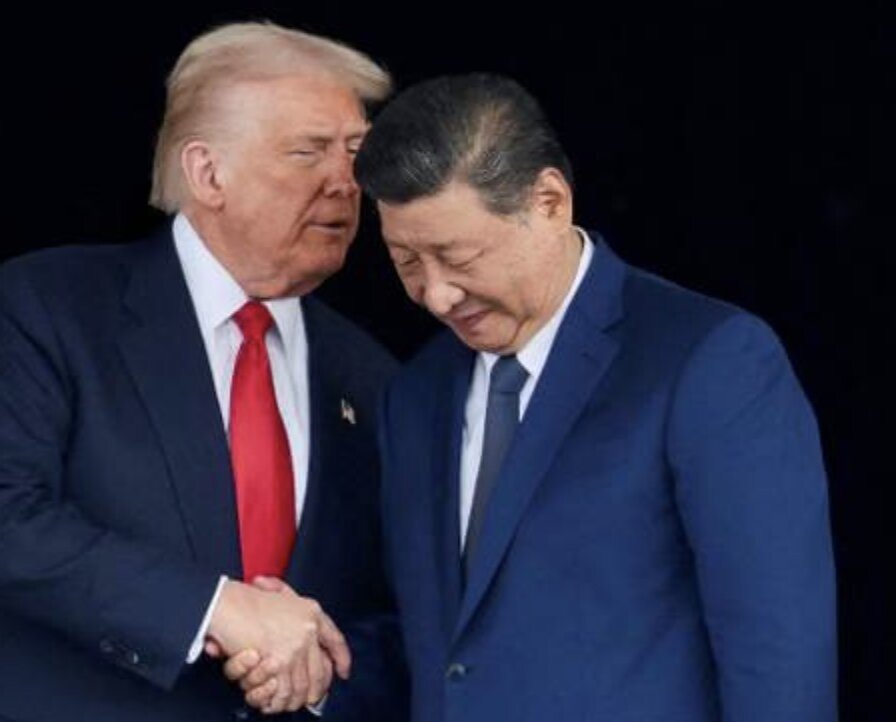
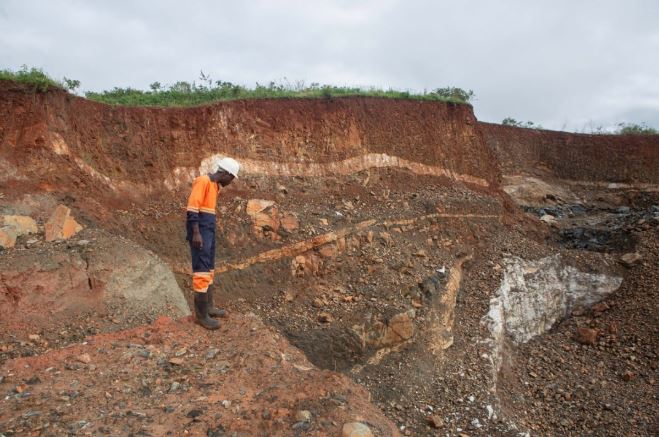
On 15 November, Reuters reported that US President Donald Trump’s efforts to reduce dependence on China for critical minerals remained largely unsuccessful ahead of his meeting with Xi Jinping. Despite billions in federal investments, American mining, refining and magnet manufacturing projects remain years away from full production. China retains dominance over rare earth extraction, processing and manufacturing, giving Beijing significant leverage in trade negotiations. Its export restrictions previously disrupted US manufacturers, including Ford. While projects such as MP Materials and Nevada’s Thacker Pass are progressing, limited domestic capacity constrains Washington’s negotiating power. Consequently, mineral dependence remains a strategic vulnerability for the US.
(“Trump's minerals push has yet to loosen China's grip ahead of Xi talks,” Reuters, 15 November 2026)
https://www.reuters.com/business/autos-transportation/trumps-minerals-push-has-yet-loosen-chinas-grip-ahead-xi-talks-2026-11-15/
Beijing and Washington discuss tariff reductions and agricultural trade ahead of Xi-Trump meeting
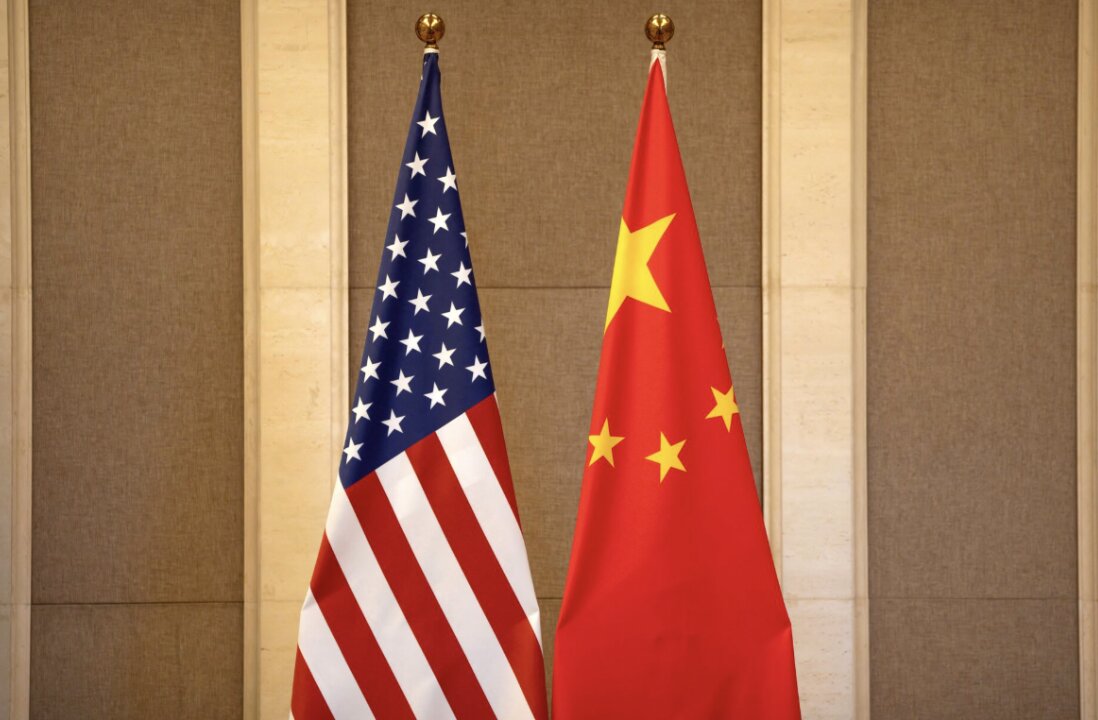
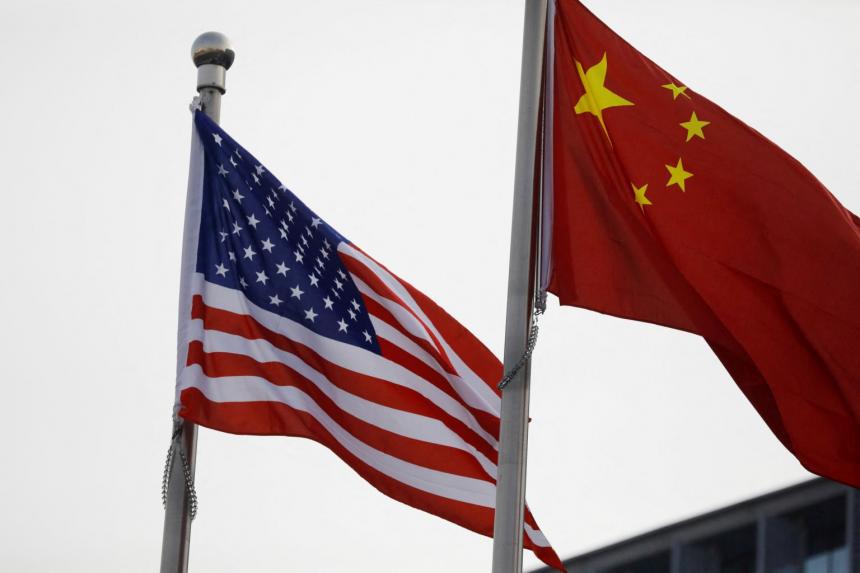
On 14 November, Reuters reported that China and the US held their first trade council meeting, discussing tariff reductions, agricultural trade and outstanding economic disputes ahead of the expected Xi-Trump summit in Shenzhen. Discussions included a proposed reciprocal USD 30 billion tariff cut arrangement within a broader USD 60 billion package agreed in principle following their September summit. The package includes approximately USD 17 billion in US agricultural exports to China. However, implementation remains pending. Chinese purchases of American agricultural products, excluding soybeans, are projected to reach a seven year low in 2026. Beijing has urged Washington to implement tariff reductions before expanding agricultural imports.
(“China, US discuss tariffs, farm trade ahead of Xi-Trump meeting,” Reuters, 14 November 2026)
https://www.reuters.com/world/china/china-us-discuss-tariffs-farm-trade-first-trade-council-meeting-2026-11-14/
Opinion: Diana Choyleva, “Jensen Huang’s downfall will accelerate US-China ‘great decoupling’," Channel News Asia, 16 November 2026
“The tension between US national security interests, China's determination to achieve technological self-reliance and the commercial interests of globally integrated companies was always going to be difficult to reconcile. Even if Huang is fully exonerated, those forces will remain. Indeed, his downfall risks accelerating them, strengthening the hand of those in Washington seeking tighter controls while reinforcing Beijing's conviction that it must reduce its dependence on American technology. The political damage may already have been done. Greater distrust, tighter technology restrictions and further erosion of the fragile US-China truce now look increasingly likely.”