
Photo : Firstpost
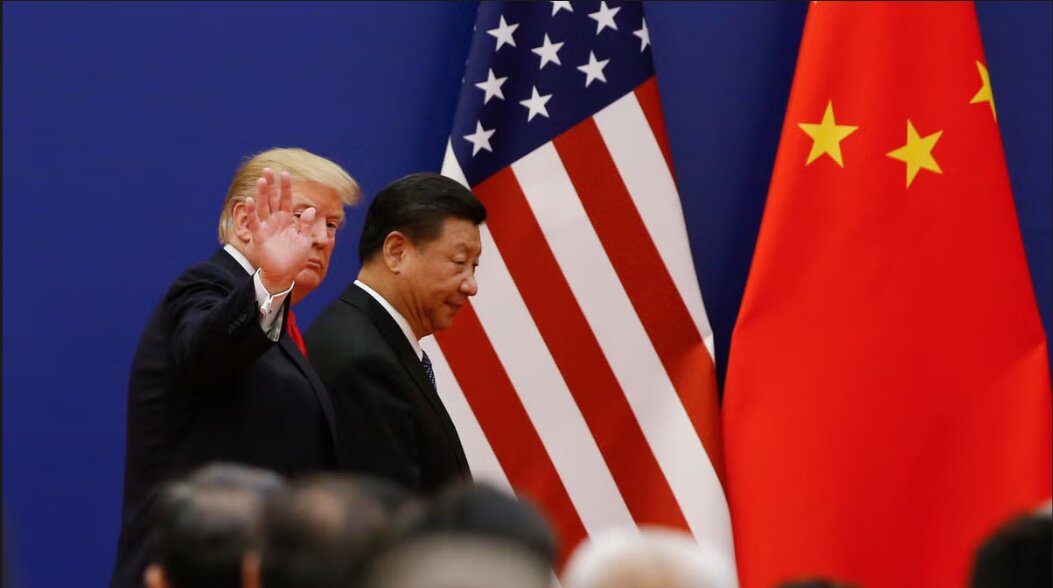
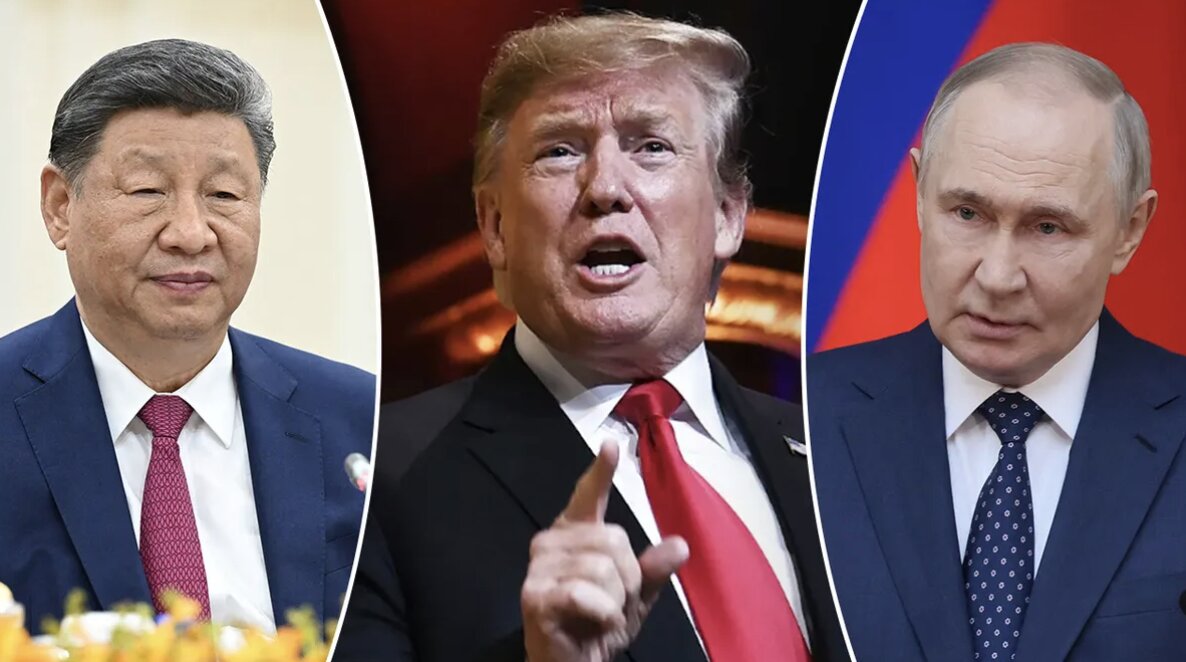
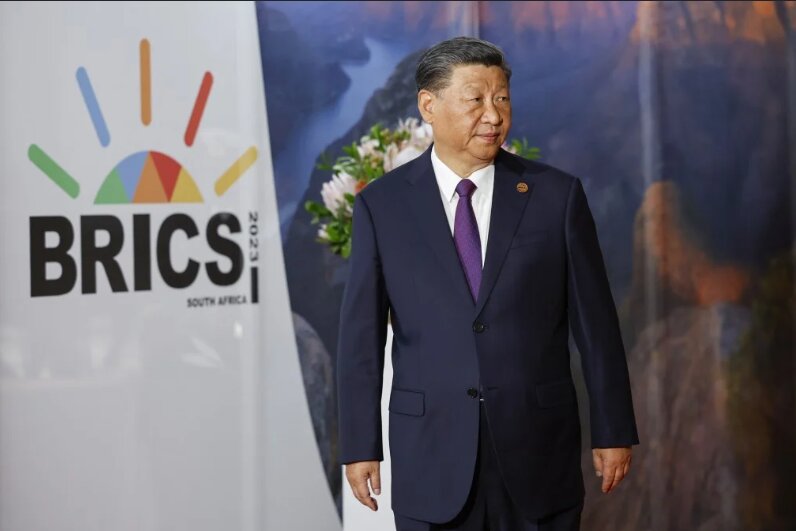
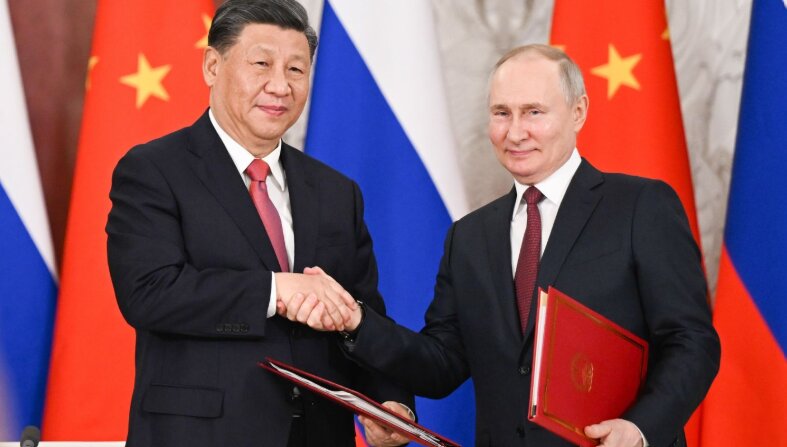
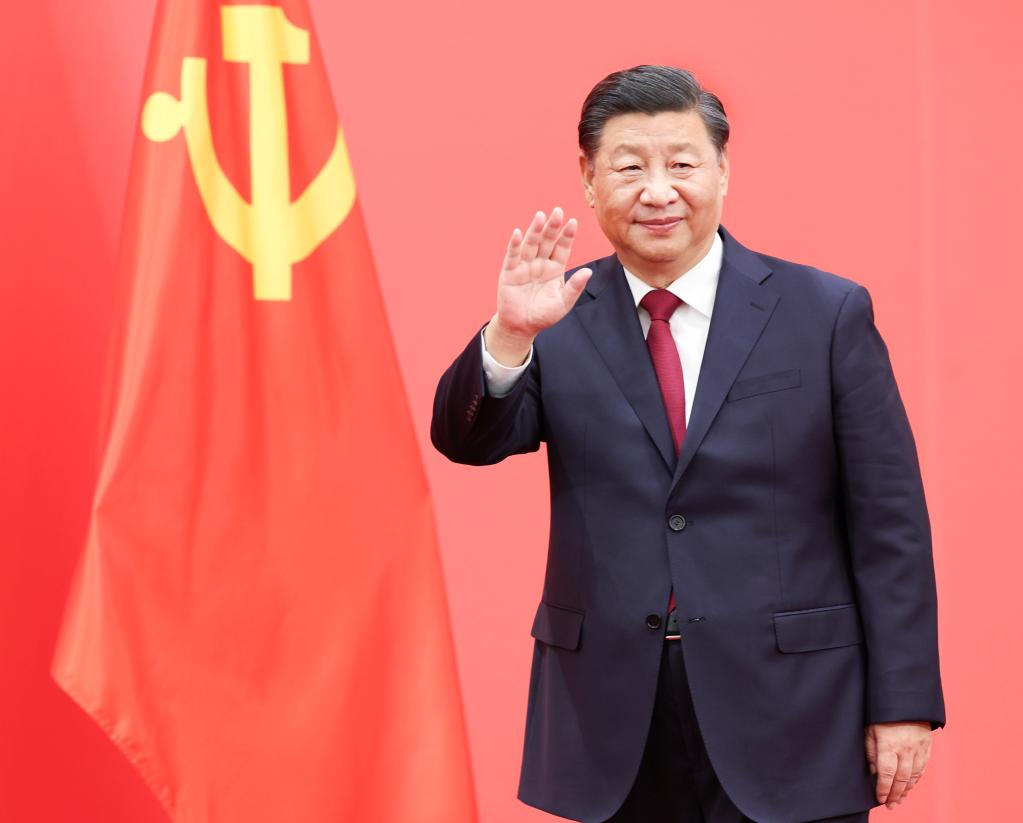
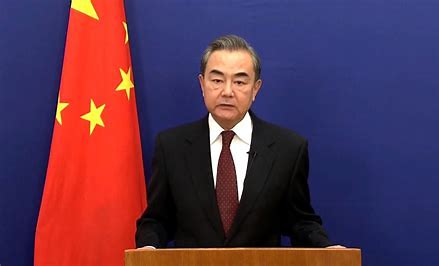
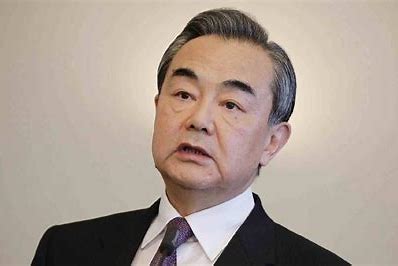
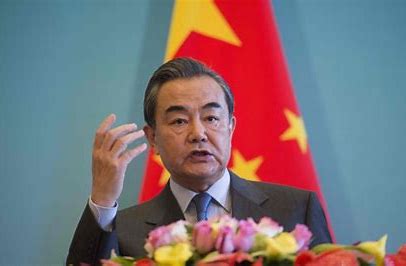
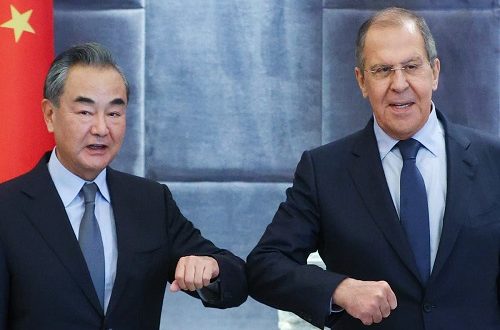
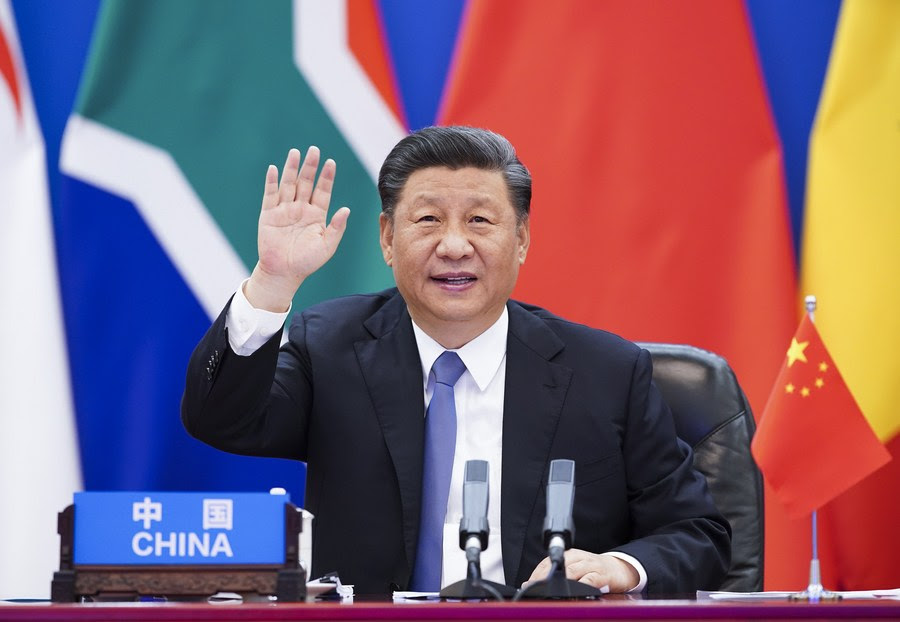
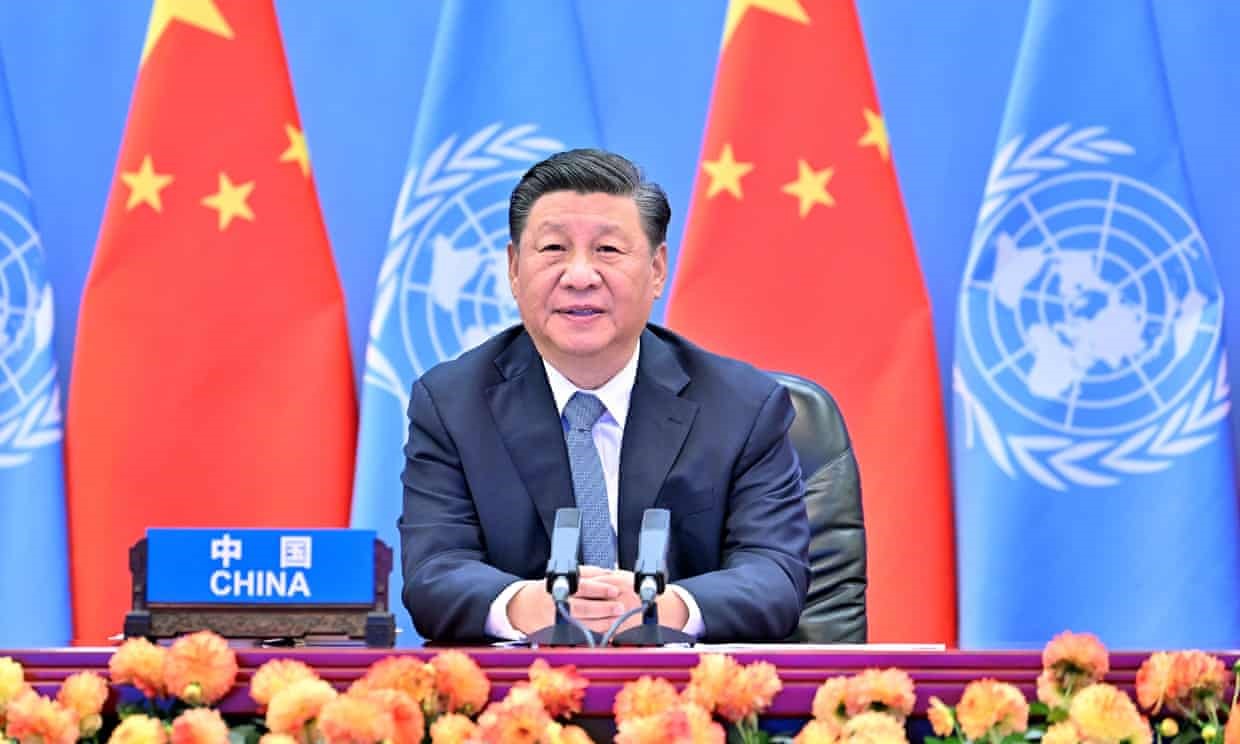
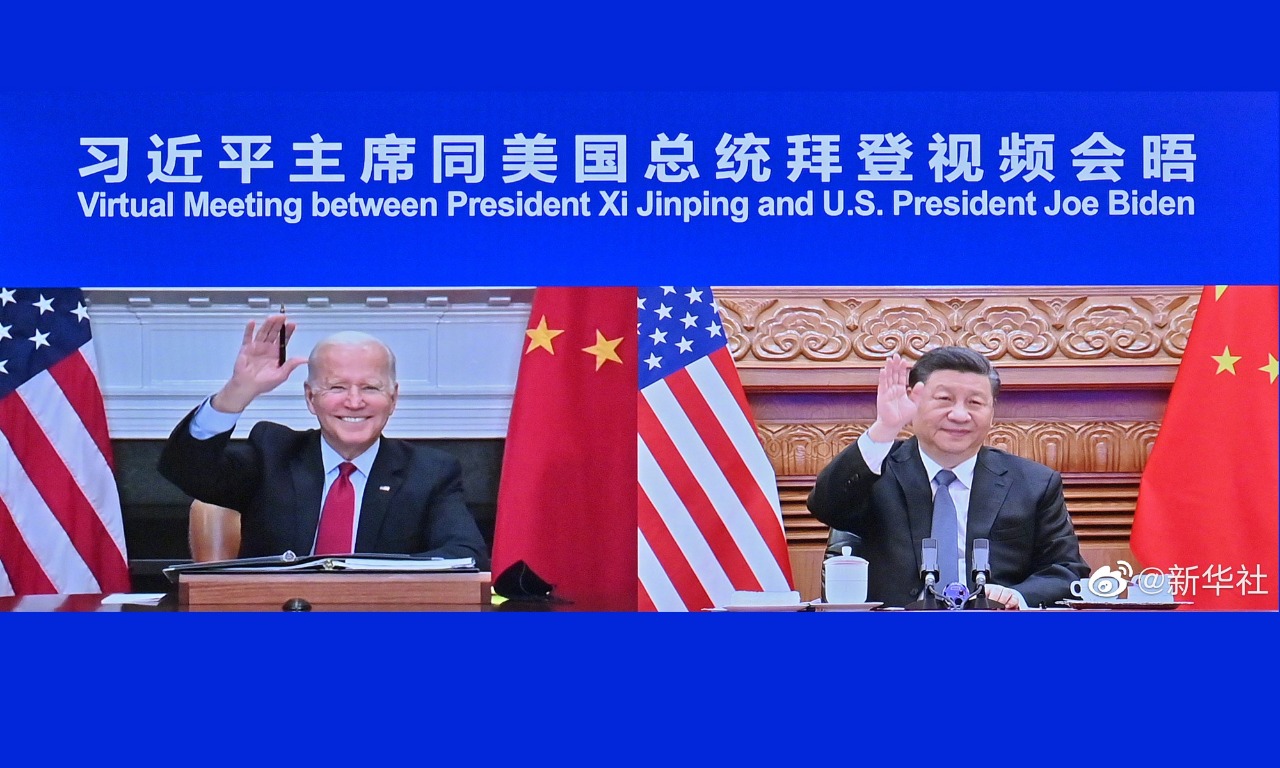
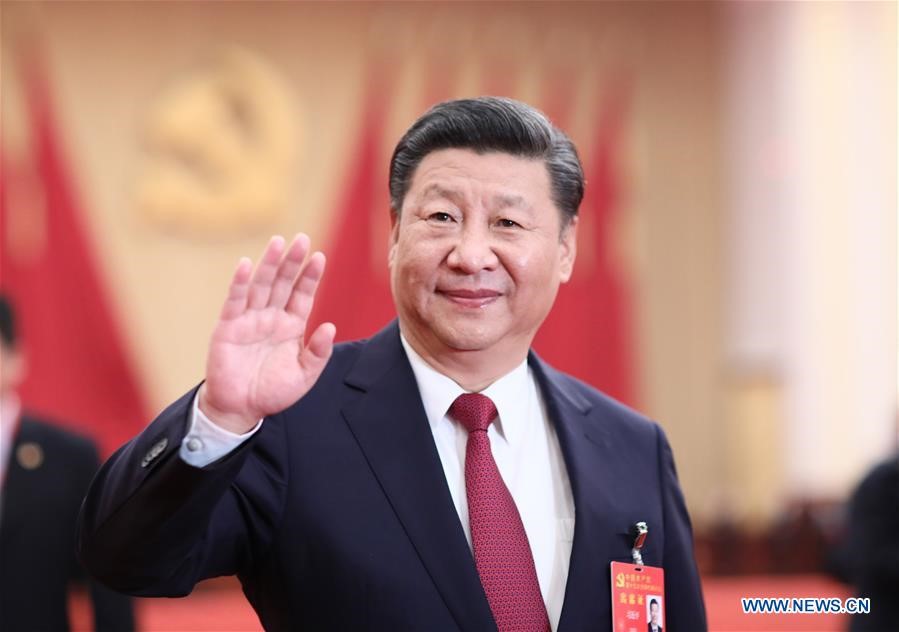
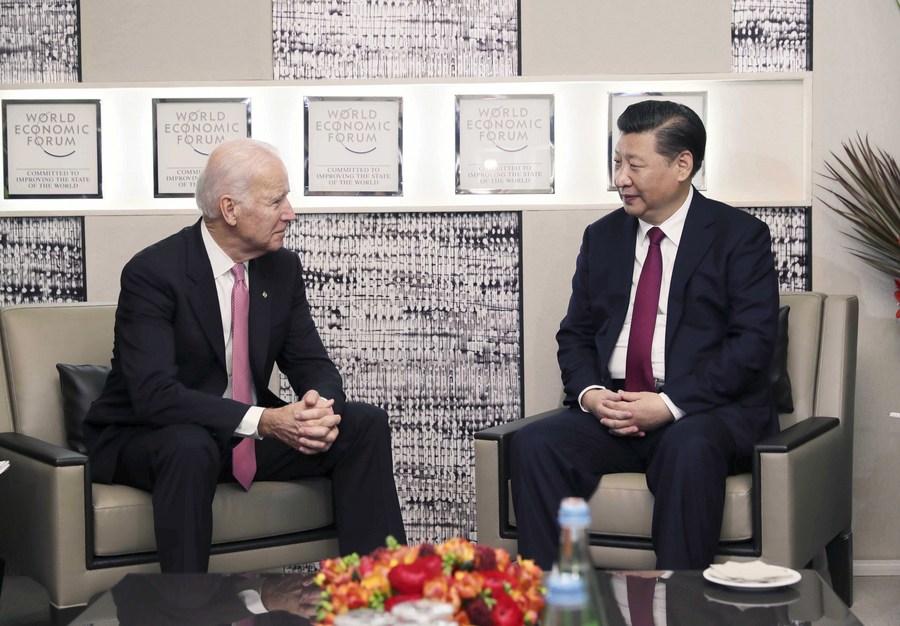
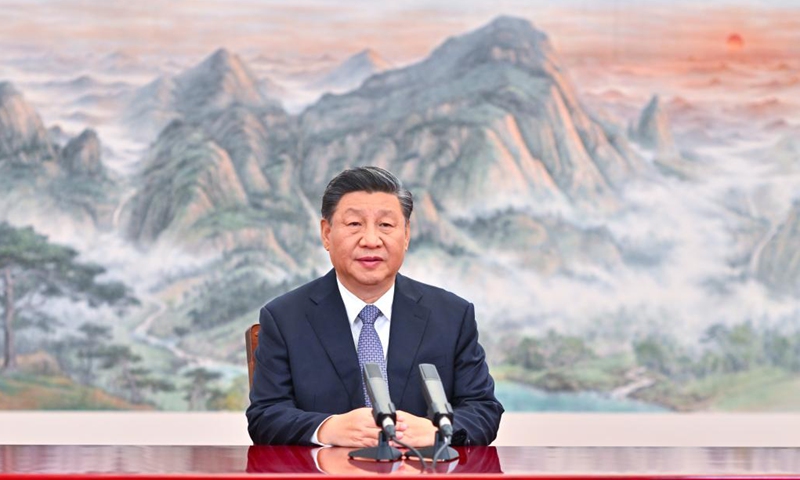
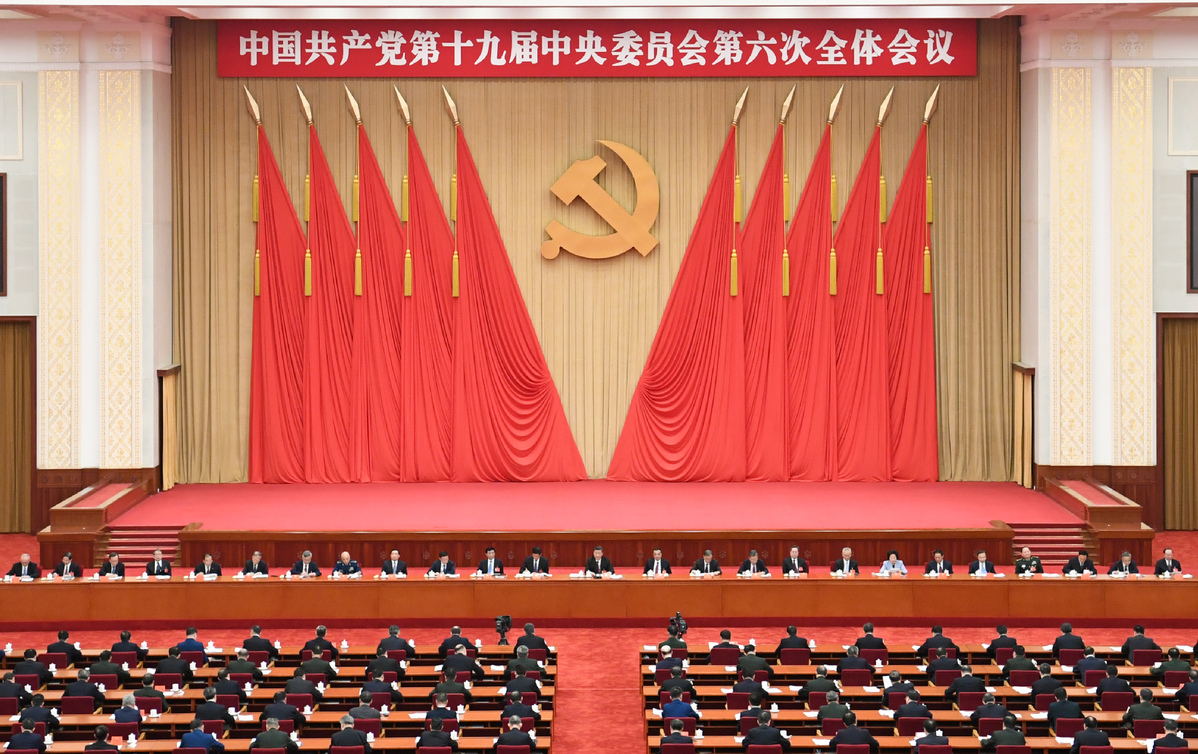
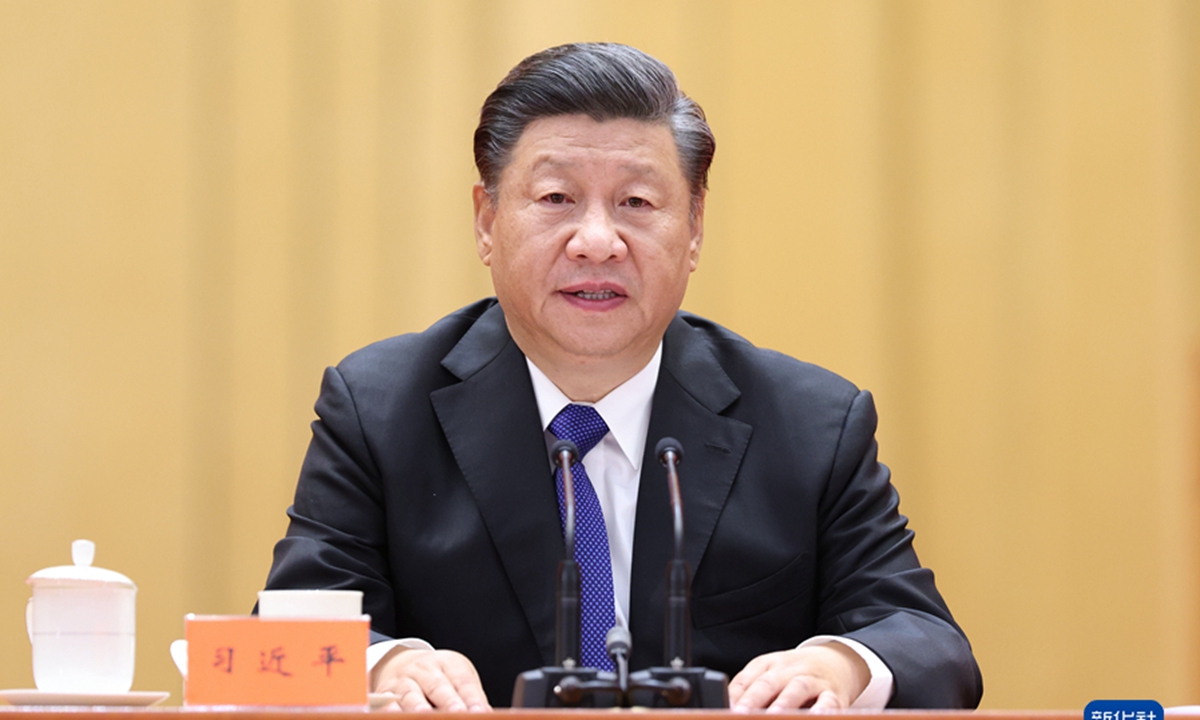
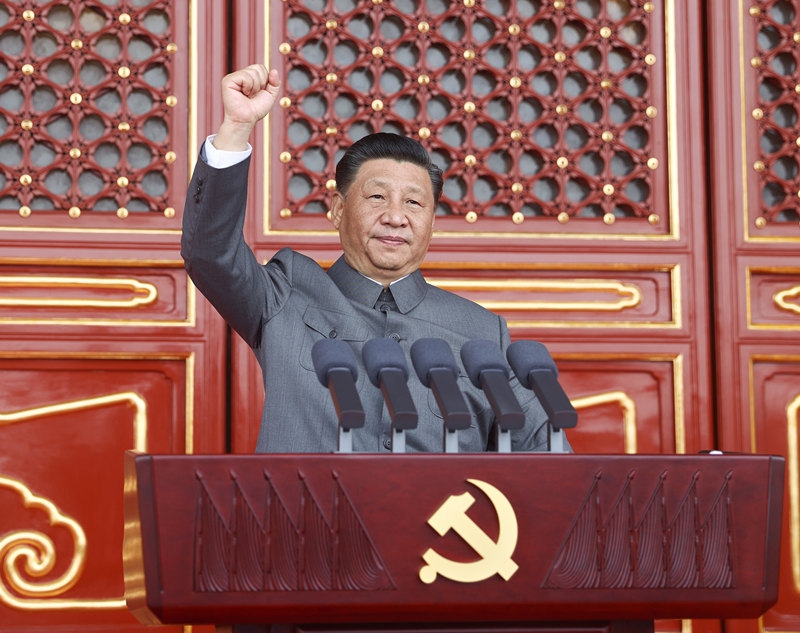
President Xi hosts Presidents Trump and Putin for APEC summit
In Brief
CHINA AND PACIFIC
US, China and Russia issue a joint peace declaration; Calls for reducing nuclear risk, UN reform, ICC compliance, and stable energy flows
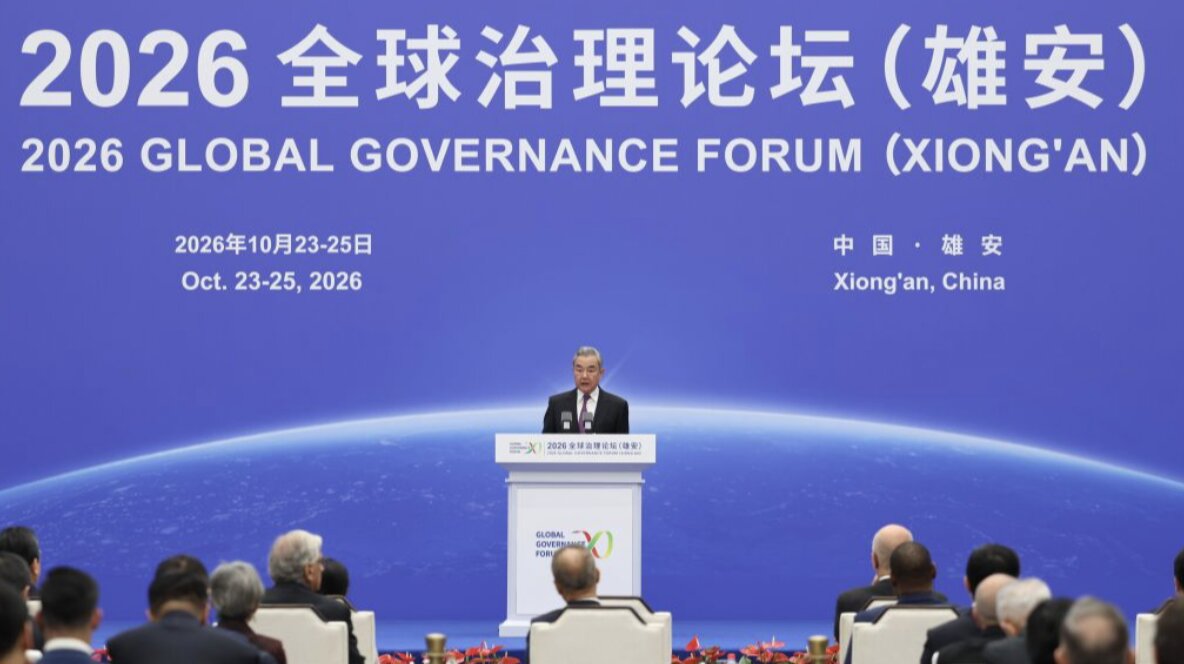
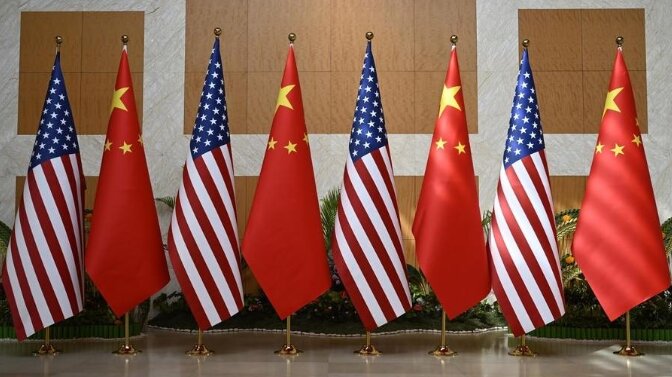
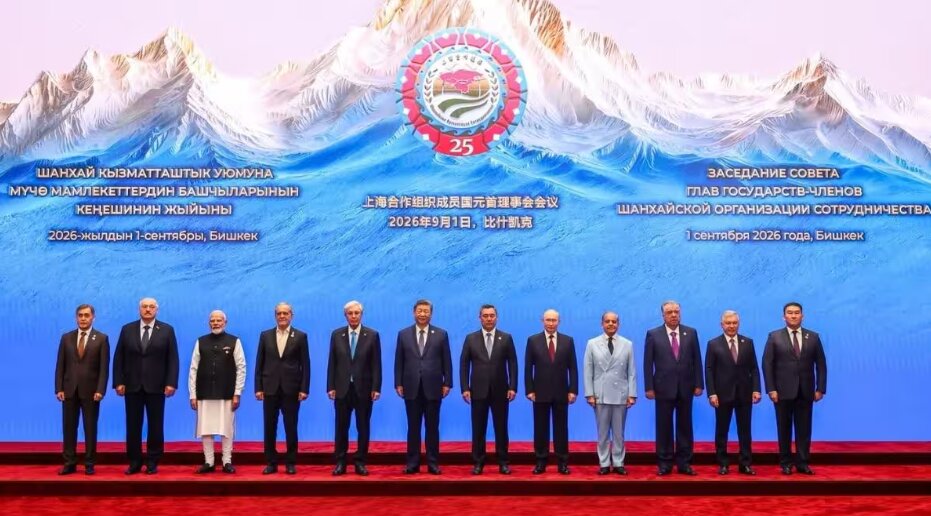
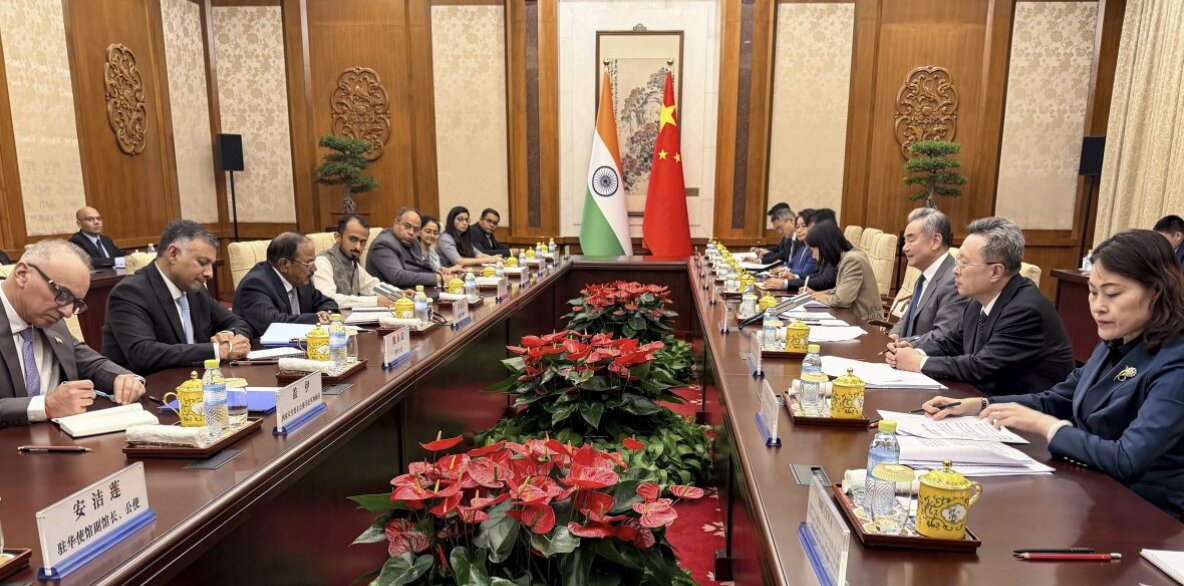
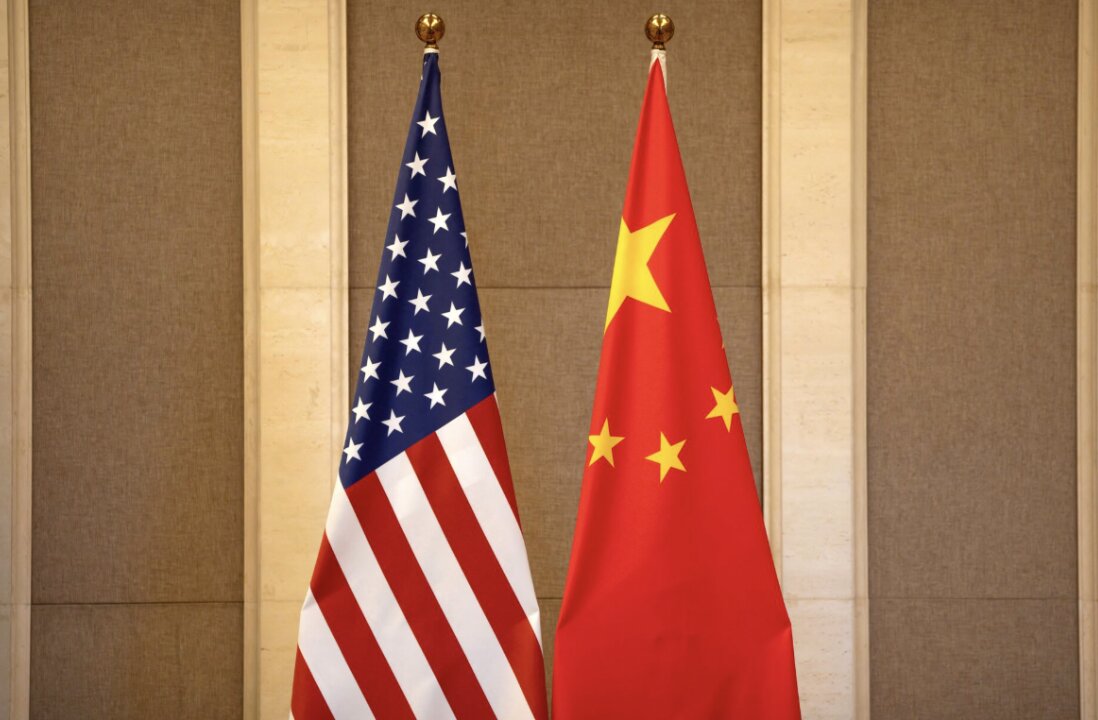
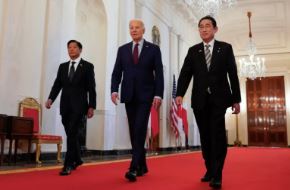
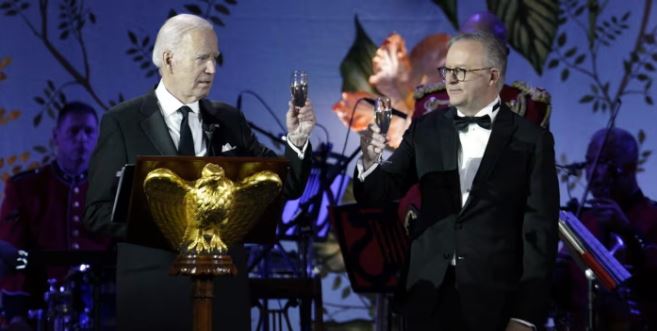
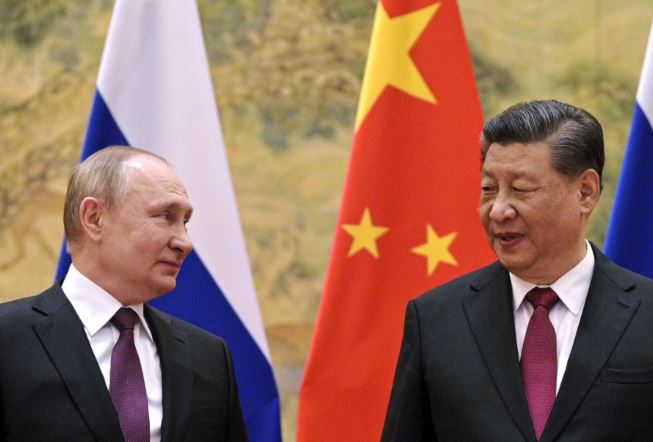
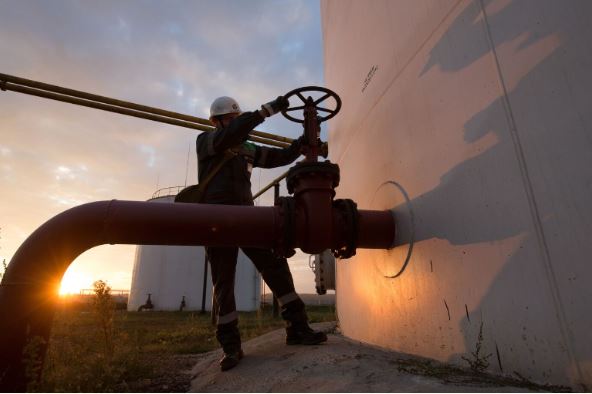
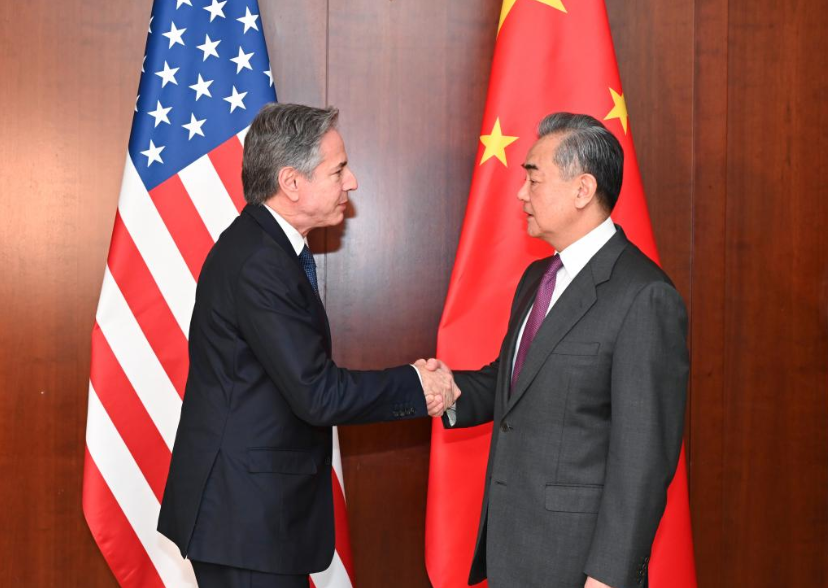
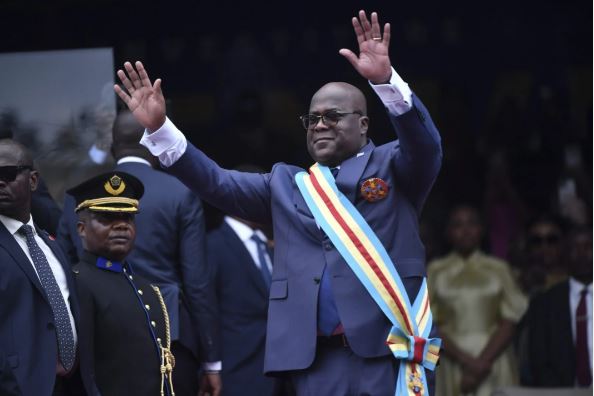
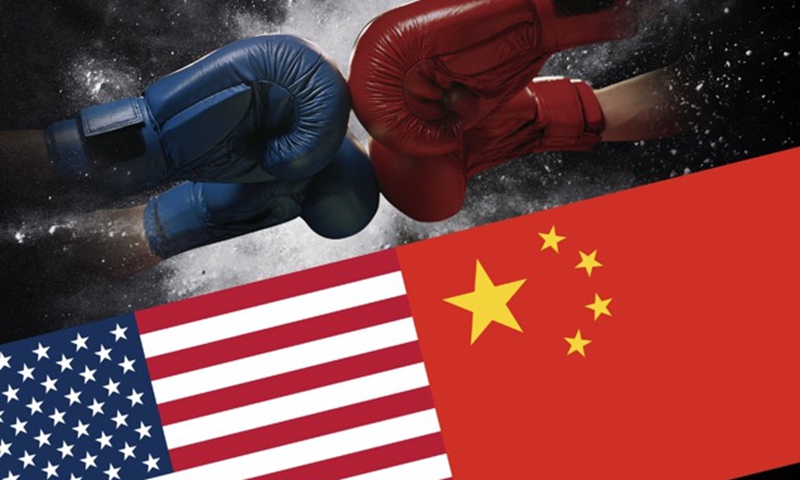
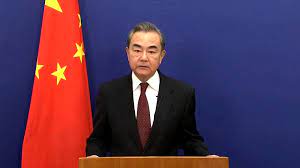
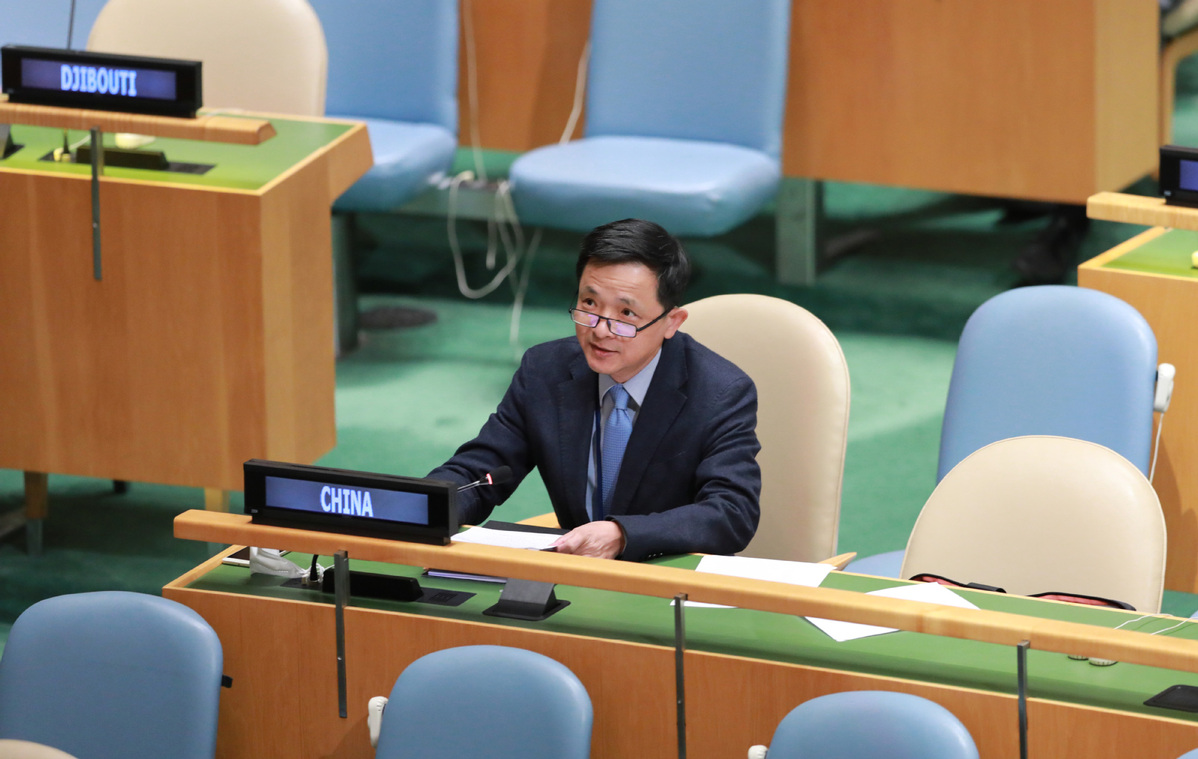
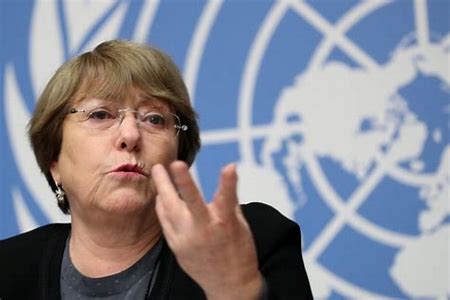
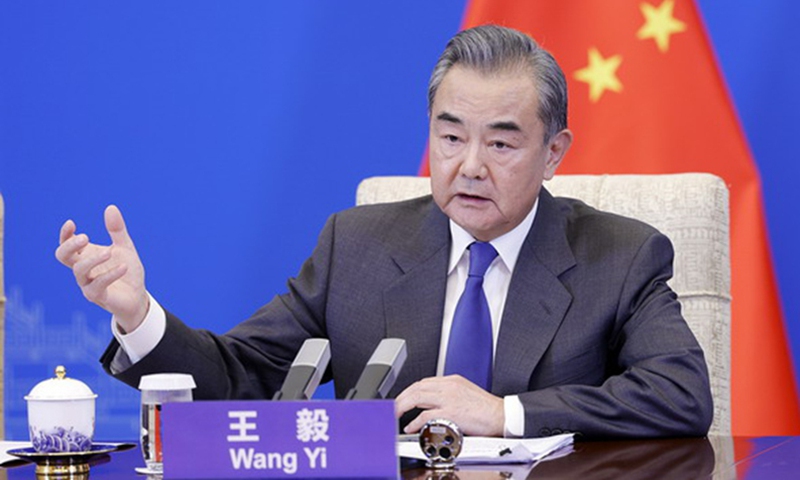
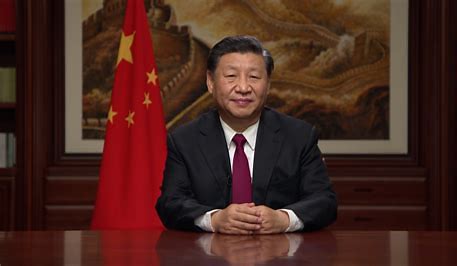
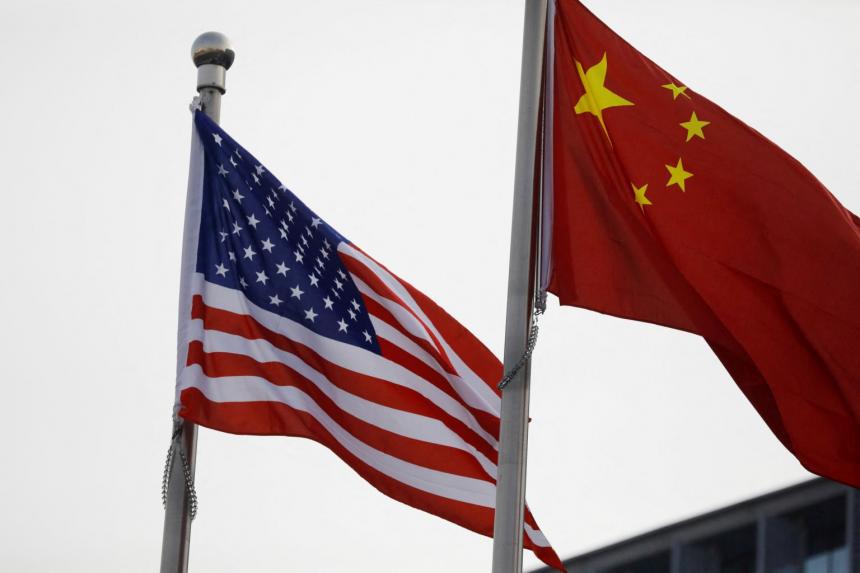
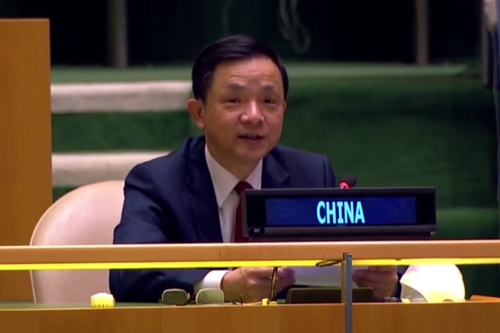
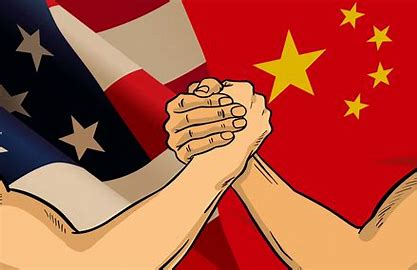
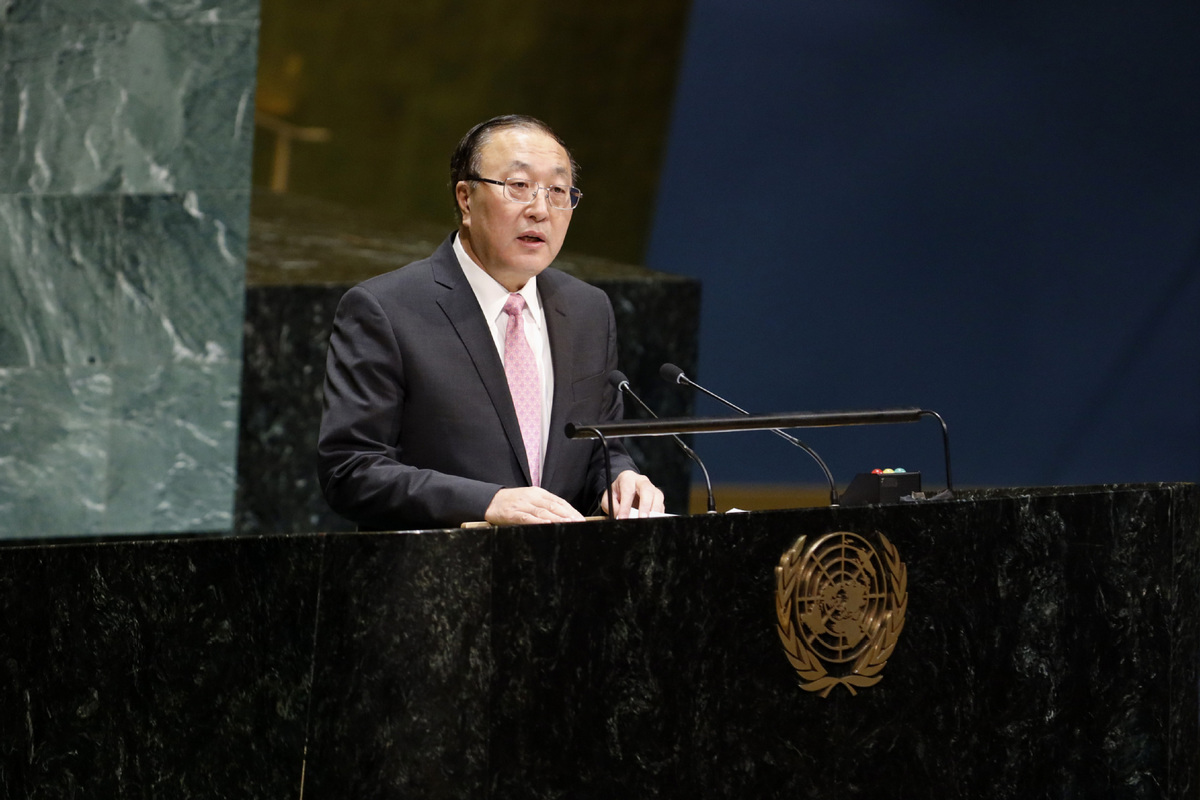
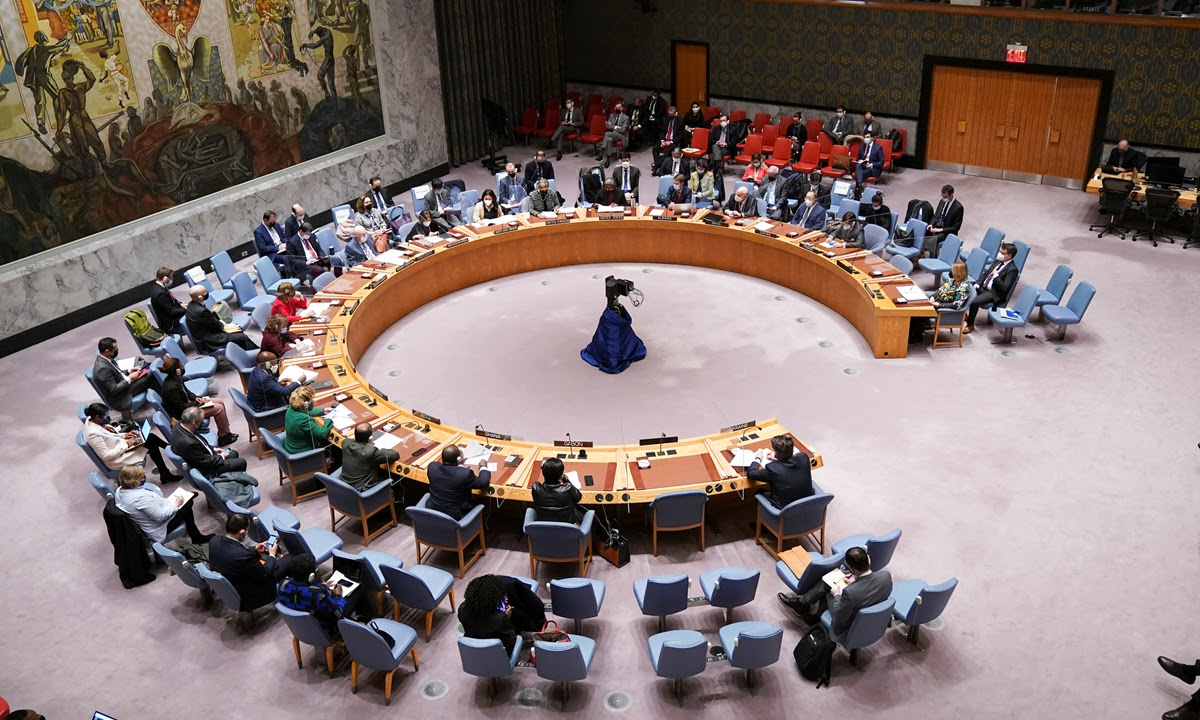
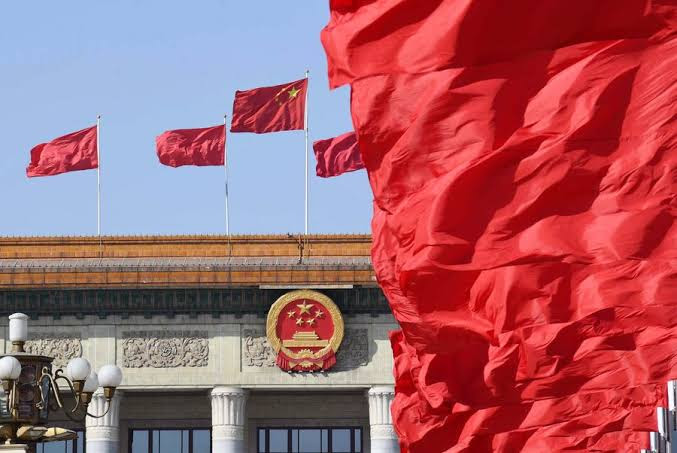
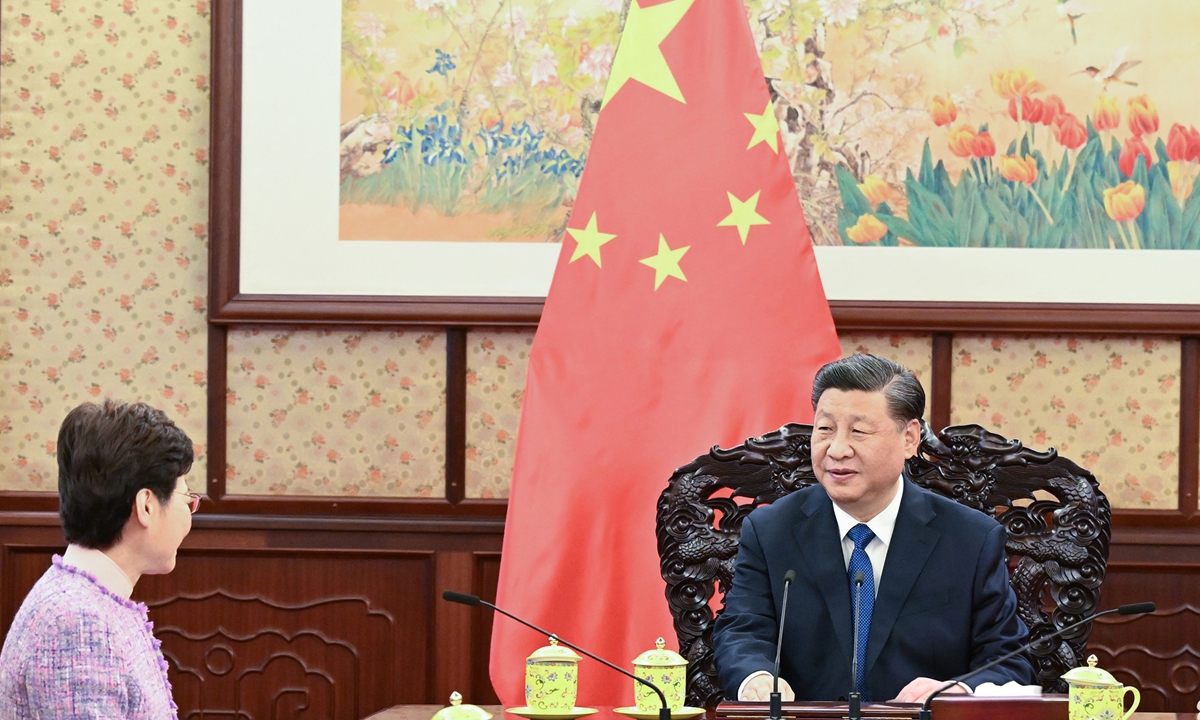
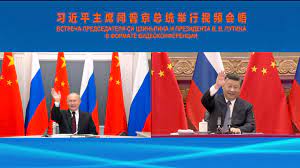
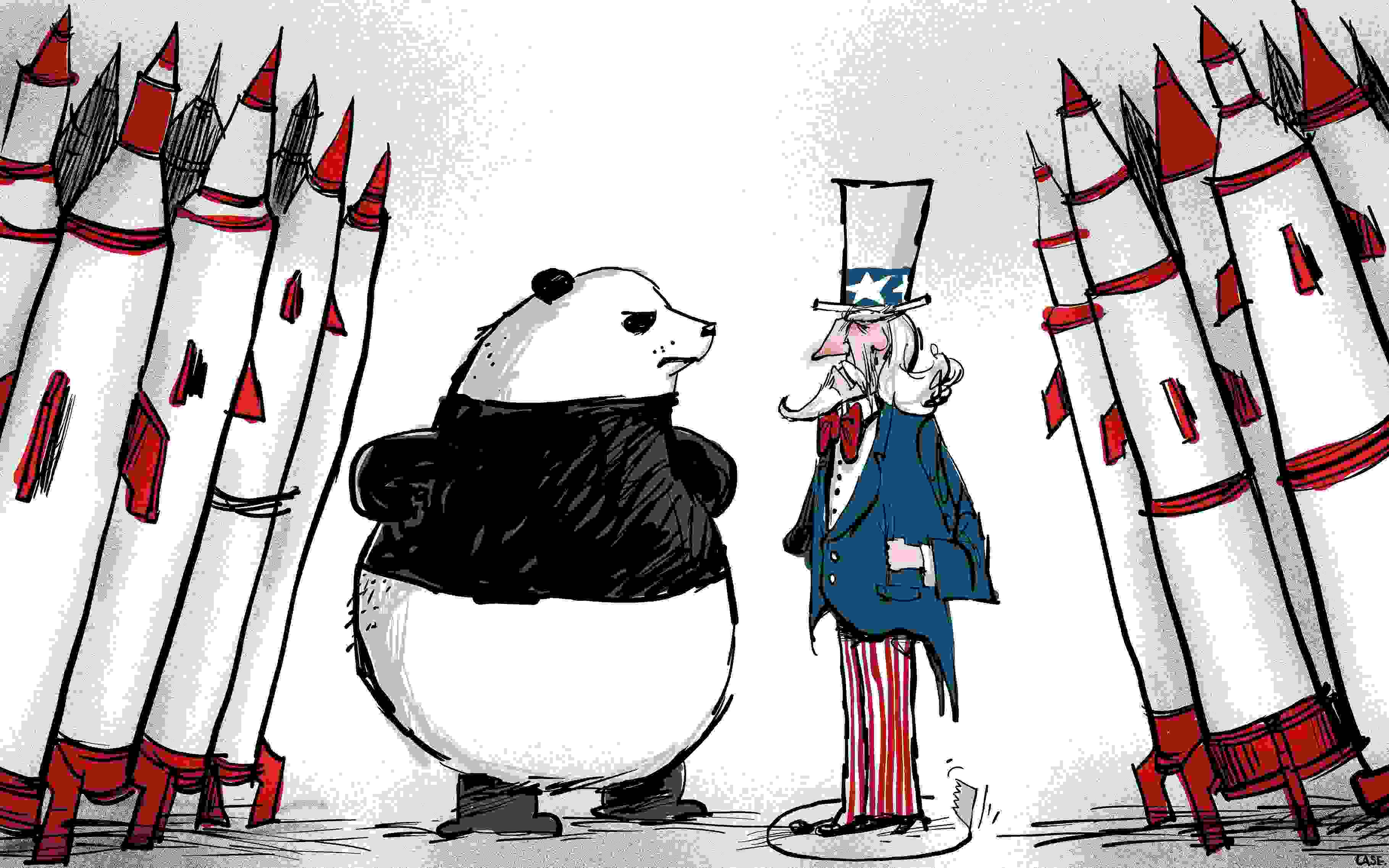
On 20 November, the BBC reported that the presidents of the US, China, and Russia issued a joint declaration of peace after the trilateral talks. The three leaders met on the sidelines of the APEC summit, marking their first trilateral talks. The declaration said, "Nuclear war cannot be won and must never be fought." The countries pledged to hold dialogue on reducing nuclear risk and preventing proliferation. Affirming their commitment to global challenges, the countries also pledged to pursue UN reforms. The countries mutually called for institutions like the International Criminal Court not to abuse their jurisdiction. The statement also reaffirmed the importance of stable energy flows. The latest media report reads: President Xi views the meeting as “positive, constructive, and fruitful." President Trump praised the meeting as "a great and highly consequential trip." President Putin stated that the trilateral summit is a chapter in the history of diplomacy.
("APEC updates: Trump, Xi, Putin commit to ‘stable energy flows'," Al Jazeera, 20 November 2026; "Trump, Putin and Xi release 'peace declaration' after historic meeting, BBC, 20 November 2026)
https://www.bbc.com/news/articles/c623j4ln97x7o
https://www.aljazeera.com/amp/news/liveblog/2026/11/19/apec-live-trump-xi-and-putin-to-meet-in-historic-three-way-china-summit
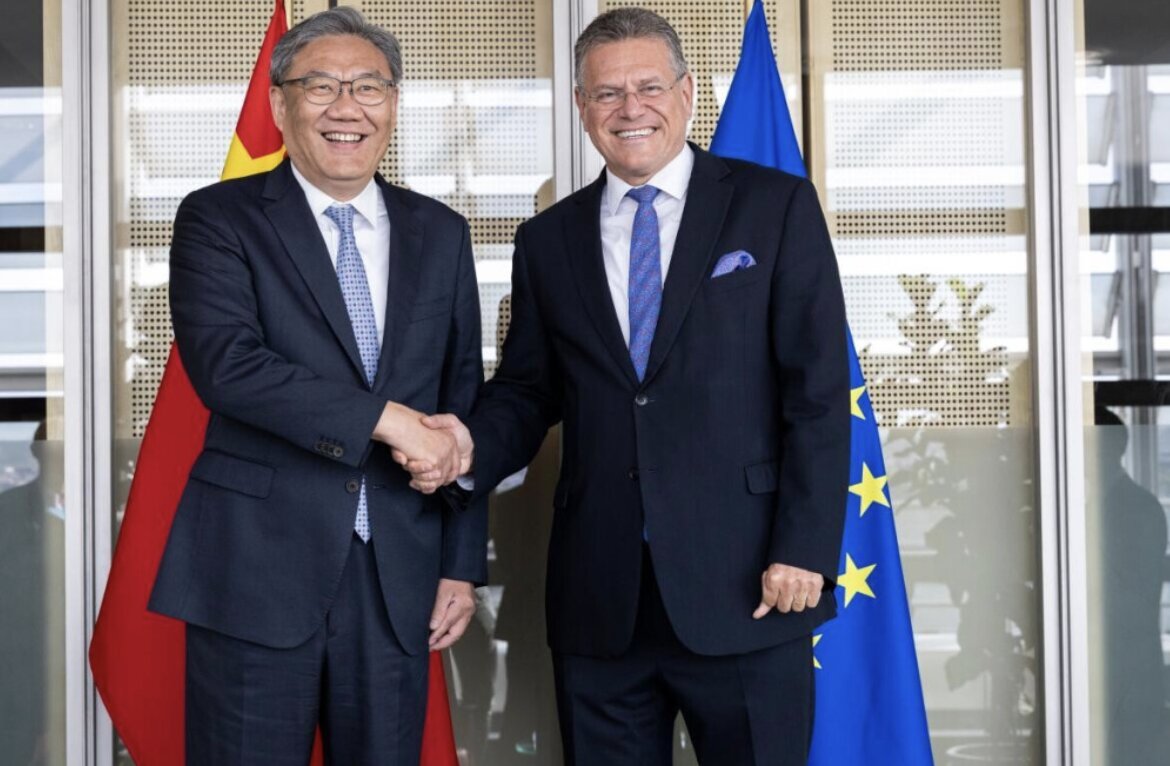
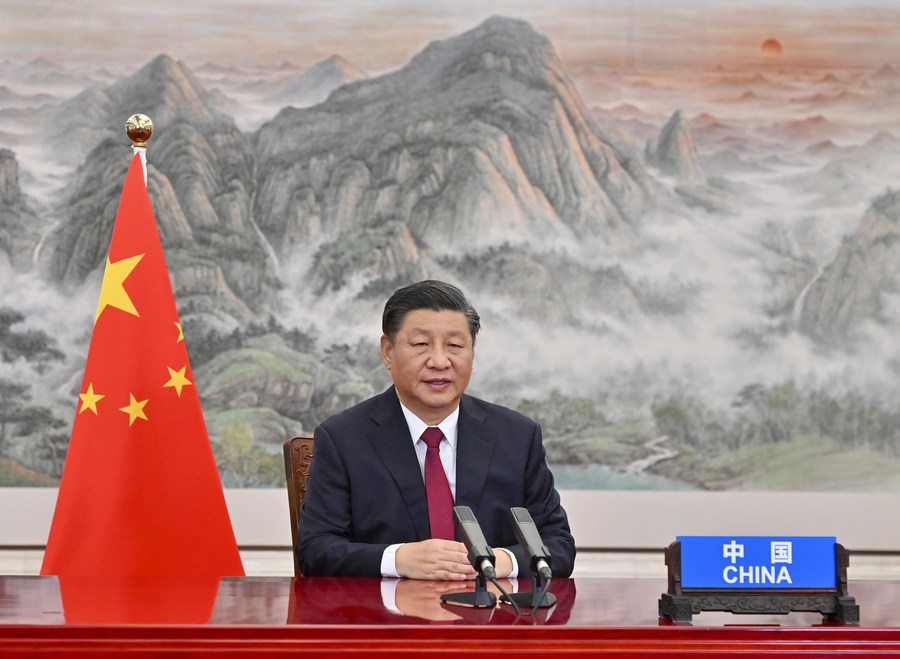
President Xi hosts Presidents Trump and Putin for APEC summit
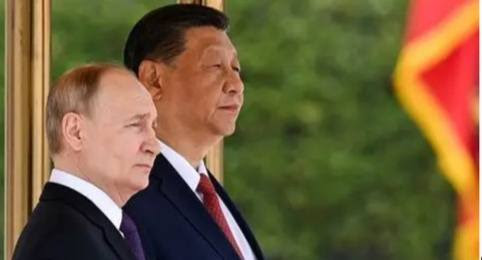
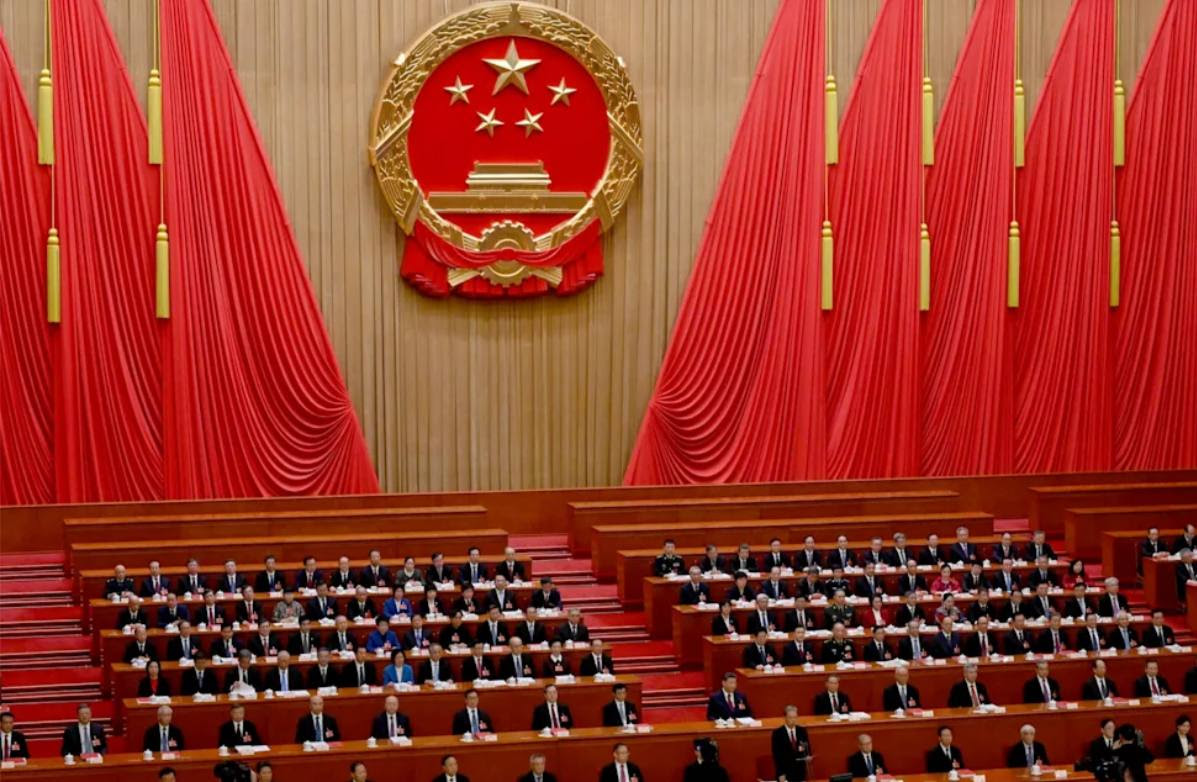
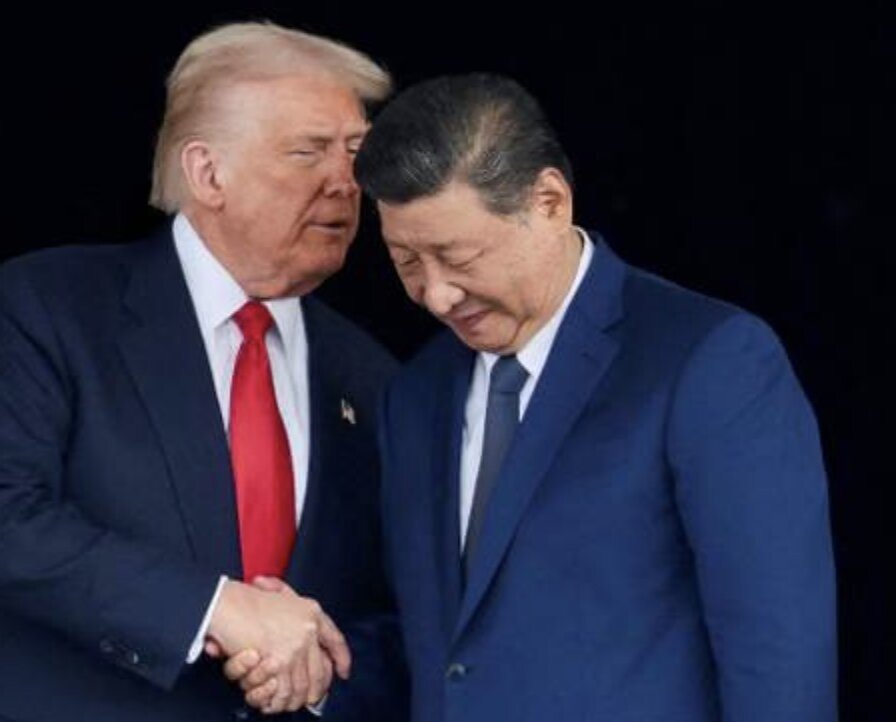
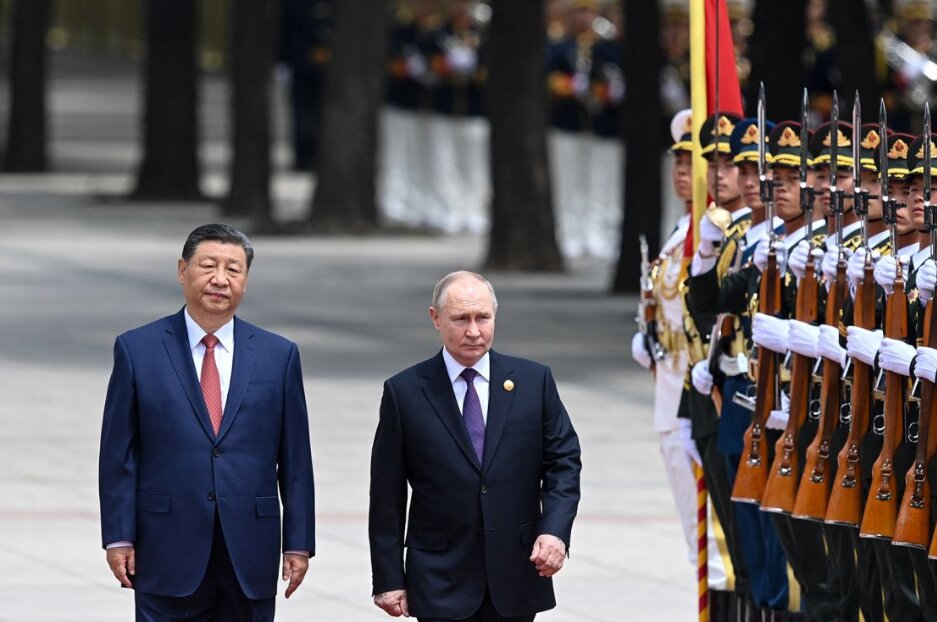
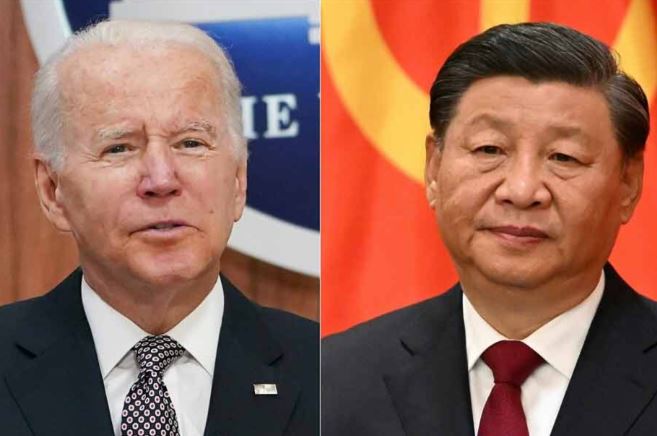
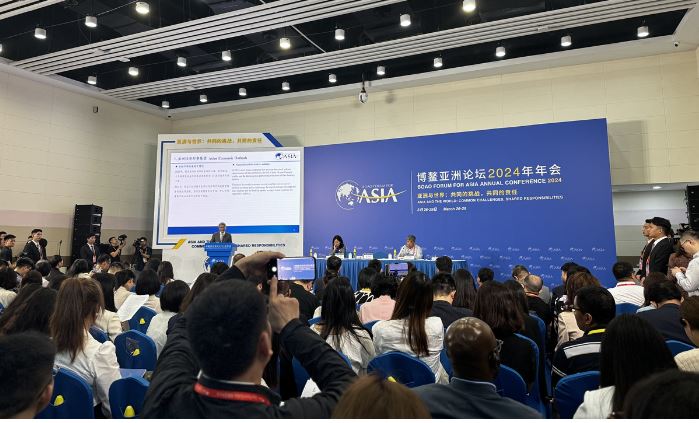
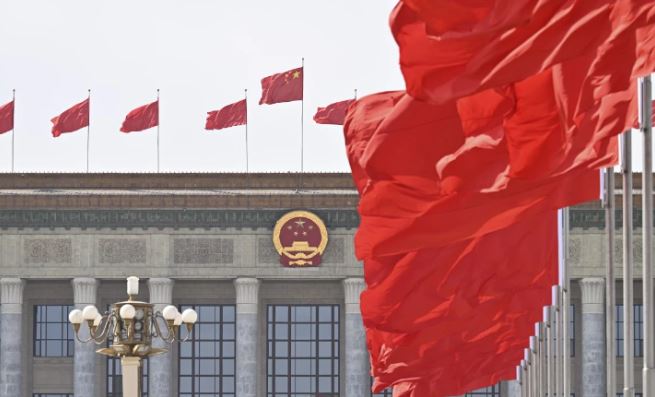
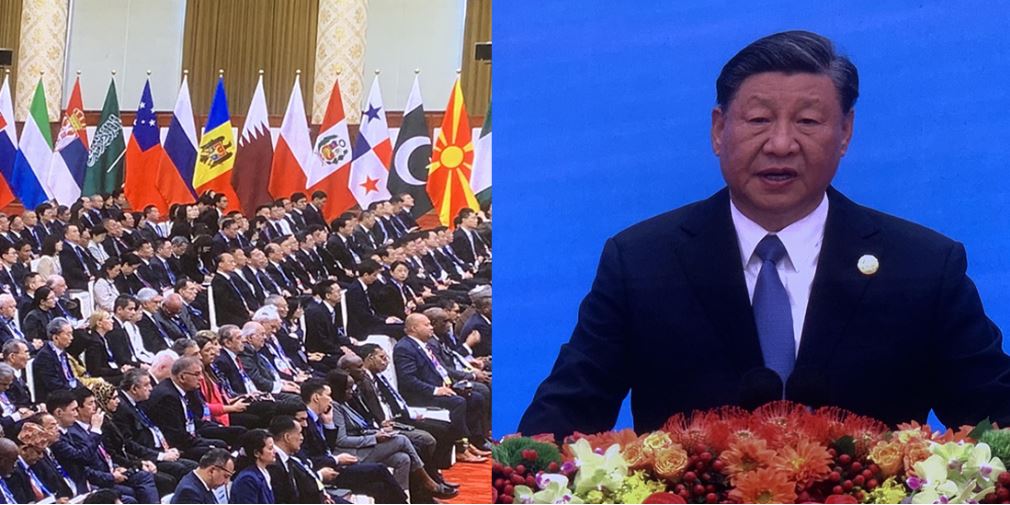
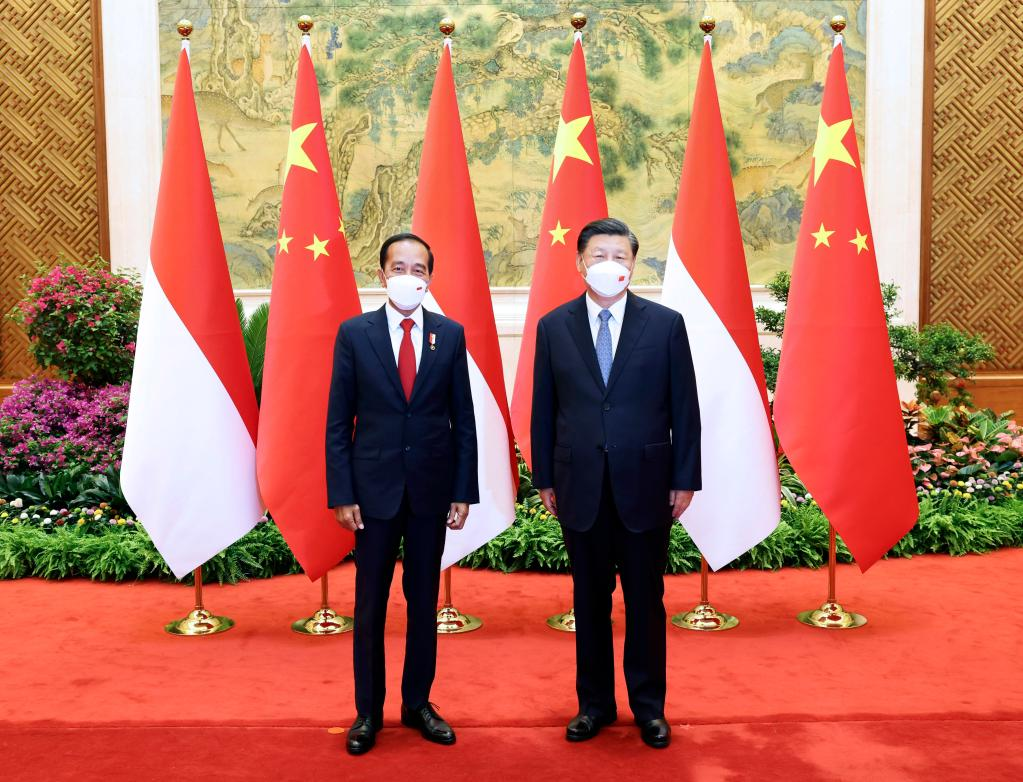
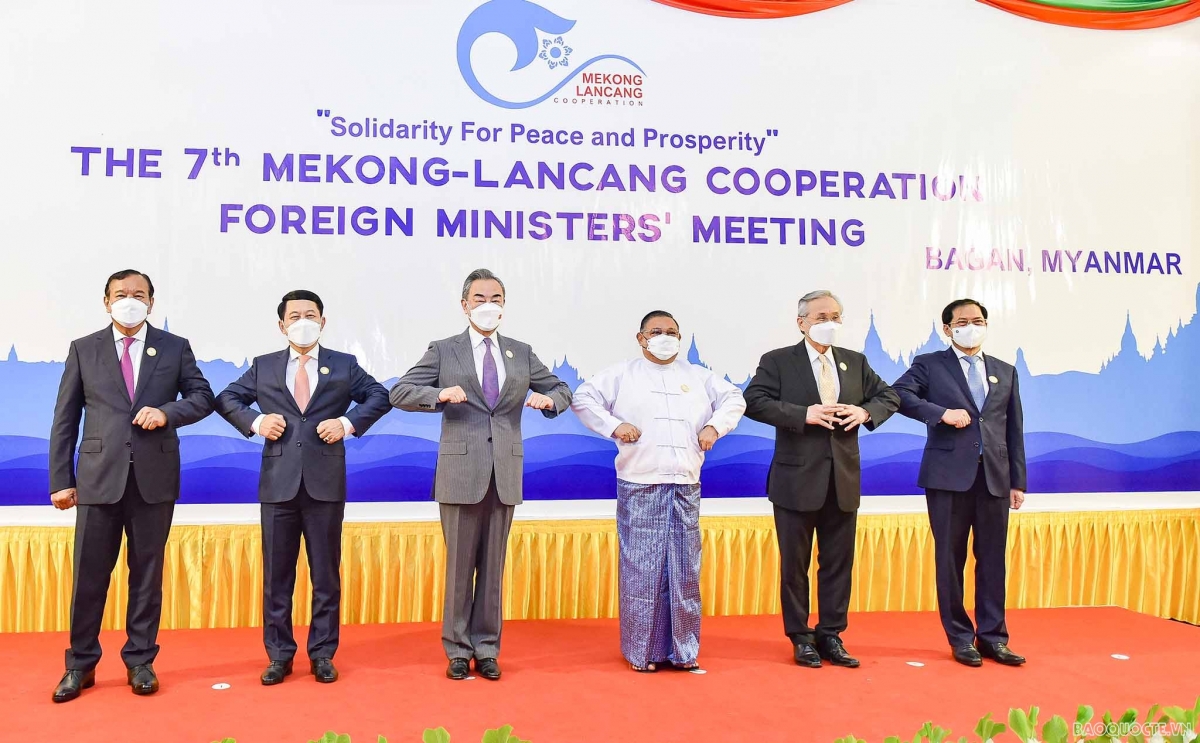
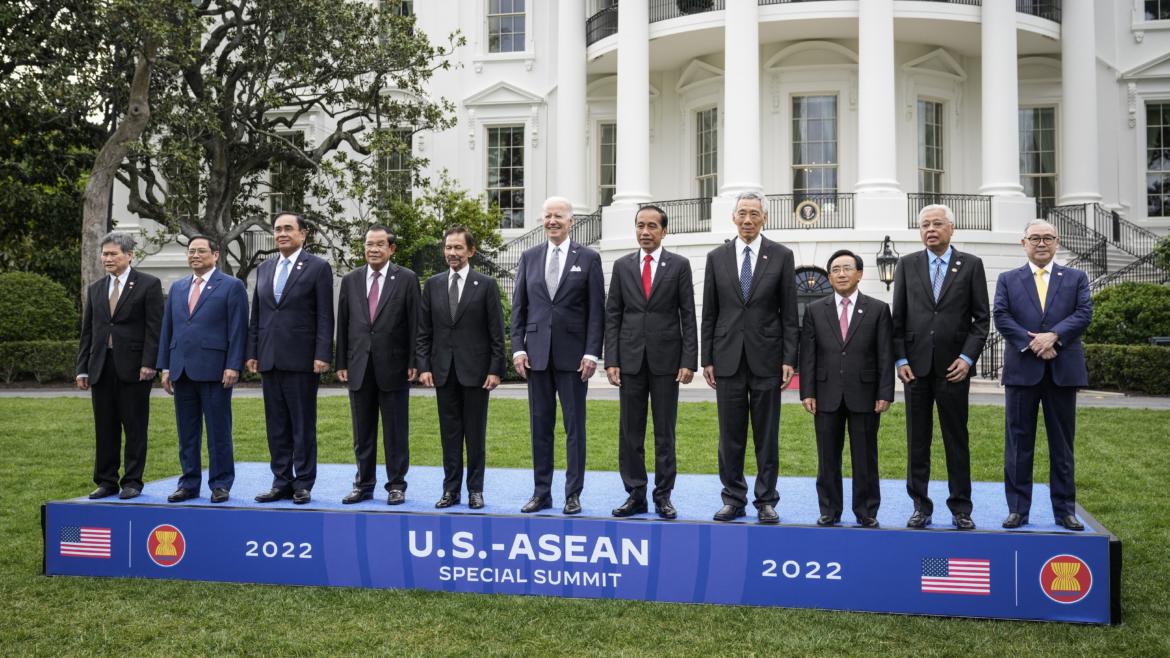
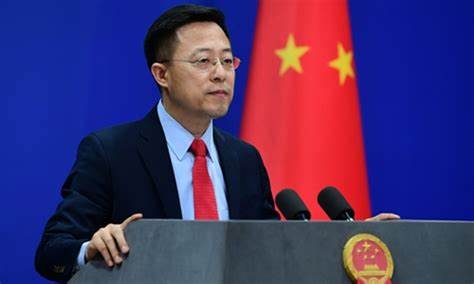
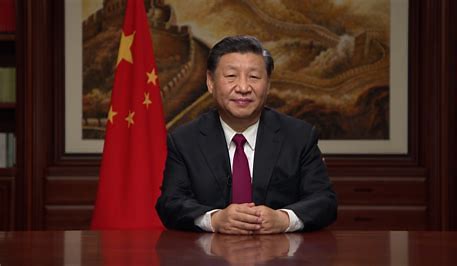
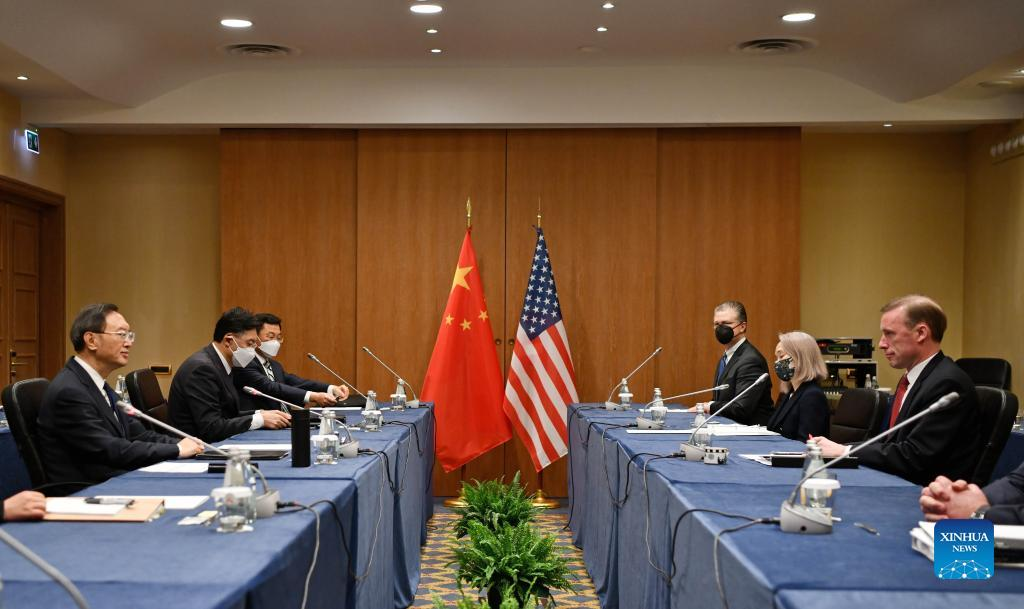
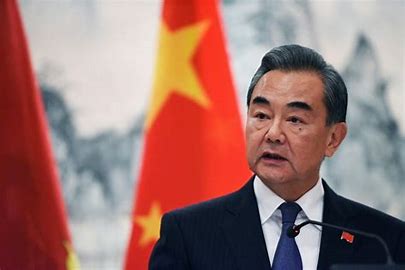
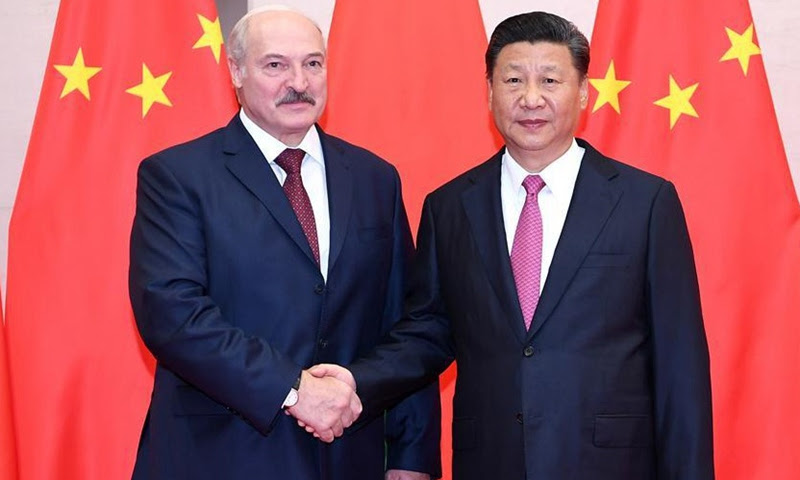
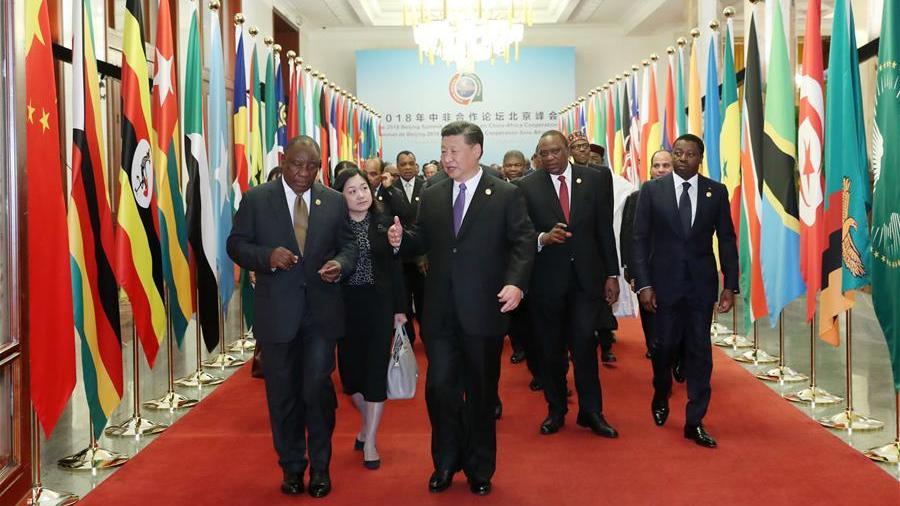
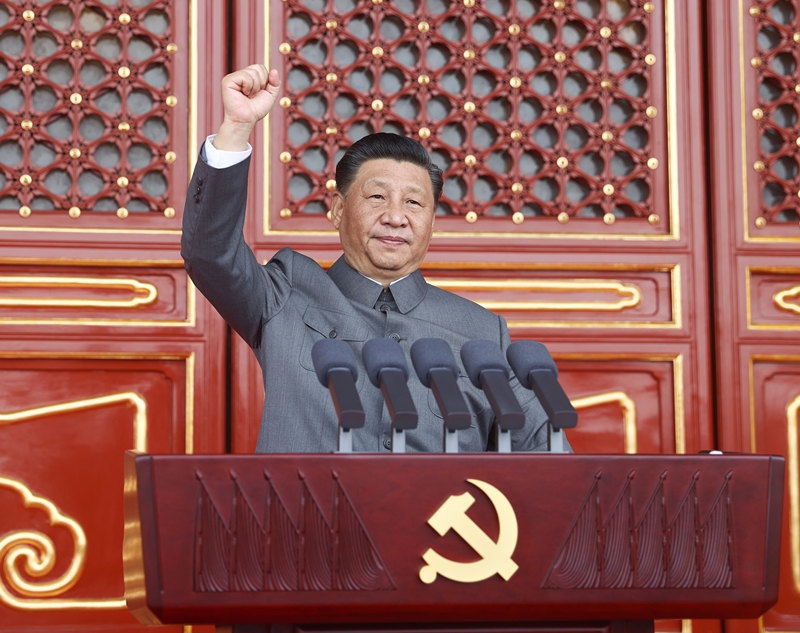
On 18 November, The Guardian reported that the APEC summit in Shenzhen brought together leaders amid intensifying geopolitical and economic rivalries. China’s President Xi Jinping welcomed US President Donald Trump, expressing hopes for a stable bilateral relationship based on reciprocity, fairness and mutual respect. President Xi also reaffirmed strong China-Russia ties during talks with President Putin, describing their partnership as resilient. Trump and Putin are expected to participate in historic trilateral discussions with Xi, potentially alongside a separate bilateral meeting. Meanwhile, Canada’s Prime Minister Mark Carney challenged Putin’s criticism of sanctions, arguing they continue to constrain Russia. Trade agreements and AI cooperation also featured prominently.
(“Apec summit as it happened: Xi welcomes Trump on China visit as Putin claims Europe in ‘humiliating decline’,” The Guardian, 18 November 2026)
https://www.theguardian.com/world/live/2026/nov/18/apec-summit-live-updates-xi-putin-trump-world-leaders-gather-in-china
INTERNAL
China hold roughly half of the global patent filings, reports Reuters
On 18 November, Reuters reported that a record 3.9 million patent applications were filed worldwide in 2025, up 06 per cent from 2024 and the fastest annual growth since 2016, according to the World Intellectual Property Organisation. Applications rose by 224,000 globally, with China accounting for 113,693 of the increase, and innovators based in China filing around 1.9 million applications worldwide, followed by the United States with 489,766 and Japan with 466,301. Asia's share of total filings rose from 61.9 per cent in 2015 to 71.2 per cent in 2025, with China representing about 68.5 per cent of Asia's total. Filings from India rose 37.5 per cent to exceed 100,000 for the first time, while those from Israel, the US, Russia, and Germany declined. WIPO Director General Daren Tang said companies and countries were looking to innovation as a growth driver, with AI investment turbocharging the trend.
("Global patent filings hit record high in 2025 as China drives growth, UN agency says," Reuters, 18 November 2026)
https://share.google/hck5tj5j7fbExEf8U
SCIENCE AND TECHNOLOGY
China’s military seeks Nvidia chip supply amid restrictions, reports Reuters
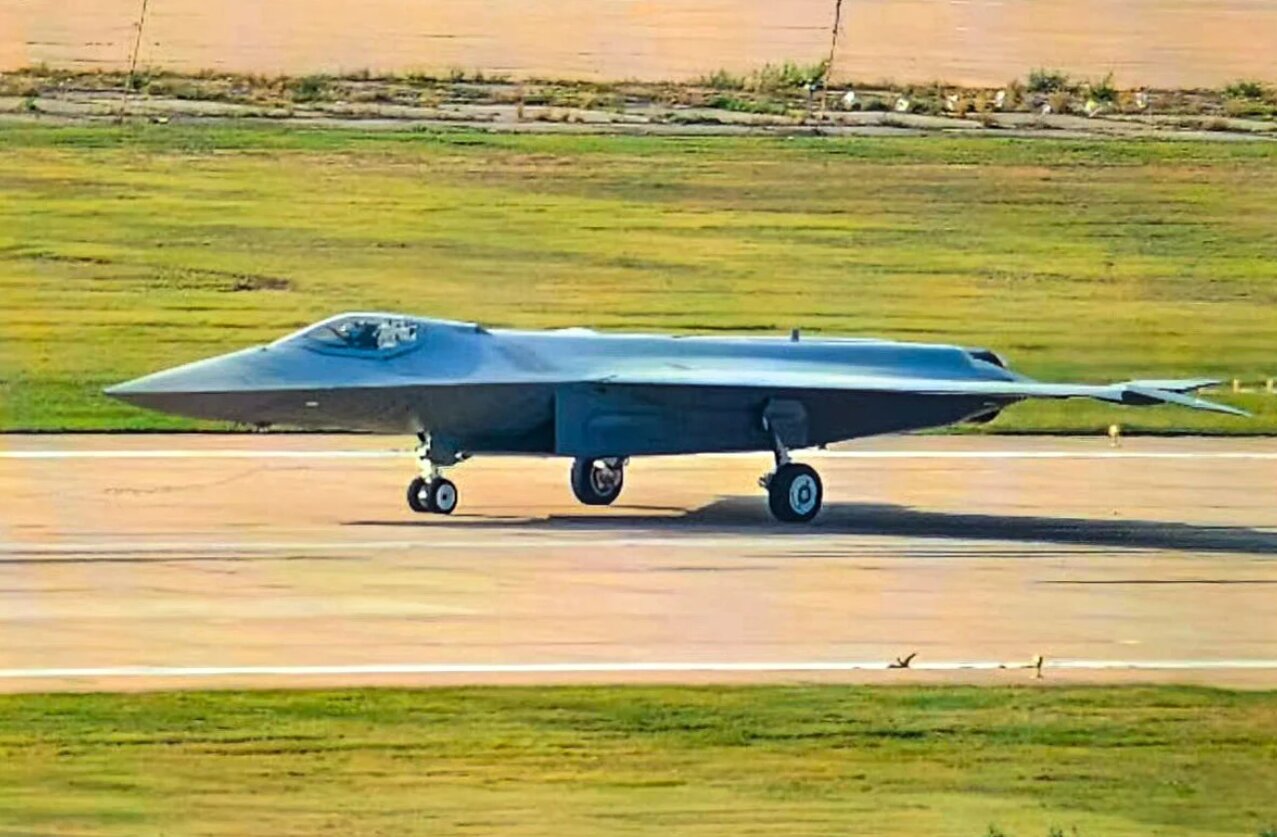
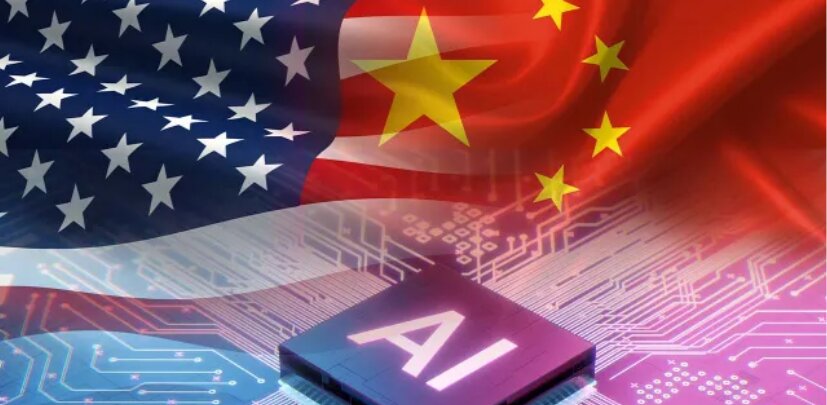
On 18 November, Reuters reported that China’s military is seeking advanced Nvidia chips to strengthen its artificial intelligence-powered weapons and warfare capabilities, despite United States export restrictions. A report by the United States-China Economic and Security Review Commission said China was attempting to circumvent export controls to obtain advanced semiconductors for its military modernisation. China's domestic processors, including Huawei’s Ascend and Cambricon’s Siyuan series, continue to lag behind products from Nvidia and Advanced Micro Devices. Separately, Nvidia interim Chief Executive Officer Colette Kress said the company had stopped shipping licensed Hopper-generation data centre chips to China after reporting USD 2.4 billion in sales during the quarter ended 25 October. Although United States President Donald Trump had eased restrictions on H200 chip exports in January, Beijing subsequently restricted imports. Around 600,000 H200 chips were reportedly being stored in Hong Kong awaiting approval for shipment to mainland China. The developments highlight growing tensions over advanced semiconductor technology, artificial intelligence and military applications.
("Nvidia stops shipping US-approved AI chips to China," Reuters, 18 November 2026; China seeks advanced Nvidia chips for AI weapons despite US curbs, report says," Reuters, 18 November 2026)
https://share.google/wlM0cVNOavbkGzGaN
https://share.google/kYDobl1ZJwEB7w0x1
CHINA AND TAIWAN
Taiwan official says China's fish imports aim to sway local elections
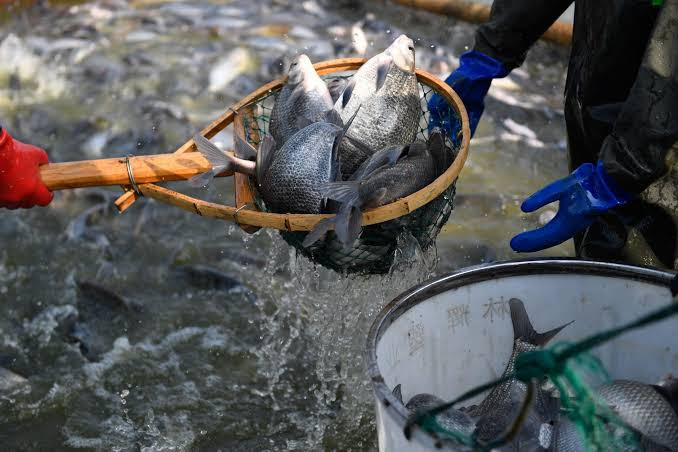
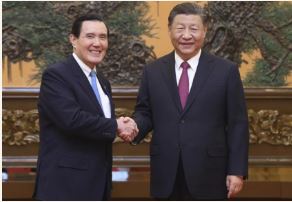
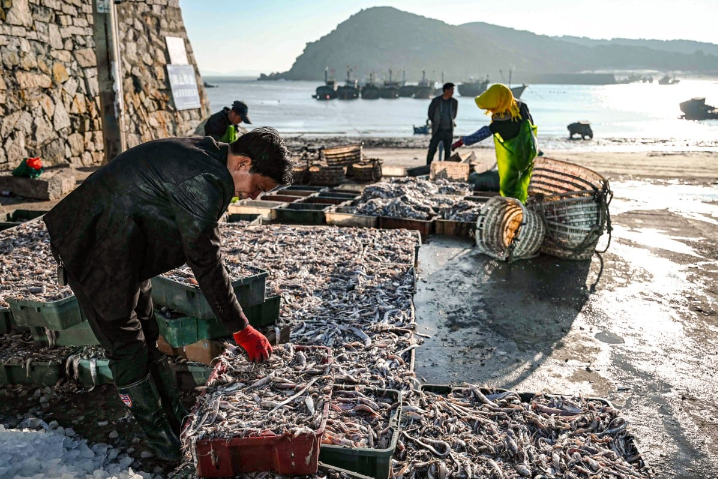
On 18 November, Taipei Times reported that an official stated that Beijing is trying to influence Taiwan's upcoming local elections by importing large amounts of Taiwanese seafood under an agreement with the Chinese Nationalist Party (KMT). After KMT Chairwoman Cheng Li-wun met with Chinese President Xi Jinping in April, China agreed to cooperate with the KMT on importing Taiwanese agricultural and fishery products as part of 10 measures to promote cross-strait relations. China's Taiwan Affairs Office stated that around 2,500 kilograms of threadfin from southern Taiwan reached a Beijing seafood market, the first cooperation between Beijing companies and a Kaohsiung fishing company. The official said Taiwanese products were only sold to China on the condition that the "1992 consensus" is accepted, and that the move would backfire ahead of the 28 November elections.
("China's import of Taiwan fish attempts to influence election: official," Taipei Times, 18 November 2026)
https://www.taipeitimes.com/News/taiwan/archives/2026/11/18/2003867968
CHINA AND SOUTHEAST ASIA
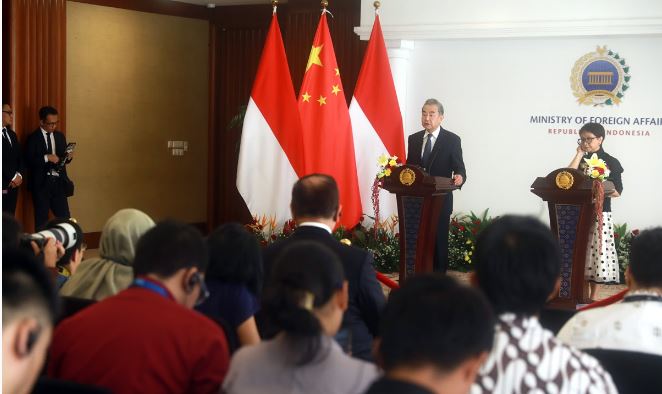
China and Vietnam strengthen strategic ties ahead of successive APEC presidencies
On 17 November, CGTN reported that China’s President Xi Jinping met Vietnam’s President To Lam in Shenzhen on November 17, reaffirming commitments to deepen bilateral cooperation and build a higher-level community with a shared future. President Xi emphasised political solidarity, mutual trust, economic development and coordination within multilateral institutions, including the UN and ASEAN. Both leaders also stressed the need to manage maritime disputes while expanding maritime cooperation to preserve regional stability. Vietnam identified China as its most important strategic partner. With China hosting APEC in 2026 and Vietnam assuming the presidency in 2027, both countries pledged to strengthen Asia-Pacific cooperation and continuity between successive summits.
(“Xi says China-Vietnam top-level exchanges inject positive energy into regional peace, development,” CGTN, 17 November 2026)
https://news.cgtn.com/news/2026-11-17/Xi-Jinping-meets-Vietnam-s-top-leader-To-Lam-in-Shenzhen-1S8Lw6m2Uyk/p.html
CHINA AND SOUTH ASIA
Nepal’s FM urges Beijing to reopen Tatopani border crossing amidst trade disruptions
On 19 November, The Rising Nepal reported that Nepal’s Foreign Minister Shishir Khanal has urged China to immediately reopen the Tatopani border crossing to restore bilateral trade connectivity. The crossing was closed on August 30, 2026, following flood damage and landslide risks along the Araniko Highway. With the Rasuwagadhi crossing also disrupted by flooding and other Himalayan routes affected by winter conditions, imports have been diverted through Korala, where inadequate infrastructure has increased transportation costs. Nepal’s trade deficit with China reached NPR 133.63 billion in the first quarter of FY2026/27. The Nepal Chamber of Commerce has called for reopening multiple border points to facilitate trade.
(“FM Khanal urges China for opening of Tatopani border,” The Rising Nepal, 19 November 2026)
https://risingnepaldaily.com/news/88762
Bangladesh and China to expand military and defence industry cooperation"
On 18 November, Business in Bangladesh reported that China and Bangladesh are exploring ways to expand bilateral cooperation in the military and defence sectors. Chargé d’Affaires of the Chinese Embassy in Bangladesh, Dr Liu Yuyin, made a courtesy call to Bangladesh’s Defence Advisor to the Prime Minister, Dr. A.K.M. Shamsul Islam and expressed China’s willingness to collaborate on military training and future defence cooperation.
(“Bangladesh and China Keen to Enhance Cooperation in Defence Industry and Military Training,” Business in Bangladesh, 18 November 2026)
https://businessinbangladesh.com.bd/bangladesh-and-china-keen-to-enhance-cooperation-in-defense-industry-and-military-training/
Editorial/Opinion - “BRI caught between Beijing's ambitions and Kathmandu's caution,” myRepublica, 19 November 2026
“The biggest shift in the BRI debate, meanwhile, has come from Nepal's changing political landscape. The new government's approach to the BRI remains uncertain, particularly as questions grow over whether it should honour previous commitments and under what conditions it should take forward the proposed projects. The uncertainty surrounding the BRI is also reflected in the changing list of proposed projects. Nepal initially proposed 35 projects under the initiative, but the list was reduced to nine at China's request, according to IANS. When the cooperation framework was signed in December 2024, the two sides included 10 projects. Disagreements over what constitutes a BRI project have further complicated the debate. China considers the Pokhara Regional International Airport a major BRI achievement, but Nepal does not recognise it as a project under the initiative. Political differences have compounded the financing dilemma. Leftist parties have highlighted the potential benefits of Chinese-backed infrastructure, while the NC and some smaller parties have warned against the possibility of a debt trap. According to IANS, the NC hardened its position after perceiving that China was seeking to bring leftist political forces together. The debate has also been shaped by wider regional and geopolitical concerns. China's involvement in projects such as the Hambantota Port International and Port City Colombo in Sri Lanka, as well as India's objections to the China-Pakistan Economic Corridor, have fuelled wider questions about the BRI's economic and strategic implications.”
https://myrepublica.nagariknetwork.com/news/bri-remains-stuck-in-agreements-debate-42-12.html