
Photo : SSMB
Beijing unveils space mining roadmap
In Brief
INTERNAL
New plan to increase infrastructure investment and service quality for elderly care and childcare by 2030
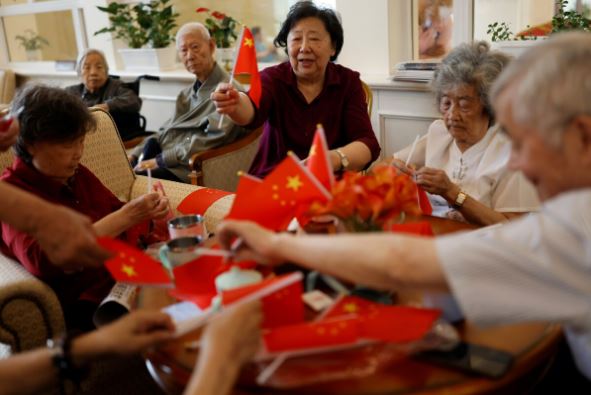
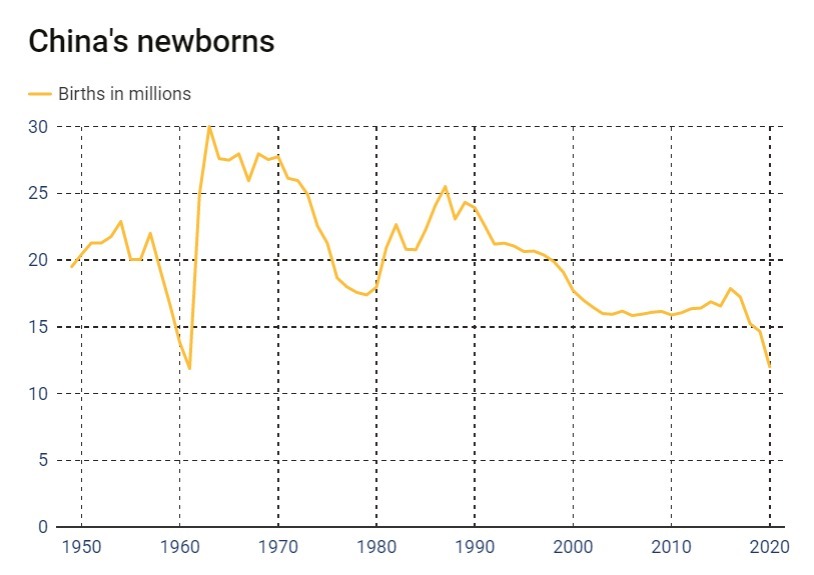
On 23 November, Reuters reported that the National Development and Reform Commission released measures to upgrade care facilities for older people and children by 2030. The plan stated that infrastructure investment and service quality will be improved to better align the supply of elderly care and childcare services with public needs. The plan said, By 2030, â nursing care beds will account for 73% of all beds in elderly ​care institutions, while community care facility coverage for older people will reach 70% ​and around 2,000 ageing public nursing homes will be renovated." For childcare capacity, service centres will be extended, and the enrollment rate will be raised. The measures also include plans to encourage marriage and childbearing. These measures are intended to adapt to an ageing population and a declining birth rate.
("China sets 2030 targets to boost support for older people, childcare," Reuters, 23 November 2026)
China eases margin trading rules to revive weak stock markets
On 22 November, Reuters reported that China's three major stock exchanges in Shanghai, Shenzhen, and Beijing will relax margin trading requirements. It will also reduce trading fees to improve market liquidity and encourage investment. The new plan will allow investors to borrow more money against the same collateral for purchasing stocks. This announcement is followed by the Shanghai Composite Index falling to a 16‑month low and major technology-focused indices losing more than 40% from their June peaks.
("Chinese exchanges ease margin trading requirements to aid stock markets," Reuters, 22 November 2026)
ENERGY AND ENVIRONMENT
China calls for global low-carbon electrification at COP31; Endorses 35:35 global target
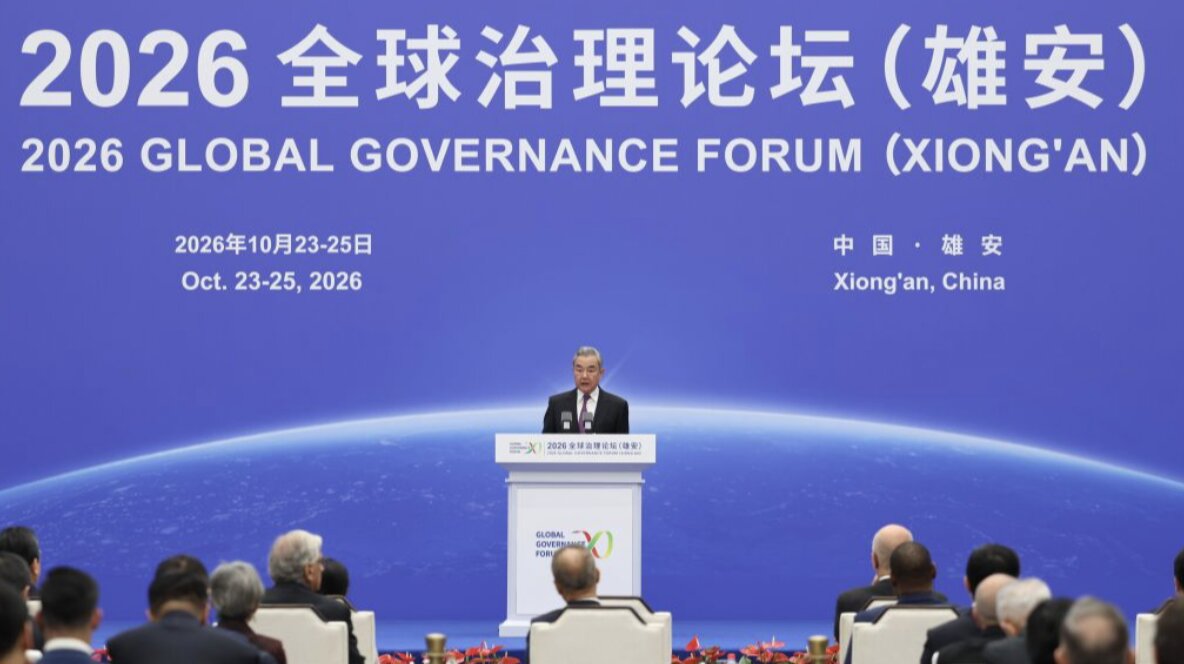
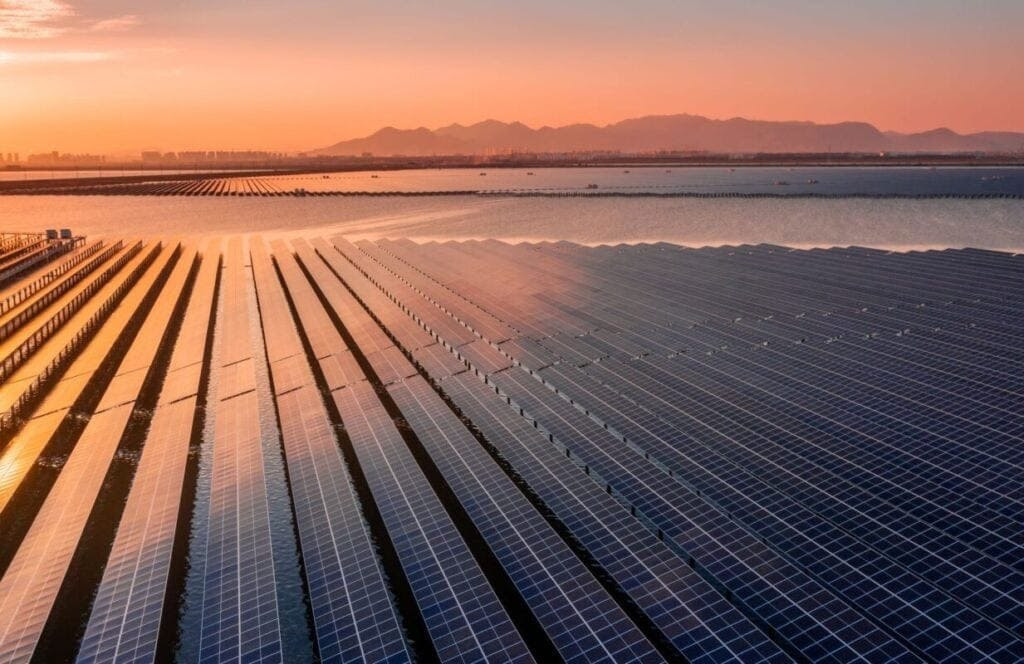
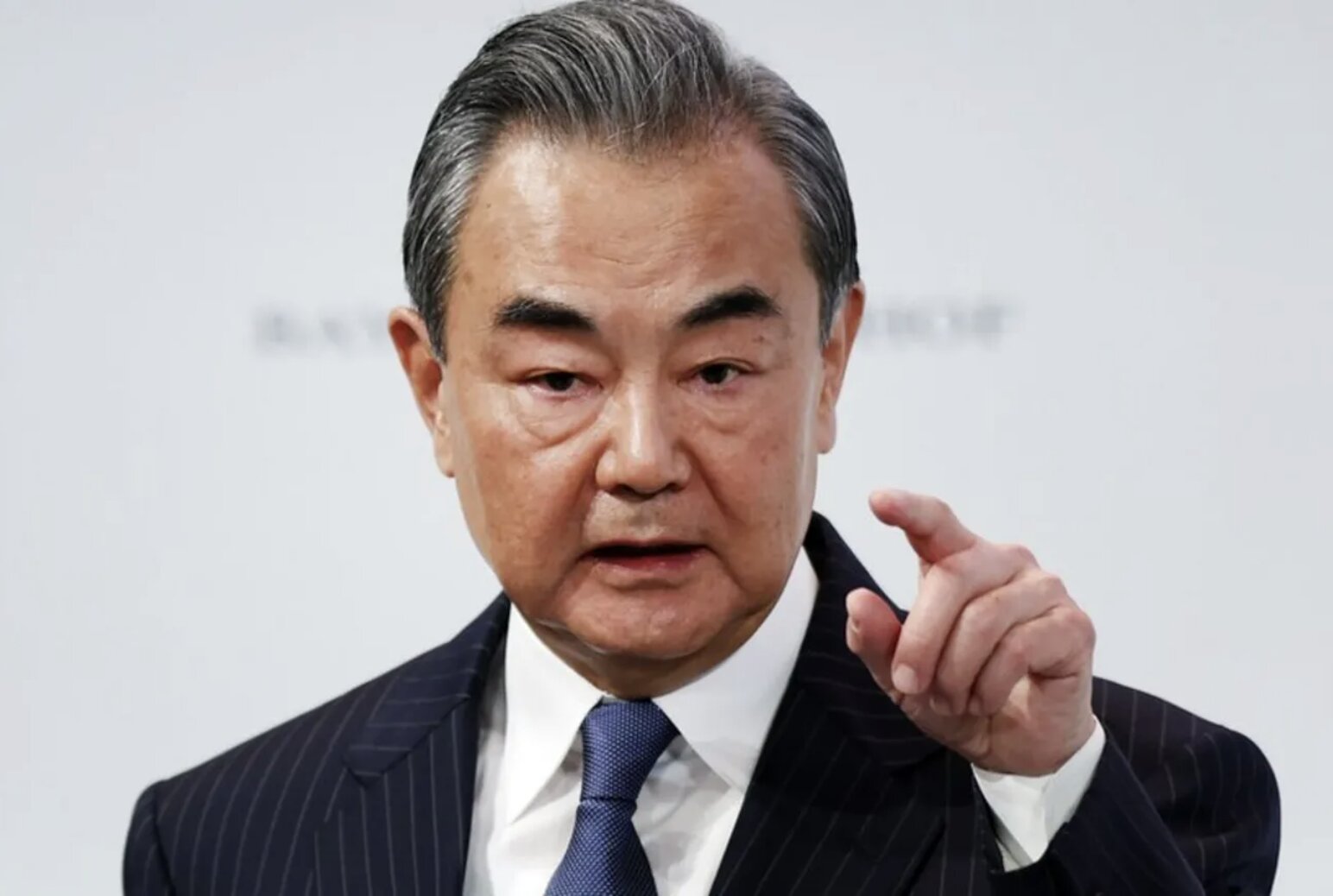
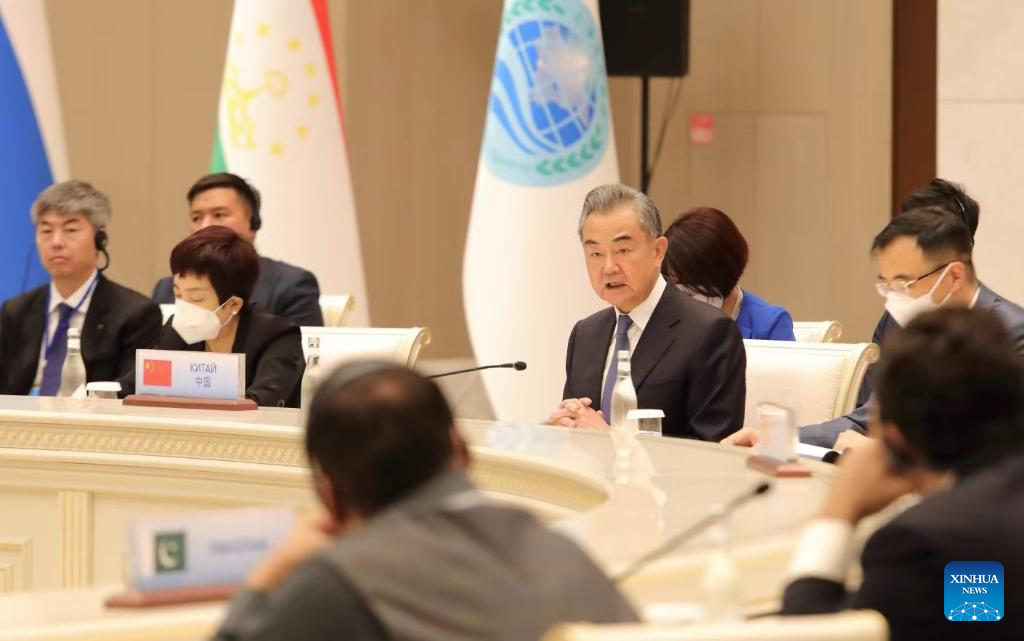
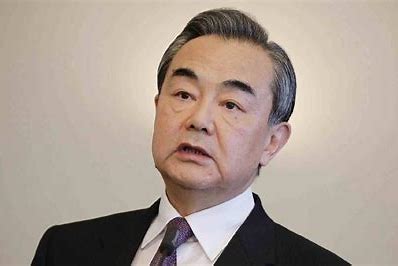
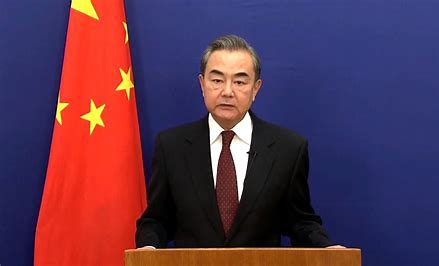
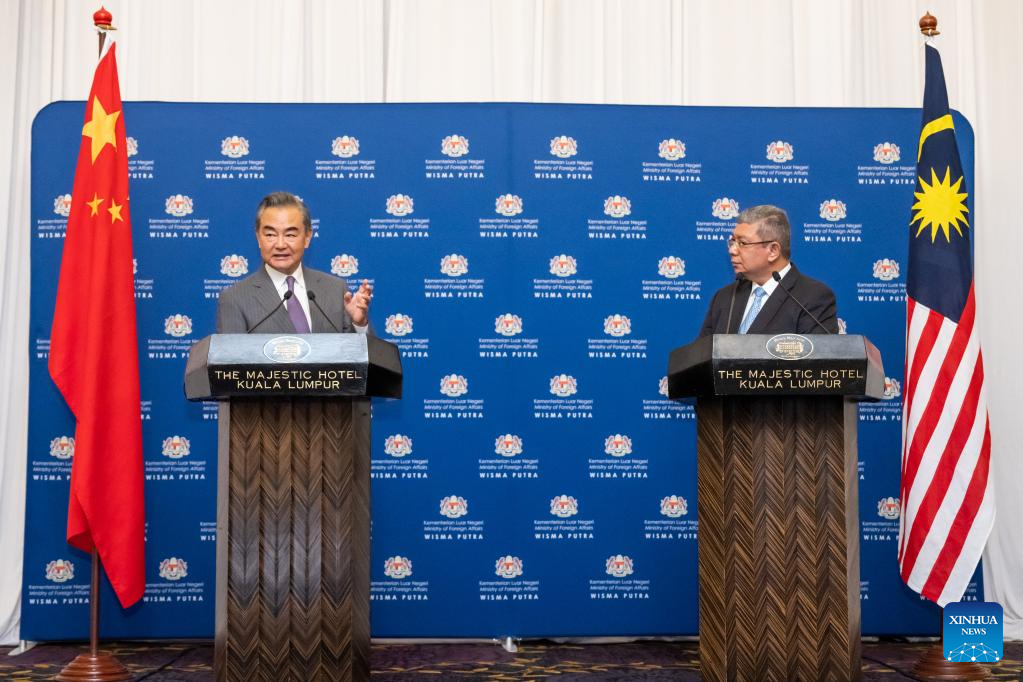
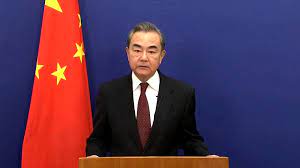
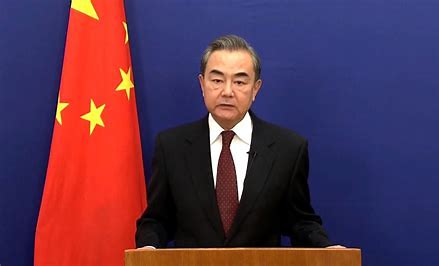
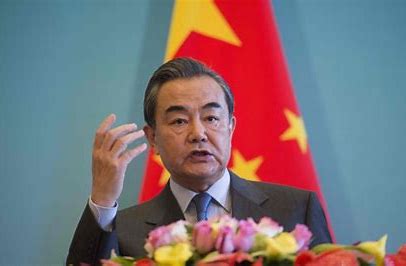
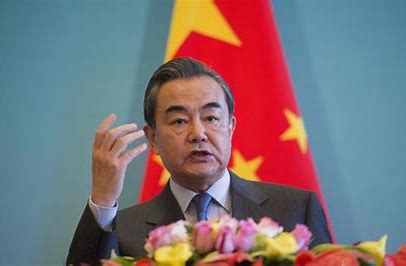
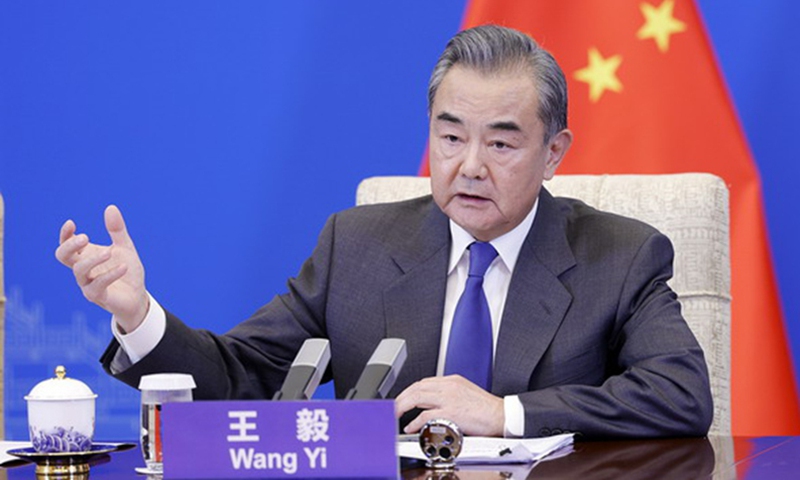
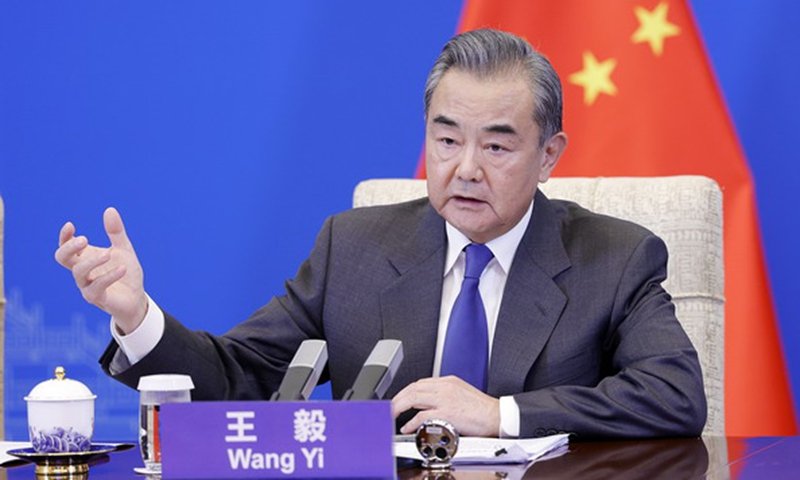
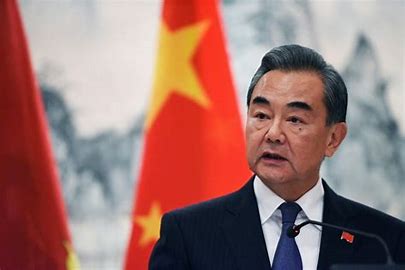
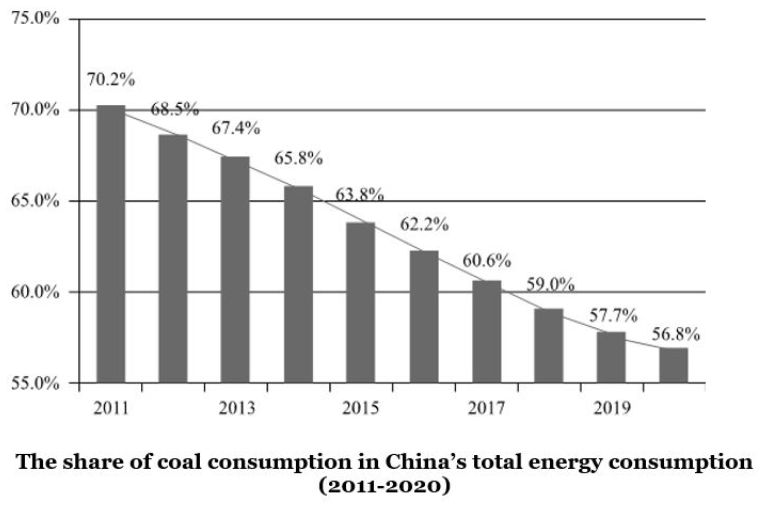
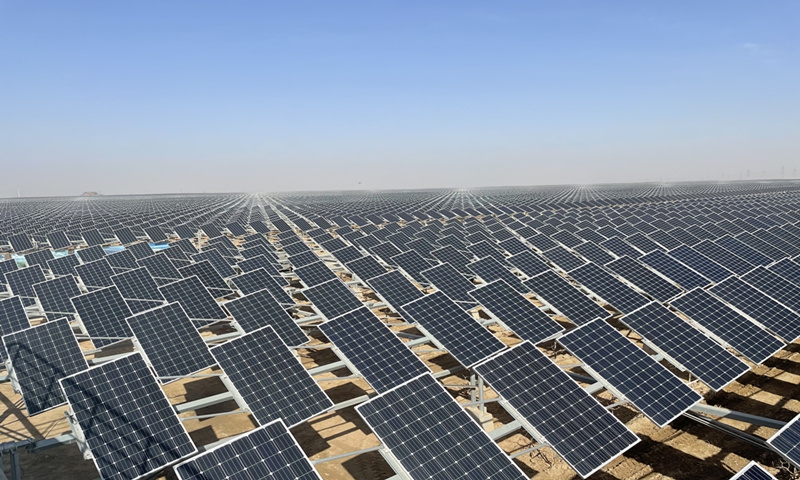
On 21 November, The Guardian reported that at the COP31 UN climate summit, China’s adviser Wang Yi announced that China, the world’s largest emitter, is rapidly shifting its economy to electricity and will help other countries do the same, using affordable clean technology. China and Australia endorsed a "35:35" goal, aiming for countries to get 35 per cent of their energy from electricity by 2035. Electricity is much more efficient than burning fossil fuels, and experts see this shift as vital for cutting emissions in transport, heating, and industry. China already gets nearly 30 per cent of its energy from electricity and expects to reach 35 per cent by 2030. However, tensions remain at the summit; this comes with the provision of voluntary pledges, as a recent draft downgraded the electrification goal to a voluntary option. The report states that the campaigners worry that letting countries choose their energy sources could encourage more gas-fired plants instead of strictly renewable power. Wang noted that guaranteeing 100 per cent clean electricity is difficult, and China is still building some coal plants as backup. Alongside this, negotiators removed a pledge to "transition away from fossil fuels" from the latest draft, causing talks to stall past Friday's deadline. Additionally, Wang criticised US tariffs and EU carbon taxes, urging countries to cooperate on clean energy trade.
(“China commits to low-carbon electrification and help for others to improve,” The Guardian, 21 November 2026)
CHINA AND SPACE
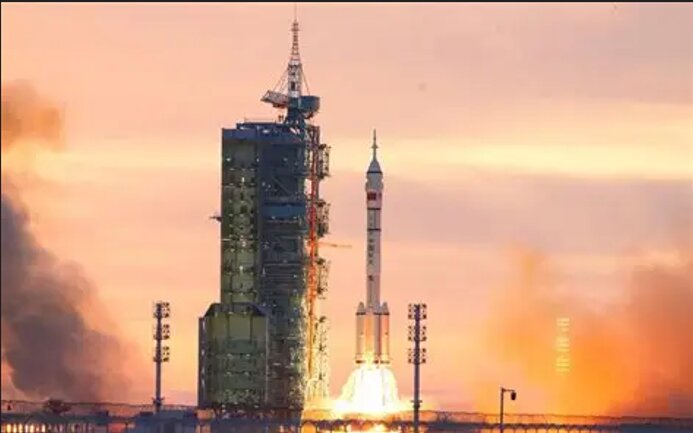
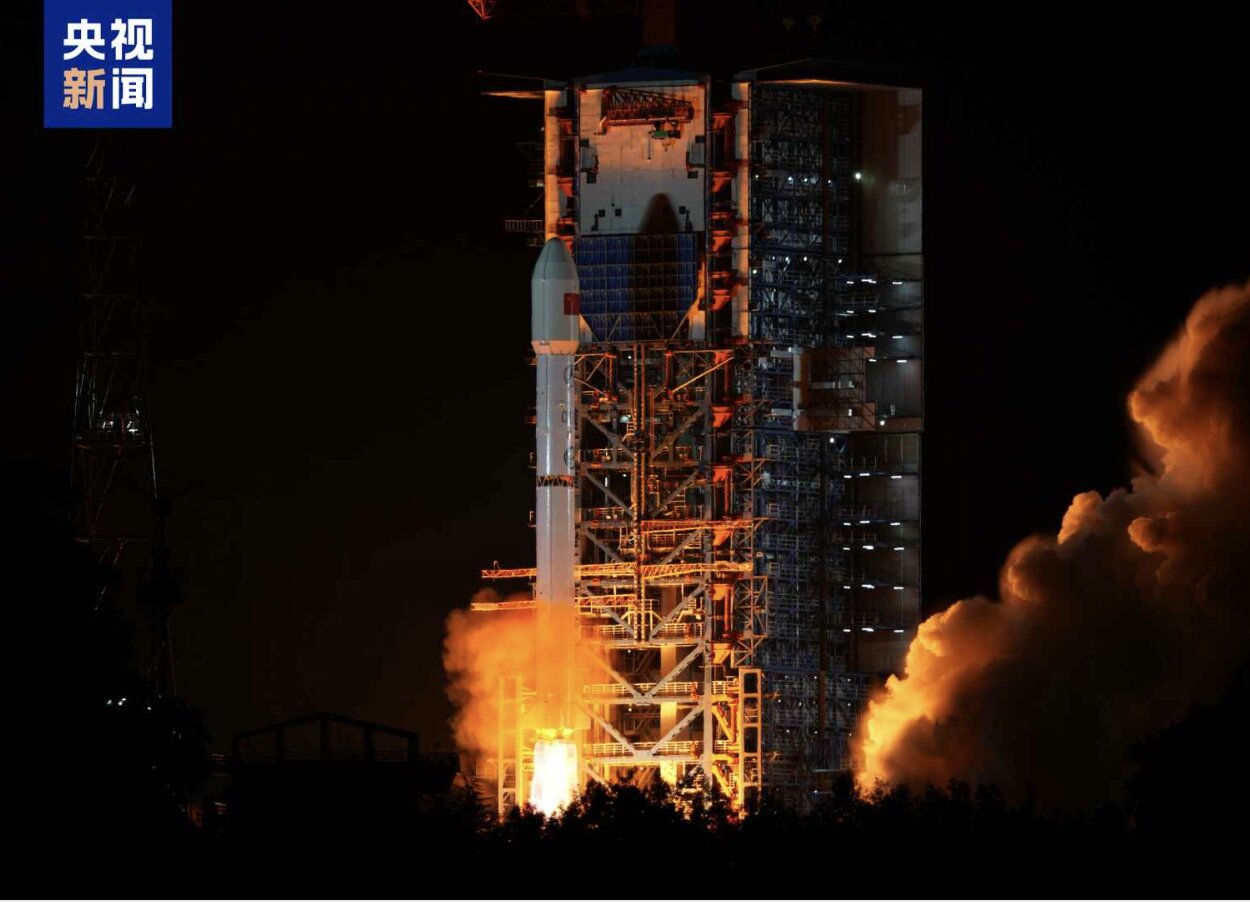
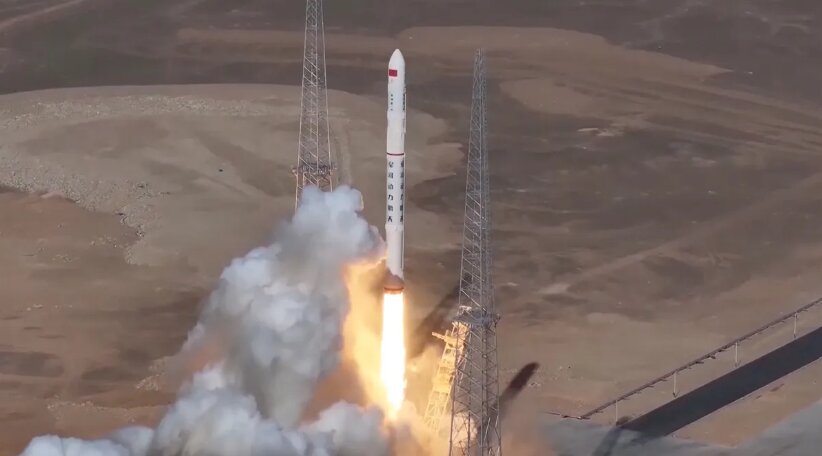
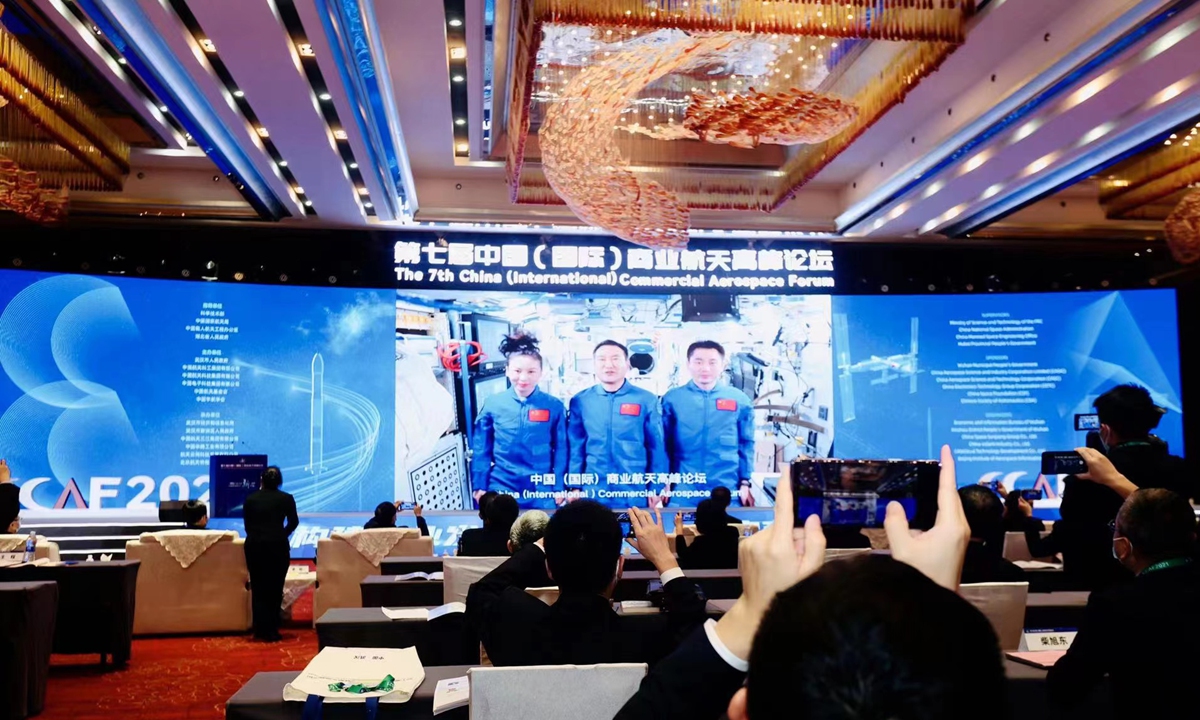
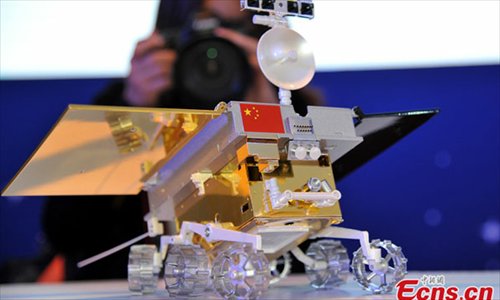
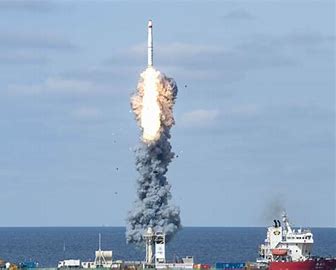
Beijing plans full-scale lunar mining by 2050, reports SCMP
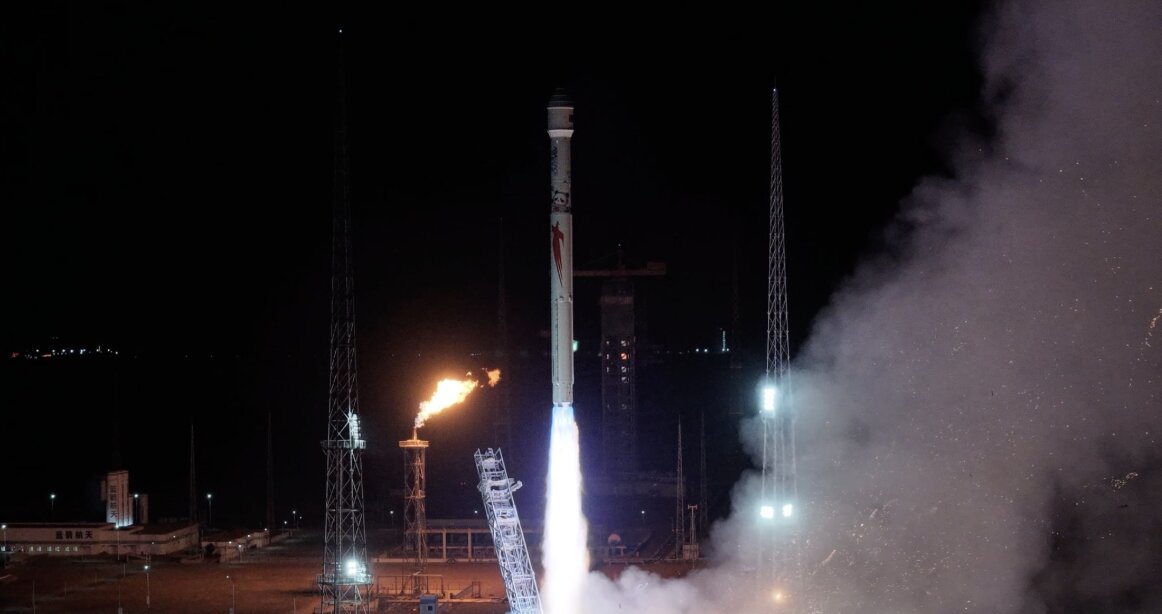
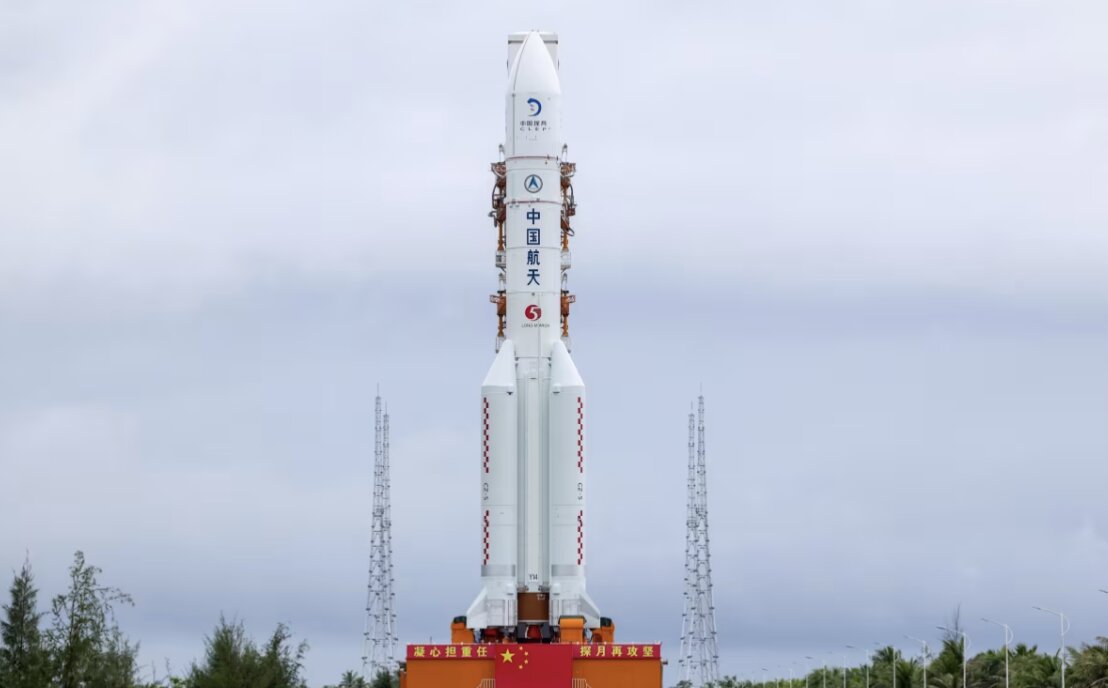
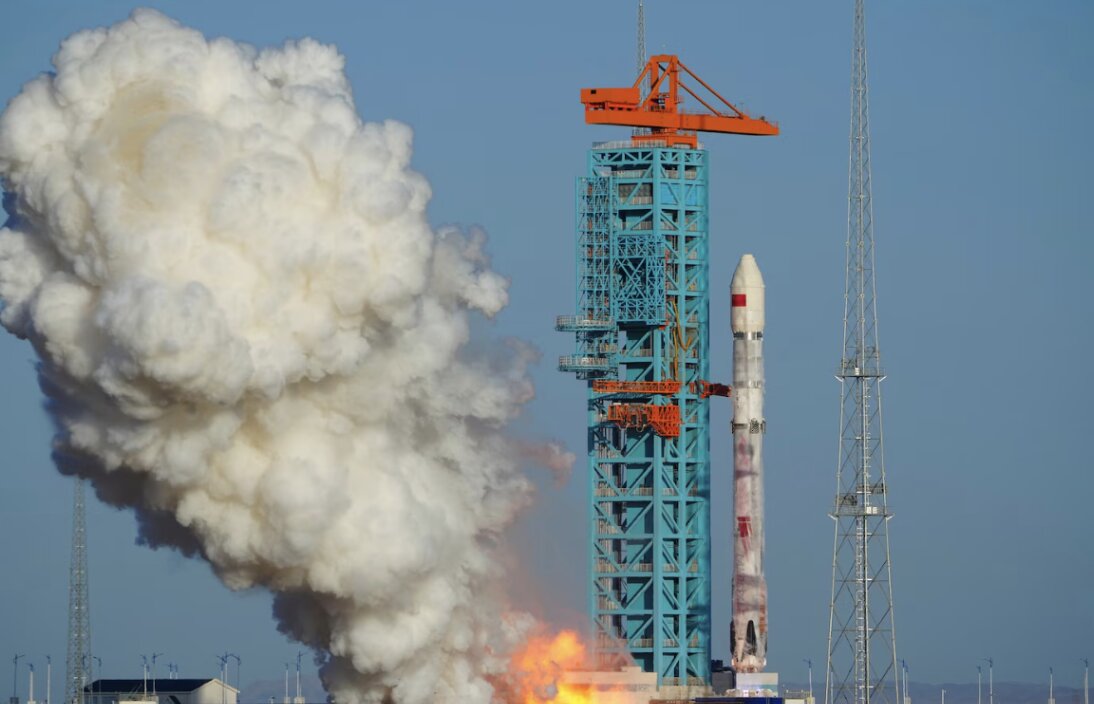
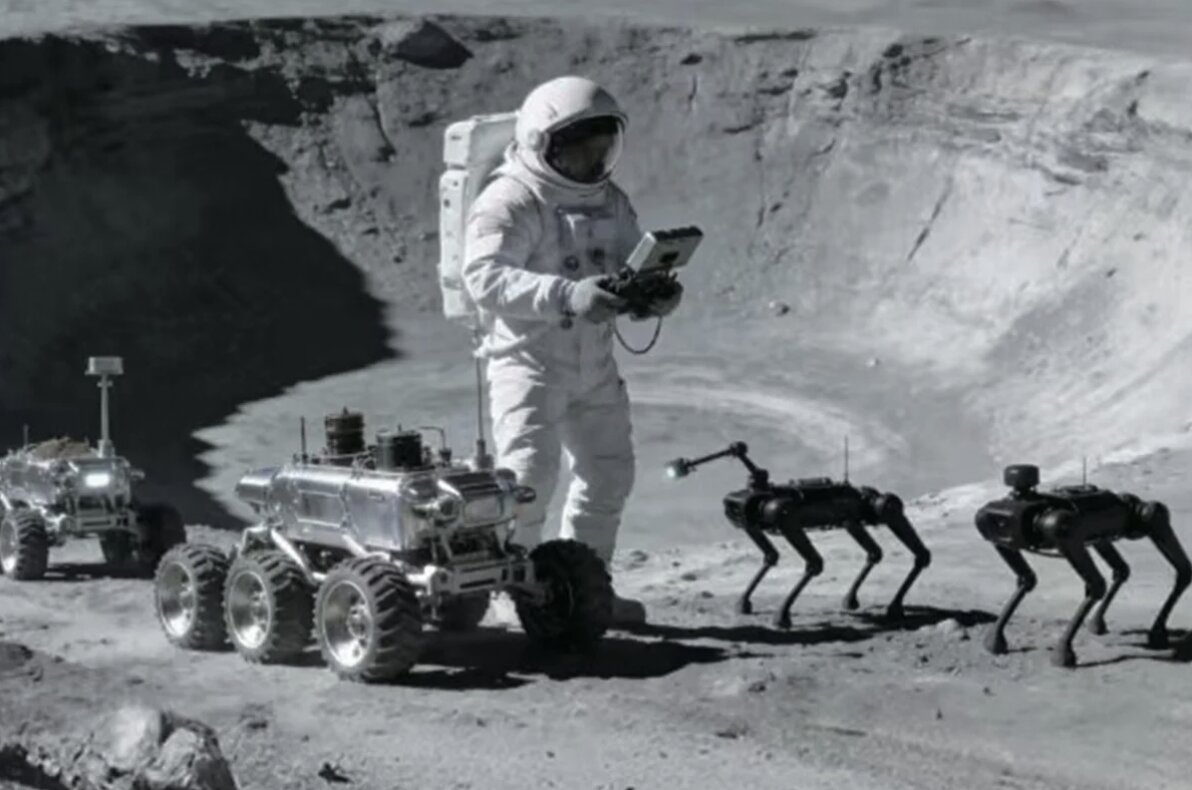
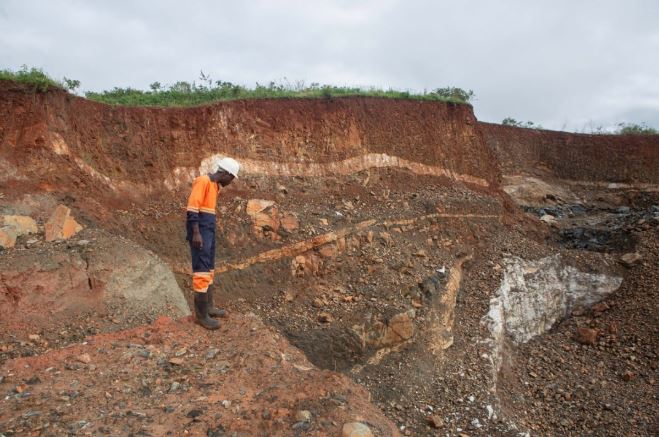
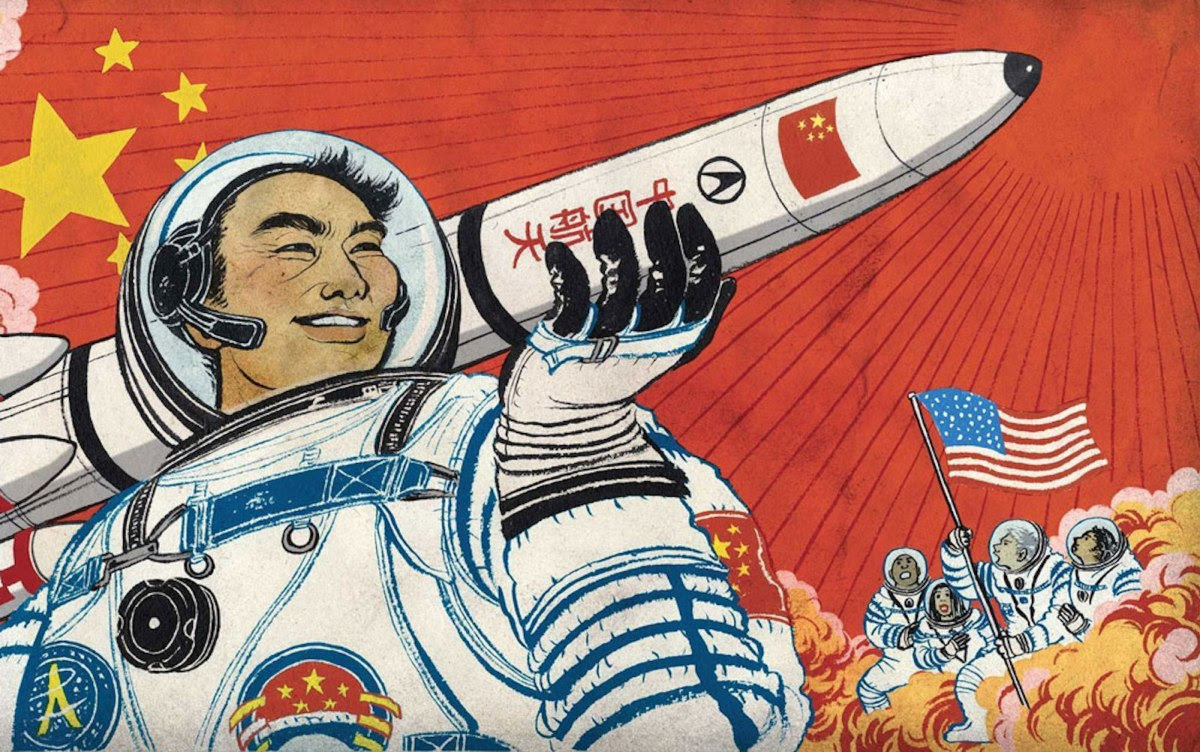
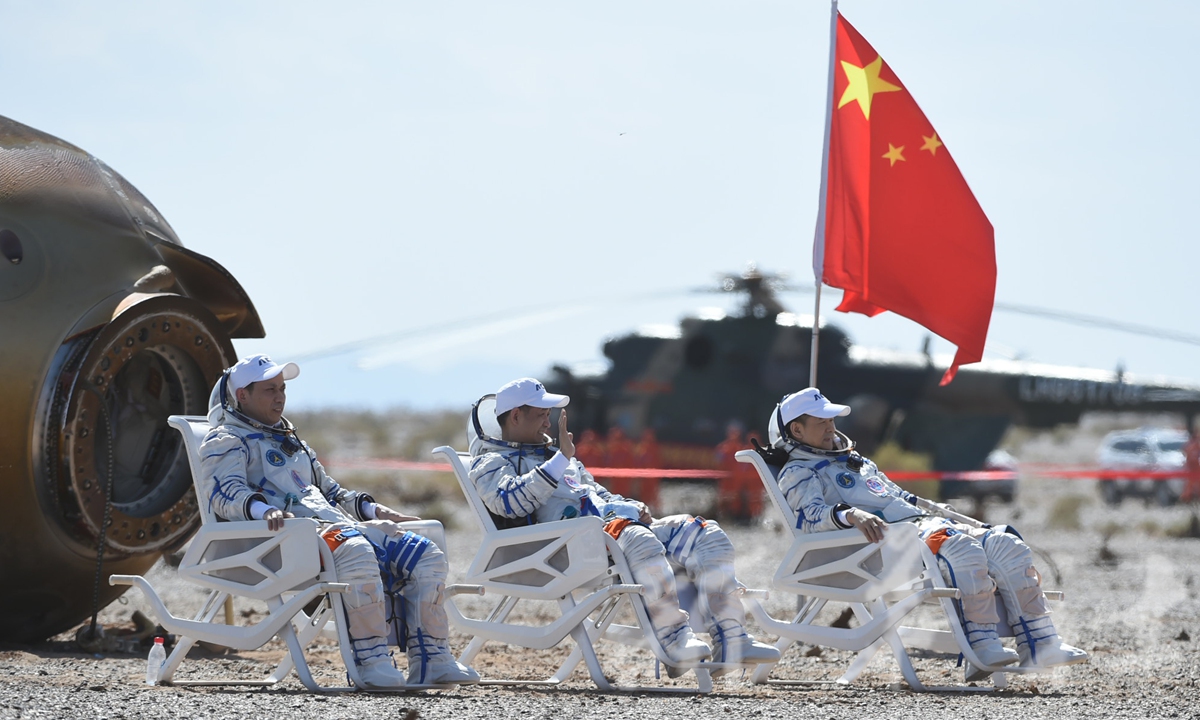
On 23 November, SCMP reported that China aims to demonstrate lunar resource extraction by 2030, including producing water from ice or extracting oxygen from lunar soil. A roadmap proposed by Wu Weiren, chief designer of China’s lunar programme, calls for a small demonstration plant producing water, oxygen and building materials by 2040, followed by full-scale lunar mining by 2050. The plan highlights the growing competition between China and the US to exploit lunar resources and establish a sustained presence on the Moon. The researchers also identified strategic locations, including Earth-Moon Lagrange points and distant retrograde orbits, as important for future space operations. They urged Beijing to involve more private companies in deep-space missions and establish a national fund to support the industry. The researchers acknowledged that China still lacks a dedicated long-term strategy for extraterrestrial resource development, unlike the United States.
("China unveils space mining road map with a big move on the moon within 4 years," SCMP, 23 November 2026)
CHINA AND EAST ASIA
Seoul records increasing car trade deficit with China amid increasing Tesla imports
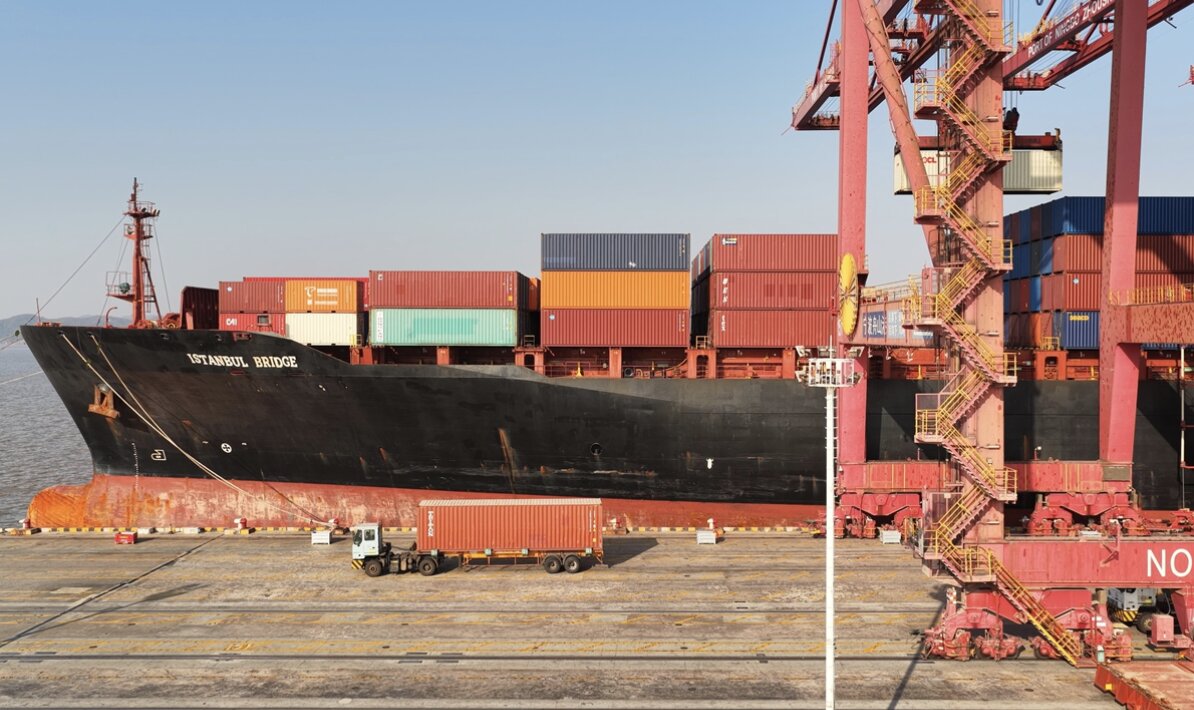
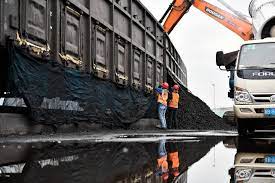
On 22 November, Anadolu Agency reported that car imports from China rose 79.2 per cent to USD 4.39 billion from January to October, pushing Seoul’s trade deficit to a record USD 4.23 billion. Seoul’s car exports to China fell 34.9 per cent year-on-year to USD 168.77 million from January to October, according to data from the Ministry of Trade, Industry and Resources and the Korea International Trade Association. South Korea has recorded an annual car trade deficit with China every year since 2017. The deficit widened from USD 466 million in 2022 to USD 943 million in 2023 and USD 1.73 billion in 2024. Strong sales of Tesla electric vehicles manufactured in Shanghai were cited as a key factor behind the widening deficit. Nearly 99000 Tesla EVs were sold in South Korea from January to October, up by 105 per cent from the same period in 2025. Chinese automobile company BYD also sold more than 20000 vehicles in South Korea during the period, with companies such as Polestar following suit. The surge in imports of China-made vehicles has helped it overtake Germany as South Korea’s largest source of car imports in the first half of 2026.
(“South Korea posts record car trade deficit with China as Tesla EV imports surge,” Anadolu Agency, 22 November 2026)
China’s chip exports rise as Seoul records high growth rates
On 23 November, Pulse News reported that South Korea recorded the fastest growth among major trading nations in 2026, but China added twice as much in export value, driven by a semiconductor boom and expanding shipments of advanced manufactured products. China’s semiconductor exports doubled in 2026, highlighting how the artificial intelligence investment boom is benefiting both Chinese manufacturers and South Korean chipmakers. South Korea’s exports rose 56.8 per cent in the January to September period, three times the average global growth rate of 15 per cent, and surpassed USD 1 trillion in cumulative exports on November 19, becoming the fourth country to reach the milestone in a single year. South Korea’s Minister for Trade, Industry and Resources Kim Jung-kwan emphasised the need to strengthen industrial competitiveness, following a visit to China. After South Korea crossed the USD 1 trillion threshold, Kim renewed his call for legislation establishing large-scale cross-regional special economic zones. The proposed legislation, commonly referred to as the Mega Special Zone Act, would ease regulations to encourage investment in advanced industries and strengthen domestic manufacturing competitiveness.
(“China’s chip exports surge 108 per cent despite South Korea’s record growth,” Pulse News, 23 November 2026)
CHINA AND SOUTH ASIA
India and China hold 10-day military talks to ease tensions along the LAC in Arunachal Pradesh
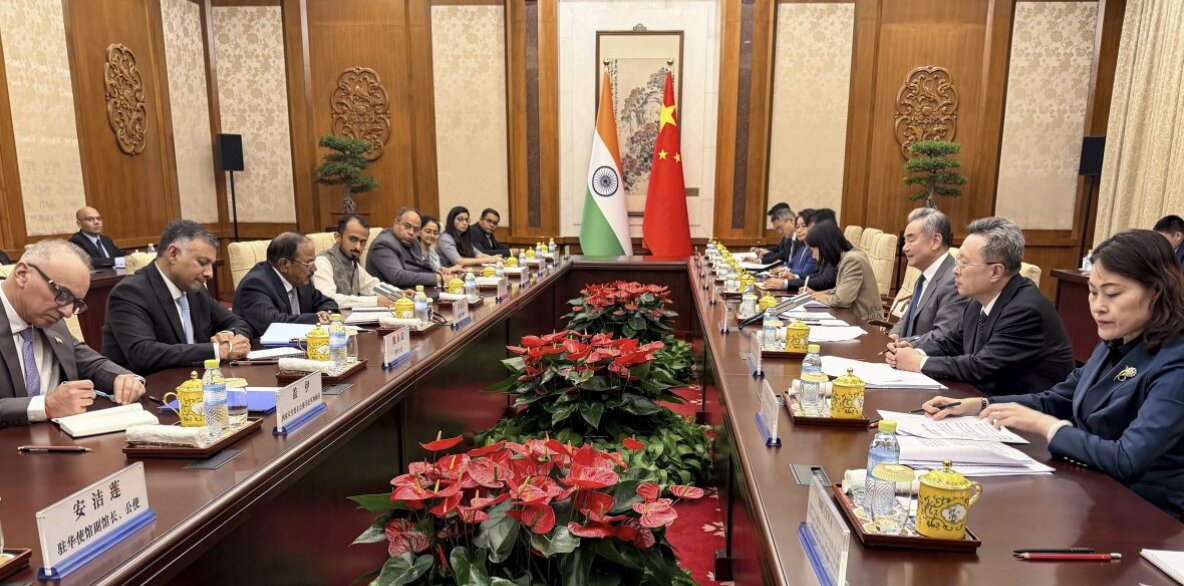
On 24 November, The Hindu reported that India and China had concluded a second round of Corps Commander-level talks to reduce tensions along the Line of Actual Control (LAC) in Arunachal Pradesh. The discussions began on 08 November and continued for nearly 10 days, with a brief break. Led by Lieutenant-General Girish Kalia, the Indian delegation discussed protocols to prevent troop face-offs and misunderstandings, maintain open communication channels and reduce tensions in the eastern sector. The talks follow an earlier meeting on 06–07 September at the Wacha-Damai Border Personnel Meeting point in Kibithoo, after reported tensions in Upper Subansiri district. The engagement comes ahead of severe winter conditions, which could complicate troop movement and logistical support. However, it remains unclear whether the proposed measures will be implemented on the ground.
(“India, China hold 10-day talks to ease LAC tensions in Arunachal Pradesh,” The Hindu, 24 November 2026)
China’s military support to Pakistan concerns India’s preparedness for a two-front conflict, reports USCC
On 22 November, The Times of India reported that the US-China Economic and Security Review Commission (USCC) had stated that China’s military support to Pakistan during Operation Sindoor in May 2025 complicated India’s operational planning and diverted military resources. The commission’s annual report highlighted how Beijing supported Islamabad without directly participating in the conflict. It noted that Pakistan used Chinese-supplied weapons and equipment, while China reportedly provided technical assistance and increased surveillance activity in the region. The report also identified China’s growing military partnership with Pakistan as a concern for India’s preparedness against a possible two-front conflict. It further highlighted Beijing’s expanding naval presence in the Indian Ocean and its use of economic leverage through restrictions on industrial inputs, technology and equipment supplied to India.
("China’s support to Pakistan during Operation Sindoor impacted Indian planning: US panel,” The Times of India, 22 November 2026)
Sri Lanka calls for improved market access and trust to reduce trade deficit with China
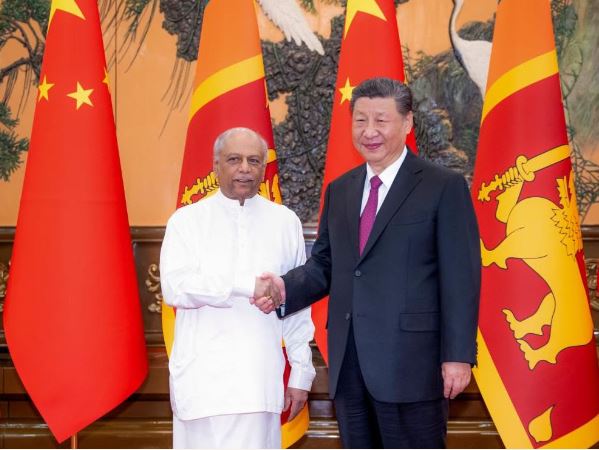
On 22 November, The Morning reported that the Sri Lanka-China Business Cooperation Council (SLCBCC) called for improved market access for Sri Lankan businesses and reliable commercial relationships with Chinese counterparts amid the trade gap. China was Sri Lanka's largest trading partner in 2025. Sri Lanka exported USD 278.71 million worth of goods and imported USD 5.15 billion. The trade deficit stands at USD 4.87 billion. The meeting called for diversified exports and increased value-added production rather than raw material exports. Sri Lanka also secured Chinese market access for Ceylon cinnamon, seafood, pineapple and poultry products. The recent cooperation arrangement with China’s Yunnan Province is expected to provide Sri Lankan businesses with warehousing facilities, exhibition space, digital trade opportunities, and streamlined logistics support. The meeting also resulted in the Trusted Trader Certification Programme to enhance business confidence and facilitate trade, particularly for small and medium-sized enterprises.
("Sri Lanka seeks to bridge trade gap with China," The Morning, 22 November 2026)
CHINA AND EUROPE
China’s Defence Minister discusses bilateral relations, military-to-military ties with UK Defence Secretary
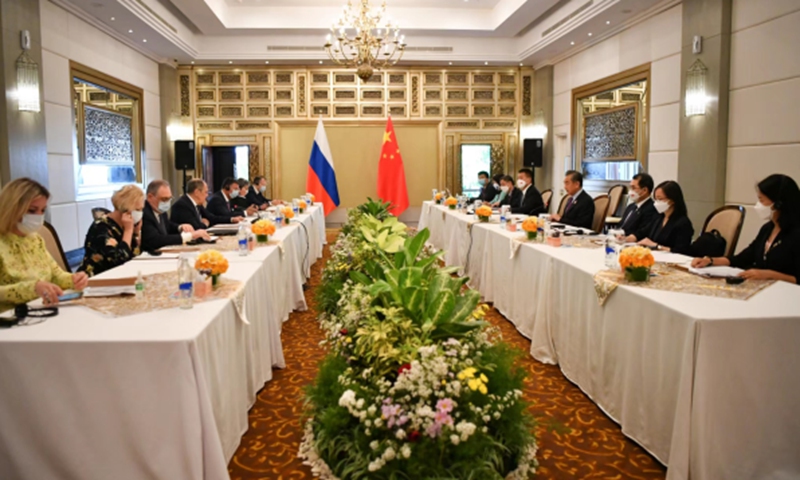
On 21 November, Anadolu Agency reported that China Defence Minister Dong Jun held talks with UK Defence Secretary Wes Streeting. China’s Defence Ministry said the two defence ministers discussed bilateral relations, military-to-military ties, the international and regional situation, and issues of mutual concern. It was further informed by the ministry that the leaders agreed to implement the consensus reached by their leaders, and work towards the steady and sound development of their relationship. This is the first visit by a Chinese defence minister to the UK in 26 years. Streeting had previously stated that China’s economic influence and military strength made it too great to ignore, but the UK would still monitor its conduct and avoid economic dependence on China.
(“Chinese, British defence chiefs hold 1st talks in UK in 26 years," Anadolu Agency, 21 November 2026)
Car conglomerate BYD barred from sale of SUV in EU
On 22 November, The Guardian reported that Chinese carmaker BYD had been banned from selling its “Defender clone” vehicle in the EU bloc. The judgement came after Jaguar Land Rover (JLR) opened legal proceedings against BYD, alleging its product was similar to Jaguar’s Land Rover Defender and violated intellectual property rights. A district court in the Netherlands ruled that BYD's Ti7SUV infringes Jaguar Land Rover's EU design. The ban is scheduled to take effect one week after the ruling. JLR issued a statement that it protected its intellectual property and took legal action when required. On the other hand, BYD issued a statement, expressing its dissatisfaction with the decision. The carmaker described BYD Ti7 as the result of BYD’s own independent design work, and said it would appeal the decision.
( “Court bans China’s BYD from selling ‘Defender clone’ SUV in EU,” The Guardian, 22 November 2026)
CHINA AND THE AMERICAS
China and Mexico to establish working group to set bilateral economic priorities
On 23 November, Reuters reported that Mexico’s Economy Ministry stated that a working group focused on bilateral economic priorities has been instituted between Mexico and China. This follows a recent meeting between Mexico's Economy Minister and China's Commerce Minister, who discussed the trade imbalance, as China is set to export more than USD 130 billion in goods. In contrast, Mexico's exports to China stand at USD 10 billion. Mexico called for narrowing the gap and accelerating sanitary protocols for Mexico's agricultural and food products, which have been stalled for a decade.
("Mexico, China agree to create working group to boost trade," Reuters, 23 November 2026)
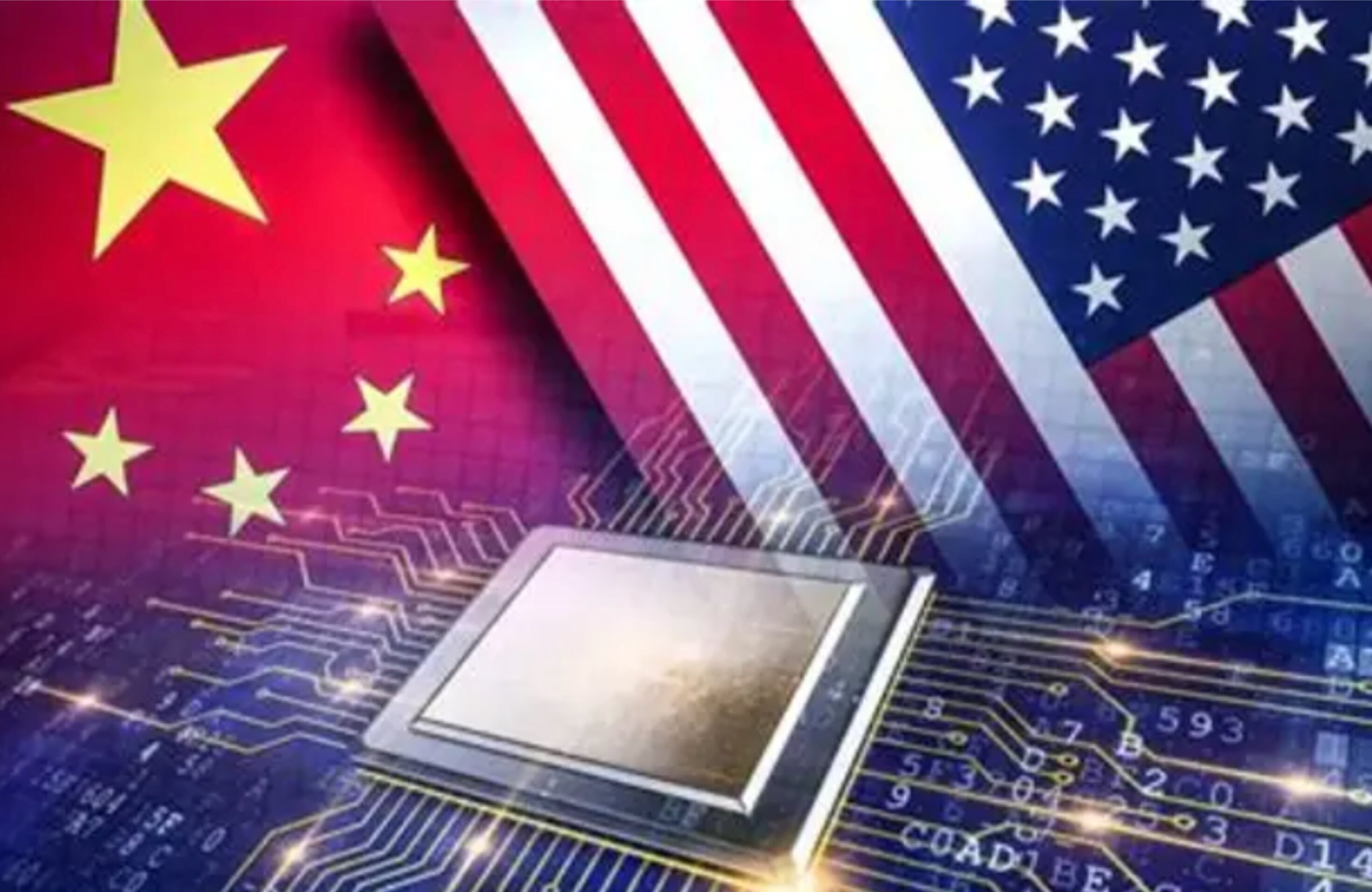
China calls for withdrawal of proposed telecommunications restriction by the US
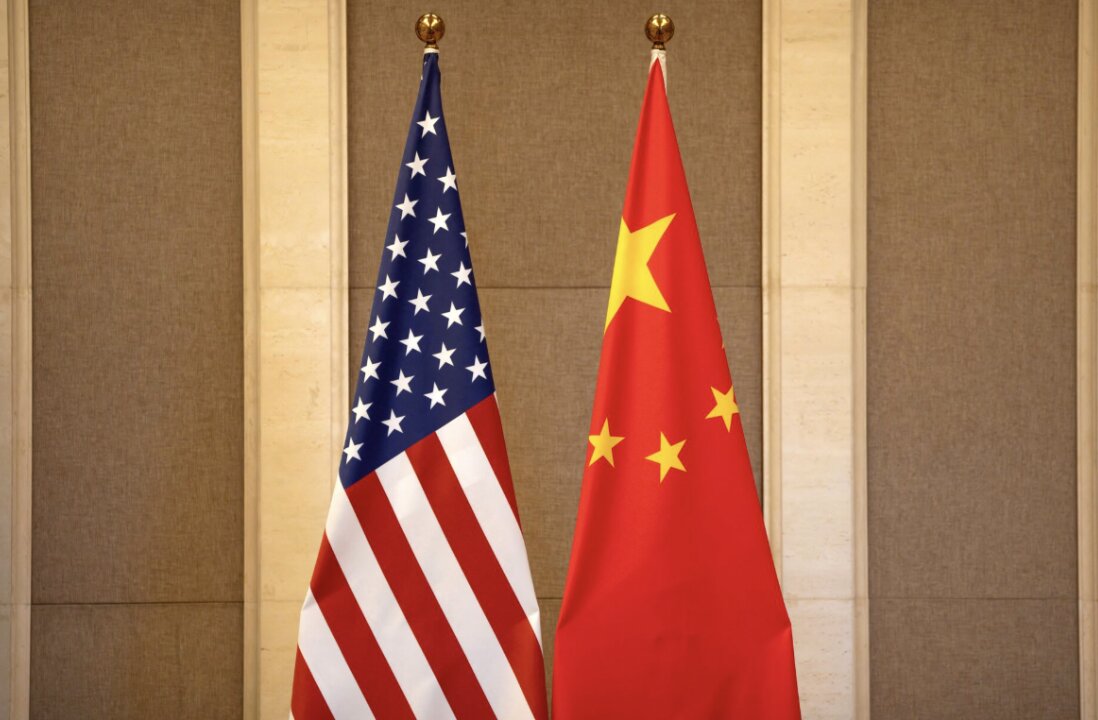
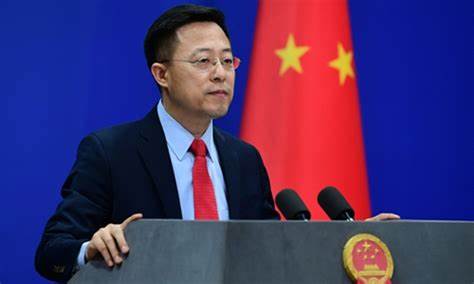
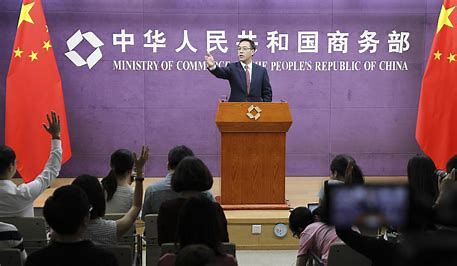
On November 22, AA News reported that China's Commerce Ministry spokesperson called for the withdrawal of the US's proposed restrictions on Chinese telecom operators' direct access to American phone numbers. She said, "The US Federal Communications Commission (FCC) abused its regulatory powers and overstretched the concept of national security, while making arbitrary accusations against Chinese telecom companies without factual basis and maliciously undermining their operations in the United States." The spokesperson further added that the proposed restrictions are a violation of the principles of nondiscrimination and fair competition. Stating that necessary countermeasures are needed, China called for the immediate rescission of the measures and a return to the right way of resolving issues through consultations.
("China urges US to withdraw proposed telecom restrictions, vows to defend interests," AA News, 22 November 2026)