CWA # 2350
CRPR Explainers
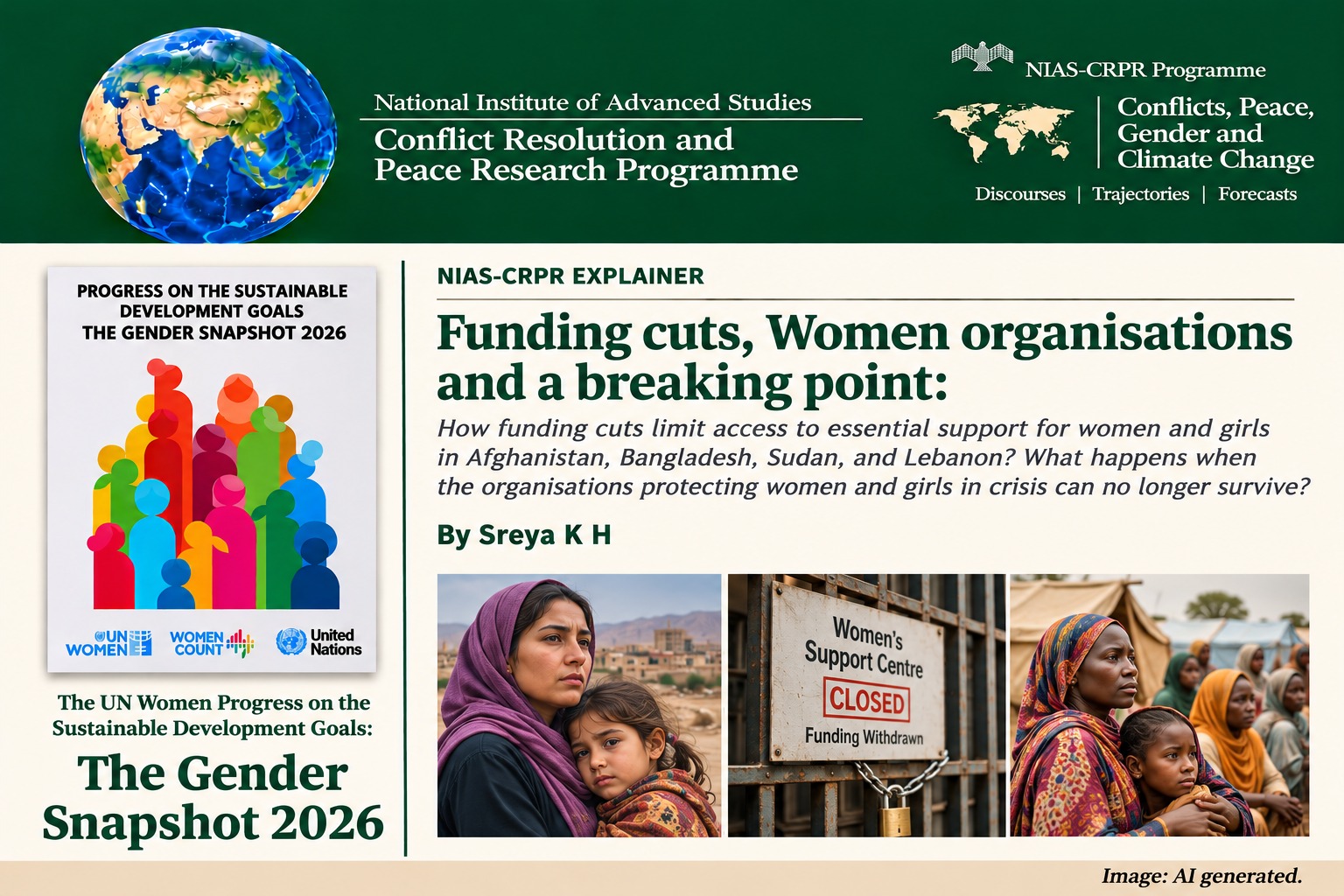
Funding cuts, Women organisations and a breaking point:
How funding cuts limit access to essential support for women and girls in Afghanistan, Bangladesh, Sudan, and Lebanon?
Review of the report titled "The UN Women Progress on the Sustainable Development Goals: The Gender Snapshot 2026."

|
Sreya KH
24 November 2026
|
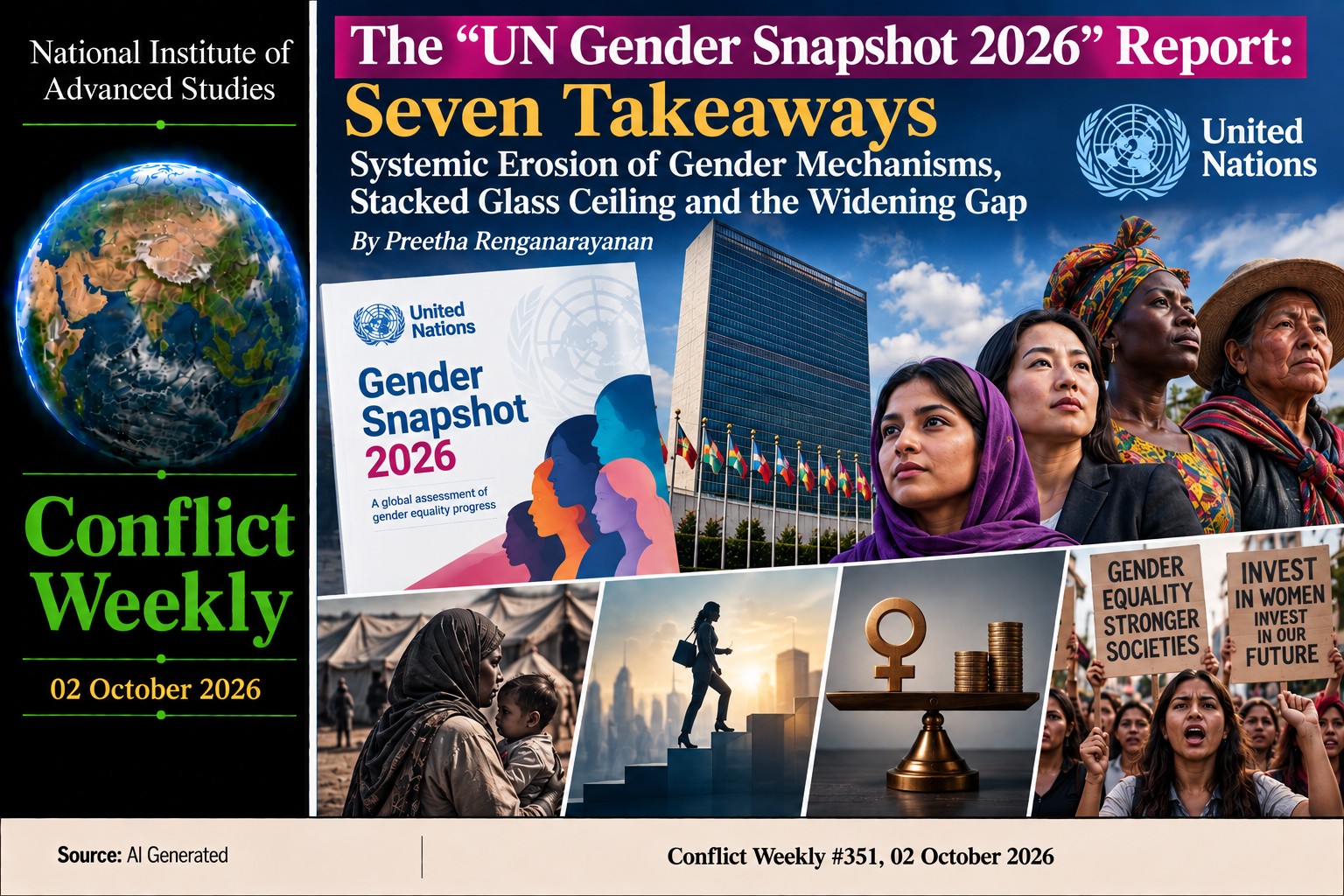
National and local women-led organisations are indispensable first responders, long-term partners in humanitarian action. According to the UN Gender Snapshot 2026, released by UN Women and UN DESA, points out that one in three institutional mechanisms for gender equality has had its institutional power eroded over the past two years. A 2026 survey of 855 women-led and women’s rights organisations, across 52 crisis-affected countries and contexts, found that 88 percent could no longer meet current levels of need, leaving one million women and girls without services they previously received. Half of organisations had six months or less of operational funding, and 58 percent saw a decline in women’s participation in community decision-making.
Following is the review of the report.
Why are women’s organisations approaching a breaking point?
Women’s organisations are approaching a breaking point due to deep structural and financial inequities within the global humanitarian system. Even with global commitments to localise humanitarian assistance, these grassroots groups struggle to access direct funding and lack the influence to shape humanitarian priorities, as large international agencies continue to control resources and decision-making. Consequently, local organisations are subjected to unpredictable and inflexible grants that prevent them from planning long-term programmes. This chronic underfunding has forced organisations into survival mode, with many laying off employees, reducing salaries, and working hours, and increasingly depending on unpaid labour, volunteers, personal sacrifice, constant fundraising, small-scale income-generating activities, and diaspora donations just to stay afloat. Compounding these financial pressures, staff often operate under extreme security risks and emotional burnout without adequate institutional support, leaving these vital community anchors dangerously close to collapse.
How funding cuts limit access to essential support for women and girls in Afghanistan, Bangladesh, Sudan, and Lebanon?
Across Afghanistan, Bangladesh, Sudan, and Lebanon, humanitarian funding cuts are severely restricting access to essential healthcare, protection, education, and economic security for women and girls by intensifying pre-existing political, economic, and social barriers. In Afghanistan, approximately 6.3 million women and girls risk losing vital support; the loss of 300 service points, including the closure of around 152 remote health facilities and the undermining of midwife training, has sharply curtailed maternal healthcare in isolated areas.
In Bangladesh's overcrowded Cox’s Bazar refugee camps, budget shortfalls have forced organisations to lay off staff and scale back community-based programmes, threatening the quality of psychosocial support and gender-based violence response for displaced Rohingya women and girls who depend heavily on humanitarian aid. In Sudan, severe funding cuts and the resulting loss of specialist staff have forced frontline women-led organisations to reduce outreach to remote, high-need communities, threatening the survival of these critical groups.
In Lebanon, difficulty in accessing traditional donor funding has led women-led organisations to cut salaries, rely on diaspora networks, and pull back from remote or conflict-affected areas, while replacing trained professionals with volunteers or overburdened staff risks compromising the quality of vital case management and protection services.
When women’s organisations are pushed to collapse, what are the consequences for the communities?
Communities that depend on the support from women organizations face immediate gaps in life-saving support, alongside long-term setbacks to their rights and resilience. As these groups scale back operations in remote and conflict-affected areas, the hardest-to-reach populations are the first to lose aid, forcing women to travel much farther for basic healthcare and protection services. Furthermore, the departure of experienced staff strips away irreplaceable specialist knowledge and trusted community relationships that cannot be easily rebuilt even if funding eventually returns. The decline of these frontline organisations silences marginalised voices, cutting off vital channels for women to enter decision-making spaces, hold institutions accountable, and shape the humanitarian responses meant to serve them.
Despite the cuts, what enables women’s organisations to sustain their work?
Women leaders’ intimate knowledge of their communities and unwavering commitment to protecting women’s rights allow them to deliver locally rooted responses, while established local relationships enable them to identify urgent needs, reach excluded populations, and respond effectively to shifting circumstances. Internally, leaders and staff keep essential programmes running through profound personal sacrifice, enduring salary reductions, unpaid labour, and heavy workloads. To bridge severe funding gaps and reduce reliance on unpredictable traditional grants, many organisations diversify their survival strategies by launching small-scale income-generating activities and tapping into diaspora donations. Furthermore, building collaborative relationships with peer organisations, international networks, and broader humanitarian actors helps them uncover new funding opportunities, share resources, and maintain vital visibility.
What can donors, governments and humanitarian actors do to prevent the irreversible loss of women’s organisations and community-based support?
Donors should allocate a larger share of predictable, multi-year humanitarian funding directly to women-led organisations, rather than relying exclusively on international intermediaries, and ensure grants cover core operational costs such as salaries, rent, administration, staff wellbeing, and institutional development to retain experienced personnel. The humanitarian coordination bodies and governments must meaningfully integrate local women’s organisations into needs assessments, programme design, funding decisions, and monitoring, transferring real decision-making power rather than merely treating them as service delivery contractors. Funding priorities must explicitly safeguard essential services, including maternal healthcare, gender-based violence response, legal aid, psychosocial support, and referral pathways, and preserve institutional knowledge. Finally, to ensure accountability, donors and pooled funds should set public targets and report annually on the proportion of aid reaching women-led groups, while governments strengthen gender-responsive budgeting to turn rights commitments into tangible resources and accessible services.
About the author
Sreya K H is a postgraduate student in the Department of Political Science, Madras Christian College, Chennai.