NPOS Comment

NPOS Comment
UN Ocean Conference 2022
A critique
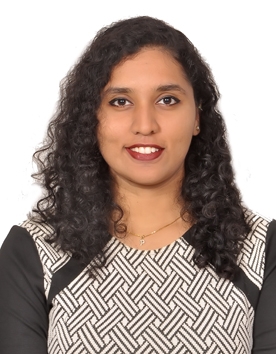
Padmashree Anandhan
22 August 2022
Photo Source: UN.org

Padmashree Anandhan is a Research Associate at the School of Conflict and Security Studies, National Institute of Advanced Studies, Bangalore. 

On the earth’s surfaces, land and water resources have been exploited beyond for the survival of the human population, but when it comes to natural restoration, the oceans take the lead over land resources. While the vastness of ocean habitat and its true potential for human lives are yet to be discovered, the ill effects of unsustainable living methods have begun to erode the health of the oceans. The increasing threats to the ocean environment have provoked countries and international organizations to come forward to unite towards the one ocean cause. 

Since the UN declared the decade (2021-2030) as “Ocean Science for Sustainable Development,” France followed by Kenya and Portugal have become the forerunners of the initiative by co-hosting the “One Ocean Summit,” in Brest from 09 to 11 February and “the UN Ocean Conference” from 24 June to 01 July. The Ocean Conference held dialogues looking into marine pollution, protection of marine ecosystems, ocean warming, and linking of SDG goal 14 and 2030 ocean agenda. It also focused on the impact of climate change due to human activities in the ocean, the challenges faced by ocean-based economies from the hindrances in ocean monitoring due to pandemics, restoration of ocean health, and sustainable ocean economy. 150 participant countries together agreed to adopt the Lisbon Declaration on “Our ocean, our future, our responsibility” to prioritize conserving oceans through linking with SDG-14 and bringing back the “General Assembly resolution 73/292 of 9 May 2019” in line with SDG. 

Increasing marine pollution and global initiatives
Increasing marine pollution has affected human health, marine ecosystems, fisheries, and agriculture pushing for the need to align prevention methods and SDGs to address all forms of pollution. To do that, it is important to not only map sea sources but also land to know the start point or the extent of pollutants. Above 3.5 billion people are directly dependent on the ocean for basic food, but are affected by land-based activities which account for 80 per cent of pollution through untreated sewage, radioactive waste, marine litter, dumping of plastics, the building of harbours, agricultural run-offs into marine bodies and accumulation of solid waste. With the intervention of the pandemic, the waste collection from the ocean was neglected, and plastic regulations were laid-back threatening the ocean health and endangering marine species. According to UNEP, 11 million tonnes of plastics are dumped into the ocean every year which incurs USD 13 billion for the economy in form of clean-up. The conference identified a few probable areas of partnership, which include new opportunities and sponsorship for commercial research partnerships, spreading awareness through campaigns such as Clean Seas, and #BeatNitrogenPollution, and continuing the critical efforts of WMO, IEA, IMO, and Intergovernmental Oceanographic Commission to support SIDS and LDC’s in responding to marine pollution.

Global commitments towards blue carbon
Decades of action have been taken towards bringing the carbon emission down on the earth's surface, the damage done to the ocean surface also contributes to the release of carbon into the atmosphere. The marine ecosystem includes the mangrove forests, salt marches, and seagrass, even if they are in one per cent proportion in the ocean, they can store 50 per cent of the carbon accumulated for millenniums. Therefore, when such ecosystems are disturbed by human activities, they lose their tendency leading to the release of “sequestered” carbons that have remained in for centuries. Such marine systems can be turned around for the benefit of humanity by cultivating them and protecting them which can promote carbon-free oceans, lessen the climate change effects, and avoids the loss of wetlands, and vegetation. The representative from Conservation International, a non-governmental organization highlighted how the marine systems are 35 times better at acting as carbon syncs when compared to tropical forests. Its significance to humanity not just ends with combating carbon but also in protecting against violent storms, promoting marine life, and wave action. With regards to the blue carbon coalition, Executive Director, AFD (French Development Agency), Gilles Kleitz vowed for adopting a higher ambition to protect the “carbon-rich marine ecosystem” and ensure commitment from banks to source in 200 billion under “carbon finance and ecosystem restoration.” Colombia’s Minister of Environment and Sustainable Development presented the progress of Colombia’s first blue carbon project on the Caribbean coast certified by Verra, a blue carbon group that has targeted sequestering one million tonnes of carbon dioxide in 30 years' time. The project has benefitted more than 400 families living in the area after six years and the Colombian government assured to start similar projects along Indo-Pacific Coast soon. As far as Indonesia, has implemented a “Blue economy development policy” which aims to the protection of marine areas, increase effectiveness, and “empowering of local communities.” Australia committed to initiating five blue carbon projects at the domestic level to promote carbon sequestration and biodiversity. It also plans to double the indigenous population as it values their traditional care towards the conservation of land and sea. On the same line the NGO, Conservation International head proposed to encourage and promote the living of the Afro-defendant population who are found to be contributing less to climate change effect but support the most in mitigation. 

Bolstering ocean-dependent economies 
Threats faced by people living in coastal areas especially the Small Island Developing States (SIDS) and least developed countries are the increasing population and depleting fisheries. According to IPCC, 680 million live in such ocean-dependent areas and SIDS counts the biggest share of 65 million. As per UN Global Compact, 50 per cent of people in LDCs depend on fisheries for basic protein and generate 57 million jobs. In the pre-pandemic period, SIDS and LDCs began to realize the criticality of the oceans in food security, employment, nutrition, and culture. The pandemic aggravated the existing threats leading to economic consequences. Hence under the 2030 agenda, strategies such as “build forward better” can induce to create growth and promote jobs through green and blue industries. Through this, the SIDS Accelerated Modalities of Action (SAMOA) Pathway (Samoa Pathway) can be prioritized by aligning with SDG 14 goal. In terms of tourism, maritime transportation, sustainable aquaculture practices, and deep-sea mining are seen as opportunities for the SIDS and LDCs to remodel their structure in the post-pandemic. Tourism which is an important foreign revenue sector can be a shift to sustainable tourism, by invoking corporate sustainable practices to preserve nature and inculcate human resources to maintain. This can be applied mainly to the Pacific region which accounts for 90 per cent of tourism. Similar to tourism, the marine transport sector was also affected due to pandemics, which increased freight and cut down on shipping connectivity leading to a financial crunch. Aquaculture and deep sea mining, are viewed as potential areas to cultivate fishes sustainably and extract minerals (Polymetallic nodules, polymetallic sulphides, and cobalt-rich ferromanganese crusts), enhance economy, address poverty, and hunger, and utilize the resources. Cook Islands, Jamaica, Kiribati, Nauru, Singapore, and Tonga have attained development at varying levels in deep-sea mining with guidance from the International Seabed Authority. Continued practice of aquaculture and mining can endanger fisheries and increase marine pollution levels.

Approach toward plastic pollution
The conference highlighted the transformation of plastics which must shift from being linear to circular. Emphasis was also laid on banning recyclable plastics and bringing innovation to recycling. The effect on marine life such as dolphins, turtles, and saltwater crocodiles due to the dumping of plastics in the oceans and seas was discussed. According to UNDP 89 per cent of plastic litter found in marine bodies was single-use plastics. The most important recommendations made toward the “New Plastic Economy Global Commitment” were on installing more recycling units and continuous negotiations with global countries to bring all under a legally binding agreement. New Plastics Economy Global Commitment, UNEP head spoke on how the UN seeks to bind all countries into the commitment by aligning the vision and including private and government units. The UN has achieved 500 signatories now more have stepped forward after the one ocean summit. Kenya which started the plastic ban in 2007, has now progressed in pushing 19 waste management companies to be held responsible for producing and import of plastics. As far as Australia is concerned the plastics in the ocean have affected the marine species vastly and the government proposed to raise USD 800 million to invest in recycling infrastructure and encourage its university to innovate new ways to suck carbon dioxide and make plastics 100 per cent reusable. Apart from the existing countries, Sao Paulo, Brazil, the Federal government of Belgium, the Kingdom of Thailand, the government of Mexico, along with several other Brazilian and Mexican states joined the Global commitment to plastics.

Interlinking SDG-14
For the array of challenges present for the ocean in form of pollution, ocean-based economies, sustaining blue carbon, the invention of new technologies, capacity building, and ensuring finance to meet, syncing all under SDG-14 would require sincere commitment and coordinated efforts from every state, regional and international actors. Most importantly, implementation of ocean governance across the north-south is required for attaining the SDG-14 goal. Therefore, the conference mandates the use of “scientific knowledge and evidence-based policy options,” to address the challenges to ocean conservation and enforce the links with SDG -14. 

Critique 
First, the actors in the conference. Unlike the one ocean summit, the UN ocean conference involved all-tier countries, with special host status for Kenya and Portugal. Kenya’s partnership with the EU to work on its blue economy under three programmes, “Go Blue Growth” which looks into creating new jobs, and “Go Blue Environment” to ensure practices are sustainable for the coastal urban and marine environment. “Go Blue Security” to expand a sustainable livelihood and awareness amongst coastal communities shows the growing inclusiveness of the global agenda for Oceans. Apart from Kenya, the Brazilian government presented its initiative on conducting a survey to look into people’s direct engagement with the Ocean which could serve as a model to analyze the community involvement and its impact on the oceans. Africa’s Union Commission co-organized an event as part of the conference on Africa’s sustainable blue economy highlighting the dependency of 38 AU member states who are coastal or island and how their marine resource are affected by anthropogenic sources. By the end of the event, AU proposed modernizing traditional ocean sectors, utilizing its blue resources to boost its economy through partnership, and aiming to establish Africa’s Ocean agenda. Therefore, unlike the other global events, the need to ensure the health of the ocean of tier three countries was prioritized.

Second, aquaculture is not a sustainable option. To prevent overfishing and to protect the marine species, the conference recommended the practice of offshore farming and aquaculture as sustainable ways of producing fish for human consumption. Although such methods help beat the increasing food demands of the growing population, when it comes to marine conservation, the depth of such farms, the foreign matters released into the waters, the increase in marine traffic, and to supply of feed for the farmed fishes threatens the environment and the species present in the farm zone. 

Third, deep-sea mining is a threat and not a benefit to the ocean. The ocean-based economies see the extraction of mineral deposits through deep-sea mining and seabed mining as innovative areas for boosting their economies. Such mineral extractions which are rich in copper, zinc, gold, iron, and cobalt are allowed under the regulations of the International Seabed Authority. But the extraction is a rigorous process and involves high-end machines, the affordability factor might not be in favor for LDC’s and SIDS. Apart from the financial limitation, the extent of damage caused to the sea bed and undiscovered marine species is still unknown. Therefore, complete threat analysis of the consequence of such deep ocean drilling and experiments must be carried ahead. Especially the ocean-dependent economies must step with caution as the environmental impact can cost the economy more than investment.



PREVIOUS COMMENTS

June 2026 | CWA # 2157

Global Politics Team

The G7 Summit 2026
President Xi Jinping’s North Korea visit I Myanmar President’s China visit
June 2026 | CWA # 2154

Madhura Meenakshi Tanikella

The G7 Summit 2026
Four Takeaways on Economic security, Critical minerals, and Consensus on Ukraine and Iran
June 2026 | CWA # 2153

Global Politics Team

The US-Iran MoU
The War in Ukraine I Anti-immigrant violence in South Africa I Ultra Orthodox Jews' protests in Israel
June 2026 | CWA # 2150

Madhura Meenakshi Tanikella

The War in Ukraine:
Massive drone attacks, Europe's support for Ukraine, and a Distant ceasefire
June 2026 | CWA # 2149

Brighty Ann Sarah

The US-Iran MoU:
Asymmetric Gains and Implementation Challenges
June 2026 | CWA # 2145

Glynnis Winona B

Myanmar and Press Freedom: 
Four Takeaways on Legal repression, Institutional collapse, Violence, and Digital control 
June 2026 | CWA # 2144

Nithin V

Bangladesh and Press Freedom: 
Four Takeaways on Digital security laws, Political polarisation, Journalist safety, and Media vulnerability 
June 2026 | CWA # 2143

Aishal Hab Yousuf 

Sri Lanka and Press Freedom: 
Five Takeaways on Political influence, Legal mechanisms to control, Ethnic sensitivities and History of State intimidation
June 2026 | CWA # 2142

Glynnis Winona B

Bhutan and Press Freedom:
Four takeaways on Regulatory control, Economic fragility, and Social constraints
June 2026 | CWA # 2141

Aishal Hab Yousuf

Maldives and Press Freedom:
Four takeaways on the influence of democracy, legislation, and state funding
June 2026 | CWA # 2140

Nithin V

Pakistan and Press Freedom:
Four takeaways Military influence, cyber laws, political instability, and youth-driven digital journalism
June 2026 | CWA # 2139

Siddhi Halyur

Afghanistan and Press Freedom:
Four takeaways on political control, religious restrictions and economic vulnerabilities 
June 2026 | CWA # 2138

Siddhi Halyur

Nepal and Press Freedom:
Three takeaways on Political constraints, Missing legal protection and Funding issues
June 2026 | CWA # 2136

Acsah H

The Blue Origin Rocket Explosion:
Does this leave Jeff Bezos grounded, Elon Musk unchallenged, and NASA’s lunar timeline in jeopardy?
June 2026 | CWA # 2131

Rohini Reenum

Israel-Lebanon Tensions:
New Deal amidst Israeli incursion and Hezbollah’s retaliation
June 2026 | CWA # 2130

Akshath Kaimal

The UK-Rwanda Asylum Deal: 
Why did the Permanent Court of Arbitration reject Rwanda’s claims? What was Rwanda’s complaint? Why did the UK cancel the deal?
June 2026 | CWA # 2129

Anu Maria Joseph

Conflicts in Africa This Week:
The Ebola fear in DR Congo and the Elections in Ethiopia amidst conflicts
May 2026 | CWA # 2126

Aparna A Nair

The Shenzhou-23 Mission:
China’s Space Missions, Technology, and Infrastructure
May 2026 | CWA # 2124

Glynnis Winona B

The Crisis in Cuba:
The US Sanctions, Energy Crisis, and Economic Instability
May 2026 | CWA # 2123

Akshath Kaimal

The Ebola and the DR Congo:
Multiple Outbreaks, Fragile Healthcare System, and Ineffective Global Responses
May 2026 | CWA # 2122

Radhika M Agarwal

The War in Ukraine:
Ballistic missiles, Nuclear drills with Belarus, and the Czech ammunition initiative
May 2026 | CWA # 2120

Brighty Ann Sarah

Conflicts in the Middle East
The US-Iran War Week Thirteen: Escalating Hostilities, Tenuous Ceasefire and Tense Negotiations
May 2026 | CWA # 2119

Anu Maria Joseph

Conflicts in Africa
The Ebola spread in DR Congo, The Faye-Sonko split in Senegal, and the Deepening US military involvement in Nigeria
May 2026 | CWA # 2115

Aparna A Nair

The Putin-Xi Summit
Trade, Technology, Security, and Pipeline
May 2026 | CWA # 2114

Glynnis Winona B

What makes the UAE a global player?
Explaining the Governance, Economy, People, and Strategic Influence of a Small Middle Eastern State
May 2026 | CWA # 2113

Aishal Hab Yousuf

Sri Lanka and the US-Iran War 
Rising oil imports, Austerity measures and State capacity
May 2026 | CWA # 2111

NIAS Global Politics Team

The Trump-Xi Summit
The Africa Forward Summit 2026 I North Korea's Constitutional Amendment 2026
May 2026 | CWA # 2110

Aishal Hab Yousuf

The Trump-Xi Summit:
Managing Strategic Competition through Trade, Technology, and Diplomacy
May 2026 | CWA # 2092

NIAS Global Politics Team

The US-Iran War, Week Ten
CW Column on Middle East: Escalating Israeli Aggression in Lebanon I UAE's Covert Manoeuvres
May 2026 | CWA # 2091

Brighty Ann Sarah

Conflicts in the Middle East:
Escalating Israeli Aggression in Lebanon I UAEs Covert Manoeuvres
May 2026 | CWA # 2090

Brighty Ann Sarah

The US-Iran War, Week Ten:
Fraying Ceasefire, Renewed Negotiations and the Risk of a Stalemate
May 2026 | CWA # 2088

Nithin V

King Charles's US Visit:
Emphasis on strong bilateral relations, democratic values and security cooperation
May 2026 | CWA # 2086

Aishal Hab Yousuf

UAEs Exit from OPEC:
Implications for the Middle East and the Energy Market
May 2026 | CWA # 2083

Brighty Ann Sarah

The US-Iran War, Week Nine:
Deadlocked Negotiations, Competing Agendas and Domestic Pressure
May 2026 | CWA # 2082

Akshath Kaimal

Escalating Violence in Mali:
Between Ethnic Insurgencies, Jihadist Attacks, and Military Coups
April 2026 | CWA # 2079

Aishal Hab Yousuf

Japans New Defence Posture:
From Post-War Pacifism to Strategic Recalibration and Autonomy
April 2026 | CWA # 2074

Brighty Ann Sarah

Israel-Lebanon Ceasefire:
Asymmetric Terms, Fragile Truce and Israeli Occupation
April 2026 | CWA # 2073

Akshath Kaimal

The US-Iran War, Week Eight:
A Fragile Ceasefire, Attempts to Control Hormuz and the Stalled Talks in Islamabad
April 2026 | CWA # 2072

Anu Maria Joseph

Three Years of War in Sudan
Prolonged Stalemate, Humanitarian Cost, External Interventions and Regional Fallouts
April 2026 | CWA # 2069

Padmashree Anandhan

The War in Ukraine
Expanding Drone Warfare, Russia's Strategic Patience and Ukraine's Diplomatic Outreach
April 2026 | CWA # 2068

Femy Francis

China-Japan Tensions
Escalating Defence Posturing and Economic Decoupling
April 2026 | CWA # 2067

Anu Maria Joseph

Conflicts in Africa
Continuing Conflicts in Sudan, South Sudan and DR Congo, Security issues in Nigeria, and Political Instability in Madagascar
April 2026 | CWA # 2066

Akshath Kaimal

The Pakistan-Afghanistan Conflict
Recurrent Clashes, Defiant Taliban, Contesting Narratives and Emerging Chinas Role
April 2026 | CWA # 2065

Lakshmi Venugopal Menon

The Middle East (JanMar 2026):
The US-Iran War, Israel-Hamas Conflict and their interconnected fallouts
April 2026 | CWA # 2064

Anwesha Ghosh

Afghanistan (JanMar 2026):
Gender Repression, Leadership Rifts, Regional Realignments and Clashes with Pakistan
April 2026 | CWA # 2063

Ramya B

Russia (Jan-Mar 2026)
Assertive Military Posture, Attempts for an Economic Turnaround and Search for Partners
April 2026 | CWA # 2062

Himani Pant

Europe (Jan-Mar 2026)
Trade diversification & FTAs, Increased defence spending, Tightening irregular migration and Economic slowdown
April 2026 | CWA # 2061

S Shaji

Africa (Jan-Mar 2026)
Elections, Civil Wars, Militancy and Peace Initiatives
April 2026 | CWA # 2059

Adarsh Vijay

India and the World(Jan-Mar 2026)
Maintaining Strategic Autonomy, Balancing the US relations and Resetting the China ties
April 2026 | CWA # 2058

Nishchal N Pandey & Mahesh Raj Bhatta

Nepal (Jan-Mar 2026)
Political Upheaval, Generational Change and Economic Uncertainty
April 2026 | CWA # 2057

Bibhu Prasad Routray

Myanmar (Jan-Mar 2026)
An Illegitimate Regimes Consolidation Game
April 2026 | CWA # 2056

Ashik J Bonofer

Southeast Asia (Jan-Mar 2026)
Deteriorating situation in Myanmar, Philippines as the ASEAN Chair, New government in Thailand, and Economic & Environmental challenges
April 2026 | CWA # 2055

Haans J Freddy

East Asia (Jan-Mar 2026)
Chinas military operations near Taiwan, Japan-China tensions and South Koreas security challenges
April 2026 | CWA # 2054

Amrita Jash

Chinas External Landscape (Jan-Mar 2026):
Regional assertion, Pragmatic recalibration with the West and Avoiding military entanglement in the Middle East
April 2026 | CWA # 2052

Shreya Upadhyay

The United States(Jan-Mar2026)
Tariffs, Ukraine, Iran and Operationalization of Trumps World Order
March 2026 | CWA # 2039

Femy Francis

Trump-Xi Meeting
Why did Trump reschedule it? What does that mean?
March 2026 | CWA # 2035

Akshath Kaimal

Pakistan-Afghanistan Conflict
Broken ceasefire, Expanding military strikes and Worsening humanitarian situation
March 2026 | CWA # 2033

Mahesh Bhatta

Nepal after elections:
Five major challenges for the new government
March 2026 | CWA # 2024

Lekshmi MK

The UN and the Iran-US War
UNSC Resolution 2817 between Clear and Unified Message and Manifest Injustice
March 2026 | CWA # 2023

Femy Francis

Chinas Two Sessions 2026
New Five-Year Plan, Ethnic Unity Law, and an Enhanced Defence Budget
March 2026 | CWA # 2019

Akshath Kaimal

Rising Violence in Nigeria
Limited State Capacity, Multiple Actors, and a Complex Security Environment
March 2026 | CWA # 2012

Padmashree Anandhan

The War in Ukraine
Long-range strikes, Defence adaptation and the EUs energy dependence
March 2026 | CWA # 2010

Mahesh Bhatta

Nepal Elections 2026
The Rise of the New and the Fall of the Old
March 2026 | CWA # 2009

Sreemaya Nair

Nepal Elections 2026
Rise of a new leadership and Reset in political landscape
March 2026 | CWA # 2004

Akshath Kaimal

The Forgotten South Sudan Conflict
Instability returns, with a fragile peace agreement, uptick in violence and limited international engagement
March 2026 | CWA # 2003

Yesasvi Koganti

PM Modis Visit to Israel
From bilateral ties to a special strategic partnership
February 2026 | CWA # 1998

Anu Maria Joseph

Instability in Sudan
Response to the genocide call and the threats of a regional spillover
February 2026 | CWA # 1985

Abhimanyu Solanki

Basant in Pakistan
The return of Basant, and what it signifies
February 2026 | CWA # 1977

Anu Maria Joseph

Violence in Nigeria
US military deployment amidst worsening insurgency
February 2026 | CWA # 1976

Lekshmi MK

The War in Ukraine
The Geneva Talks and Growing Negotiation Asymmetry
December 2025 | CWA # 1971

Vani Vyshnavi Jupudi

Pakistan Budget 2025-26
Legislating stabilisation under IMF discipline and coalition constraints
December 2025 | CWA # 1970

Aparna A Nair

Pakistan & China
Ten Years of China-Pakistan Economic Corridor (CPEC)
November 2025 | CWA # 1968

Vani Vyshnavi Jupudi

Pakistan and the US
A New opening, or another cycle?
February 2026 | CWA # 1959

Yesasvi Koganti

UK and China
PM Keir Starmers visit and the Recalibration of Economic, Strategic, and Domestic ties
January 2026 | CWA # 1946

R Preetha

The Davos Summit 2026
Five Major Takeaways from The World Economic Forum
December 2025 | CWA # 1931

Padmashree Anandhan

NATO Summit 2025
December 2025 | CWA # 1924

Padmashree Anandhan

NATO Summit 2025
August 2025 | CWA # 1801

R Preetha

28 August 1963
Martin Luther King's "I Have a Dream" speech and the Civil Rights Movement in the US
August 2025 | CWA # 1790

GP Team

The World This Week#323-324
The Trump-Putin meeting & the US-China tariff extension
August 2025 | CWA # 1780

Abhiruchi Chowdhury

Trump tariffs:
Weaponization of access to the US economy
August 2025 | CWA # 1779

GP Team

The World This Week#322
US tariffs on India, Brazil and Canada & the EU-US trade deal
August 2025 | CWA # 1778

Lekshmi MK

28 July 1914
Austria-Hungary declares war on Serbia, starting the First World War
July 2025 | CWA # 1770

Abhiruchi Chowdhury

Pakistan-Afghanistan relations:
Why the focus on terrorism, refugees, and Uzbekistan as the third partner?
July 2025 | CWA # 1769

GP Team

The World This Week#321
Indian PM Modi's visit to the Maldives I Elections to the Upper House in Japan
July 2025 | CWA # 1762

Lekshmi MK

Ocean Darkening: 
What is the phenomenon? What are its effects? And who are more vulnerable?
July 2025 | CWA # 1749

R Preetha

Africa as the Hunger Epicenter
Of the 13 Global Hunger Hotspots, 8 are in Africa: Five reasons why
July 2025 | CWA # 1748

GP Team

The World This Week #318
PM Modi’s Visit to Trinidad and Tobago & Ghana, One big beautiful bill, and Quad Foreign Ministers Meeting
July 2025 | CWA # 1744

Chittrothu Vaihali

EU-Canada Summit 2025
What is security and defence partnership all about?
July 2025 | CWA # 1742

IPRI Team

Conflict Weekly # 287-88
The 12 Day War and the Congo-Rwanda Peace Deal
July 2025 | CWA # 1738

Fleur Elizabeth Philip

Thailand and Cambodia
What was the phone call between PM Shinawatra and President of Senate Hun Sen? What is the border dispute between the two? Why has this become an issue?
June 2025 | CWA # 1735

Padmashree Anandhan

NATO Summit 2025:
Trump making Europe great again
June 2025 | CWA # 1734

GP Team

The World This Week #317
NATO Summit 2025 and Russia-Mali bilateral agreements
June 2025 | CWA # 1733

Ananya Dinesh

China and the Pacific Islands 
What was the recent China-PIC joint statement about? What it says, and what it means?
June 2025 | CWA # 1728

M Kejia

G7 Summit 2025:
The Focus on the Middle East and Trade negotiations
June 2025 | CWA # 1726

GP Team

The World This Week #316
China-Central Asia Summit in Kazakhstan, and the G7 Summit in Canada
June 2025 | CWA # 1725

Brighty Ann Sarah, R Preetha, Santhiya M, Aparna A Nair & M Kejia

Operation Midnight Hammer: US bombs three nuclear sites in Iran
What were the three Iranian nuclear sites that were targeted? What are the B2 Bombers and Bunker Buster Bombs? What do these attacks mean? What Next?
June 2025 | CWA # 1724

IPRI Team

Conflict Weekly #286
The Spiralling Israel-Iran Crisis, and the Dangerous Hunger Hotspots
June 2025 | CWA # 1721

Rizwana Banu S and Santhiya M

Who are the Afrikaners?
Why is Trump interested in the Afrikaner question in South Africa?
June 2025 | CWA # 1720

Lekshmi MK

New WMO Report on Arctic Warming
What are the social, economic and environmental implications of Arctic warming
June 2025 | CWA # 1719

J Yamini  

China’s EV Surge
What contributes to the rise of BYD
June 2025 | CWA # 1717

J Yamini

Gender Violence in Pakistan:
What are the larger issues in the Noor Mukadam case?
June 2025 | CWA # 1715

Femy Francis

The US-China:
On Tariffs, Rare Earths and Visas
June 2025 | CWA # 1713

GP Team

The World This Week #315
The UN Ocean Conference in France and the US-China Meeting in London
June 2025 | CWA # 1709

IPRI Team

Conflict Weekly #284-285
Cambodia-Thailand Border Tensions, Protests in the US, and the Indigenous Māori question in New Zealand
June 2025 | CWA # 1705

GP Team

The World This Week #314
Elections in South Korea and Poland I China and the Pacific Island Countries I Bangladesh Election Announcement 2026
June 2025 | CWA # 1700

R Preetha

Ethiopia bans the TPLF
What does the TPLF ban mean for the Pretoria agreement? What next for Ethiopia?
June 2025 | CWA # 1694

Aashish Ganeshan

The US:
Harvard vs Trump Administration
June 2025 | CWA # 1691

GP Team

The World This Week #313
China-ASEAN-GCC Summit I President Macron's visit to South East Asia I Trump Vs Harvard
May 2025 | CWA # 1690

GP Team

The World This Week #312
Elections in Romania, Portugal & Poland I UK-EU Summit
May 2025 | CWA # 1689

Padmashree Anandhan

Ukraine
Continuing Russia’s Aerial Attacks, despite exchange of prisoners
May 2025 | CWA # 1688

Ayan Datta

Gaza
The Humanitarian Crisis and Israel’s Renewed Offensive
May 2025 | CWA # 1685

Aparna A Nair

UK-EU Summit:
First step towards a reset
May 2025 | CWA # 1683

Aashish Ganeshan

Elections in Portugal:
The Rise of Chega Party and the Search for Political Stability
May 2025 | CWA # 1679

Aashish Ganeshan

US in the Middle Easr
Trump’s visit to Saudi Arabia, Qatar and UAE
May 2025 | CWA # 1678

Gauri Gupta

China in Latin America
China-CELAC forum: Strengthening ties with Latin America and Caribbean
May 2025 | CWA # 1677

GP Team

The World This Week #310-311
China in Latin America and the Carribbean I Trump's Middle East Visit I Denmark as the new Arctic Chair
May 2025 | CWA # 1675

Lekshmi MK

Turkey:
PKK disbands after 40 years of armed insurgency
May 2025 | CWA # 1673

Padmashree Anandhan

Ukraine:
The Discussion in Turkiye and the Elusive Ceasefire
May 2025 | CWA # 1672

D Suba Chandran

India and Pakistan:
De-escalation and the “New Normal”
May 2025 | CWA # 1671

Abhiruchi Chowdhury

US, Ukraine and Russia:
Air attacks amidst a Minerals deal and Ceasefire Proposals
May 2025 | CWA # 1670

Fleur Elizabeth Philip

Singapore Elections in 2025:
People’s Action Party (PAP) Wins, Again
May 2025 | CWA # 1667

R Preetha and Brighty Ann Sarah

East Asia:
Tough Tariff Negotiations with the US
May 2025 | CWA # 1666

Padmashree Anandhan

The US-Ukraine
The mineral deal with the US
May 2025 | CWA # 1665
Conflict Weekly # 280-81
India-Pakistan De-escalation I Ukraine Discussion in Istanbul I The Battle over Port Sudan I Disbanding of PKK in Turkiye I France-Algeria Diplomatic Tensions
May 2025 | CWA # 1663

R Preetha

Canada Elections 2025:
What do the results convey? What next for Mark Carney?
March 2024 | CWA # 1251

NIAS Africa Team

Africa This Week
February 2024 | CWA # 1226

NIAS Africa Team

Africa This Week
October 2023 | CWA # 1091

Annem Naga Bindhu Madhuri

Issues for Europe
July 2023 | CWA # 1012

Bibhu Prasad Routray

Myanmar continues to burn
December 2022 | CWA # 879

Padmashree Anandhan

The Ukraine War
November 2022 | CWA # 838

Rishma Banerjee

Tracing Europe's droughts
March 2022 | CWA # 705

NIAS Africa Team

In Focus: Libya
December 2021 | CWA # 630

GP Team

Europe in 2021
October 2021 | CWA # 588

Abigail Miriam Fernandez

TLP is back again
August 2021 | CWA # 528

STIR Team

Space Tourism
September 2019 | CWA # 162

Lakshman Chakravarthy N

5G: A Primer
December 2018 | CWA # 71

Mahesh Bhatta

Nepal
December 2018 | CWA # 70

Nasima Khatoon

The Maldives
December 2018 | CWA # 69

Harini Madhusudan

India
December 2018 | CWA # 68

Sourina Bej

Bangladesh
December 2018 | CWA # 67

Seetha Lakshmi Dinesh Iyer

Afghanistan
