State of Global Politics 2025

State of Global Politics 2025
The US and Syria: Strategic Recalibration and Security Pivot

The World This Week #338, Vol 7, No 52, 31 December 2025
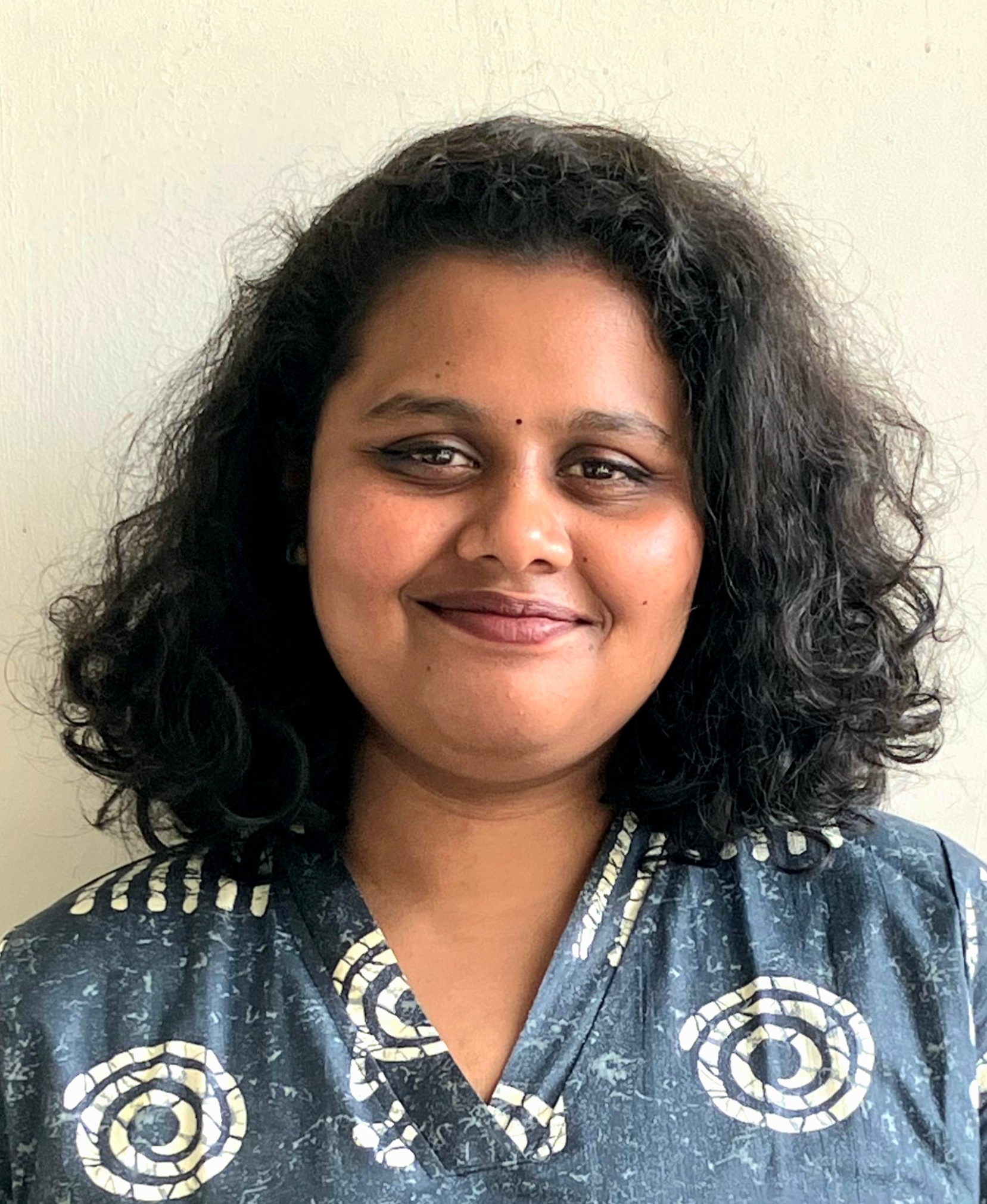
Brighty Ann Sarah
31 December 2025
Photo Source:

What happened?

On 10 November, Syria’s Prime Minister Ahmed al-Sharaa met with President Donald Trump, becoming the first Syrian leader to visit the White House, and marking a turning point in the Syria-US relations. The meeting culminated in Syria joining as the 90th member of the US-led international coalition to combat the Islamic State.

On 11 November, while in Saudi Arabia, President Trump also announced a 180-day suspension of comprehensive sanctions under the Caesar Syria Civilian Protection Act, extending a prior waiver.  Measures to reopen the Syrian embassy in Washington were also initiated.

During the meeting, the US urged Syria to sign the Abraham Accords with Israel, deport foreign terrorists from the country, aid Washington in preventing the resurgence of ISIS, and assume responsibility for ISIS detention centres in Northeast Syria. President Al-Sharaa affirmed his commitment to the 1974 disengagement with Israel and invited American companies to invest in Syrian oil and gas.

On 28 November, 13 people were killed in an Israeli attack in the Syrian city of Beit Jin. The US condemned the move, stating that “It is very important that Israel maintain a strong and true dialogue with Syria, and that nothing takes place that will interfere with Syria’s evolution into a prosperous state.” He also added that “The new President of Syria, Ahmed al-Sharaa, is working diligently to make sure good things happen, and that both Syria and Israel will have a long and prosperous relationship together.”

On 13 December, the Islamic State ambushed the city of Palmyra in which two US soldiers and a US civilian interpreter were killed, prompting a strong US response. A joint US-Syrian patrol was ambushed by a member of Syria’s own security forces near Palmyra, in central Syria formerly controlled by the ISIL (ISIS).

On 19 December, US launched ‘Operation Hawkeye Strike,’ in collaboration with Syria’s state security forces, against ISIS. US forces conducted major airstrikes and ground operations against over 50 IS targets in northern and central Syria.

On 29 December, PM Netanyahu visited Trump at his residence in Florida, during which Trump stated that he was "sure Israel would get along with President Ahmed al-Sharaa."

What is the background?
First, the key drivers of Syria-US relations: Counter-terrorism, US backing to non-state actors, and the sanctions regime. The Syria-US relations have historically been fraught and marked by the threat of terrorism, leading to Syria's designation as a state sponsor of terrorism by the US in 1979 due to its support for terrorist organisations, particularly the Islamic State of Iraq and Syria (ISIS), Hezbollah and Palestinian militants. The US has long perceived Syria as a potential enabler of transnational jihadist networks that posed serious security concerns to Washington and its allies, particularly Israel. The longstanding presence of Iran and Russia, where Iran wielded the country as a stronghold for its proxy groups exacerbated the US security concerns in Syria. The post-9/11 period witnessed limited cooperation between Syria and the US as Damascus offered intelligence cooperation to the US on al-Qaeda operatives and Islamist networks, driven by the Assad regime’s own fear of jihadist groups that threatened regime stability. However, the 2011 Syrian Civil War amplified the threat of terrorism with the rise of extremist groups including ISIS and the Hayat Tahrir al-Sham (HTS), the current ruling party of Damascus which had been a Syrian offshoot of al-Qaeda.

The Syrian civil war prompted direct US intervention, which was pursued through the US backing of the Syrian Democratic Forces (SDF), a Kurdish-led coalition that emerged as Washington's primary ground partner in combating the Islamic State (ISIS) during the war. Following the rise of ISIS in 2014, the US launched Operation Inherent Resolve and provided arms, training, and air support to the SDF, enabling the recapture of ISIS strongholds like Syria’s Raqqa in 2017 and Kobani, which accelerated the defeat of group by 2019 and facilitated the US military presence in north-eastern Syria. The US engagement with the SDF fuelled suspicions under Bashar al-Assad, who denounced the US-SDF partnership as an “illegal occupation,” heightening tensions and prompting Syrian forces, backed by Russia and Iran, to clash with SDF while avoiding direct confrontation with the US.

The US also employed sanctions and embargoes to exert economic and diplomatic pressure against Syria’s support to terror networks, leading to export controls, financial and aid restrictions and ban on arms sales. The 2004 Syria Accountability and Lebanese Sovereignty Restoration Act, imposed trade embargoes and asset freezes in response to Syria’s alleged interference in Iraq and Lebanon, further isolating Syria economically and limiting foreign investment. The 2011 civil war and the largescale human rights abuses under the Assad regime that marked the conflict culminated in the 2019 Caesar Syria Civilian Protection Act. The sanctions sought accountability through economic pressure and severely exacerbated Syria's already fragile economic crisis, leading to the devaluation of the Syrian pound, hyperinflation, and widespread poverty and hindering reconstruction efforts.

Second, drivers of the post-Assad realignment. The fall of the Assad regime in 2024 significantly altered the political landscape and the US interests and involvement in Syria. The US significantly reduced its military presence throughout 2025, drawing down from nearly 2,000 troops at the end of 2024 to fewer than 1,000, with forces consolidated primarily in northeastern regions. The US military bases in Syria also saw a stark drop from eight to one. The primary motivator has been the progressive weakening of the Islamic State in the region after its fall in 2019. This has allowed for a more focused presence to sustain counterterrorism efforts through intelligence sharing, and partnerships with the SDF. Additionally, the withdrawal of Russian and Iranian influence in the country, prompted by the rapid collapse of Bashar al-Assad, Moscow’s preoccupation with the war in Ukraine, and the weakening of Tehran's proxy groups including Hezbollah has created a favourable power vacuum for the US. The transitional government under Ahmed al-Sharaa actively distanced itself from Iran, expelling remaining proxies and signalling a break from Assad-era alliances to enable Western and Arab engagement.

Third, the persisting Israel-Syria to territorial tensions. The conflicts largely concern southern Syria, particularly the Israeli occupation of the UN-monitored buffer zone established by the 1974 Disengagement Agreement and expanded areas beyond it. This includes parts of Mount Hermon and villages in Quneitra, Daraa, and Suwayda provinces. Following the fall of Bashar al-Assad in December 2024, Israel unilaterally declared the 1974 agreement void, invaded and occupied the buffer zone, and conducted over 600 airstrikes and ground incursions throughout 2025 claiming efforts to prevent weapons from reaching “extremists,” and establish a deeper demilitarized zone south of Damascus. The al-Sharaa government condemned these actions as violations of sovereignty and aggression, while insisting on full Israeli withdrawal to pre-December 2024 lines as a precondition for any negotiations.  Further, Syria and Lebanon remain Israel’s only neighbours who are not signatories to the Abraham Accords, brokered by the US in 2020 in an effort to normalise the relations between Israel and the regional powers.

What does it mean for 2026?
Firstly, for Syria this diplomatic recalibration can lead to economic relief, security guarantees and political legitimacy. The engagement creates a critical opportunity to consolidate authority and undertake post-war reconstruction after decades of isolation and conflict. The easing of the crippling sanctions could provide much-needed economic relief and catalyse international investment, particularly from the US, including in the trade and investment in the oil and natural resources in the northern territories. Engagement with Washington also confers political legitimacy on the new government, facilitating broader international acceptance and helping to move beyond its past identity as a former al-Qaeda offshoot. Moreover, closer ties with Washington may provide security assurances and strengthen cooperation in counter-terrorism efforts, thereby helping to contain jihadist threats that could undermine the stability of the emerging political order.

For the US, the recalibration is likely to emphasise limited military involvement while facilitating a Syria-Israel rapprochement. With a reduced on-ground military presence, Washington is likely to encourage Syria to assume primary responsibility for dismantling terrorist and extremist groups operating within its territory. The US policy would also focus on maintaining regional stability and ensuring the durability of a cooperative regime in Damascus. Additionally, the United States is likely to intensify efforts toward normalising Israel-Syria relations, including encouraging Syrian to be party in the Abraham Accords, in line with broader US strategic interests and Israel’s security objectives in the region.


About the author 
Brighty Ann Sarah is a Postgraduate student from Stella Maris College, Chennai. 


PREVIOUS COMMENTS

April 2026 | CWA # 2074

Brighty Ann Sarah

Israel-Lebanon Ceasefire:
Asymmetric Terms, Fragile Truce and Israeli Occupation
April 2026 | CWA # 2073

Akshath Kaimal

The US-Iran War, Week Eight:
A Fragile Ceasefire, Attempts to Control Hormuz and the Stalled Talks in Islamabad
April 2026 | CWA # 2072

Anu Maria Joseph

Three Years of War in Sudan
Prolonged Stalemate, Humanitarian Cost, External Interventions and Regional Fallouts
April 2026 | CWA # 2069

Padmashree Anandhan

The War in Ukraine
Expanding Drone Warfare, Russia's Strategic Patience and Ukraine's Diplomatic Outreach
April 2026 | CWA # 2068

Femy Francis 

China-Japan Tensions
Escalating Defence Posturing and Economic Decoupling
April 2026 | CWA # 2067

Anu Maria Joseph

Conflicts in Africa
Continuing Conflicts in Sudan, South Sudan and DR Congo, Security issues in Nigeria, and Political Instability in Madagascar
April 2026 | CWA # 2066

Akshath Kaimal

The Pakistan-Afghanistan Conflict
Recurrent Clashes, Defiant Taliban, Contesting Narratives and Emerging China’s Role
April 2026 | CWA # 2065

Lakshmi Venugopal Menon

The Middle East (Jan–Mar 2026):
The US-Iran War, Israel-Hamas Conflict and their interconnected fallouts
April 2026 | CWA # 2064

Anwesha Ghosh

Afghanistan (Jan–Mar 2026):
Gender Repression, Leadership Rifts, Regional Realignments and Clashes with Pakistan
April 2026 | CWA # 2063

Ramya B

Russia (Jan-Mar 2026)
Assertive Military Posture, Attempts for an Economic Turnaround and Search for Partners
April 2026 | CWA # 2062

Himani Pant

Europe (Jan-Mar 2026)
Trade diversification & FTAs, Increased defence spending, Tightening irregular migration and Economic slowdown
April 2026 | CWA # 2061

S Shaji

Africa (Jan-Mar 2026)
Elections, Civil Wars, Militancy and Peace Initiatives
April 2026 | CWA # 2059

Adarsh Vijay

India and the World (Jan-Mar 2026)
Maintaining Strategic Autonomy, Balancing the US relations and Resetting the China ties 
April 2026 | CWA # 2058

Nishchal N Pandey  & Mahesh Raj Bhatta

Nepal (Jan-Mar 2026)
Political Upheaval, Generational Change and Economic Uncertainty
April 2026 | CWA # 2057

Bibhu Prasad Routray

Myanmar (Jan-Mar 2026)
An Illegitimate Regime’s Consolidation Game
April 2026 | CWA # 2056

Ashik J Bonofer

Southeast Asia (Jan-Mar 2026)
Deteriorating situation in Myanmar, Philippines as the ASEAN Chair, New government in Thailand, and Economic & Environmental challenges
April 2026 | CWA # 2055

Haans J Freddy

East Asia (Jan-Mar 2026)
China’s military operations near Taiwan, Japan-China tensions and South Korea’s security challenges
April 2026 | CWA # 2052

Shreya Upadhyay

The United States (Jan-Mar 2026)
Tariffs, Ukraine, Iran and Operationalization of Trump’s World Order
March 2026 | CWA # 2039

Femy Francis

Trump-Xi Meeting
Why did Trump reschedule it? What does that mean?
March 2026 | CWA # 2035

Akshath Kaimal

Pakistan-Afghanistan Conflict
Broken ceasefire, Expanding military strikes and Worsening humanitarian situation
March 2026 | CWA # 2033

Mahesh Bhatta

Nepal after elections:
Five major challenges for the new government
March 2026 | CWA # 2024

Lekshmi MK

The UN and the Iran-US War
UNSC Resolution 2817 between “Clear and Unified Message” and “Manifest Injustice”
March 2026 | CWA # 2023

Femy Francis

China’s Two Sessions 2026
New Five-Year Plan, Ethnic Unity Law, and an Enhanced Defence Budget
March 2026 | CWA # 2019

Akshath Kaimal

Rising Violence in Nigeria
Limited State Capacity, Multiple Actors, and a Complex Security Environment
March 2026 | CWA # 2012

Padmashree Anandhan

The War in Ukraine
Long-range strikes, Defence adaptation and the EU’s energy dependence
March 2026 | CWA # 2010

Mahesh Bhatta

Nepal Elections 2026
The Rise of the “New” and the Fall of the “Old”
March 2026 | CWA # 2009

Sreemaya Nair

Nepal Elections 2026
Rise of a new leadership and Reset in political landscape
February 2026 | CWA # 1998

Anu Maria Joseph

Instability in Sudan
Response to the genocide call and the threats of a regional spillover
February 2026 | CWA # 1985

Abhimanyu Solanki

Basant in Pakistan
The return of Basant, and what it signifies
February 2026 | CWA # 1977

Anu Maria Joseph

Violence in Nigeria
US military deployment amidst worsening insurgency
February 2026 | CWA # 1976

Lekshmi MK

The War in Ukraine
The Geneva Talks and Growing Negotiation Asymmetry
December 2025 | CWA # 1971

Vani Vyshnavi Jupudi

Pakistan Budget 2025-26
Legislating stabilisation under IMF discipline and coalition constraints
December 2025 | CWA # 1970

Aparna A Nair

Pakistan & China
Ten Years of China-Pakistan Economic Corridor (CPEC)
November 2025 | CWA # 1968

Vani Vyshnavi Jupudi

Pakistan and the US
A New opening, or another cycle?
February 2026 | CWA # 1959

Yesasvi Koganti

UK and China
PM Keir Starmer’s visit and the Recalibration of Economic, Strategic, and Domestic ties
January 2026 | CWA # 1946

R Preetha

The Davos Summit 2026
Five Major Takeaways from The World Economic Forum
December 2025 | CWA # 1931

Padmashree Anandhan

NATO Summit 2025
December 2025 | CWA # 1924

Padmashree Anandhan

NATO Summit 2025
August 2025 | CWA # 1801

R Preetha

28 August 1963
Martin Luther King's "I Have a Dream" speech and the Civil Rights Movement in the US
August 2025 | CWA # 1790

GP Team

The World This Week#323-324
The Trump-Putin meeting & the US-China tariff extension
August 2025 | CWA # 1780

Abhiruchi Chowdhury

Trump tariffs:
Weaponization of access to the US economy
August 2025 | CWA # 1779

GP Team

The World This Week#322
US tariffs on India, Brazil and Canada & the EU-US trade deal
August 2025 | CWA # 1778

Lekshmi MK

28 July 1914
Austria-Hungary declares war on Serbia, starting the First World War
July 2025 | CWA # 1770

Abhiruchi Chowdhury

Pakistan-Afghanistan relations:
Why the focus on terrorism, refugees, and Uzbekistan as the third partner?
July 2025 | CWA # 1769

GP Team

The World This Week#321
Indian PM Modi's visit to the Maldives I Elections to the Upper House in Japan
July 2025 | CWA # 1762

Lekshmi MK

Ocean Darkening: 
What is the phenomenon? What are its effects? And who are more vulnerable?
July 2025 | CWA # 1749

R Preetha

Africa as the Hunger Epicenter
Of the 13 Global Hunger Hotspots, 8 are in Africa: Five reasons why
July 2025 | CWA # 1748

GP Team

The World This Week #318
PM Modi’s Visit to Trinidad and Tobago & Ghana, One big beautiful bill, and Quad Foreign Ministers Meeting
July 2025 | CWA # 1744

Chittrothu Vaihali

EU-Canada Summit 2025
What is security and defence partnership all about?
July 2025 | CWA # 1742

IPRI Team

Conflict Weekly # 287-88
The 12 Day War and the Congo-Rwanda Peace Deal
July 2025 | CWA # 1738

Fleur Elizabeth Philip

Thailand and Cambodia
What was the phone call between PM Shinawatra and President of Senate Hun Sen? What is the border dispute between the two? Why has this become an issue?
June 2025 | CWA # 1735

Padmashree Anandhan

NATO Summit 2025:
Trump making Europe great again
June 2025 | CWA # 1734

GP Team

The World This Week #317
NATO Summit 2025 and Russia-Mali bilateral agreements
June 2025 | CWA # 1733

Ananya Dinesh

China and the Pacific Islands 
What was the recent China-PIC joint statement about? What it says, and what it means?
June 2025 | CWA # 1728

M Kejia

G7 Summit 2025:
The Focus on the Middle East and Trade negotiations
June 2025 | CWA # 1727

Aparna A Nair

Second China-Central Asia Summit:
China’s continuing search for regional partners, and the emphasis on the BRI
June 2025 | CWA # 1726

GP Team

The World This Week #316
China-Central Asia Summit in Kazakhstan, and the G7 Summit in Canada
June 2025 | CWA # 1725

Brighty Ann Sarah, R Preetha, Santhiya M, Aparna A Nair & M Kejia

Operation Midnight Hammer: US bombs three nuclear sites in Iran
What were the three Iranian nuclear sites that were targeted? What are the B2 Bombers and Bunker Buster Bombs? What do these attacks mean? What Next?
June 2025 | CWA # 1724

IPRI Team

Conflict Weekly #286
The Spiralling Israel-Iran Crisis, and the Dangerous Hunger Hotspots
June 2025 | CWA # 1721

Rizwana Banu S and Santhiya M

Who are the Afrikaners?
Why is Trump interested in the Afrikaner question in South Africa?
June 2025 | CWA # 1720

Lekshmi MK

New WMO Report on Arctic Warming
What are the social, economic and environmental implications of Arctic warming
June 2025 | CWA # 1719

J Yamini  

China’s EV Surge
What contributes to the rise of BYD
June 2025 | CWA # 1717

J Yamini

Gender Violence in Pakistan:
What are the larger issues in the Noor Mukadam case?
June 2025 | CWA # 1715

Femy Francis

The US-China:
On Tariffs, Rare Earths and Visas
June 2025 | CWA # 1713

GP Team

The World This Week #315
The UN Ocean Conference in France and the US-China Meeting in London
June 2025 | CWA # 1709

IPRI Team

Conflict Weekly #284-285
Cambodia-Thailand Border Tensions, Protests in the US, and the Indigenous Māori question in New Zealand
June 2025 | CWA # 1705

GP Team

The World This Week #314
Elections in South Korea and Poland I China and the Pacific Island Countries I Bangladesh Election Announcement 2026
June 2025 | CWA # 1703

M Kejia 

Sagarmatha Sambaad in Nepal
Kathmandu’s Global Agenda for the Himalayas
June 2025 | CWA # 1700

R Preetha

Ethiopia bans the TPLF
What does the TPLF ban mean for the Pretoria agreement? What next for Ethiopia?
June 2025 | CWA # 1694

Aashish Ganeshan

The US:
Harvard vs Trump Administration
June 2025 | CWA # 1691

GP Team

The World This Week #313
China-ASEAN-GCC Summit I President Macron's visit to South East Asia I Trump Vs Harvard
May 2025 | CWA # 1690

GP Team

The World This Week #312
Elections in Romania, Portugal & Poland I UK-EU Summit
May 2025 | CWA # 1689

Padmashree Anandhan

Ukraine
Continuing Russia’s Aerial Attacks, despite exchange of prisoners
May 2025 | CWA # 1688

Ayan Datta

Gaza
The Humanitarian Crisis and Israel’s Renewed Offensive
May 2025 | CWA # 1685

Aparna A Nair

UK-EU Summit:
First step towards a reset
May 2025 | CWA # 1683

Aashish Ganeshan

Elections in Portugal:
The Rise of Chega Party and the Search for Political Stability
May 2025 | CWA # 1679

Aashish Ganeshan

US in the Middle Easr
Trump’s visit to Saudi Arabia, Qatar and UAE
May 2025 | CWA # 1678

Gauri Gupta

China in Latin America
China-CELAC forum: Strengthening ties with Latin America and Caribbean
May 2025 | CWA # 1677

GP Team

The World This Week #310-311
China in Latin America and the Carribbean I Trump's Middle East Visit I Denmark as the new Arctic Chair
May 2025 | CWA # 1675

Lekshmi MK

Turkey:
PKK disbands after 40 years of armed insurgency
May 2025 | CWA # 1673

Padmashree Anandhan

Ukraine:
The Discussion in Turkiye and the Elusive Ceasefire
May 2025 | CWA # 1672

D Suba Chandran

India and Pakistan:
De-escalation and the “New Normal”
May 2025 | CWA # 1671

Abhiruchi Chowdhury

US, Ukraine and Russia:
Air attacks amidst a Minerals deal and Ceasefire Proposals
May 2025 | CWA # 1670

Fleur Elizabeth Philip

Singapore Elections in 2025:
People’s Action Party (PAP) Wins, Again
May 2025 | CWA # 1667

R Preetha and Brighty Ann Sarah

East Asia:
Tough Tariff Negotiations with the US
May 2025 | CWA # 1666

Padmashree Anandhan

The US-Ukraine
The mineral deal with the US
May 2025 | CWA # 1665
Conflict Weekly # 280-81
India-Pakistan De-escalation I Ukraine Discussion in Istanbul I The Battle over Port Sudan I Disbanding of PKK in Turkiye I France-Algeria Diplomatic Tensions
May 2025 | CWA # 1663

R Preetha

Canada Elections 2025:
What do the results convey? What next for Mark Carney?
March 2024 | CWA # 1251

NIAS Africa Team

Africa This Week
February 2024 | CWA # 1226

NIAS Africa Team

Africa This Week
October 2023 | CWA # 1091

Annem Naga Bindhu Madhuri

Issues for Europe
July 2023 | CWA # 1012

Bibhu Prasad Routray

Myanmar continues to burn
December 2022 | CWA # 879

Padmashree Anandhan

The Ukraine War
November 2022 | CWA # 838

Rishma Banerjee

Tracing Europe's droughts
March 2022 | CWA # 705

NIAS Africa Team

In Focus: Libya
December 2021 | CWA # 630

GP Team

Europe in 2021
October 2021 | CWA # 588

Abigail Miriam Fernandez

TLP is back again
August 2021 | CWA # 528

STIR Team

Space Tourism
September 2019 | CWA # 162

Lakshman Chakravarthy N

5G: A Primer
December 2018 | CWA # 71

Mahesh Bhatta

Nepal
December 2018 | CWA # 70

Nasima Khatoon

The Maldives
December 2018 | CWA # 69

Harini Madhusudan

India
December 2018 | CWA # 68

Sourina Bej

Bangladesh
December 2018 | CWA # 67

Seetha Lakshmi Dinesh Iyer

Afghanistan
