CWA # 2146
Global Politics Review: WPF Report 2026
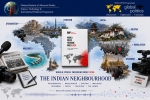
Press Freedom in the Indian Neighbourhood
From Afghanistan to Myanmar
|
Global Politics Team
12 June 2026
|
Photo Source: AI generated
Afghanistan and Press Freedom:
Four takeaways on political control, religious restrictions and economic vulnerabilities
Since the Taliban returned to power, Afghanistan’s media has remained under strict political and legal control. Journalists continue to face censorship, economic hardship and security threats.
Siddhi Halyur
Click here to read
Bangladesh and Press Freedom:
Four Takeaways on Digital security laws, Political polarisation, Journalist safety, and Media vulnerability
Among the newspapers, Bengali-language newspapers are the most popular among the population. A majority of the urban youth and politically active audiences are active on social media.
Nithin V
Click here to read
Bhutan and Press Freedom:
Four takeaways on Regulatory control, Economic fragility, and Social constraints
Both state-owned and private outlets dominate the flow of information to the public, with the Bhutan Broadcasting Service and Kuensel leading the way. Private houses such as The Bhutanese and Bhutan Times operate within limits.
Glynnis Winona B
Click here to read
Maldives and Press Freedom:
Four takeaways on the influence of democracy, legislation, and state funding
In Maldives, press freedom remains fragile and heavily shaped by political power and restrictive laws. While constitutional provisions protect journalists, they still face intimidation and censorship.
Aishal Hab Yousuf
Click here to read
Myanmar and Press Freedom:
Four Takeaways on Legal repression, Institutional collapse, Violence, and Digital control
Before the coup, Myanmar had witnessed a growing independent media sector with outlets such as Mizzima, Democratic Voice of Burma, and Myanmar Now. These organizations played a major role in political reporting, but the coup has led to their shutdown.
Glynnis Winona B
Click here to read
Nepal and Press Freedom:
Three takeaways on Political constraints, Missing legal protection and Funding issues
Nepal’s constitution states that the country ensures “full freedom of the press” in its preamble. However, in practice, the country does not offer the same. Political influence is one of the primary reasons for restricted media independence.
Siddhi Halyur
Click here to read
Pakistan and Press Freedom:
Four takeaways Military influence, cyber laws, political instability, and youth-driven digital journalism
Though Pakistan has improved its 2025 position from 158, it does not indicate positive conditions for press freedom in the country. Digital journalism through social media platforms and independent online news portals is widely popular among the young.
Nithin V
Click here to read
Sri Lanka and Press Freedom:
Five Takeaways on Political influence, Legal mechanisms to control, Ethnic sensitivities and History of State intimidation
Despite the end of civil war, freedom of the press is still encumbered by challenges, including political pressure on state and private media, ethnic and religious sensitivities, and the long history of state intimidation.
Aishal Hab Yousuf
Click here to read

